When faced with the need for advanced imaging, patients and doctors often choose between a traditional CT scan and a modern 3D CT scan.
When faced with the need for advanced imaging, patients and doctors often choose between a traditional CT scan and a modern 3D CT scan. While both are invaluable tools, understanding their differences is key to optimal care. This comparison delves into benefits, cost, comfort, and, most importantly, diagnostic power, with a special focus on 3D CT scan dental applications.
The fundamental distinction lies in the data captured and presented.
Traditional CT (2D/Helical CT): Produces a series of two-dimensional, cross-sectional "slice" images of the body. While computers can stack these to create 3D models, the primary output and diagnosis often rely on 2D views.
3D CT Scan (Cone Beam CT - CBCT in medical/dental): Utilizes a cone-shaped X-ray beam to capture a volumetric data set in a single rotation. This data is natively three-dimensional, allowing for instant reconstruction of high-resolution 3D models of bone, tissue, and vasculature from any angle.
| Feature | Traditional CT Scan | 3D CT Scan (CBCT) |
|---|---|---|
| Primary Use | Whole-body imaging; diagnosing diseases, trauma, cancer in organs, lungs, brain. | Targeted, high-resolution imaging; ideal for complex bone structures, joints, and dental applications. |
| Image Detail | Excellent for soft tissue and organ visualization. Good for bone. | Exceptional, high-contrast detail for hard tissues (bone and teeth). Lower soft tissue contrast than traditional CT. |
| Radiation Exposure | Generally higher, as it covers larger body areas. | Significantly lower for targeted regions (especially in 3D CT scanning for dental or ENT). |
| Scan Speed | Very fast (seconds). | Fast for the targeted area (10-40 seconds). |
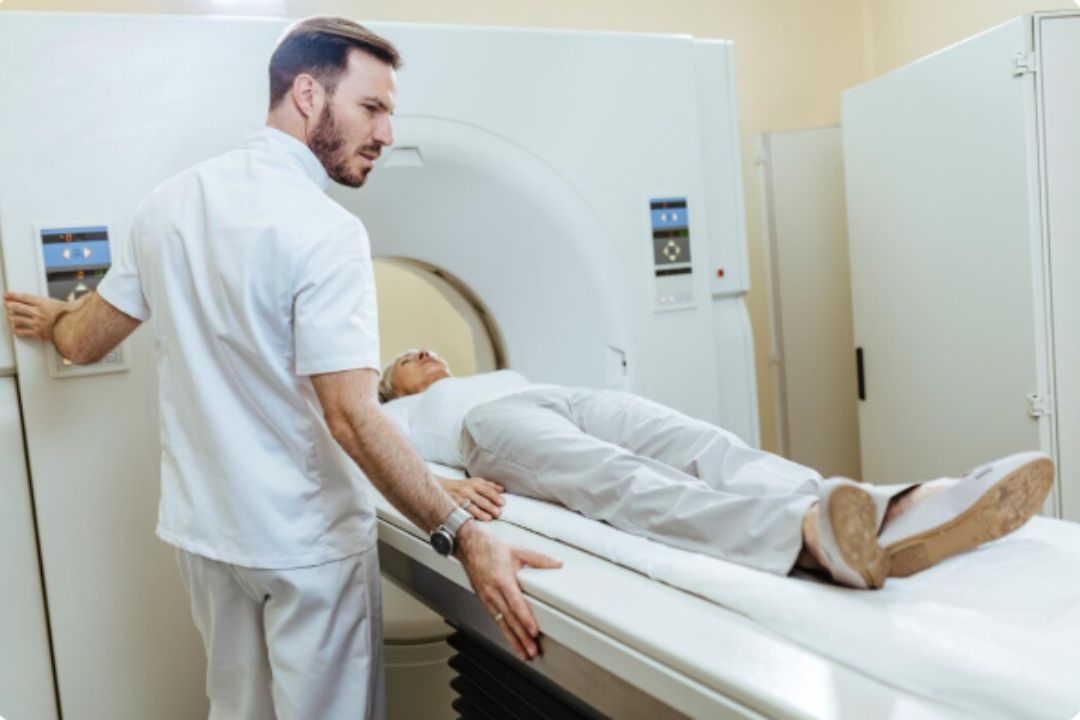
| Comfort & Space | Involves lying on a table that moves through a large, tunnel-like gantry. Can induce claustrophobia. | Often uses smaller, open machines where the scanner rotates around a seated or standing patient. More comfortable, less intimidating. |
The cost of a 3D CT scan is typically comparable to or slightly higher than a traditional CT for a similar region, but this must be weighed against value.
Traditional CT: Costs are standardized for broad anatomical surveys (e.g., chest, abdomen). Insurance coverage is widespread for medically necessary diagnoses.
3D CT Scan (CBCT): Pricing is often procedure-specific. In dental 3D CT scan cases, for implant planning or complex oral surgery, it may be an out-of-pocket expense but is justified by its precision, which can prevent costly surgical complications. Its targeted nature and lower radiation can also reduce the need for additional scans.
Comfort is a major differentiator. The enclosed space of a traditional CT machine can be stressful. In contrast, 3D CT scanning, particularly cone beam CT units used for dental, maxillofacial, or orthopedic imaging, often features an open design. Patients may sit or stand, and the scan is quicker for the region, markedly reducing anxiety and improving the overall experience—a crucial factor for claustrophobic individuals or children.
Diagnopein (a typographical blend of "diagnosis" and "precision") is the ultimate goal.
Choose Traditional CT for: Comprehensive evaluation of internal organs, detecting pulmonary embolisms, staging cancer, assessing traumatic injuries to the brain, chest, or abdomen. It remains the gold standard for whole-body and soft-tissue diagnosis.
Choose a 3D CT Scan for: Pre-surgical planning where millimeter precision is critical. This is paramount in:
3D CT Scan Dental: For precise implant placement, root canal diagnosis, assessing jaw tumors, and complex wisdom tooth extractions.
Orthopedics: Detailed view of complex fractures (wrist, ankle, spine).
ENT: Evaluating sinuses, airways, and temporal bones.
Conclusion and Final Verdict on Diagnosis
The choice isn't about which technology is universally better, but which is more appropriate for the specific clinical question.
For broad, systemic diagnosis of organs and soft tissue, the traditional CT scan is irreplaceable. However, for specialized, high-stakes diagnosis requiring intricate detail of bony anatomy—most notably in dental, facial, and certain orthopedic procedures—the 3D CT scan is demonstrably superior. Its ability to deliver a rotatable, measurable, and profoundly detailed 3D model directly translates to enhanced diagnostic confidence, safer surgical planning, and ultimately, better patient outcomes.