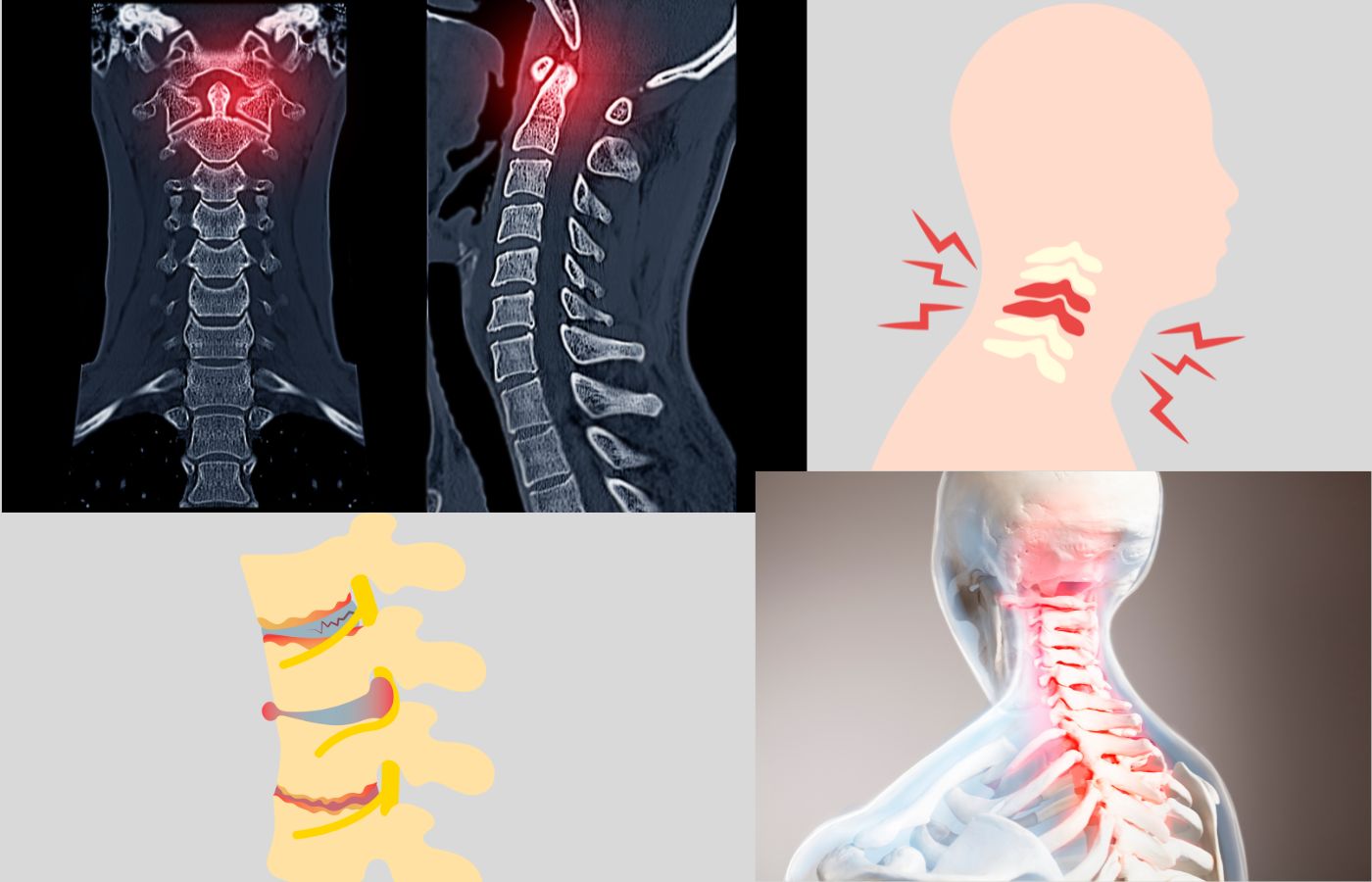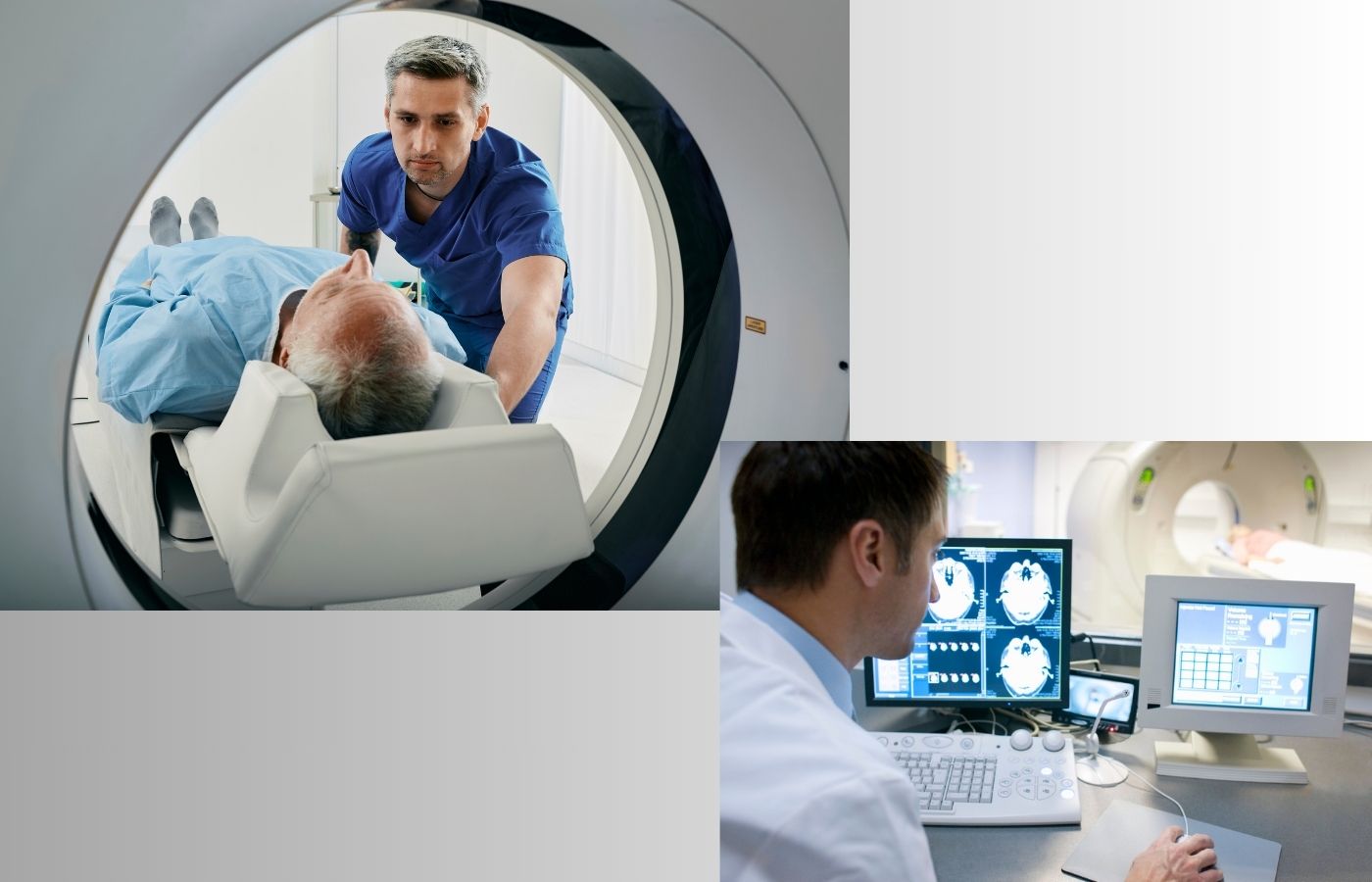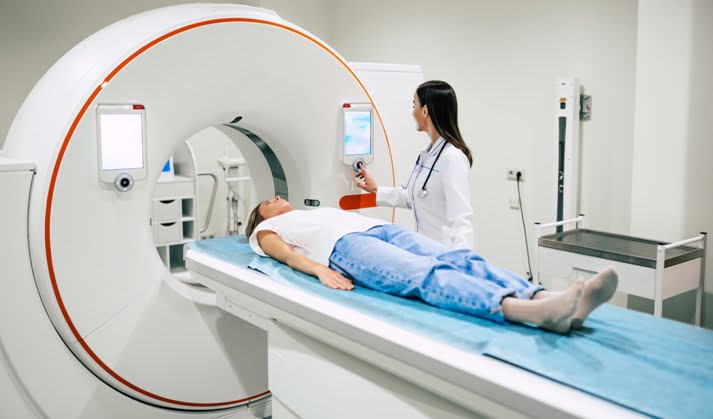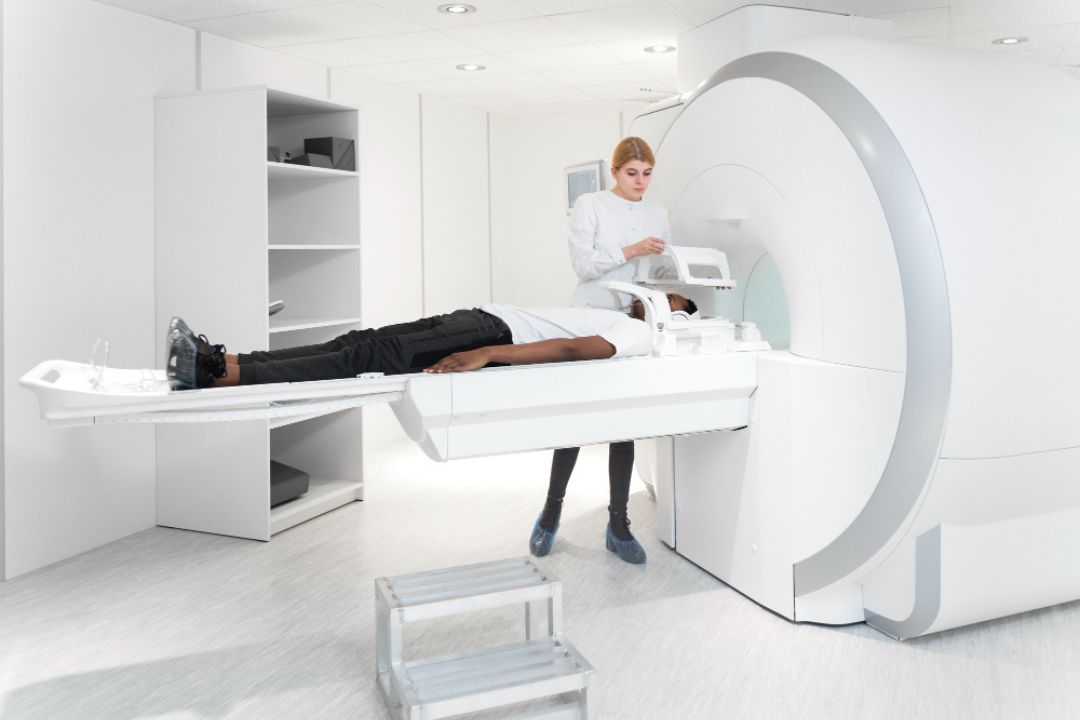
In the world of modern radiology, the humble CT scan has undergone a metamorphosis. Gone are the days of merely producing blurry cross-sectional images. Today, advancements in CT scan technology are revolutionizing diagnostics, offering unprecedented clarity, speed, and safety. At Diagnopein, we bring this cutting-edge diagnostic imaging directly to you, ensuring your health is seen in the brightest, most detailed light possible
CT scan technology has improved significantly in recent years. Modern radiology now offers faster, clearer, and safer imaging than ever before. These advancements help doctors diagnose diseases more accurately and start treatment early.
Visit Now: https://www.diagnopein.com/ct-scan/Pune
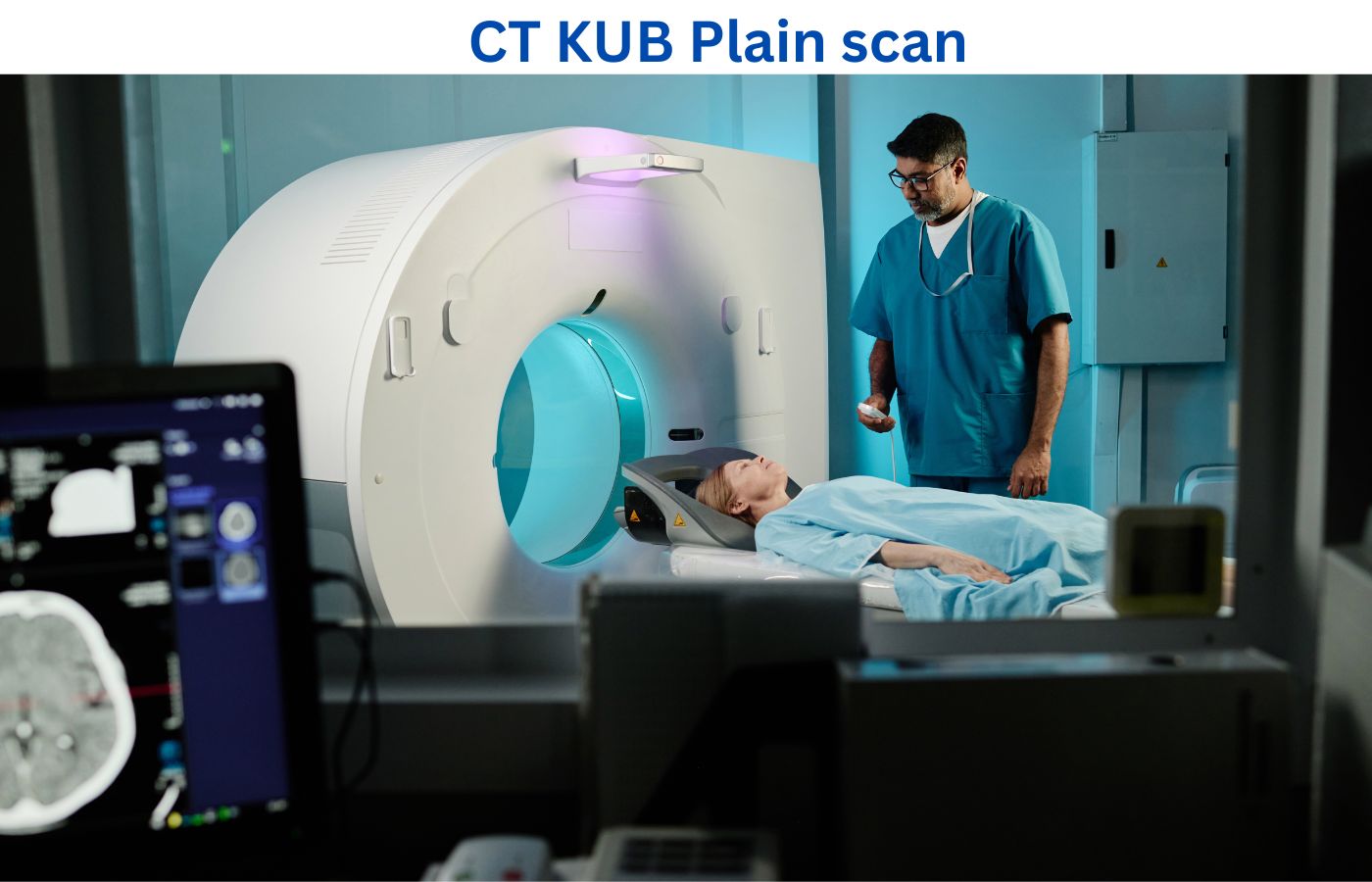
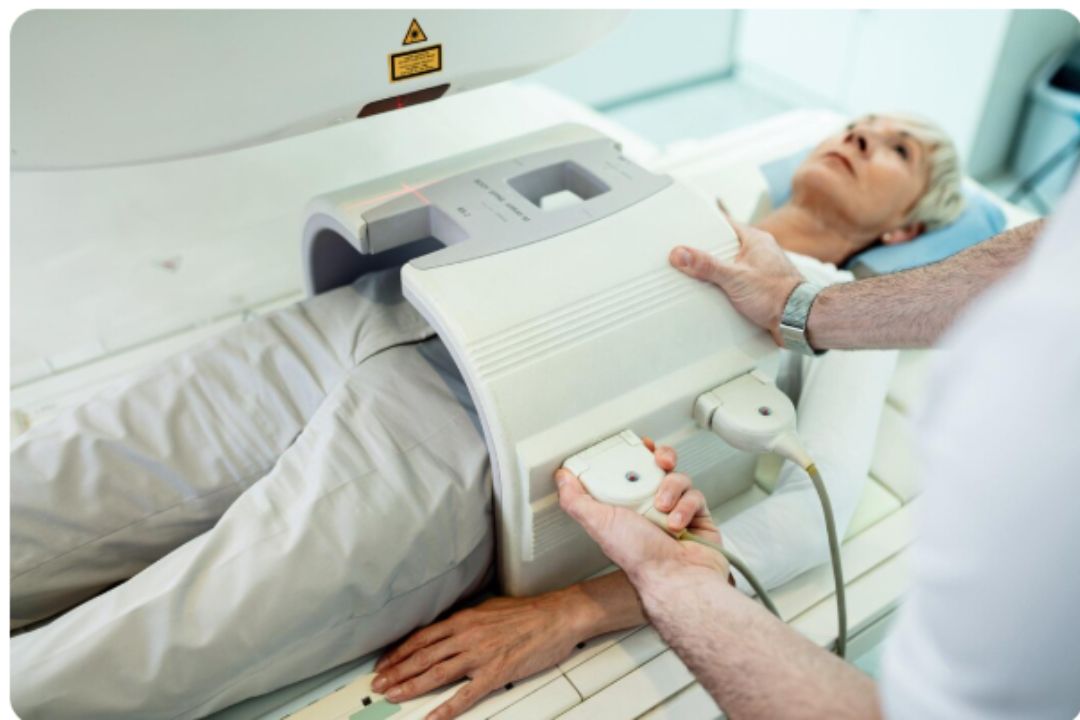
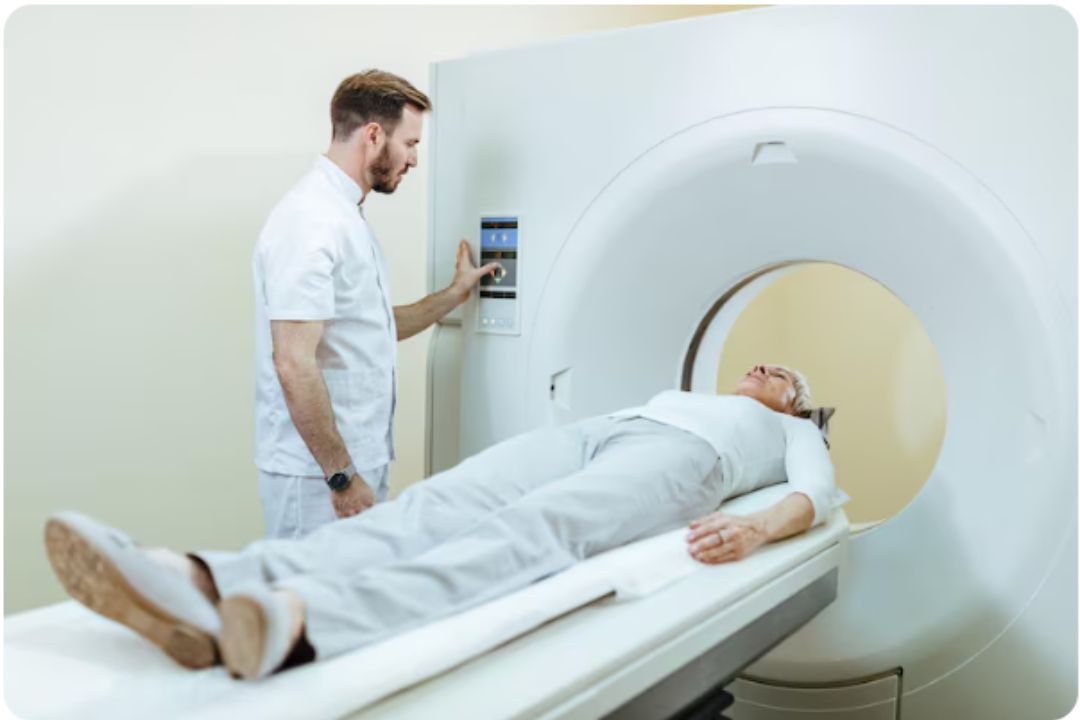
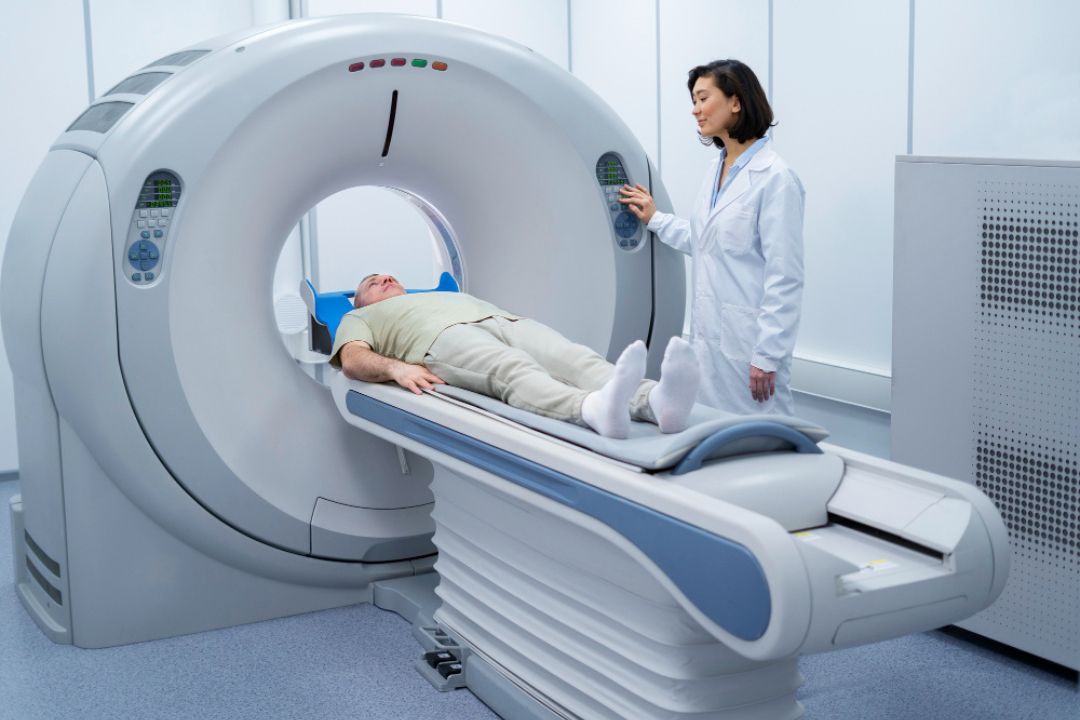
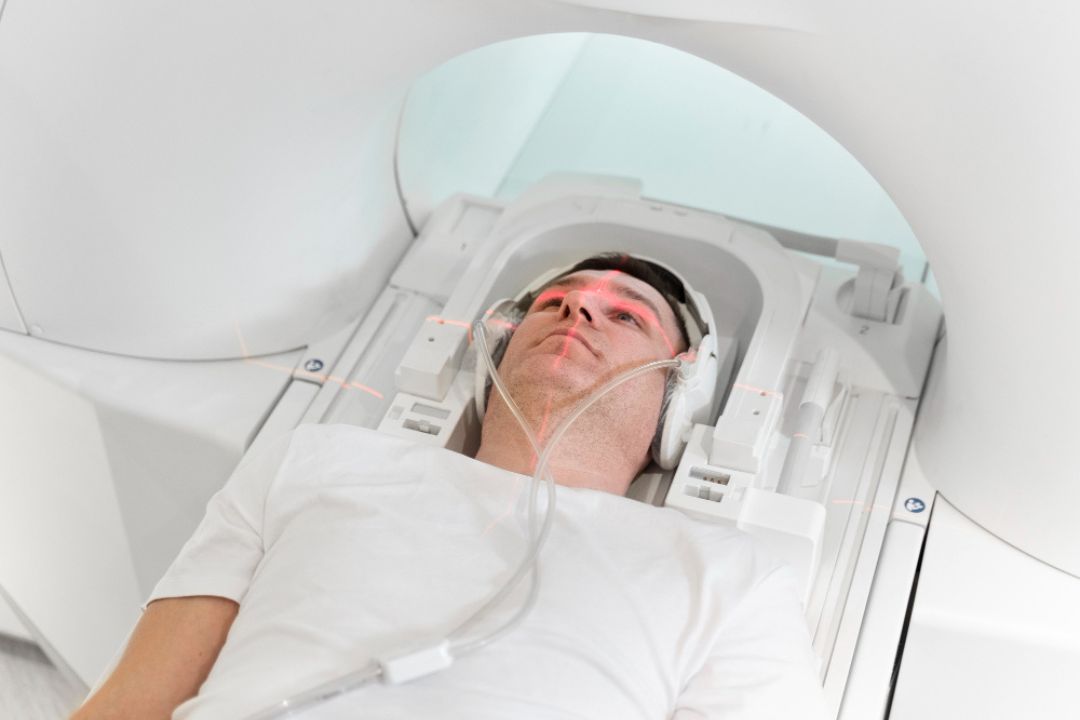
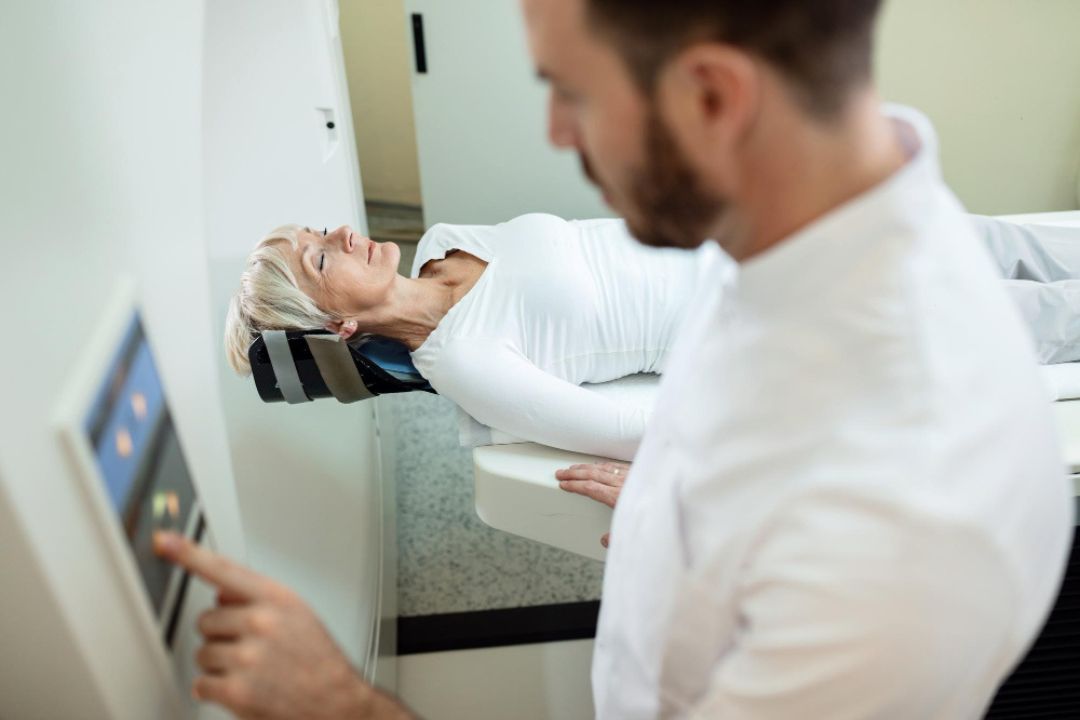
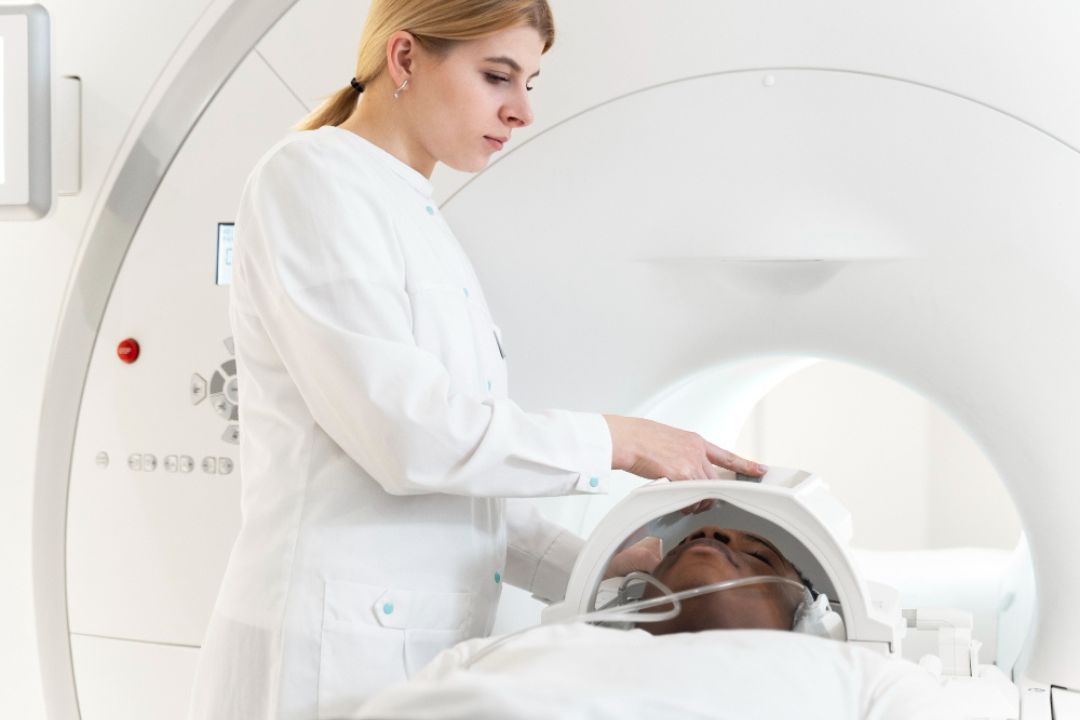
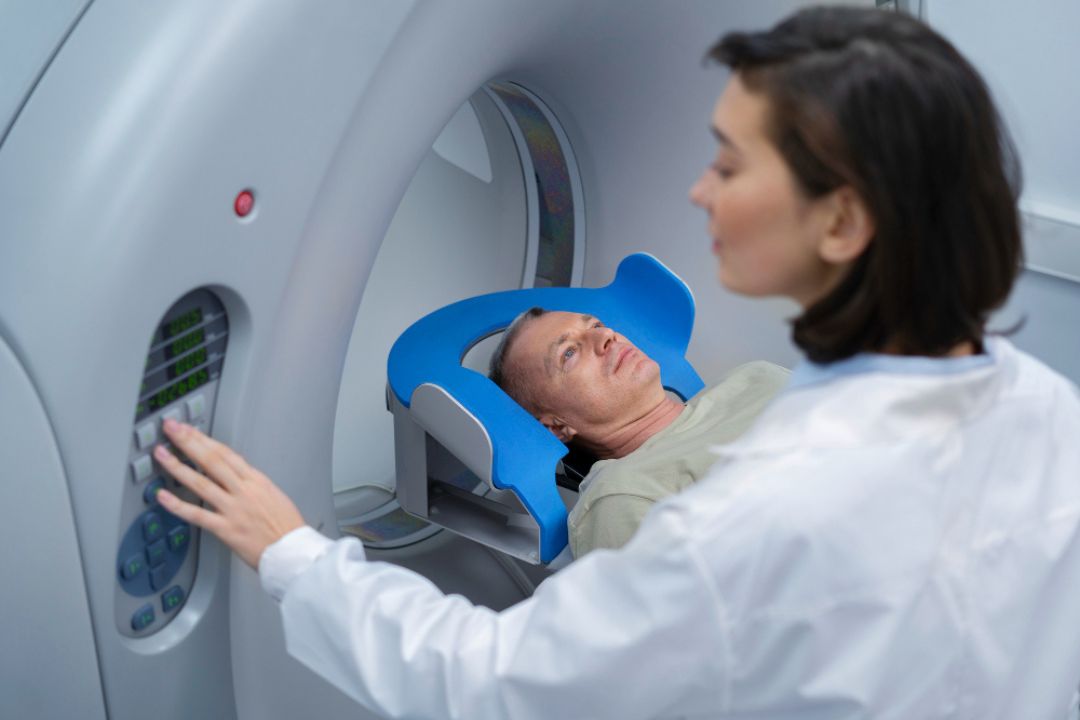
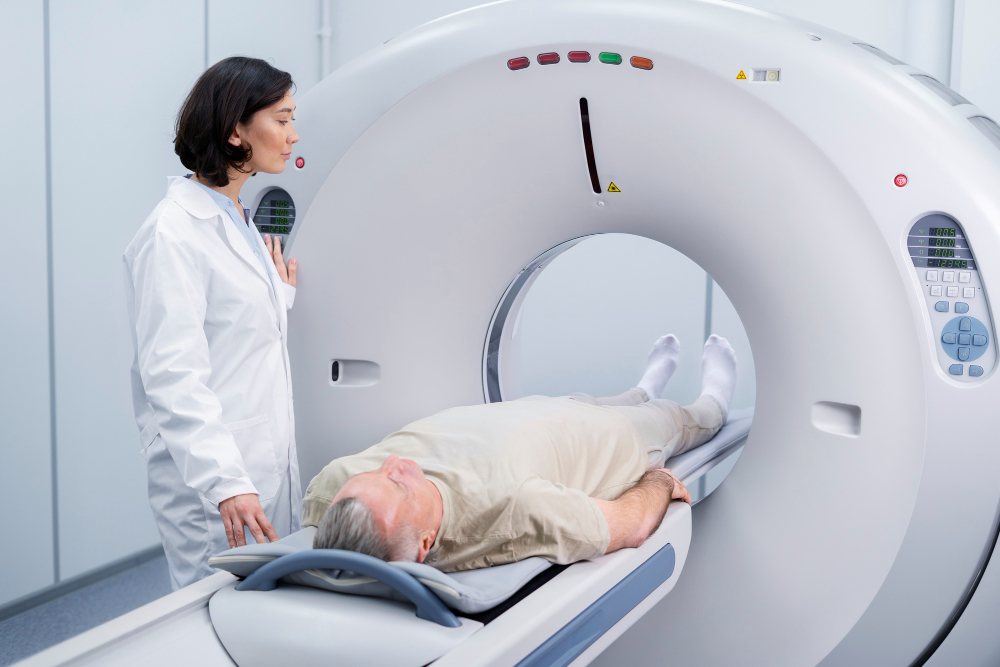
Today’s CT scanners are designed to provide high-quality images while keeping patient comfort and safety in mind.
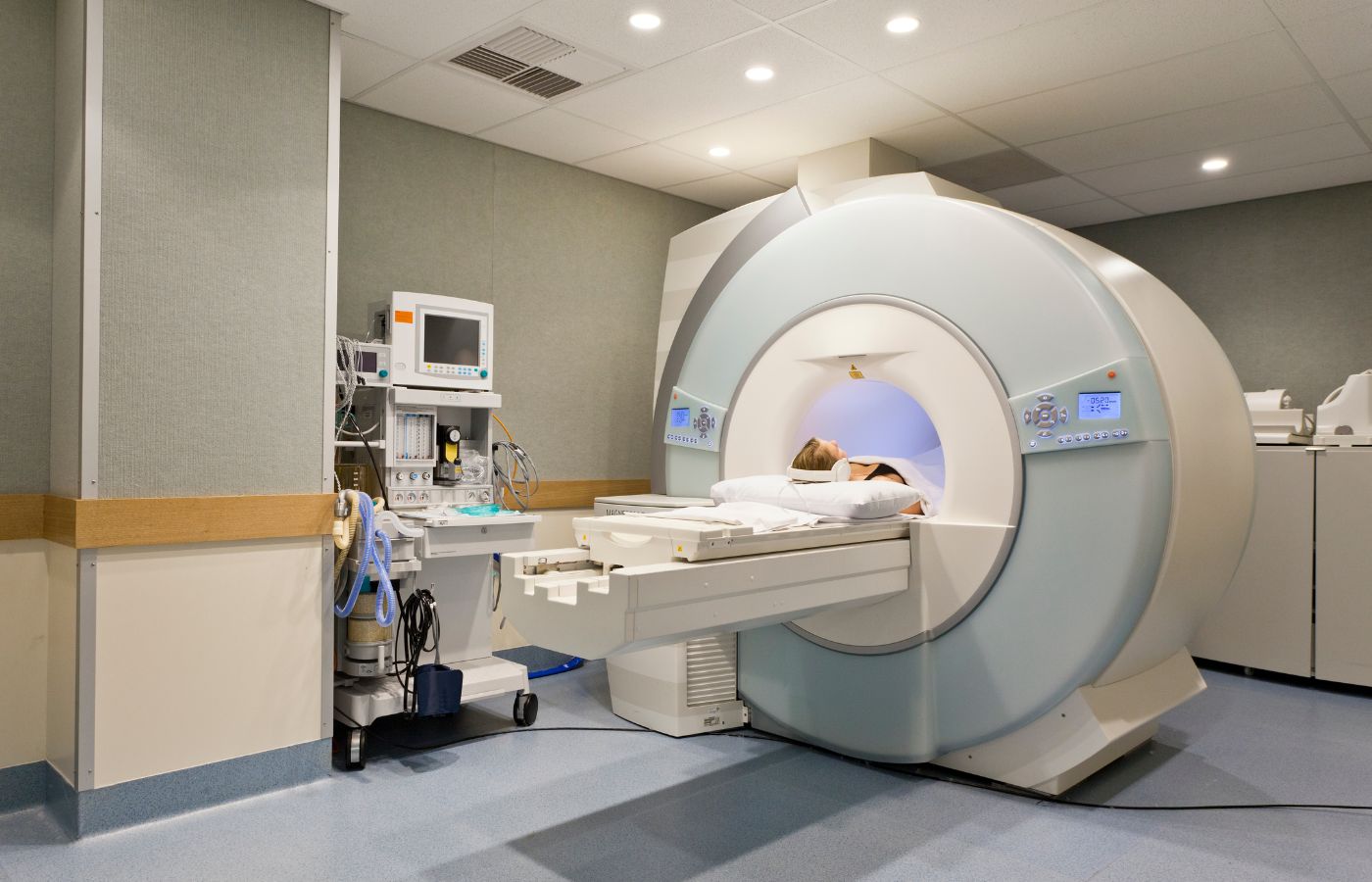
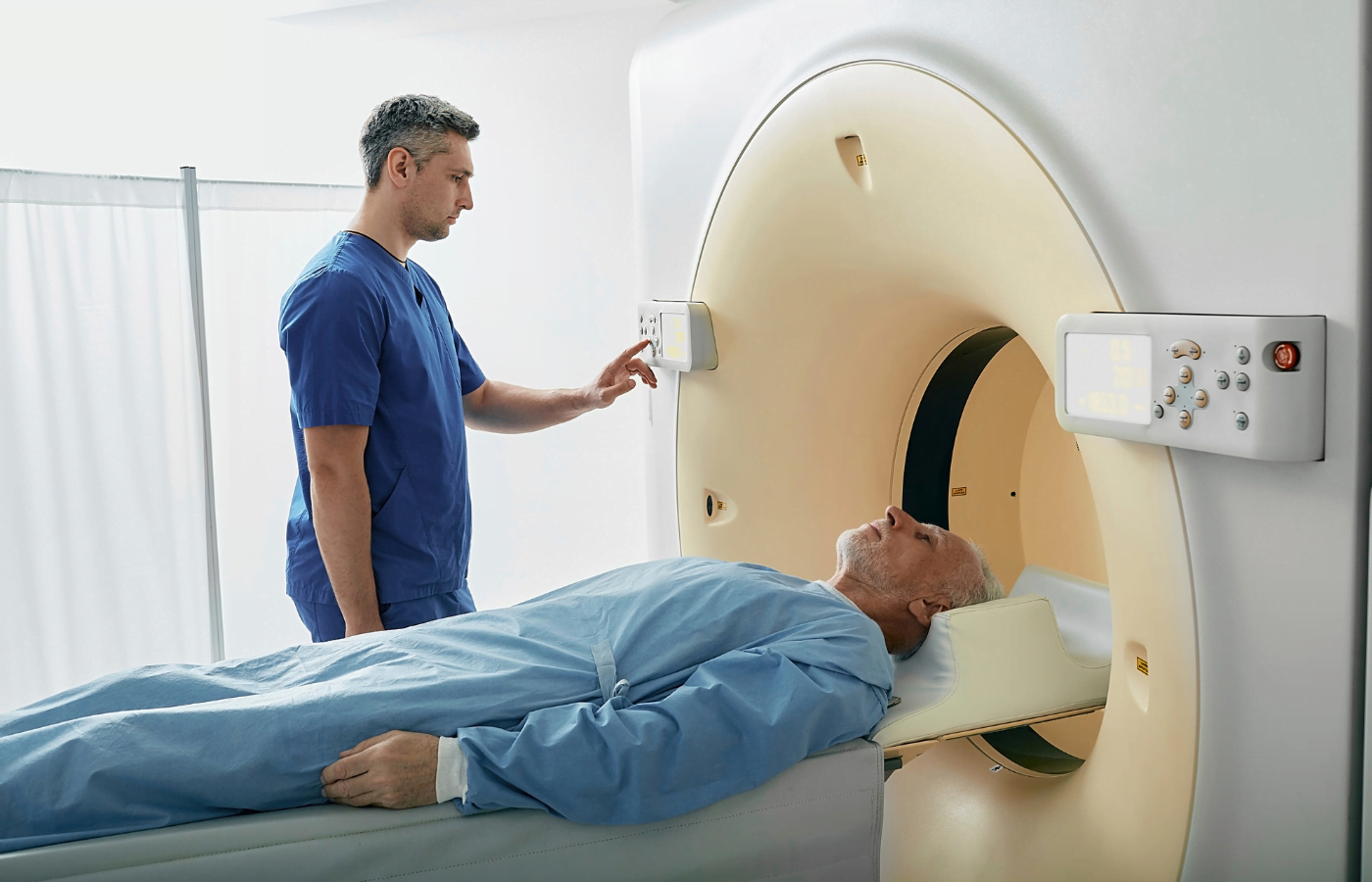
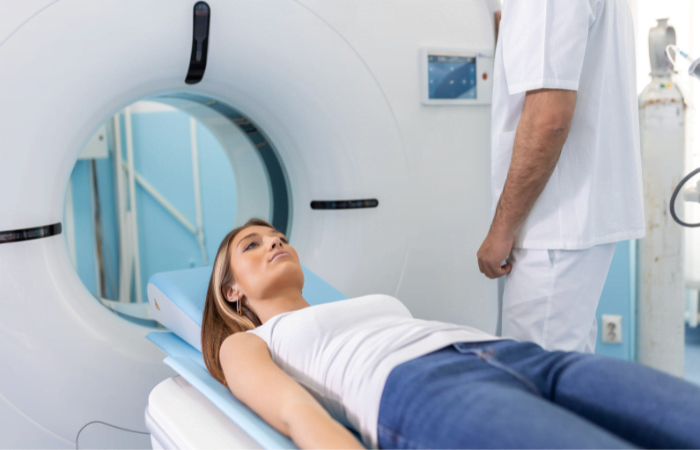
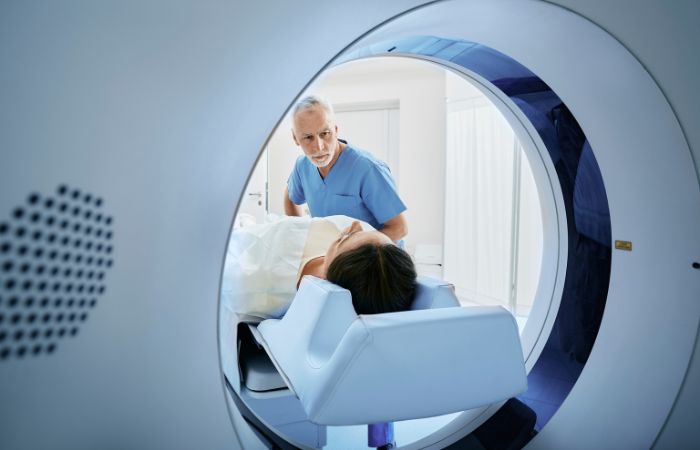
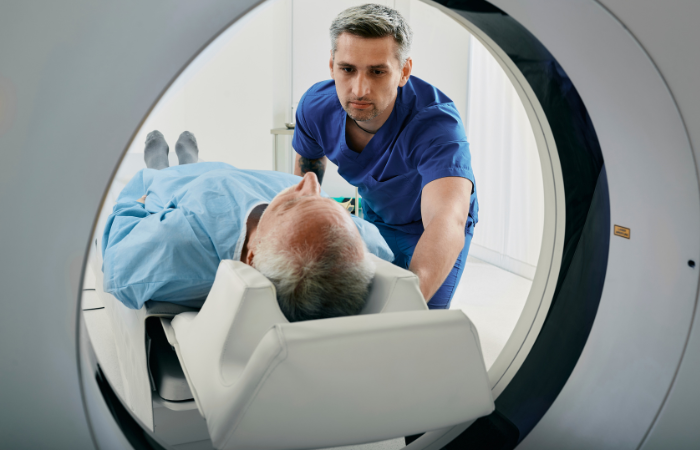
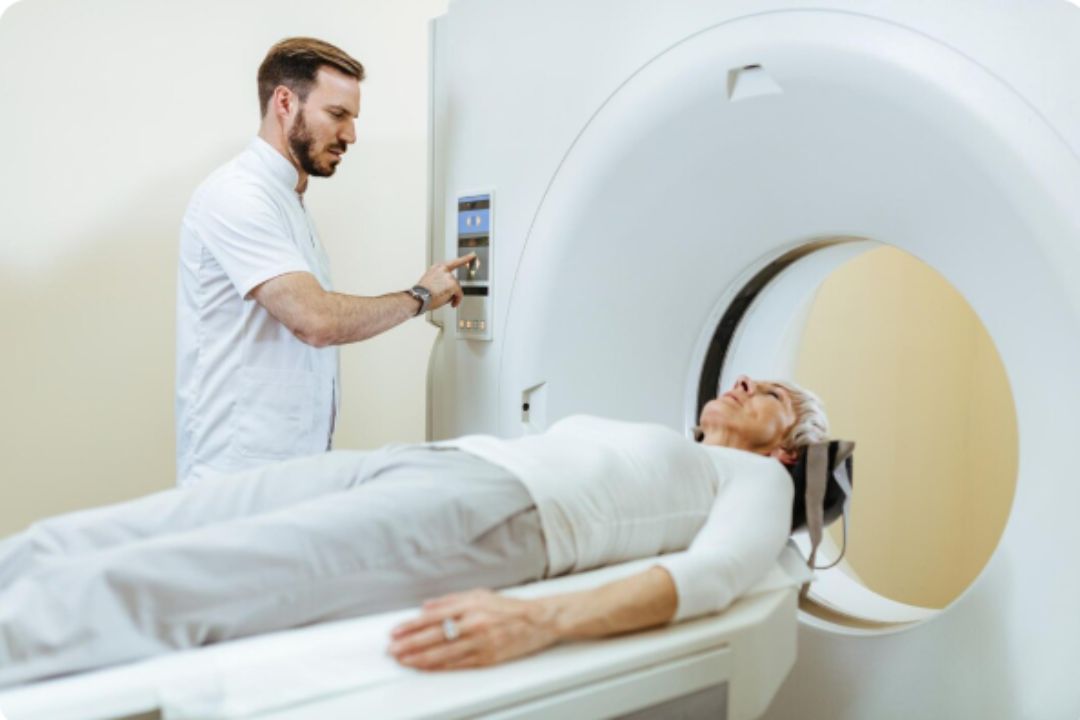
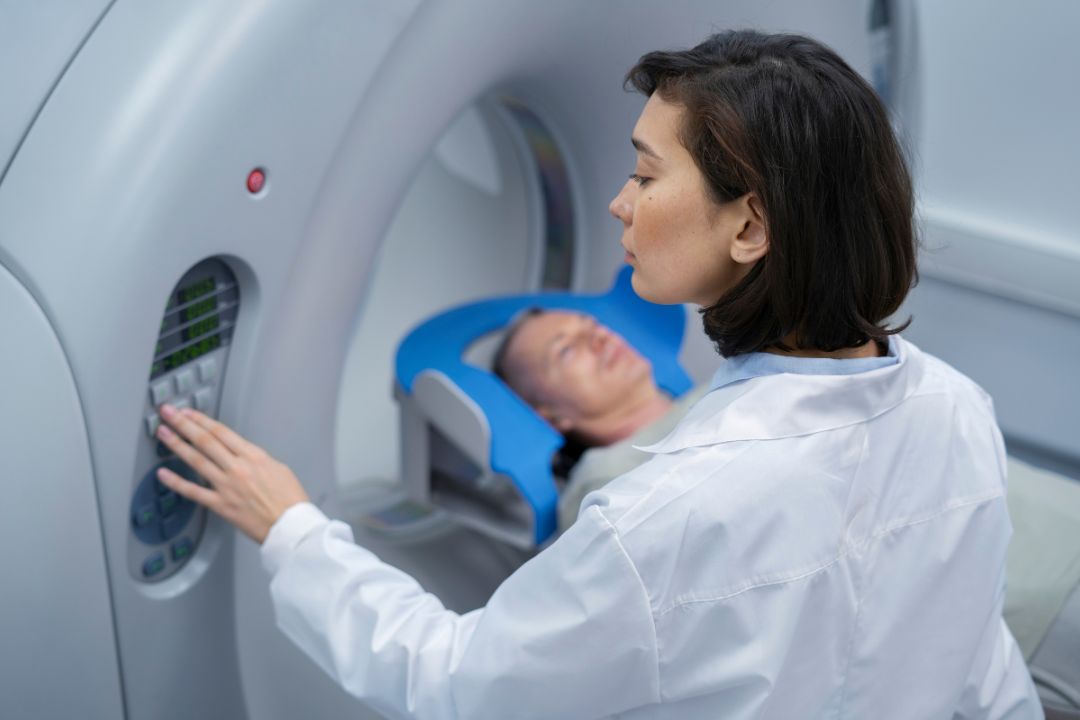
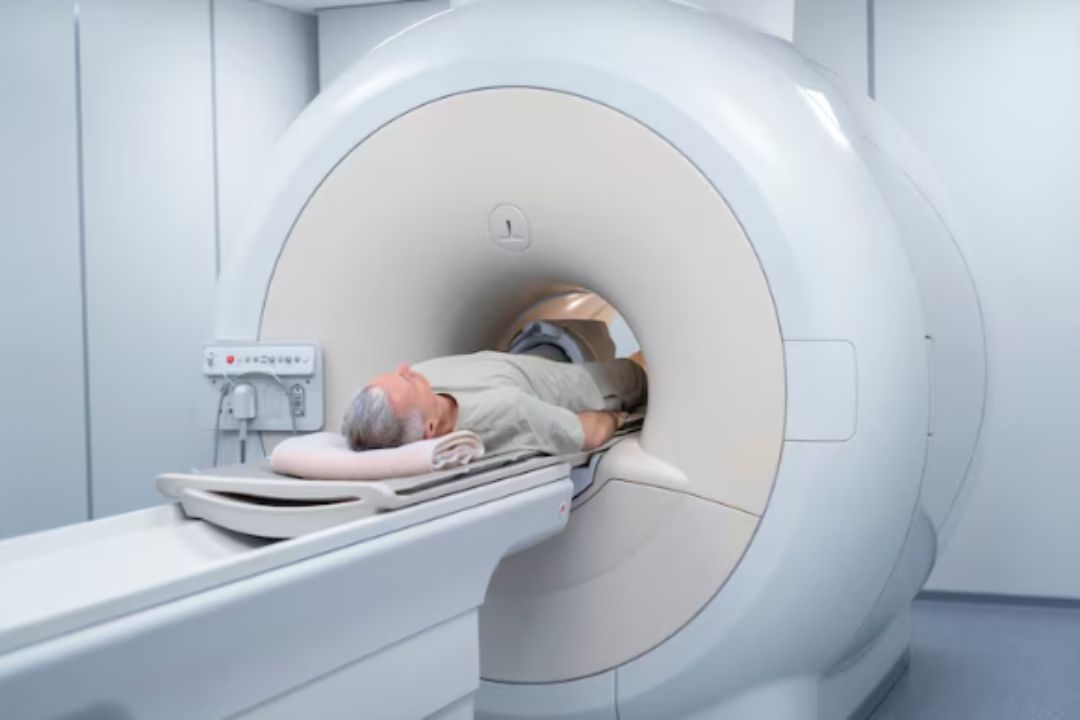
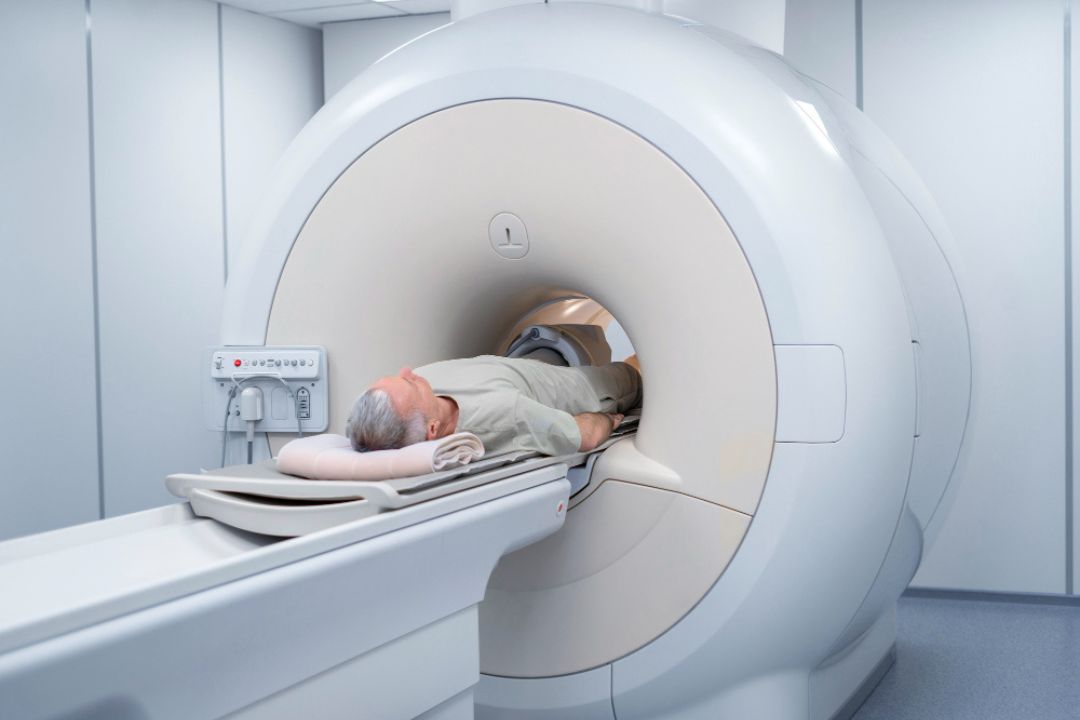
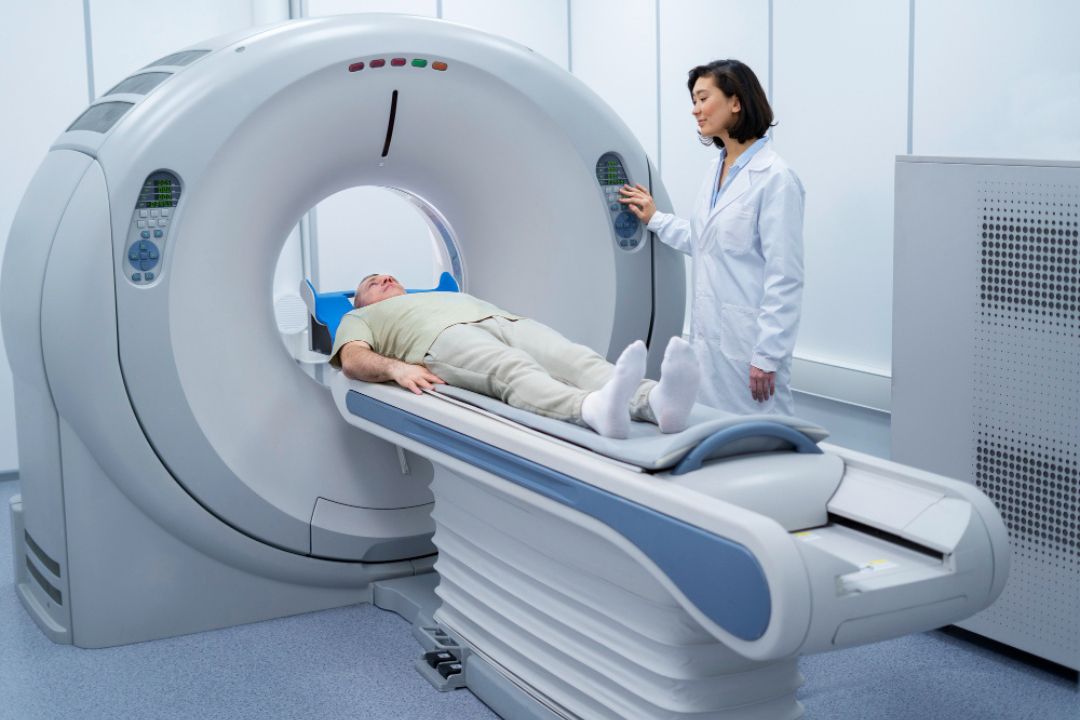
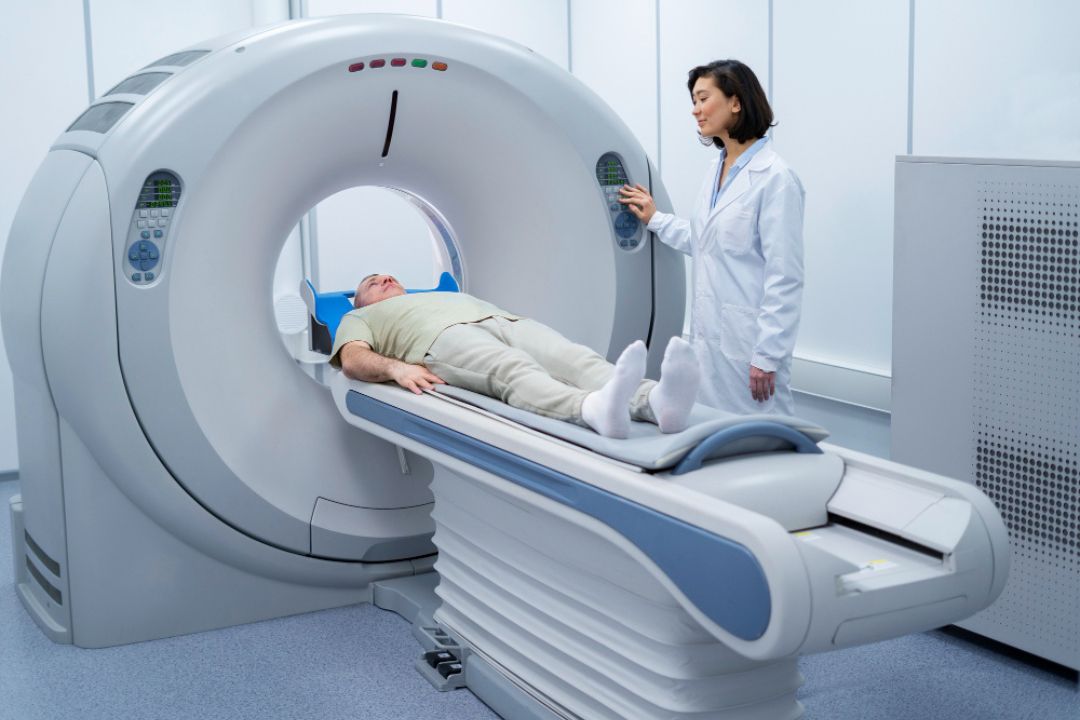
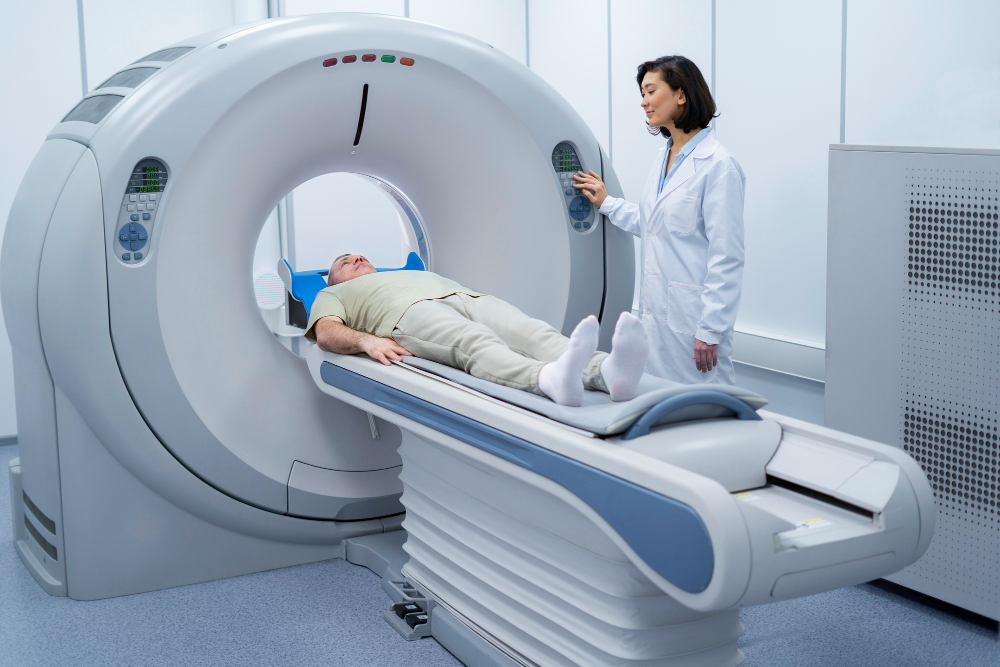
A CT (Computed Tomography) scan is an advanced imaging test. It uses X-rays and computer processing to create detailed cross-sectional images of the body.
Doctors use CT scans to examine:
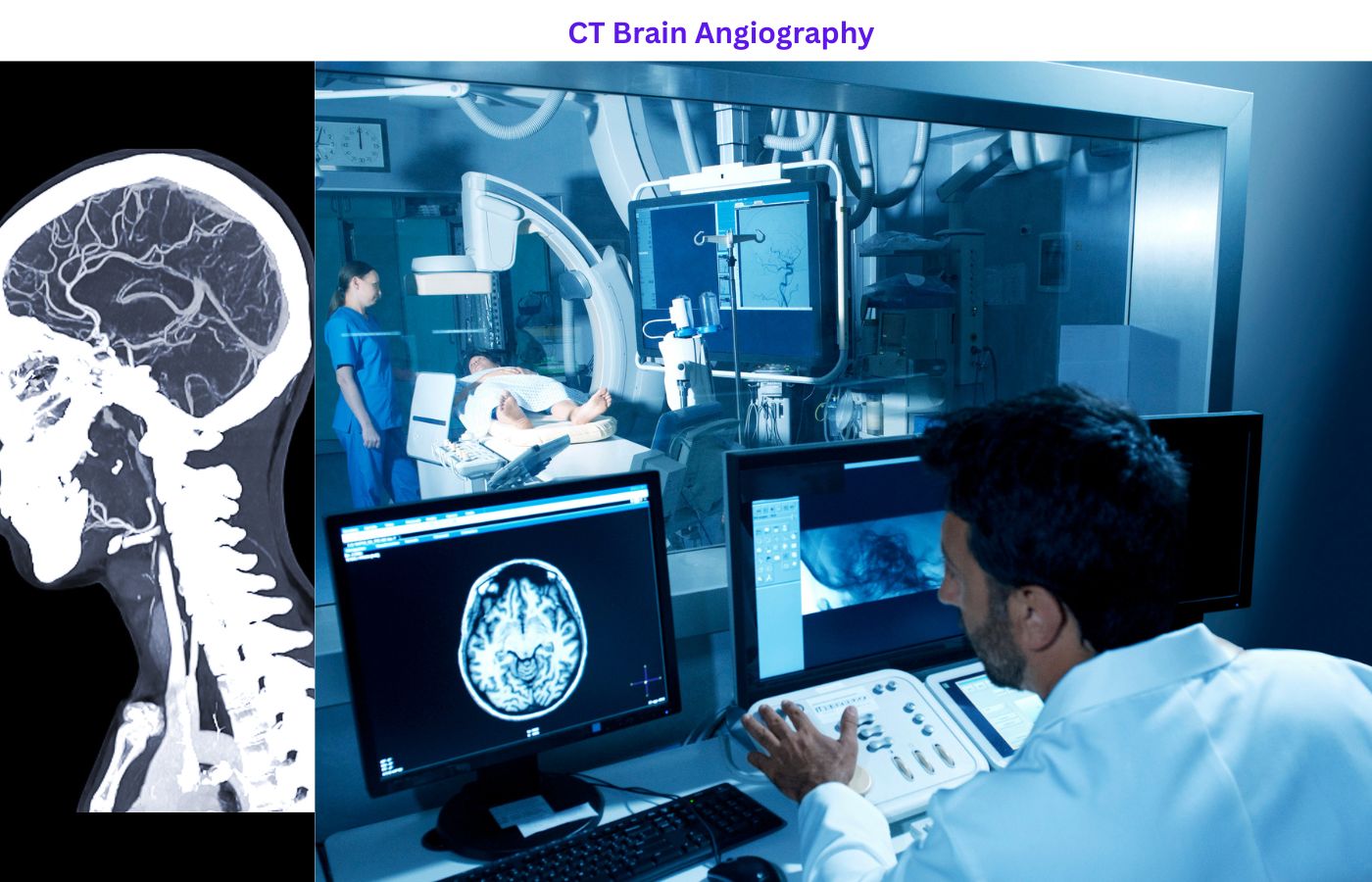
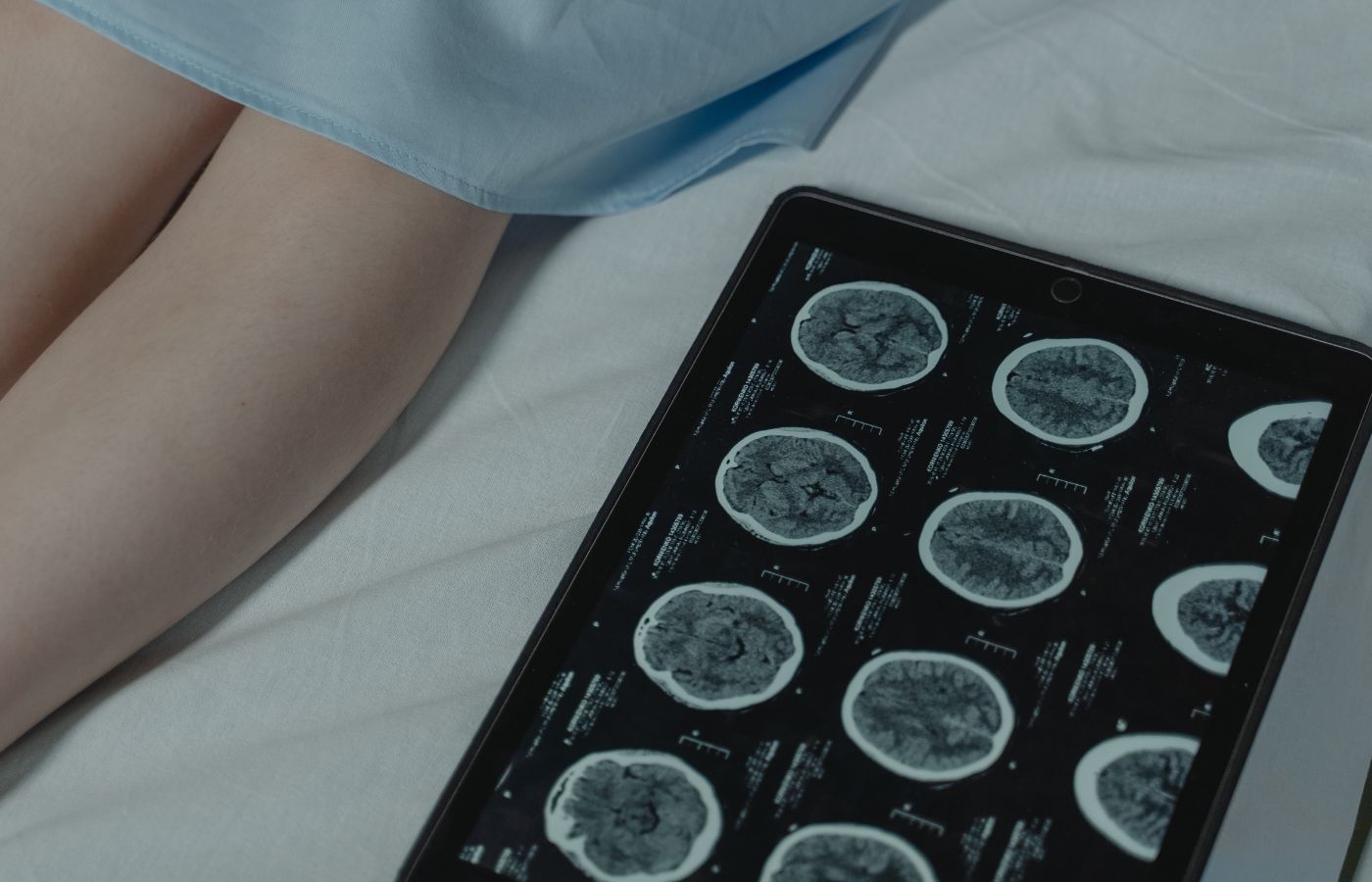
Brain
Chest
Abdomen
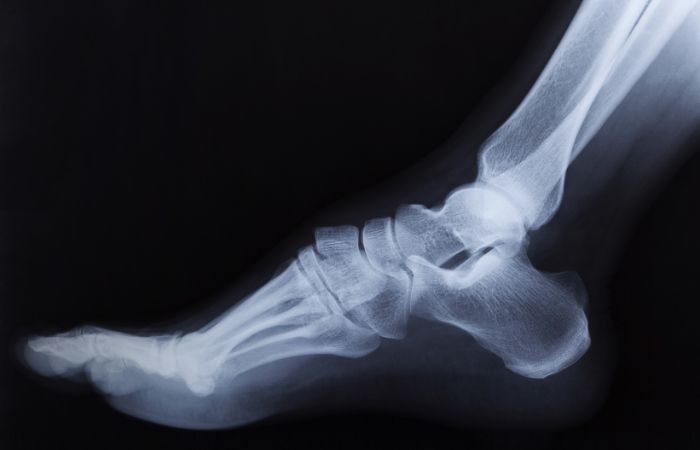
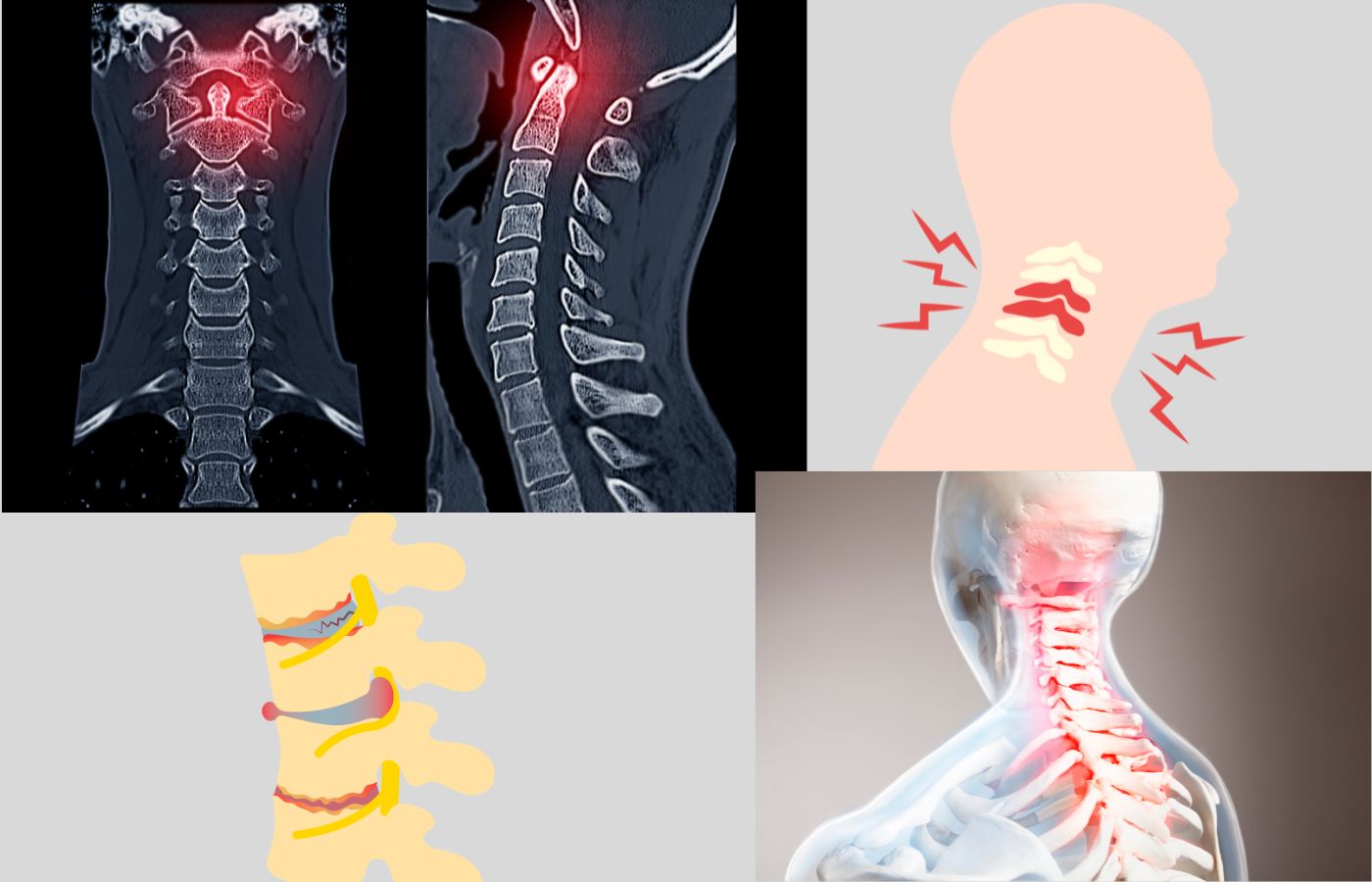
Bones
Blood vessels
Internal organs
Because of continuous innovation, CT scans have become more precise and efficient.
Modern radiology has introduced several important improvements in CT scanning. These innovations have transformed diagnostic imaging.
One of the biggest improvements is speed. New-generation CT scanners can capture images within seconds.
Benefits include:
Reduced scan time
Less patient discomfort
Lower motion blur
Better emergency diagnosis
Faster scans are especially helpful for children and elderly patients.
Earlier CT scans exposed patients to higher radiation. Today, advanced scanners use low-dose technology.
Modern systems help to:
Reduce radiation exposure
Maintain image quality
Improve patient safety
Enable safer repeat scans
This is one of the most important developments in modern radiology.
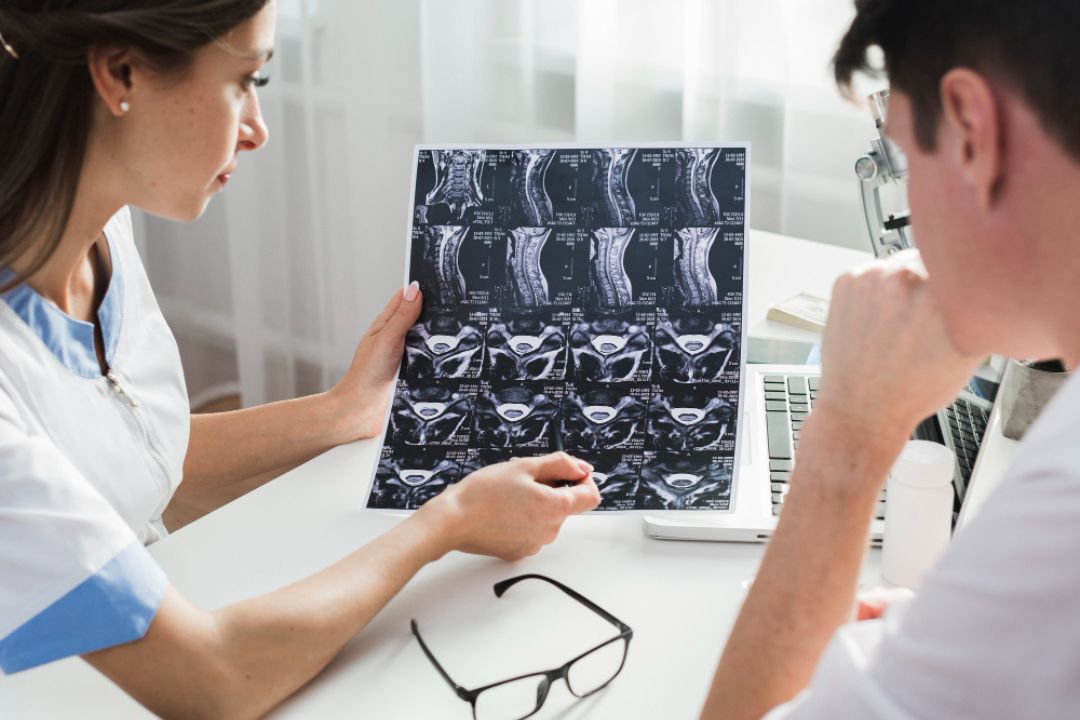
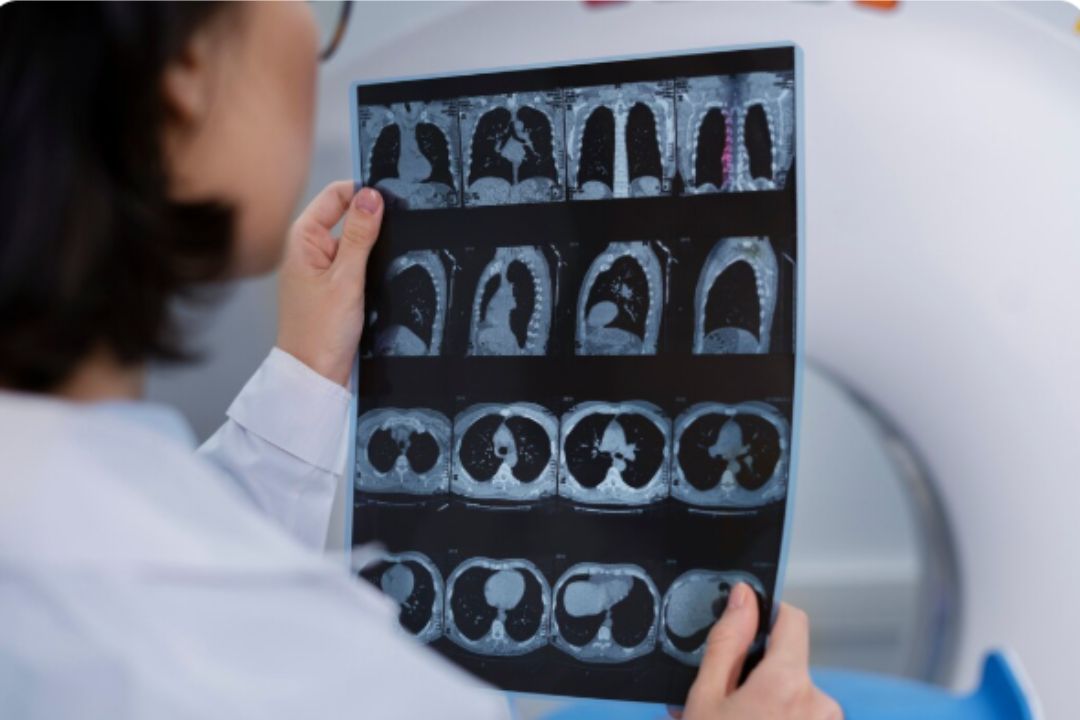
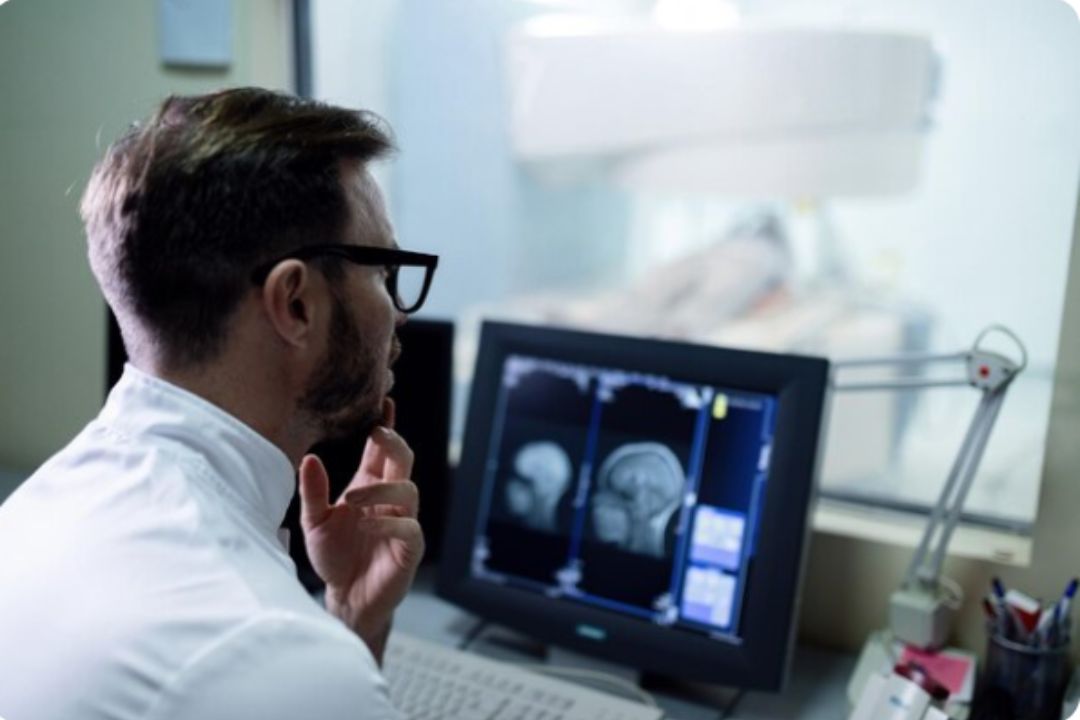
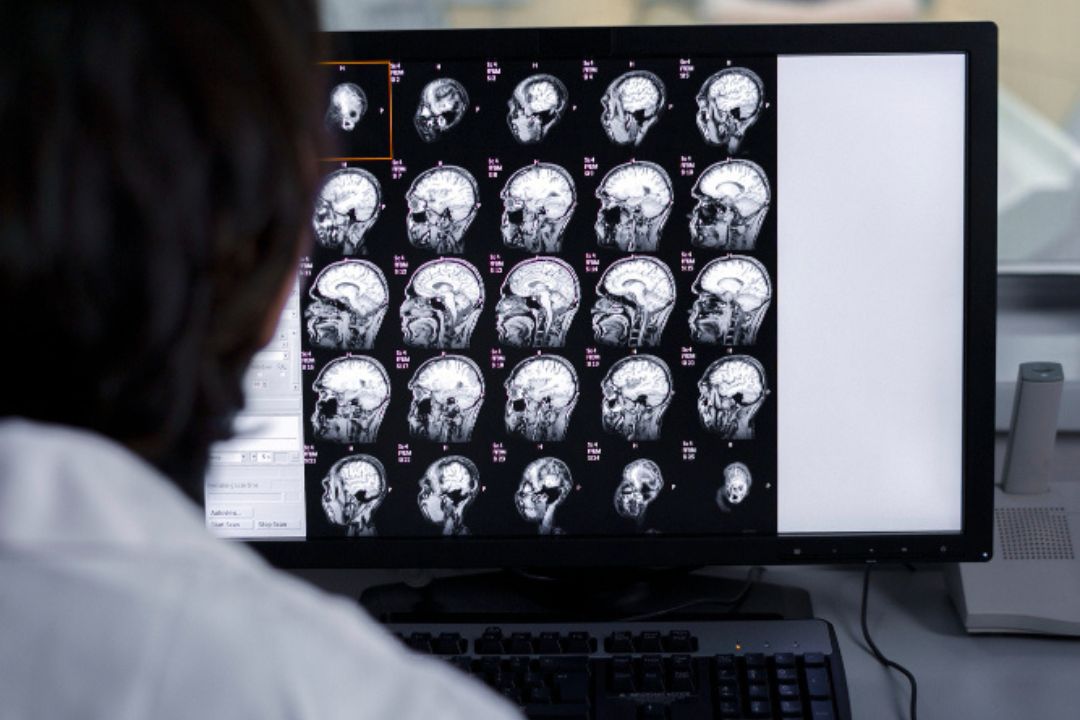
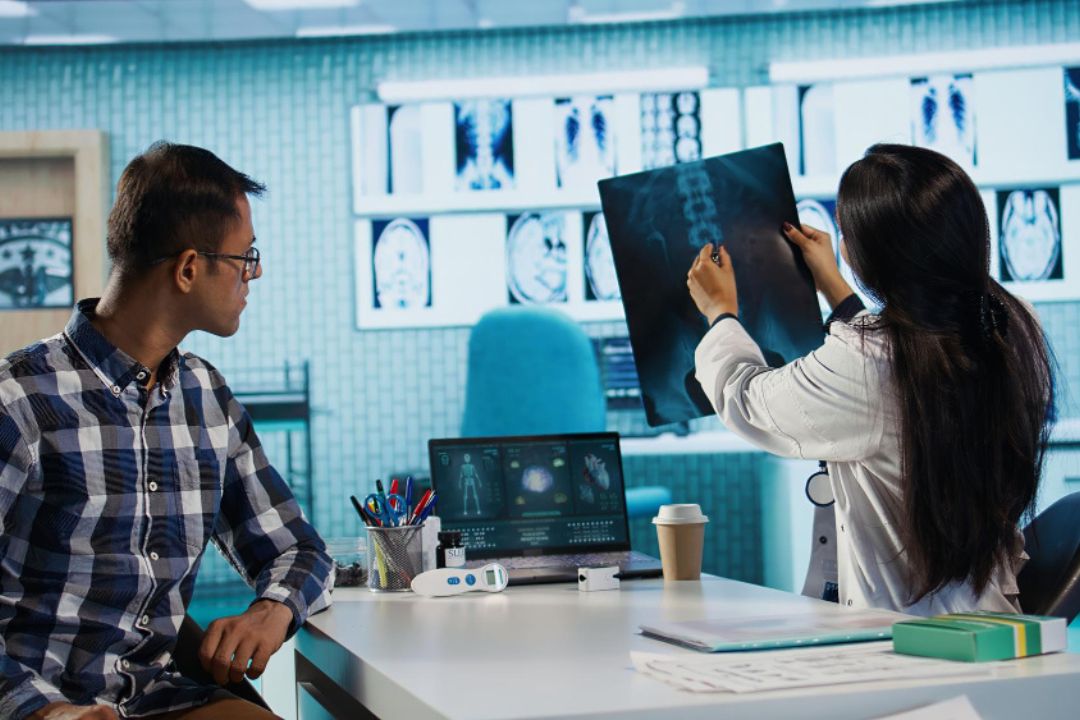
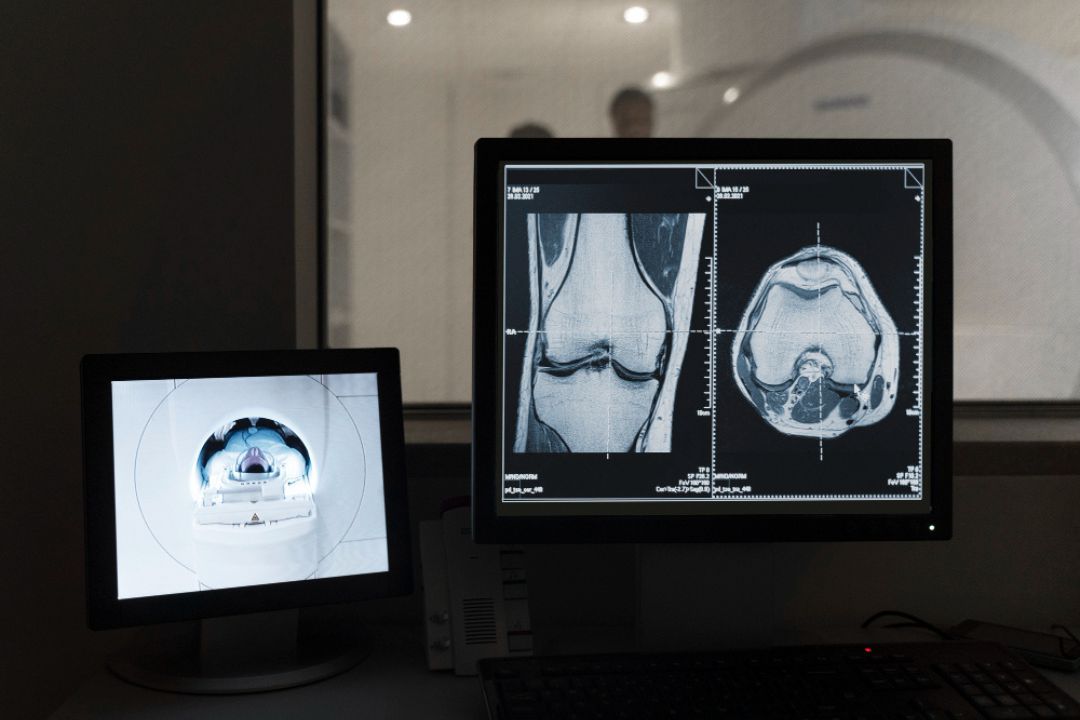
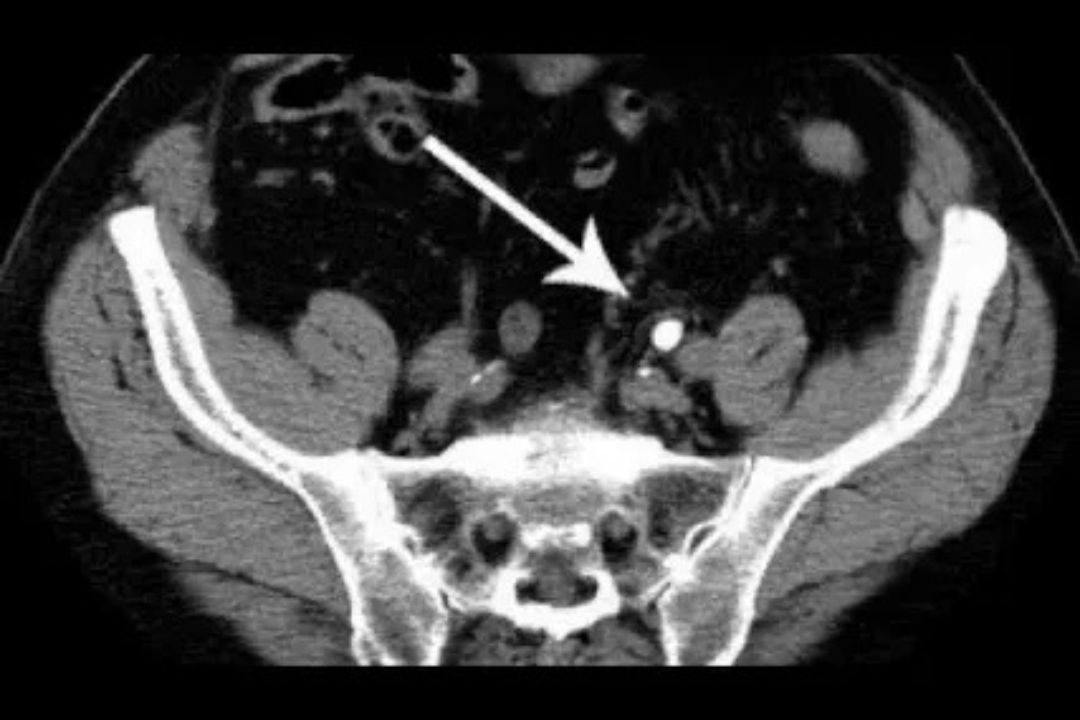
Image clarity has improved dramatically. Advanced detectors and software produce highly detailed images.
Book Now: https://www.diagnopein.com
High-resolution CT helps doctors:
Detect small tumors
Identify infections early
Evaluate lung diseases
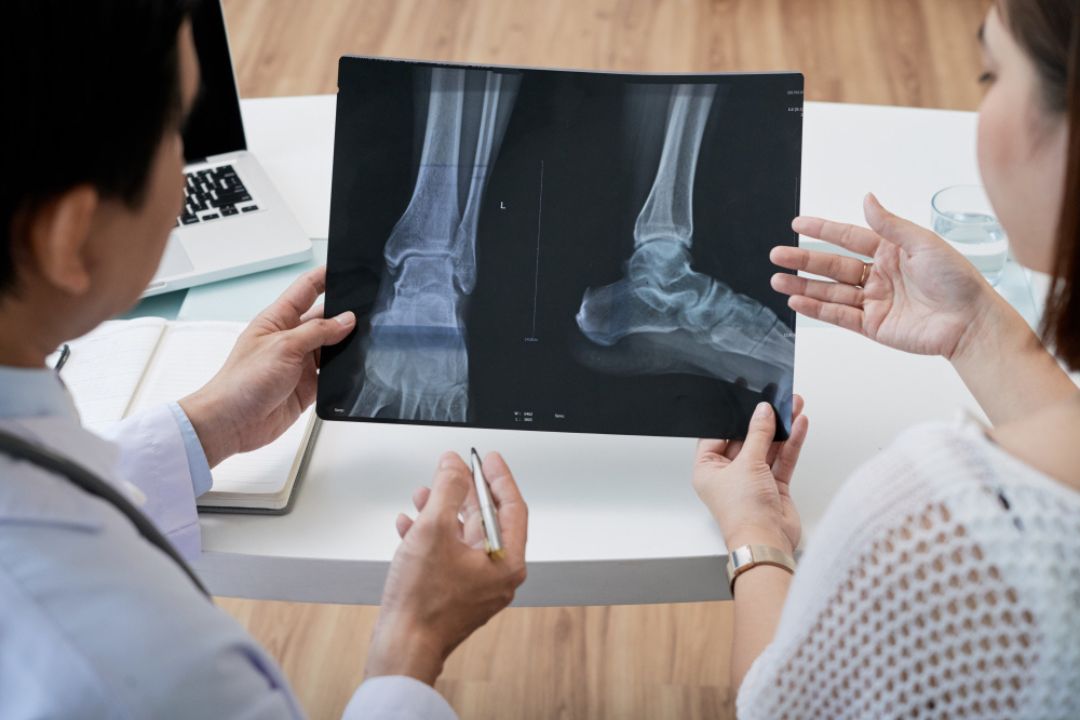
Assess complex fractures
Better clarity leads to more accurate diagnosis.
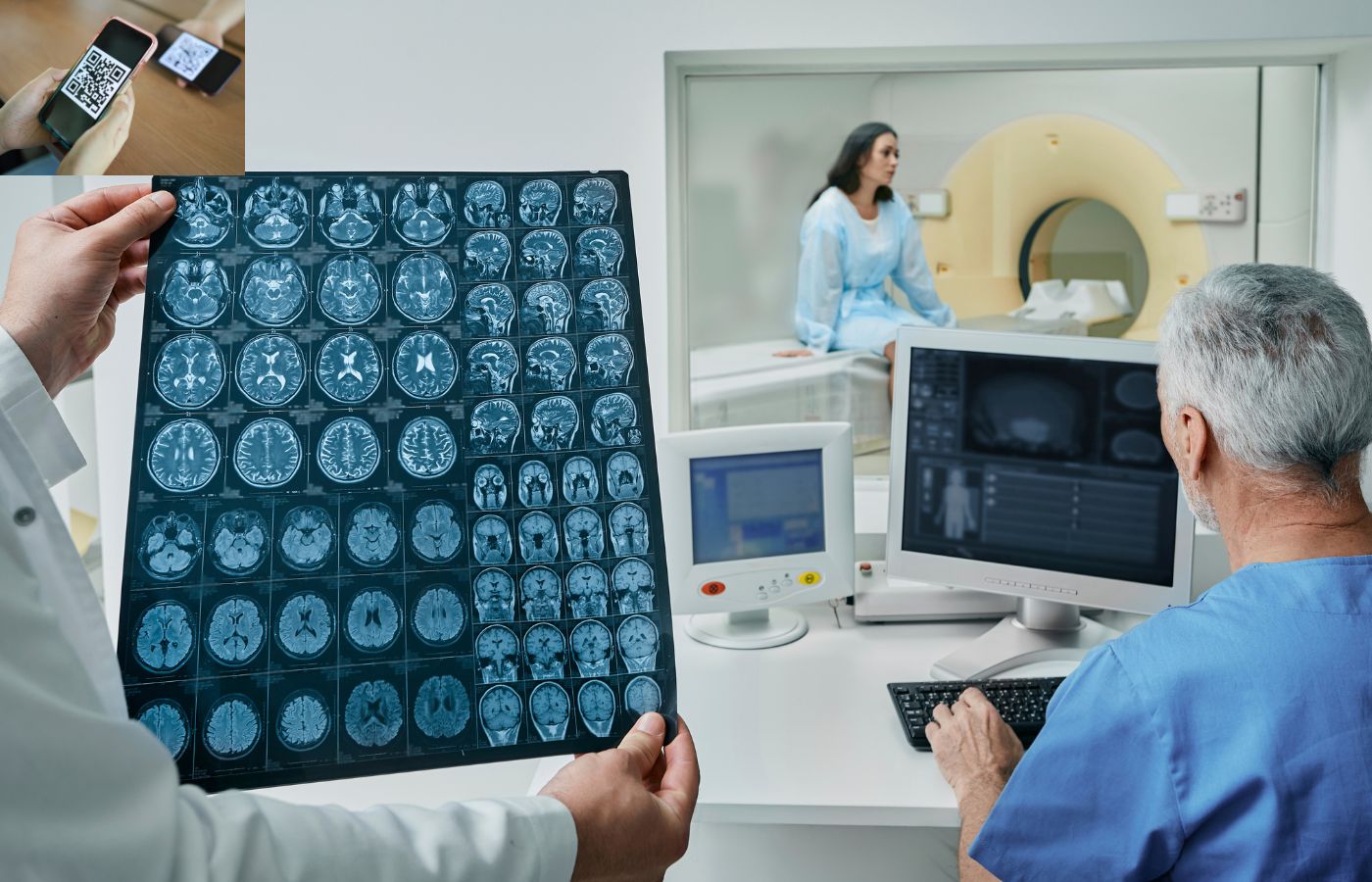
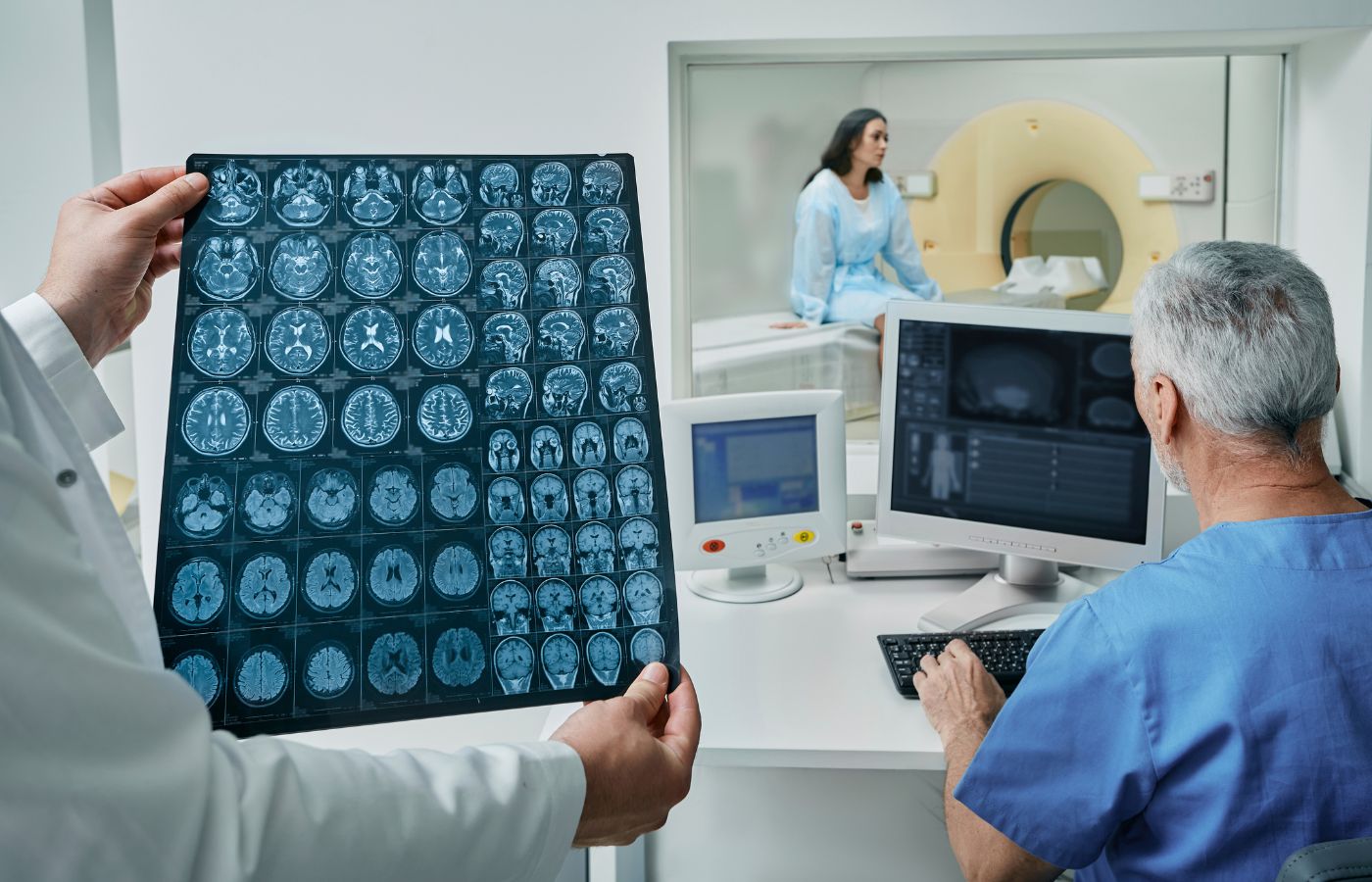
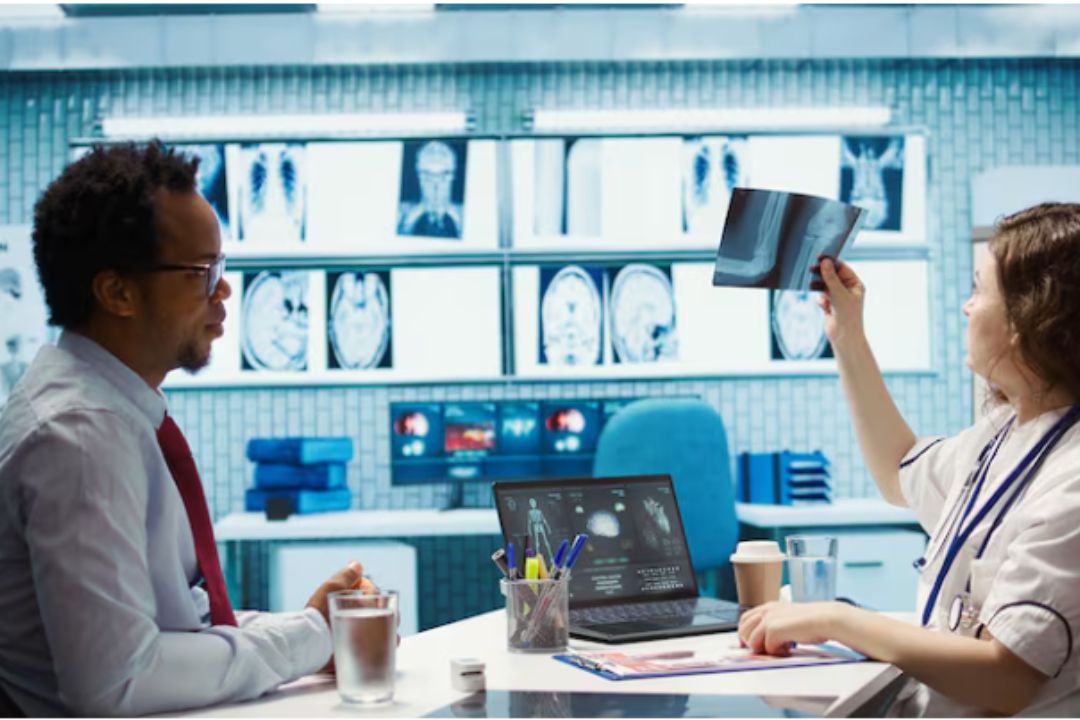
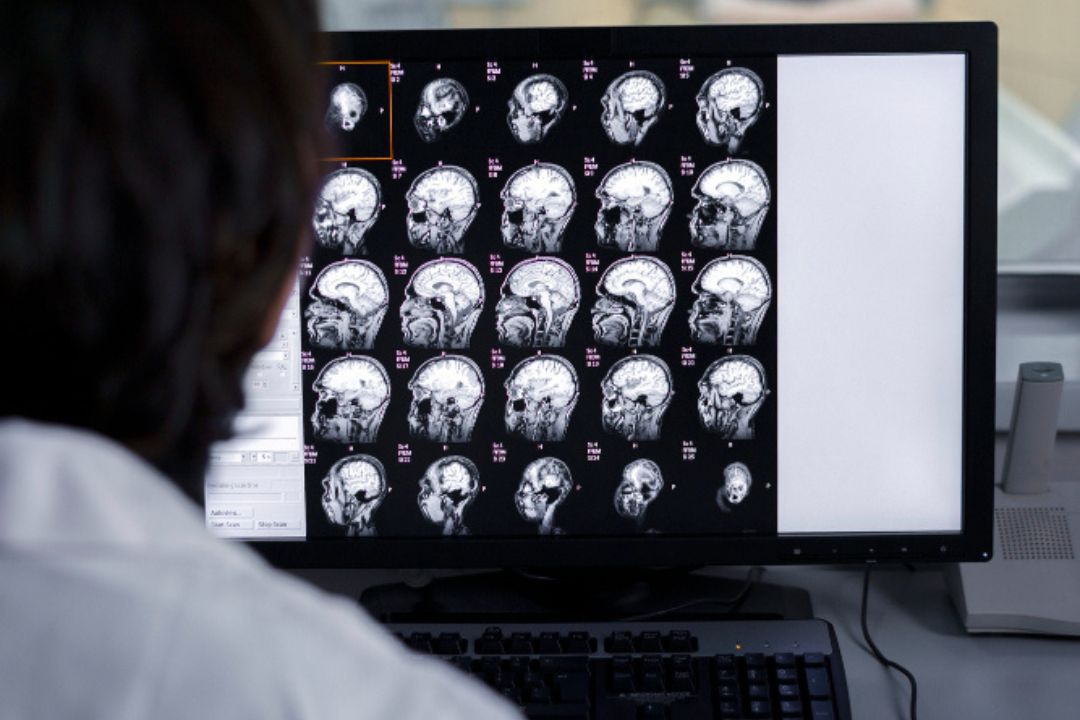
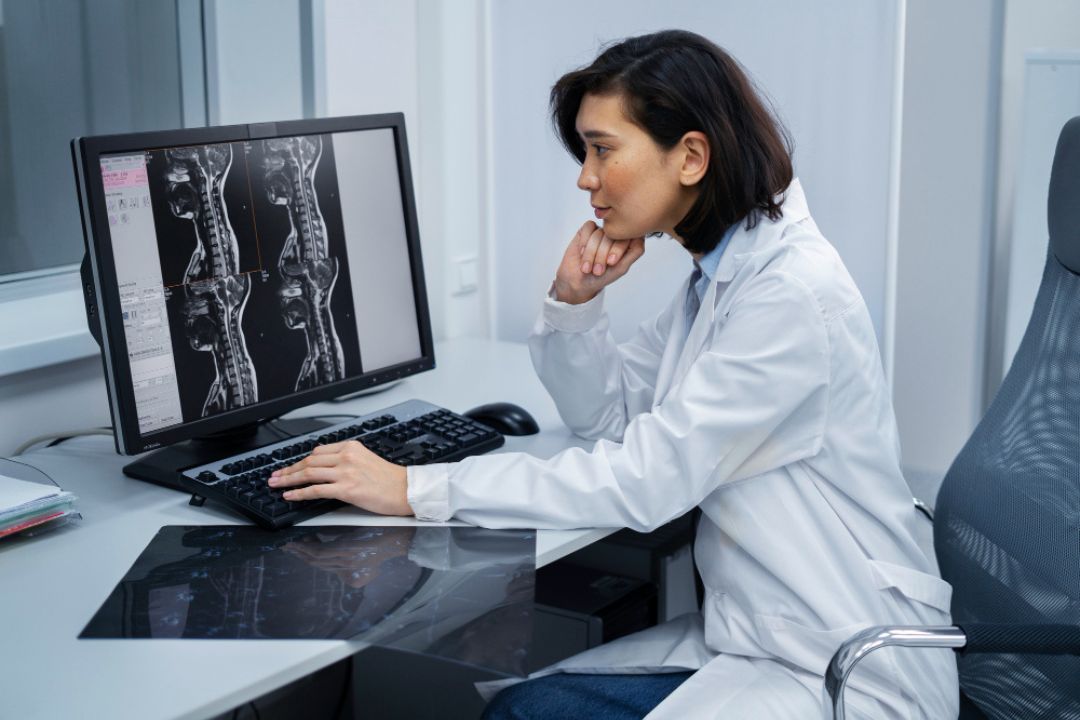
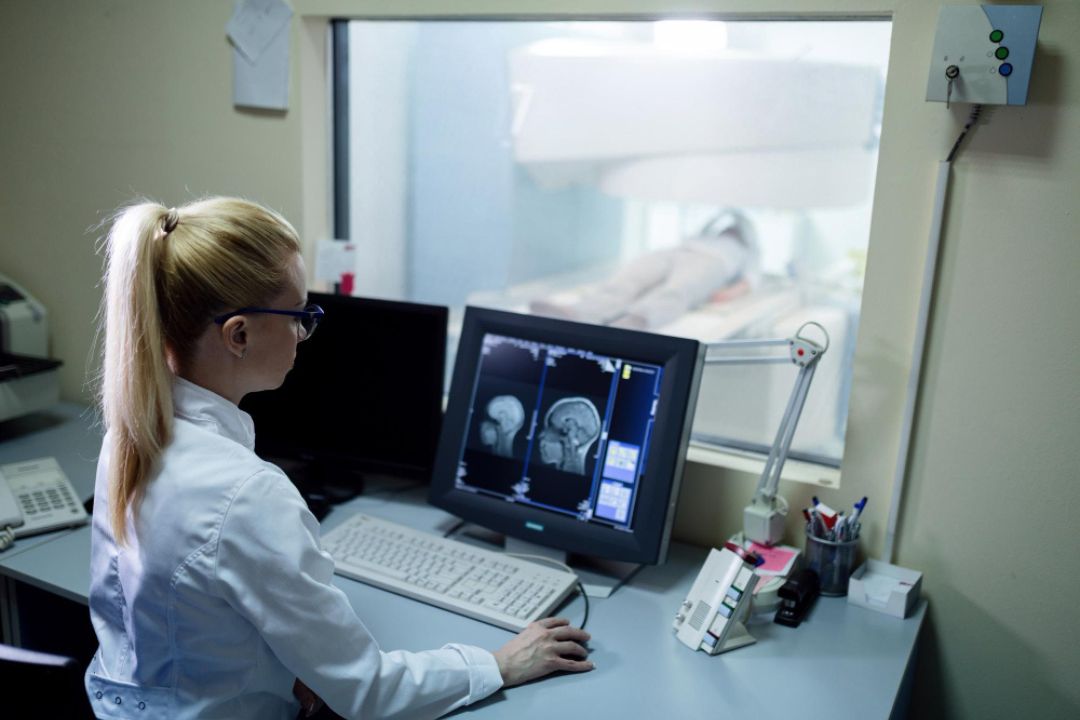
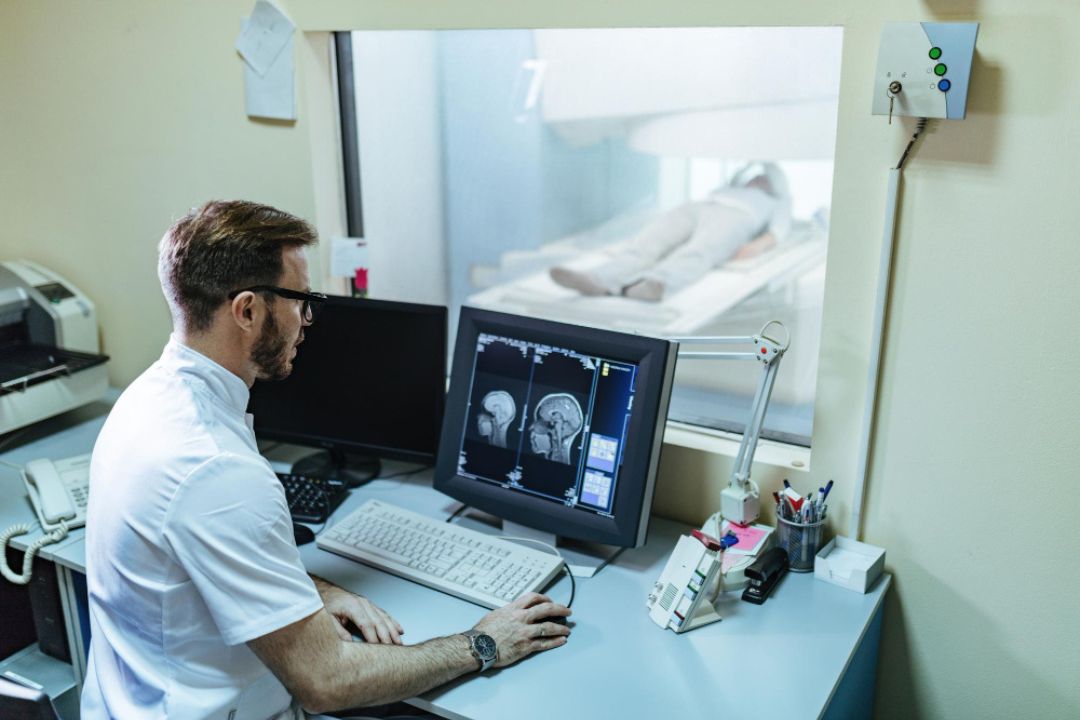
Artificial intelligence is now playing a major role in radiology. AI-powered CT systems assist radiologists in faster and more accurate reporting.
AI helps in:
Automatic image analysis
Faster report generation
Detection of tiny abnormalities
Workflow improvement
As a result, diagnostic efficiency continues to improve.
Modern CT scanners can create advanced 3D and even 4D images. These views give doctors a more complete understanding of the body.
These technologies are useful for:
Surgical planning
Cardiac imaging
Cancer evaluation
Orthopedic assessment
Three-dimensional imaging improves treatment planning and outcomes.
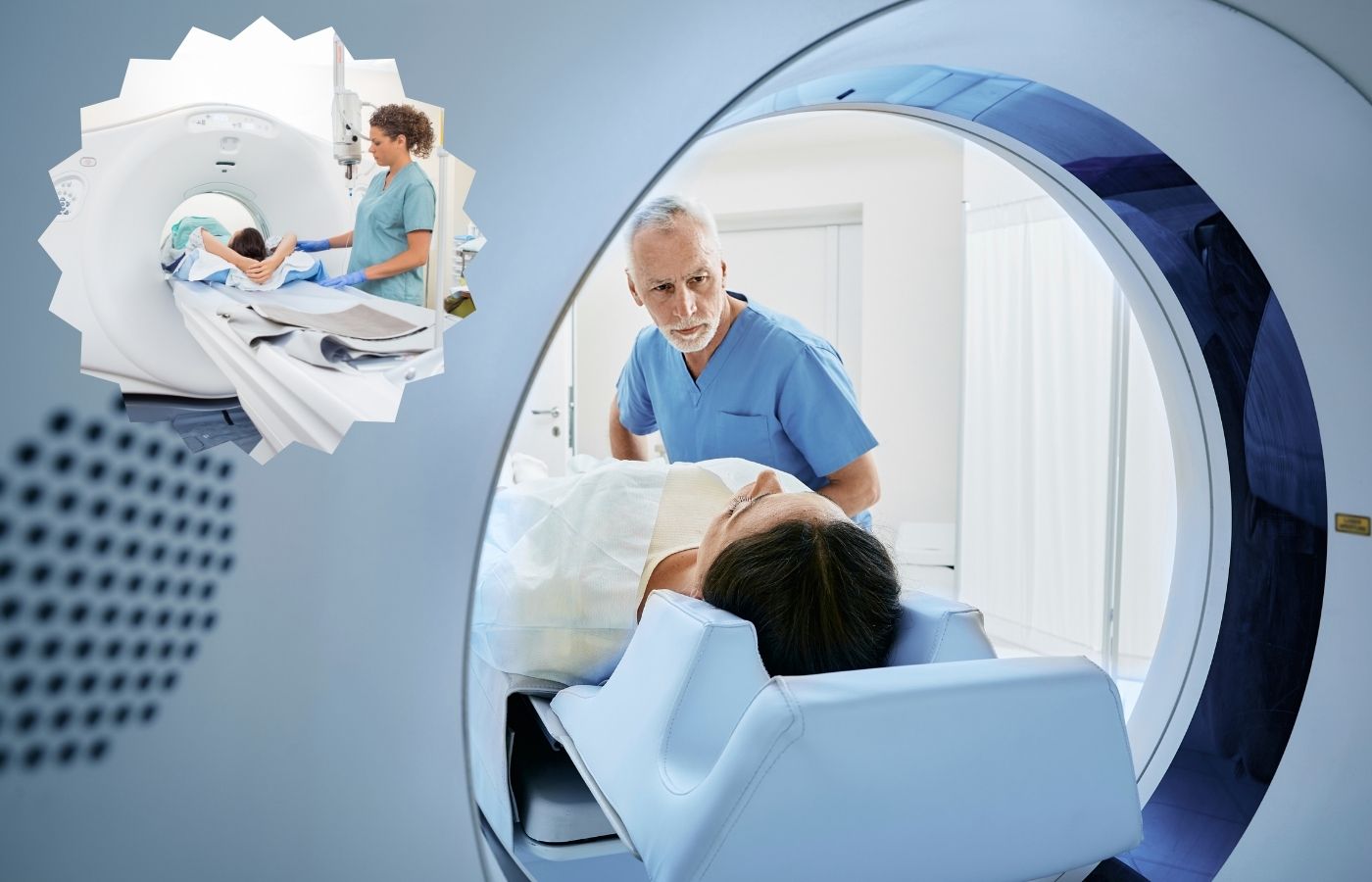
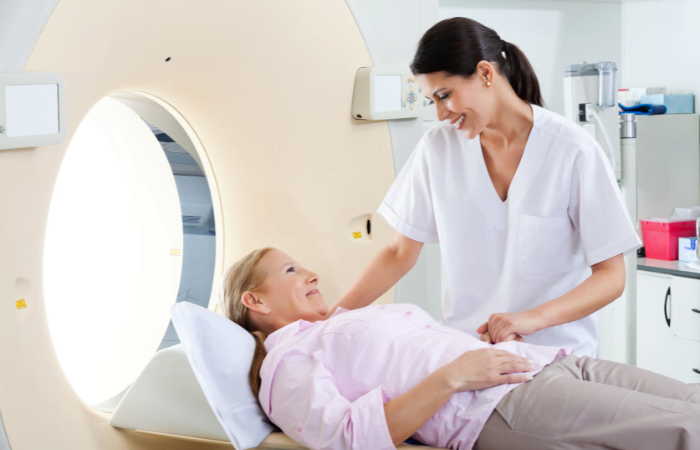
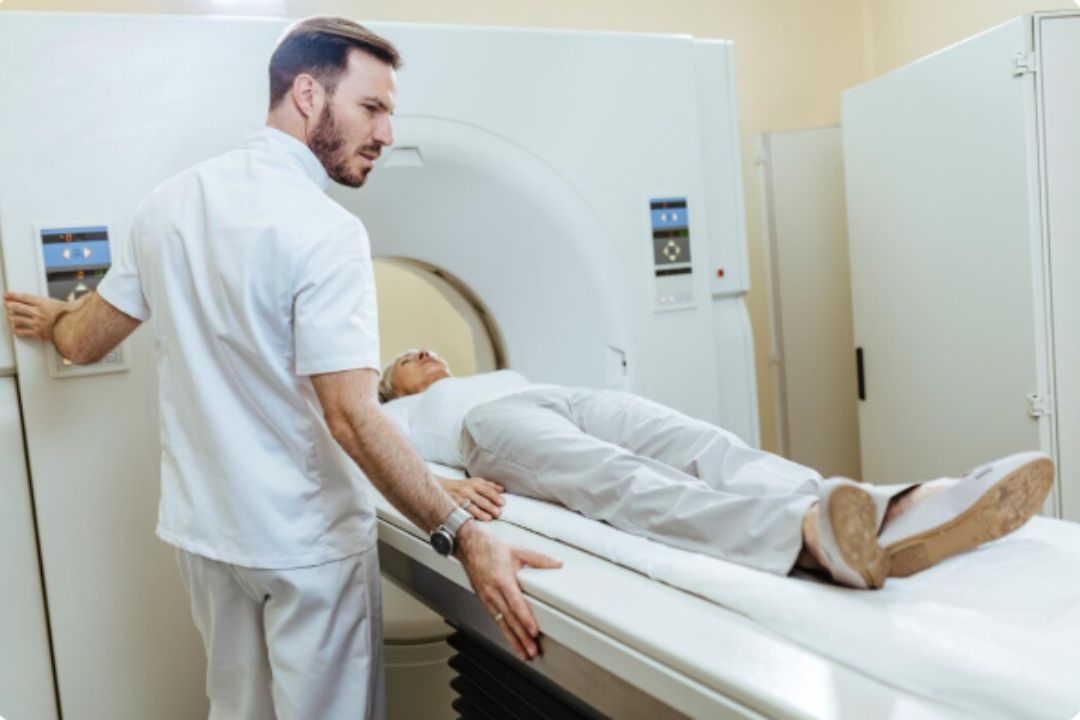
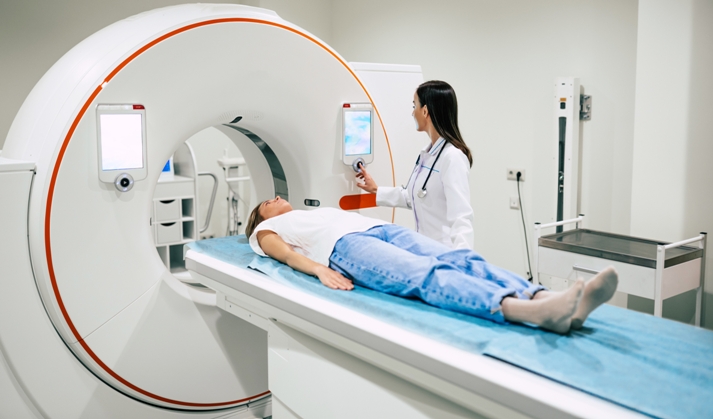
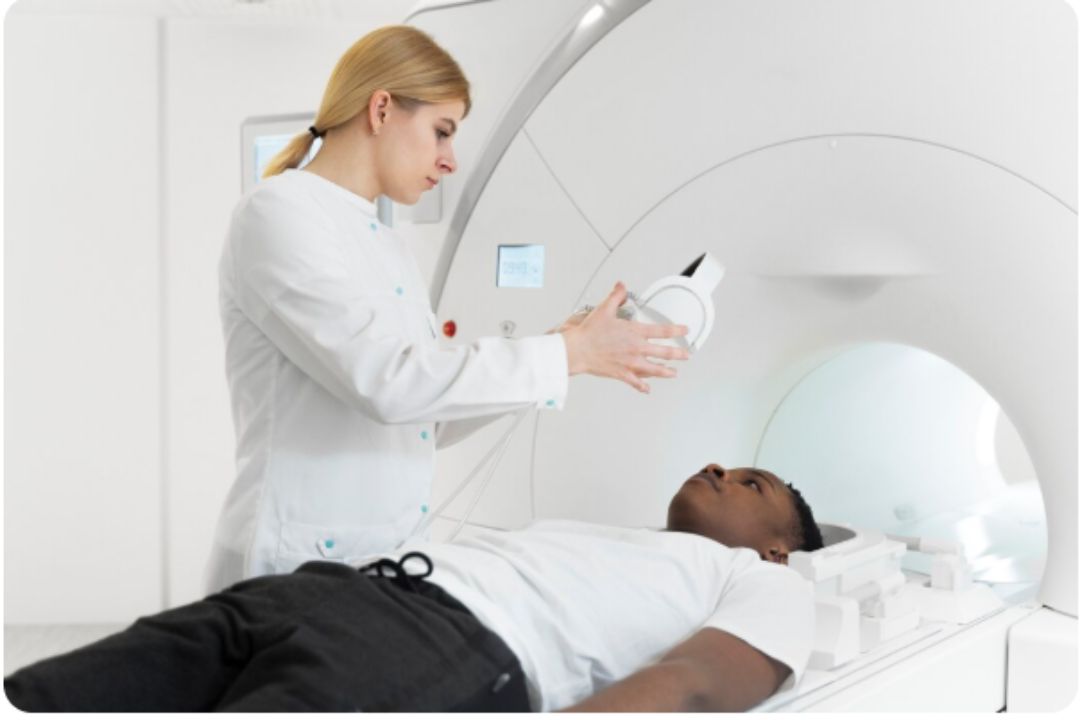
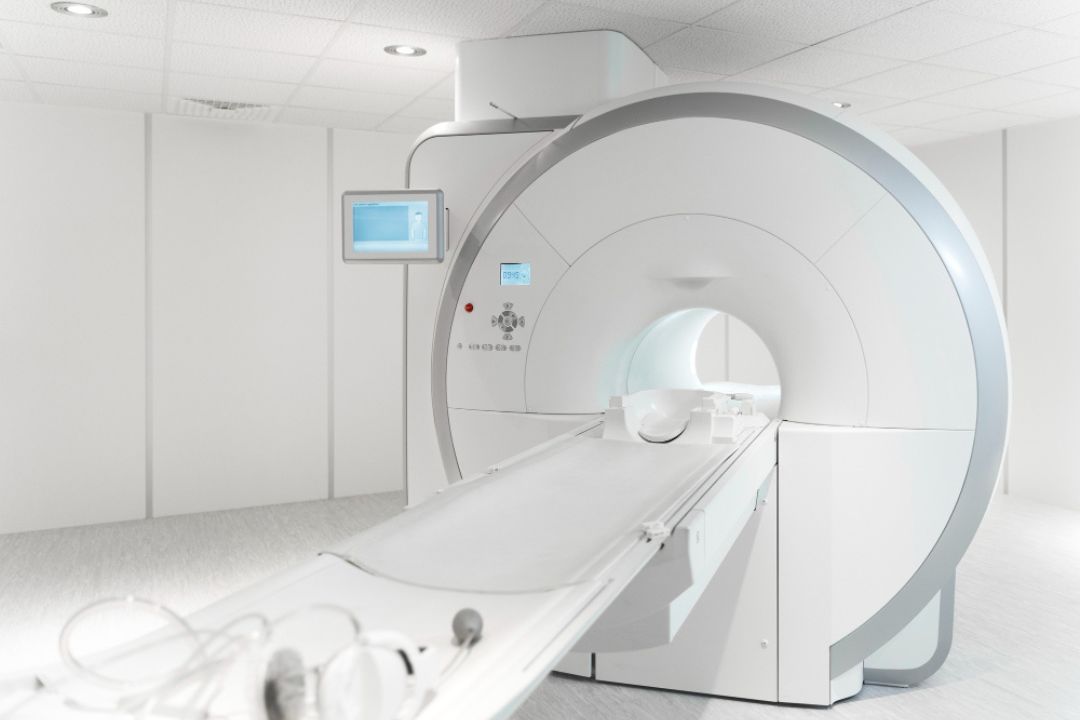
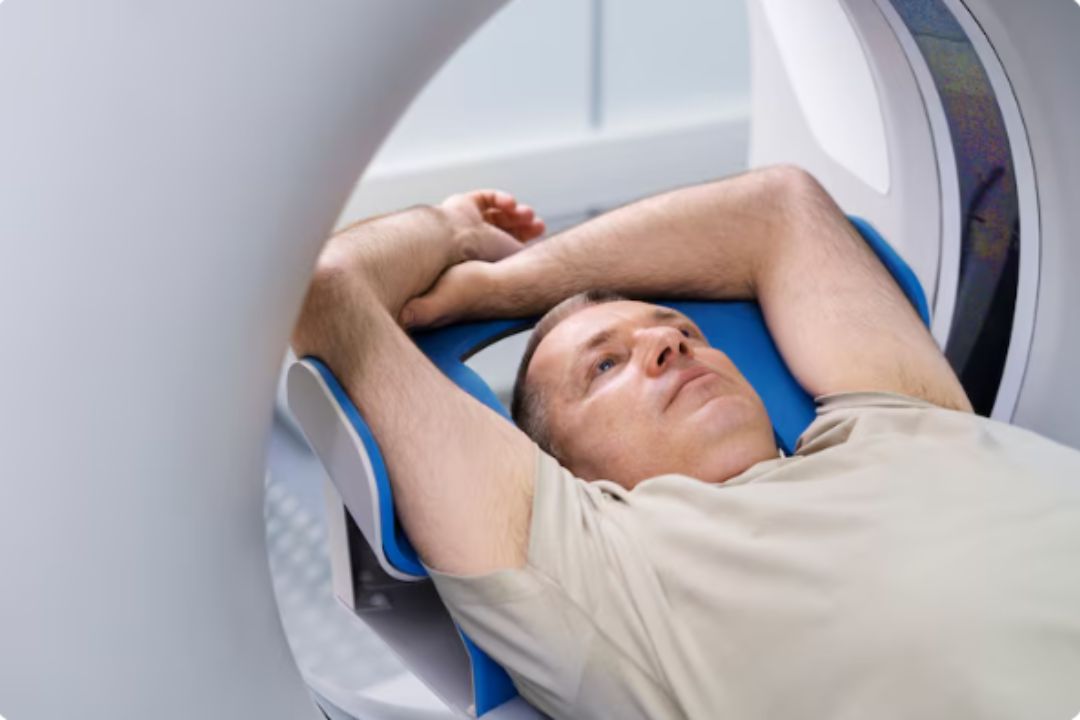
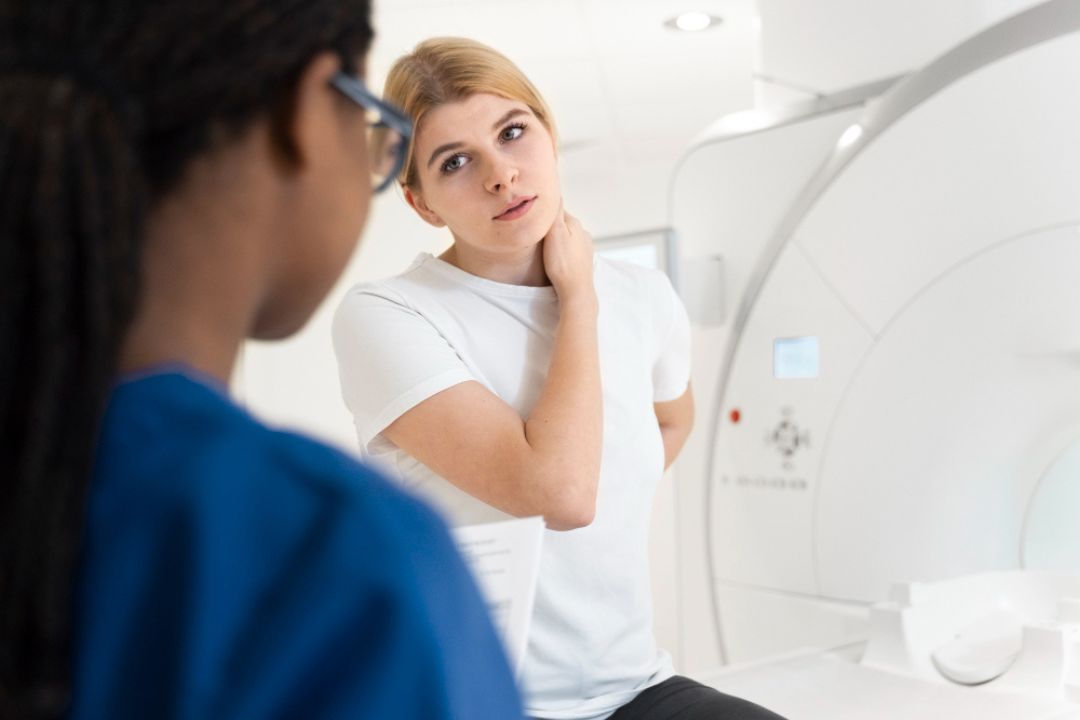
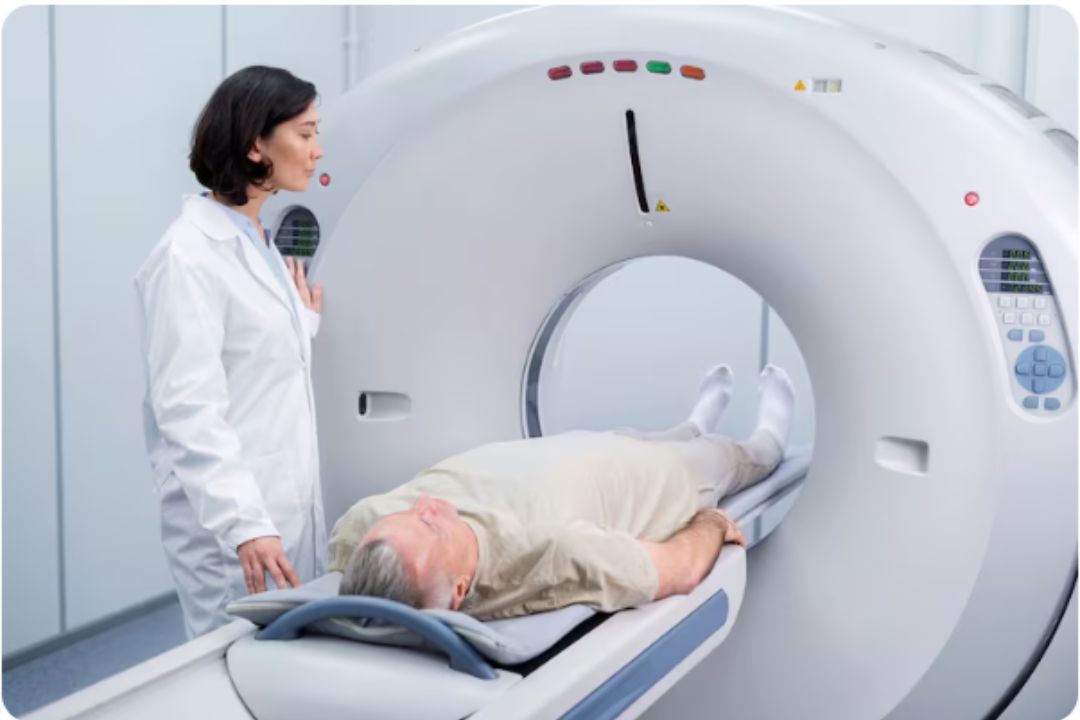
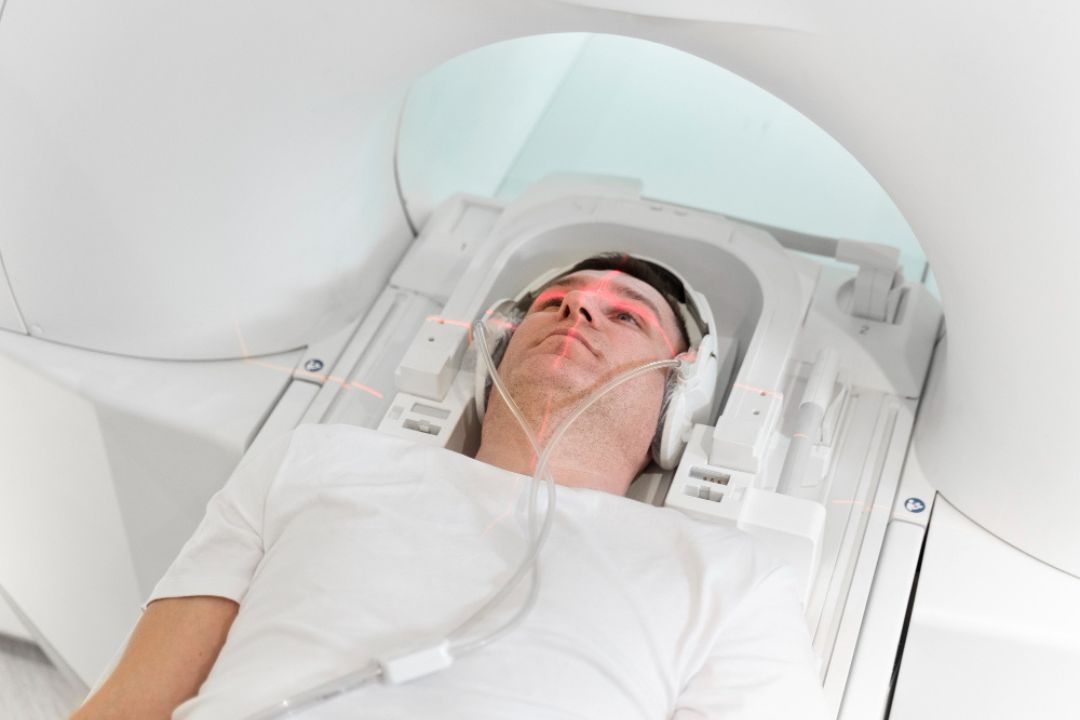
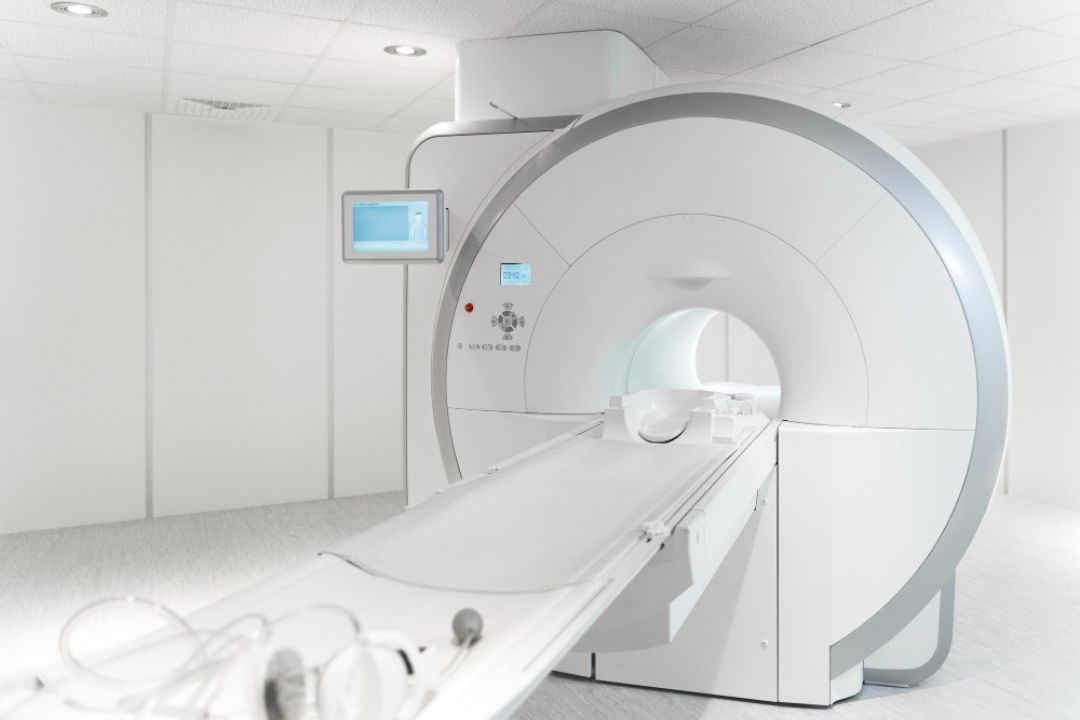
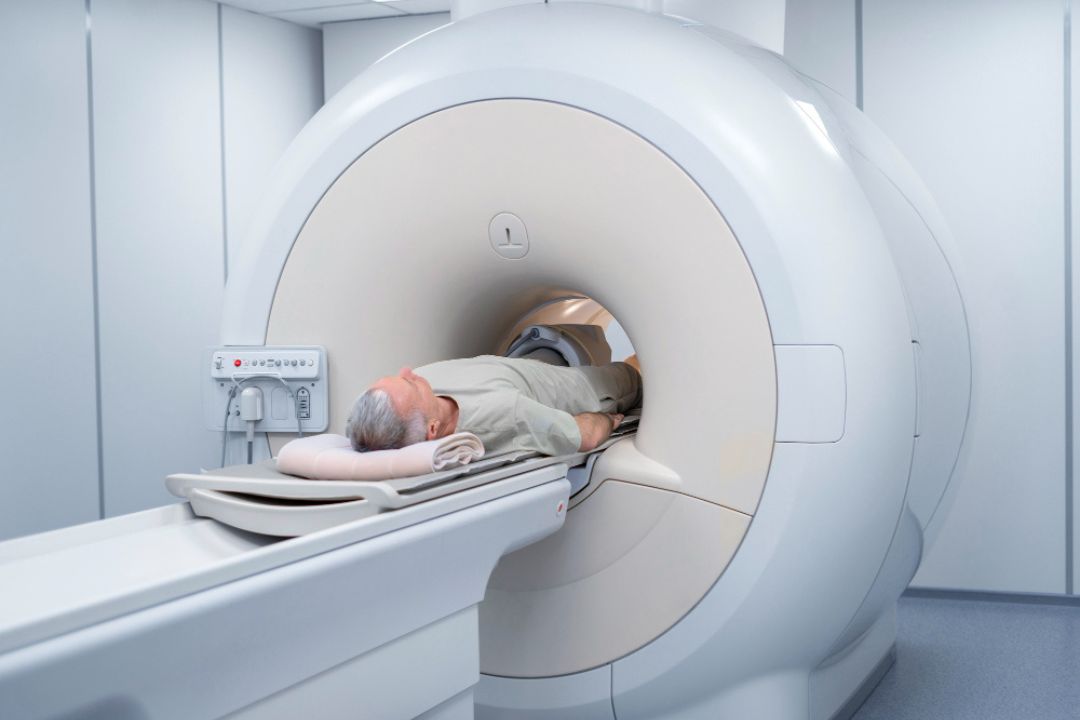
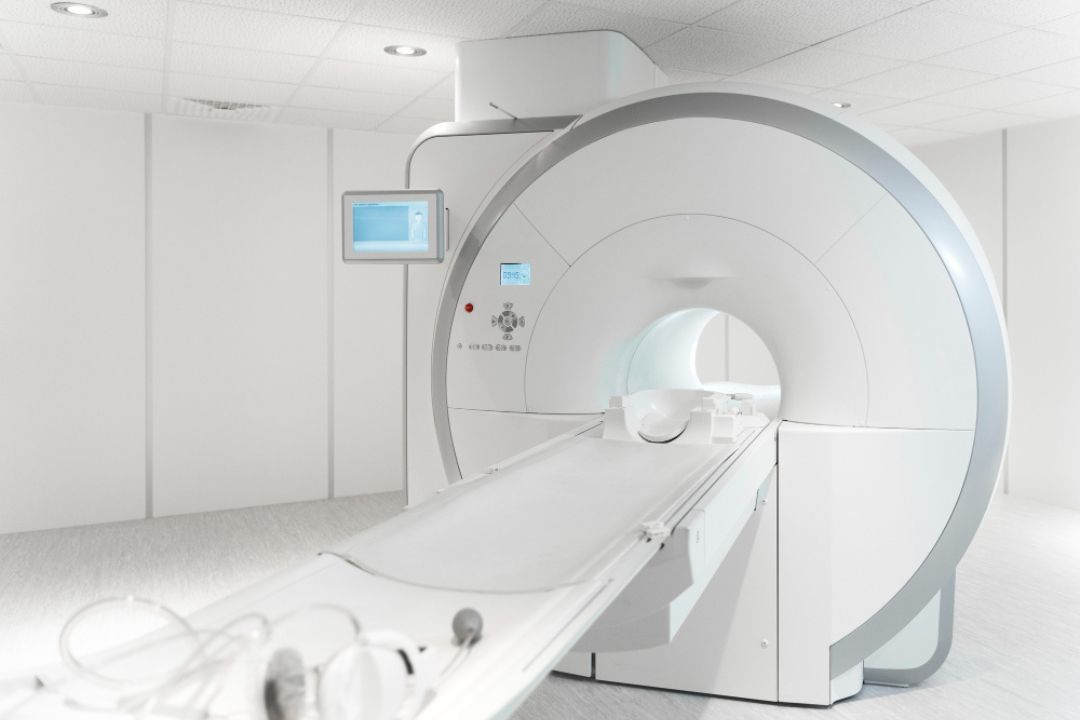
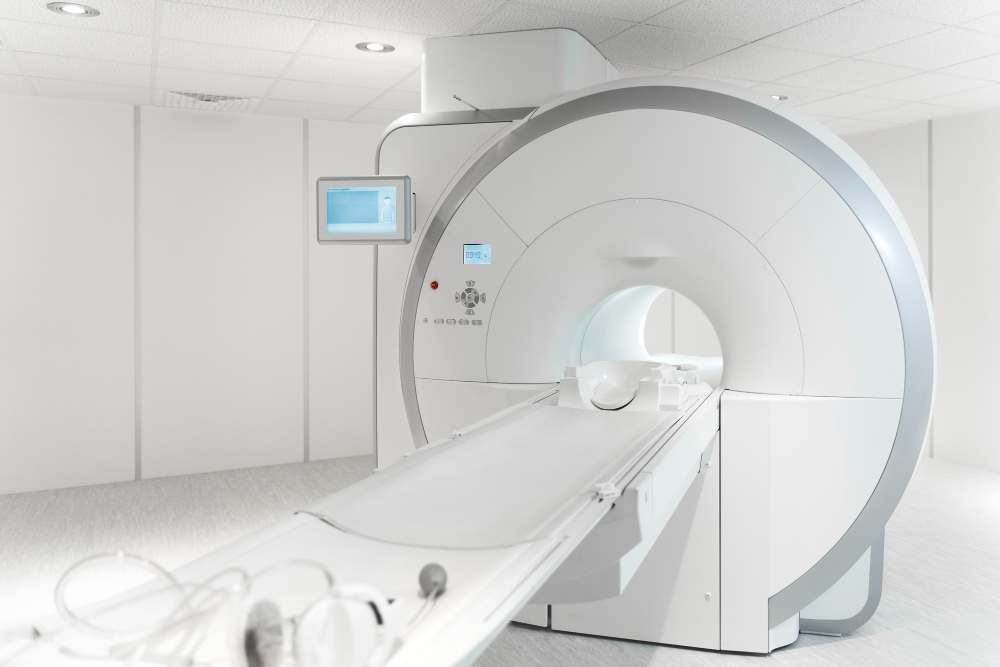
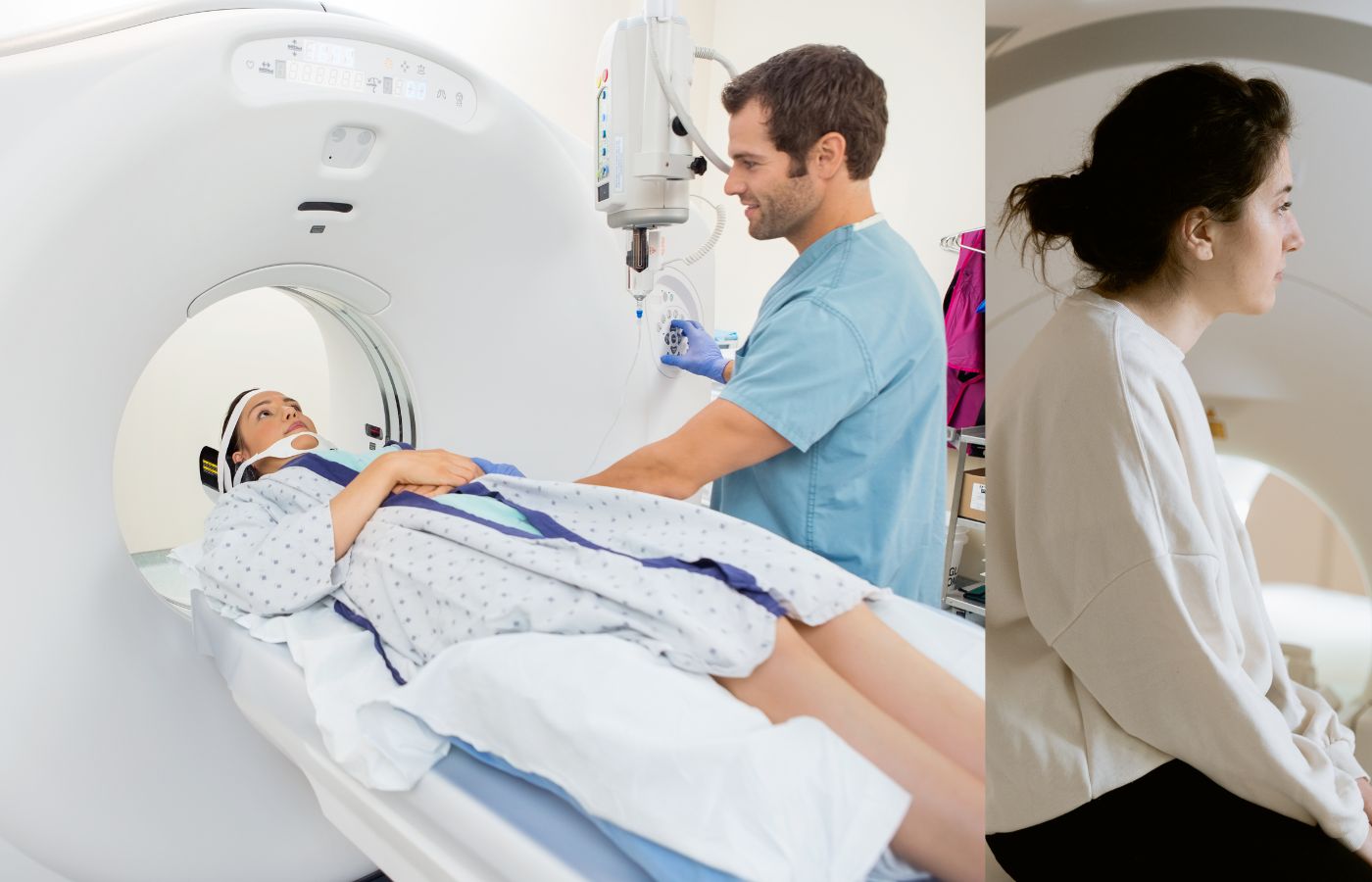
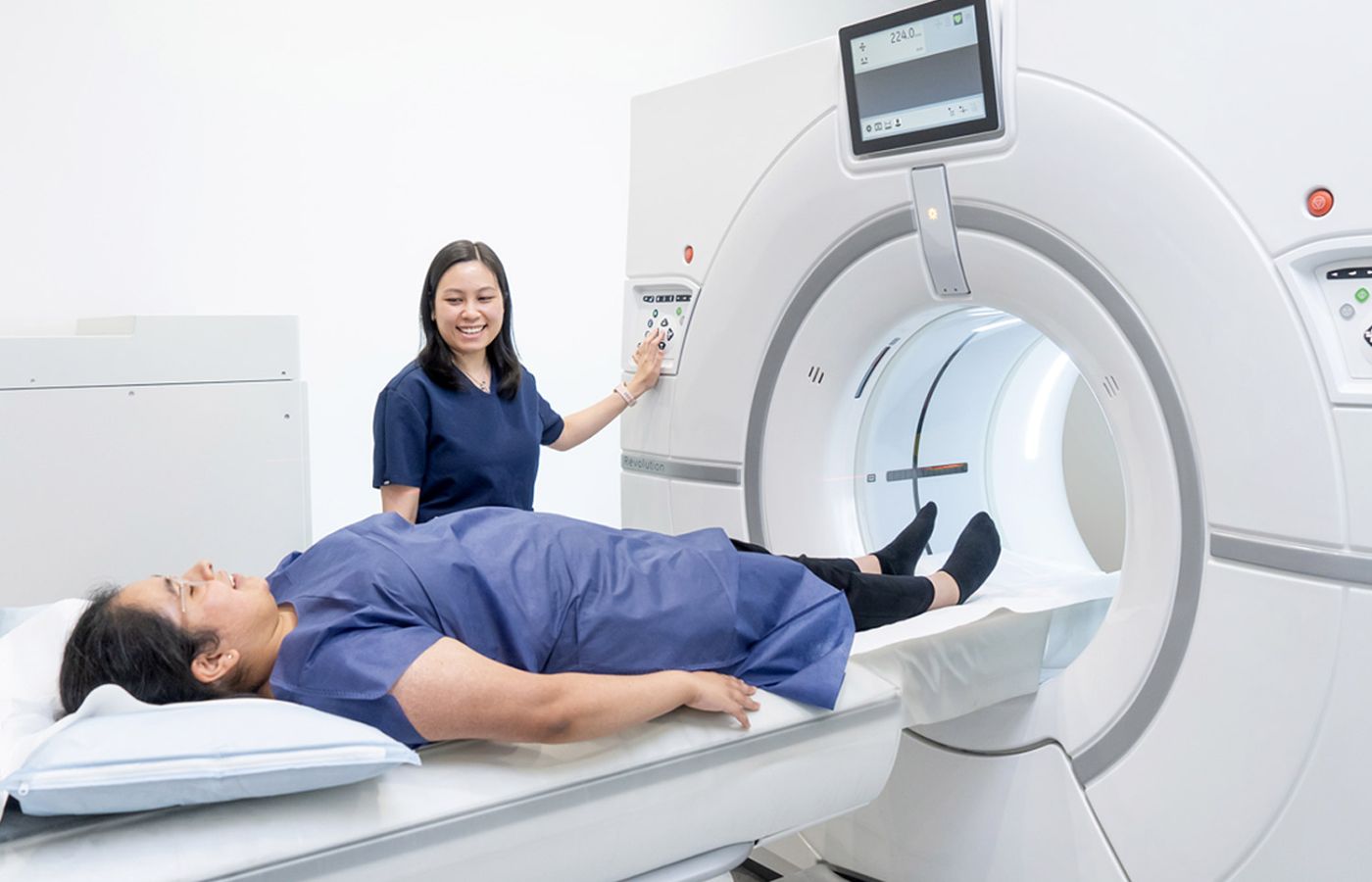
Patient-friendly design is another major advancement. Modern CT machines are faster, quieter, and more comfortable.
Key comfort features include:
Wide gantry opening
Shorter scan duration
Less need to stay still for long
Reduced anxiety for patients
This makes the scanning experience smoother and stress-free.
The latest CT scan technology offers many advantages in modern healthcare.
Quick and painless procedure
Lower radiation exposure
Accurate diagnosis
Better treatment planning
Improved safety
Clear and detailed images
Faster reporting
Better disease detection
Improved clinical decisions
Enhanced workflow efficiency
Doctors may suggest a CT scan in many situations, such as:
Severe headache or head injury
Chest pain or lung infection
Abdominal pain
Suspected tumors
Bone fractures
Internal bleeding
Stroke evaluation
Always follow your doctor’s advice before undergoing any imaging test.
CT technology continues to evolve. Future developments may include:
Ultra-low radiation scans
Faster AI-based reporting
More portable CT machines
Even higher image resolution
Personalized imaging protocols
These innovations will further improve diagnostic accuracy and patient safety.
Advancements in CT scan technology have transformed modern radiology. Today’s scanners provide faster imaging, clearer results, and improved safety.
With features like low-dose radiation, AI integration, and high-resolution imaging, CT scans have become an essential tool in accurate medical diagnosis. Choosing a reliable diagnostic center ensures you receive precise and timely results.




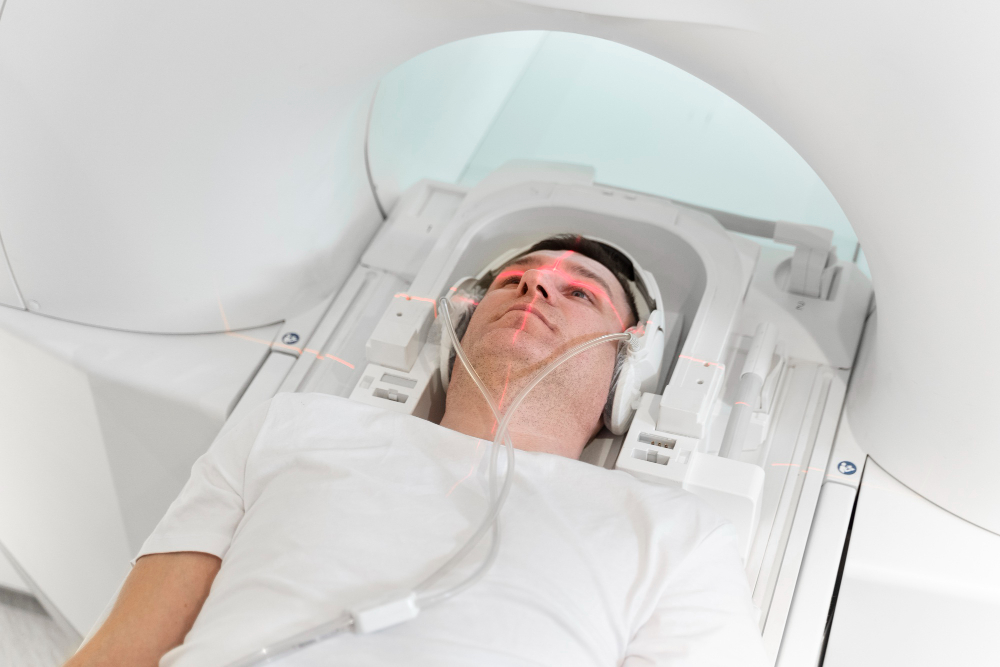
.jpg "ct brain scan plain and contrast")




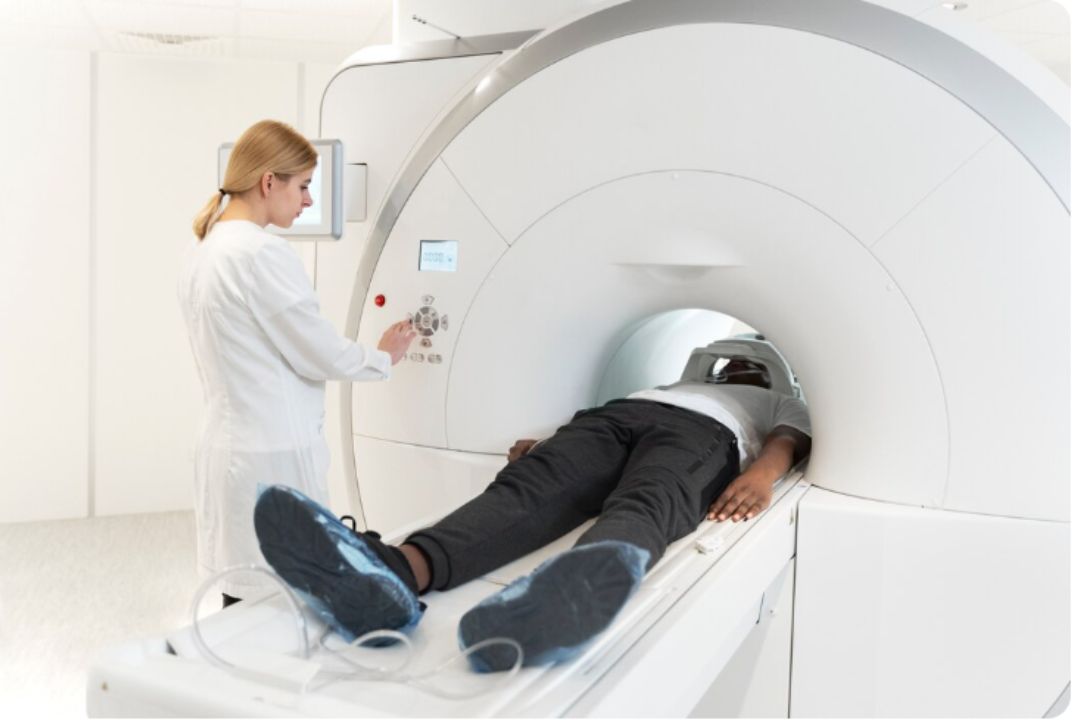
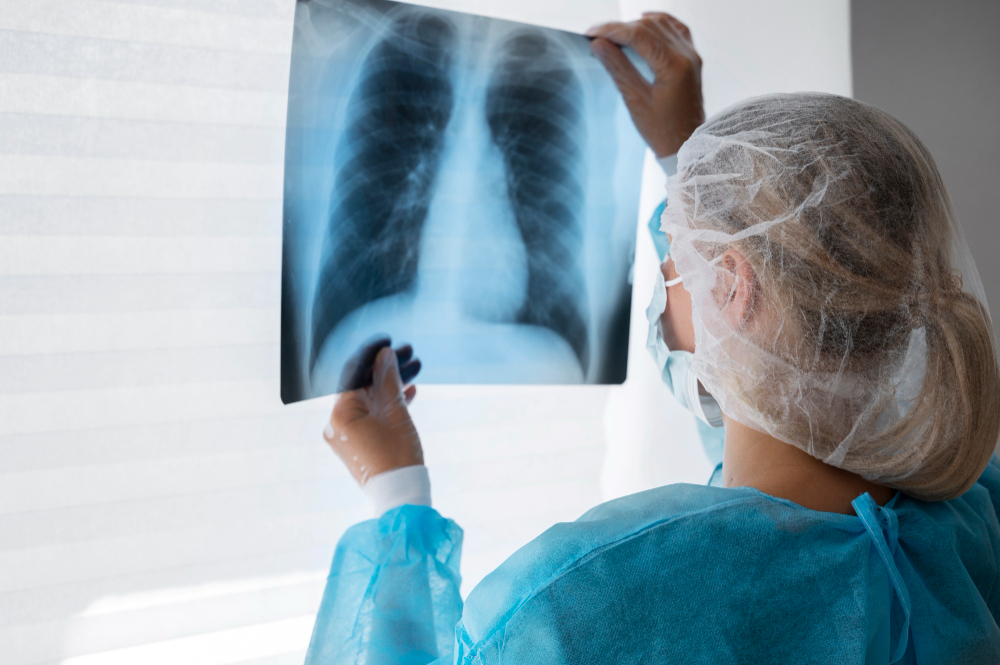
.jpg "ct scan")
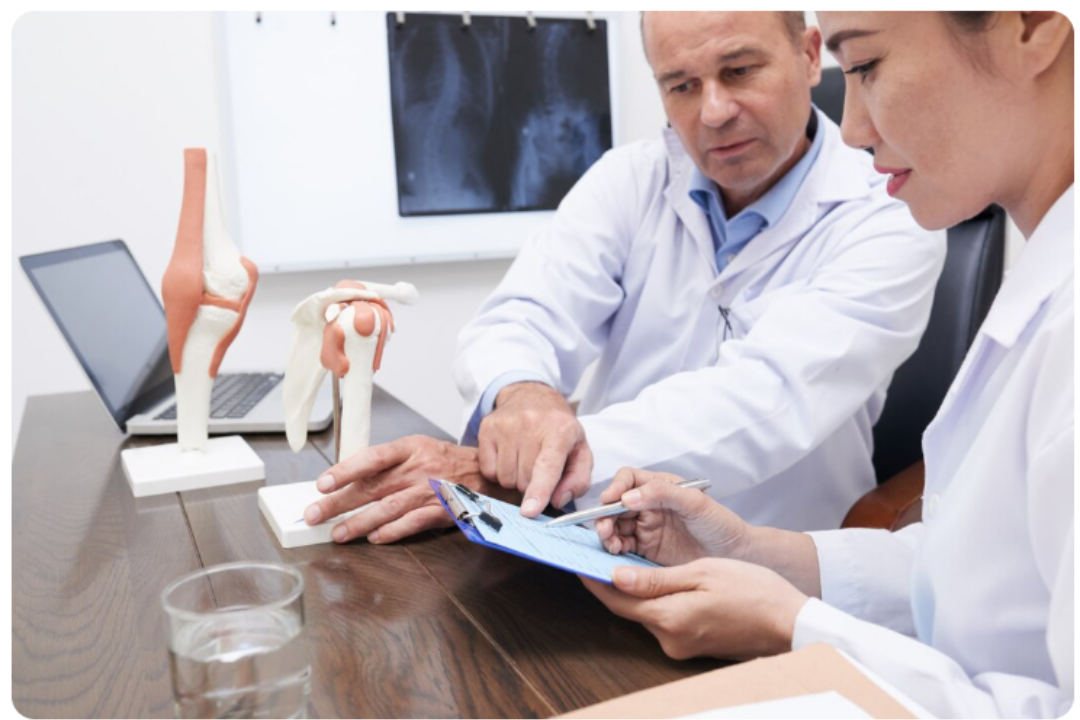
.jpg "ct scan or mri for brain disorders")


.jpg "exploring the power of ct brain contrast in modern diagnostics")
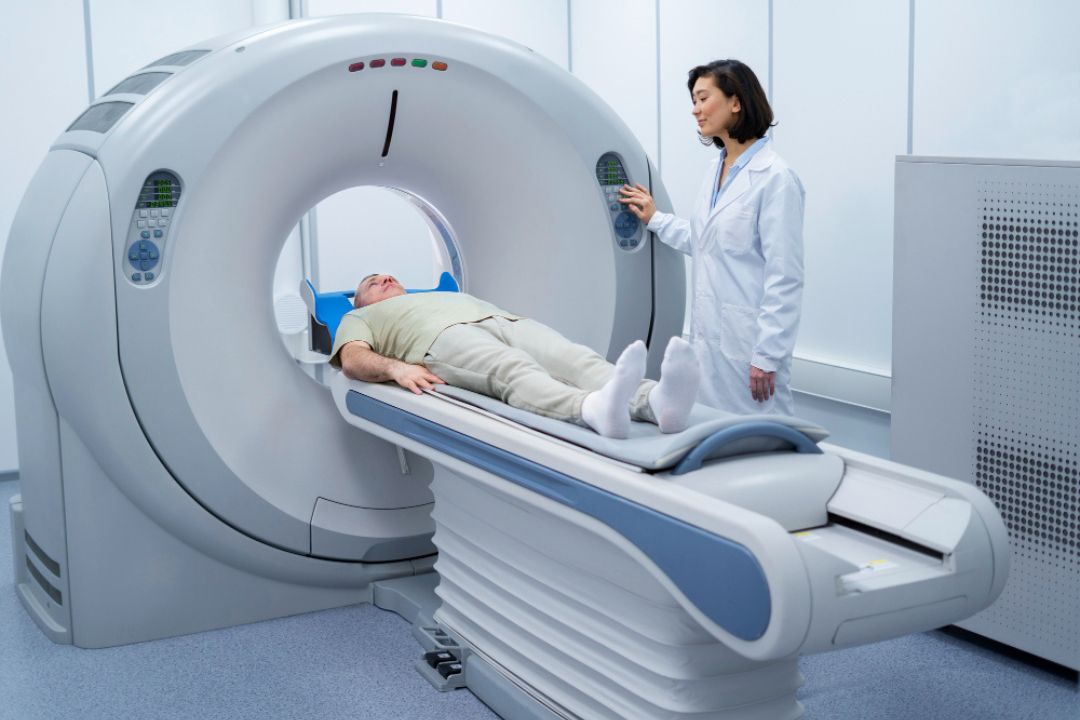
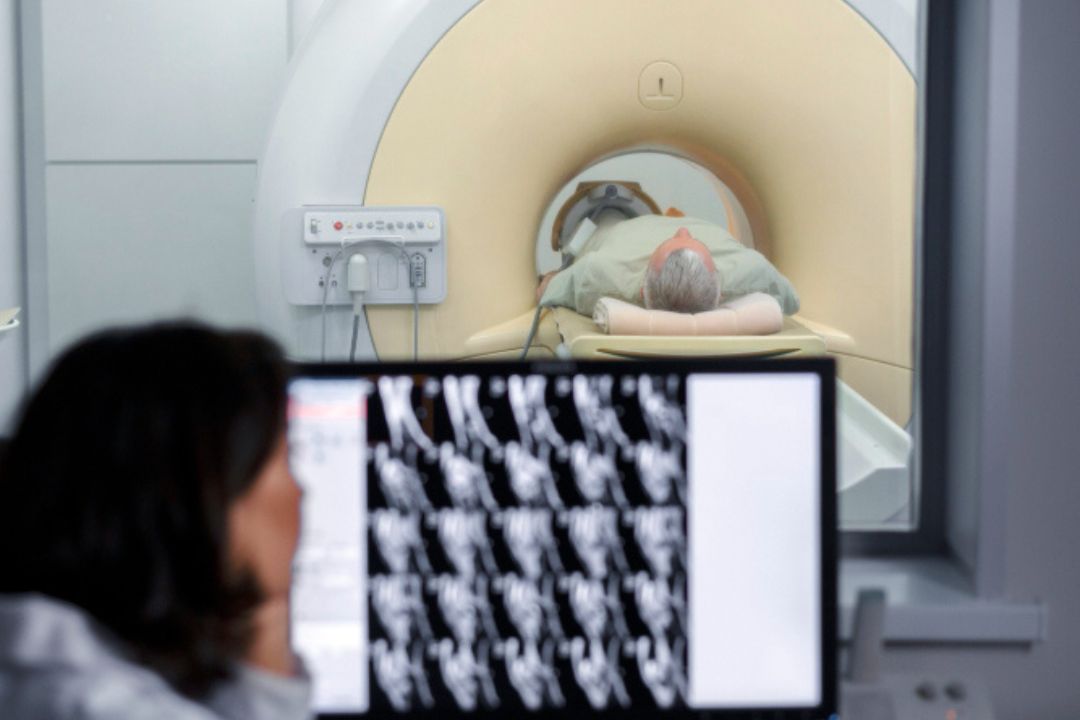
.jpg "ct scan")
.jpg "ct scan")






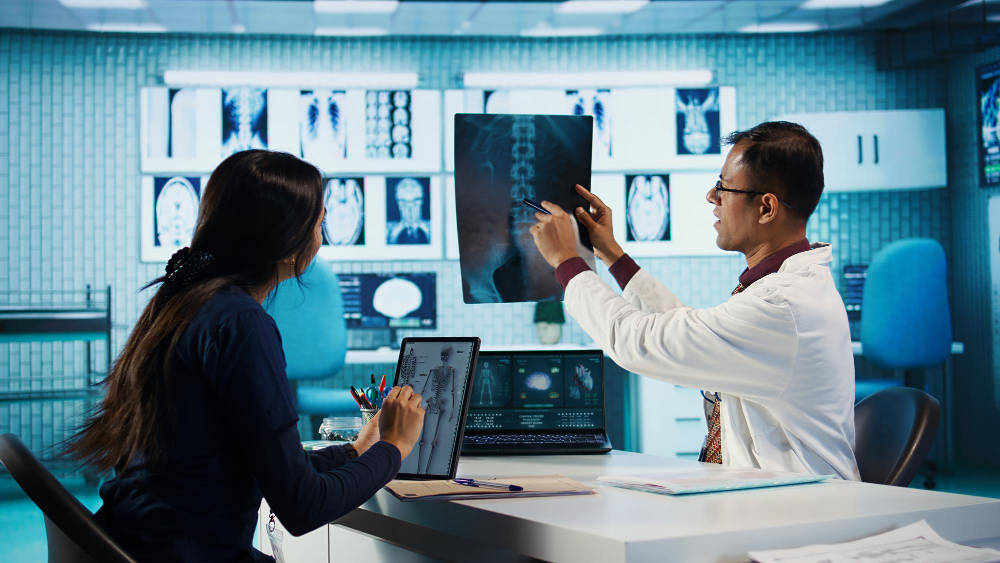
.jpg "ct scan")

.jpg "CT Brain Scan for Headaches")
.jpg "The Future of 3D CT Imaging")