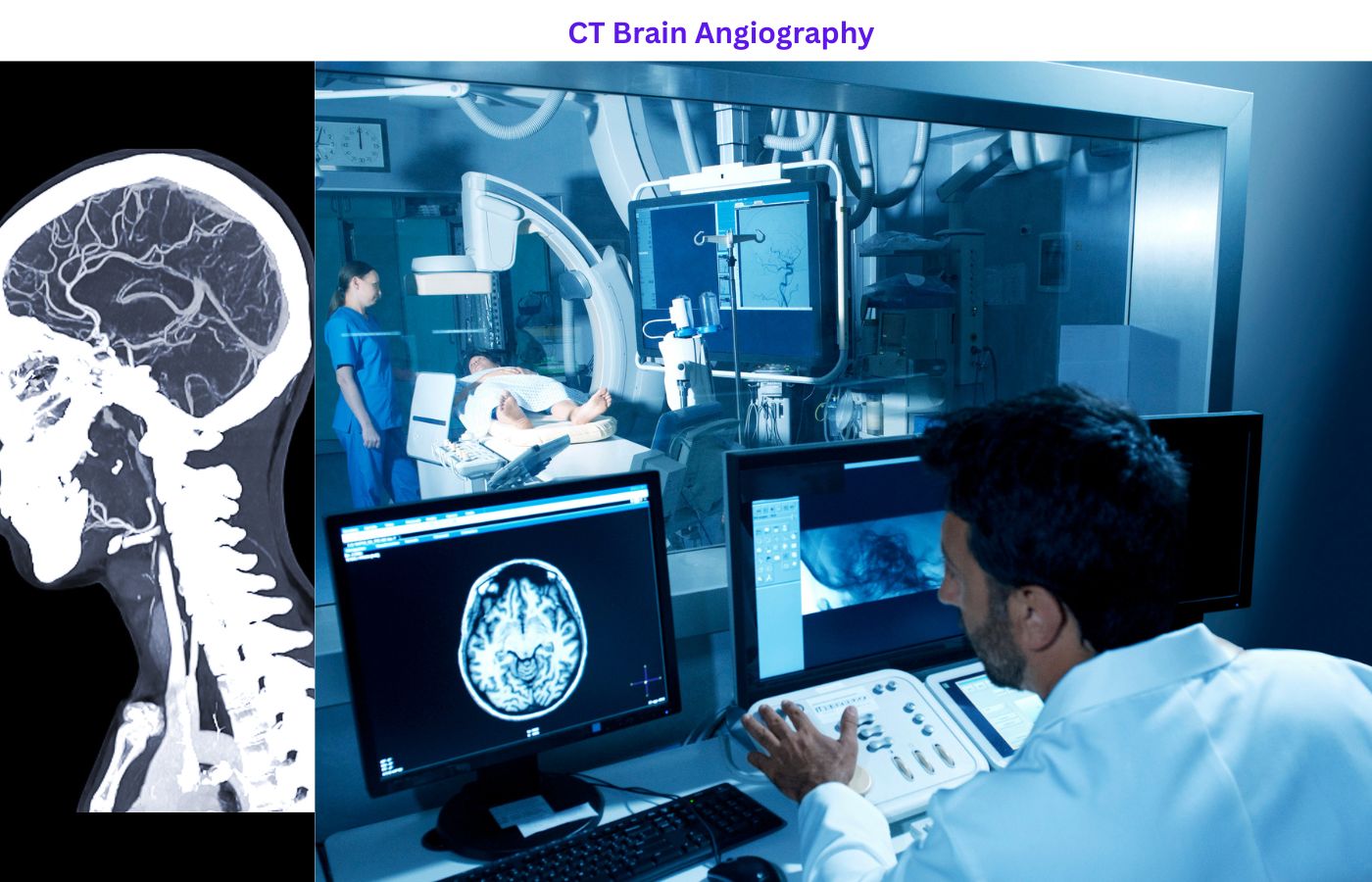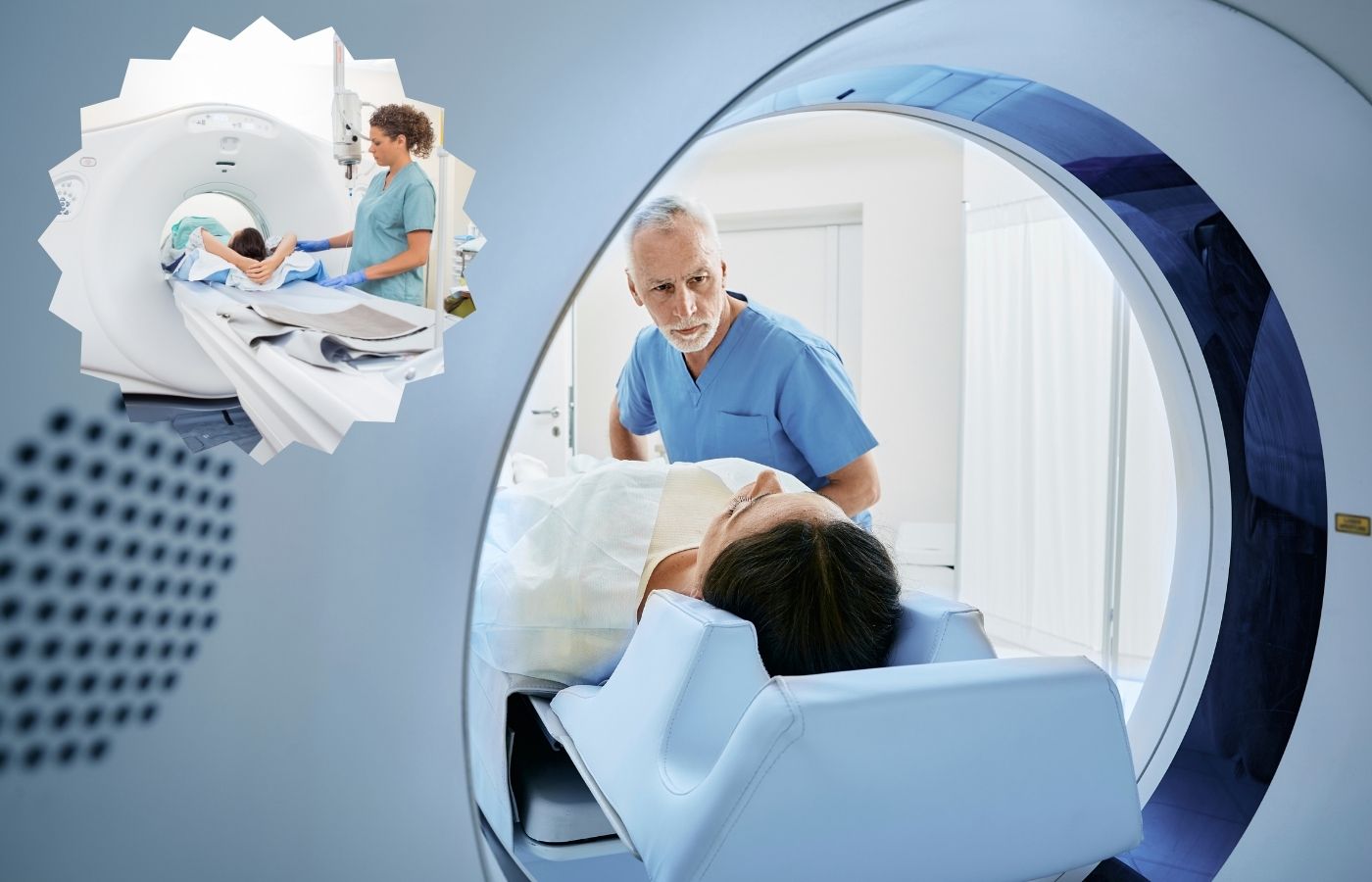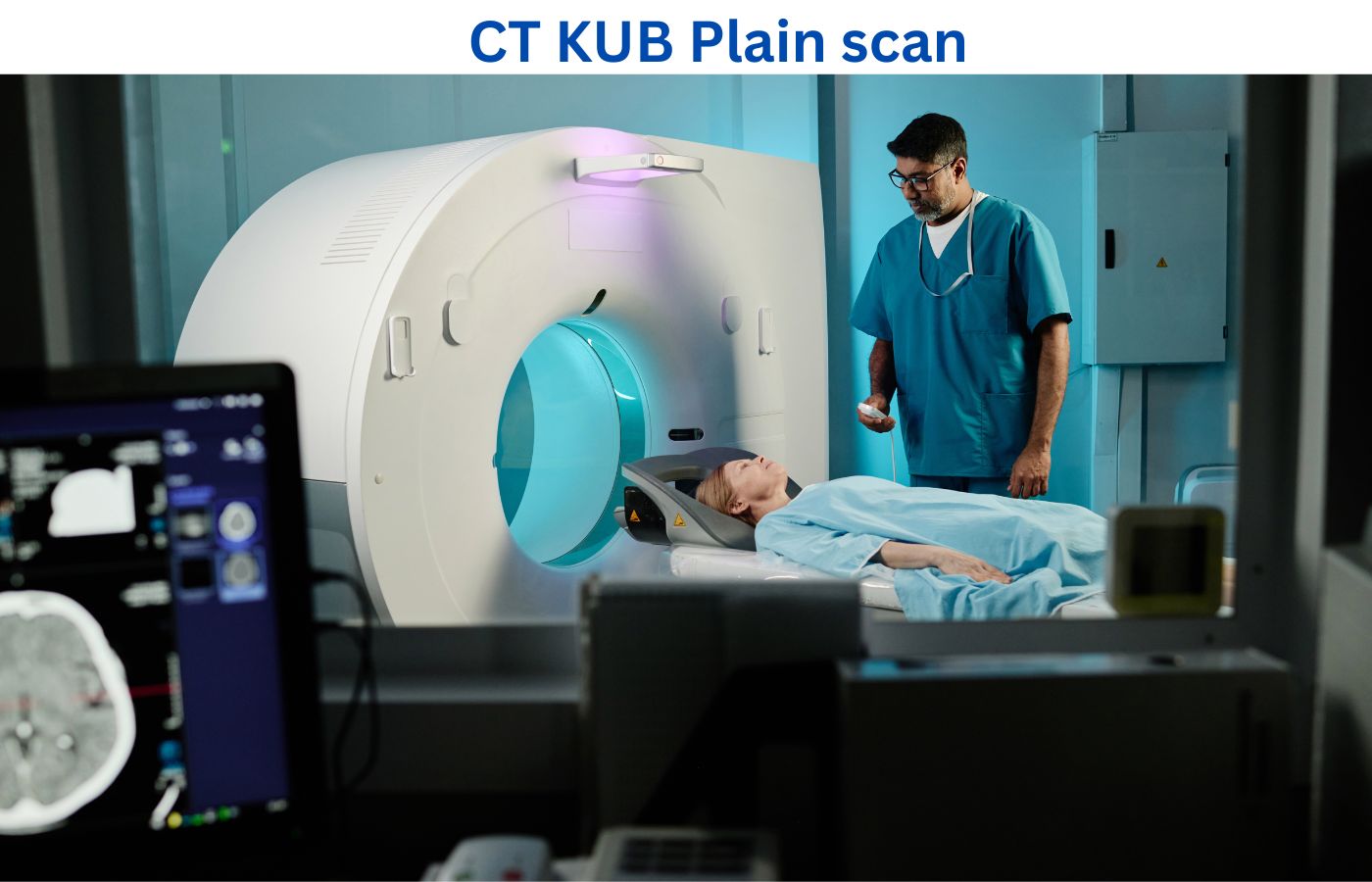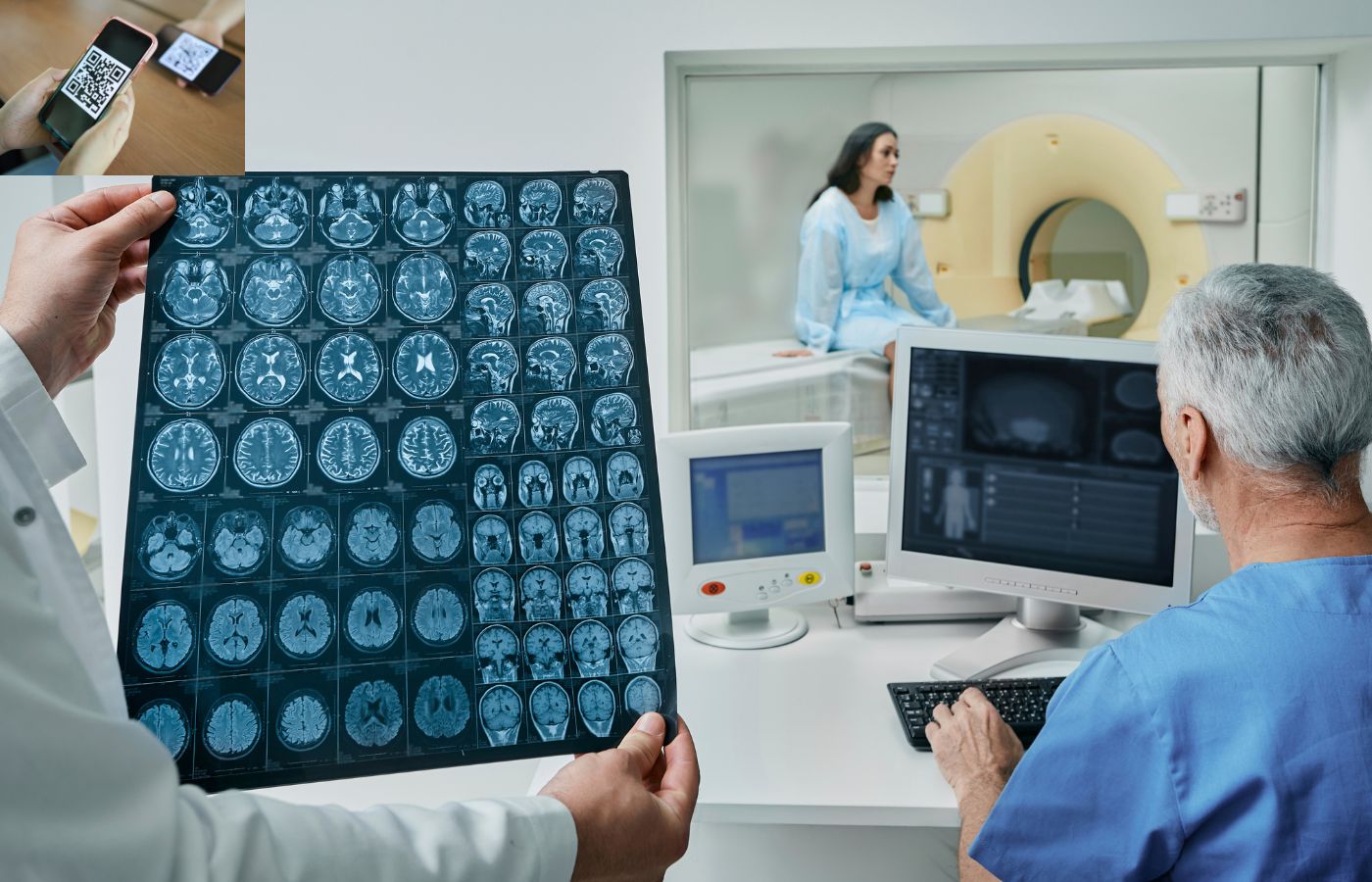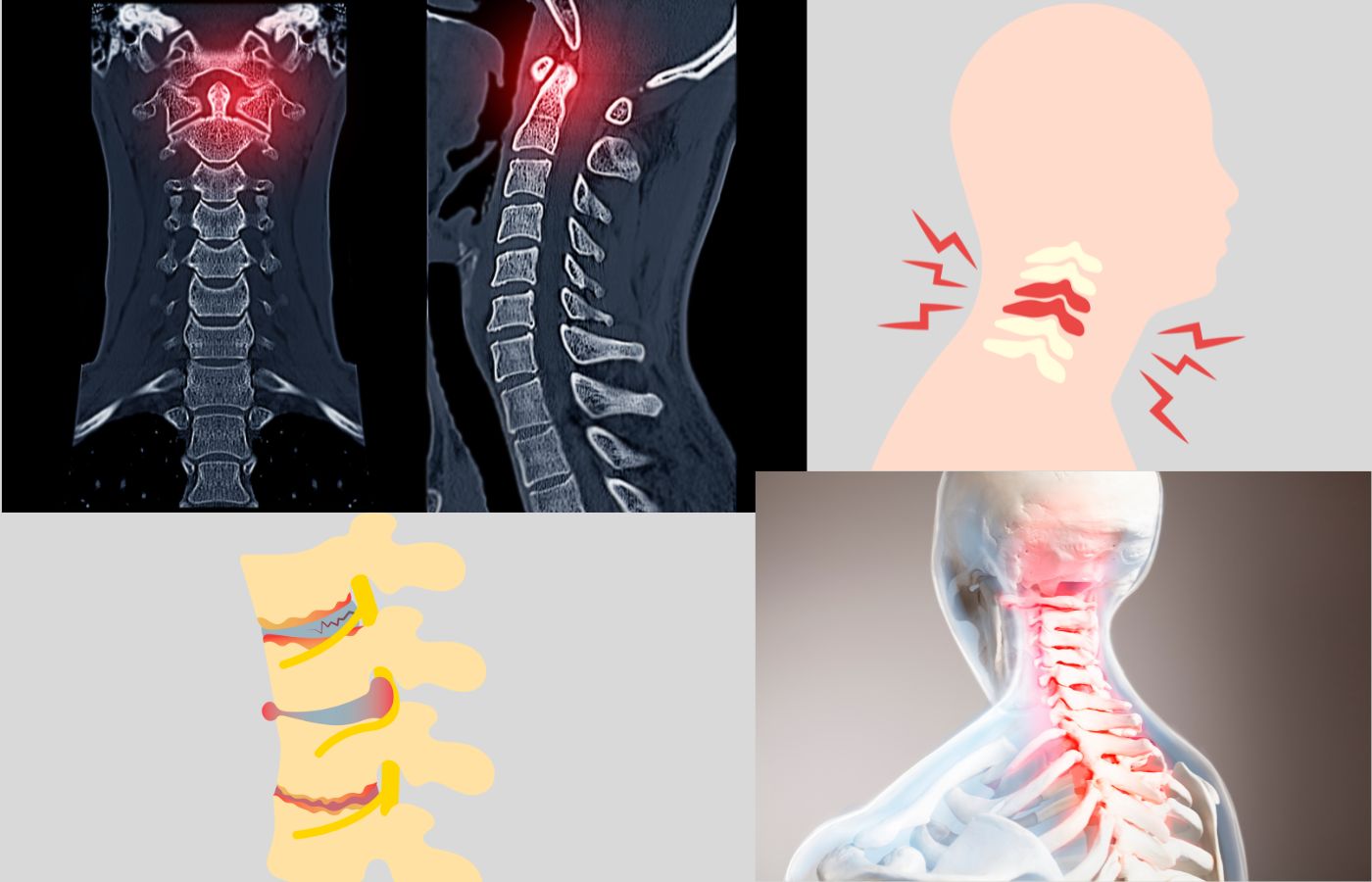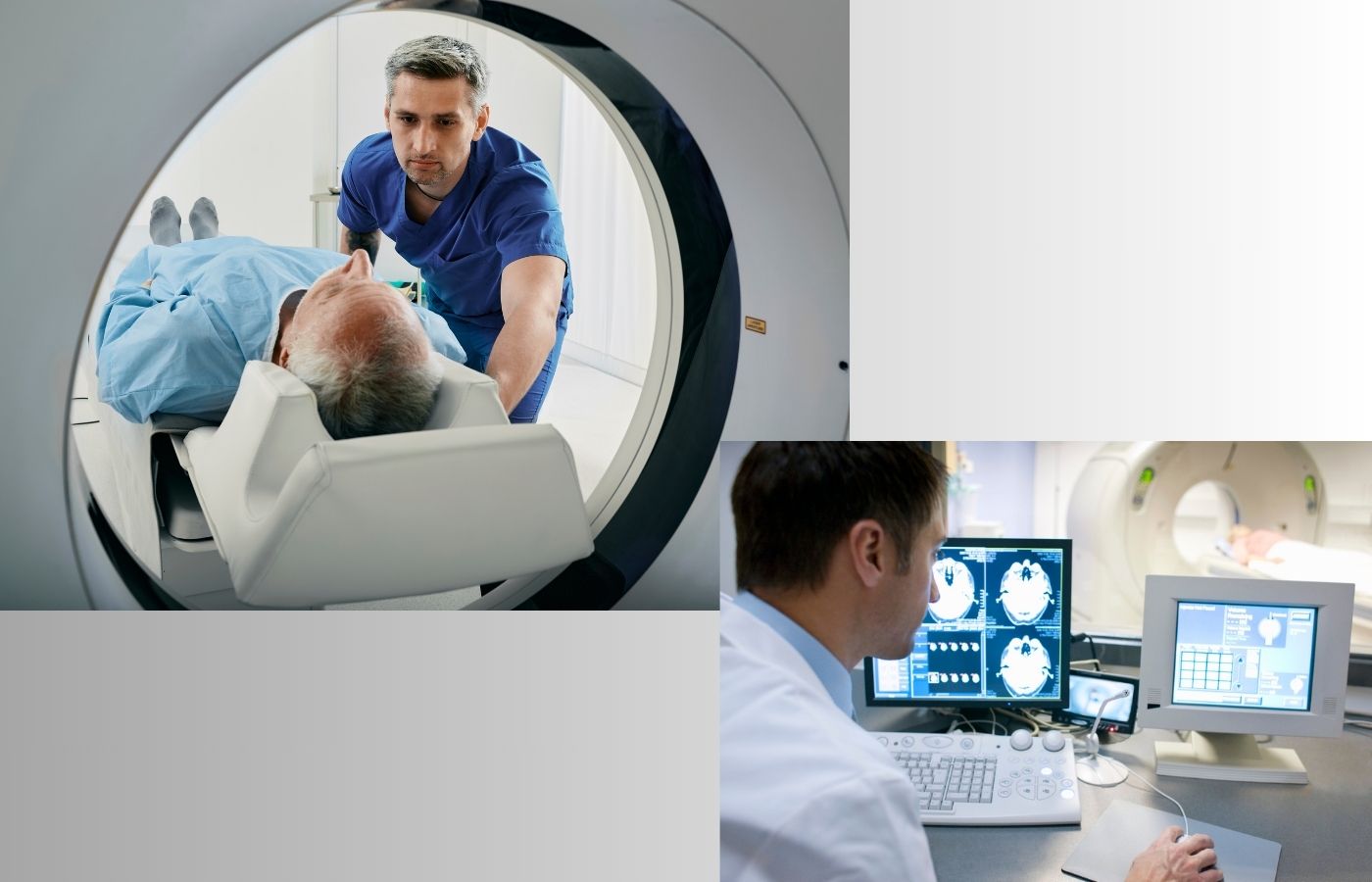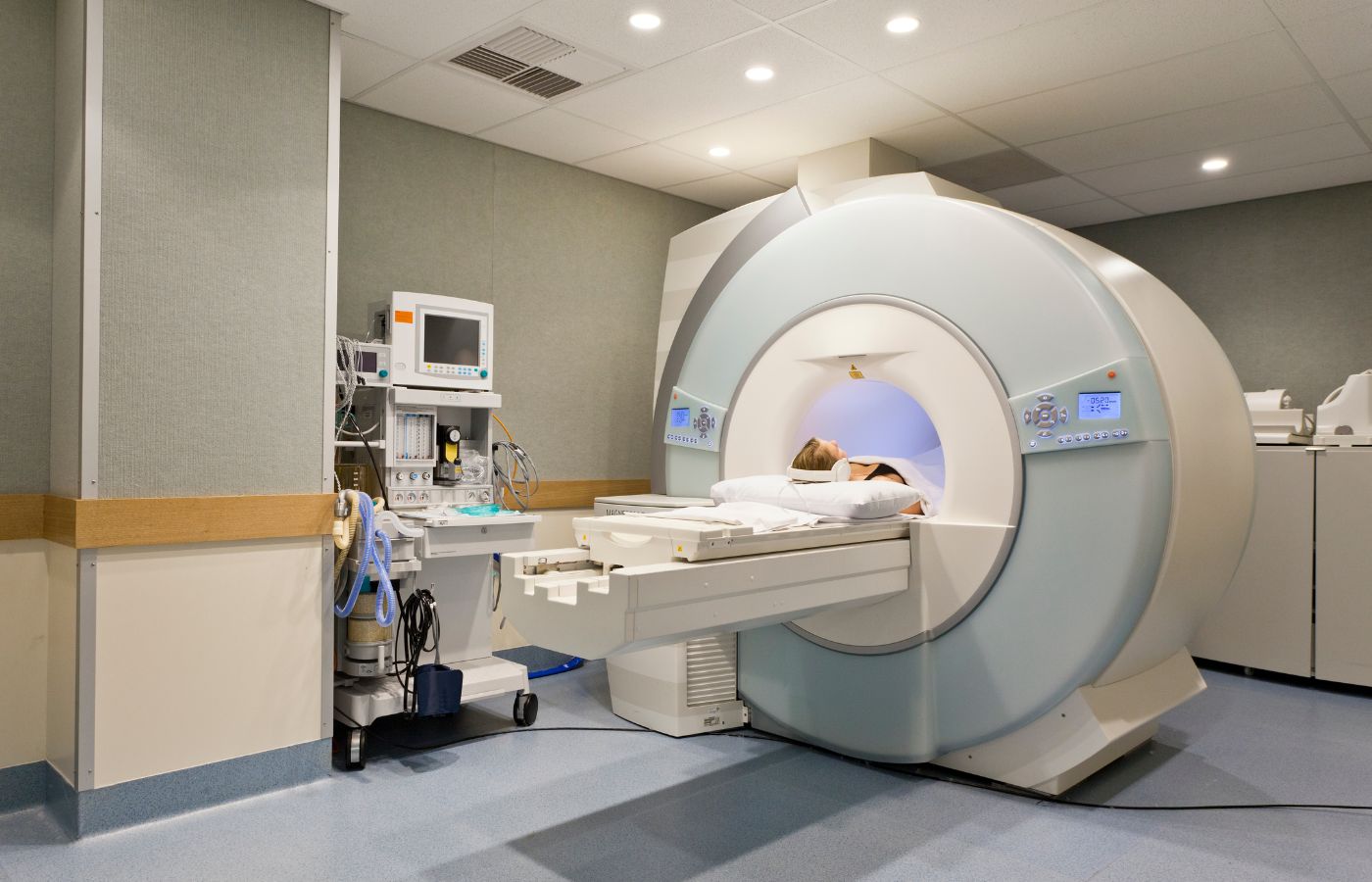
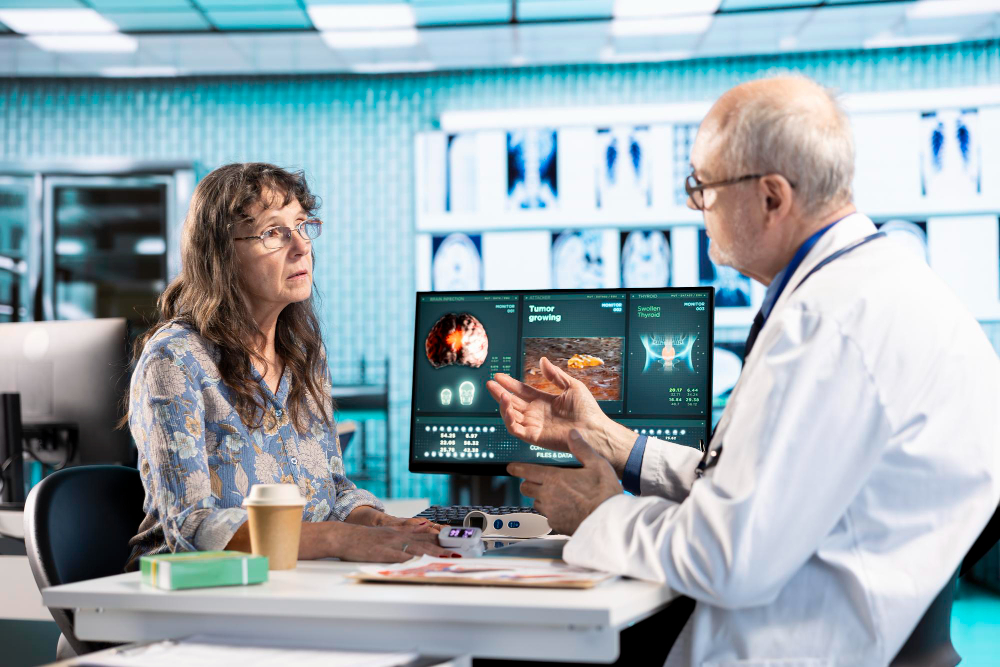
A CT scan (Computed Tomography scan) is one of the most advanced imaging technologies used in modern medicine. Doctors often recommend CT scans to examine internal organs, tissues, and bones in great detail. One common question many patients ask is: Can a CT scan detect cancer?
The answer is yes, CT scans can help detect cancer, but they are usually part of a broader diagnostic process that may include other tests and medical evaluations.
A Complete Guide for Patients
Cancer diagnosis can be stressful. Many people ask, “Can a CT scan detect cancer?” The simple answer is yes, but there is more to understand. This article explains how CT scans work, what they detect, limitations, and what to expect.
A clear understanding helps you make informed choices. We keep the explanation simple and easy to follow.
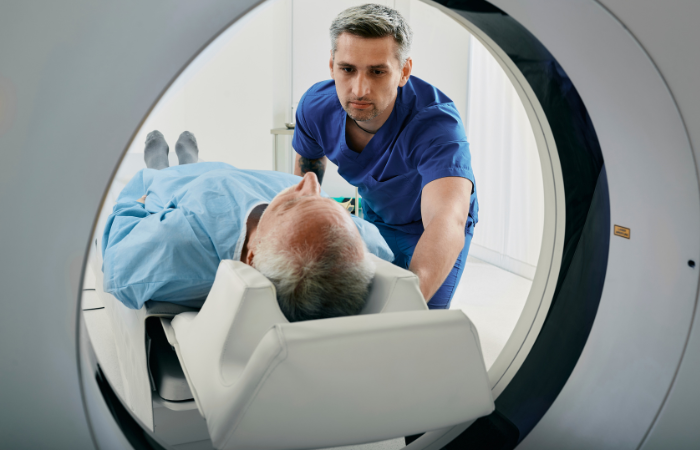
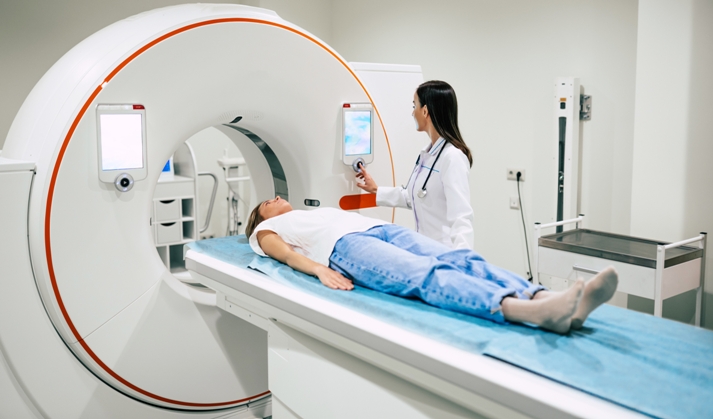
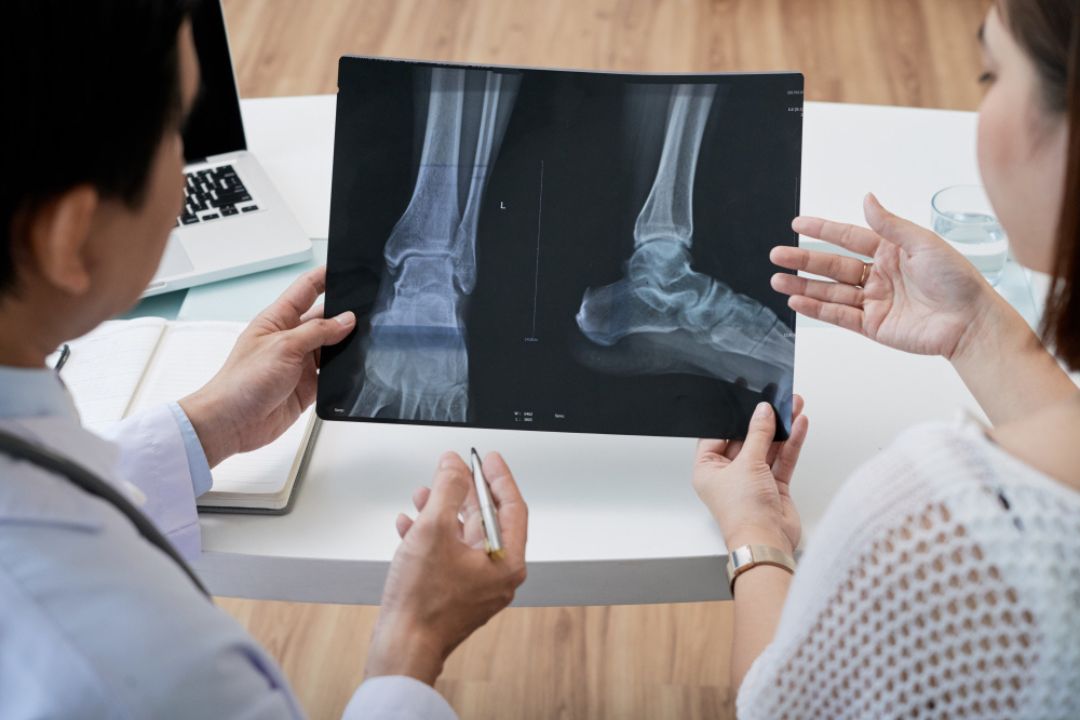
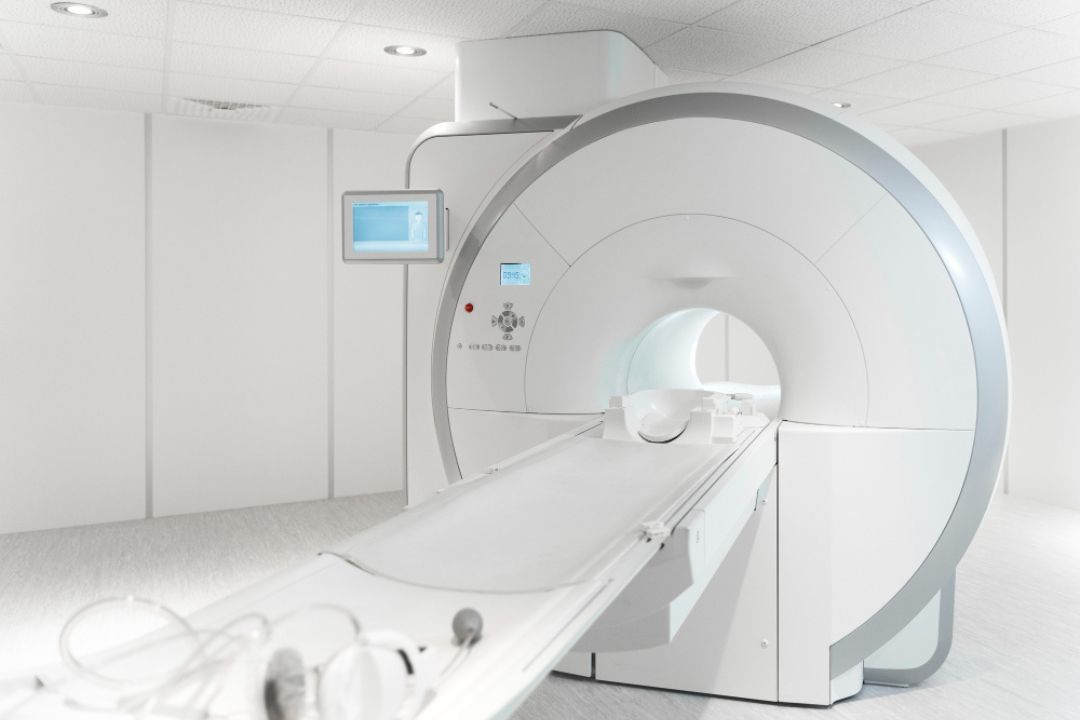
A Computed Tomography (CT) scan is an advanced imaging test. It uses X-rays and computers to create detailed images of the body. These images show bones, organs, blood vessels, and soft tissues in high detail.
Visit Now: https://www.diagnopein.com
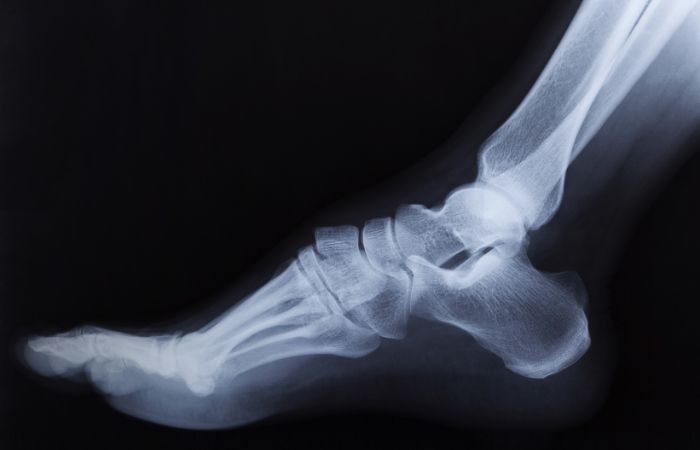
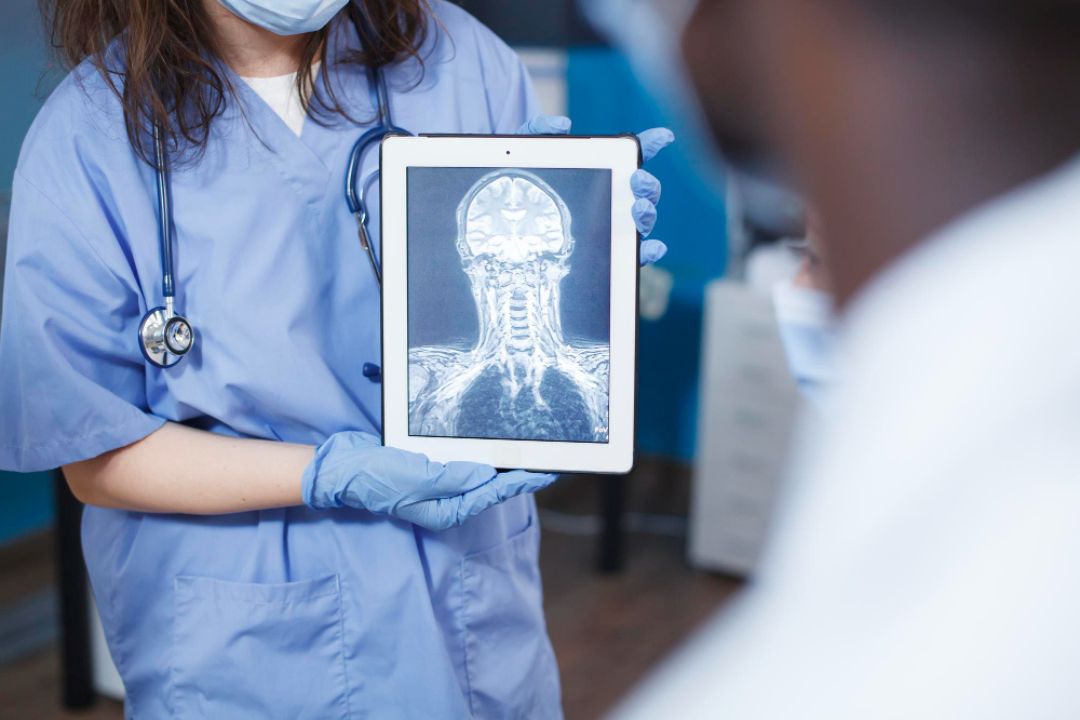
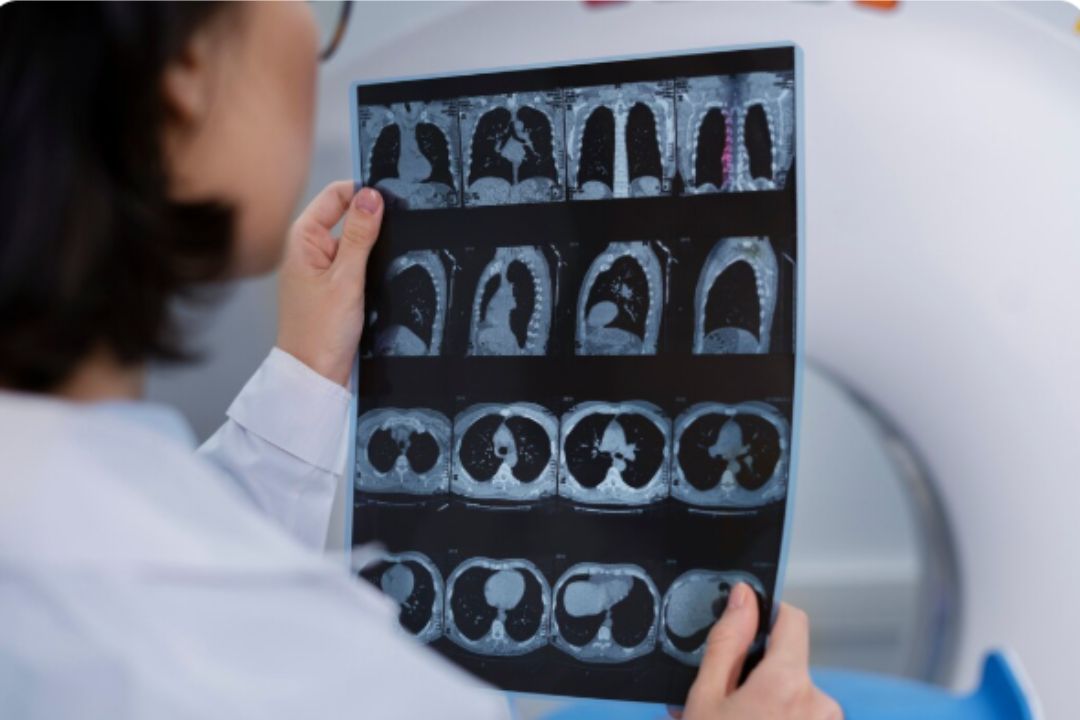
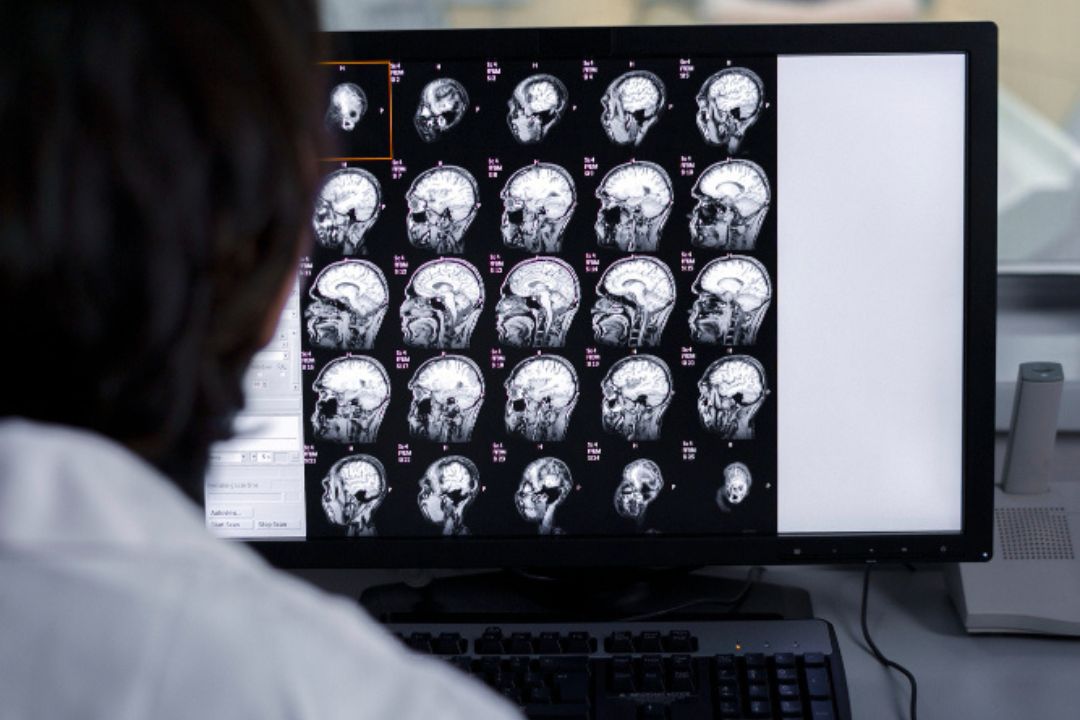
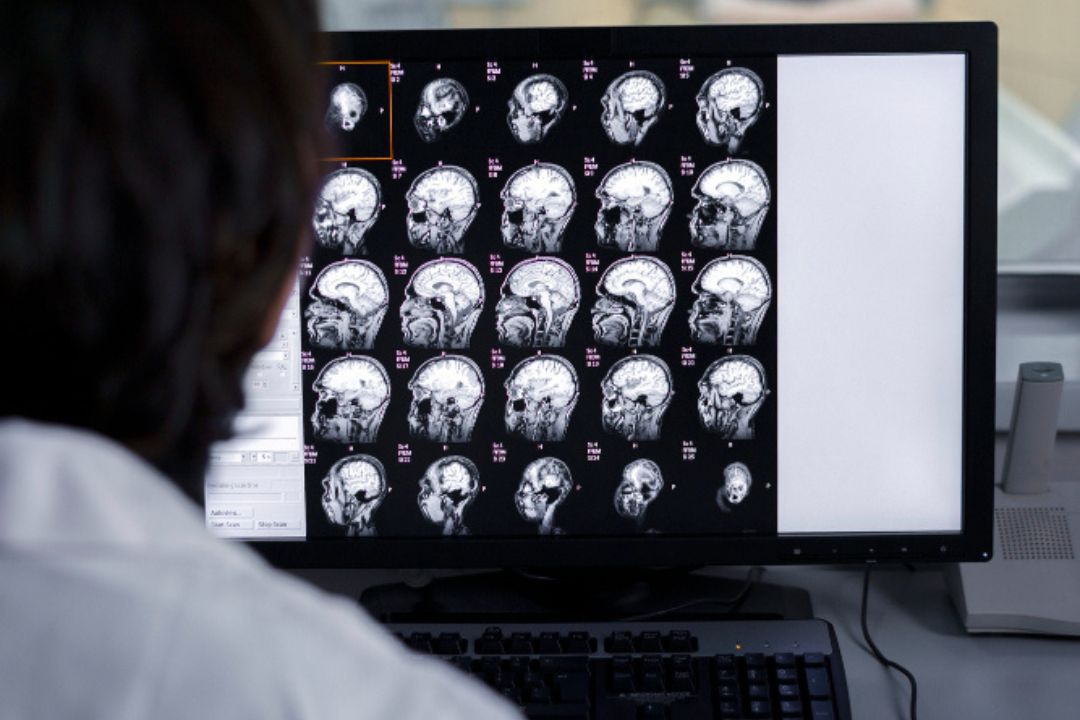
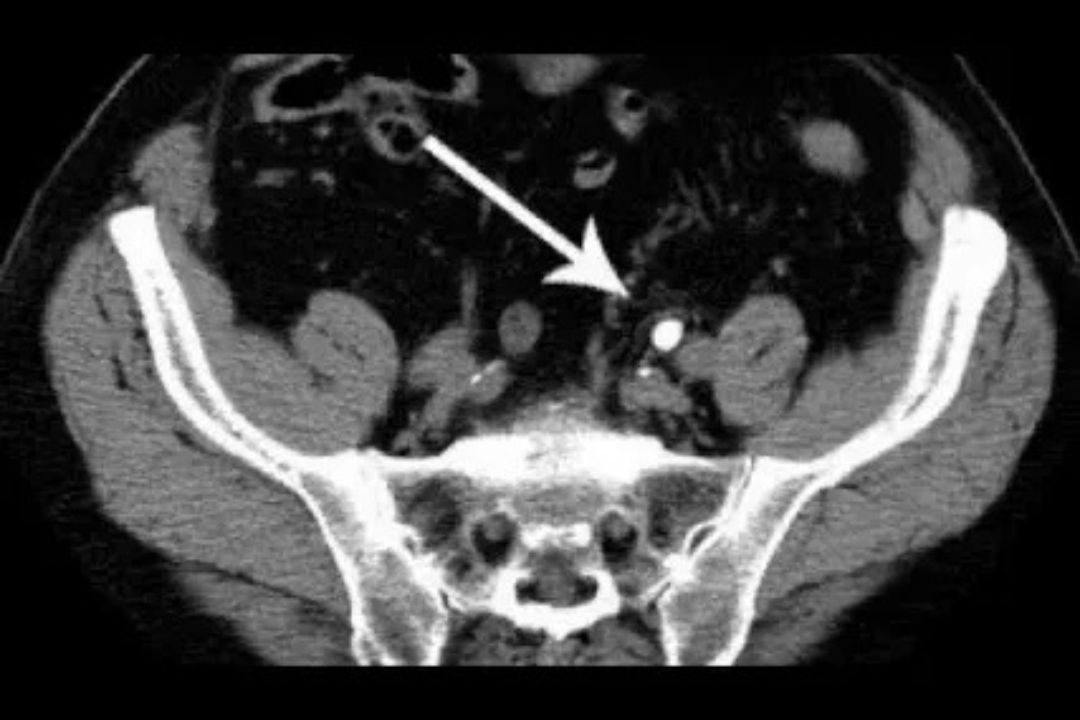
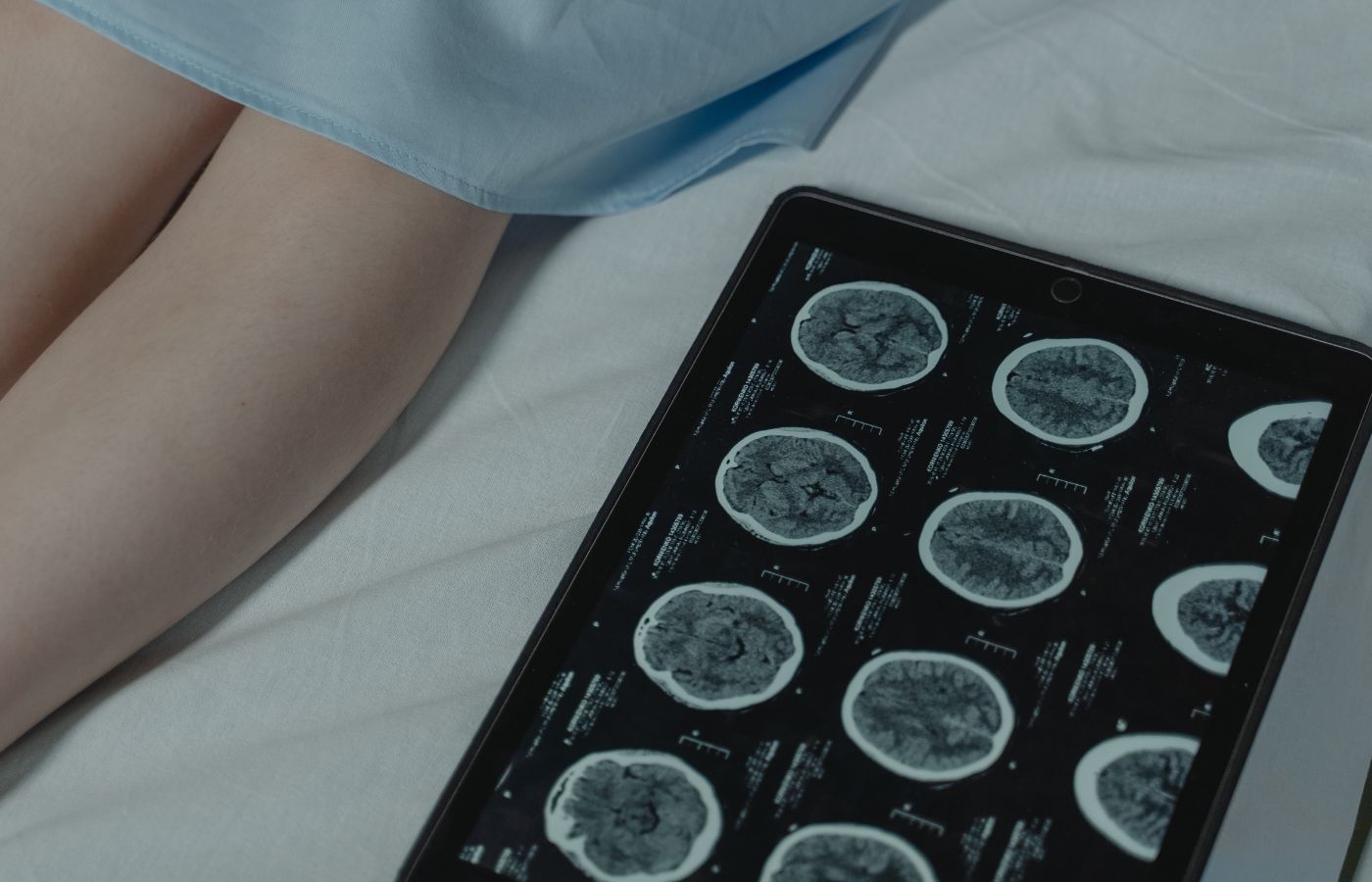
CT scans produce cross-sectional “slices.” These slices allow doctors to see inside the body more clearly than with regular X-rays.
A CT scan can detect abnormal growths or tumors in the body. Cancer causes changes in tissues. These changes often show up as irregular masses on the CT images.
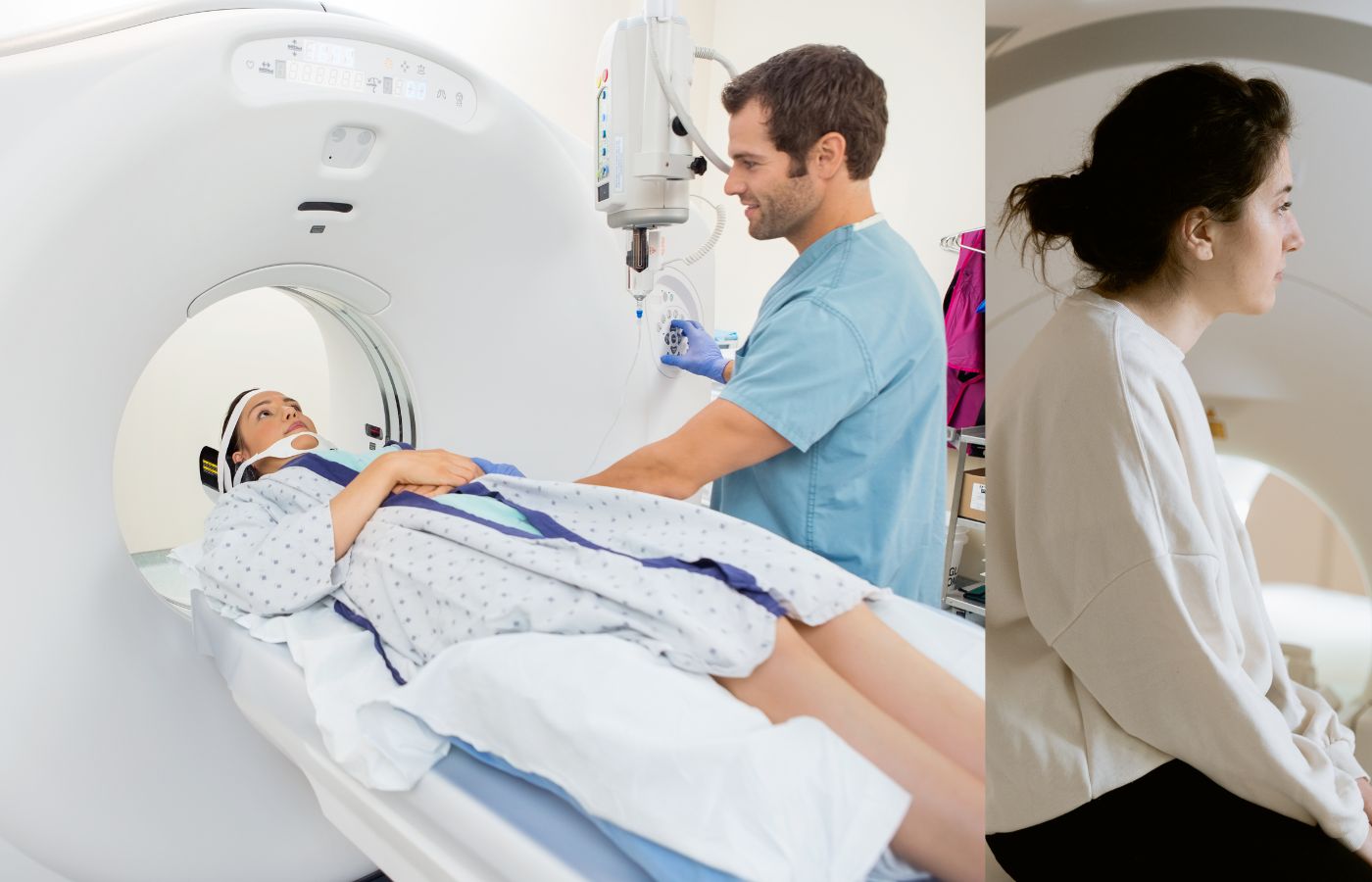
When a CT scan is done:
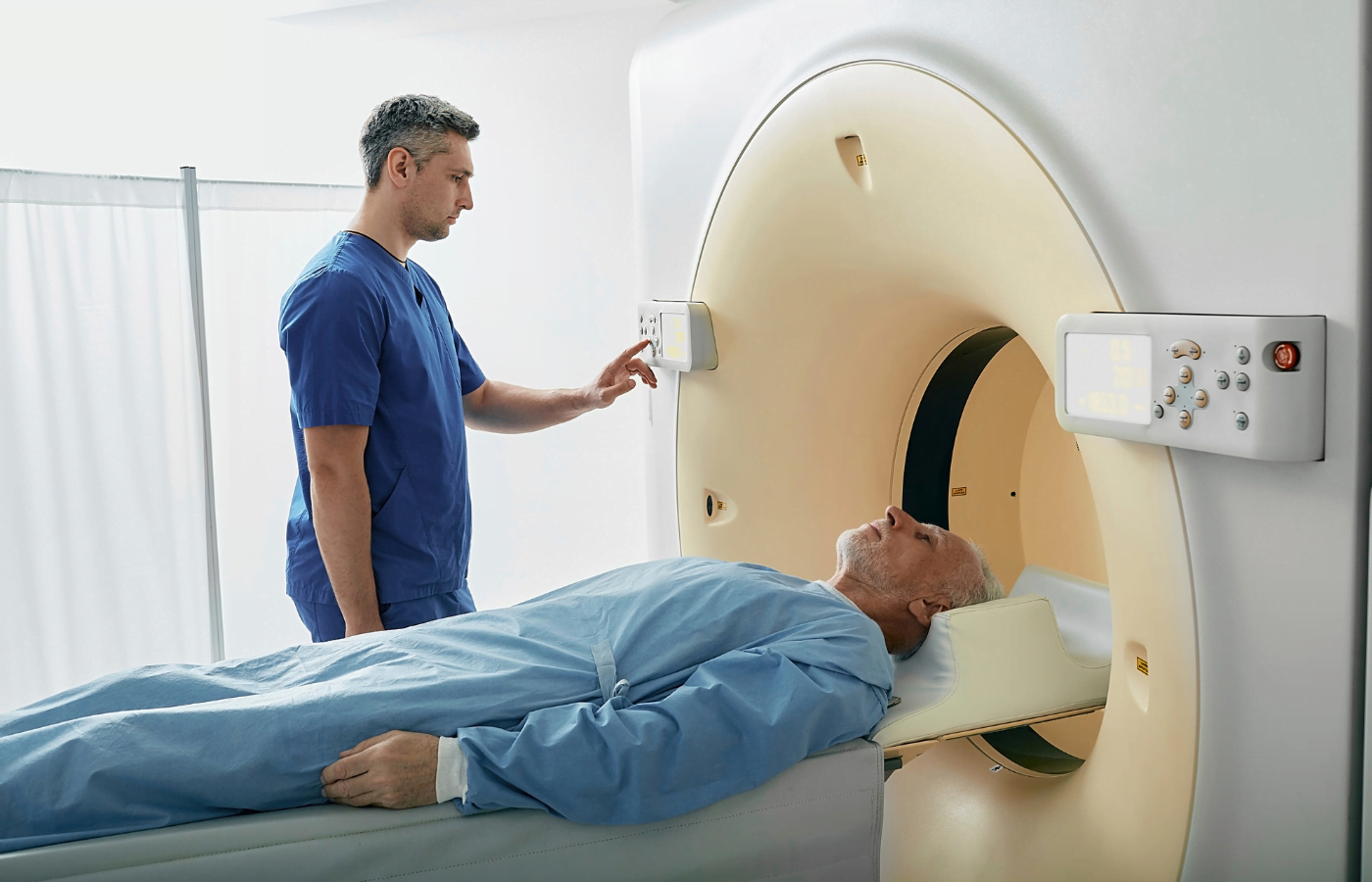
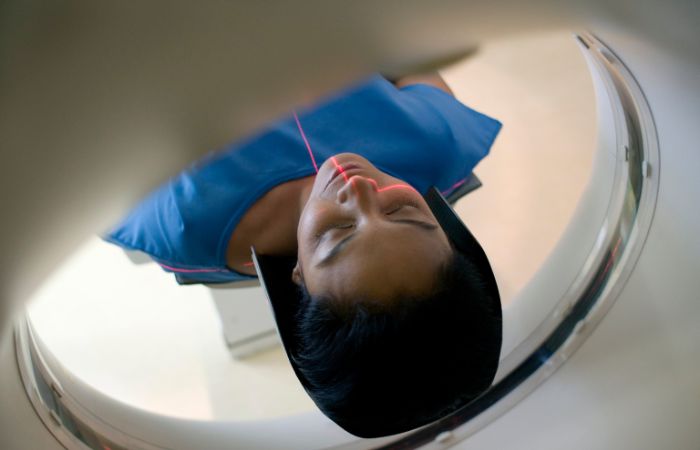
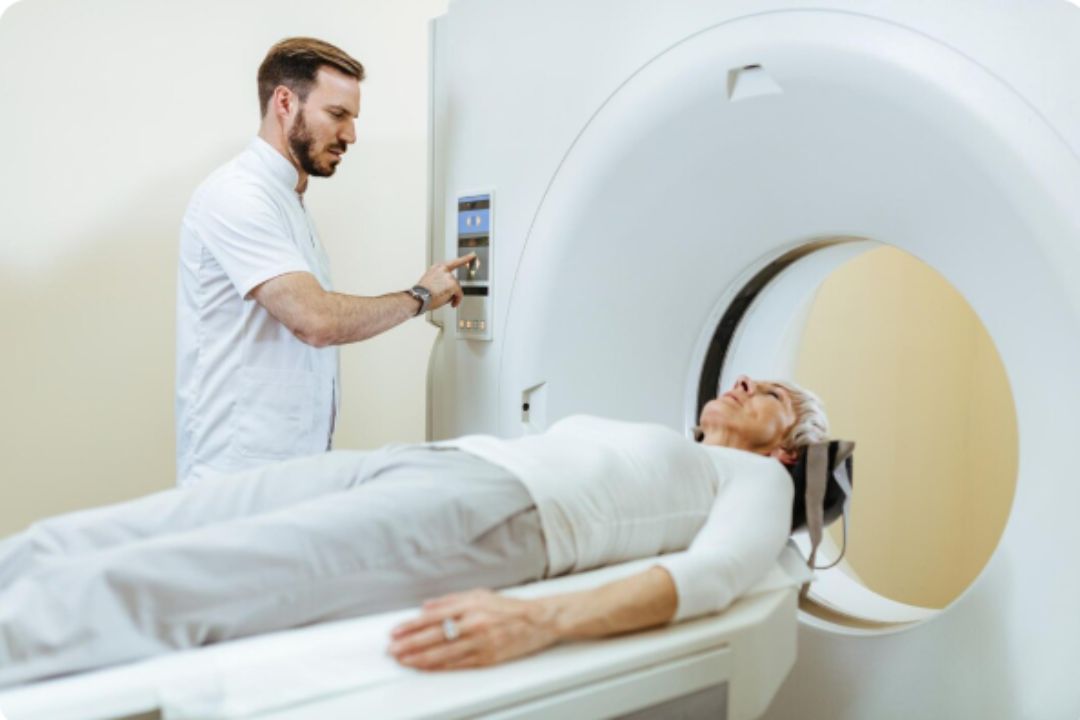
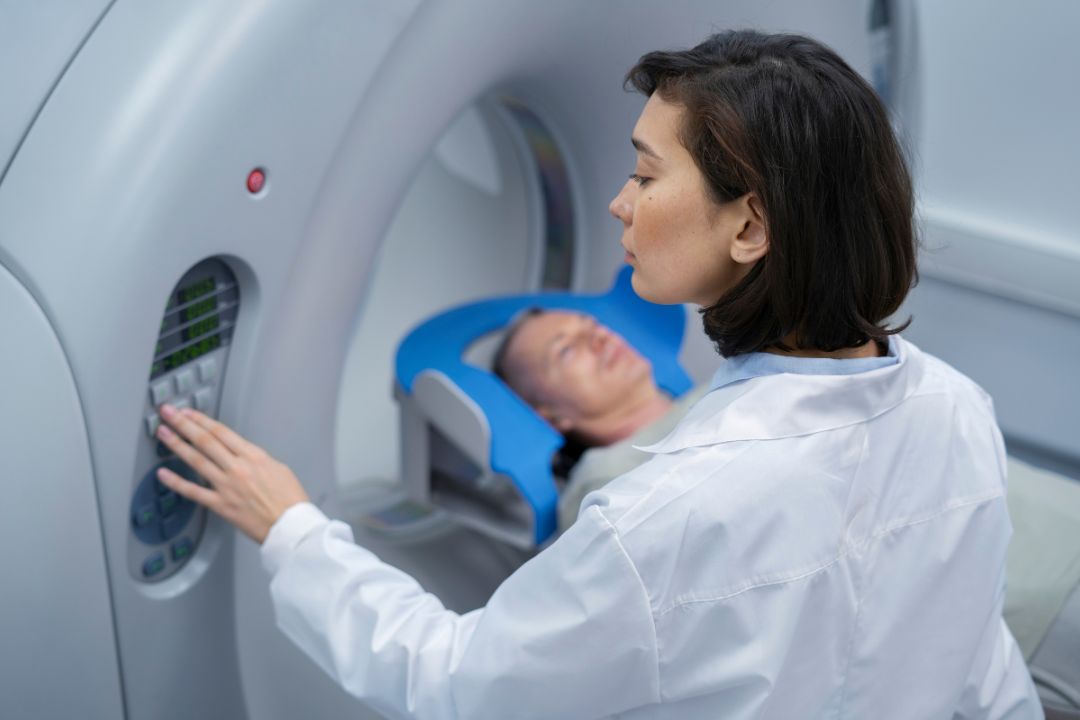
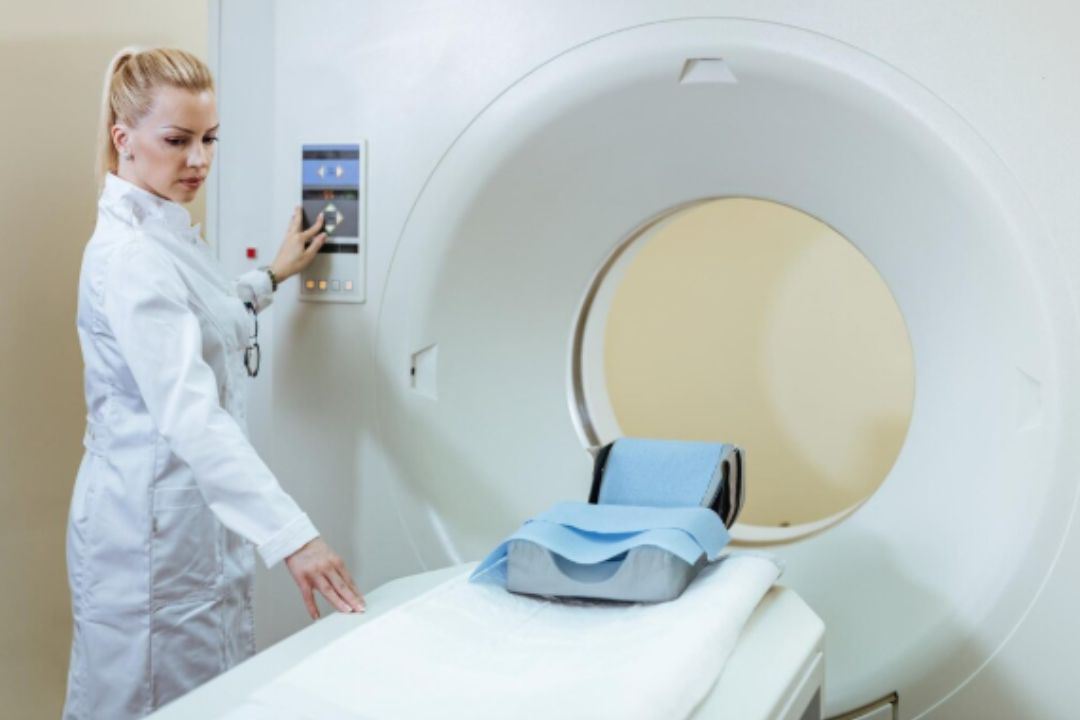
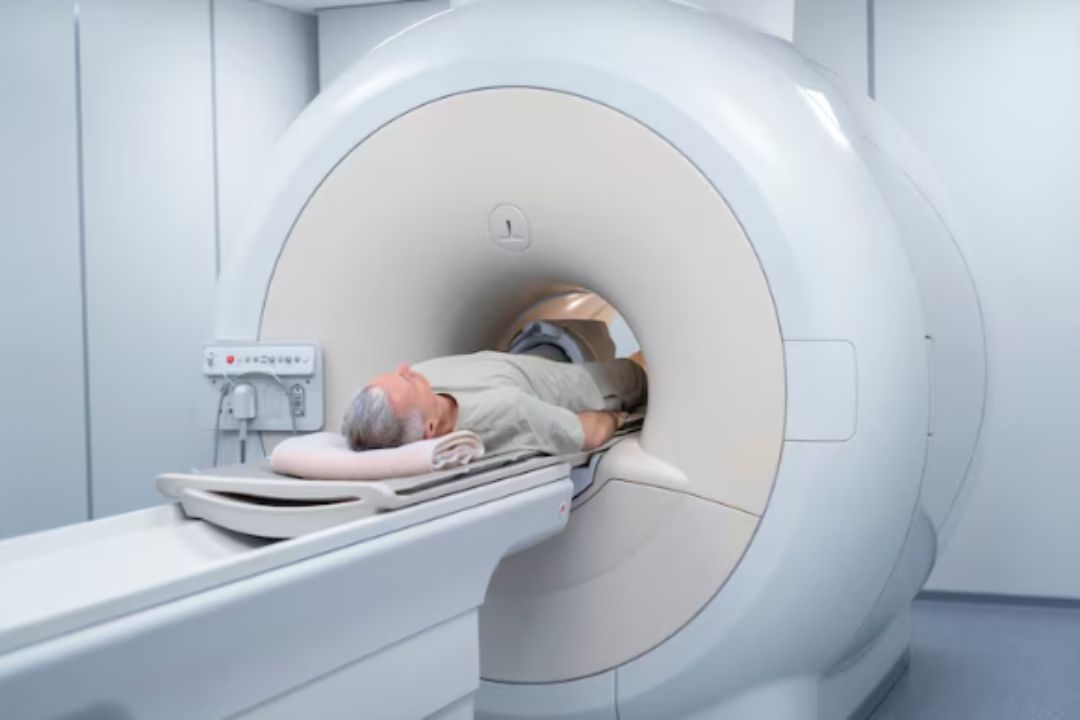
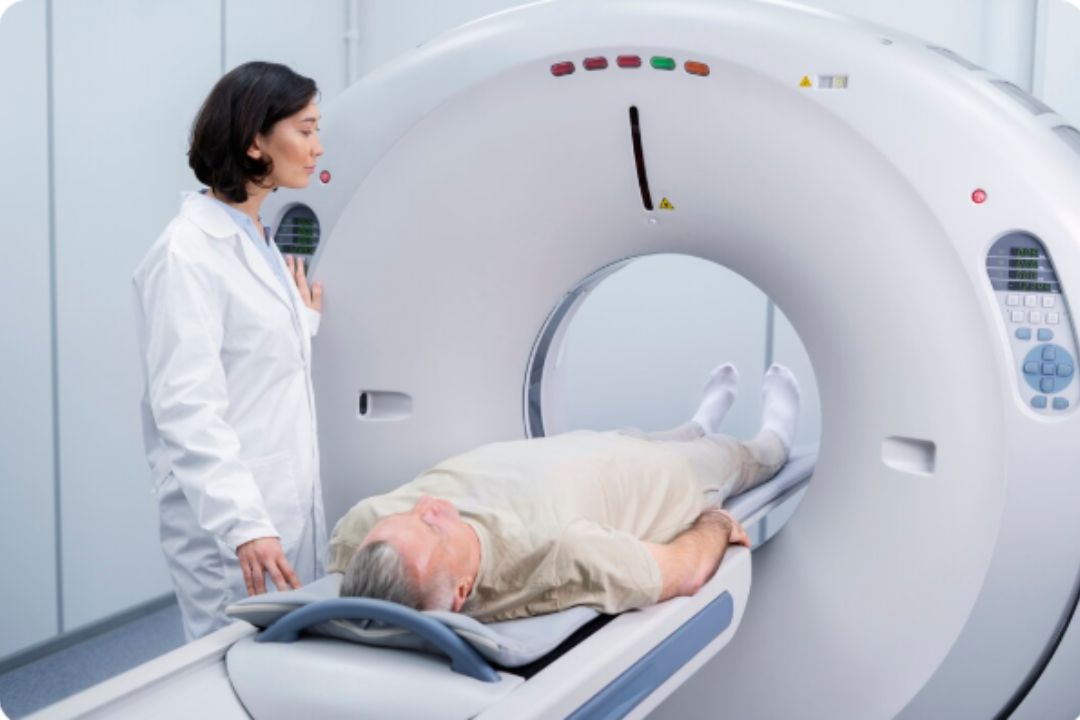
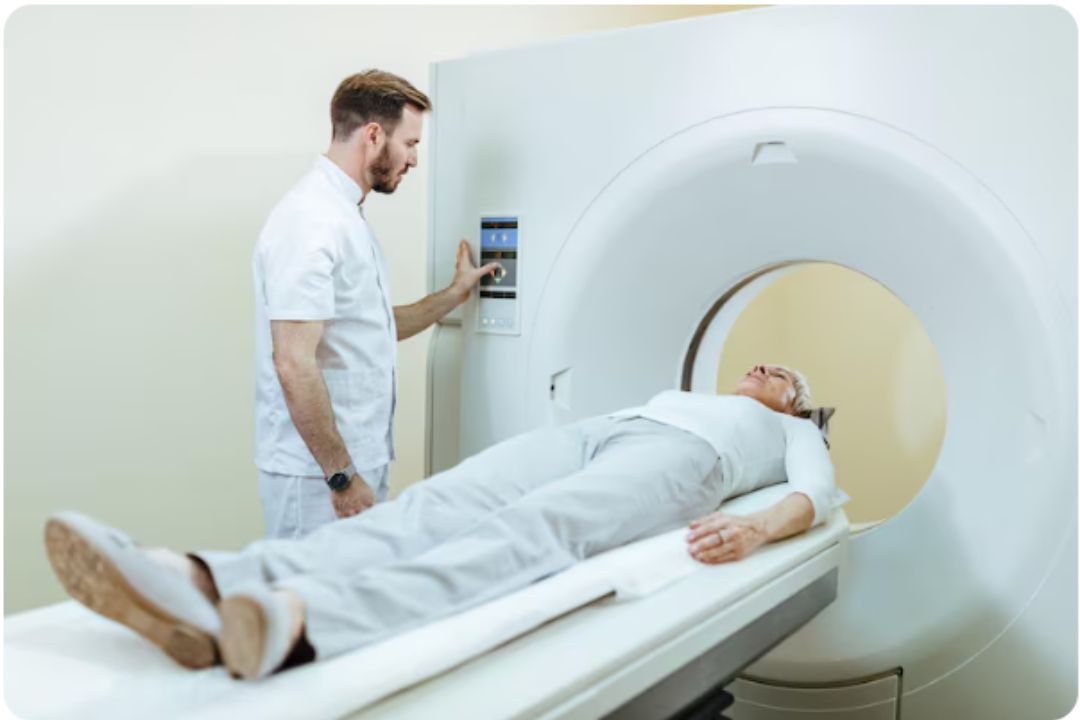
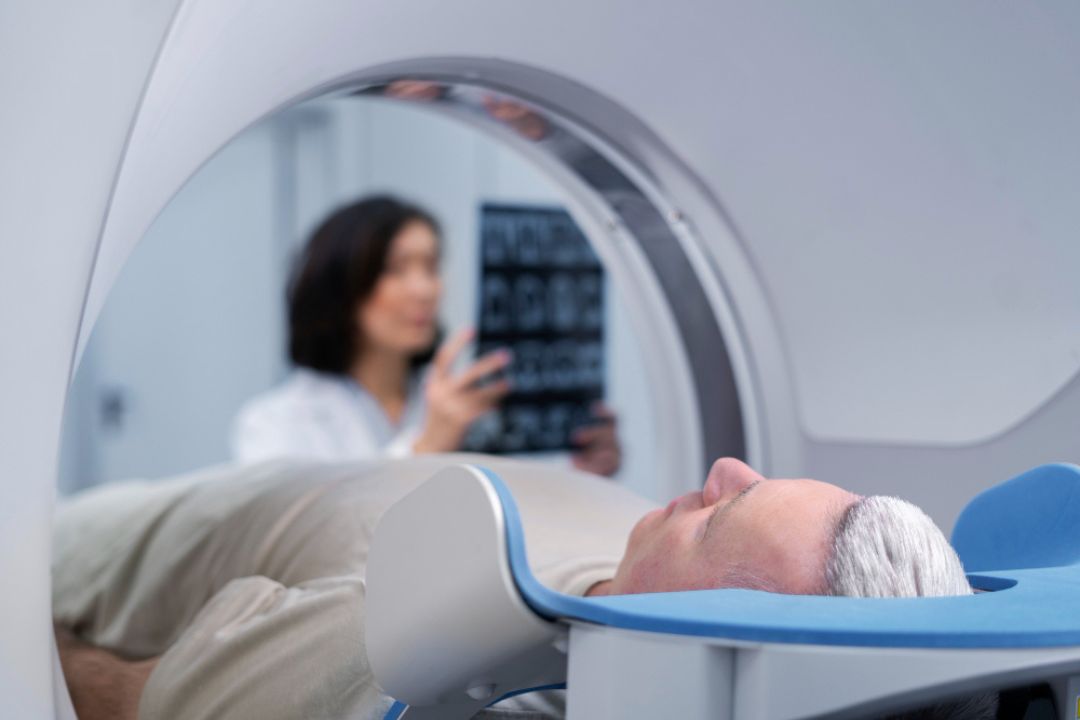
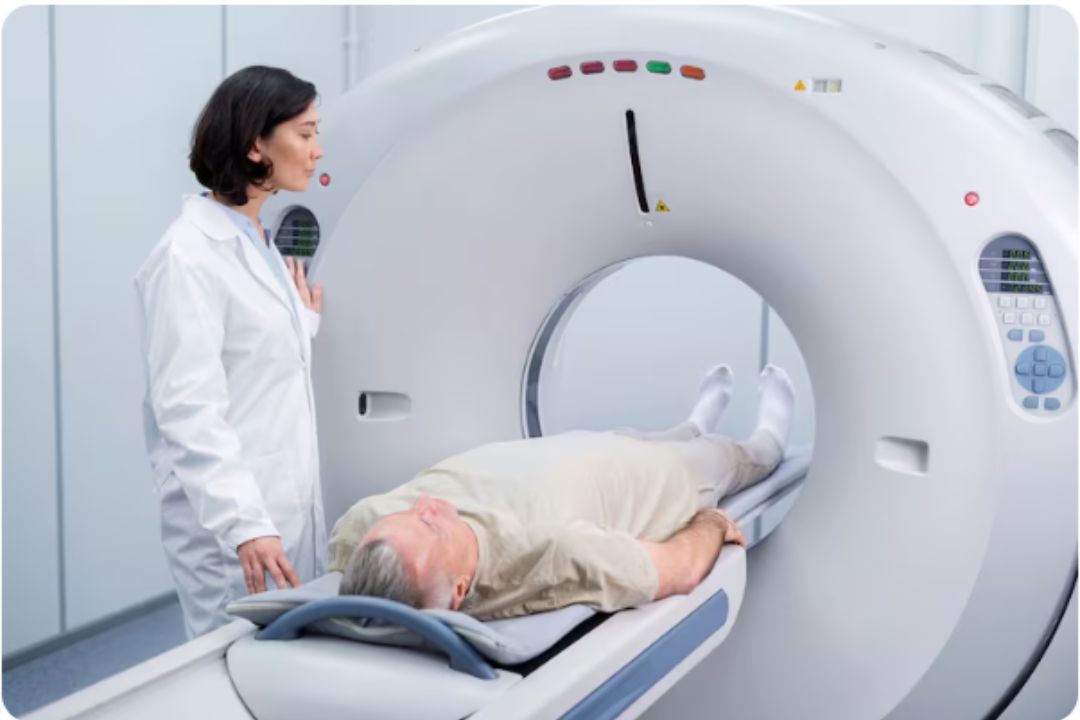
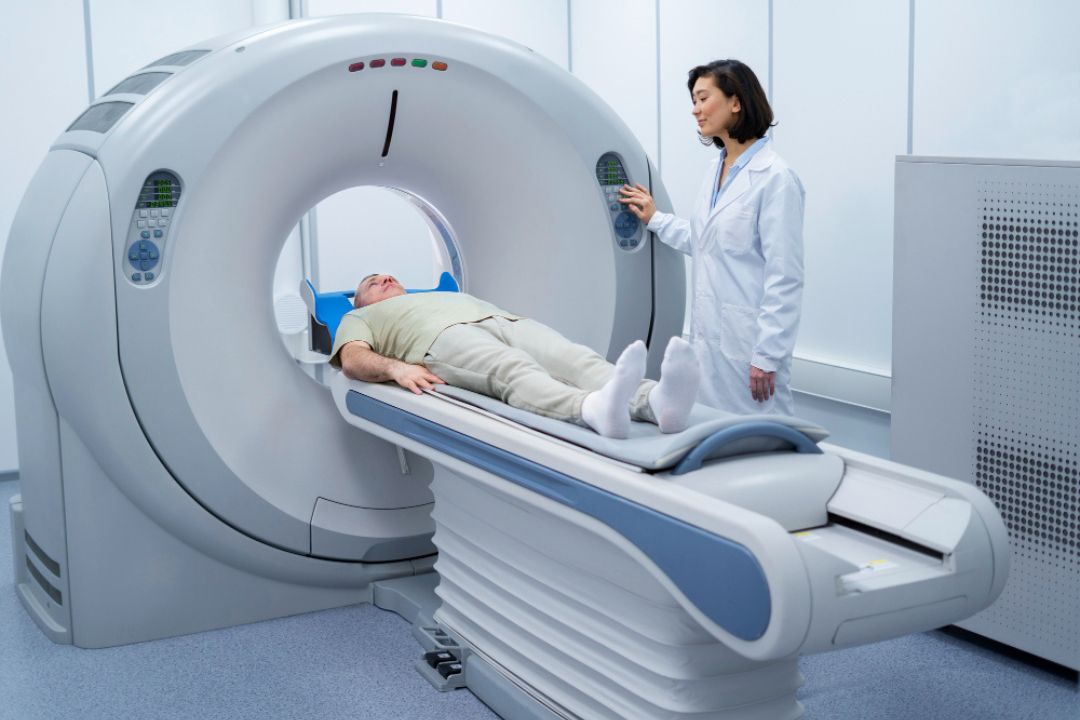
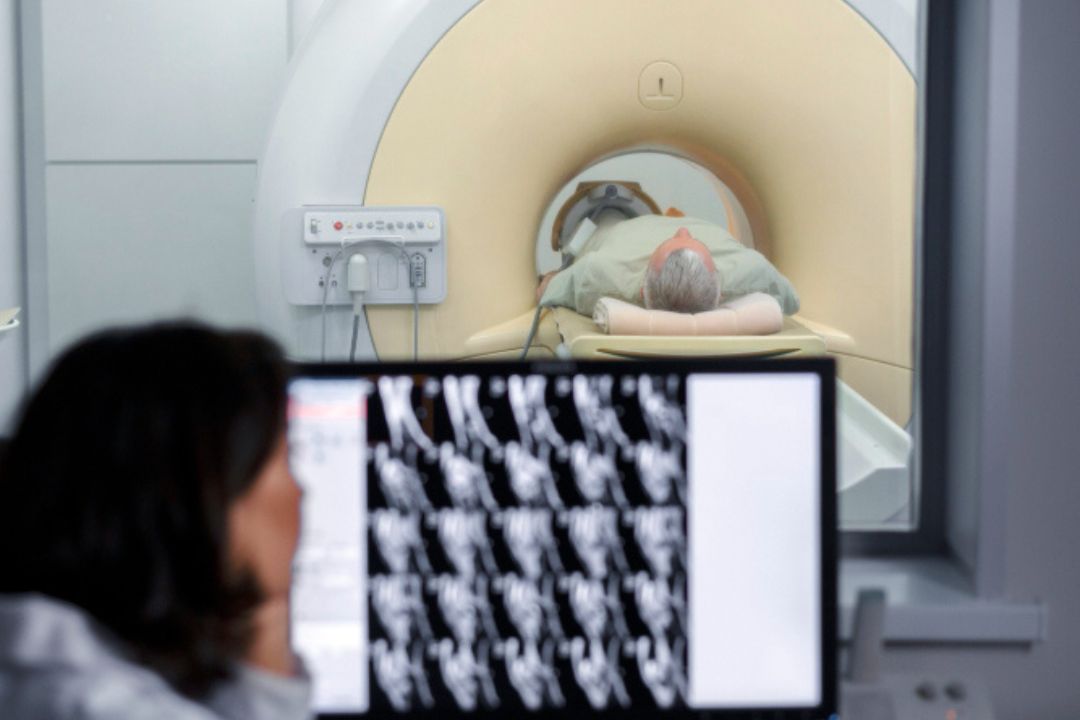
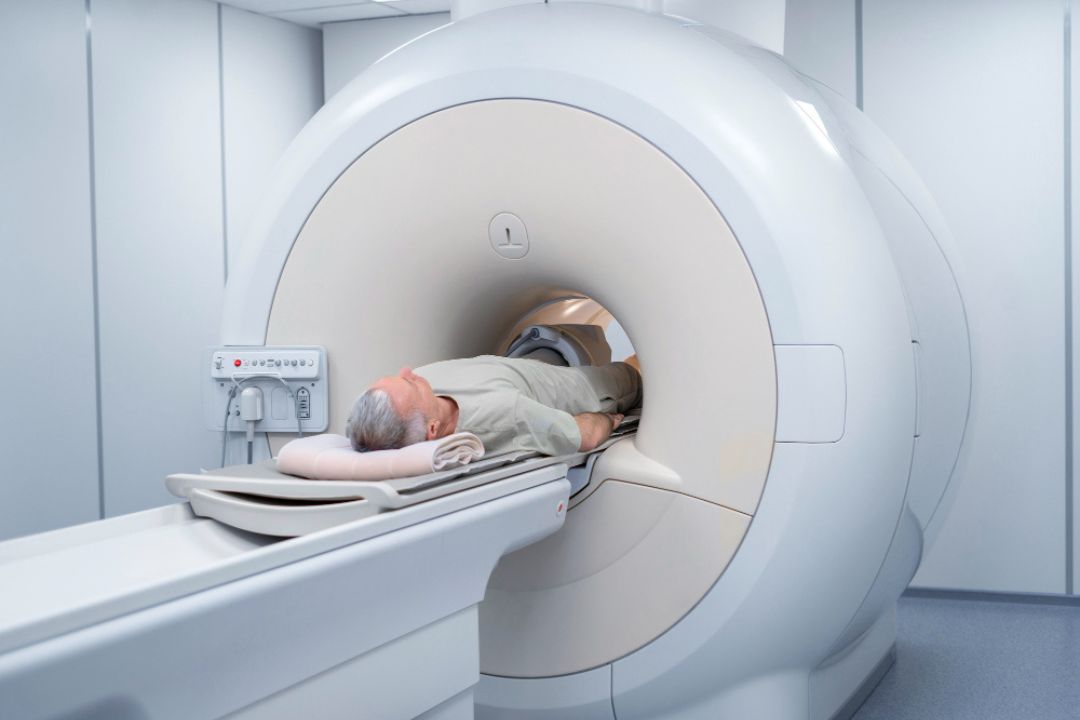
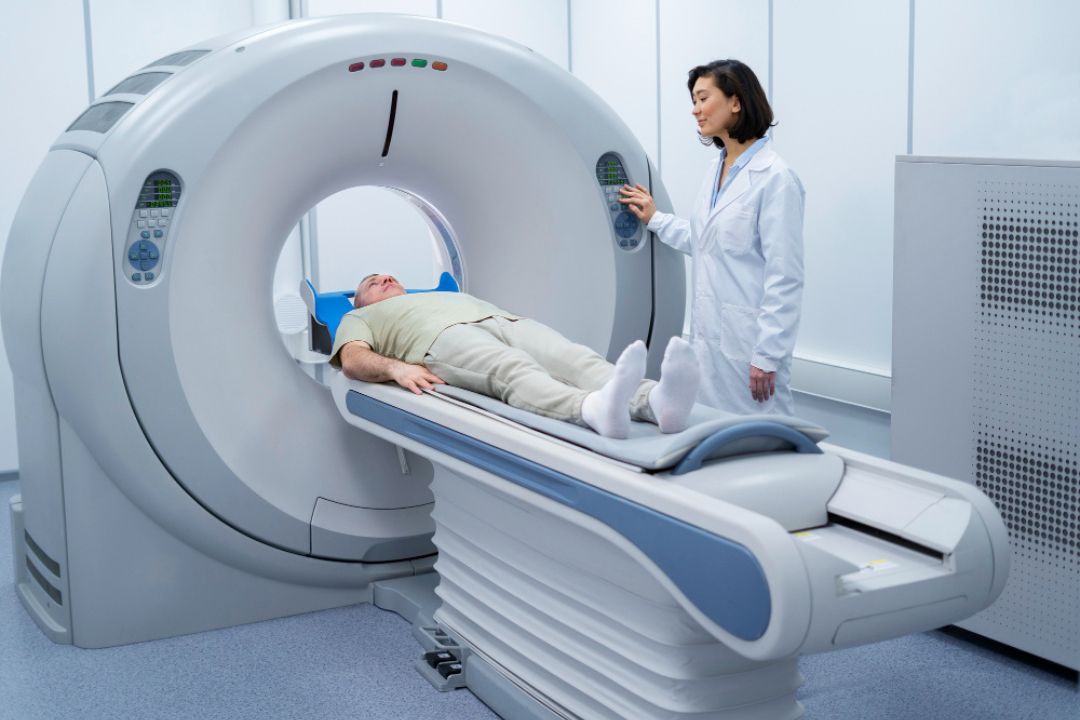
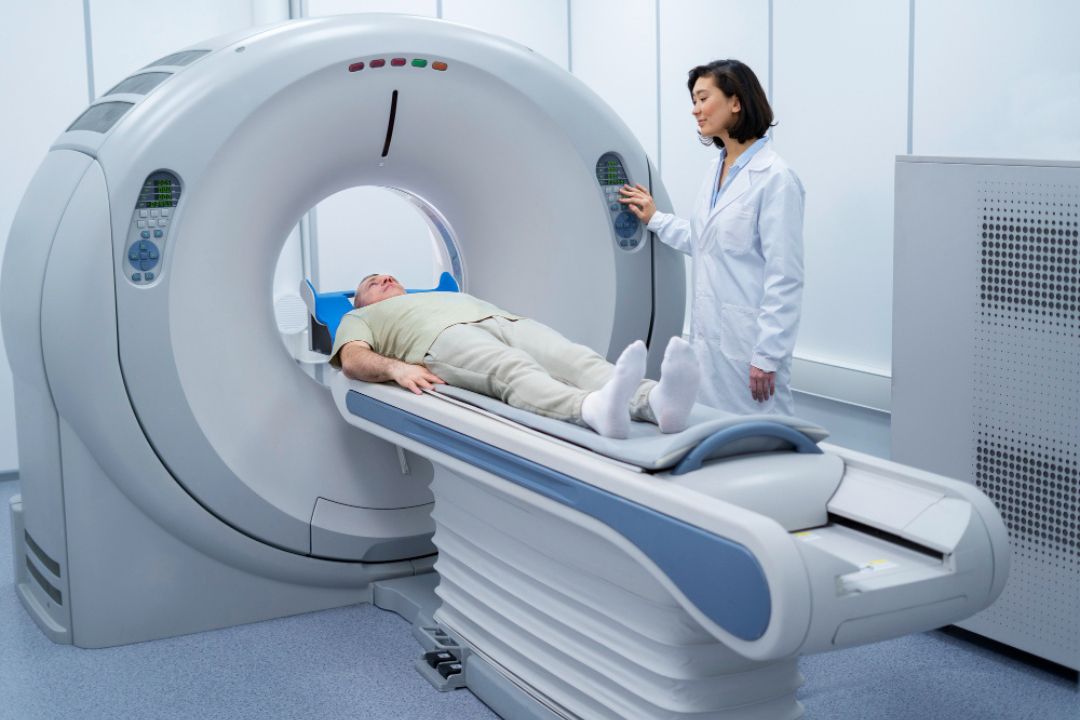
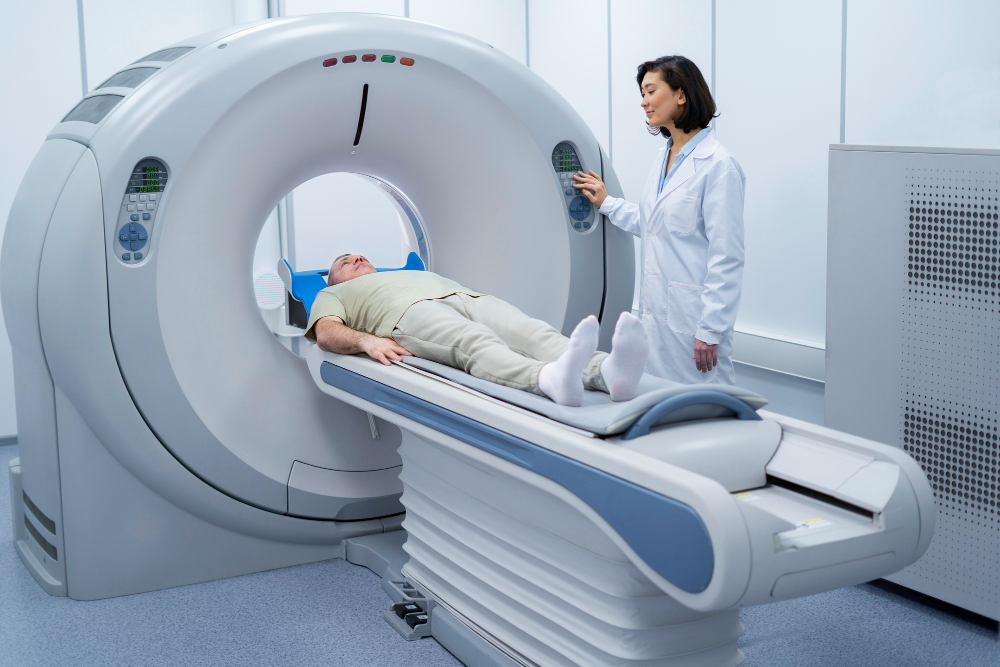
The scanner rotates around your body.
Multiple X-ray beams capture images from different angles.
A computer combines these into detailed 2D or 3D pictures.
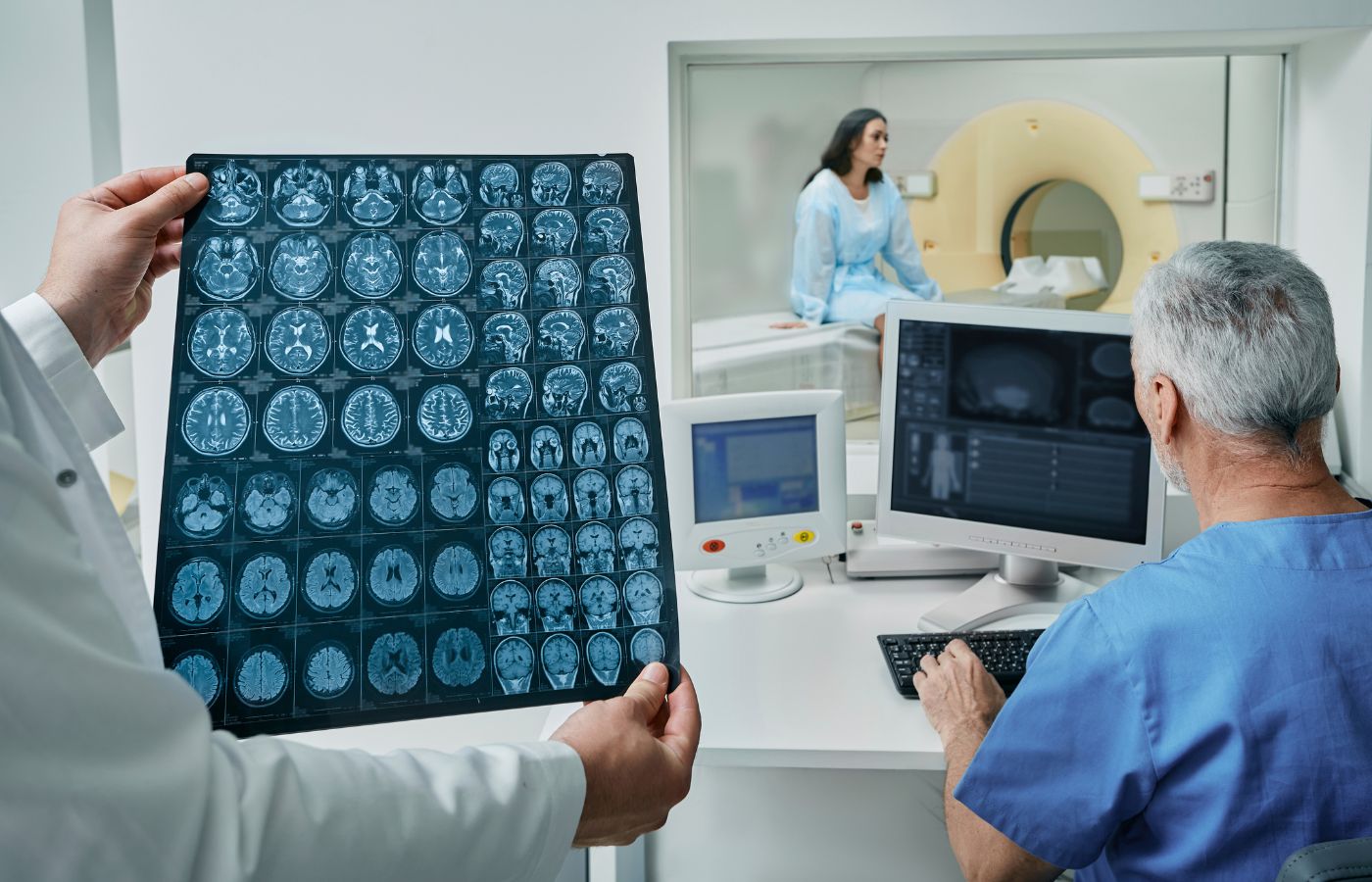
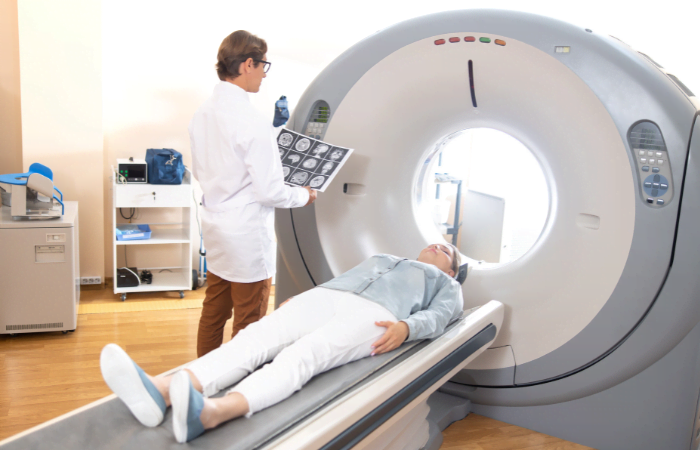
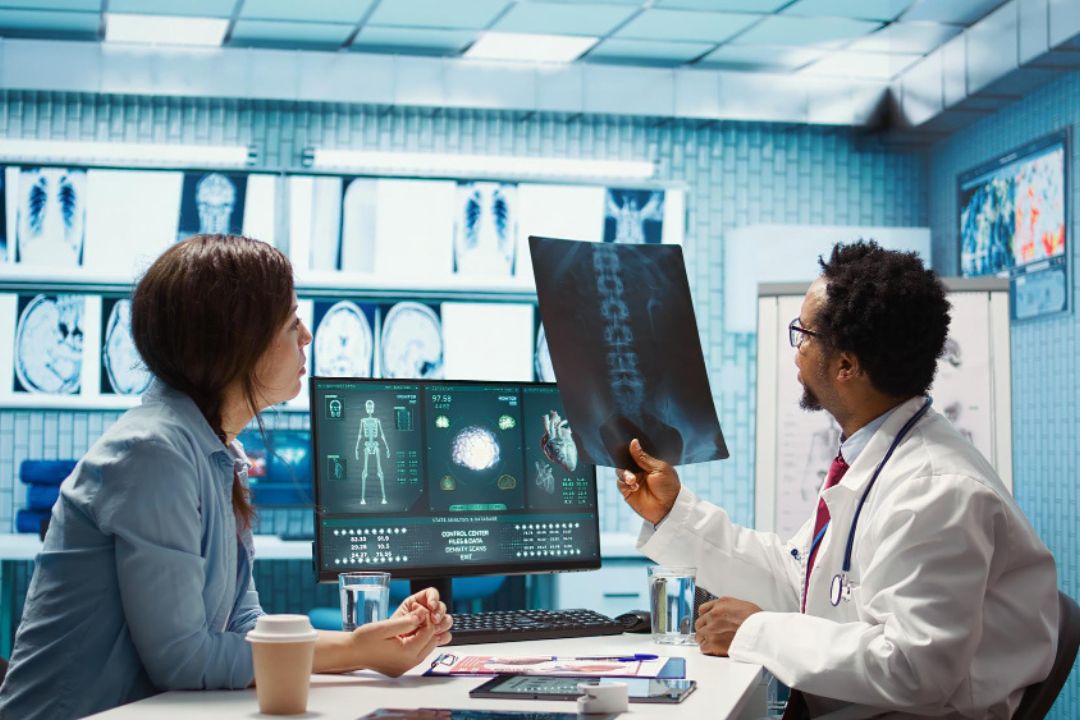
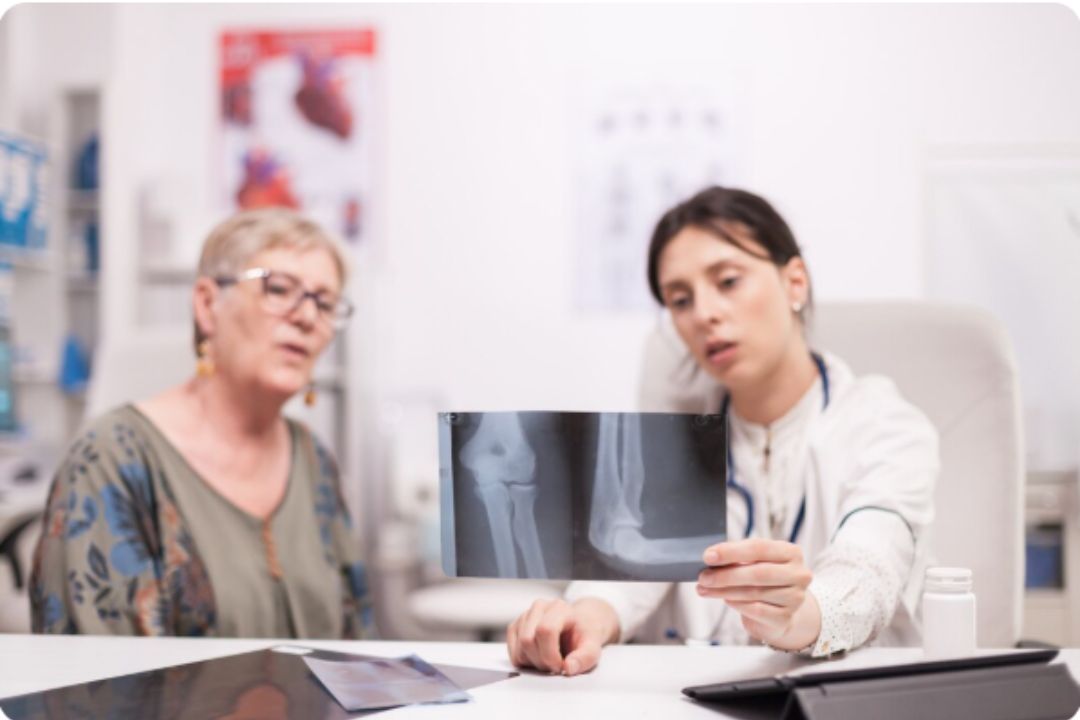
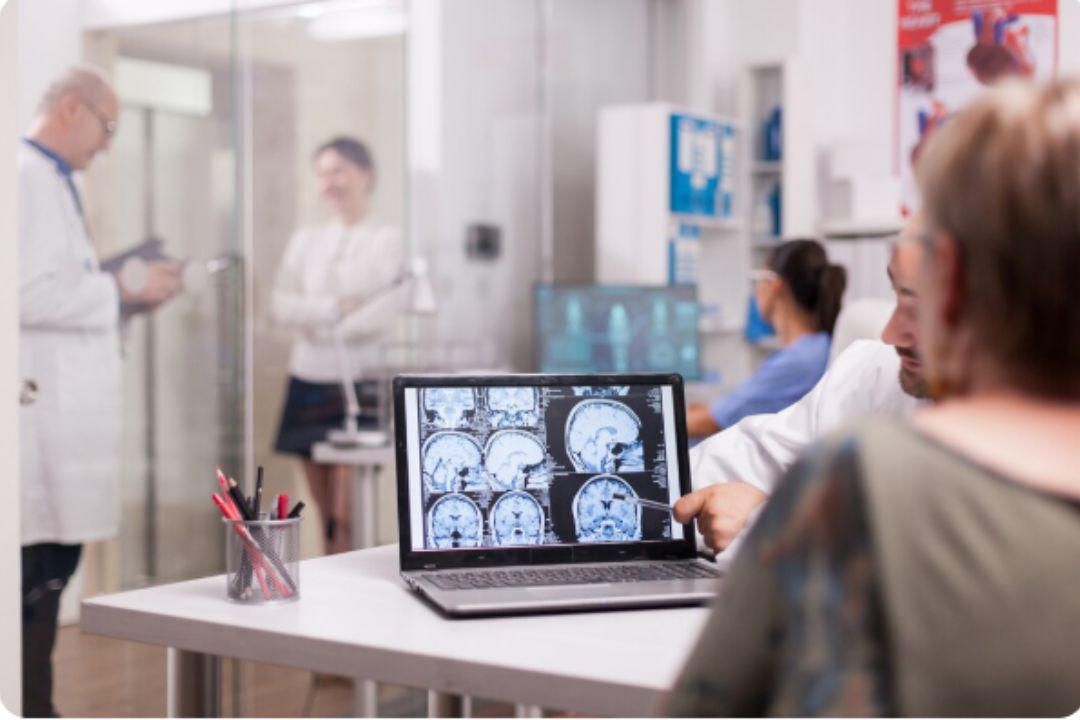
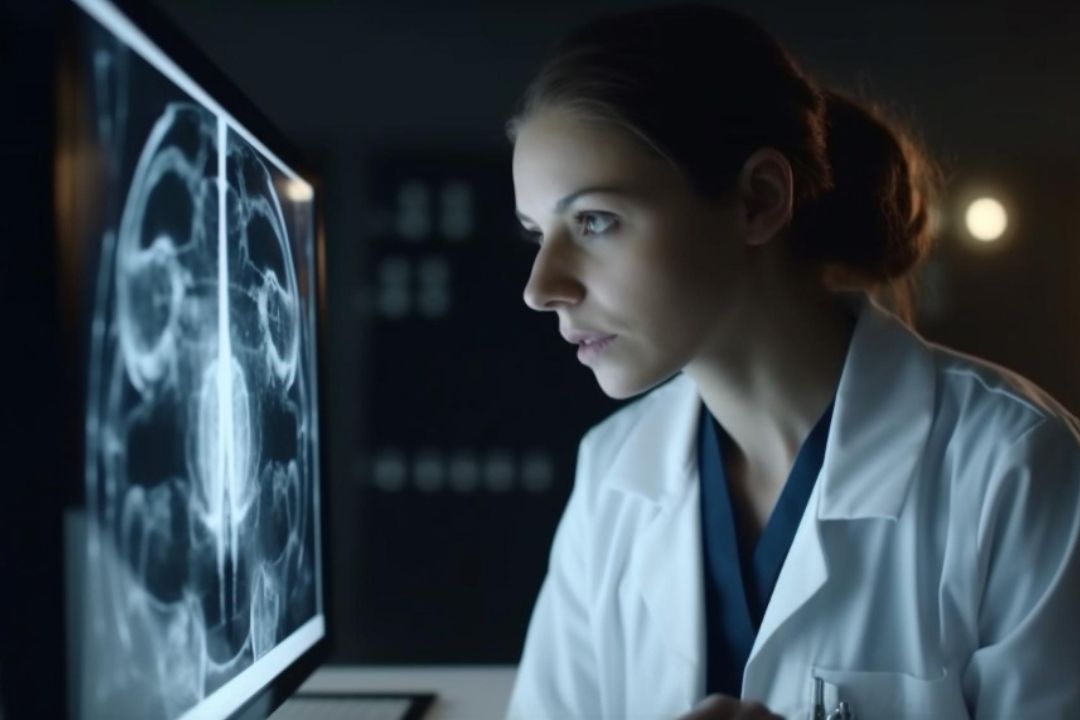
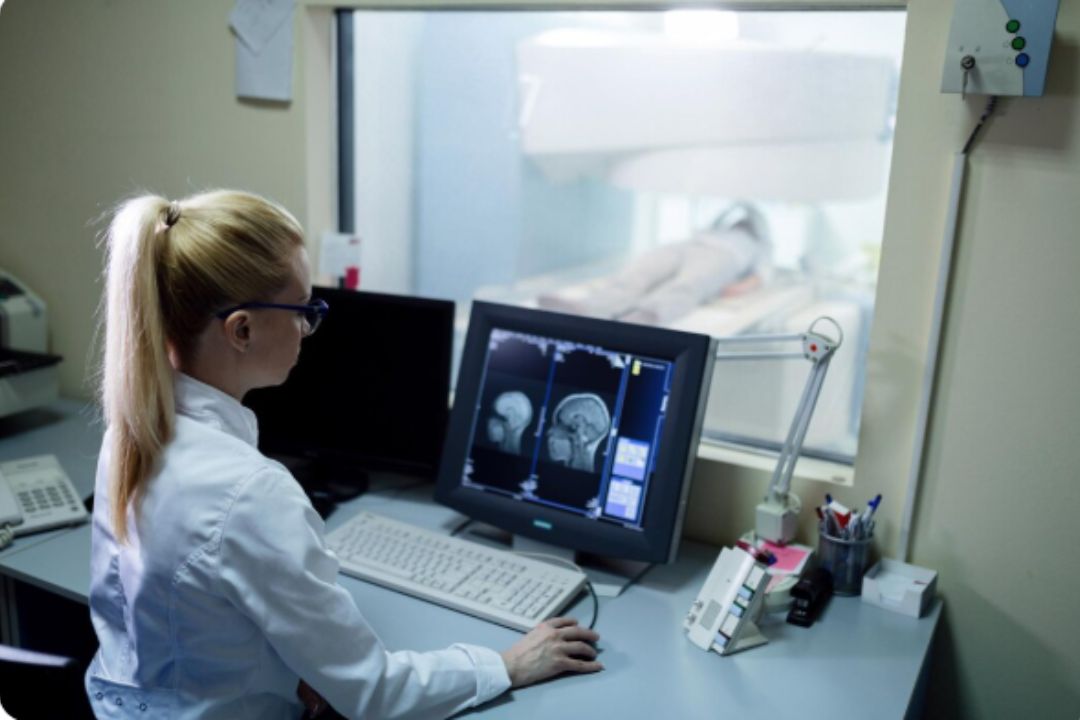
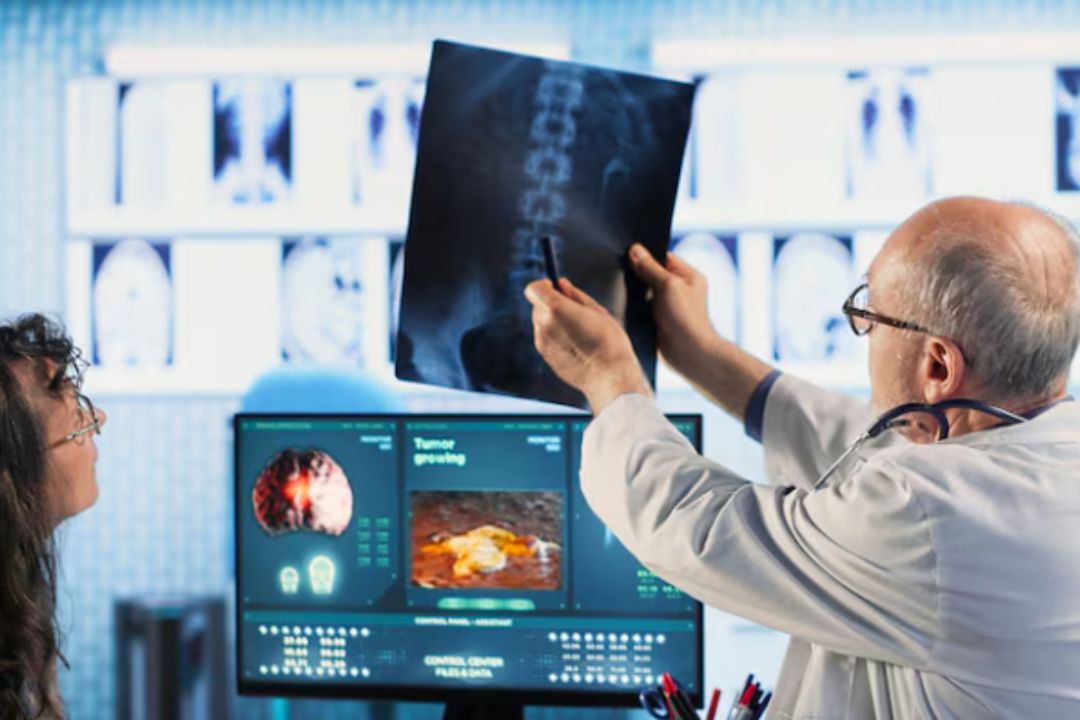
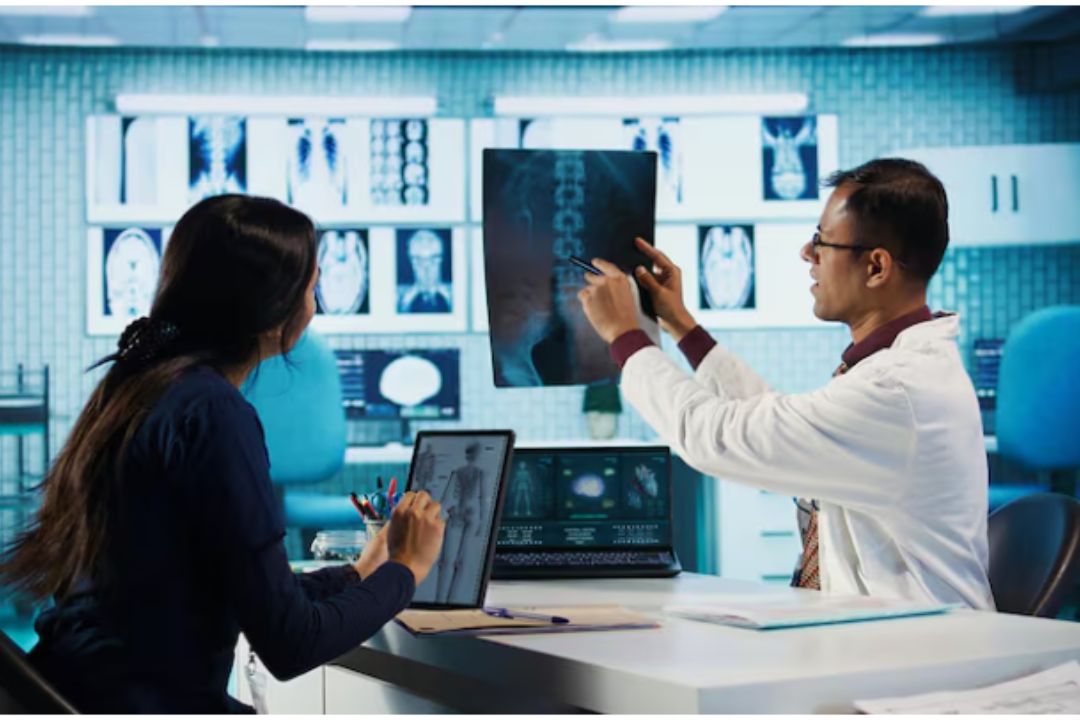
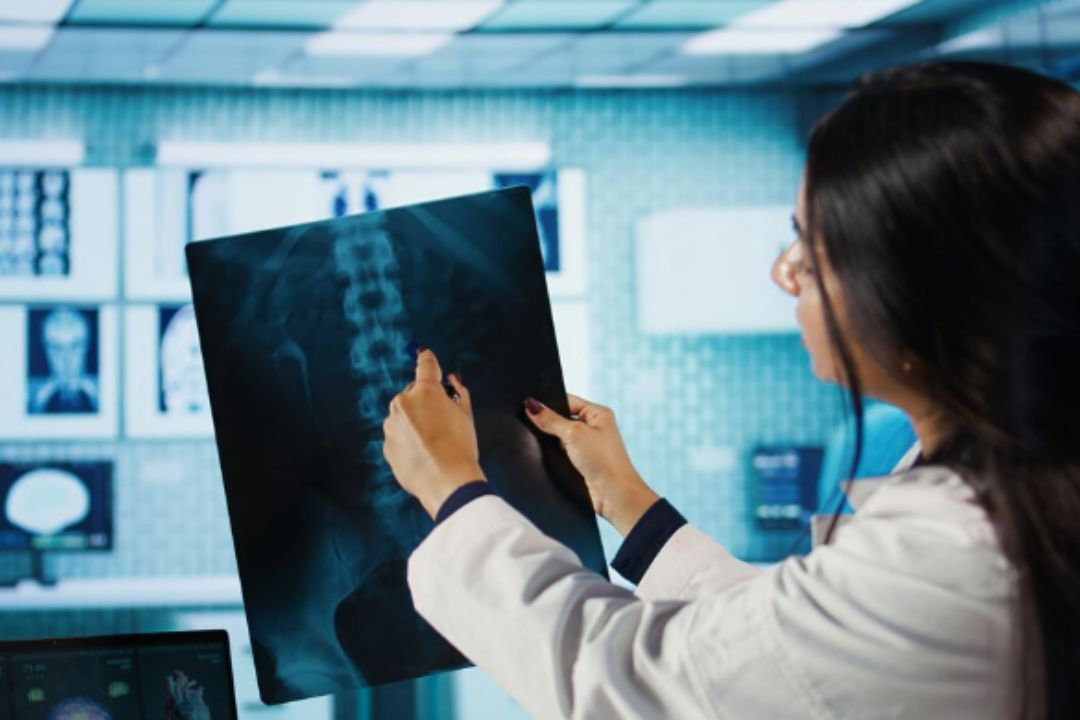
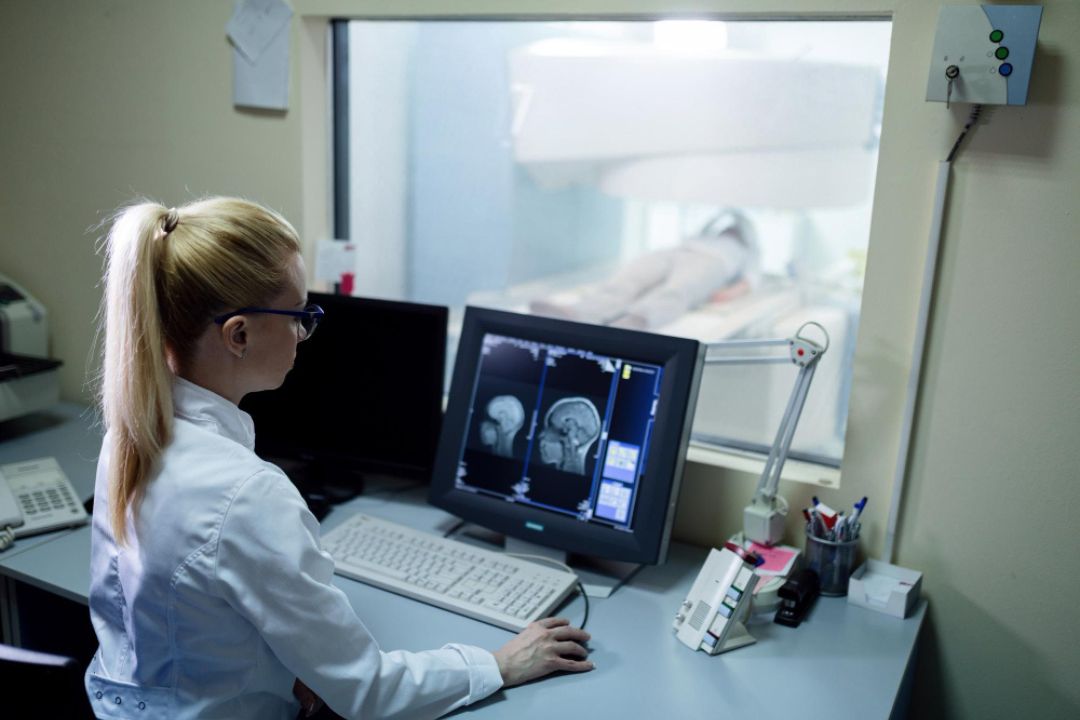
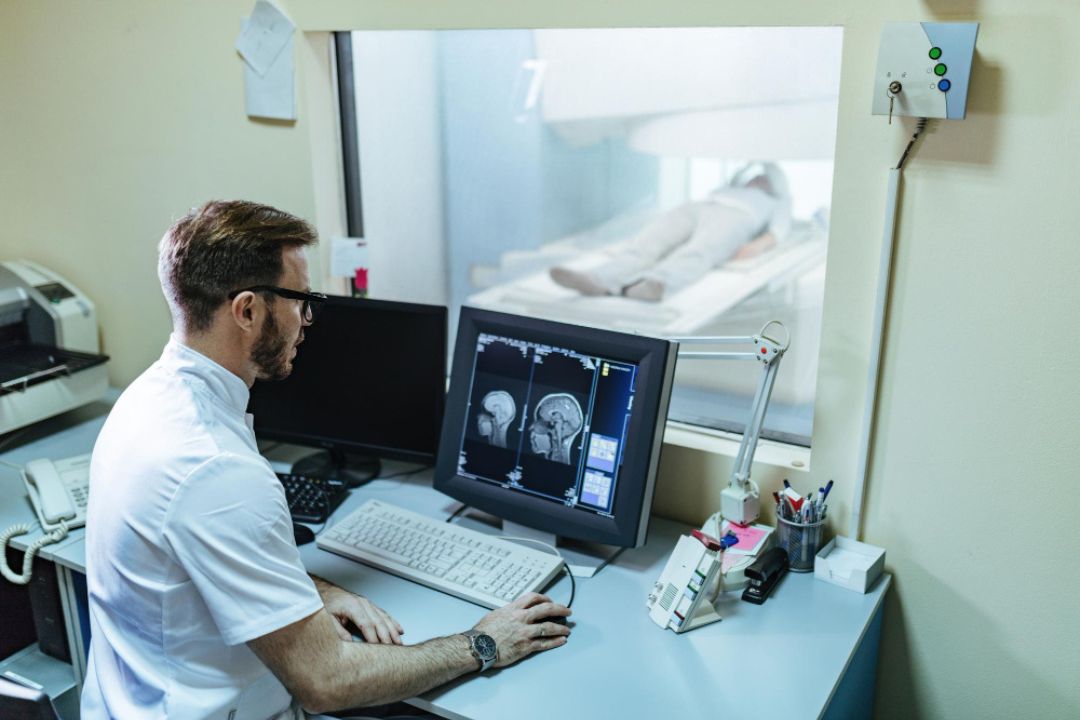
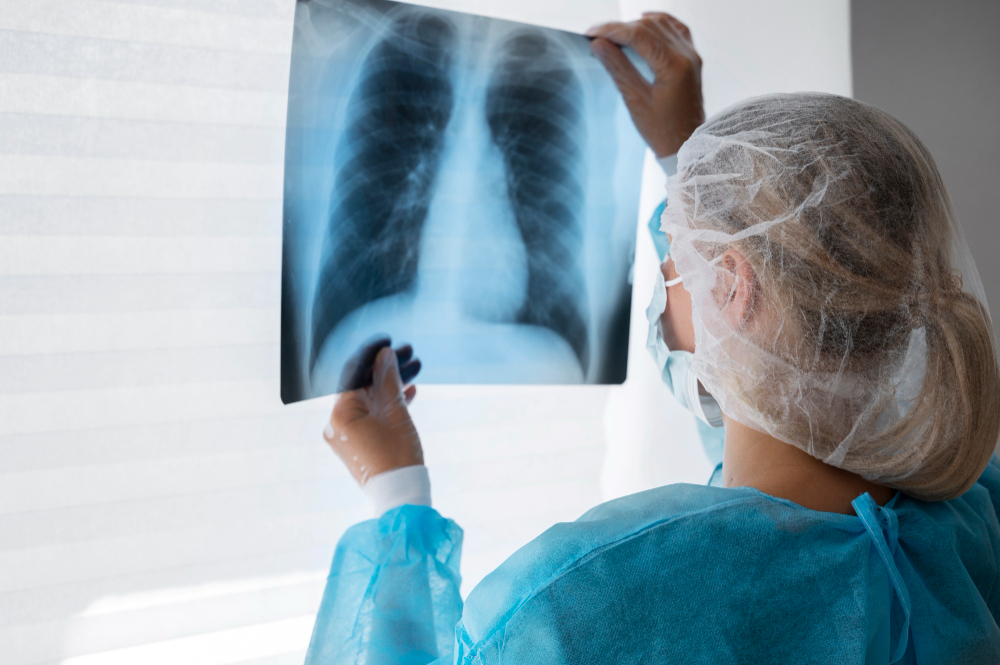
Cancerous tumors often appear as dense or irregular areas. Radiologists (doctors trained in imaging) evaluate these areas for size, shape, and texture. Based on how they look, radiologists may suspect cancer.
CT scans can detect many types of cancer, including:
Lung cancer
Liver cancer
Pancreatic cancer
Kidney cancer
Colorectal cancer
Lymphoma
They are also useful in spotting metastasis, which is when cancer spreads to other parts of the body.
However, not all cancers show clearly on a CT scan. Some very early tumors or small lesions may be better detected with MRI, ultrasound, or PET scans.
A CT scan can show:
Tumor size and location
Borders of a mass
Invasion into nearby tissues
Enlarged lymph nodes
Bone involvement
Spread to lungs, liver, or other organs
This helps doctors plan the next steps in diagnosis or treatment.
Some CT scans are done with contrast material (contrast dye). This dye helps highlight blood vessels and tissues more clearly.
Contrast can be:
Oral (drunk as a liquid before the scan)
IV (injected into a vein)
Rectal (for scans of the colon or pelvis)
Contrast improves the ability to detect cancerous changes. Many tumors have a different blood supply than normal tissues. Contrast highlights these differences.
A CT scan is a powerful tool, but it is not perfect.
Strengths:
High-resolution imaging
Detects tumors larger than a few millimeters
Helps detect spread of cancer
Guides biopsies or treatment planning
Limitations:
Small tumors may be missed
Cannot always distinguish between benign and malignant masses
Some cancers are better seen with MRI or PET scans
Radiation exposure exists, though low
For many cancers, CT scans are among the first imaging tests used.
When a CT scan shows something abnormal:
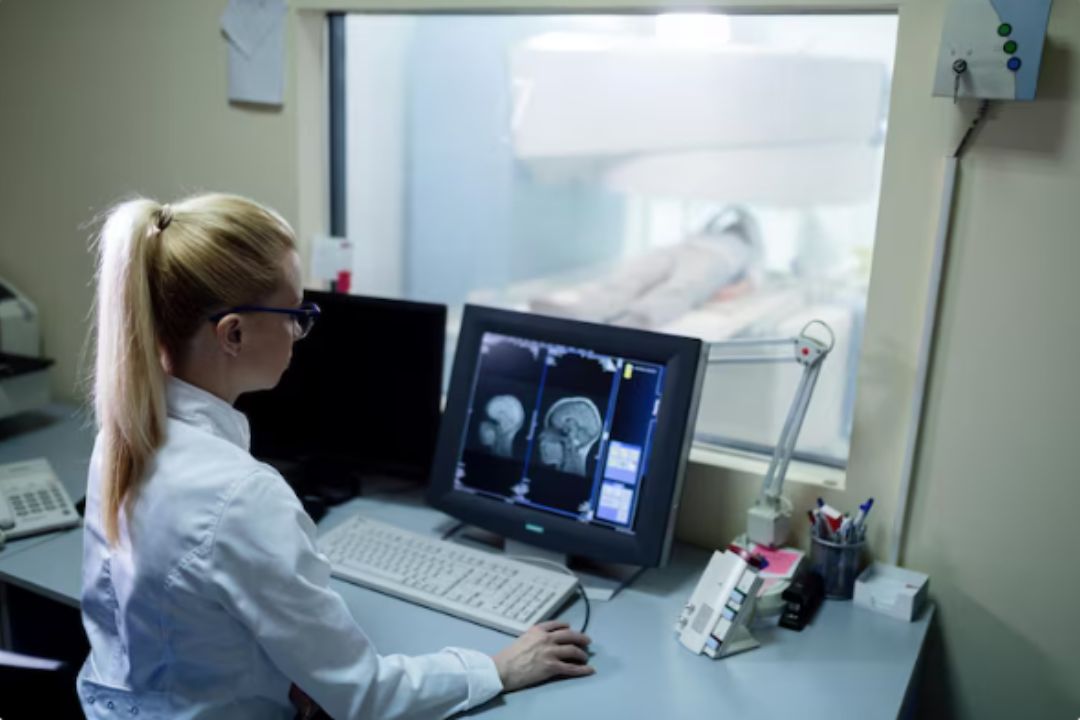
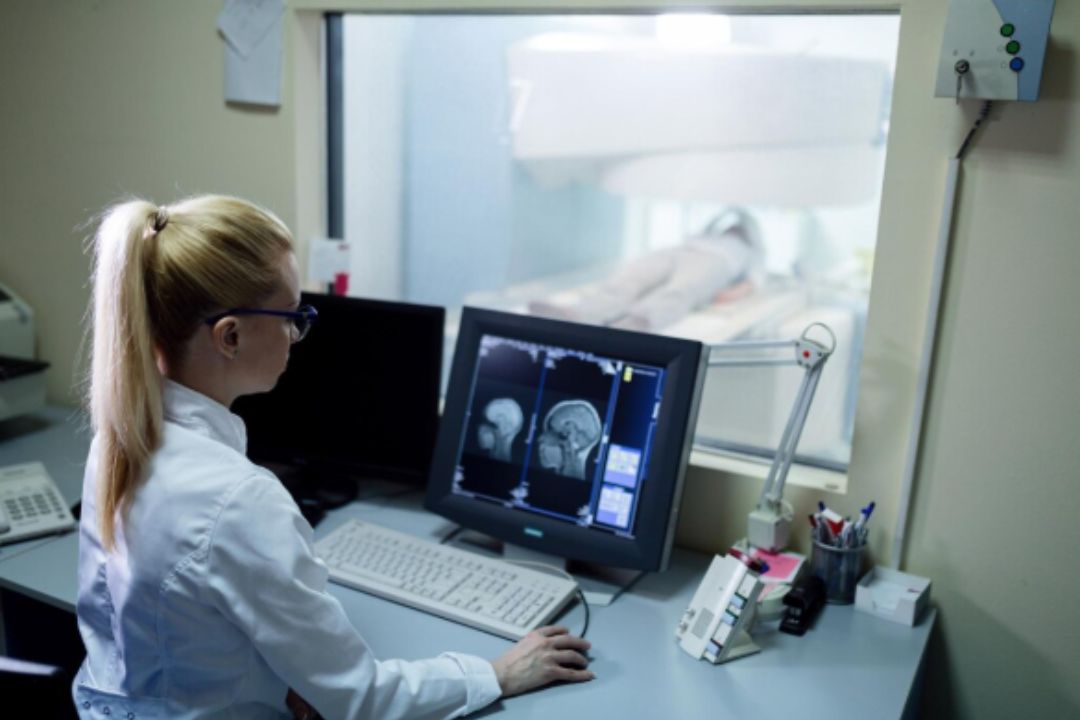
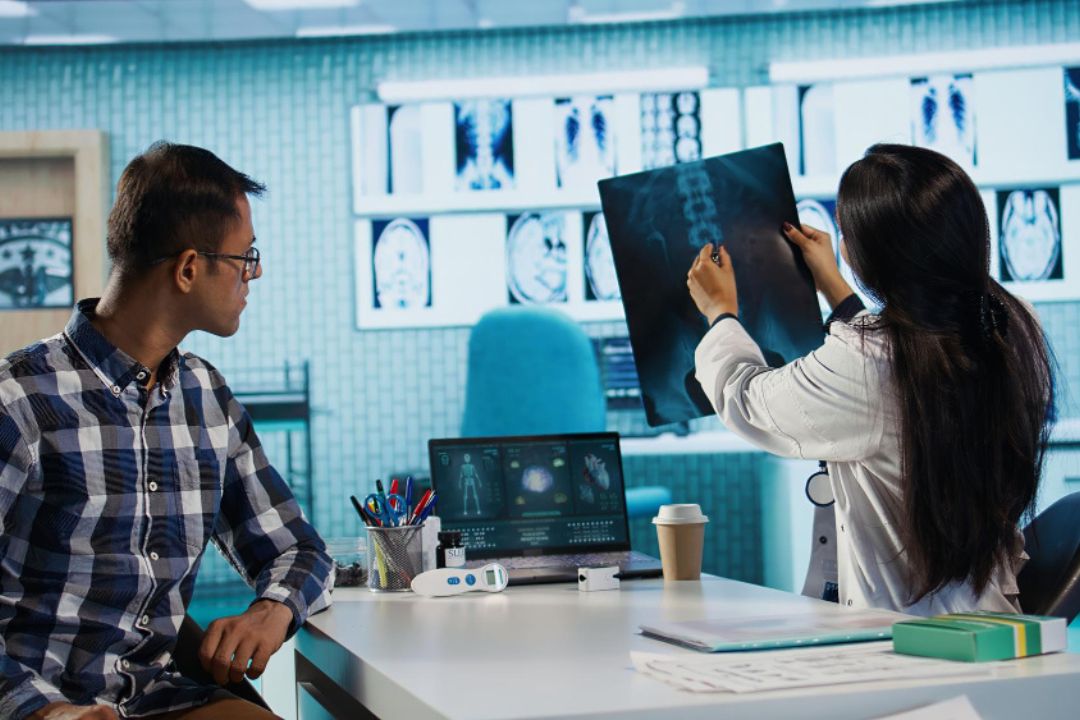
Radiologist reviews the images.
They prepare a detailed report.
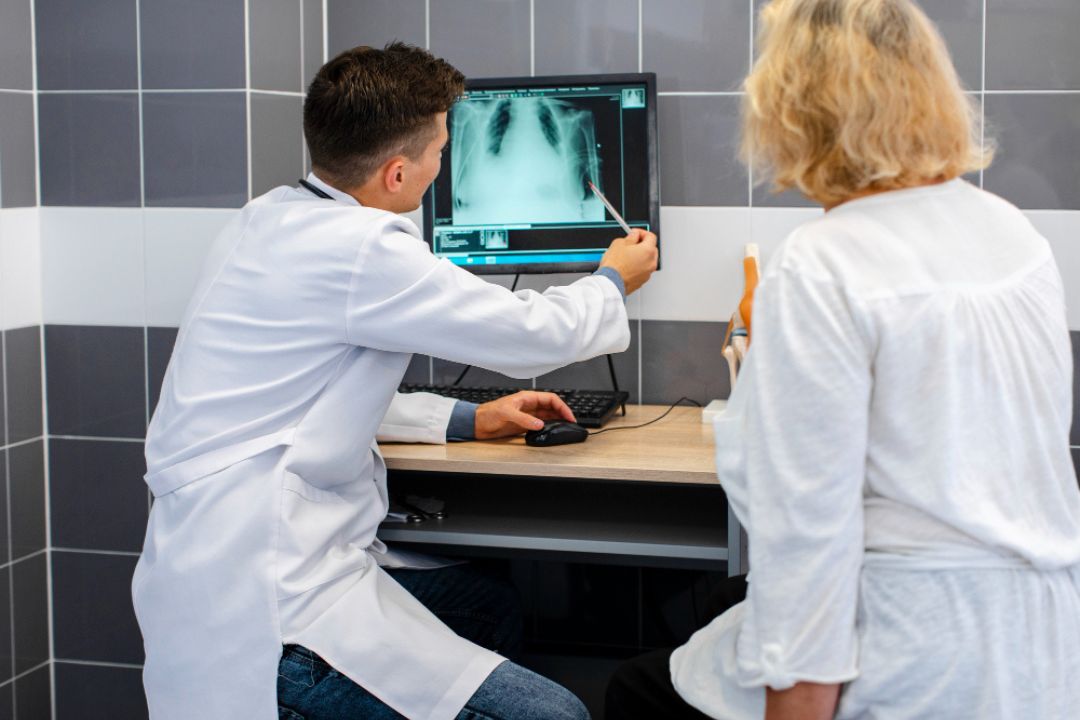
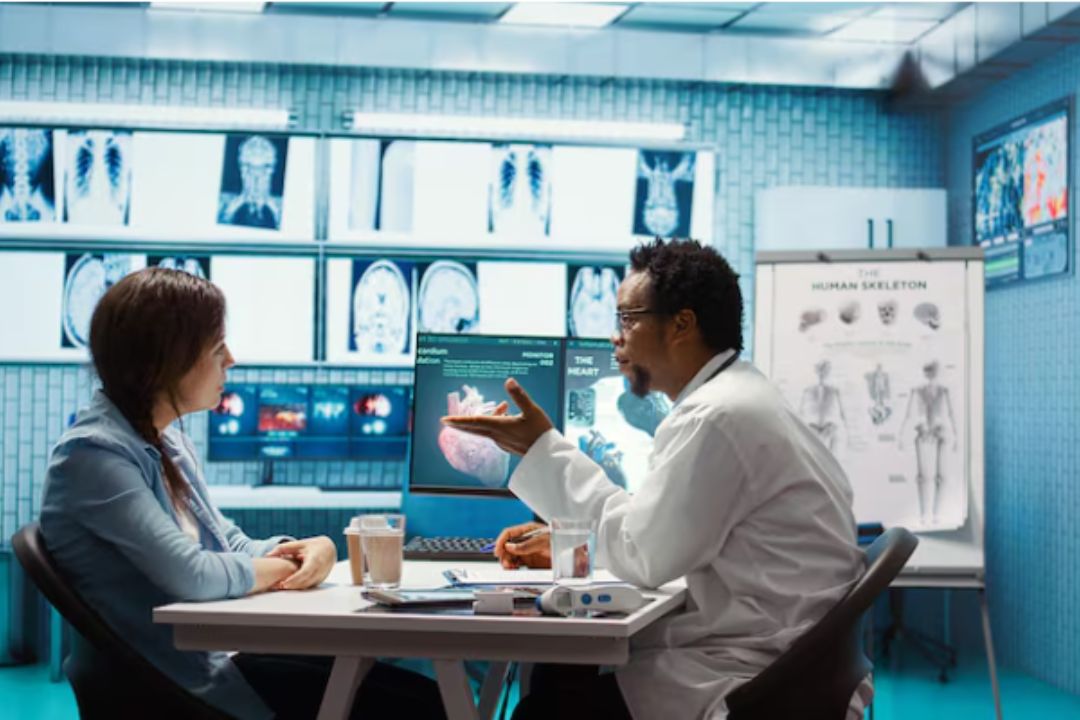
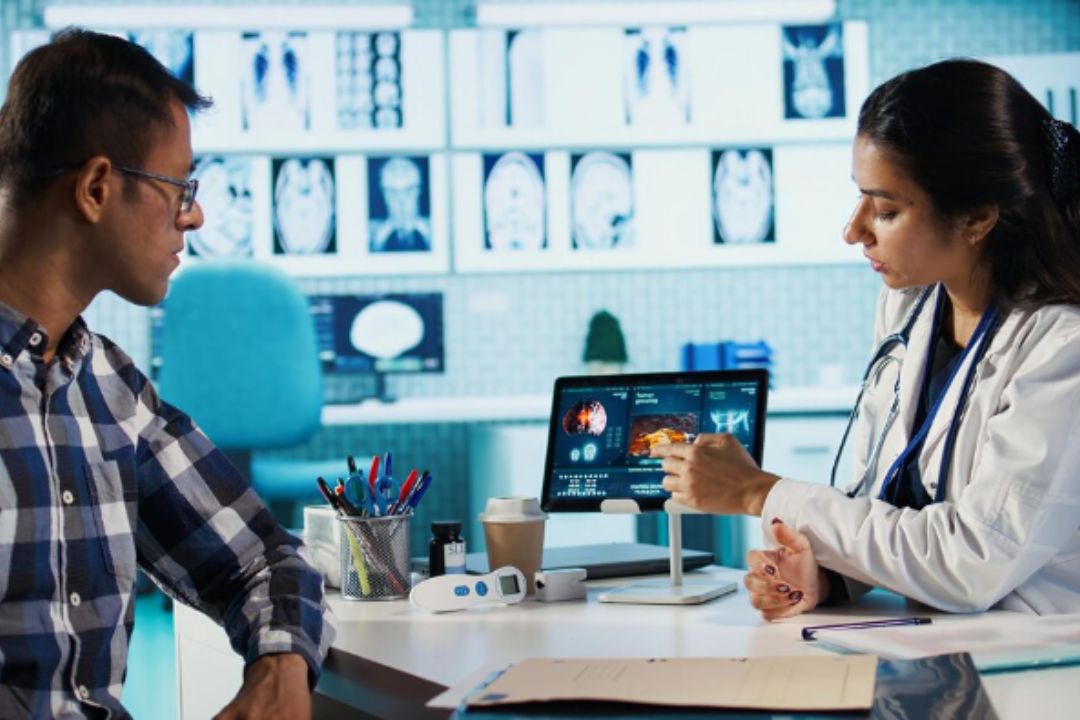
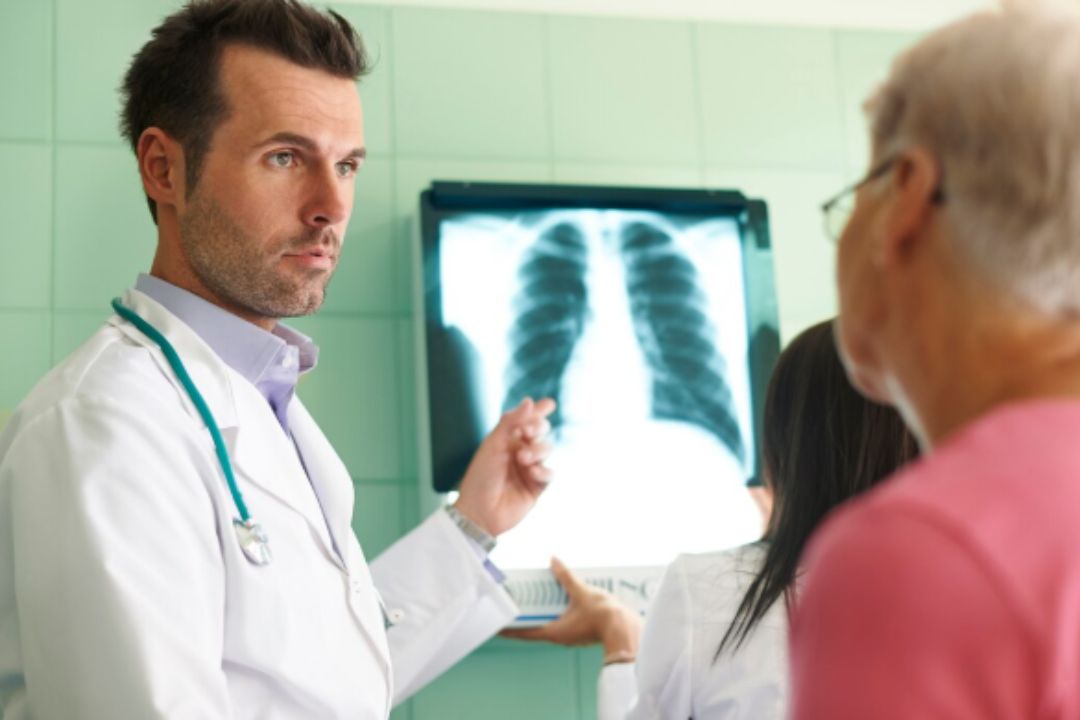
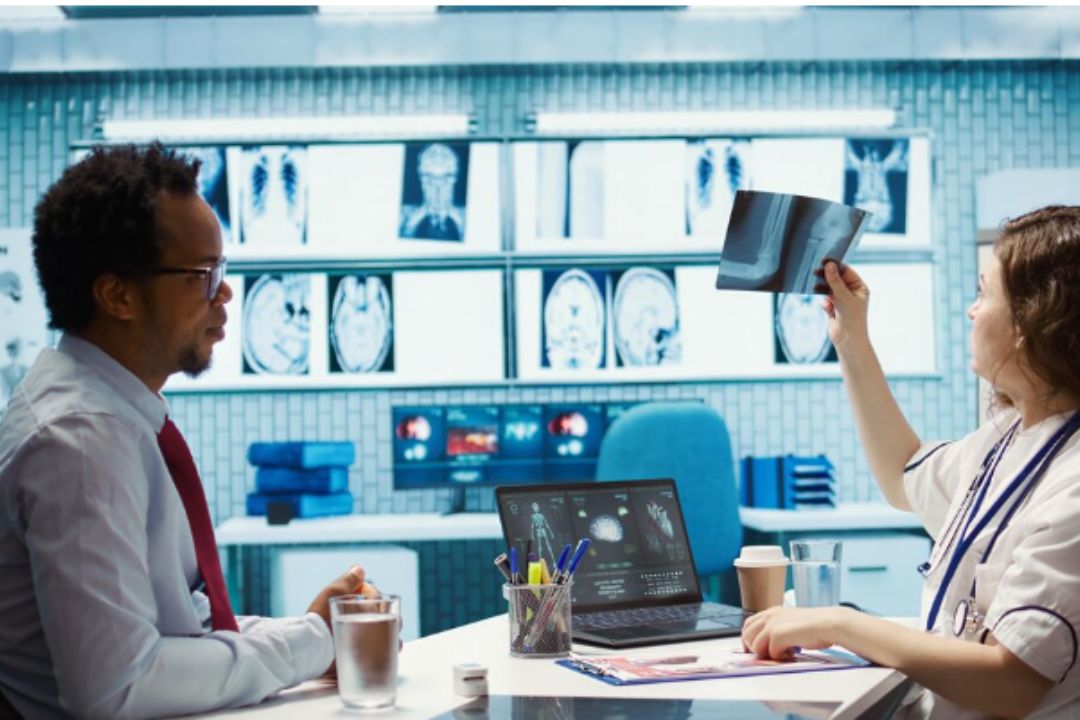
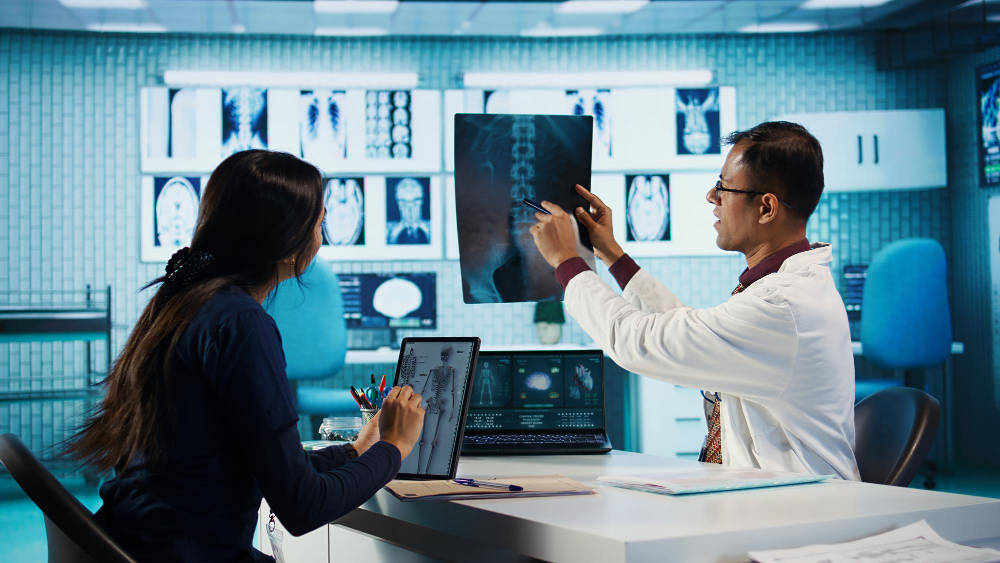
Your doctor discusses results with you.
They may recommend further testing.
Additional tests may include:
Biopsy (tissue sample)
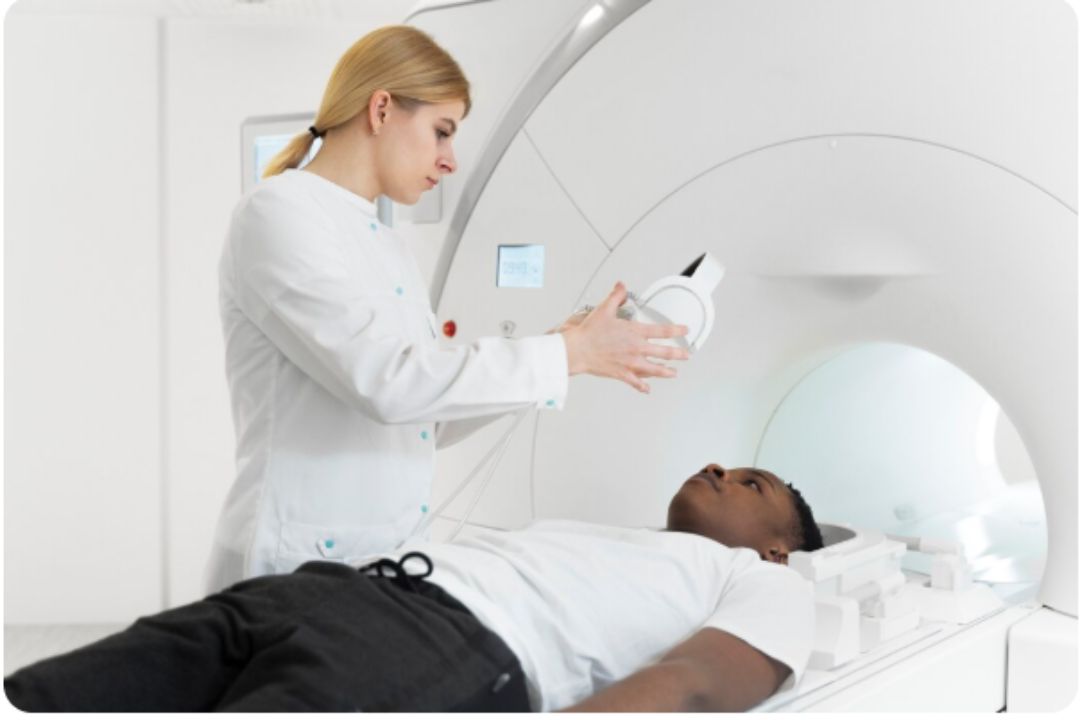
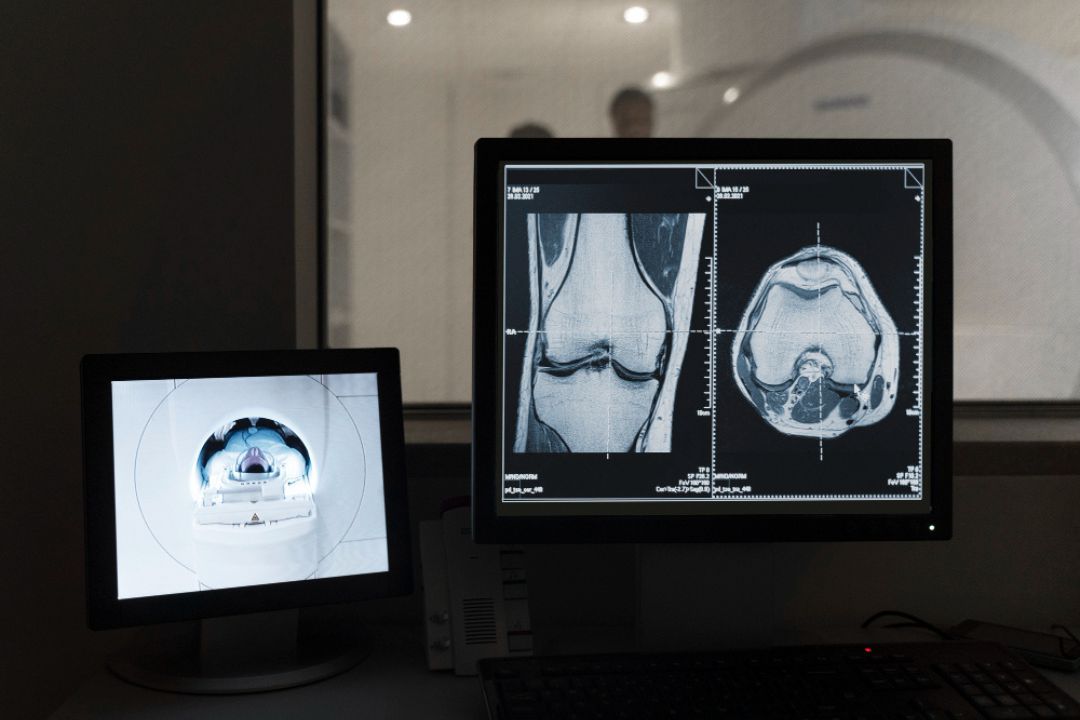
MRI (more detailed soft-tissue imaging)
PET scan (shows metabolic activity)
Blood tests (tumor markers)
A CT scan alone cannot confirm cancer. The findings guide next steps.
Preparation varies depending on the area scanned.
Common instructions:
Fasting for a few hours if contrast is used
Remove metal objects
Wear comfortable clothes
Tell your doctor if you are pregnant
Inform about allergies or kidney problems
Preparation ensures the best quality images.
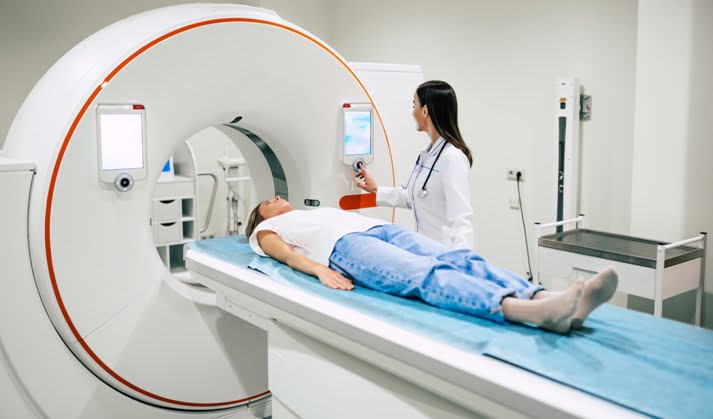
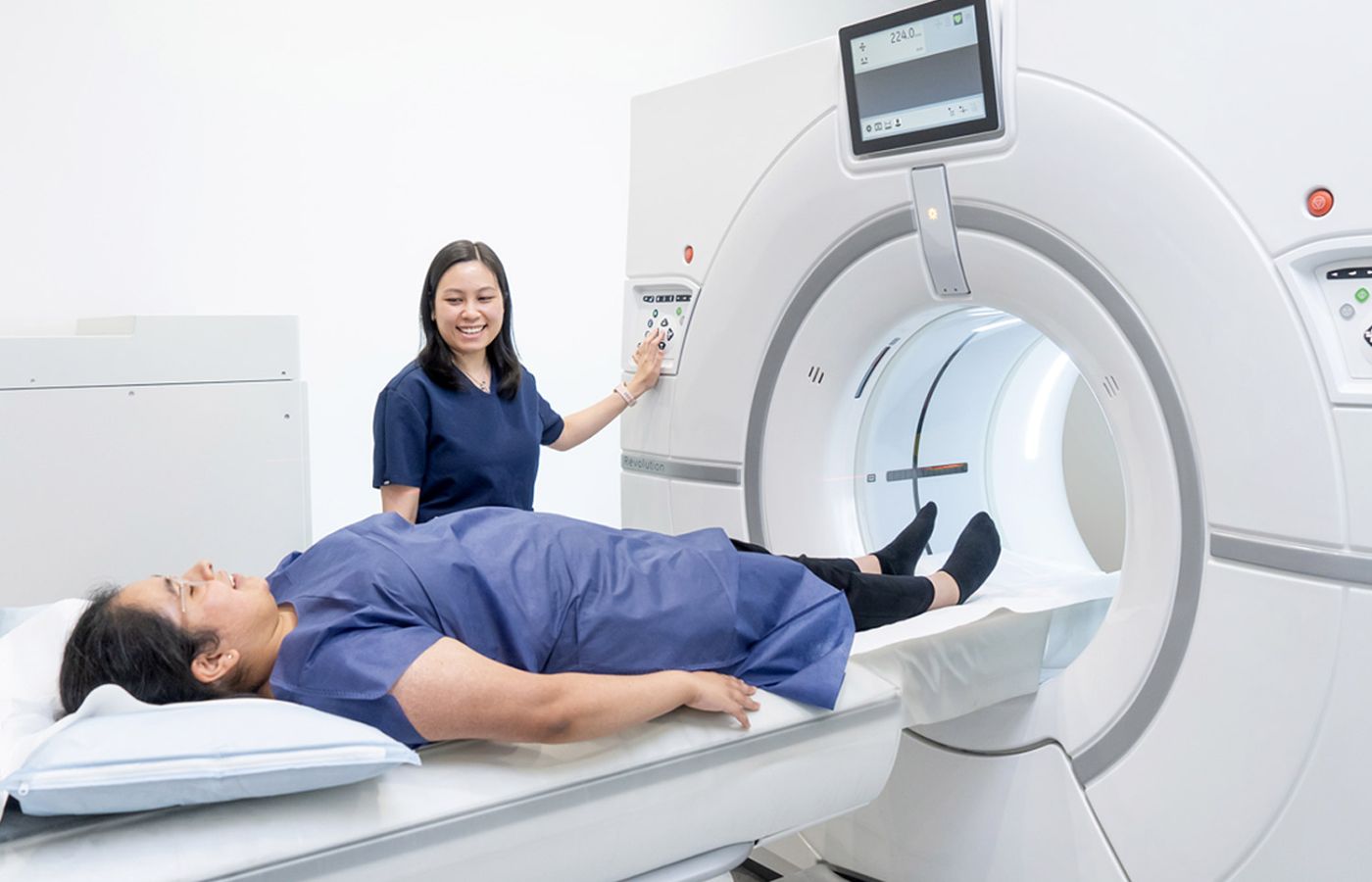
A CT scan is usually:
Quick (10–30 minutes)
Painless
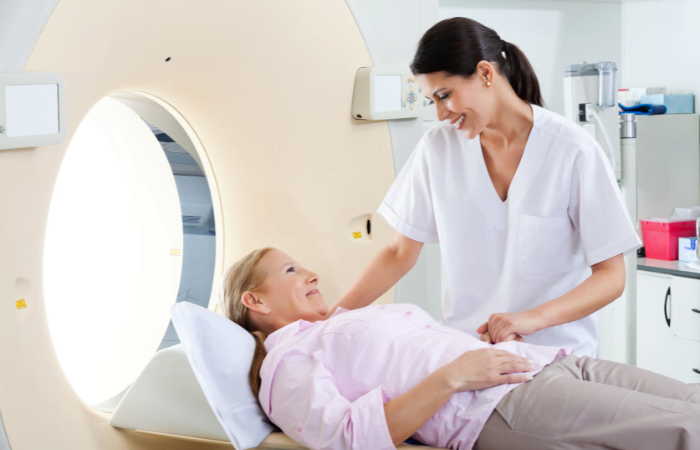
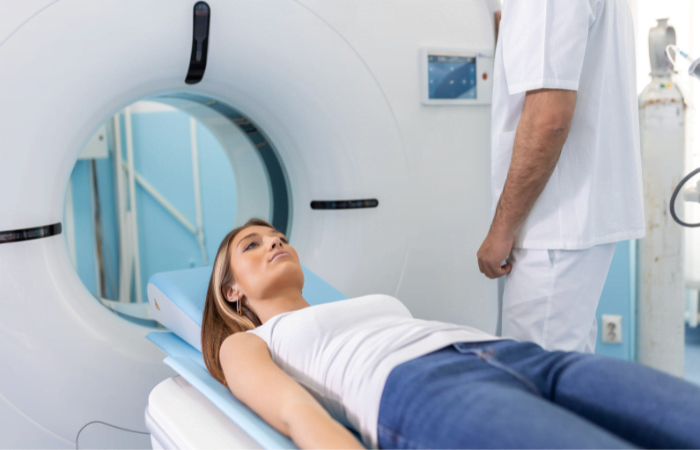
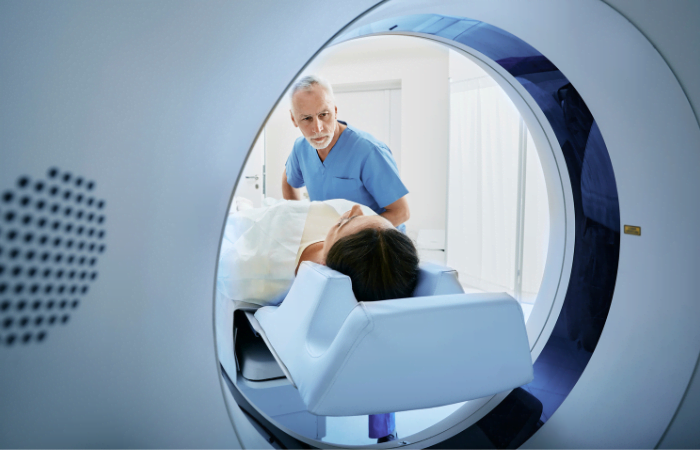
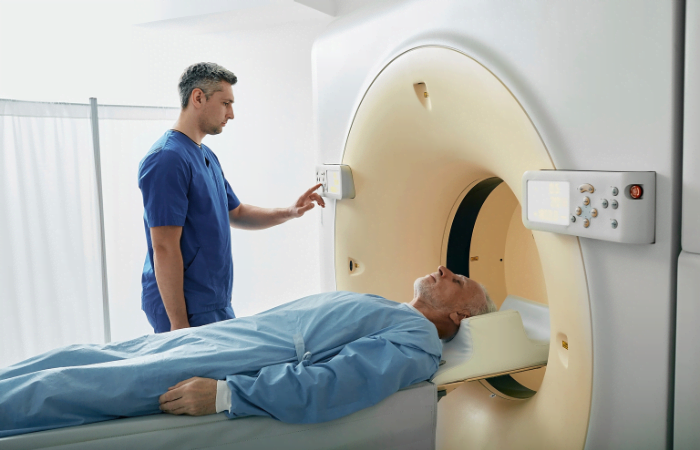
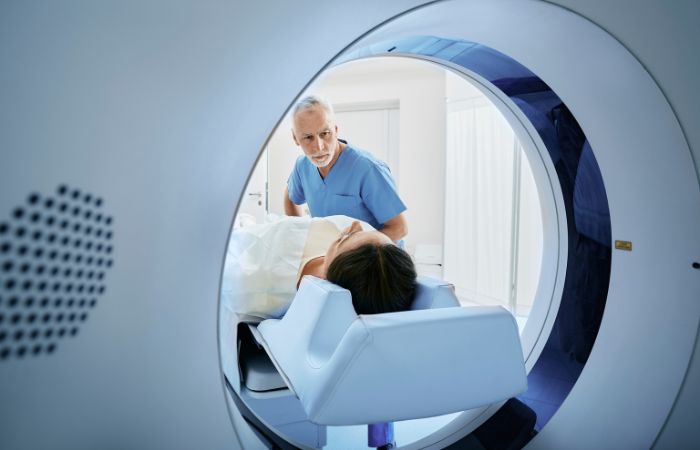
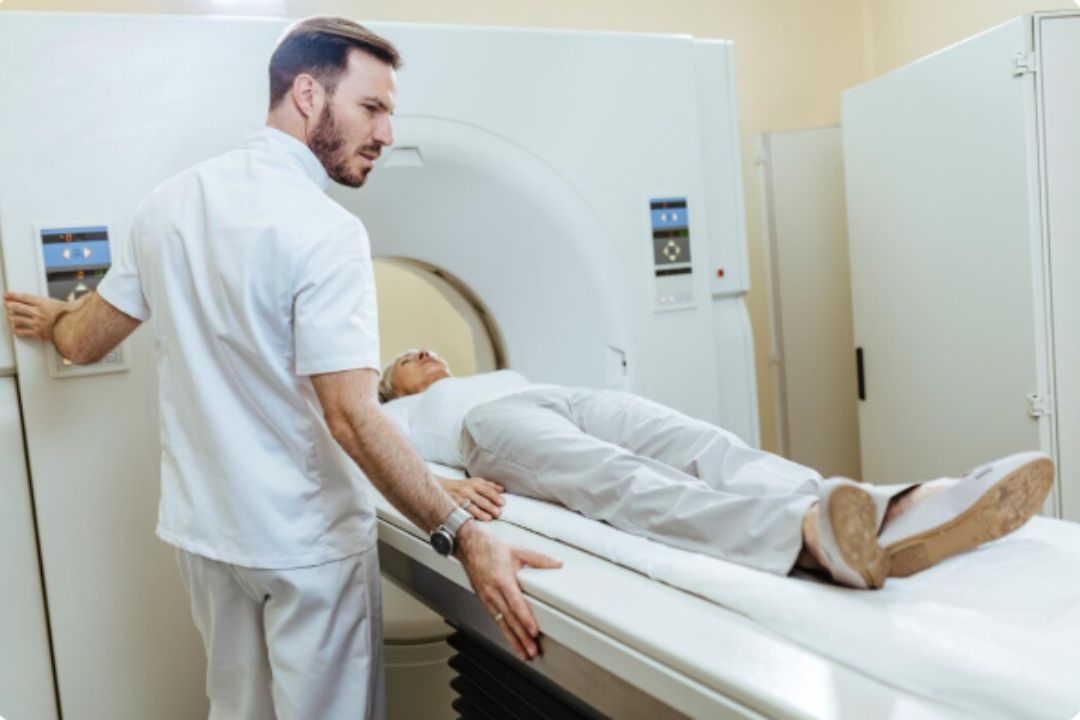
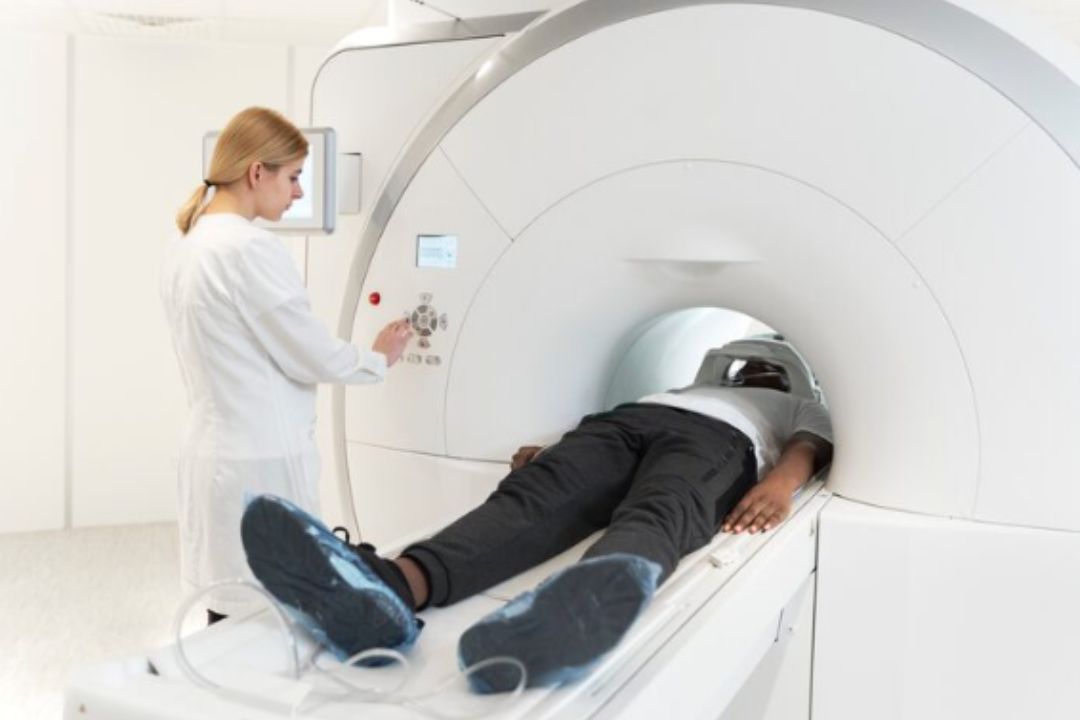
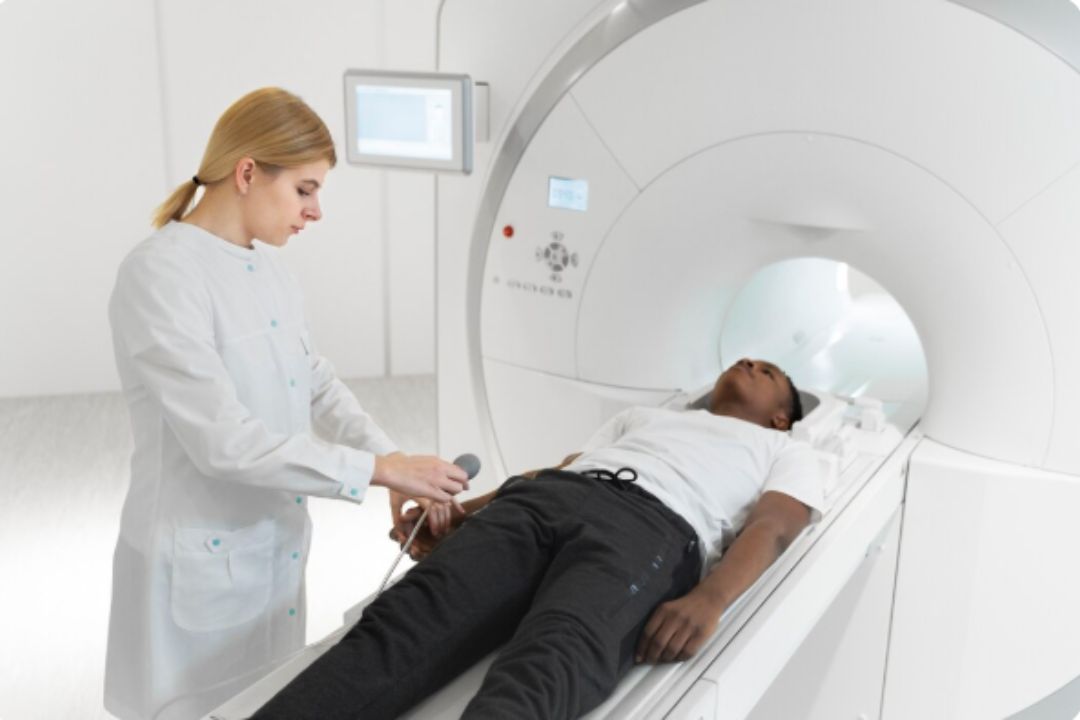
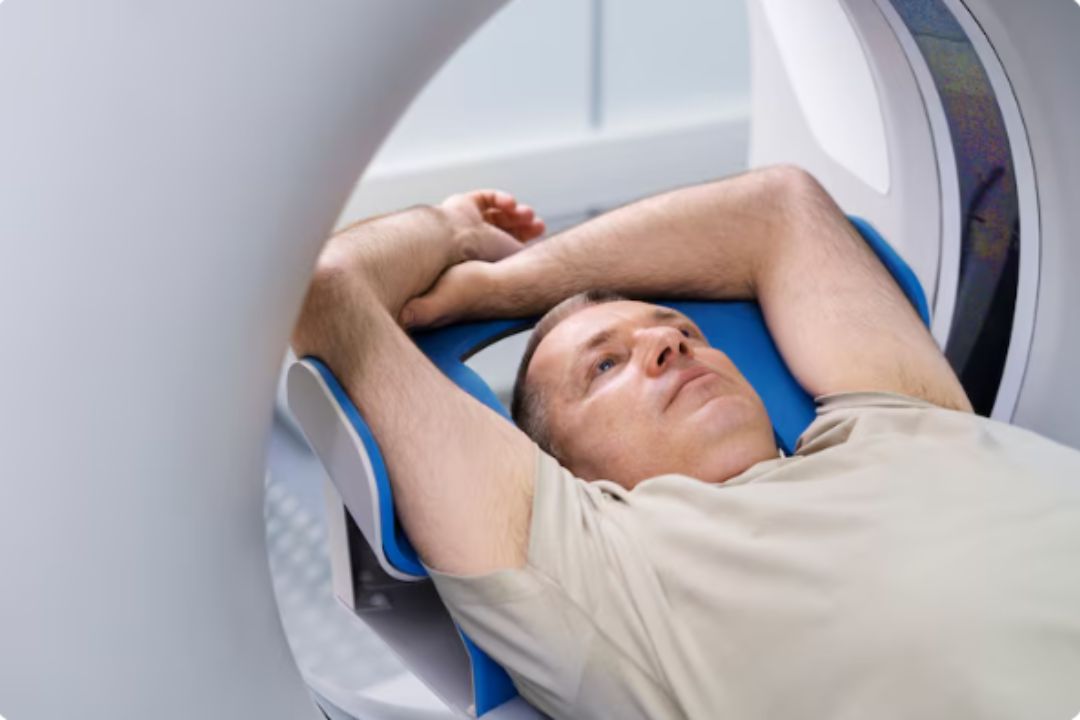
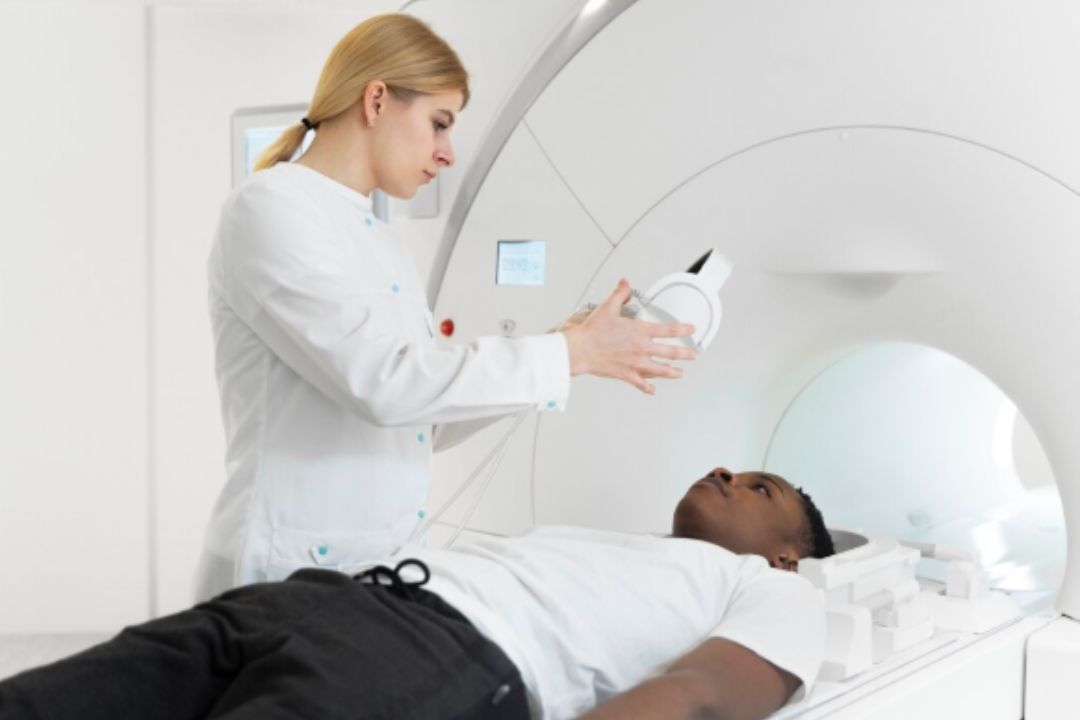
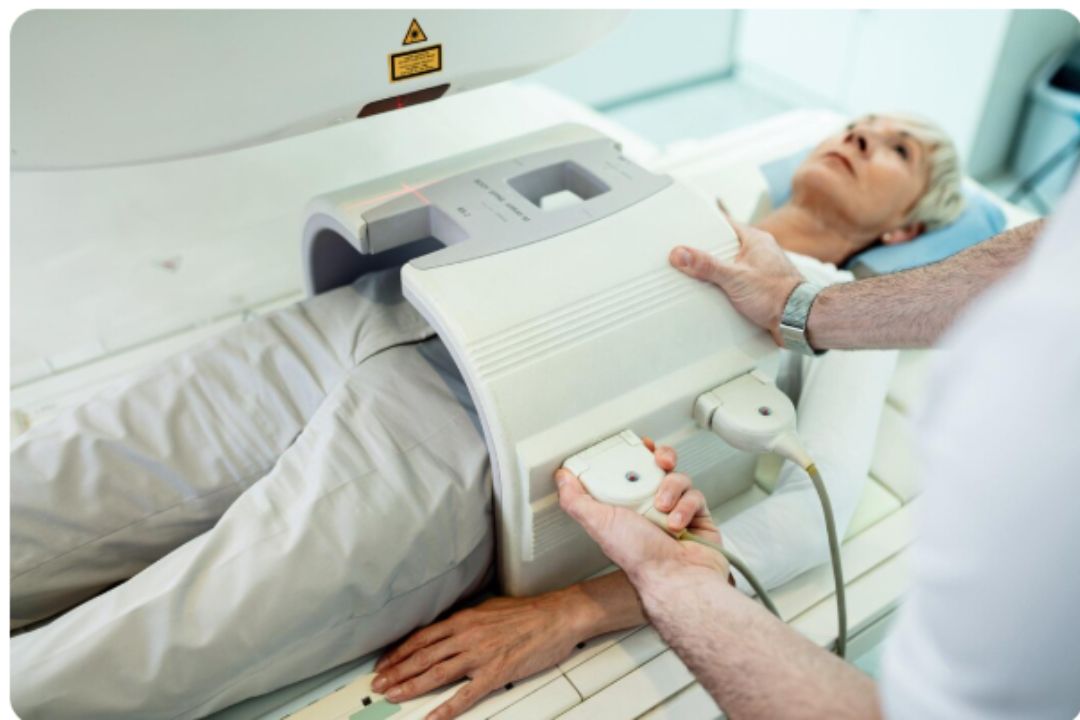
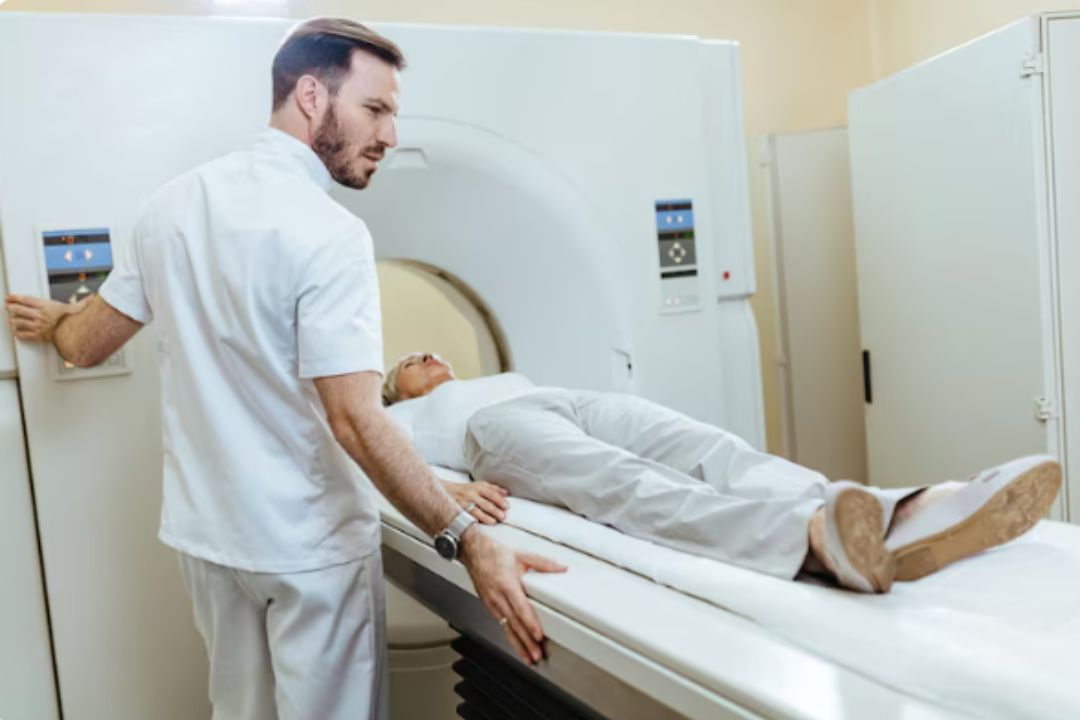
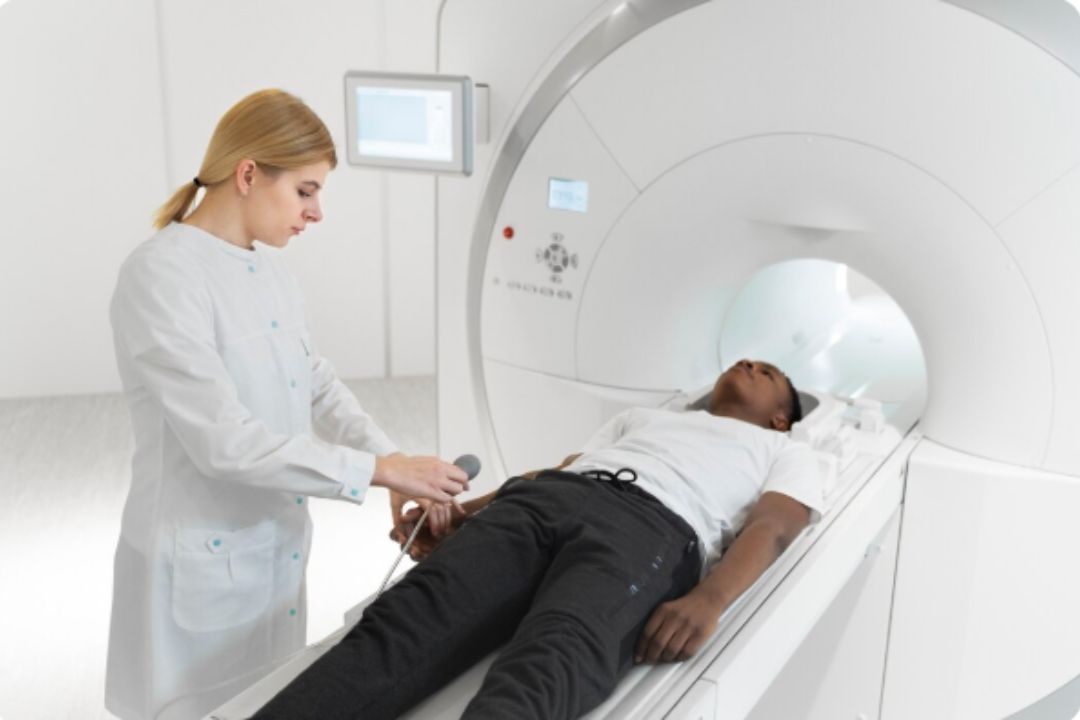
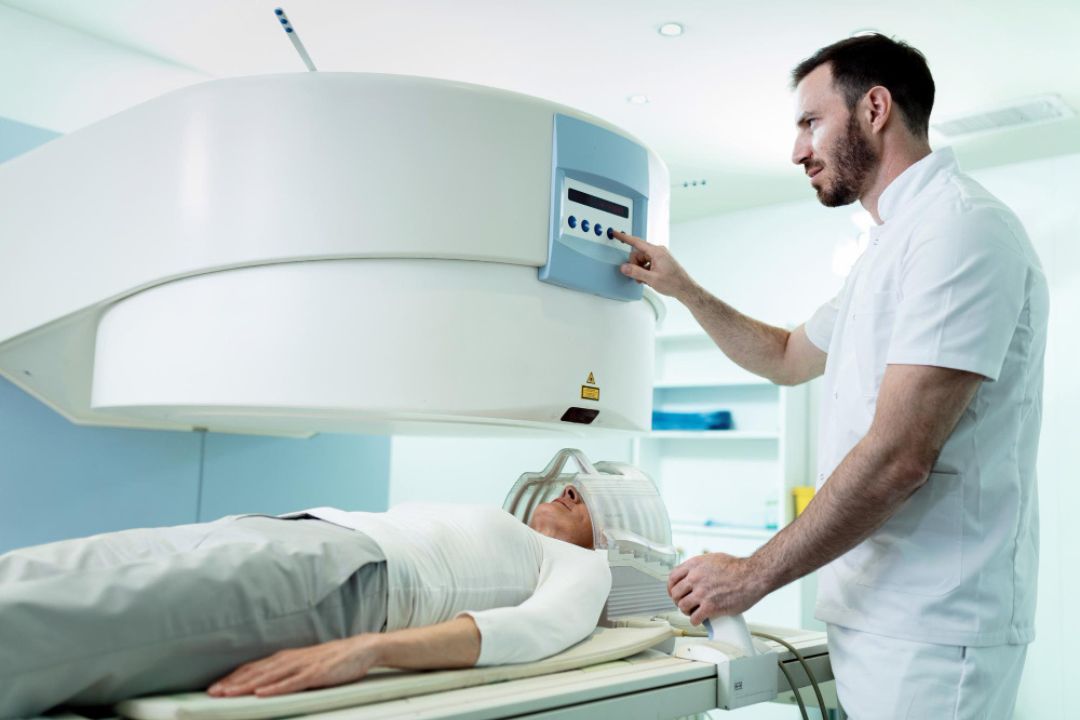
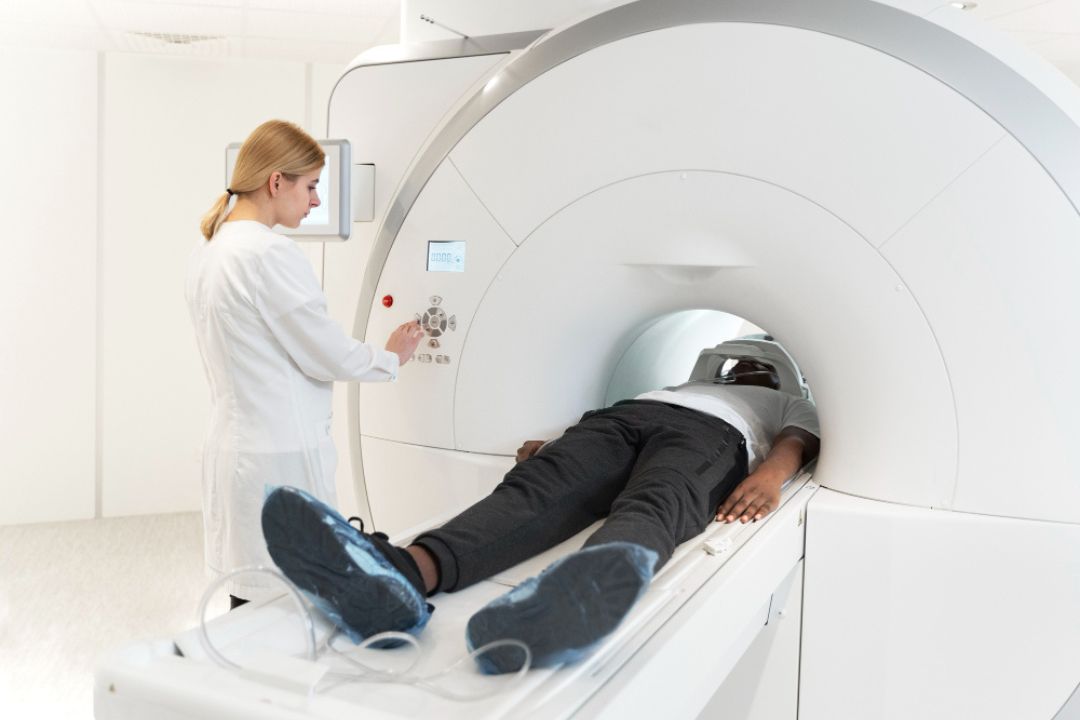
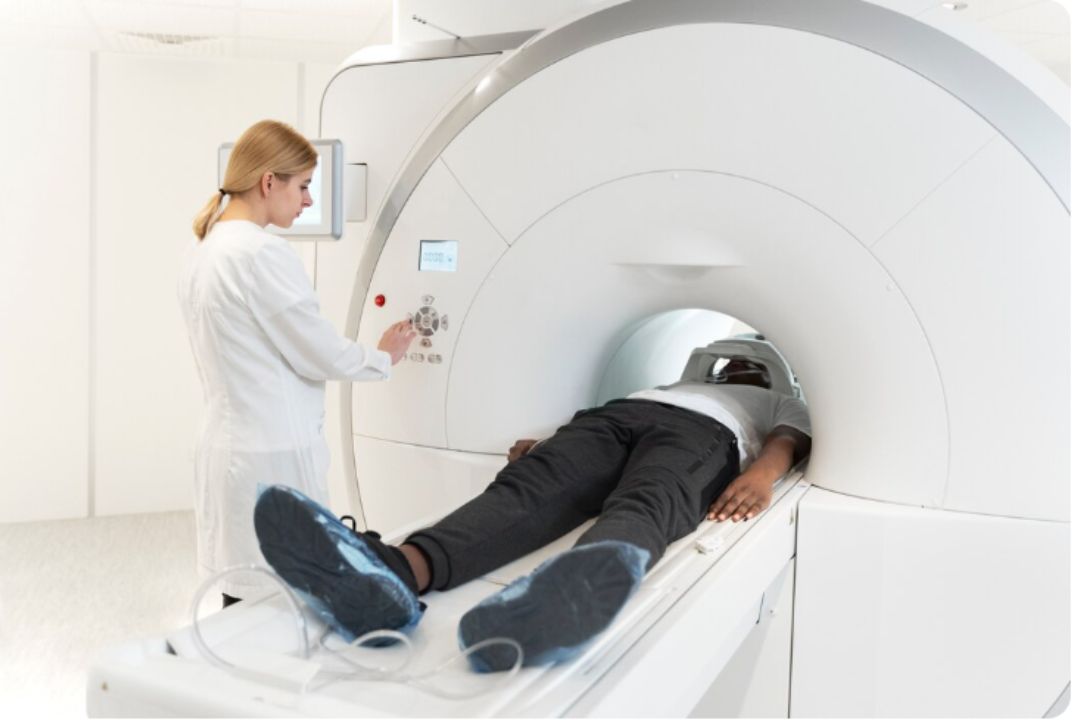
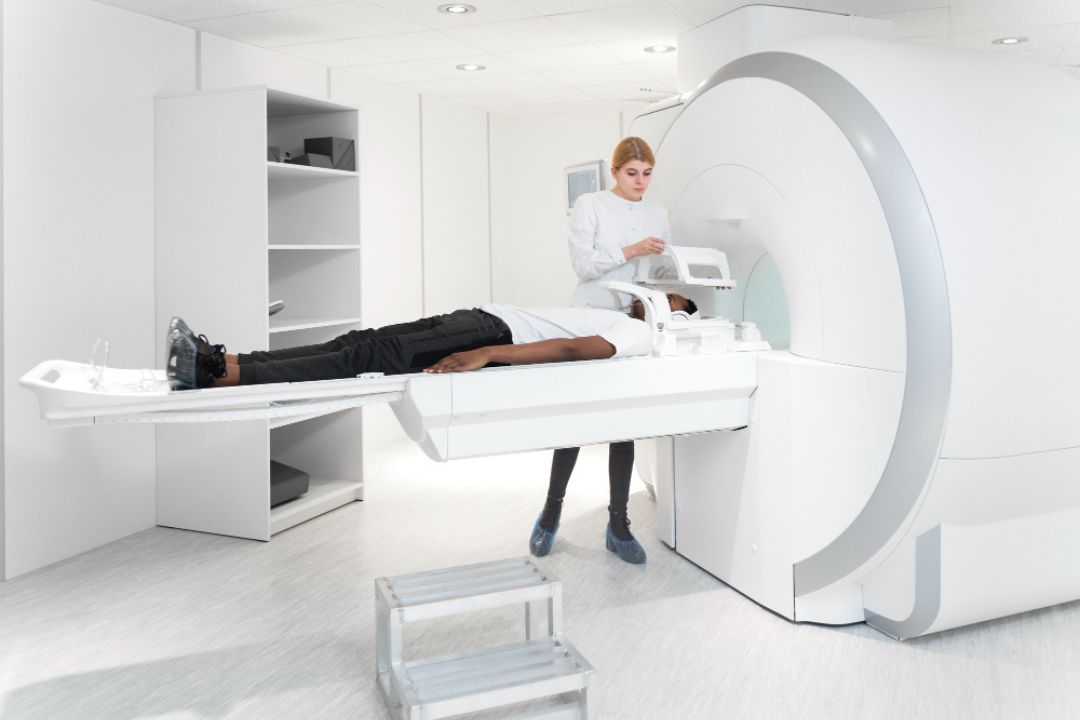
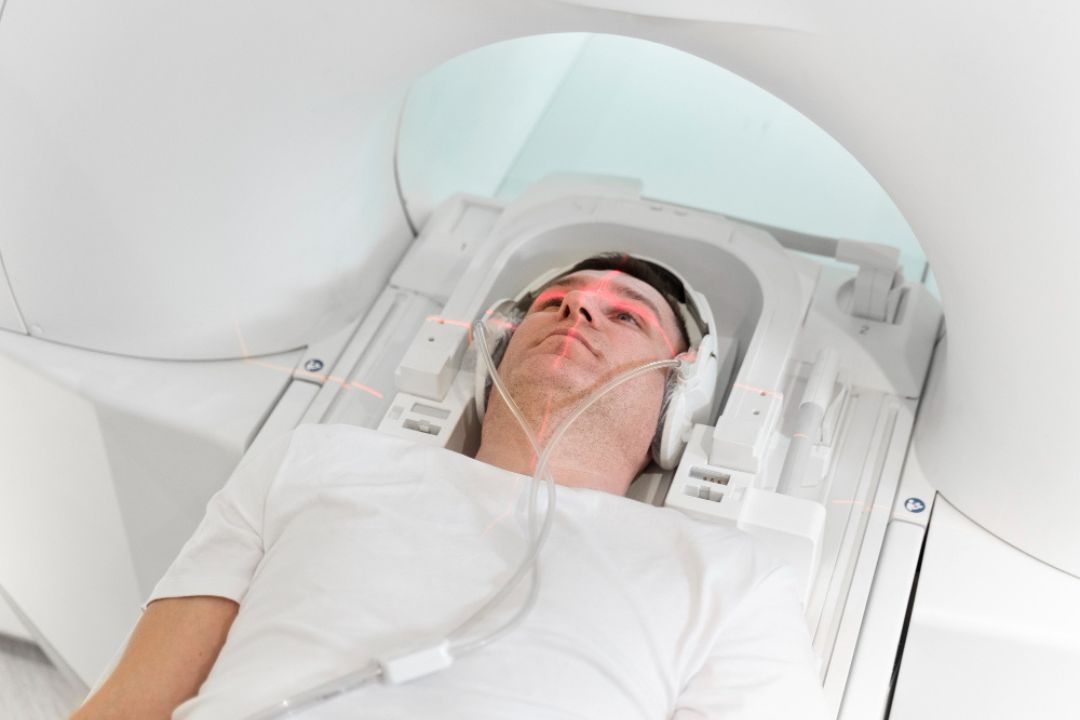
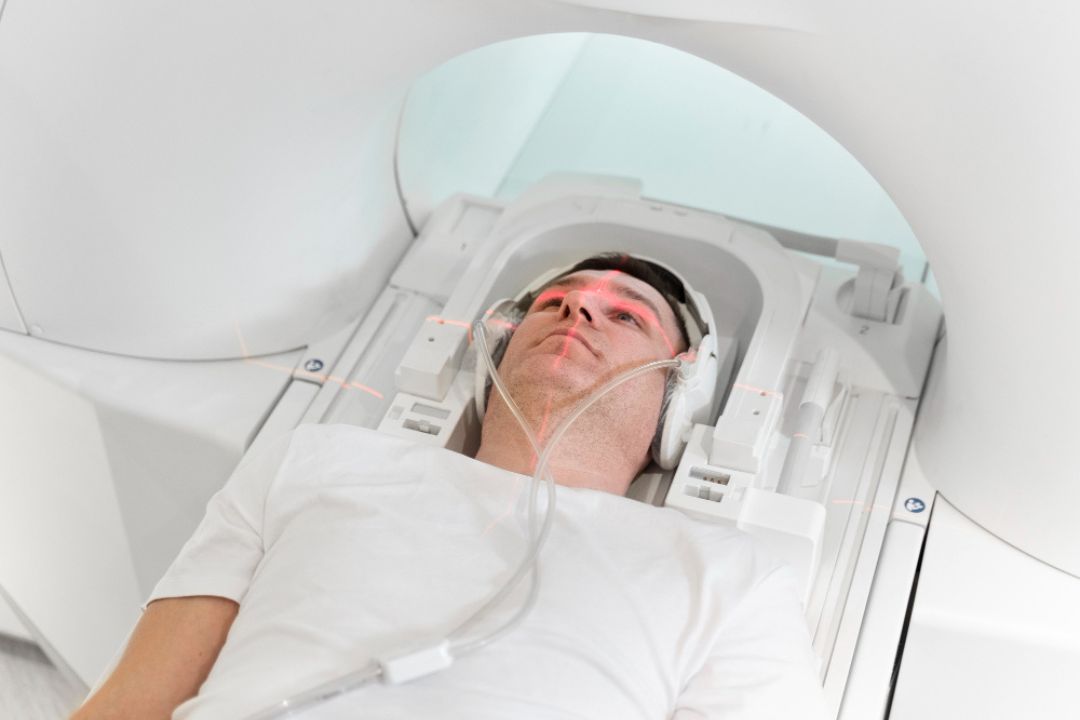
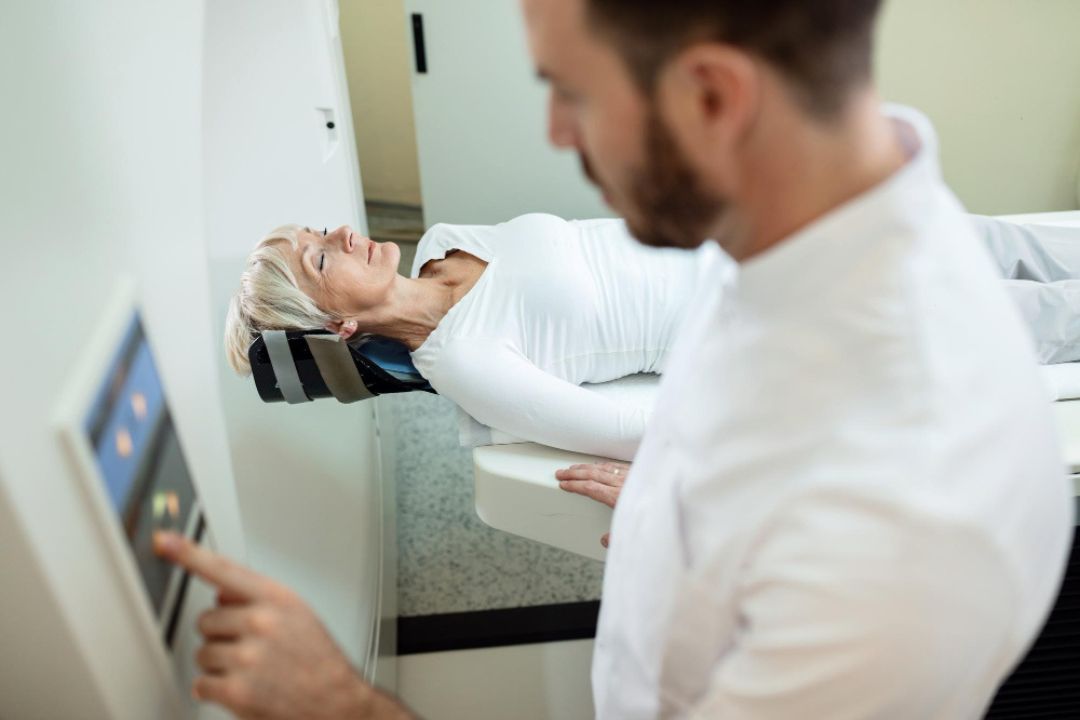
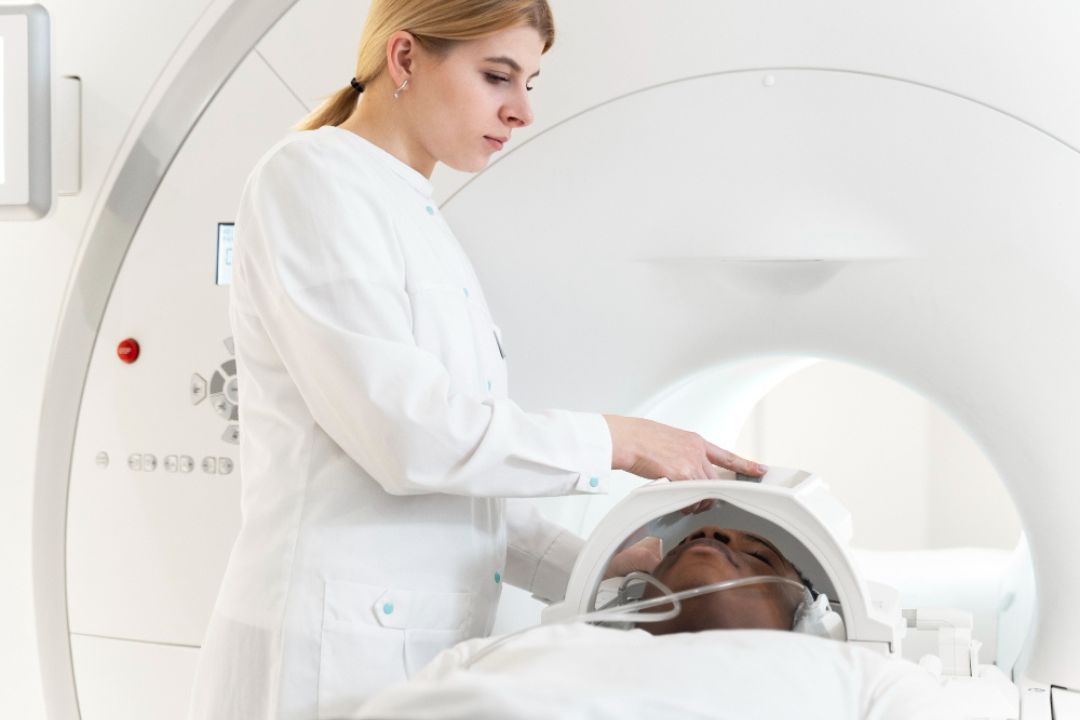
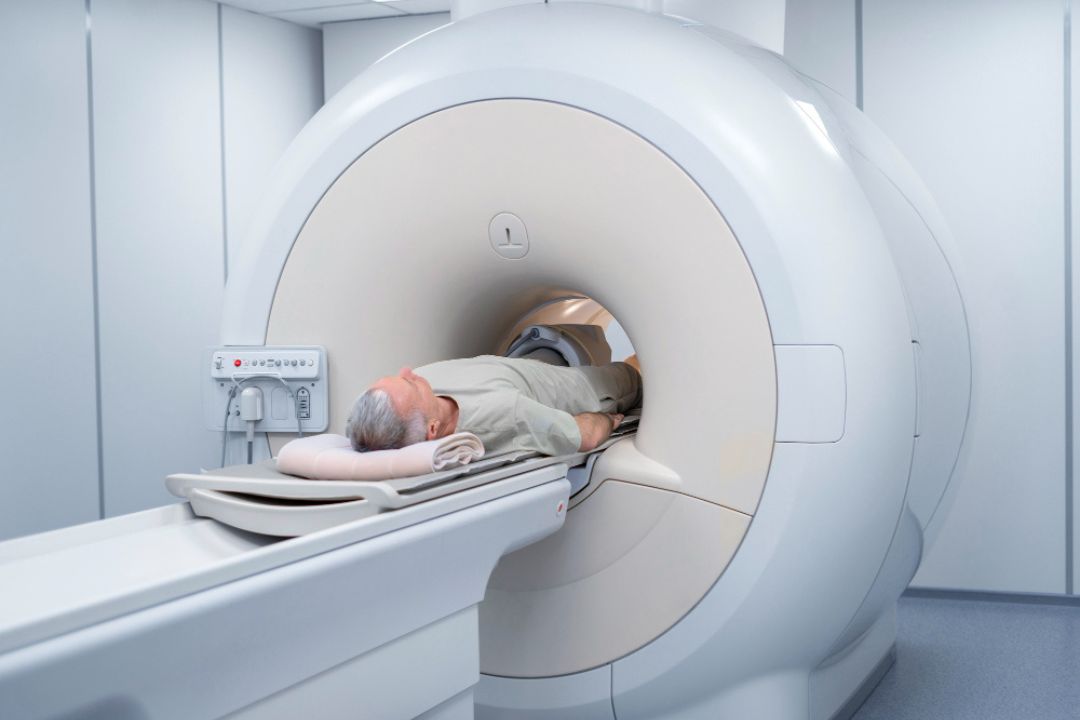
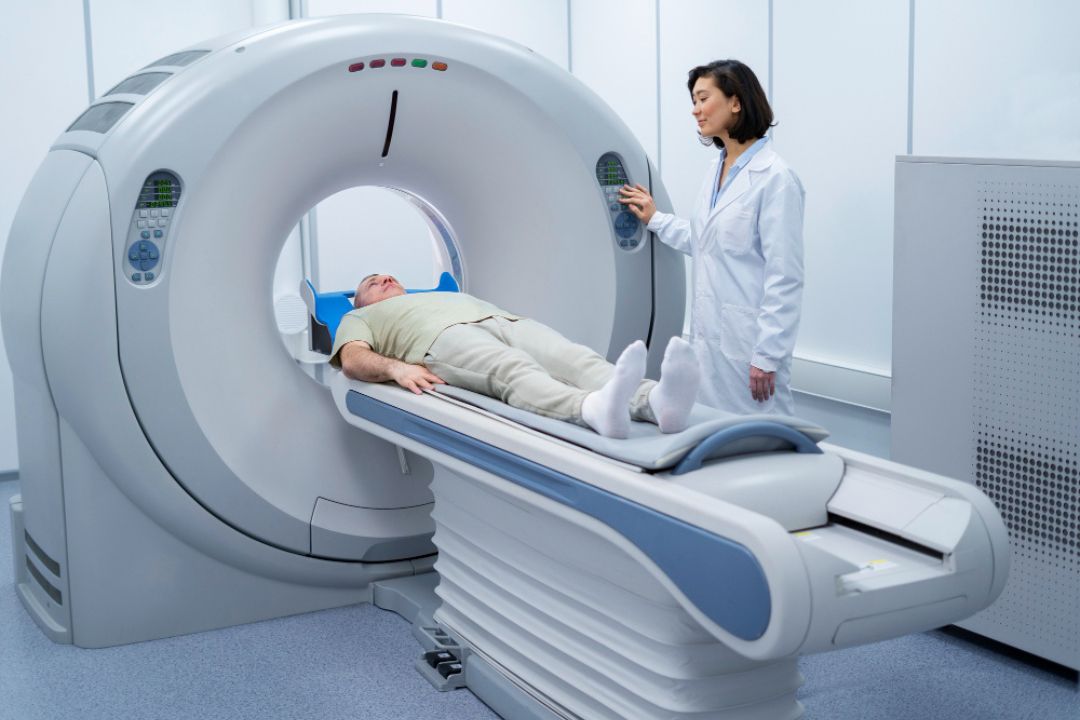
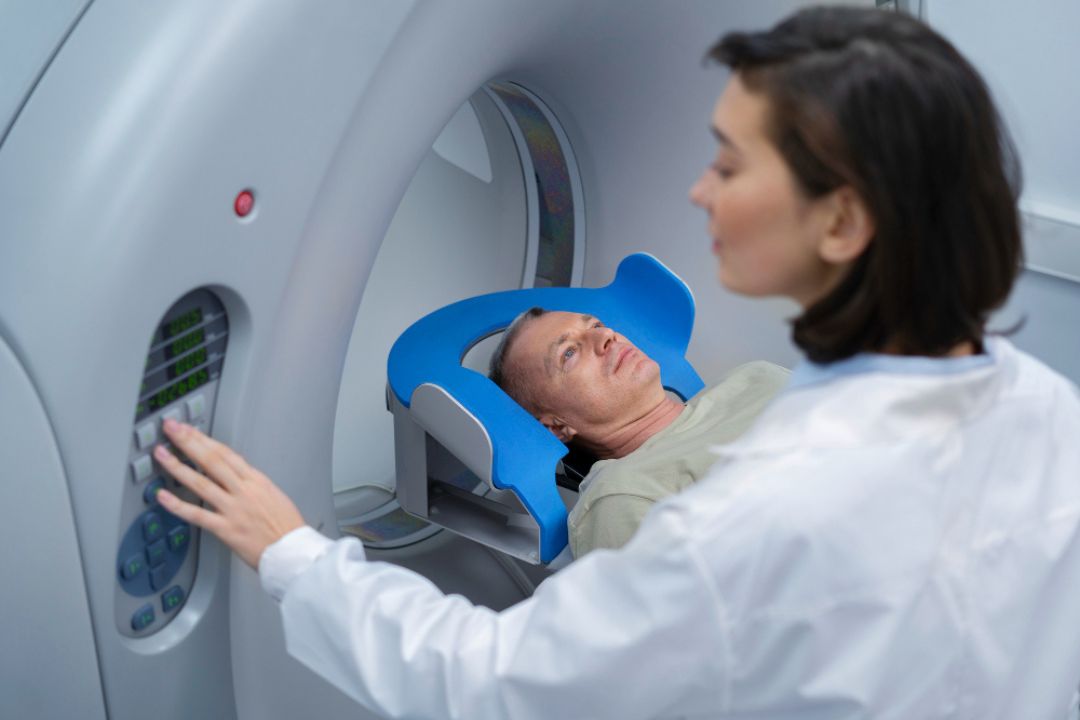
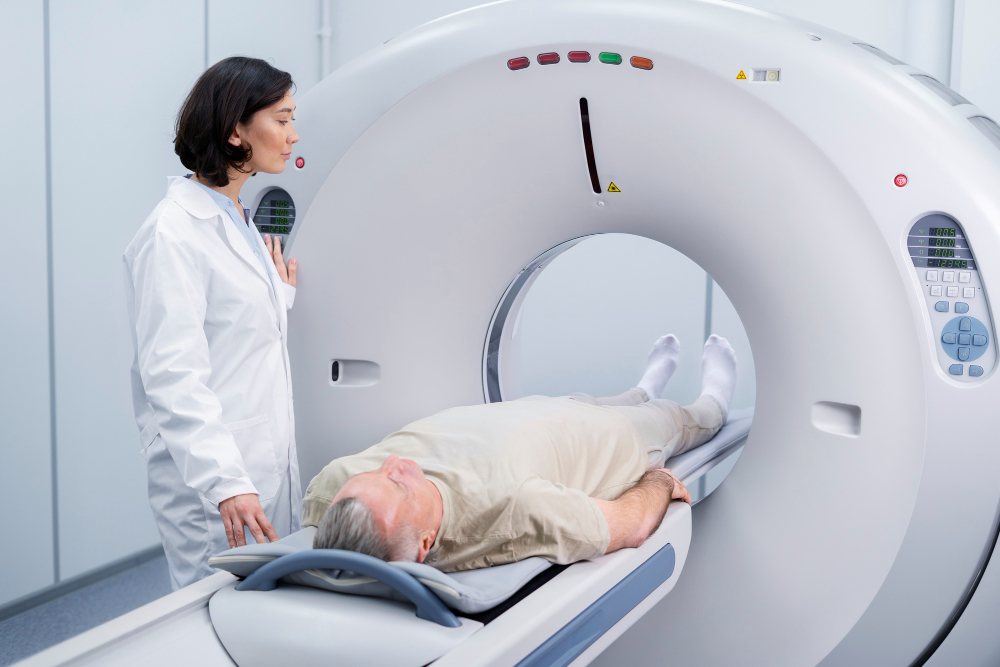
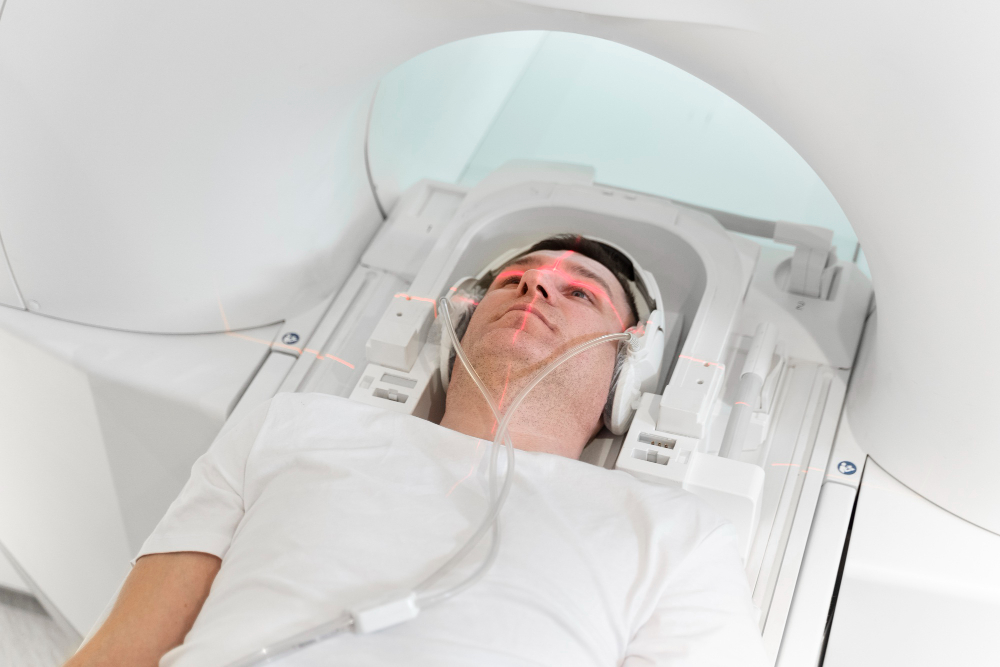
Done while you lie on a table
The machine may make buzzing or clicking sounds
You may receive a contrast injection. Some people feel warmth or a metallic taste briefly.
CT scans are generally safe. Still, there are some risks:
Radiation exposure: higher than standard X-rays
Allergic reaction to contrast: rare
Kidney effects from contrast: uncommon
Doctors balance risks and benefits before recommending a scan.
Doctors may recommend a CT scan when:
Symptoms suggest cancer (e.g., unexplained weight loss, pain)
A mass is felt during a physical exam
Follow-up of an abnormal screening test
Monitoring after cancer treatment
Assessing spread of known cancer
Guiding biopsy or surgery planning
CT scans are an essential part of cancer care.
CT scan:
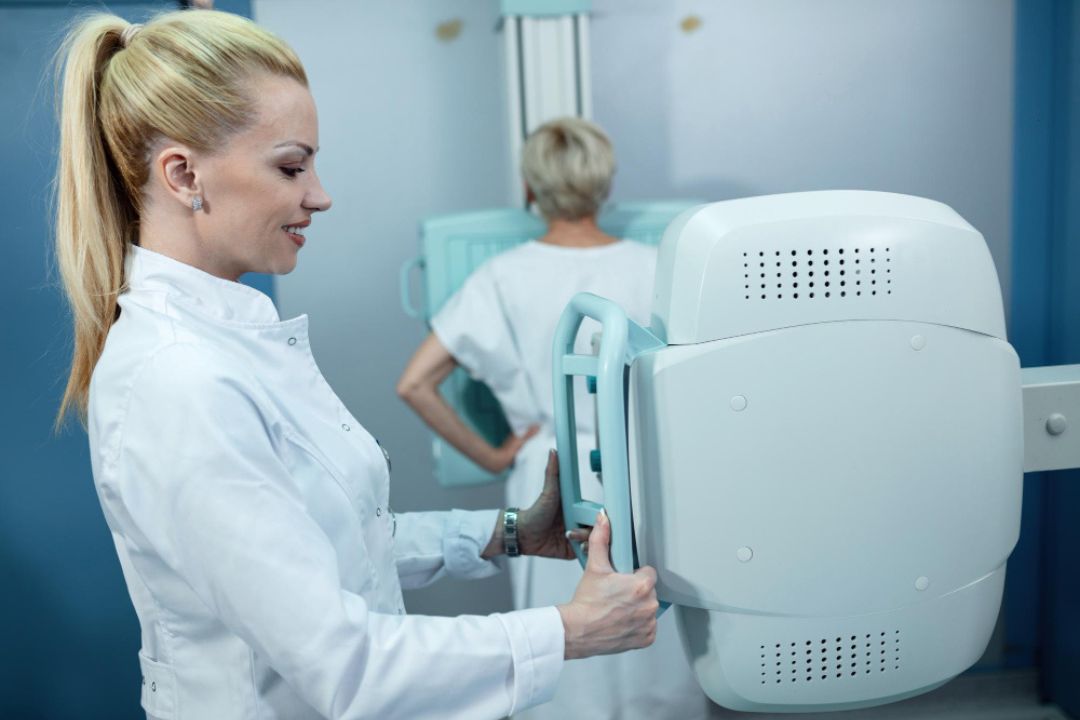
Uses X-rays
Fast and widely available
Great for bone detail and lung imaging
MRI:
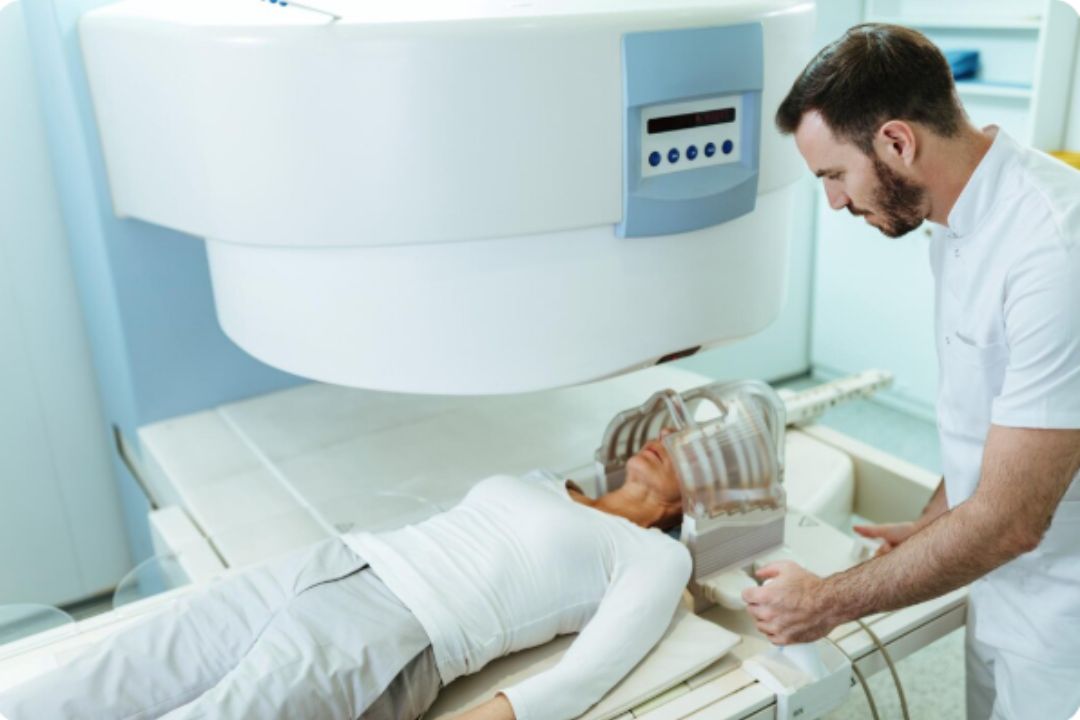
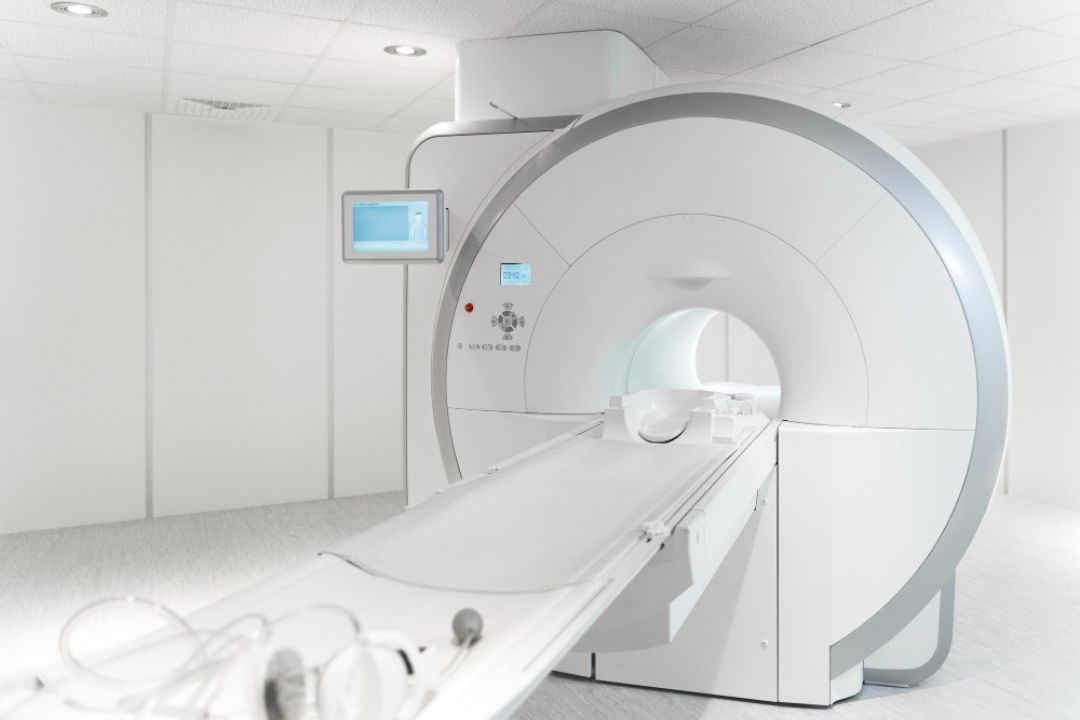
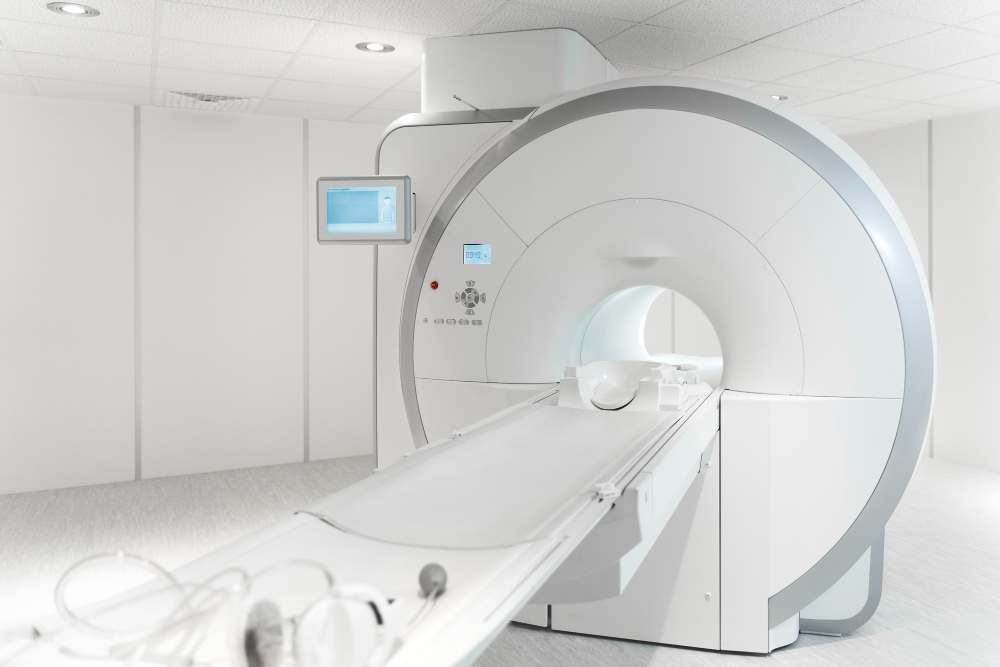
Uses magnetic fields
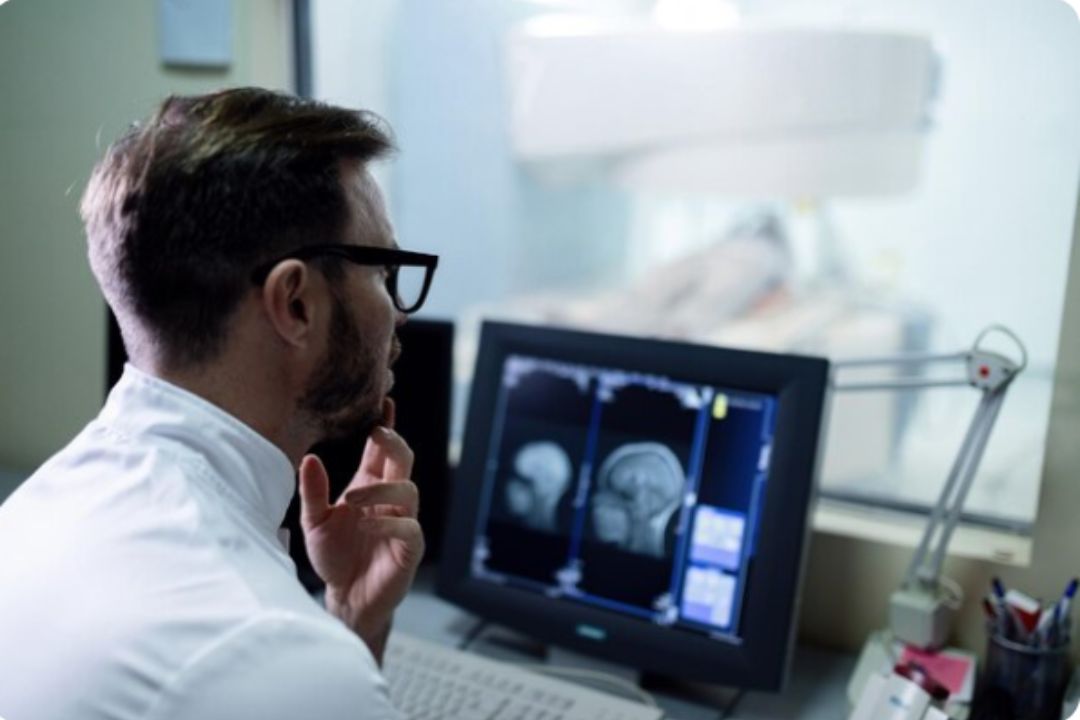
Better for soft tissues (brain, spinal cord, muscles)
No radiation
Doctors choose based on the body part and clinical question.
A CT scan can detect cancer by showing abnormal masses, tumor spread, and other changes inside the body. It provides high-resolution images that help doctors make informed decisions.
While powerful, a CT scan is part of a broader diagnostic process. Combining imaging with biopsies and other tests leads to accurate diagnosis and treatment planning.
Understanding what a CT scan can and cannot do helps you feel confident and prepared when discussing options with your doctor.





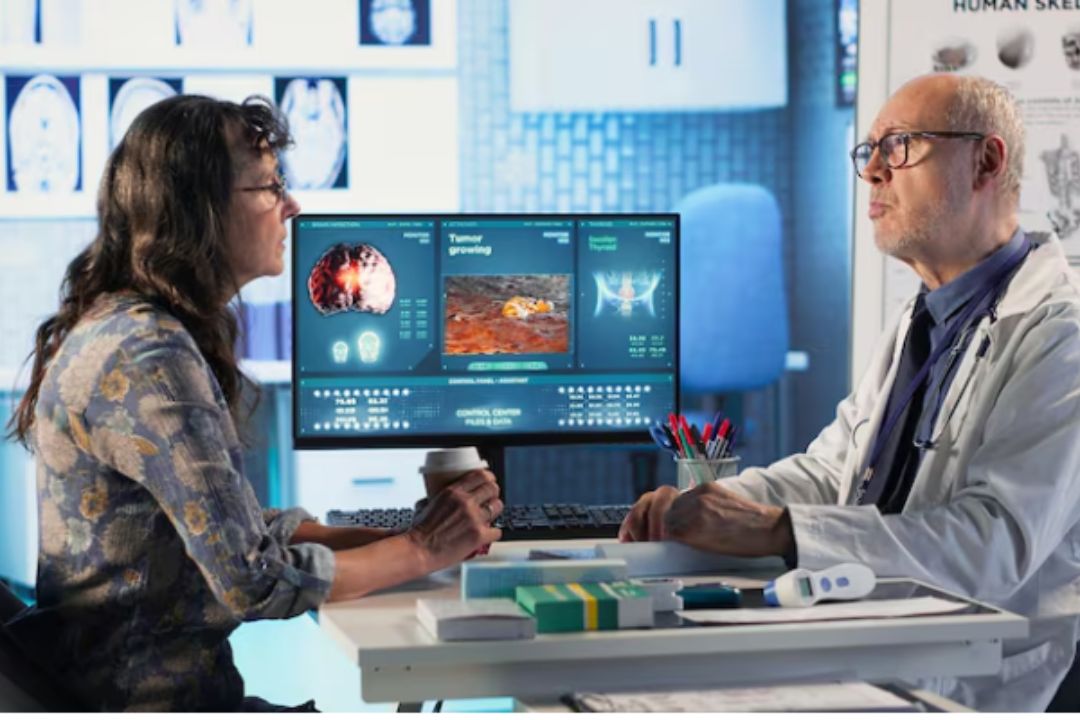
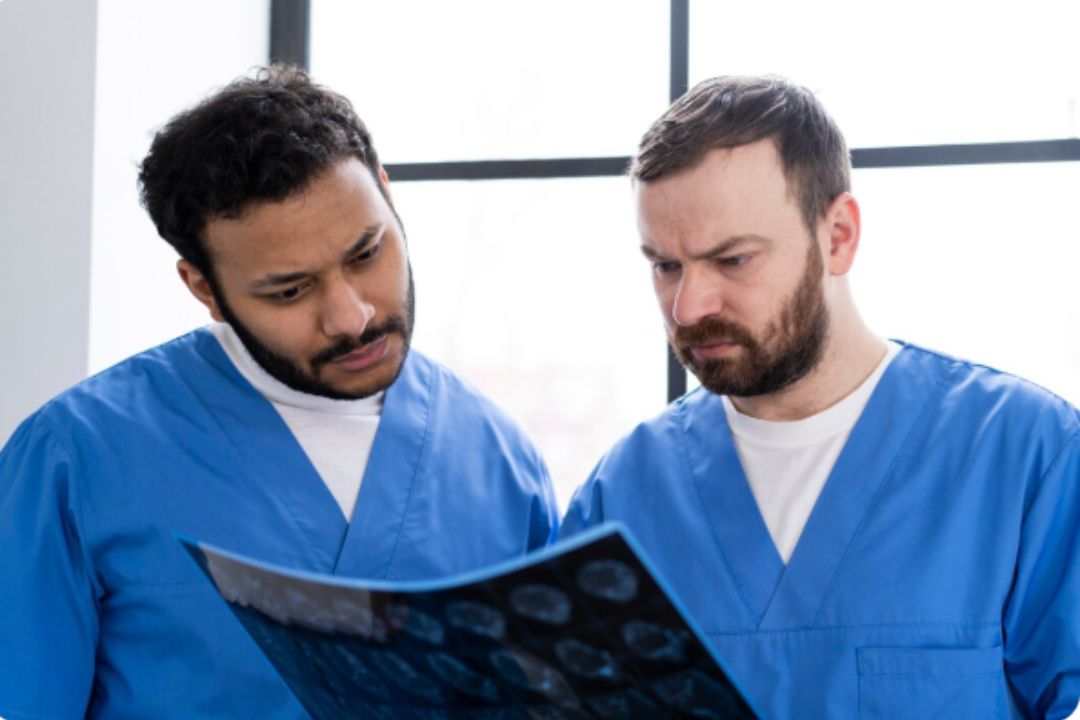
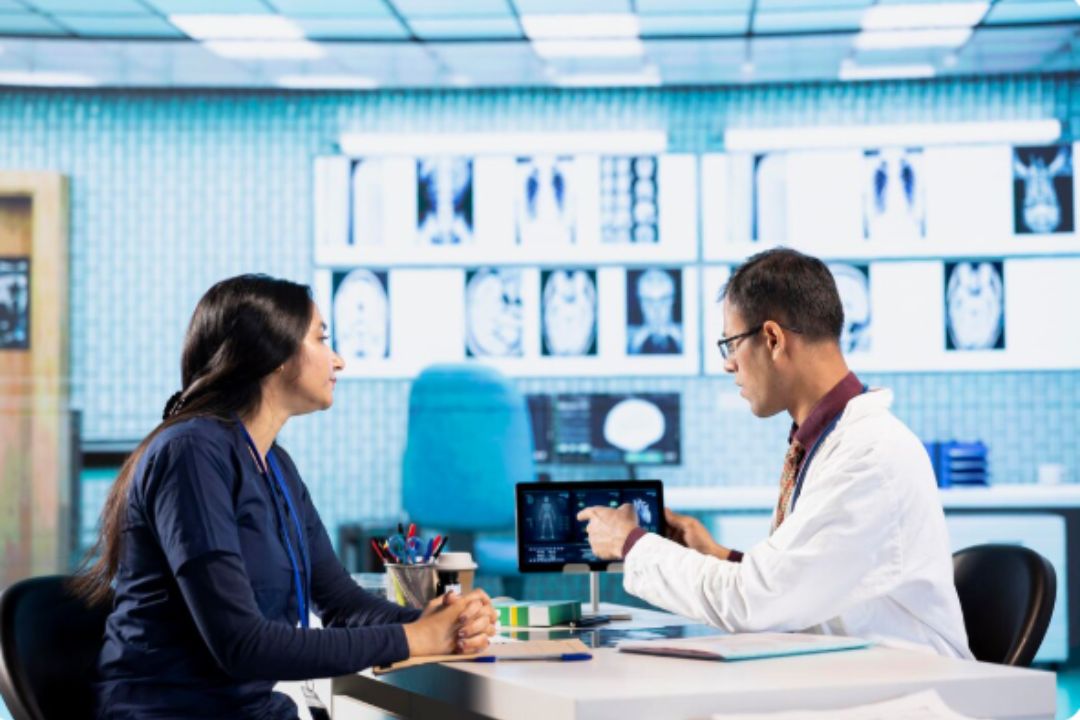

.jpg "ct brain scan plain and contrast")





.jpg "ct scan")
.jpg "ct scan or mri for brain disorders")


.jpg "exploring the power of ct brain contrast in modern diagnostics")
.jpg "ct scan")
.jpg "ct scan")







.jpg "ct scan")

.jpg "CT Brain Scan for Headaches")
.jpg "The Future of 3D CT Imaging")