A sudden fall, a sports injury, or an accident—the immediate concern is often, “Is it broken?” When pain and swelling point to a possible bone fracture, accurate diagnosis is the critical first step toward effective treatment and healing. In the world of medical imaging, two technologies stand as the primary tools for this task: the traditional X-ray and the advanced CT scan. Patients frequently search for a "CT scan near me" or try to understand the "difference between CT and X ray." This comprehensive guide from Dignopein will explore the benefits, make a direct comparison, analyze costing and comfort, and conclude with a clear recommendation on which imaging modality is better for diagnosing bone fractures.
To make an informed choice, one must first grasp the core technological difference between CT and X ray.
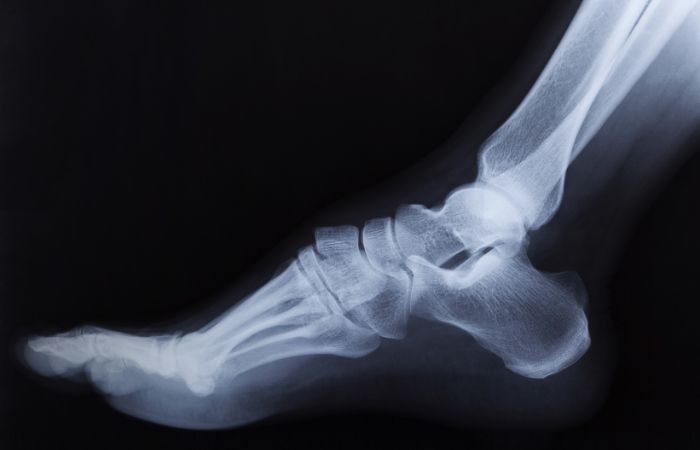
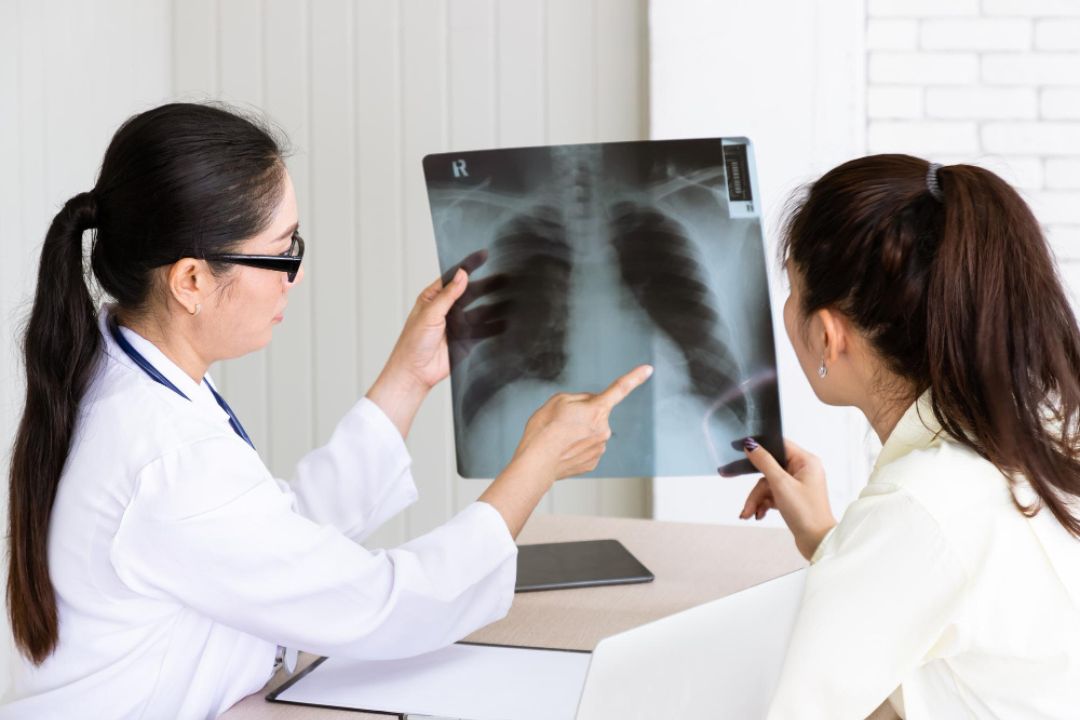
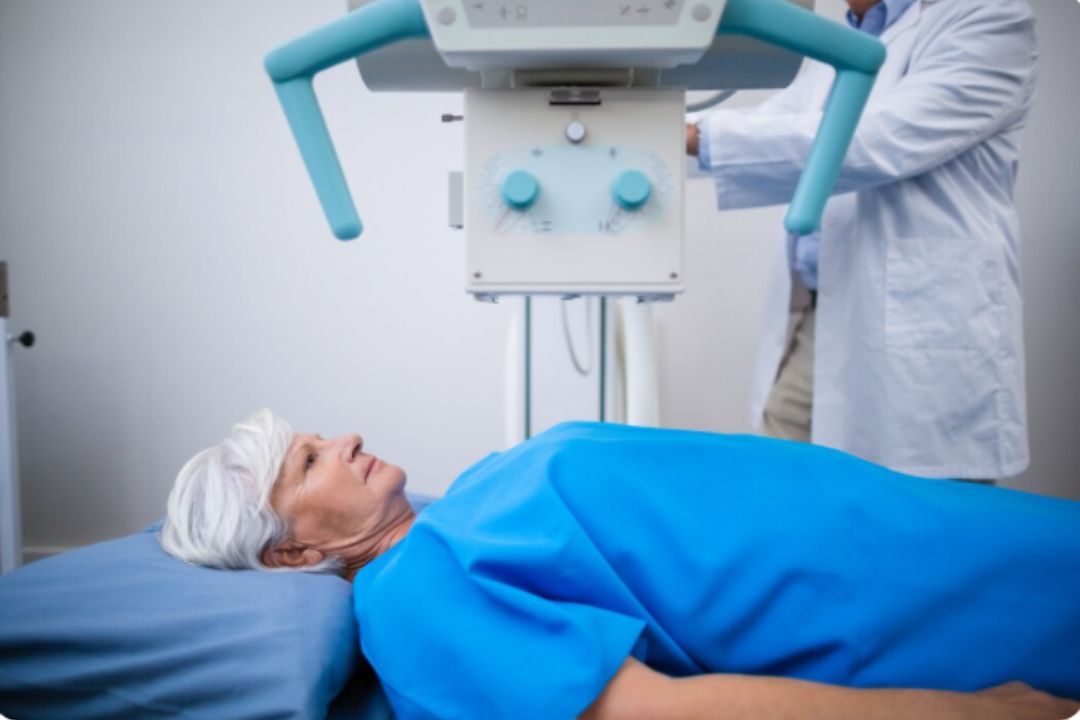
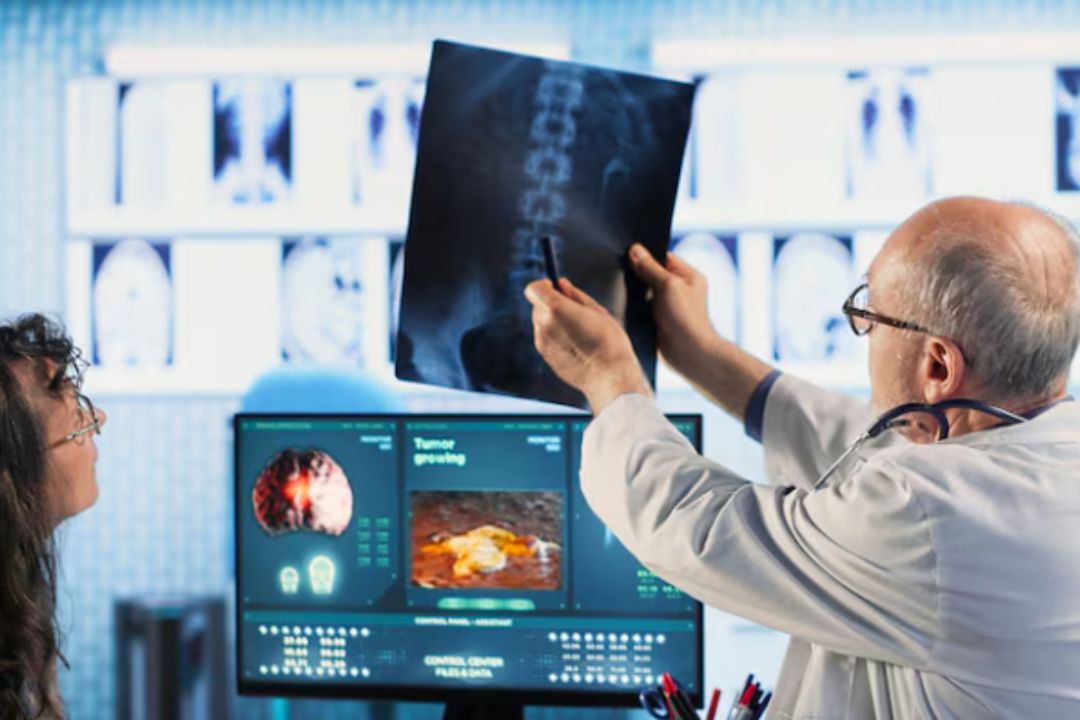
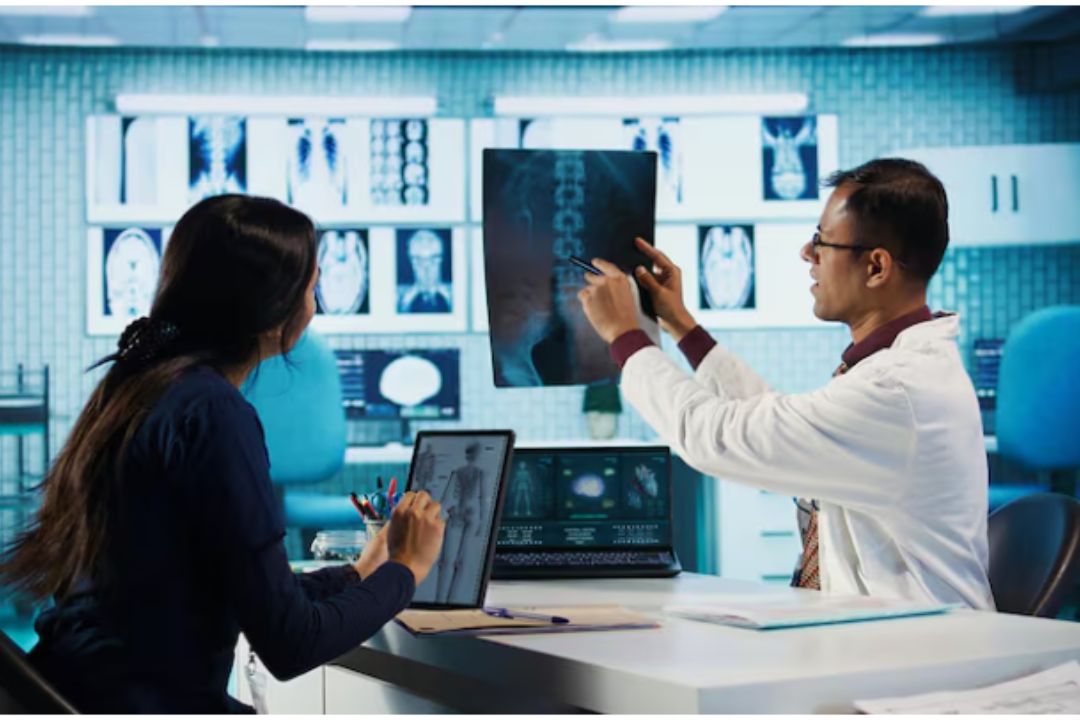
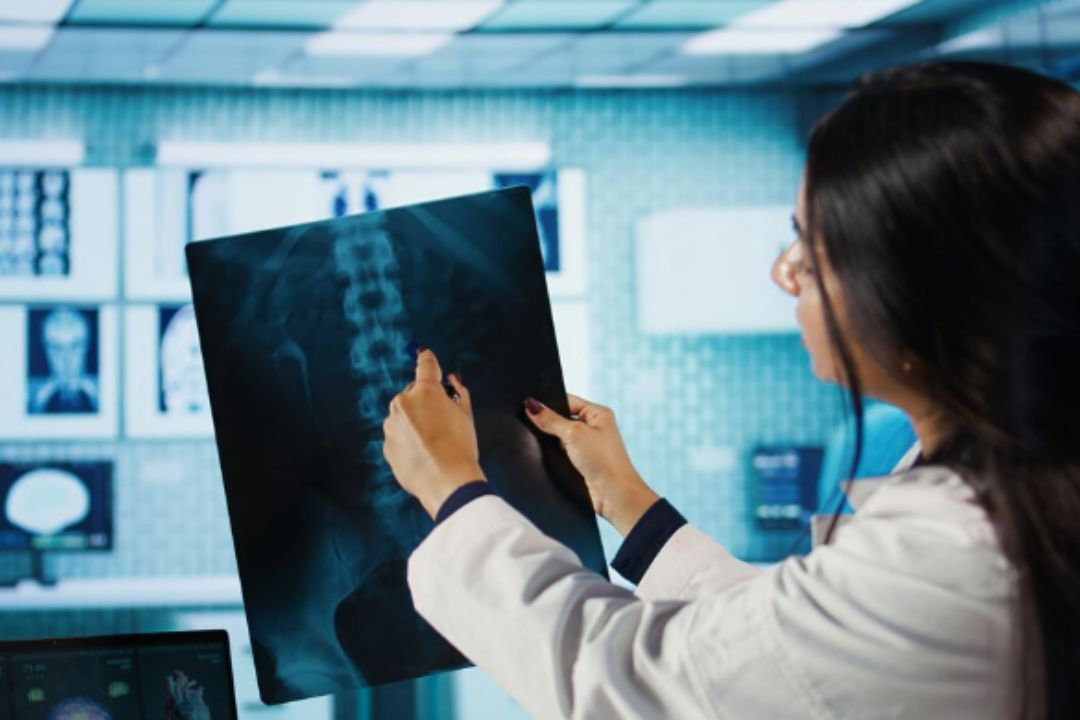
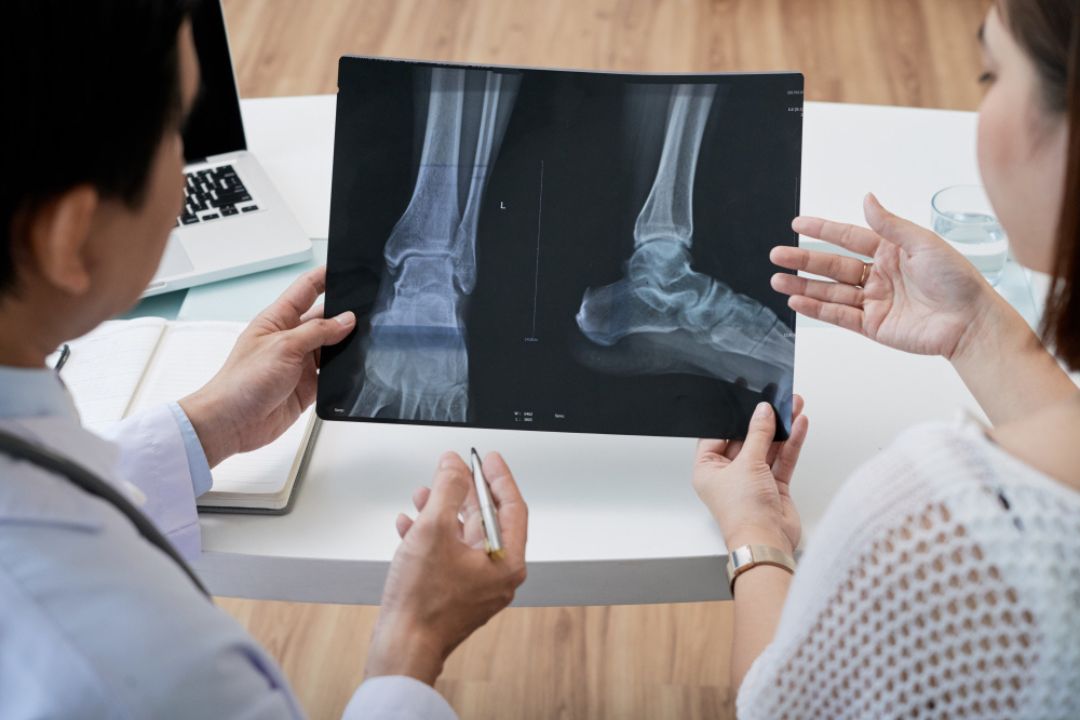
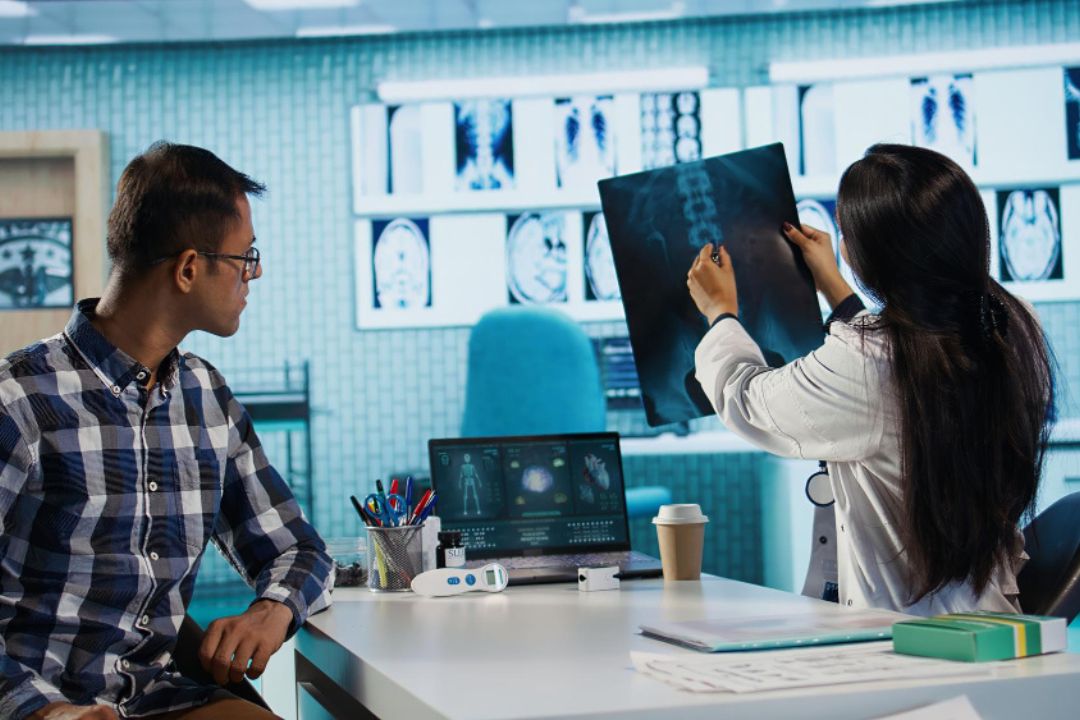
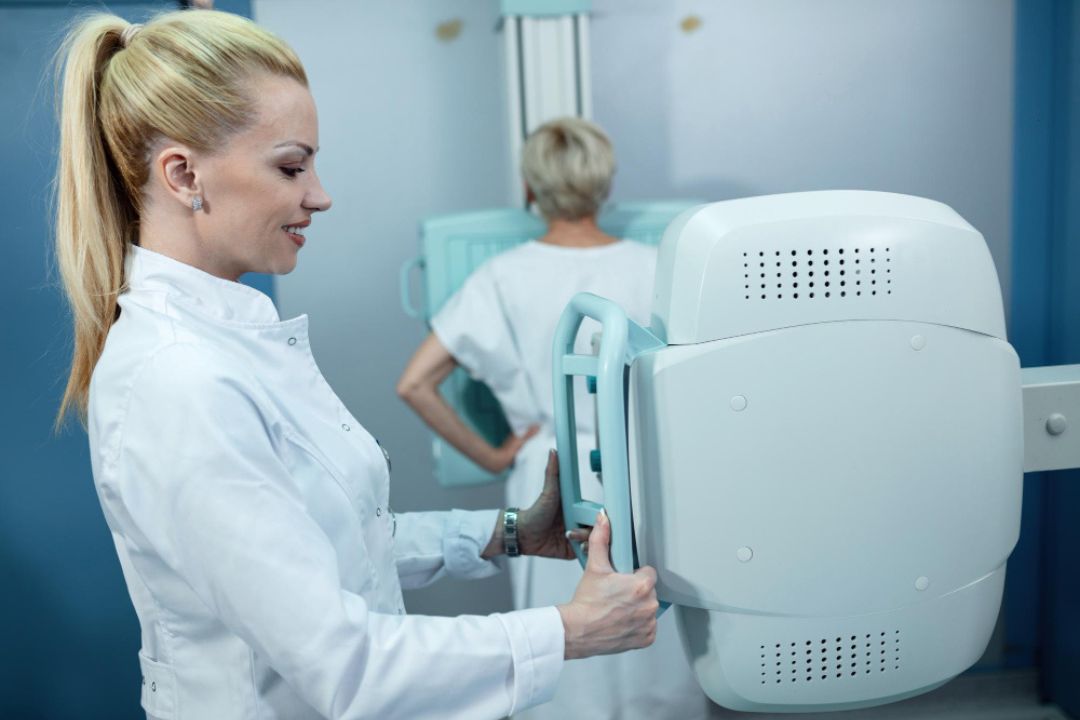
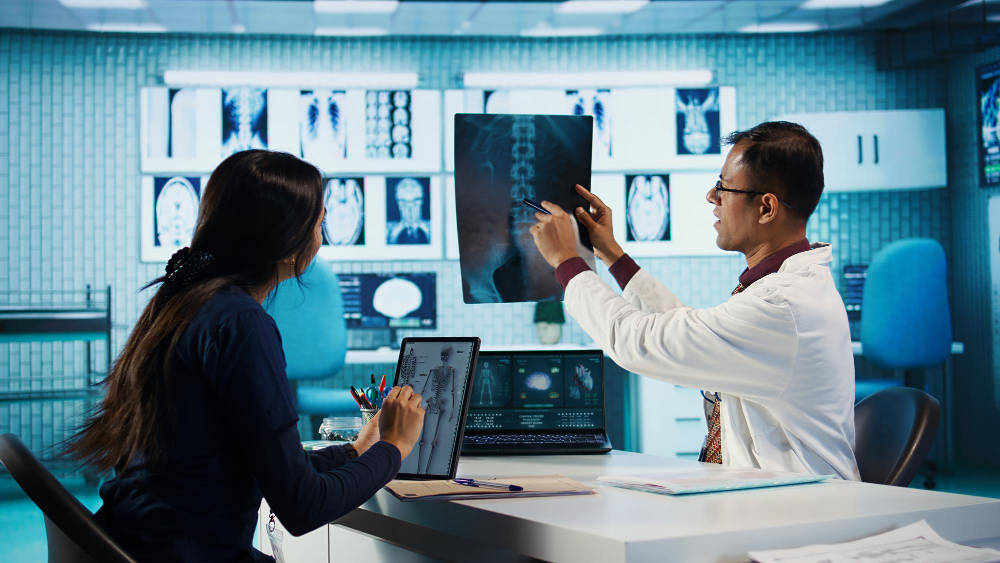
An X-ray is a form of electromagnetic radiation. During the procedure, a machine sends a small, focused beam through your body. Dense structures like bones absorb the radiation and appear white on the resulting image, while softer tissues appear in shades of gray. It’s a quick process, capturing the image in a fraction of a second. Think of it as taking a single photograph of your skeleton from one angle—excellent for an overview but limited in depth.
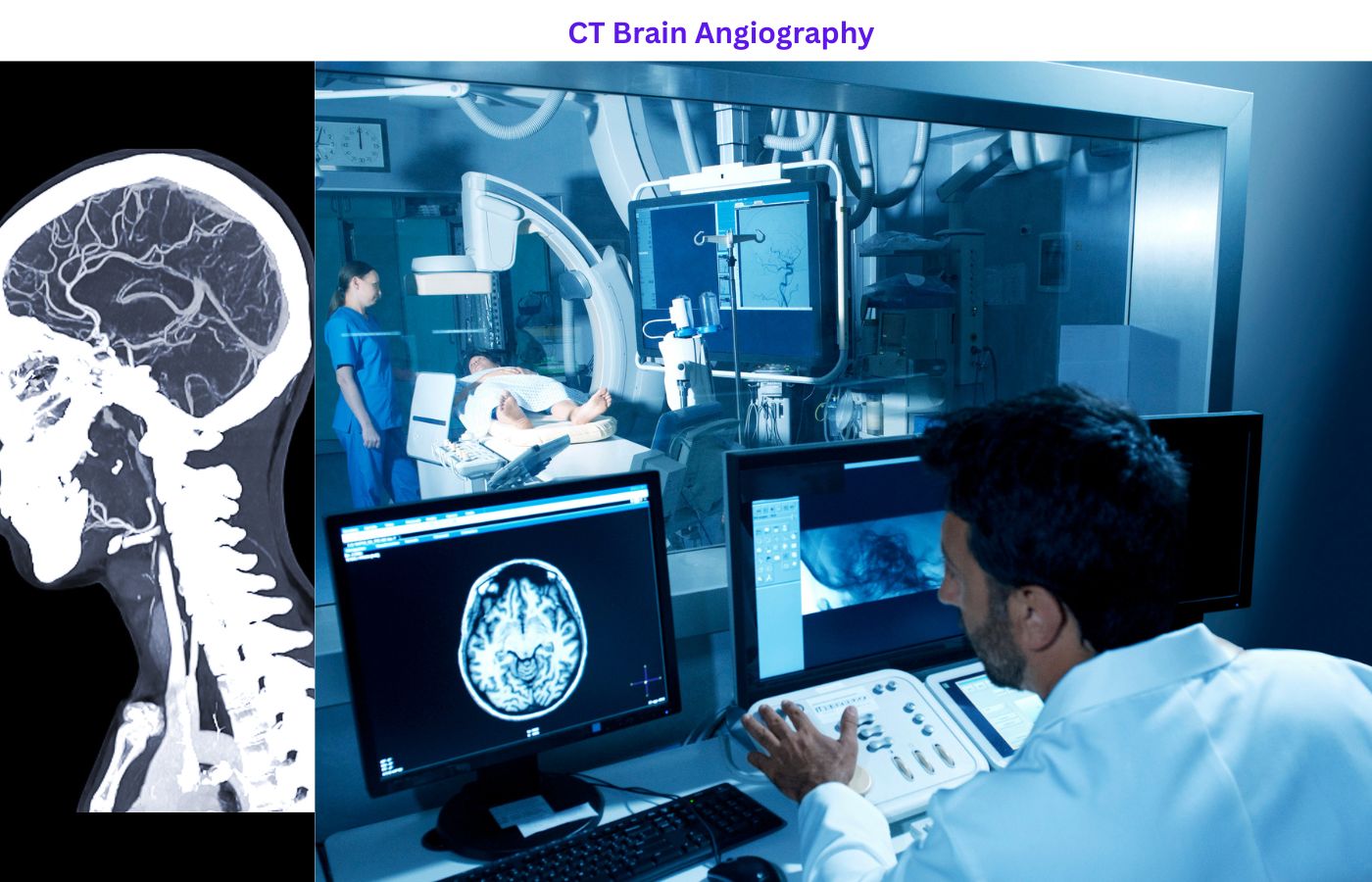
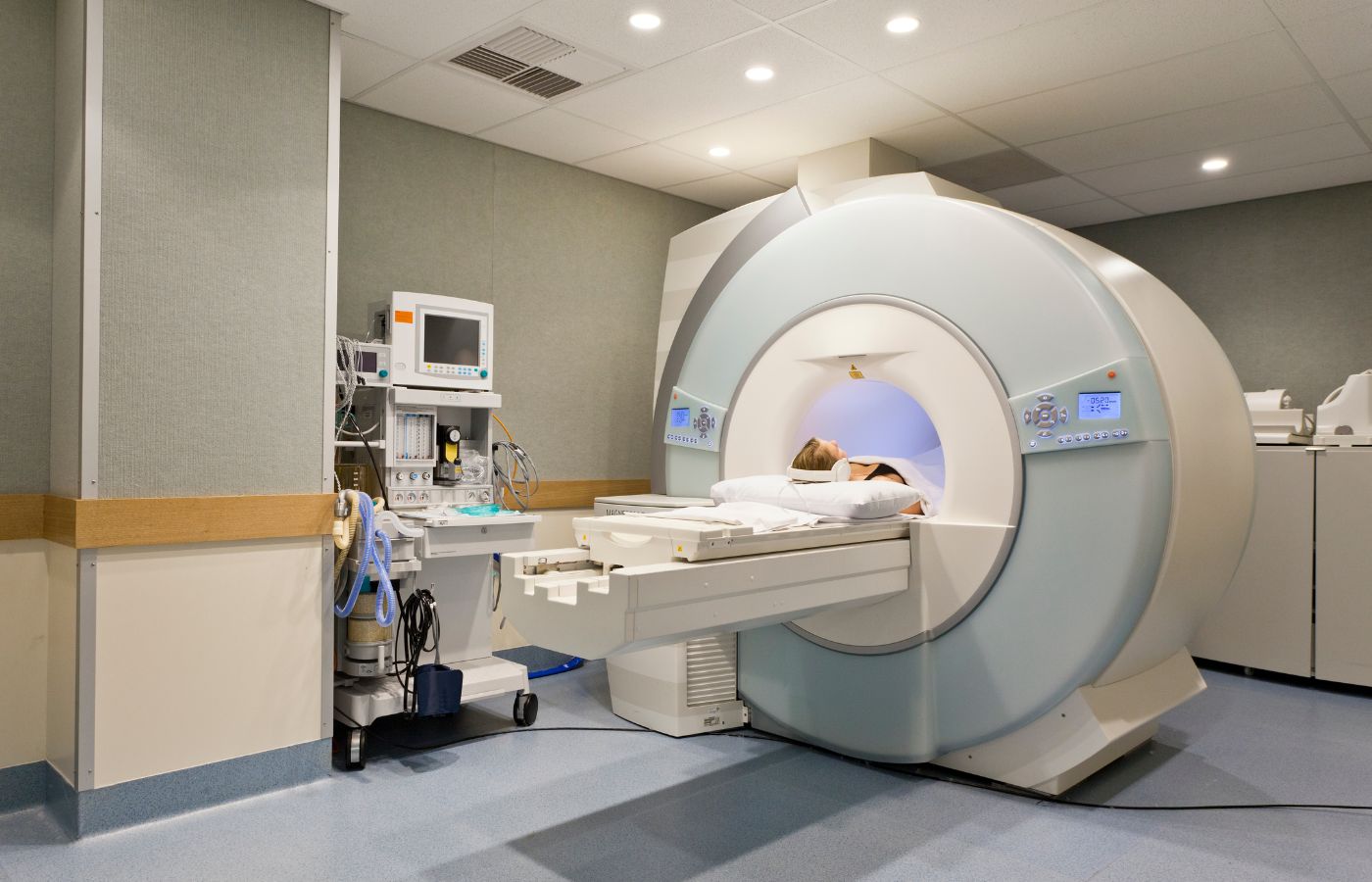
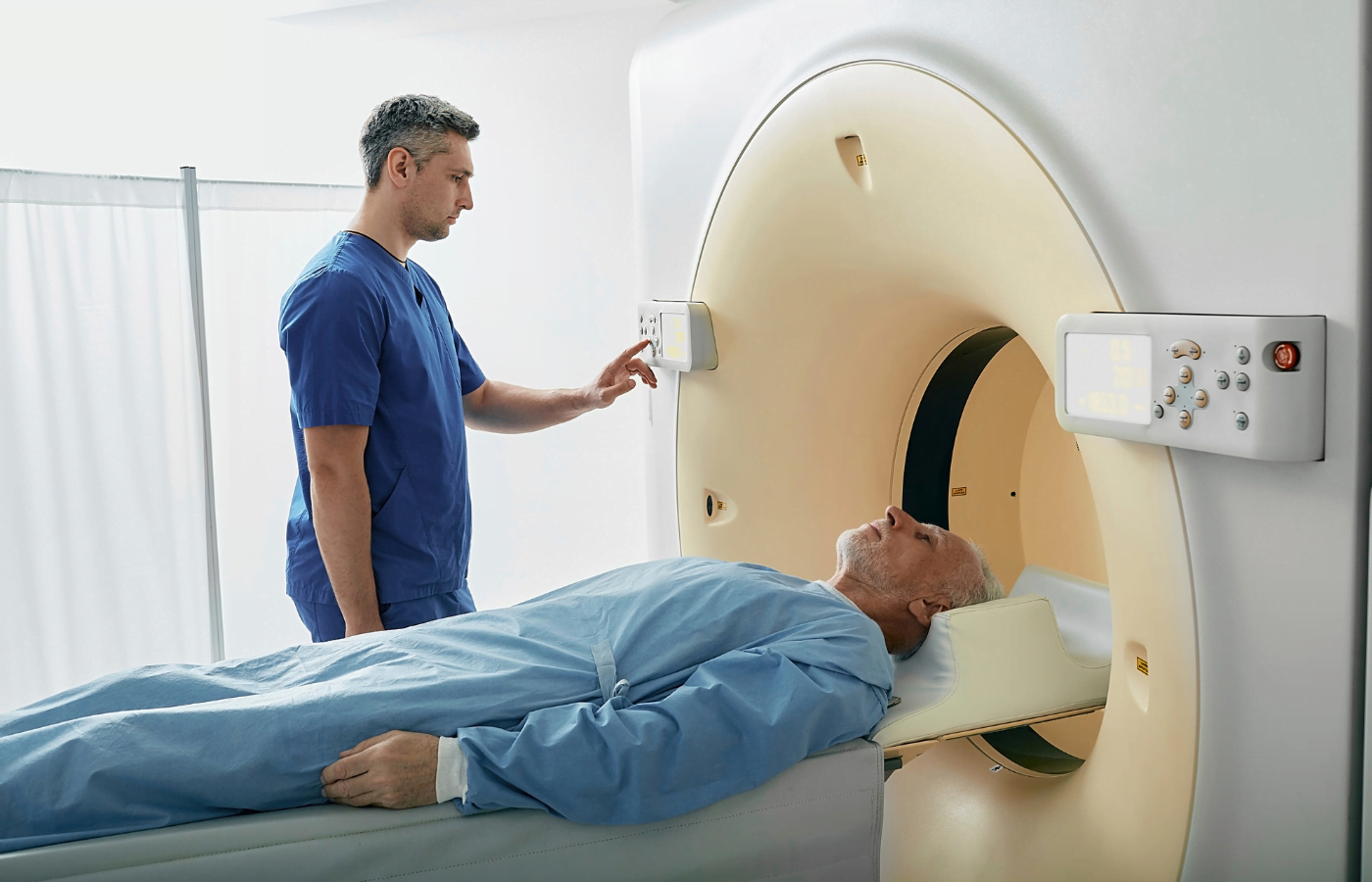
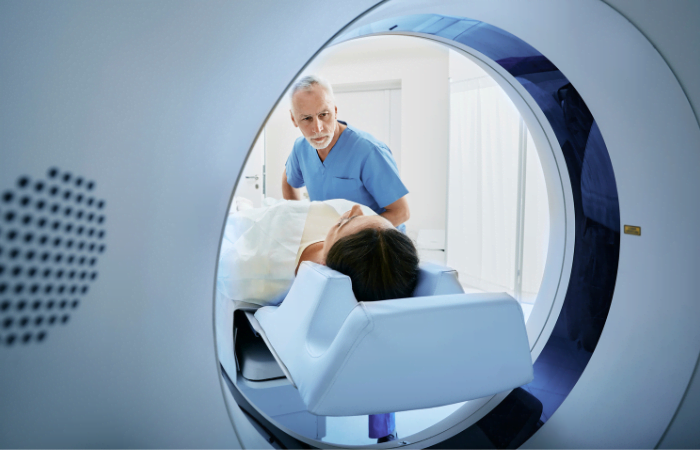
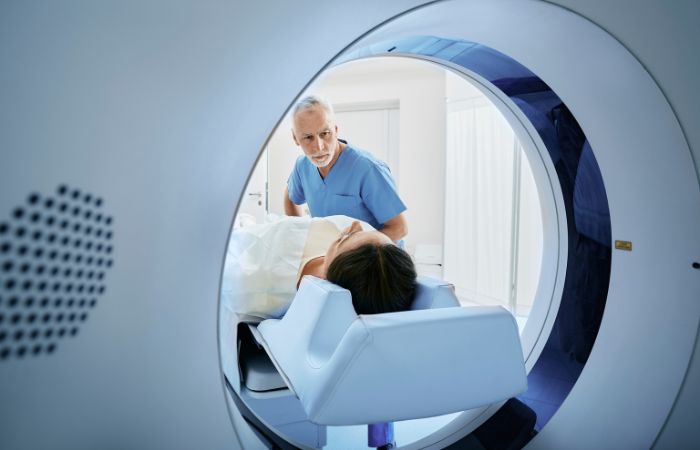
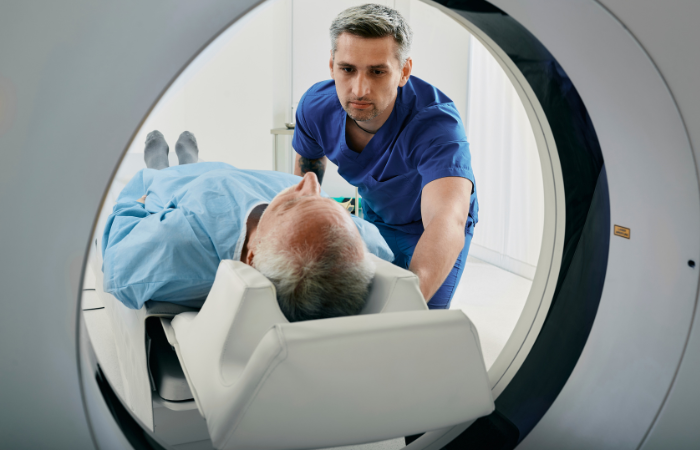
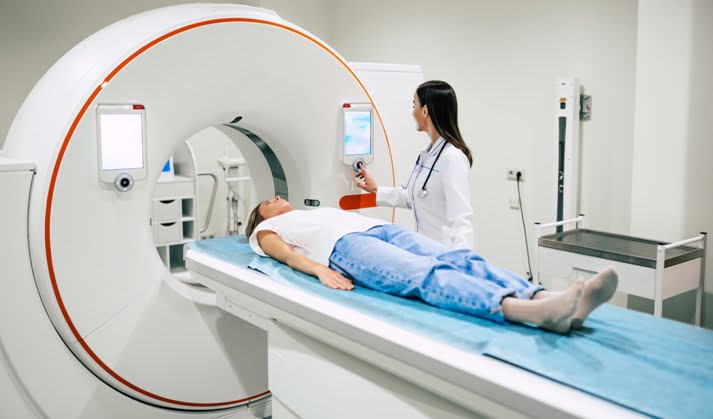
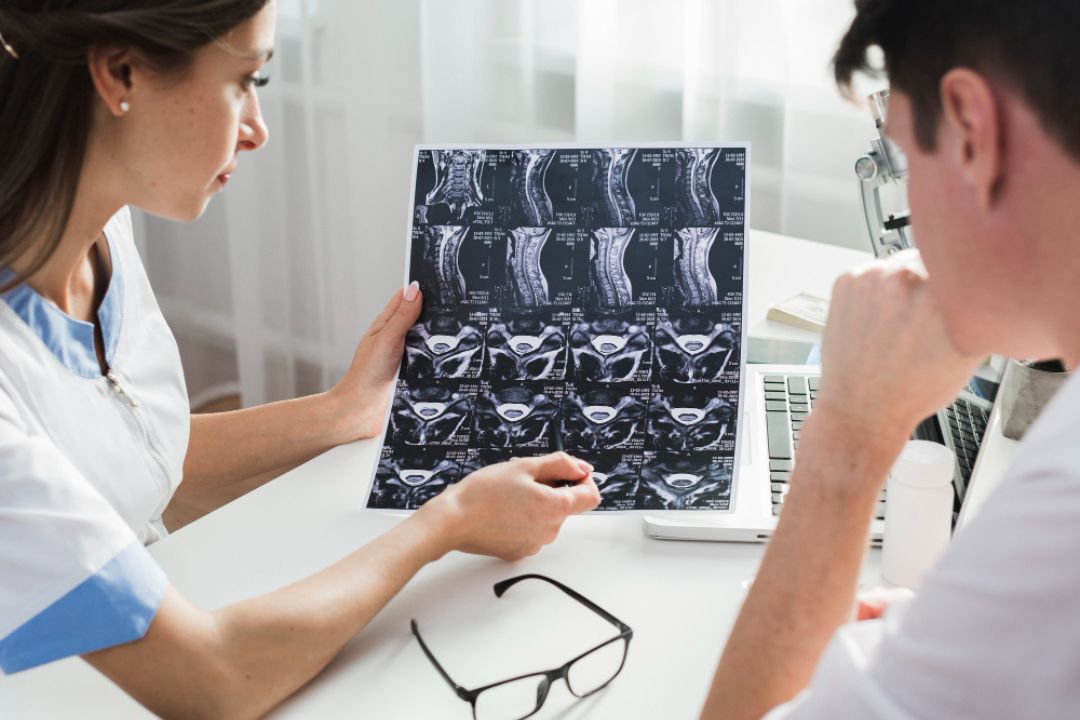
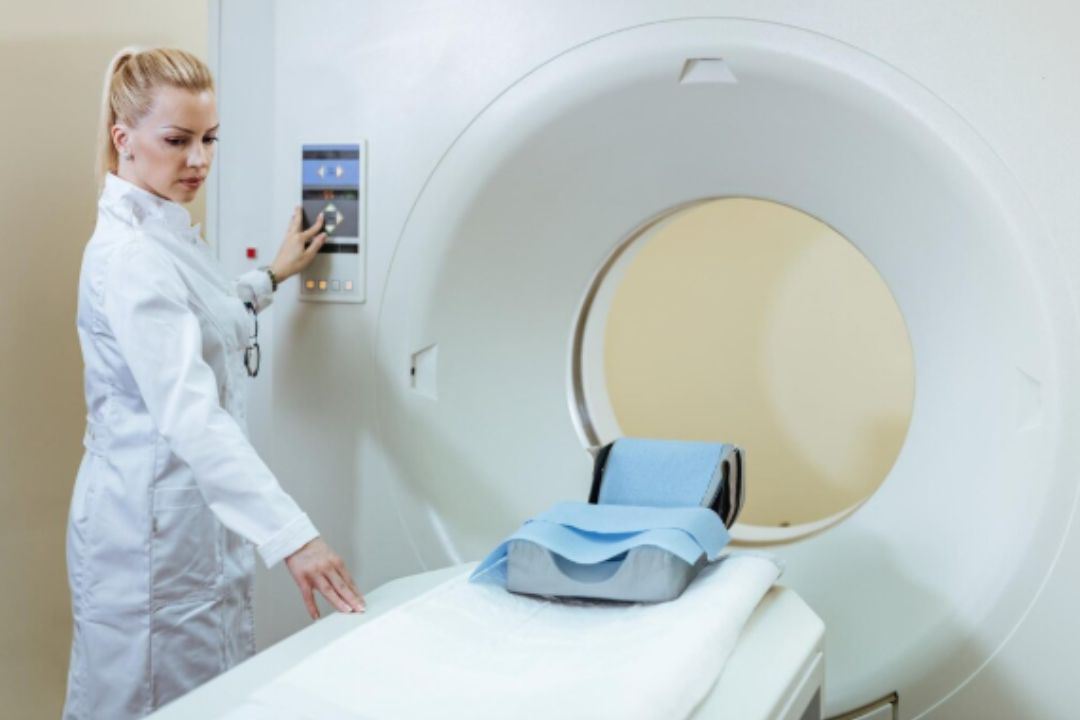
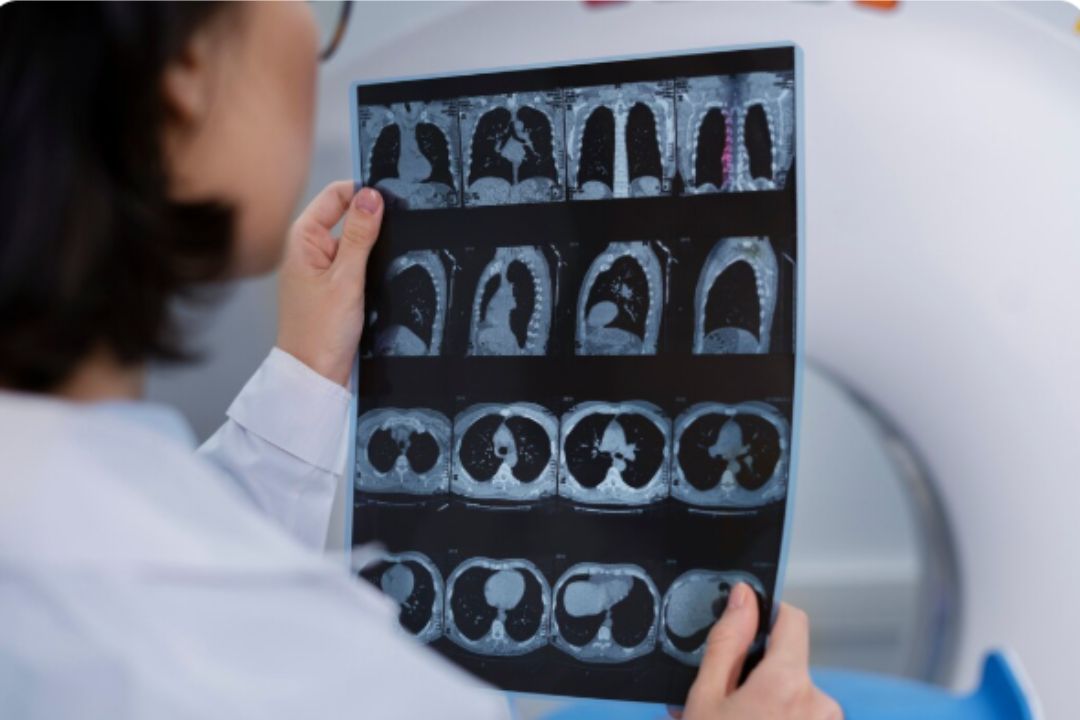
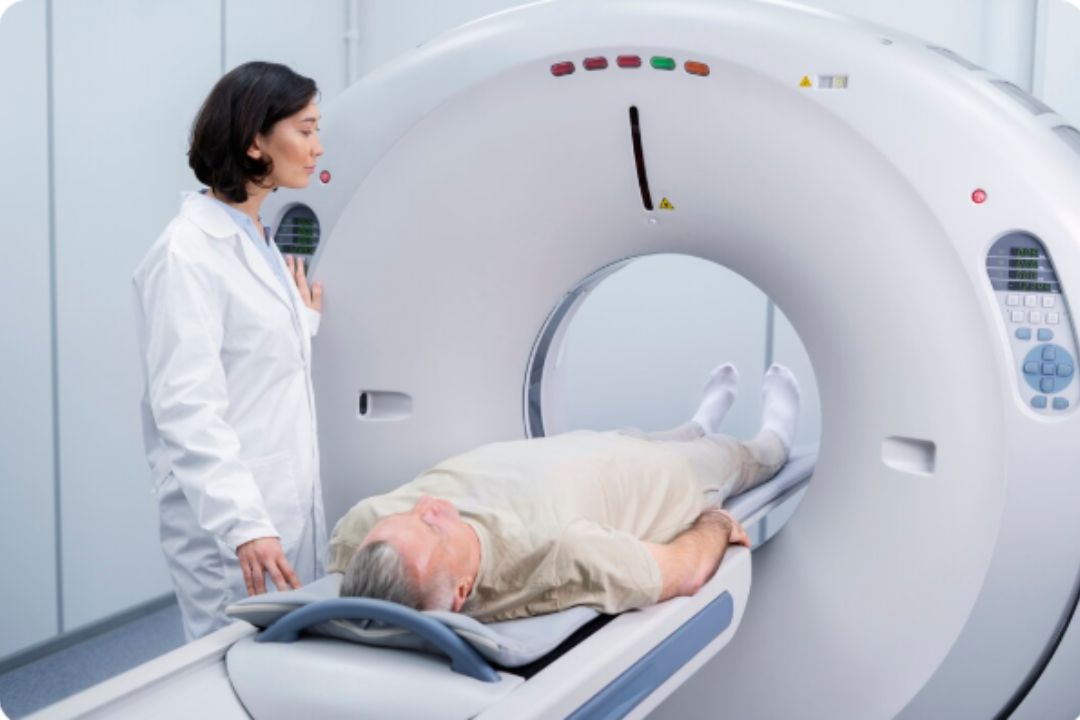
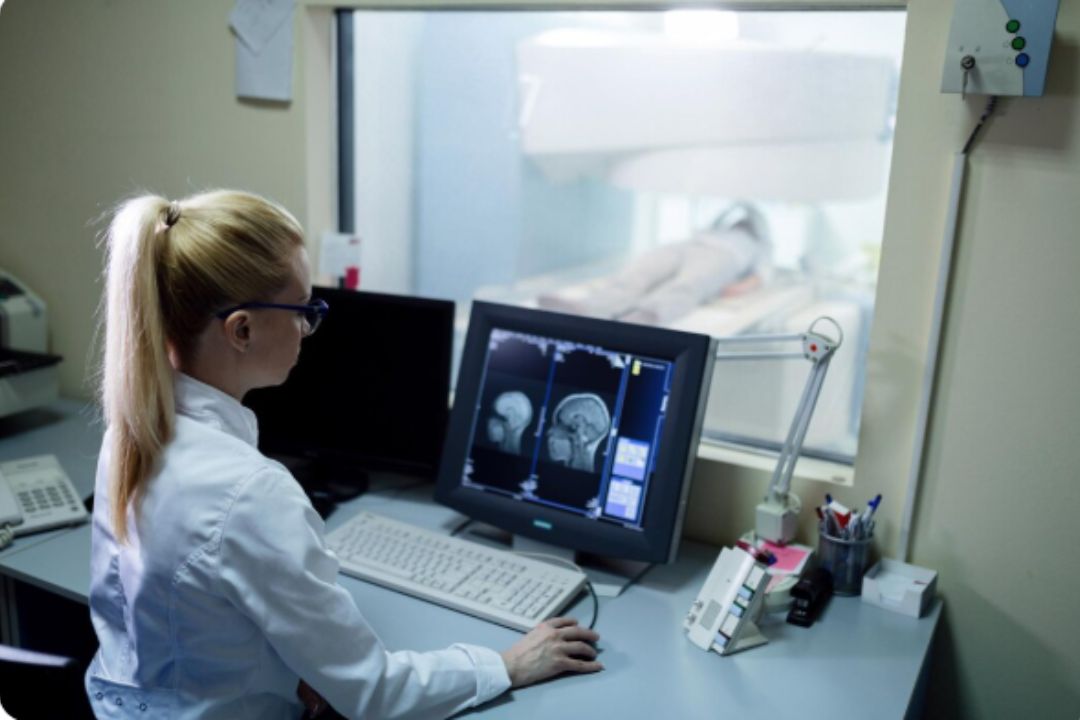
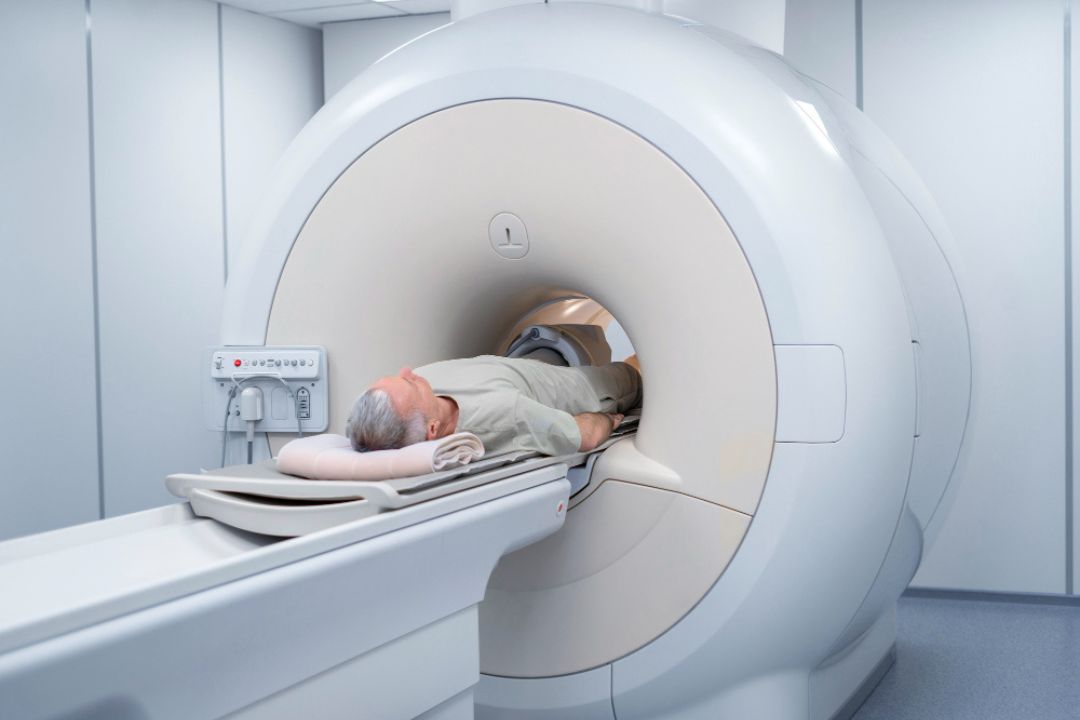
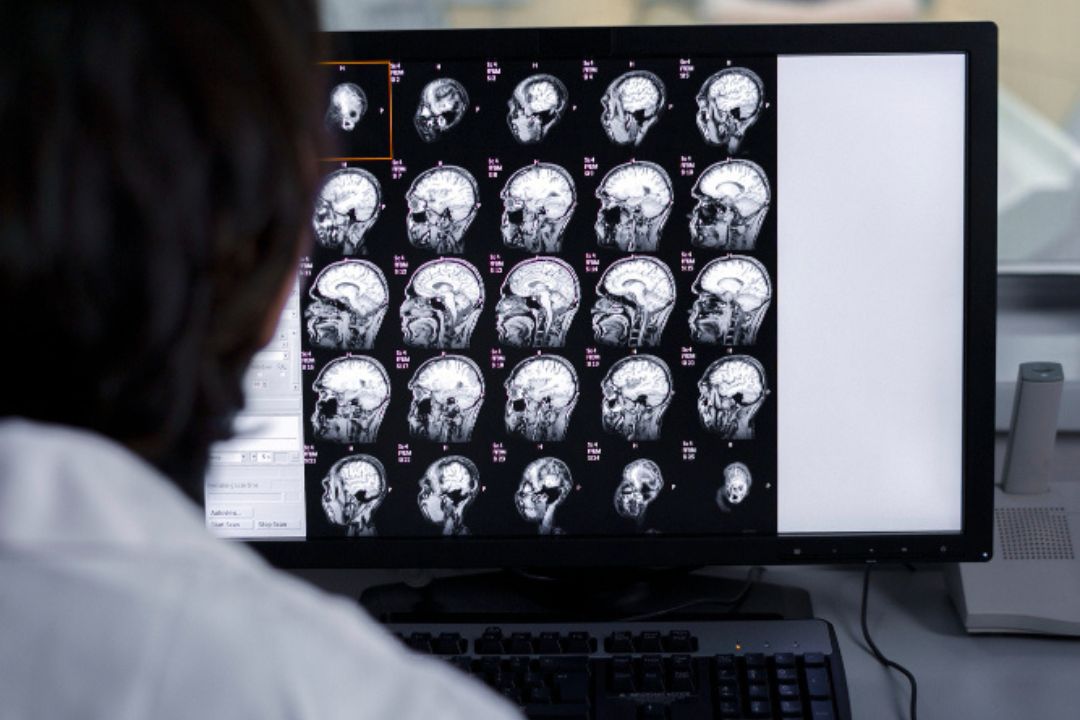
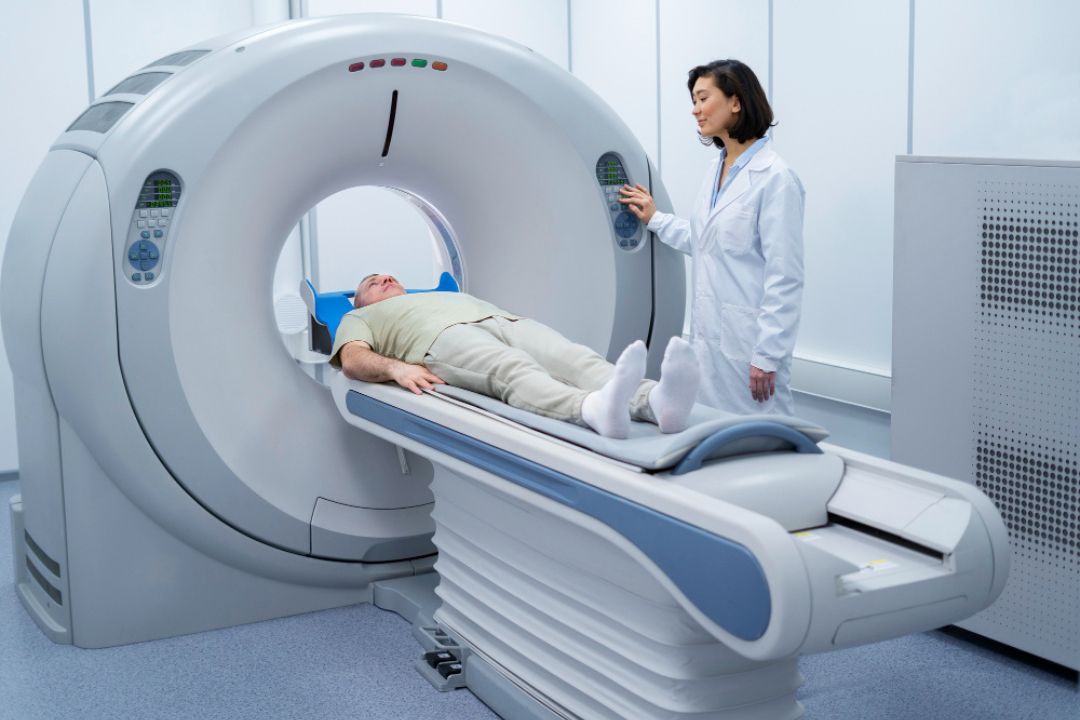
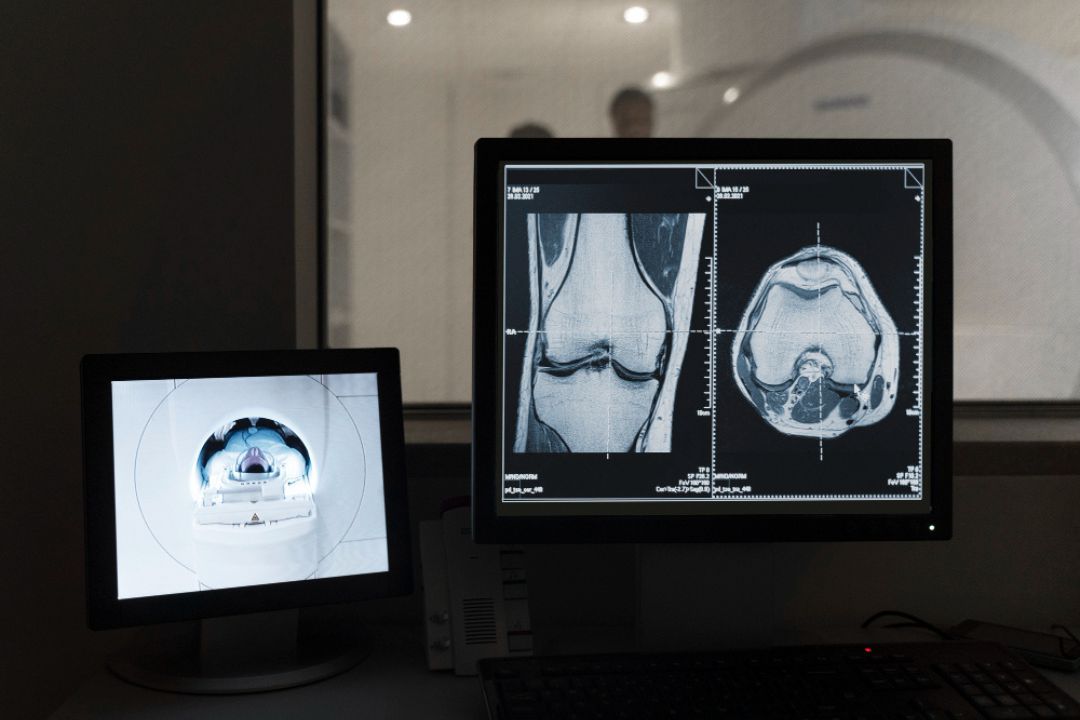
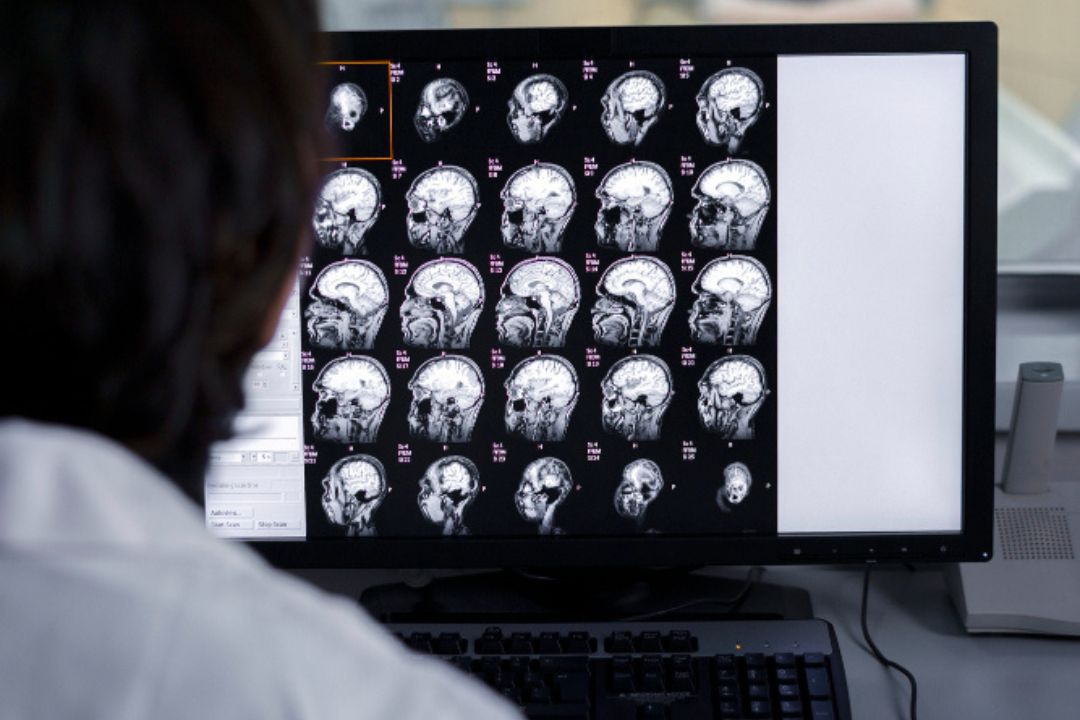
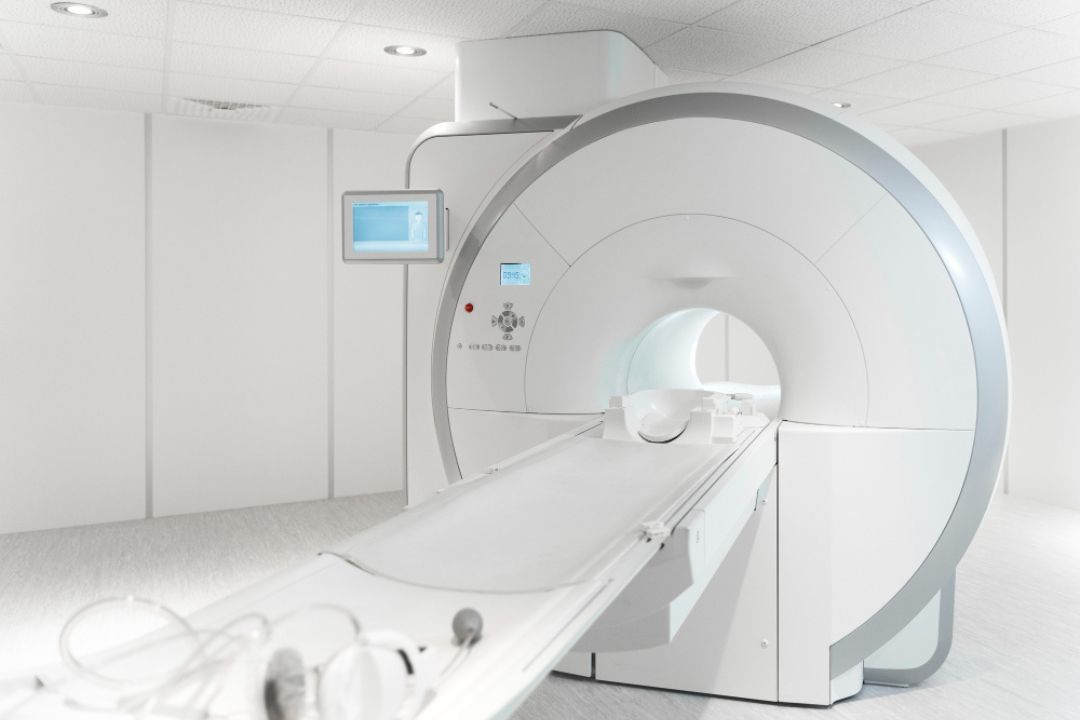
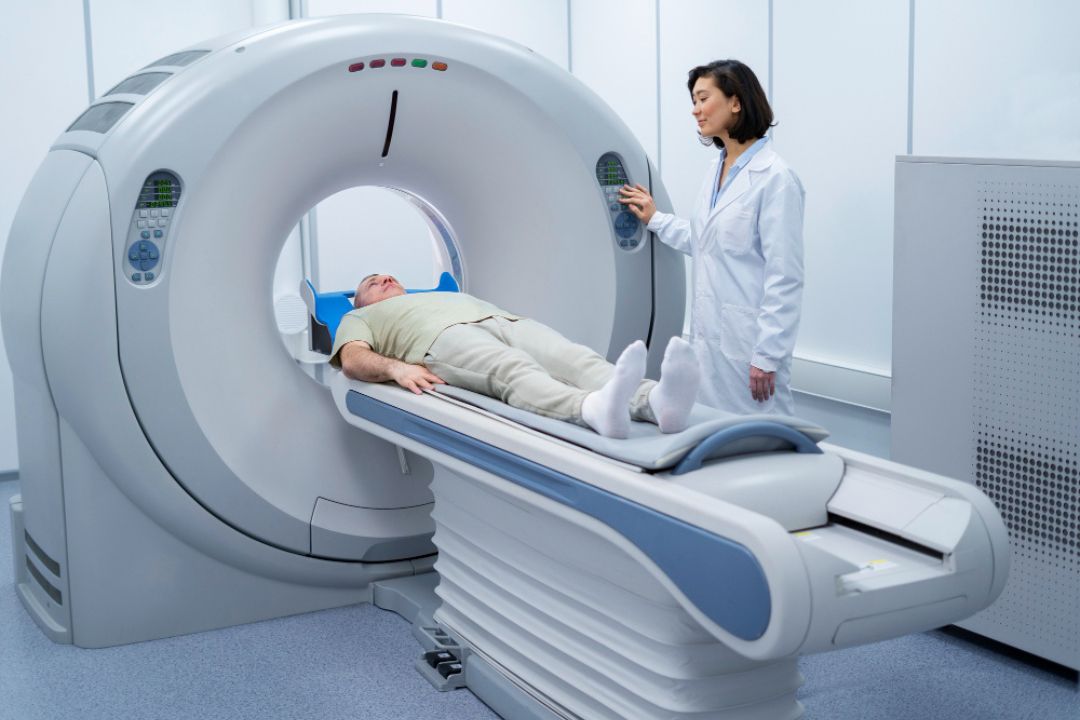
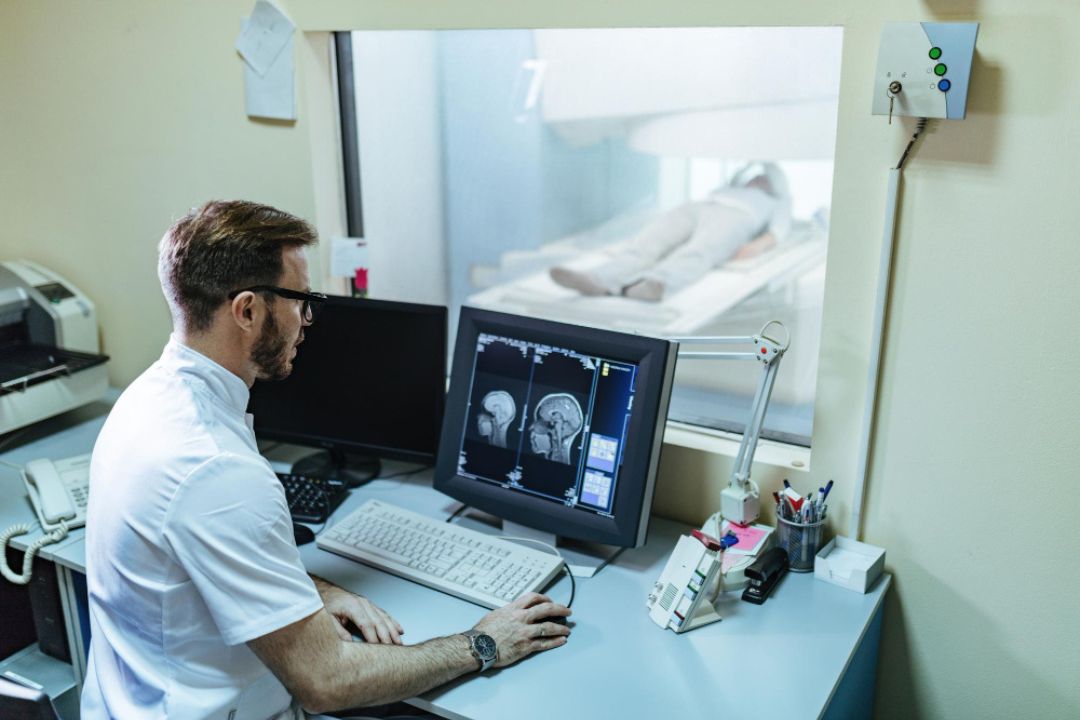
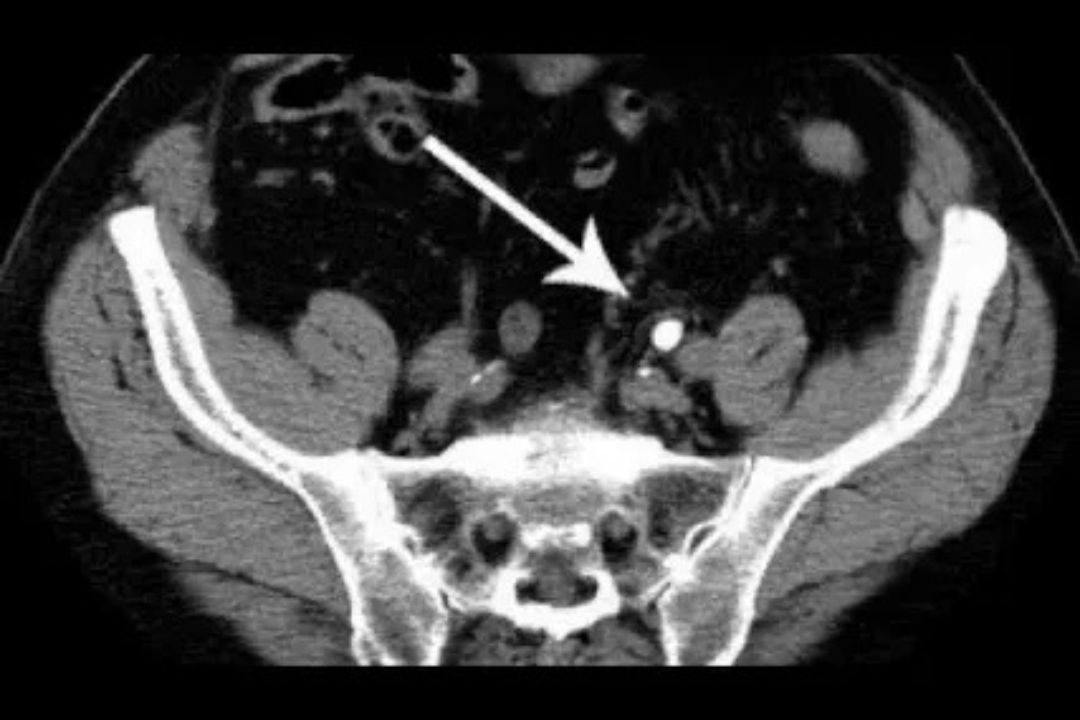
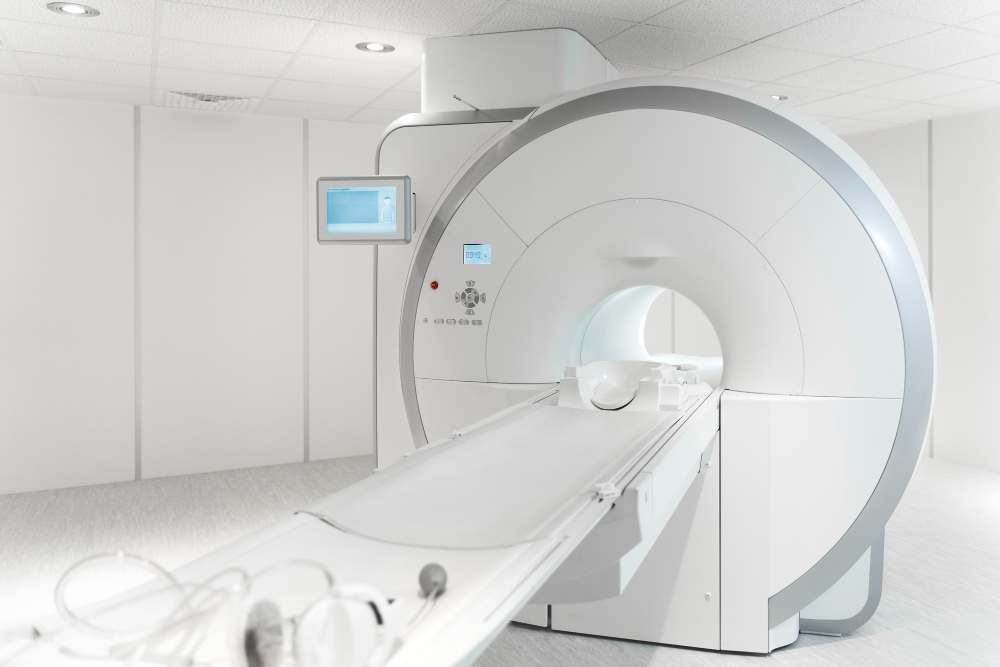
A CT scan, or Computed Tomography scan, is a more sophisticated evolution of X-ray technology. Often called a CT scan, it involves an X-ray tube and detectors rotating around your body, capturing hundreds of cross-sectional images or "slices." A computer then assembles these slices into highly detailed images that can be viewed from any angle. It’s like taking that same bone and creating a layered, rotatable digital model, allowing doctors to see inside the structure.
Head-to-Head Comparison: Benefits for Fracture Diagnosis
For most suspected fractures, an X-ray is the appropriate and recommended starting point.
First-Line Diagnostic Tool: It is the gold standard for initial assessment. Emergency rooms and clinics use it as the first test due to its speed and efficacy.
Excellent for Simple Breaks: It is perfectly suited for diagnosing clear, non-displaced fractures in long bones (arms, legs), fingers, toes, and ribs. It easily shows alignment issues and dislocations.
Unmatched Speed and Accessibility: The entire process takes just a few minutes. X-ray machines are ubiquitous, found in almost every medical facility, making them highly accessible without long wait times.
Lower Radiation Exposure: A standard X-ray exposes you to a very low dose of radiation—often less than you'd receive from natural background radiation over a few days.
High Cost-Effectiveness: It is the most affordable imaging option, making it a cost-effective first step for patients and healthcare systems alike.
A CT scan is not a routine first step for fractures but is an indispensable tool in specific, complex scenarios.
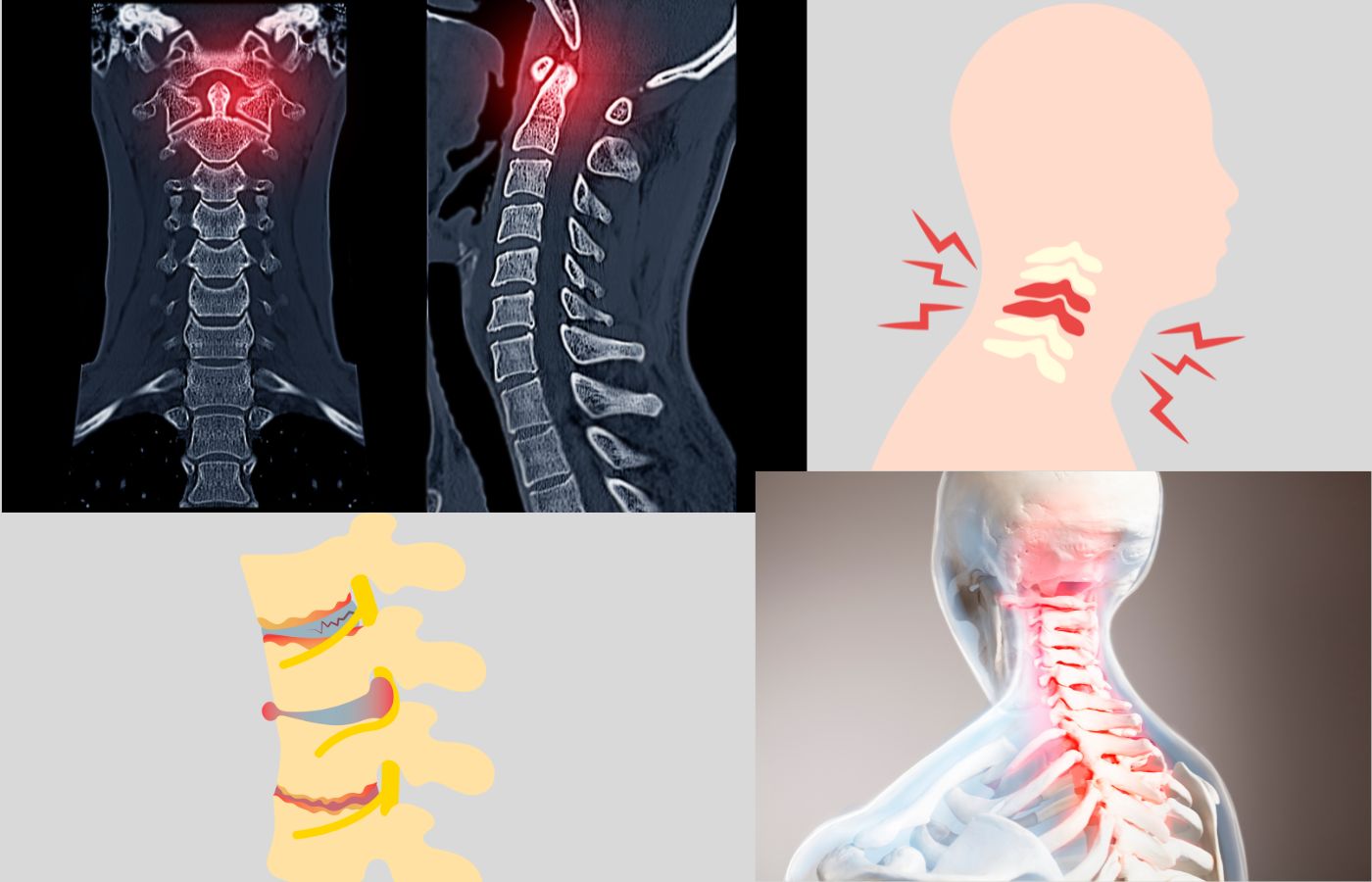
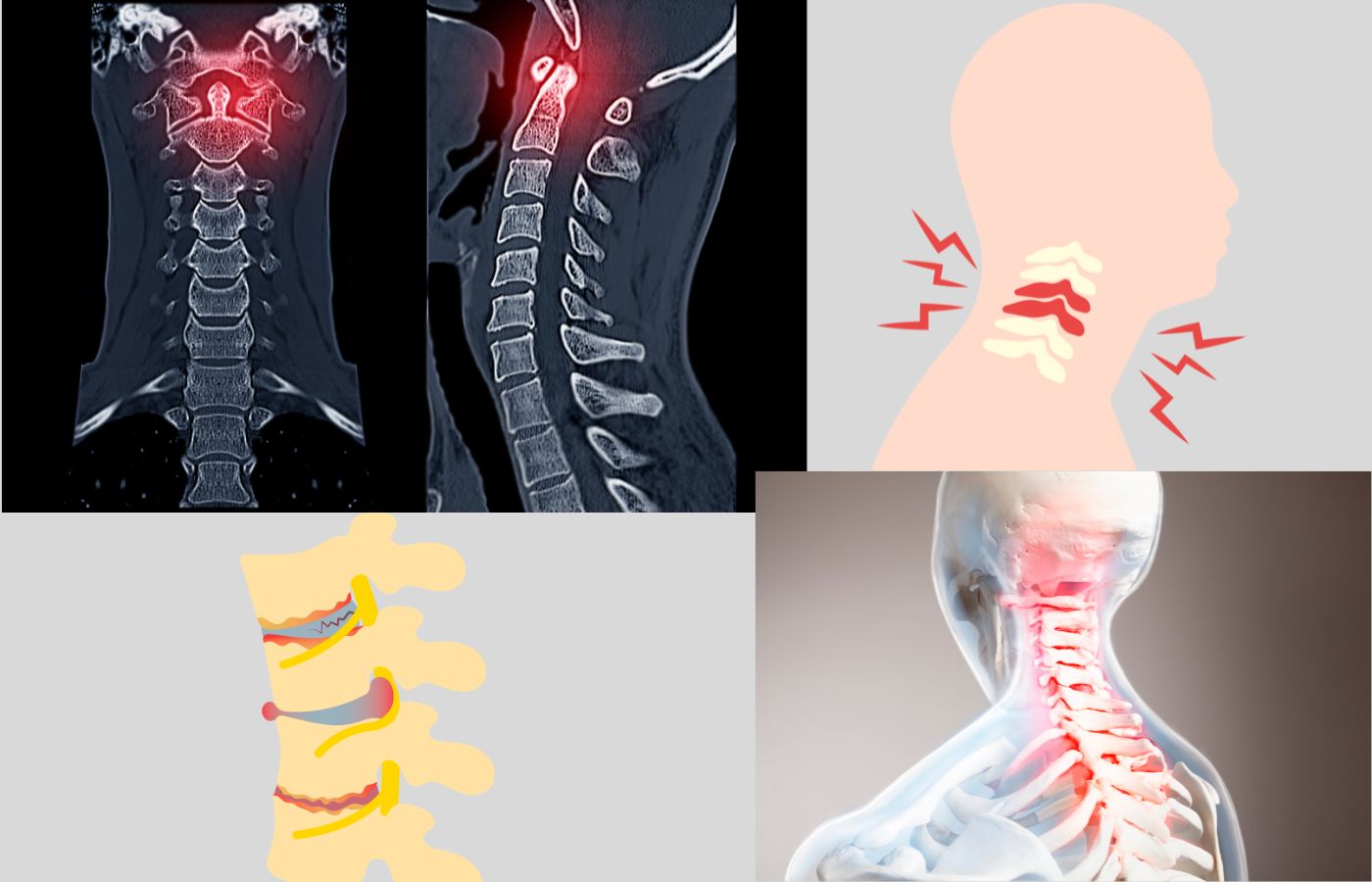
Master of Complex Anatomy: It is superior for visualizing fractures in areas with intricate bone structures. This includes the spine (vertebral compression fractures), pelvis, hip socket (acetabulum), and joints like the wrist and ankle where bones overlap.
Revealing the Hidden: It can detect hairline fractures, stress fractures, and bone fragments that are completely invisible on a standard X-ray. If your symptoms persist despite a "negative" X-ray, a CT is often the next step.
Essential for Surgical Planning: For complex, comminuted (shattered) fractures, a CT scan provides surgeons with a detailed, 3D road map. This is crucial for planning the placement of plates, screws, or pins.
Assessing Associated Damage: While its strength is bone detail, a CT can also provide valuable information about surrounding soft tissues, revealing associated bleeding, swelling, or organ injury in traumatic cases.
The significant cost difference between these tests is a reality for many patients, leading to searches for "Cheap CT Scan Near Me."
X-Ray Cost: Typically ranges from a modest fee, making it a low financial barrier to initial care. Insurance almost always covers it for a suspected fracture with little to no hassle.
CT Scan Cost: Can be several times more expensive than an X-ray. The higher cost reflects the complex equipment, longer scanning time, and specialized expertise required to operate the machine and interpret the detailed results. It's important to note that a "full body CT scan near me" is a different, much more extensive, and costly procedure not indicated for an isolated limb injury. It is used for specific trauma or cancer staging. Always ensure the scan is medically justified to maximize insurance coverage.
The experience during the procedure differs notably.
X-Ray Procedure: It is straightforward and non-invasive. A radiologic technologist will position the part of your body being examined against the image plate. You may need to hold still in a specific position for a few seconds. There is no enclosure, making it comfortable even for those with claustrophobia. The process is painless.
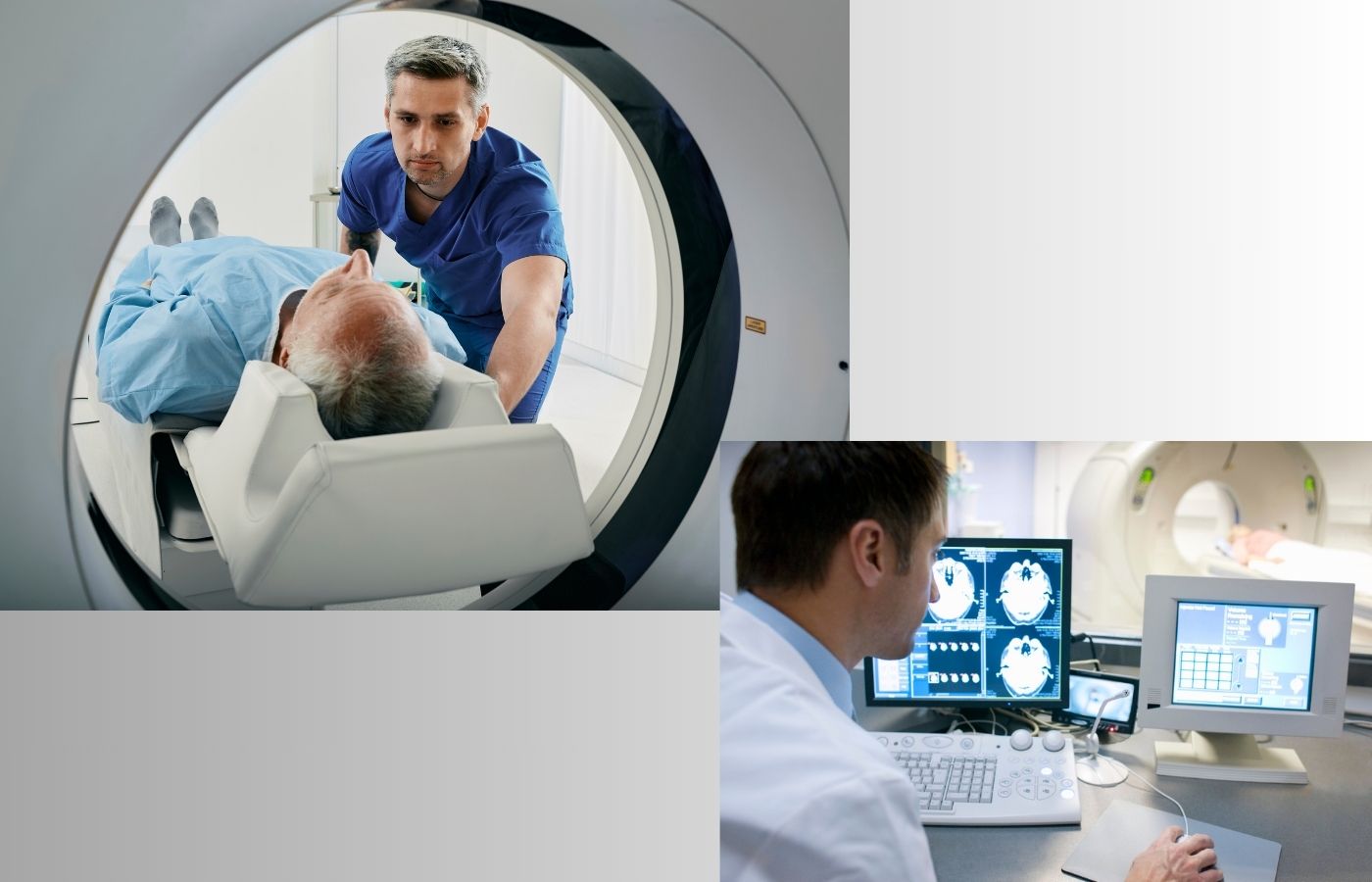
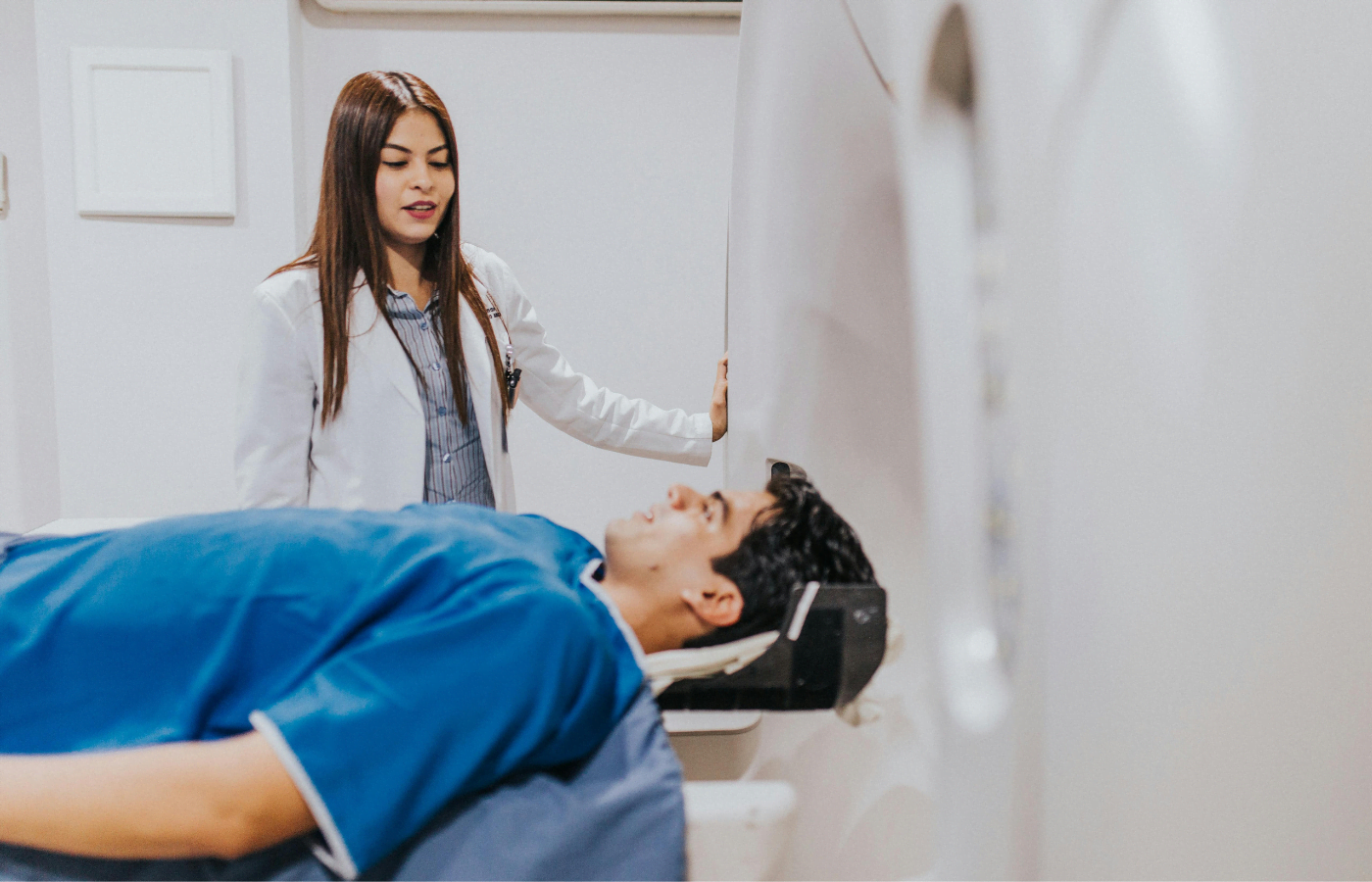
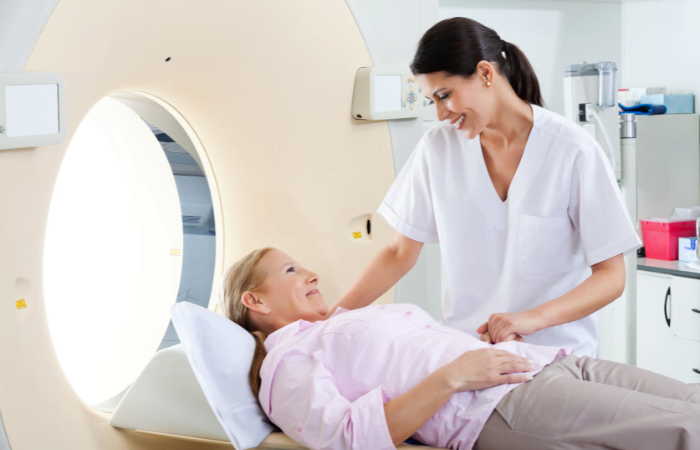
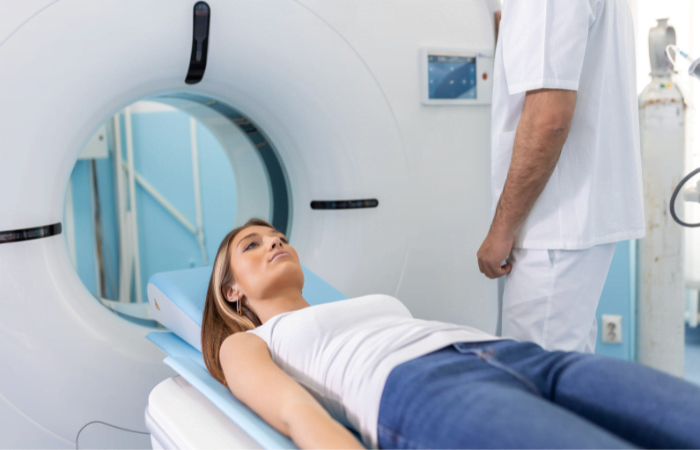
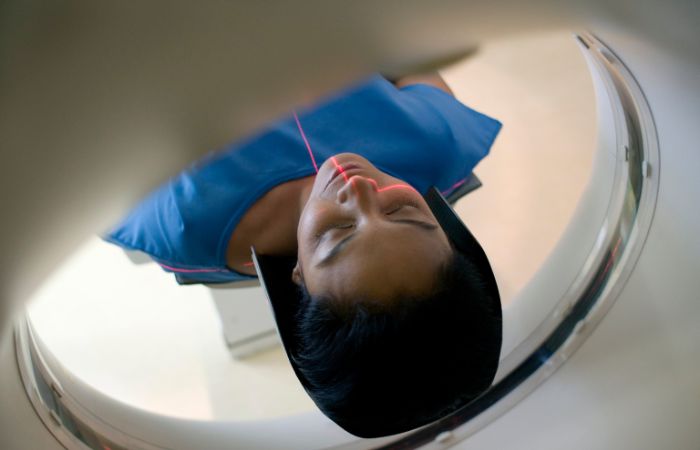
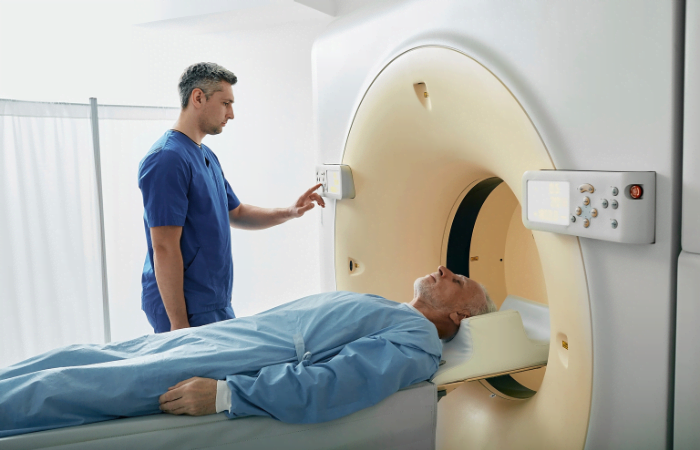
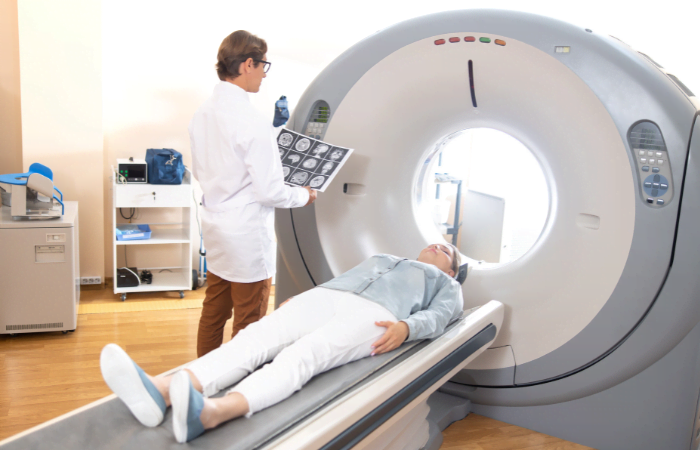
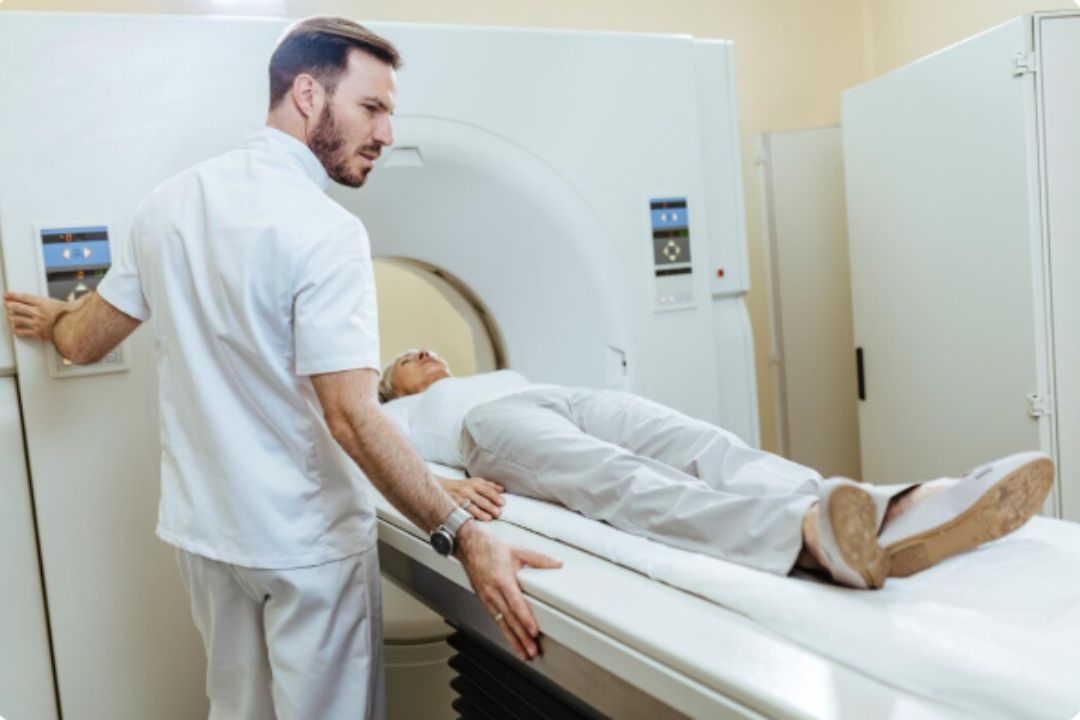
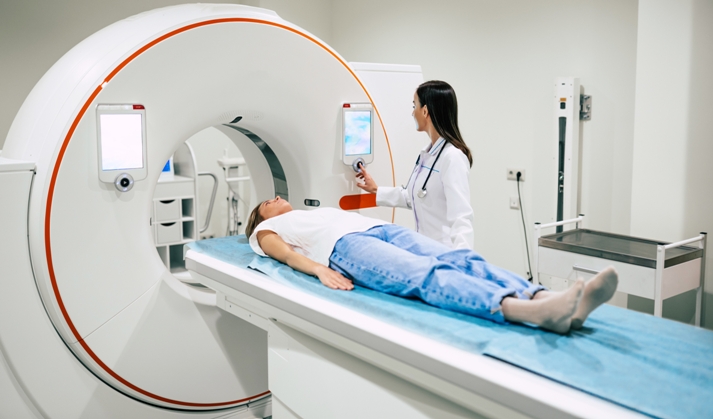
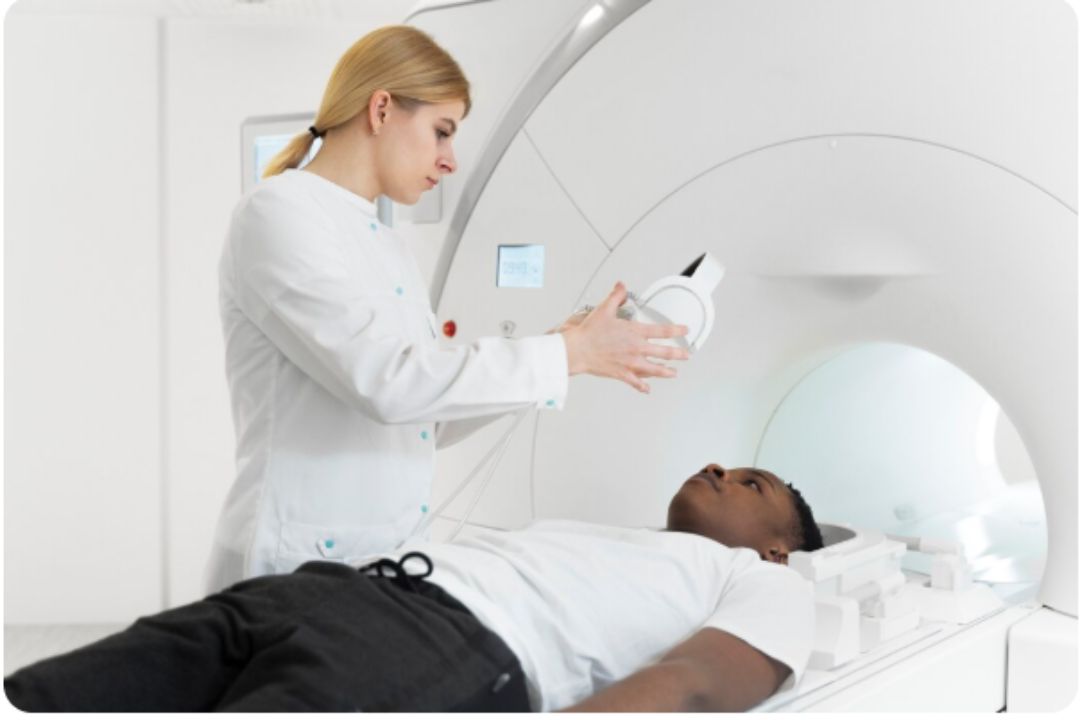
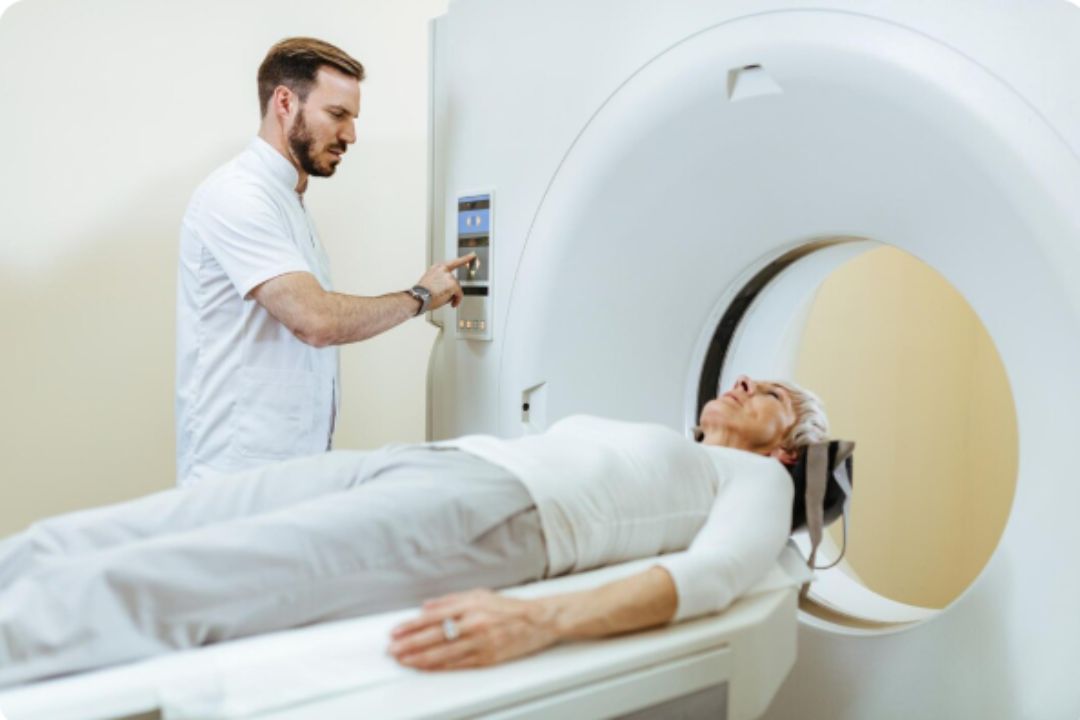
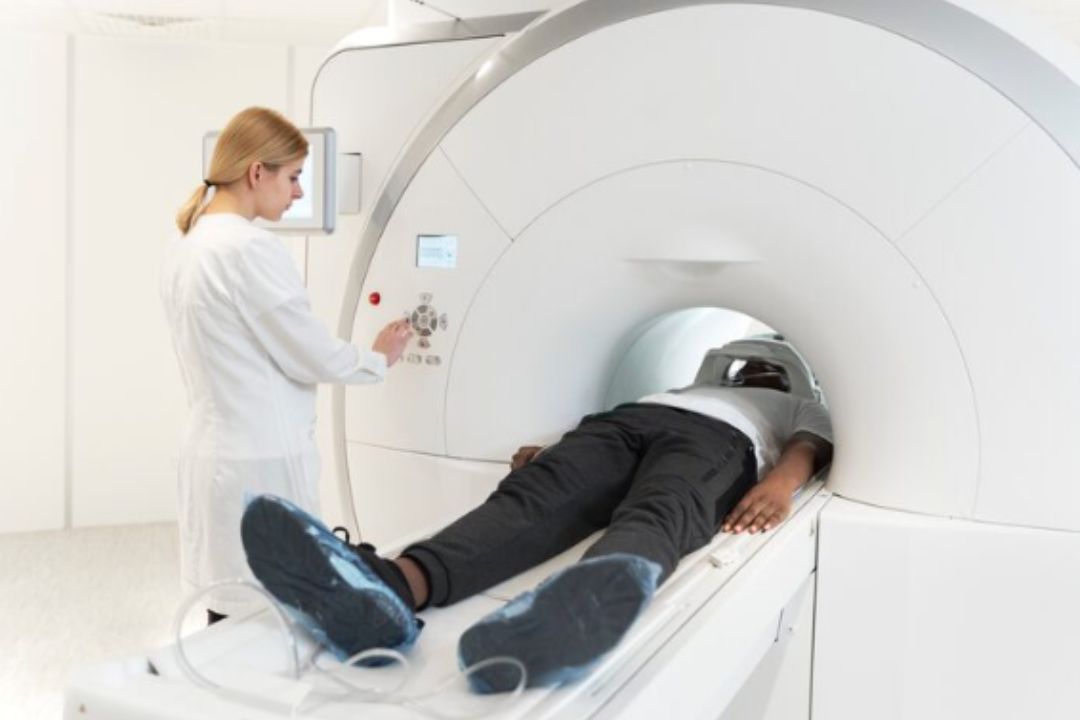
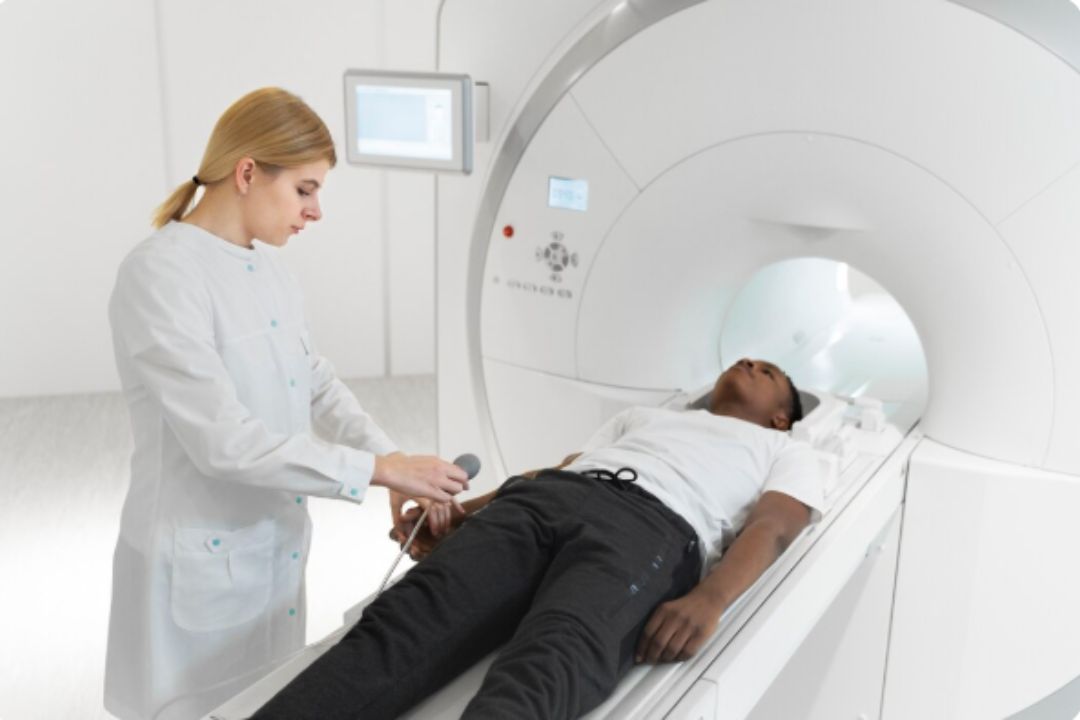
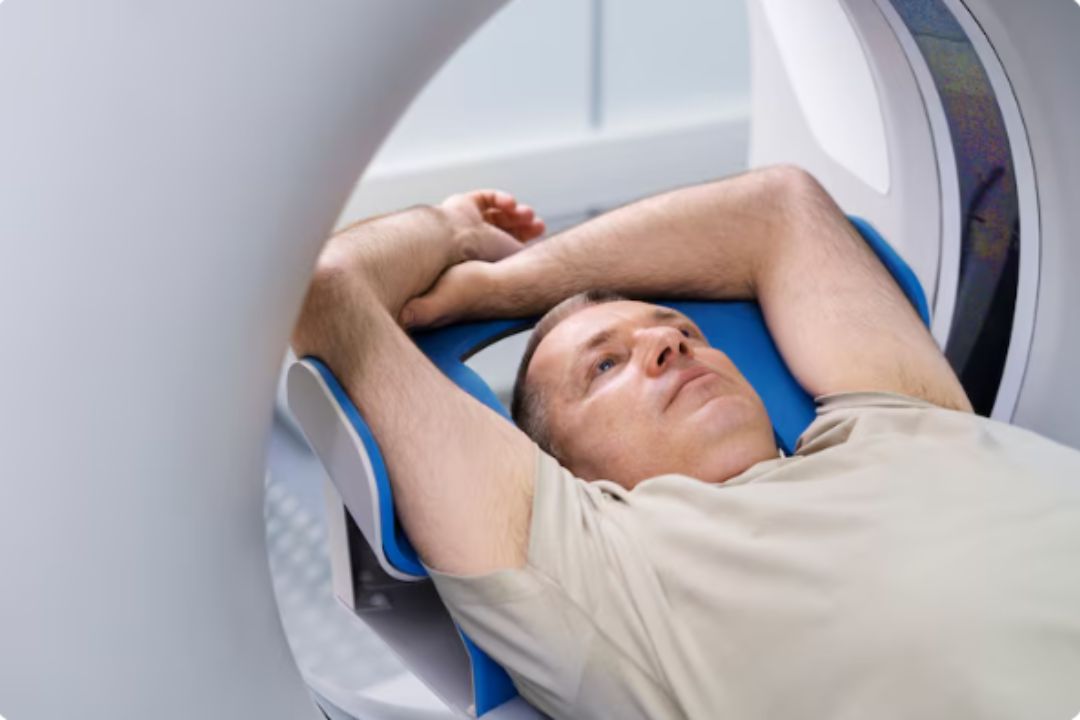
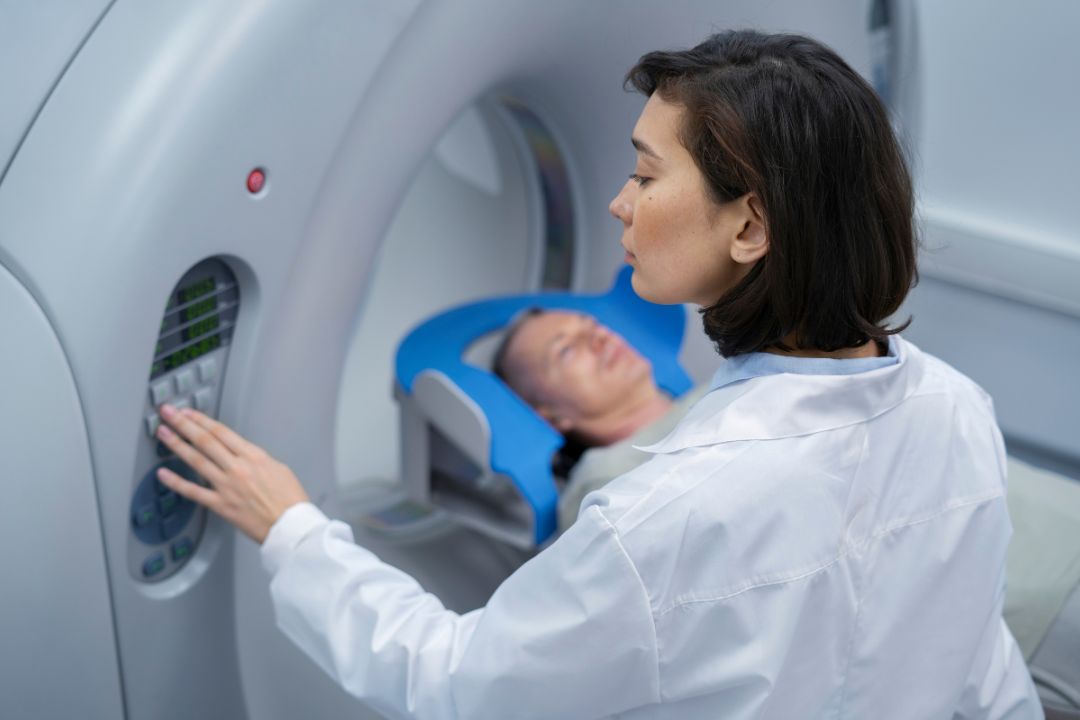
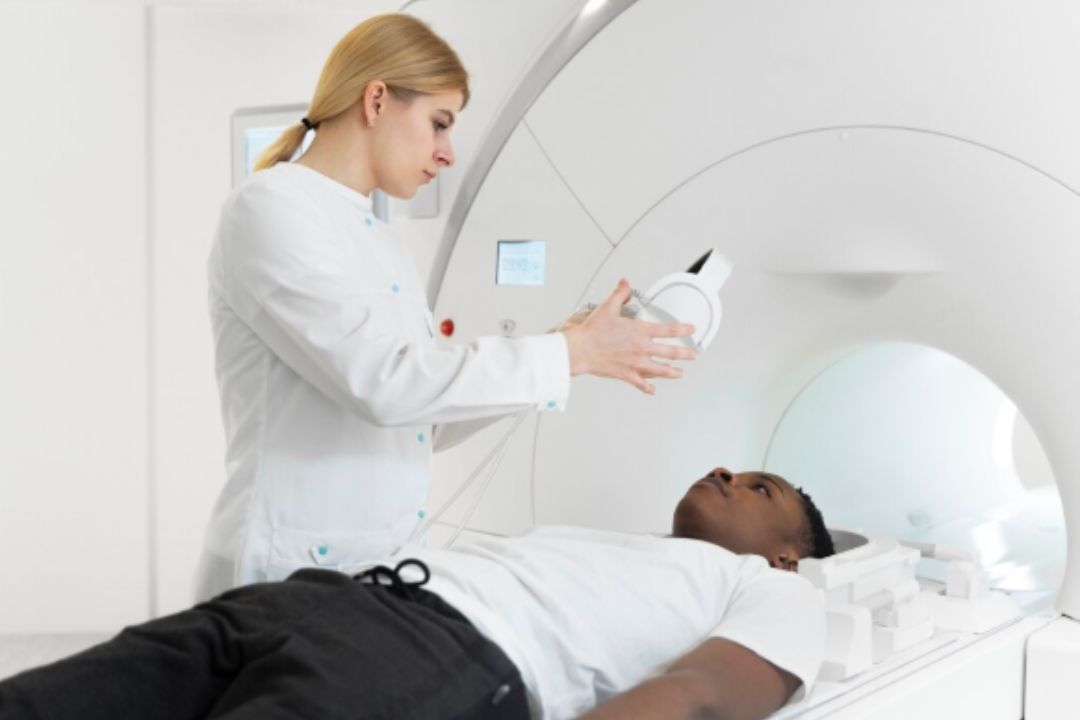
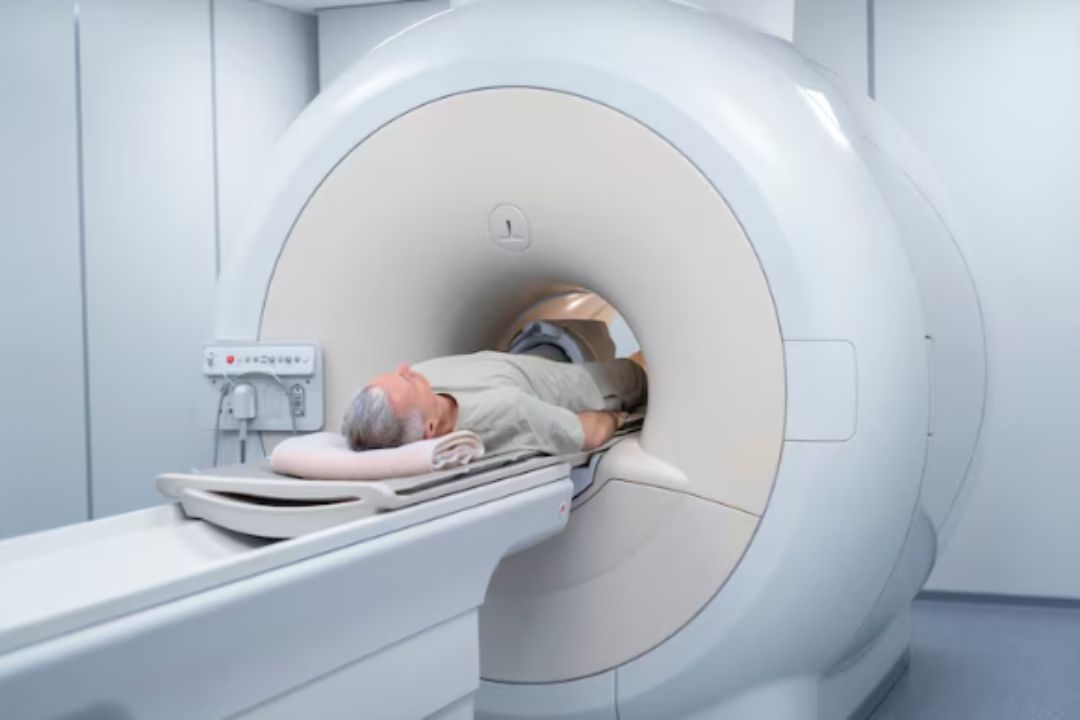
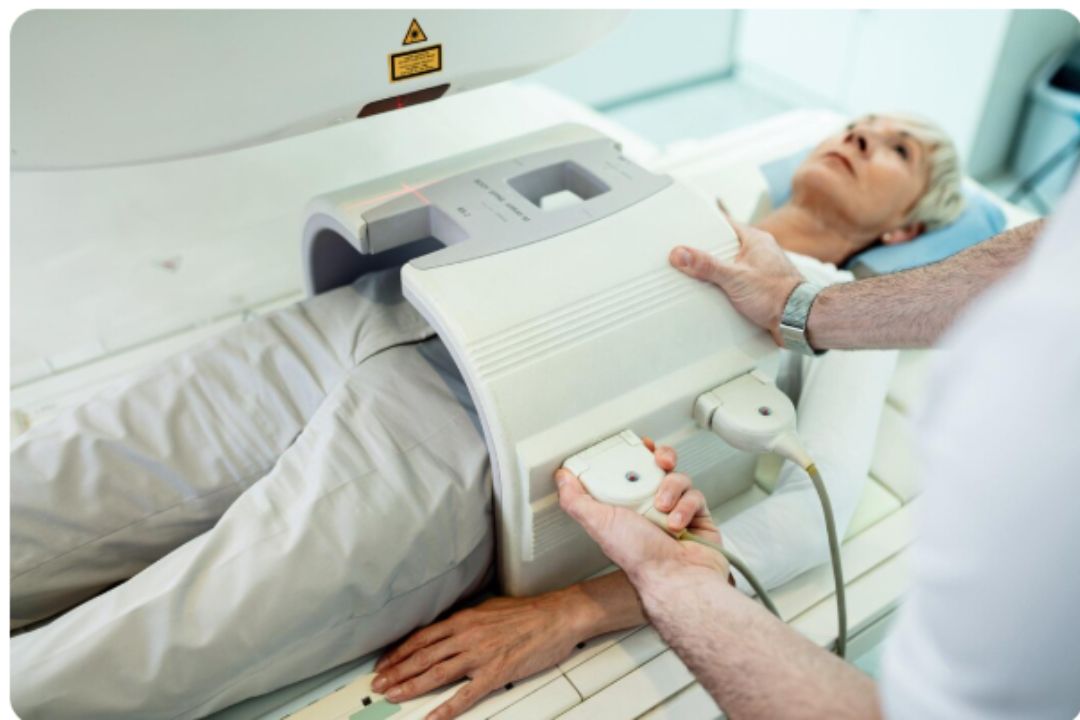
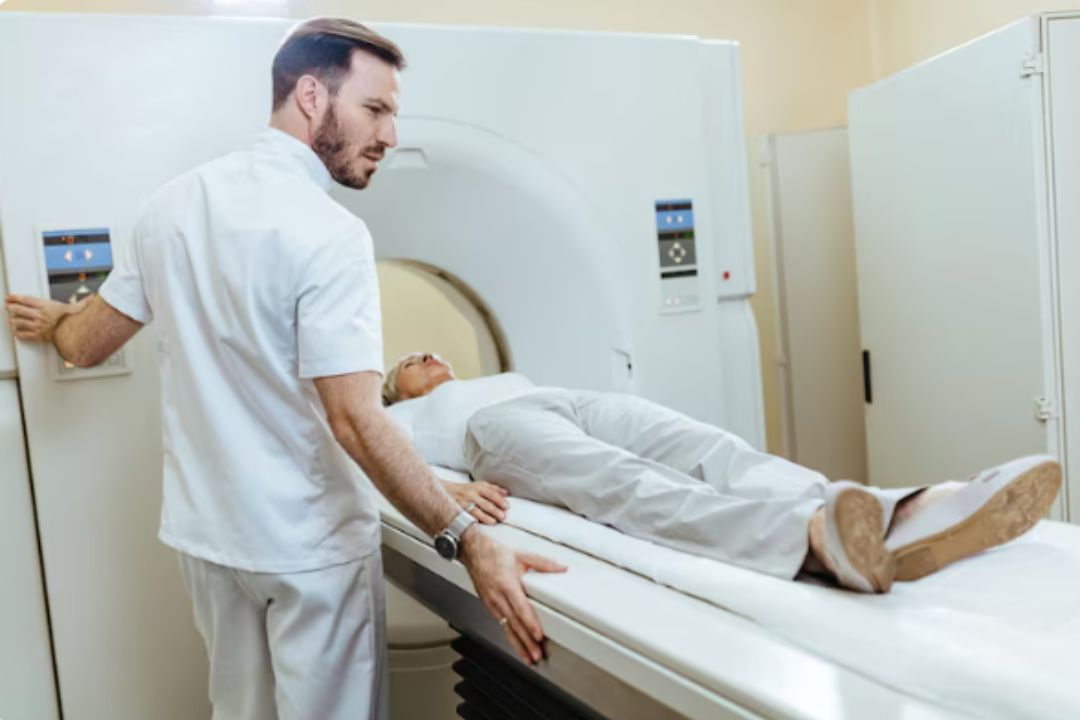
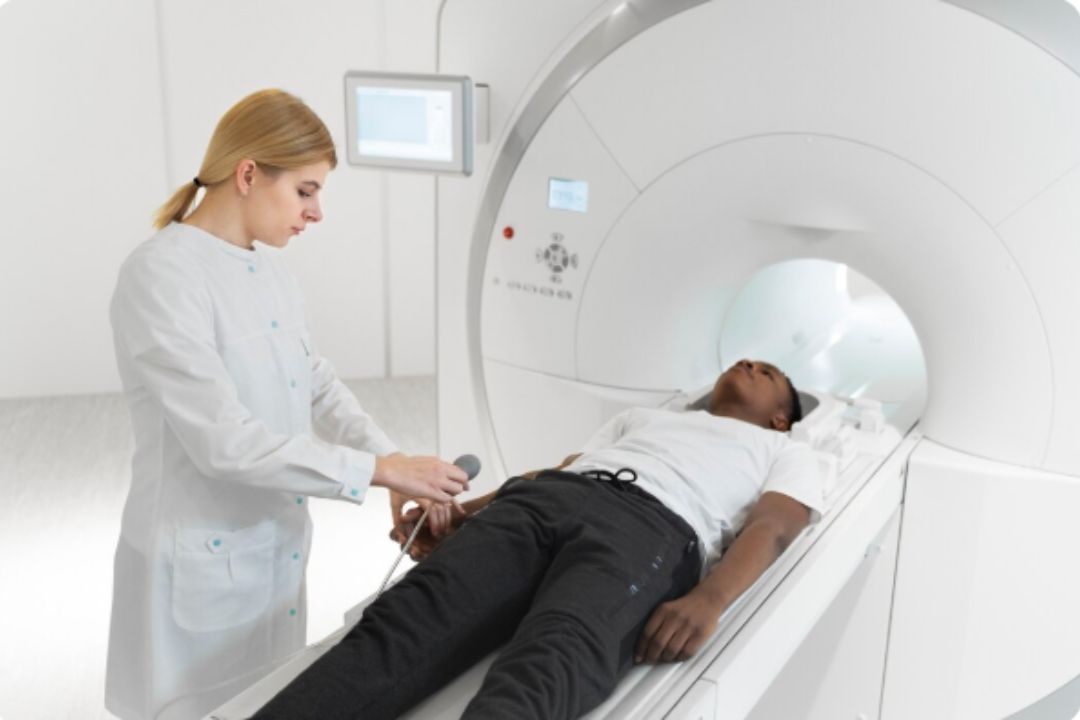
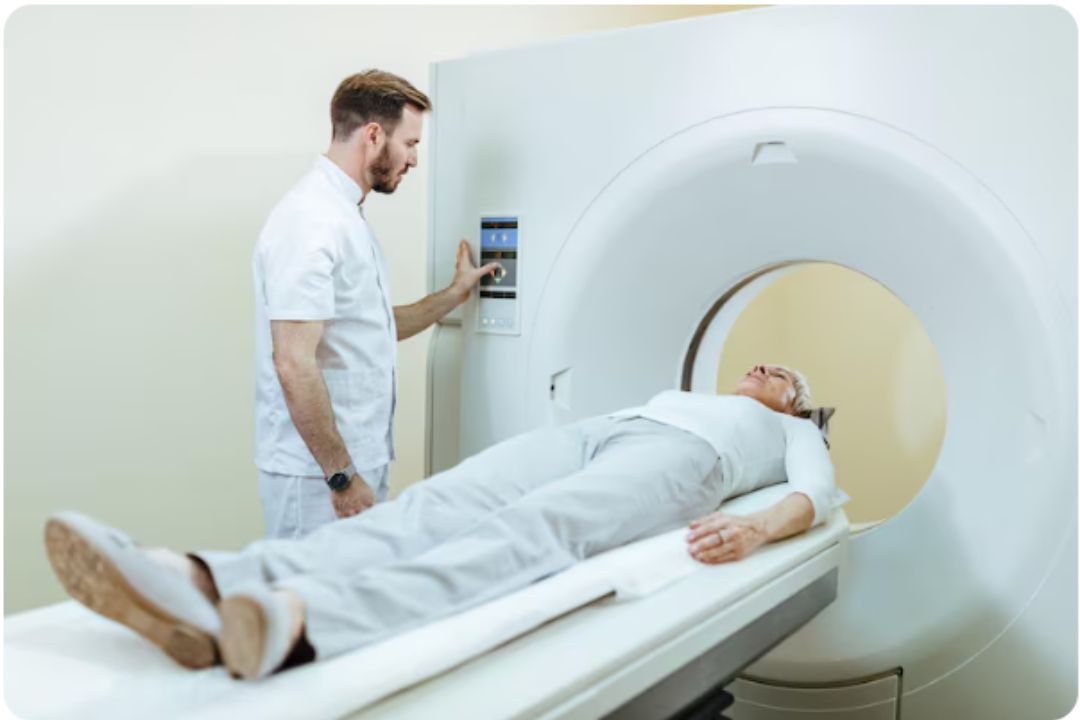
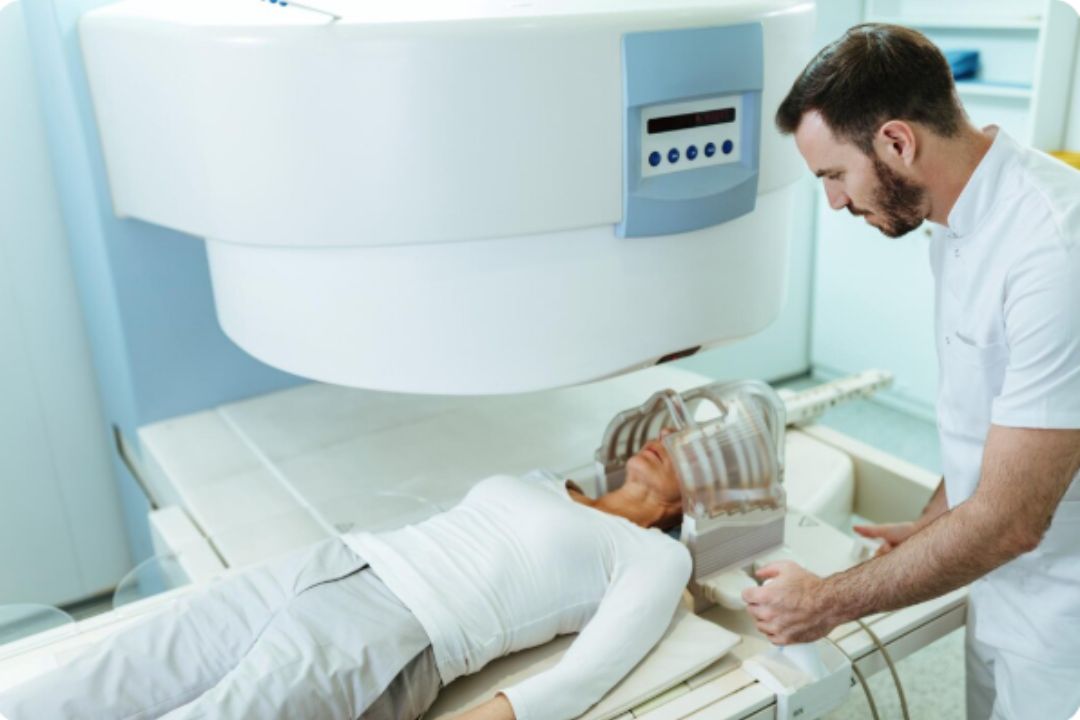
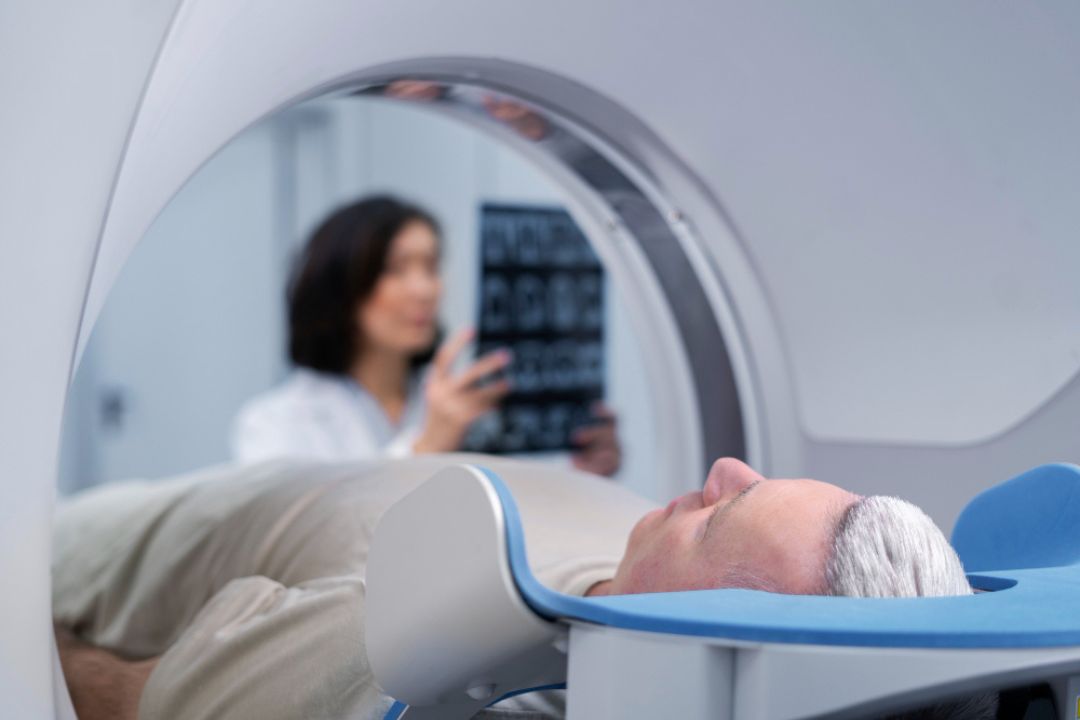
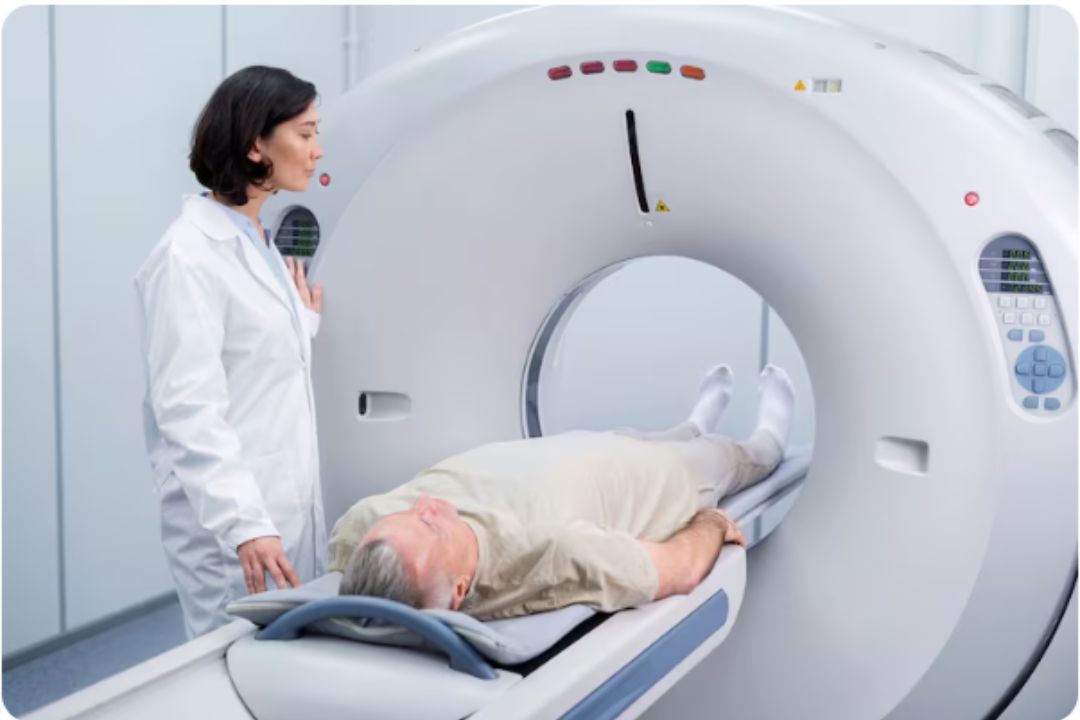
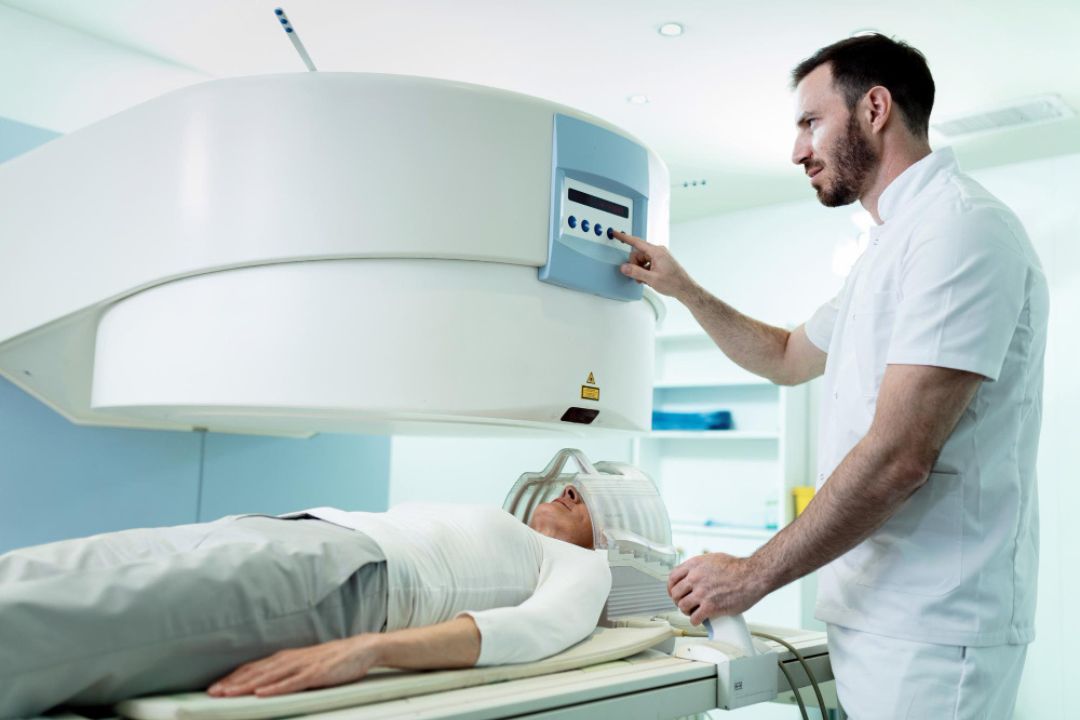
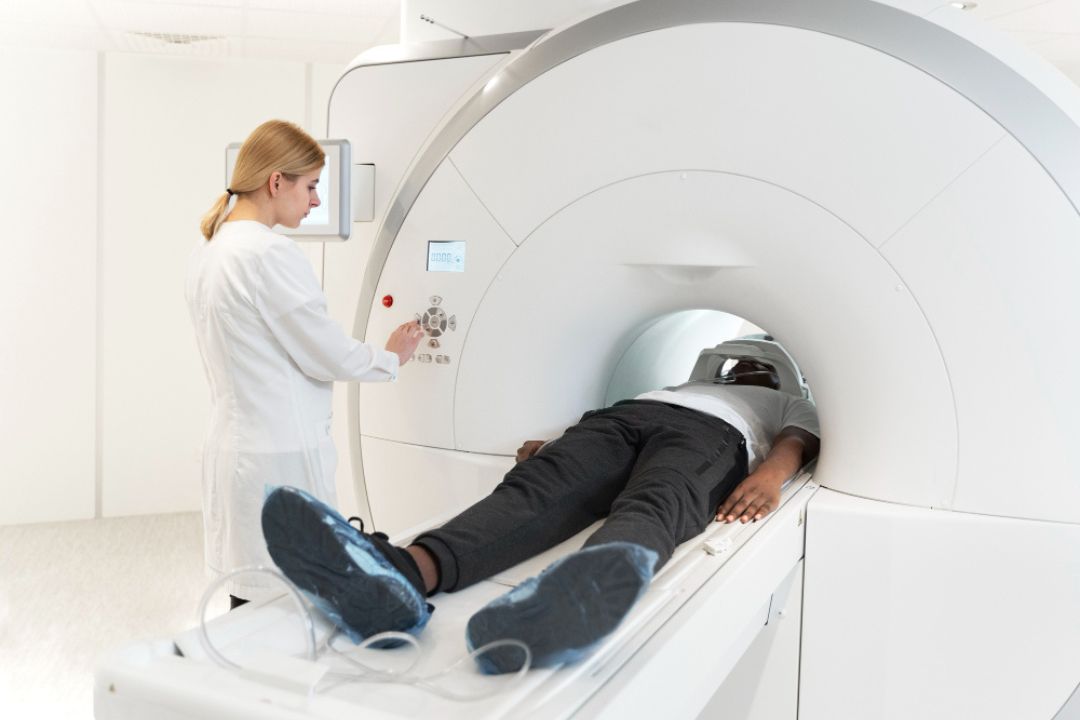
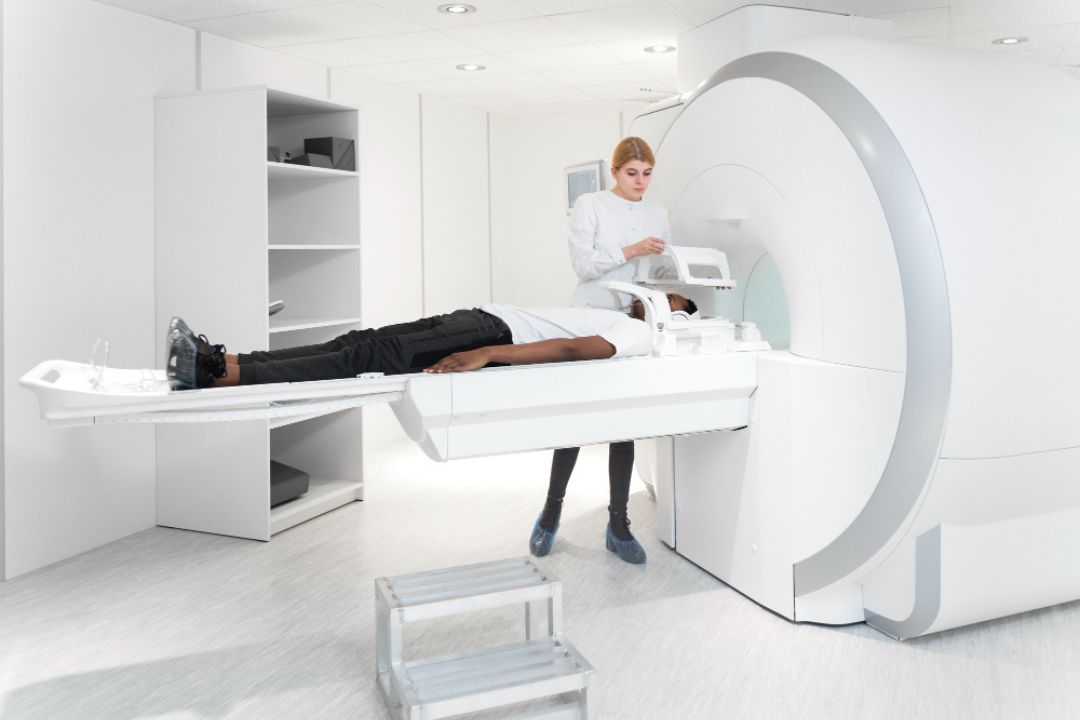
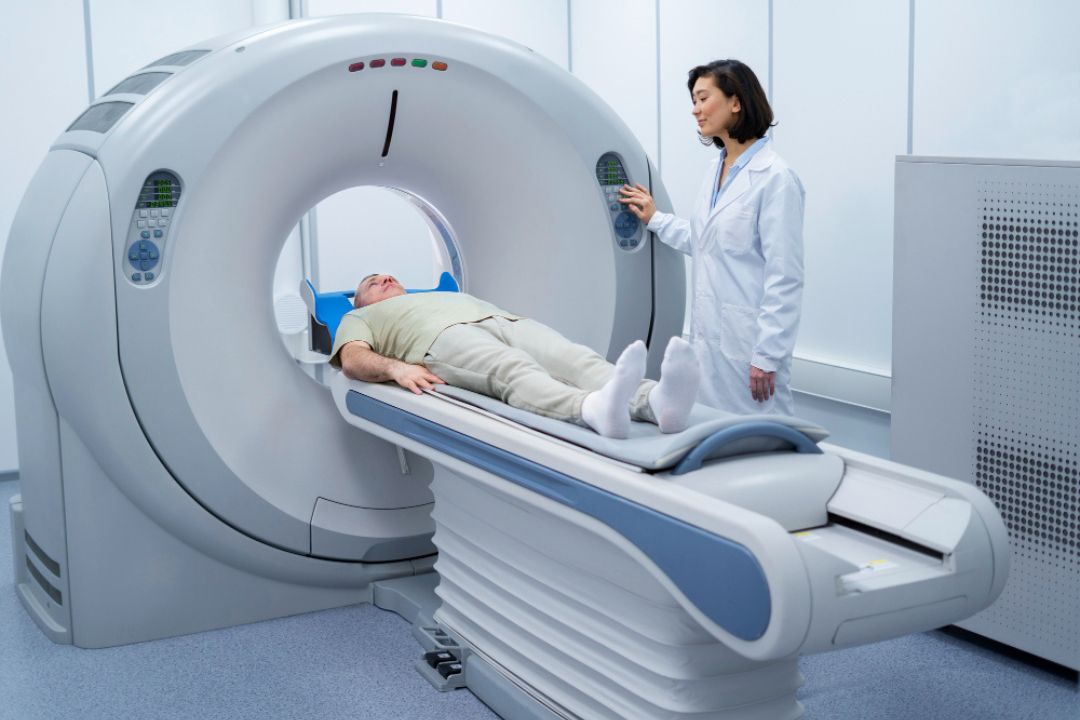
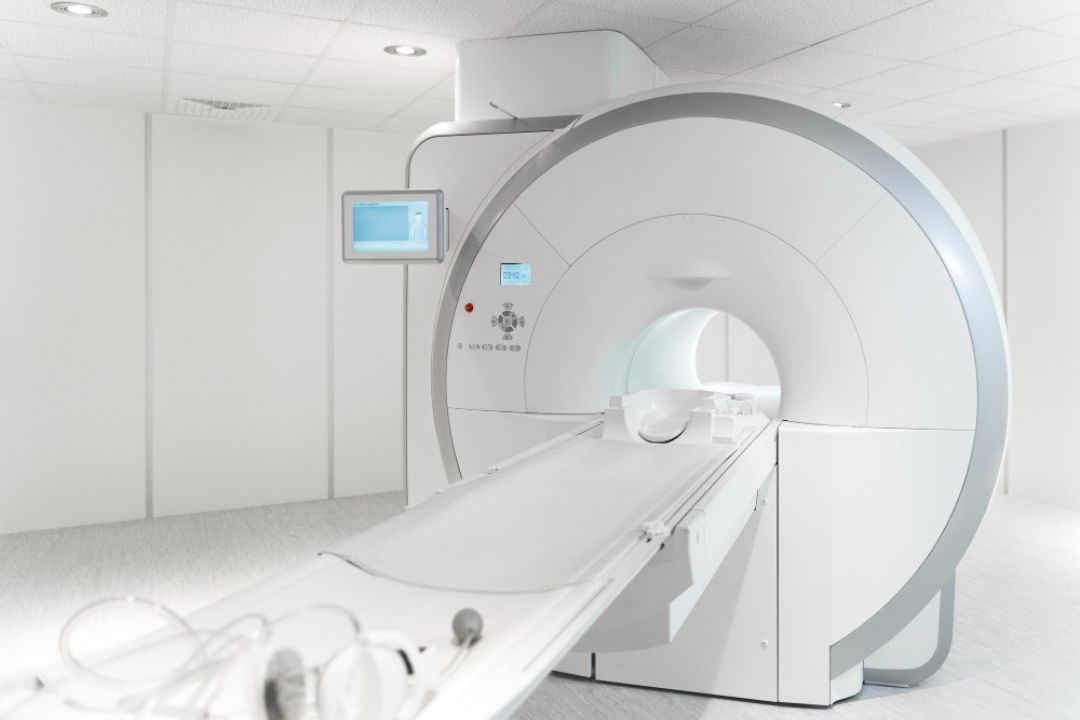
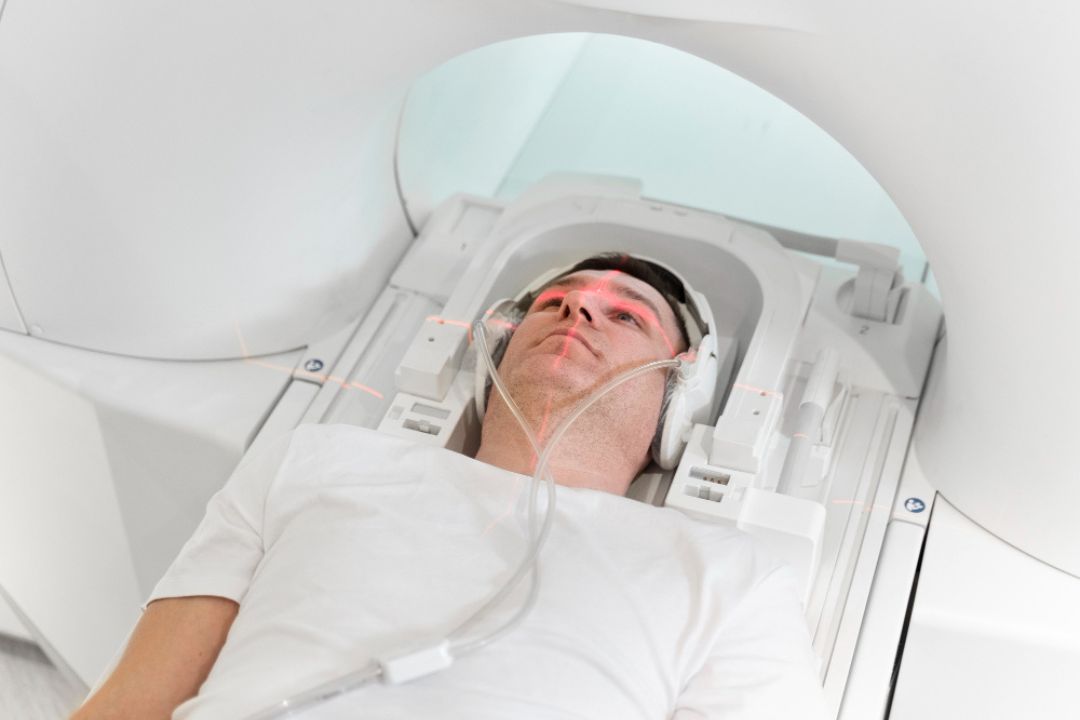
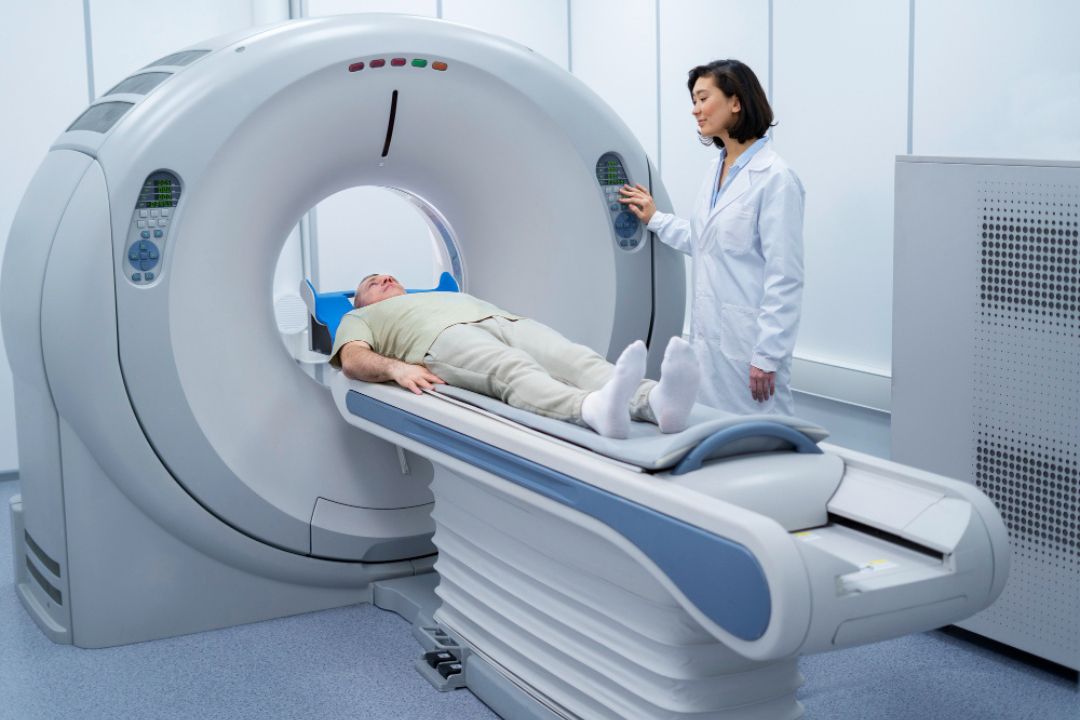
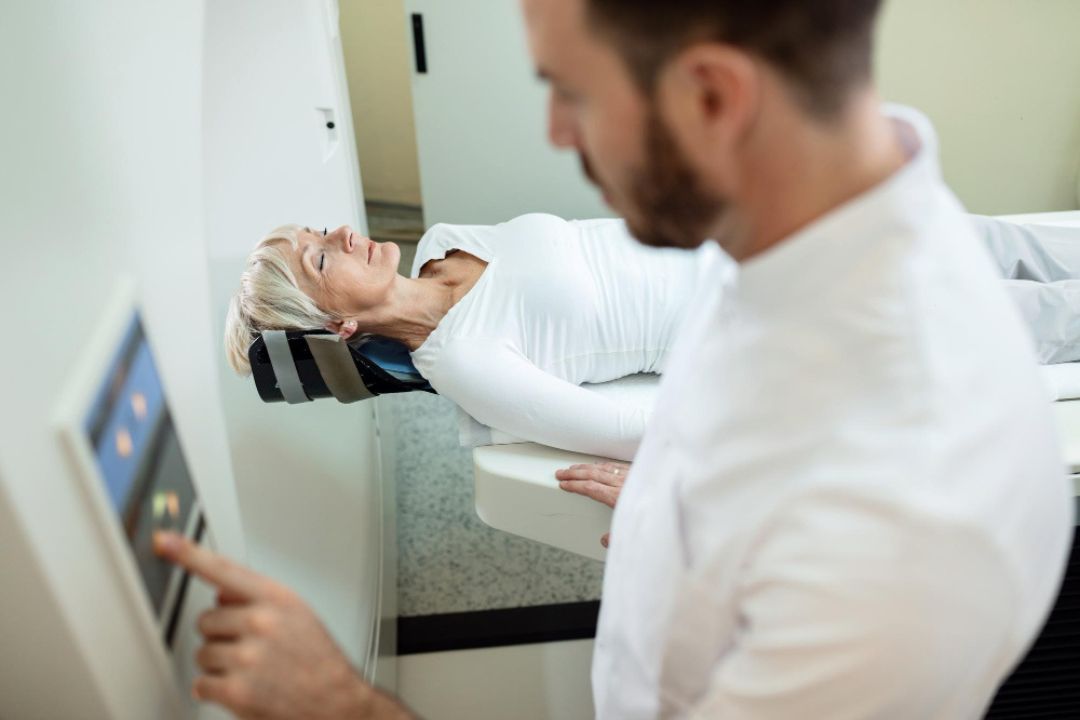
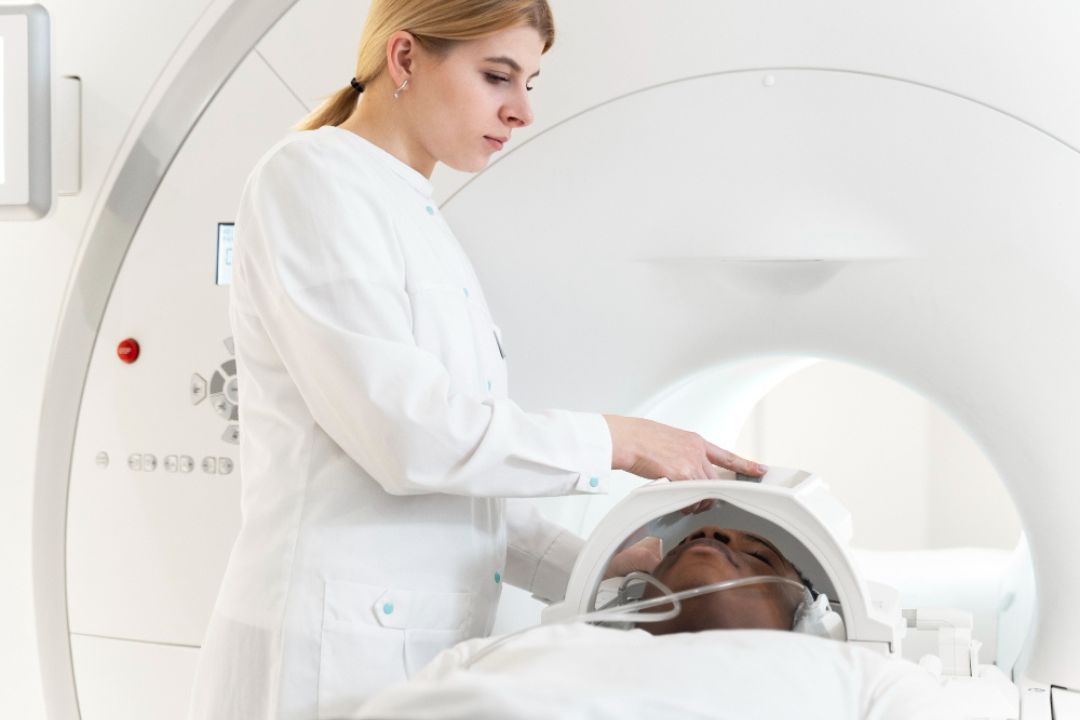
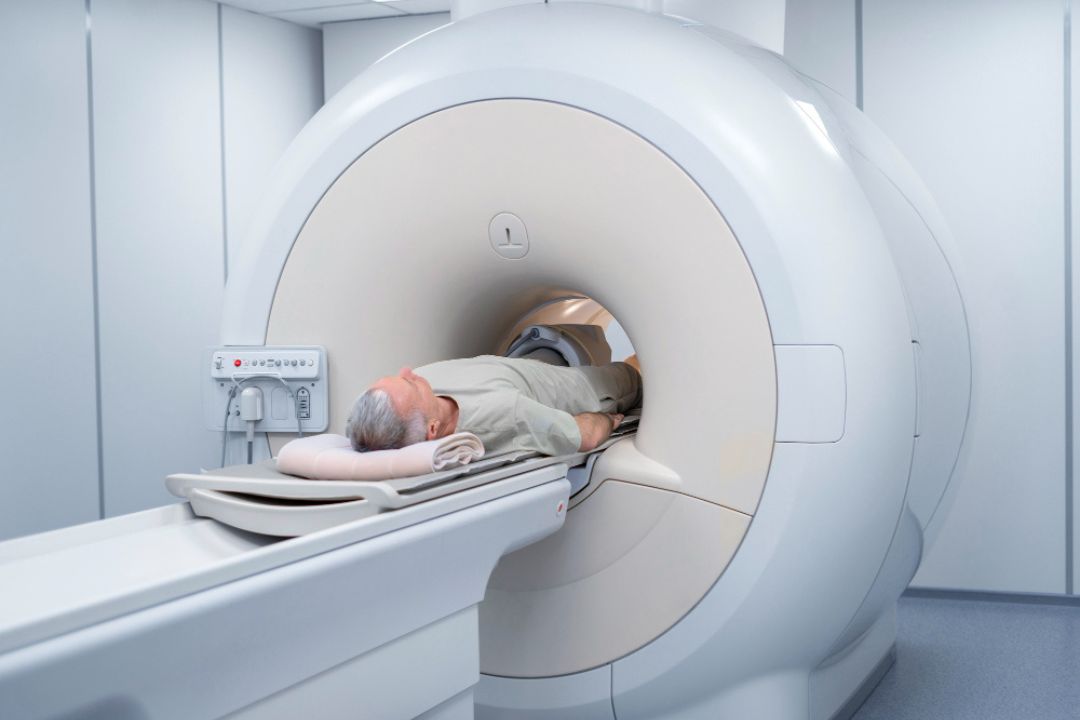
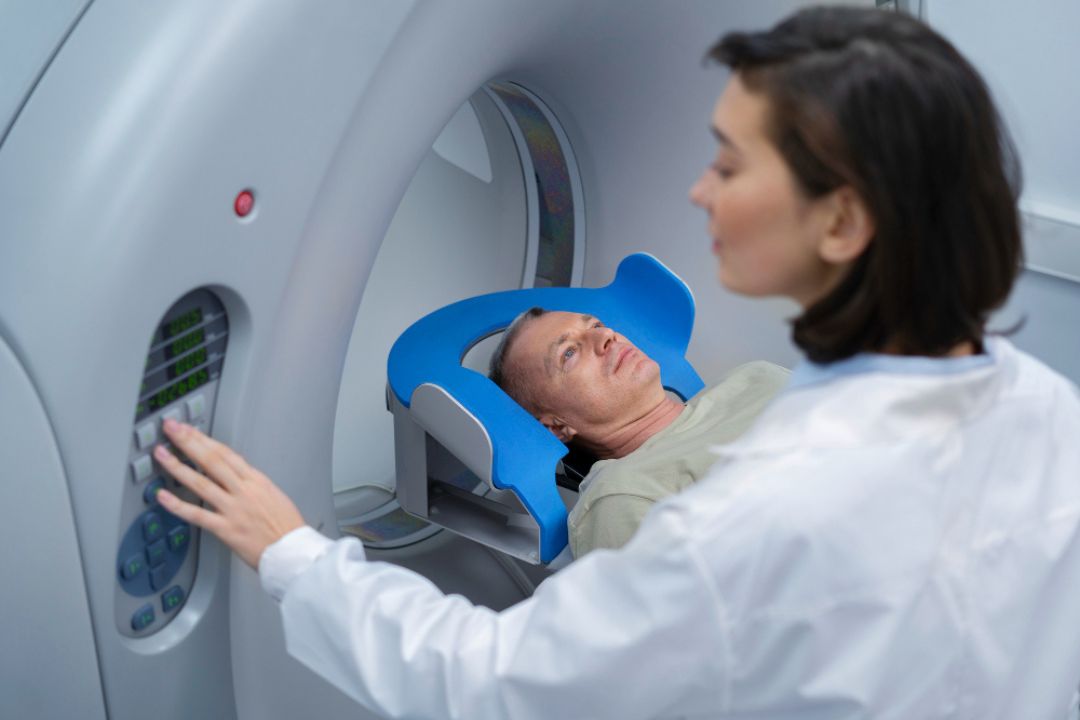
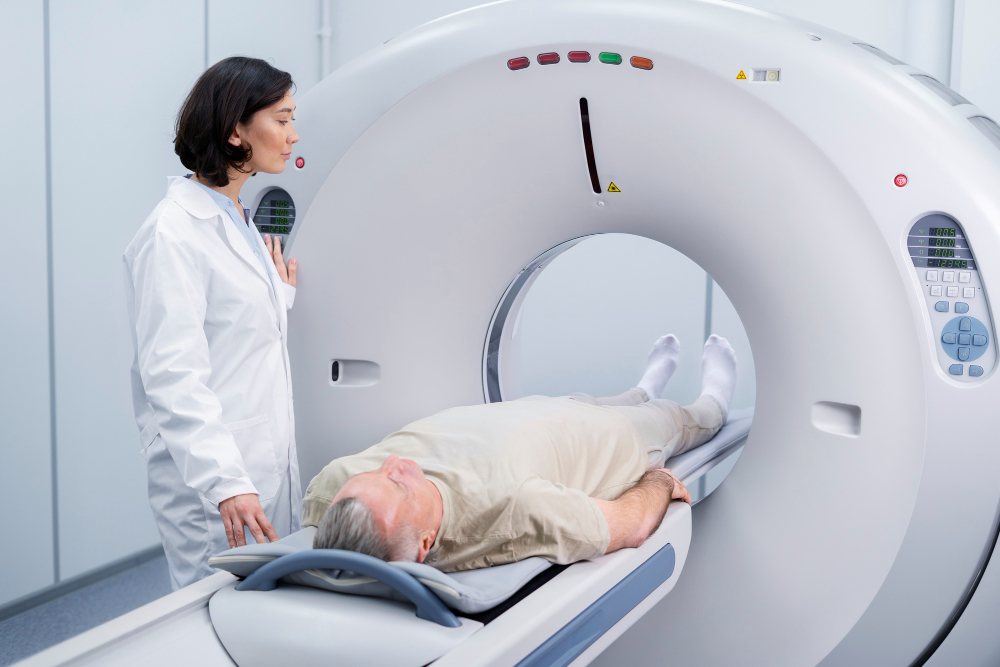
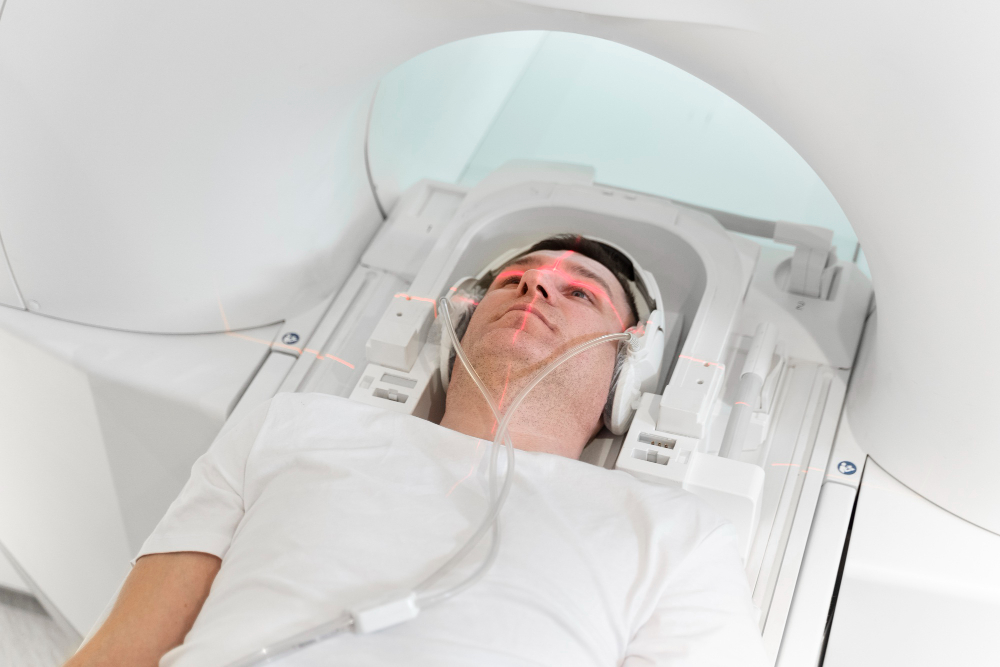
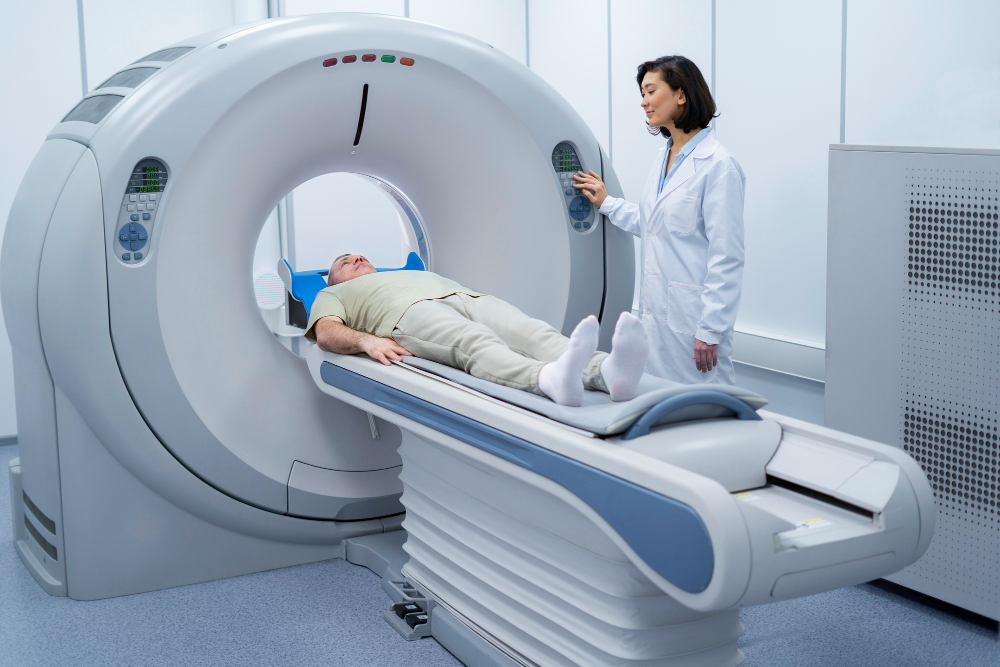
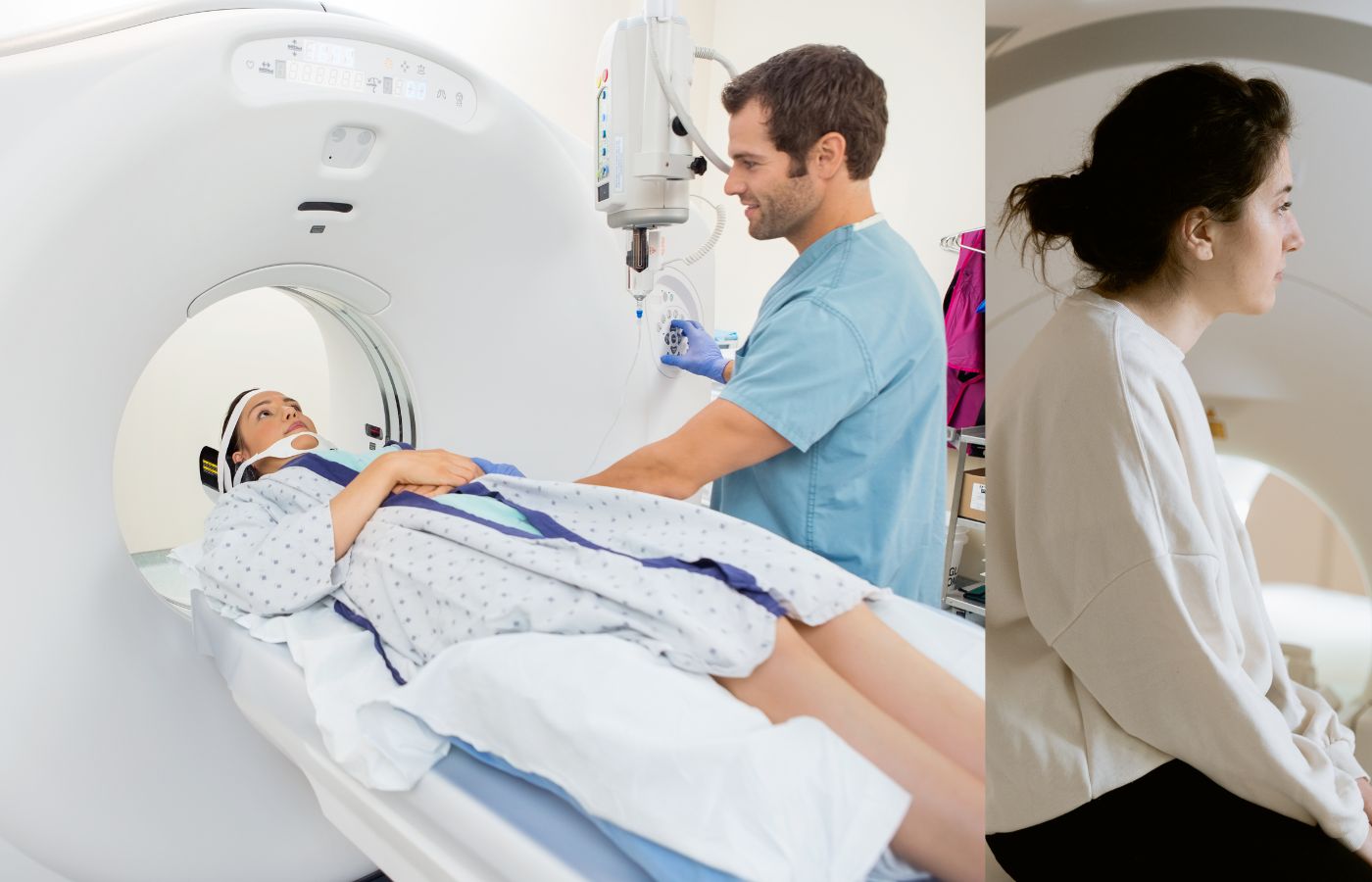
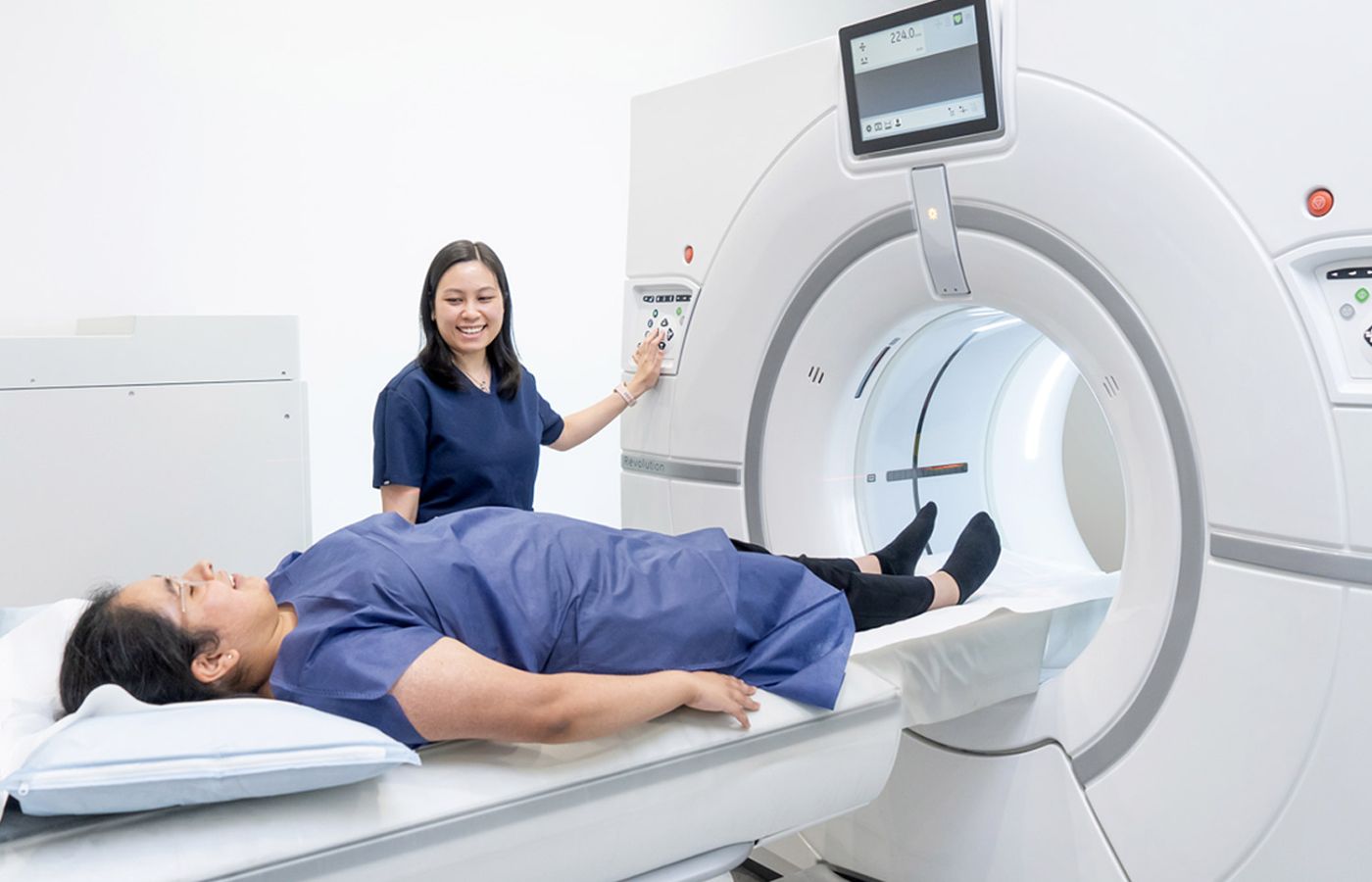
CT Scan Procedure: You will lie on a narrow table that slides into the center of a large, doughnut-shaped machine. You must remain very still for the duration, which can be between 5 and 20 minutes. The machine may make whirring and clicking sounds. The enclosed space can cause anxiety for some. For certain types of injuries, you might receive an intravenous (IV) contrast dye to enhance image detail, which can cause a temporary warm sensation or metallic taste.
At Dignopein, we understand that when you need a CT scan, X-ray, or any diagnostic imaging, you're not just looking for a machine—you're seeking accuracy, care, affordability, and peace of mind. Here's why we stand out as your trusted partner in diagnostic imaging.
Our state-of-the-art imaging technology is operated by board-certified radiologists and highly trained technologists who specialize in fracture detection and complex diagnostics. We don't just take pictures—we provide precise interpretations that your doctor can trust for accurate treatment planning. Whether you need a simple X-ray for a suspected fracture or a detailed CT scan near me for complex trauma, our commitment to diagnostic excellence ensures nothing is overlooked.
We follow evidence-based protocols to ensure you receive the most appropriate imaging. Unlike facilities that may over-prescribe advanced scans, our physicians carefully assess whether you need an X-ray, a targeted CT scan, or other imaging. We help you avoid unnecessary radiation and costs while ensuring comprehensive diagnosis. Searching for a "full body CT scan near me"? We'll guide you through when such extensive imaging is truly medically necessary—and when a simpler, more focused approach is better.
We believe quality healthcare should be accessible. That's why we offer competitive, upfront pricing and work with most major insurance providers. For those paying out-of-pocket, we provide clear cost estimates and affordable packages. Looking for a cheap CT scan near me? Our transparent pricing model ensures you receive premium imaging without hidden fees or surprise bills. We help you navigate insurance approvals and offer flexible payment options.
We've redesigned the imaging experience around your comfort and convenience:
Minimal Wait Times: Easy online scheduling and efficient workflows mean you spend less time waiting.
Comfort-First Environment: Our open, calming facilities and compassionate staff ease anxiety, especially for those who may feel claustrophobic during scans.
Same-Day Results: We prioritize rapid processing and reporting, with results typically available to your referring physician within hours, not days.
Multiple Locations: With conveniently located centers, finding a reliable CT scan near me is simple and stress-free.
We don't operate in isolation. Our team coordinates directly with your physician, orthopedic specialist, or emergency care provider to ensure seamless continuity of care. We provide detailed reports and expert consultations to help your medical team develop the most effective treatment plan—whether it's for a simple fracture or complex poly-trauma.
At Dignopein, we believe informed patients make better healthcare decisions. We take time to explain the difference between CT and X ray, what to expect during your procedure, and what your results mean. Our blog and resources (like this article) are designed to demystify medical imaging so you can participate actively in your care.
So, in the debate of CT scan vs X-ray for bone fractures, which is truly better?
The answer is not one over the other, but about using the right tool at the right time in the diagnostic pathway.
Here is our clear, step-by-step conclusion for optimal diagnosis:
Start with an X-Ray: For any suspected simple fracture, an X-ray is the unequivocal first and best test. Its speed, low cost, low radiation, and high accuracy for common breaks make it the perfect screening tool. Most diagnostic journeys end here with a clear treatment plan.
Escalate to a CT Scan when Complexity Demands It: Your doctor will recommend a CT scan in specific, justifiable circumstances:
When an X-ray is negative, but clinical suspicion of a fracture remains high.
When an X-ray shows a fracture, but the complexity (e.g., in a joint or spine) is not fully clear.
Following high-impact trauma (e.g., car accident, fall from height) where multiple or occult fractures are suspected.
For precise pre-surgical planning of a complex repair.
Final Verdict: Do not seek out a "full body CT scan near me" for a localized injury. Trust the diagnostic protocol. Begin with an X-ray, as your physician will advise. If the clinical picture requires deeper investigation, a targeted CT scan then becomes the superior, more powerful diagnostic tool to ensure no injury is missed and the best treatment plan is crafted.









.jpg "ct brain scan plain and contrast")


















.jpg "ct scan")

.jpg "ct scan or mri for brain disorders")


.jpg "exploring the power of ct brain contrast in modern diagnostics")
.jpg "ct scan")
.jpg "ct scan")








.jpg "ct scan")


.jpg "CT Brain Scan for Headaches")
.jpg "The Future of 3D CT Imaging")