In the world of modern diagnostic imaging, the CT scan with contrast stands as a powerful tool, offering clinicians a window into the body’s inner workings with remarkable clarity. While the term might sound technical or intimidating, understanding this procedure is crucial for anyone navigating a potential health issue.
A Computed Tomography (CT) scan is a sophisticated X-ray technique that creates detailed cross-sectional images of your body. A CT scan with contrast involves the administration of a special dye, known as contrast material, usually intravenously. This dye highlights specific areas—like blood vessels, organs, or tumors—making them far more visible and distinct from surrounding tissues on the scan. The contrast agent acts like a highlighter, allowing radiologists to detect abnormalities that might be invisible on a standard, non-contrast scan.
The primary reason for using contrast is enhanced diagnostic accuracy. Here’s why your doctor might recommend it:
Improved Detection: It excels at identifying tumors, inflammation, infections, and blood vessel abnormalities (like aneurysms or blockages).
Better Characterization: It helps determine if a mass is a benign cyst or a solid, potentially cancerous tumor based on how it "takes up" the contrast.
Vascular Mapping: It provides a clear roadmap of the circulatory system, crucial for planning surgeries or diagnosing conditions like pulmonary embolism.
Organ Assessment: It offers detailed views of organ structure and function for the liver, kidneys, pancreas, and brain.
The Step-by-Step Procedure: What to Expect
Knowing what happens can ease anxiety. The procedure is straightforward and painless:
Preparation: You may be asked to fast for a few hours before the scan. You’ll disclose your medical history, especially regarding kidney function and any allergies, particularly to iodine or shellfish.
Contrast Administration: You will change into a gown. A nurse will insert a small intravenous (IV) line, typically in your arm. Through this IV, the contrast agent is injected. You might feel a warm sensation, a metallic taste in your mouth, or the urge to urinate—this is normal and passes quickly.
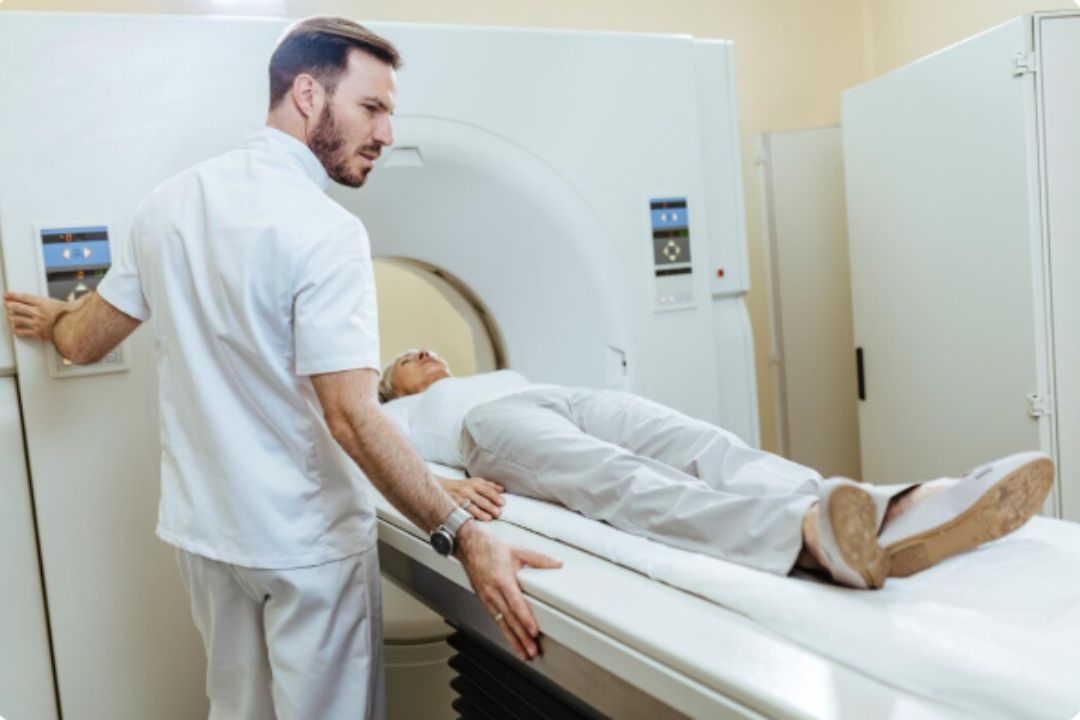
The Scan: You’ll lie on a motorized table that slides into the doughnut-shaped CT scanner. The technologist will guide you via intercom, asking you to hold your breath for short periods to prevent blurry images. The machine will whir and click as it rotates, capturing images. The entire process usually takes 10-20 minutes.
Post-Scan: The IV line is removed. You’ll be encouraged to drink plenty of water to help your kidneys flush out the contrast material. You can typically resume normal activities immediately.
While extremely safe, it's essential to be informed about potential
CT scan with contrast risks:
Allergic Reactions: Rare, but can occur. Most are mild (itching, hives). Severe reactions (anaphylaxis) are very uncommon. Inform your team of any prior allergies.
Kidney Stress: The contrast is cleared by the kidneys. For individuals with pre-existing kidney disease, there is a small risk of contrast-induced nephropathy. Your kidney function will be checked via a blood test before the scan.
Extravasation: A small amount of contrast may leak under the skin at the IV site, causing temporary swelling or discomfort.
Radiation Exposure: CT scans use ionizing radiation. The benefit of an accurate diagnosis almost always outweighs this small risk. Modern machines use the lowest possible dose.
Cost Considerations of a CT Scan
The CT scan cost in India varies widely based on the body part scanned, the hospital or diagnostic center’s facilities, city, and whether contrast is used. A contrast CT typically costs more than a non-contrast one due to the price of the contrast agent. At Diagnopein, we believe in transparent, competitive pricing without compromising on quality. We work with a network of accredited centers to provide you with accessible and fair pricing options.
A CT scan with contrast is a cornerstone of diagnostic medicine. Its ability to provide detailed, life-saving information far outweighs the minimal and manageable risks for the vast majority of patients. An informed patient is an empowered partner in their own healthcare journey.
When your health is on the line, where you go matters. Diagnopein simplifies and humanizes the diagnostic process.
Expert Guidance: We help you understand the 'why' behind your prescribed scan.
Trusted Network: We connect you with NABL-accredited, state-of-the-art imaging centers known for quality and safety protocols.
Seamless Booking: Skip the hassle. Book your scan through Diagnopein with ease—online or via a quick call.
Comprehensive Care: From explaining procedures and risks to helping with cost insights and next steps, we support you throughout.