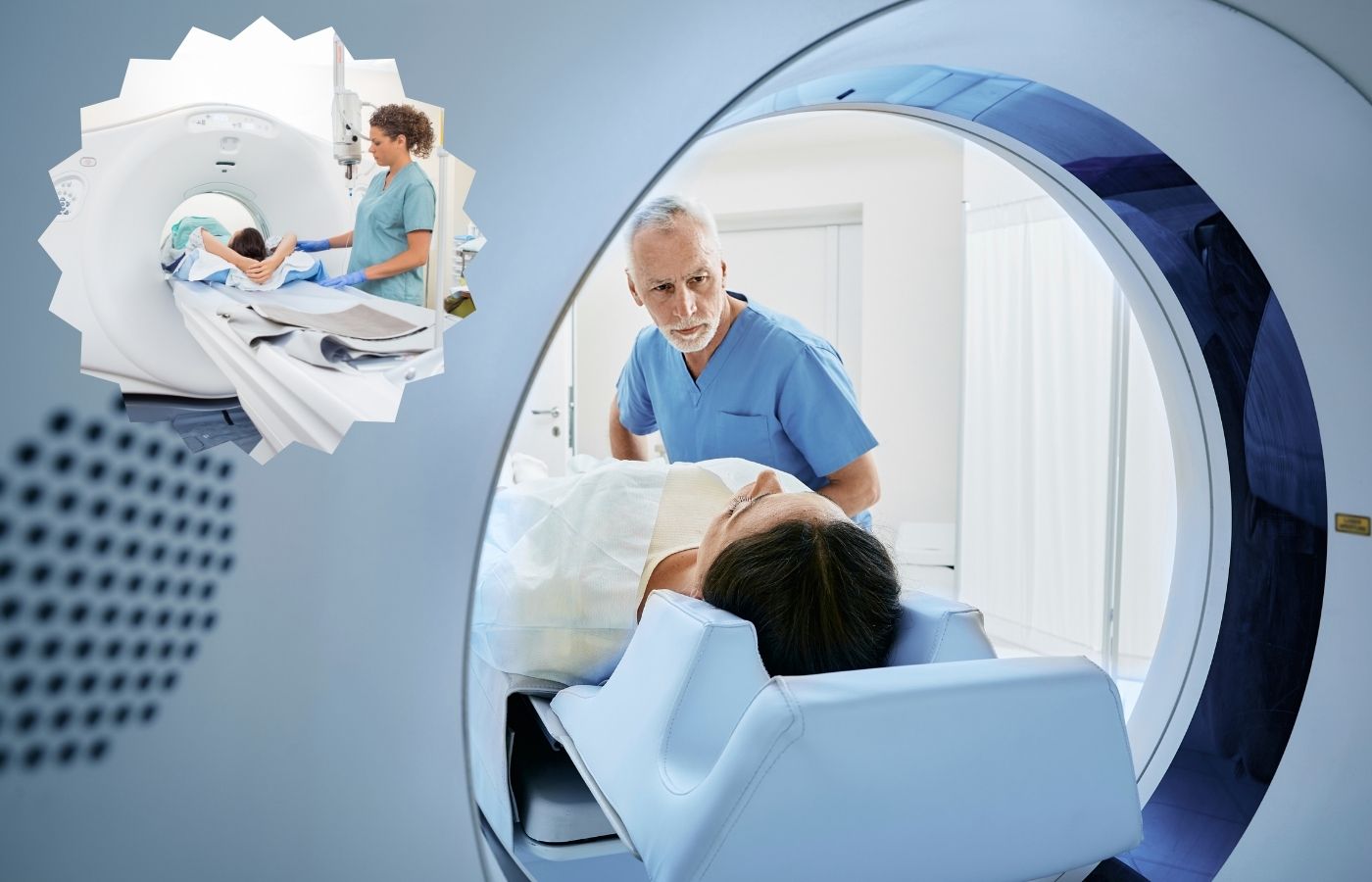
Cancer is one of the most serious health challenges of our time. Early detection and accurate monitoring are key to successful treatment and better outcomes. Among the many advanced imaging tools available today three dimensional computed tomography or 3D CT has emerged as a powerful technology in the fight against cancer. In this article we will explain what 3D CT is how it works why it matters for cancer detection and monitoring the advantages it offers how it is used in clinical practice and what patients can expect. Our goal is to give you a comprehensive and easy to understand guide that helps you make informed health care decisions.
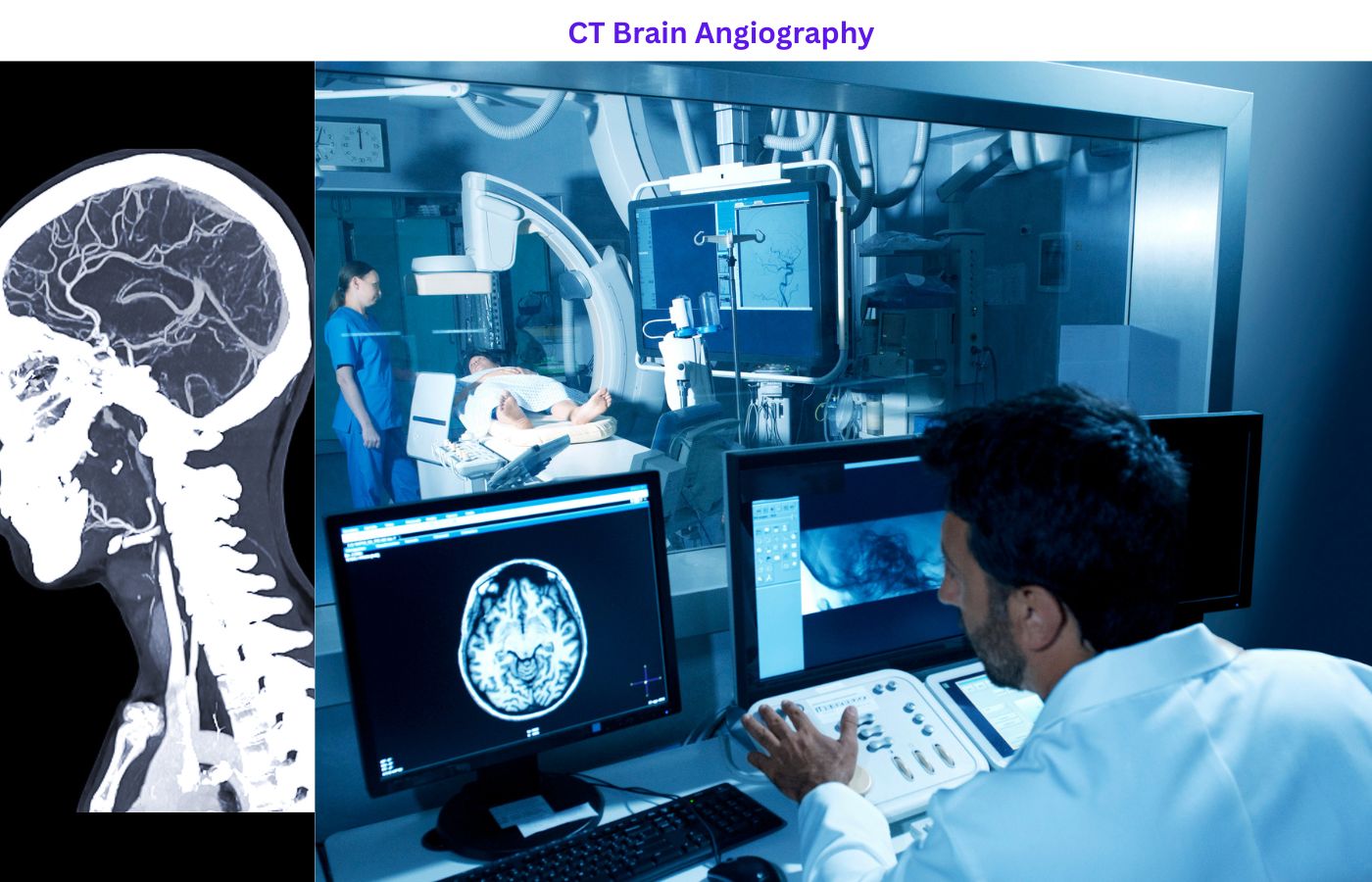
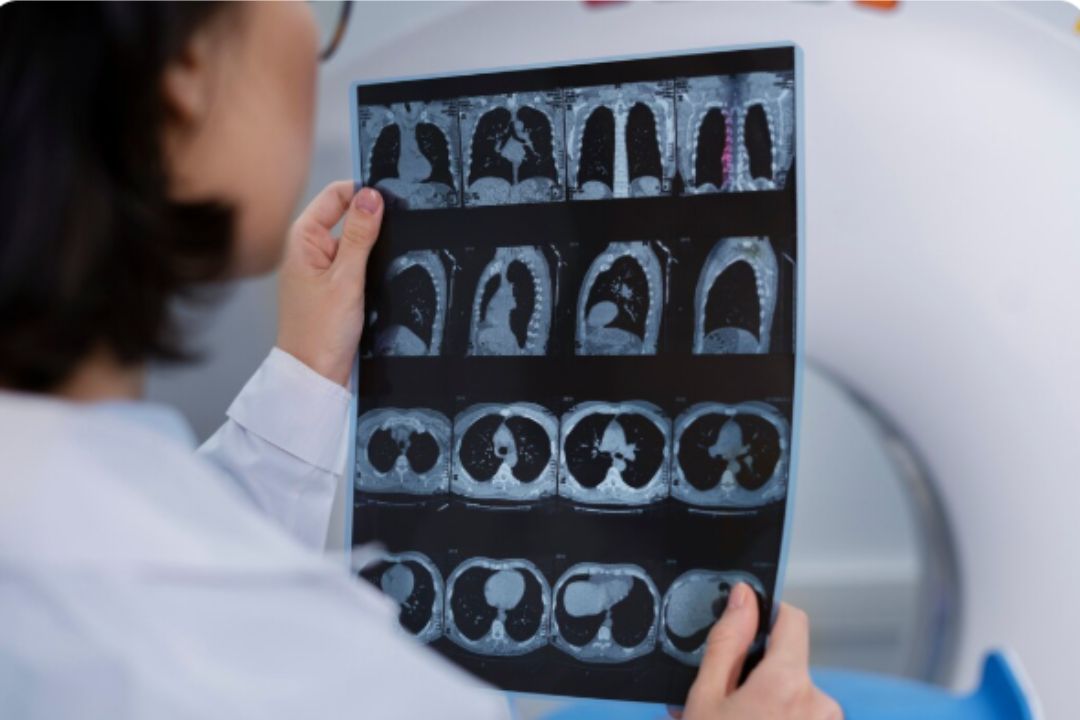
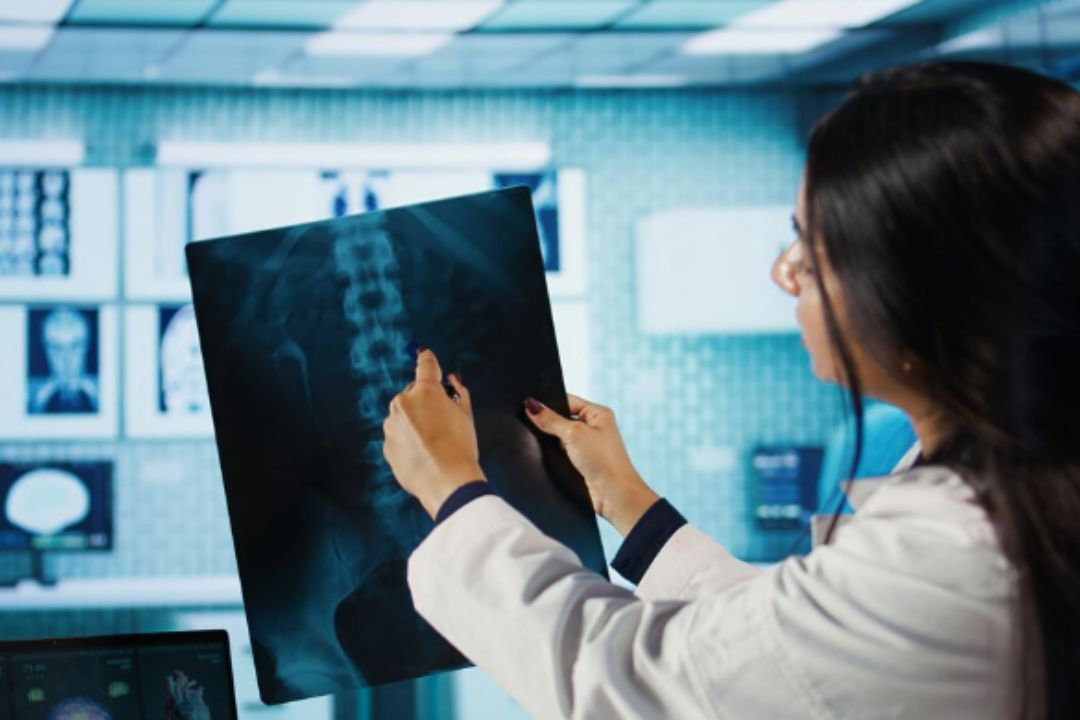
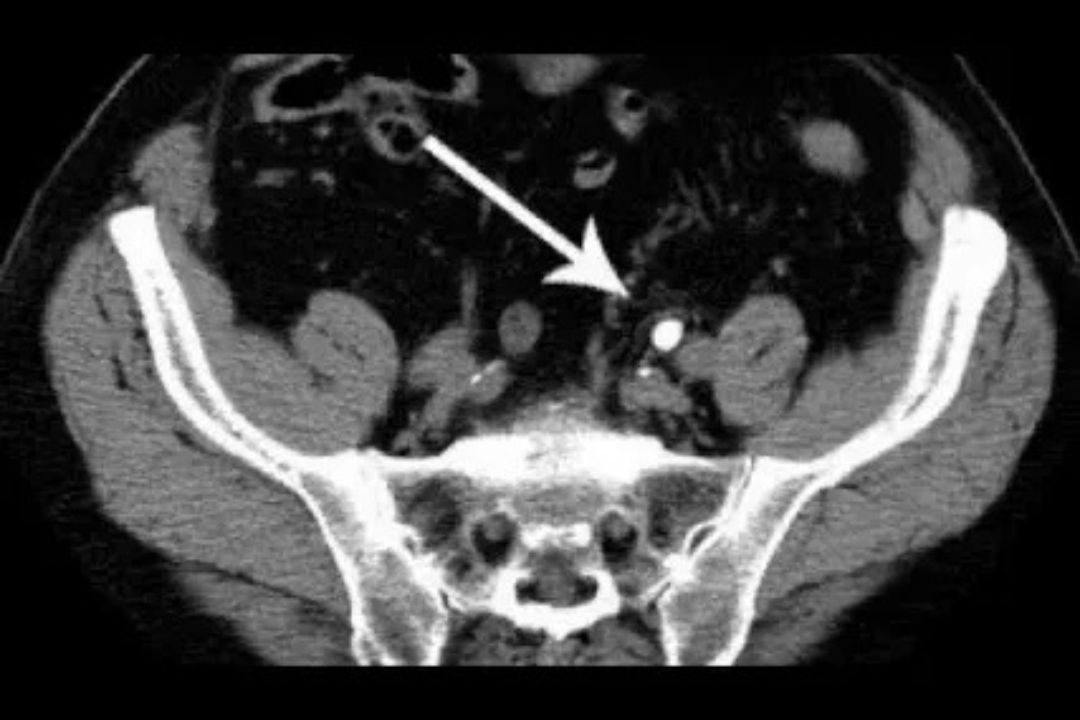
Three dimensional computed tomography is an advanced imaging technique that uses X rays and powerful computers to create detailed cross sectional images of the body. Traditional CT produces two dimensional slices that show internal structures in clear detail. 3D CT goes a step further by reconstructing these slices into a three dimensional image that can be viewed from multiple angles giving doctors a much deeper understanding of the anatomy and any abnormalities present.
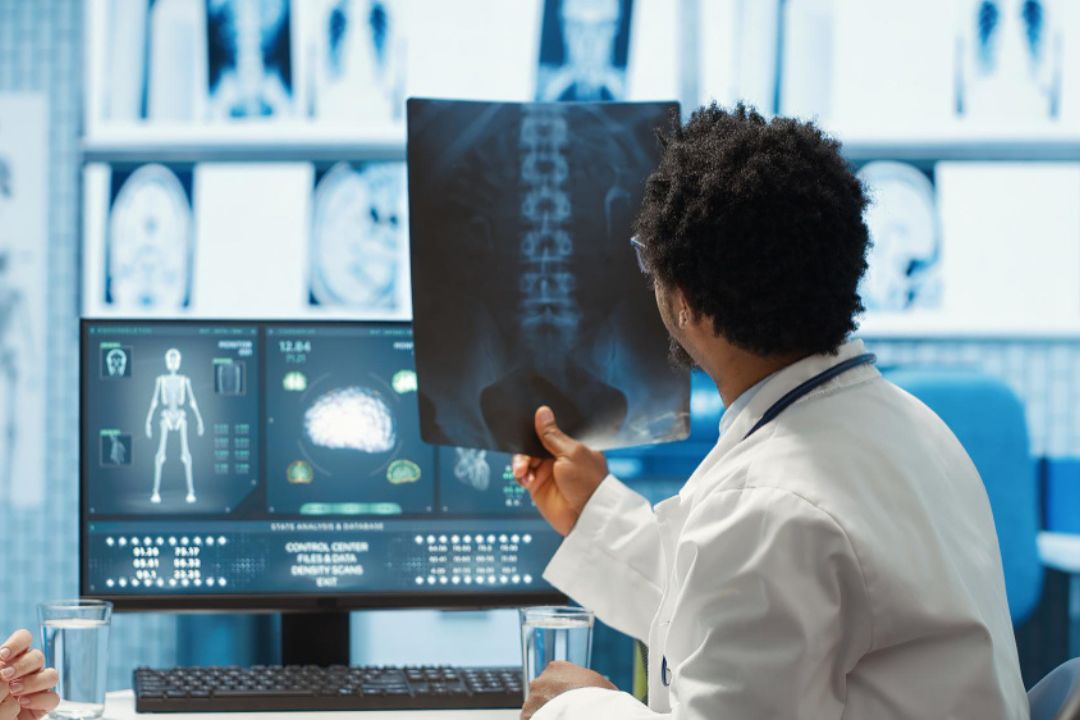
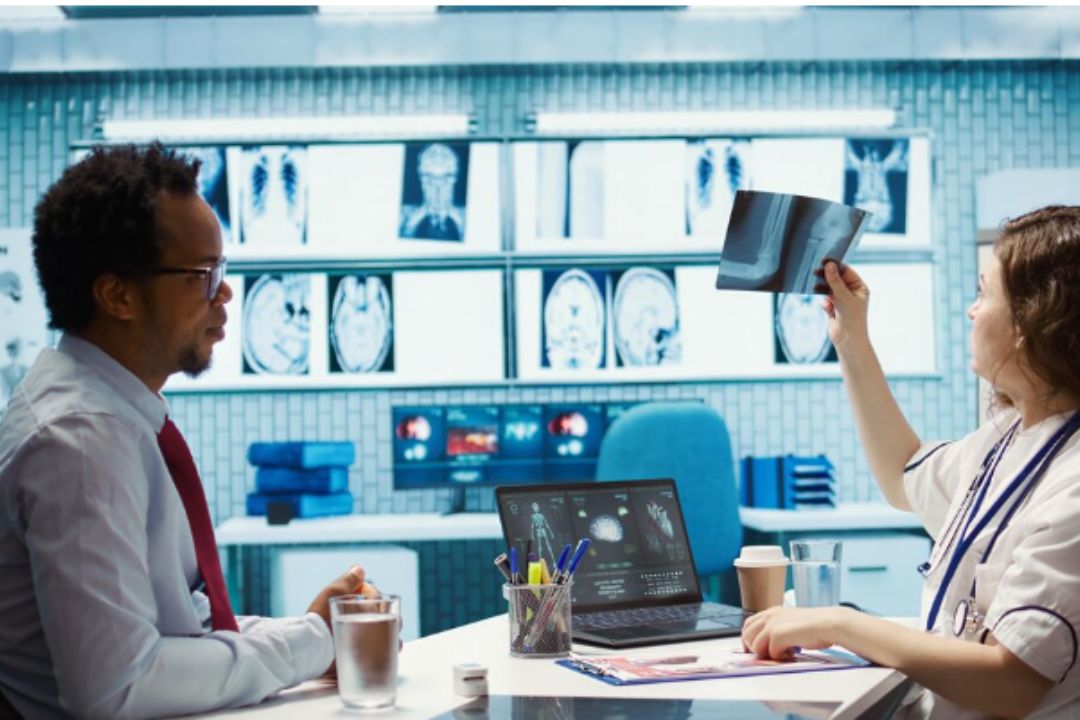
This technology allows clinicians to visualize organs bones blood vessels and soft tissues in a way that is not possible with standard two dimensional imaging. The result is more accurate detection of disease better surgical planning and improved monitoring during and after treatment.
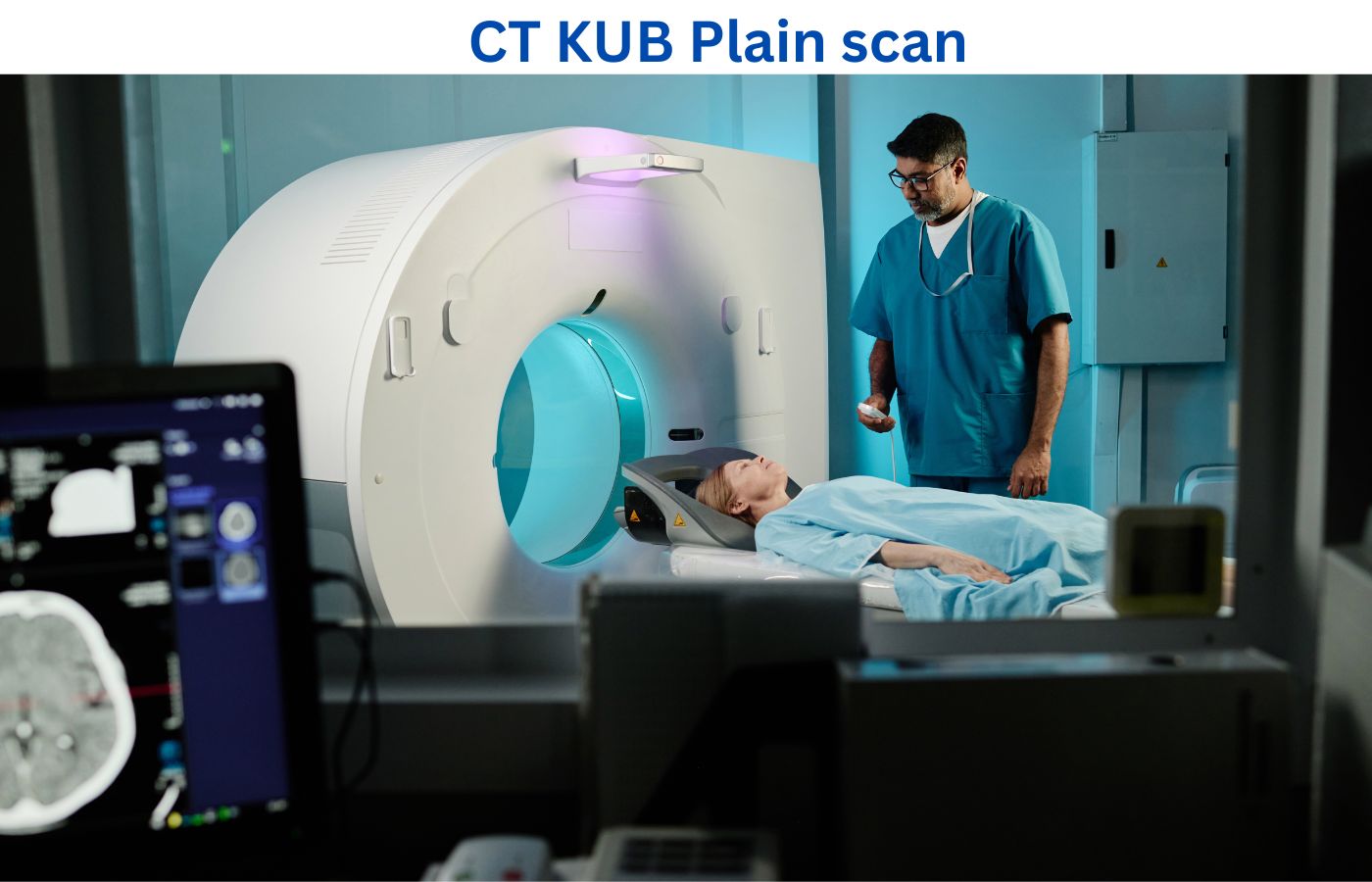
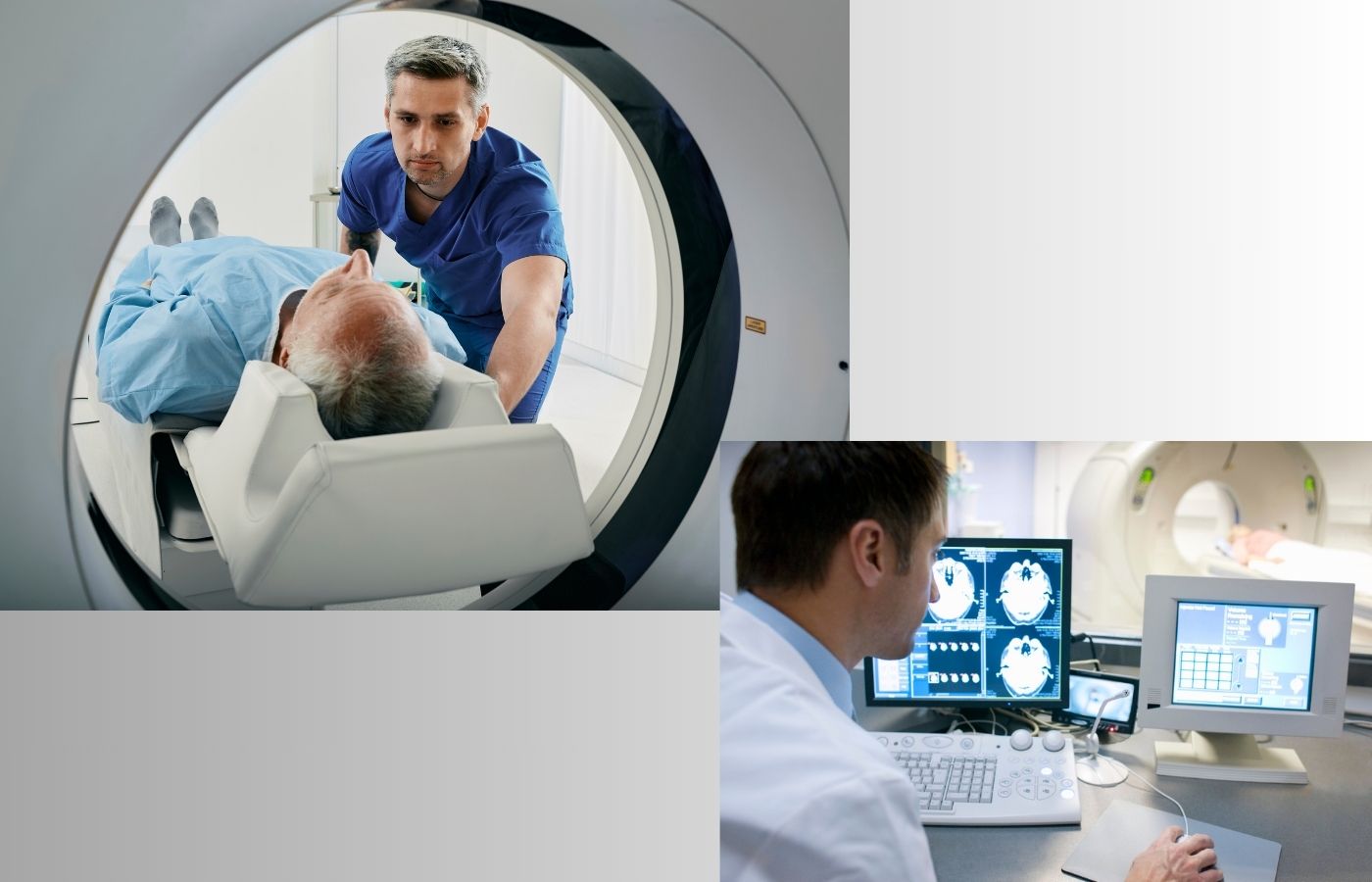
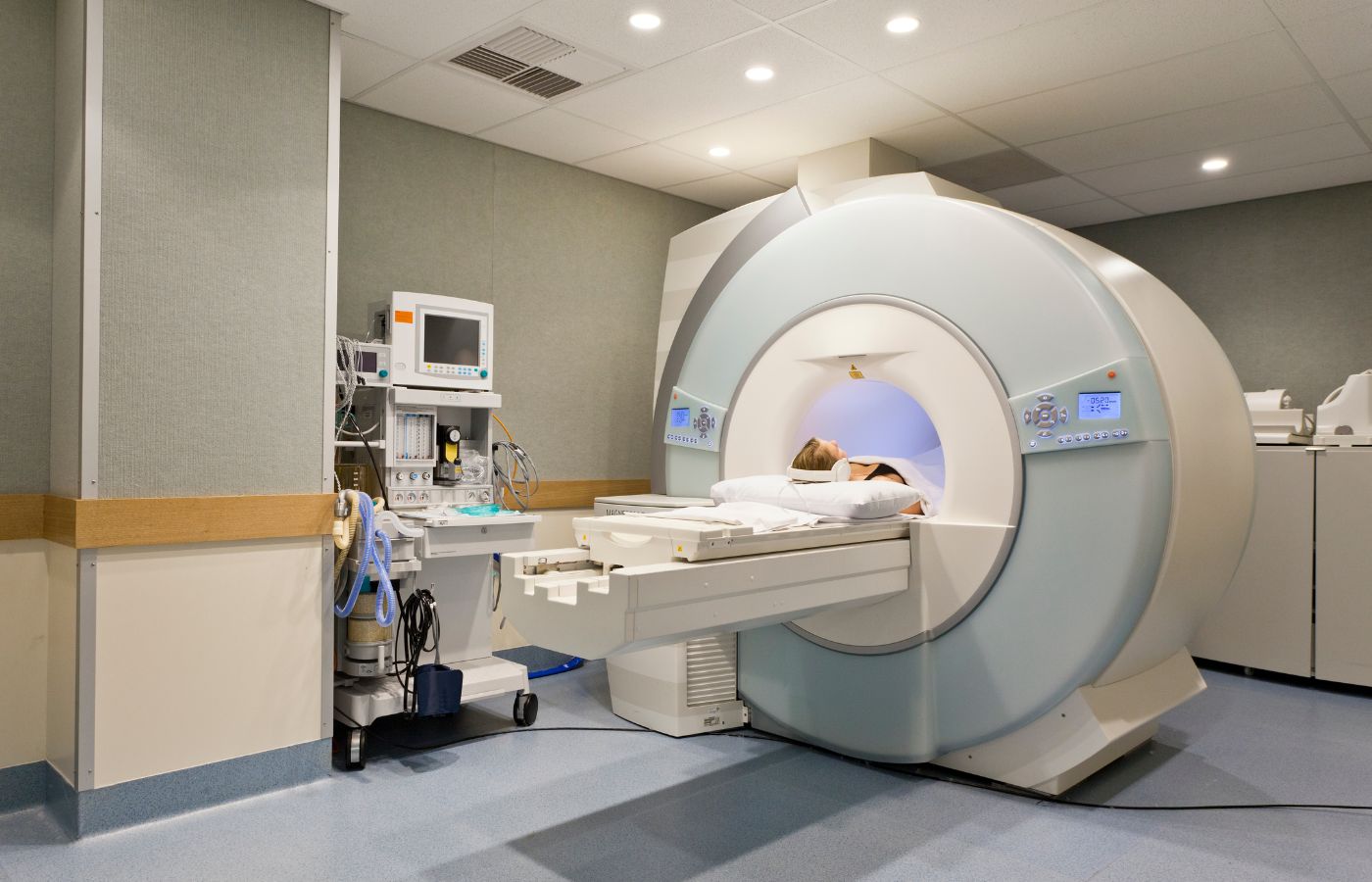
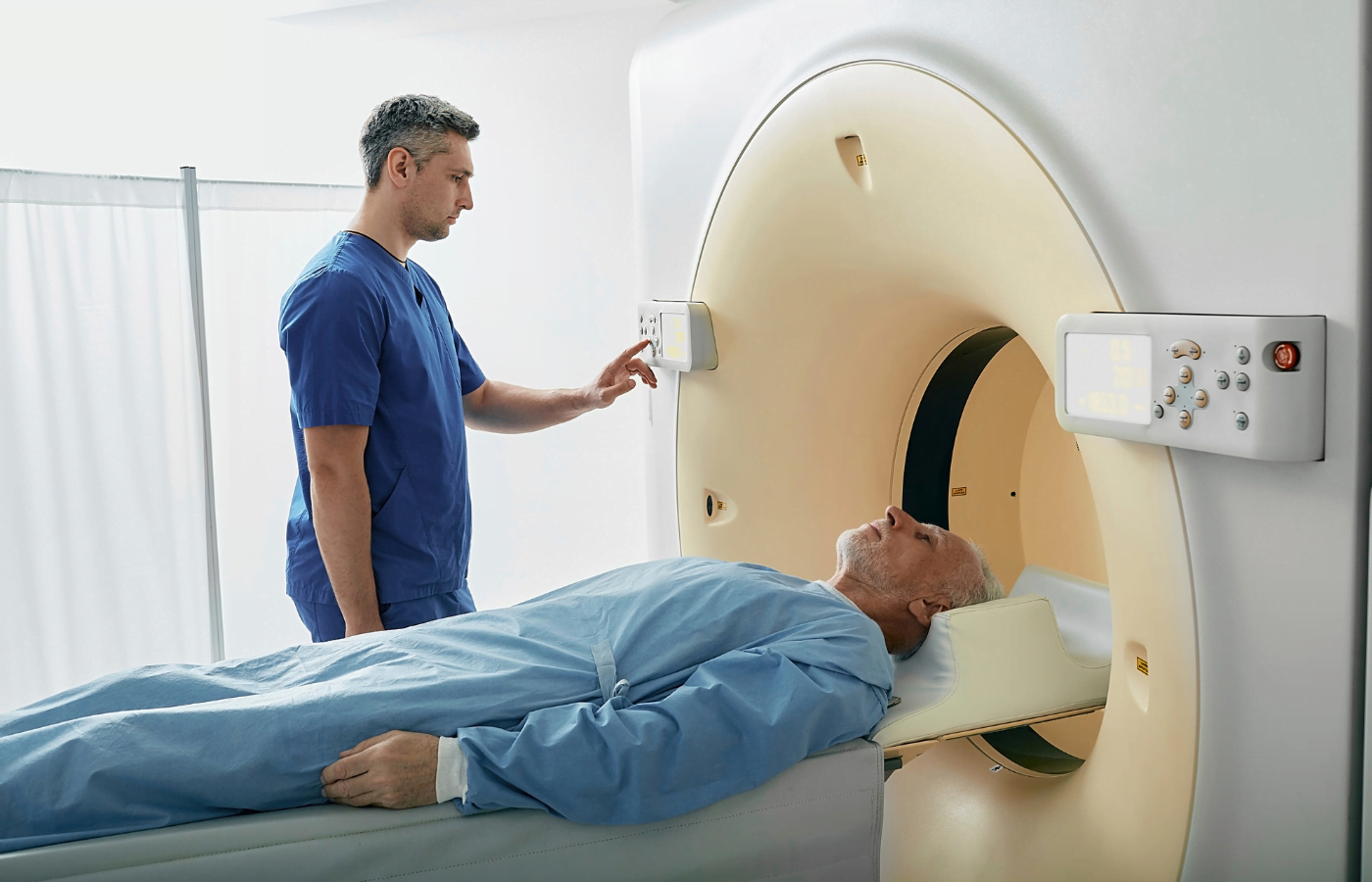
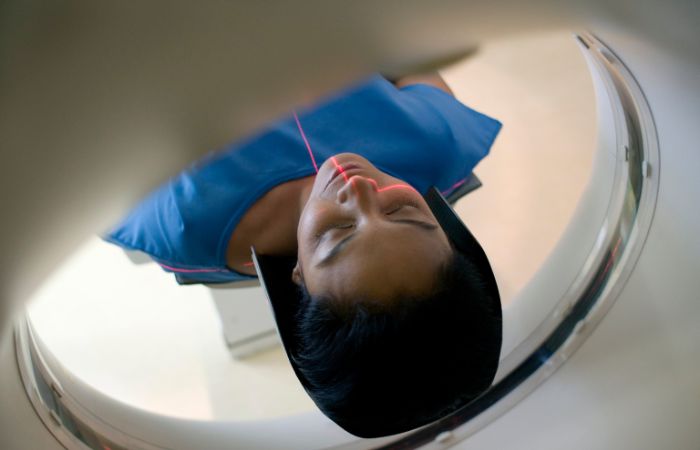
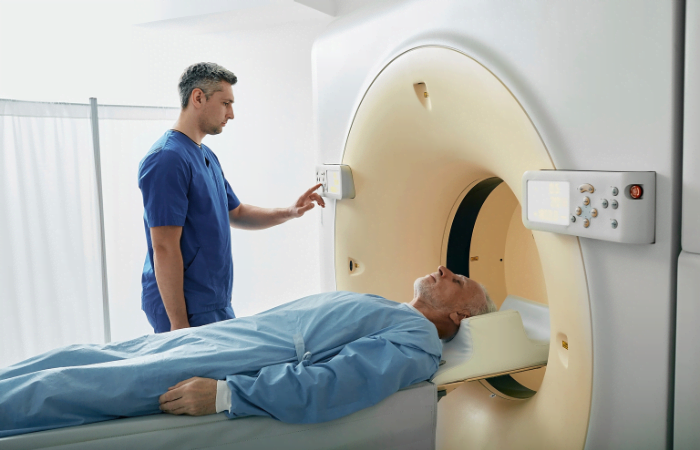
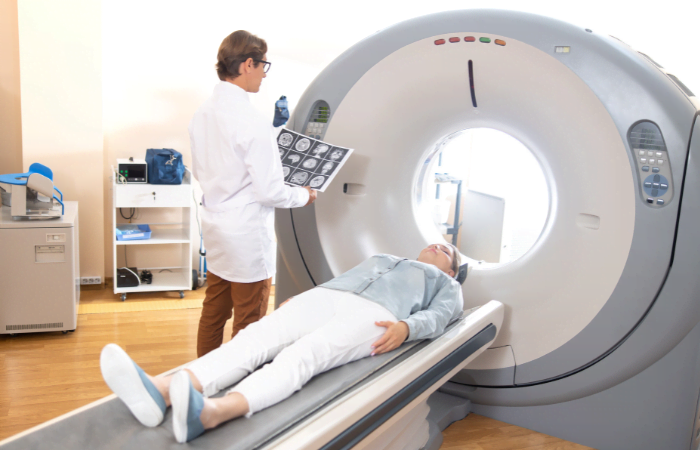
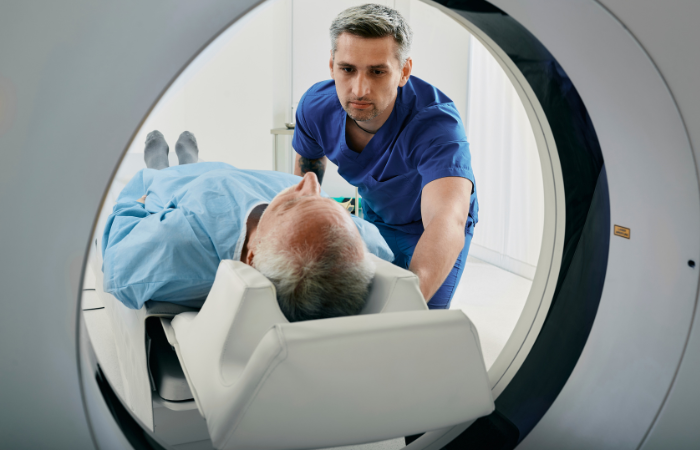
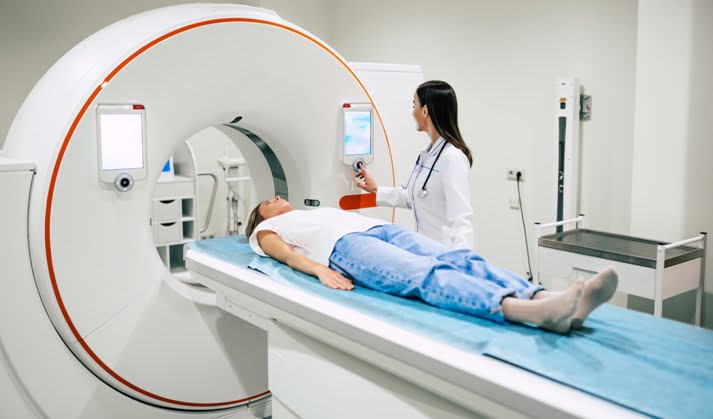
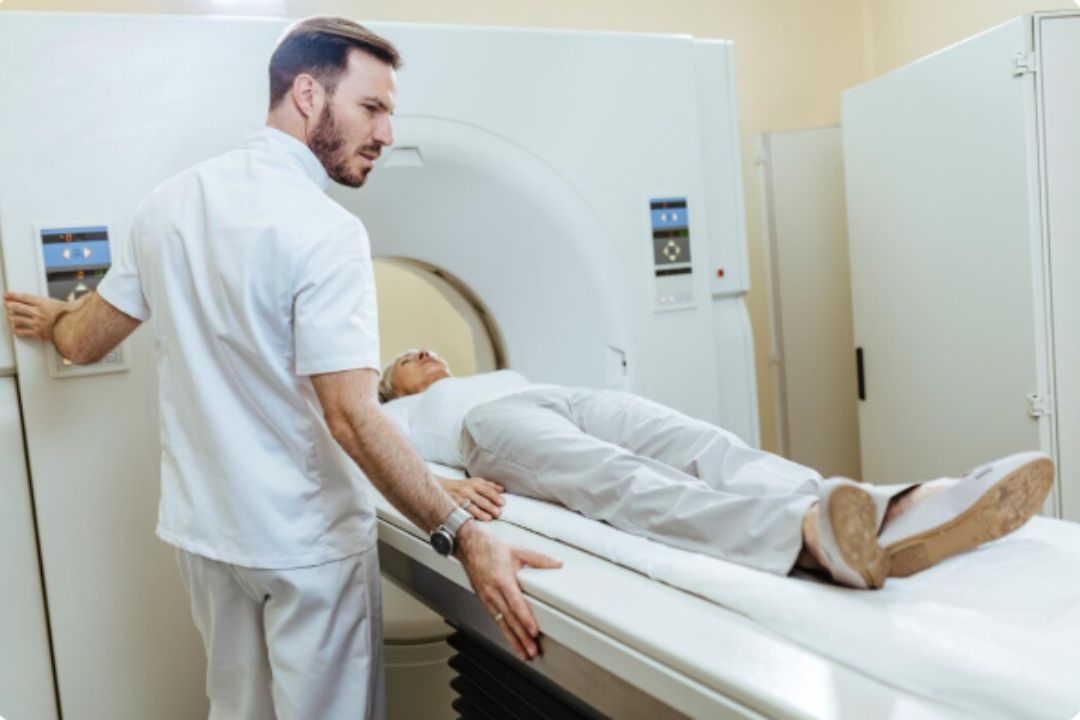
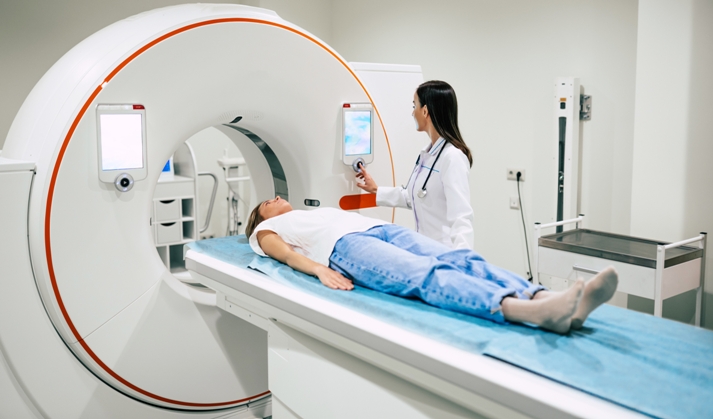
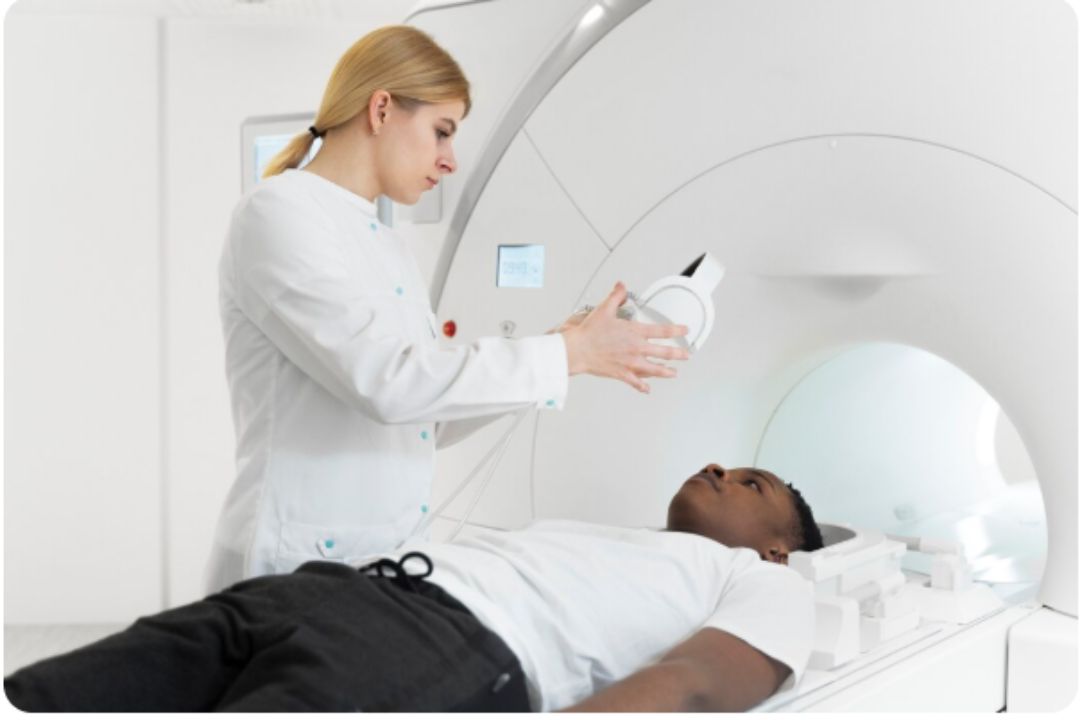
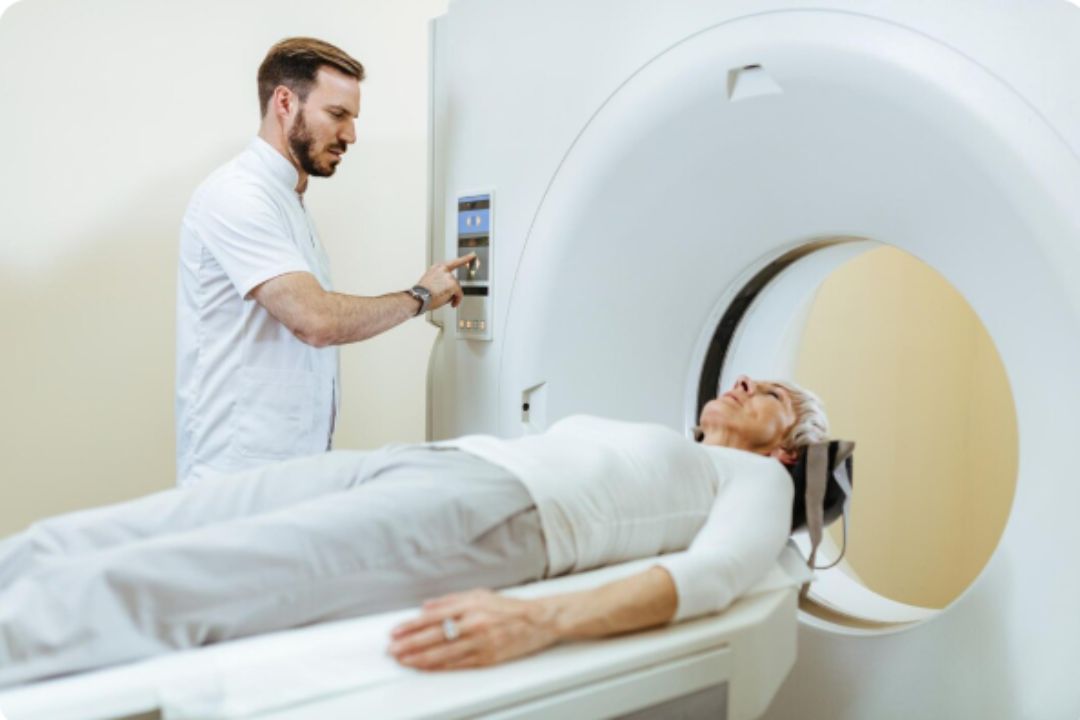
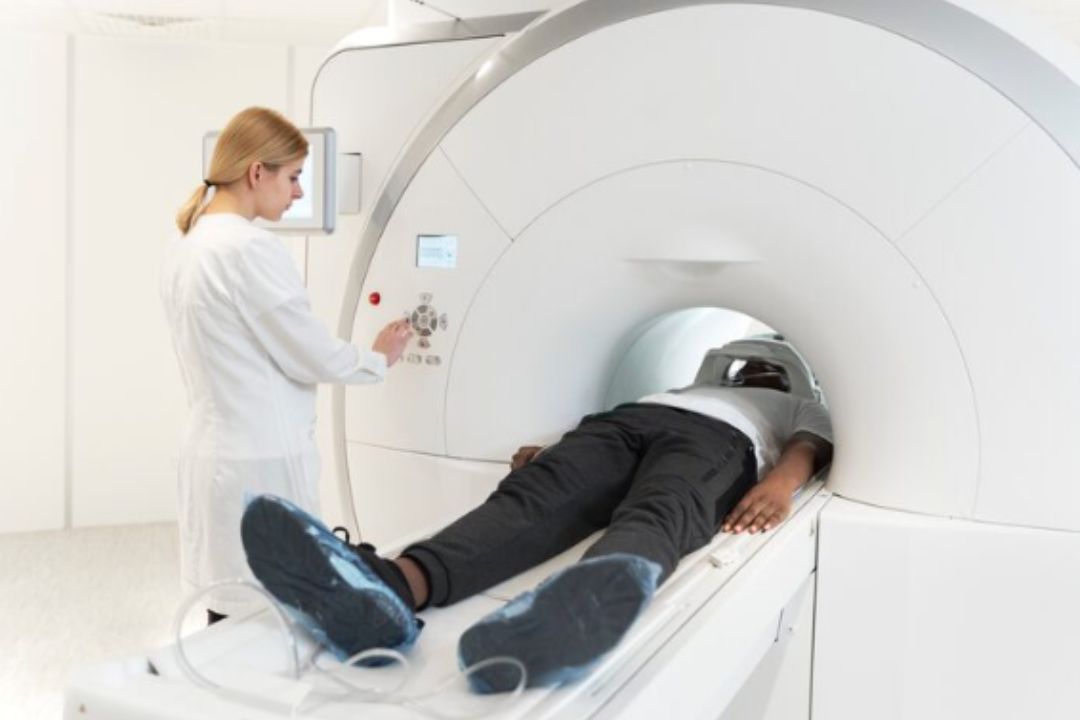
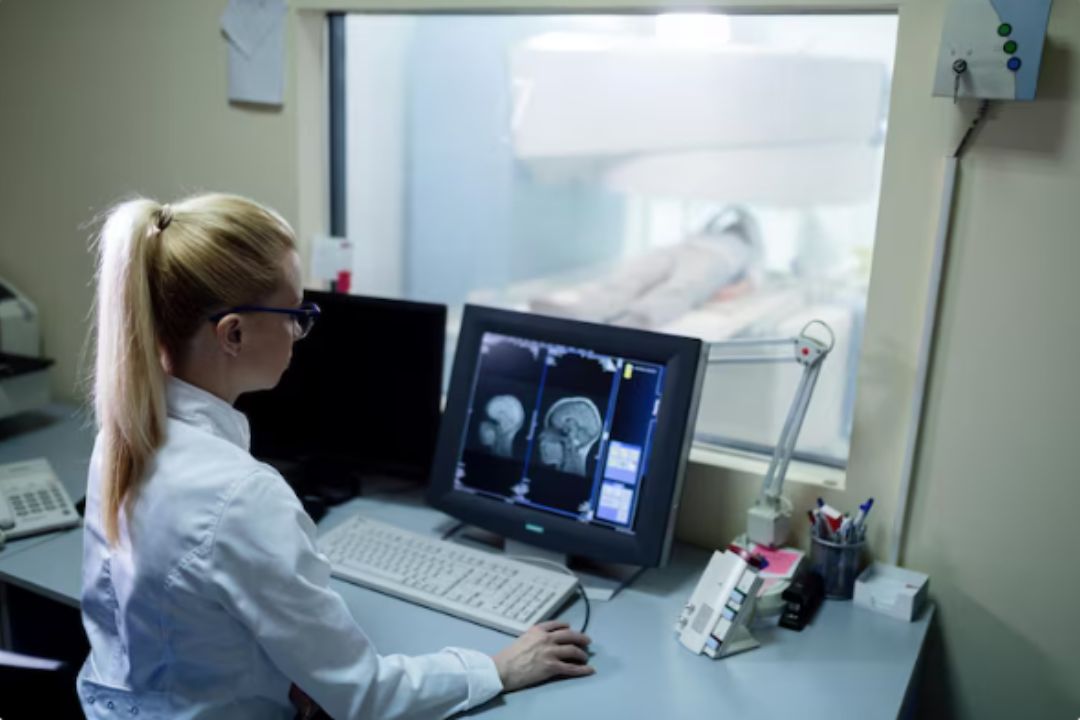
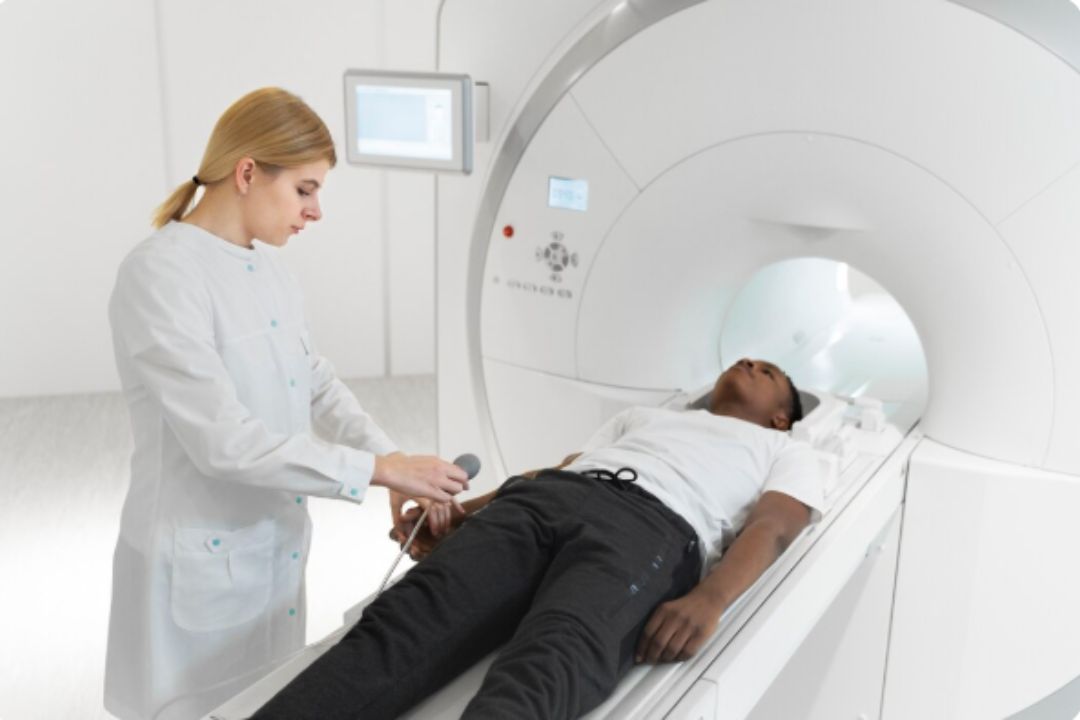
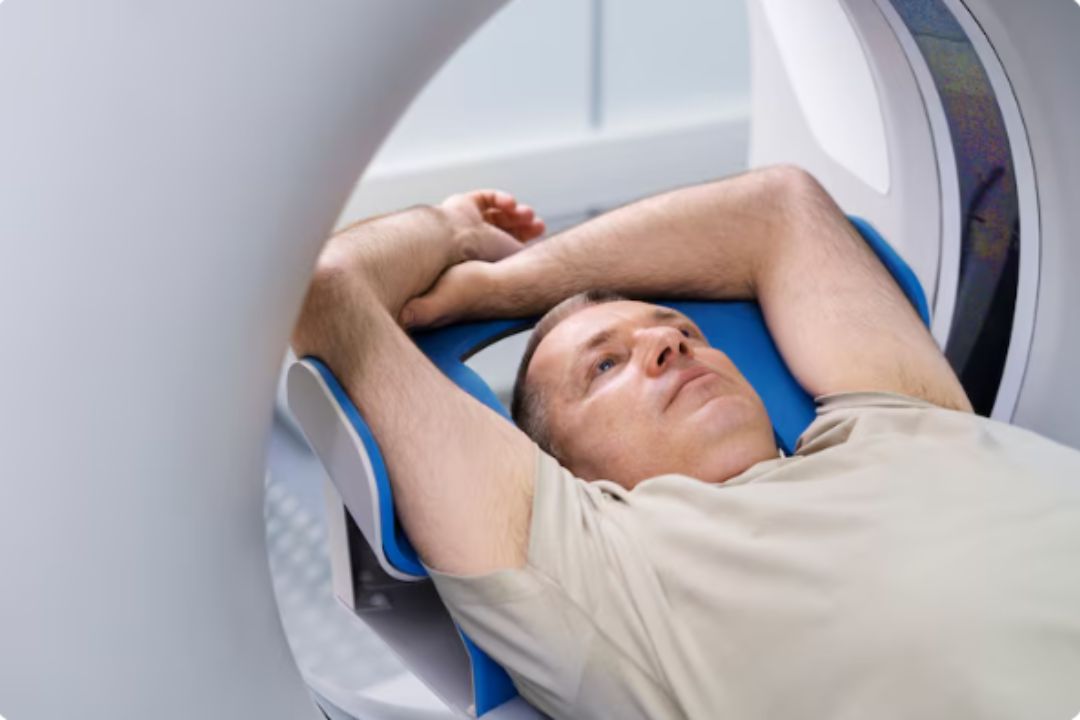
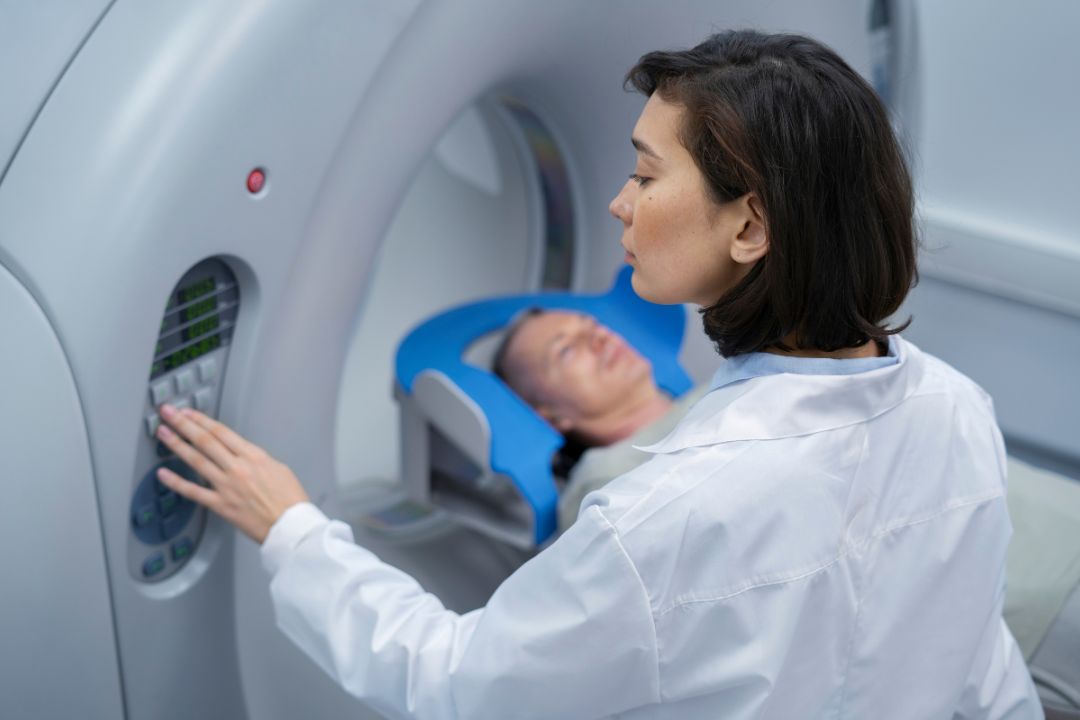
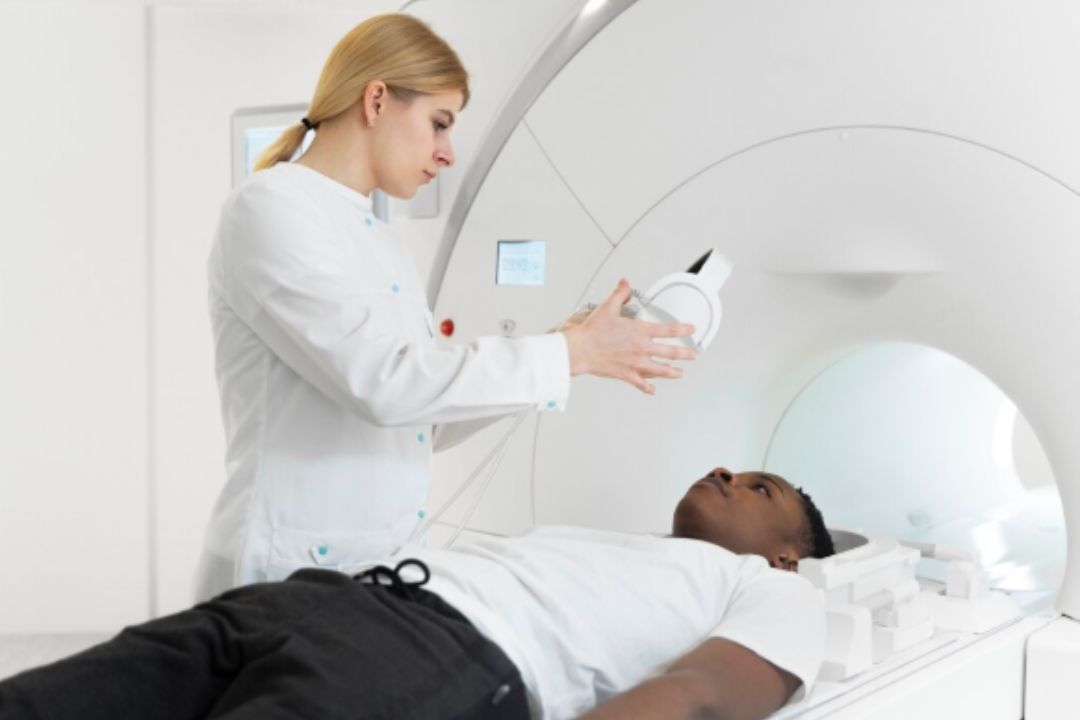
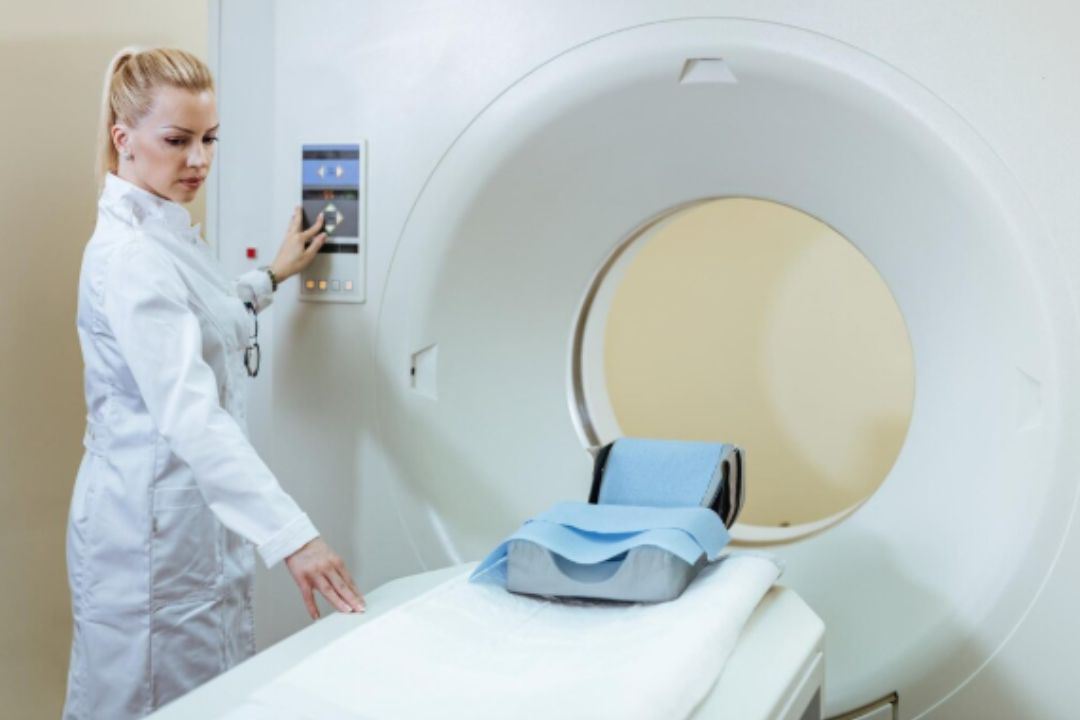
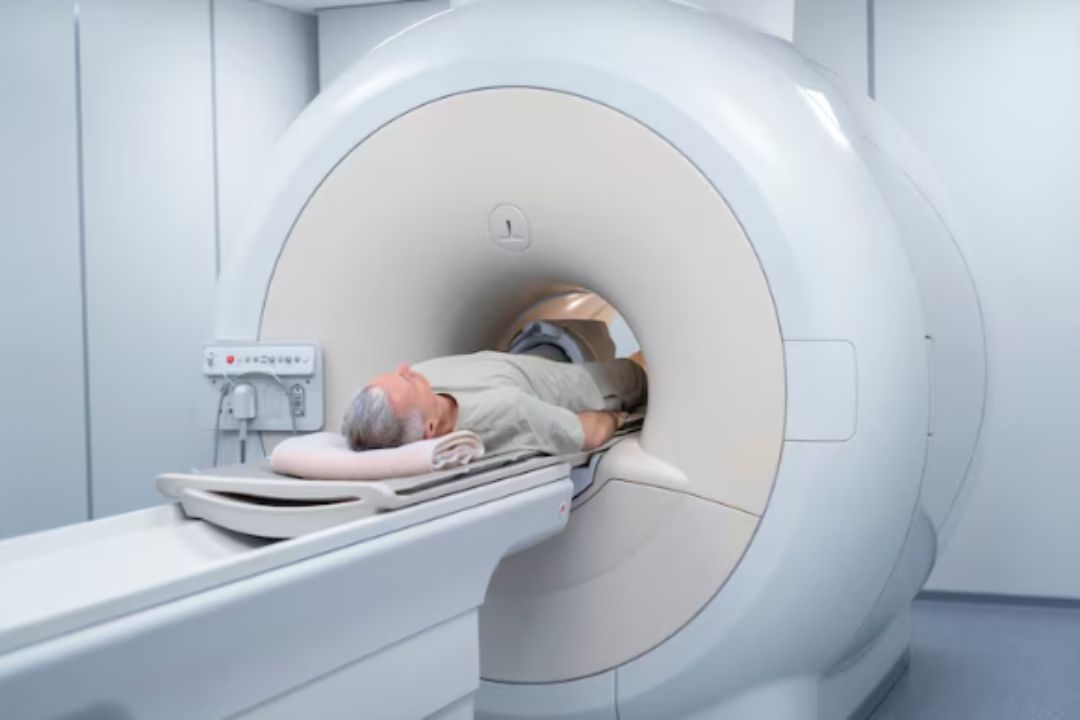
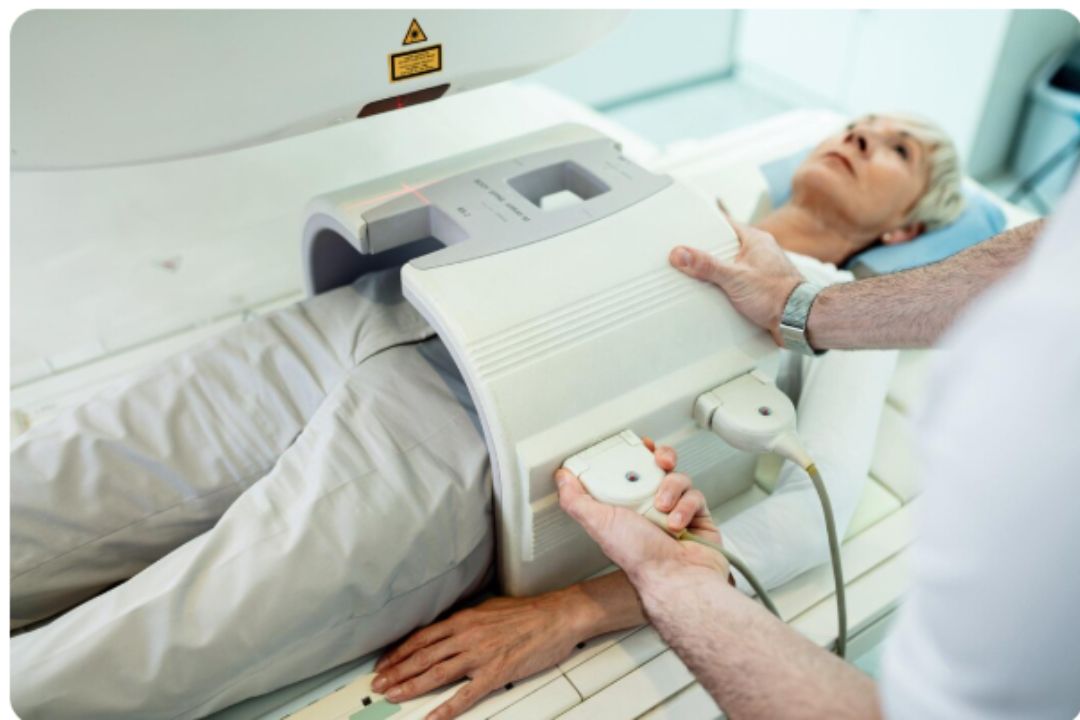
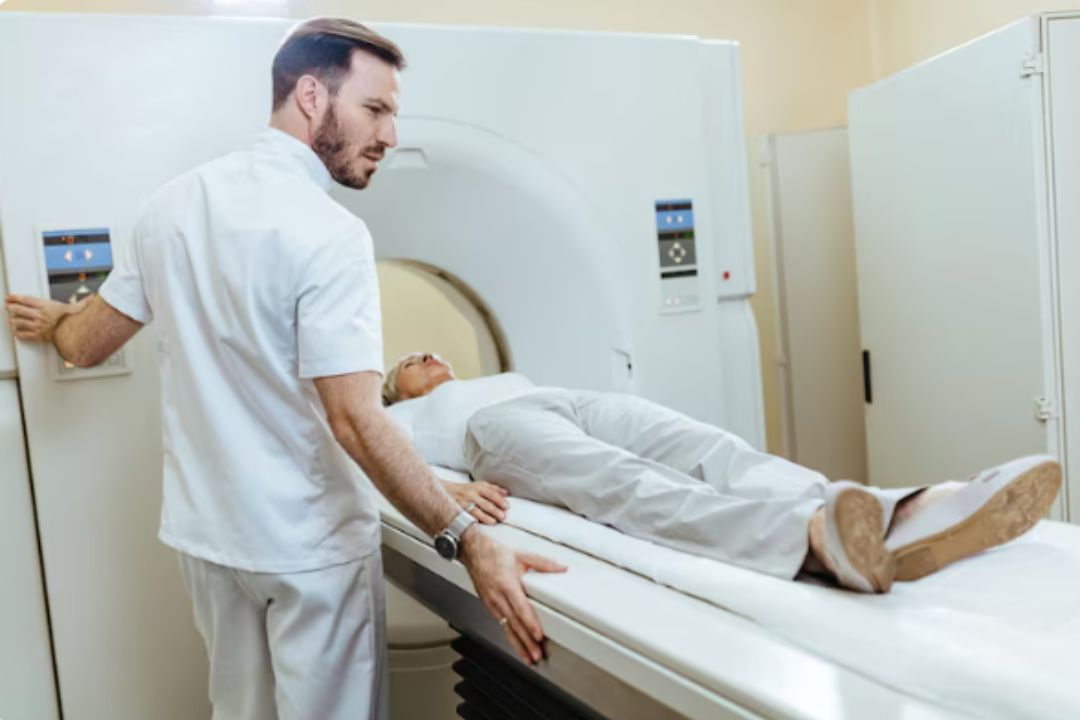
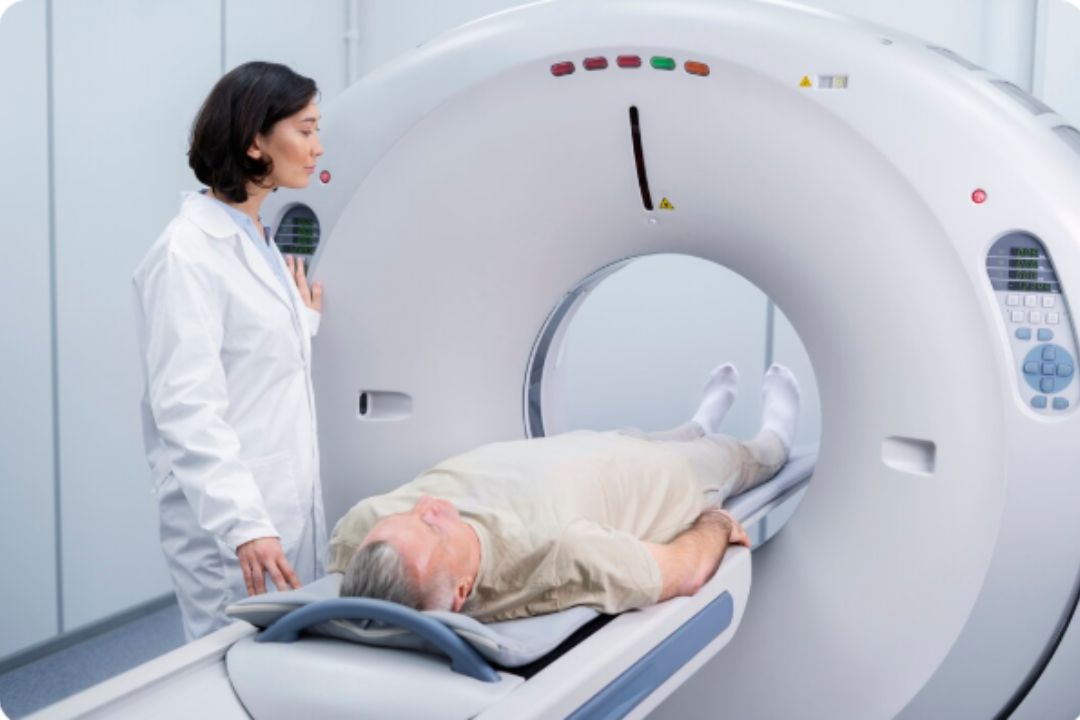
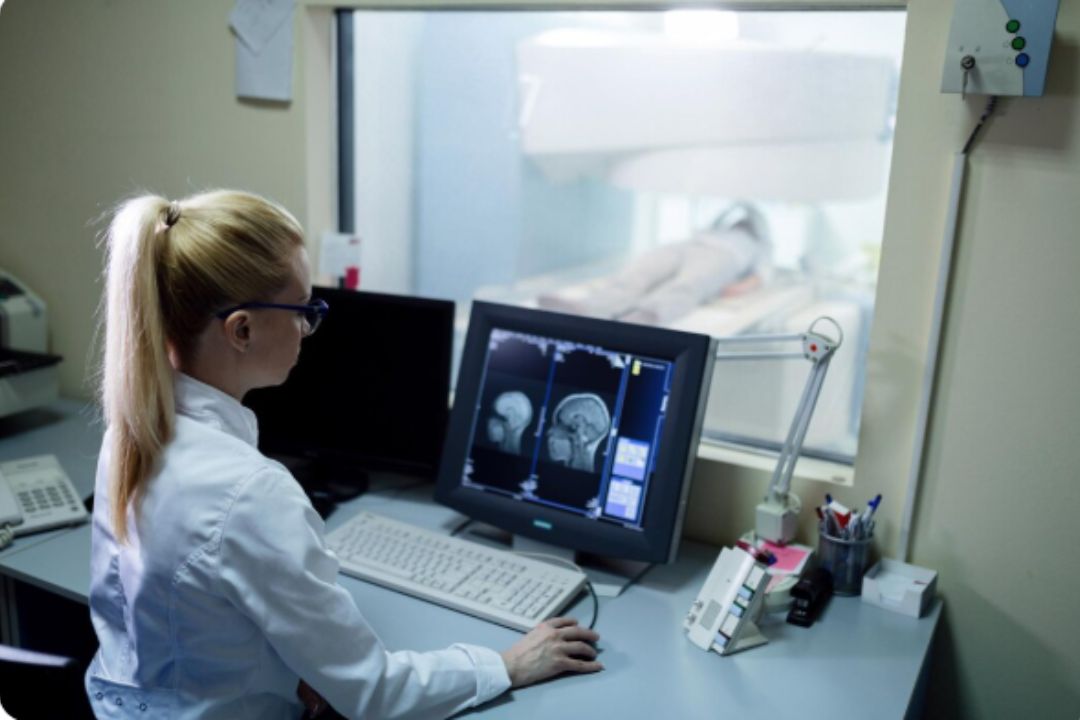
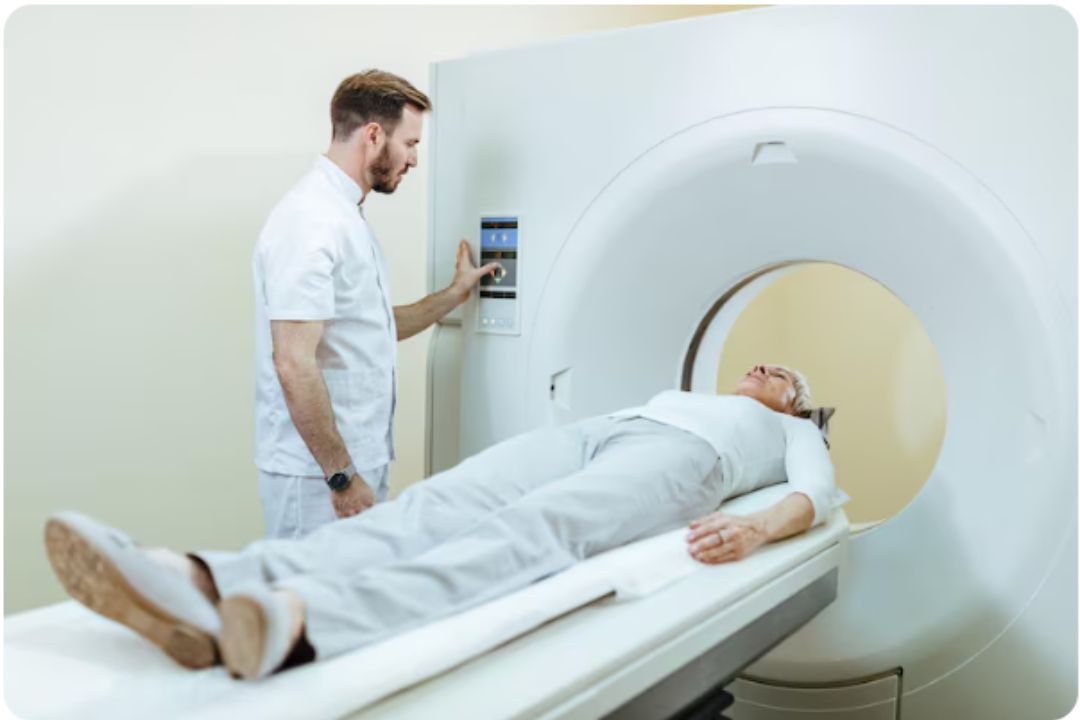
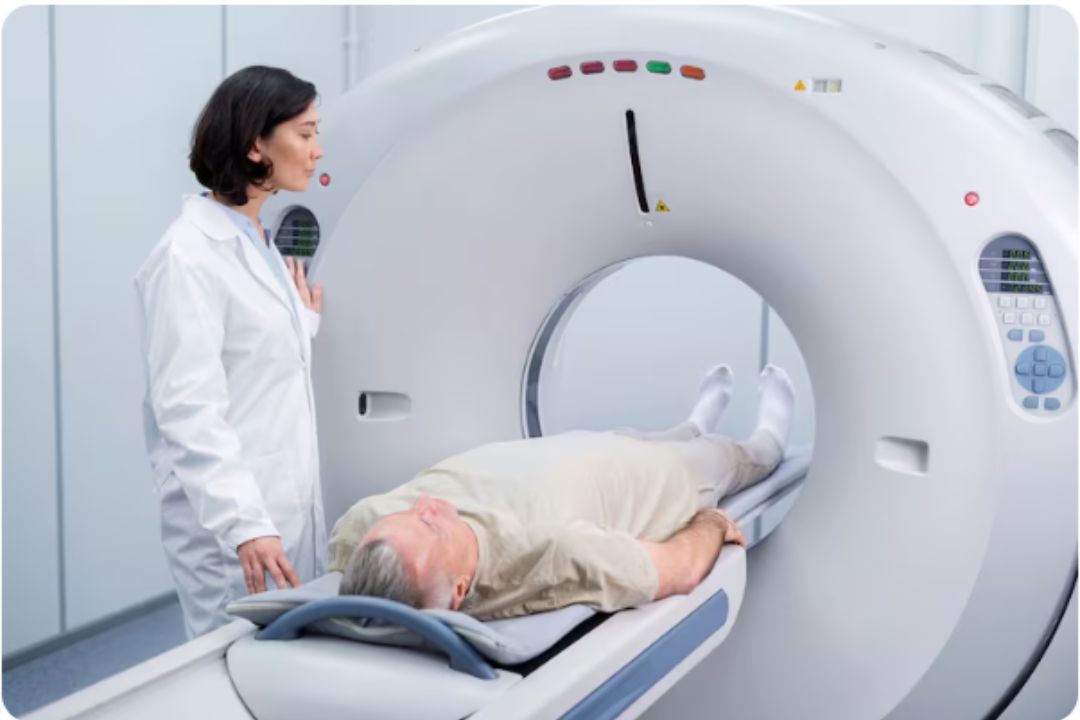
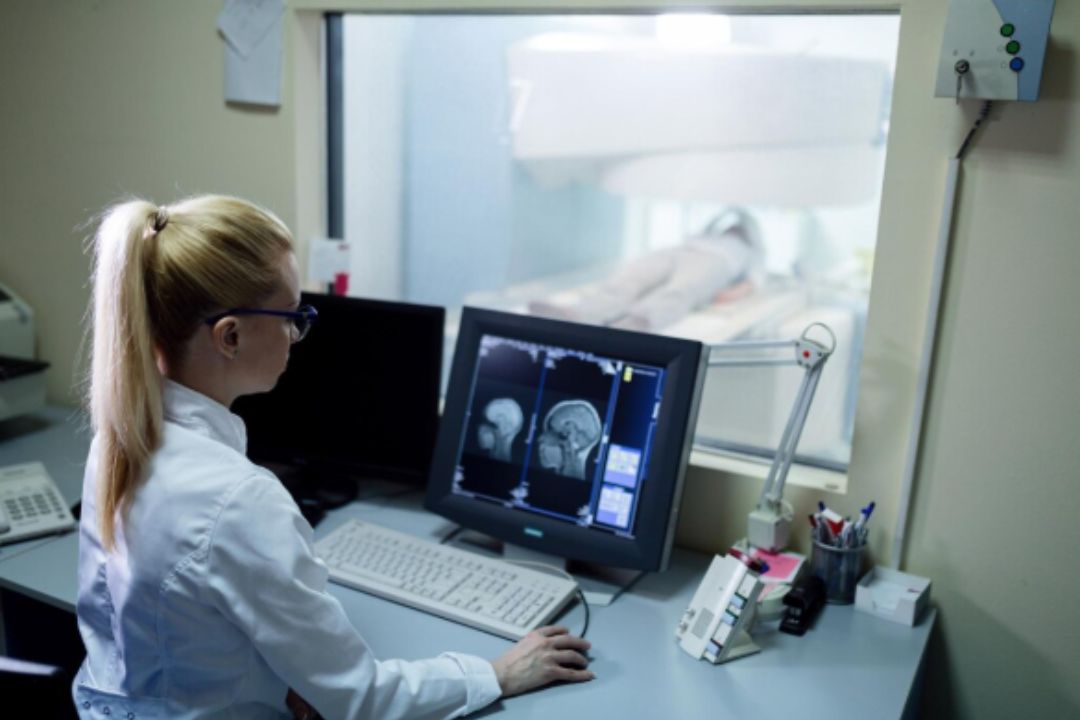
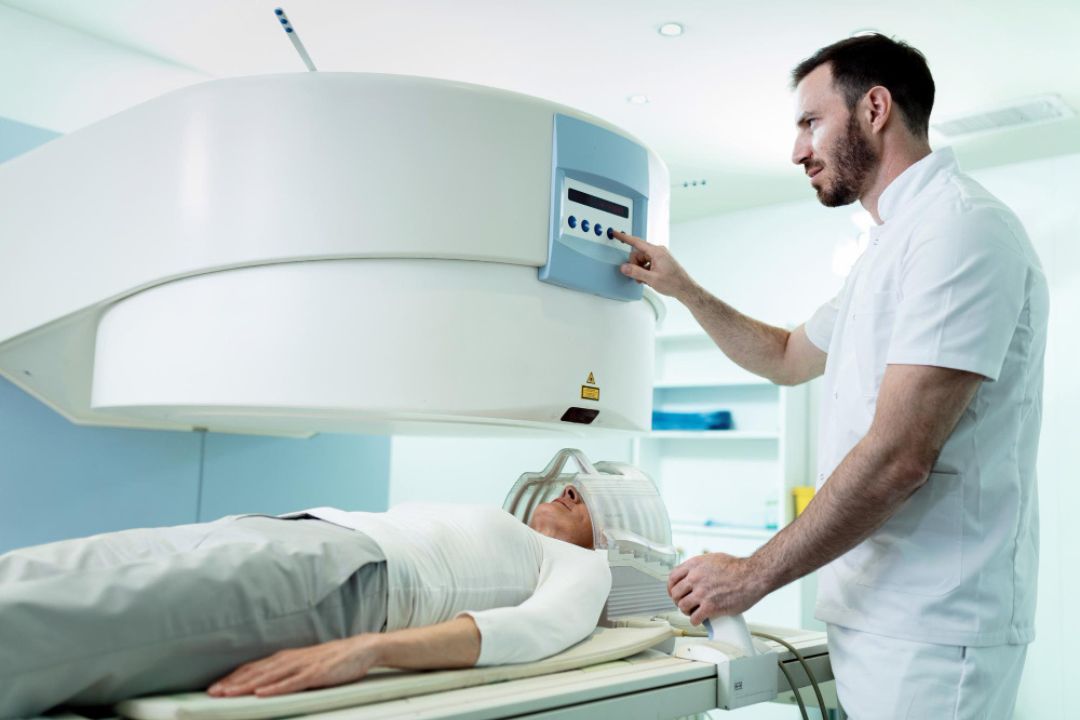
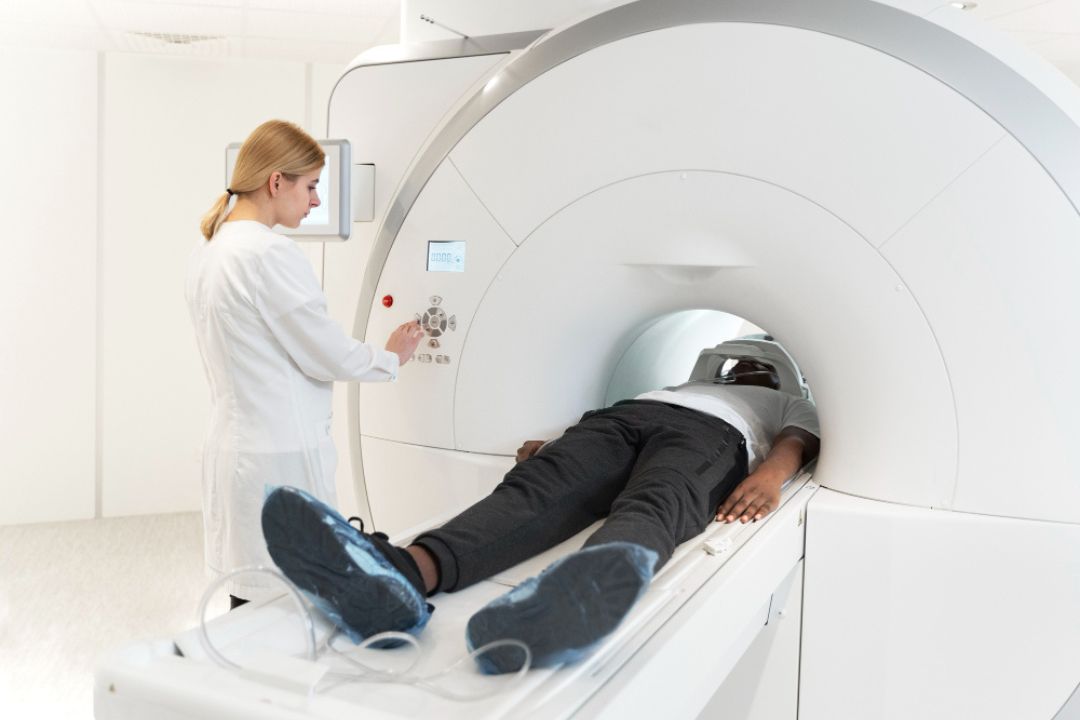
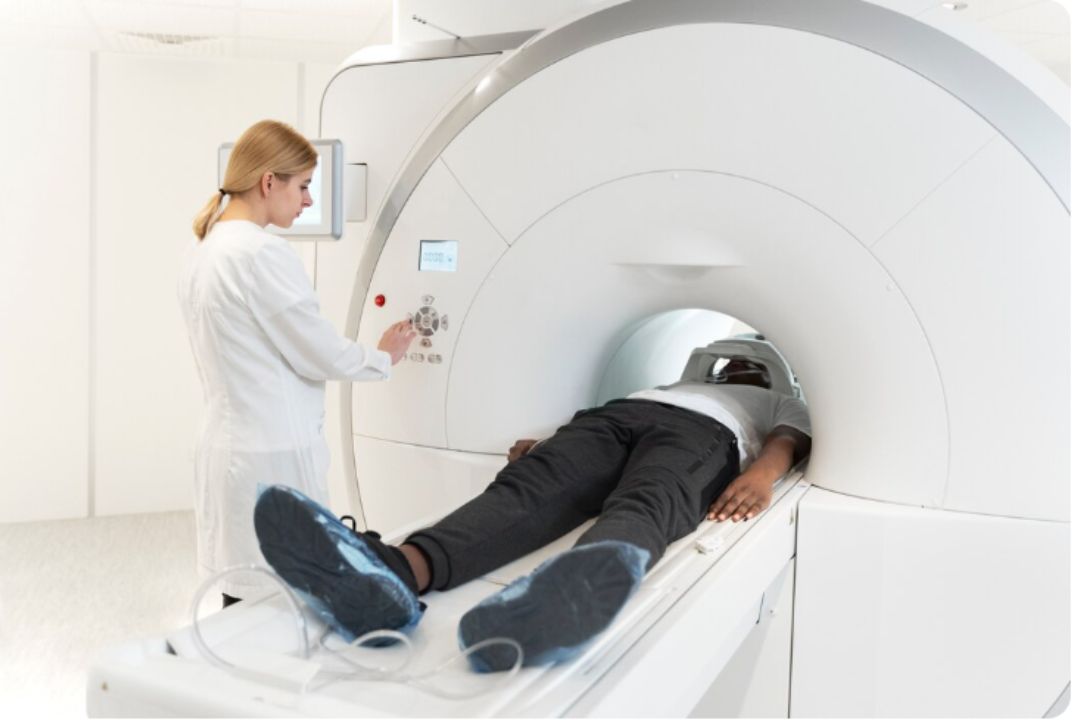
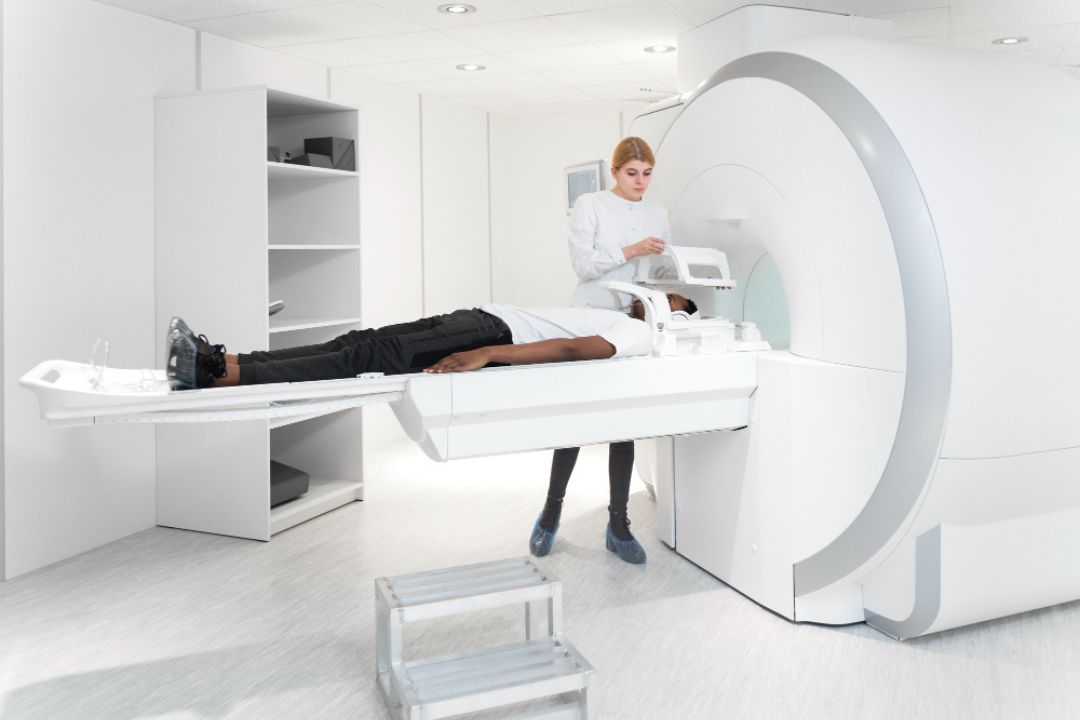
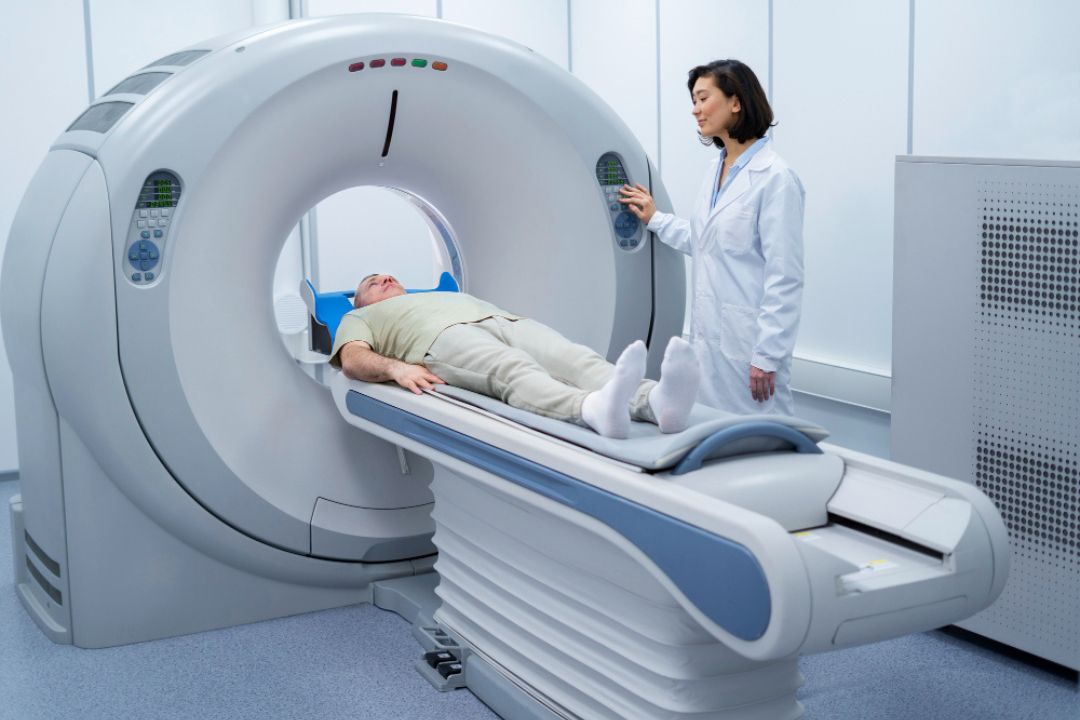
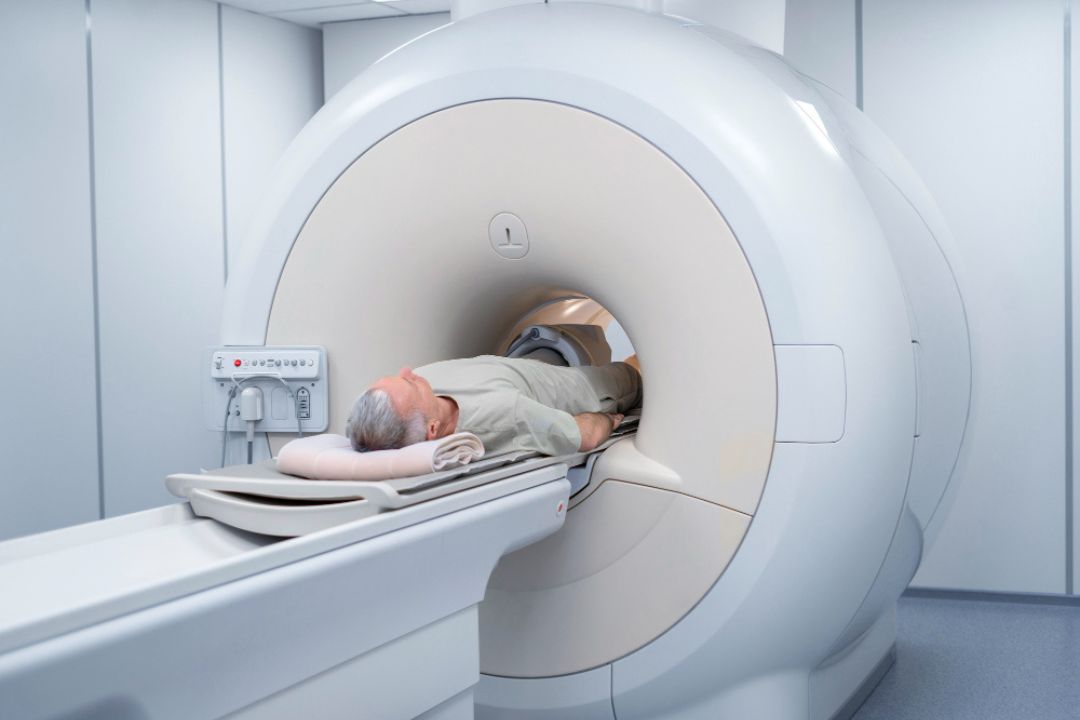
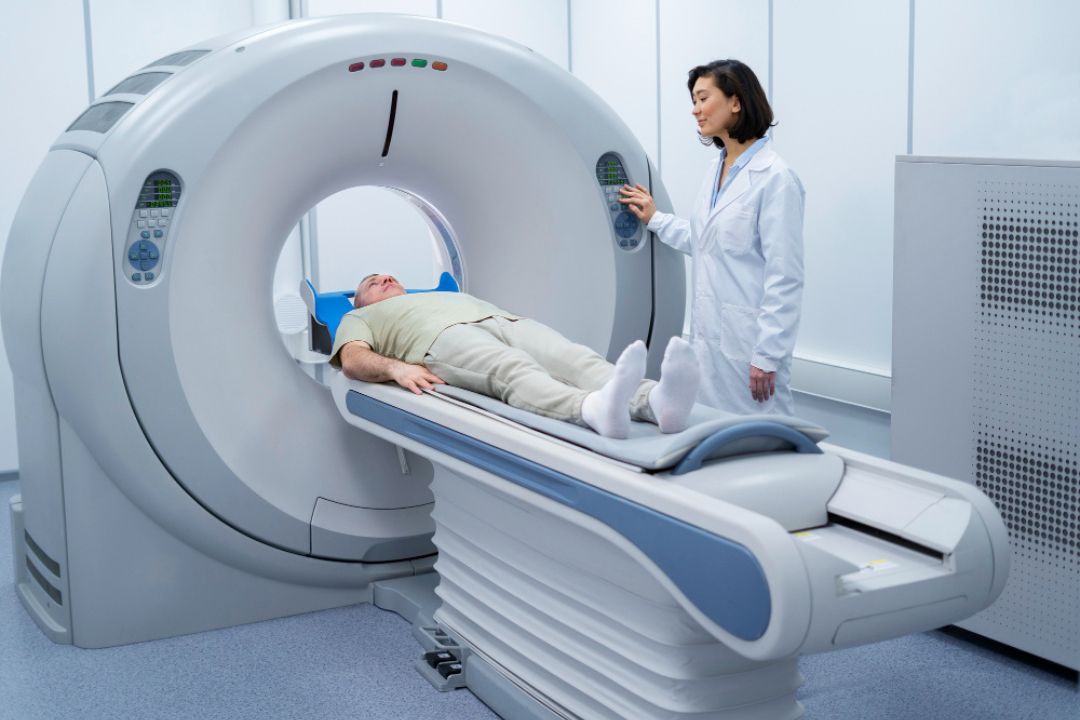
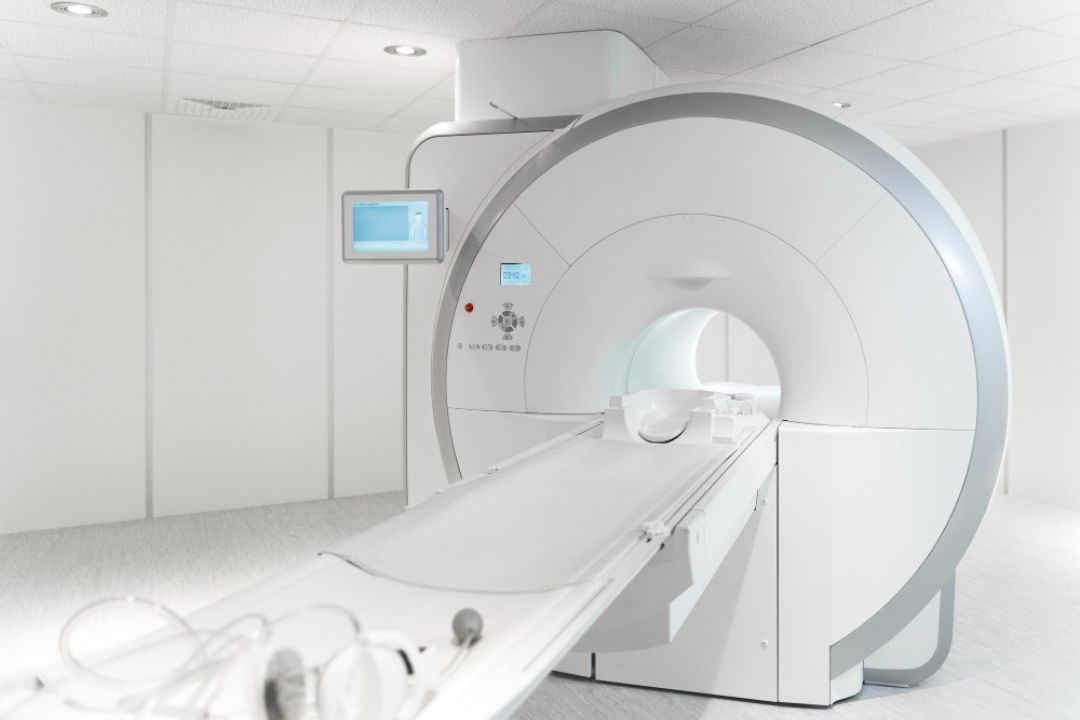
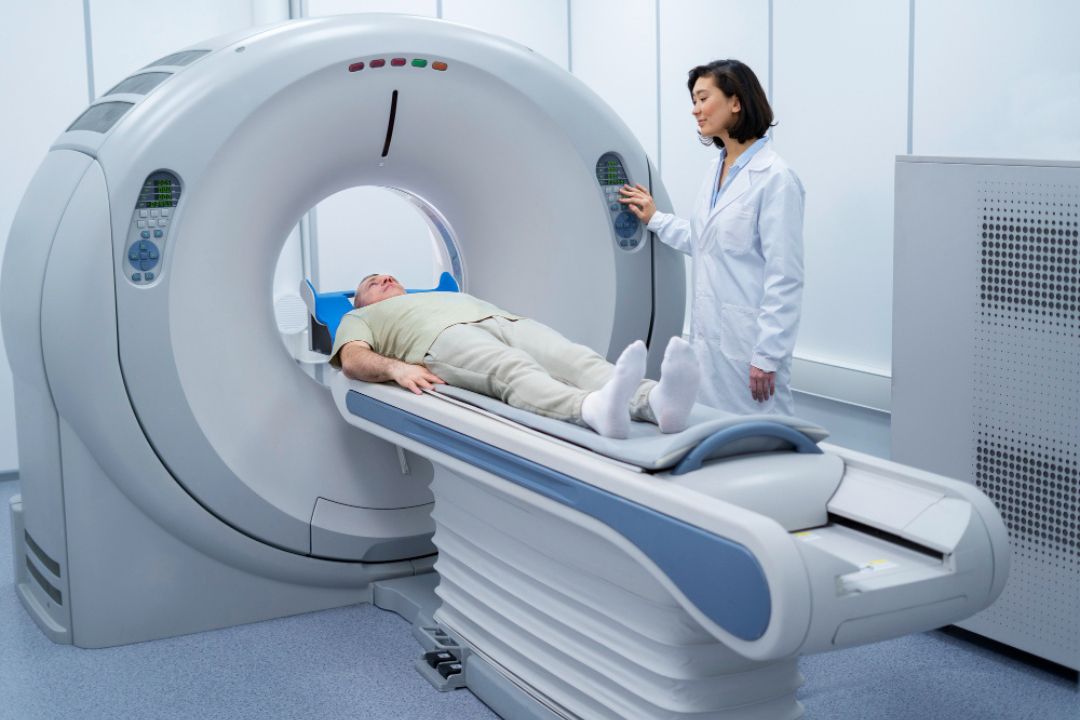
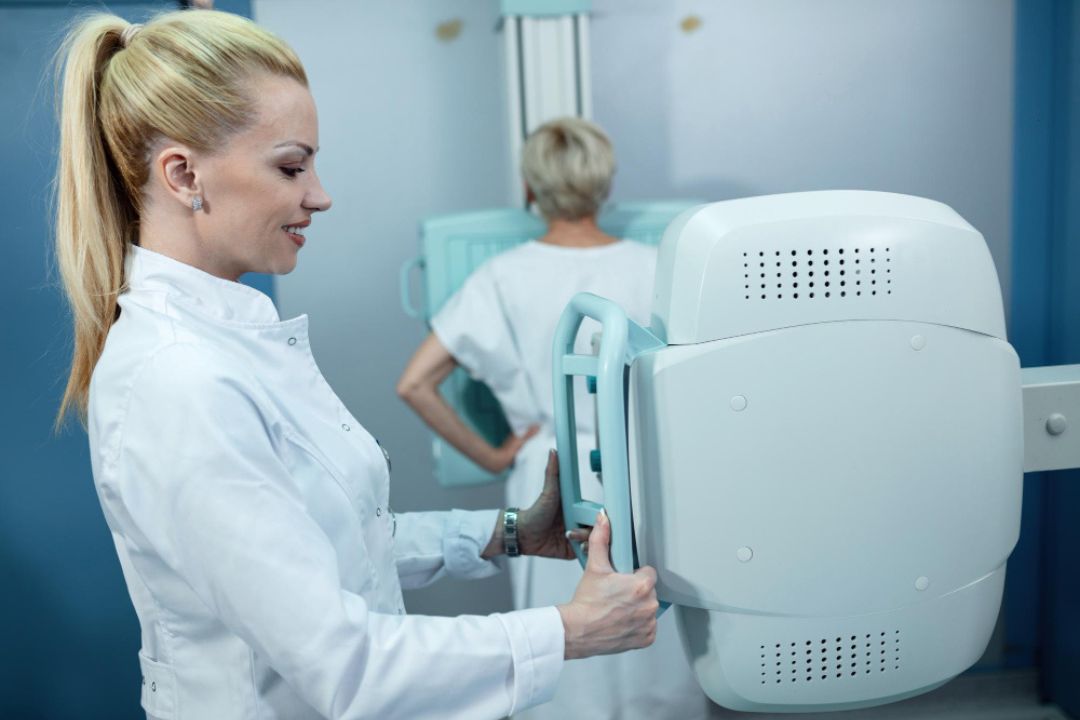
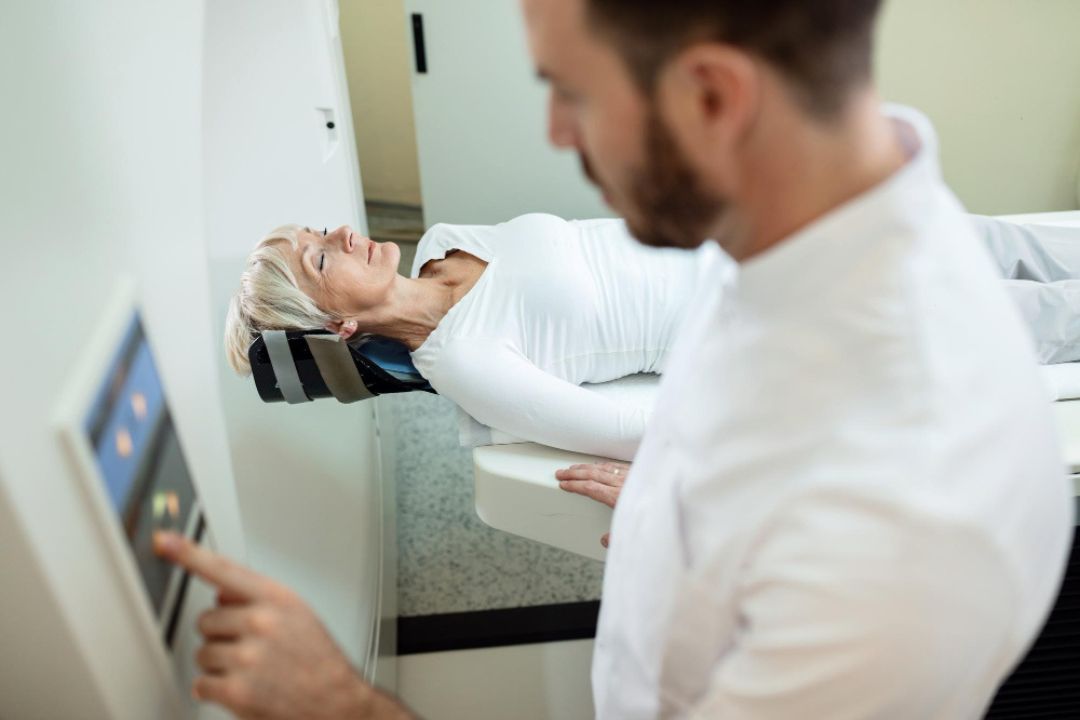
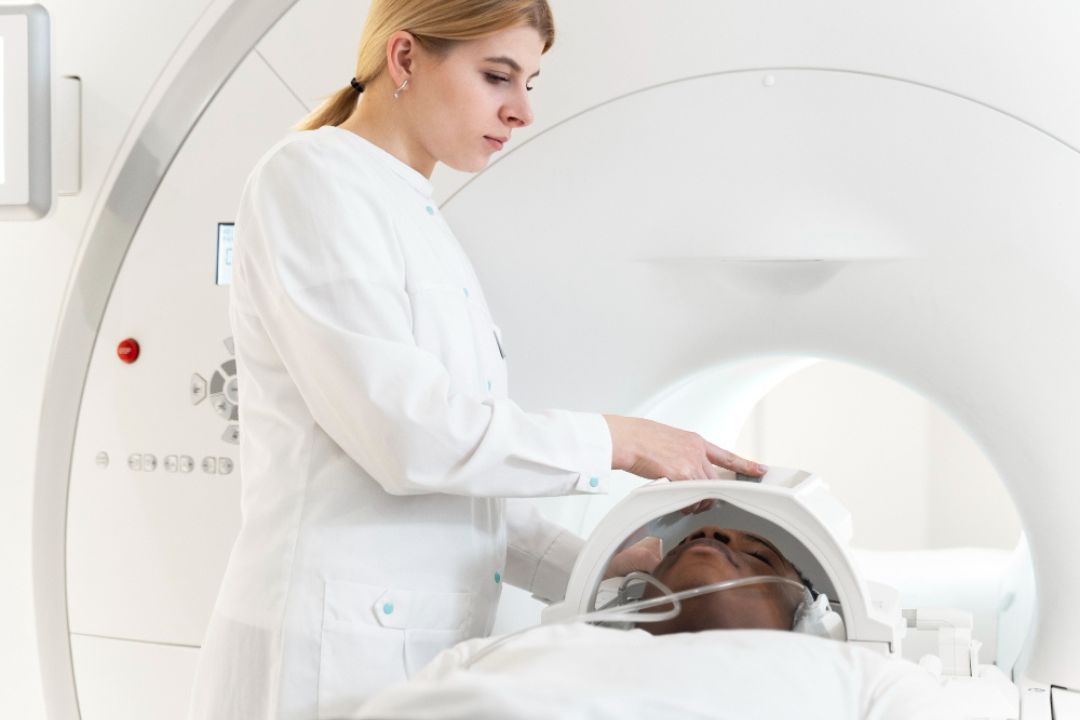
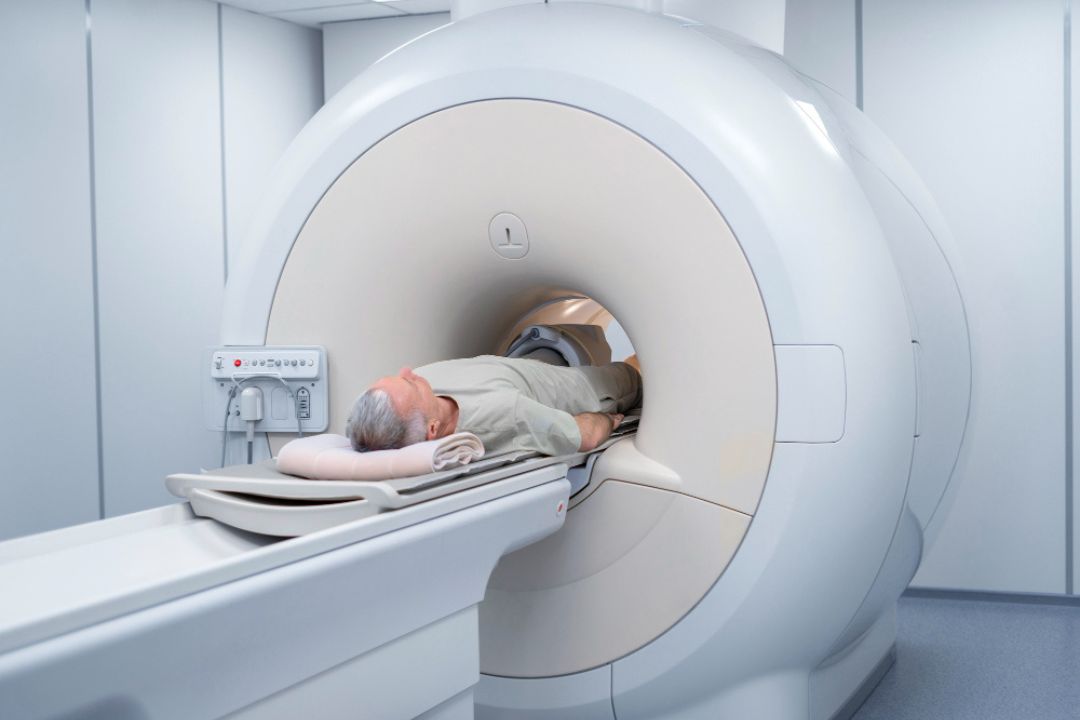
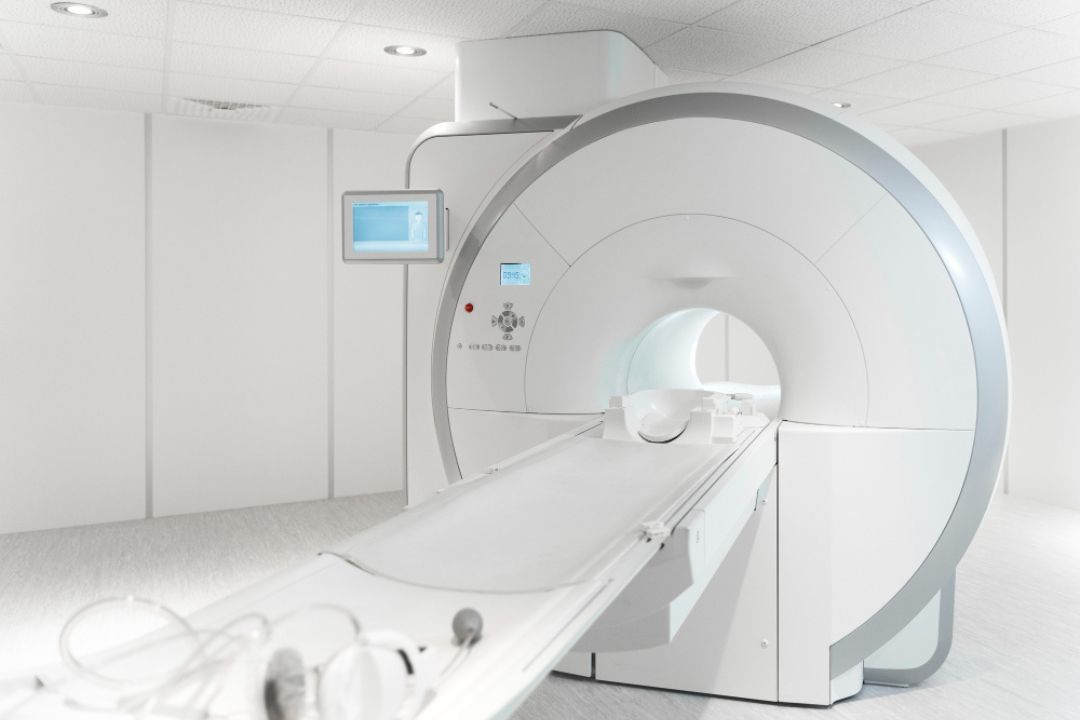
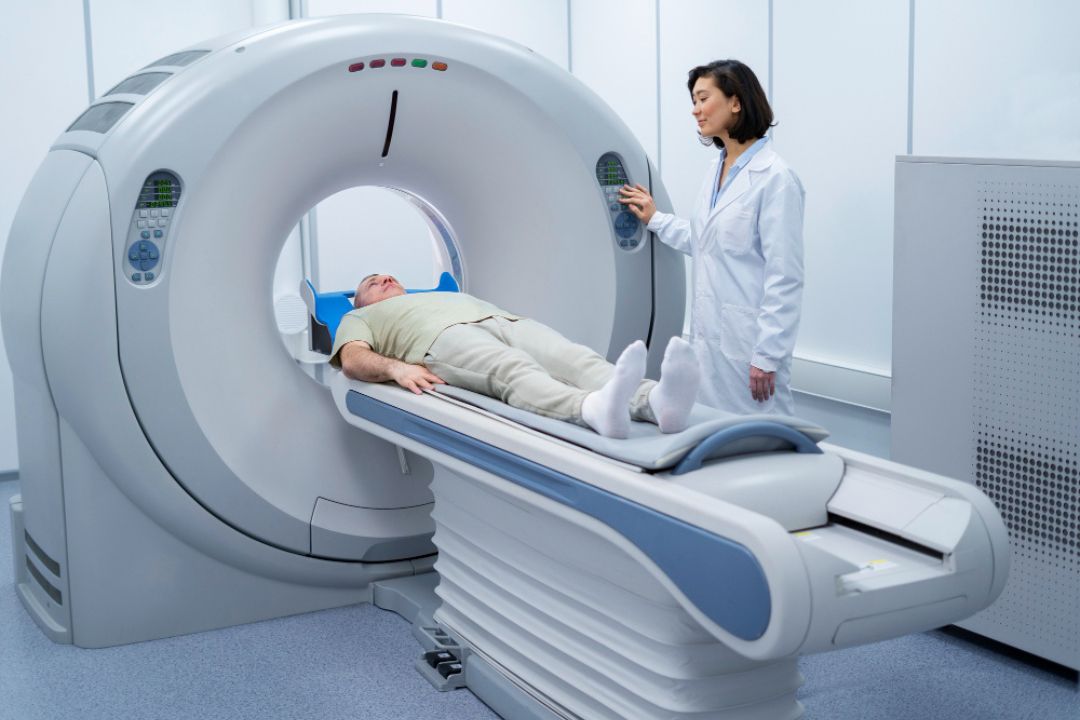
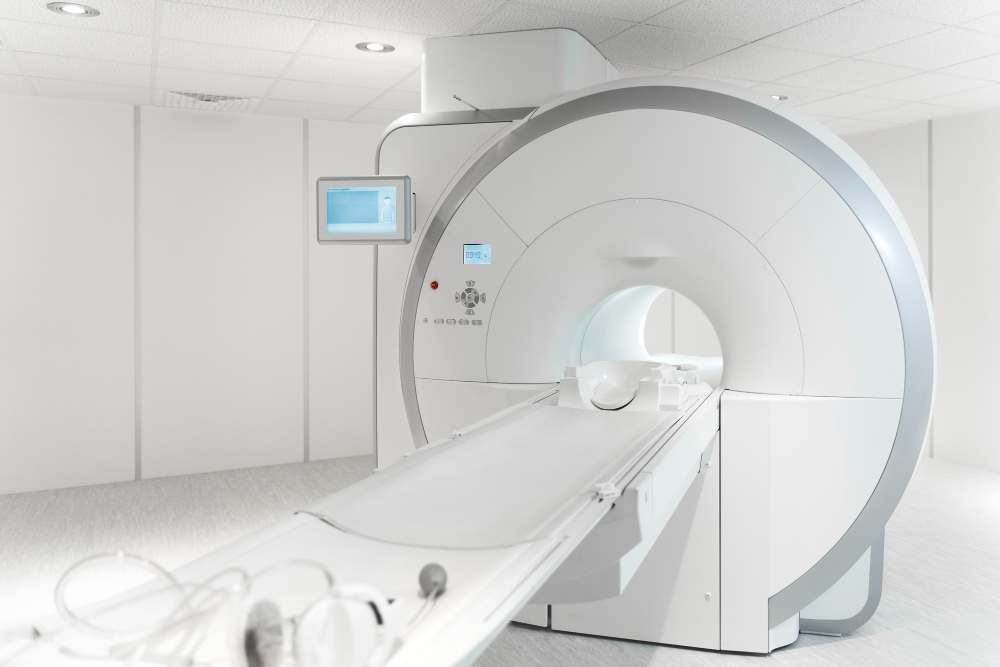
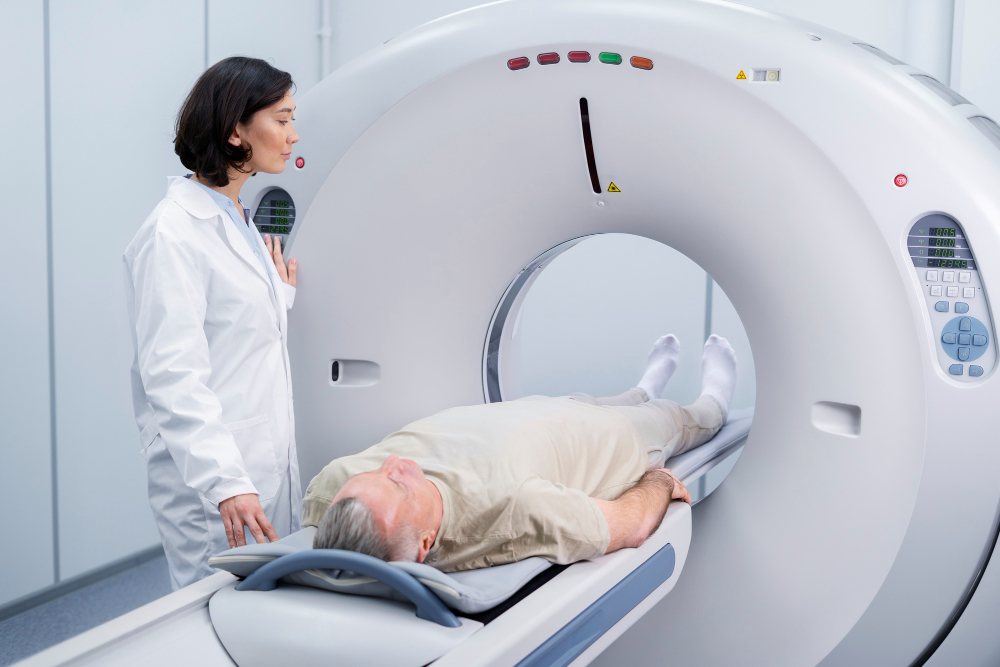
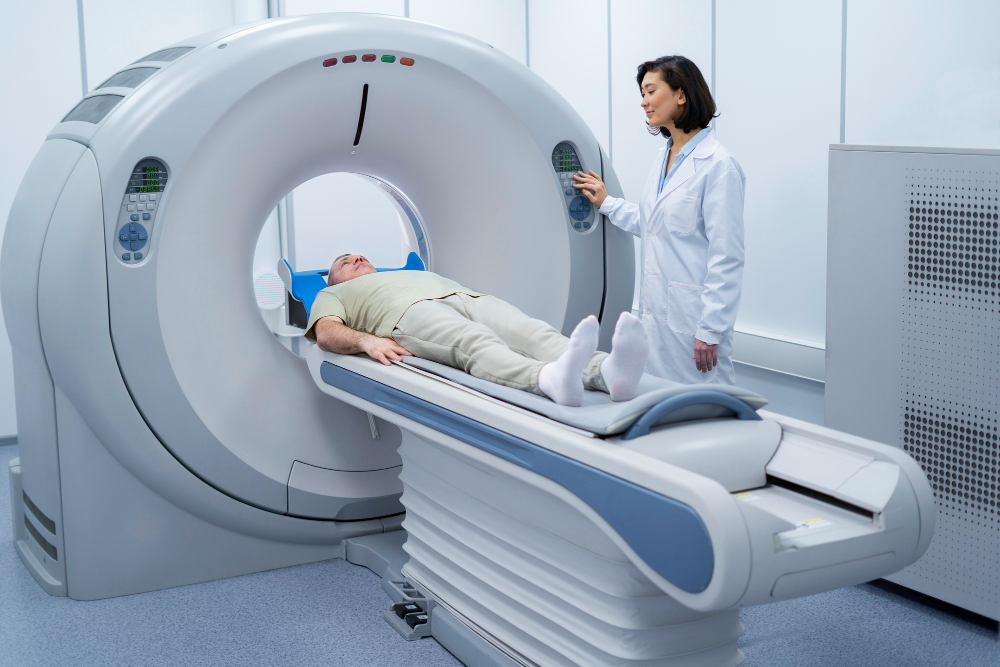
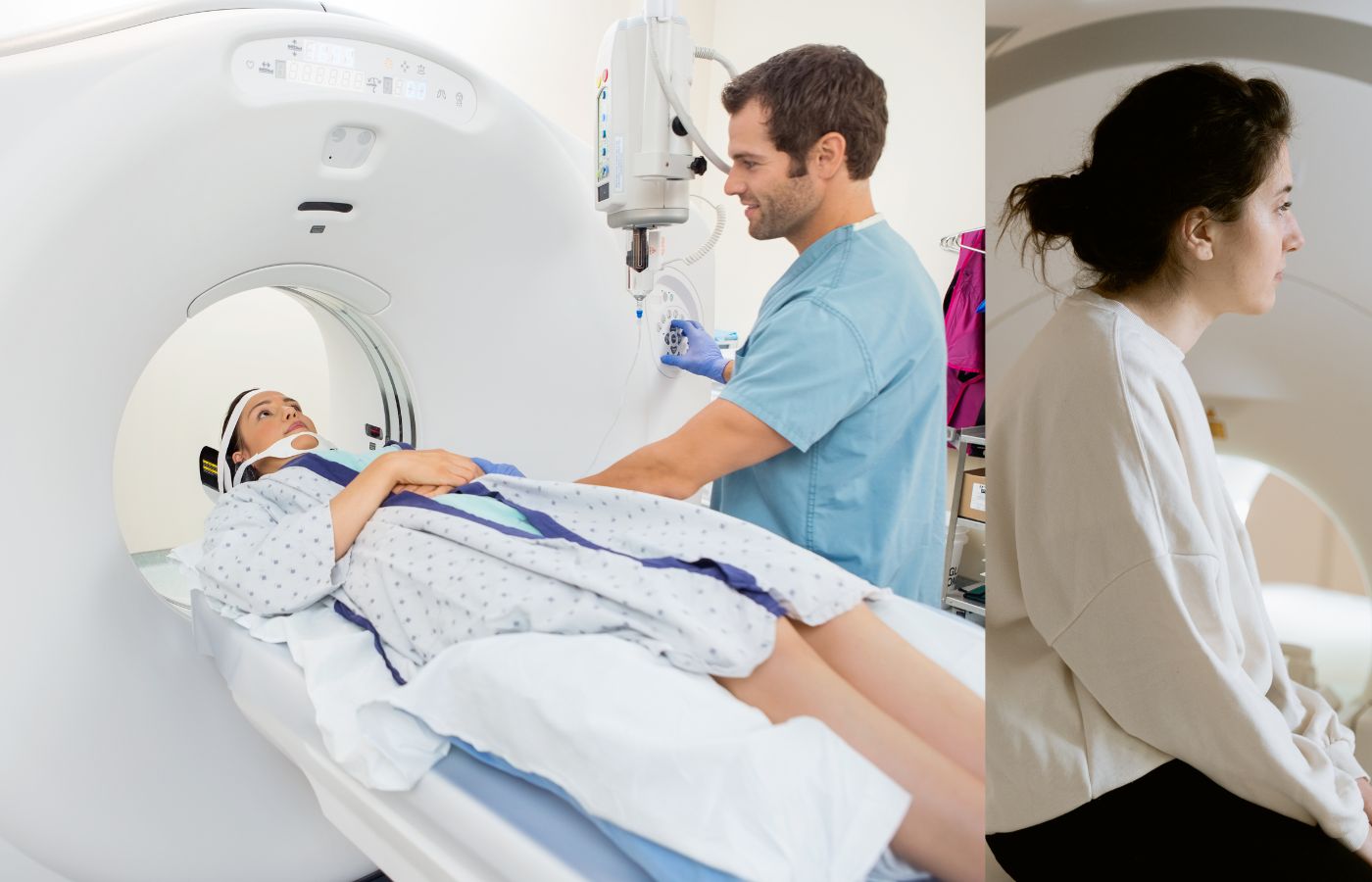
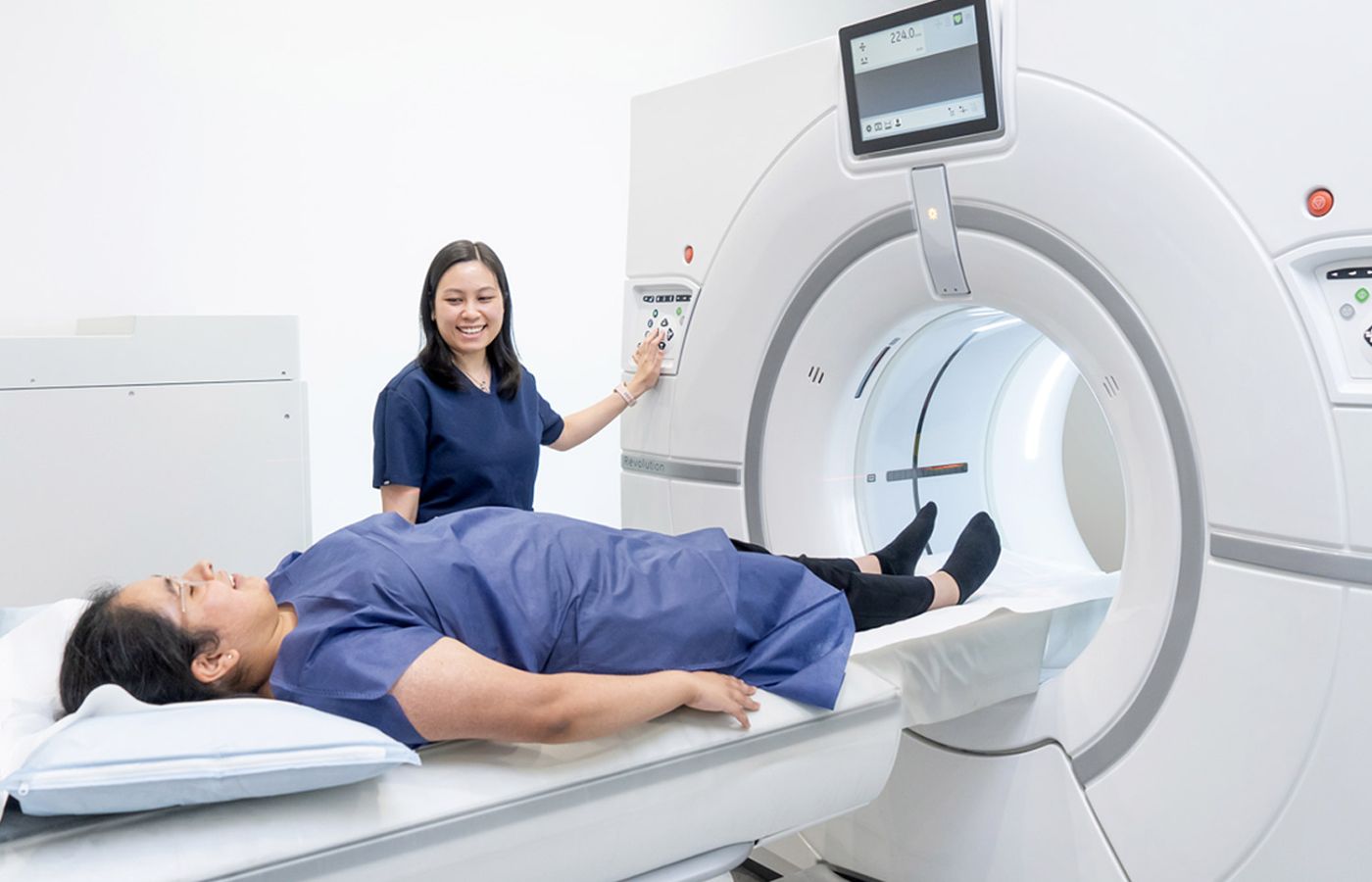
A 3D CT scan begins like a standard CT scan. The patient lies on a motorized table that moves through the CT scanner. The scanner rotates around the body capturing many individual images from different angles. These images represent thin slices of the body at different depths.
Visit Now: https://www.diagnopein.com
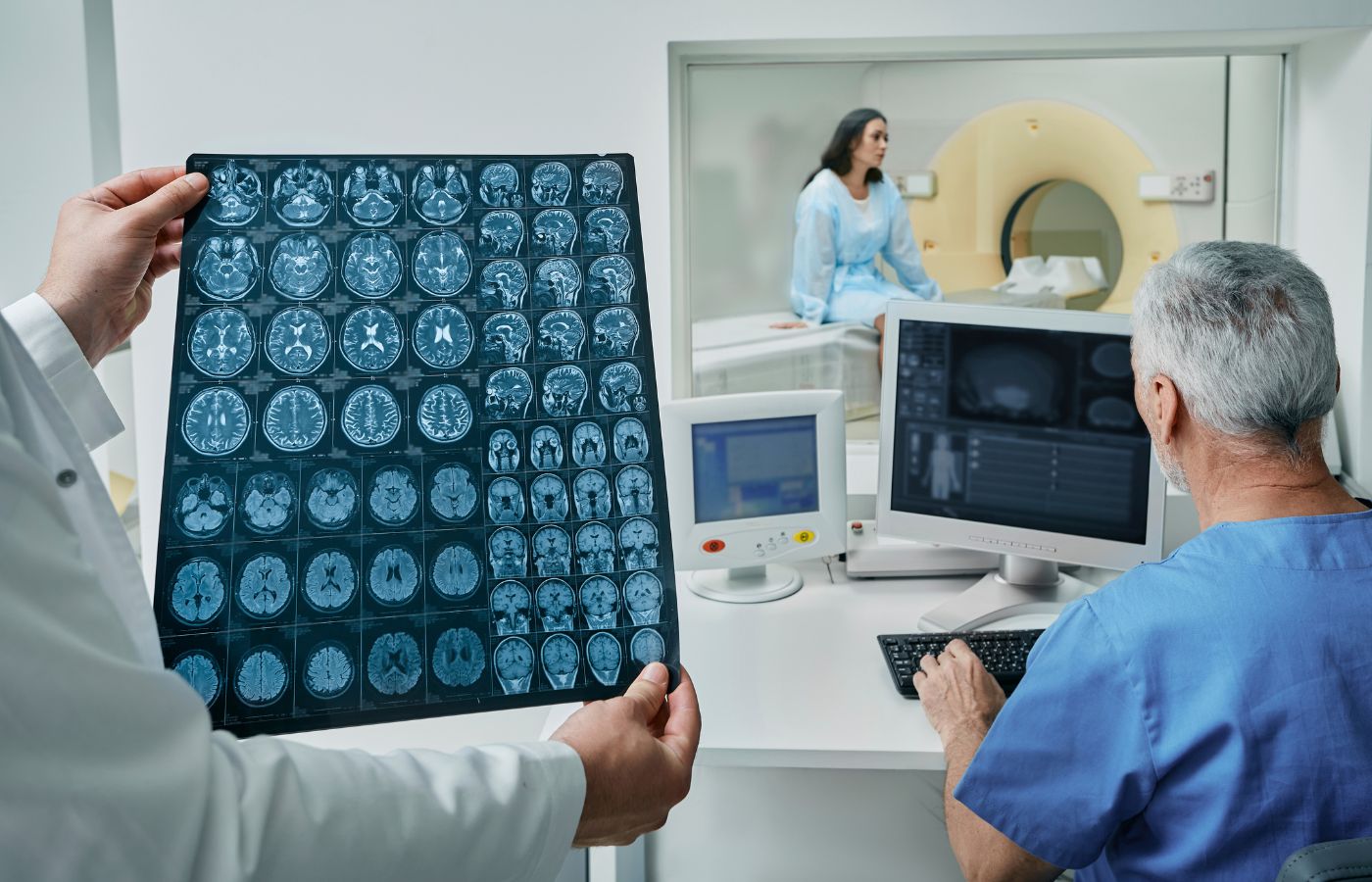
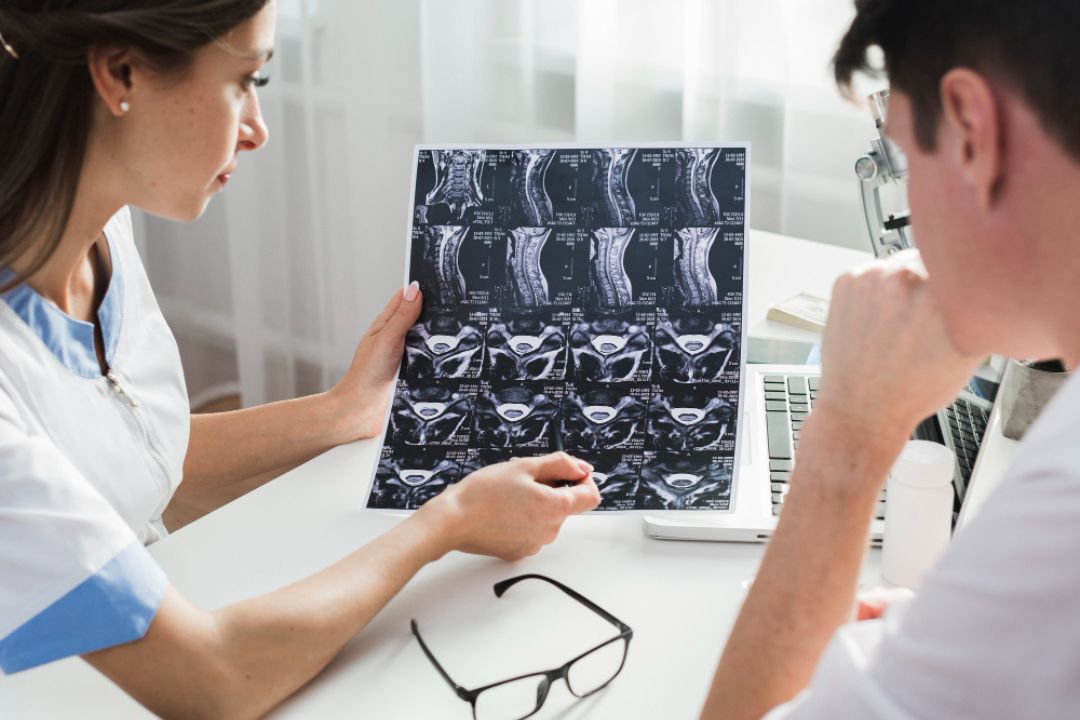
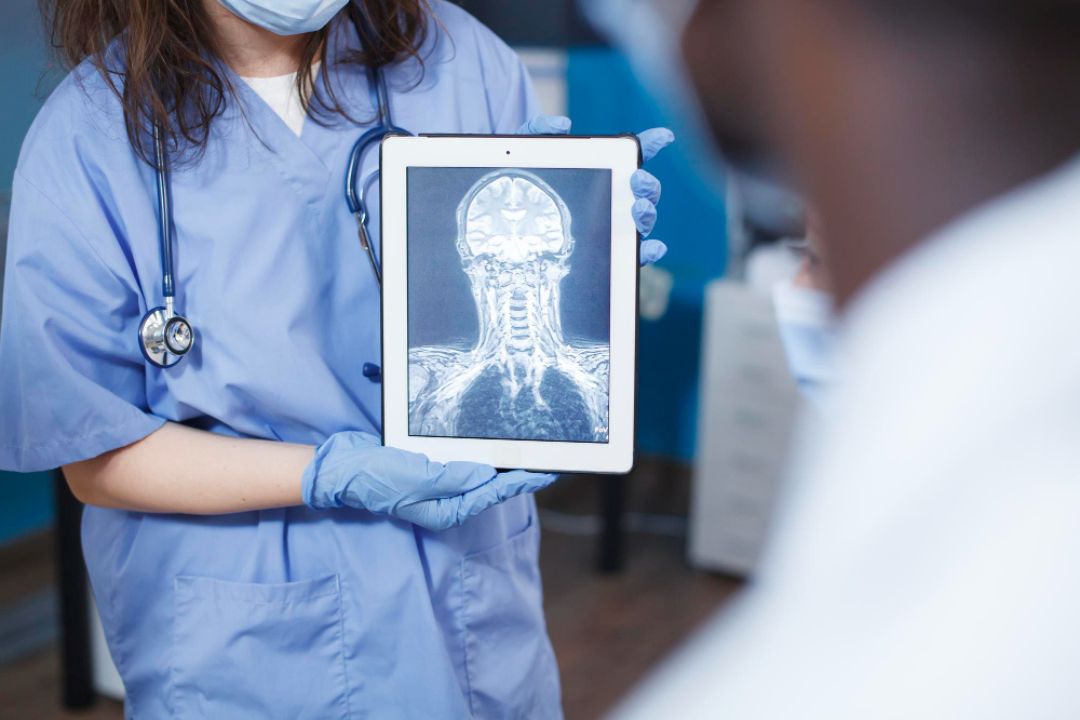
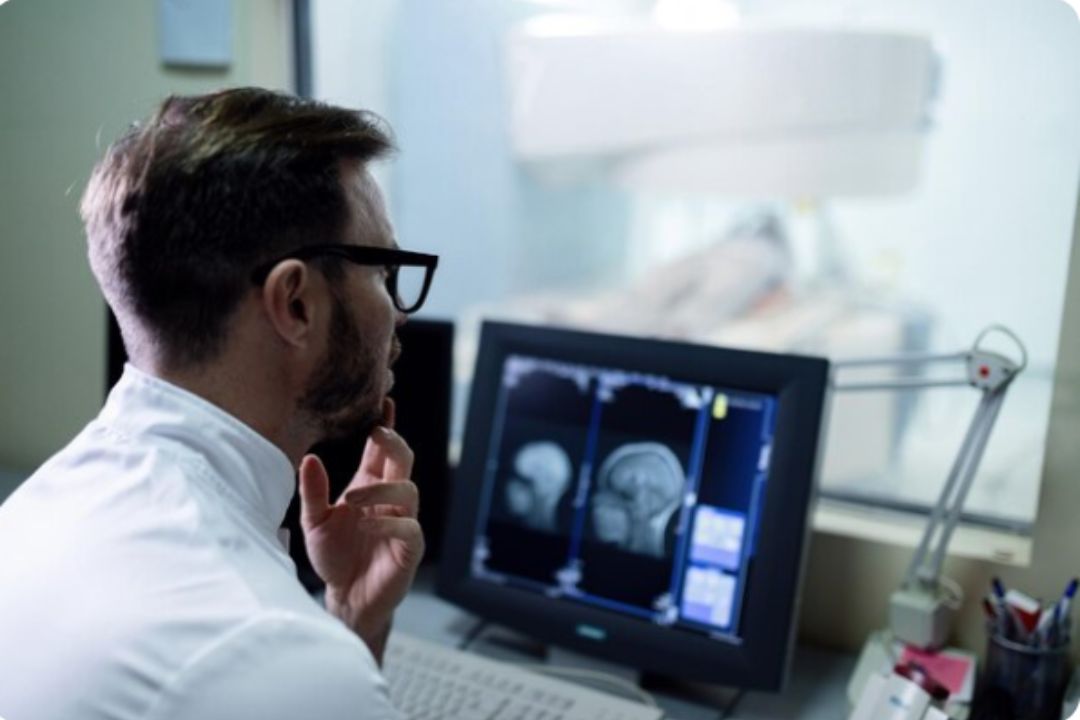
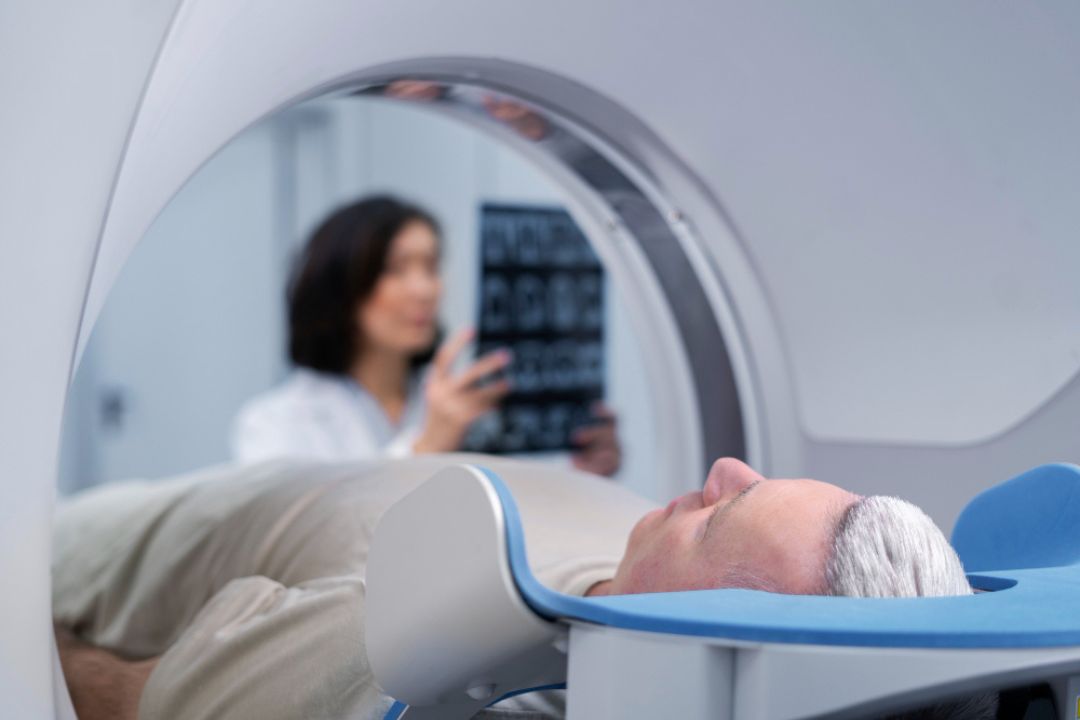
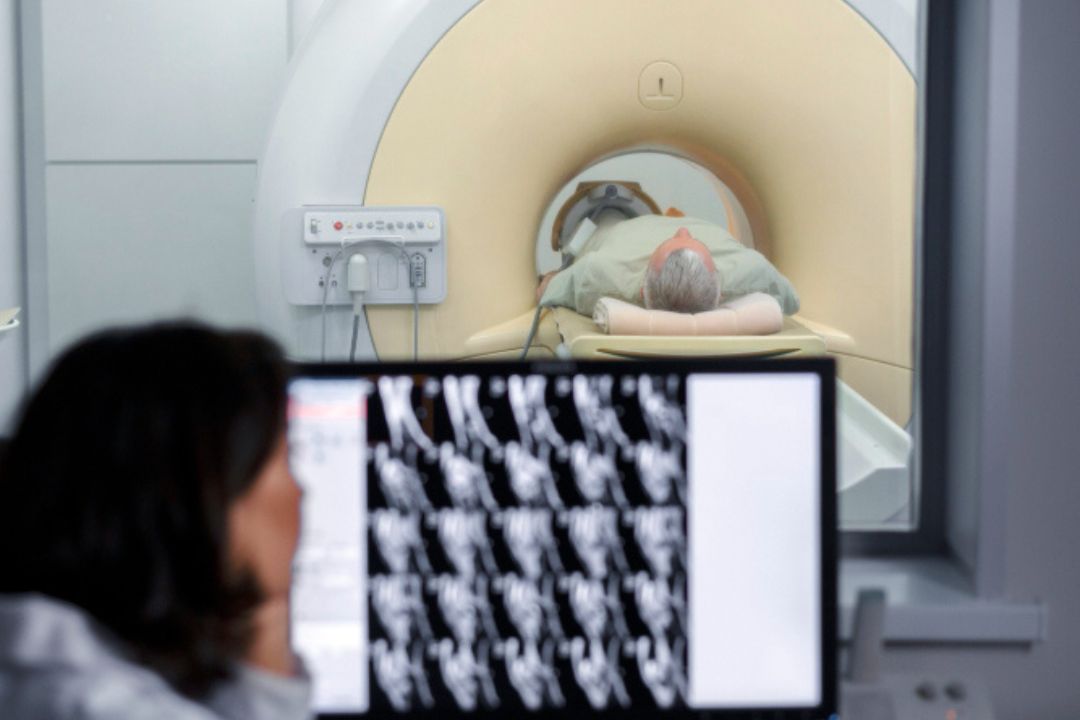
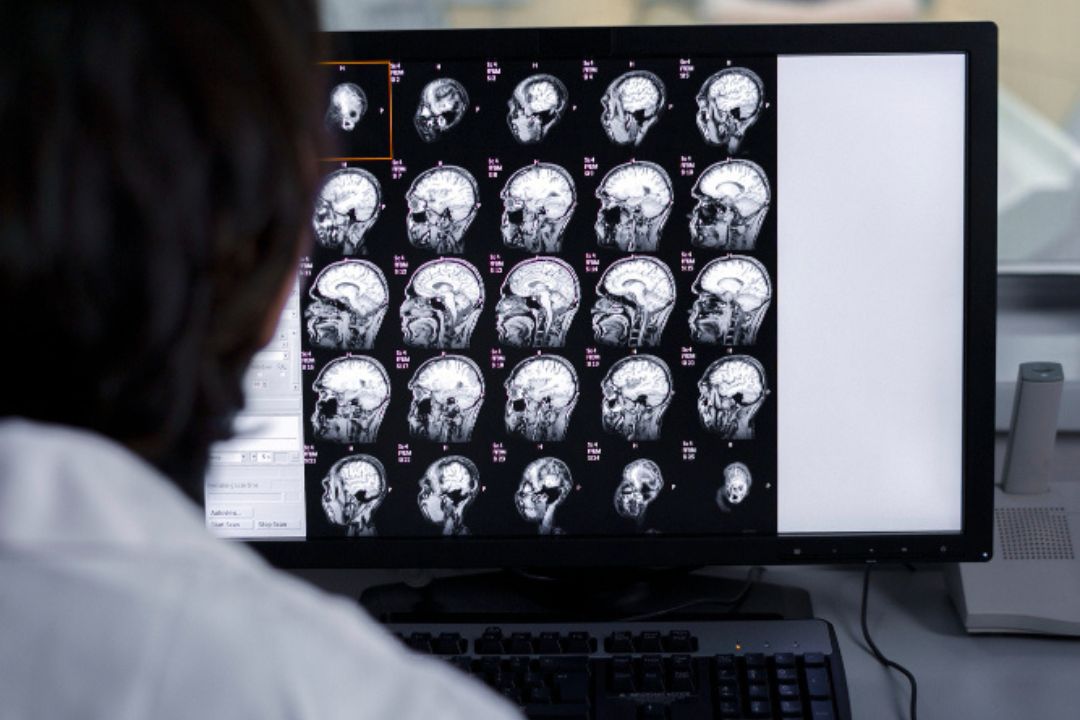
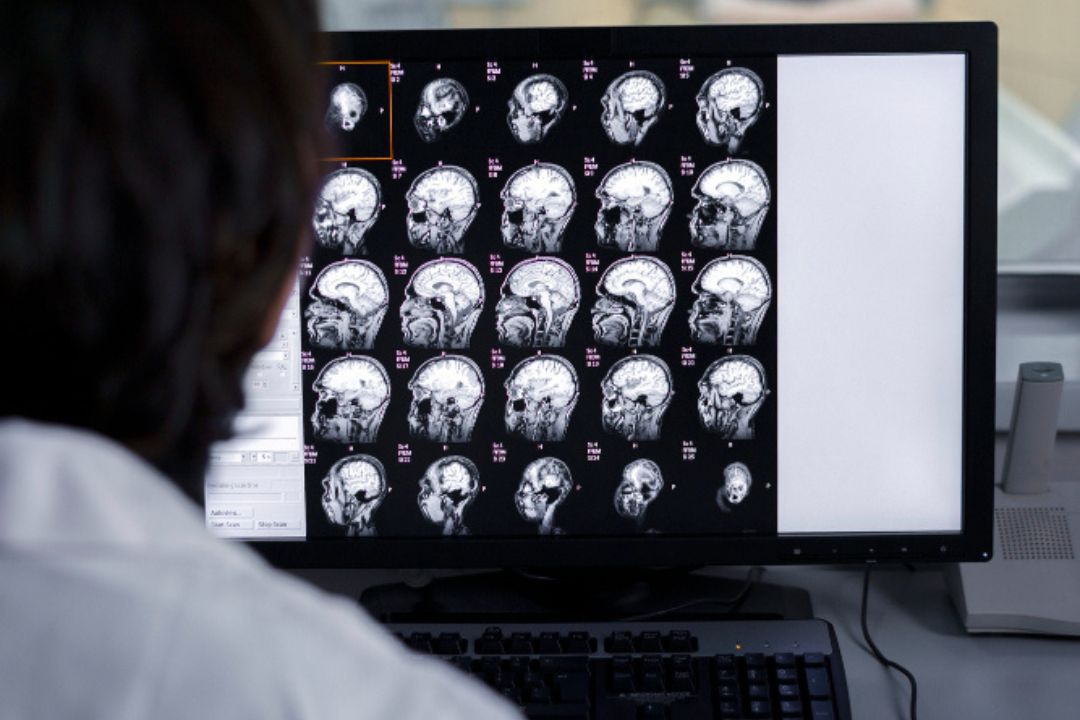
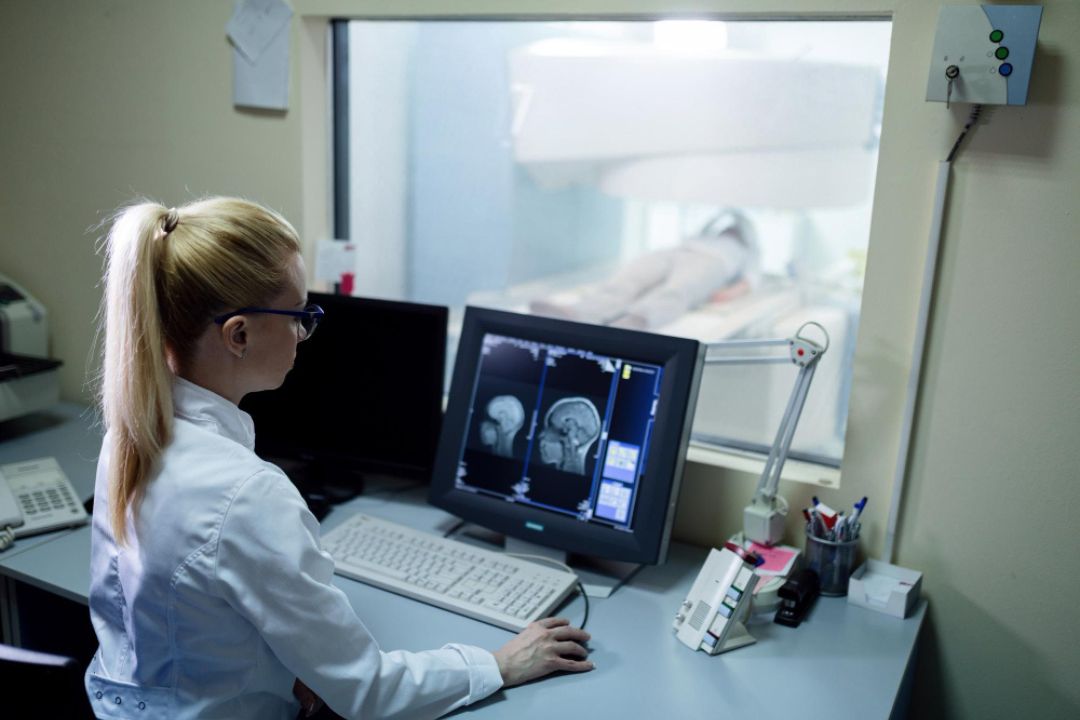
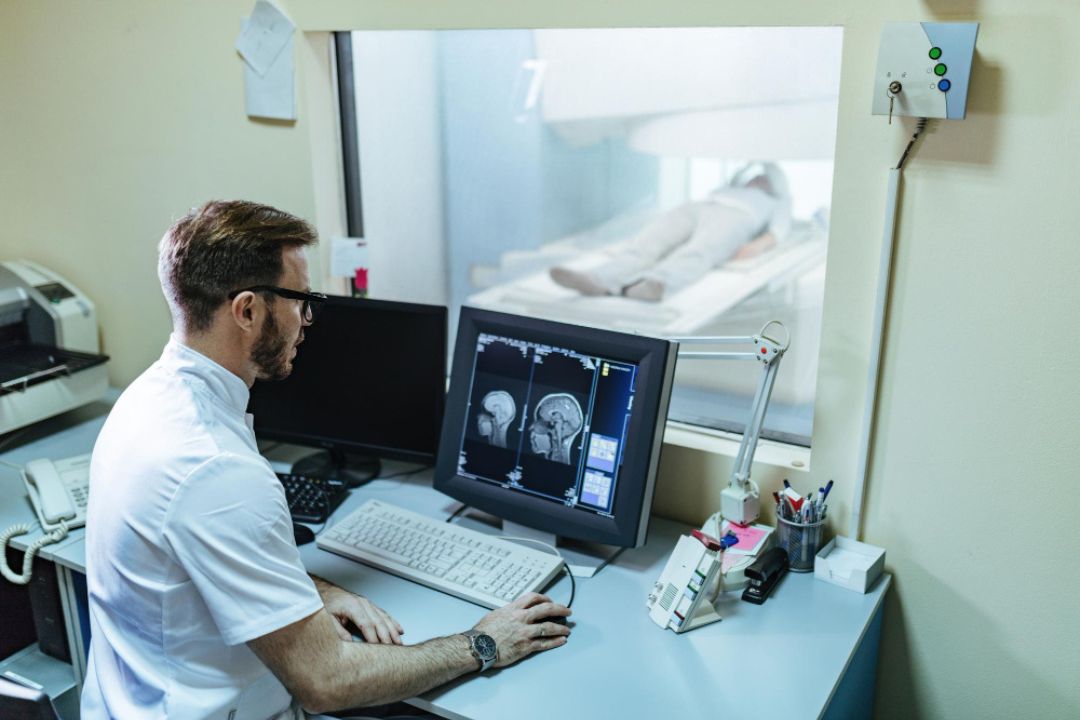
A powerful computer then takes these slices and reconstructs them into a three dimensional model of the area being studied. This model can be rotated magnified and examined in detail allowing the radiologist and treating doctor to see structures from all perspectives. The ability to view the anatomy in 3D provides information about shape size location and relationship to surrounding tissues that is critical in cancer care.
Early cancer detection significantly increases the chances of successful treatment. Many cancers are asymptomatic in the early stages and may not be identified until they grow large enough to cause symptoms. Imaging plays a key role in early identification. 3D CT enhances traditional imaging by providing greater detail and clarity making it easier to detect suspicious masses or changes in tissues that may be early signs of cancer.
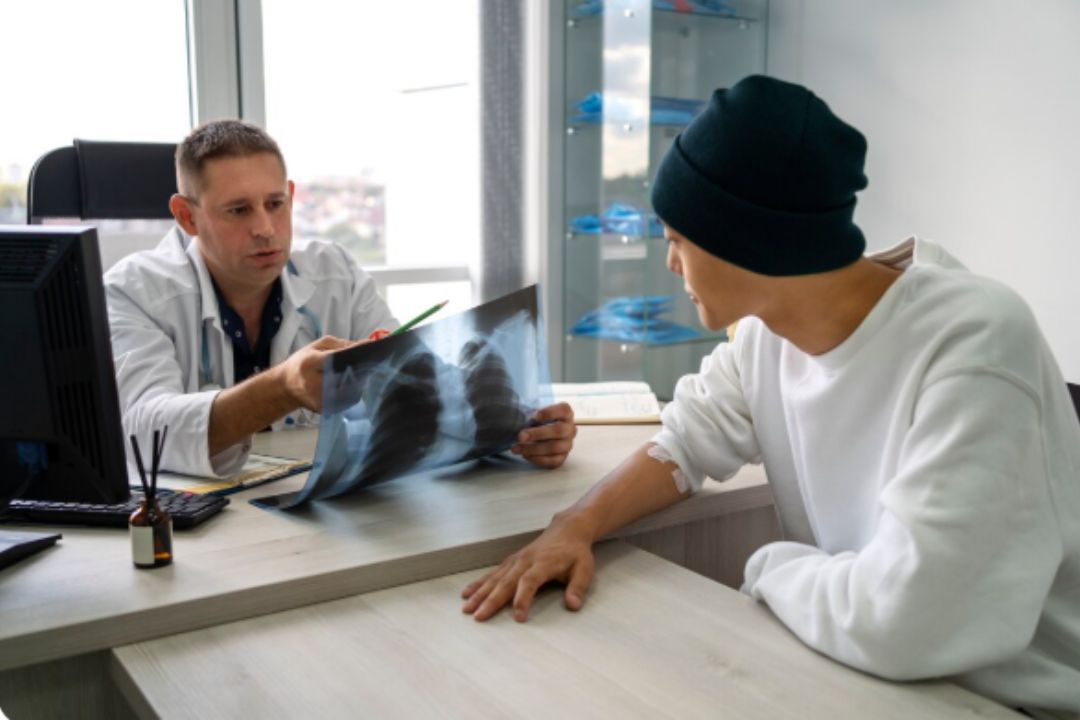
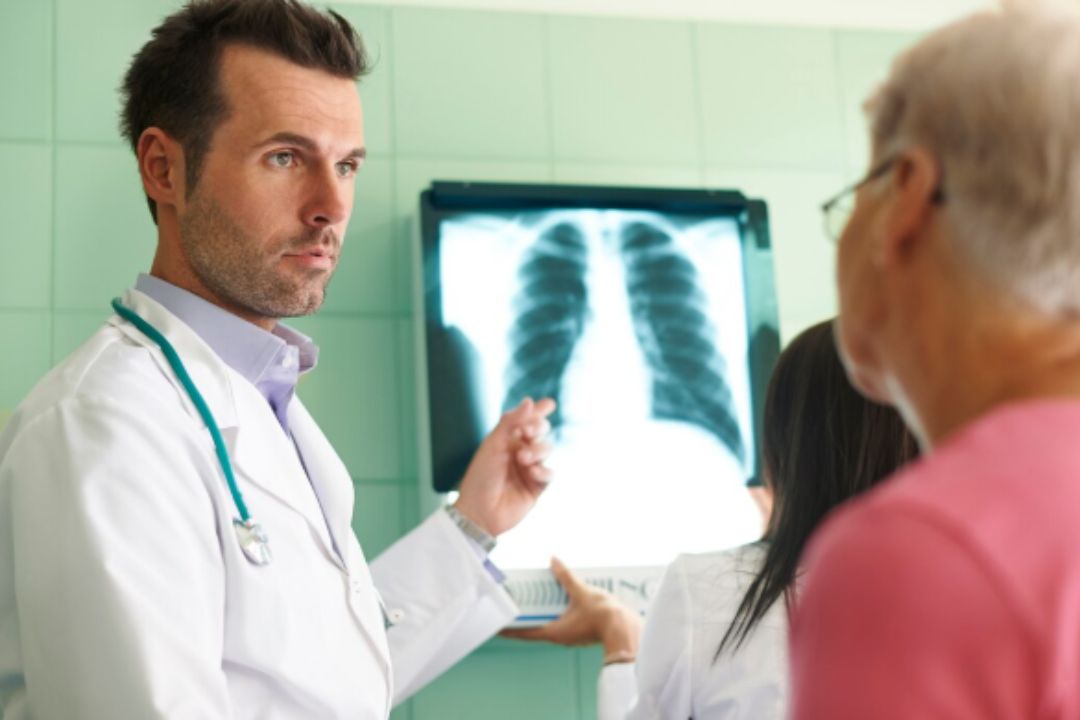
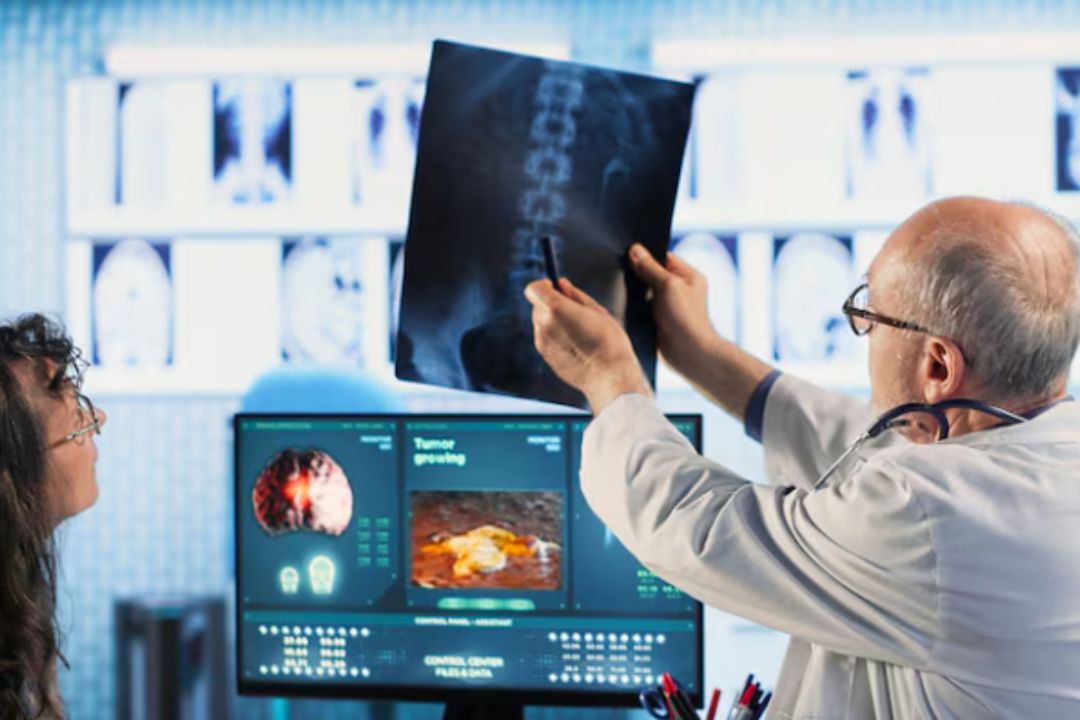
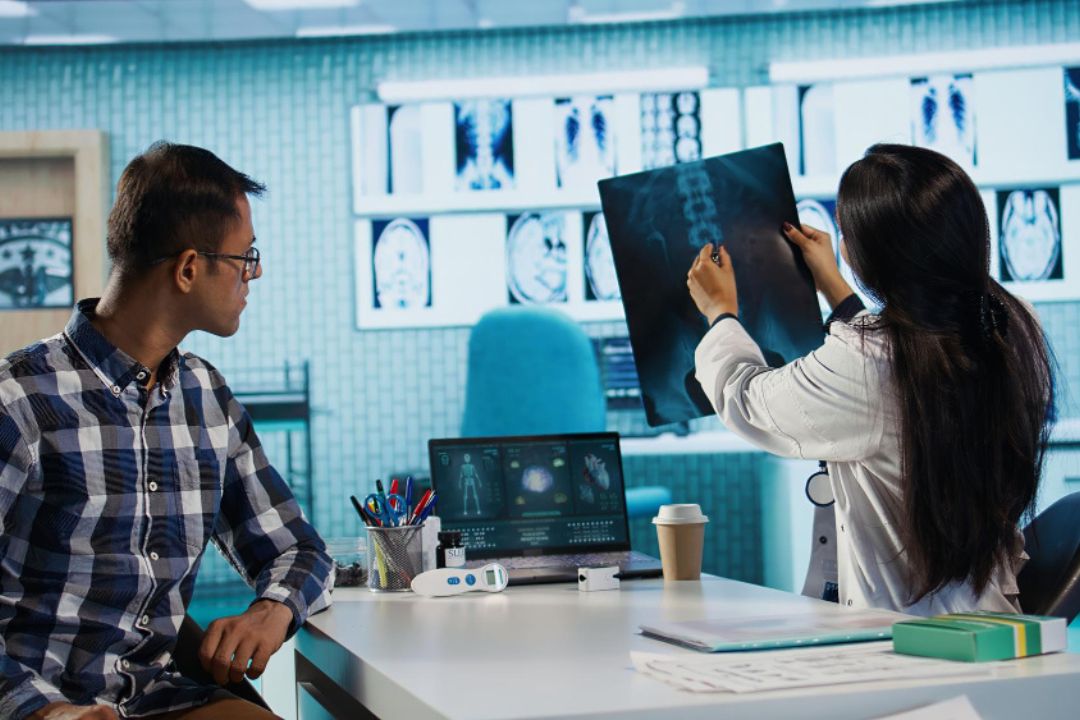
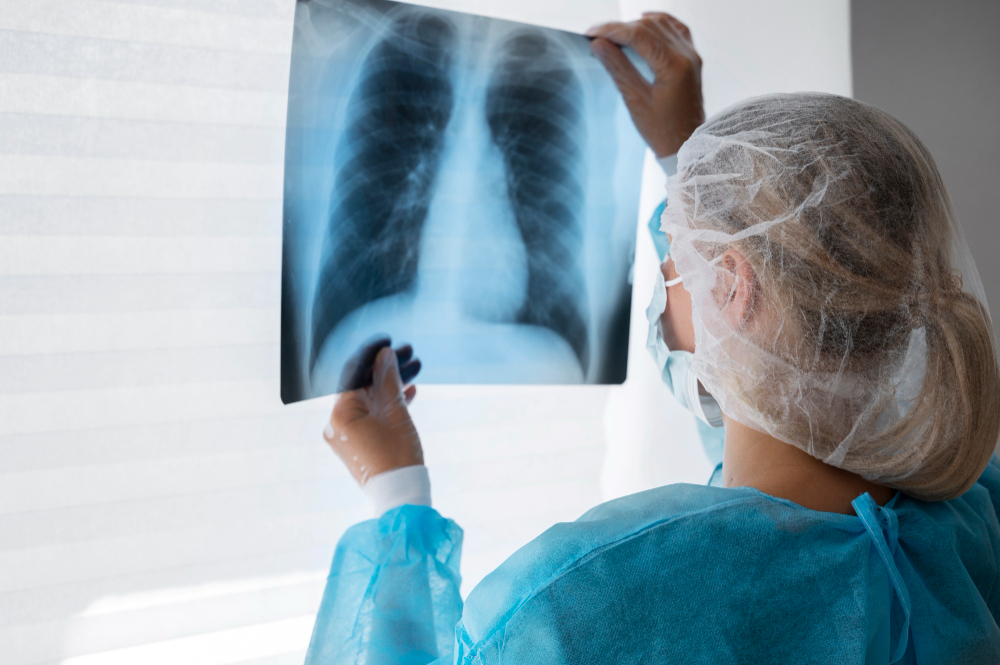
For example in the lungs a 3D CT scan can detect small nodules that may not be visible on standard X rays. In the abdomen it can reveal tiny lesions on organs such as the liver pancreas or kidneys. When suspicious areas are found the three dimensional reconstructions allow doctors to measure them accurately and determine whether they have characteristics that suggest malignancy.
Detection is only one part of the cancer care journey. Once a cancer diagnosis is made ongoing monitoring is essential to evaluate treatment response progression or recurrence. 3D CT plays a vital role in this process.
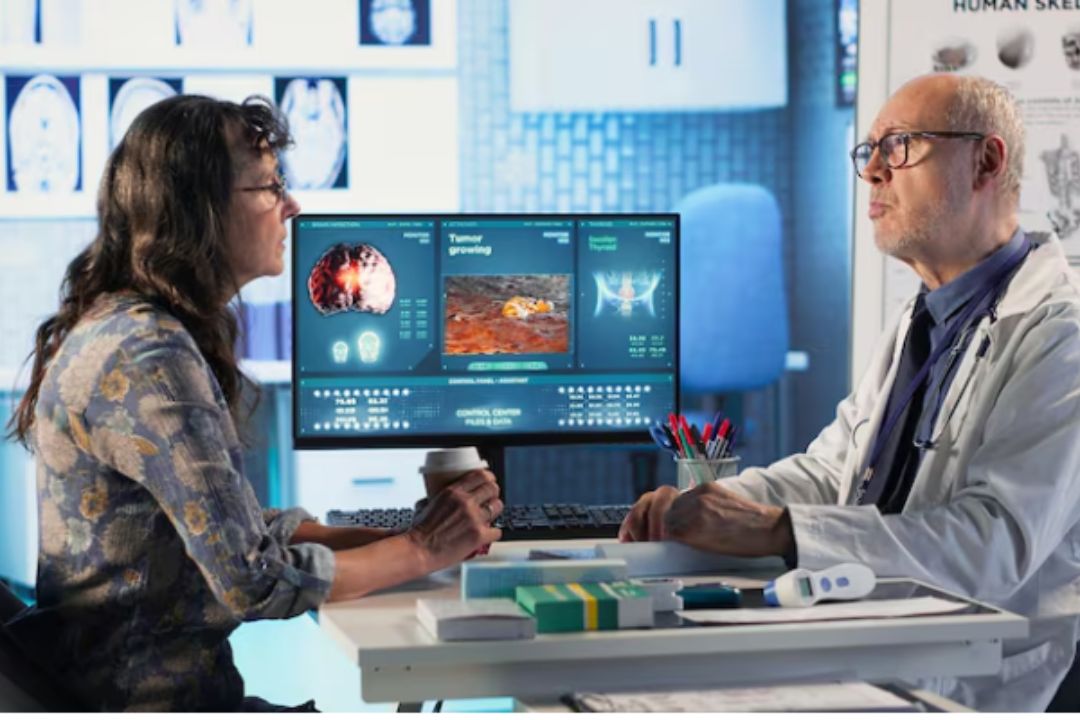
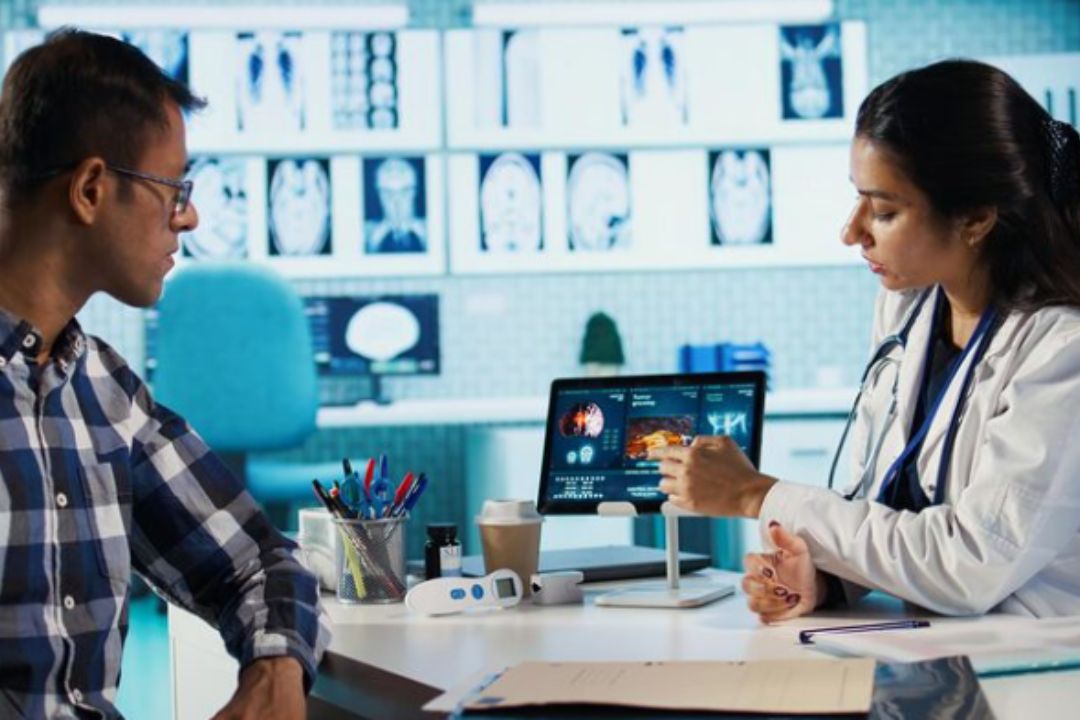
During treatment such as chemotherapy radiation or targeted therapy doctors need to know how the tumor is responding. 3D CT scans can measure changes in tumor size and shape over time giving clear evidence of whether a treatment is working. If a tumor shrinks significantly the treatment may be continued or adjusted. If a tumor does not change or grows further doctors may change the treatment plan.
After treatment is complete patients are followed up regularly to check for recurrence. 3D CT imaging allows for consistent comparison between images taken at different time points making it easier to spot subtle changes that may signal return of disease.
Because 3D CT uses X rays it does involve radiation. Radiation exposure is a concern especially when repeated imaging is needed. However modern 3D CT machines use advanced technology to minimize radiation dose while preserving image quality. Doctors follow international safety guidelines and use principles like as low as reasonably achievable to ensure that radiation exposure is kept to the minimum necessary for accurate diagnosis.
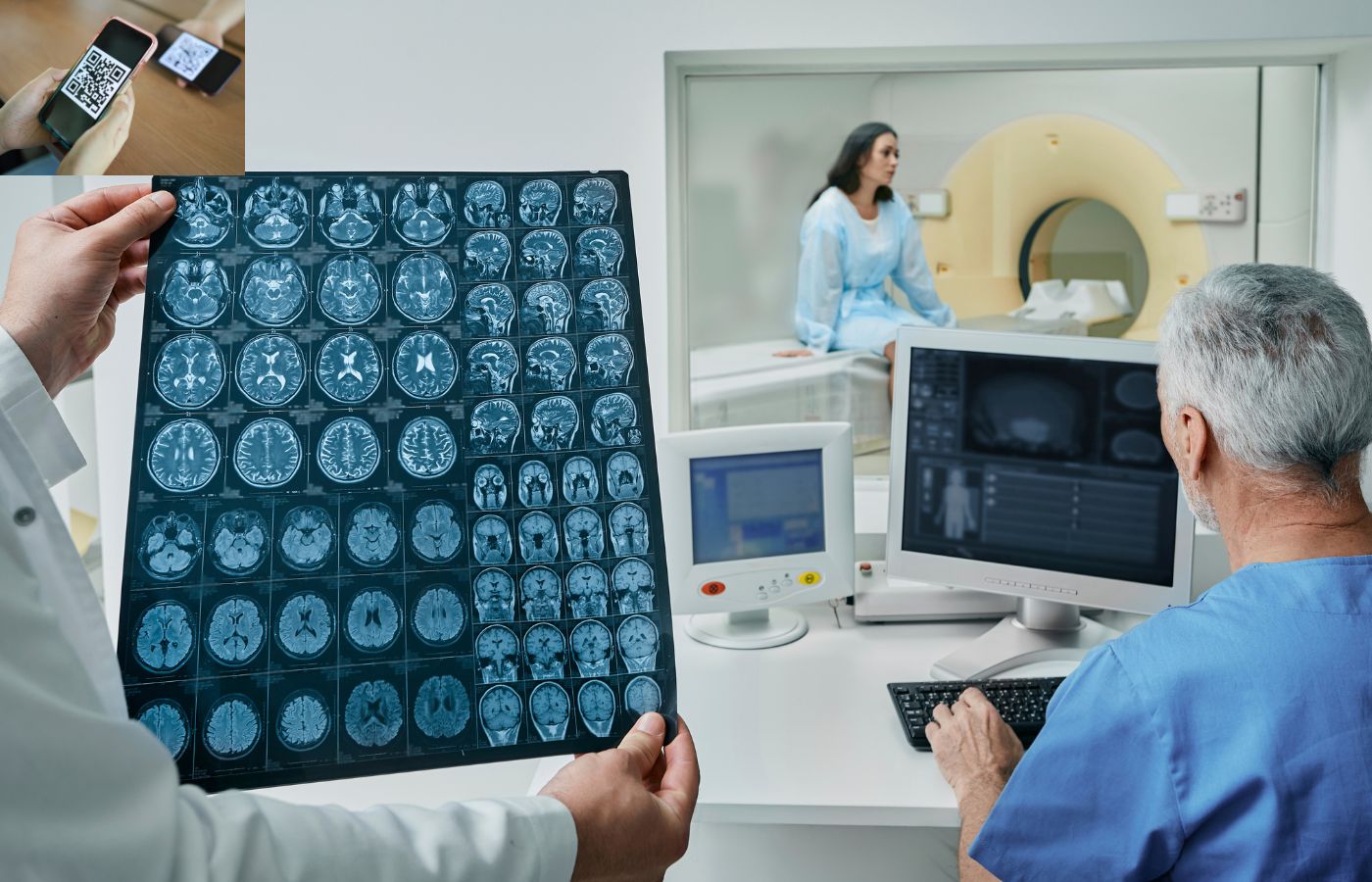
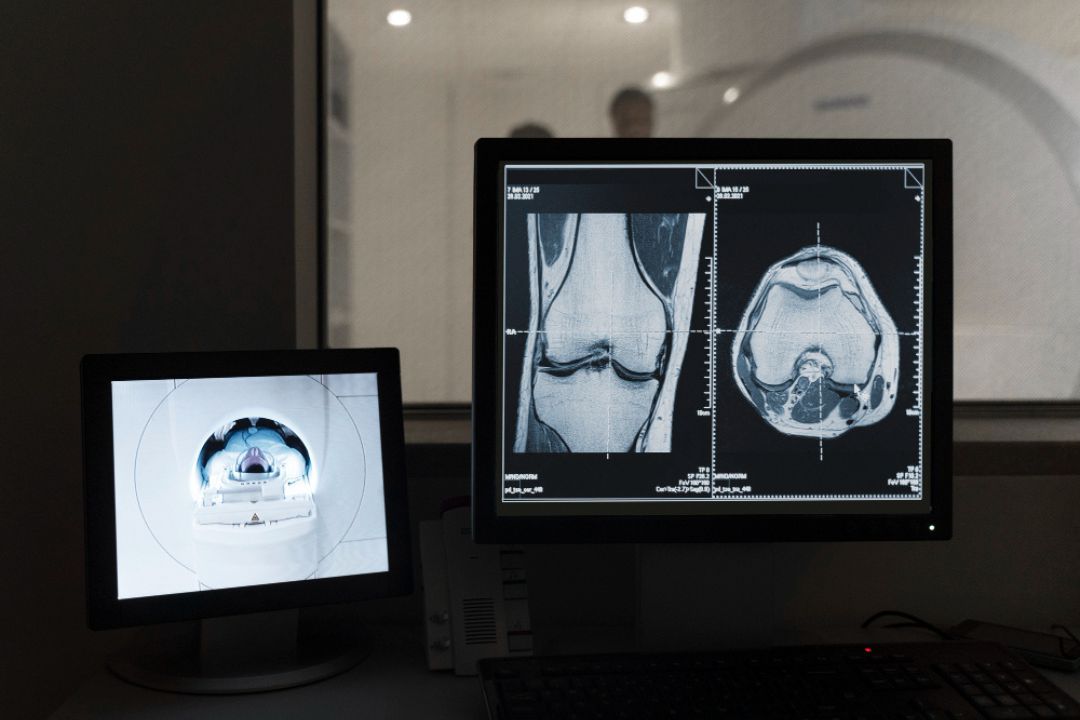
It is important to discuss with your doctor how often scans are needed and whether alternatives such as MRI or ultrasound are appropriate for your situation. In many cases the benefit of accurate imaging outweighs the small risk from radiation.
Preparation for a 3D CT scan depends on the area being imaged and whether contrast material is used. For some CT scans contrast is injected to enhance the visibility of blood vessels and soft tissues.
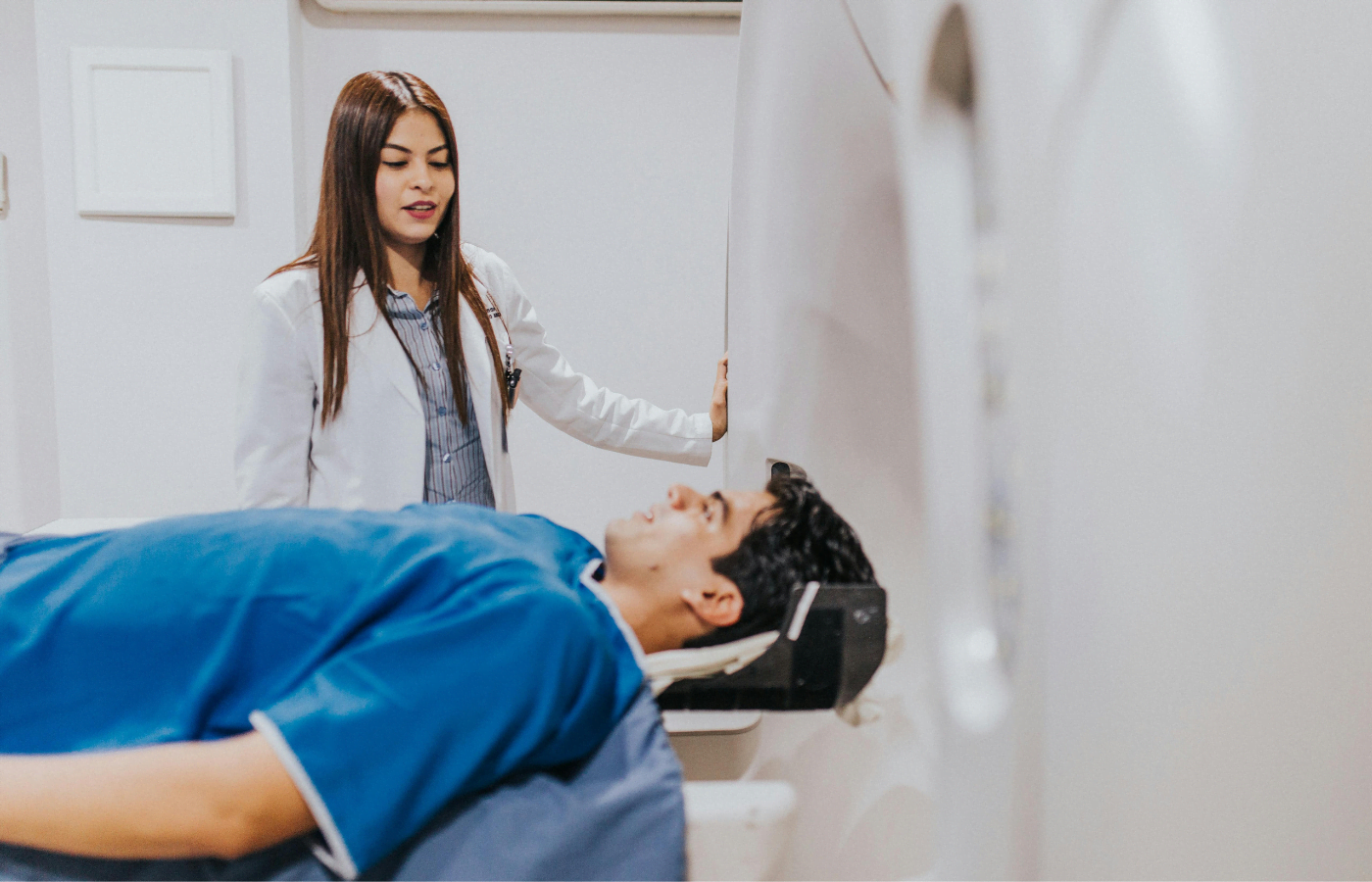
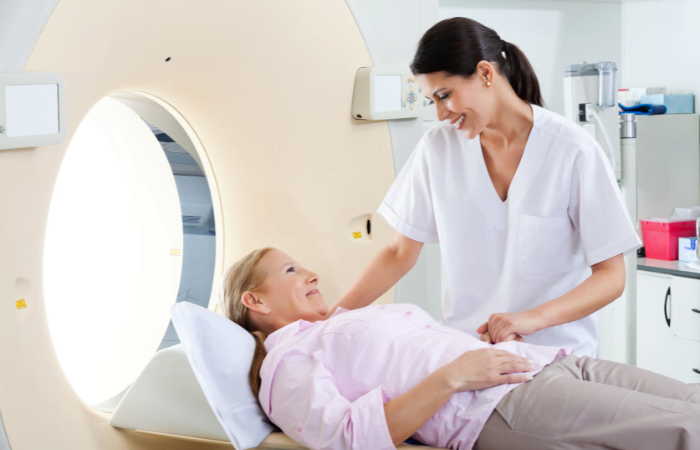
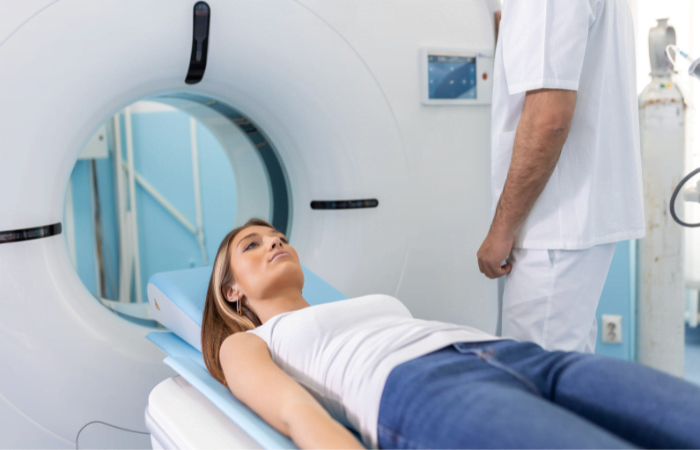
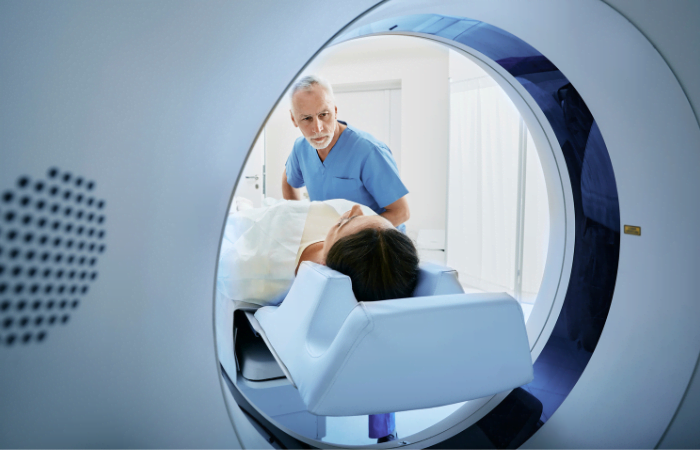
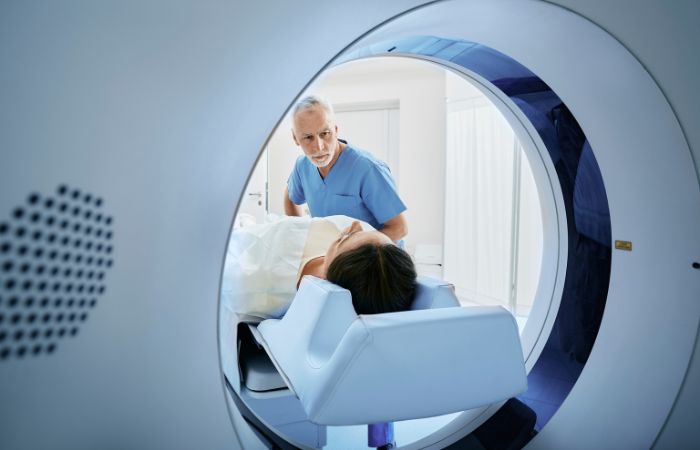
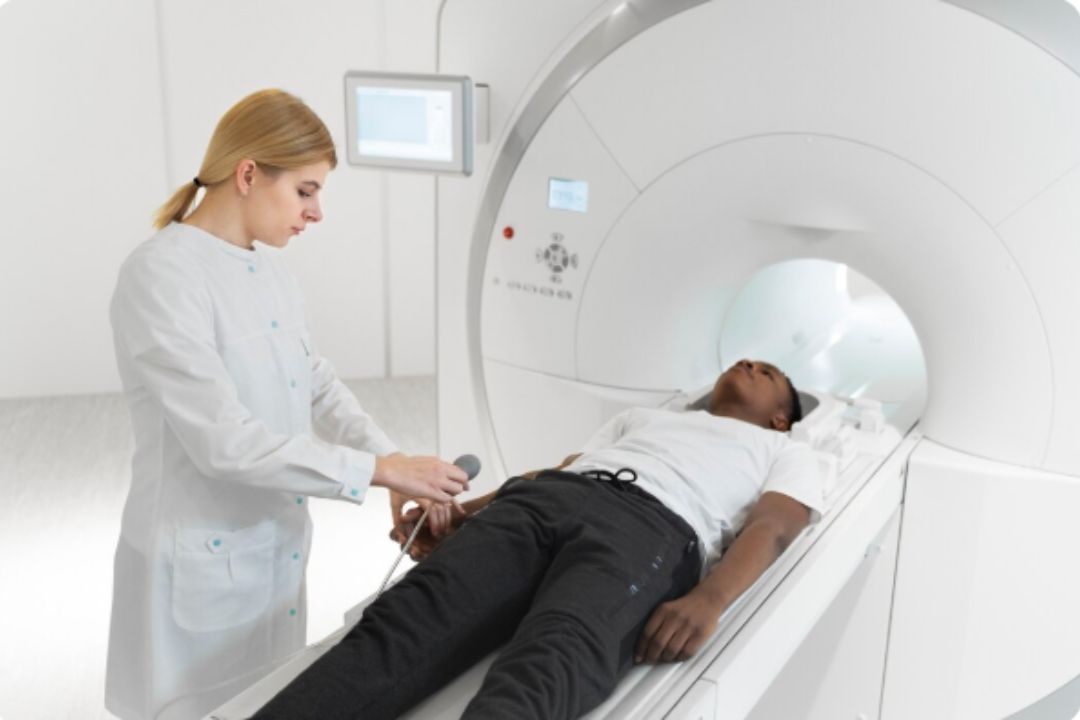
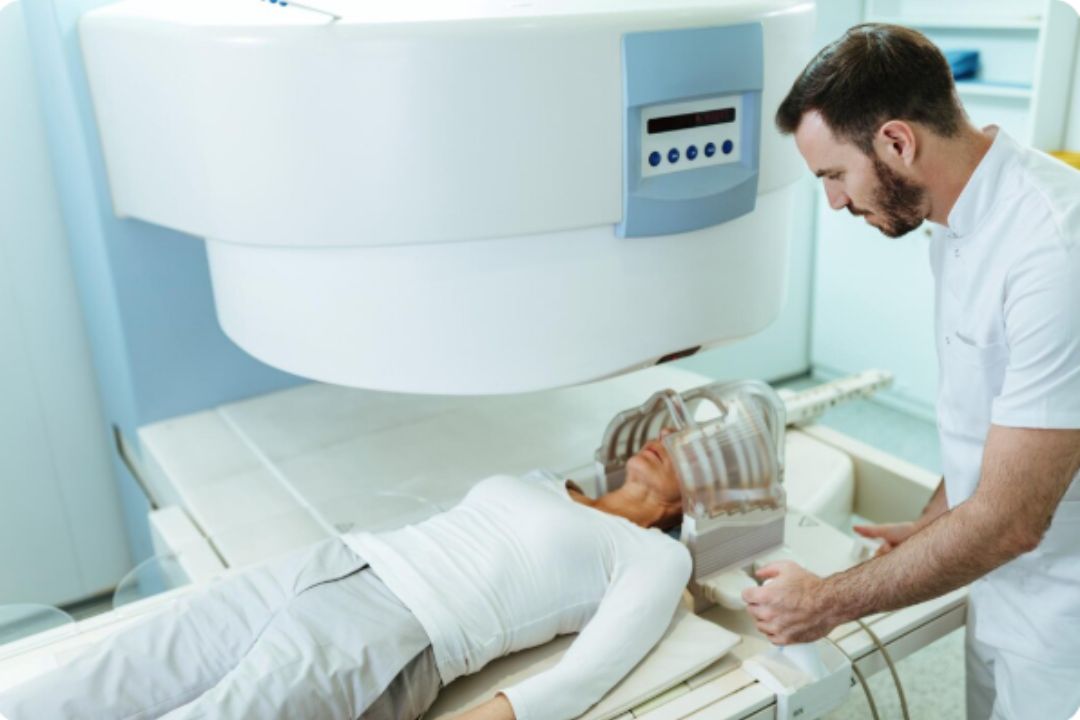
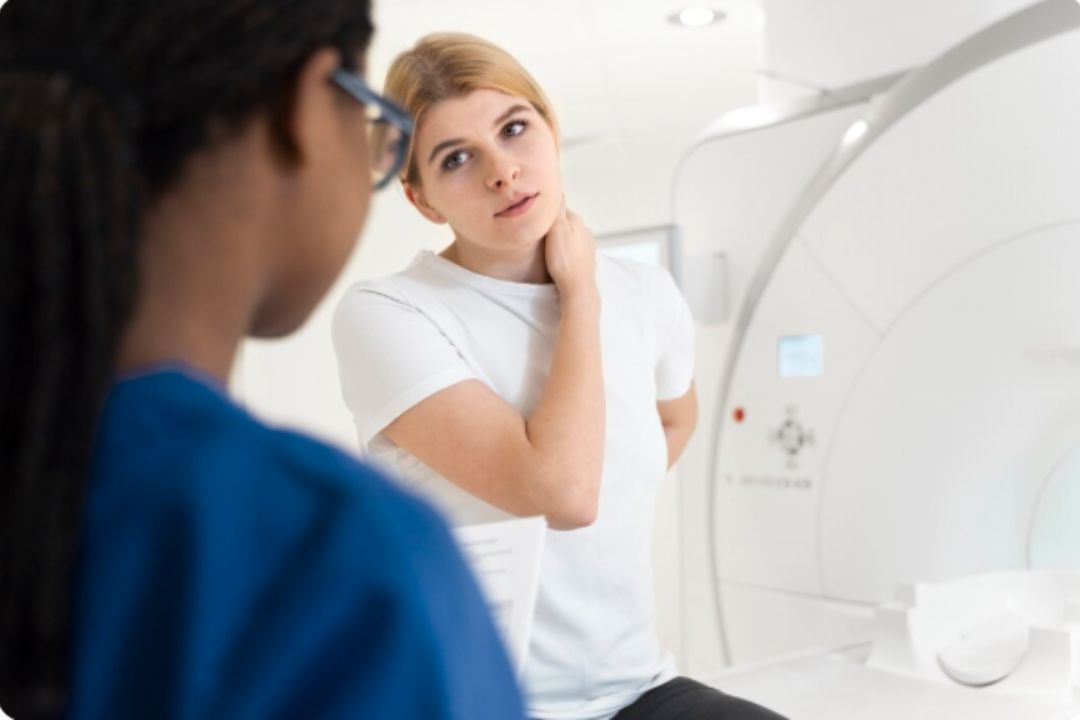
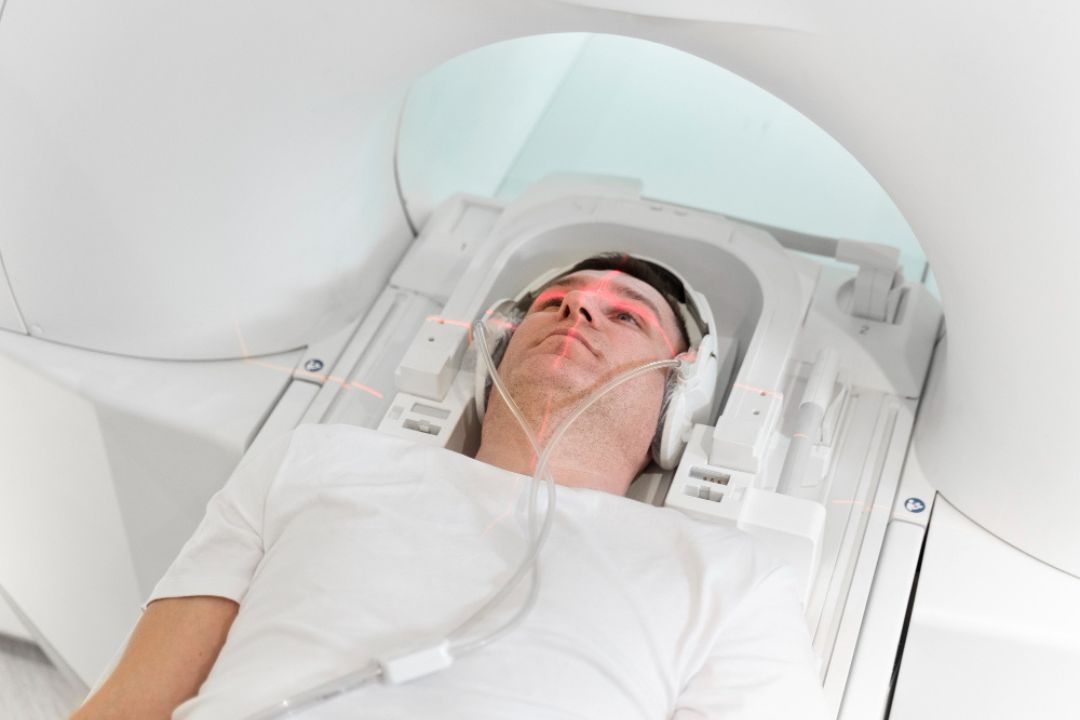
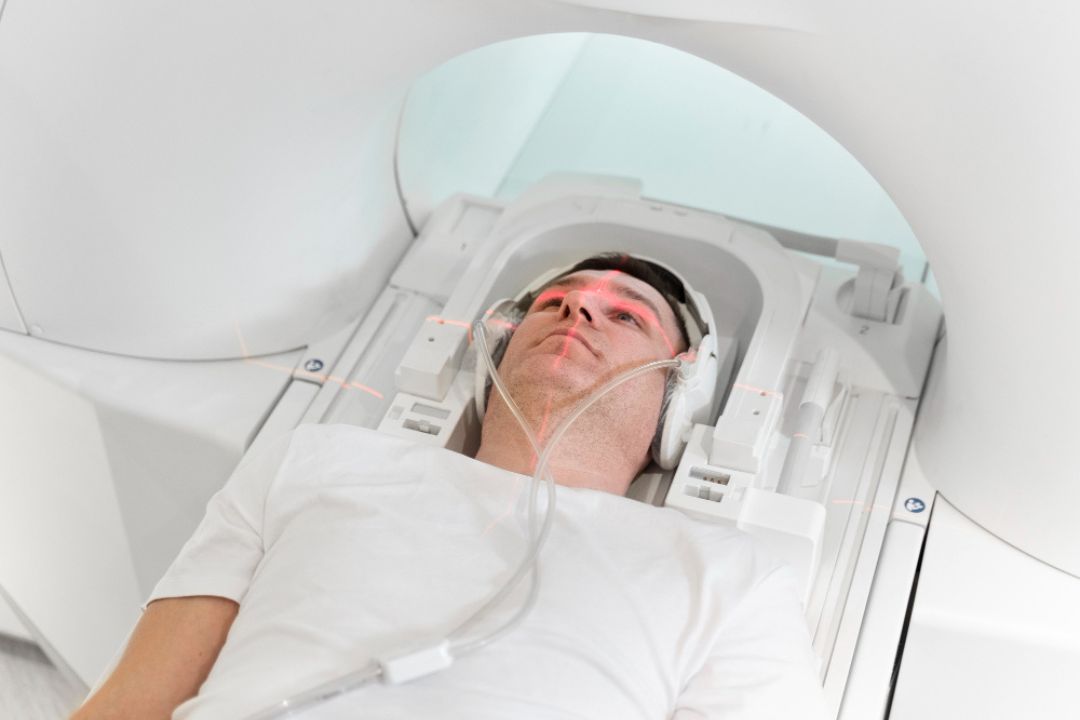
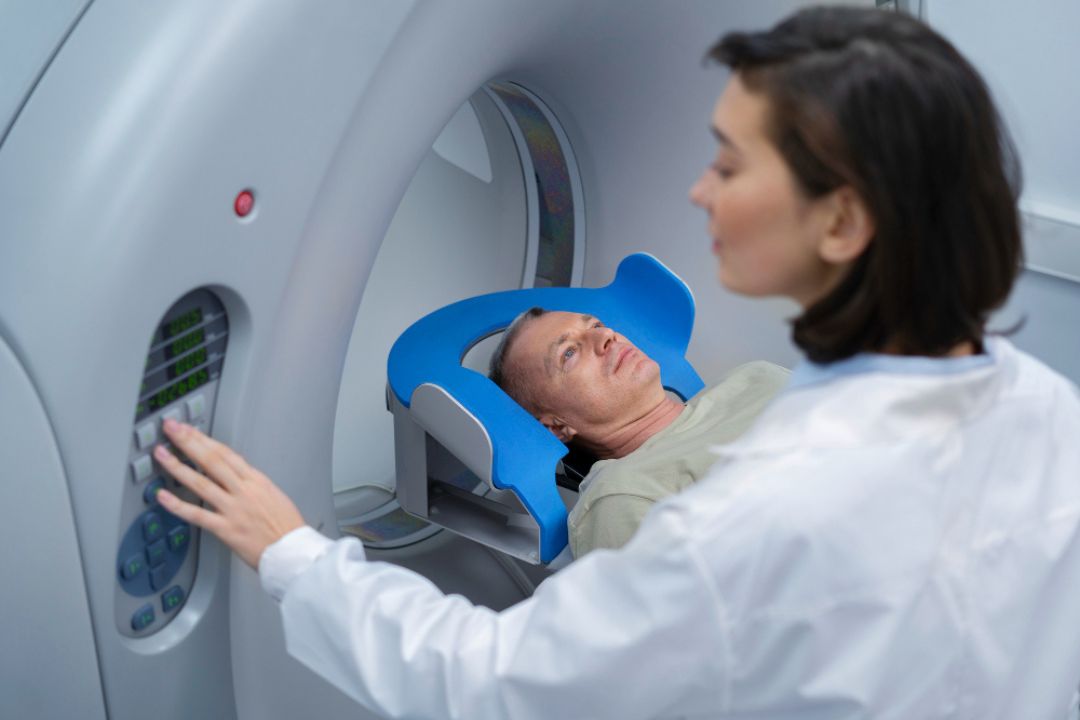
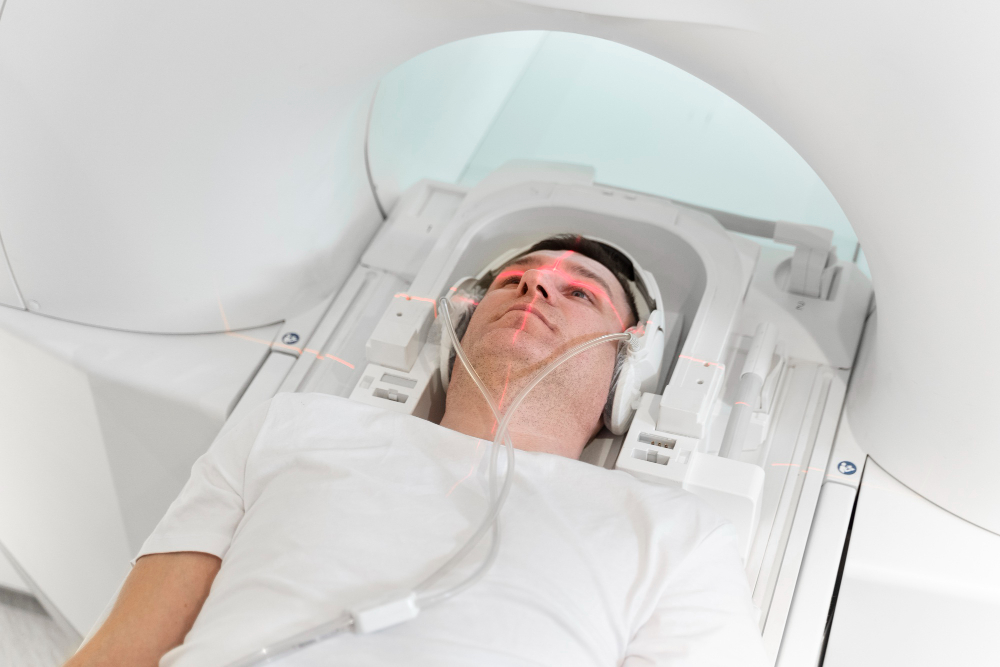
During a 3D CT scan you will lie on a table that moves slowly through the CT machine. The scanner rotates around your body taking images. You may hear clicking or whirring sounds as the machine works. The process is painless and usually takes only a few minutes.
If contrast is used an intravenous line will be placed in your arm for injection. You may feel a warm sensation when the contrast enters your bloodstream. This is normal and not painful.
Once imaging is complete the technologist will help you off the table and you can usually resume normal activities immediately unless your doctor advises otherwise.
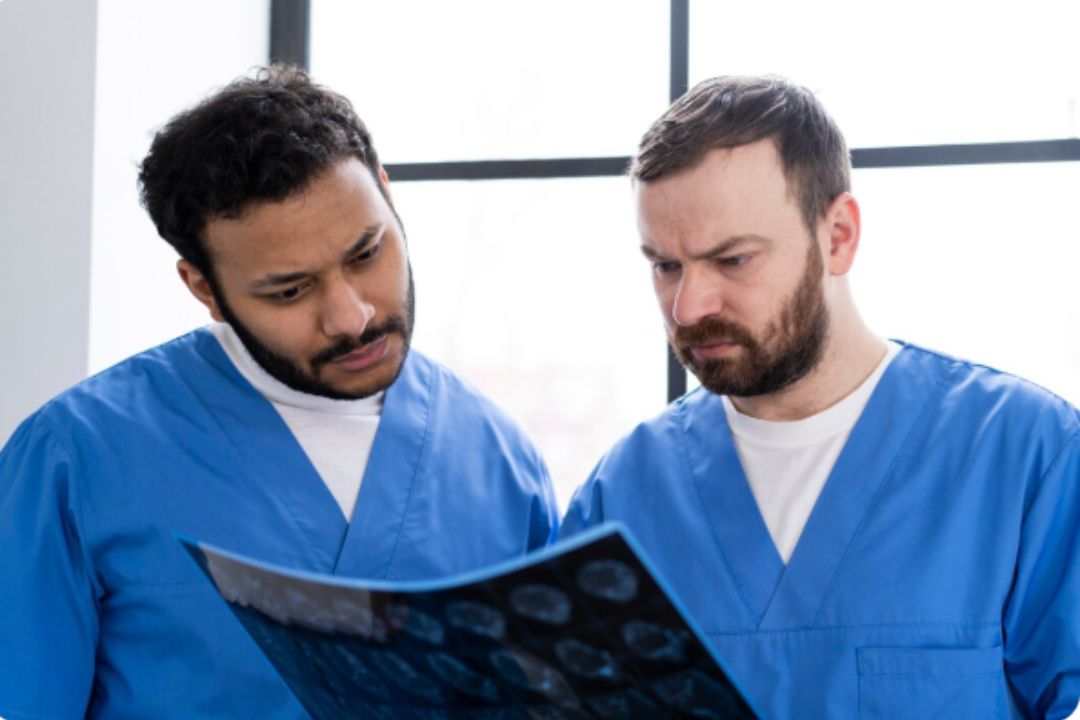
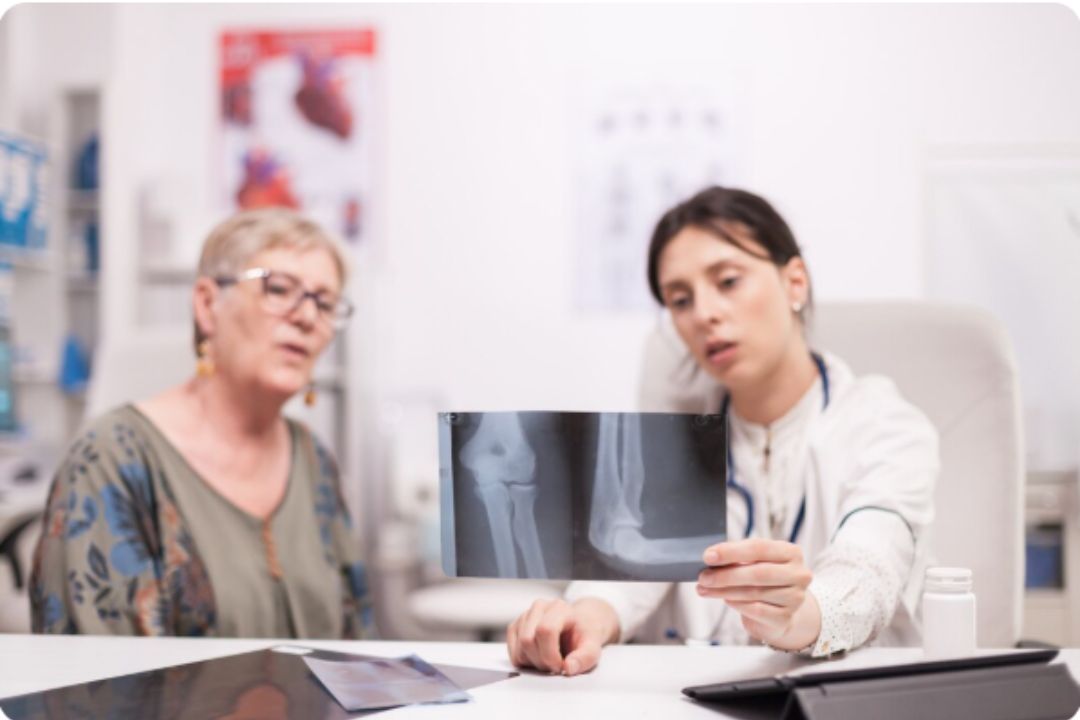
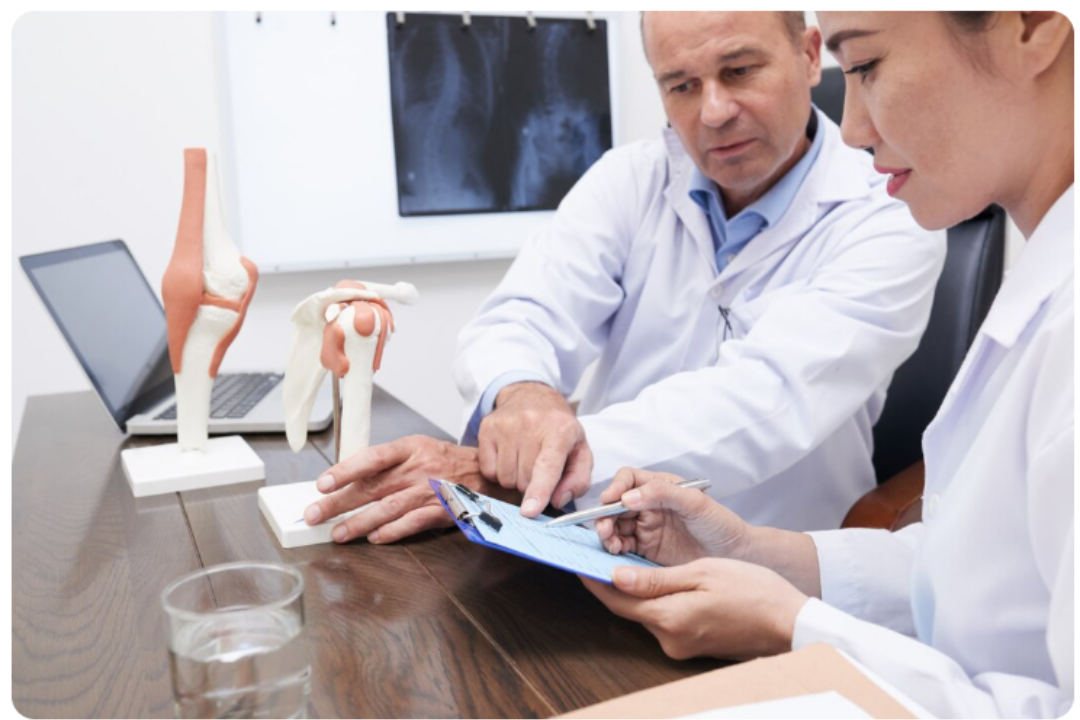
While 3D CT is a powerful tool it does have limitations. It may not show certain types of very small lesions or distinguish between benign and malignant tumors solely based on imaging characteristics. In such cases additional testing such as biopsy MRI or PET scans may be needed.
Also 3D CT is less effective at showing soft tissues in some areas compared with MRI. Each imaging modality has strengths and is selected based on the clinical question your doctor needs to answer.
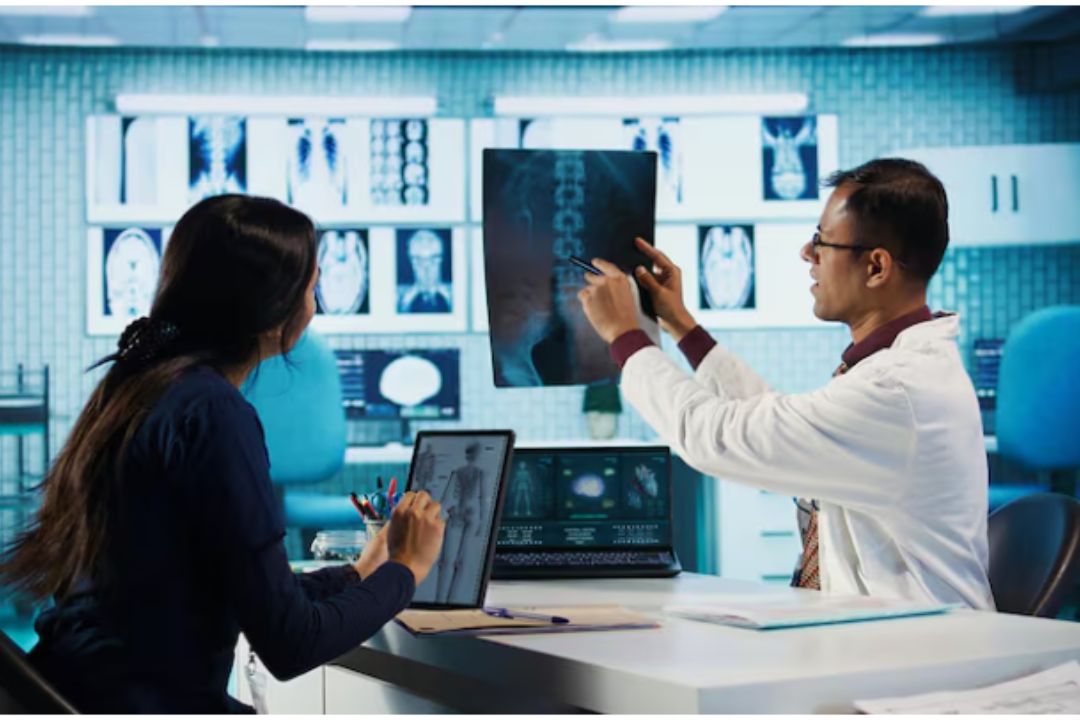
Cancer treatment is moving toward personalized care where decisions are based on detailed understanding of each patient’s disease. 3D CT imaging contributes to this approach by helping doctors visualize specific characteristics of a tumor and monitor the effects of treatment over time. With clearer imagery doctors can tailor treatment plans that are more targeted and effective.
When you need a 3D CT scan it is important to choose a facility that has:





.jpg "ct brain scan plain and contrast")




.jpg "ct scan")
.jpg "ct scan or mri for brain disorders")


.jpg "exploring the power of ct brain contrast in modern diagnostics")
.jpg "ct scan")
.jpg "ct scan")







.jpg "ct scan")

.jpg "CT Brain Scan for Headaches")
.jpg "The Future of 3D CT Imaging")