Appendicitis is a common medical emergency that occurs when the appendix becomes inflamed or infected. If not treated quickly, it can lead to serious complications such as rupture or infection spreading in the abdomen.
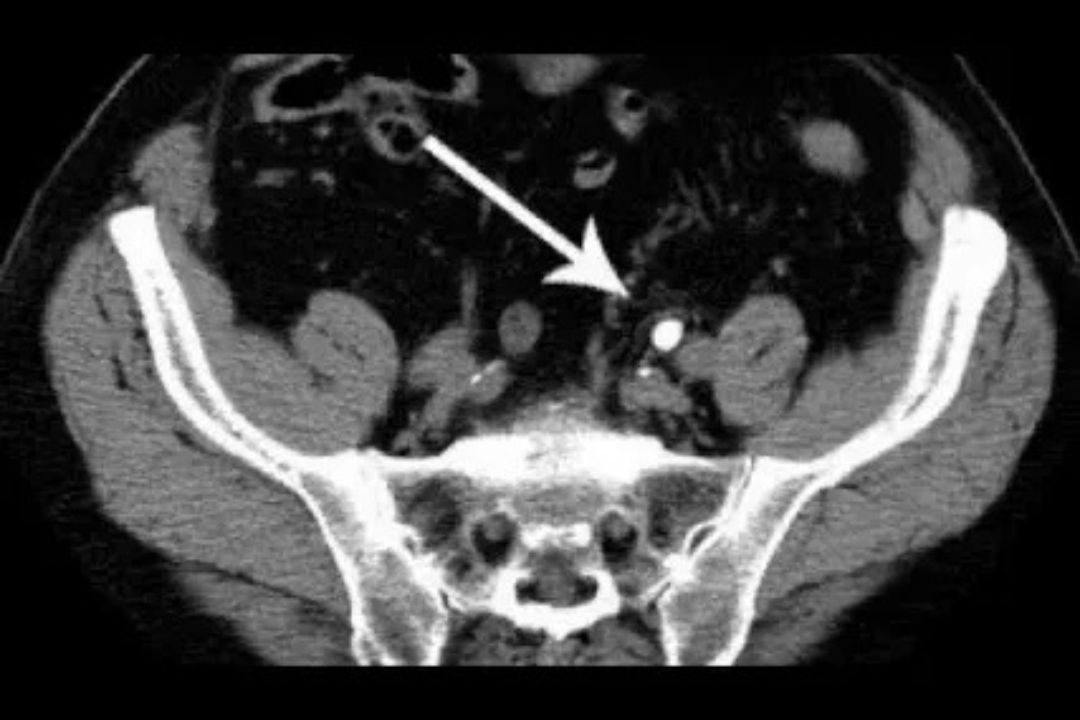
Doctors often recommend a CT Scan to accurately diagnose appendicitis and confirm the cause of abdominal pain. CT scans provide detailed images of the appendix and surrounding organs, helping doctors detect inflammation or other abnormalities.
Appendicitis is the inflammation of the appendix, a small tube-shaped organ attached to the large intestine.
Visit Now: https://www.diagnopein.com/ct-scan/Mumbai
This condition usually requires immediate medical attention and often surgery to remove the appendix.
Appendicitis can occur in people of any age, but it is most common in children and young adults.
Recognizing the symptoms of appendicitis is important for early diagnosis and treatment.
Common symptoms include:
Sudden pain in the lower right abdomen
Pain that starts near the belly button and moves to the lower right side
Loss of appetite
Nausea and vomiting
Fever
Abdominal swelling or tenderness
If these symptoms occur, doctors may recommend a CT scan to confirm the diagnosis.
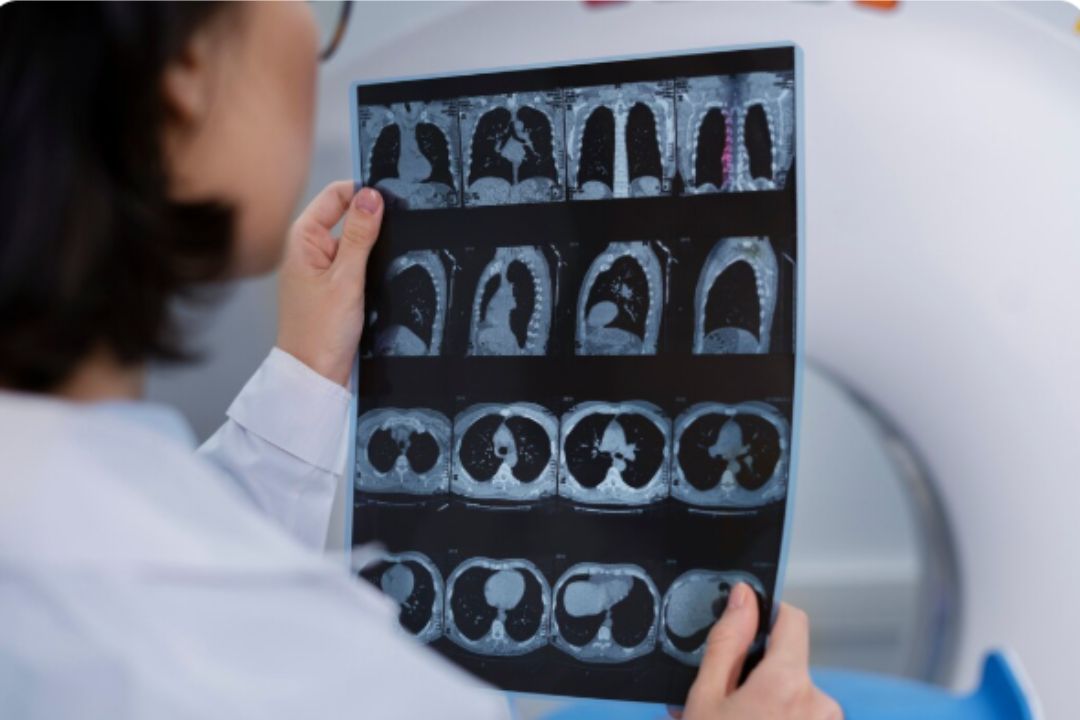
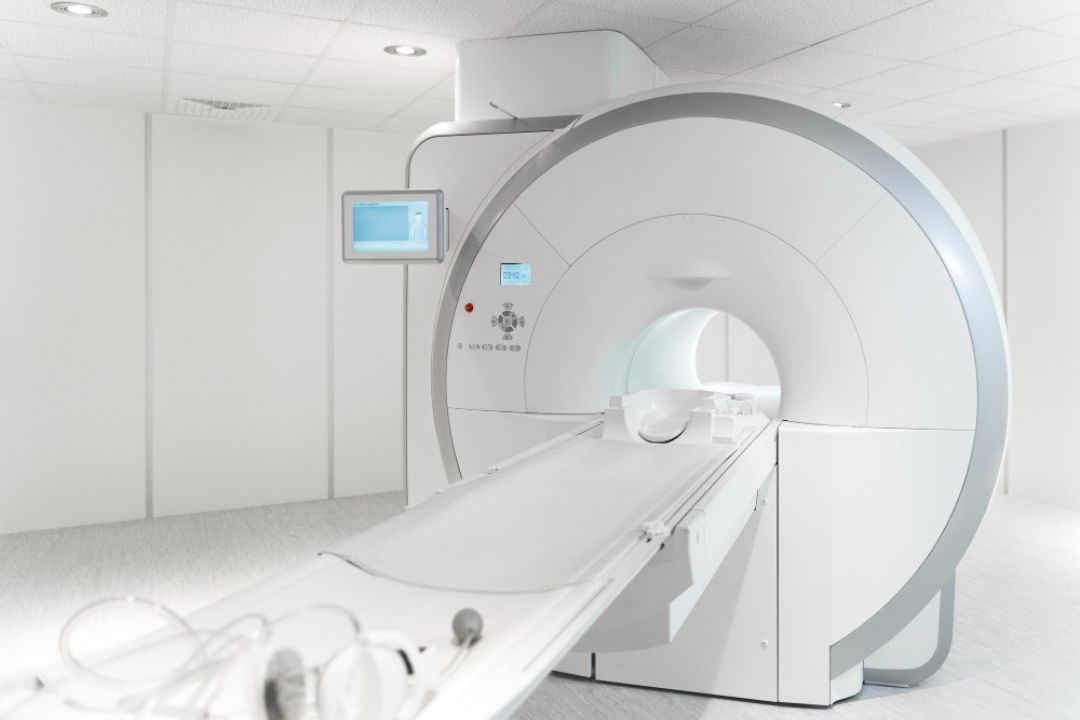
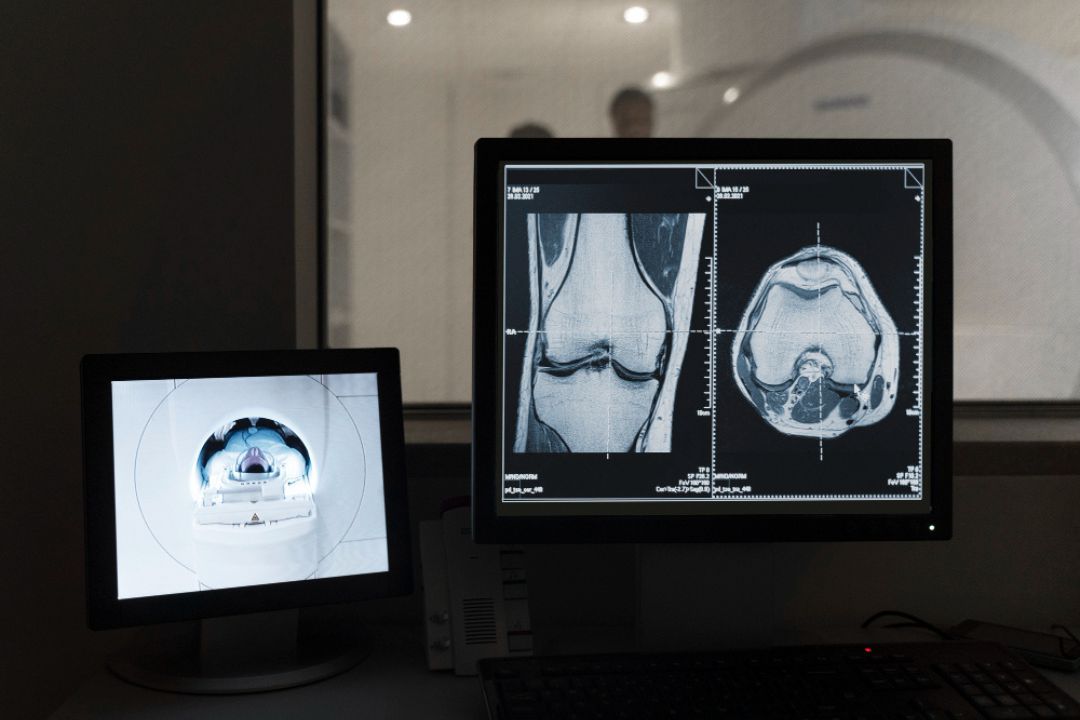
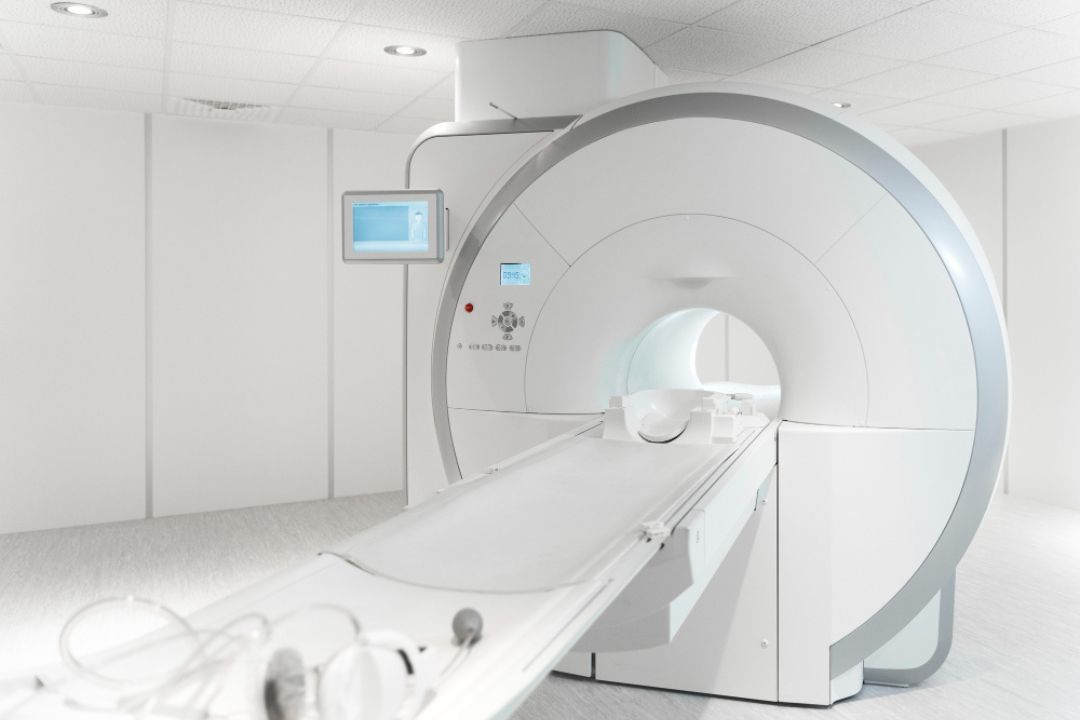
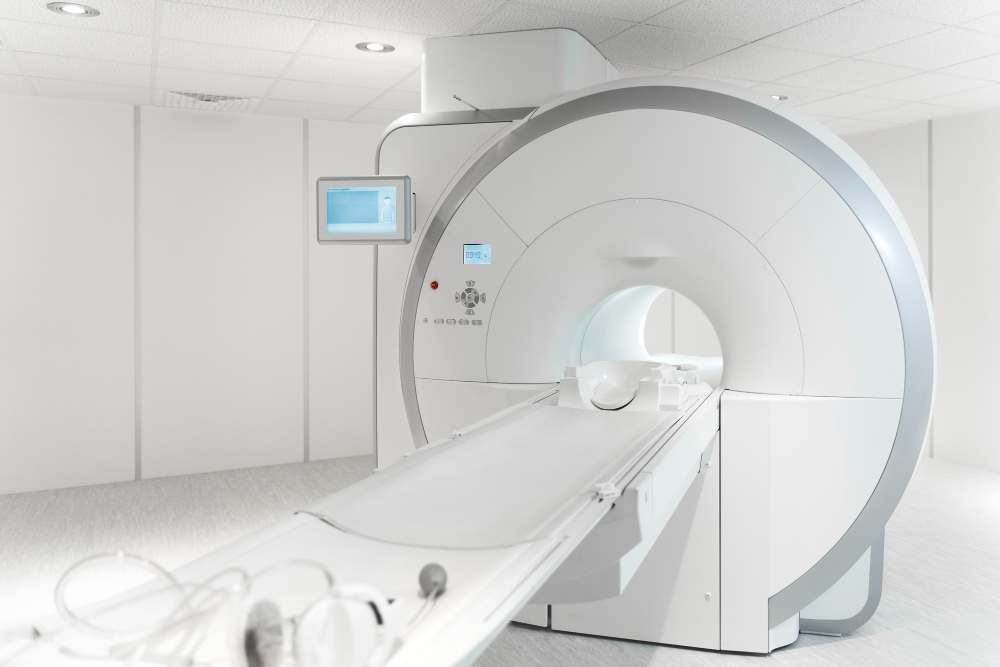
A CT Scan (Computed Tomography) uses advanced imaging technology to produce detailed cross-sectional images of the body.
For appendicitis diagnosis, CT scans help doctors:
Identify inflammation of the appendix
Detect blockages or infection
Check for complications such as rupture
Examine nearby organs and tissues
Because of its high accuracy, CT scans are considered one of the most reliable diagnostic tools for appendicitis.
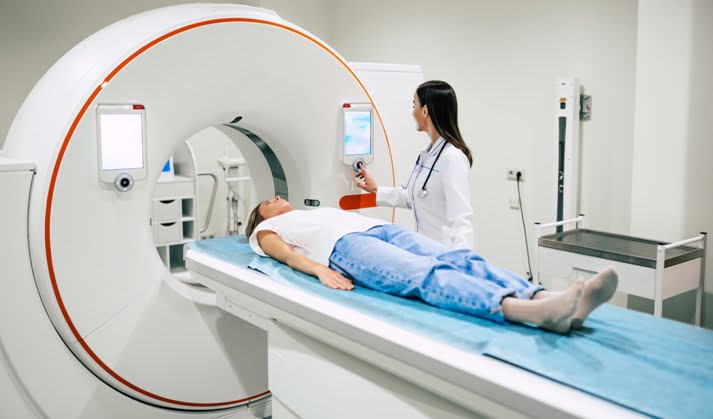
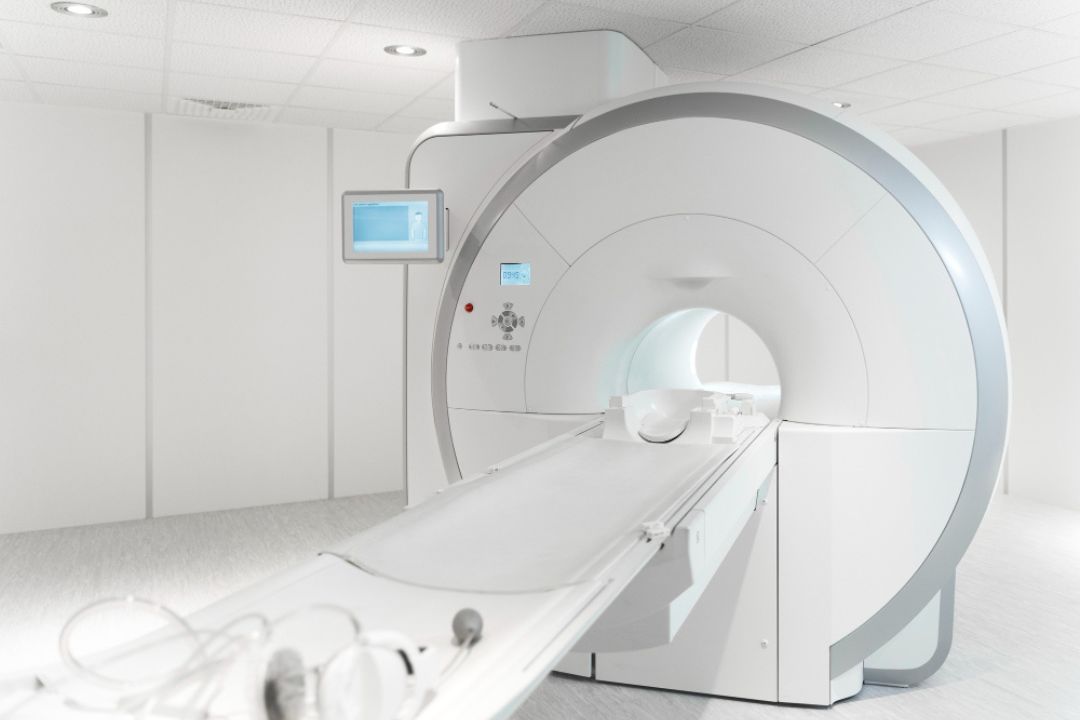
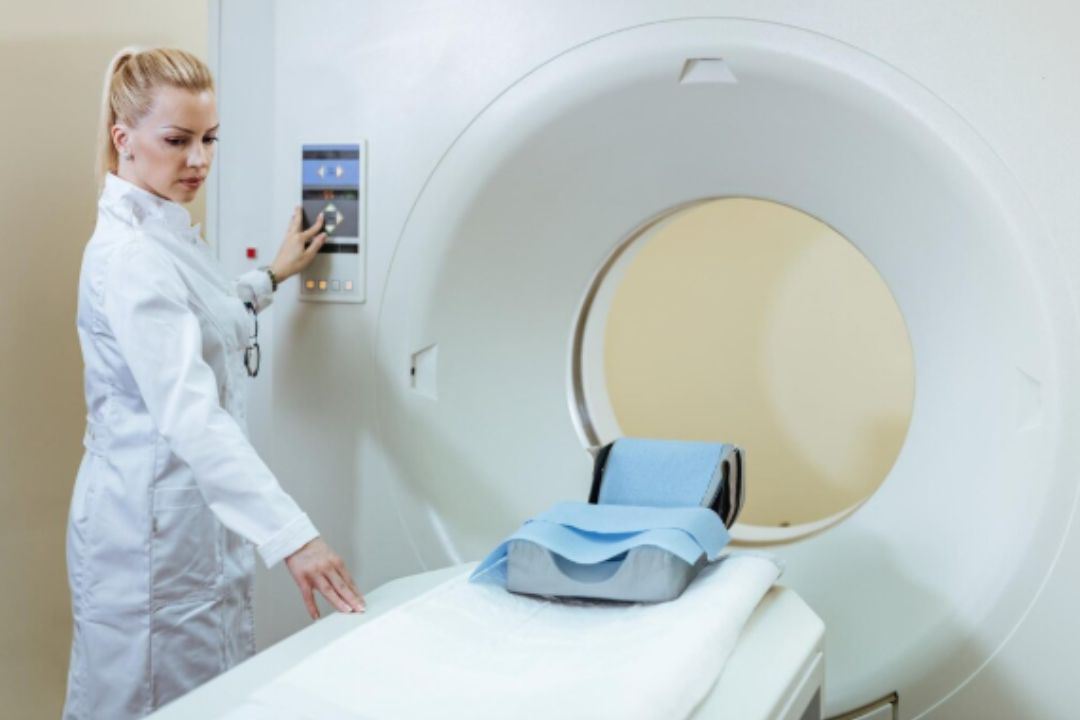
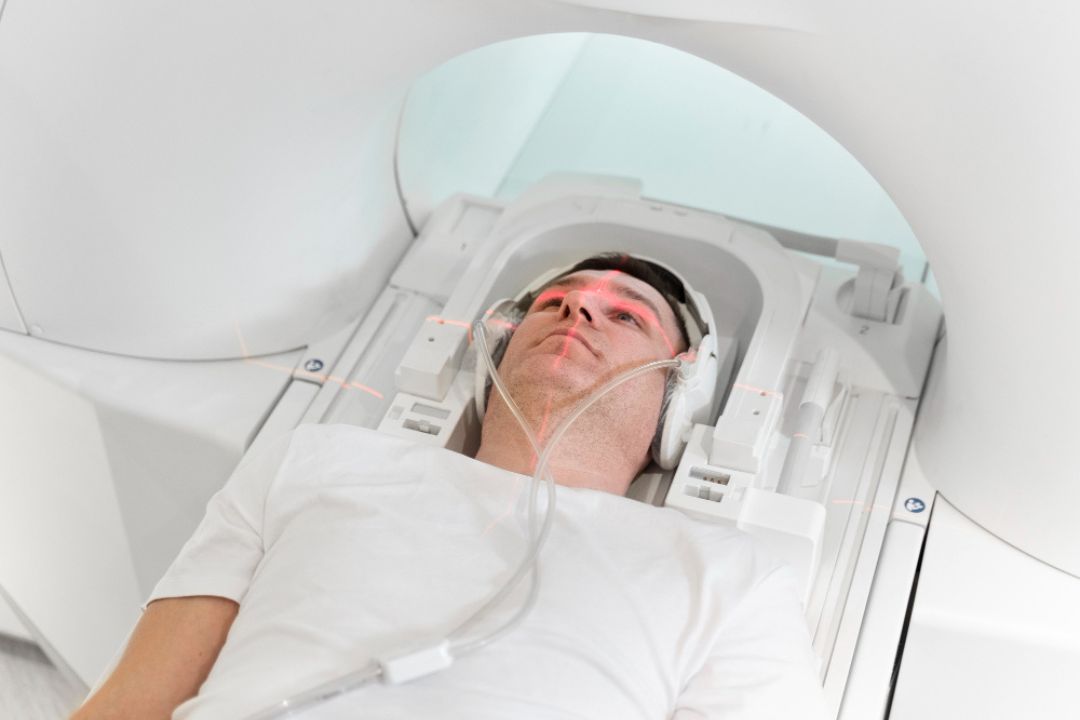
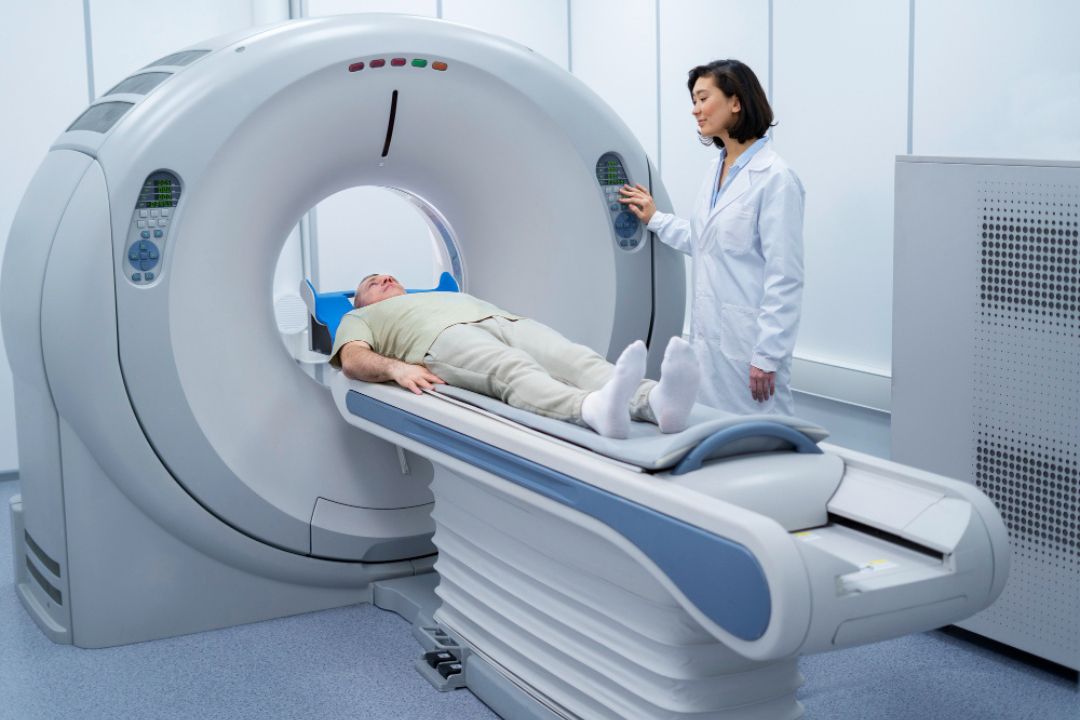
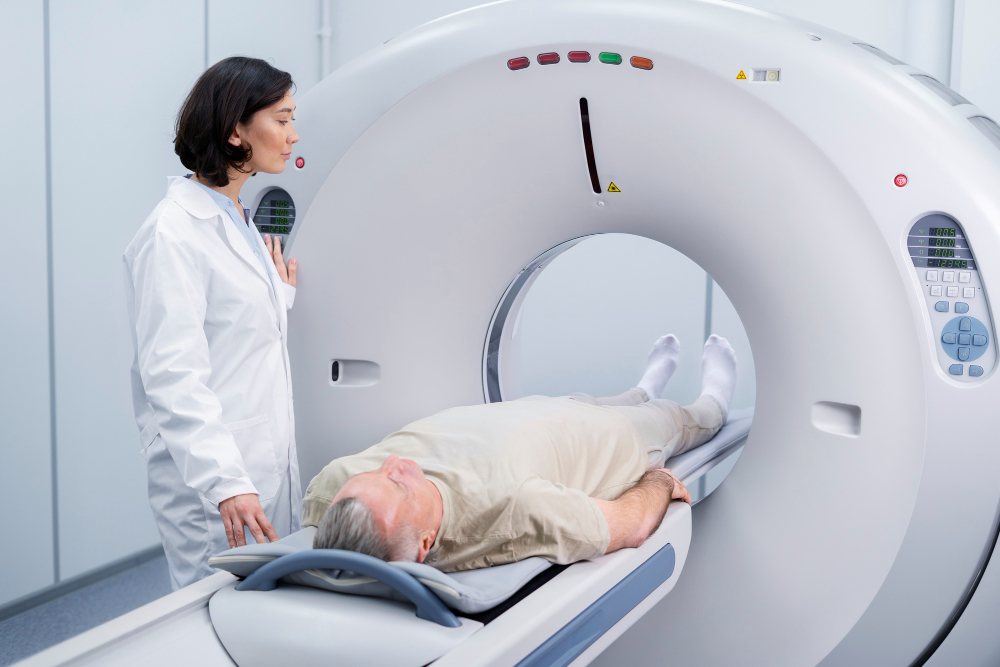
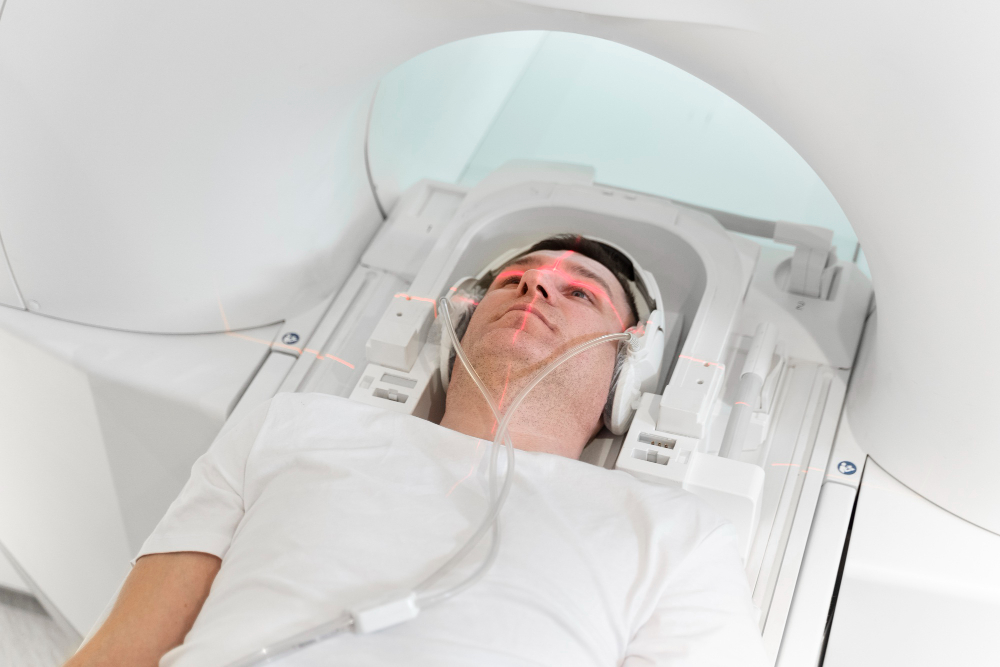
A CT scan for appendicitis is a quick and non-invasive procedure.
The patient may be asked to remove metal objects or jewelry.
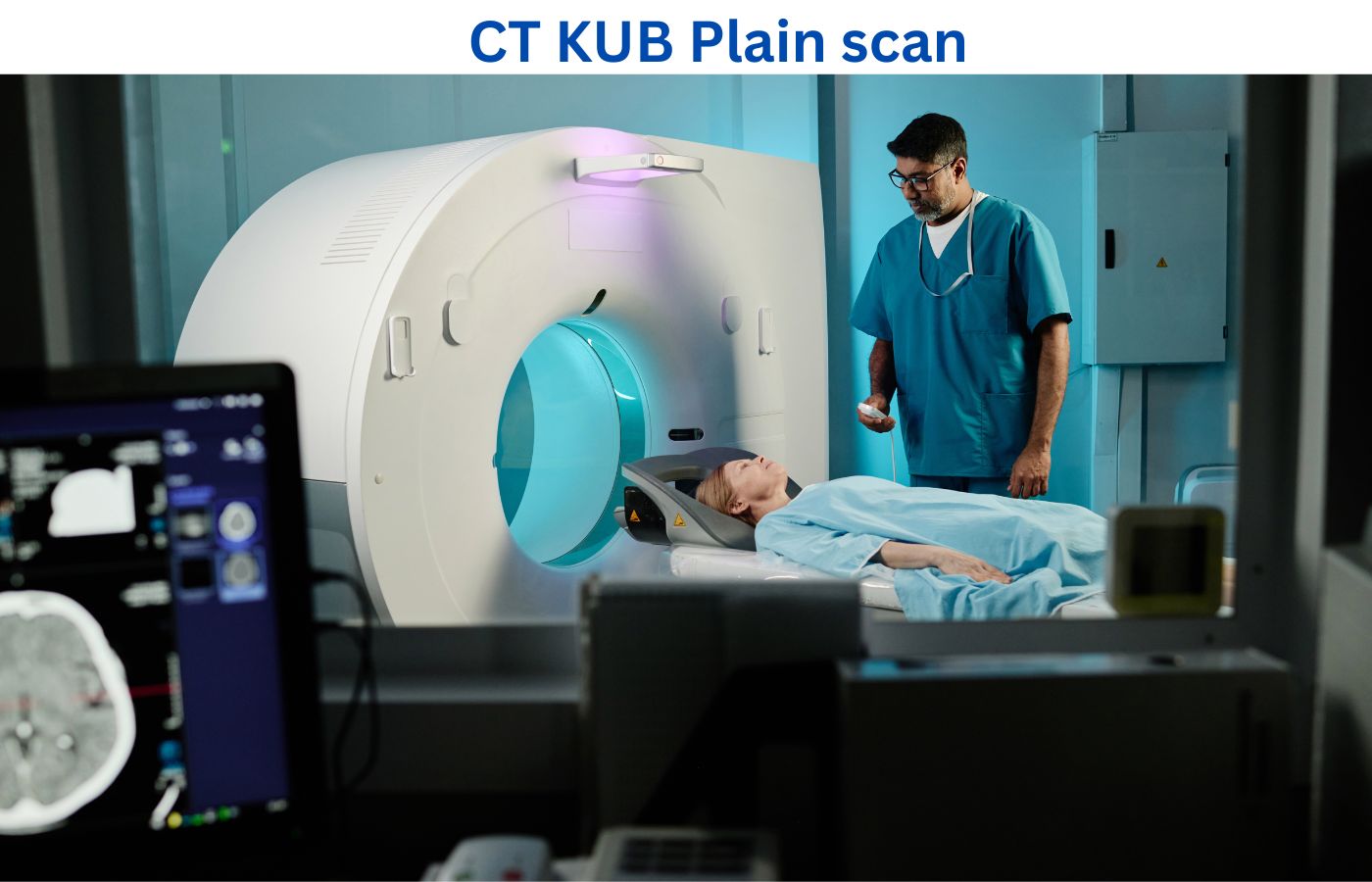
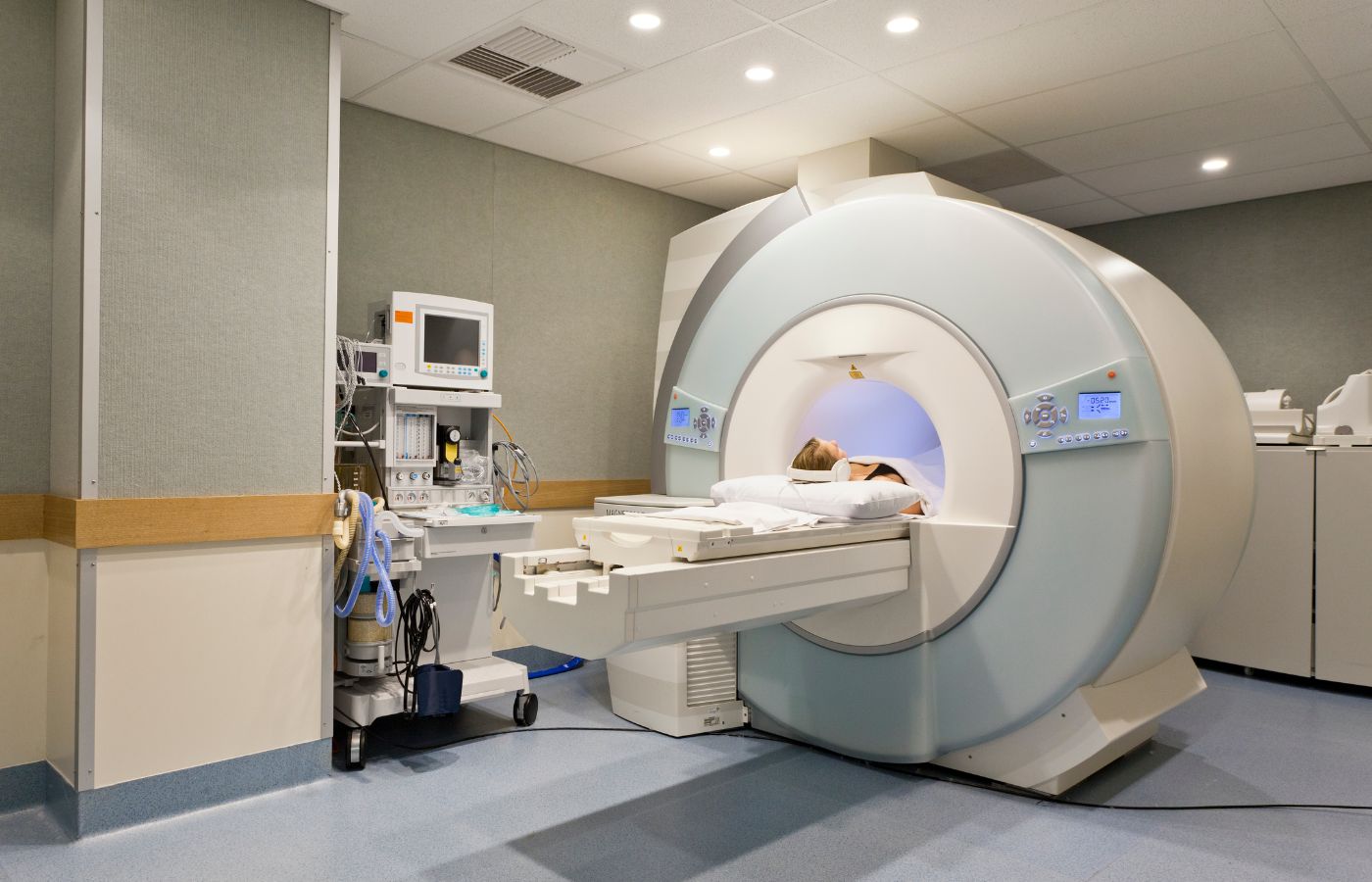
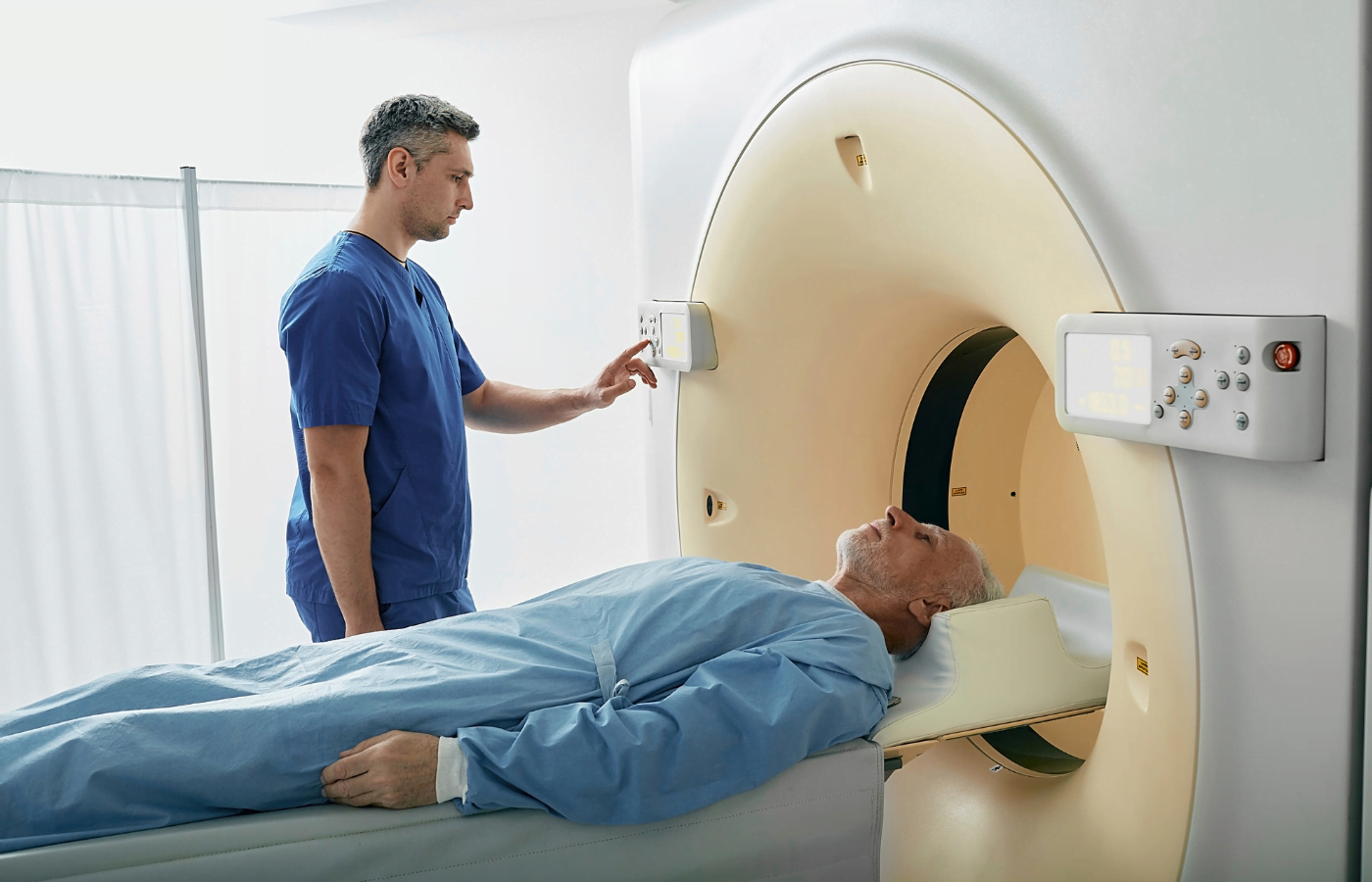
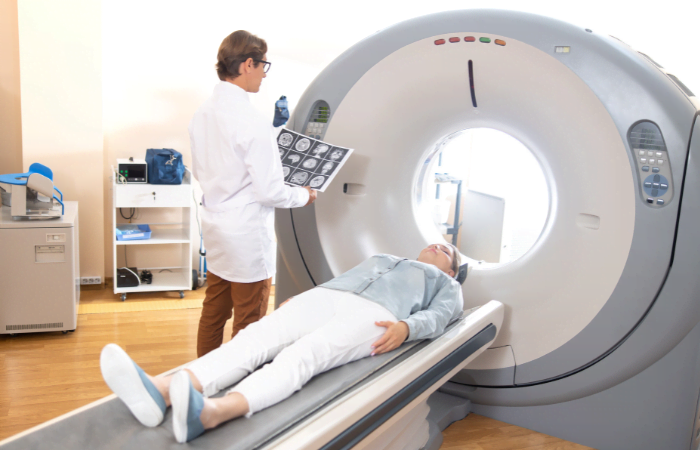
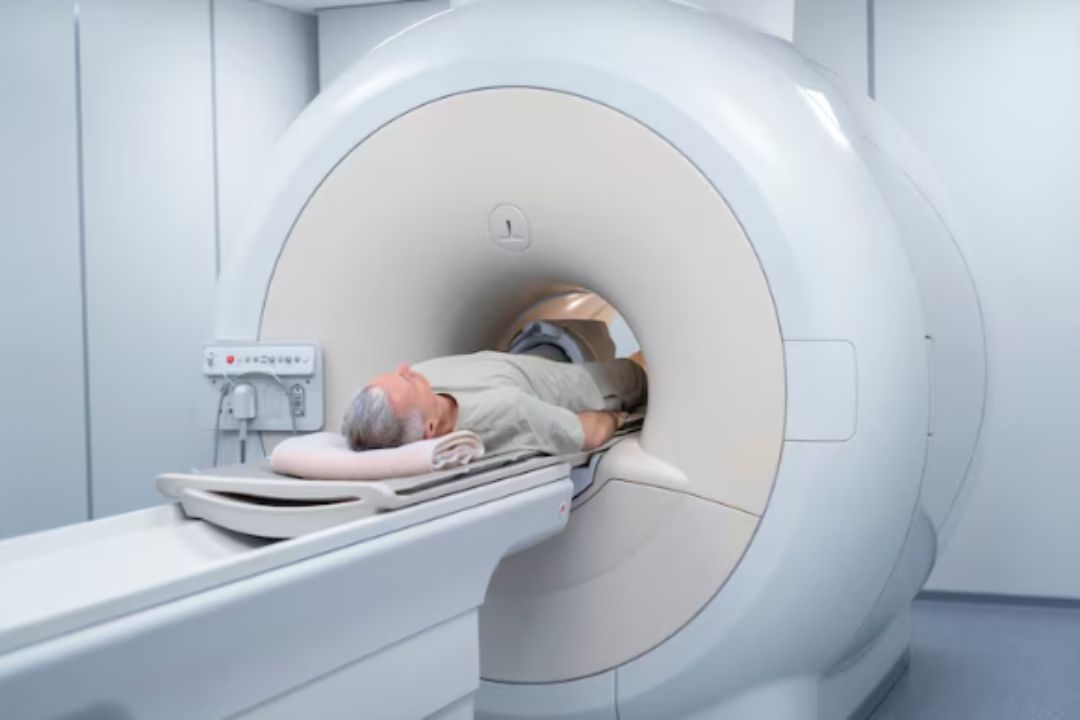
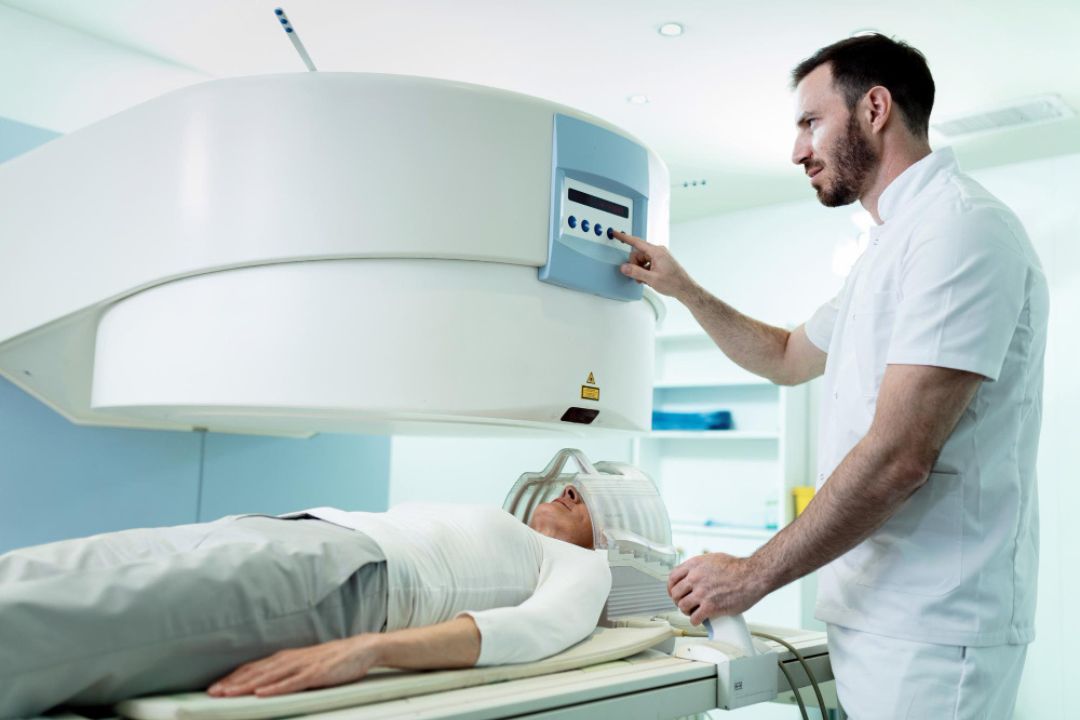
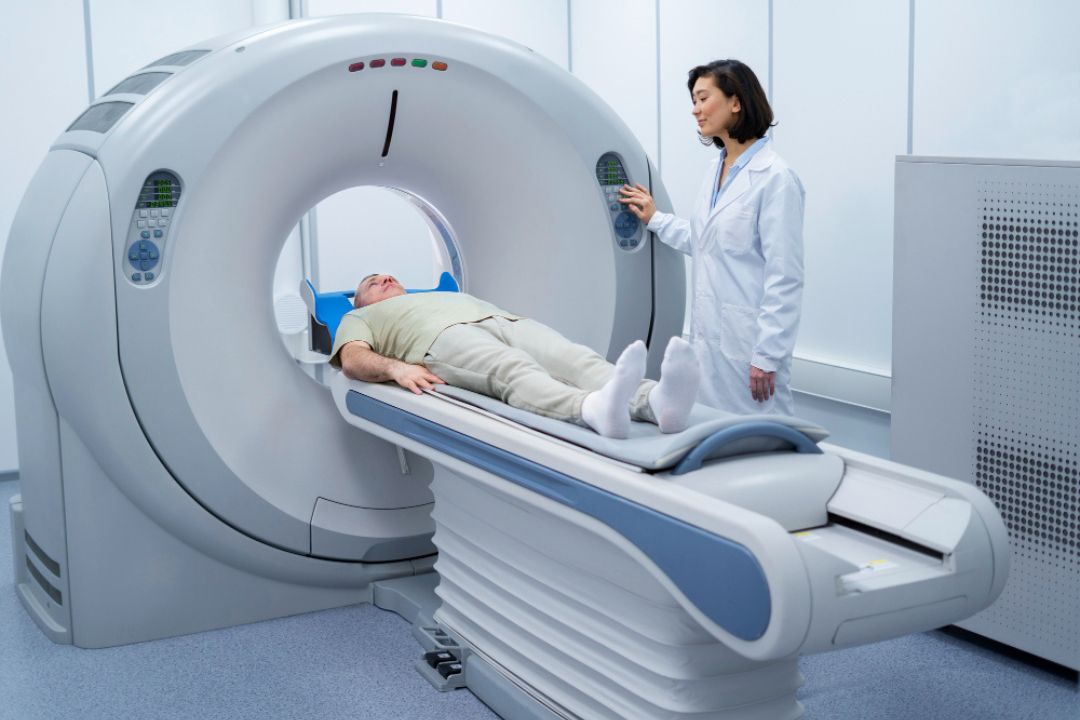
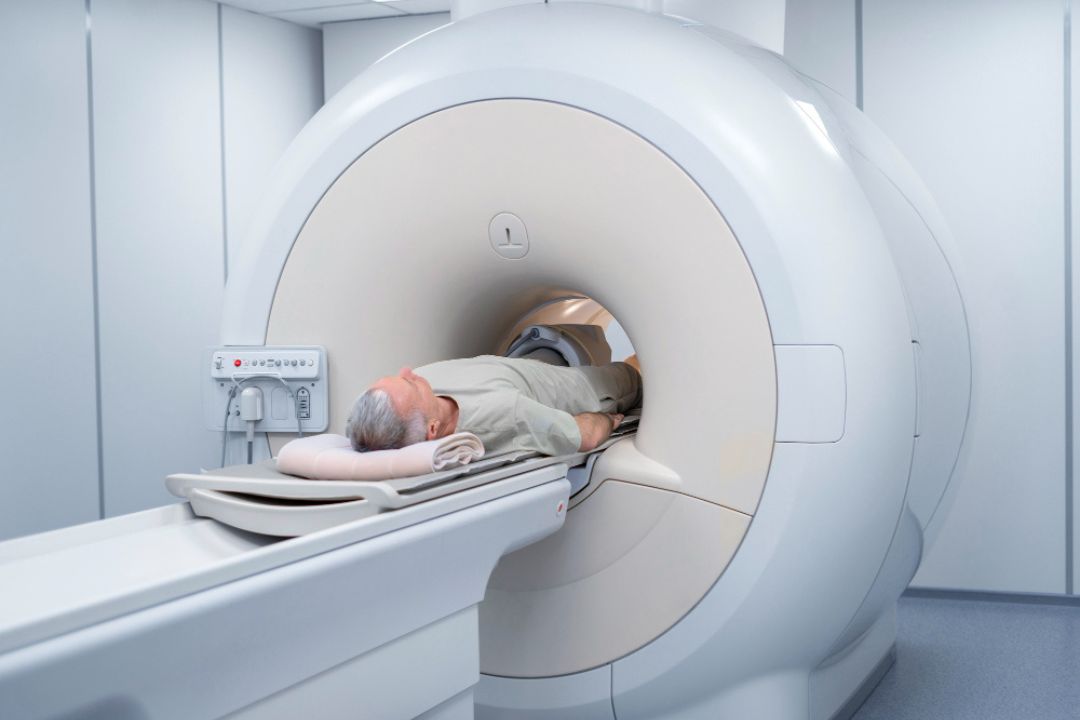
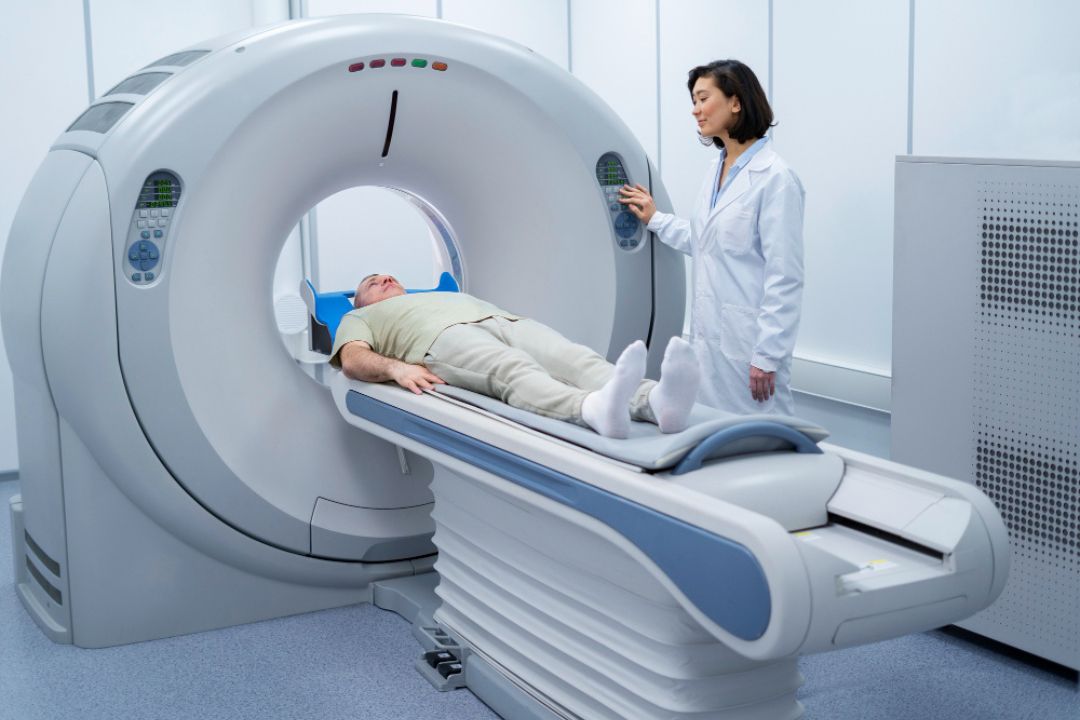
The patient lies on a motorized scanning table.
In some cases, contrast dye may be used to improve image clarity.
The table moves slowly through the CT scanner while images are captured.
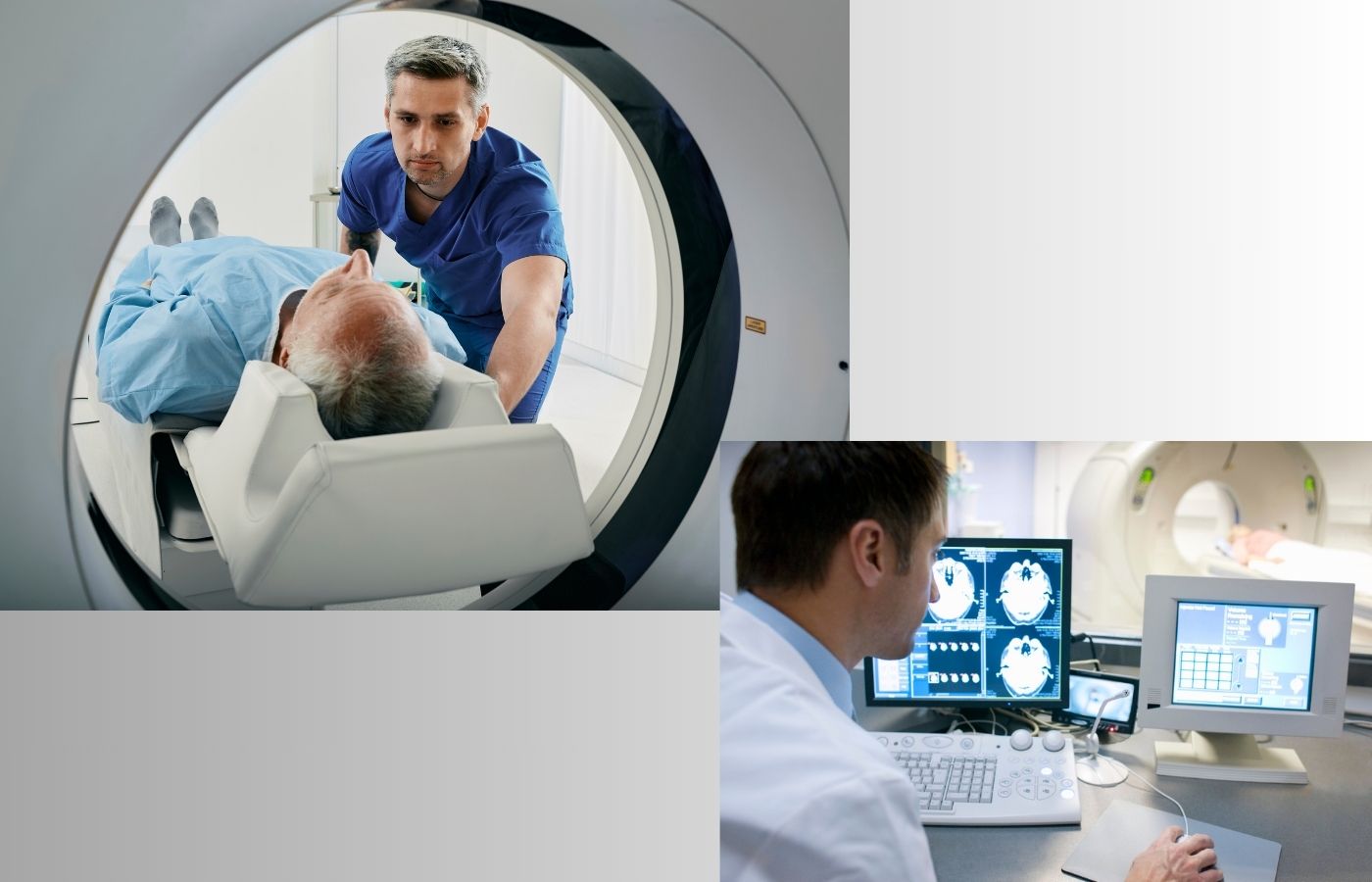
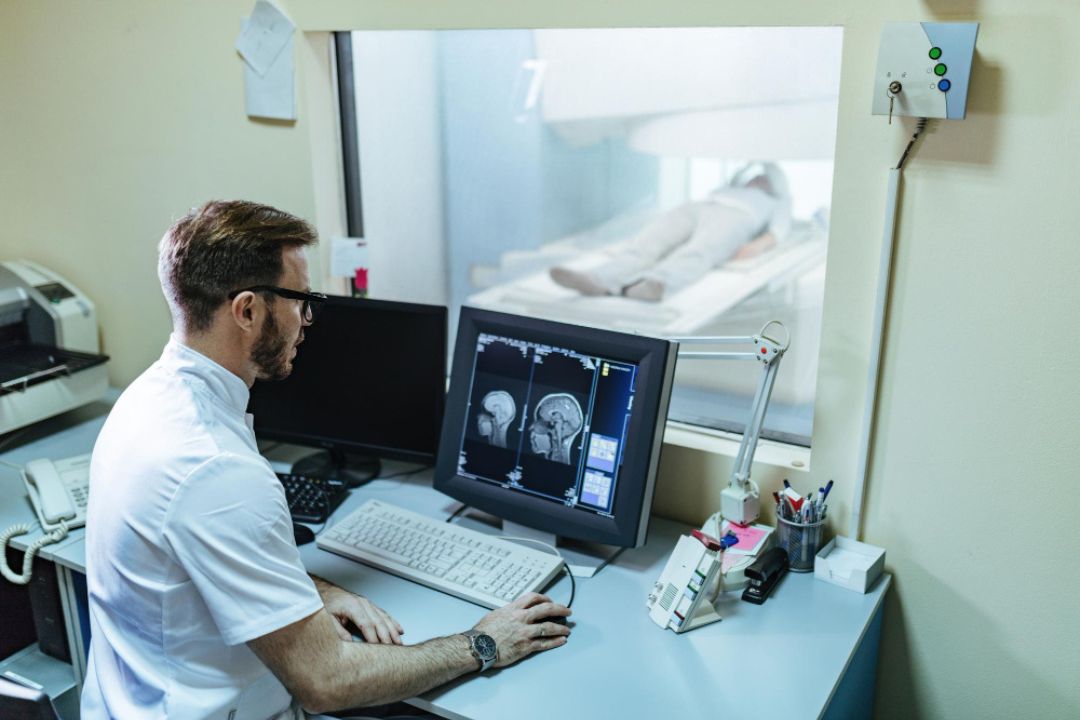
A radiologist reviews the images and prepares a diagnostic report.
The entire procedure usually takes 10 to 20 minutes.
CT scans offer several advantages when diagnosing appendicitis.
Key benefits include:
Highly accurate detection of appendix inflammation
Clear images of abdominal organs
Quick diagnosis in emergency situations
Helps doctors decide the best treatment approach
Reduces the risk of misdiagnosis
These advantages make CT scans an important tool for emergency abdominal diagnosis.
If you experience persistent abdominal pain or symptoms of appendicitis, it is important to seek medical attention immediately.
Early diagnosis with imaging tests such as CT scans can help prevent complications and ensure timely treatment.
A CT scan for appendicitis symptoms plays a vital role in diagnosing this serious condition quickly and accurately. By providing detailed images of the appendix and surrounding organs, CT scans help doctors confirm the diagnosis and recommend the appropriate treatment.
If you experience symptoms such as severe abdominal pain, nausea, or fever, consulting a doctor and undergoing a CT scan can help ensure prompt medical care.






















.jpg "ct brain scan plain and contrast")












































.jpg "ct scan")

.jpg "ct scan or mri for brain disorders")


.jpg "exploring the power of ct brain contrast in modern diagnostics")

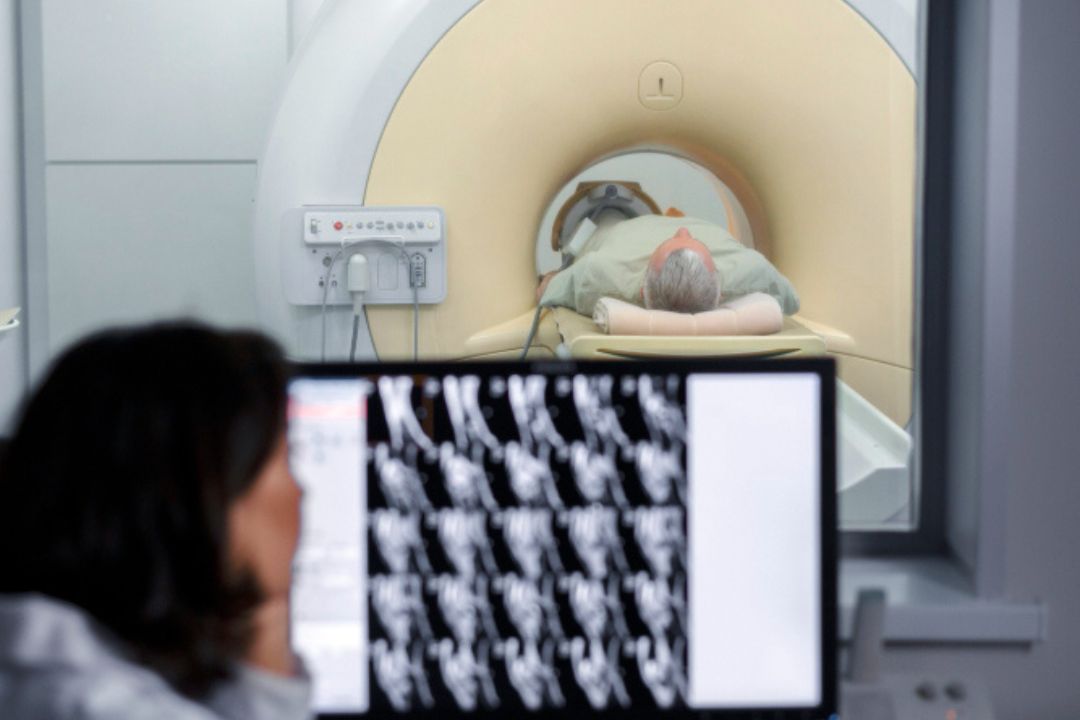
.jpg "ct scan")
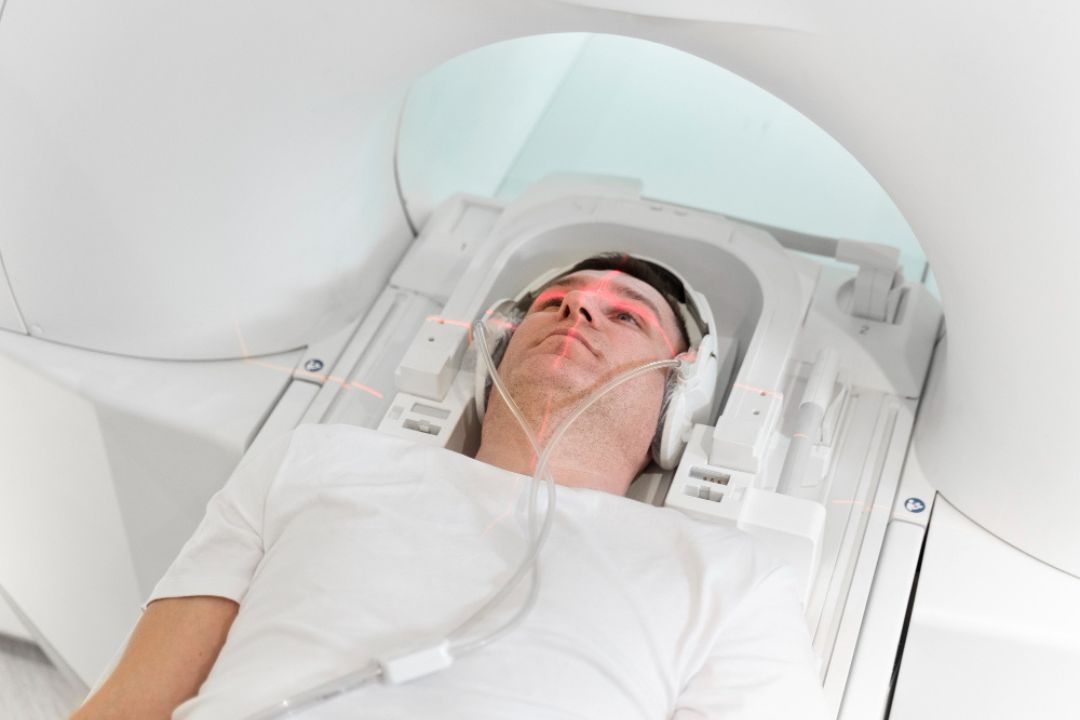
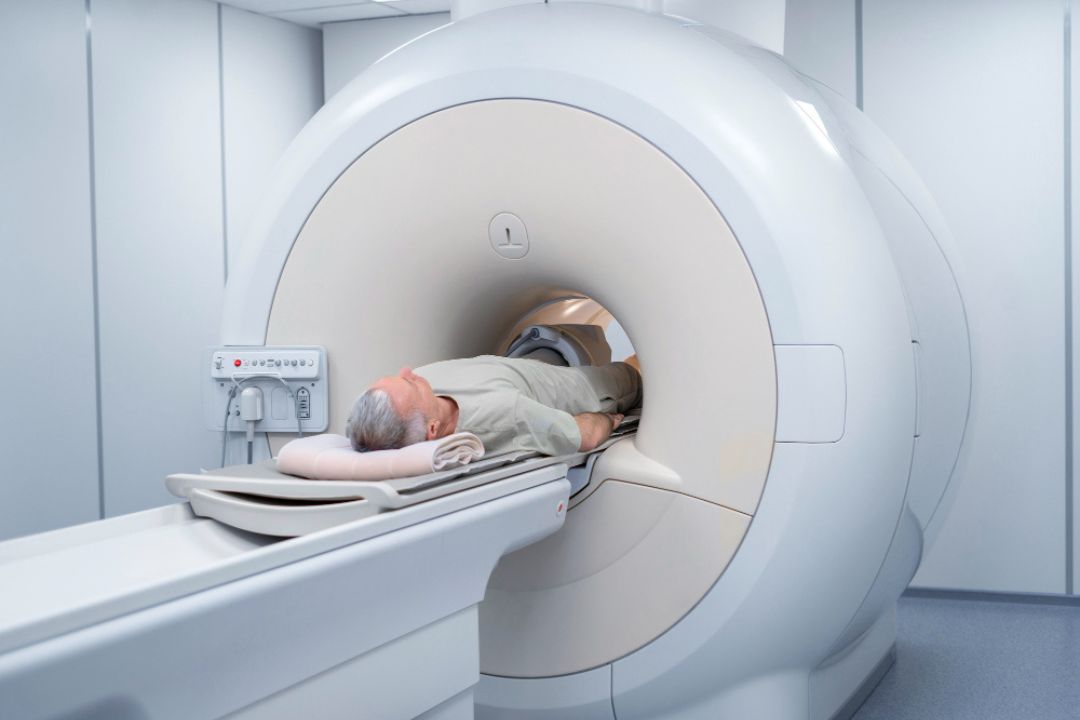


.jpg "ct scan")

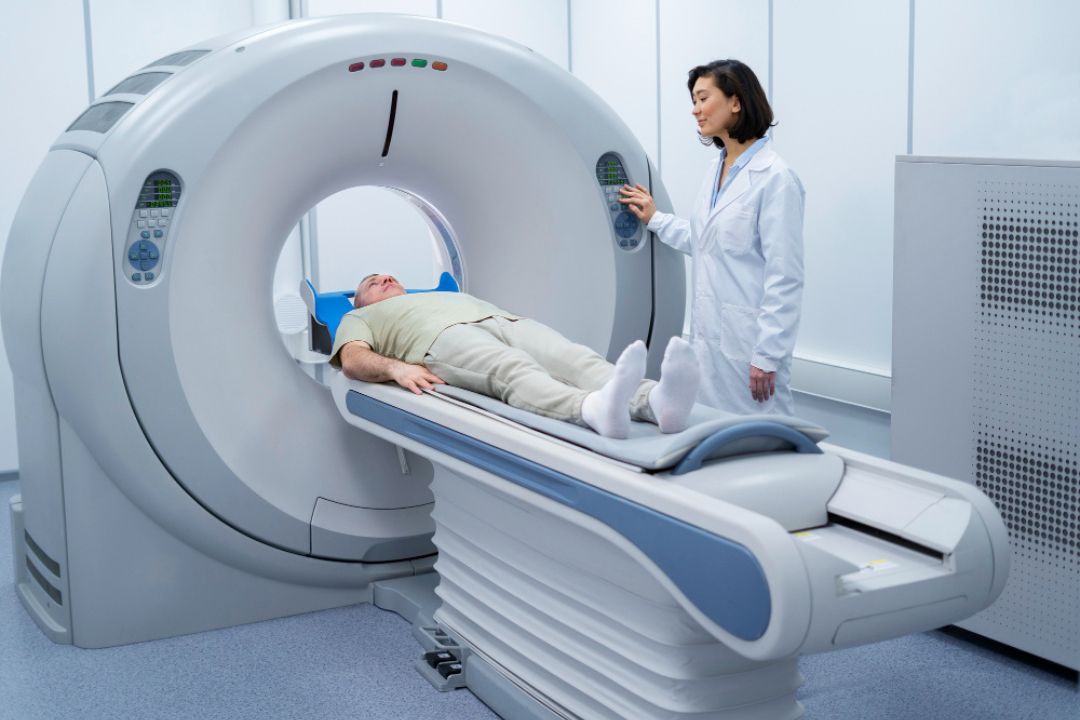













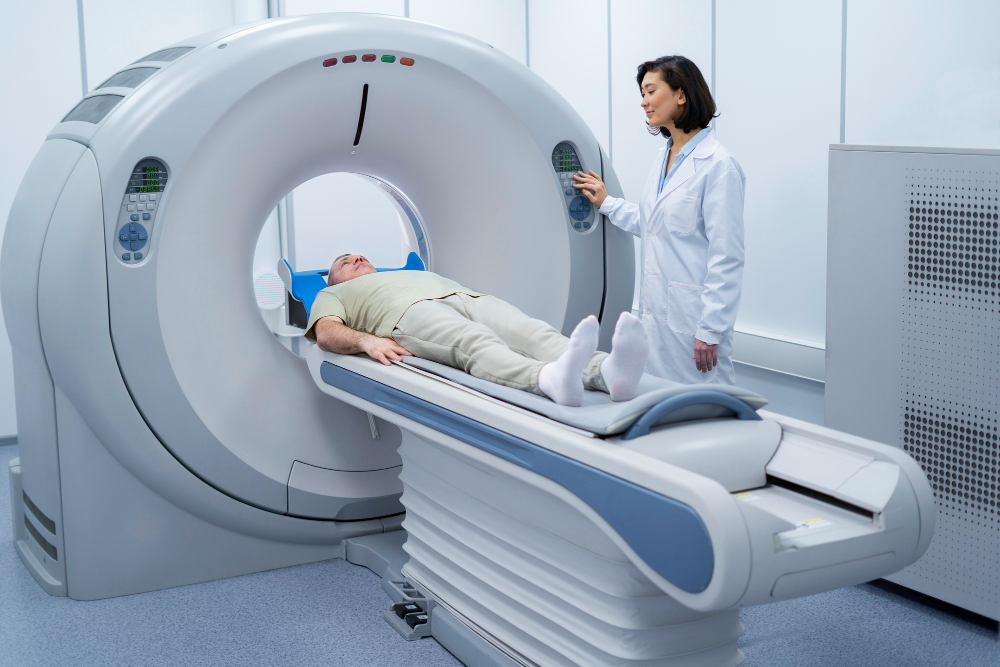


.jpg "ct scan")


.jpg "CT Brain Scan for Headaches")

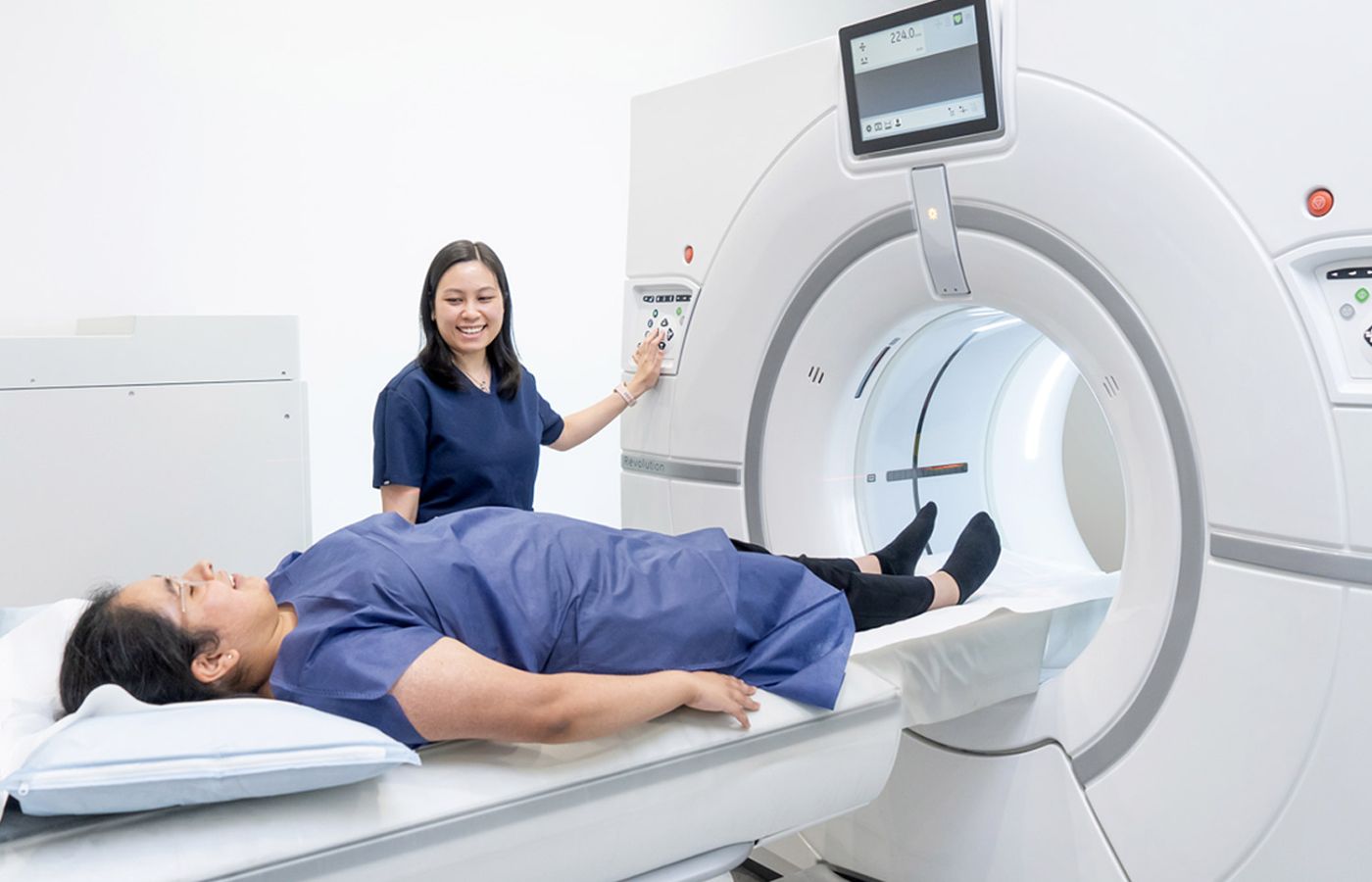
.jpg "The Future of 3D CT Imaging")