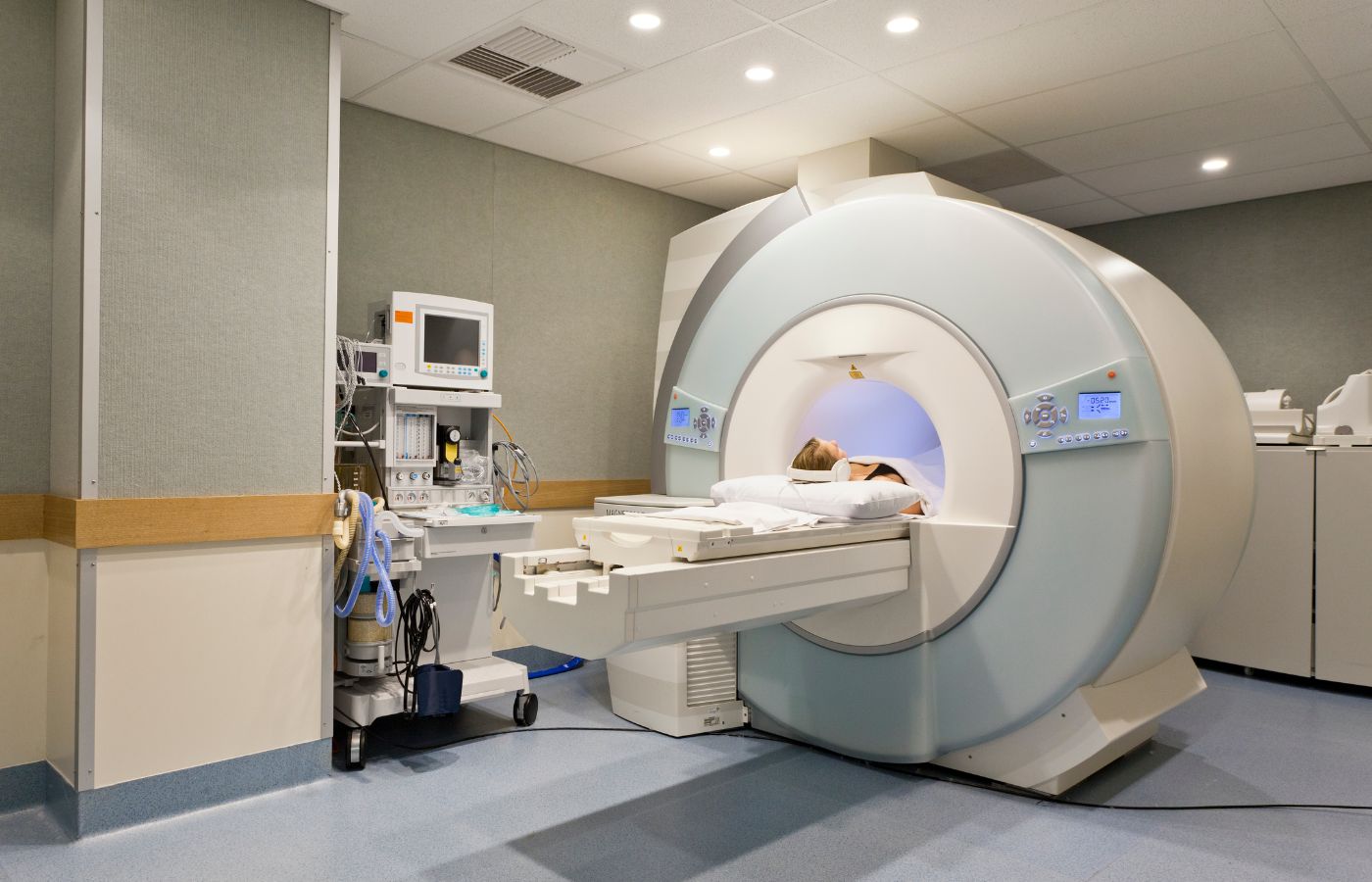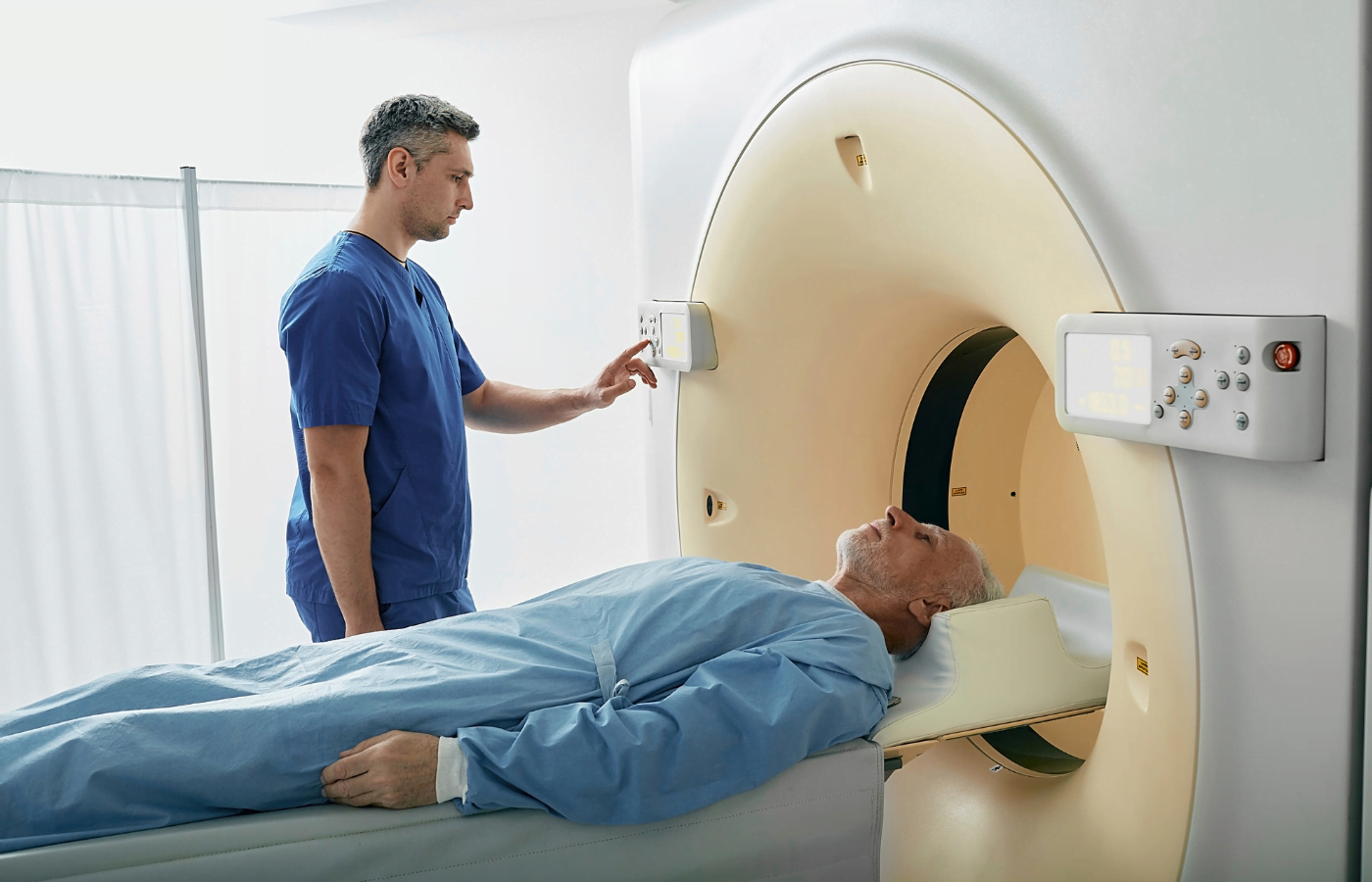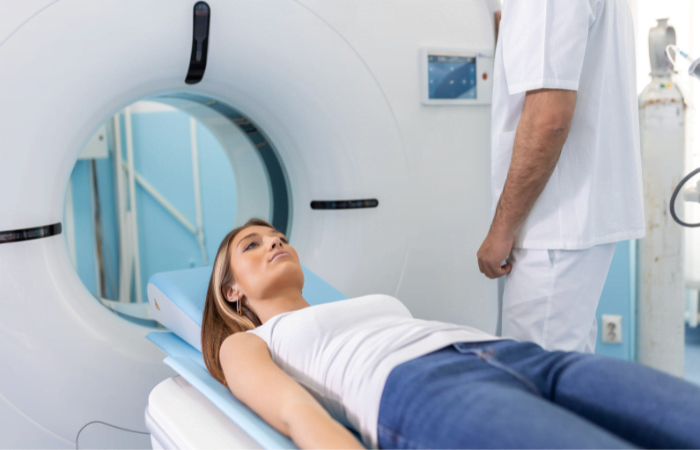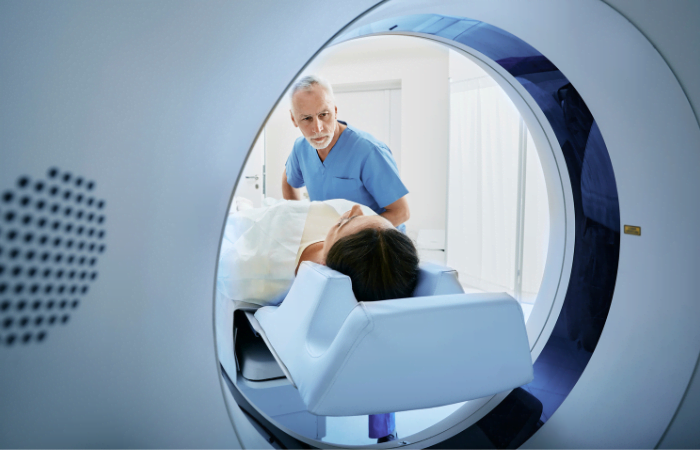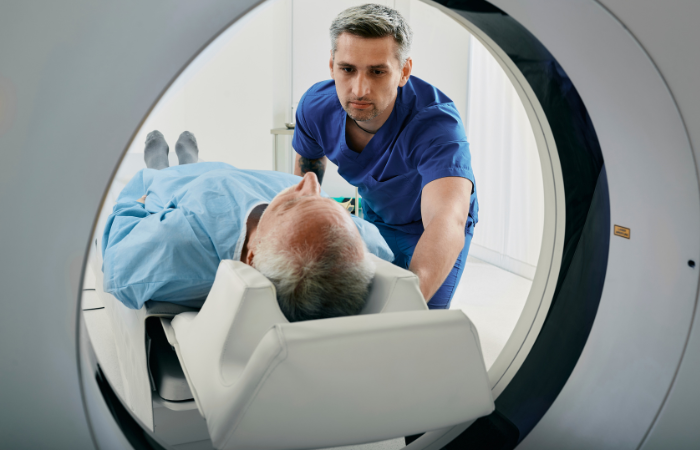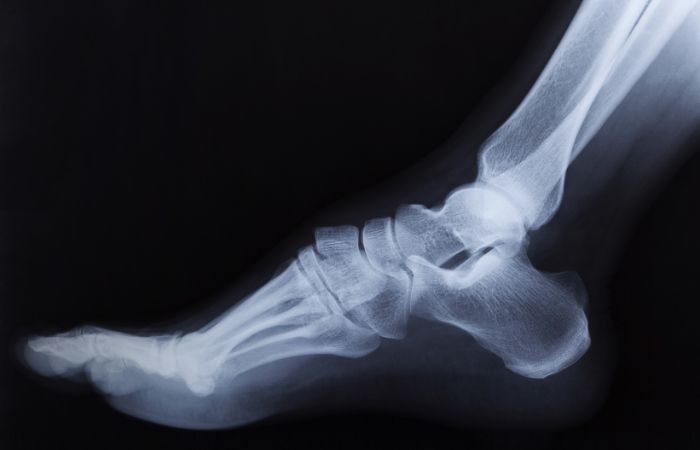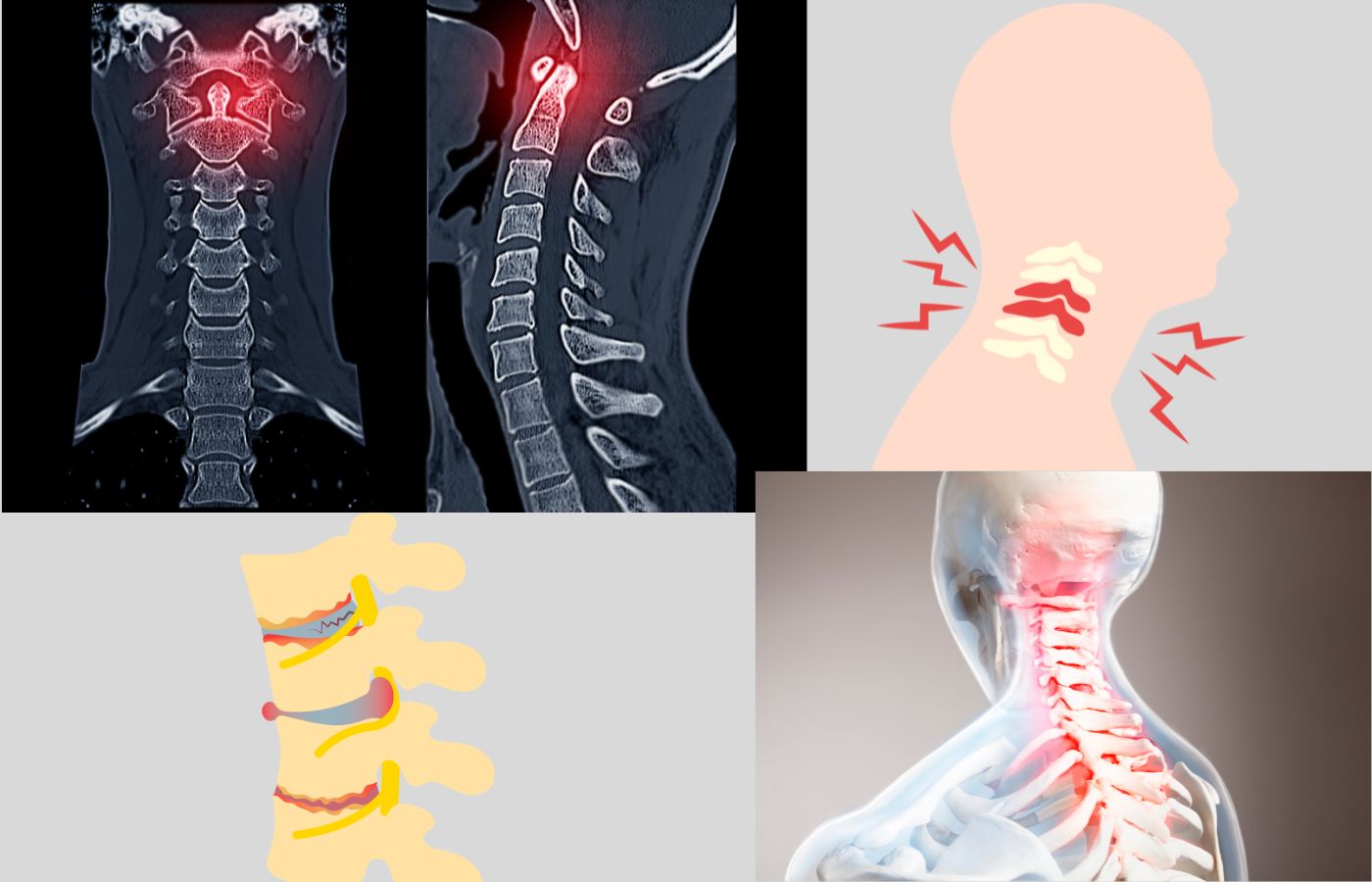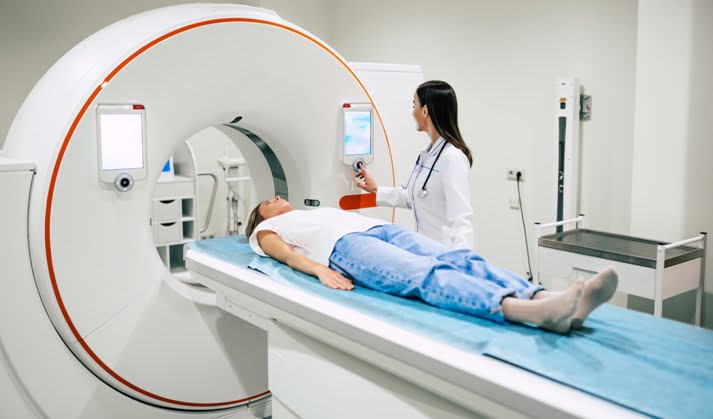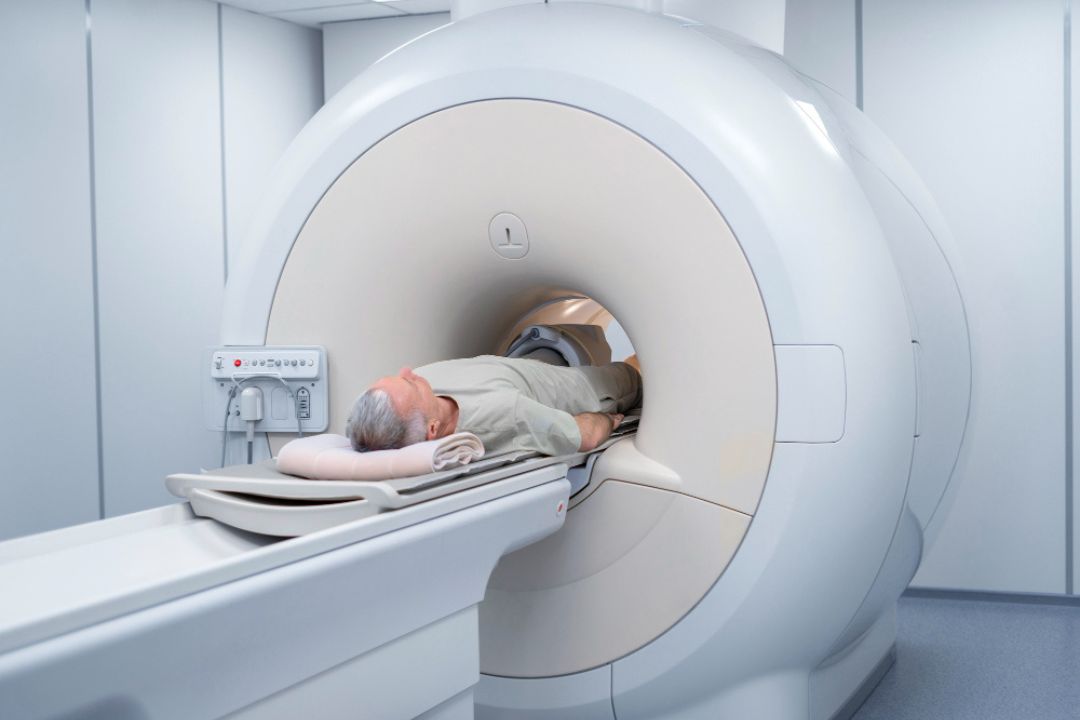
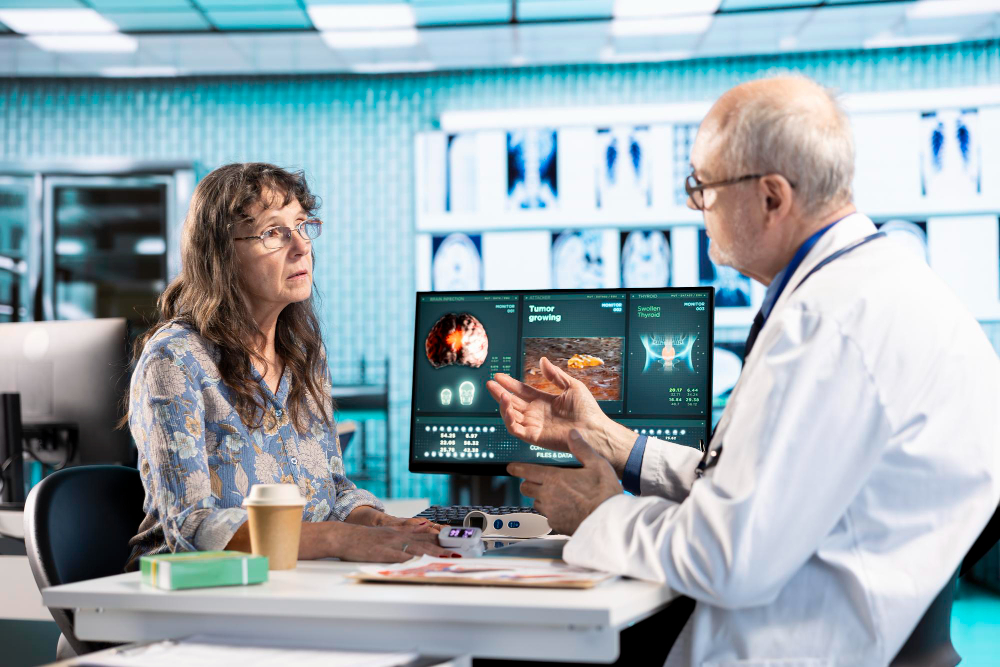
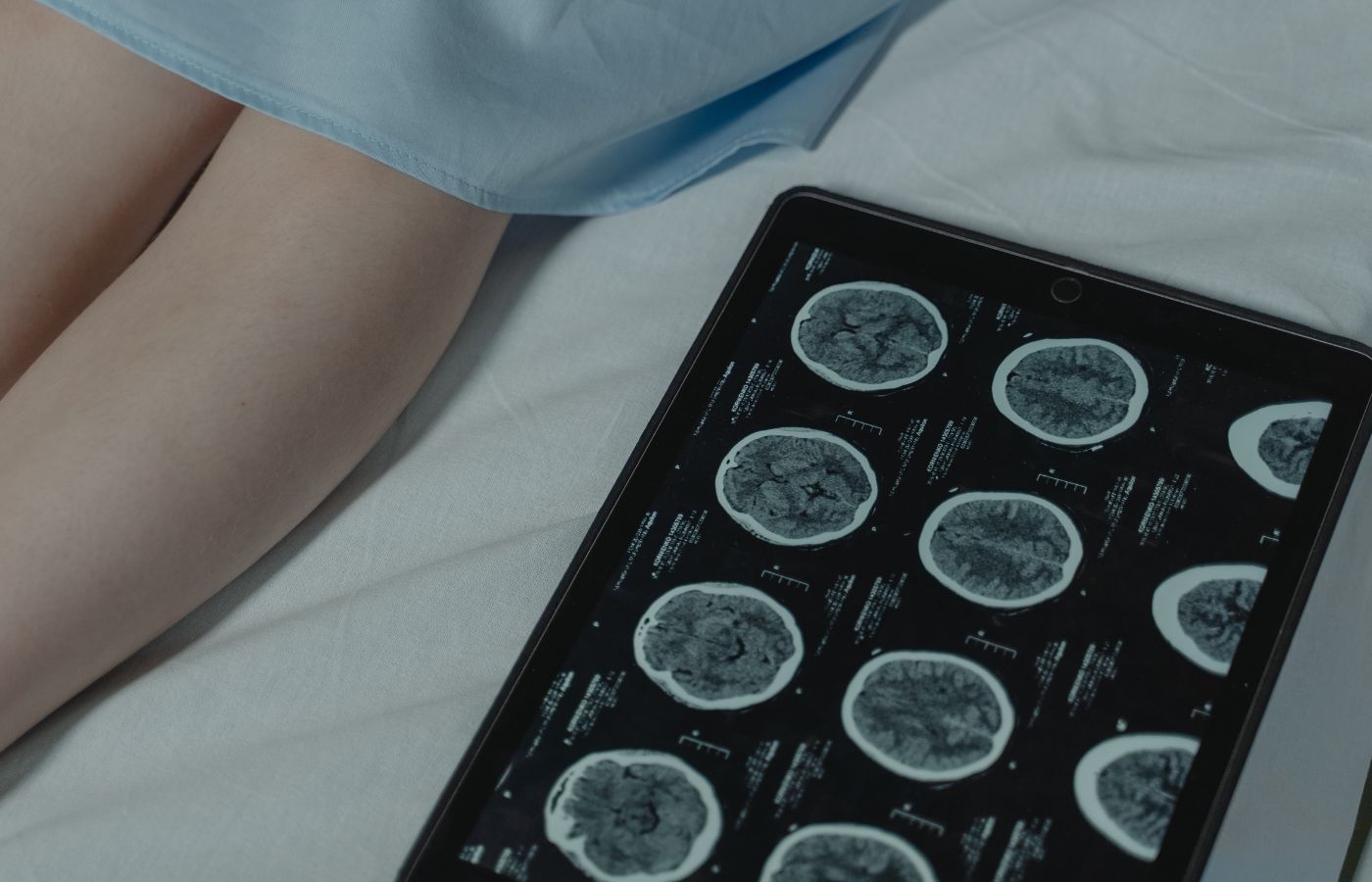
CT scans and MRI scans are two of the most common medical imaging tests used by doctors to diagnose diseases and injuries. Both technologies allow healthcare professionals to view detailed images of organs and tissues inside the body.
Although CT scans and MRI scans serve a similar purpose, they work using different technologies and are used for different medical conditions. Understanding the differences between these two imaging tests helps patients know why a doctor may recommend one test over the other.
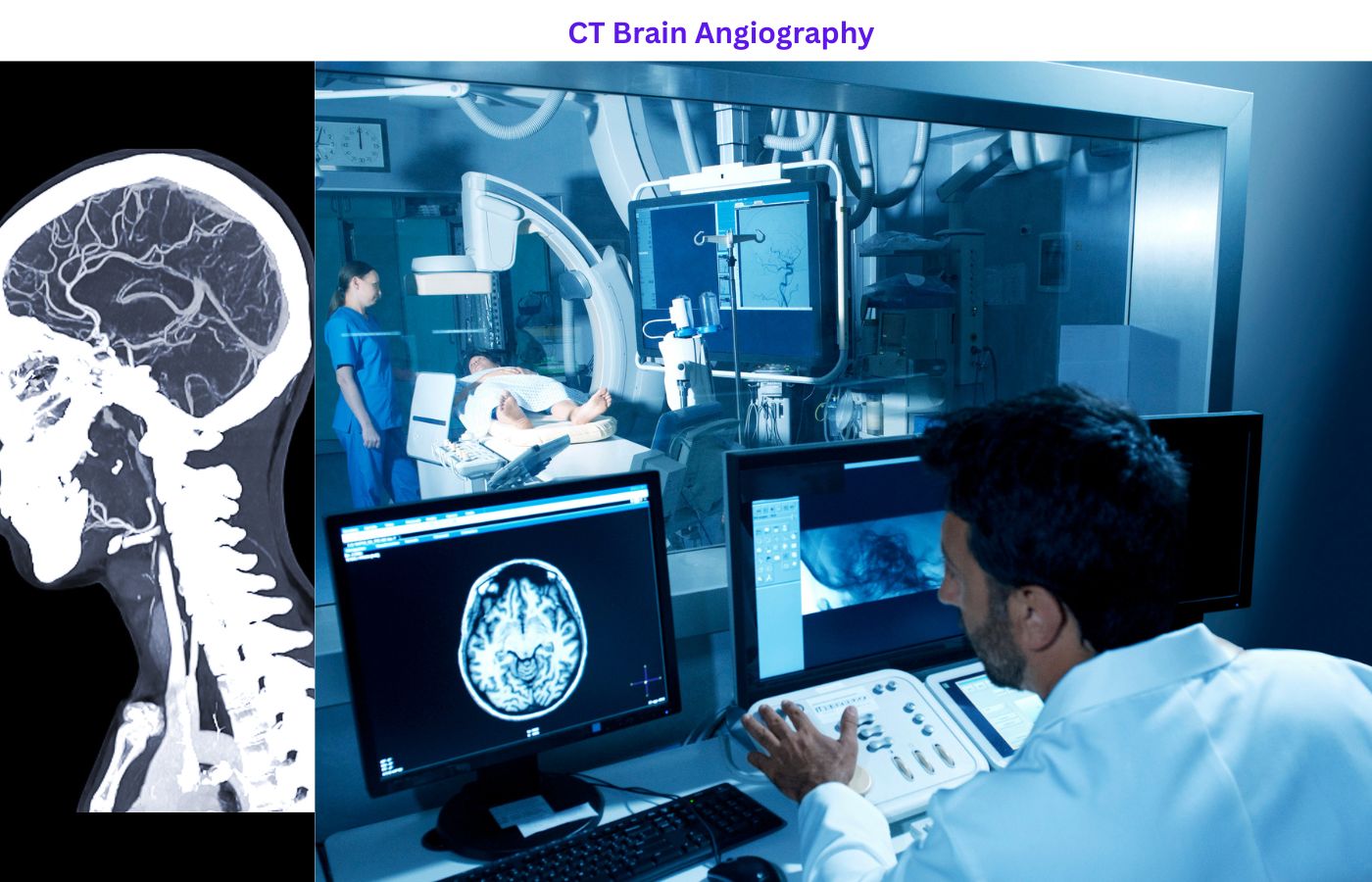
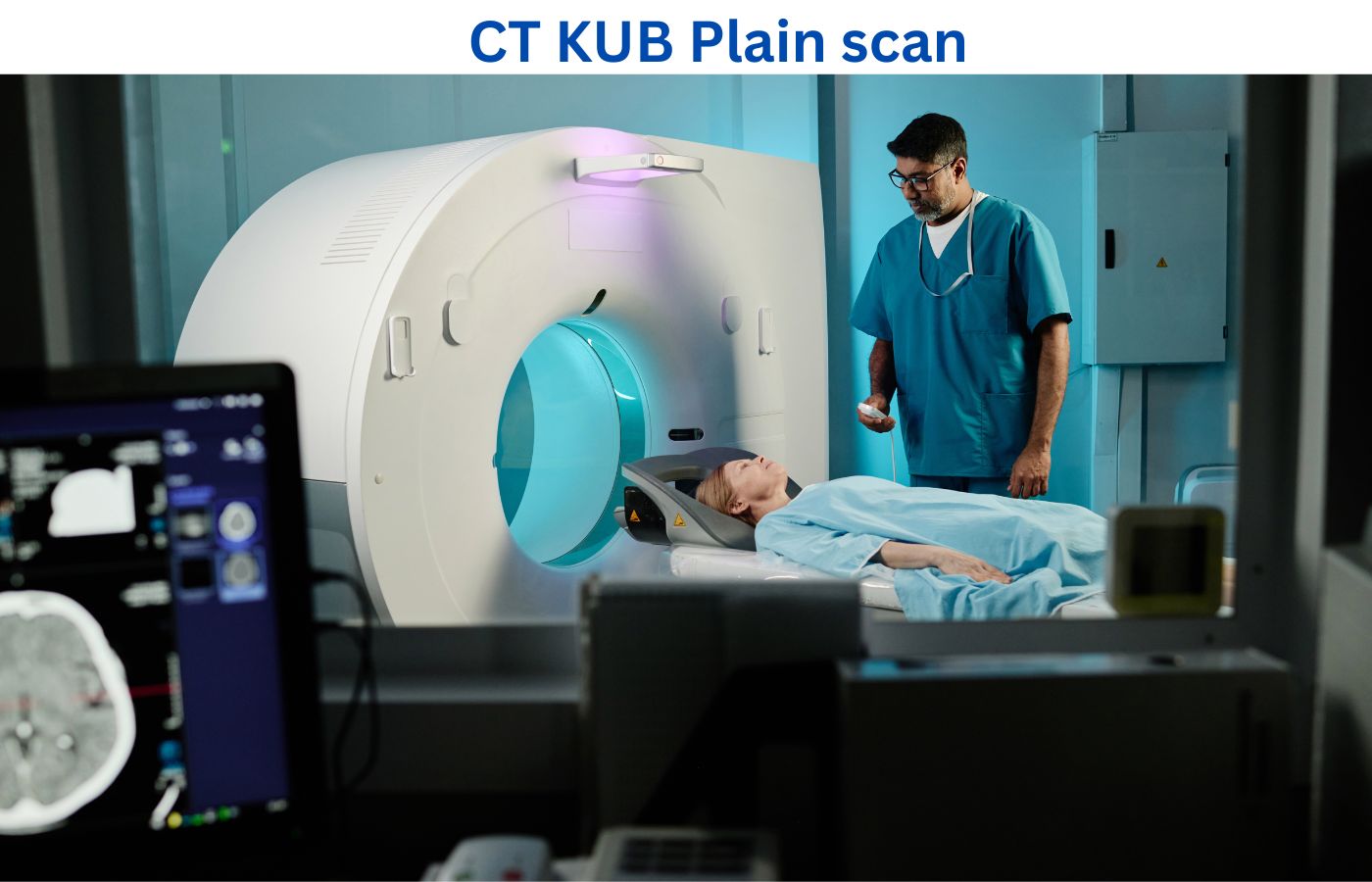
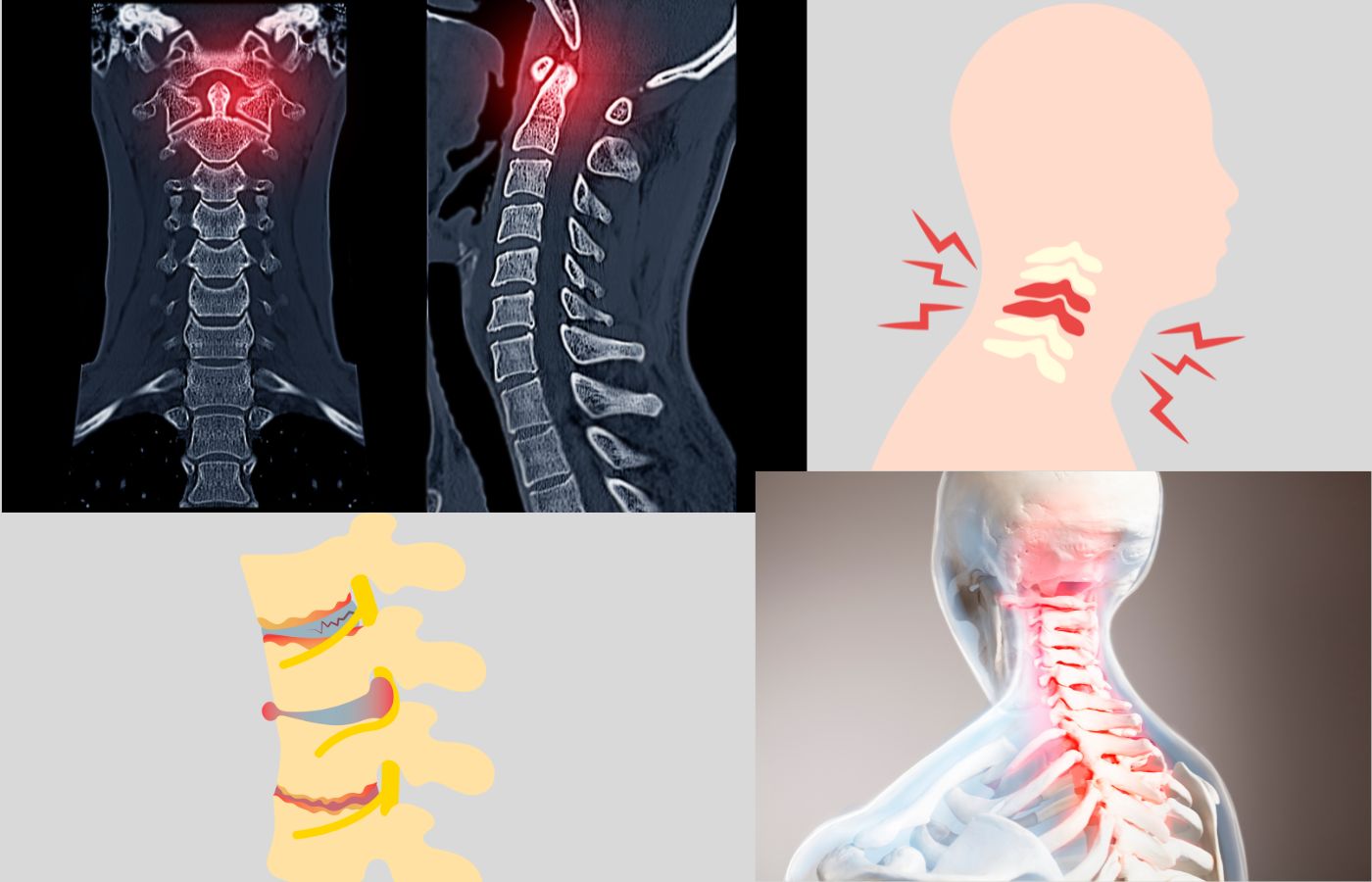
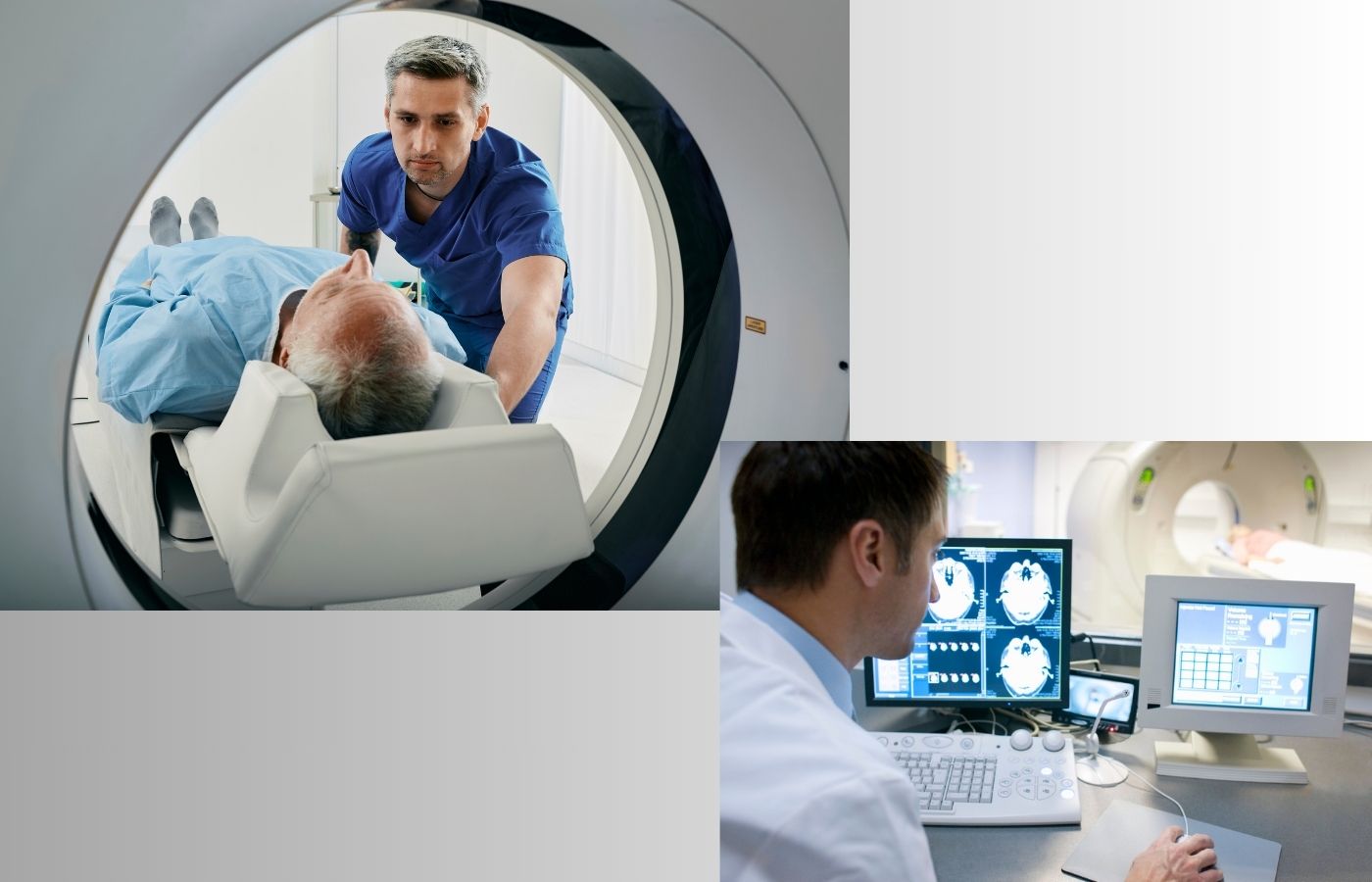
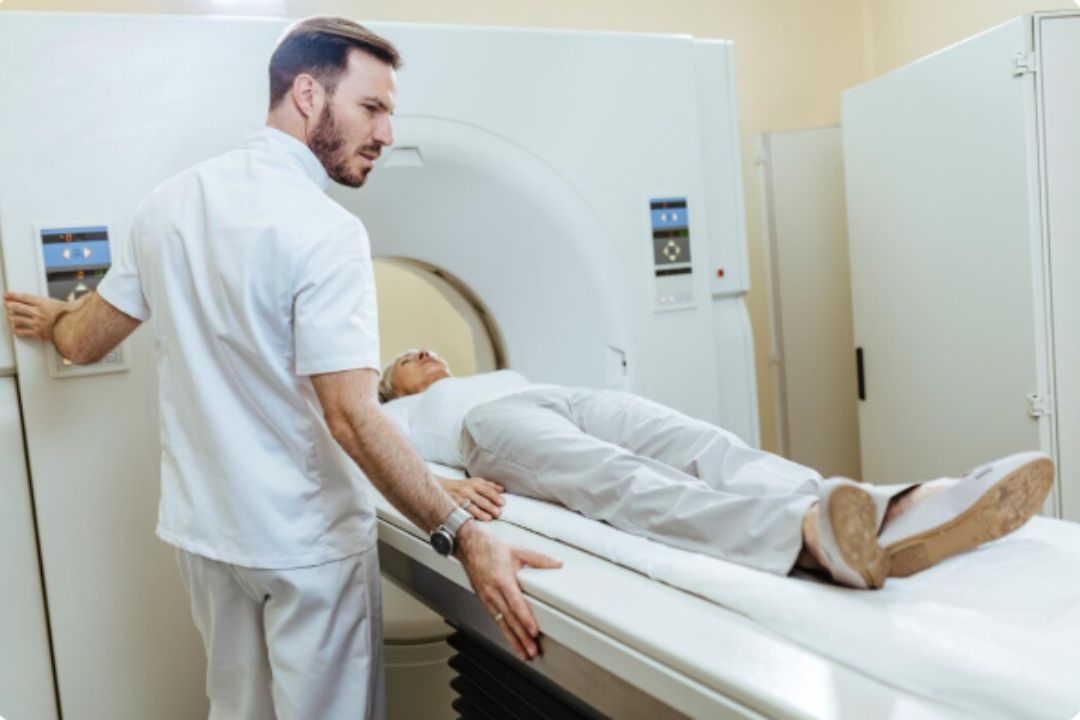
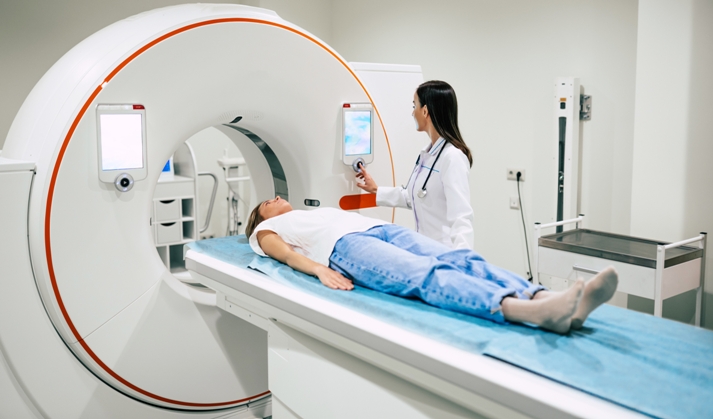
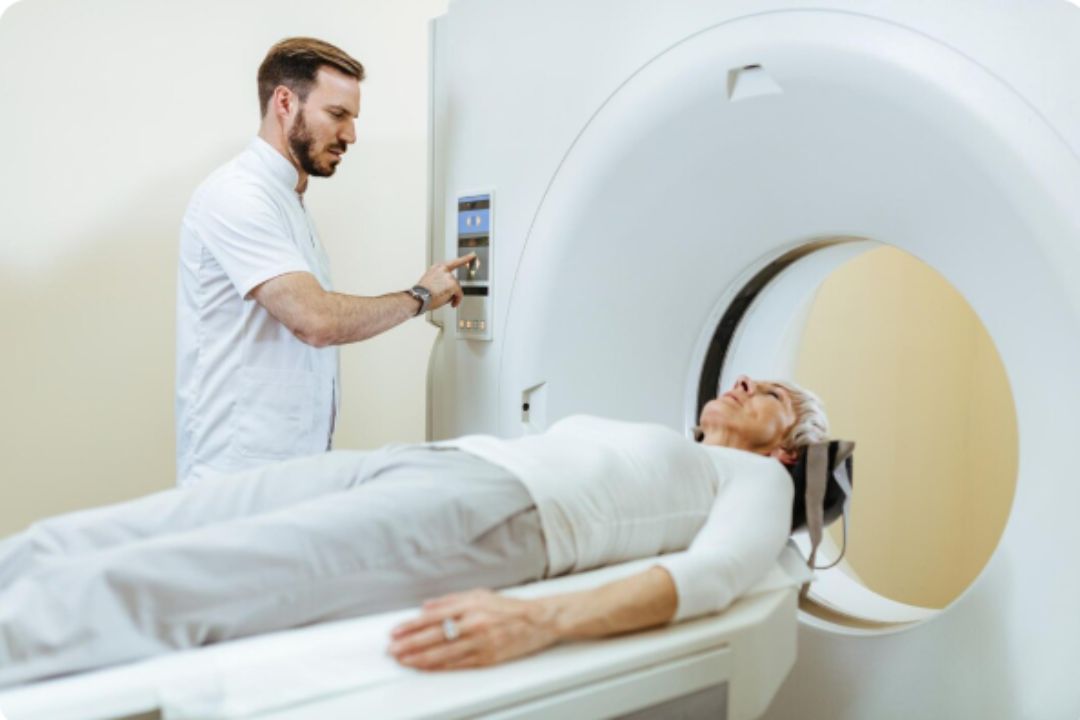
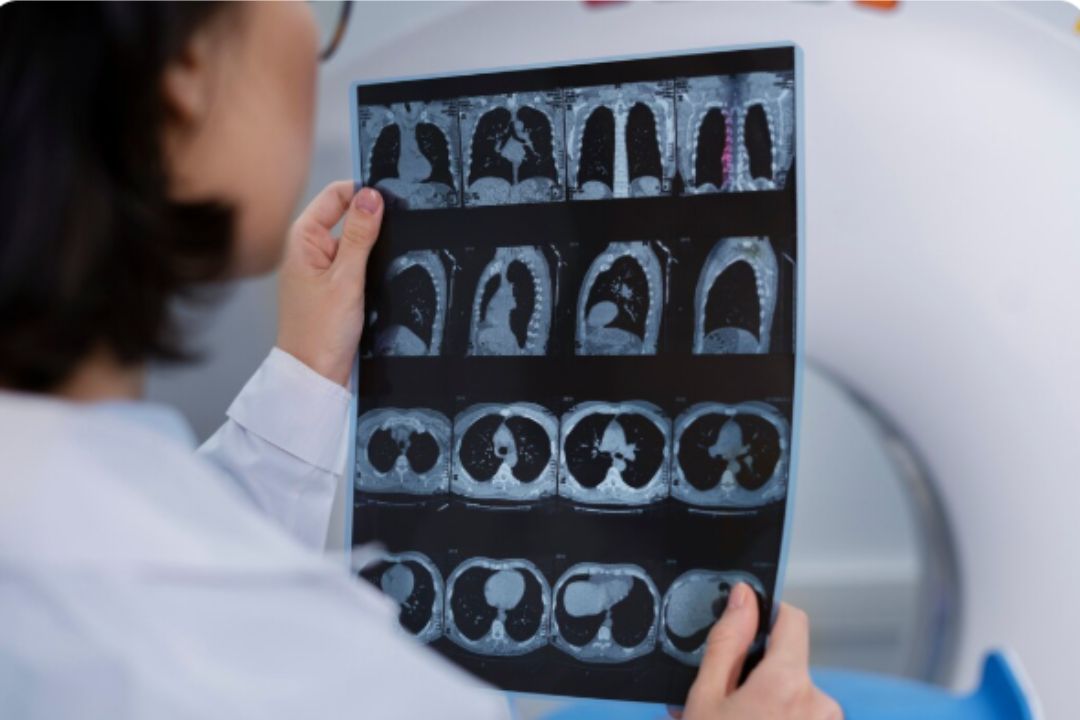
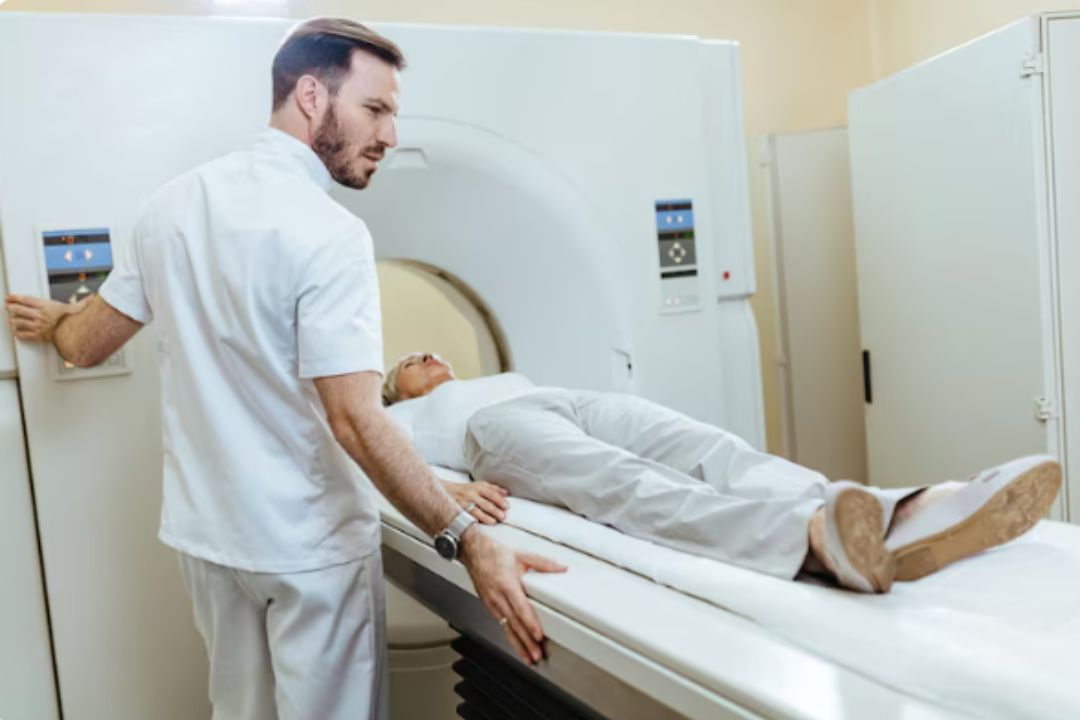
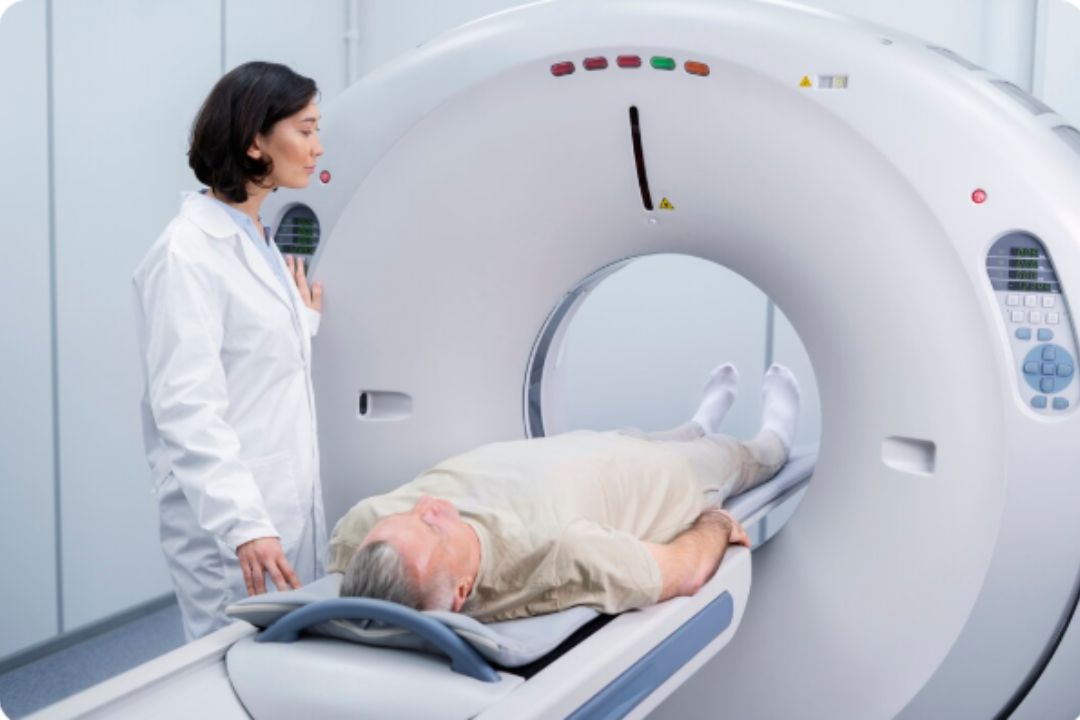
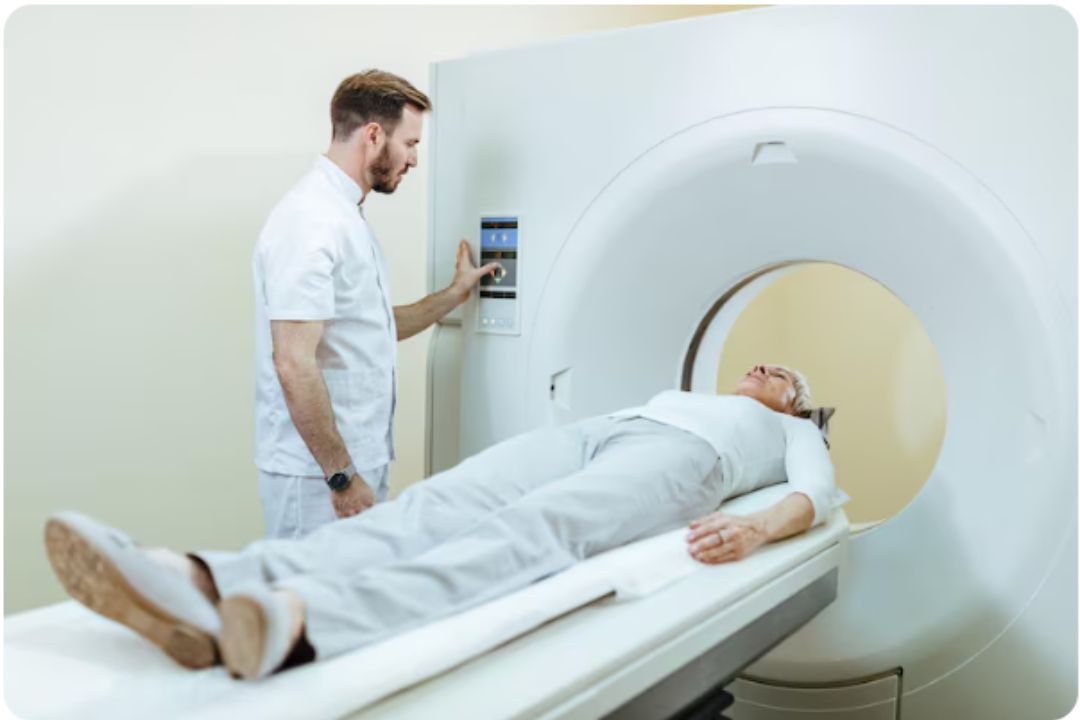
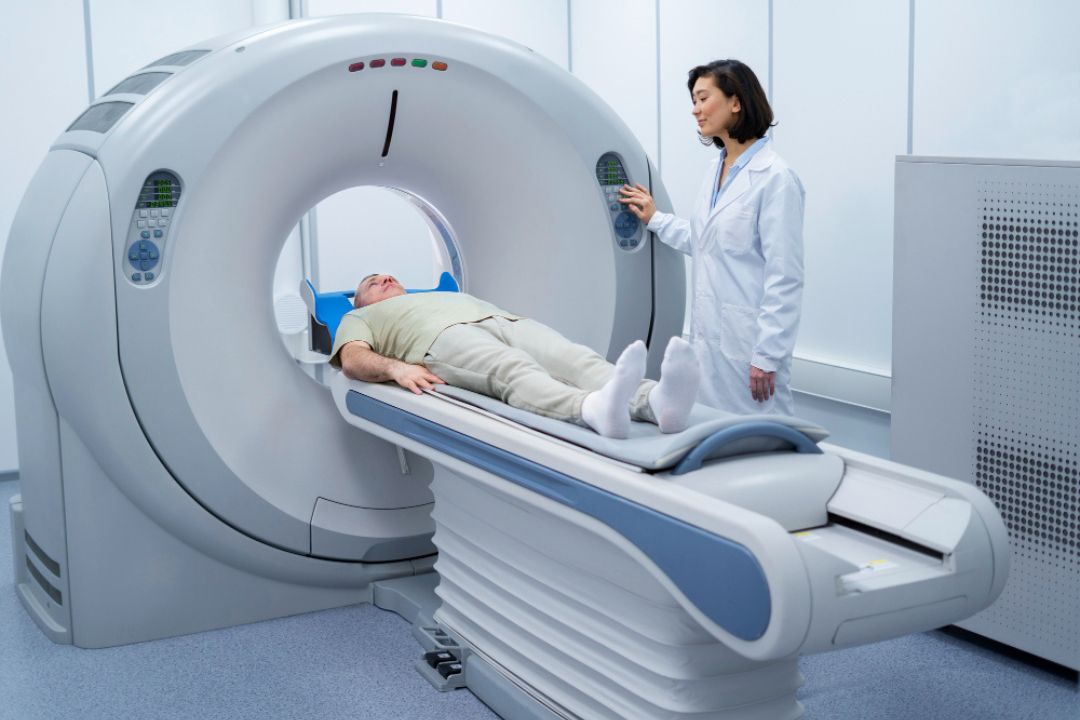
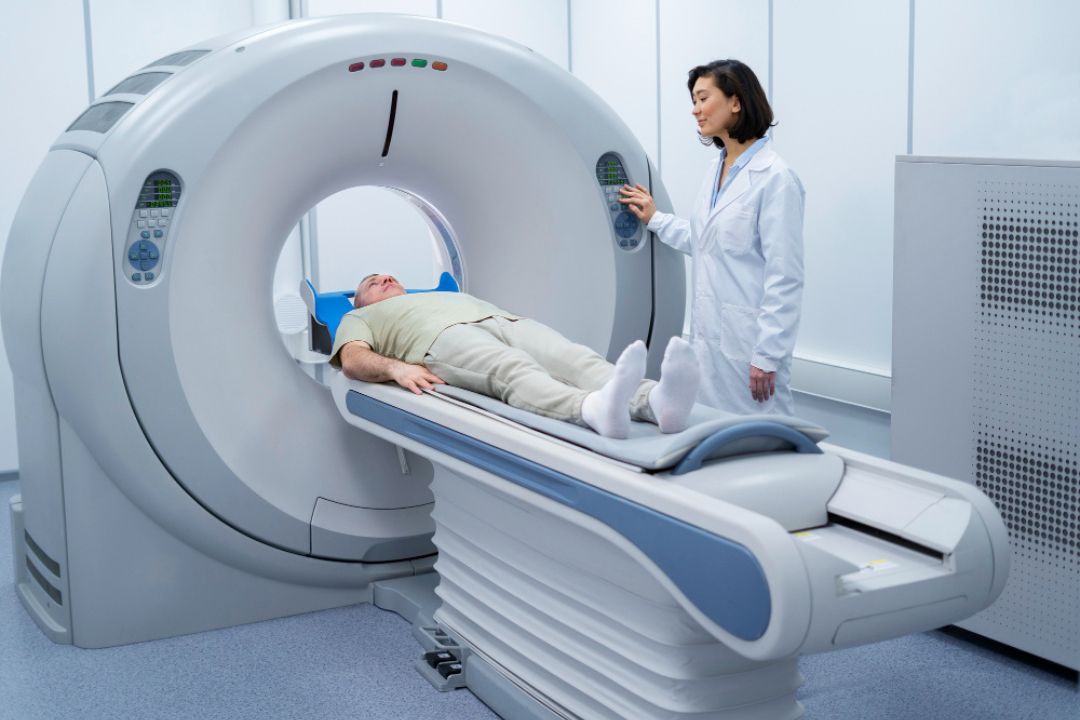
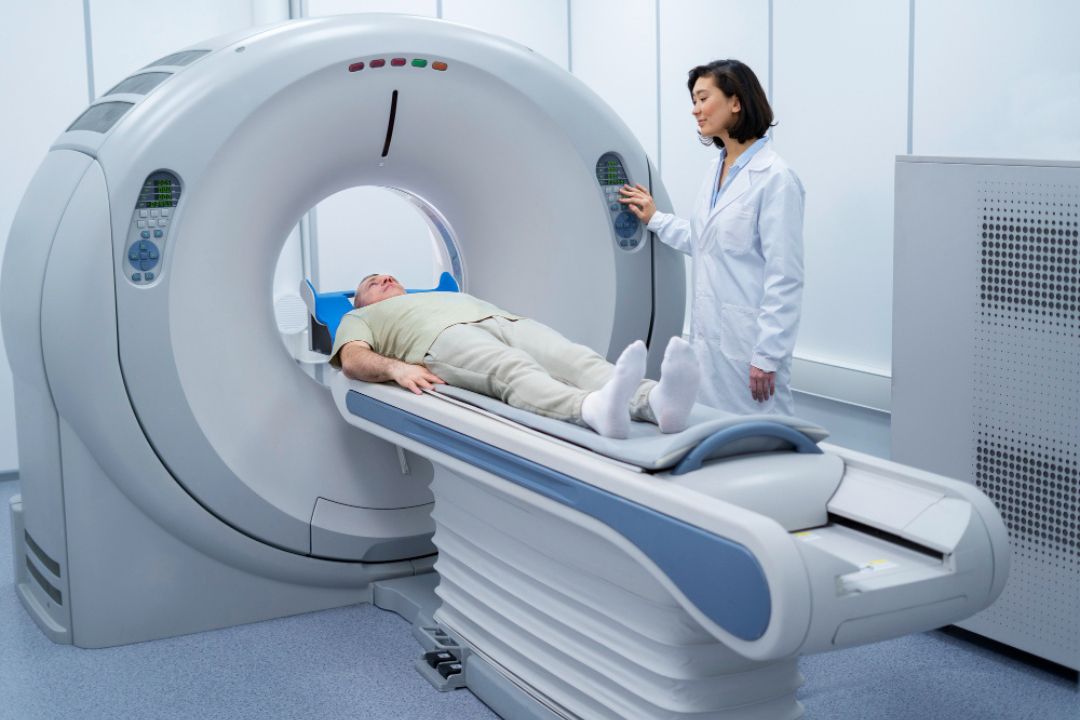
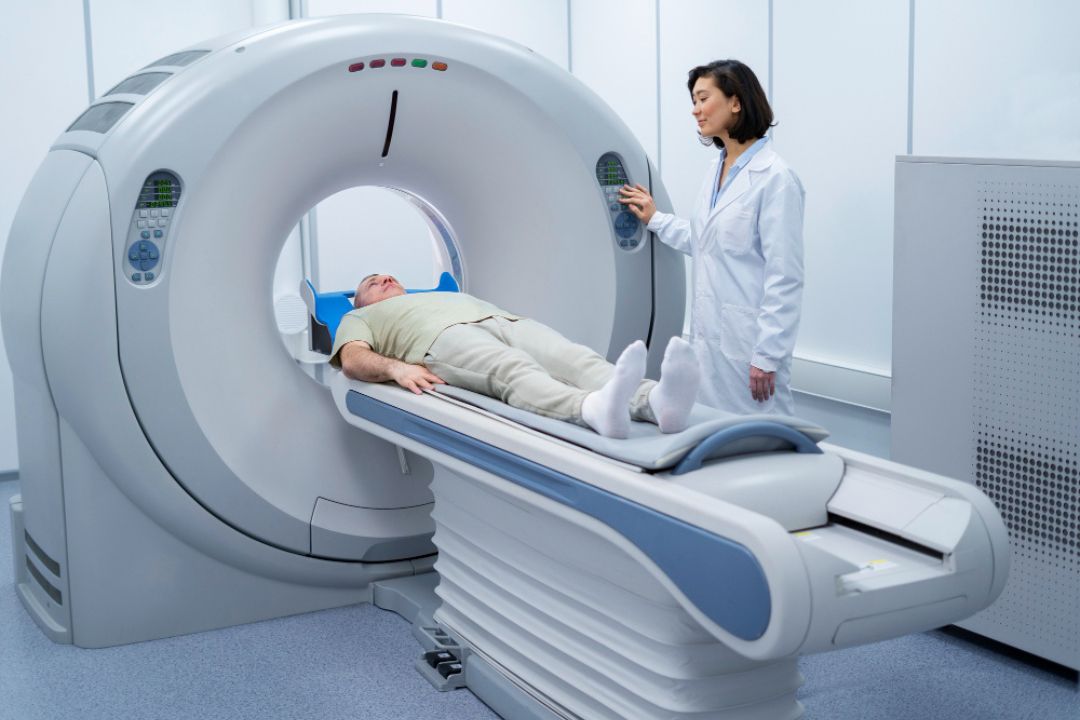
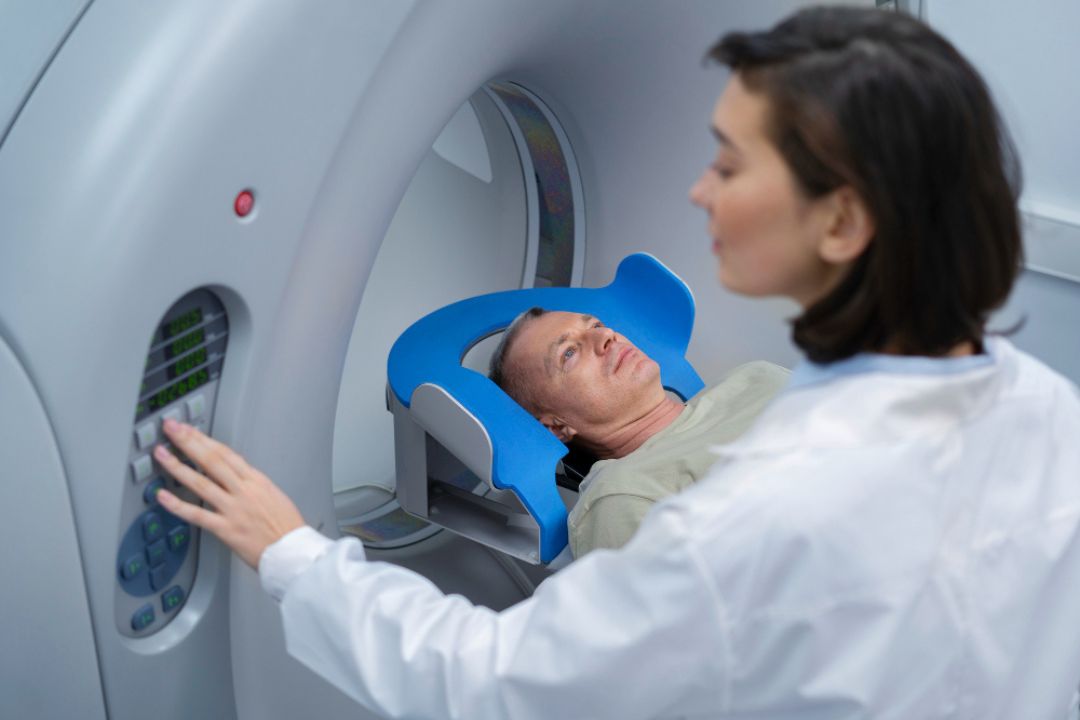
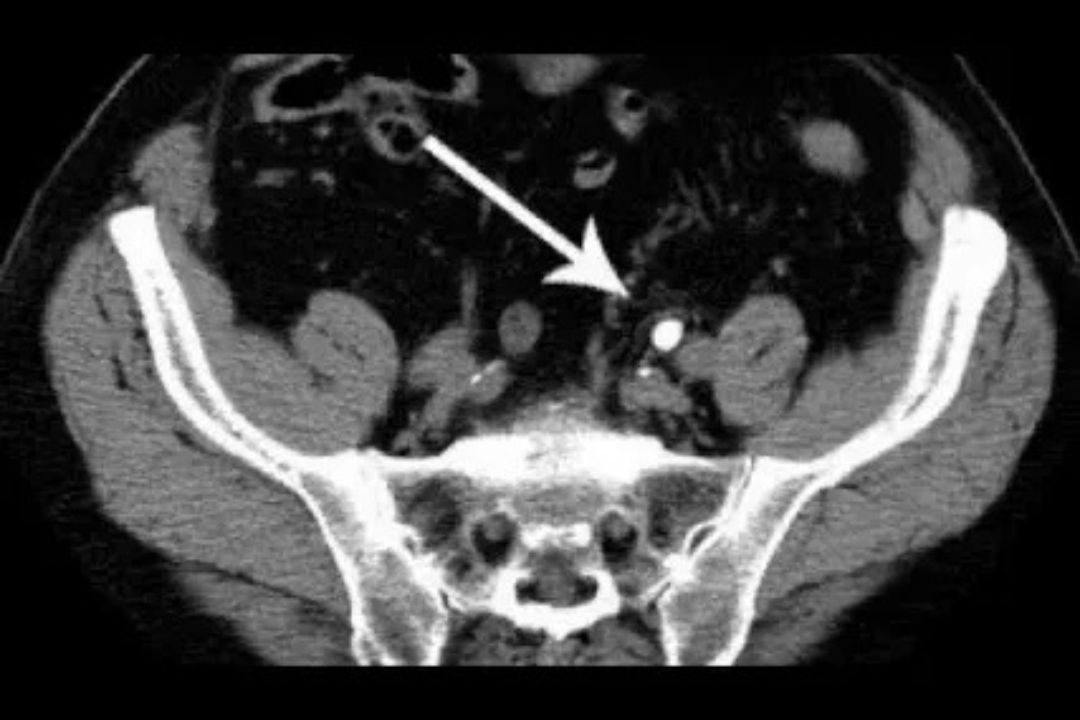
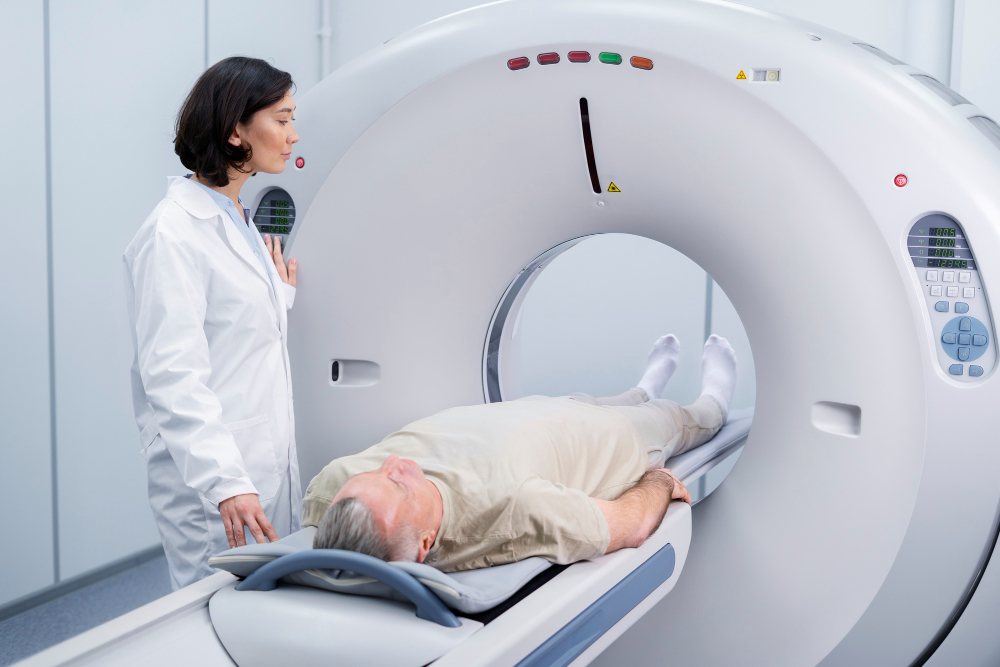
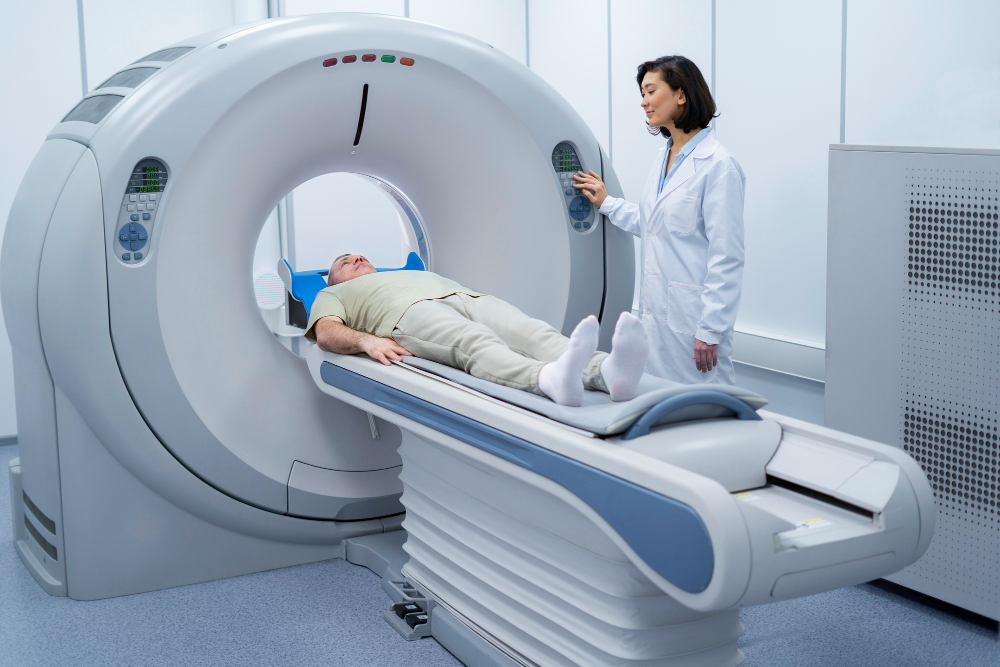
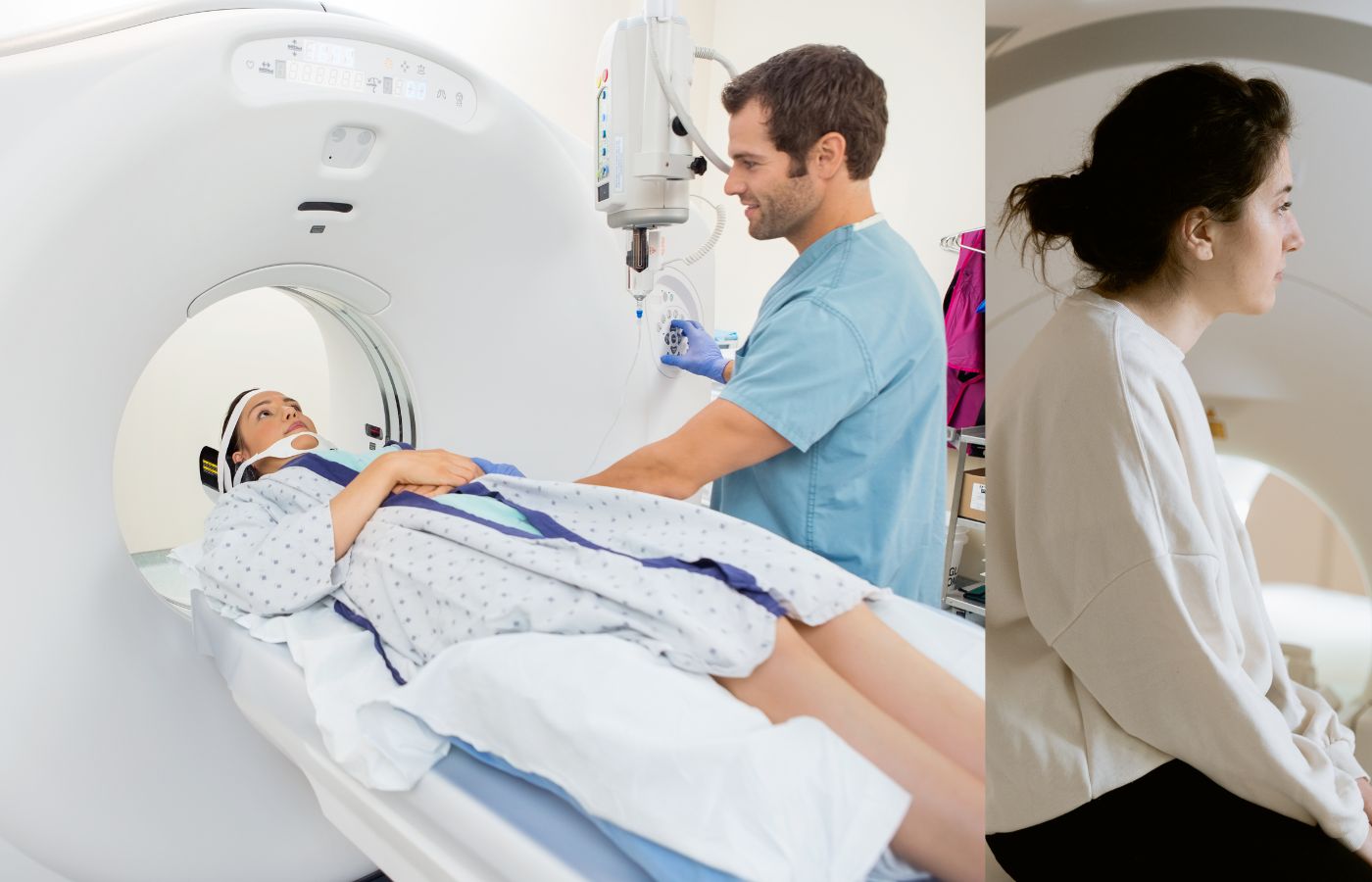
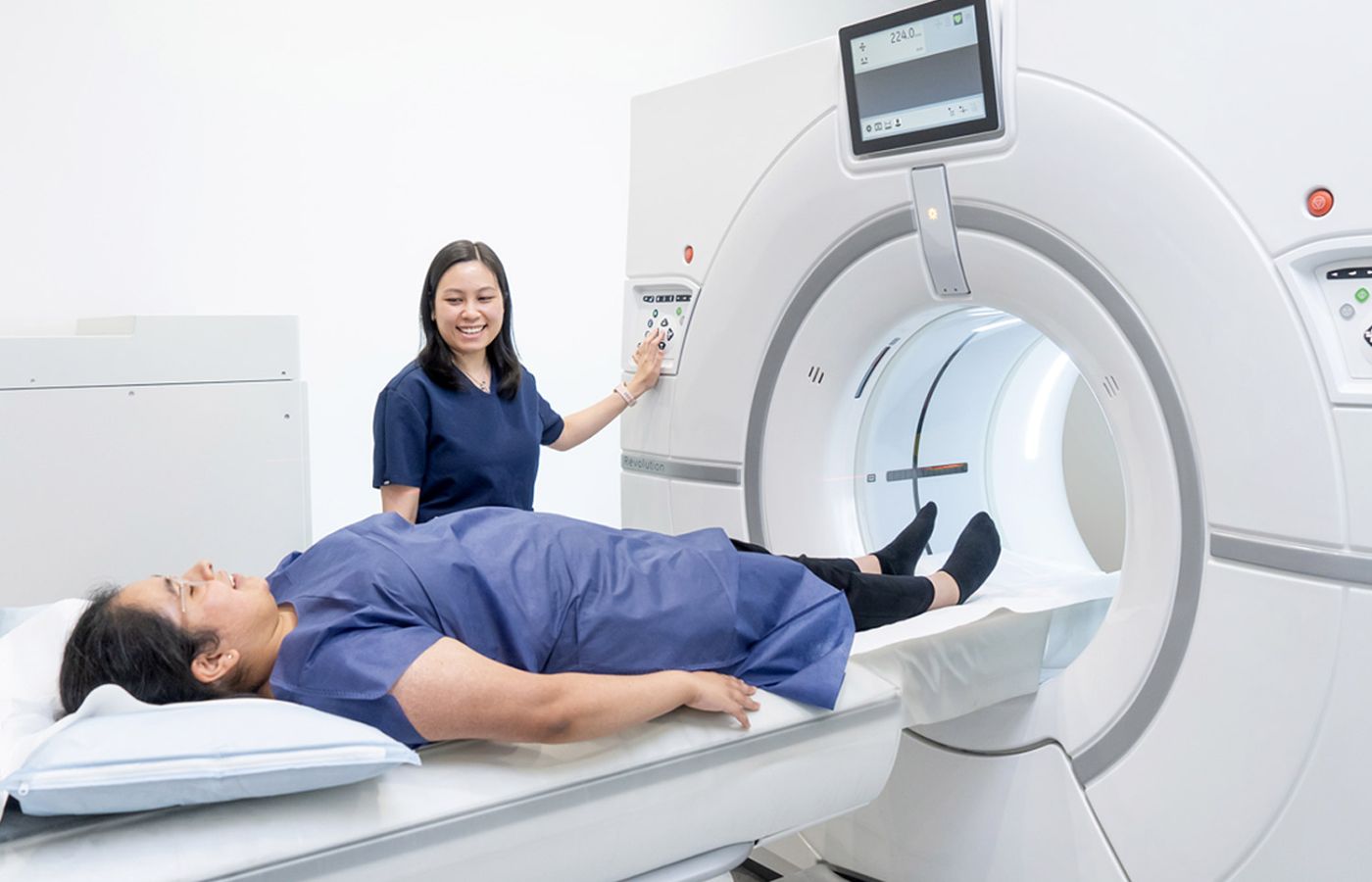
A CT Scan, also called Computed Tomography, is an imaging test that uses X-rays and computer technology to create detailed cross-sectional images of the body. These images allow doctors to examine organs, bones, blood vessels, and tissues.
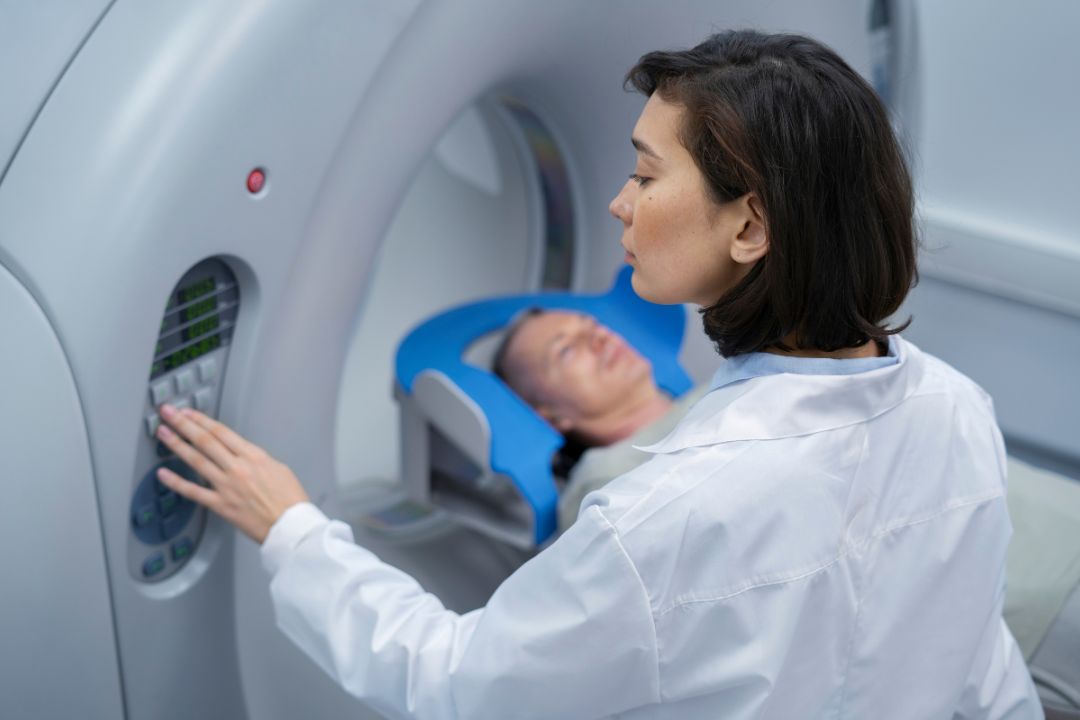
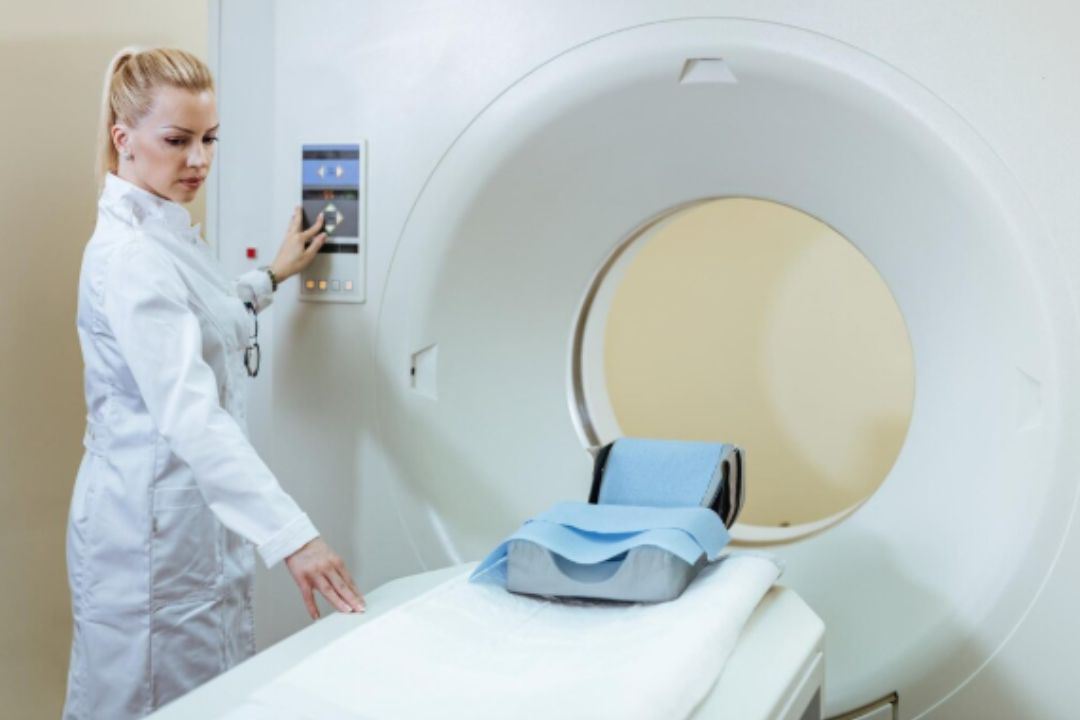
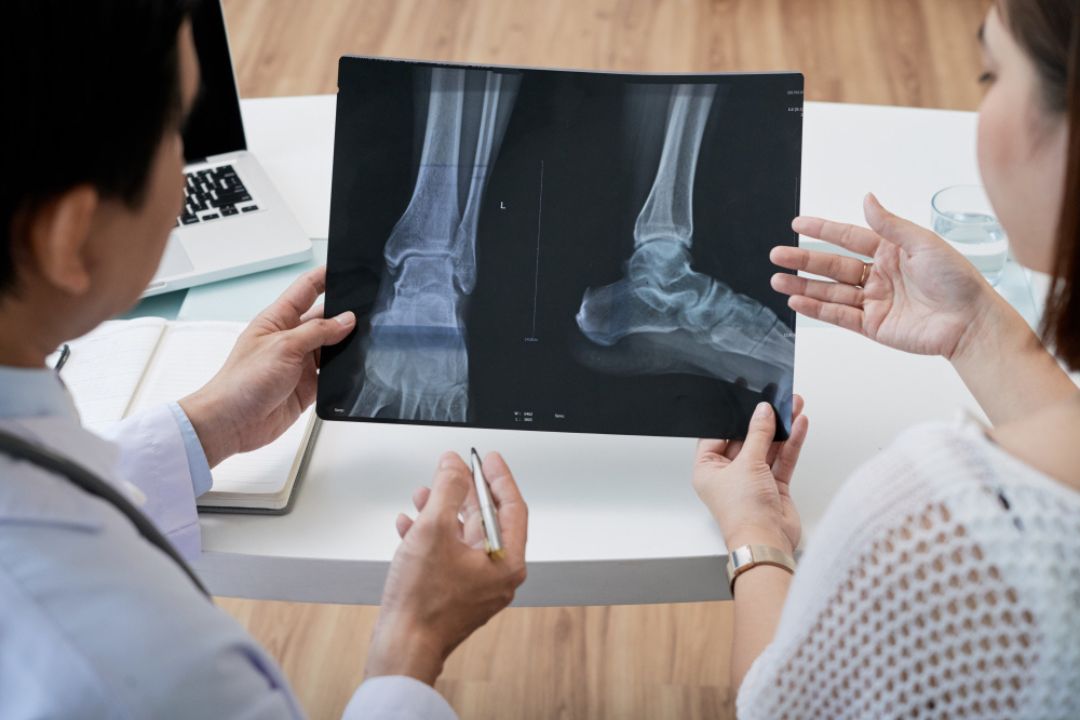
CT scans are commonly used to detect injuries, tumors, infections, internal bleeding, and bone fractures. The scan is very fast and usually takes only a few minutes to complete.
Doctors often recommend CT scans in emergency situations because they provide quick and accurate results.
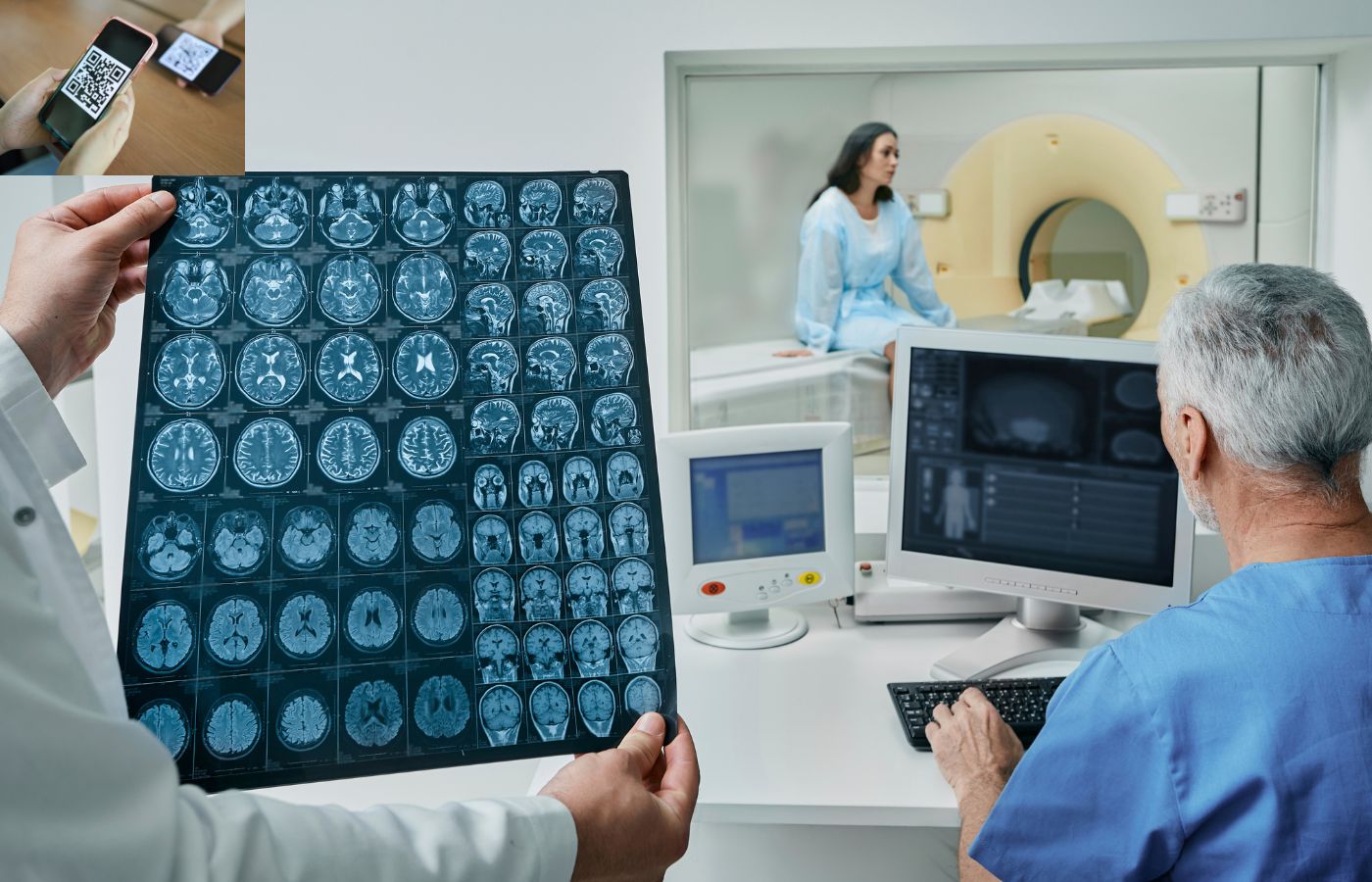
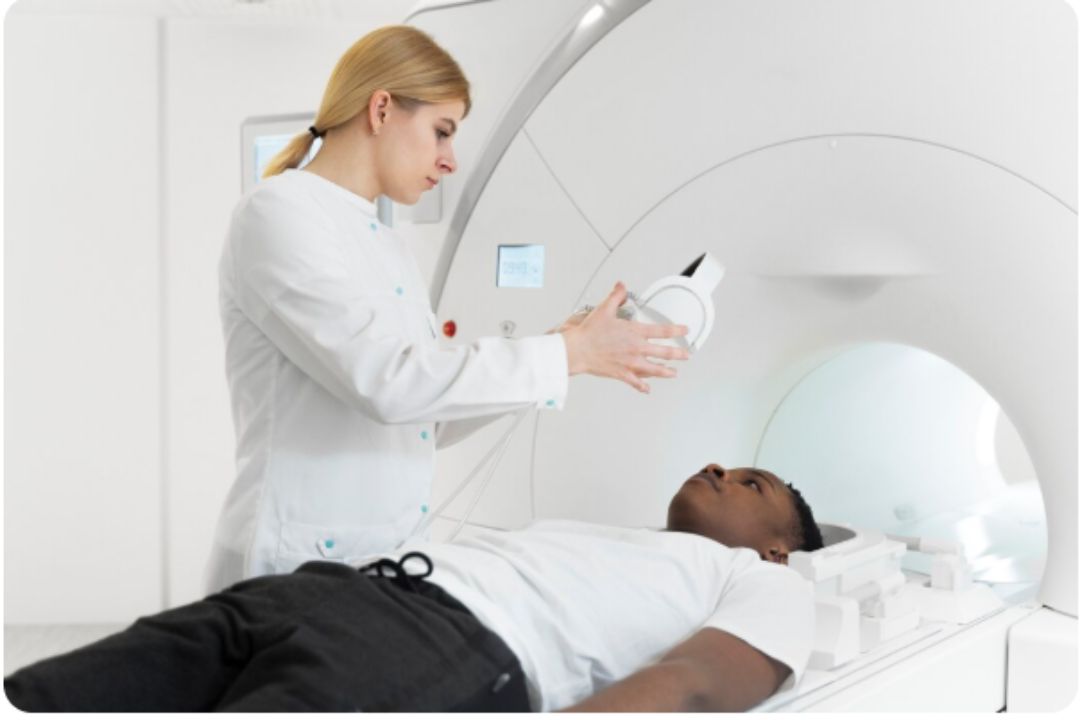
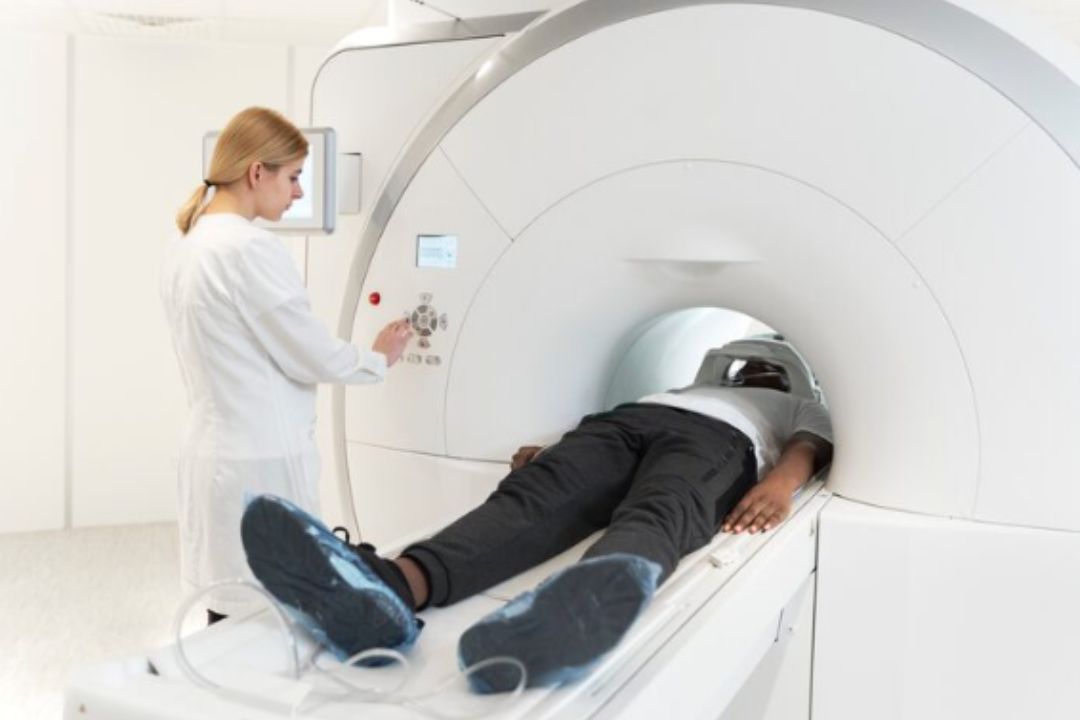
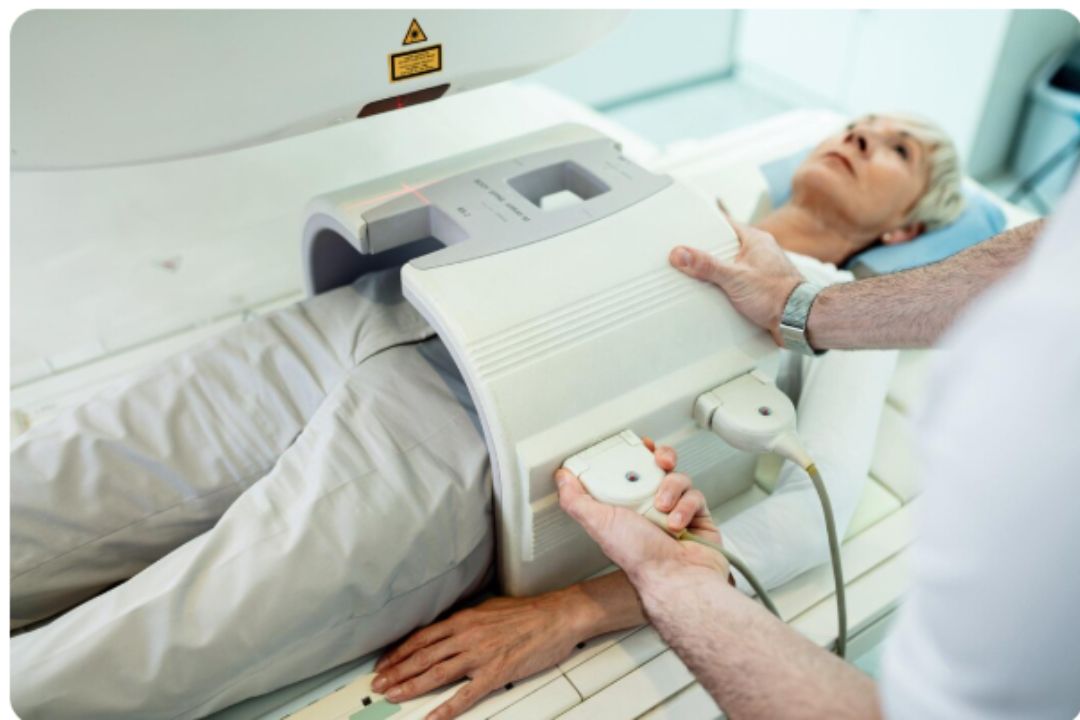
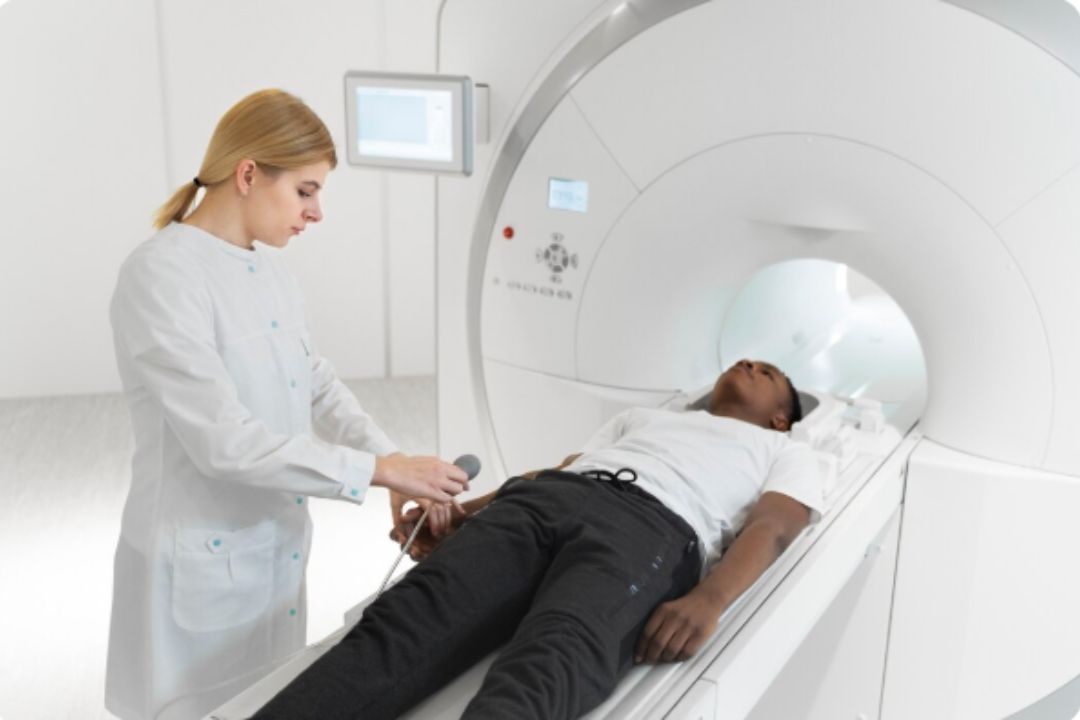
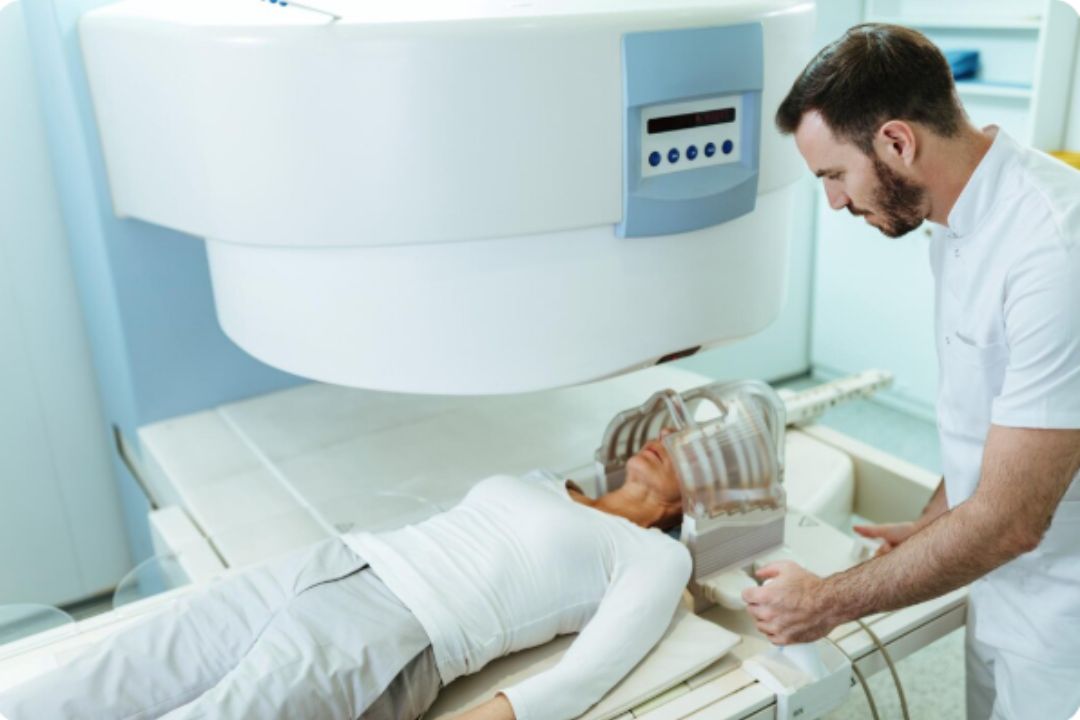
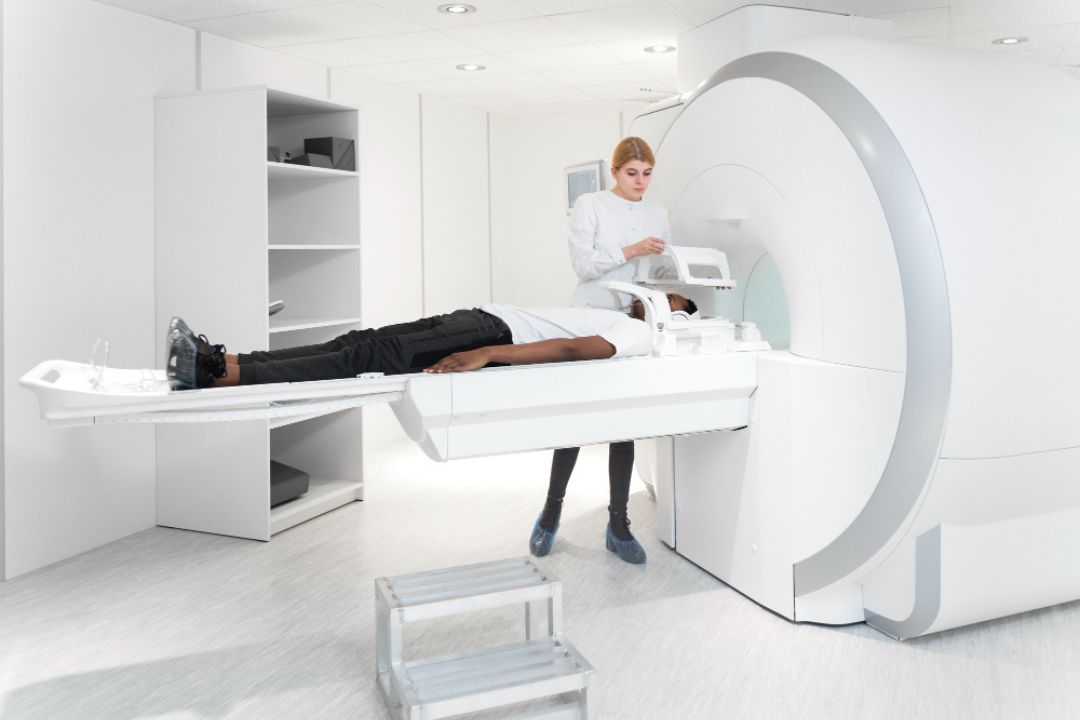
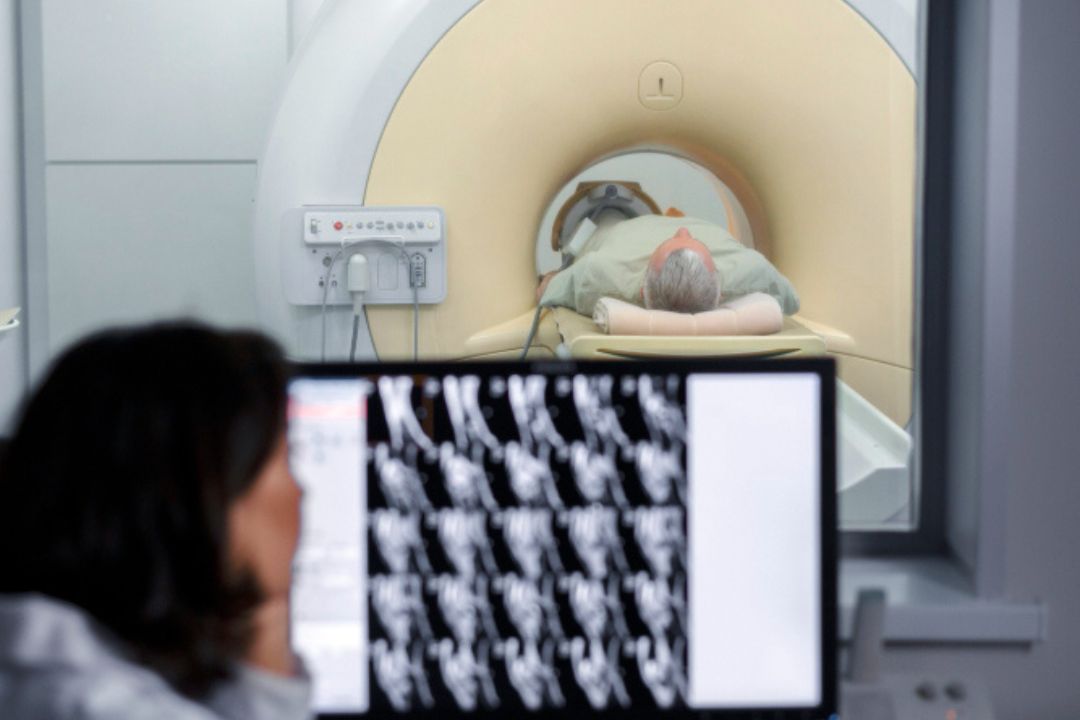
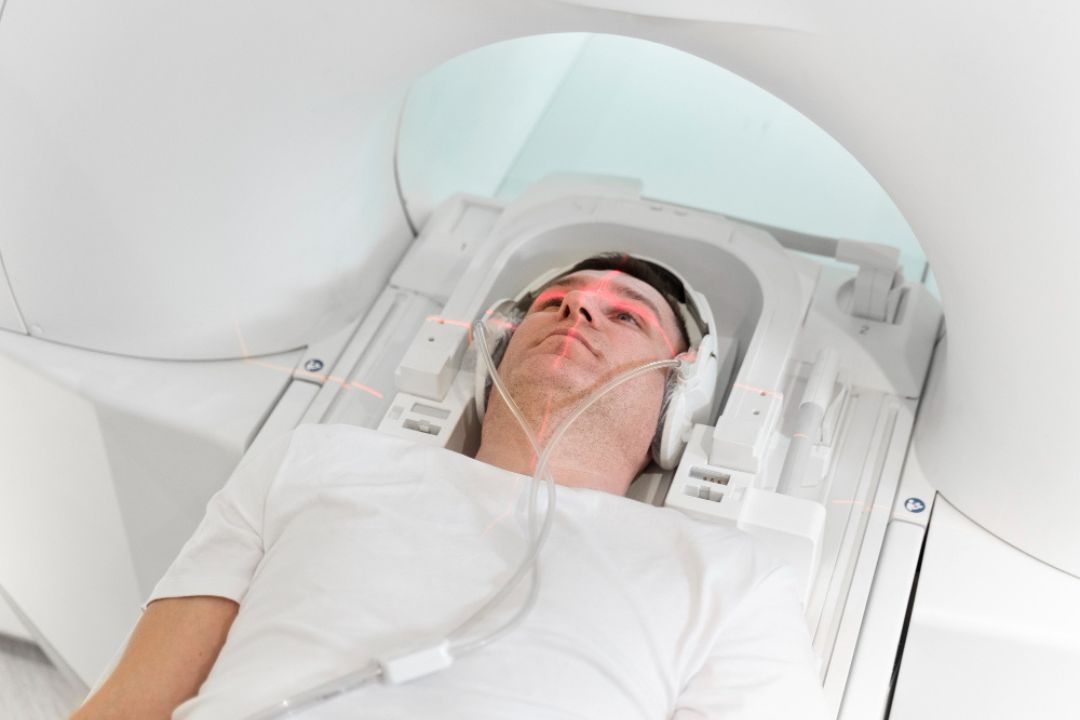
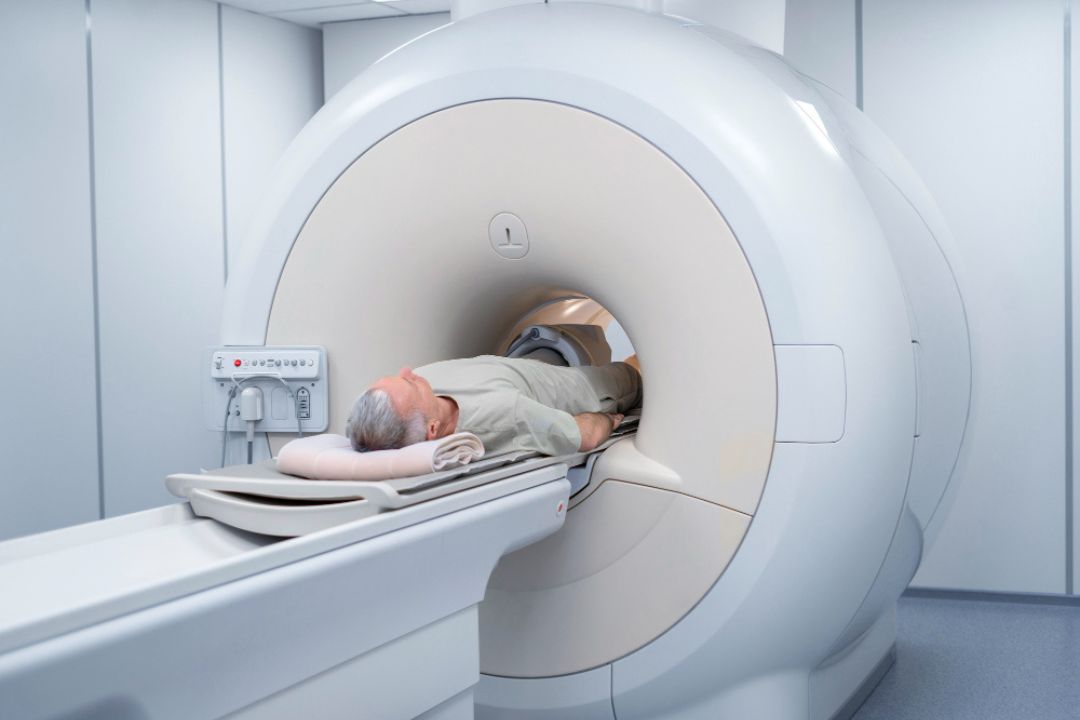
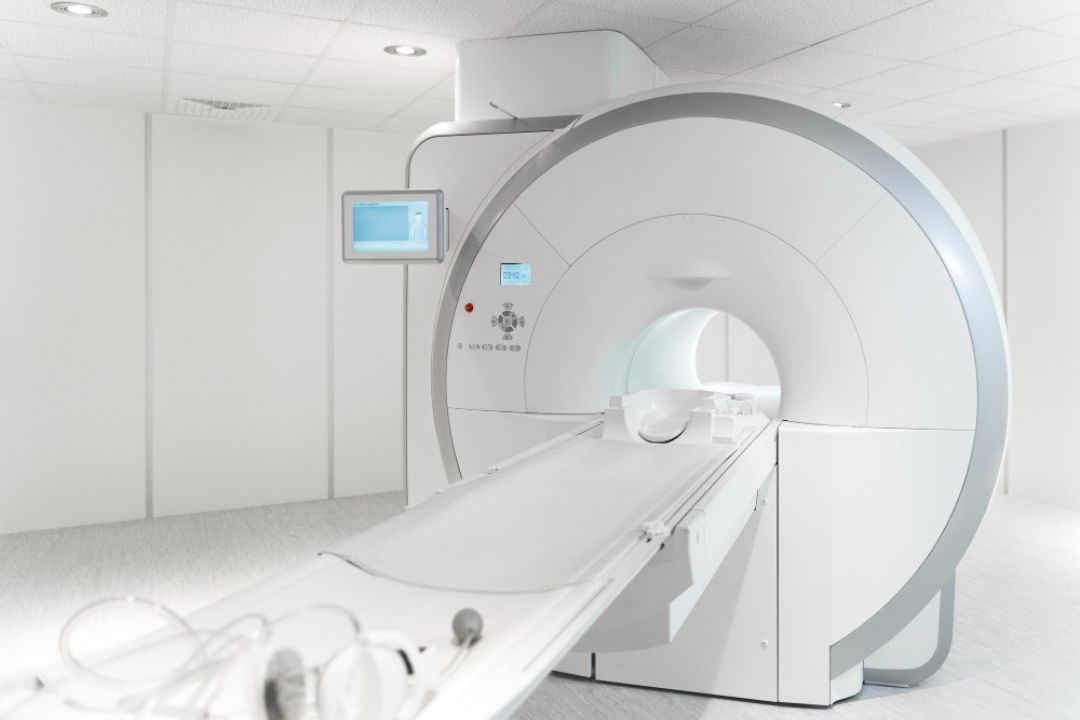
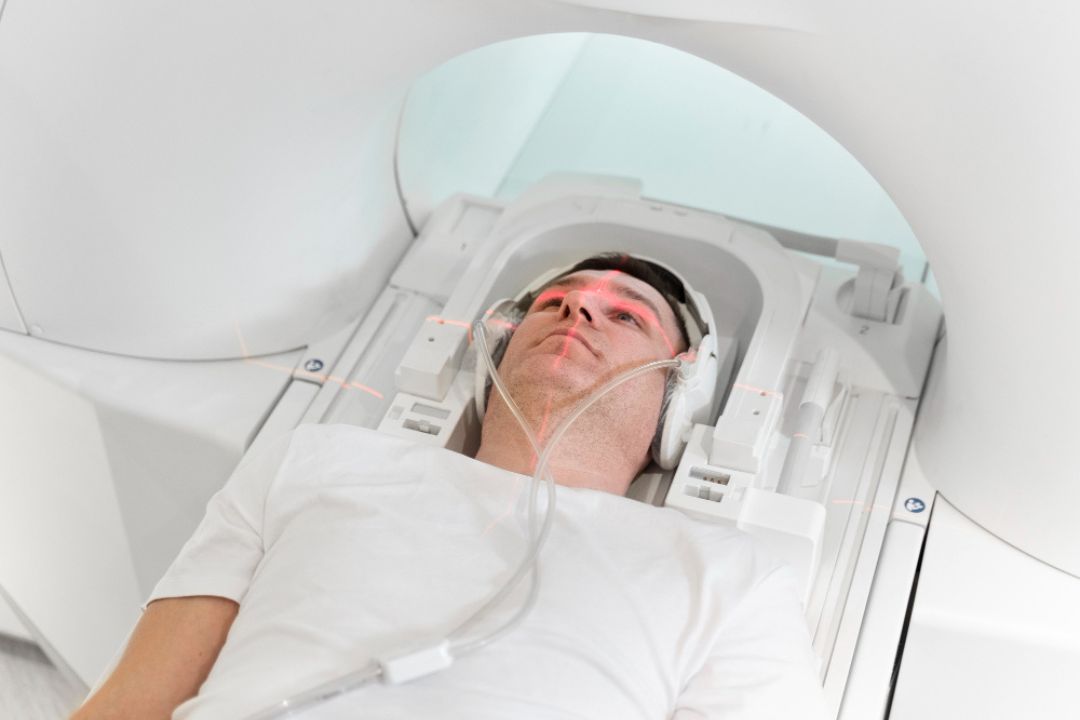
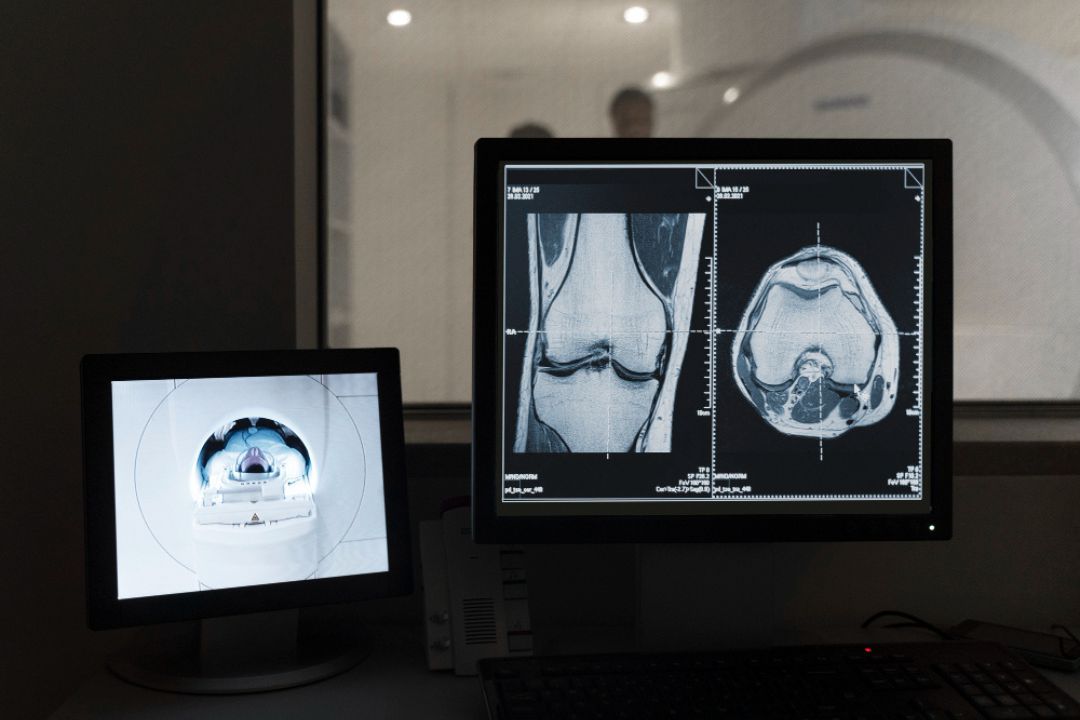
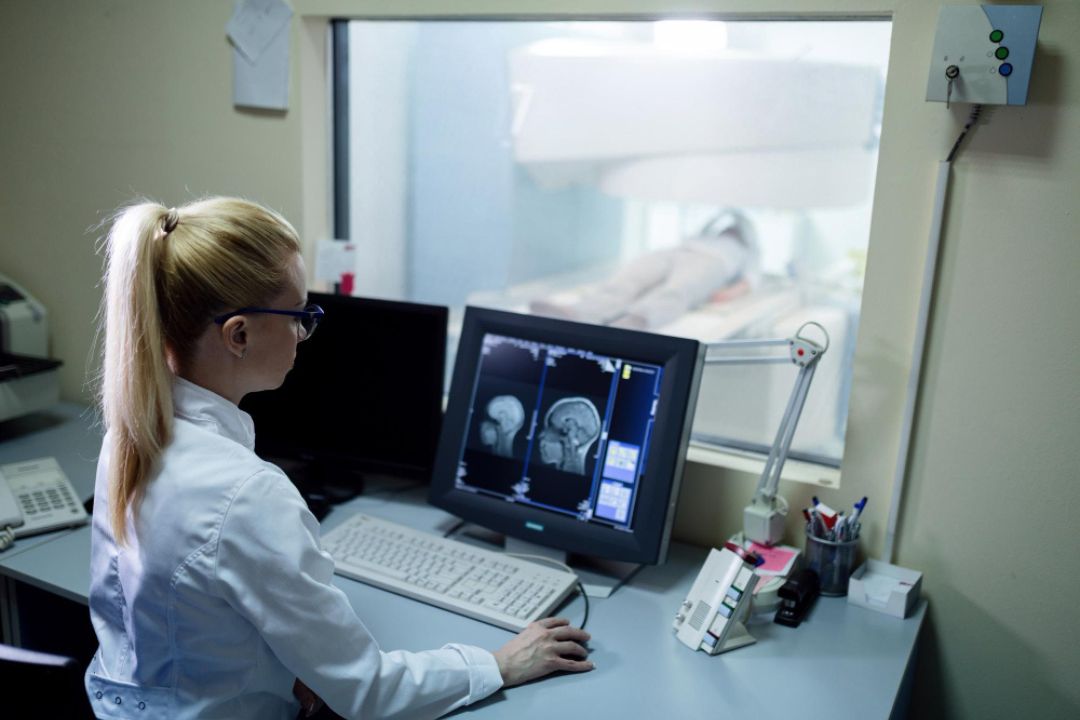
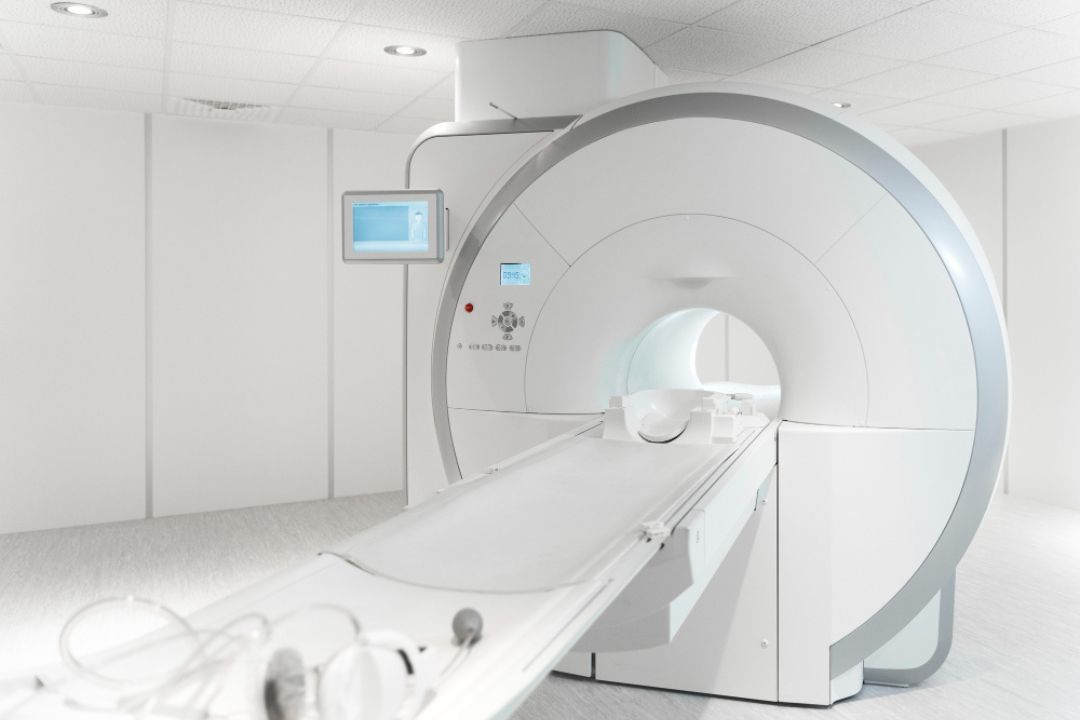
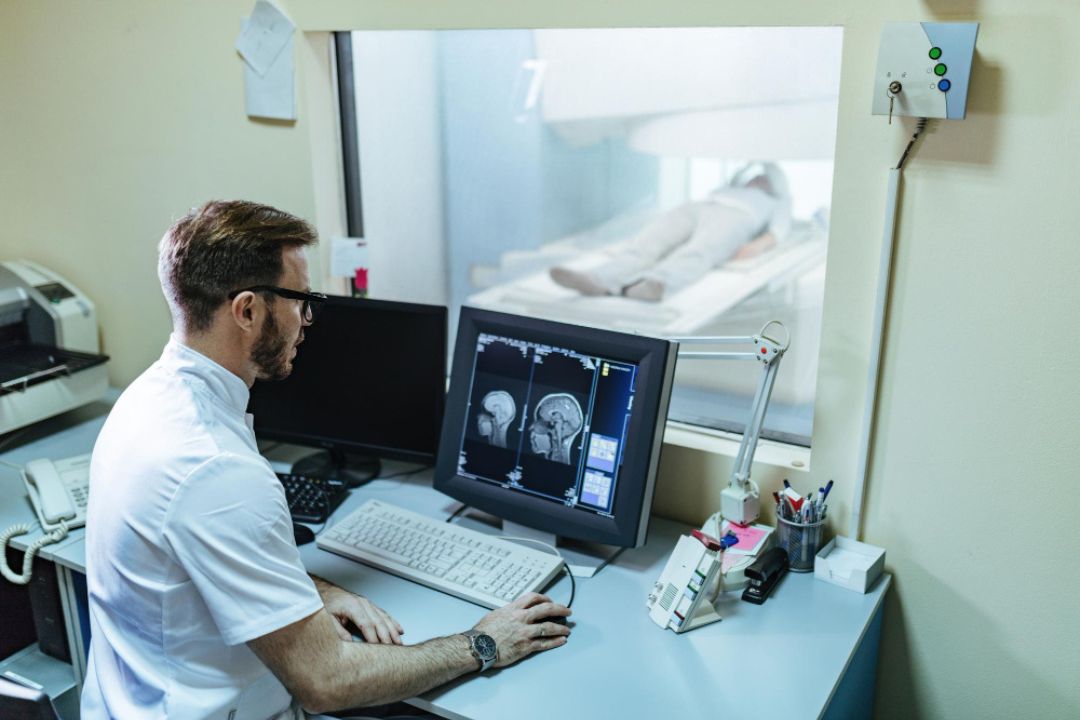
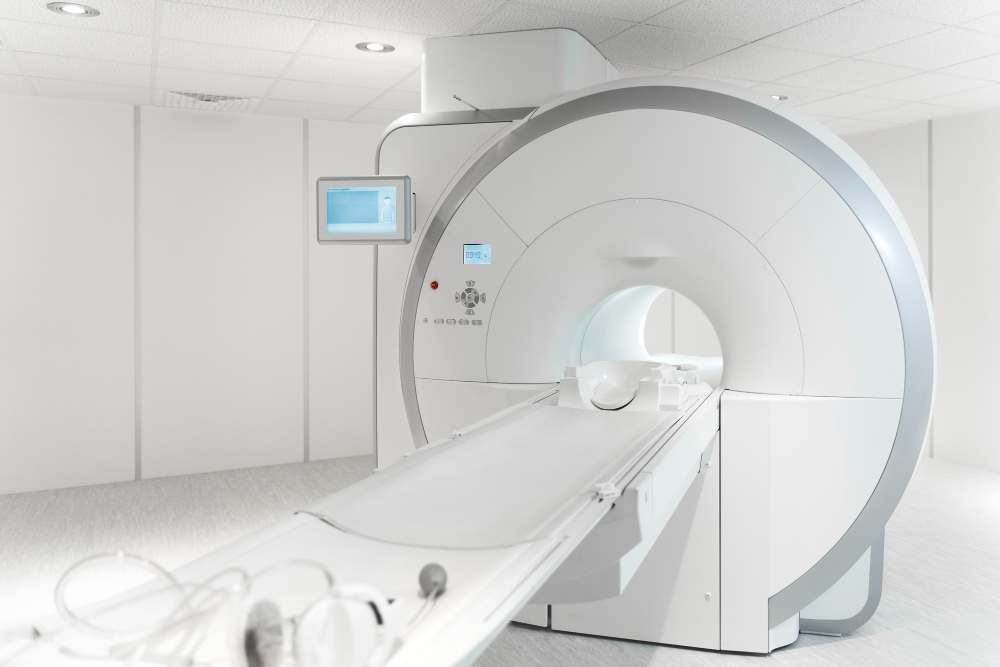
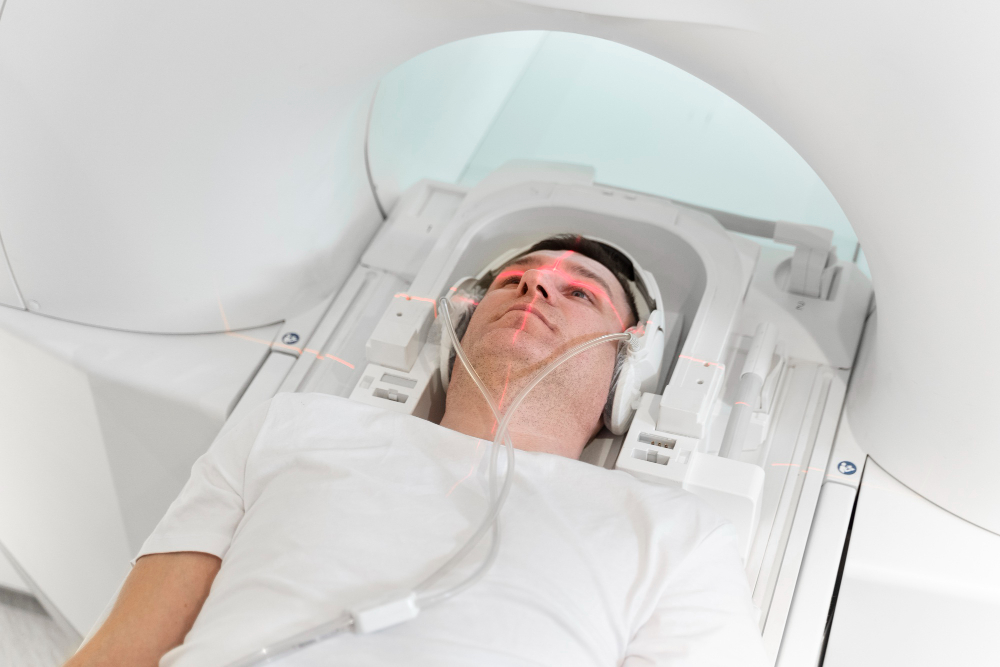
MRI stands for Magnetic Resonance Imaging. This imaging technique uses powerful magnets and radio waves to produce detailed images of the body’s internal structures.
Unlike CT scans, MRI does not use radiation. Instead, it creates images by detecting signals from water molecules inside the body.
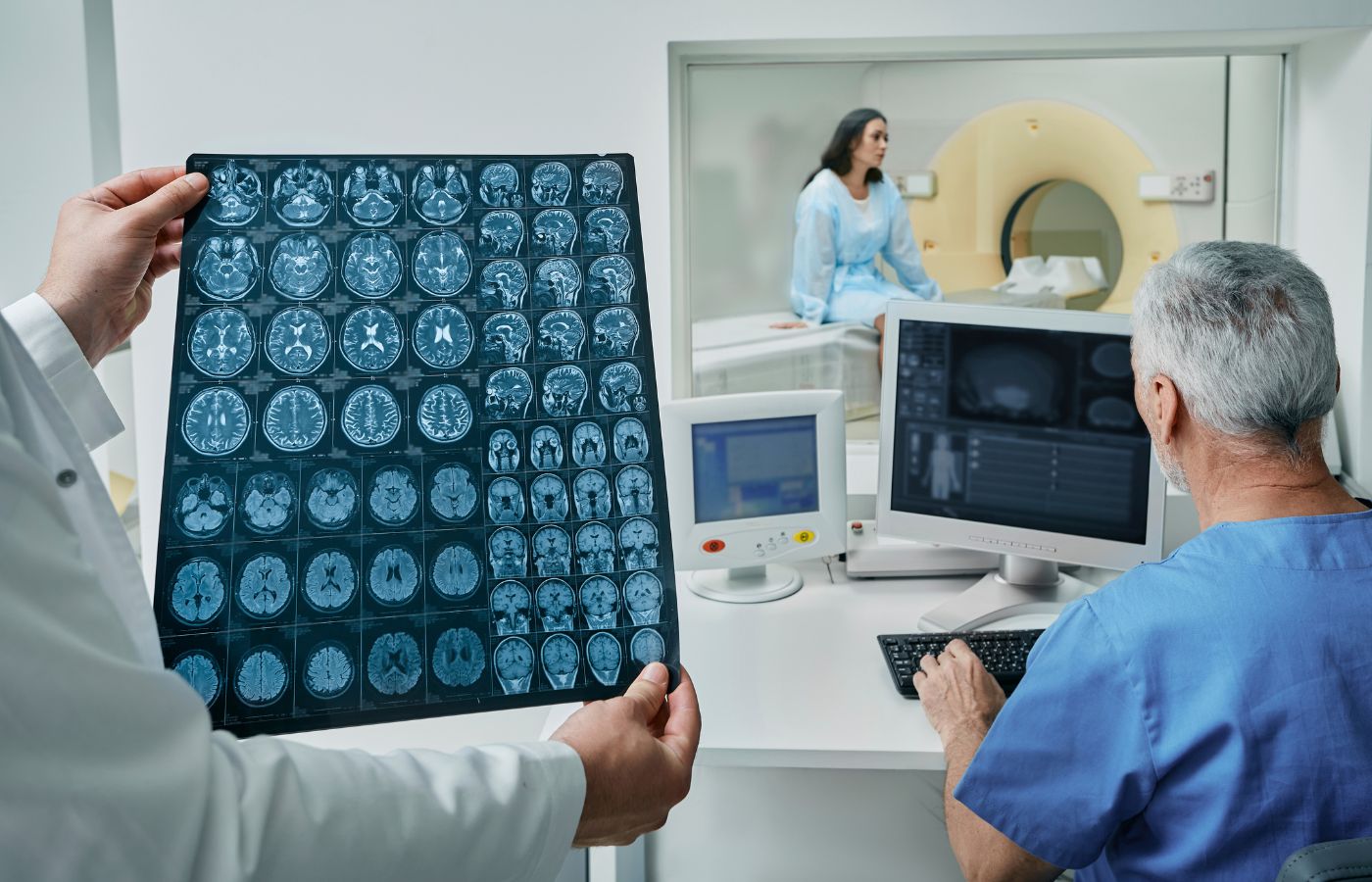
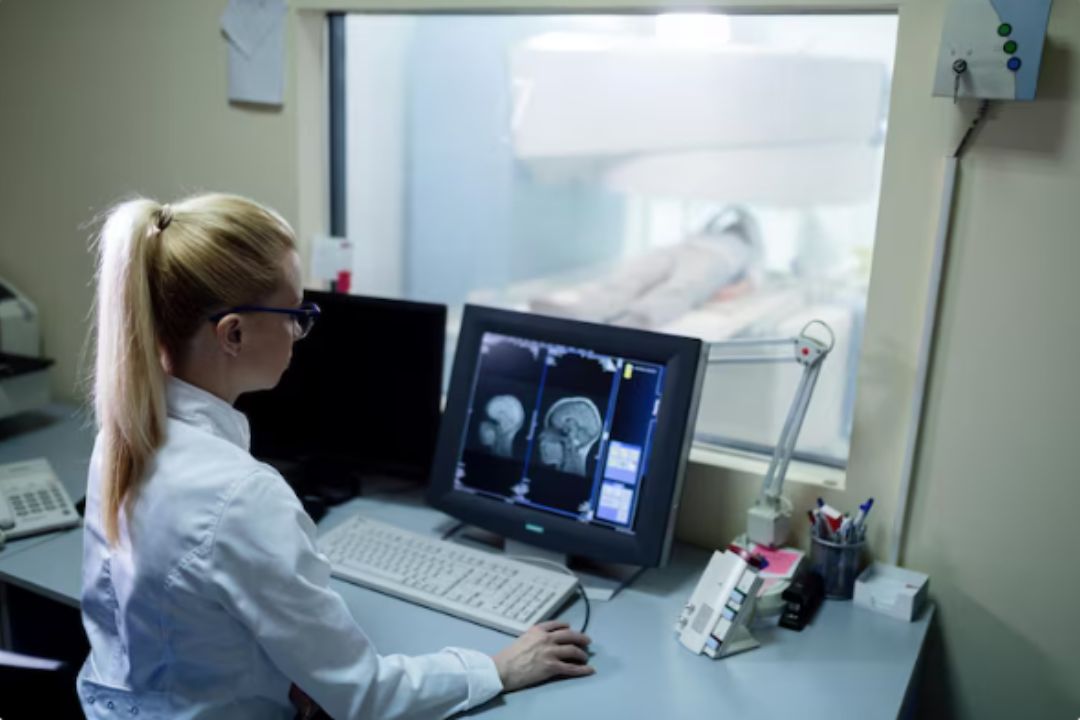
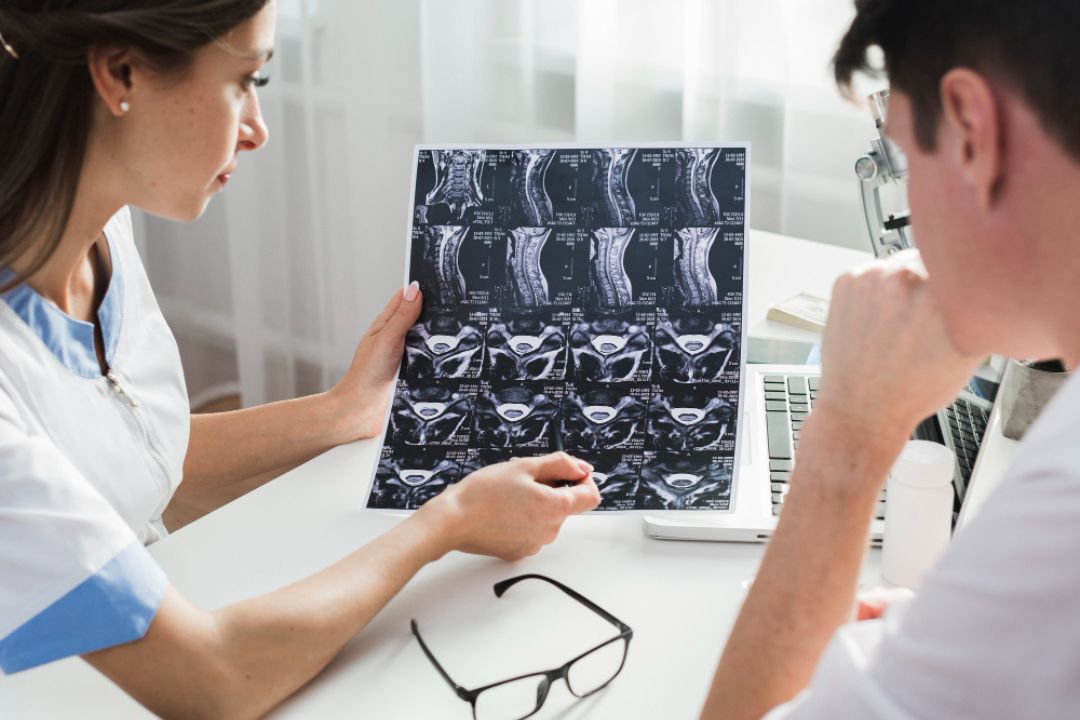
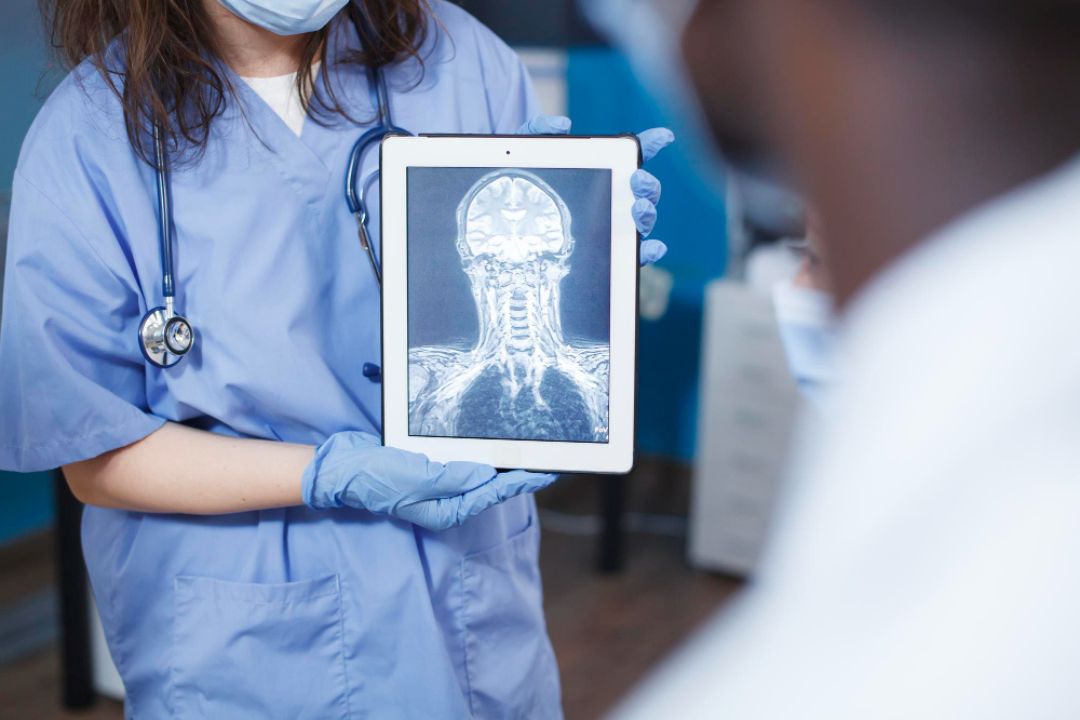
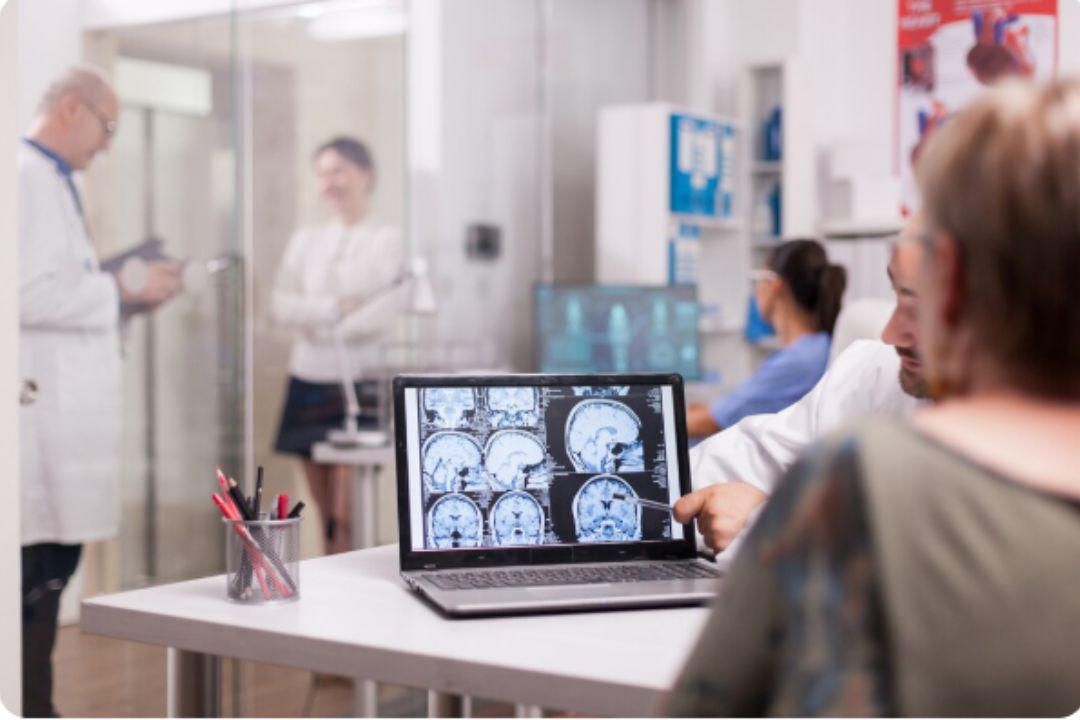
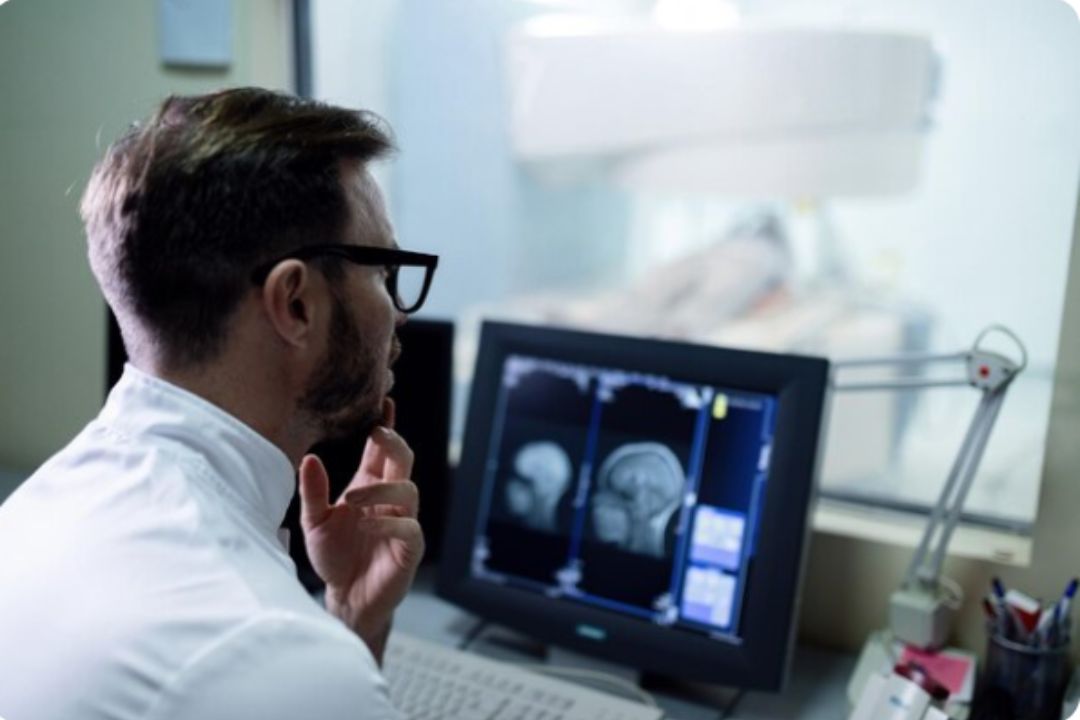
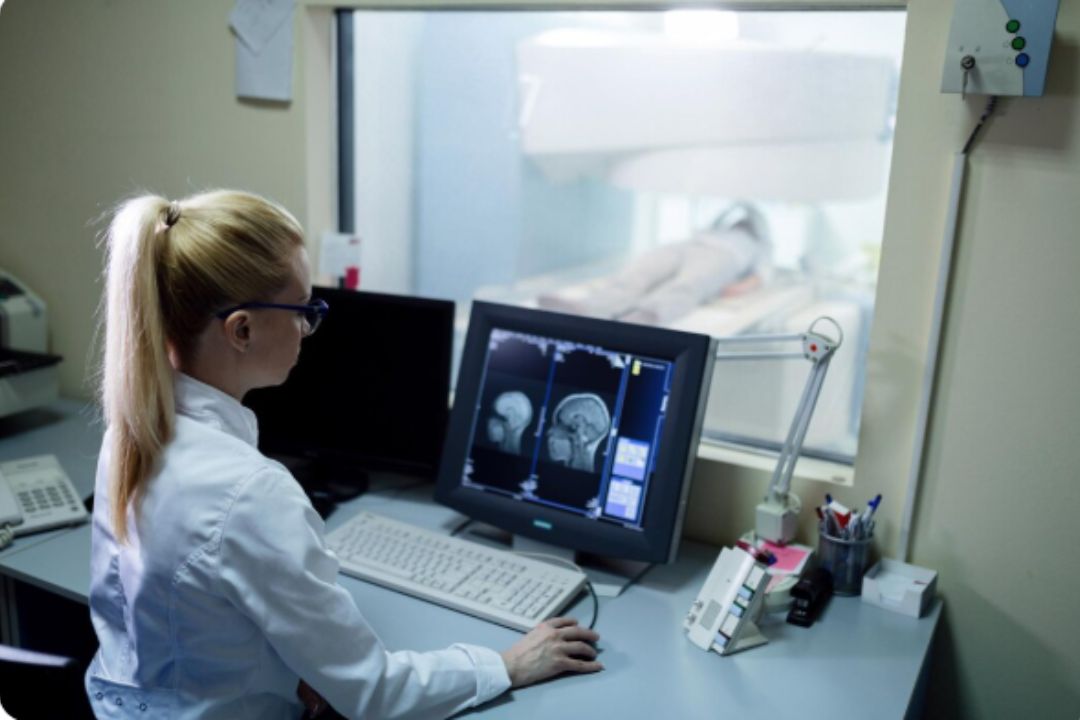
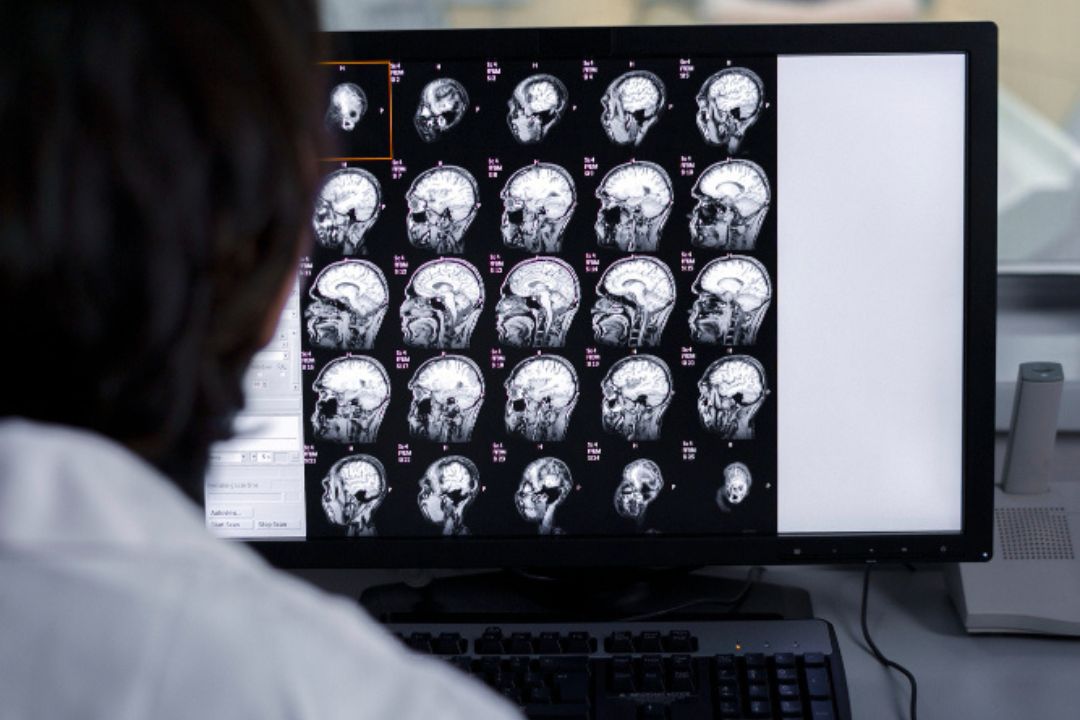
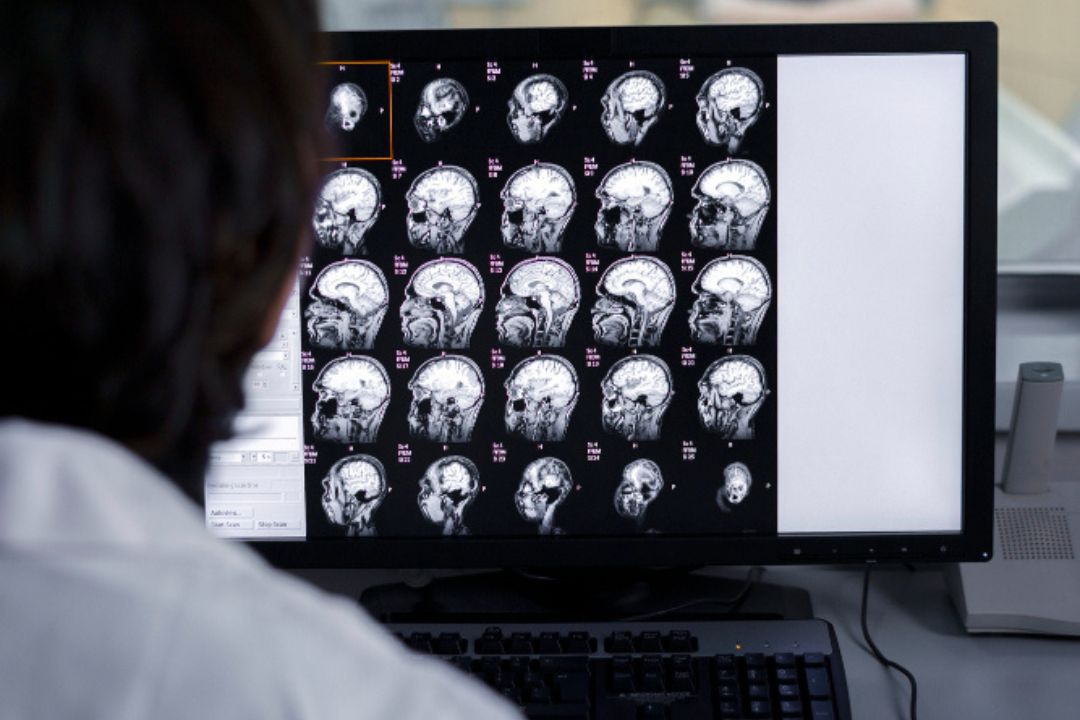
MRI scans are particularly useful for examining soft tissues such as the brain, spinal cord, muscles, ligaments, and internal organs.
CT scans use X-rays to generate images of the body. MRI scans use strong magnetic fields and radio waves to produce detailed images.
CT scans involve exposure to ionizing radiation, while MRI scans do not use radiation at all. Because of this, MRI is often preferred for patients who require repeated imaging tests.
CT scans are much faster than MRI scans and can be completed in a few minutes. MRI scans usually take longer, often between 30 and 60 minutes.
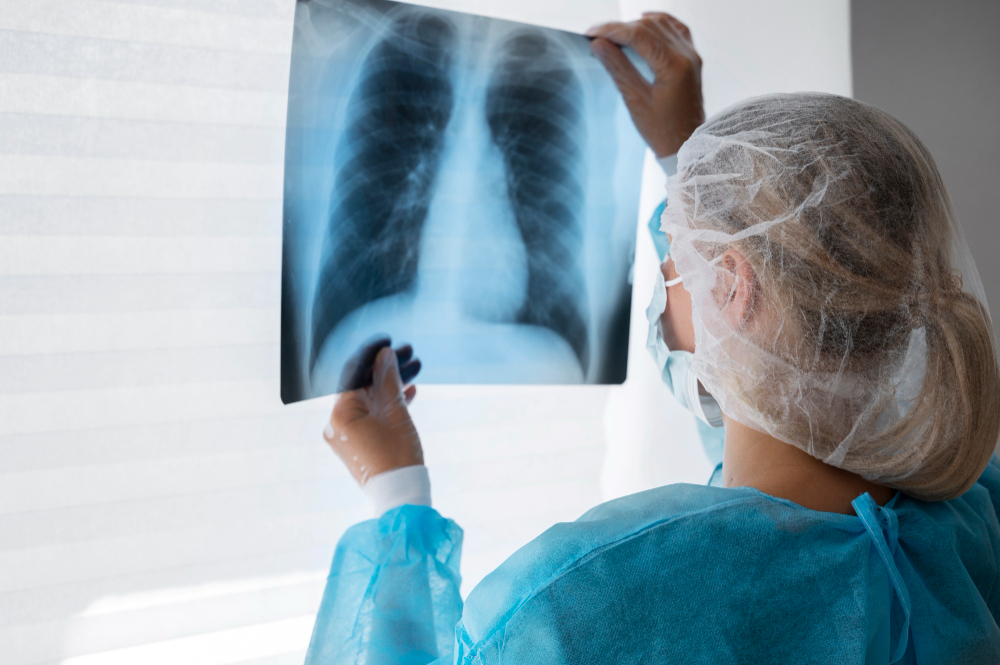
MRI scans provide highly detailed images of soft tissues such as the brain, muscles, and ligaments. CT scans are generally better for imaging bones, lungs, and detecting internal bleeding.
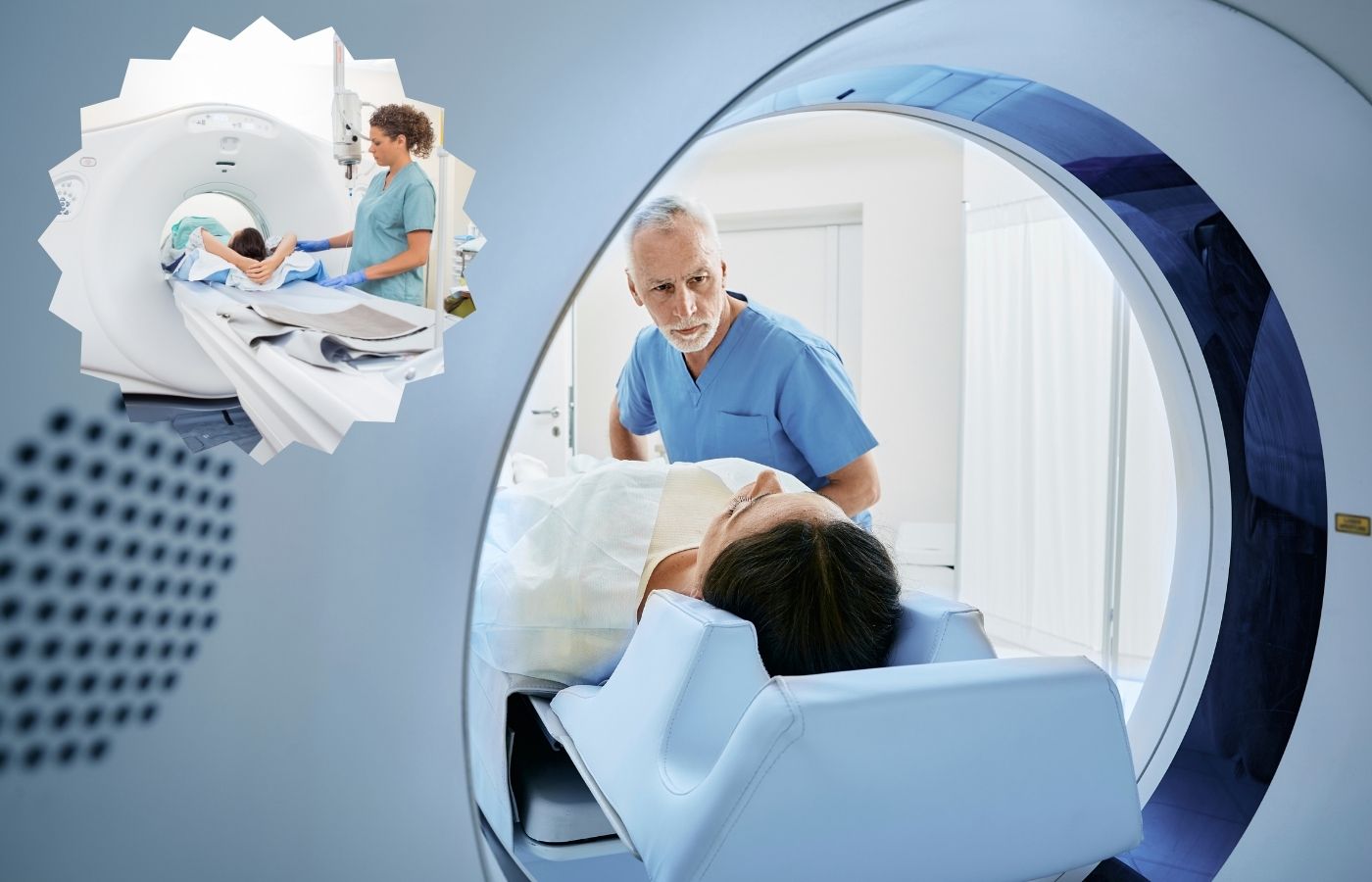
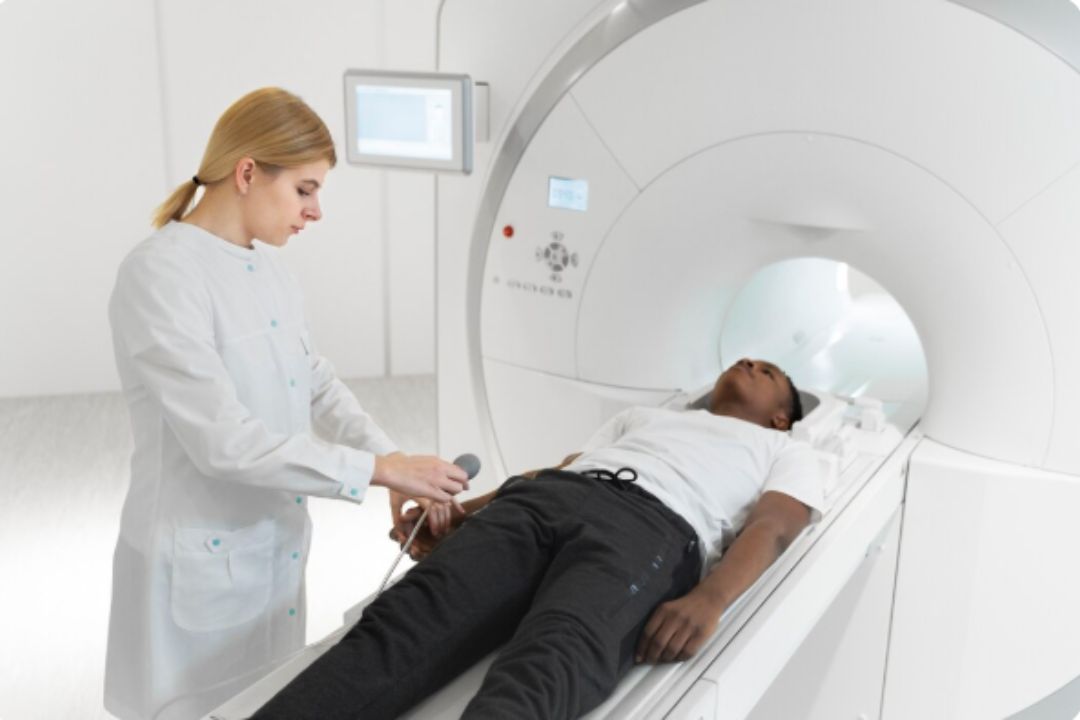
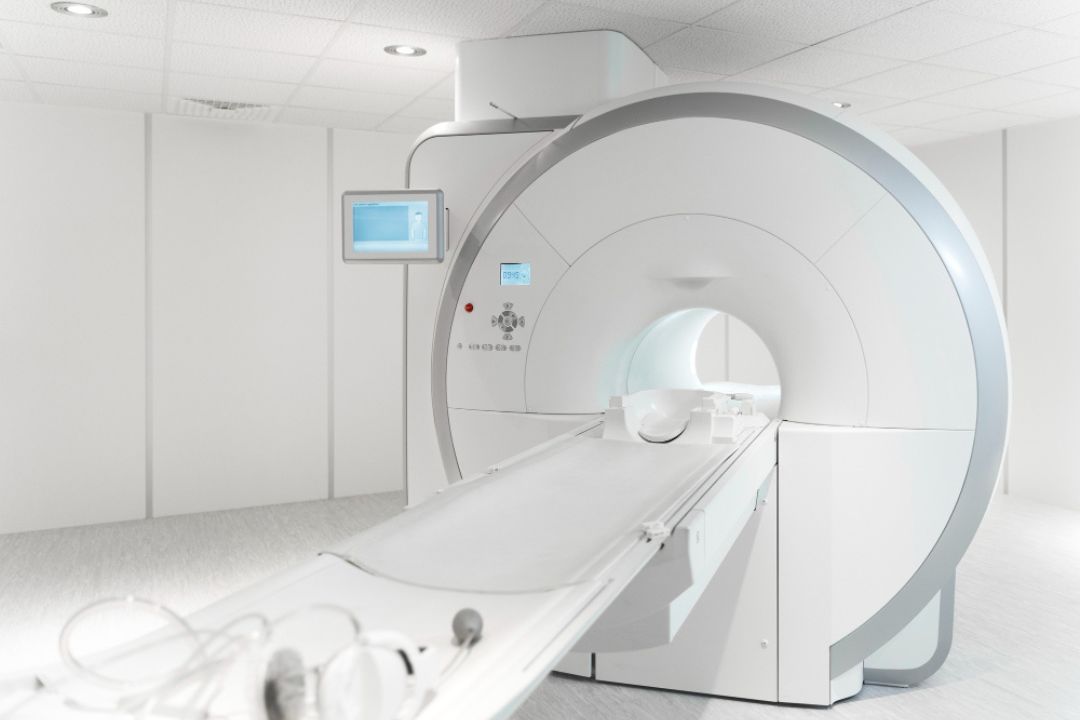
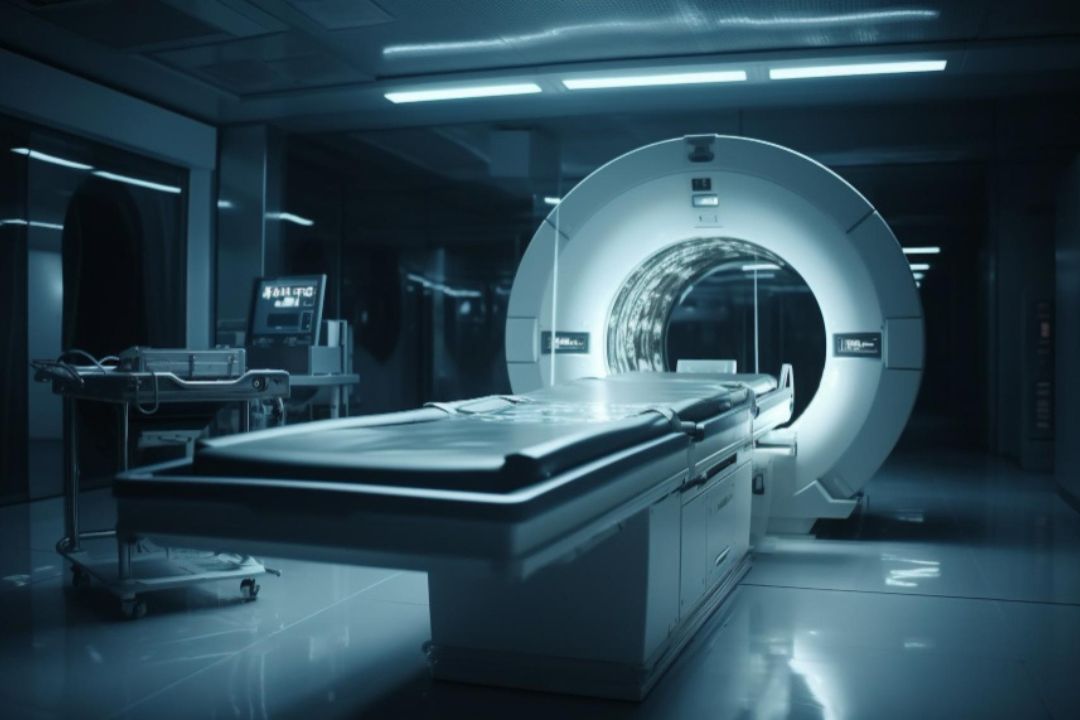
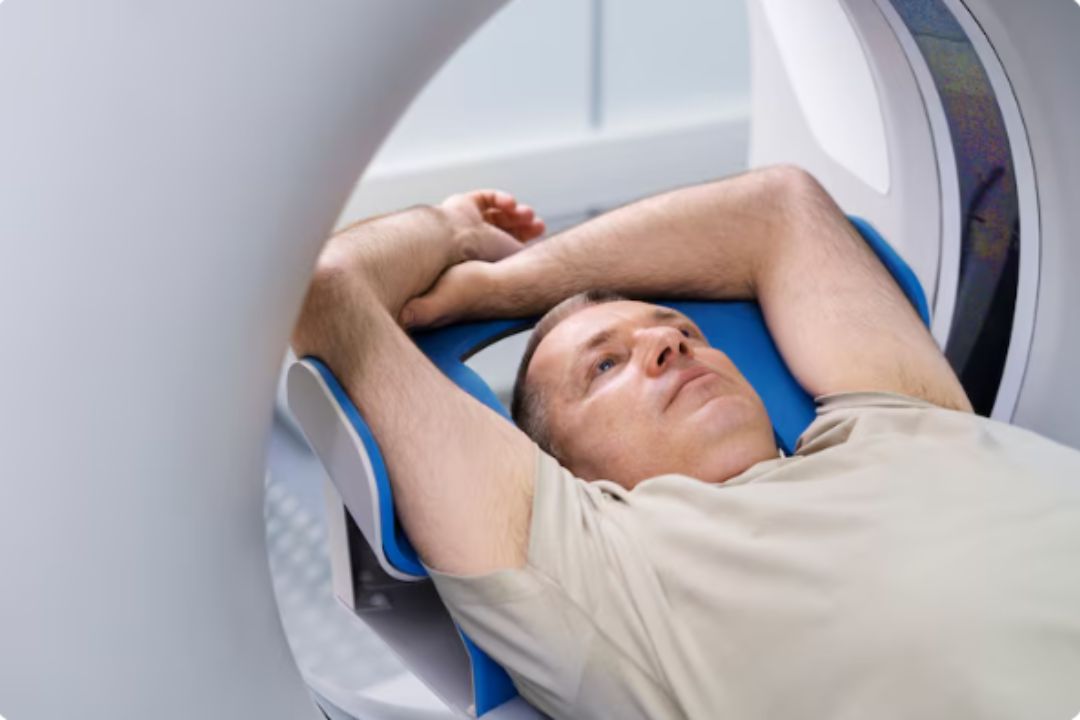
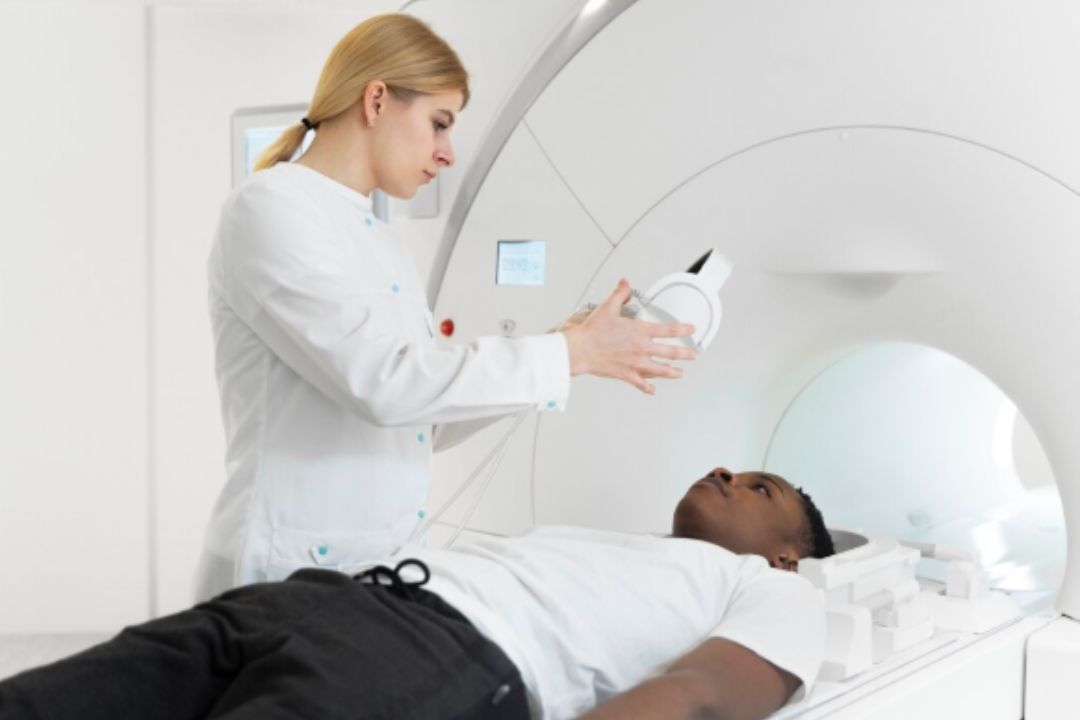
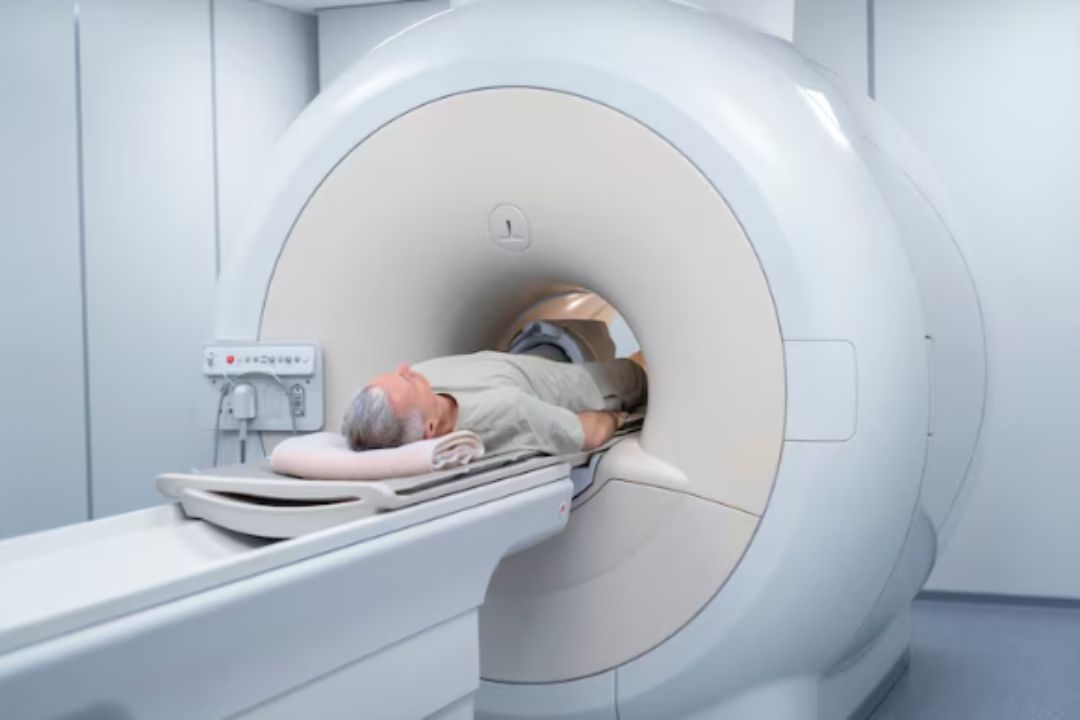
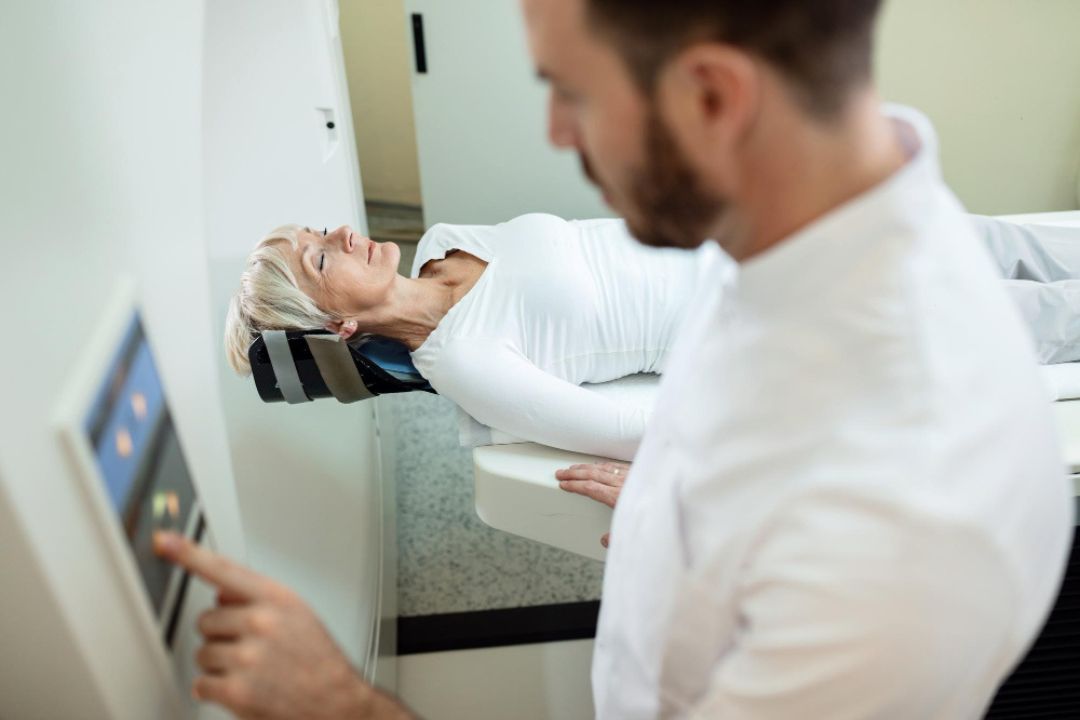
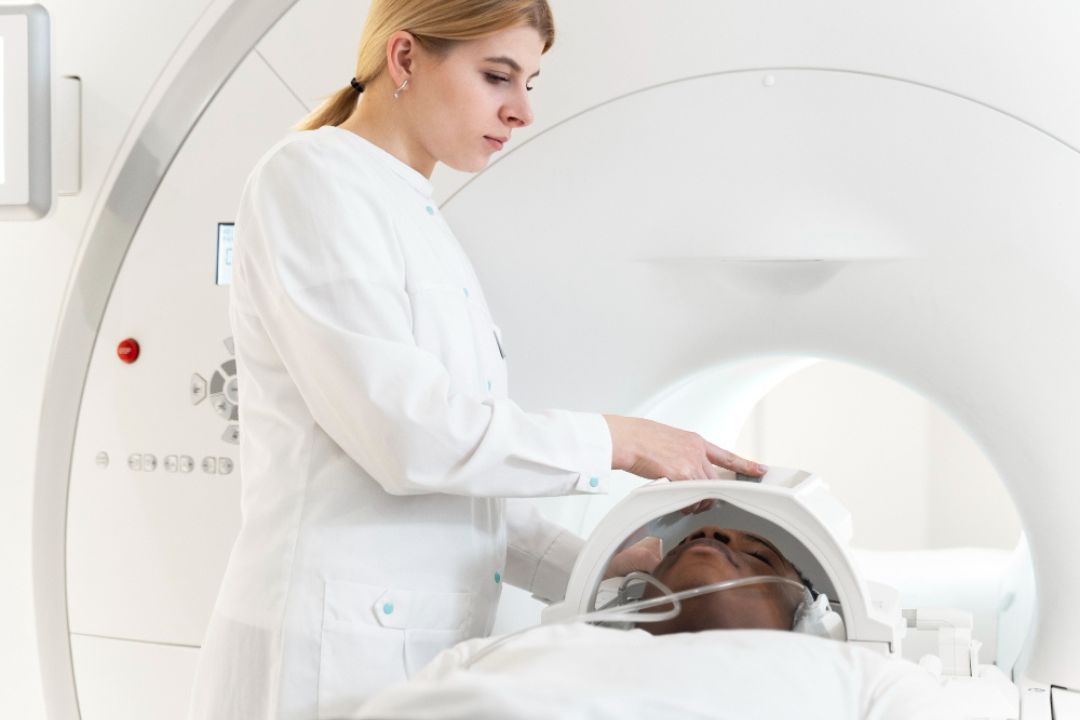
CT scanners are relatively open and the procedure is quick. MRI scanners are more enclosed and produce loud noises, which may cause discomfort for some patients.
Doctors usually recommend a CT scan in situations that require fast imaging or when examining certain types of structures in the body.
Common uses include:
Detecting bone fractures
Diagnosing internal injuries after accidents
Identifying tumors and infections
Detecting internal bleeding
Examining lung conditions
Evaluating blood vessels
Because CT scans are quick and effective, they are frequently used in emergency medical situations.
MRI scans are preferred when detailed images of soft tissues are needed.
Doctors may recommend MRI for:
Brain and spinal cord disorders
Joint injuries such as ligament tears
Muscle or tendon damage
Tumor detection in soft tissues
Nerve and spinal problems
MRI provides greater detail for soft tissue structures, which helps doctors make accurate diagnoses.
CT scans provide several advantages in medical diagnosis:
Fast imaging results
Excellent for examining bones and lungs
Useful in emergency situations
Can detect internal bleeding quickly
These features make CT scans a valuable tool in trauma and emergency medicine.
MRI scans also offer important benefits:
No radiation exposure
Highly detailed soft tissue imaging
Useful for neurological and musculoskeletal conditions
Helps detect small tumors and abnormalities
Because of these benefits, MRI is widely used in diagnosing brain, spine, and joint problems.
Both CT scans and MRI scans are considered safe when used appropriately.
CT scans involve a small amount of radiation exposure. MRI scans do not use radiation but may not be suitable for people with certain metal implants or medical devices.
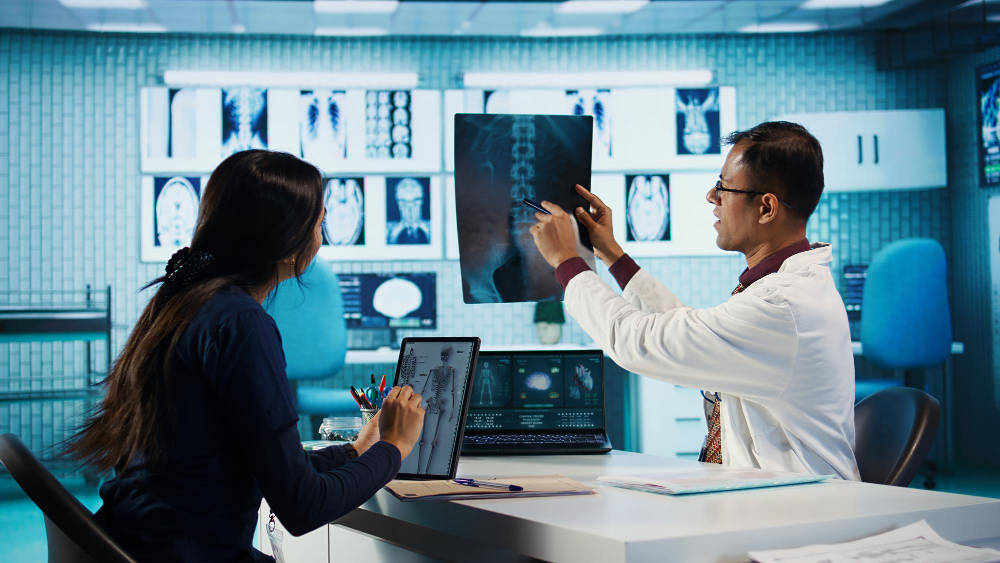
Doctors carefully choose the most appropriate imaging test based on the patient’s condition and medical history.
CT scans and MRI scans are powerful diagnostic tools that help doctors detect and monitor many medical conditions. While CT scans are faster and better for examining bones and emergency injuries, MRI scans provide more detailed images of soft tissues and organs.
The choice between a CT scan and an MRI depends on the medical condition being evaluated. Your doctor will recommend the most suitable imaging test based on your symptoms and diagnostic needs.








.jpg "ct brain scan plain and contrast")






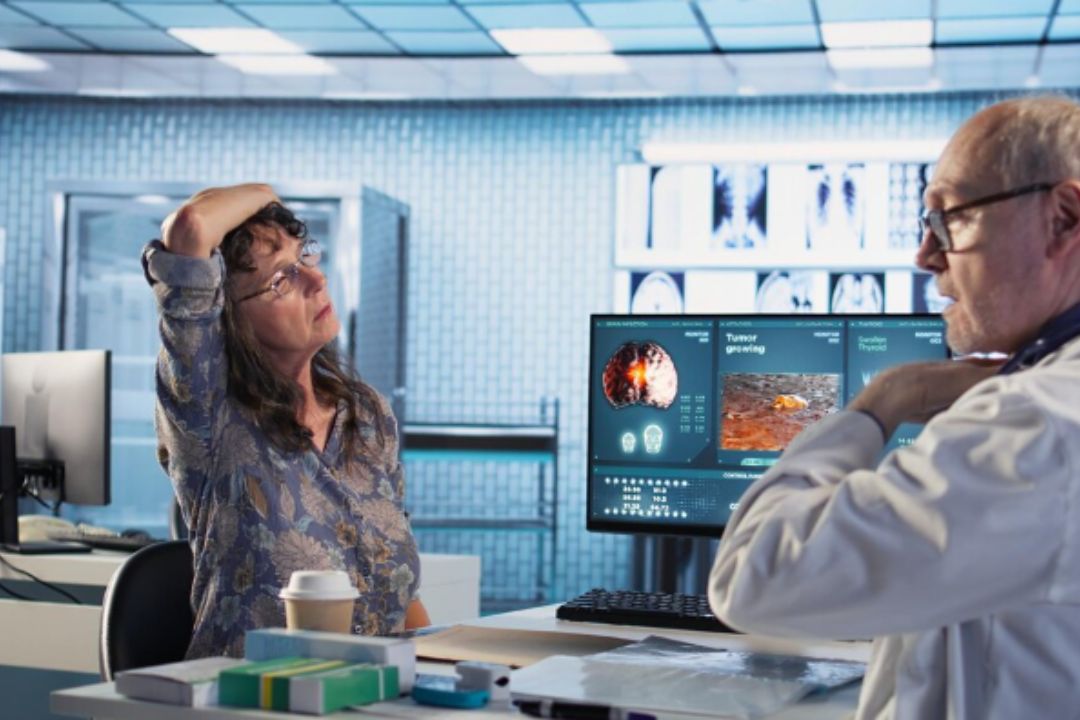

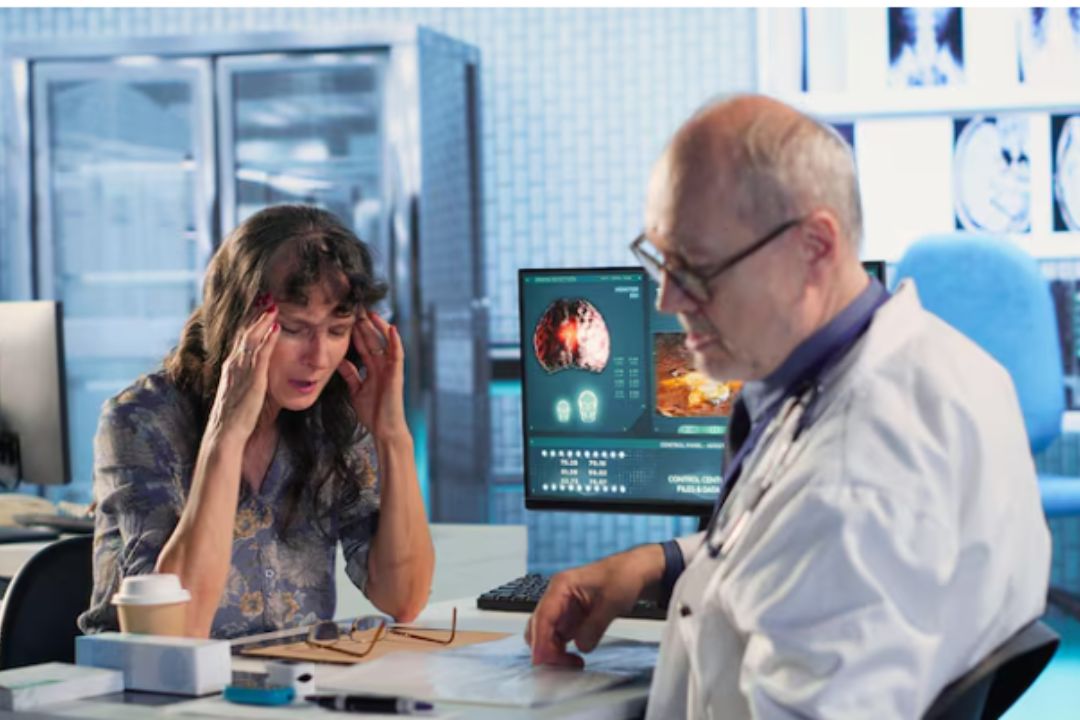

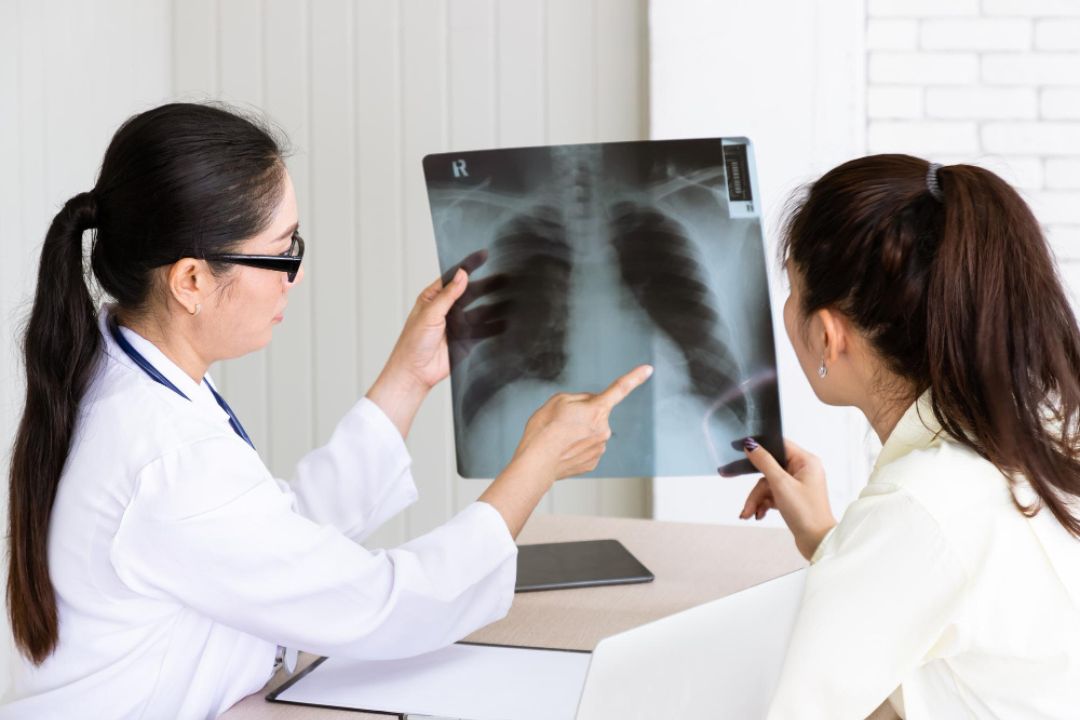

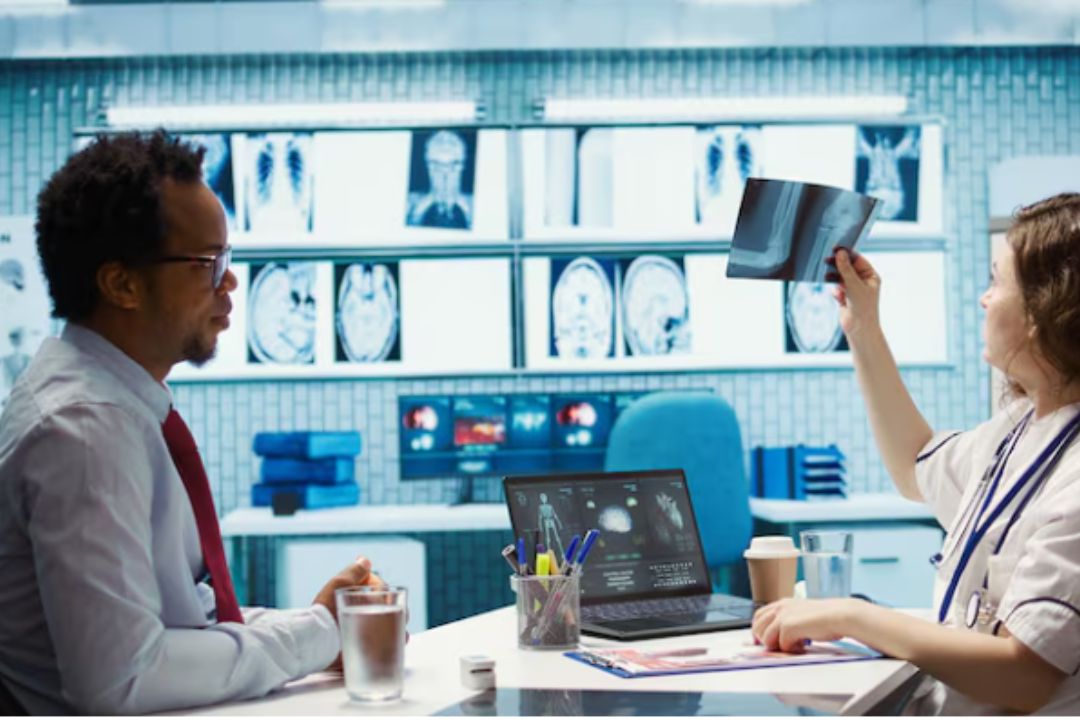






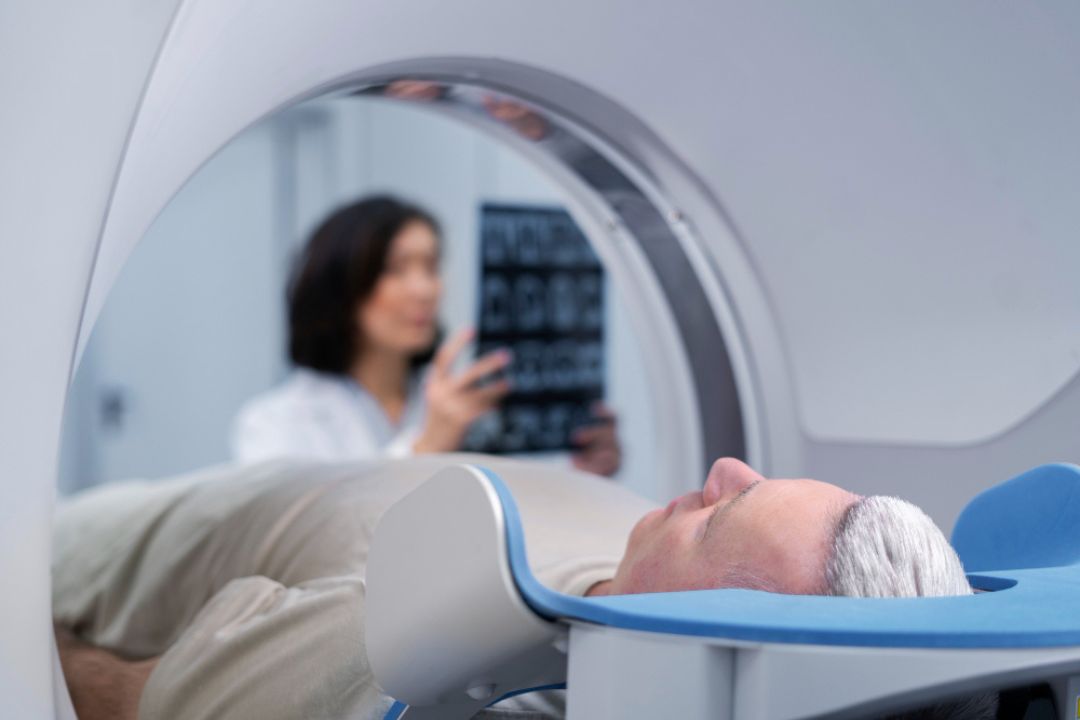
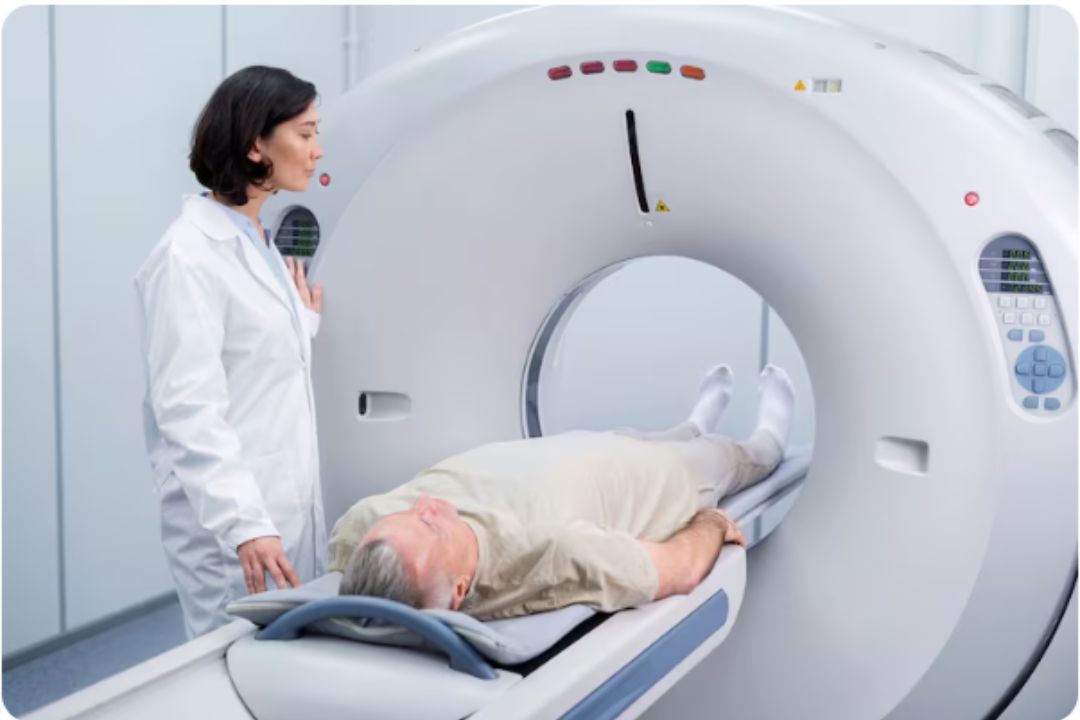
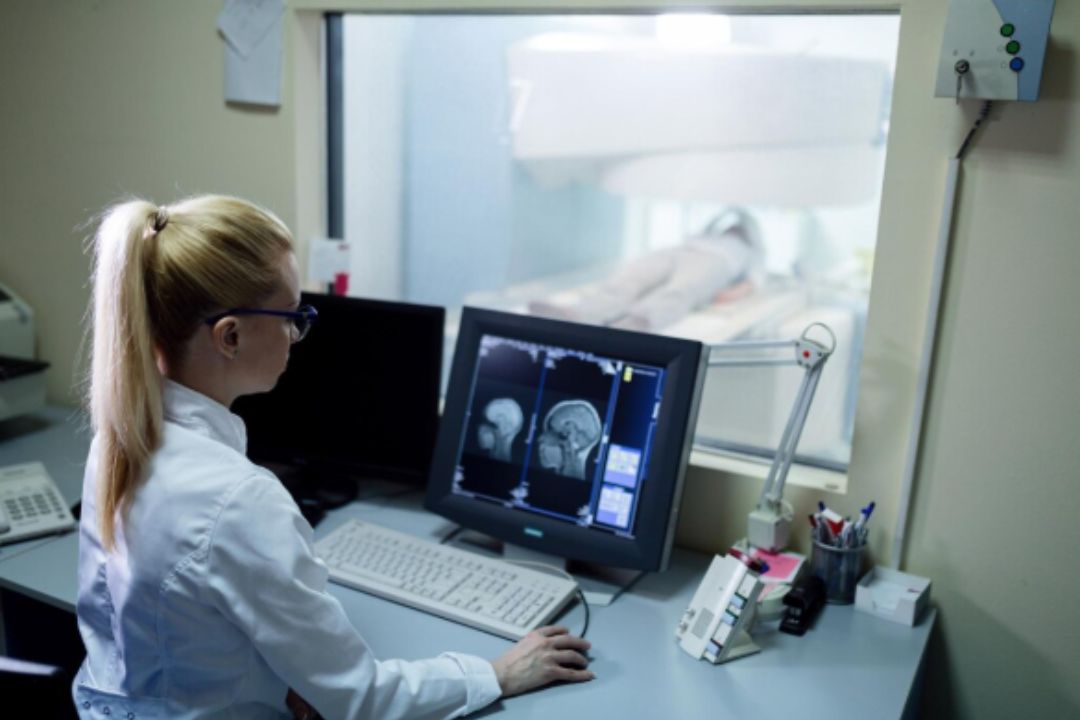
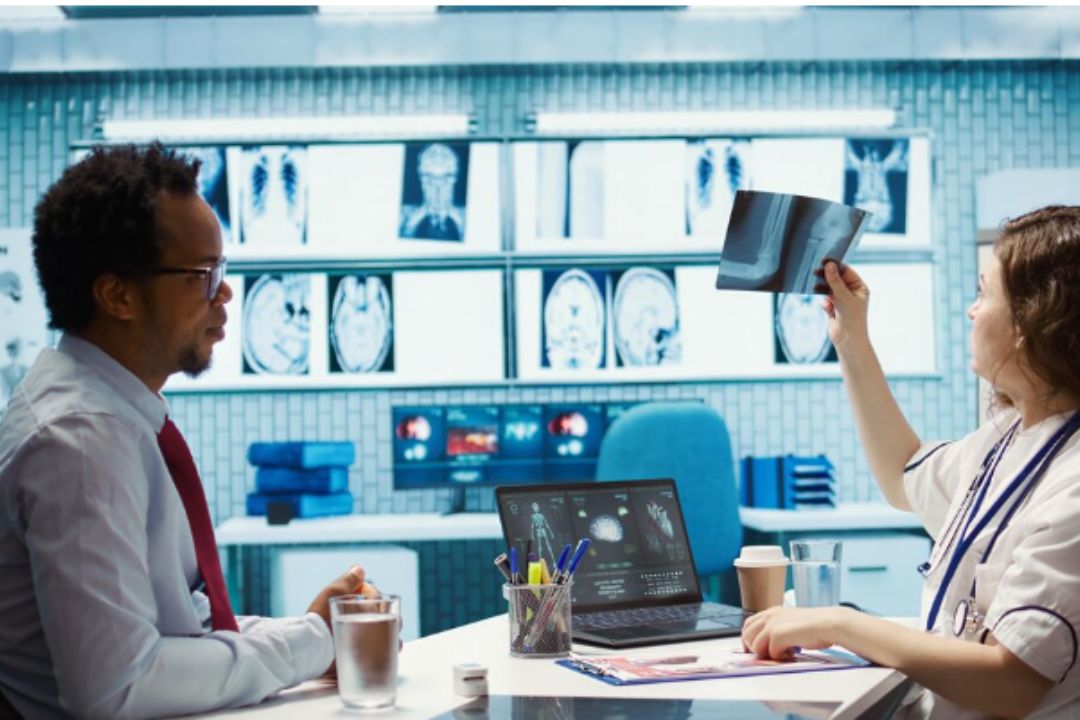
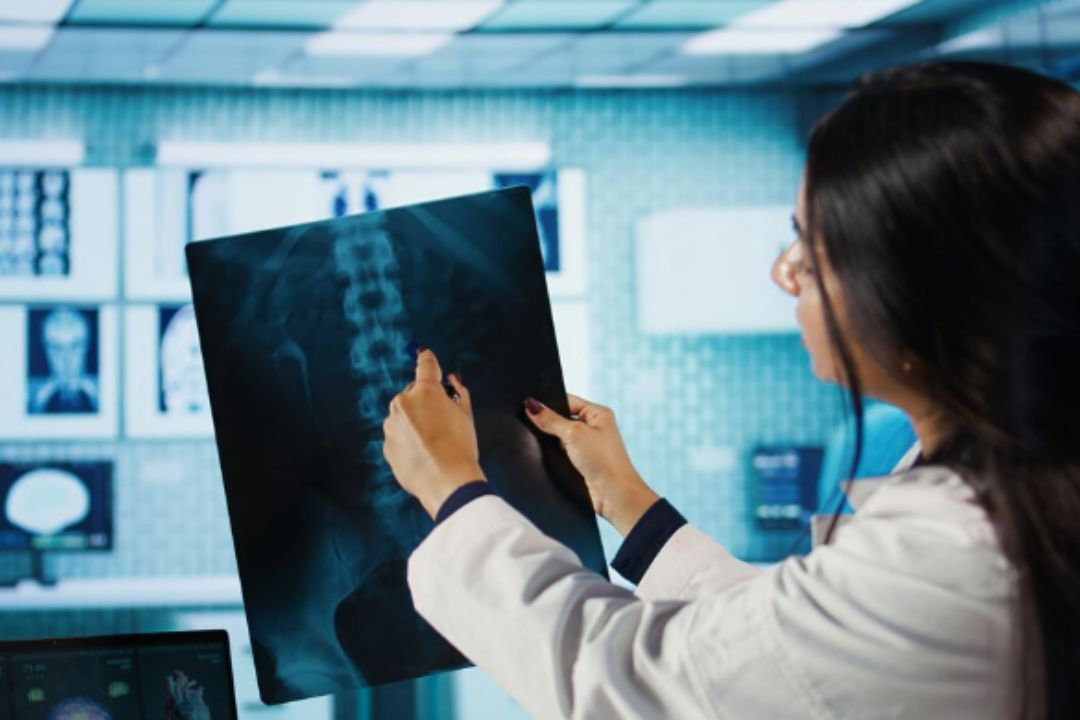

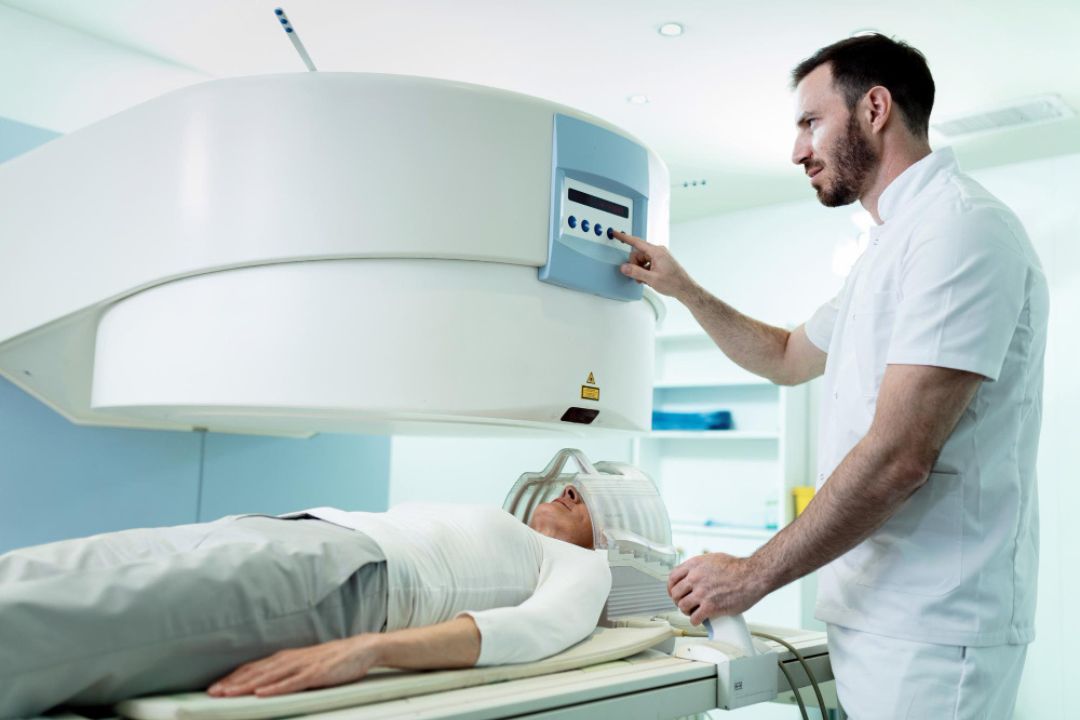
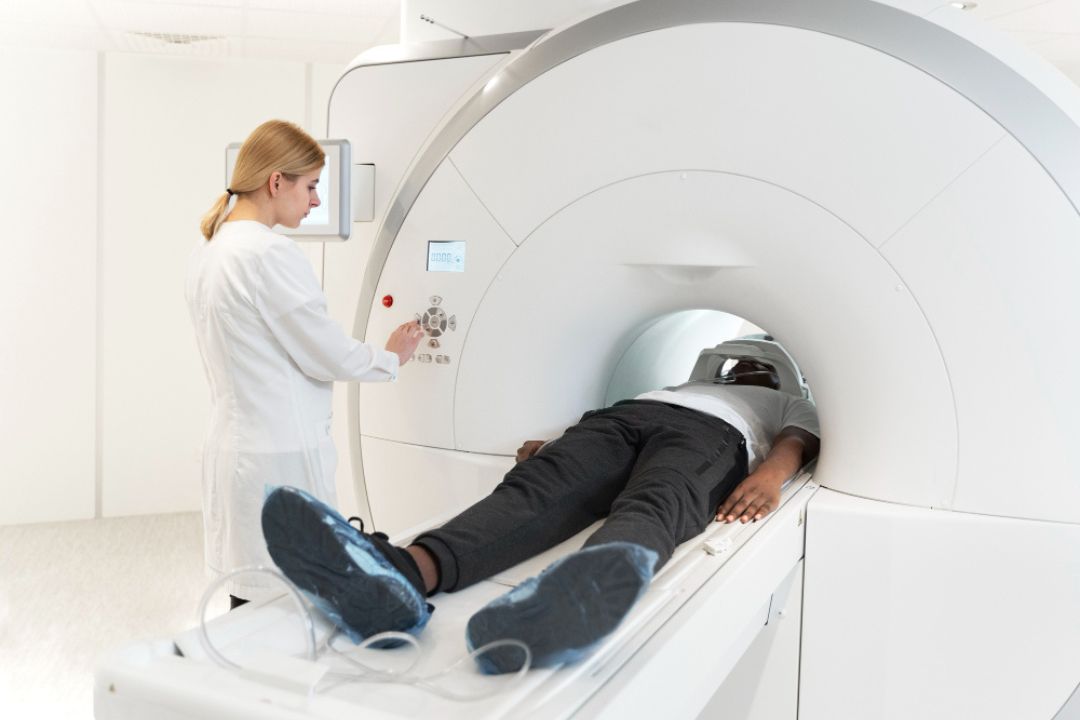
.jpg "ct scan")

.jpg "ct scan or mri for brain disorders")


.jpg "exploring the power of ct brain contrast in modern diagnostics")
.jpg "ct scan")
.jpg "ct scan")








.jpg "ct scan")

.jpg "CT Brain Scan for Headaches")
.jpg "The Future of 3D CT Imaging")