One of the most common questions in orthodontics—asked by concerned parents and adults alike—is: "When is the right time to start braces treatment?" Timing is more than just a matter of convenience; it can influence the complexity, duration, cost, and overall success of your orthodontic journey. Understanding the ideal window for intervention can help you achieve a healthier, more beautiful smile with greater efficiency and comfort.
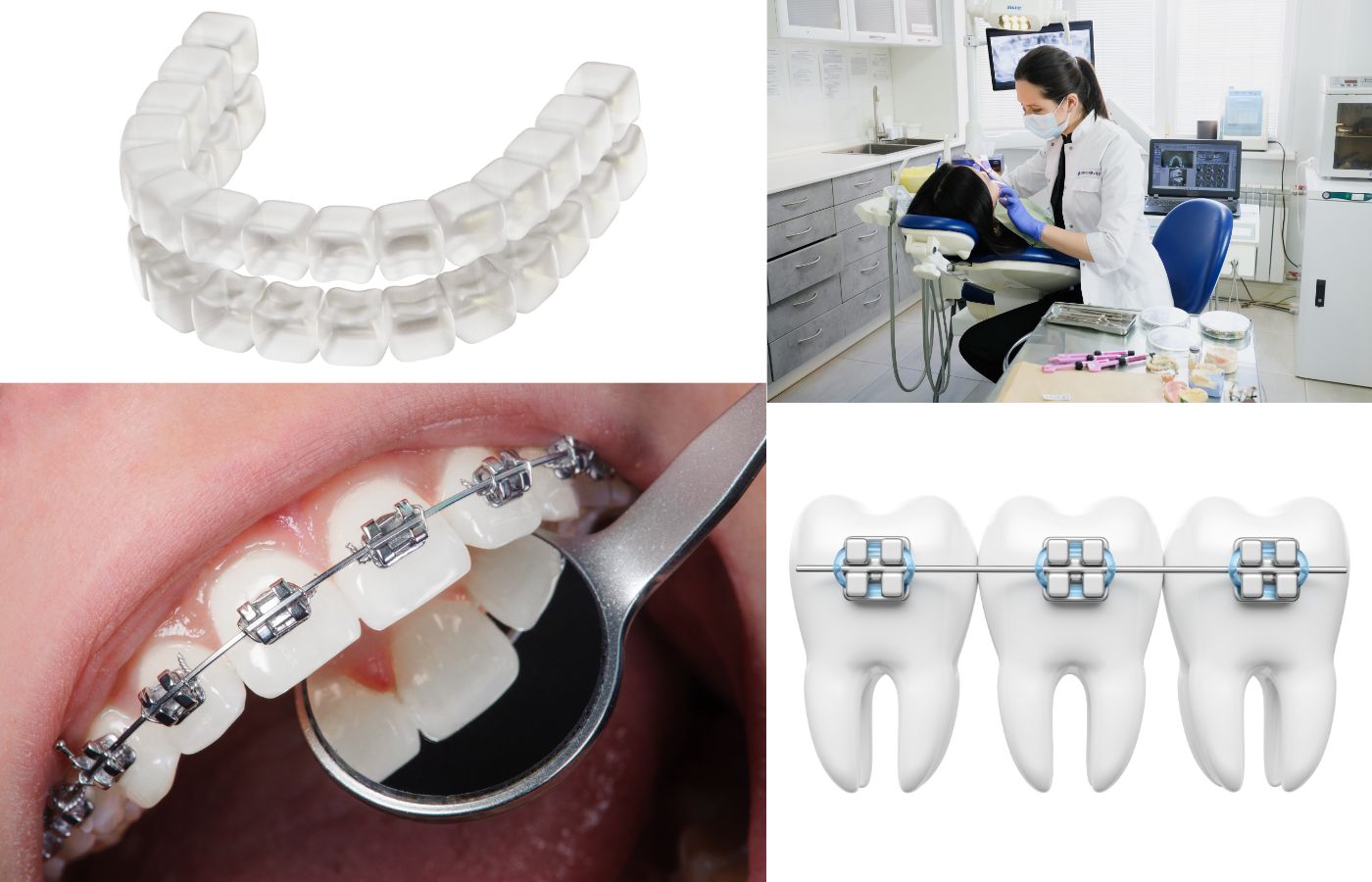
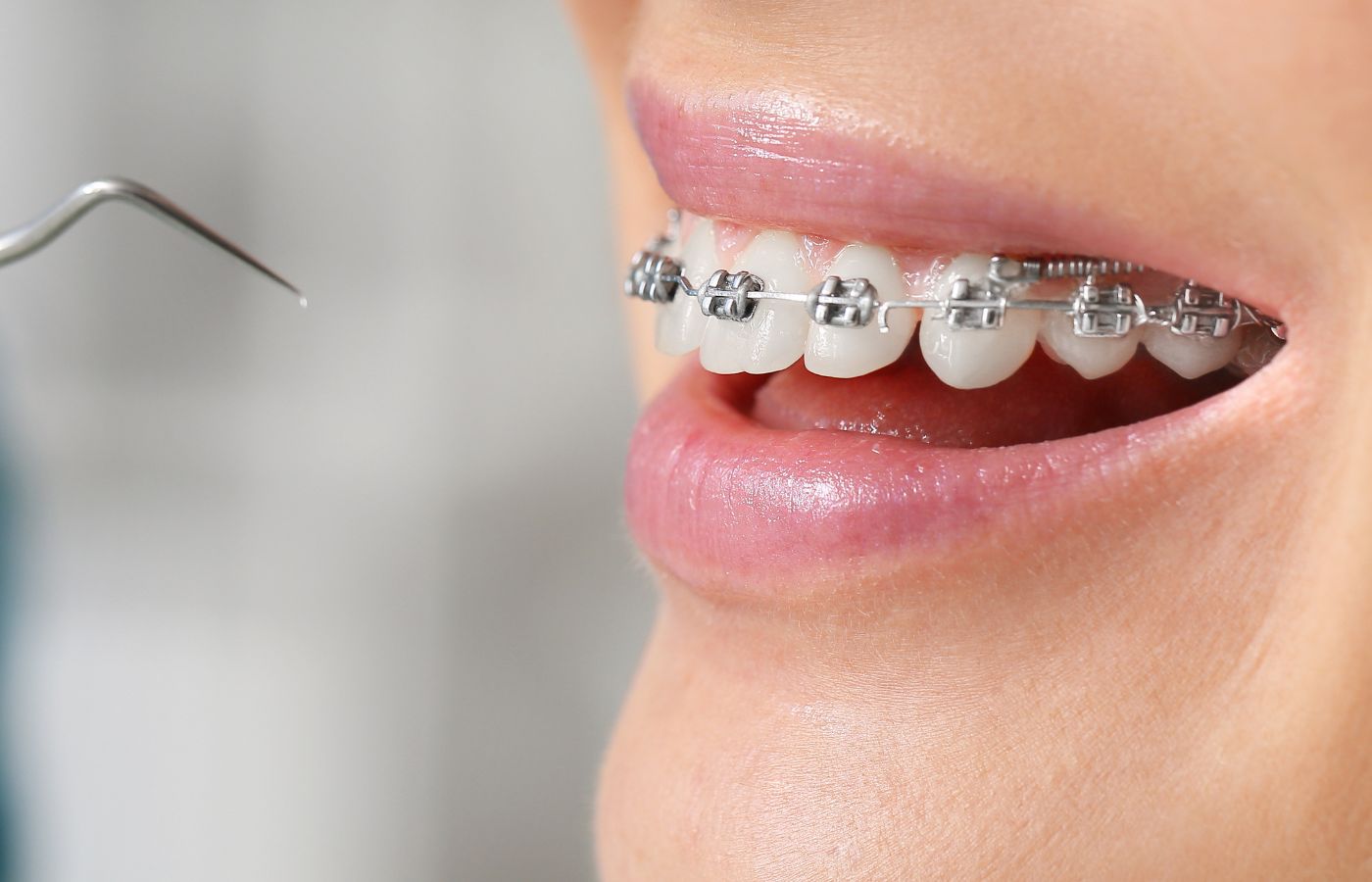
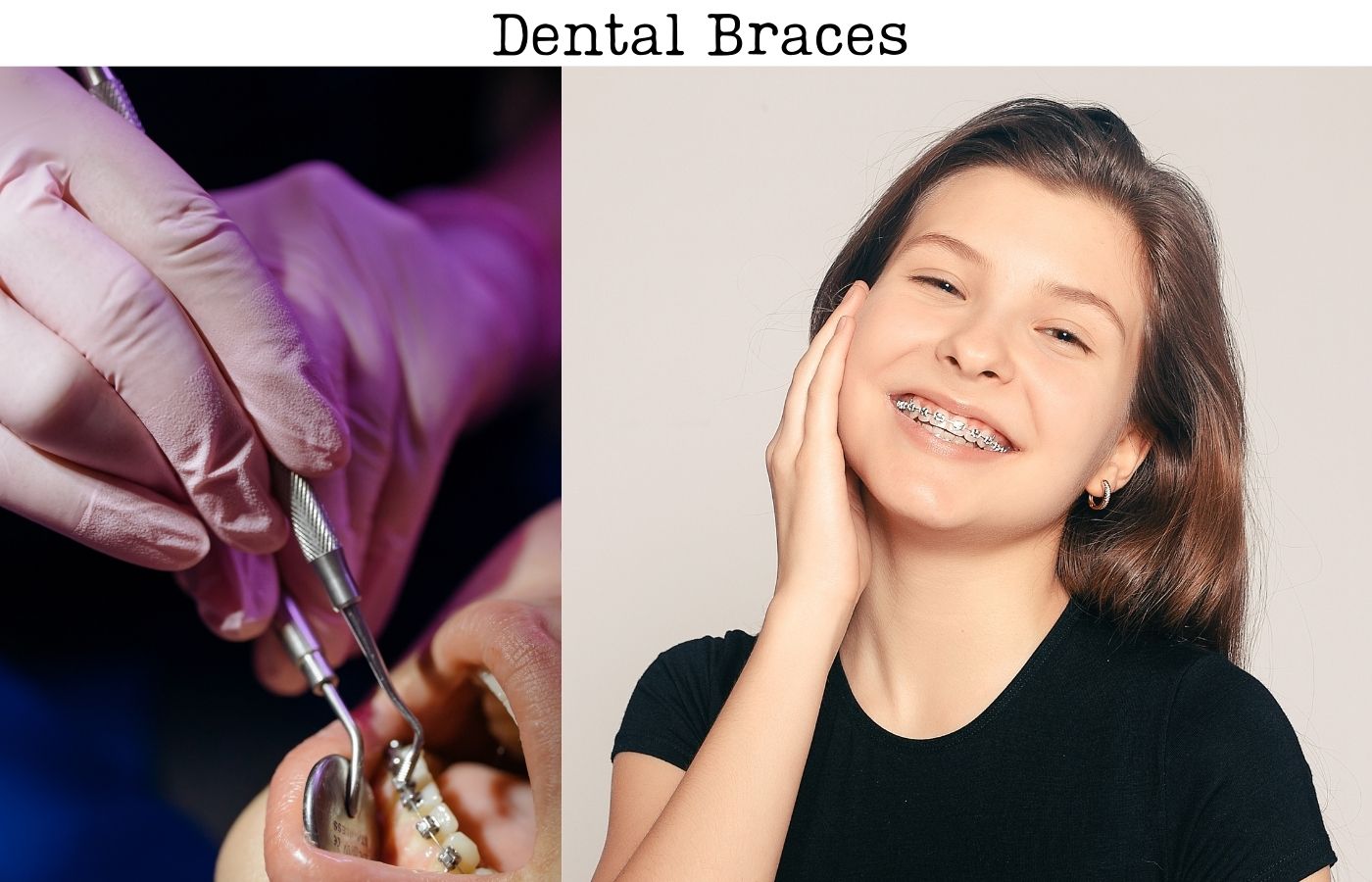
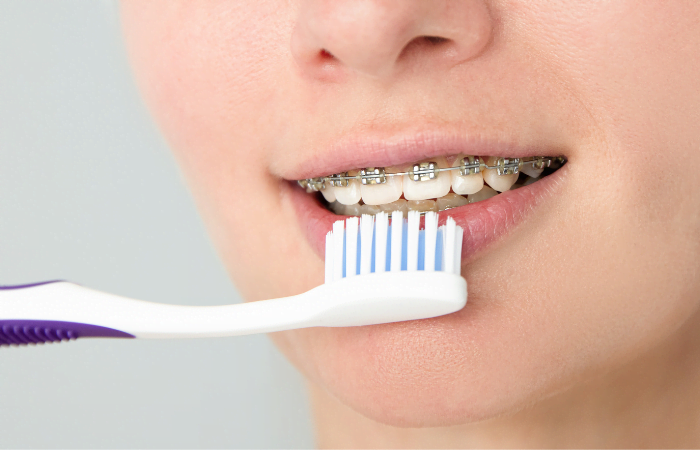
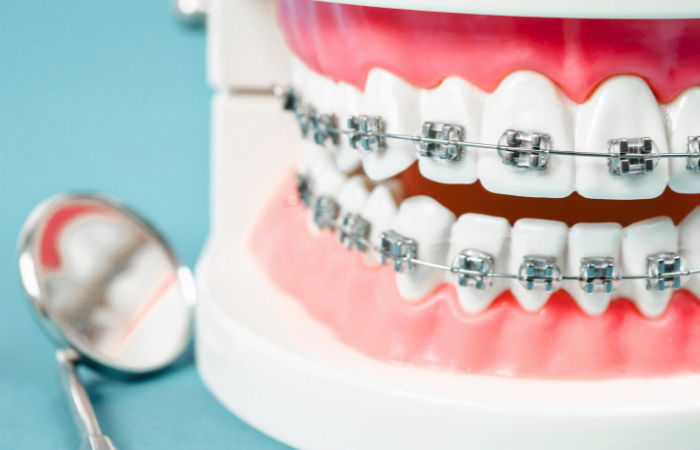
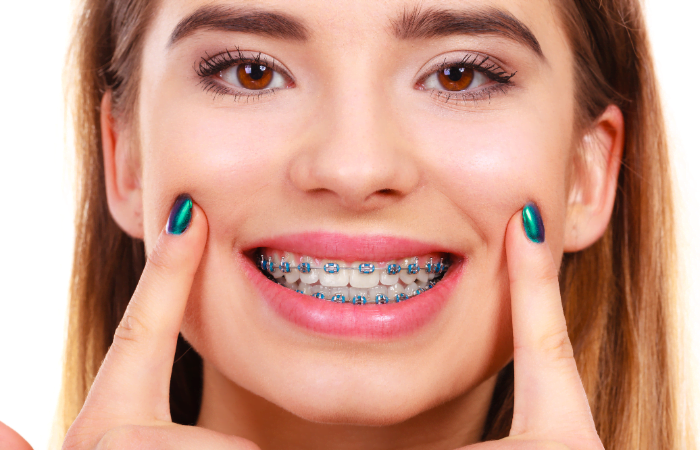
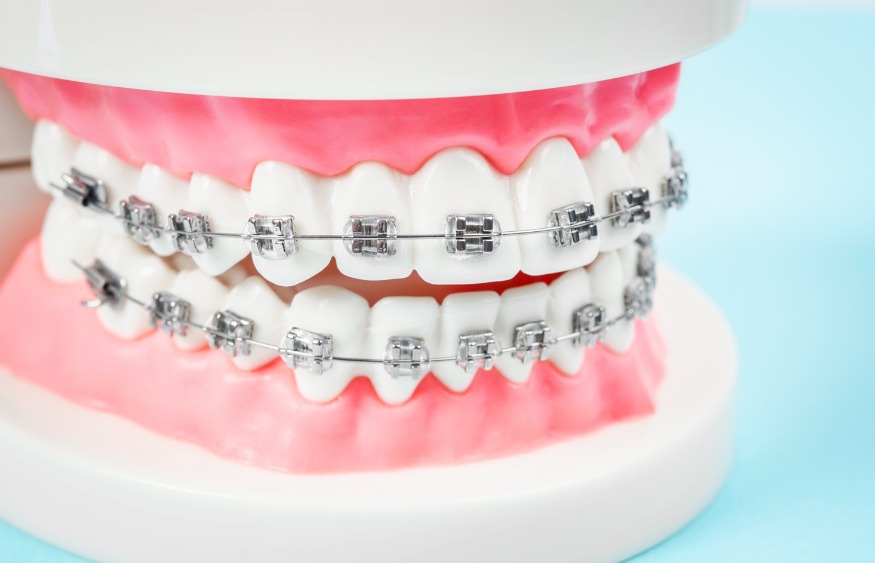
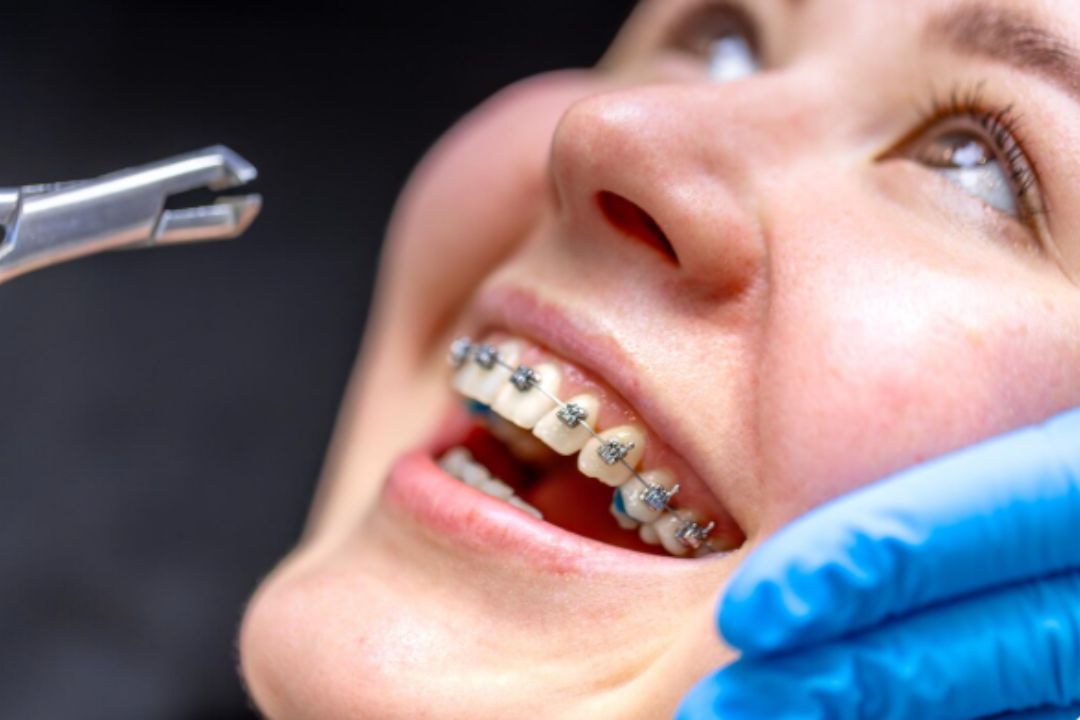
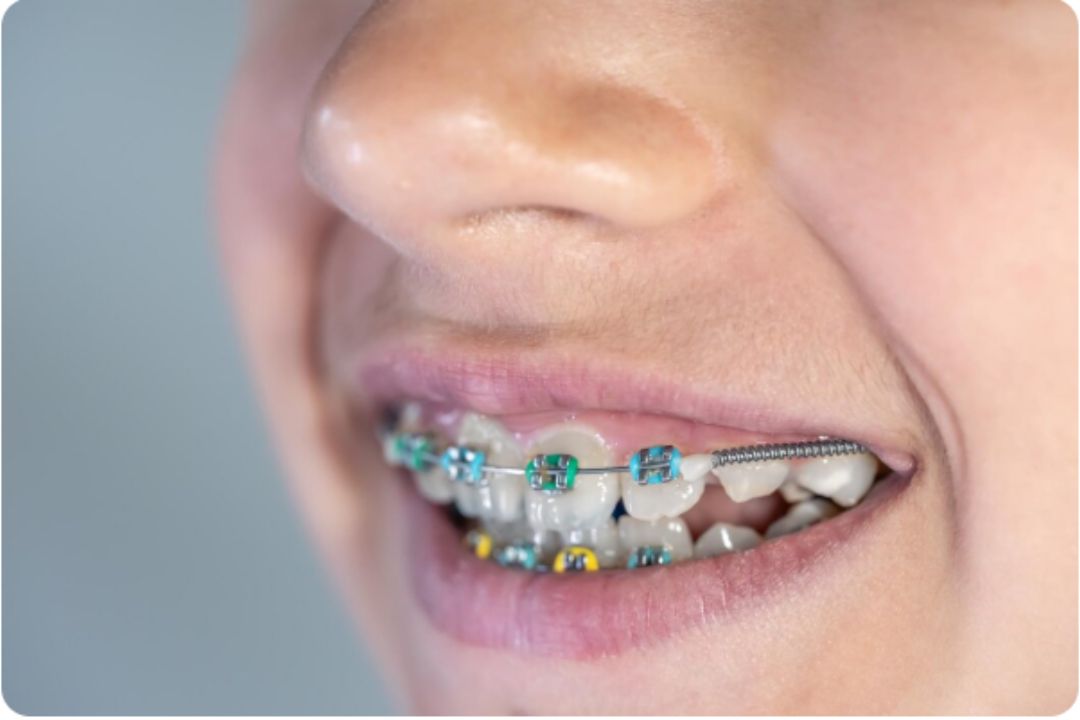
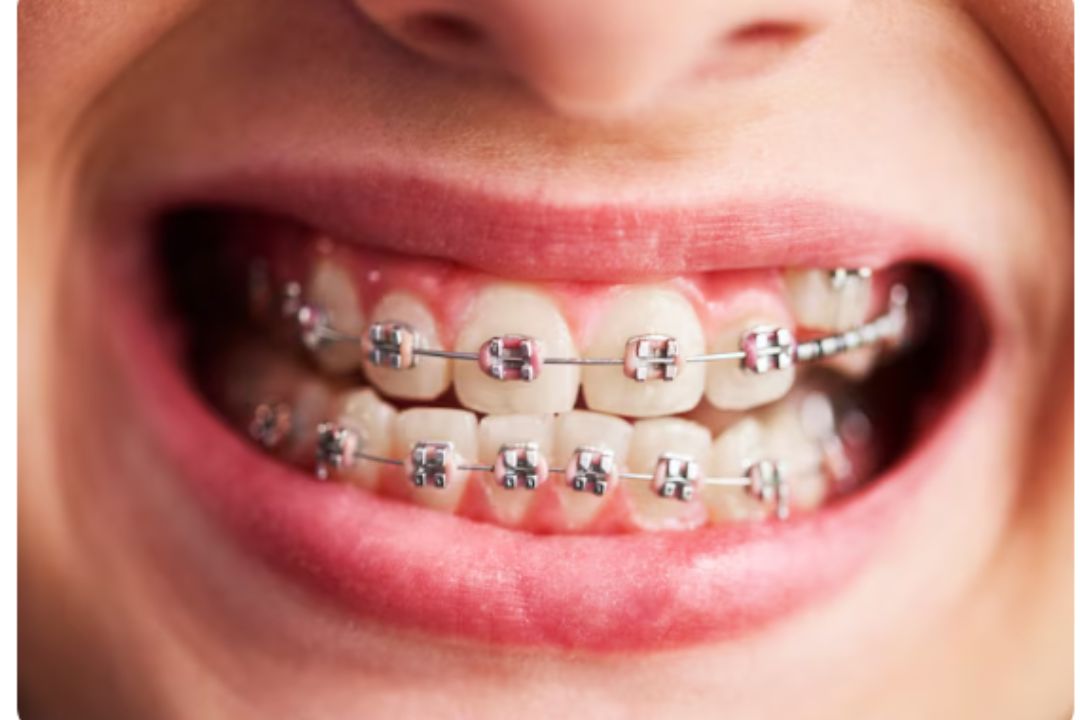
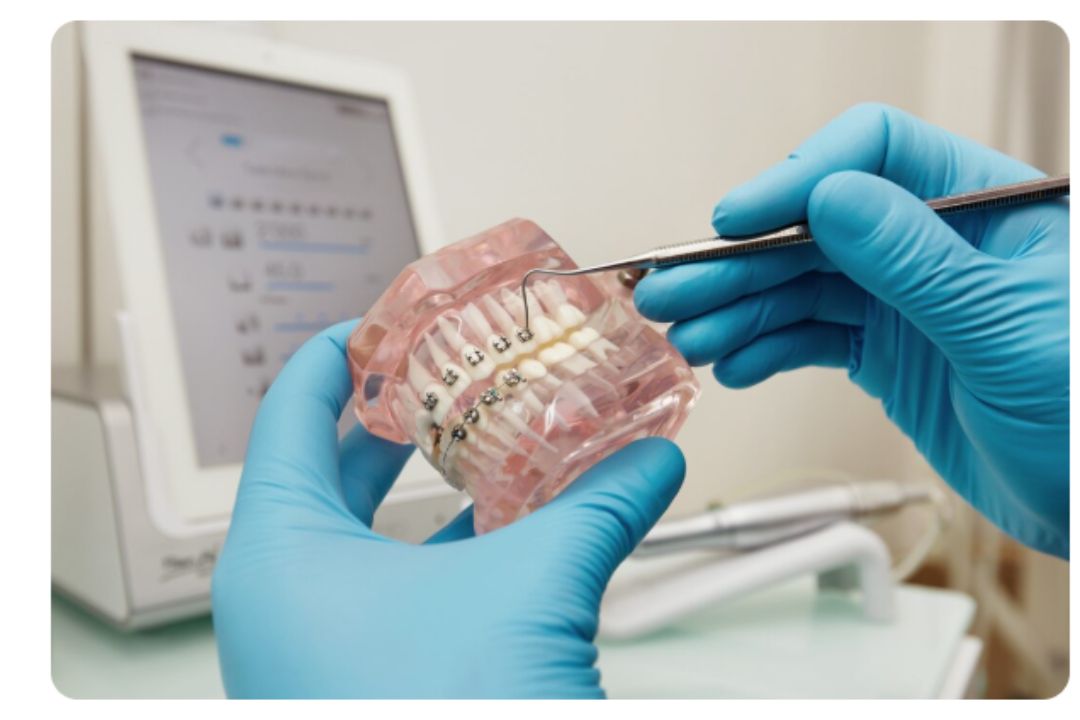
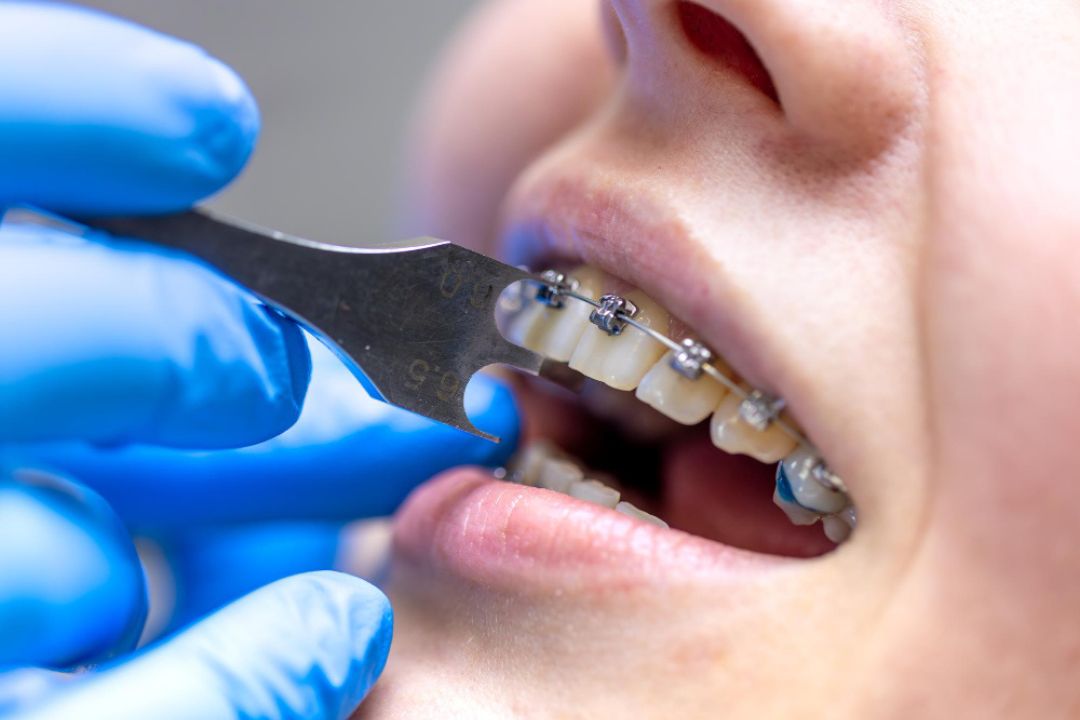
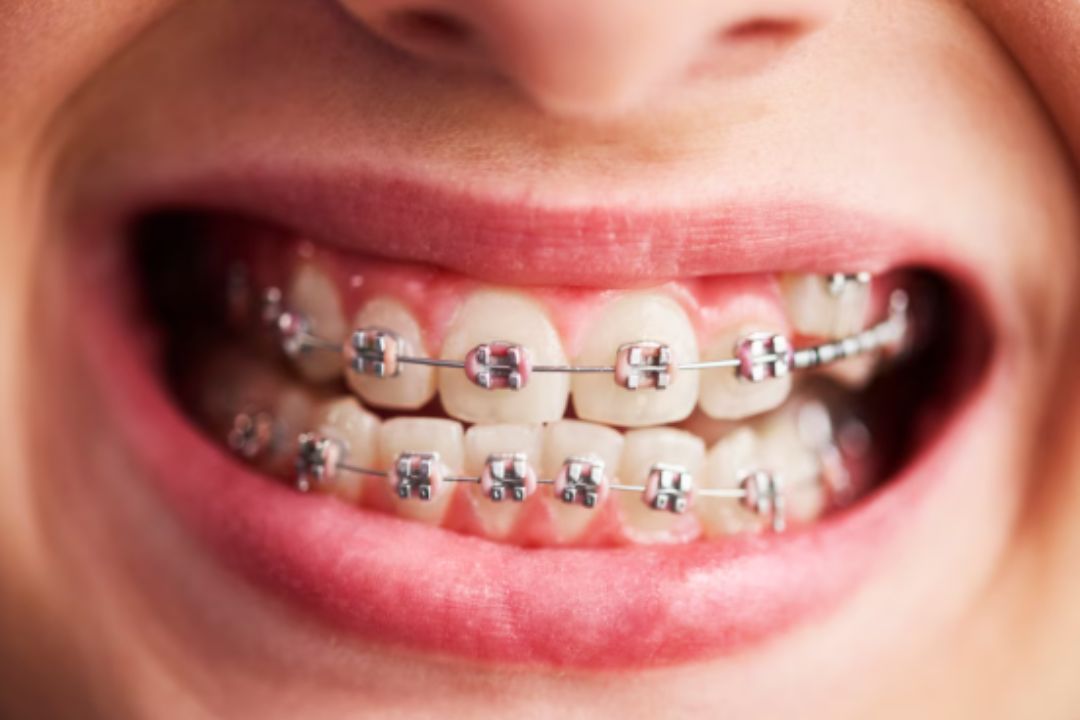
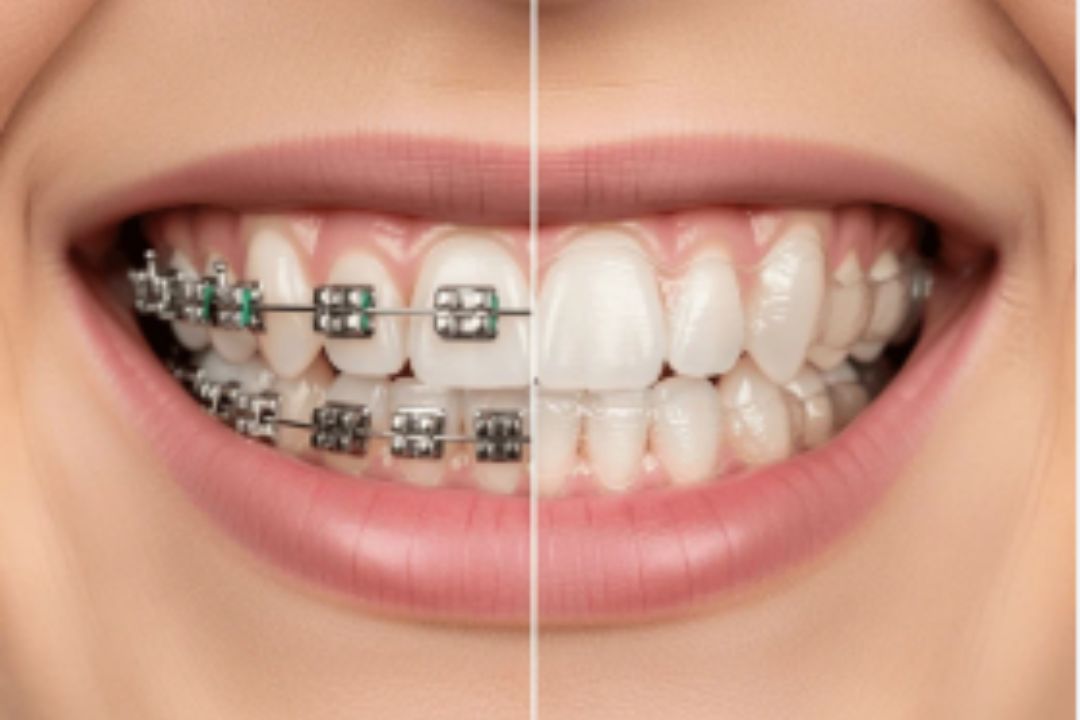
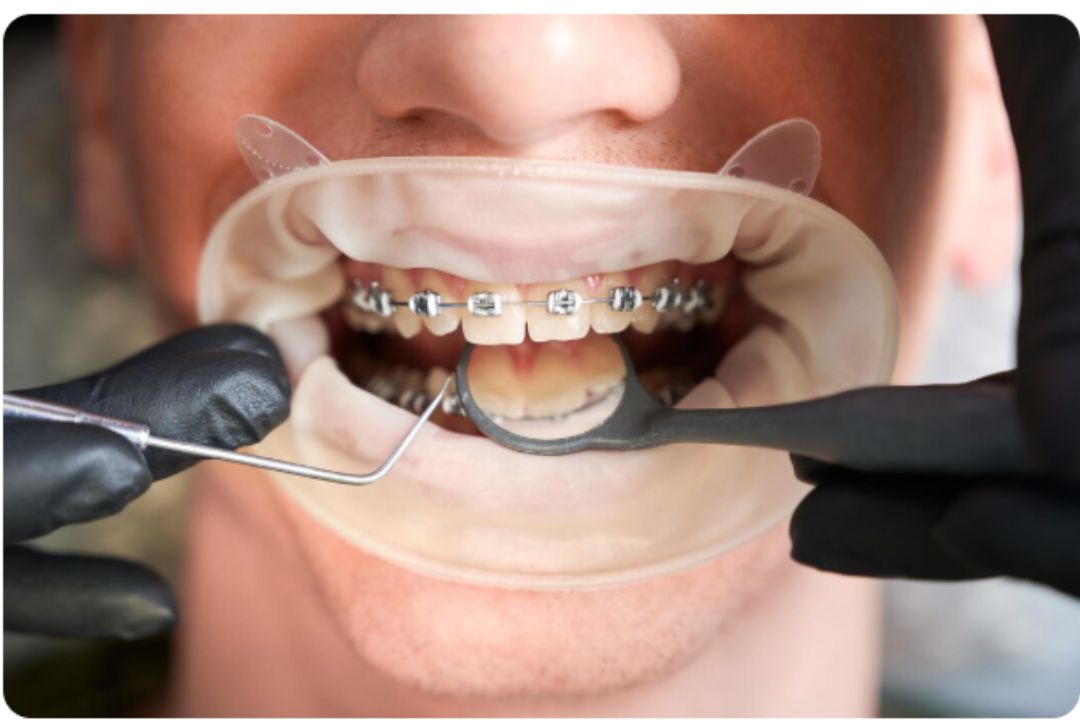
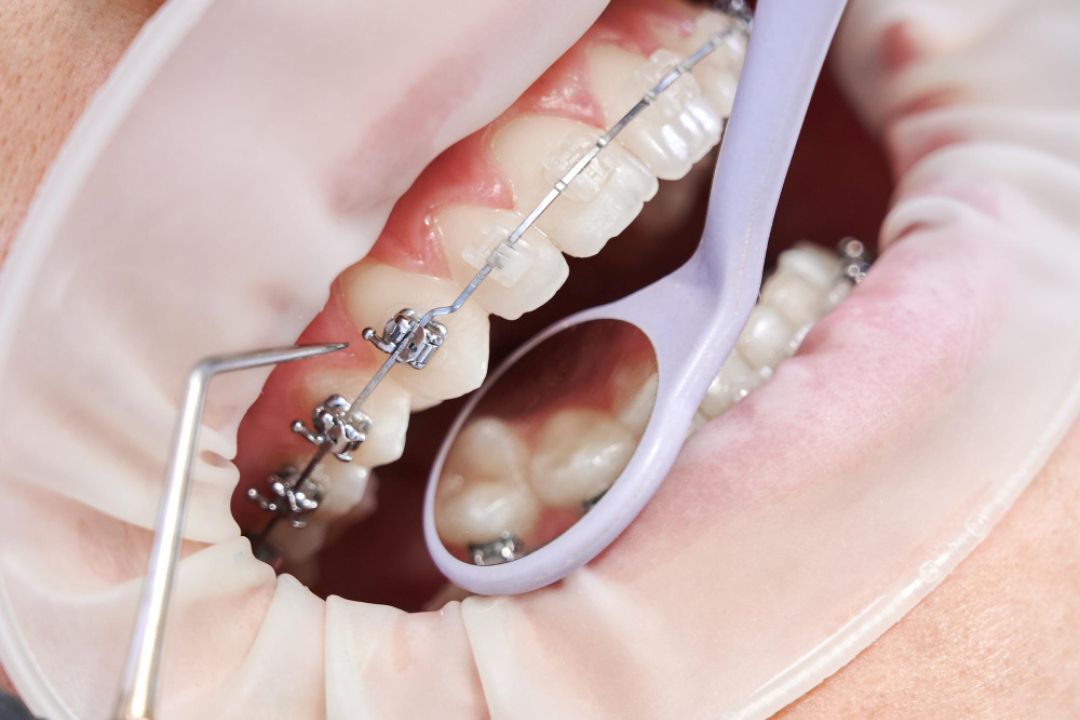
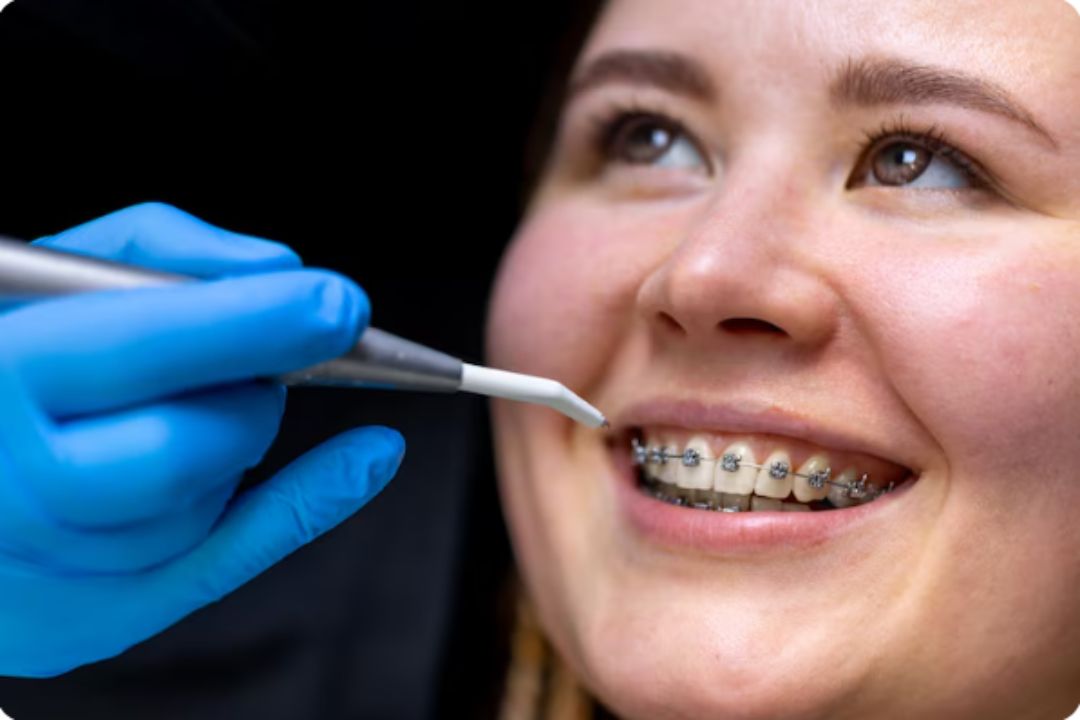
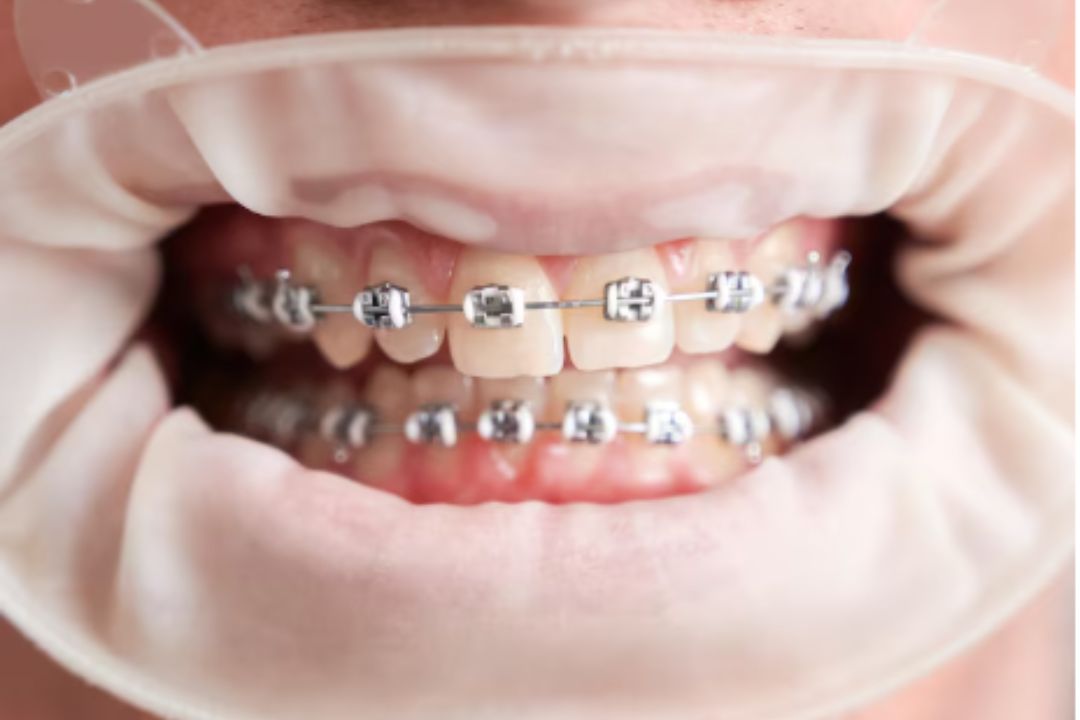
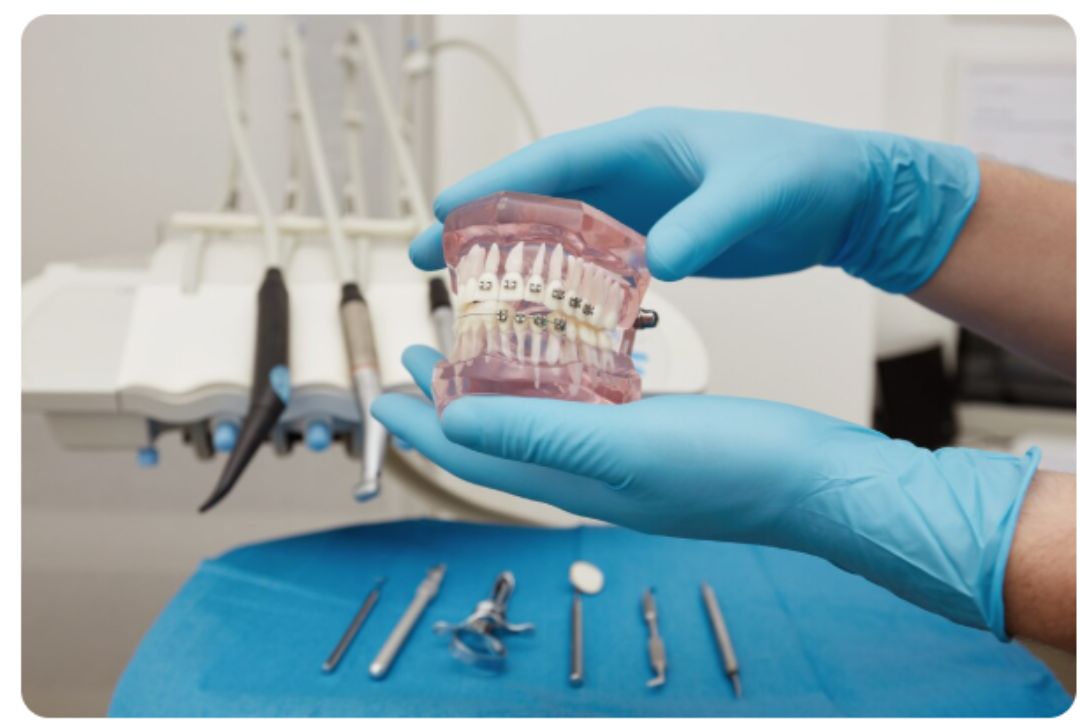
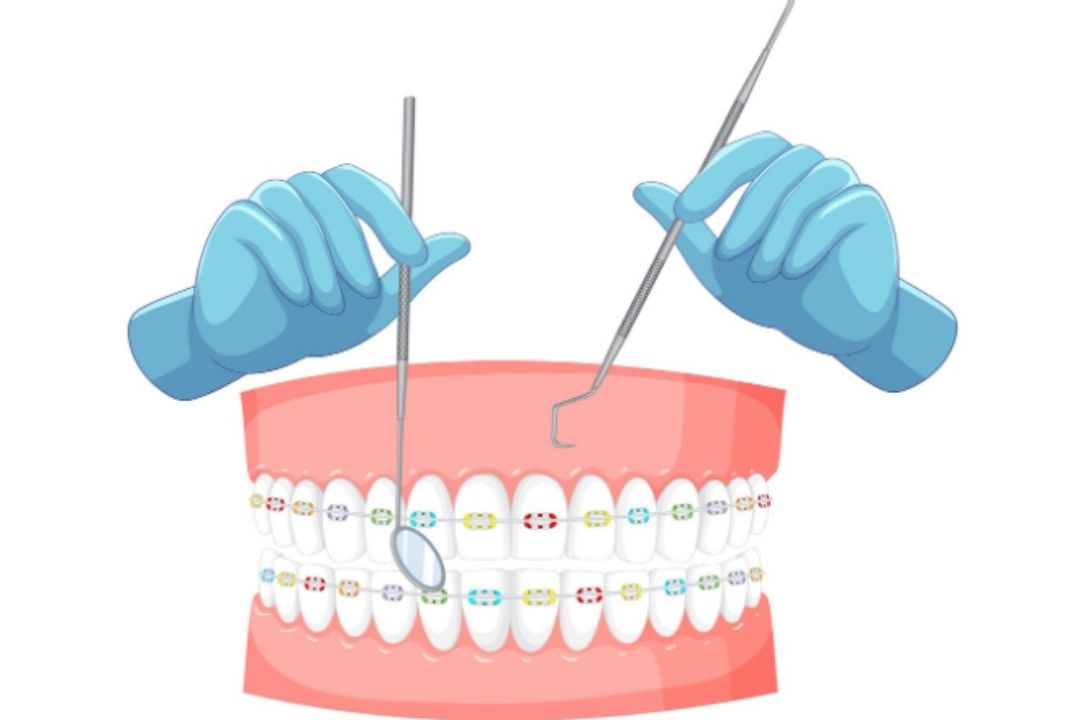
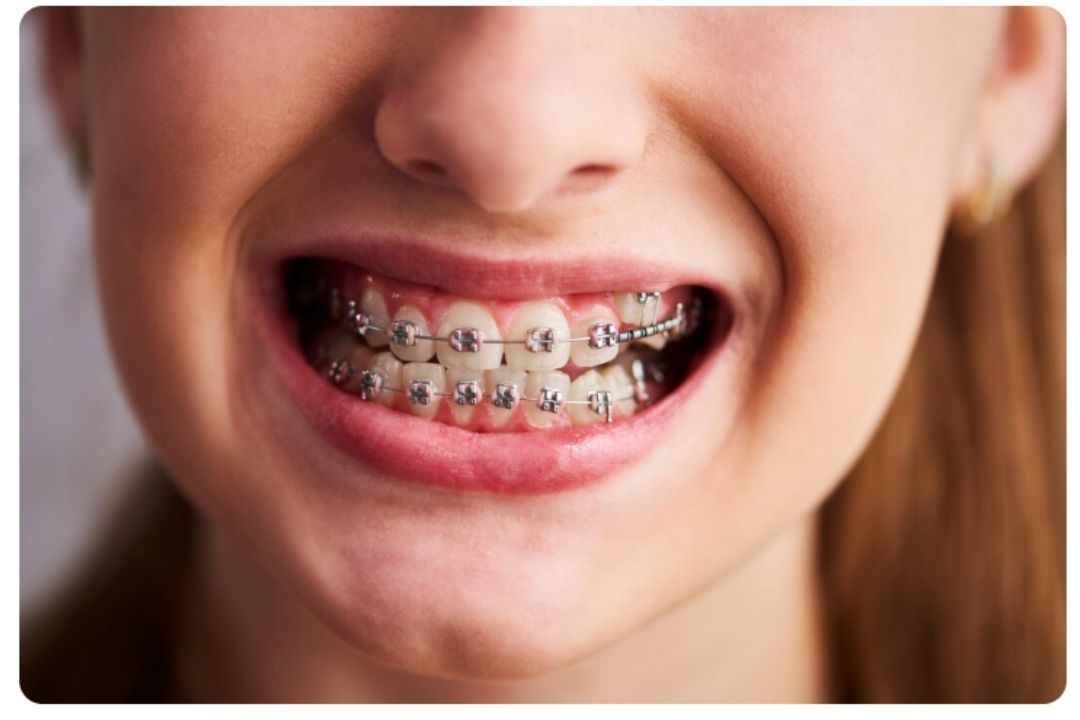
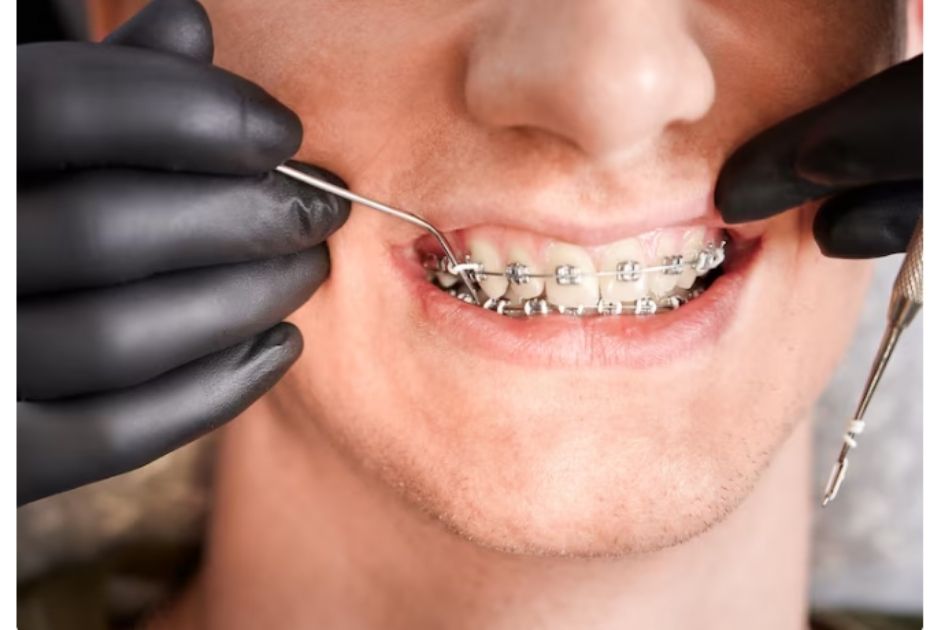
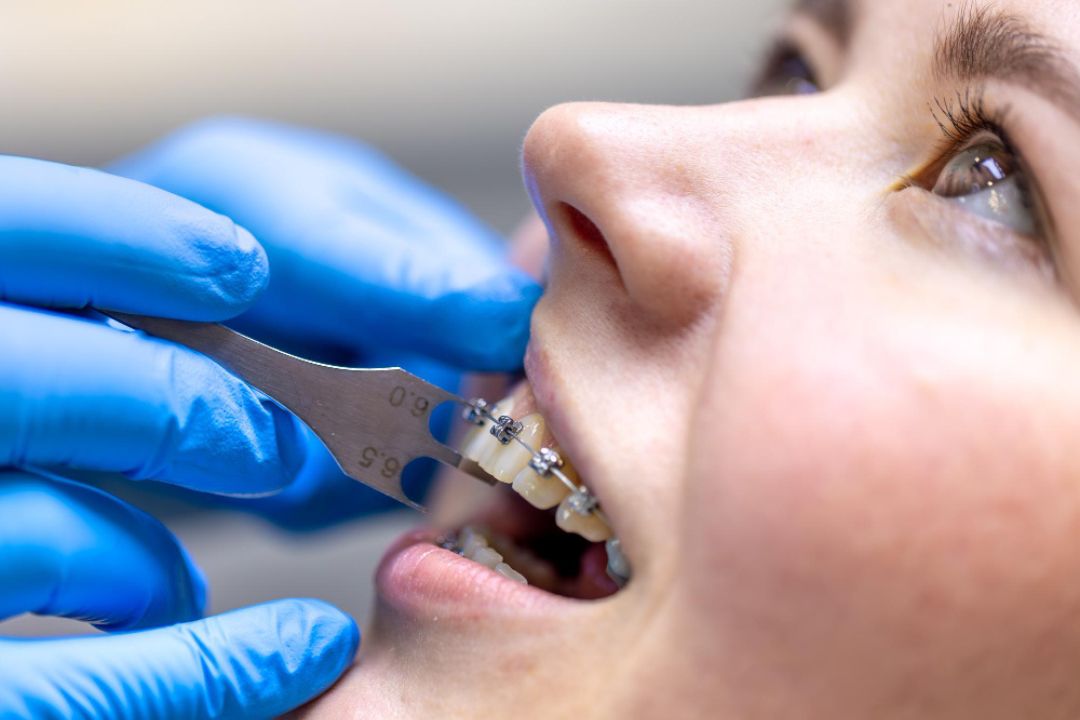
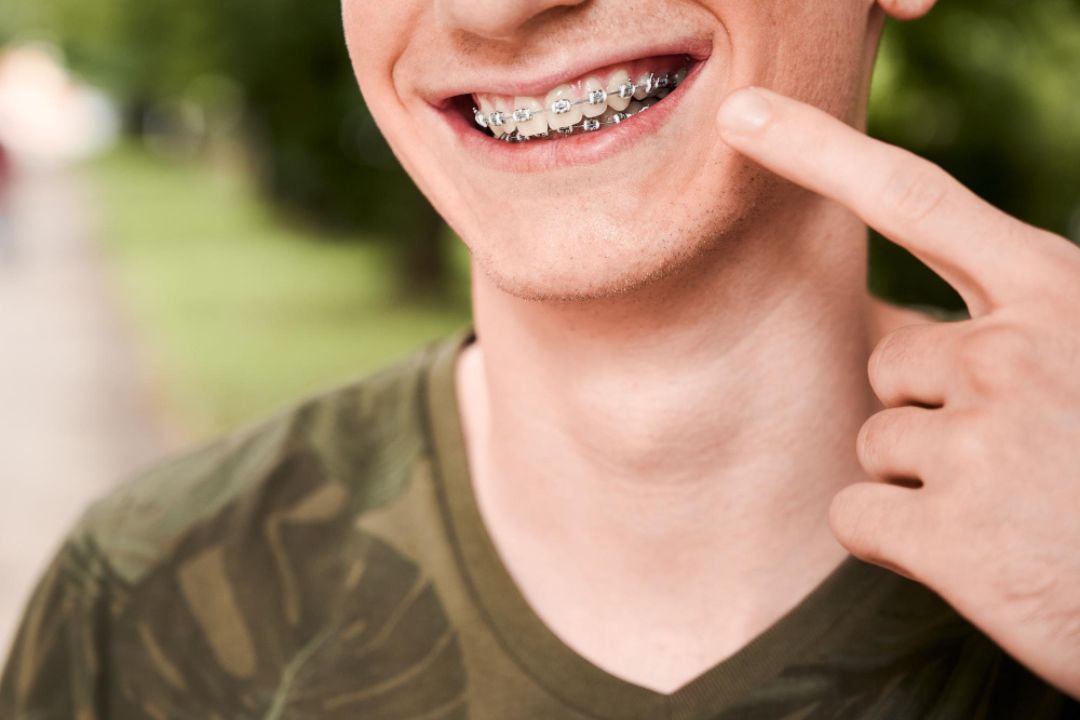
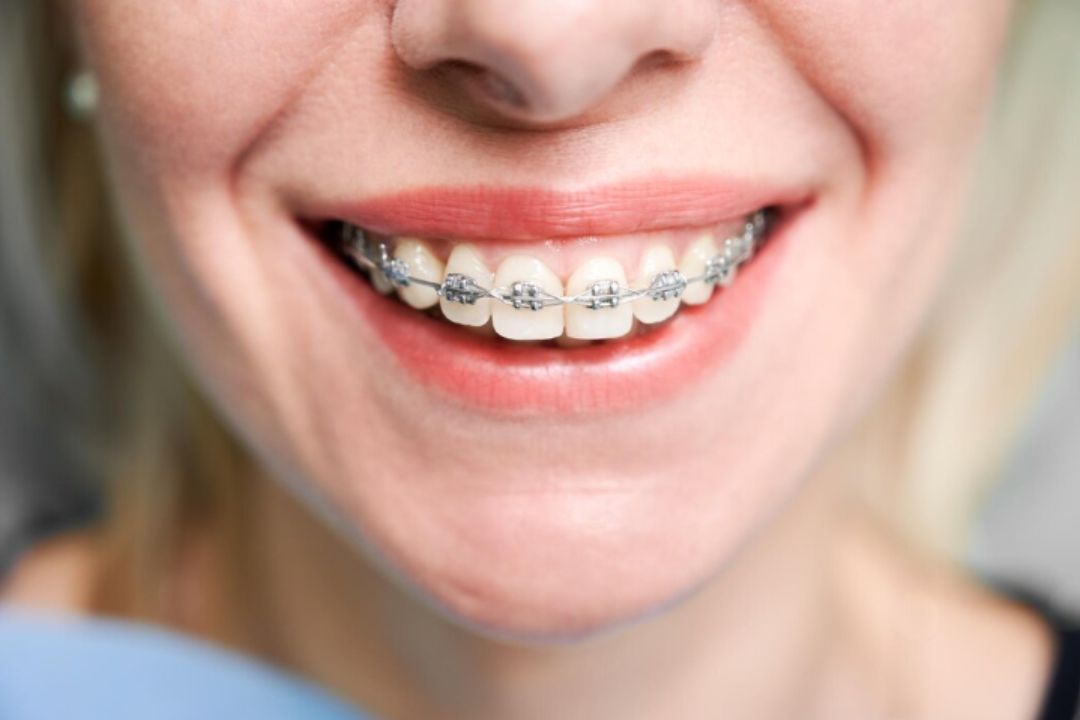
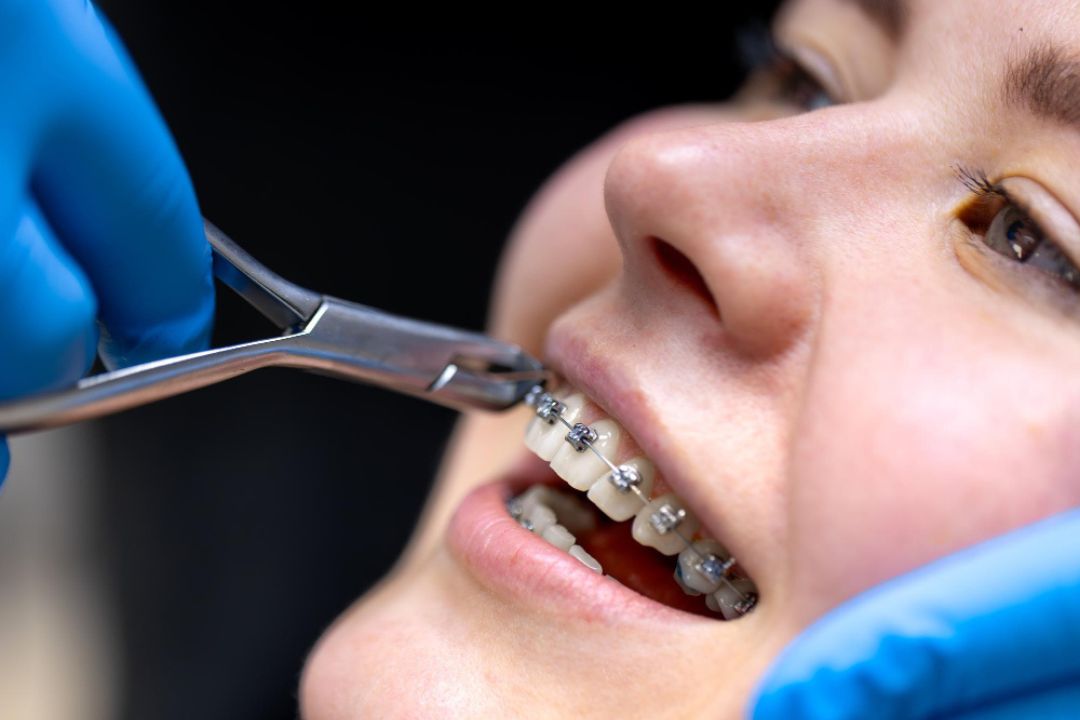
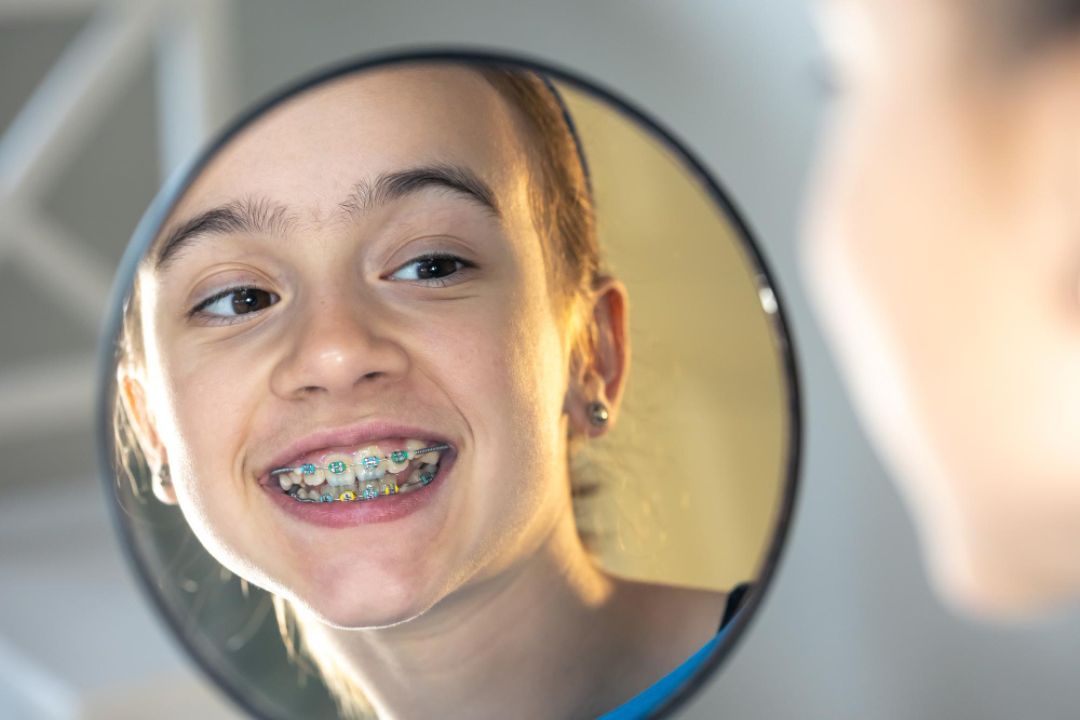
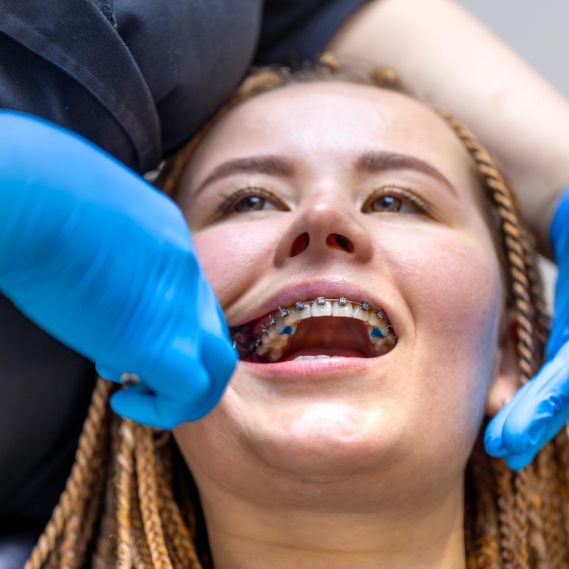
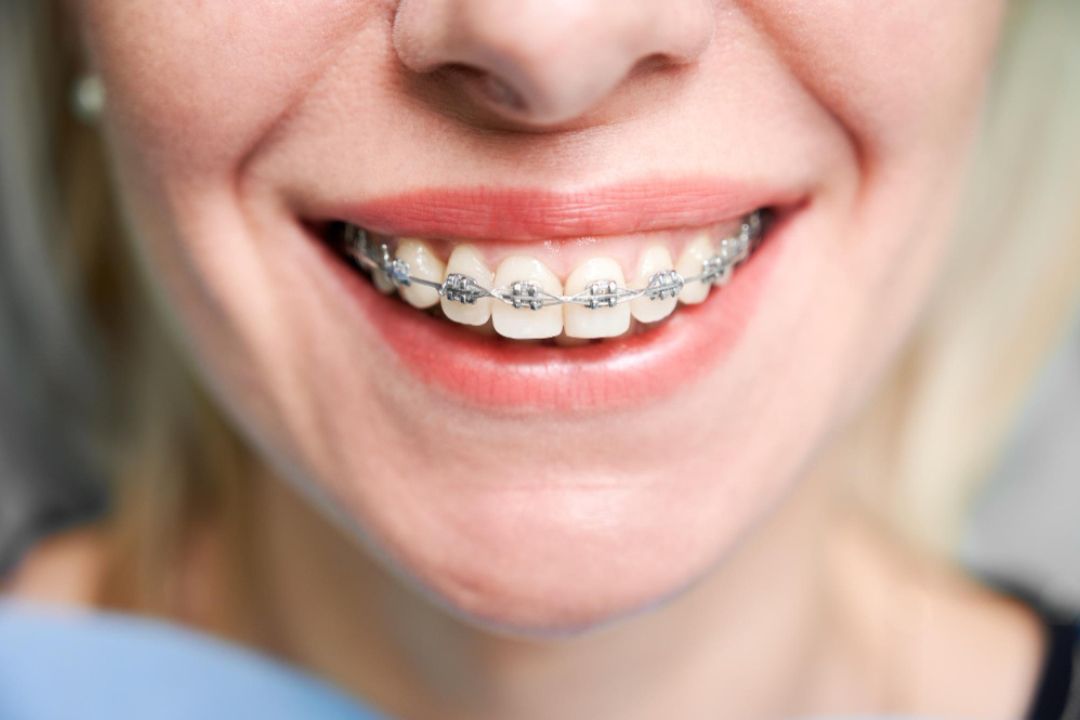
Dental braces are fixed orthodontic devices made of metal or ceramic brackets bonded to your teeth and connected by wires. The orthodontist tightens or adjusts the wires to move your teeth gradually into correct alignment.
Visit Now: https://www.diagnopein.com/dental-clinic/Mumbai
Braces can correct crooked teeth, spacing, overcrowded teeth, bite problems and functional issues by applying constant pressure over time.
The timing of braces treatment is important because your dental development, jaw growth and overall oral health influence how teeth move and how comfortable the process will be.
Several factors affect timing:
Growth stages
Development of permanent teeth
Jaw bone maturity
Severity of alignment problems
Because of these factors the “best time” to start can vary based on age and specific needs.
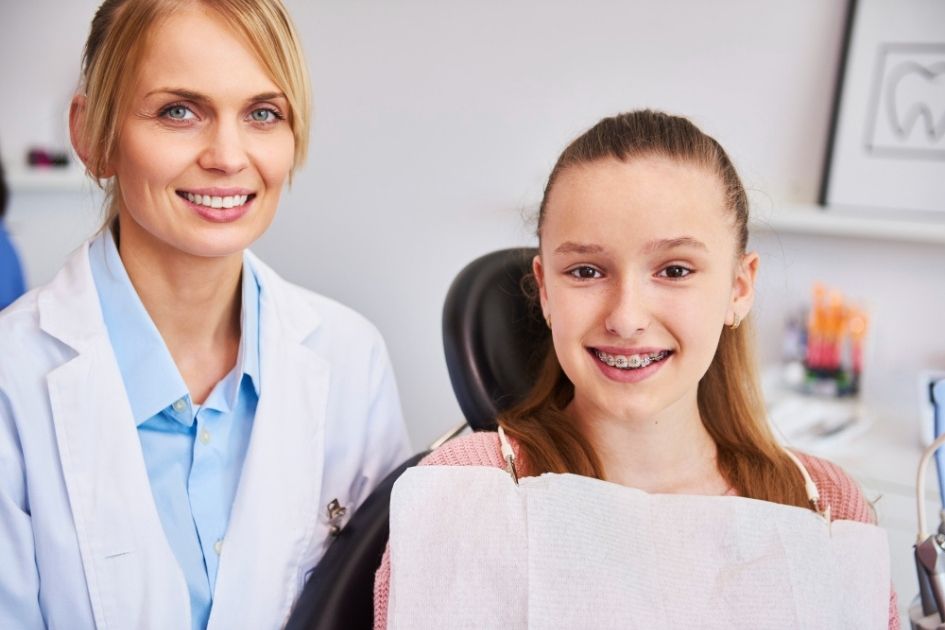
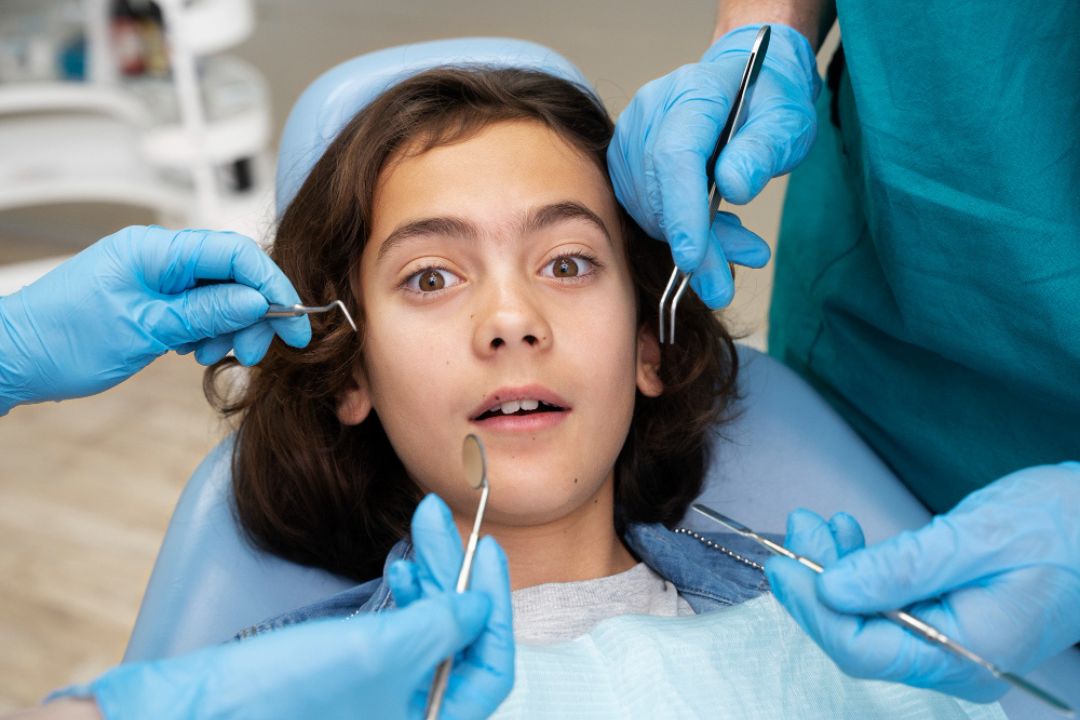
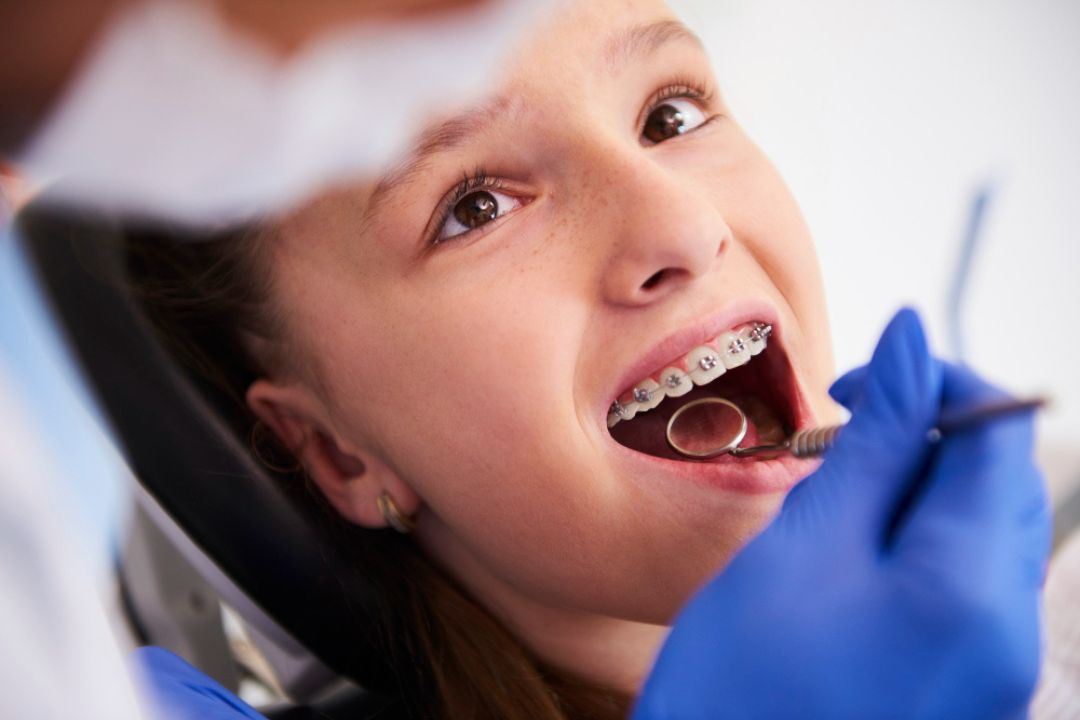
Most orthodontic specialists recommend that children have their first orthodontic evaluation between ages 7 and 9.
At this early age the child will still have some baby teeth. Early evaluation allows the orthodontist to track growth, jaw development and dental eruption patterns.
Although treatment may not begin immediately, early evaluation helps catch potential problems before they get worse.
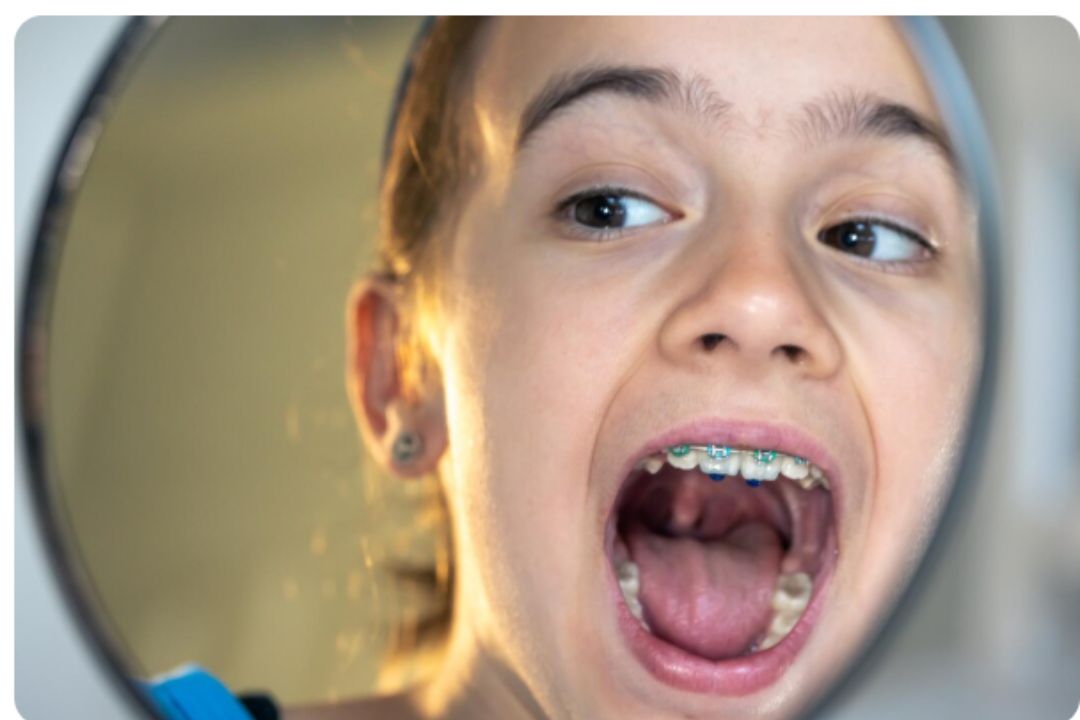
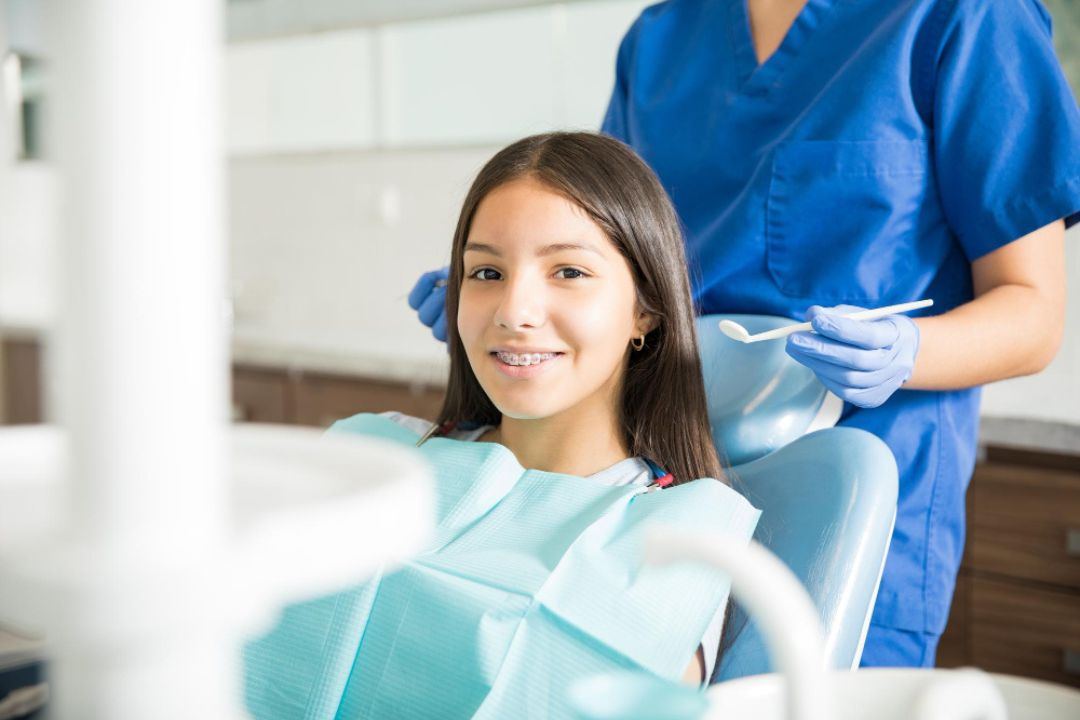
Many children begin corrective braces between ages 11 and 14. At this age:
Most permanent teeth have erupted
The jaw is still growing
Teeth respond well to alignment forces
This makes middle childhood to early teenage years a common and effective time for braces.
There is no upper age limit for braces. Many adults begin orthodontic treatment in their twenties, thirties, forties and even later decades.
Adult braces can be successful because teeth can still move with the right treatment plan. However adults may require additional time or combined treatments with jaw surgery if severe bite problems exist.
Not all children need braces at the same age. Here are key signs to look for:
Teeth are crowded or overlapping
Persistent thumb sucking at older ages
Difficulty chewing or biting food
Speech difficulties due to alignment
Teeth erupting with wide spacing
Early or late loss of baby teeth
Jaw pain or clicking sounds in the jaw
Front teeth protruding outward
If you notice any of these signs a professional evaluation is recommended.
Adults often seek braces treatment for functional improvement or cosmetic reasons. Common signs include:
Crooked or twisted teeth
Noticeable gaps between teeth
Frequent biting of the cheek or tongue
Shifting or drifting teeth over time
Bite issues like overbite underbite or crossbite
Difficulty cleaning crowded teeth
Jaw pain or headaches related to bite alignment
Adults who want to improve smile aesthetics often choose clear aligners if braces are a concern.
Early orthodontic evaluation and treatment can:
Guide jaw growth and development
Prevent severe crowding before it becomes worse
Correct bite issues early for better long term results
Reduce risk of tooth damage from protruding teeth
Improve confidence and self esteem in children
Early intervention may avoid more complex procedures later on.
Some patients are better suited to start braces when most adult teeth have erupted.
Waiting may be suitable when:
Permanent teeth have not yet come in
Only mild issues are present
Jaw growth is complete
Waiting can reduce unnecessary or premature treatment.
Orthodontists consider several key factors when determining timing:
Book Now: https://www.diagnopein.com/dental-clinic/Mumbai/Dental-Braces
Dental growth and eruption stages
Severity of the alignment problem
Bone structure and jaw growth potential
Patient cooperation and readiness
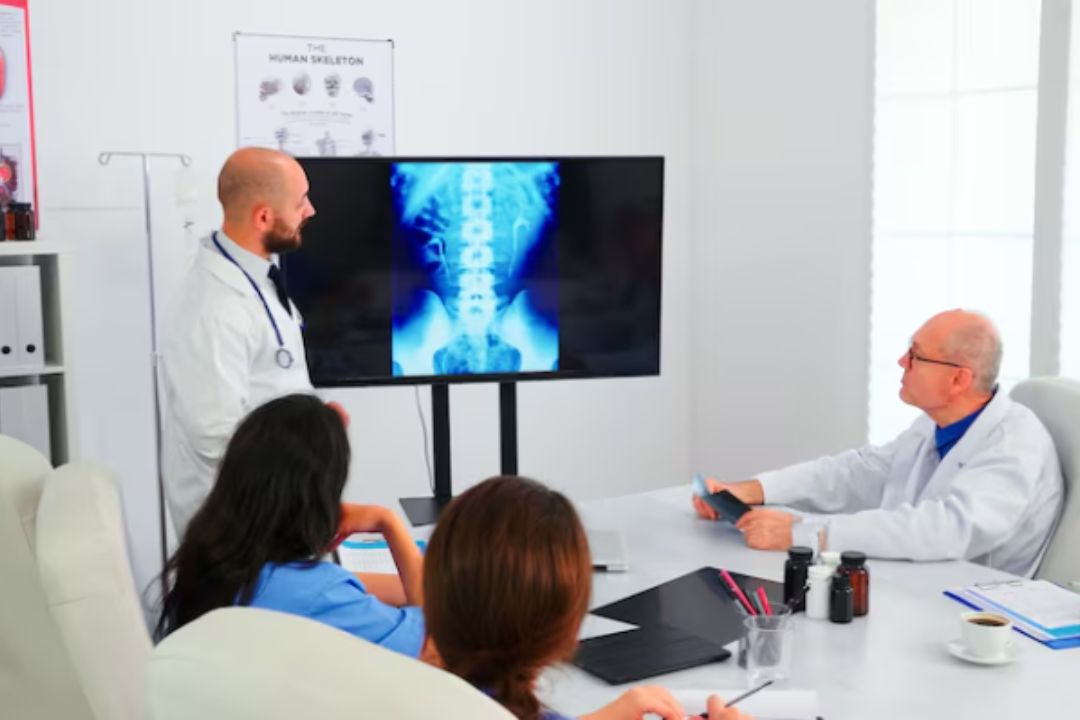
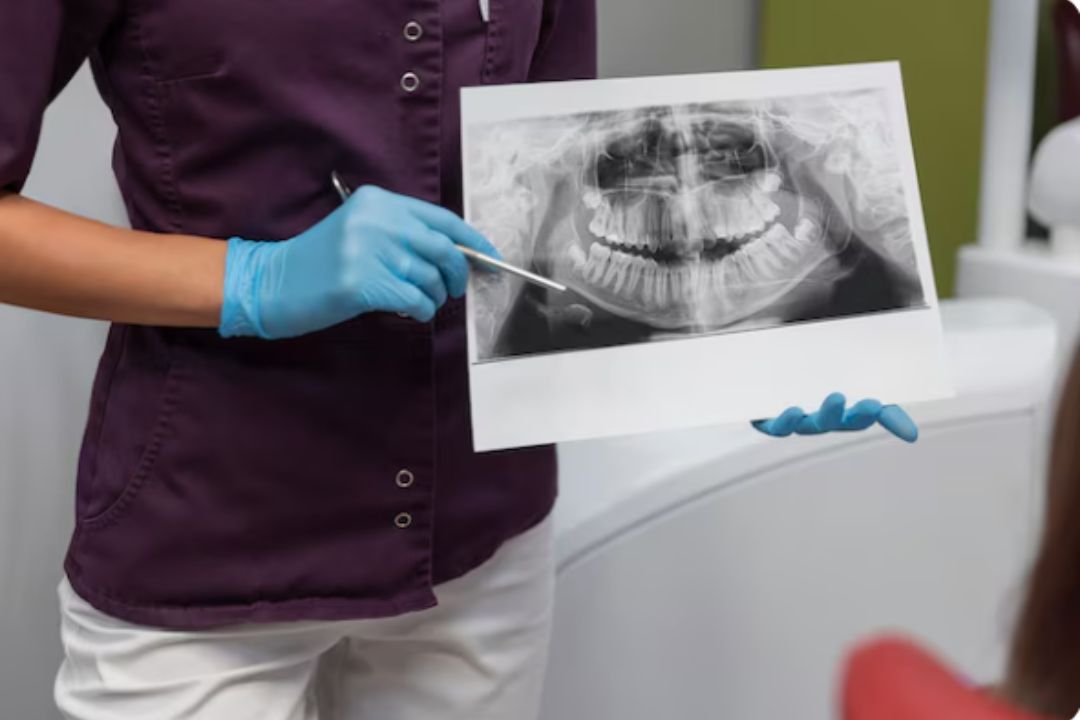
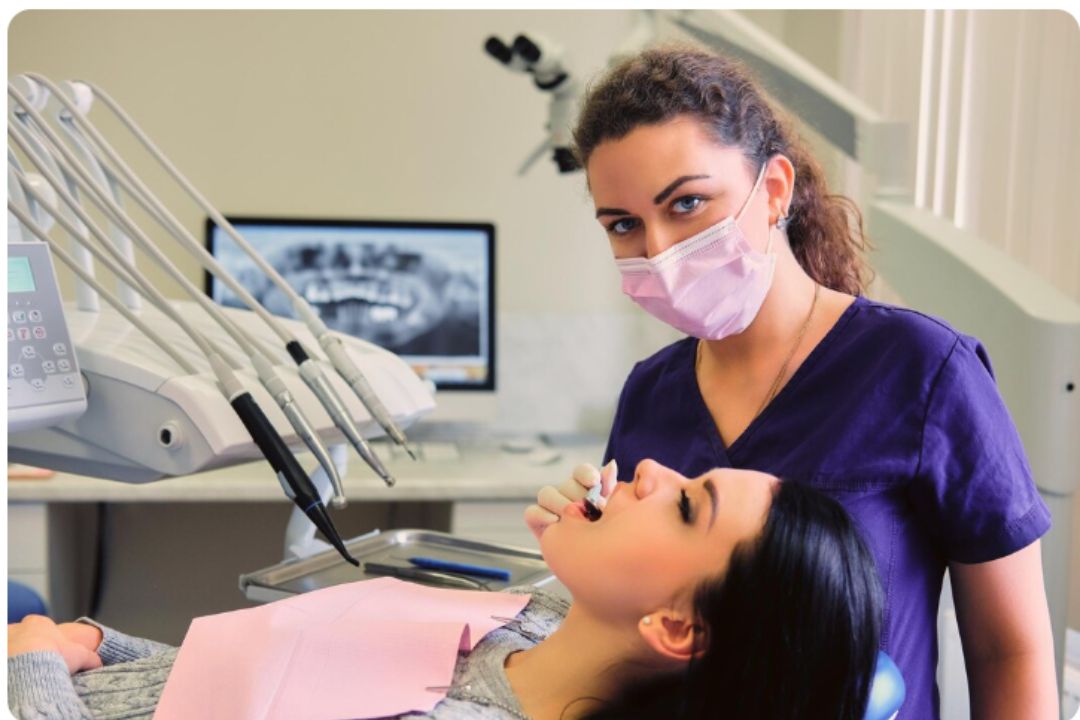
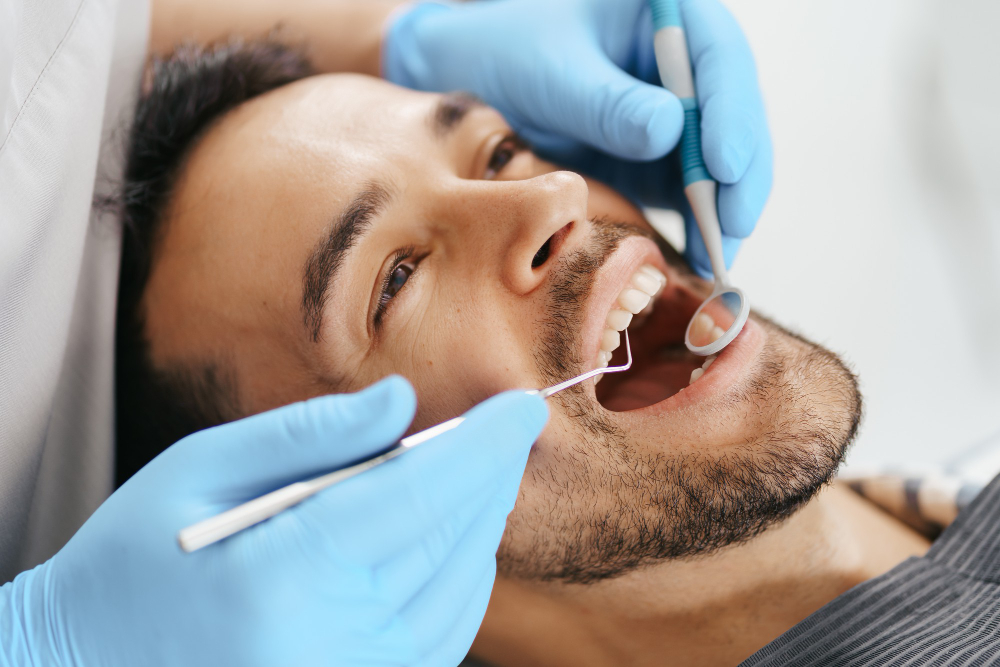
Digital scans and x rays help assess your dental structure and plan the most appropriate timing.
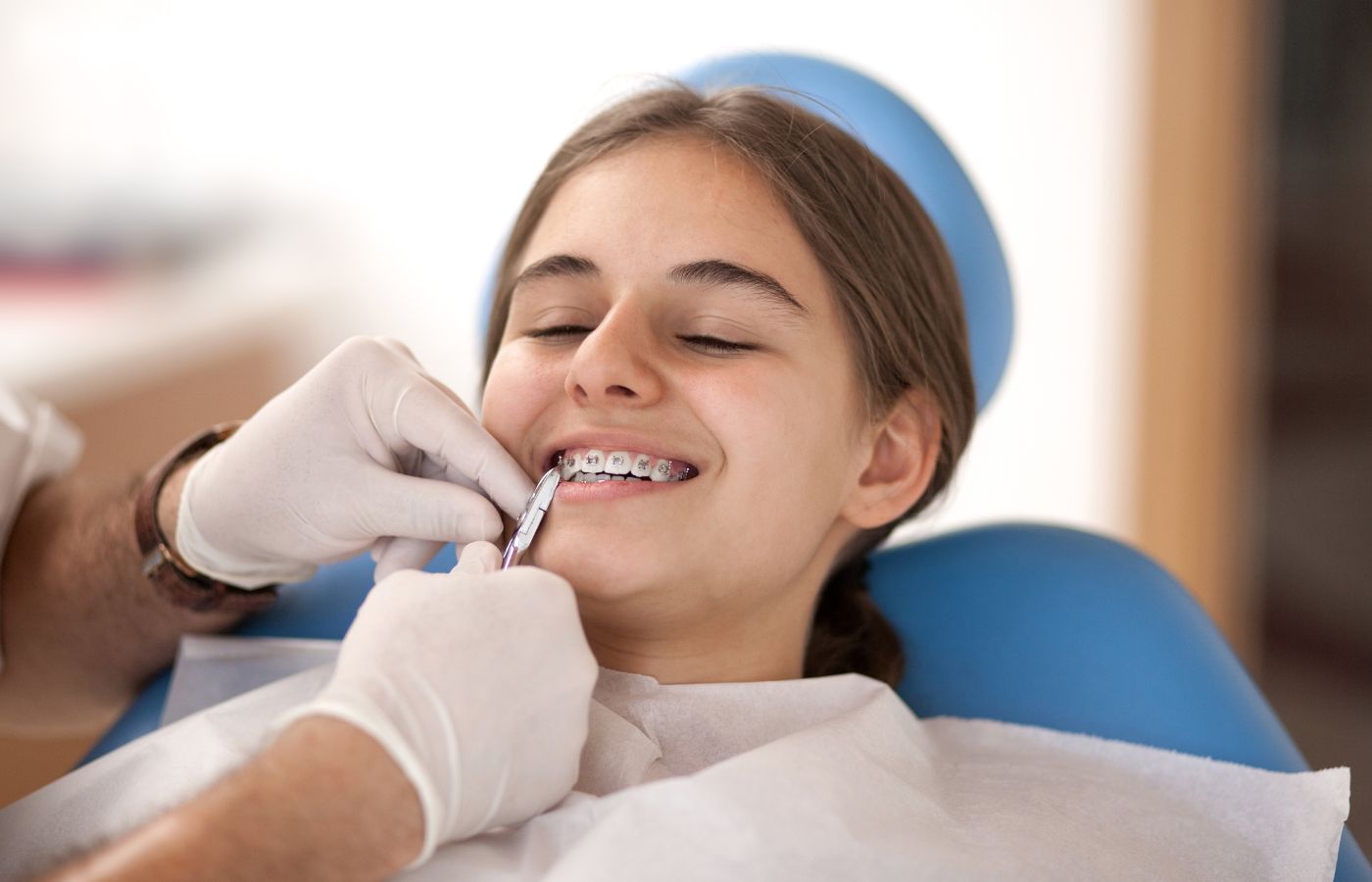
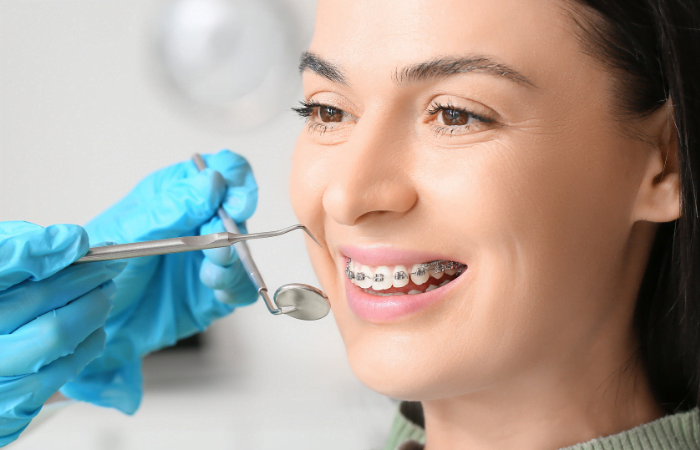
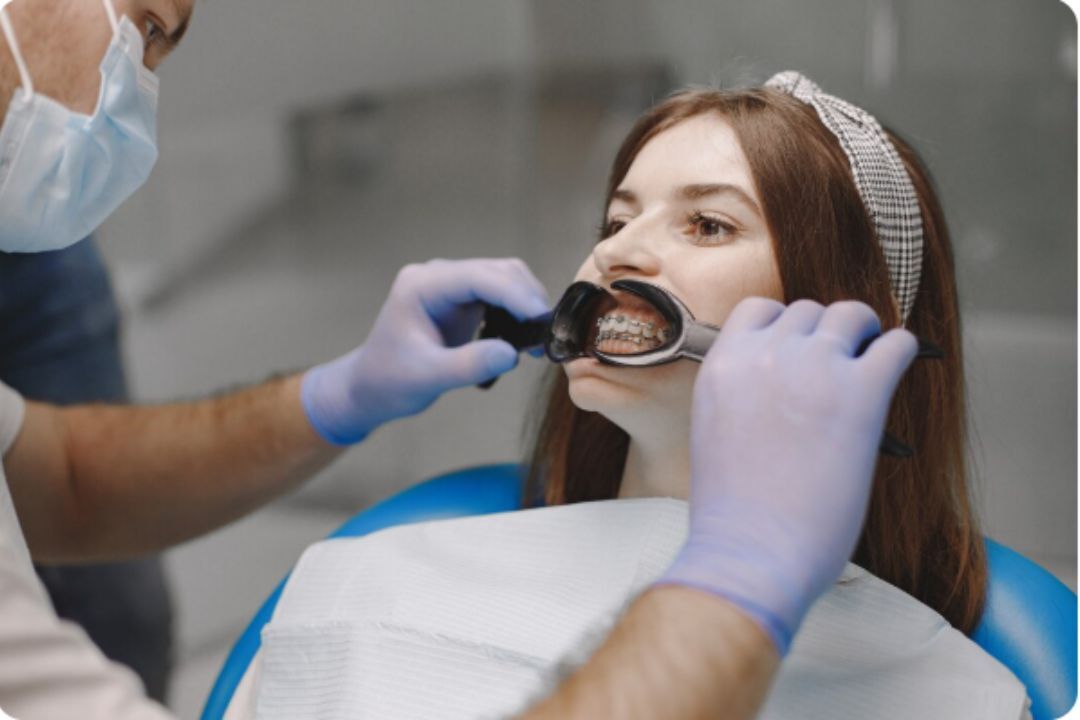
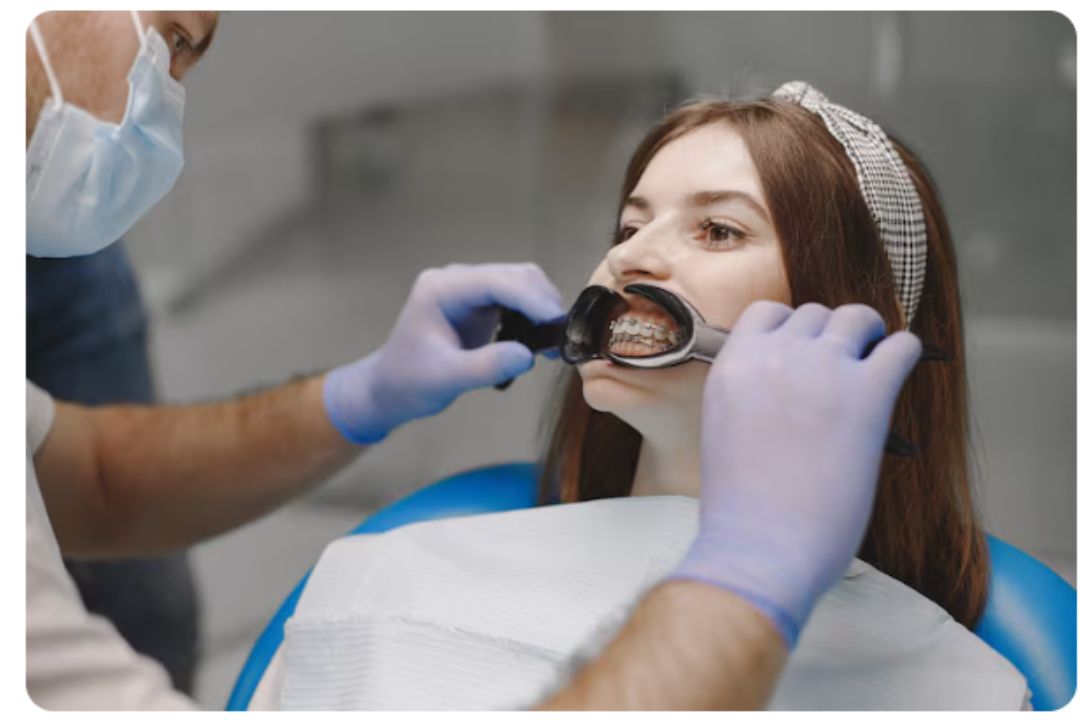
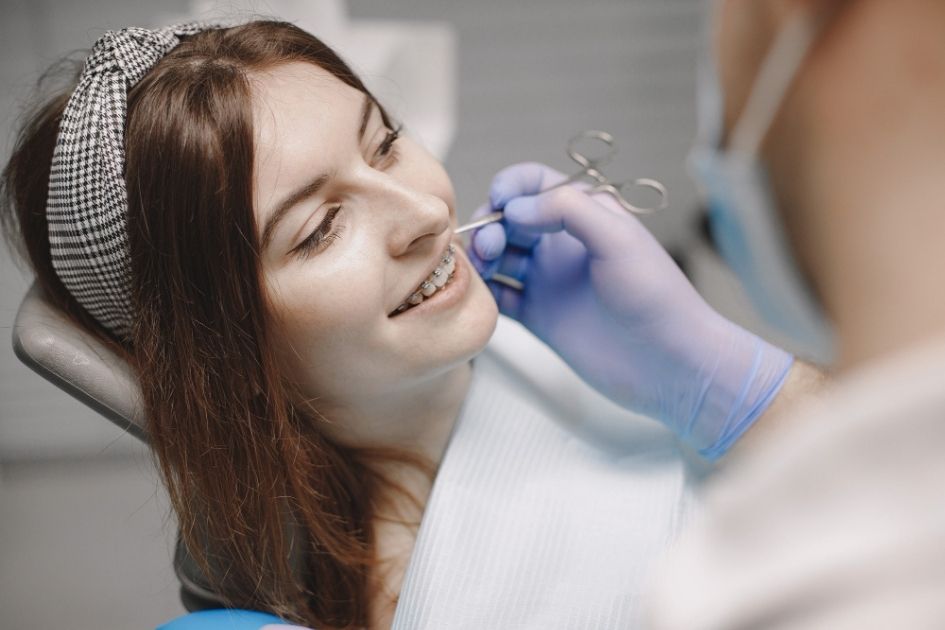
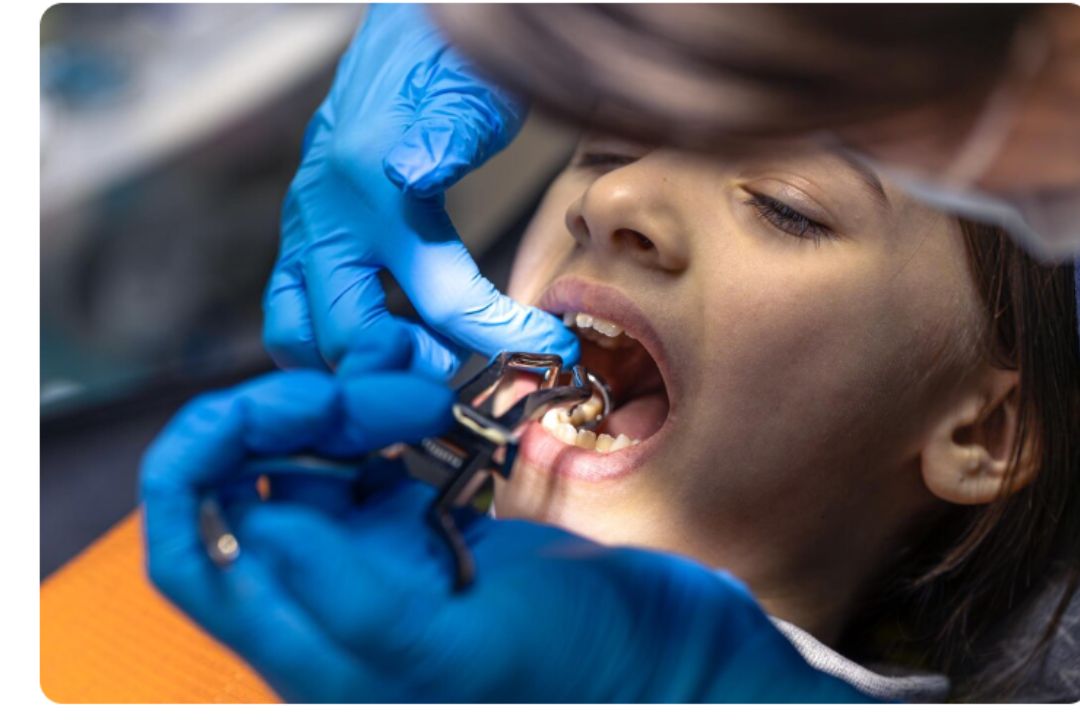
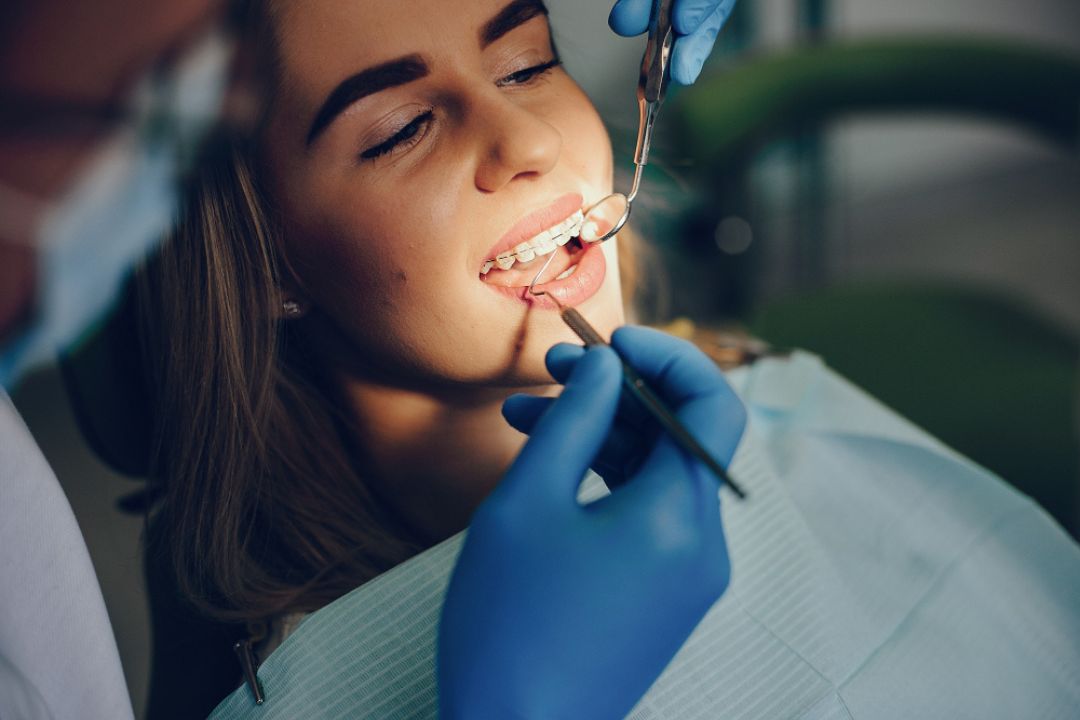
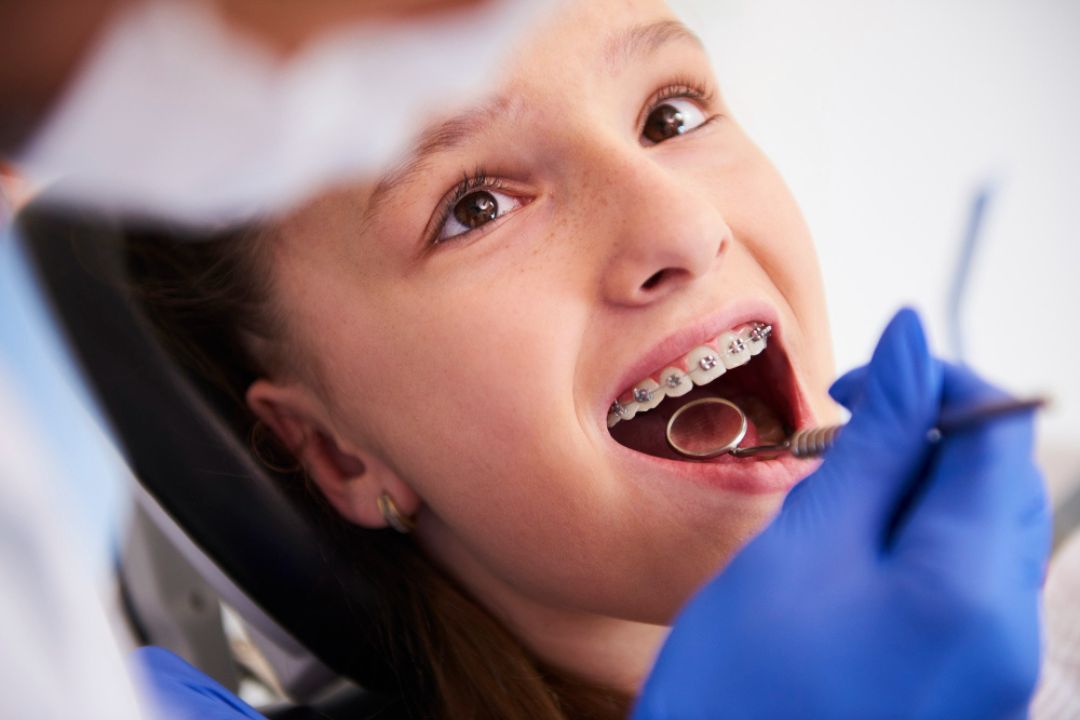
During the first appointment your orthodontist gathers diagnostic information including dental x rays and impressions or digital scans. This helps create a personalized treatment plan.
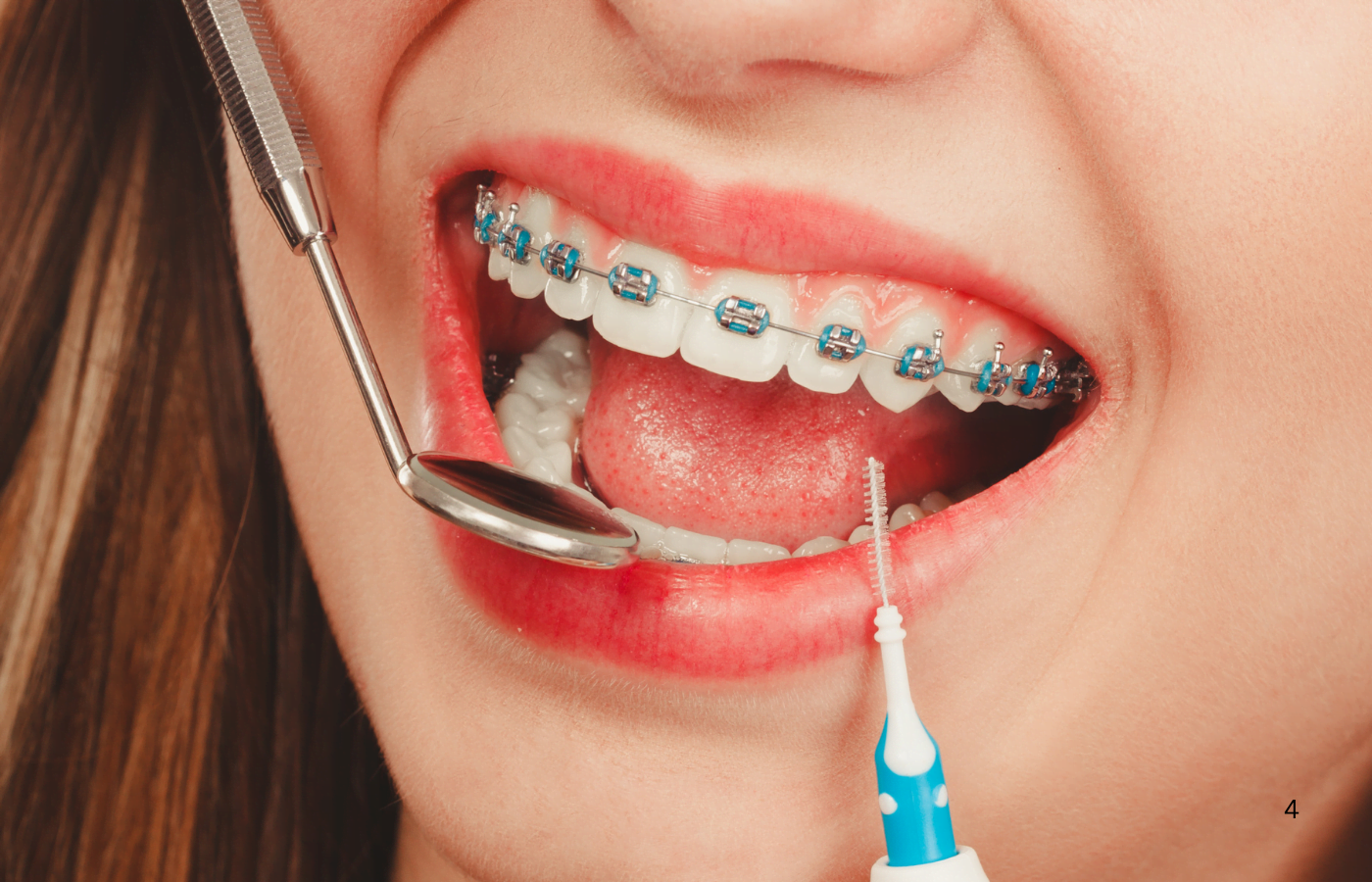
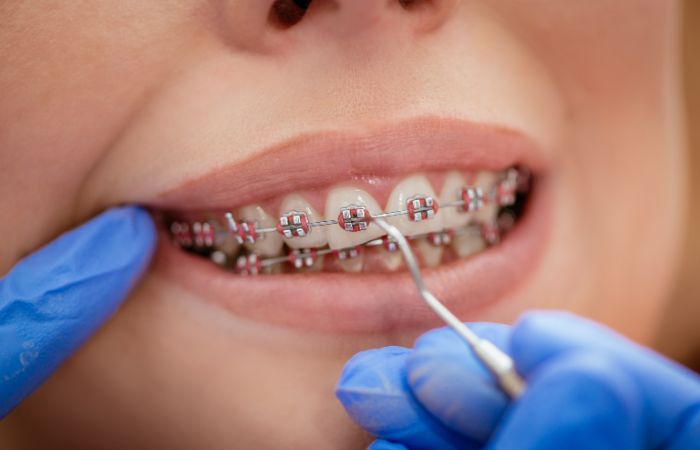
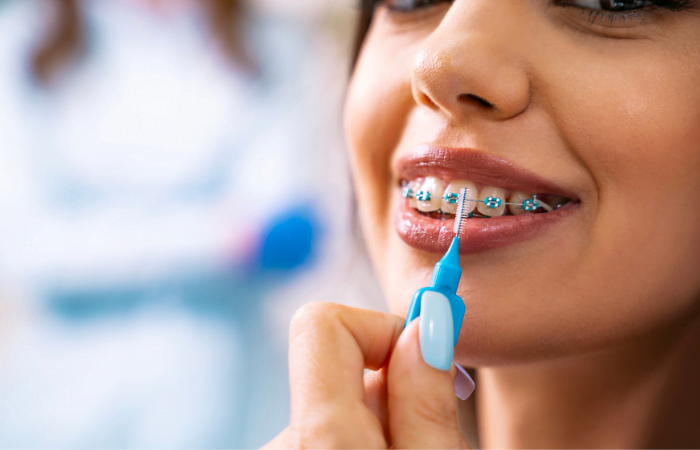
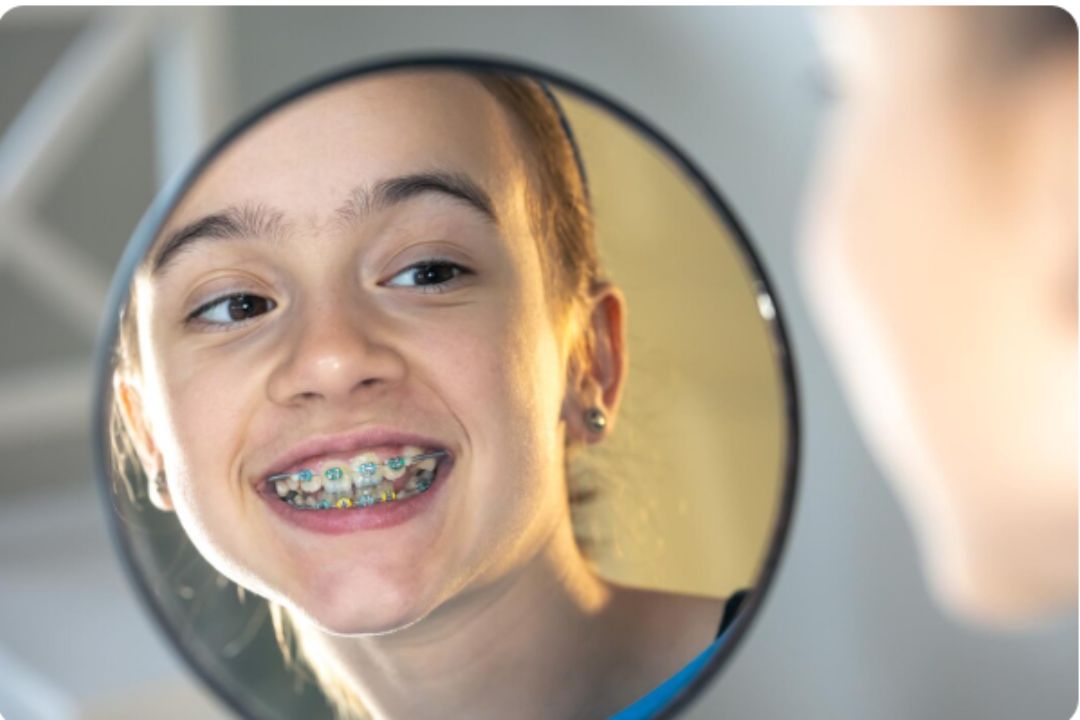
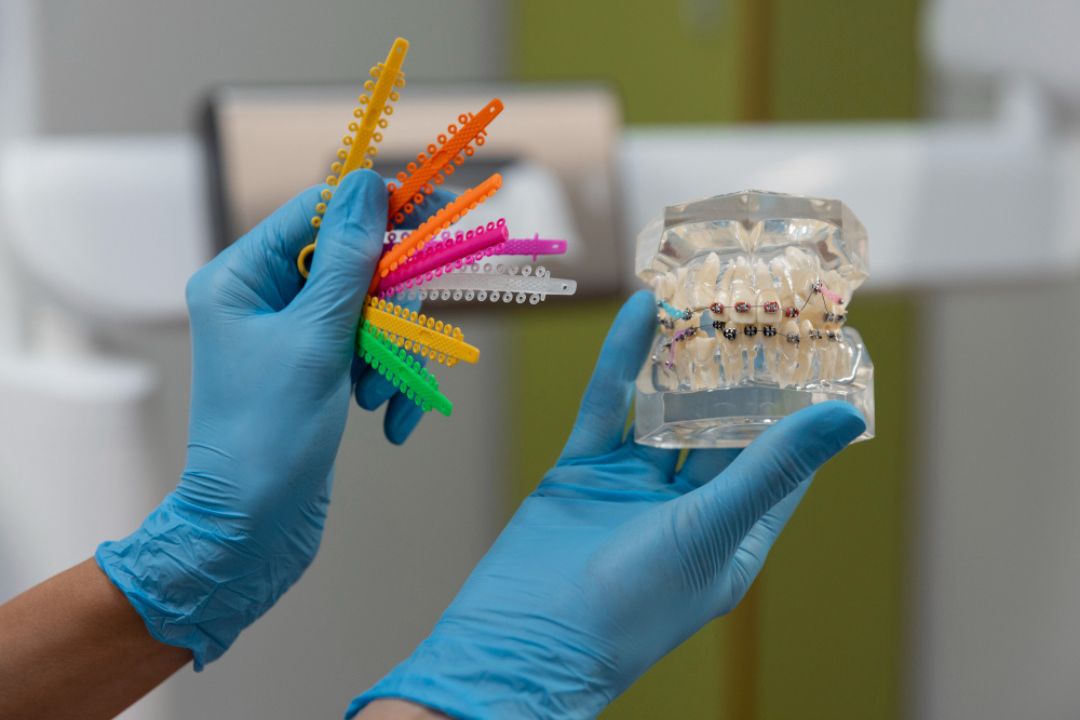
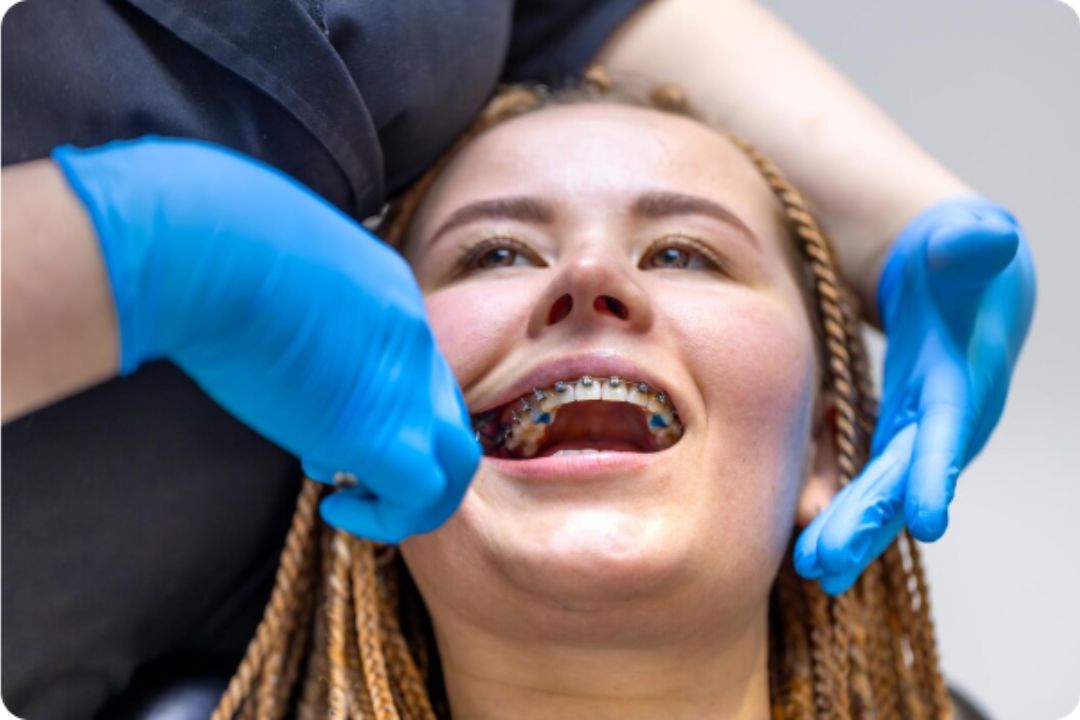
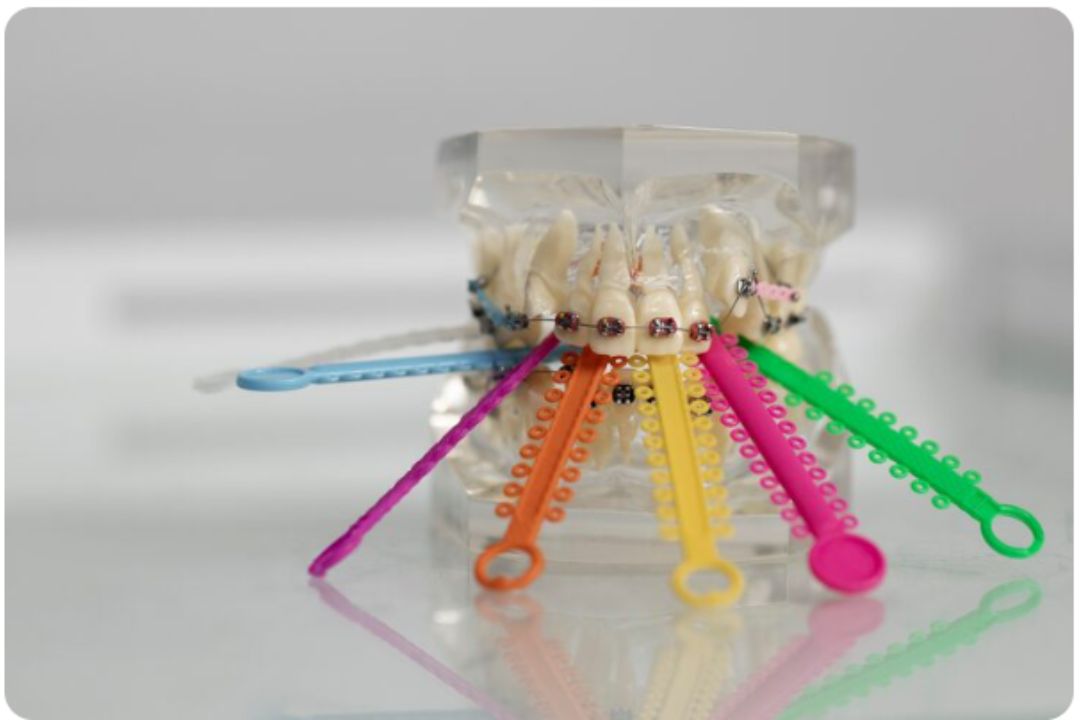
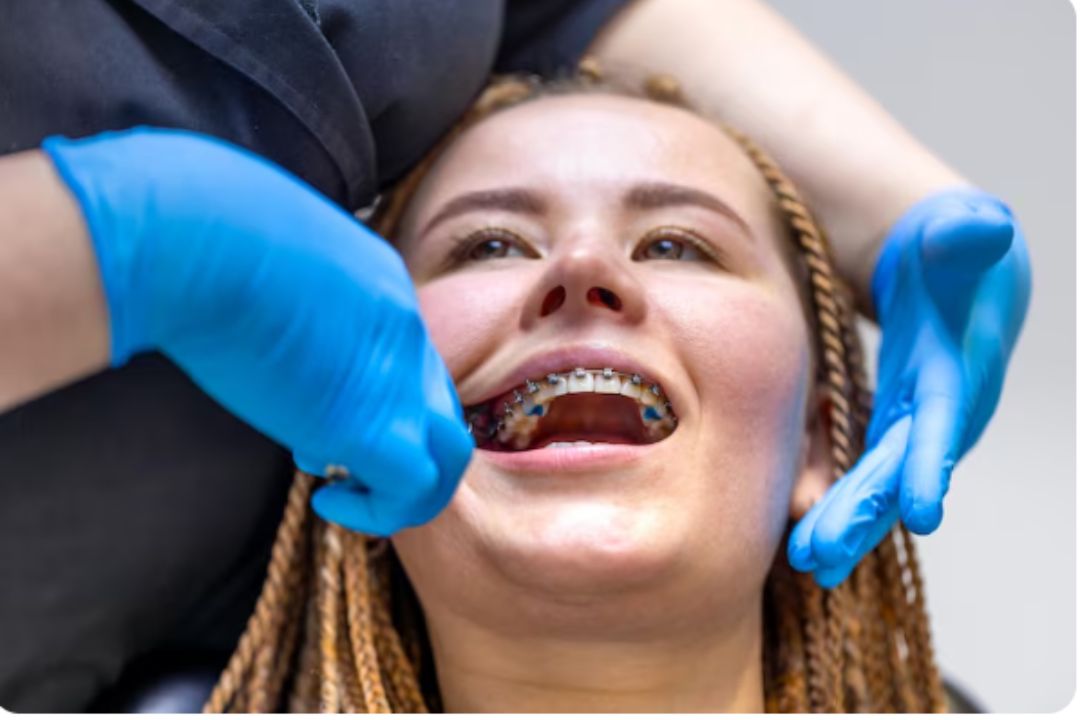
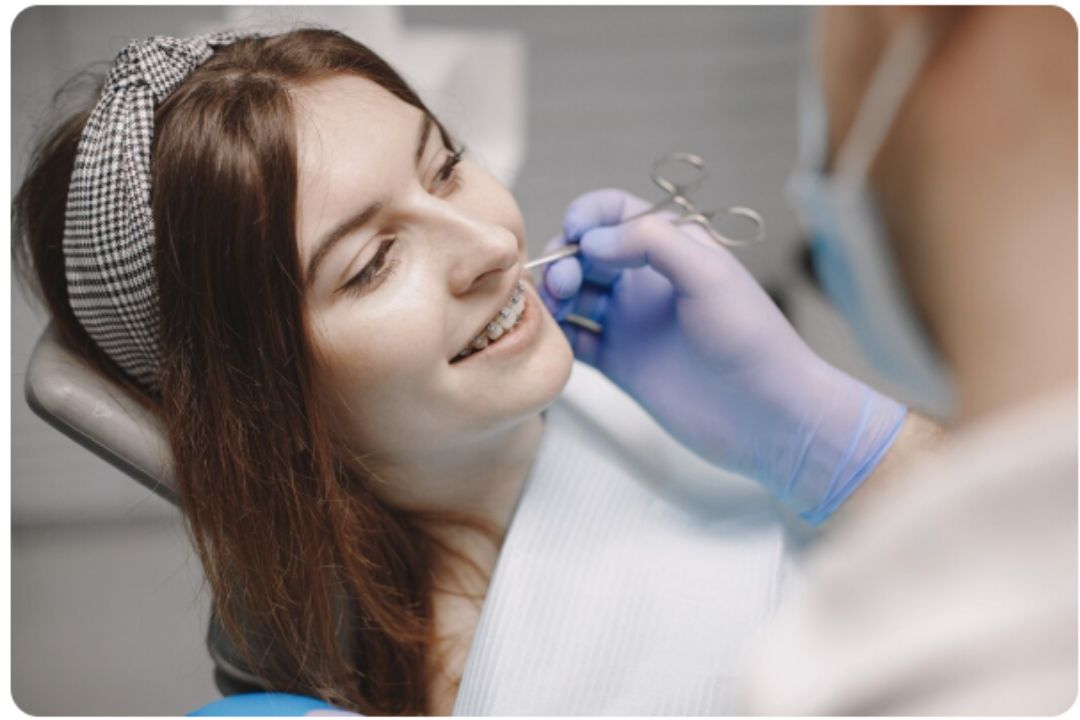
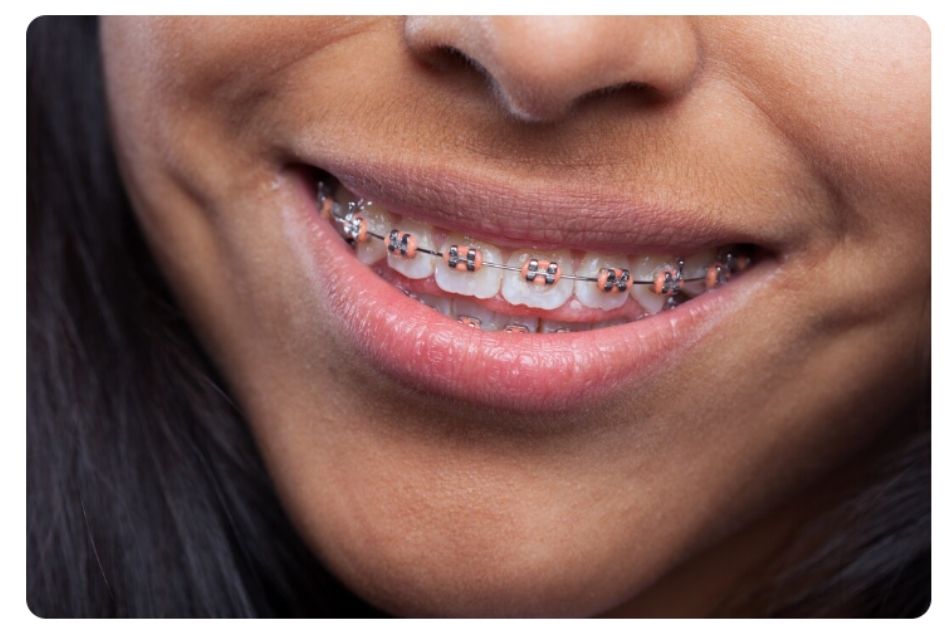
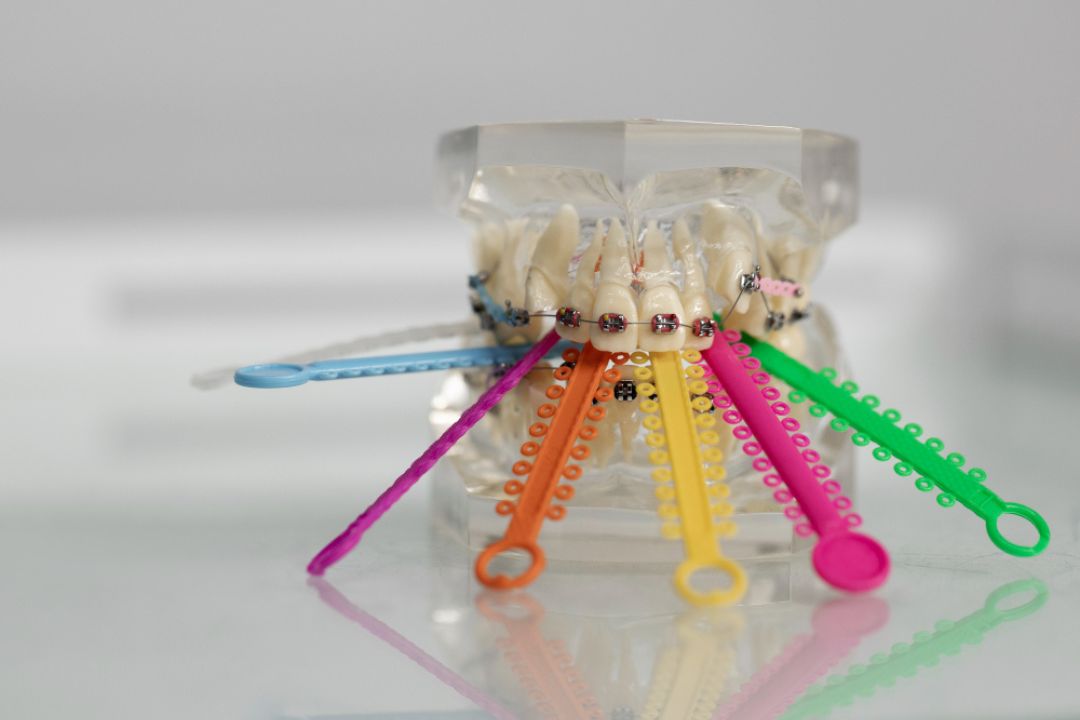
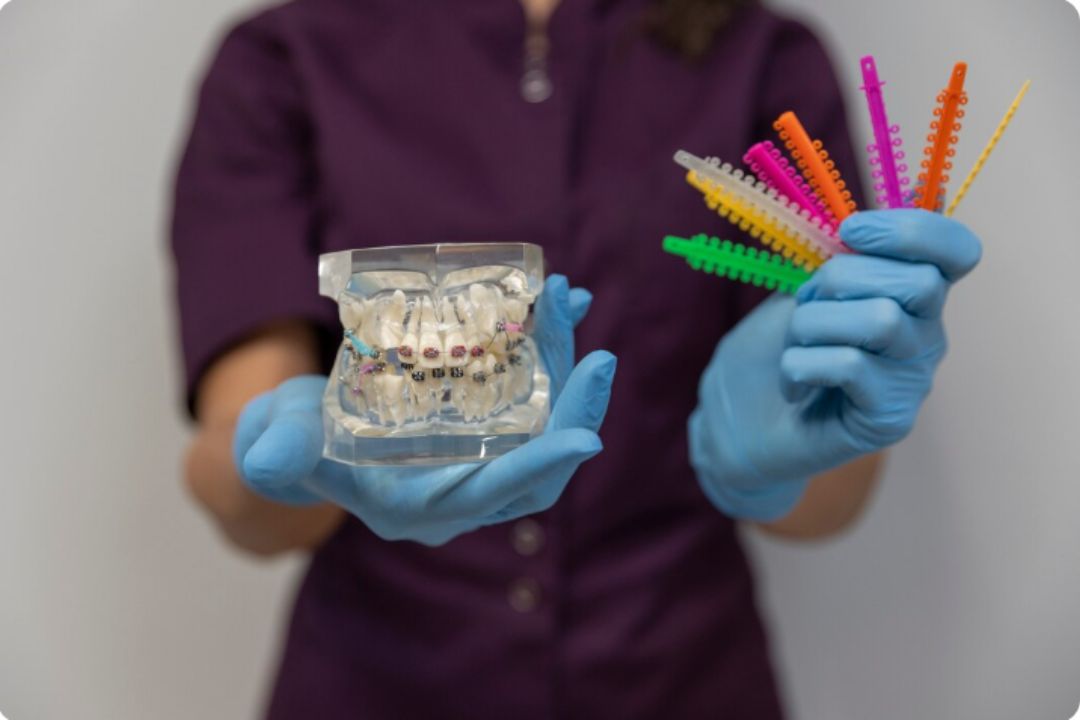
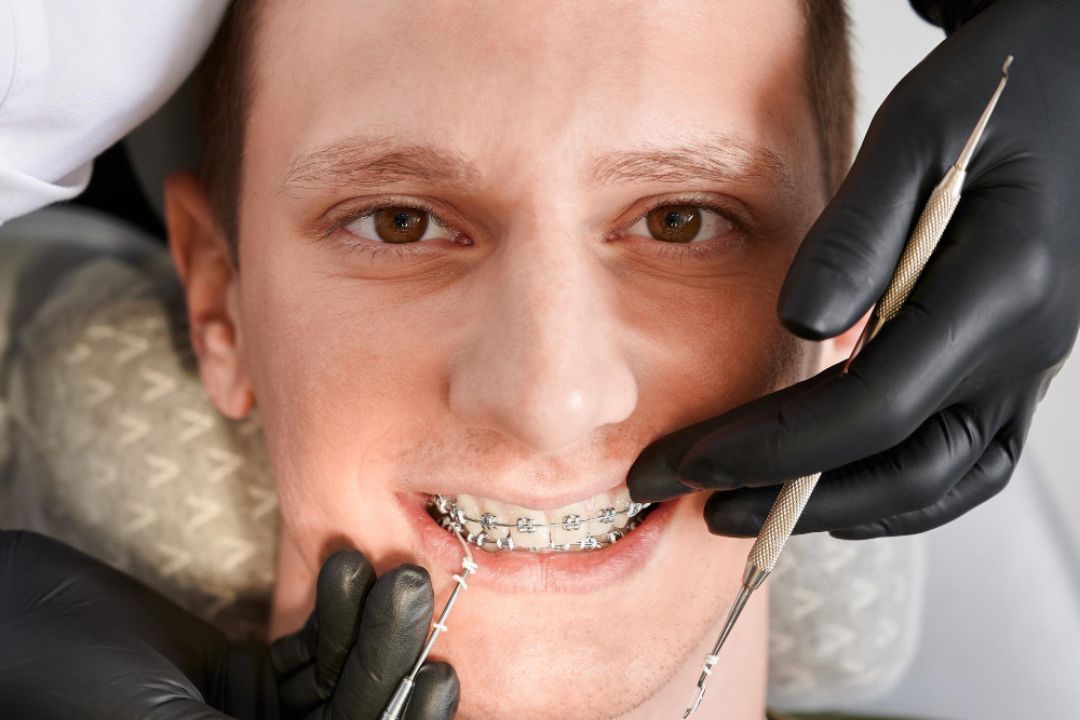
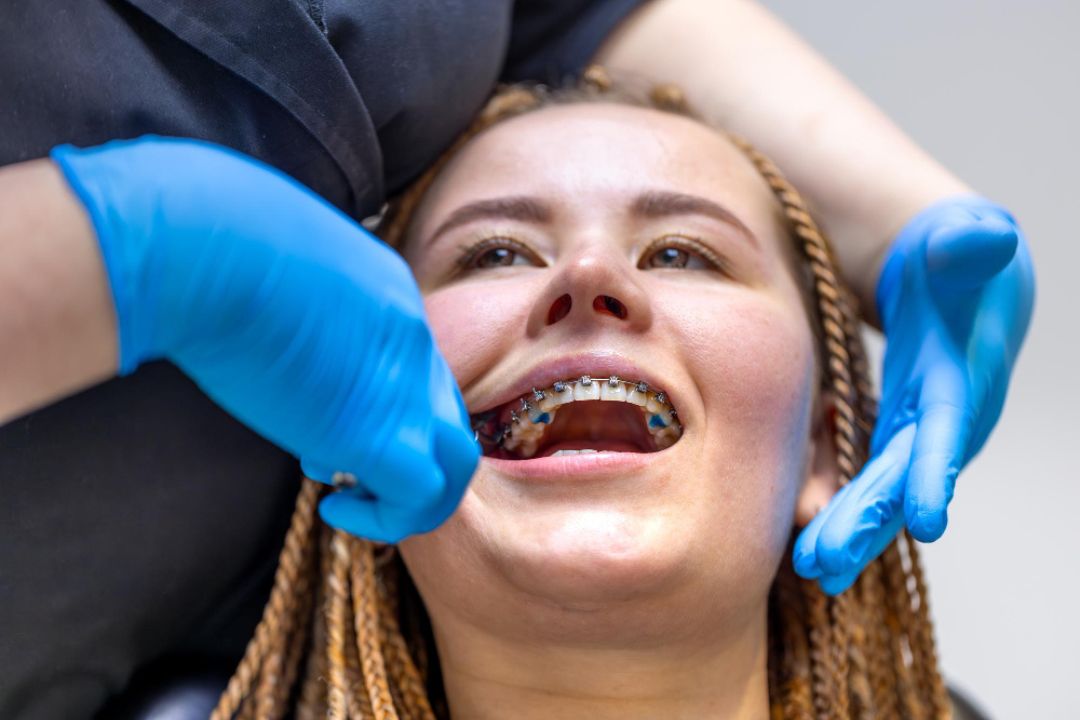
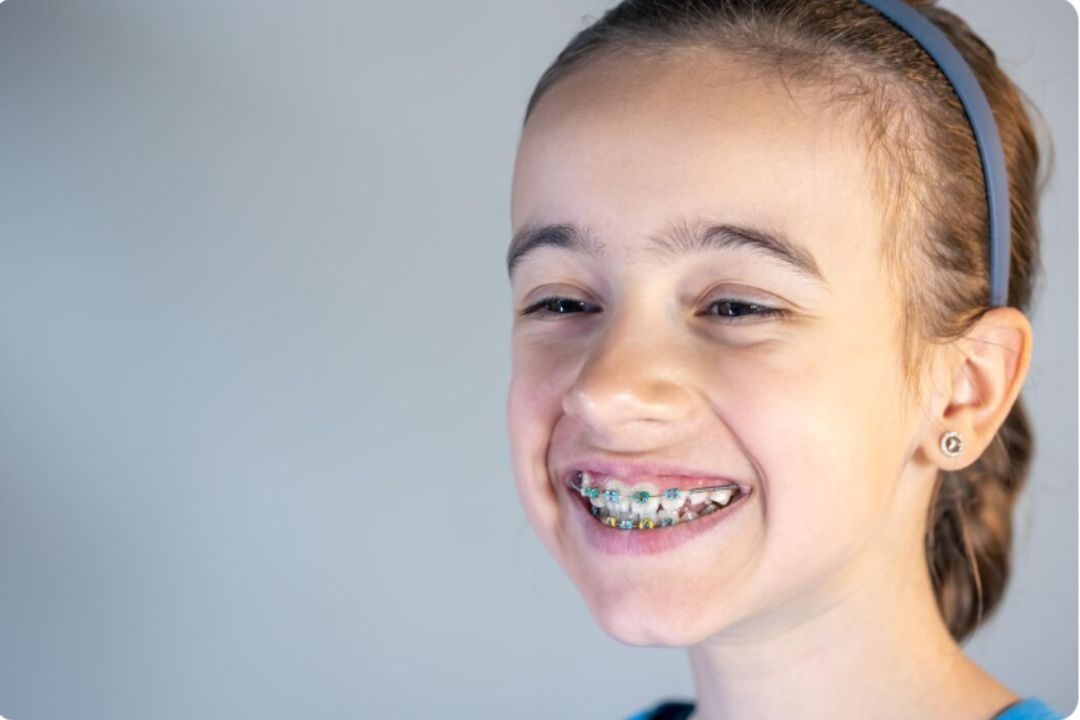
Once your treatment plan is ready brackets are bonded to teeth and wires are placed. The orthodontist may use colored bands or clear brackets based on your preference.
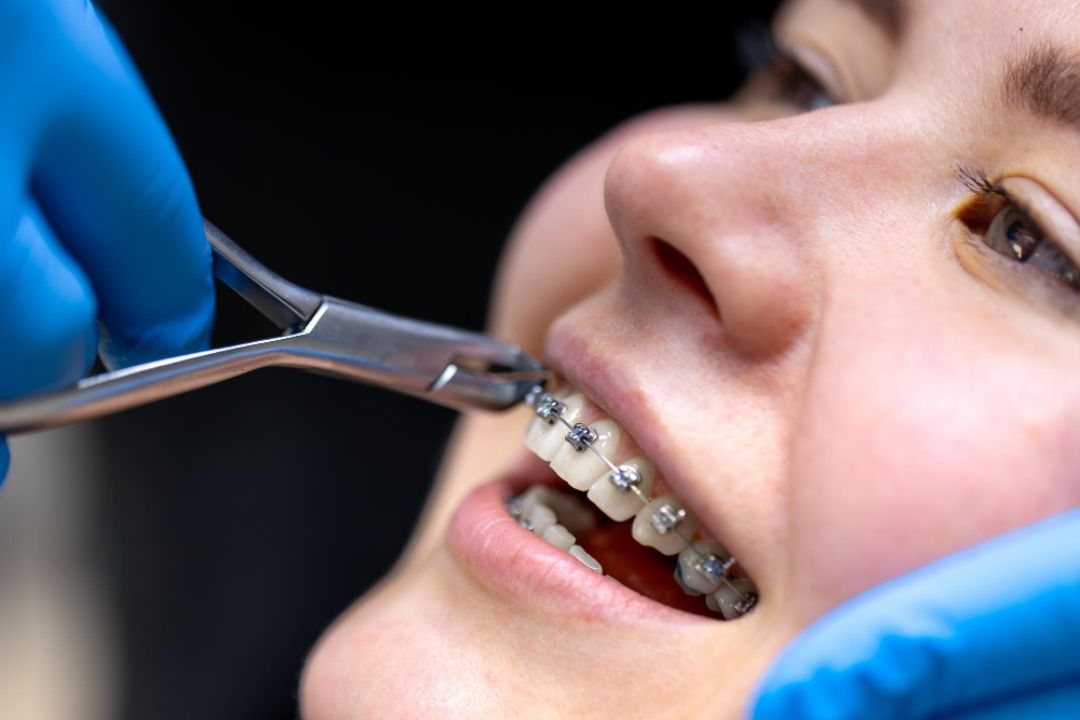
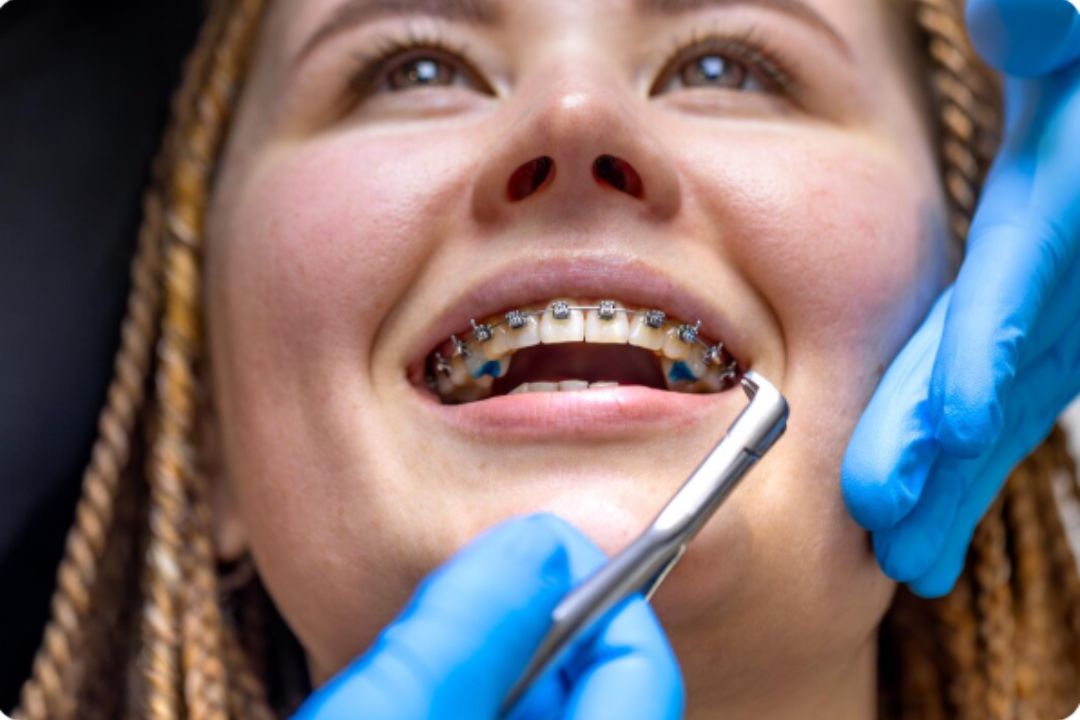
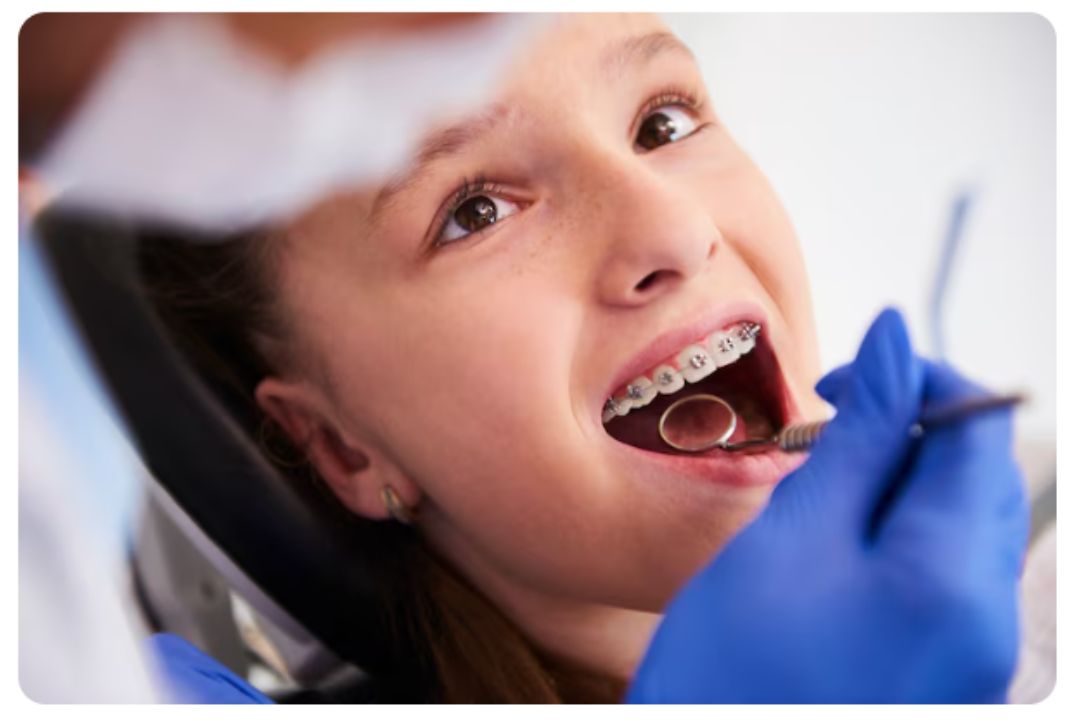
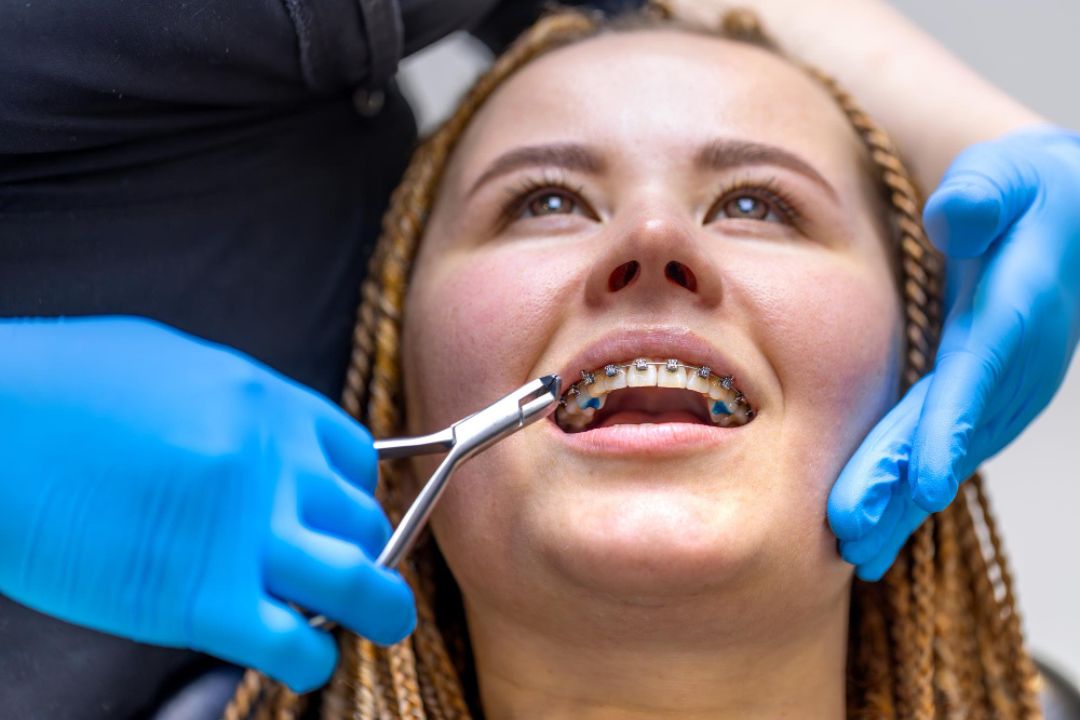
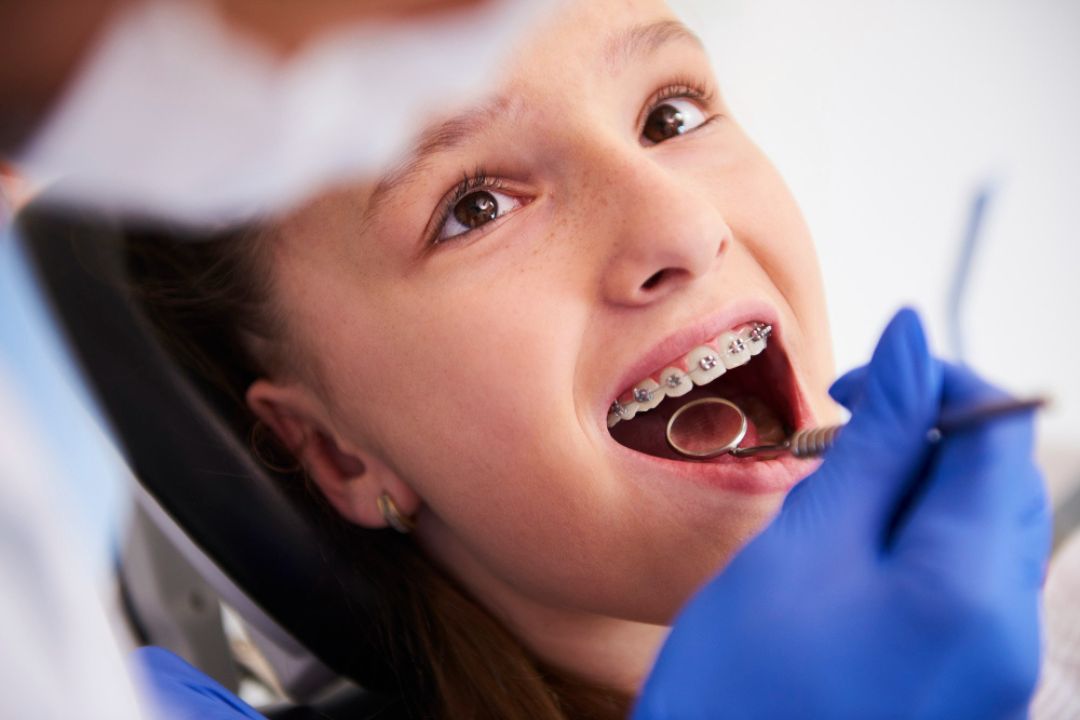
Usually every four to six weeks you will return for adjustments. Wires may be tightened and progress is monitored. These regular visits keep treatment on schedule.
Typical treatment duration varies based on complexity. For most teens it ranges between 12 and 24 months. Adults may require similar or slightly longer time depending on bone density and alignment needs.
When braces are removed retainers are provided to maintain results. Retainers prevent teeth from shifting back and help keep your new smile stable.
Retainers may be removable or fixed depending on your orthodontist recommendation.
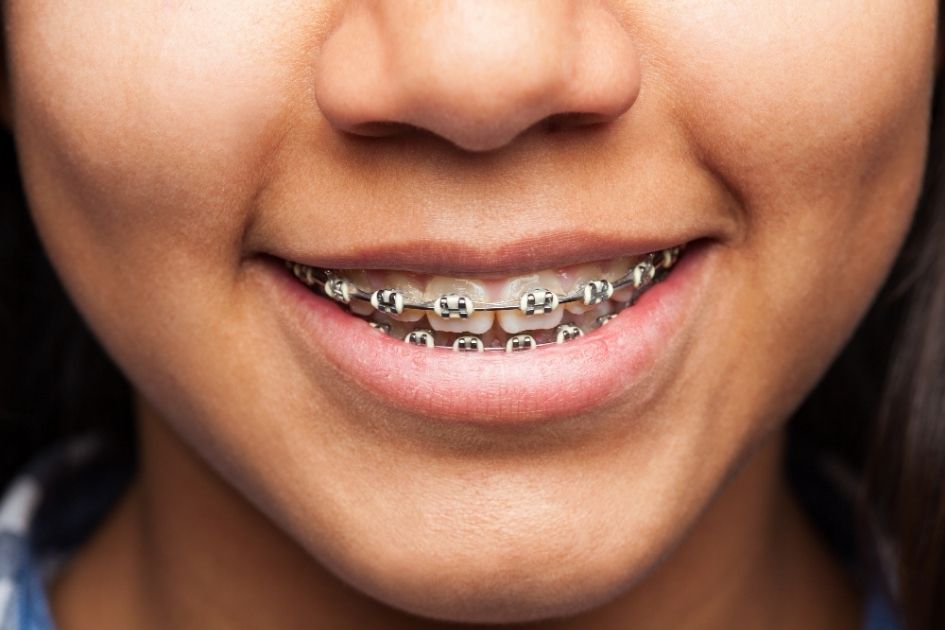
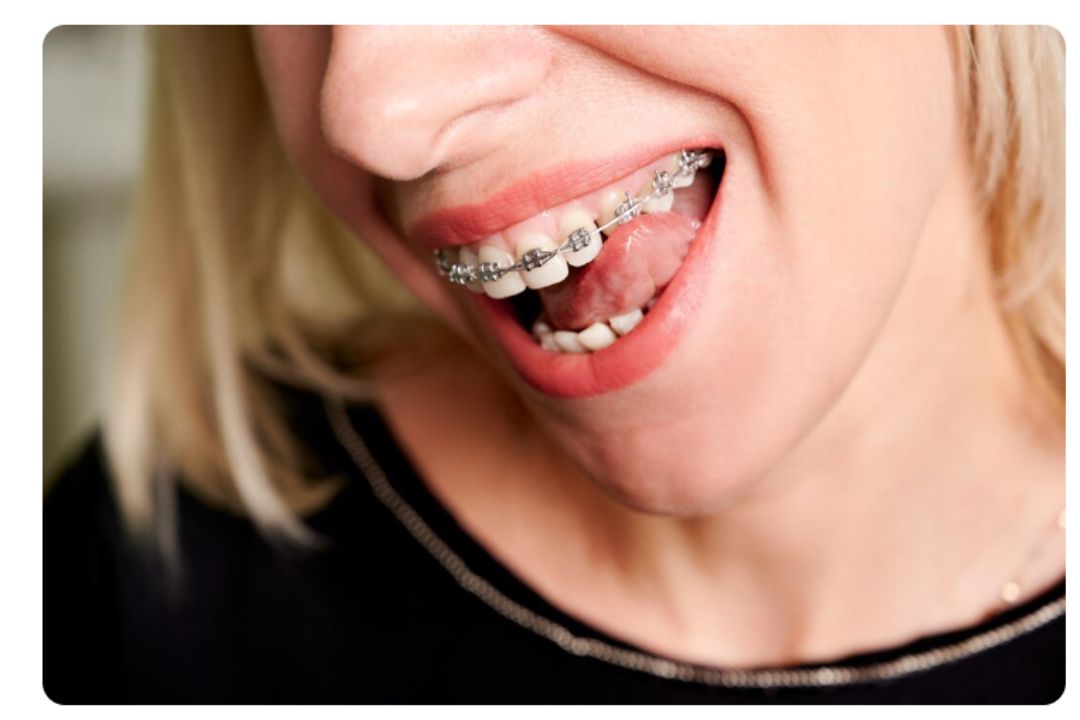
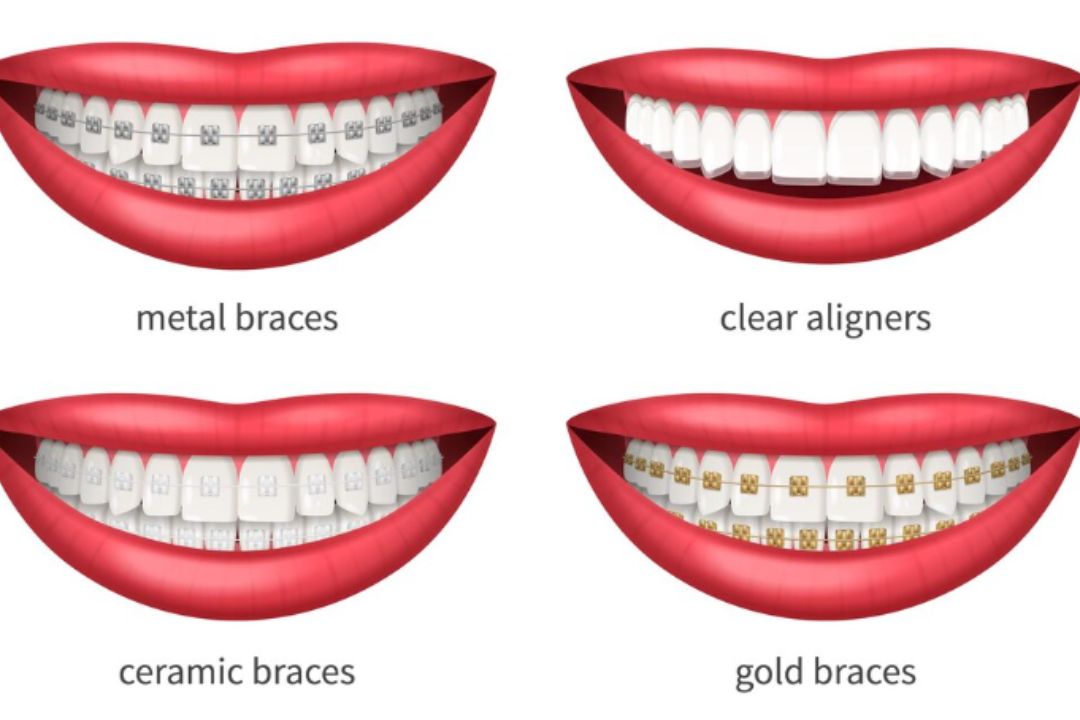
These are the most traditional type and remain the most commonly used. They are durable and effective even for complex cases.
Ceramic braces use tooth colored brackets that blend with your natural teeth. They are more discrete but may cost slightly more than metal.
These braces are placed behind teeth making them invisible from the front. They are ideal for people who want a discreet option but they require more customization and may not suit all cases.
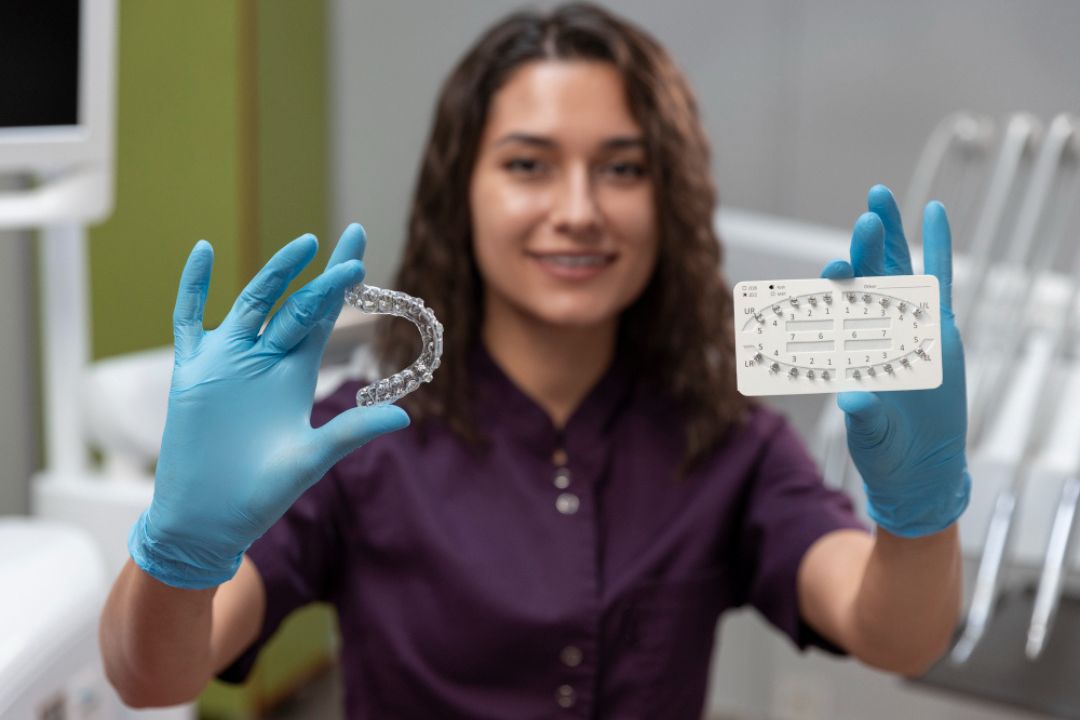
Clear aligners are not braces but offer an alternative for mild to moderate cases. They are nearly invisible and removable. Aligners are best suited for patients who want aesthetic and flexible treatment.
Starting braces at the right time helps:
Maximize growth benefits in children
Reduce complexity and duration of treatment
Avoid future dental complications
Ensure smoother and more comfortable progress
Achieve predictable and stable results
Orthodontic timing is not one size fits all. It depends on dental growth and alignment needs.
Yes adults can successfully get braces. Many adults start treatment in their thirties and forties with great results. Jaw growth is complete but controlled tooth movement remains effective.
Yes a professional orthodontic evaluation between ages 7 and 9 helps assess dental development. This does not always mean immediate braces but ensures early issues are detected.
Starting braces too early before permanent teeth have fully emerged may lead to longer treatment and potential re treatment later. This is why orthodontic evaluation and planning matter.
The right time to start braces treatment depends on your dental development, the severity of alignment issues and your personal needs. For most children ages 11 to 14 are ideal for starting braces. However proper evaluation should begin much earlier so problems are diagnosed before they worsen.
Adults can also benefit from braces at any age. Whether you want functional improvement aesthetic enhancement or bite correction a trained orthodontist can recommend the best timing and treatment plan for you.
If you are considering braces in Mumbai schedule a consultation with a qualified orthodontist today. With proper timing planning and care you can achieve a healthy confident smile that lasts a lifetime.






































.jpg "affordable metal braces in mumbai")















.jpg "dental braces cost in Diagnopein complete price breakdown (2026 guide)")





.jpg "dental braces")



.jpg "dental braces")


 (1).png "Visual Journey of Dental Braces")
 (1).jpg "Dental Braces and Gum Disease")