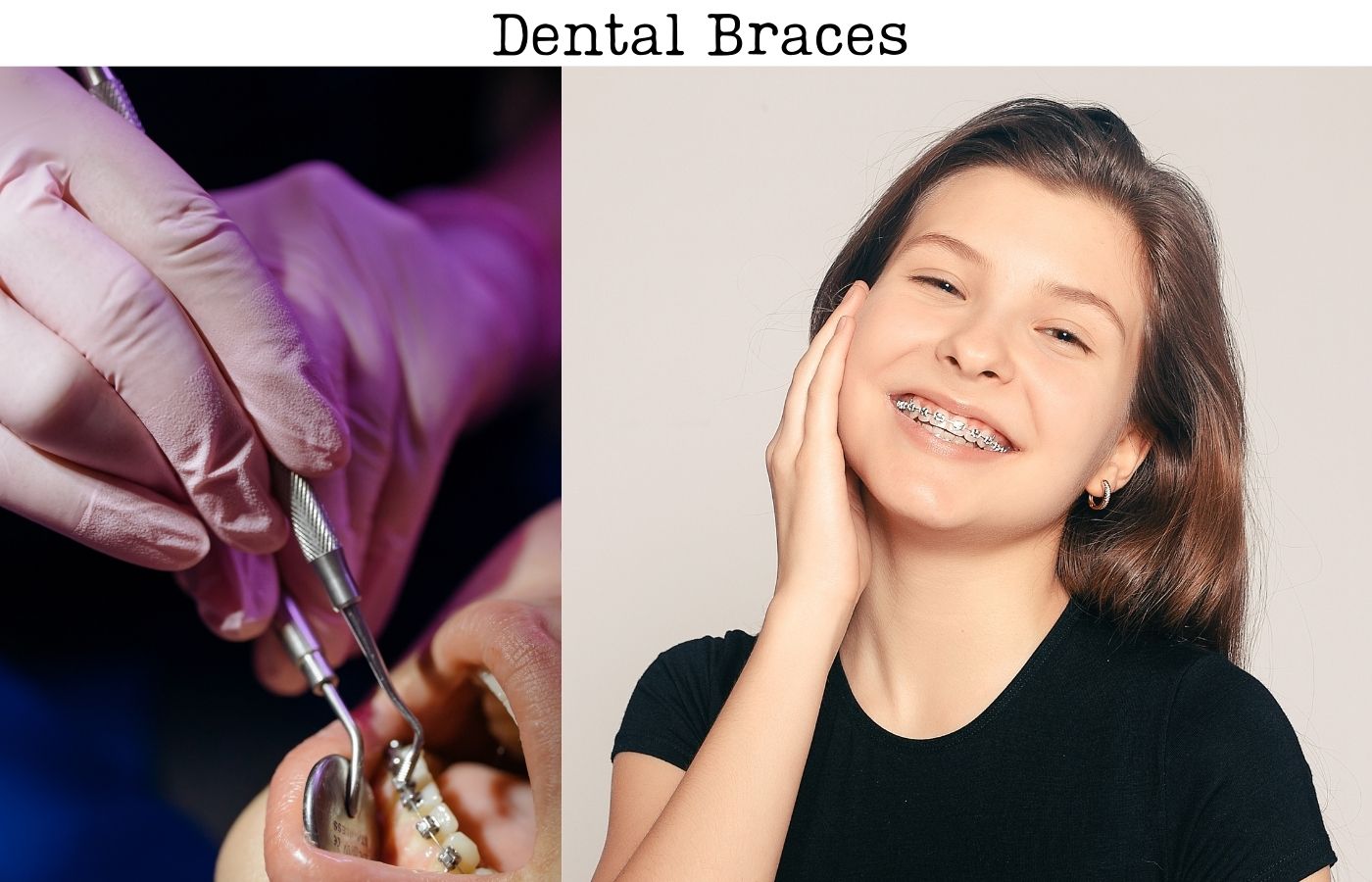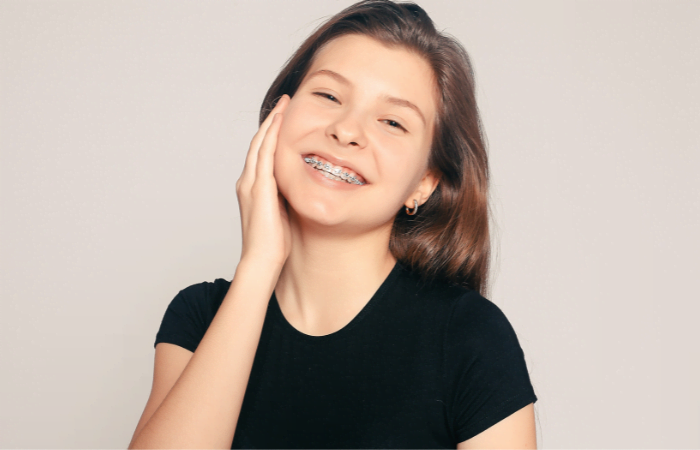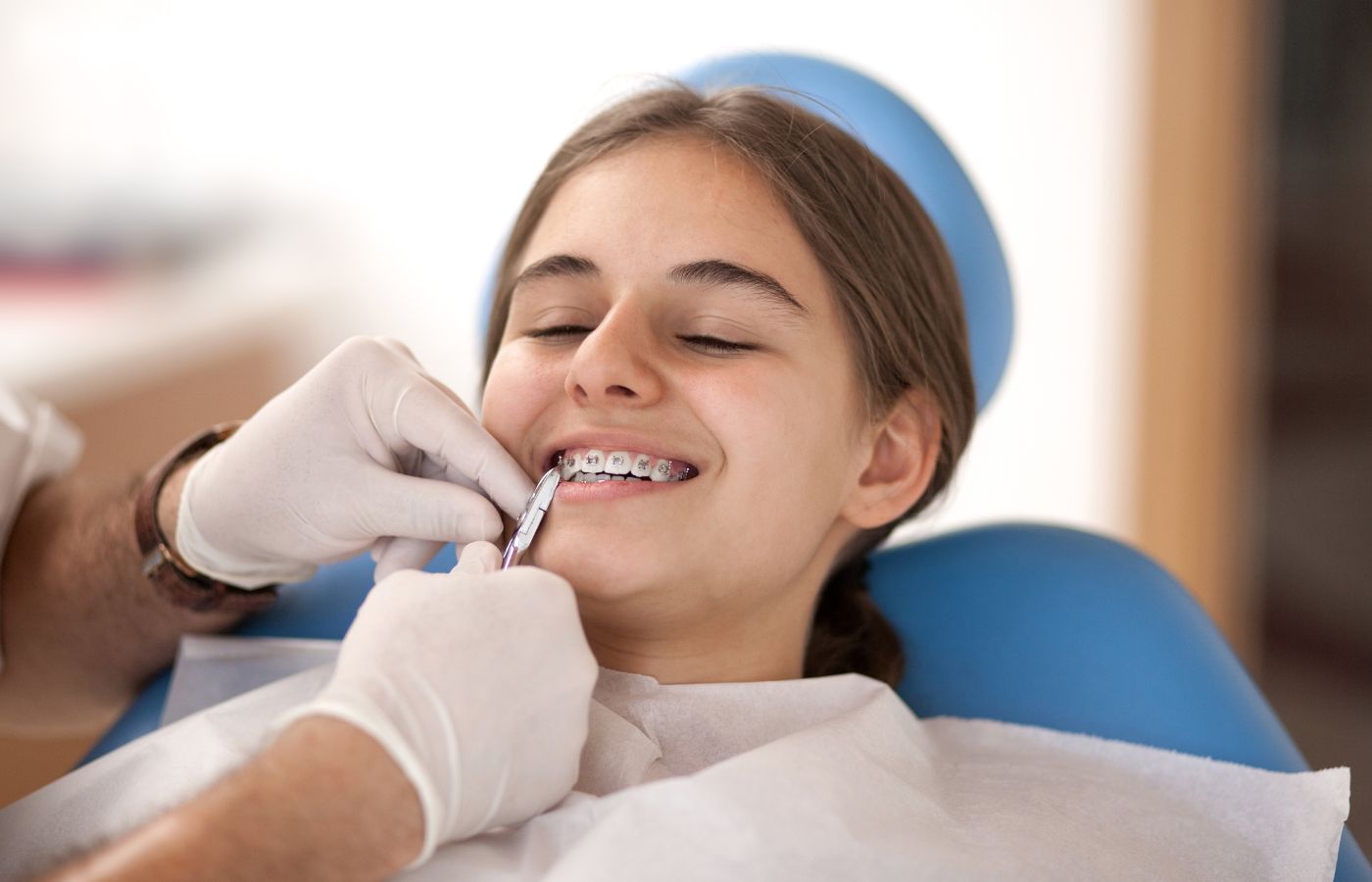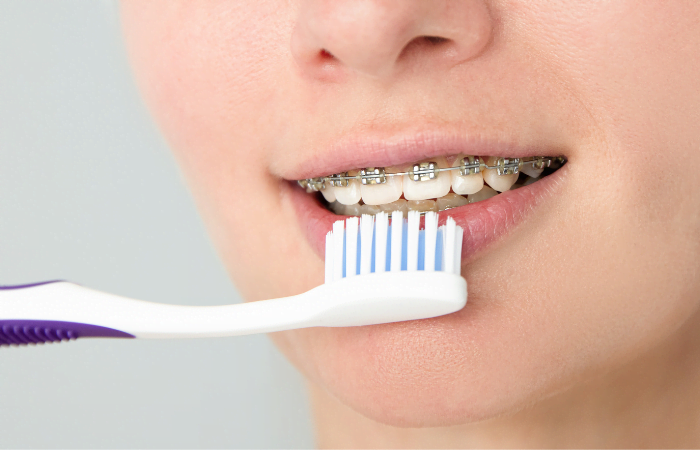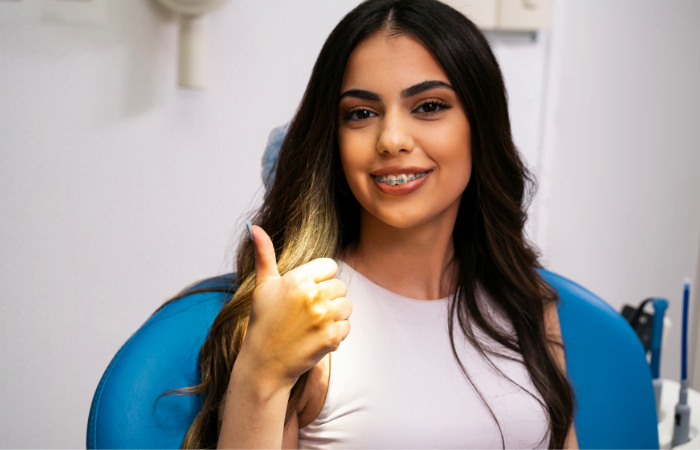
As a parent, navigating the world of children's orthodontics can feel overwhelming. When is the right time? What are the options? How do you manage the cost? Early orthodontic evaluation, recommended by age 7, can guide jaw growth, correct harmful habits, and create space for incoming permanent teeth. Choosing the right type of braces is a crucial step in this journey toward a healthy, confident smile for your child
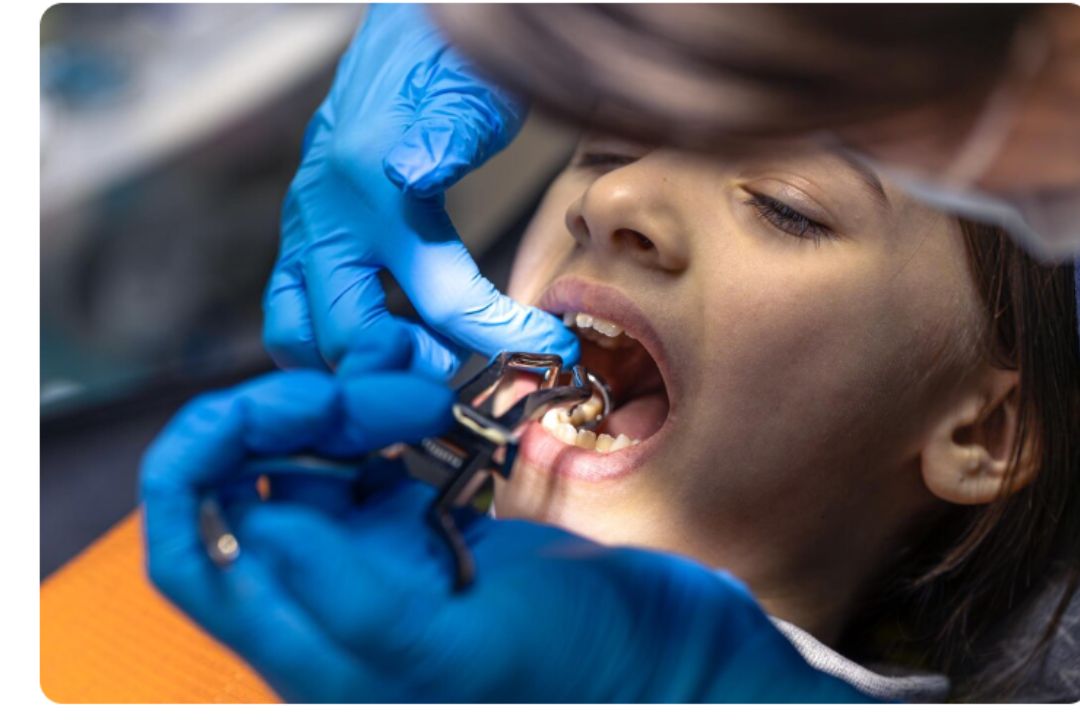
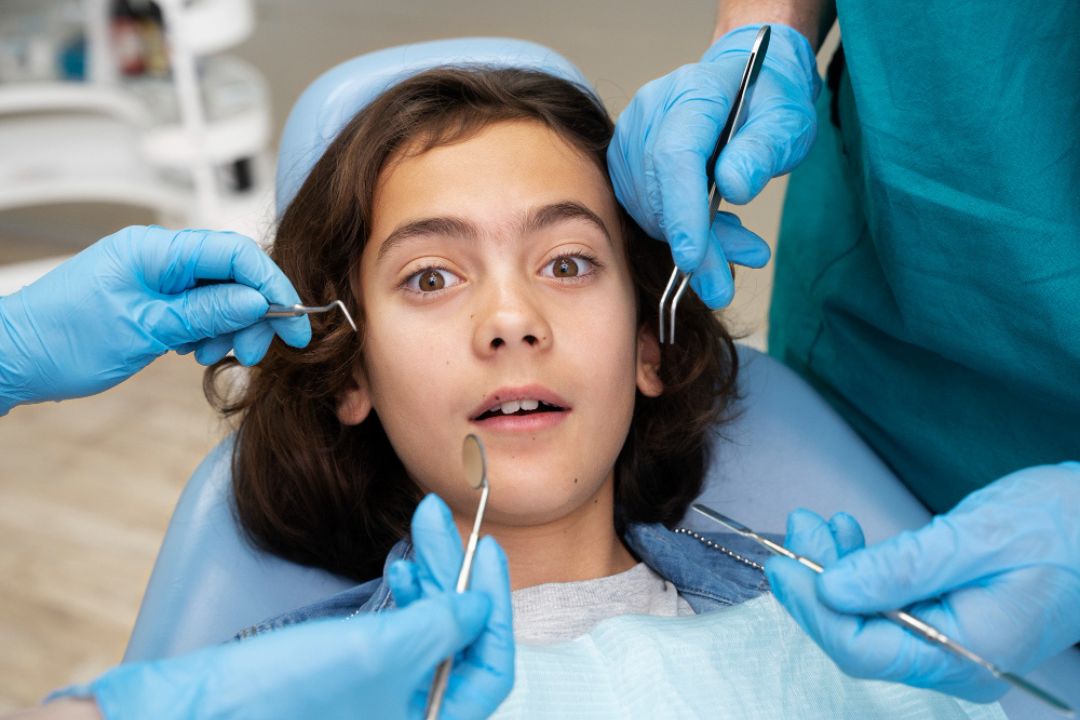
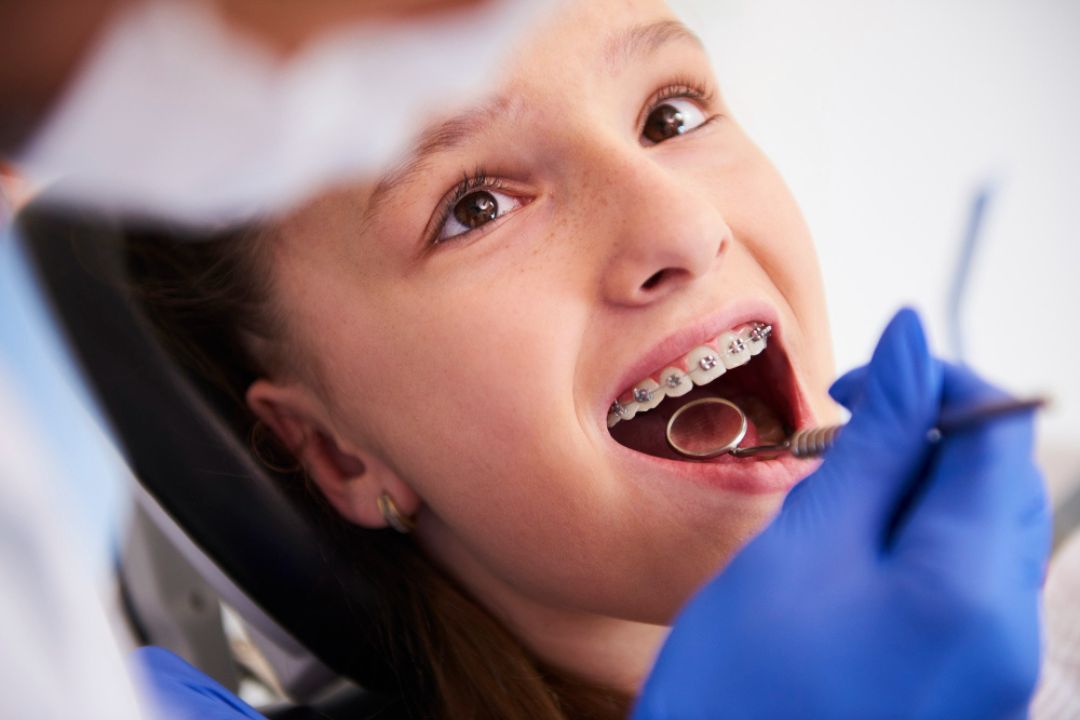
The American Association of Orthodontists recommends an initial orthodontic screening by age 7. At this stage, a child has a mix of baby and permanent teeth, allowing an orthodontist to spot subtle problems with jaw growth and emerging teeth. Early intervention can:
Guide Jaw Growth: Correct disproportionate jaw development to improve facial symmetry.
Create Space for Crowded Teeth: Use palate expanders to gently widen the upper jaw, avoiding future extractions.
Correct Harmful Oral Habits: Address thumb-sucking or tongue-thrusting that can misalign teeth.
Lower Risk of Trauma: Protruding front teeth are more prone to chips and fractures; early correction can reposition them.
Boost Self-Esteem: A confident smile during formative social years is invaluable.
Today’s orthodontic landscape offers solutions tailored to clinical needs, aesthetics, and lifestyle.
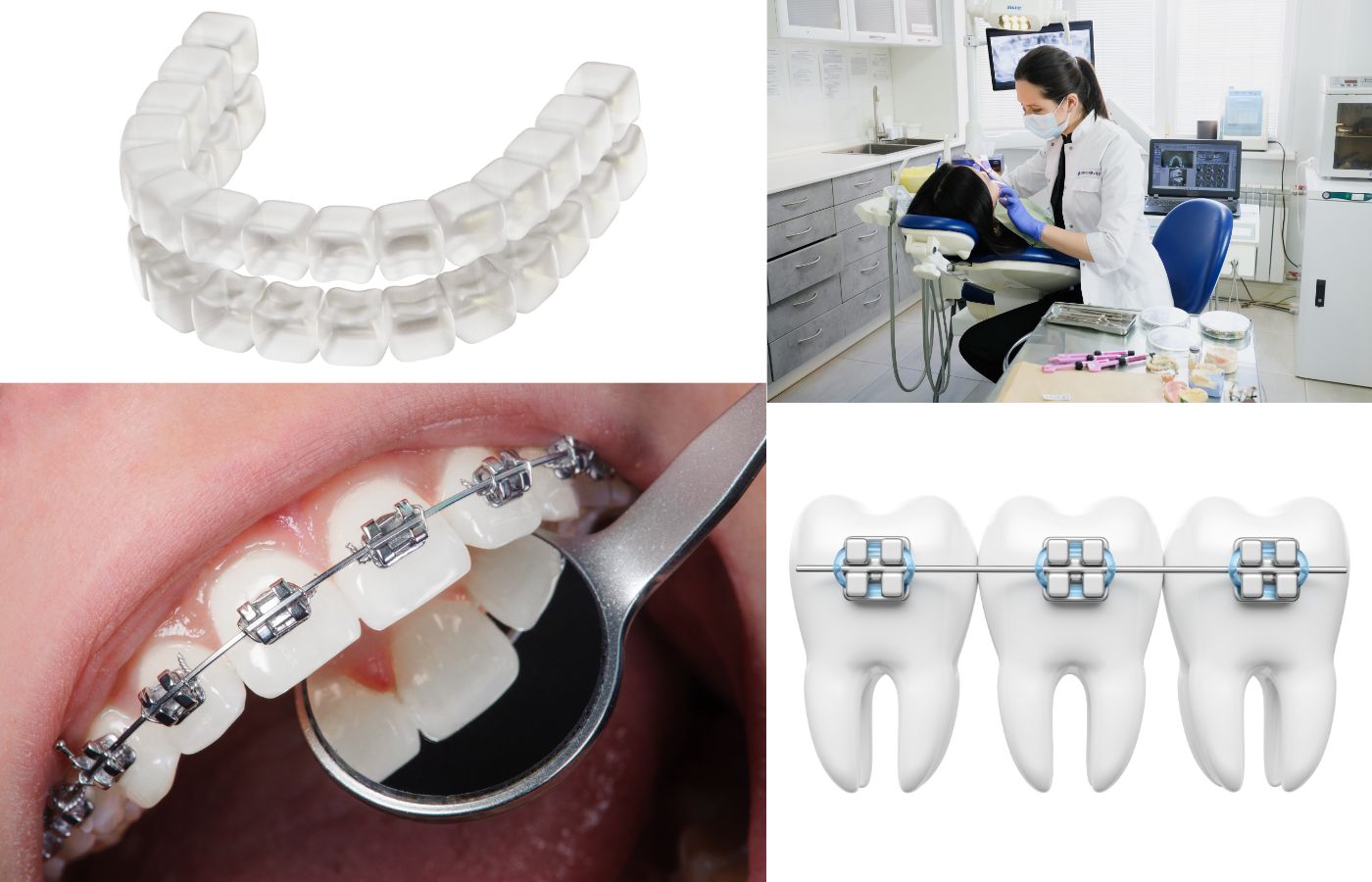
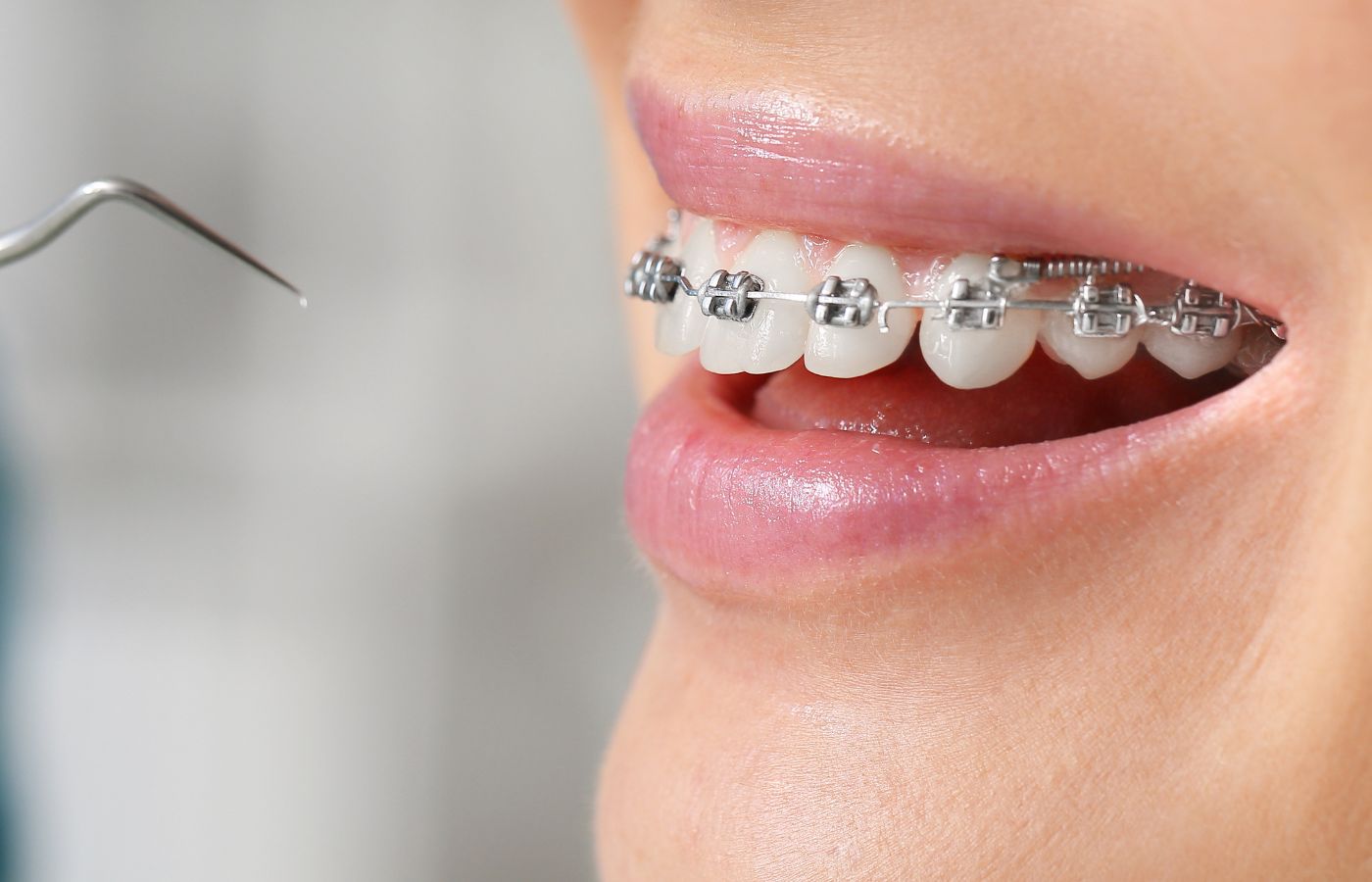
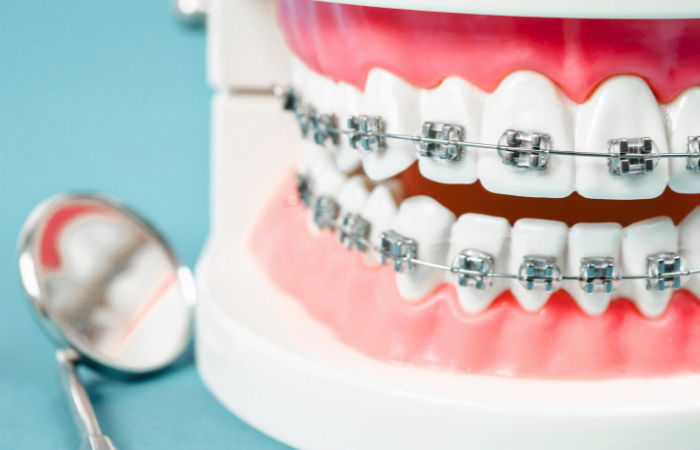
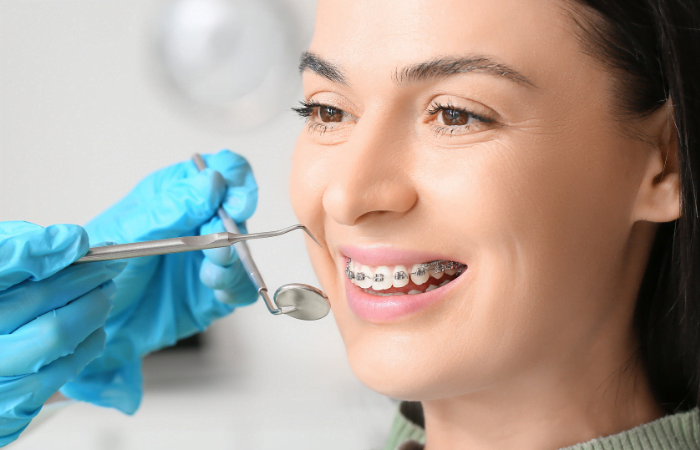
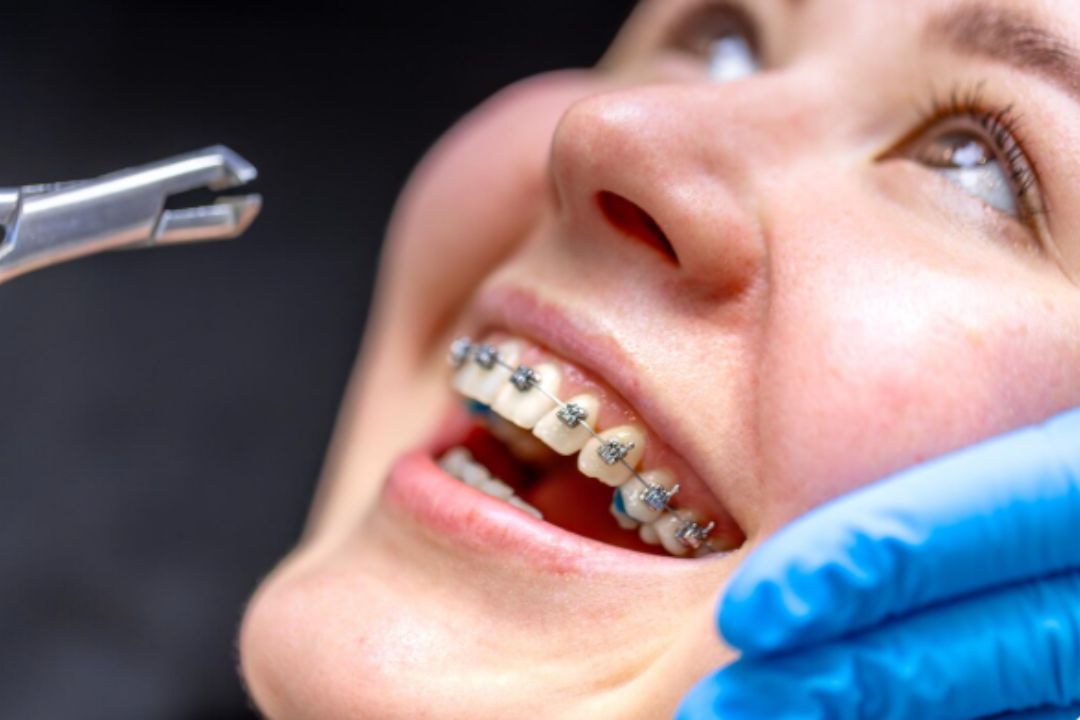
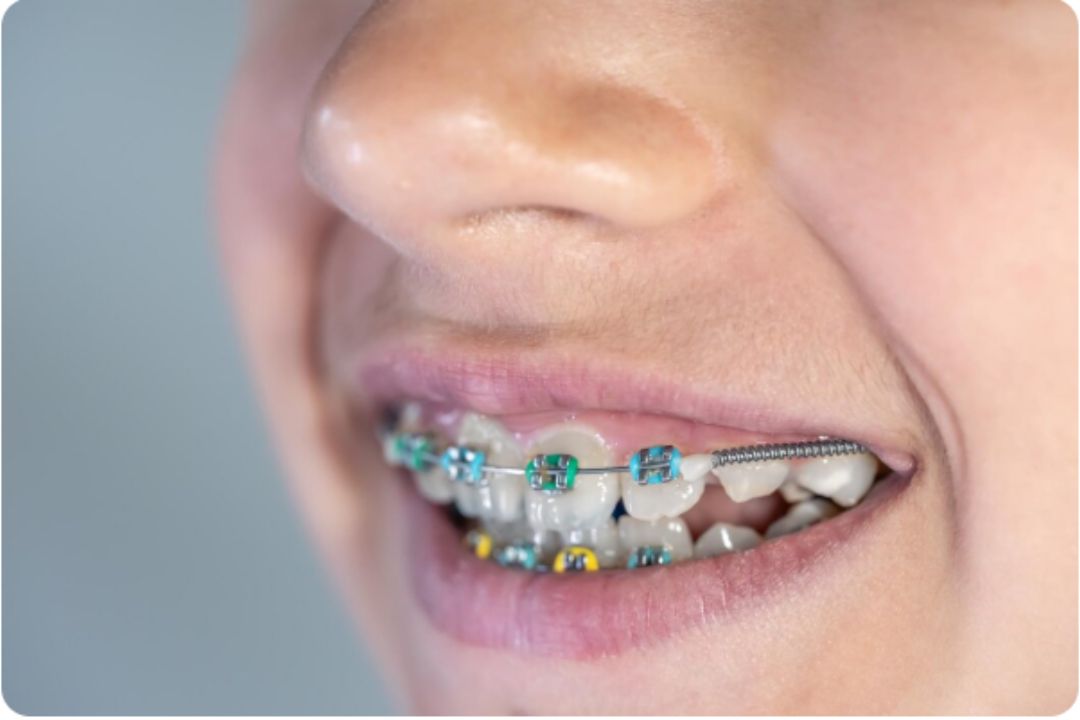
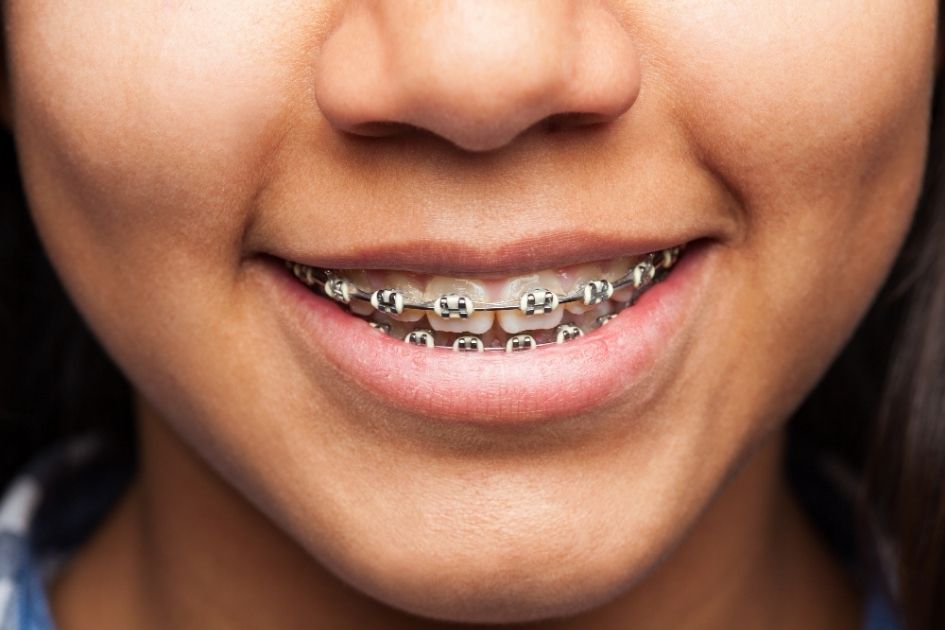
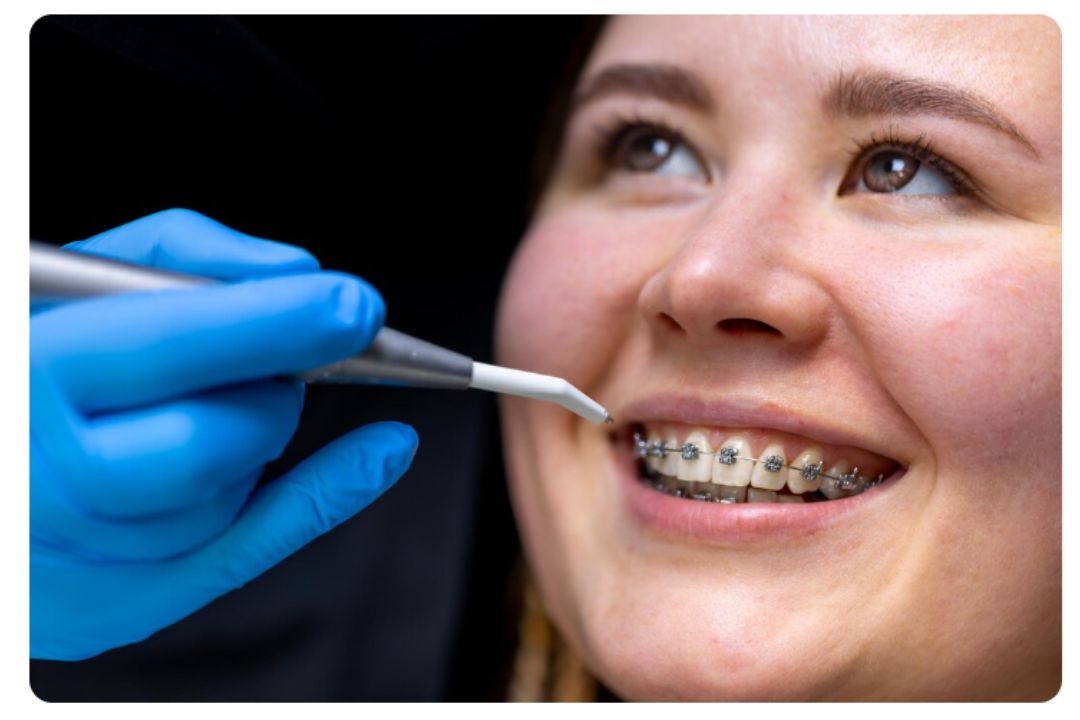
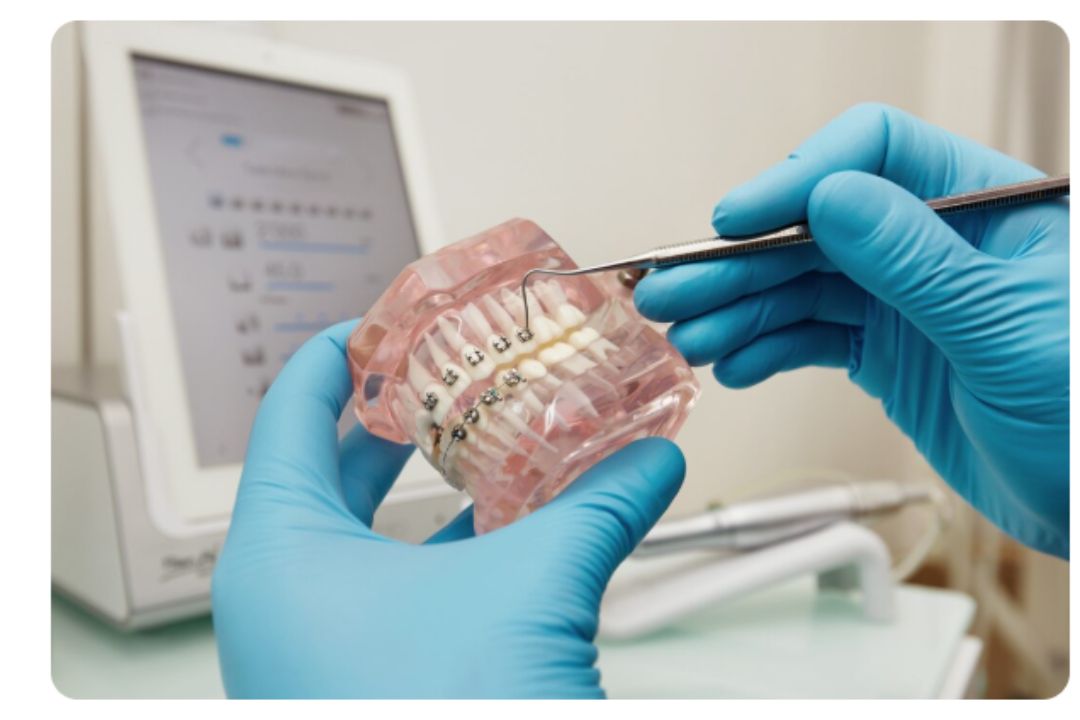
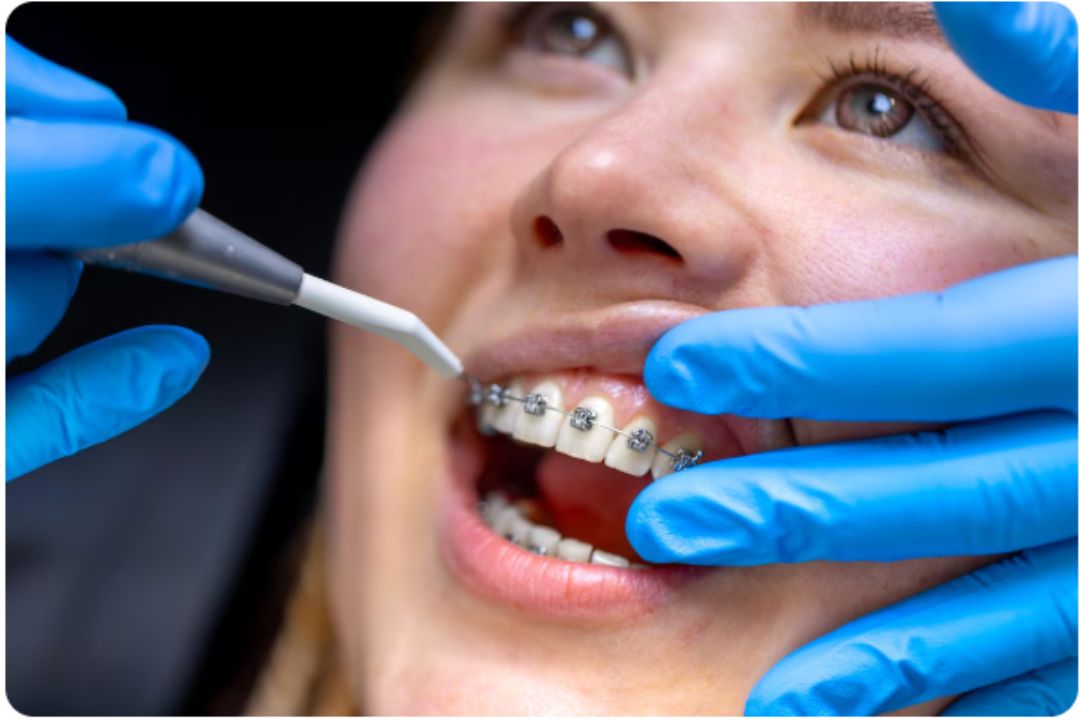
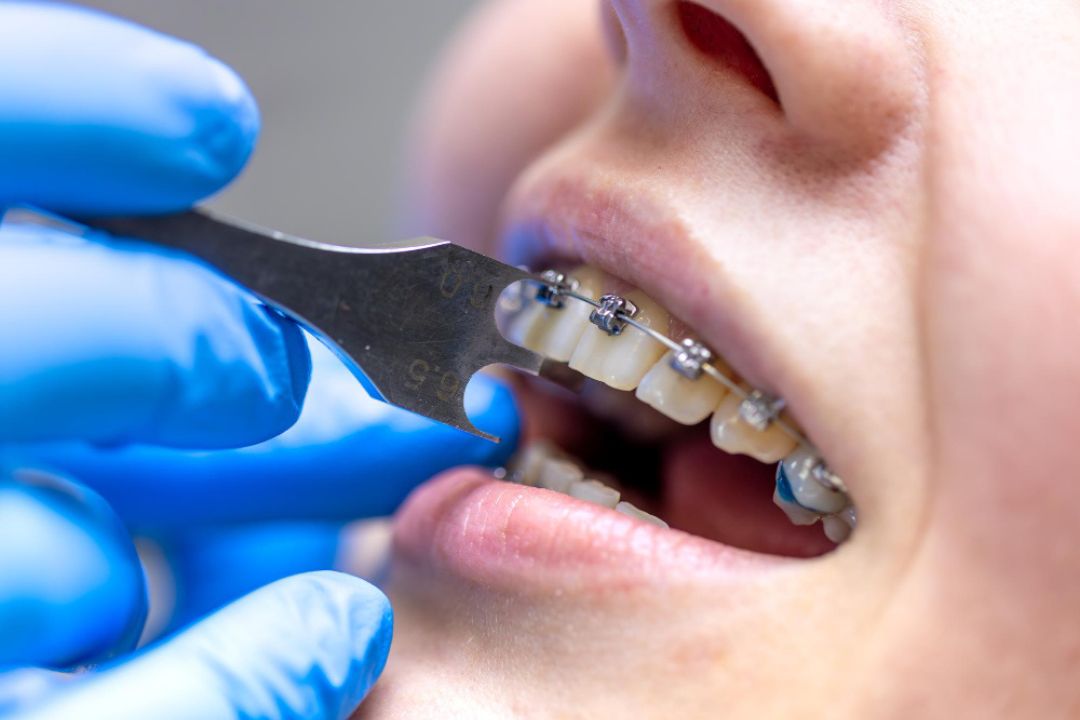
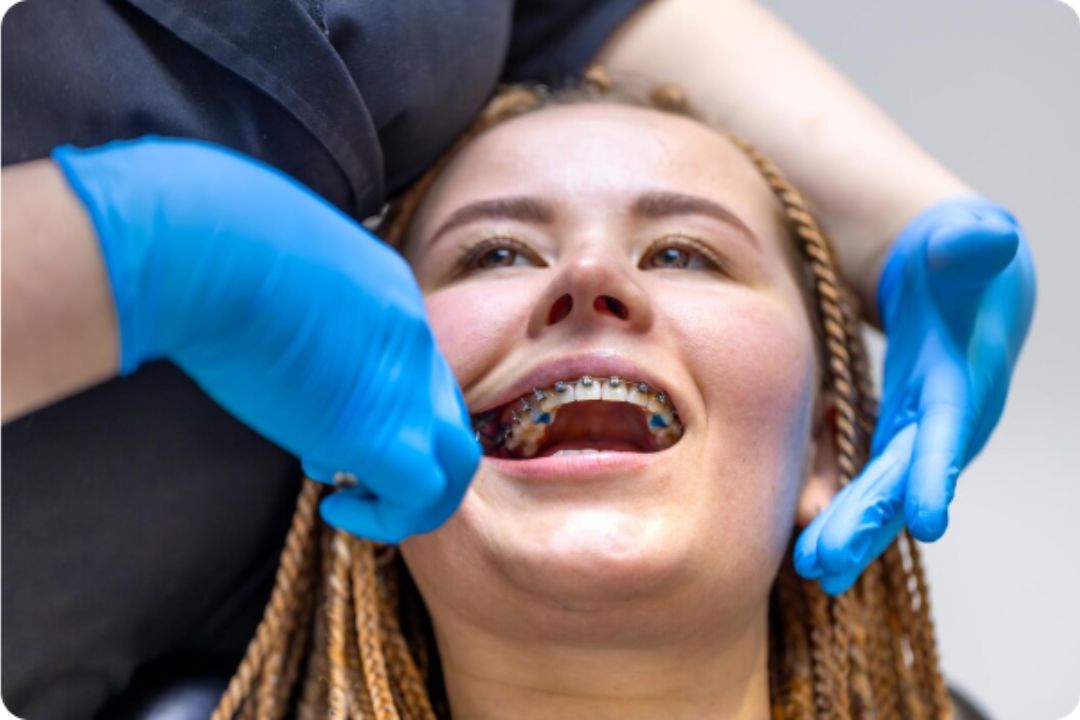
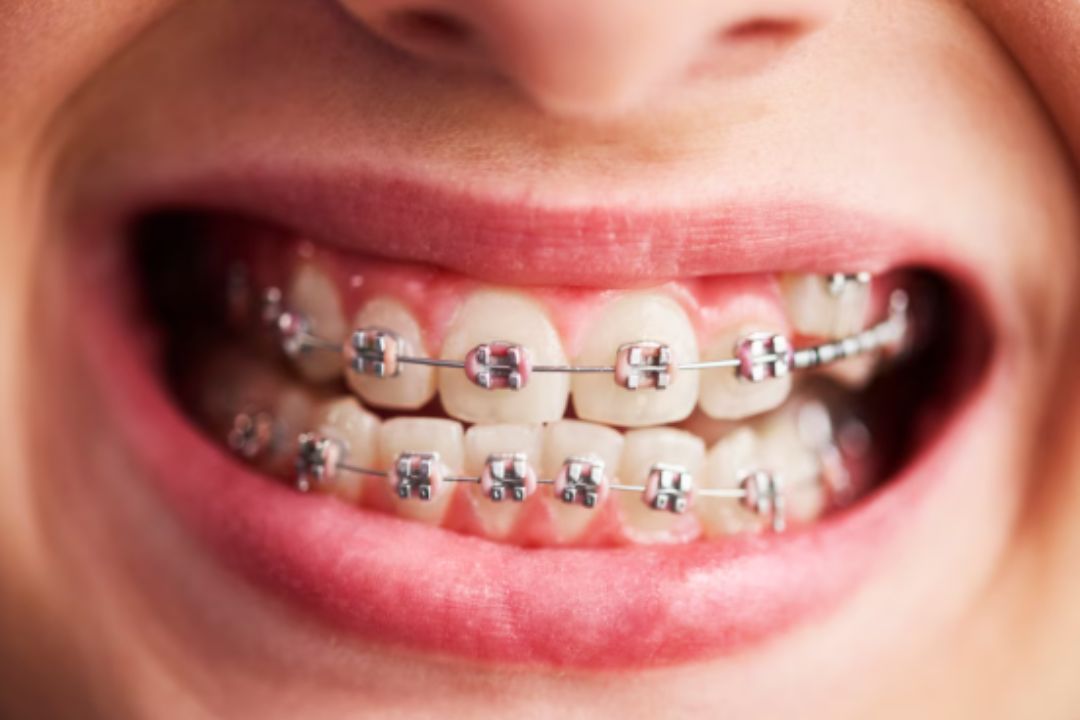
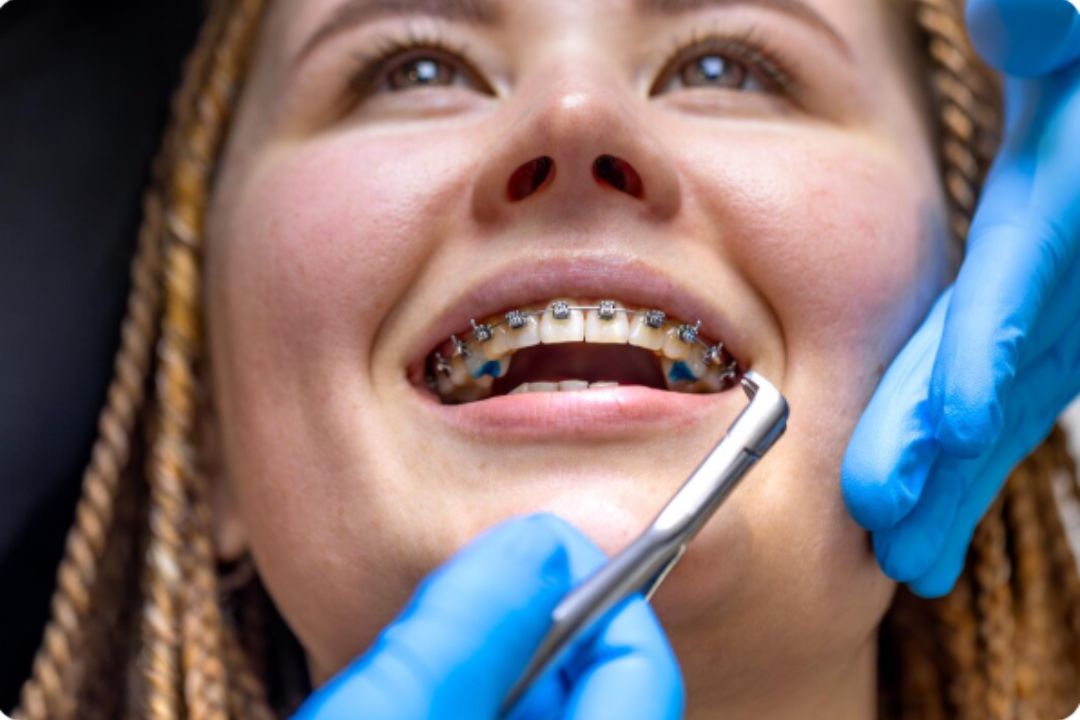
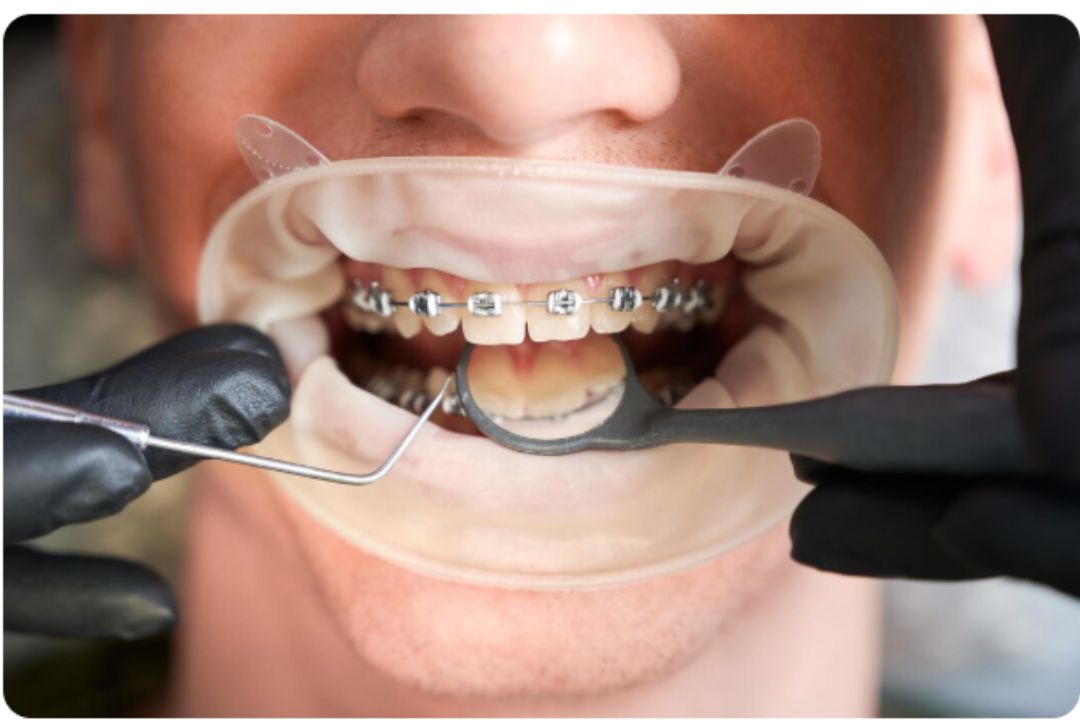
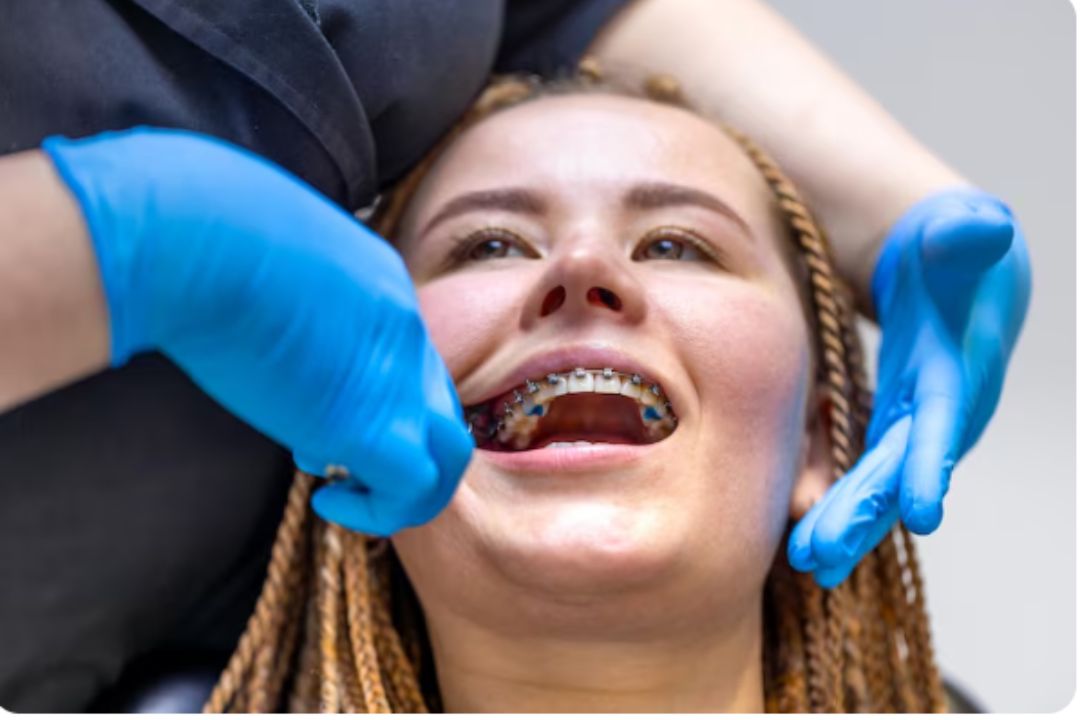
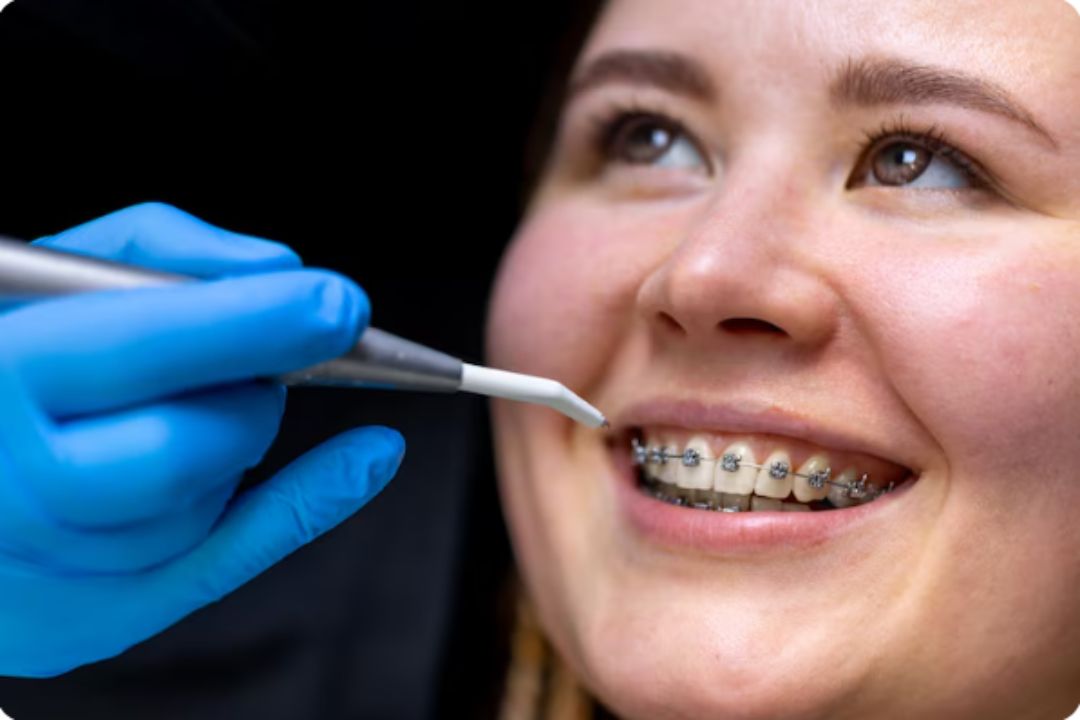
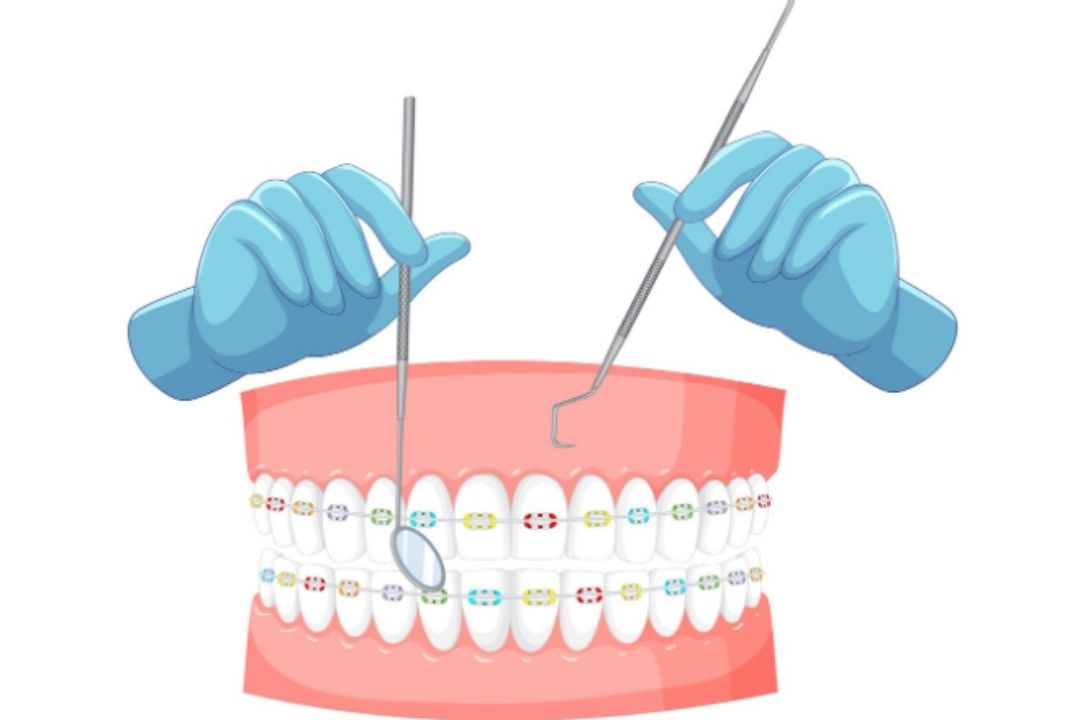
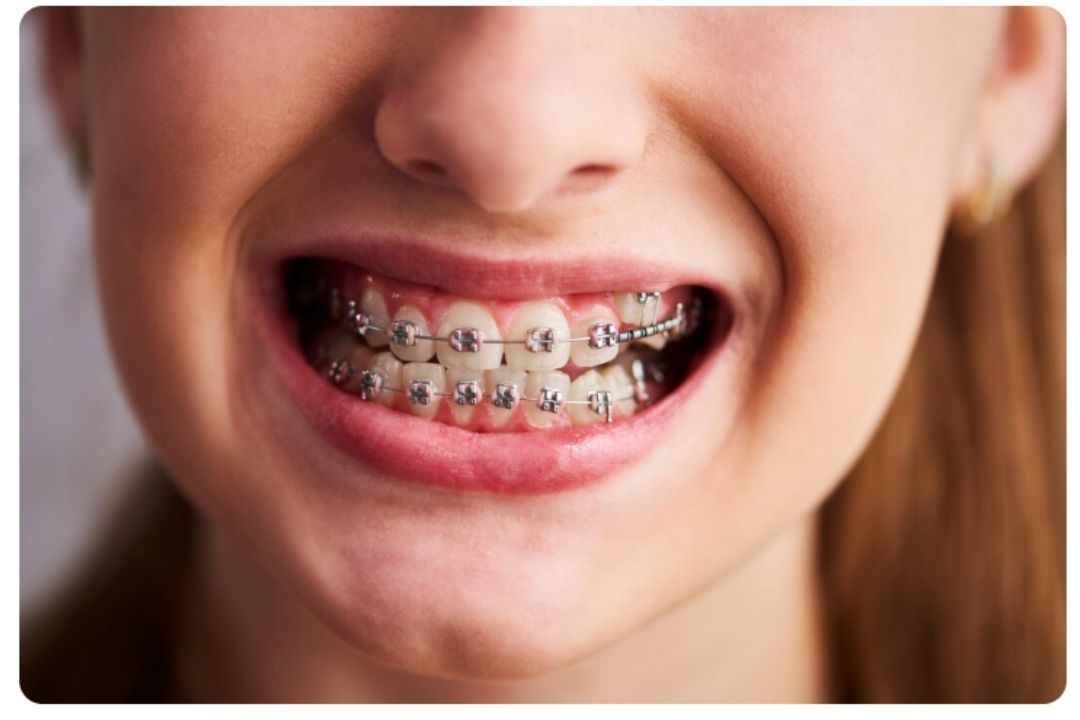
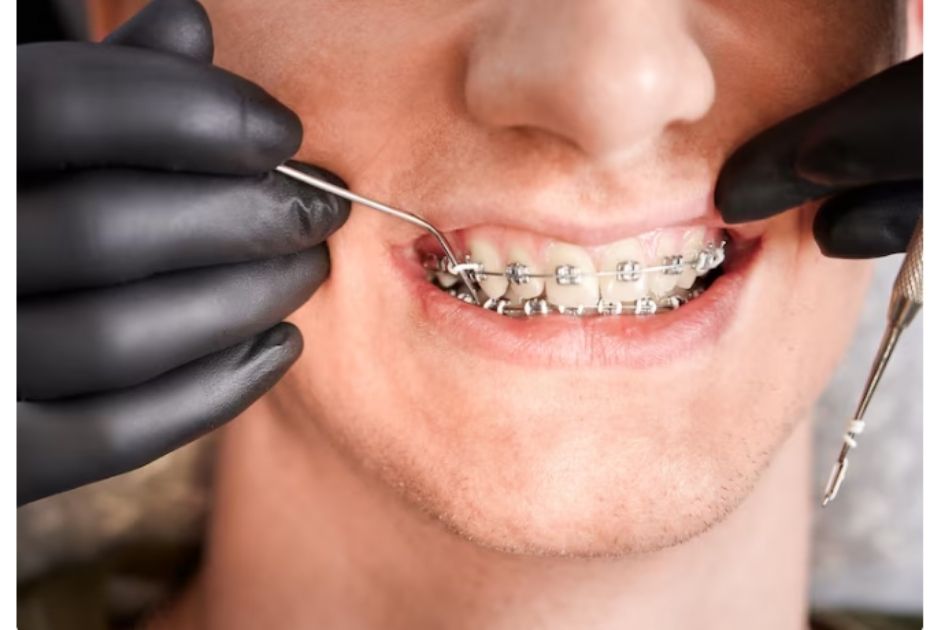
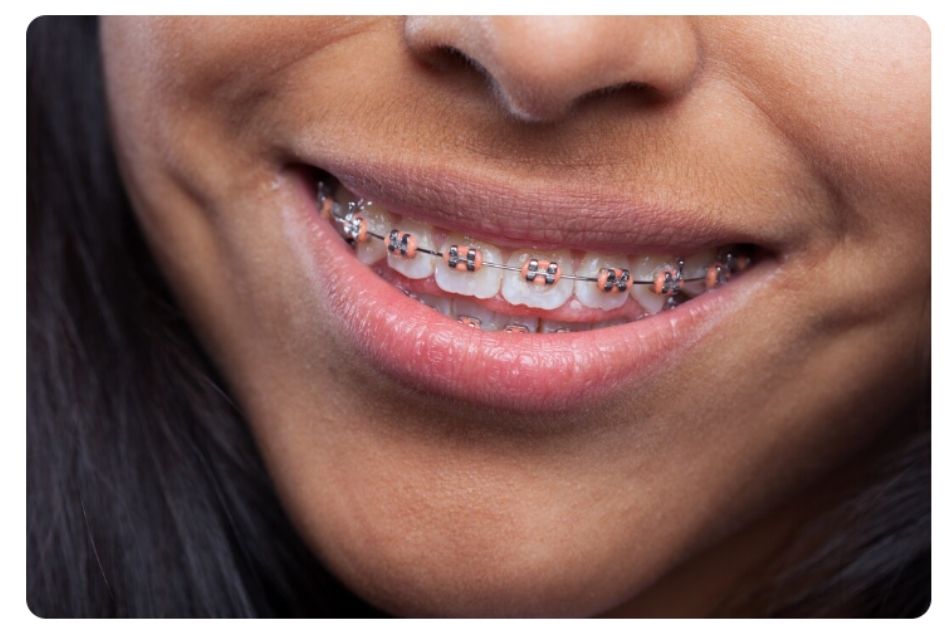
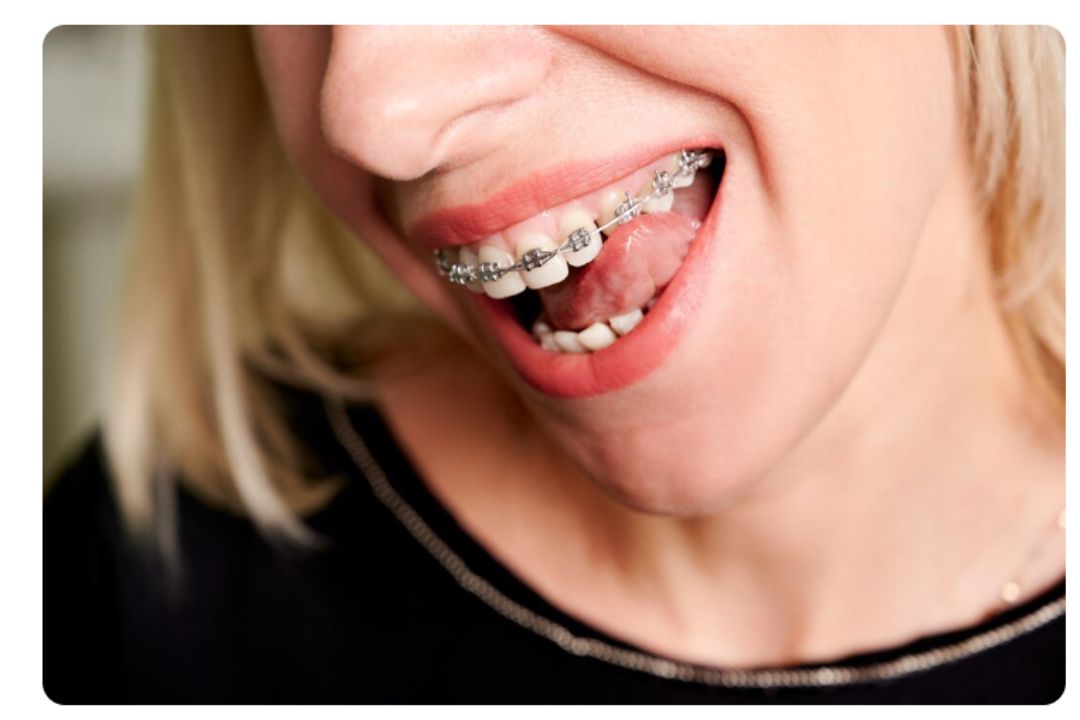
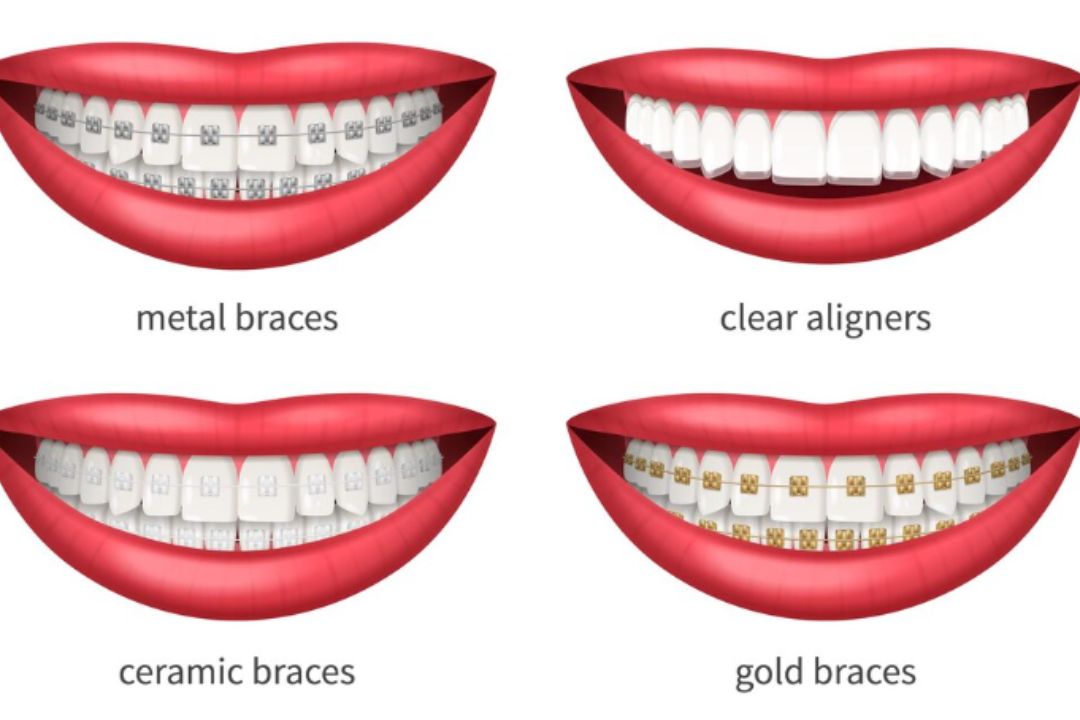
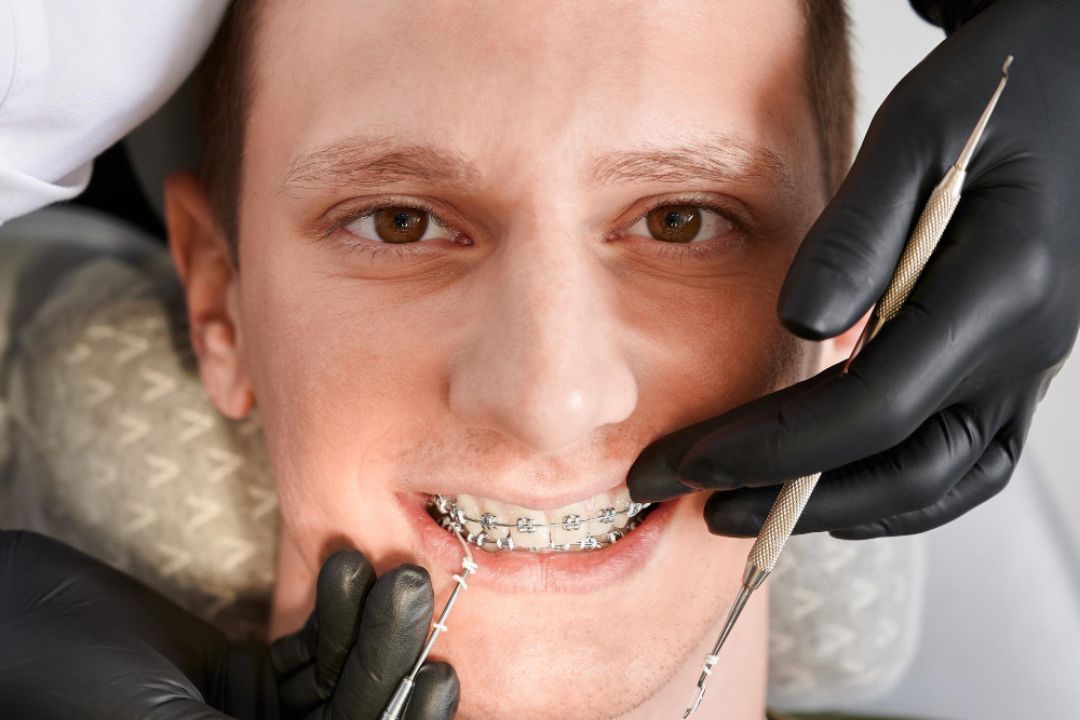
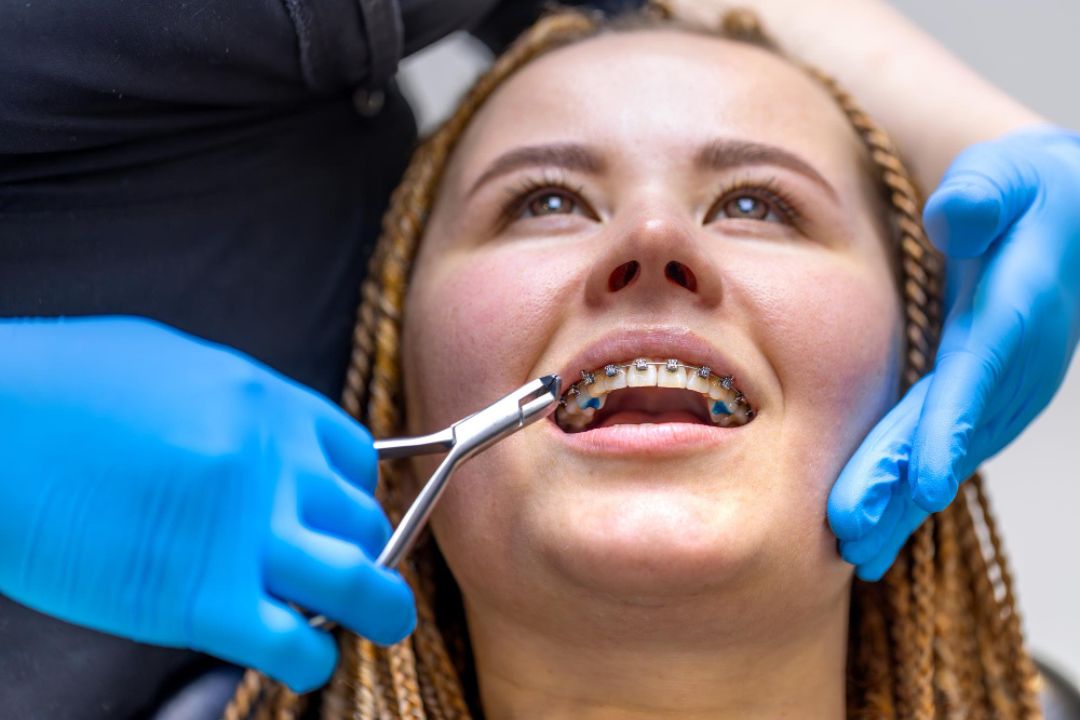
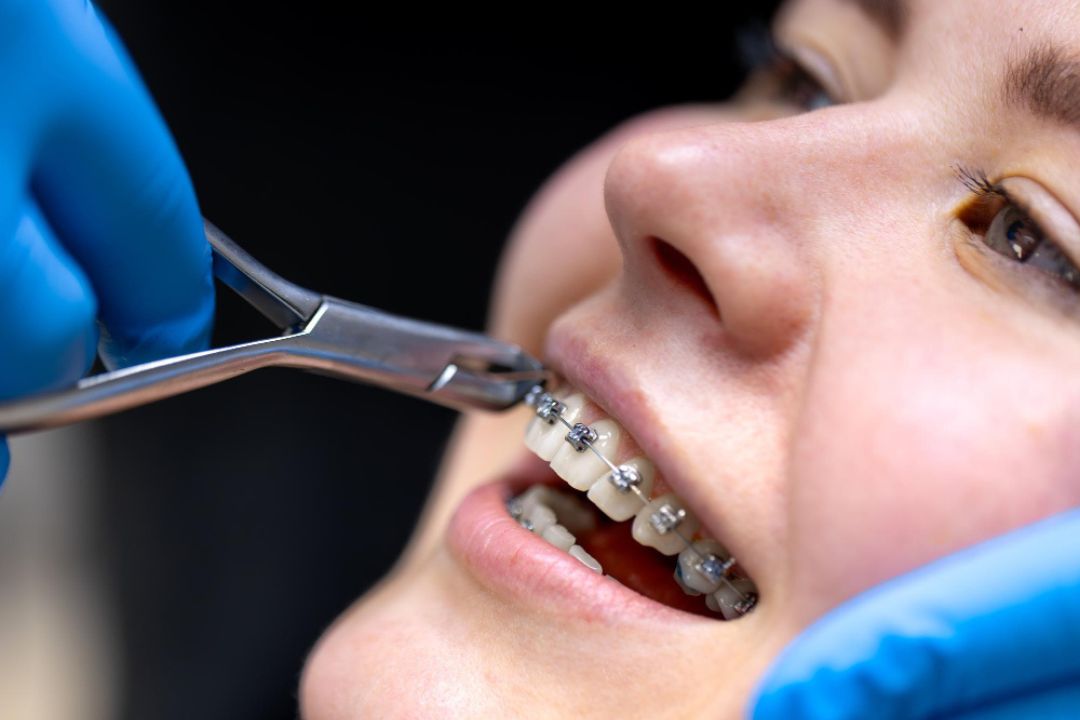
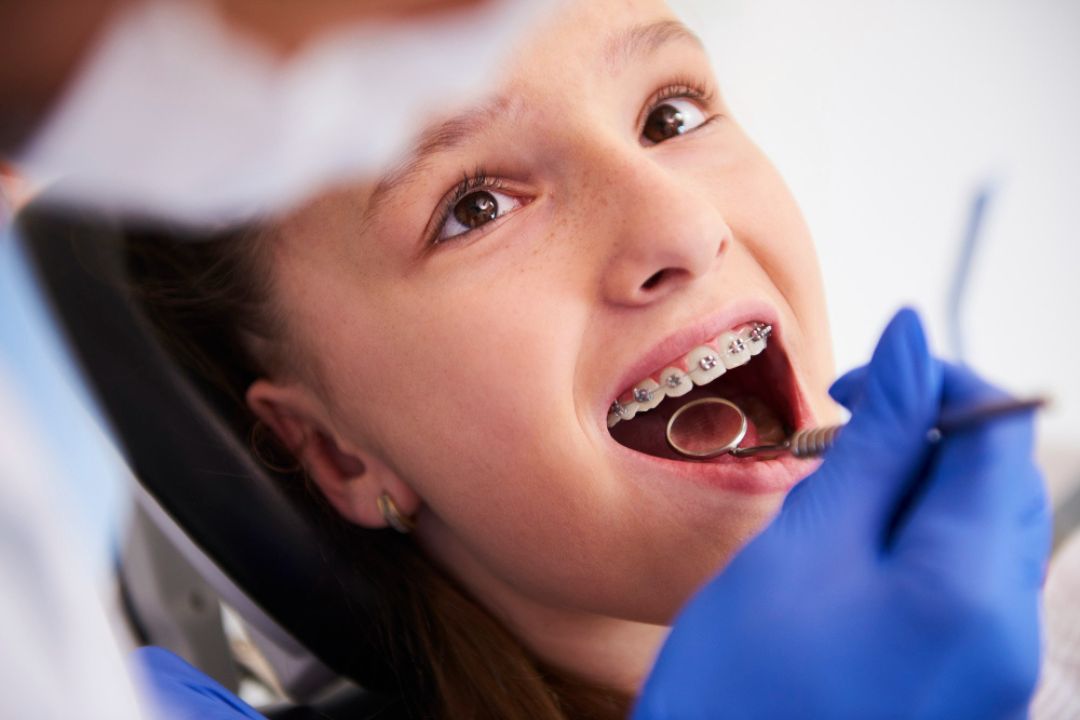
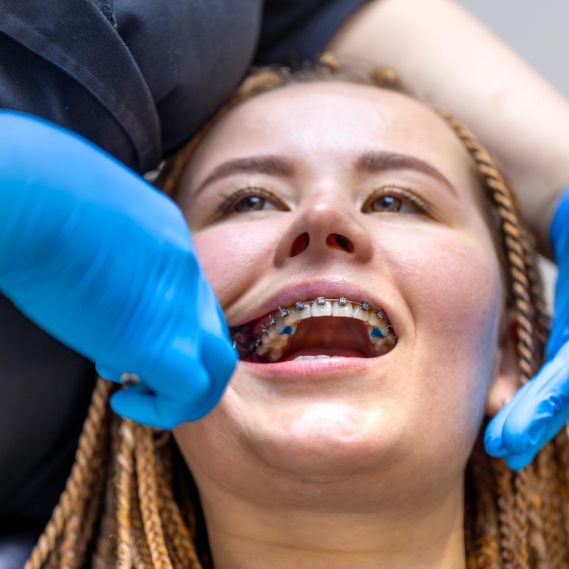
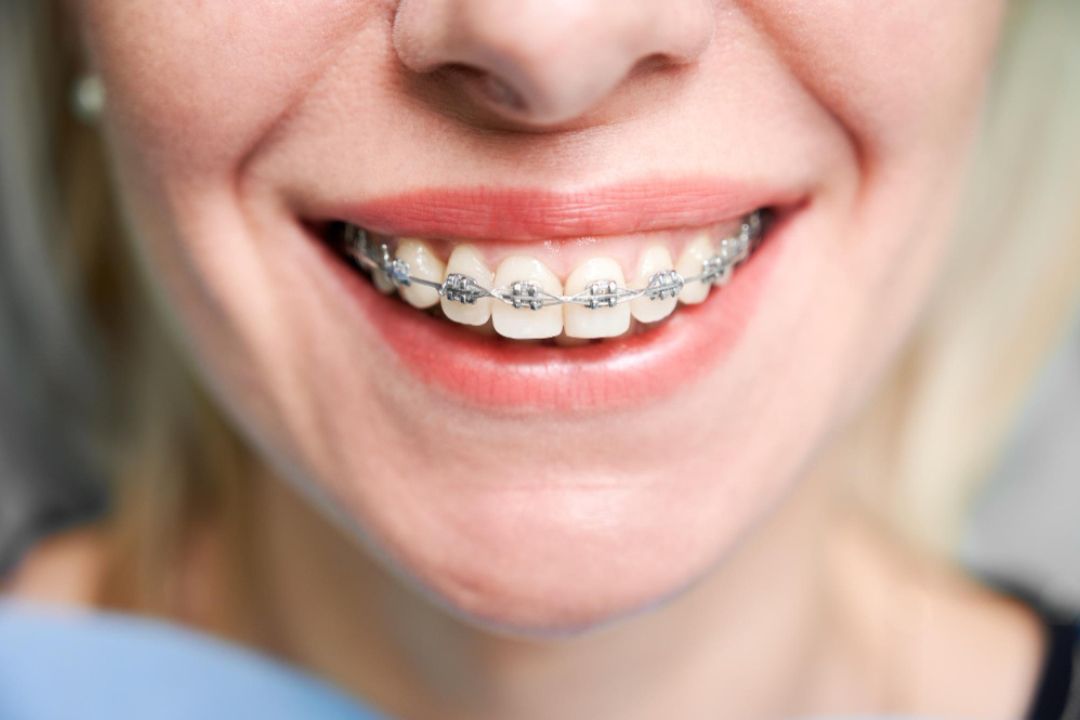
1. Traditional Metal Braces
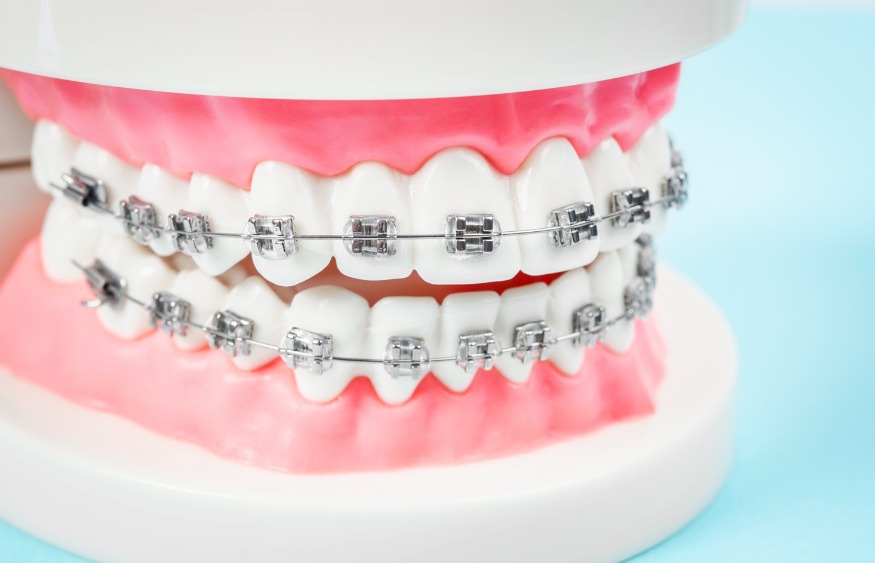
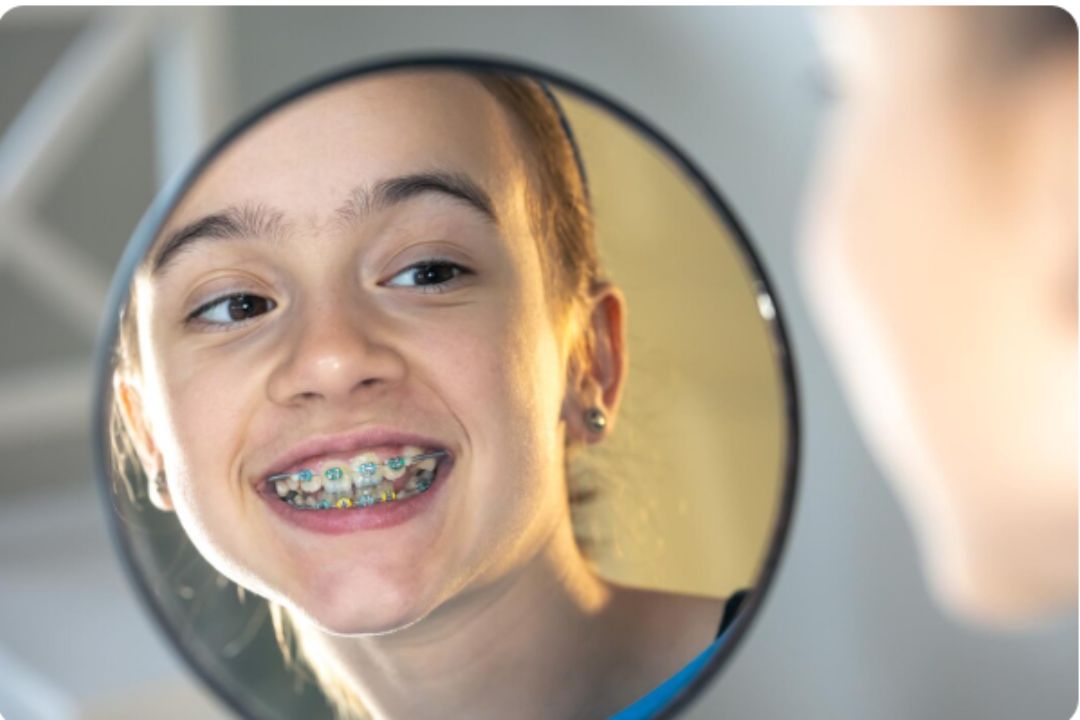
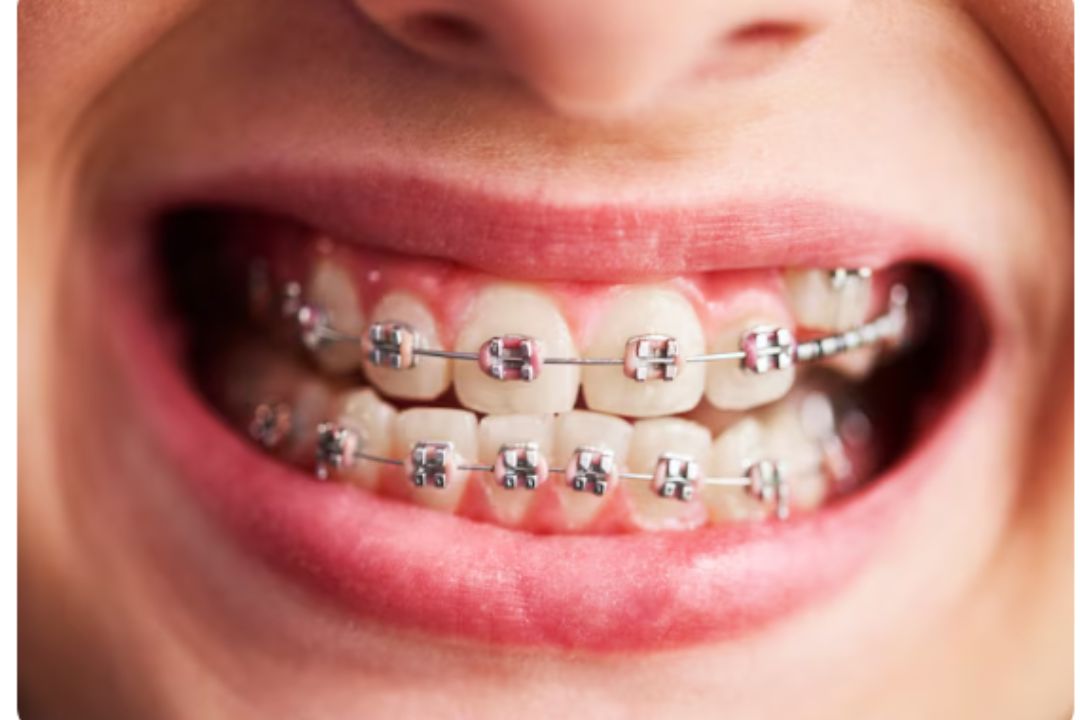
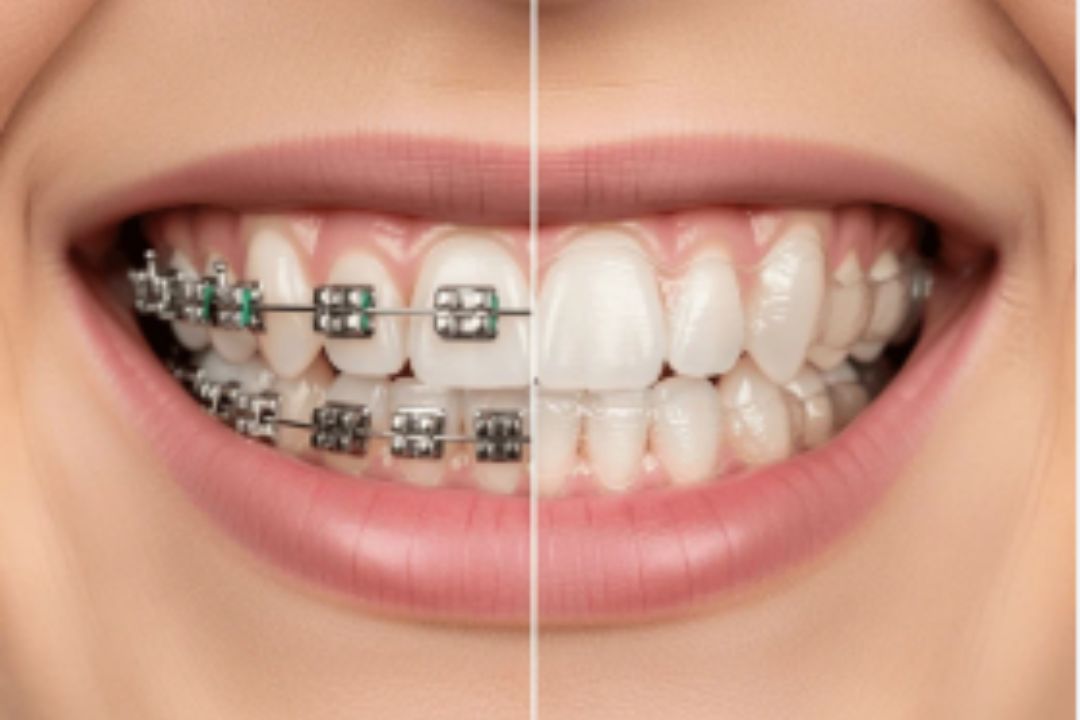
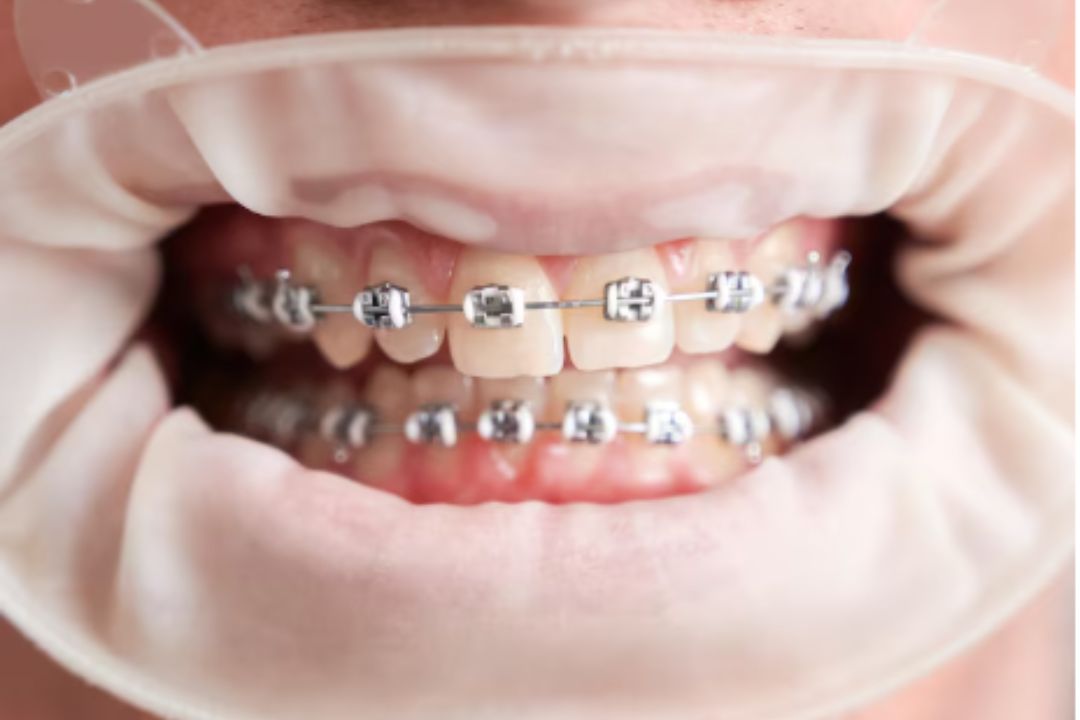
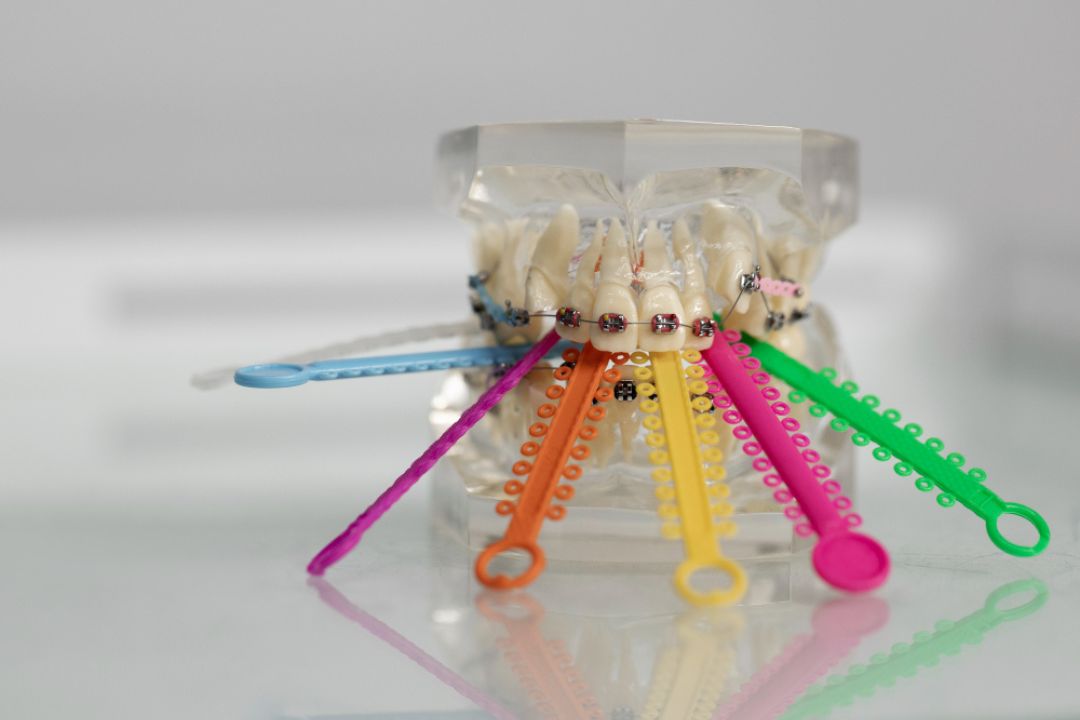
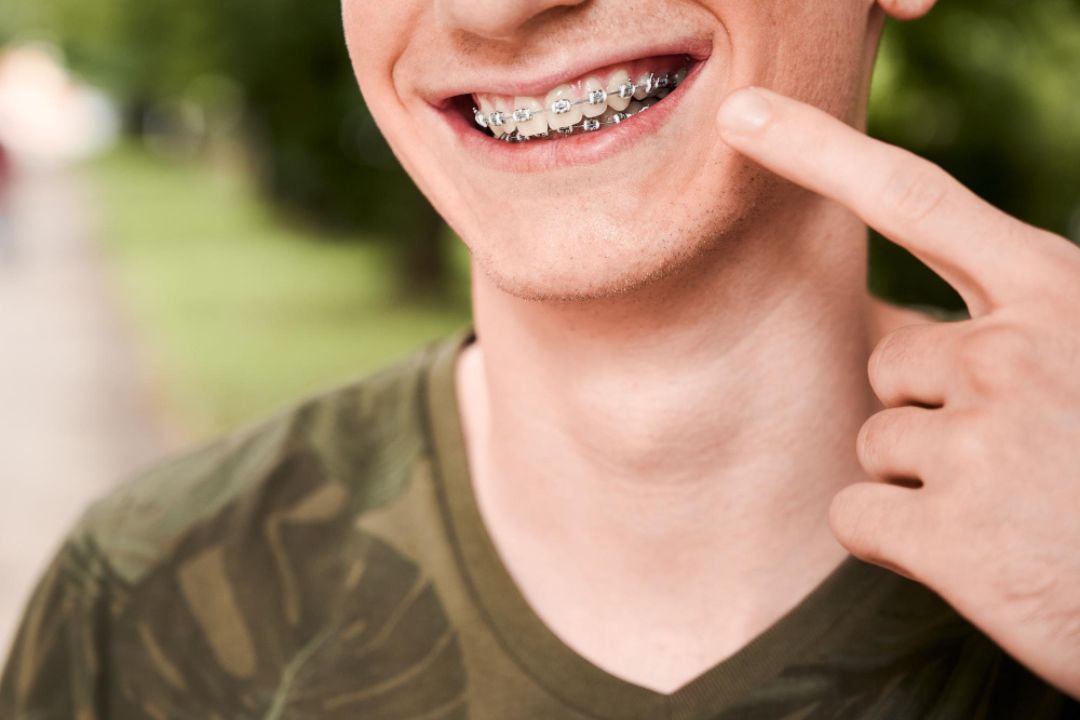
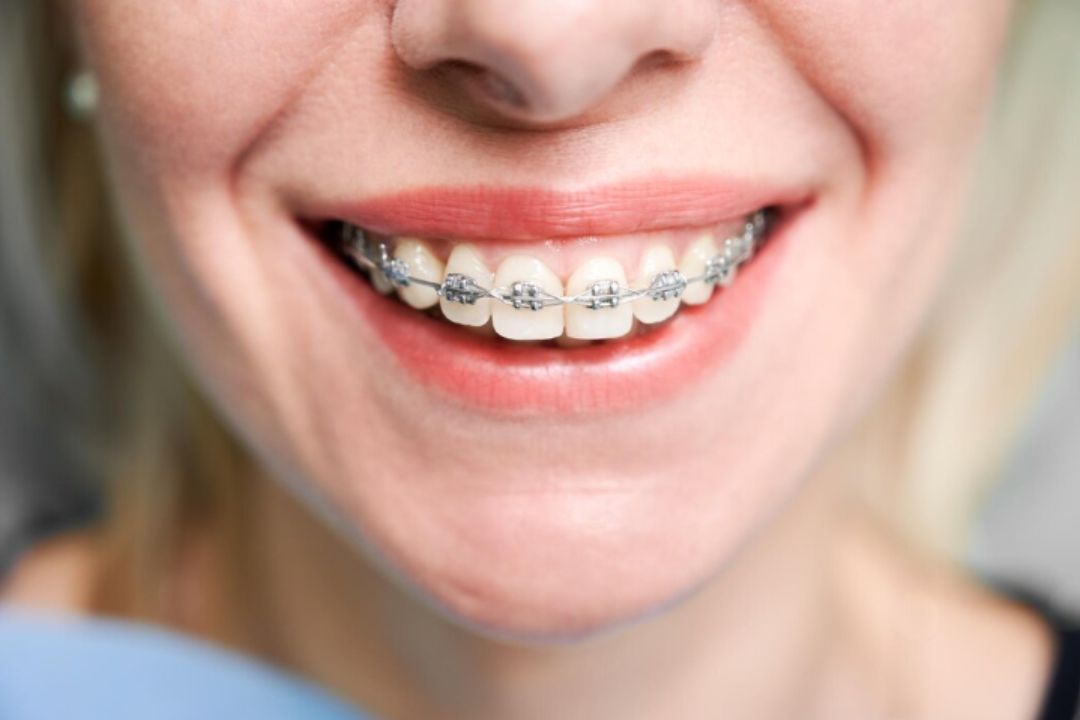
The most recognized type, modern metal braces are far more advanced than in the past.
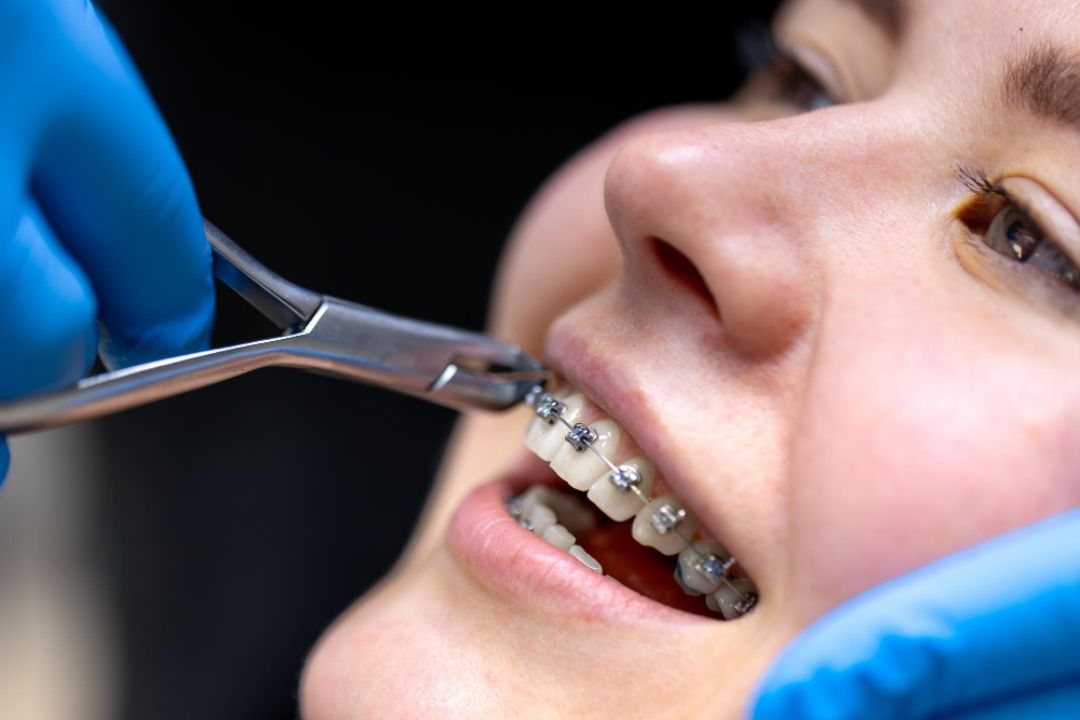
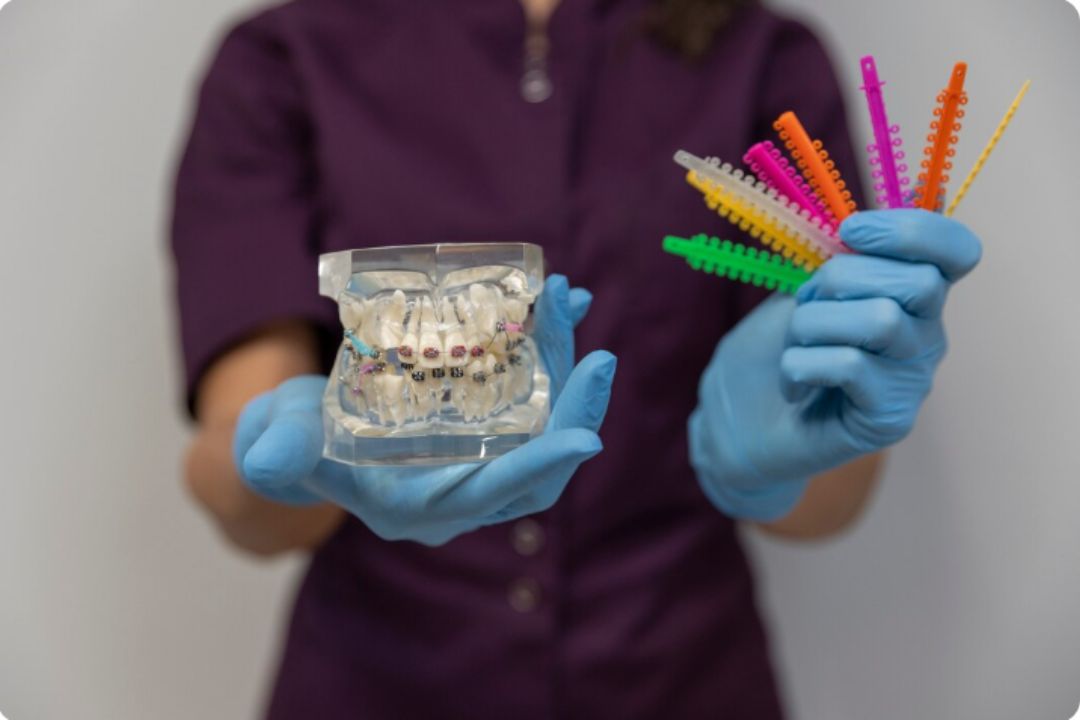
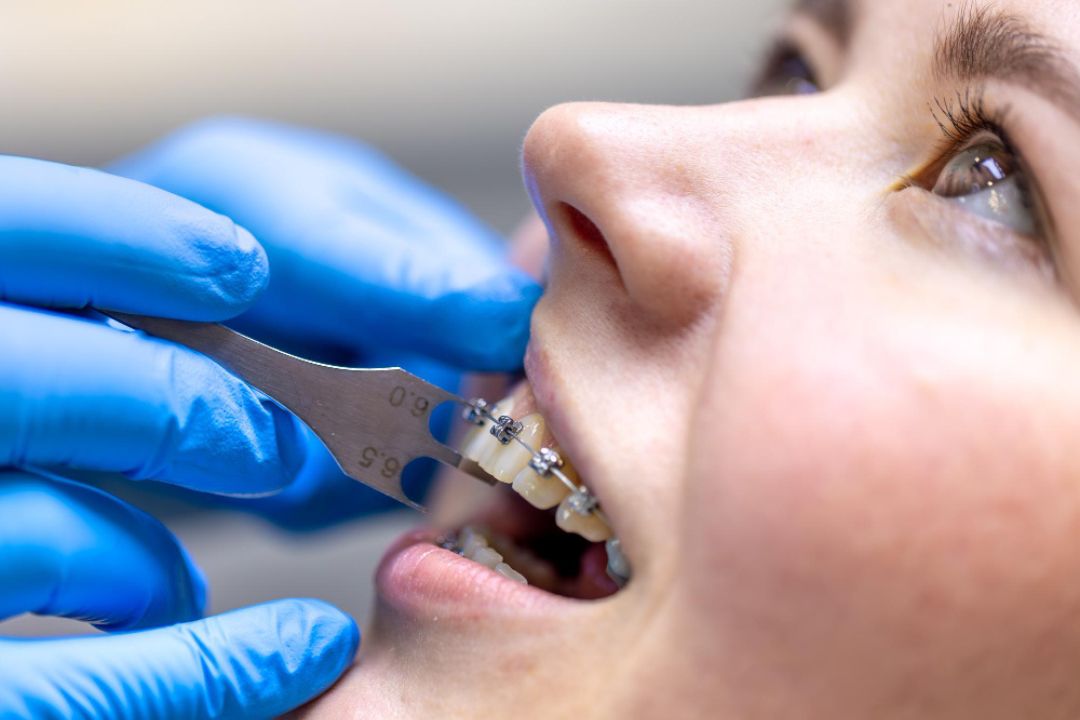
Benefits & Technology: Smaller, smoother brackets and heat-activated archwires move teeth more comfortably and efficiently. They are the gold standard for correcting the most complex bite issues.
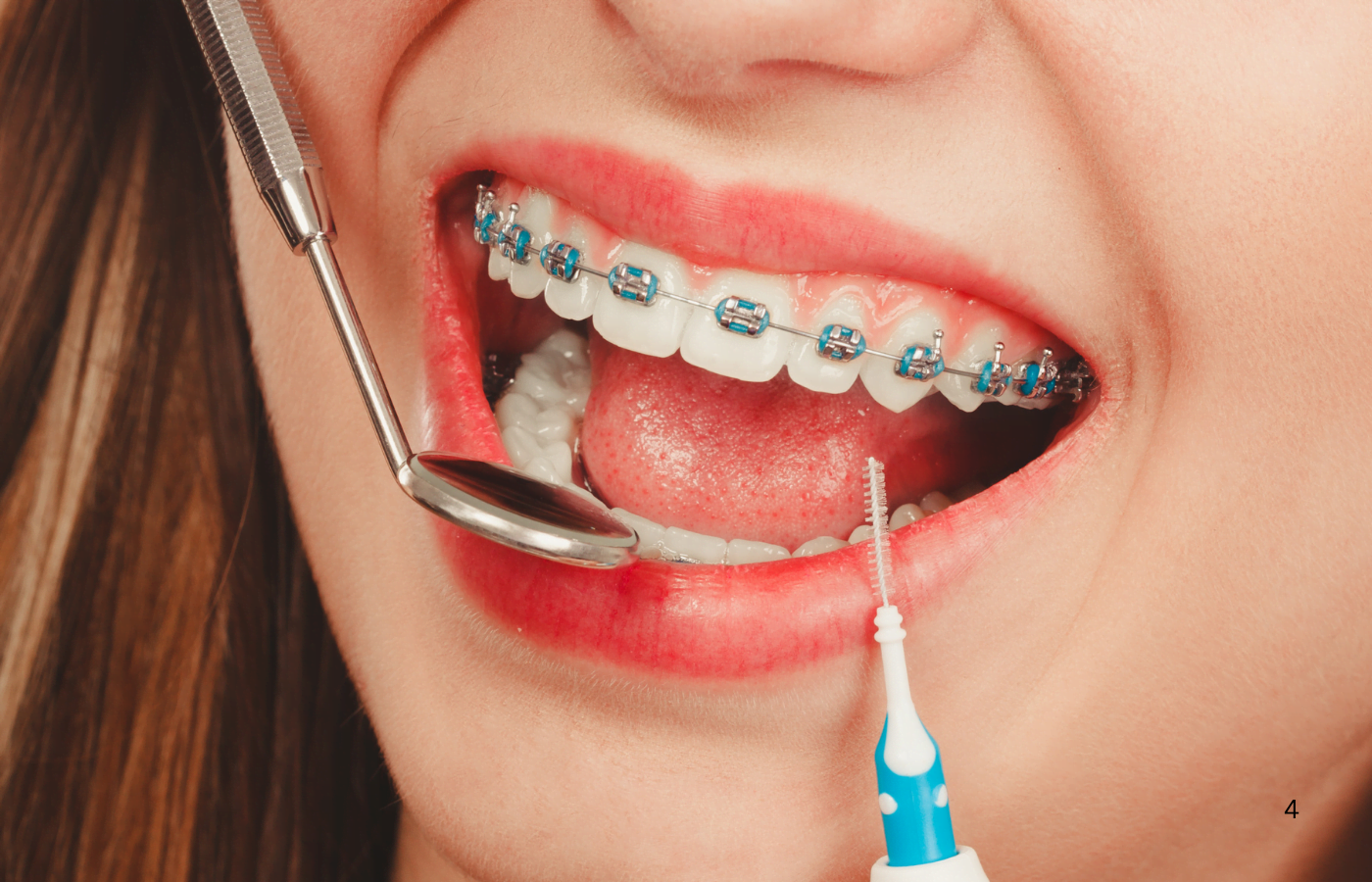
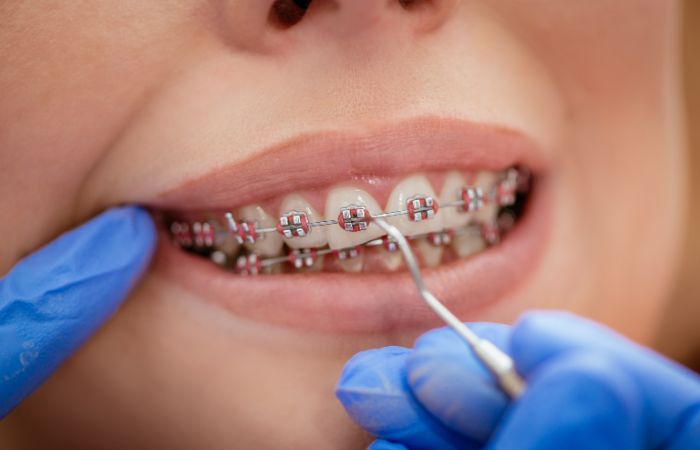
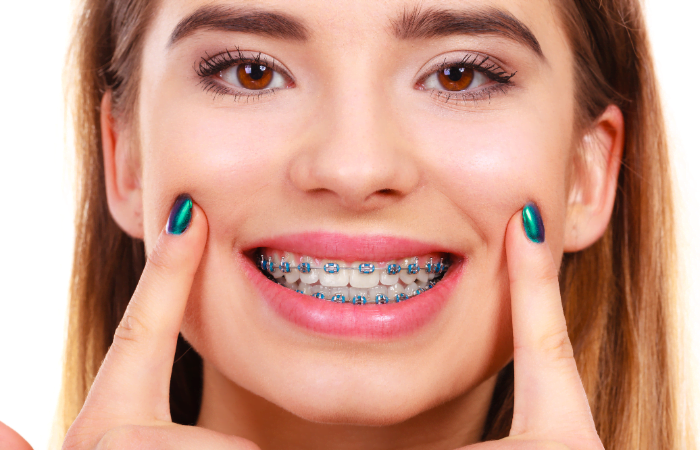
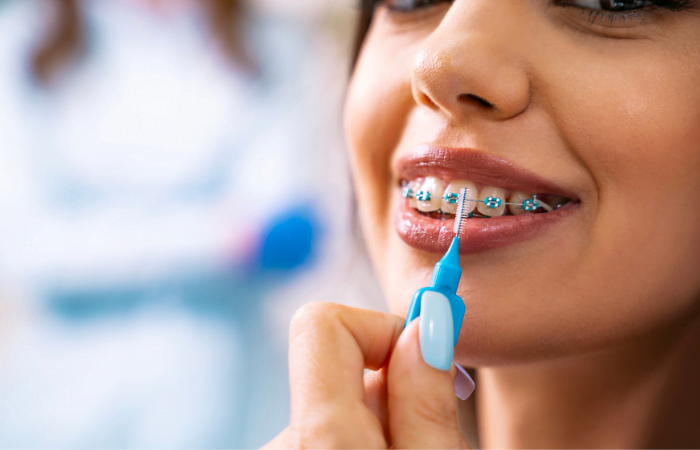
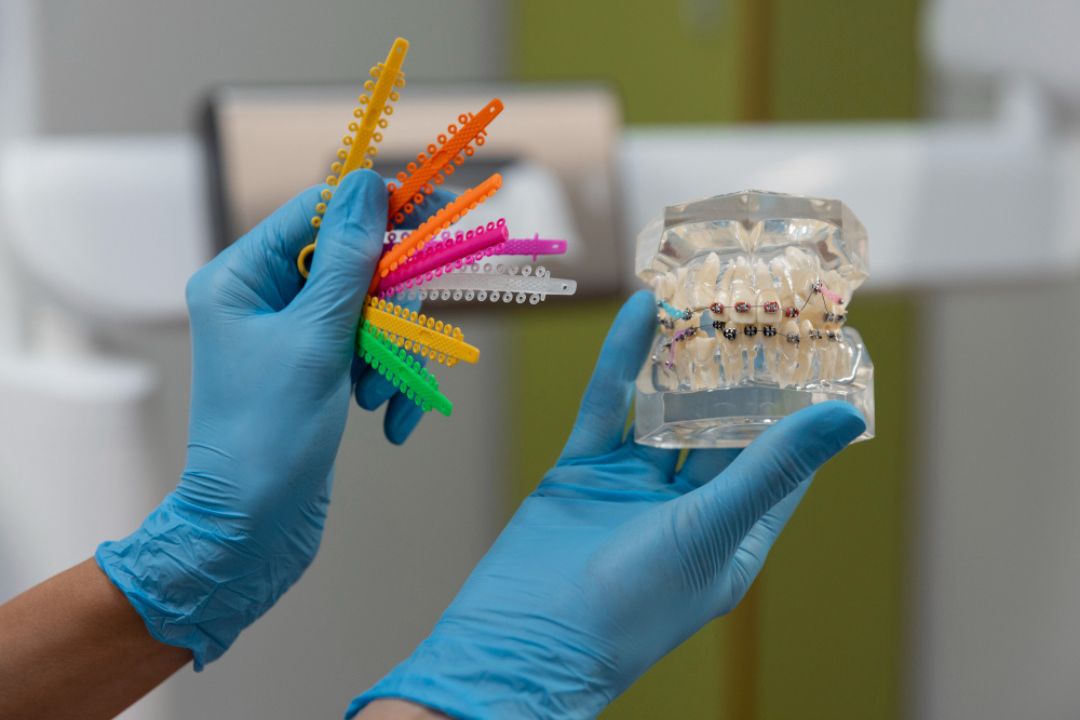
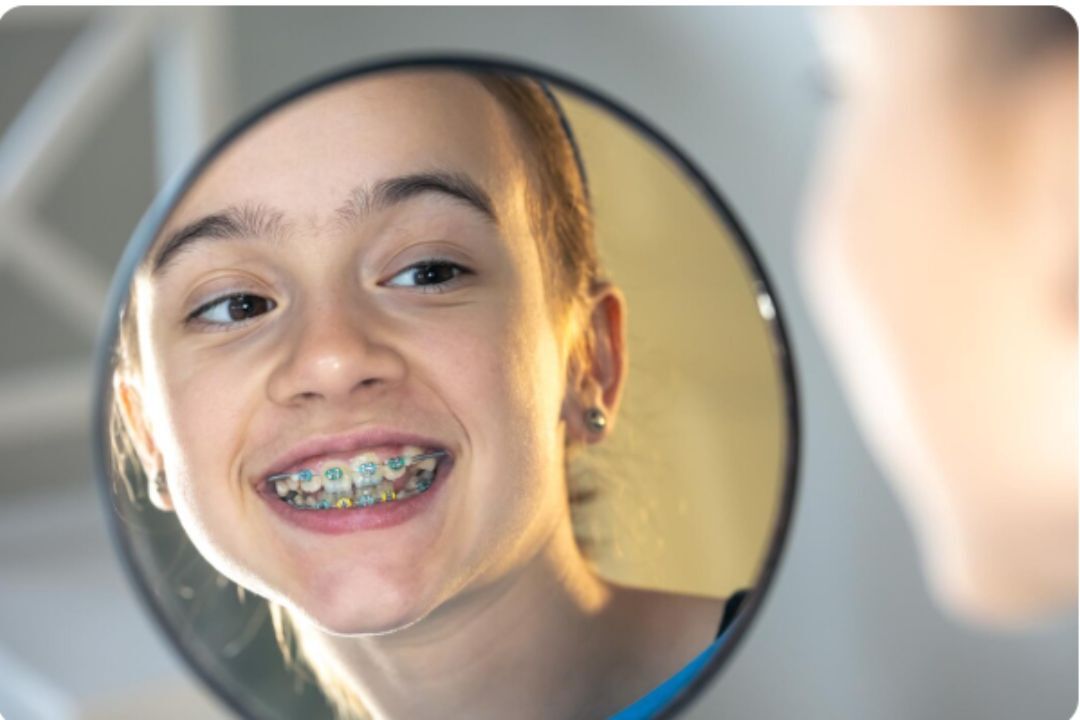
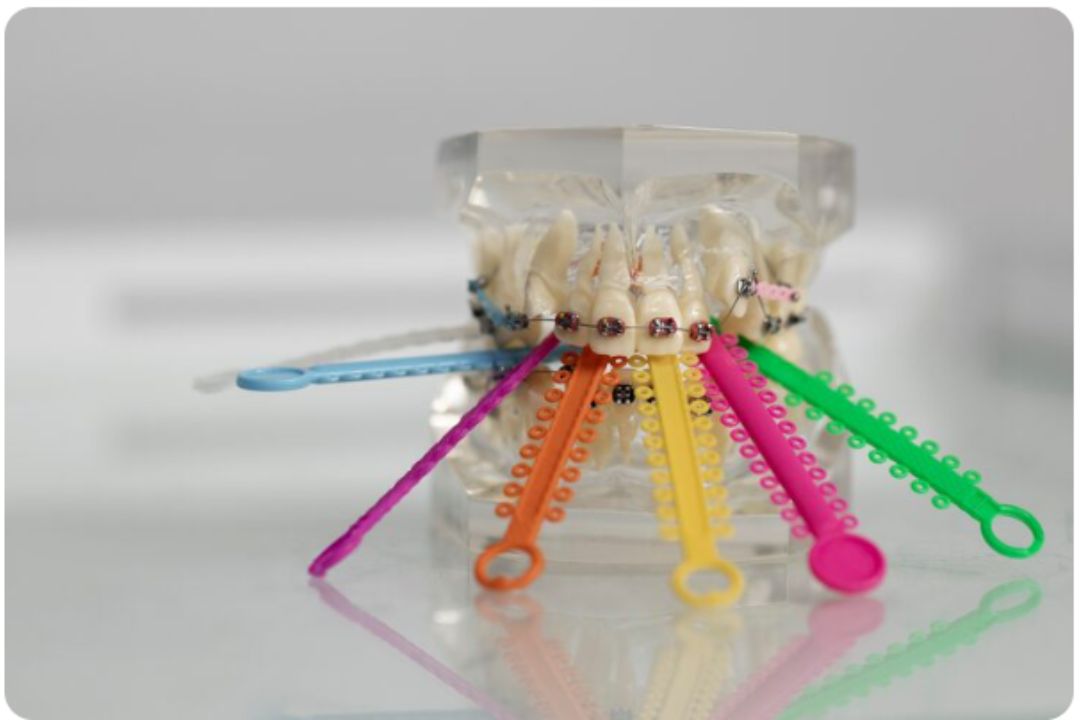
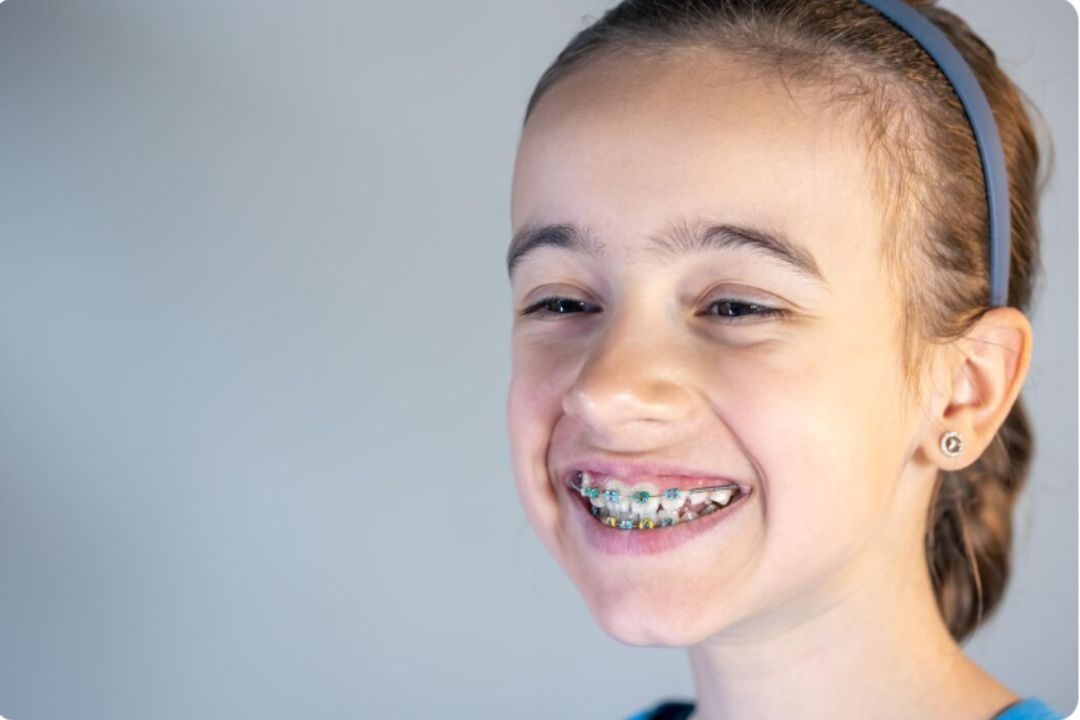
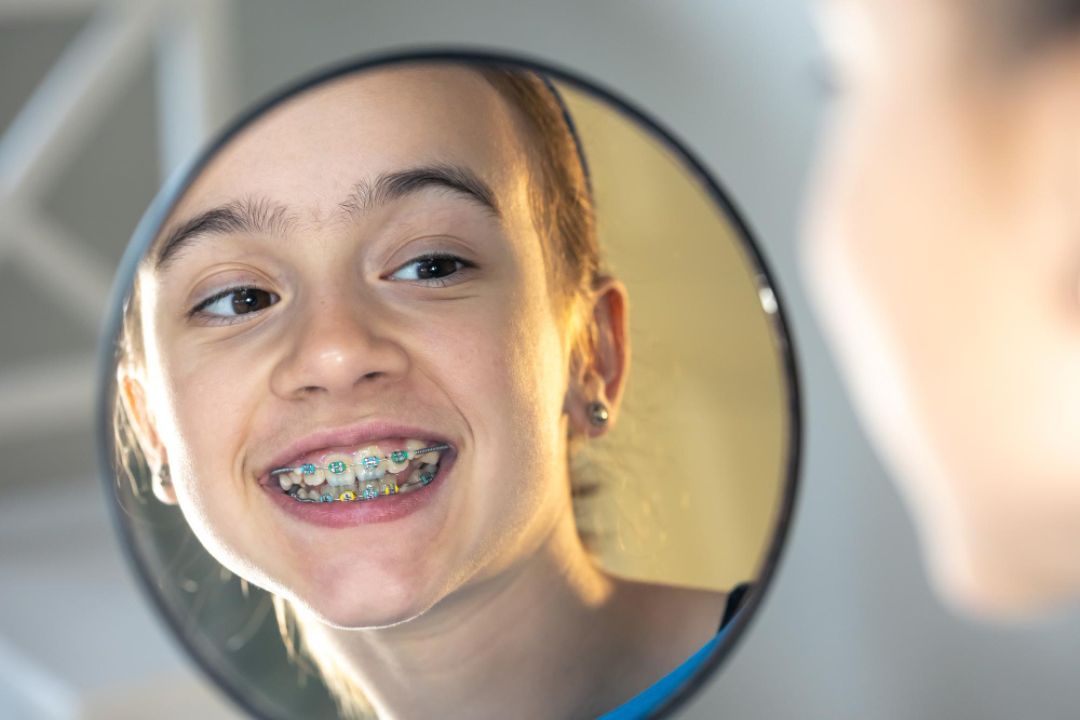
Kid-Friendly Appeal: The ability to choose fun-colored elastic bands at each adjustment makes the process engaging for many children.
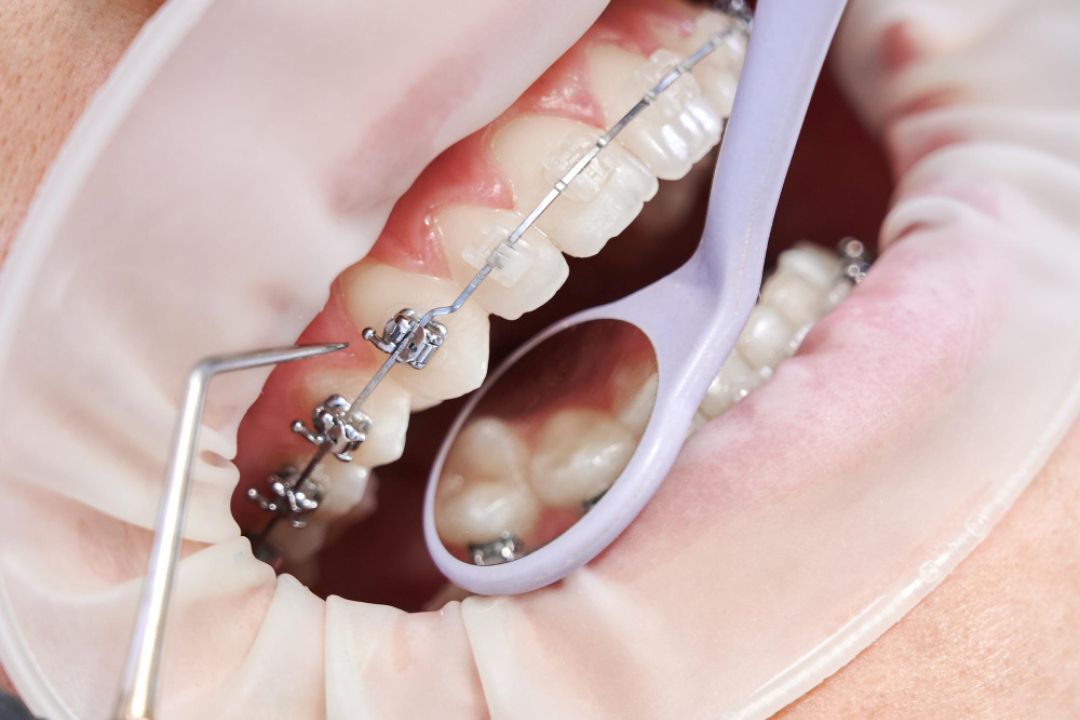
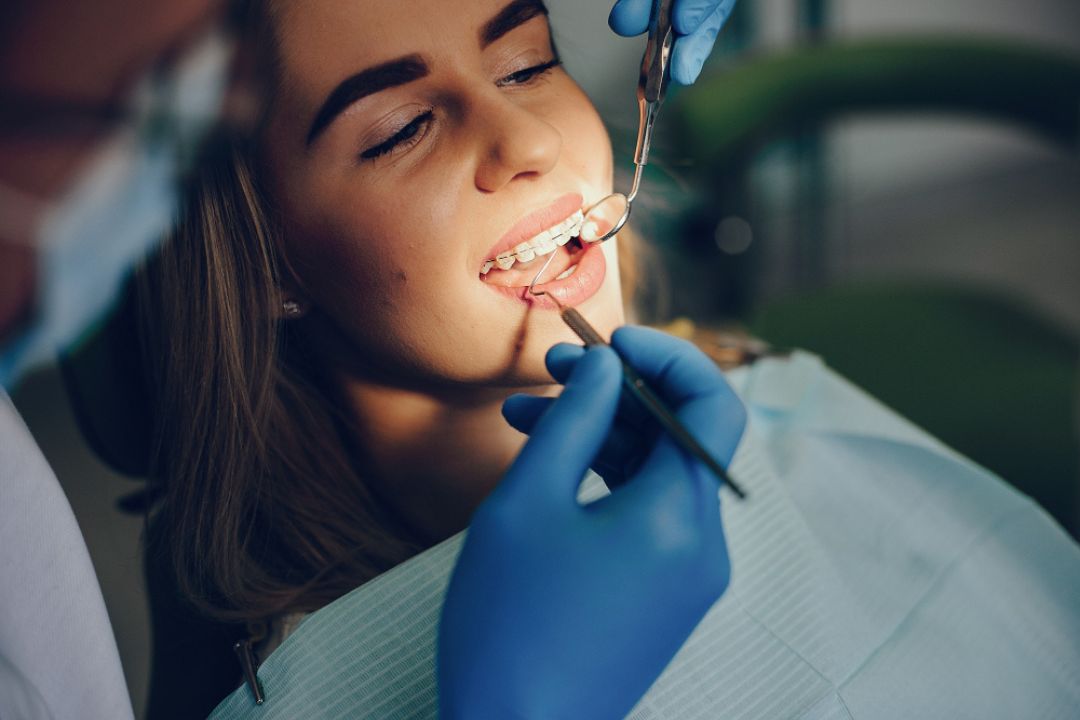
2. Ceramic Braces
Often called "Clear Braces," these use tooth-colored or translucent brackets.
Benefits: They offer a significant aesthetic upgrade over metal while providing similar effective force. They are less noticeable, which is a major plus for self-conscious pre-teens and teenagers.
Consideration: The brackets can be slightly more fragile and may stain if not cared for meticulously with diet and hygiene.
3. Lingual Braces
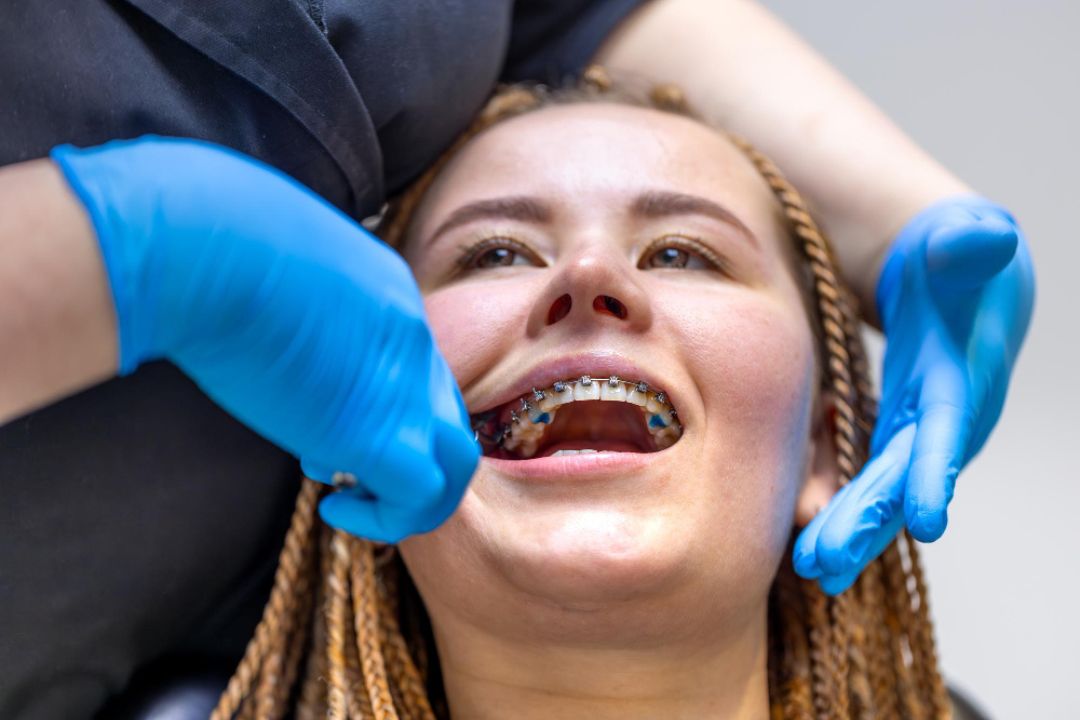
These are custom-fitted metal braces attached to the back (tongue-side) of the teeth.
Benefits: They are completely invisible from the front, offering a truly hidden fixed appliance.
Consideration: They are not suitable for all cases, can be more challenging to clean, and may temporarily affect speech. They are also typically the most expensive brace type.
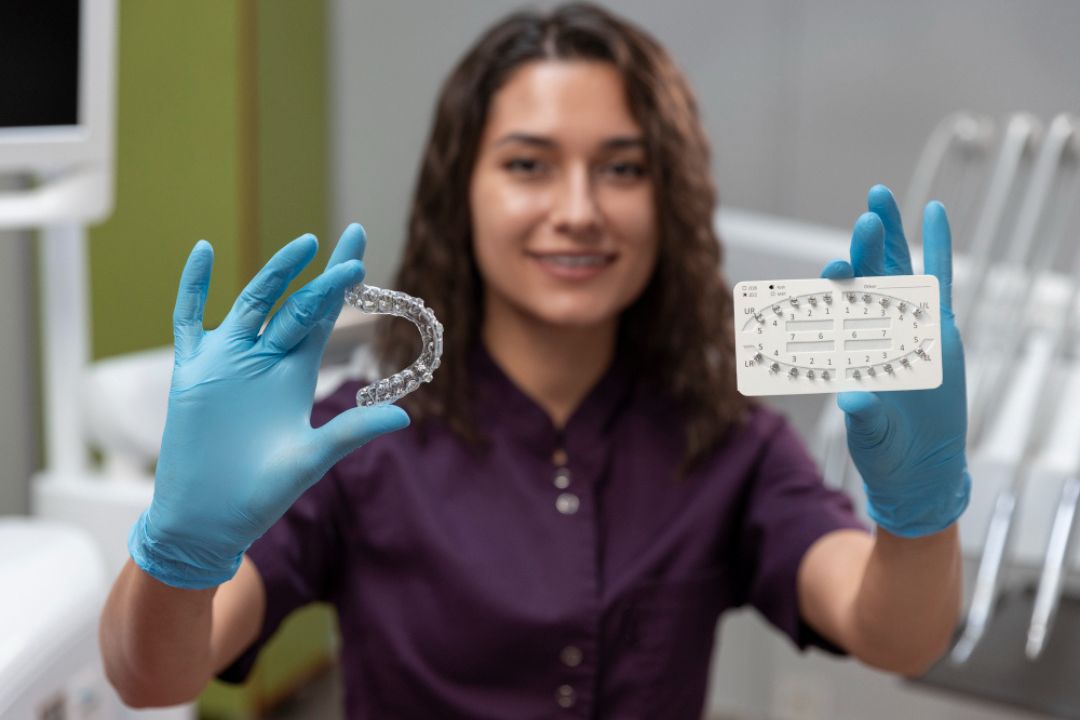
4. Clear Aligners (e.g., Invisalign® First/Teen)
This system uses a series of custom-made, removable clear plastic trays.
Benefits: Nearly invisible, they offer unparalleled aesthetics. Being removable allows for normal eating, brushing, and flossing, promoting better oral hygiene.
The Compliance Factor: Success hinges entirely on your child wearing the aligners 20-22 hours daily. Innovative features like blue compliance indicators (which fade with wear) help parents and orthodontists monitor use.
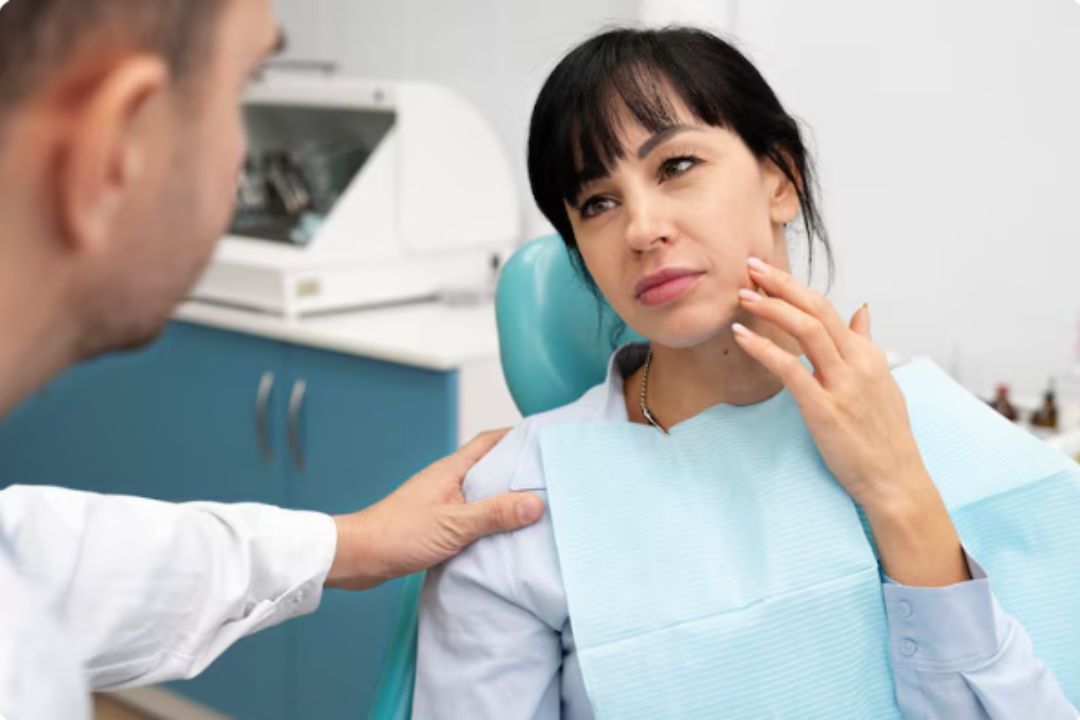
A major concern for parents is their child's comfort. Modern orthodontics prioritizes this:
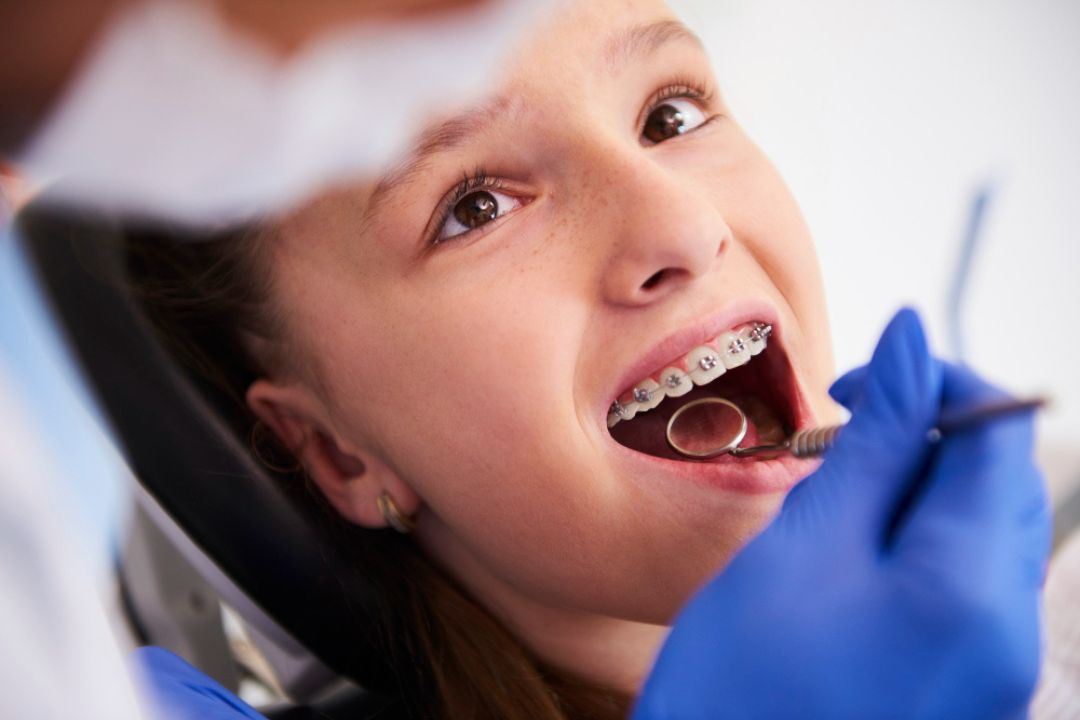
Initial Adjustment: Soreness for 1-3 days after placement or adjustments is normal and manageable with soft foods and over-the-counter pain relief.
Reduced Irritation: Softer, low-profile brackets and wires minimize cheek and gum irritation. Orthodontic wax remains a simple, effective tool for any bothersome spots.
Aligners' Edge: Clear aligners, made of smooth plastic, generally offer the highest comfort level with no brackets to cause irritation.
Self-Ligating Systems: Some metal and ceramic braces use a specialized clip instead of elastic ties, which can reduce friction, pressure, and adjustment time.
The investment in braces is significant, but understanding the breakdown and insurance can demystify it.
Selecting an orthodontic provider is about more than just the appliances; it's about the partnership and experience. Diagnopein Dental stands out for several reasons:
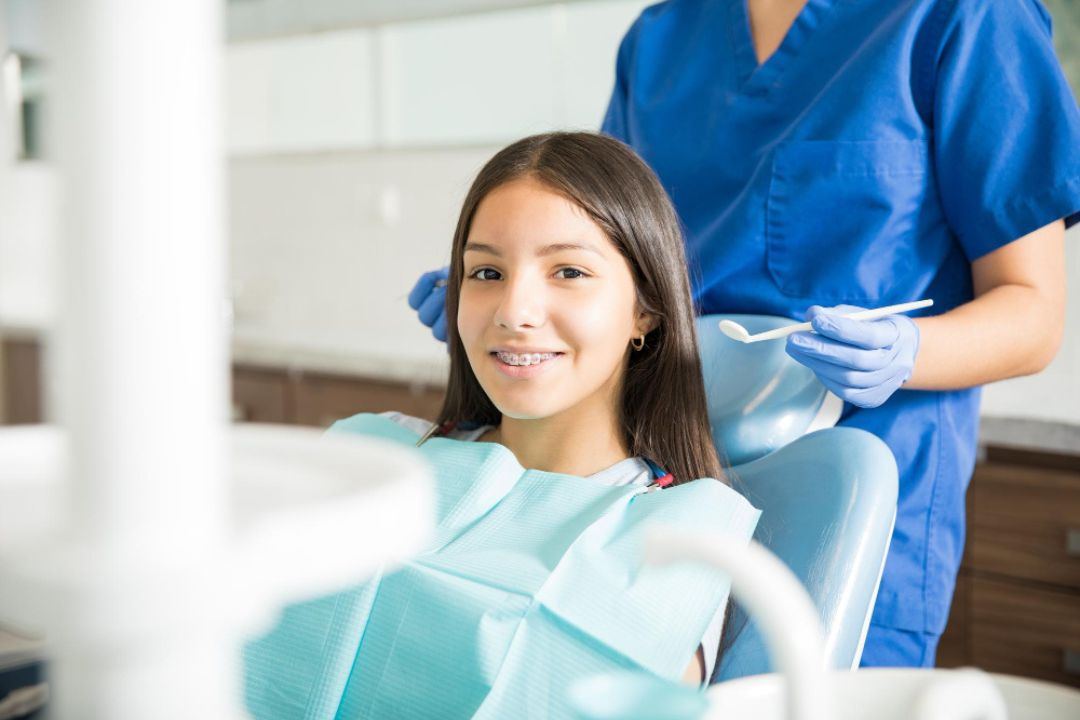
Specialized, Compassionate Expertise: Our orthodontists specialize in pediatric and adolescent treatment, understanding the unique physical and emotional needs of young patients. We build relationships based on trust and clear communication.
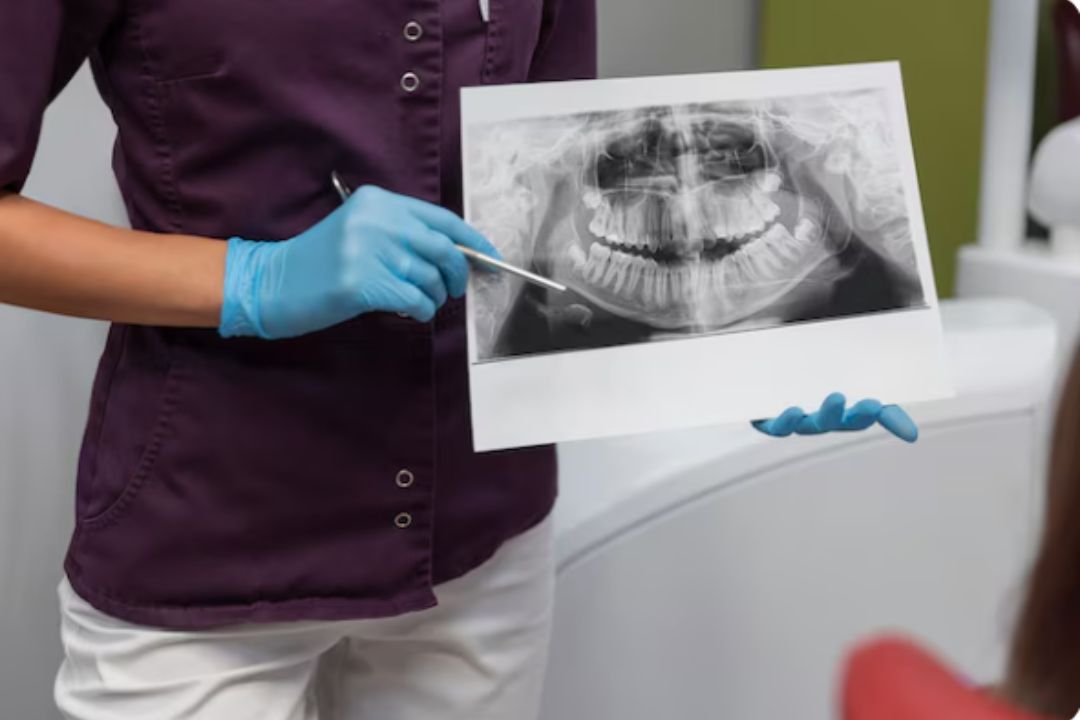
Cutting-Edge, Personalized Treatment: We don't believe in a one-size-fits-all approach. Using advanced digital imaging and 3D scanning, we create precise, customized treatment plans tailored to your child's specific anatomy and goals, whether they're best suited for precise metal braces or innovative clear aligners.
A Focus on Education & Empowerment: We take time to ensure both parents and children fully understand every phase of treatment. An informed and engaged patient is a successful one.
Streamlined Financial Guidance: Our team expertly navigates insurance, including Delta Dental braces coverage for kids, and provides clear, transparent payment plans. We remove the financial guesswork, making quality care accessible.
A Supportive, Positive Environment: From the reception area to the chair, our office is designed to be a welcoming, low-stress space where kids feel encouraged and celebrated throughout their smile transformation.
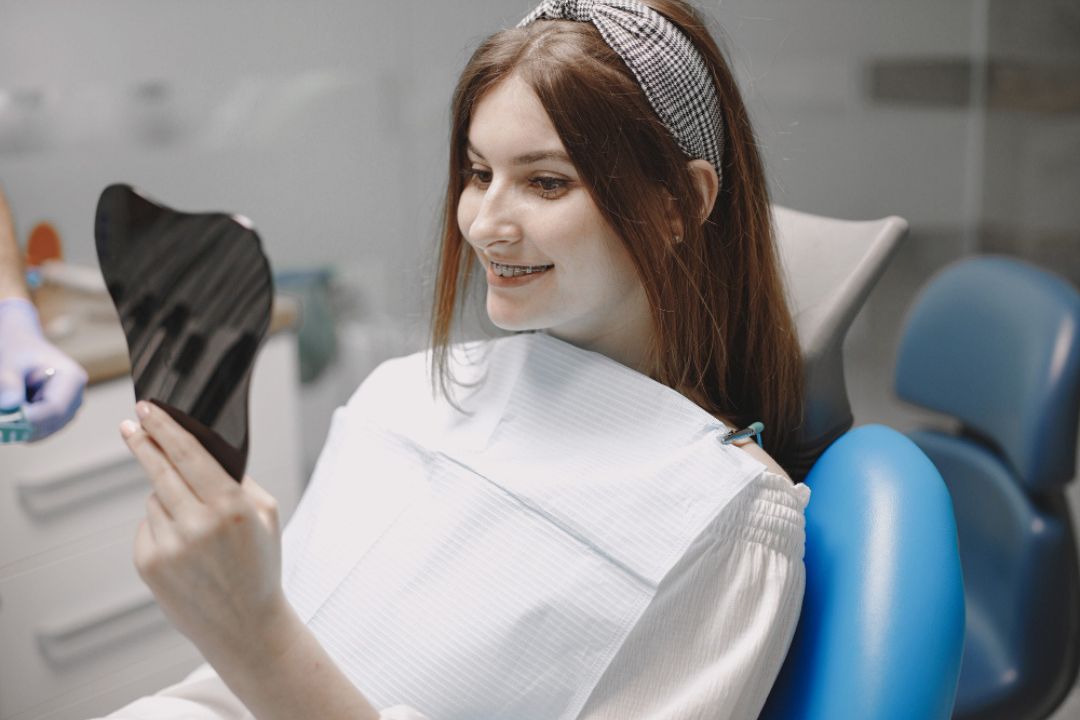
Choosing the right type of braces for your kid's teeth is a significant decision with long-lasting implications for their oral health and self-image. By weighing the benefits of each system—from the proven efficiency of traditional braces to the discreet flexibility of aligners—and pairing that knowledge with a clear understanding of costs and insurance, you can make a confident, informed choice.








































.jpg "affordable metal braces in mumbai")














.jpg "dental braces cost in Diagnopein complete price breakdown (2026 guide)")





.jpg "dental braces")



.jpg "dental braces")


 (1).png "Visual Journey of Dental Braces")
 (1).jpg "Dental Braces and Gum Disease")