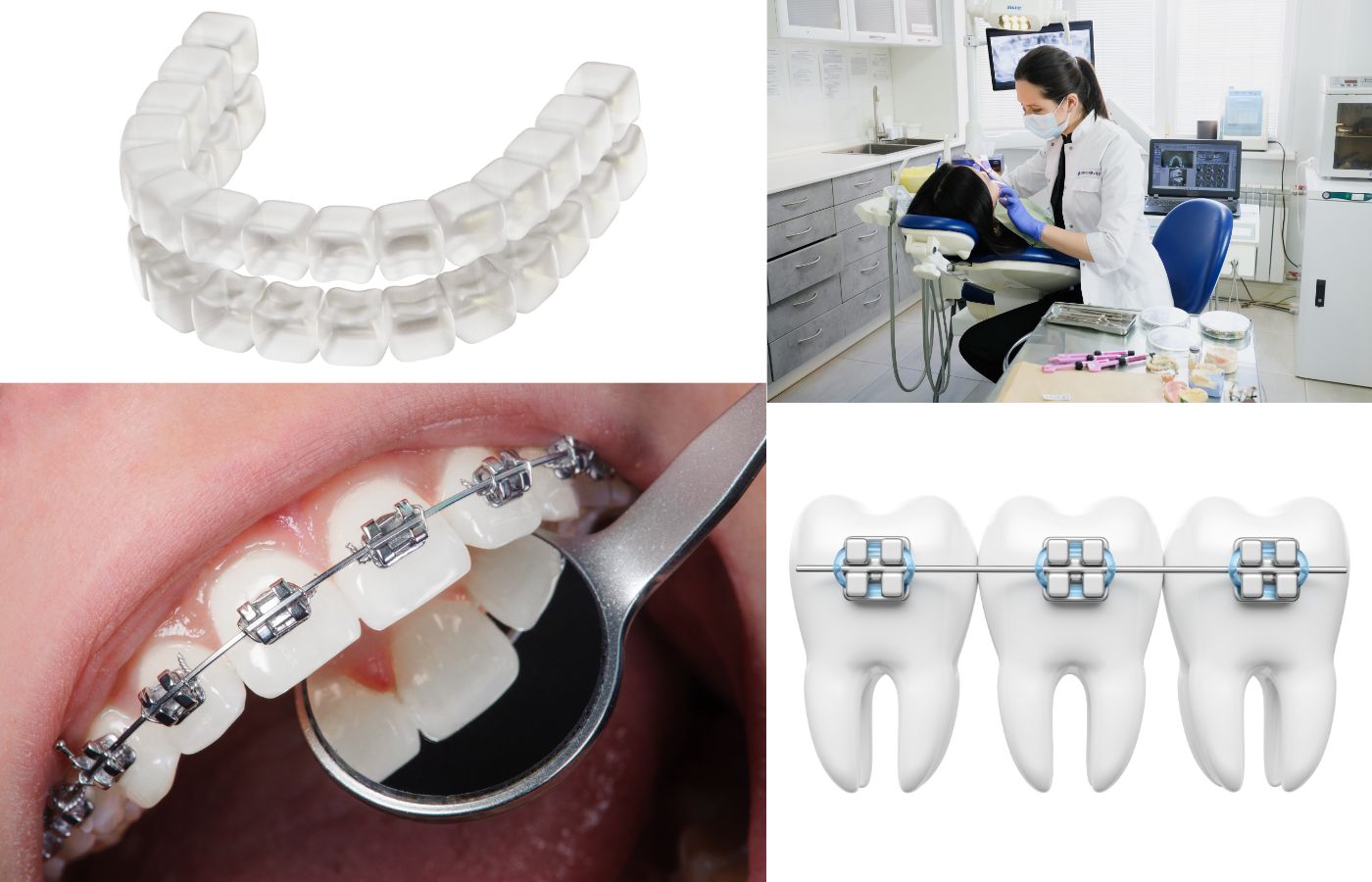
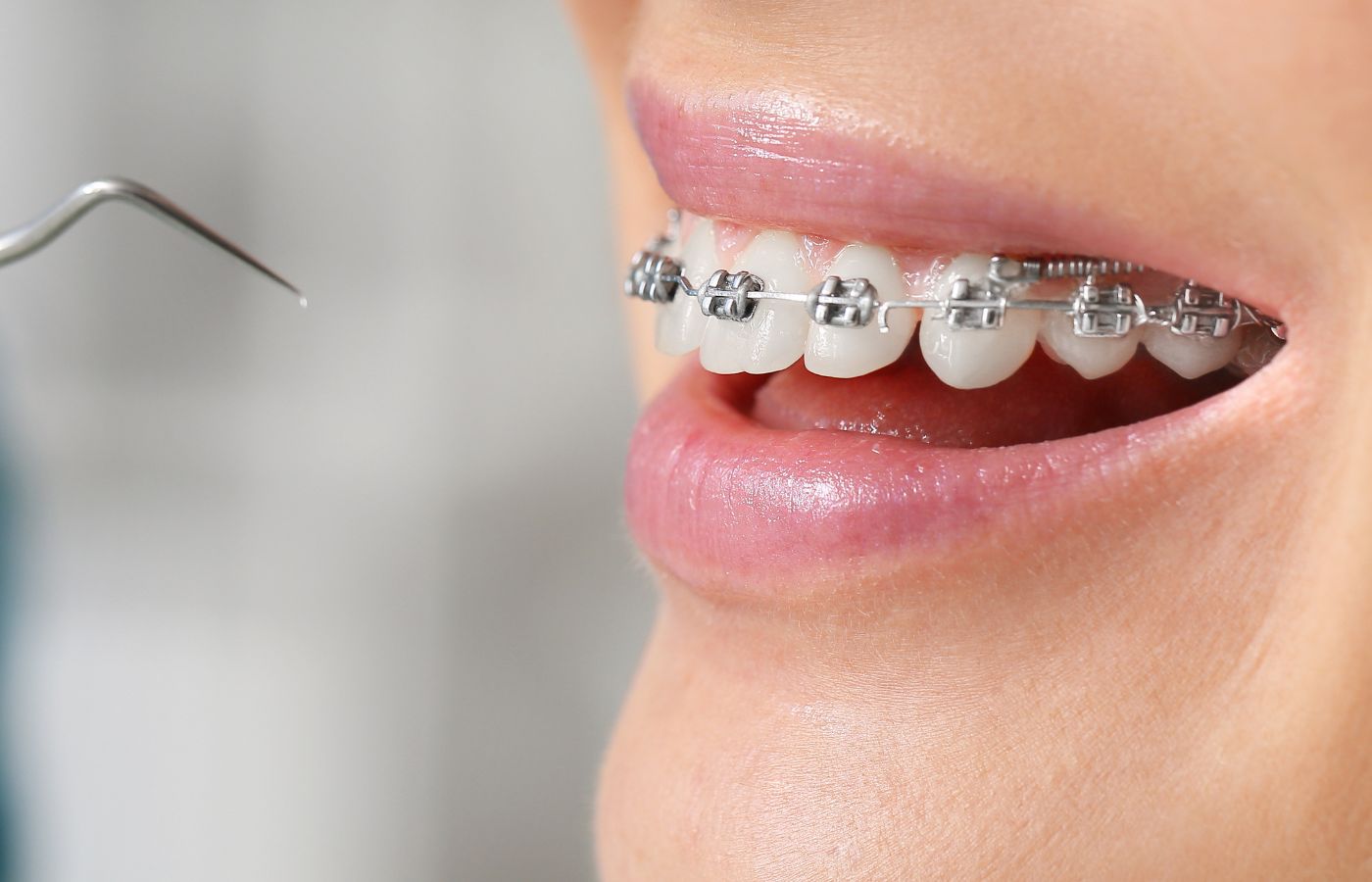
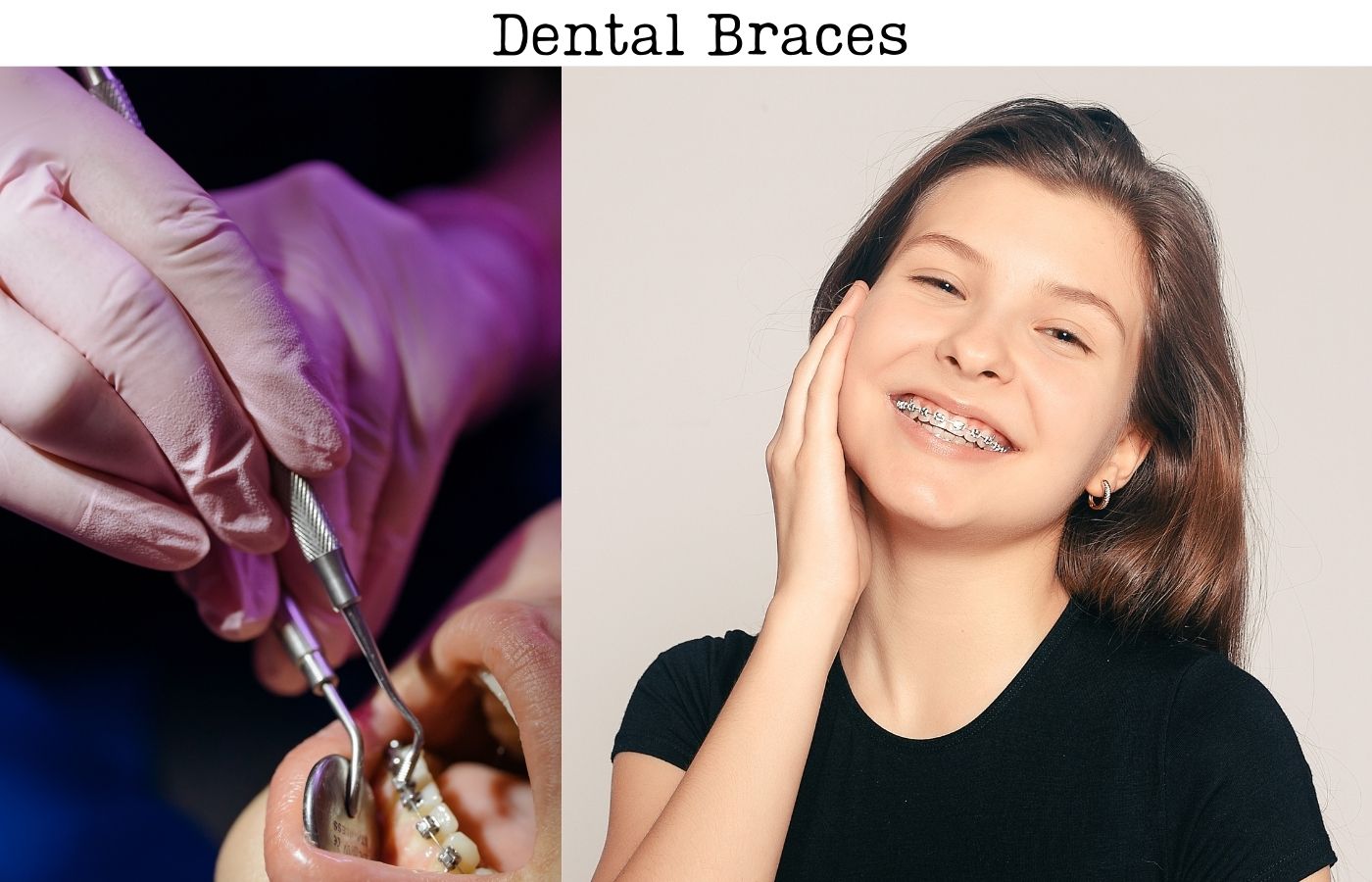
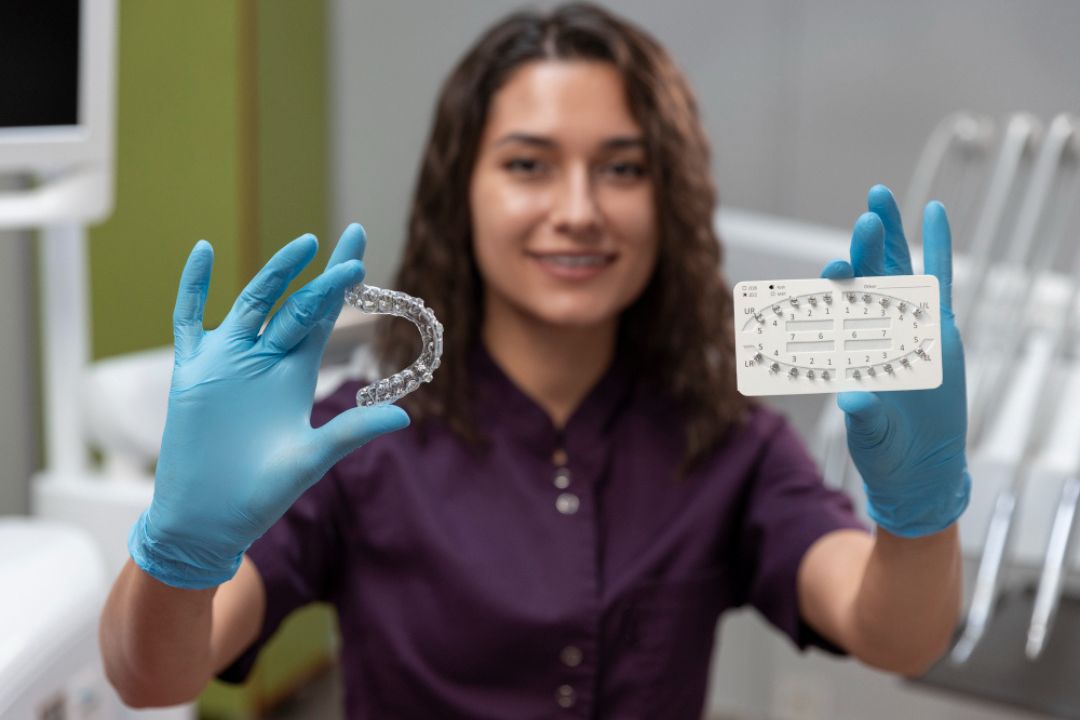
Invisible braces have transformed orthodontic treatment, offering a discreet and comfortable alternative to traditional metal braces. However, several myths and misconceptions persist, causing confusion and hesitation. At Diagnopein, we believe in informed decisions. Let’s debunk the 10 most common myths and reveal why Diagnopein Clear Braces stand out in the market for quality, comfort, and care—especially for dental braces for teens and adults seeking comfort dental braces.
Invisible braces have become one of the most popular orthodontic treatments in recent years. They offer an effective alternative to traditional braces while remaining nearly invisible and comfortable. Despite their popularity, many people still believe myths and misconceptions that can cause confusion or hesitation when considering this treatment.
In this article, we dispel the 10 most common myths about invisible braces and explain the truth behind each one. By the end, you will have a clearer understanding of how invisible aligners work and whether they are right for you.
Truth: While invisible aligners were originally best suited for mild to moderate cases, modern aligner systems can now handle a much wider range of alignment issues. This includes gaps, crowding, and certain bite problems. Many orthodontists use attachments and refinements to correct more complex cases successfully.
Visit Now: https://www.diagnopein.com/dental-clinic/Mumbai
However, very severe bite issues may still require traditional braces or additional orthodontic treatment. A professional evaluation is always recommended to determine suitability.
Truth: Some initial discomfort is normal with any orthodontic treatment, including traditional braces. Invisible aligners apply gentle controlled force that moves teeth gradually. Most people experience mild pressure for the first few days after switching trays, but this sensation is usually manageable and far less intense than the discomfort caused by metal brackets and wires.
Many patients find invisible aligners more comfortable overall.
Truth: While aligners are removable, they need to be worn consistently for best results. Most dentists recommend wearing them 20 to 22 hours per day. They are removed only for eating, brushing, and cleaning. Wearing aligners less than recommended can slow or stall treatment and impact results.
This requirement is not a drawback but part of ensuring predictable progress.
Truth: At first glance, invisible aligners may seem more costly than traditional braces. However, when you consider the benefits — discreet appearance, fewer clinic visits, better comfort, and easier hygiene — many people find them to be a good value.
Book Now: https://www.diagnopein.com/dental-clinic/Mumbai/Dental-Braces
Additionally, many dental clinics in Mumbai offer flexible payment options and financing plans to make treatment affordable.
Truth: Some people may notice a slight change in speech initially when they start wearing aligners, especially when they speak rapidly. This is temporary and usually resolves within the first few days as the mouth adapts. Invisible braces do not cause permanent speech problems.
If speech issues continue, your dentist can guide you with simple exercises to adjust quickly.
Truth: Aligners should be removed before eating and drinking anything other than water. They are not designed to withstand chewing or exposure to hot beverages. This protects the aligners and keeps teeth and gums clean.
The fact that you can remove them means you can enjoy all your favorite foods during treatment.
Truth: Invisible aligners are suitable for many teenagers and adults. As long as the teeth have fully erupted and there are no complex jaw growth issues, teens can benefit from clear aligner therapy. However, children whose permanent teeth have not yet fully grown may need other treatment options.
Your orthodontist will determine whether invisible aligners are appropriate based on age and growth patterns.
Truth: The duration of invisible aligner treatment varies depending on the severity of the case. For many mild to moderate cases, treatment is completed within 6 to 18 months. Some complex cases may take longer, but this is true for any orthodontic treatment including traditional braces.
Aligner treatment times are often similar to braces, and follow-through with consistent wear helps ensure timely results.
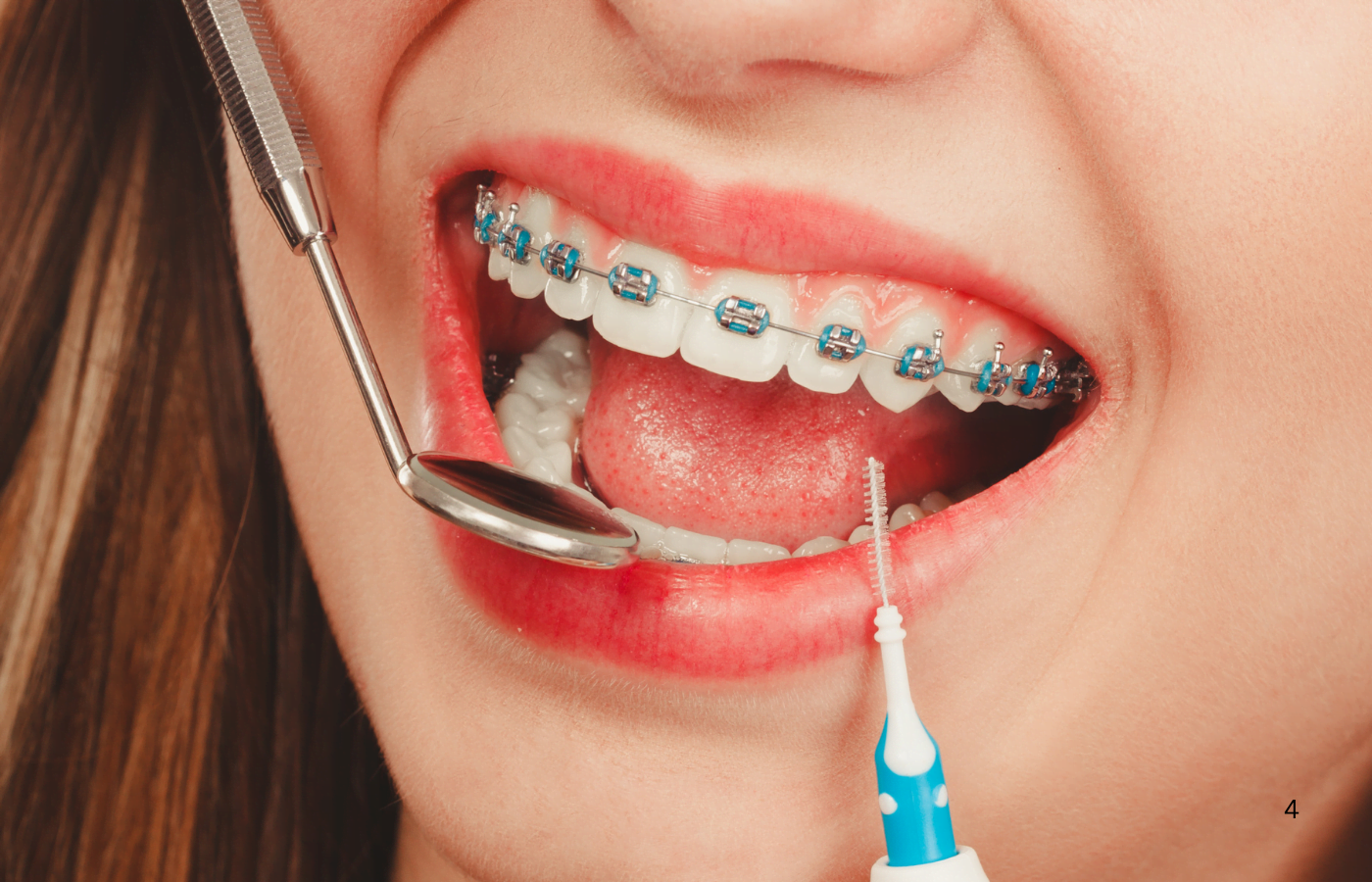
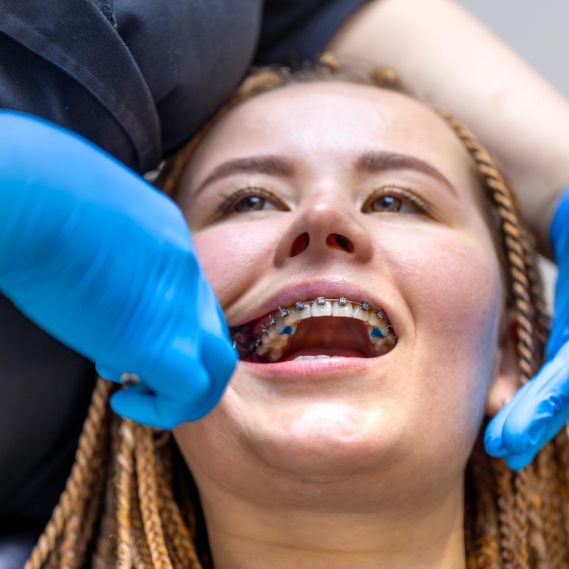
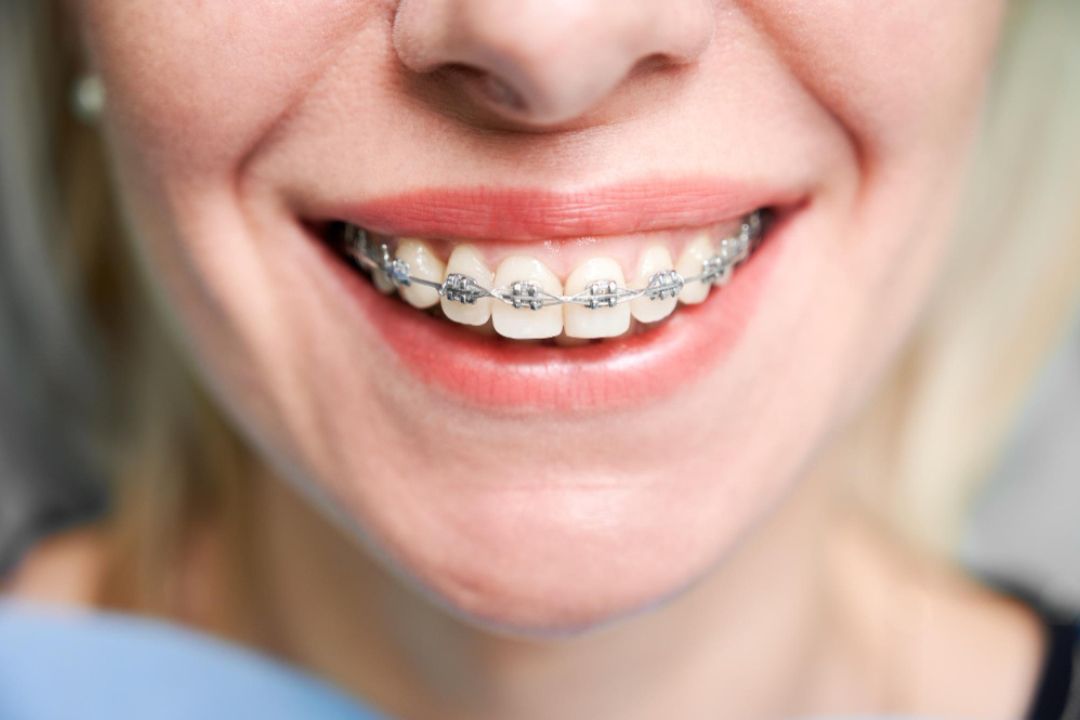
Truth: This is actually the opposite of the truth. Invisible aligners make oral hygiene much easier compared to traditional braces. Since aligners are removed before brushing and flossing, you can clean your teeth normally. There are no brackets or wires to trap food debris.
Improved hygiene reduces the risk of staining, cavities, and gum problems during treatment.
Truth: Like all orthodontic treatments invisible aligners require follow-up care. Once treatment is complete, retainers are usually recommended to help keep teeth in their new positions.
Without retainers, teeth can gradually shift back over time. Wearing retainers as instructed helps protect your investment and maintain your smile.
Invisible braces are a modern and effective way to straighten teeth. They offer comfort, aesthetics, and convenience that many patients prefer over traditional braces. However, myths and misconceptions can make the treatment seem intimidating or confusing.
Now that the most common myths have been debunked you can make a better informed decision. Always consult a qualified orthodontist for a personalized evaluation and treatment plan.
If you want help with SEO title tags meta descriptions internal linking suggestions or an FAQ section with schema markup to boost search rankings just let me know — I will be happy to help.










































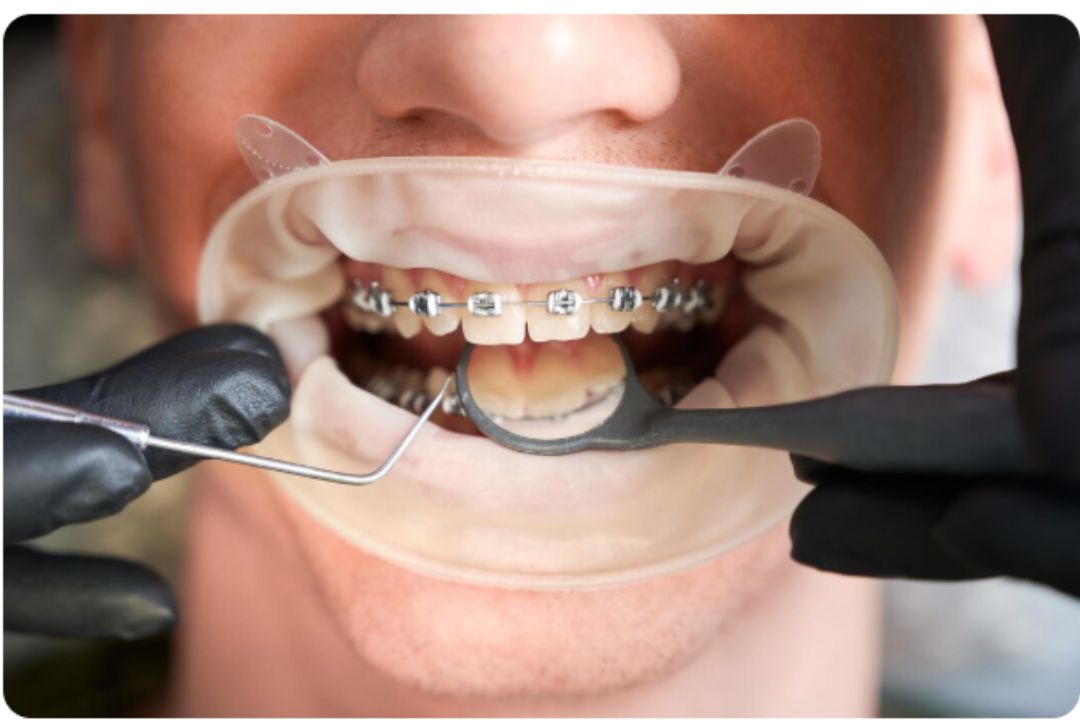

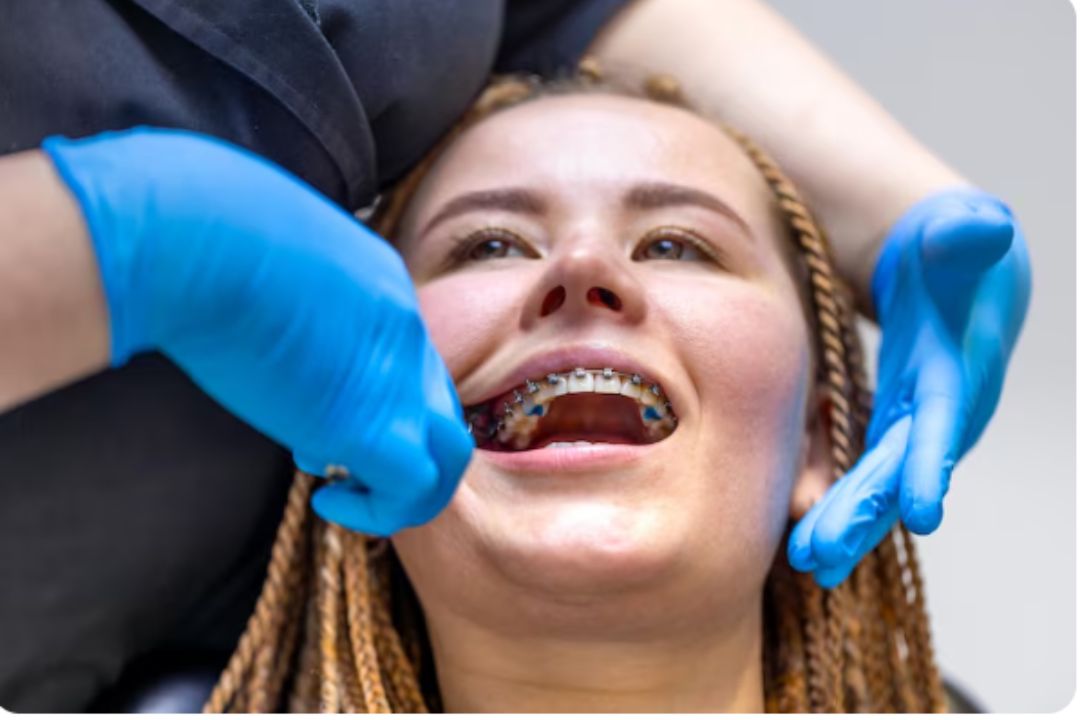
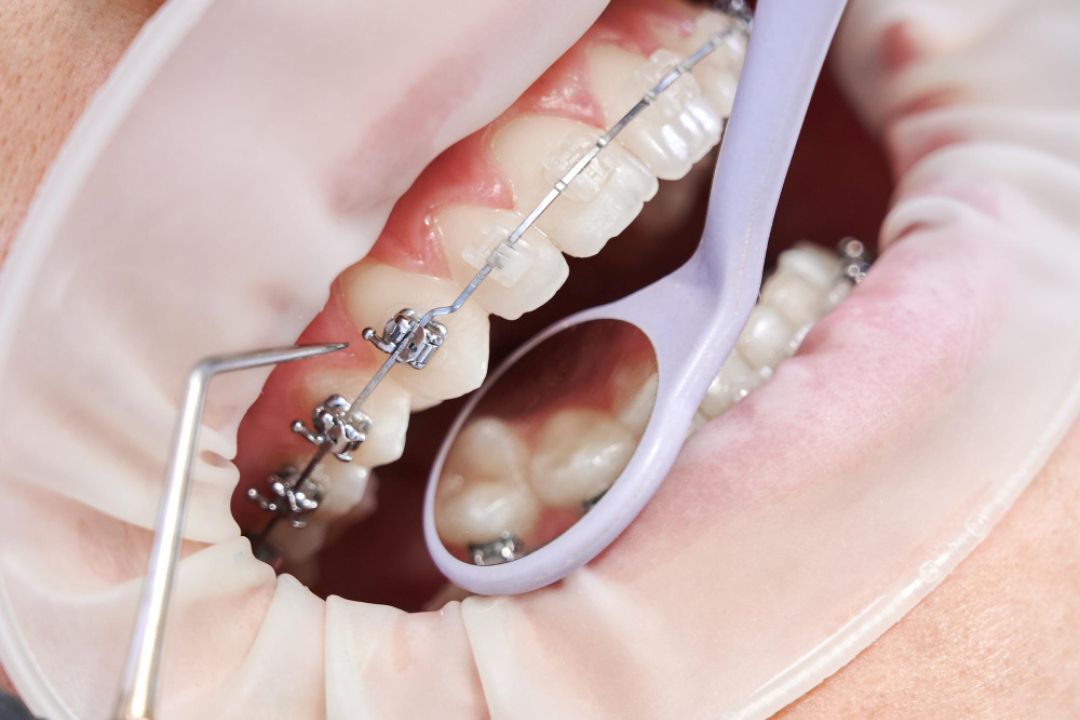



.jpg "affordable metal braces in mumbai")
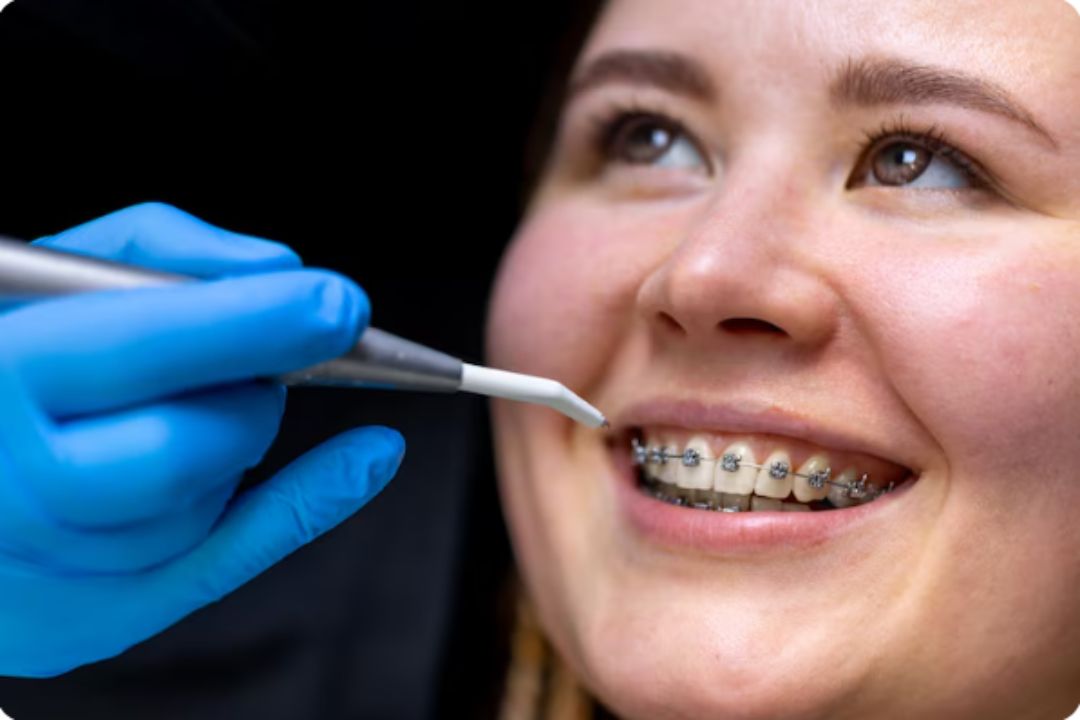












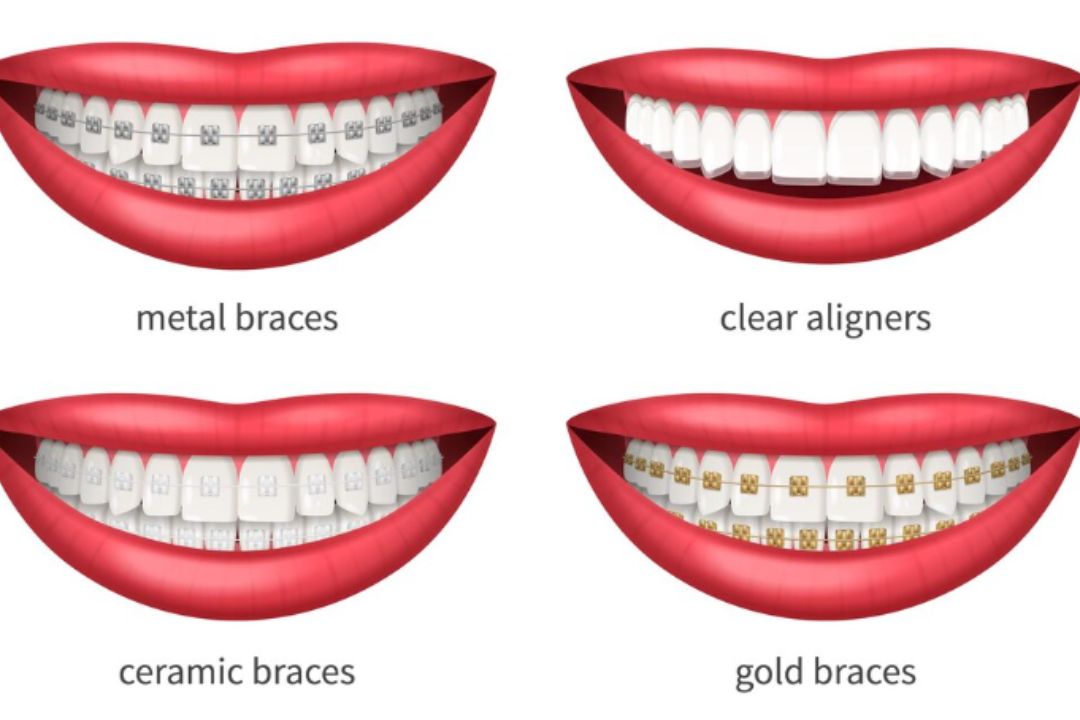









.jpg "dental braces cost in Diagnopein complete price breakdown (2026 guide)")



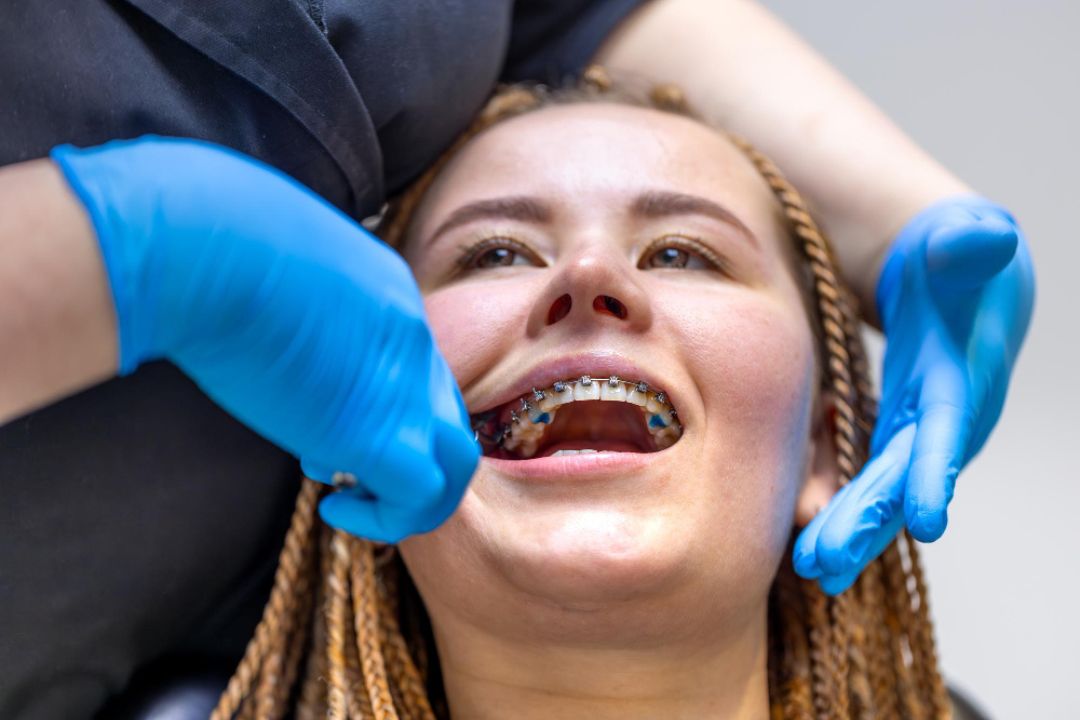



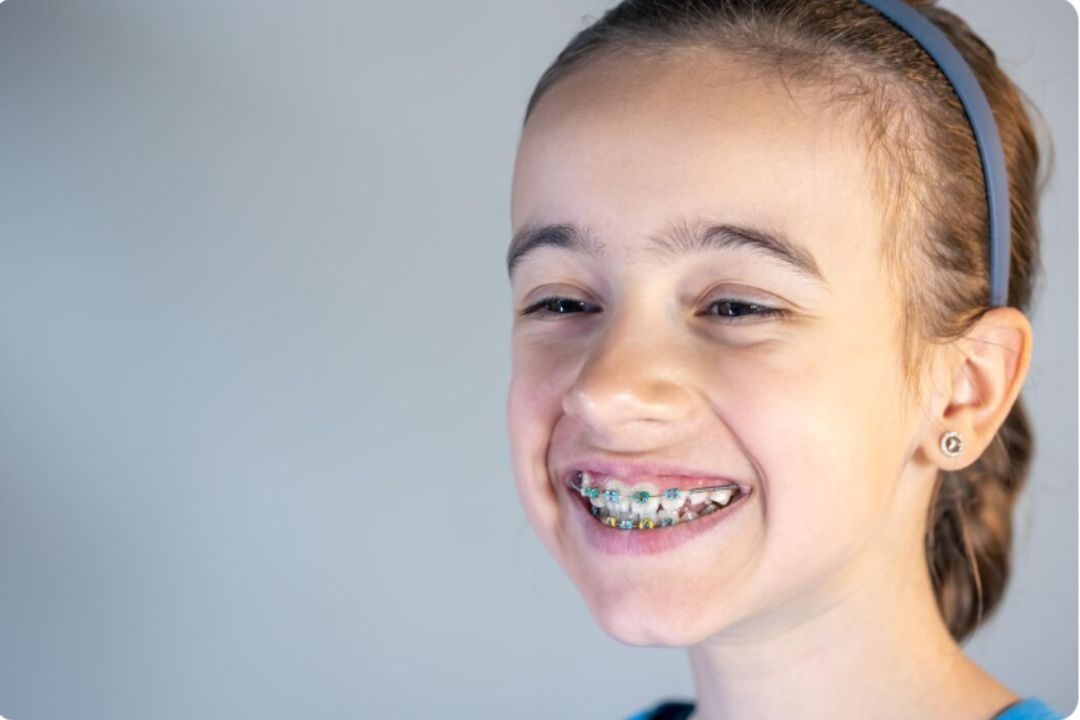

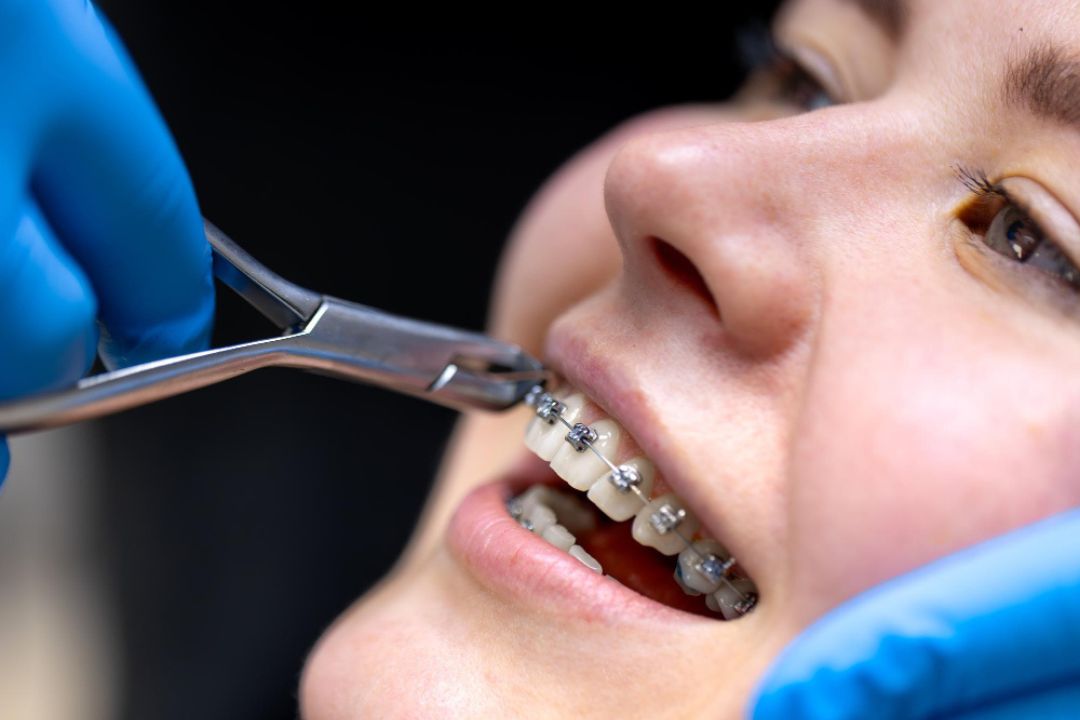
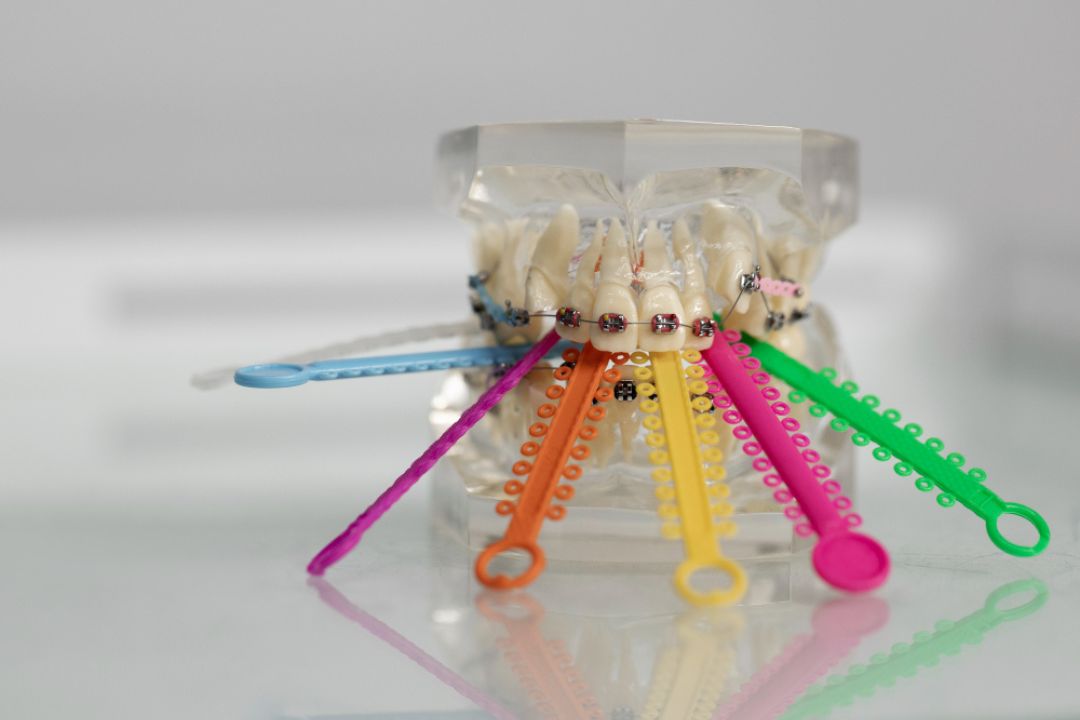
.jpg "dental braces")




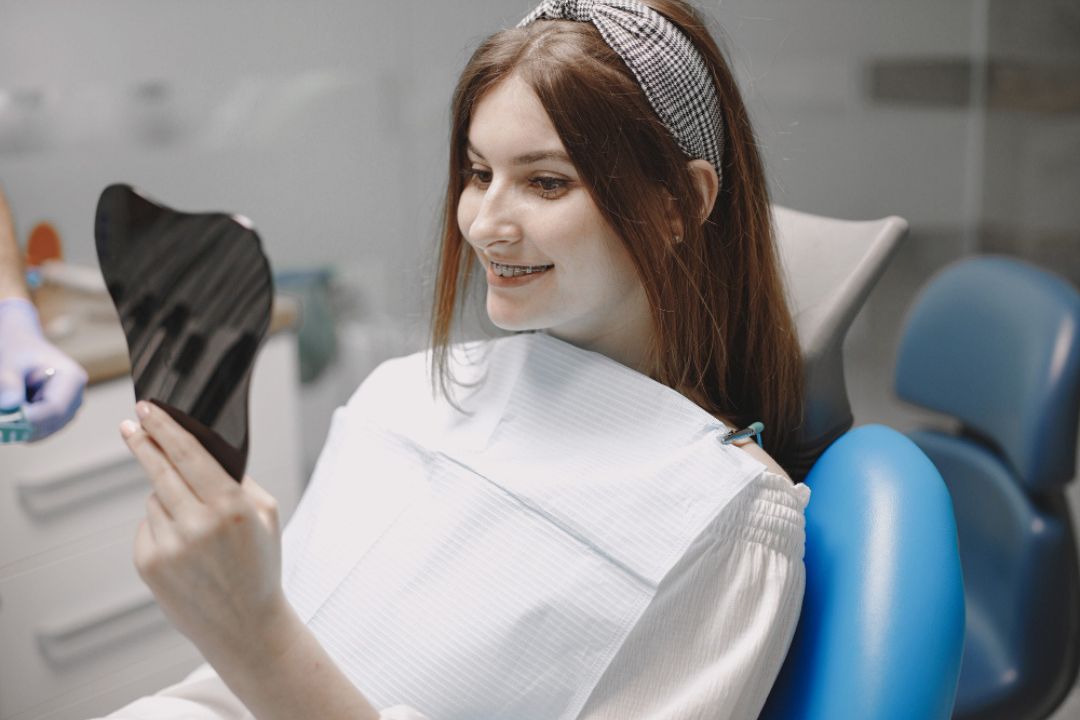
.jpg "dental braces")



 (1).png "Visual Journey of Dental Braces")
 (1).jpg "Dental Braces and Gum Disease")