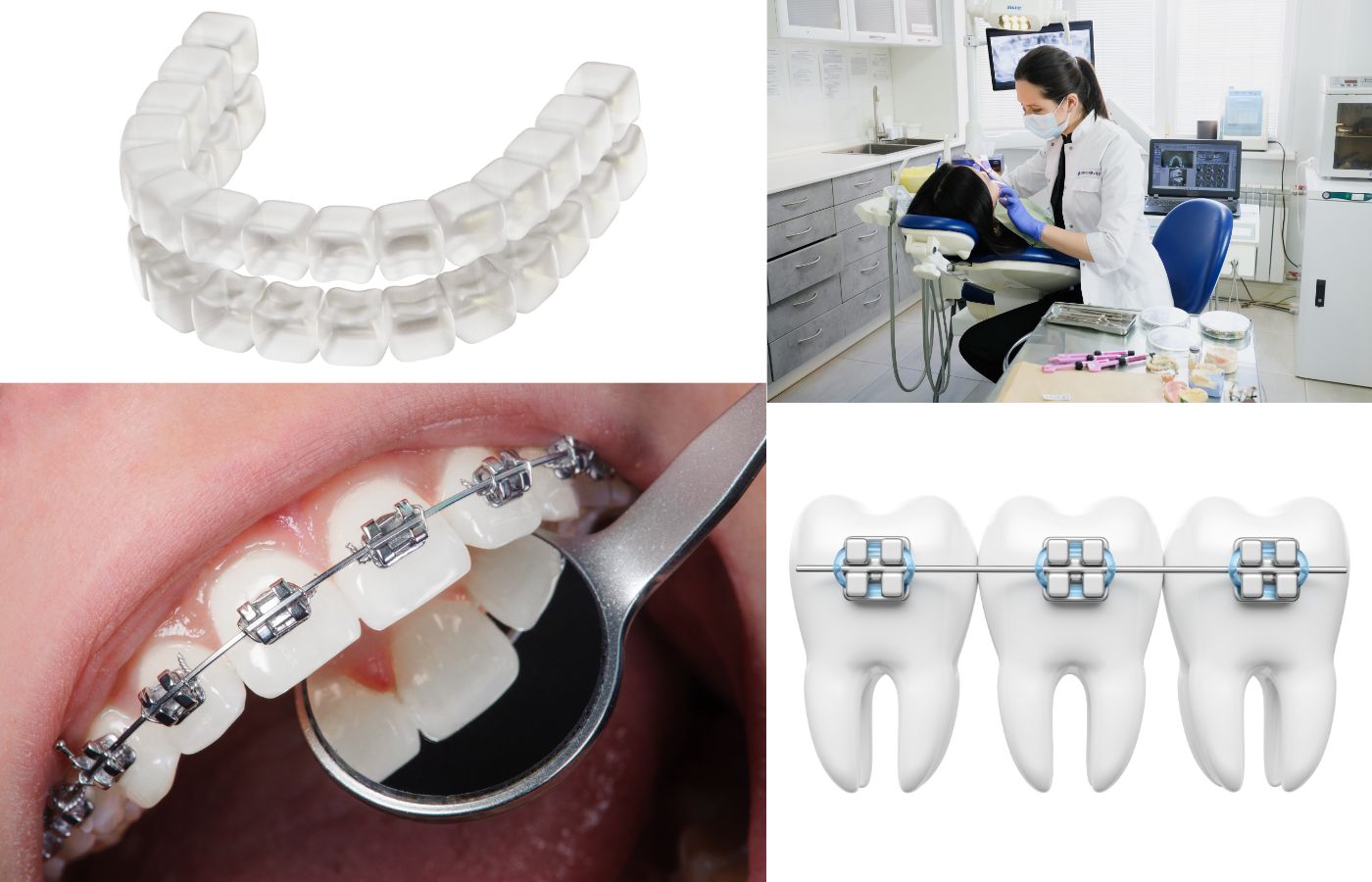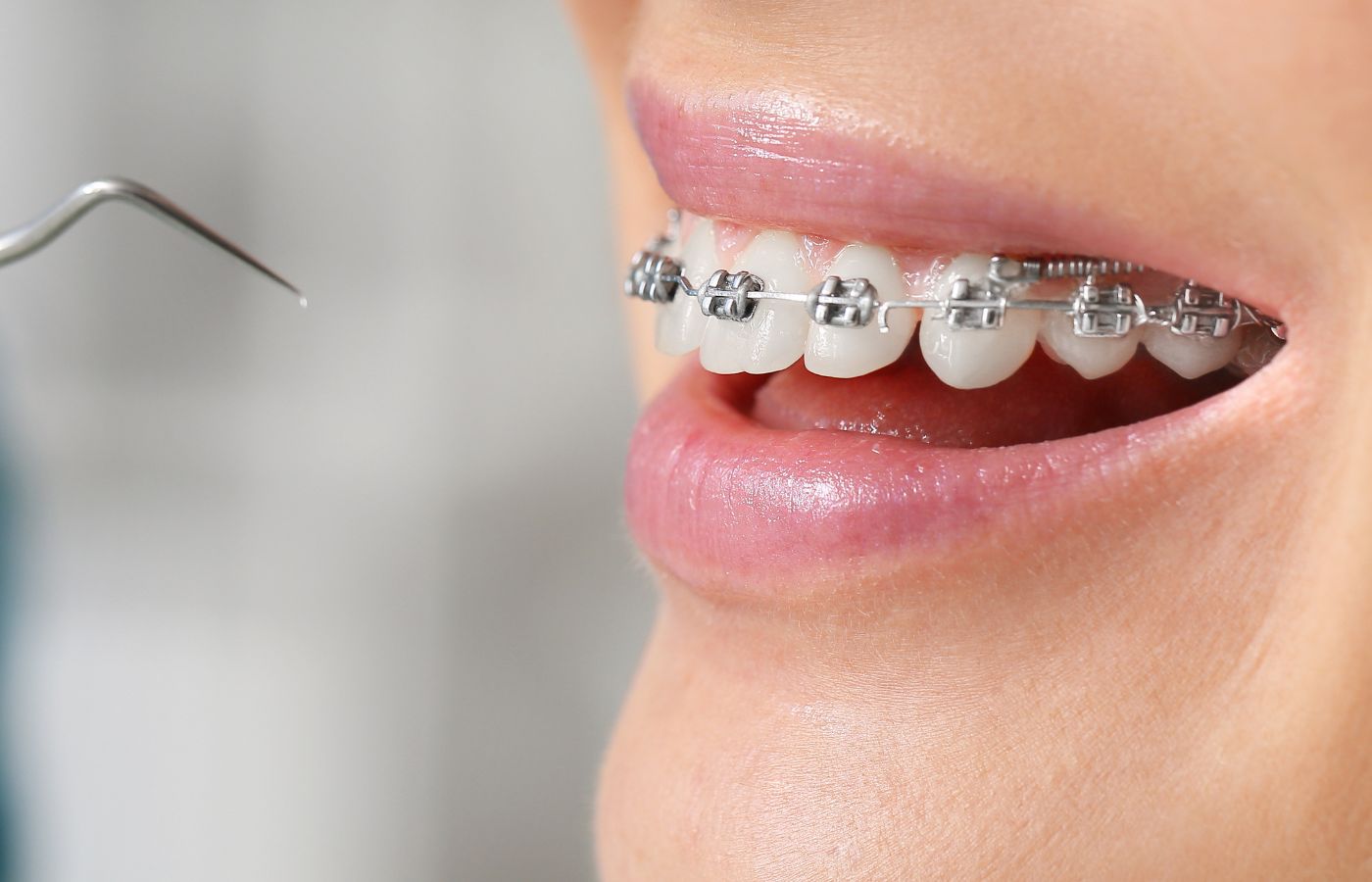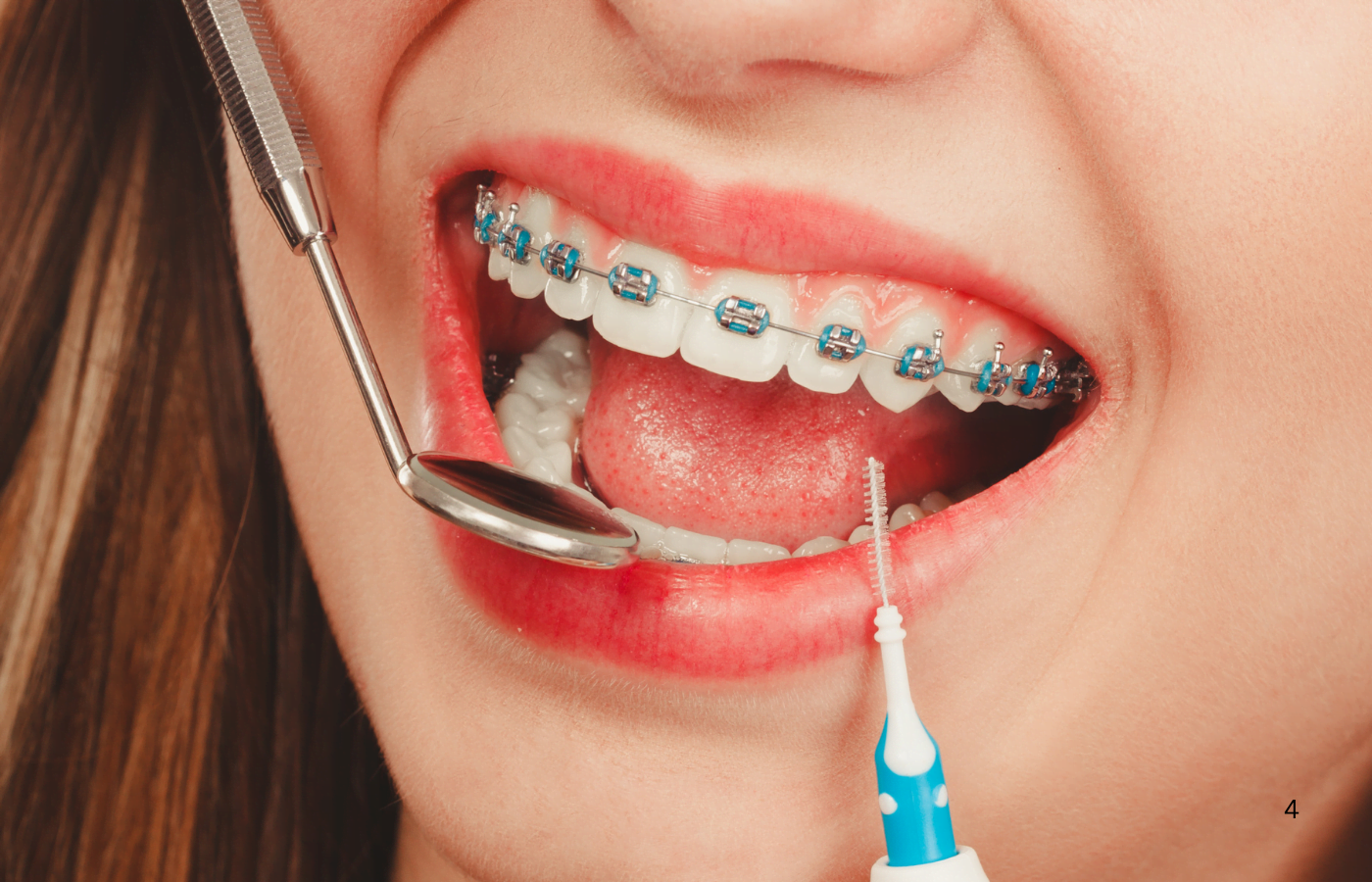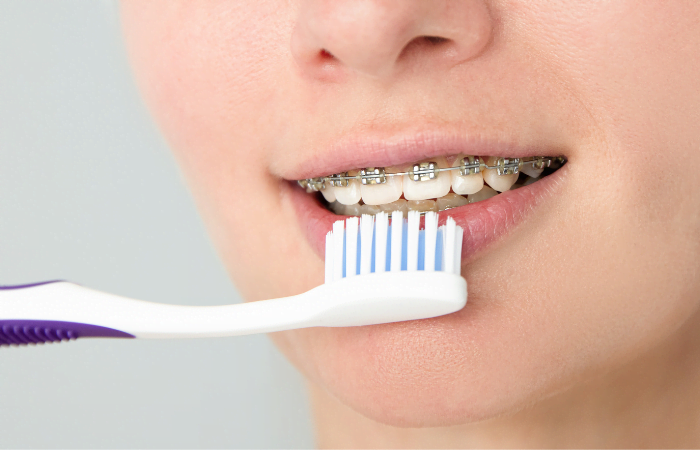
If you're beginning your orthodontic journey, one of the most common and crucial questions is: "How often do braces need adjustment?" Understanding this schedule is the key to a successful, efficient, and comfortable treatment. At Diagnopein, we believe that an informed patient is an empowered one. This comprehensive guide will walk you through the typical adjustment timeline, its significant benefits, a comparison of treatment options, clear costing, essential comfort tips, and conclude with why Diagnopein is your ideal partner for achieving a perfect smile. We’ll also seamlessly integrate essential care tips, like using dental floss for braces, to ensure your journey is as smooth as possible.
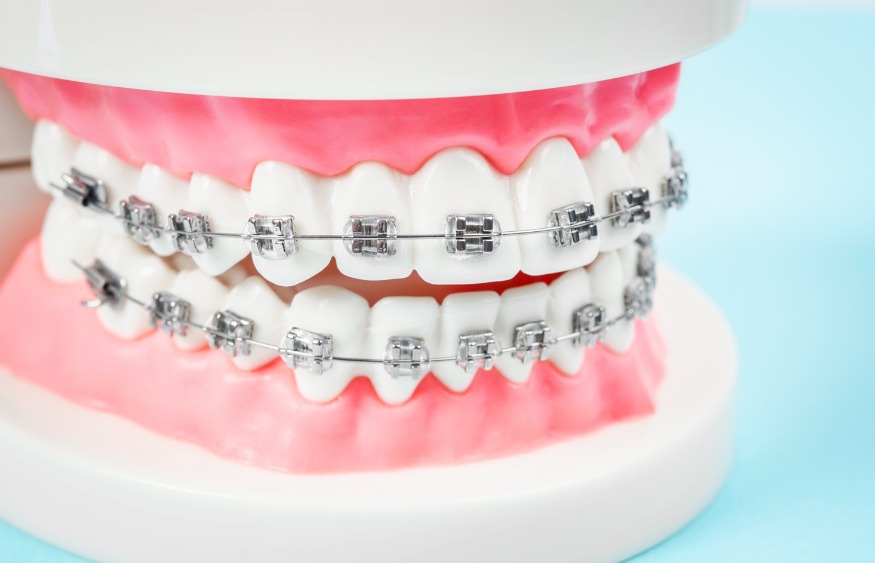
Braces work by applying gentle continuous pressure on your teeth. This pressure gradually moves teeth into their proper positions.
However as your teeth shift over time the wires need to be tightened or modified to keep treatment progressing correctly. Adjustments help:
• Maintain controlled force on moving teeth
• Ensure treatment follows the planned pathway
• Address any changes in alignment or bite
• Prevent delays in results
Without regular adjustments braces would stop generating the right amount of pressure and progress would slow or stall.
The typical recommendation for braces adjustments is every 4 to 6 weeks.
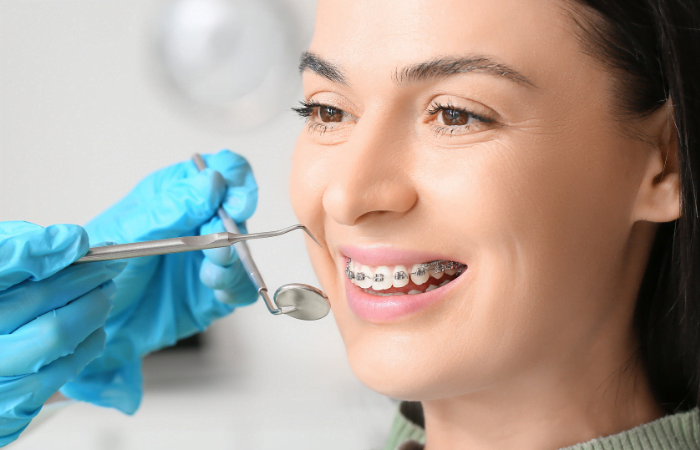
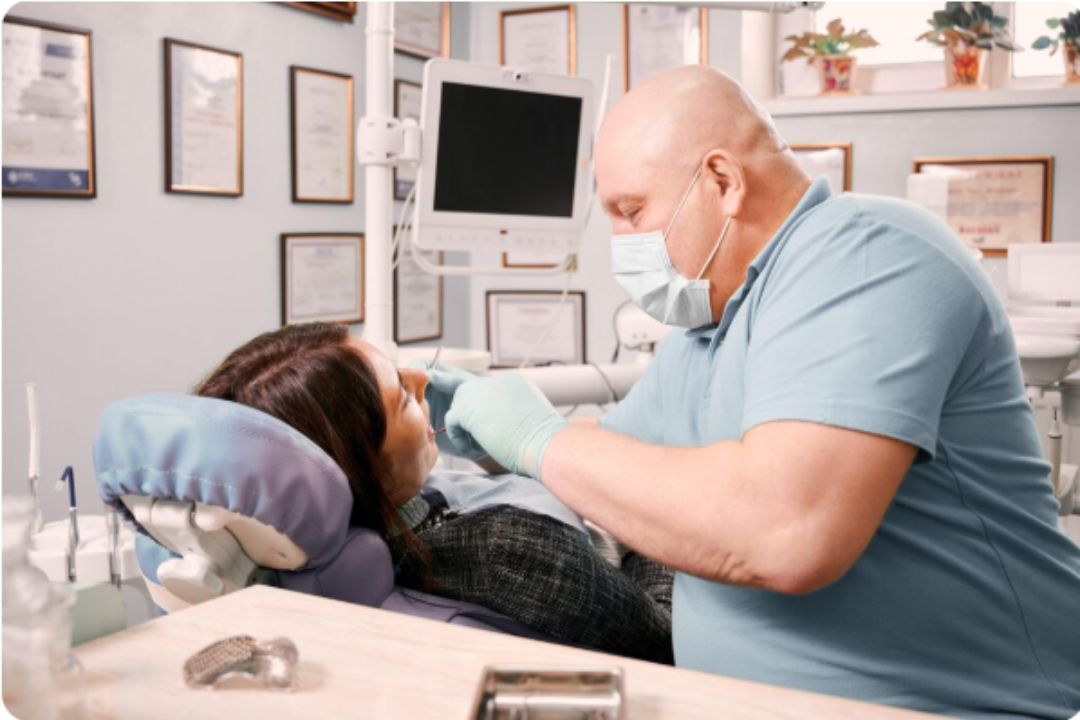
During these visits your orthodontist will:
• Check how your teeth are moving
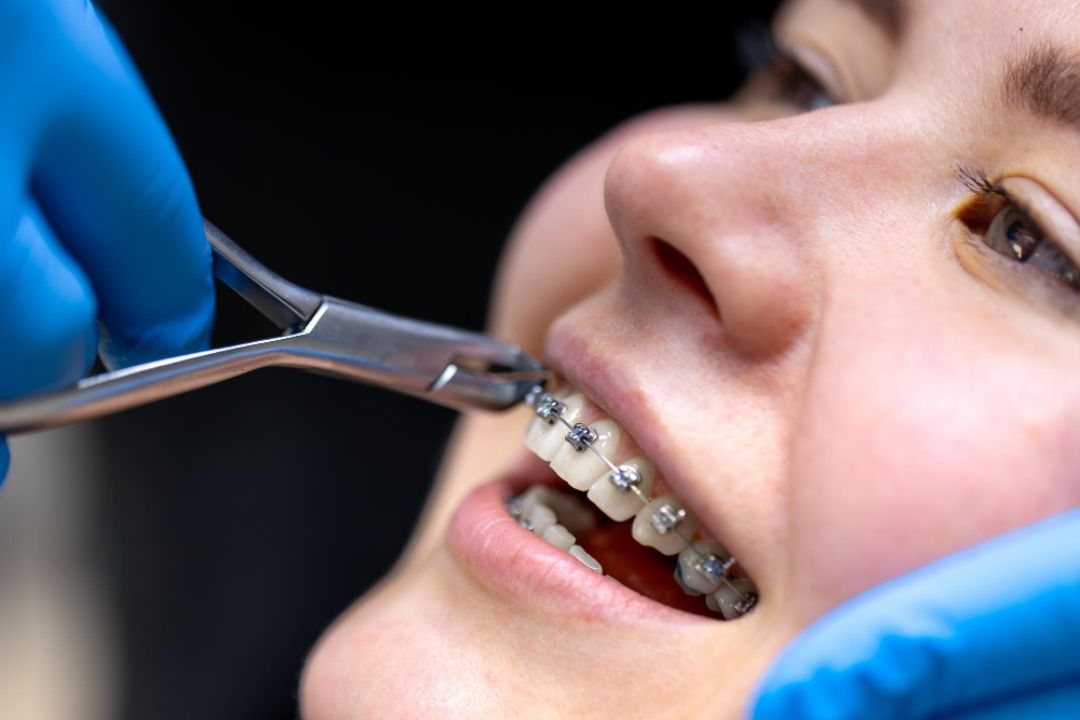
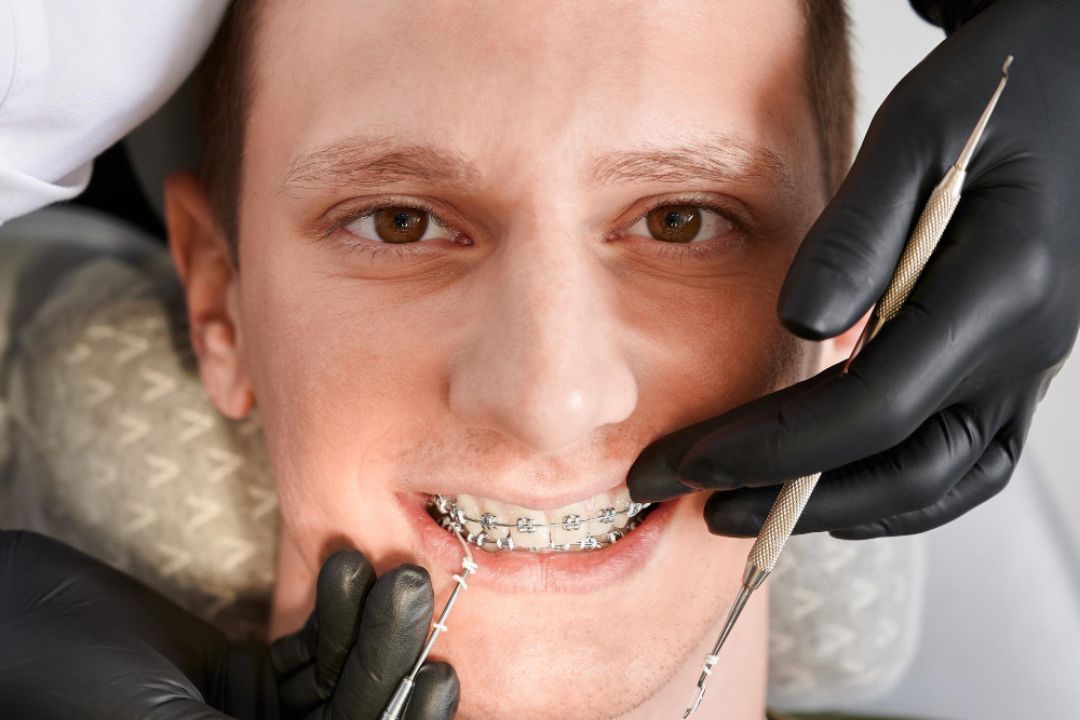
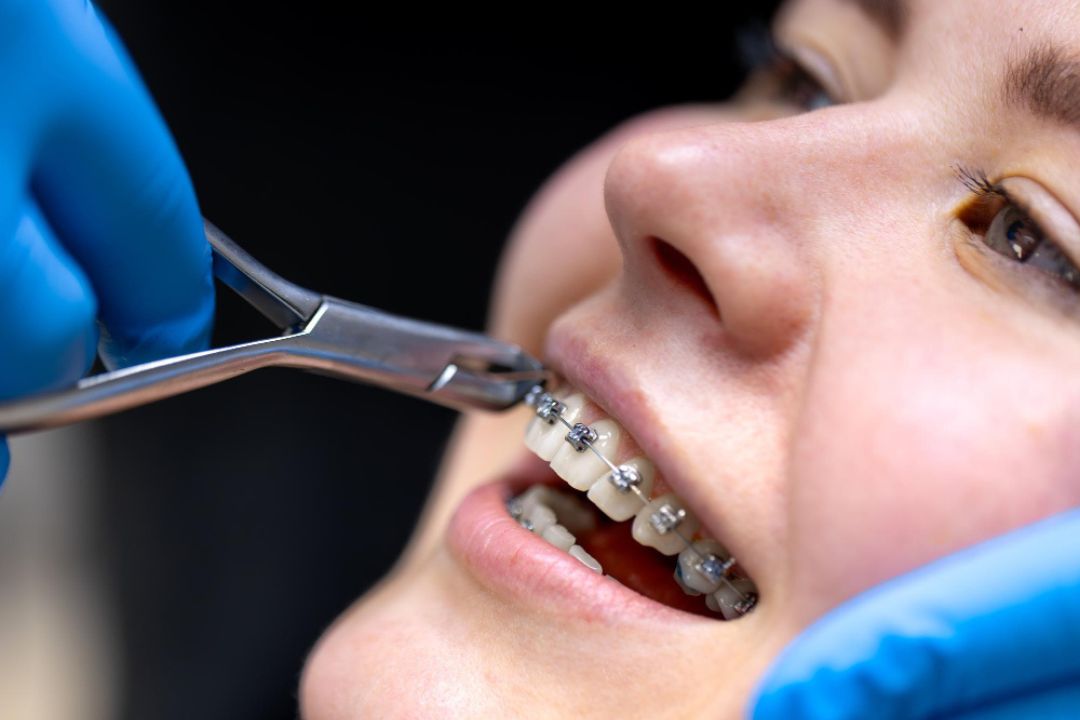
• Tighten or replace archwires
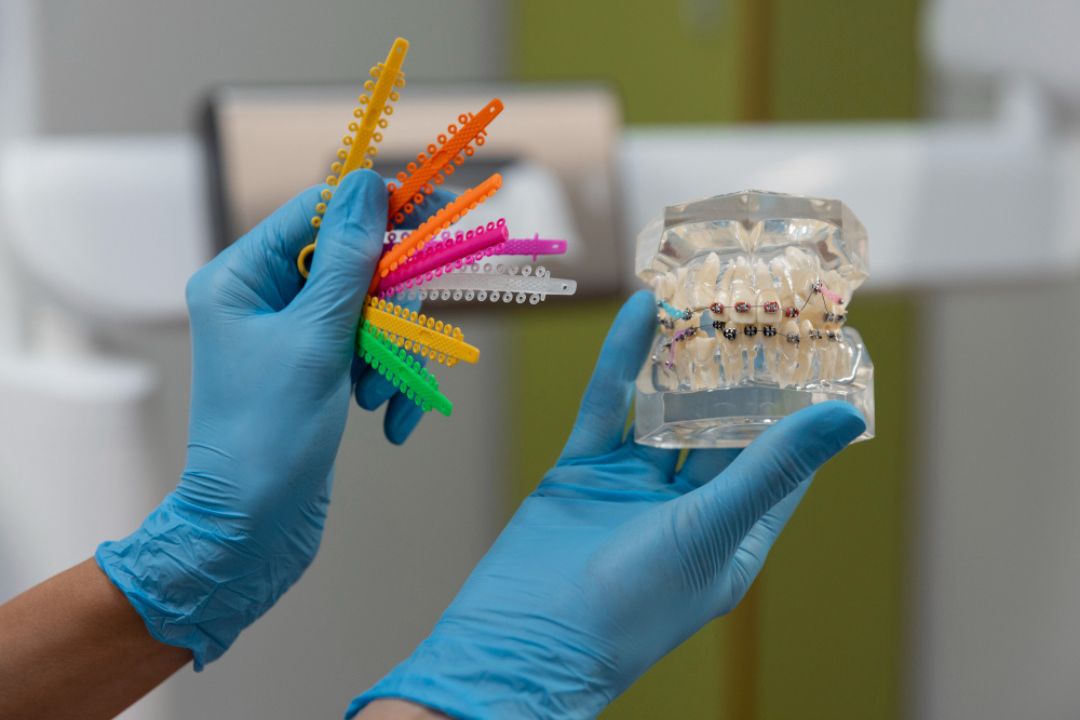
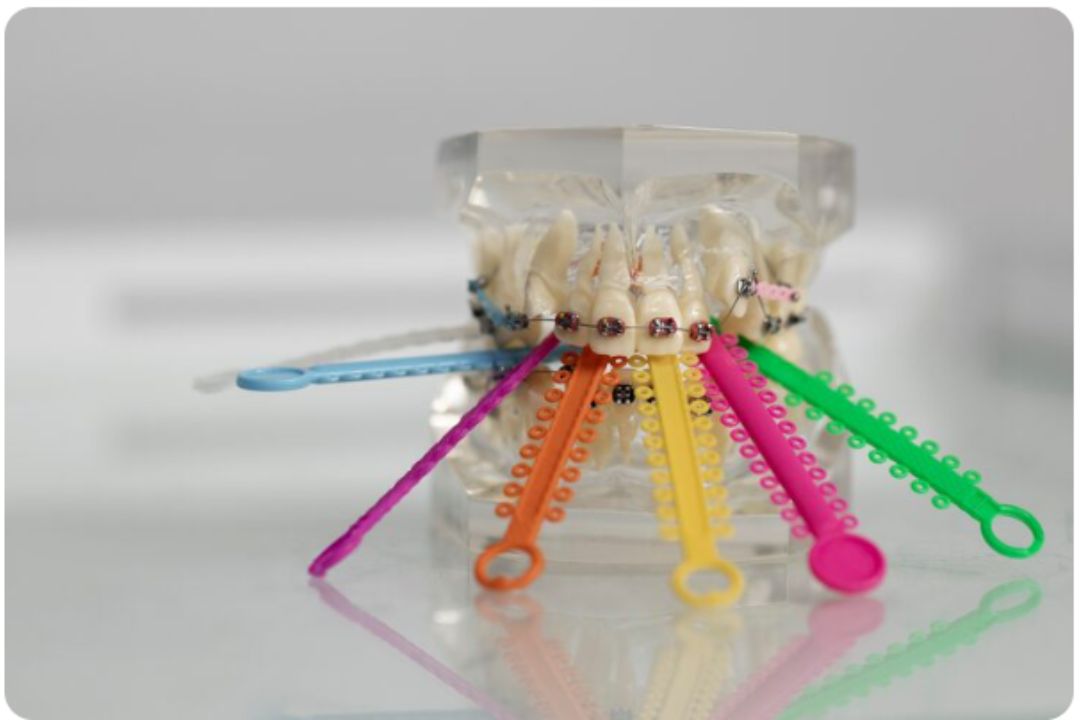
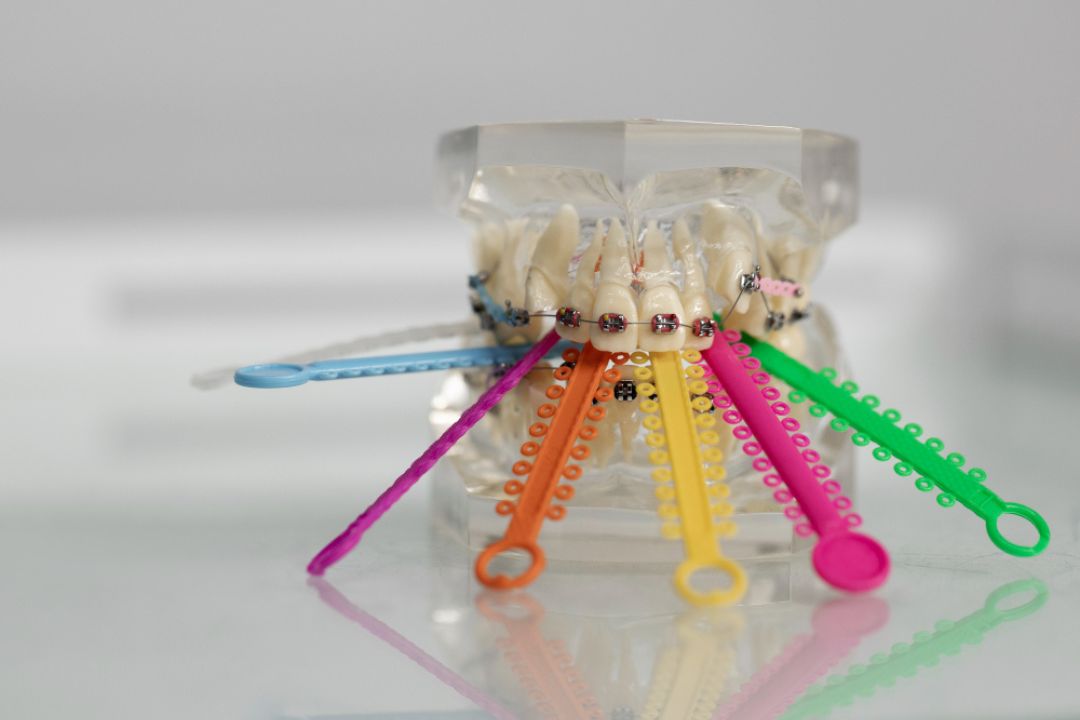
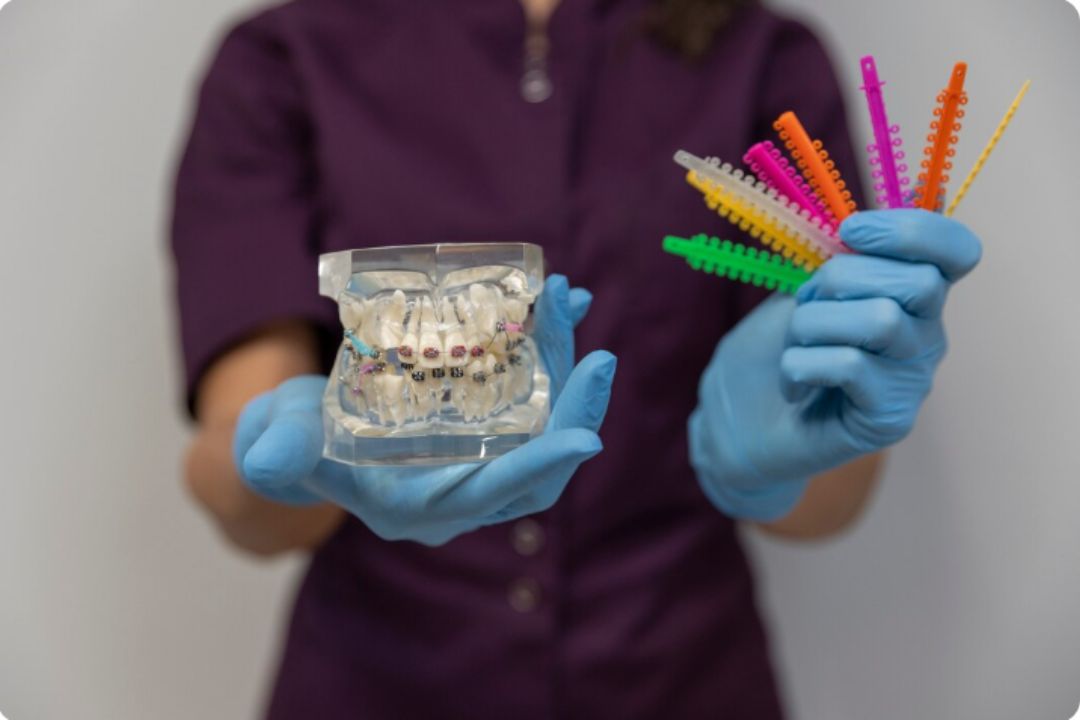
• Adjust elastic bands or springs if needed
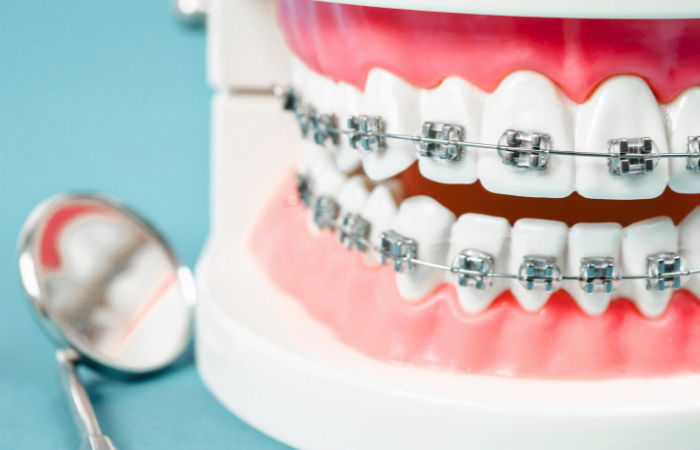
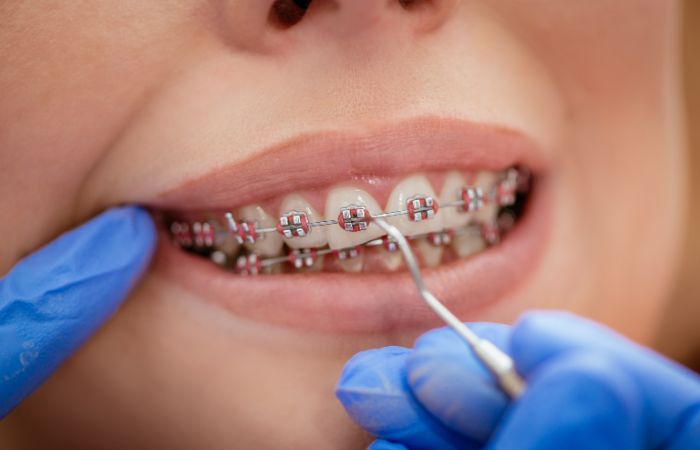
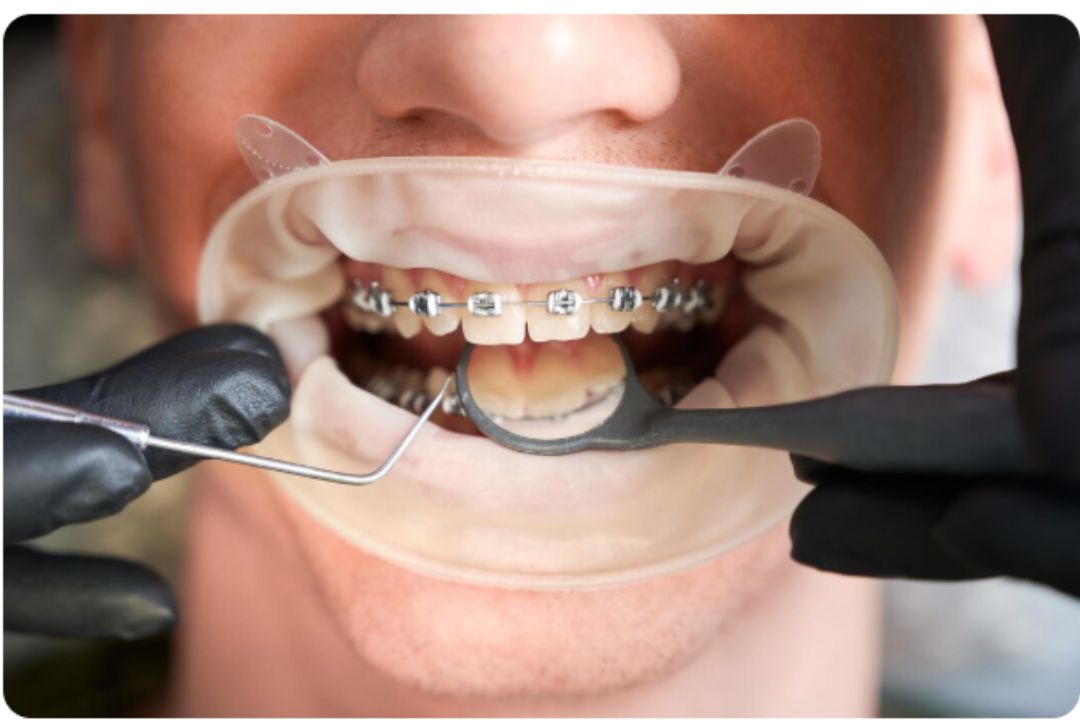
• Examine brackets and wires for wear or breakage
• Make sure everything is on track
Visit Now: https://www.diagnopein.com/dental-clinic/Mumbai
This interval allows enough time for teeth to shift while ensuring treatment does not lag.
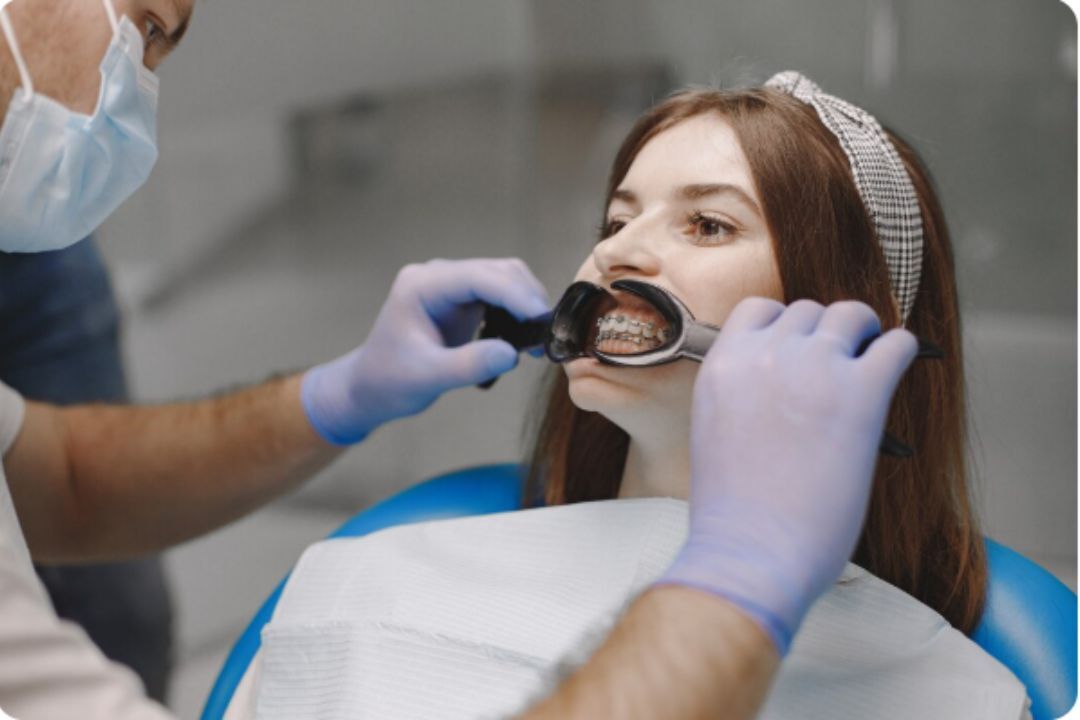
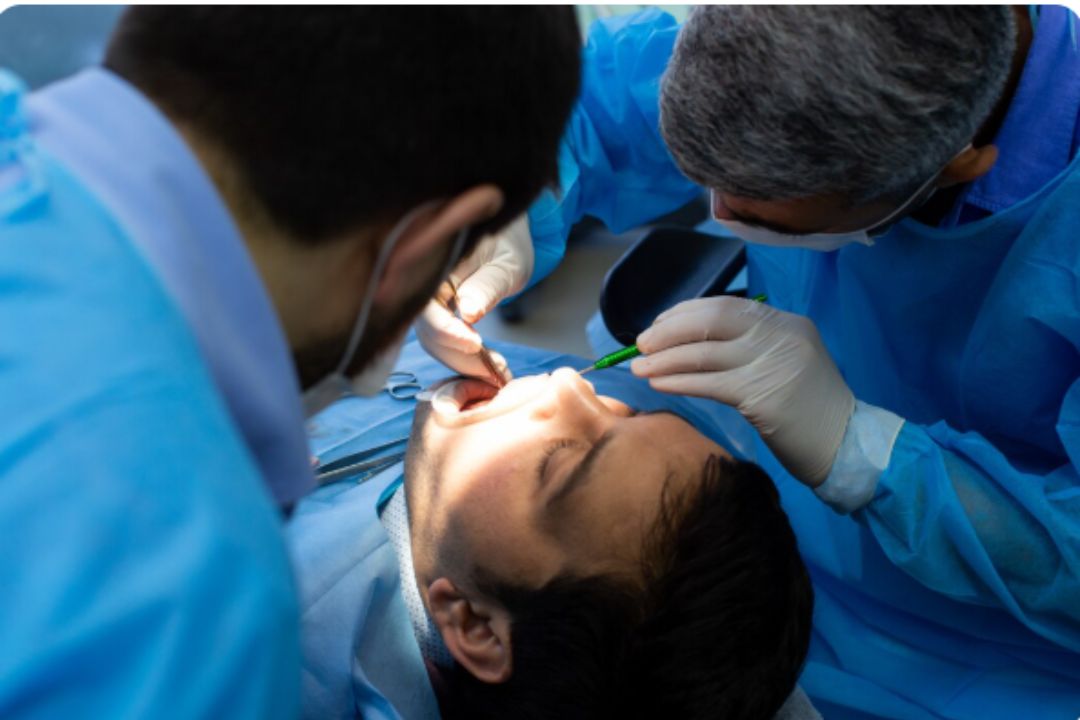
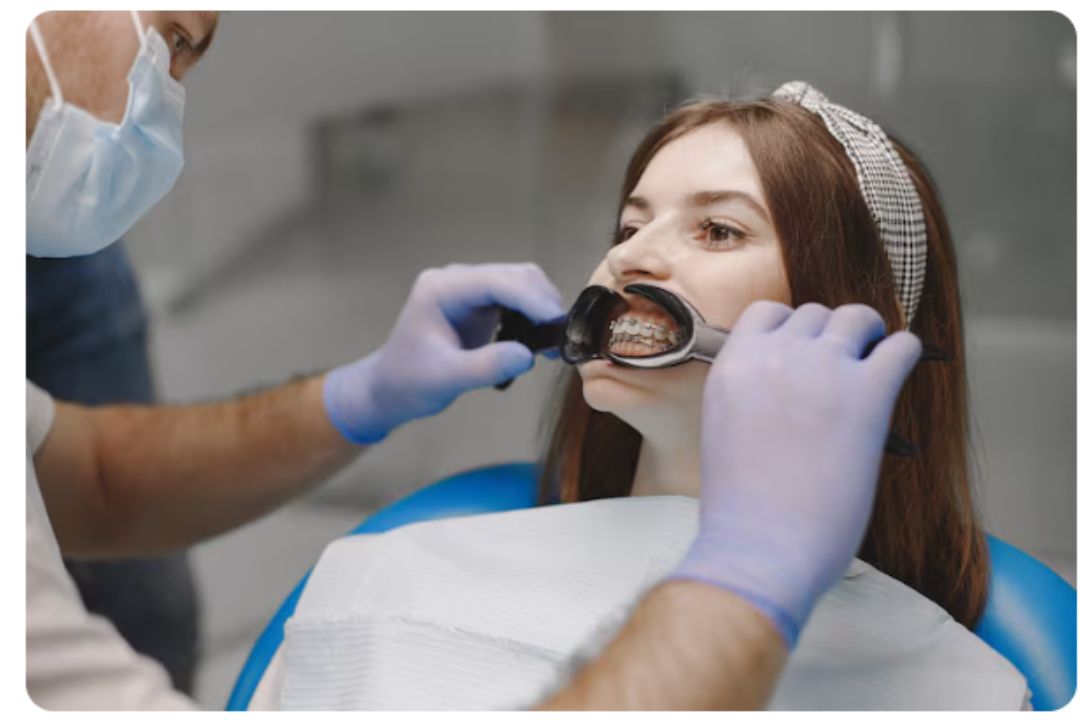
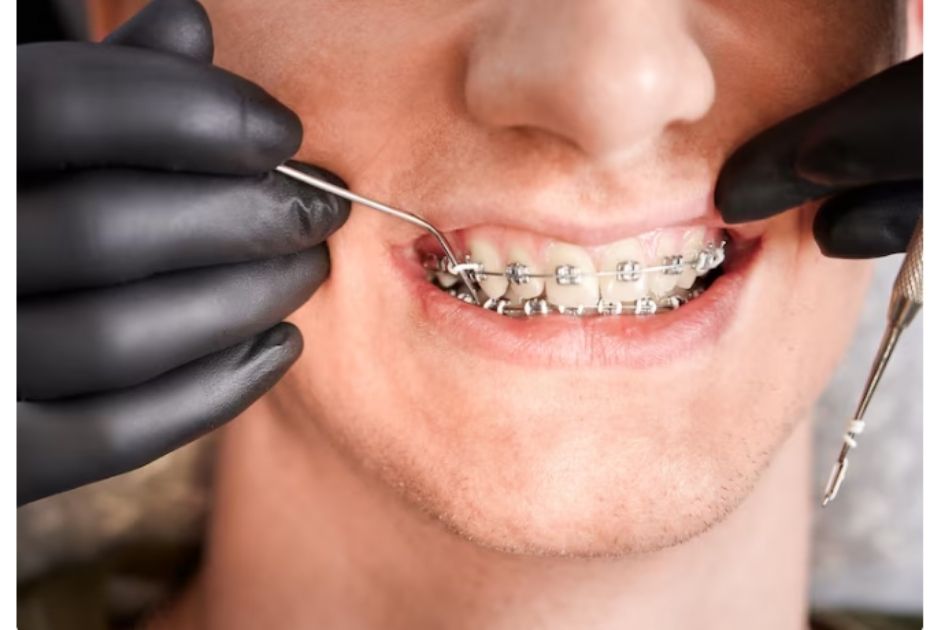
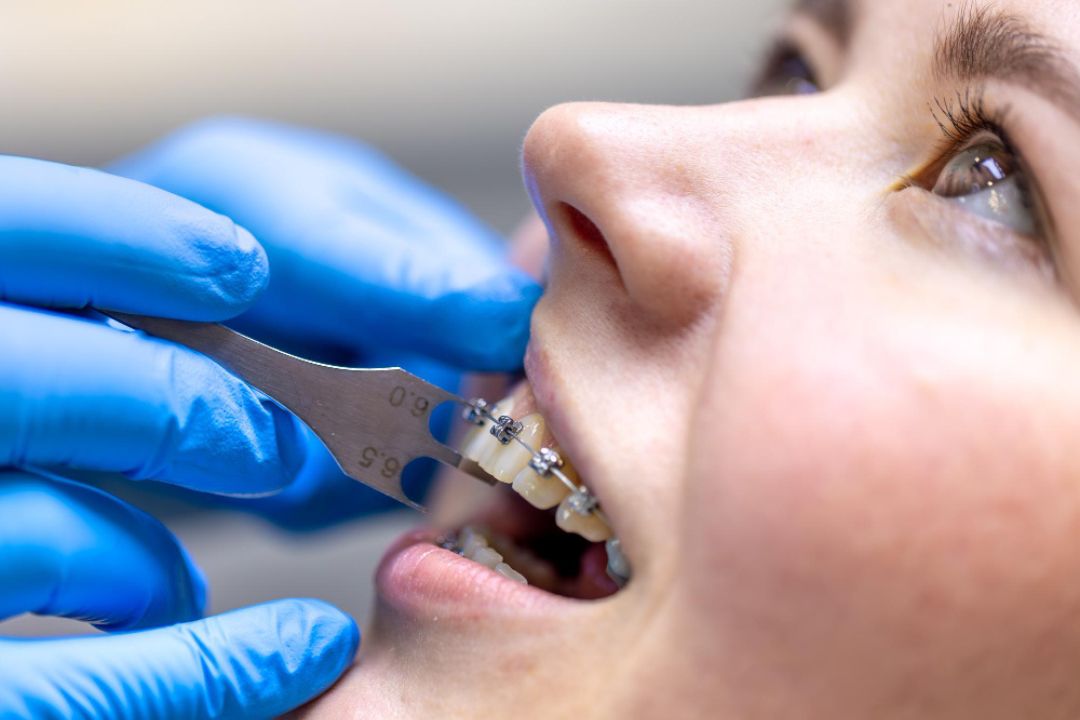
A braces adjustment appointment generally takes 15 to 30 minutes depending on what needs to be done. Here is what usually happens:
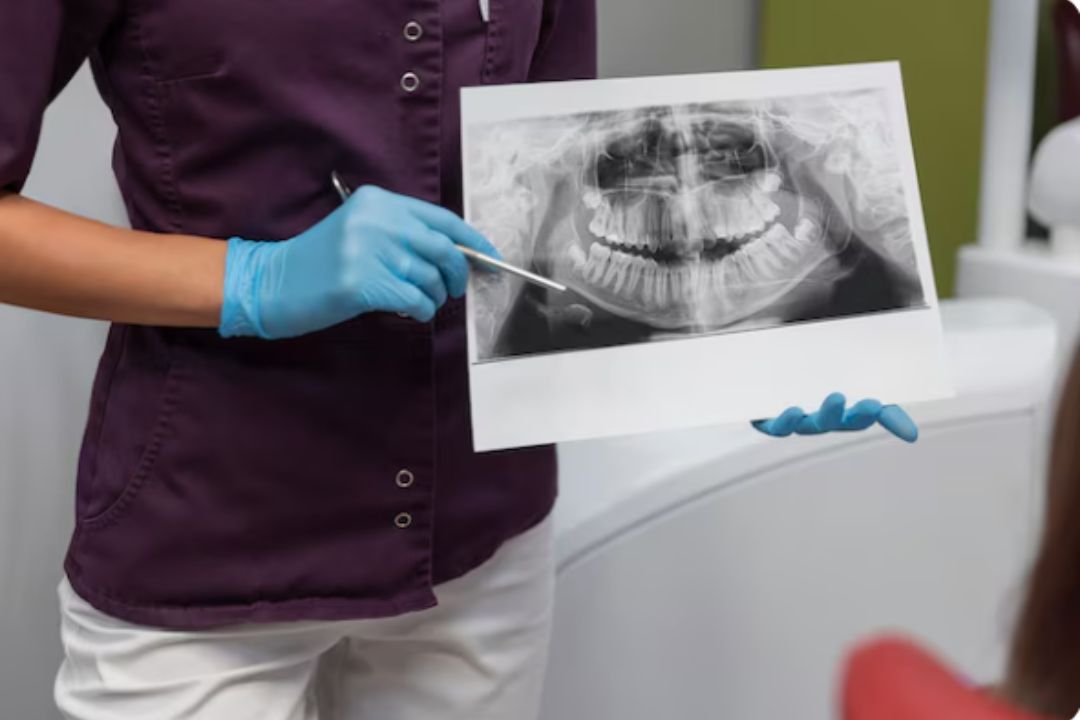
Your orthodontist reviews X-rays or digital scans and checks how your teeth are aligning according to plan.
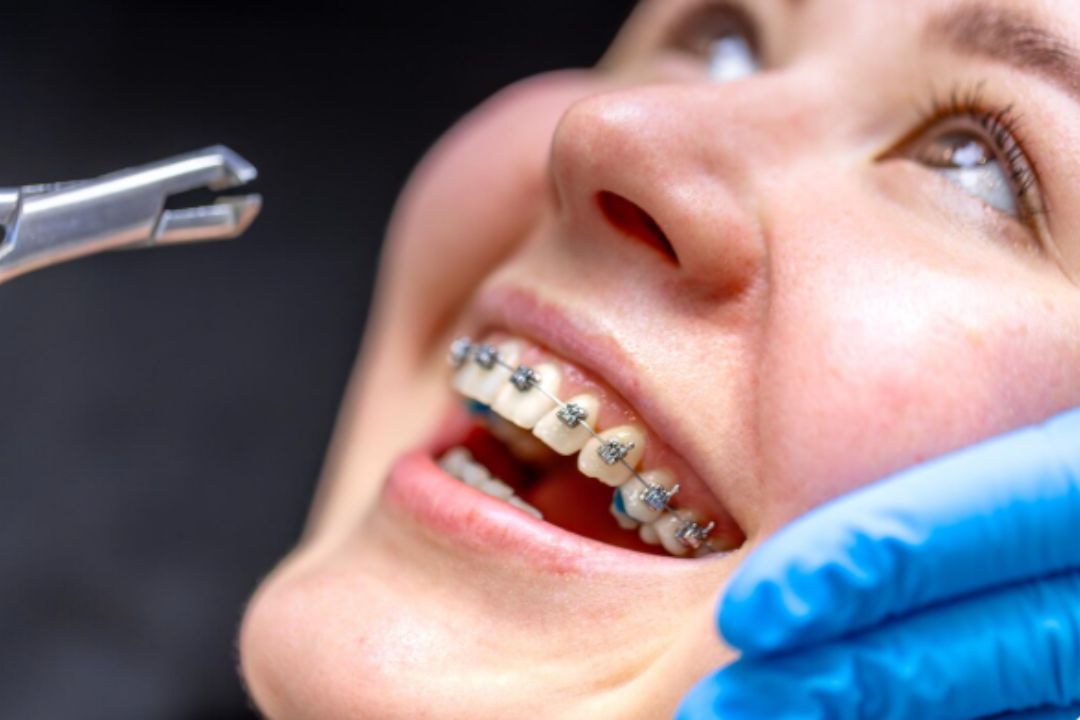
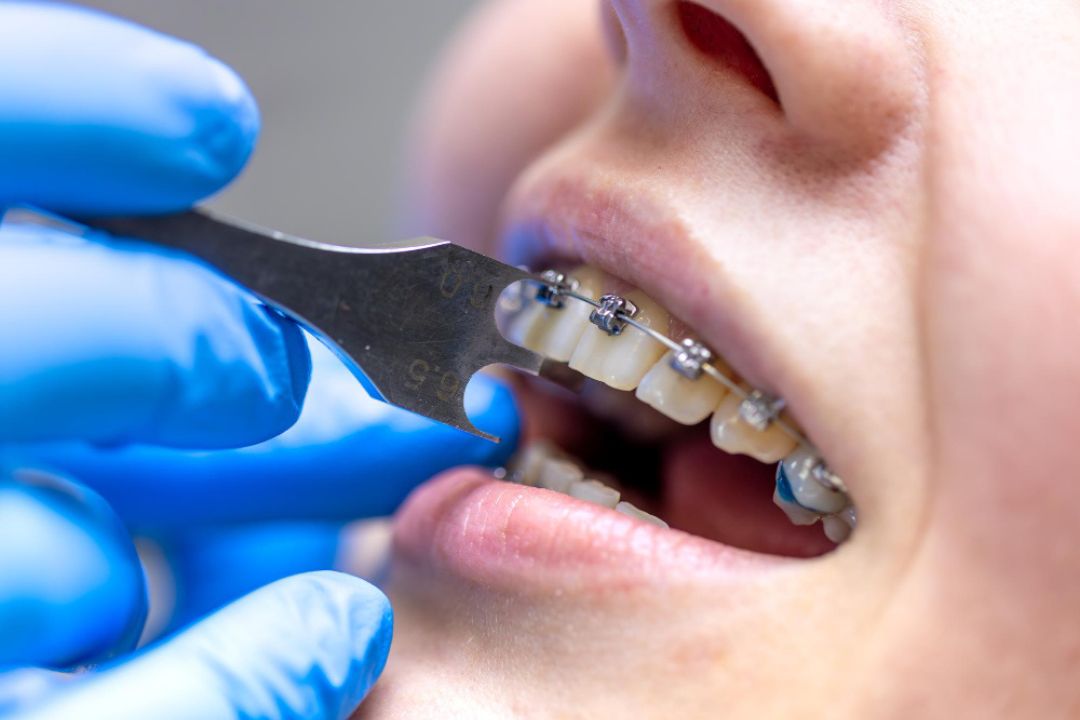
The main archwire may be tightened or replaced with a thicker stronger wire to apply new force as your teeth shift.
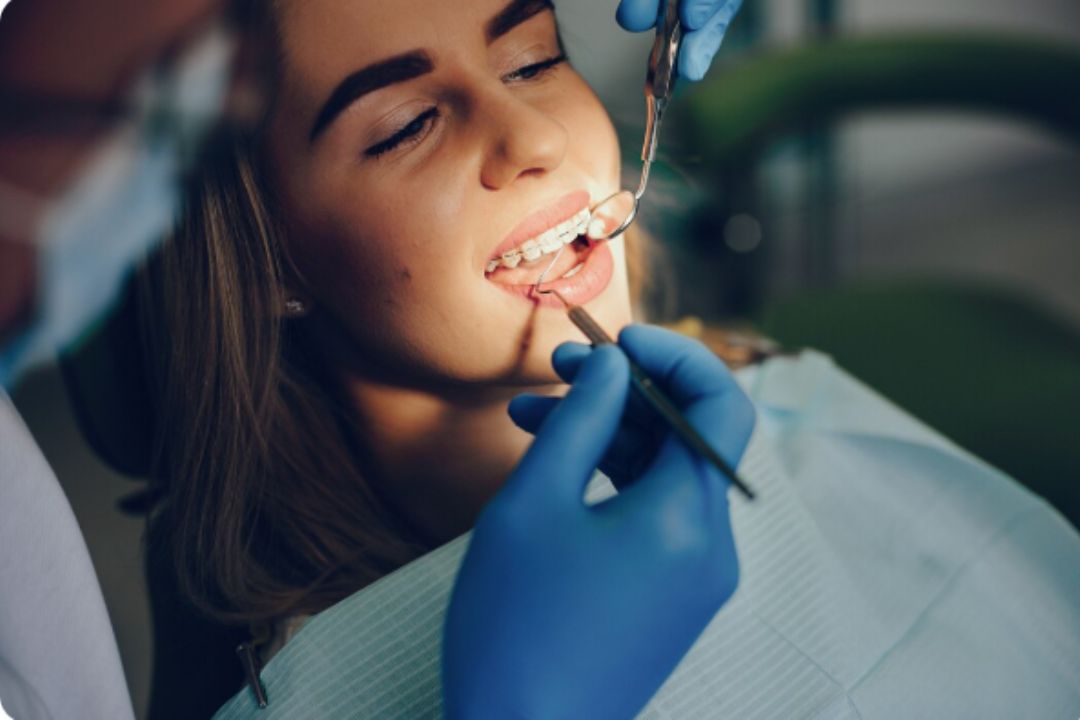
Each bracket and band is inspected to ensure nothing is loose or damaged.
If your treatment requires elastics or power chains they may be adjusted or changed to improve correction.
Your orthodontist checks your bite and makes adjustments if necessary to improve how your upper and lower teeth fit together.
Not every patient follows the same exact schedule because the frequency of adjustments depends on:
Book Now: https://www.diagnopein.com/dental-clinic/Mumbai/Dental-Braces
• How severe your alignment issue is
• How quickly your teeth respond to treatment
• Whether you are using elastics or additional hardware
• Your orthodontist’s treatment plan
Some patients may come every three weeks while others may stretch to eight weeks, but 4 to 6 weeks is the most common timeline.
After an adjustment it is normal to feel the following:
• Tightness or pressure for a few days
• Mild soreness in teeth or gums
• Slight difficulty biting or chewing initially
This is a sign that your braces are working. The discomfort is temporary and often less intense than the initial placement of braces.
Here are ways to ease any soreness after a brace adjustment:
? Eat soft foods such as yogurt applesauce mashed potatoes
? Use warm salt water rinses
? Take doctor approved pain relief if needed
? Avoid very hard or crunchy foods for a day or two
Most discomfort fades within a few days as your mouth adjusts.
Regular adjustments are essential to keep treatment on schedule. If you miss an appointment:
• Progress may slow
• Treatment duration may increase
• Your orthodontist may need to catch up with a different plan
Always try to reschedule as soon as possible.
If adjustments do not happen at the right time braces may:
• Lose tension and stop moving teeth effectively
• Require extended treatment time
• Need additional procedures to correct delays
This is why staying on schedule with appointments is critical.
Adults and teens generally follow the same adjustment schedule. However some factors like bone density natural tooth movement rate and complexity of the case may slightly influence timing.
Your orthodontist determines the best timeline based on your individual condition.
While adjustments occur every 4 to 6 weeks the total duration of braces treatment varies based on your case. Most treatment plans range from 12 to 24 months.
Mild alignment issues may complete sooner while complex bite cases may take longer.
Braces adjustments are usually not painful. They may feel uncomfortable or tight for a short period, but true pain is rare. If you experience severe discomfort after an adjustment always inform your orthodontist.
• Keeps your treatment on schedule
• Ensures correct tooth movement
• Helps achieve the best final results
• Reduces the chance of delays or setbacks
Regular adjustments are the backbone of successful orthodontic treatment.
Braces adjustments are an essential part of orthodontic treatment. In most cases you can expect to visit your orthodontist every 4 to 6 weeks to ensure your progress remains on track.
These appointments keep the wires and brackets working effectively so your teeth move predictably toward the desired position.
If you have questions about your specific adjustment schedule or treatment plan always discuss them with your orthodontist. Each case is unique and your provider will tailor the plan to your needs.



































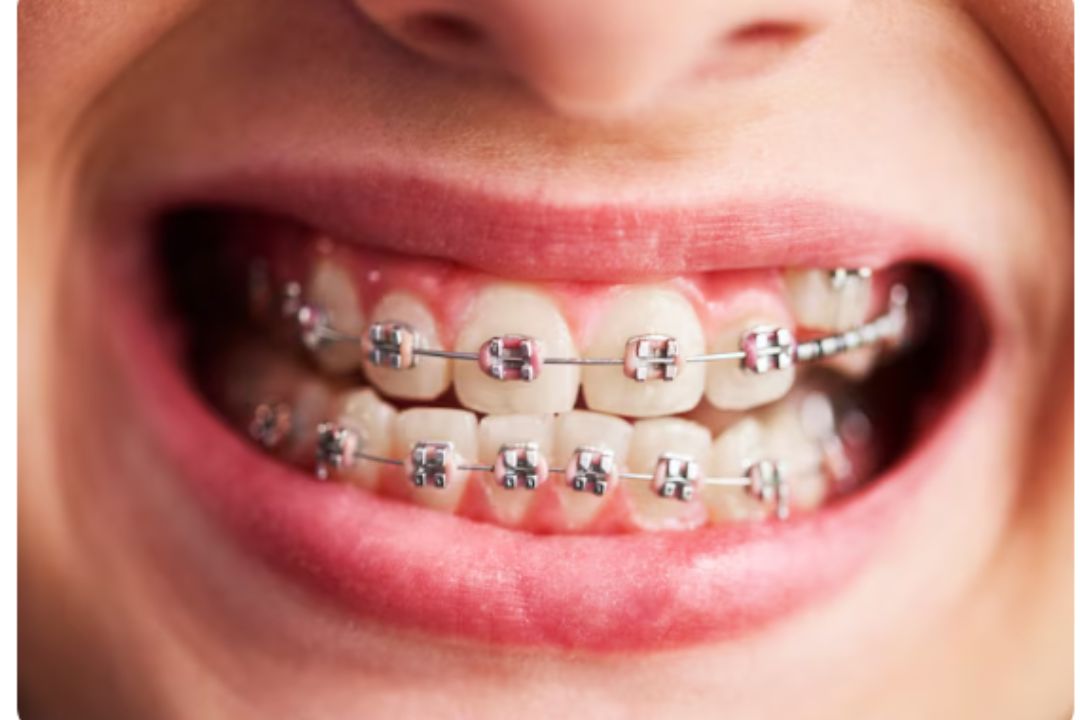

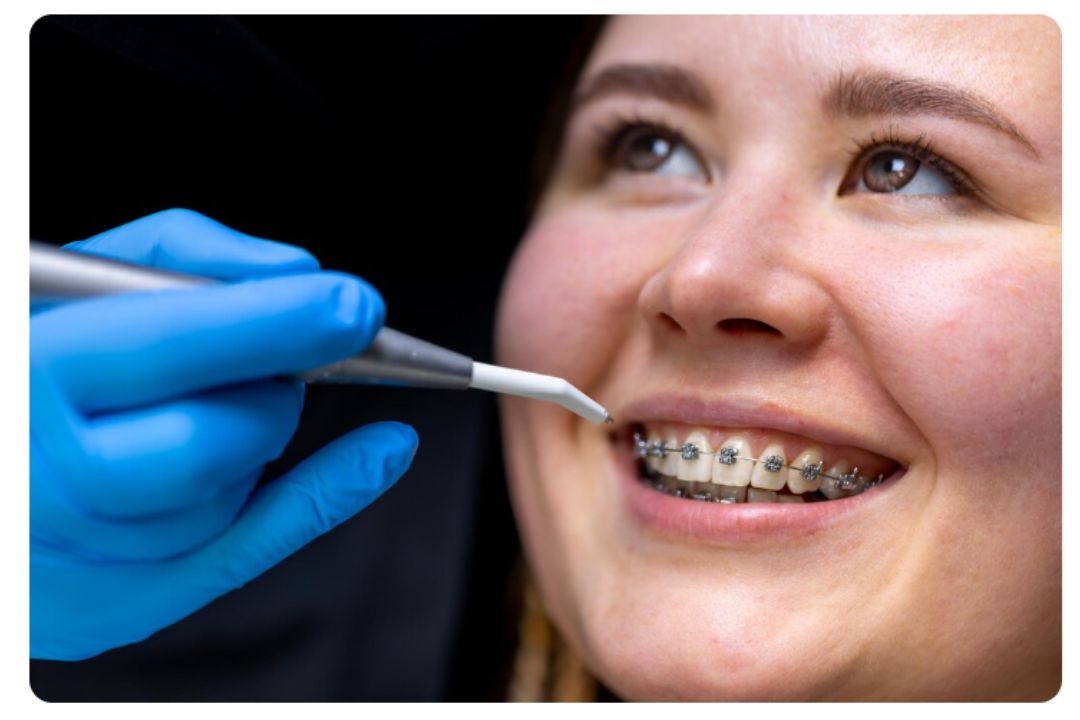

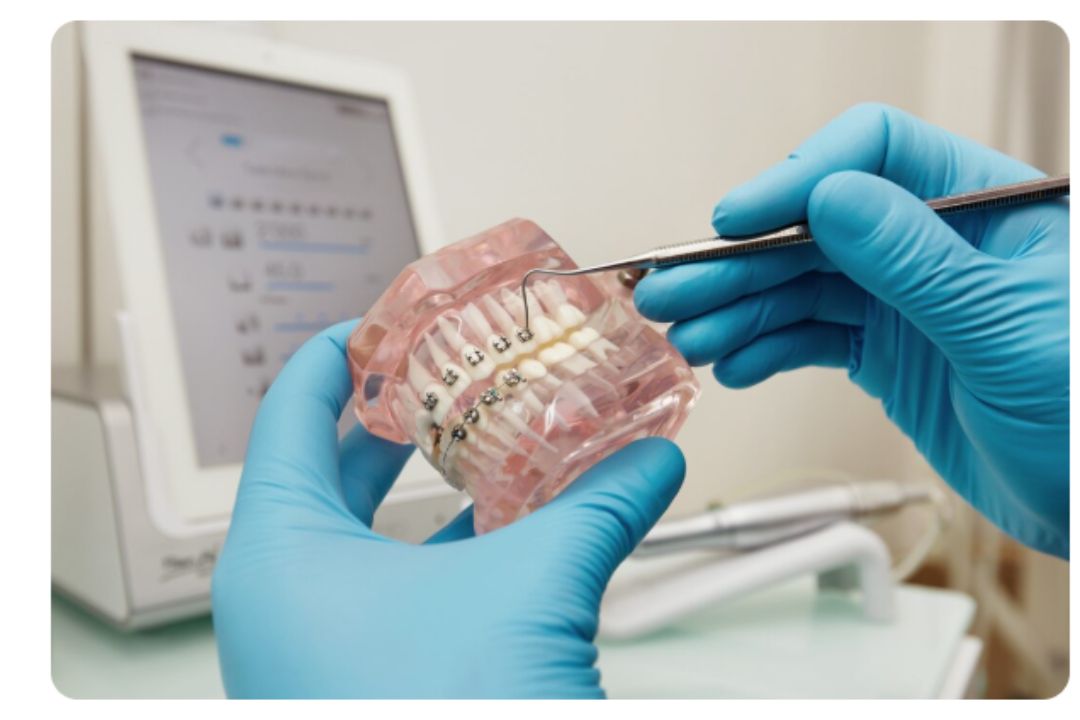
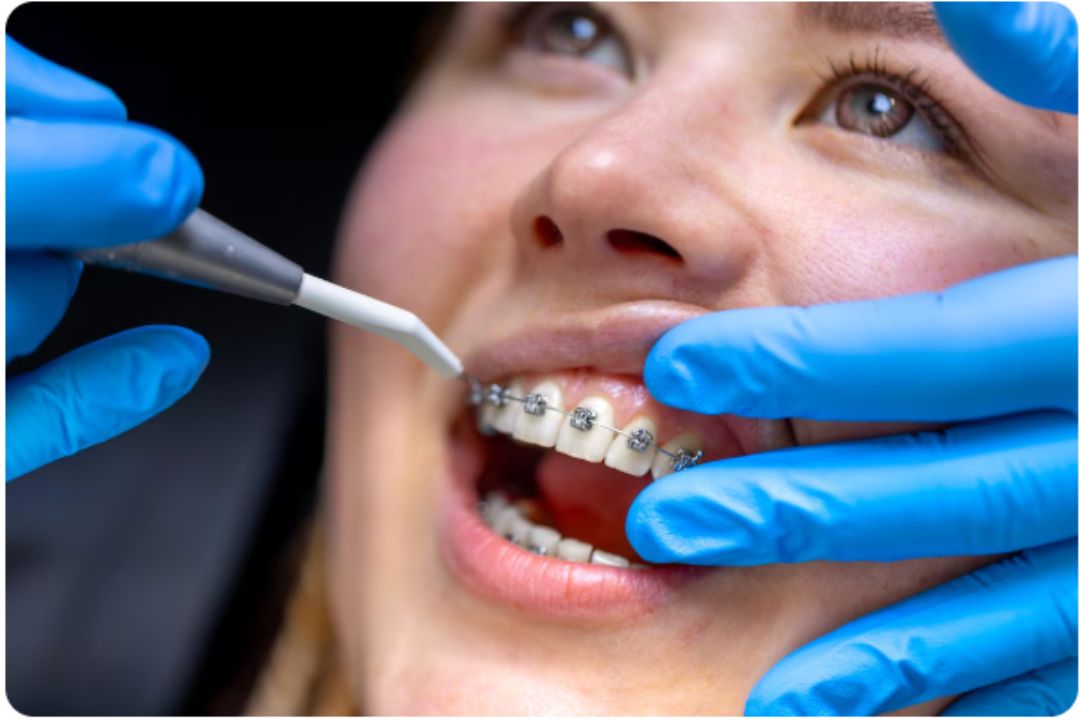









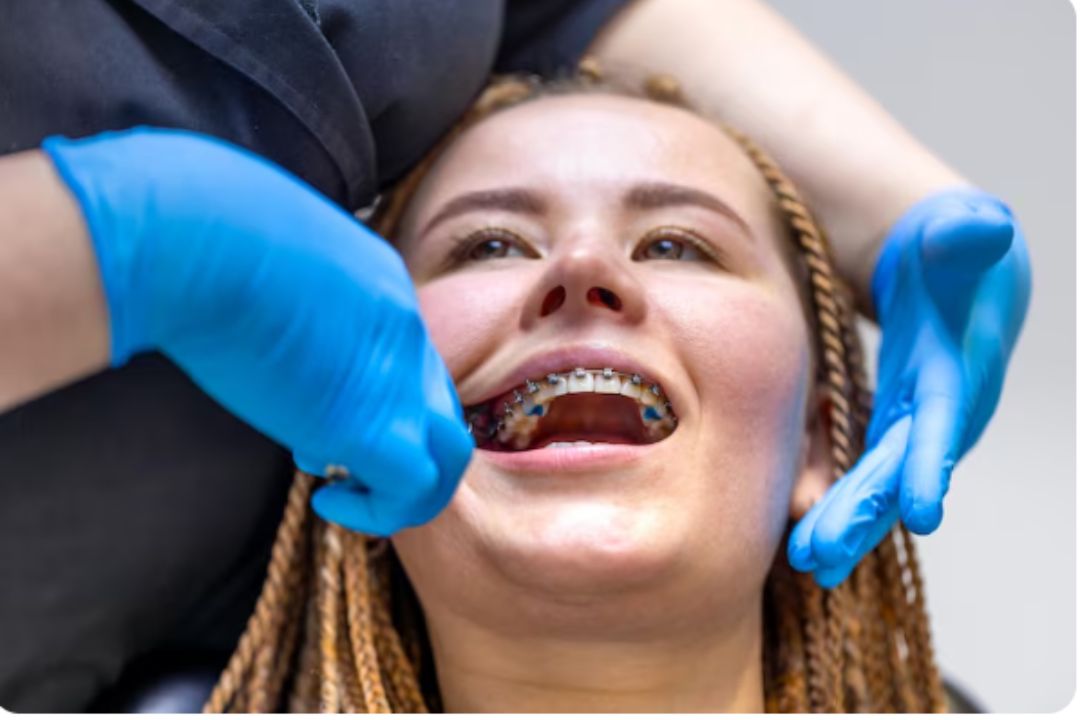
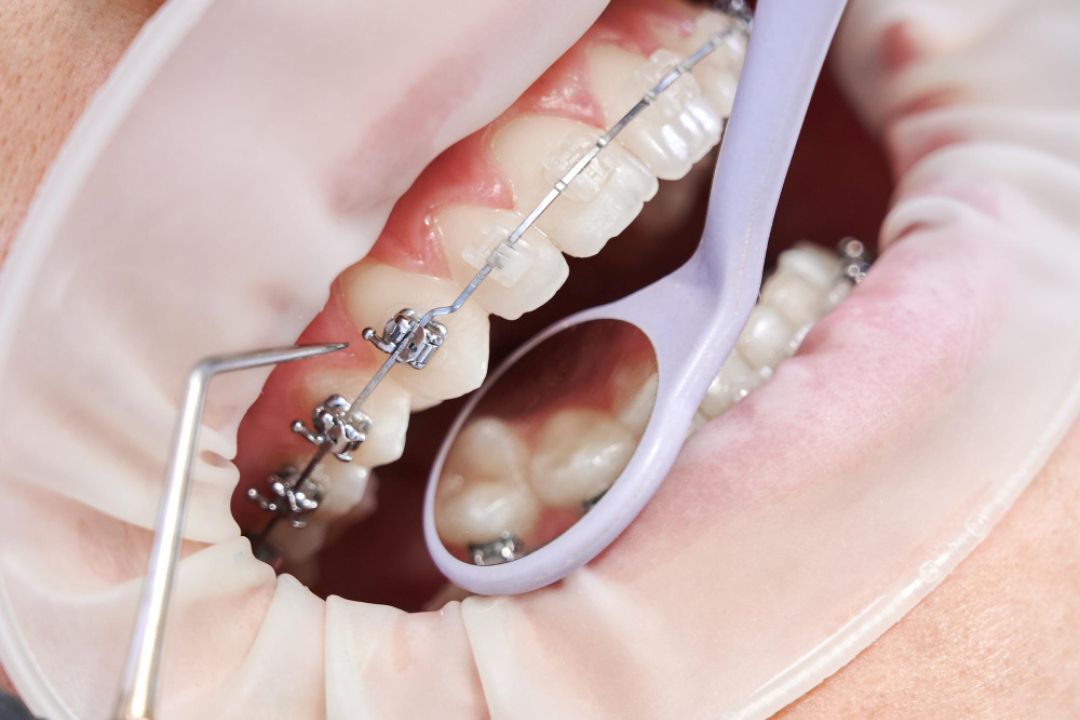



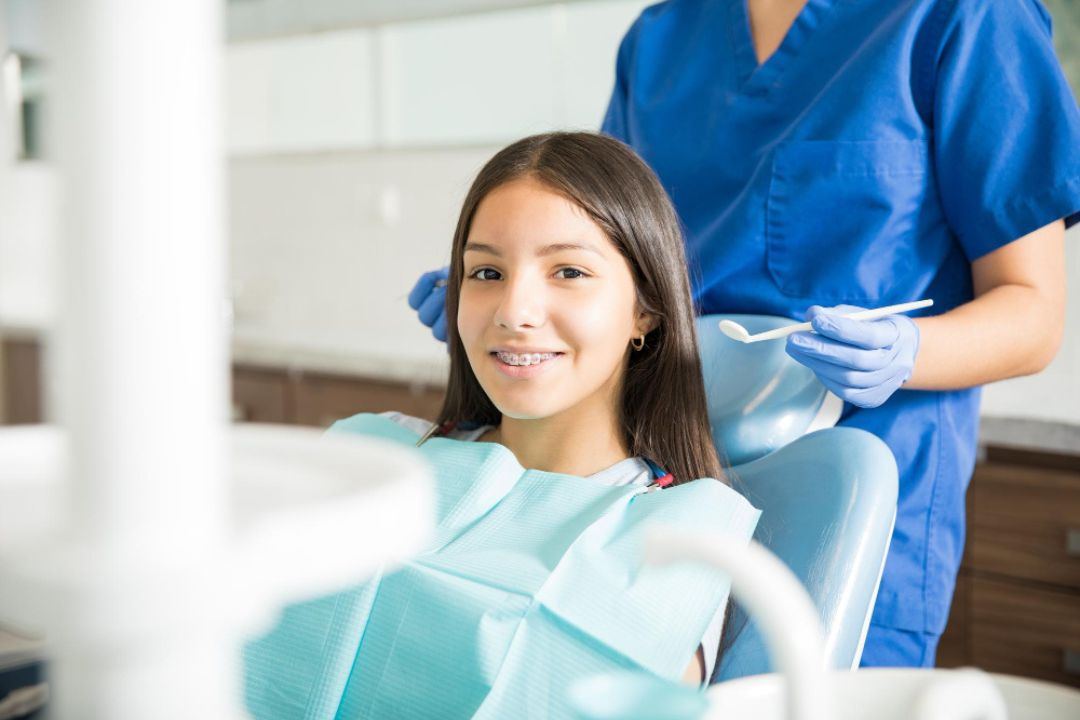
.jpg "affordable metal braces in mumbai")
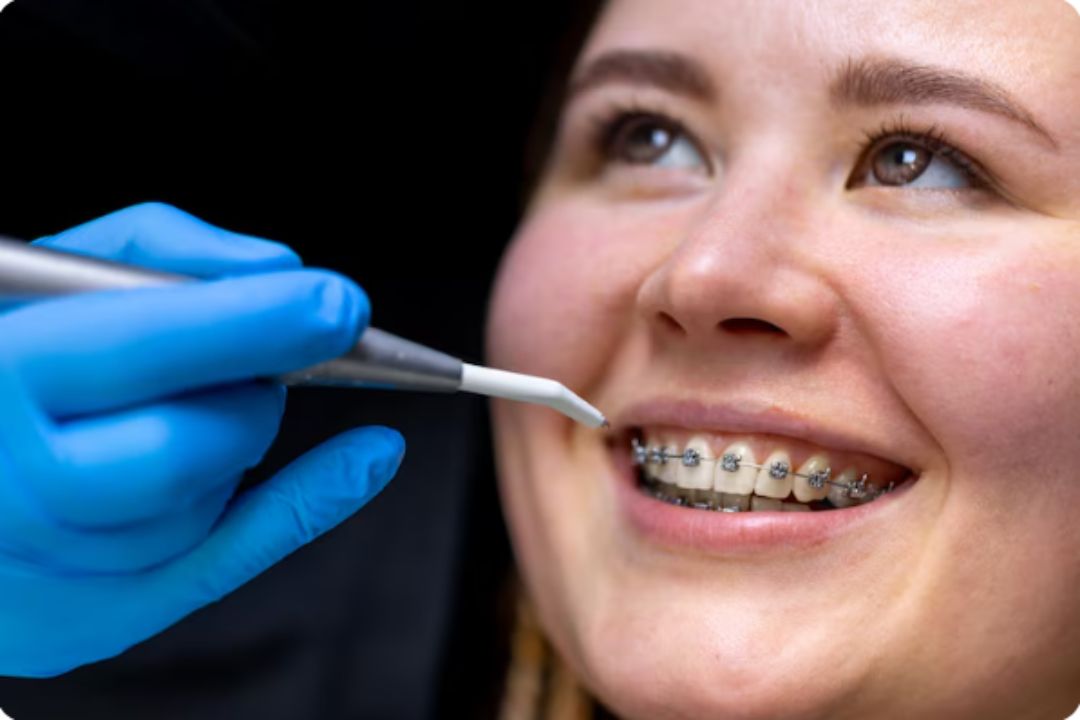
























.jpg "dental braces cost in Diagnopein complete price breakdown (2026 guide)")








.jpg "dental braces")




.jpg "dental braces")



 (1).png "Visual Journey of Dental Braces")
 (1).jpg "Dental Braces and Gum Disease")