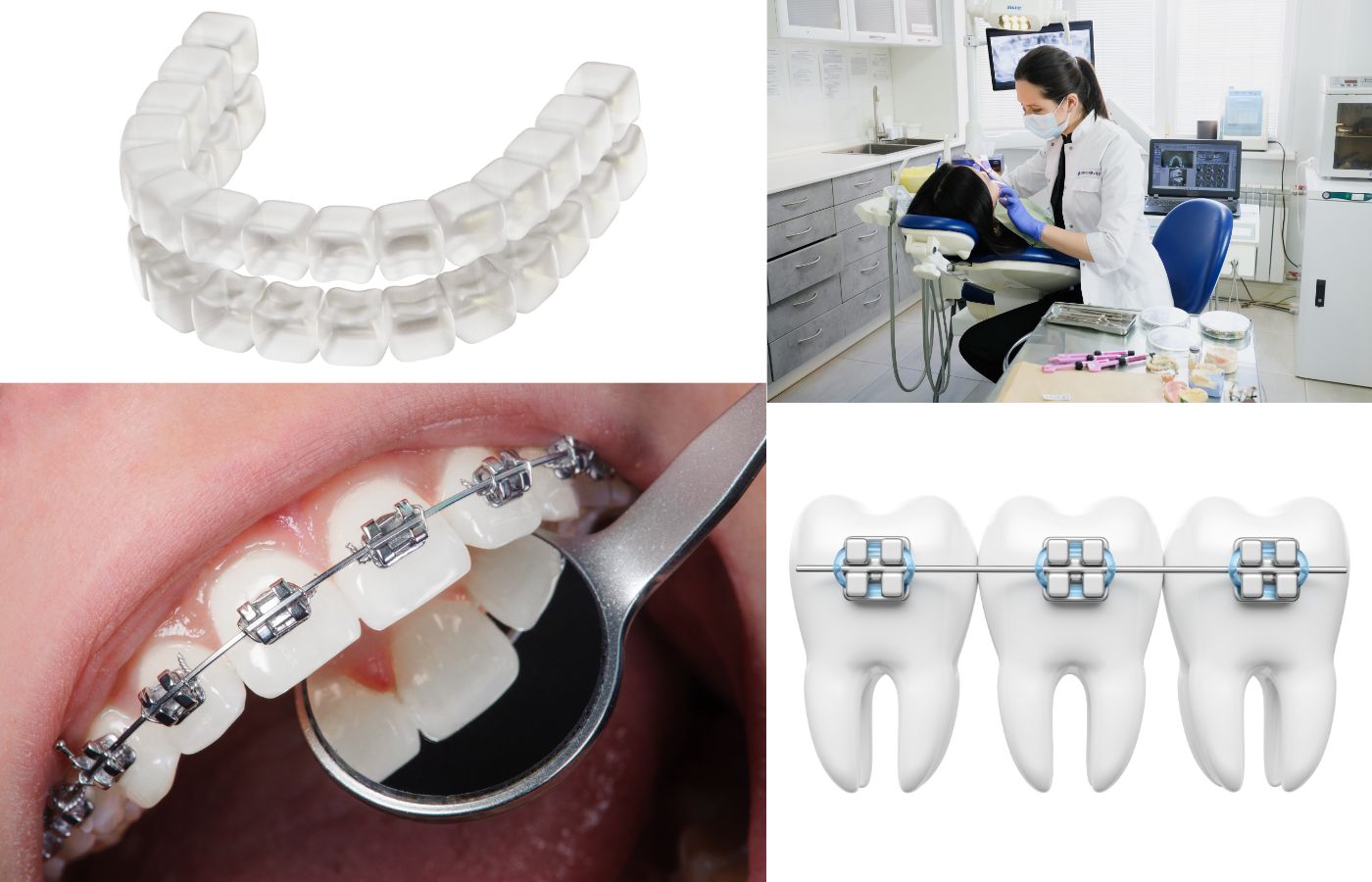
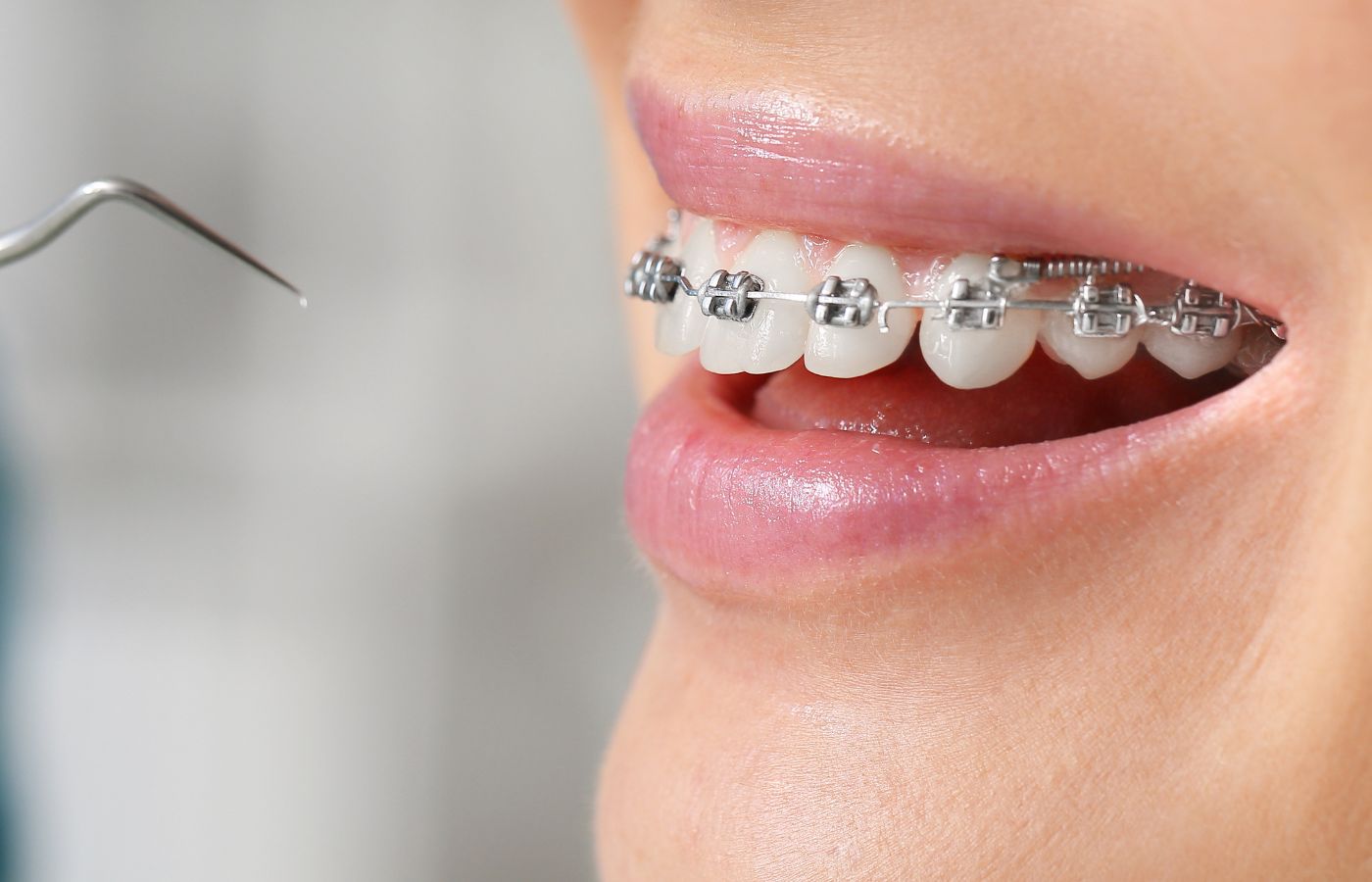
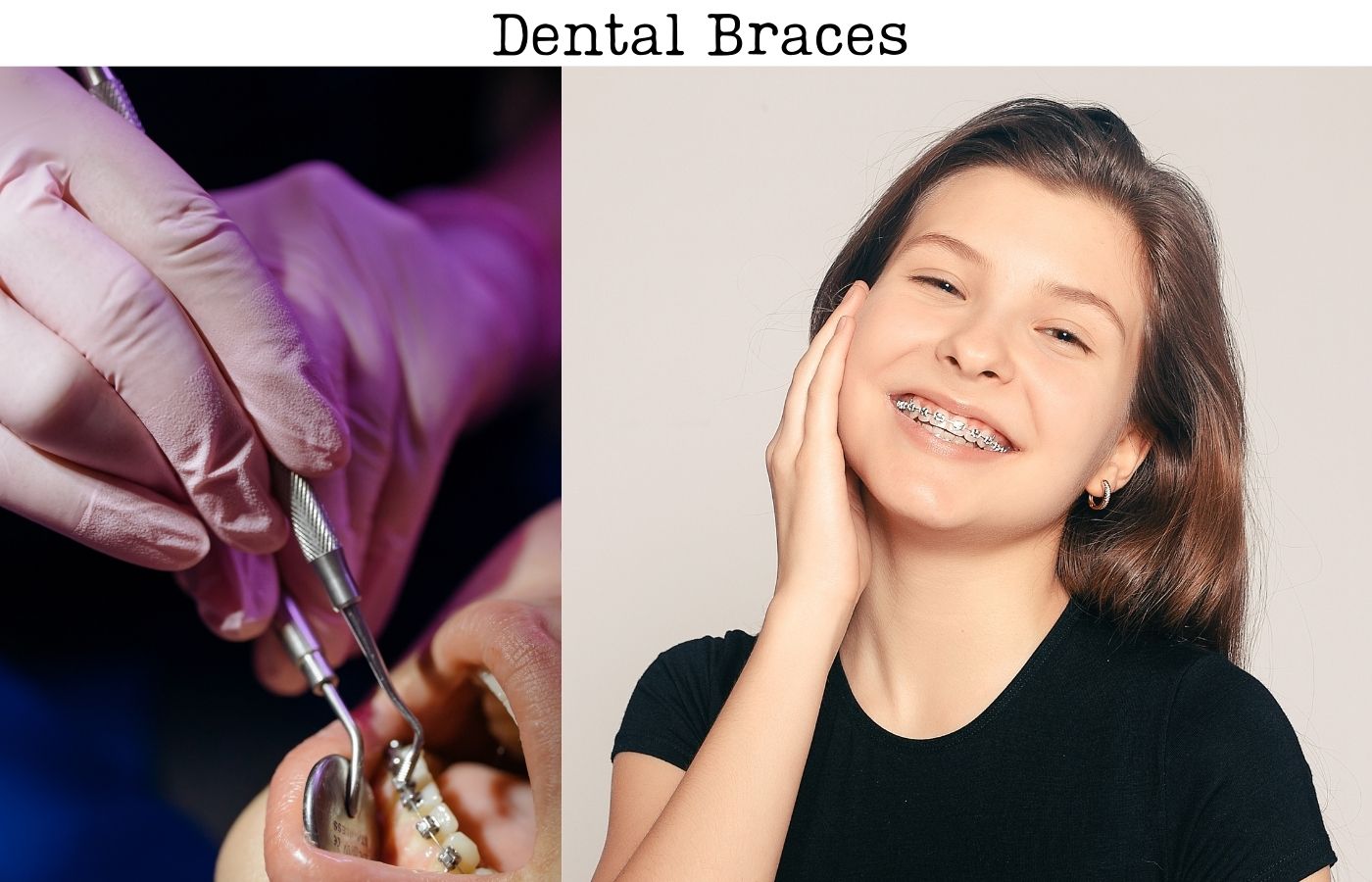
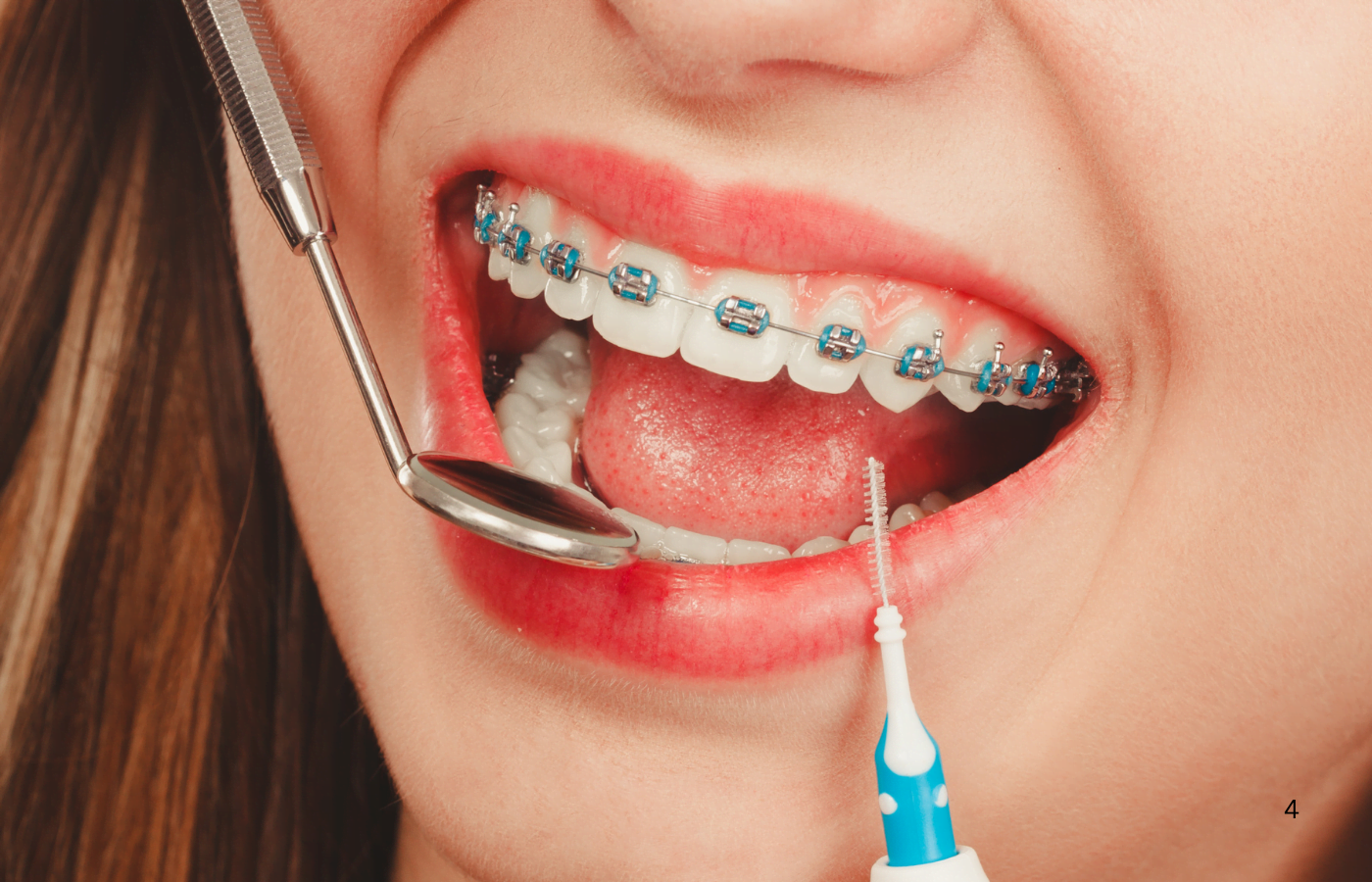
Braces are one of the most effective ways to straighten teeth and correct bite issues but they also make oral hygiene more challenging. Food particles easily get trapped around brackets and wires, increasing the risk of plaque buildup, cavities, gum inflammation, and staining.
If you’re wearing braces, flossing is not optional — it’s essential.
This complete step-by-step guide will teach you exactly how to floss properly with braces, which tools work best, and how to protect your teeth throughout orthodontic treatment.
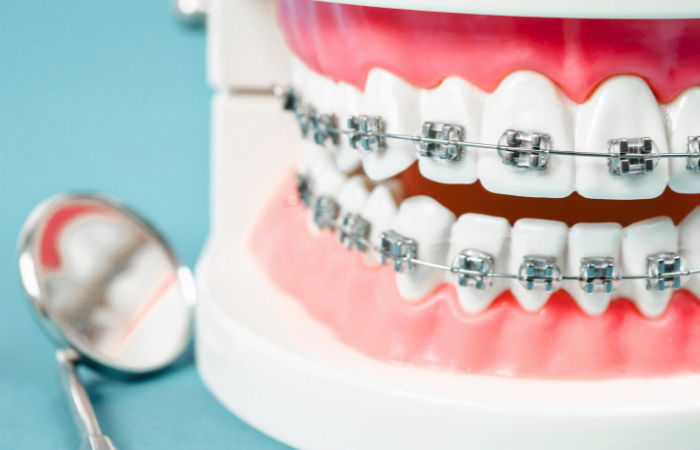
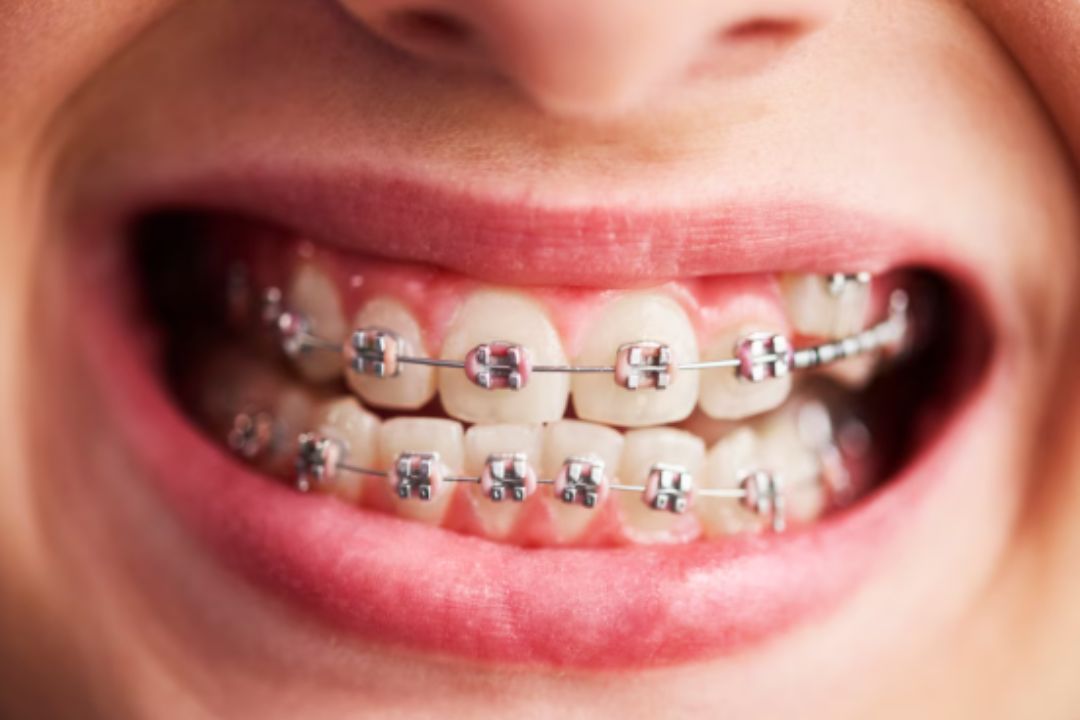
Braces create multiple small spaces where plaque and food debris accumulate:
Around brackets
Under archwires
Between teeth
Along the gumline
If plaque isn’t removed daily, it can cause:
Gum swelling (gingivitis)
Bad breath
White spots on teeth
Tooth decay
Permanent staining after braces removal
Proper flossing prevents long-term damage and keeps your smile healthy during treatment.
You should floss
Visit Now: https://www.diagnopein.com/dental-clinic/Pune
At least once daily
Preferably at night before bed
After meals if food is stuck
Consistency is more important than speed. Flossing with braces takes longer, but it becomes easier with practice.
Follow these steps carefully for the best results.
You can use:
Traditional floss + floss threader
Orthodontic floss (with stiff end)
Super floss (pre-threaded)
Water flosser (oral irrigator)
Each method works — but the technique matters.
If using traditional floss:
Cut about 18 inches of floss.
Insert one end into a floss threader.
Carefully guide the threader under the main orthodontic wire.
Pull the floss through until you have equal length on both sides.
This is the most important step — floss must go under the wire to clean properly between teeth.
Wrap the floss around your middle fingers.
Gently slide it between two teeth.
Curve the floss into a “C” shape against one tooth.
Move it up and down along the side of the tooth and under the gumline.
Repeat on the adjacent tooth.
Avoid snapping the floss, as this may irritate gums.
Remove the floss.
Re-thread it under the next section of wire.
Clean between the next pair of teeth.
Yes, it takes time — but skipping areas increases cavity risk.
After flossing:
Rinse with water or antimicrobial mouthwash
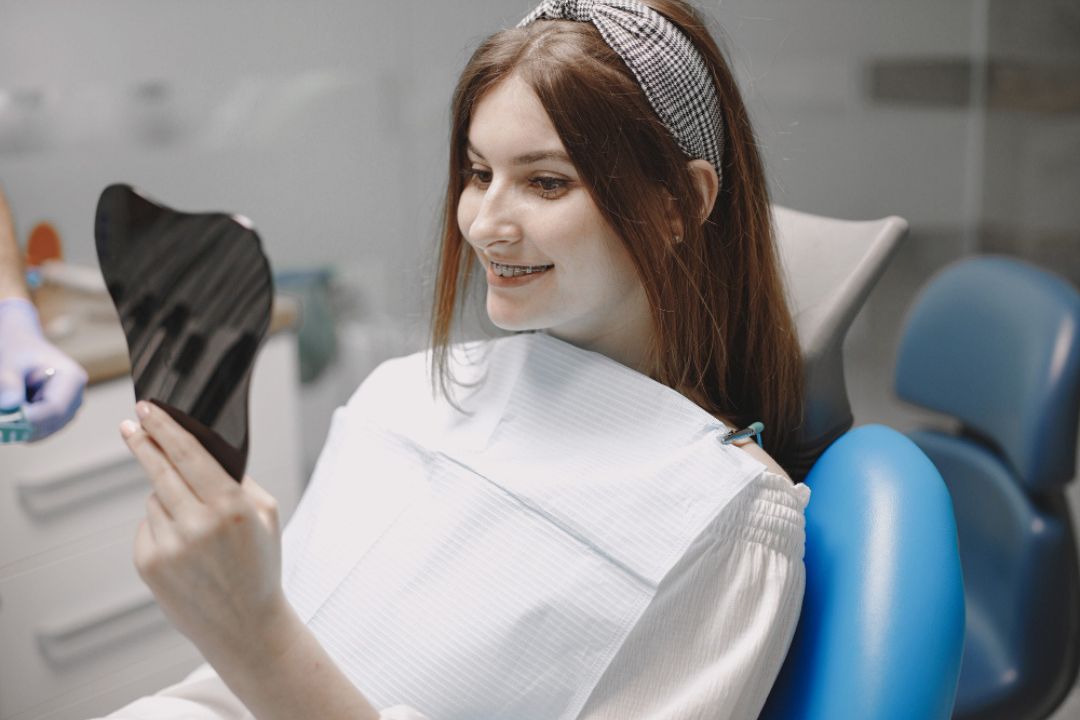
Check in the mirror for any remaining debris
If traditional floss feels too difficult, here are easier options:
This floss has a stiff end that slides under the wire easily.
Pros:
Faster than threader
Convenient for daily use
Cons:
Slightly more expensive
Super floss has three parts:
Stiff threader end
Spongy middle
Regular floss section
It’s excellent for cleaning around brackets and wires.
A water flosser uses pressurized water to remove plaque and debris.
Pros:
Easy and fast
Gentle on gums
Good for sensitive teeth
Cons:
Should not completely replace string floss
Requires electricity and maintenance
Best practice: Use water flosser + traditional floss for maximum cleaning.
Many patients unknowingly damage their teeth by flossing incorrectly.
Avoid these mistakes:
Skipping flossing because it feels difficult
Flossing only front teeth
Snapping floss against gums
Using the same dirty section of floss repeatedly
Relying only on a water flosser
Consistency and proper technique matter more than speed.
Expect:
10–15 minutes initially
5–8 minutes once you get used to it
Don’t rush. Proper cleaning now prevents expensive dental problems later.
Watch for:
Bleeding gums (after 1–2 weeks of regular flossing this should reduce)
Persistent bad breath
White chalky spots around brackets
Swollen or red gums
Food frequently getting stuck
If these continue, consult your dentist or orthodontist.
To maintain excellent oral health:
Brush after every meal
Use a soft-bristle orthodontic toothbrush
Clean around brackets at 45-degree angle
Avoid sticky or sugary foods
Use fluoride toothpaste
Schedule regular dental cleanings
Braces require extra care — but the results are worth it.
You may develop:
Gum disease
Cavities
Permanent white spots
Bad breath
Tooth discoloration after braces removal
Yes, sometimes floss may shred. Remove gently and try again. If it repeatedly gets stuck, consult your orthodontist.
Flossing with braces may seem difficult at first — but it is one of the most important steps in protecting your teeth during orthodontic treatment.
A straight smile is beautiful.
A healthy smile is priceless.
By following the correct flossing technique daily, you can complete your orthodontic journey without cavities, stains, or gum problems.















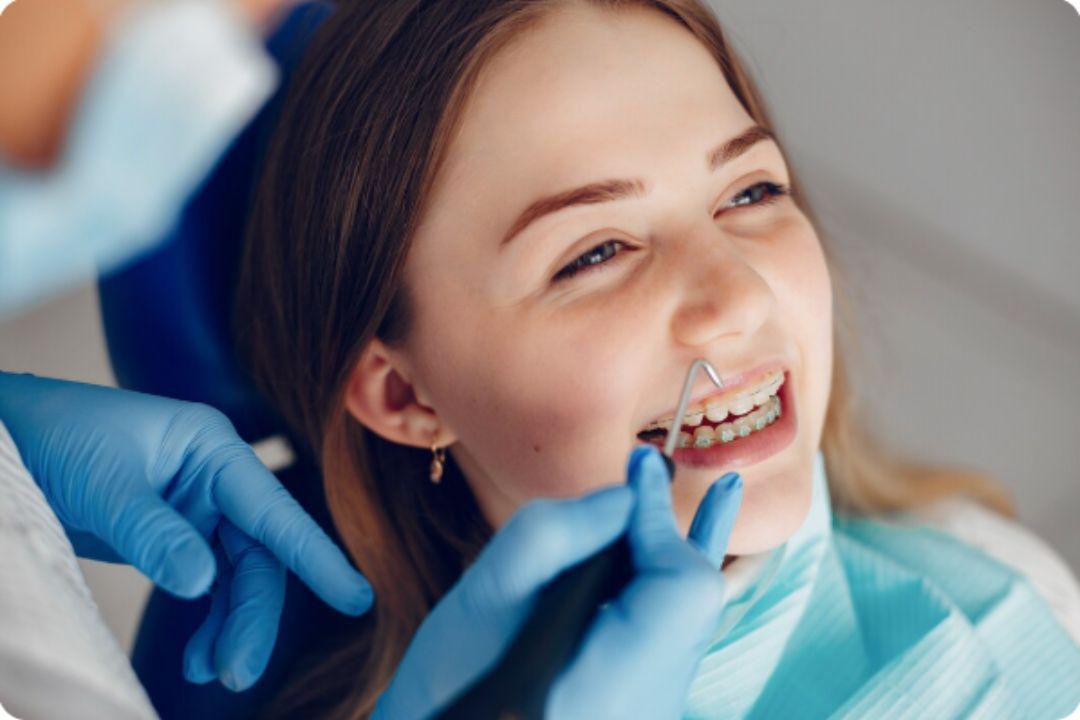
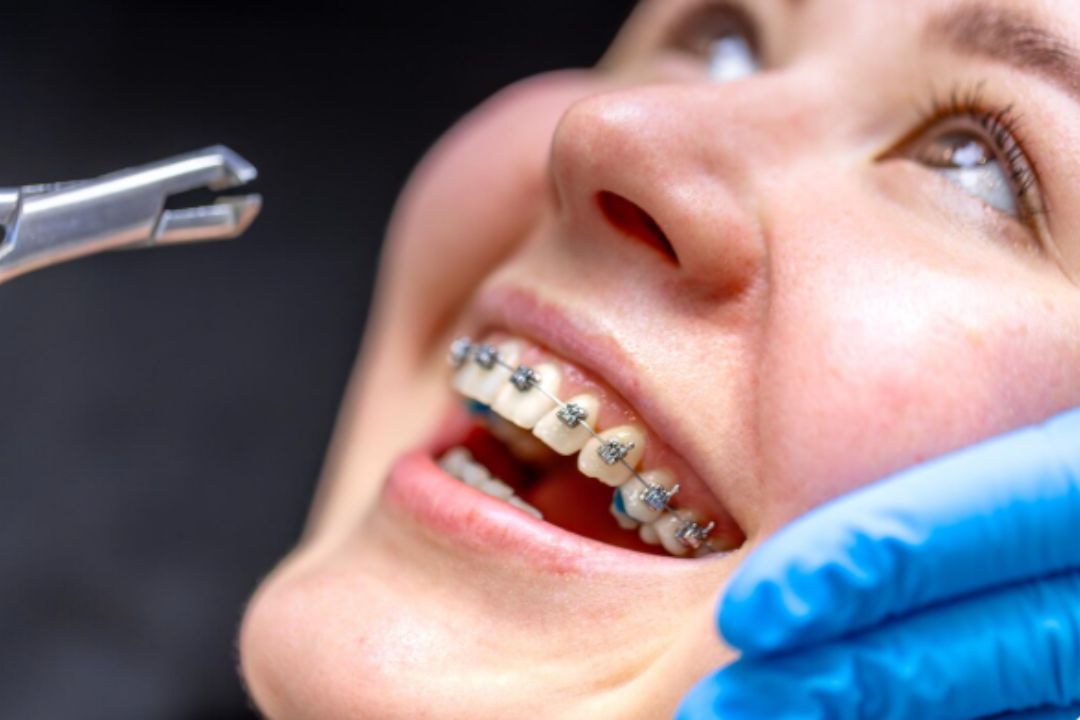


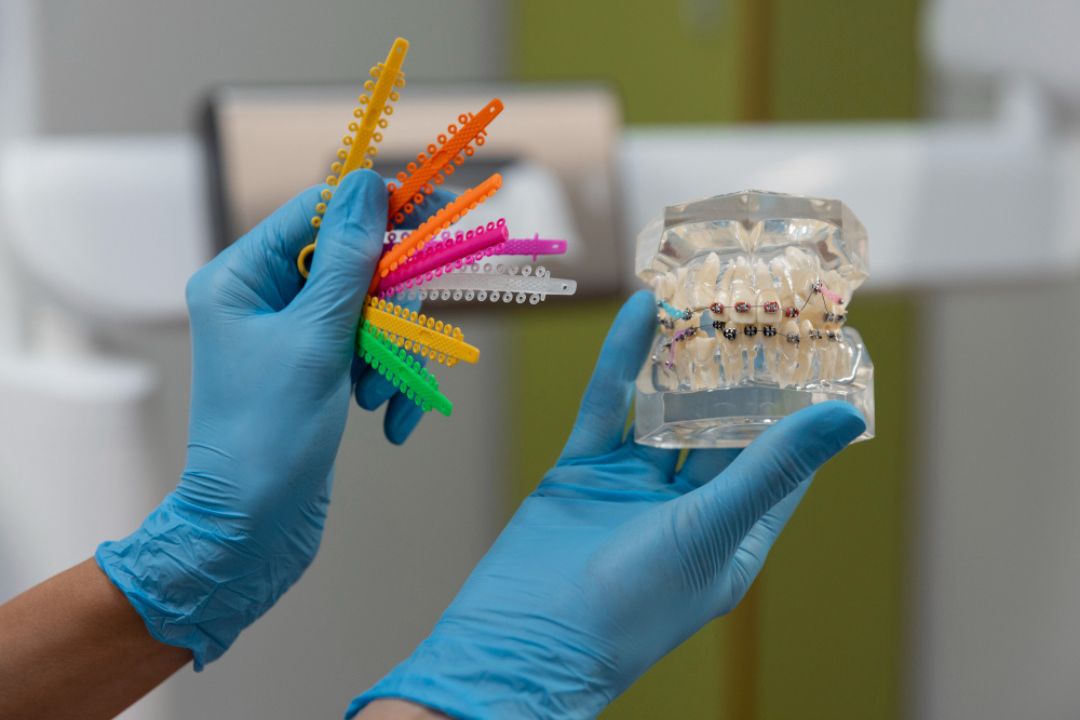



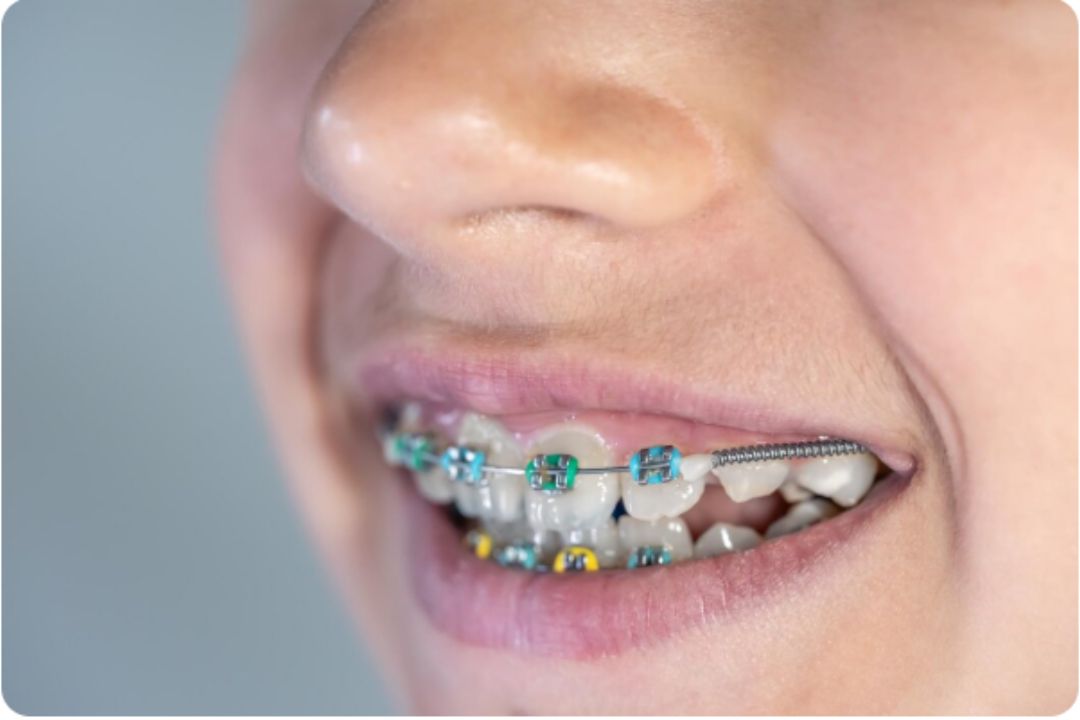









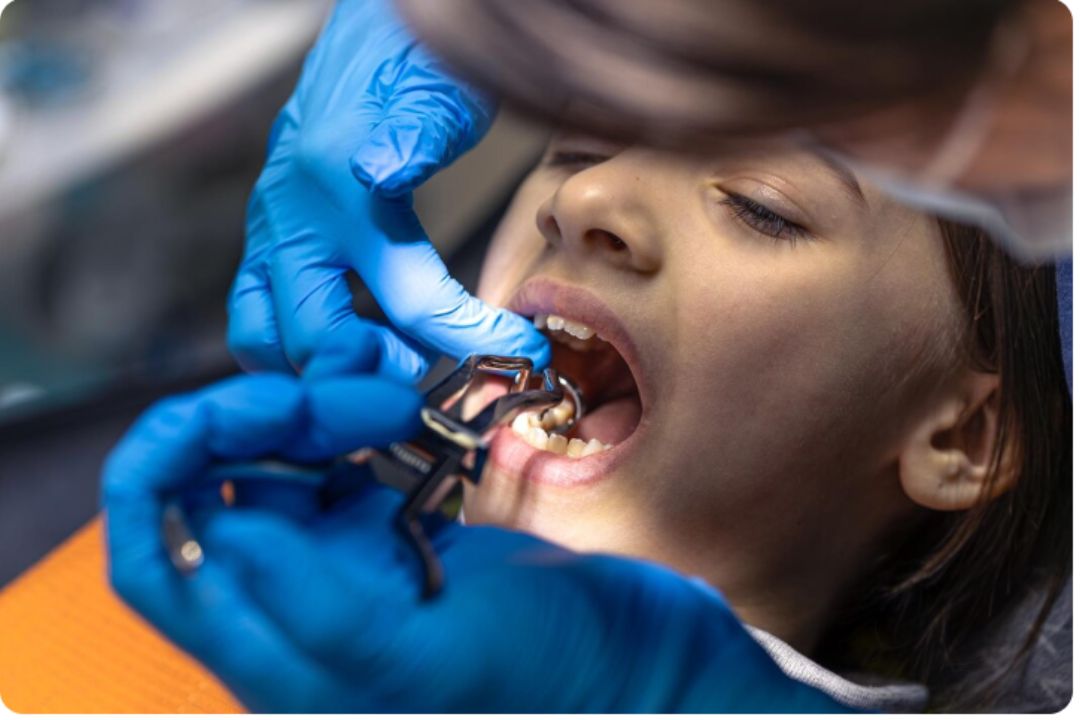
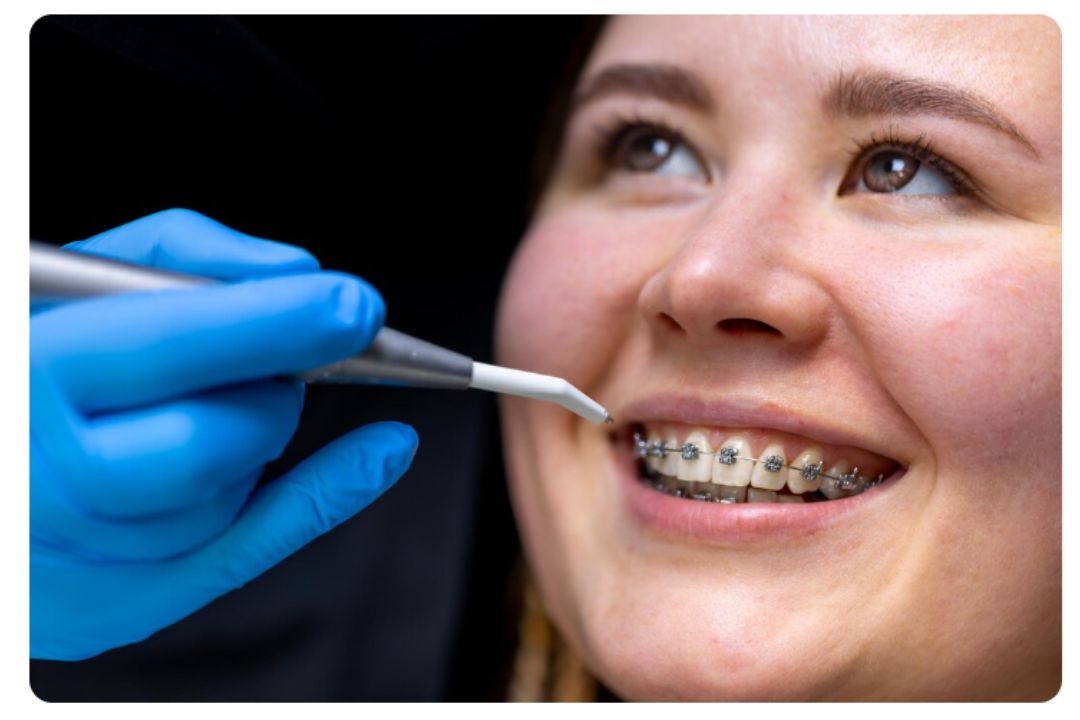

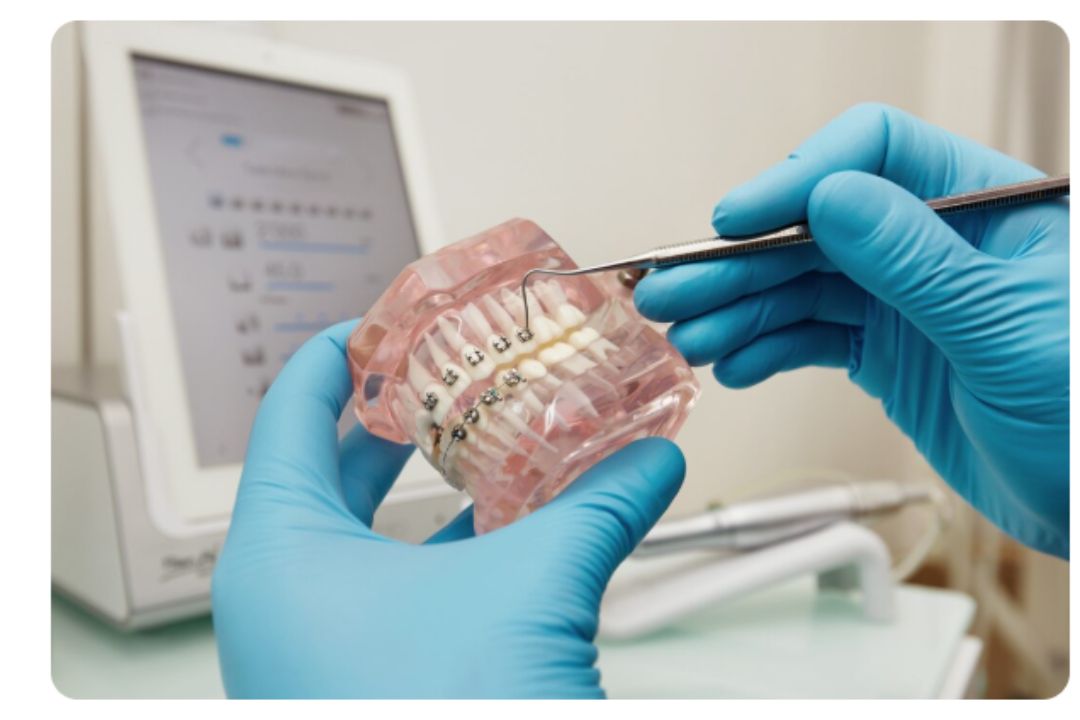
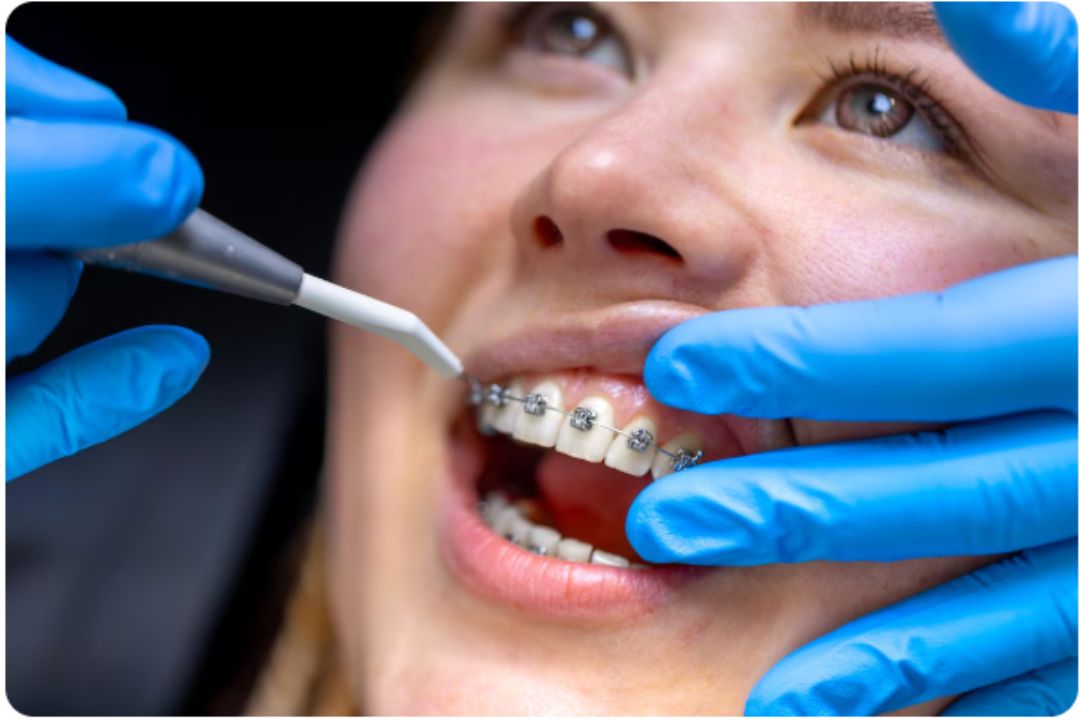







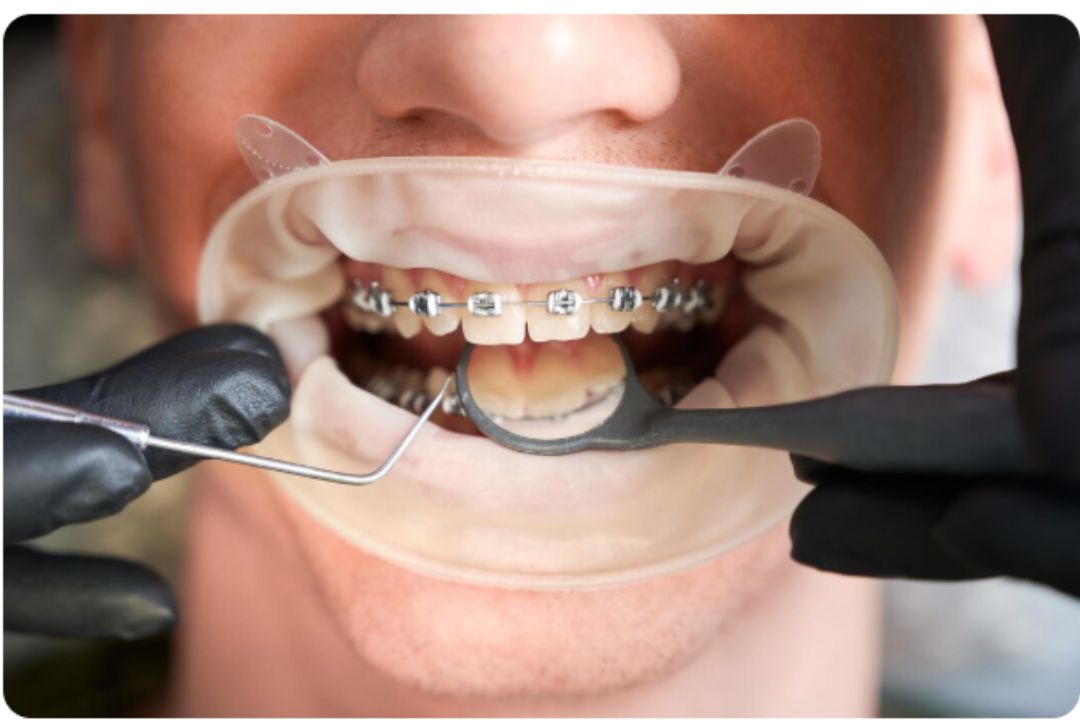

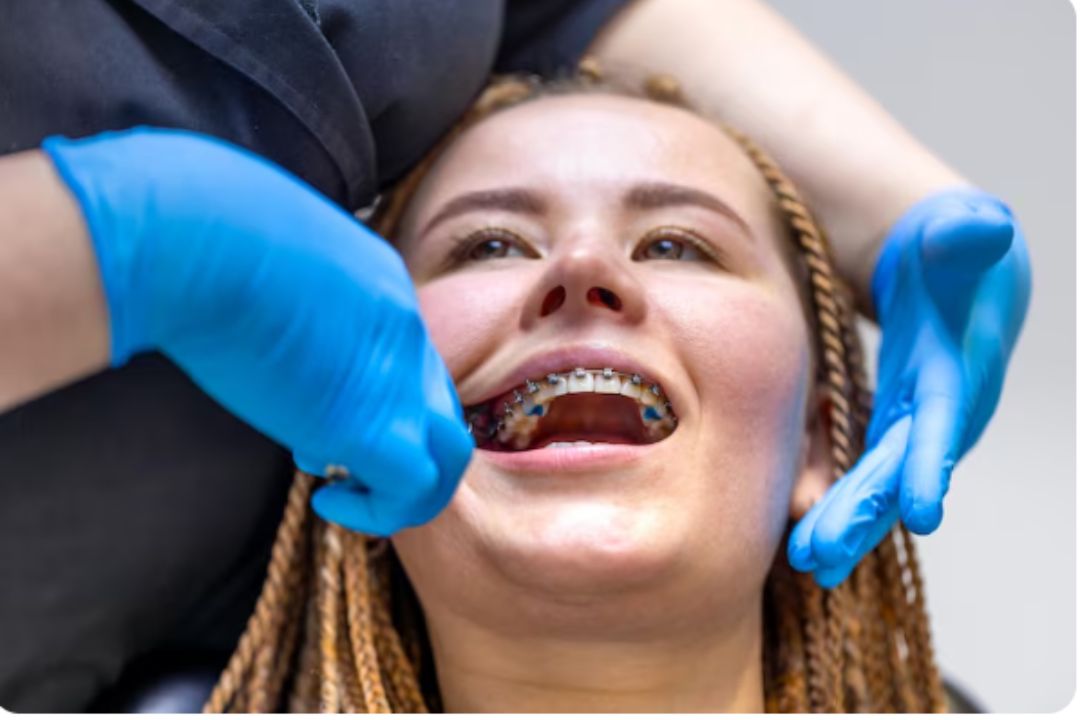
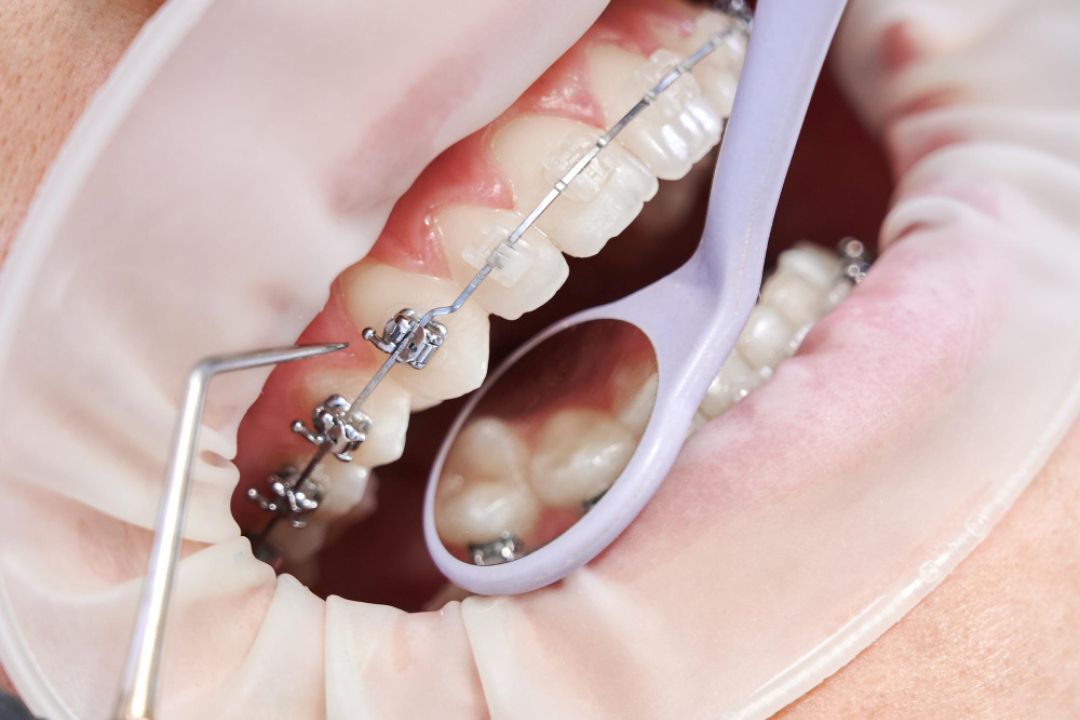



.jpg "affordable metal braces in mumbai")





















.jpg "dental braces cost in Diagnopein complete price breakdown (2026 guide)")

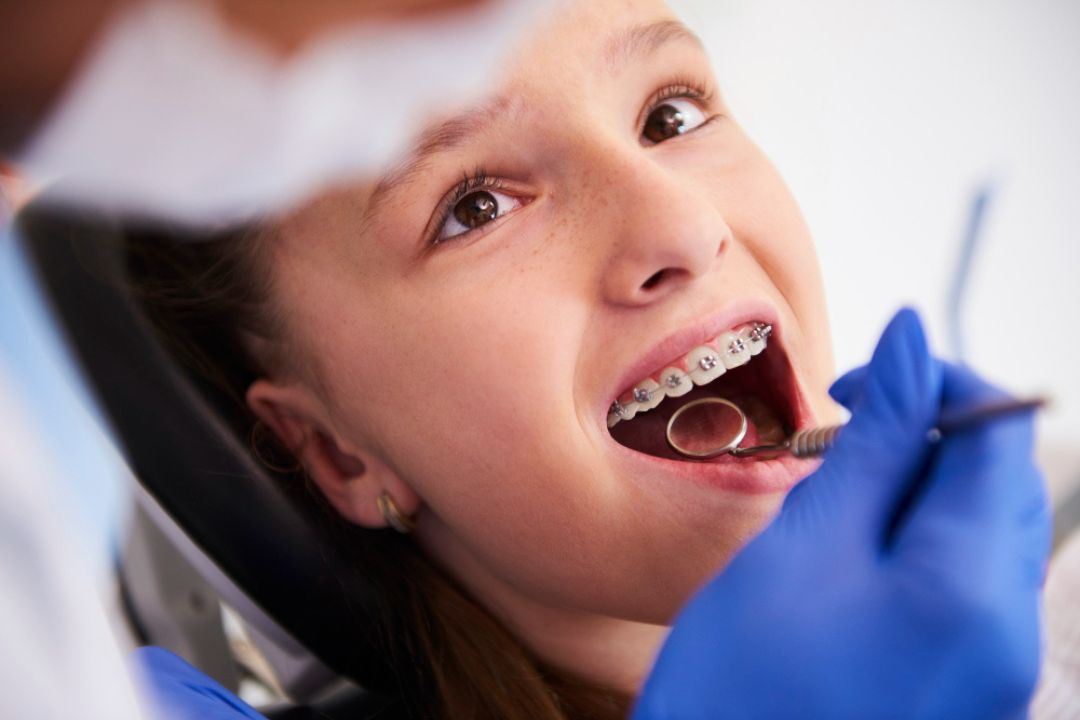
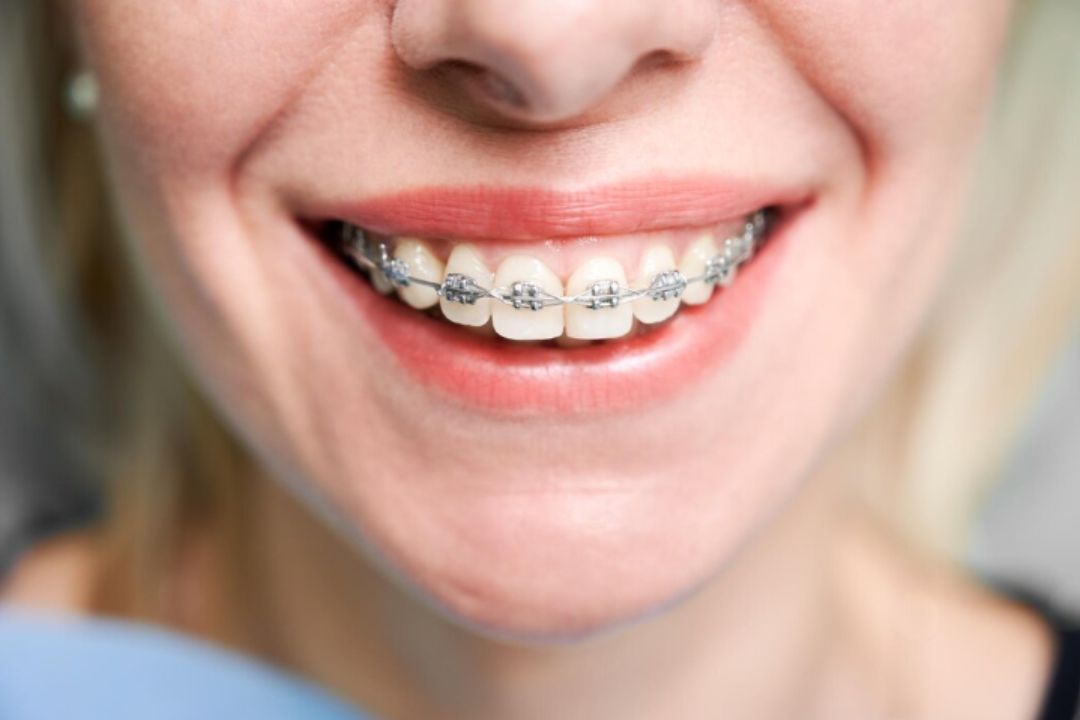

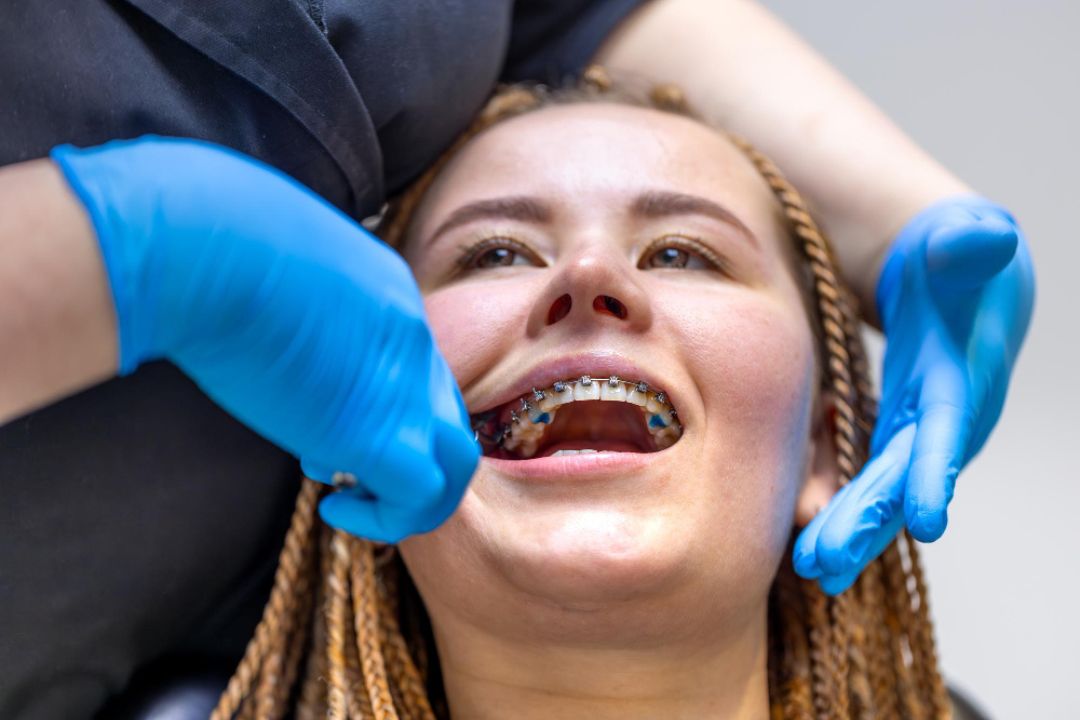




.jpg "dental braces")




.jpg "dental braces")


 (1).png "Visual Journey of Dental Braces")
 (1).jpg "Dental Braces and Gum Disease")