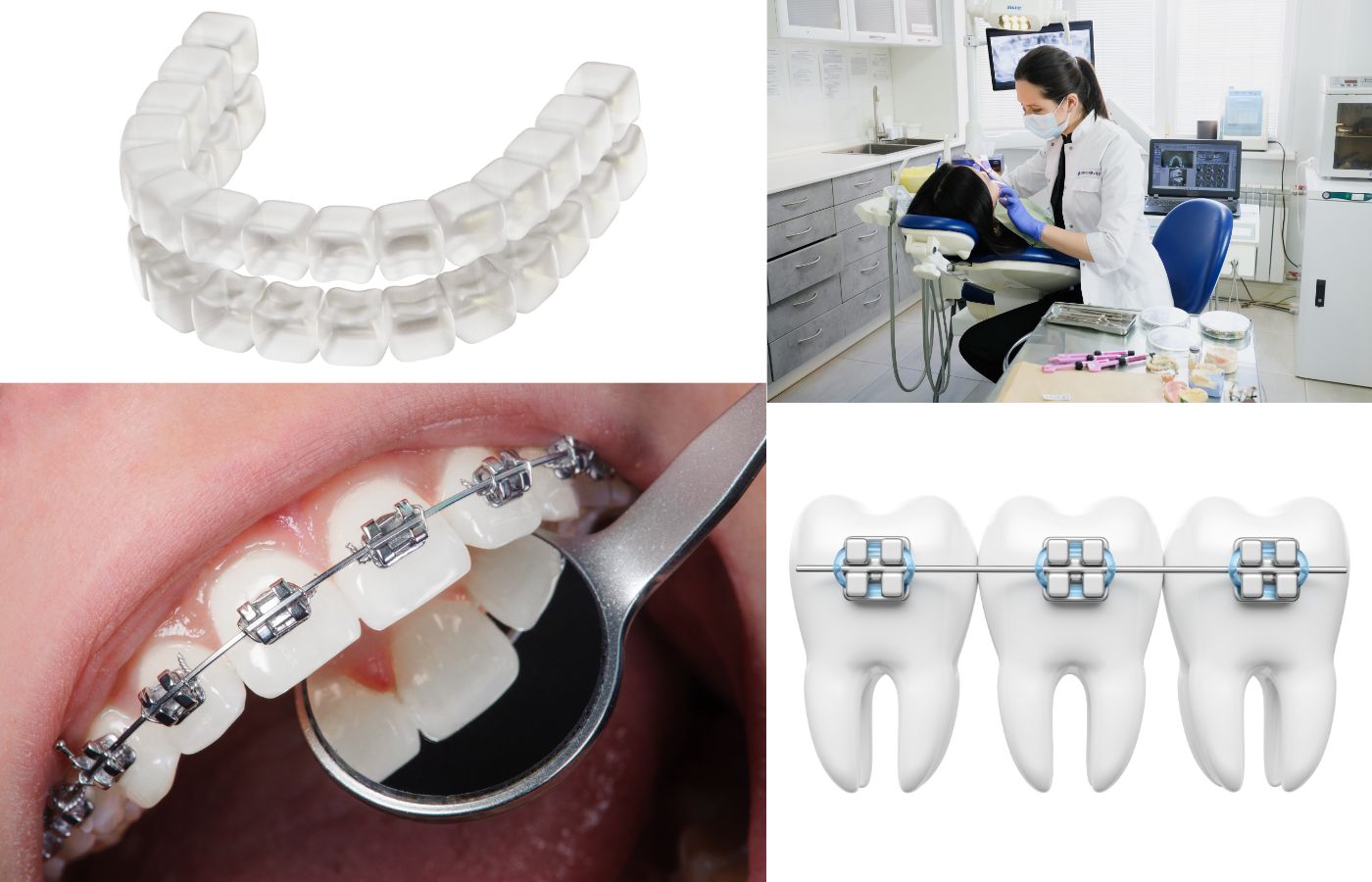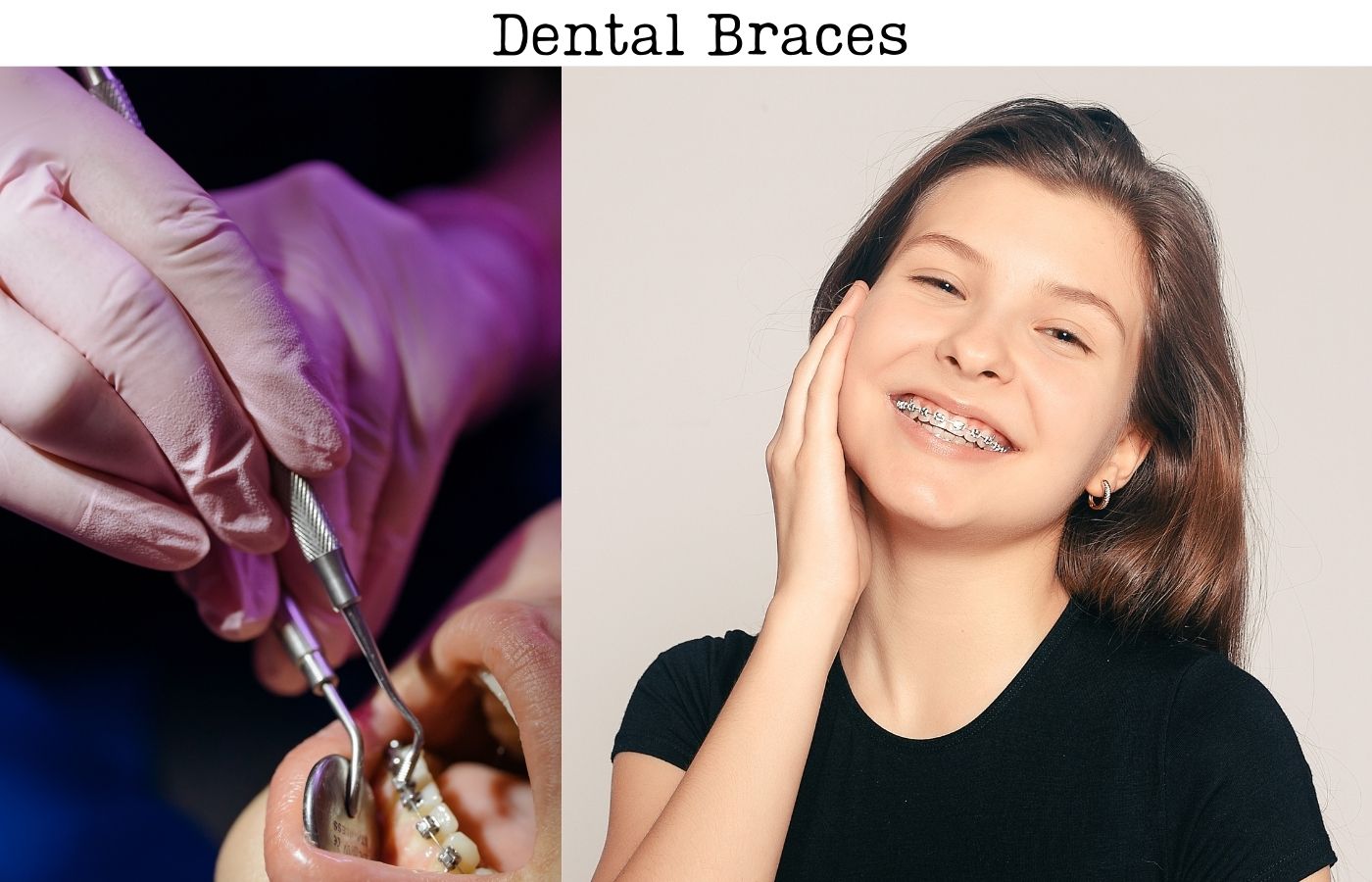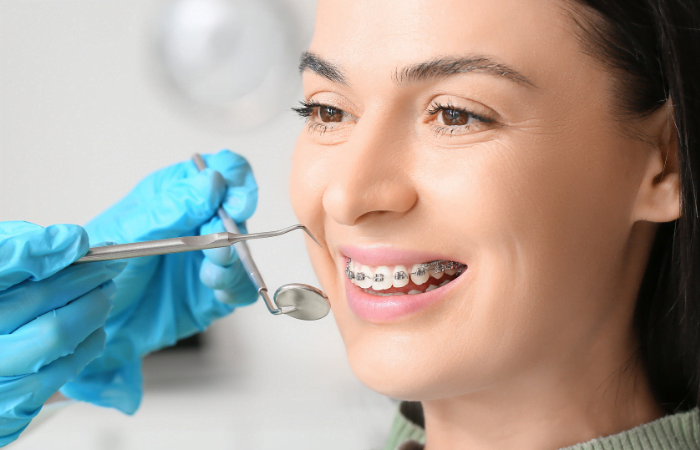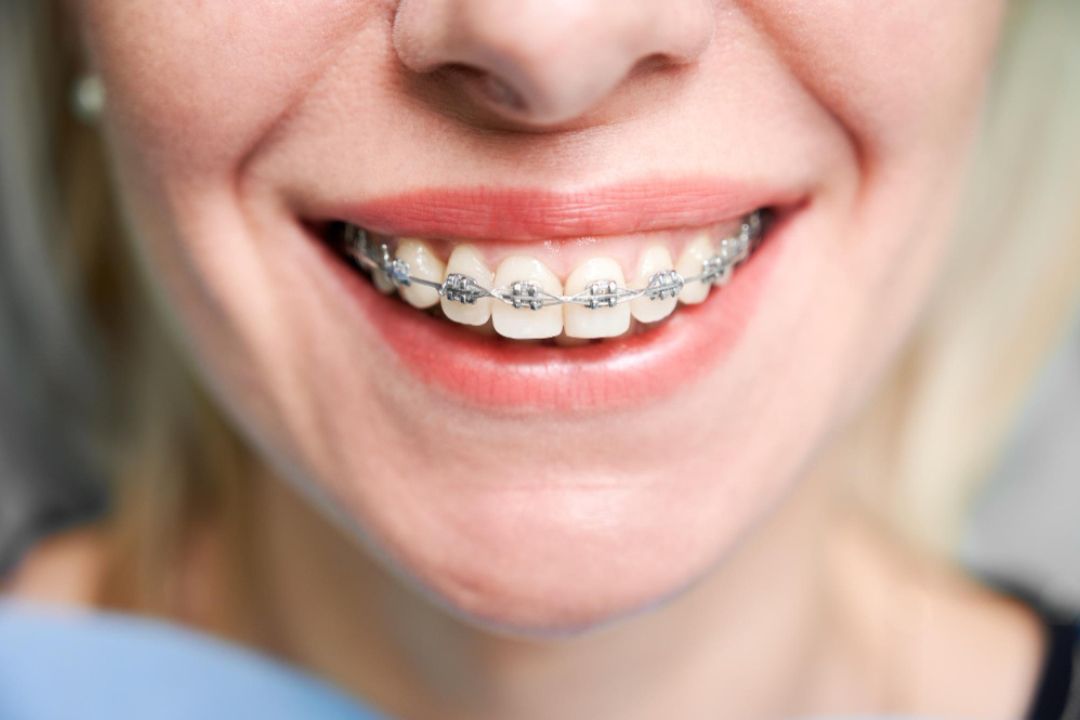
A confident smile begins with straight teeth. Dental braces are one of the most effective and trusted solutions for correcting misaligned teeth and improving oral health. At Diagnopein, we understand how important a healthy, aligned smile is for both appearance and function.
Straight teeth are not just about a beautiful smile—they are essential for good oral health. Dental braces are one of the most effective orthodontic treatments to correct misaligned teeth and improve overall dental function. In this guide, we explain how dental braces work, their benefits, types, treatment duration, and care tips.
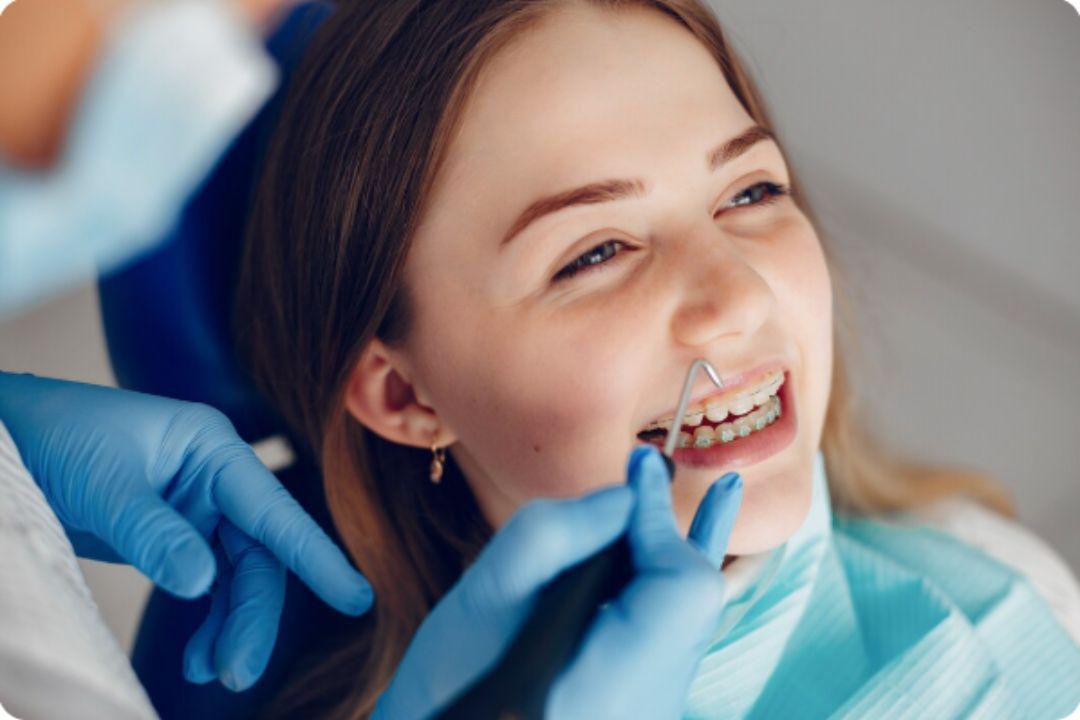
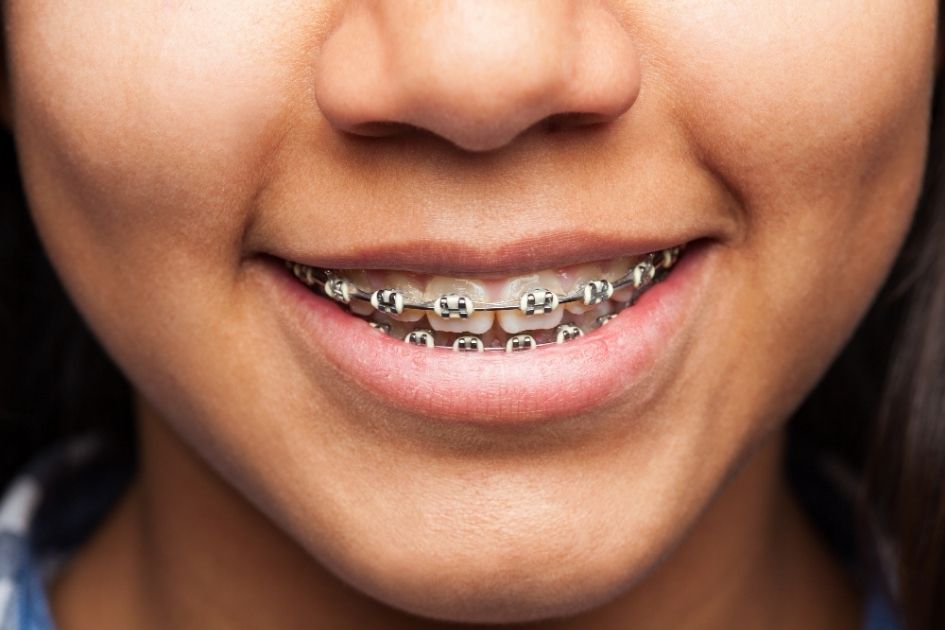
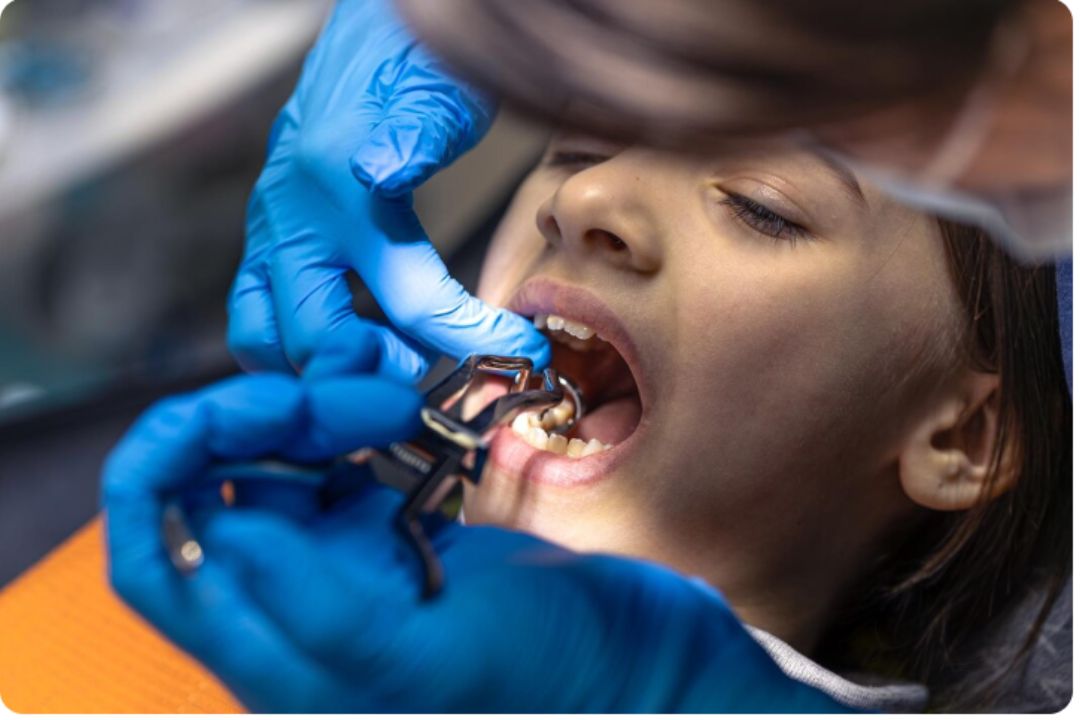
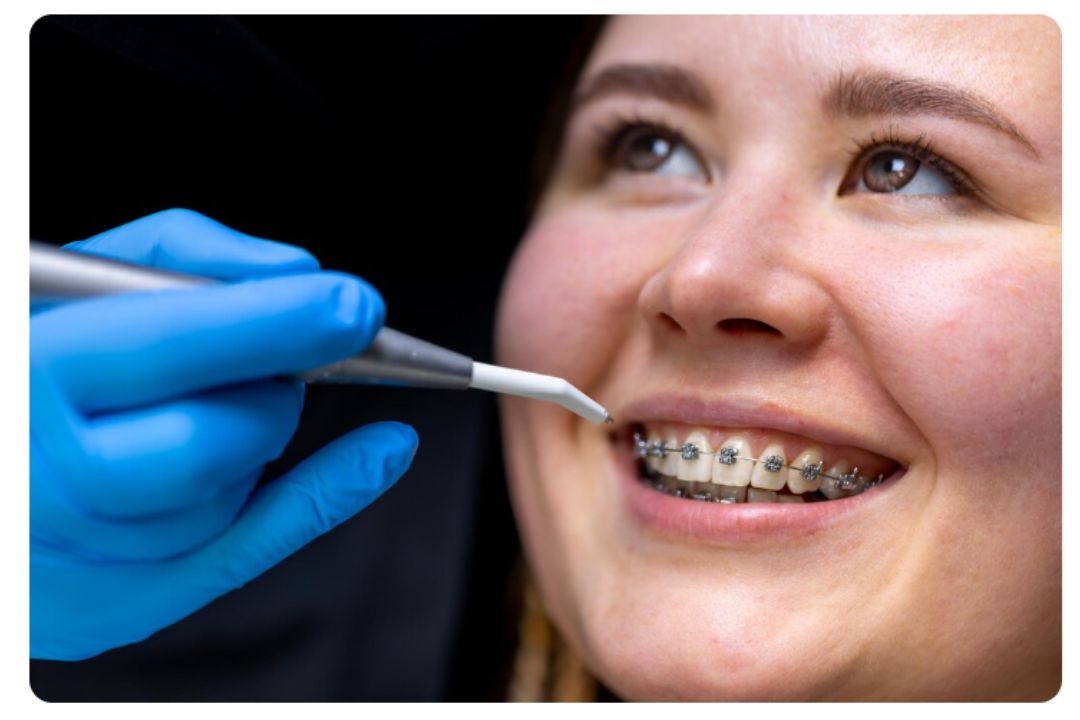
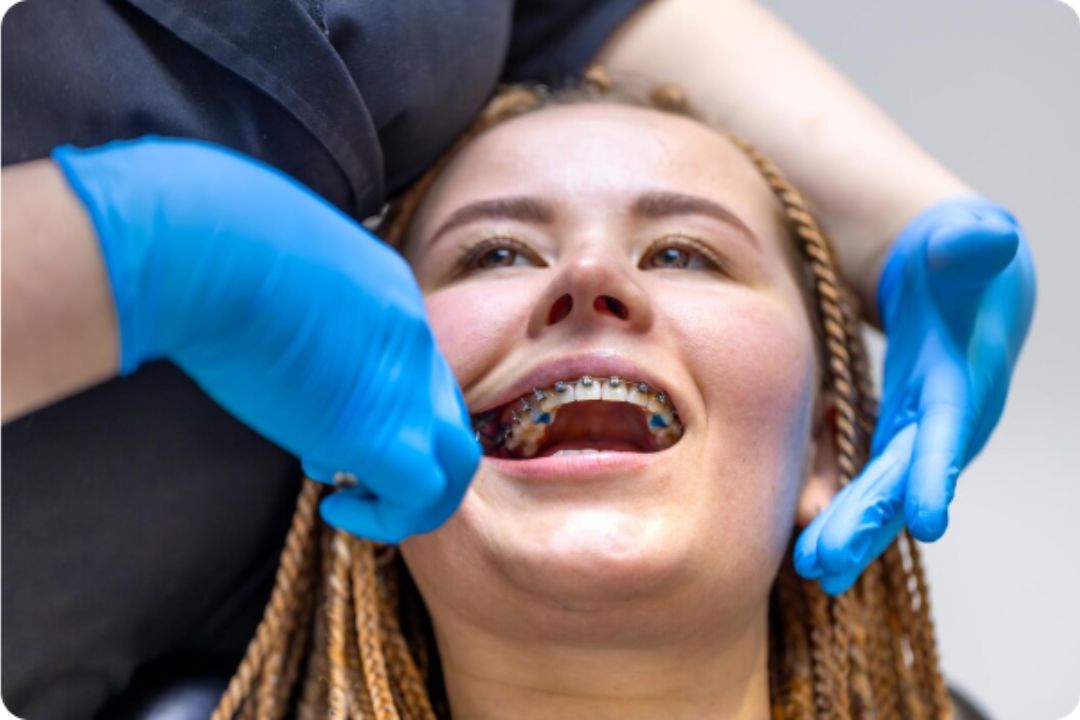
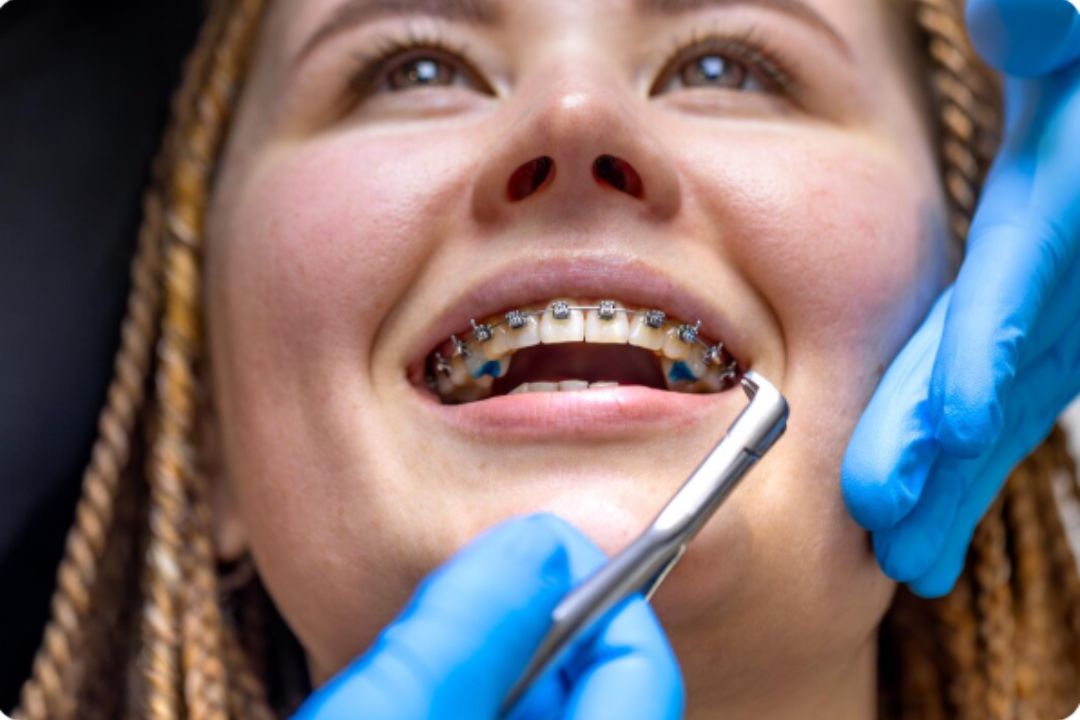
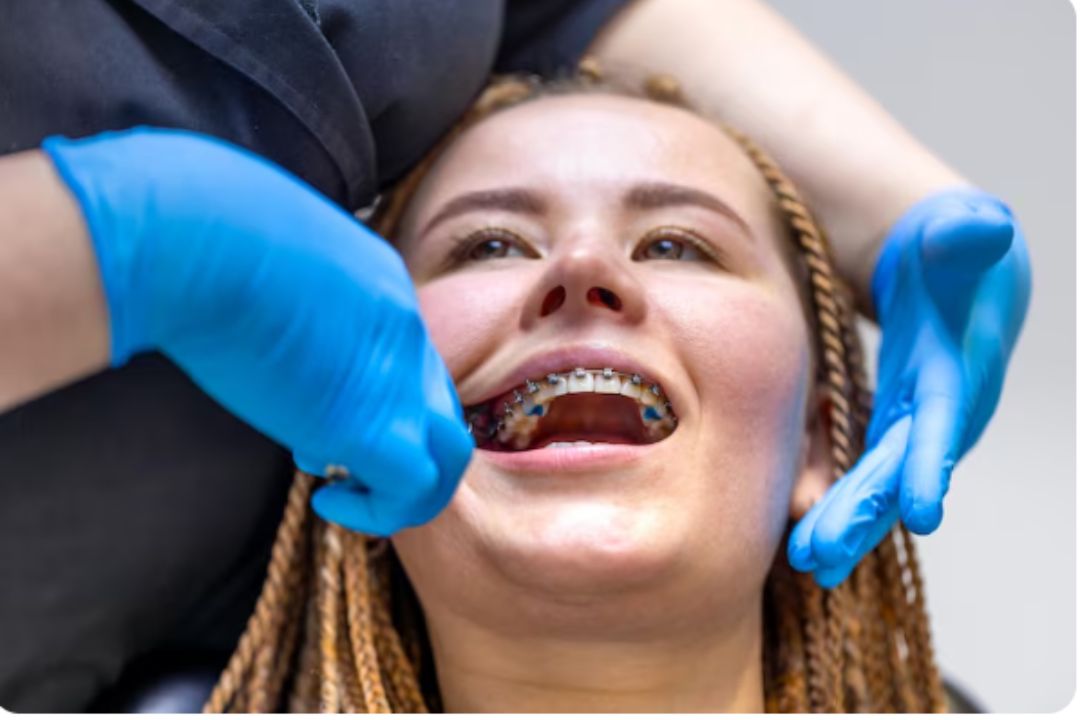
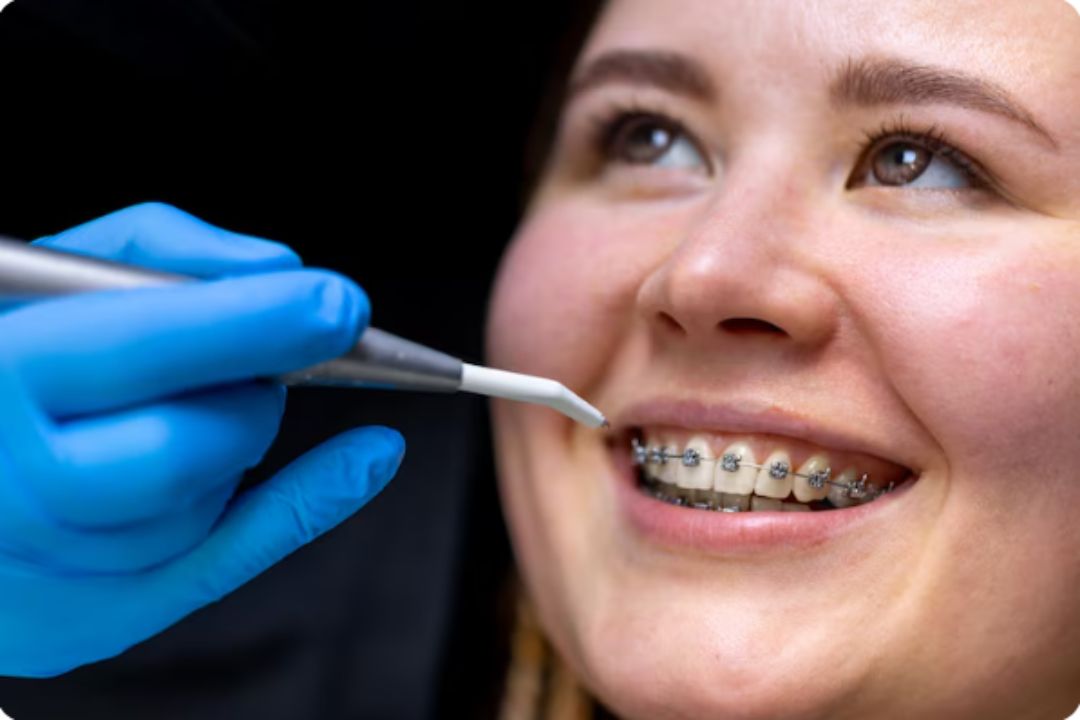
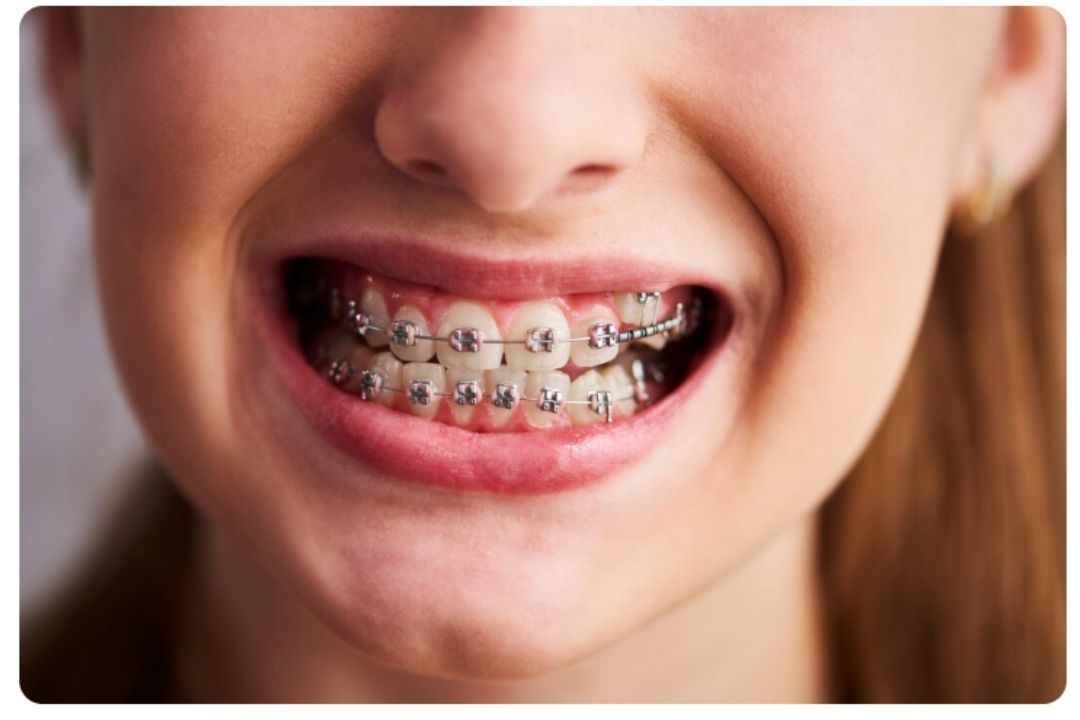
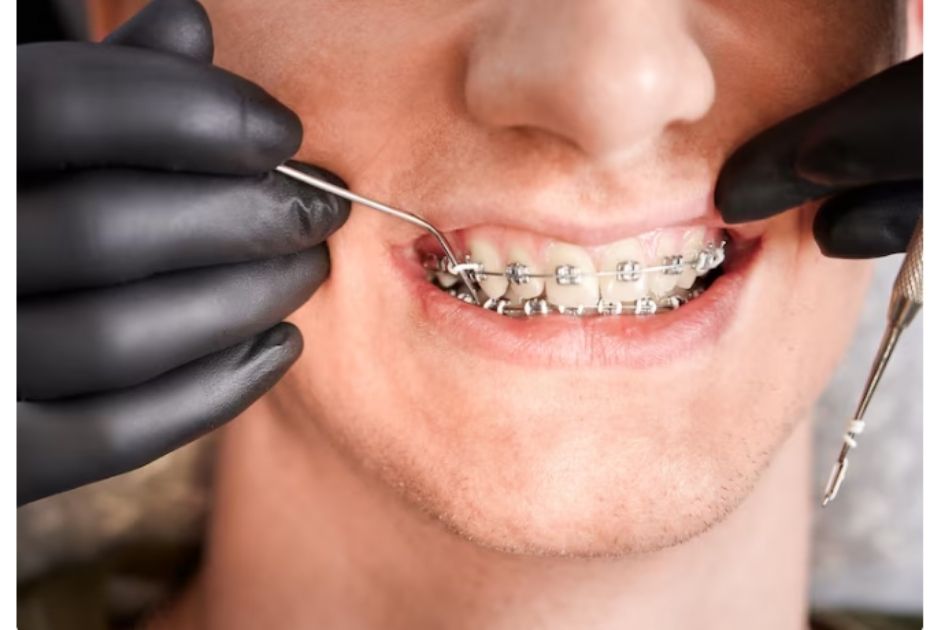
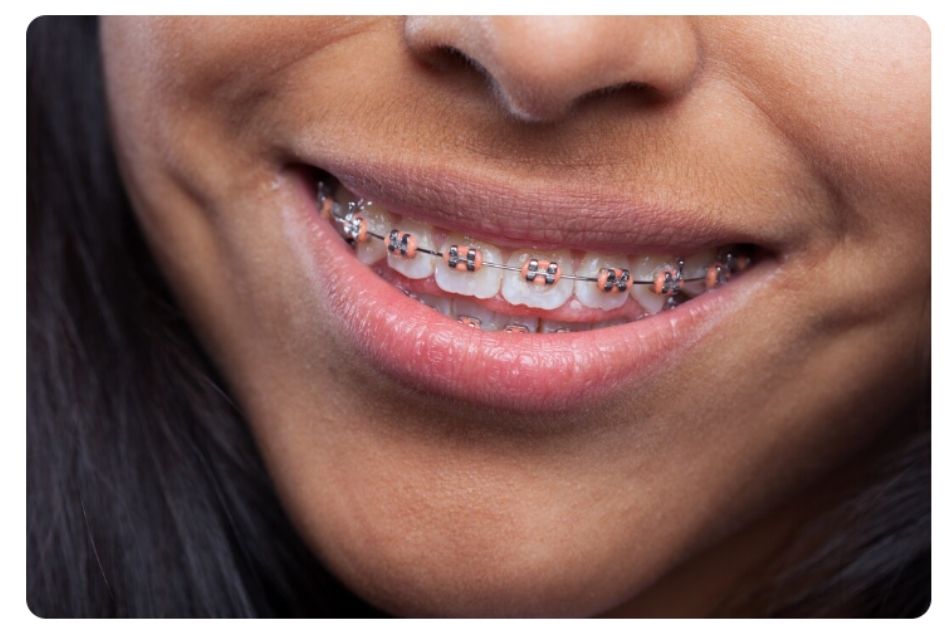
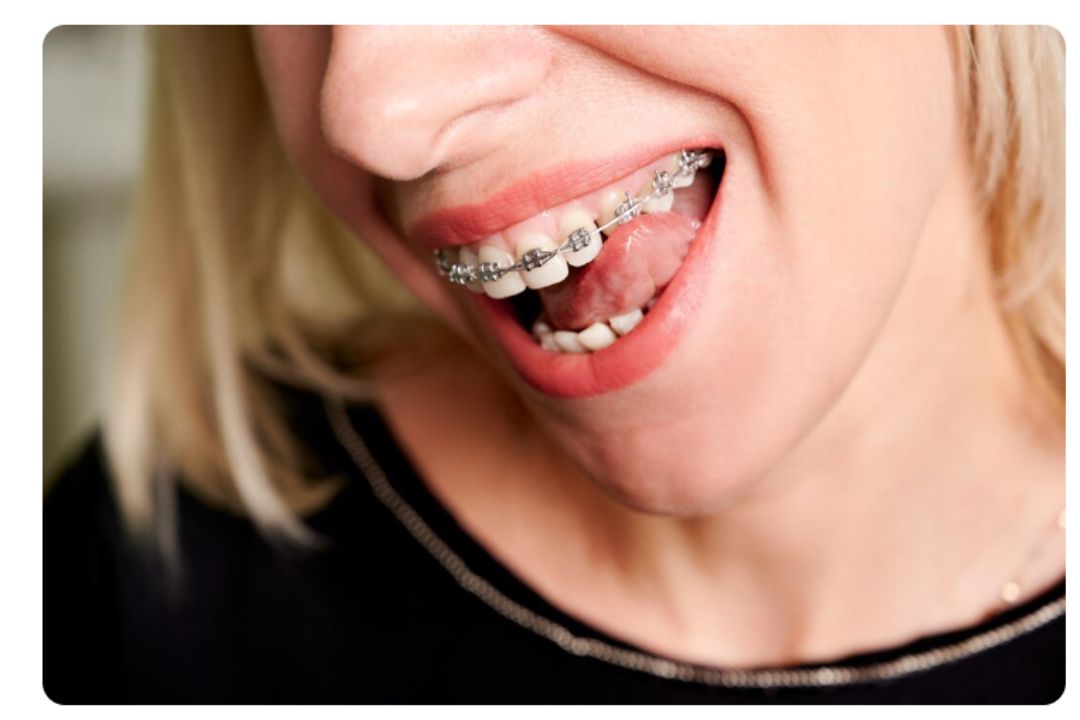
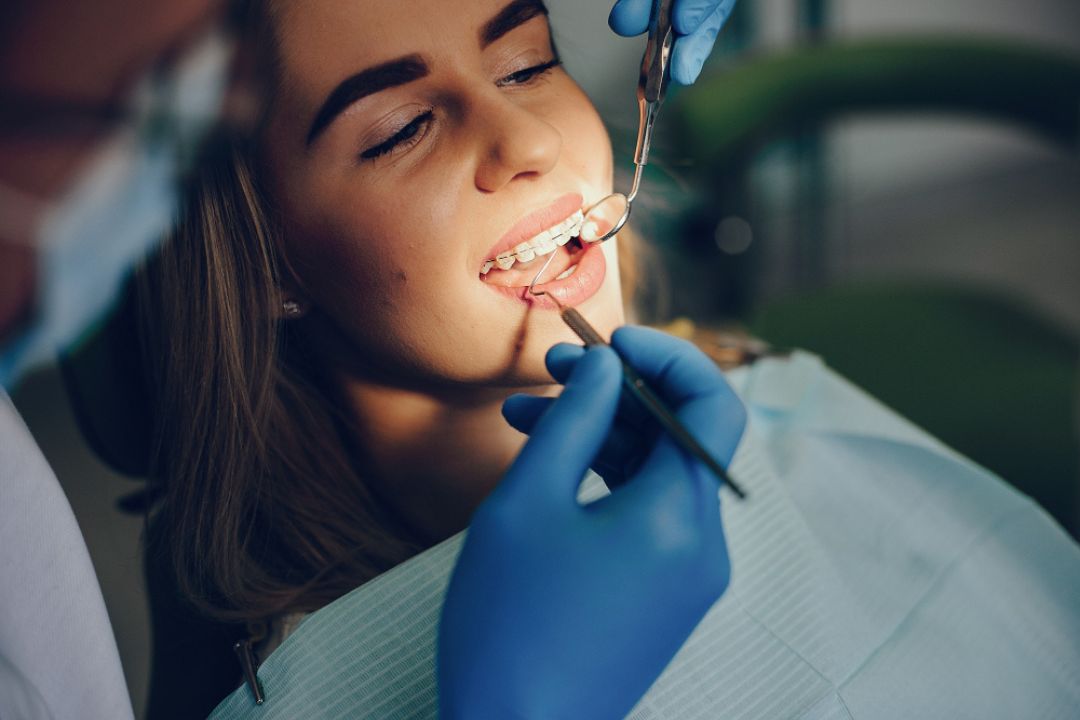
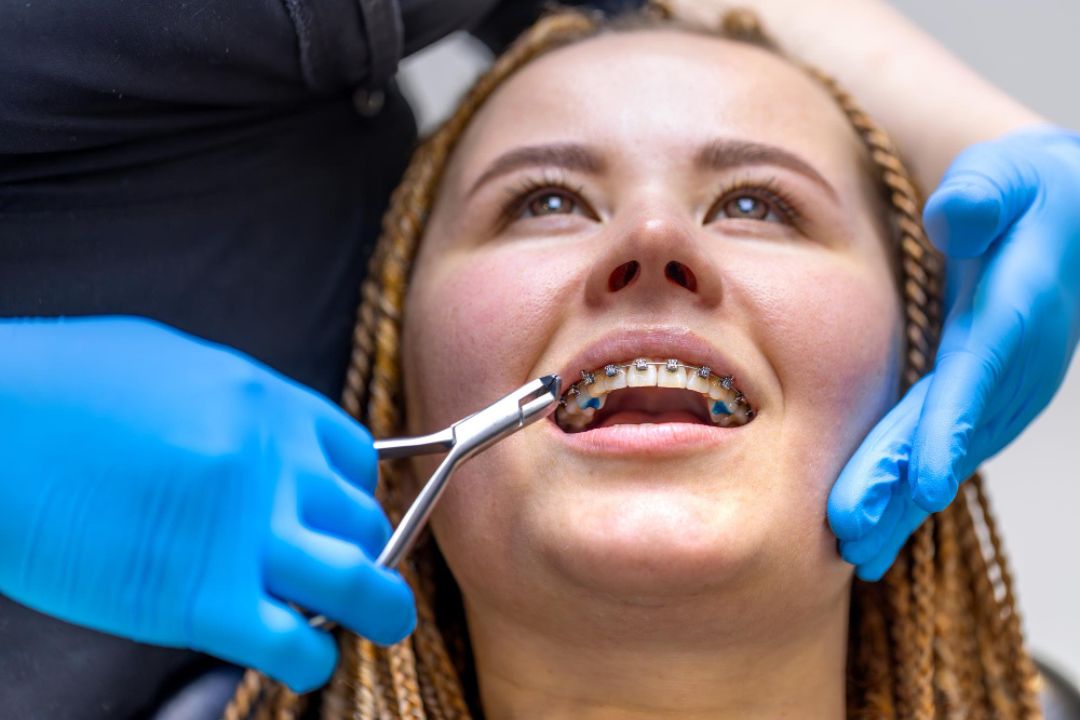
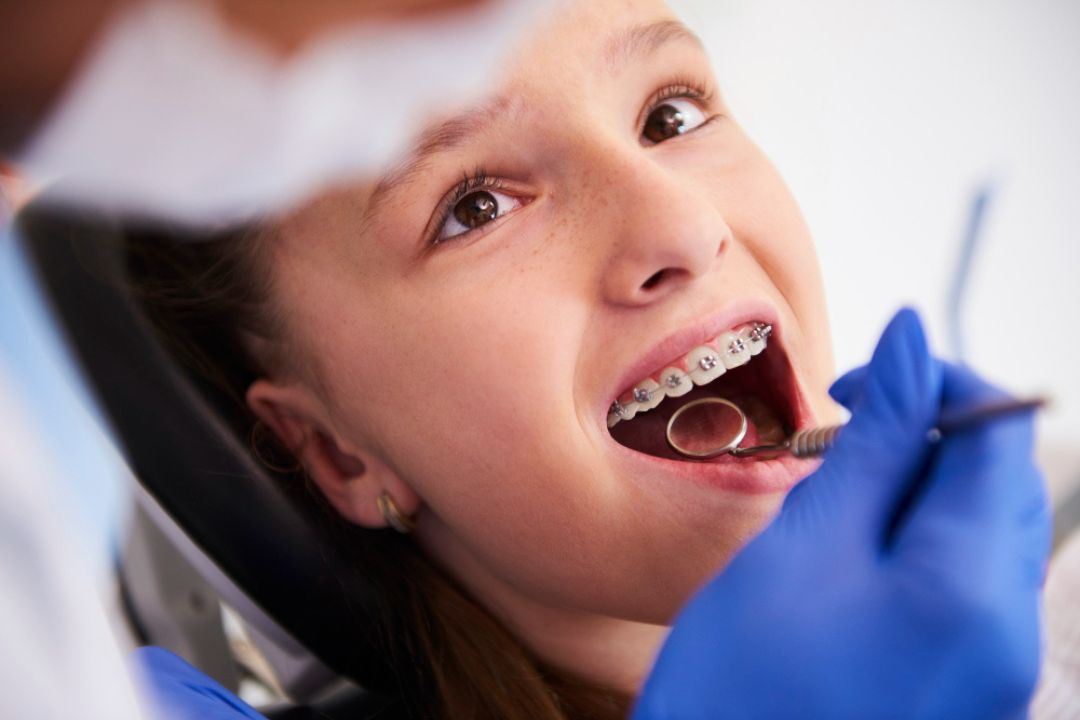
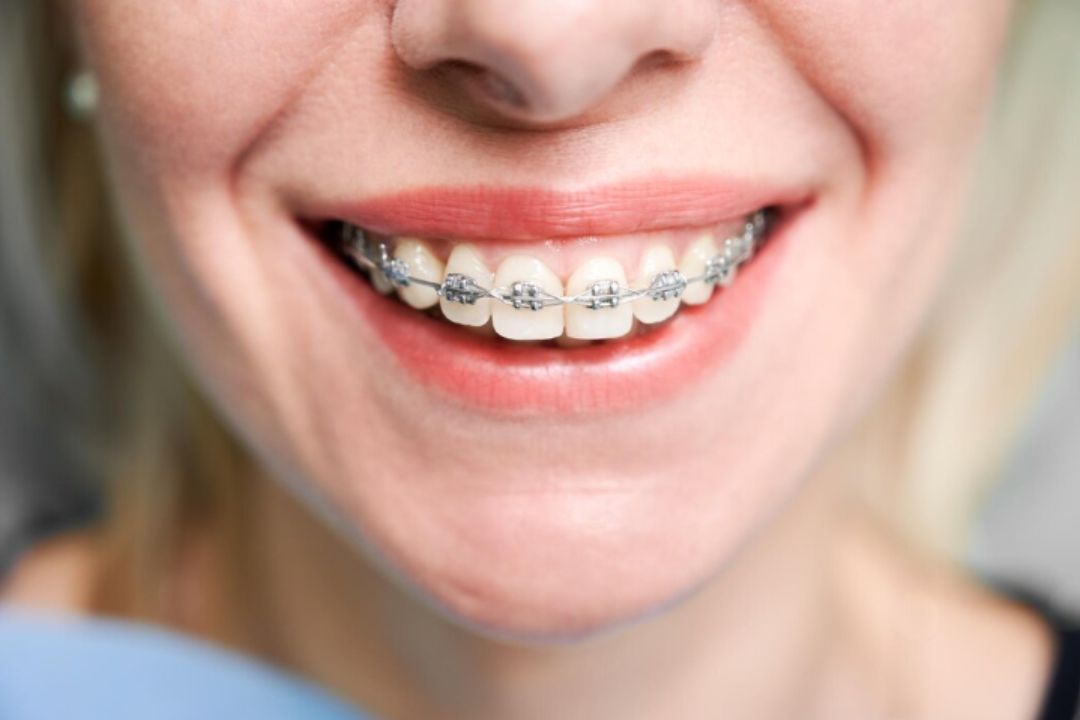
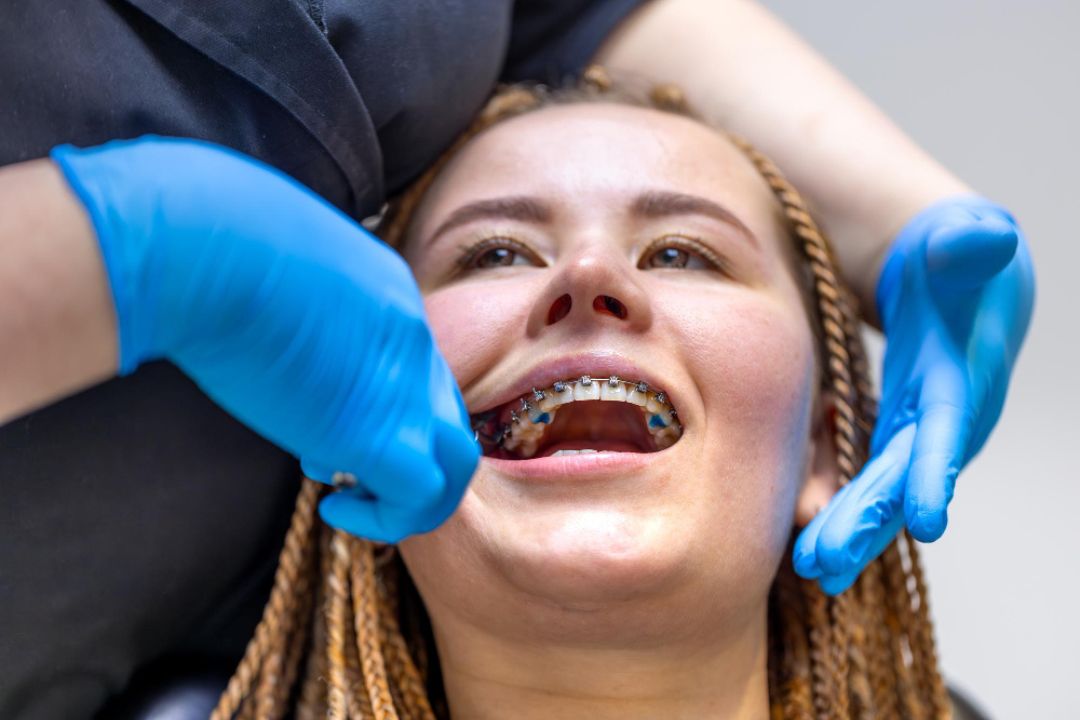
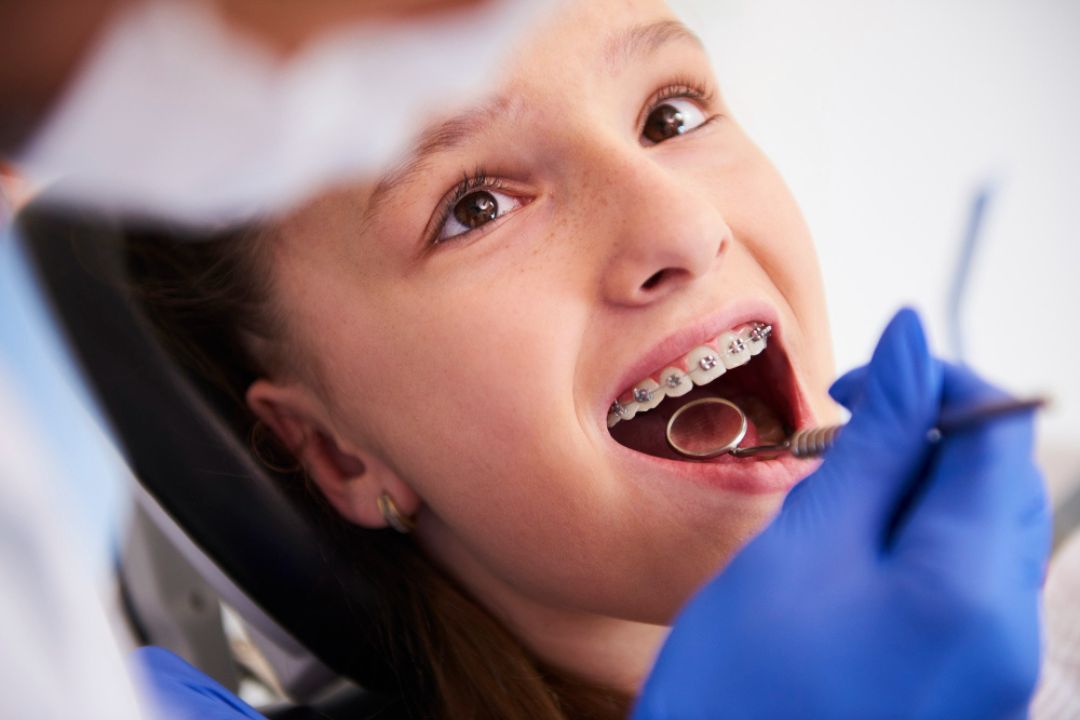
Dental braces are orthodontic devices used to align teeth, correct bite problems, and improve jaw positioning. They apply gentle, continuous pressure on teeth, gradually moving them into the correct position over time.
Visit Now: https://www.diagnopein.com/dental-clinic/Mumbai
Braces are commonly recommended for:
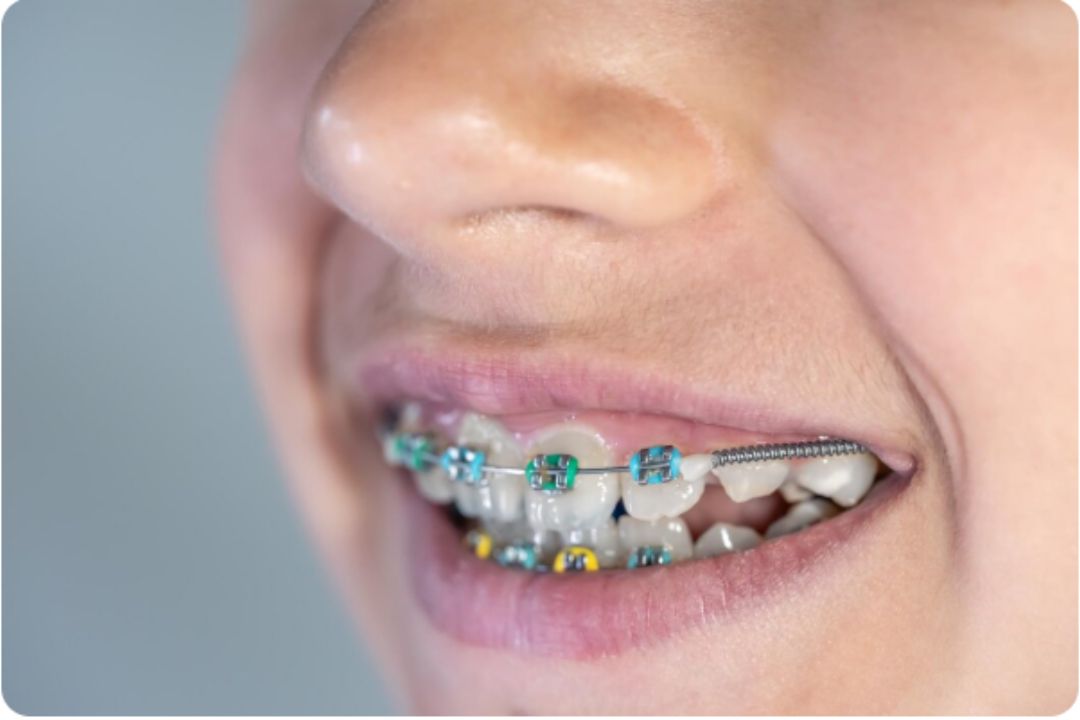
Crooked or crowded teeth
Gaps between teeth
Overbite, underbite, or crossbite
Jaw alignment issues
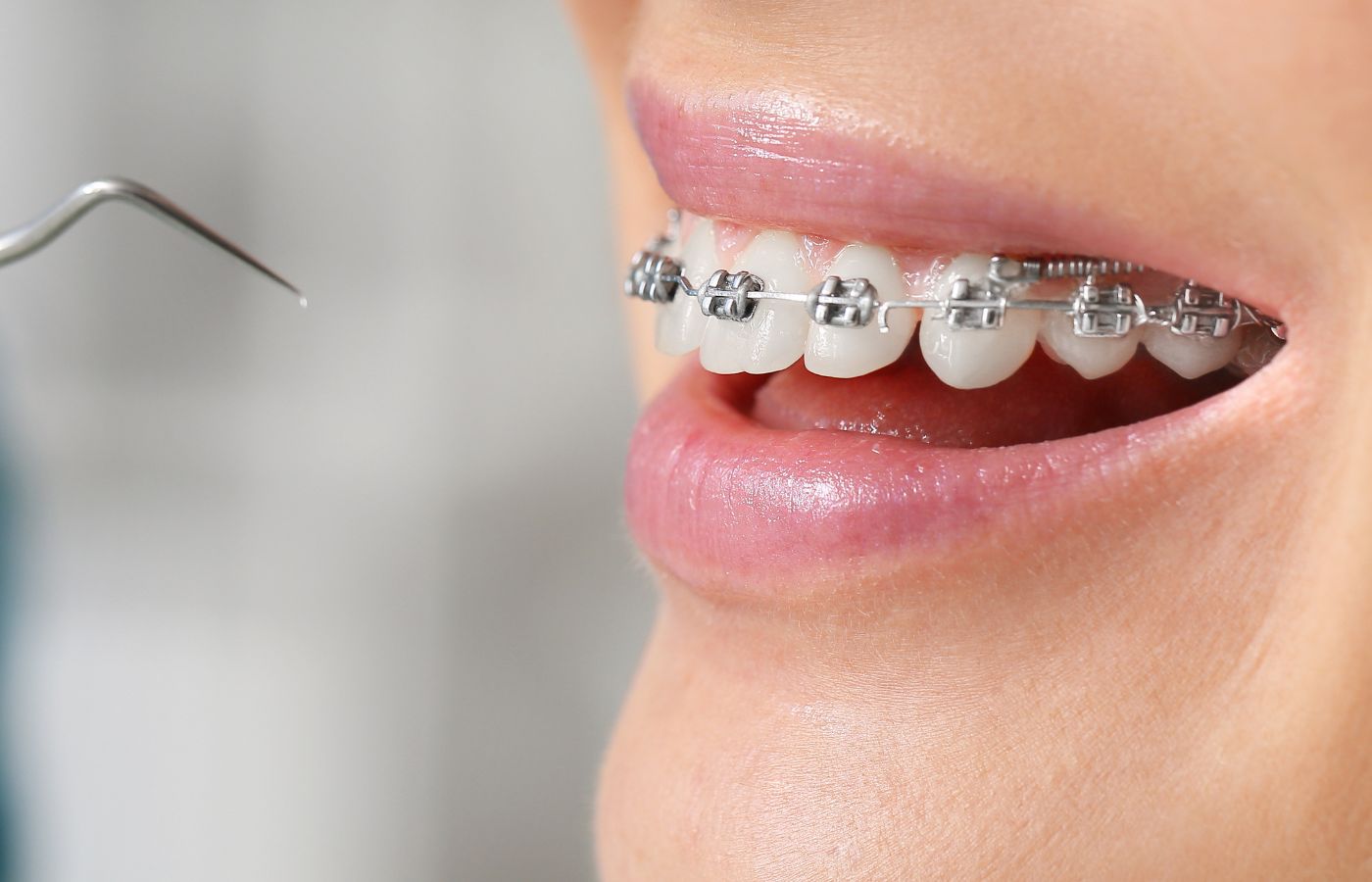
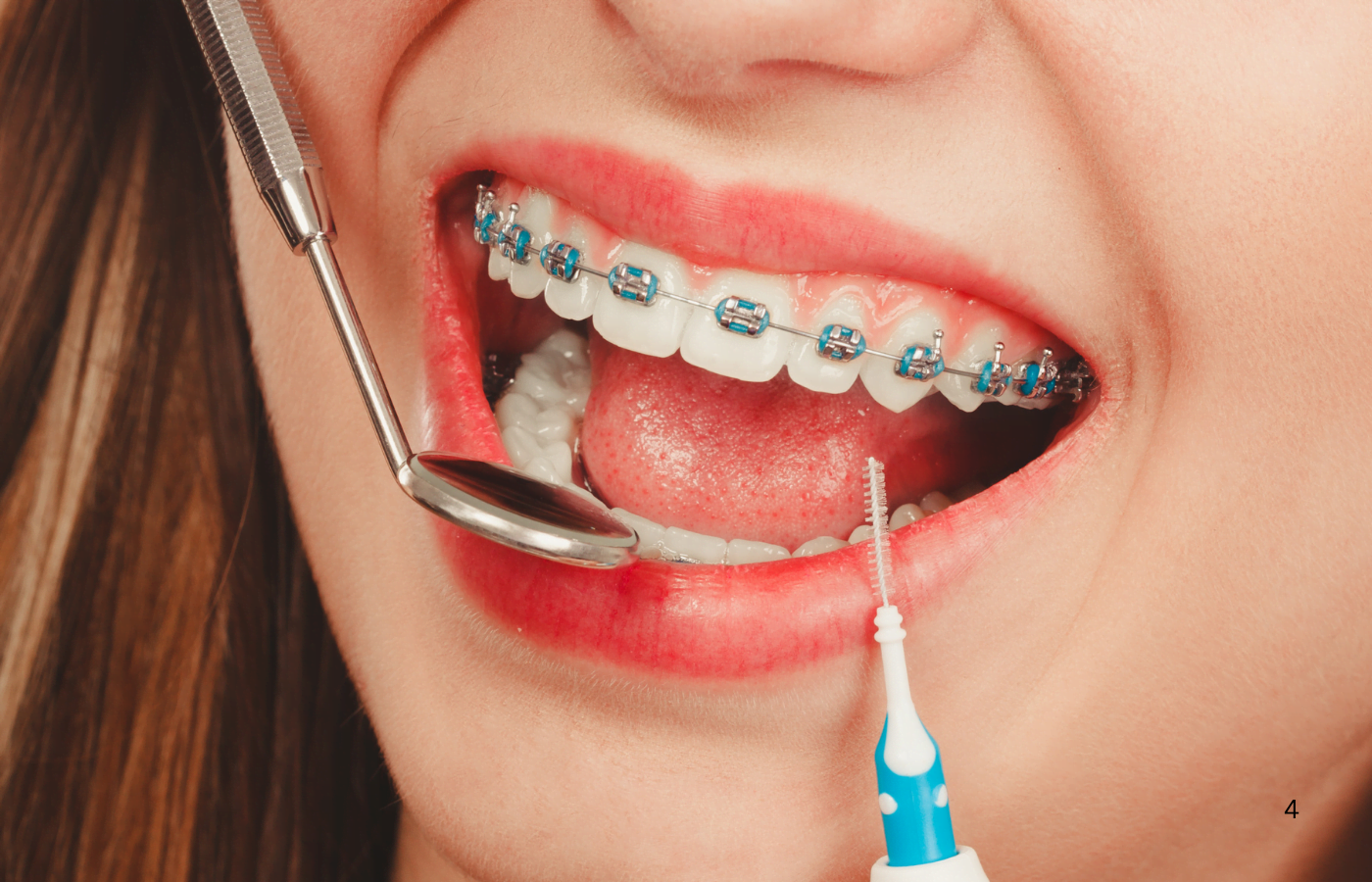
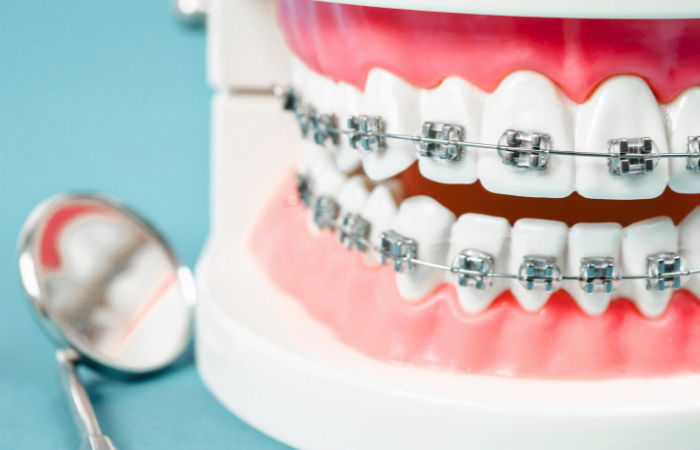
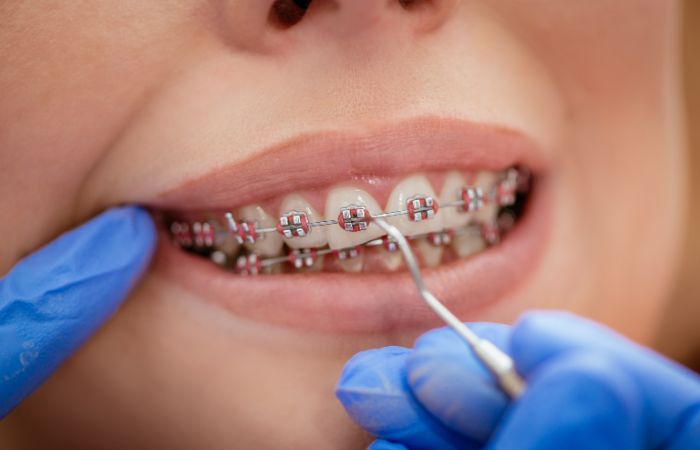
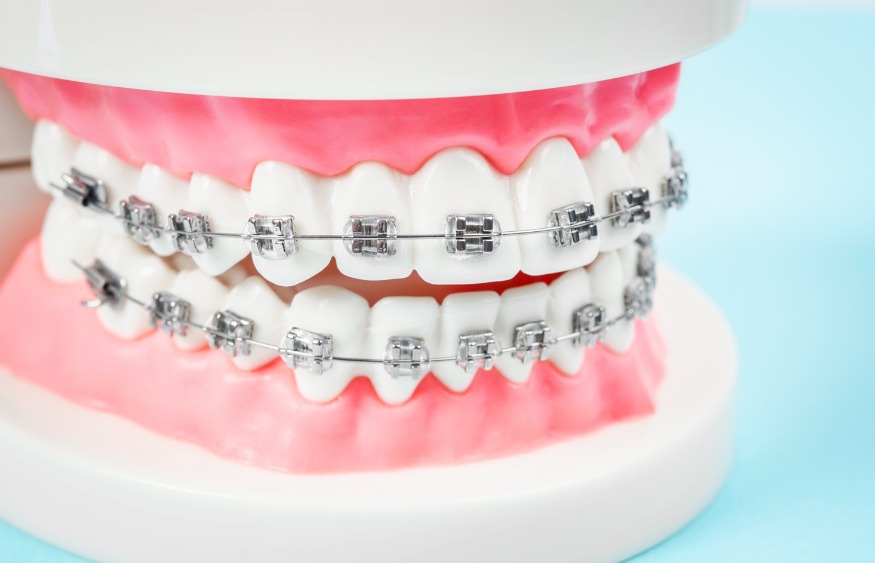
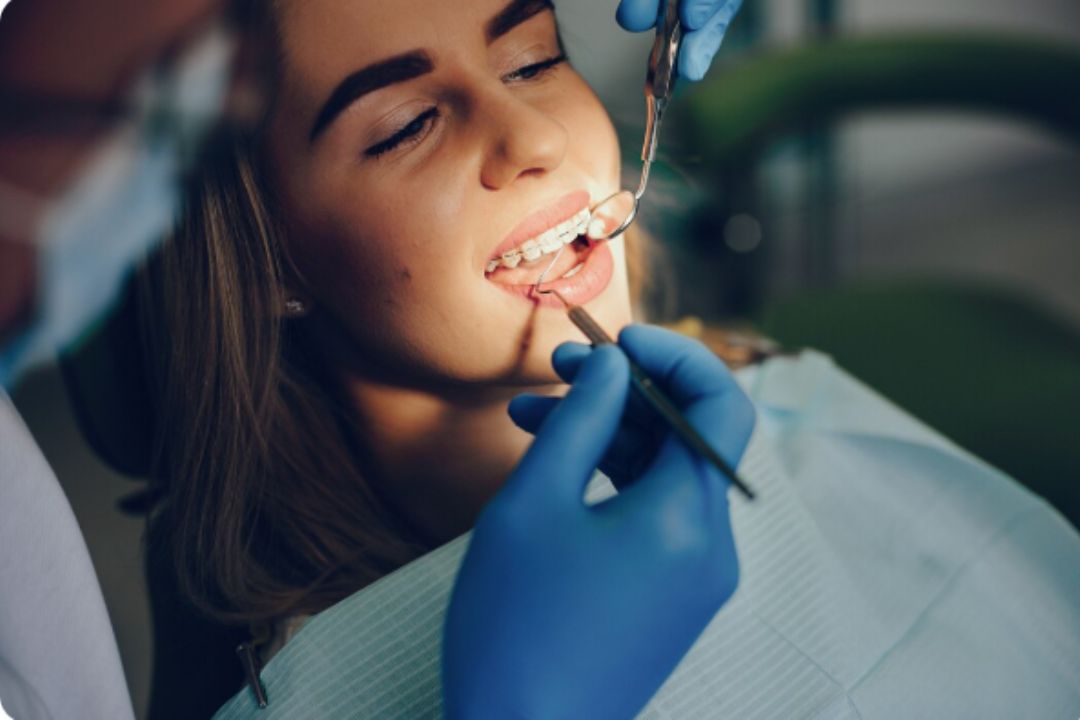
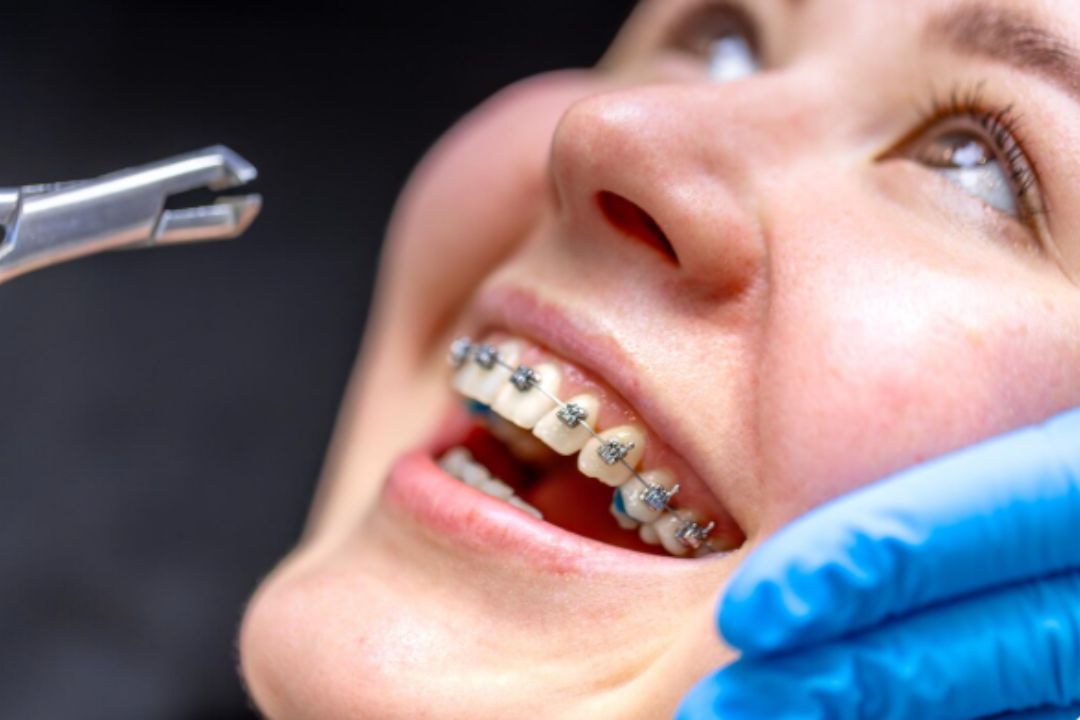
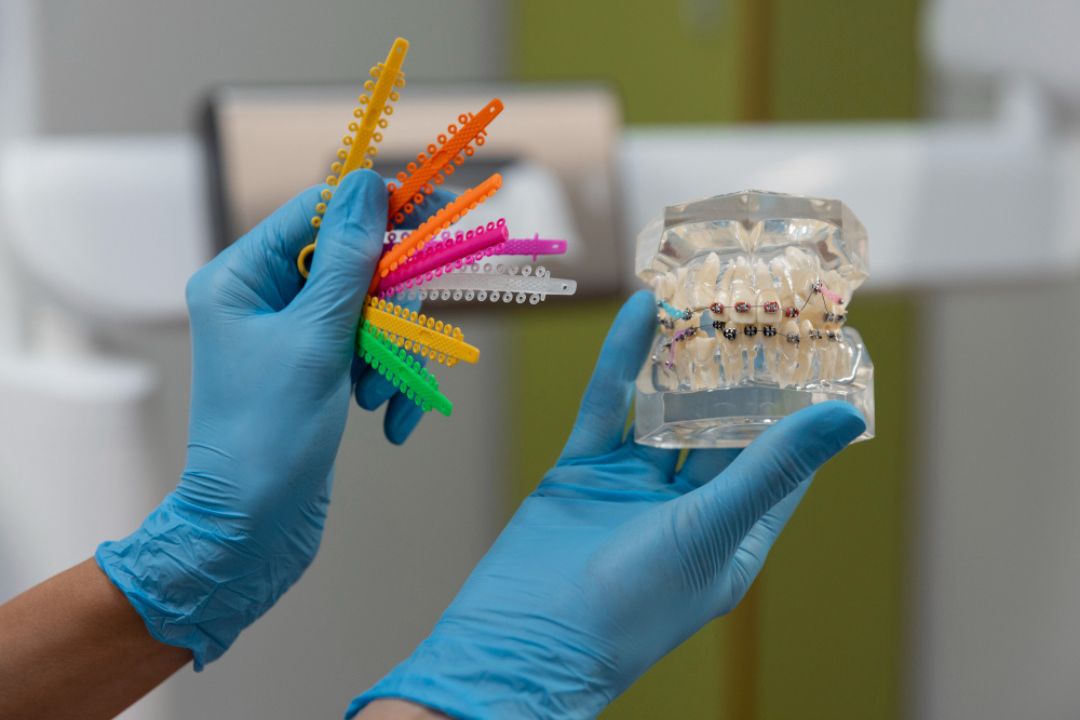
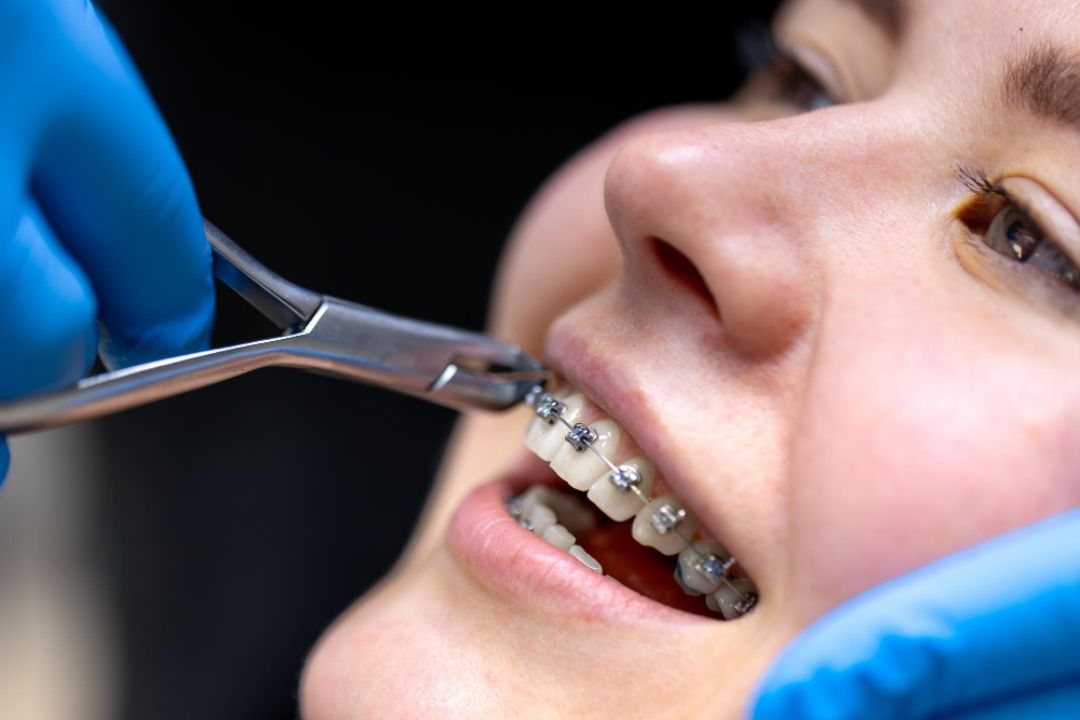
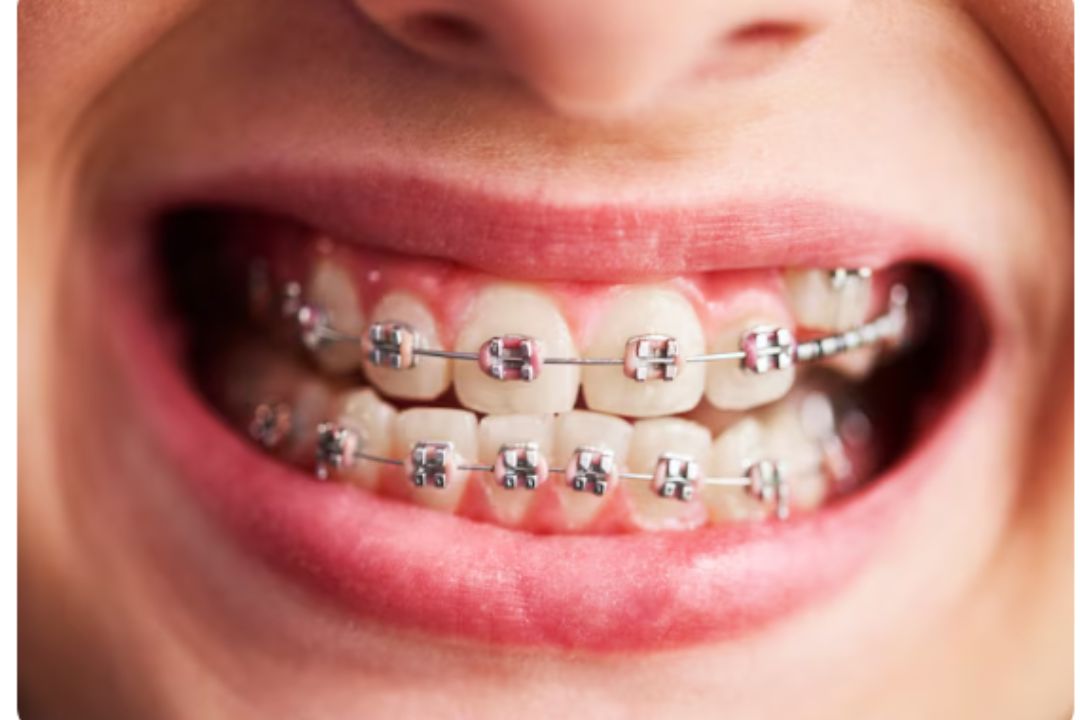
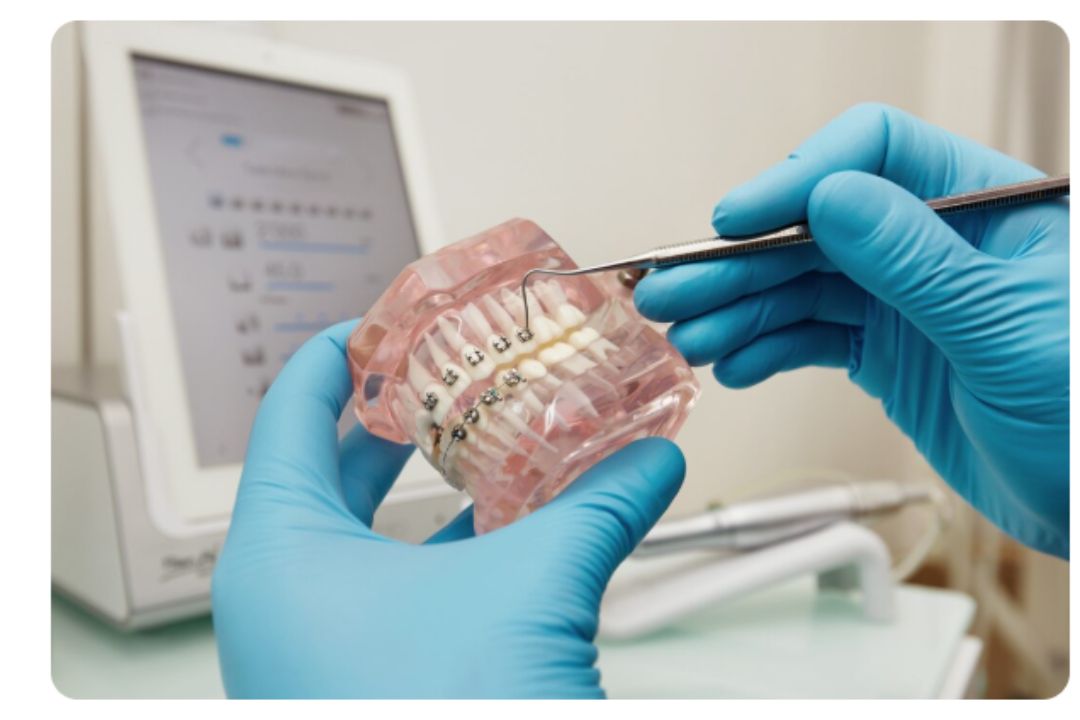
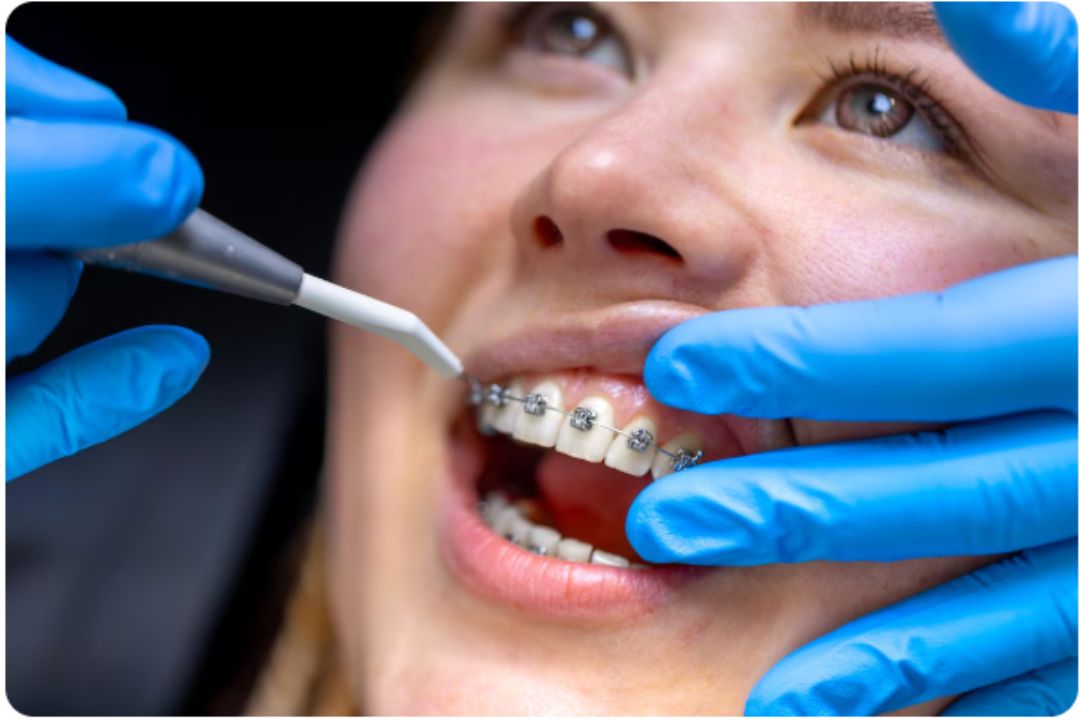
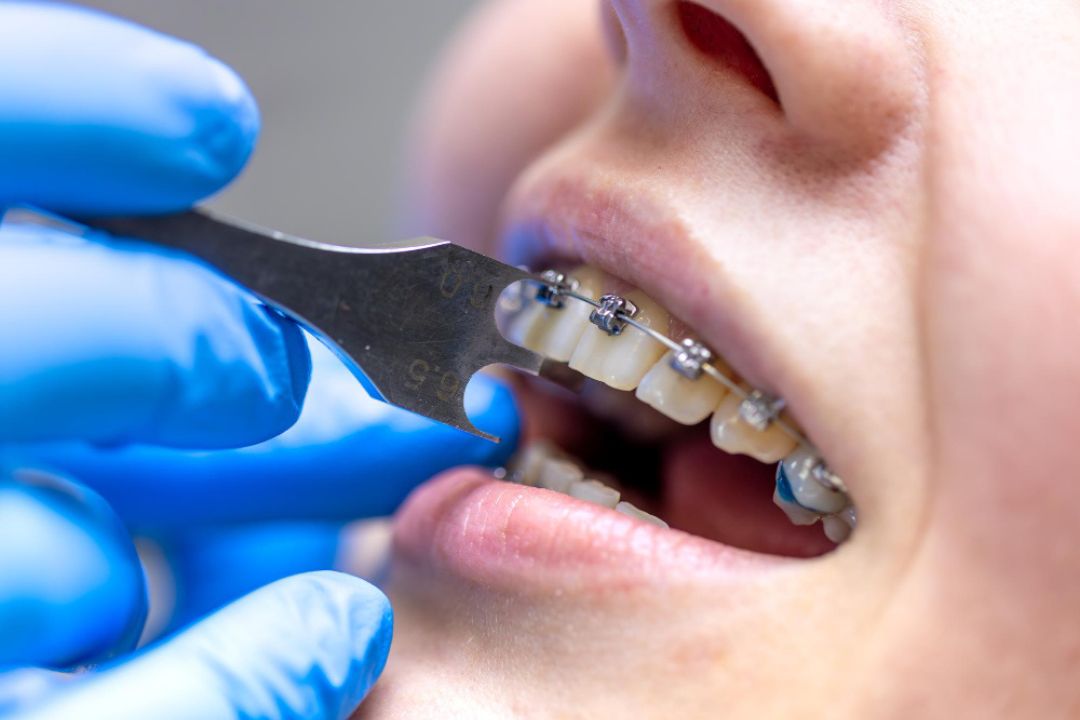
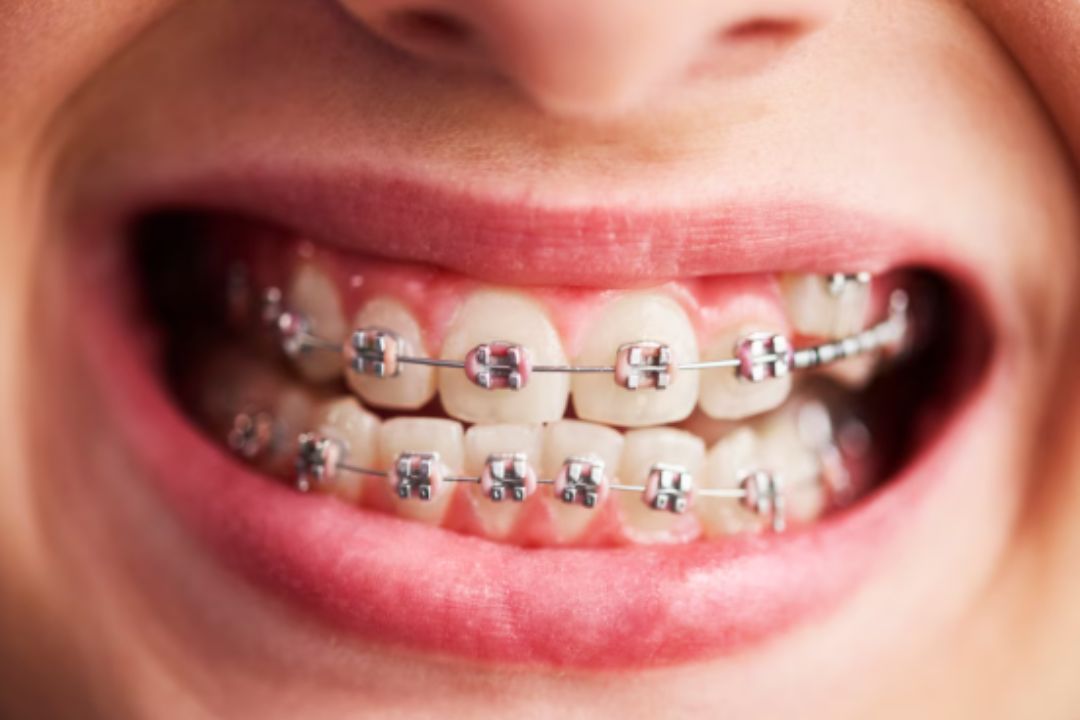
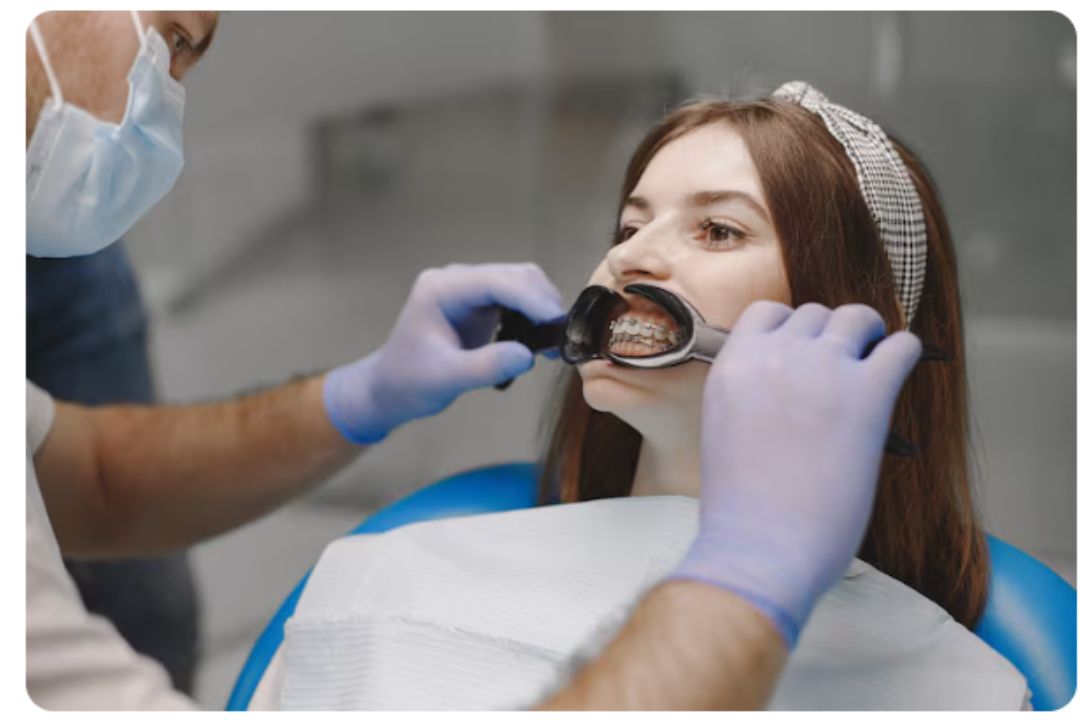
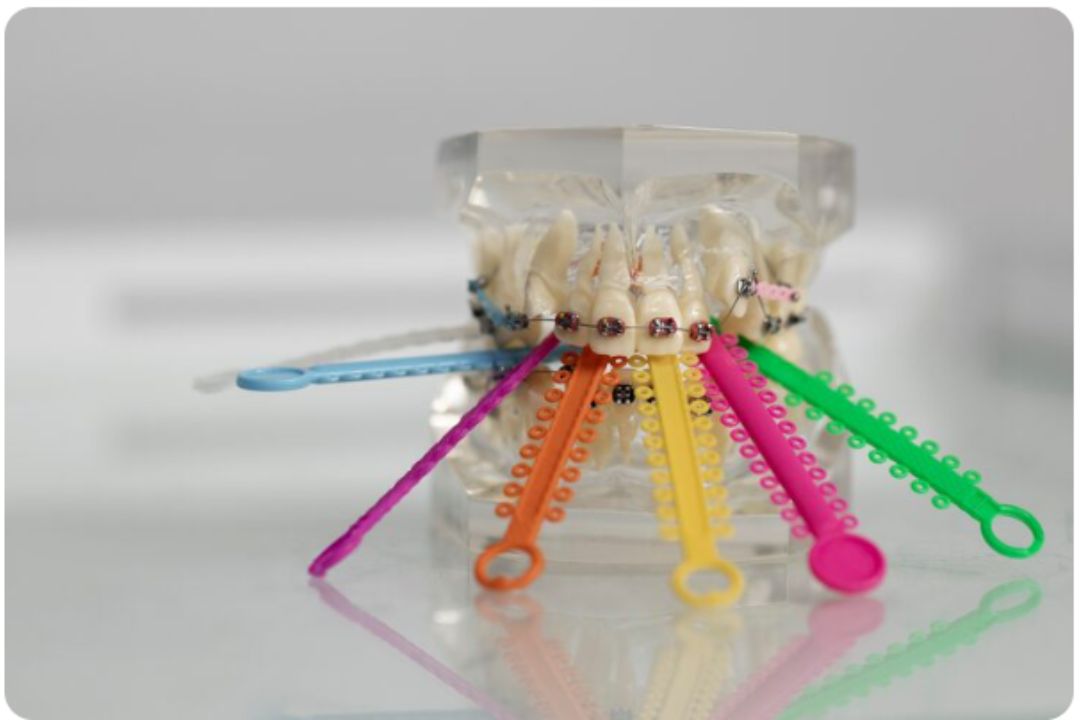
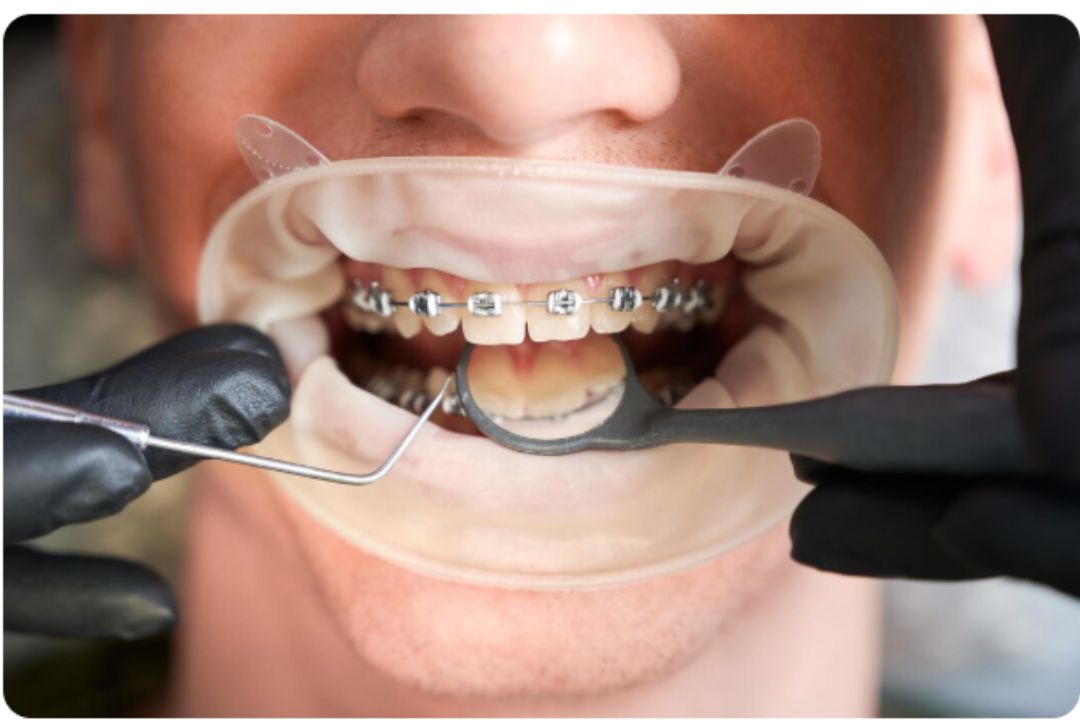
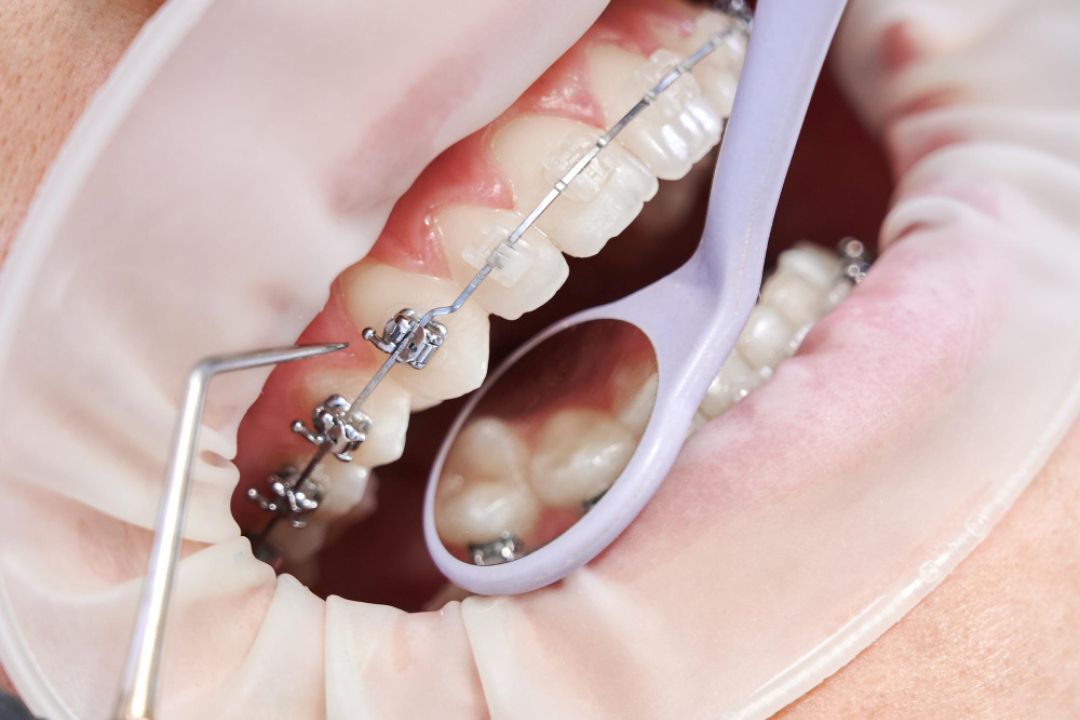
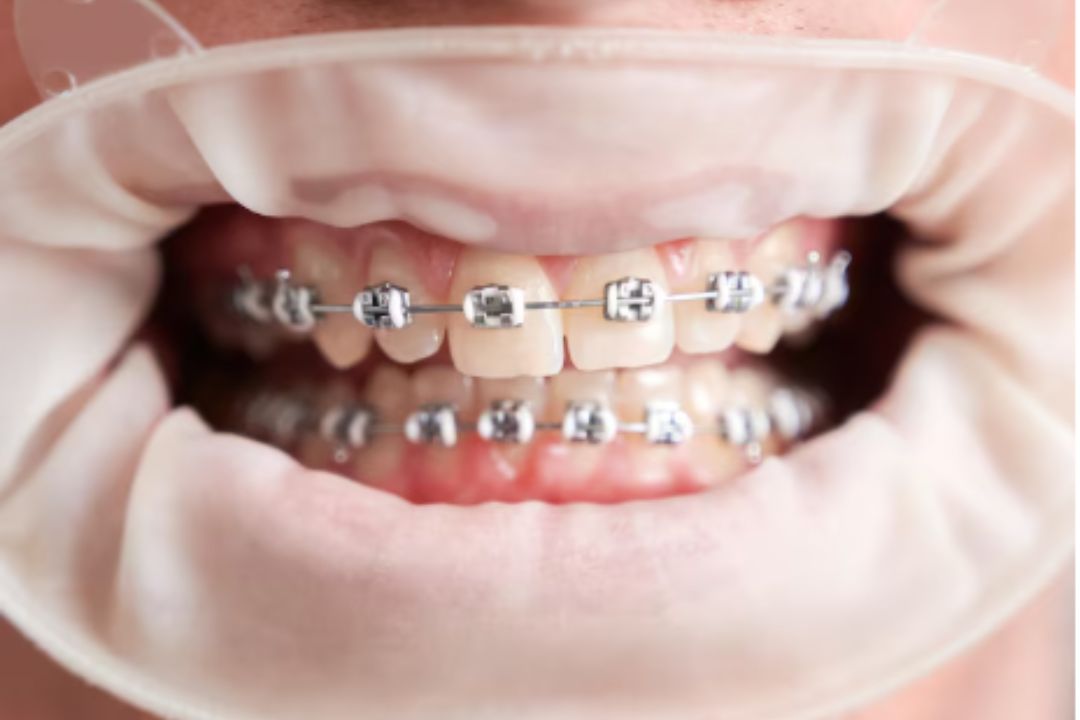
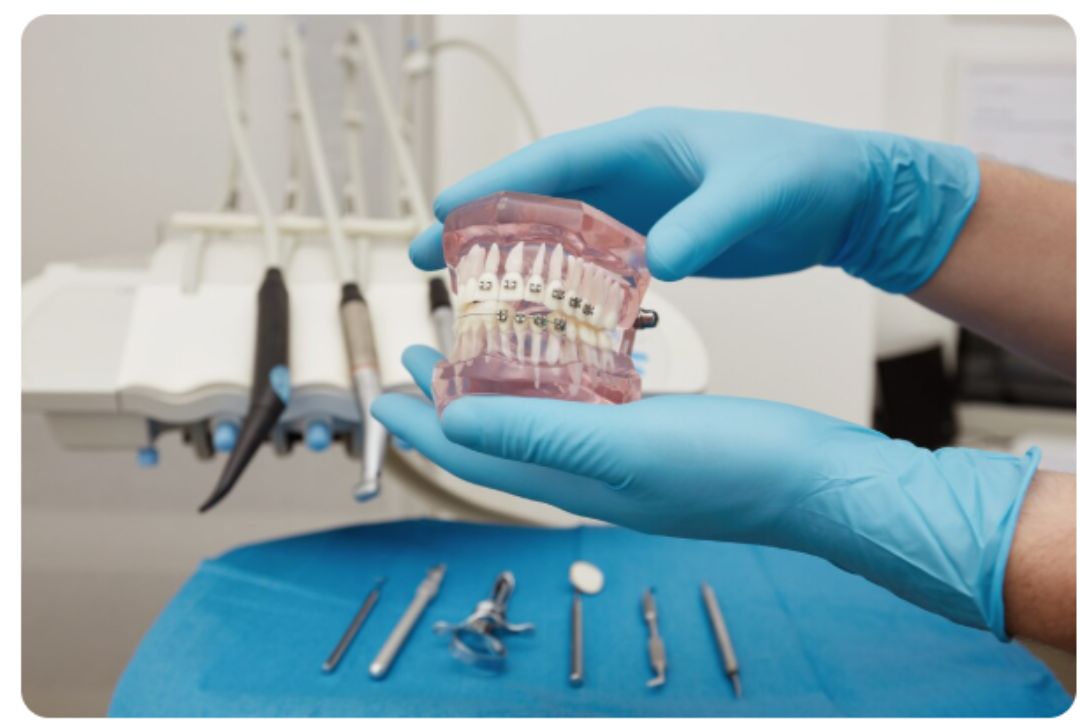
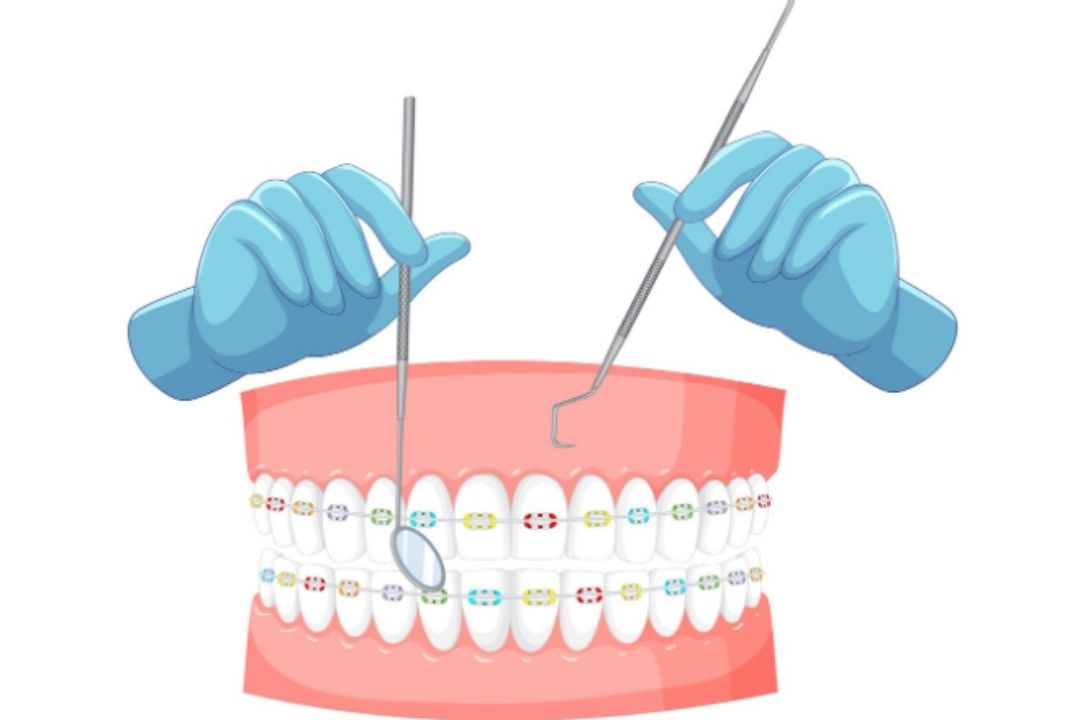
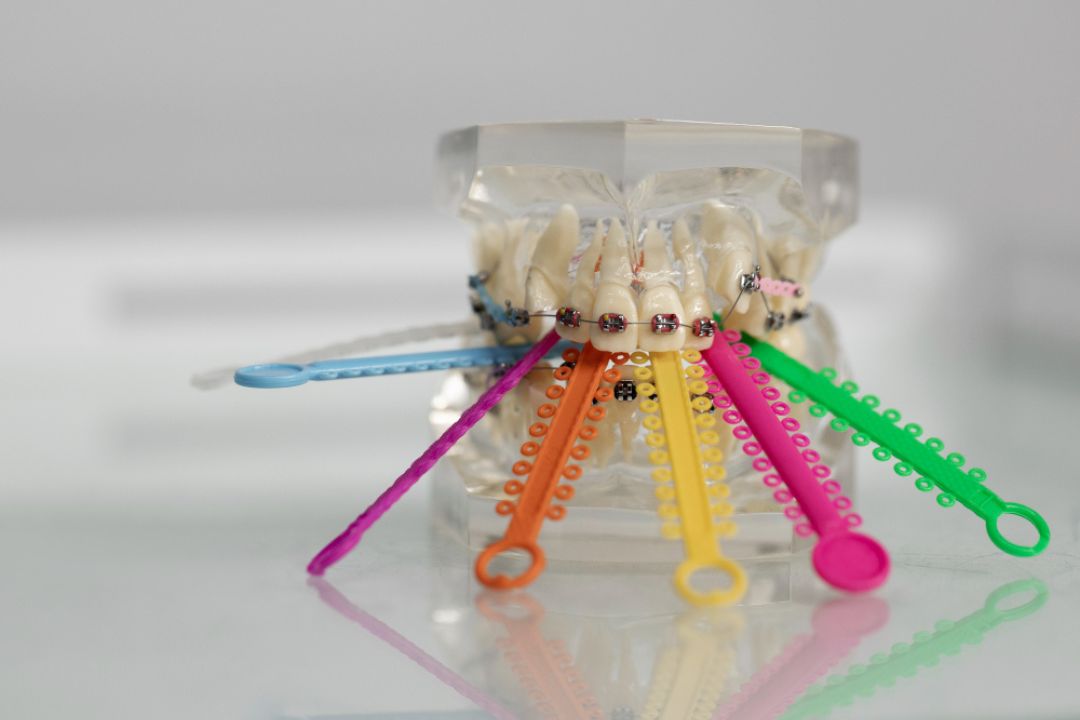
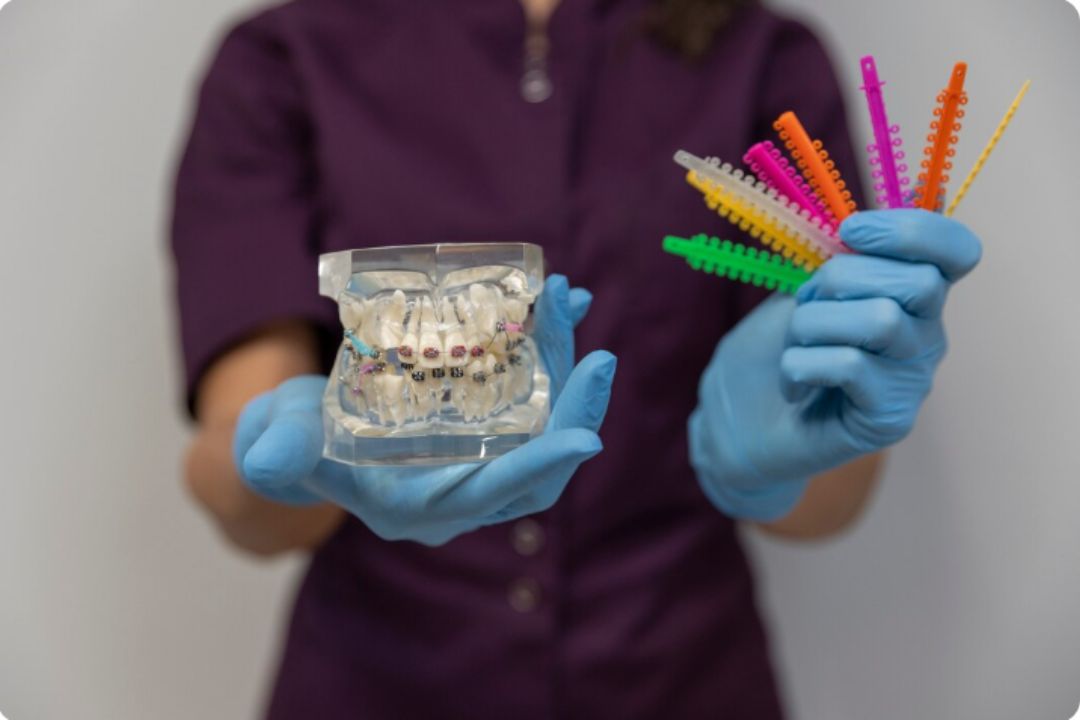
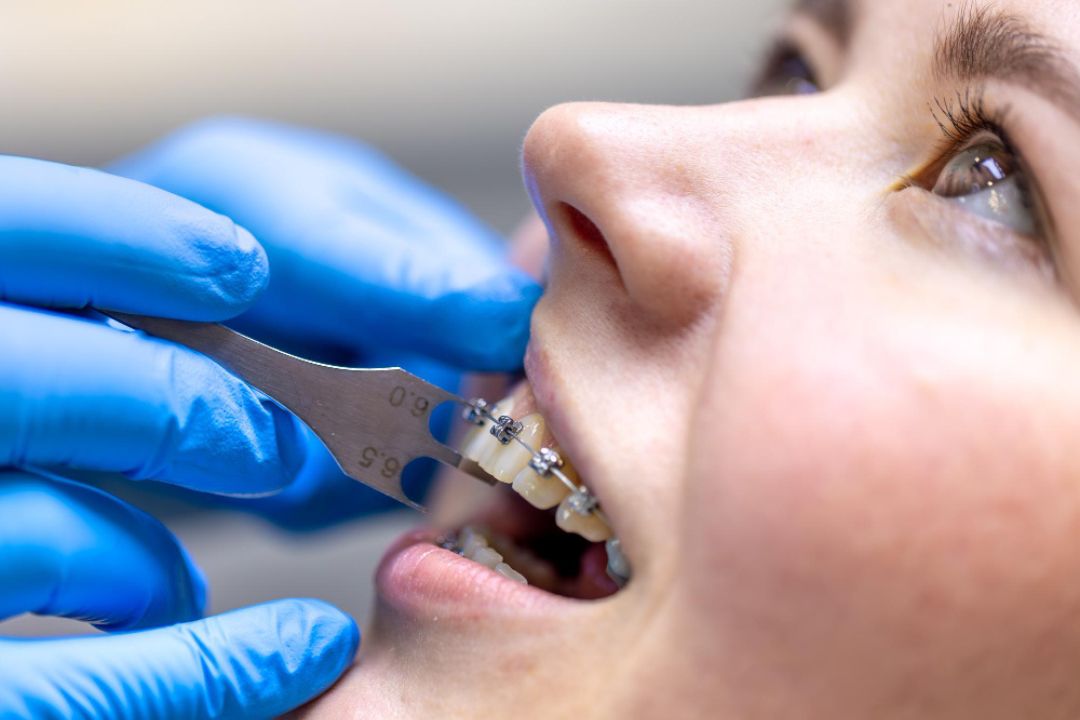
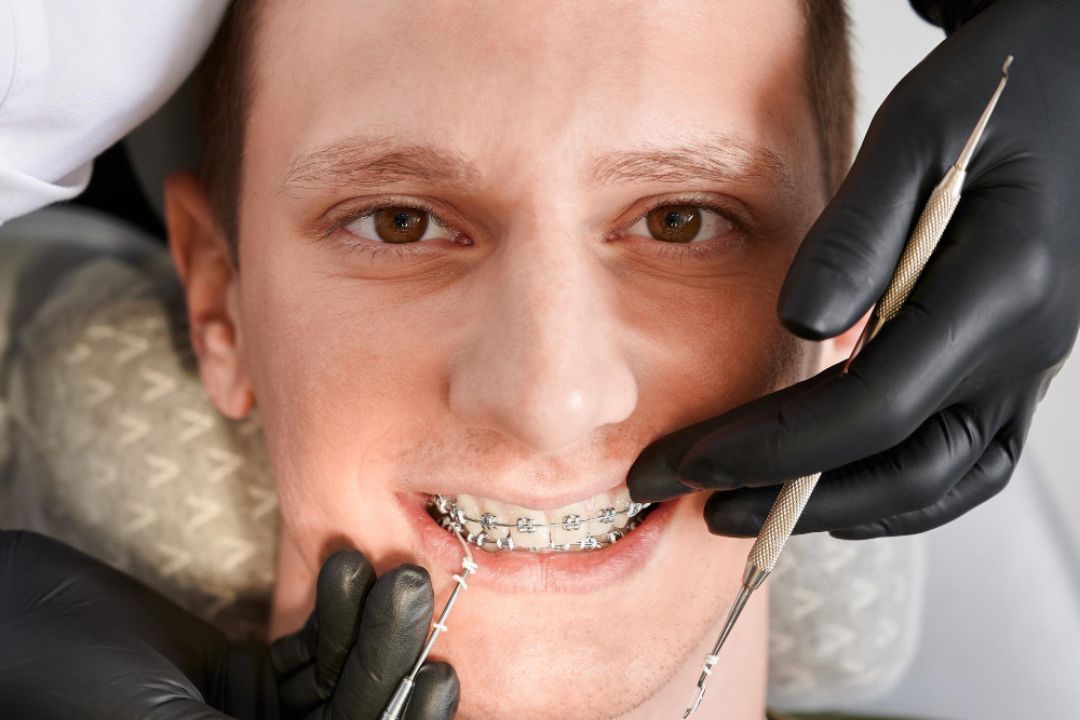
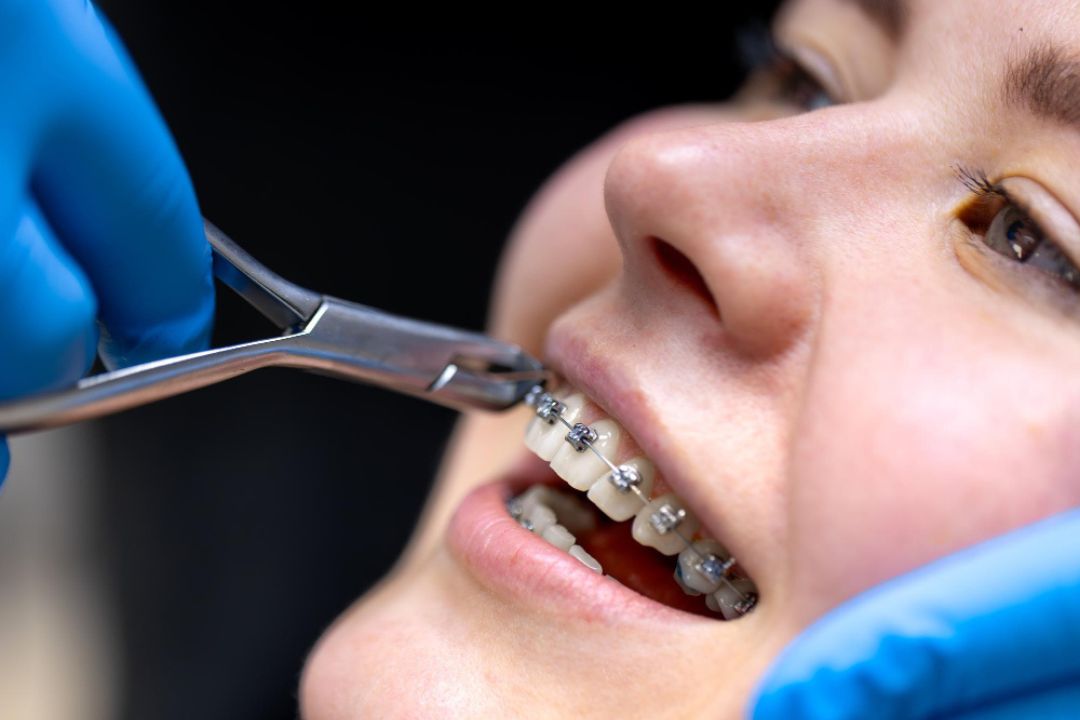
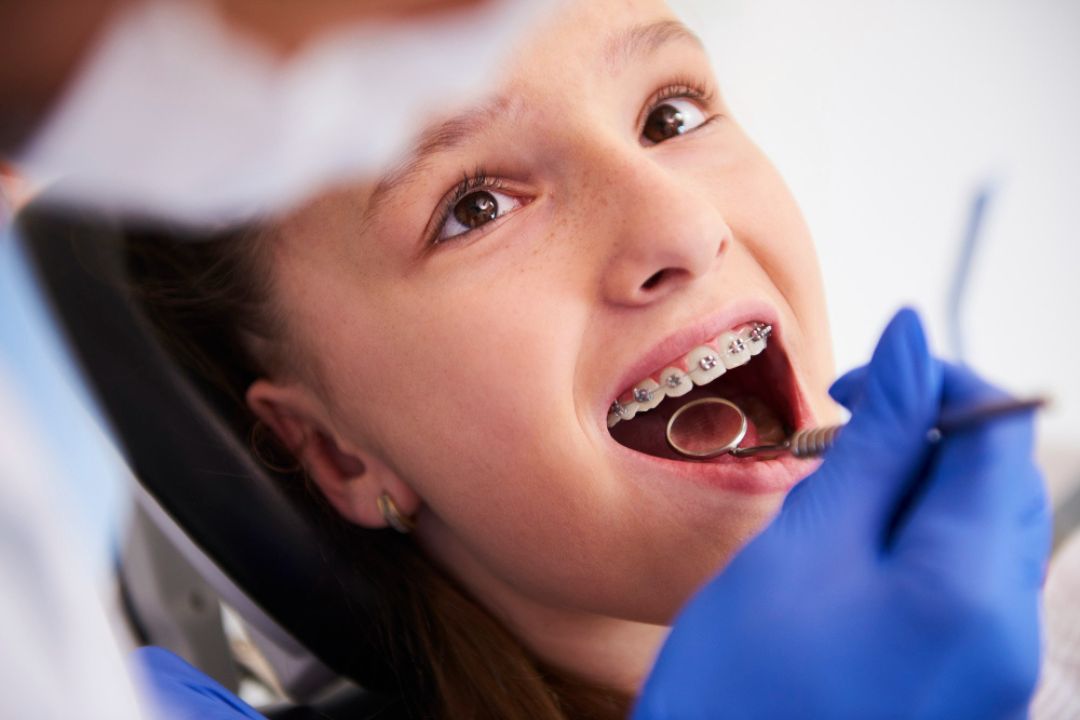
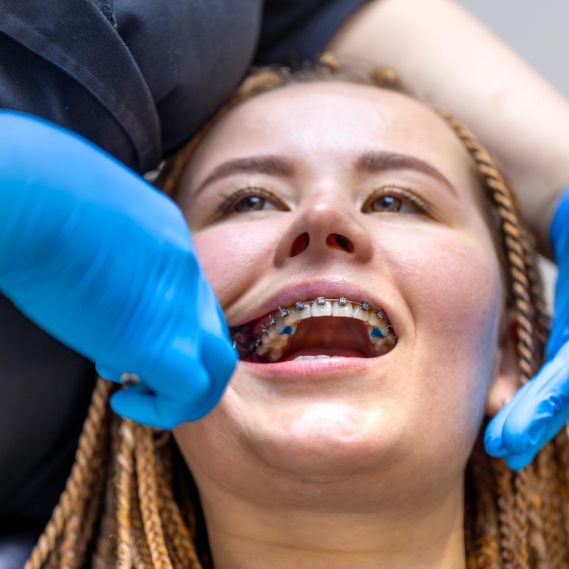
Dental braces consist of brackets, wires, and bands that work together to move teeth slowly and safely. Orthodontists adjust the wires periodically to guide teeth into proper alignment.
With consistent pressure and time, braces:
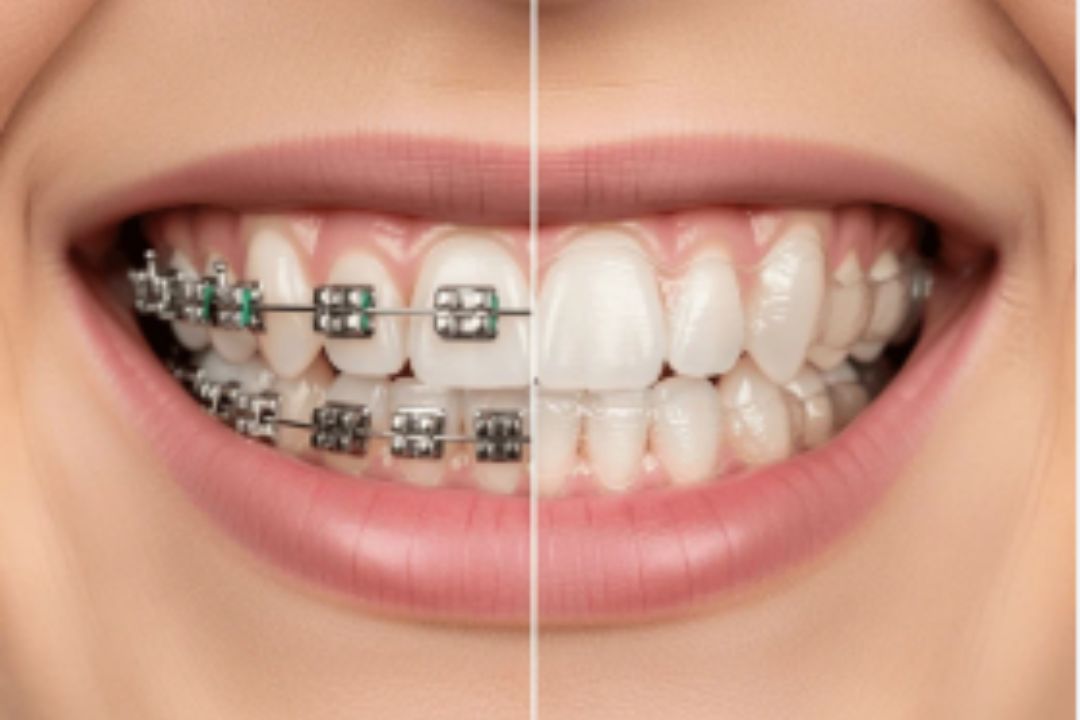
Improve teeth alignment
Correct bite issues
Enhance chewing and speech
Reduce risk of tooth decay and gum disease
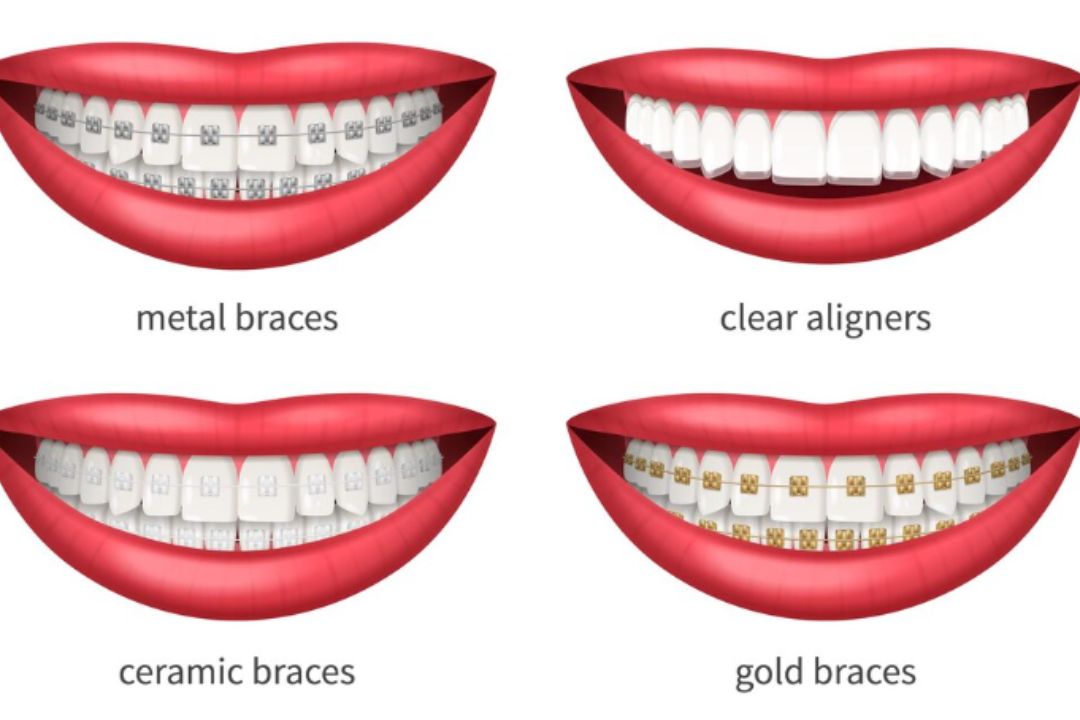
Traditional metal braces are strong, effective, and commonly used. They are ideal for complex alignment issues.
Ceramic braces are similar to metal braces but blend with the natural tooth color, making them less noticeable.
Lingual braces are fixed behind the teeth, making them invisible from the front. They require special expertise.
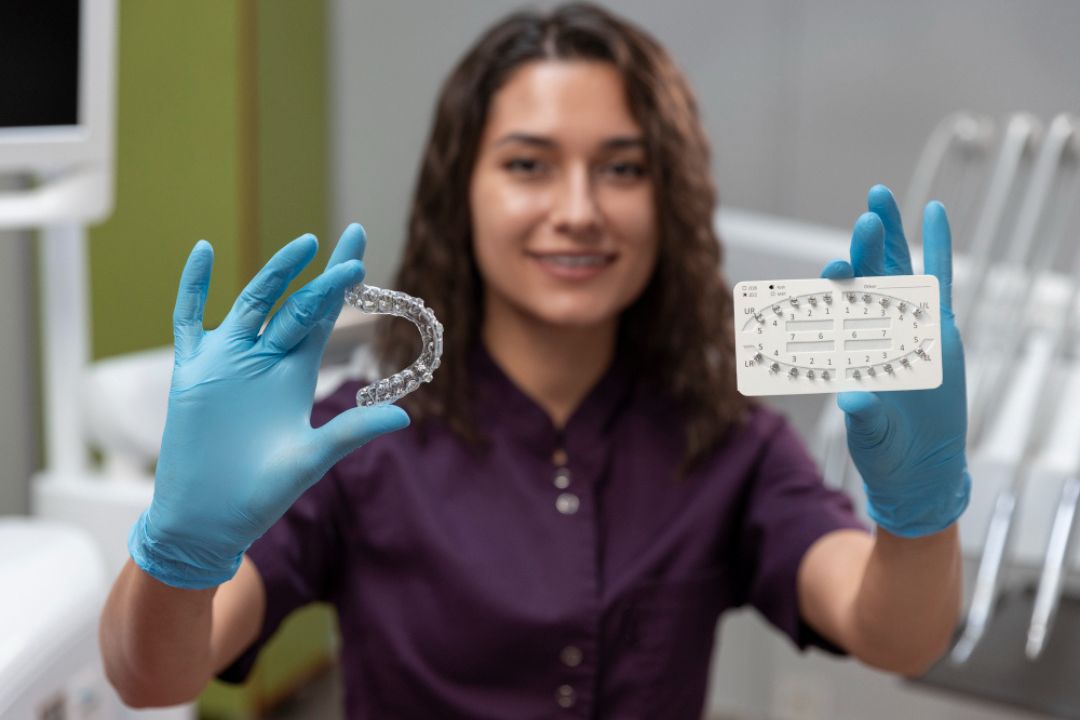
Clear aligners are removable, transparent trays suitable for mild to moderate alignment problems.
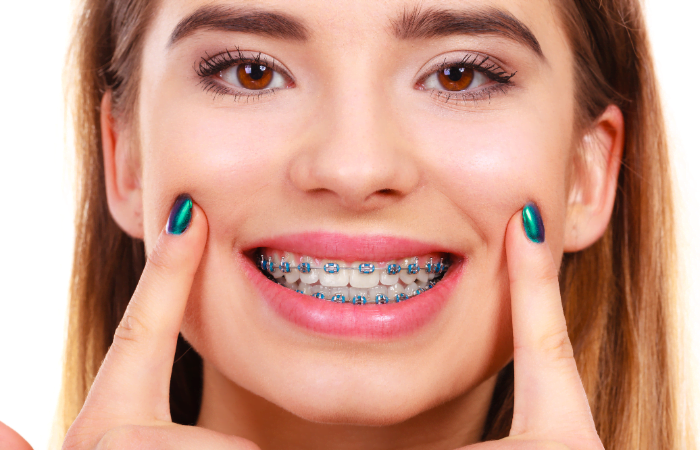
Improved smile and confidence
Better oral hygiene and easier cleaning
Reduced risk of cavities and gum disease
Proper bite and jaw alignment
Long-term dental health benefits
Dental braces are suitable for:
Children with early alignment problems
Teenagers during jaw development
Adults seeking smile correction
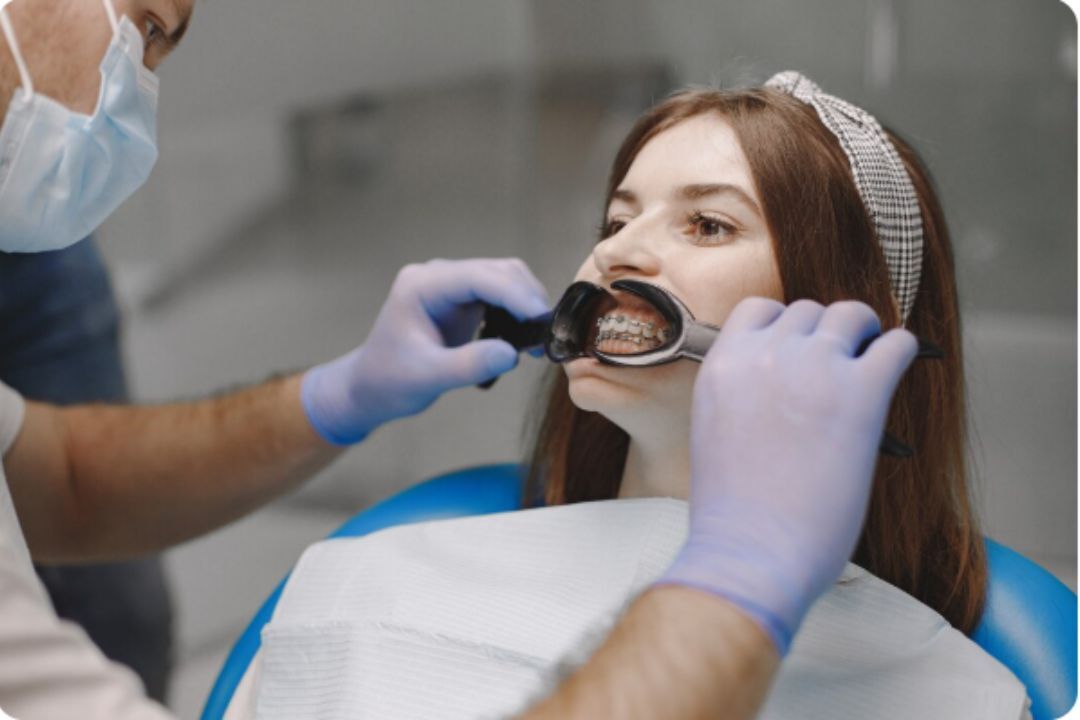
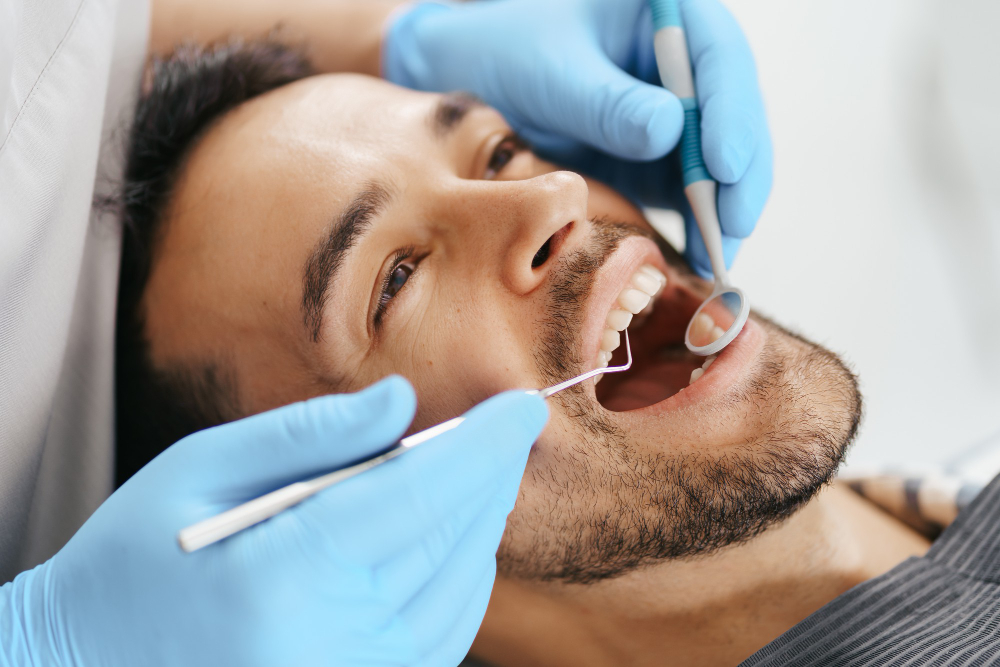
An orthodontic consultation helps determine the best treatment option.
The duration of braces treatment varies depending on the severity of misalignment:
Mild cases: 6–12 months
Moderate cases: 12–18 months
Severe cases: 18–24 months
Regular follow-ups are essential for effective results.
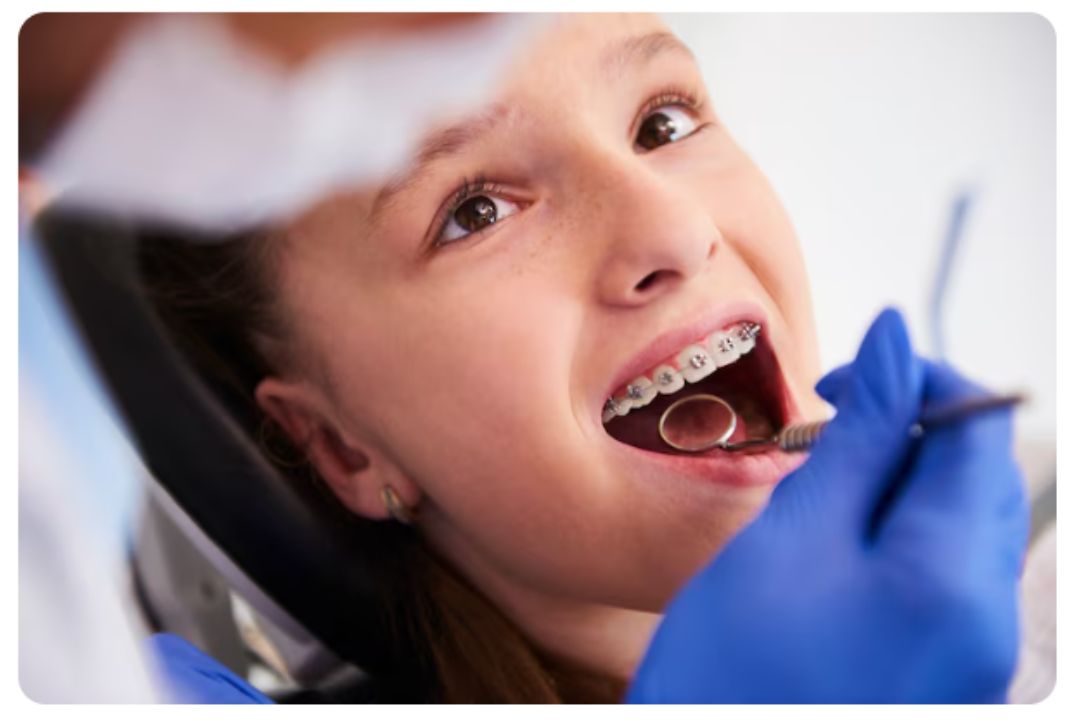
Mild discomfort is common after getting braces or adjustments. This usually subsides within a few days. Orthodontists may recommend pain relievers or soft foods initially.
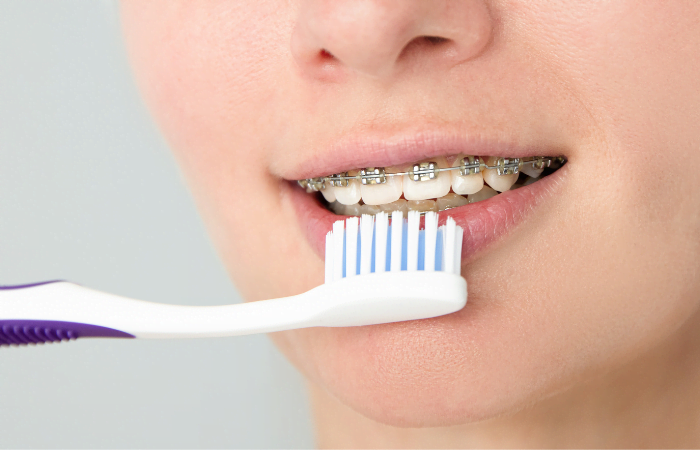
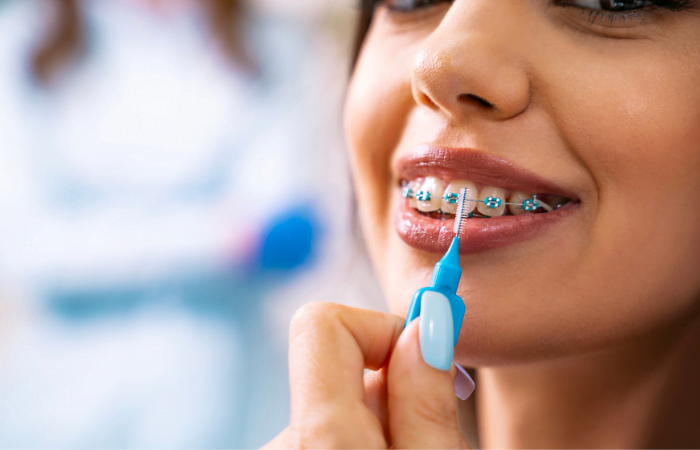
Brush teeth after every meal
Use fluoride toothpaste
Avoid sticky and hard foods
Use orthodontic floss or water flossers
Attend regular dental checkups
Proper care ensures faster and safer results.
The cost of dental braces depends on the type and complexity:
Metal braces: ?30,000 – ?50,000
Ceramic braces: ?50,000 – ?80,000
Lingual braces: ?80,000 – ?1,50,000
Clear aligners: ?70,000 – ?2,00,000
Consult your dentist for an accurate estimate.
You should consult an orthodontist if you notice:
Crooked or overlapping teeth
Difficulty chewing or speaking
Jaw pain or bite problems
Early tooth loss in children
Early treatment leads to better outcomes.















































.jpg "affordable metal braces in mumbai")























.jpg "dental braces cost in Diagnopein complete price breakdown (2026 guide)")






.jpg "dental braces")




.jpg "dental braces")


 (1).png "Visual Journey of Dental Braces")
 (1).jpg "Dental Braces and Gum Disease")