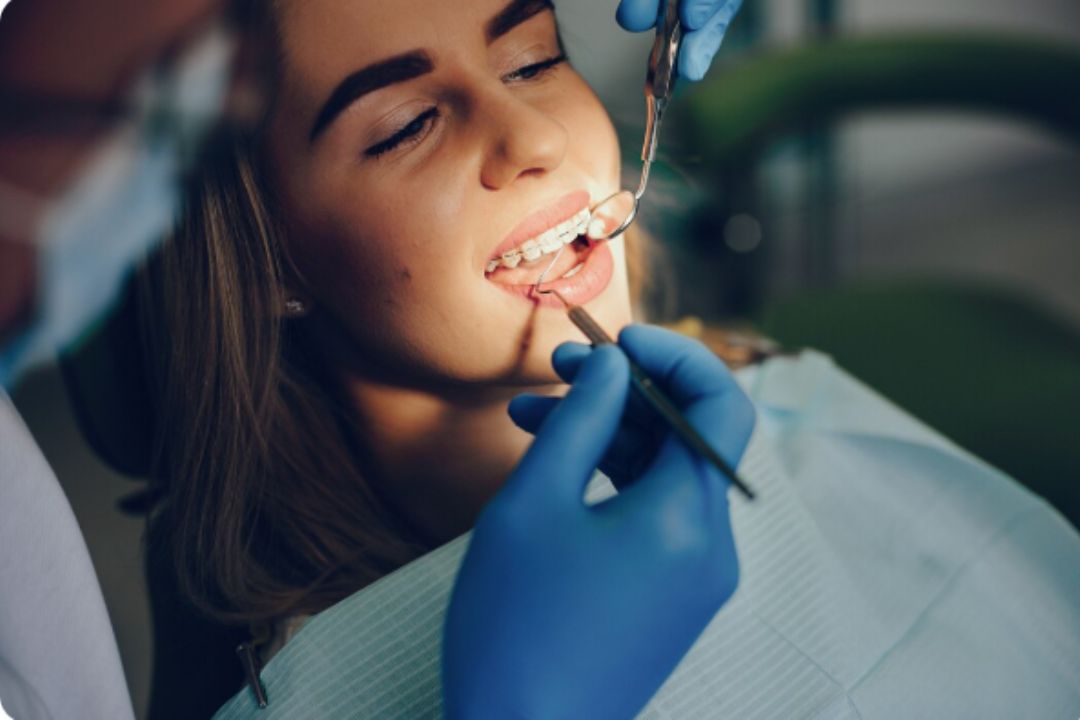
For millions of adults seeking a confident, healthy smile, orthodontic treatment is a transformative journey. However, for those managing diabetes, a crucial question arises: Are dental braces safe for diabetic patients? The intersection of orthodontics and systemic health requires careful consideration, but the resounding answer from dental experts is yes—with the right planning and care. This comprehensive guide delves into the benefits, safety protocols, and practicalities of getting braces as a diabetic adult, with a special focus on options like invisible braces in metropolitan hubs like dental clinics New York. We’ll also explore costing, comfort, and why choosing a specialized provider like Diagnopein—including Diagnopein Mumbai—makes all the difference.
People with diabetes often worry about dental treatments including orthodontic care. If you have diabetes and are considering dental braces you may be asking:
Are dental braces safe for diabetic patients?
In this guide we explain how diabetes affects oral health what precautions are needed when getting braces and how to make treatment safe and effective. You will also learn about tips for better healing and long-term success.
Diabetes affects the way the body controls blood sugar. High blood sugar levels can slow down healing and raise the risk of infections. Because orthodontic braces involve movement of teeth and slight pressure on tissues patients with diabetes may be concerned about inflammation gum health and overall safety.
Visit Now: https://www.diagnopein.com/dental-clinic/Mumbai
However having diabetes does not mean you cannot get braces. With proper planning and care braces can be safe and effective for most diabetic patients.
Before understanding braces it is important to know how diabetes can affect your mouth:
High blood sugar can slow down the ability of gums and bone to heal after dental treatment.
People with diabetes have a higher risk of gingivitis and periodontitis which can complicate orthodontic treatment.
Diabetes may cause reduced saliva flow which increases the chance of decay and infection.
For these reasons careful dental hygiene and medical coordination are essential before starting braces.
The short answer is yes, braces can be safe for diabetic patients as long as diabetes is well controlled and proper precautions are taken.
Many orthodontists treat diabetic patients successfully. The key factors are stable blood glucose levels good oral hygiene and regular dental checkups.
Before starting treatment your orthodontist and doctor should evaluate your overall health to ensure safe progress.
It is important to speak with your doctor or endocrinologist before orthodontic treatment. They will evaluate your diabetes control and advise if any changes in medication or monitoring are needed.
Good communication between your dentist and physician helps ensure safety throughout treatment.
Braces place constant gentle pressure on teeth and tissues. Stable glucose levels reduce the risk of complications such as gum inflammation or slow healing.
Poor control can increase infection risk and delay treatment.
Before placing braces your dentist must check for gum disease and bone issues. If there is active gum inflammation it should be treated first.
Diabetic patients are at higher risk of periodontal problems so a thorough cleaning and evaluation is important.
Since braces create areas where food can accumulate diabetic patients must be especially diligent with cleaning.
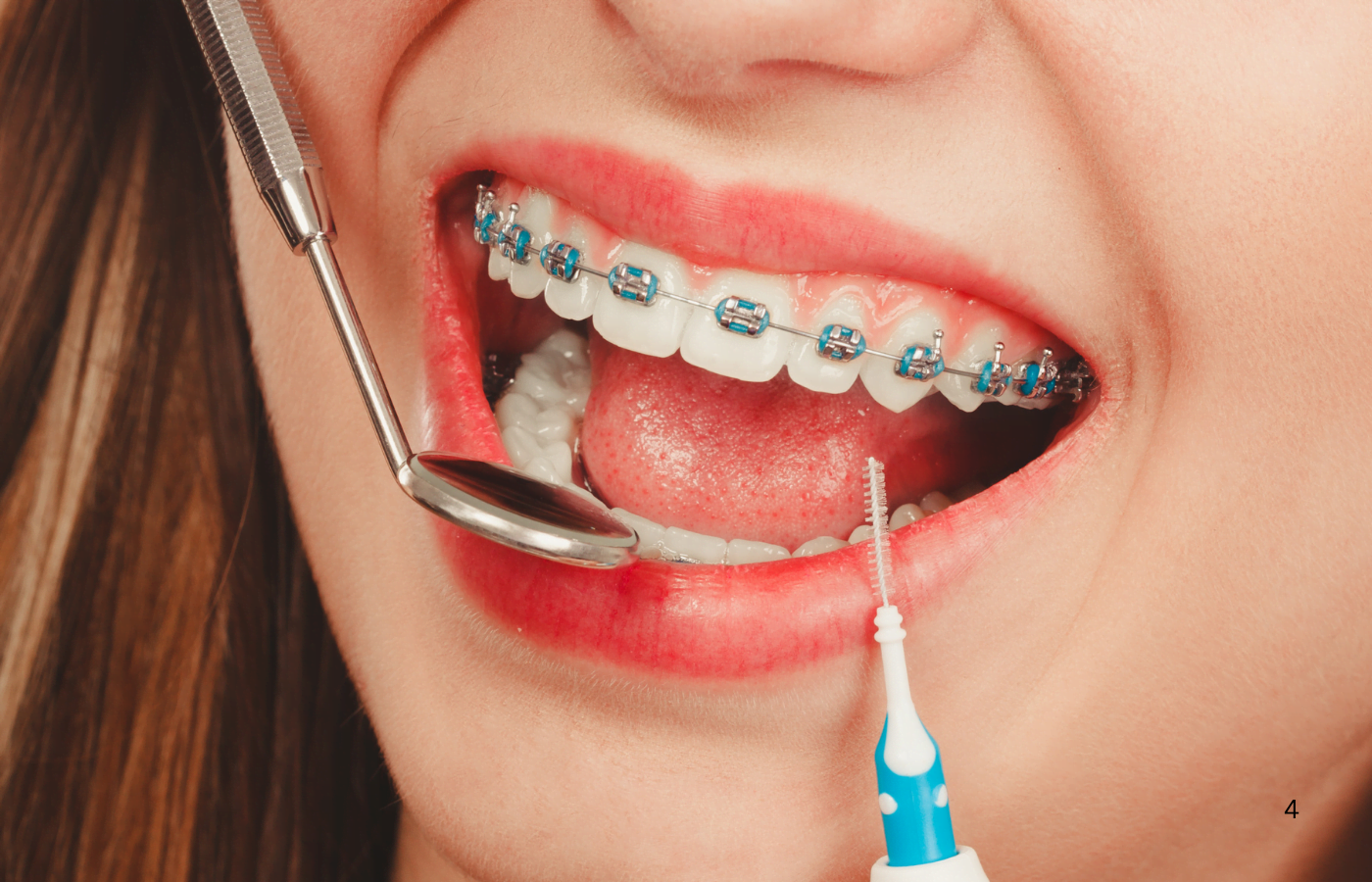
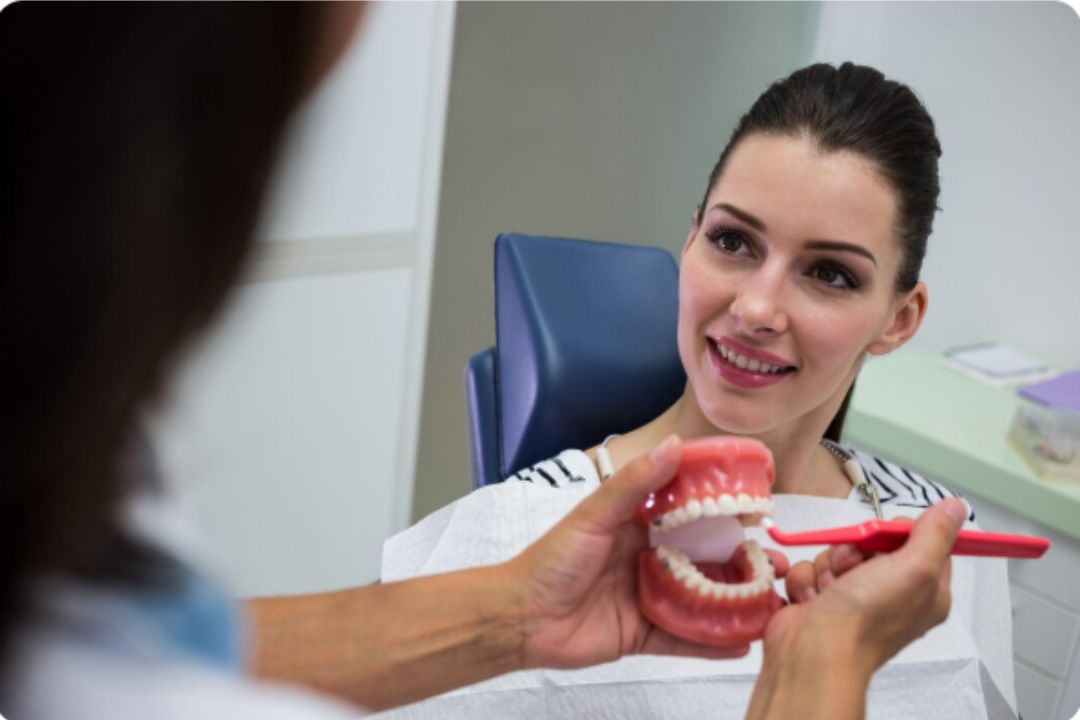
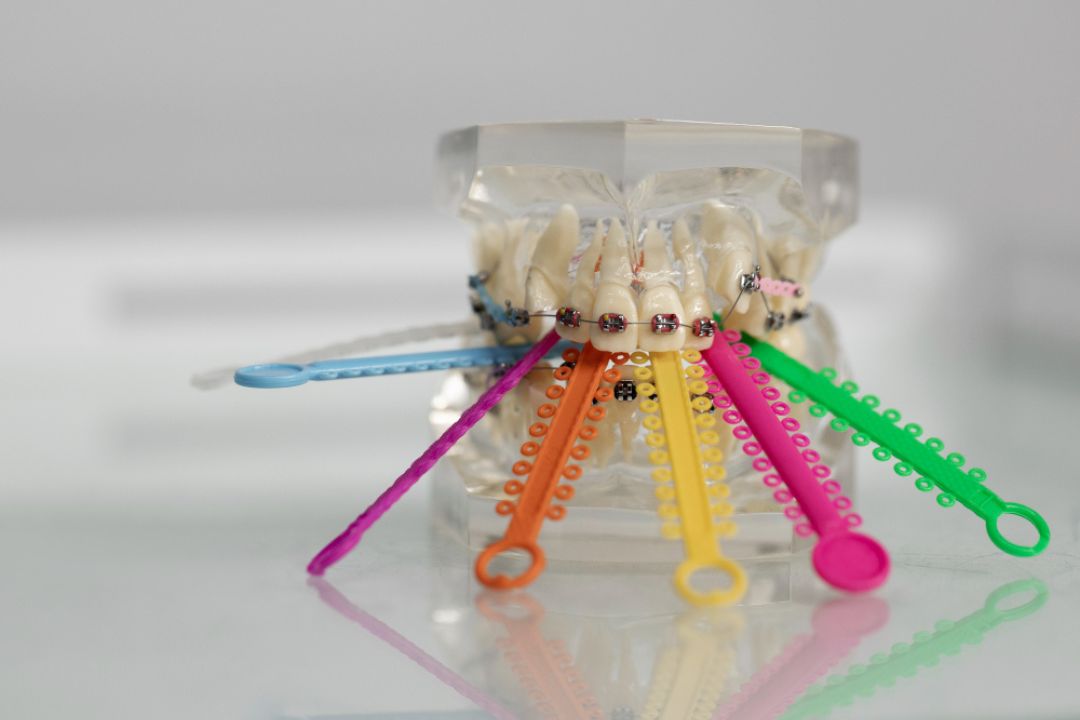
Your dentist will teach you how to clean around brackets and wires properly to prevent decay and gingivitis.
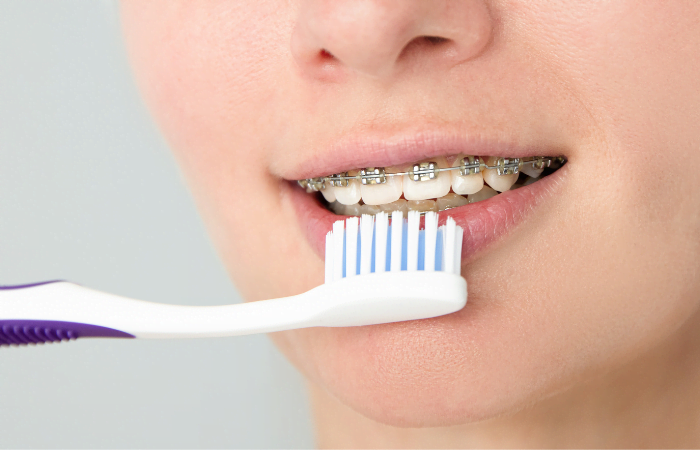
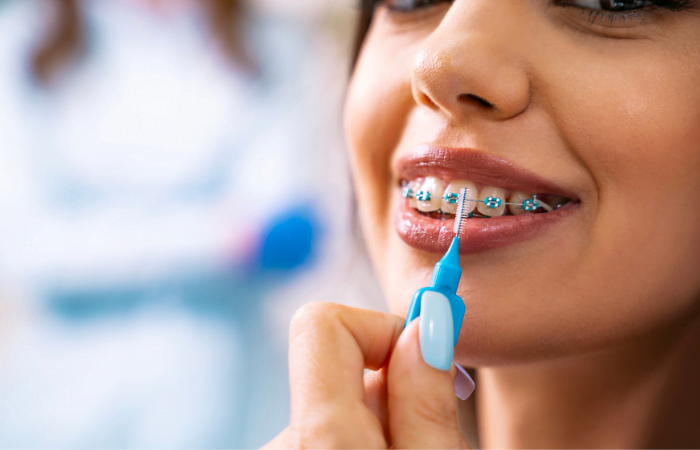
Food particles can easily get trapped around braces which increases the risk of cavities. Brush gently but thoroughly after every meal.
These tools help clean between wires brackets and gum lines that regular brushes cannot reach.
Illness or gum inflammation can affect glucose control. Monitor sugar levels more frequently if you experience gum irritation or swelling.
Routine appointments allow your orthodontist to monitor movement dental health and address issues early before complications develop.
In some cases yes. Diabetes may slow down the rate of tooth movement slightly compared to individuals without diabetes. This is because bone remodeling responds differently when healing is slower.
However with proper care diabetes should not prevent successful orthodontic outcomes.
Your orthodontist may adjust monitoring intervals and treatment planning to ensure safe progress.
If you notice any of these signs you should contact your orthodontist or doctor:
Gum swelling redness or pain
Bleeding gums after brushing or flossing
Loose brackets or wires
Persistent bad taste or foul odor
Sudden changes in blood sugar levels
These signs can indicate gum infection or inflammation that needs prompt attention.
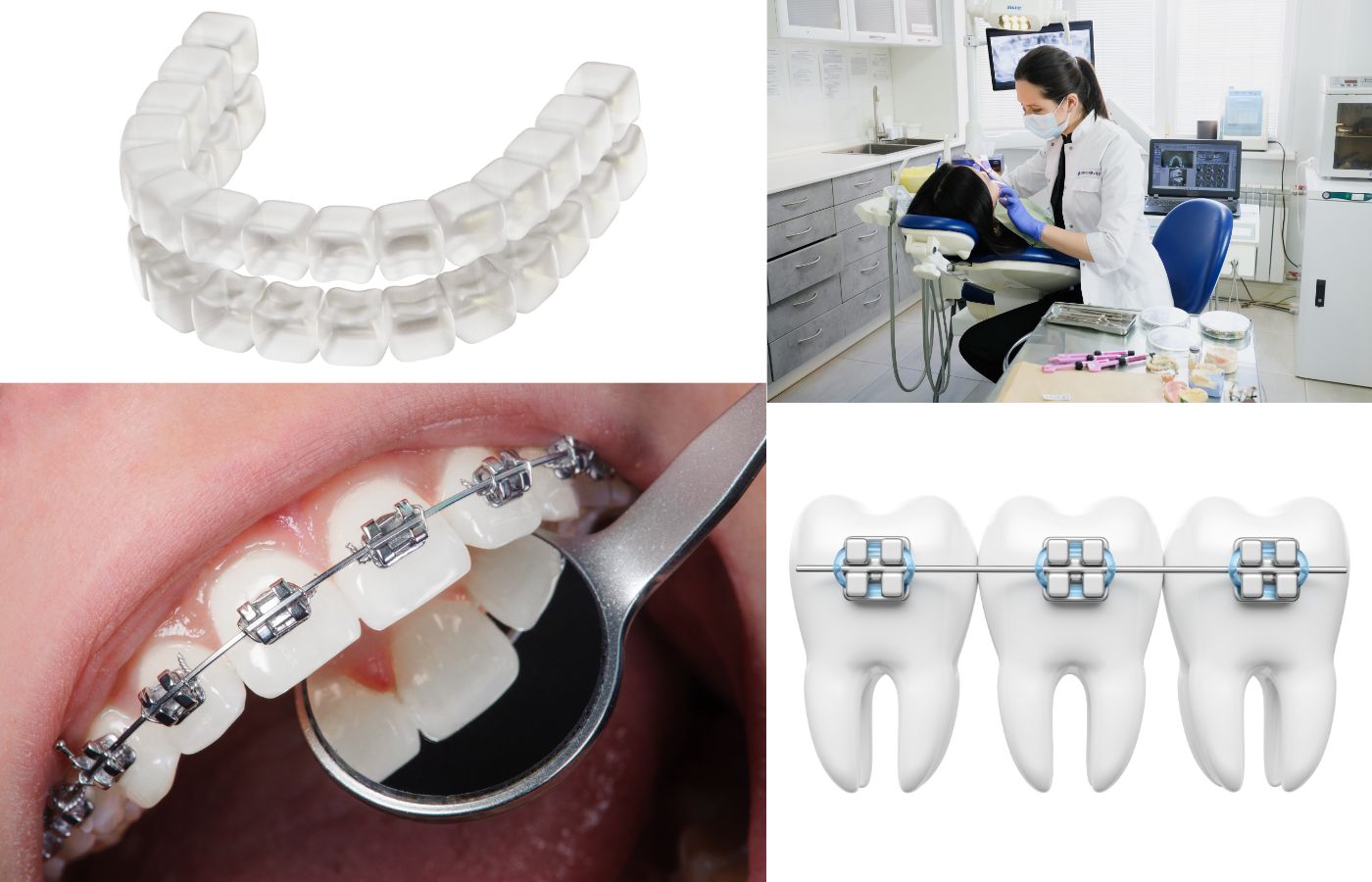
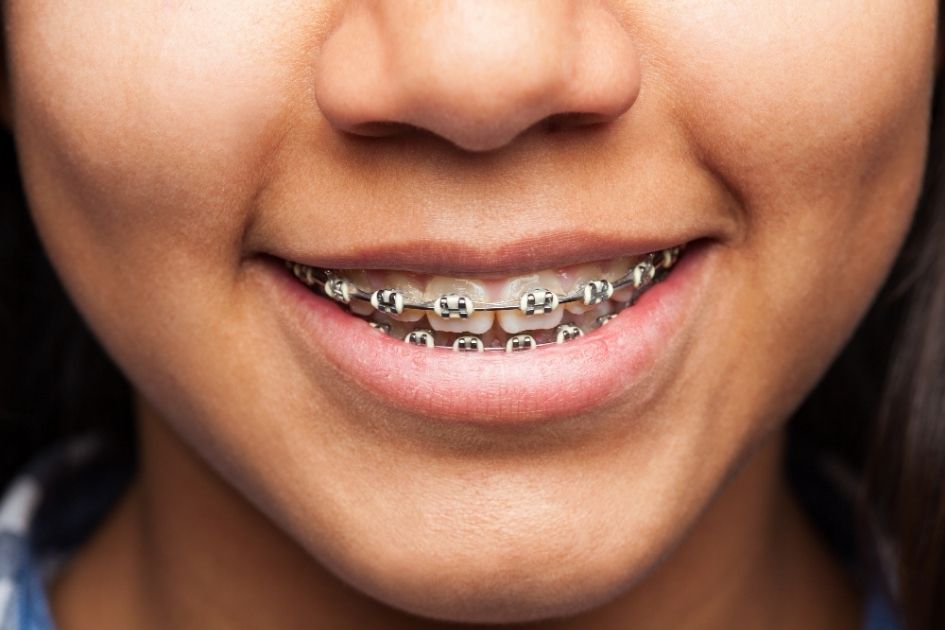
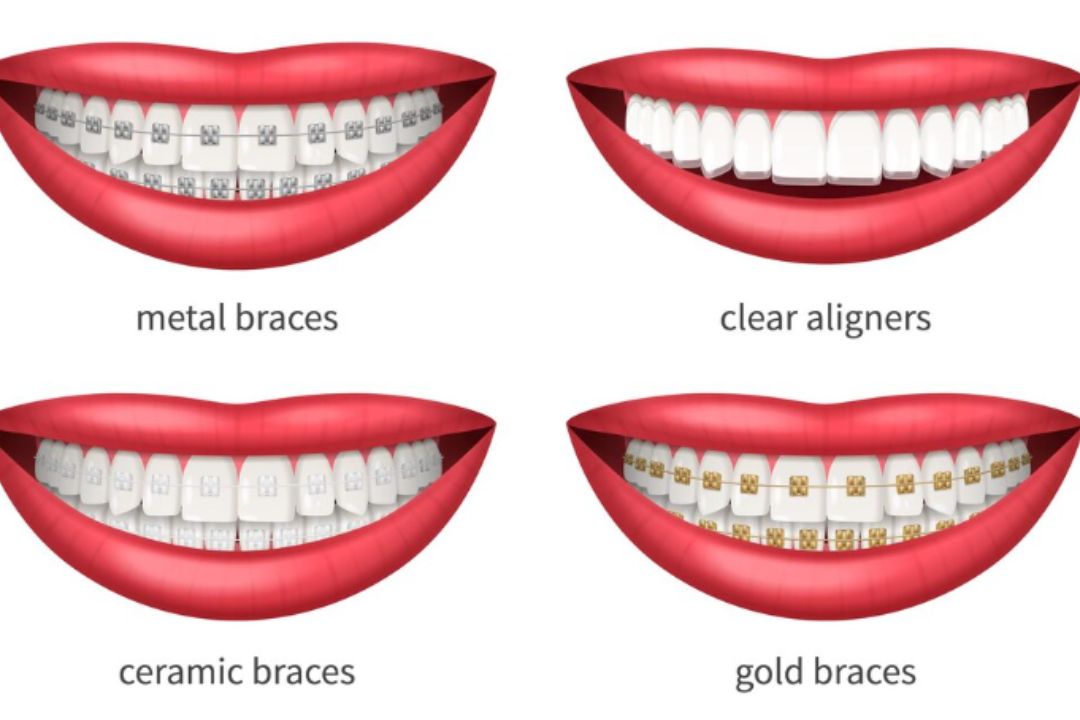
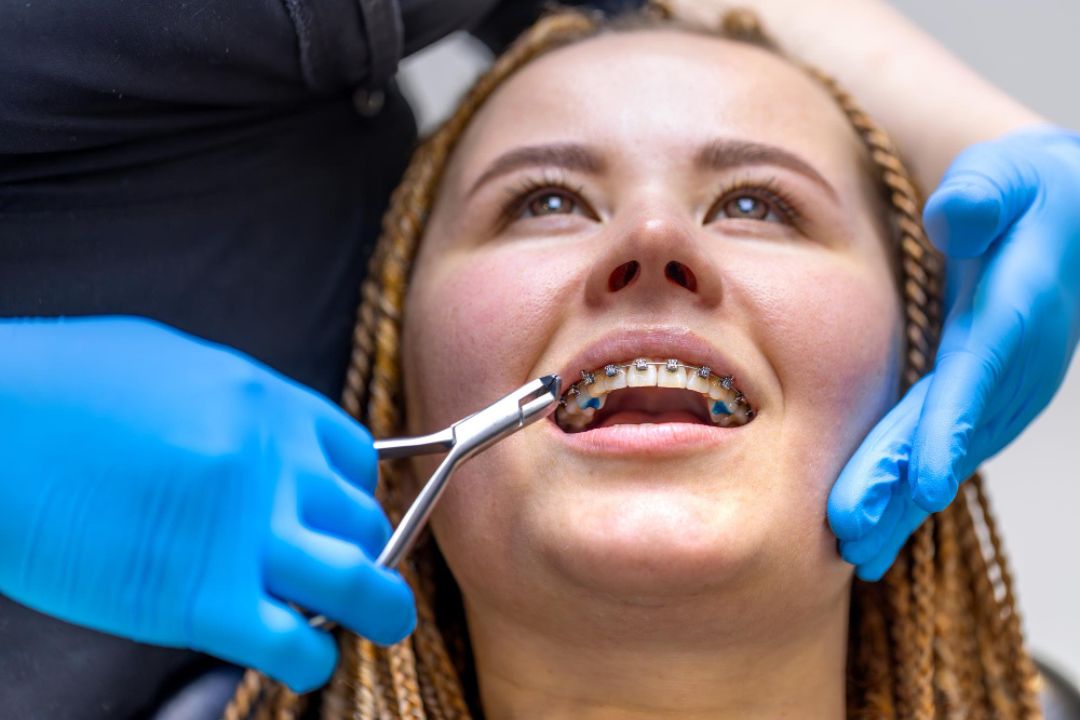
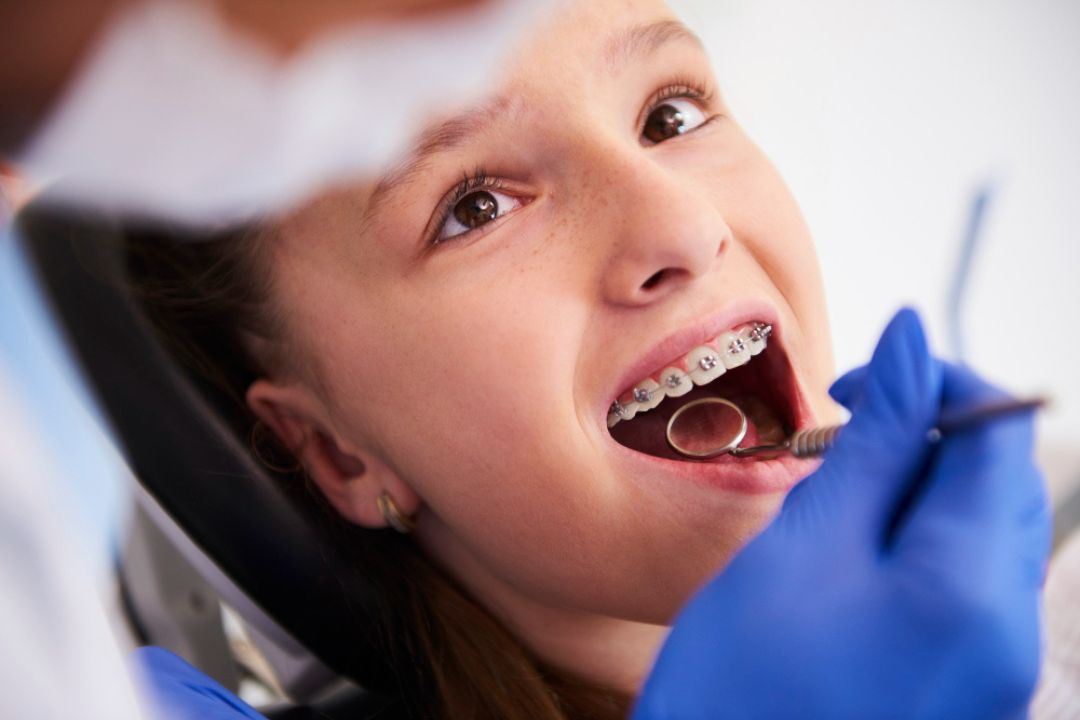
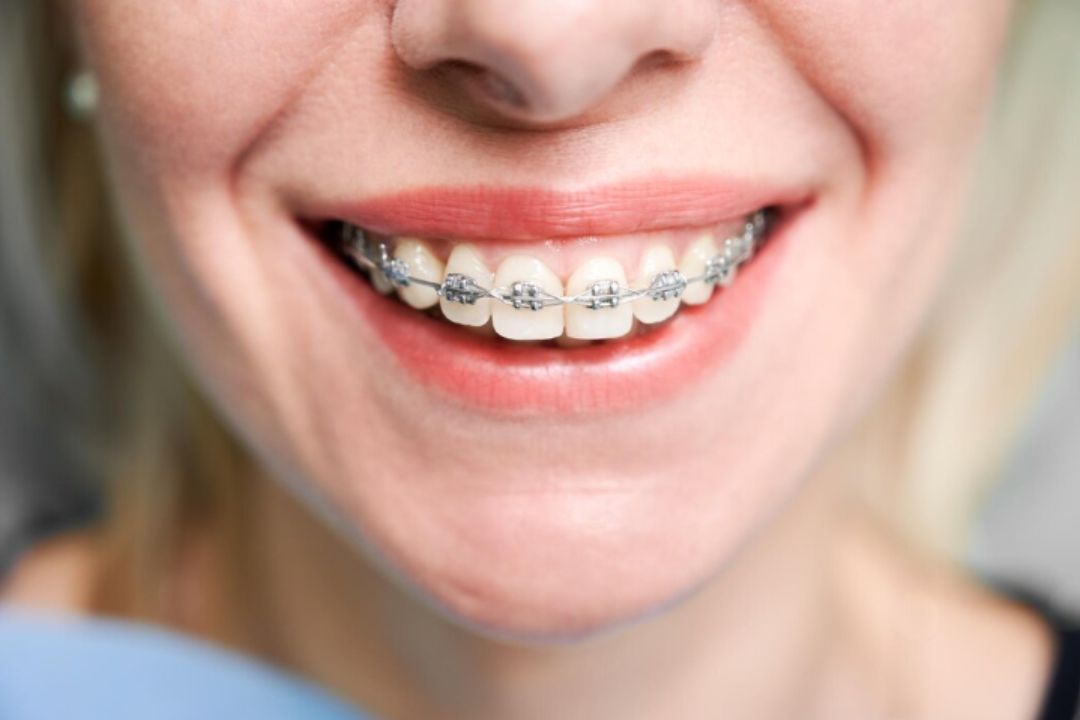
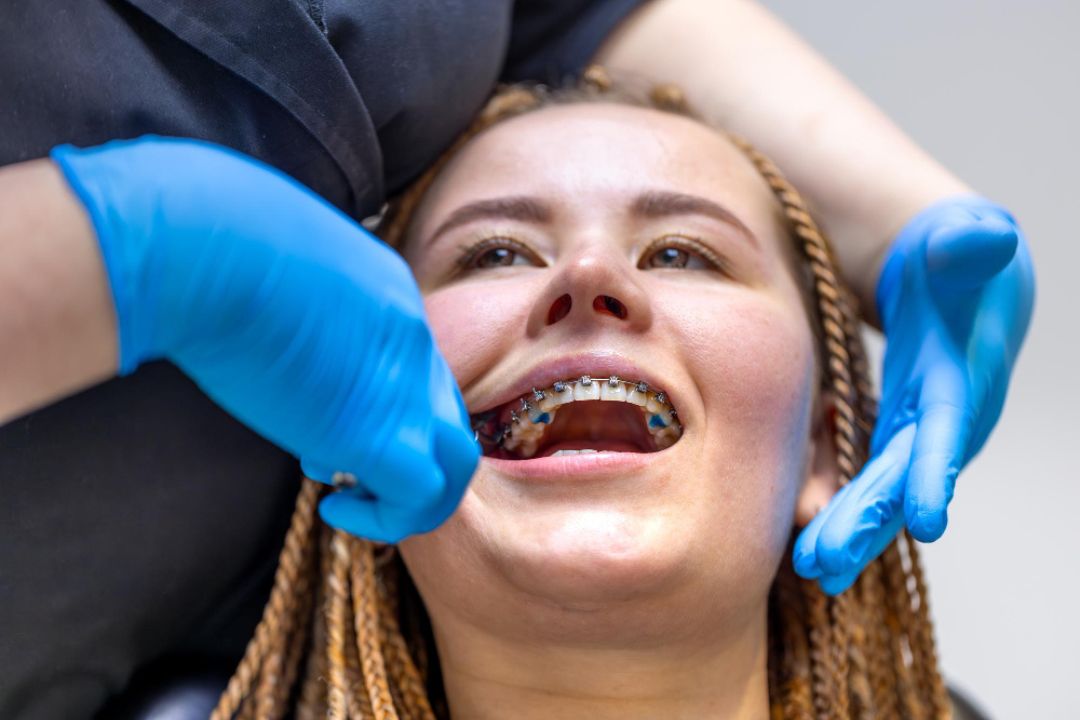
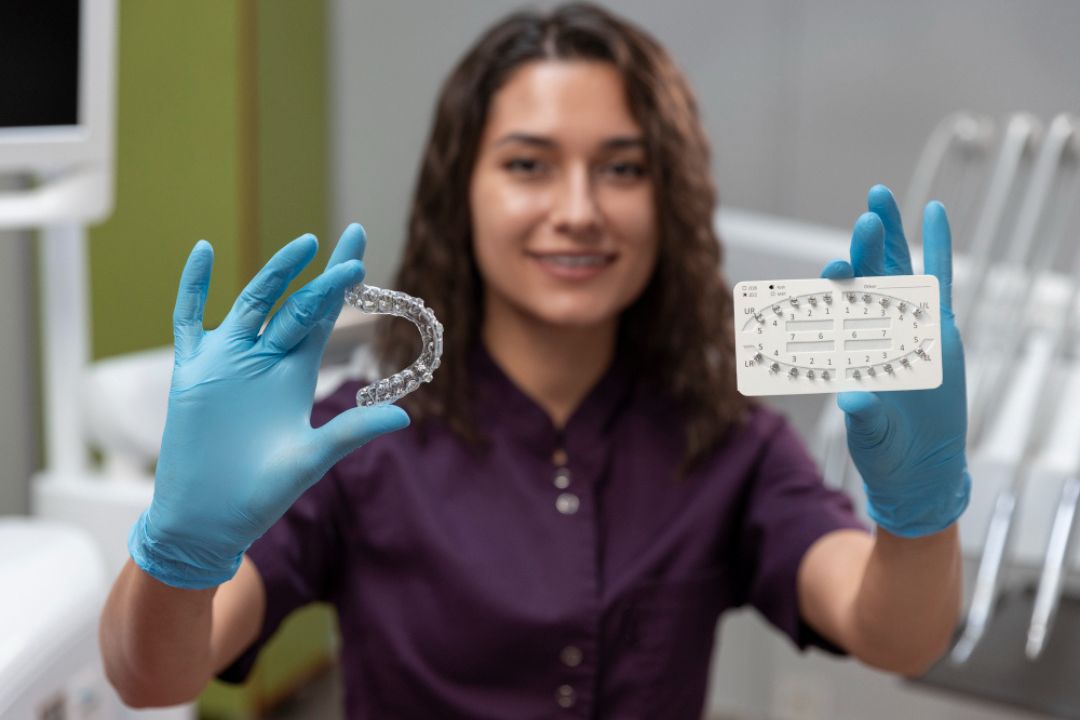
Diabetic patients can choose from all standard types of braces:
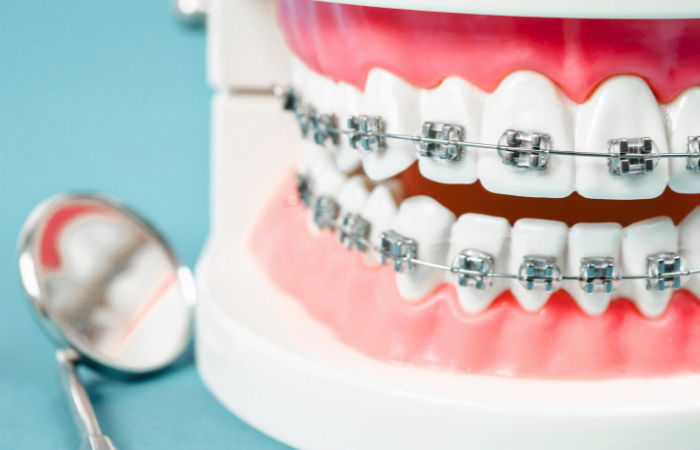
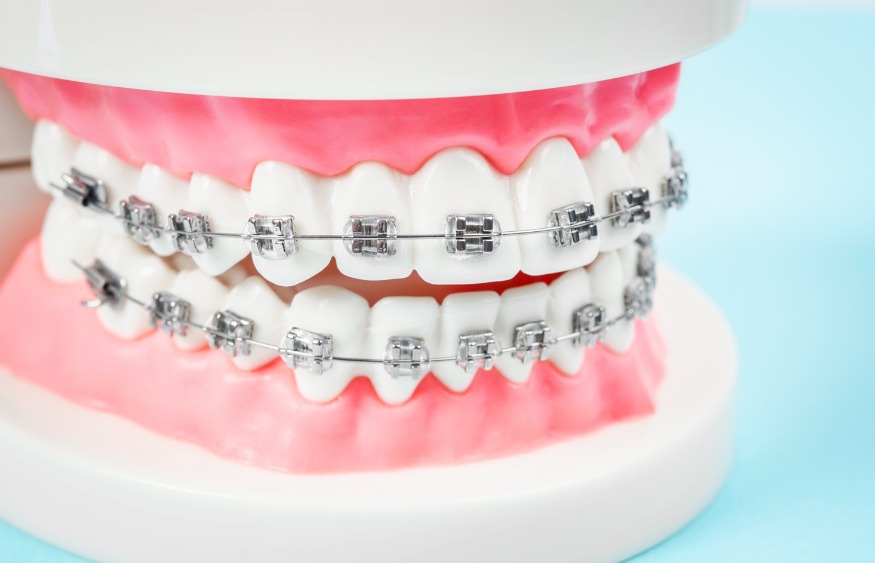
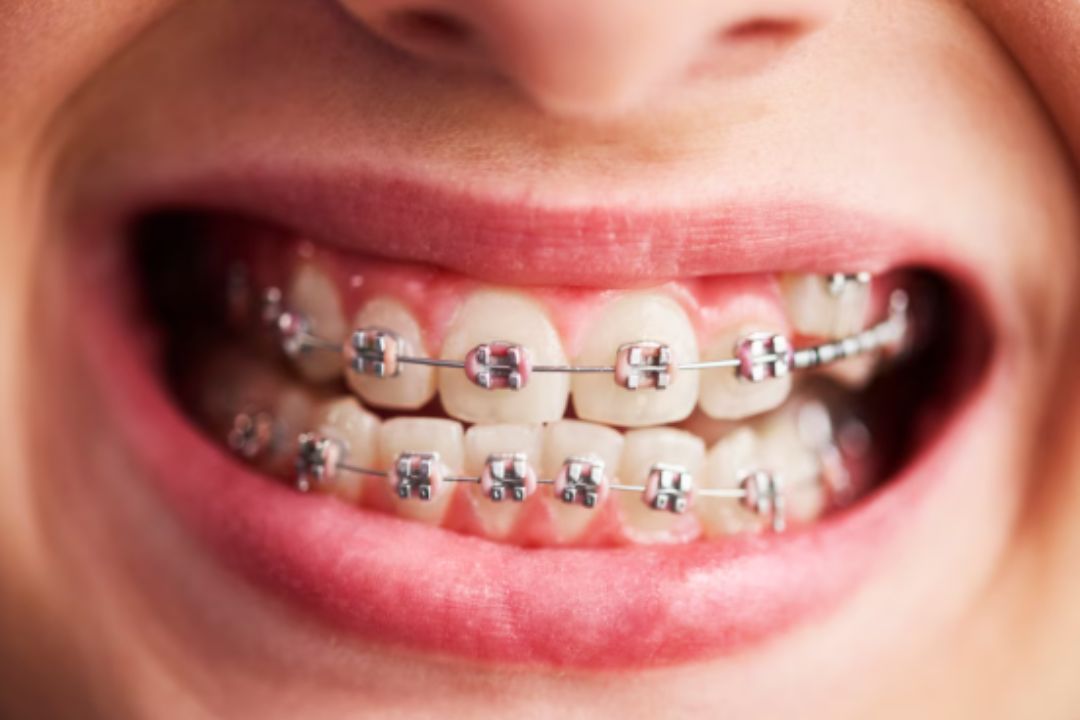
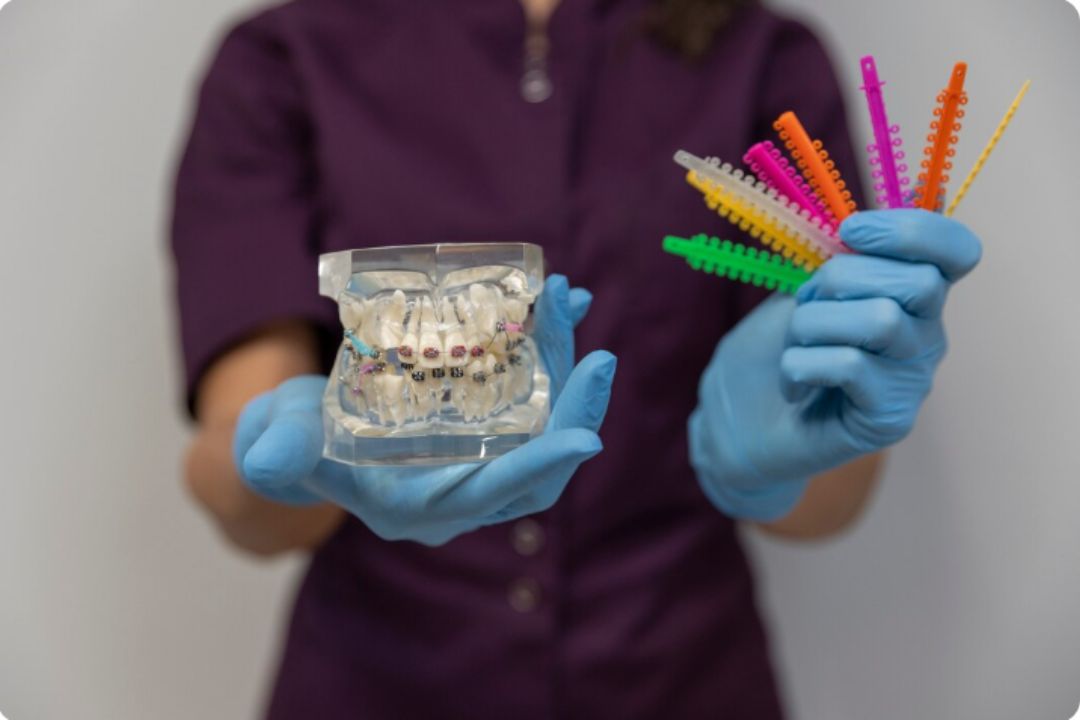
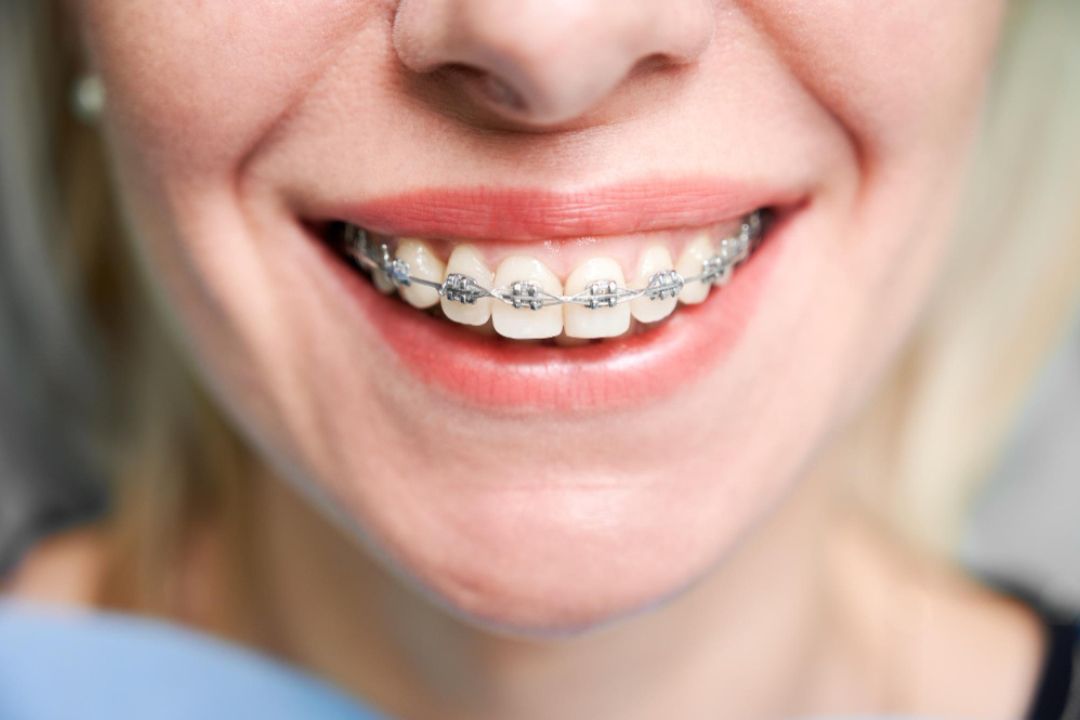
Traditional metal braces
Ceramic braces
Self ligating braces
Lingual braces (behind the teeth)
The choice depends on your alignment needs aesthetic preferences budget and comfort. Diabetic status does not restrict your options but it does increase the importance of hygiene and monitoring.
Correcting tooth alignment can improve overall oral health which benefits diabetic patients in several ways:
Better cleaning and flossing ability
Reduced risk of gum disease in crowded areas
Improved bite function and chewing
Greater confidence and quality of life
Improved oral health reduces the overall inflammatory burden and may help maintain better glucose control.
When diabetes is poorly controlled there may be increased risk of:
Delayed healing
Gum inflammation
Periodontal infection
Cavities around brackets
However with careful monitoring and stable blood glucose these risks can be significantly reduced.
Your dentist and physician must work together. Your doctor may monitor your glucose more frequently and adjust medications if needed during the initial phase of braces.
This teamwork ensures safety and treatment success.













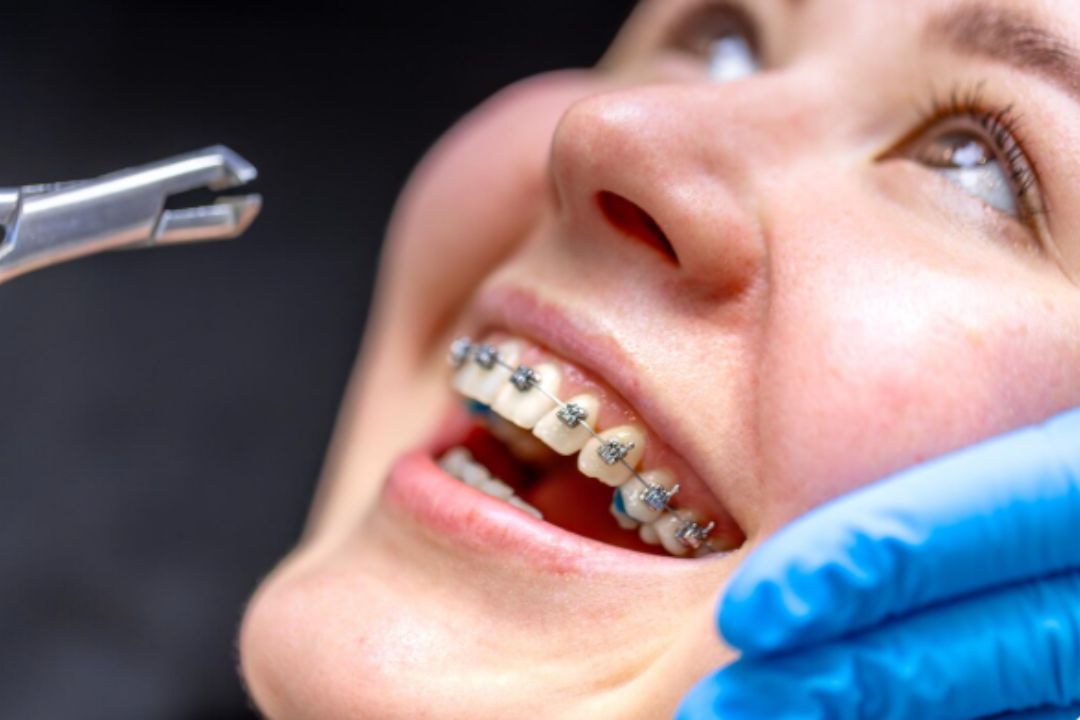


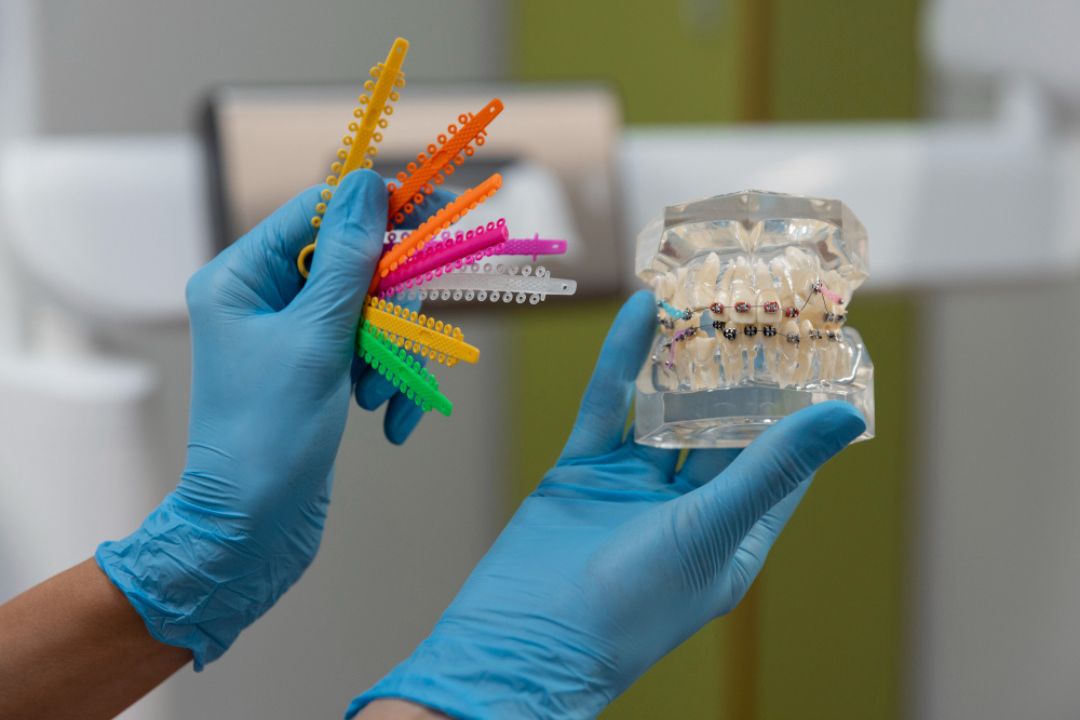



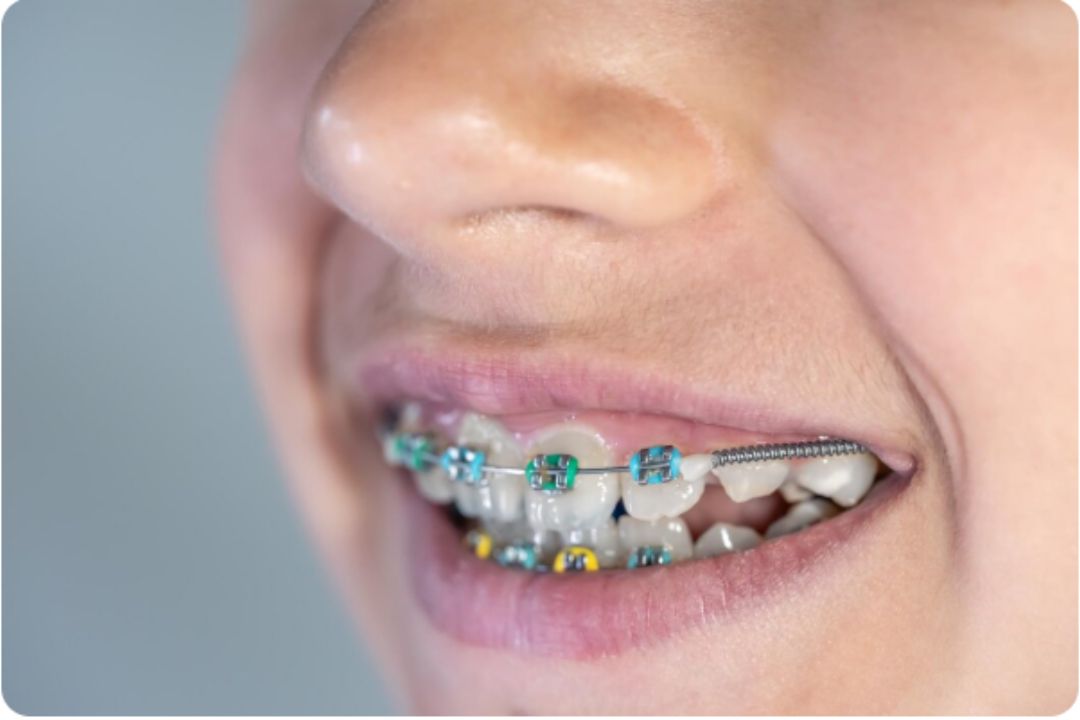


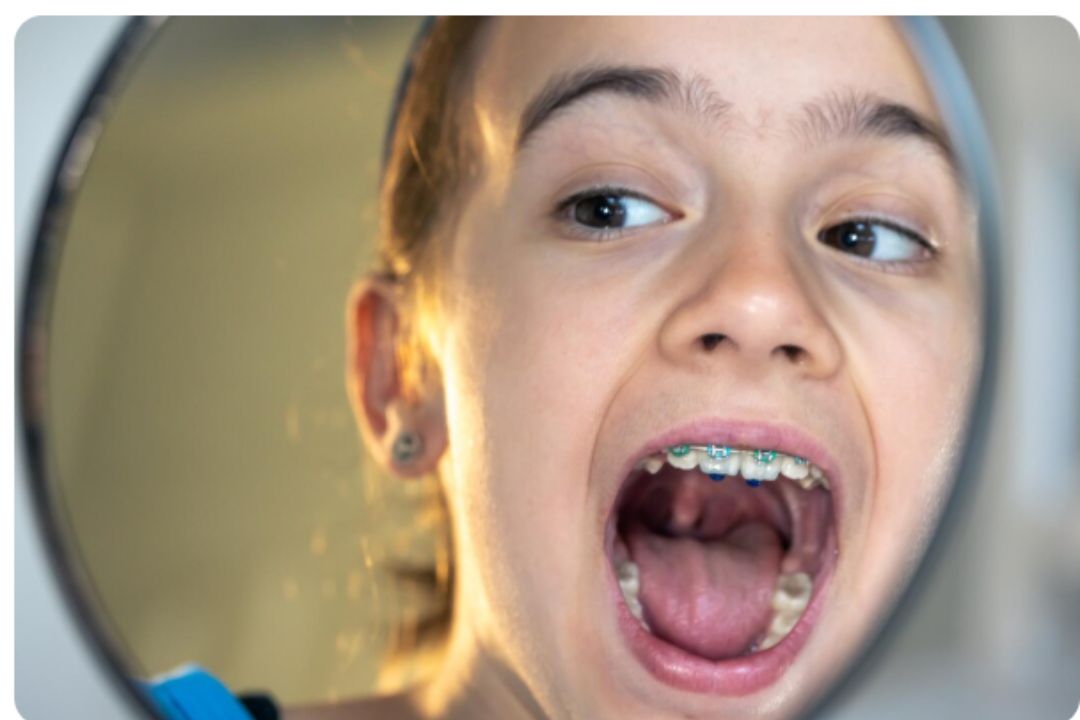










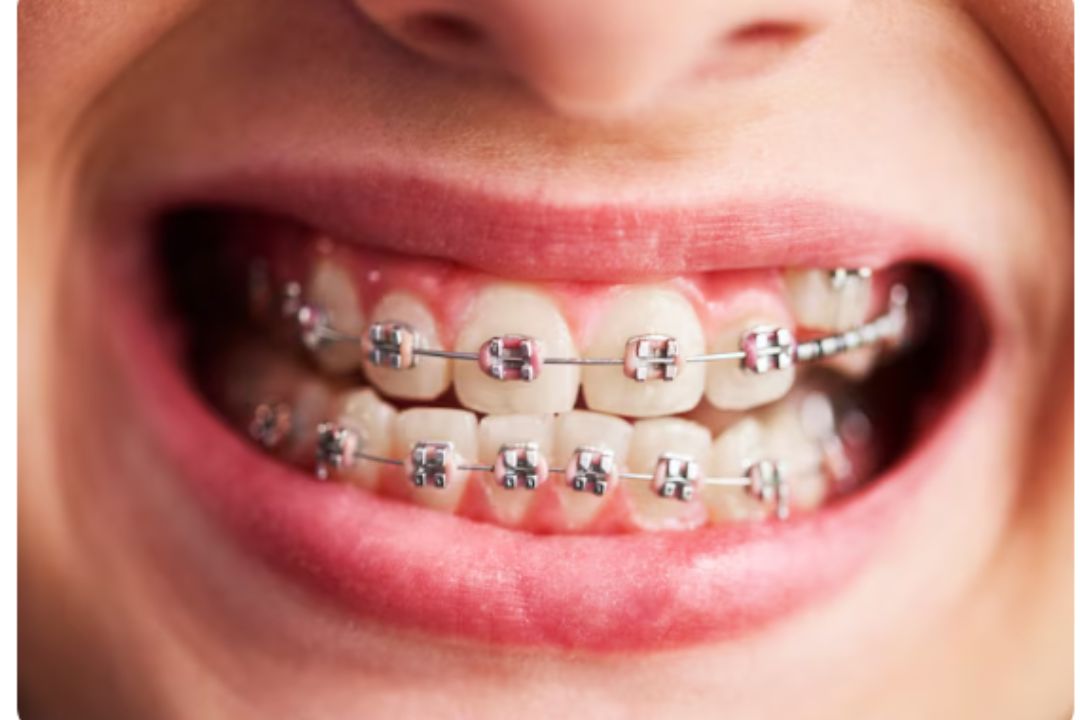
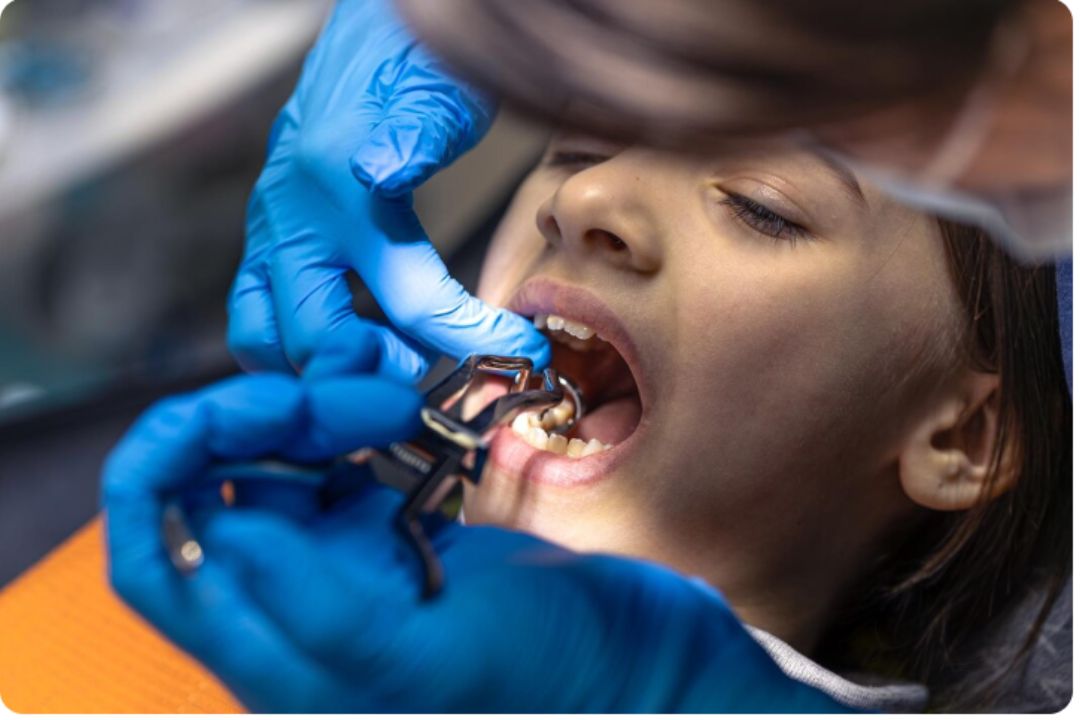
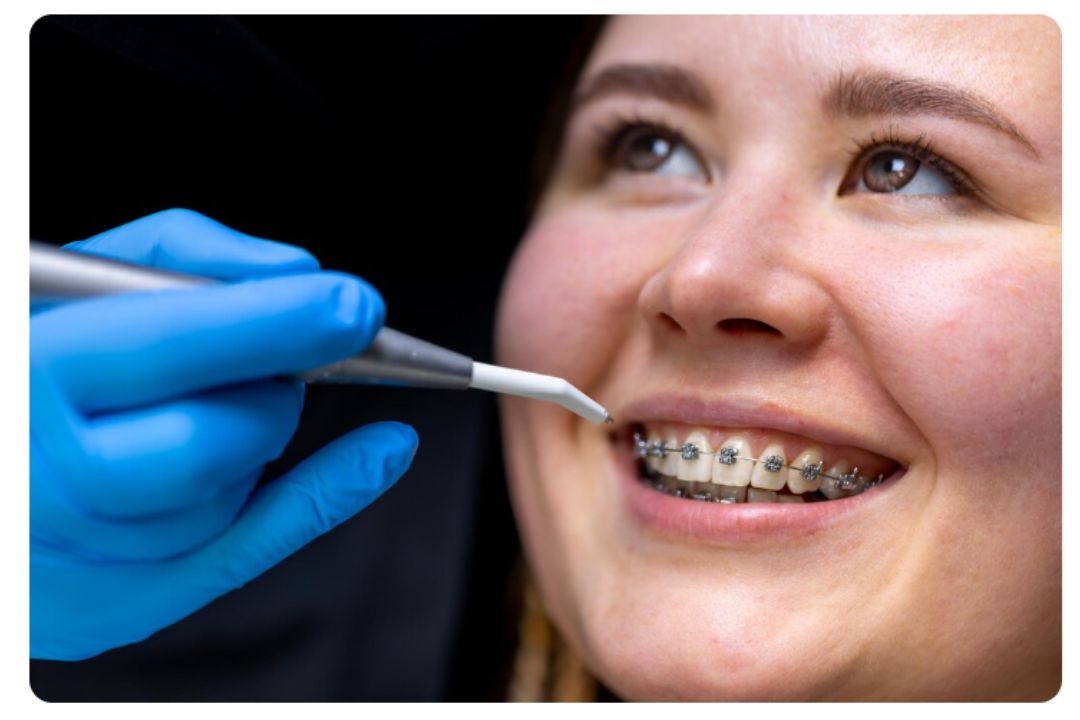

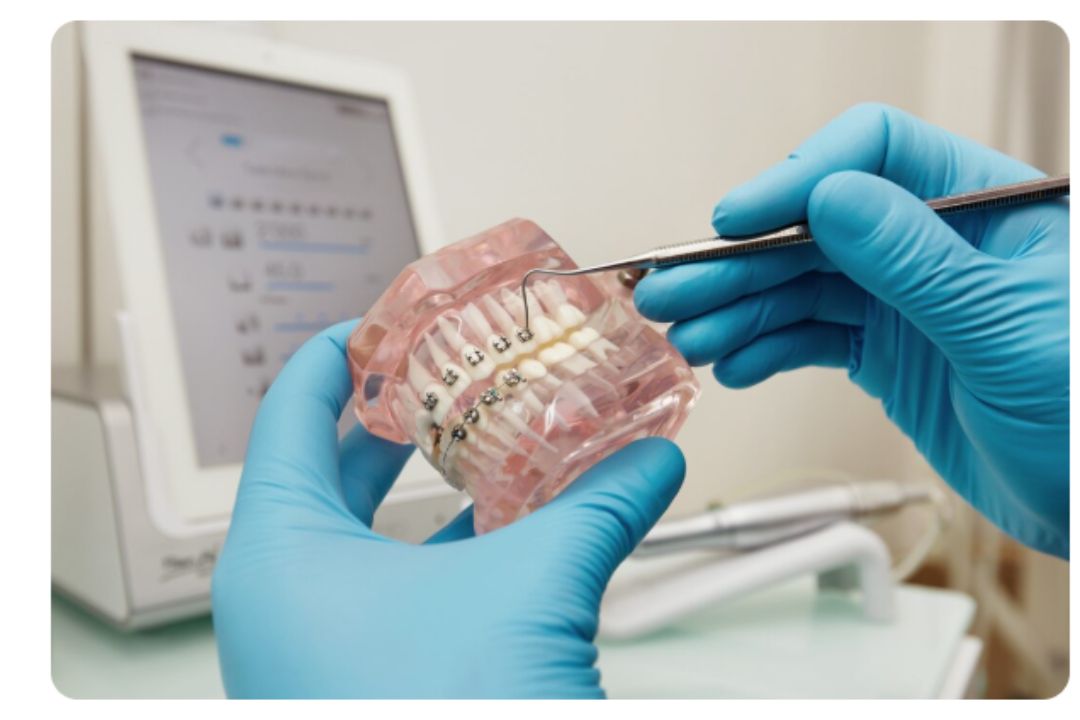




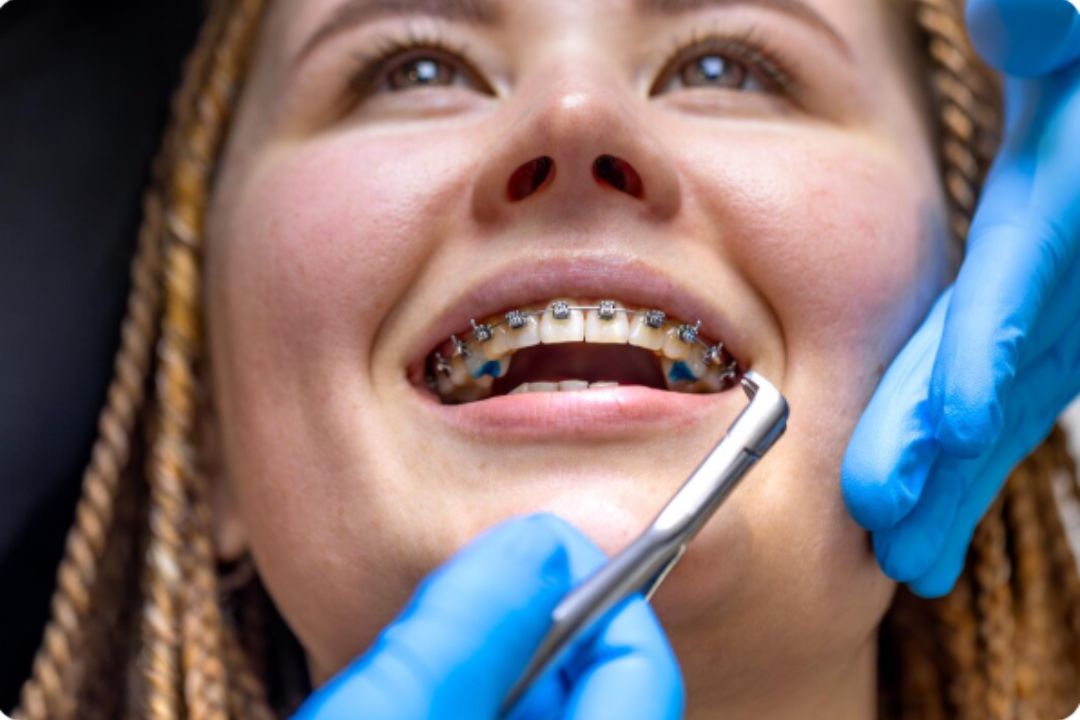



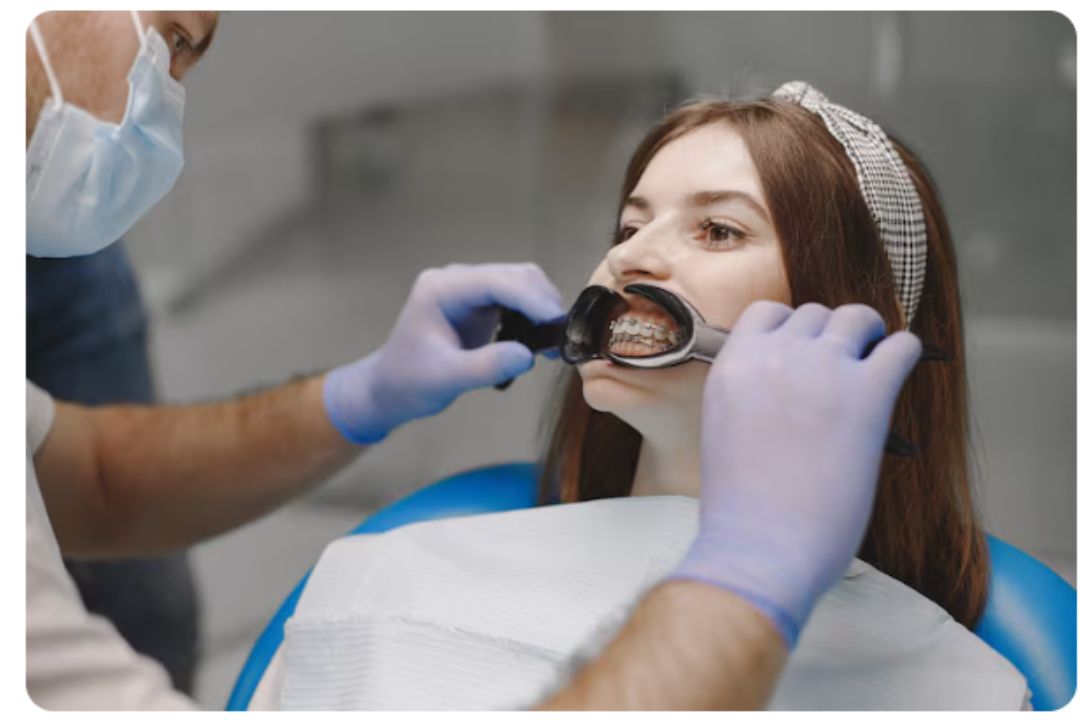
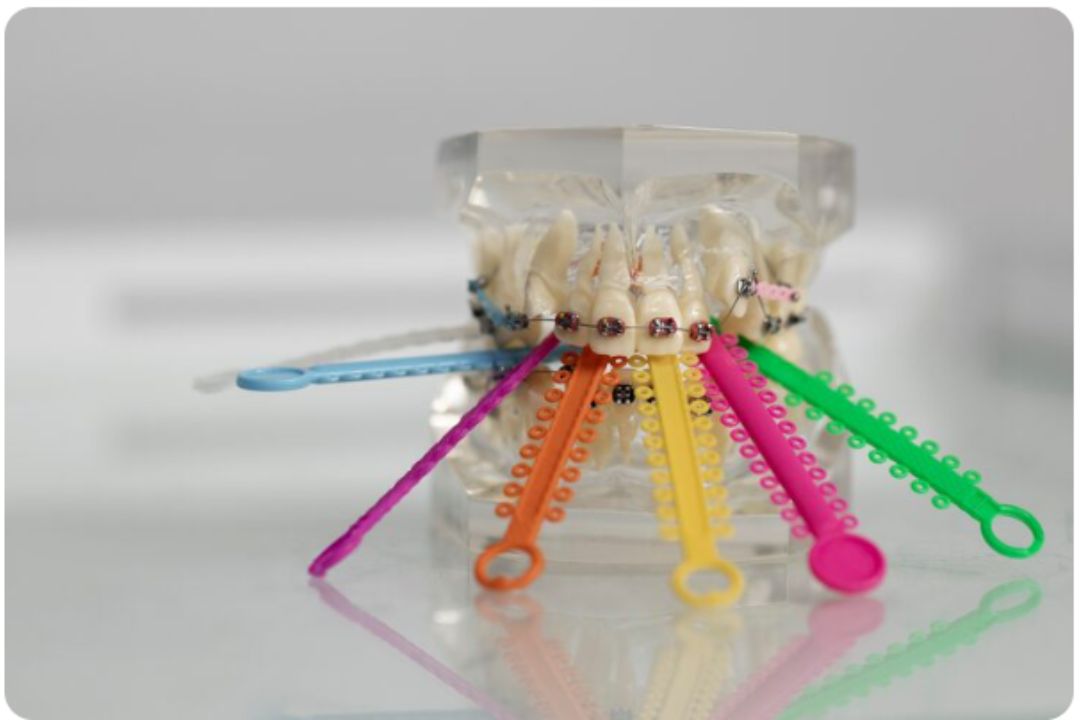
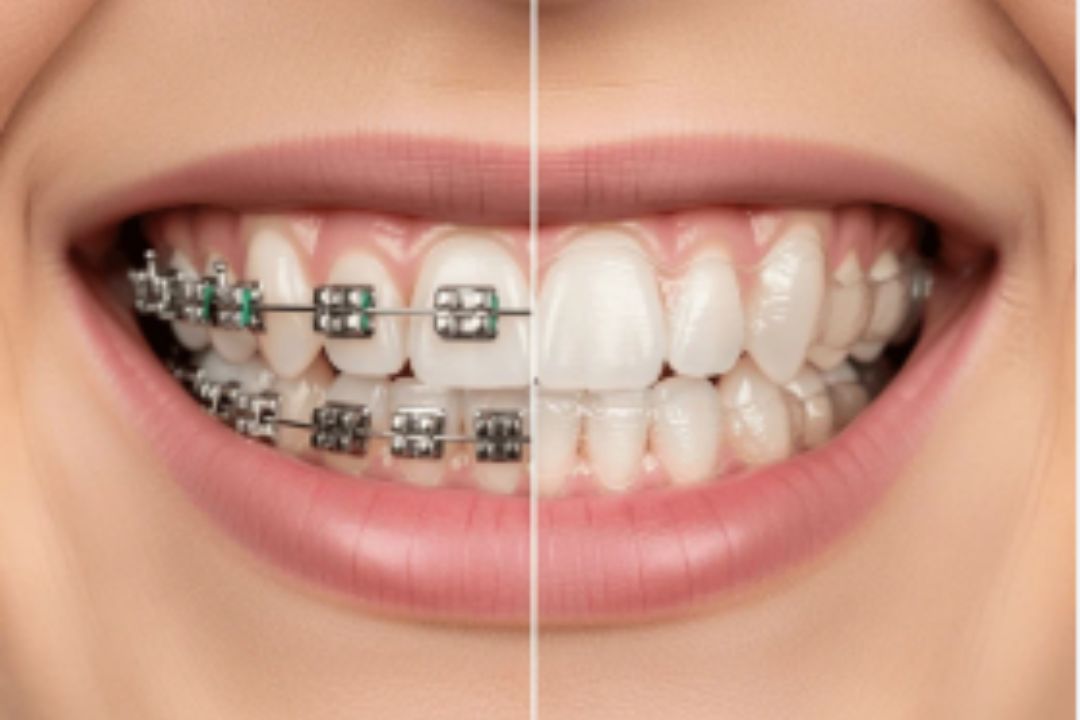
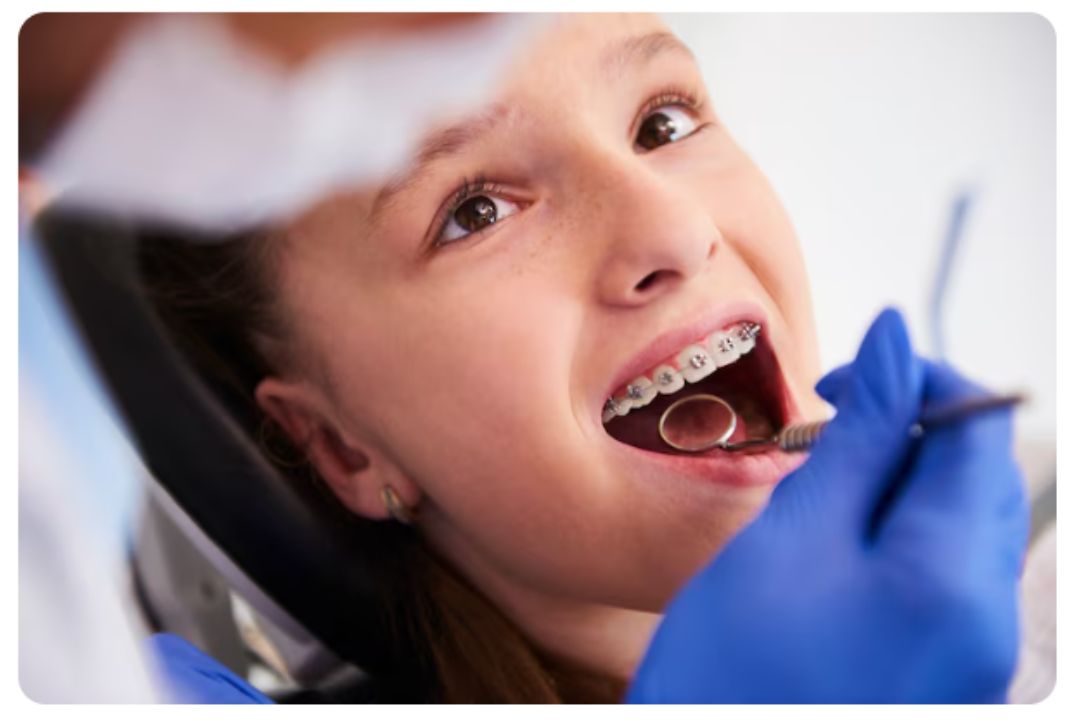
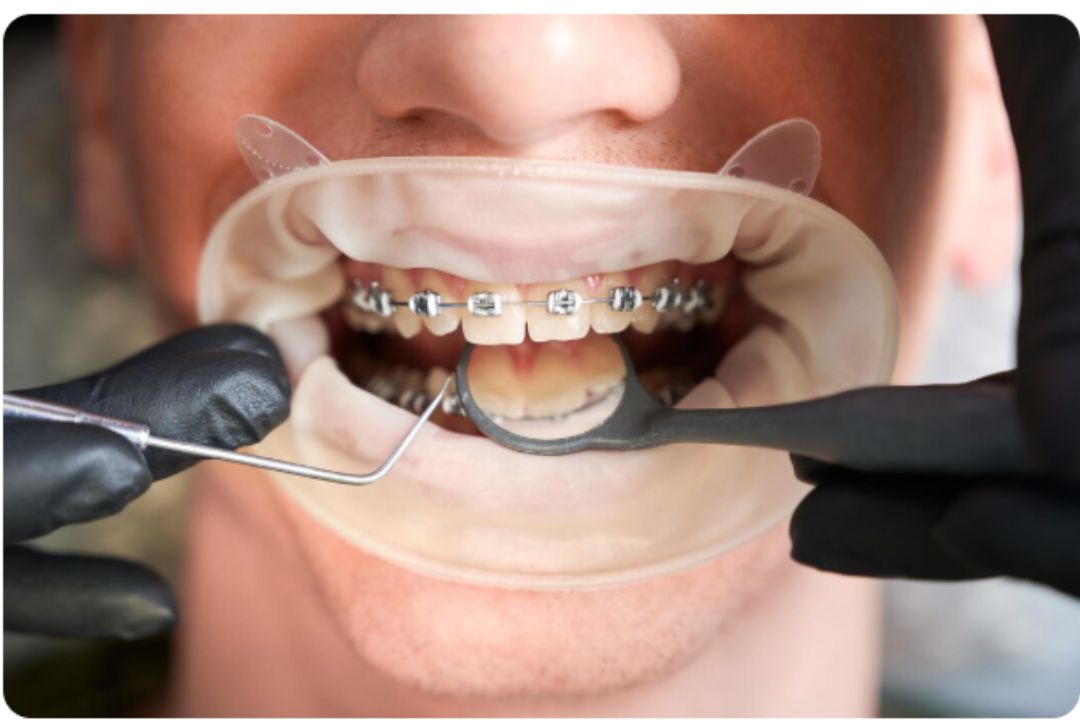

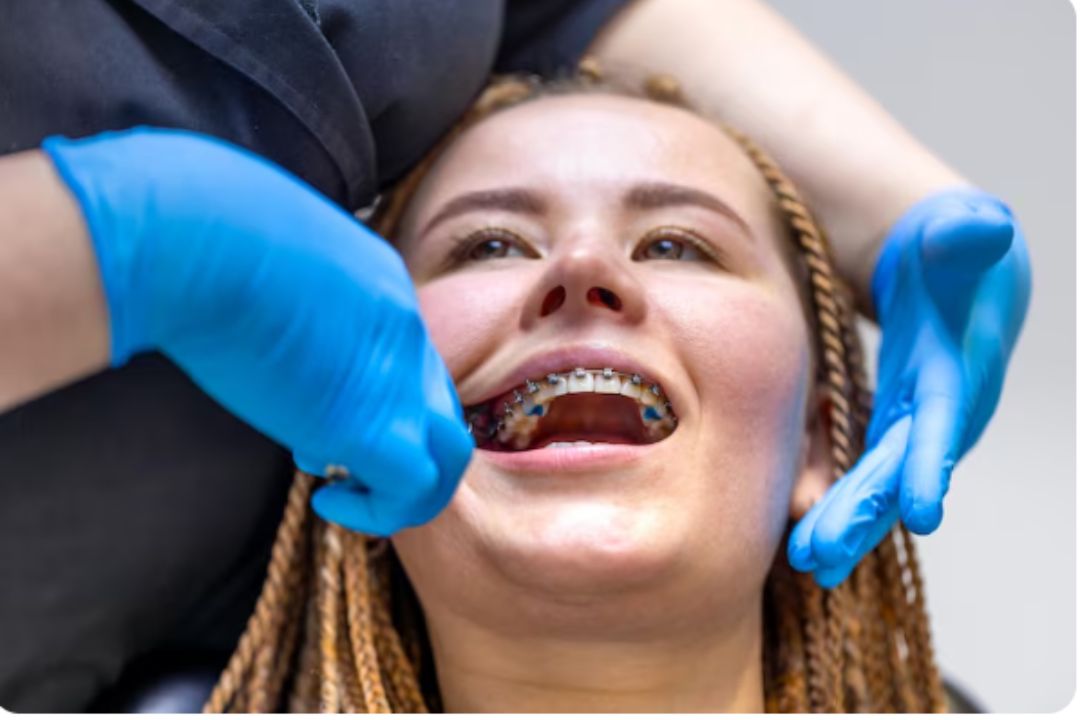
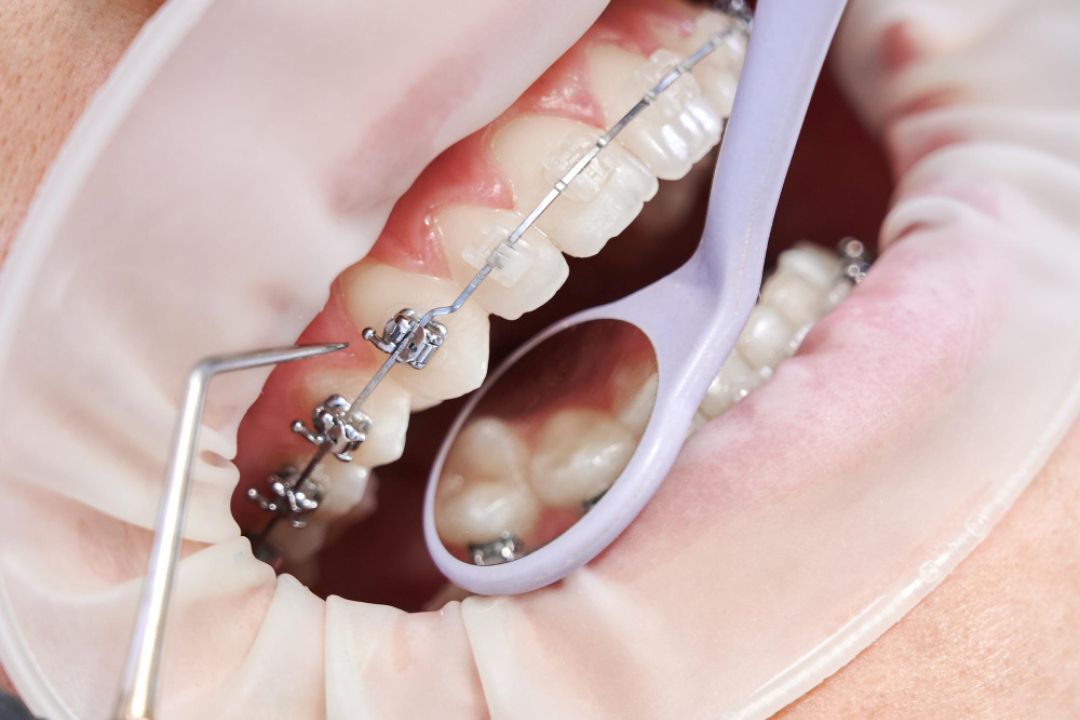



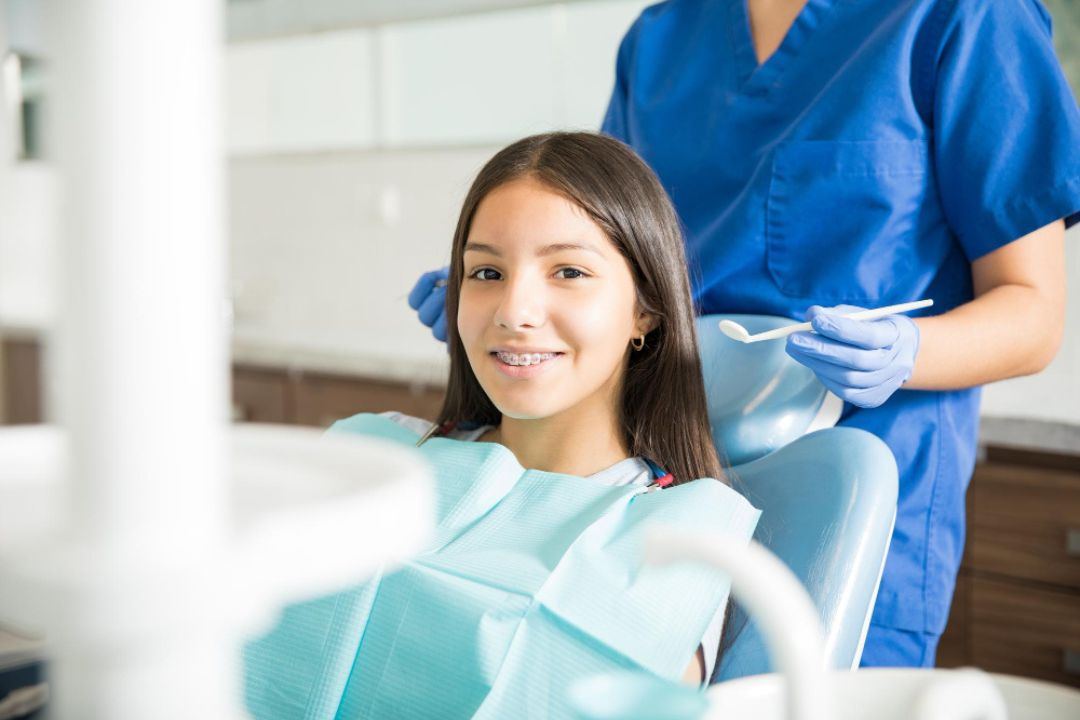
.jpg "affordable metal braces in mumbai")
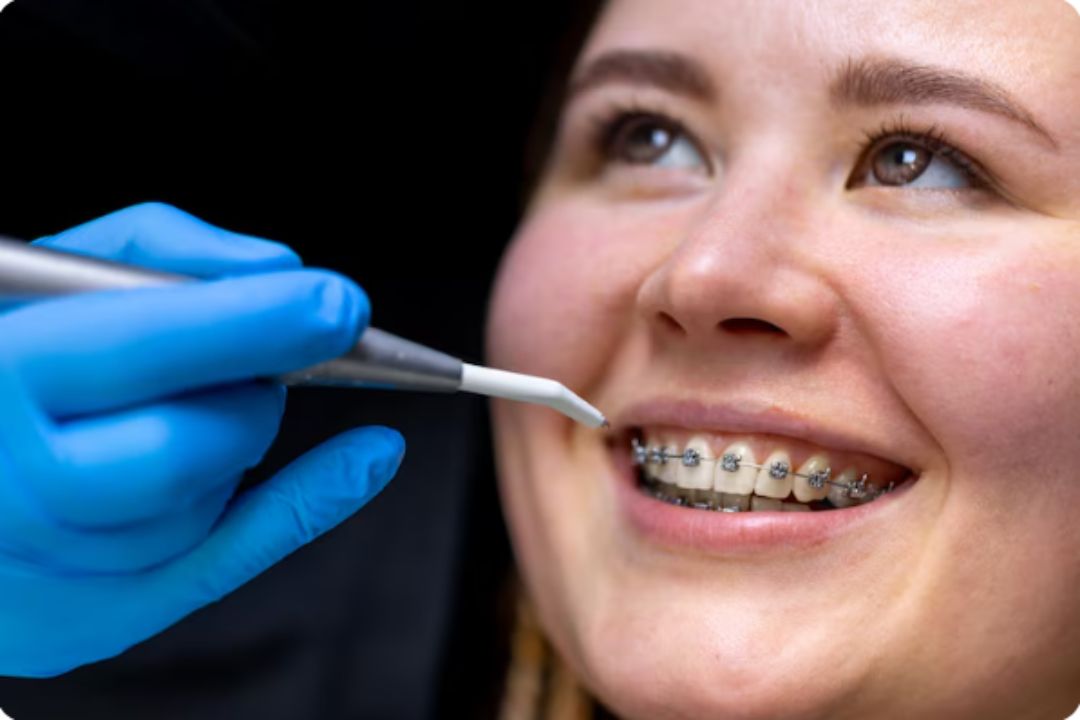
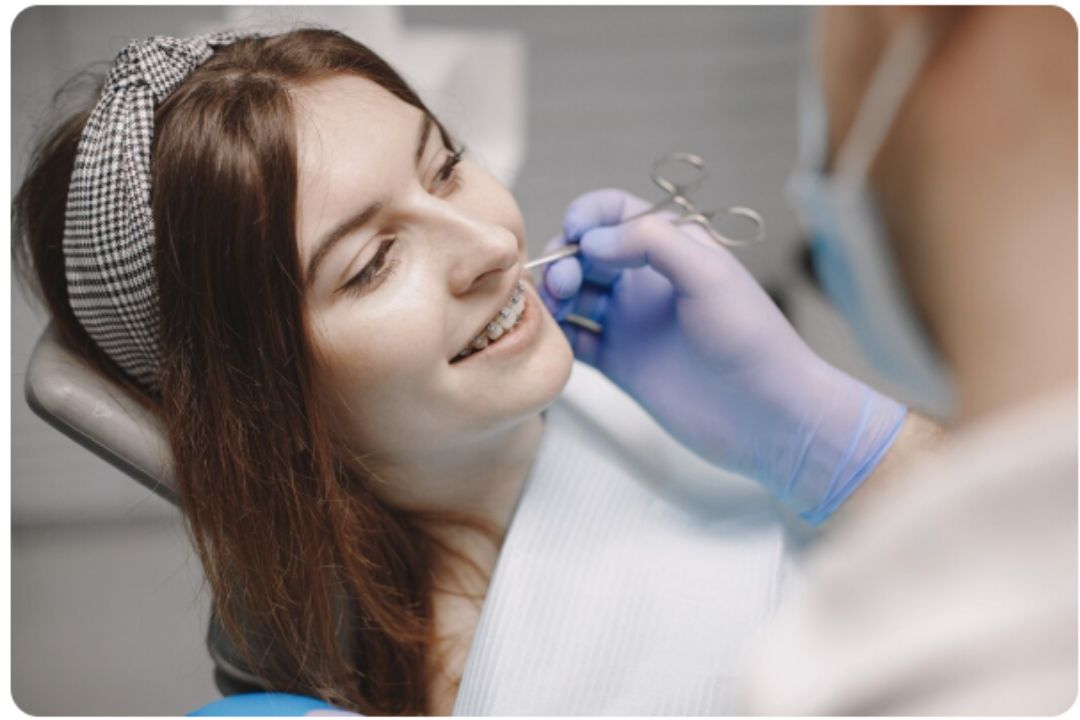

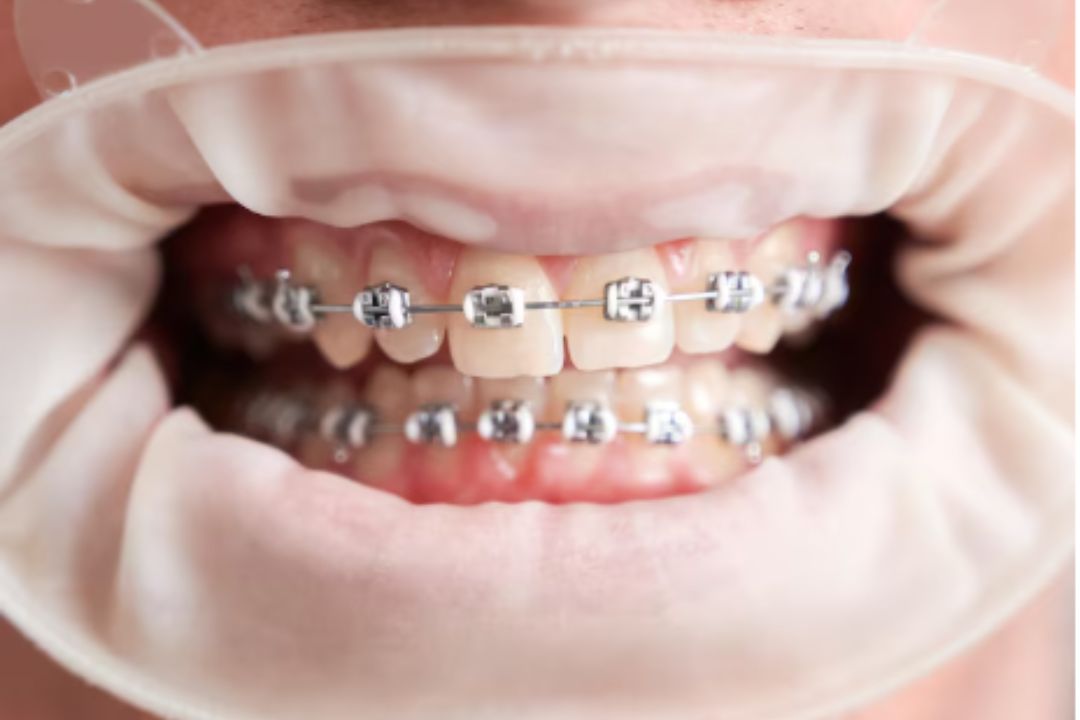















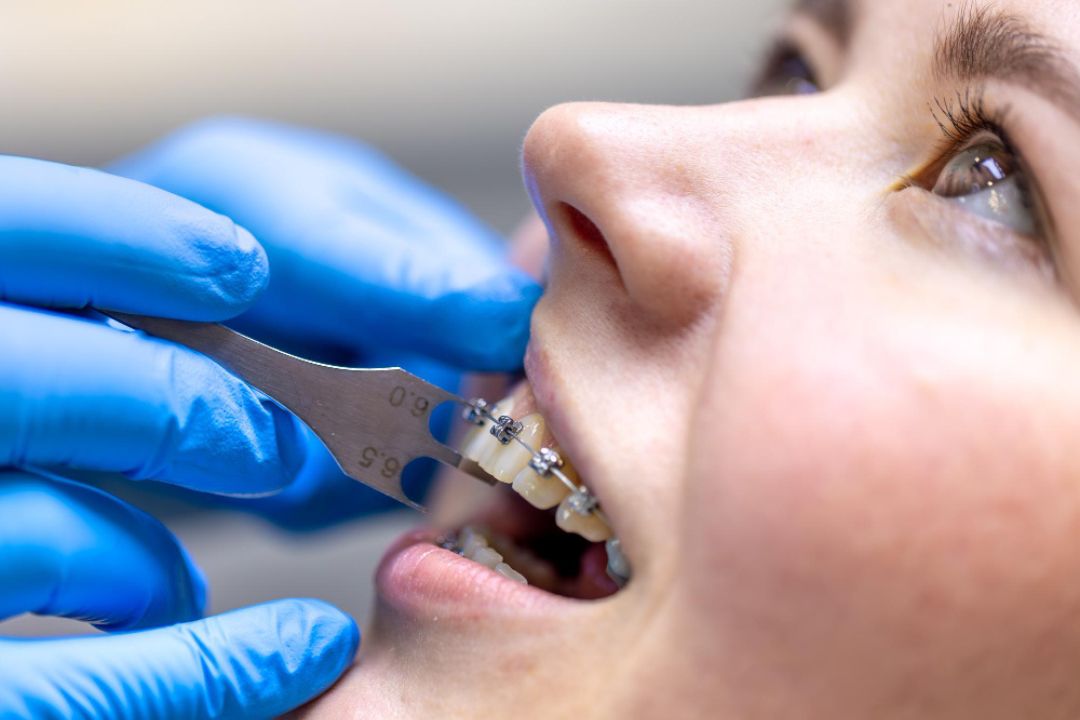
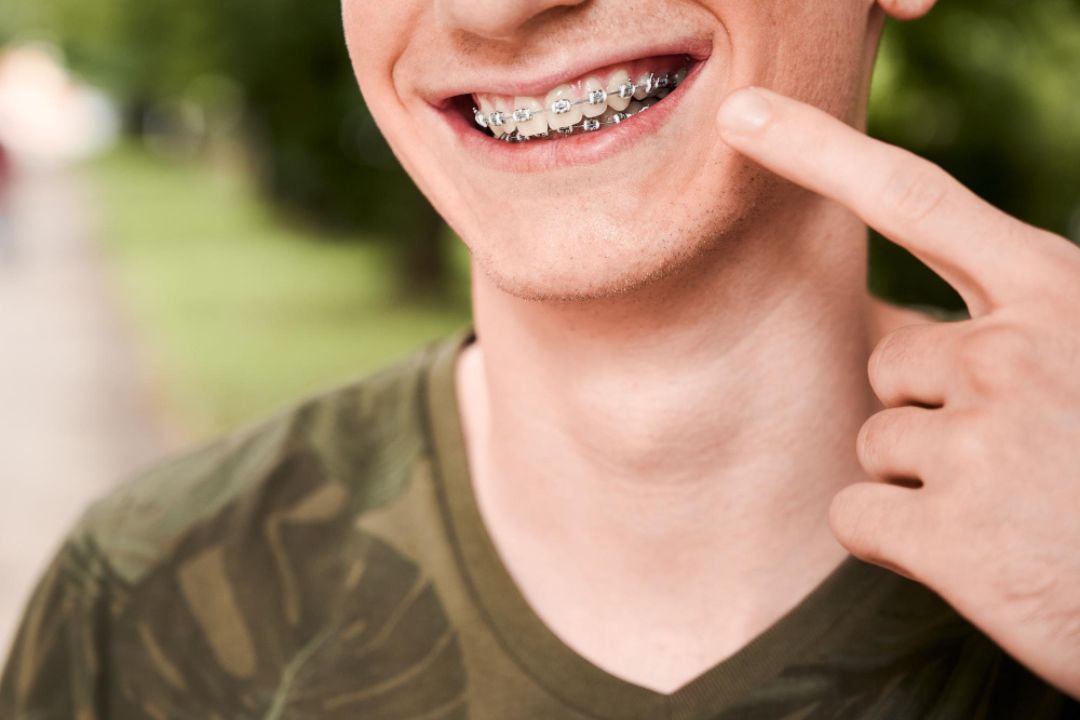

.jpg "dental braces cost in Diagnopein complete price breakdown (2026 guide)")

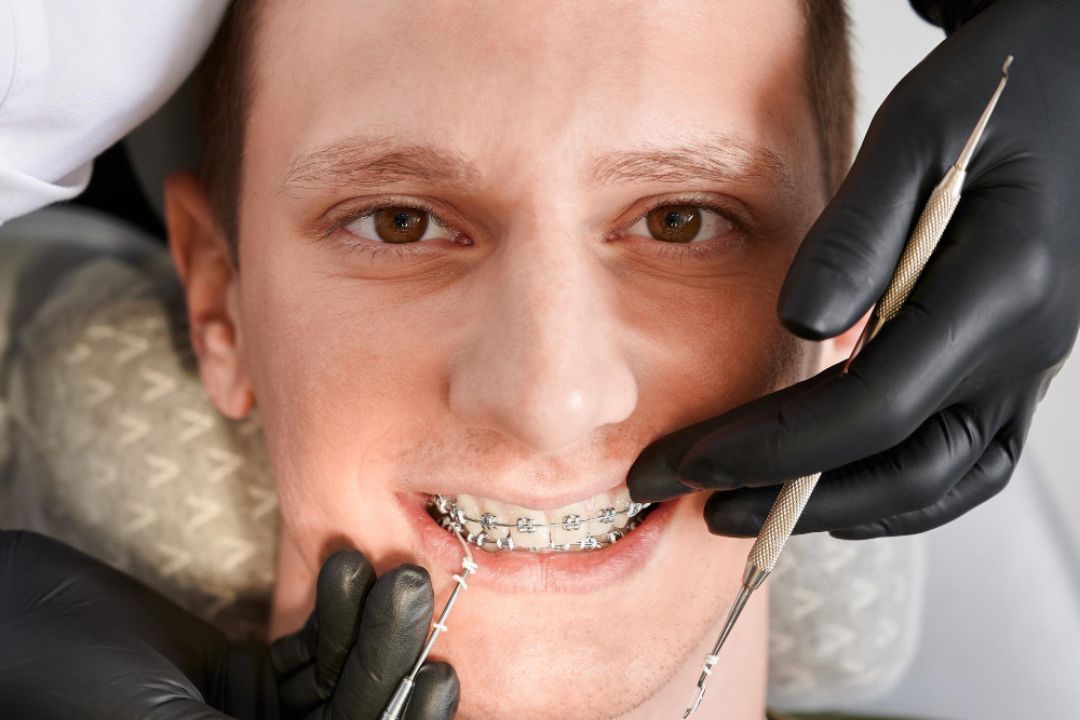
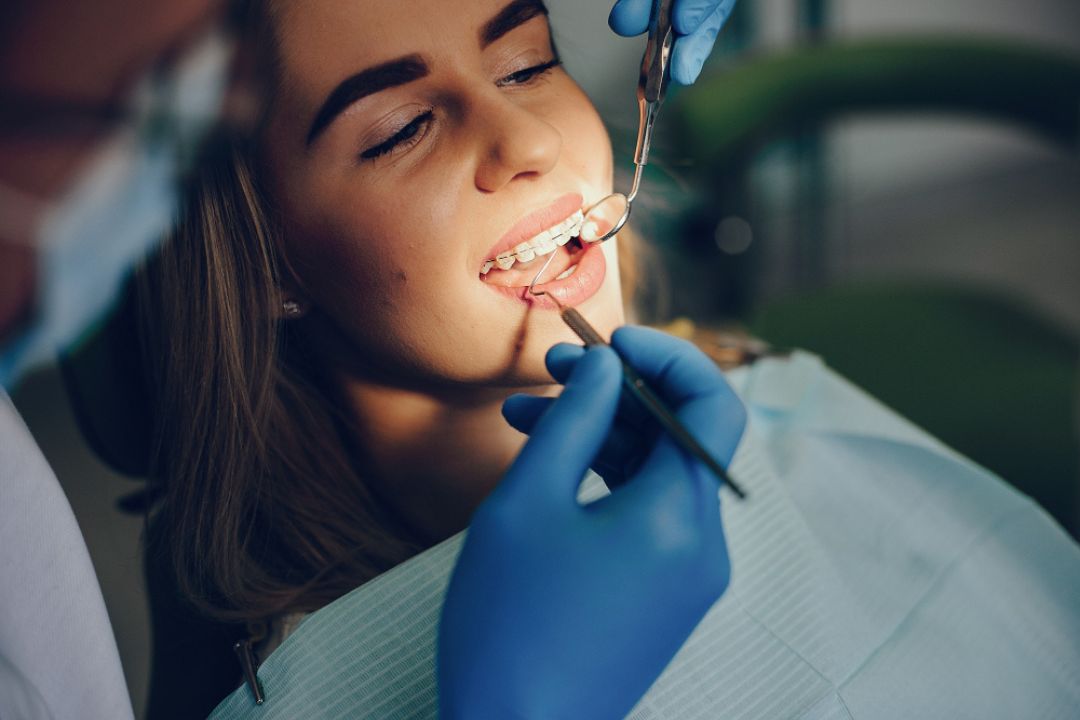



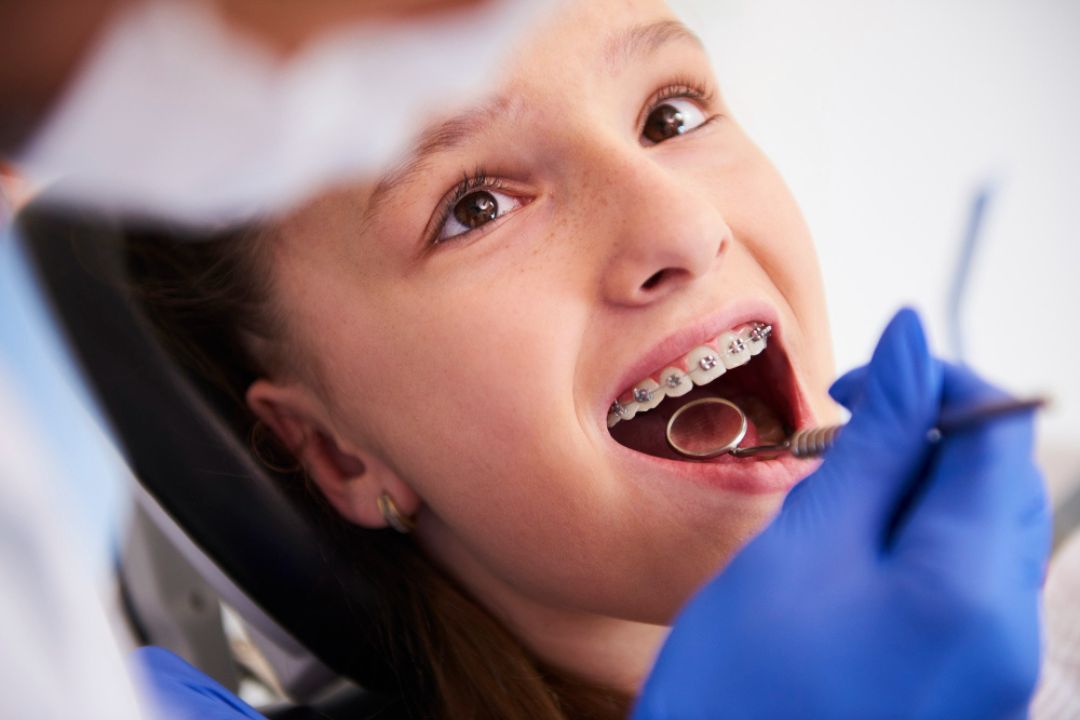
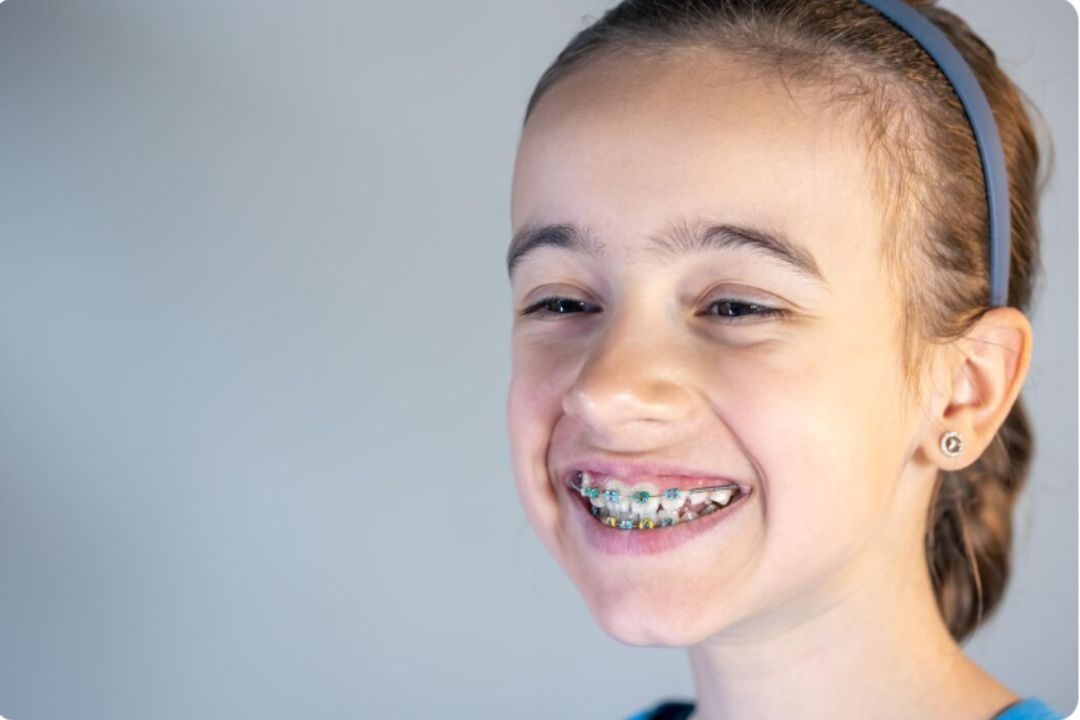

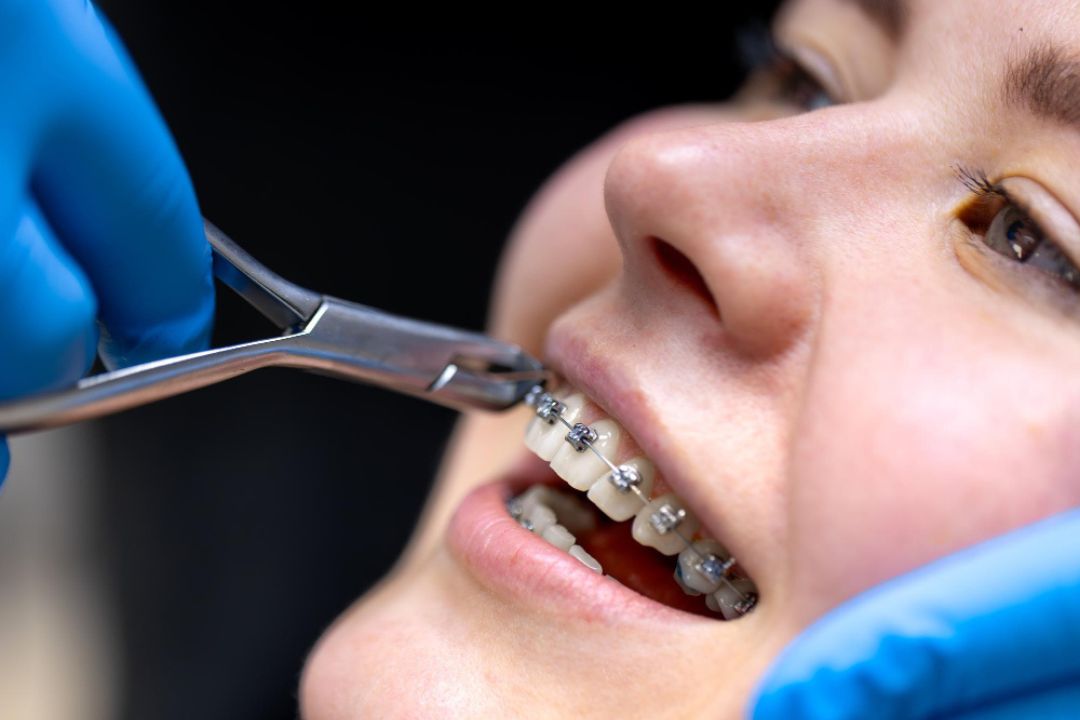
.jpg "dental braces")
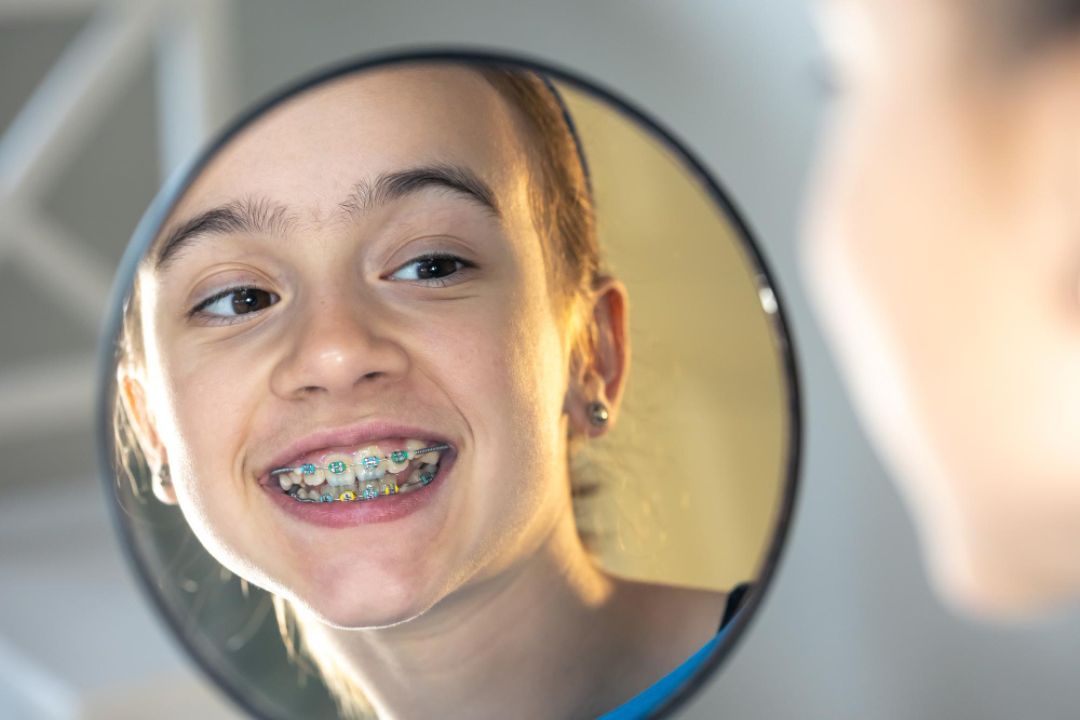

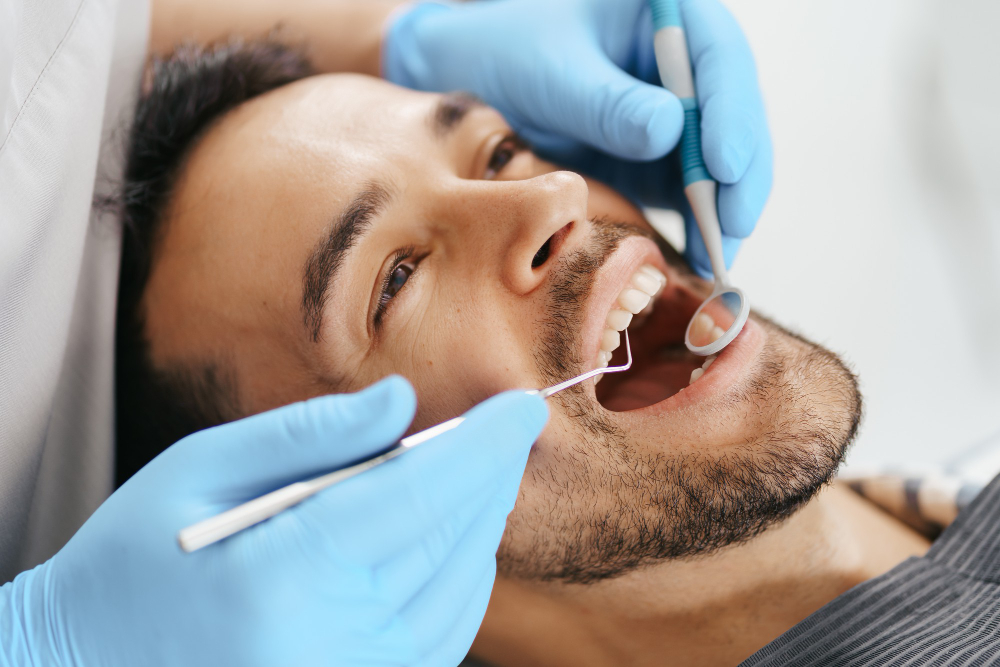


.jpg "dental braces")


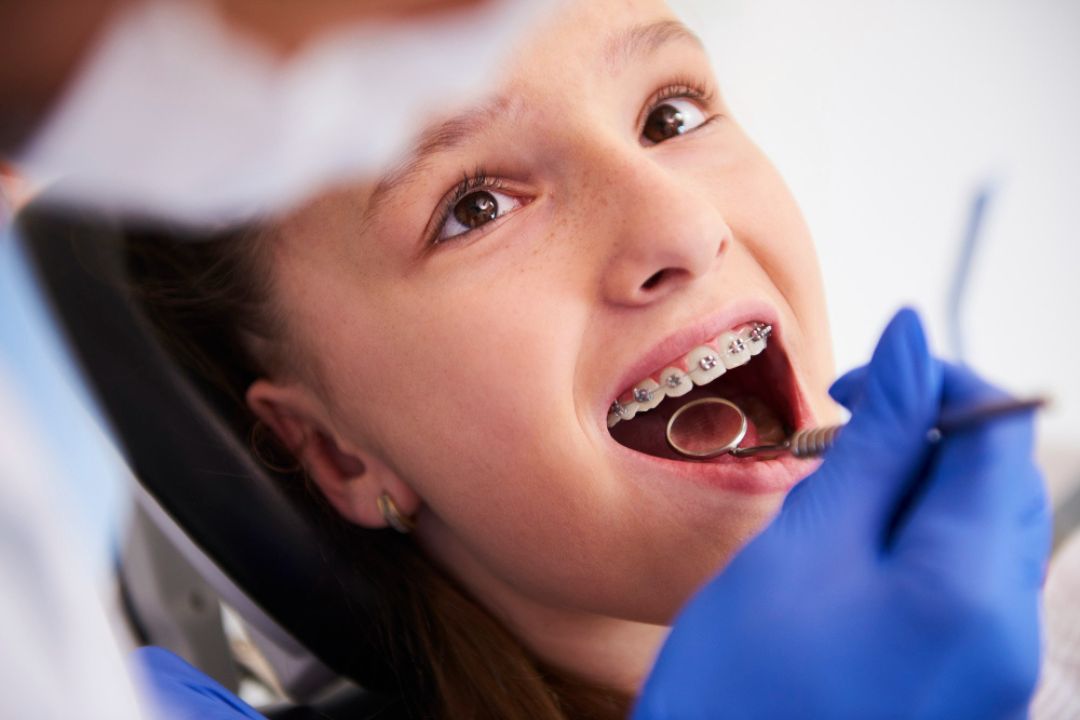
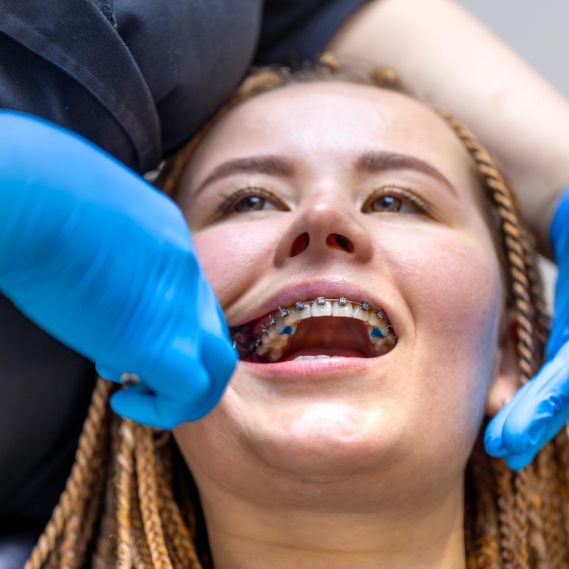
 (1).png "Visual Journey of Dental Braces")
 (1).jpg "Dental Braces and Gum Disease")