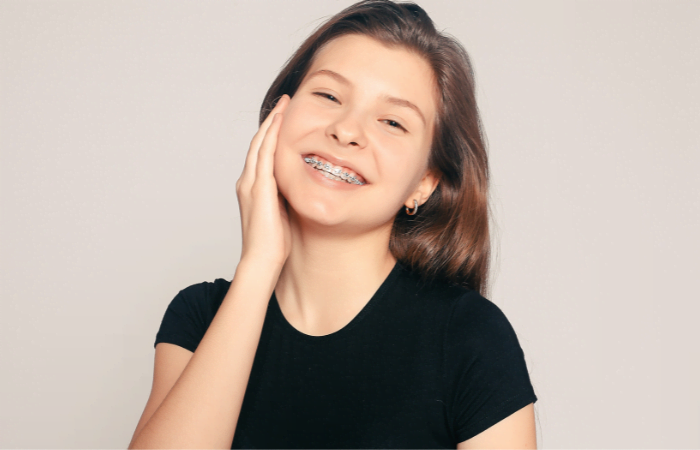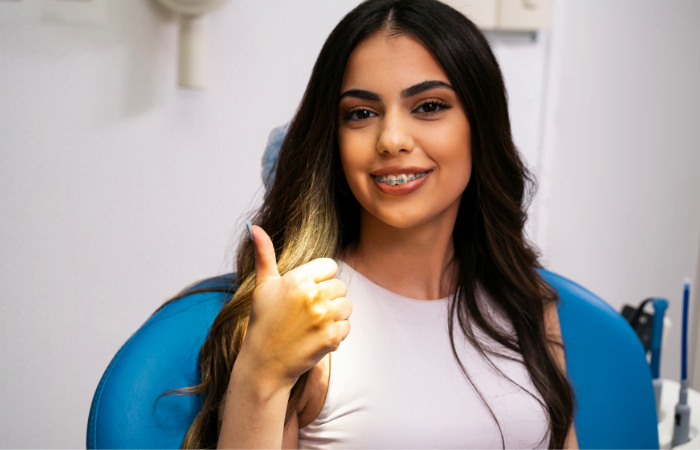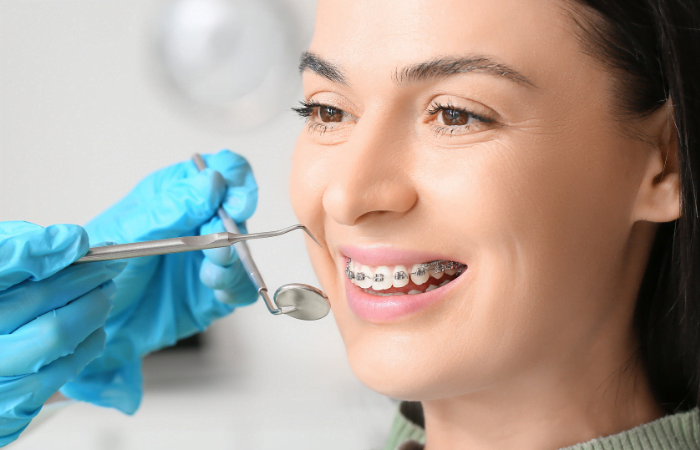
A confident smile isn't just about aesthetics—it's a cornerstone of oral health and overall well-being. Many assume braces are just for teenagers, but orthodontic treatment benefits a wide range of ages. So, how do you know if you or your child could benefit from braces? This guide breaks down the key signs, ideal candidates, and everything you need to know before visiting a braces clinic near you.
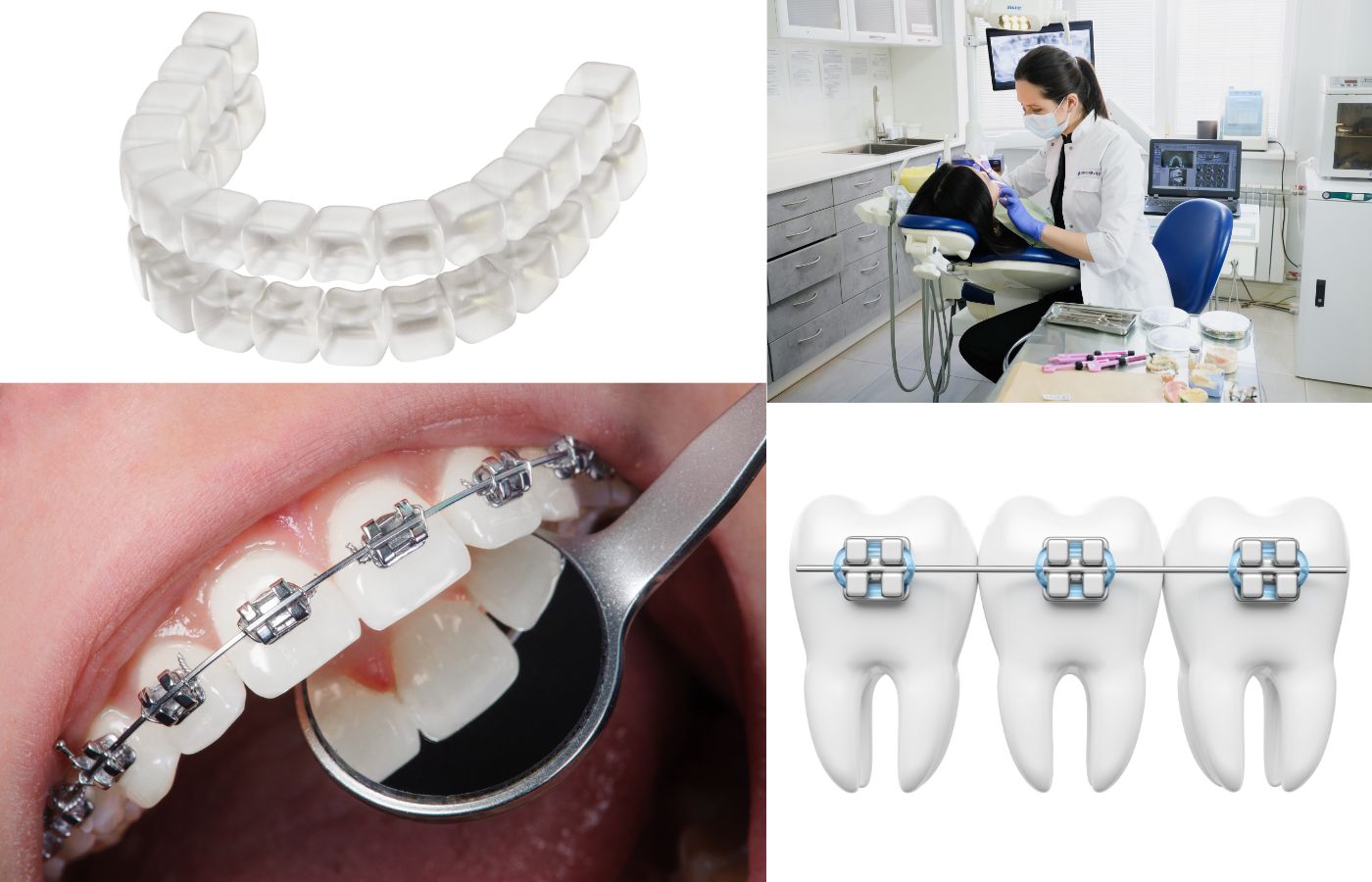
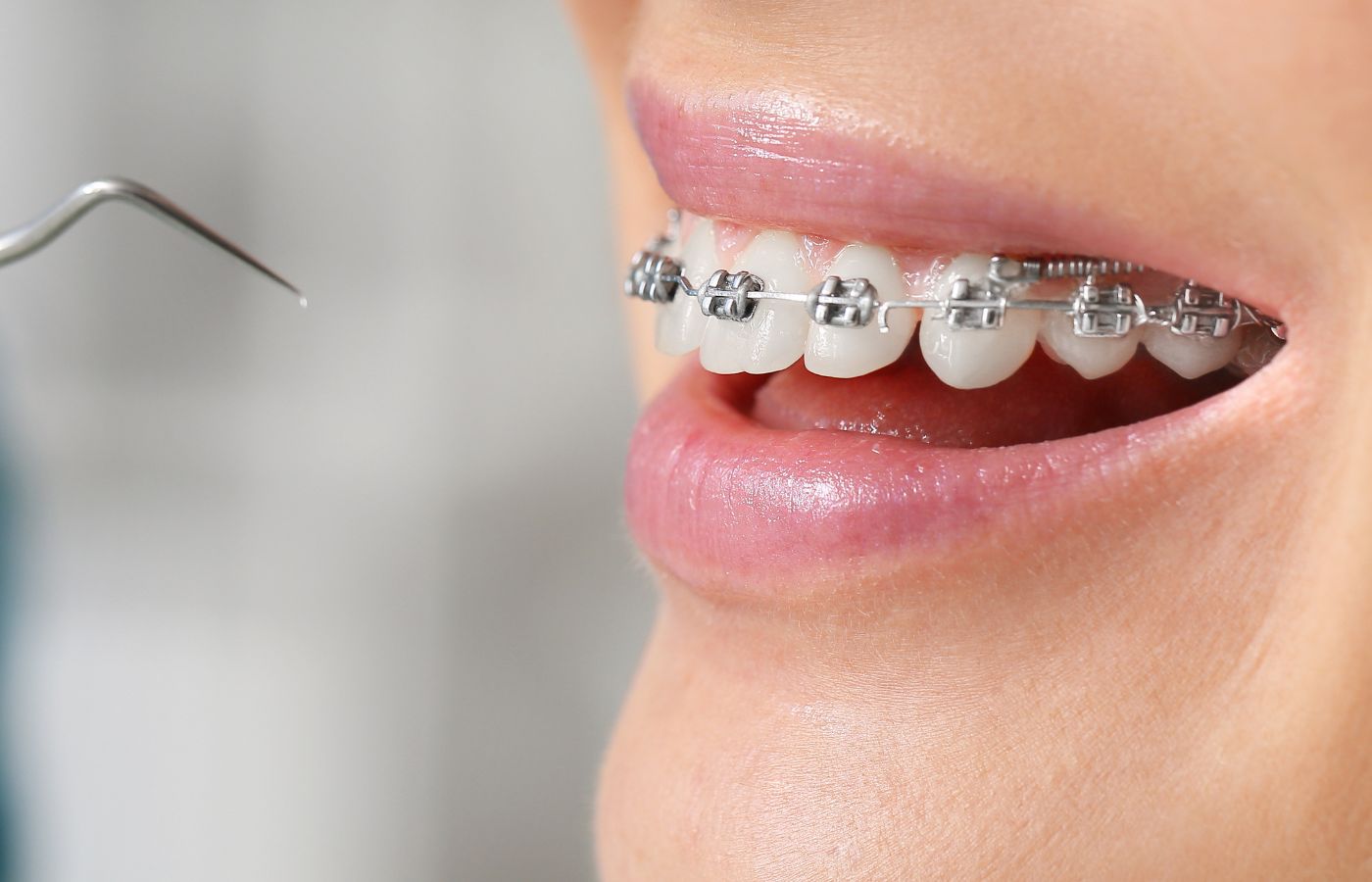
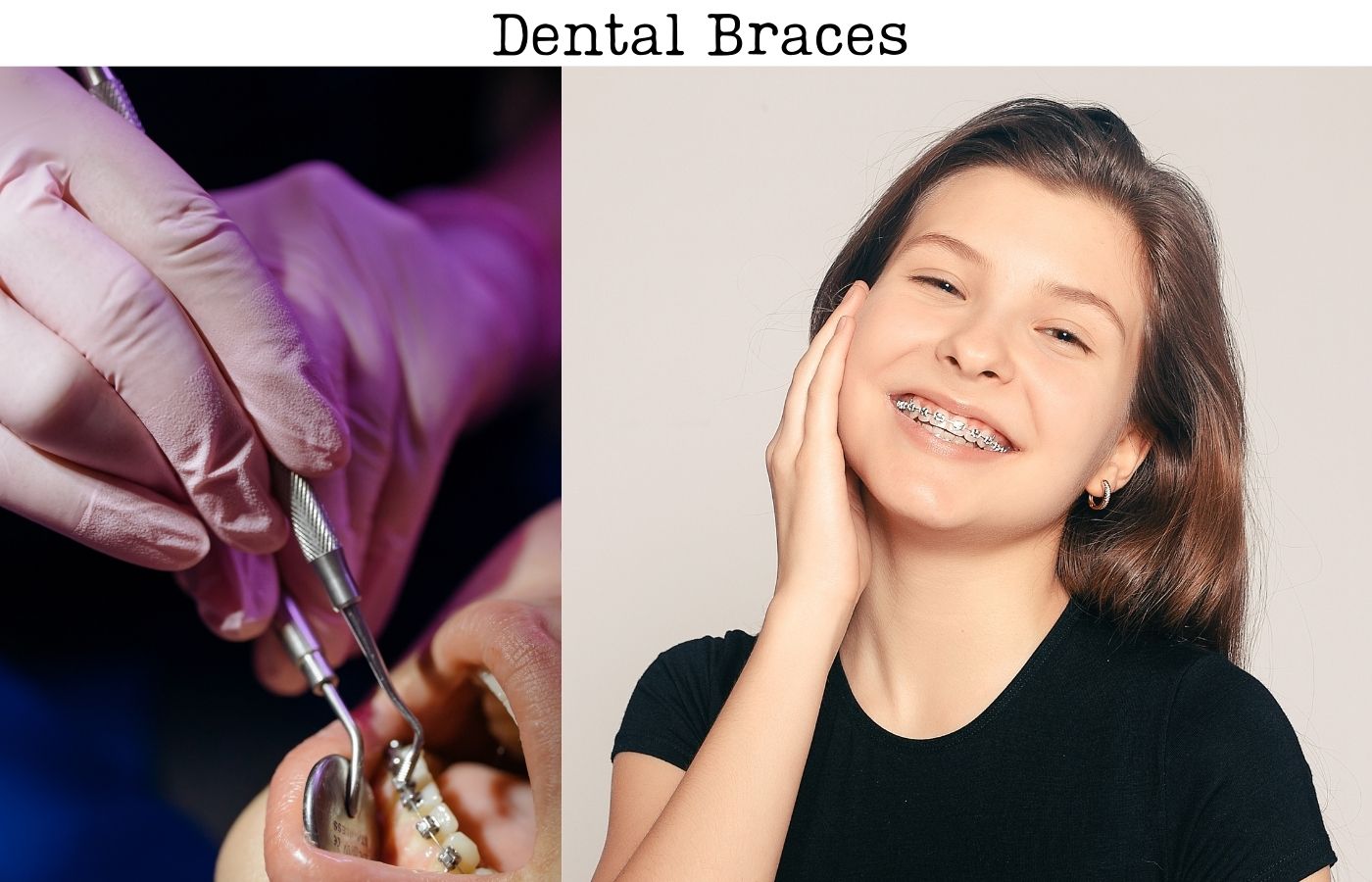
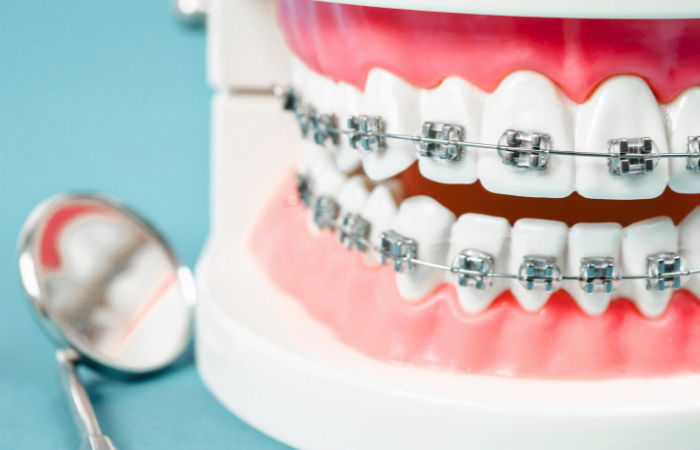
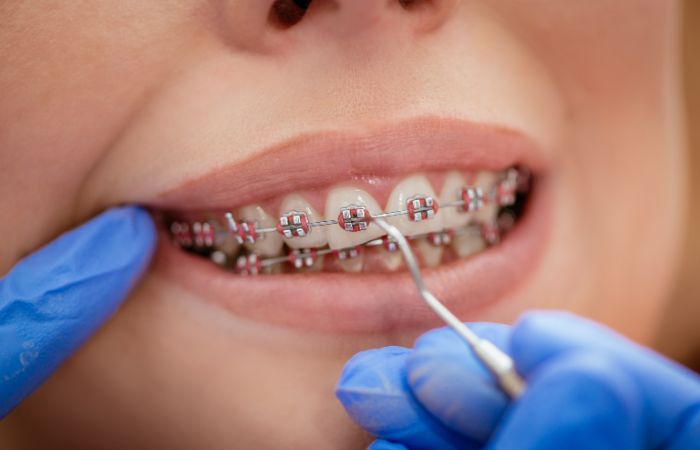
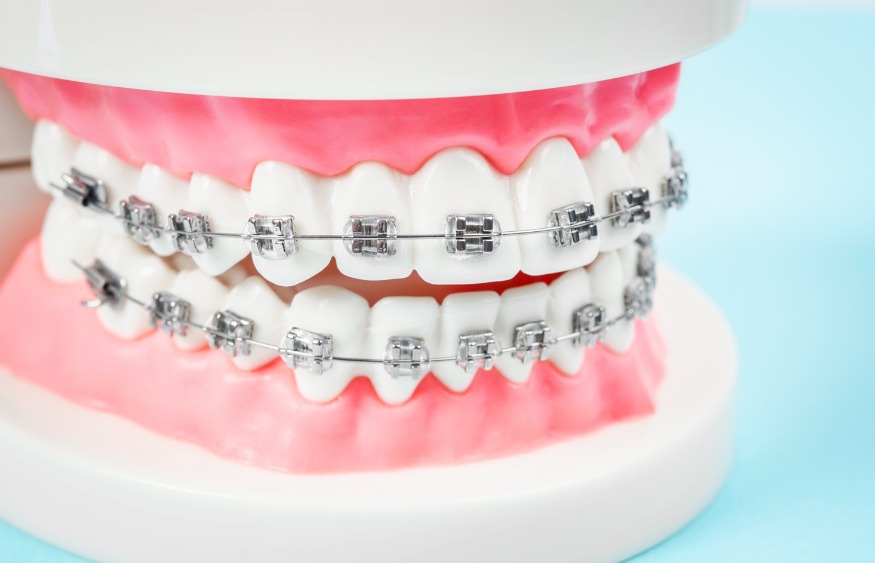
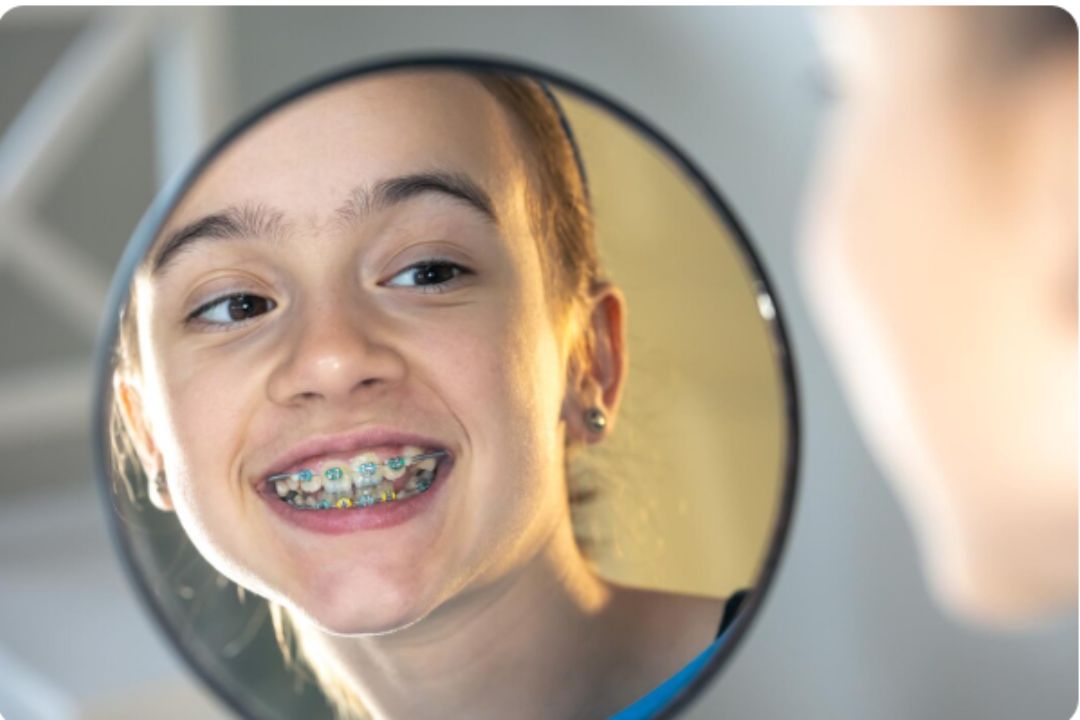
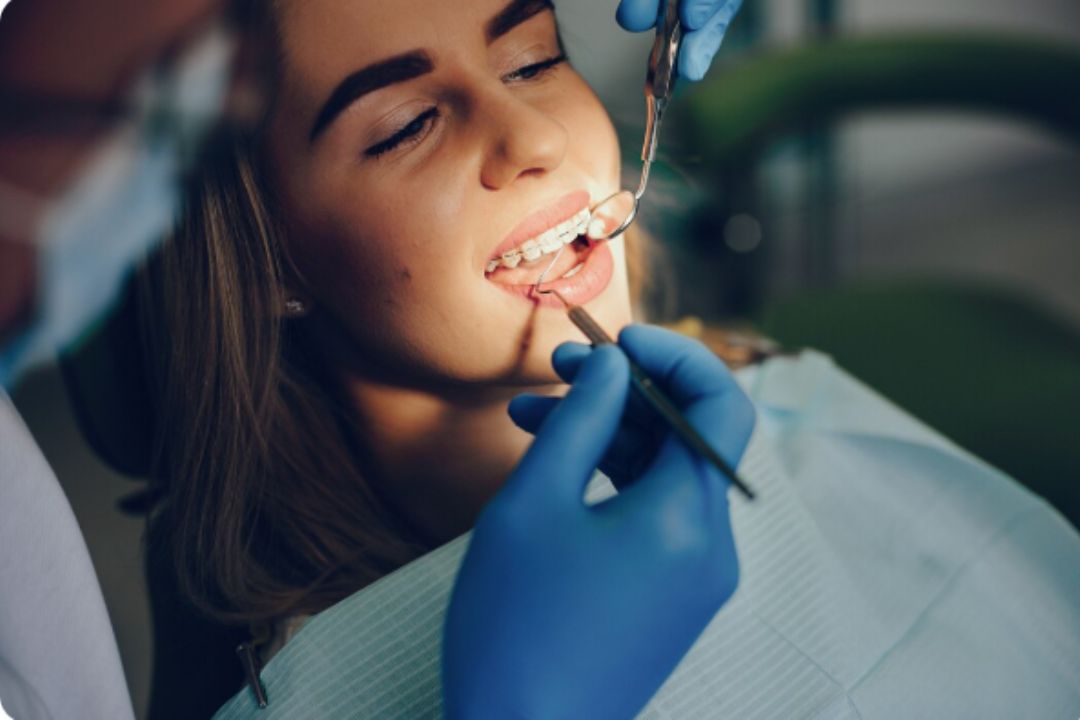
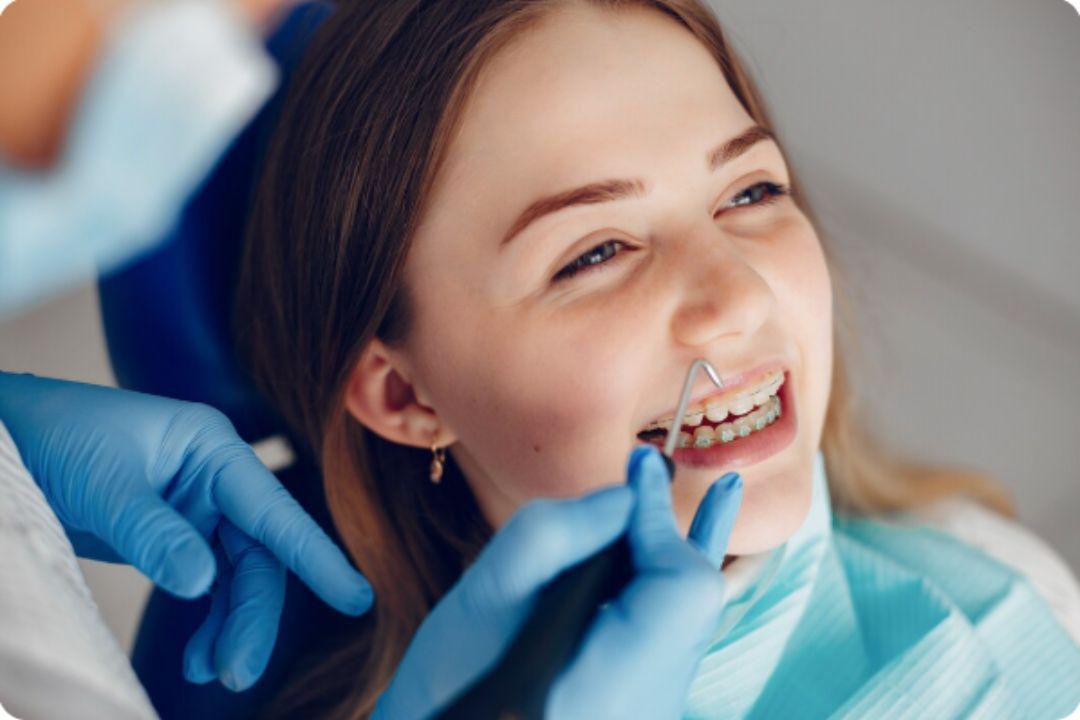
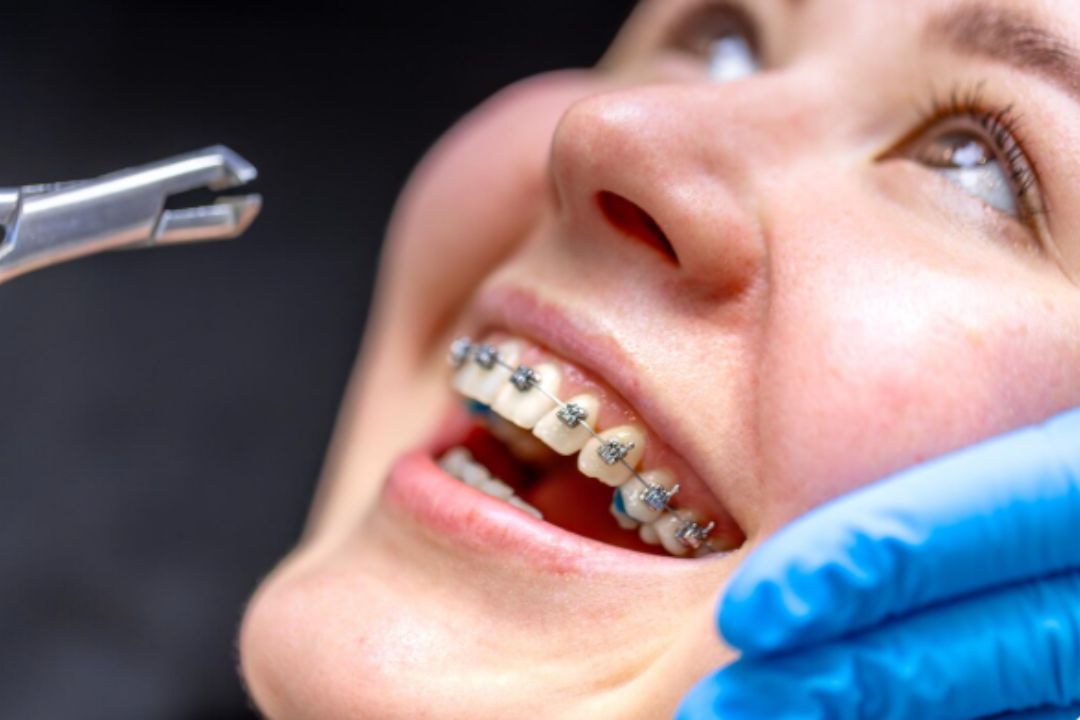
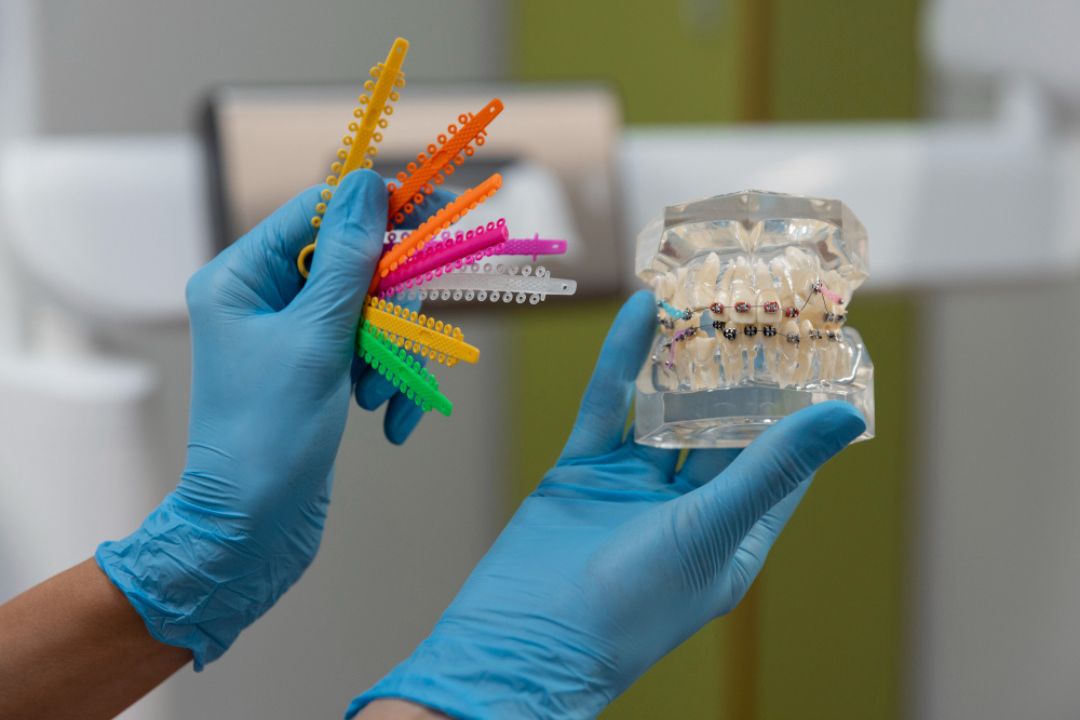
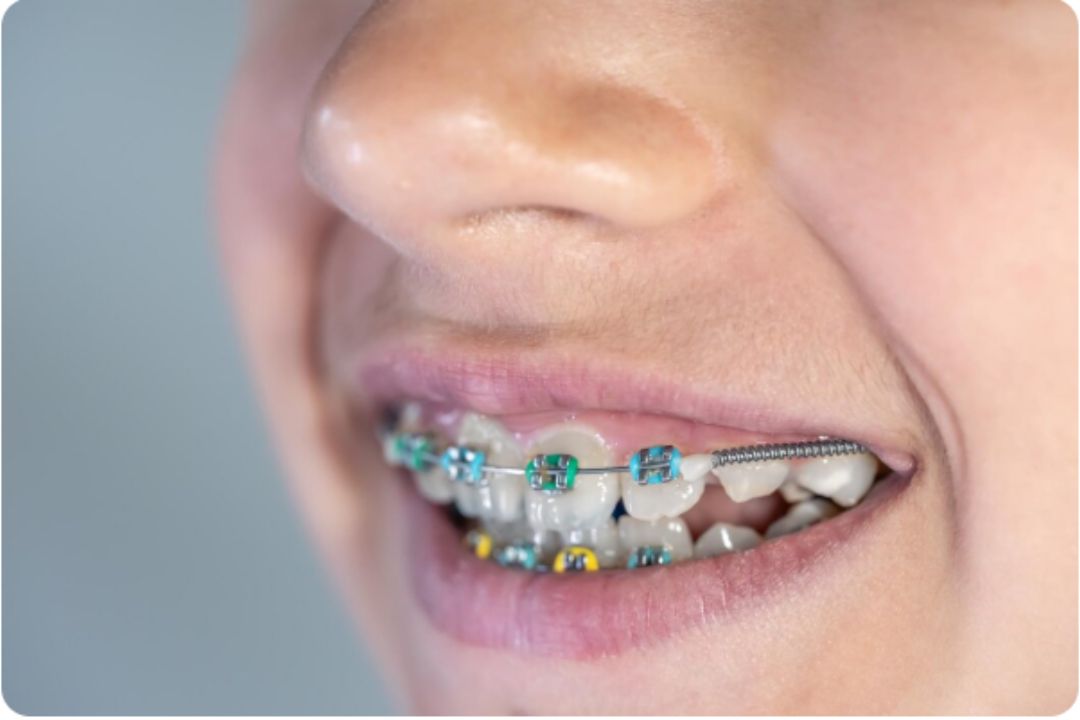
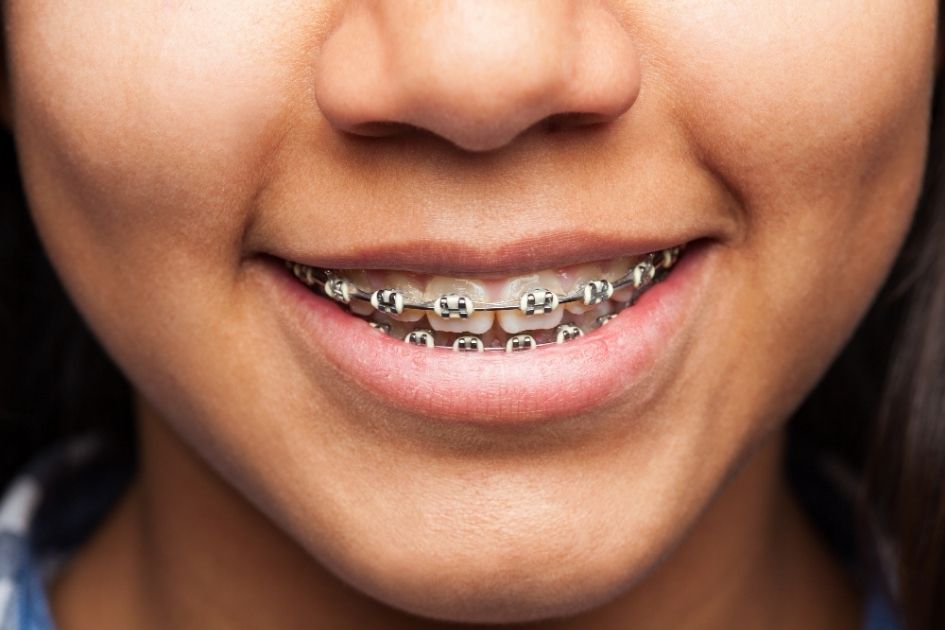
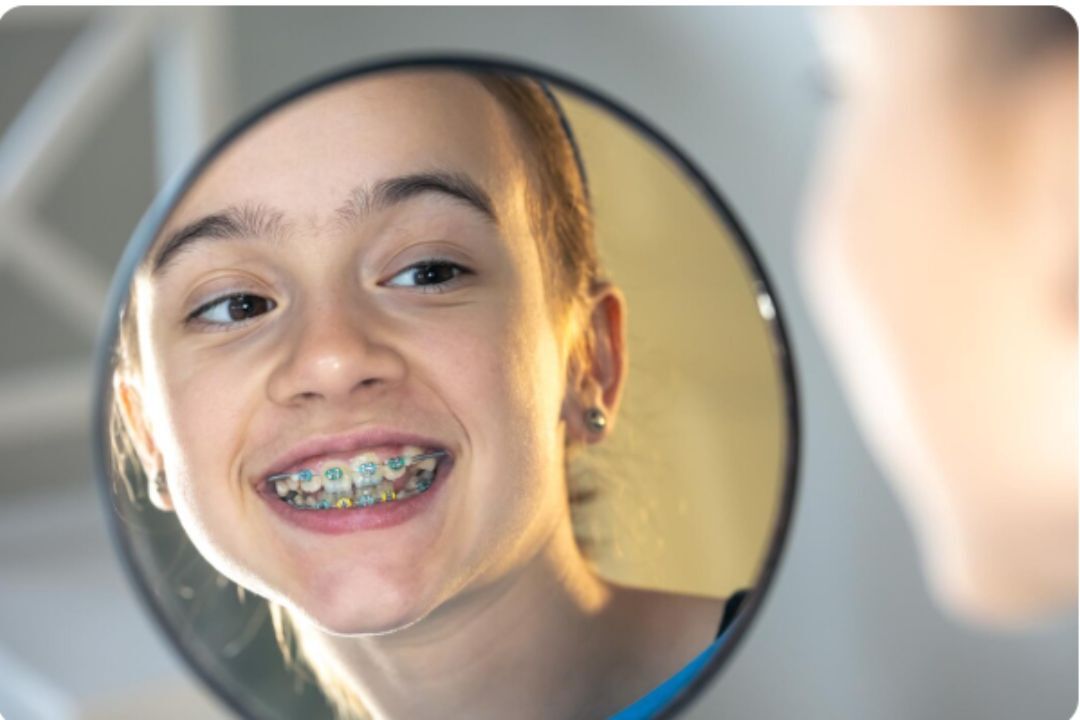
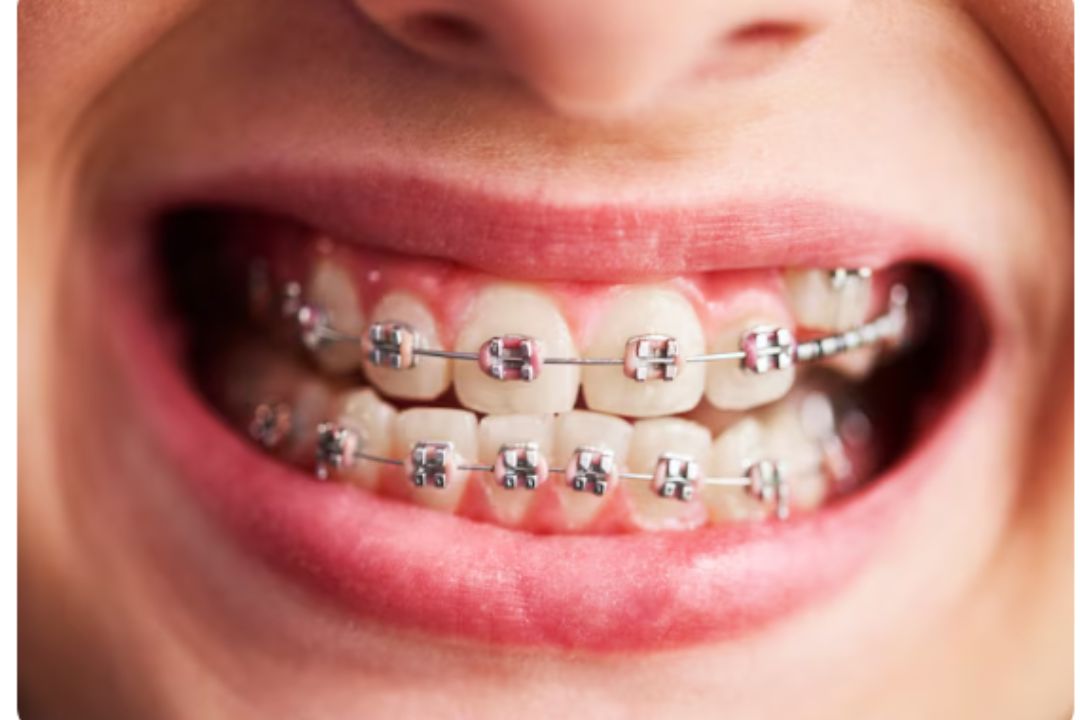
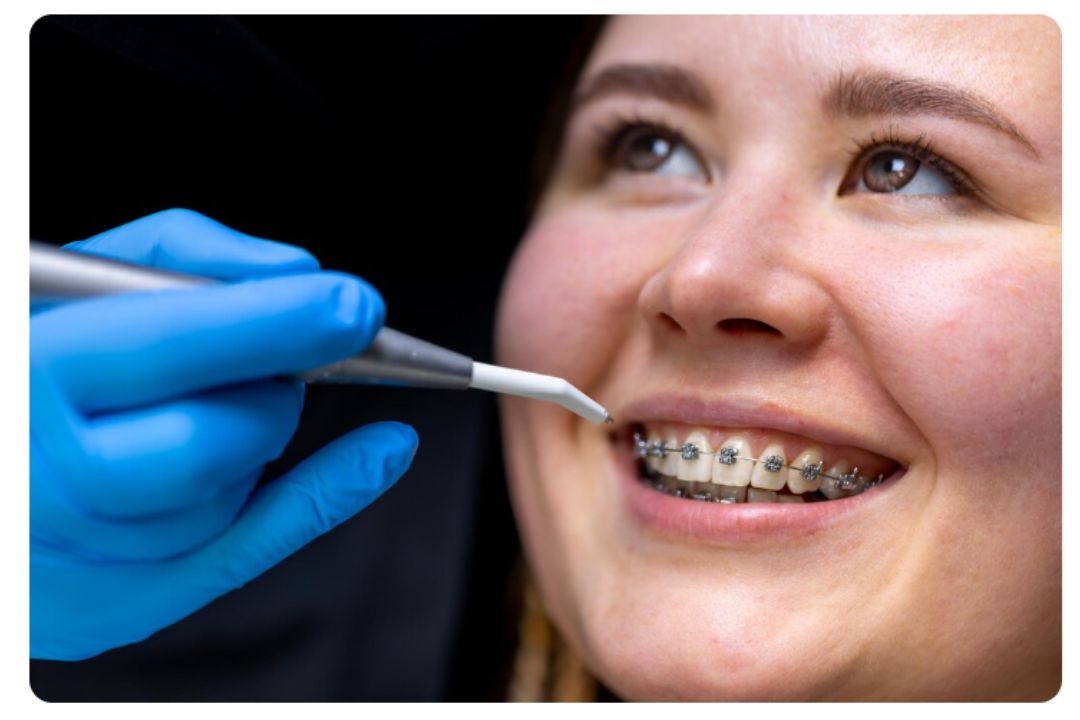
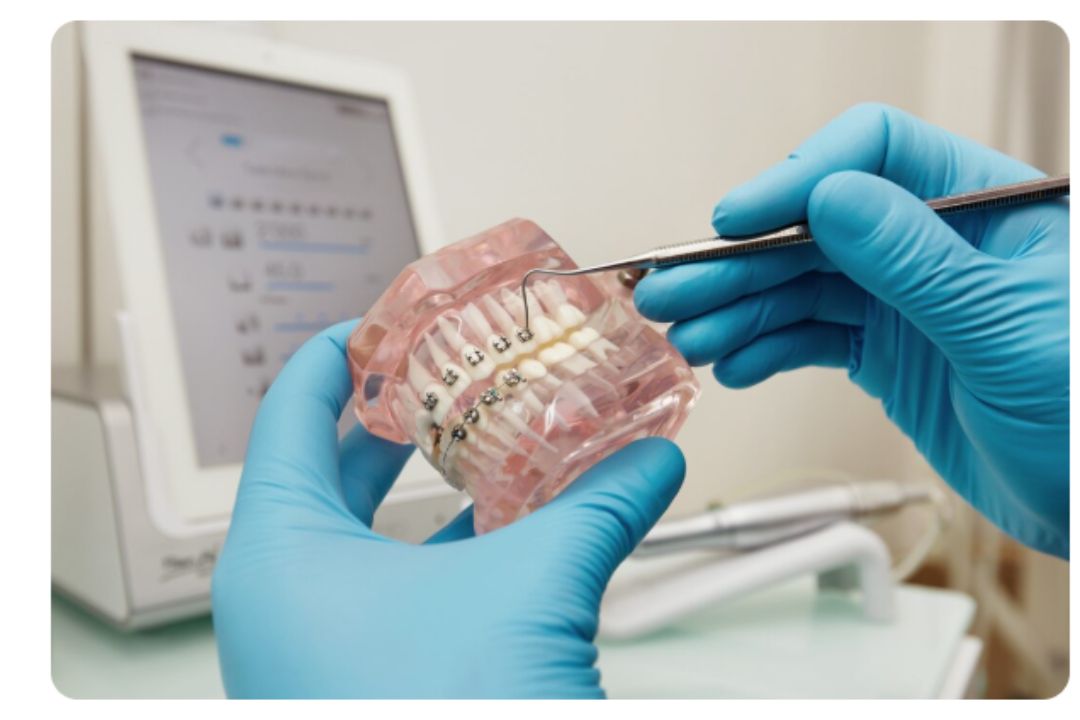
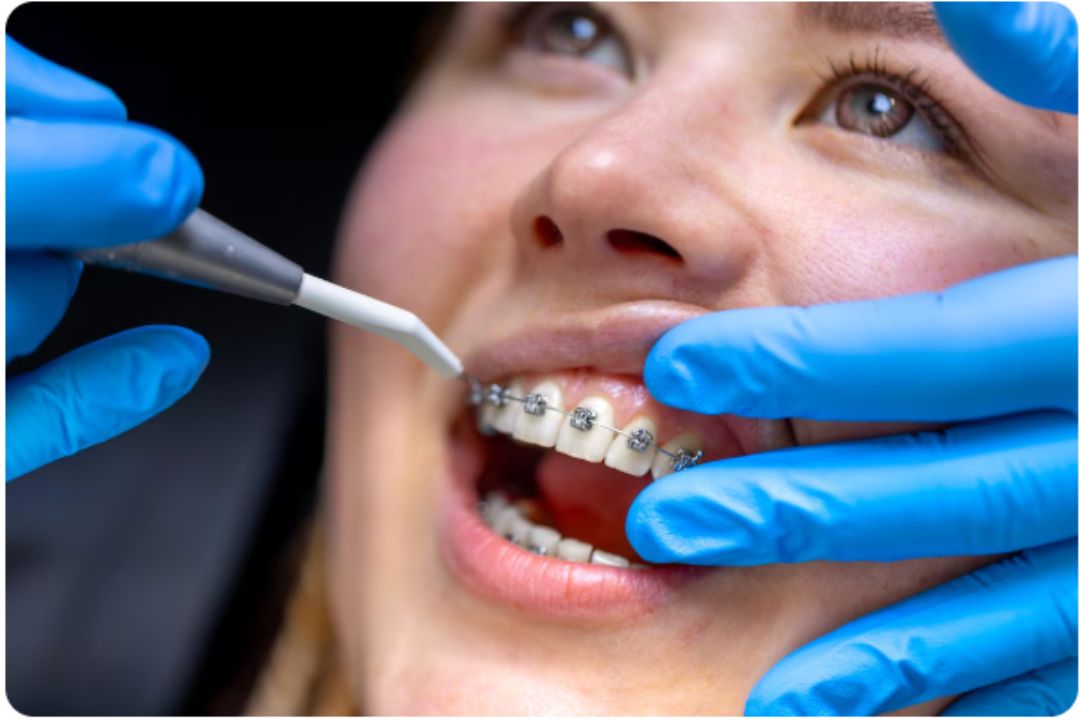
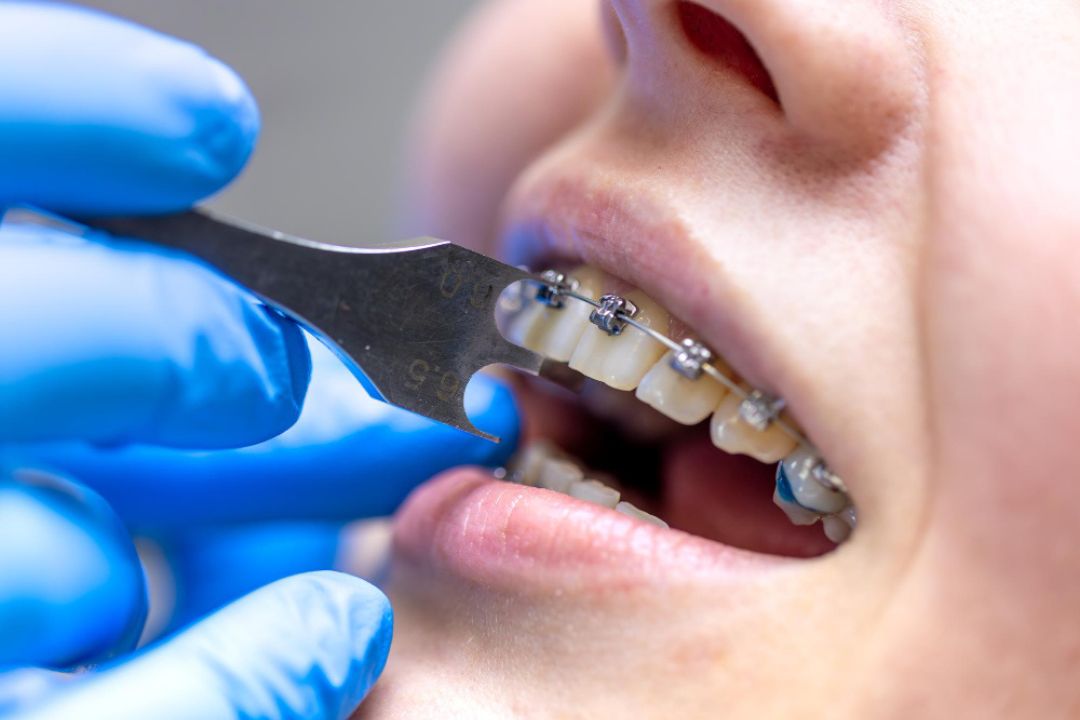
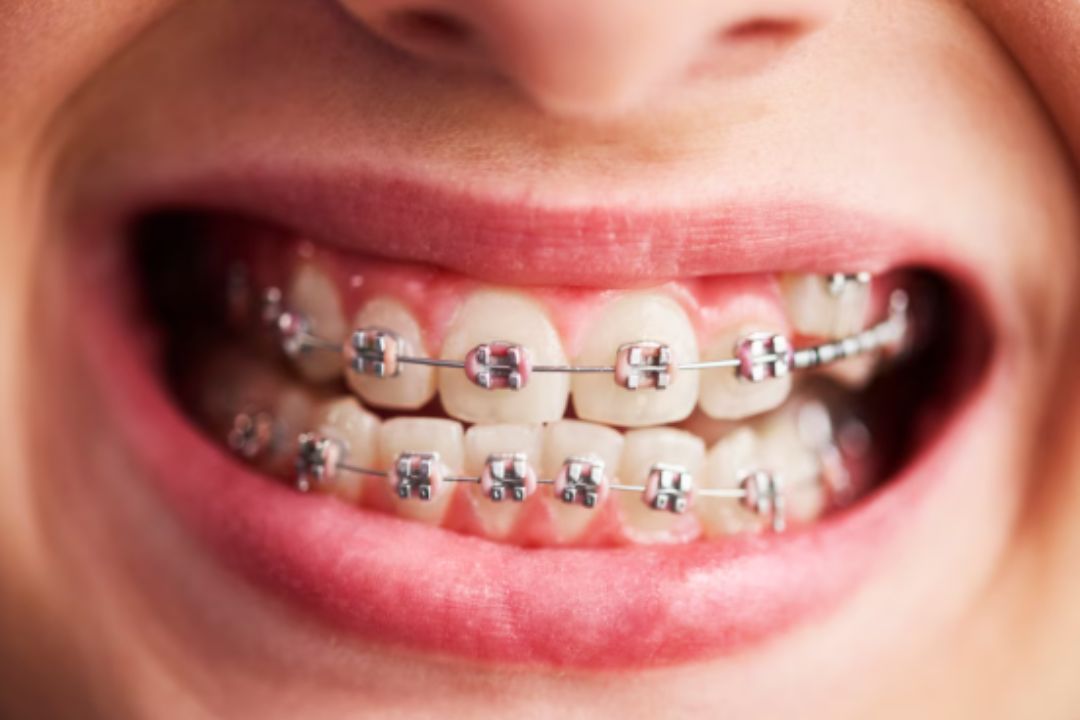
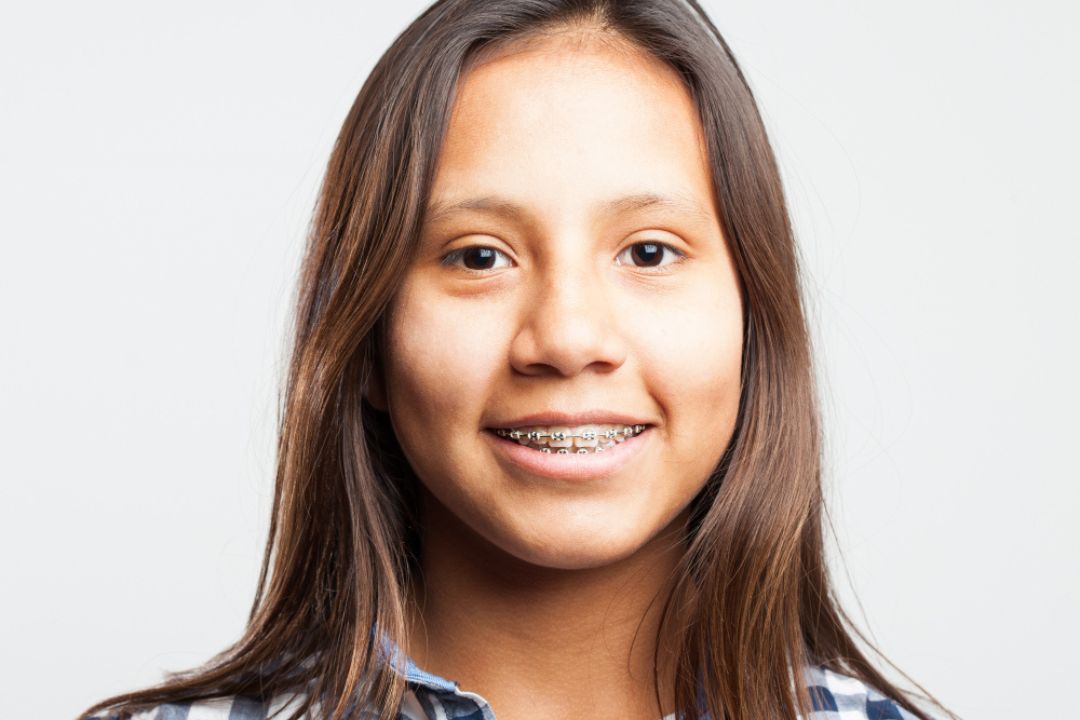
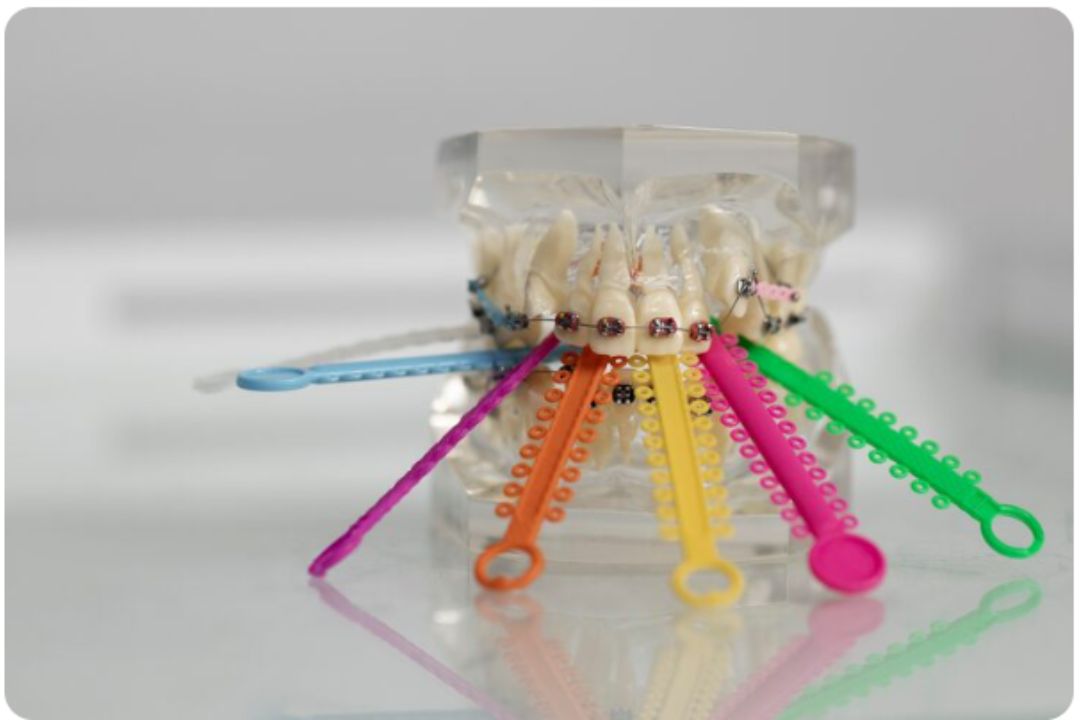
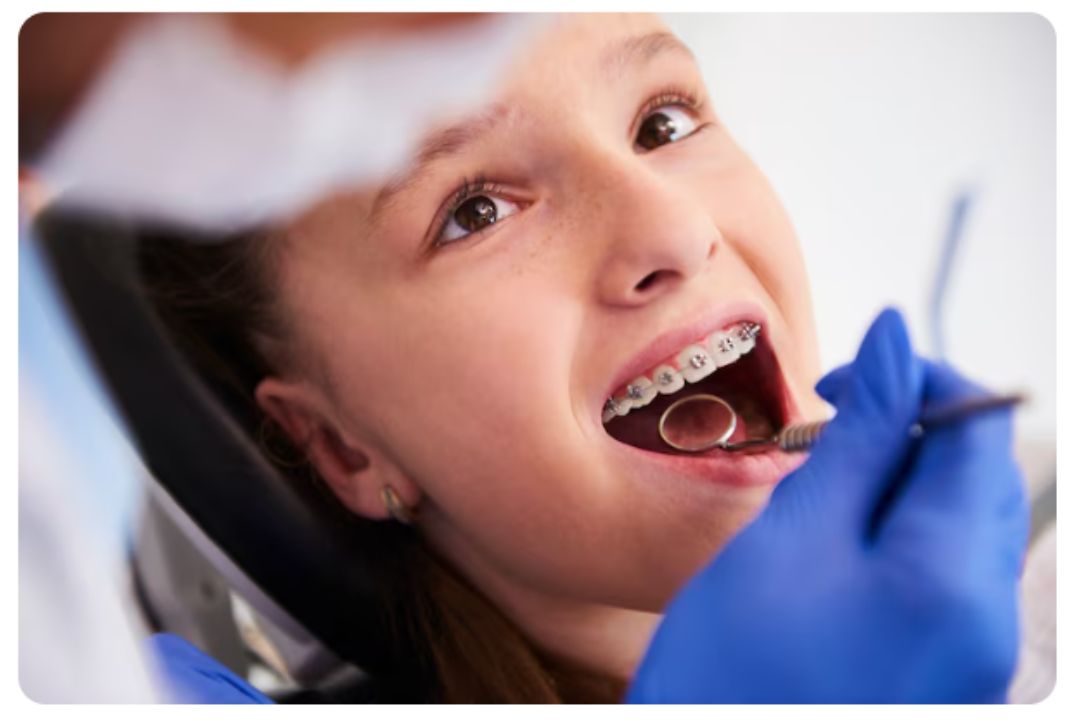
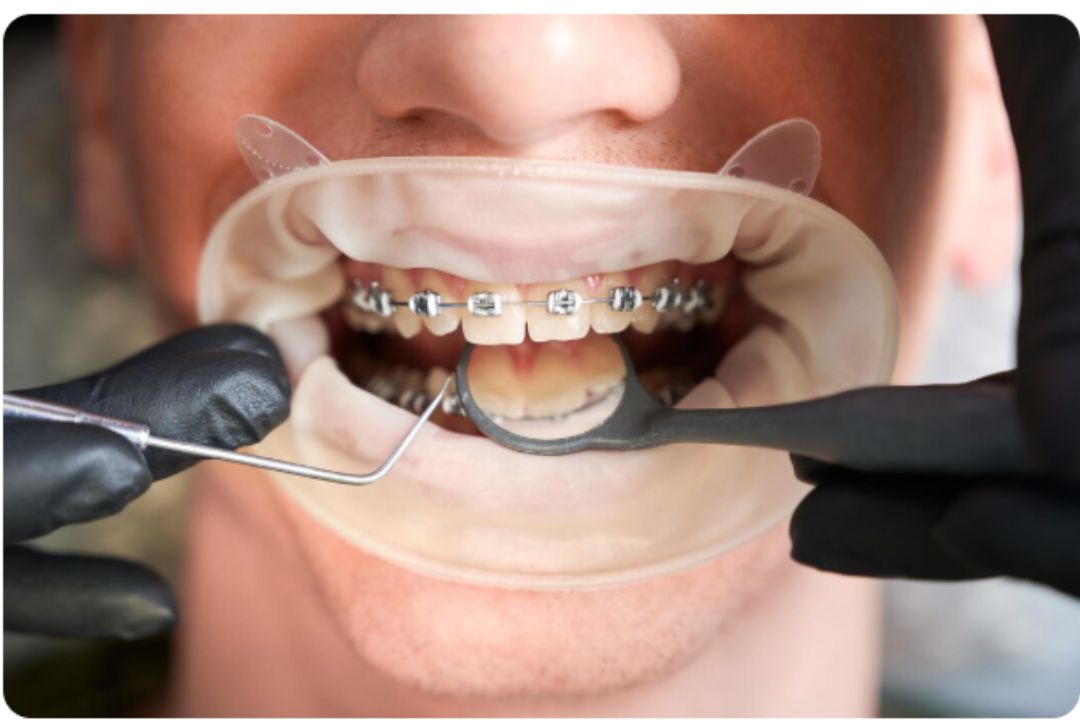
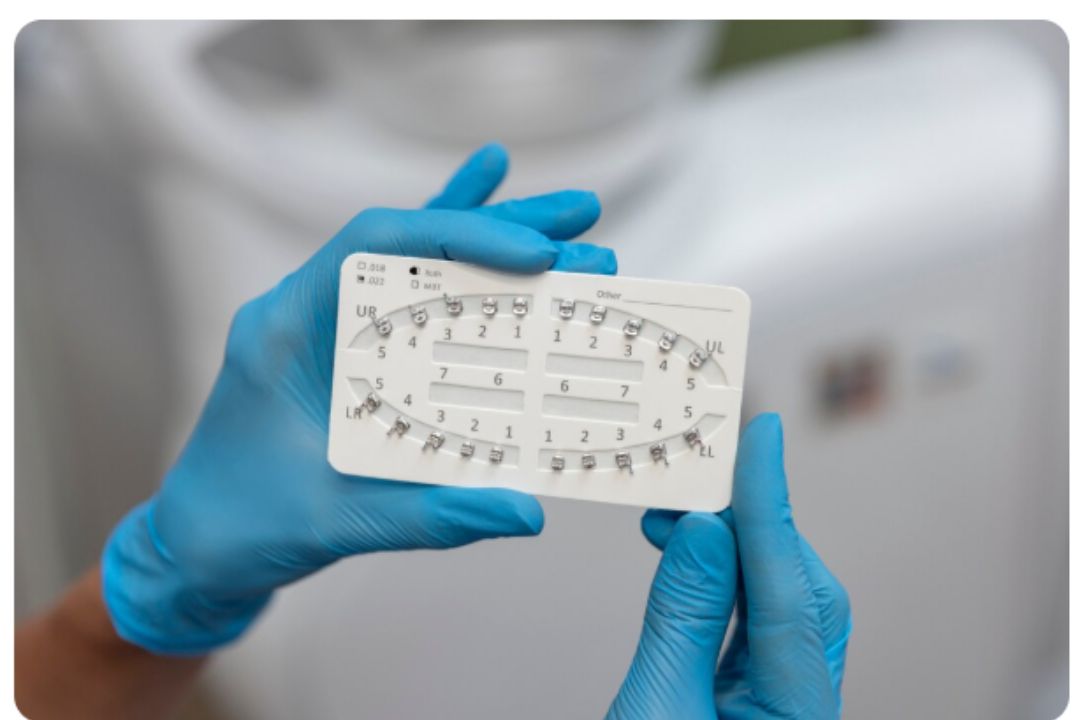
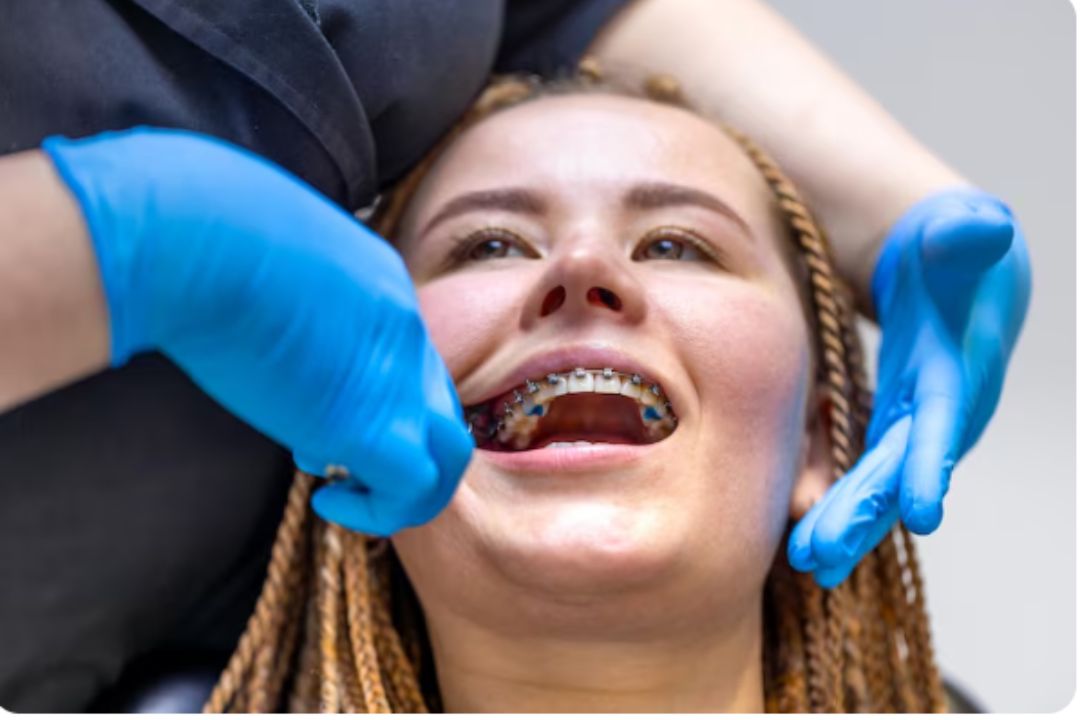
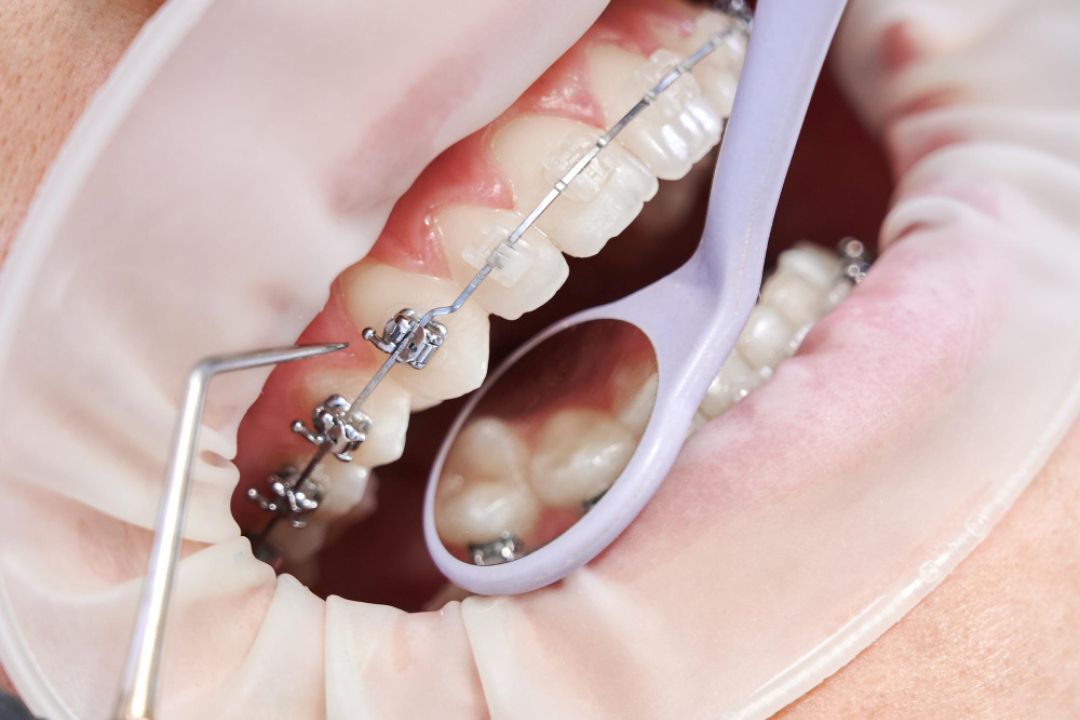
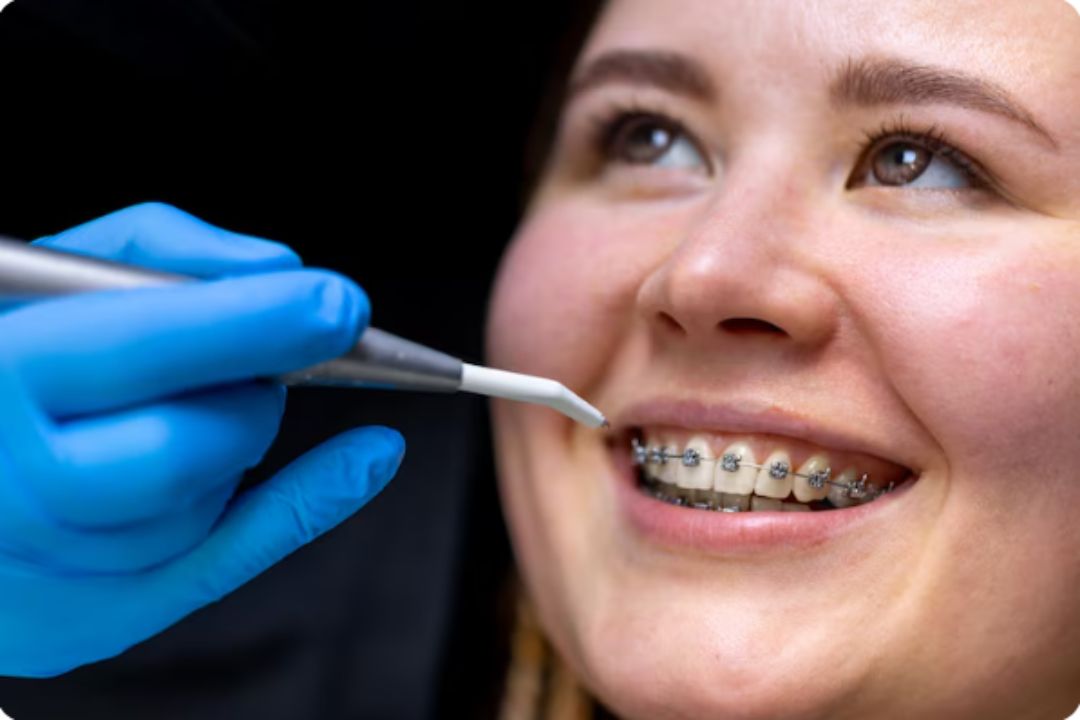
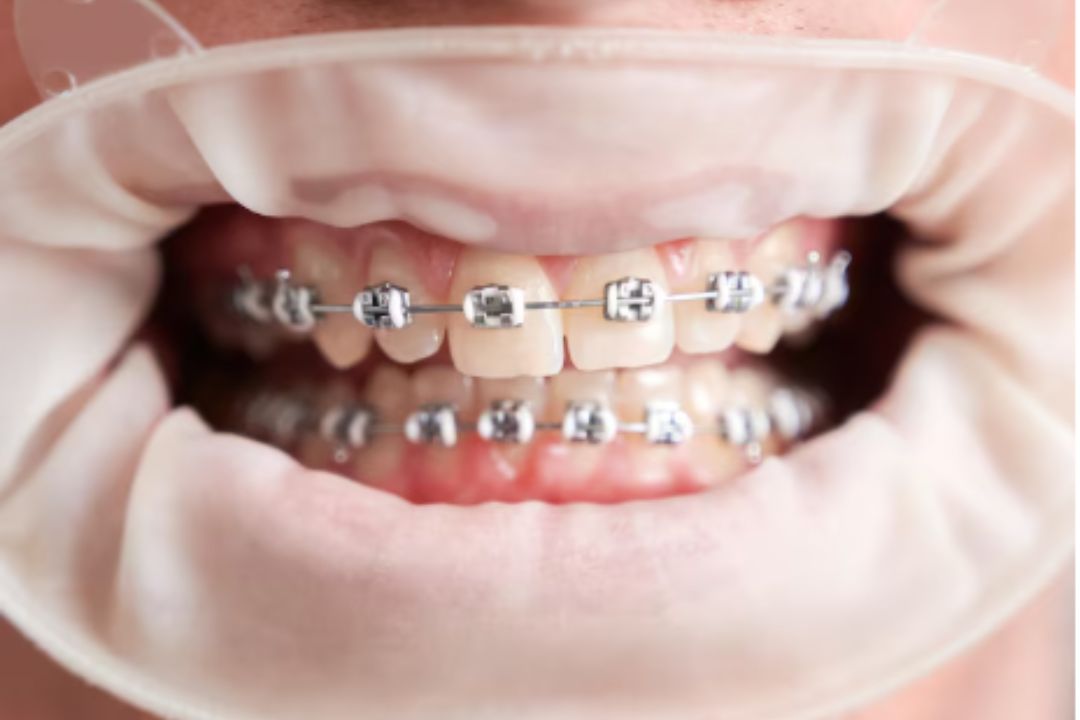
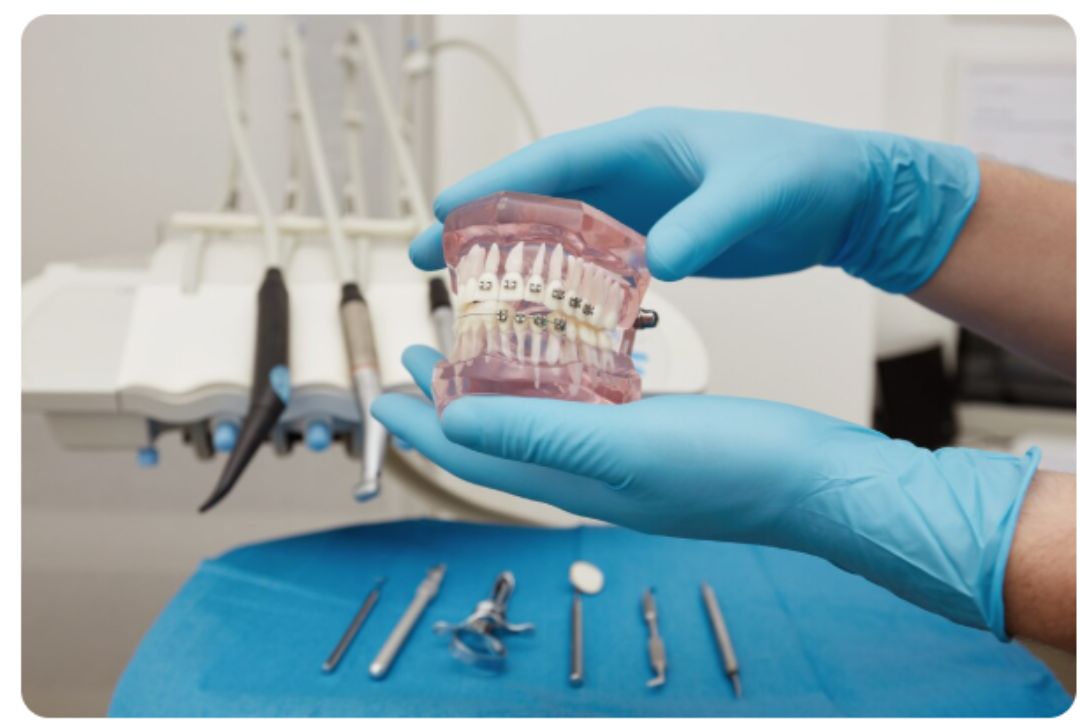
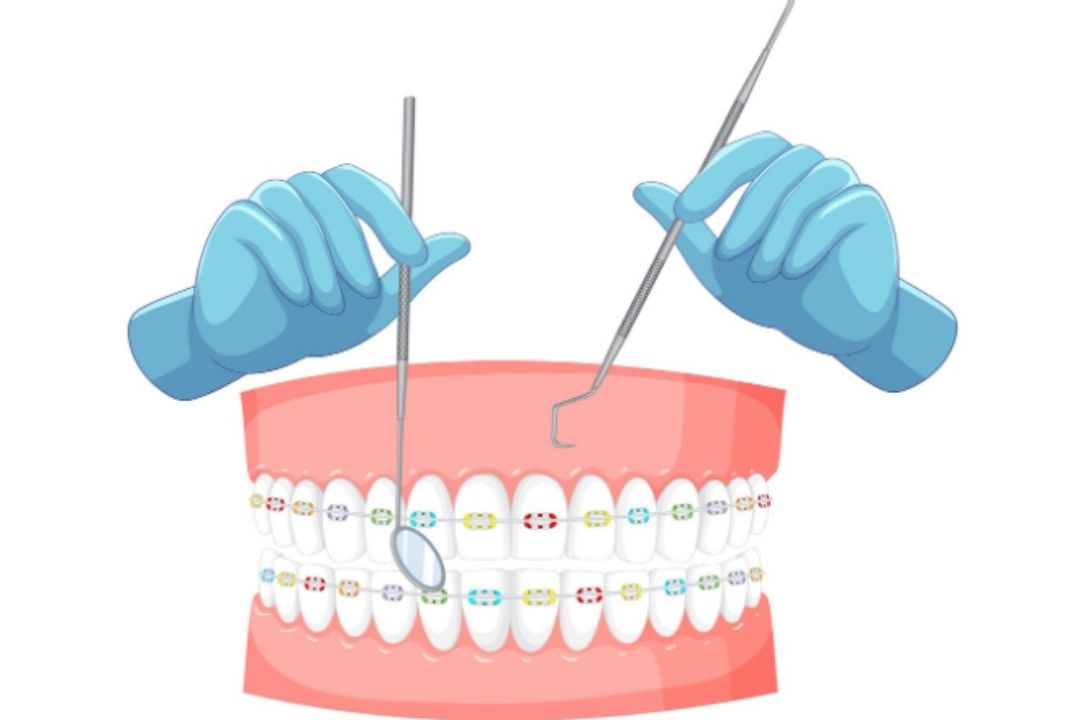
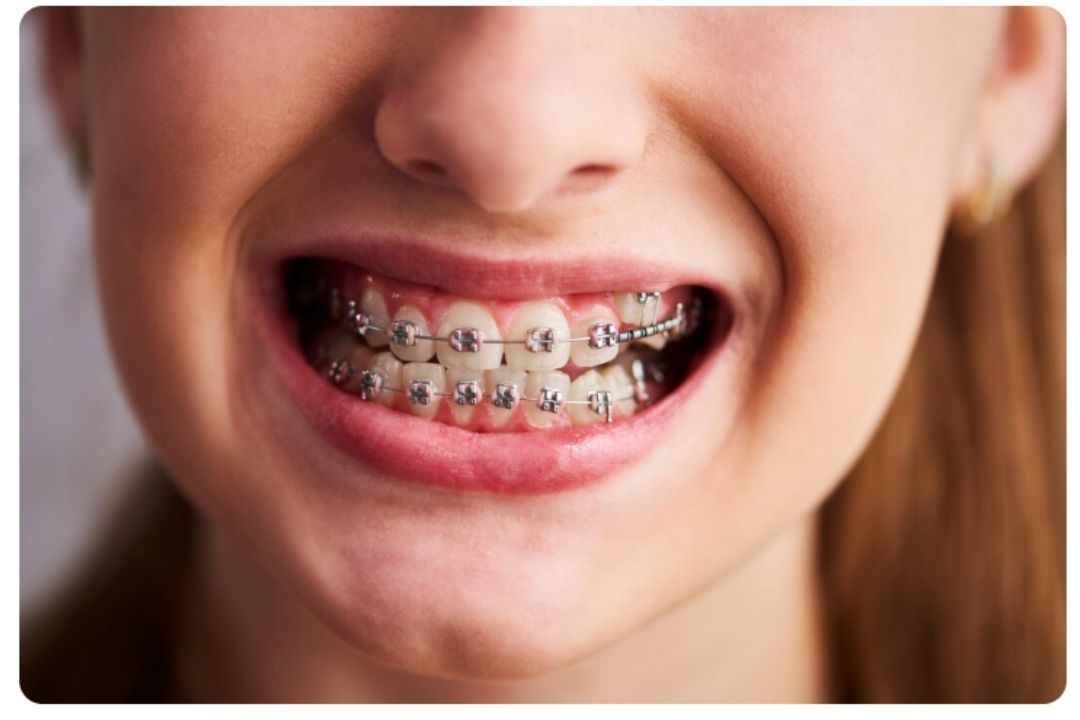
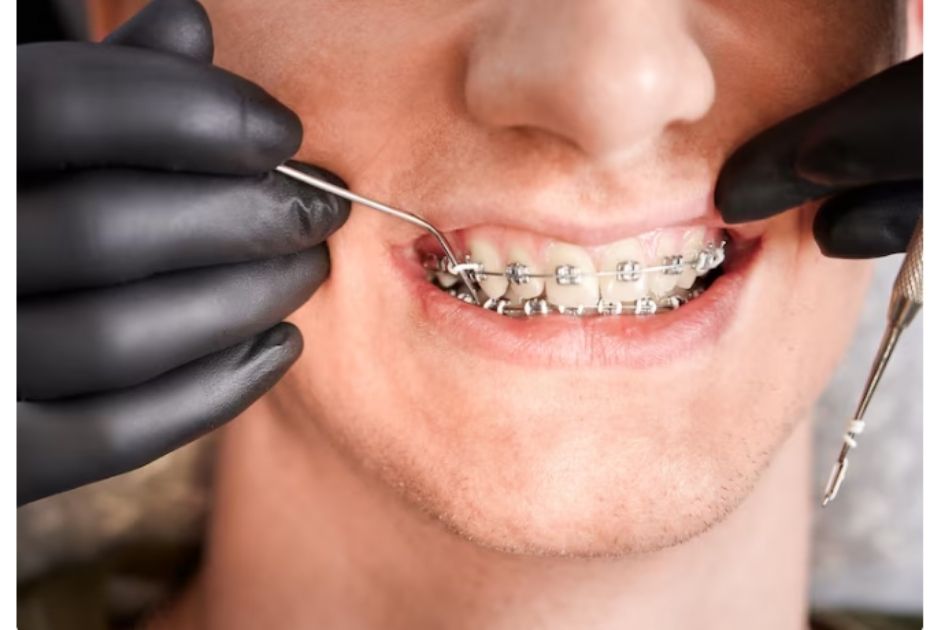
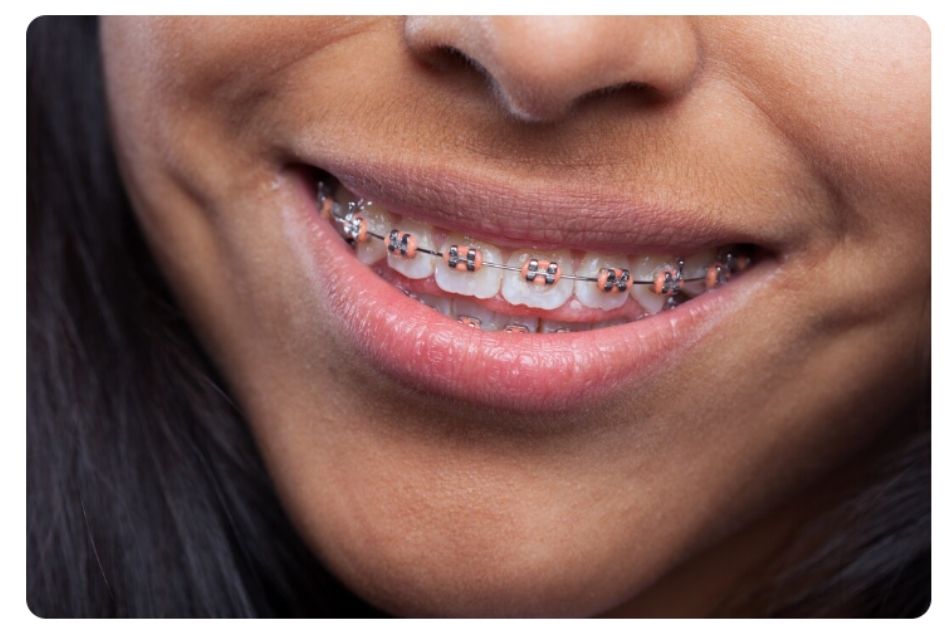
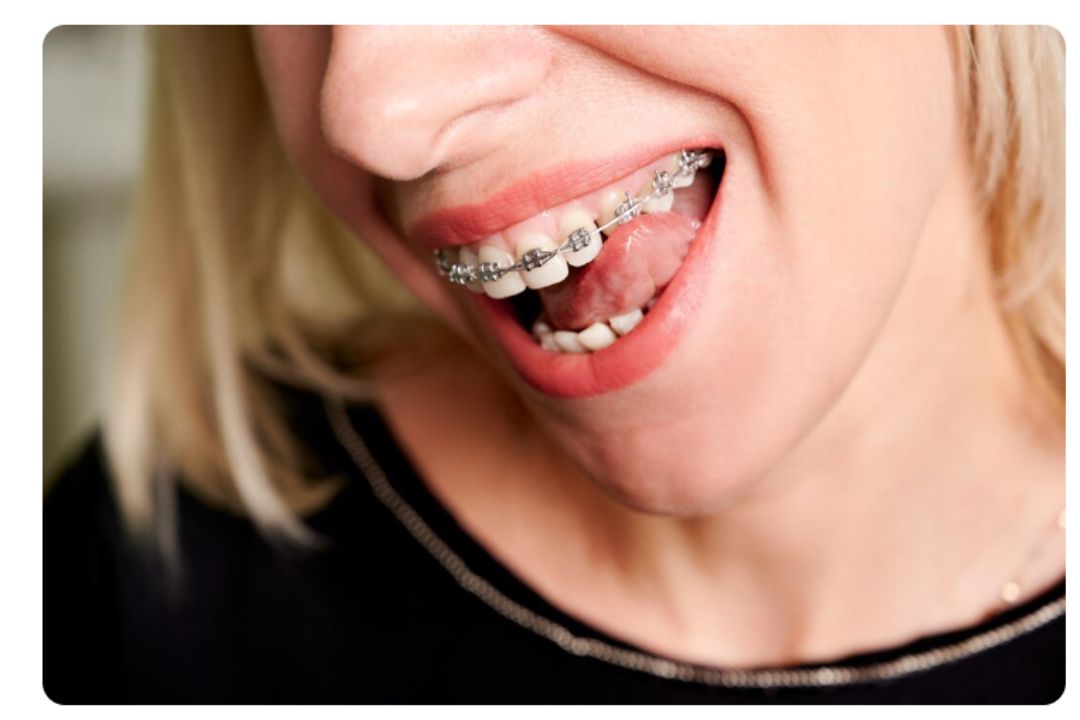
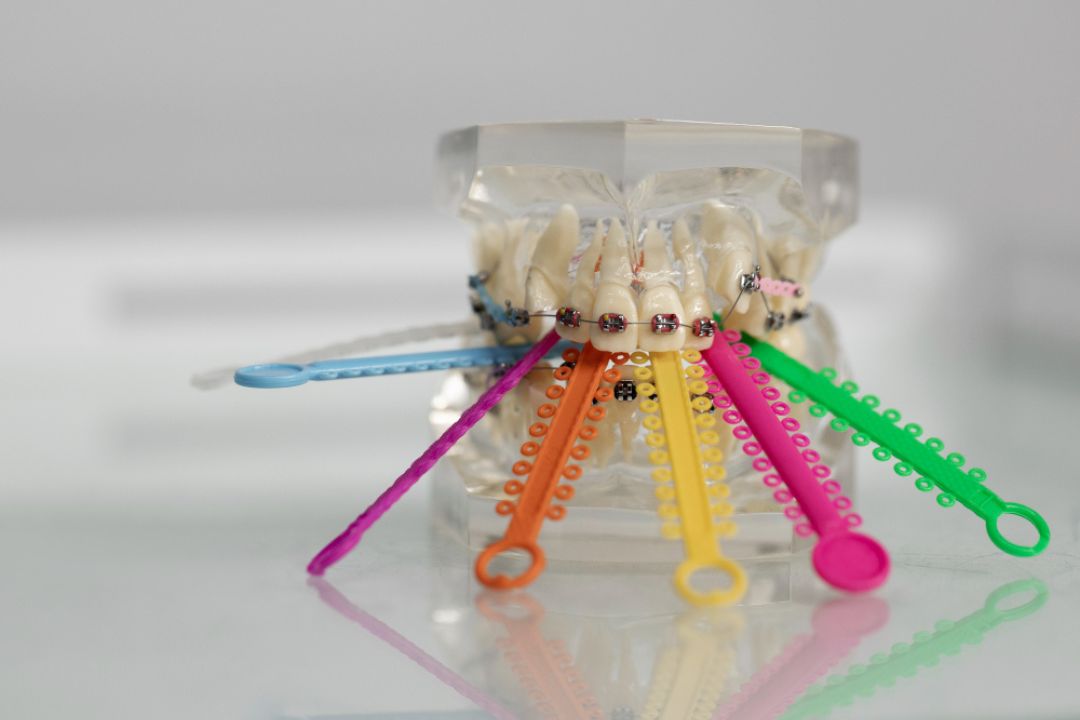
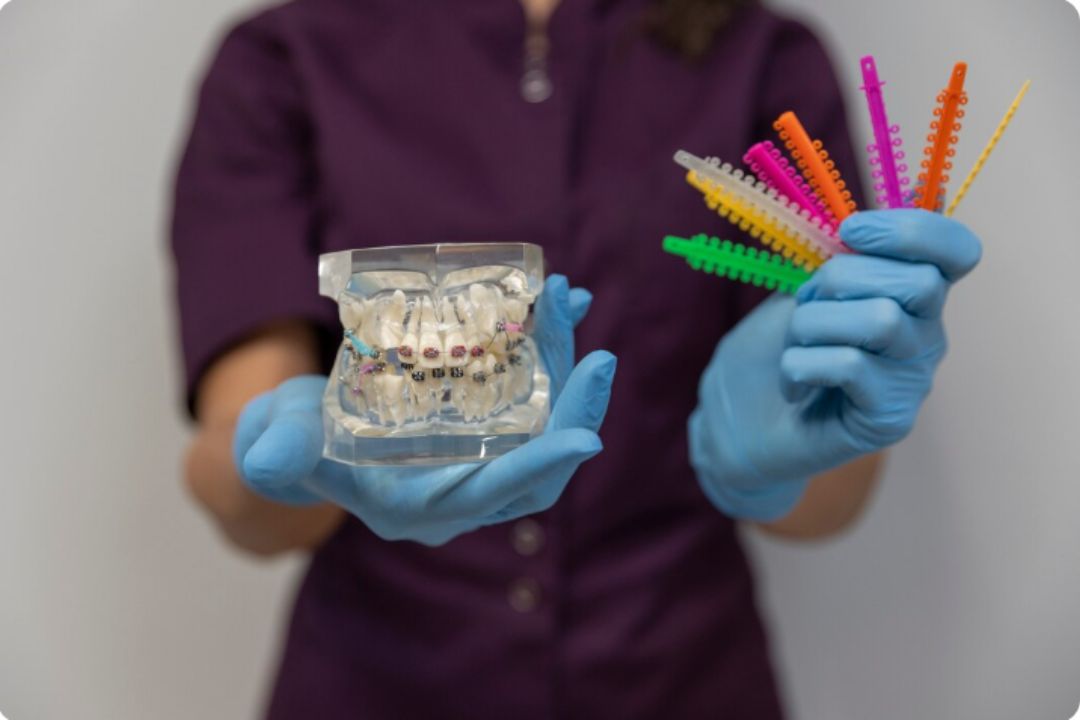
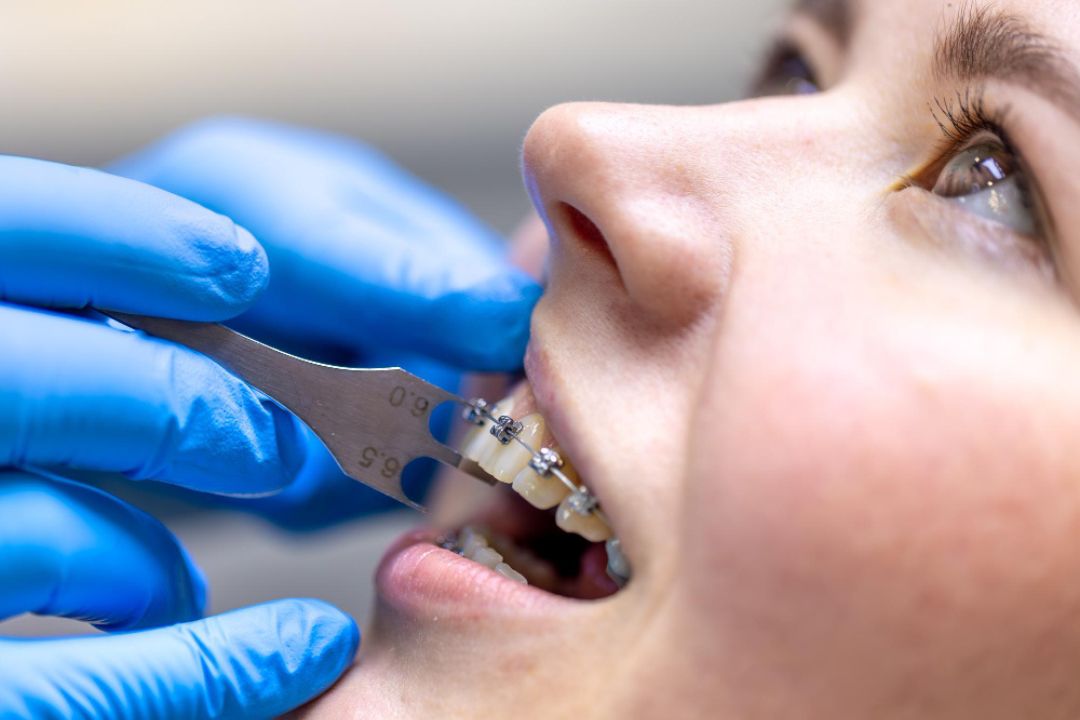
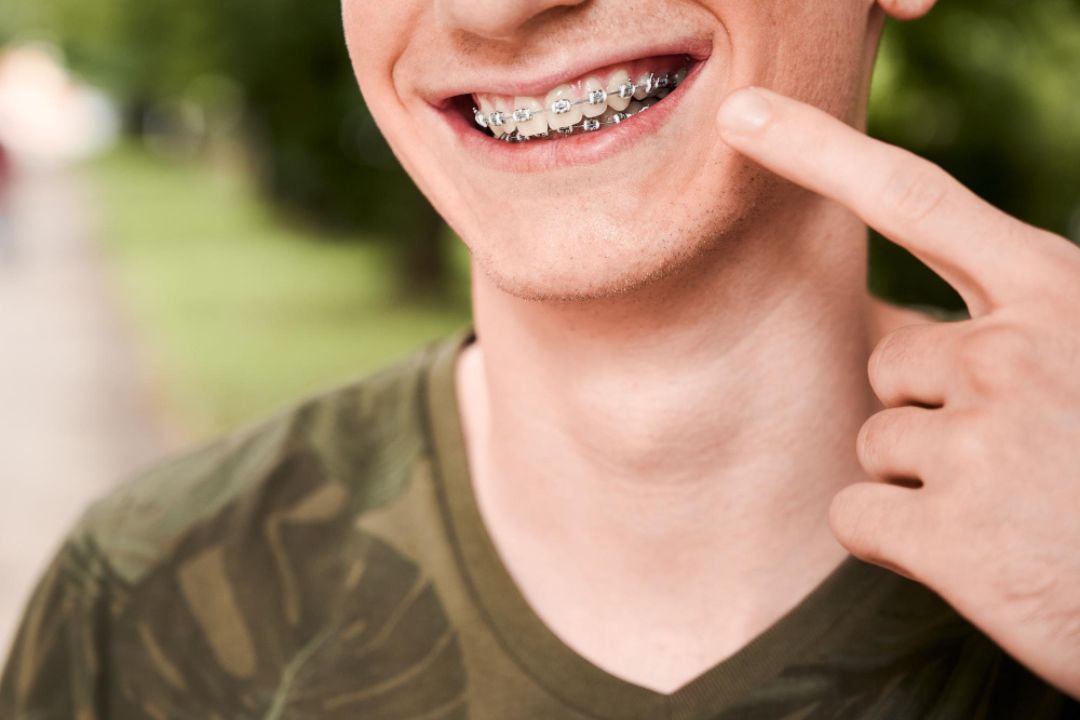
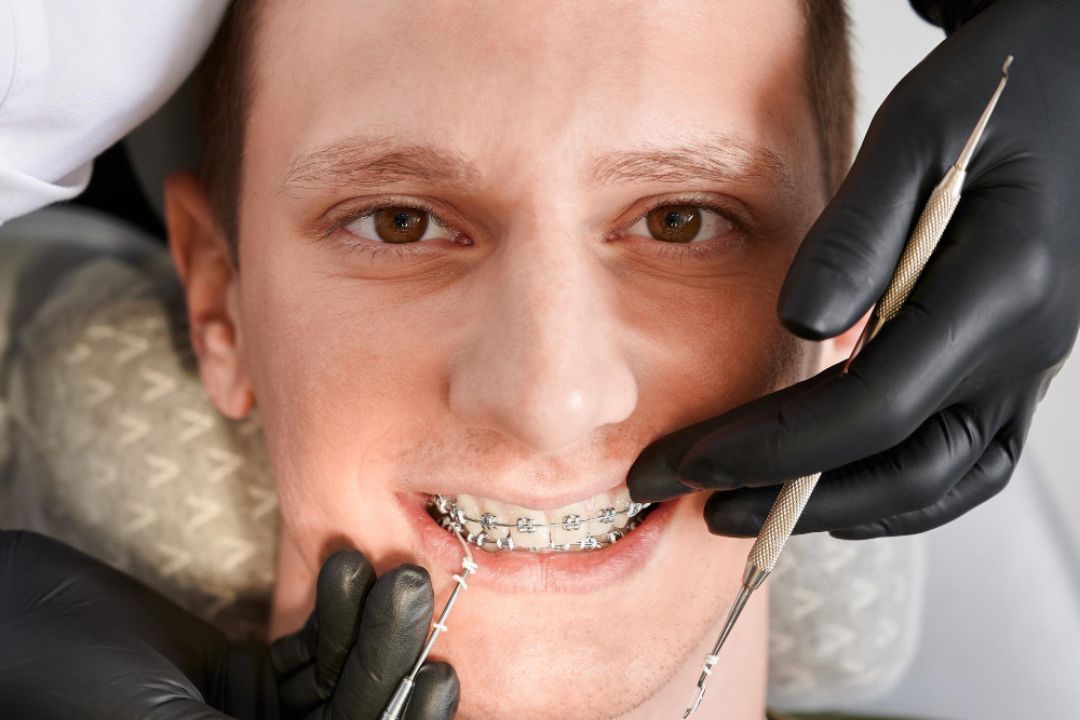
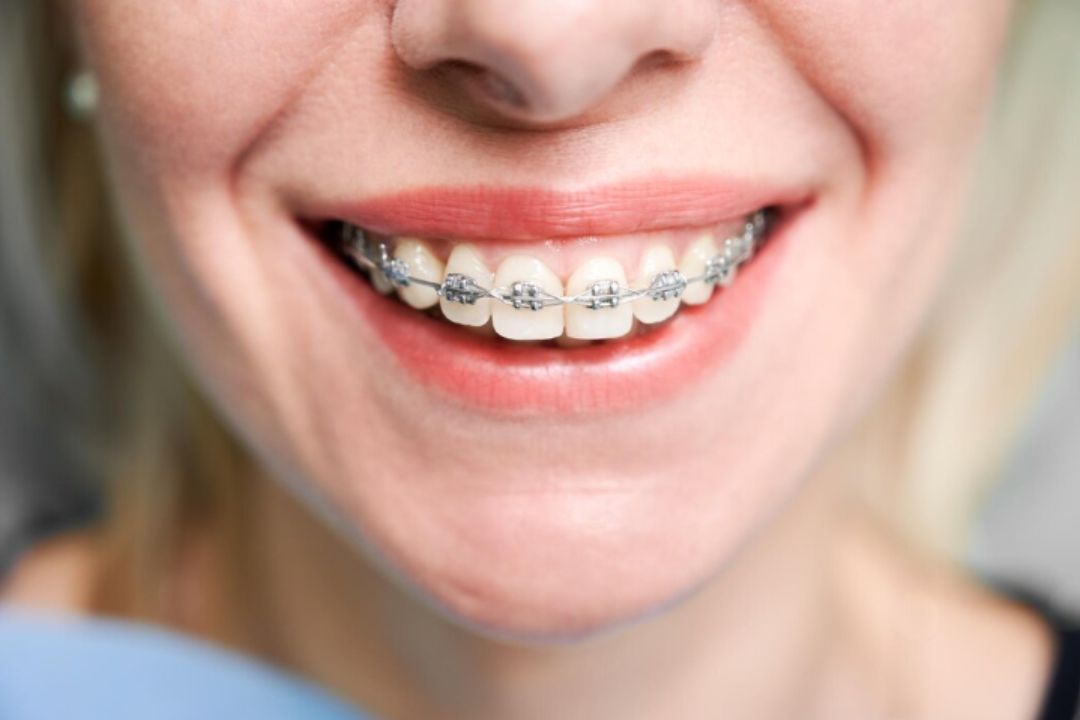
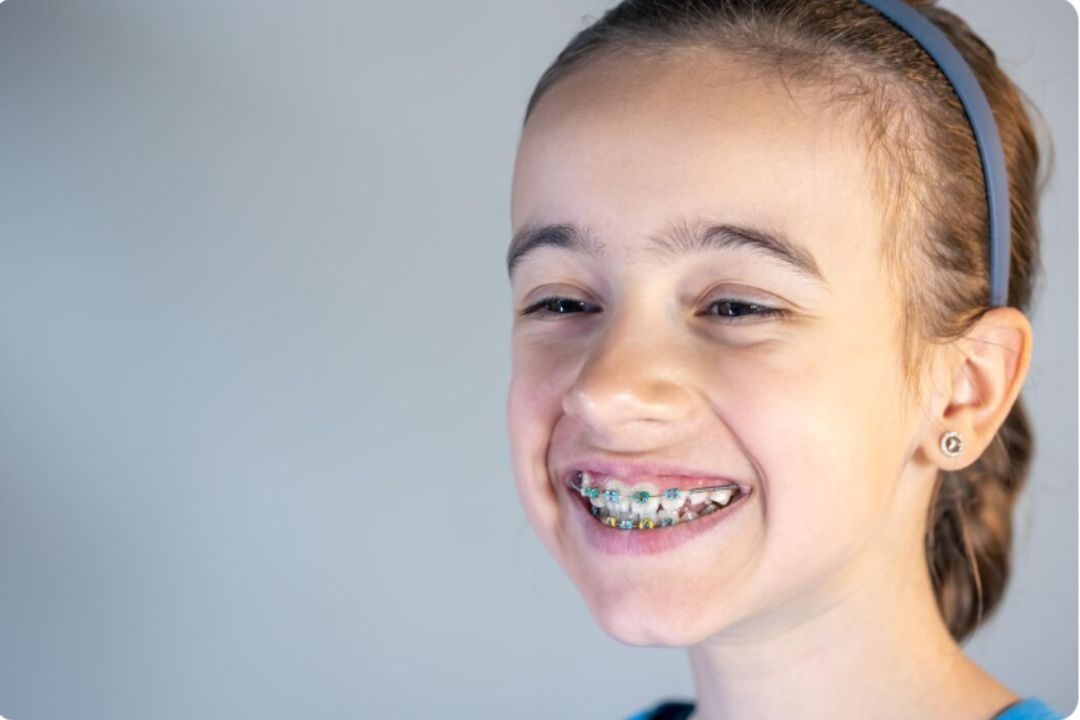
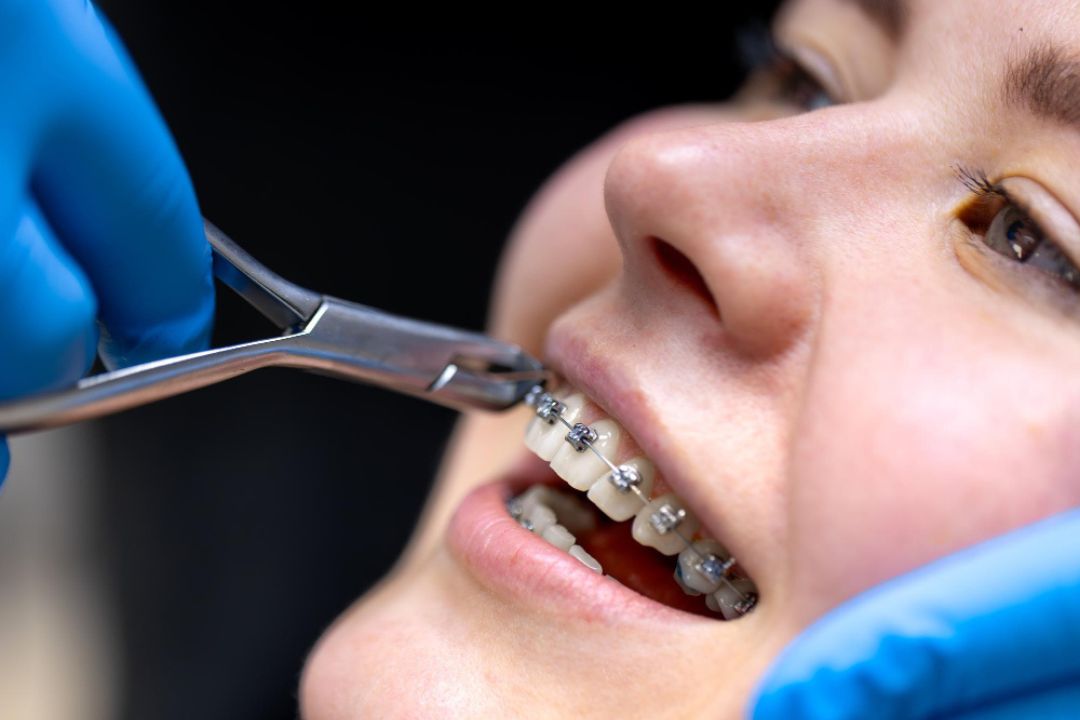
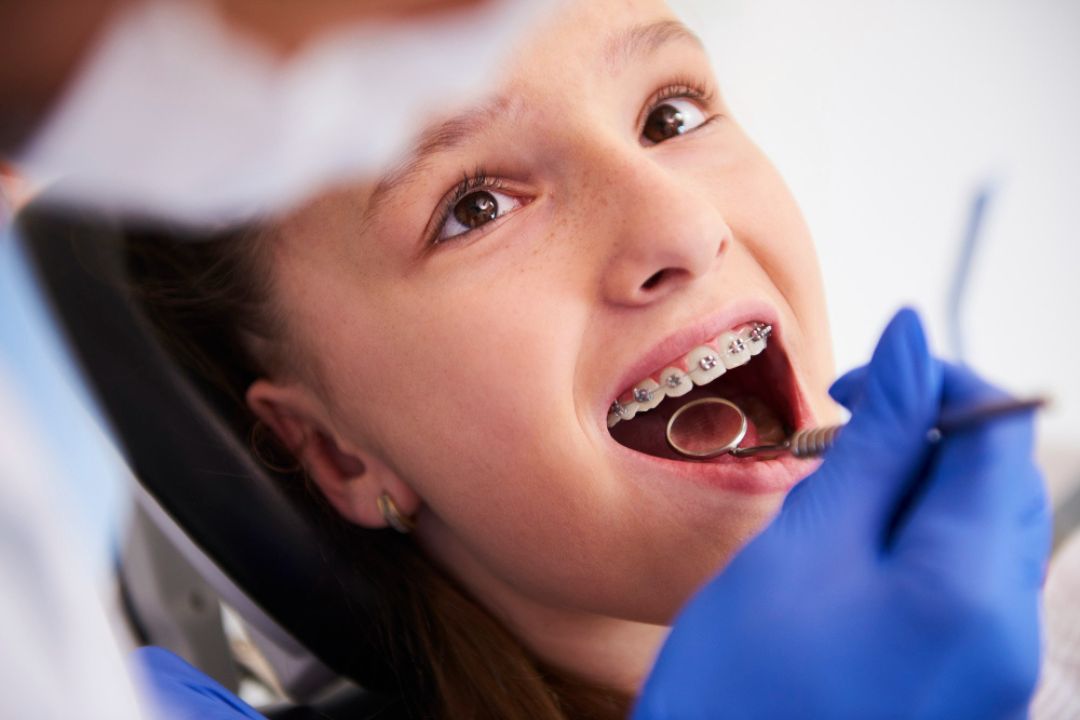
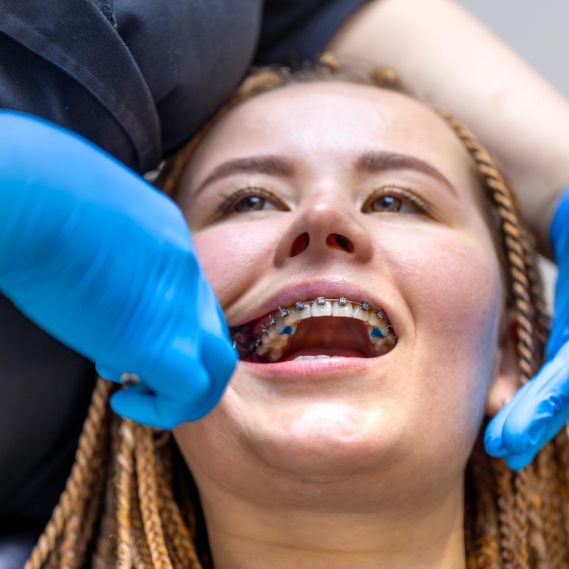
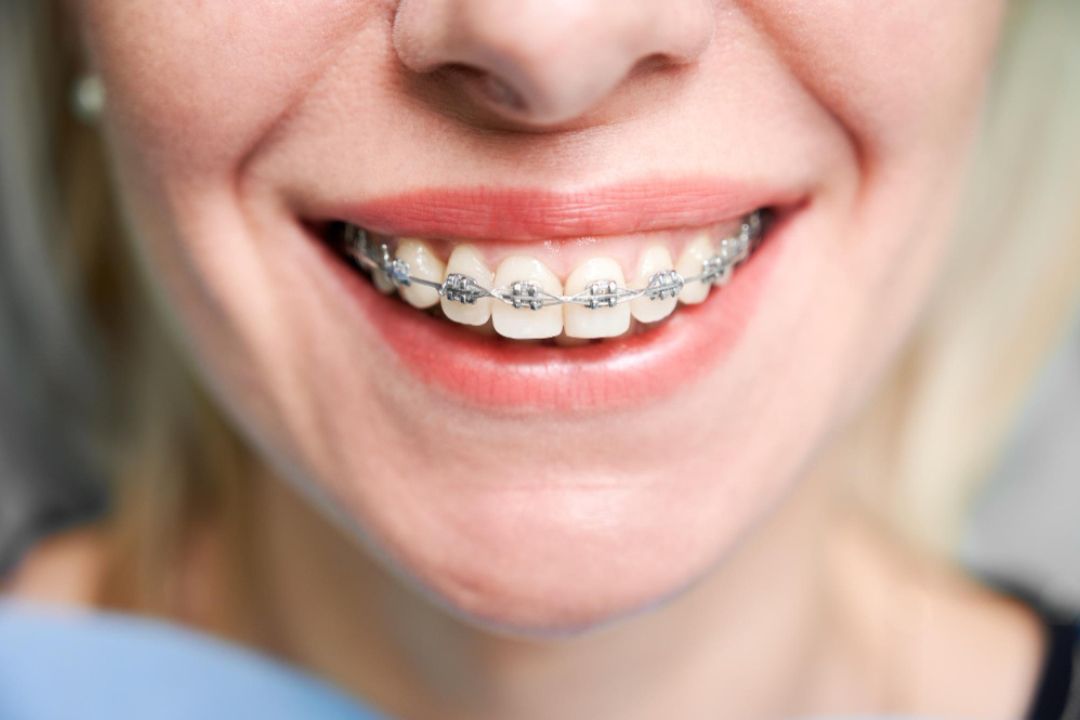
Dental Braces are orthodontic devices designed to move teeth into better position over time. They consist of brackets wires and sometimes bands that apply gentle pressure to shift teeth into proper alignment.
Braces have been used for decades and remain a standard solution because they work well for a wide range of dental conditions.
Many people choose dental braces not only for cosmetic reasons but also to improve function and long term dental health. Straight teeth help with chewing speech and oral hygiene. They can also reduce the risk of worn down enamel jaw pain and gum problems.
If your teeth overlap or look too close together you may have crowding. Crowded teeth are harder to clean which increases the risk of plaque buildup and gum disease.
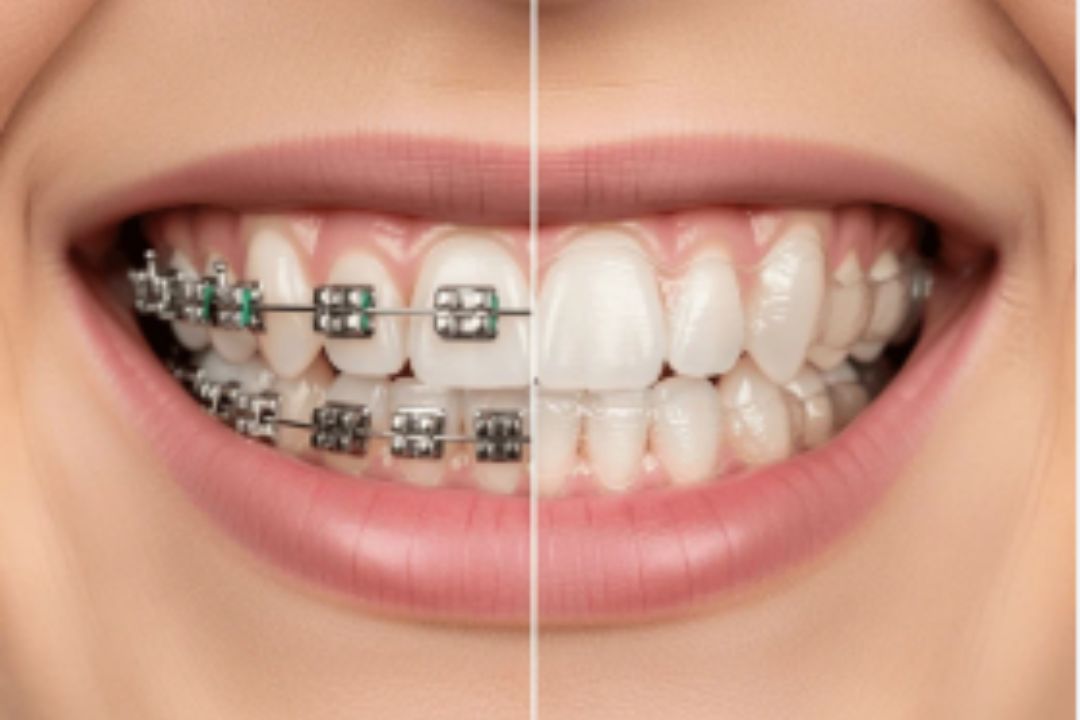
Braces can create space and move teeth into proper alignment improving both appearance and hygiene.
Some people have spaces or gaps between their teeth. While small gaps may be acceptable to some adults larger gaps can cause food trapping and affect bite.
Braces close these spaces and improve the overall alignment of the smile.
An overbite happens when the upper front teeth stick out over the lower teeth. An underbite means the lower teeth sit in front of the upper teeth.
Both conditions can lead to chewing difficulties increased wear on certain teeth and jaw discomfort. Braces are often used to correct these bite problems.
A crossbite happens when some upper teeth sit behind lower teeth while others are aligned normally. An open bite occurs when upper and lower teeth do not meet when you close your jaw.
Visit Now: https://www.diagnopein.com/dental-clinic/Mumbai
These bite issues can cause uneven wear on teeth poor chewing efficiency and speech problems. Orthodontic treatment with braces helps correct these patterns.
If you find it hard to chew or your jaw feels uncomfortable when eating this could be a sign of a bite issue. Braces adjust teeth and improve the way upper and lower teeth come together.
Certain speech problems like lisps or sounds caused by tooth placement may improve after orthodontic alignment. Braces can reposition teeth which often helps speech clarity.
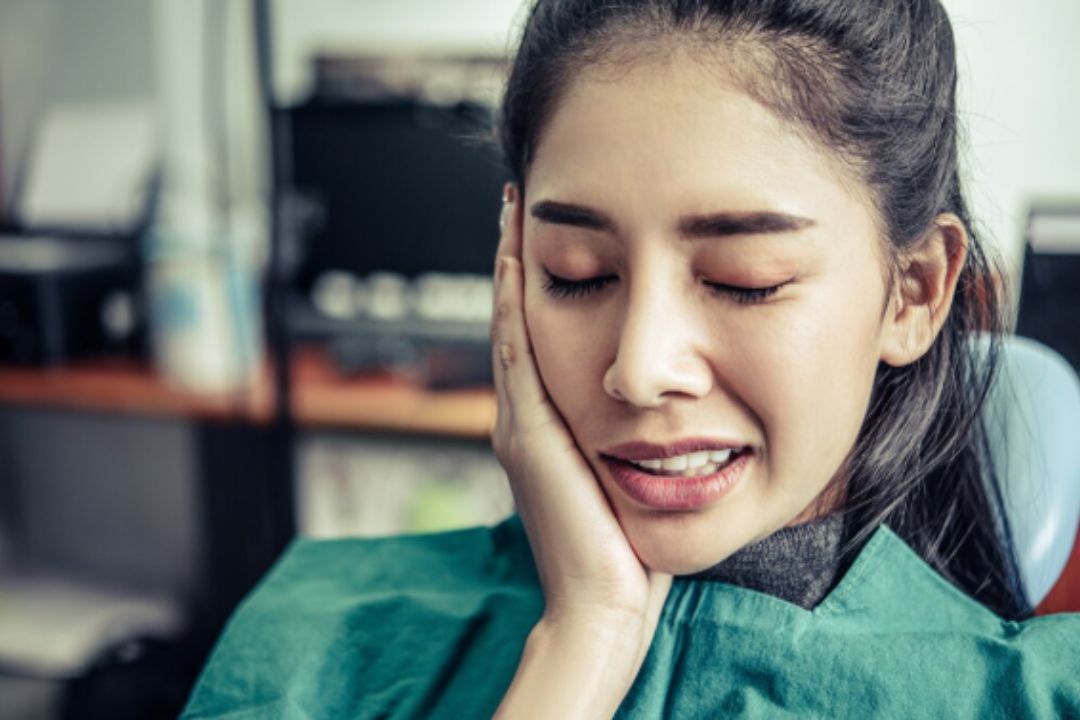
Misaligned teeth often place stress on the jaw joints and muscles. If you experience soreness pain clicking or headaches related to jaw movement braces may be necessary to correct underlying bite problems.
While braces can help many people the best candidates share certain characteristics.
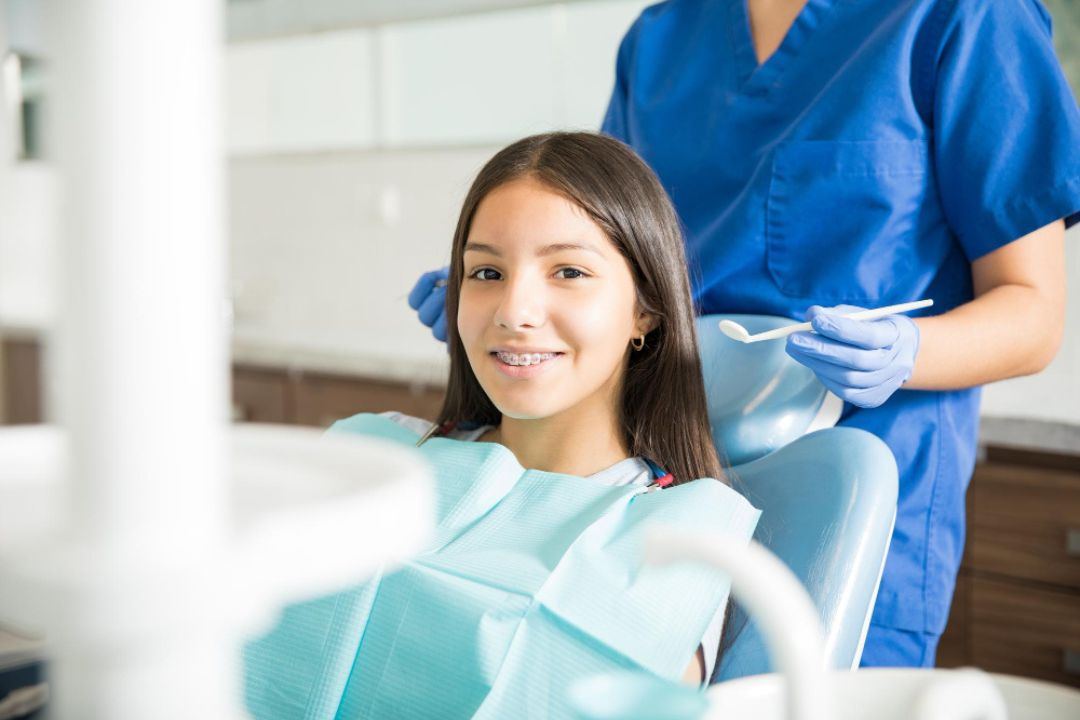
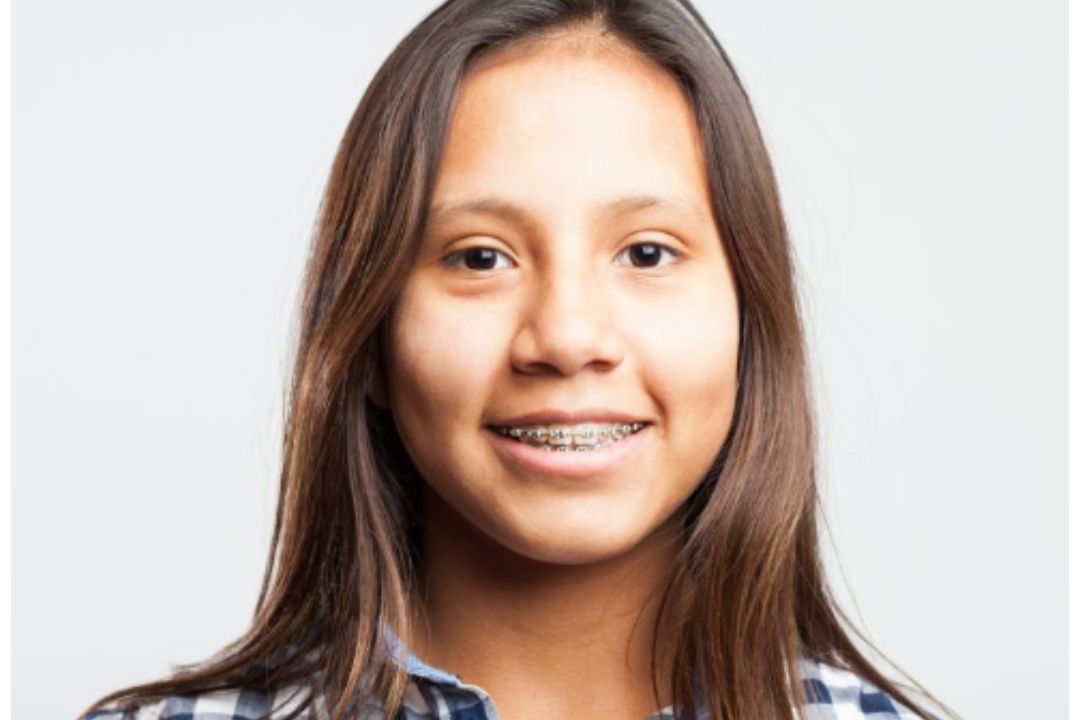
Teens are among the most common candidates for braces. Teeth and bones are still developing at younger ages which often makes movement more predictable and faster.
That said adults of all ages can benefit from orthodontics and many adults now choose braces for both function and appearance.
Braces are especially effective for moderate to severe cases of crowding gaps and bite problems. For complex movements braces provide precise control that many removable aligner systems cannot always achieve.
Braces require regular visits for adjustments and care. Ideal candidates are those who follow their orthodontist instructions including hygiene care dietary guidelines and attendance at scheduled appointments.
Healthy gums and bone support are essential before starting braces. If gum disease or bone loss exists it must be treated before orthodontic movement begins.
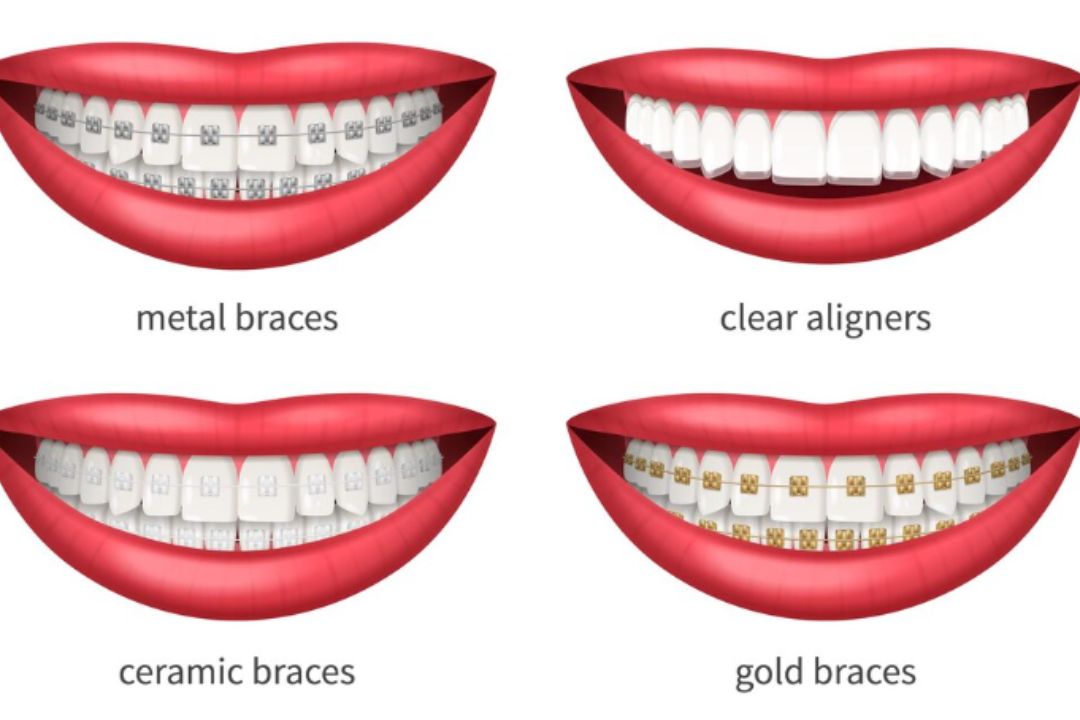
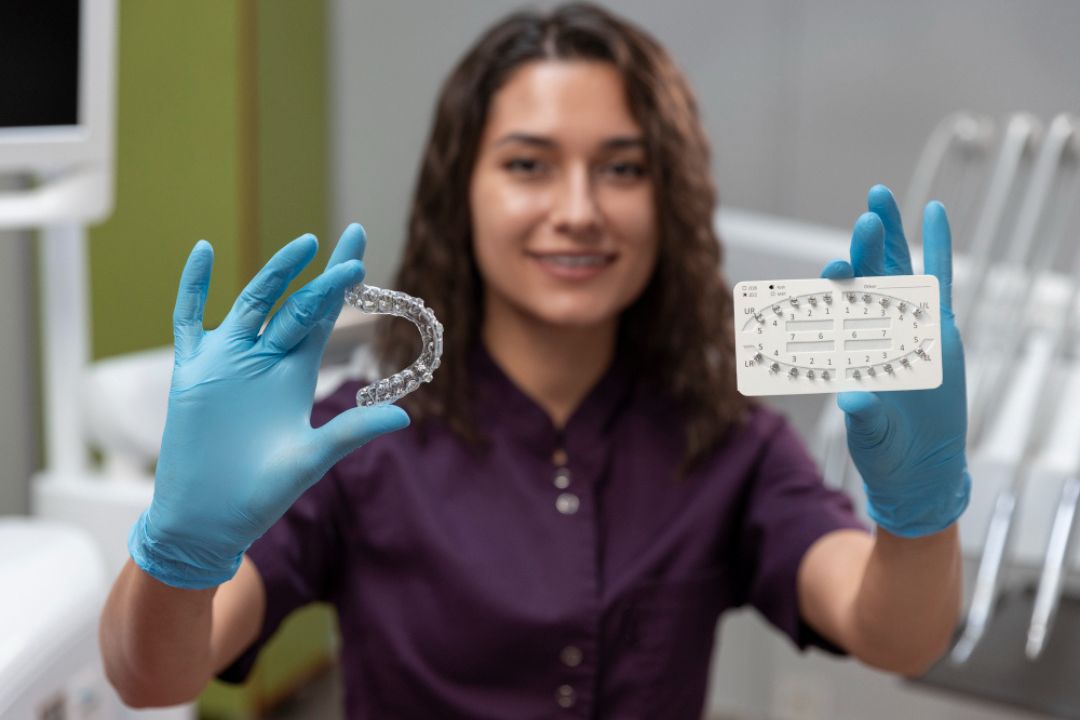
In some cases removable aligners may be a good alternative to braces, especially for mild to moderate alignment issues. A qualified orthodontist will evaluate your case and suggest the best approach.
Temporary treatment alternatives may be considered if you want faster cosmetic changes and your alignment needs are not complex.
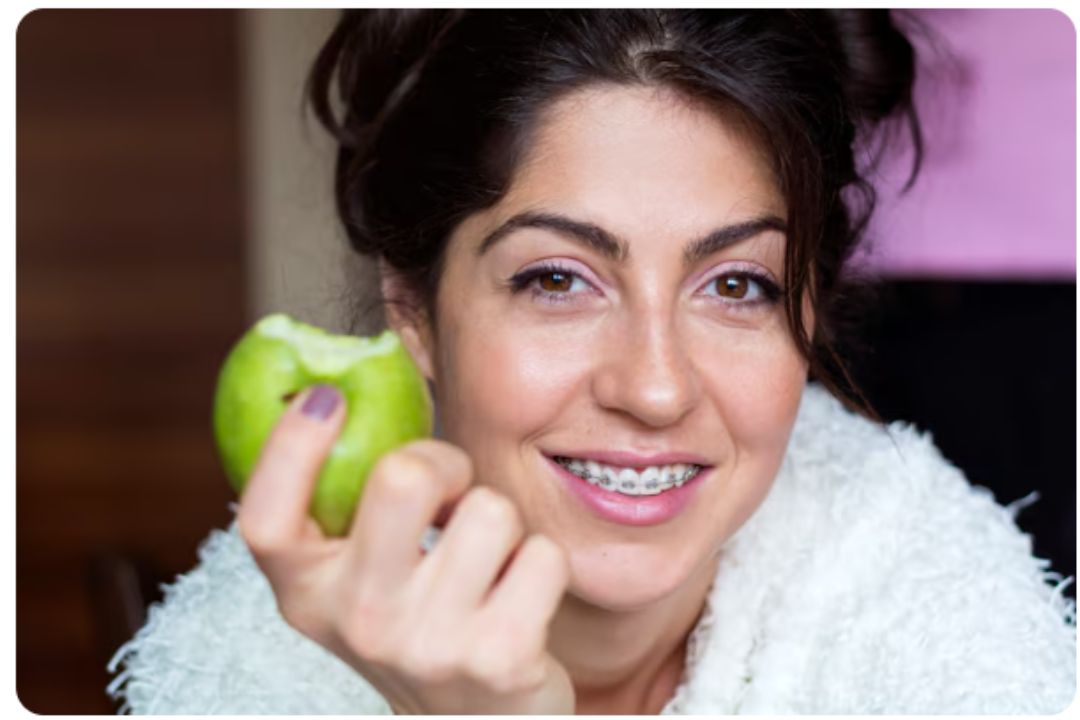
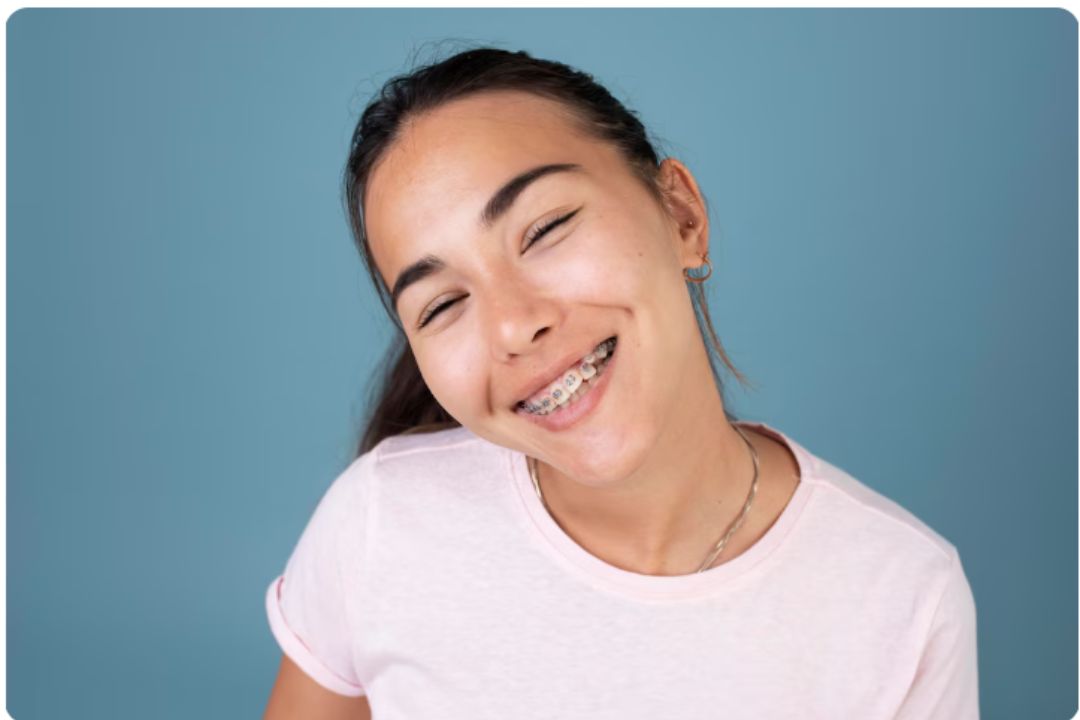
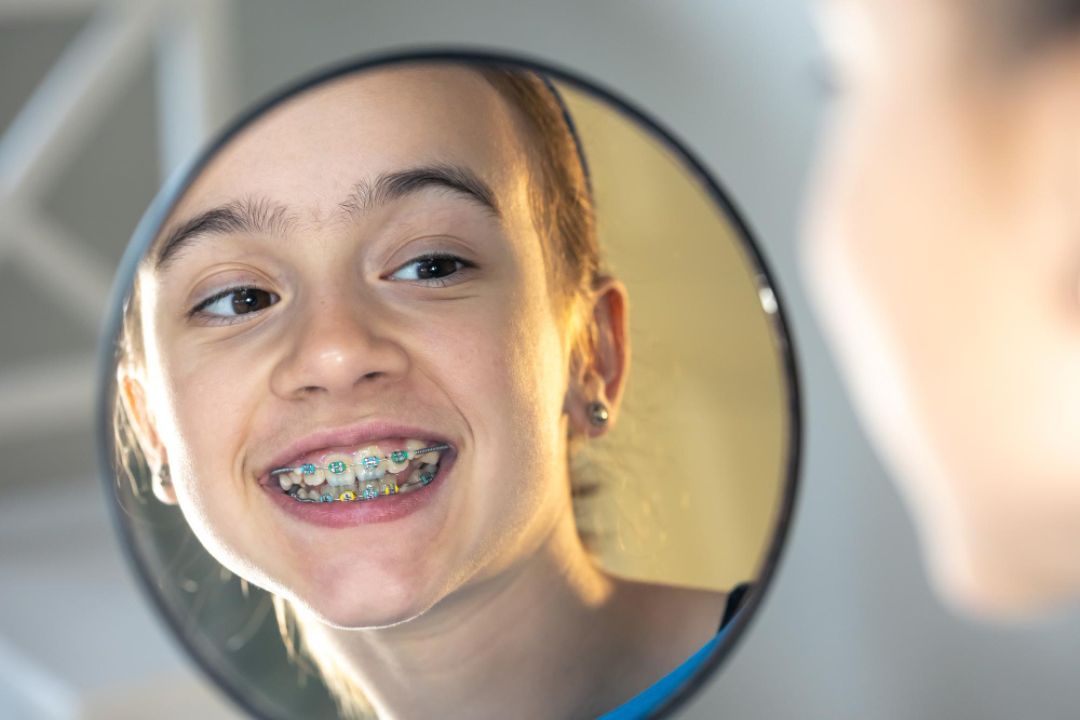
The most obvious benefit of braces is a straighter beautiful smile. Improved aesthetics can boost confidence and self esteem.
Straighter teeth are easier to clean and floss. This reduces risk of cavities and gum disease over time.
Braces correct bite problems which improve how your teeth come together. This enhances chewing and reduces wear on specific teeth.
Protruding front teeth are more vulnerable to trauma. Braces reduce this risk by aligning teeth into safer positions.
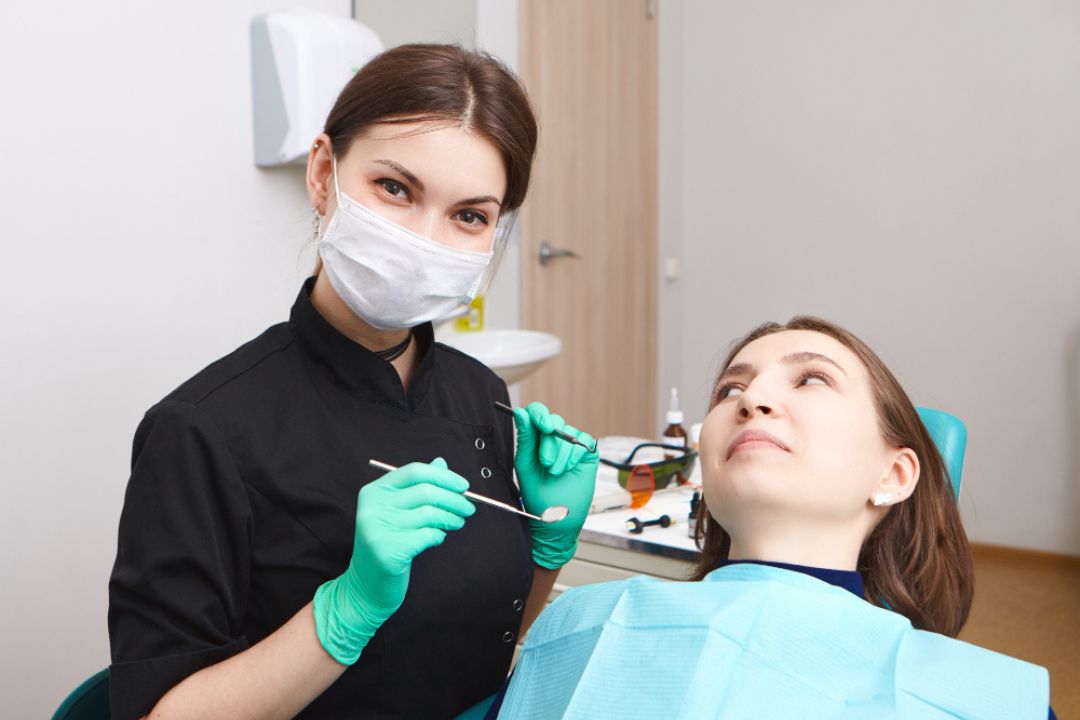
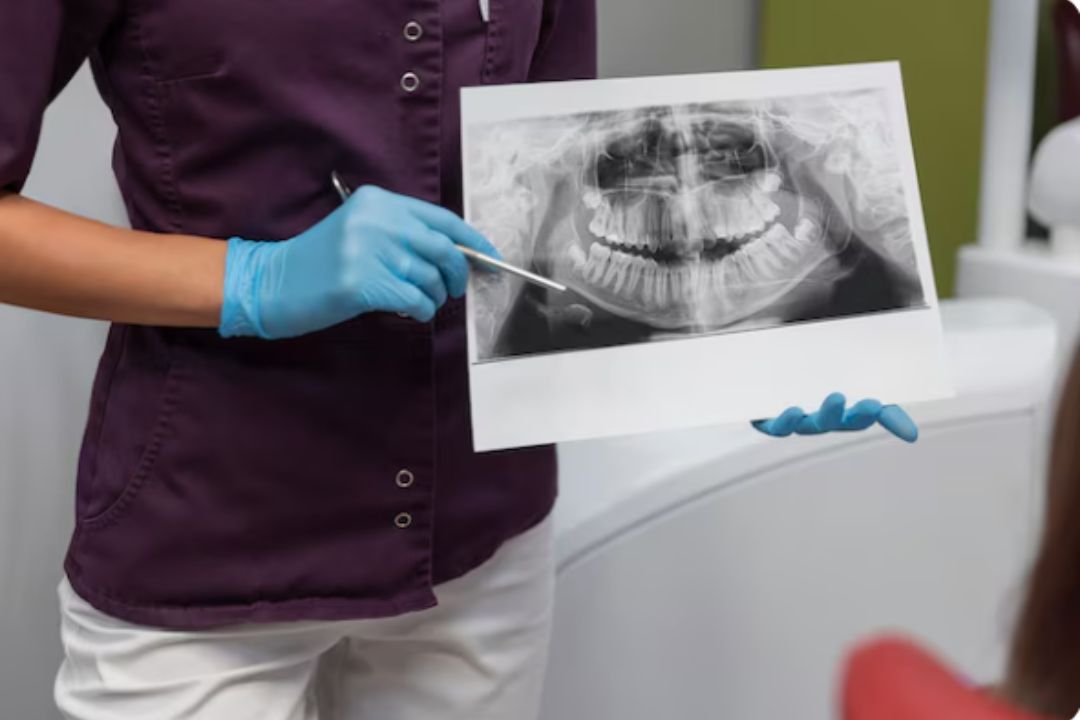
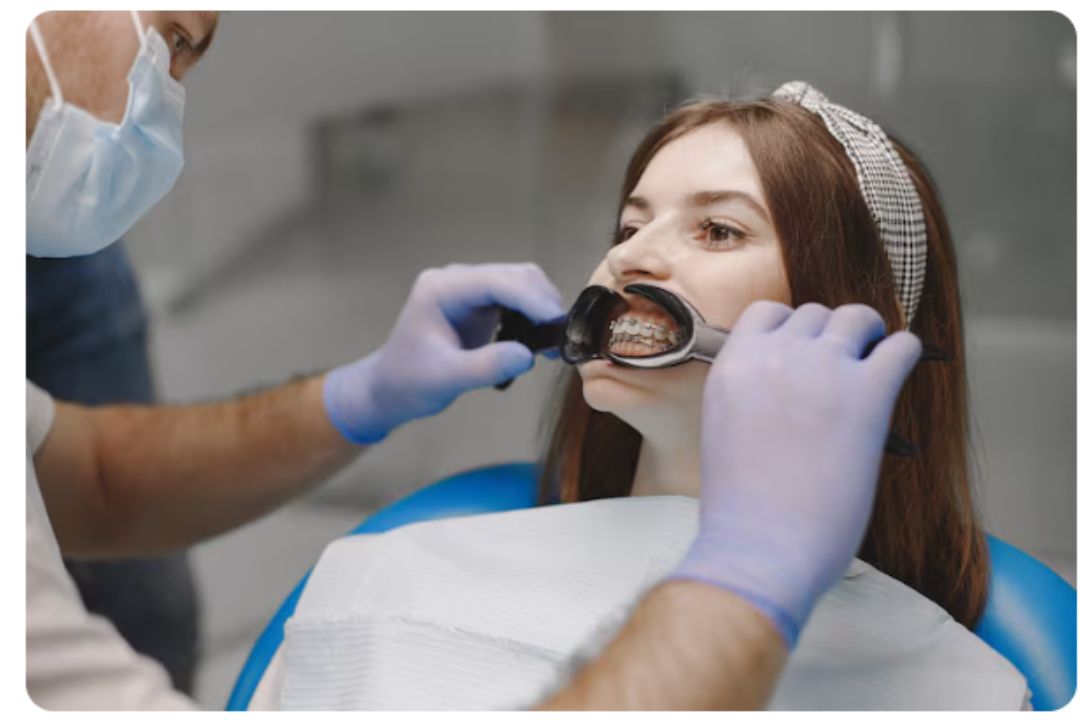
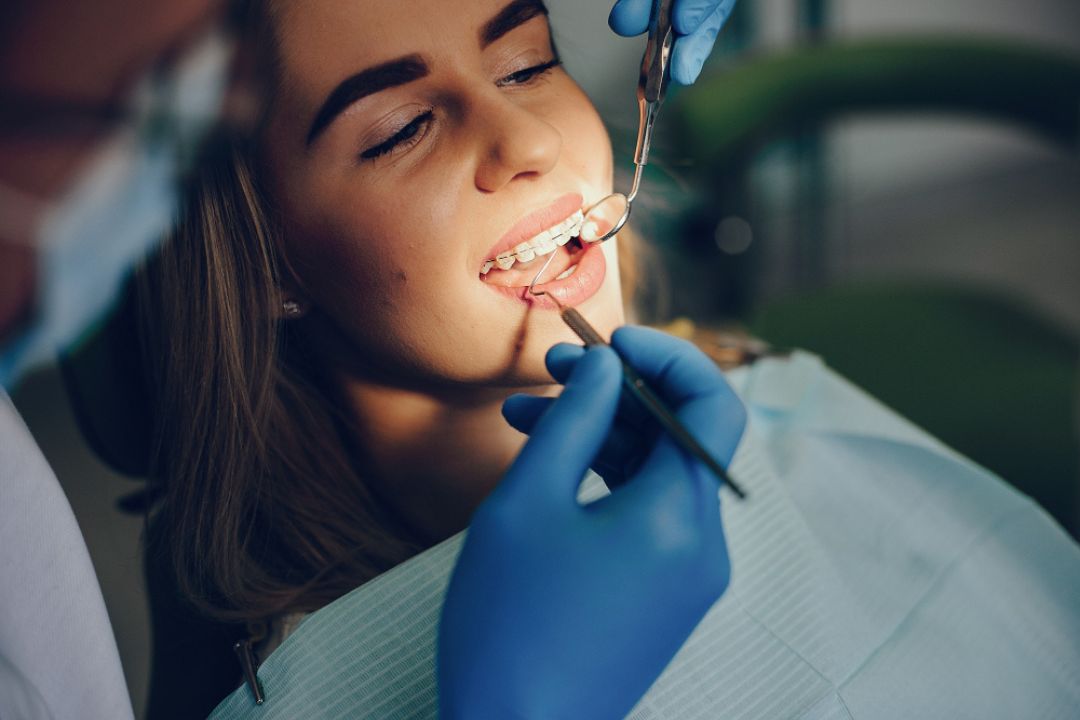
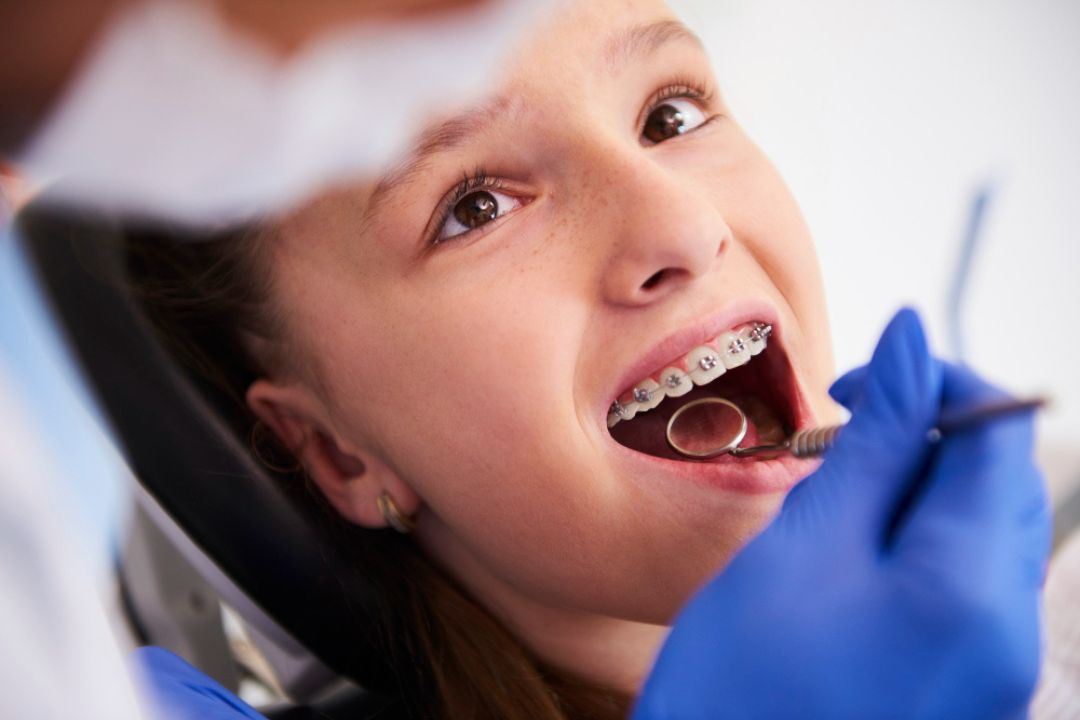
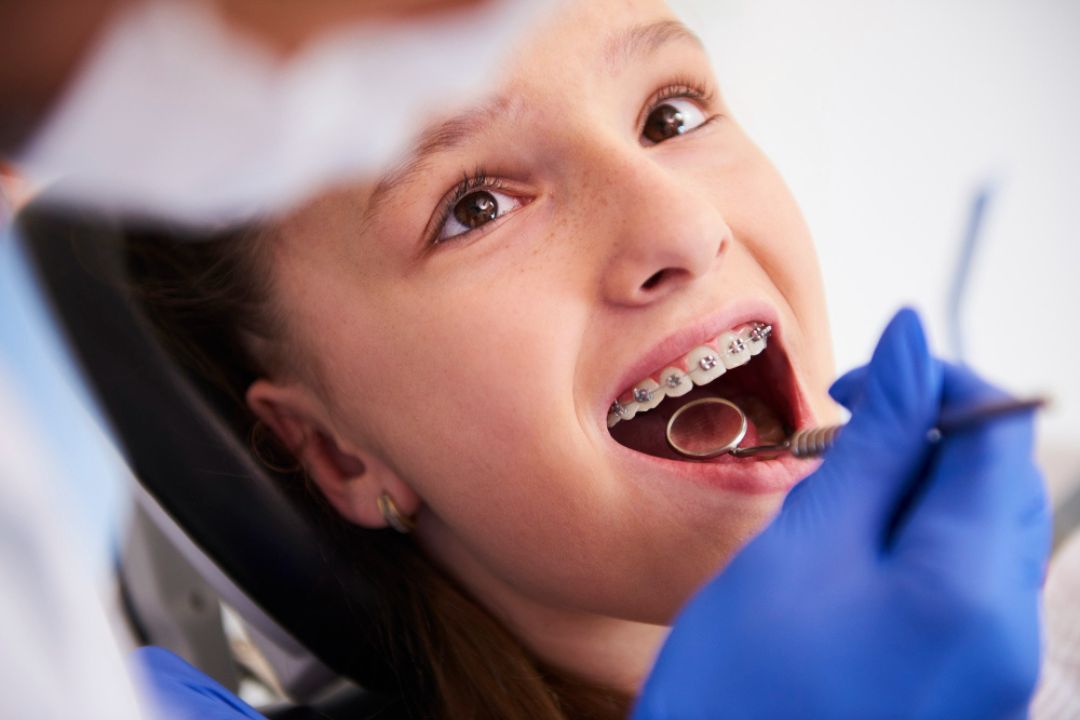
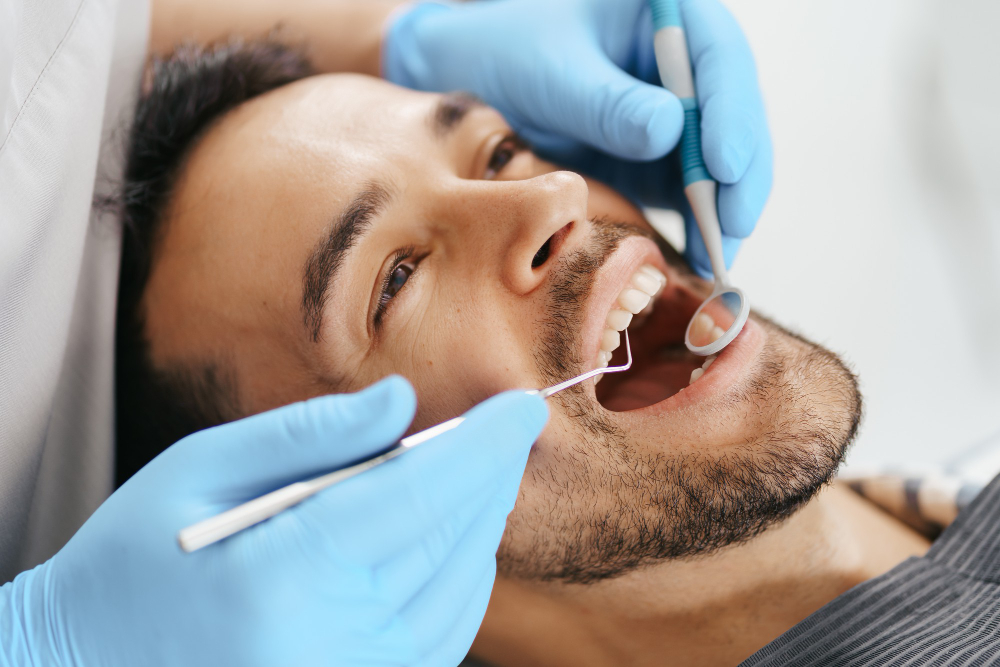
Your orthodontist evaluates your teeth and bite. X rays photos and impressions or digital scans help create a customized treatment plan.
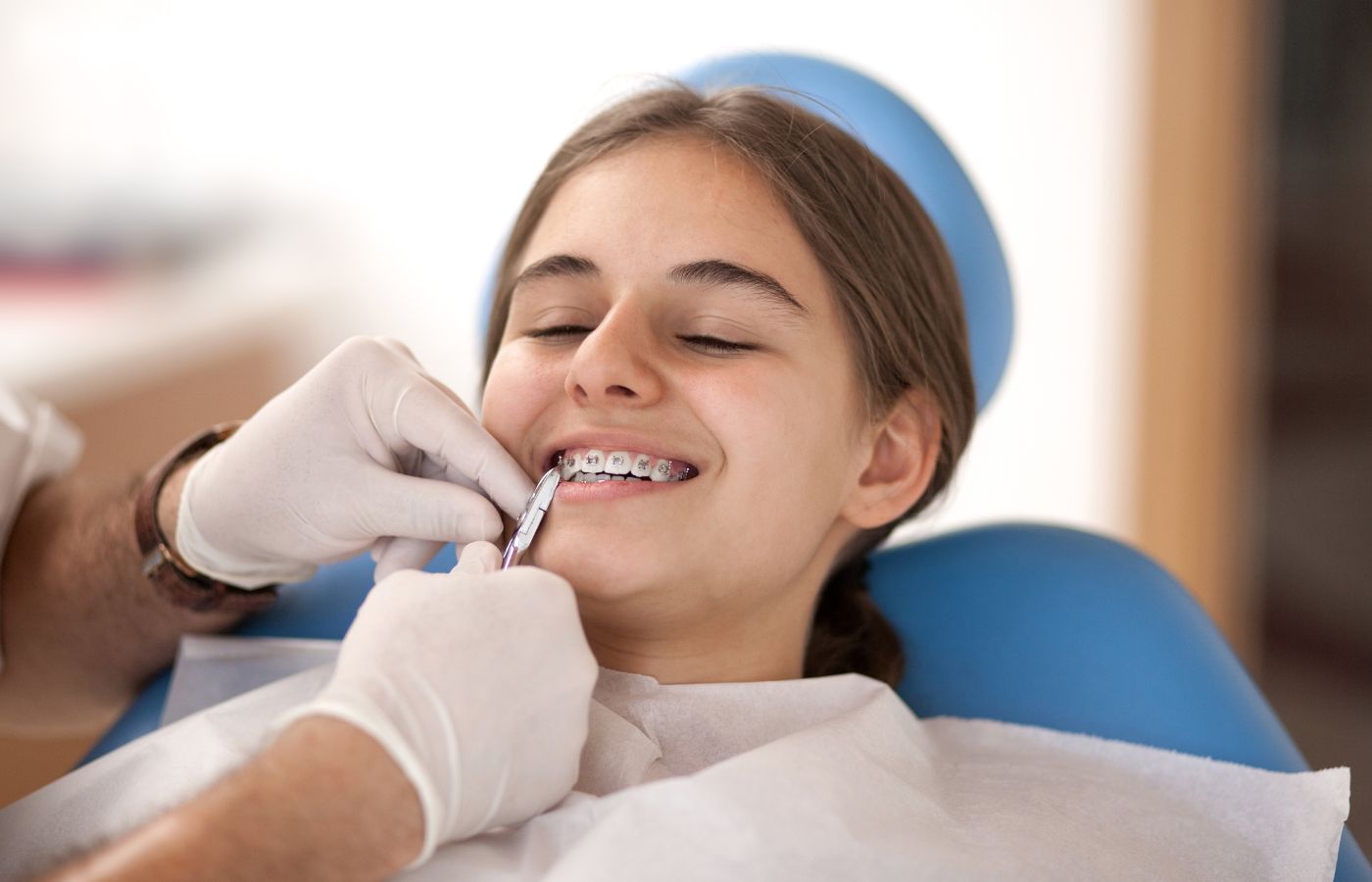
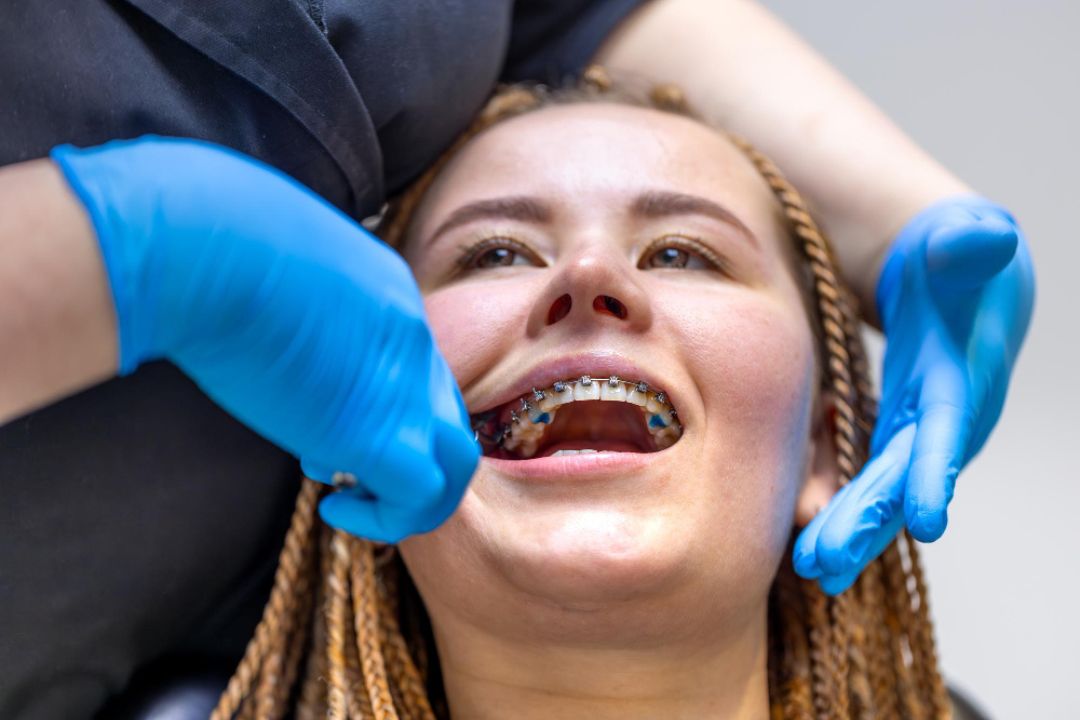
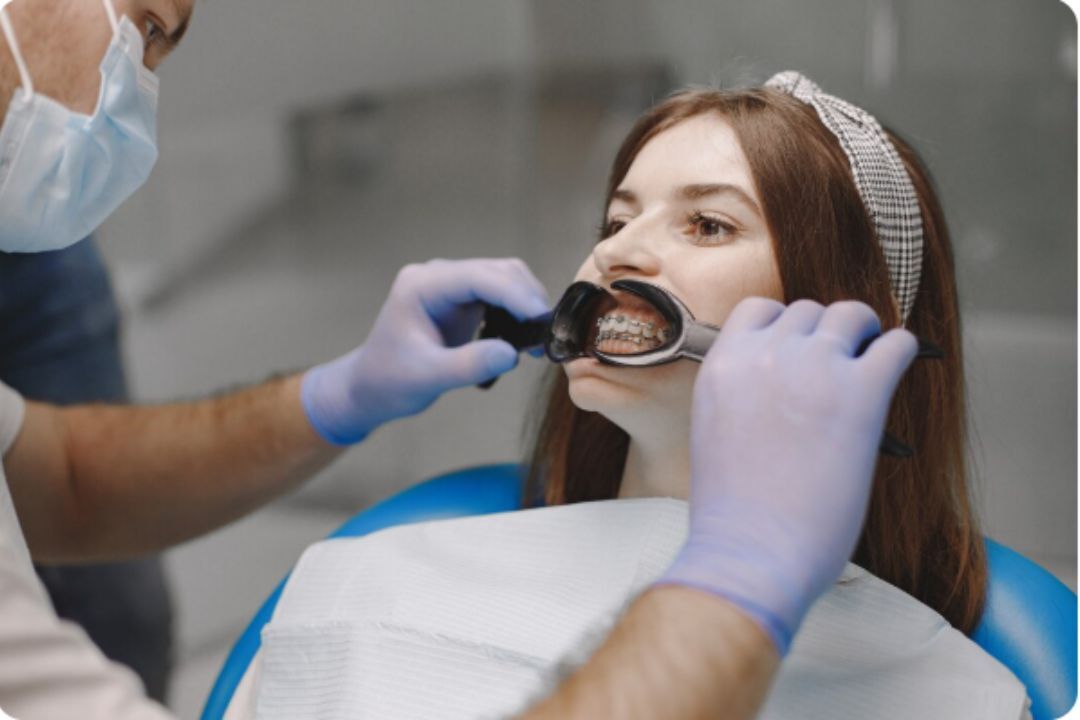
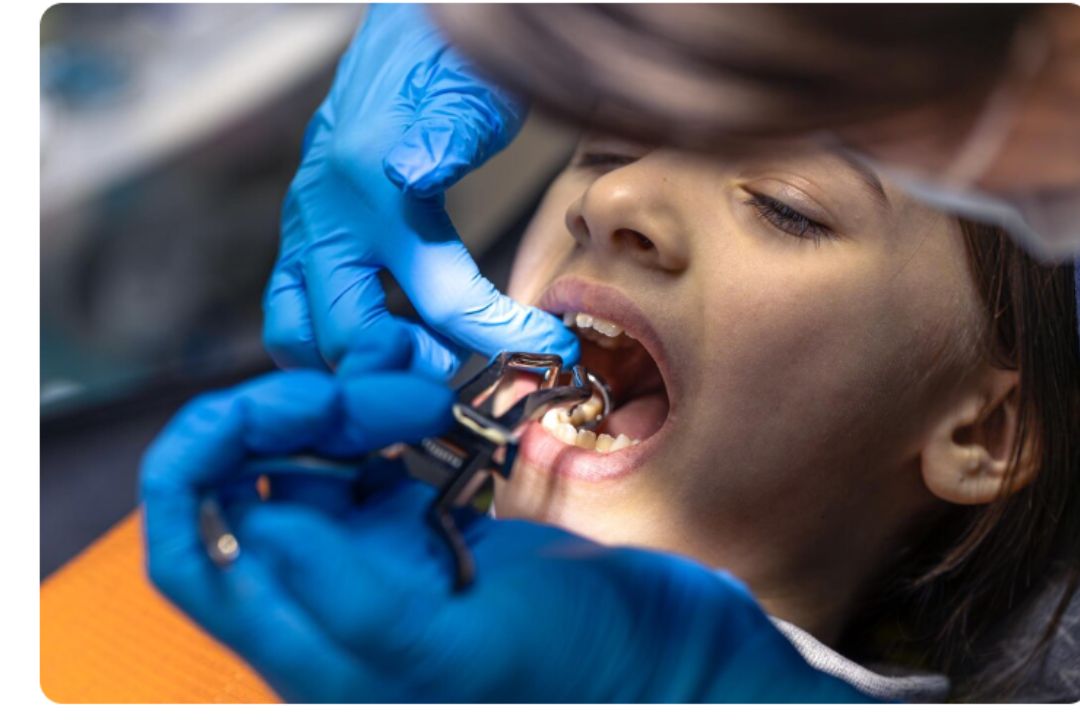
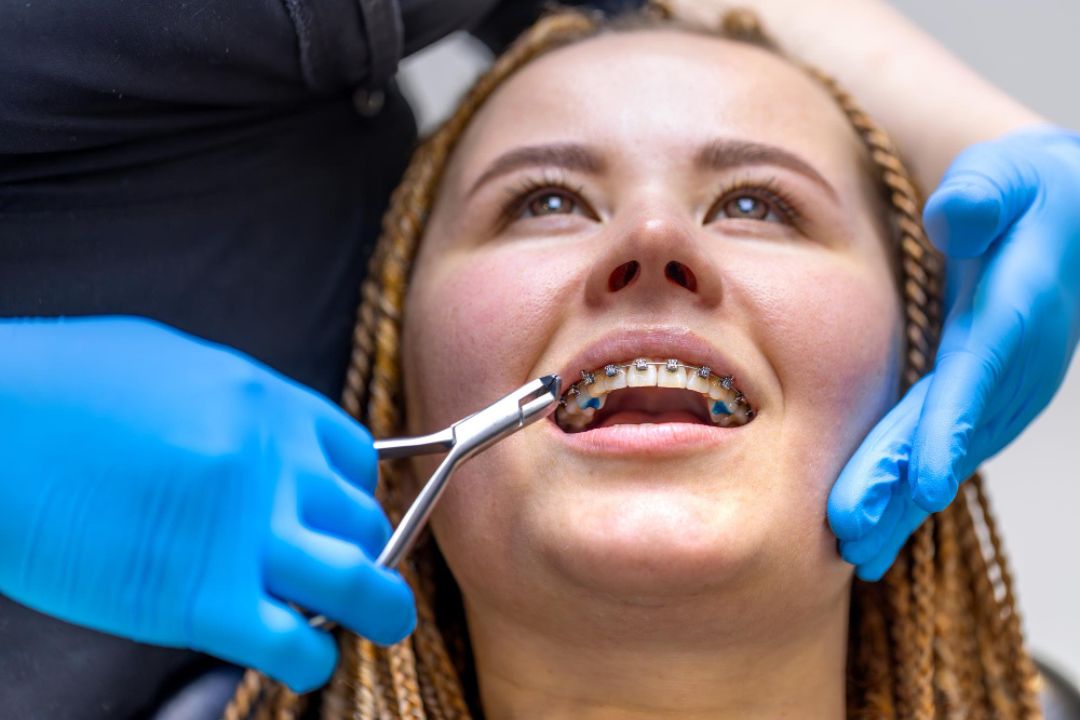
Brackets are bonded to your teeth and wires are fitted. This initial visit may take one to two hours.
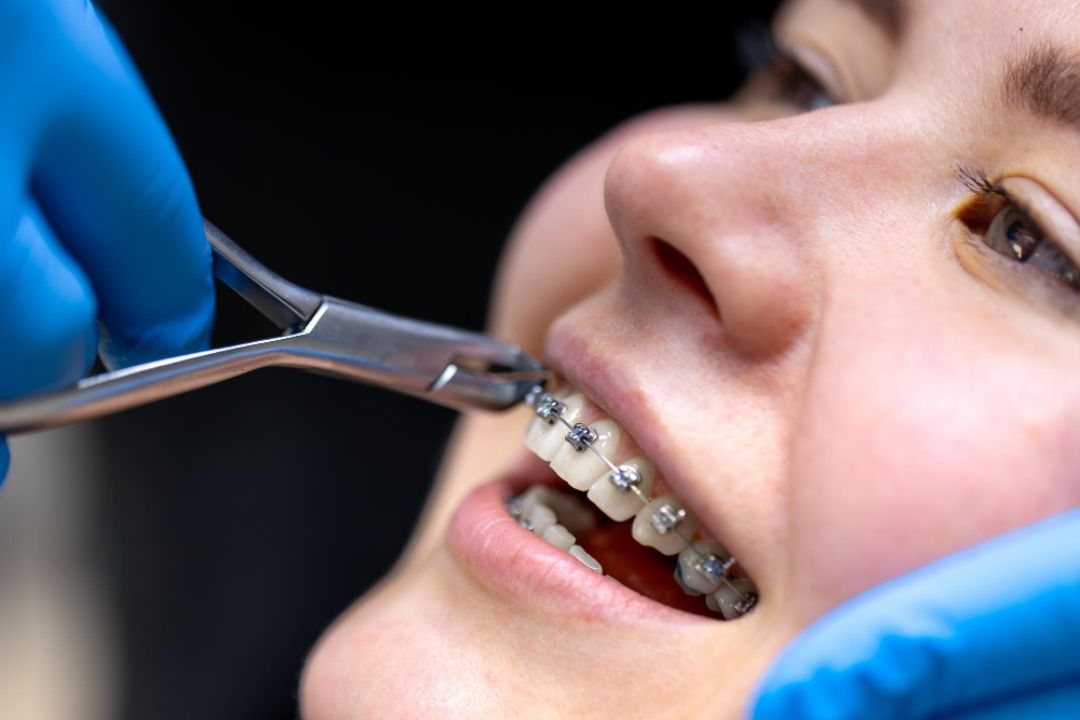
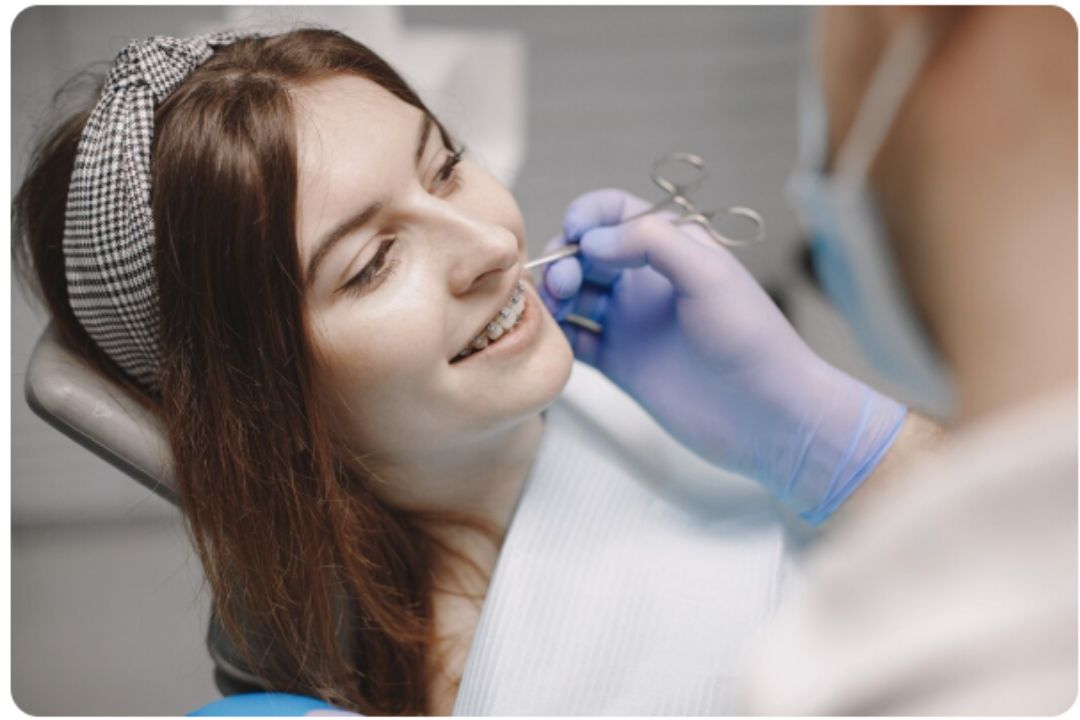
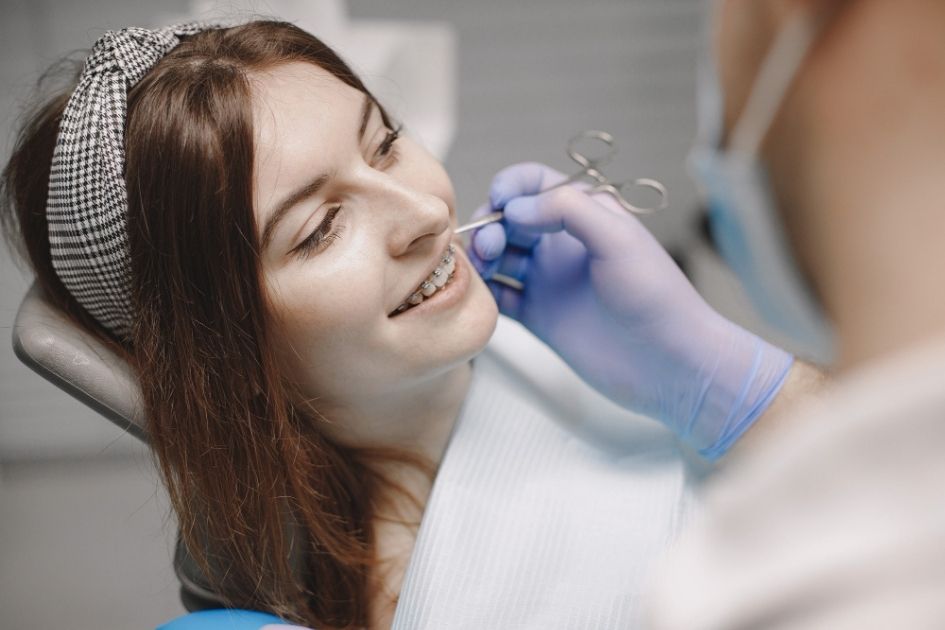
Usually every four to eight weeks you will return for adjustments. The orthodontist tightens wires or makes changes to keep teeth moving.
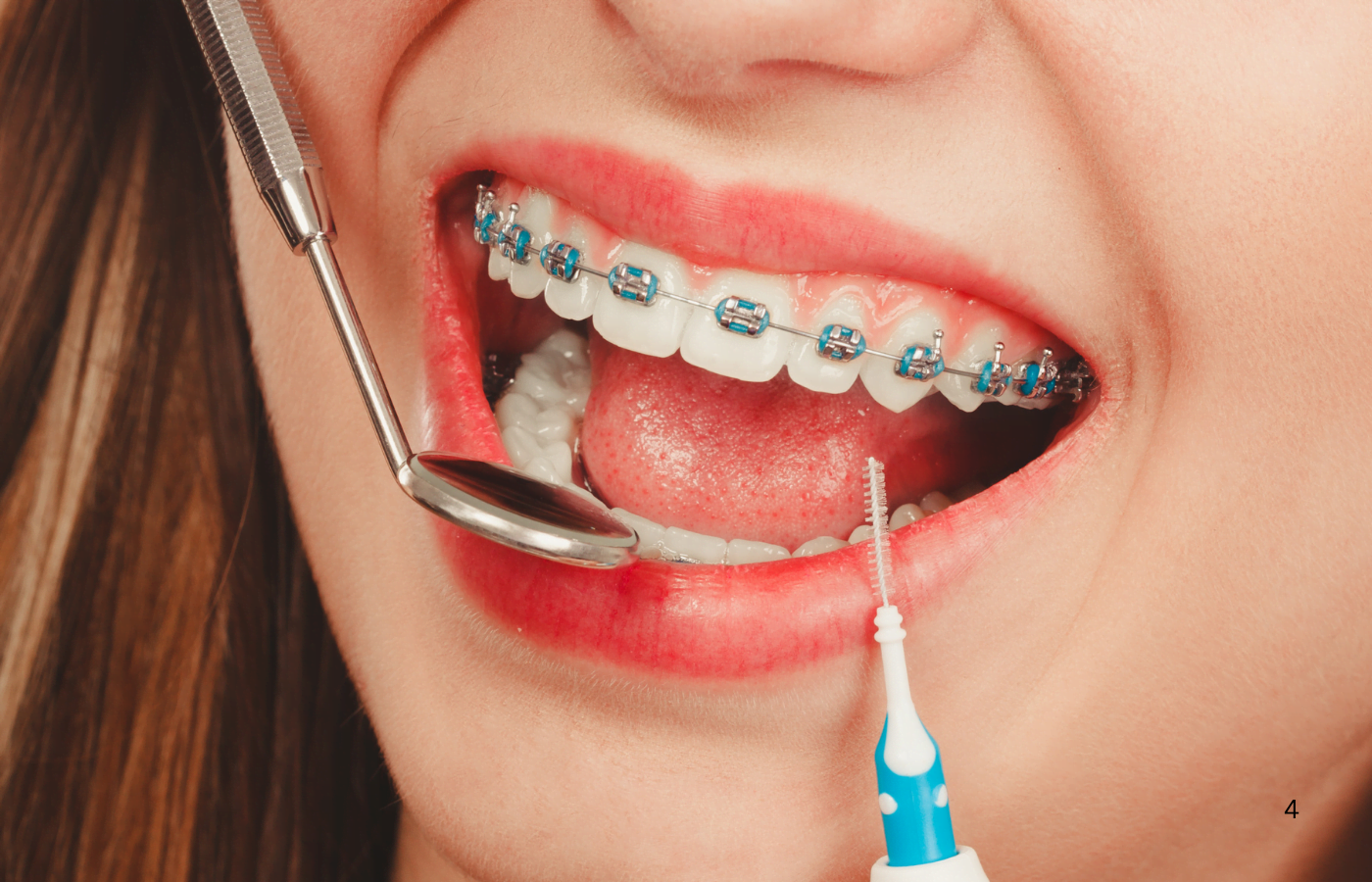
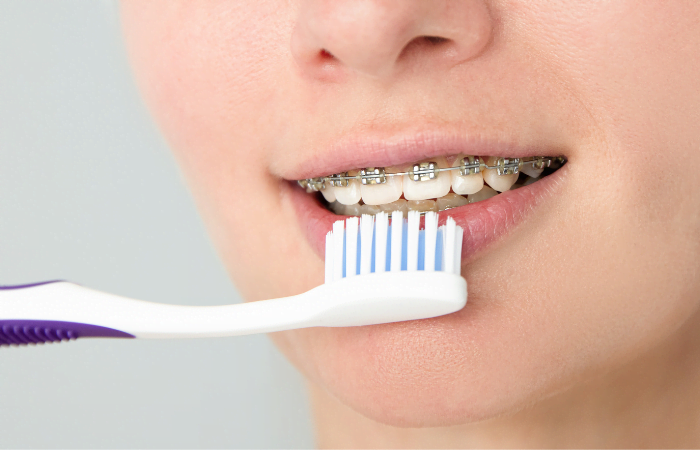
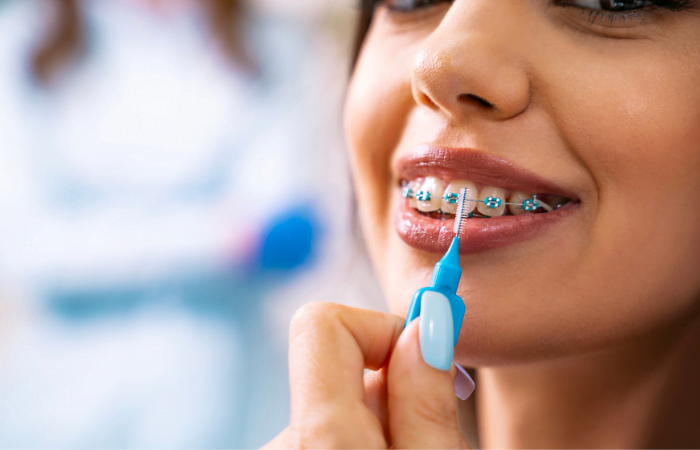
Proper brushing flossing and maintenance are essential to keep your teeth healthy during treatment.
Once your treatment is complete braces are removed and retainers are provided. Retainers prevent teeth from shifting back after movement.
Follow orthodontist instructions for care and hygiene
Avoid hard sticky foods that may damage brackets or wires
Attend all scheduled follow up appointments
Use orthodontic tools such as floss threaders and interdental brushes
Wear rubber bands or springs if prescribed
Yes adults of all ages can get braces. Modern orthodontics offers options that work well for adult bone structure.
Braces may cause slight discomfort after adjustments but it is generally manageable and temporary.
Typical treatment duration ranges from twelve to twenty four months based on alignment needs.
Some dental insurance plans offer partial coverage for orthodontic treatment. Check with your provider for details.
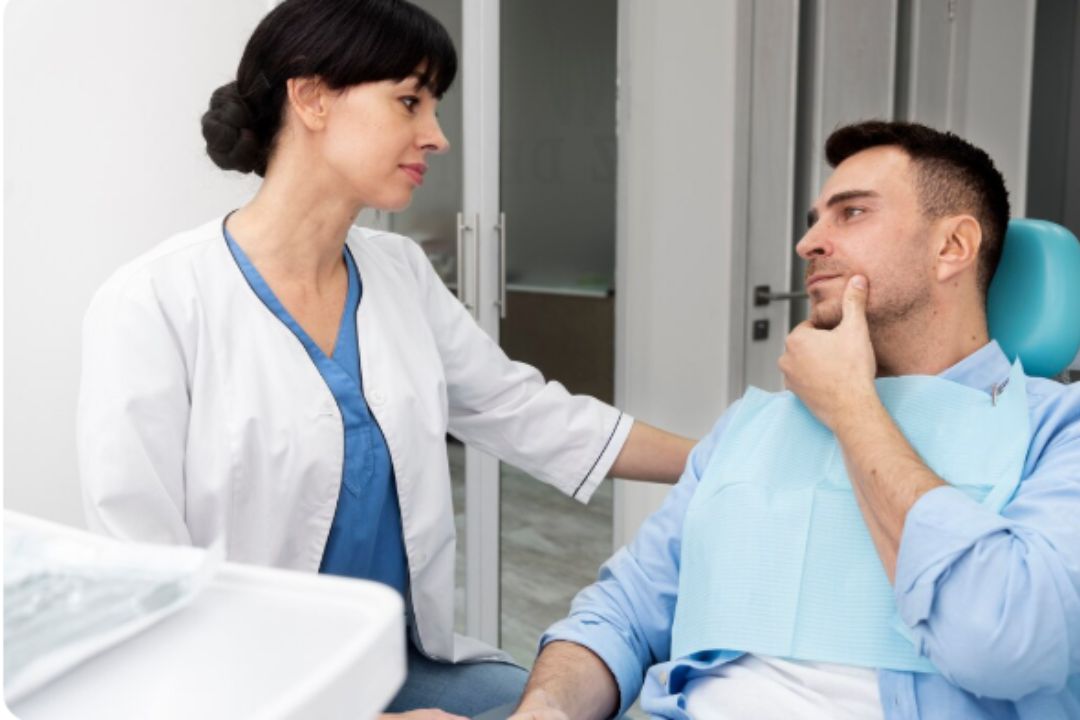
If you notice signs such as crowded teeth gaps bite problems jaw discomfort or speech difficulty you may benefit from dental braces. The best way to know for sure is to consult a qualified orthodontist who can evaluate your case and recommend the right treatment.
Braces remain a reliable and effective solution for many alignment and bite issues. With proper care and commitment you can achieve a healthier functional and confident smile.





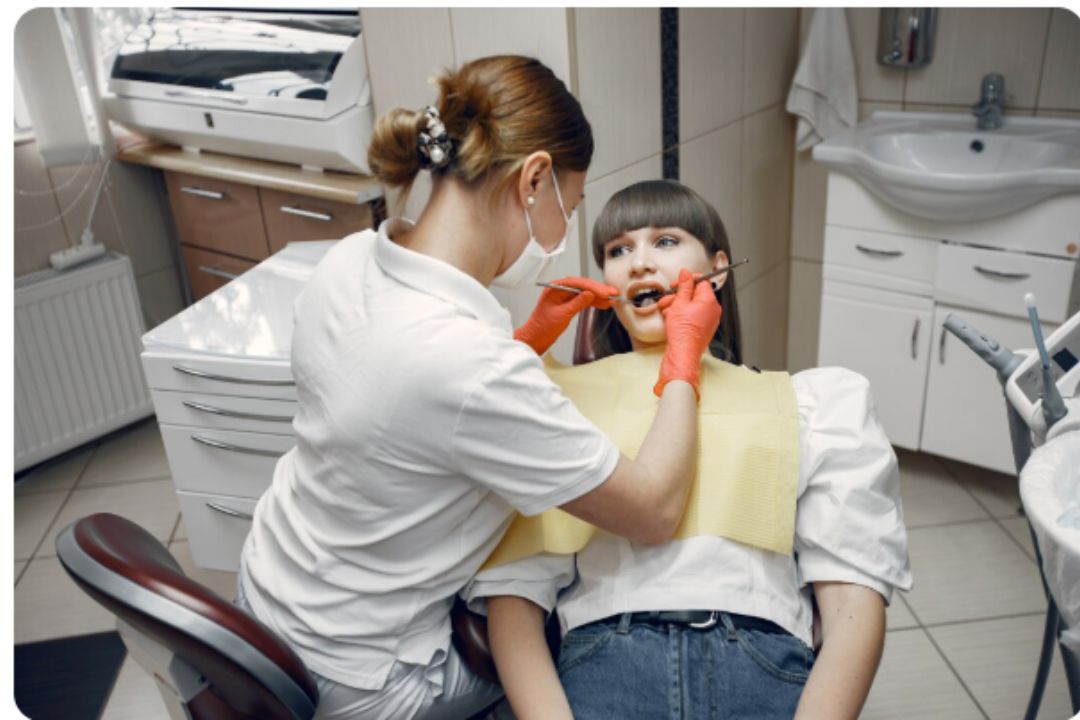
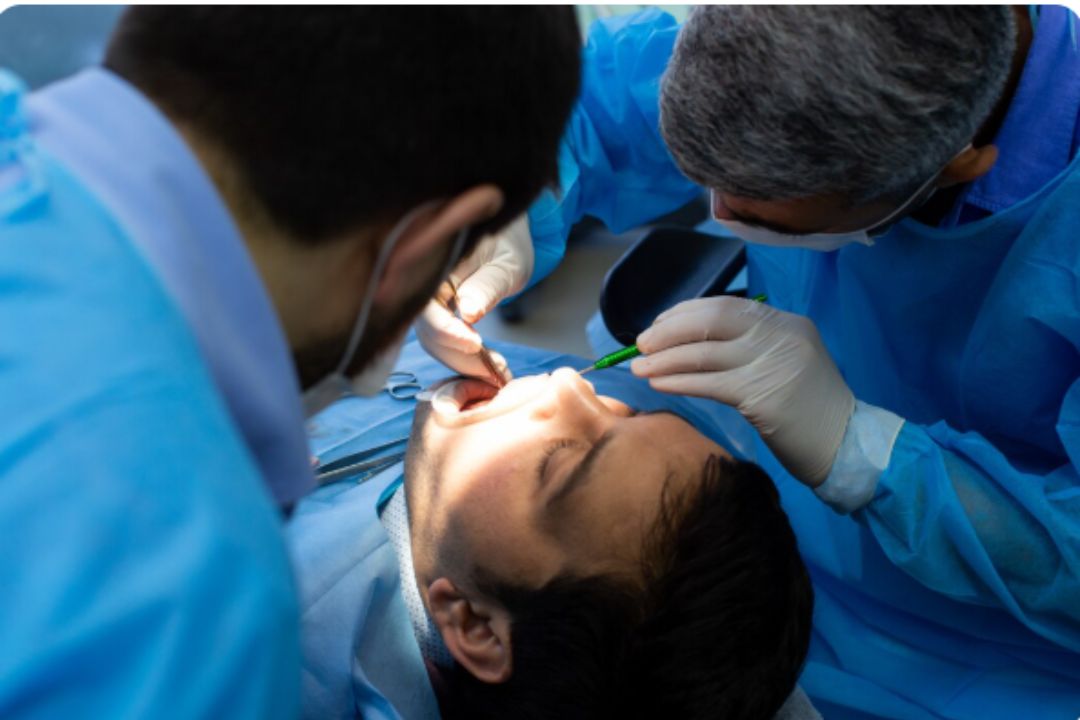
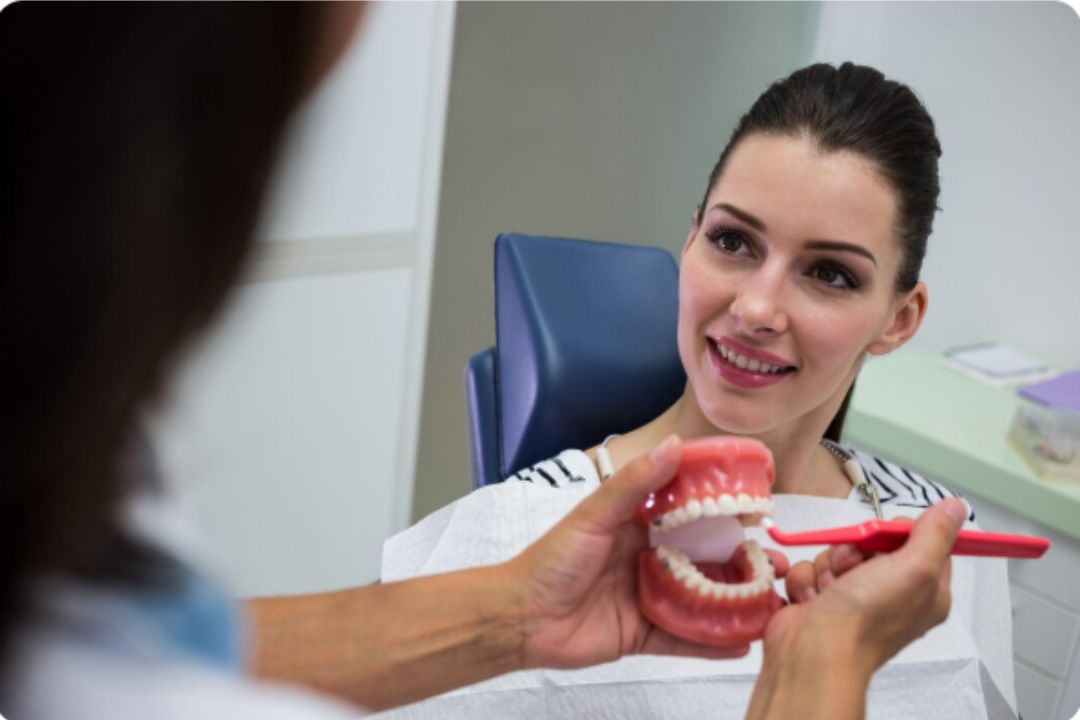
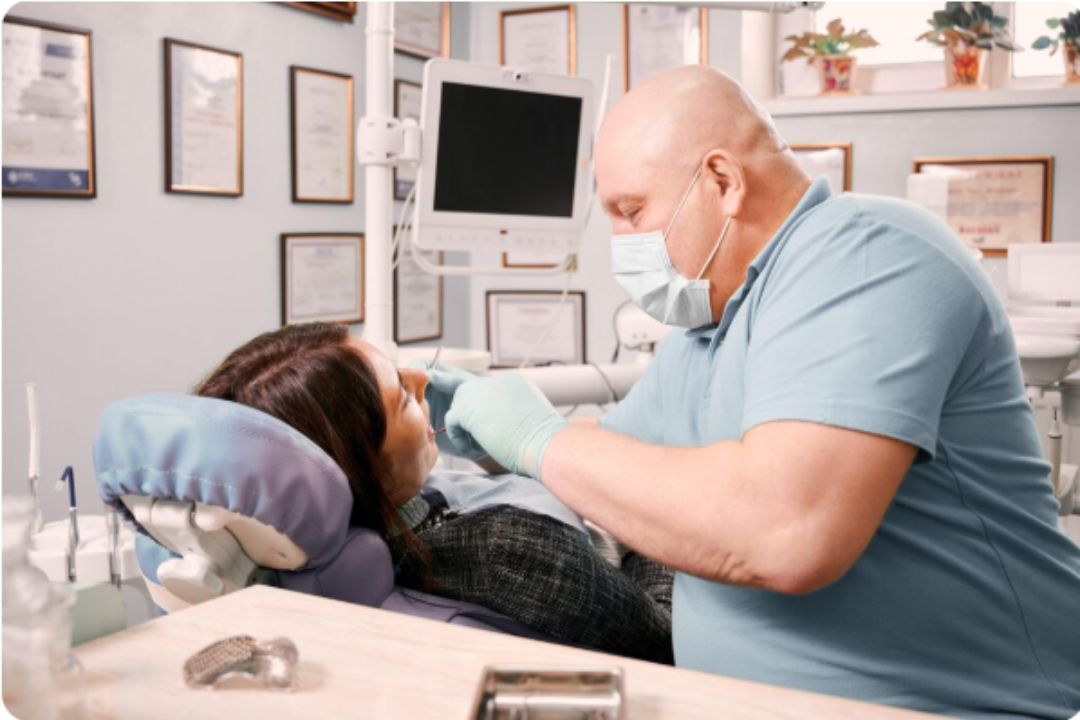
























.jpg "affordable metal braces in mumbai")










.jpg "dental braces cost in Diagnopein complete price breakdown (2026 guide)")





.jpg "dental braces")



.jpg "dental braces")


 (1).png "Visual Journey of Dental Braces")
 (1).jpg "Dental Braces and Gum Disease")