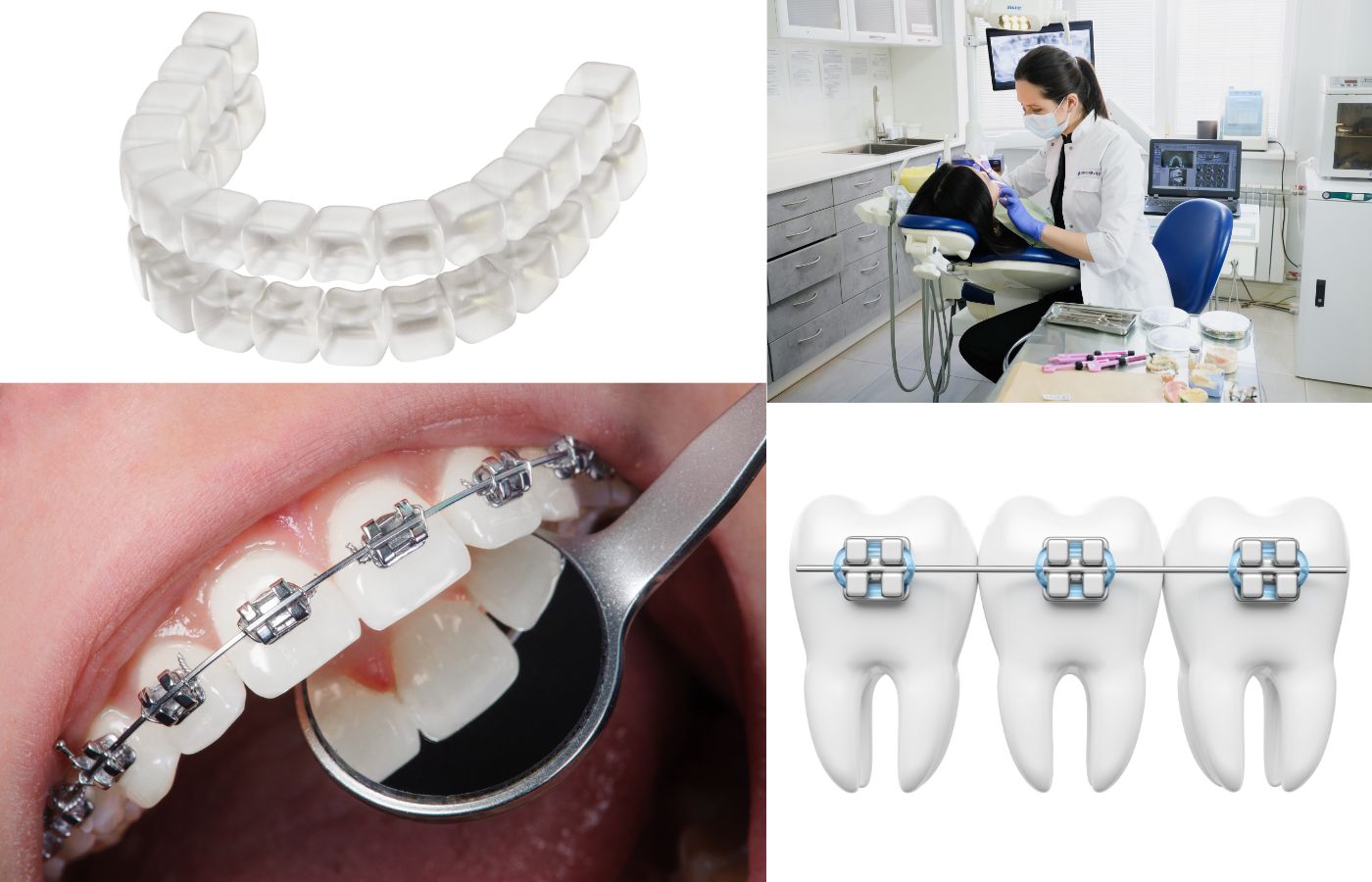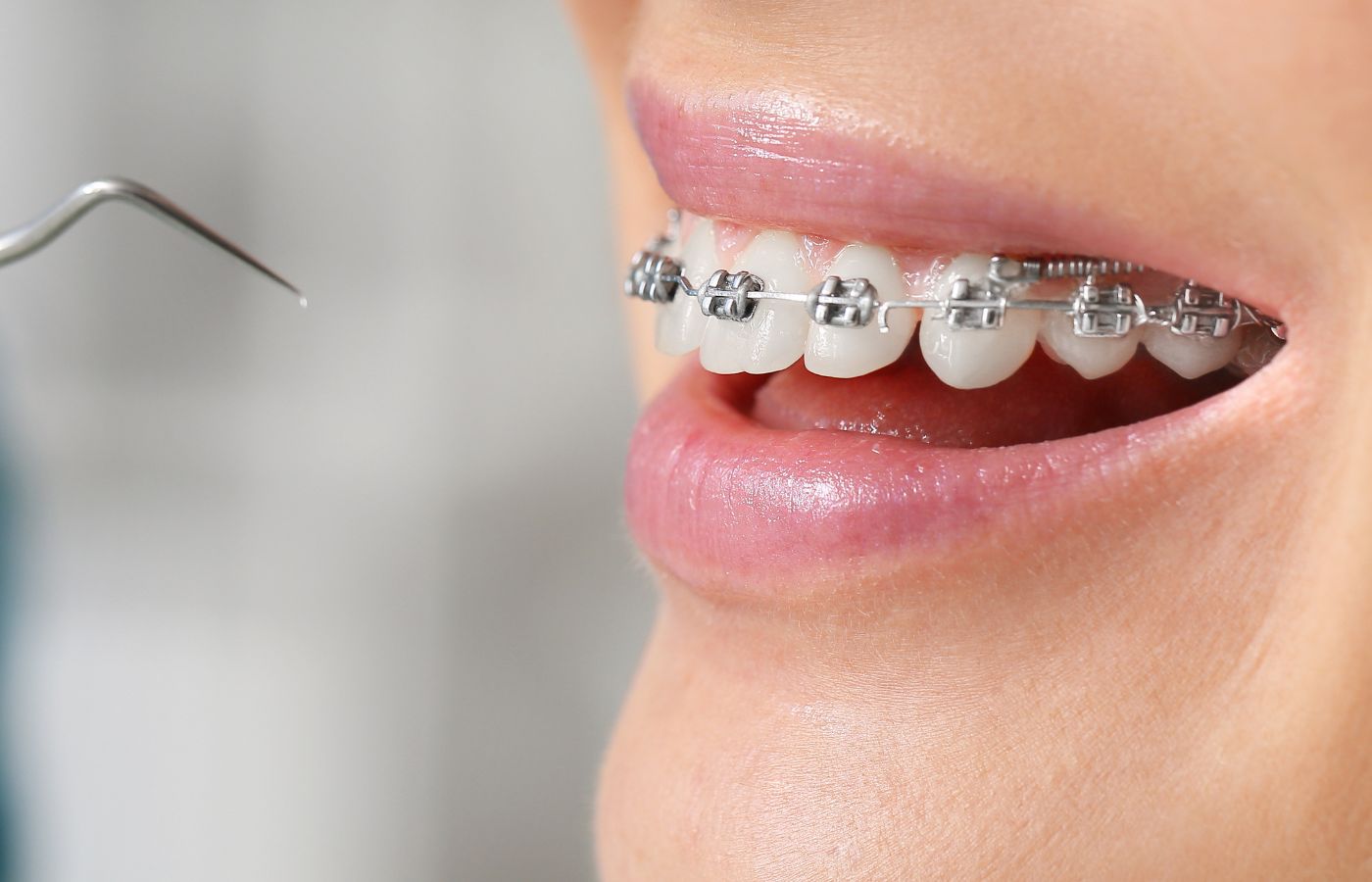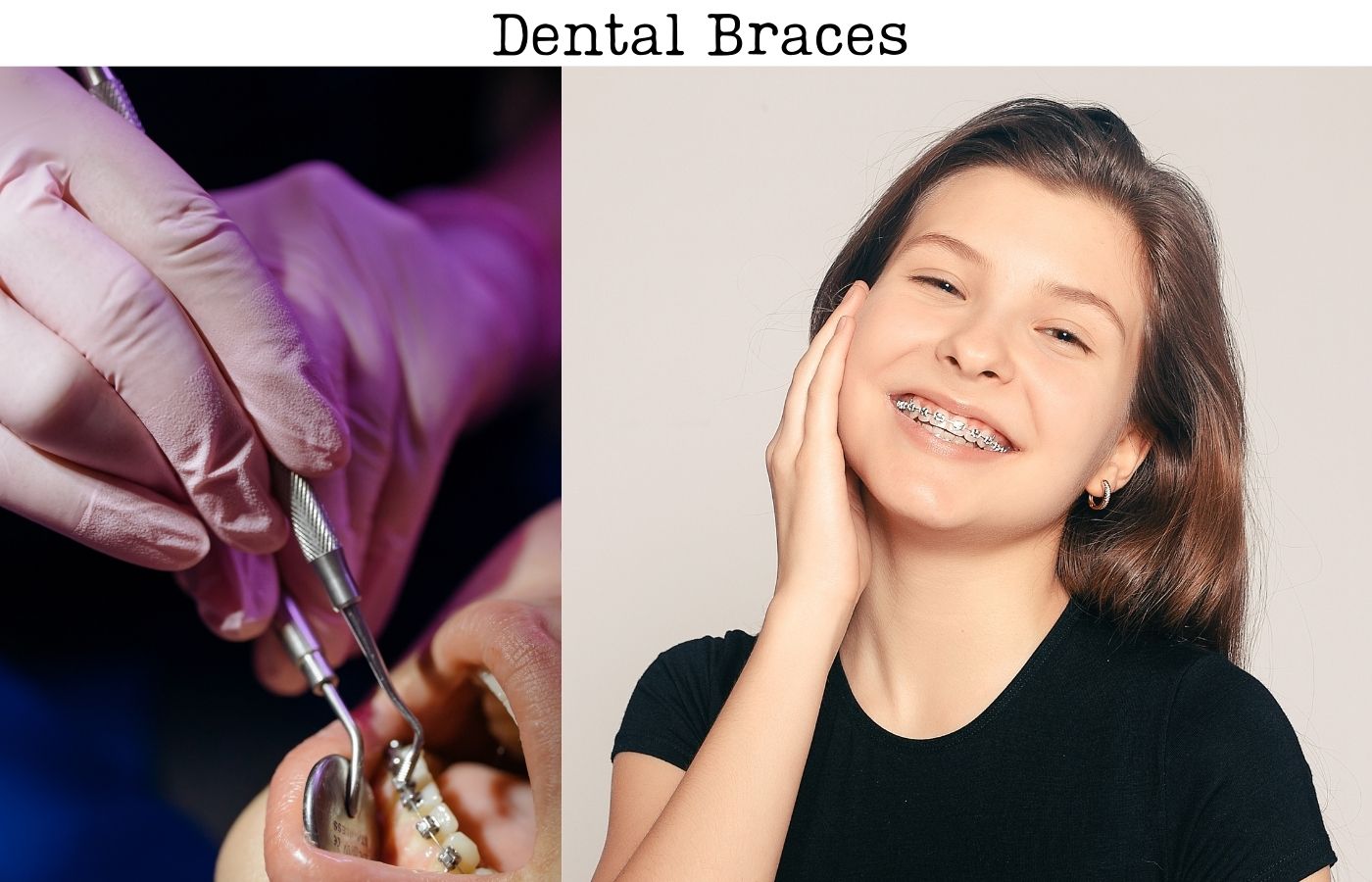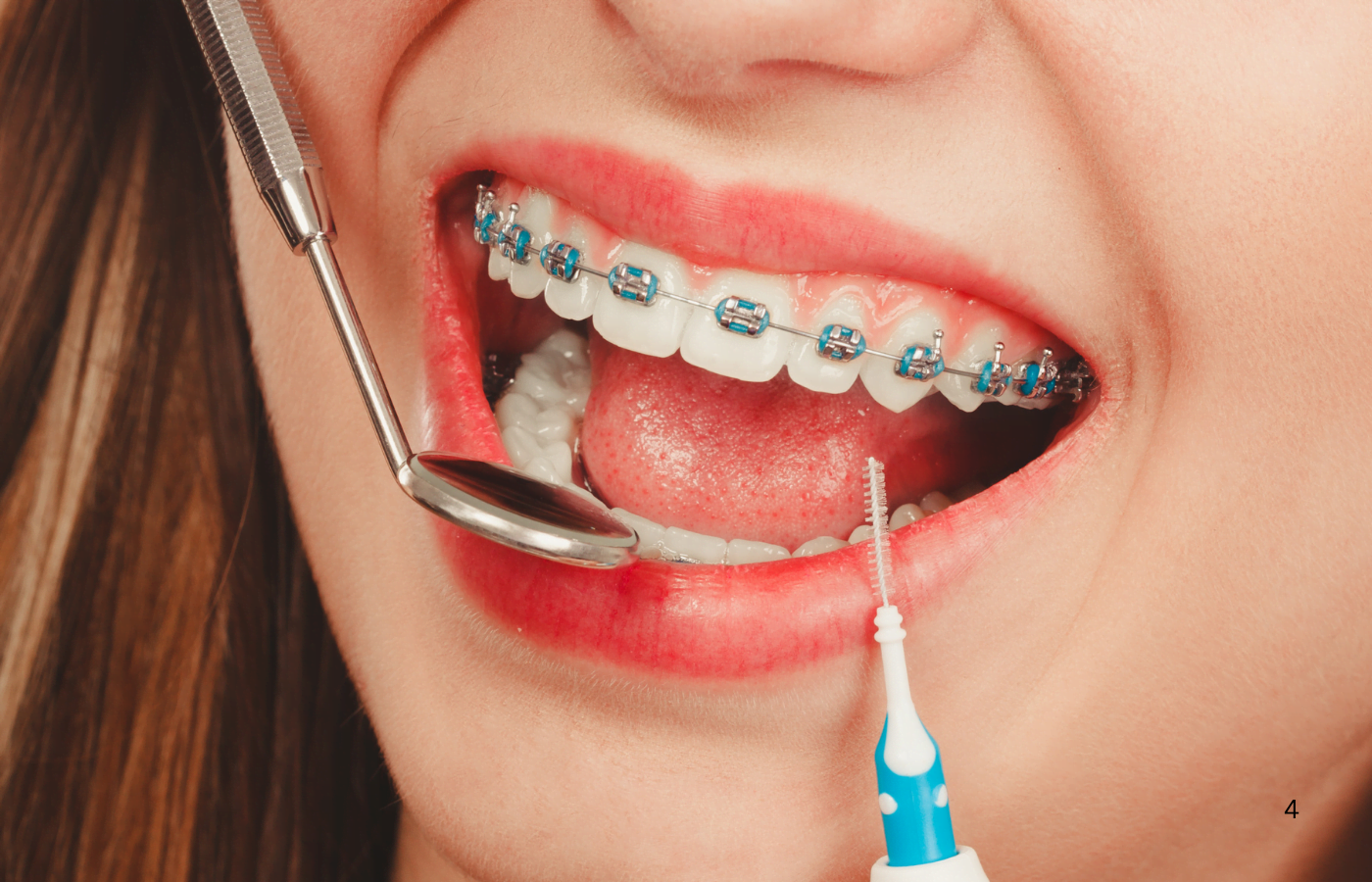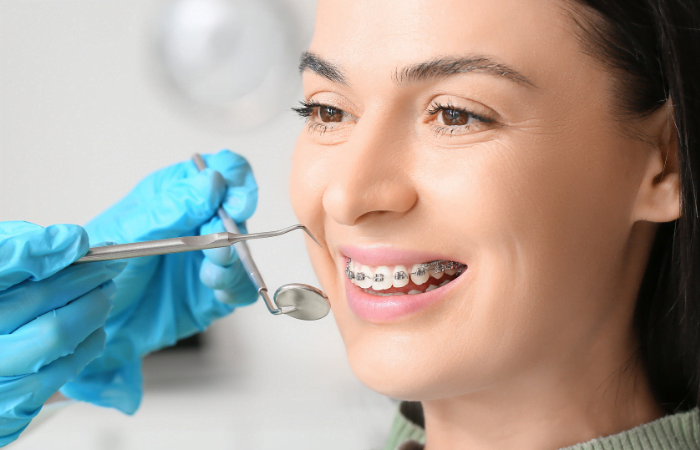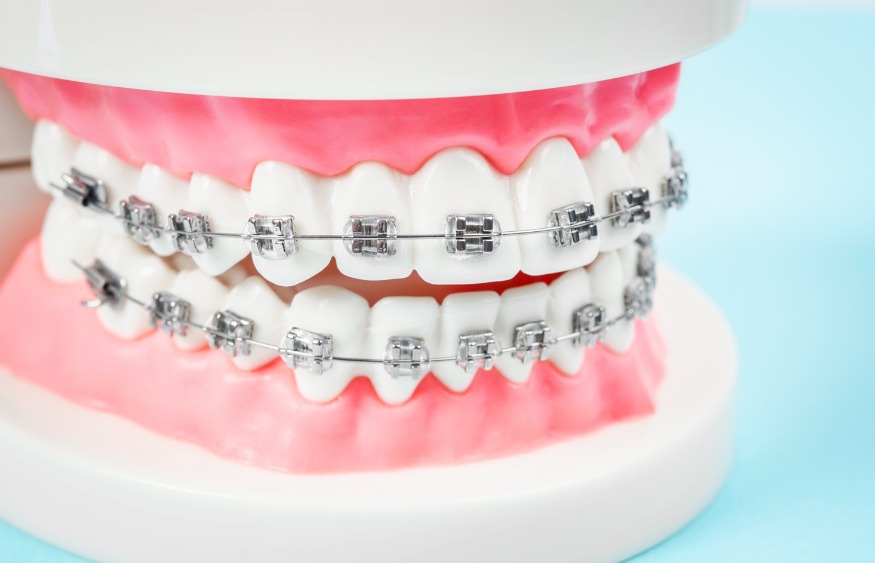
Orthodontic treatment with braces is a transformative journey toward a healthier, more confident smile. However, if you have missing teeth, the planning process becomes more complex and requires expert attention. Understanding how missing teeth affect braces planning is crucial for setting realistic expectations about your treatment timeline, Braces Dental Price, overall strategy, and final results.
At Diagnopein Mumbai, our orthodontists specialize in creating customized treatment plans that address missing teeth, ensuring both functional and aesthetic success.
Braces work by applying controlled pressure to teeth so that they gradually move into better alignment over time. When certain teeth are missing, the balance of forces in your mouth changes and several challenges can arise.
Some common issues caused by missing teeth include:
Adjacent teeth tilting into empty space
Opposing teeth drifting downward or upward
Altered bite leading to uneven forces
Jaw joint strain and functional problems
When planning braces, these factors must be considered to ensure a stable long-term result.
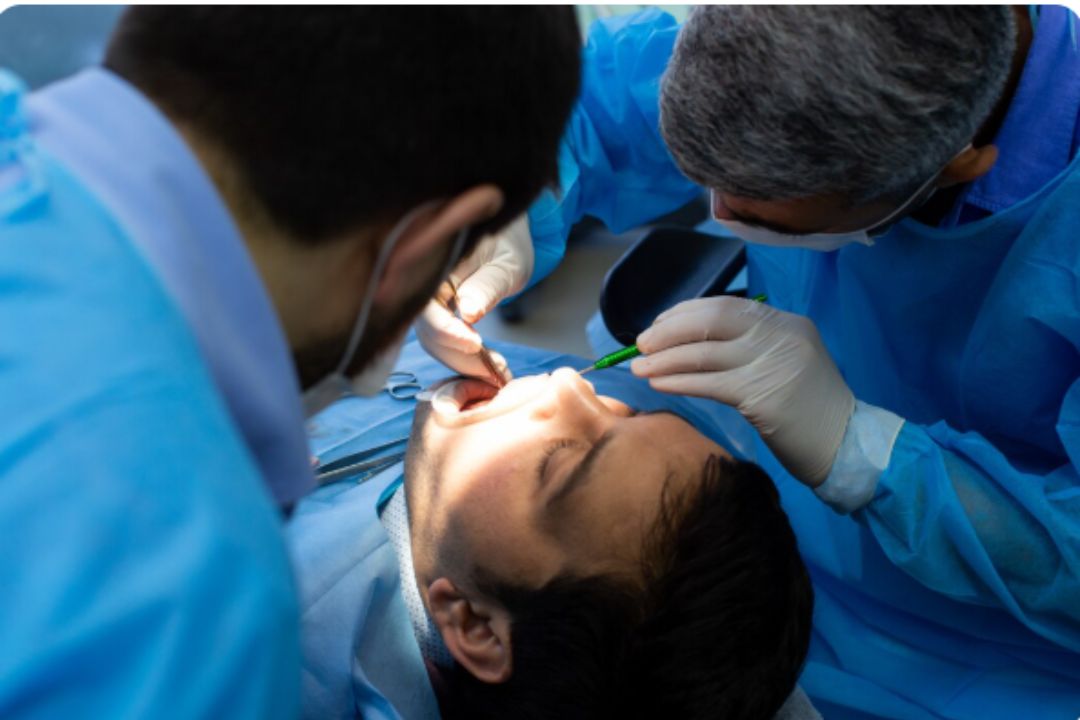
Before starting braces treatment, your orthodontist will perform a detailed assessment. This usually includes:
Visit Now: https://www.diagnopein.com/dental-clinic/Mumbai
Your dentist examines your bite, alignment and spacing between teeth.
Accurate 3D models of your mouth are created. These show the position of existing teeth and how they interact with each other.
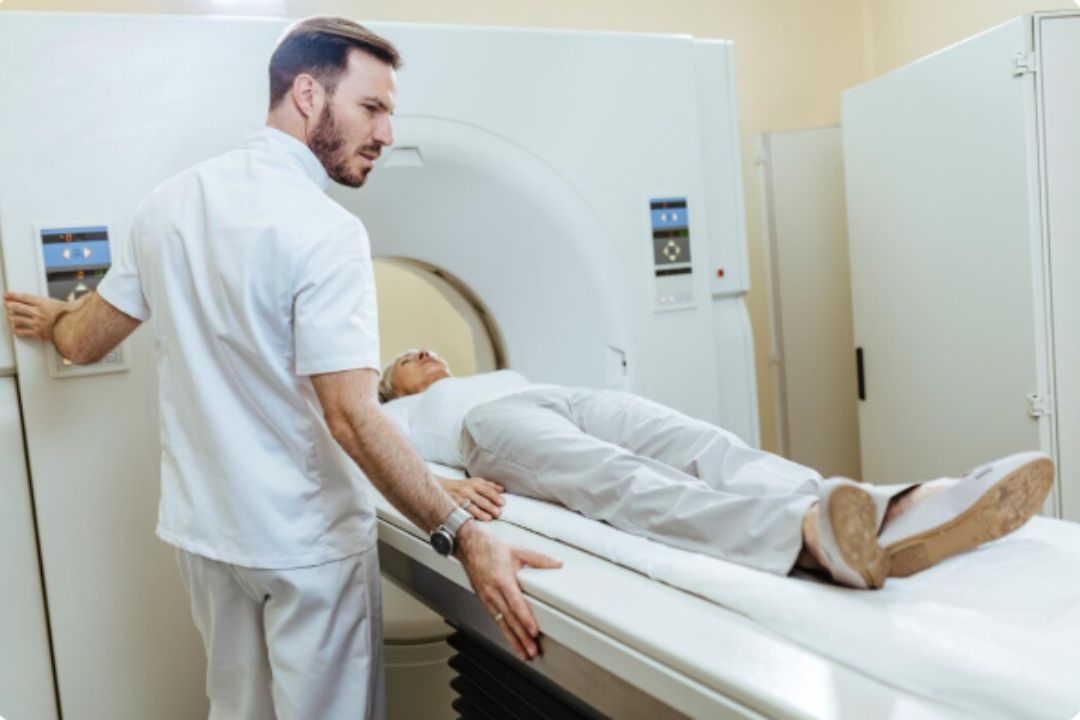
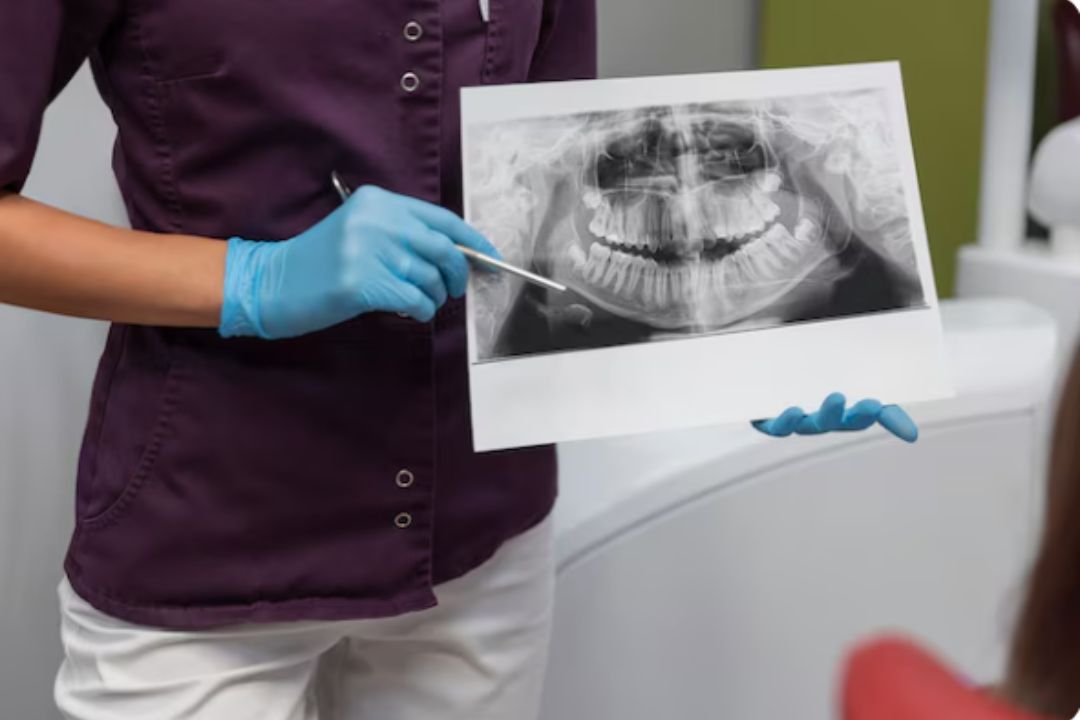
X-rays reveal underlying bone structure, the presence of unerupted teeth and the health of roots and supporting bone.
The way your upper and lower teeth come together is analyzed to identify bite discrepancies caused by missing teeth.
This thorough evaluation is necessary before braces planning because the presence of gaps affects how teeth move and settle.
When a tooth is missing, neighboring teeth may tilt or drift into the empty space over time. This alters normal alignment and can make correcting the bite more challenging.
Braces treatment must first address this drifting before moving teeth into their ideal positions.
Teeth in the opposite arch may overerupt into the space left by a missing tooth. This changes the bite and leads to uneven contacts between upper and lower teeth.
Correcting overeruption usually requires careful planning and sometimes additional appliances.
Missing teeth result in fewer anchorage points. Anchorage is needed to guide teeth in the correct direction without unwanted movement.
Your orthodontist may use special devices such as temporary anchorage devices (mini screws), elastics or space maintainers to control tooth movement when teeth are missing.
Missing teeth affect occlusion or bite. A proper bite requires even contact between upper and lower teeth. Gaps create imbalance and can cause jaw strain or uneven wear.
Braces planning involves correcting bite discrepancies to improve chewing function and stability.
Missing teeth do not automatically mean you cannot get braces. Instead, your orthodontist will choose an appropriate plan based on your needs.
Here are some possible approaches:
In some cases, gaps from missing teeth can be closed using braces. This is more common when missing teeth are in areas that can be closed without causing bite issues.
Space closure requires careful control to prevent unwanted tilting or rotation of other teeth.
When a gap must be preserved for a future dental implant or bridge, your orthodontist may use space maintainers and braces together to keep the space open while aligning other teeth.
This is often needed when a young patient will receive an implant after jaw growth is complete.
Temporary anchorage devices (also called mini screws) may be needed when moving multiple teeth in different directions. These tiny implants provide stable support so other teeth move without causing unwanted shifts.
Orthodontists use these devices to accelerate movement and improve control in complex cases.
In some cases braces are done before replacing missing teeth with implants, bridges or dentures. Aligning surrounding teeth first prepares a stable foundation.
Once braces are complete, prosthetic teeth can be placed to restore full function and appearance.
If you plan to replace missing teeth with dental implants, timing becomes important. Implants act like natural tooth roots and do not move once placed.
Book Now: https://www.diagnopein.com/dental-clinic/Mumbai/Dental-Braces
If implants are placed before braces, braces cannot move adjacent teeth easily toward that area. If braces are required to create space or change alignment first, treatment is usually done before implant placement.
Your orthodontist and dentist must coordinate to determine the best sequence of treatment.
Missing teeth often make orthodontic treatment more complex. This can slightly increase the duration of braces treatment compared to cases where all permanent teeth are present.
The exact timeframe depends on:
Number of missing teeth
Whether space closure is needed
Coordination with implant or prosthetic plans
Need for auxiliary appliances
Your orthodontist will provide a clear timeline during planning.
If a premolar is missing on one side, adjacent teeth may drift into the gap. Braces will first reposition tilted teeth and then either close the gap or maintain it for a future implant.
A missing front incisor creates both functional and aesthetic concerns. Treatment may involve braces to move adjacent teeth and prepare space for a prosthetic crown or implant. Careful bite balancing is essential.
When more than one tooth is missing, space distribution and bite correction become more complex. Anchorage support such as devices or elastics may be used to help move teeth in the desired direction.
Once braces treatment is complete, retainers play a crucial role in maintaining results — especially when teeth were missing before treatment.
Gaps have a tendency to reopen due to muscle and bite forces. Retainers help stabilize teeth while tissues adapt to new positions.
Your orthodontist will recommend a retention plan based on your individual case.
Each case with missing teeth has unique challenges. A professional orthodontic evaluation is critical because:
Every mouth responds differently to braces
Misdiagnosis can lead to unwanted tooth movement or relapse
Coordinating with prosthetic treatment ensures long term results
Only a specialist can recommend the best plan for your smile goals.
Missing teeth do not mean you cannot receive orthodontic treatment with braces. However they do require careful evaluation and planning because they change how teeth move and how your bite functions.
With modern orthodontic tools, techniques, and professional expertise it is possible to achieve excellent results even in complex cases.
If you are considering braces and have missing teeth schedule a consultation with a qualified orthodontist. A professional assessment will help determine whether space closure, space maintenance, implants, or a combination of treatments is best for you.













































.jpg "affordable metal braces in mumbai")























.jpg "dental braces cost in Diagnopein complete price breakdown (2026 guide)")






.jpg "dental braces")




.jpg "dental braces")


 (1).png "Visual Journey of Dental Braces")
 (1).jpg "Dental Braces and Gum Disease")