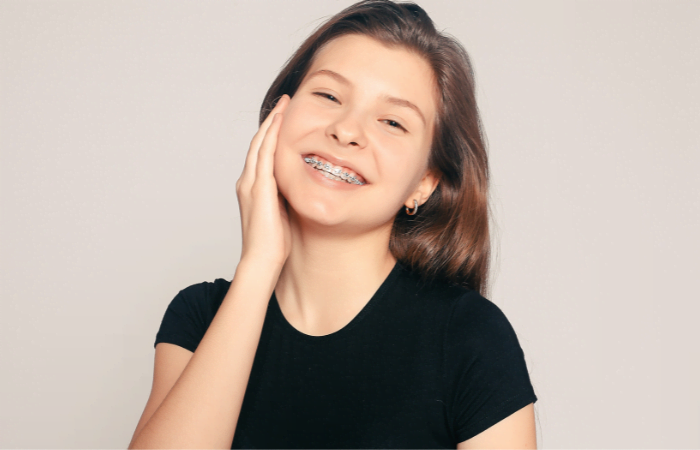
Braces have been used for decades to correct crooked teeth, improve bite alignment, and create beautiful smiles. While most people think about appearance when choosing braces, these orthodontic devices have a powerful impact on oral health too.
In this article we explore how braces affect oral health, the benefits of orthodontic treatment, common challenges, tips for care and how braces can improve your smile long term.
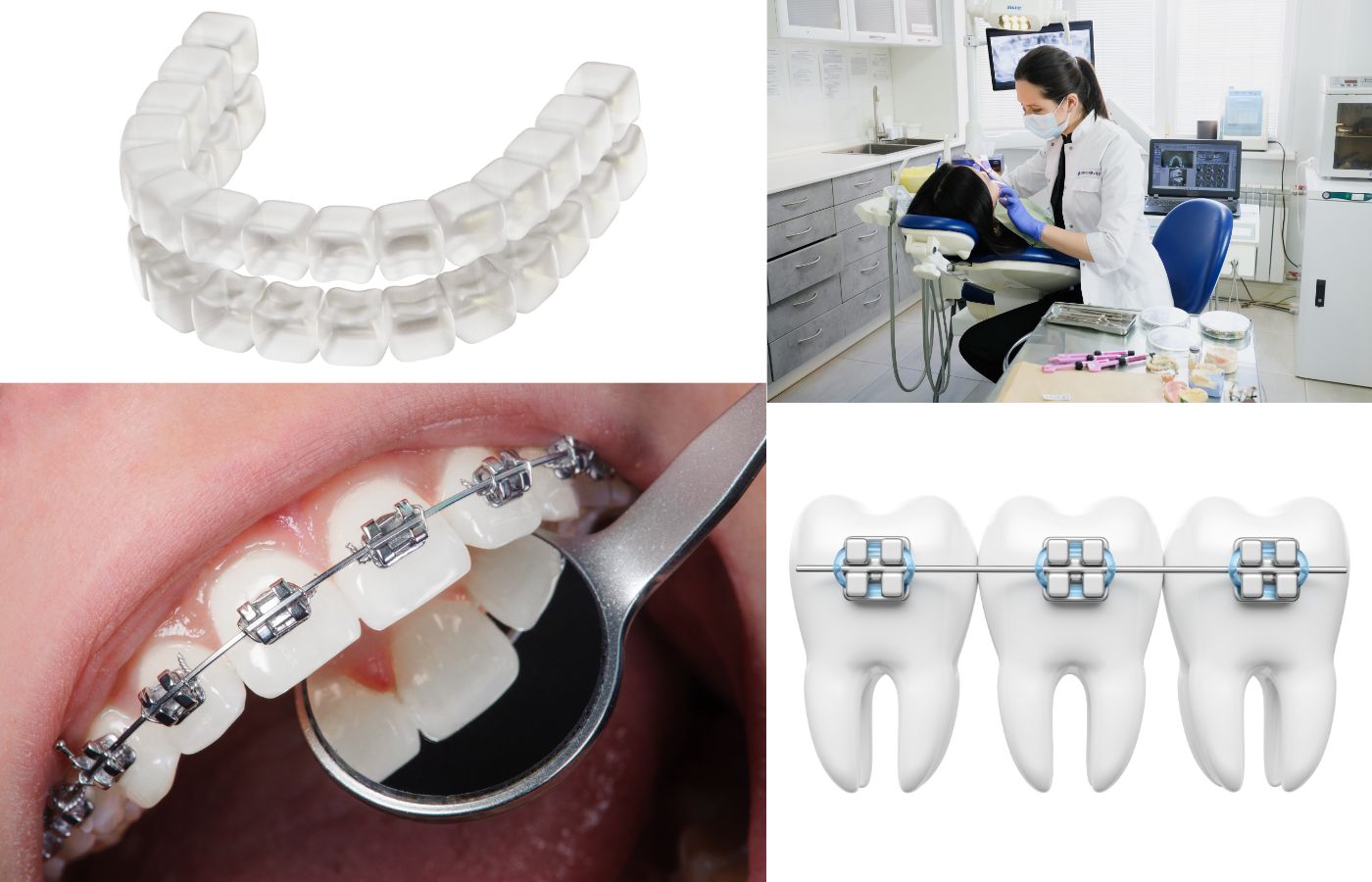
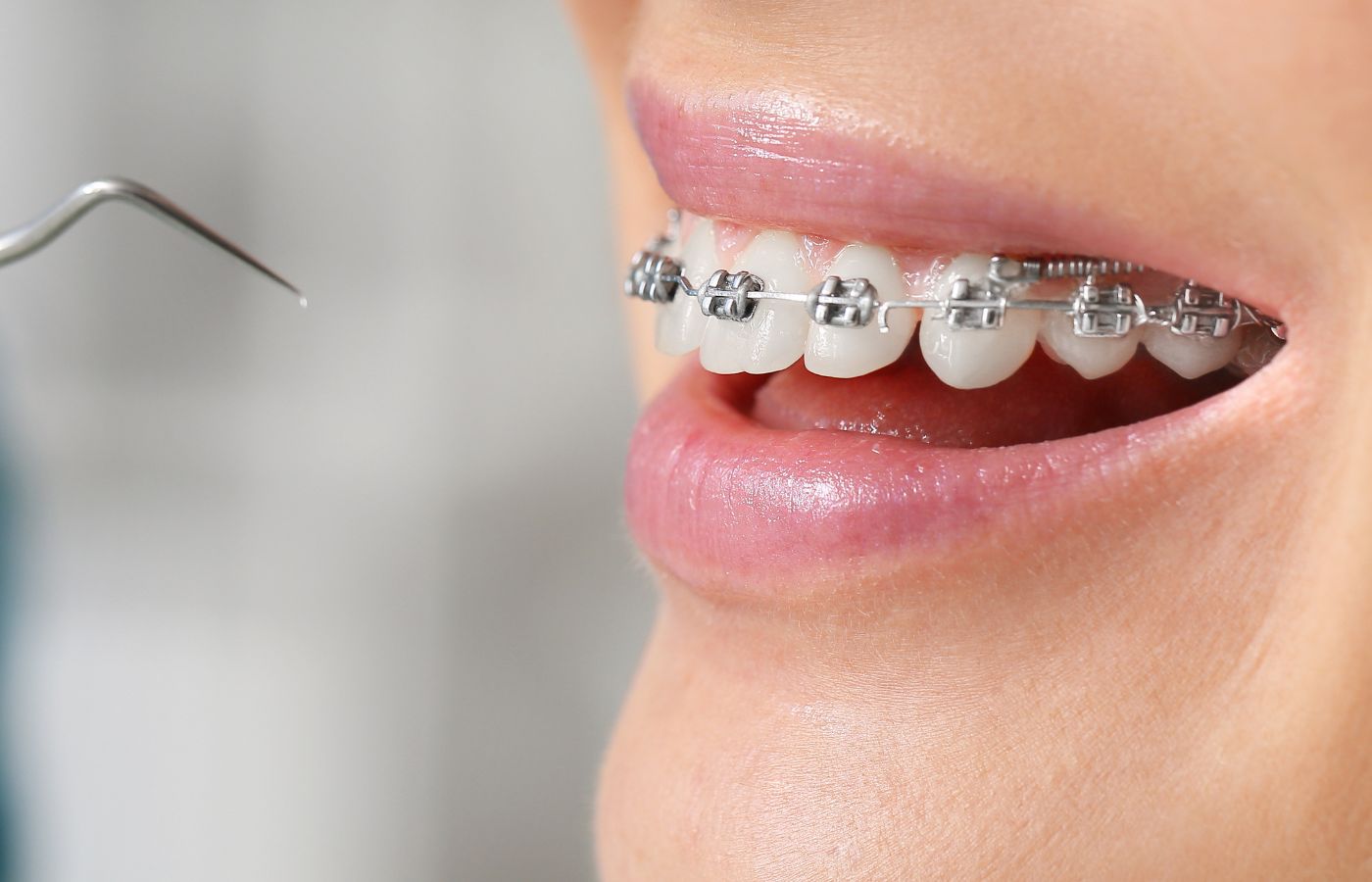
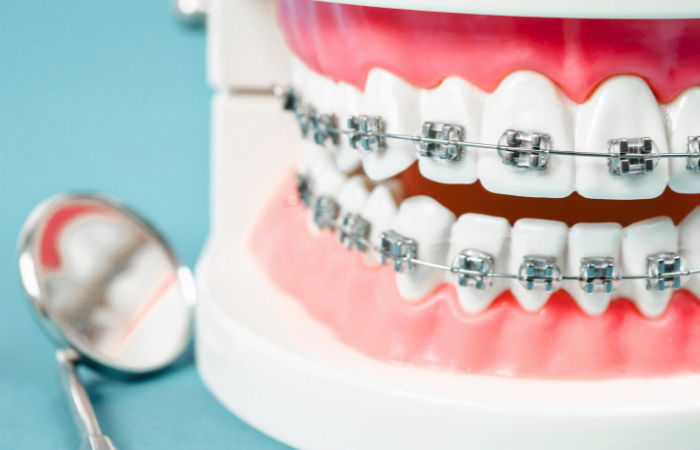
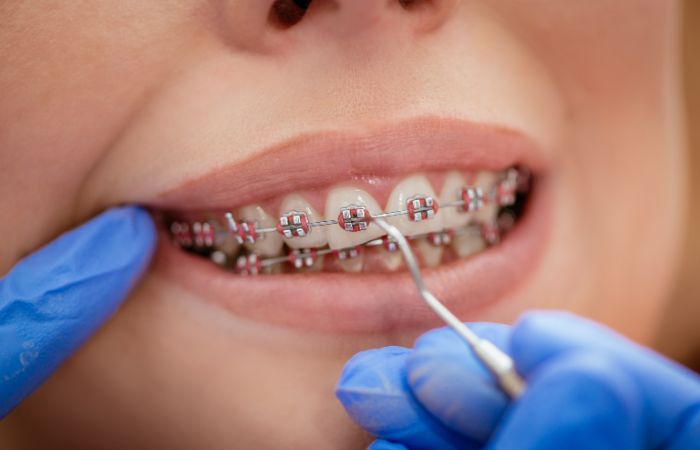
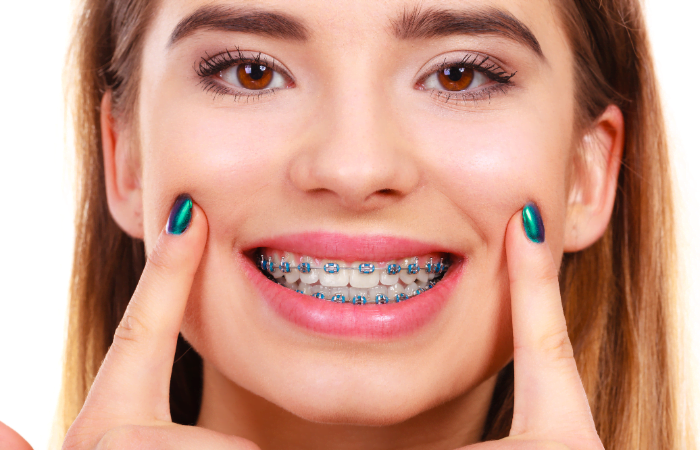
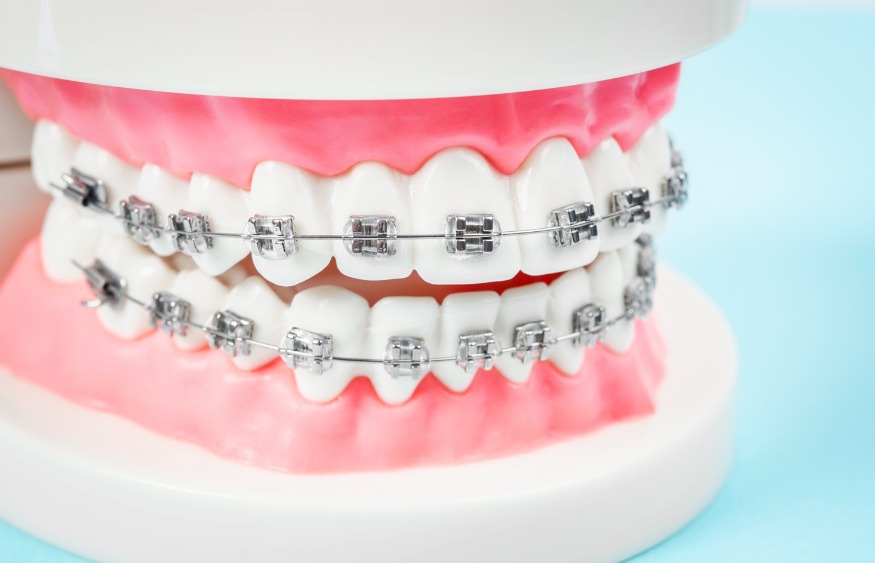
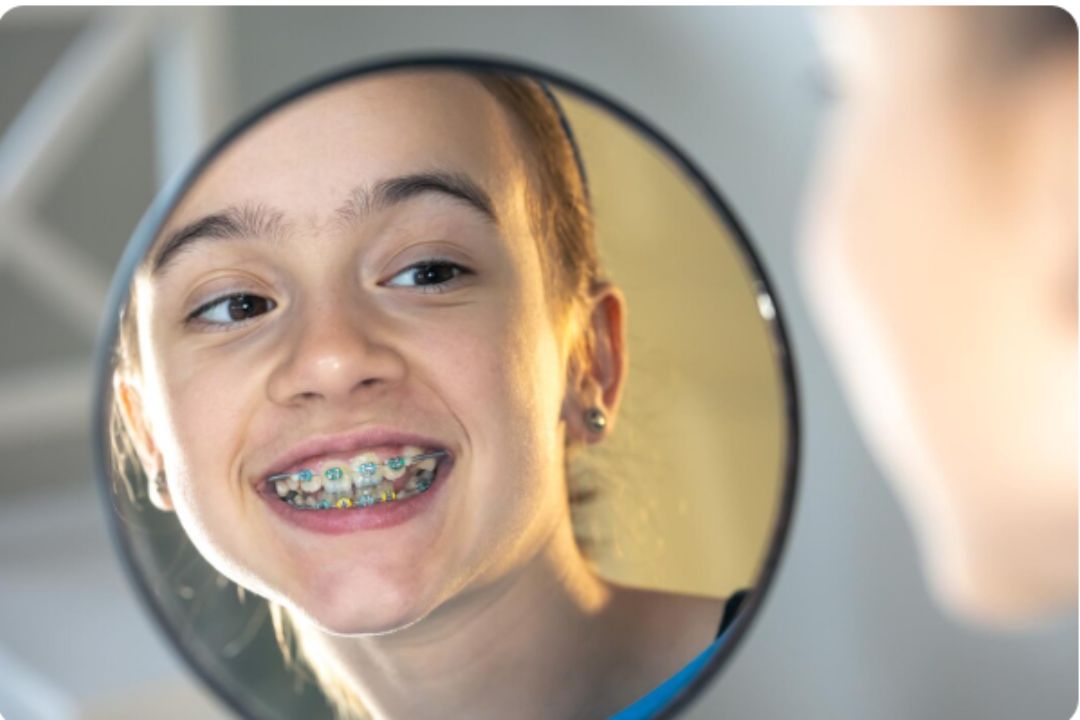
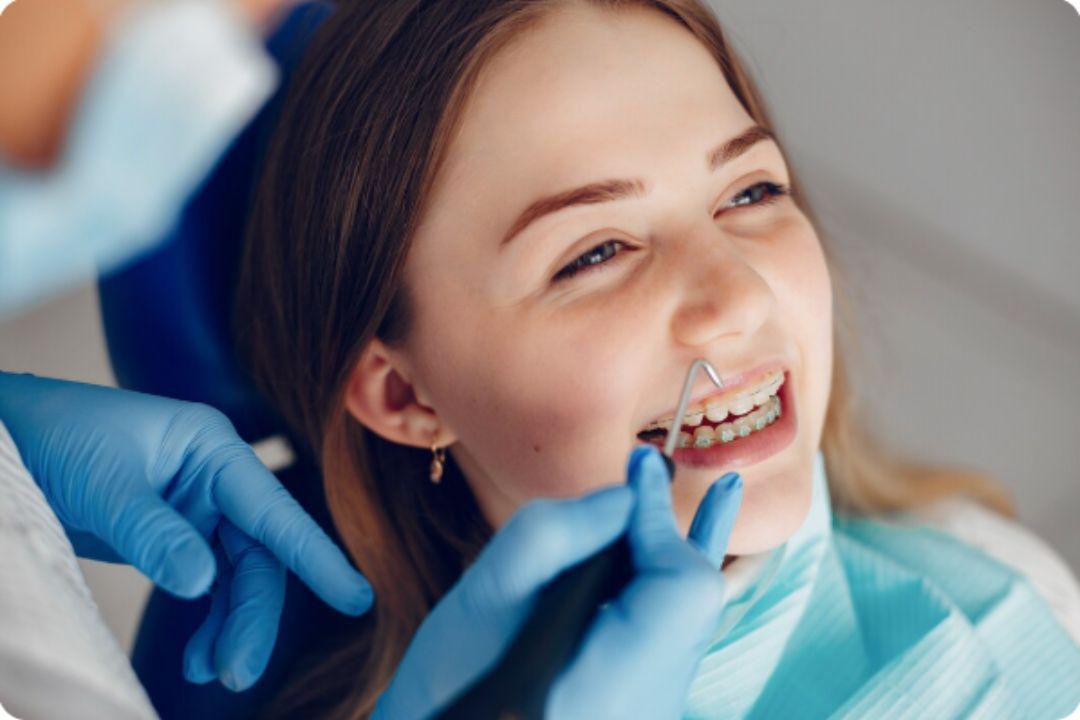
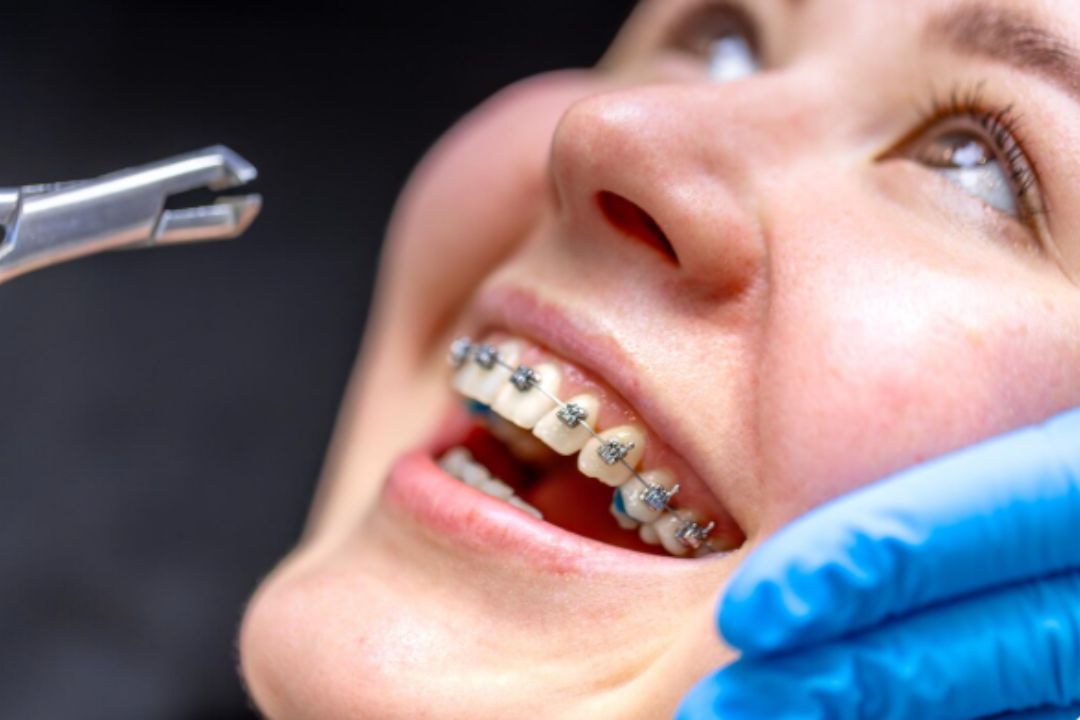
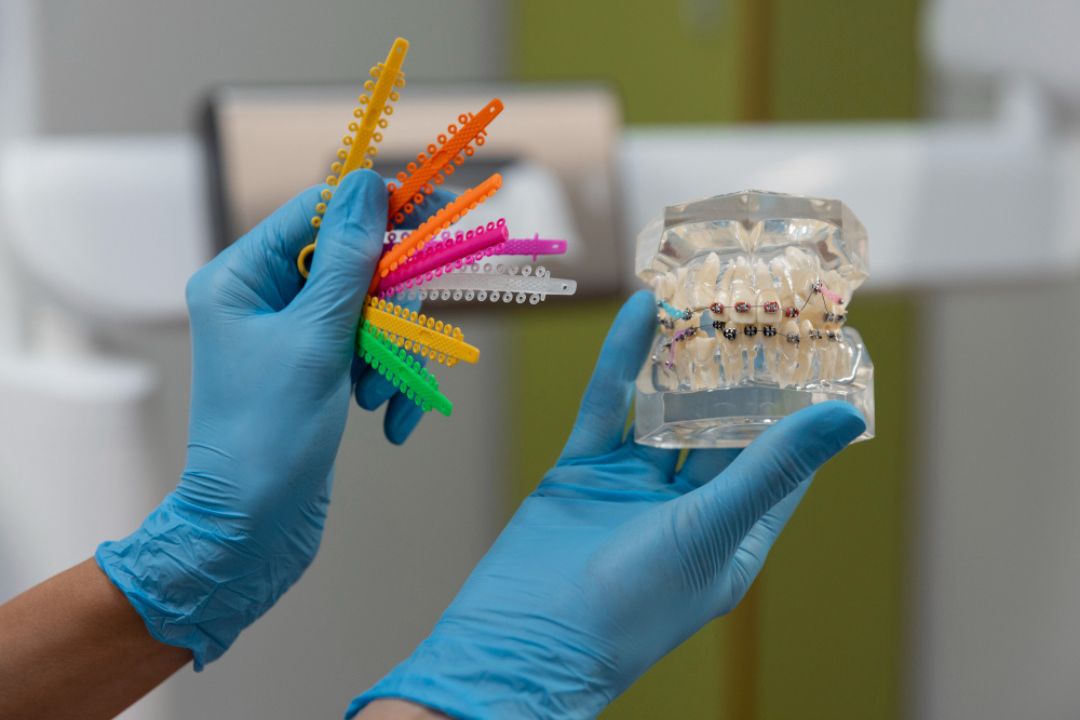
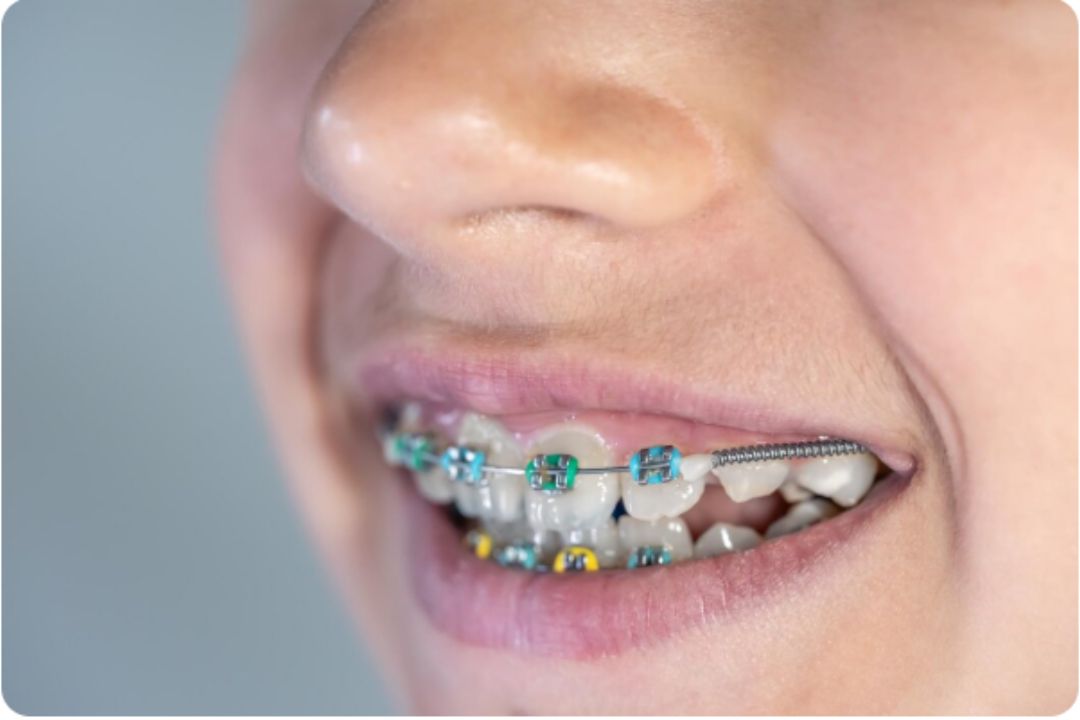
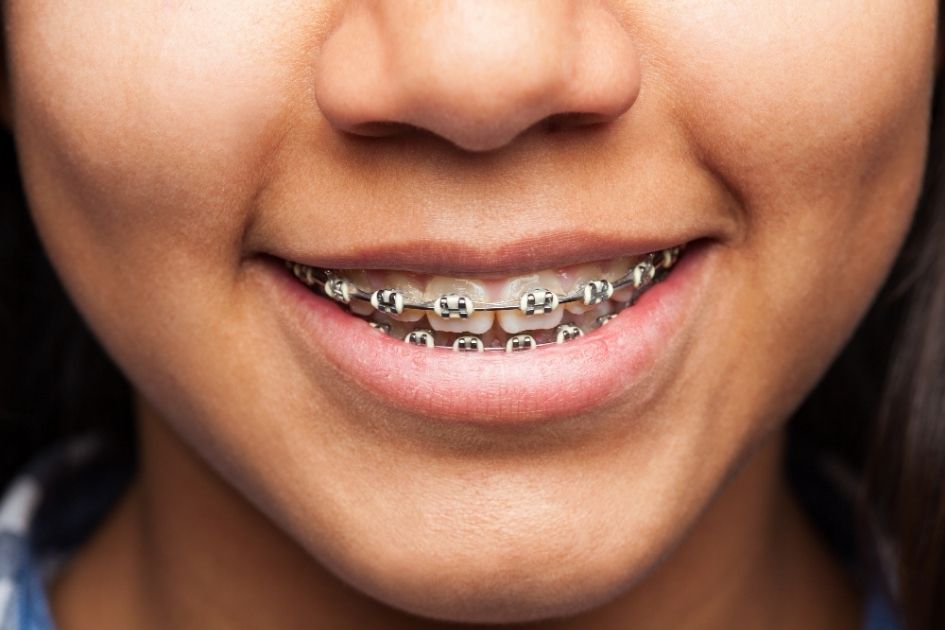
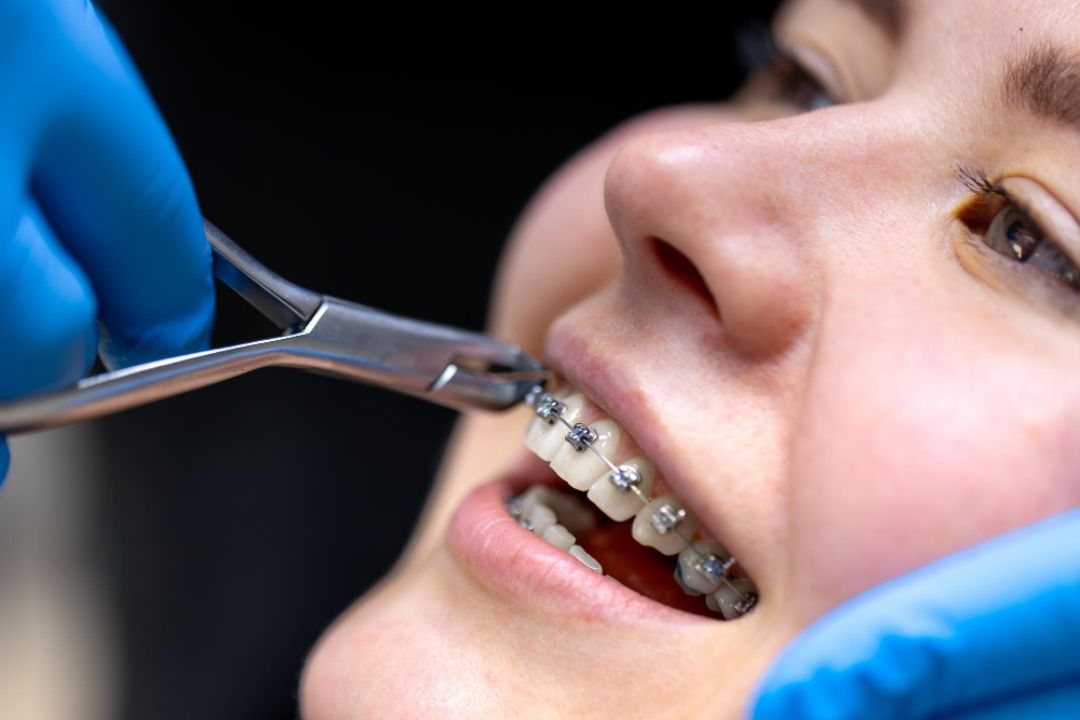
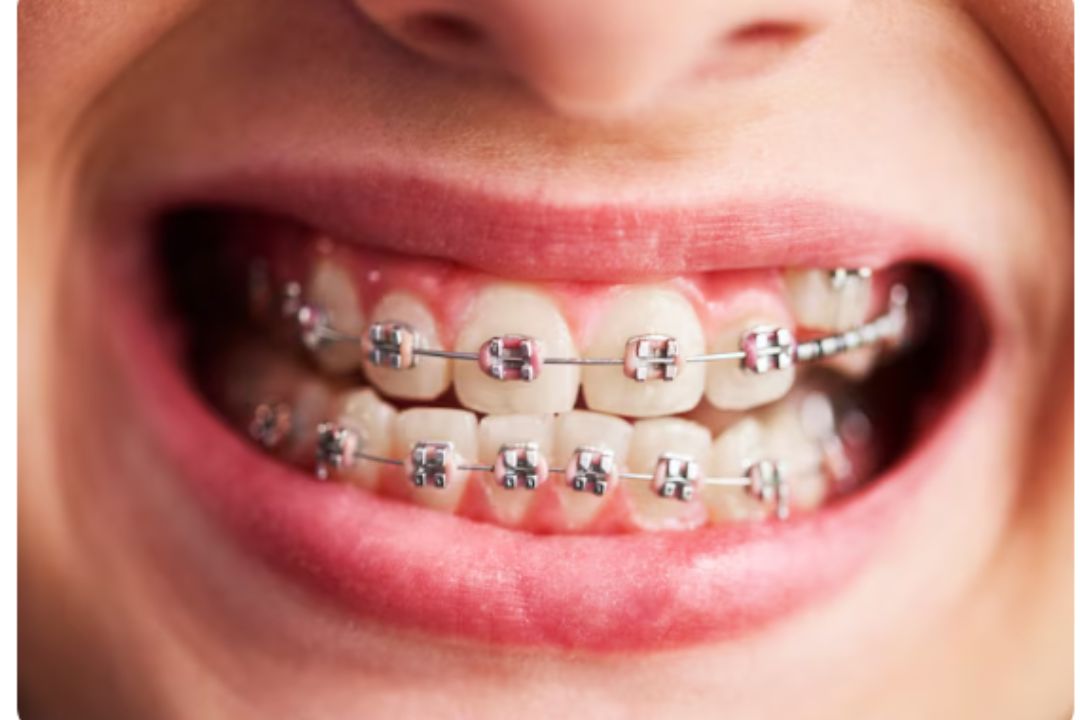
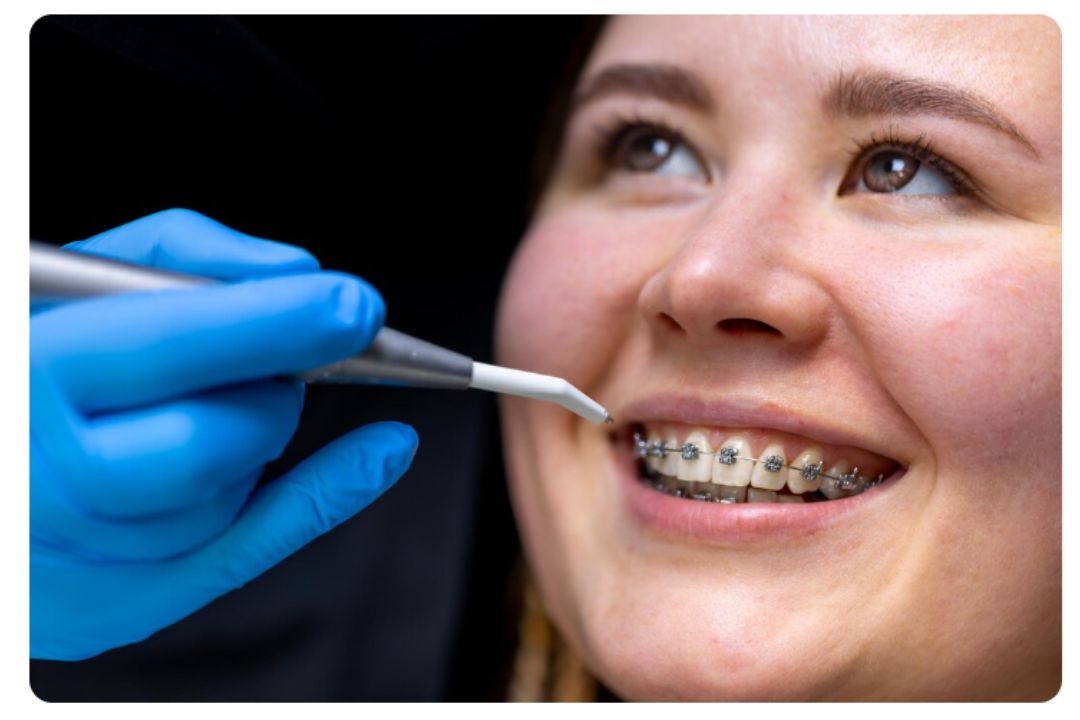
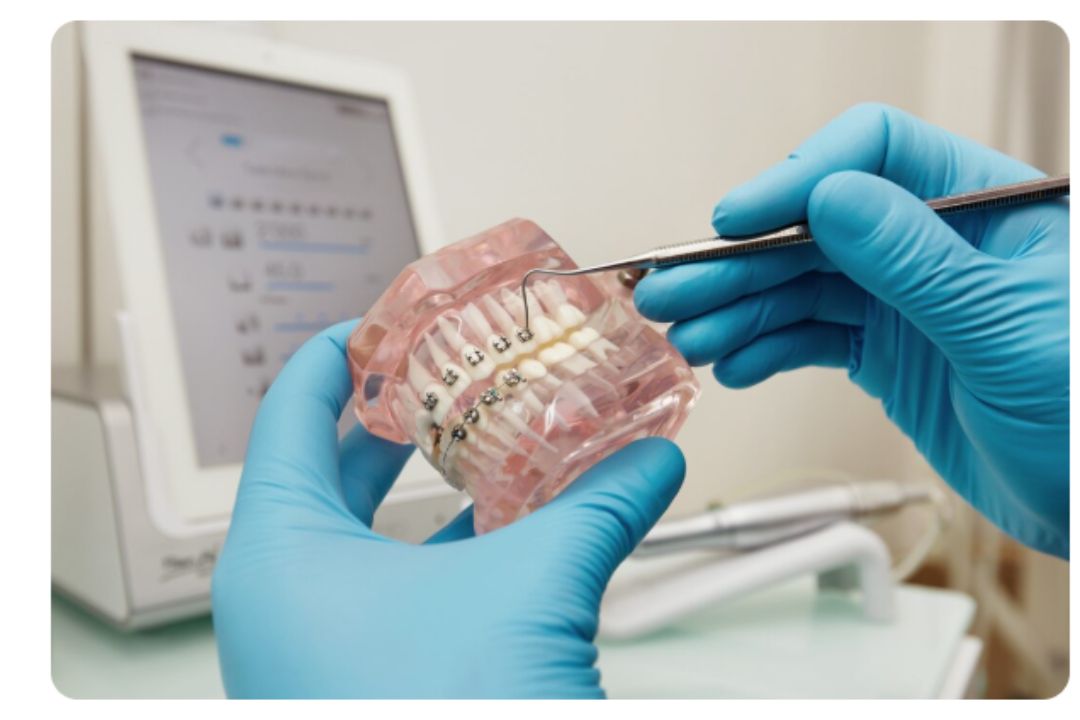
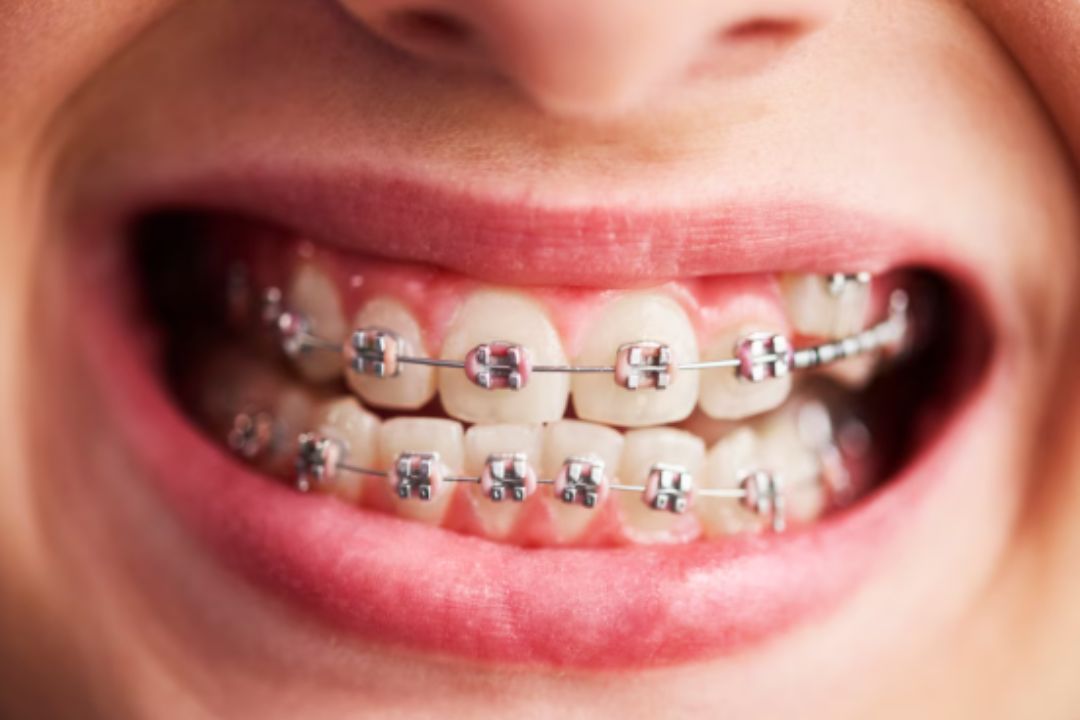
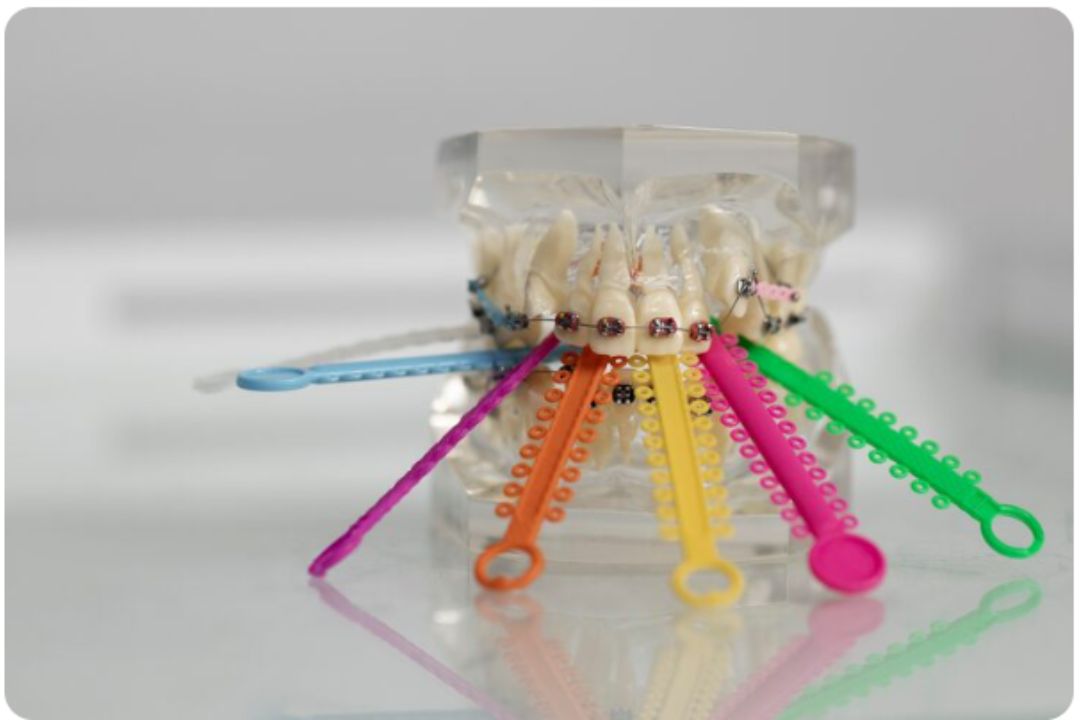
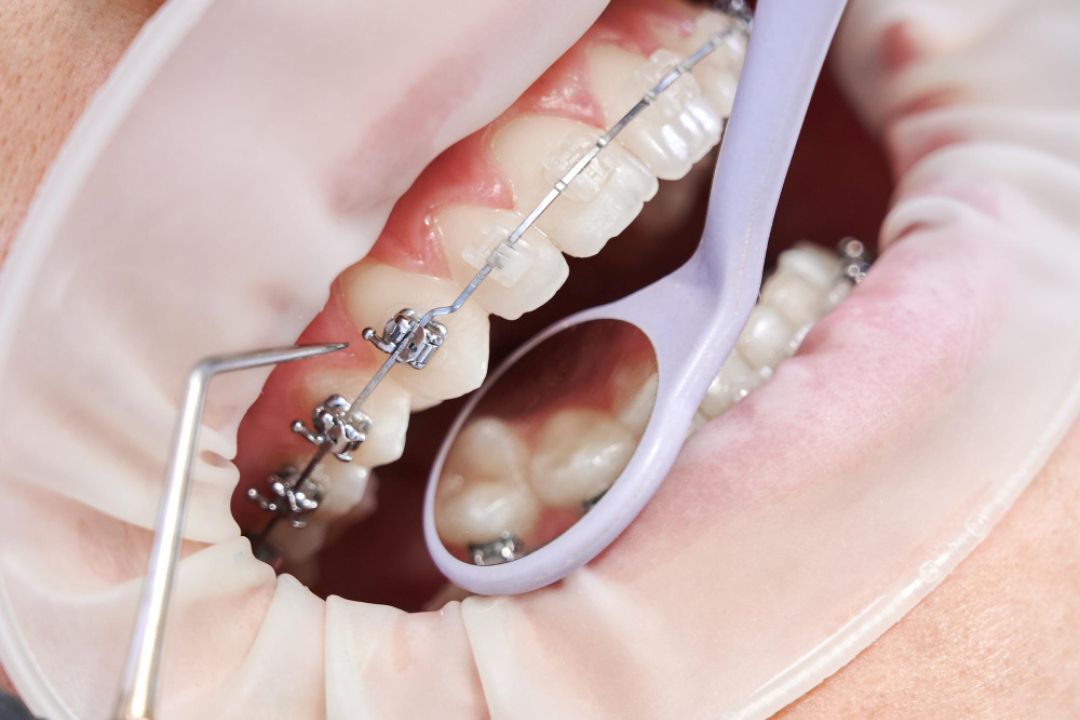
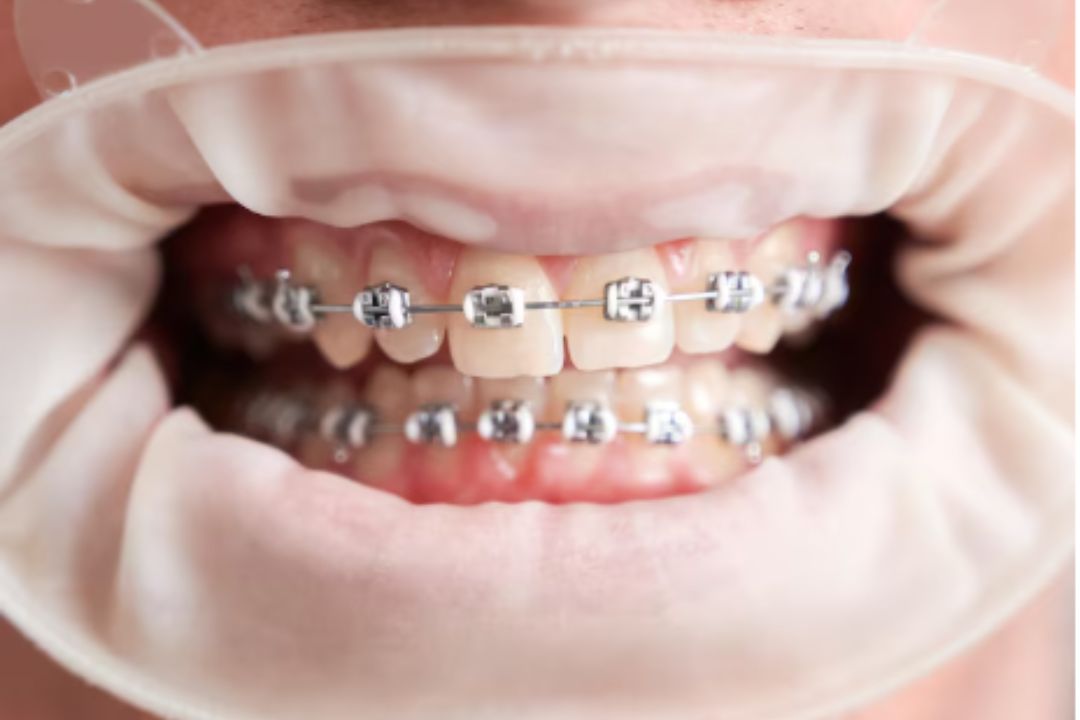
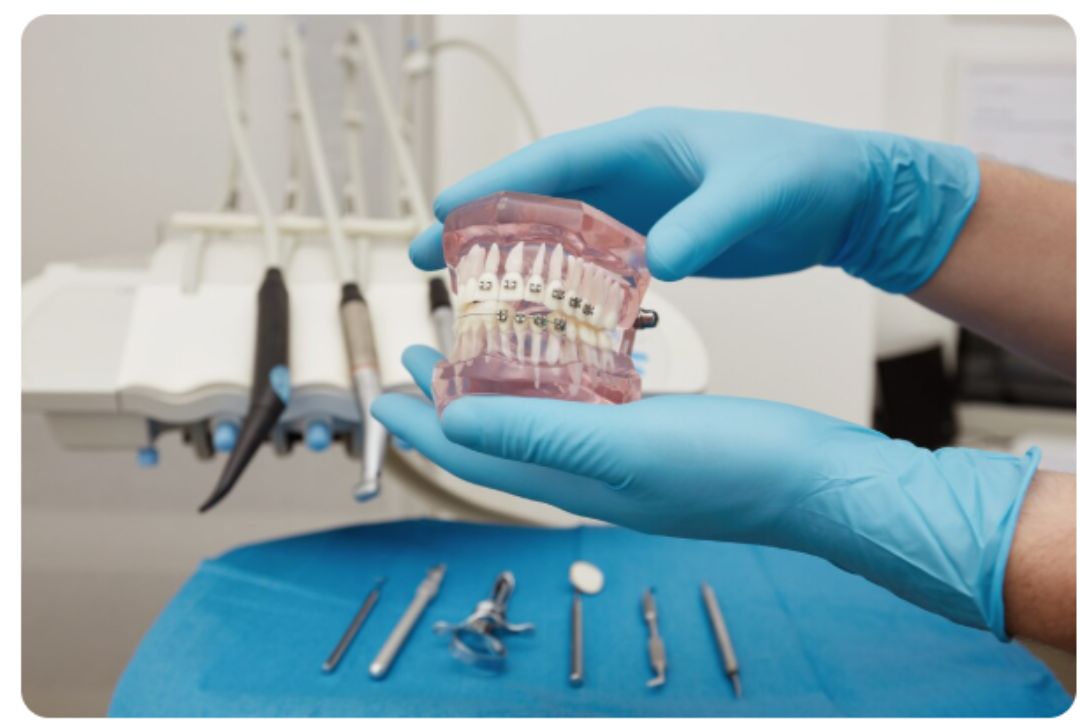
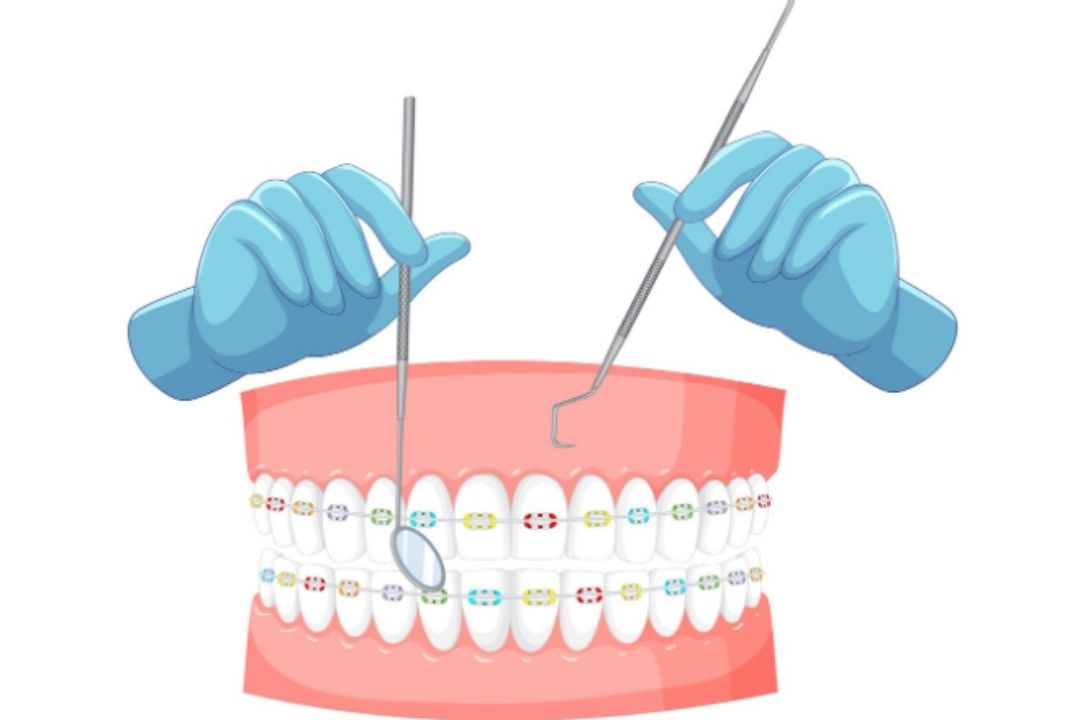
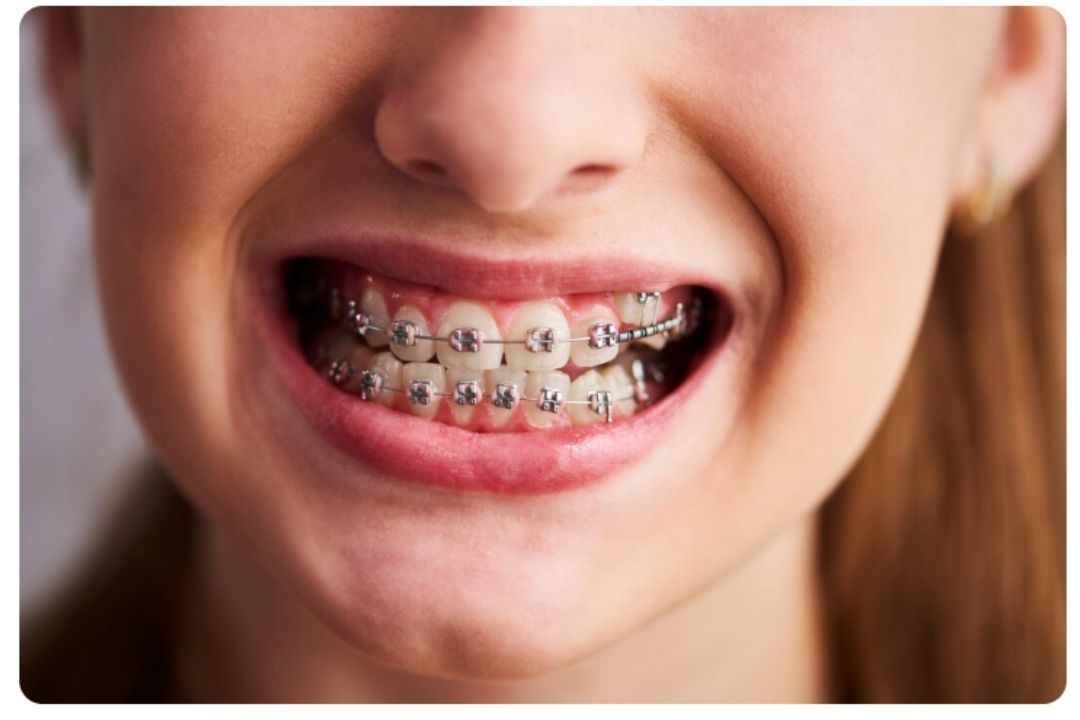
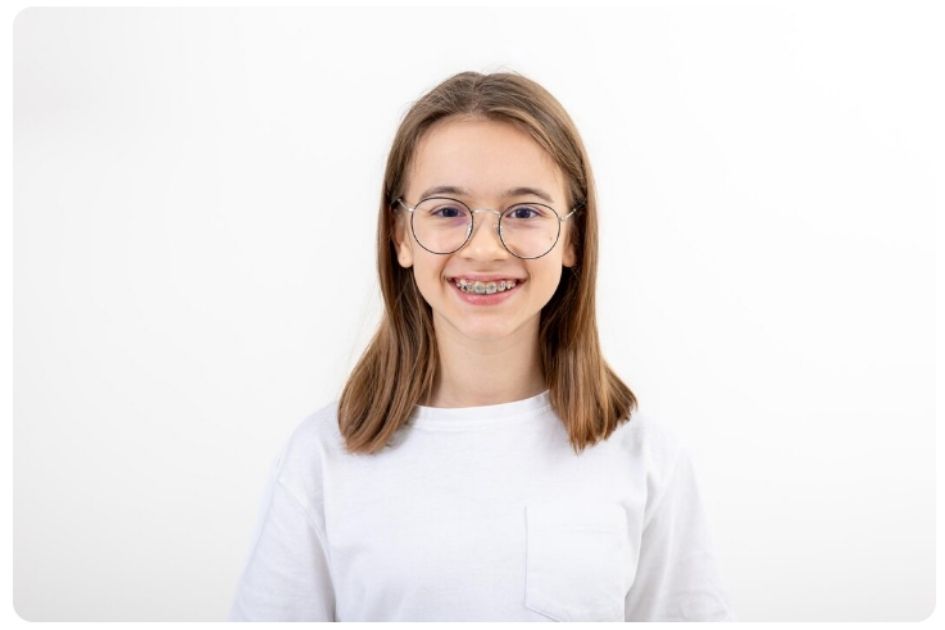
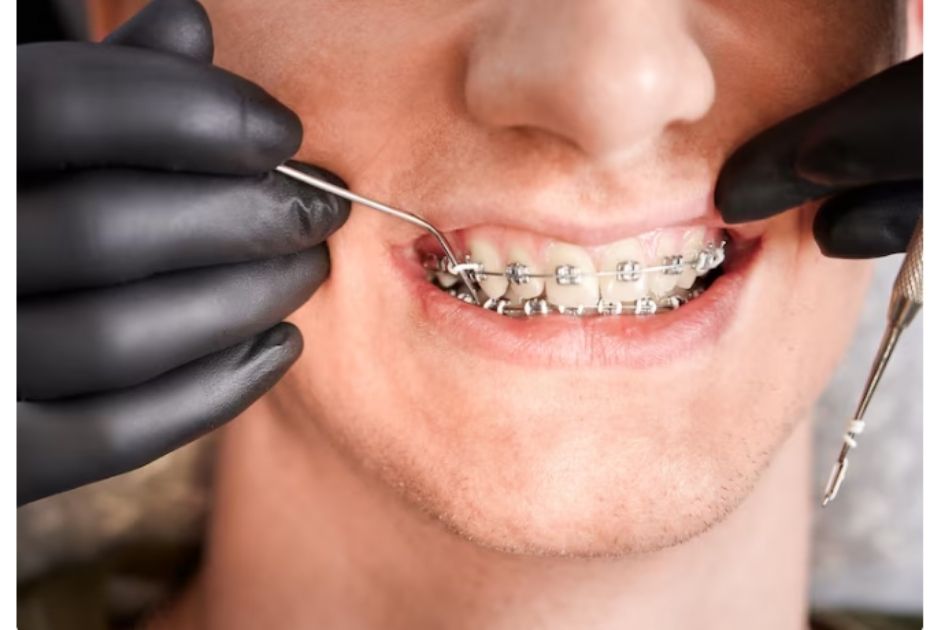
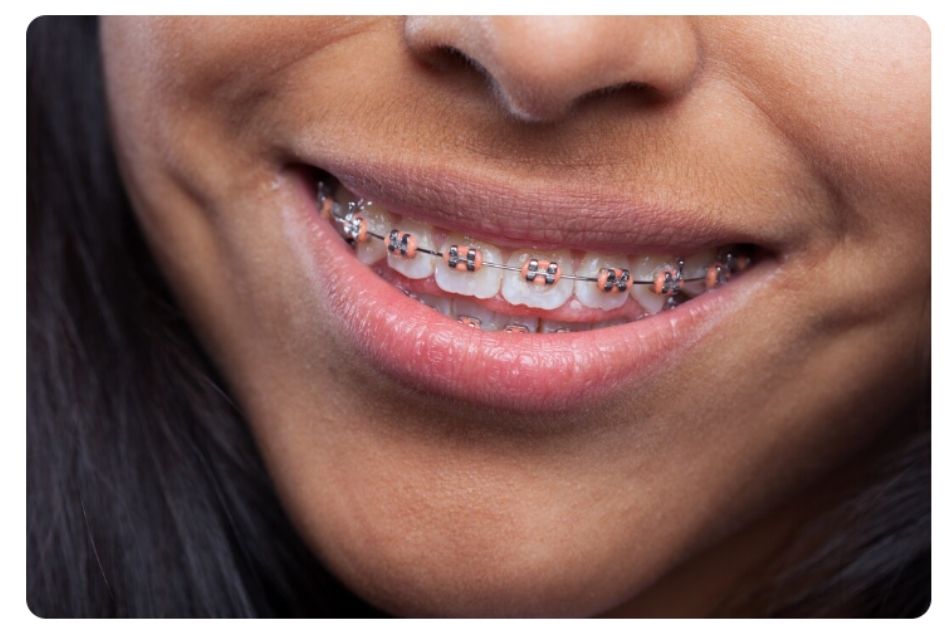
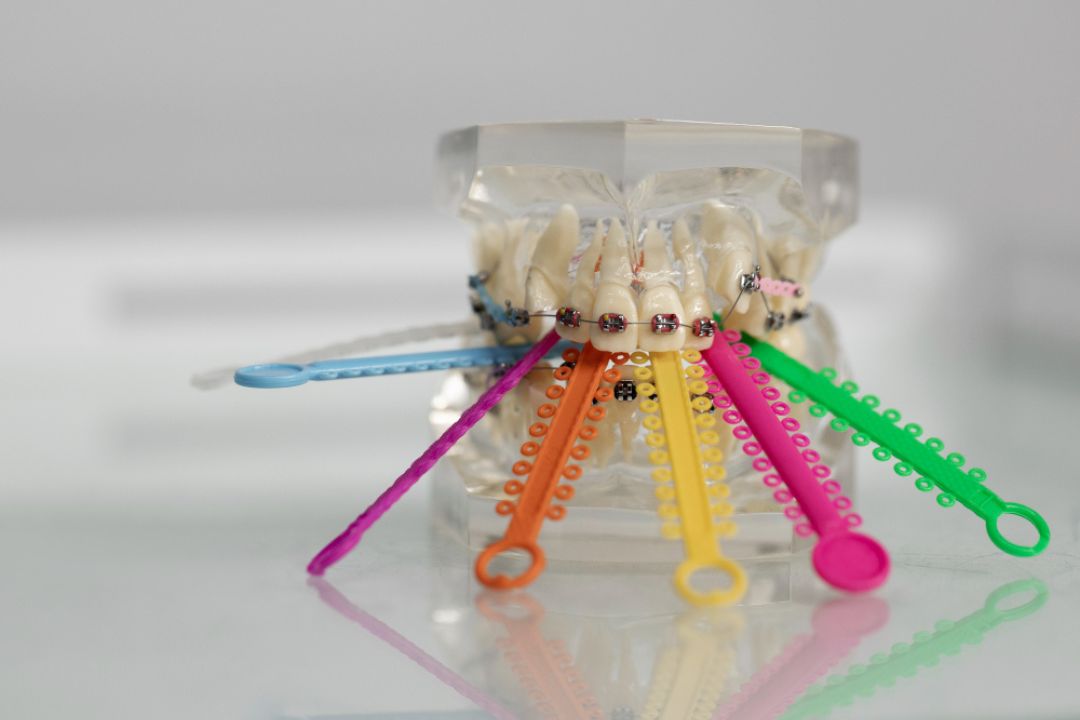
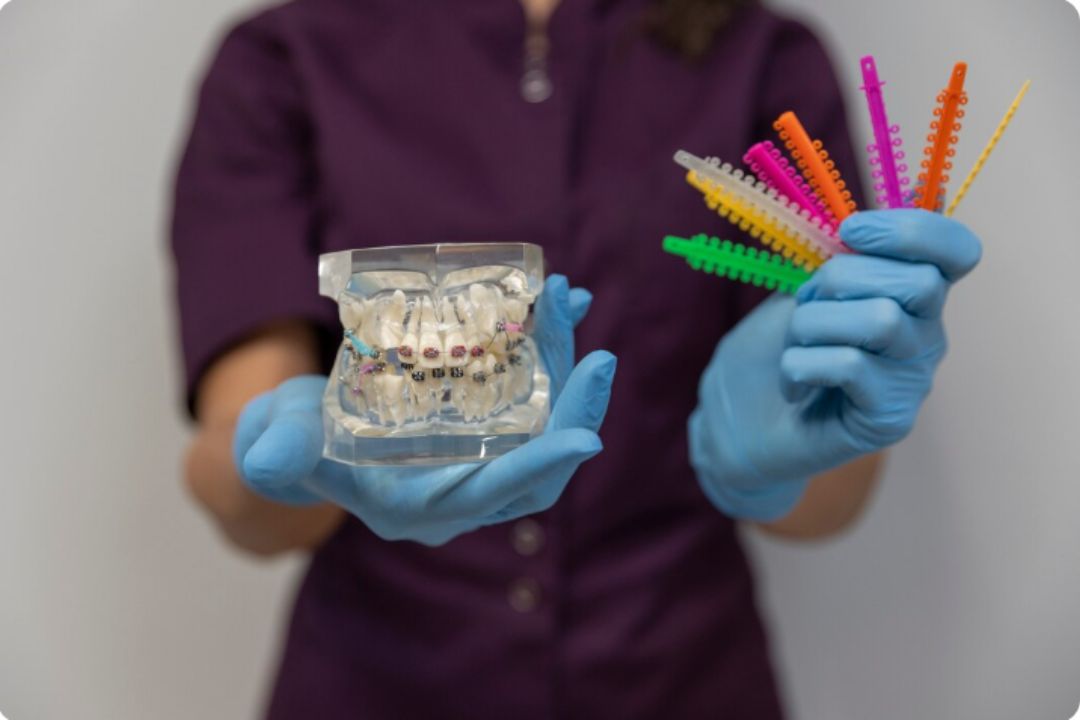
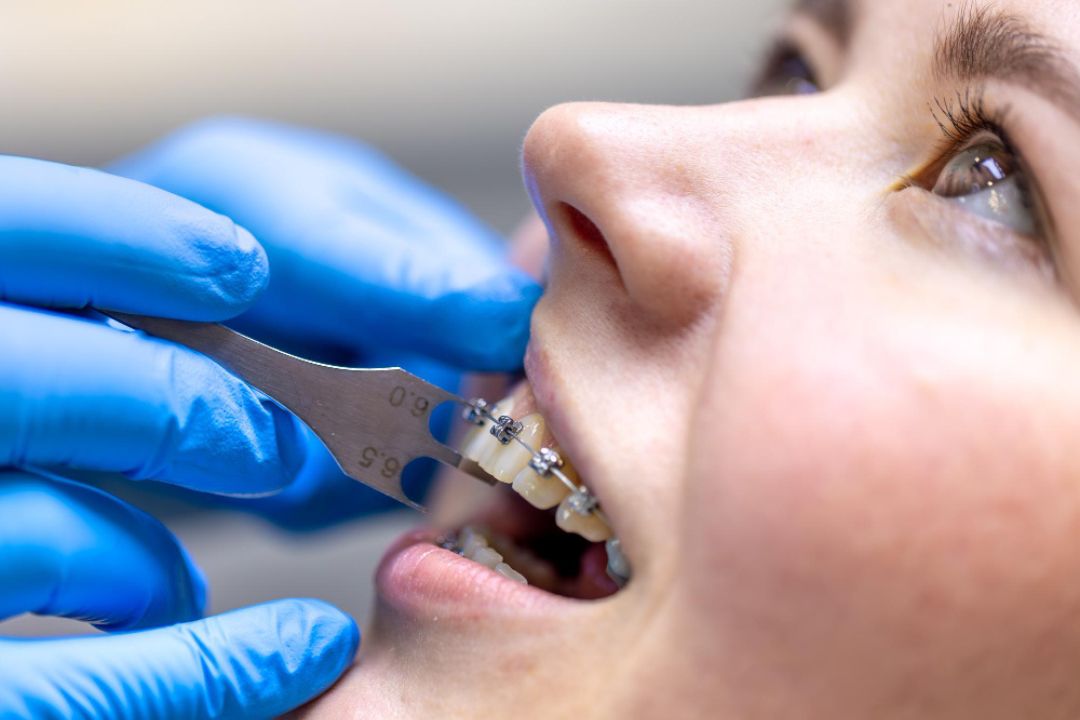
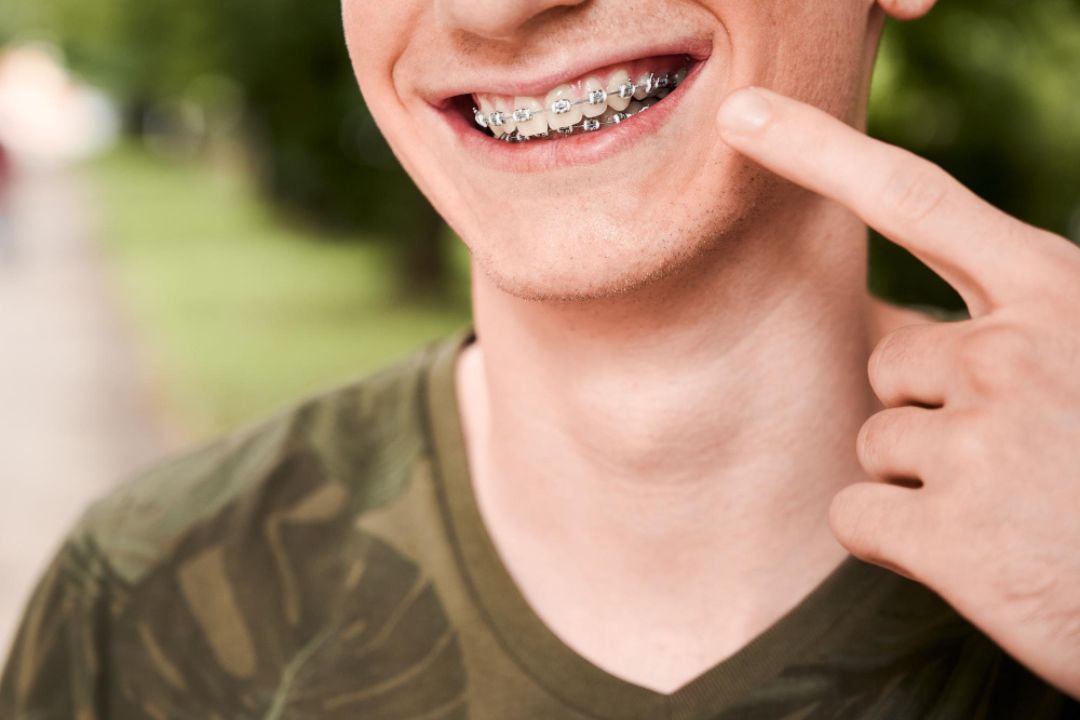
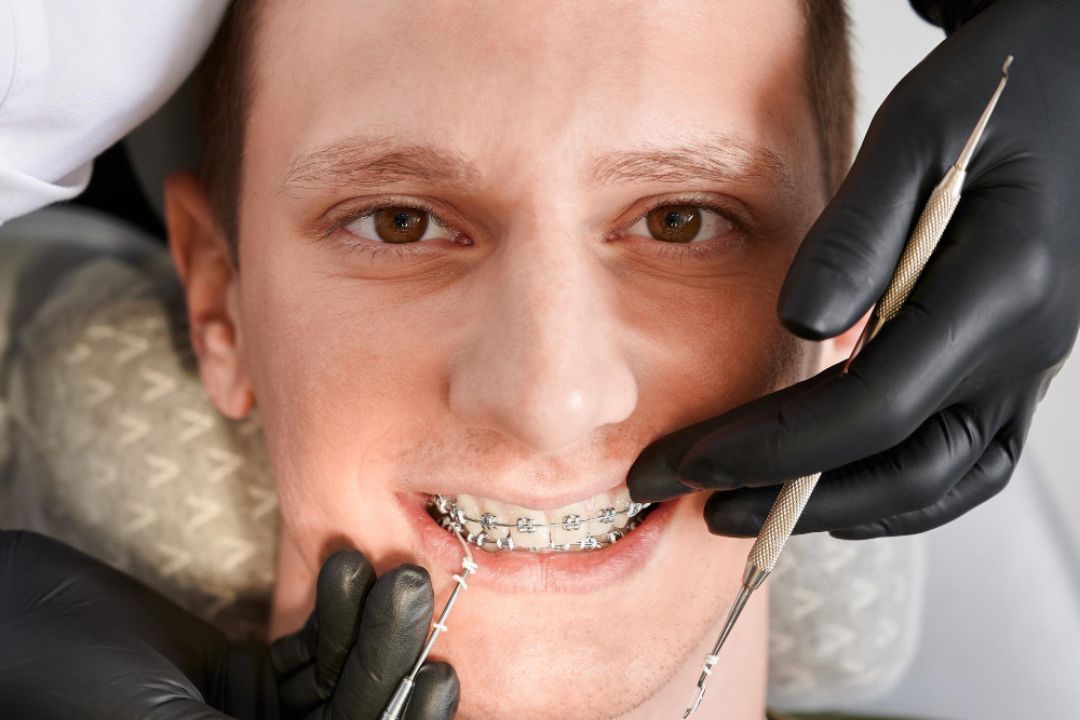
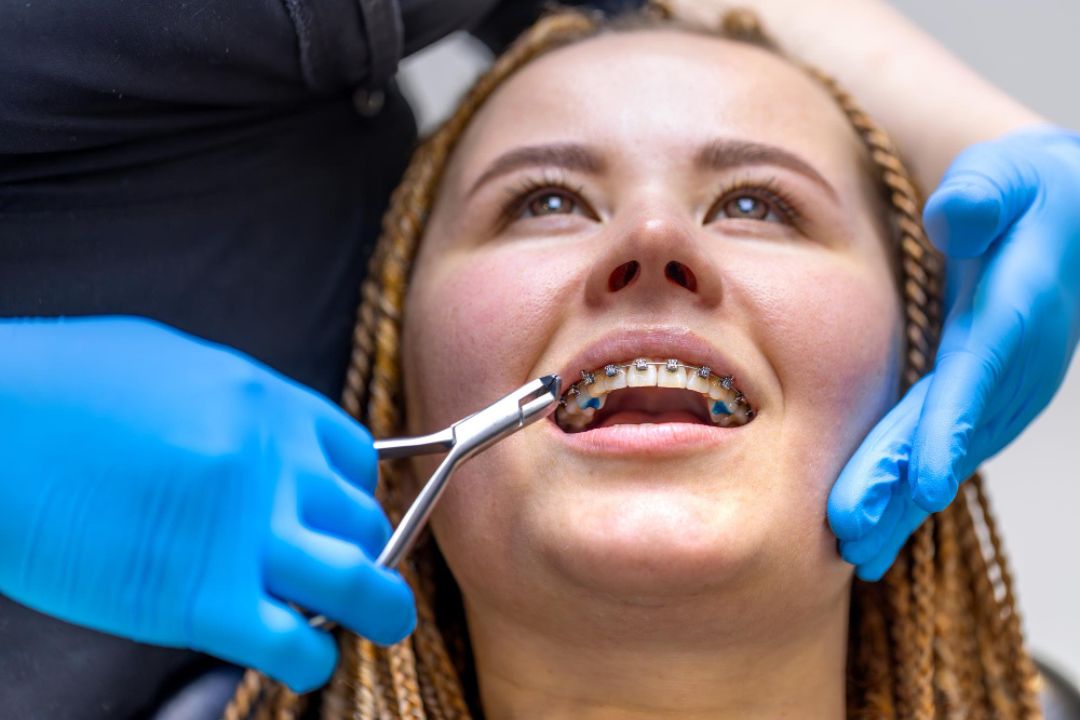
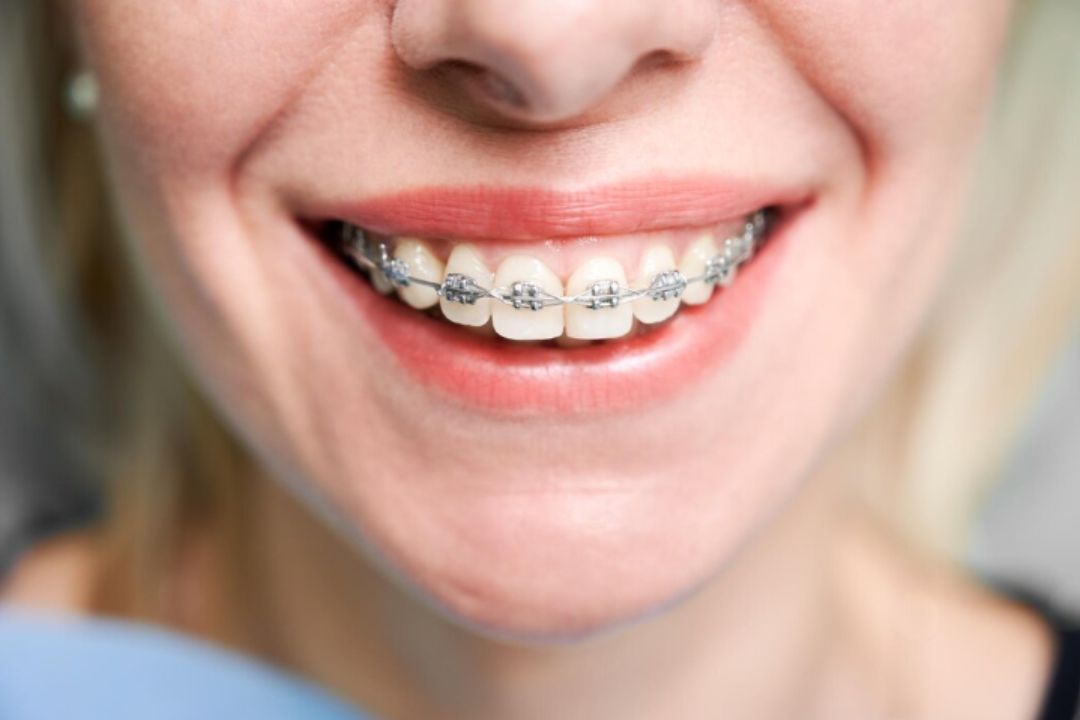
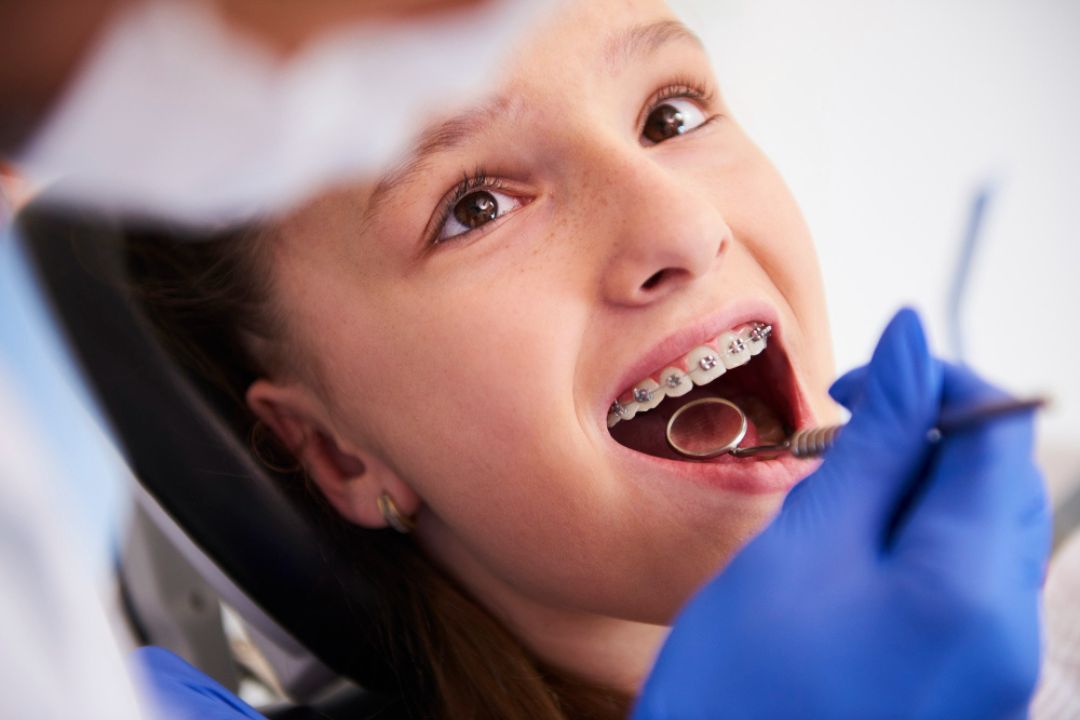
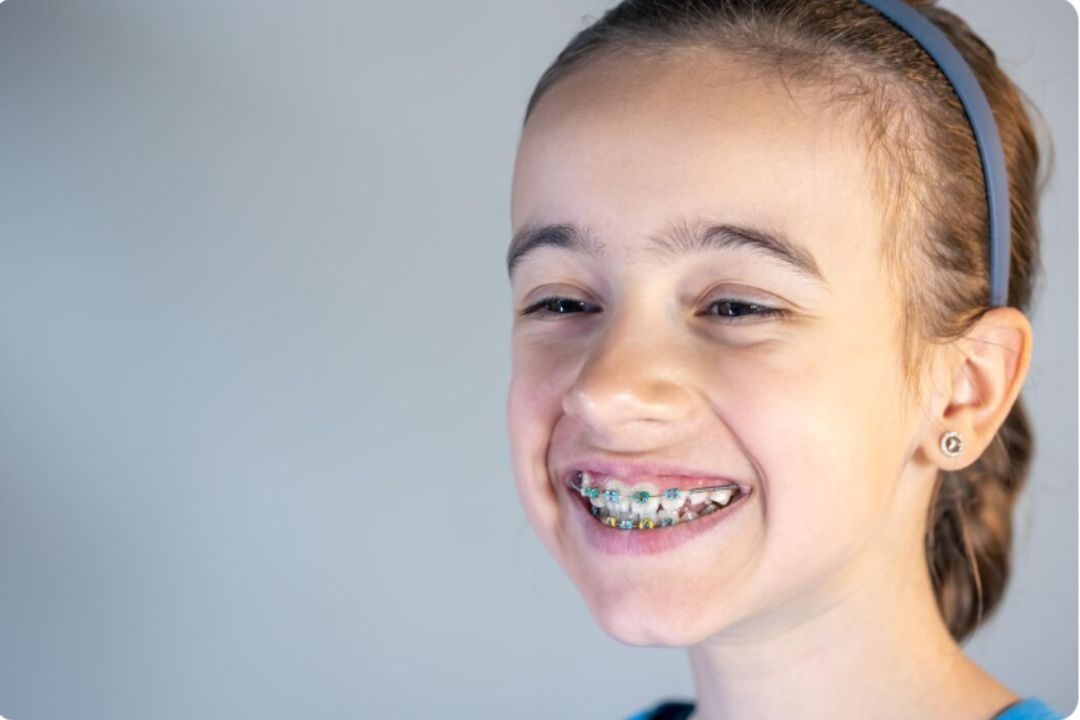
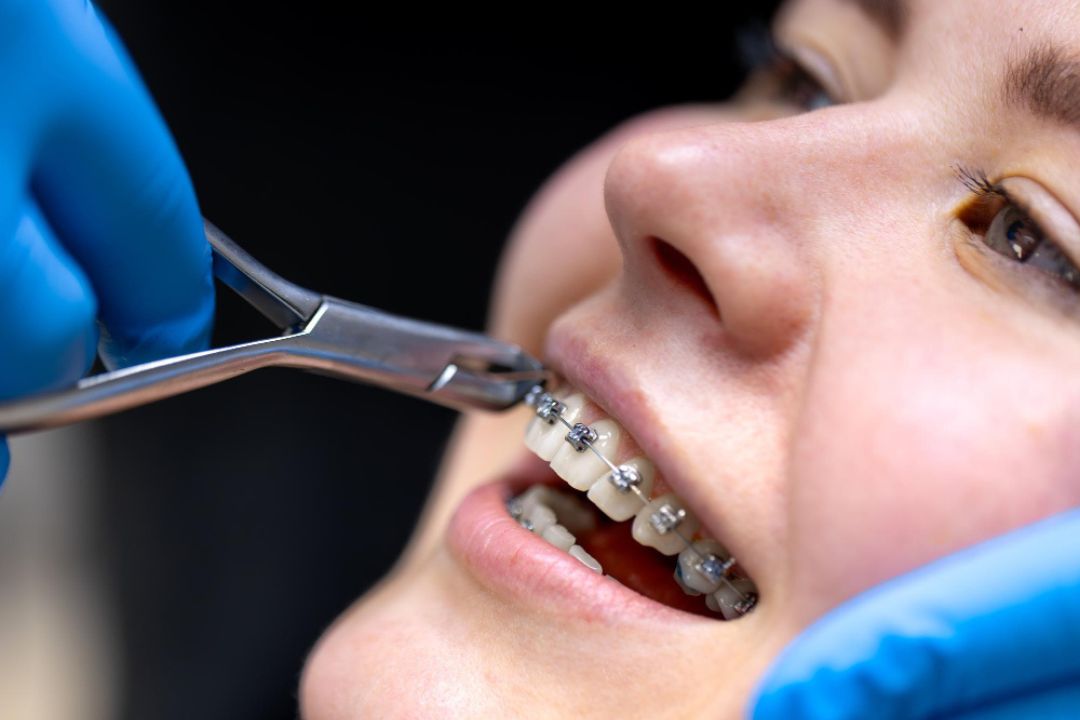
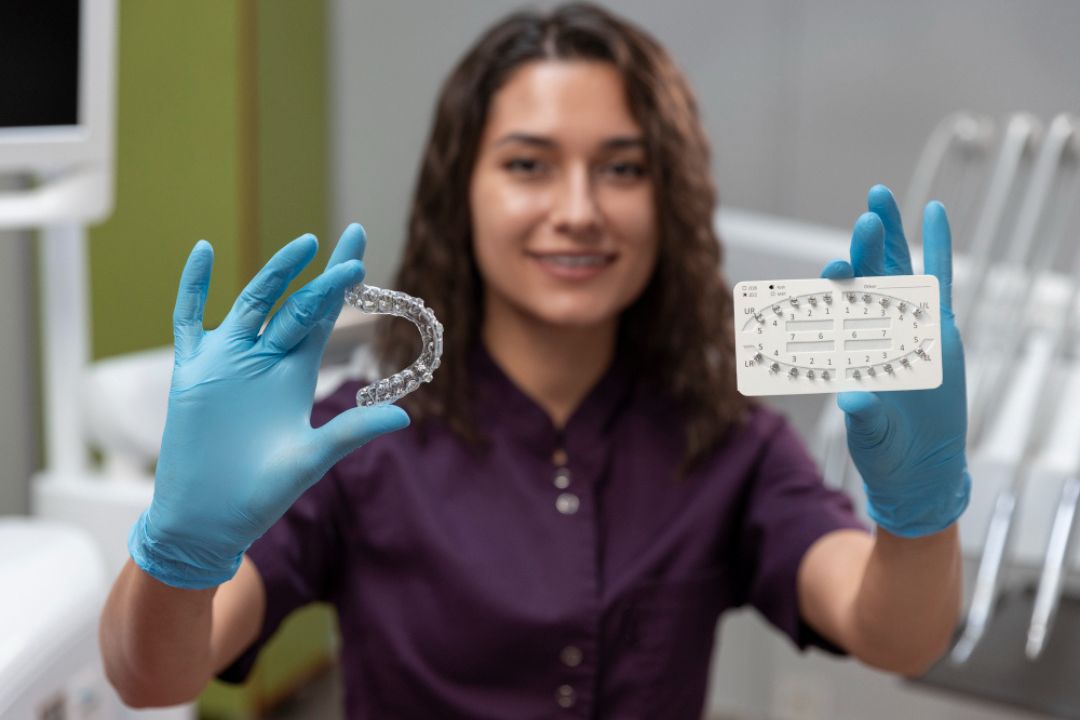
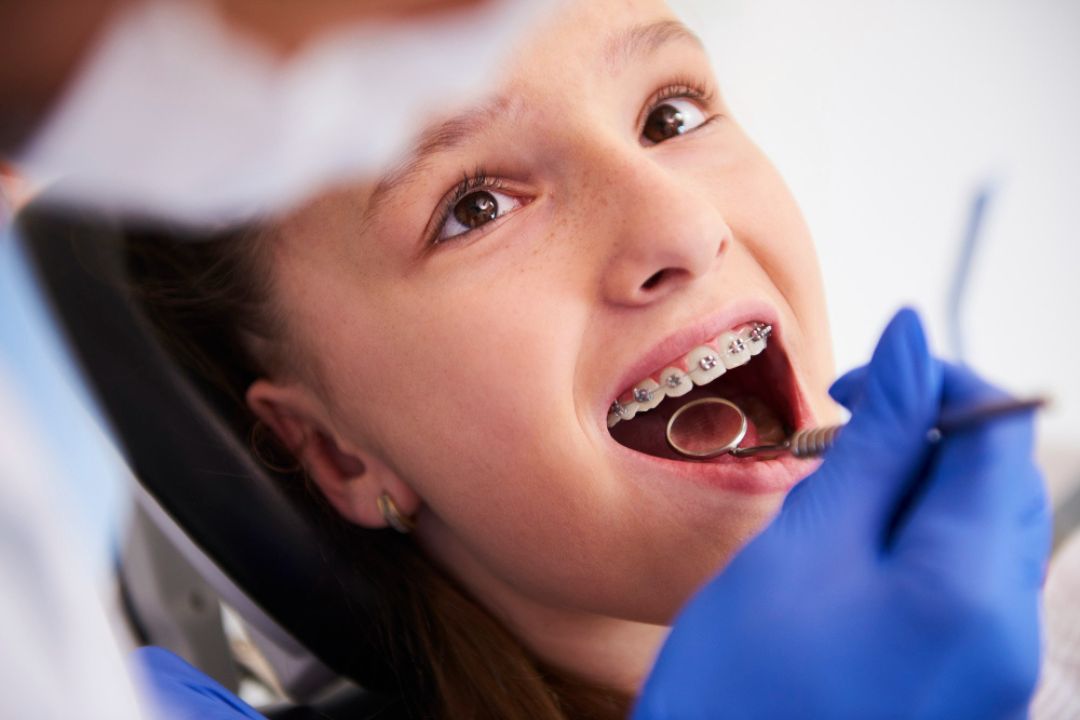
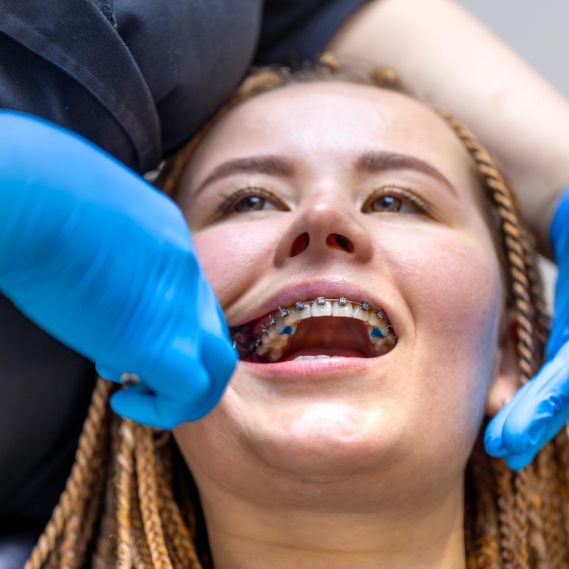
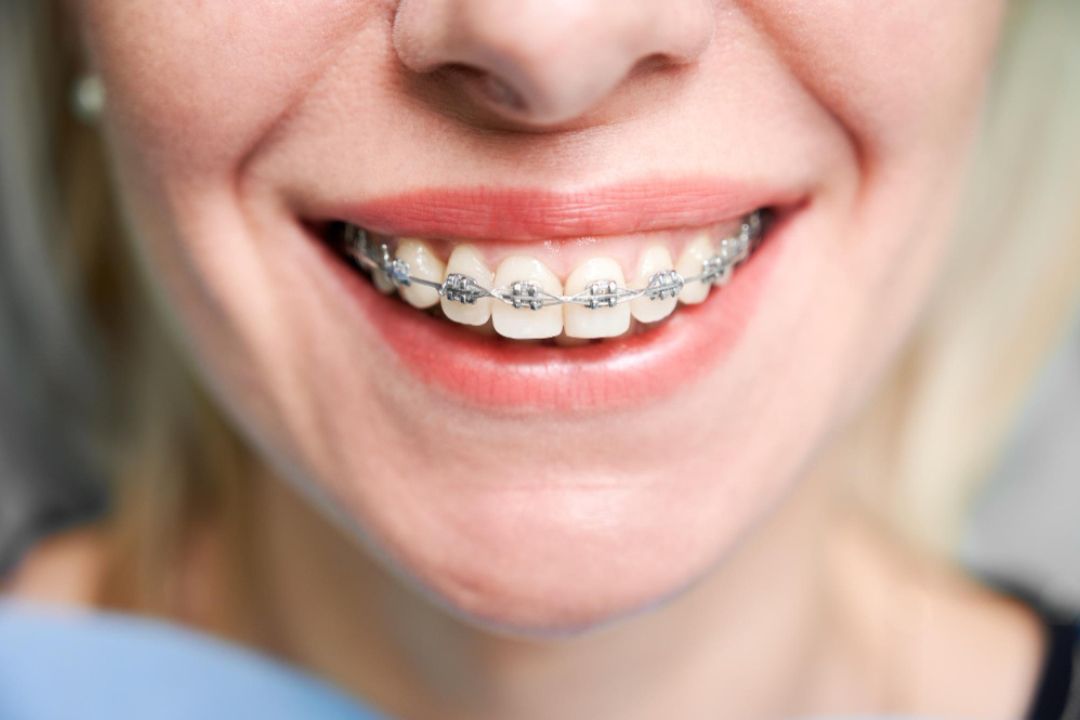
Braces are fixed orthodontic appliances made of brackets, wires and bands attached to your teeth. They apply gentle controlled force that gradually moves teeth into correct alignment.
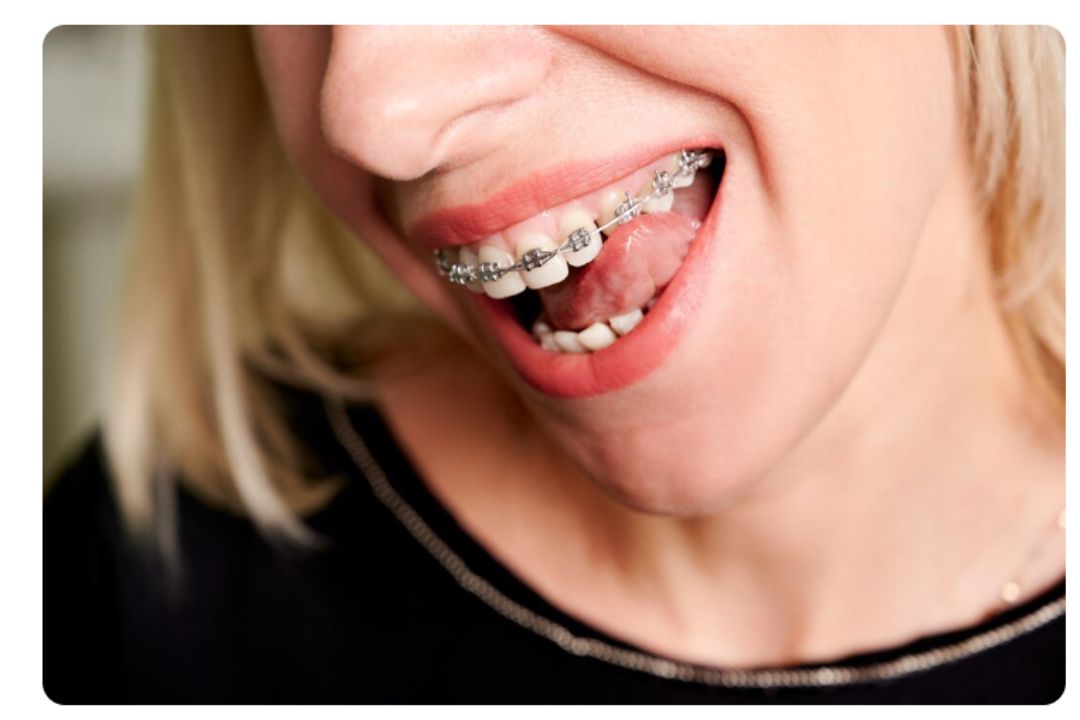
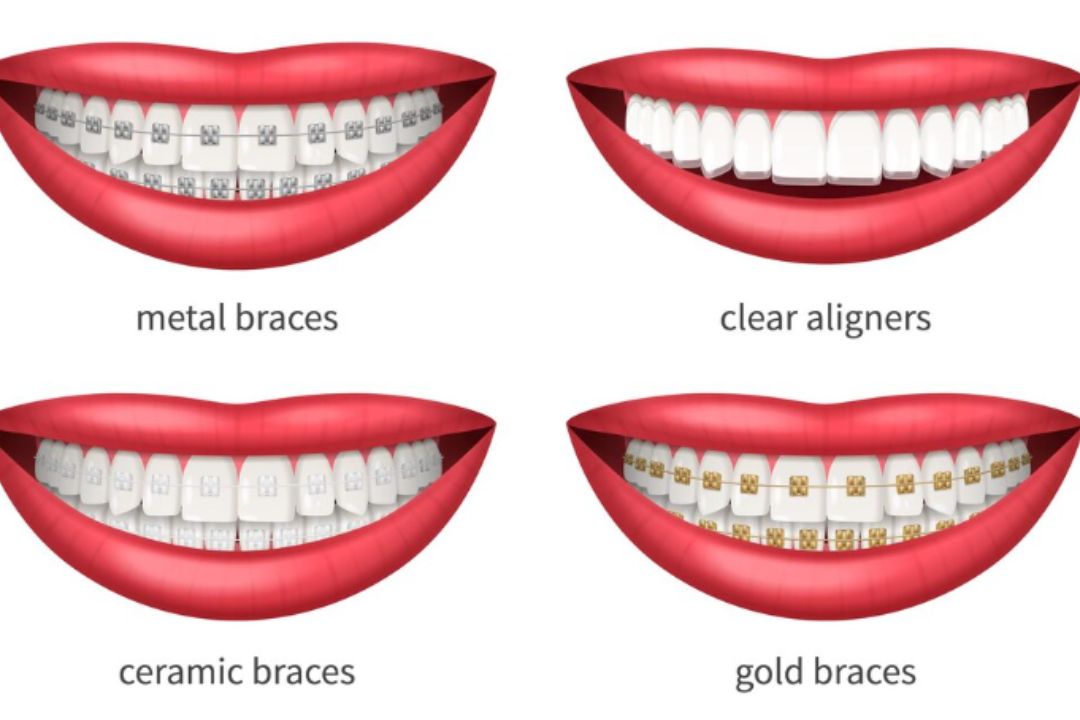
Braces can be made of stainless steel, ceramic or clear materials. They are placed by an orthodontist and adjusted periodically throughout treatment.
Misaligned teeth cause uneven pressure when you bite. This can lead to premature wear, chipping or cracks.
Visit Now: https://www.diagnopein.com/dental-clinic/Mumbai
Braces align your teeth so they meet correctly when you bite. This improves chewing function and reduces wear on individual teeth.
Problems such as overbite underbite open bite or crossbite can affect chewing, speaking and jaw movement.
Braces help align the bite so upper and lower teeth fit together properly. A proper bite improves efficiency of chewing and reduces strain on jaw muscles.
Crooked and crowded teeth create tight spaces that trap food particles and plaque. These areas are hard to clean with brushing and flossing alone.
Straight teeth are easier to clean. Once braces correct alignment, you can brush and floss more effectively which reduces the risk of cavities and gum disease.
When teeth are crowded, gums may become inflamed because plaque builds up in hard to reach places. This can lead to redness, swelling and bleeding.
Braces help straighten teeth, creating space that allows your gums to fit better around teeth and reducing inflammation.
Malalignment of teeth affects how jaws function. This can lead to temporomandibular joint issues, headaches and muscle discomfort.
By correcting alignment braces improve the way upper and lower jaws interact. This can reduce jaw pain and promote healthier function of the jaw joint.
While braces bring many long term benefits, there can be short term challenges during treatment.
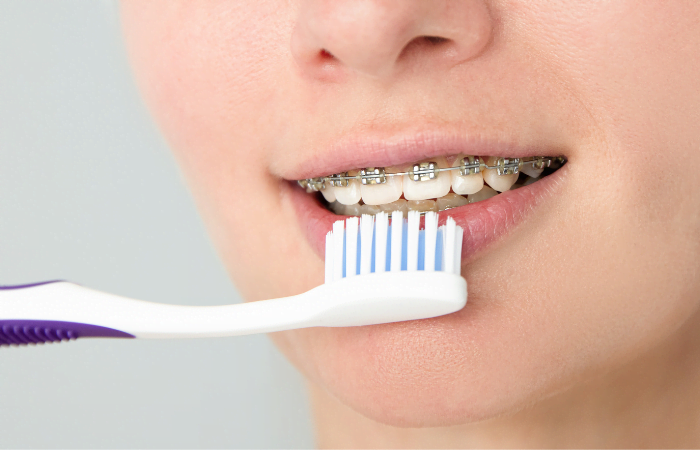
Brackets and wires make it harder to clean teeth properly because food particles can get trapped around hardware.
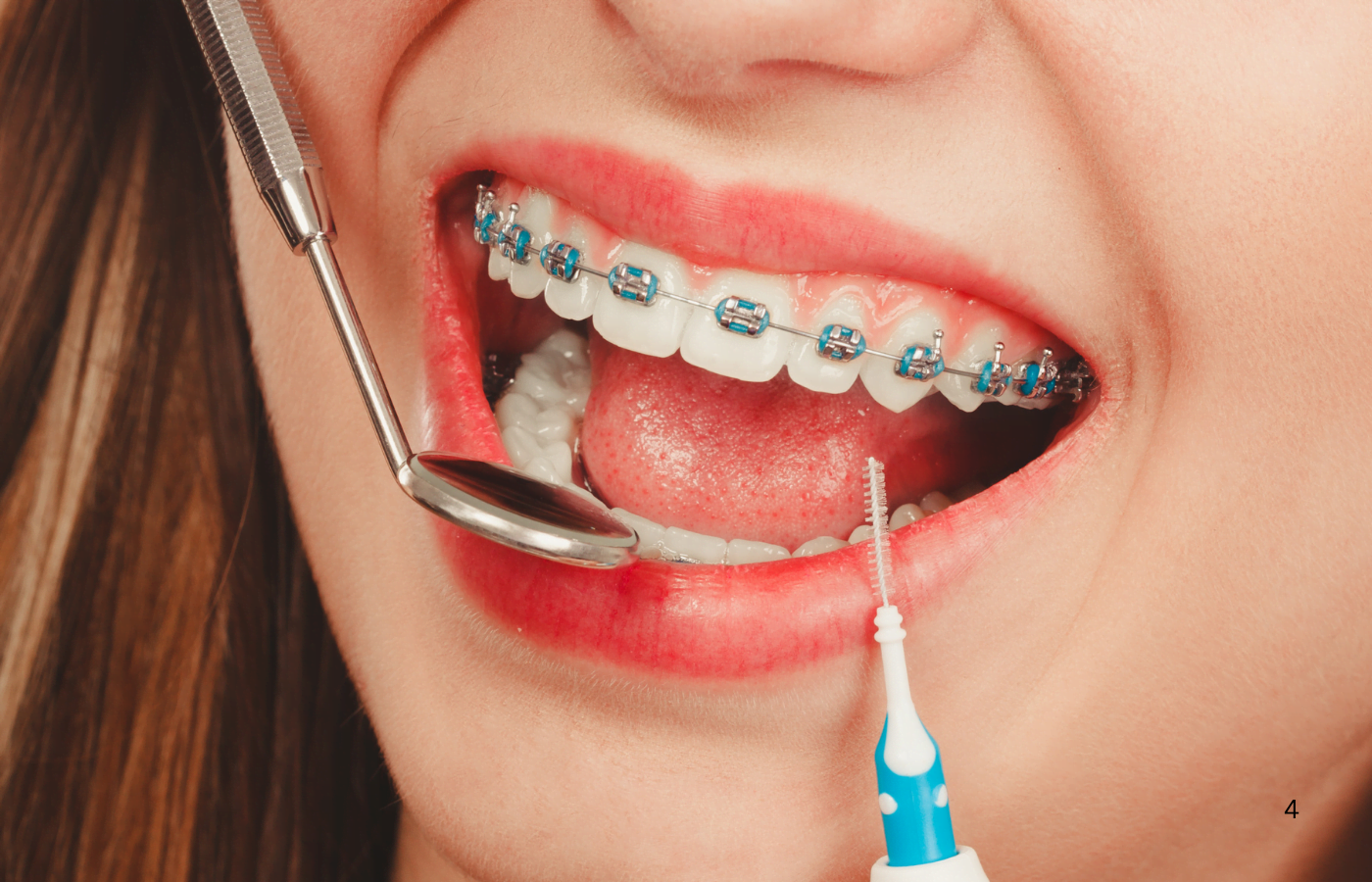
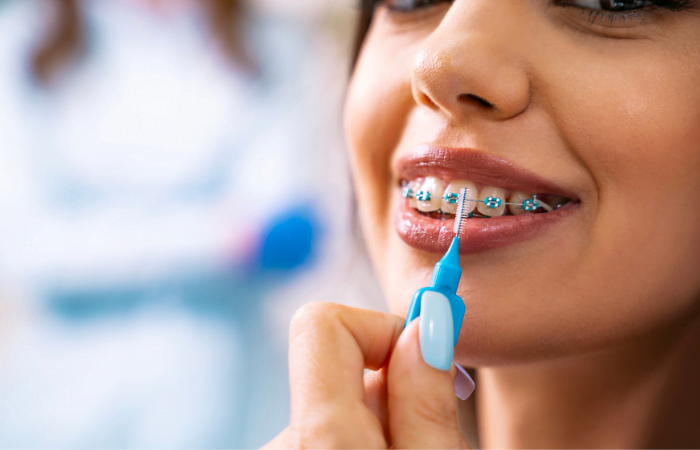
Extra tools such as interdental brushes, floss threaders and water flossers help clean areas around braces more effectively.
Certain foods may damage braces. Hard chewy and sticky foods like nuts, popcorn, chewing gum and candies must be avoided.
Eating softer meals and cutting food into smaller pieces helps protect braces and reduces the risk of breakage.
When cleaning is inconsistent plaque can accumulate around brackets. This can cause white marks on teeth called decalcification.
Following a strict oral hygiene routine significantly reduces this risk.
Braces adjustments can cause soreness or tenderness after tightening visits. This is normal and usually resolves in a few days.
Book Now: https://www.diagnopein.com/dental-clinic/Mumbai/Dental-Braces
Using warm salt water rinses and over the counter pain relief can help.
Food particles can get stuck easily during treatment. Brushing after eating keeps your mouth clean and reduces risk of plaque buildup.
Interdental brushes, orthodontic floss and water flossers help reach areas around brackets that regular brushes may miss.
Sugary foods increase risk of decay and sticky foods can damage braces. Choose softer foods and maintain a balanced diet.
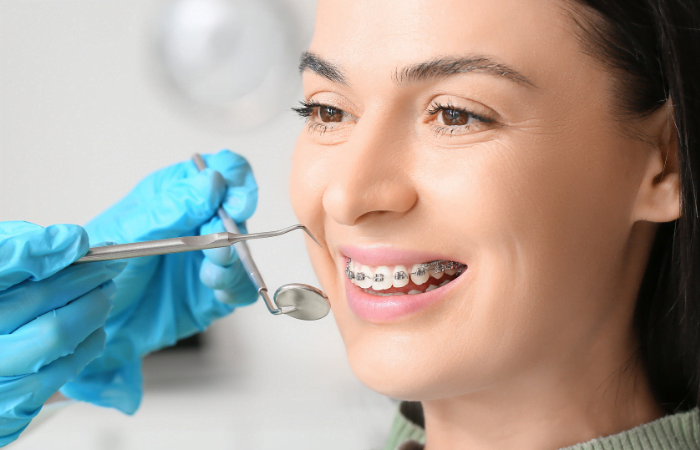
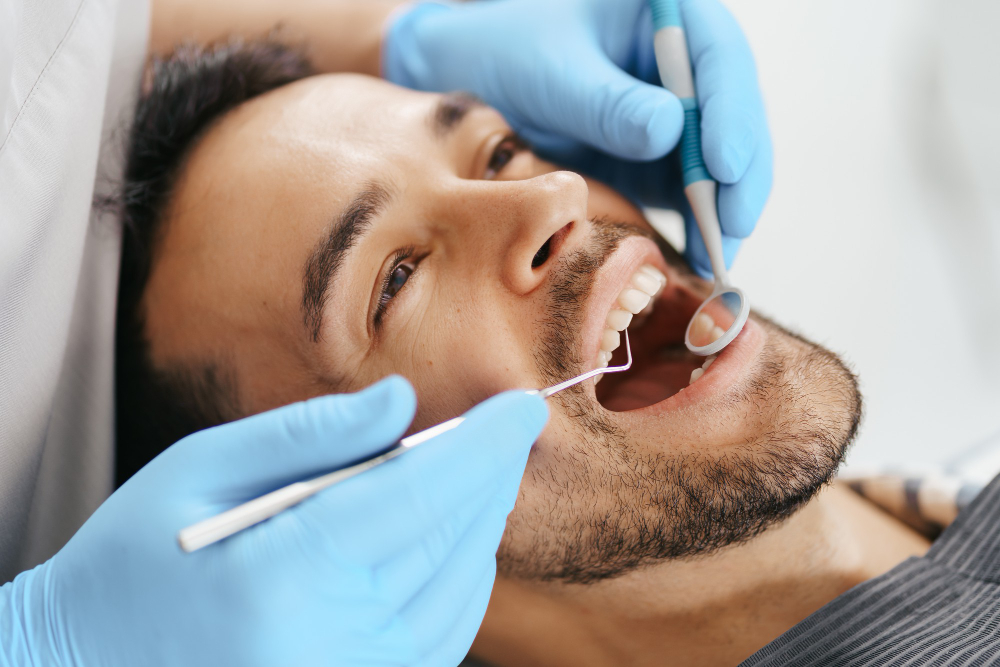
Even with braces you need routine dental checkups. Your dentist checks for early signs of decay, gum inflammation and overall oral health.
If you play contact sports use a mouthguard to protect braces and teeth from injury.
Once teeth are straight, brushing and flossing become easier. This leads to lower risk of gum disease and cavities long term.
Misaligned teeth sometimes affect the way you speak. Correcting alignment with braces can improve speech clarity.
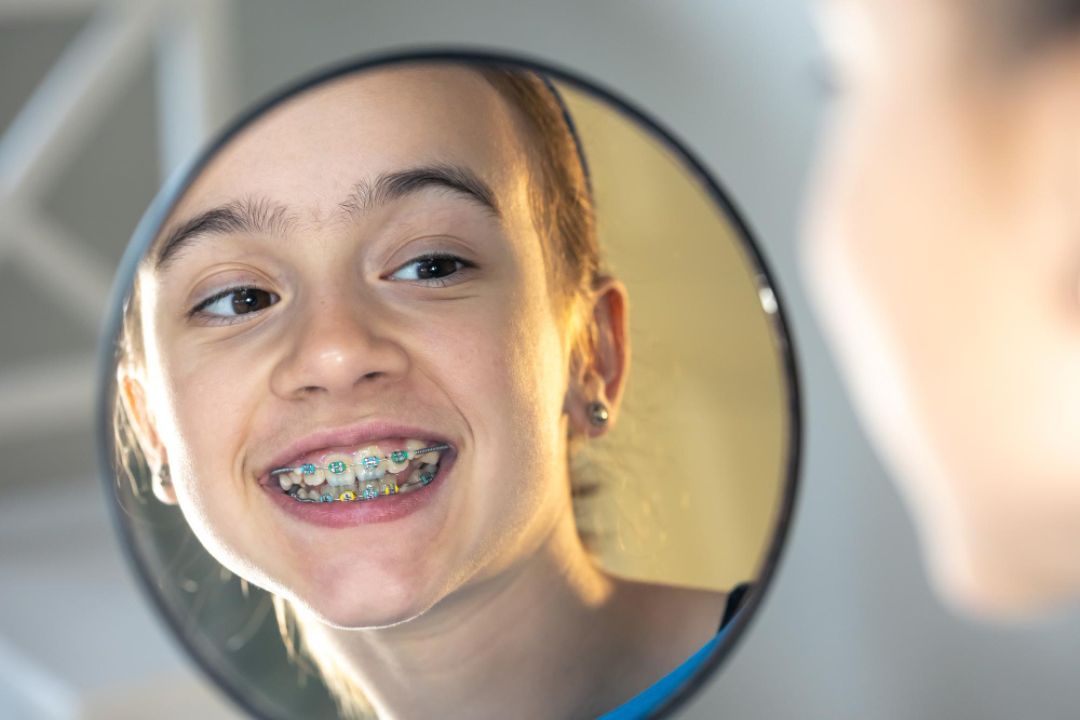
A straight healthy smile boosts confidence. Many adults and teens who complete orthodontic treatment feel more positive about their appearance and self image.
Braces improve how upper and lower teeth meet. This creates balanced chewing, reduces strain on muscles and helps with digestion.
Once braces treatment is complete, retainers are worn to prevent teeth from shifting back. Following retainer instructions is crucial for lasting results.
Straight teeth and a proper bite lower the risk of gum disease, decay, jaw pain and abnormal wear. This helps preserve your natural teeth longer.
With straight teeth you spend less time battling plaque and more time maintaining oral health. Routine cleanings and checkups become more effective.
Braces are suitable for people with:
Crowded teeth
Misaligned bite
Gaps between teeth
Crossbite, overbite, underbite
Difficulty chewing or speaking due to alignment
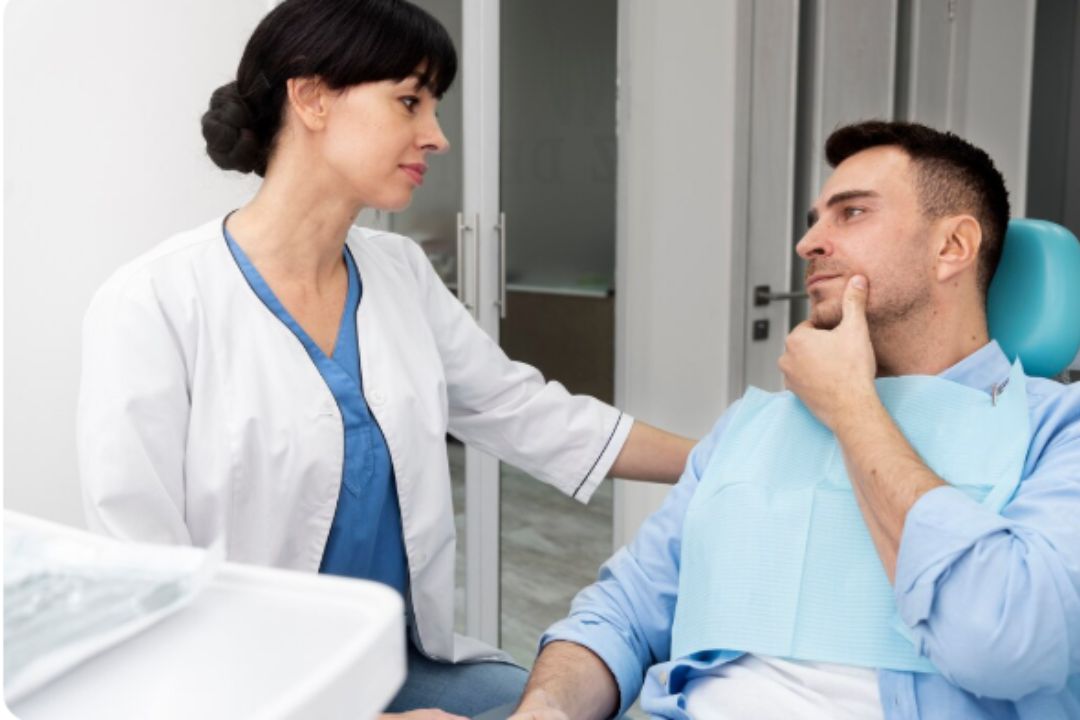
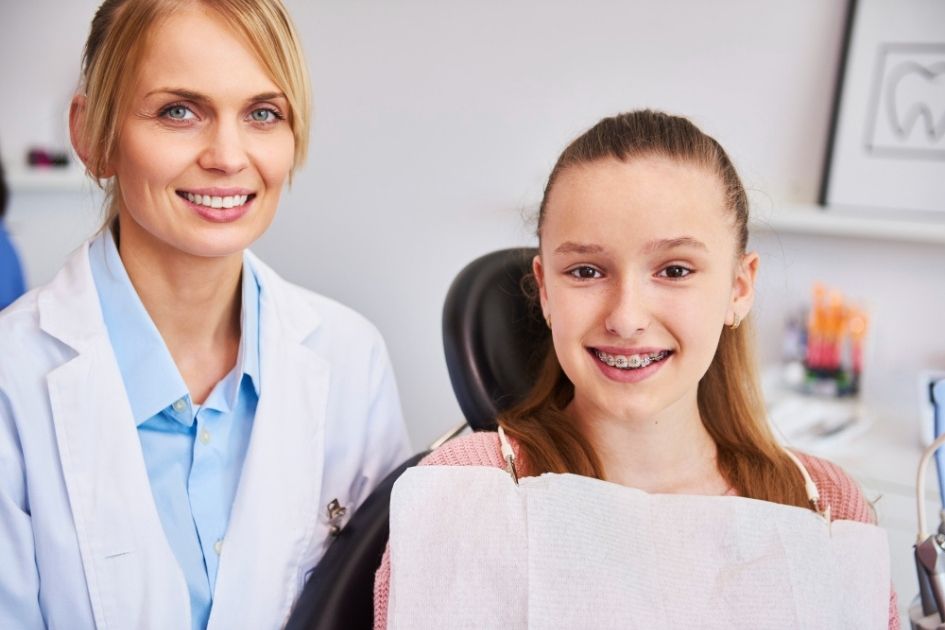
An orthodontist evaluates each case to determine if braces are appropriate and what type best meets your needs.
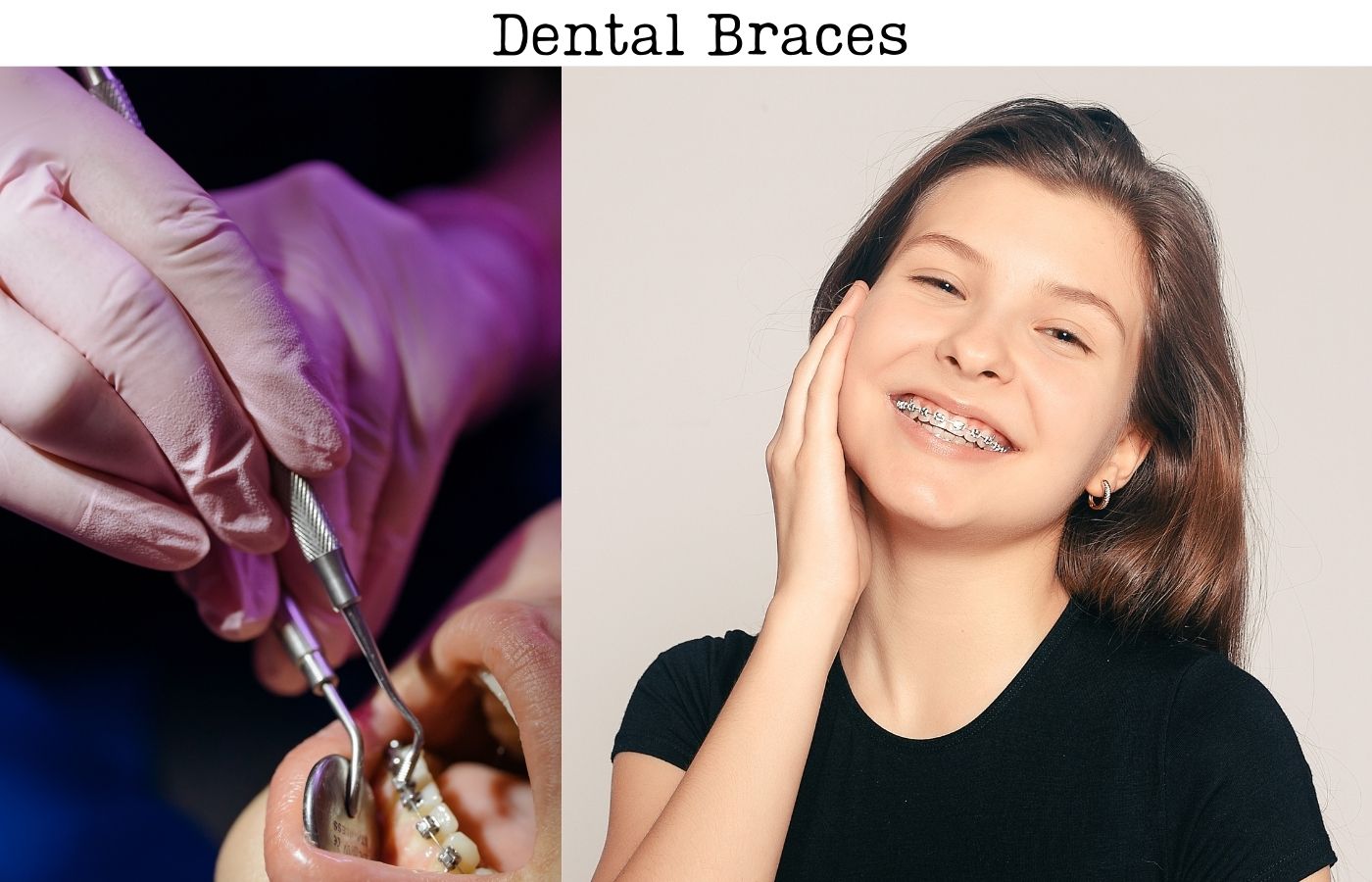
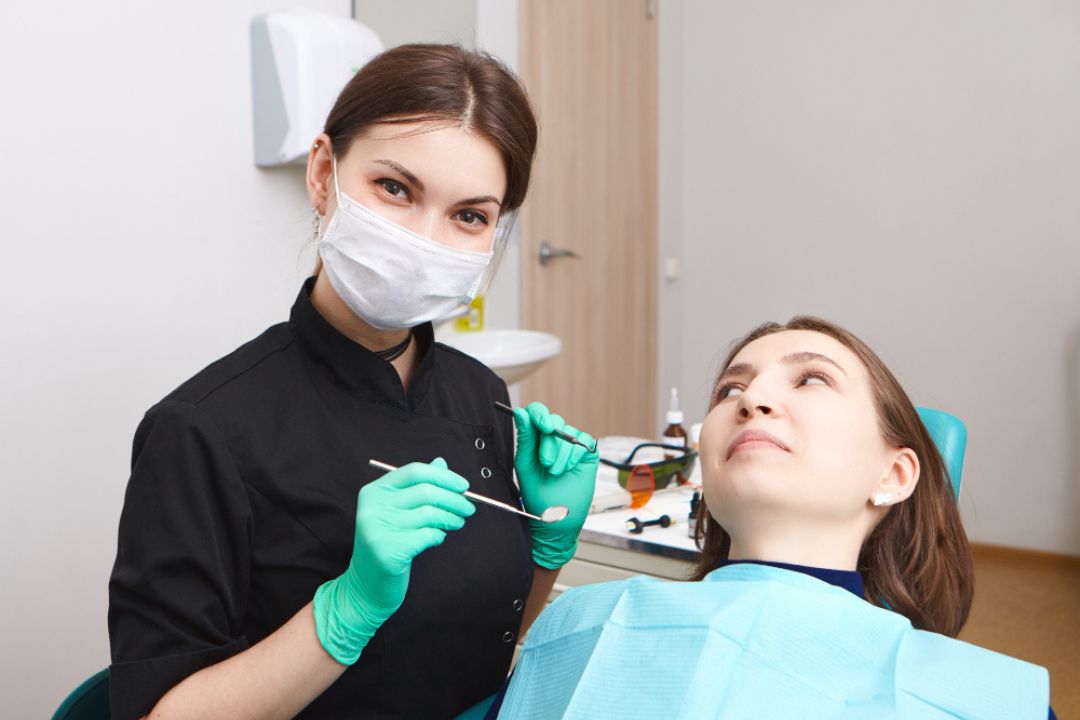
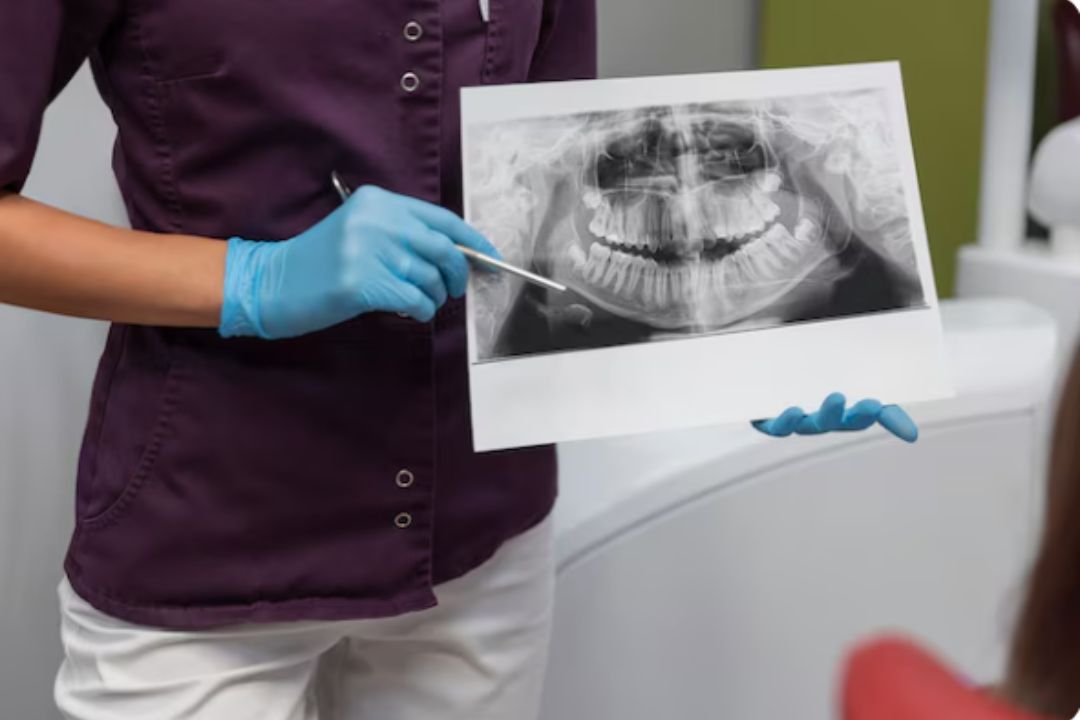
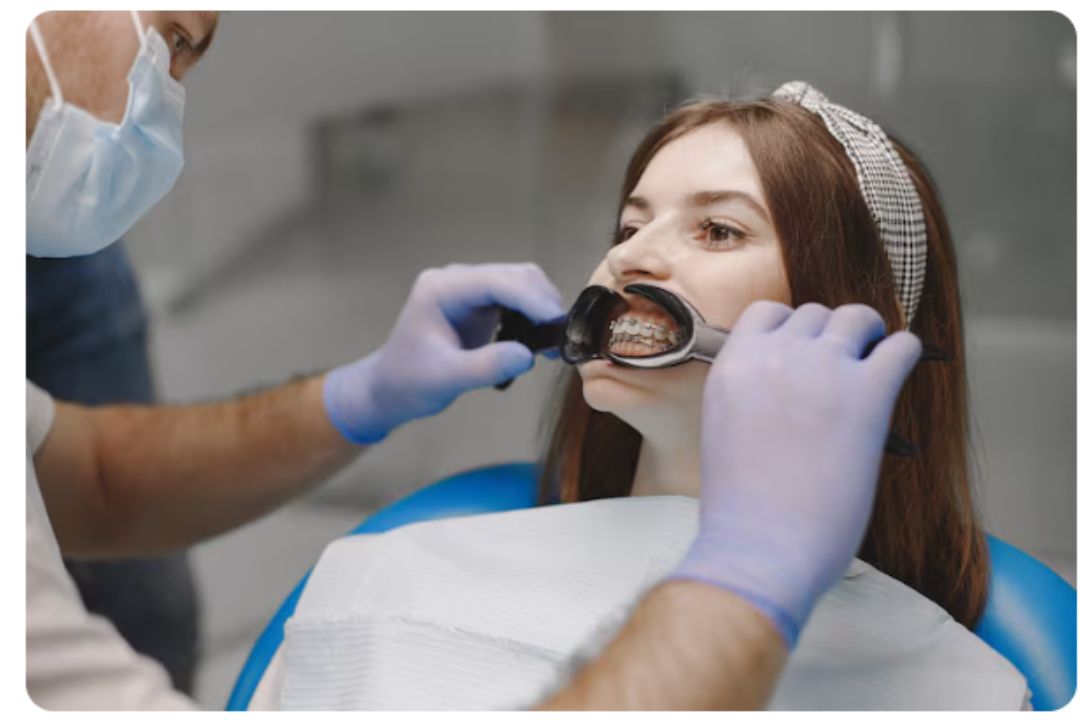
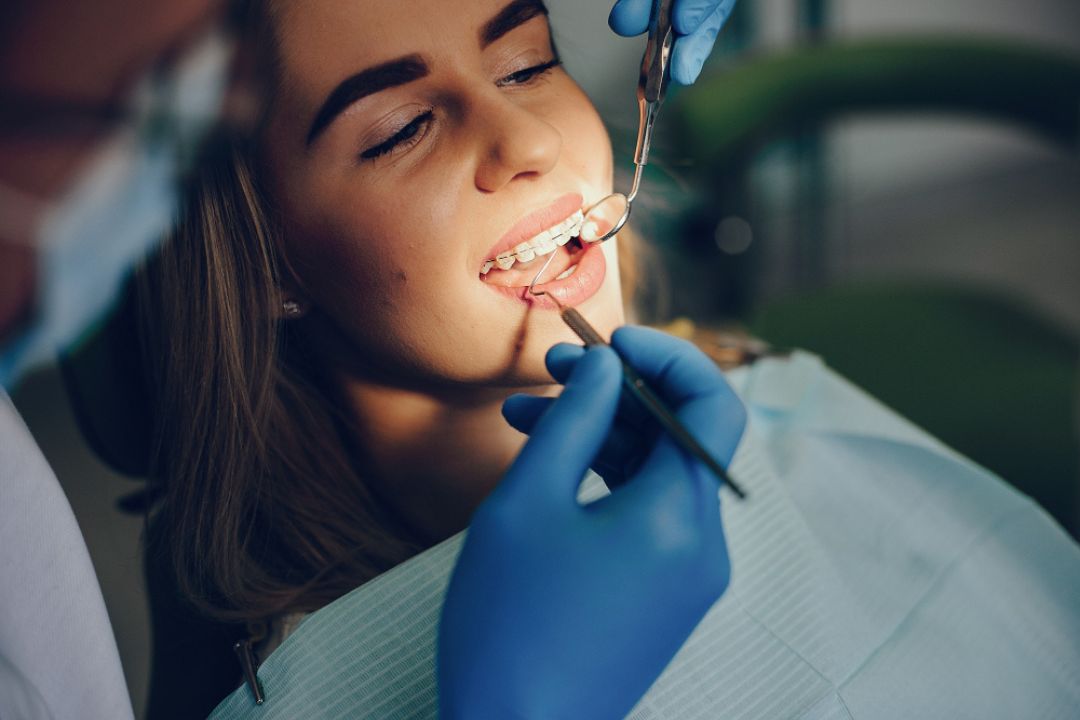
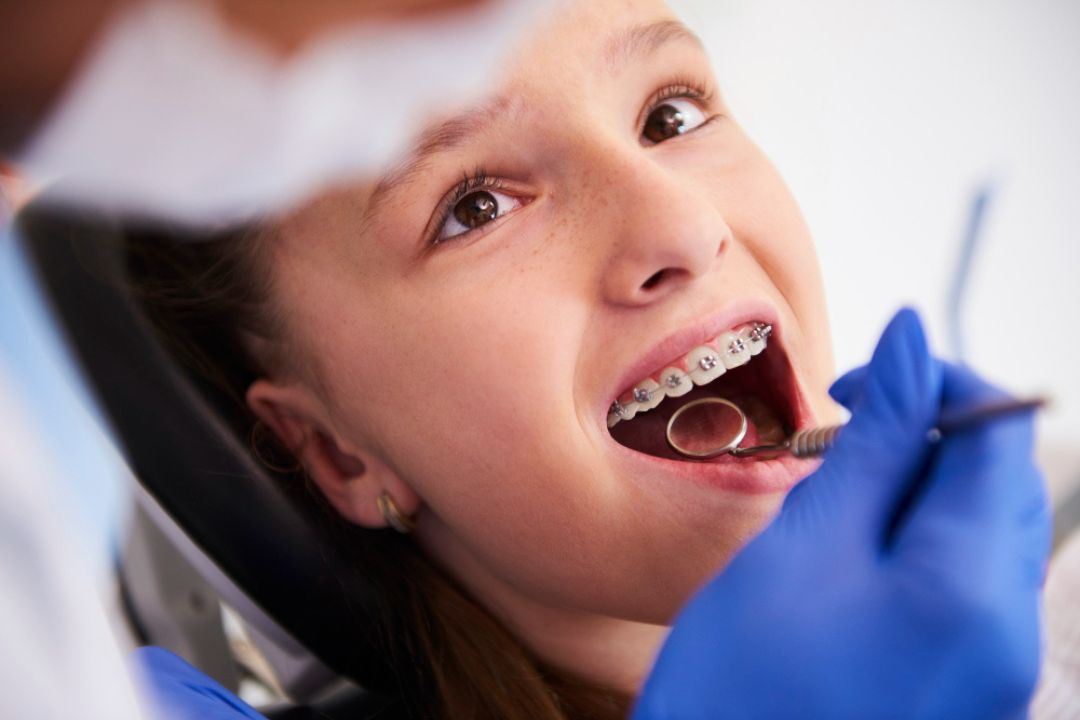
Your orthodontist examines your teeth jaw and x rays. A treatment plan is created based on assessment.
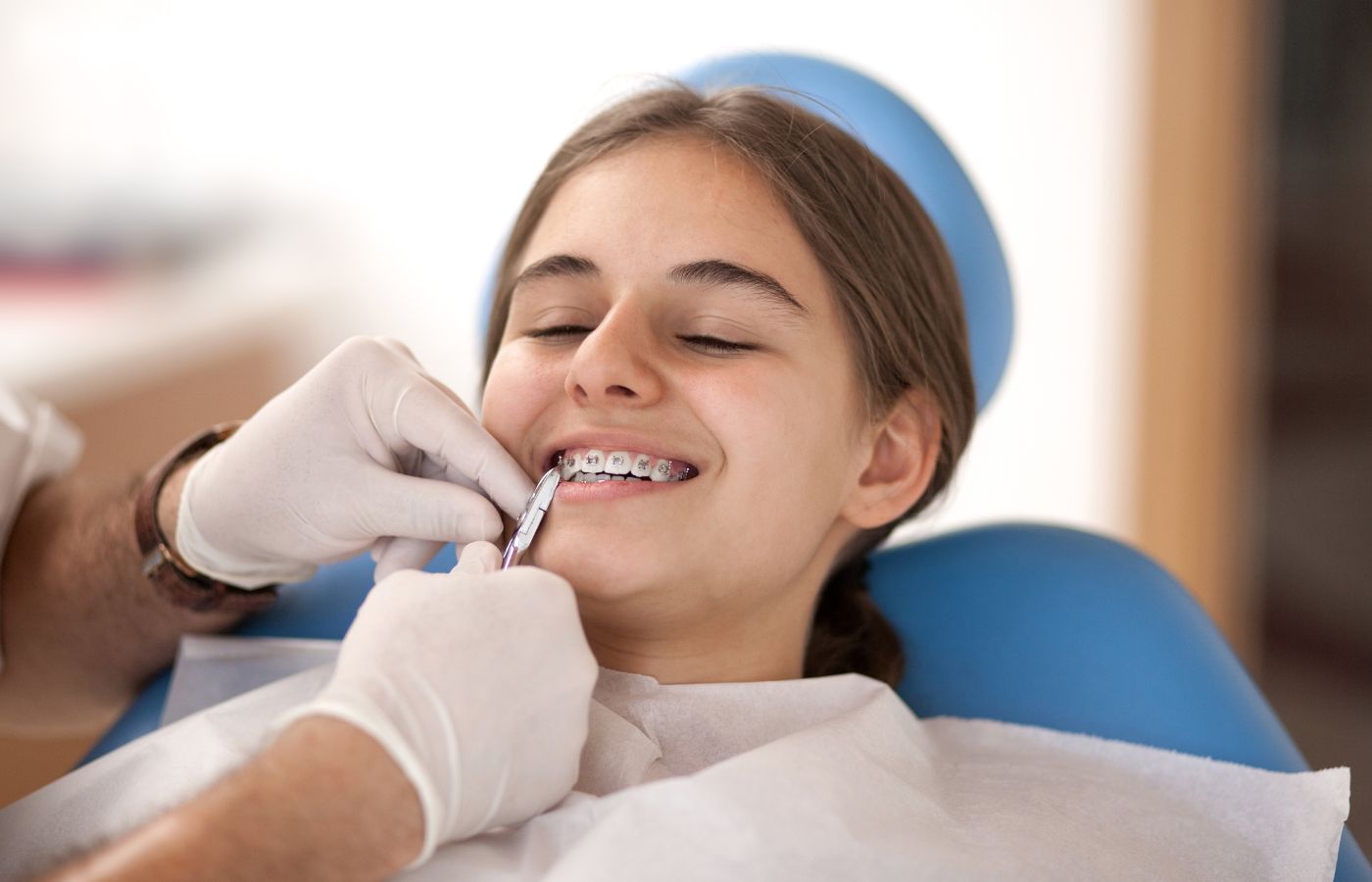
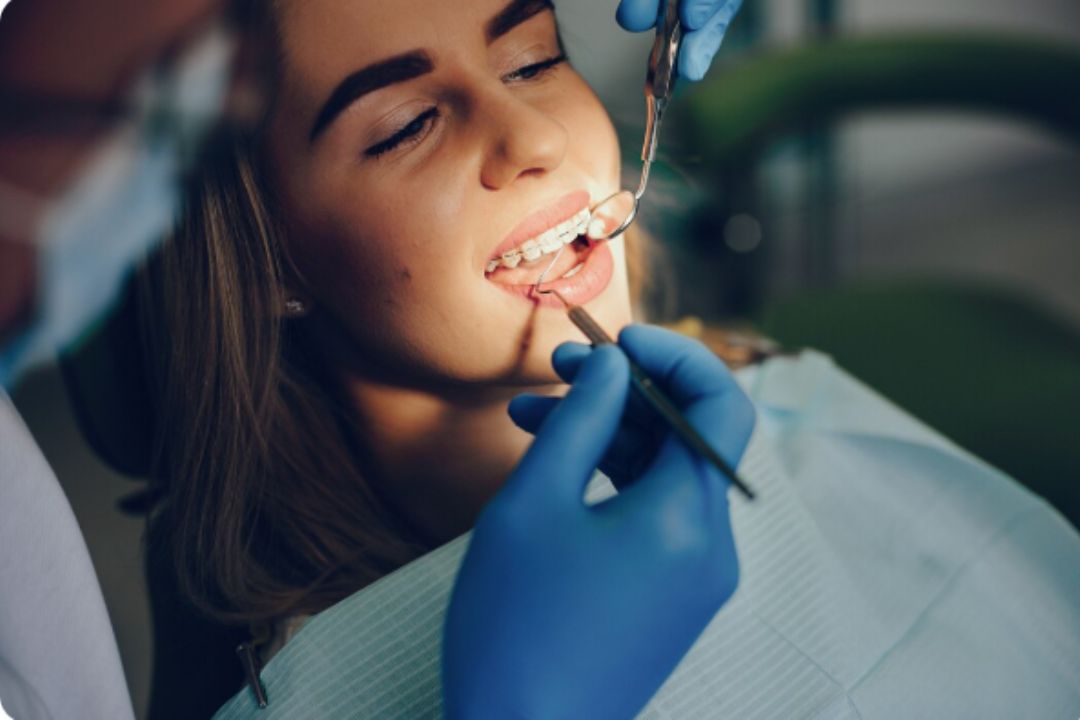
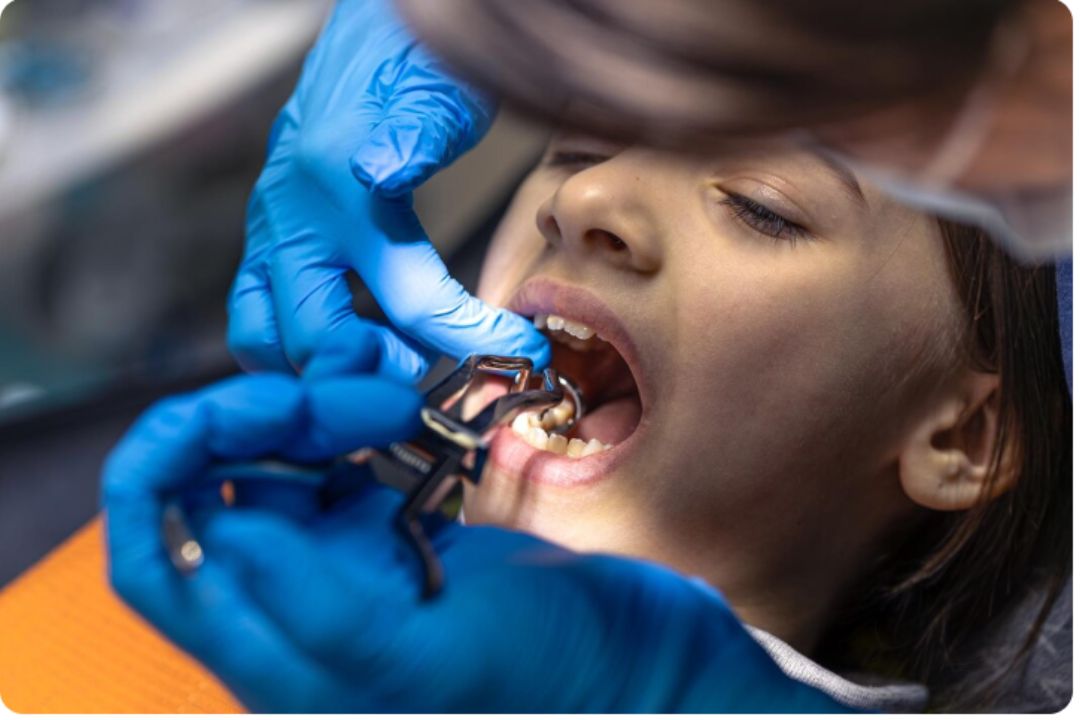
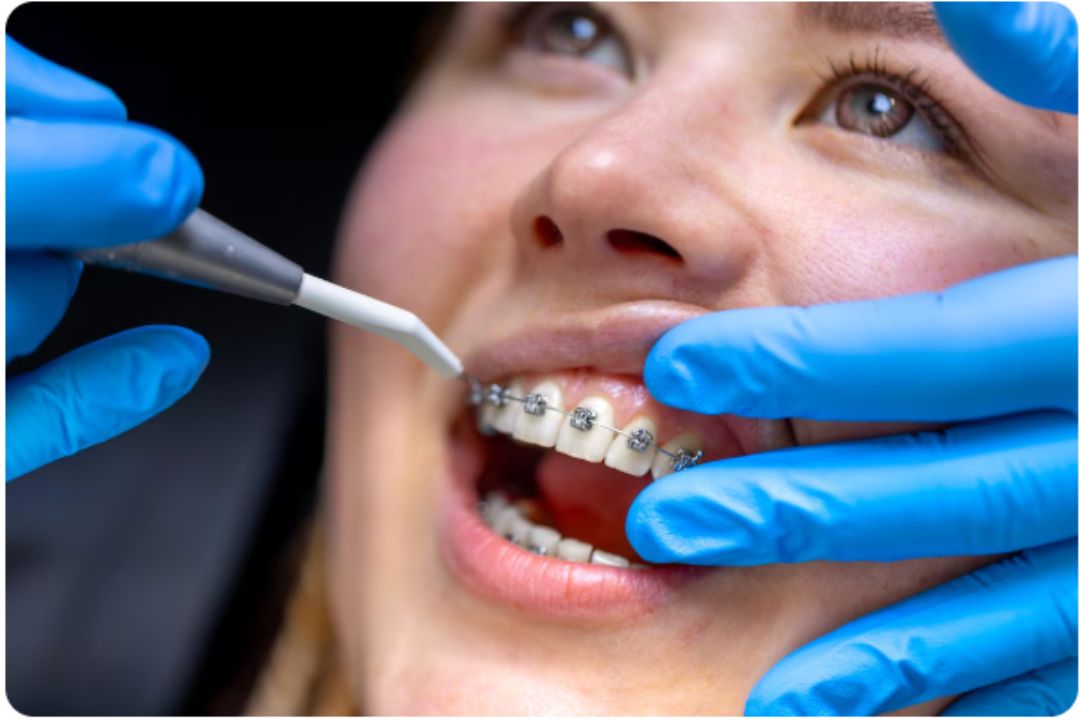
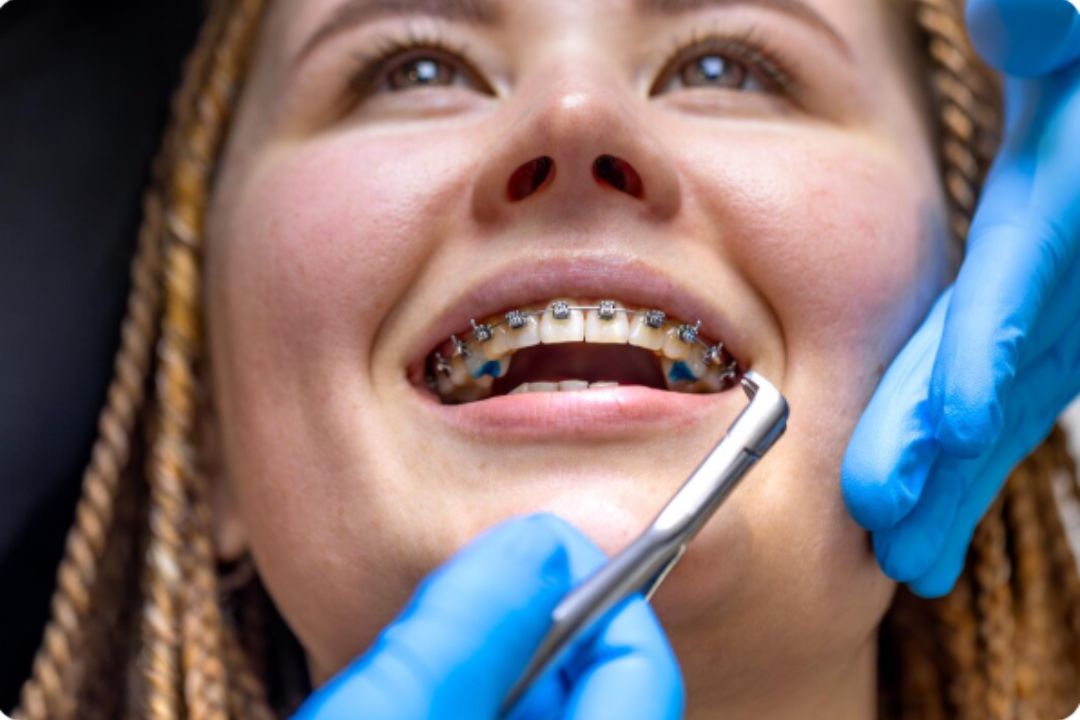
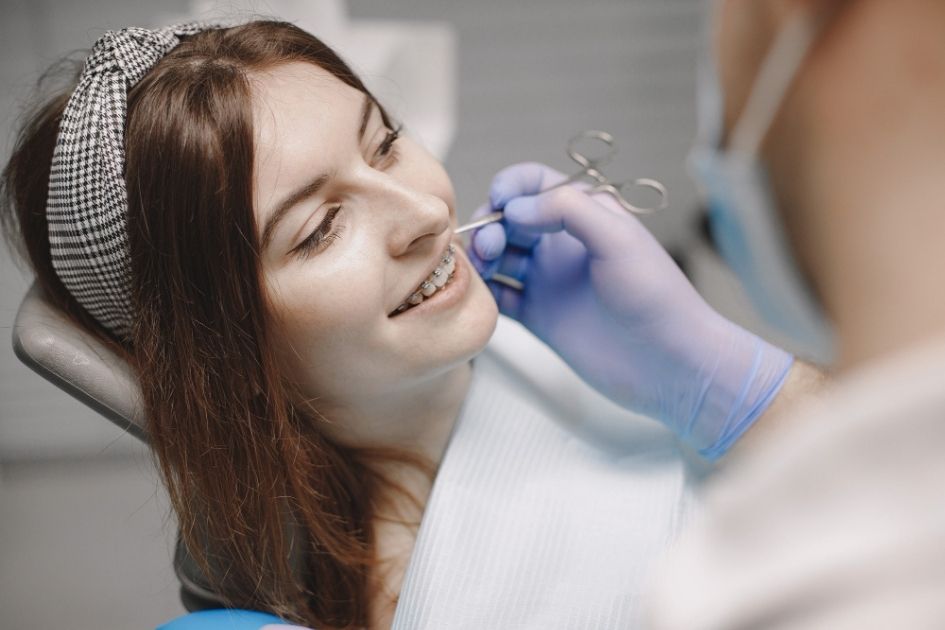
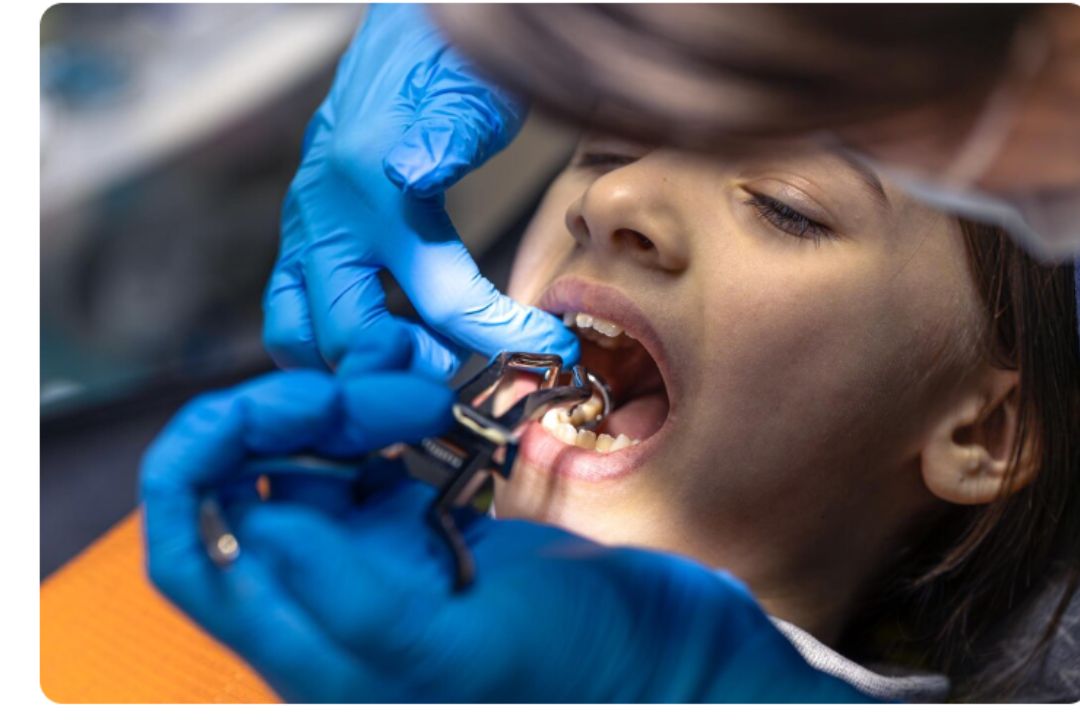
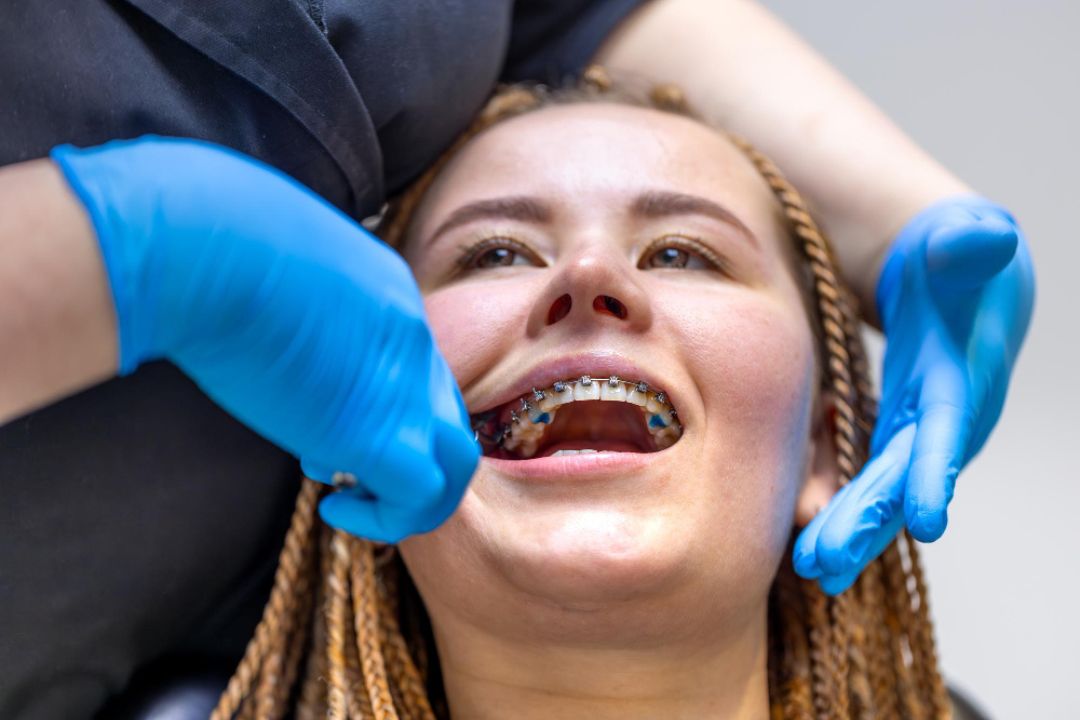
Brackets are bonded to teeth and wires are attached. This may take an hour or more depending on complexity.
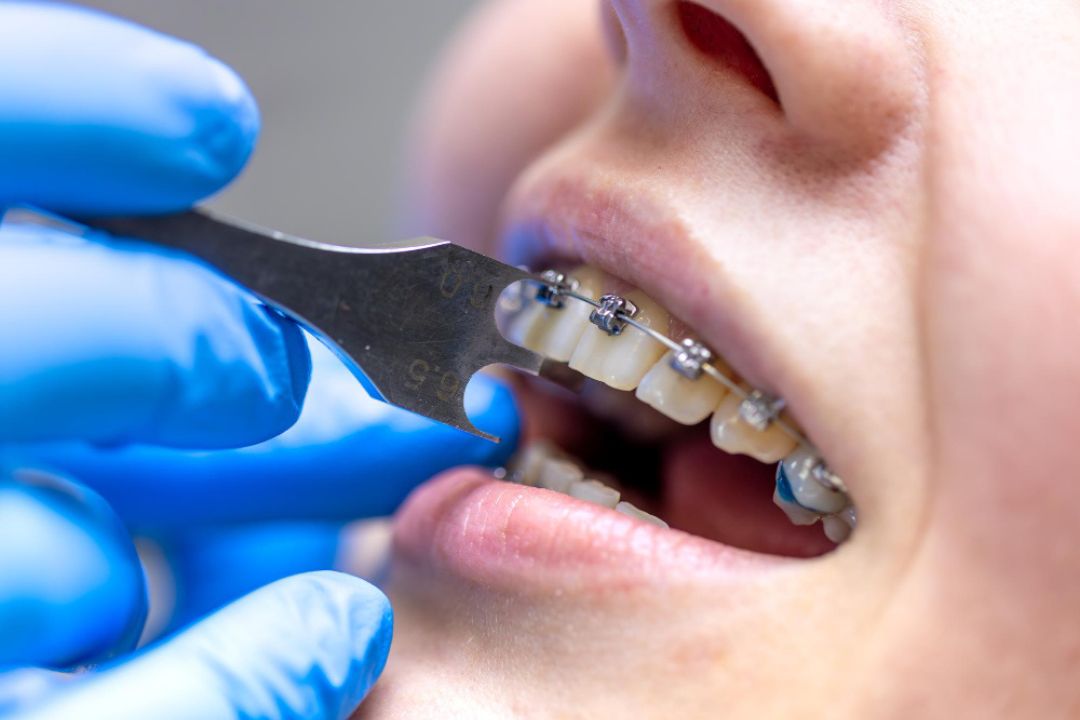
Every four to eight weeks your orthodontist adjusts wires to continue moving teeth gradually.
Most braces treatment takes between 12 to 24 months. Duration varies based on severity of alignment issues.
After braces are removed you receive retainers to keep teeth in their new position. Retainers may be worn full time first then only at night.
Braces not only improve your smile but also bring key oral health benefits. They correct alignment improve bite function reduce risk of cavities and gum disease and enhance confidence and quality of life.
While treatment requires effort, discipline and good oral hygiene, the long term advantages make braces a valuable solution for many people.
If you are considering braces contact a qualified orthodontist in your area to determine your needs and get a personalized plan for a healthier smile.






























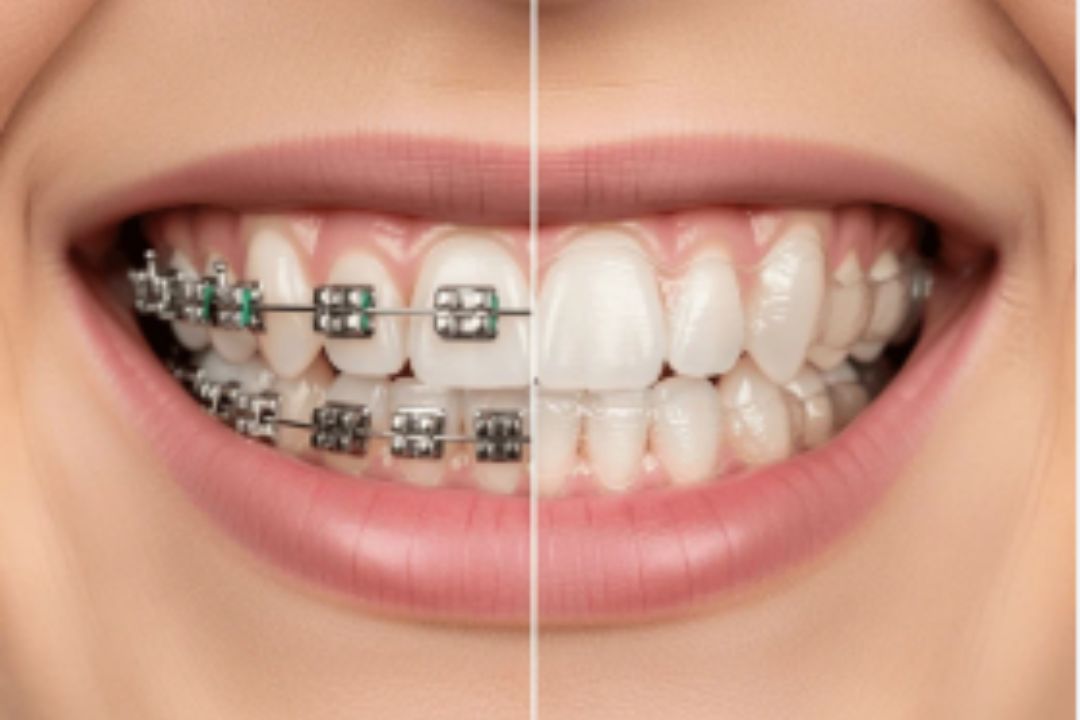
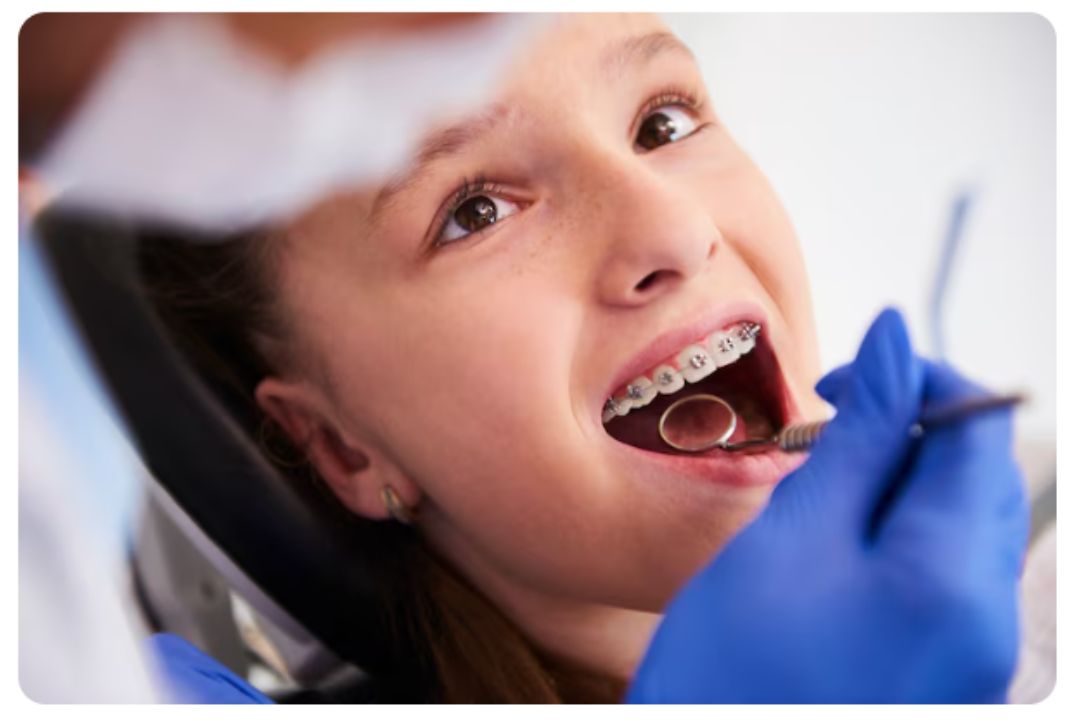
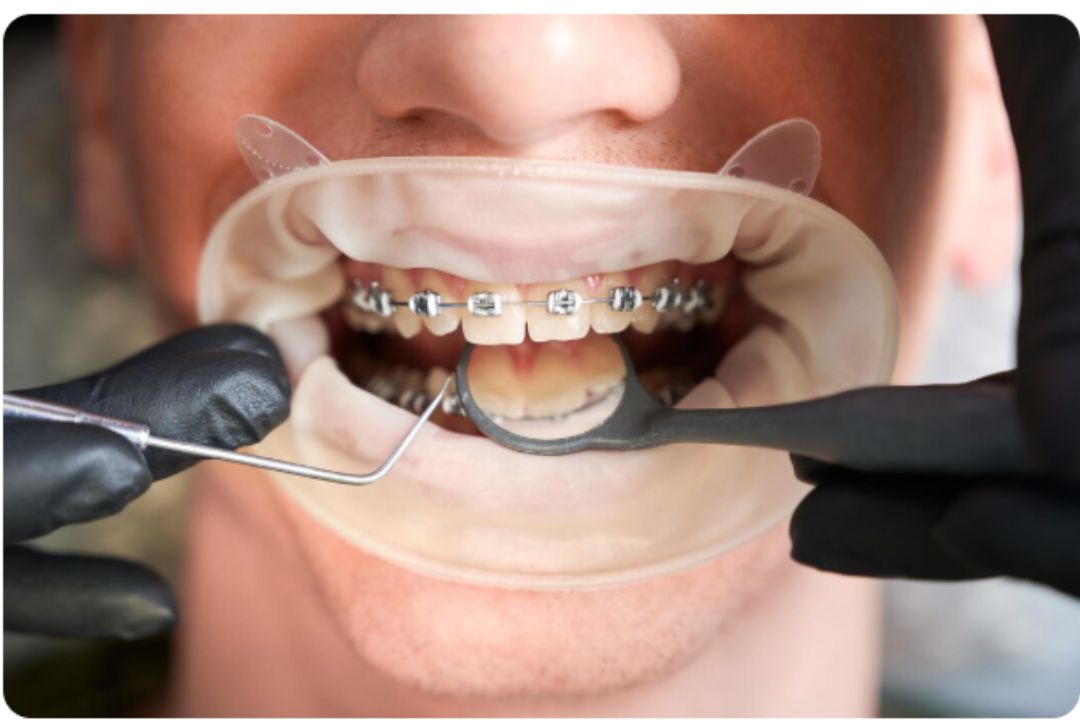

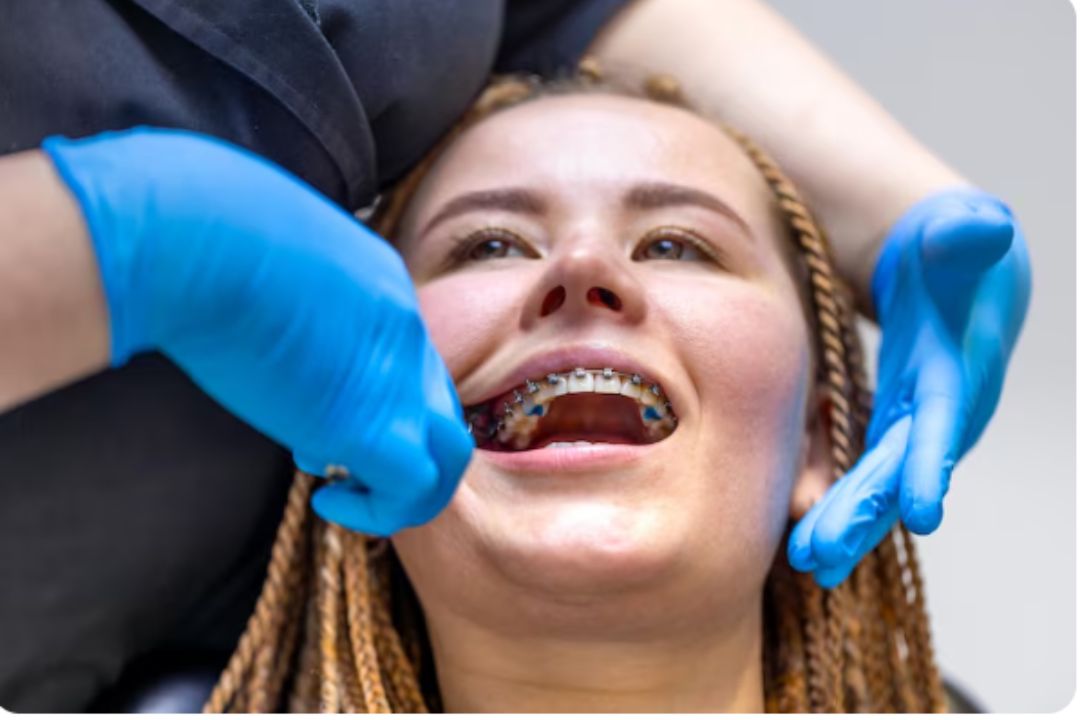



.jpg "affordable metal braces in mumbai")














.jpg "dental braces cost in Diagnopein complete price breakdown (2026 guide)")





.jpg "dental braces")



.jpg "dental braces")


 (1).png "Visual Journey of Dental Braces")
 (1).jpg "Dental Braces and Gum Disease")