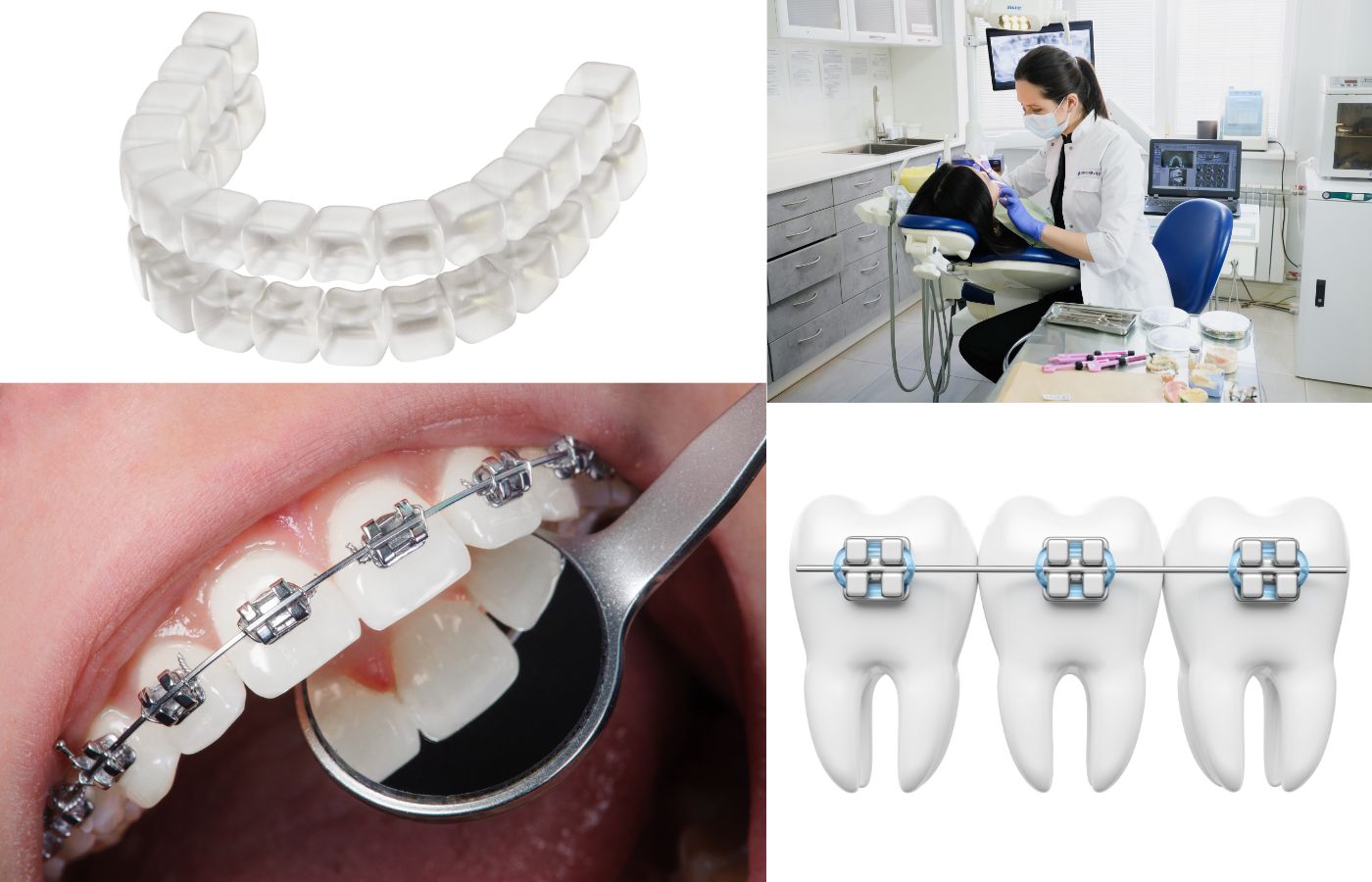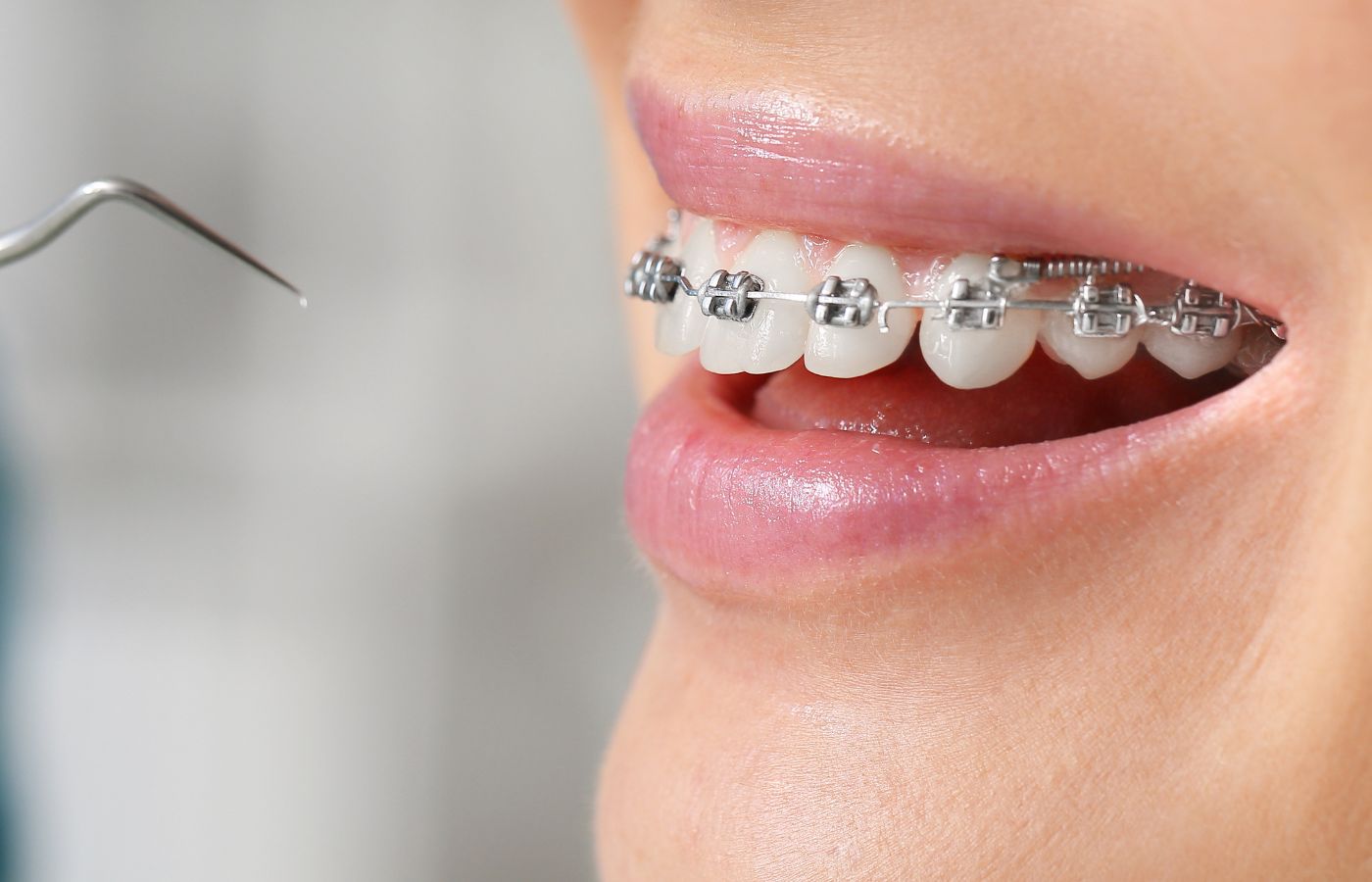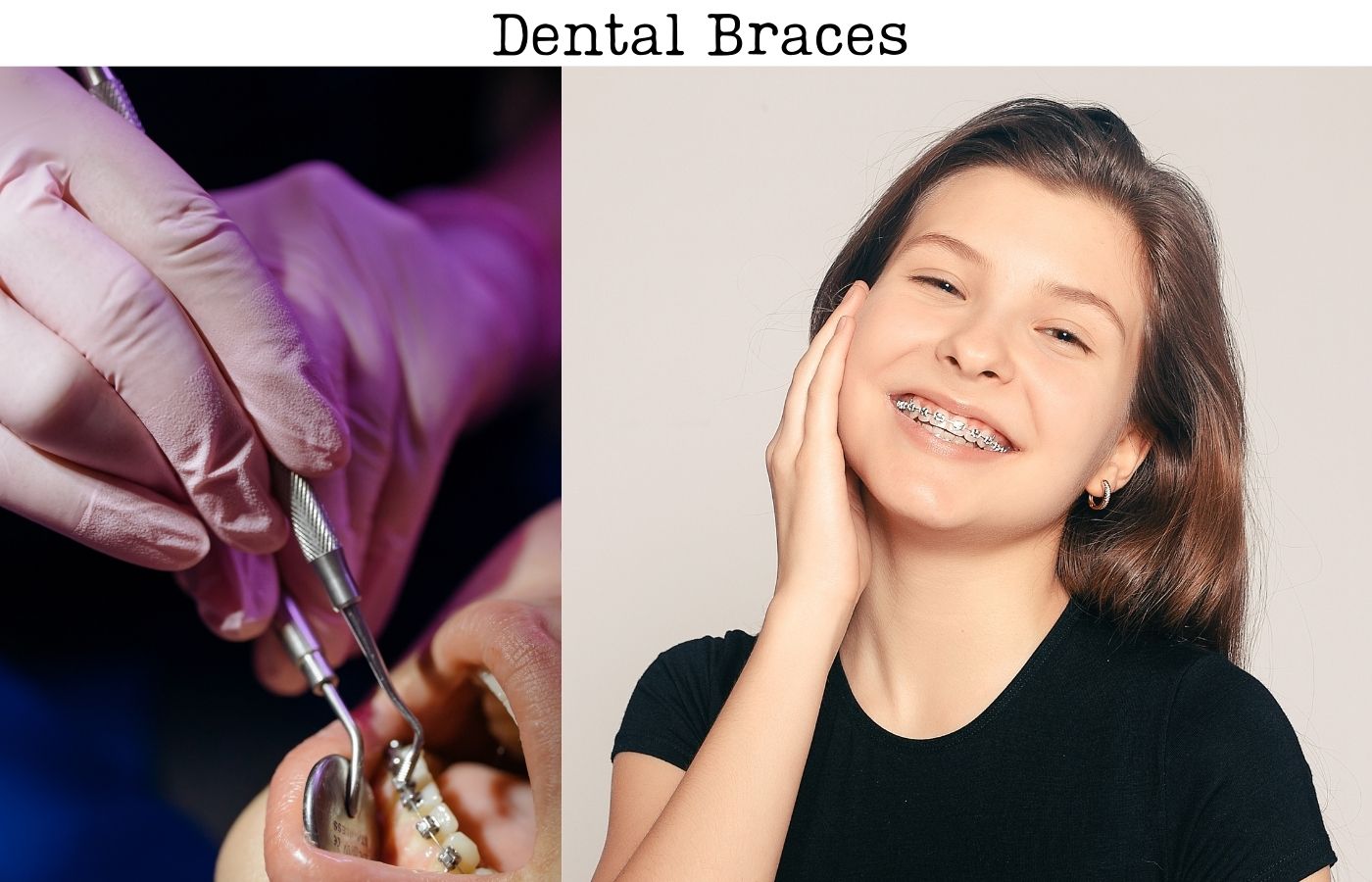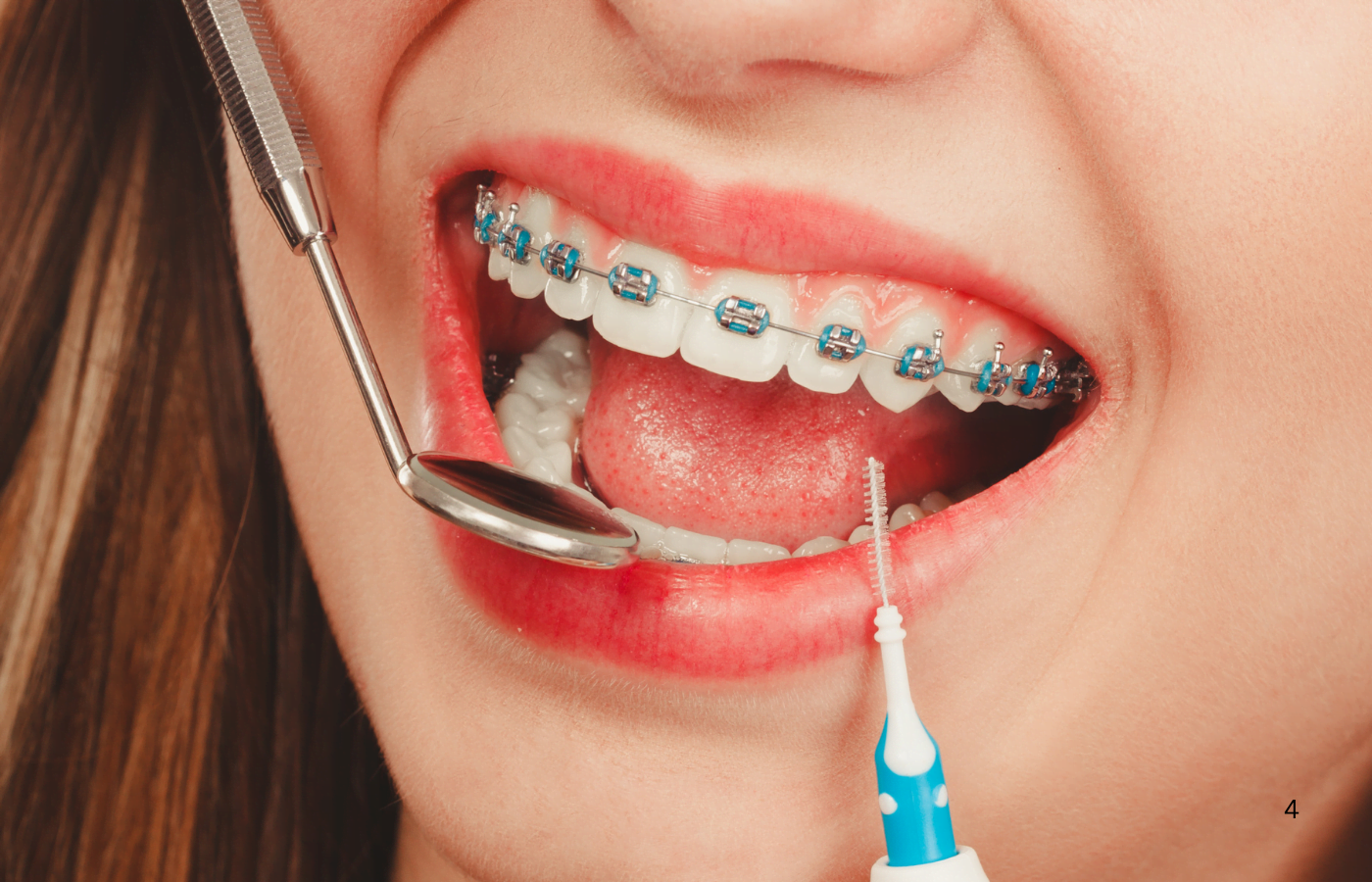
Choosing orthodontic treatment is a significant step toward a healthier, more confident smile. But have you ever wondered why your orthodontist recommends a specific type of braces? The answer lies in the unique language of your dental anatomy. The braces you wear are not just a tool; they are a direct reflection of the complexity and nature of your dental issues. At Diagnopein, Mumbai, we believe that an informed patient is an empowered one. This guide decodes what your braces type says about your underlying dental problems, helping you understand the why behind your treatment plan.
Whether you're searching for "dental and braces near me" or evaluating options for "dental for braces near me," this comprehensive breakdown of benefits, comparisons, costs, and comfort will guide your journey.
Orthodontic treatment aims to correct teeth alignment, bite issues, crowding and spacing problems. Every dental case is unique and requires a specific approach. That is why there are multiple brace systems.
Visit Now: https://www.diagnopein.com/dental-clinic/Mumbai
Some braces are designed to:
• Treat mild alignment problems
• Handle complex bite correction
• Improve aesthetics with discreet design
• Fit specific age groups
• Provide faster movement in certain cases
Your orthodontist chooses the best brace type after examining your dental condition.
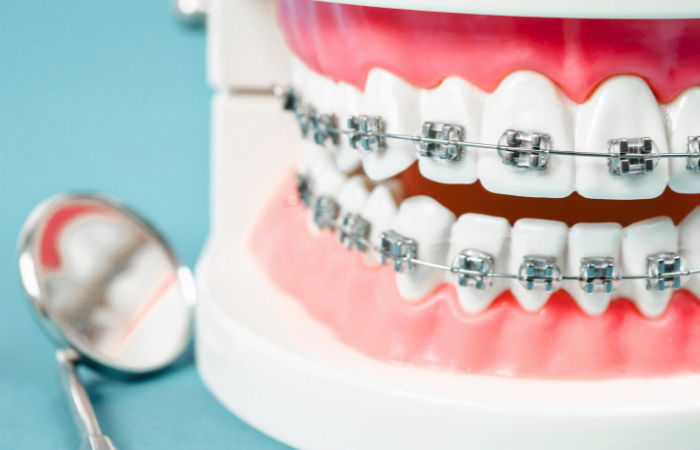
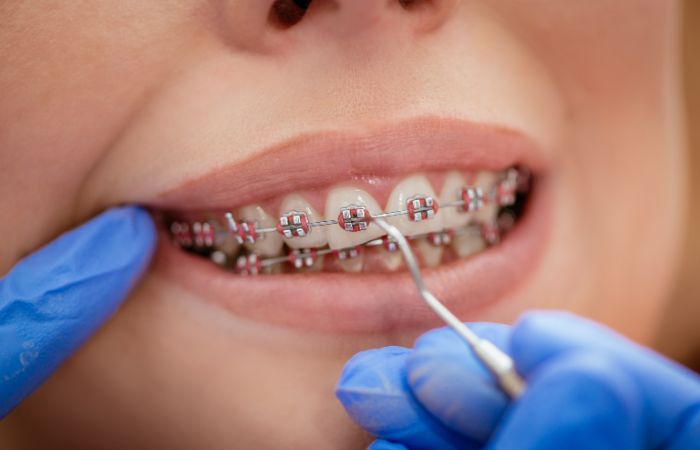
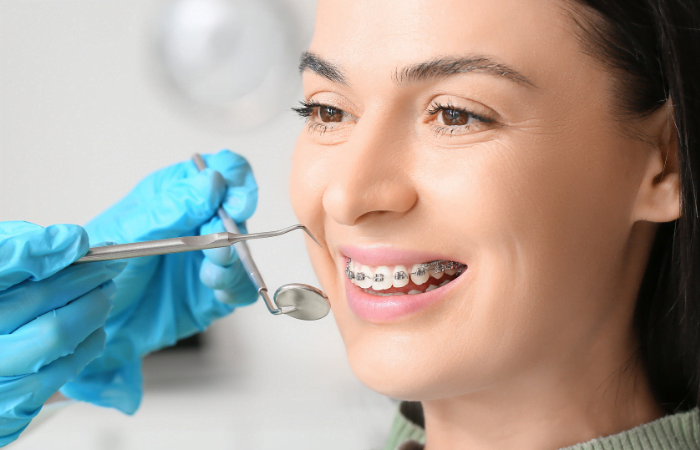
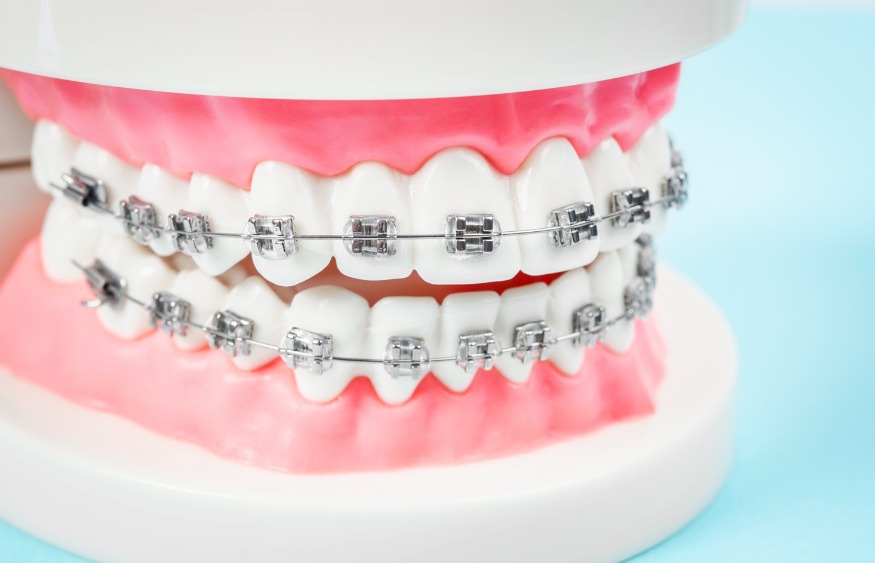
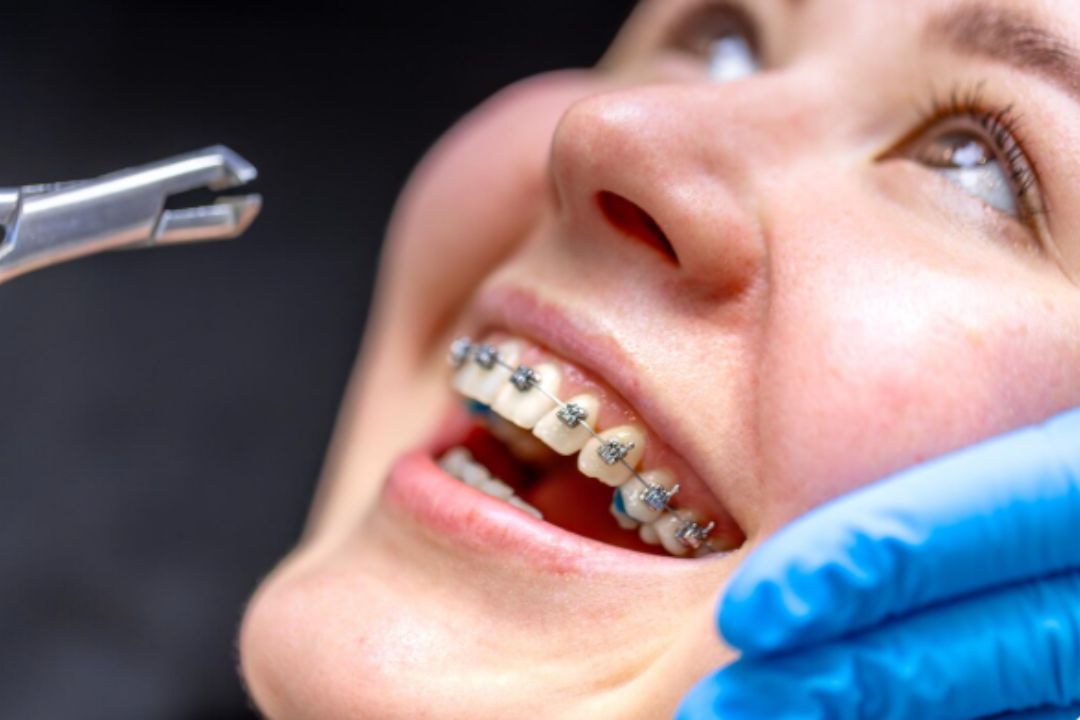
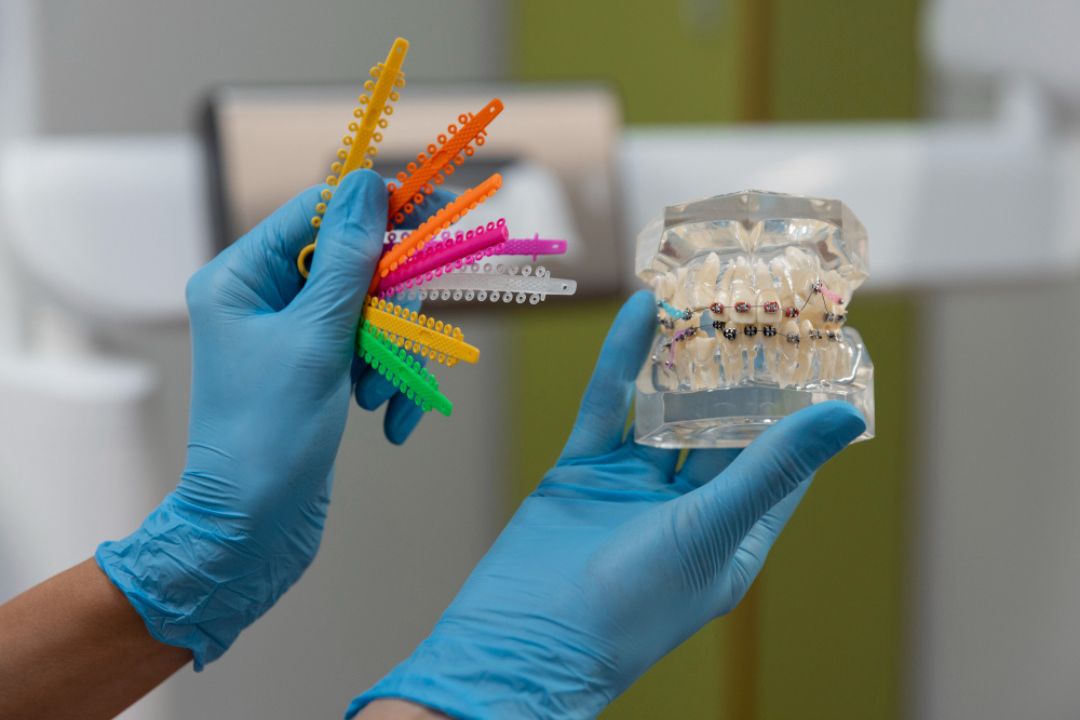
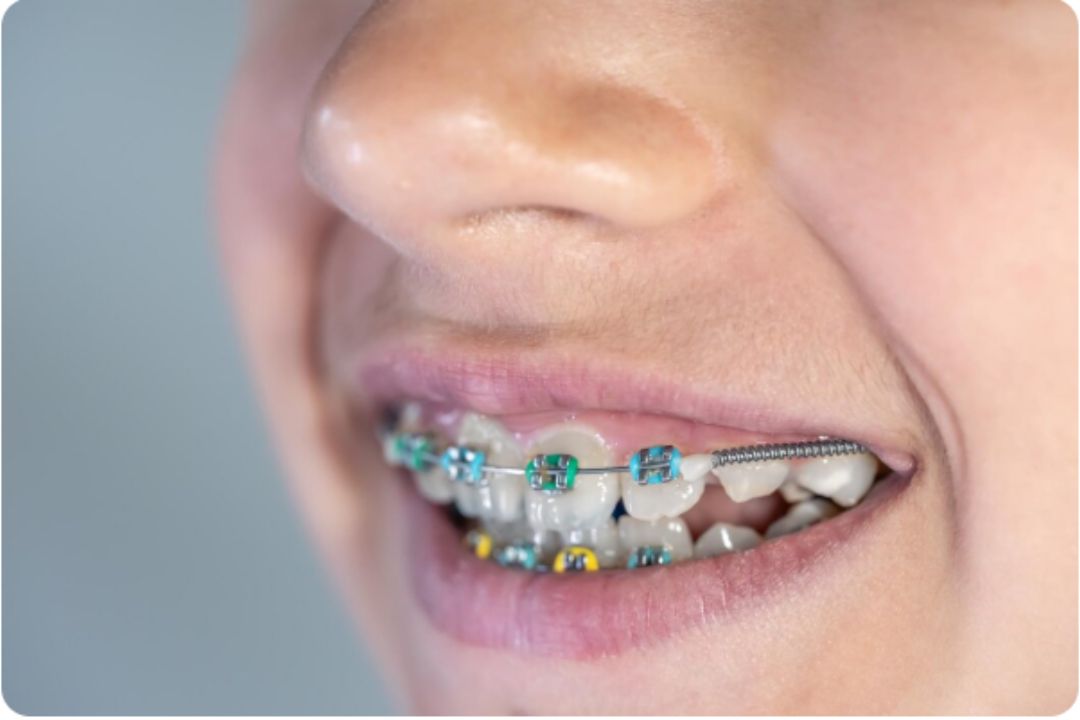
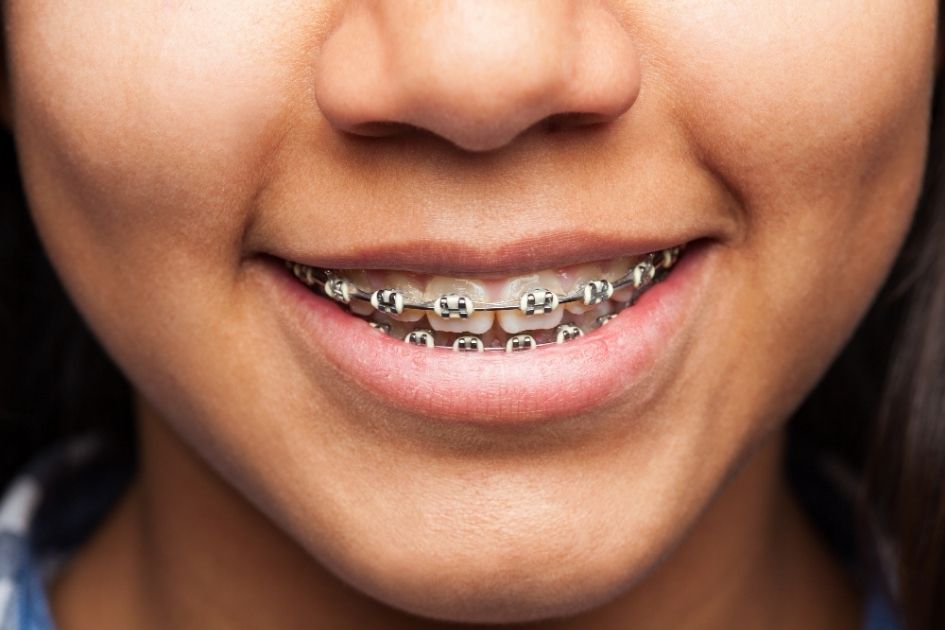
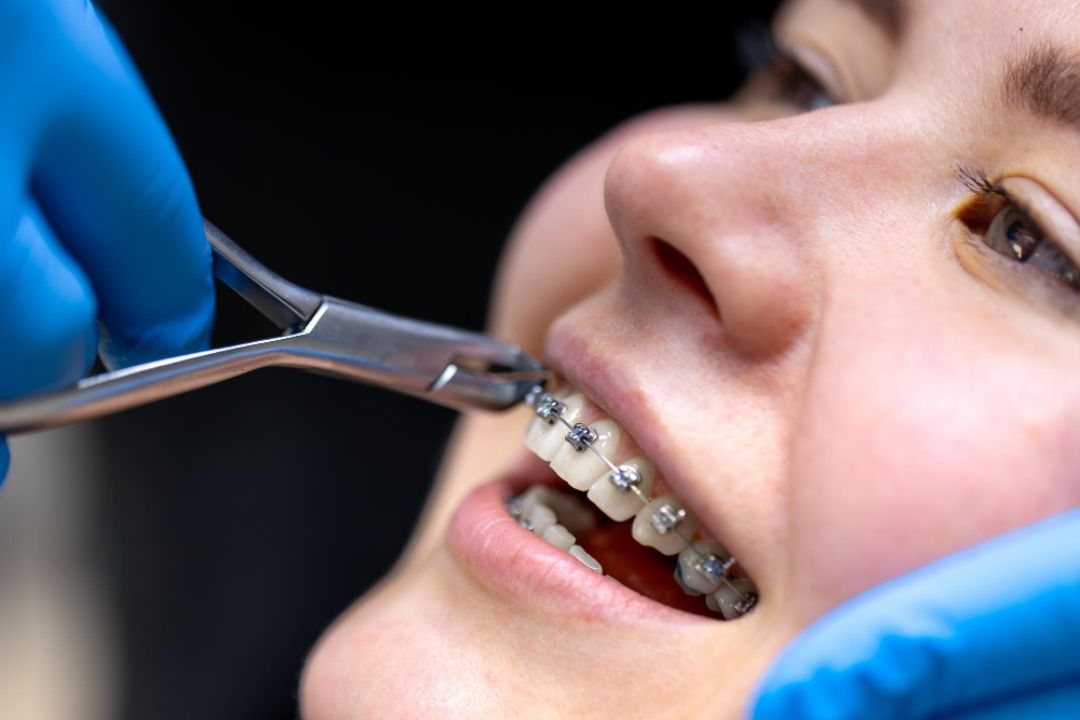
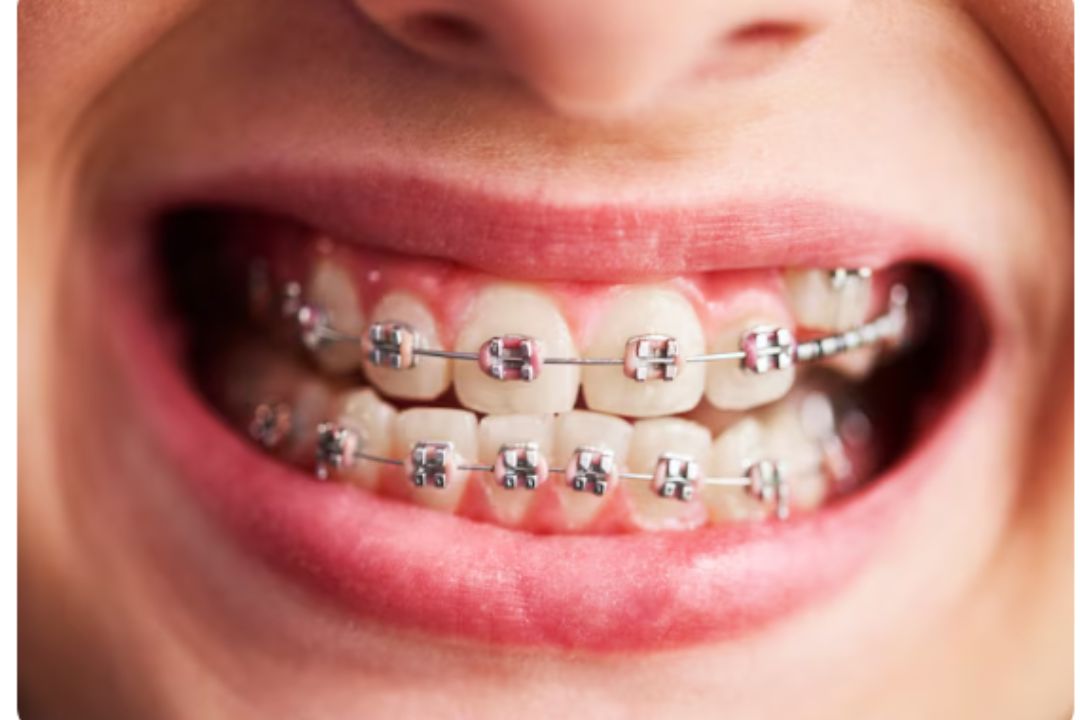
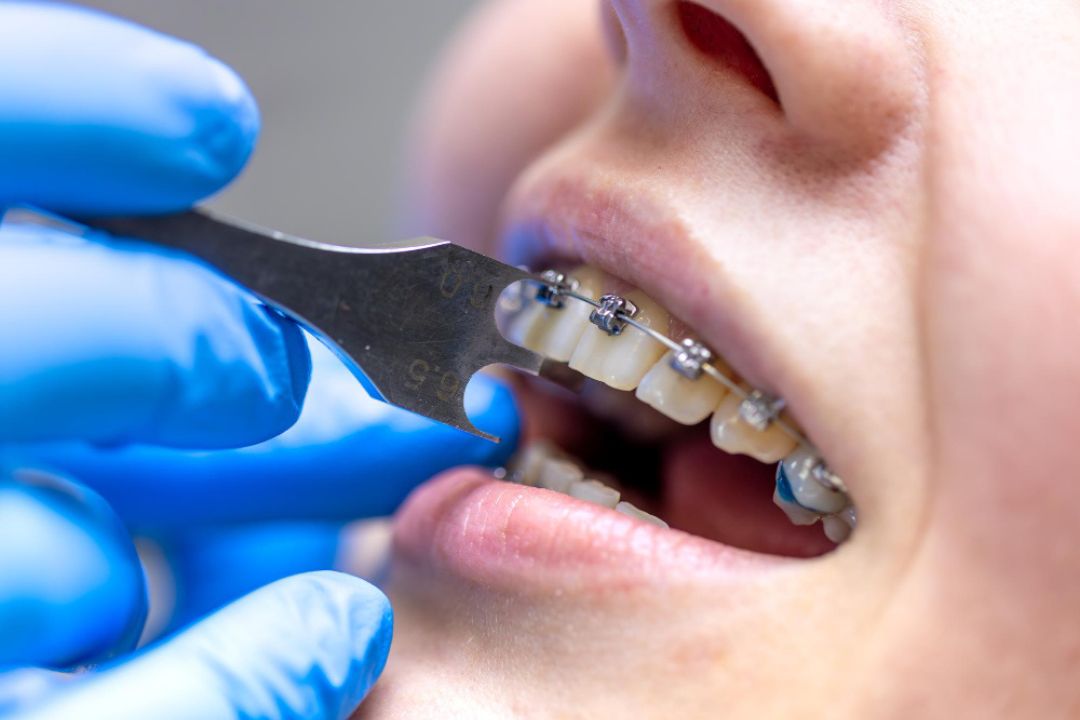
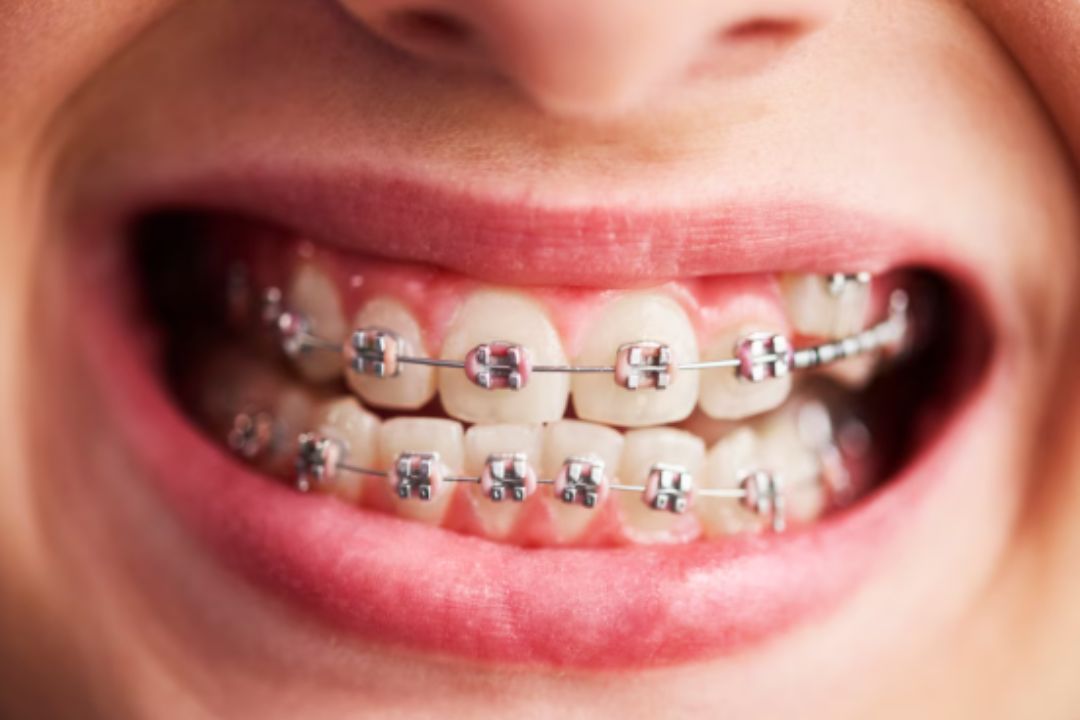
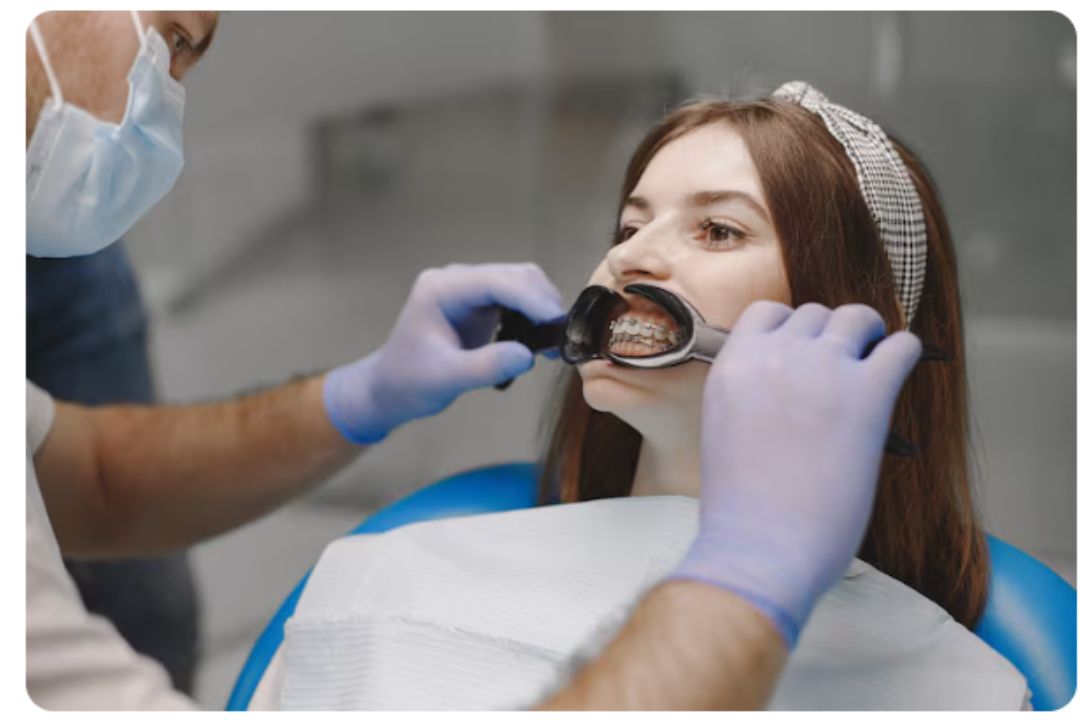
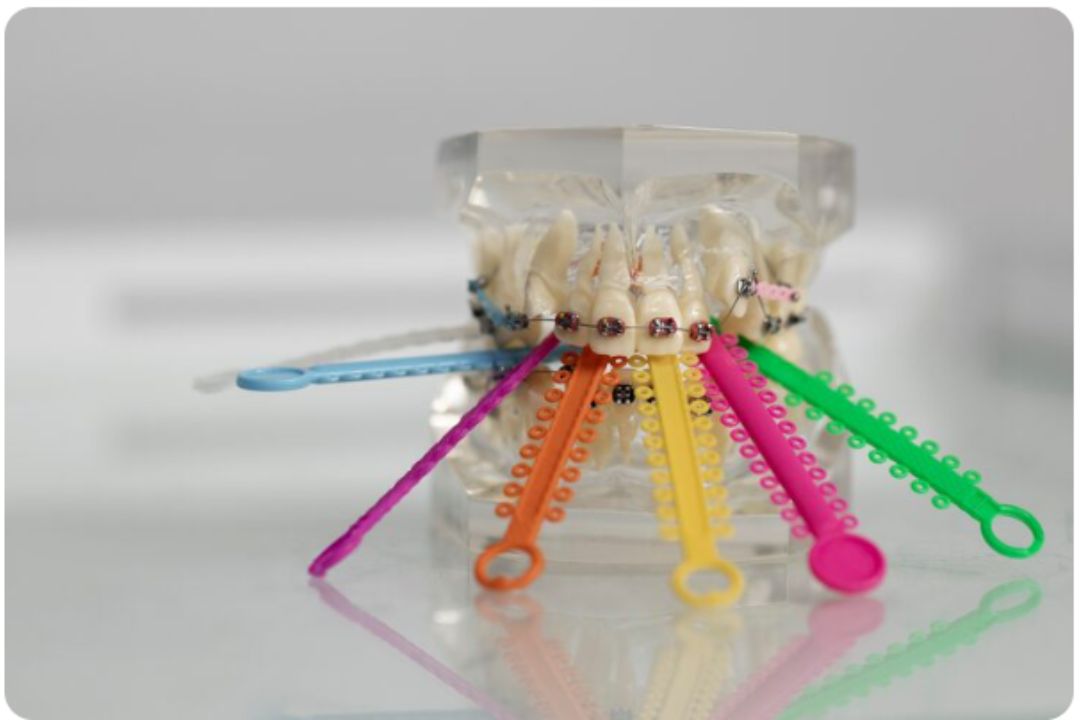
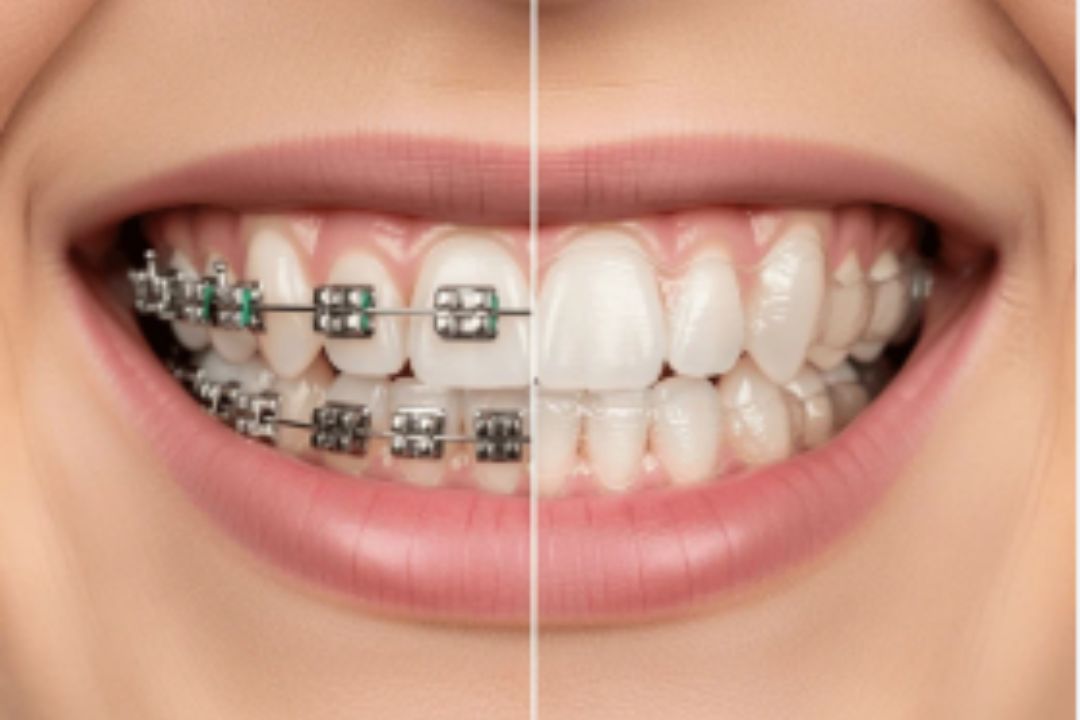
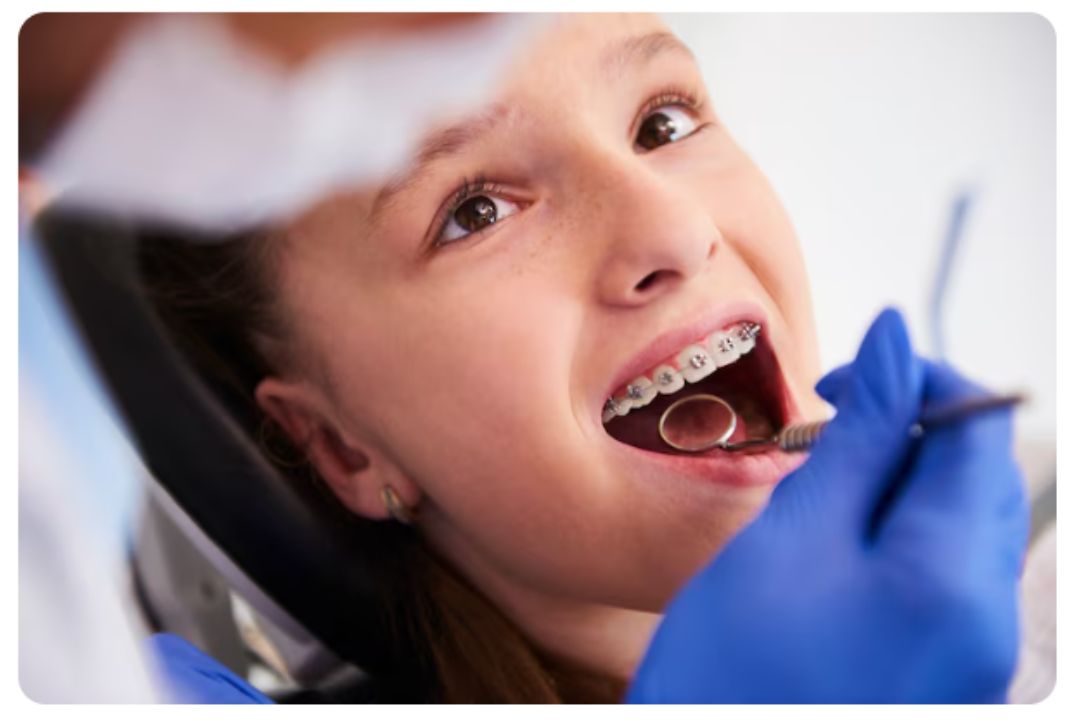
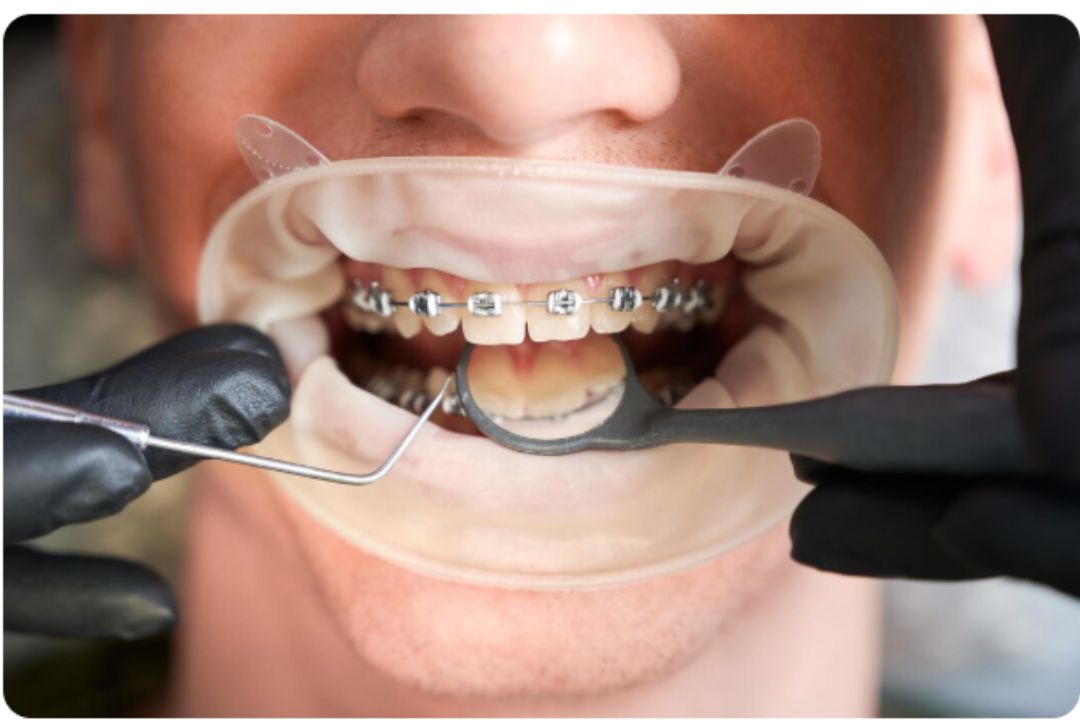
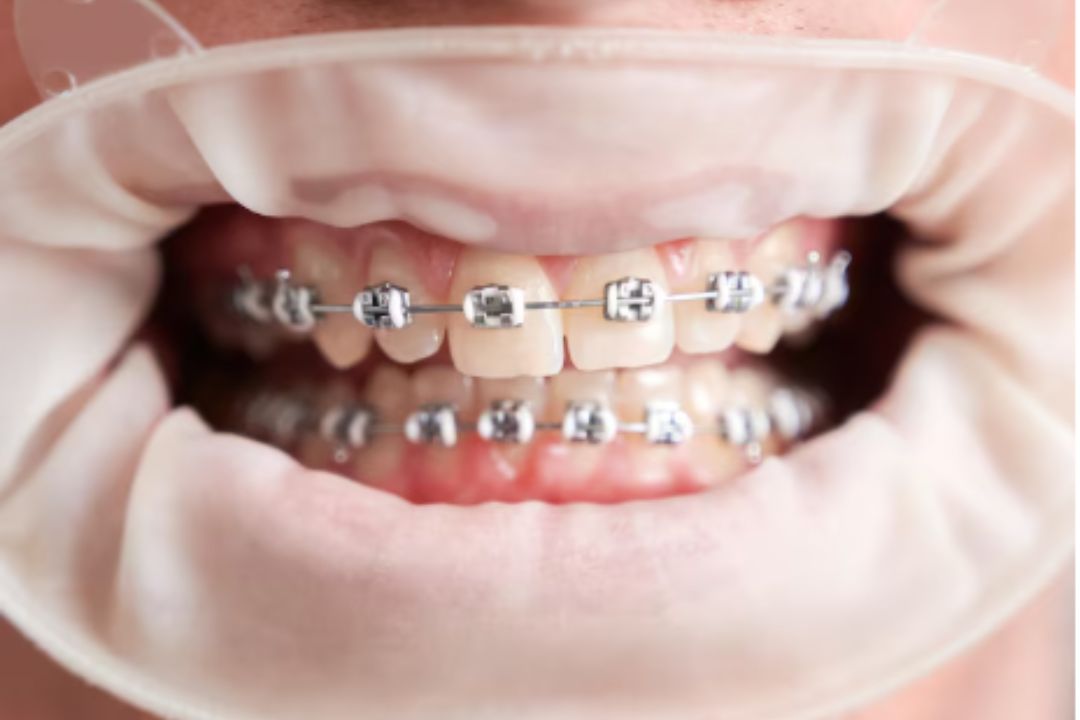
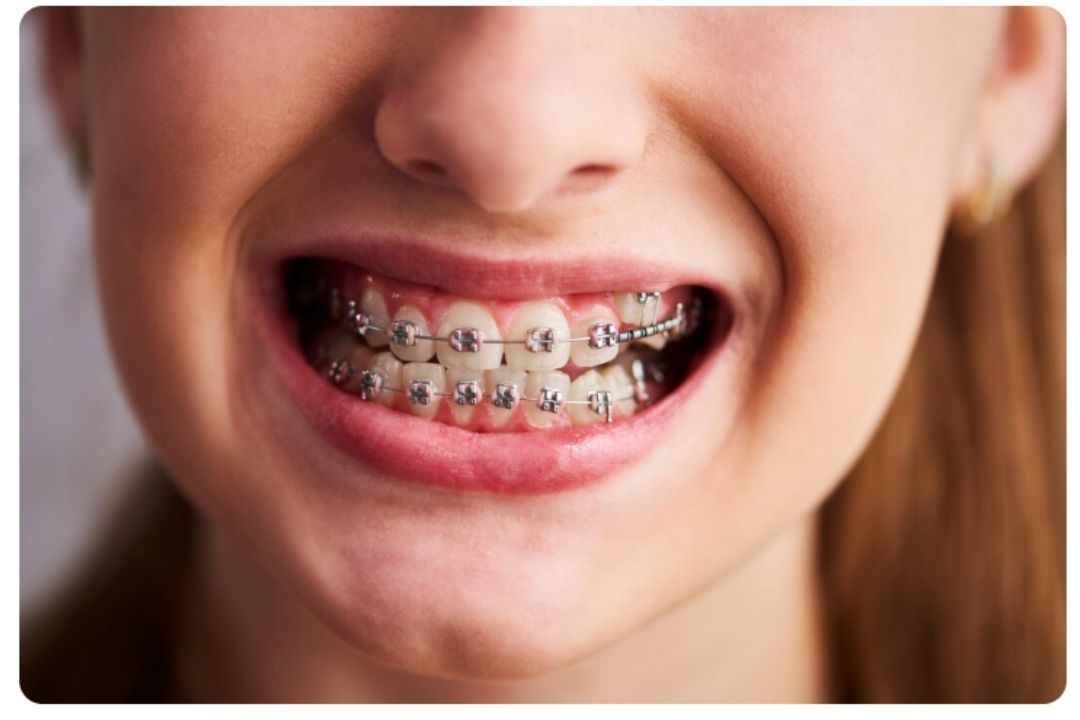
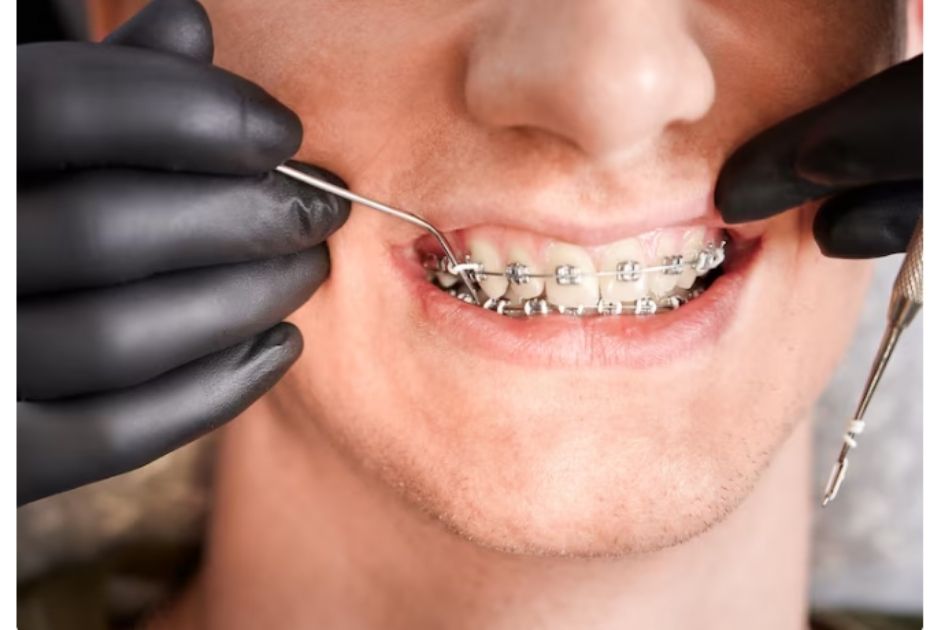
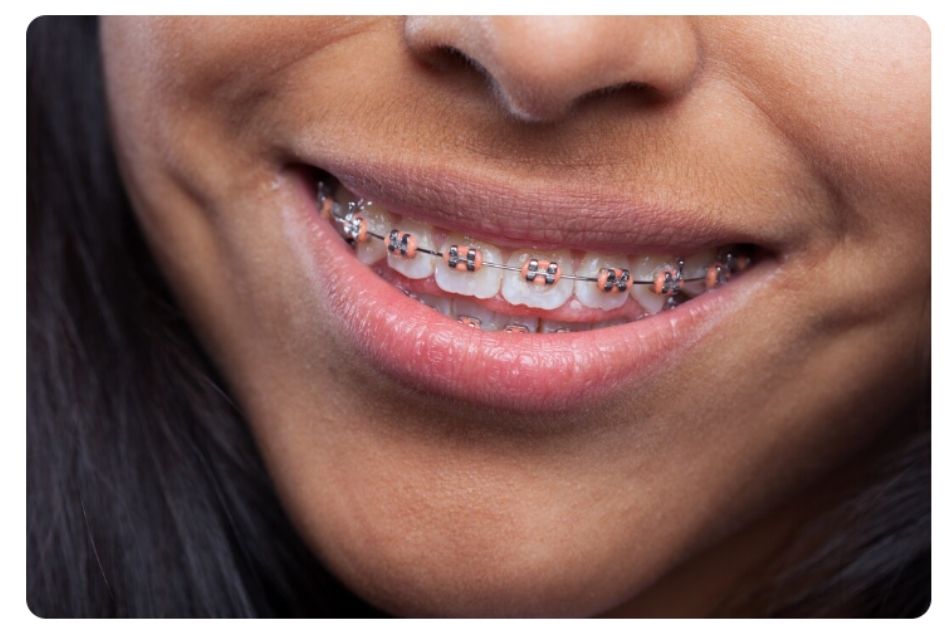
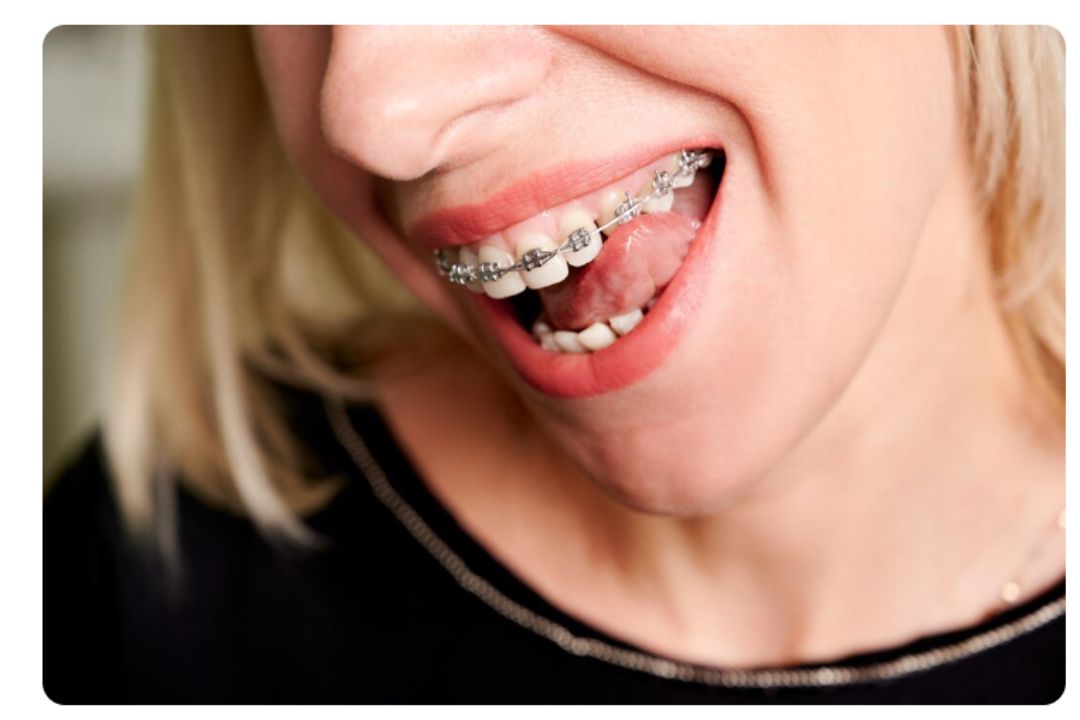
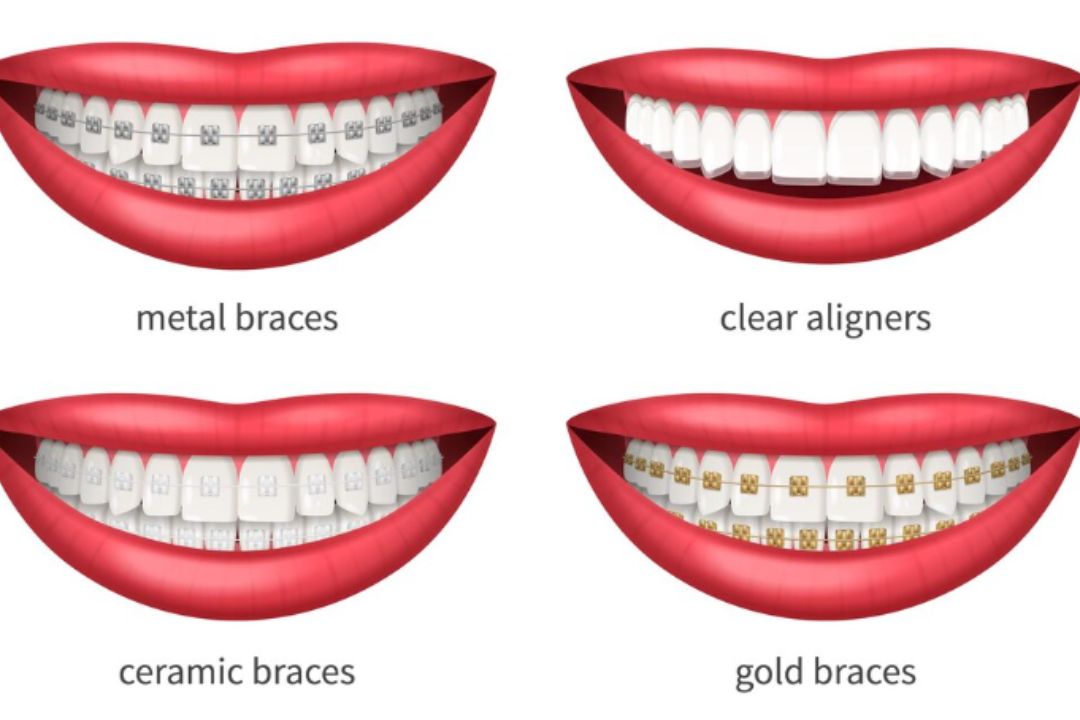
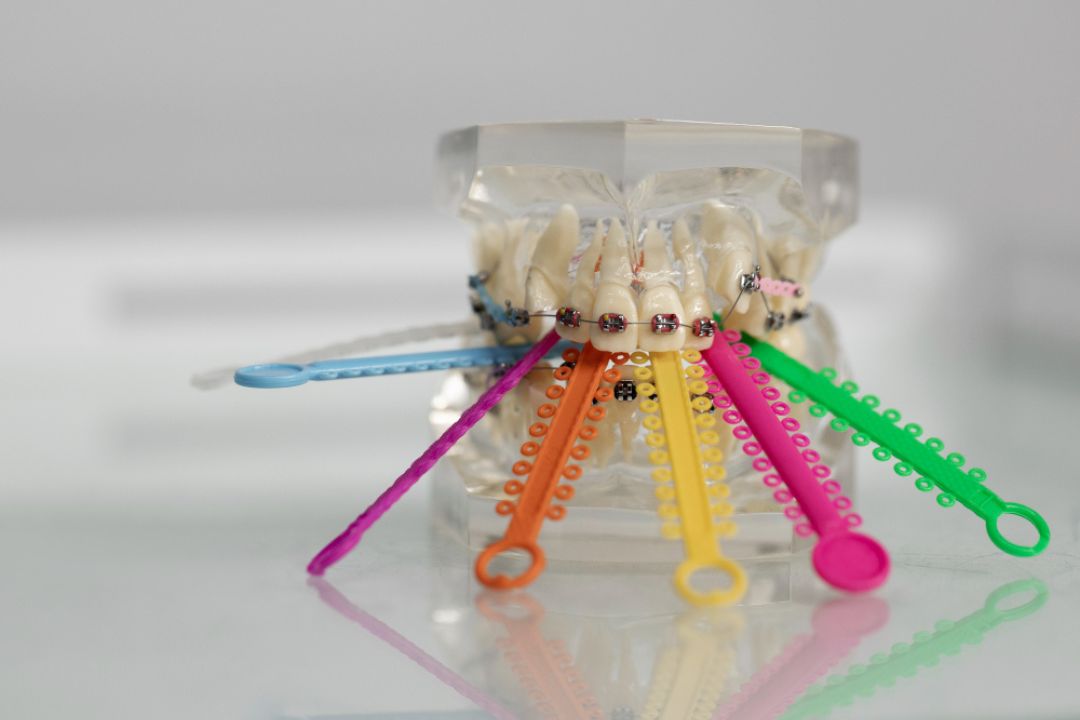
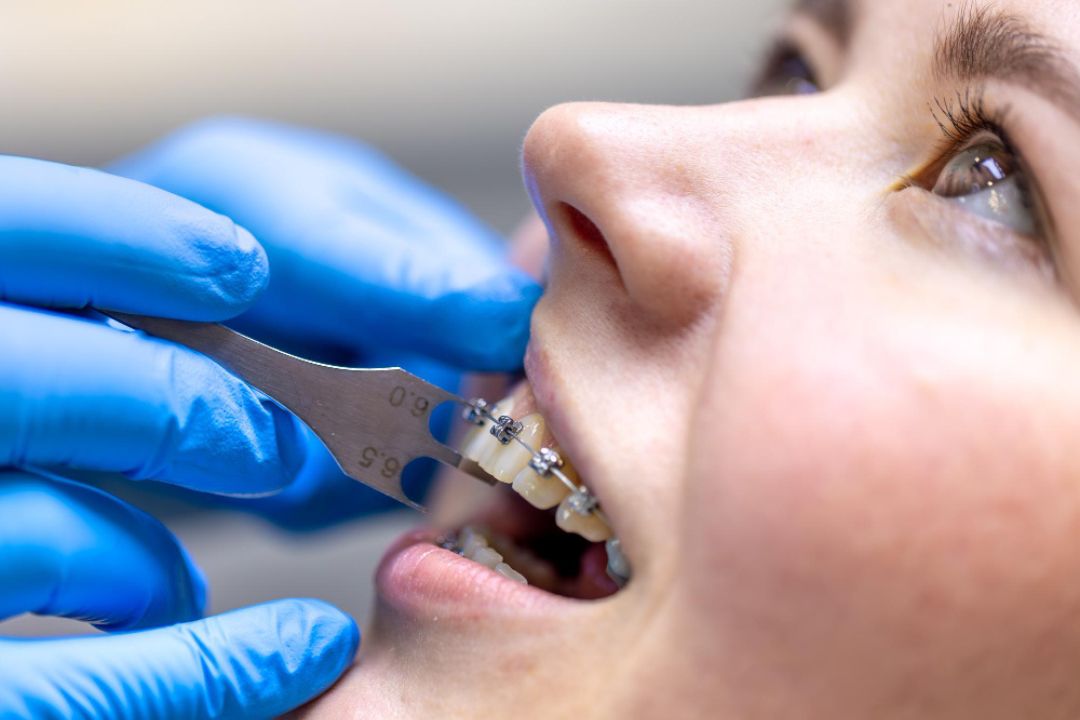
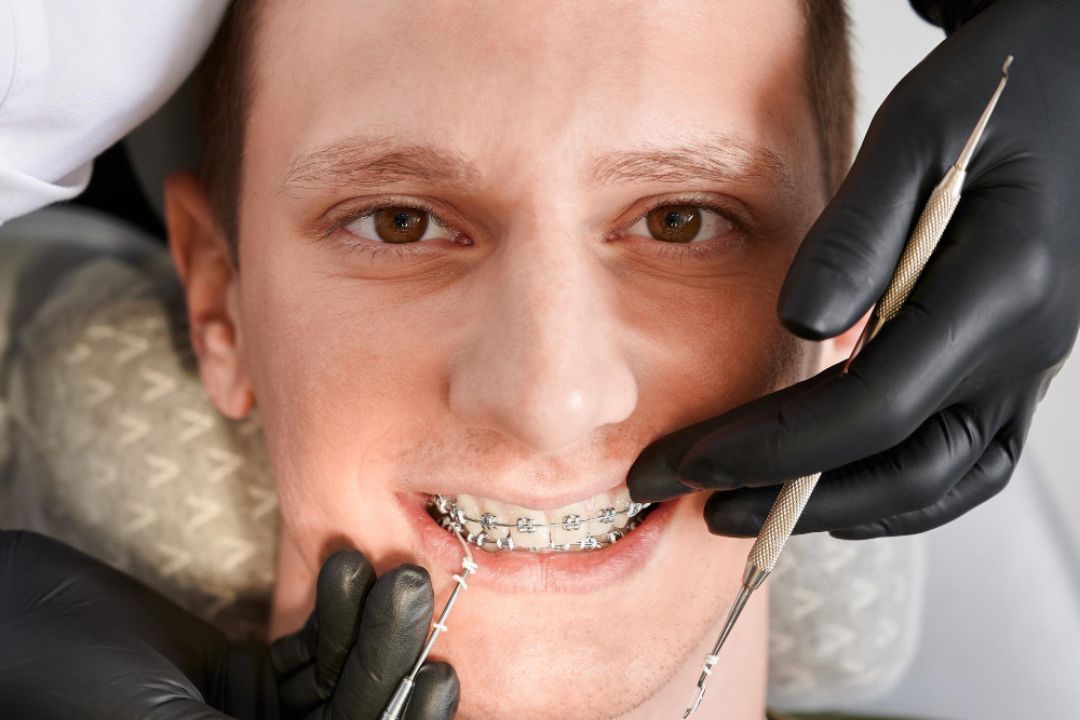
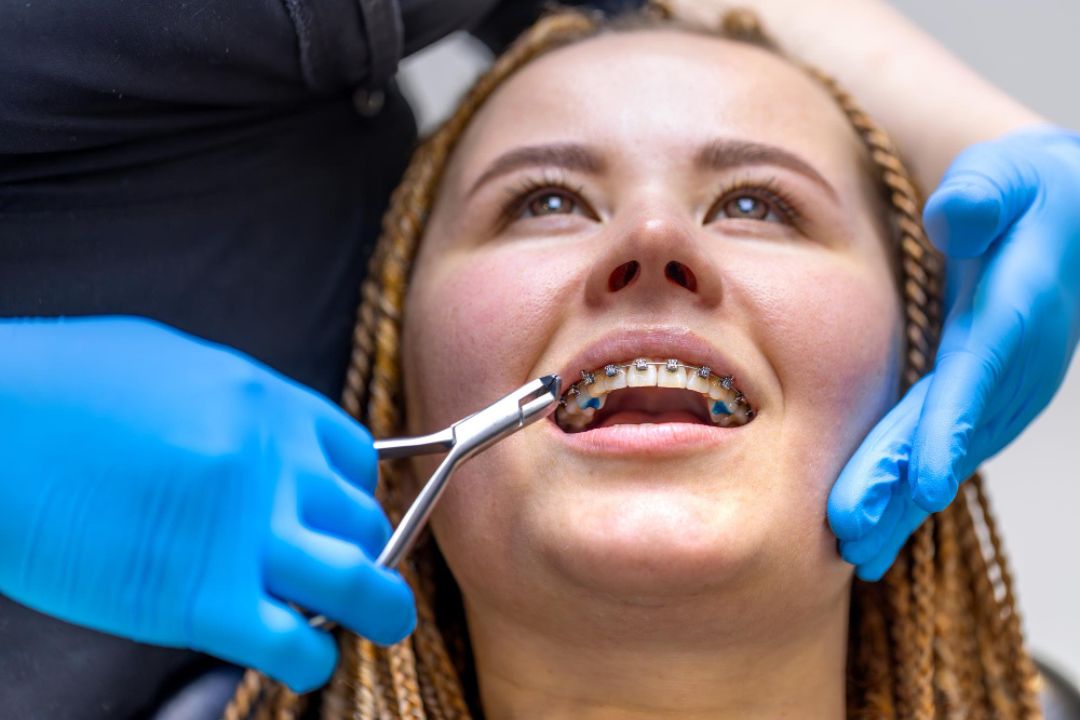
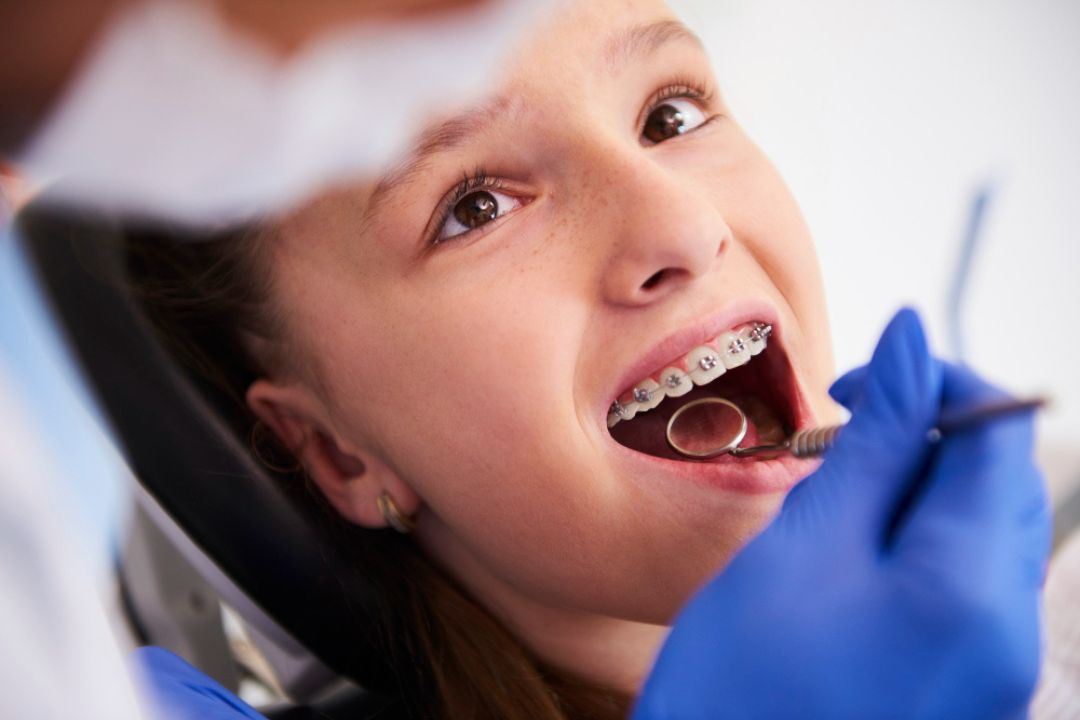
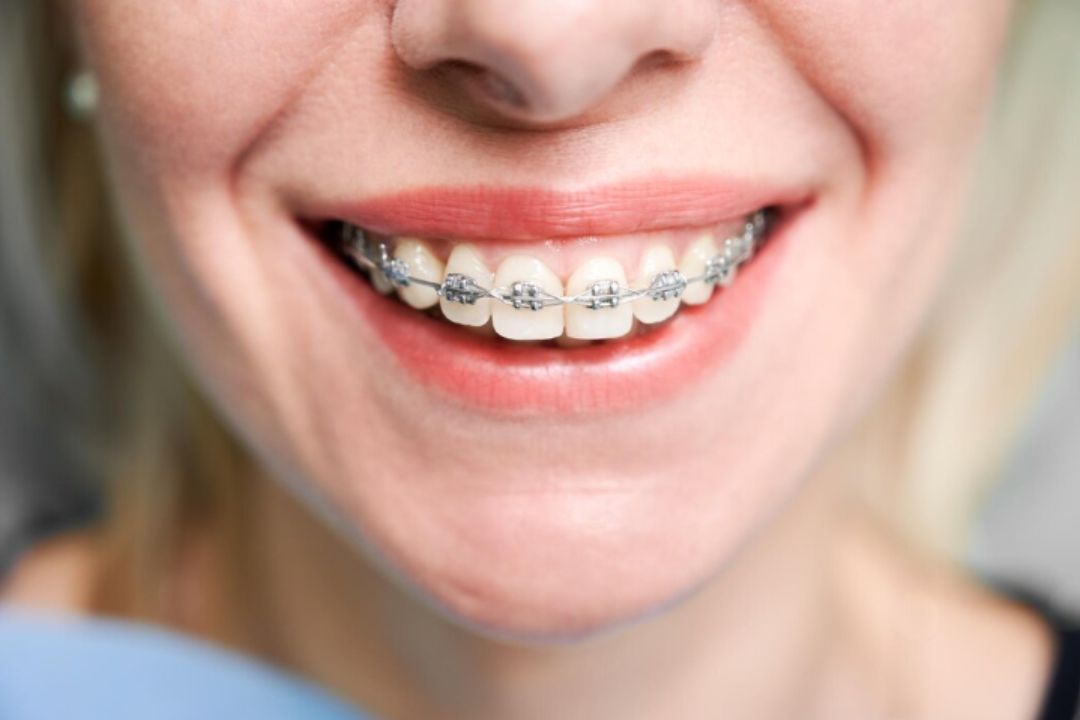
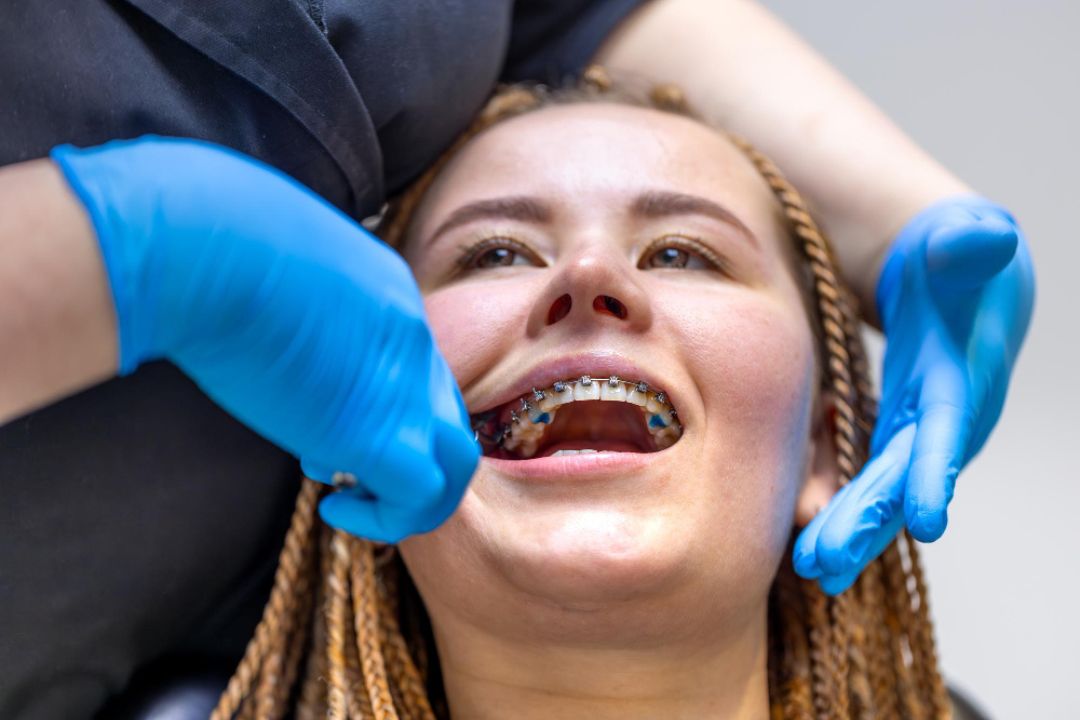
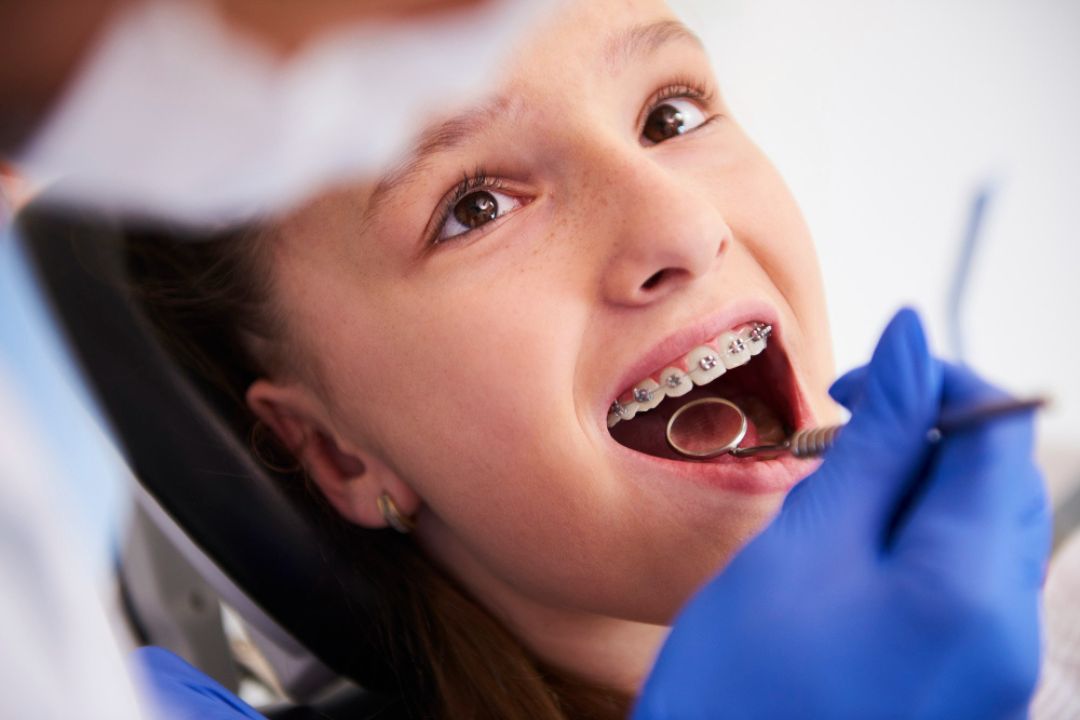
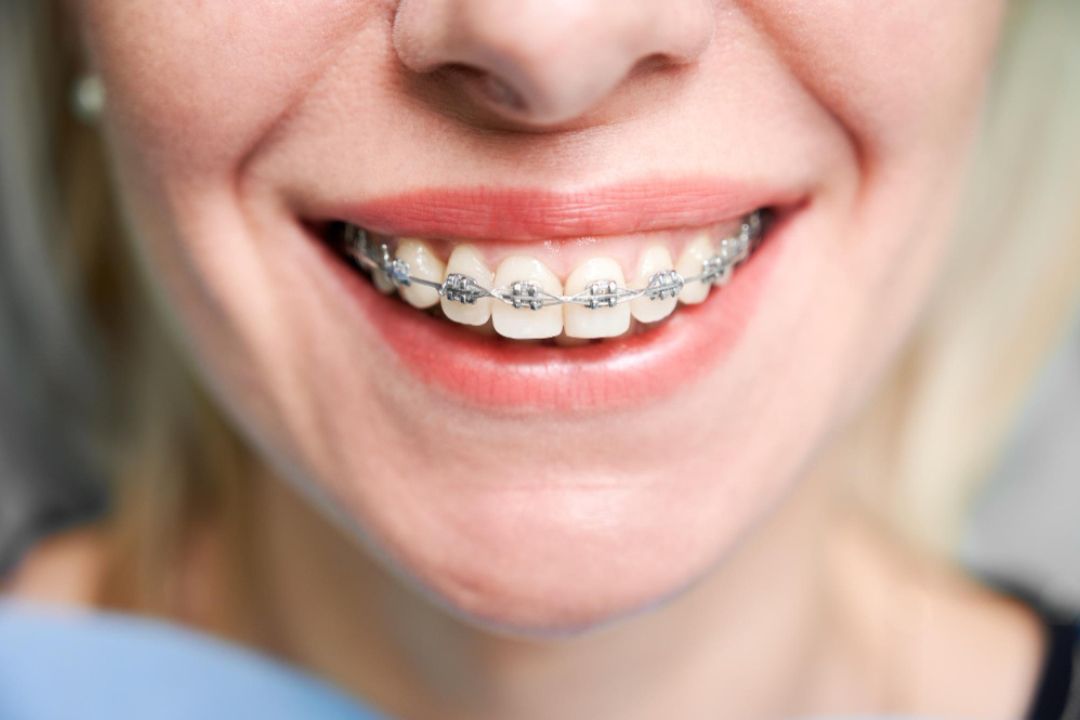
Metal braces consist of metal brackets that are bonded to your teeth and connected by wires.
• Moderate to severe crowding
• Complex bite issues
• Tooth rotation corrections
• Patients of all ages
Metal braces indicate that your case requires constant and controlled force. They work continuously and are effective for many complicated movements that other systems cannot achieve as predictably.
Even though there are newer options available metal braces remain the most versatile and widely used orthodontic solution.
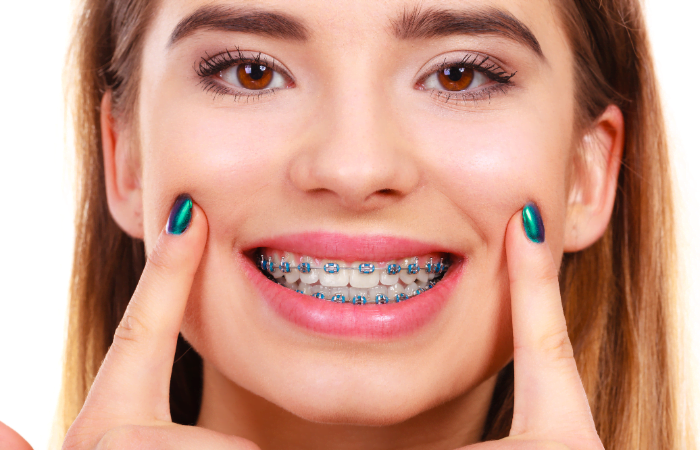
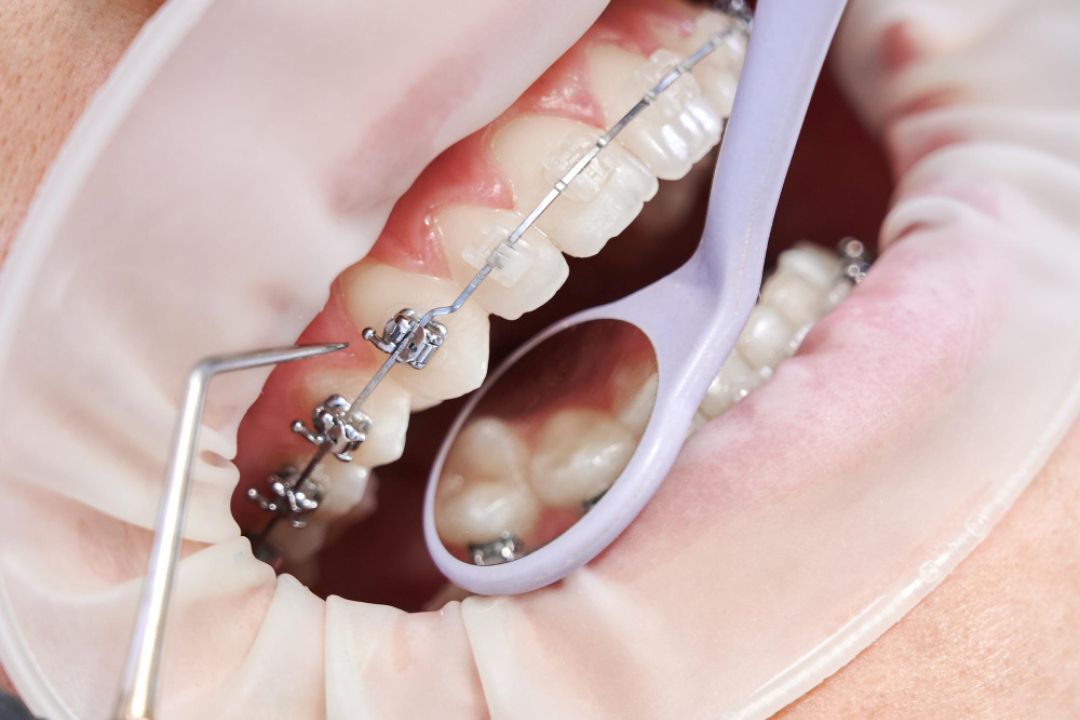
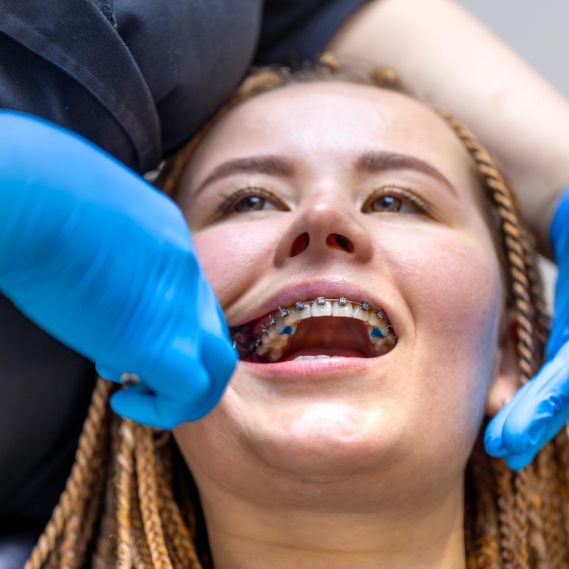
Ceramic braces are similar to metal braces but use tooth-colored or clear brackets to blend with your teeth.
• Aesthetic-conscious adults and teens
• Moderate alignment issues
• Mild to moderate bite corrections
Ceramic braces indicate you have a condition that requires fixed orthodontic force but you also value a less noticeable appearance.
They are ideal when precision tooth movement is needed without the metallic look.
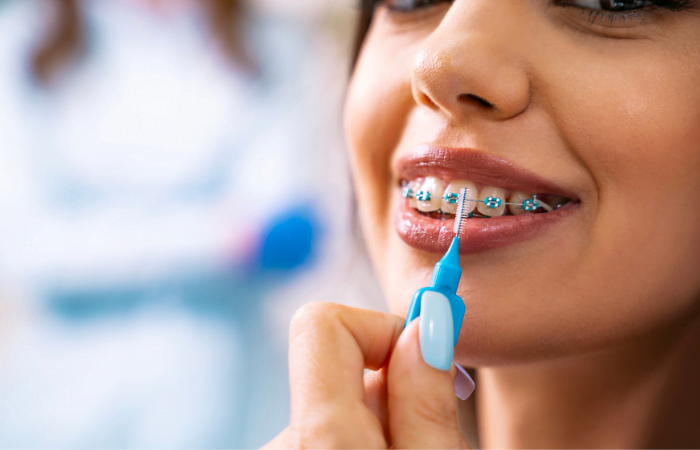
Self-ligating braces use a specialized clip instead of elastics to hold the wire in place. This reduces friction and may speed up tooth movement.
• Mild to moderate crowding
• Patients who want faster appointments
• People who want more comfort with fixed braces
If your orthodontist recommends self-ligating braces it typically means your case requires controlled movement but you may benefit from lower friction and shorter visits.
This type is often suggested for patients with moderate misalignment and good oral hygiene.
Lingual braces are placed on the back side of your teeth facing the tongue. They are completely hidden from view.
• People who want invisible braces without aligners
• Adults and professionals
• Mild to moderate alignment issues
Choosing lingual braces suggests that you have alignment needs that require fixed brackets but you do not want them visible.
These braces work similarly to traditional ones but from behind the teeth.
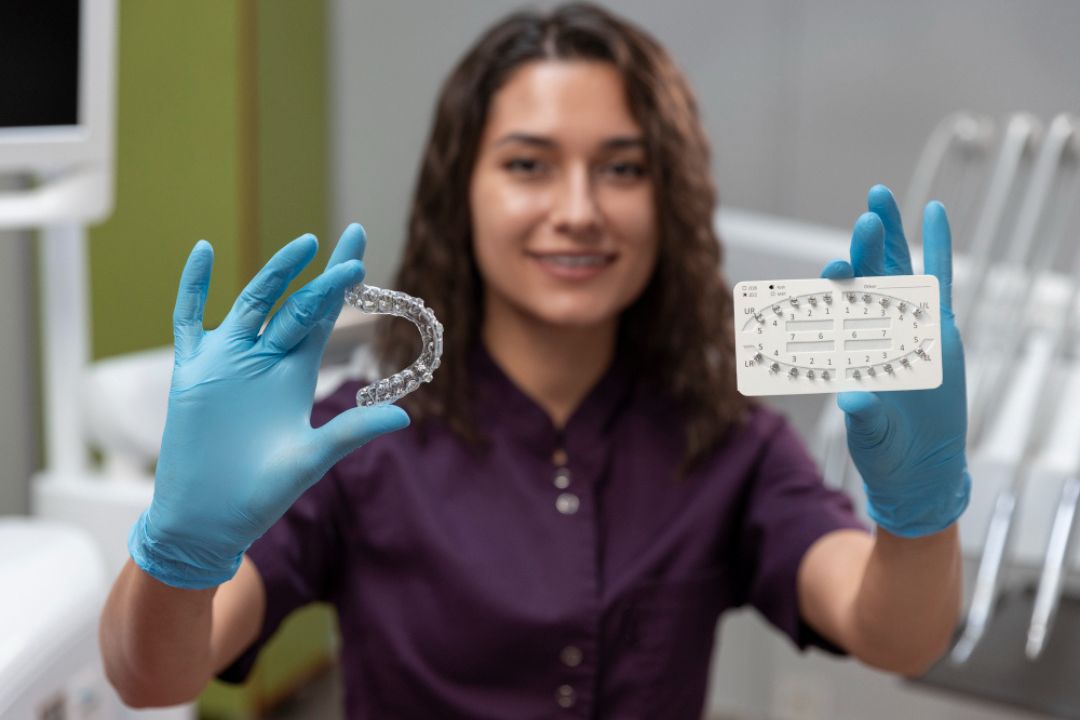
Clear Aligners are removable transparent trays that gradually shift teeth into proper position. They are custom made and replaced every few weeks.
• Mild to moderate dental crowding
• Spacing issues between teeth
• Adults and teens who want discreet treatment
• People with good compliance and discipline
Clear aligners show that your dental condition falls within mild to moderate alignment or spacing issues. They are not recommended for complex bite corrections in many cases.
Aligners are chosen when aesthetics and comfort are priorities and the case is suitable for gradual removable movement.
Damon braces are a type of self-ligating system designed to reduce friction and speed up treatment.
• Moderate crowding
• Cases that benefit from broader arches
• Patients wanting shorter appointments
When your orthodontist suggests Damon braces it often means your alignment issue is moderate and you may benefit from gentler force and reduced discomfort.
Damon systems aim to apply light continuous pressure for efficient movement.
Some patients may benefit from a combination of braces and aligners. For example:
• Aligners followed by fixed braces
• Fixed braces to begin then aligners to finish
• Lingual braces with aligner refinements
Hybrid approaches indicate that your case might require nuanced steps. For example a complex bite problem may begin with braces and finish with aligners for detail adjustments.
Your orthodontist chooses this plan to ensure the best outcome.
Crowding occurs when teeth do not have enough space to align properly. Severe crowding usually requires fixed braces because they exert higher continuous force.
Mild crowding can often be treated with aligners or self-ligating braces.
Spacing refers to gaps between teeth. Mild spacing can be corrected with clear aligners or aesthetic ceramic systems.
In more severe spacing or uneven gaps braces may be the better choice.
Problems like overbite underbite crossbite and open bite often have multiple tooth movement directions. These require precise force application and are most predictable with traditional or specialized braces.
Aligners can work for mild bite concerns but may not correct every complex bite issue alone.
Braces can work at any age. However:
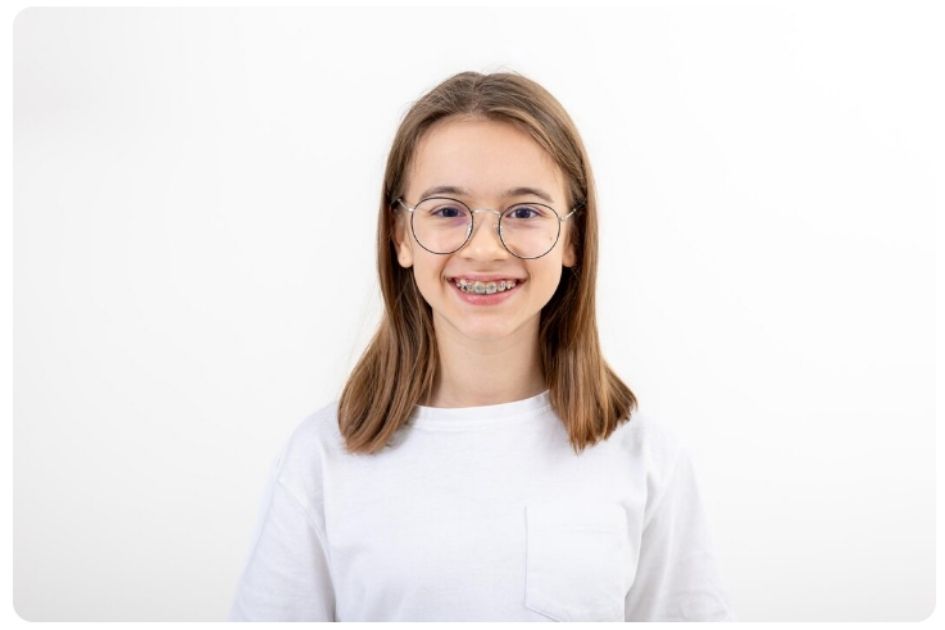
Teens often have faster tooth movement and better compliance with fixed systems.
Adults may prefer discreet options like ceramic braces lingual braces or clear aligners.
Age may influence comfort preference but not the effectiveness of treatment.
Every type has a different timeline depending on your dental problem.
• Traditional braces 12 to 24 months on average
• Ceramic braces 12 to 24 months
• Self-ligating braces may shorten visits
• Lingual braces 12 to 30 months depending on complexity
• Clear aligners 6 to 18 months for mild to moderate cases
Your exact timeline depends on your dental condition and treatment compliance.
Different braces come with different price points. In Mumbai:
• Traditional metal braces tend to be most affordable
• Ceramic braces cost slightly more due to aesthetics
• Self-ligating and Damon systems may cost more due to technology
• Lingual braces usually cost the most because of complexity
• Clear aligners vary based on brand and case length
Cost varies with clinic location and orthodontist expertise. Always confirm what is included in your quote.
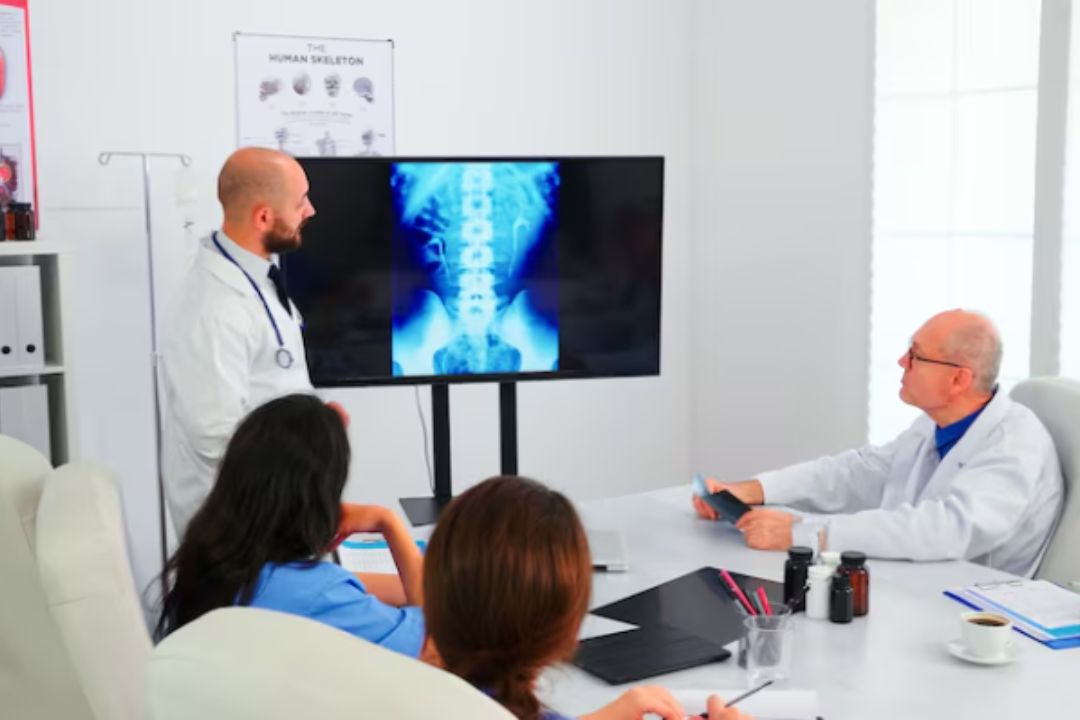
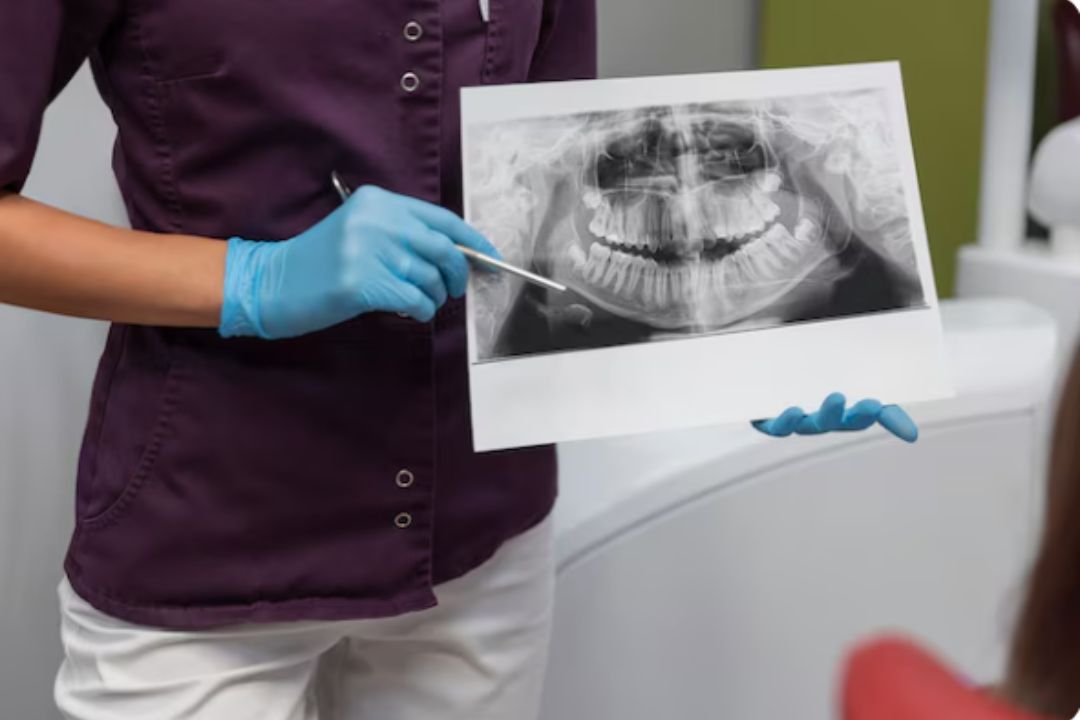
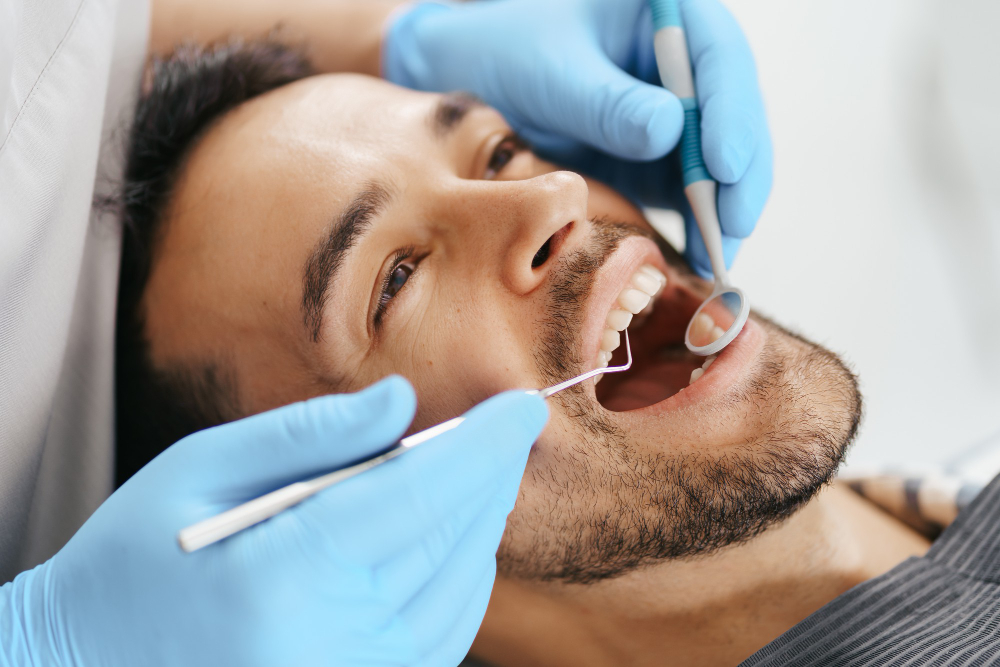
A full dental exam including x-rays helps determine what movement is necessary.
Your orthodontist chooses the best type based on dental problem complexity and expected results.
Comfort appearance cost and time all play a role.
Here is a simple summary:
• Metal braces indicate complex or severe misalignment
• Ceramic braces indicate a need for fixed force with aesthetics
• Self-ligating braces indicate moderate alignment and comfort priority
• Lingual braces indicate discreet treatment for mild to moderate problems
• Clear aligners indicate mild to moderate alignment or spacing
Each brace type has strengths and limitations. What your braces say about your dental problem depends on the specific movements and force required to achieve your ideal alignment.
Always consult an experienced orthodontist who can explain why your chosen brace is the most appropriate for your dental condition.
Making the right choice early leads to predictable results smoother treatment and long term satisfaction.
Schedule a professional assessment to get a personalized treatment plan based on your unique dental needs.




























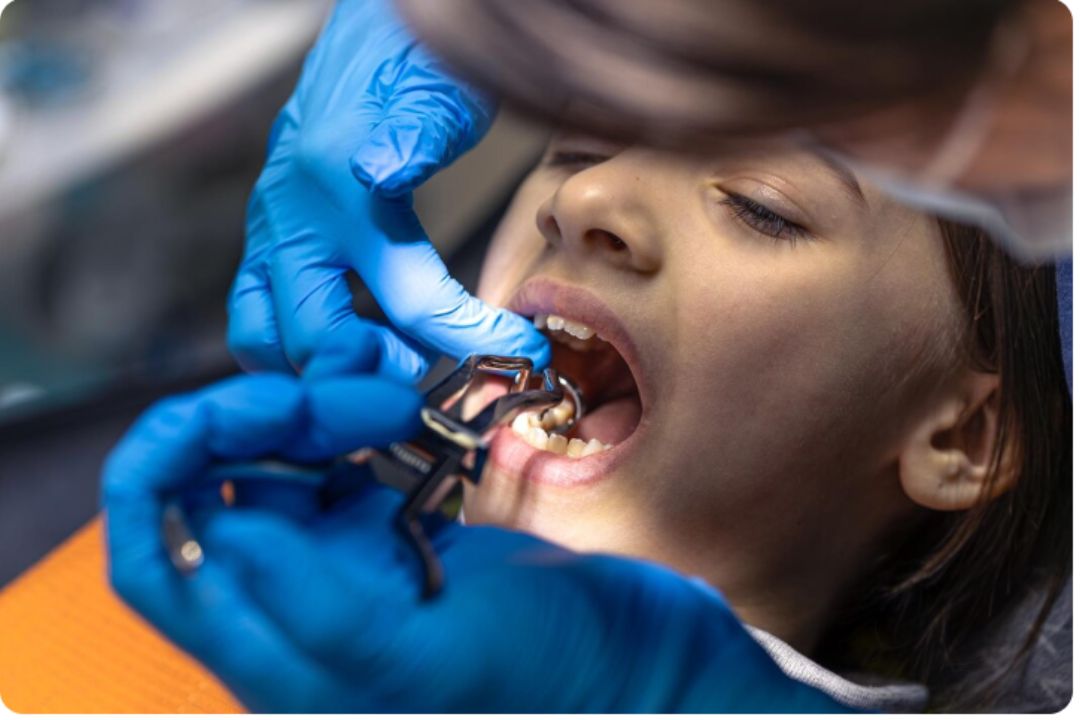
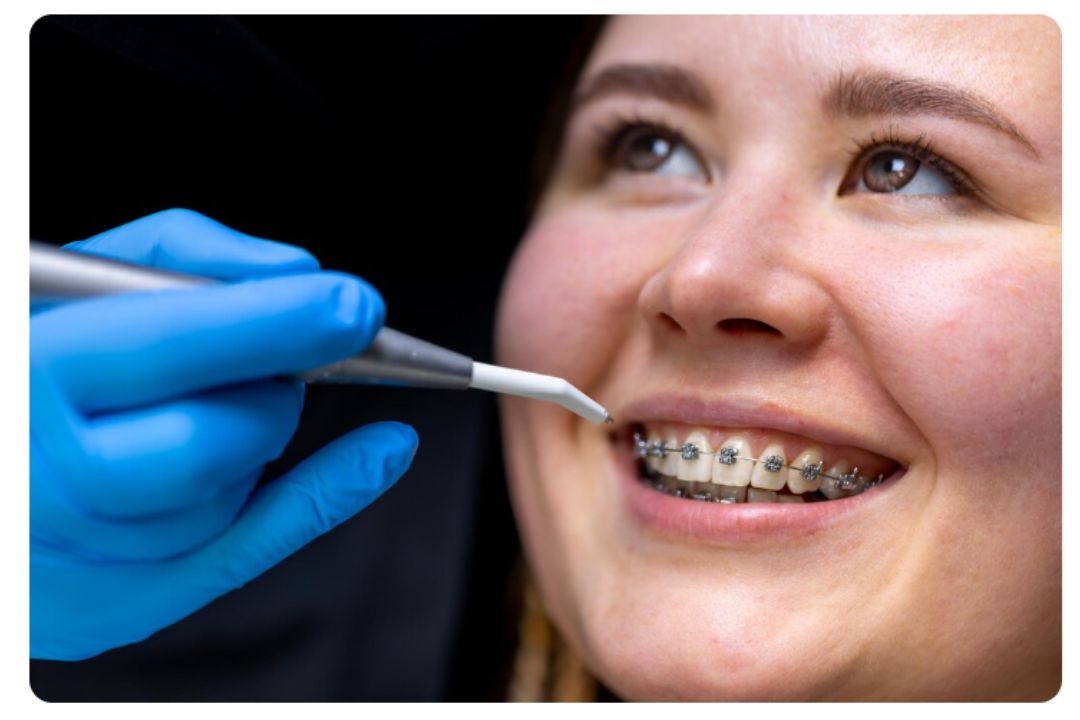

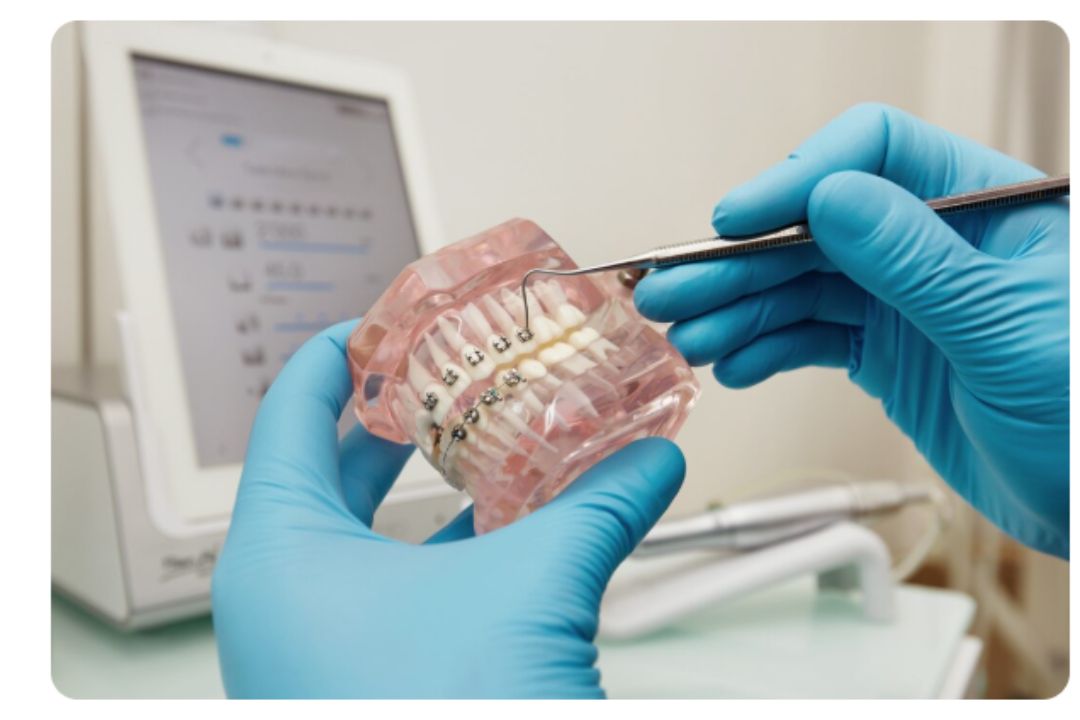
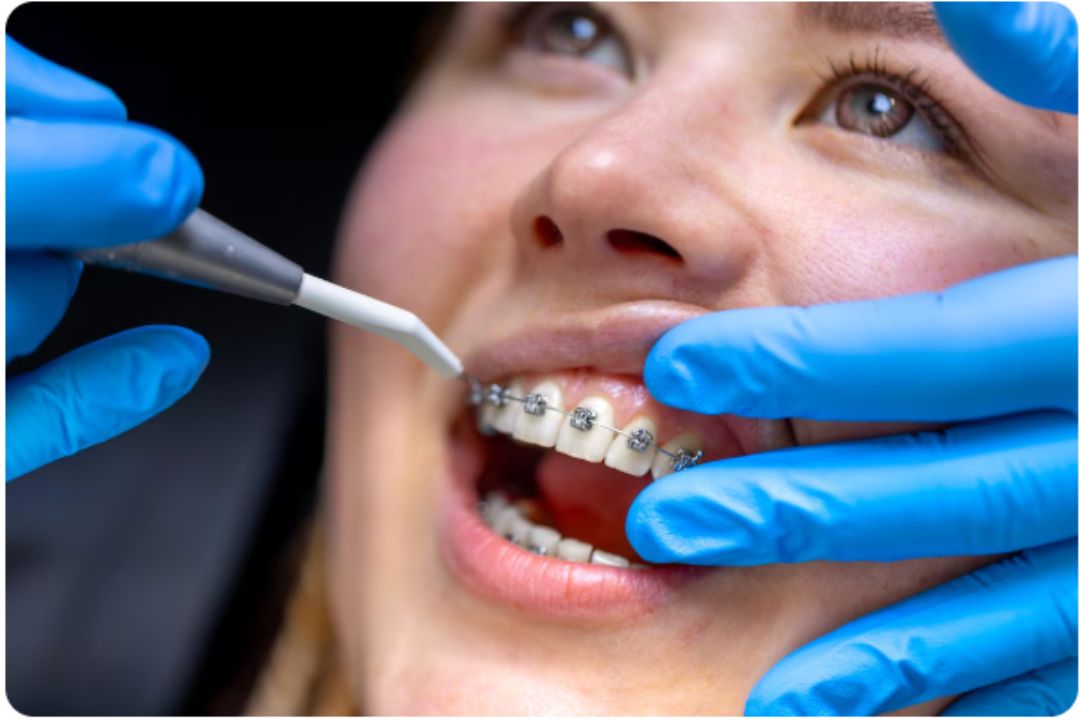











.jpg "affordable metal braces in mumbai")
















.jpg "dental braces cost in Diagnopein complete price breakdown (2026 guide)")




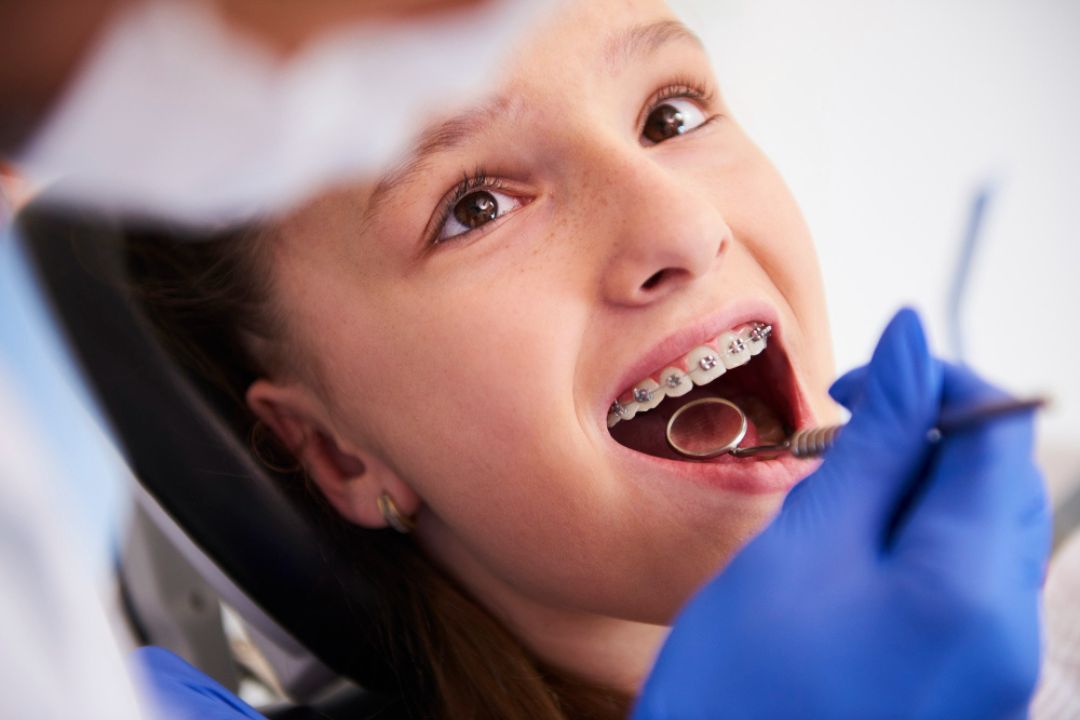
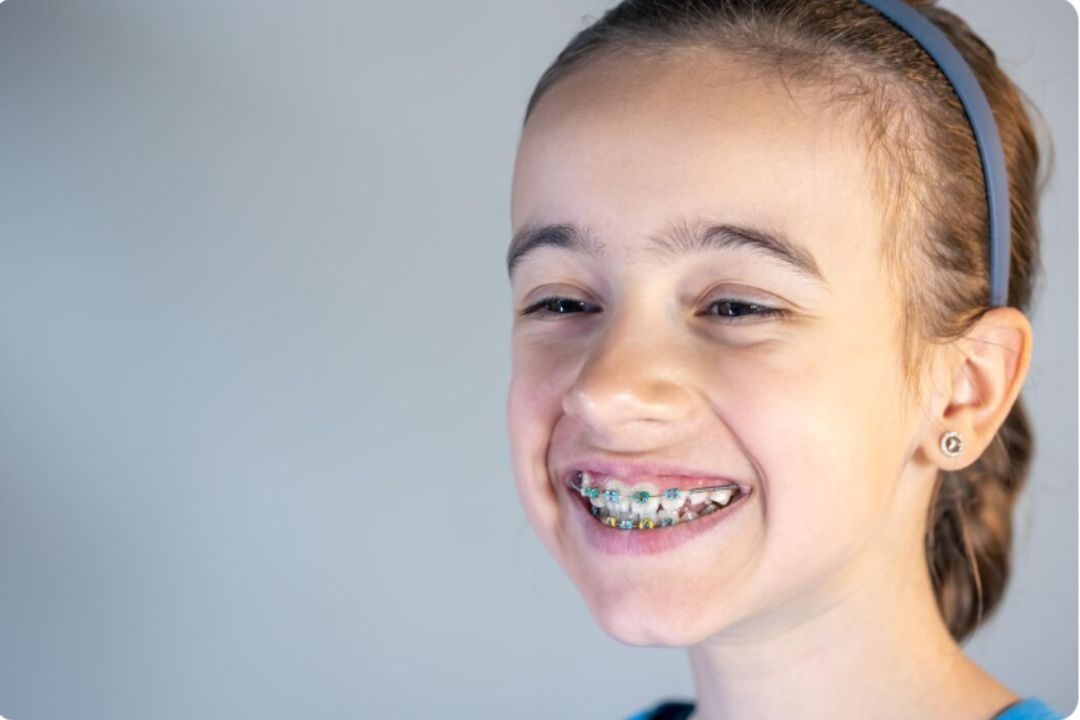

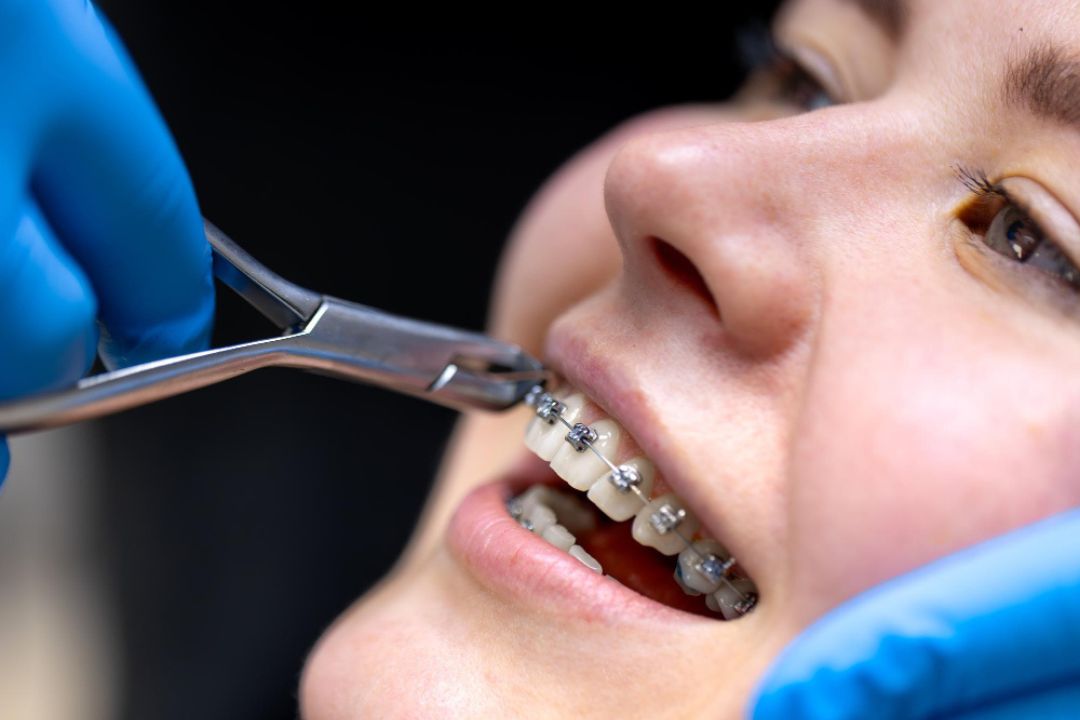
.jpg "dental braces")
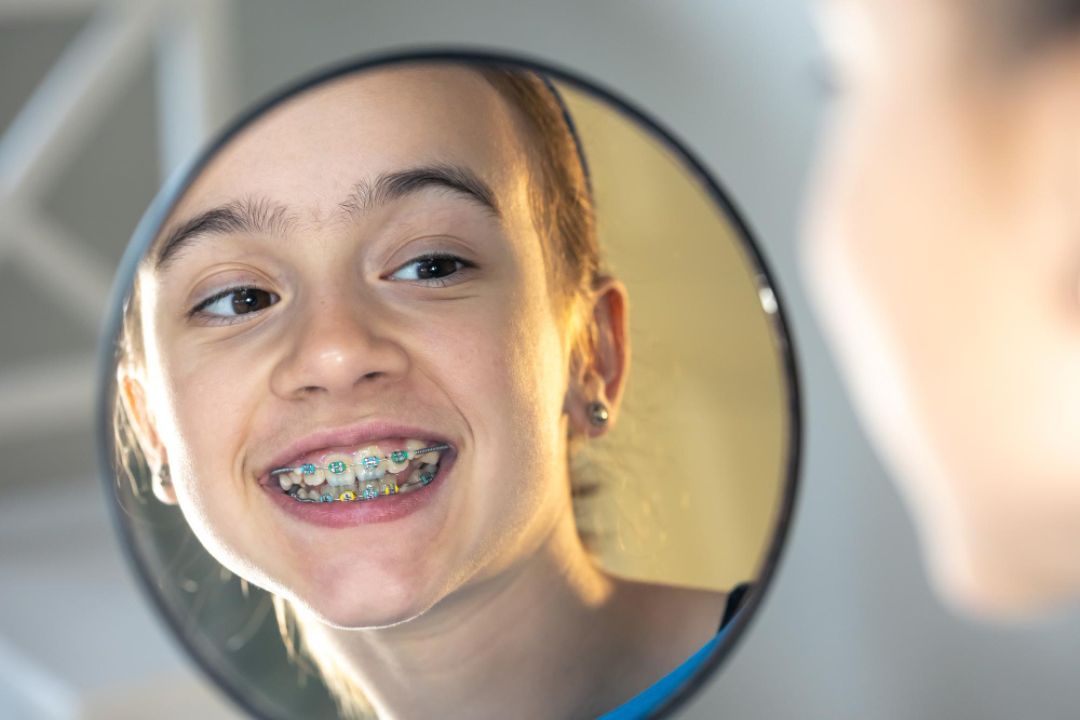



.jpg "dental braces")


 (1).png "Visual Journey of Dental Braces")
 (1).jpg "Dental Braces and Gum Disease")