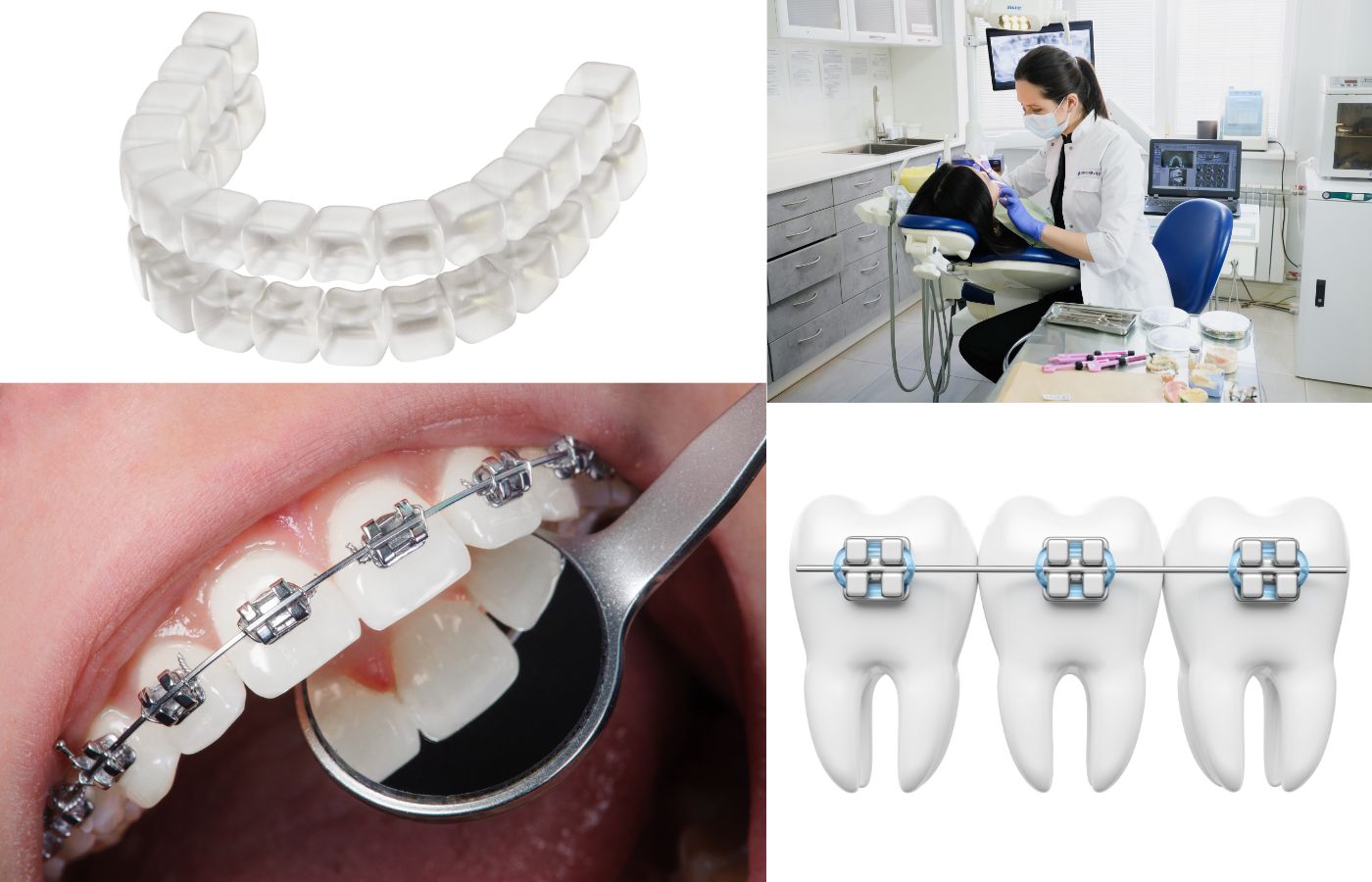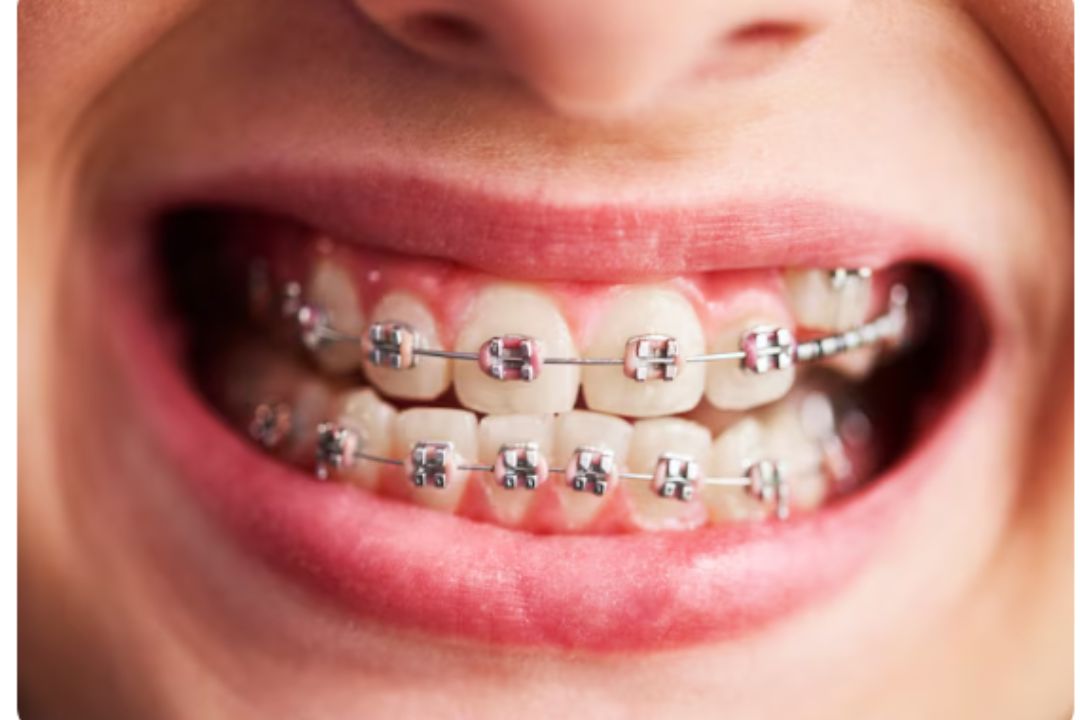
Gaps between teeth (also called diastema) are a common dental concern affecting both aesthetics and oral health. If you’re trying to decide between braces and clear aligners, the right choice depends on the size of the gap, complexity, and your lifestyle needs.
In this guide, we’ll compare braces vs aligners specifically for closing gaps so you can make the best decision.
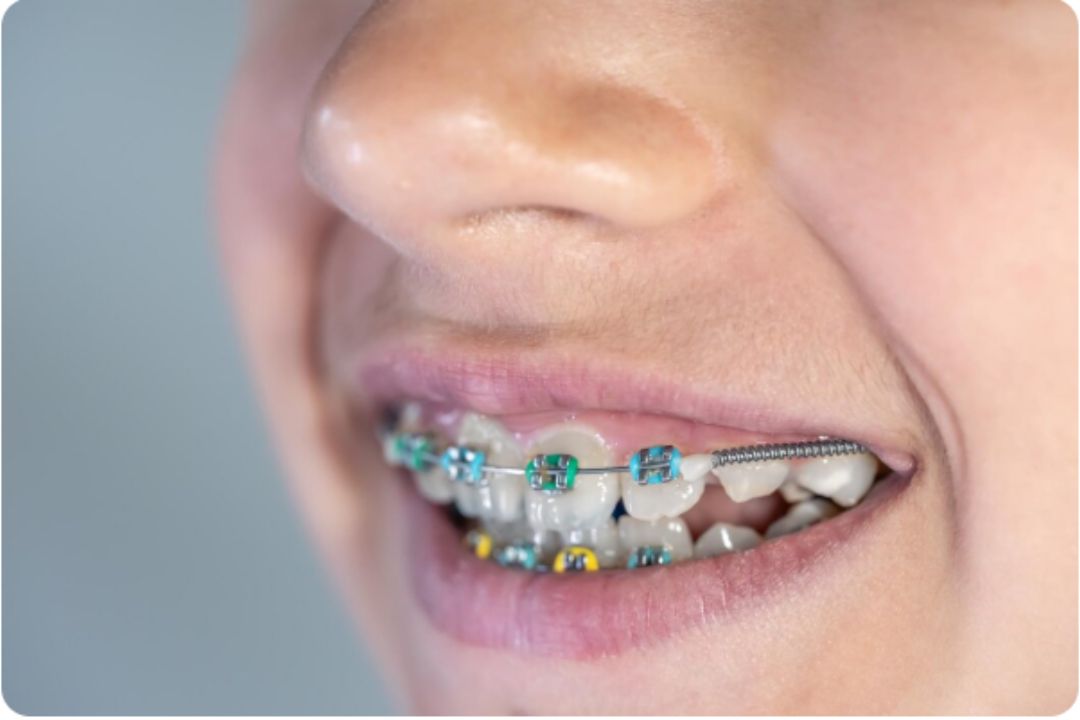
To choose the right treatment, it’s important to understand the cause of gaps
Visit Now: https://www.diagnopein.com/dental-clinic/Mumbai/Dental-Braces
Genetics (natural spacing)
Missing or undersized teeth
Gum disease (periodontal issues)
Tongue thrusting habits
Improper bite alignment
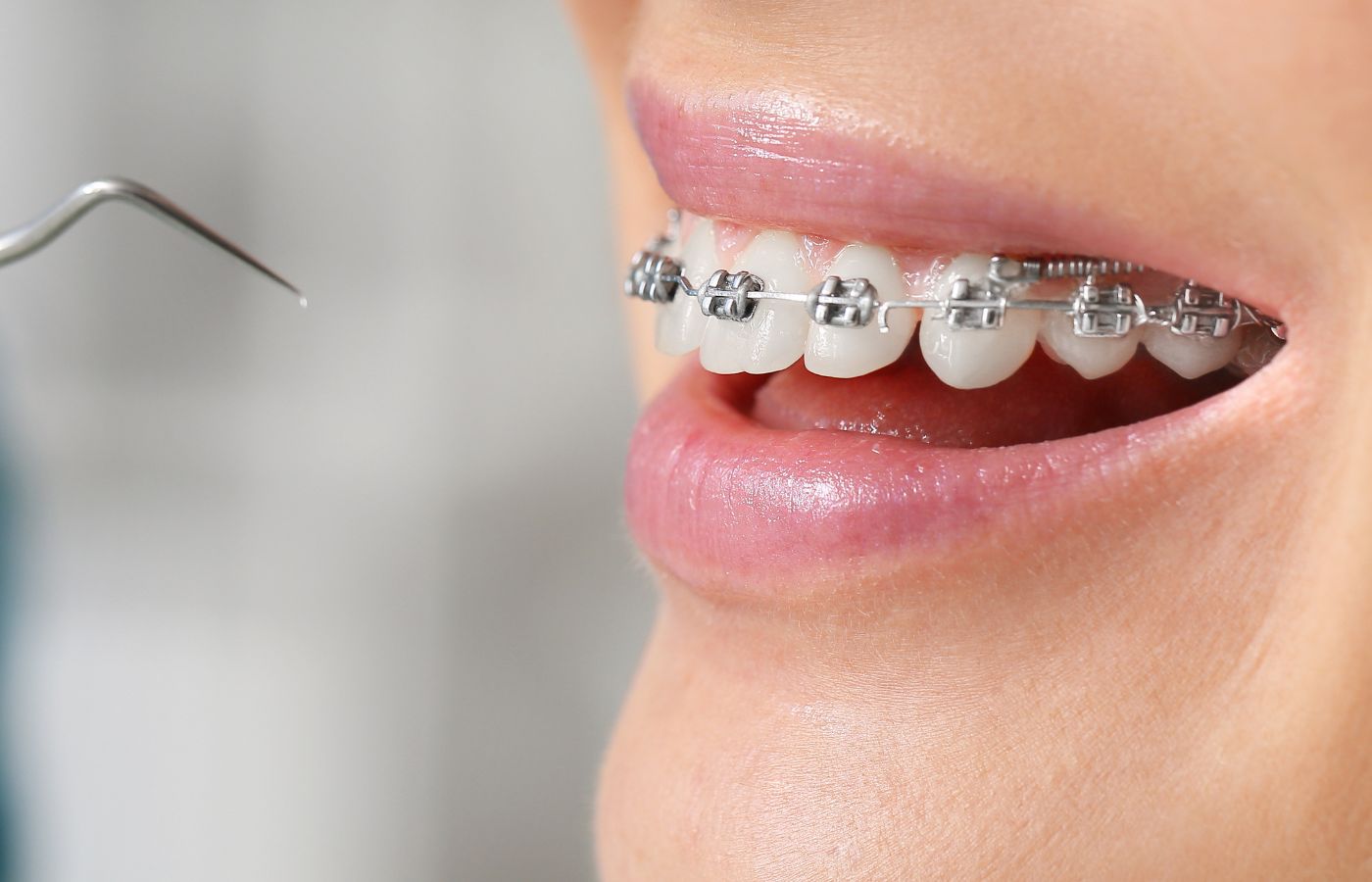
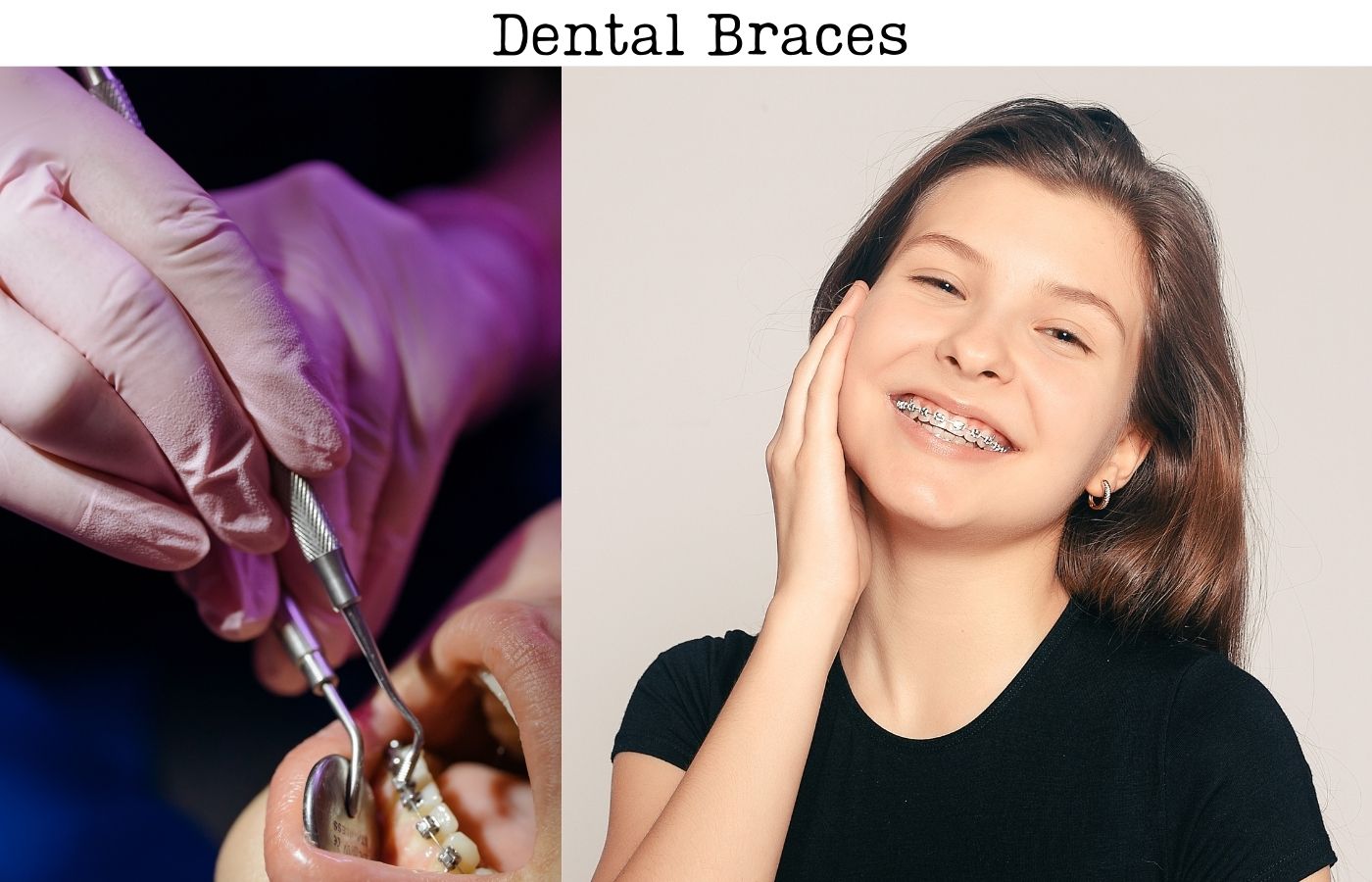
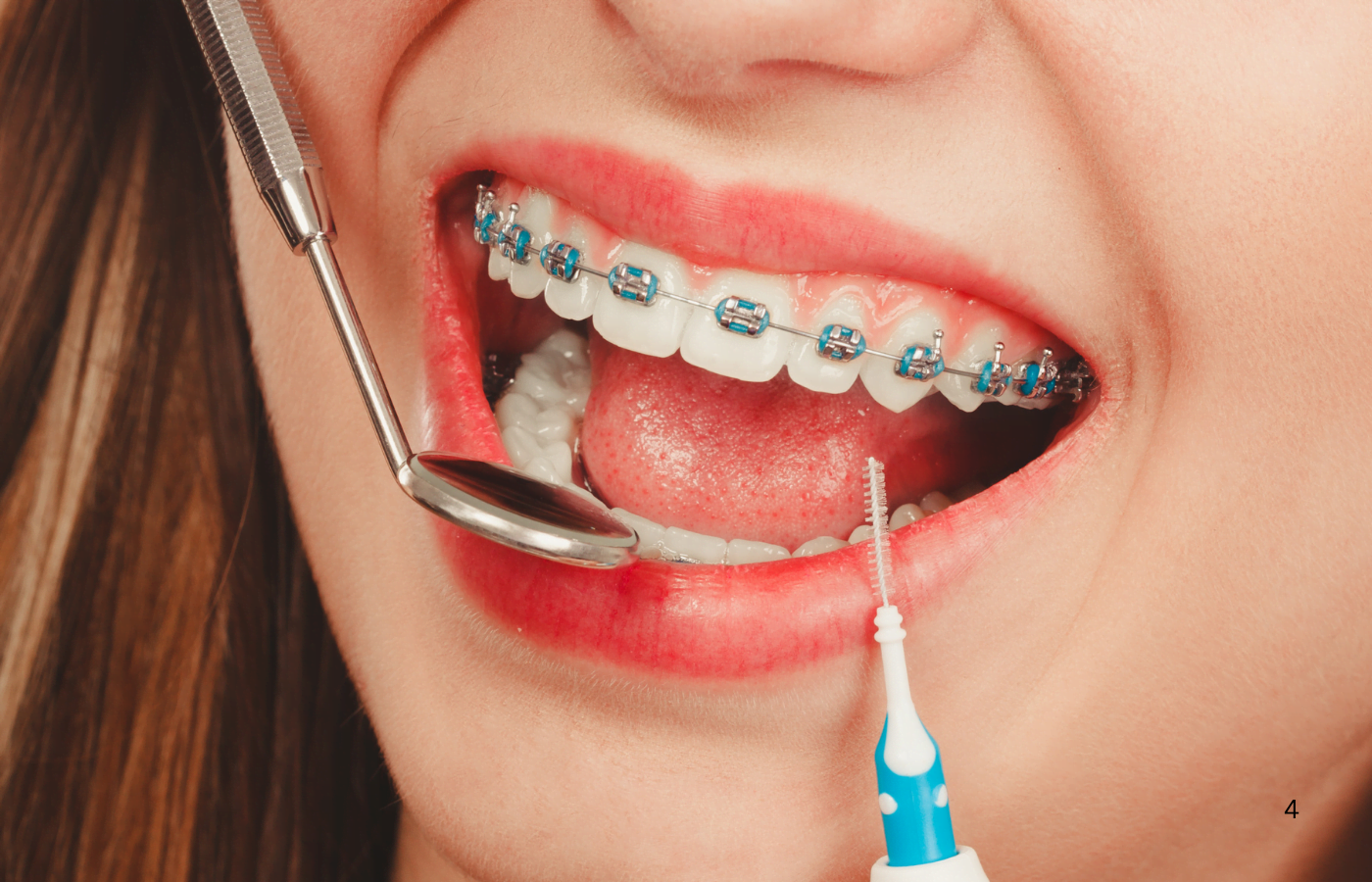
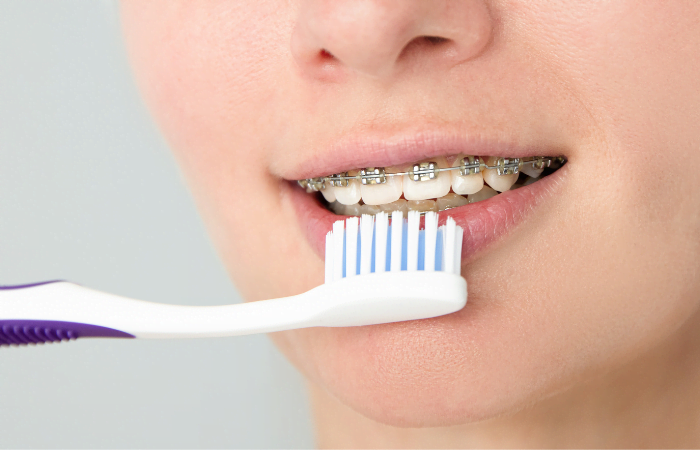
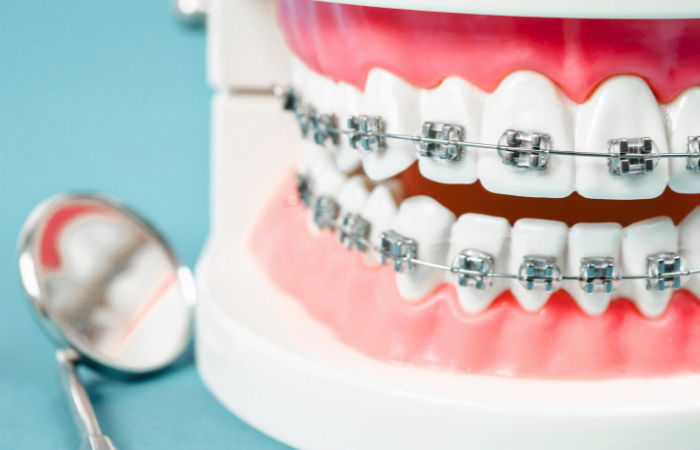
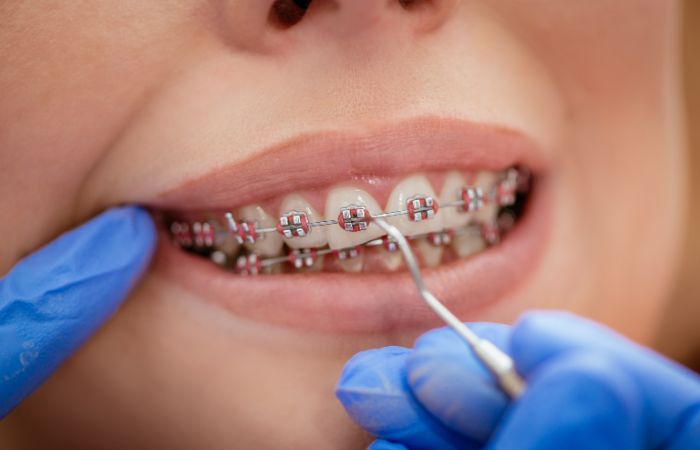
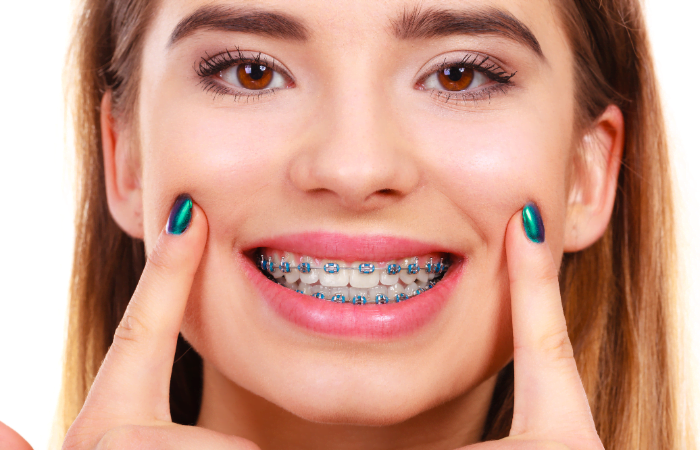
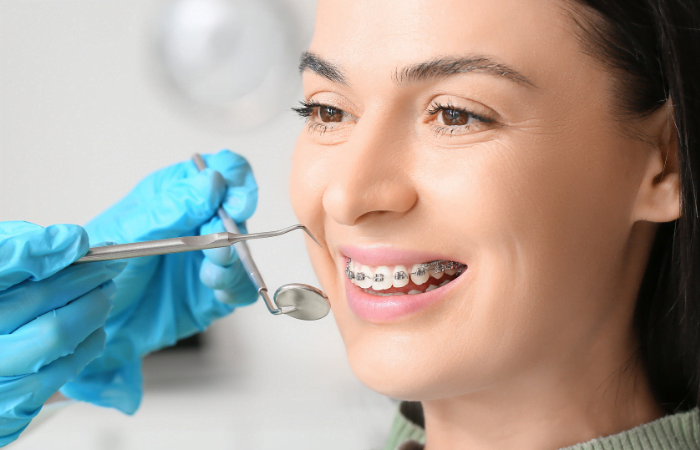
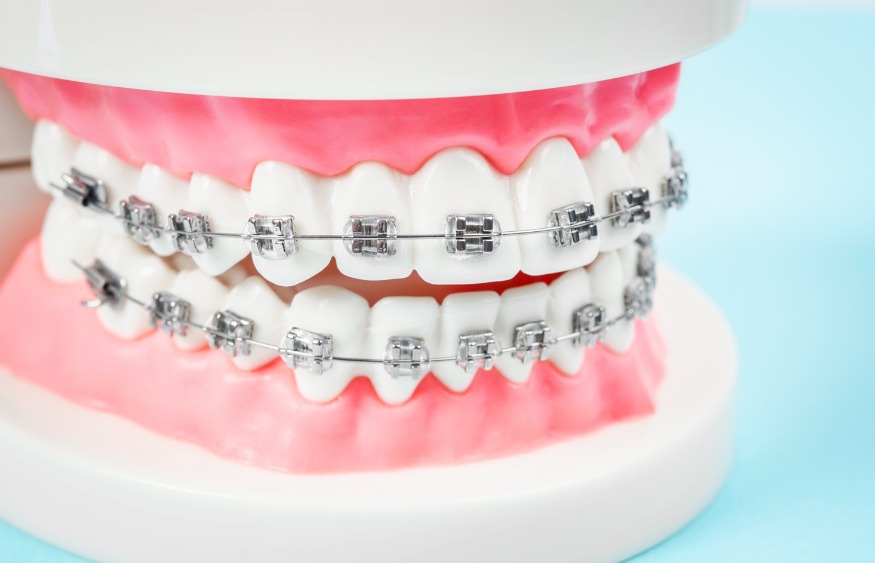
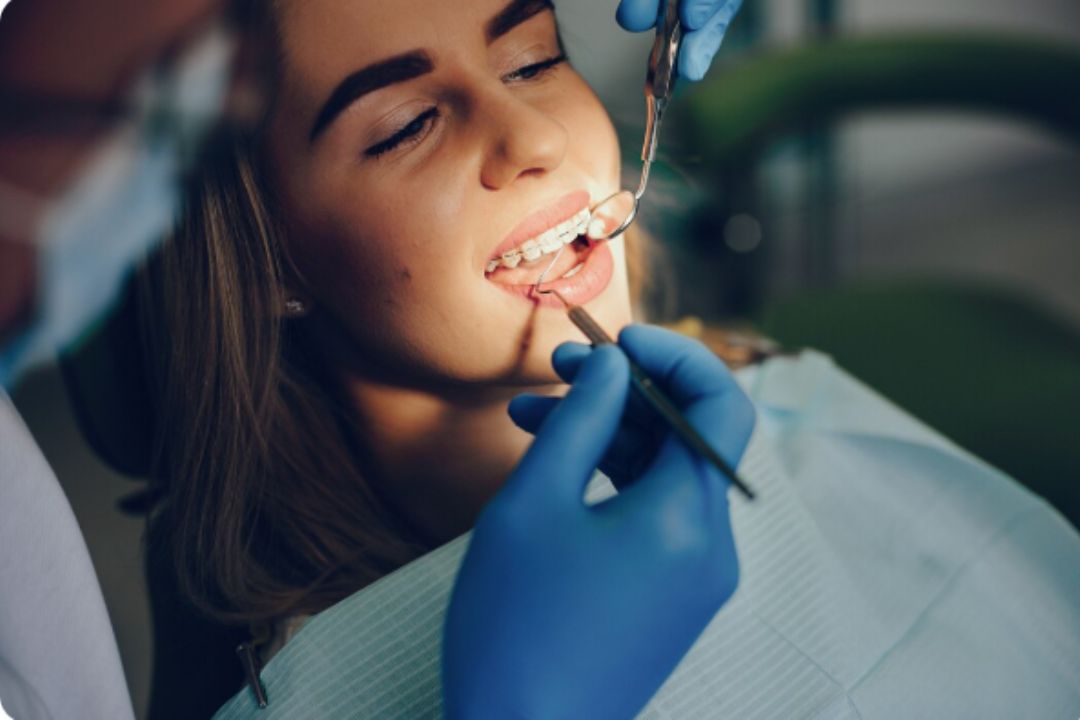
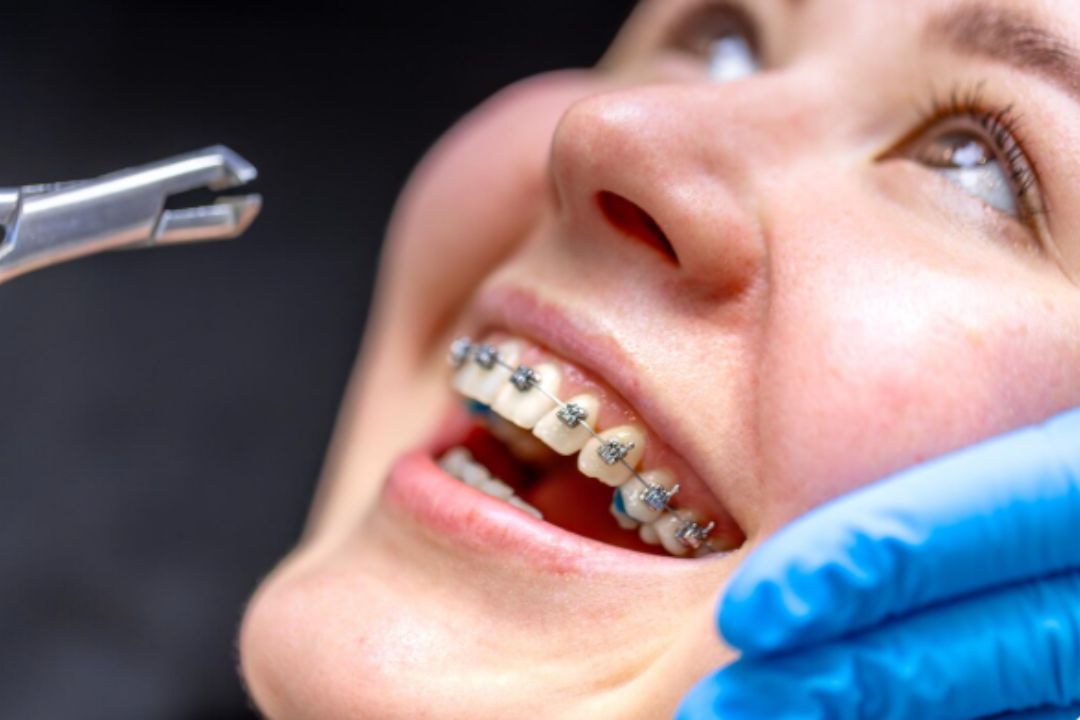
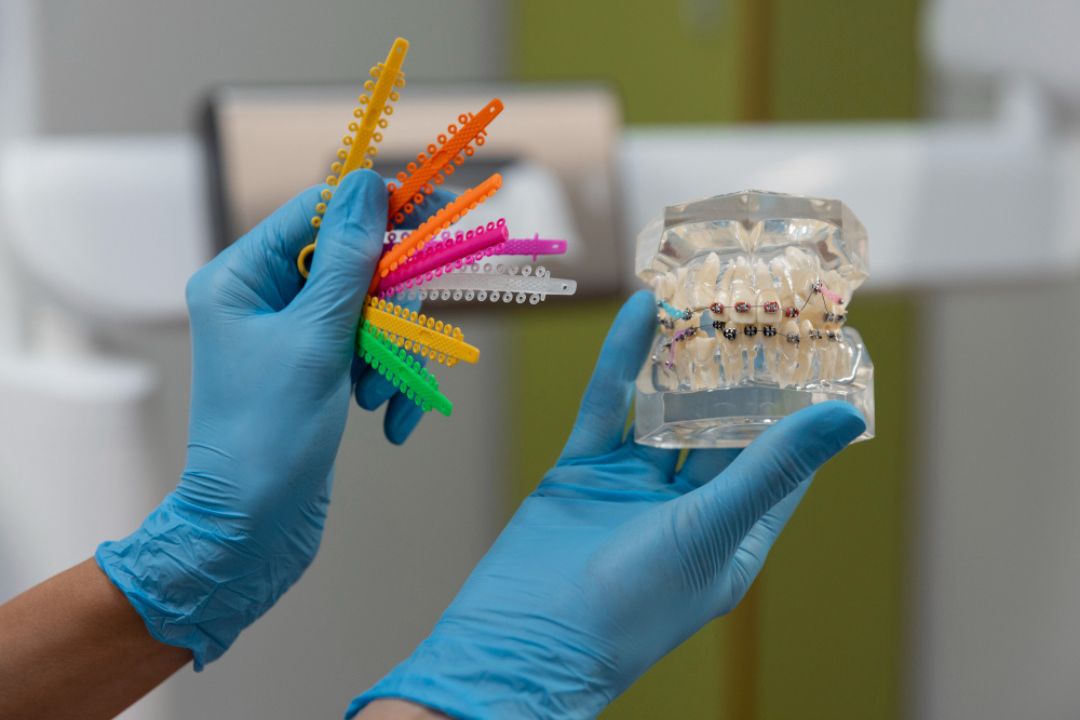
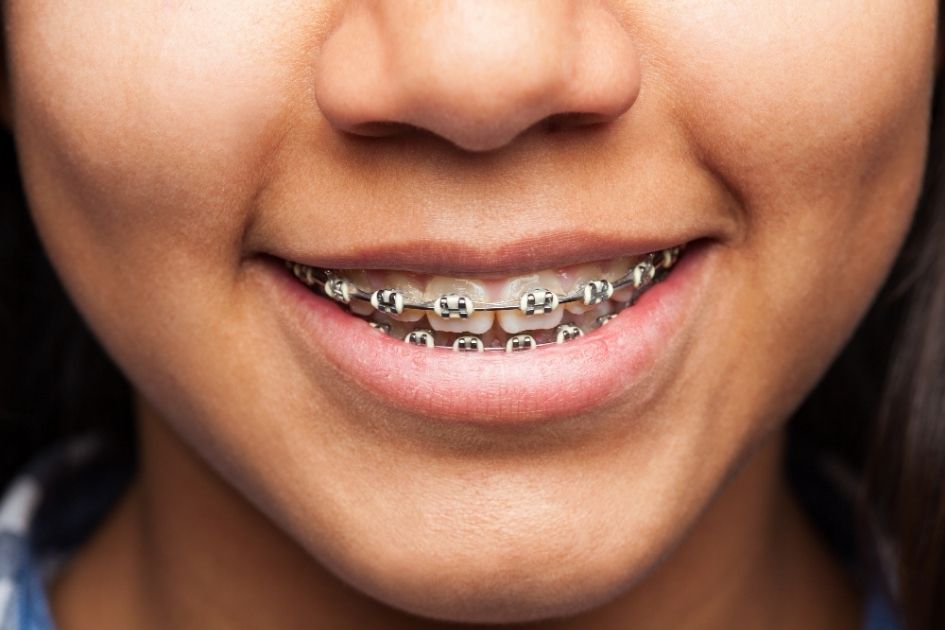
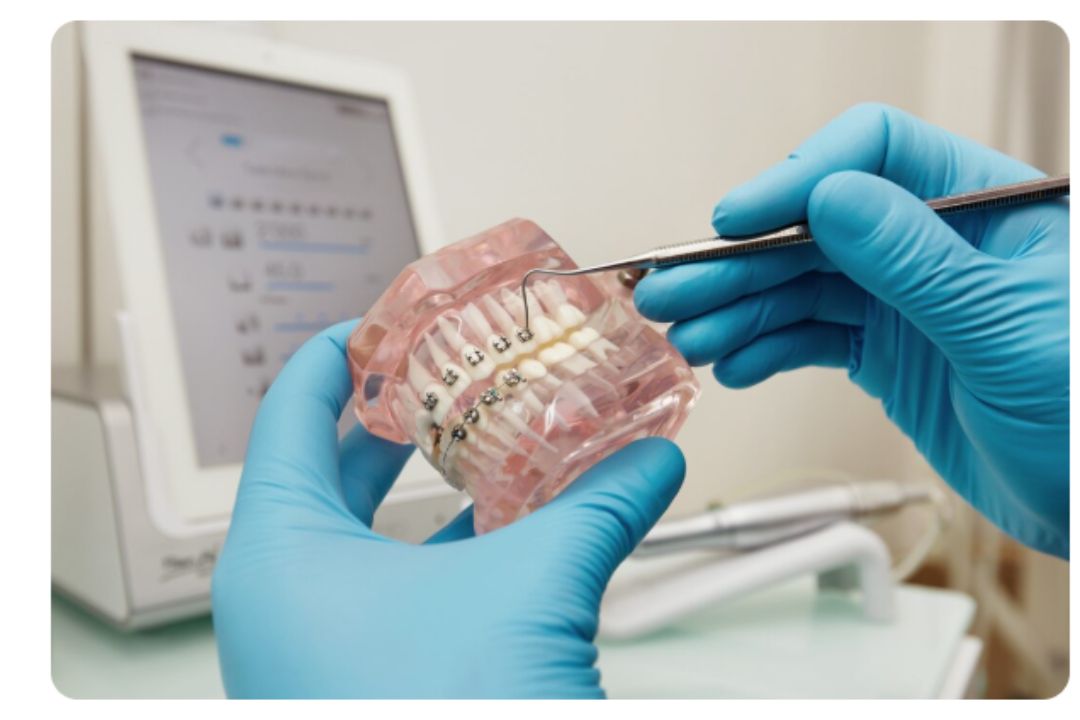
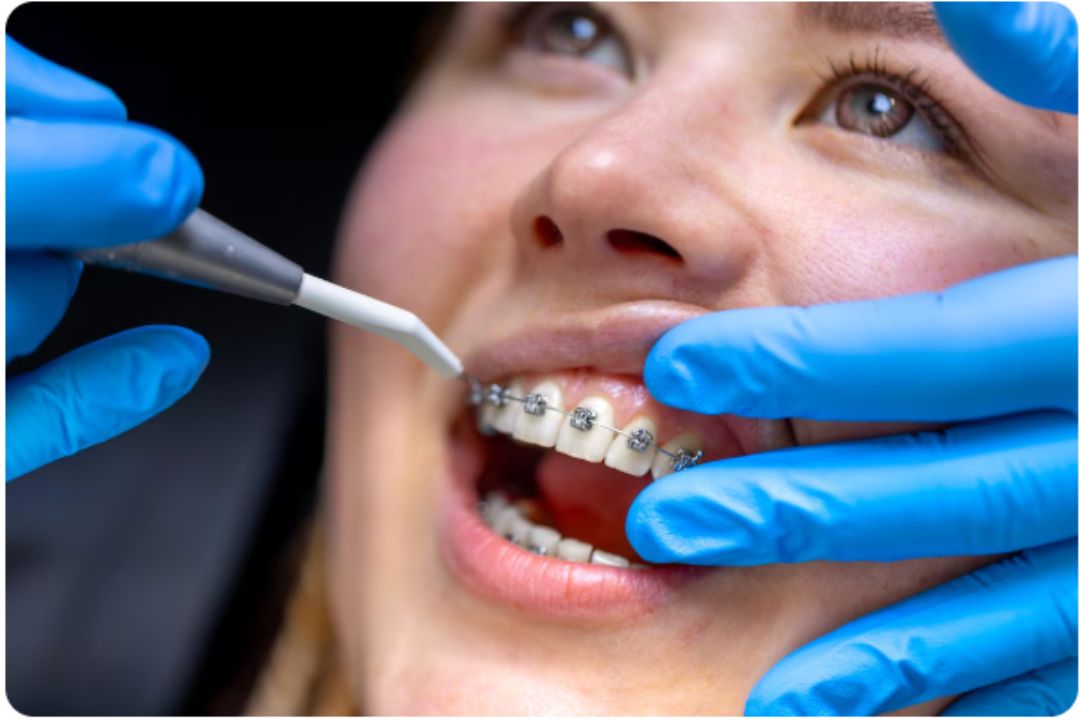
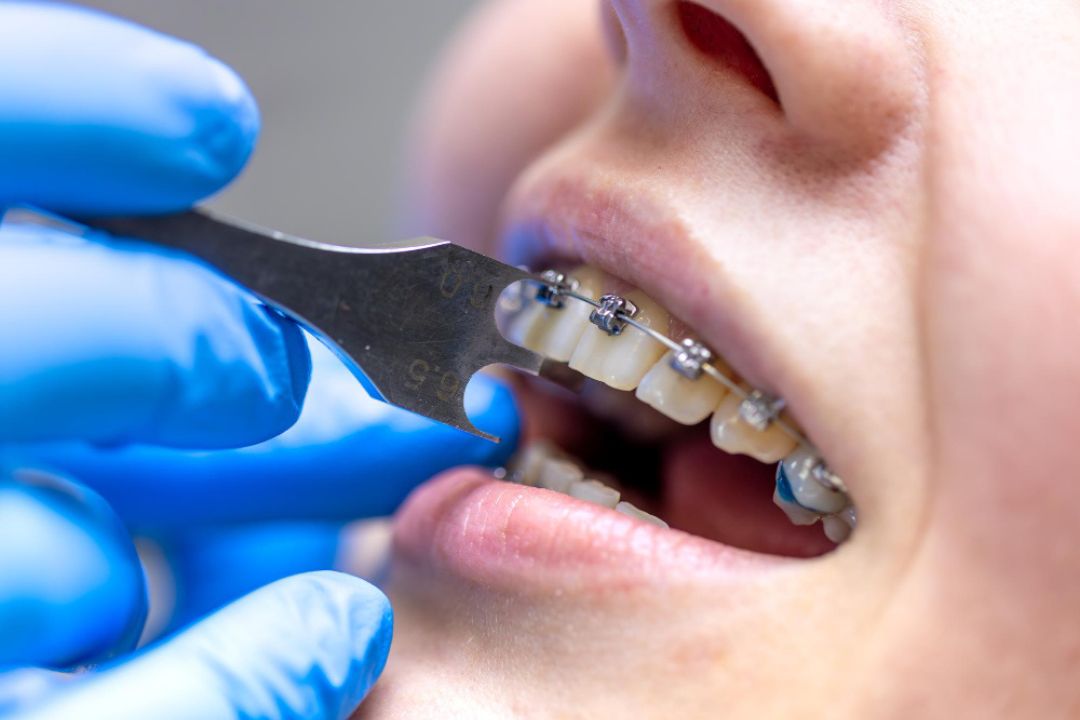
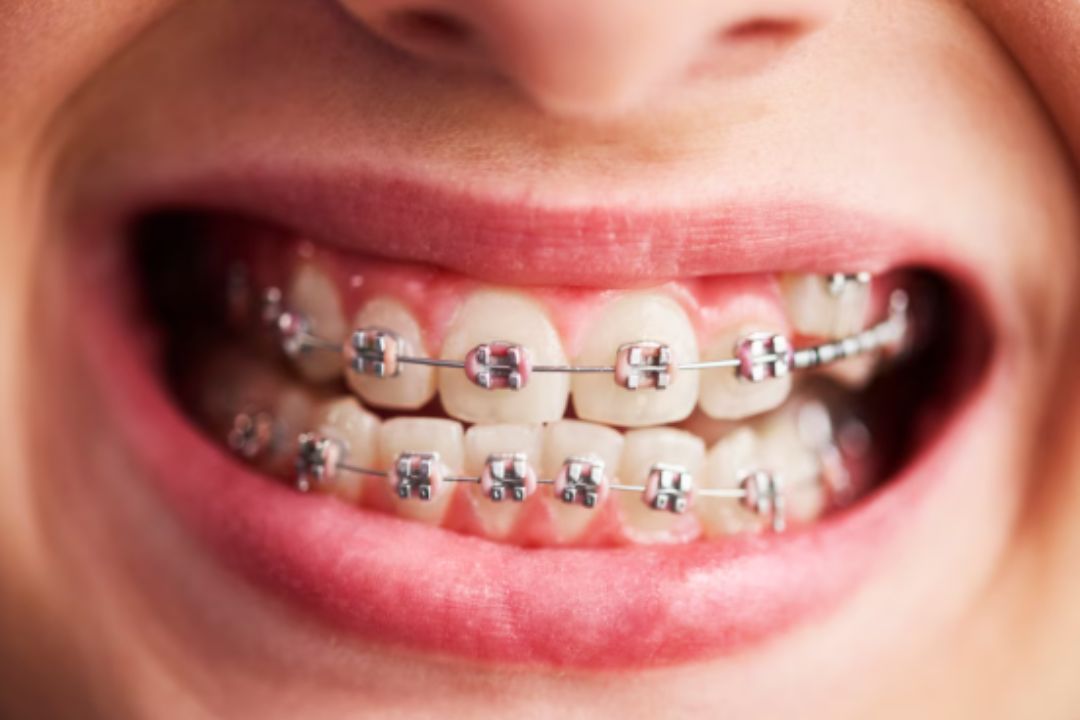
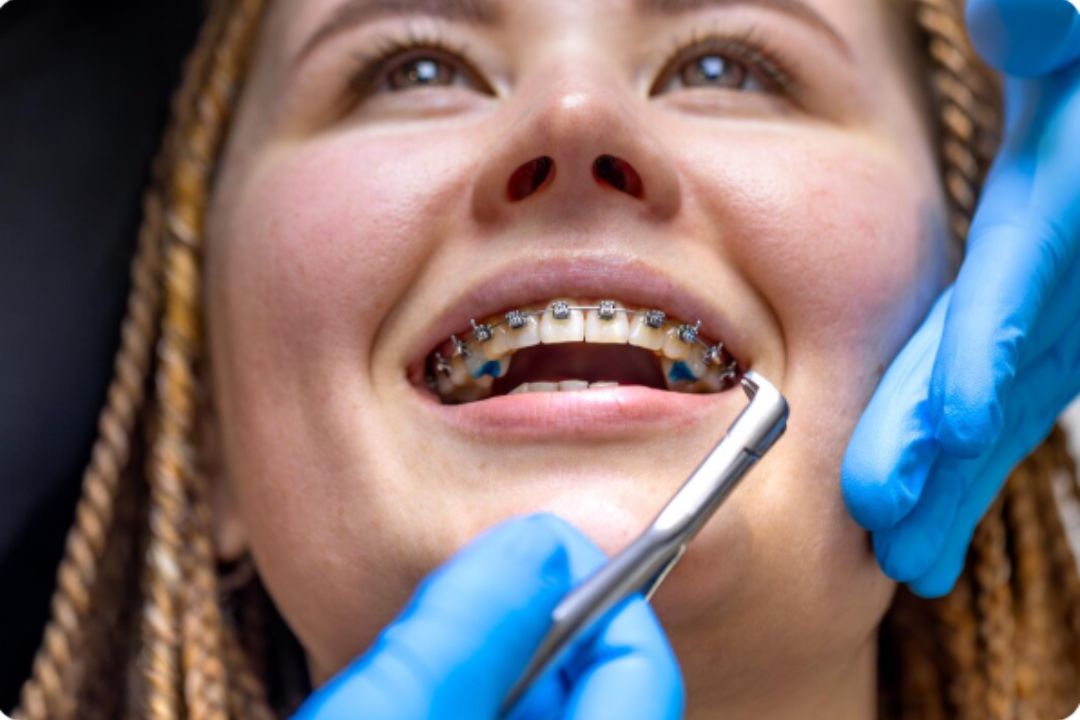
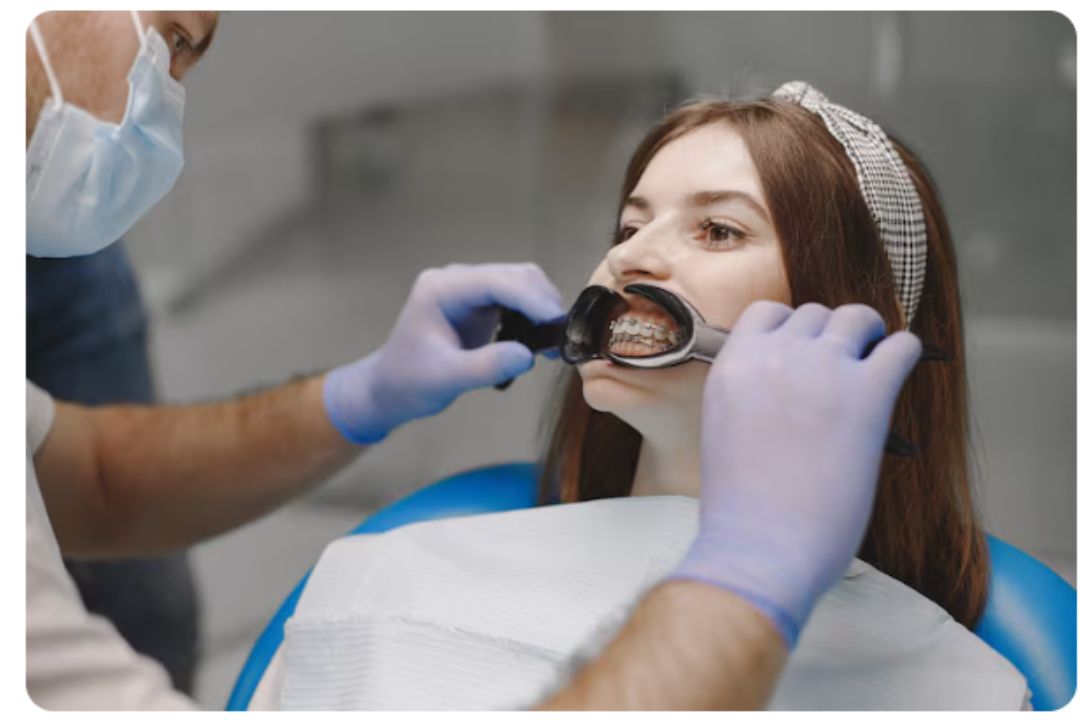
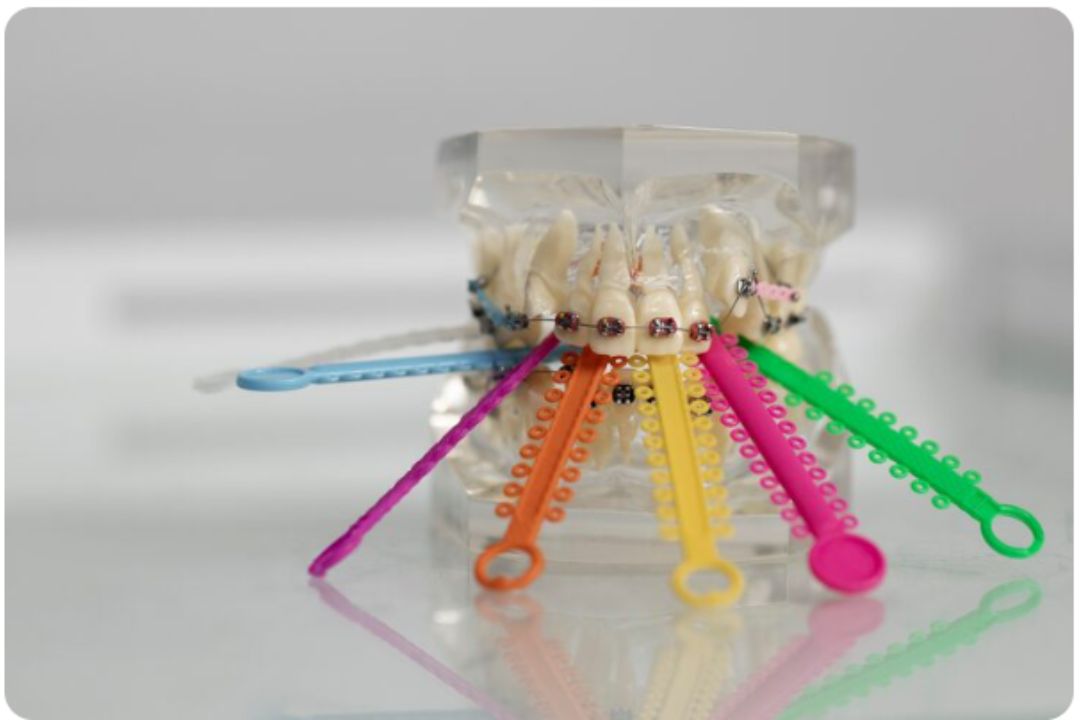
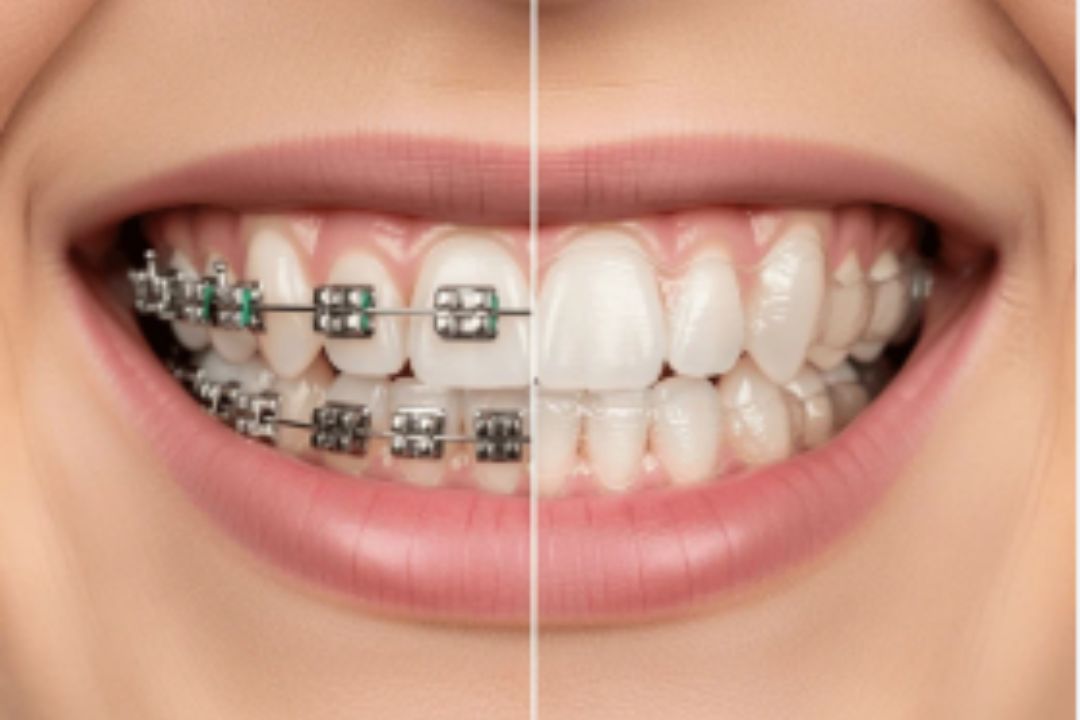
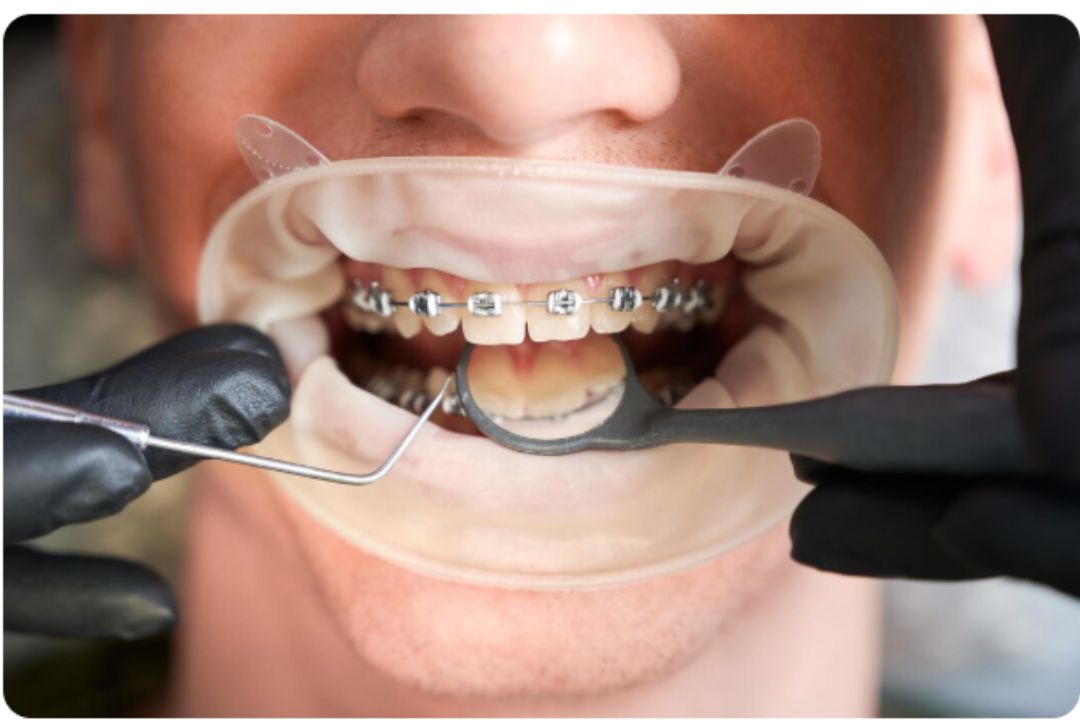
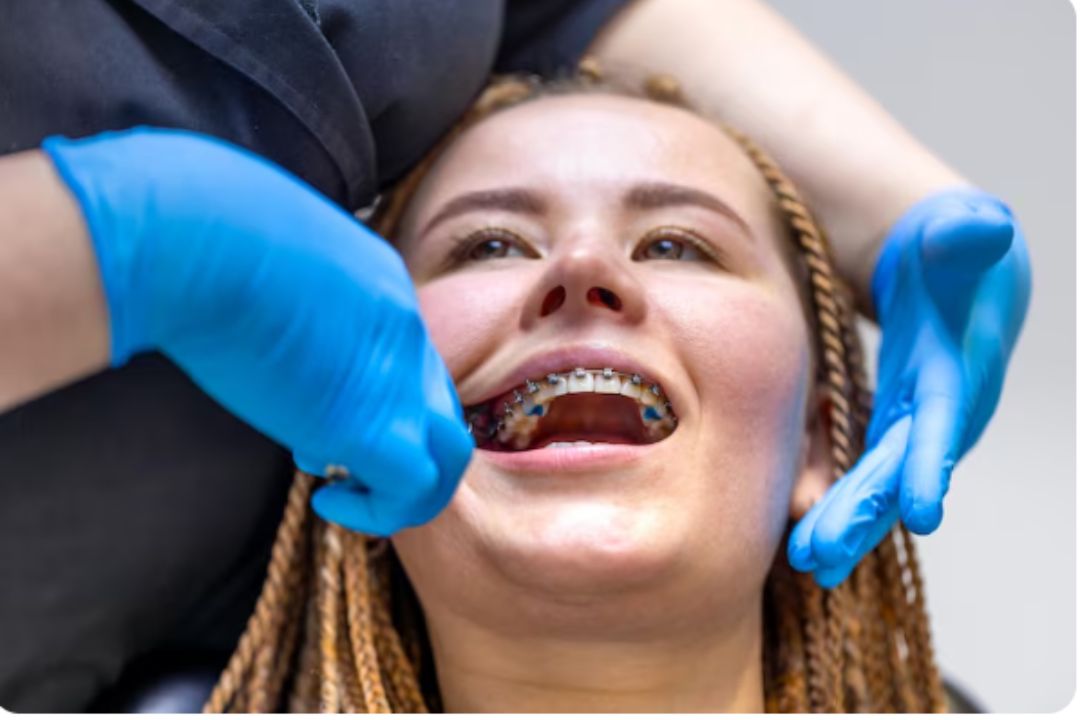
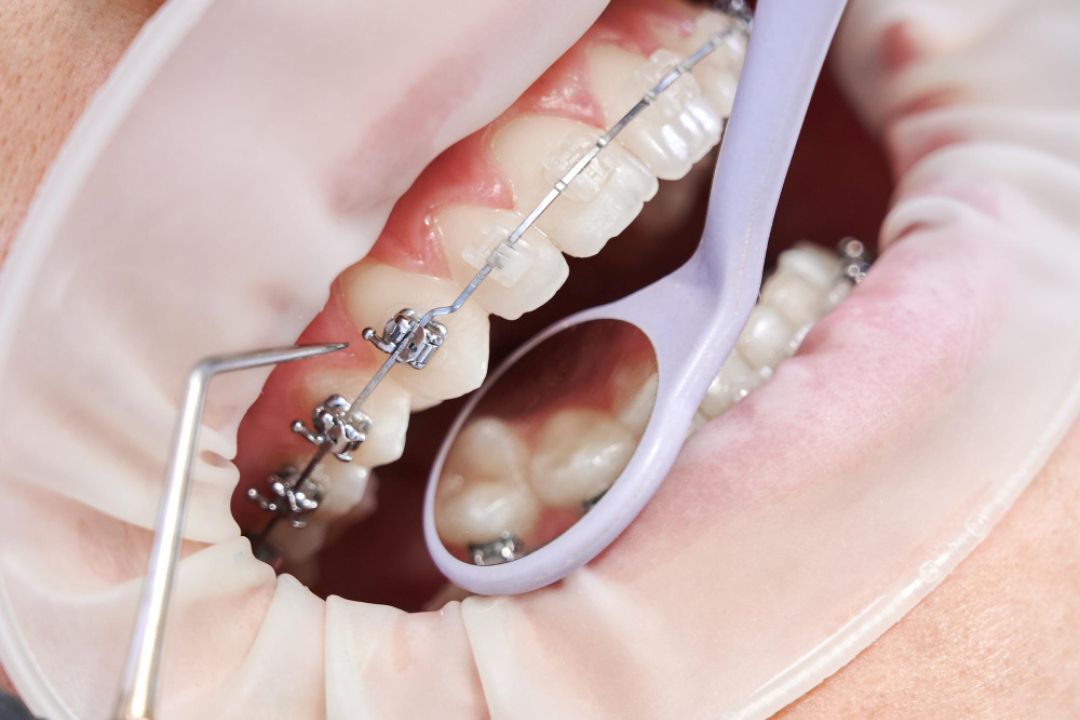
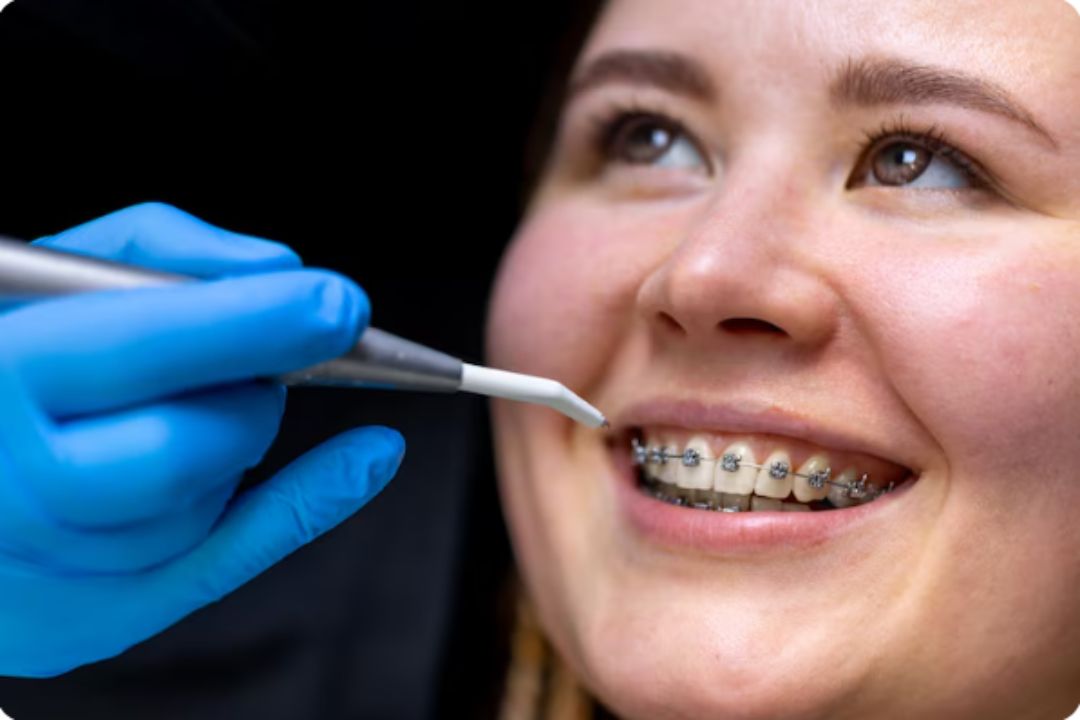
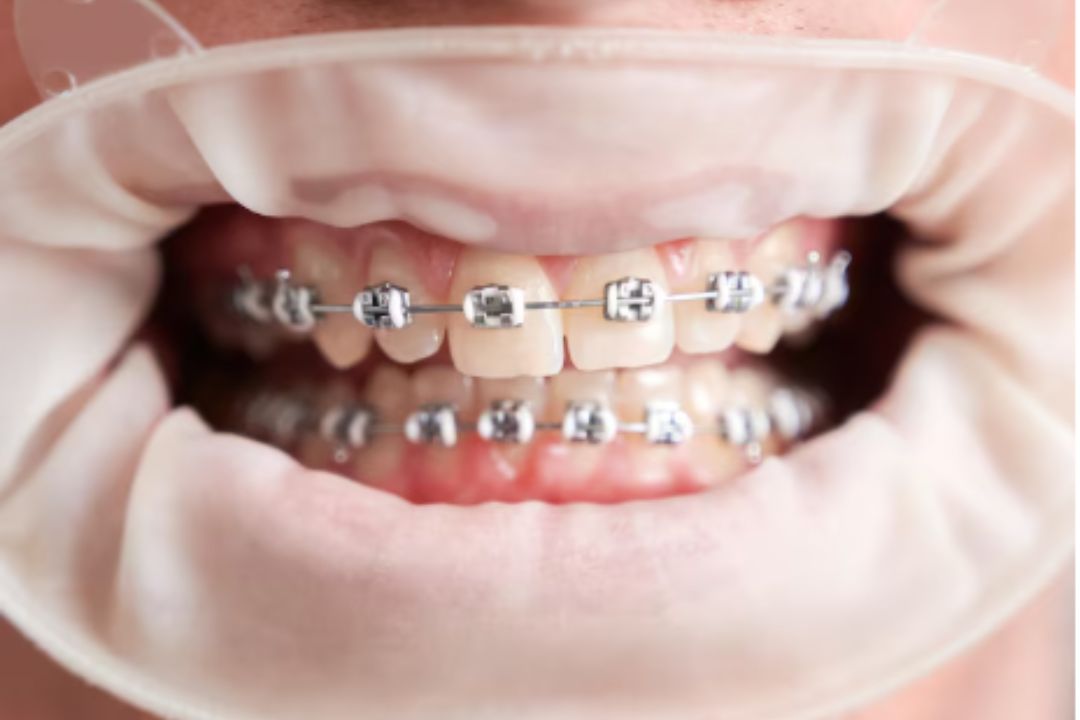
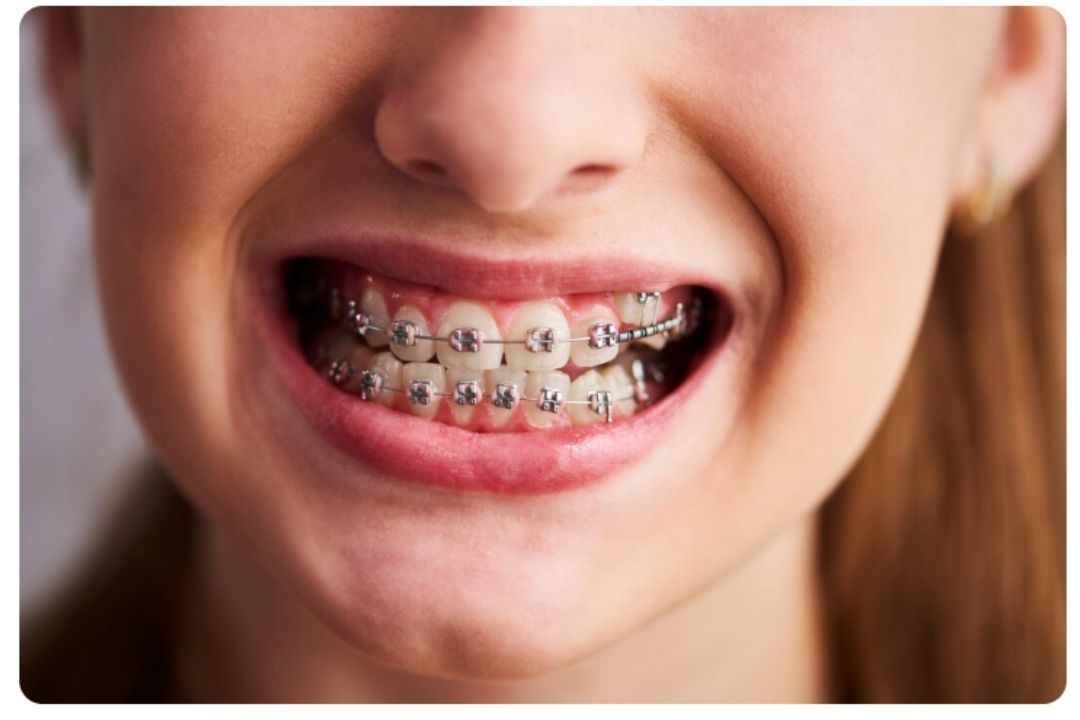
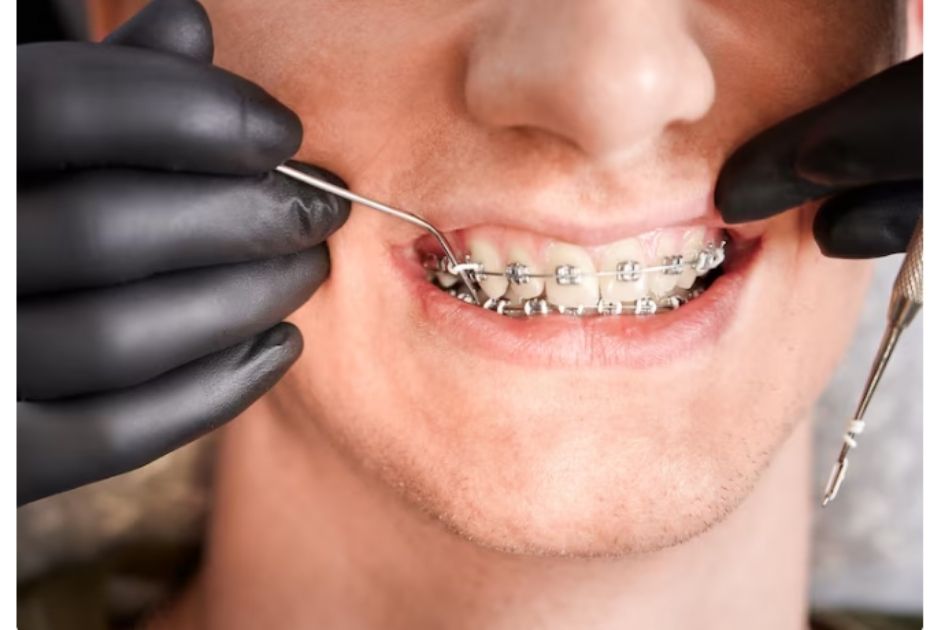
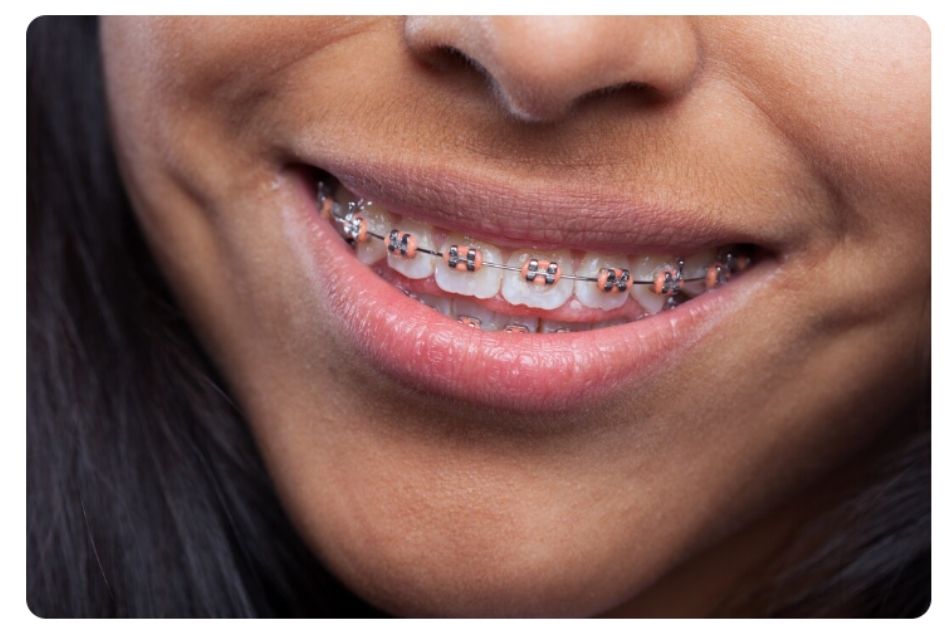
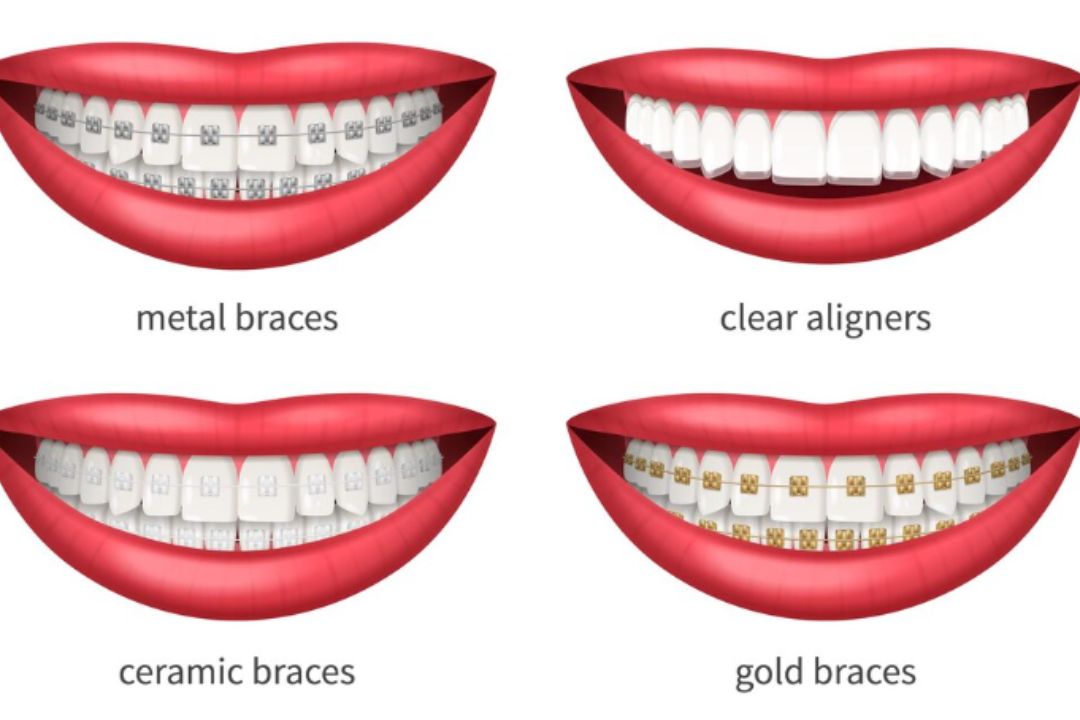
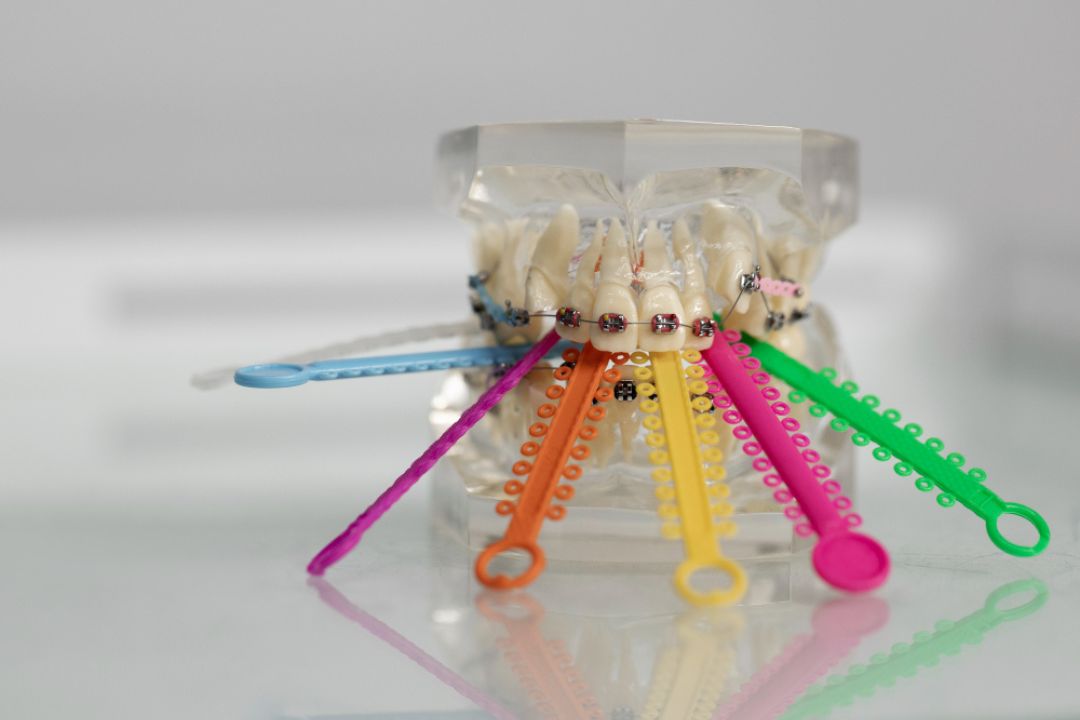
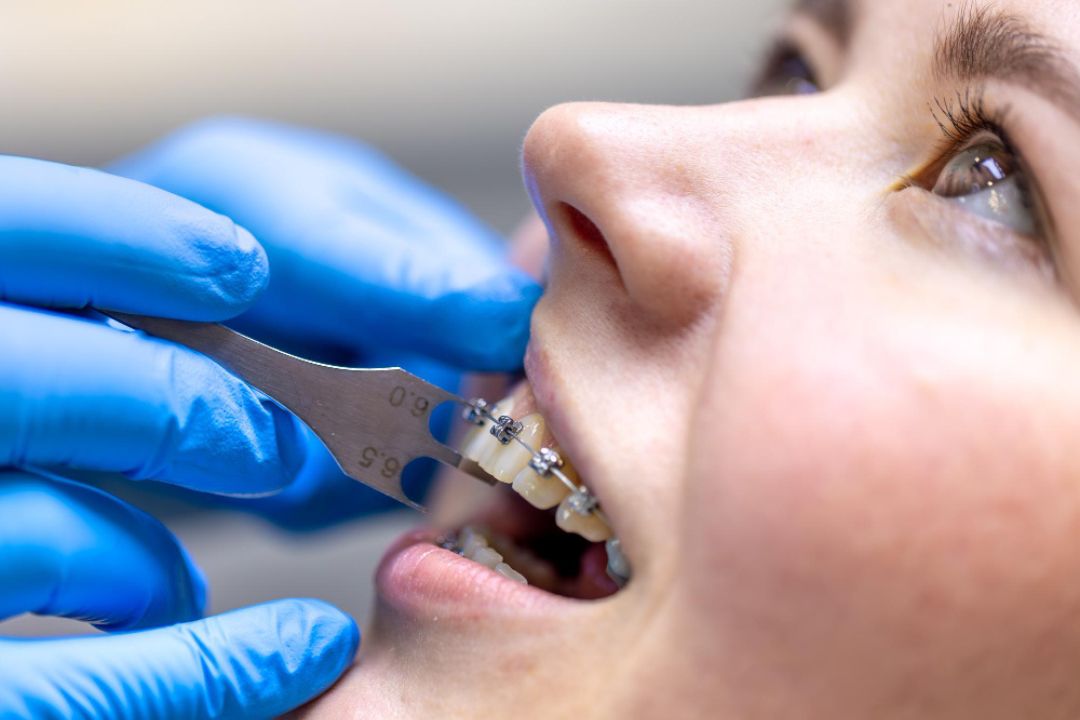
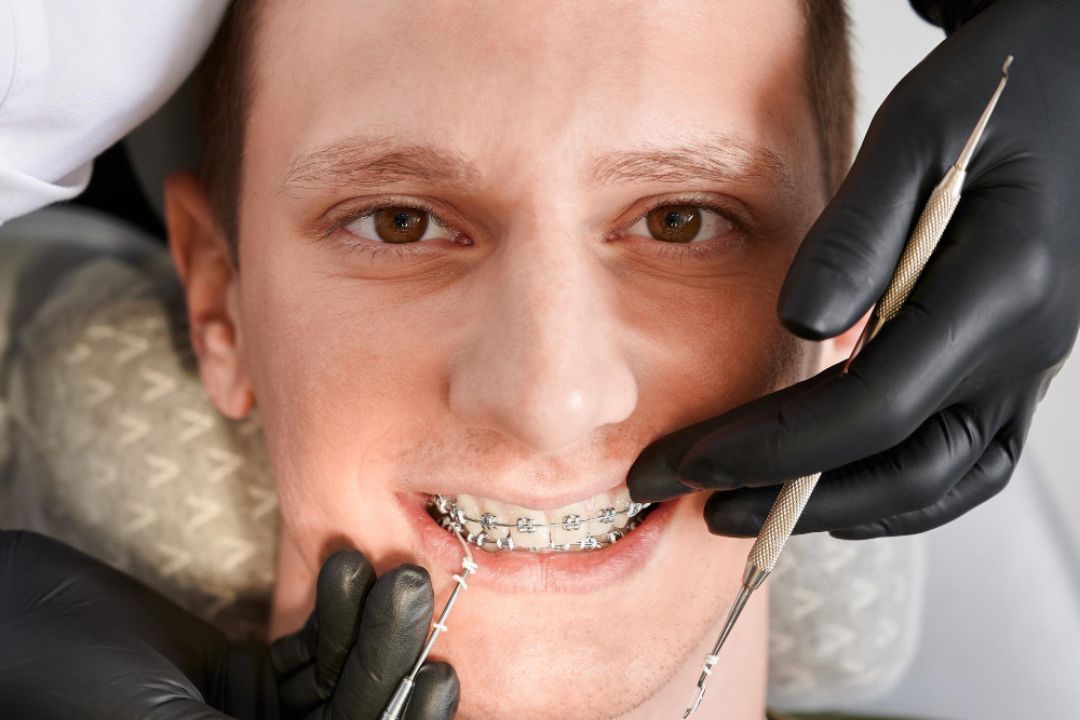
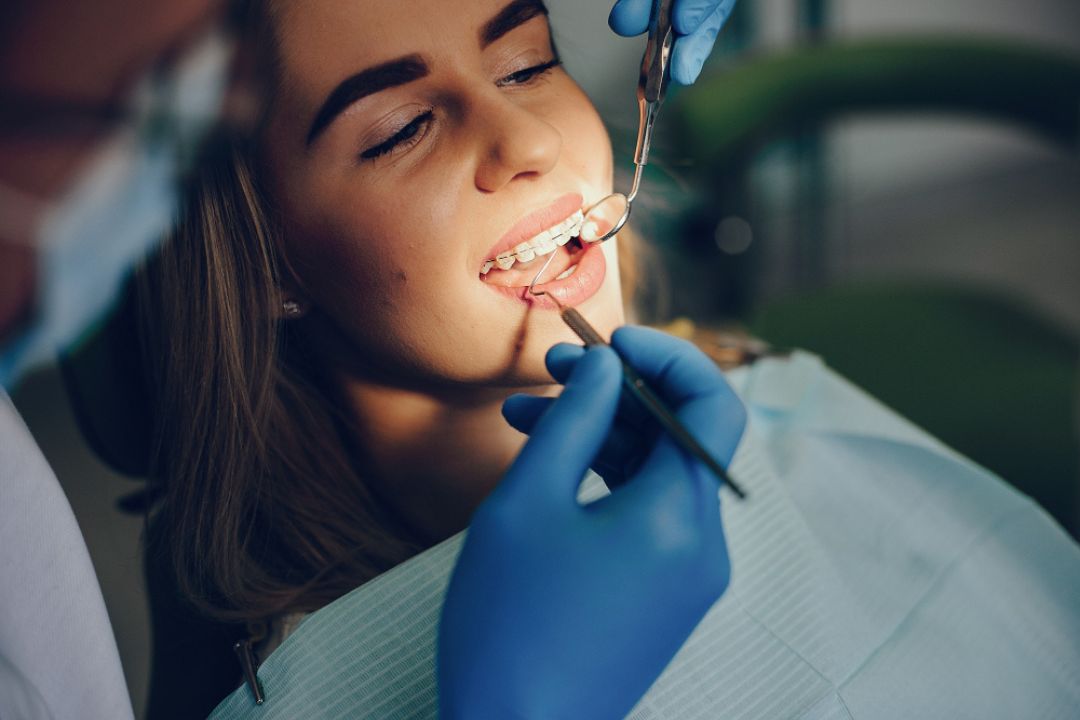
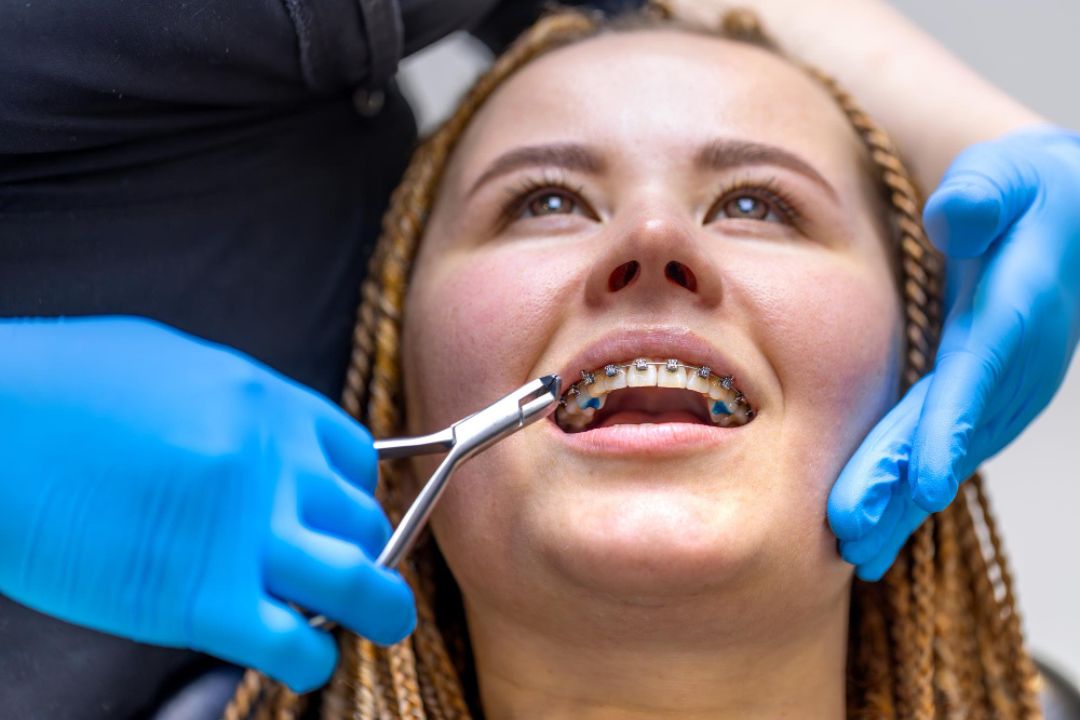
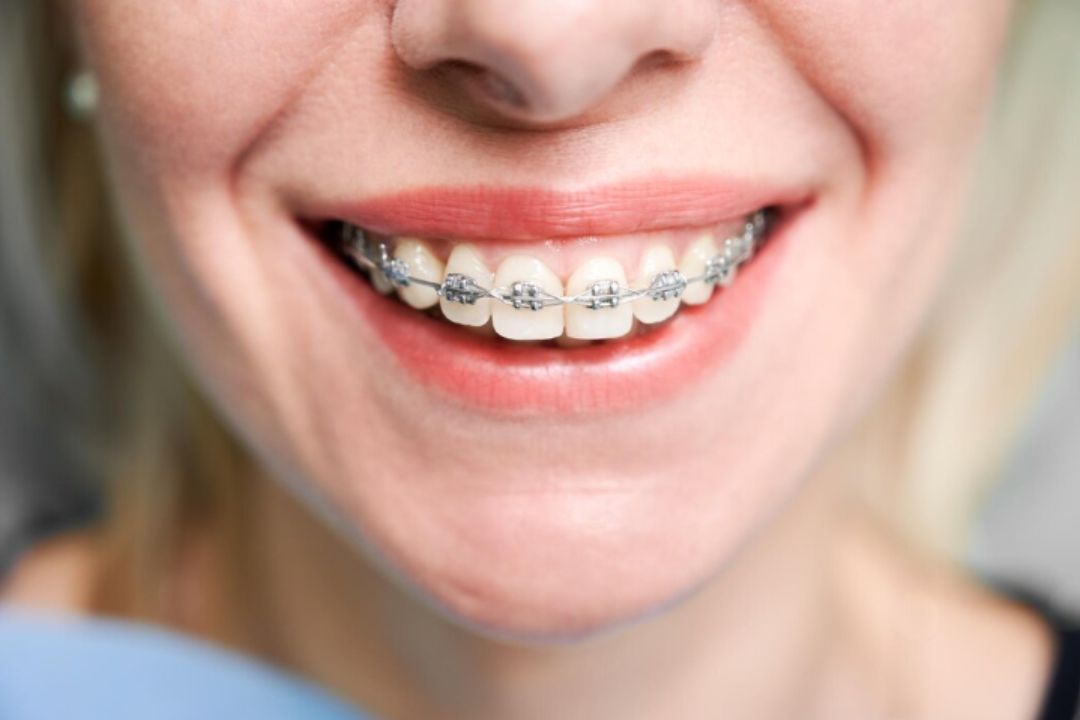
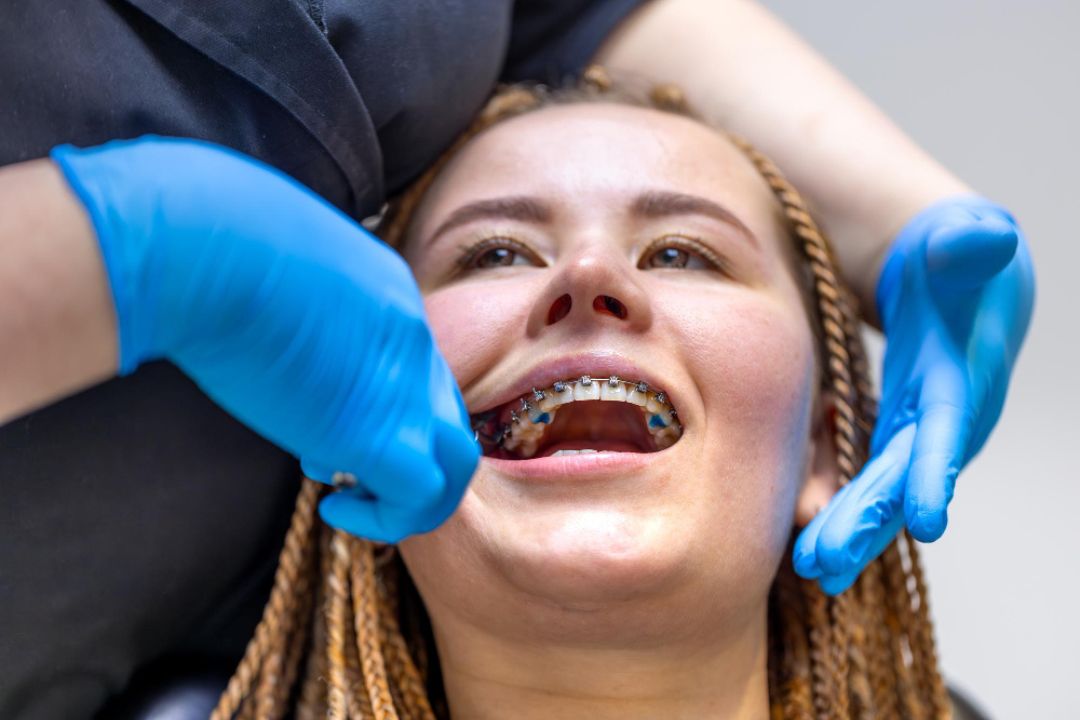
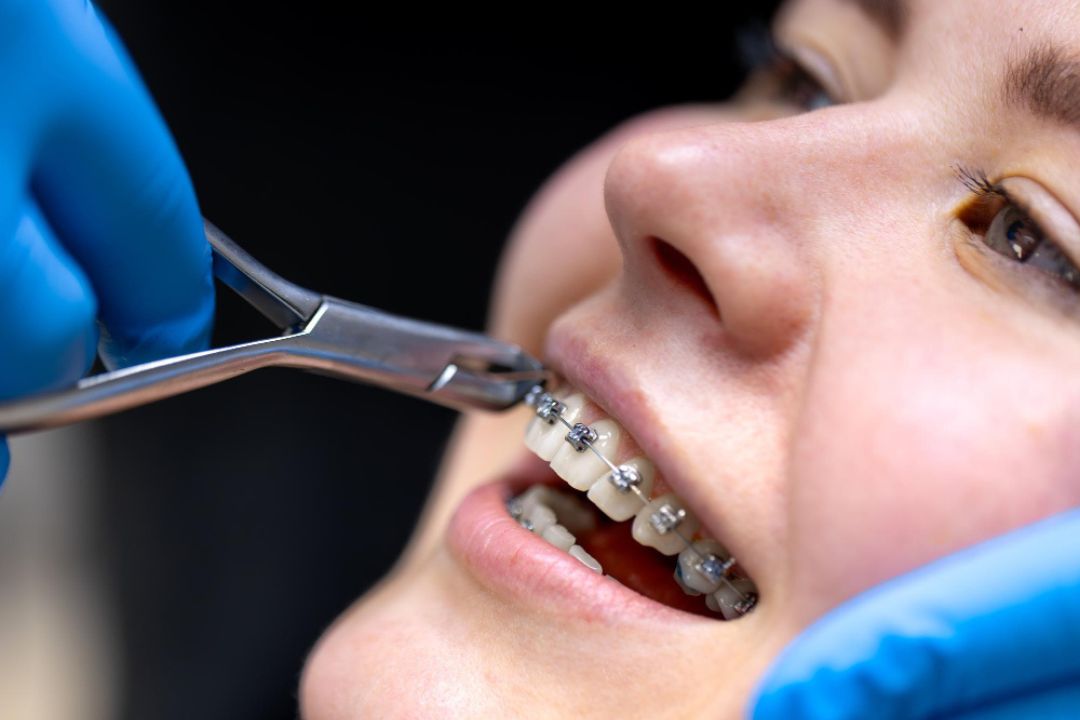
Braces are fixed appliances that apply continuous pressure to move teeth into position.
Book Now: https://www.diagnopein.com
Best for:
Large gaps (more than 3mm)
Multiple gaps across teeth
Bite correction issues
Severe misalignment
Why braces win here:
Stronger force control
More predictable results
Works even in complicated cases
Aligners are removable trays that gradually shift teeth.
Best for:
Small gaps (1–3mm)
Front teeth spacing
Patients wanting invisible treatment
Why aligners are preferred:
Aesthetic (almost invisible)
Removable (easy eating & cleaning)
More comfortable
0–2 mm gap: Aligners usually work very well
2–4 mm gap: Aligners or braces (depends on complexity)
4+ mm gap: Braces are strongly recommended
Braces: 8–18 months (depending on severity)
Aligners: 6–12 months (for mild cases)
Both treatments can give permanent results, but only if you use retainers.
Without retainers:
Teeth may shift back
Gaps can reopen
Metal Braces: ?25,000 – ?50,000
Ceramic Braces: ?40,000 – ?80,000
Clear Aligners: ?60,000 – ?2,50,000
Pros:
Works for all gap sizes
Highly precise
Better for complex cases
Cons:
Visible
Food restrictions
Slight discomfort
Pros:
Invisible
Comfortable
Removable
Cons:
Requires discipline (20–22 hours/day)
Not ideal for large gaps
Higher cost
Choose Braces if:
You have large or multiple gaps
Your case is complex
You want the most reliable result
Choose Aligners if:
You have small gaps
You want a discreet option
You can wear them consistently
For most patients:
Mild gap → Aligners
Moderate to severe gap → Braces
However, the final decision should always be based on a clinical evaluation by an orthodontist.
Both braces and aligners are effective for closing gaps—but they serve different needs.
Braces = power + precision
Aligners = comfort + aesthetics
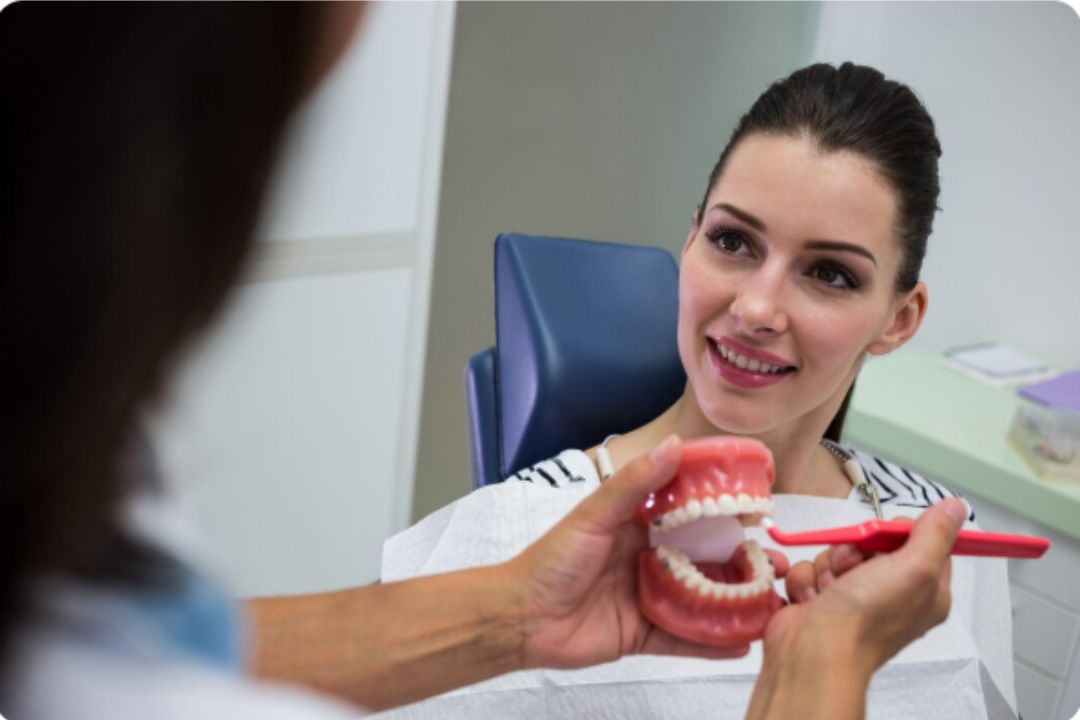
If you’re unsure which treatment is right for you, consult a dental expert for a personalized plan.
Early treatment ensures faster and better results.






















































.jpg "affordable metal braces in mumbai")


























.jpg "dental braces cost in Diagnopein complete price breakdown (2026 guide)")








.jpg "dental braces")





.jpg "dental braces")




 (1).png "Visual Journey of Dental Braces")
 (1).jpg "Dental Braces and Gum Disease")