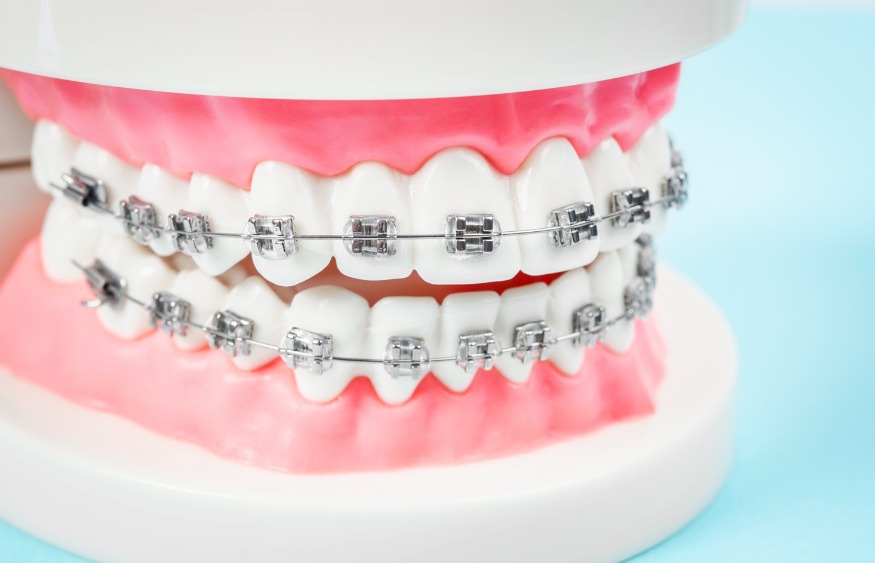
The answer depends on how teeth move, the complexity of your case, and your treatment plan. In this guide, we compare braces for gaps vs straightening teeth in terms of speed, difficulty, and results.
Extra space between teeth
Often seen in front teeth (diastema)
Caused by:
Missing teeth
jaw-to-tooth size mismatch
habits (thumb sucking)
Teeth overlap or rotate
Lack of space in the jaw
Can involve:
twisting (rotation)
vertical movement
bite correction
Crowding is generally more complex to treat than simple gaps.
Braces apply continuous pressure to move teeth and reshape bone over time.
For gaps → teeth are pulled together
For crooked teeth → teeth are repositioned in multiple directions
The complexity of movement determines treatment time. ()
Movement is more direct and linear
Teeth are pulled together along a single path
Visible improvement can start within 4–8 months ()
Best case: small to moderate gaps
Requires multi-directional movement
May involve:
rotation
space creation
bite correction
Treatment often takes longer due to complexity ()
Not all gaps are easy to fix.
Treatment can take longer if:
Gap is very large
Missing teeth are involved
Bite correction is required
In such cases, movement happens from multiple directions.
In some cases:
Mild crowding
No extractions needed
Straightening may actually finish faster than complex gap closure.
Your timeline depends on:
Severity of spacing or crowding
Jaw structure
Age and bone density
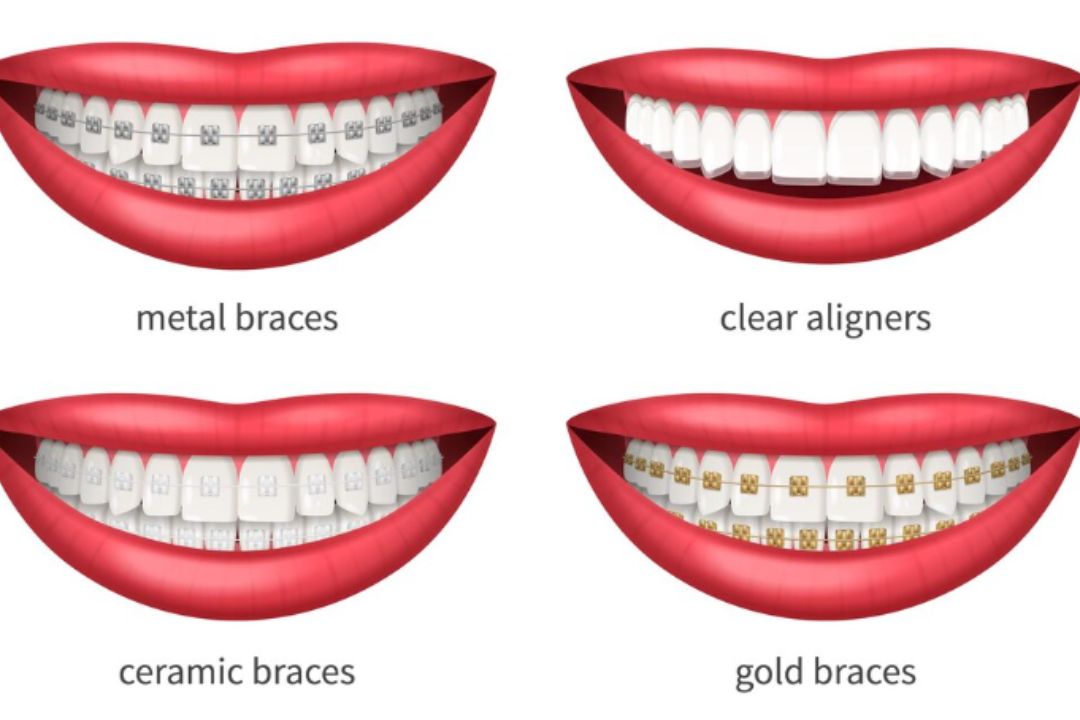
Type of braces used
Patient compliance
Proper planning is more important than the condition itself.
Both conditions affect oral health:
Food trapping
Gum problems
Tooth shifting over time
Plaque buildup
Difficulty cleaning
Higher risk of cavities and gum disease ()
There is no “better”—only what suits your case.
Gaps → easier to close in simple cases
Crooked teeth → require more detailed planning
Braces are highly effective for both when properly planned.
Braces can effectively treat both gaps and crooked teeth—but the time and difficulty depend on the complexity of movement.
In general:
Gap closure = simpler and often faster
Straightening = more detailed and time-consuming
The best way to know your exact timeline is through a professional orthodontic evaluation.


































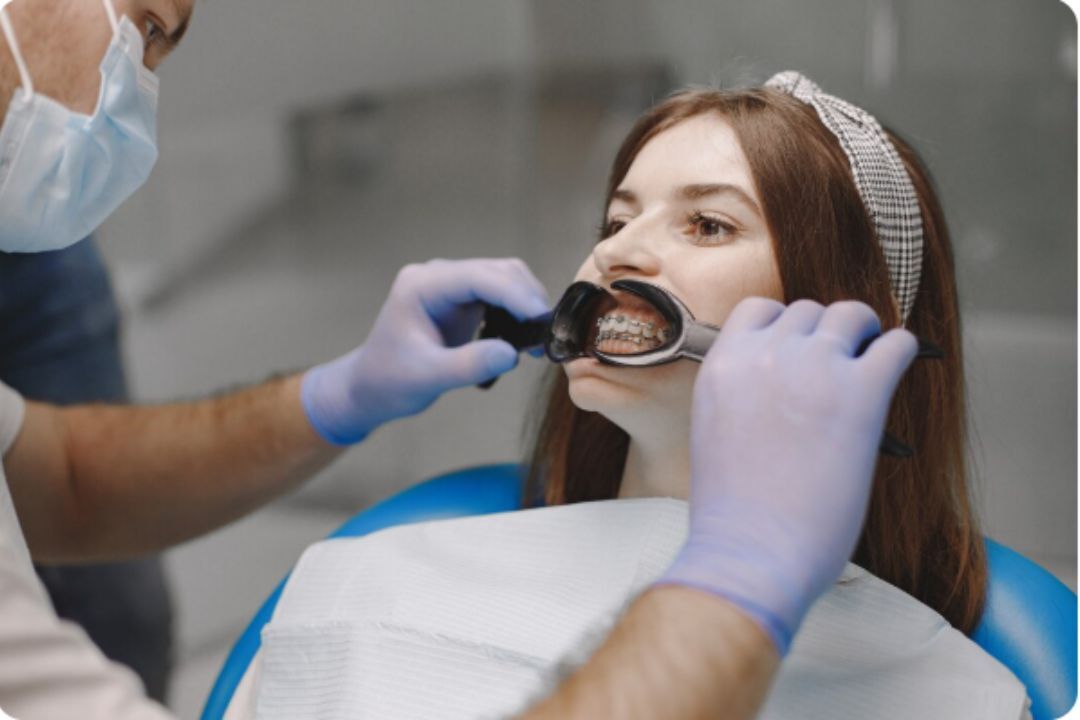



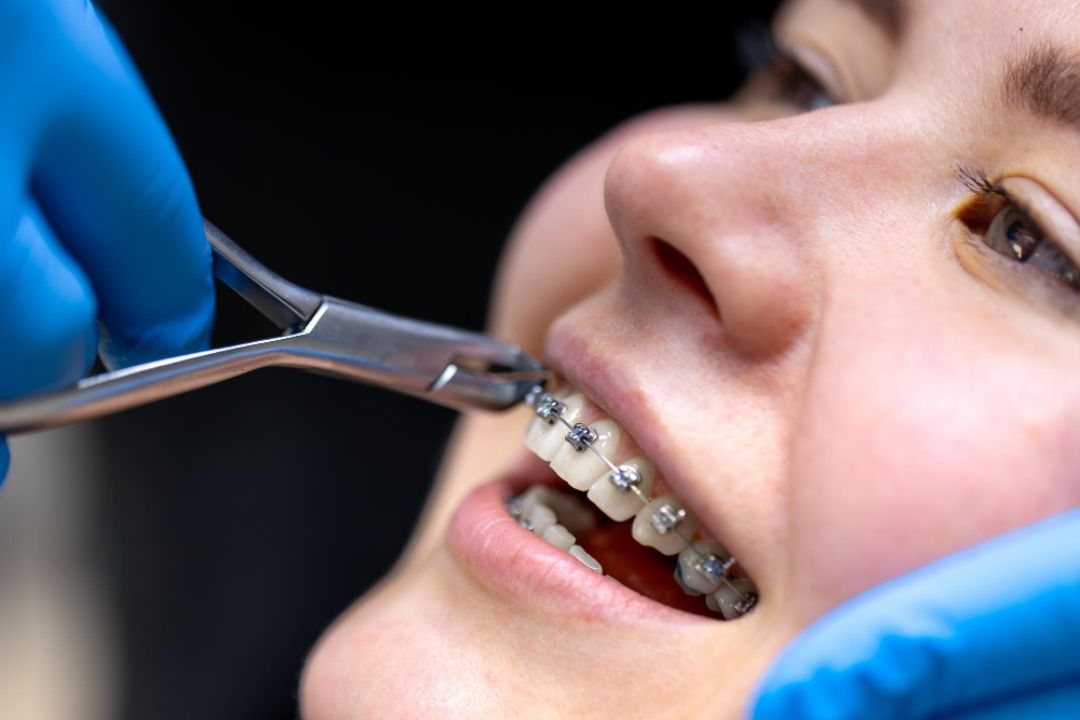
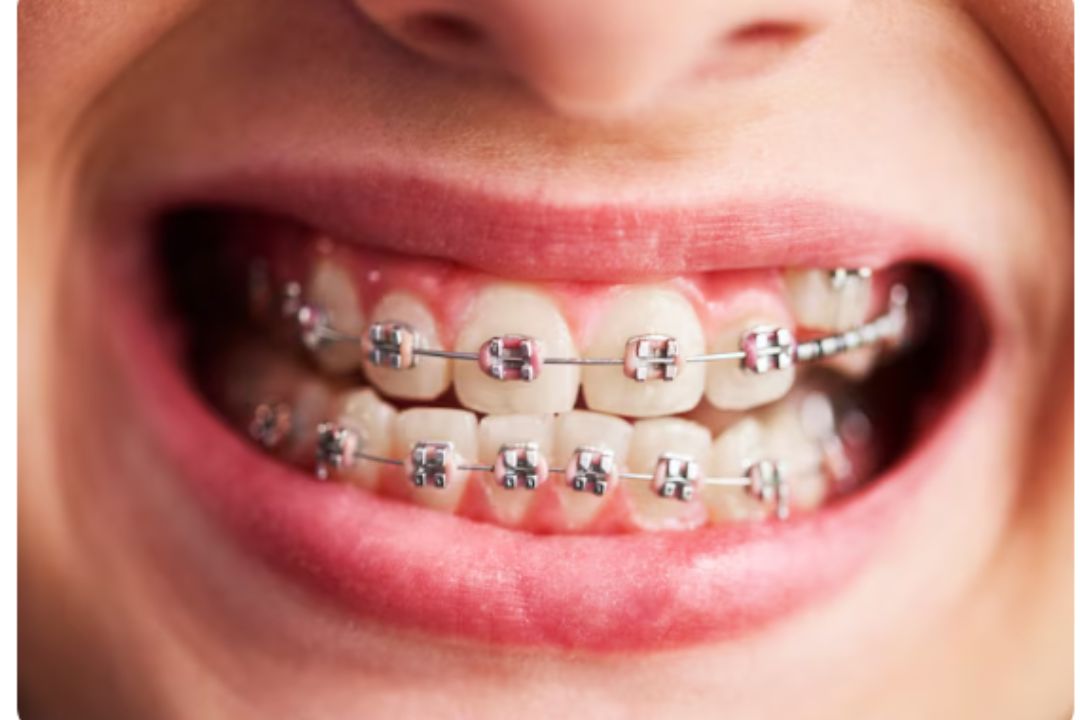

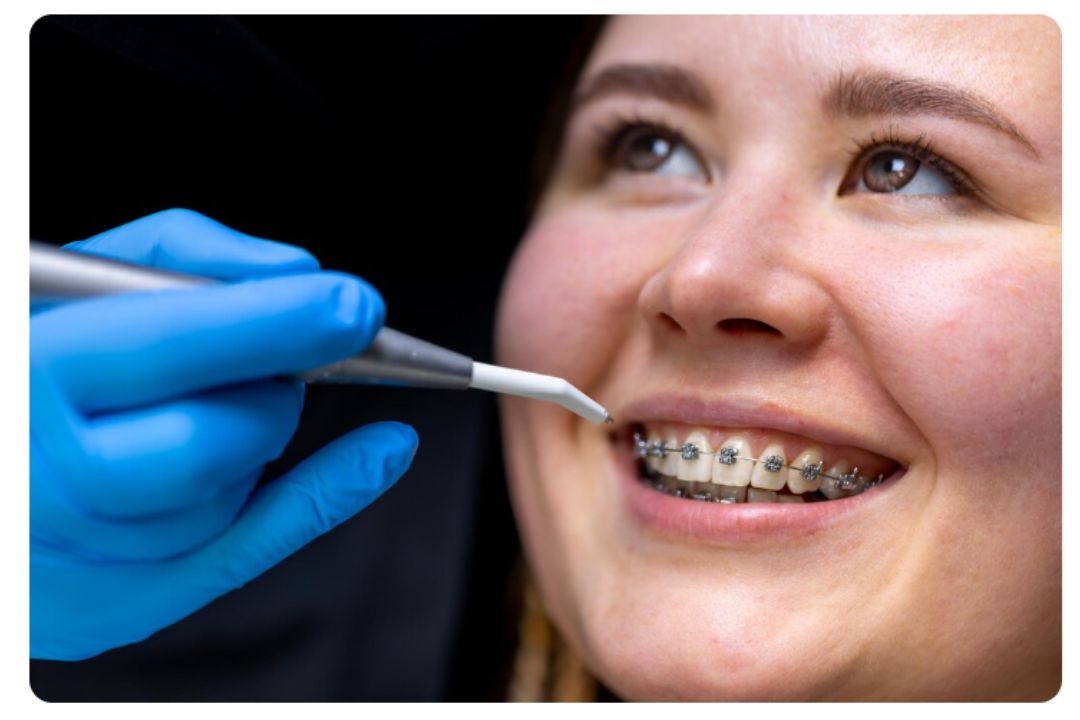














.jpg "affordable metal braces in mumbai")
























.jpg "dental braces cost in Diagnopein complete price breakdown (2026 guide)")








.jpg "dental braces")





.jpg "dental braces")




 (1).png "Visual Journey of Dental Braces")
 (1).jpg "Dental Braces and Gum Disease")