If you’re experiencing jaw pain, clicking sounds when you chew, or chronic headaches, you’re not alone. Millions seek relief from Temporomandibular Joint Dysfunction (TMJ/TMD), and a common first thought is, “Maybe I need braces.” It’s logical: the problem seems bite-related, and dental braces near you are widely advertised for alignment. You might be searching Dental Braces Price and wondering if that investment will solve your pain. However, the relationship between orthodontics and TMJ disorders is one of the most misunderstood in dental medicine. Using braces to treat TMJ is often like using a wrench to fix a software glitch—it’s the wrong tool for a complex problem.
TMJ dysfunction refers to problems affecting the temporomandibular joints, the joints that connect your lower jaw (mandible) to your skull. These joints allow you to open close and move your jaw.
Visit Now: https://www.diagnopein.com/dental-clinic/Mumbai
When something interferes with the normal movement of the jaw joint or muscles around it the result is dysfunction.
Common symptoms of TMJ dysfunction include:
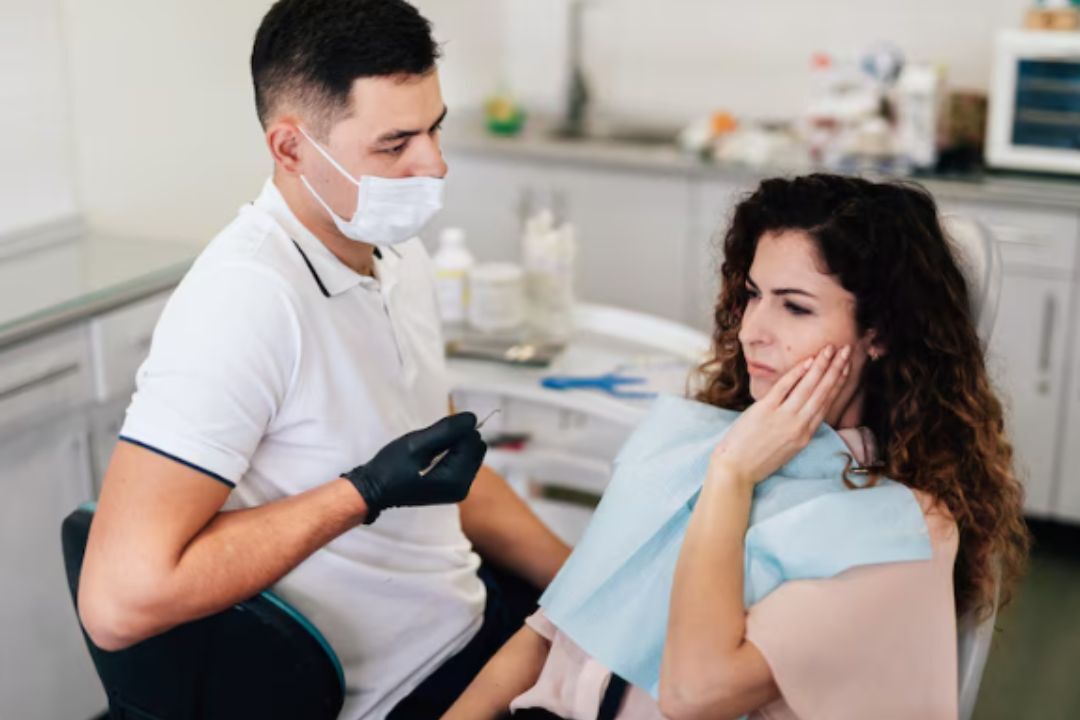
Pain or tenderness in the jaw
Difficulty opening or closing the mouth
Clicking popping or grinding sounds
Facial muscle pain or headaches
Jaw locking in open or closed position
TMJ dysfunction is a complex condition that can develop due to multiple factors such as trauma stress muscle imbalance inflammation or long term bite problems.
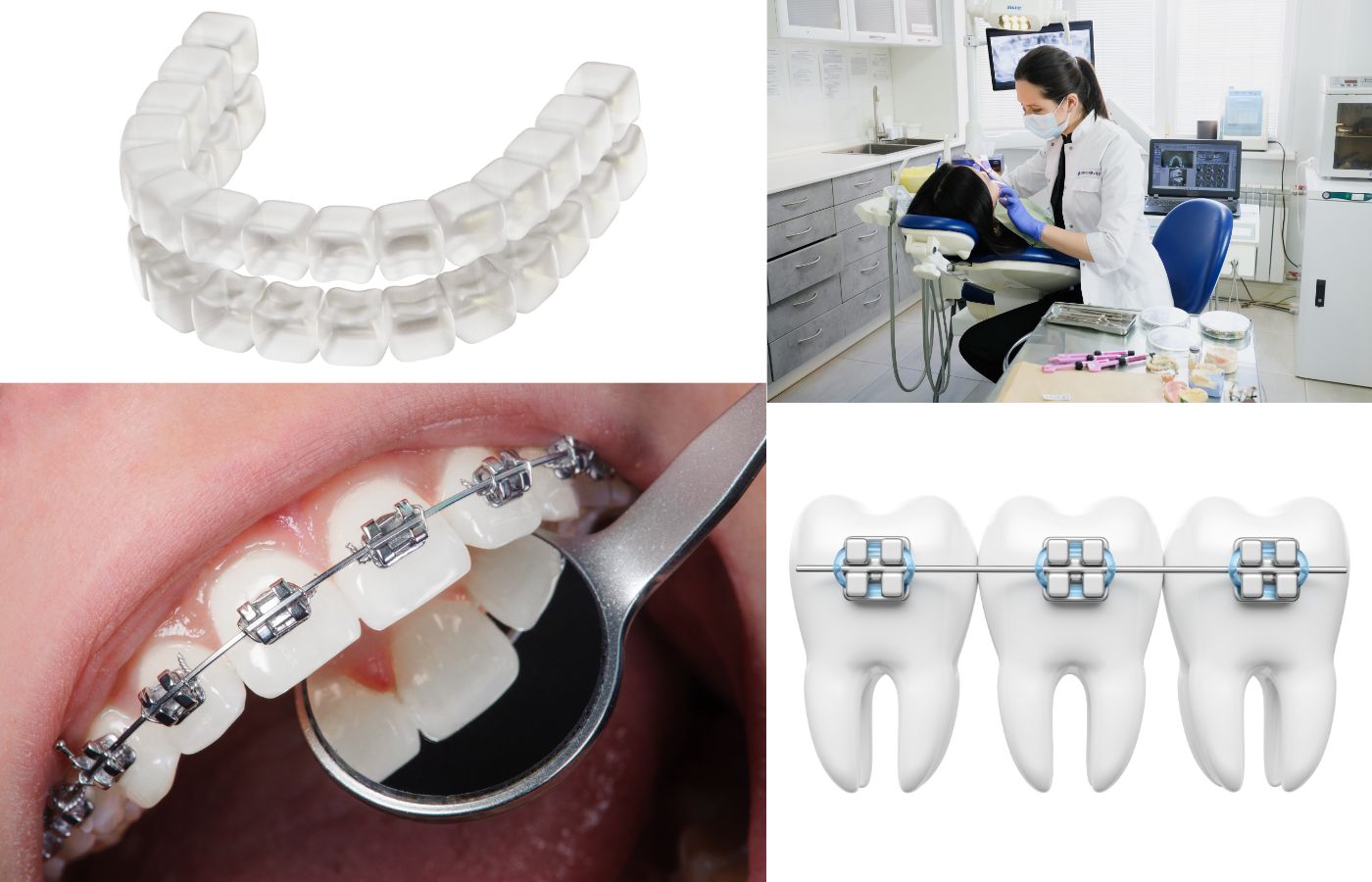
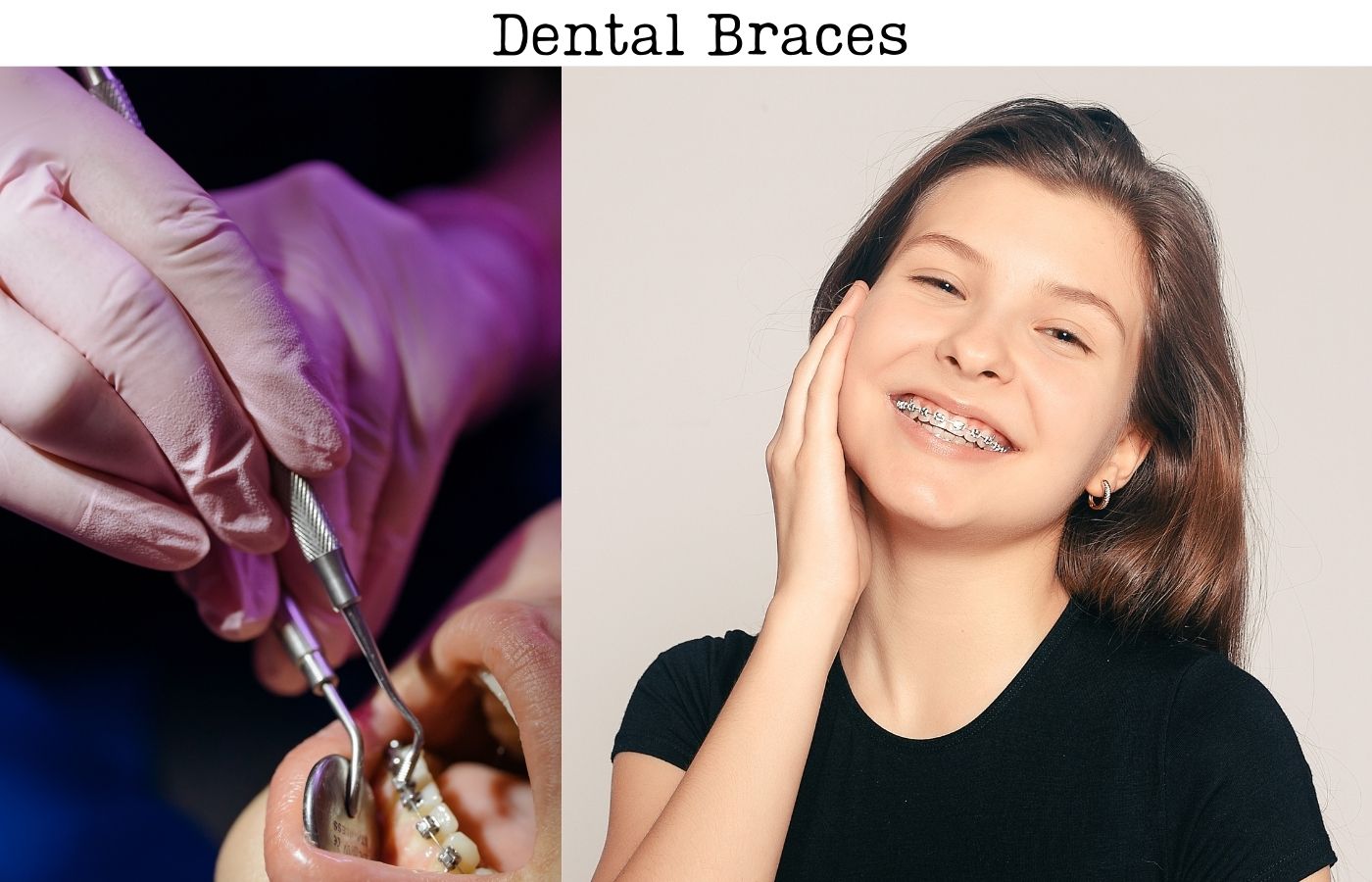
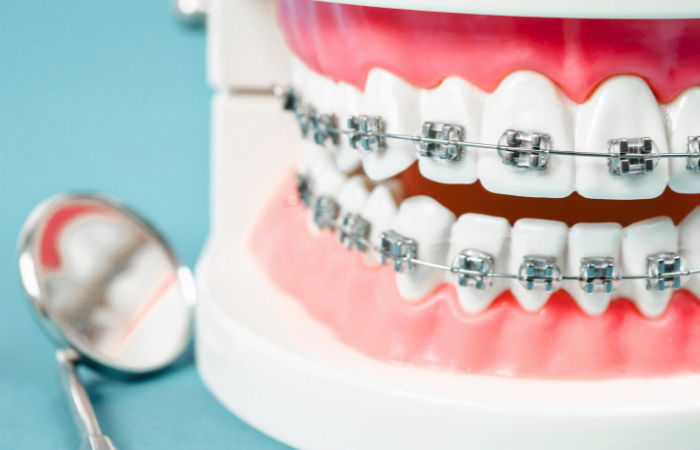
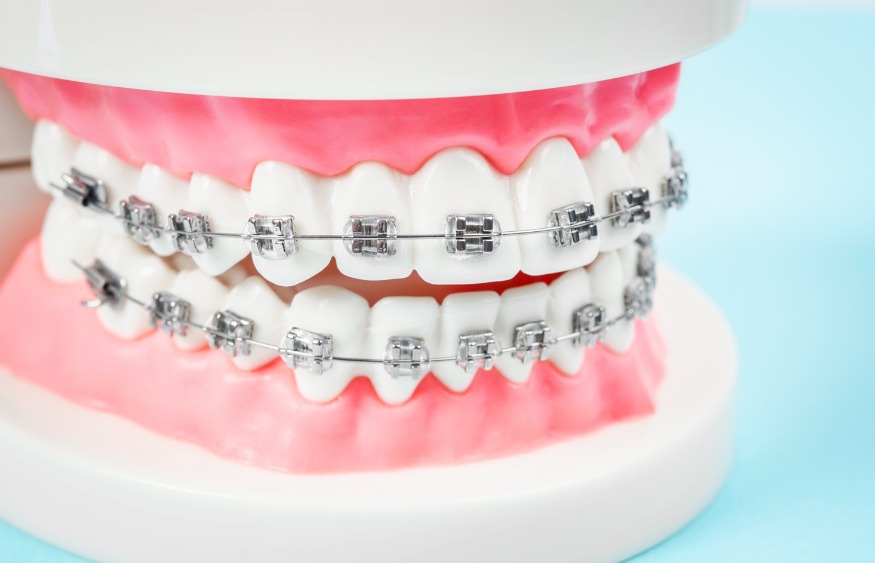
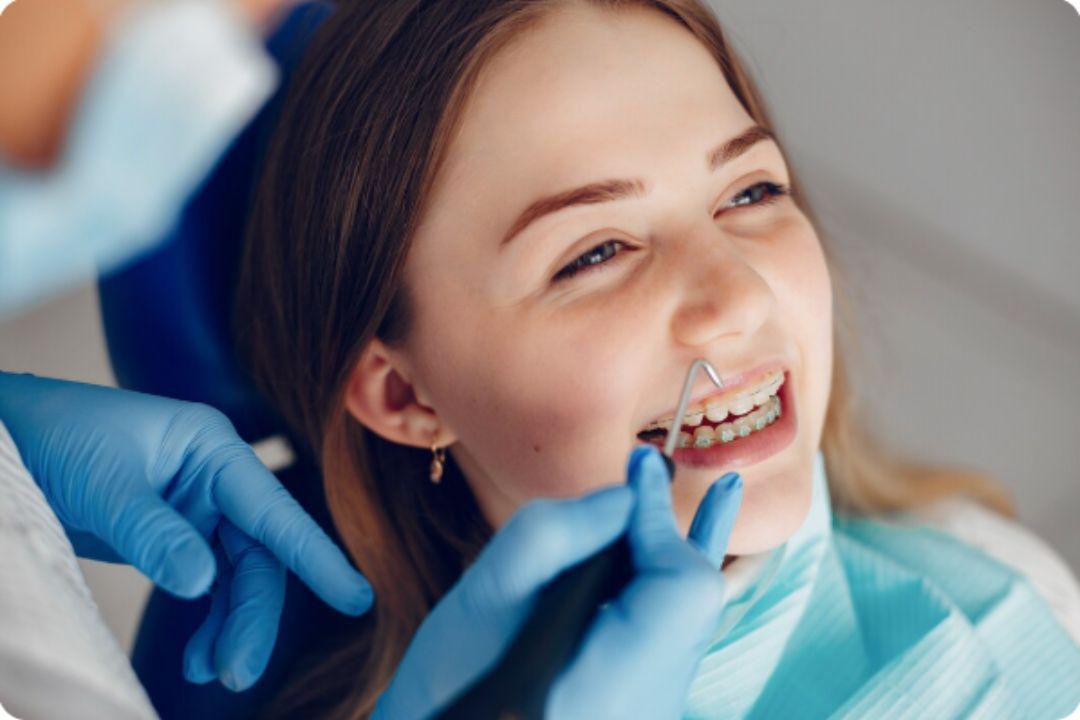
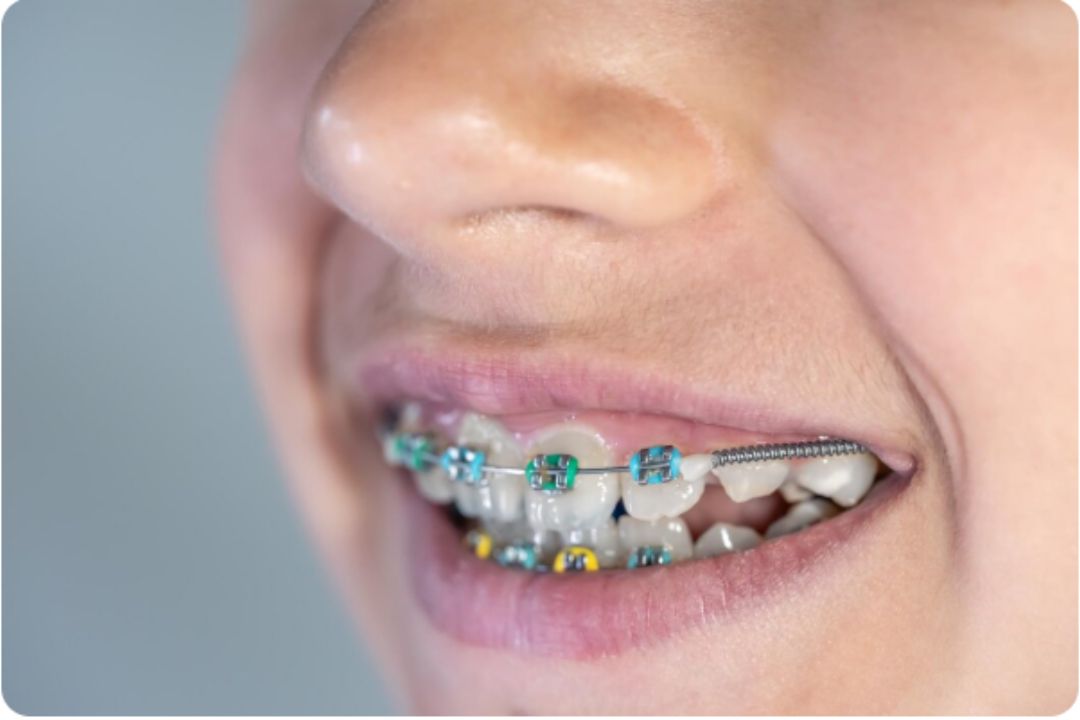
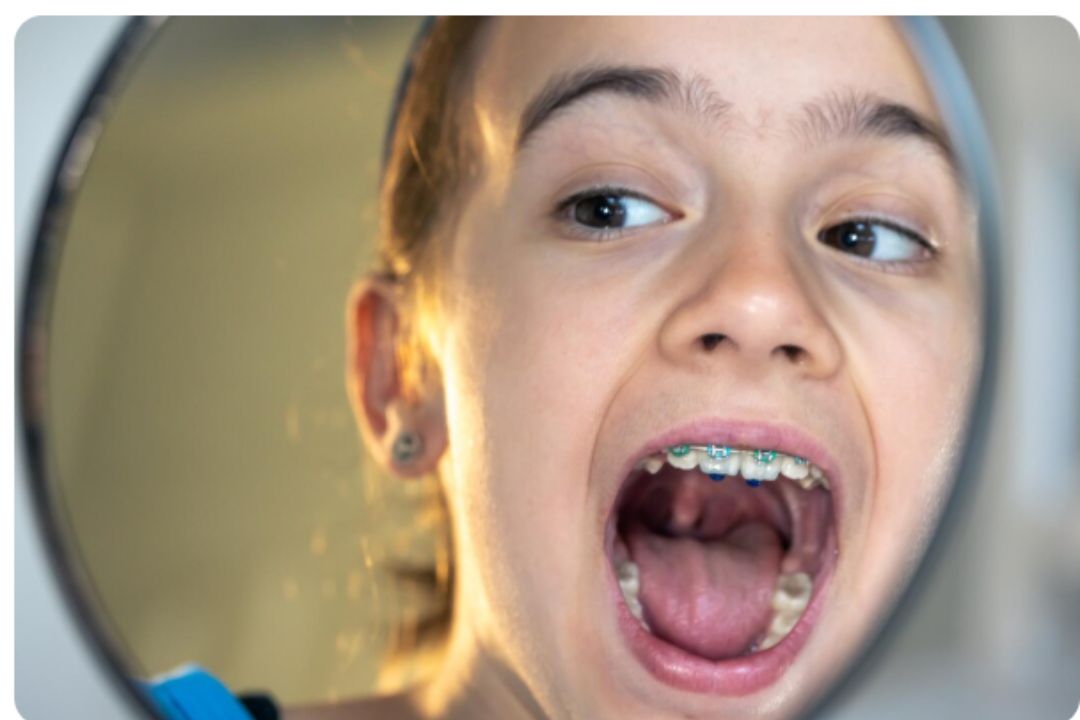
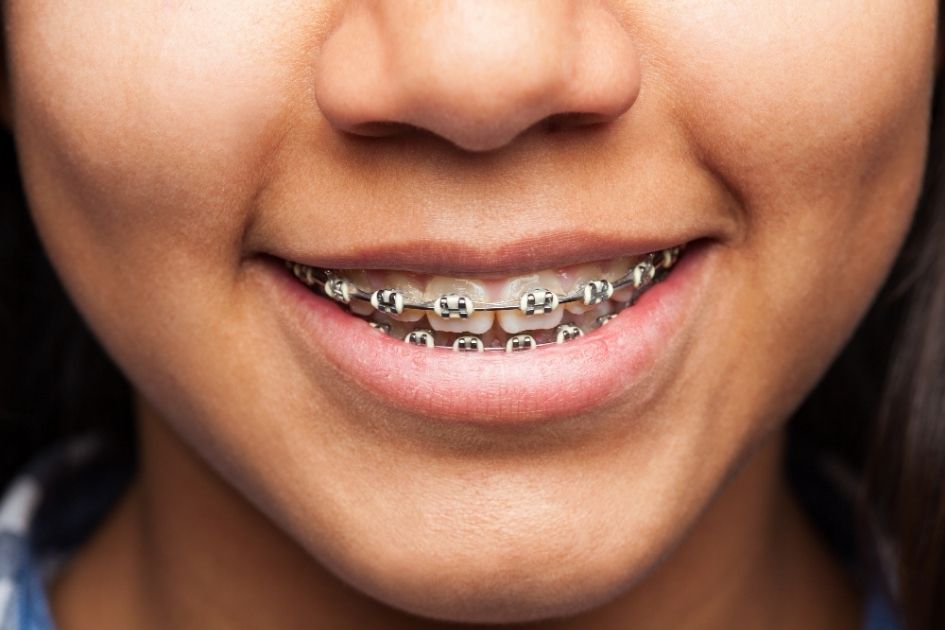
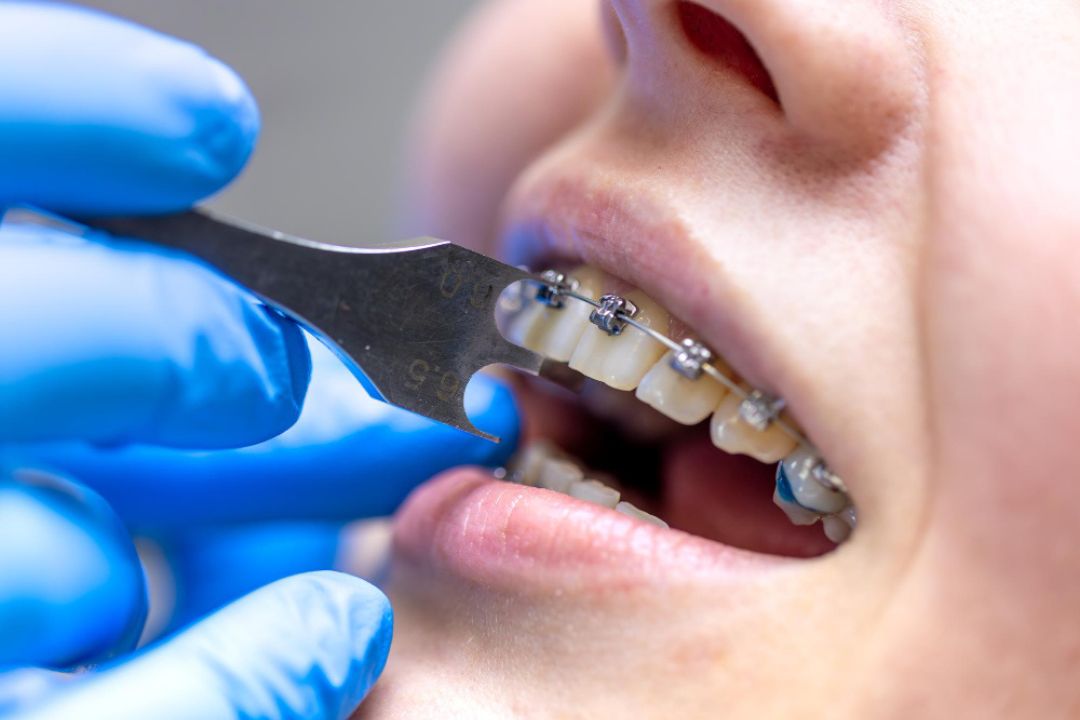
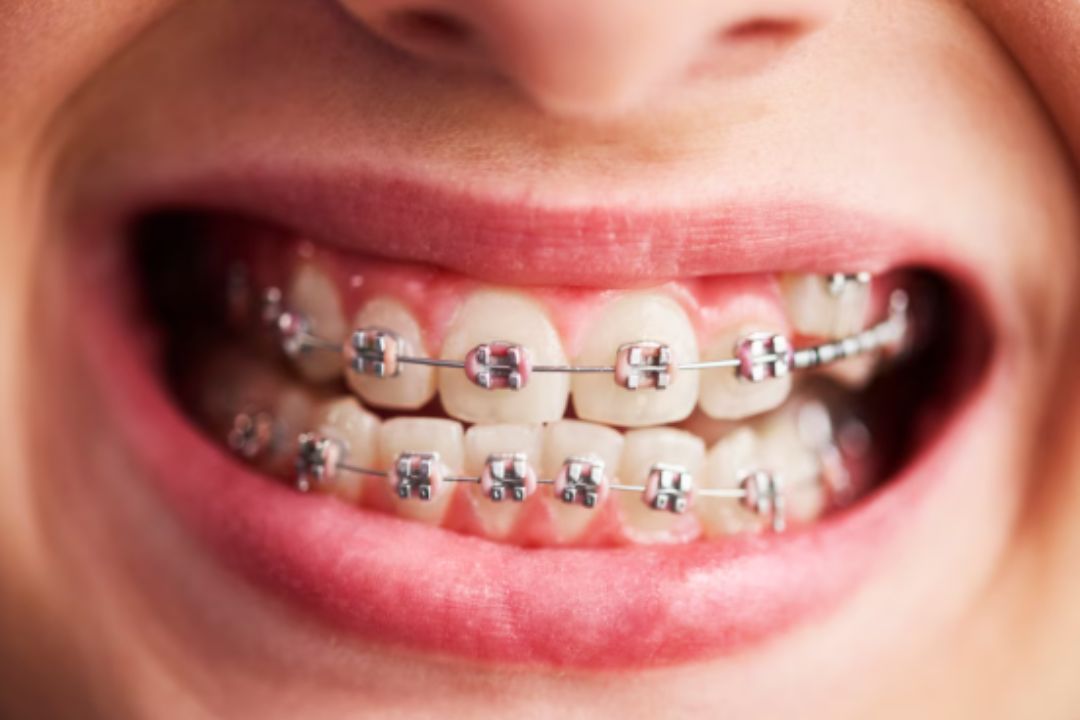
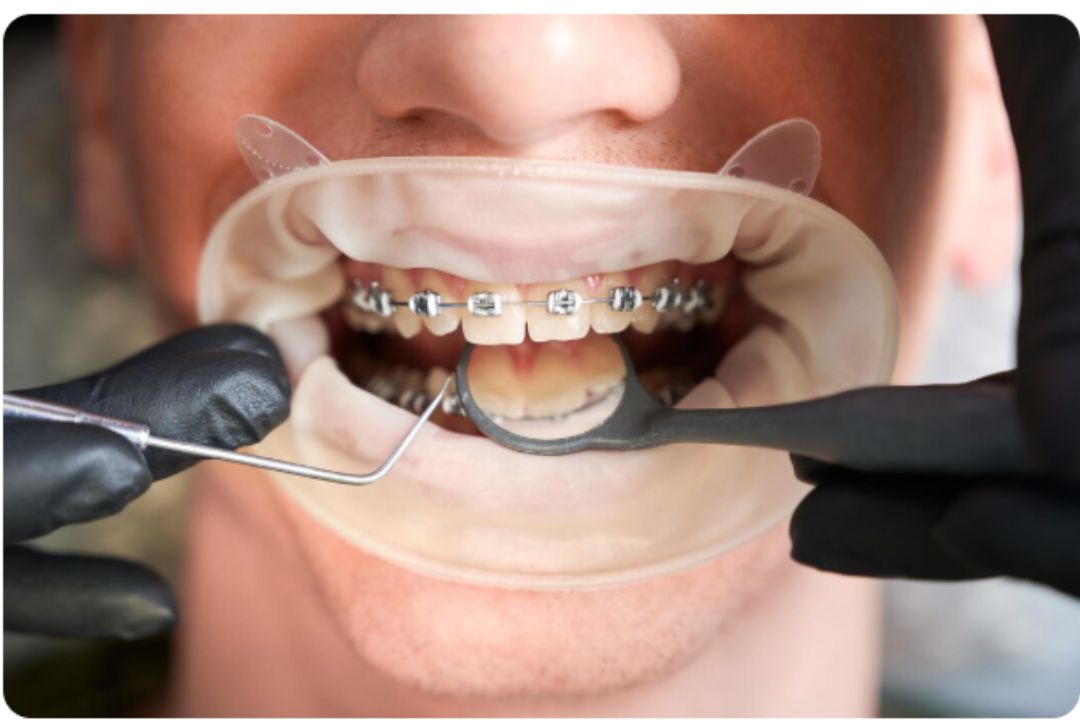
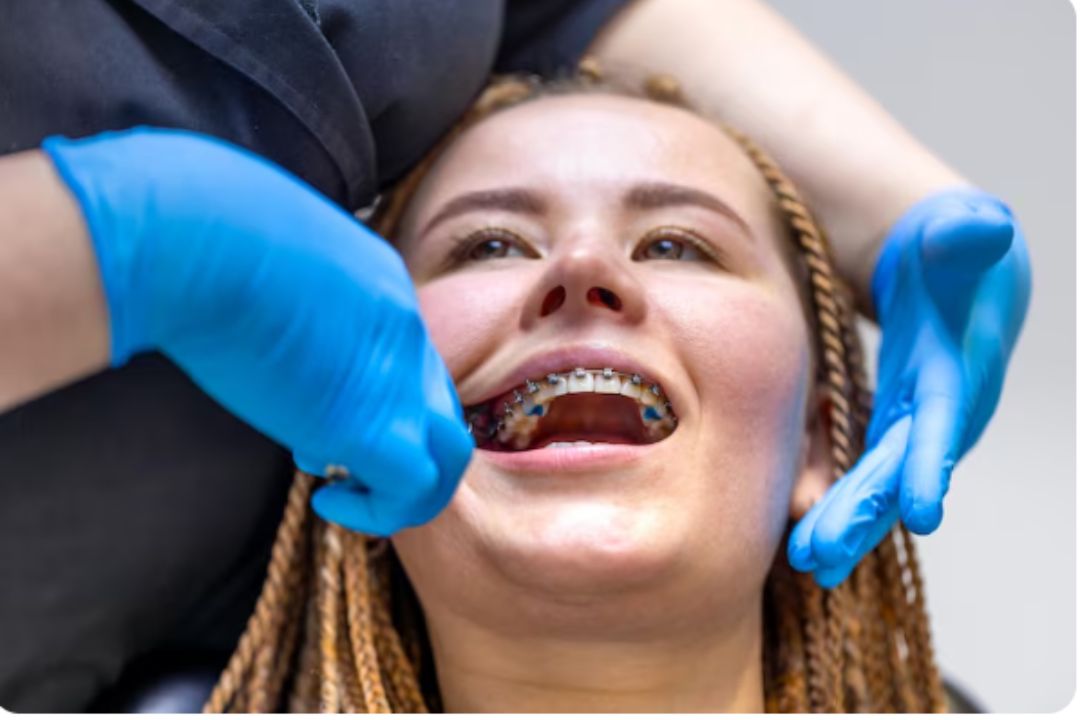
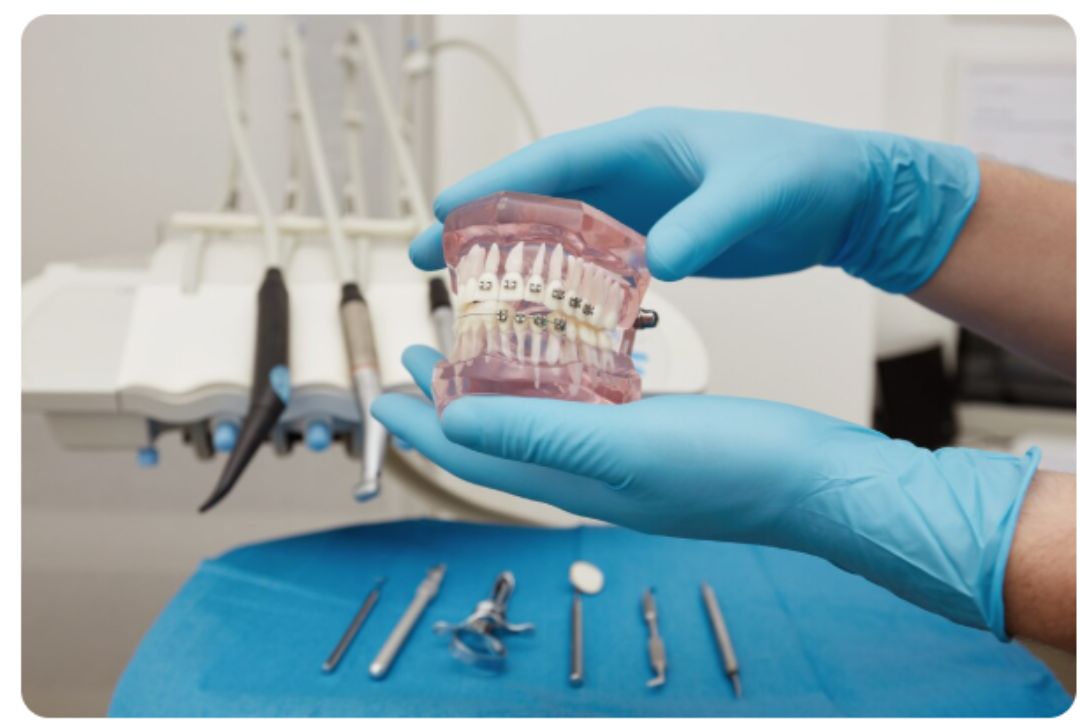
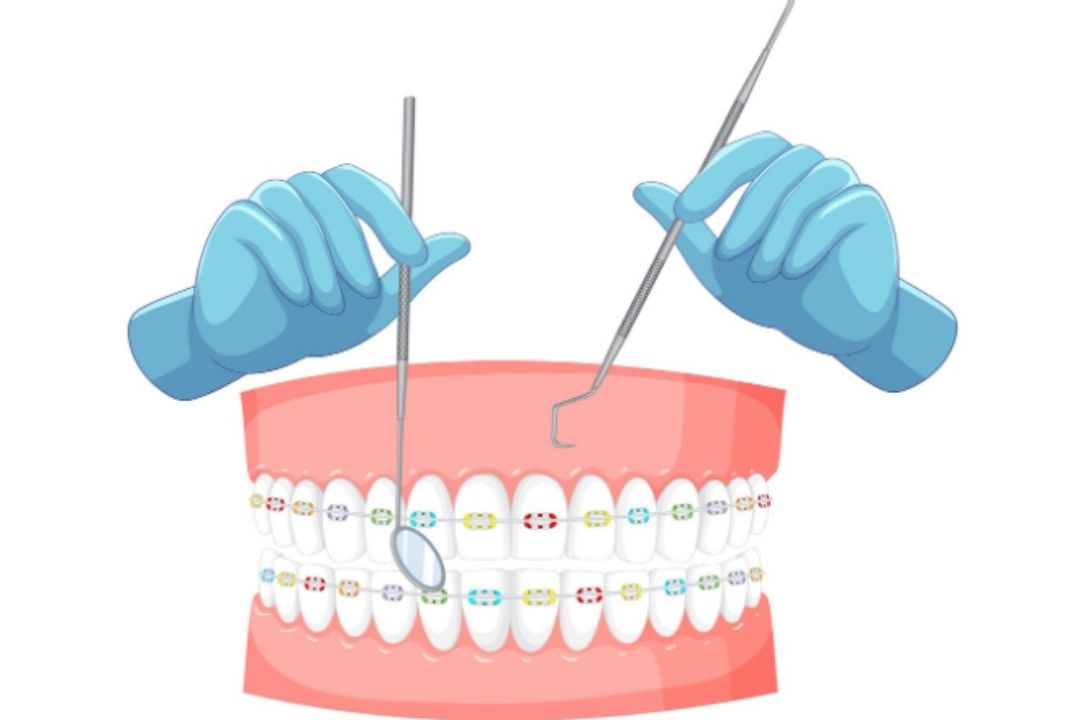
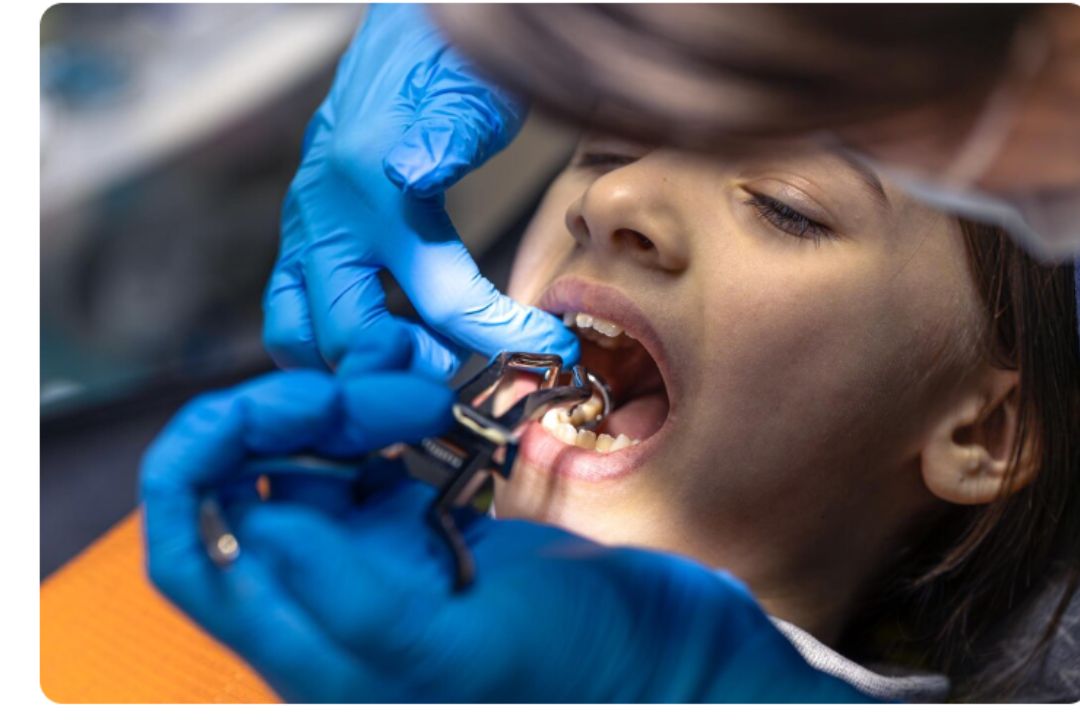
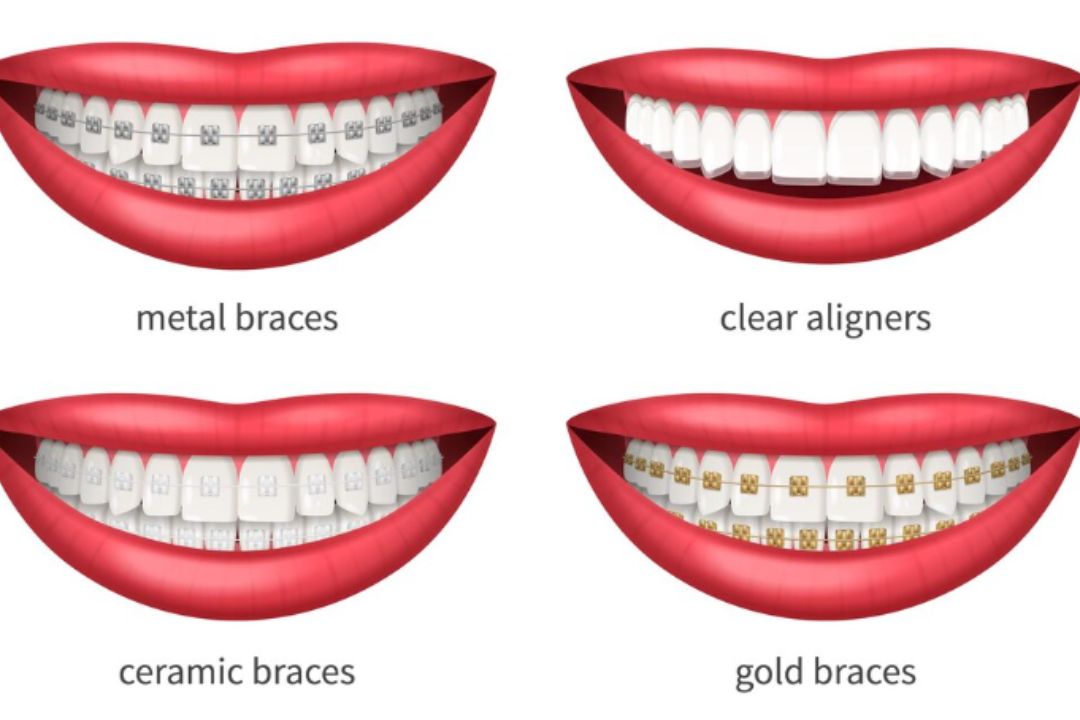
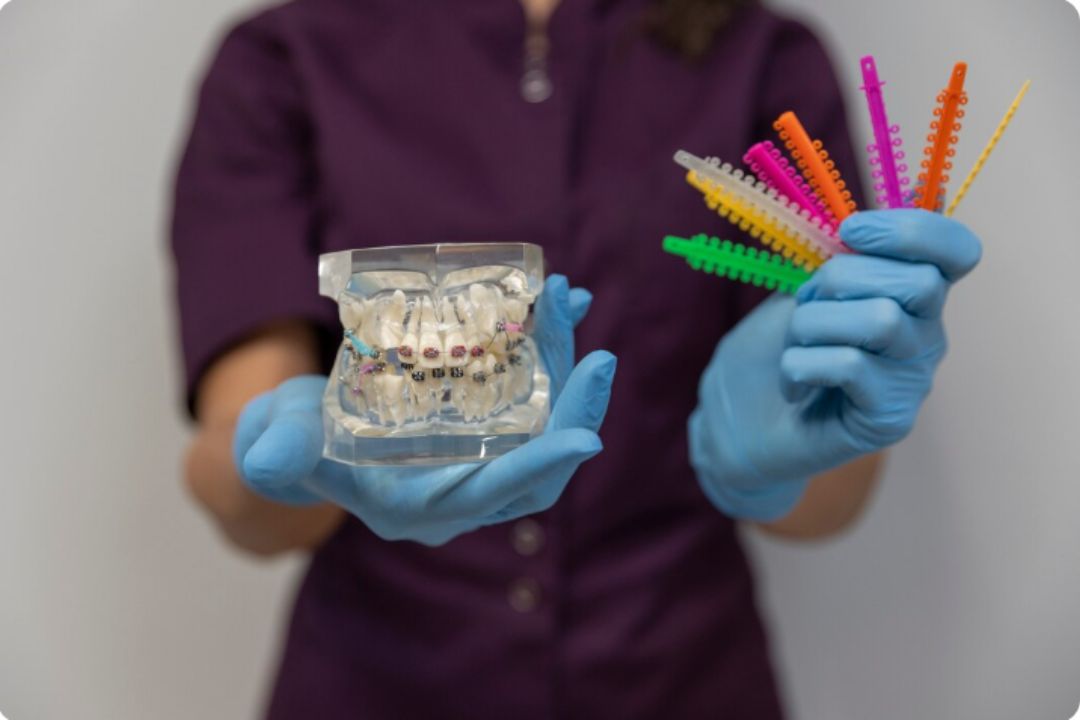
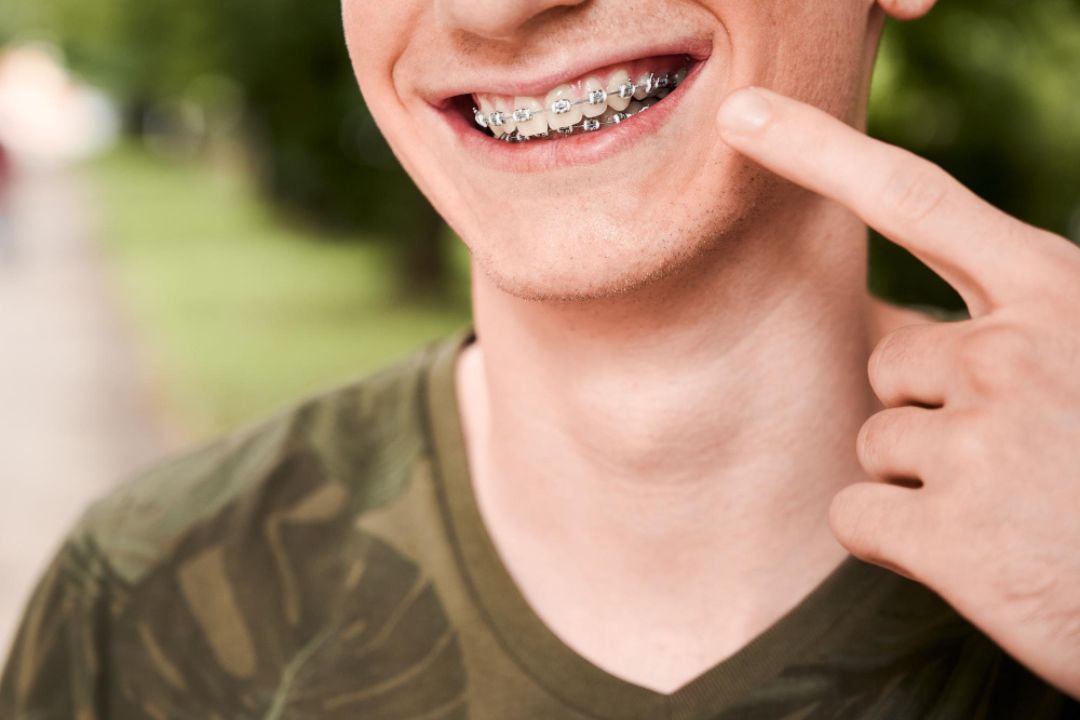
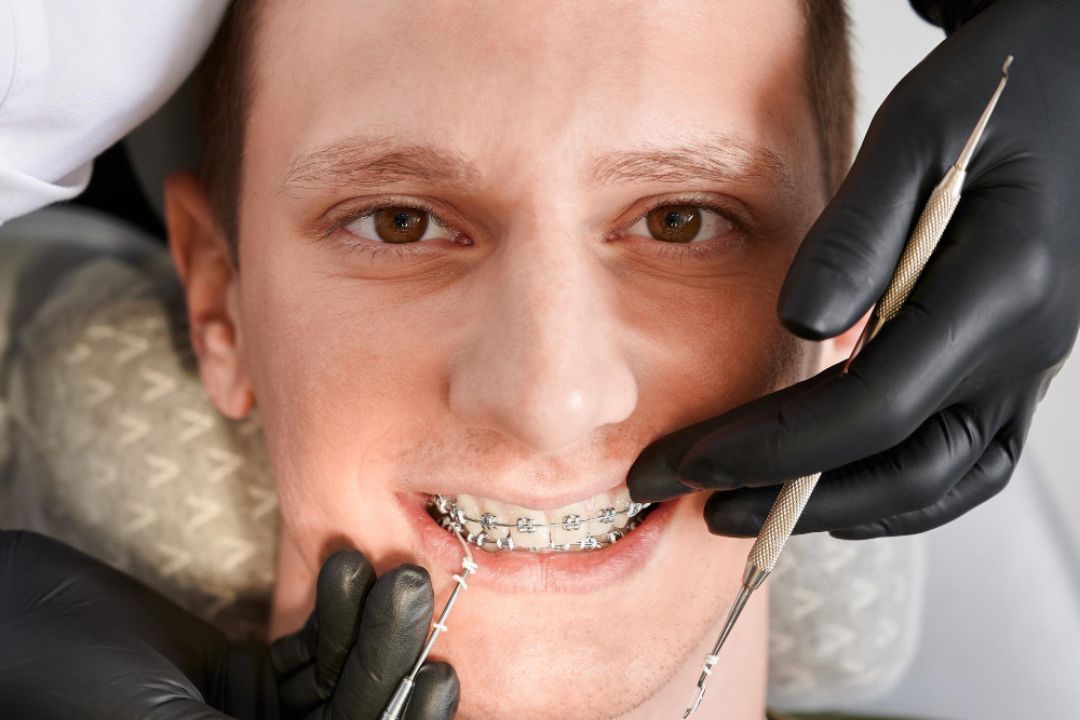
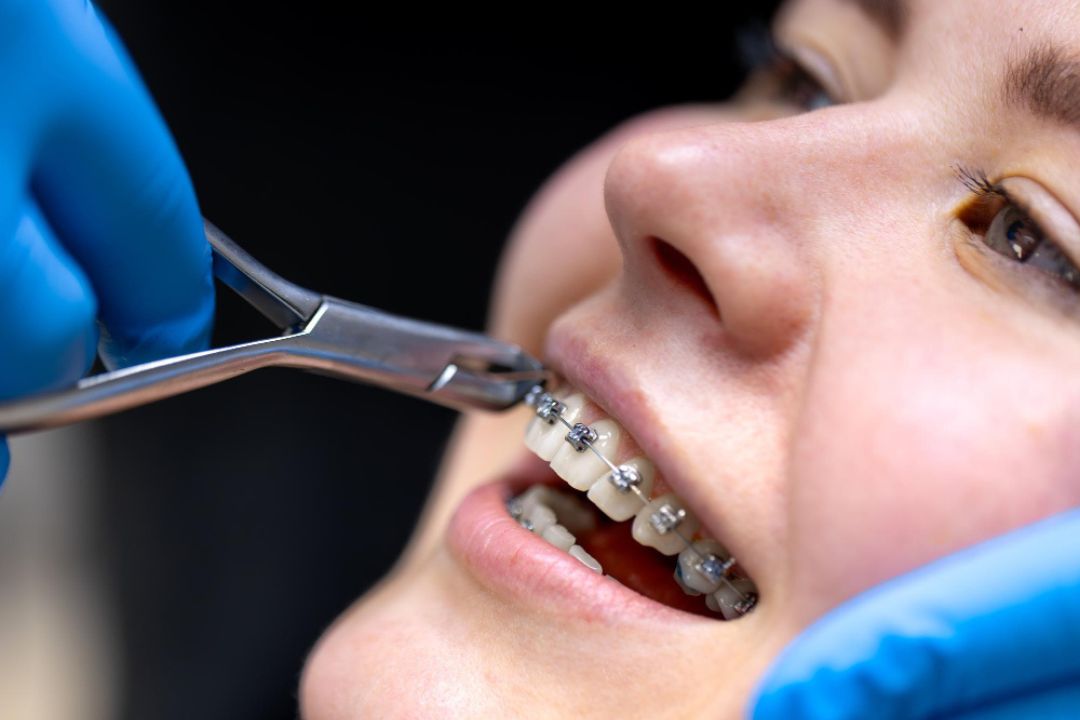
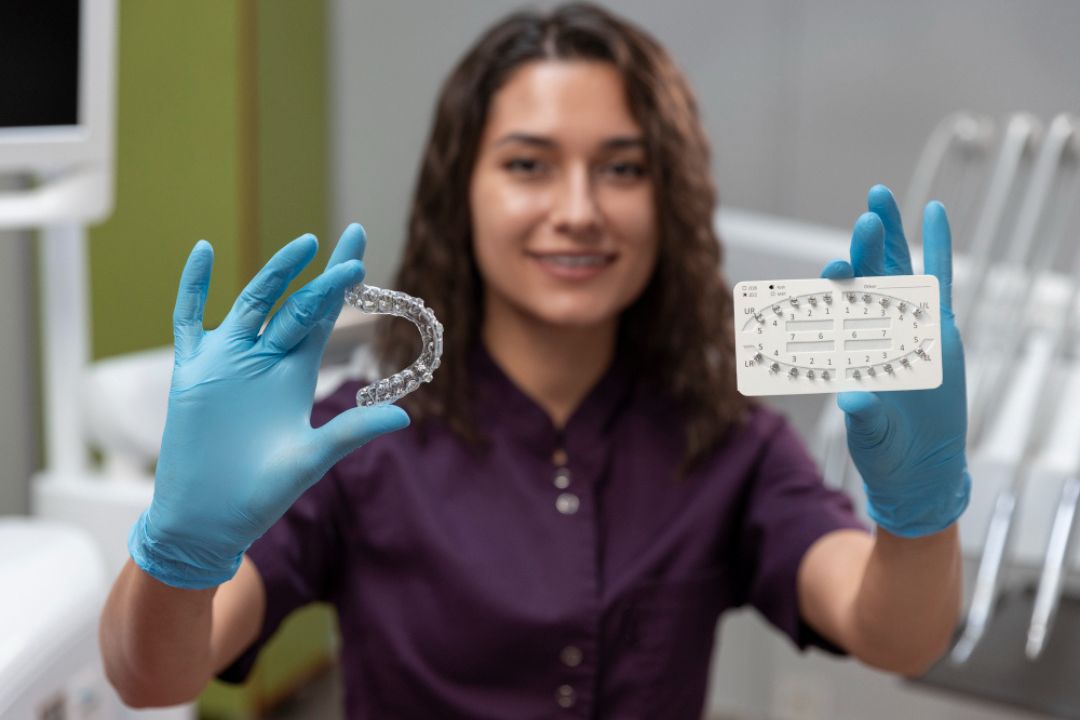
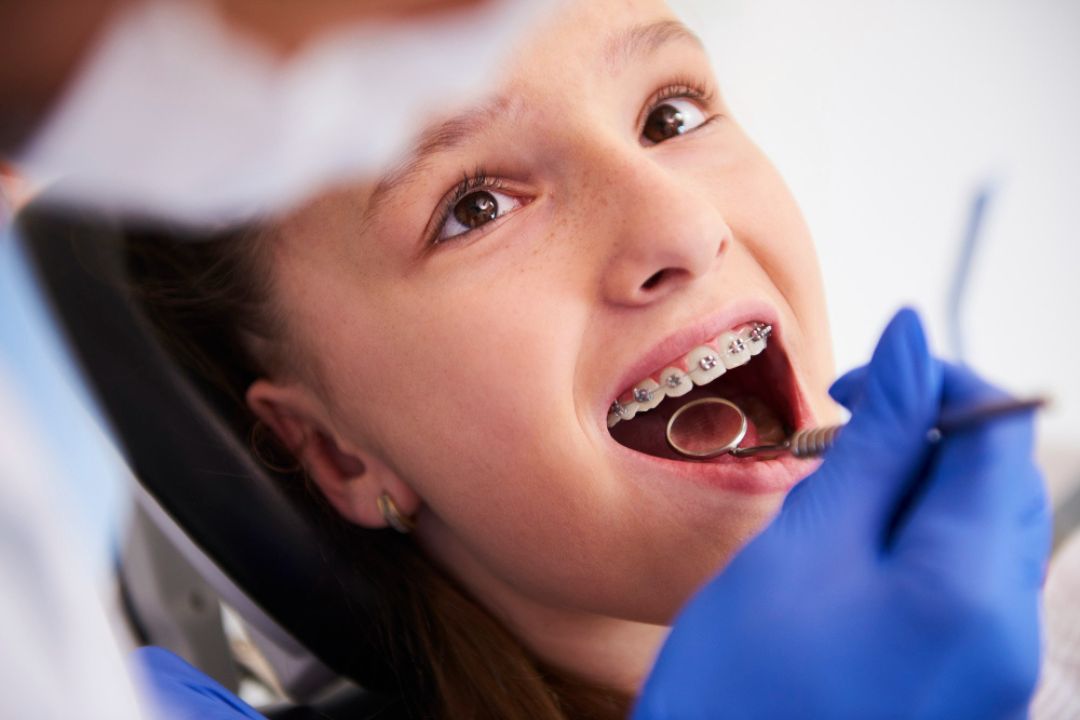
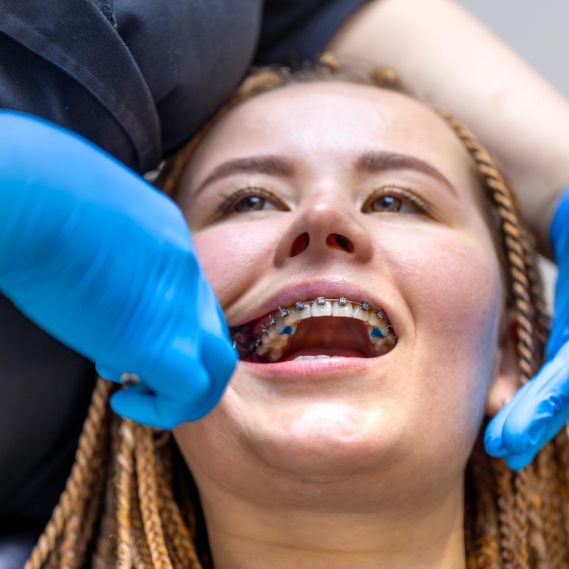
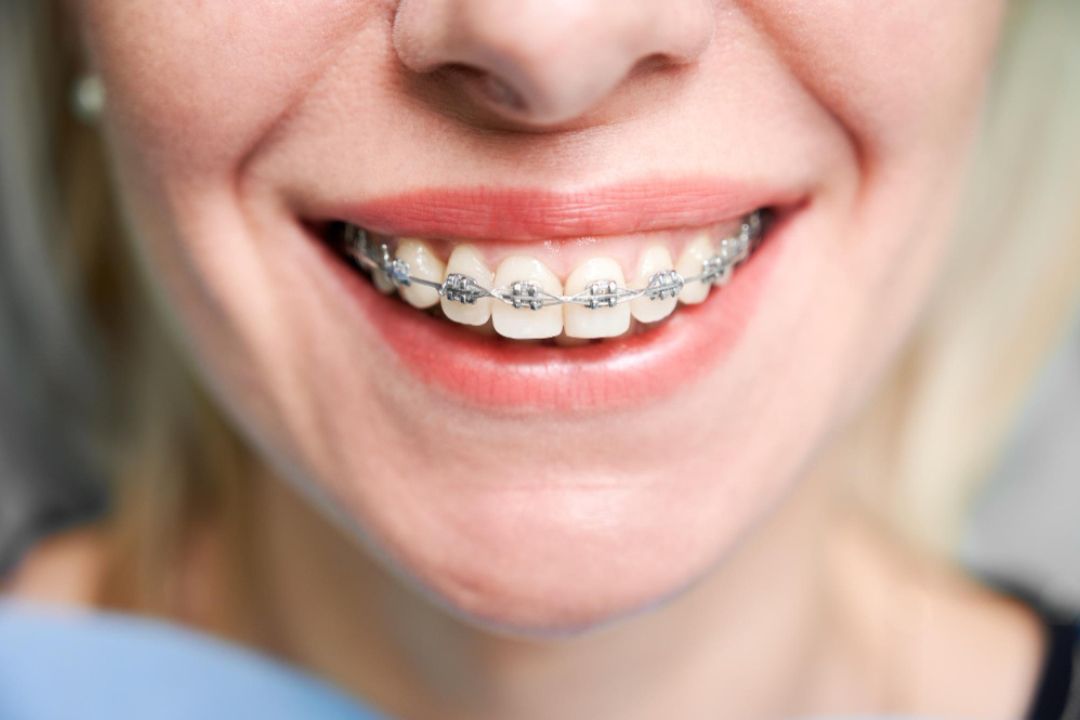
Traditional braces are orthodontic devices designed to correct malocclusion — meaning improperly aligned teeth or bite.
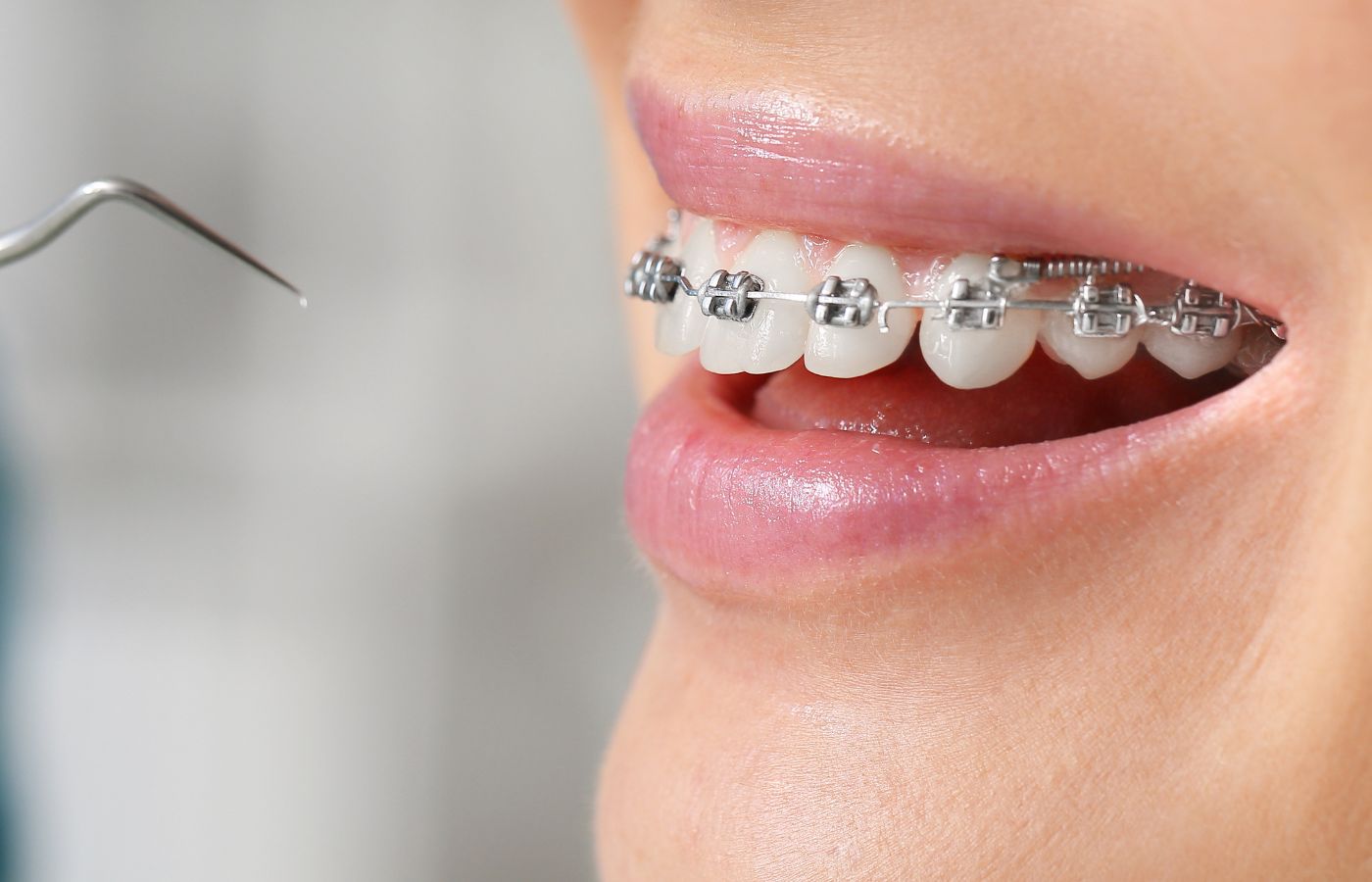
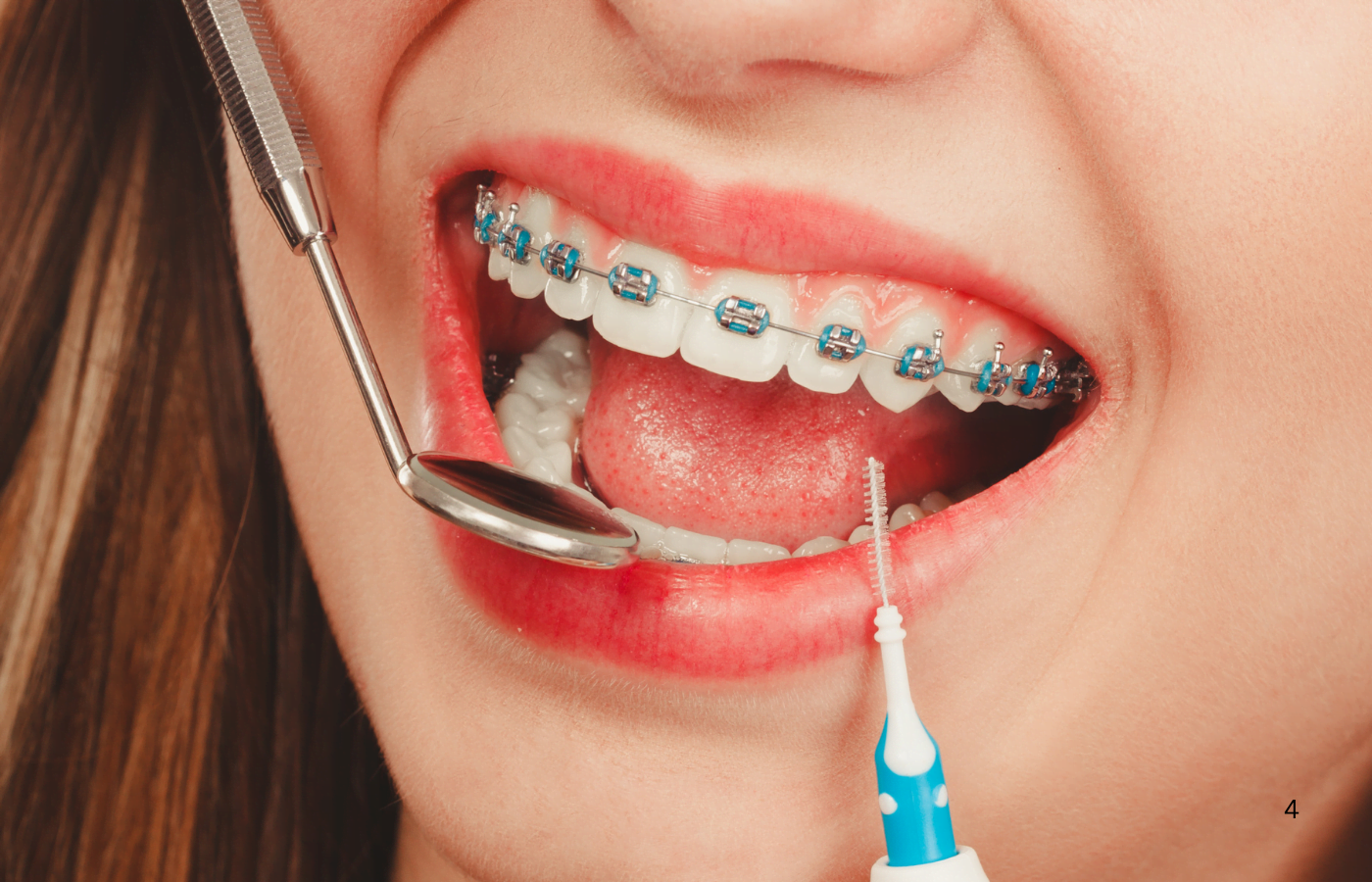
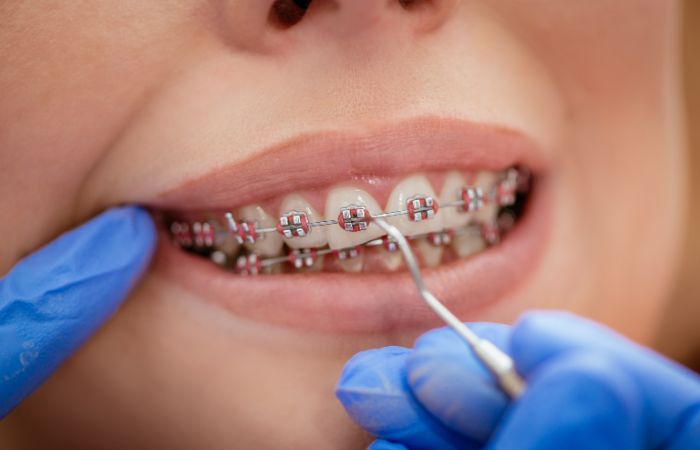
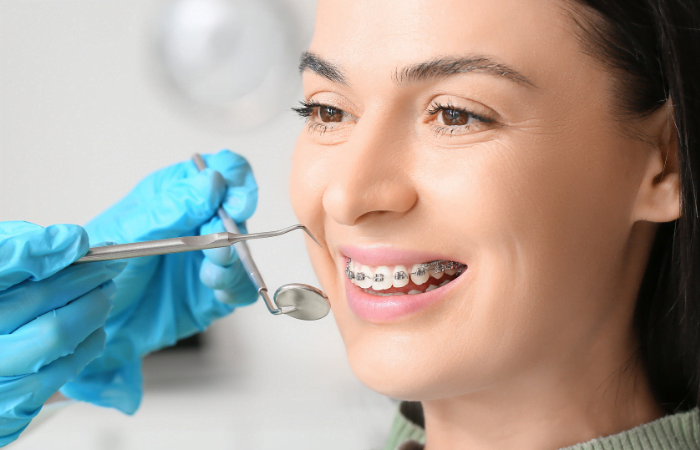
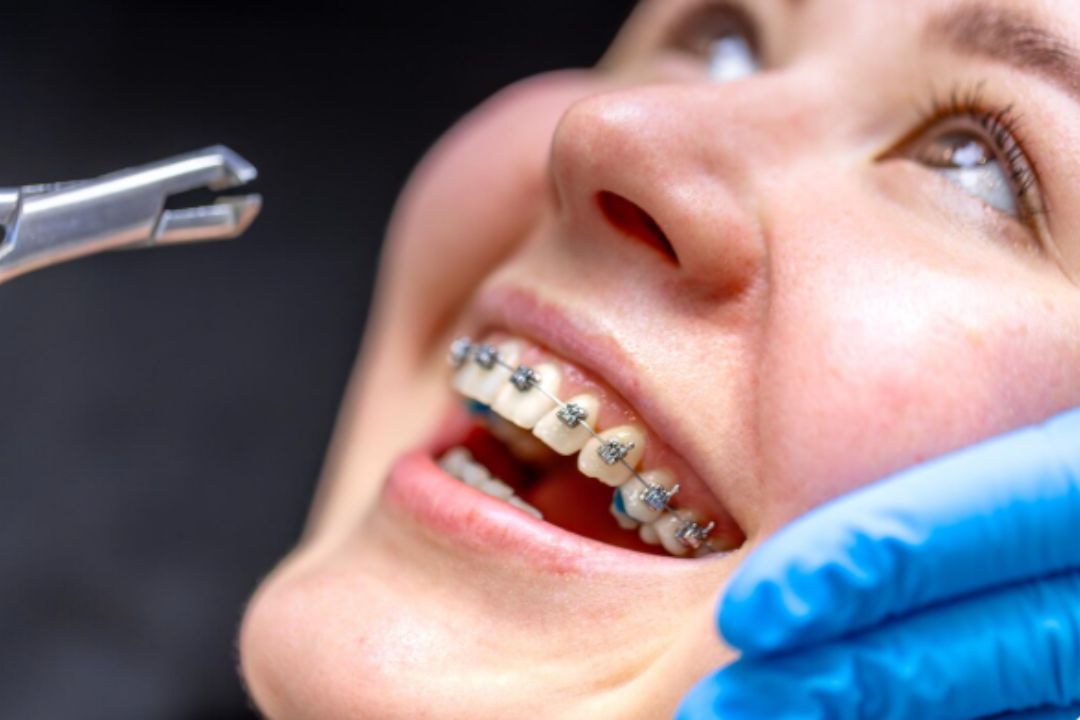
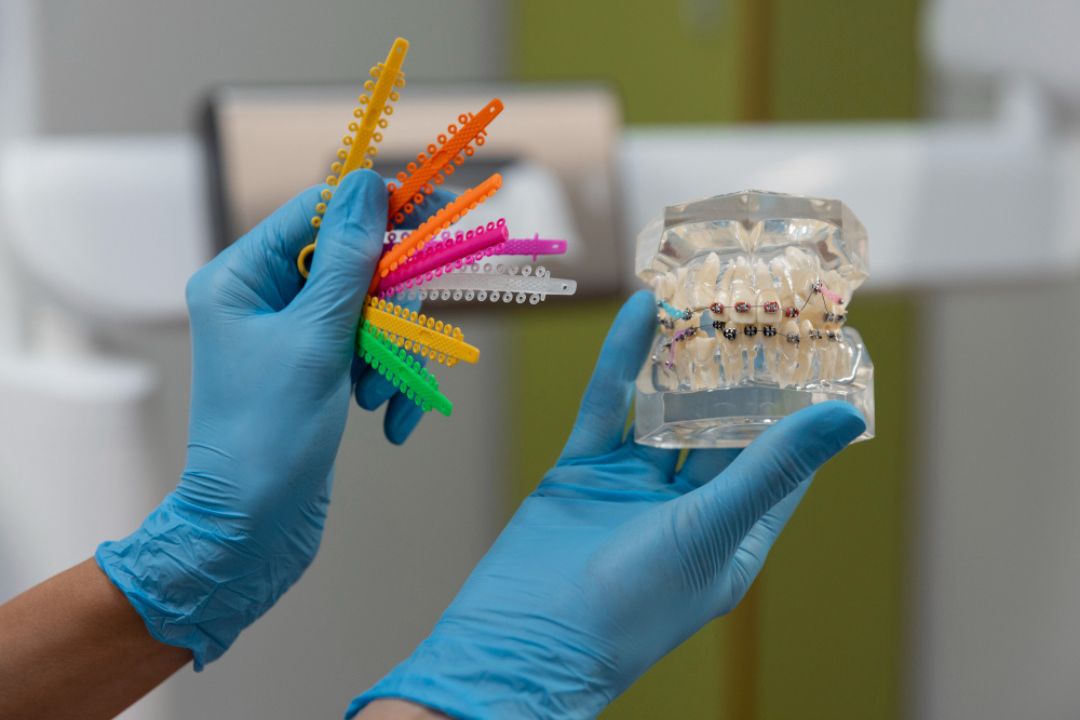
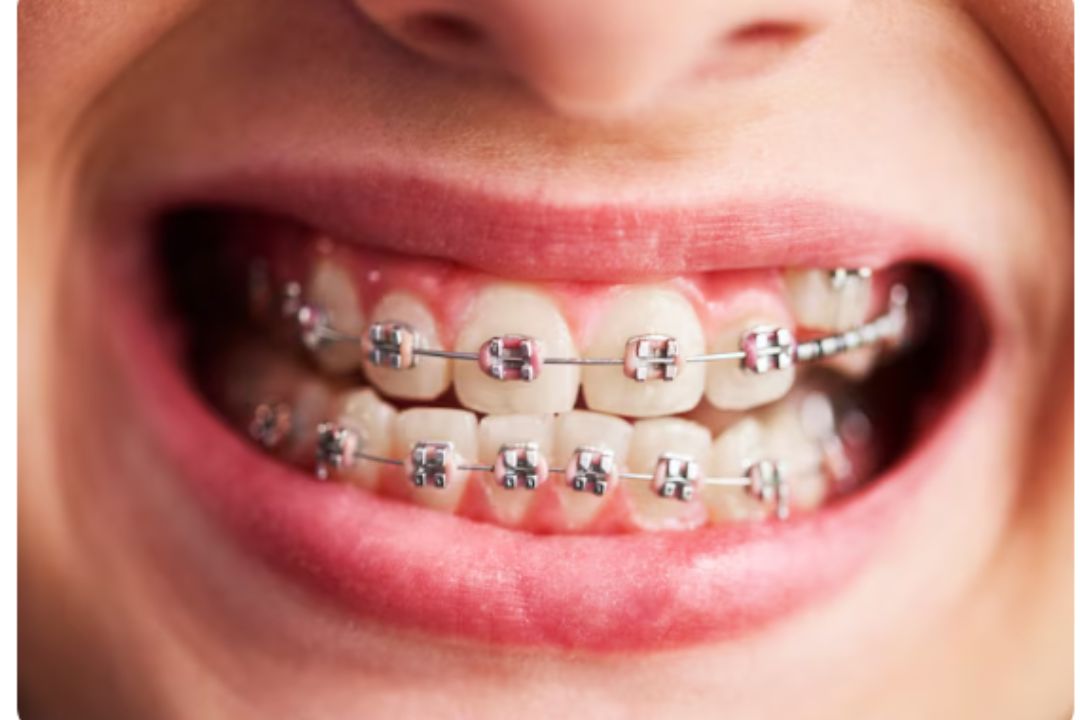
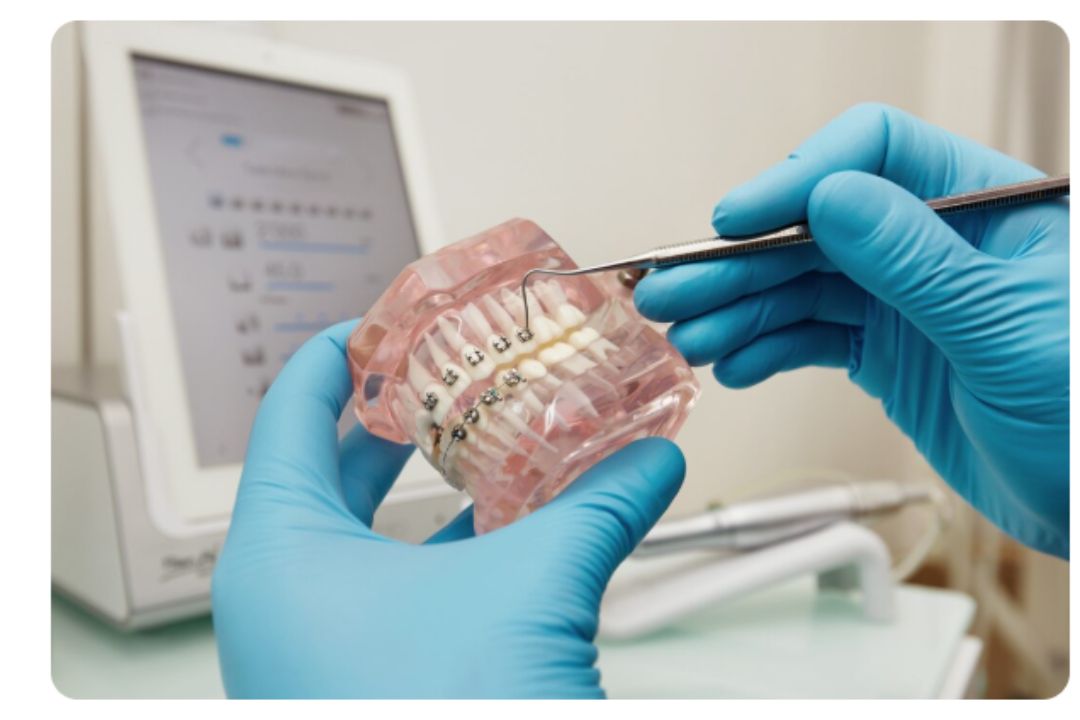
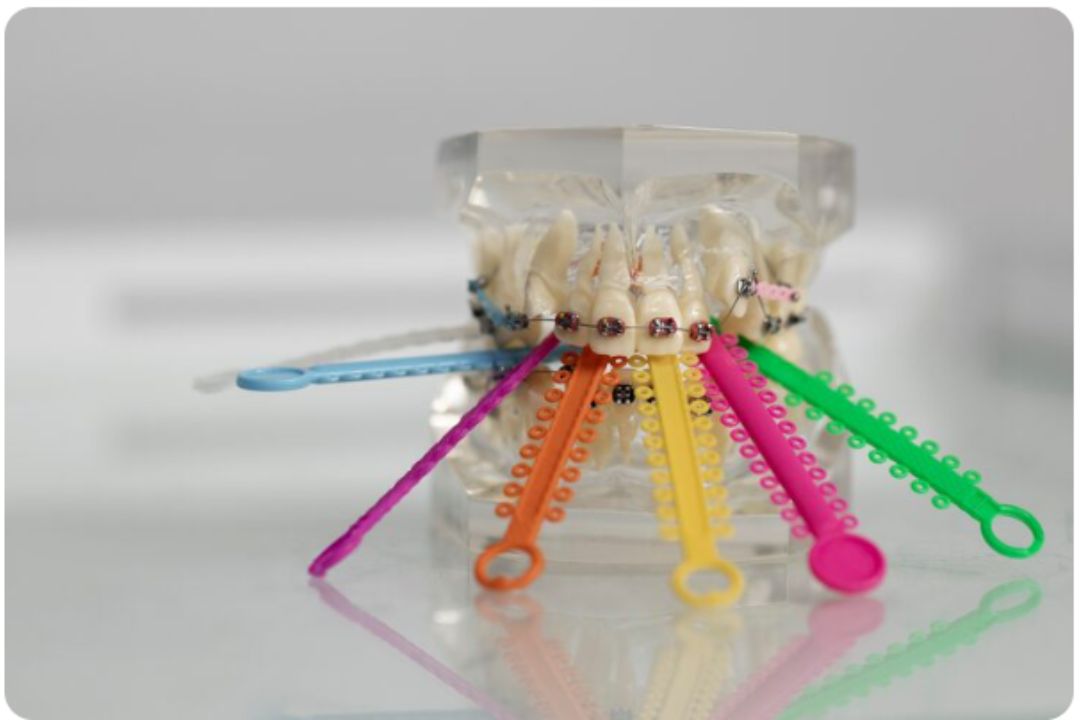
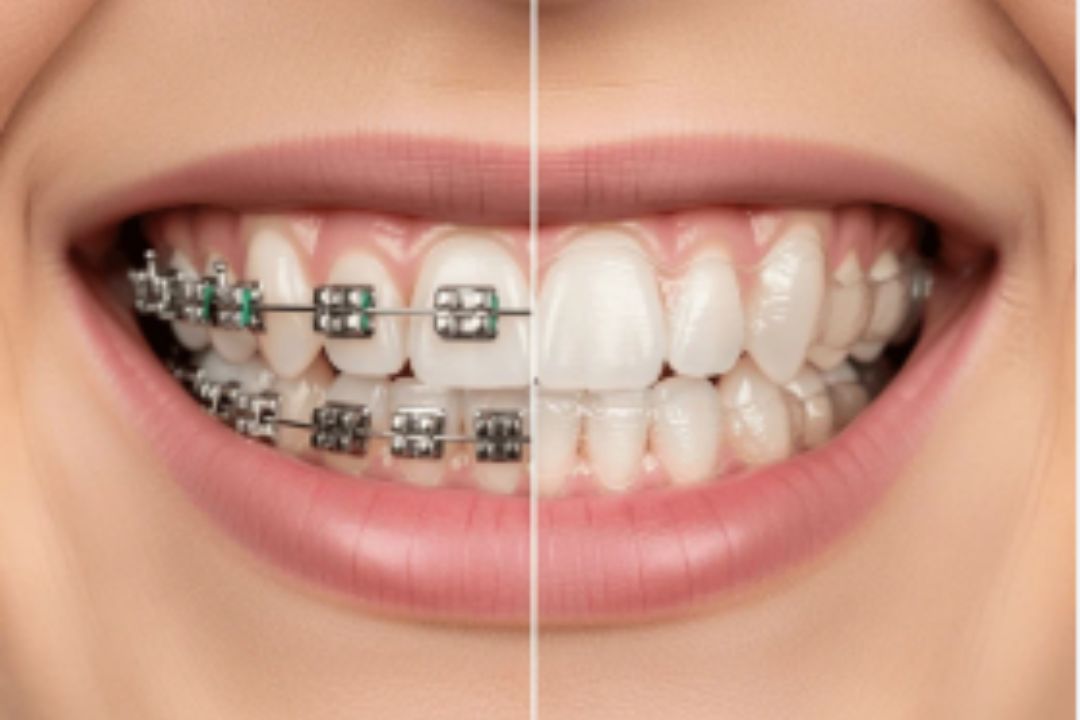
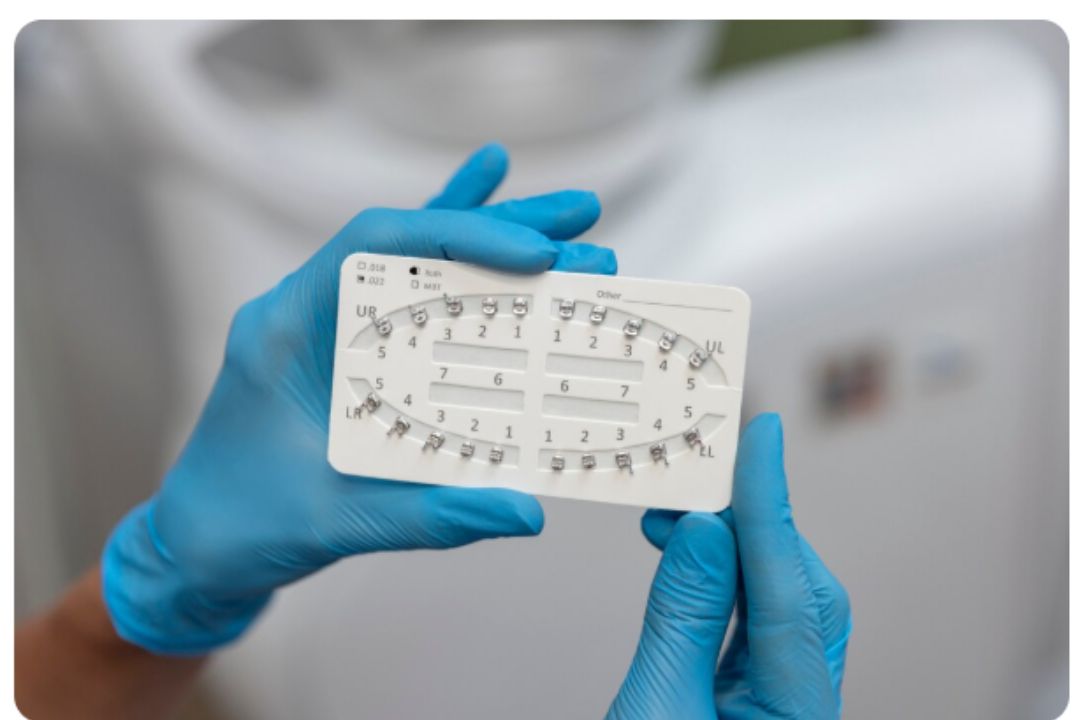
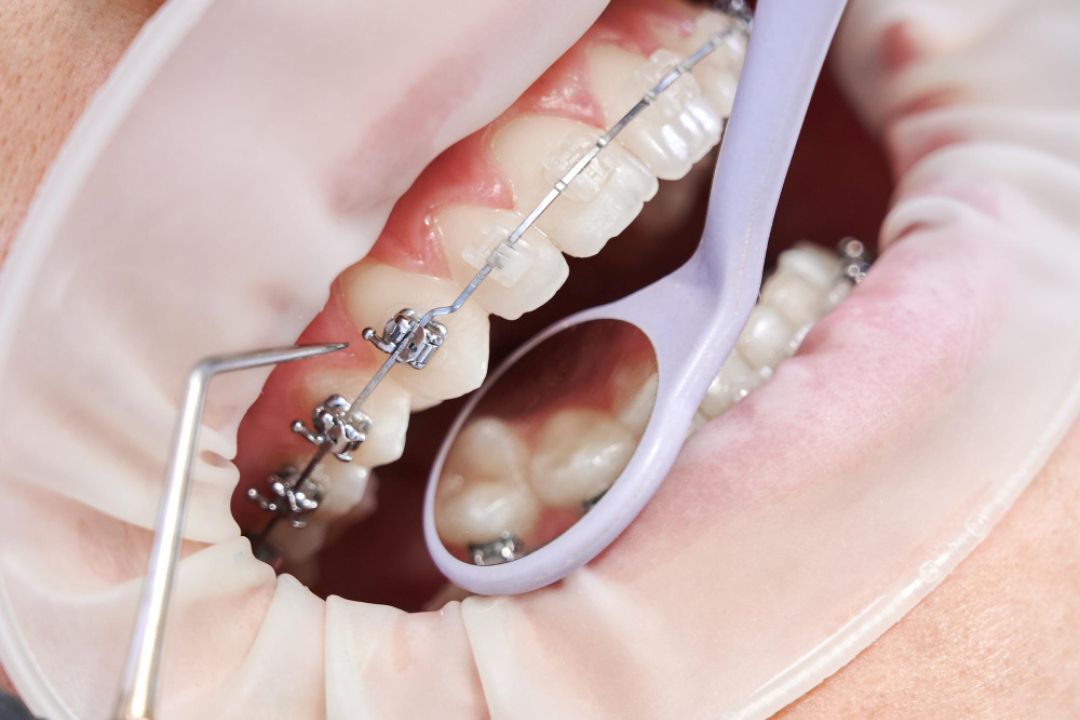
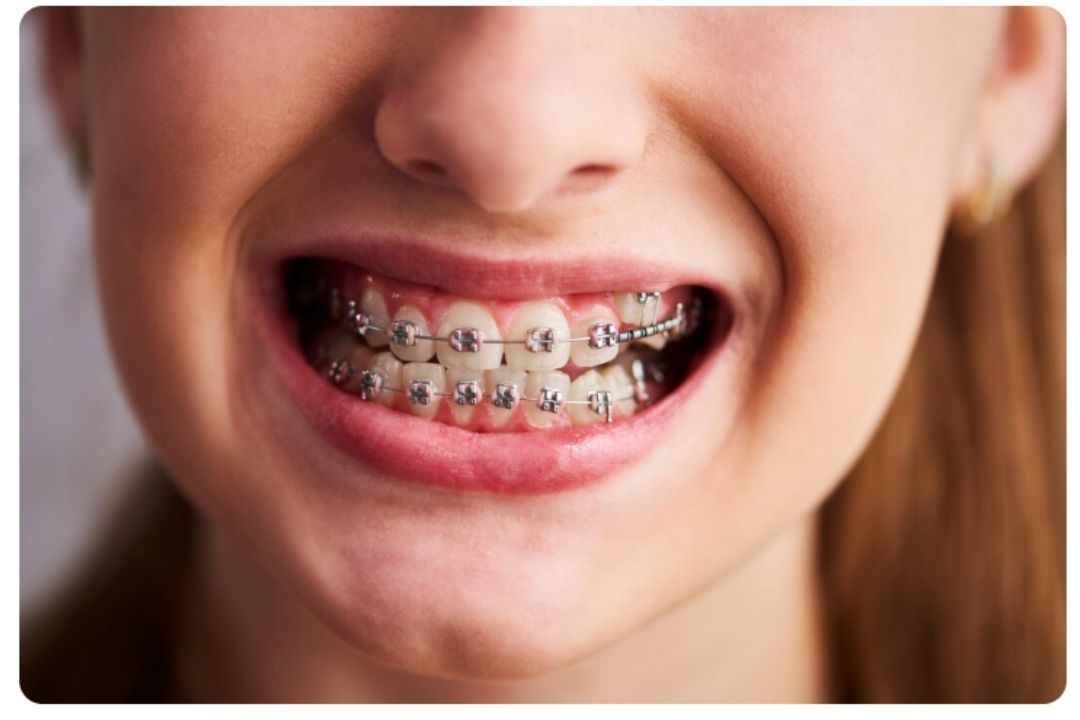
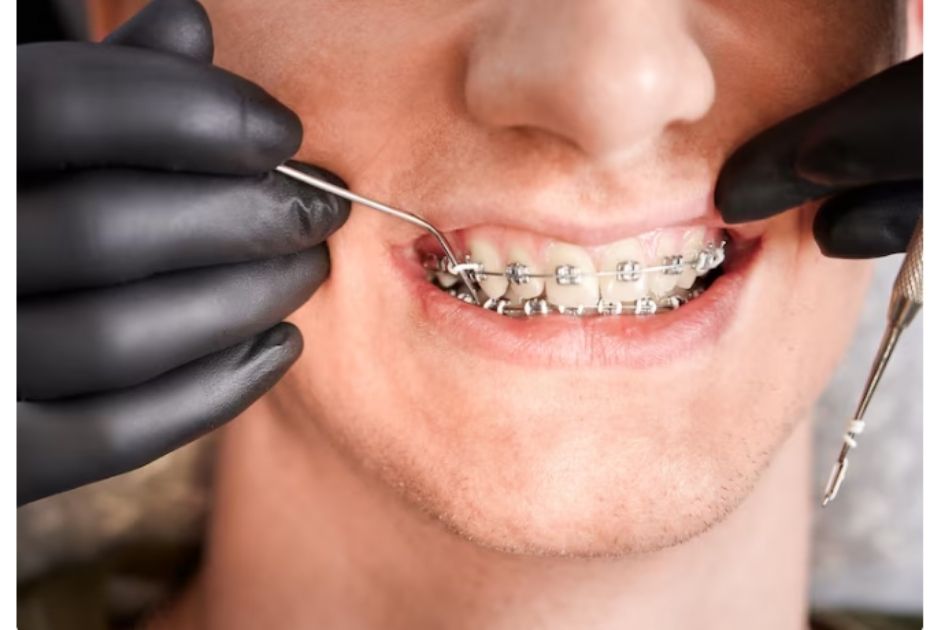
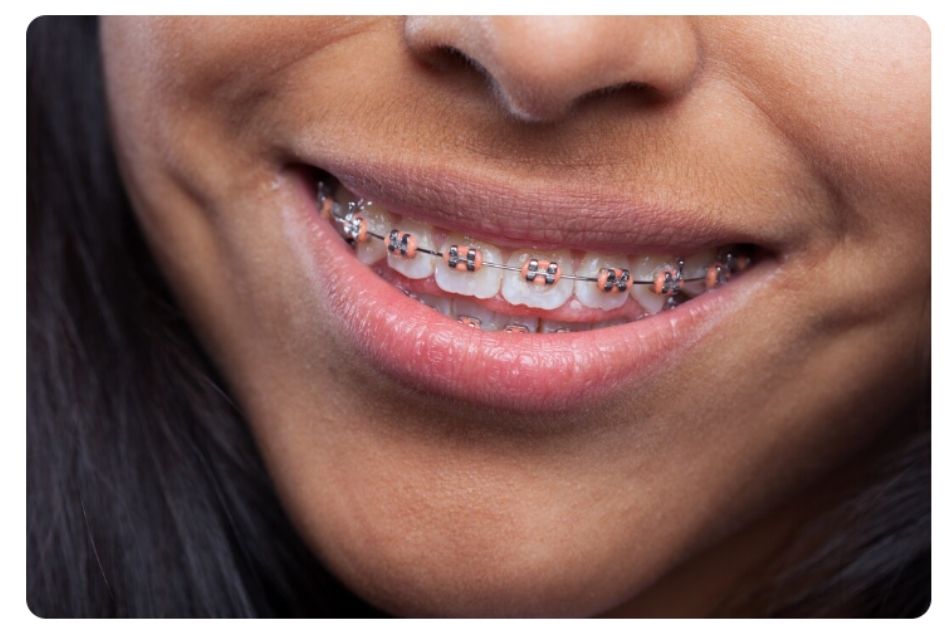
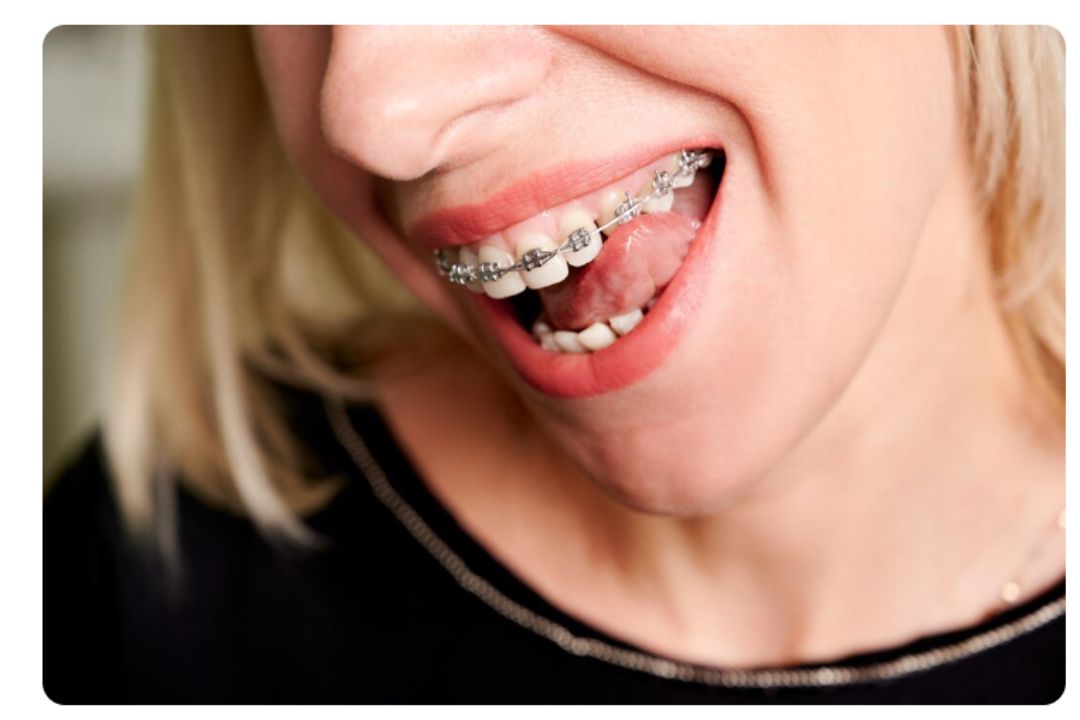
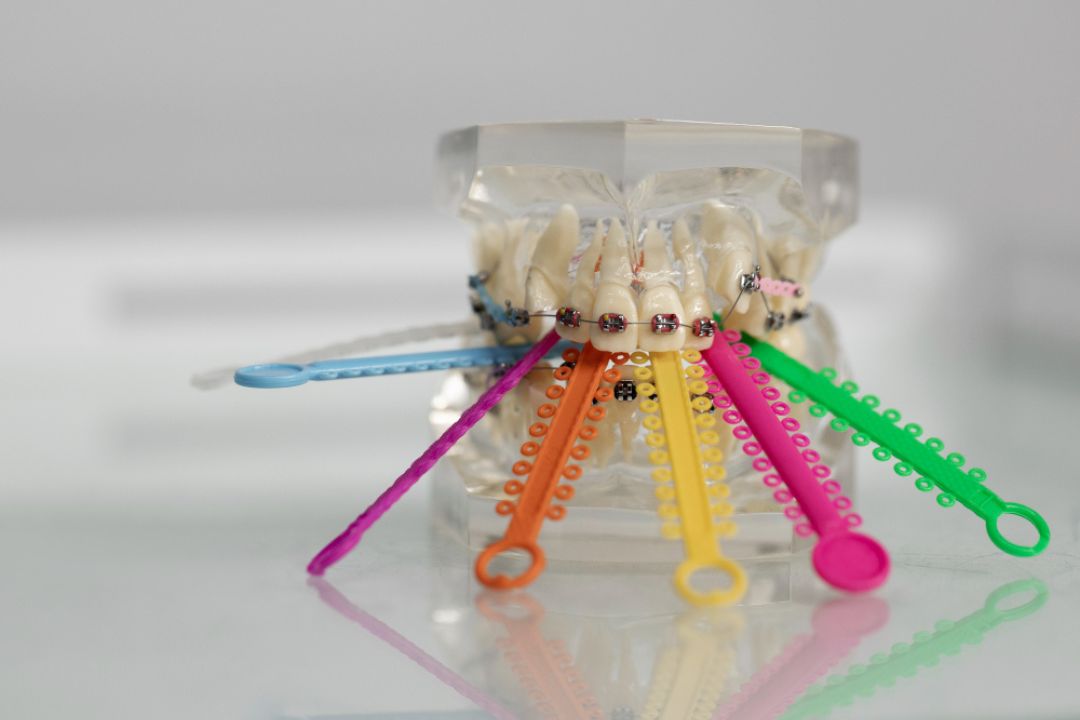
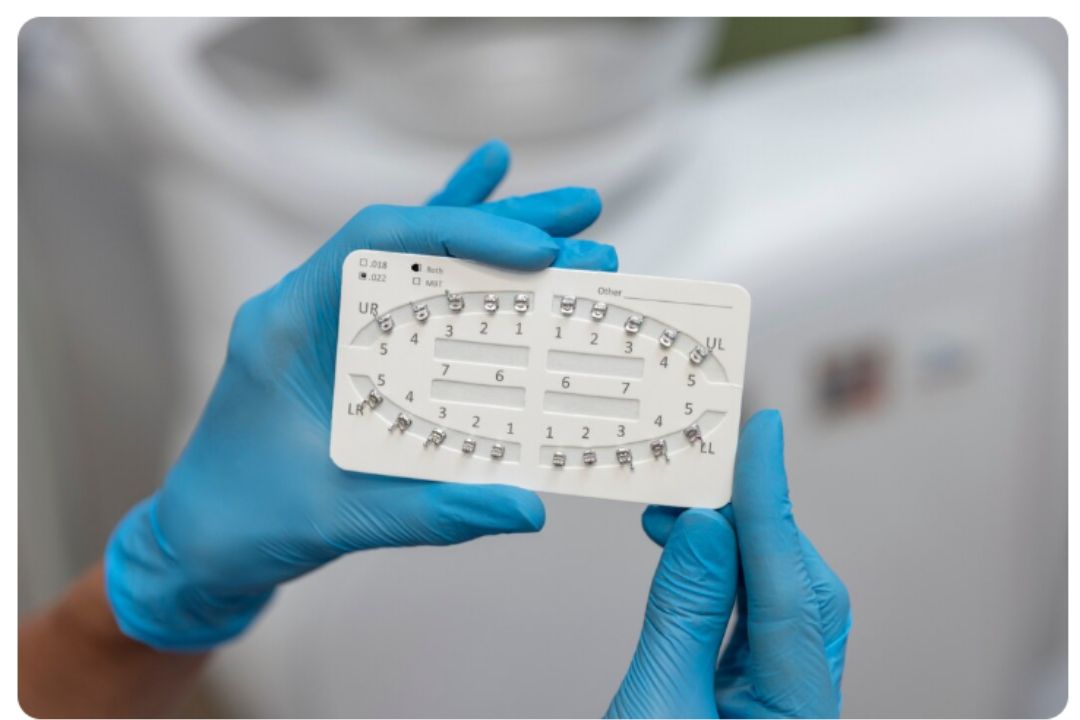
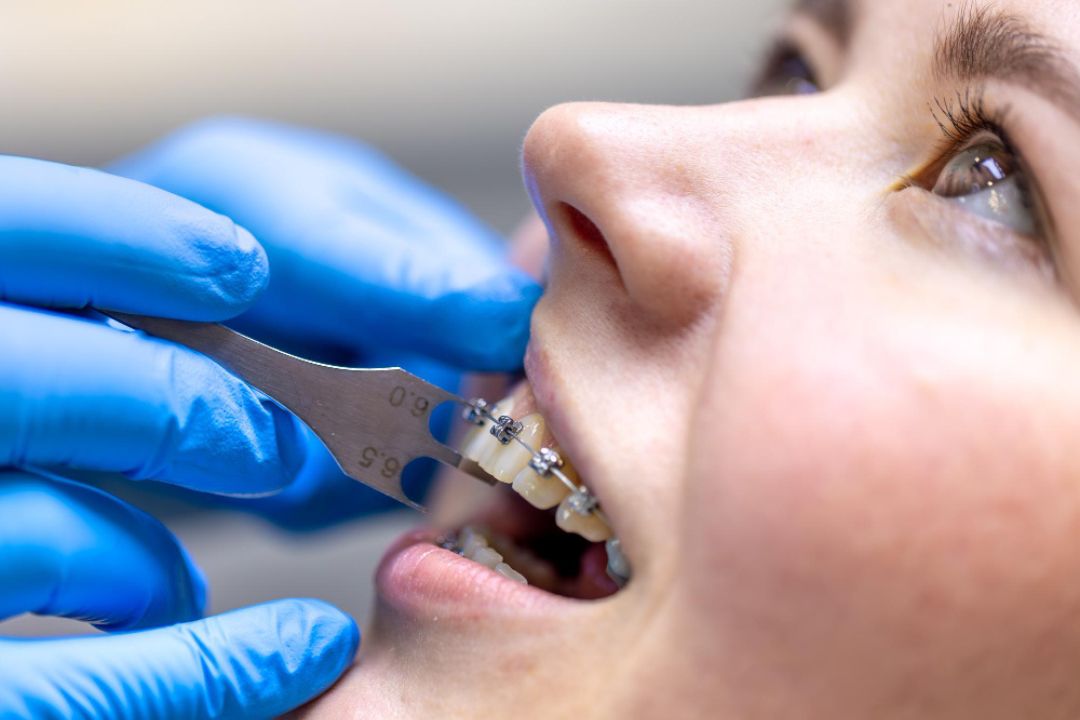
Braces work by applying gentle continuous force through brackets and archwires that gradually move teeth into new positions over time.
Braces can improve:
Crooked or crowded teeth
Overbite underbite or crossbite
Gaps between teeth
Bite relationships
There are several reasons why braces are not an effective treatment for TMJ dysfunction.
Book Now: https://www.diagnopein.com/dental-clinic/Mumbai/Dental-Braces
TMJ dysfunction involves the temporomandibular joints themselves — cartilage, ligaments, muscles and the way the jaw moves in its socket.
Braces move teeth, not joints. While correcting teeth alignment may help improve bite in some cases it does not address the internal condition of the joint or muscle dysfunction.
TMJ pain may come from:
Muscle fatigue or spasm
Disc displacement within the joint
Inflammation or arthritis
Traumatic injury
Braces can change how teeth meet (occlusion) but that does not guarantee correction of joint dysfunction.
In some cases correcting the bite with braces without addressing muscle imbalance or joint inflammation can actually worsen symptoms temporarily.
For example if the joint is inflamed or unstable moving teeth into new positions may trigger increased muscle activity and additional discomfort.
Effective treatment for TMJ disorder typically involves addressing:
Muscle relaxation
Joint inflammation
Disc position
Bite instability
Nervous system pain response
While braces are not a primary TMJ treatment here are effective approaches that may be recommended:
Custom-made occlusal splints help prevent teeth grinding and redistribute forces on the joint. Night guards protect the joint and muscles during sleep.
Splint therapy often reduces tension and allows irritated structures to rest.
TMJ physical therapy focuses on:
Jaw stretching
Muscle strengthening
Posture correction
Reducing joint stiffness
When inflammation is present medications such as anti-inflammatory drugs may be recommended. Relaxation techniques and stress management also help reduce muscle tension.
Behaviours like clenching teeth during work or sleep grinding (bruxism) contribute to TMJ symptoms. Awareness and habit change are part of treatment.
In rare severe cases where joint anatomy is damaged or structural components displaced surgery or arthrocentesis may be considered. This status is confirmed by imaging and specialist evaluation.
Although braces do not treat TMJ dysfunction directly they can sometimes play a supportive role:
Once the joint symptoms are controlled with splint therapy or other modalities a stable bite can be established with orthodontic treatment. This may help maintain long-term comfort.
Many TMJ patients benefit from teams including:
Orthodontist
Oral surgeon
Physical therapist
Pain specialist
If you have TMJ symptoms and are considering braces ask your orthodontist:
Has your TMJ been fully evaluated?
Will braces worsen your symptoms?
Should TMJ symptoms be treated first?
Will bite corrections help long term?
Braces correct tooth alignment but cannot fix jaw joint dysfunction.
Bite correction may help some patients but alone it does not treat joint inflammation muscle pain or disc problems.
TMJ comes from many sources. Bite imbalance may contribute but is usually only one part of the issue.
Braces are designed to align teeth and correct bite relationships.
TMJ dysfunction involves the joint and surrounding muscles.
Braces alone cannot treat joint inflammation pain or muscle dysfunction.
Effective TMJ treatment requires a targeted multidisciplinary approach.
Consult TMJ specialists before starting orthodontic treatment if you have jaw pain.
If you have any of the following symptoms seek evaluation by a TMJ specialist or oral surgeon:
Persistent jaw pain
Clicking or grinding sounds
Limited ability to open or close your mouth
Pain in shoulders neck or head related to jaw movement
Recent trauma causing jaw discomfort
Understanding the difference between bite alignment and TMJ dysfunction is critical when considering orthodontic treatment. Braces can help improve occlusion but do not treat the underlying causes of TMJ disorder.
If you experience jaw pain discomfort or limited movement consult a qualified professional who can recommend a targeted treatment plan. After symptoms improve a coordinated approach that includes orthodontic care may support long-term comfort and functional bite.
































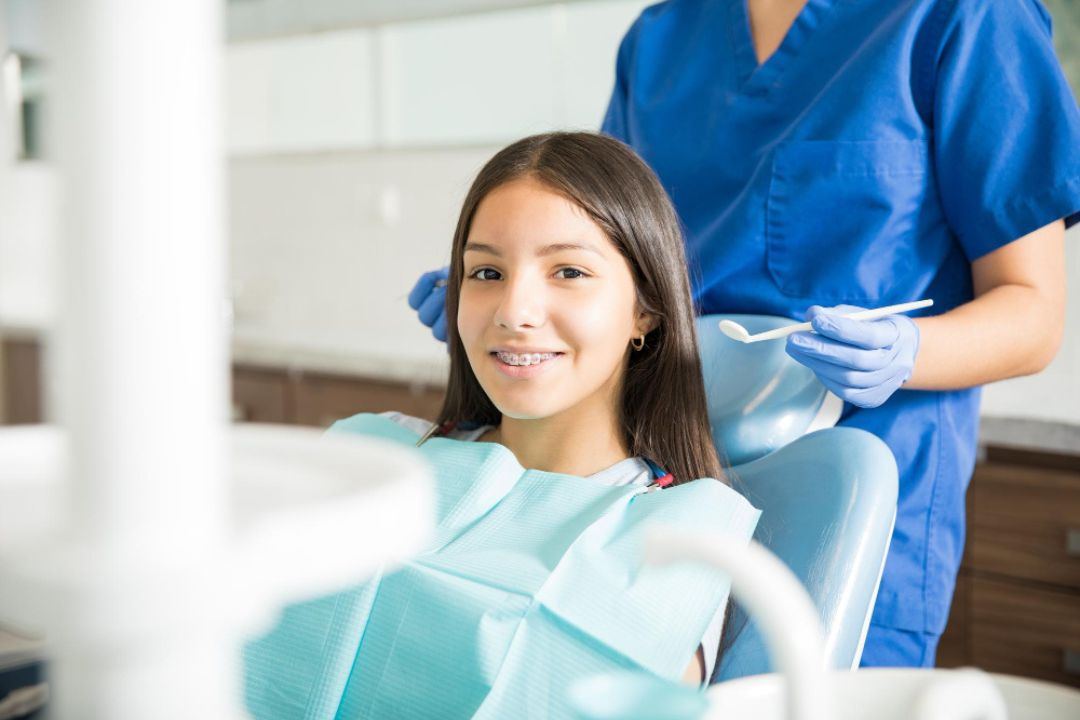
.jpg "affordable metal braces in mumbai")
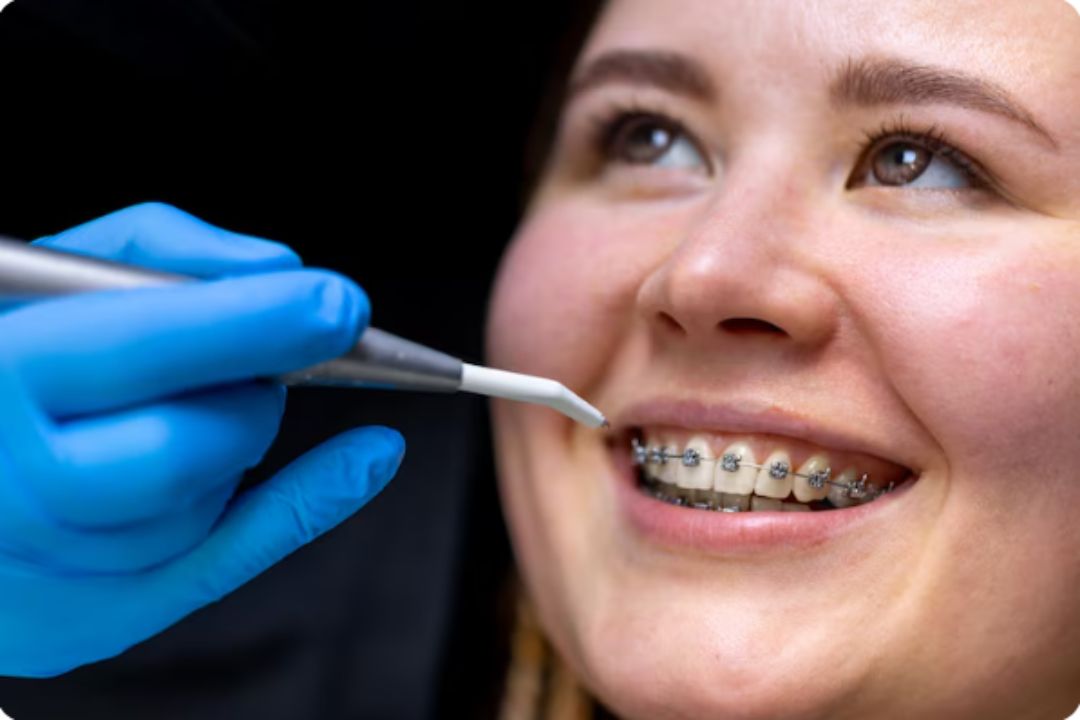
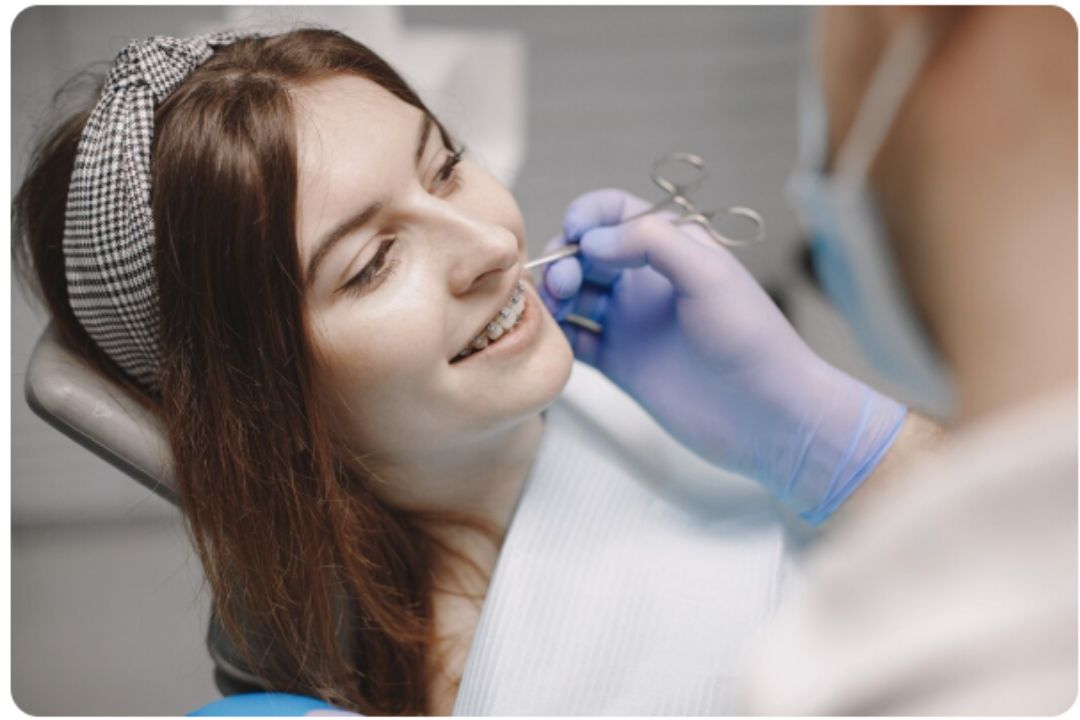

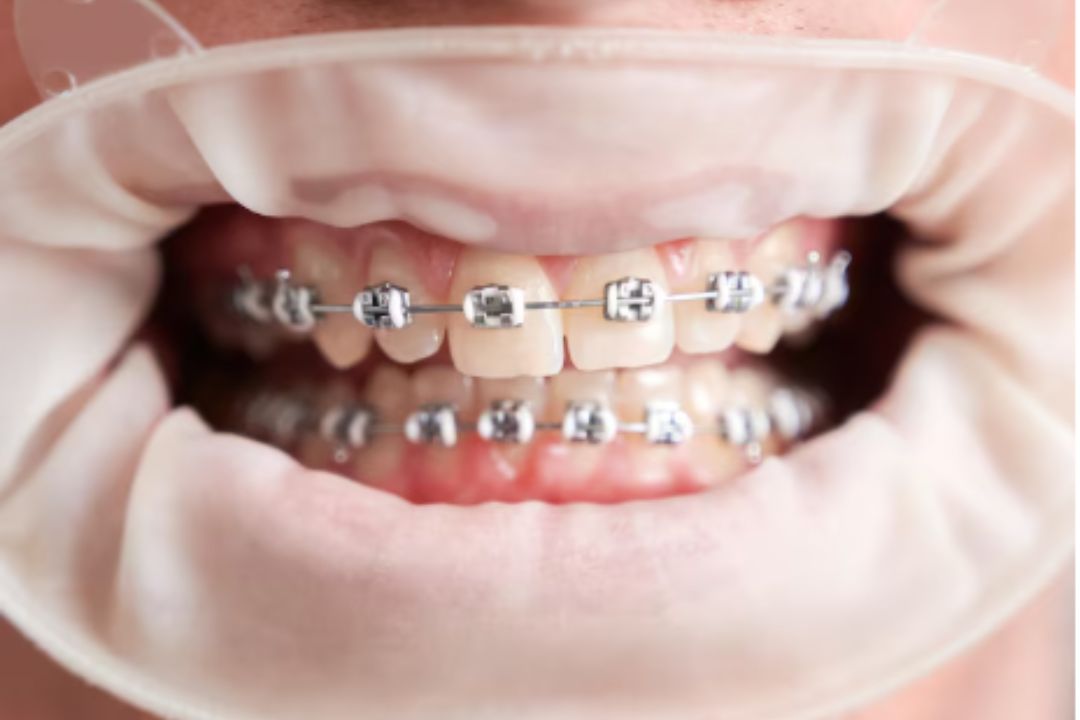













.jpg "dental braces cost in Diagnopein complete price breakdown (2026 guide)")





.jpg "dental braces")



.jpg "dental braces")


 (1).png "Visual Journey of Dental Braces")
 (1).jpg "Dental Braces and Gum Disease")