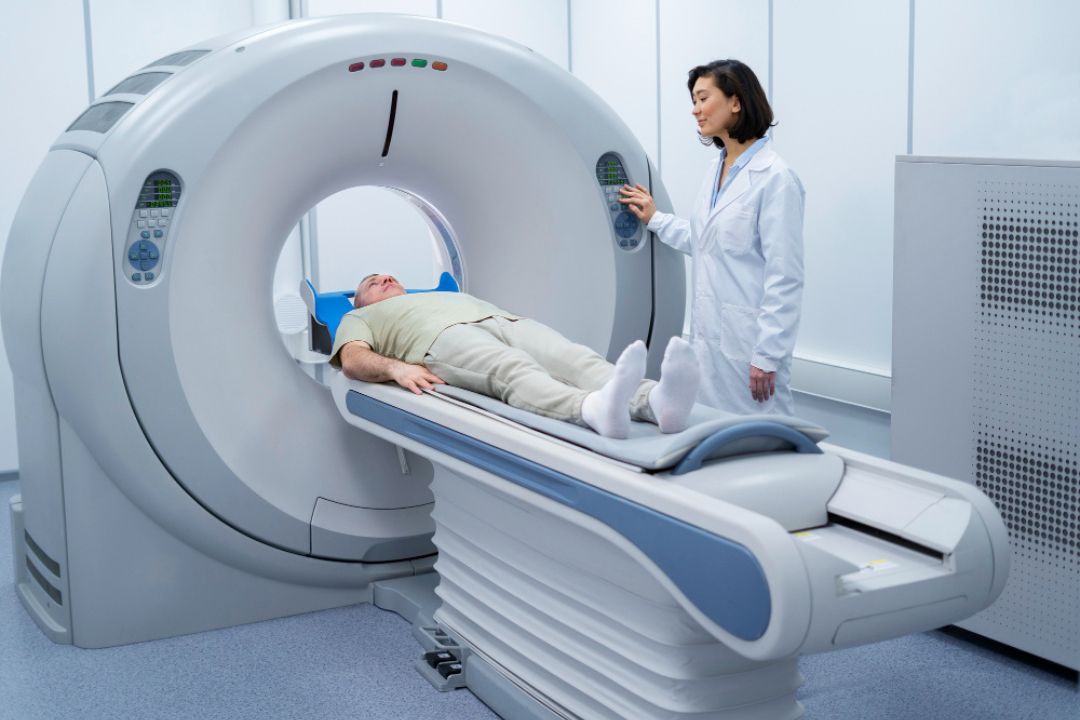
When your doctor recommends a CT scan, it’s natural to wonder, "Is a CT scan safe?" Concerns about radiation exposure are valid and important. At Diagnopein, we believe informed patients make the best decisions. This blog cuts through the confusion, explaining the risks, benefits, and the crucial safety measures that make CT scans a vital, life-saving tool.
Understanding CT Scan Radiation: The Core Concern
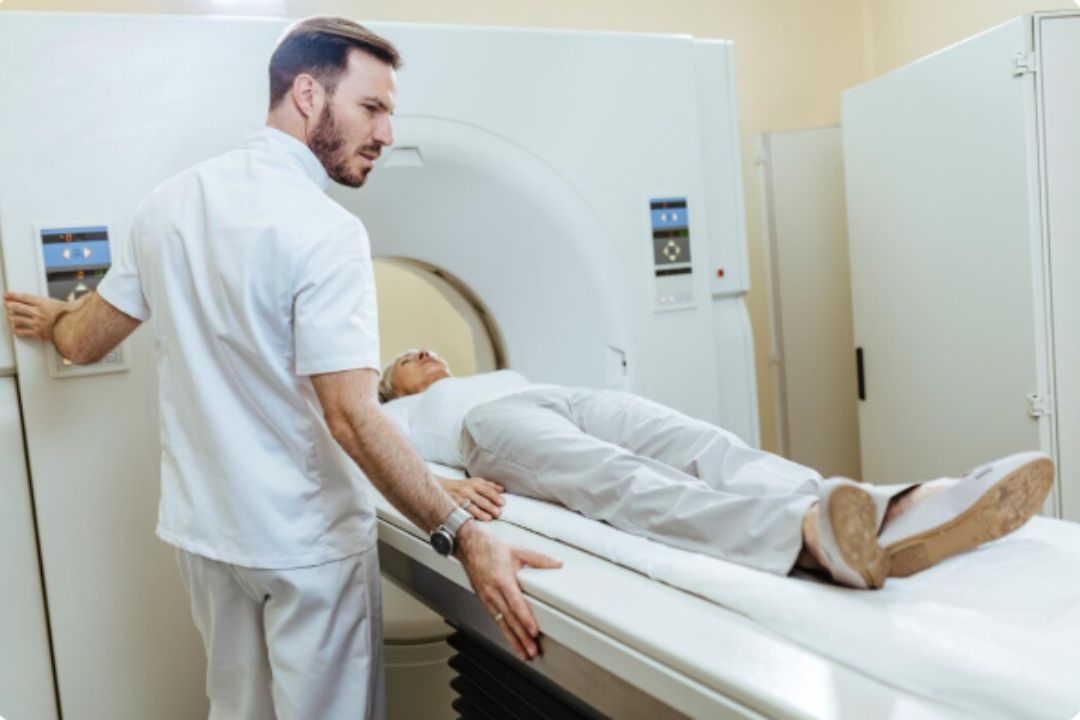
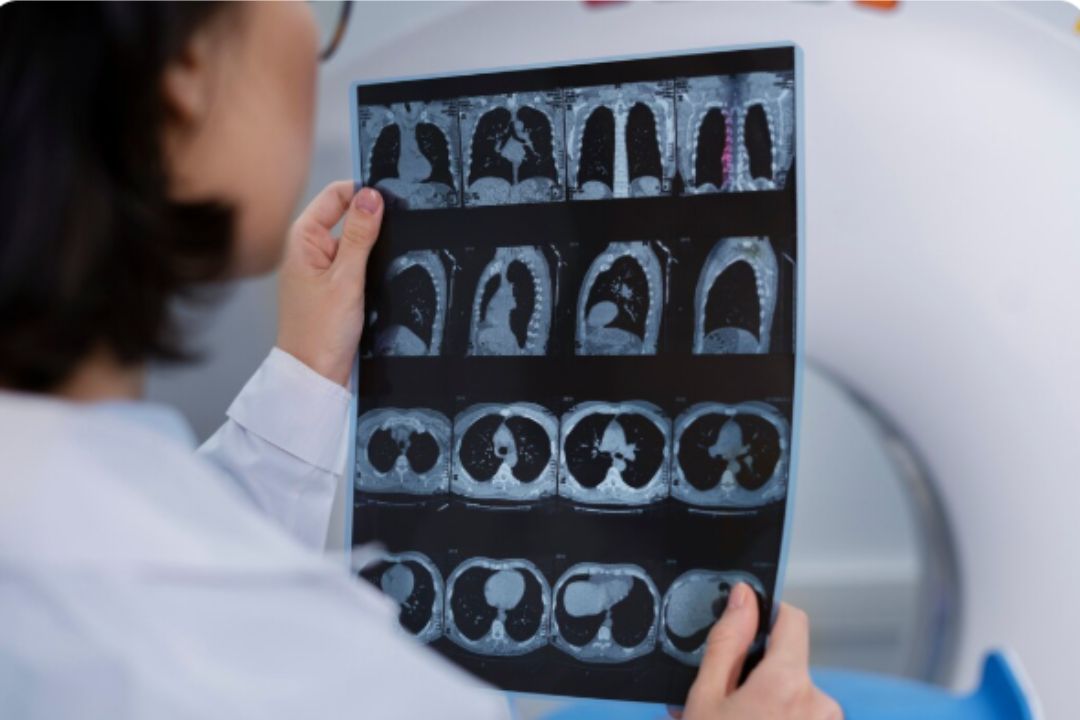
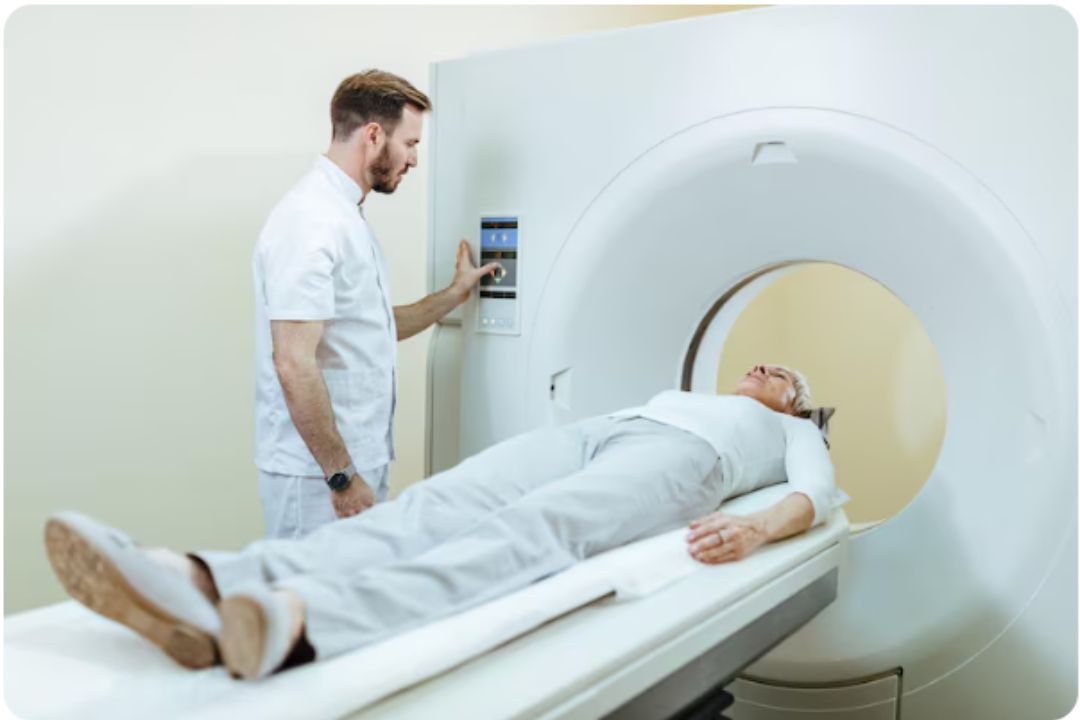
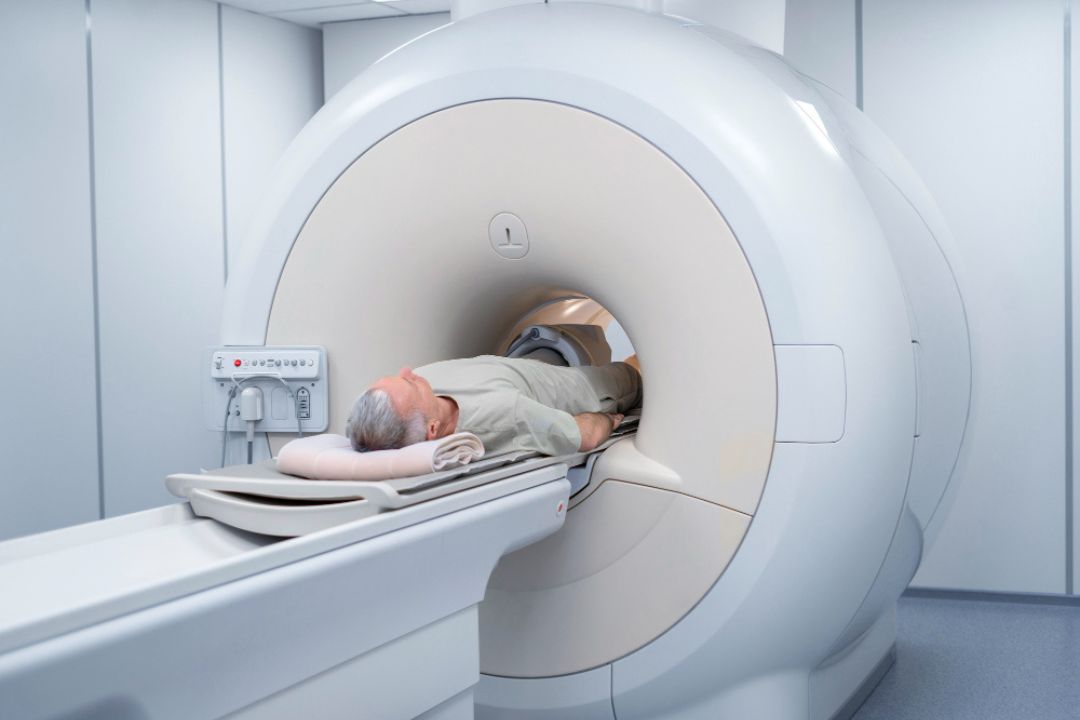
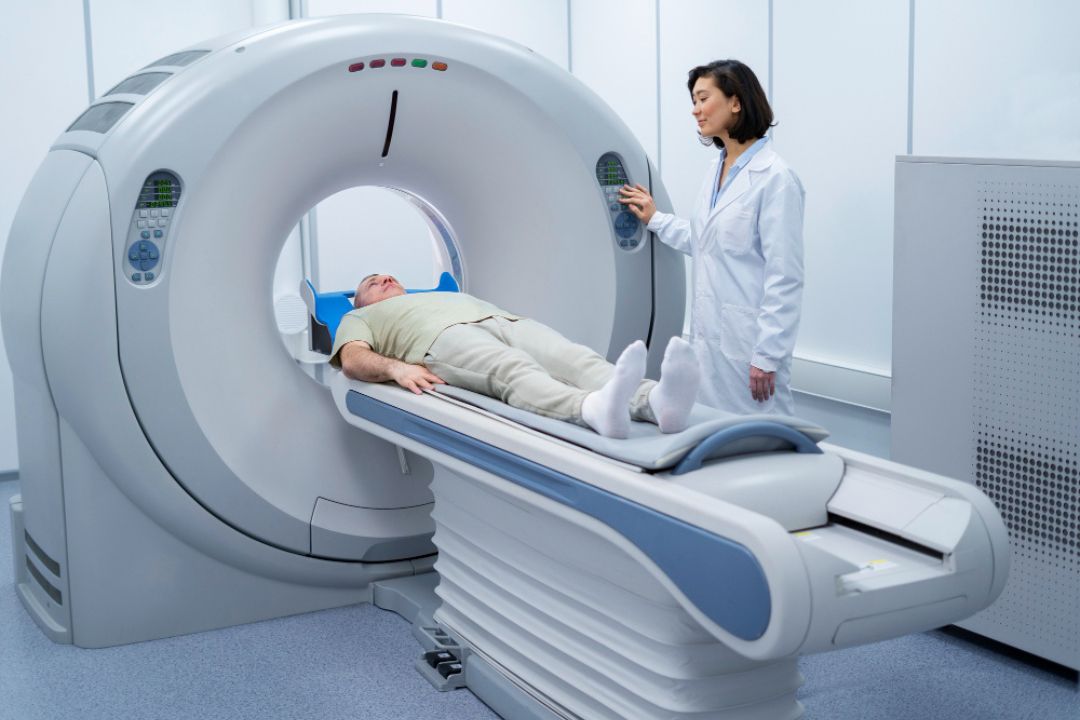
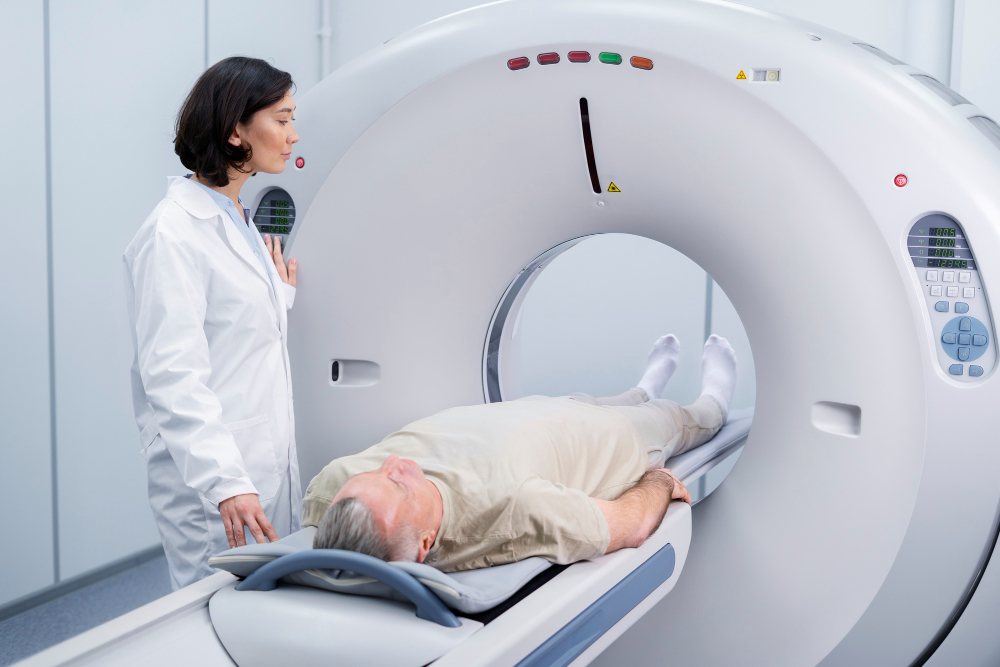
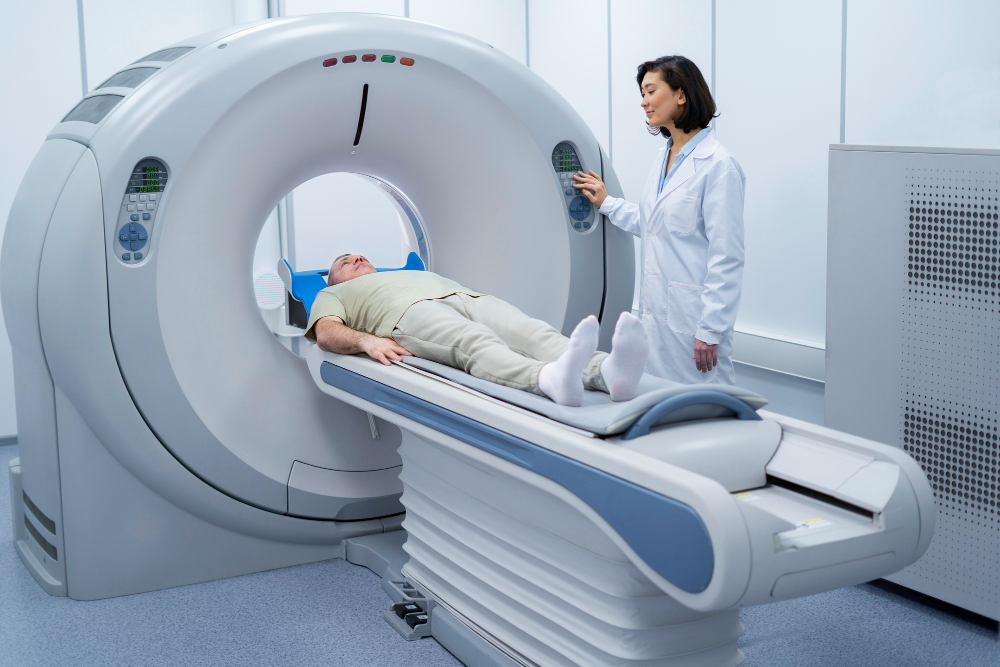
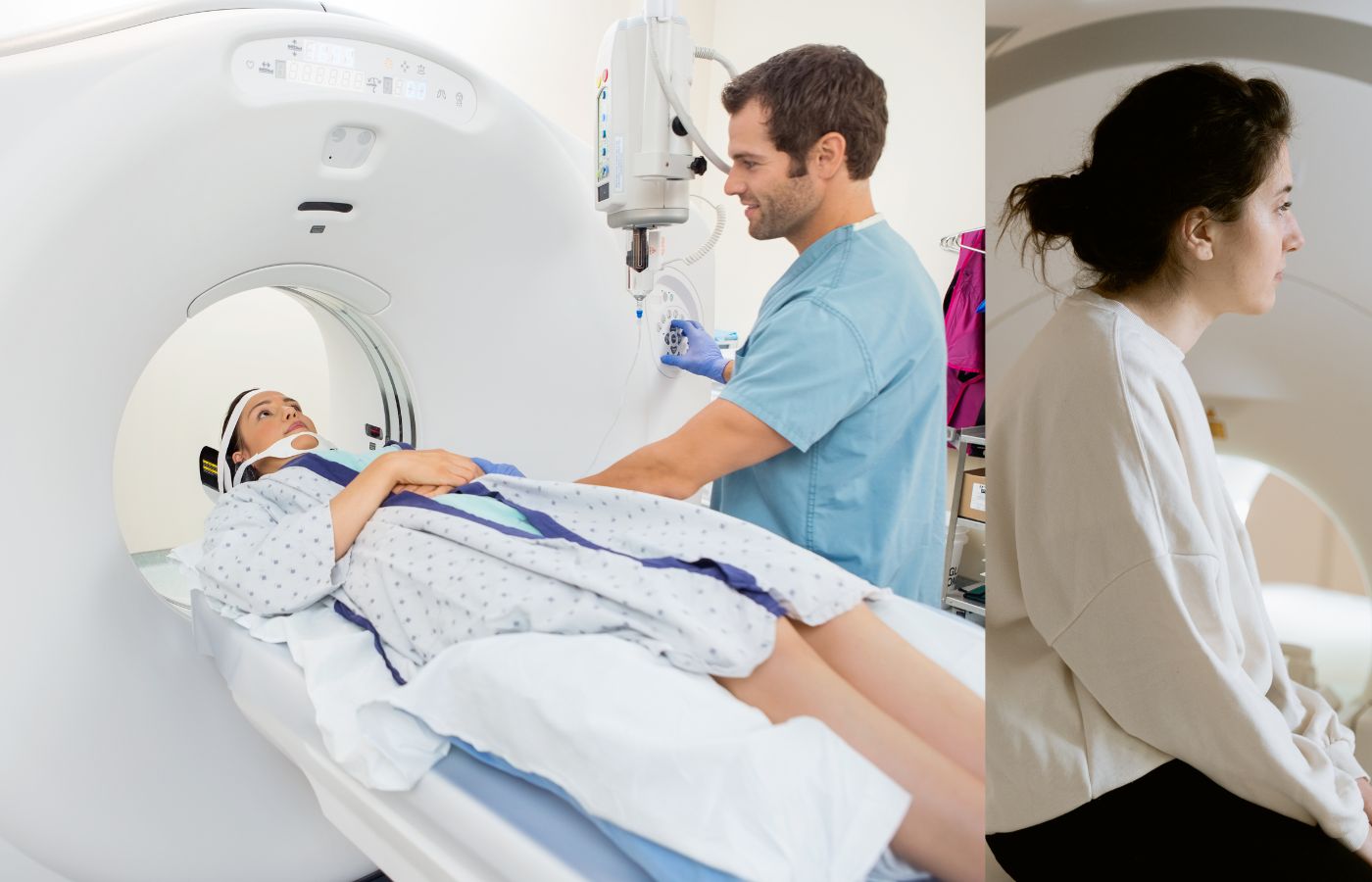
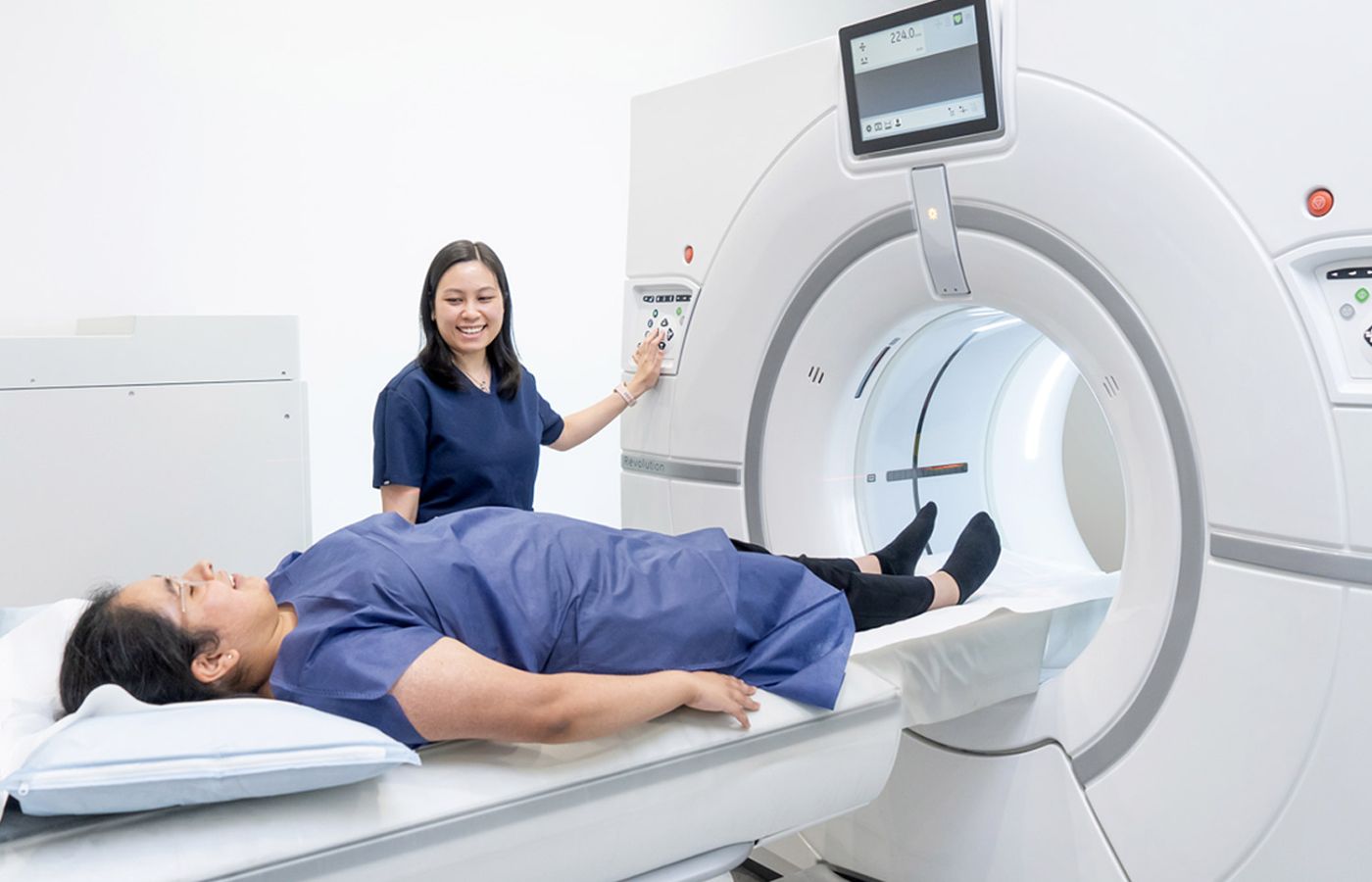
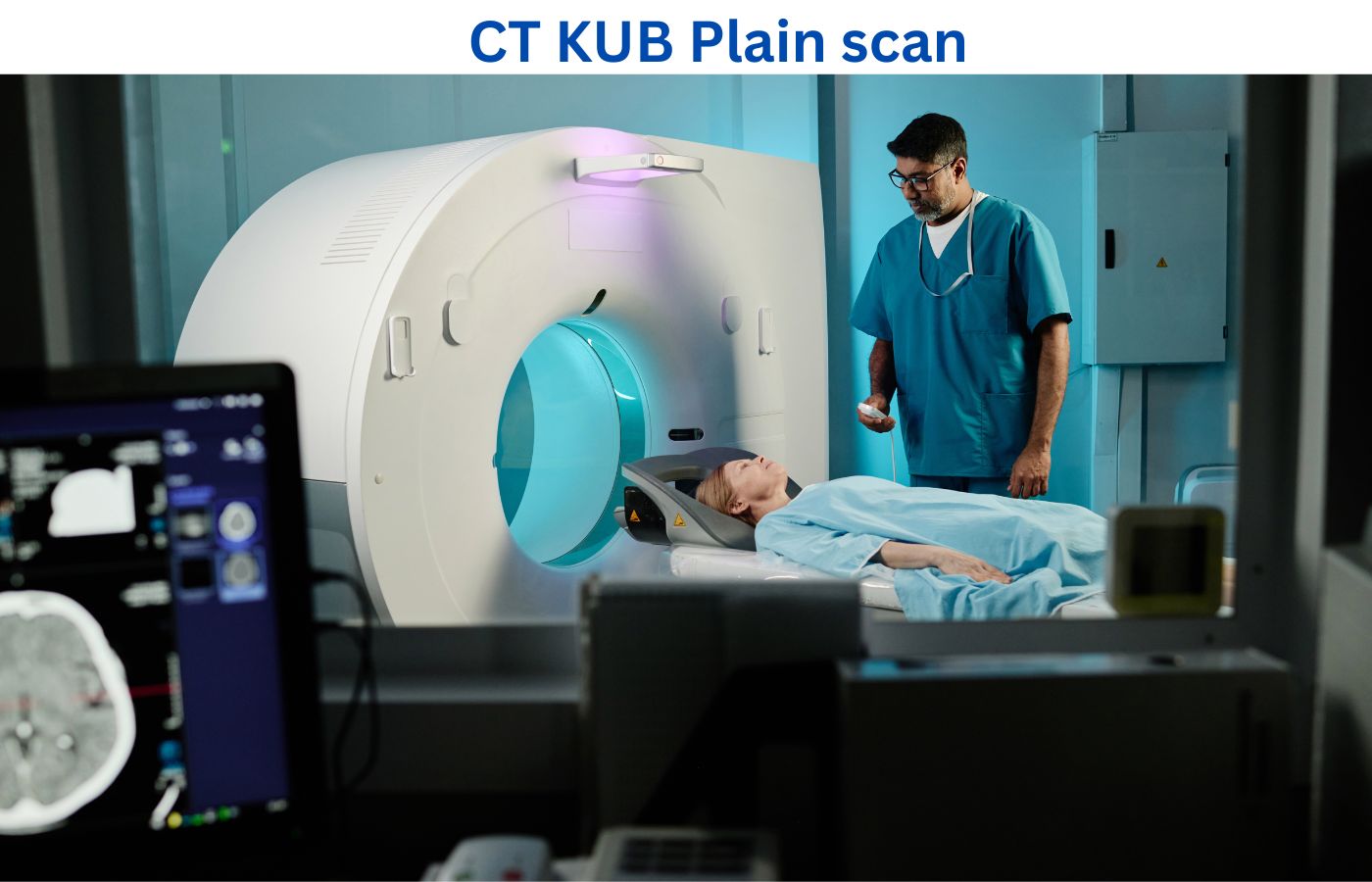
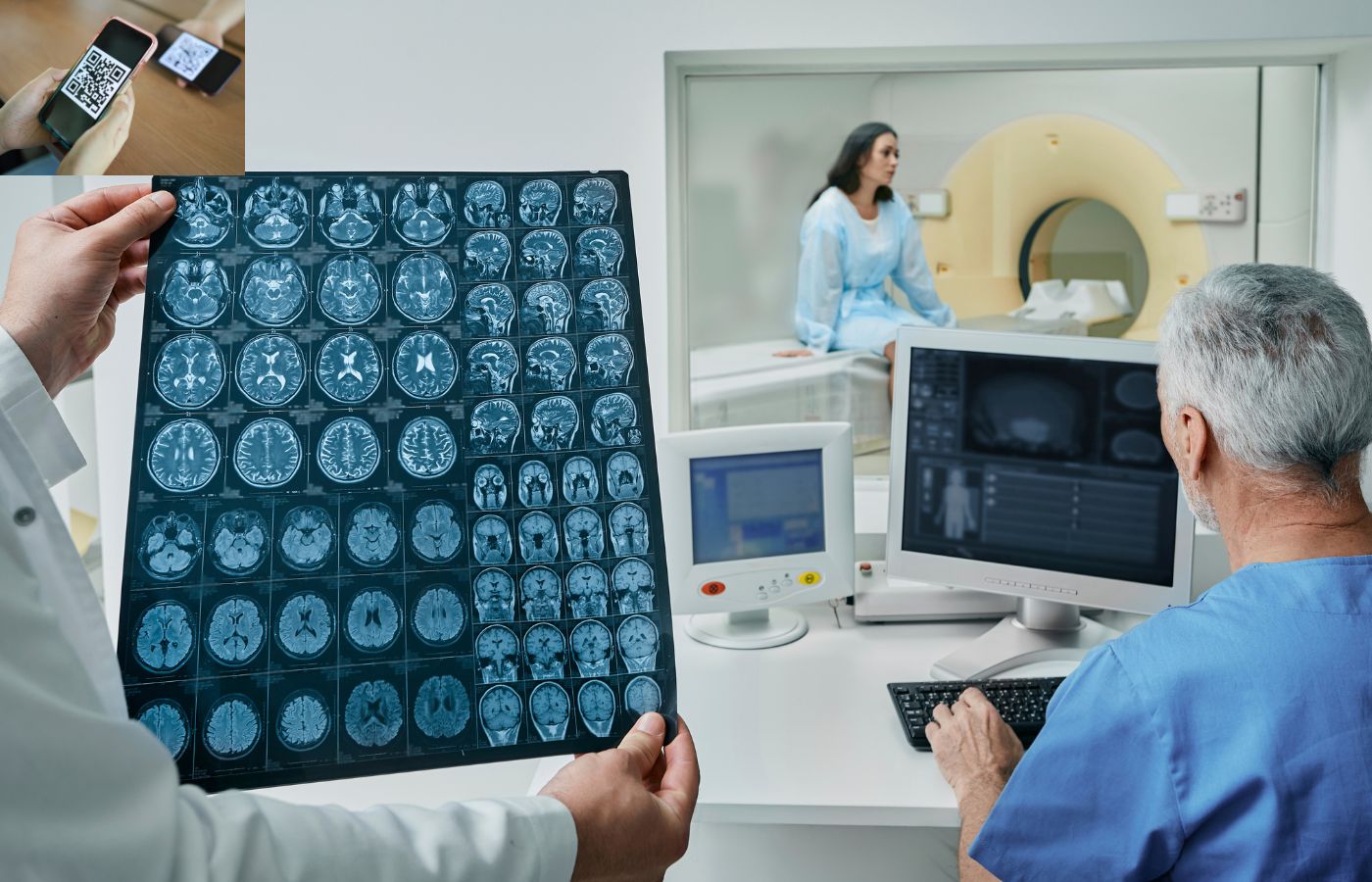
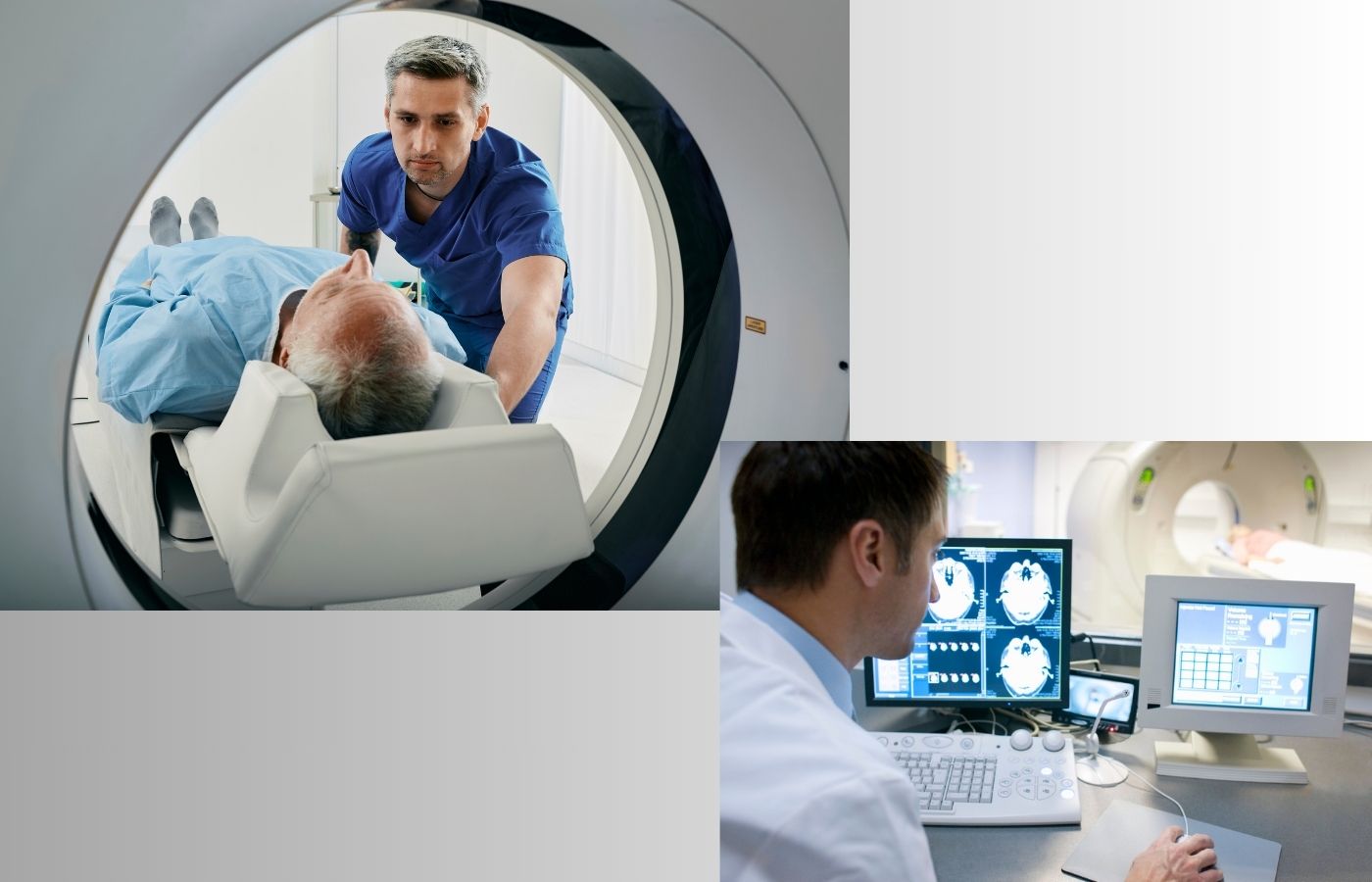
A CT (Computed Tomography) scan uses a series of X-rays to create detailed cross-sectional images of your body. Yes, it involves ionizing radiation, which at very high doses can increase cancer risk. However, the keyword is dose. The radiation from a medical CT scan is carefully controlled and relatively low.
Modern technology, especially at advanced centers like Diagnopein, uses low-dose CT protocols and sophisticated software to minimize exposure without compromising image quality. The benefits of an accurate diagnosis almost always outweigh the minimal long-term risk.
How Many CT Scans Are Safe Per Year? There’s No Magic Number.
One of the most common questions we hear is, "How many CT scans are safe per year?"
There is no universal, one-size-fits-all answer. Safety is not about a yearly count but about justification and optimization. Each scan is prescribed based on a strict principle: is it clinically necessary for your specific condition? A doctor would not recommend a scan unless the diagnostic benefit significantly outweighs the potential risk.
For patients requiring multiple scans (e.g., for trauma, cancer staging, or chronic disease monitoring), radiologists use the "As Low As Reasonably Achievable" (ALARA) principle. This means tailoring each scan to use the lowest possible dose. At Diagnopein, our radiologists and technologists are experts in dose-optimized imaging, ensuring you get only the radiation you need.
The Undeniable Benefits: Why CT Scans Are Crucial
Focusing solely on risk ignores why CT scans are indispensable:
Speed and Accuracy: In emergencies (like head injuries, internal bleeding, or strokes), a CT scan provides critical answers in minutes, saving lives.
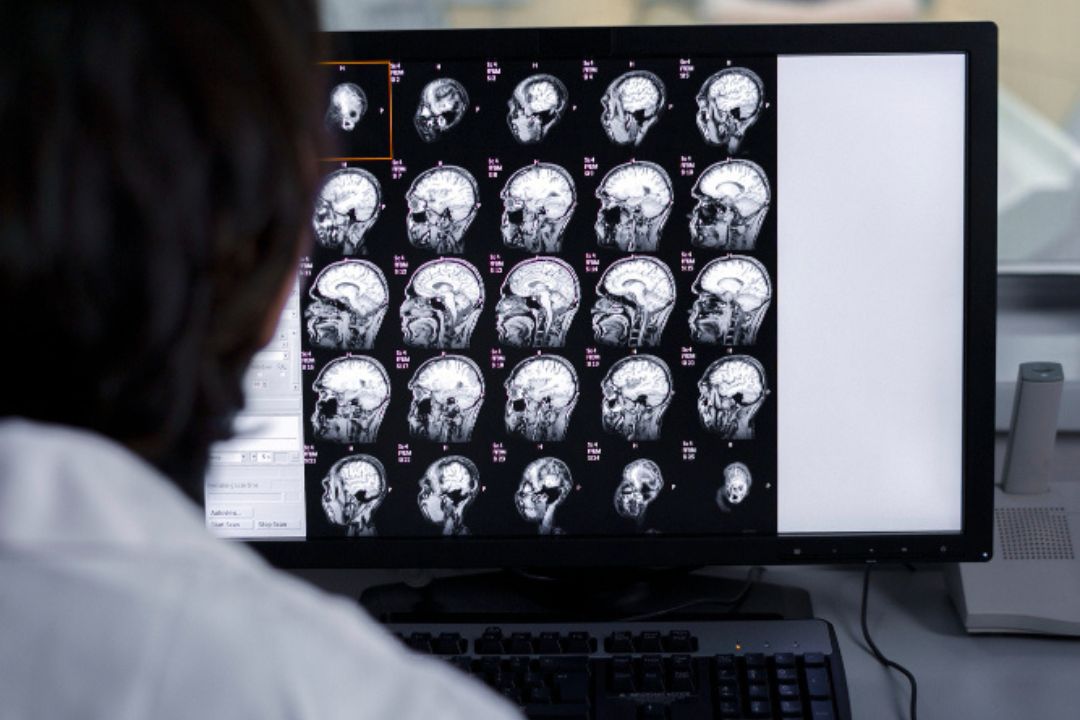
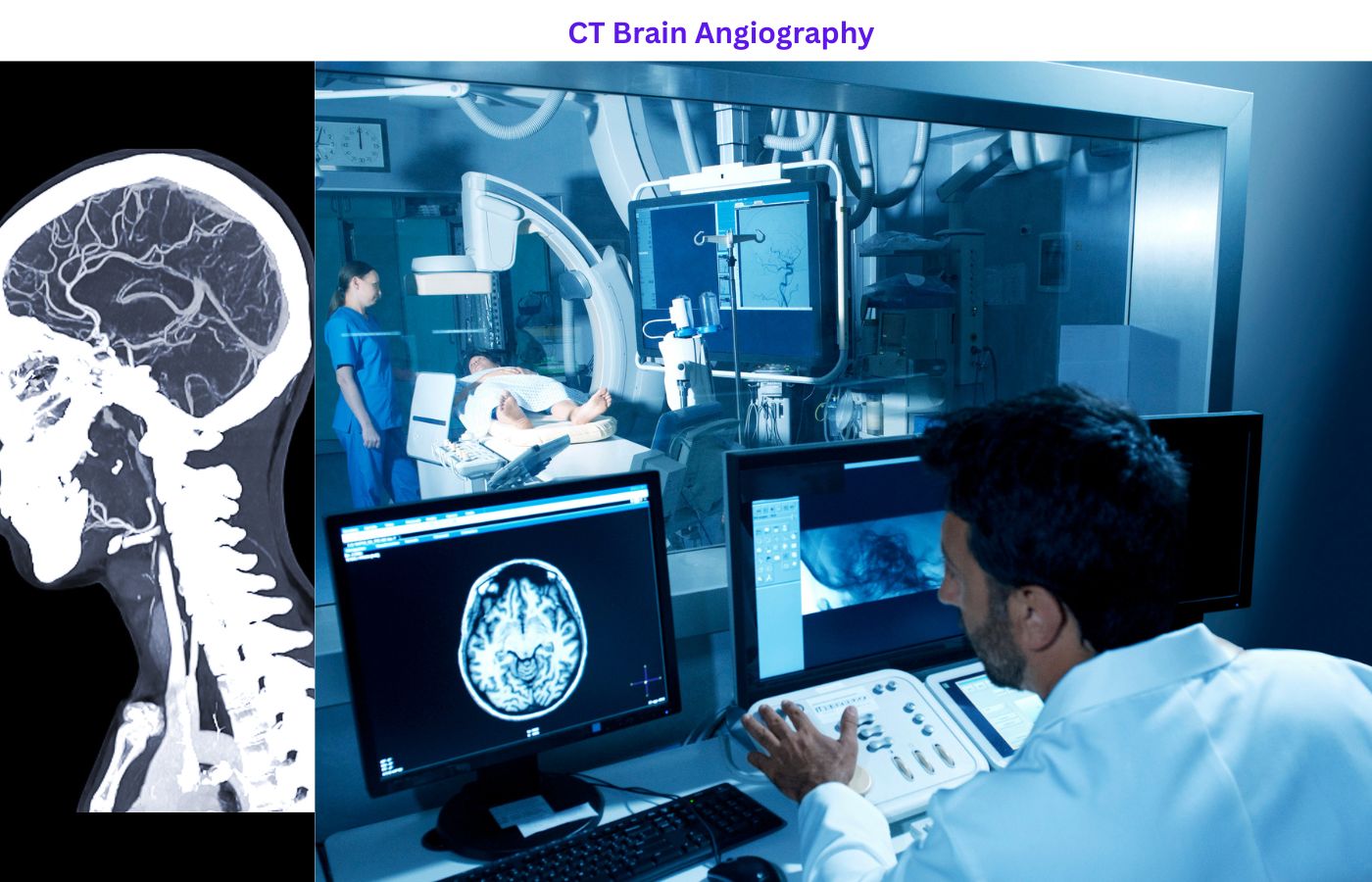
Detailed Diagnosis: It offers unparalleled detail of bones, blood vessels, and soft tissues, identifying tumors, infections, or fractures that other tests might miss.
Painless and Non-Invasive: Unlike exploratory surgery, it’s a quick, external procedure.
Why Choose Diagnopein? Safety, Comfort, and Precision Combined
When you need a CT scan, where you go matters. Diagnopein is built on a foundation of patient safety, comfort, and technological excellence.
Advanced Low-Dose Technology: We invest in the latest CT scanners equipped with automatic dose modulation and iterative reconstruction software, reducing radiation exposure by up to 40-60% compared to older machines.
Expert Radiologists: Our subspecialist radiologists meticulously plan and interpret every scan, ensuring high diagnostic accuracy without unnecessary exposure.
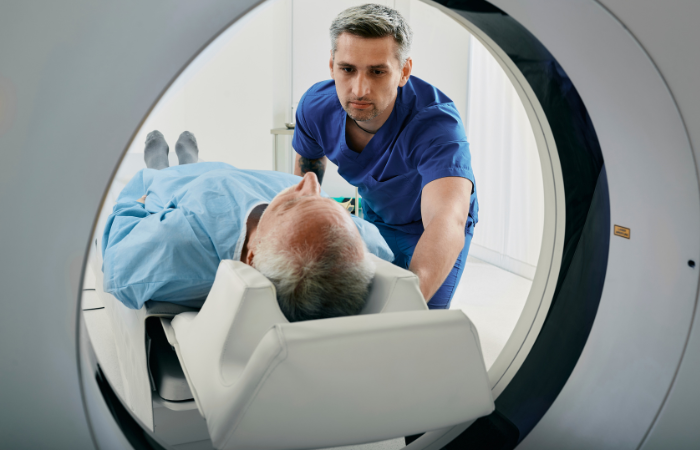
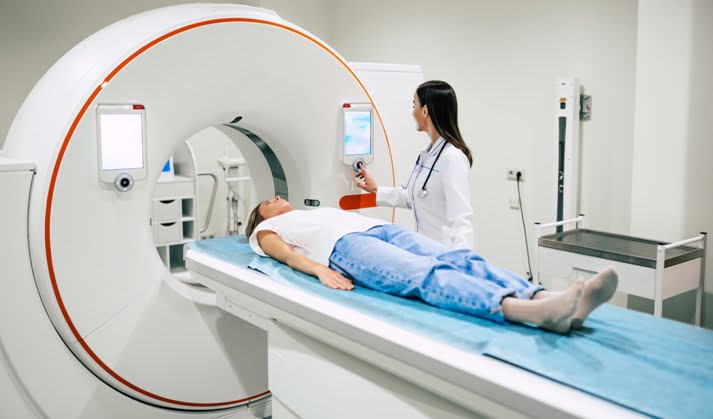
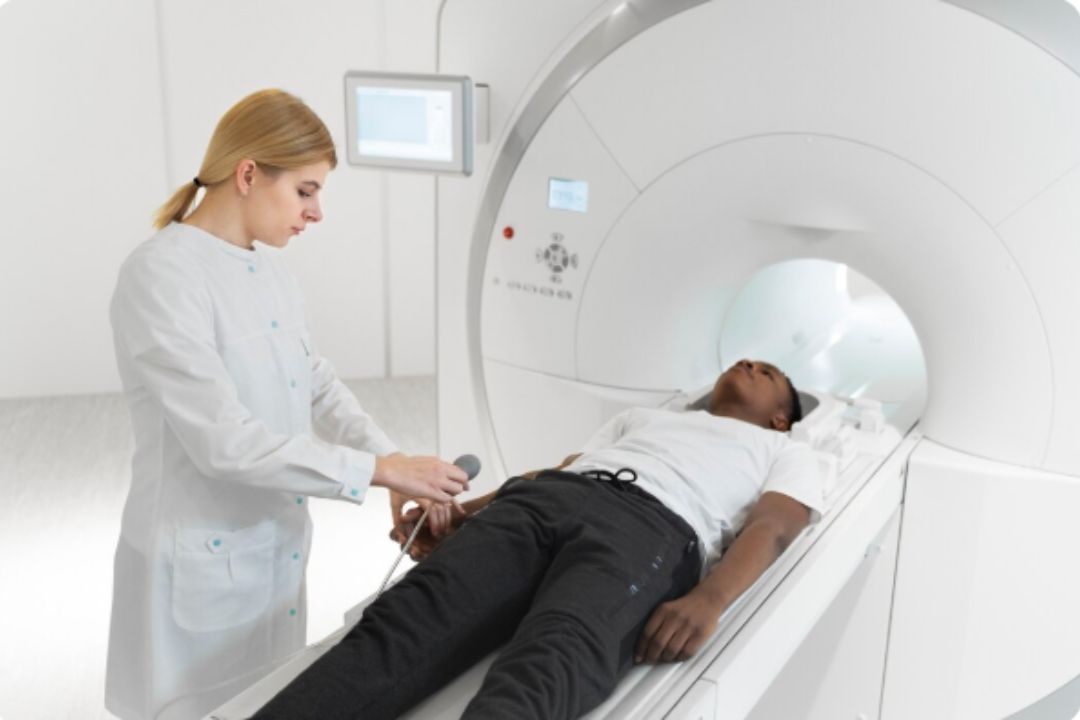
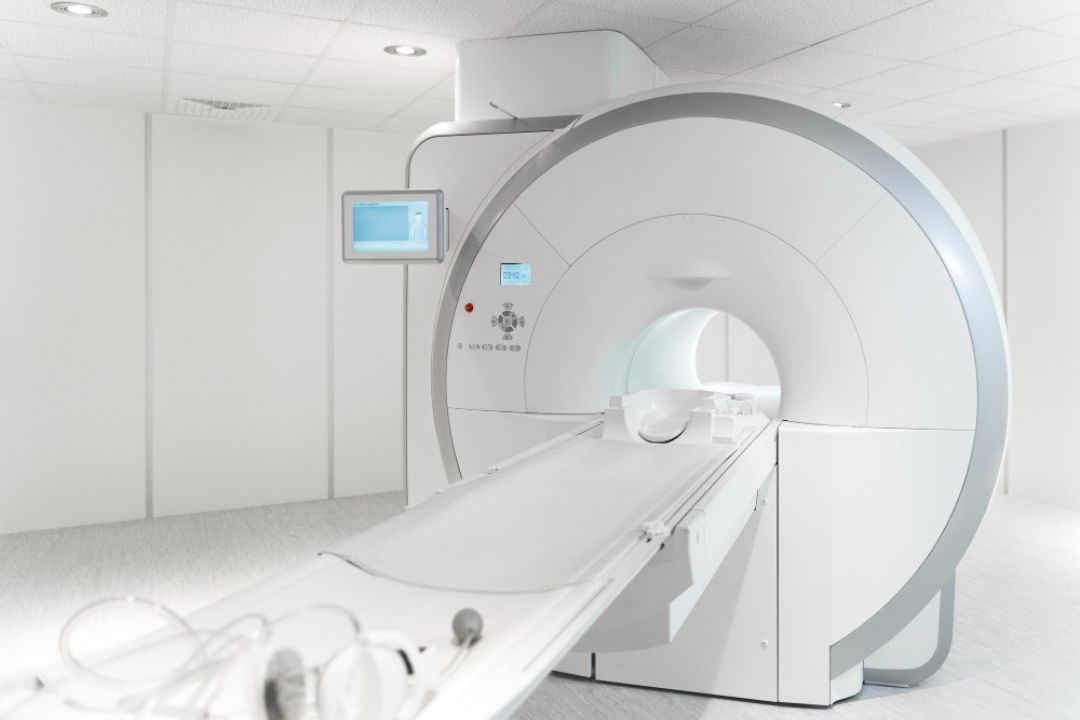
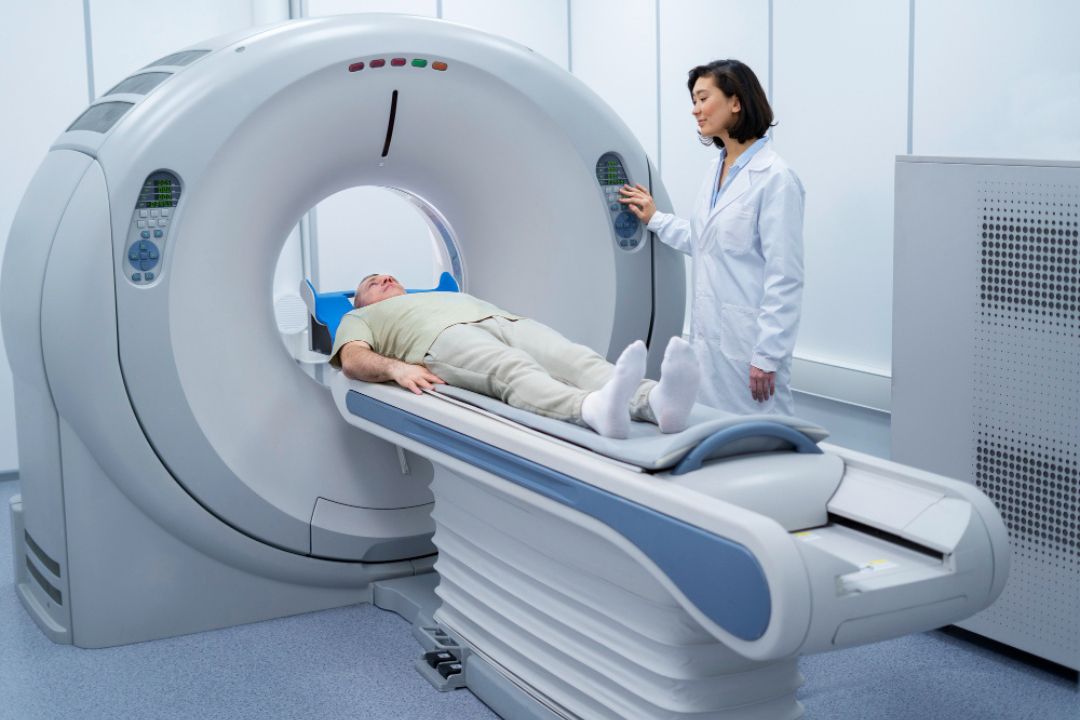
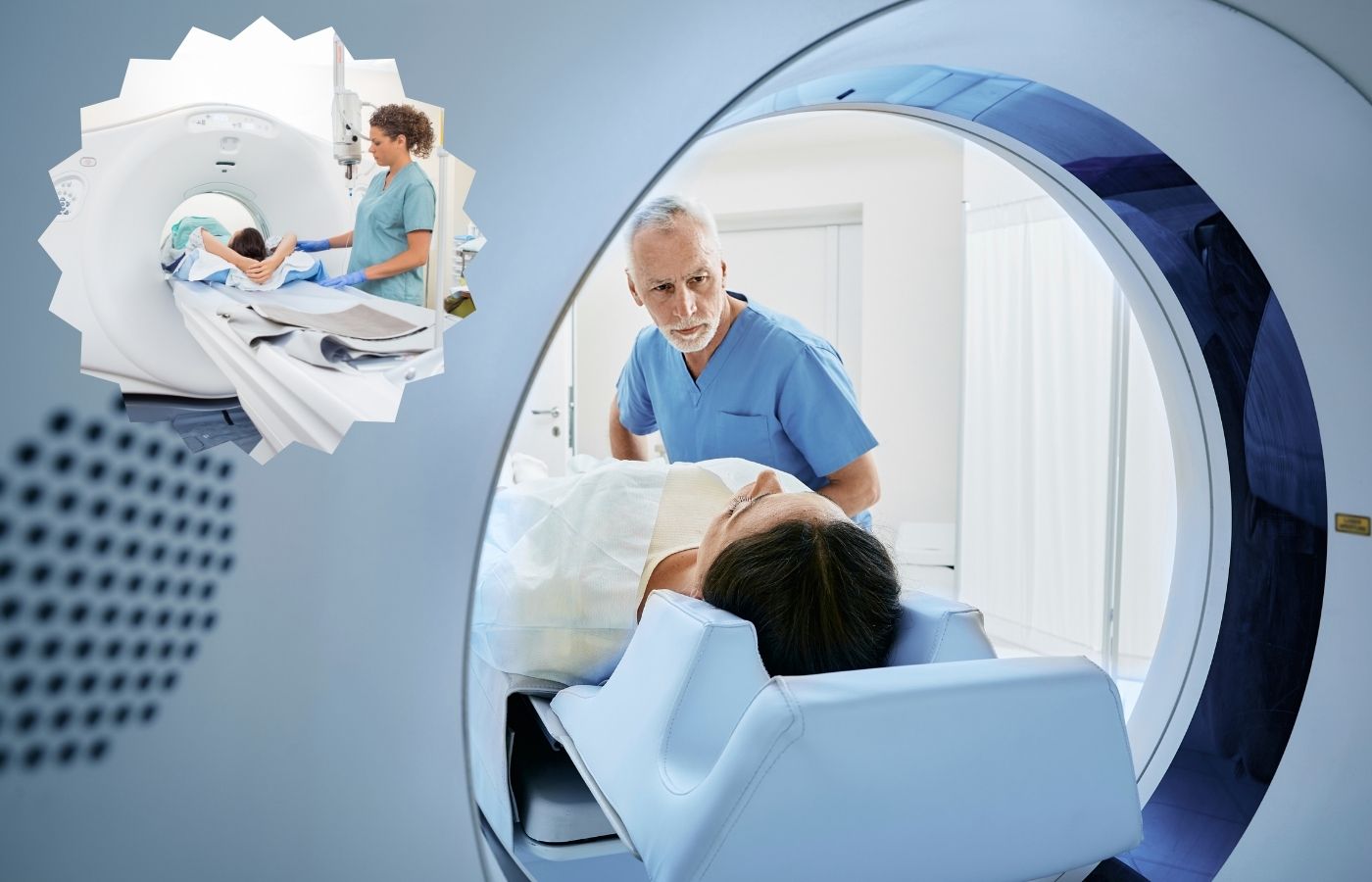
Unmatched Patient Comfort: We understand scan anxiety. Our facilities are designed to be calm and welcoming. Our wide-bore scanners reduce claustrophobia, and our caring staff guides you through every step.
Transparent and Competitive Costing: At Diagnopein, we believe in transparent CT scan costing. We provide clear, upfront pricing and work with major insurers, ensuring you have no surprise bills. The value lies in getting an accurate diagnosis the first time, preventing costly repeat scans or delayed treatment.
Conclusion: A Smart, Safe Choice for Your Health
So, is a CT scan safe? The answer, when performed correctly and for the right reasons, is a resounding yes. The minimal risk associated with modern, optimized CT scans is far outweighed by their power to diagnose serious conditions early and accurately.
The key is to choose an imaging partner that prioritizes your safety as much as your diagnosis. At Diagnopein, safety isn’t an afterthought—it’s embedded in our technology, our protocols, and our people. We combine low-dose CT scans with a compassionate, patient-first approach to give you not just images, but peace of mind.




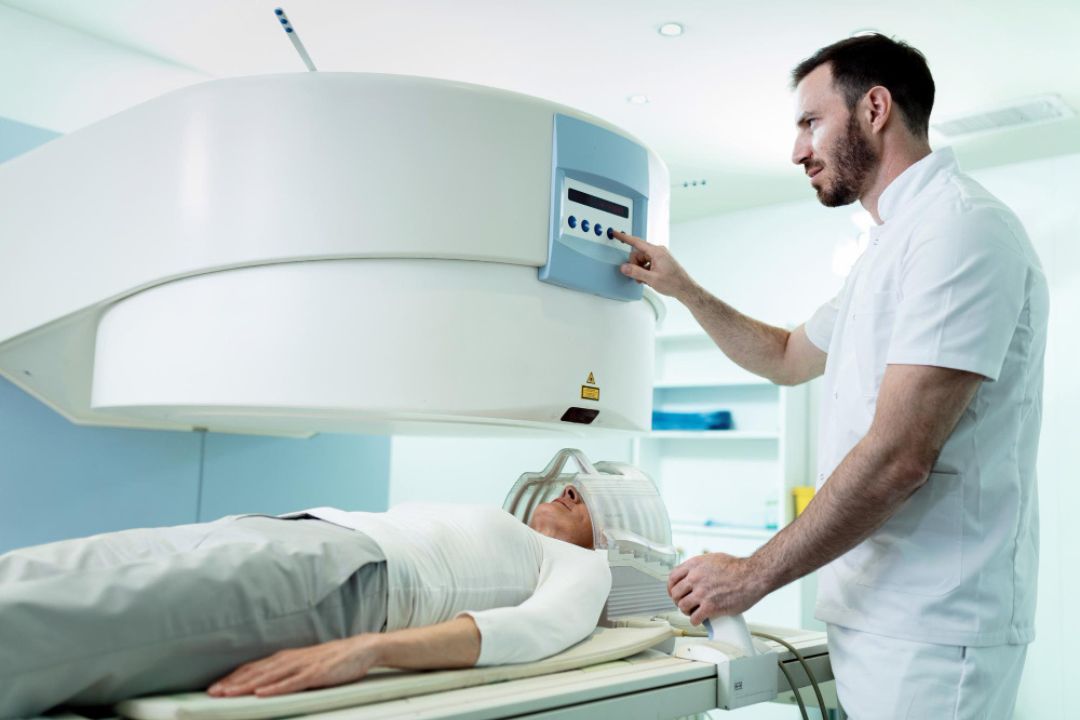
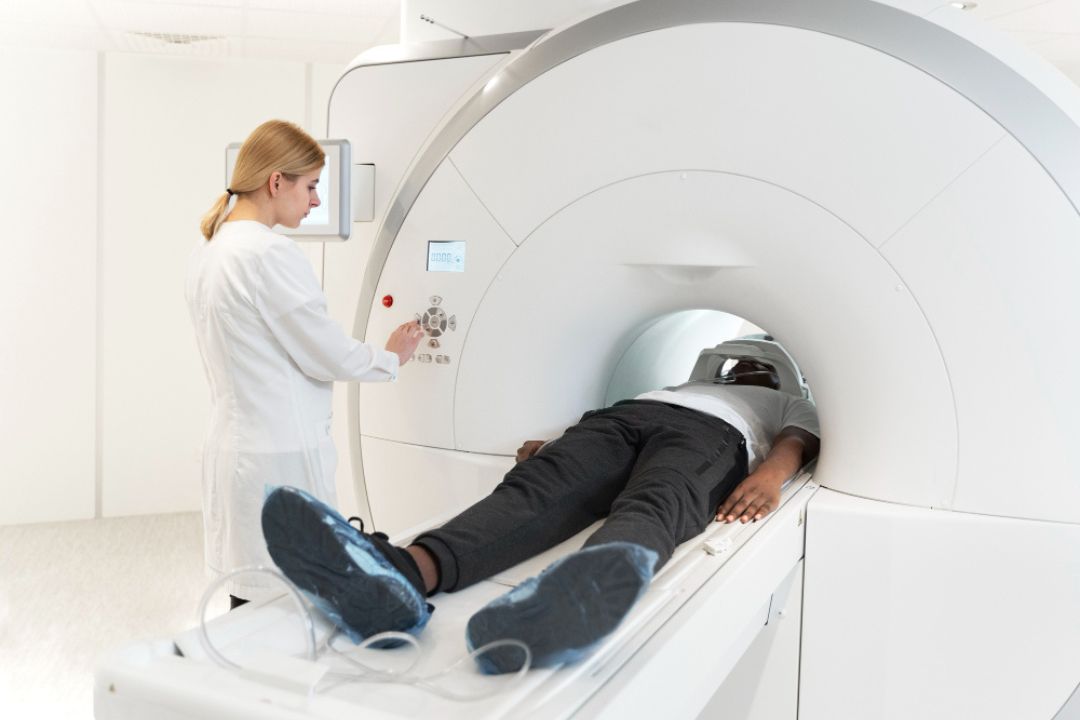
.jpg "ct scan")
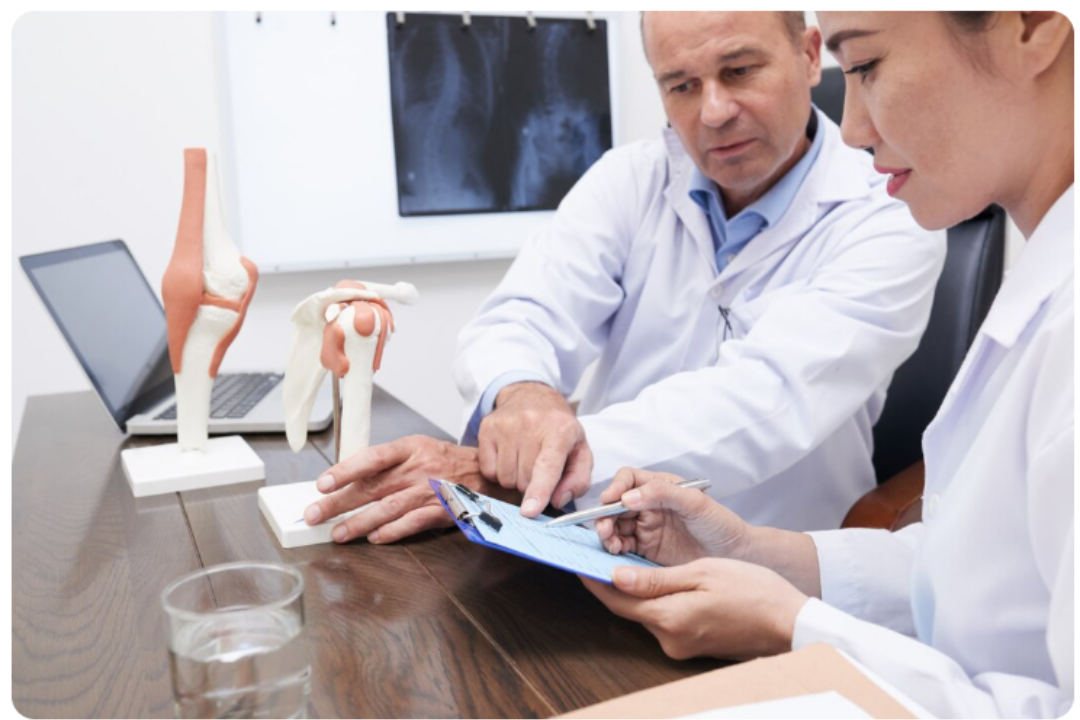


.jpg "exploring the power of ct brain contrast in modern diagnostics")
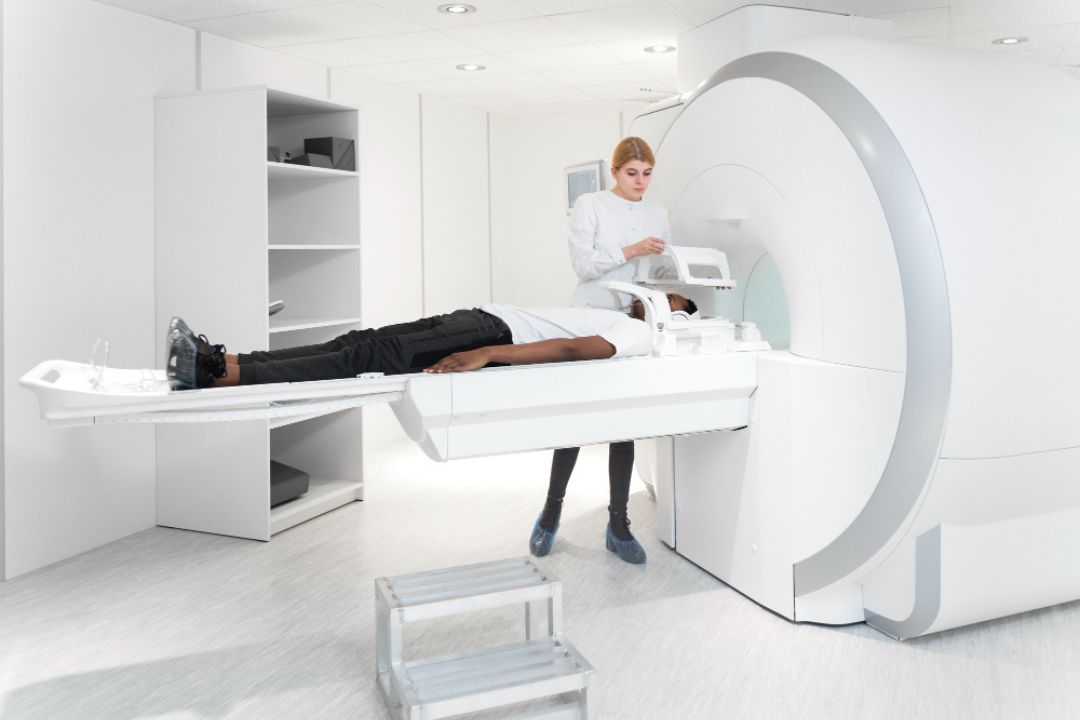
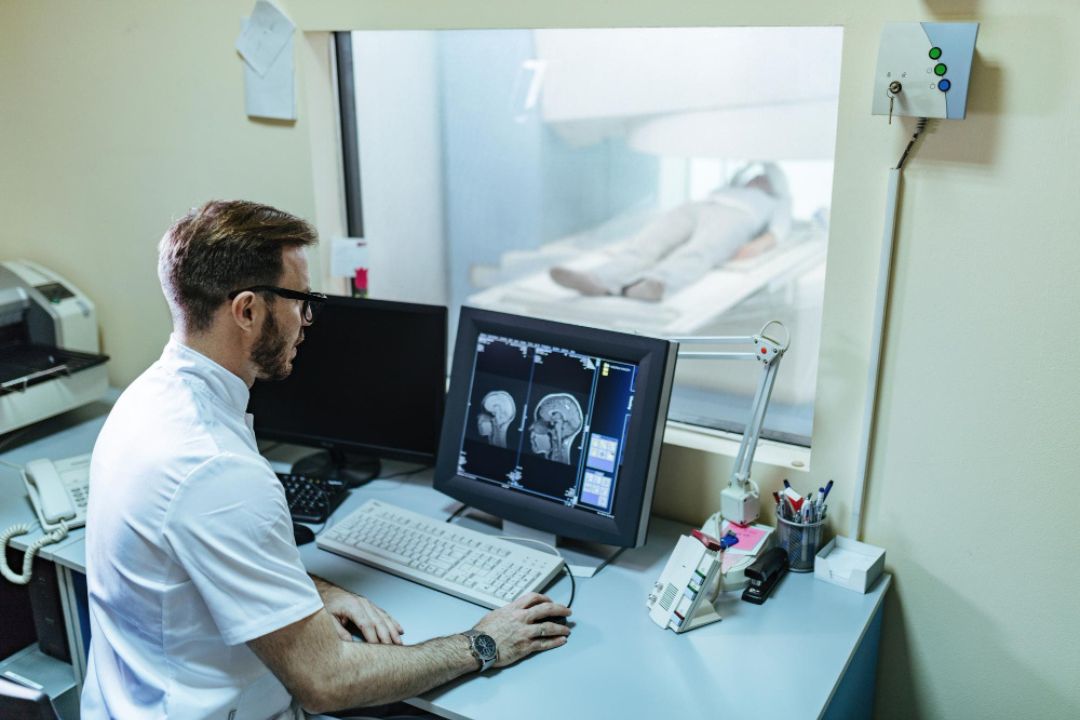
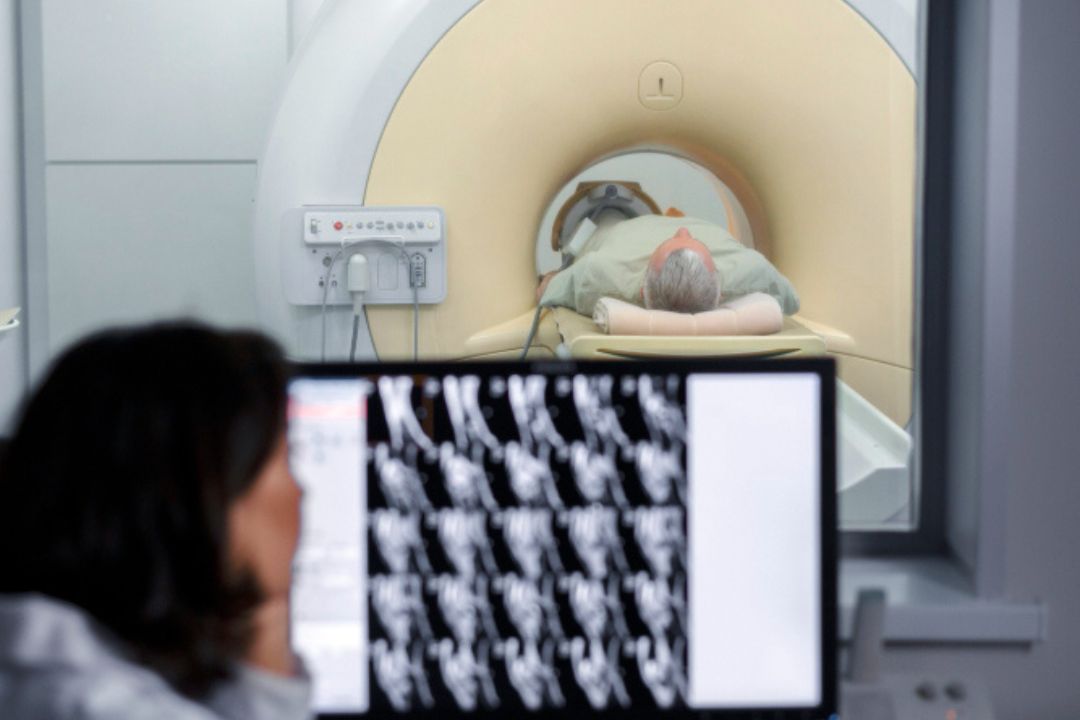
.jpg "ct scan")
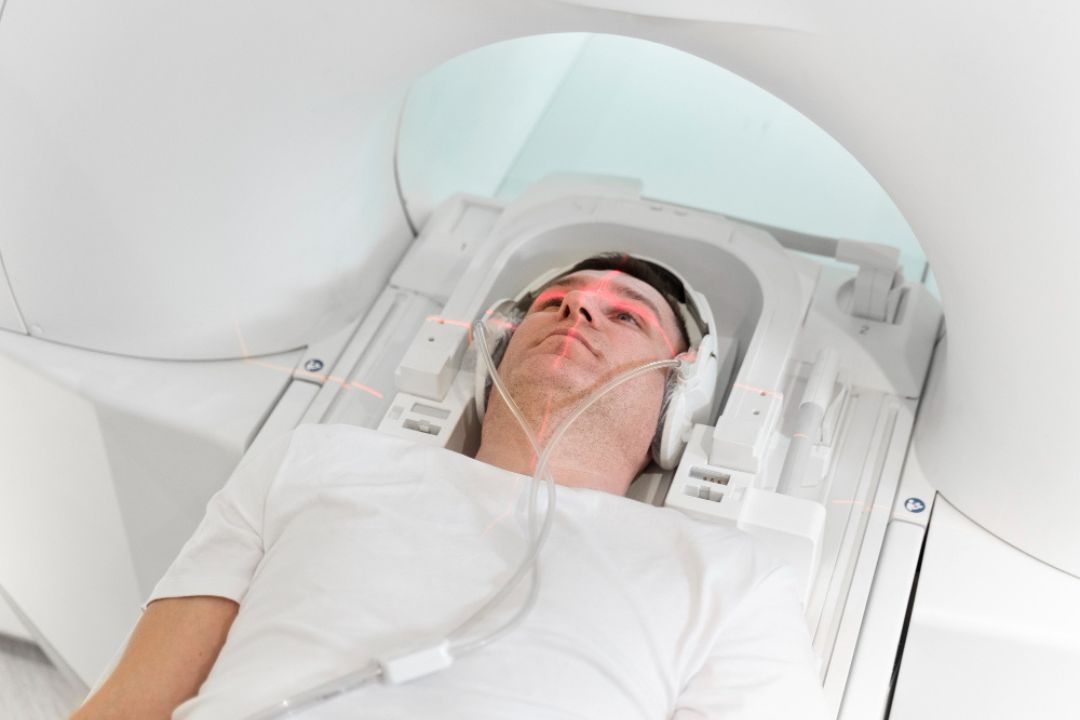
.jpg "ct scan")
.jpg "ct scan")







.jpg "ct scan")
.jpg "CT Brain Scan for Headaches")
.jpg "The Future of 3D CT Imaging")
.jpg "COMMON PATHALOGICAL BLOOD TESTS")