contrast ct scan for kidney patients is it safe

contrast ct scan for kidney patients is it safe

Contrast CT Scan for Kidney Patients: Is It Safe? The Definitive Guide

When facing kidney-related symptoms like severe flank pain, blood in urine, or suspected masses, your doctor will likely recommend advanced imaging. The contrast CT scan often emerges as the gold standard—but for patients with compromised kidney function, it comes with a vital question: Is a contrast CT scan safe for kidney patients? This guide explores the benefits, risks, comparisons, and costs, and concludes with how Diagnopein helps you navigate this critical diagnostic decision safely.

Understanding the Contrast CT Scan for Kidneys

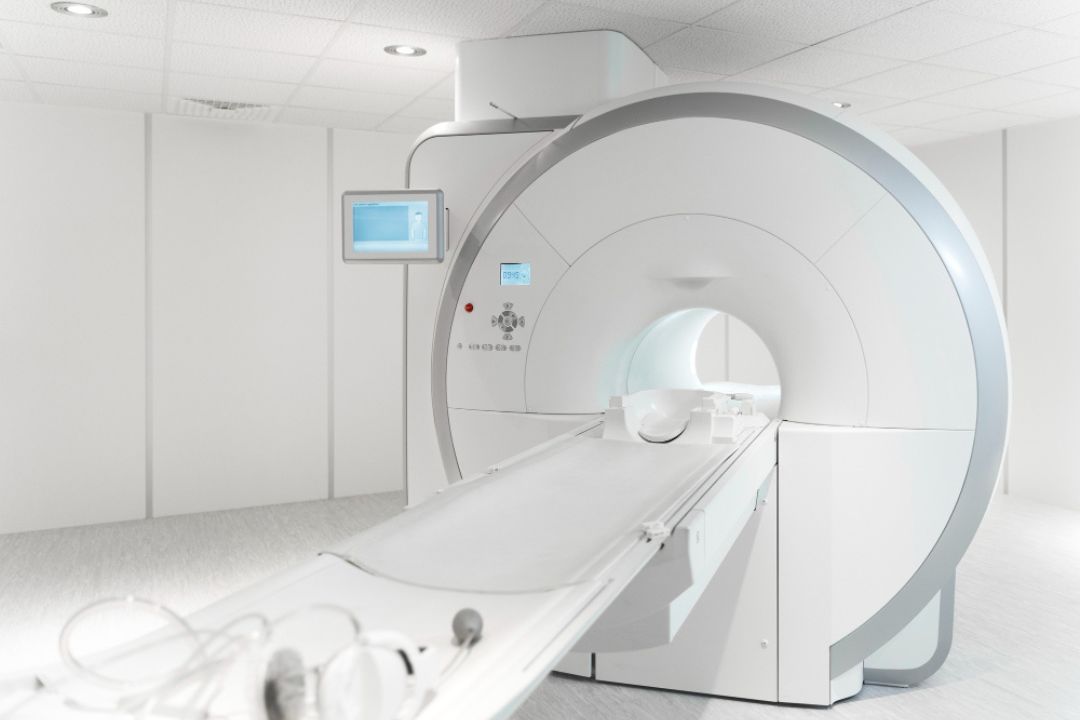
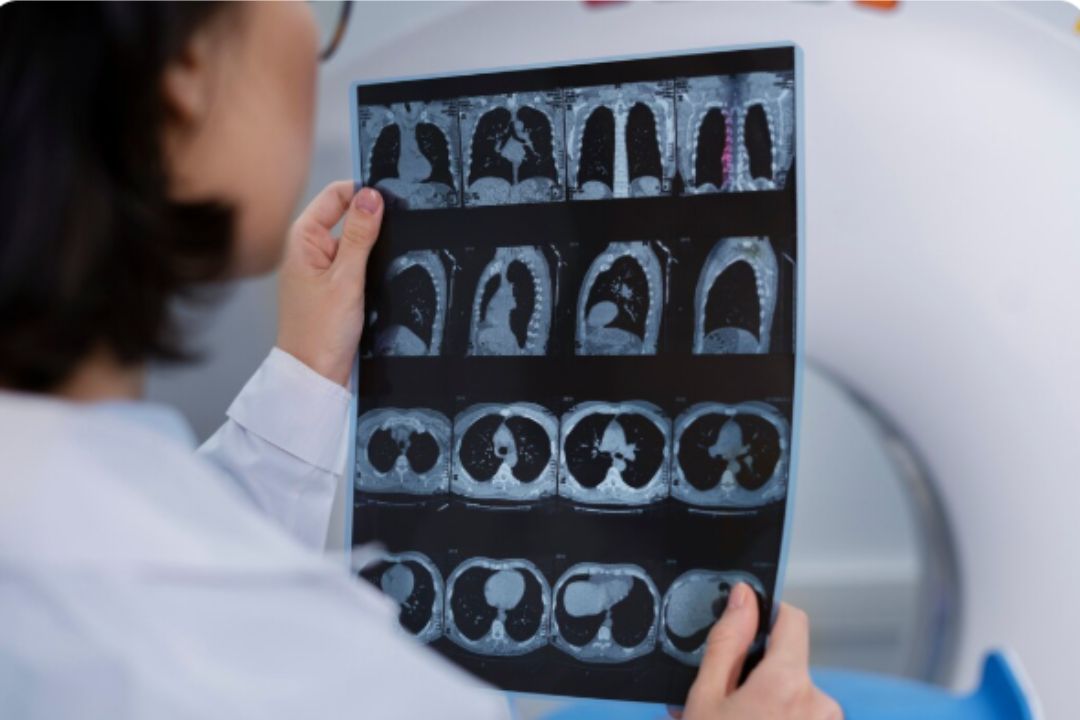
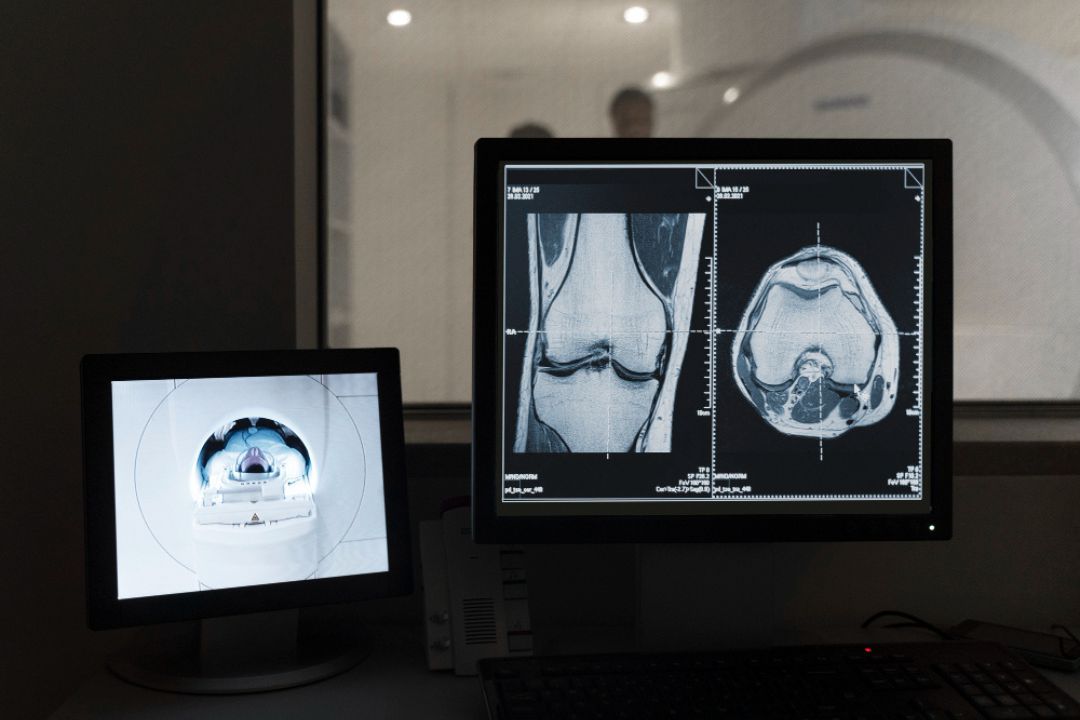
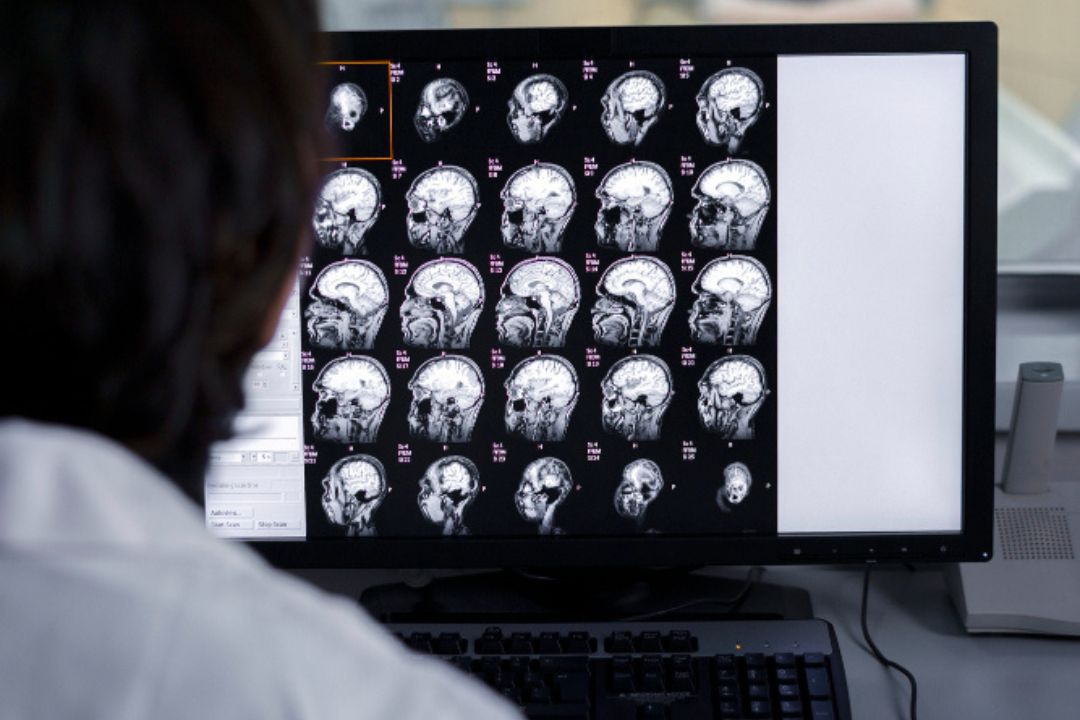
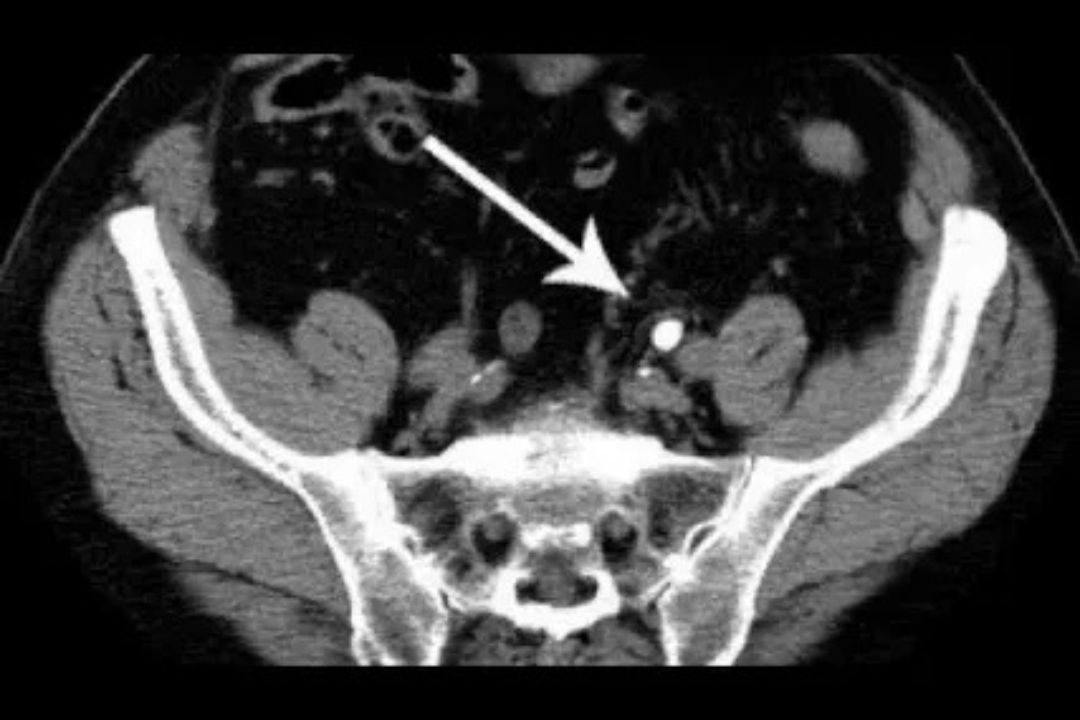
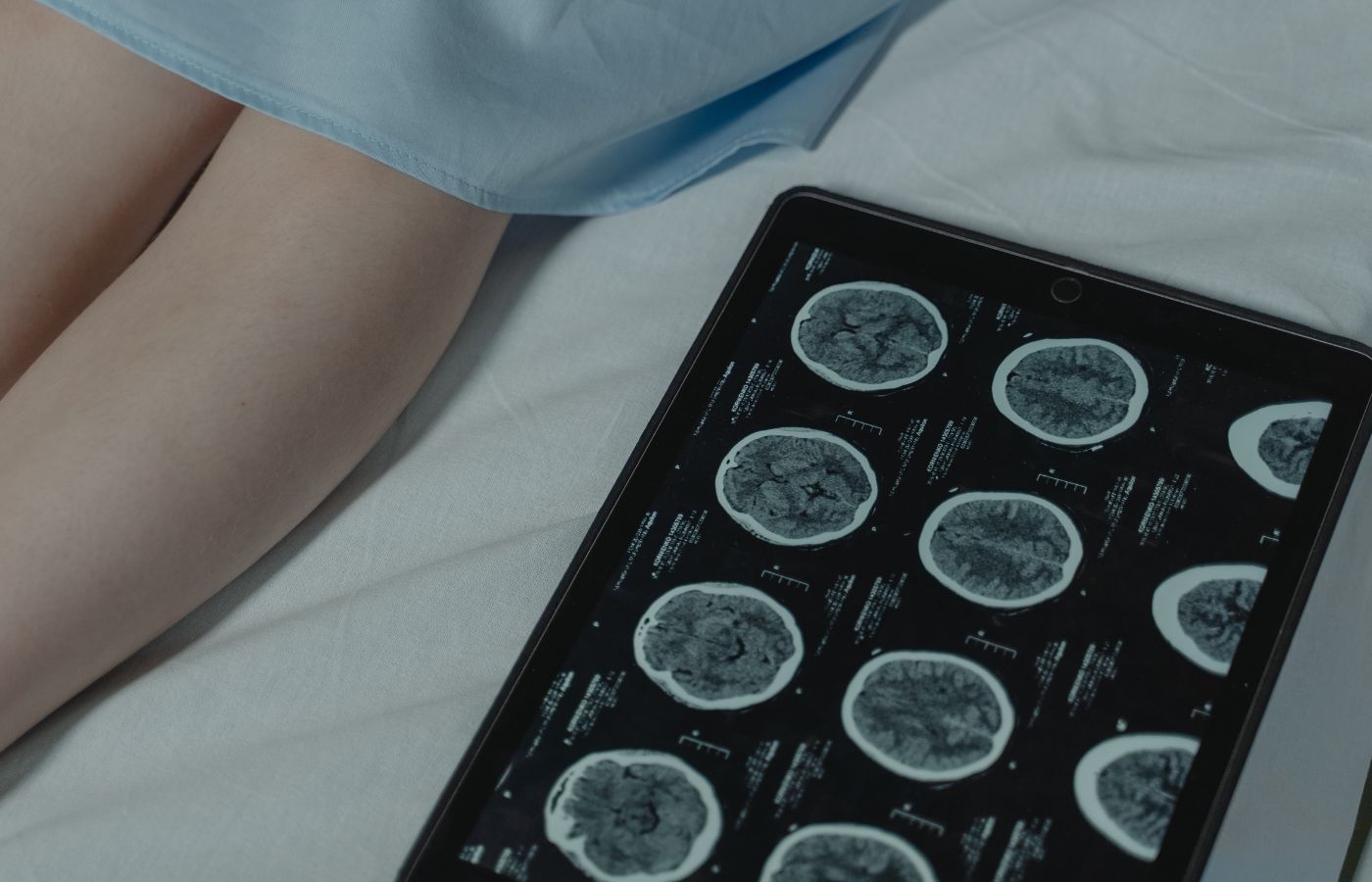
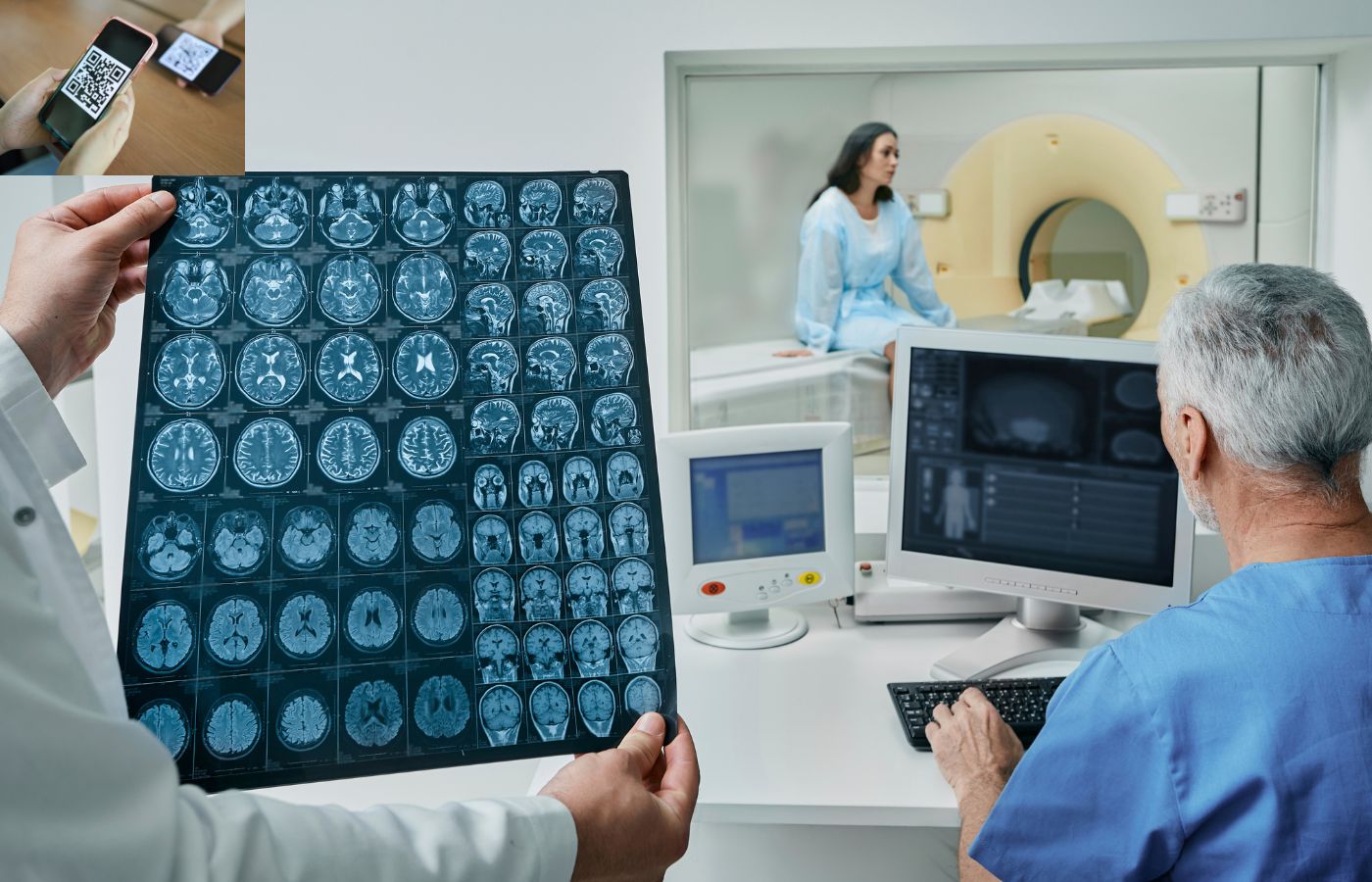
A CT (Computed Tomography) scan combines multiple X-ray images to create detailed cross-sectional views. When enhanced with an iodine-based contrast dye, these images reveal not just structure, but also blood flow, perfusion, and metabolic activity. For kidney diagnostics, this is invaluable.
Step-by-Step: What to Expect During a Kidney CT Scan

For those anxious about the process, here’s a clear breakdown:

  1. Pre-Scan Assessment: Safety starts here. Your healthcare provider will order a blood test to measure serum creatinine and estimate your Glomerular Filtration Rate (eGFR). This determines how well your kidneys clear waste and assesses your risk for contrast-related complications.

  2. Preparation: You may be asked to fast for 2–4 hours. Good hydration is encouraged unless contraindicated. Inform your radiologist about all medications, especially diabetes drugs like metformin.

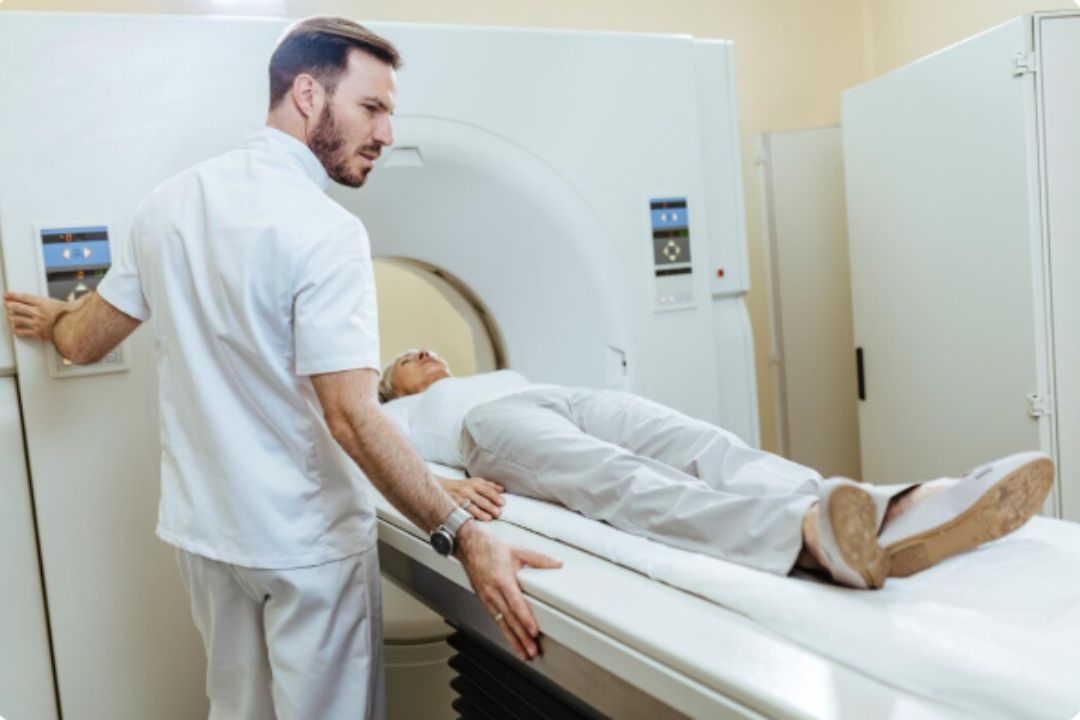
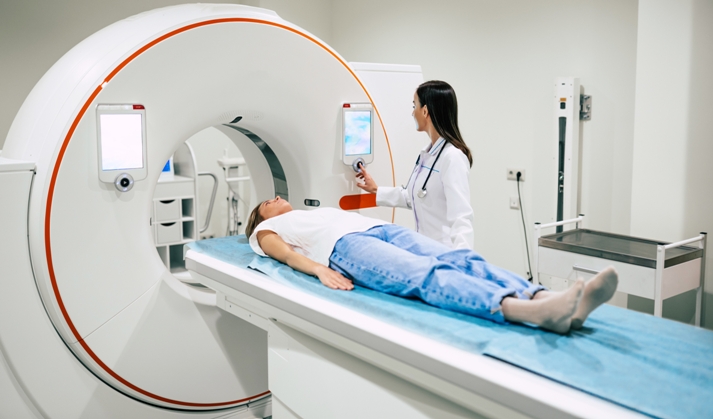
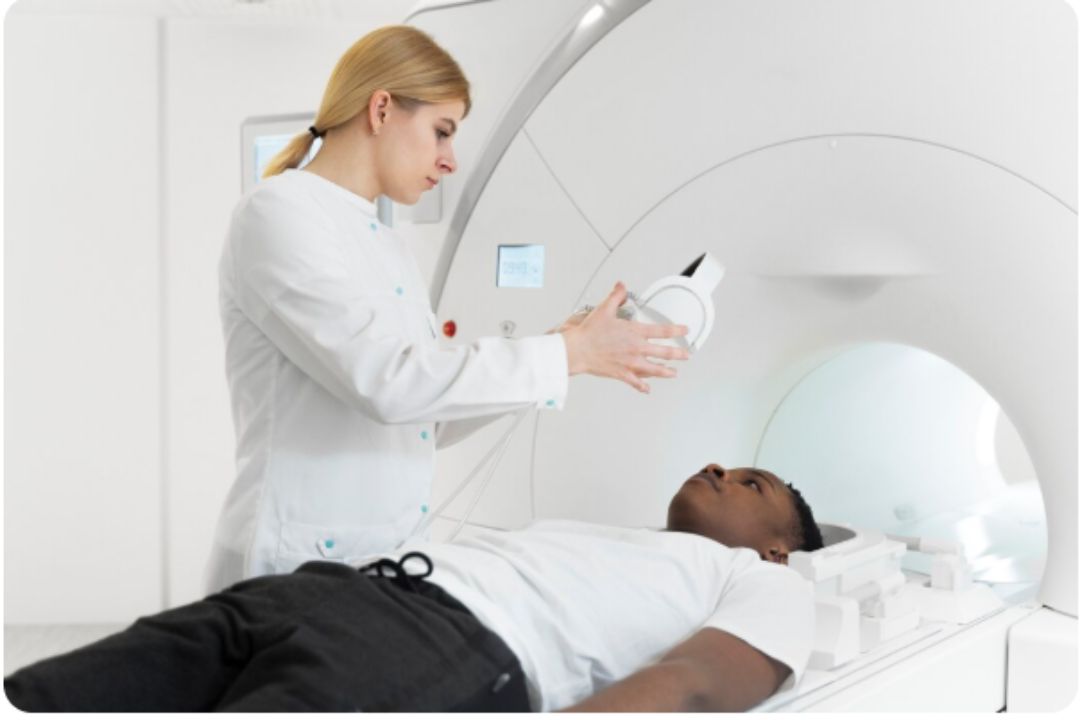
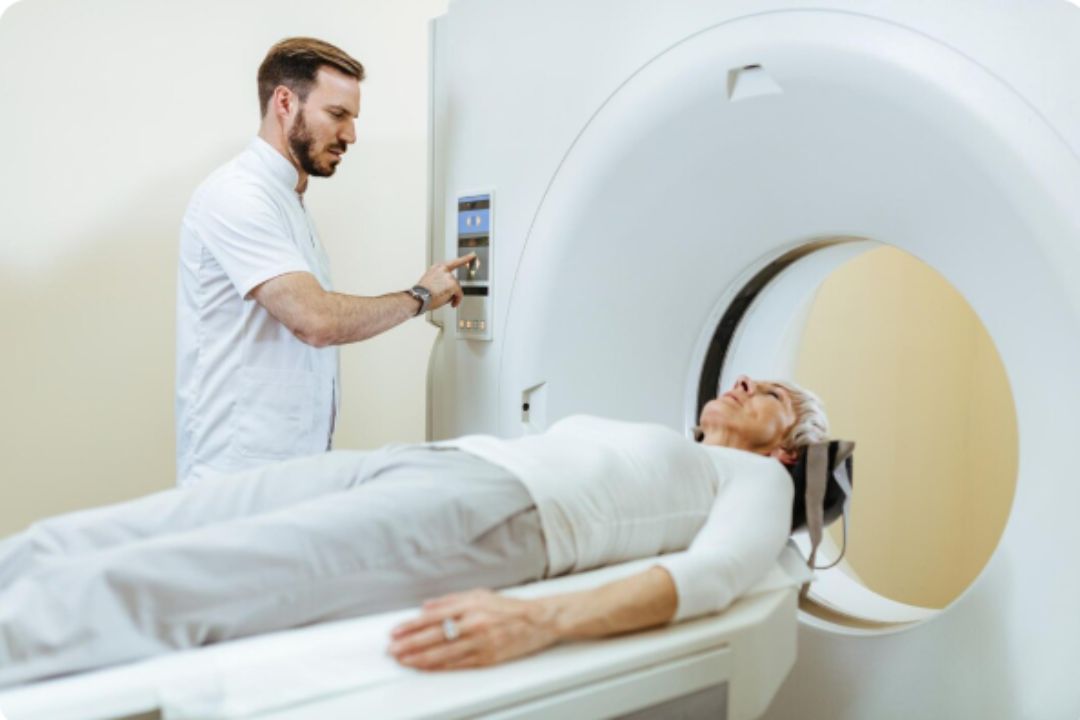
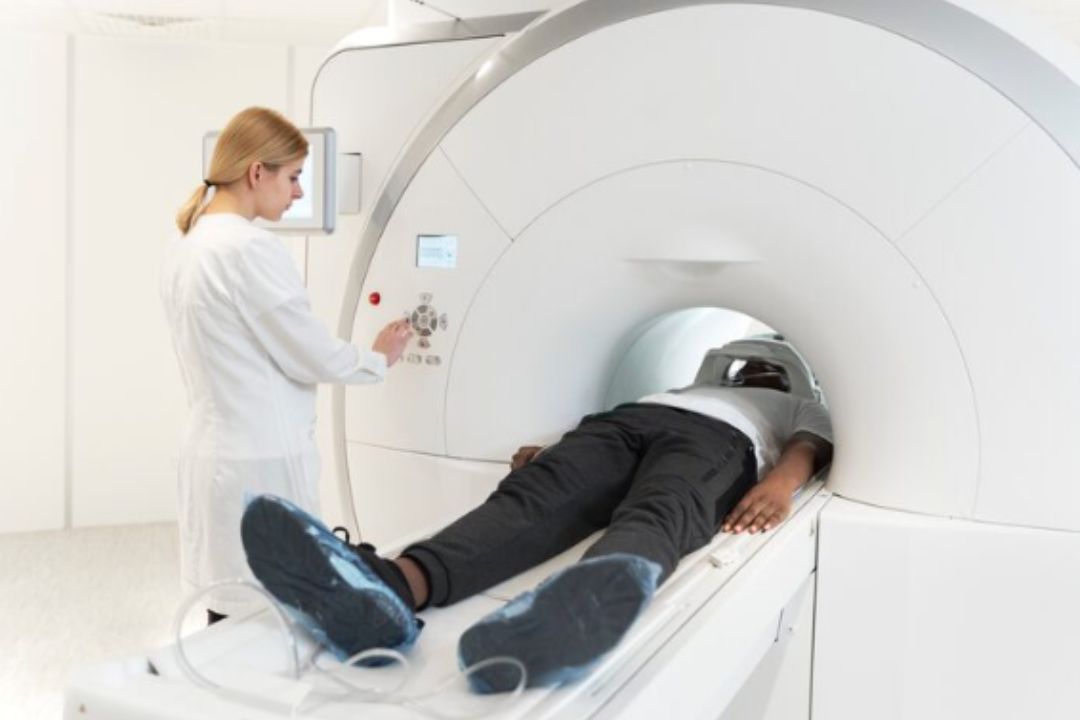
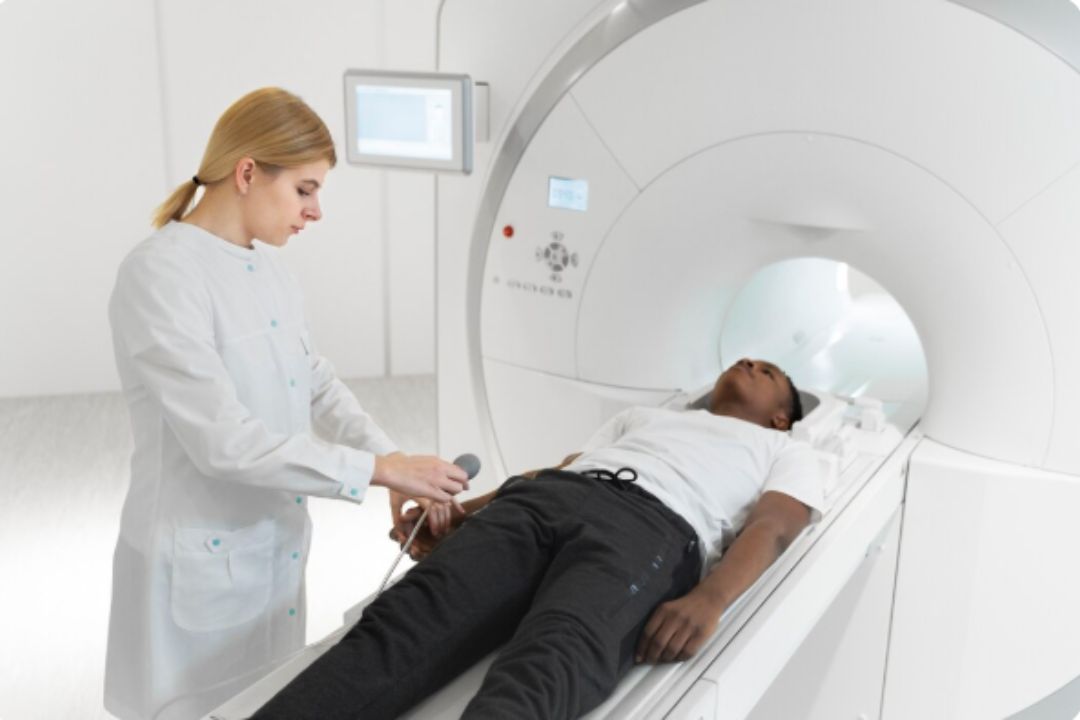
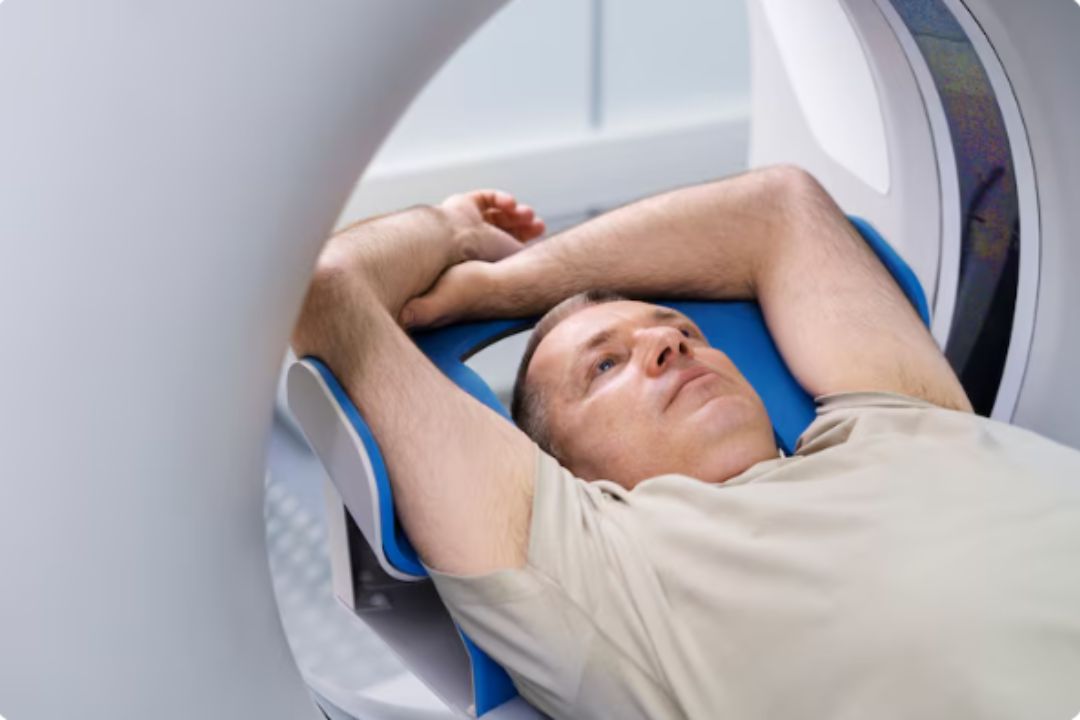
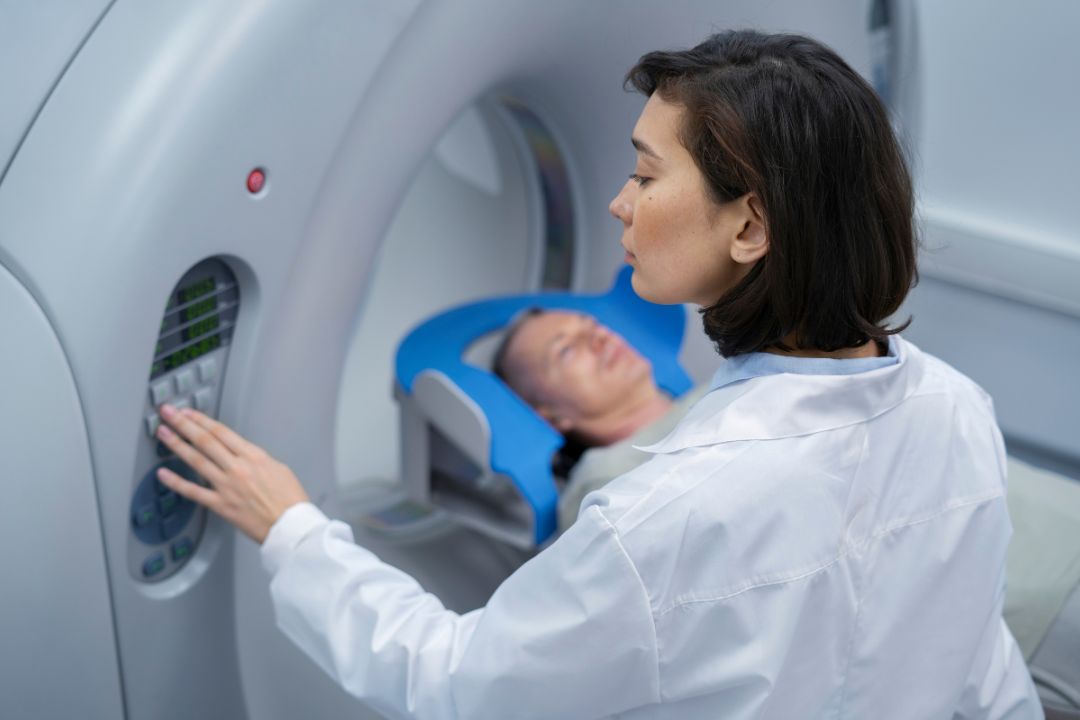
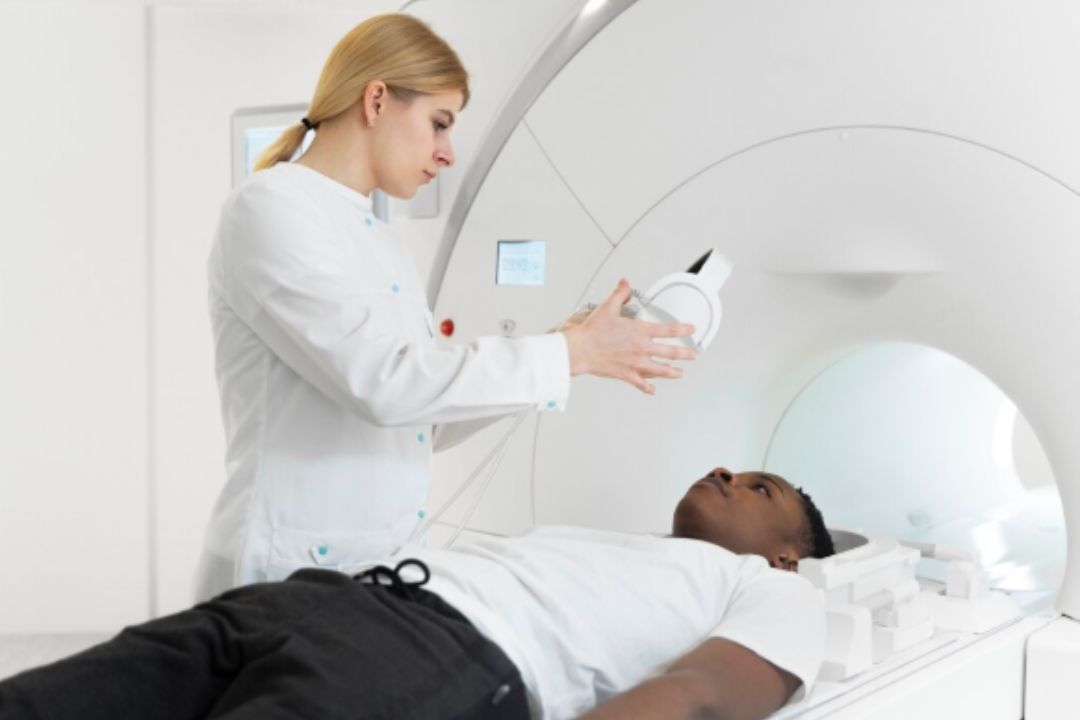
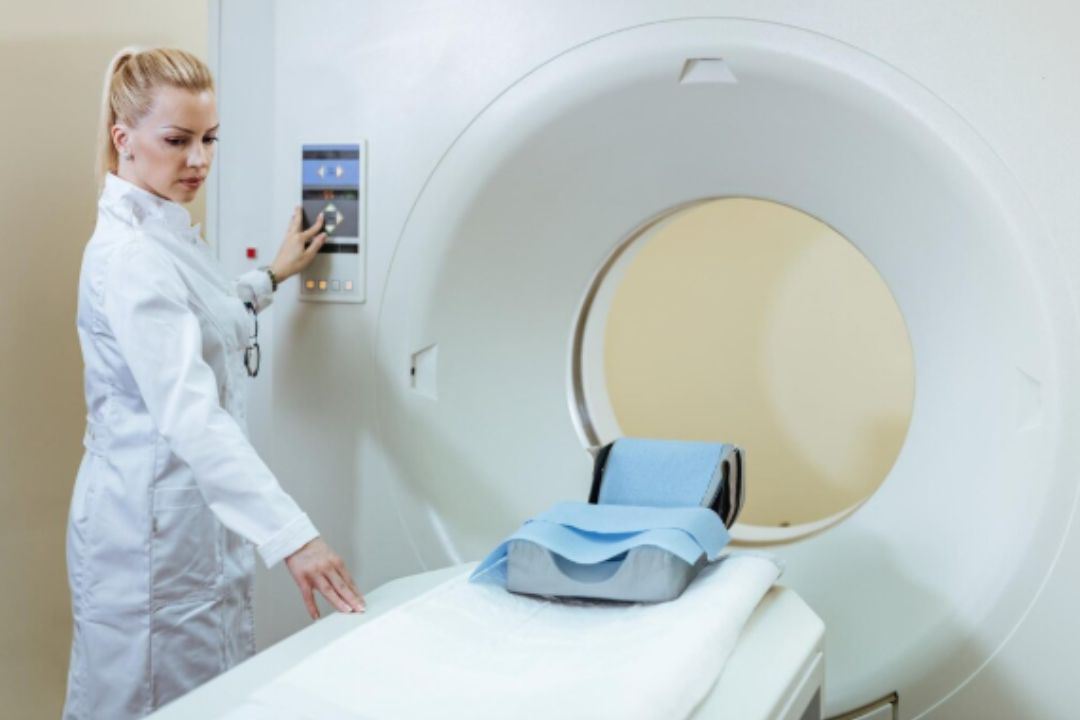
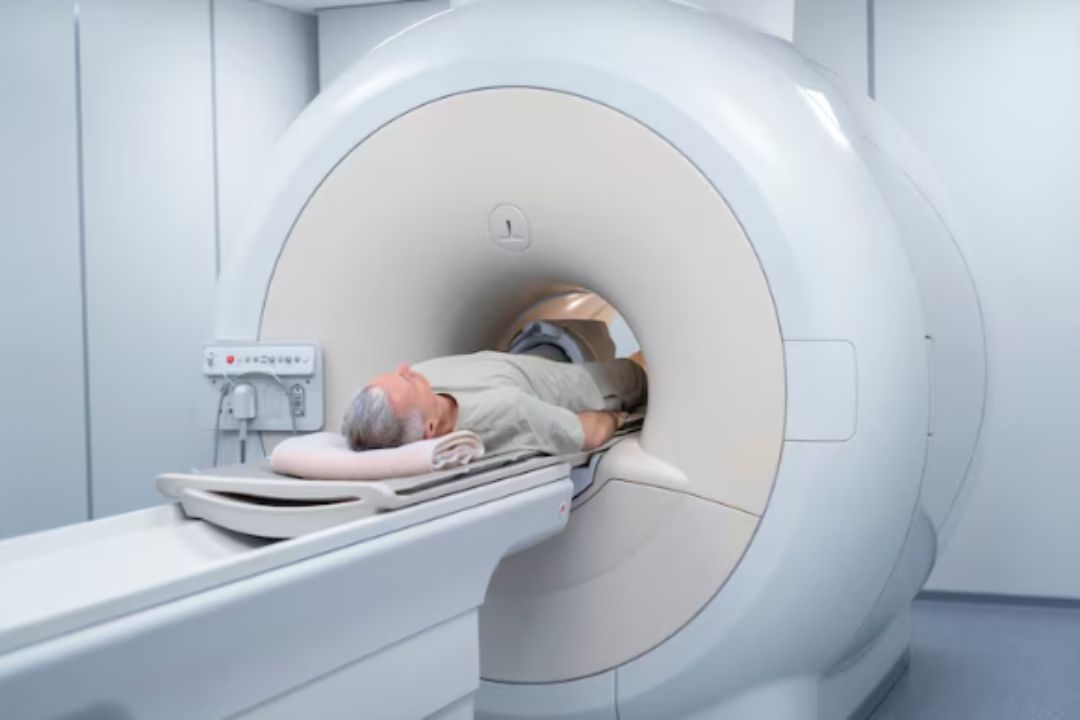
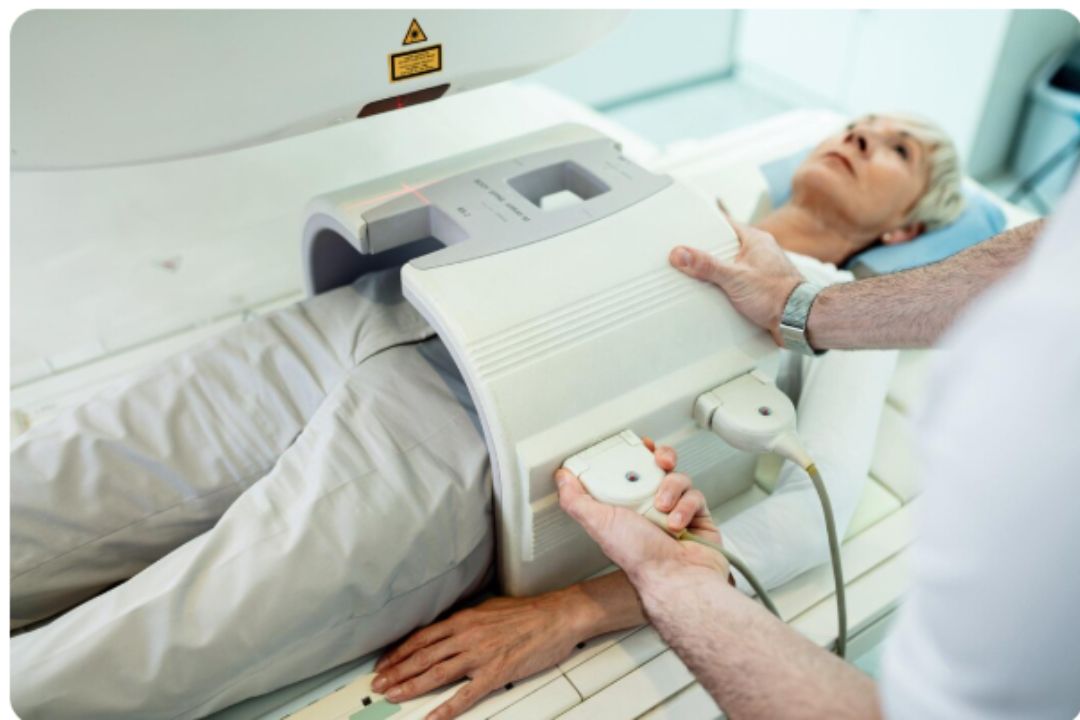
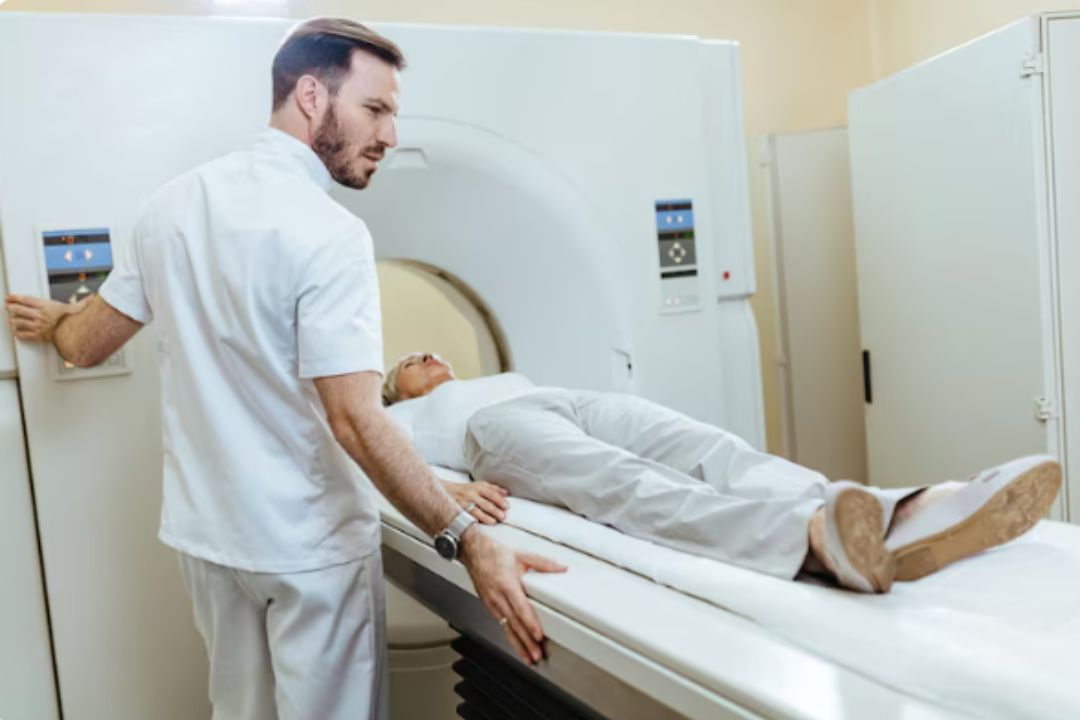
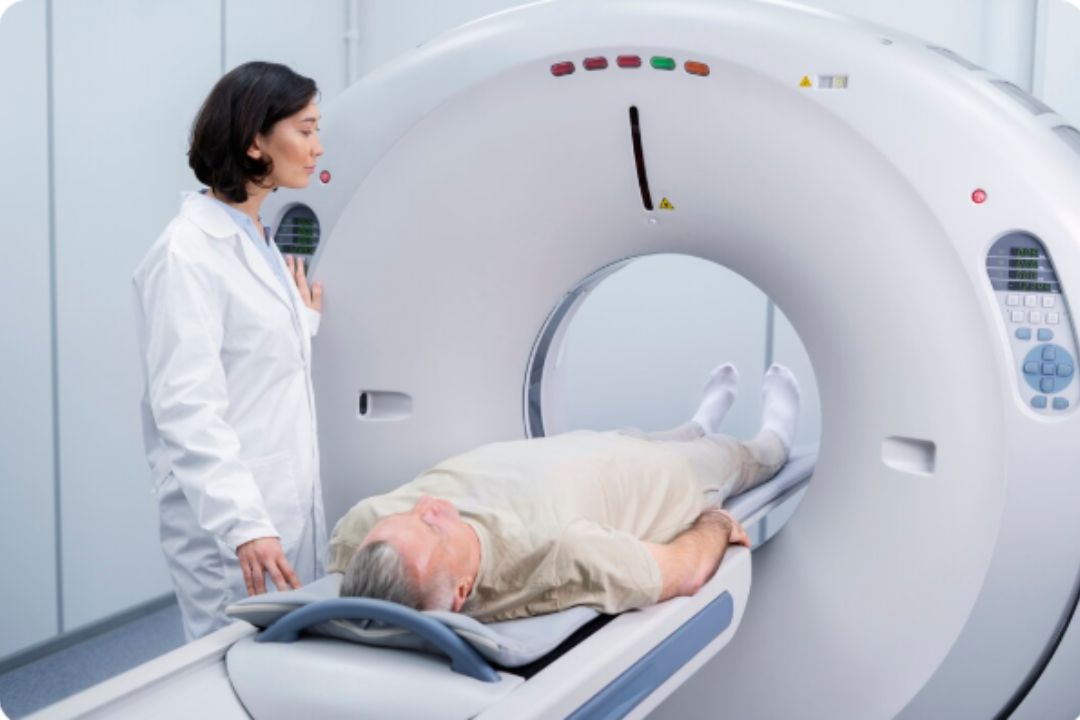
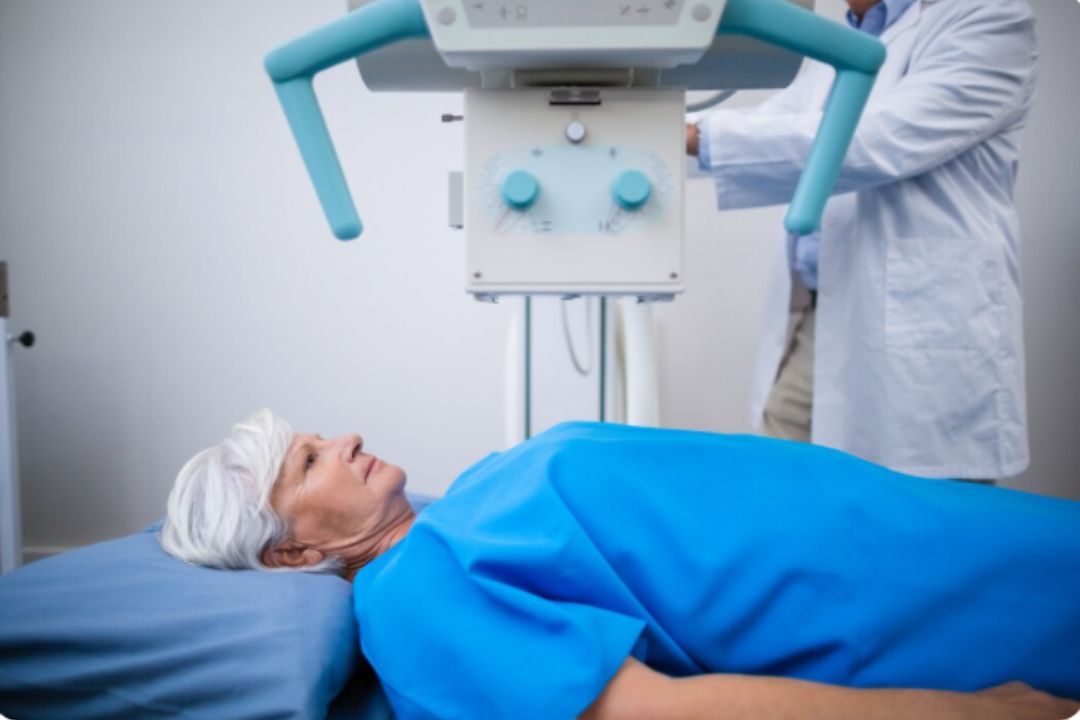
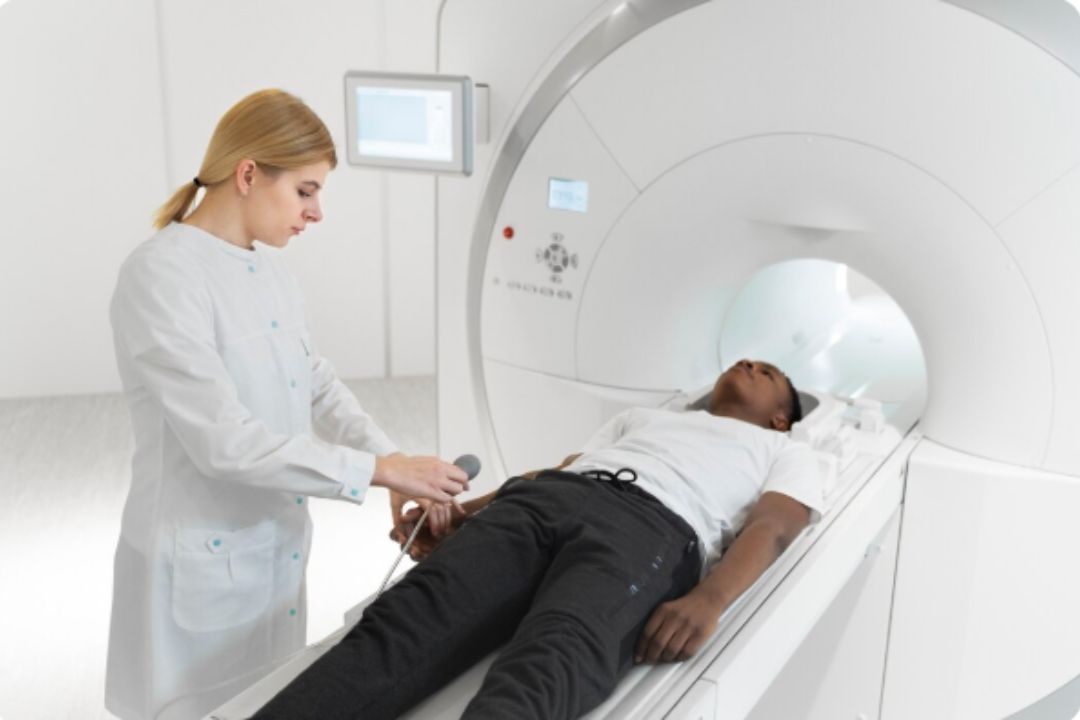
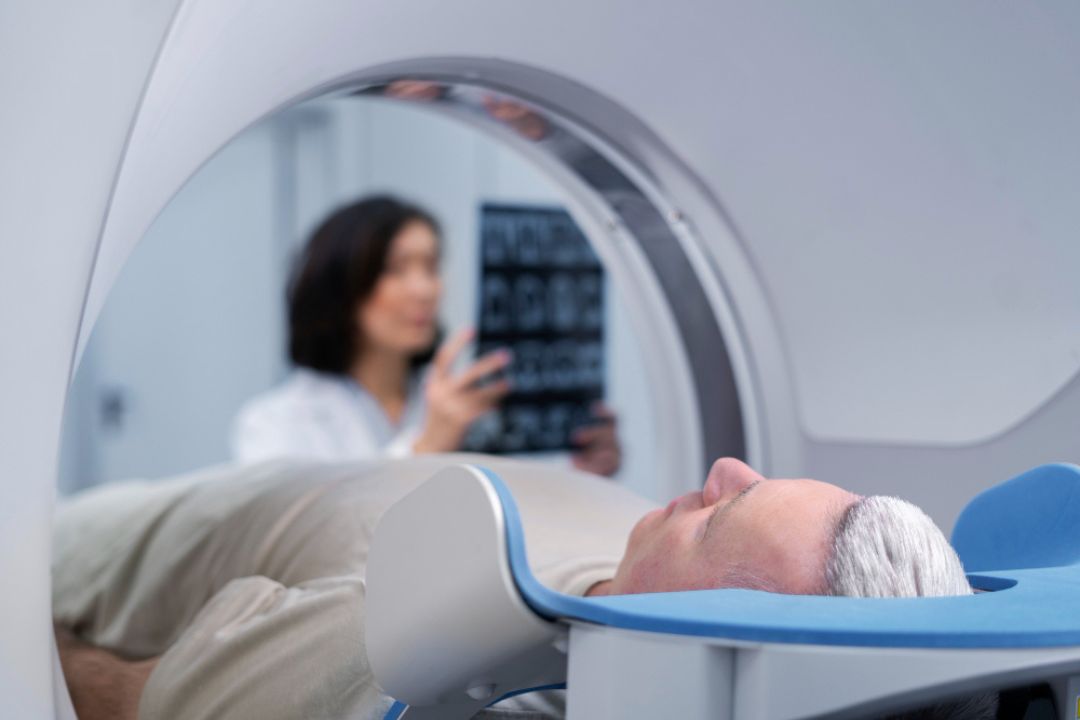
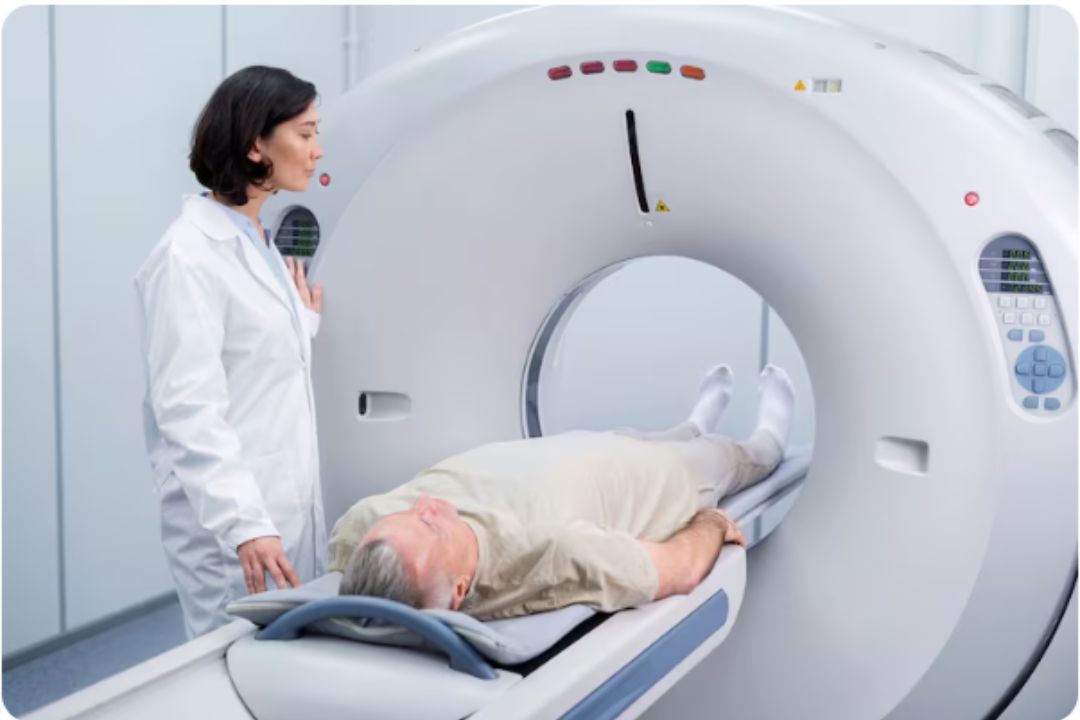
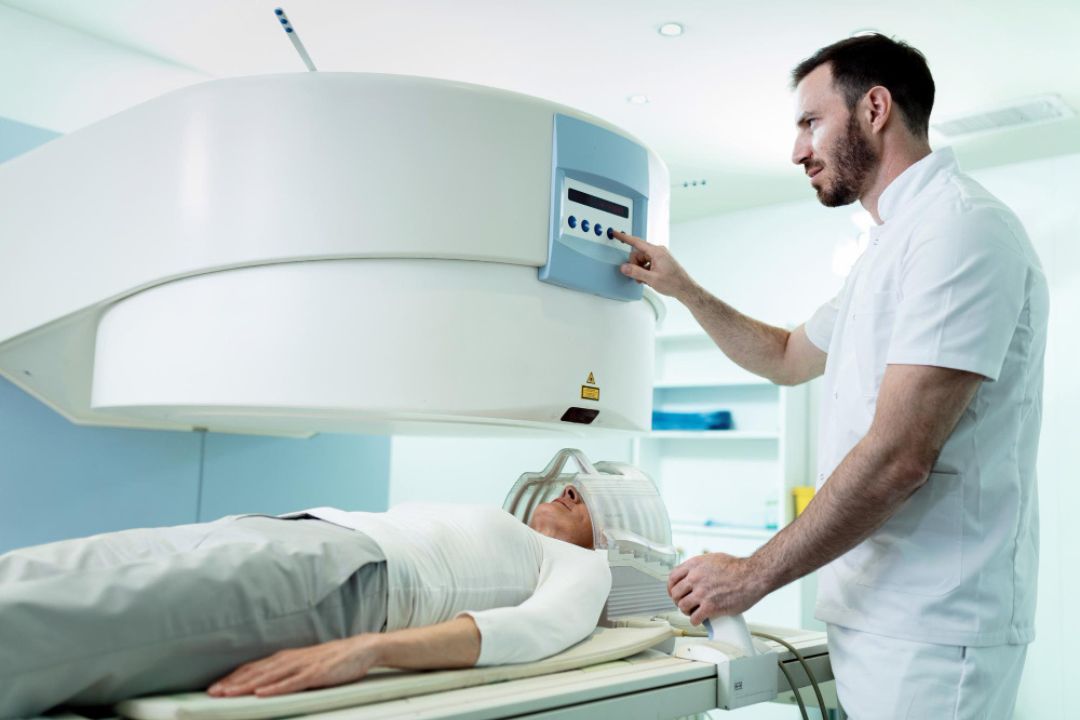
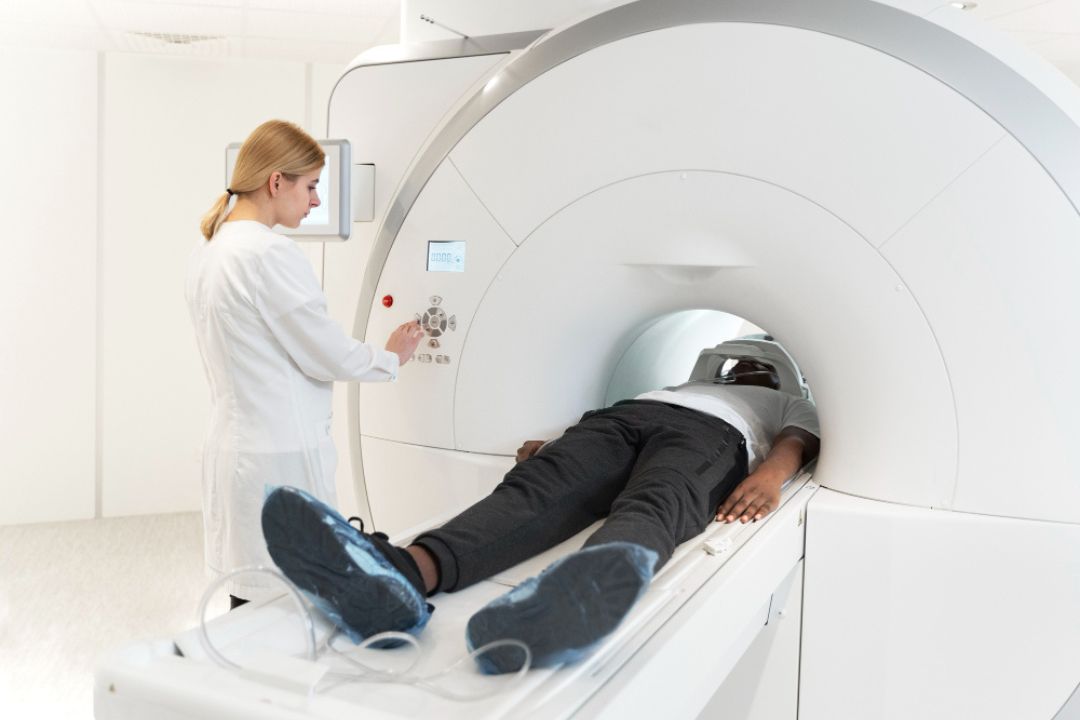
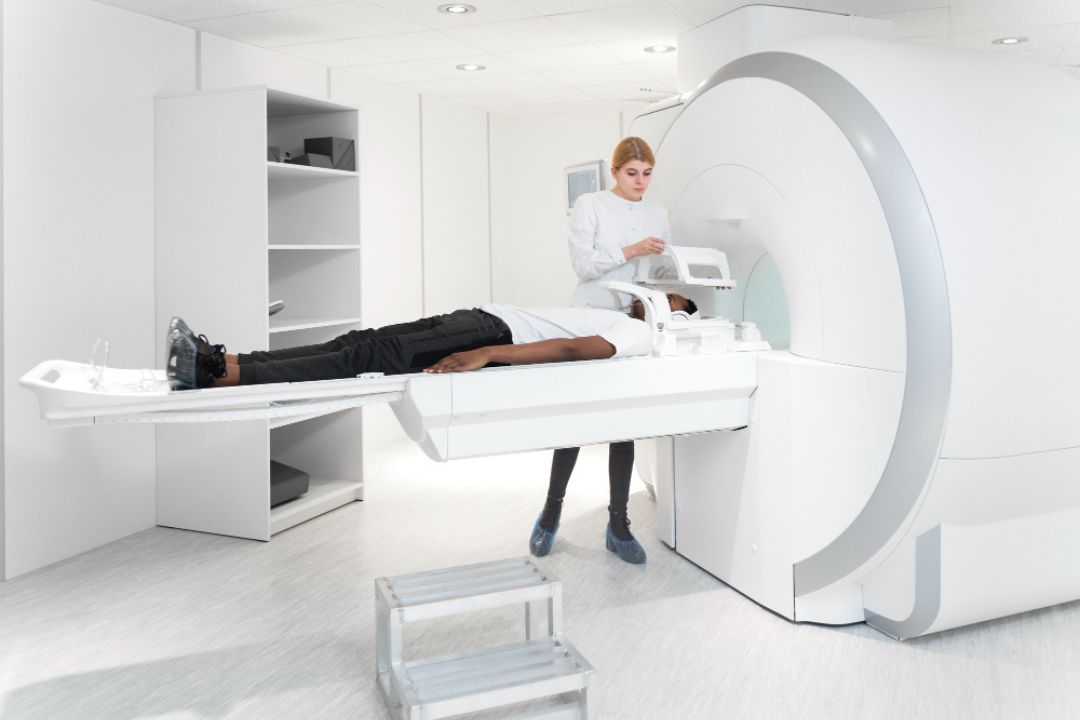
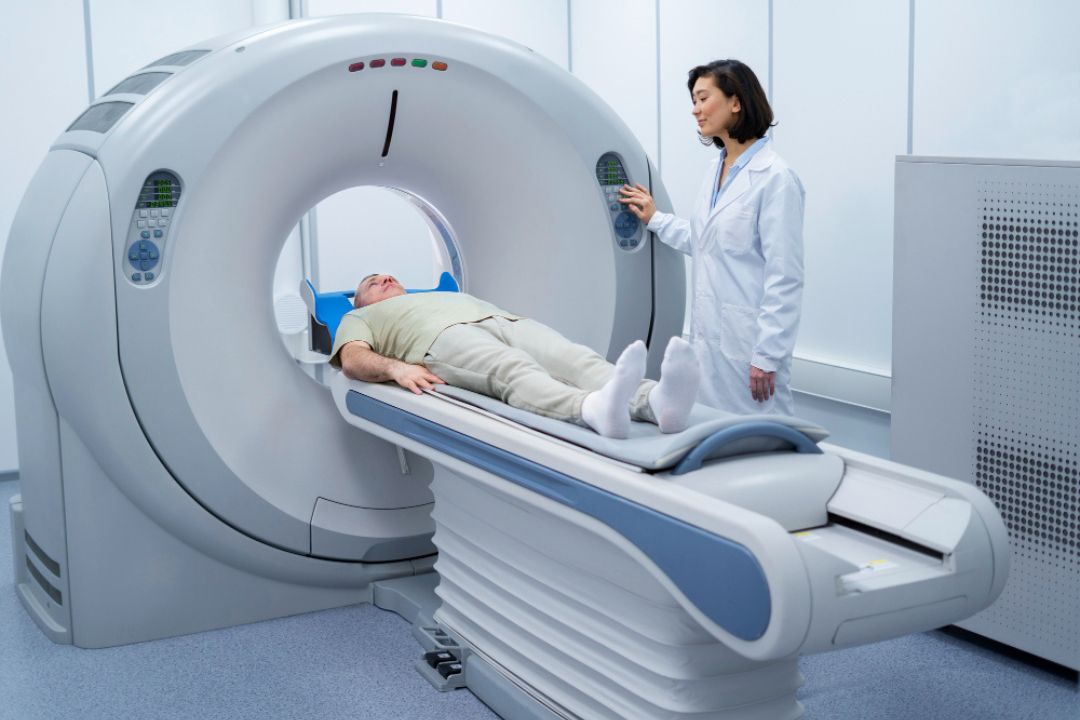
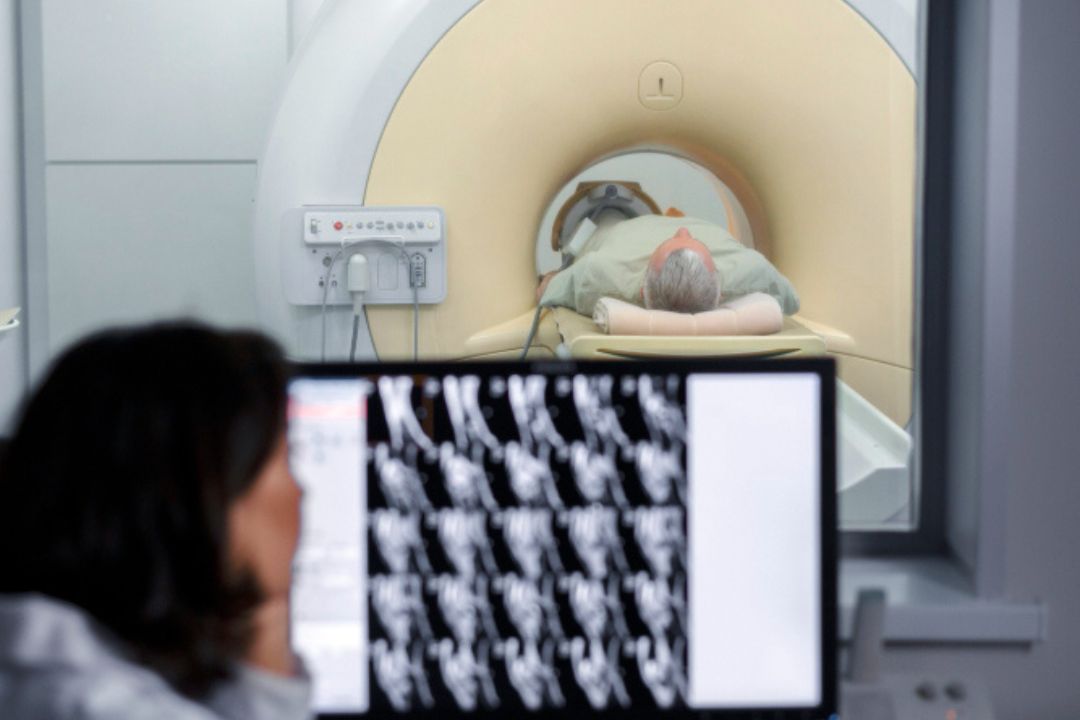
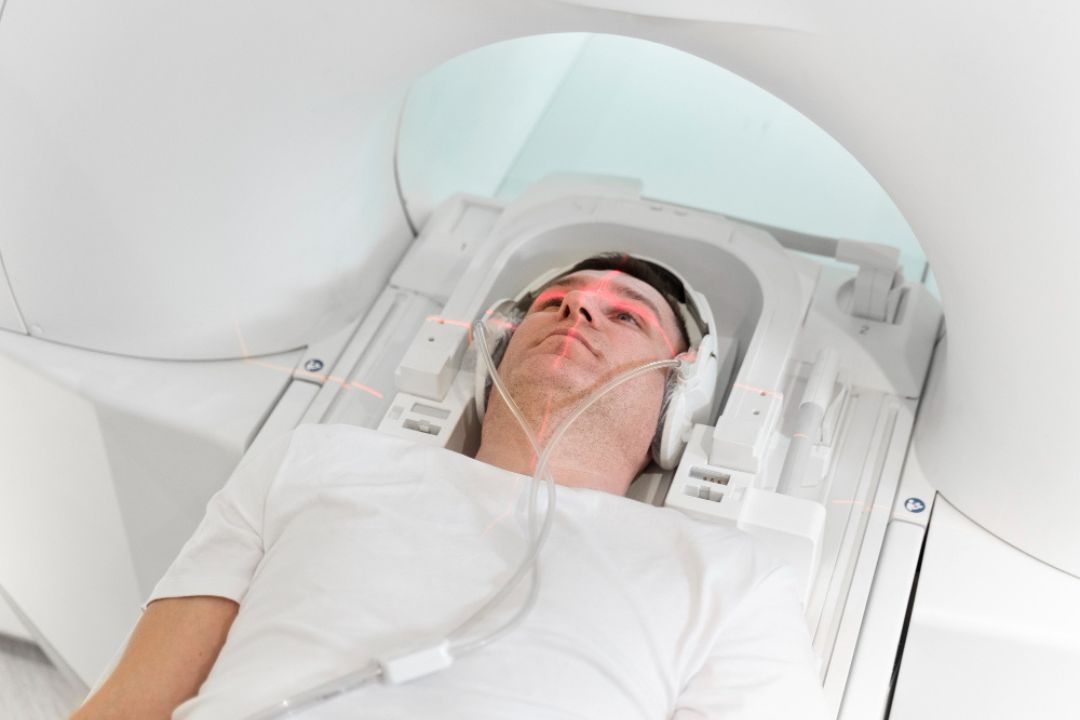
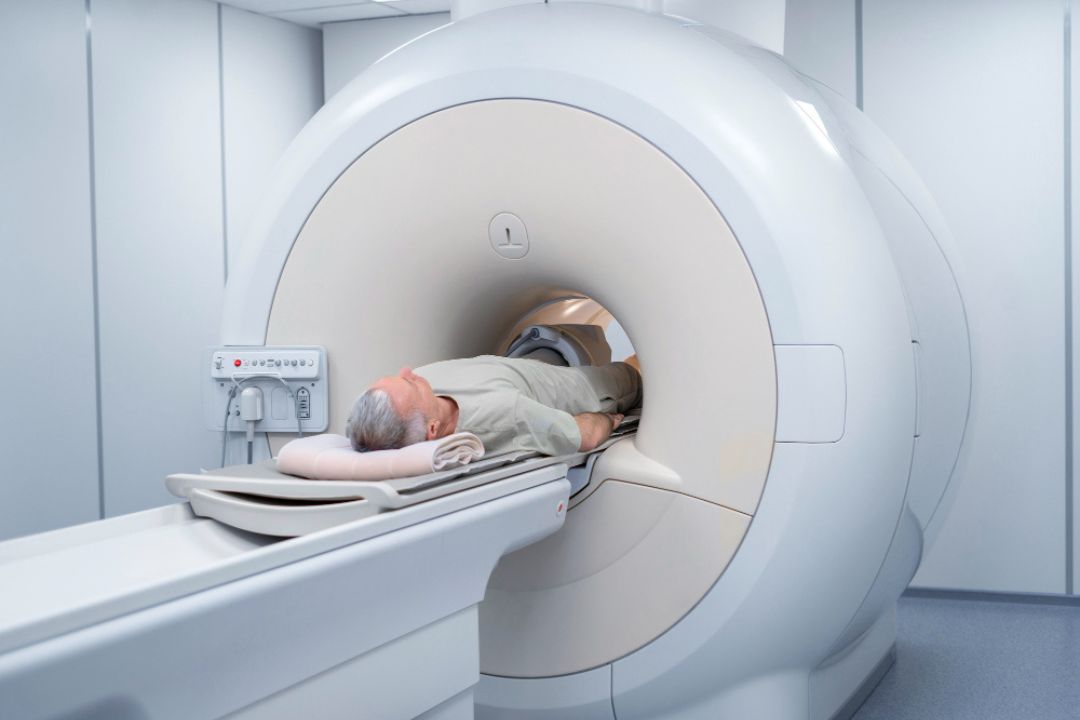
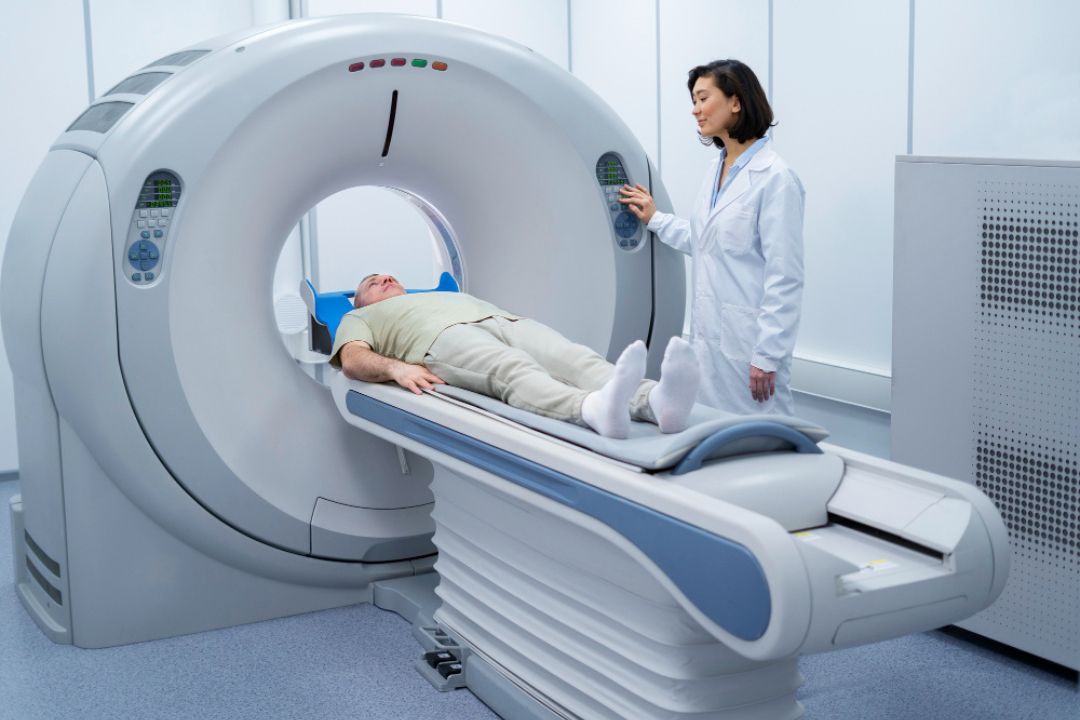
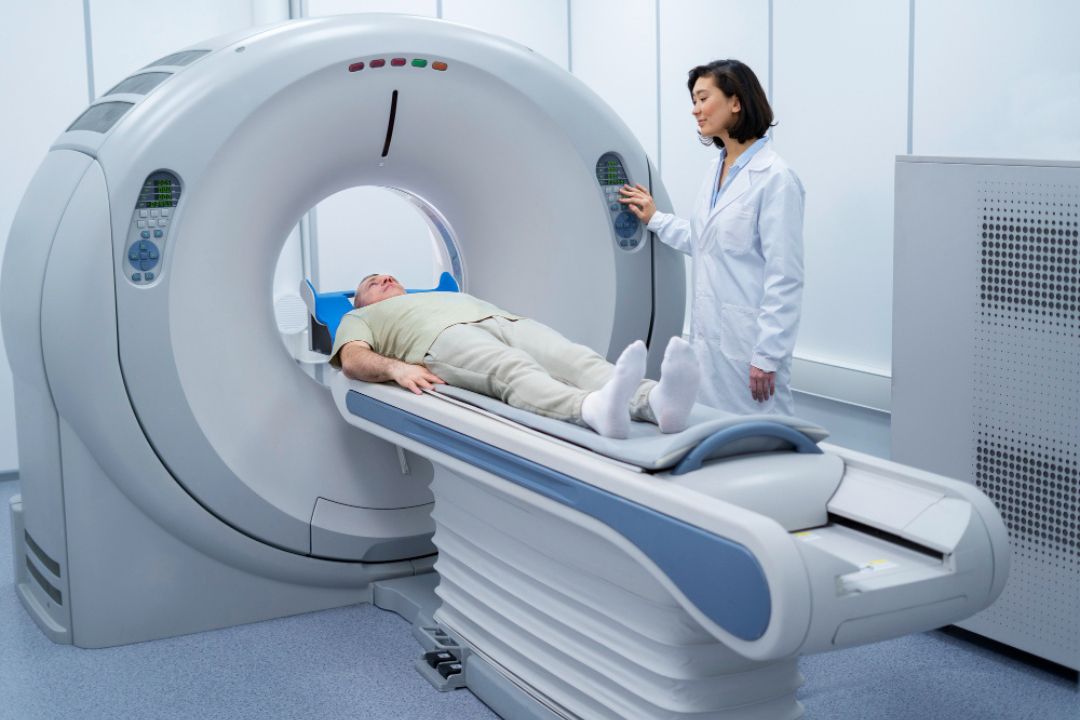
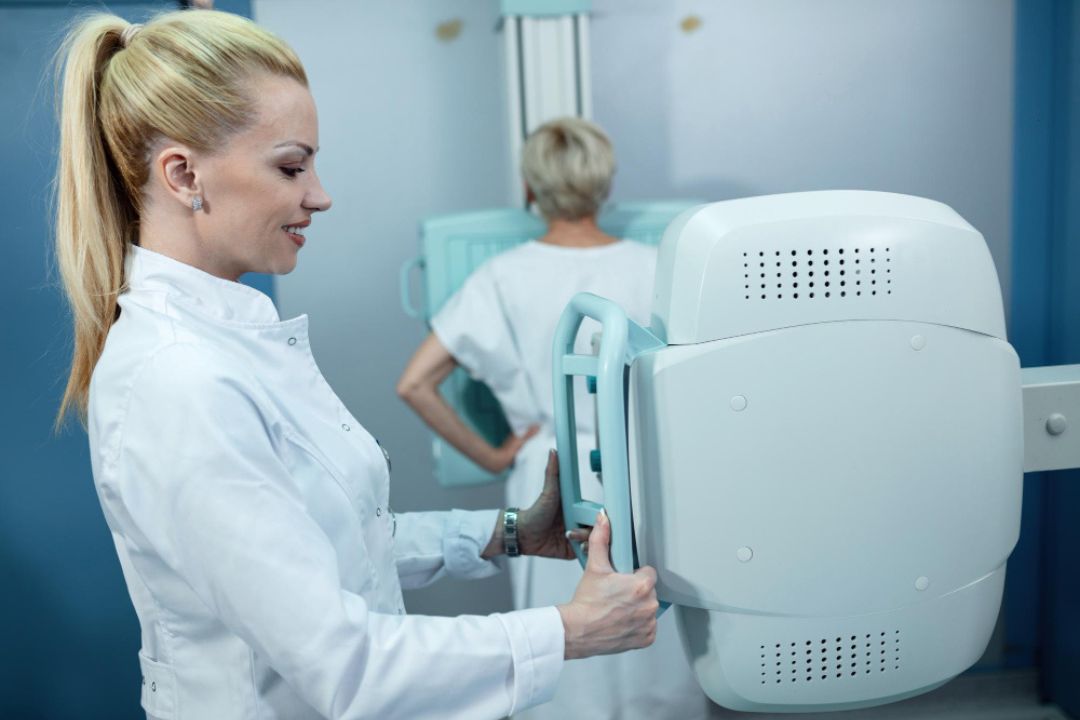
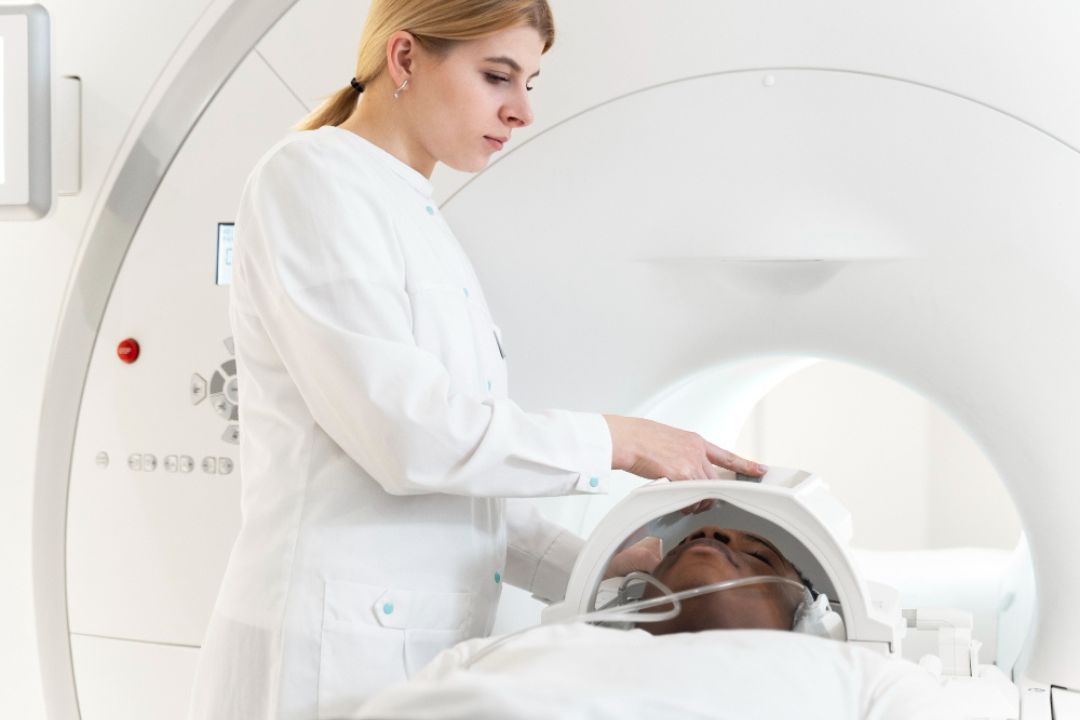
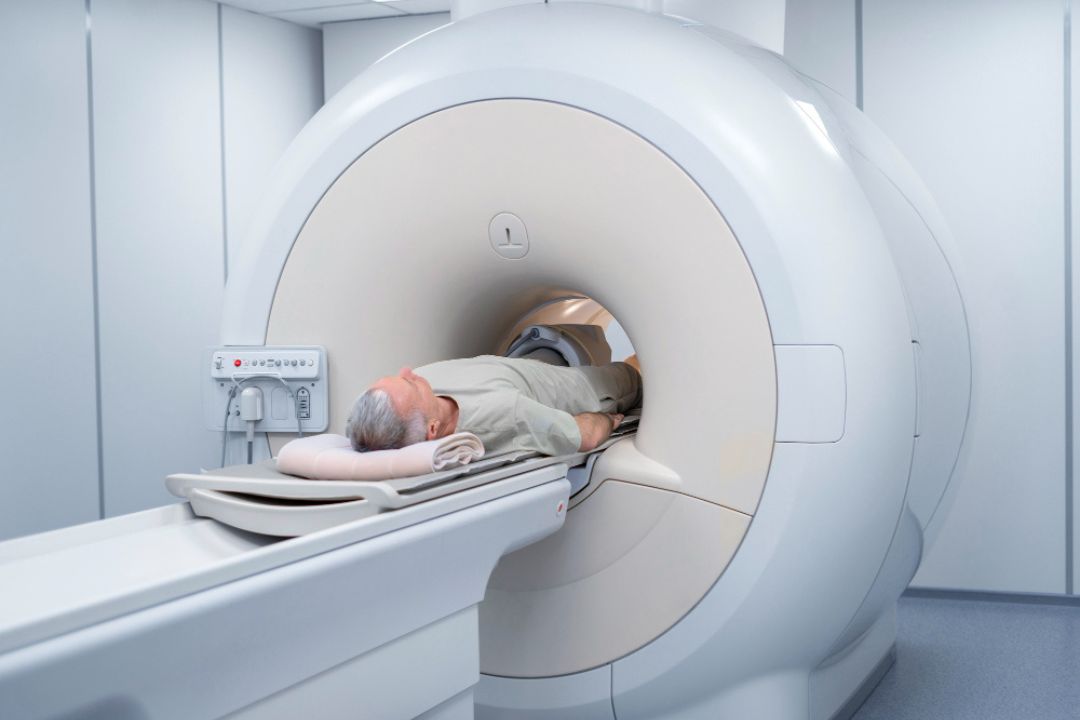
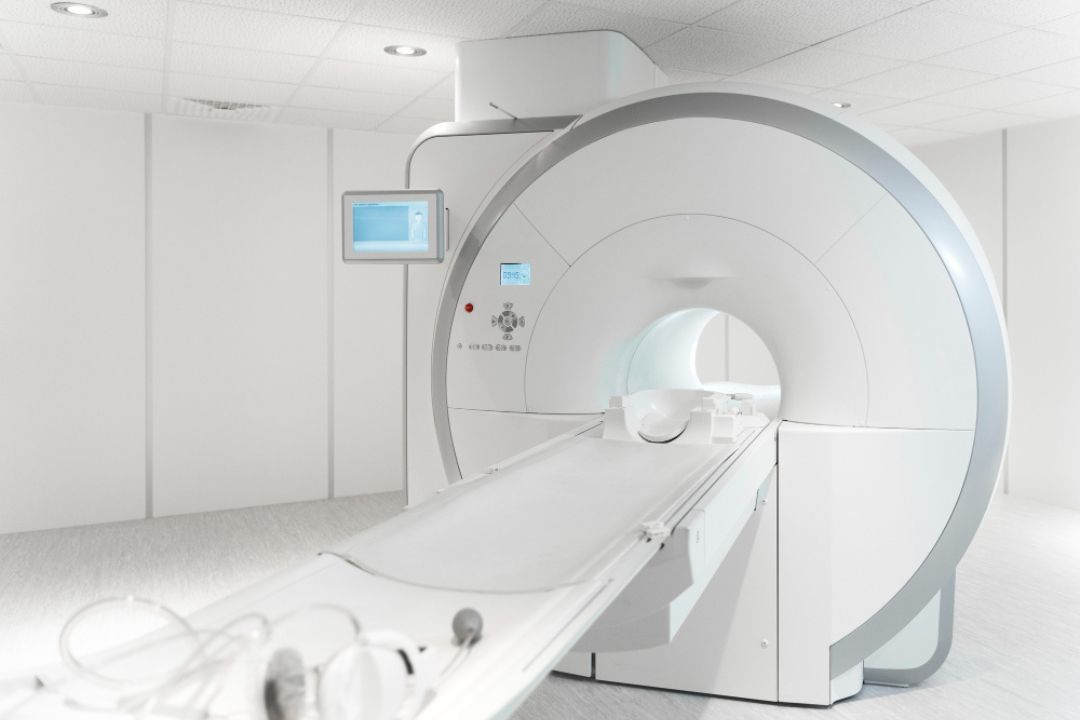
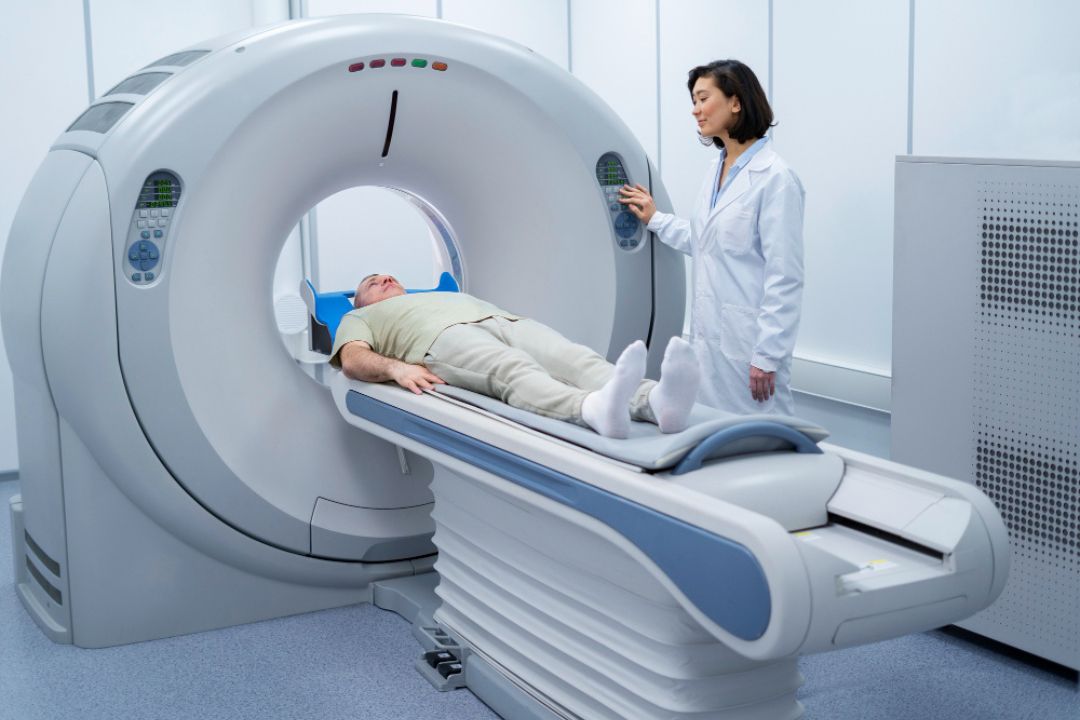
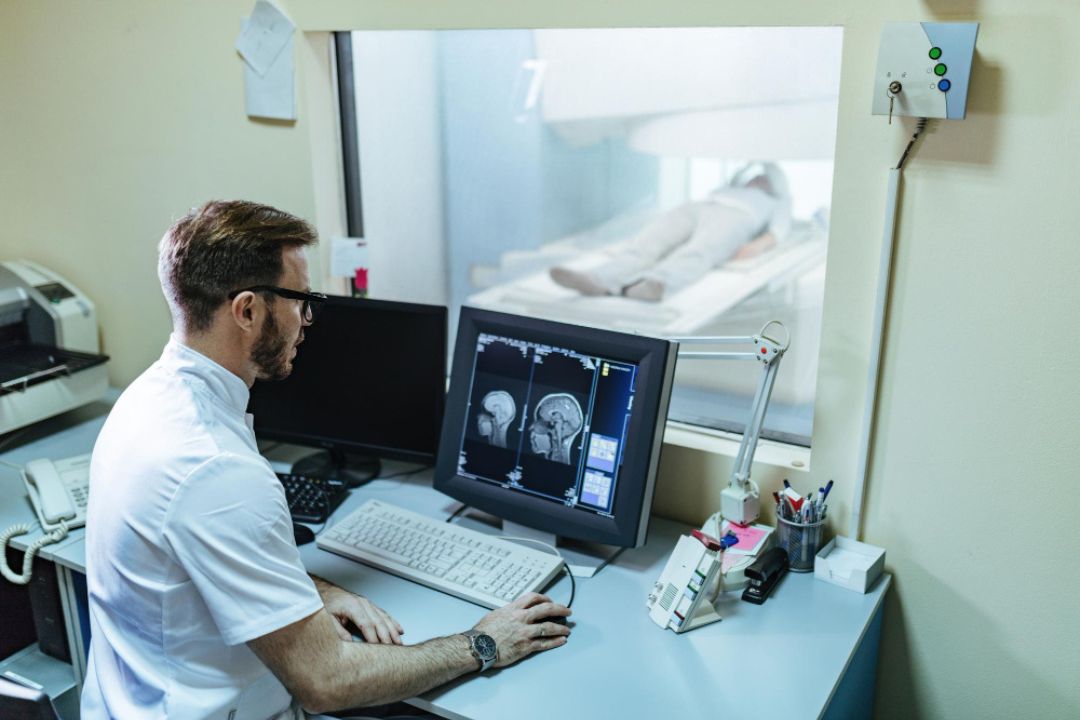
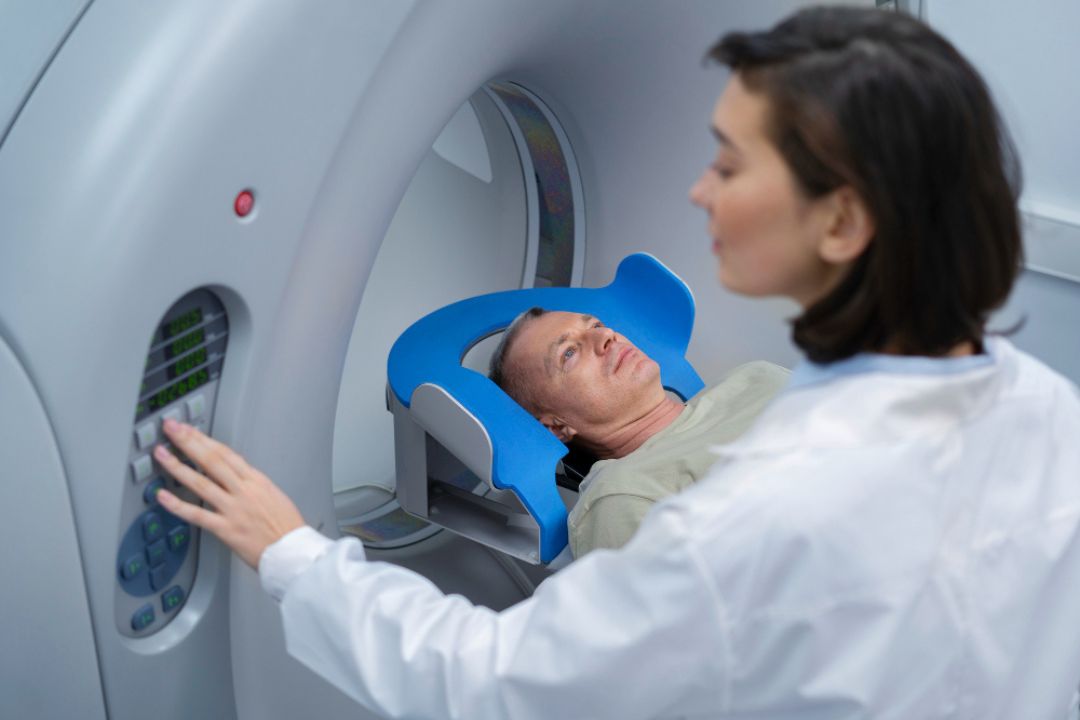
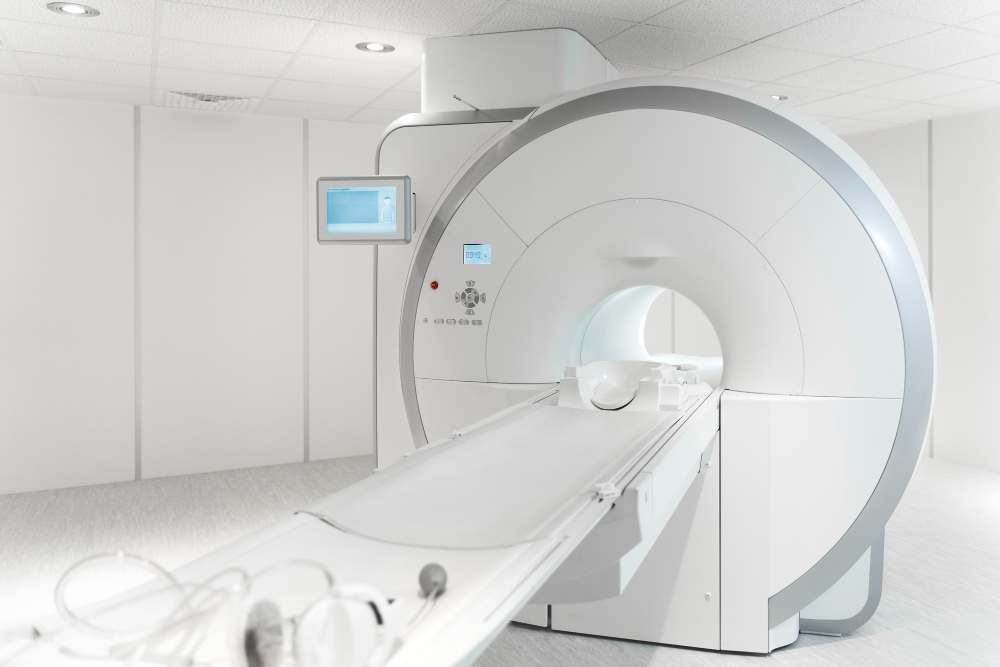
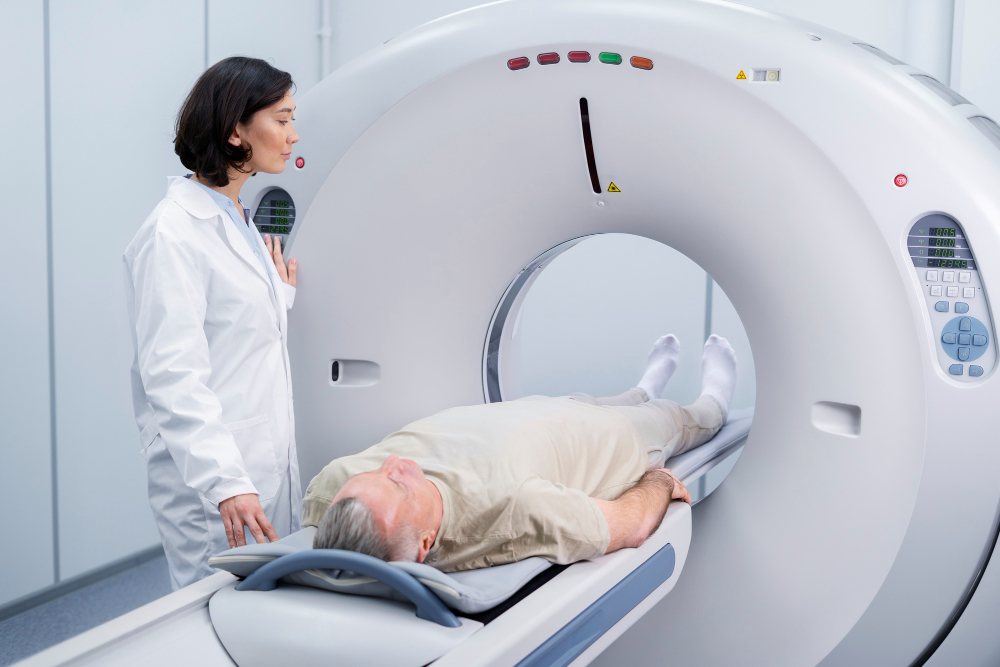
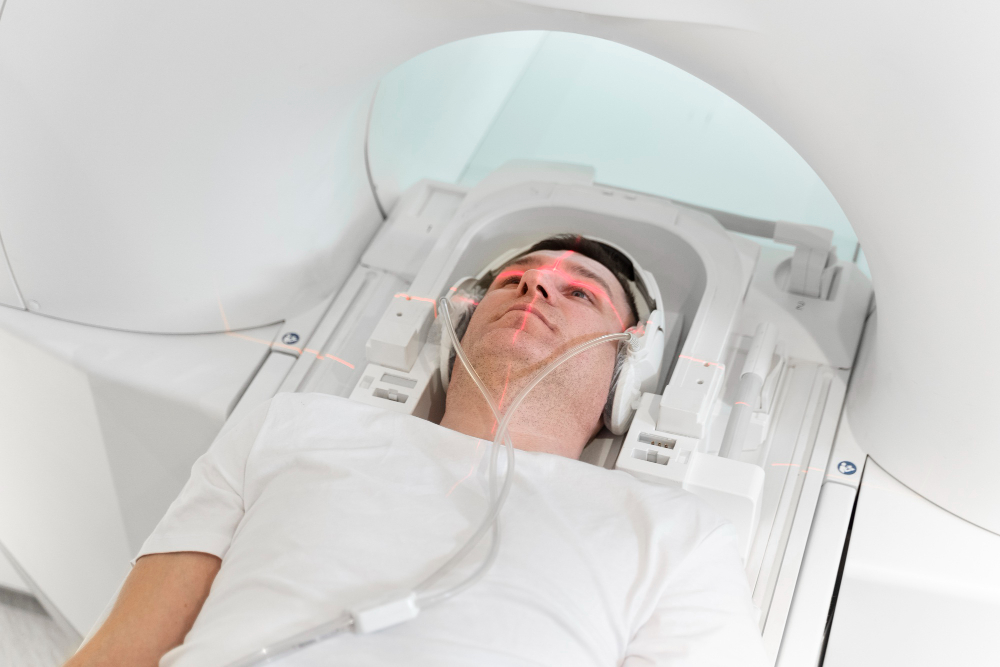
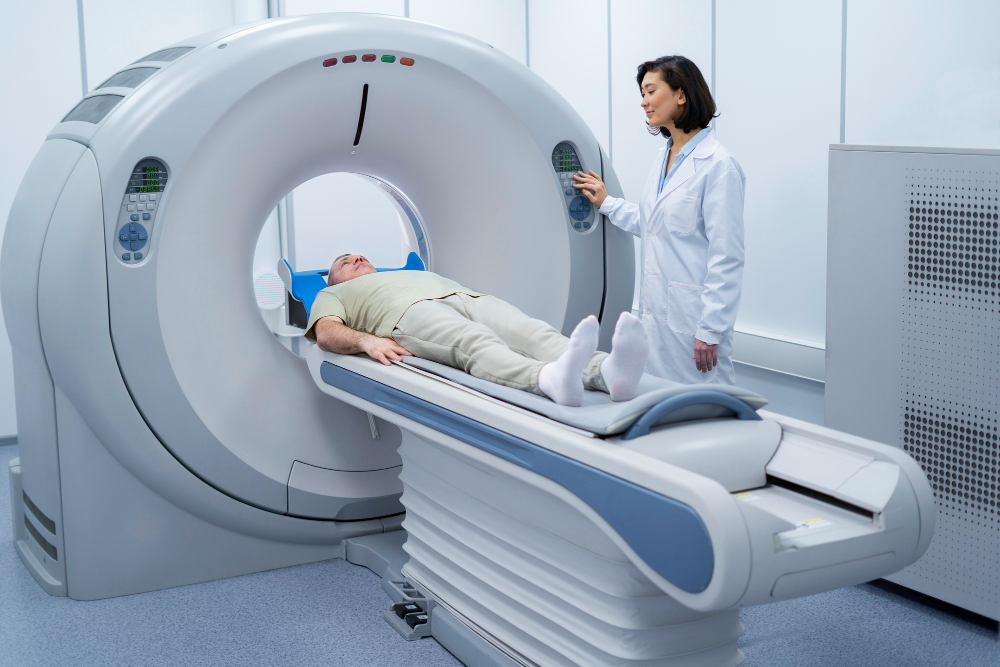
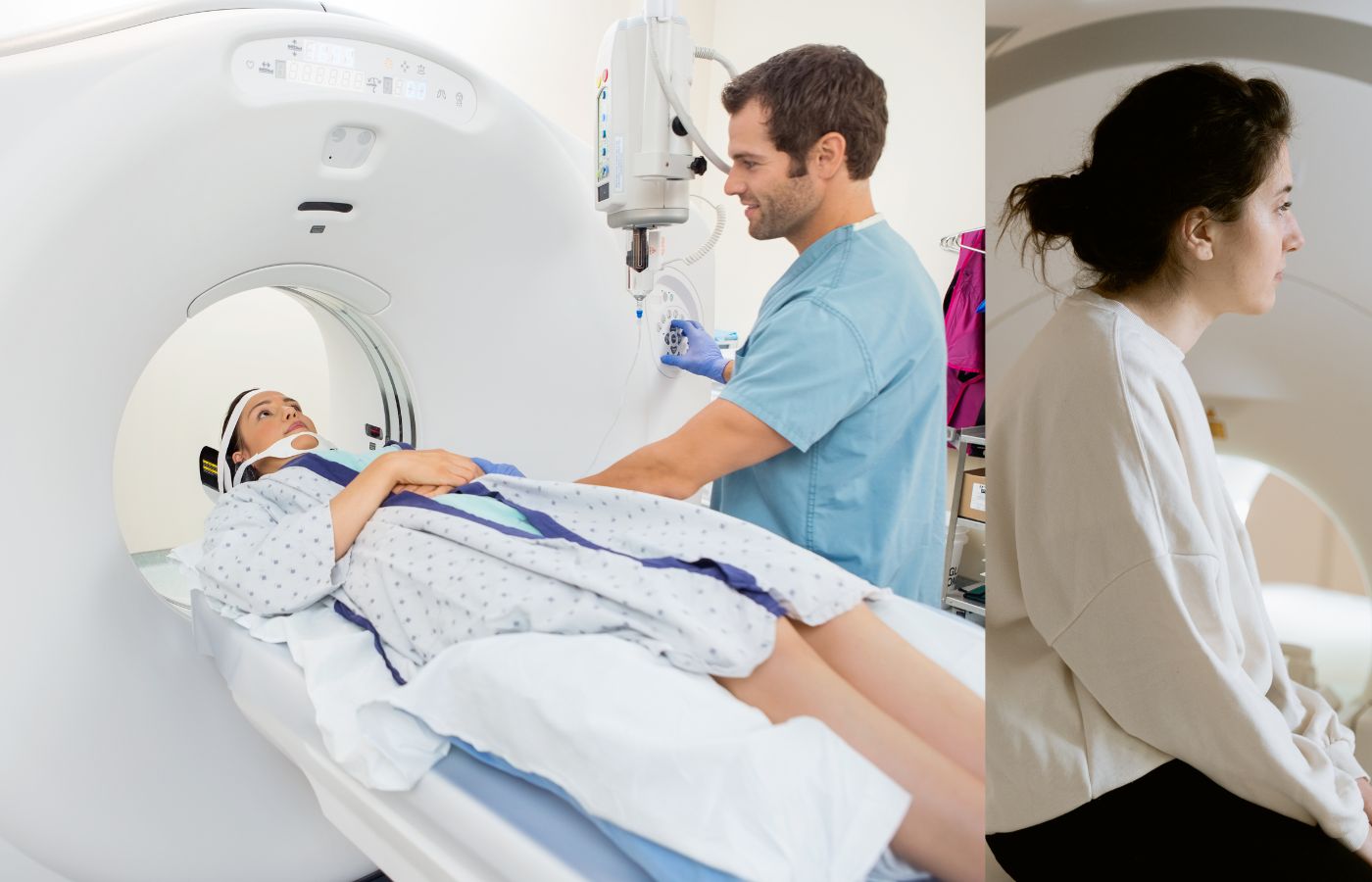
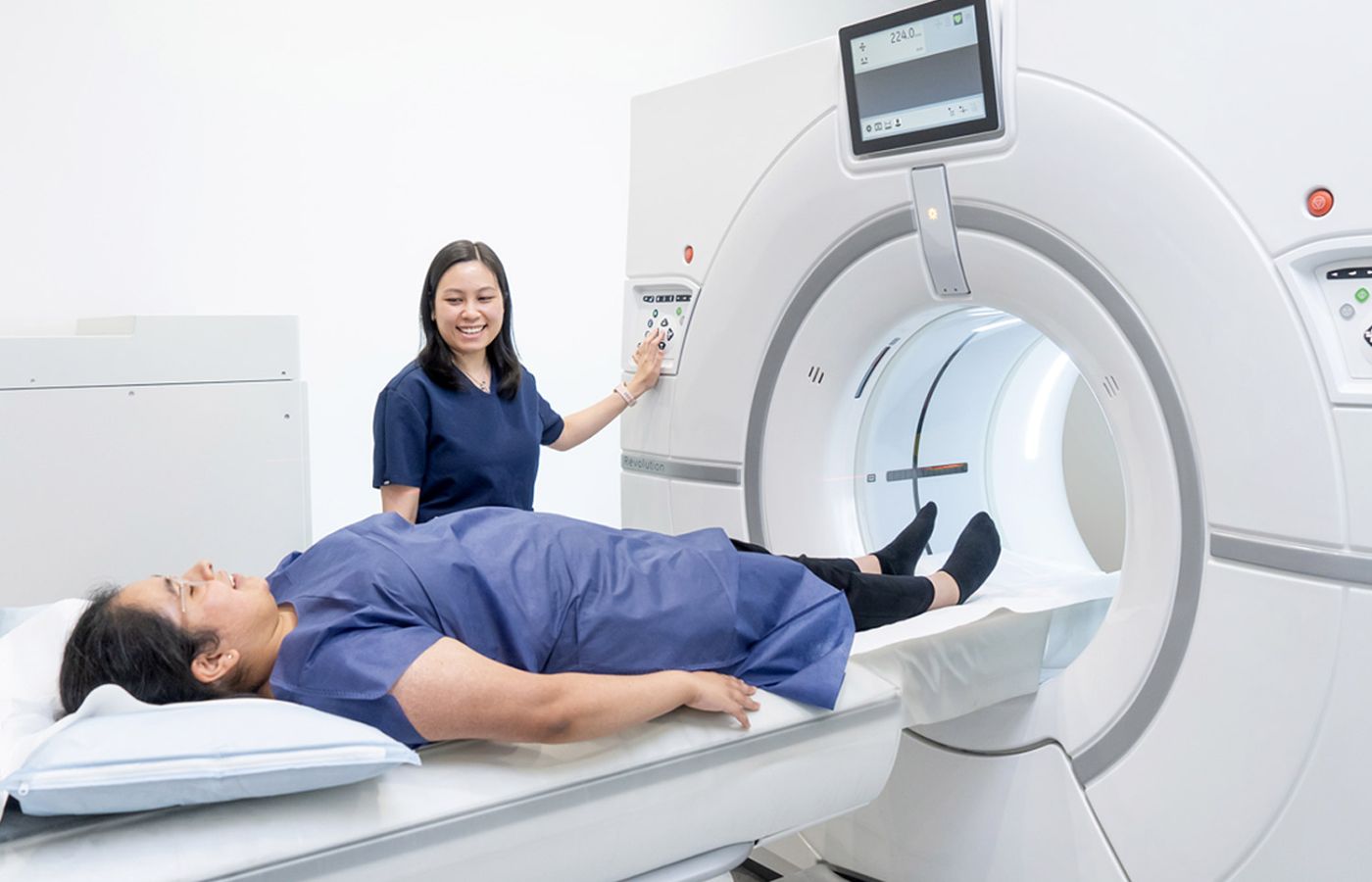
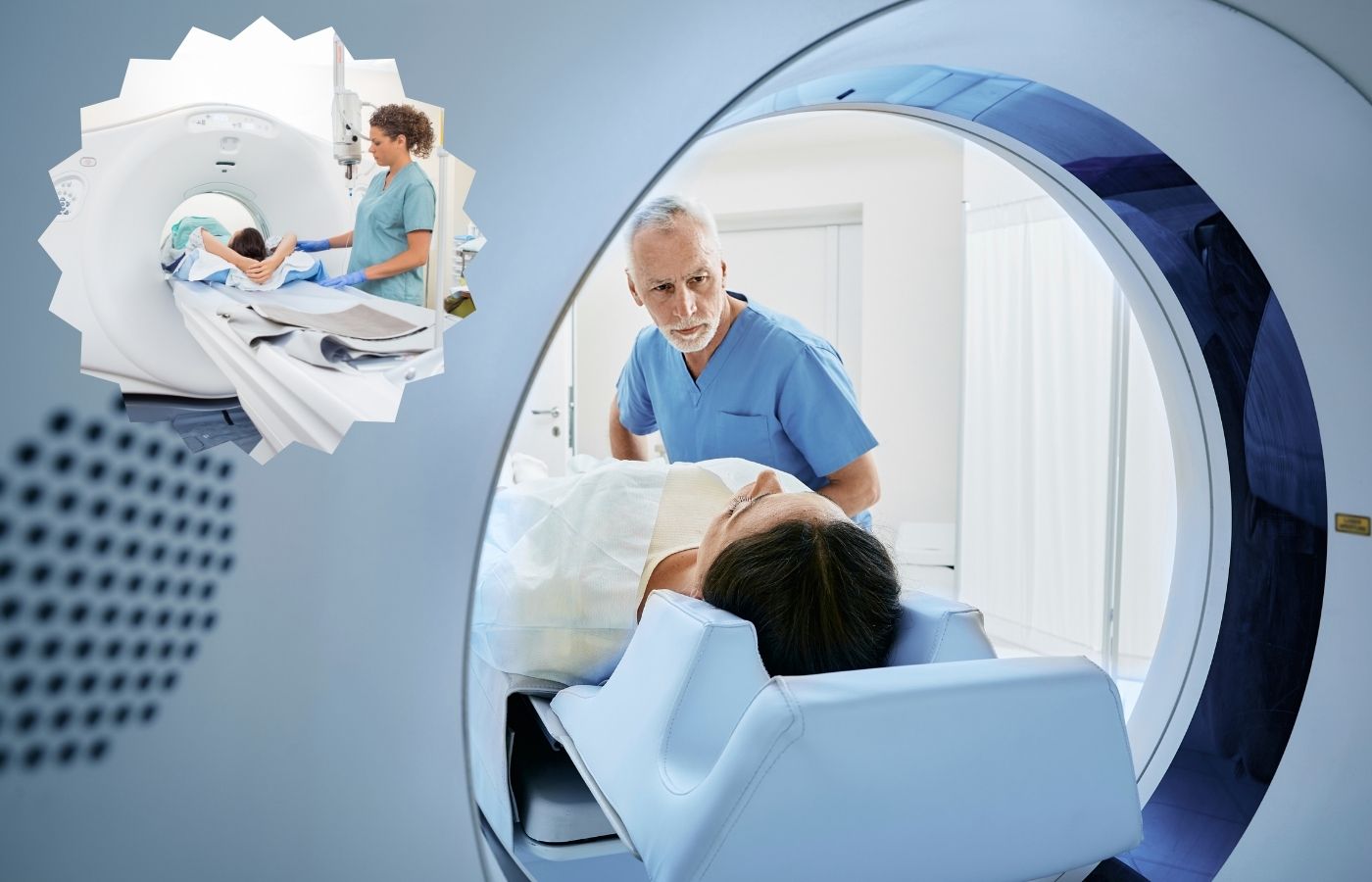
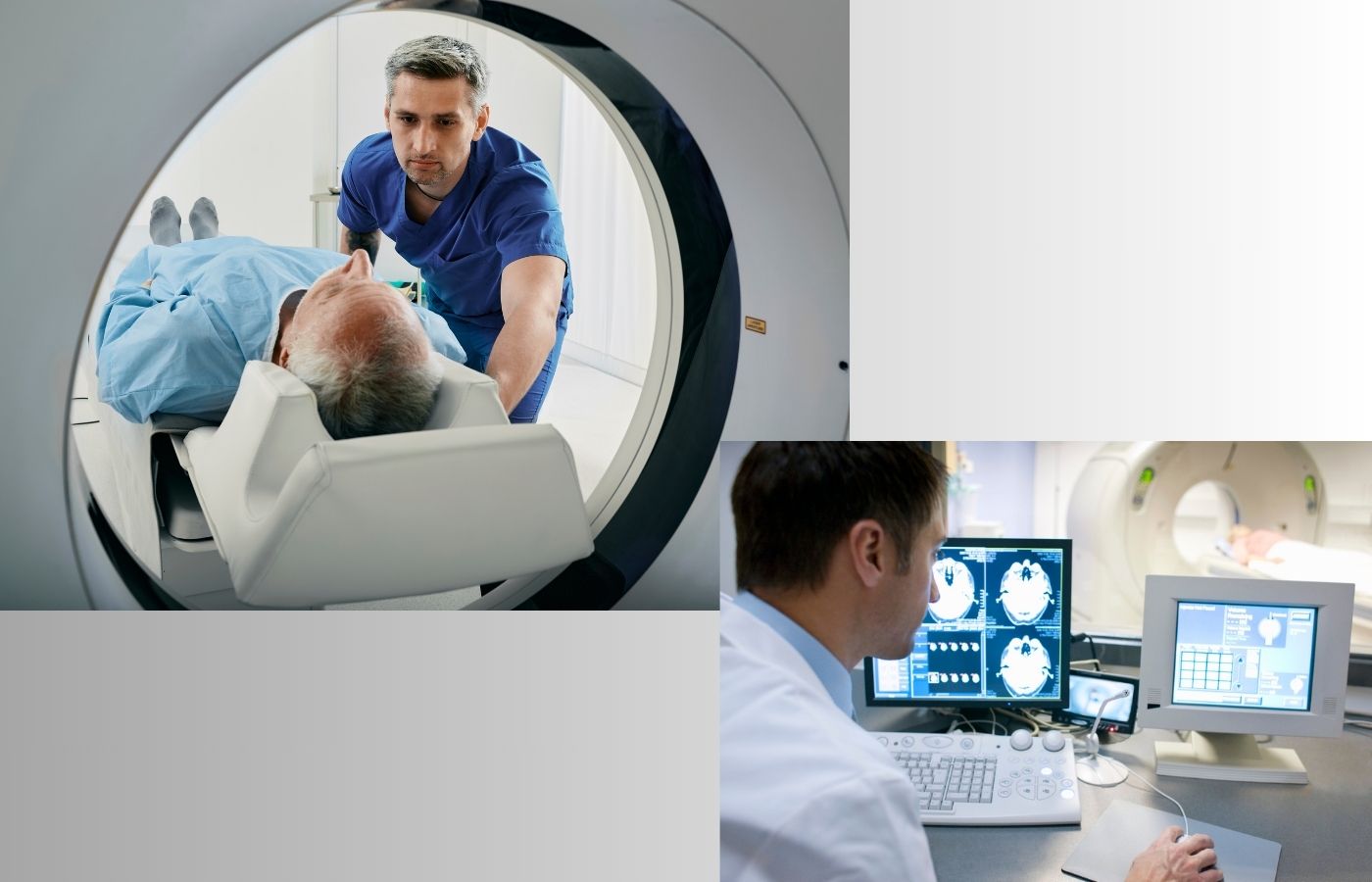
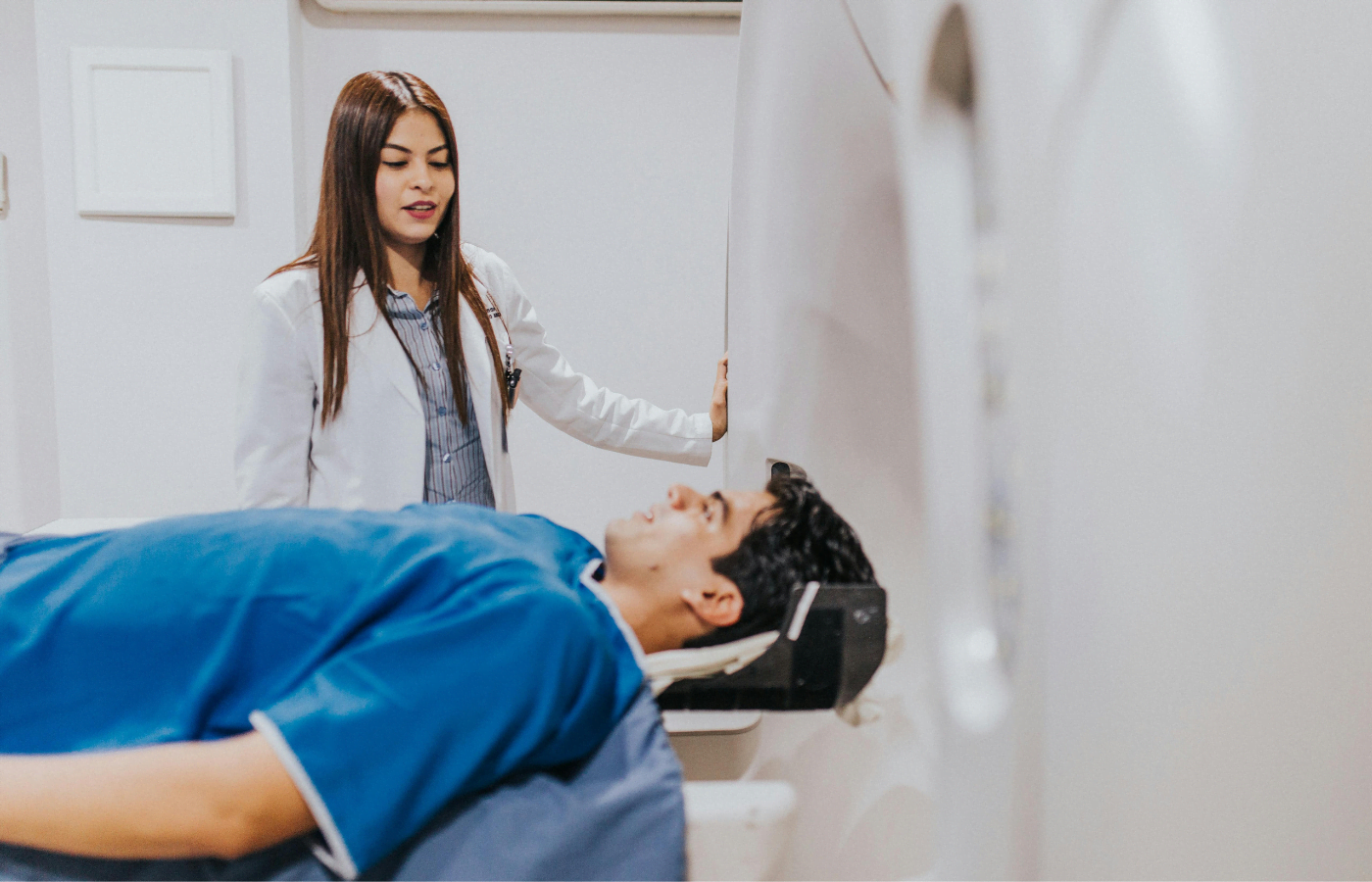
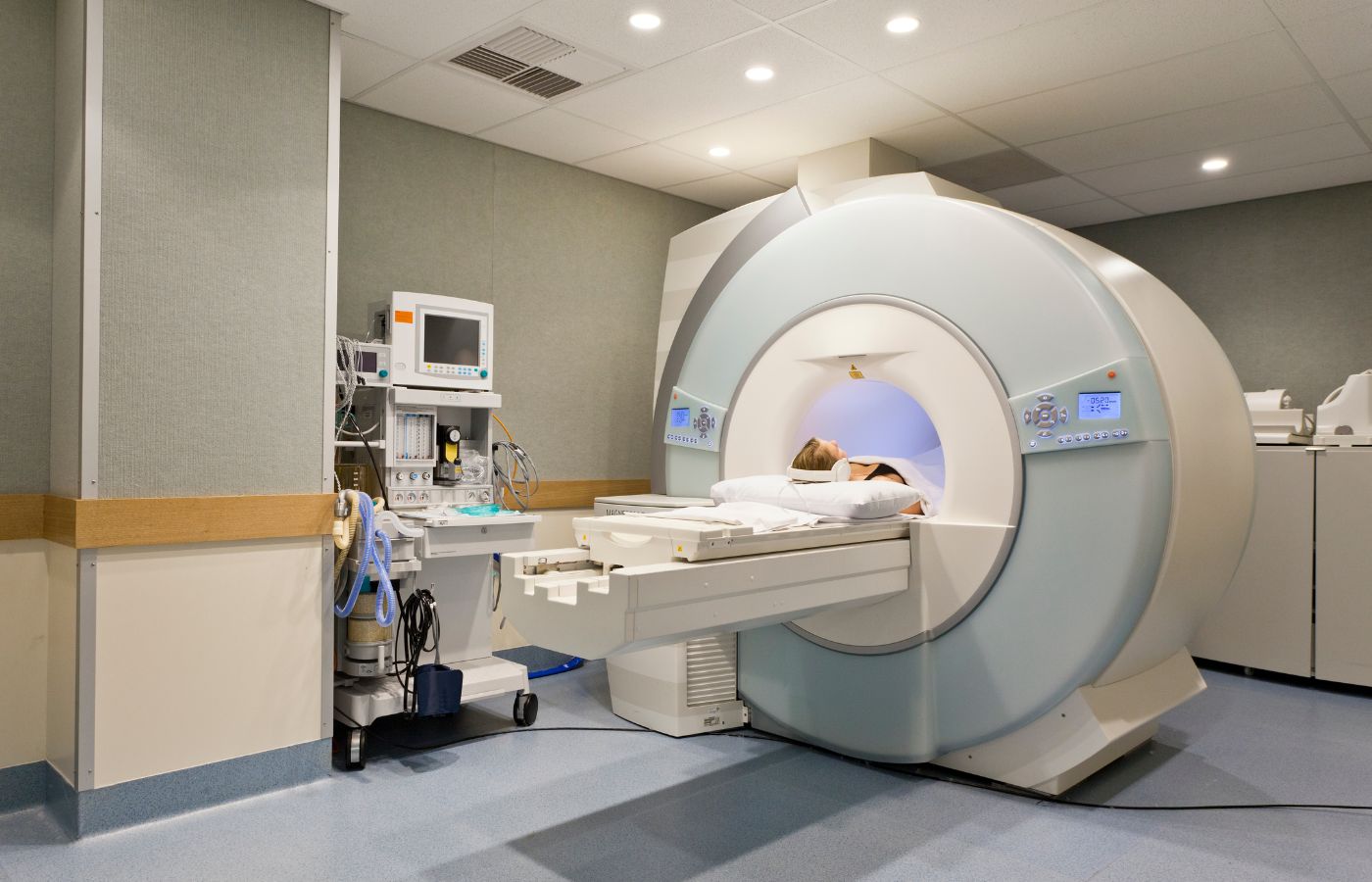
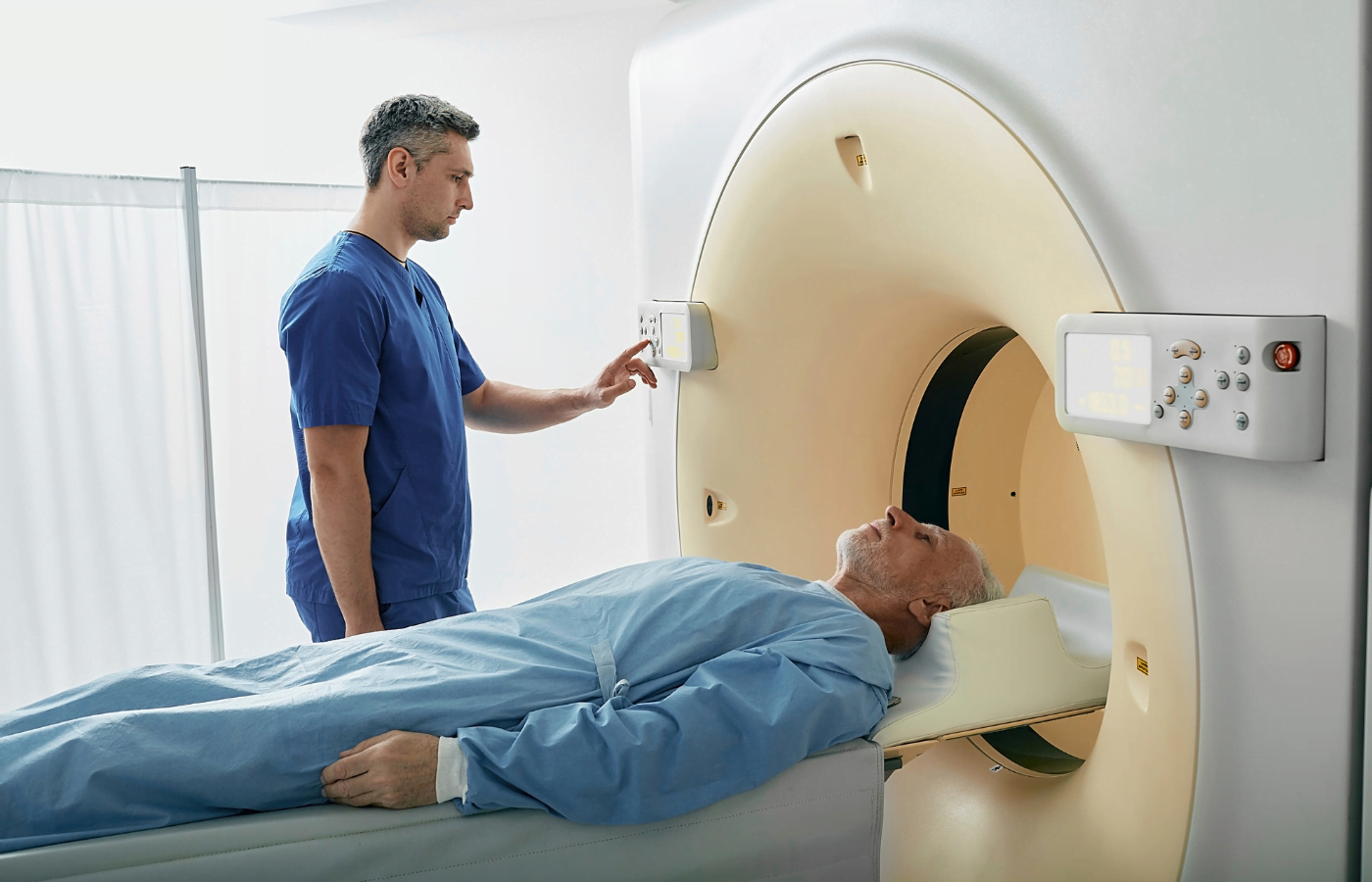
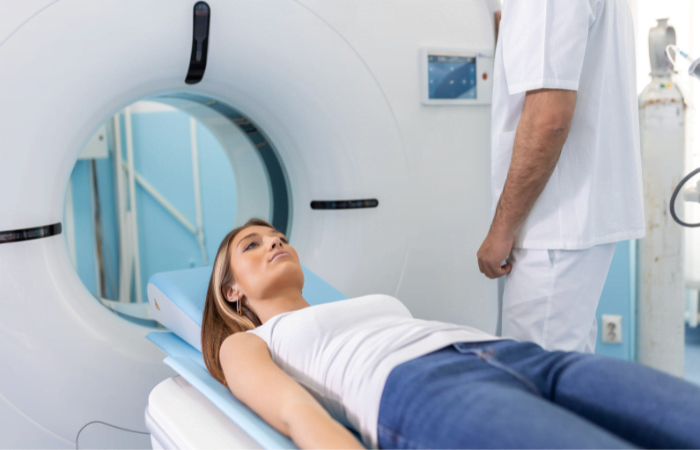
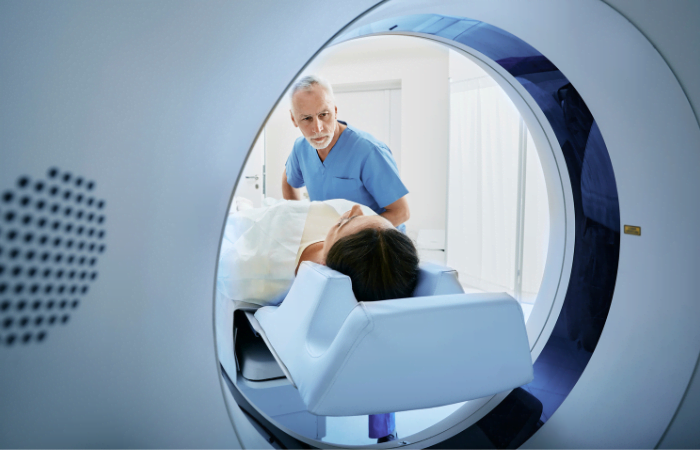
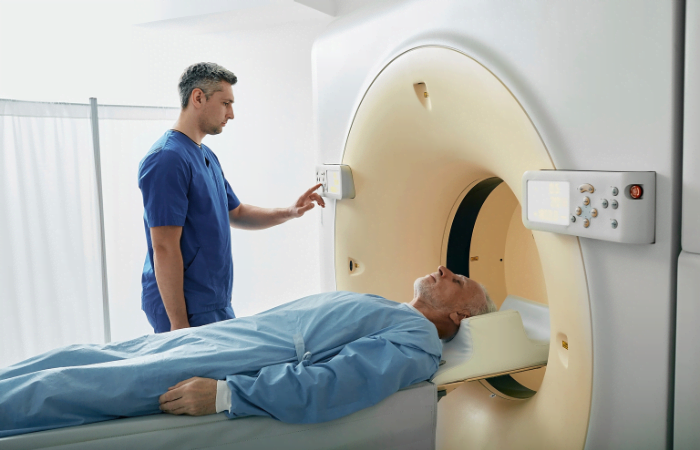
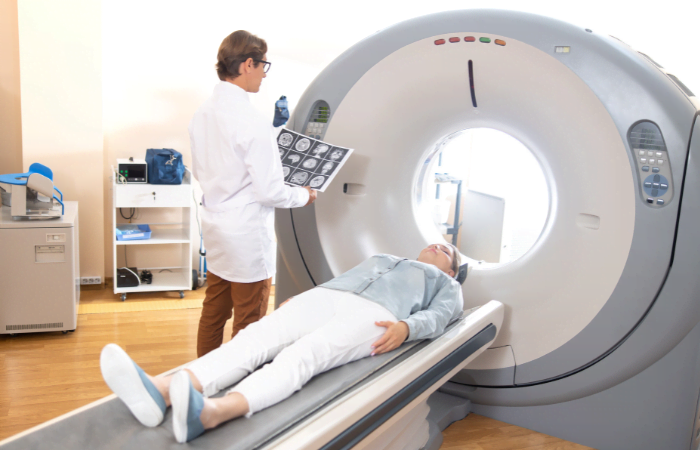
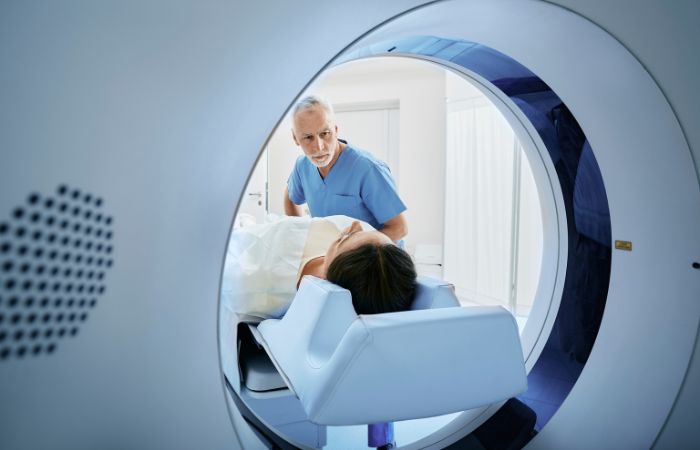
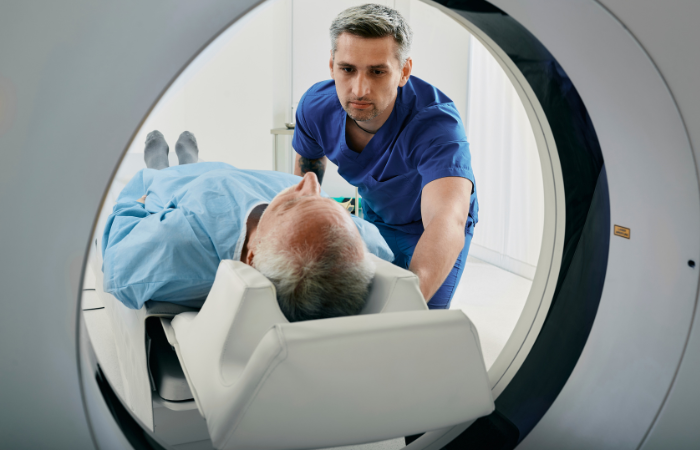
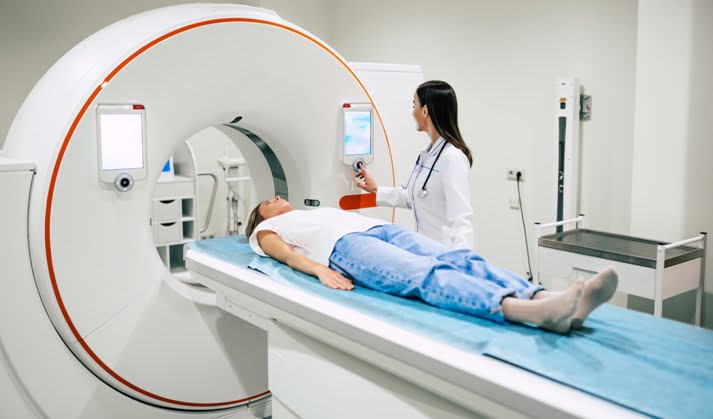
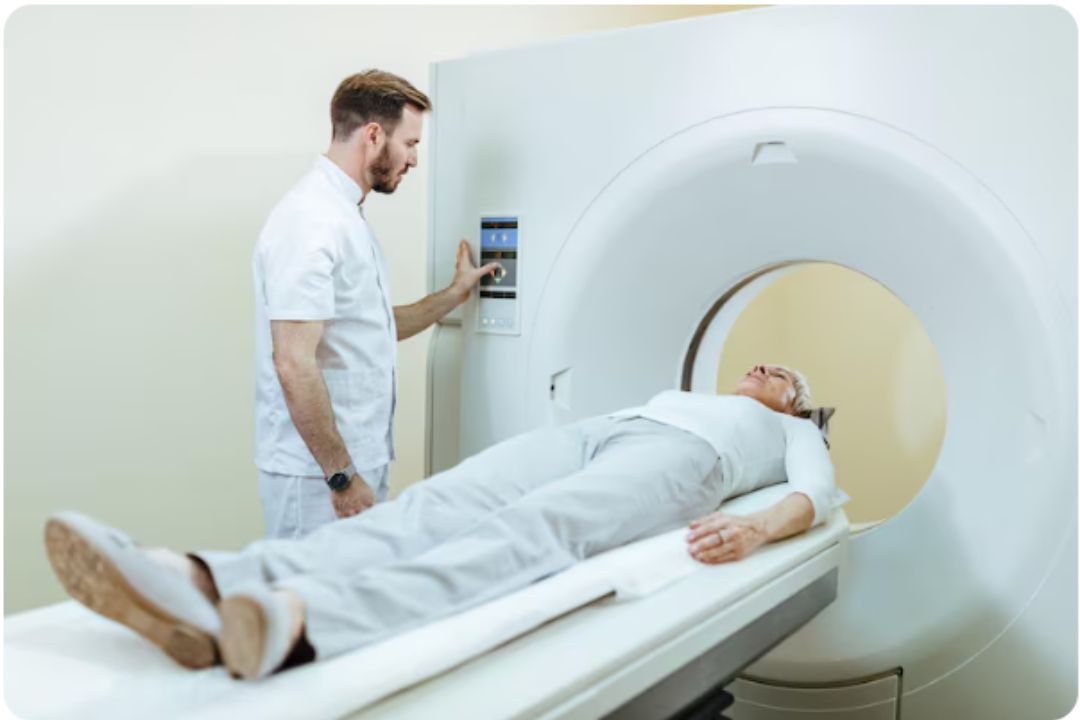
  3. During the Scan: You'll lie on a motorized table. An IV line is placed, usually in your arm. As the contrast is injected, you may feel a warm flush or metallic taste—this is normal. The table moves through the ring-shaped scanner.

  4. Post-Scan: You’ll be monitored briefly and encouraged to drink plenty of fluids to help your kidneys eliminate the contrast agent.

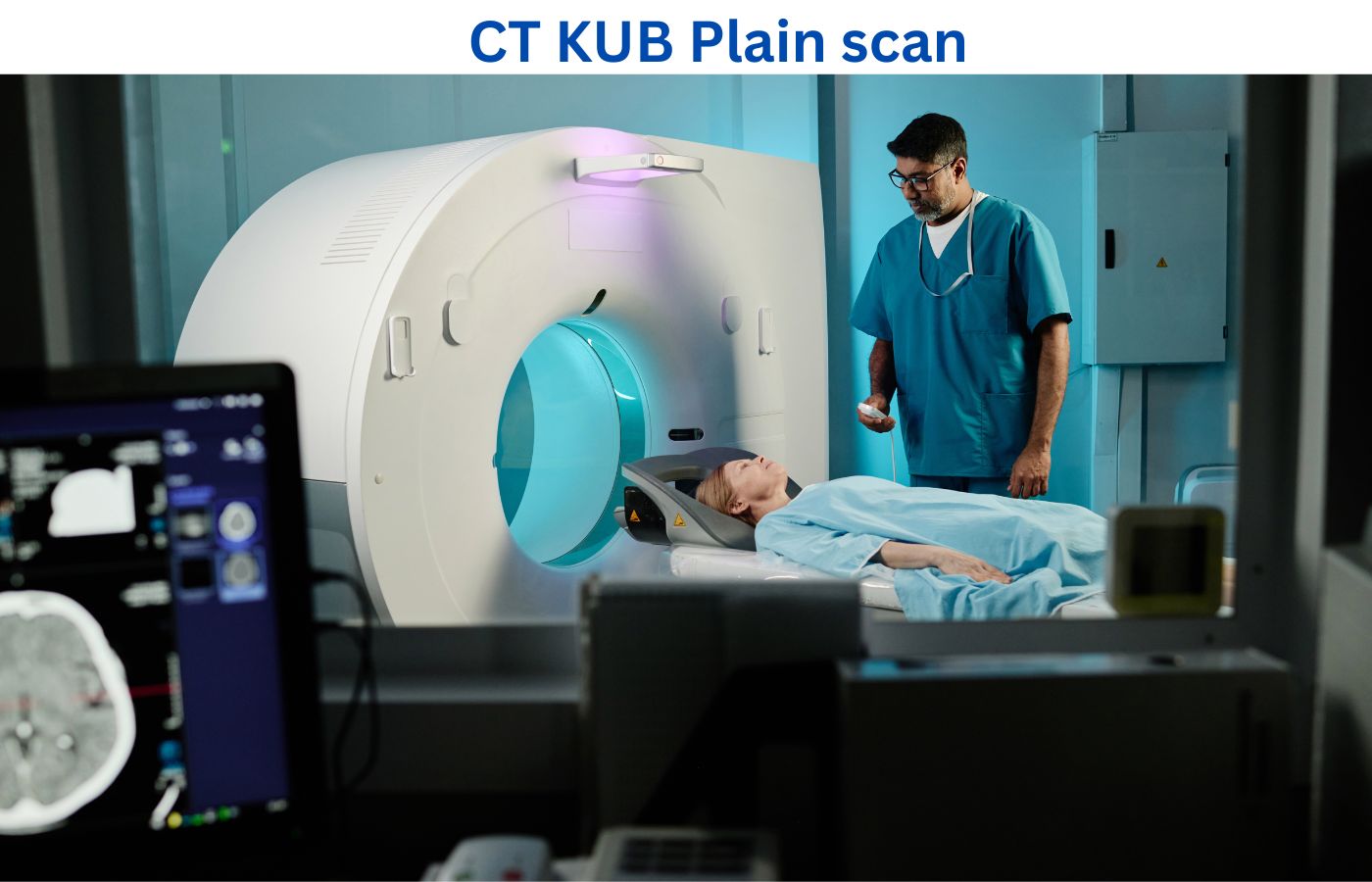
A common question is, "How long does a CT scan for kidney stones take?" The entire appointment typically lasts 30-45 minutes, but the actual scanning time is often less than 60 seconds. The speed and accuracy make it a first-line tool in emergencies.

The Central Question: Is a Contrast CT Scan Safe for Kidney Patients?

The primary concern is Contrast-Induced Nephropathy (CIN), a potentially reversible form of acute kidney injury where kidney function declines 48-72 hours after exposure. The risk, however, is not uniform.

Who is at Risk?

  1. Patients with pre-existing chronic kidney disease (especially stage 3 or higher, eGFR < 45).

  2. Individuals with diabetes and concurrent kidney disease.

  3. Those who are dehydrated.

  4. Patients taking nephrotoxic medications.

  5. Individuals with heart failure or low blood pressure.

How Safety is Ensured in Modern Radiology

For the vast majority, including many with stable mild-to-moderate CKD, a contrast CT scan is safe when rigorous protocols are followed:

  1. Mandatory Kidney Function Screening: Reputable centers, like those in the Diagnopein network, never administer IV contrast without a recent eGFR. This is non-negotiable.

  2. Risk Stratification: Your doctor weighs the diagnostic necessity against the minimal risk. For a suspected life-threatening condition (like a ruptured aneurysm or complex tumor), the benefit of a precise diagnosis far outweighs the small risk of CIN.

  3. Preventive Hydration: The most effective shield. You may receive IV saline before and after the scan to dilute the contrast and promote rapid excretion.

  4. Use of Safer Agents: Modern, low-osmolar or iso-osmolar contrast media are significantly less toxic to the kidneys than older agents.

  5. Clear Alternatives: If the risk is deemed too high, your doctor will opt for an alternative.

The Verdict: With proper patient screening and preventive measures, a contrast CT scan for kidney patients is safe for diagnostic use in most clinical scenarios.

CT Scan vs. Ultrasound for Kidney Stones: Choosing the Right Tool

When diagnosing kidney stones, choosing between a CT scan and an ultrasound involves balancing accuracy, safety, and clinical urgency. A non-contrast CT scan is the undisputed gold standard in emergency settings, offering exceptional accuracy (over 95%) in detecting even very small stones, precisely mapping their size, location, and density—critical information for urgent surgical planning. However, it involves exposure to low-dose radiation. In contrast, an ultrasound is a safe, radiation-free first-line imaging tool, ideal for routine screening, monitoring known stones, and for use in pregnant patients or children. While it avoids radiation, its major limitation is lower sensitivity, often missing smaller stones (under 5mm) or those lodged in the ureter. For complex cases where a mass, infection, or detailed vascular anatomy must be evaluated, a CT scan for kidney stones with contrast may be employed, though it requires careful kidney function screening. Ultimately, the choice is guided by the clinical picture: CT for rapid, definitive answers in acute pain; ultrasound for safer, initial or follow-up assessments in stable patients.

When is a CT Scan for Kidney Stones with Contrast used? Typically not for simple stone detection. A non-contrast CT is superior for that. Contrast is added when the clinical question is more complex: Is there a tumor mimicking a stone? Is there an associated obstruction or infection? What is the blood supply to a mass?


The Comfort Factor

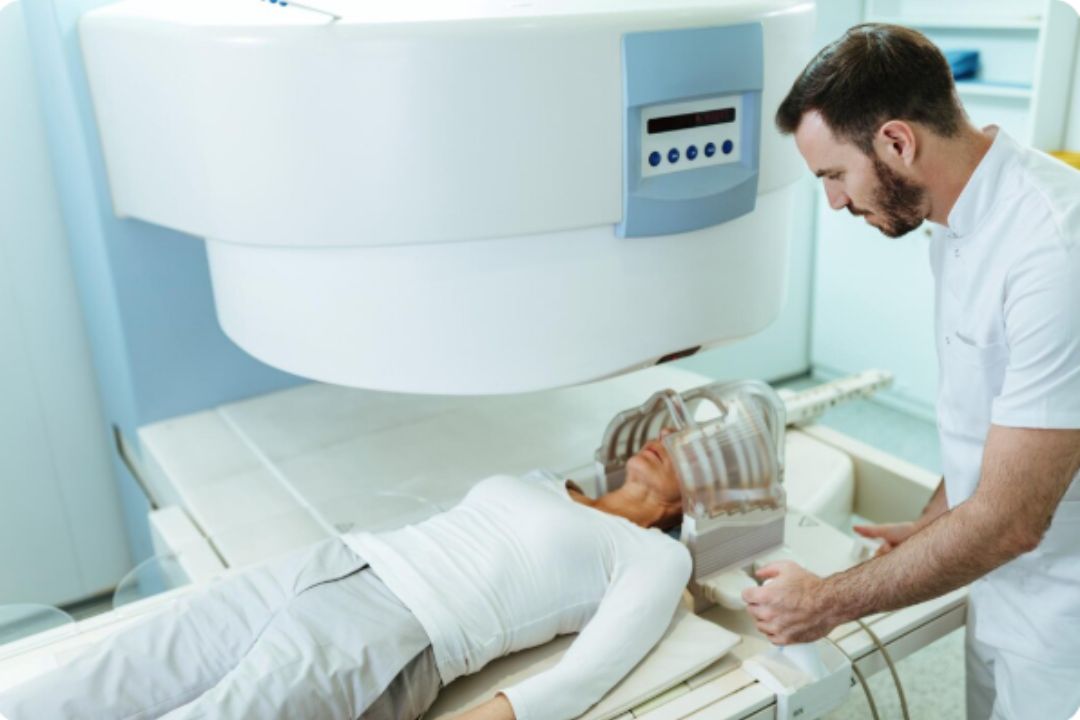
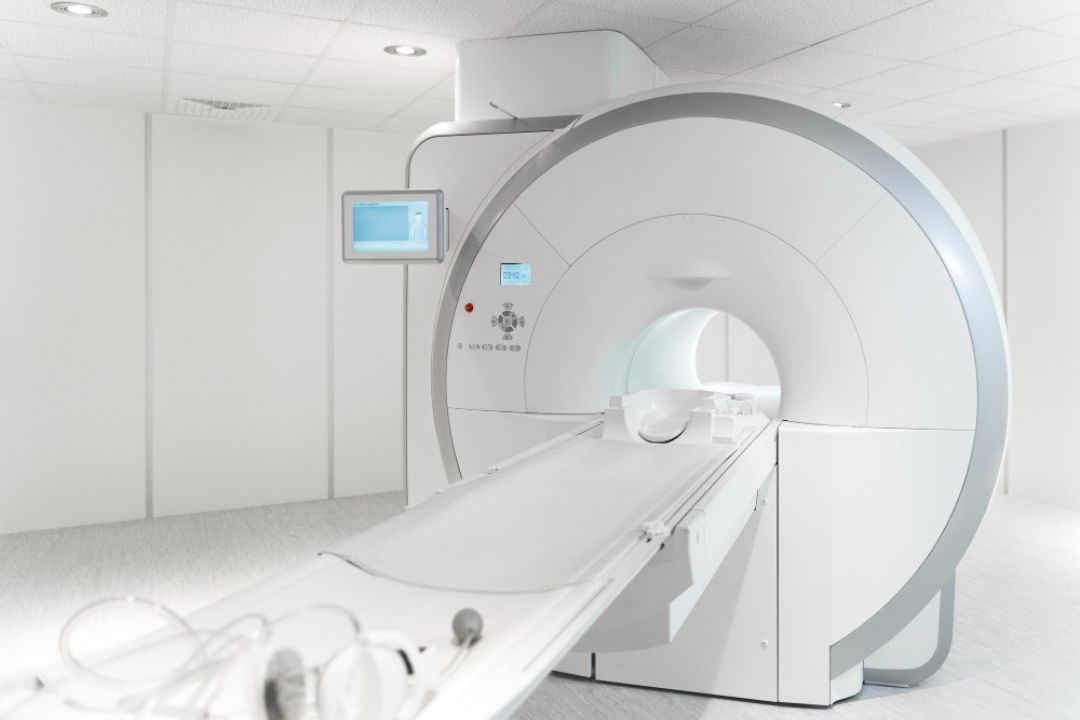
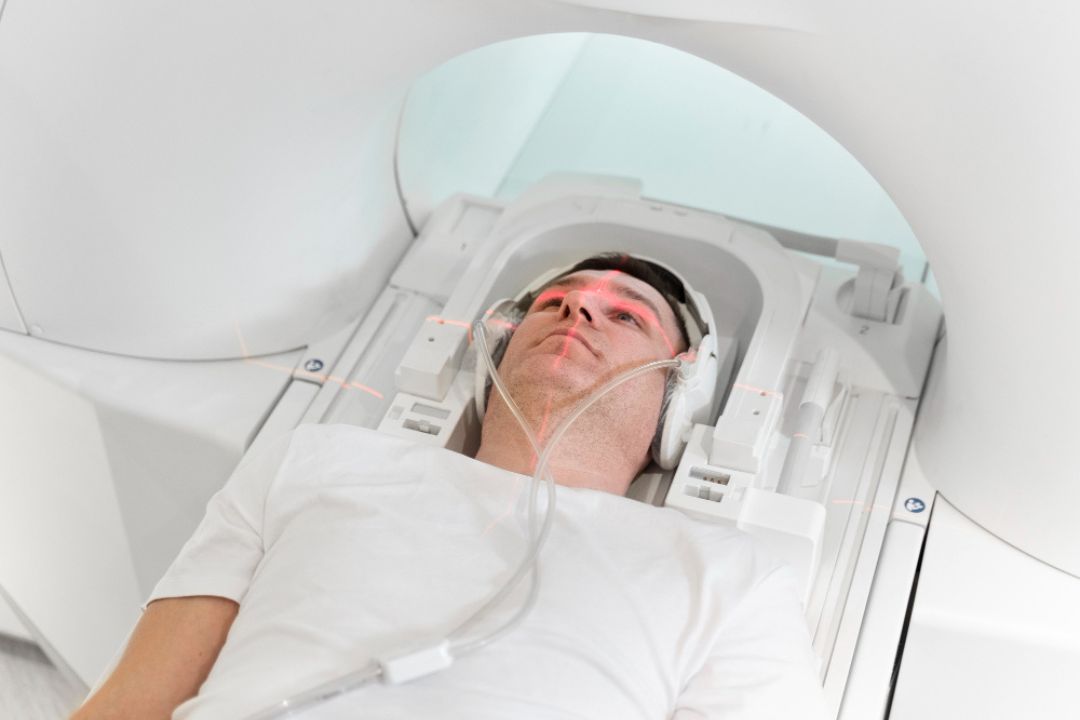
Modern CT scans are designed for patient comfort. The procedure is painless aside from the minor pinch of the IV. The scanner is open at both ends, reducing claustrophobia. The entire process is swift, and technologists communicate with you via intercom. The most significant discomfort for many is the anxiety surrounding the diagnosis itself—which an accurate scan helps to alleviate.

Why Choose Diagnopein for Your Kidney Imaging Needs?

When facing kidney-related health concerns, the choice of where and how to get diagnostic imaging can be as critical as the test itself. Here’s why Diagnopein stands out as your trusted partner for kidney stone and renal health imaging.

Uncompromising Safety Protocols for Kidney Patients

At Diagnopein, we understand the specific risks kidney patients face with contrast imaging. That’s why we enforce mandatory pre-scan kidney function testing (eGFR/creatinine) at all our partner facilities before any contrast administration. Our network uses only modern, low-osmolar contrast agents and follows strict hydration protocols to minimize any risk of contrast-induced nephropathy. We don’t just offer scans—we offer safe, responsible diagnostics tailored to your renal health.

Expert-Led Clarity in Every Report

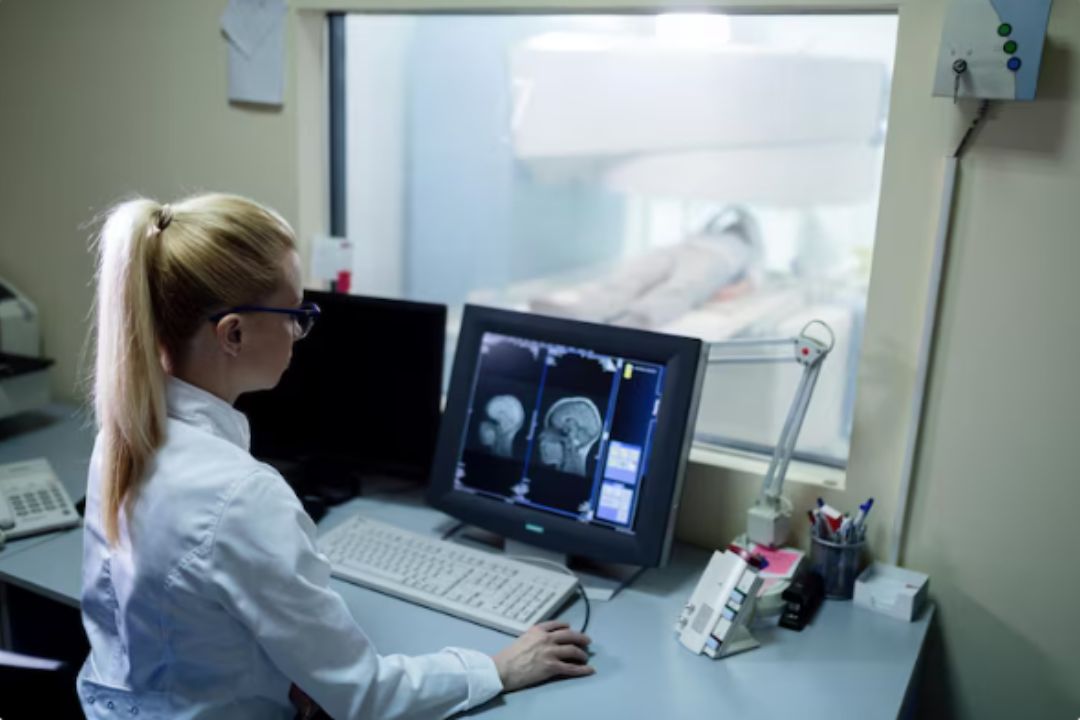
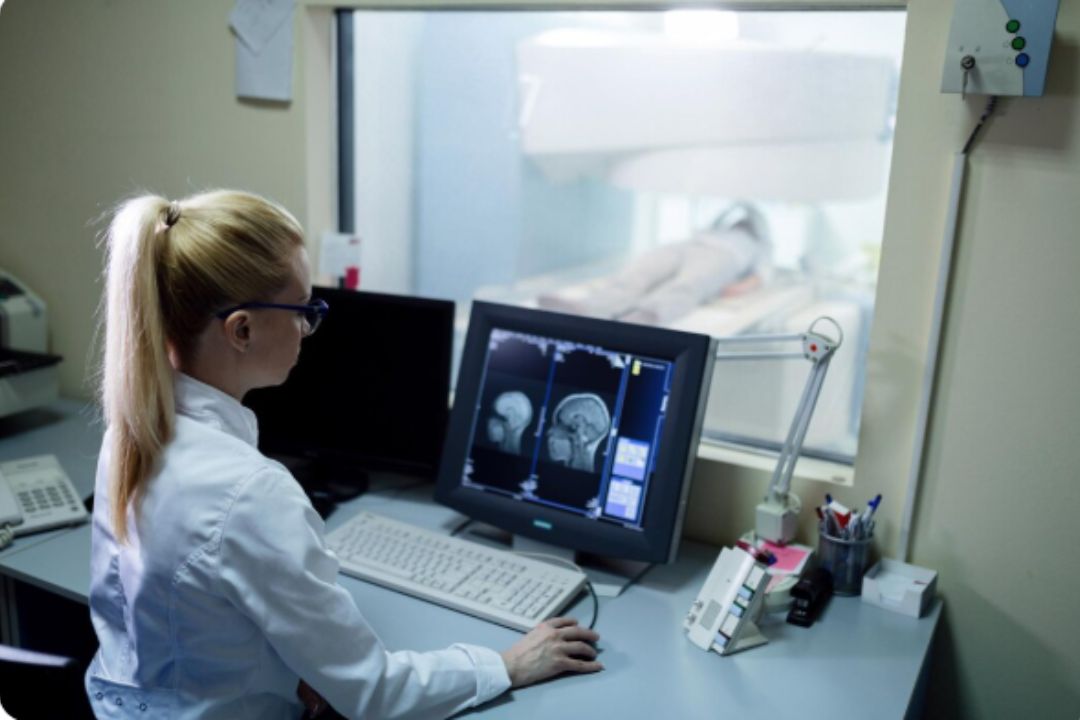
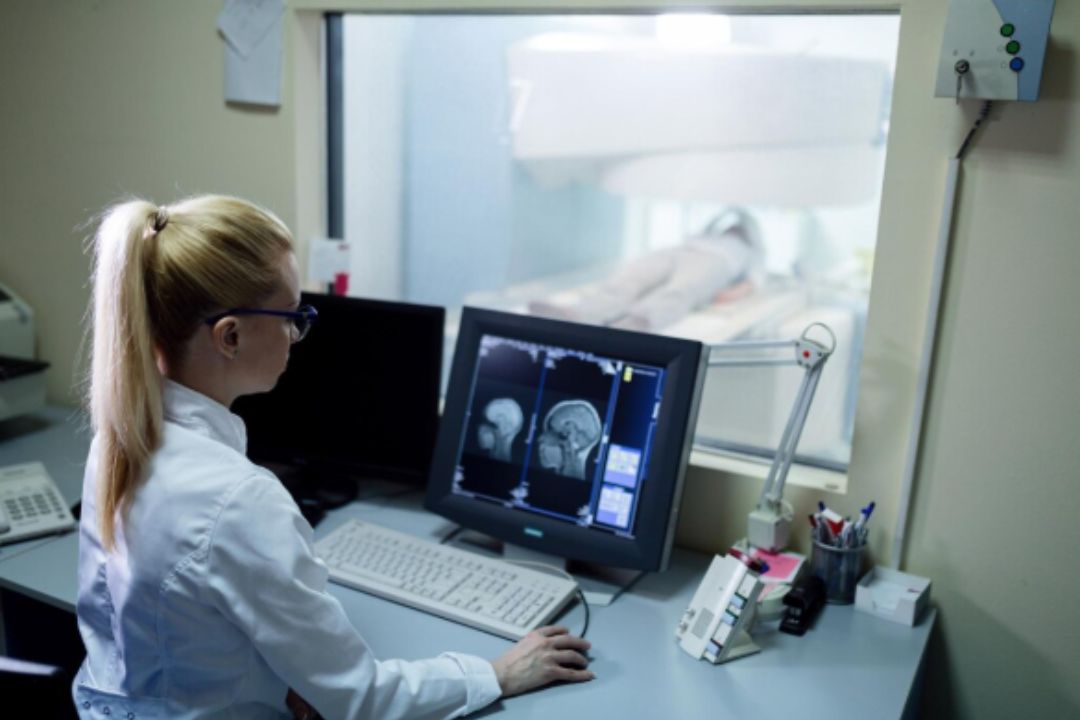
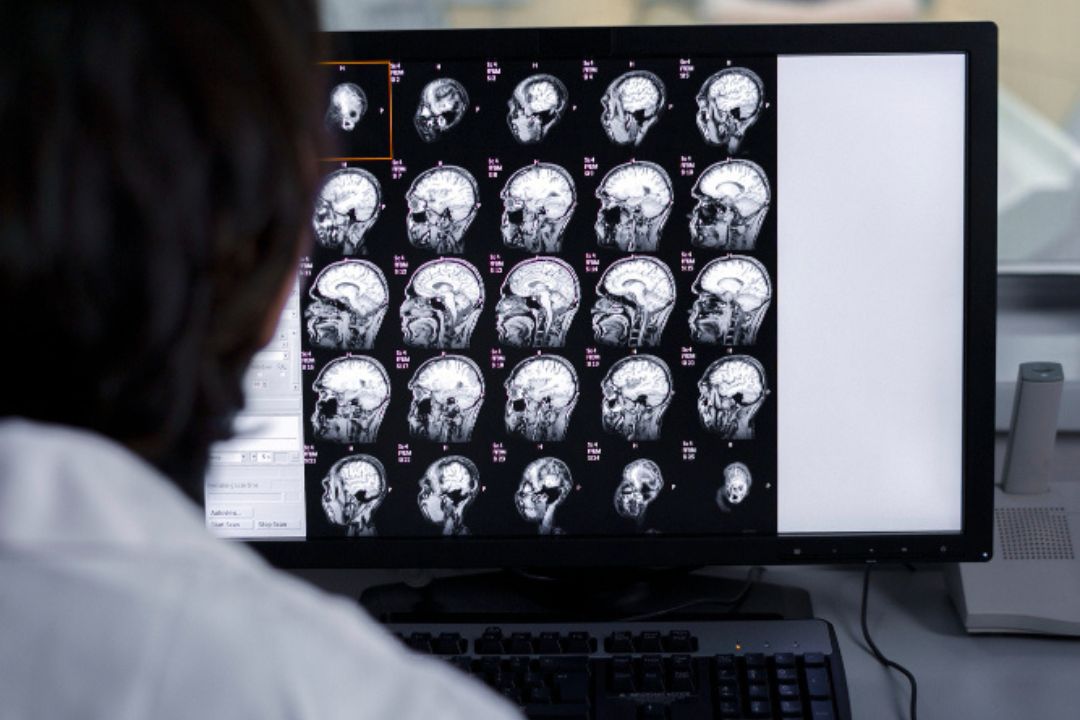
A scan is only as good as its interpretation. Through Diagnopein, you gain access to experienced radiologists who specialize in renal and urological imaging. They don’t just identify stones; they provide detailed analysis on stone burden, potential obstructions, and anatomical insights that are crucial for your urologist to plan effective treatment—be it medical management, lithotripsy, or surgery.

Transparent, Affordable Pricing

We eliminate the stress of hidden costs. With Diagnopein, you receive clear, upfront pricing for your CT scan for kidney stones or ultrasound. We bridge the gap between quality and affordability, offering access to premium diagnostic chains at fair prices, with costs often significantly lower than direct hospital rates. We help you make informed decisions without financial ambiguity.

Seamless, Patient-Centric Experience

From the moment you connect with us, we streamline your journey. We handle the complex logistics—explaining preparation, scheduling at your convenience, and coordinating with your doctor—so you can focus on your health. Our process is designed for comfort and minimal wait times, acknowledging that when you're in pain, efficiency matters.

Guiding You to the Right Test

Facing the "CT scan vs. ultrasound for kidney stones" dilemma? Our consultants provide unbiased guidance based on your specific symptoms, medical history, and clinical urgency. We help you understand why a doctor might choose one over the other, ensuring you undergo the most appropriate, evidence-based imaging with no unnecessary procedures or radiation exposure.

Comprehensive Care Continuum

Diagnopein is more than a booking platform. We are your diagnostic care partner. We ensure your results are delivered promptly and securely to you and your physician, facilitate quick second opinions if needed, and can guide you to the next steps in your treatment journey with trusted specialists in our network.

Conclusion: Knowledge and Partnership Enable Safe Diagnosis

The journey from symptom to diagnosis can be fraught with anxiety, especially when kidney health is involved. The evidence is clear: while contrast CT scans carry a small, manageable risk for kidney patients, they remain one of the most powerful diagnostic tools in modern medicine when used judiciously. The cornerstone of safety lies in individualized patient assessment, strict safety protocols, and expert interpretation.

This is the exact philosophy behind Diagnopein. We bridge the gap between patients and precision diagnostics. We connect you with accredited imaging centers that enforce the highest safety standards—where eGFR checks are mandatory, hydration protocols are routine, and radiologists specialize in renal imaging. We demystify the process, providing clear guidance on CT scan vs ultrasound for kidney stones, transparent information on CT scan for kidney stones cost, and seamless scheduling to reduce your stress.

Talk to an Expert
  I HereBy Consent to receive calls/messagess from Diagnopein ct scan and its partners and override DND settings
LATEST POST
SIMILAR POST