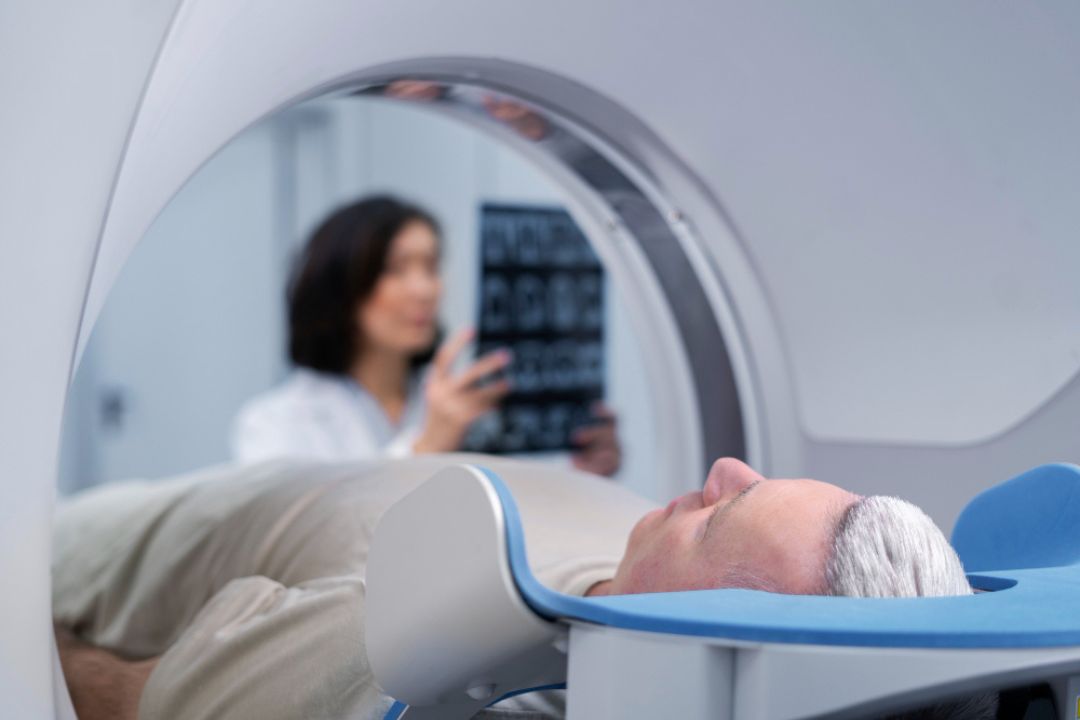
Joint and ligament injuries are common, especially among athletes, active individuals, and people involved in accidents. When a patient experiences severe joint pain, swelling, or limited movement, doctors often recommend imaging tests to identify the exact cause of the injury.
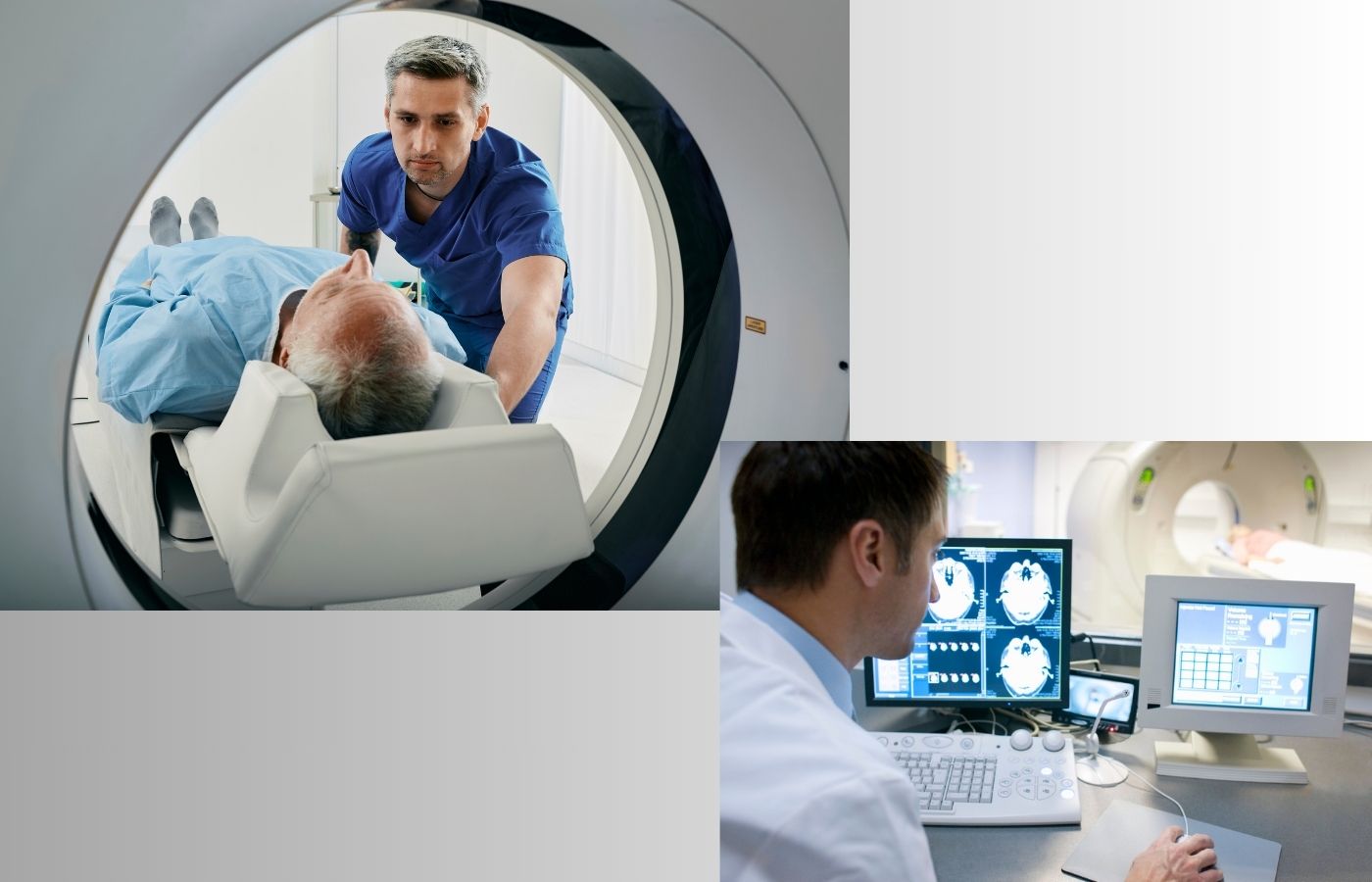
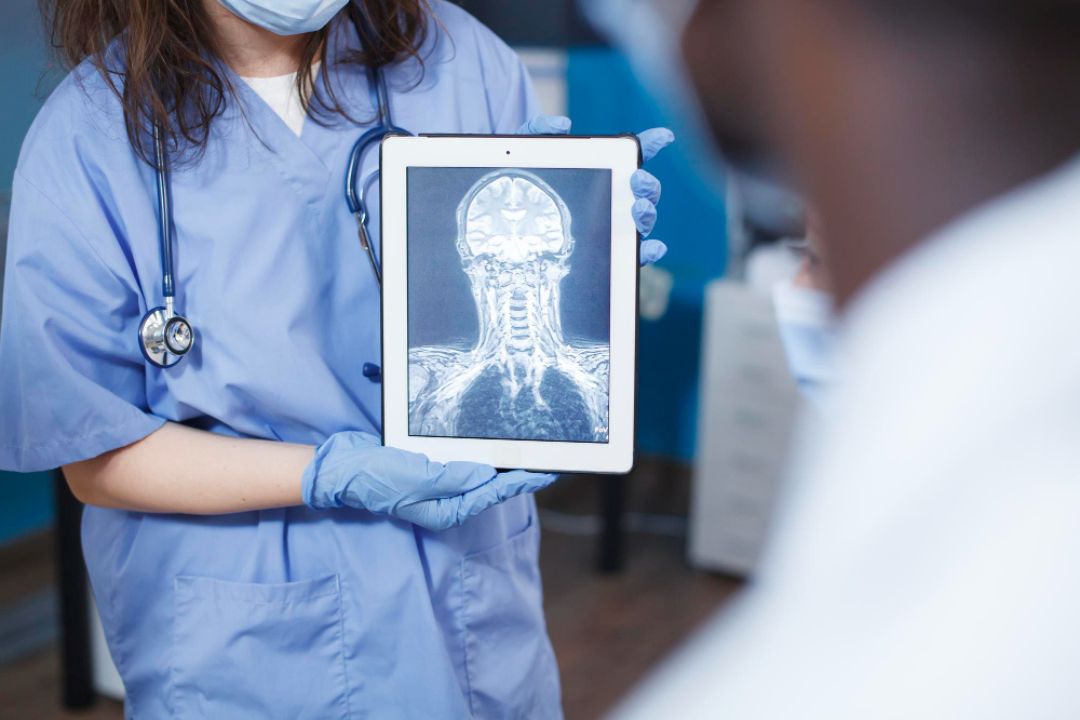
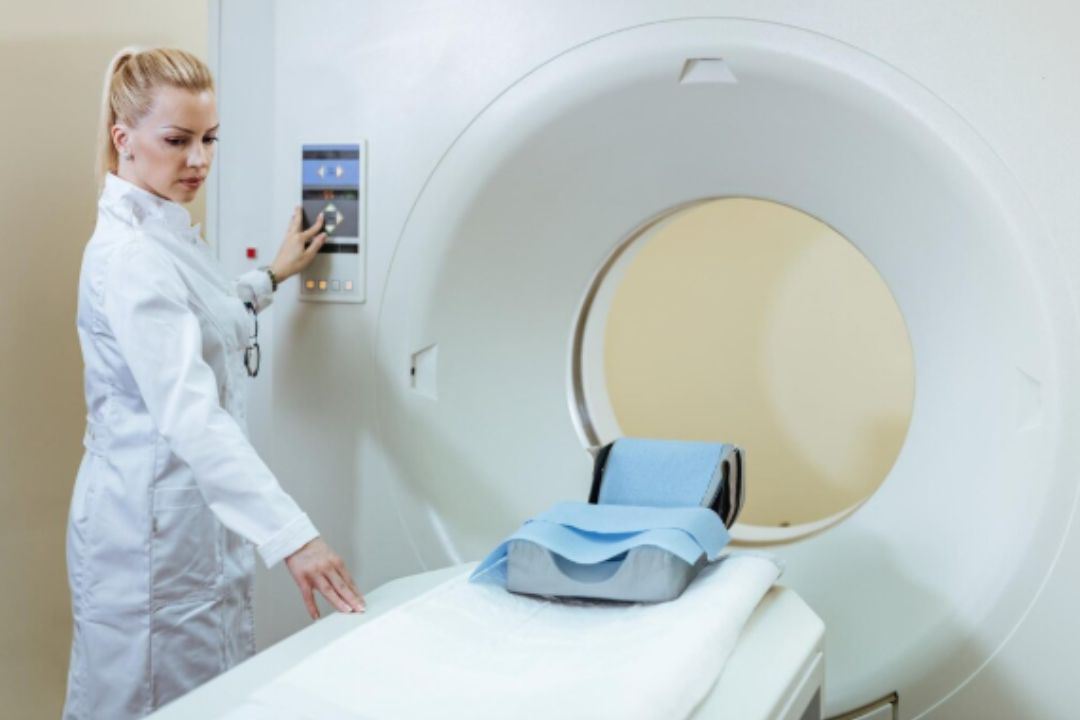
Two of the most commonly used diagnostic imaging methods are CT Scans And MRI Scans. Both provide detailed images of the body's internal structures, but they are used for different purposes. Understanding the difference between these scans can help patients know which test may be more suitable for diagnosing joint and ligament injuries.
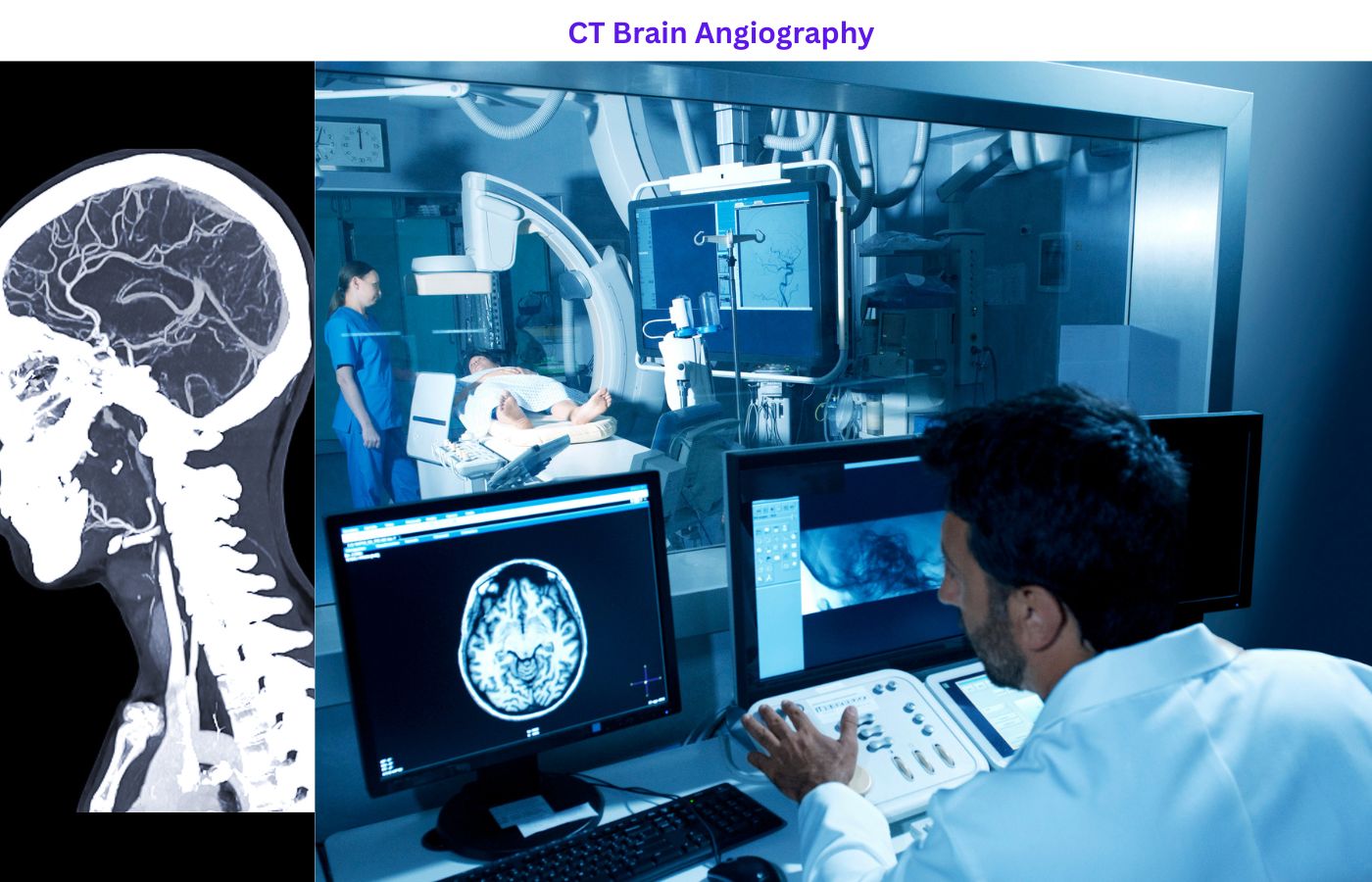
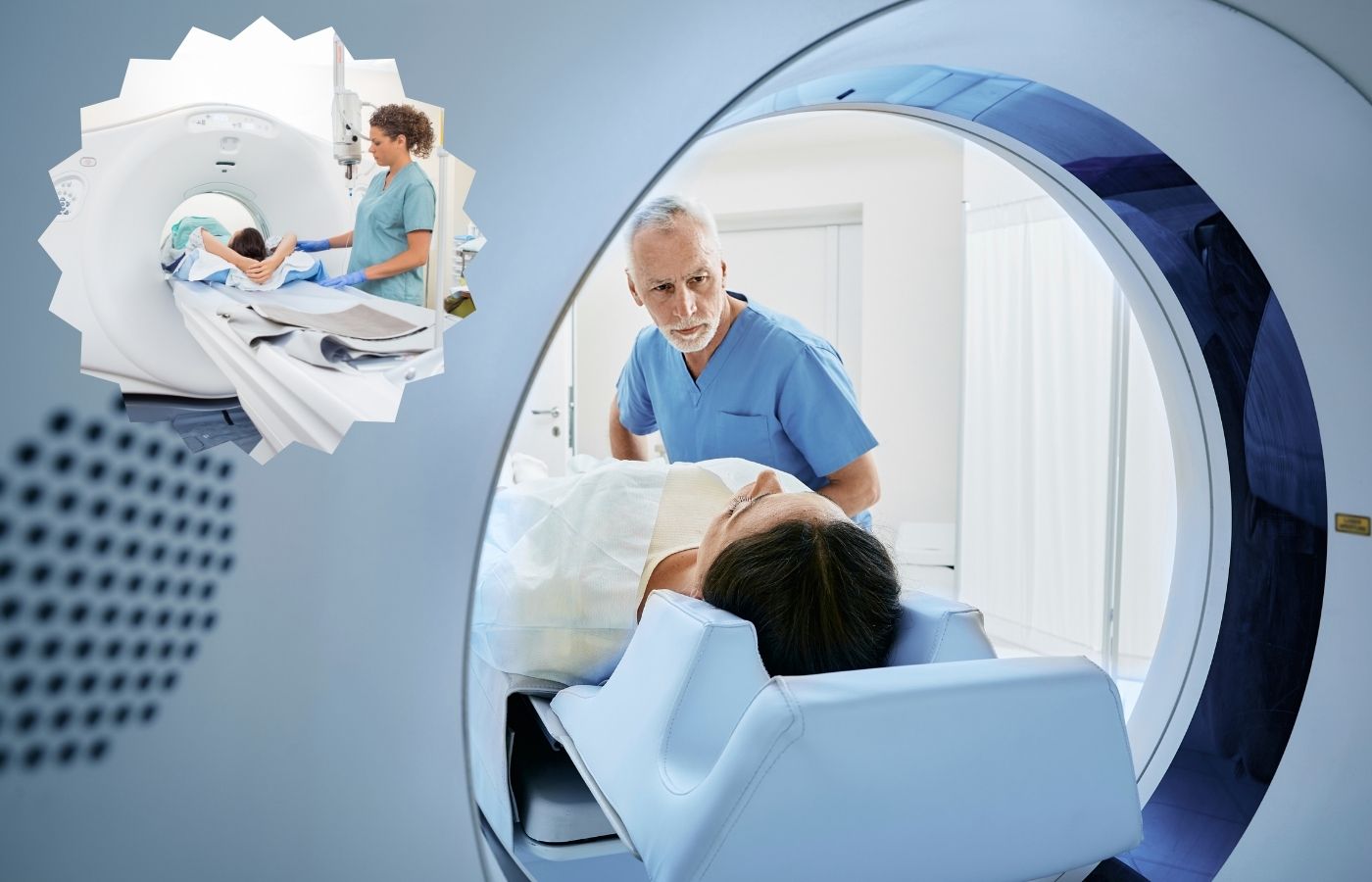
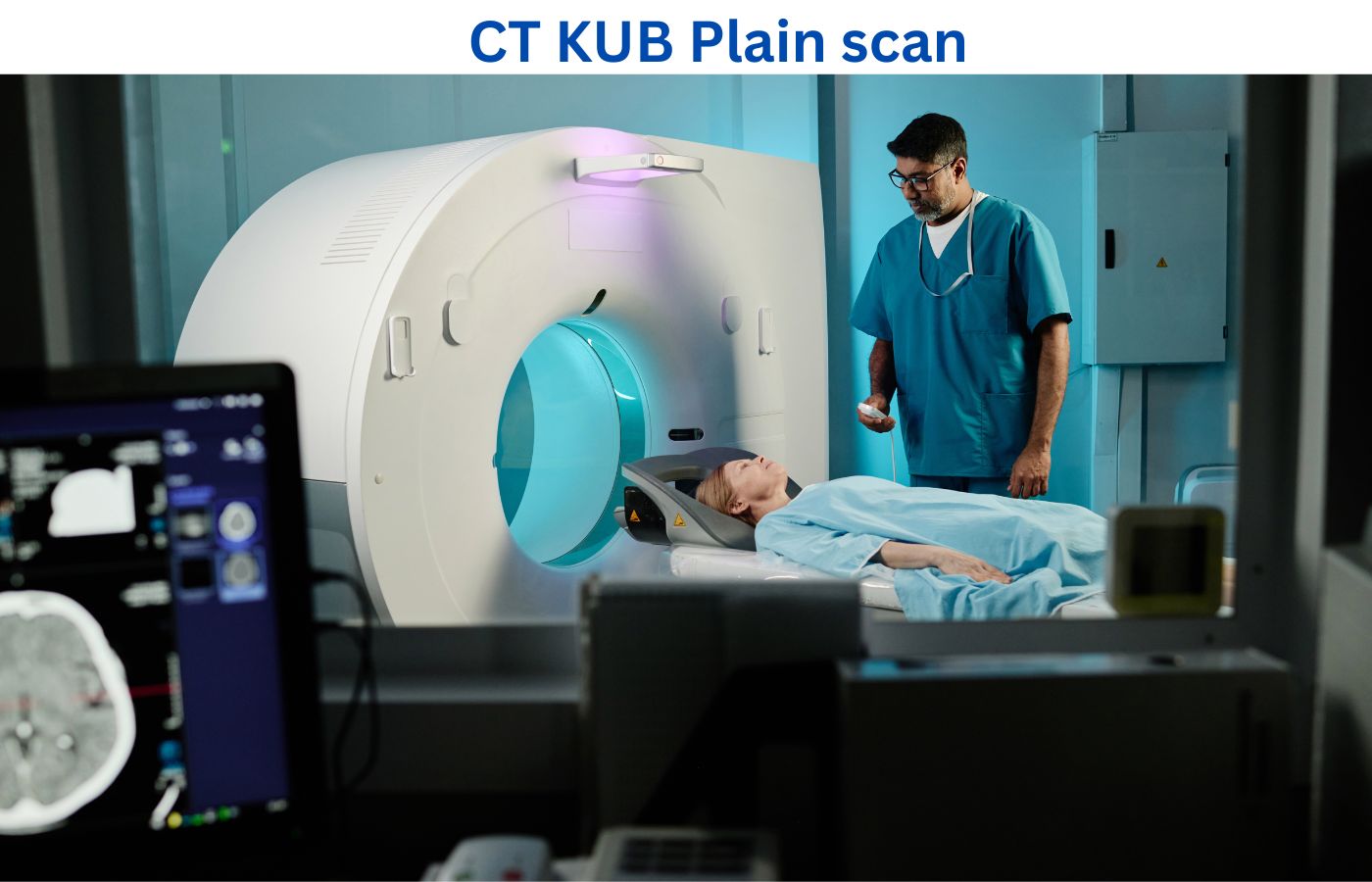
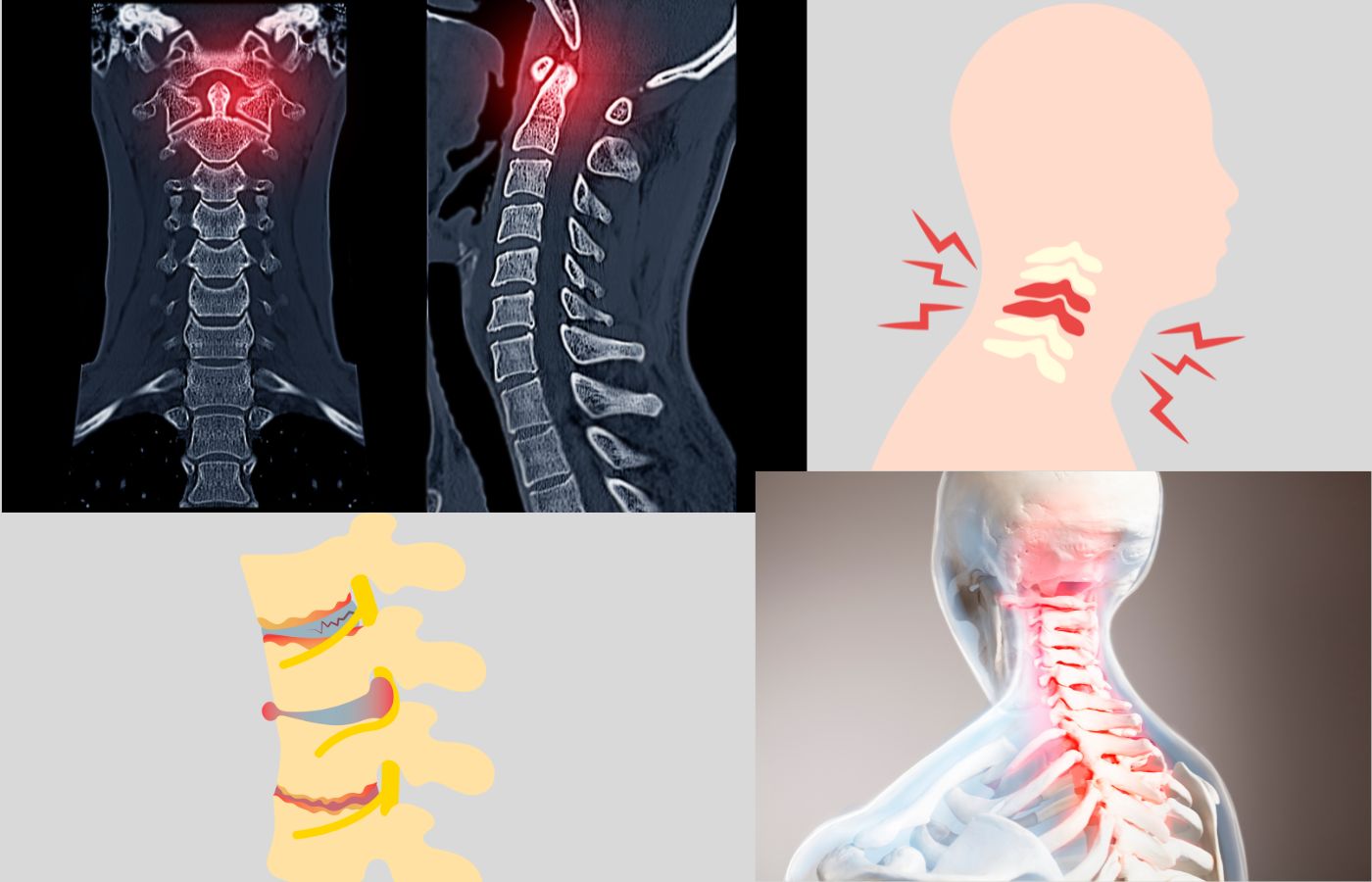
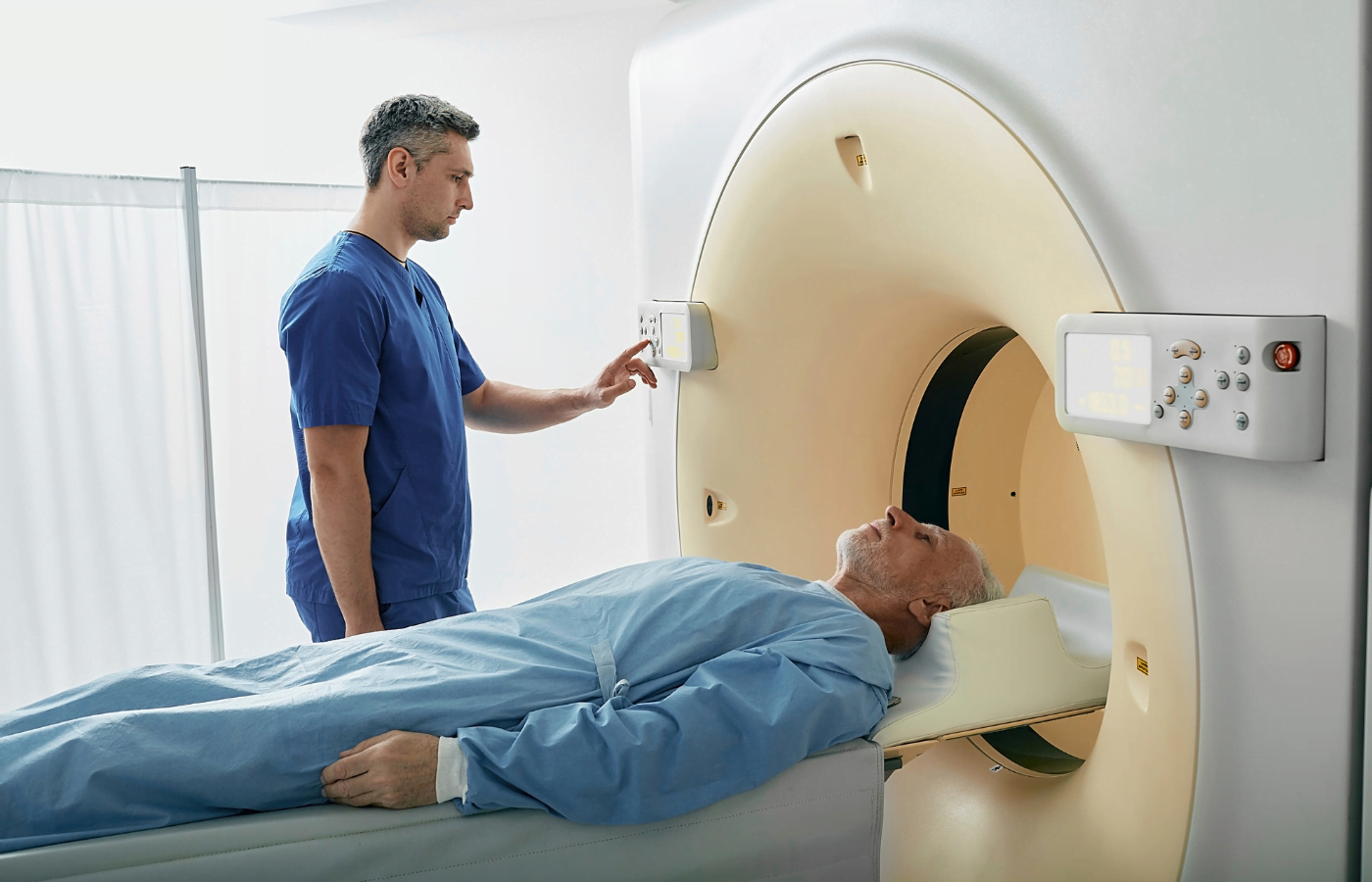
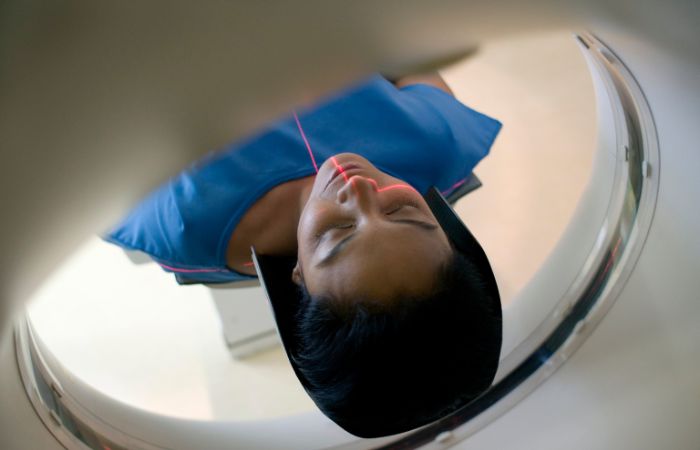
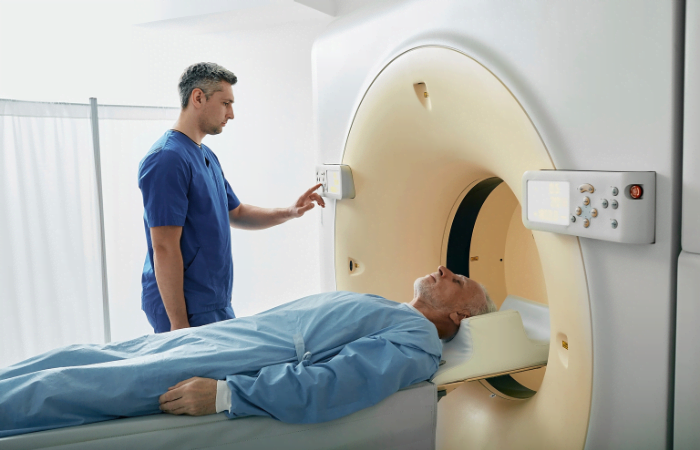
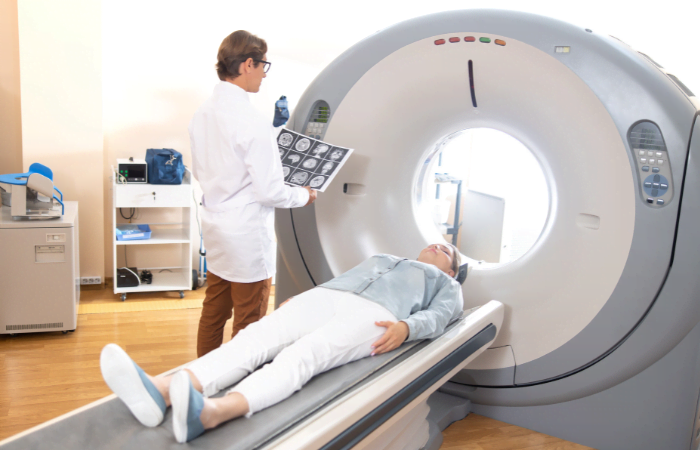
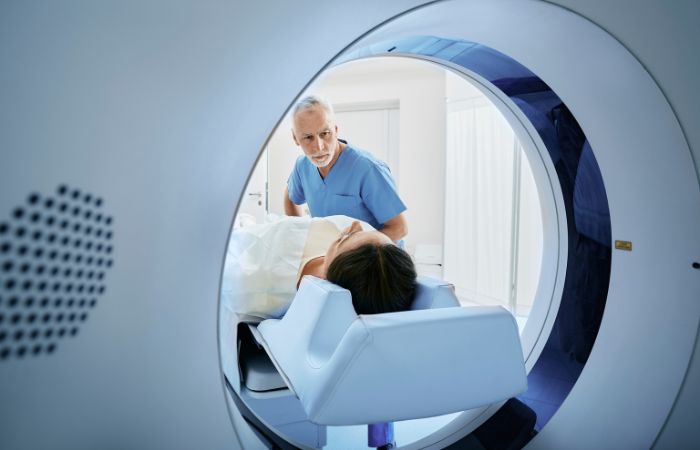
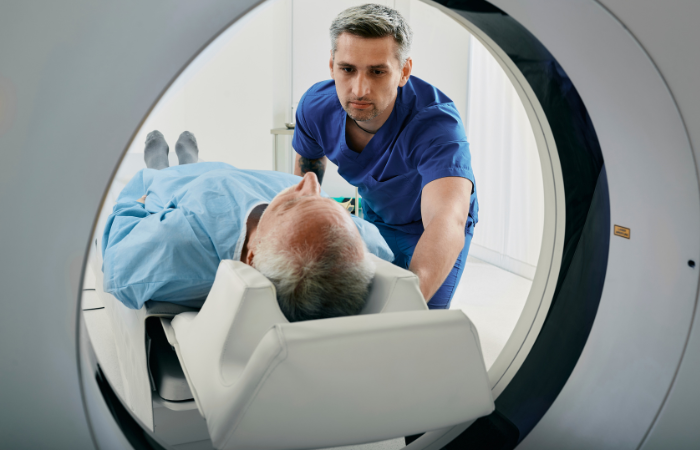
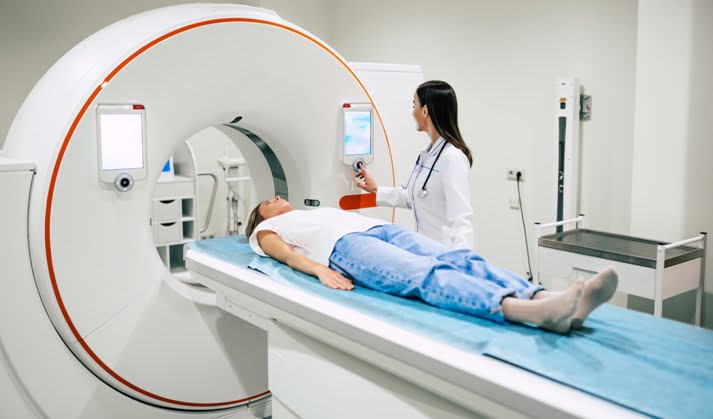
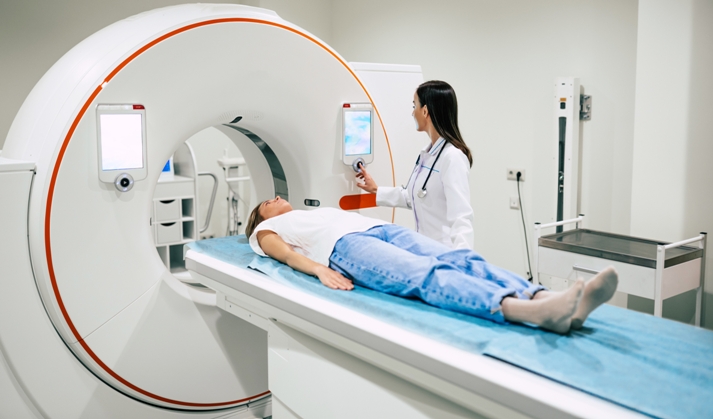
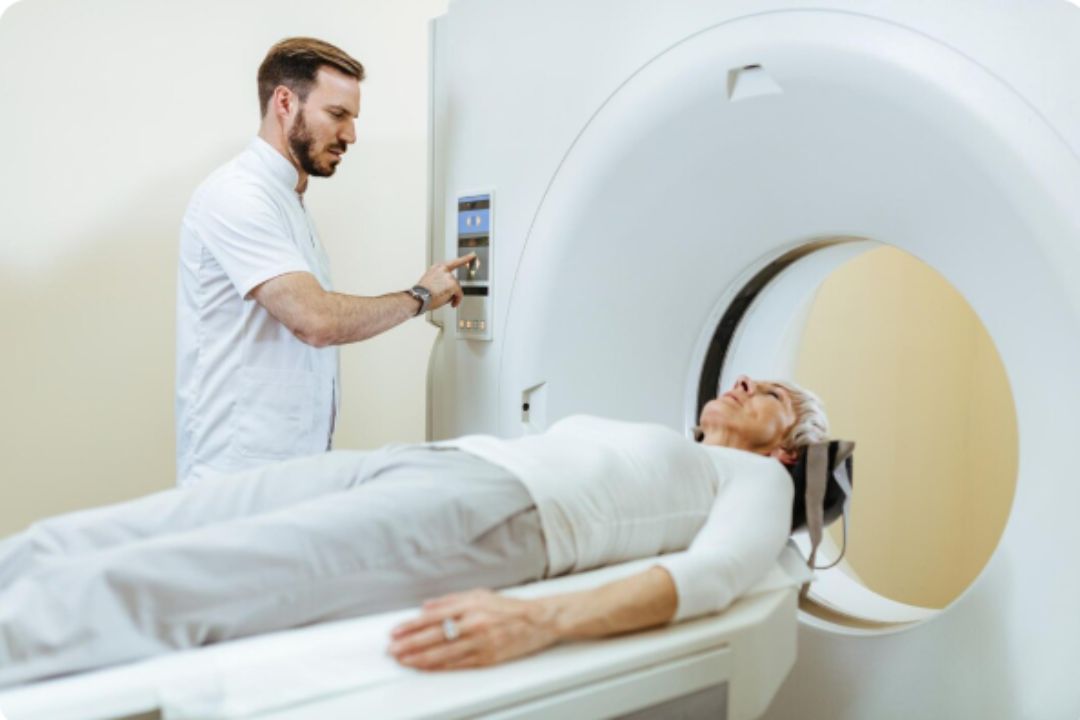
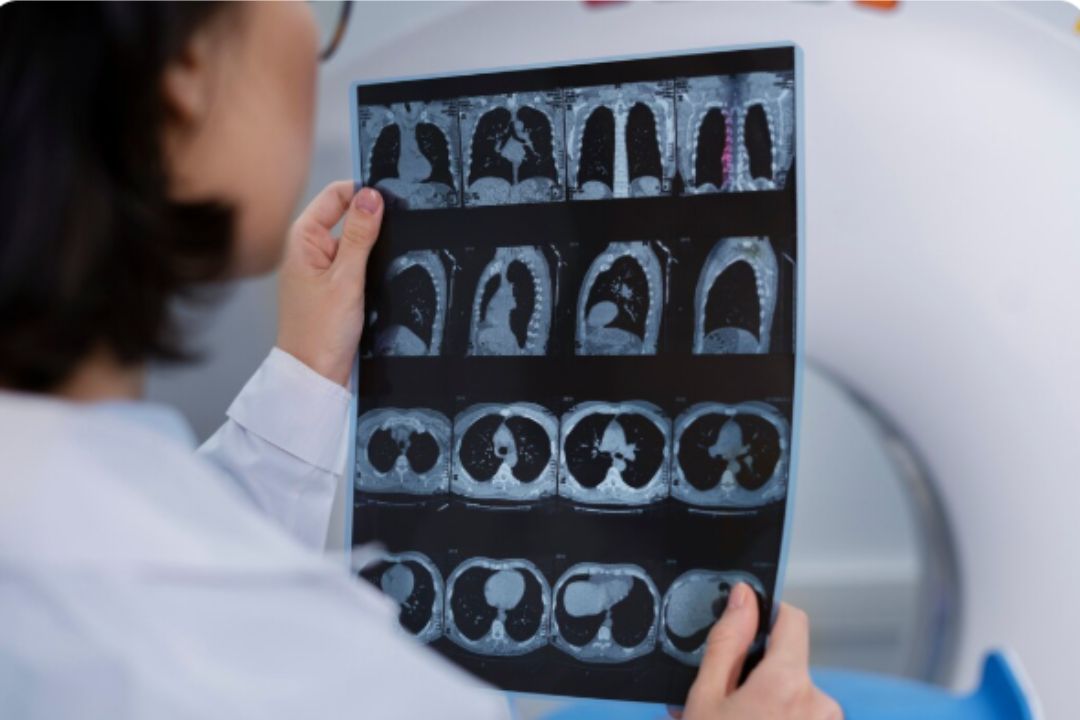
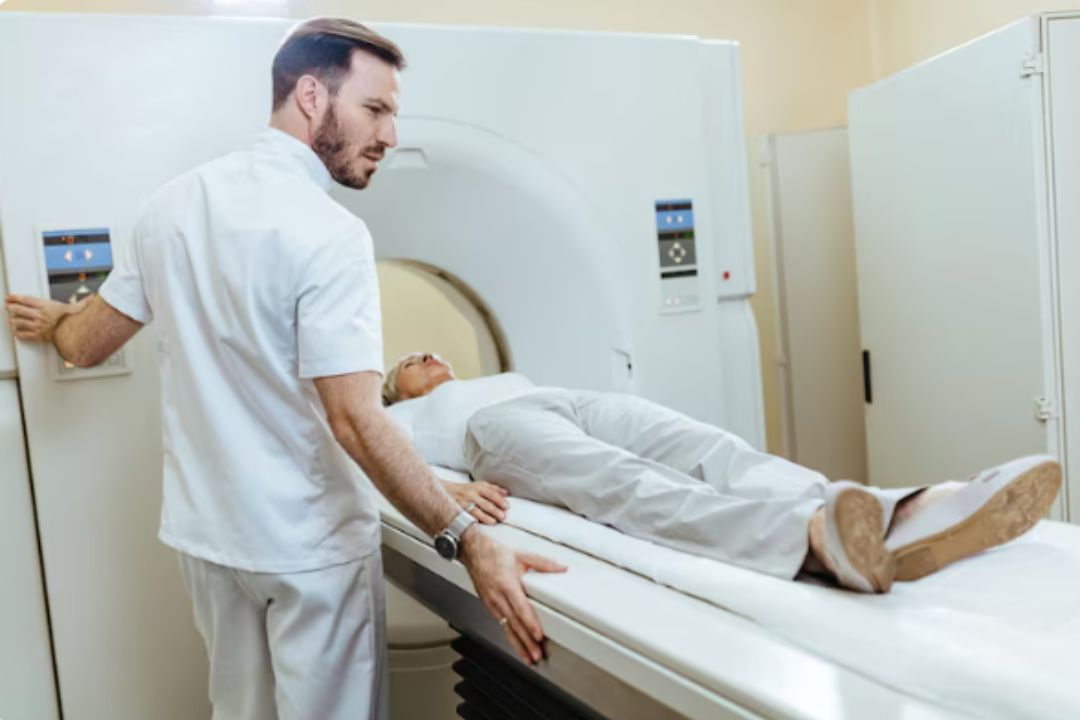
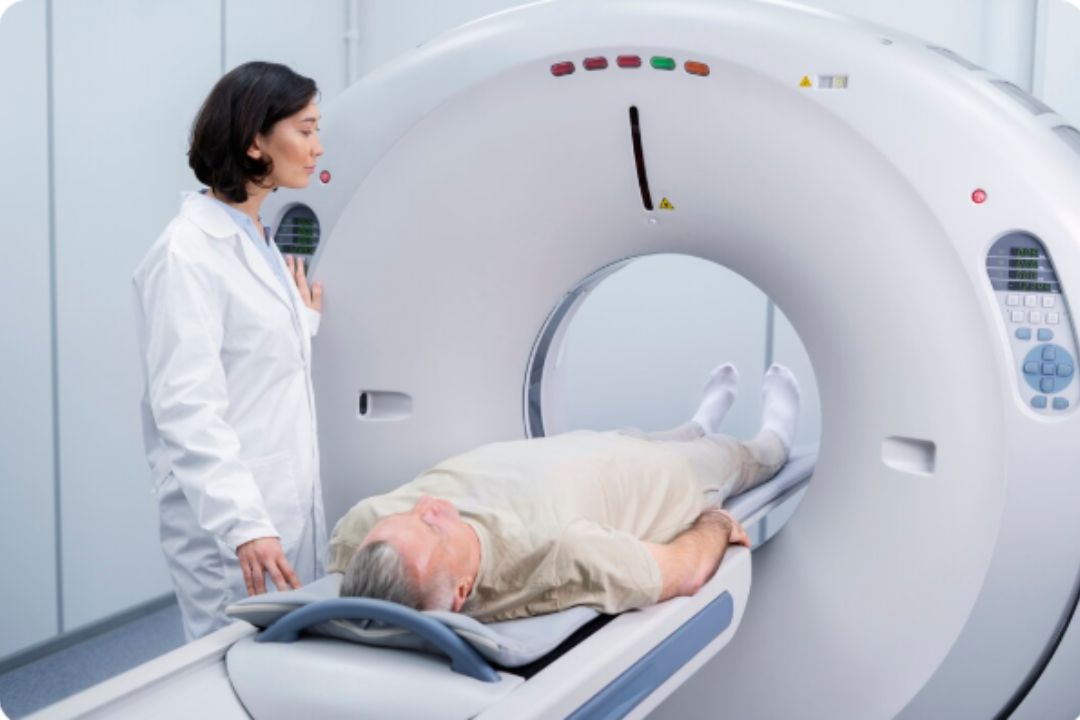
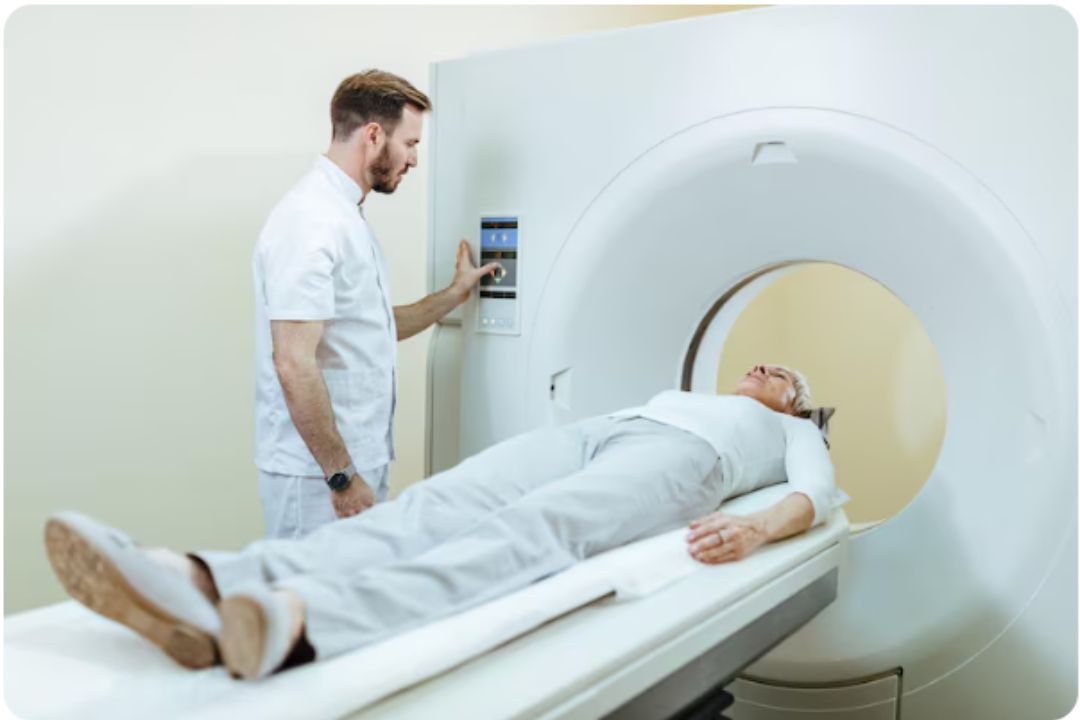
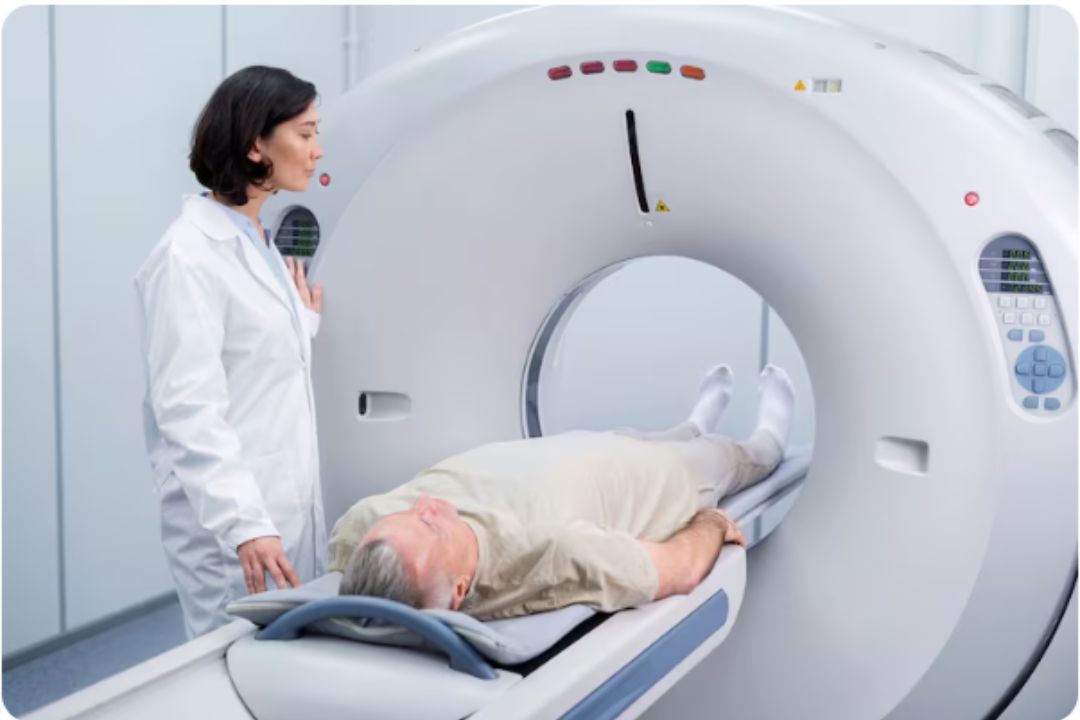
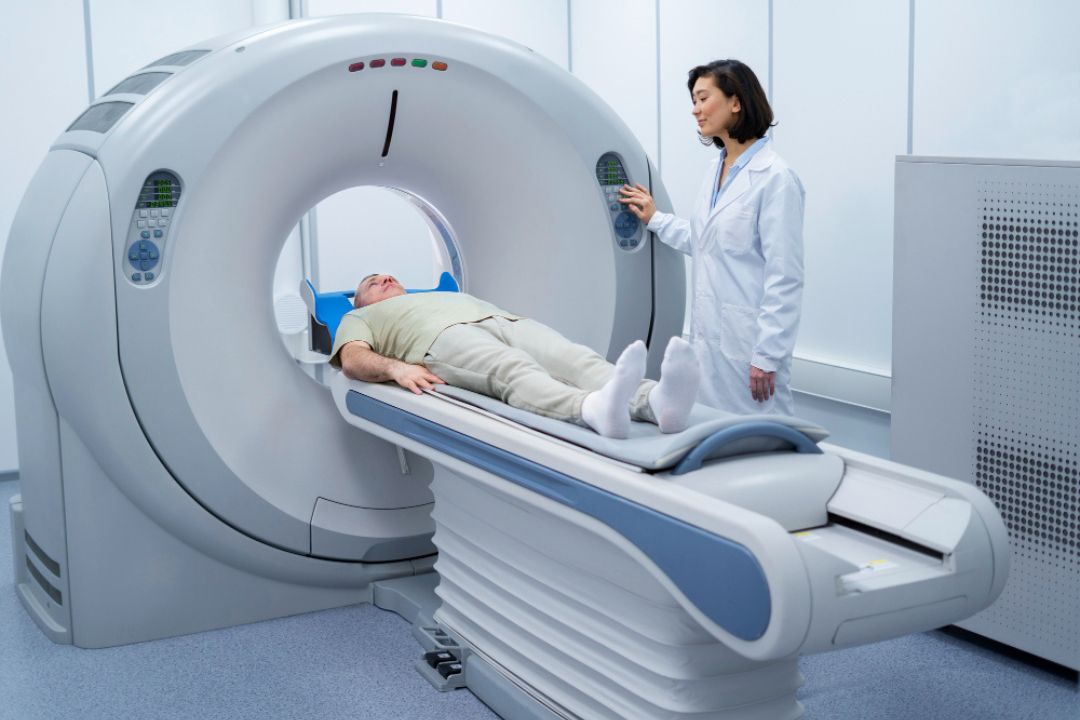
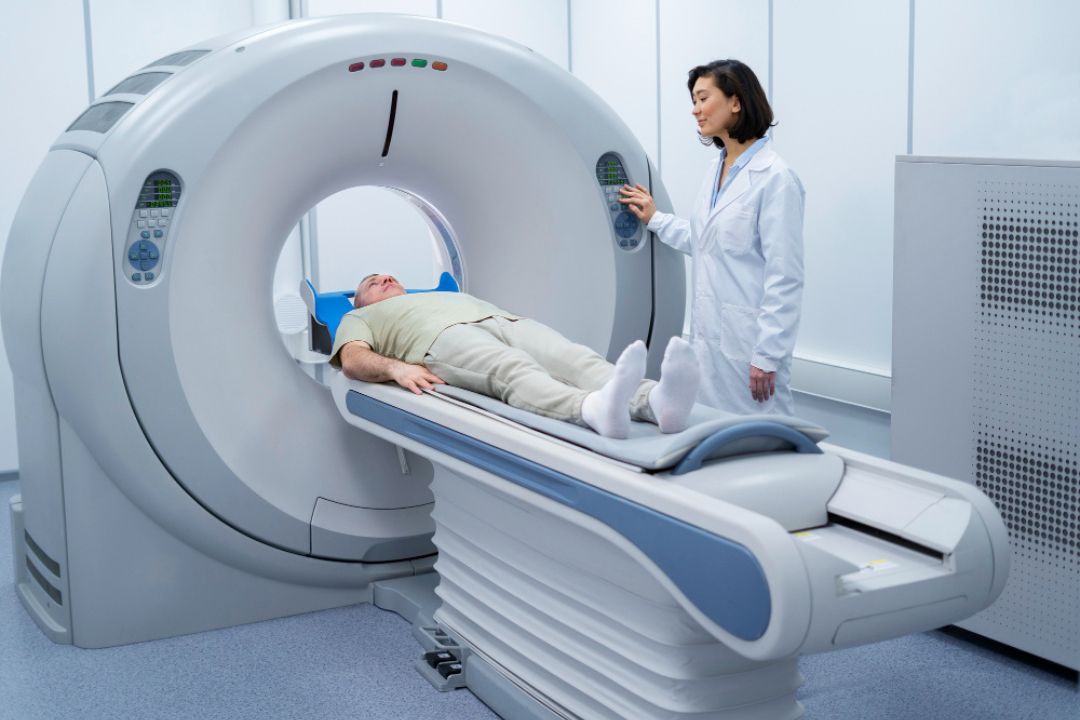
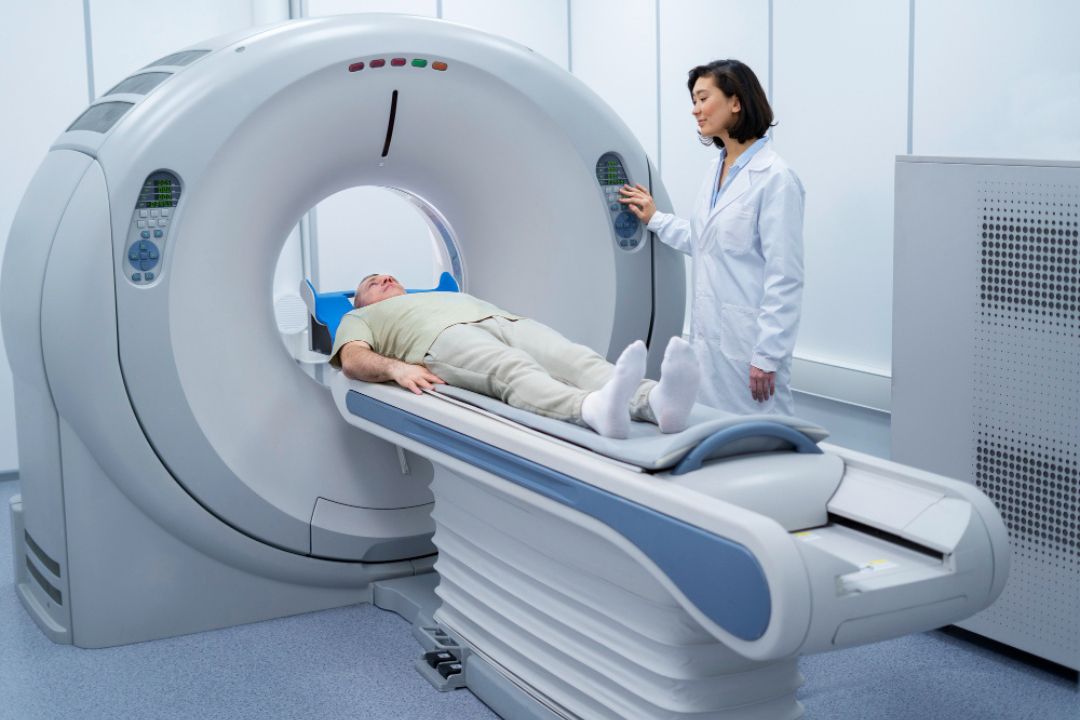
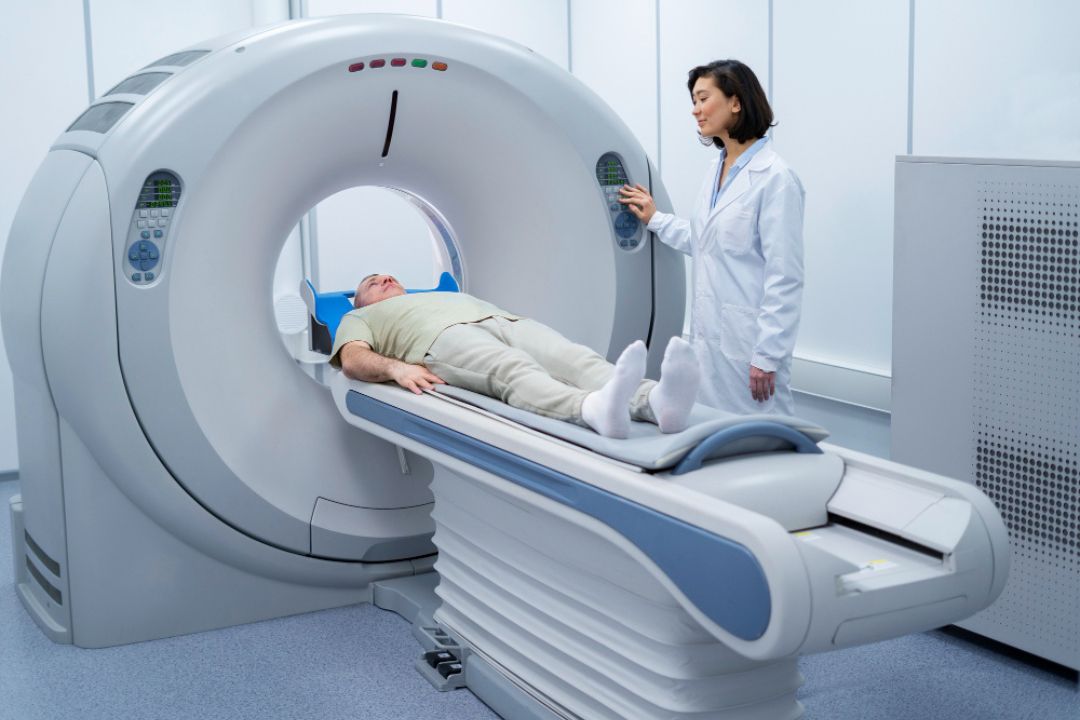
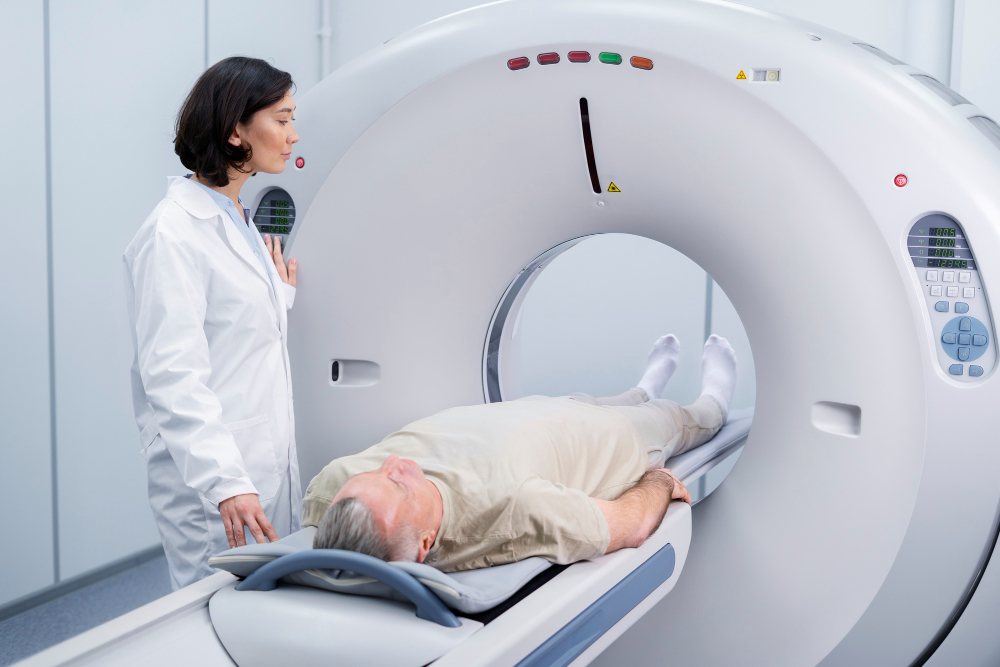
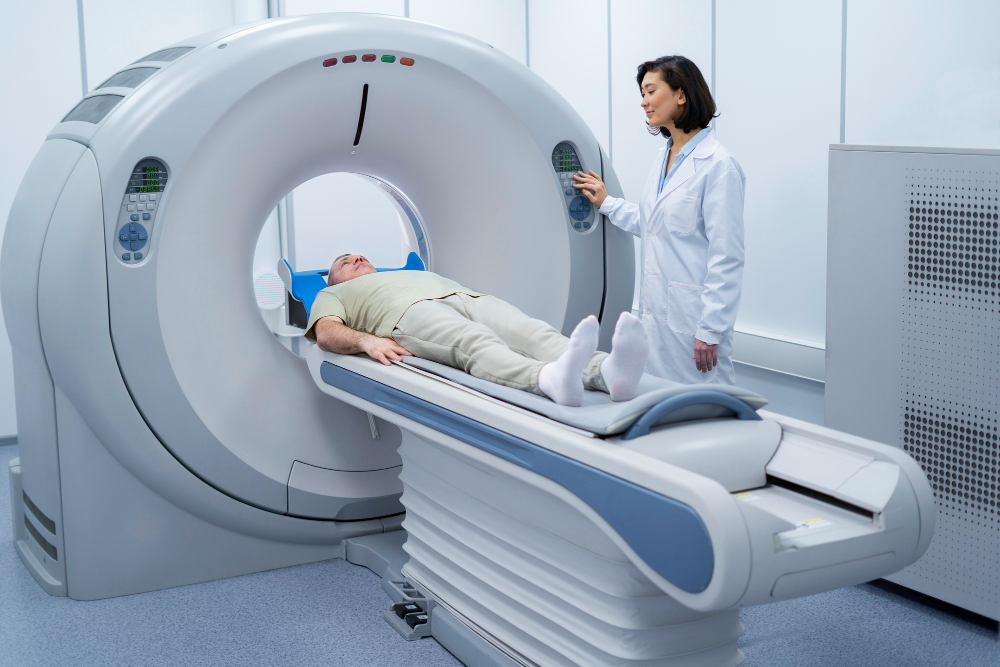
A CT Scan, or Computed Tomography scan, uses X-rays and computer technology to create detailed cross-sectional images of bones and internal structures. It is particularly useful for identifying bone injuries and complex fractures.
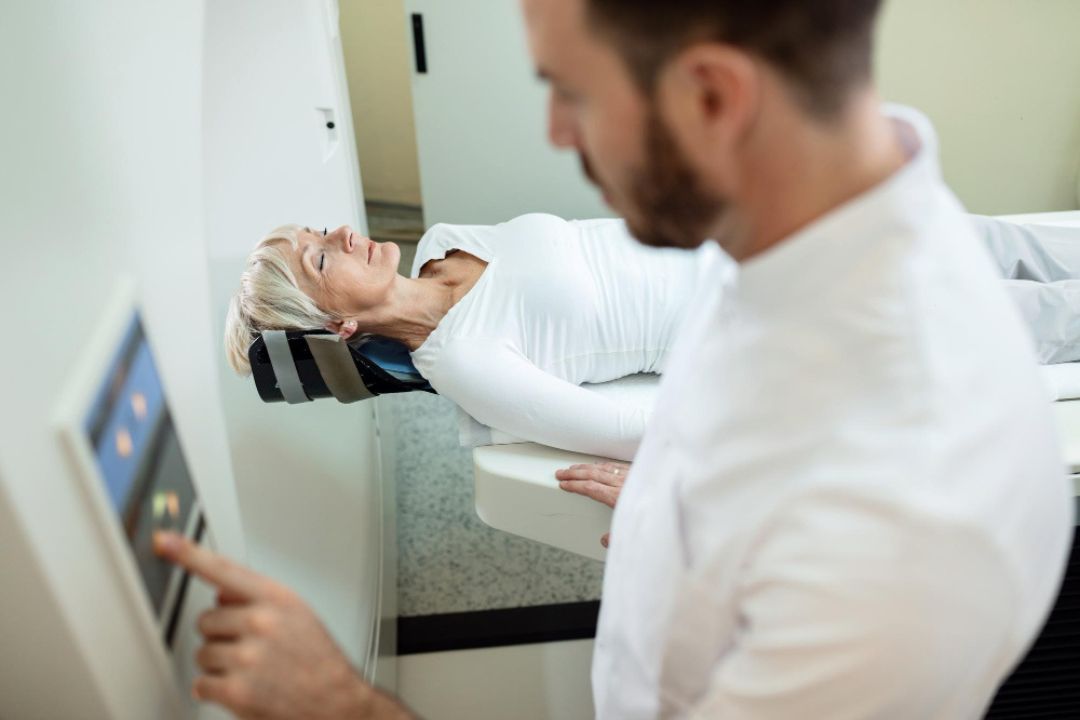
CT scans are fast and commonly used in emergency situations such as accidents or trauma cases. They can produce three-dimensional images that help doctors examine joints and bones in detail.
Doctors usually recommend CT scans when they need to evaluate fractures, bone damage, joint dislocations, or structural abnormalities.
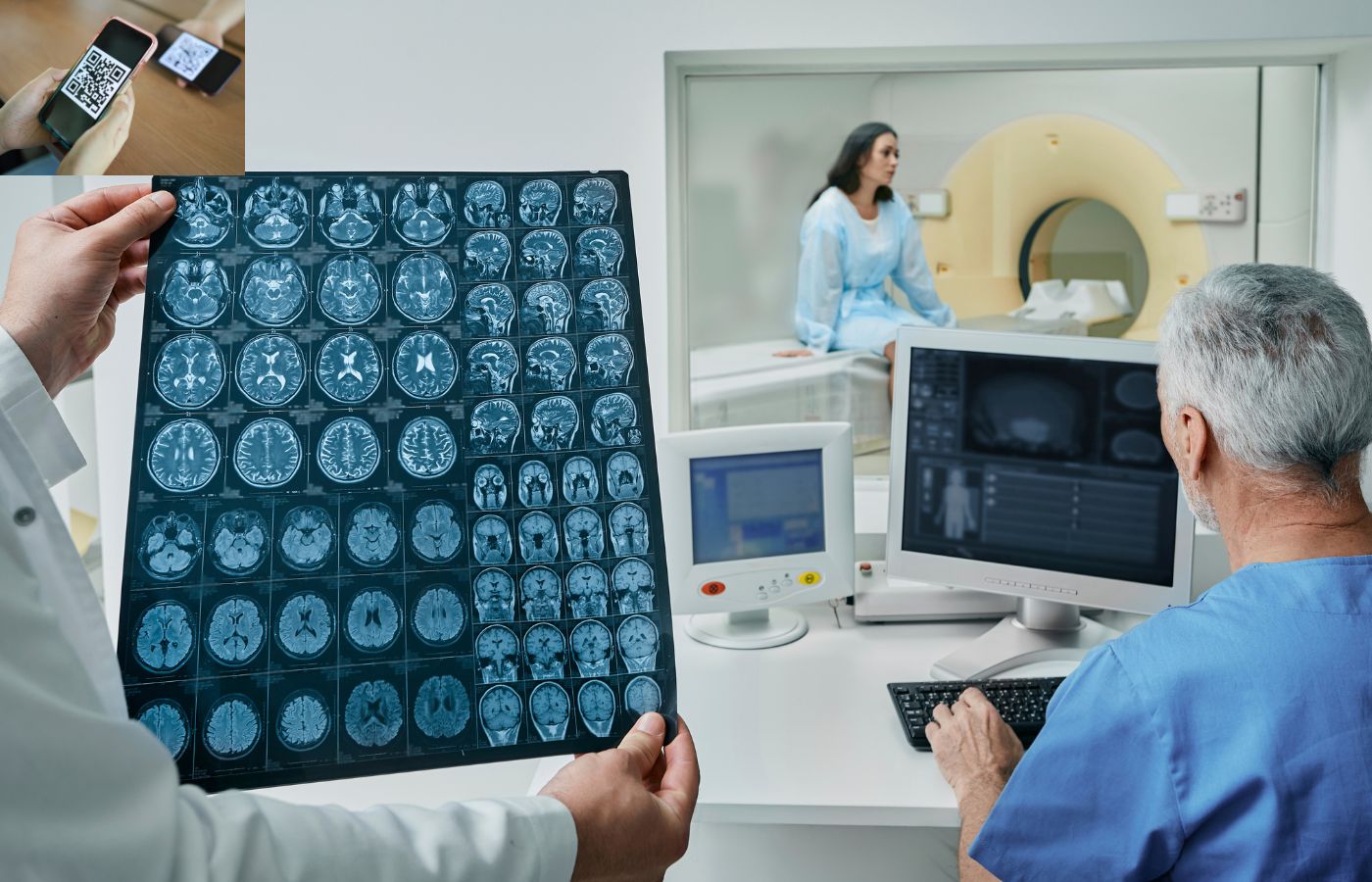
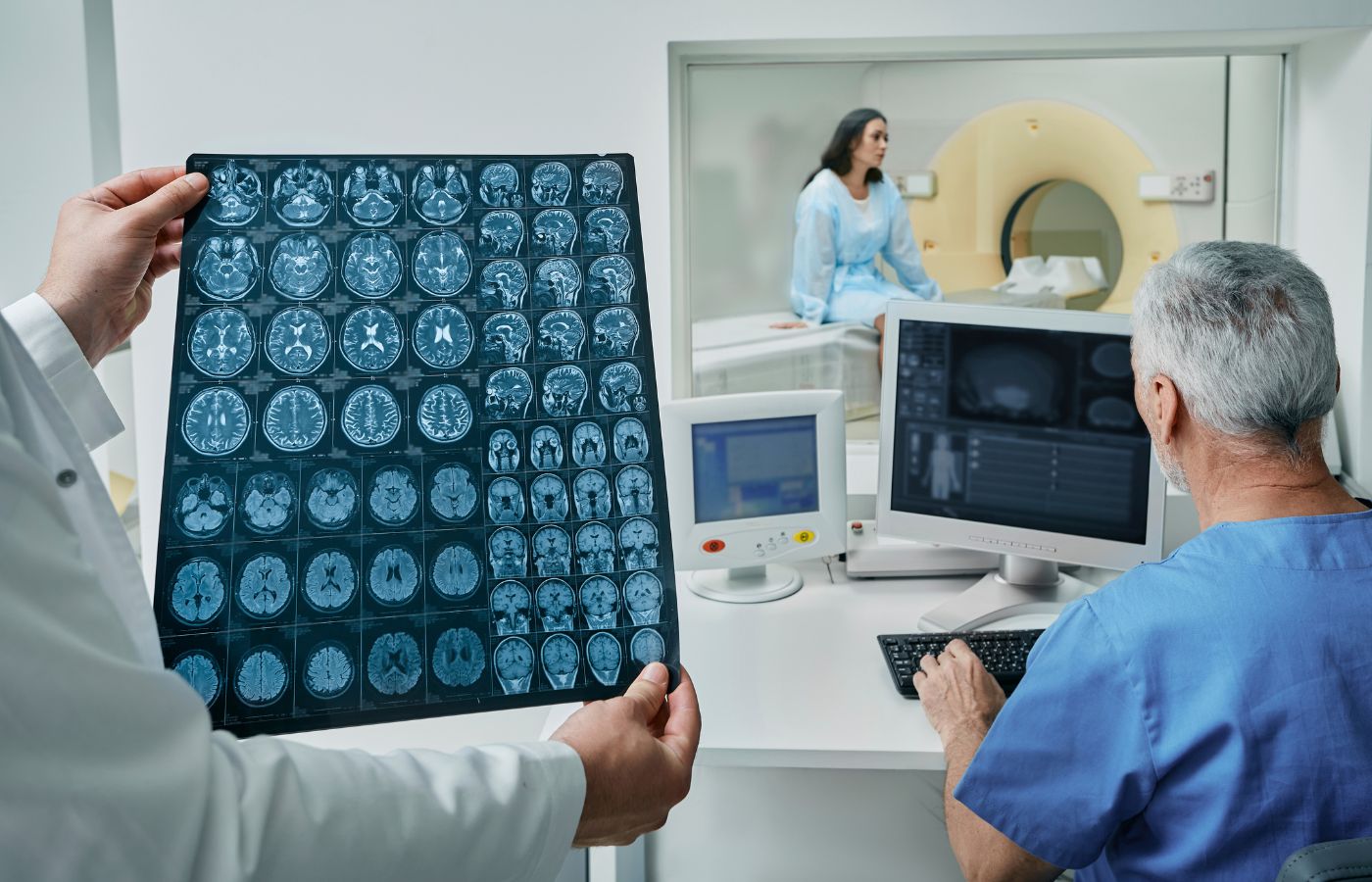
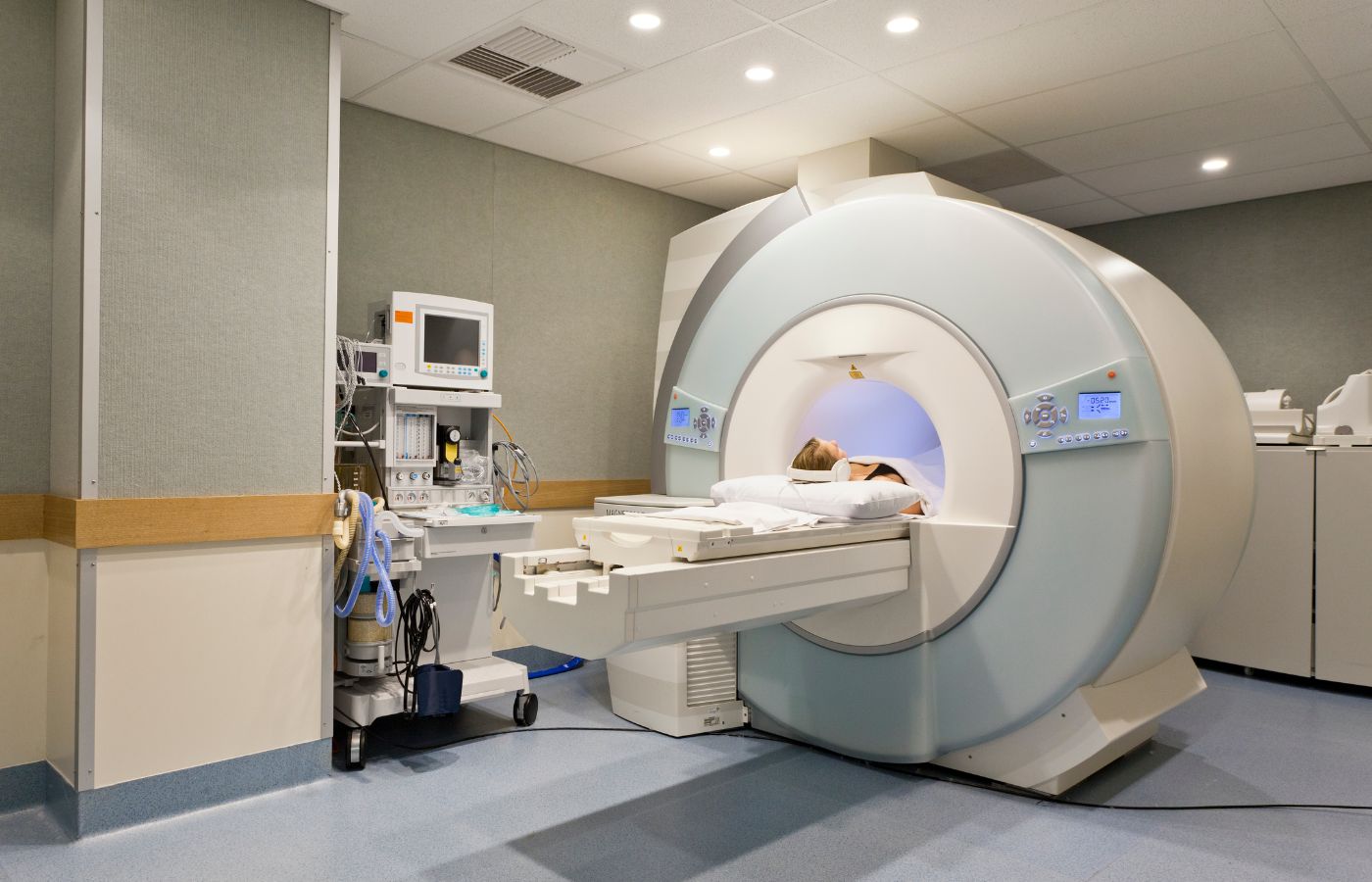
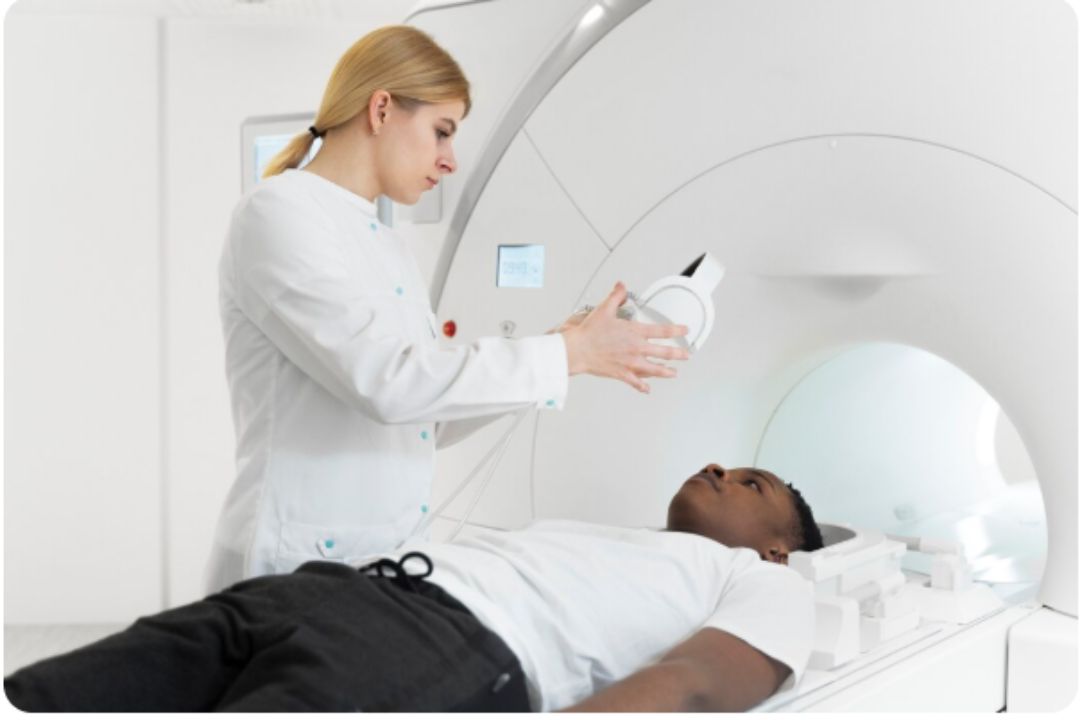
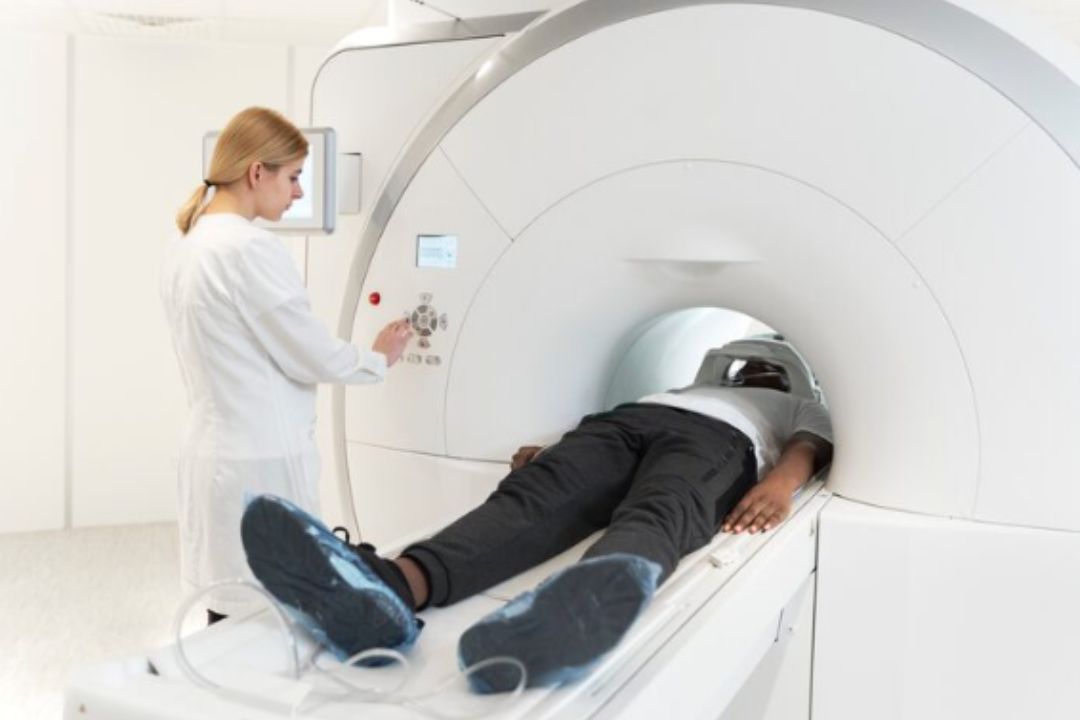
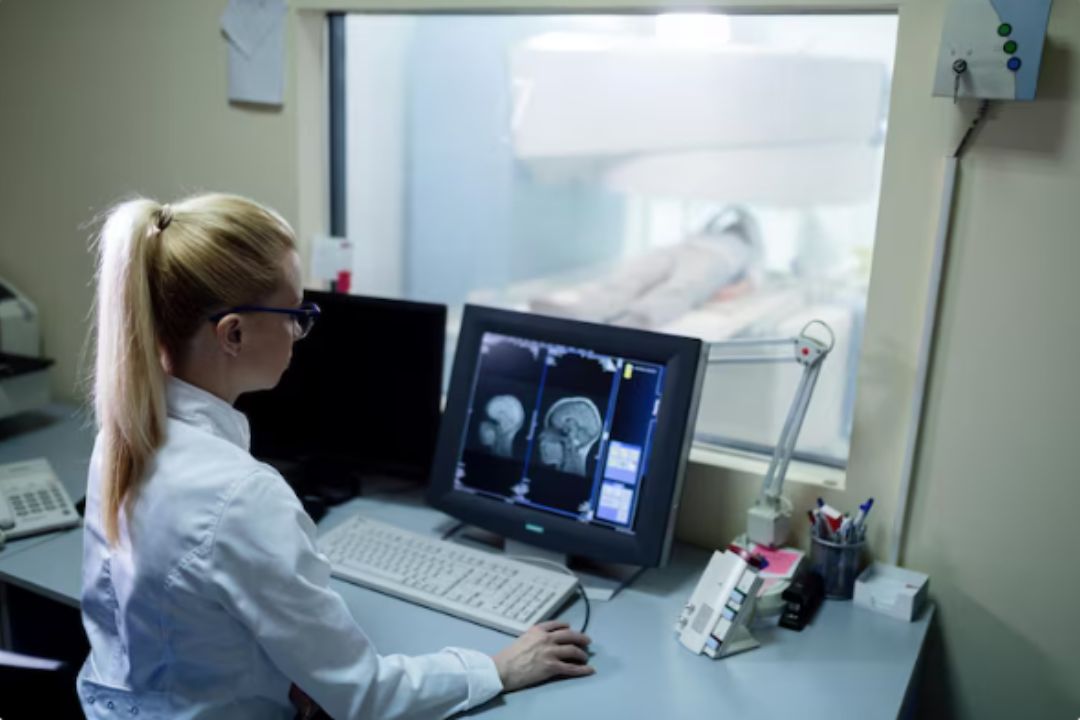
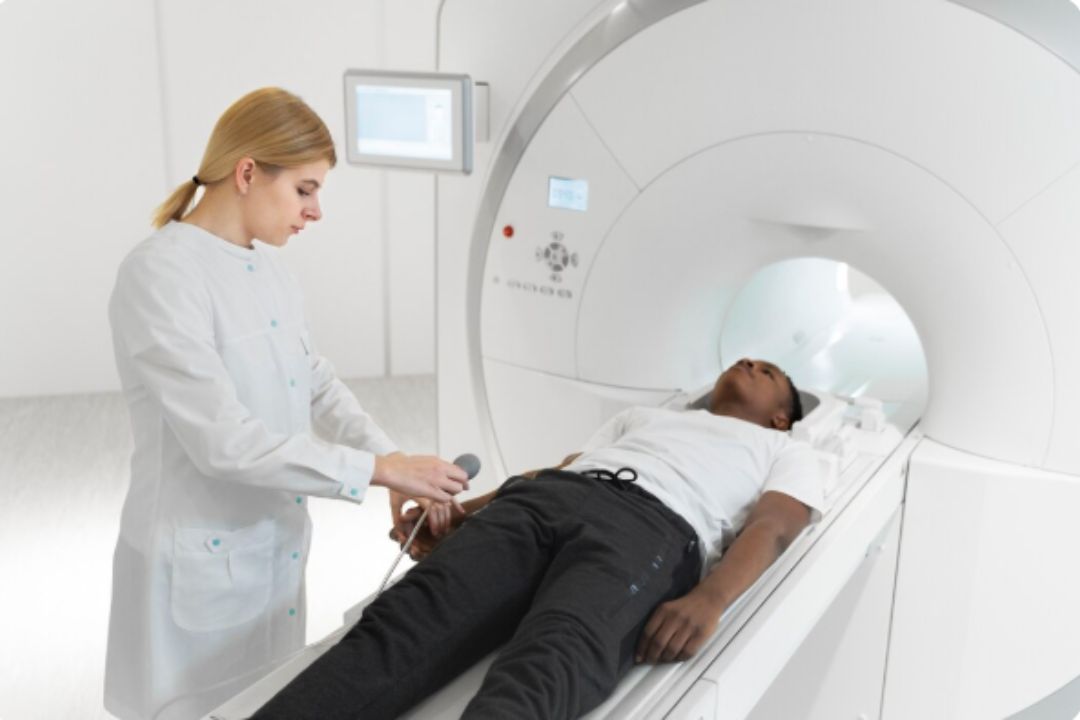
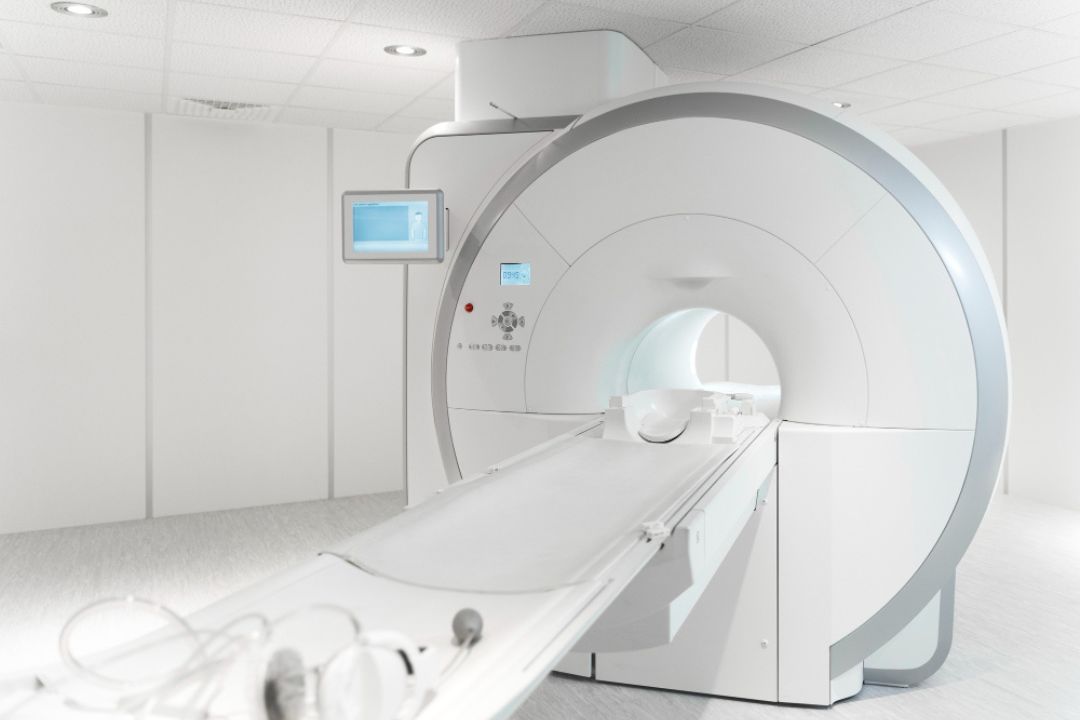
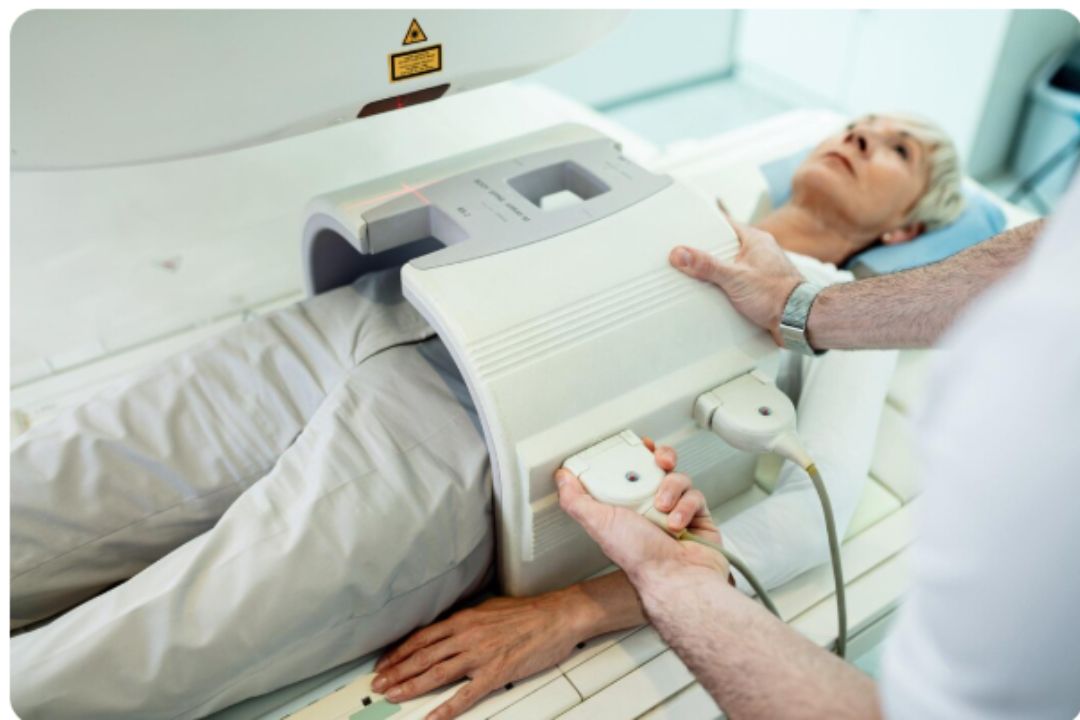
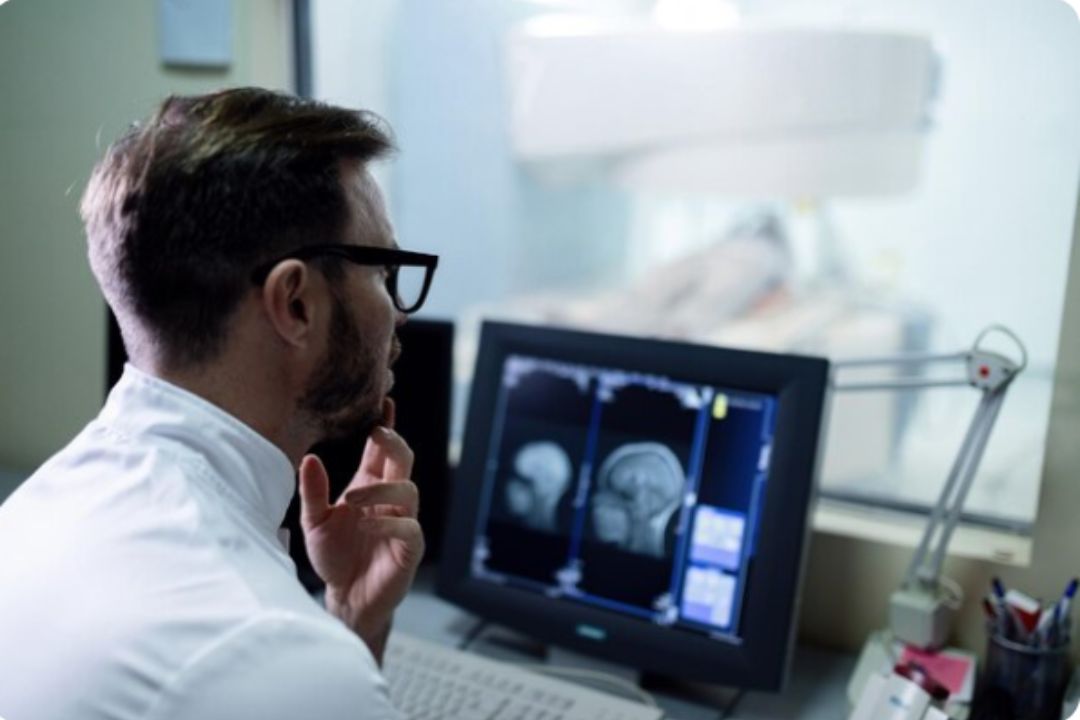
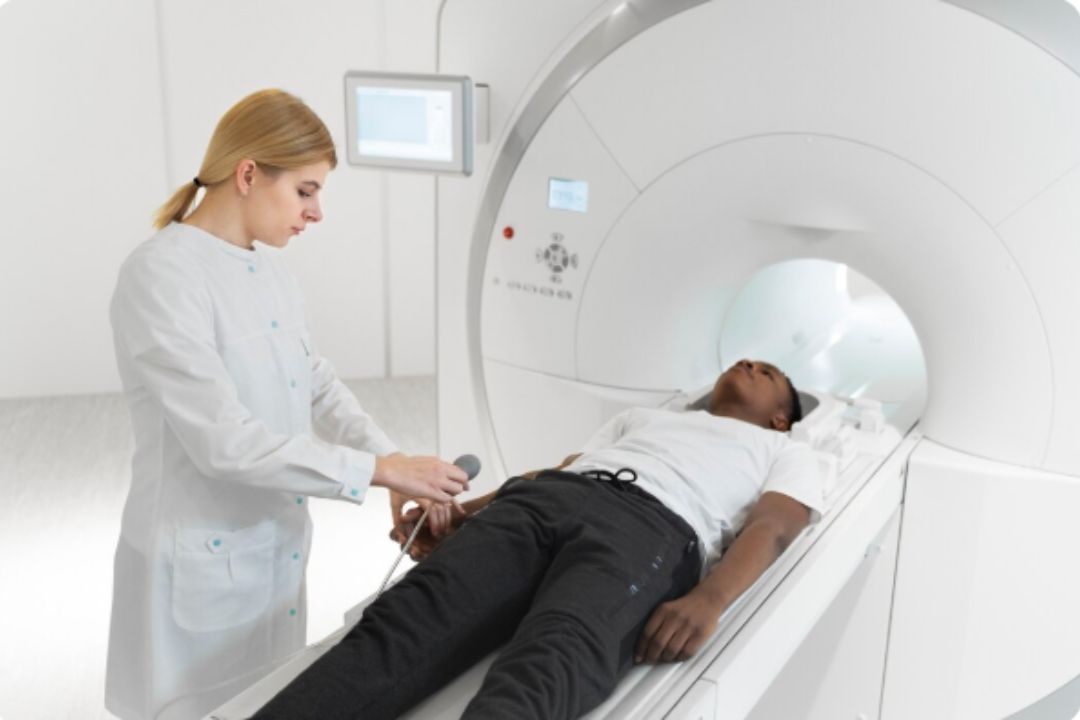
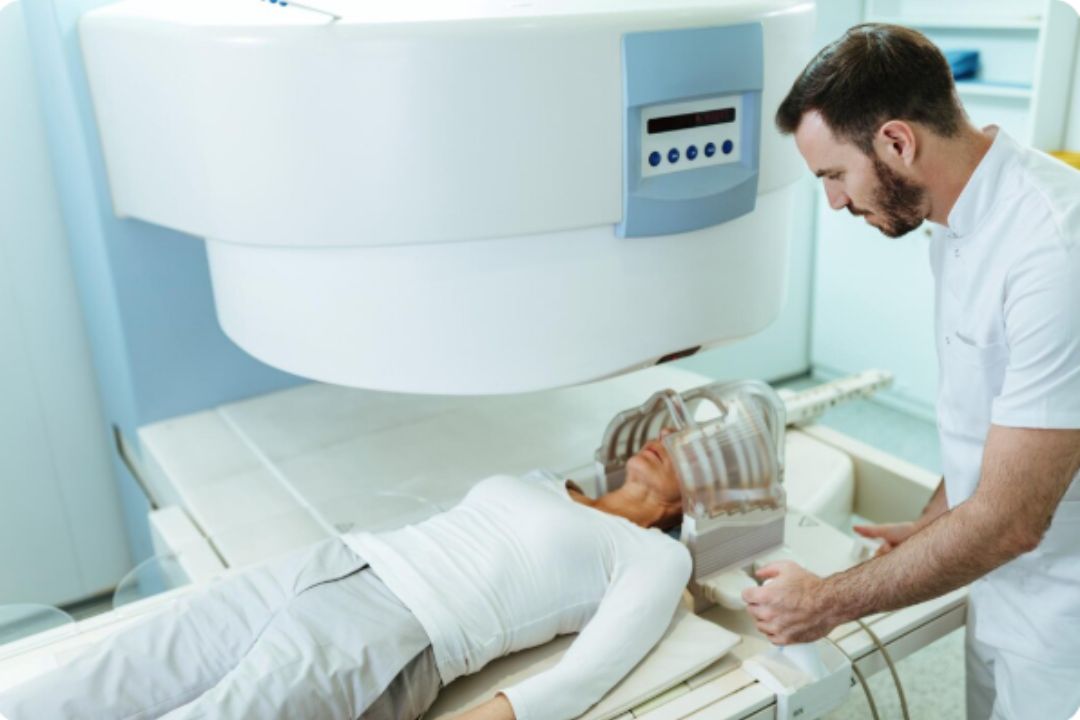
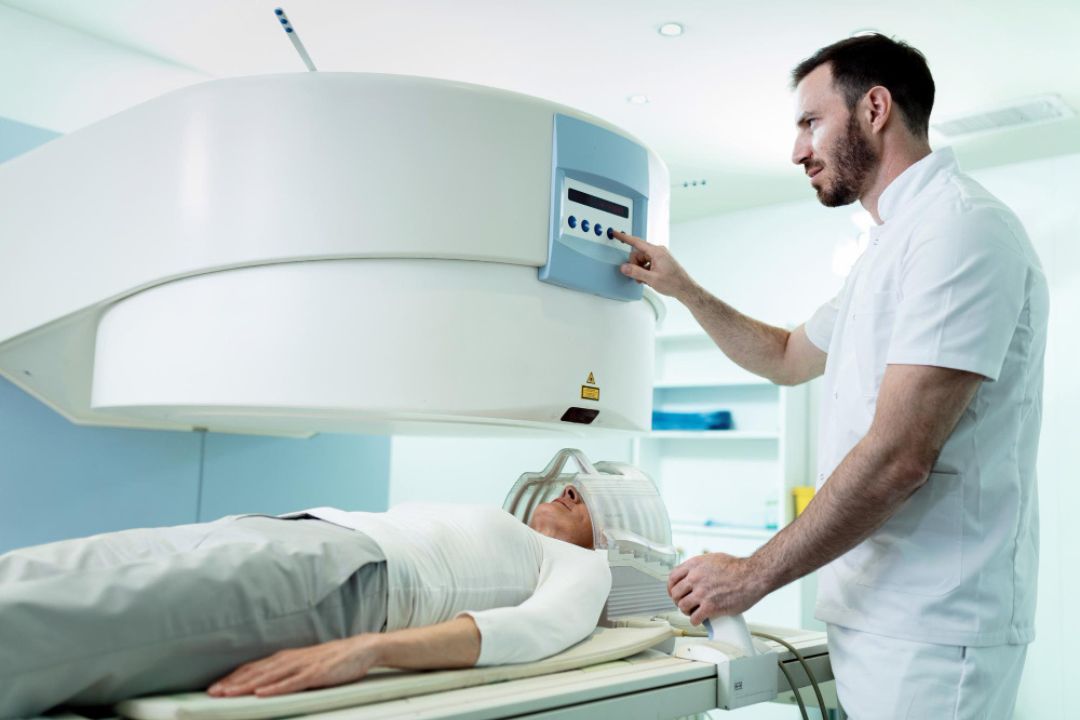
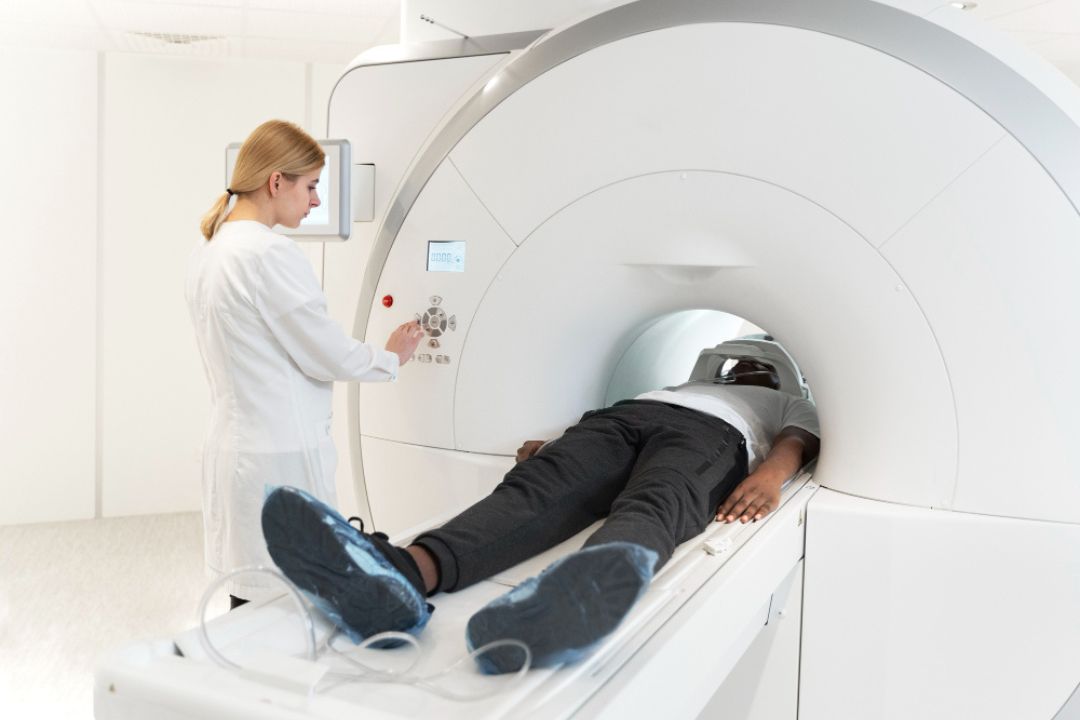
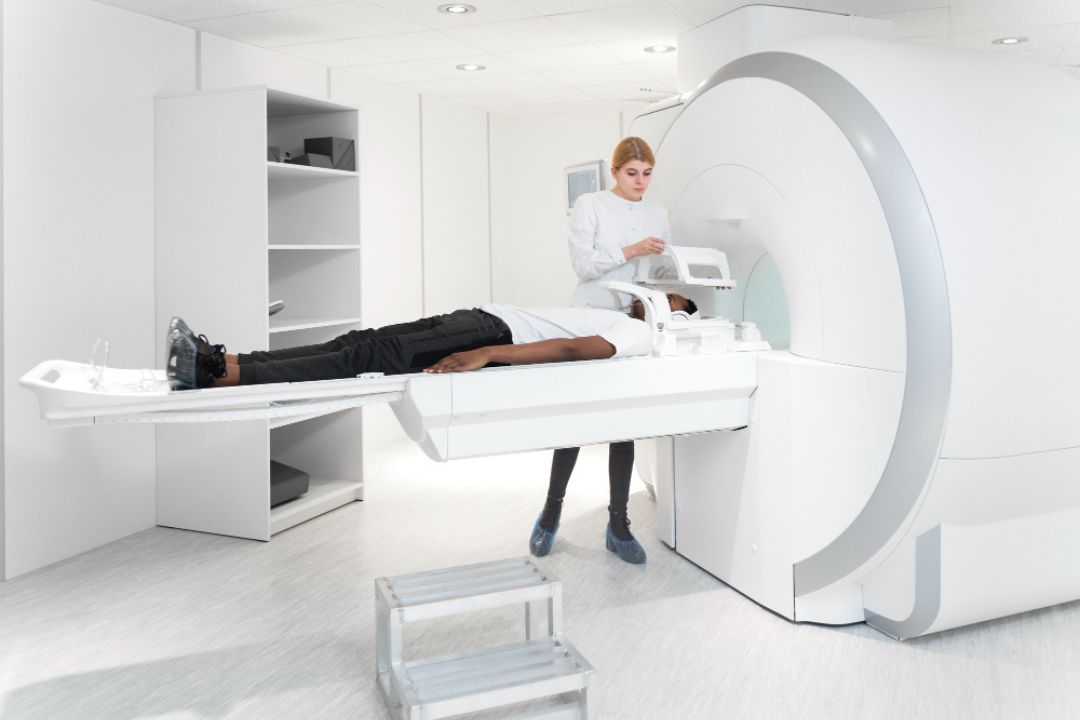
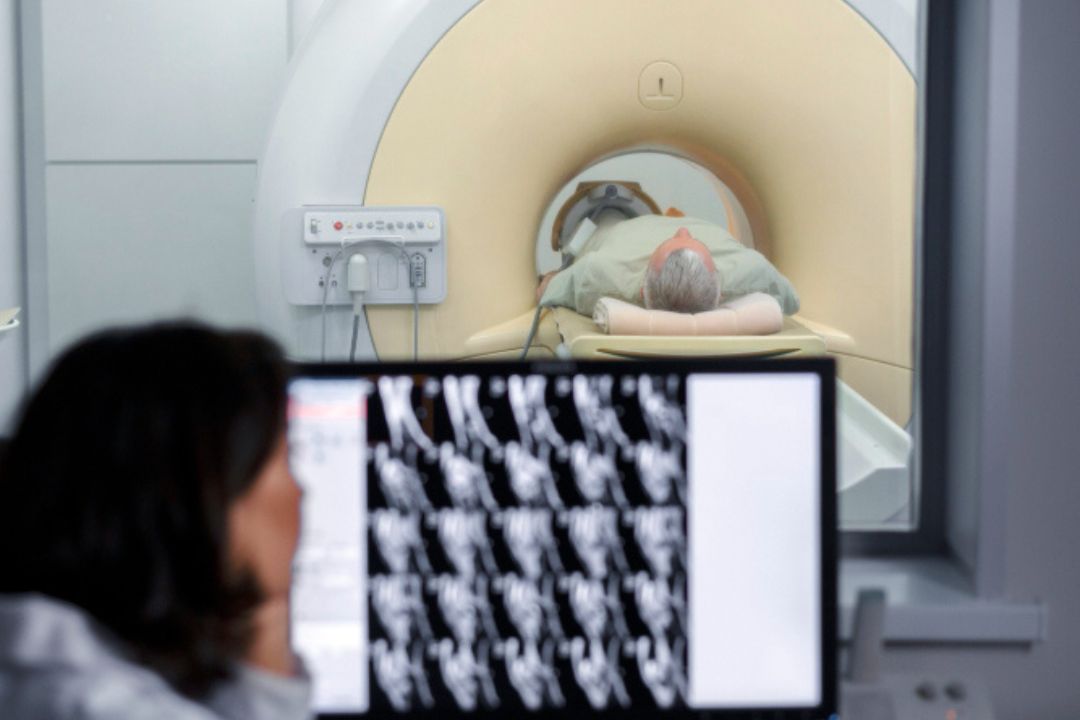
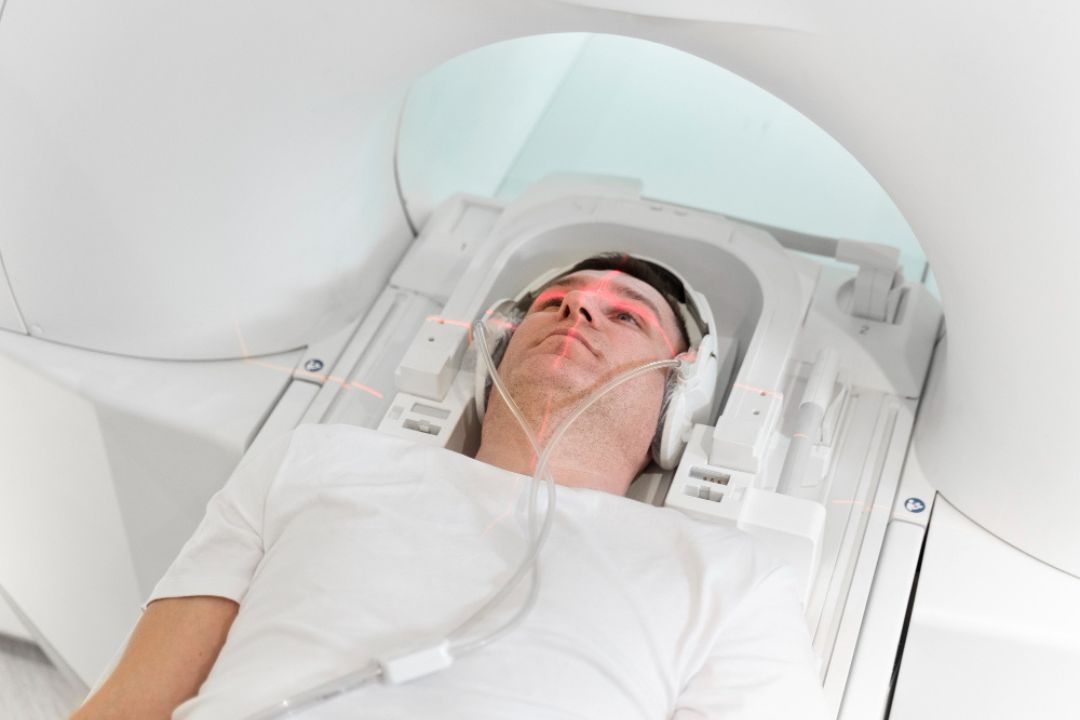
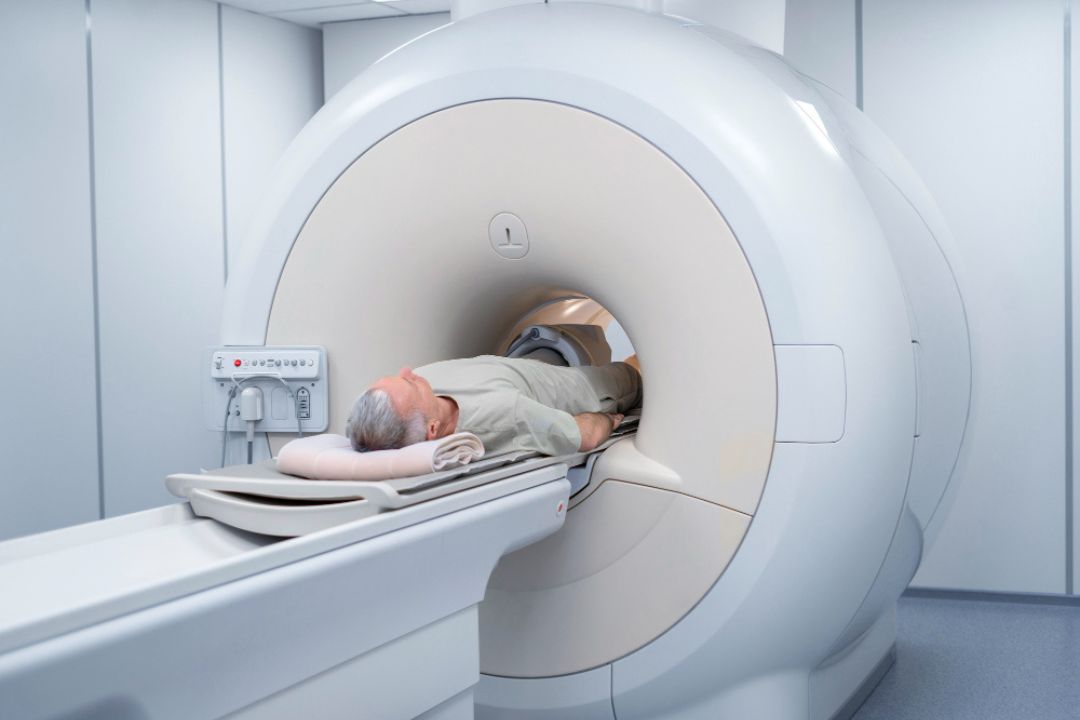
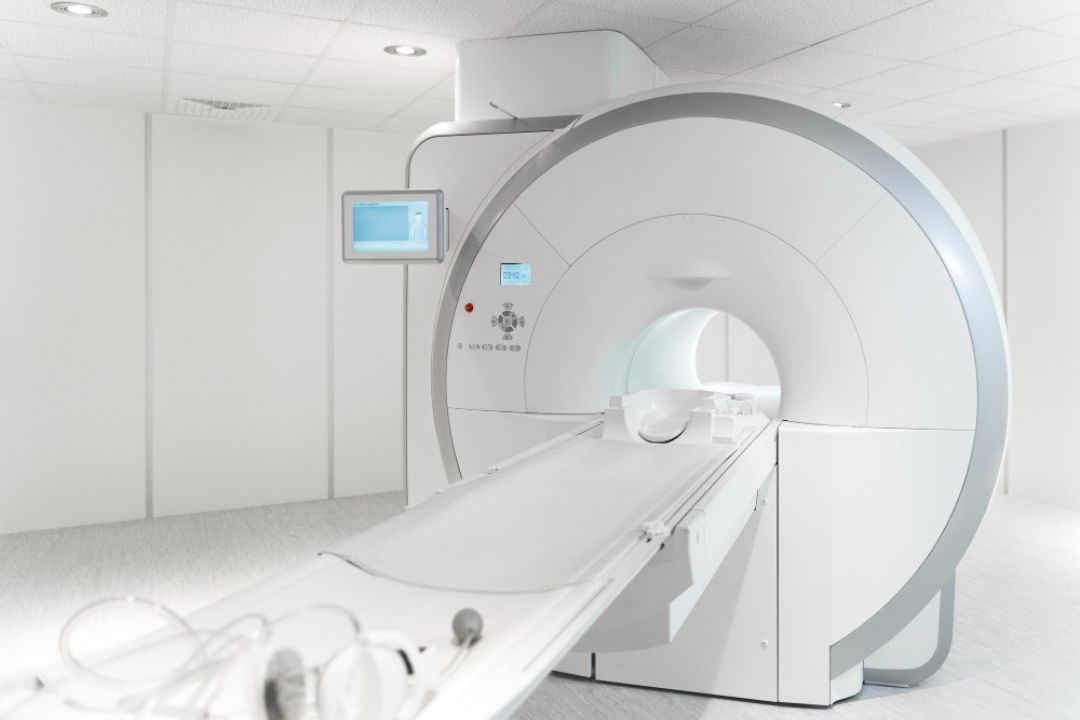
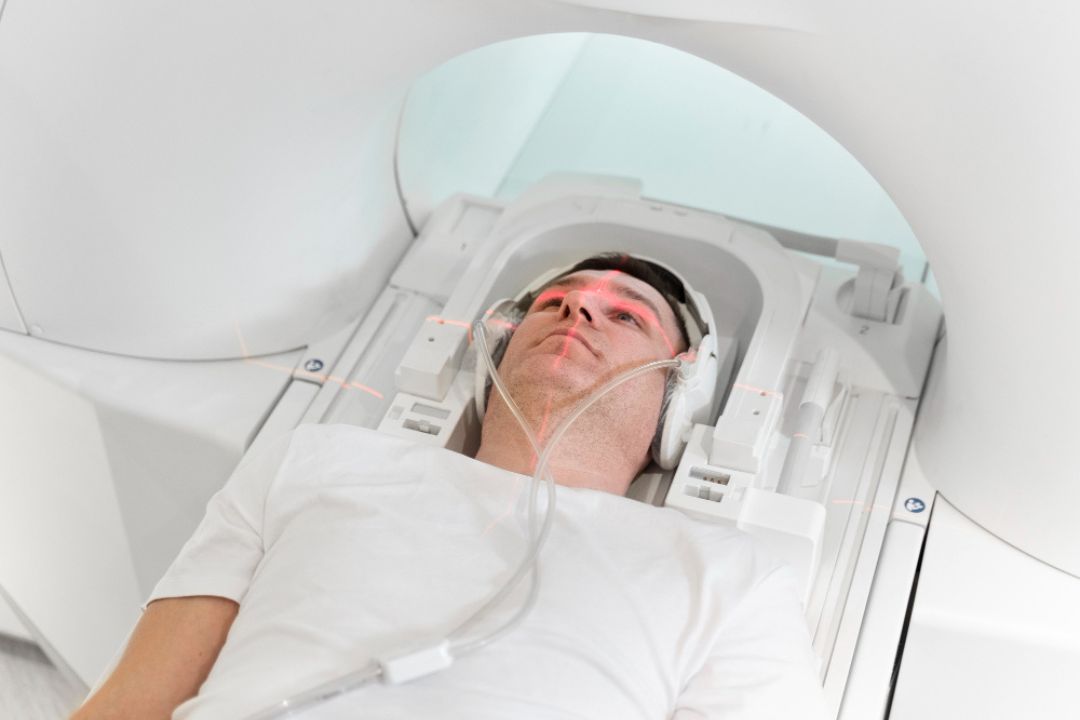
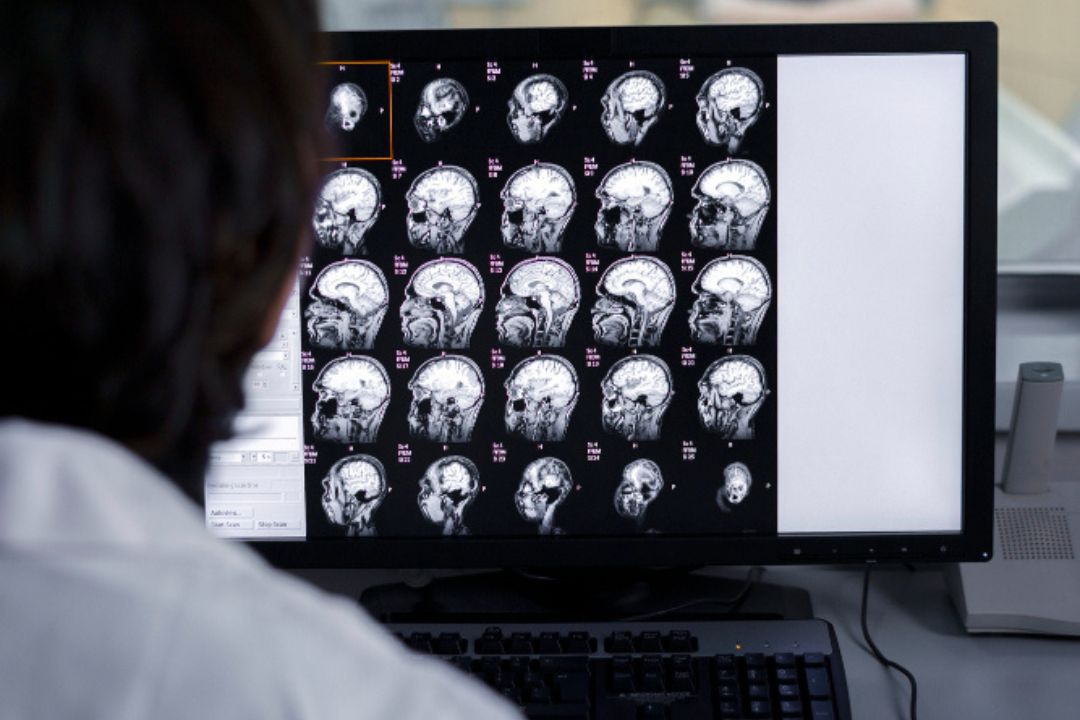
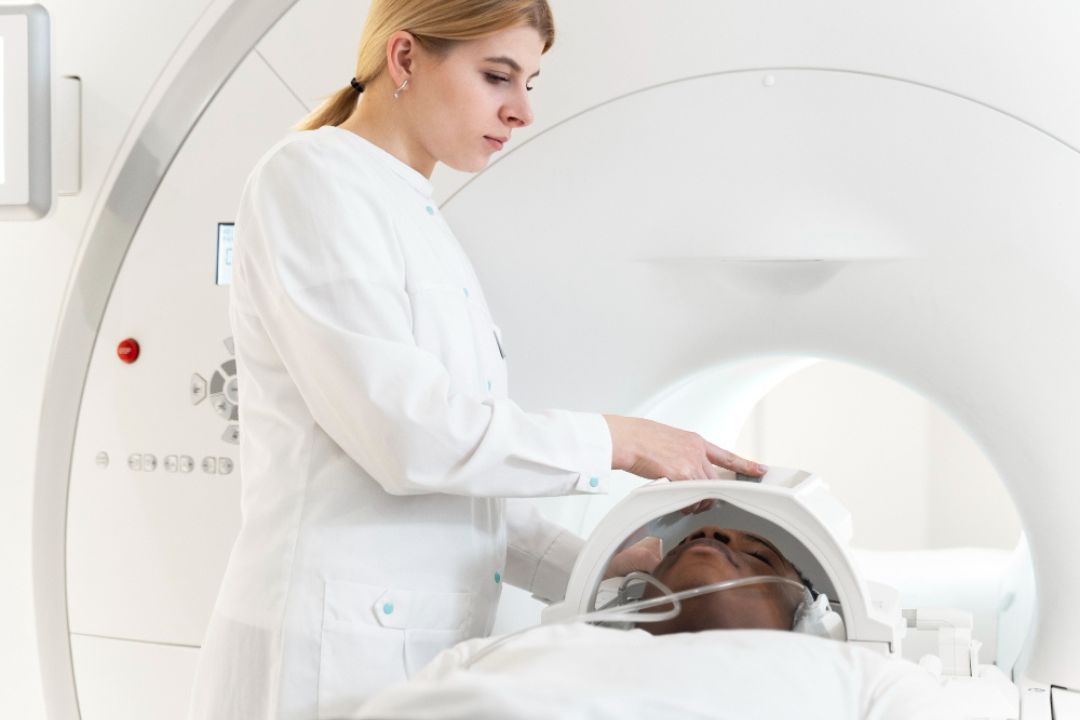
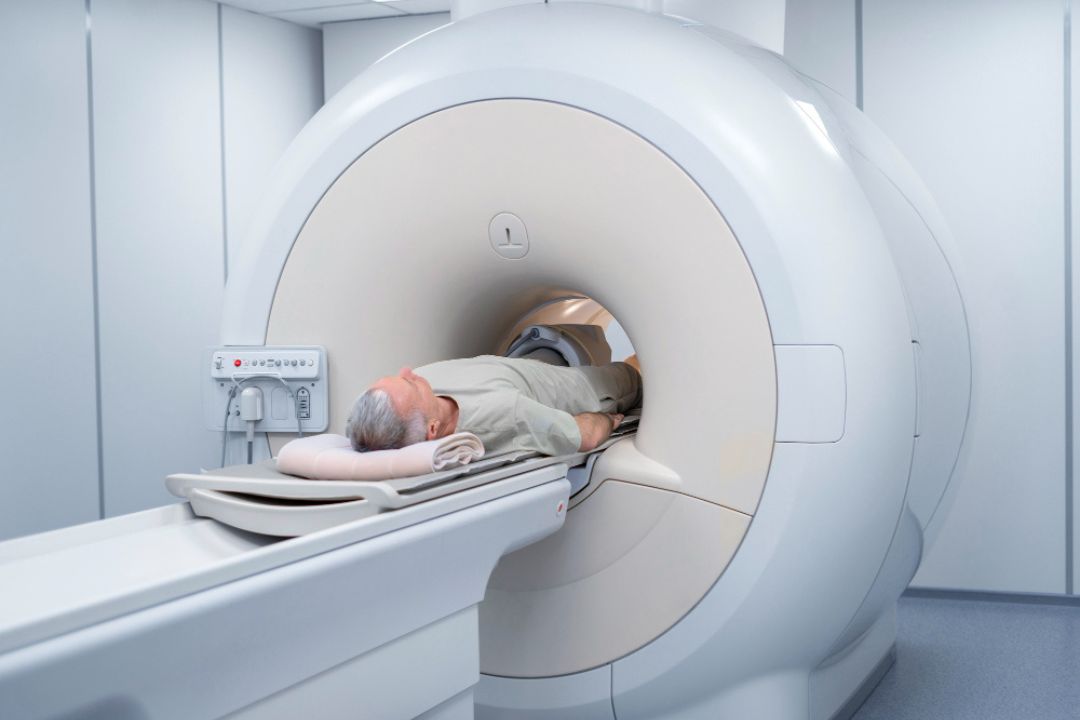
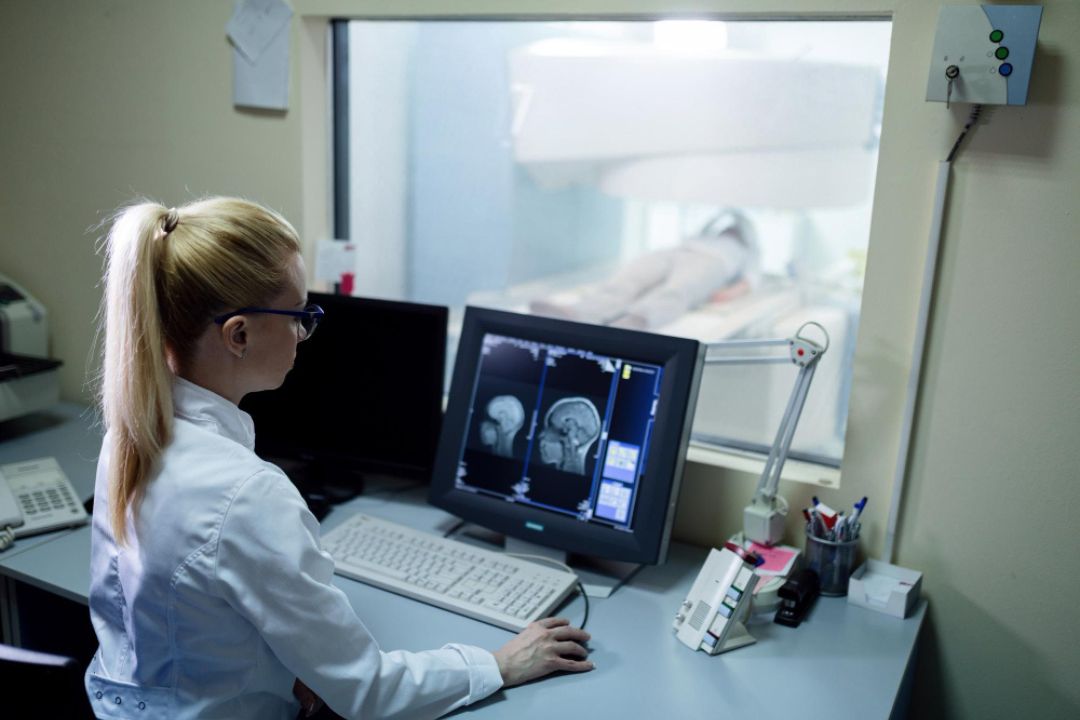
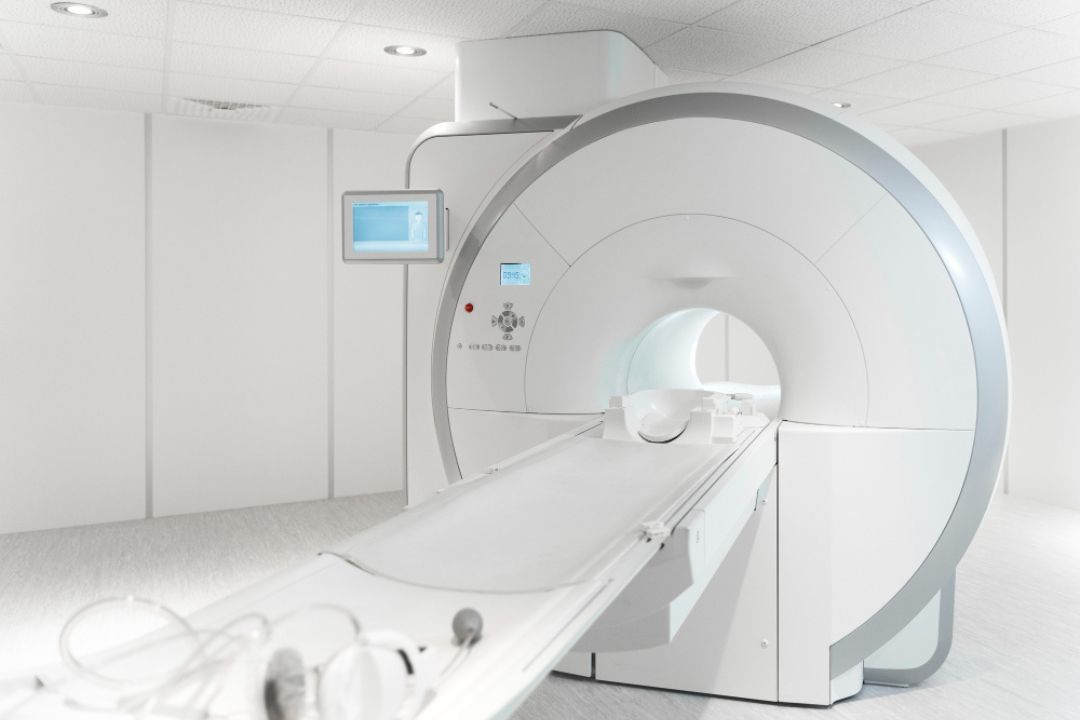
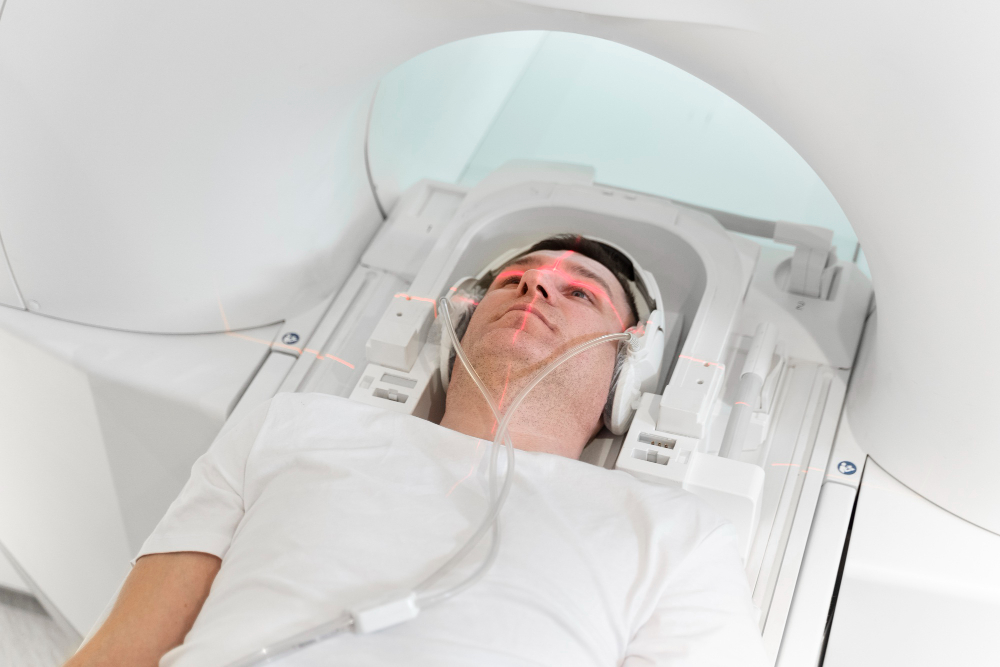
MRI stands for Magnetic Resonance Imaging. This imaging technique uses strong magnetic fields and radio waves to create detailed images of organs, tissues, and joints inside the body.
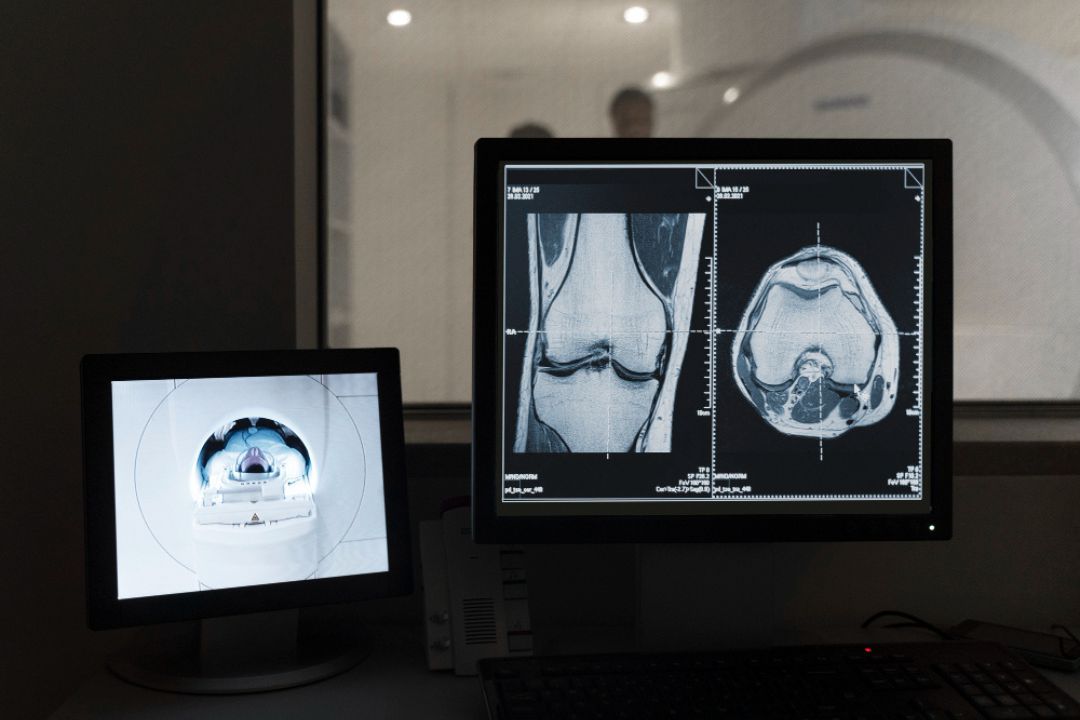
Unlike CT scans, MRI does not use radiation. It is particularly effective for examining soft tissues such as ligaments, tendons, cartilage, muscles, and nerves.
Because of its ability to show soft tissue structures clearly, MRI is commonly used to diagnose ligament tears, tendon injuries, and cartilage damage.
Both CT Scans And MRI Scans are useful in diagnosing joint injuries, but they serve different purposes.
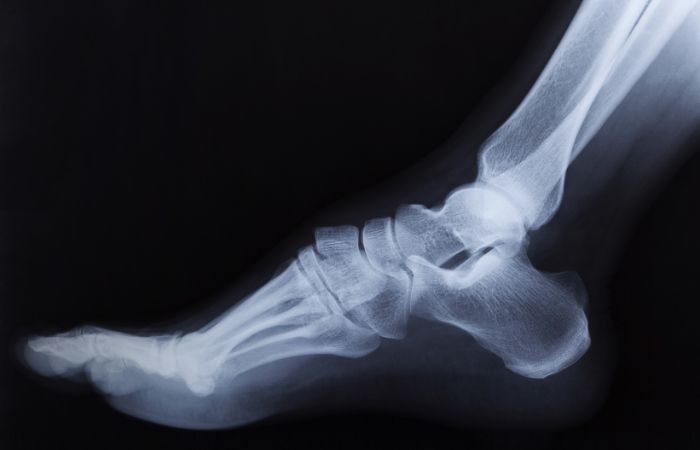
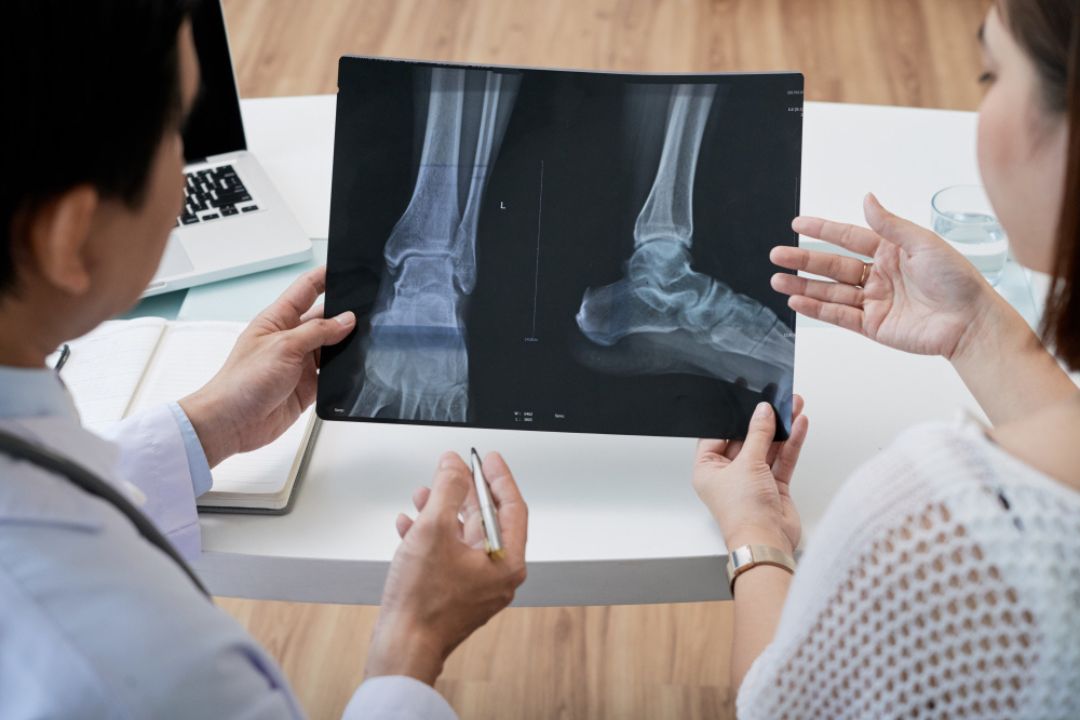
CT scans are usually better for evaluating bone structures. They help doctors identify fractures, bone fragments, and joint dislocations that may not be clearly visible on regular X-rays.
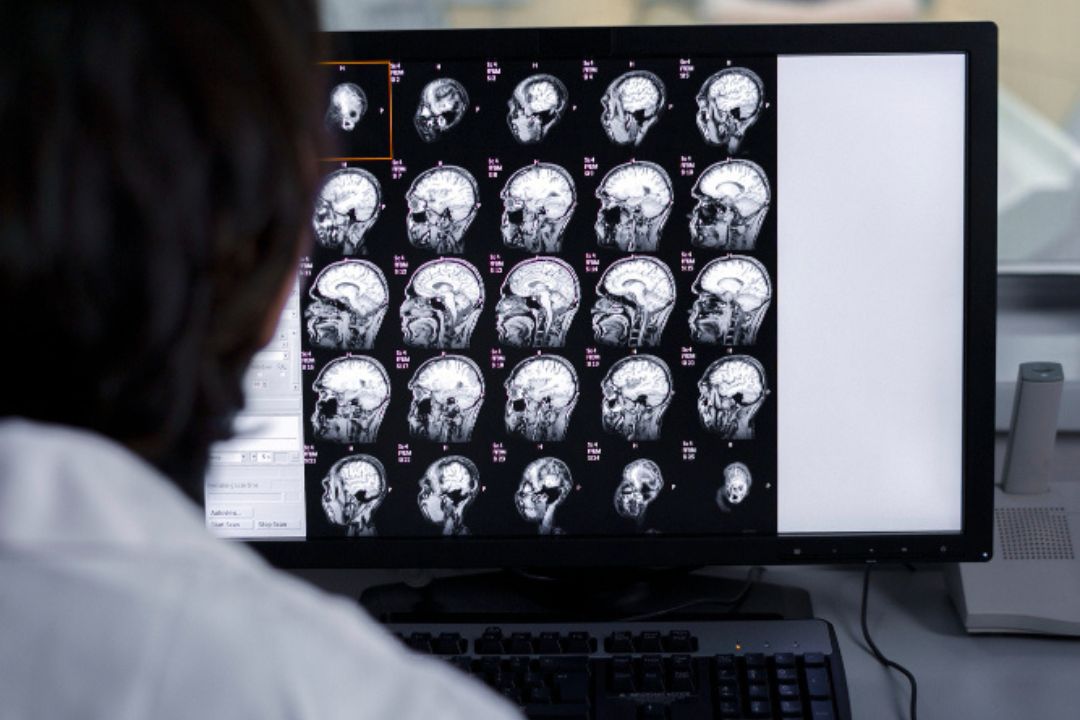
MRI scans provide much more detailed images of soft tissues surrounding the joints. They help detect ligament tears, cartilage injuries, and inflammation inside the joint.
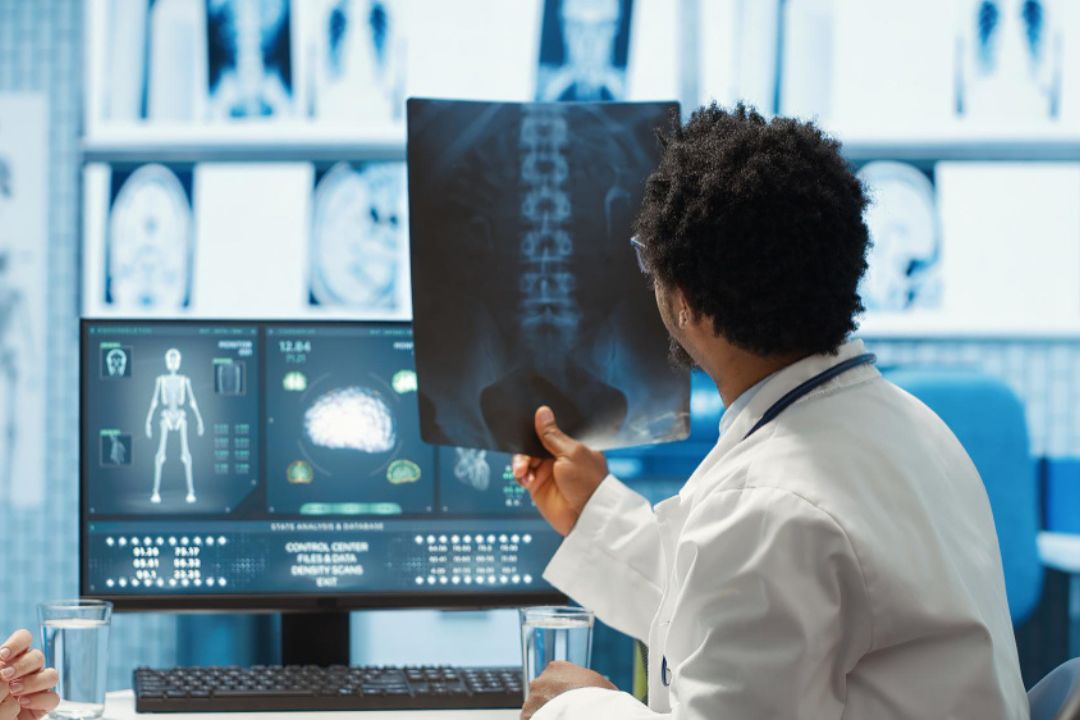
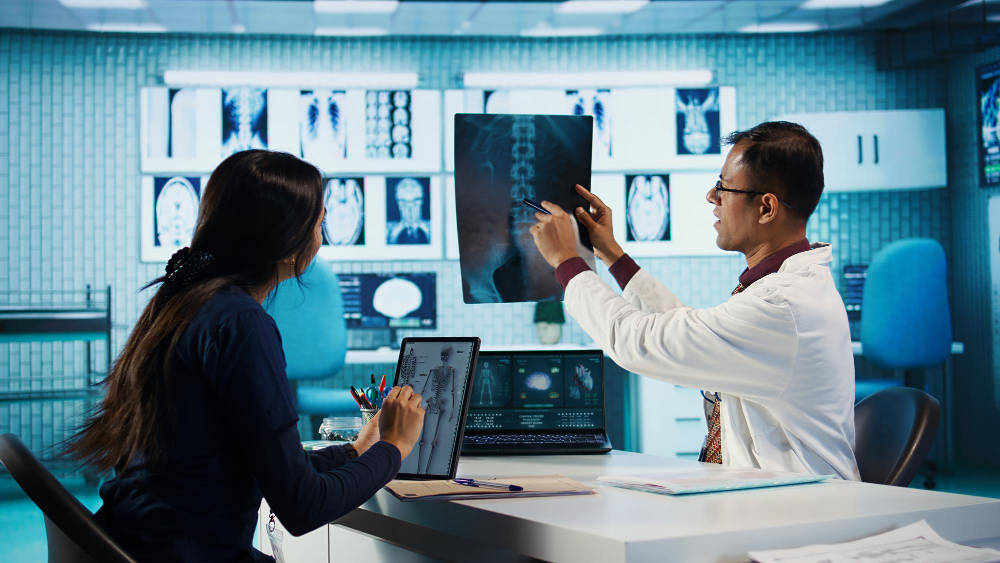
In many cases, doctors may start with X-rays or CT scans to evaluate bone injuries and then recommend an MRI if soft tissue damage is suspected.
A CT Scan is often recommended when doctors suspect bone-related injuries in a joint. It can clearly show fractures and complex bone injuries that may not be visible on standard X-rays.
CT scans are commonly used for:
Joint fractures
Bone dislocations
Complex trauma injuries
Joint deformities
Surgical planning for orthopedic procedures
The scan is quick and usually takes only a few minutes, making it ideal in emergency situations.
MRI scans are considered the best imaging method for evaluating soft tissue injuries. They provide detailed images of ligaments, tendons, cartilage, and muscles surrounding the joints.
MRI is commonly used to diagnose:
ACL ligament tears
Meniscus injuries in the knee
Rotator cuff tears in the shoulder
Ankle ligament injuries
Tendon inflammation or rupture
Studies show that MRI has very high accuracy in detecting ligament injuries and soft tissue damage within joints.
CT scans and MRI scans differ in several ways, including technology, scan time, and the types of injuries they detect.
CT scans use X-rays and are faster to perform. They are particularly useful for diagnosing bone injuries and fractures.
MRI scans use magnetic fields and radio waves and do not involve radiation exposure. They take longer but provide more detailed images of soft tissues such as ligaments, cartilage, and muscles.
CT scans are generally more affordable and widely available, while MRI scans are more expensive but offer better detail for soft tissue evaluation.
Doctors may recommend a CT Scan in situations such as:
Severe trauma or accidents
Suspected bone fractures
Joint dislocations
Emergency evaluation of injuries
When MRI is not possible due to metal implants or medical devices
CT scans are often used when quick diagnosis is required.
MRI is recommended when doctors suspect damage to soft tissues around a joint.
It is commonly used for:
Ligament injuries
Tendon tears
Cartilage damage
Sports injuries
Chronic joint pain with unclear cause
MRI helps doctors evaluate injuries that may not be visible on CT scans or X-rays.
The choice between CT scan and MRI depends on the type of injury being investigated.
CT scans are generally better for detecting bone fractures and complex joint injuries. MRI scans are more effective for identifying ligament tears, cartilage damage, and other soft tissue injuries.
In many cases, doctors use both imaging techniques together to get a complete understanding of the injury.
CT Scans And MRI Scans are both valuable diagnostic tools used to evaluate joint and ligament injuries. CT scans provide excellent imaging of bones and are commonly used for detecting fractures and structural damage. MRI scans, on the other hand, offer detailed views of soft tissues and are the preferred method for diagnosing ligament and tendon injuries.
The choice of scan depends on the patient’s symptoms and the doctor’s clinical evaluation. By using the appropriate imaging test, doctors can accurately diagnose joint injuries and recommend the most effective treatment plan.








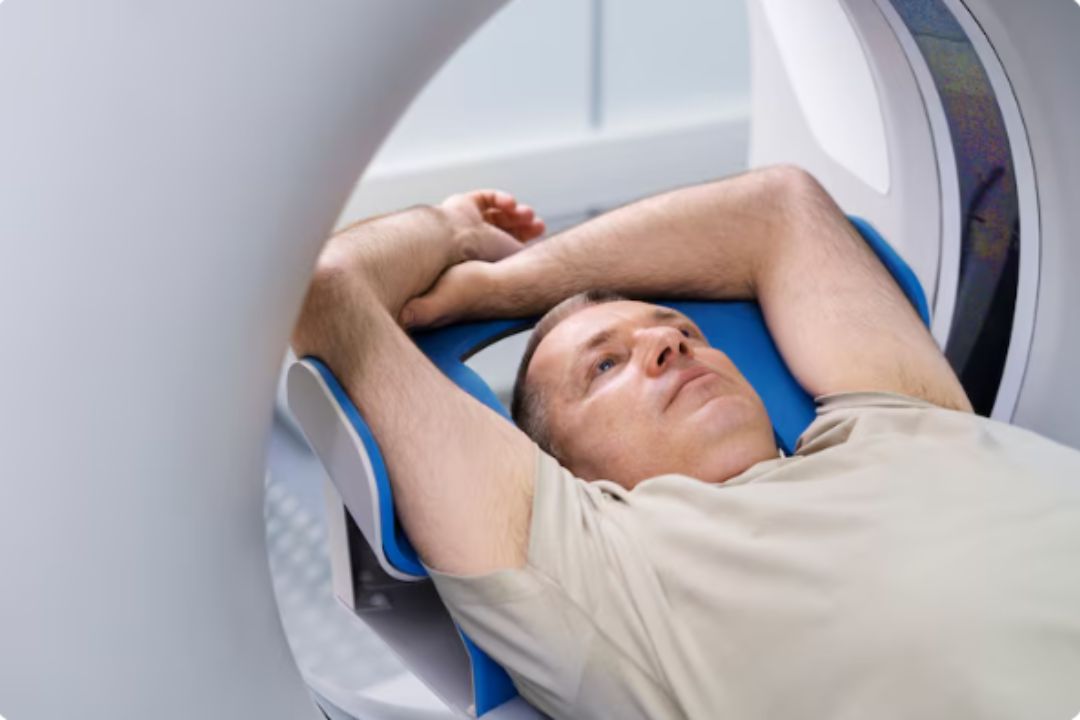

.jpg "ct brain scan plain and contrast")
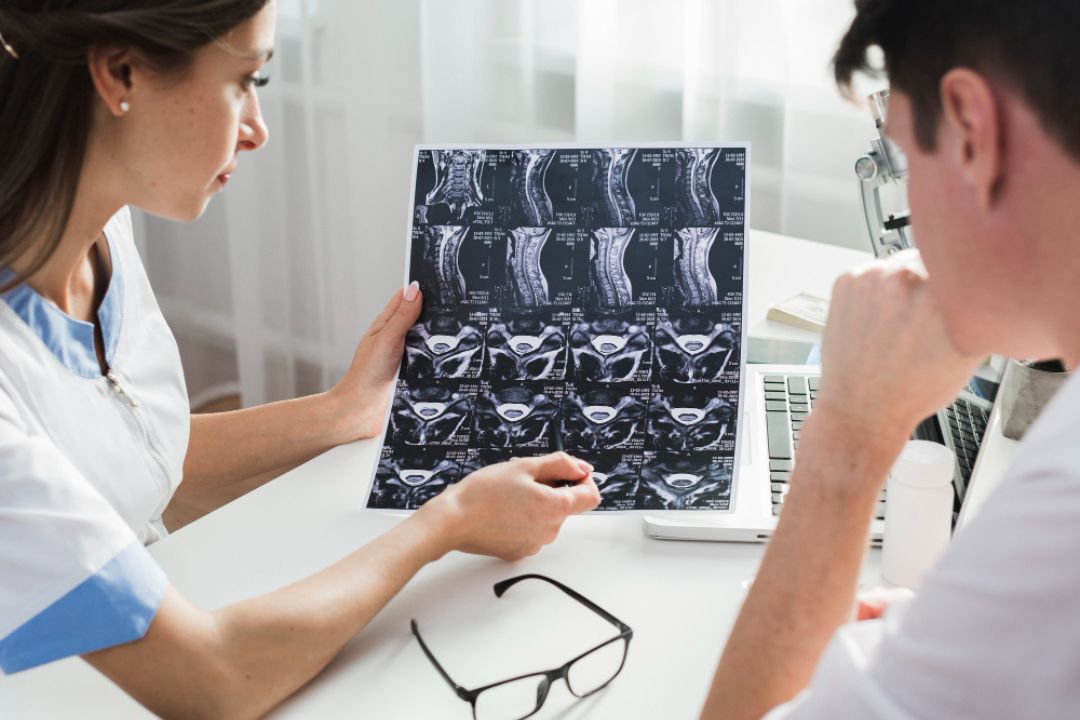


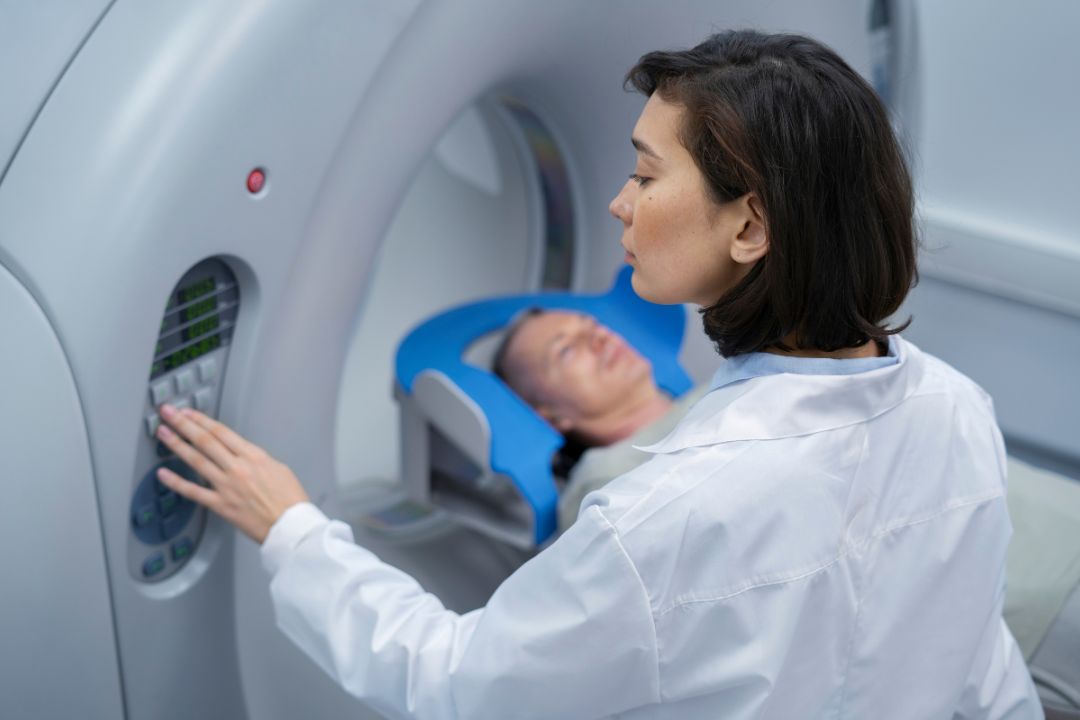
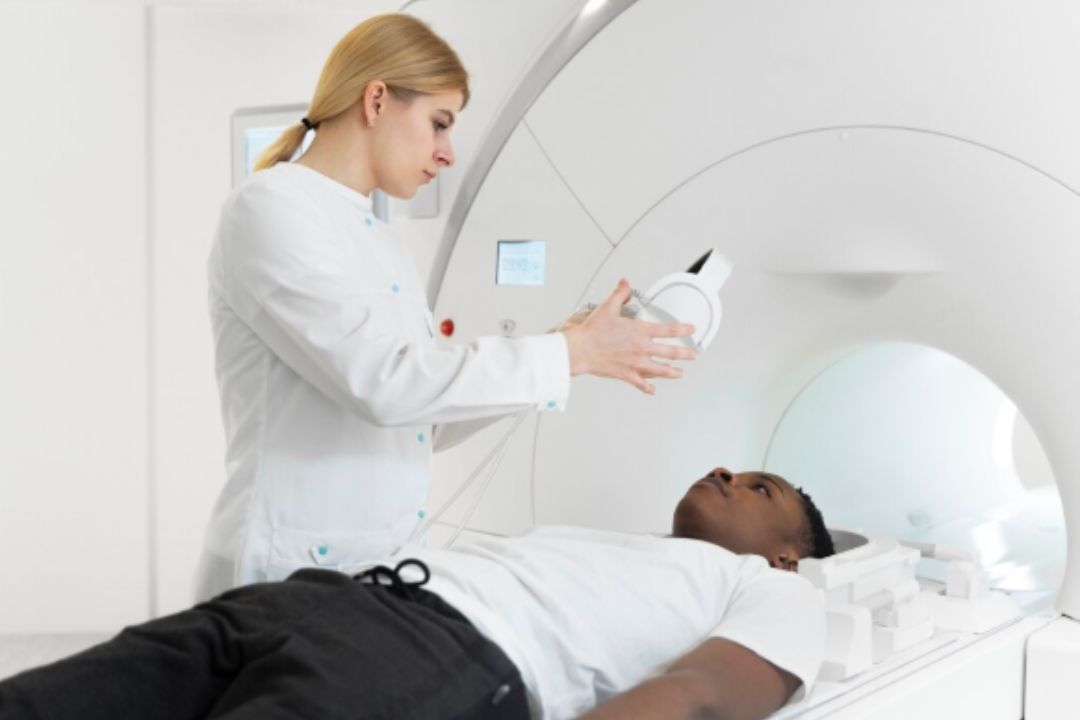









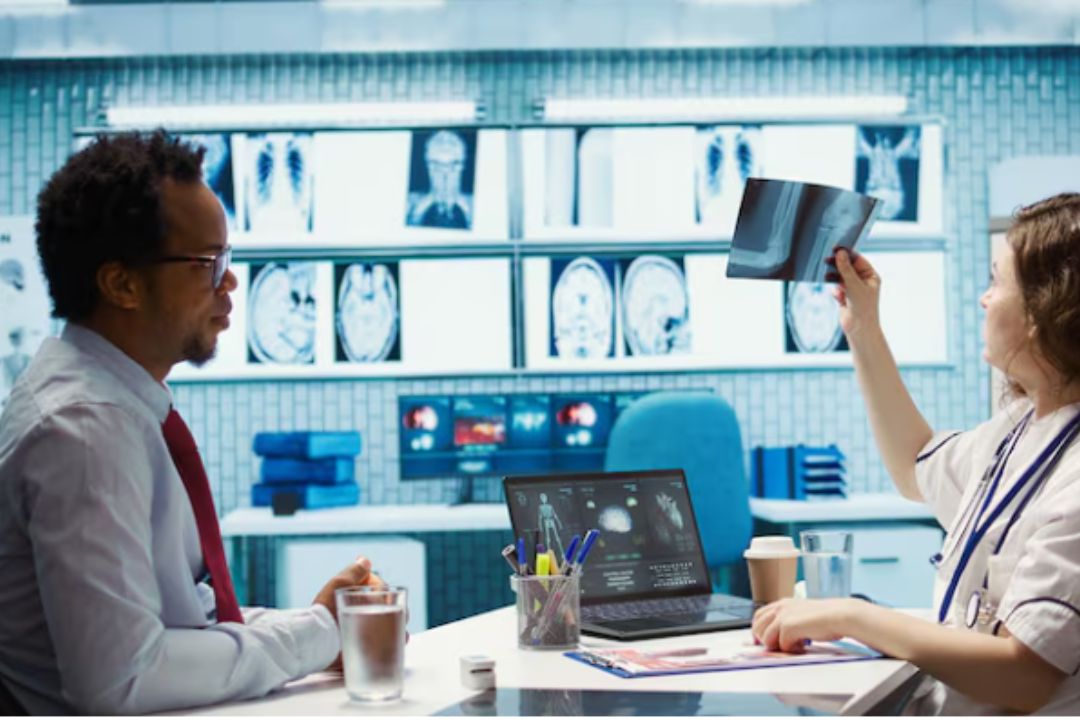
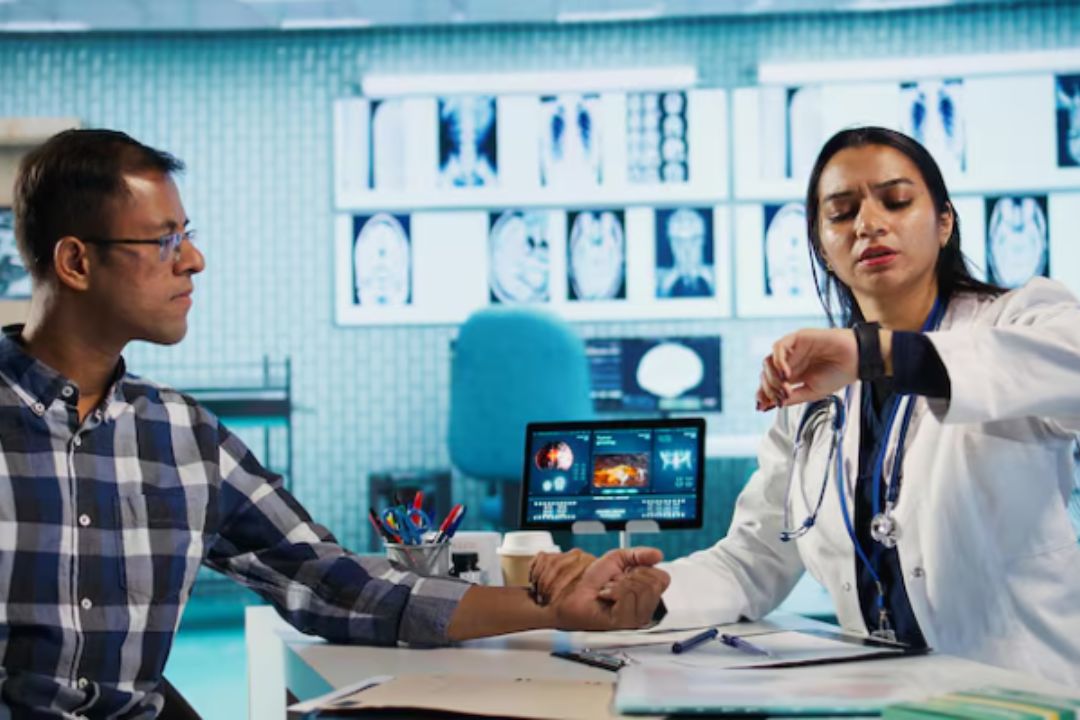

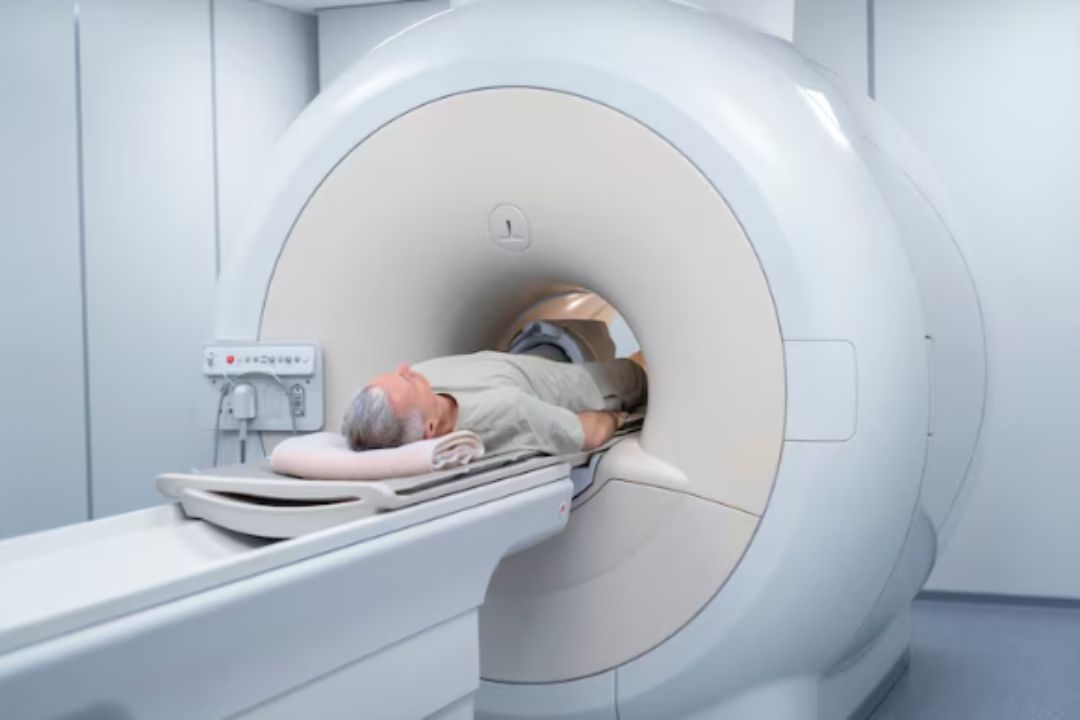






.jpg "ct scan")

.jpg "ct scan or mri for brain disorders")


.jpg "exploring the power of ct brain contrast in modern diagnostics")
.jpg "ct scan")
.jpg "ct scan")









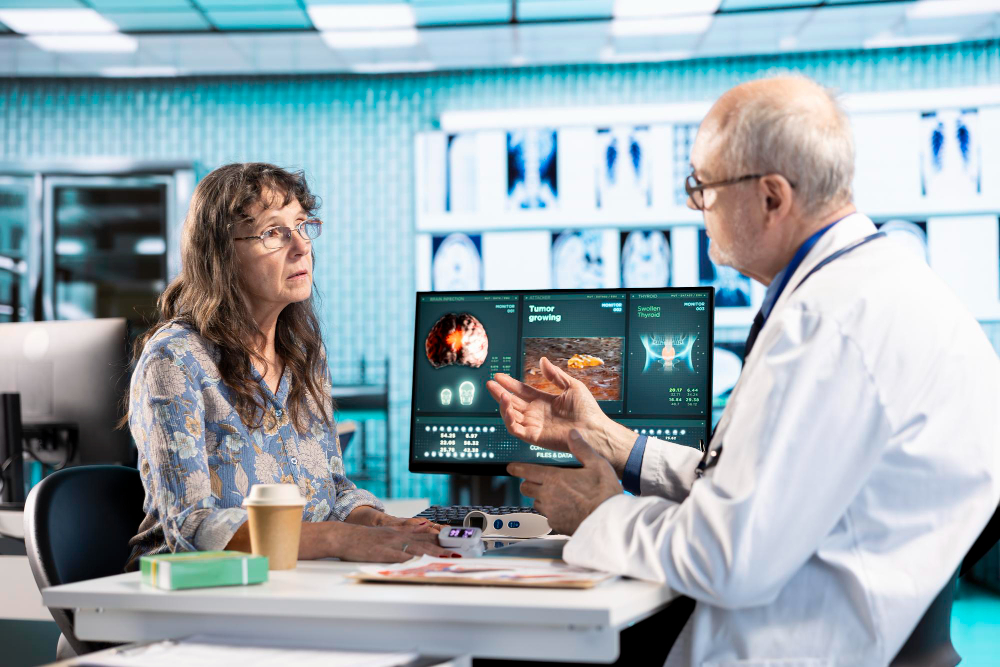
.jpg "ct scan")

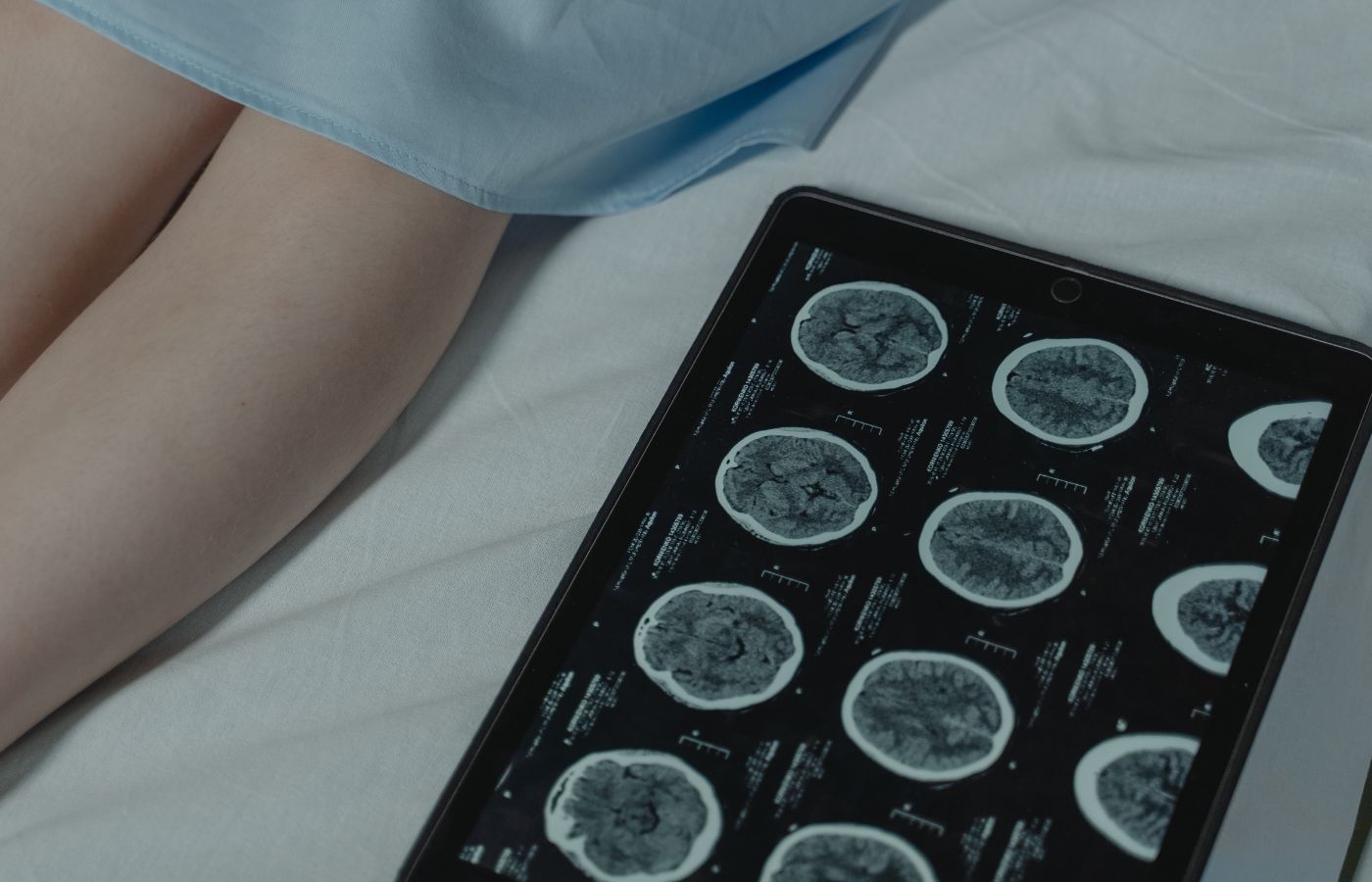
.jpg "CT Brain Scan for Headaches")
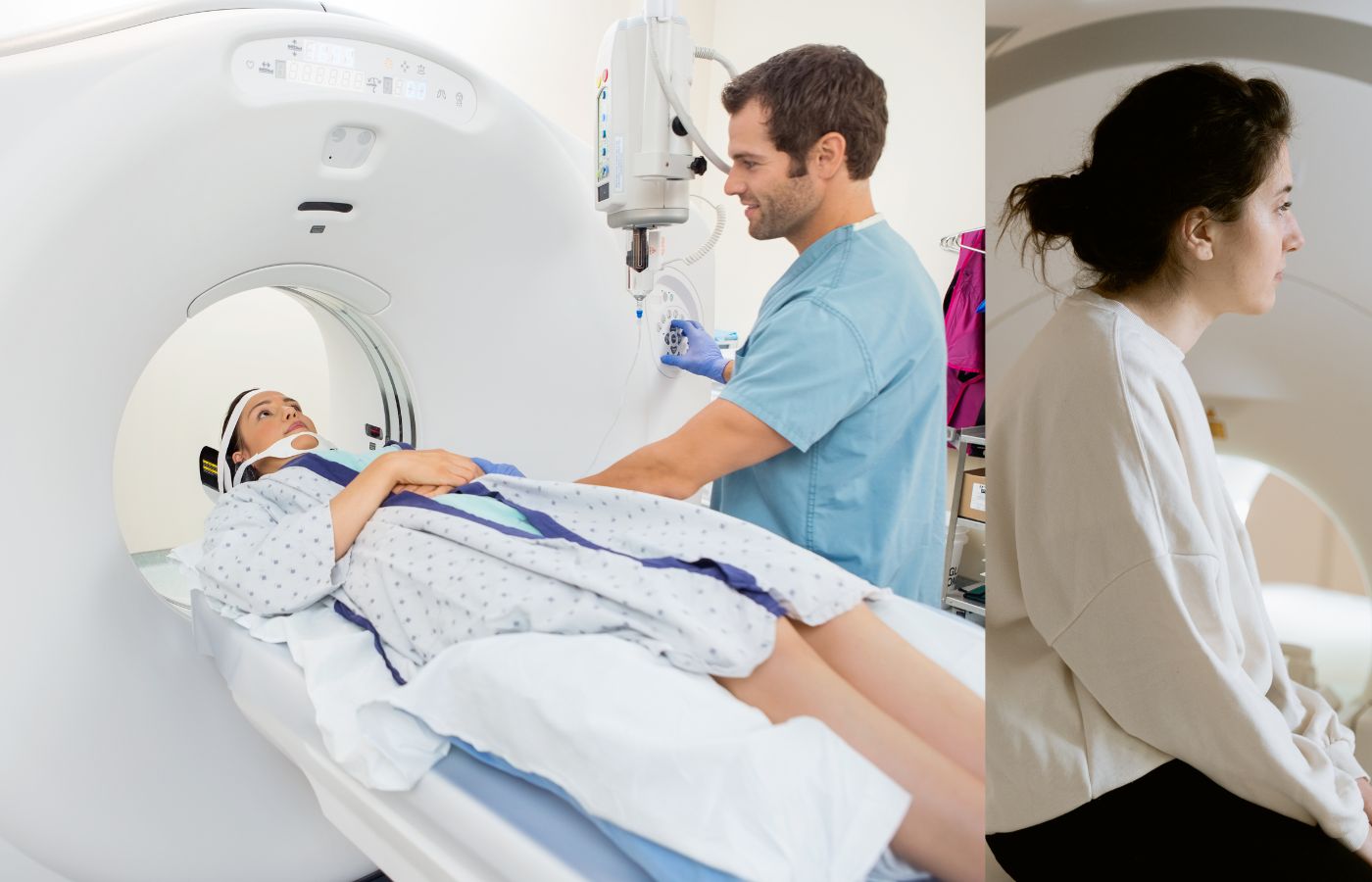
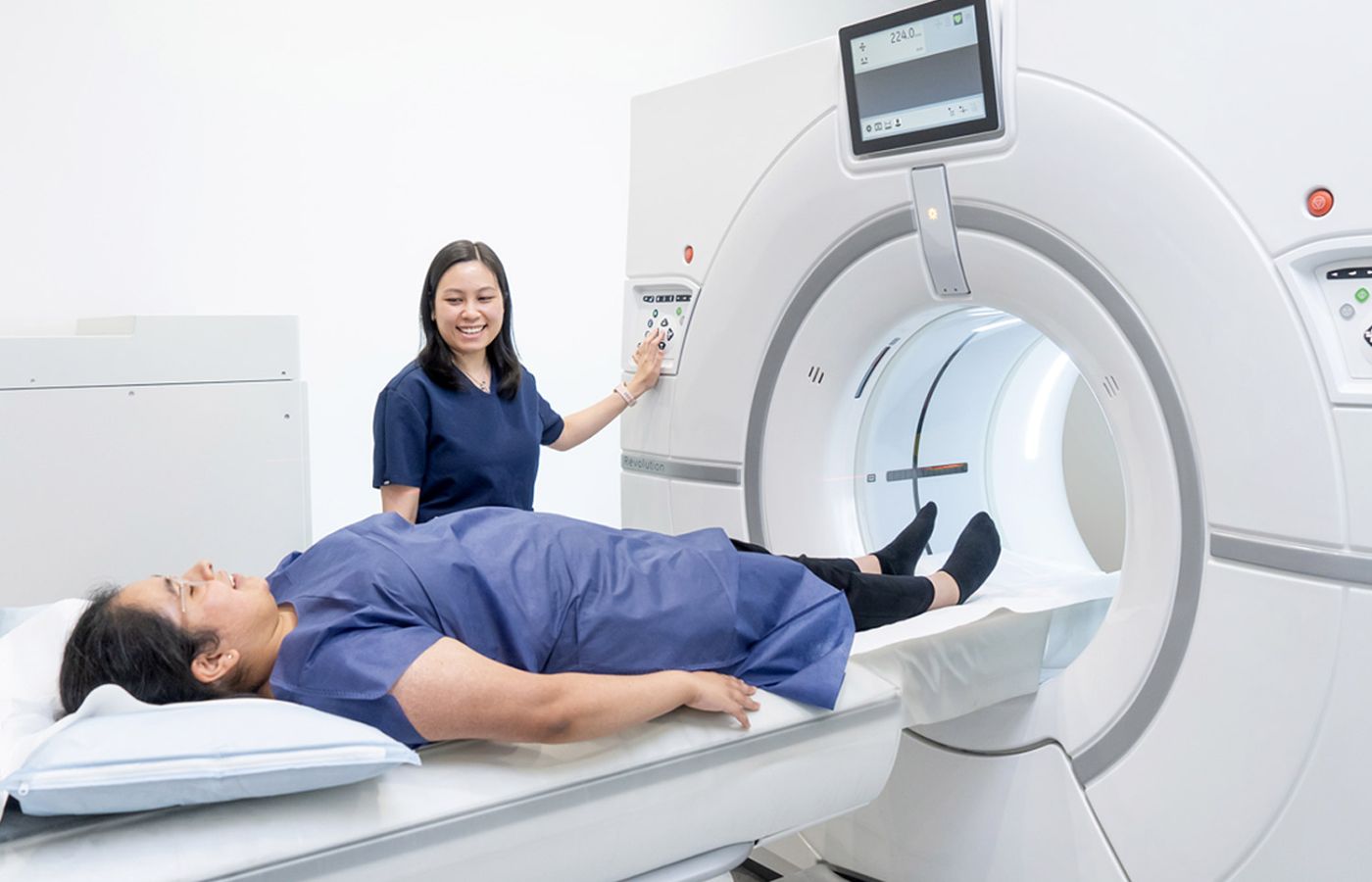
.jpg "The Future of 3D CT Imaging")