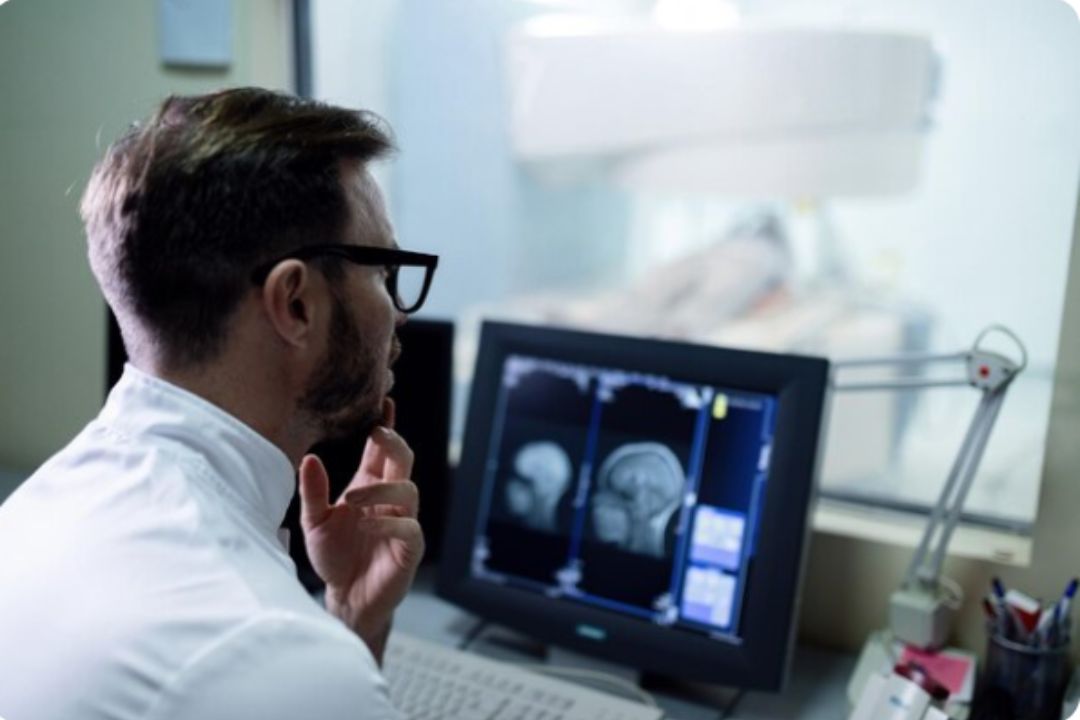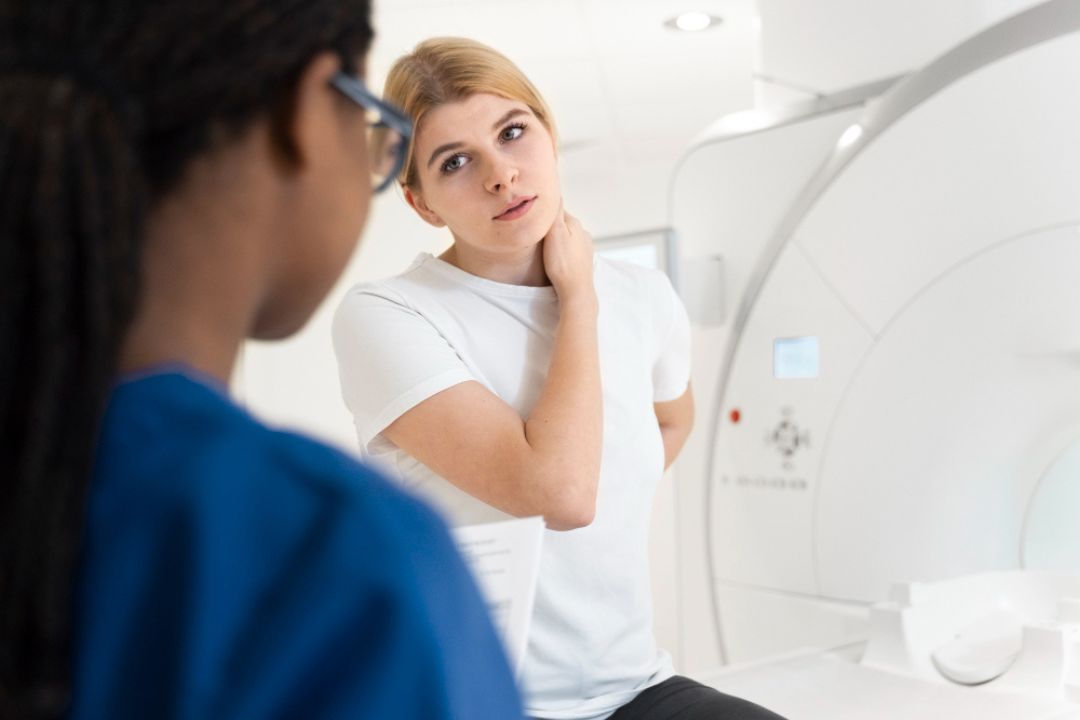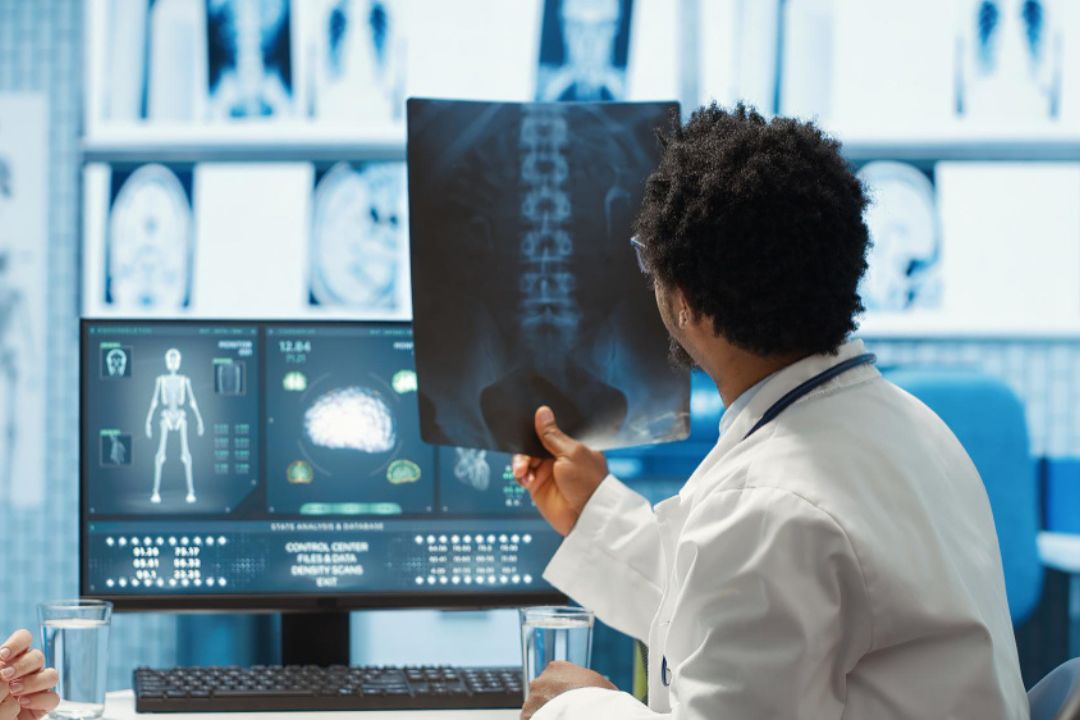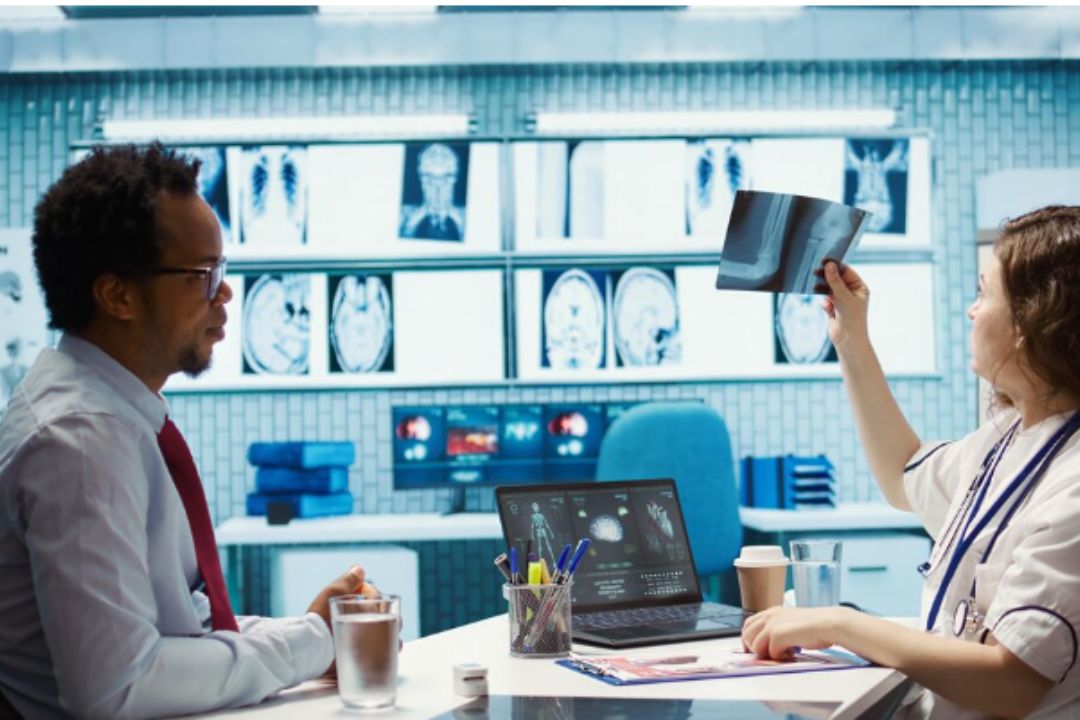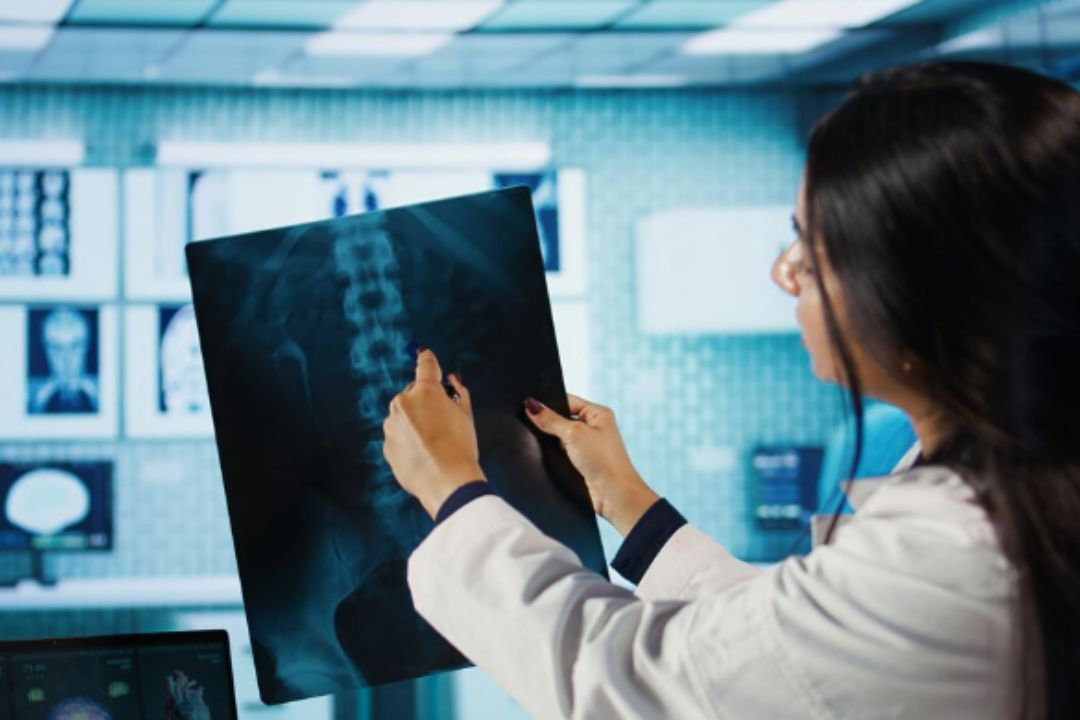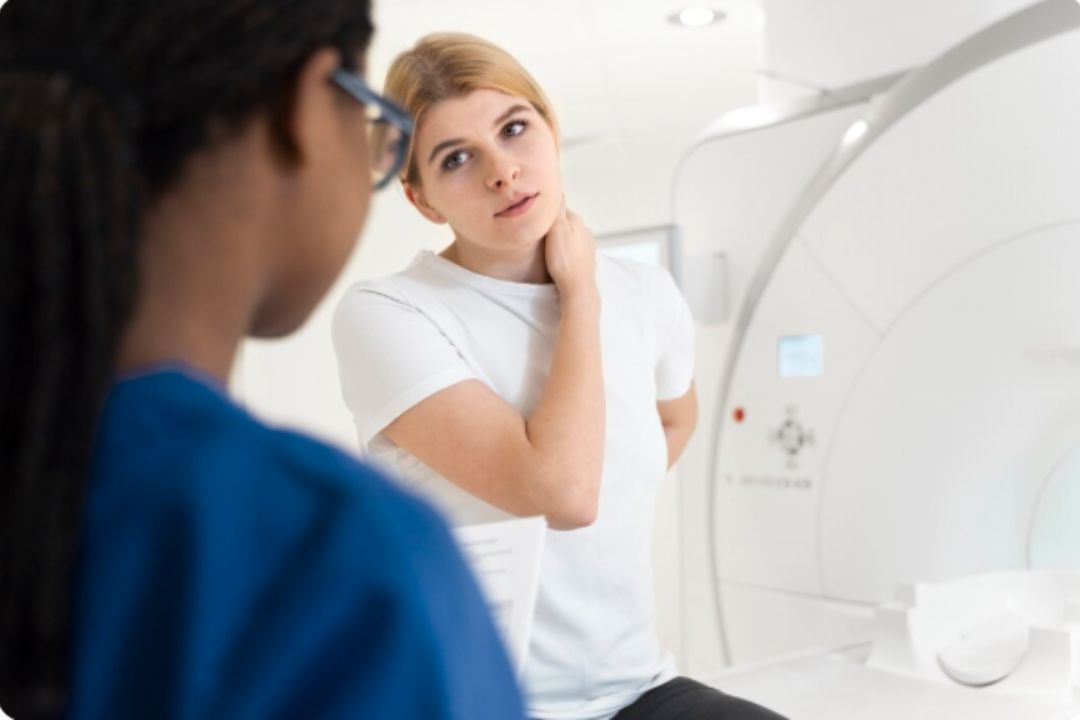
When your doctor recommends a contrast CT scan, it’s natural to have questions and even some anxiety. What exactly will happen? Is it safe? What are they looking for? This comprehensive guide is designed to demystify the entire process. We’ll walk you through a detailed step-by-step explanation of the contrast CT scan procedure, explore its significant benefits, address common concerns about cost and comfort, and clarify exactly What a CT scan Can Show to aid in your diagnosis. By the end, you’ll feel informed and prepared.
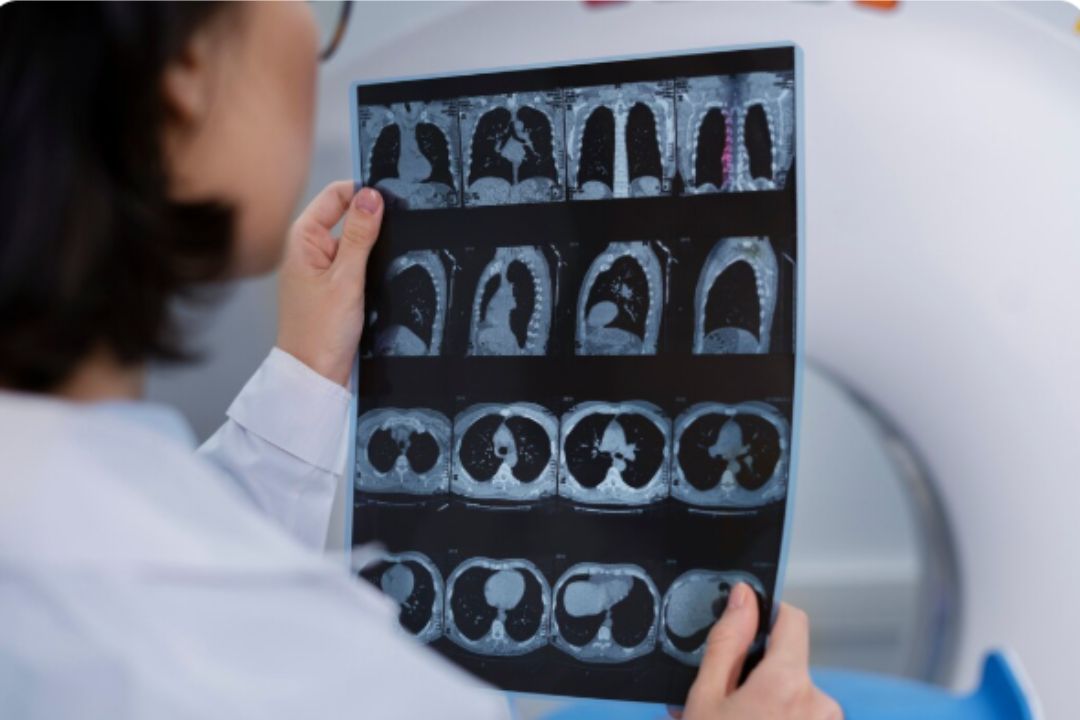
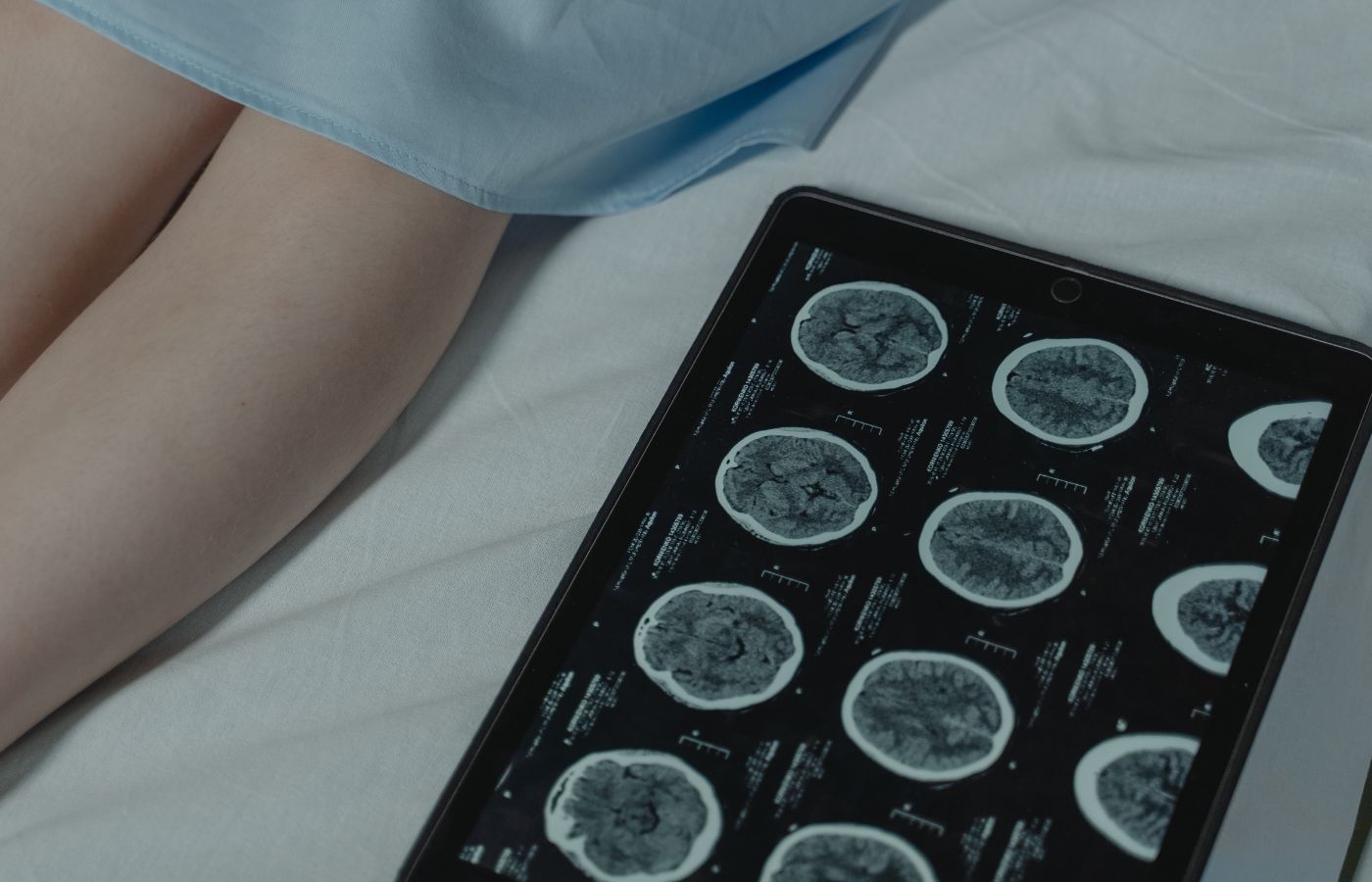
First, let's clarify the key term. A standard CT (Computed Tomography) scan uses X-rays and a computer to create detailed cross-sectional images of your body. A contrast-enhanced CT scan adds a special dye, known as a contrast agent, which is typically iodine-based. This dye temporarily alters how tissues absorb X-rays, making specific areas—like blood vessels, organs, or abnormal growths—"light up" or become much clearer on the images. Think of it as using a highlighter on a page of text; it makes the important details impossible to miss. This enhanced clarity is crucial for accurate diagnosis.
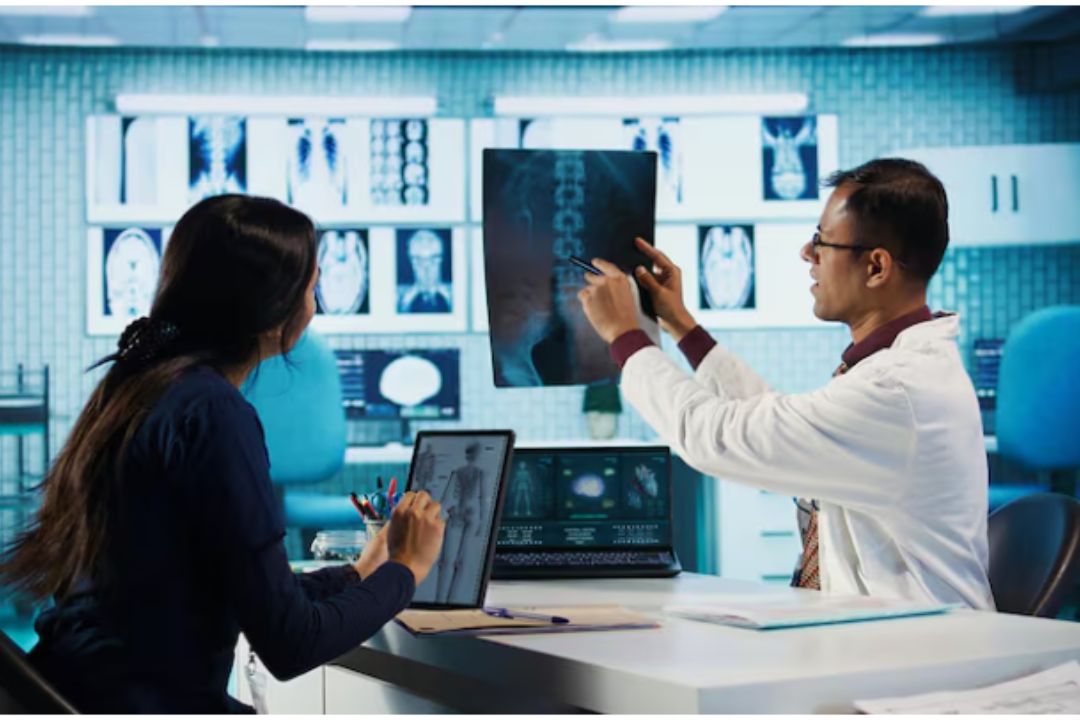
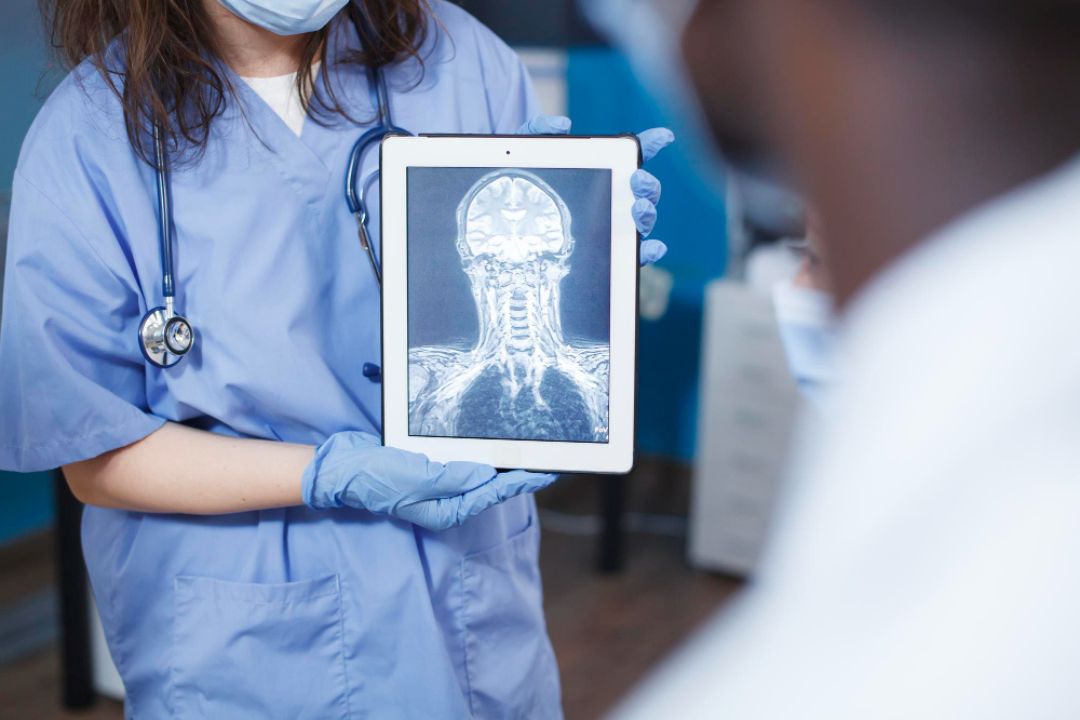
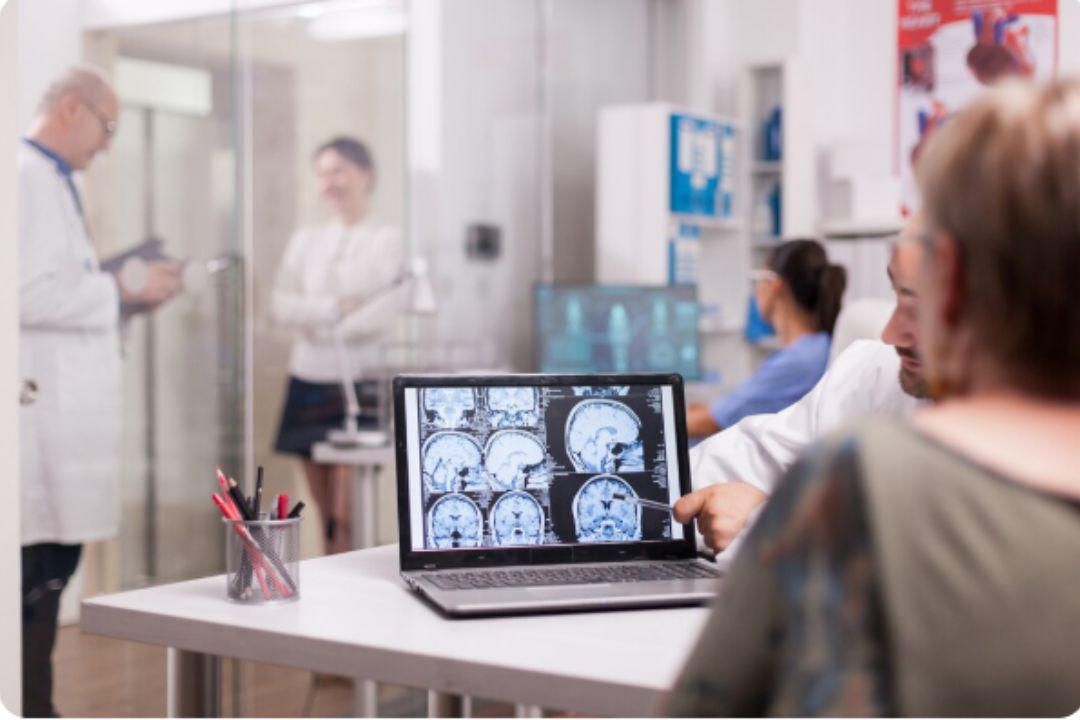
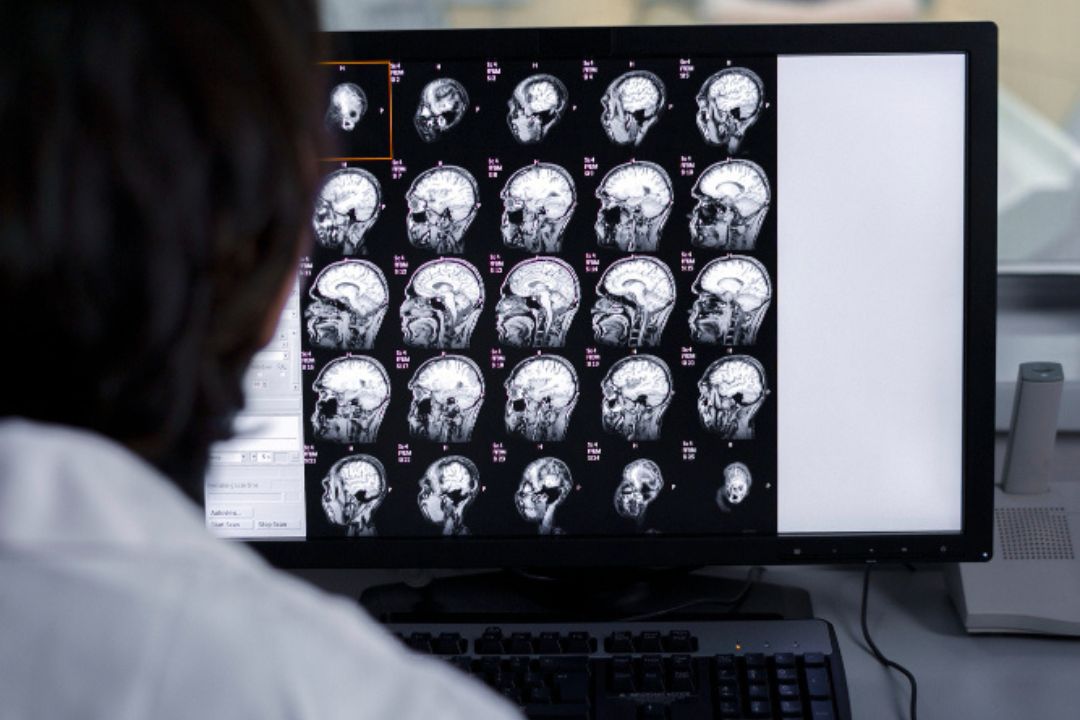
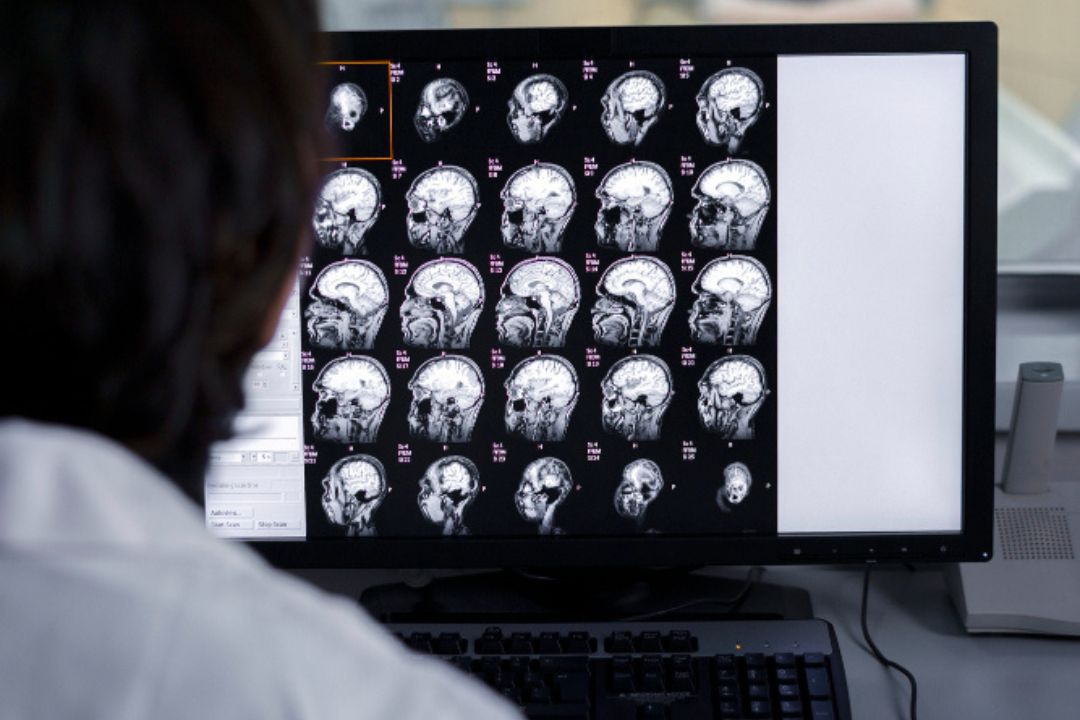
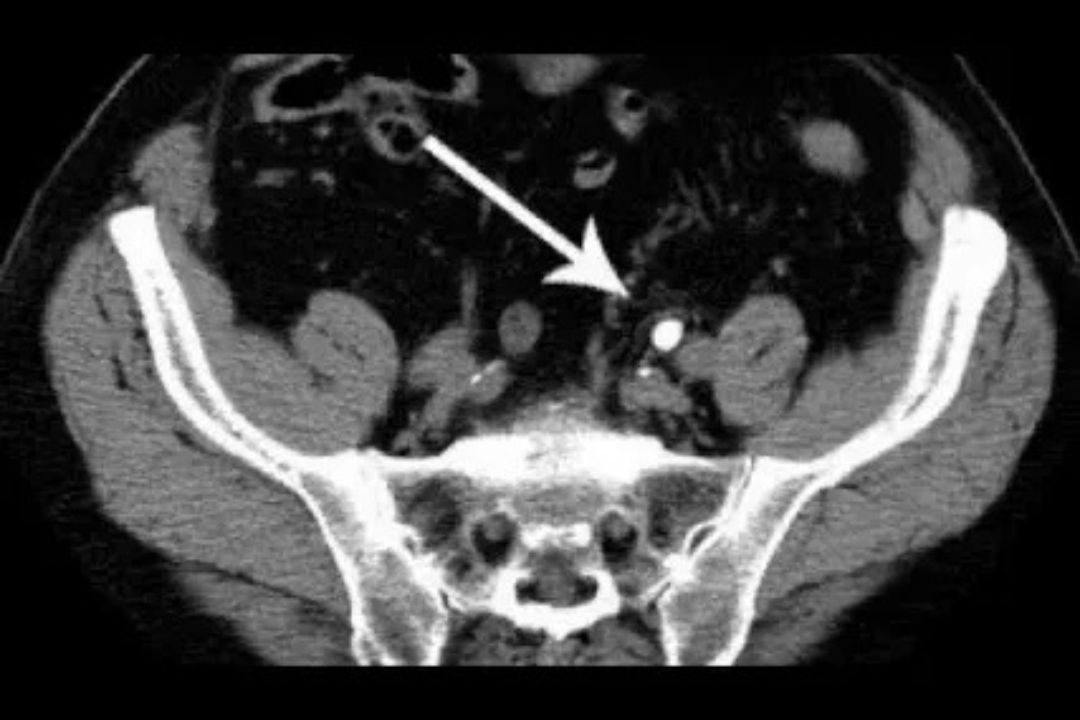
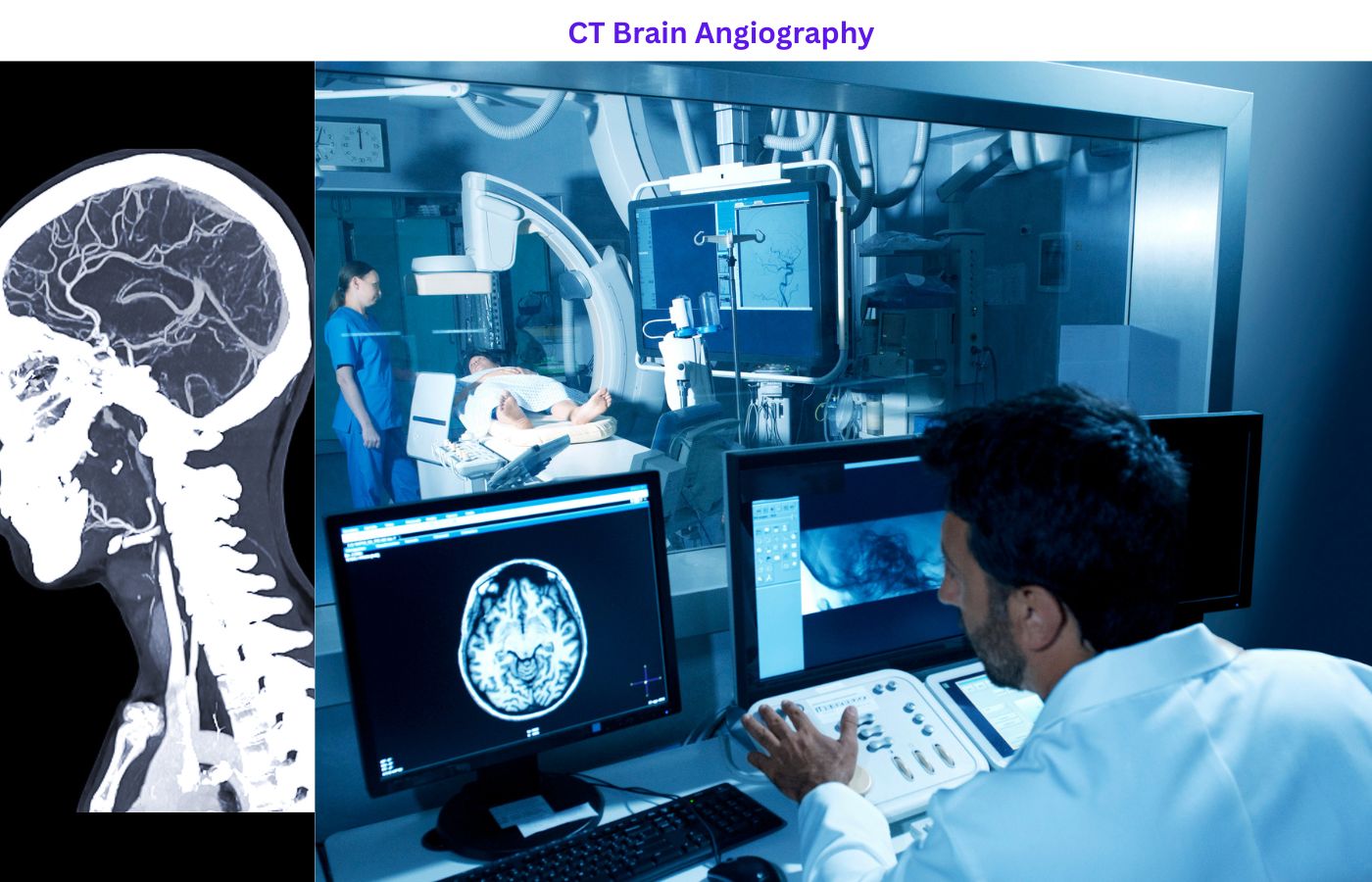
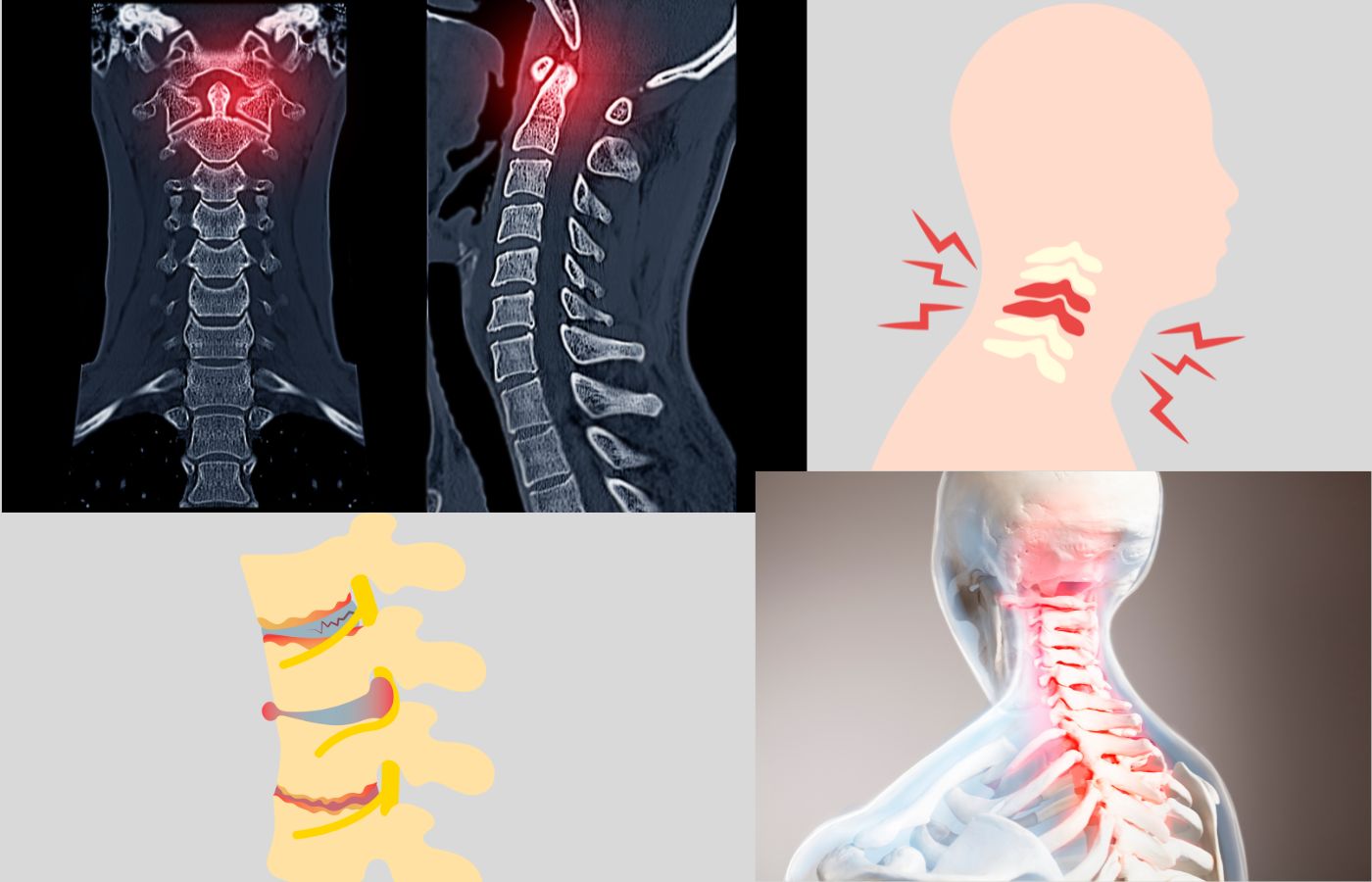
What can CT scans detect? The answer is: a remarkable range of conditions. The contrast dye significantly expands this capability, particularly for evaluating soft tissues and vascular structures. Here are key areas where contrast CT scans are invaluable:
Cancer Detection and Staging: Identifying tumors in organs like the liver, kidneys, pancreas, and lungs, and determining their size, spread, and relationship to blood vessels.
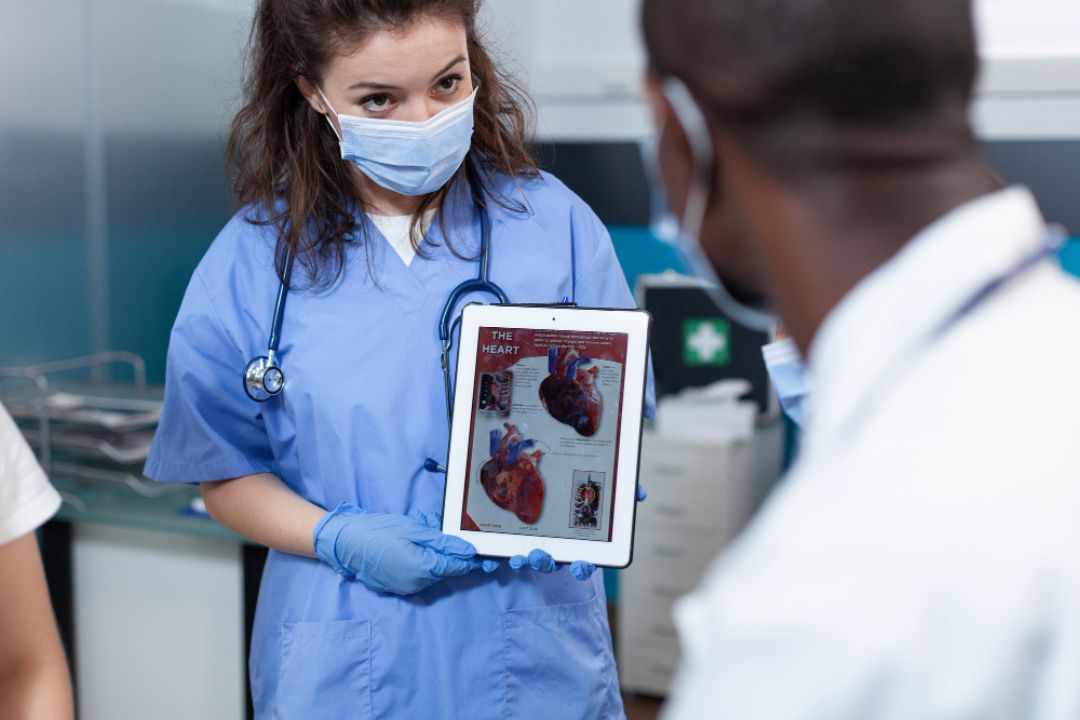
Cardiovascular Health: Revealing aneurysms (bulges in blood vessels), blockages, clots (like pulmonary embolisms), and dissections.
Inflammatory and Infectious Processes: Diagnosing appendicitis, diverticulitis, pancreatitis, and abscesses with high precision.
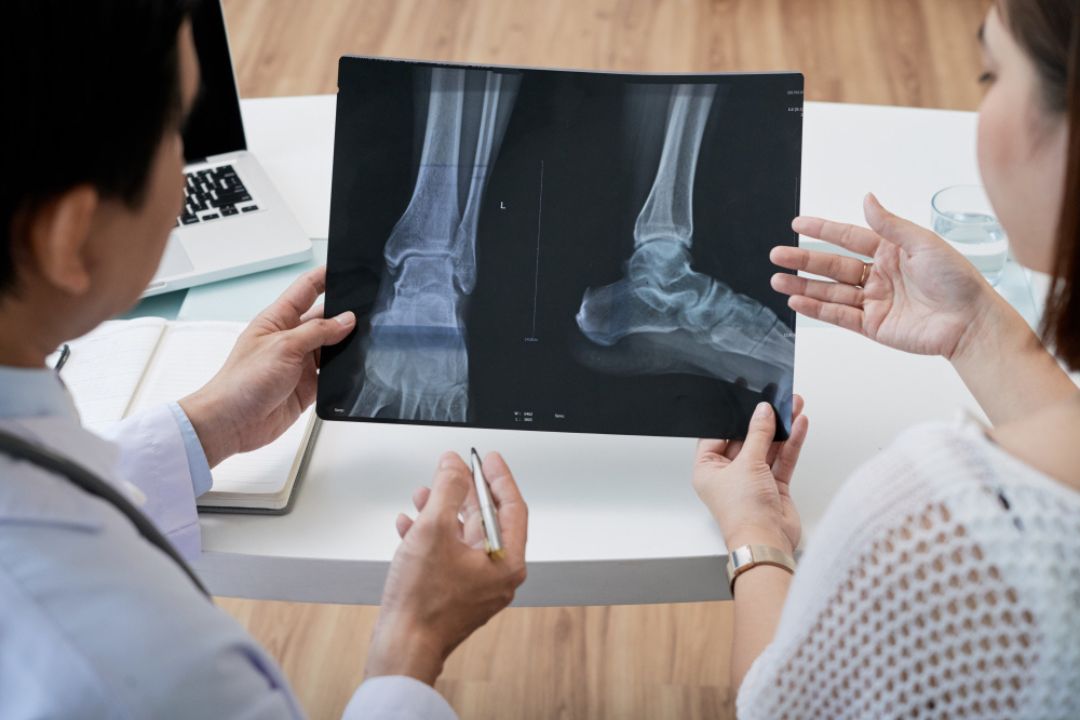
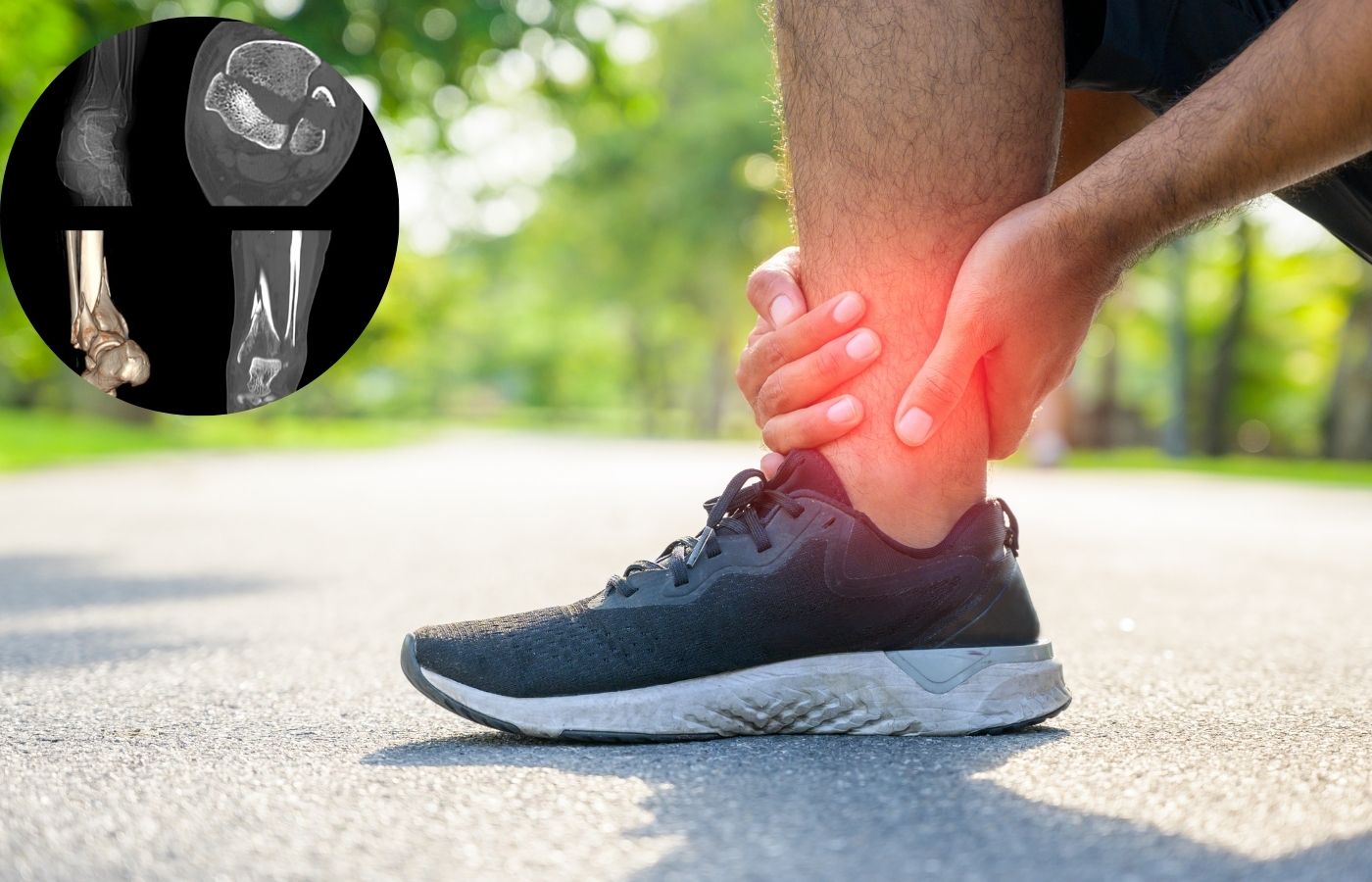
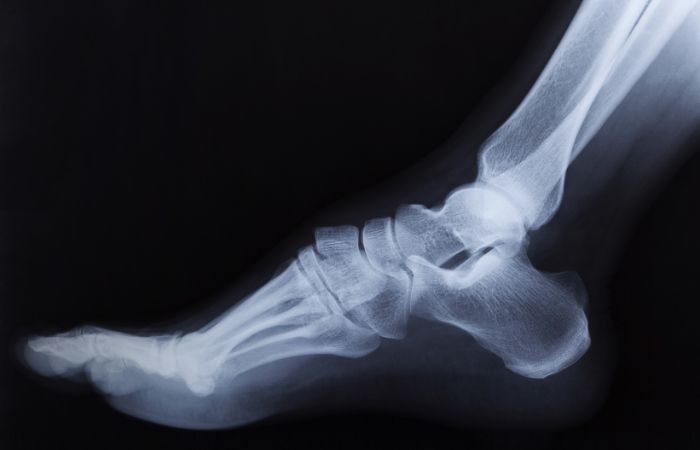
Traumatic Injuries: Assessing internal bleeding, organ damage, and complex fractures not visible on standard X-rays.
Guidance for Procedures: Acting as a roadmap for surgeons, radiologists performing biopsies, or oncologists planning radiation therapy.
Knowing what to expect can greatly ease pre-scan nerves. Here is a thorough breakdown of the entire process, from preparation to results.
Step 1: Preparation & Pre-Scan Instructions (The Day Before & Of)
Preparation is the cornerstone of a successful scan. You will receive specific instructions from your imaging center, but general guidelines include:
Dietary Restrictions: This is a common concern. Can you eat before a CT scan? The answer depends on the body part being scanned. For abdominal or pelvic exams, you will typically be asked to fast (no solid food) for 3-4 hours beforehand to ensure a clear view of your digestive organs. You may be allowed clear liquids. For scans of the head, chest, or extremities, fasting may not be required. Always follow your specific instructions.
Medication: Take your regular medications unless instructed otherwise. Inform your doctor about any medications, especially metformin for diabetes.
Health History: You will be screened for allergies (particularly to iodine or shellfish), kidney function (as the contrast is cleared by the kidneys), and pregnancy.
Clothing: Wear loose, comfortable clothing without metal zippers or snaps. You will likely change into a hospital gown.
Step 2: Arrival, Check-In, and Consent
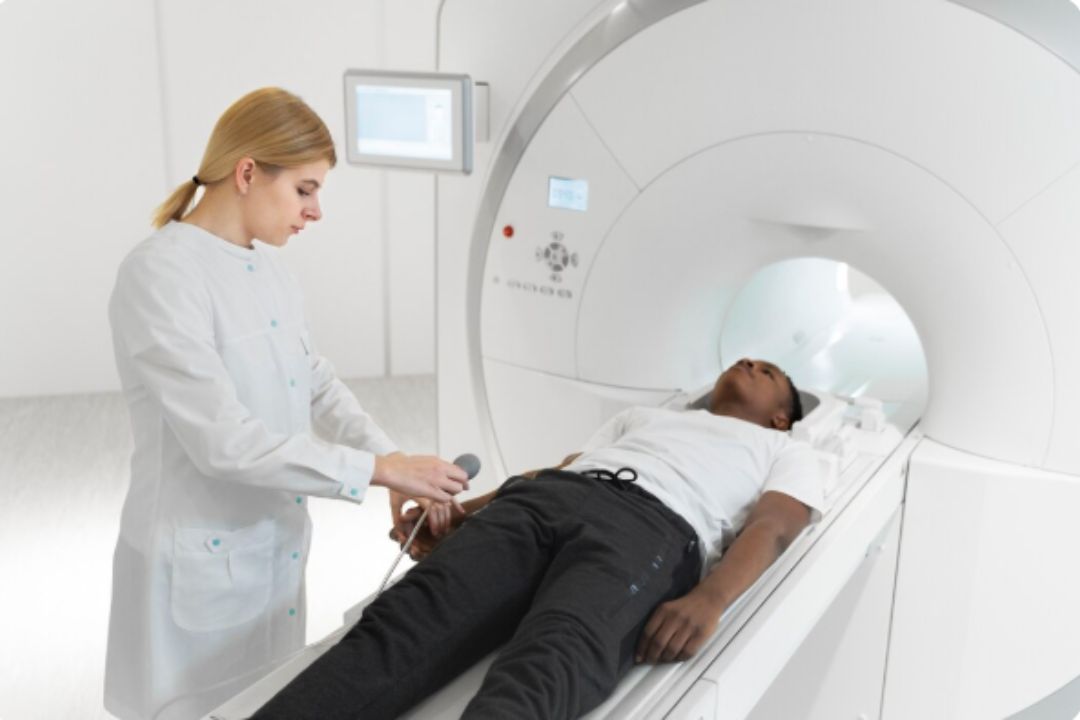
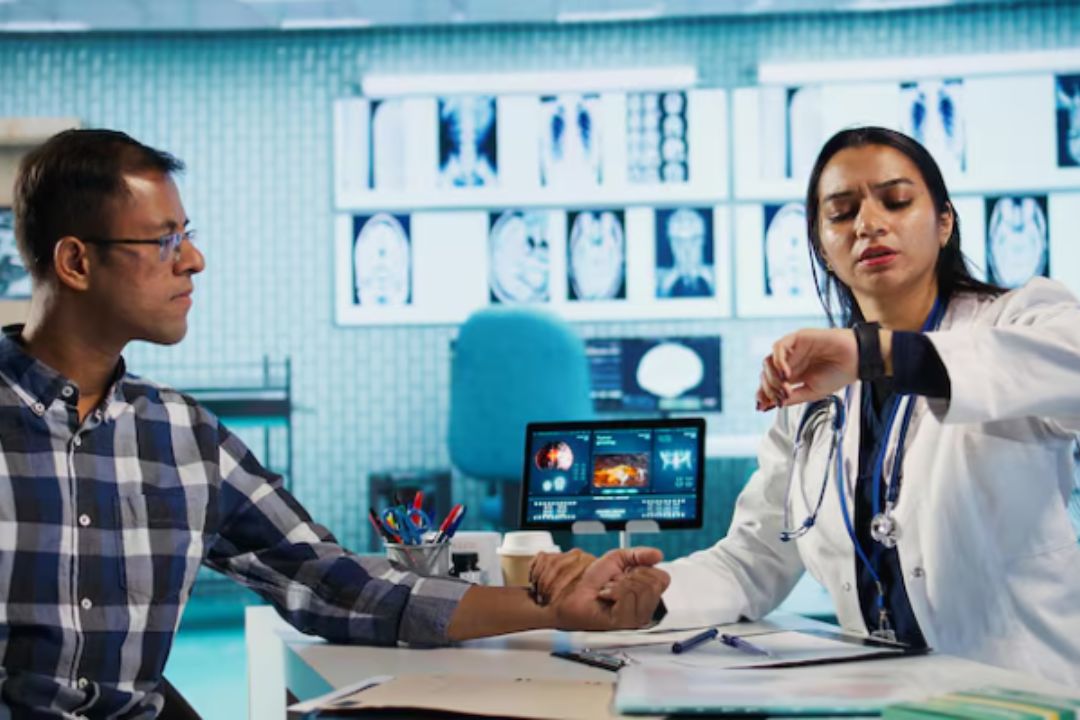
Arrive early to complete any necessary paperwork. A nurse or technologist will review your health questionnaire, confirm your understanding of the procedure, and obtain your consent. They will also insert an intravenous (IV) line, usually in your arm or hand, if IV contrast is required.
Step 3: Administration of the Contrast Agent
This is the "contrast" phase. The dye can be administered in one or more ways:
Orally: For abdominal scans, you may drink a liquid contrast agent over 60-90 minutes before the scan.
Intravenously (IV): The most common method. The contrast is injected through the IV line during the scan using an automated pump.
Rectally: Less common, used for specific evaluation of the lower colon.
During the IV injection, it’s normal to feel a warm, flushing sensation throughout your body and a metallic taste in your mouth. These sensations last only a minute or two.
Step 4: The Scanning Process
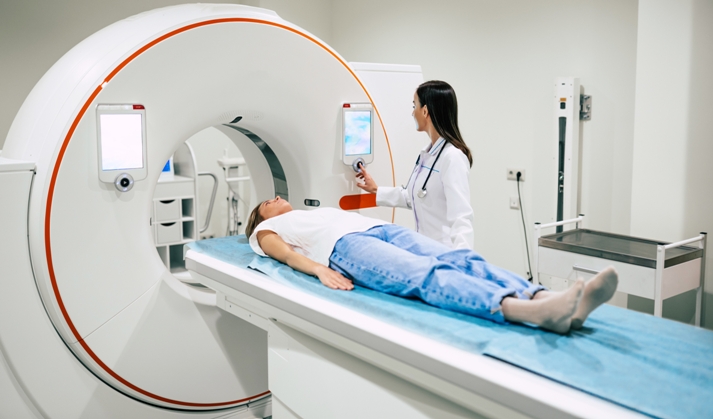
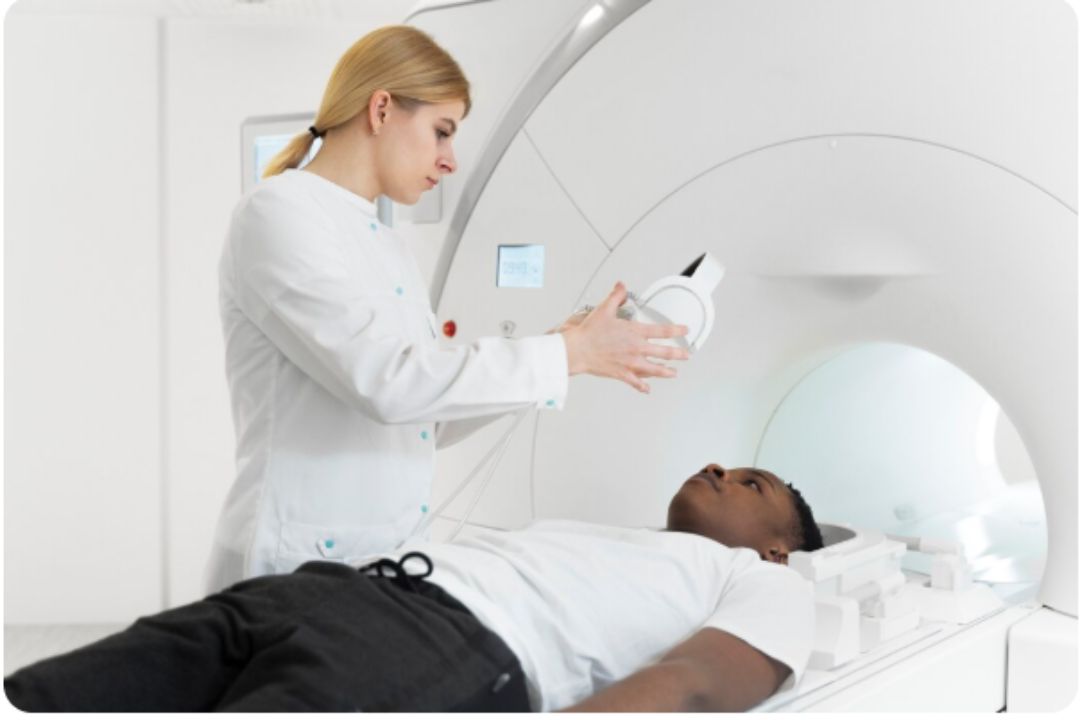
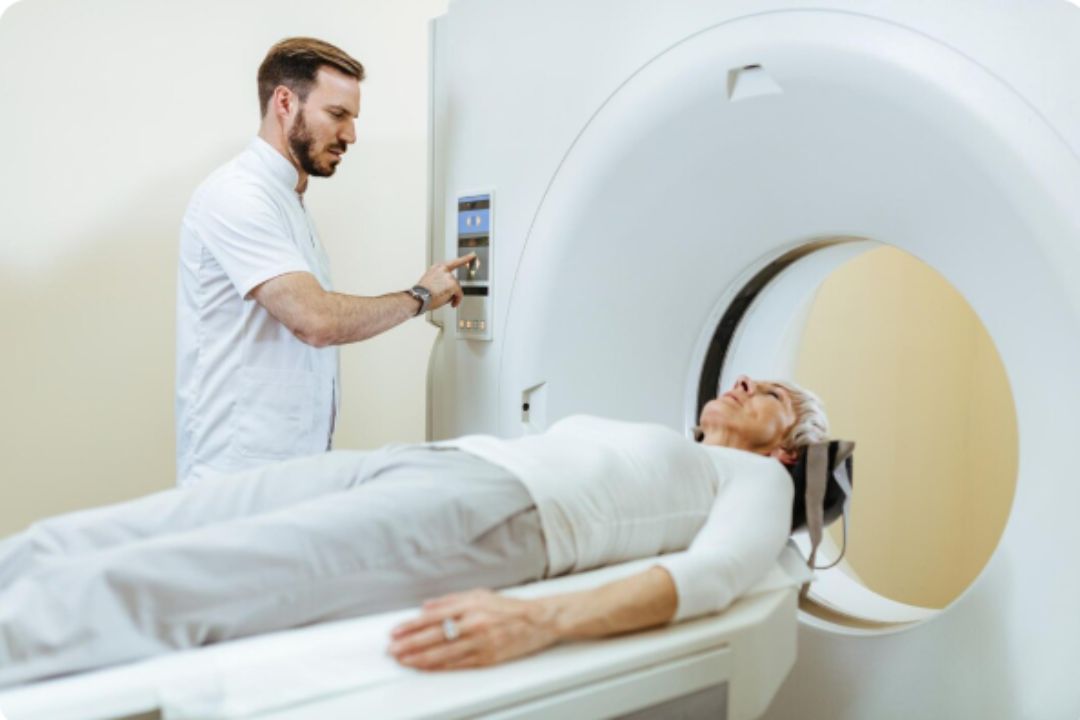
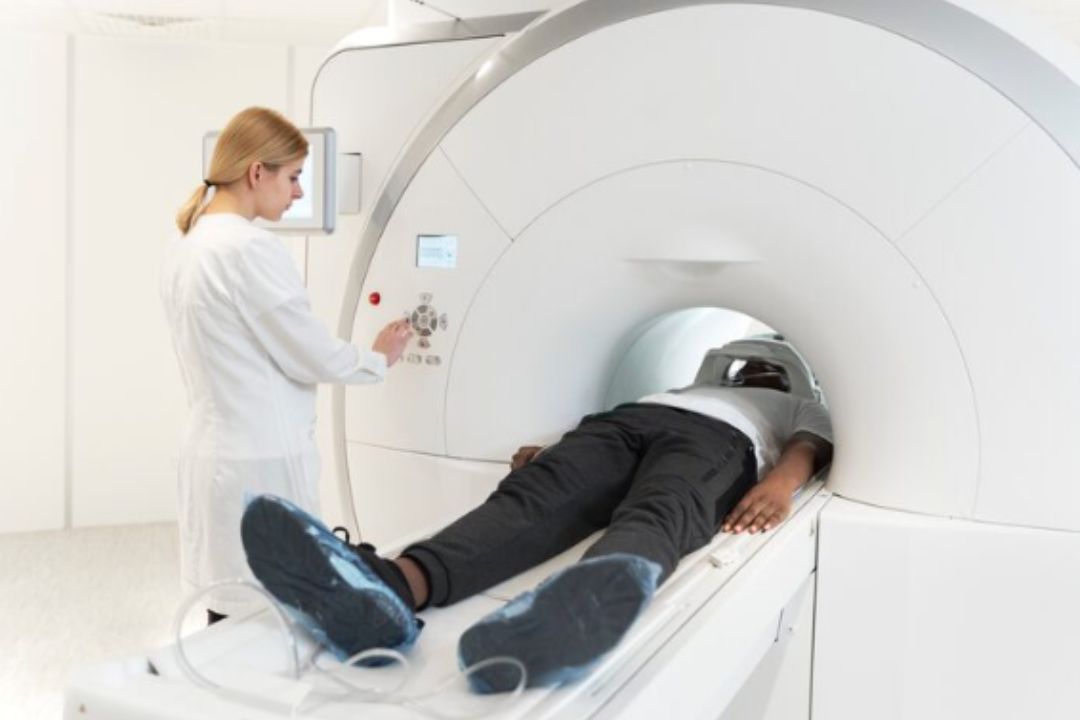
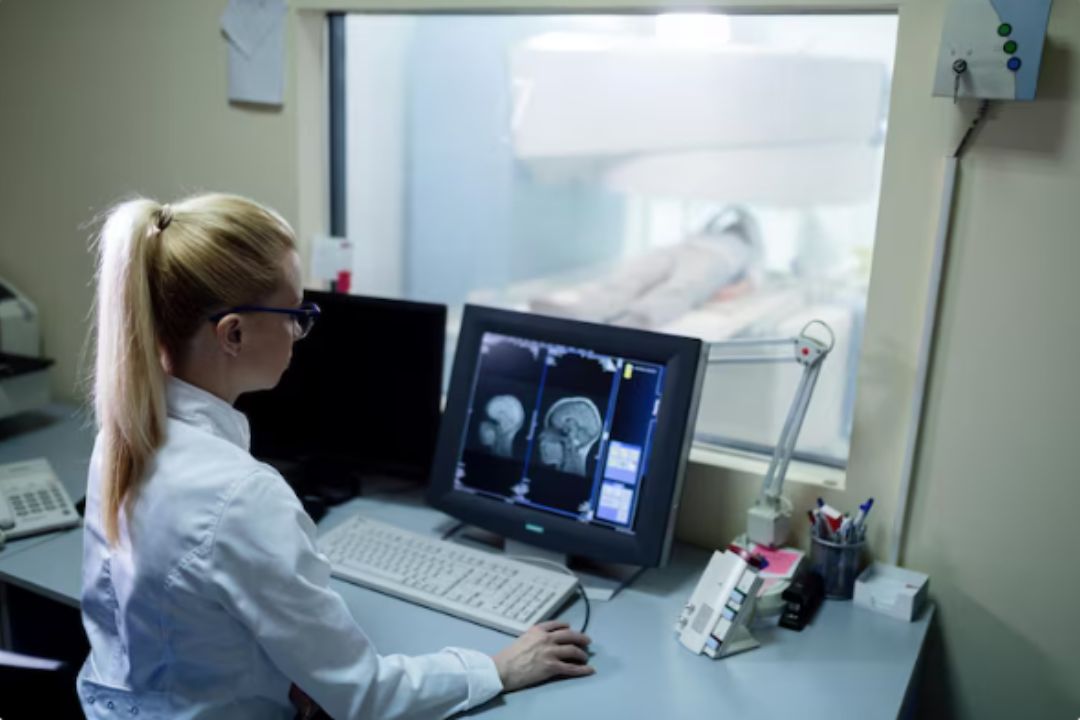
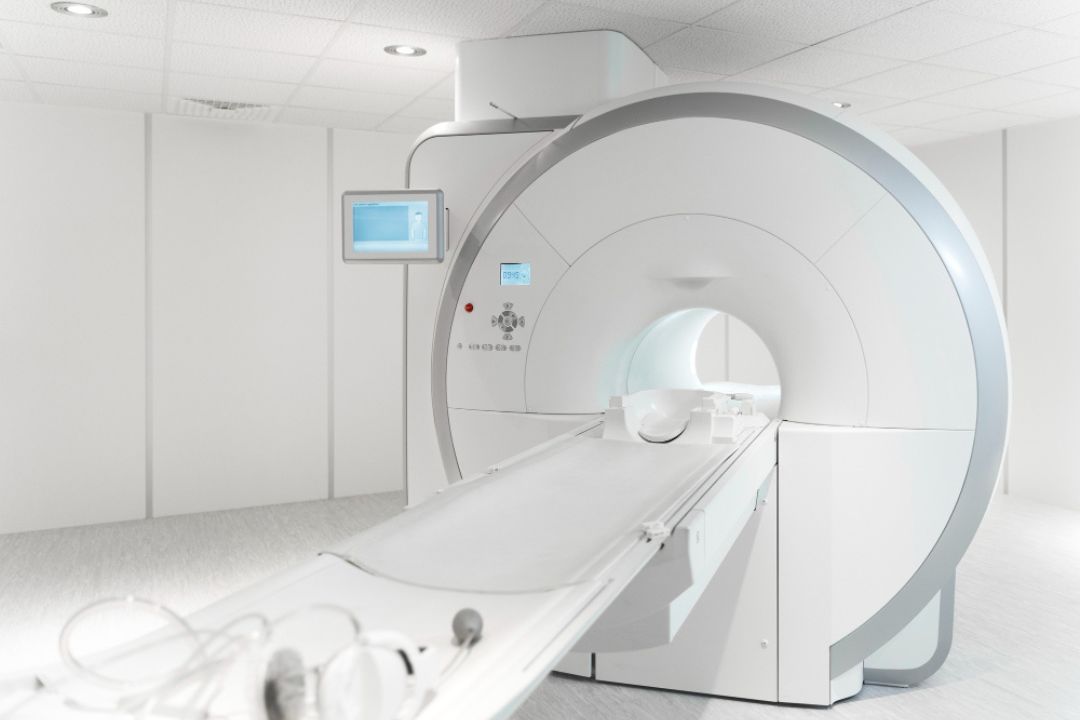
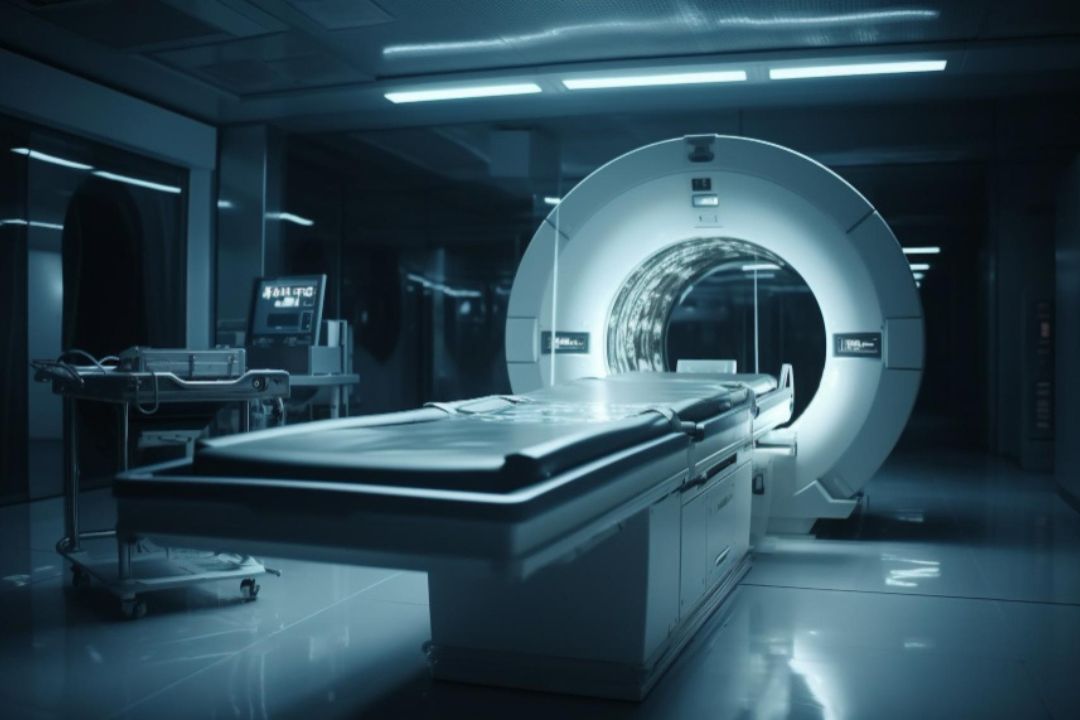
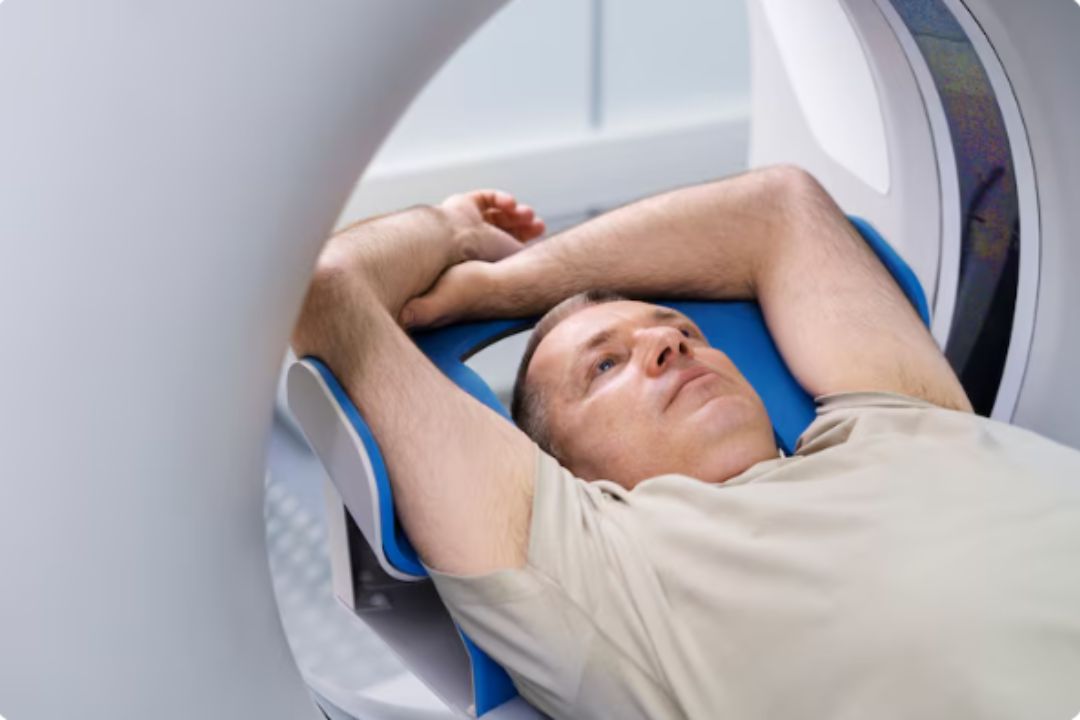
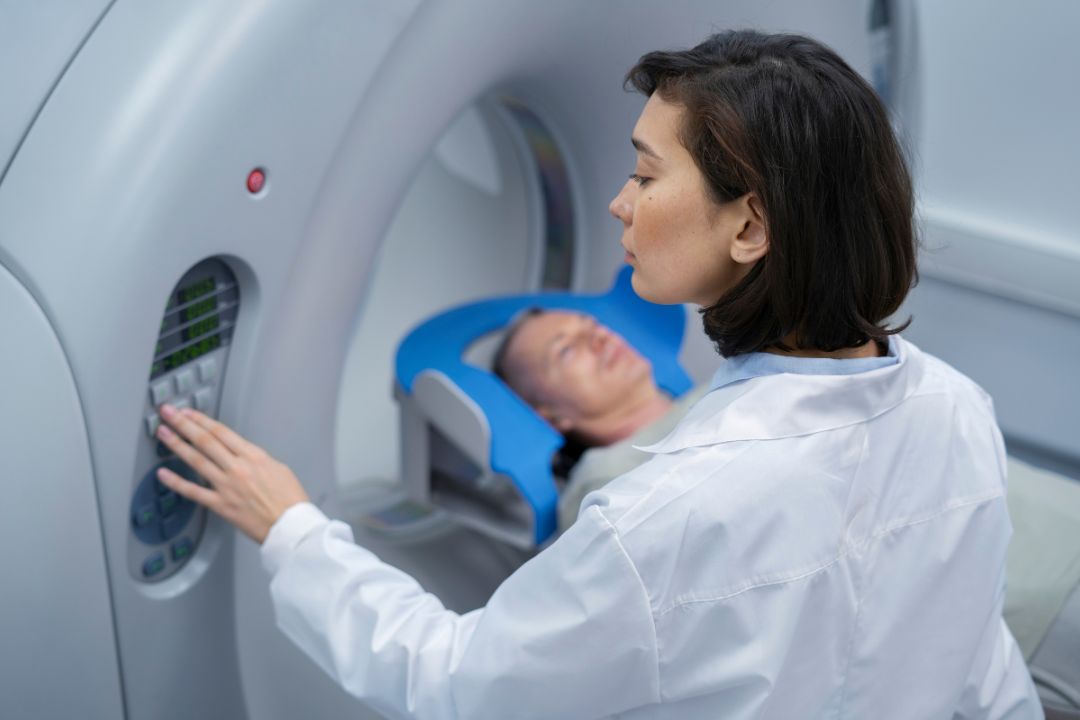
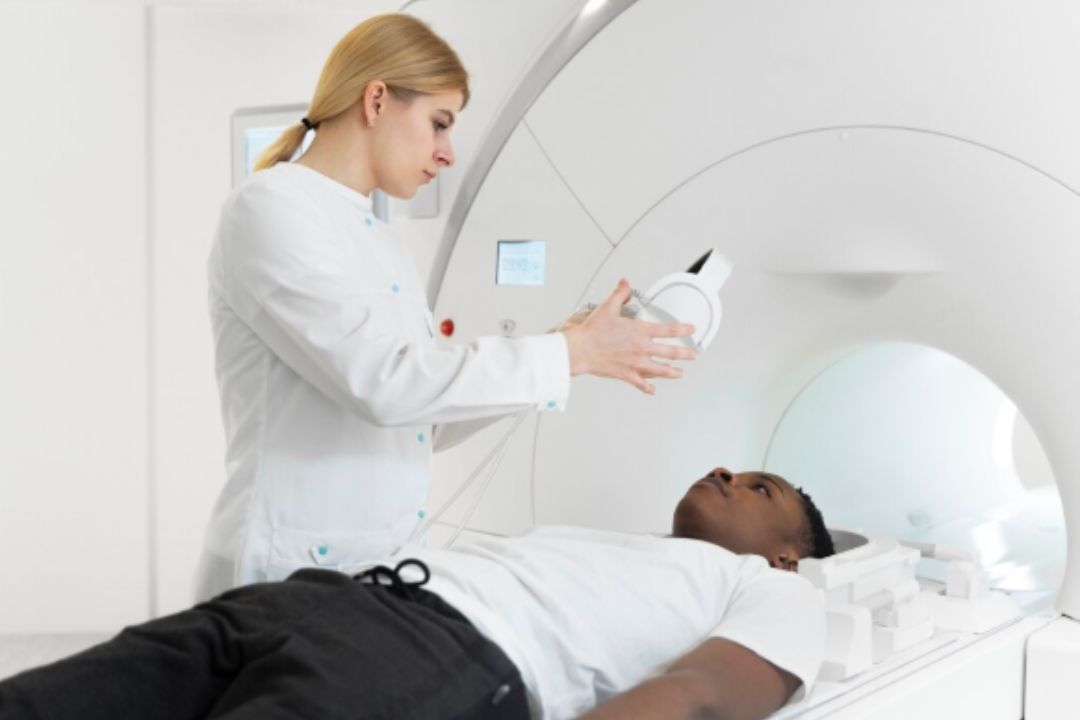
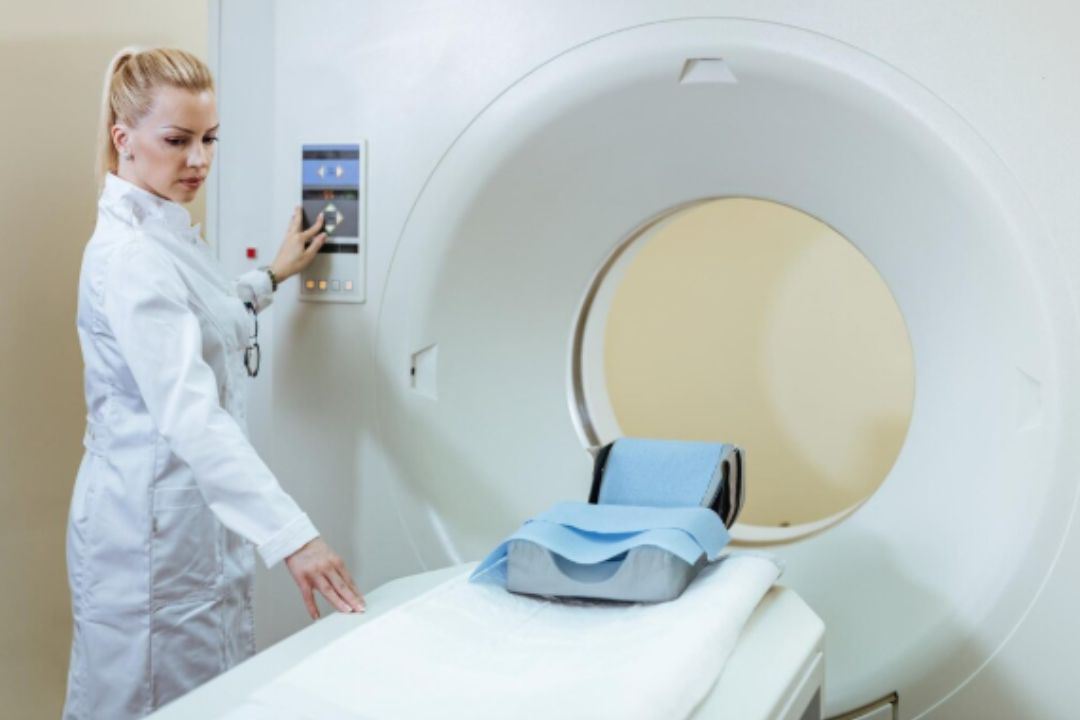
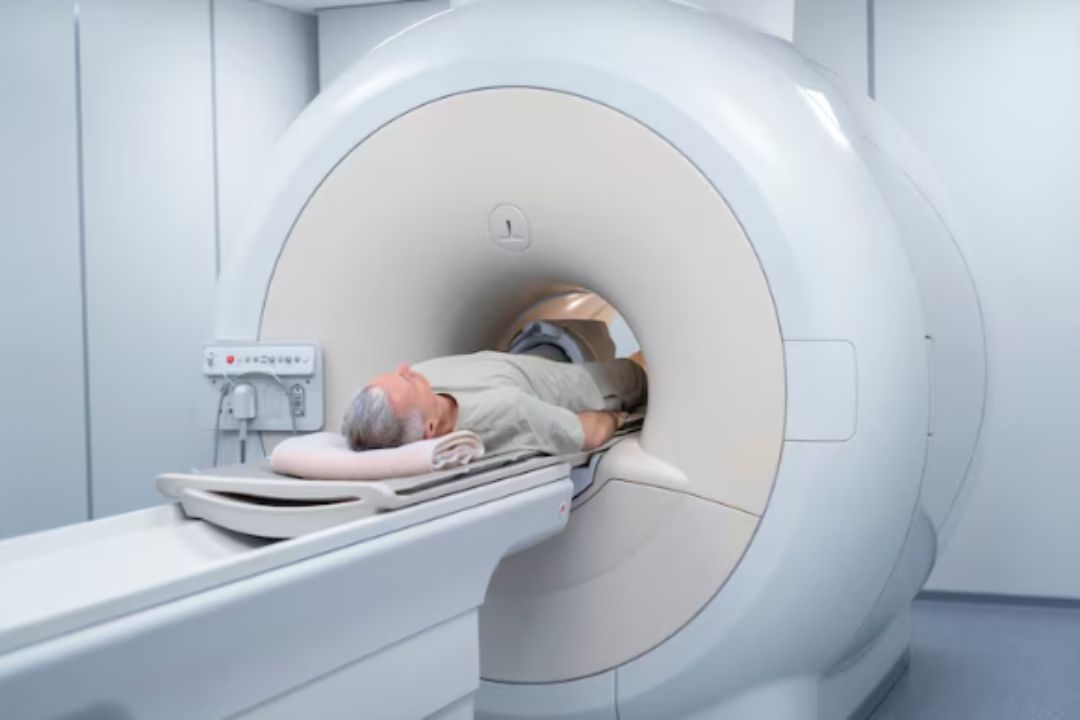
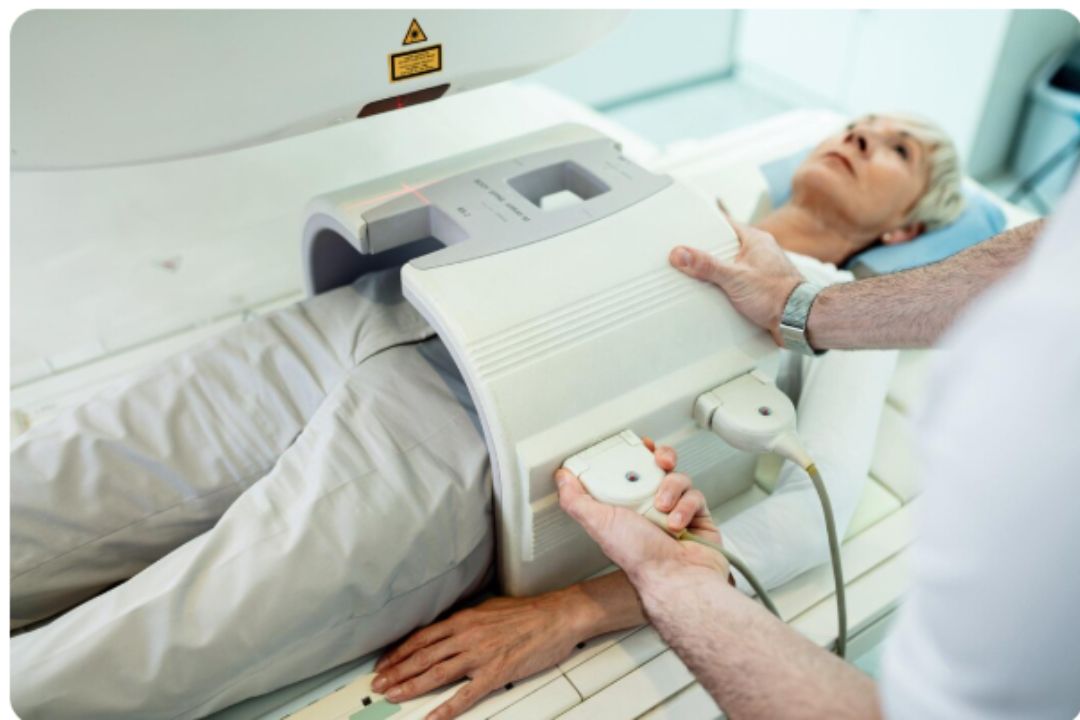
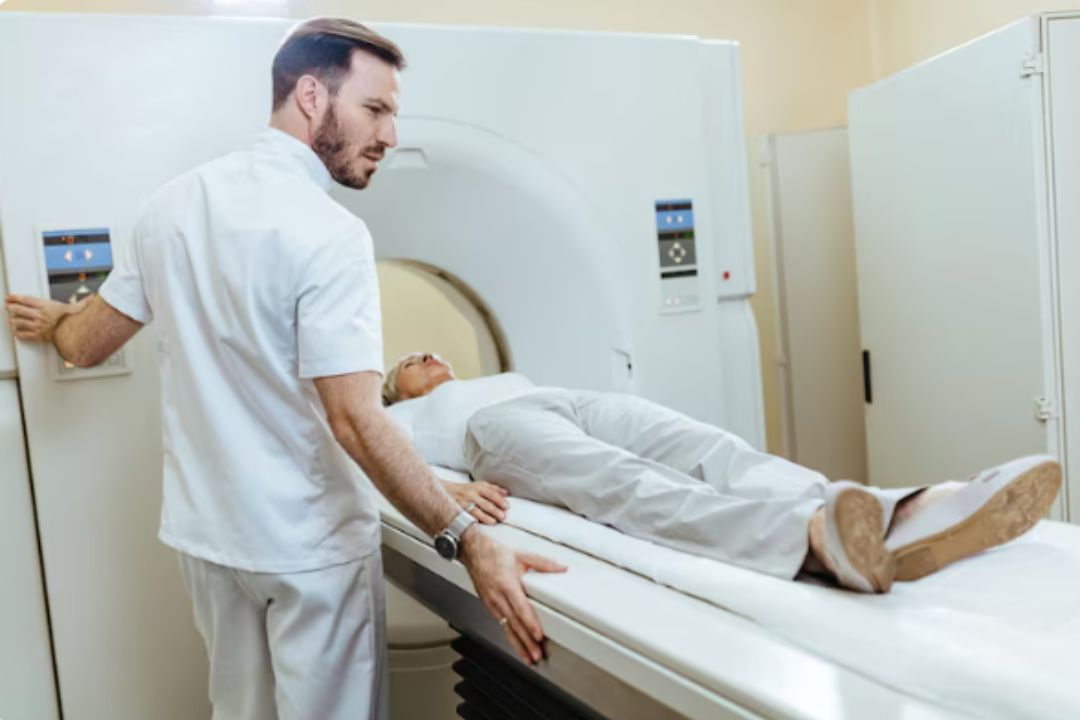
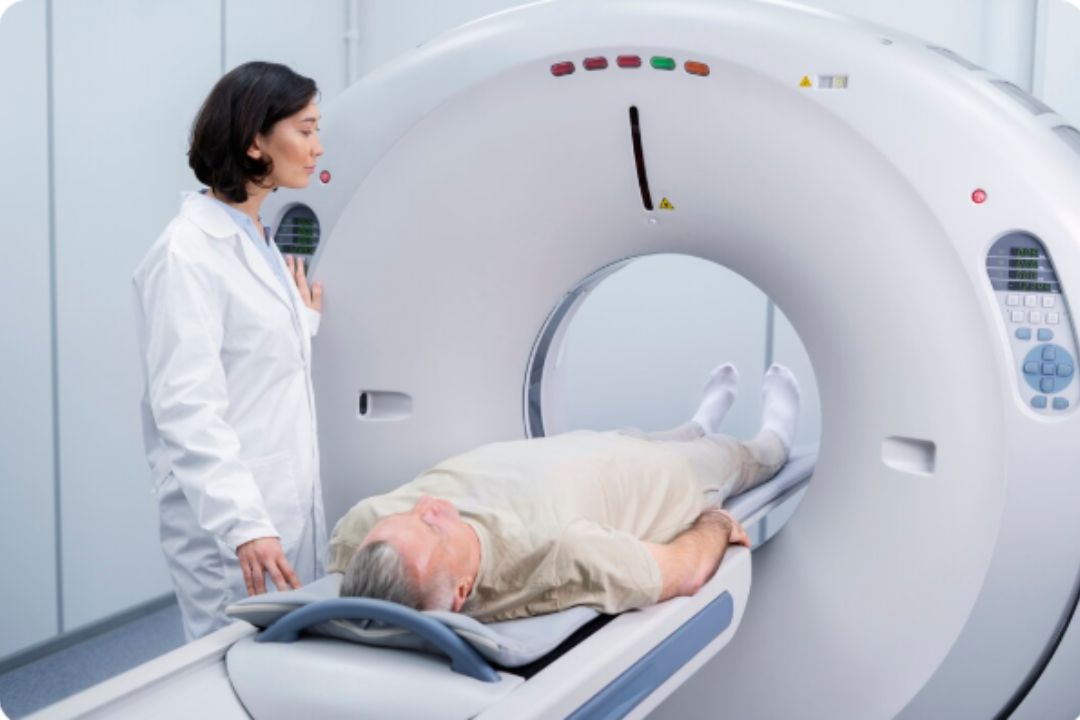
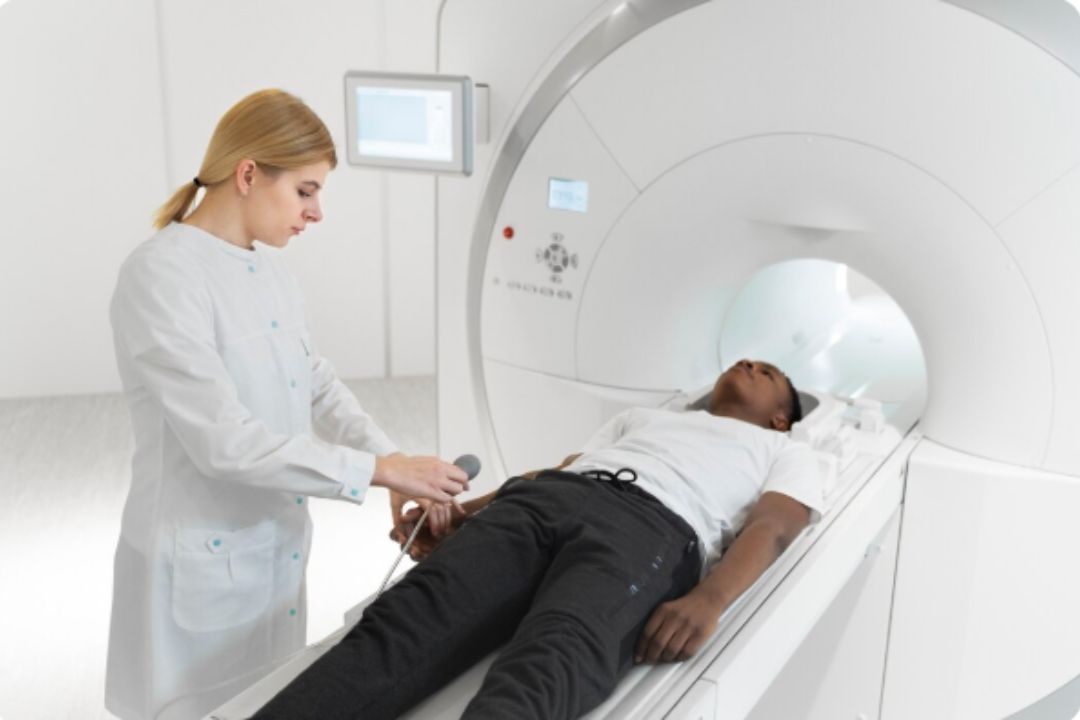
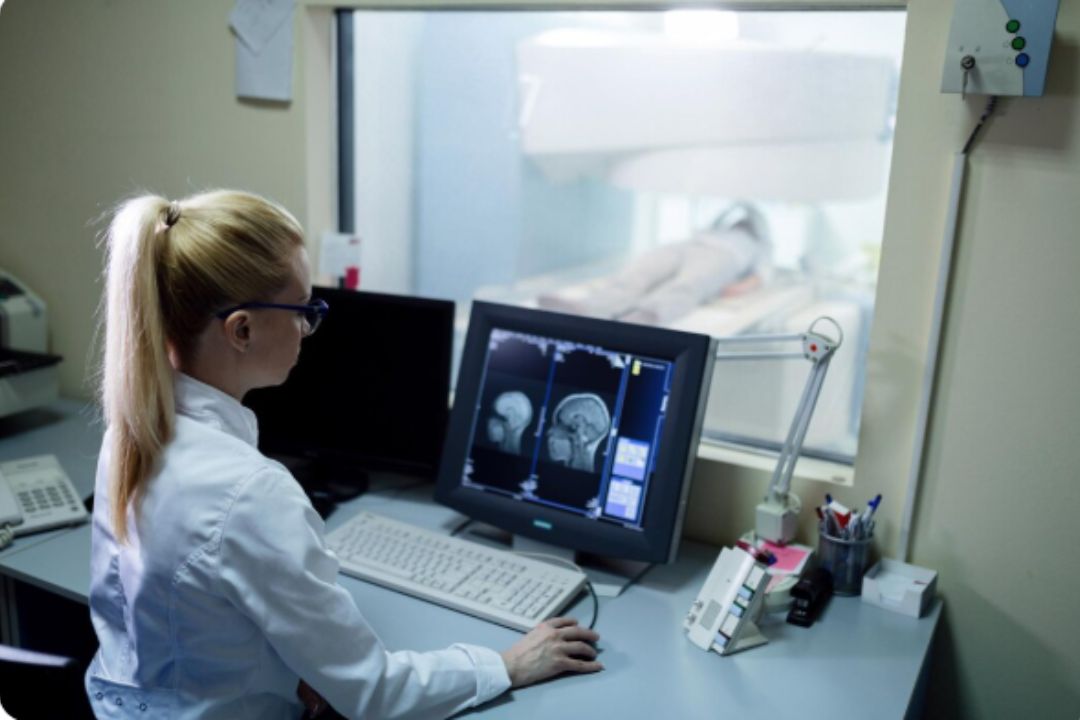
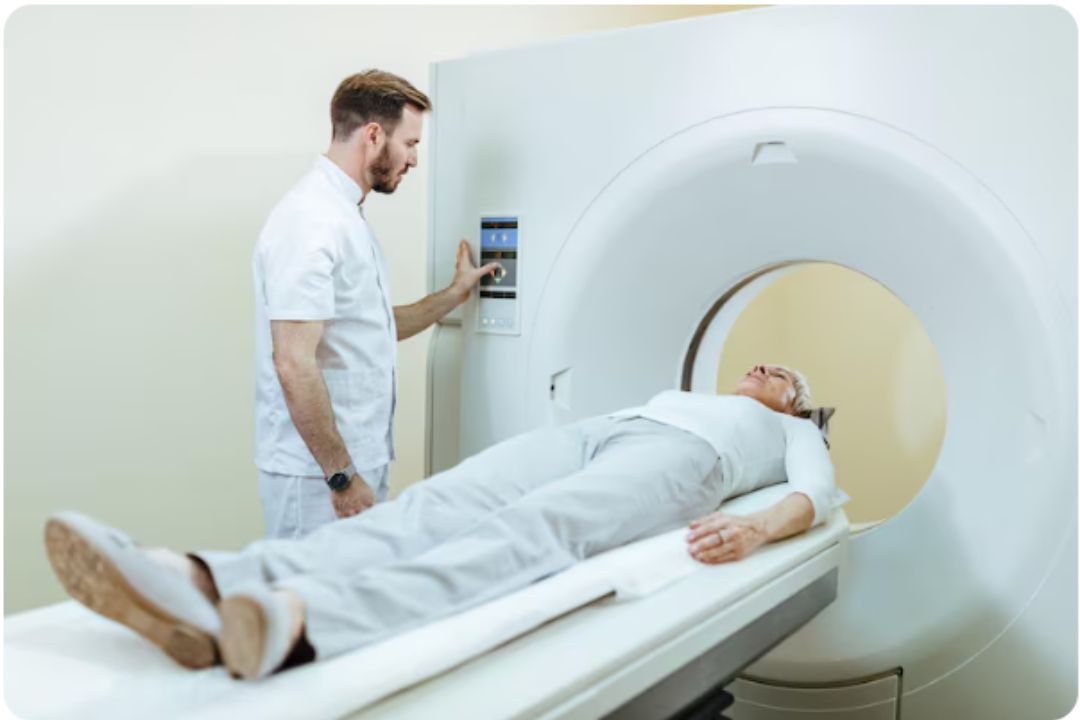
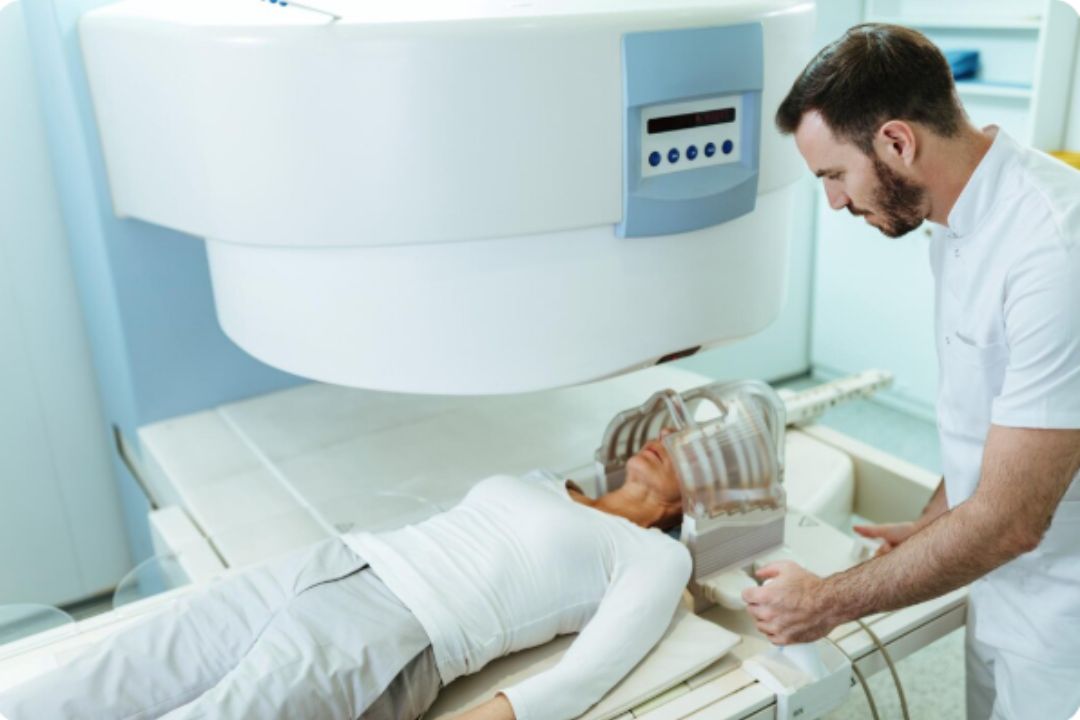
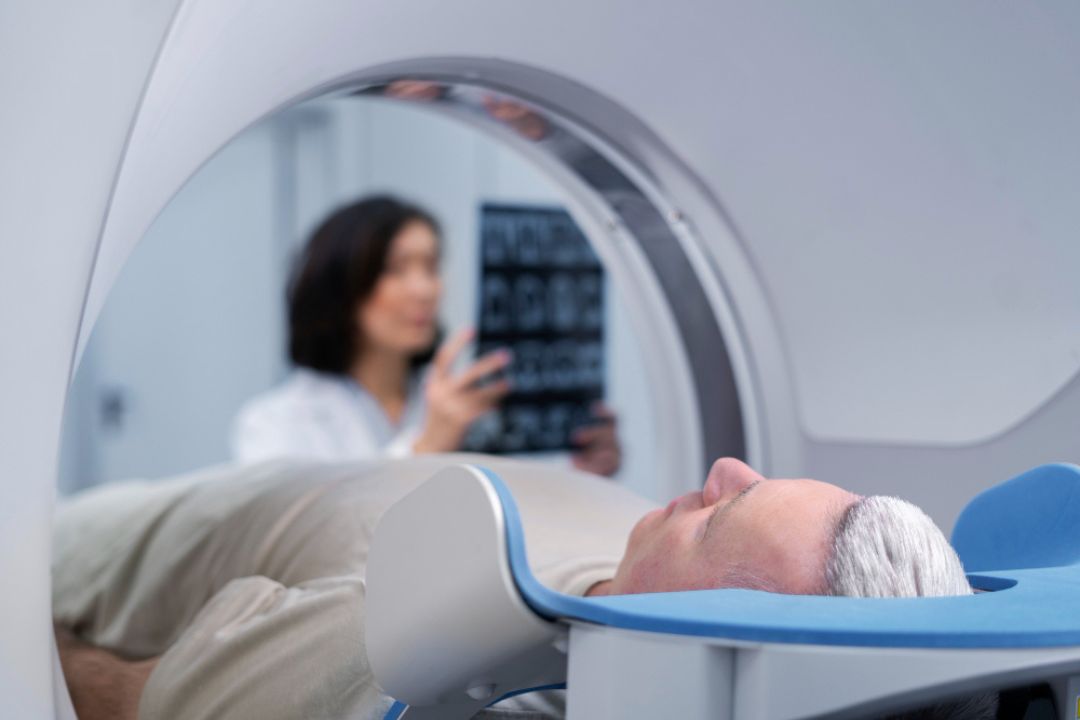
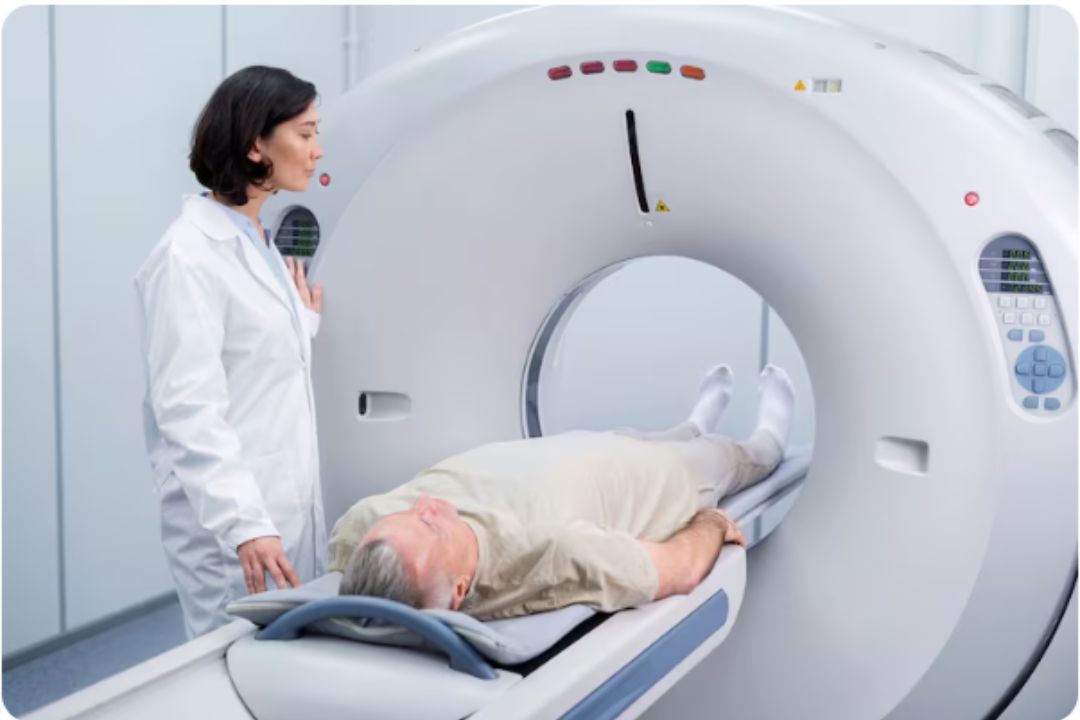
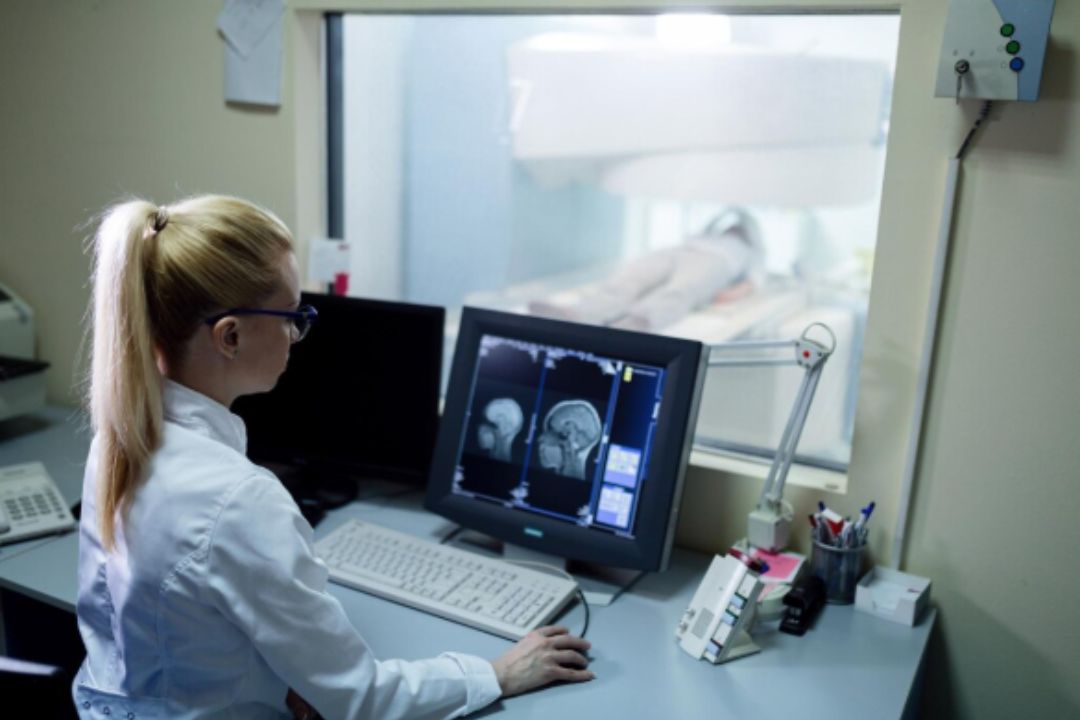
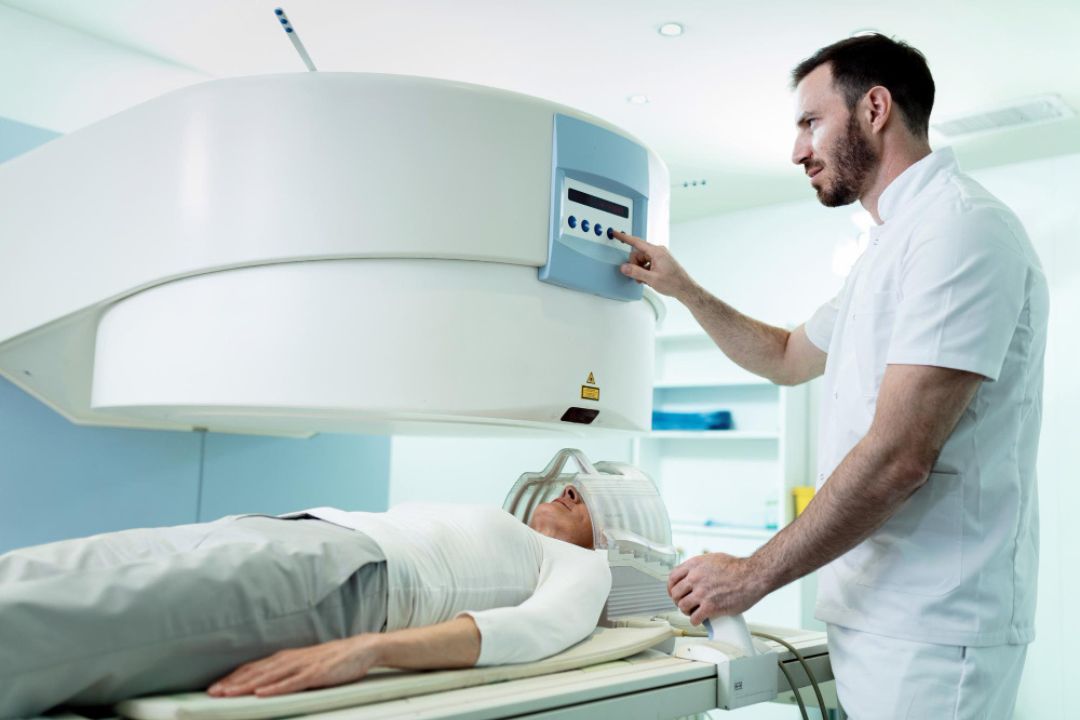
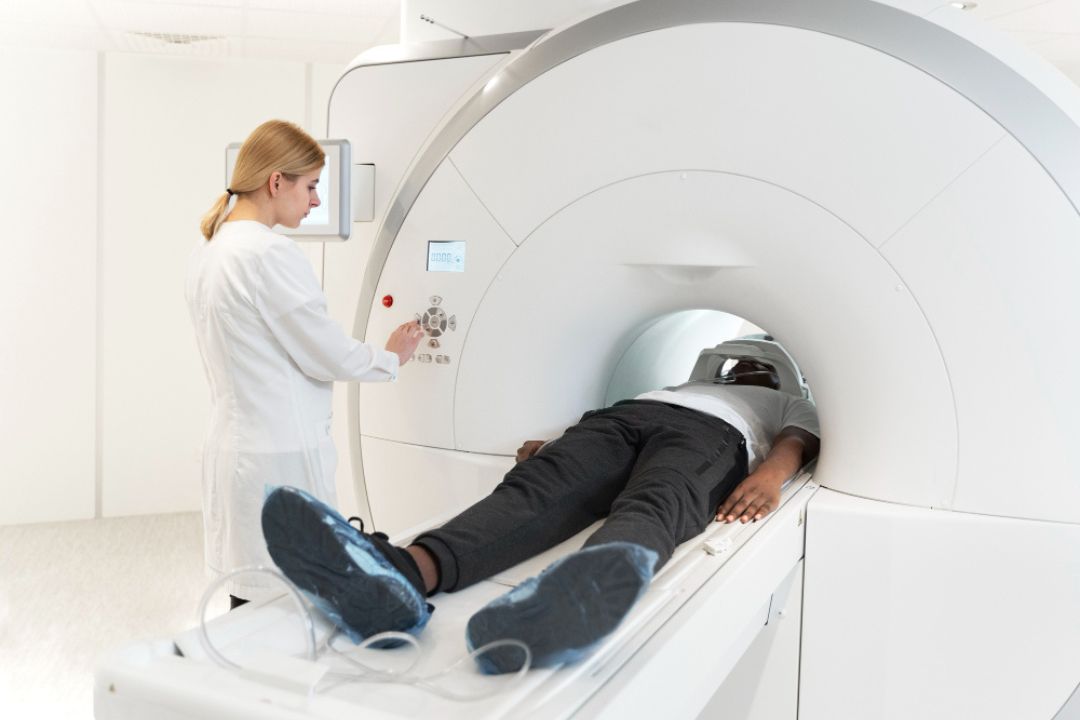
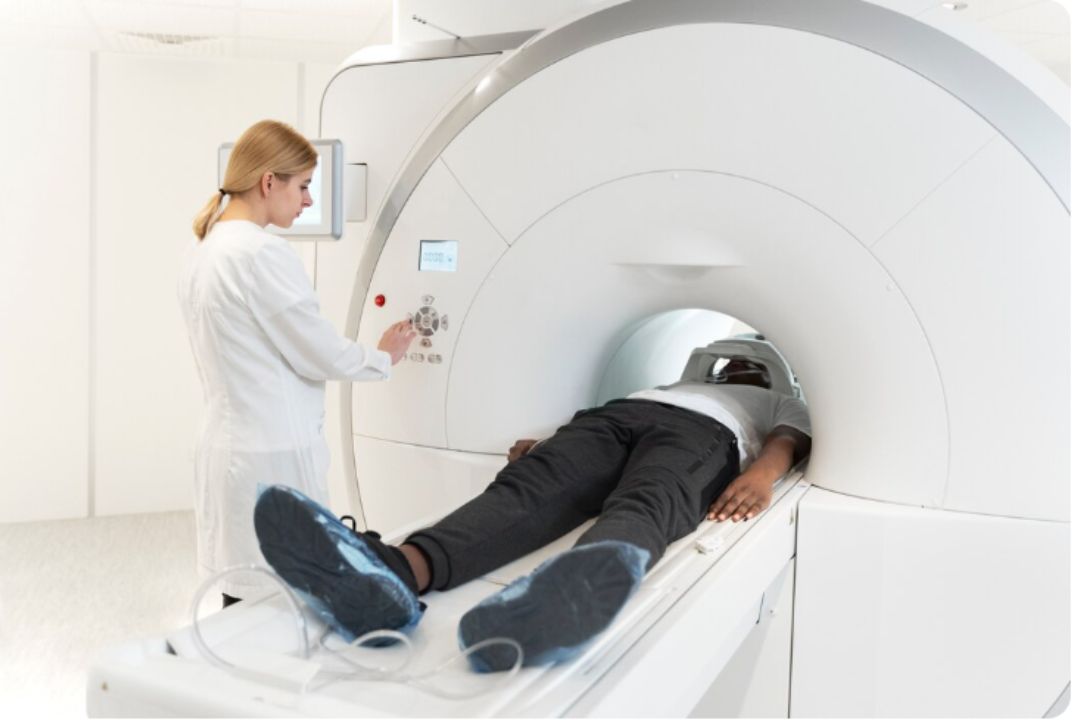
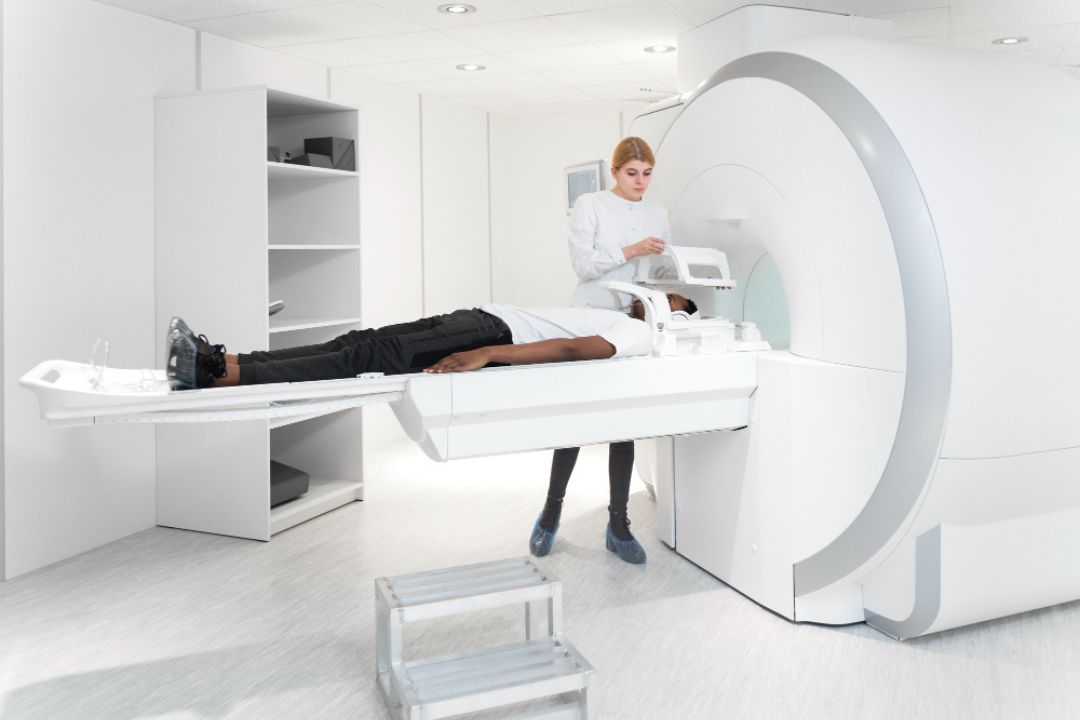
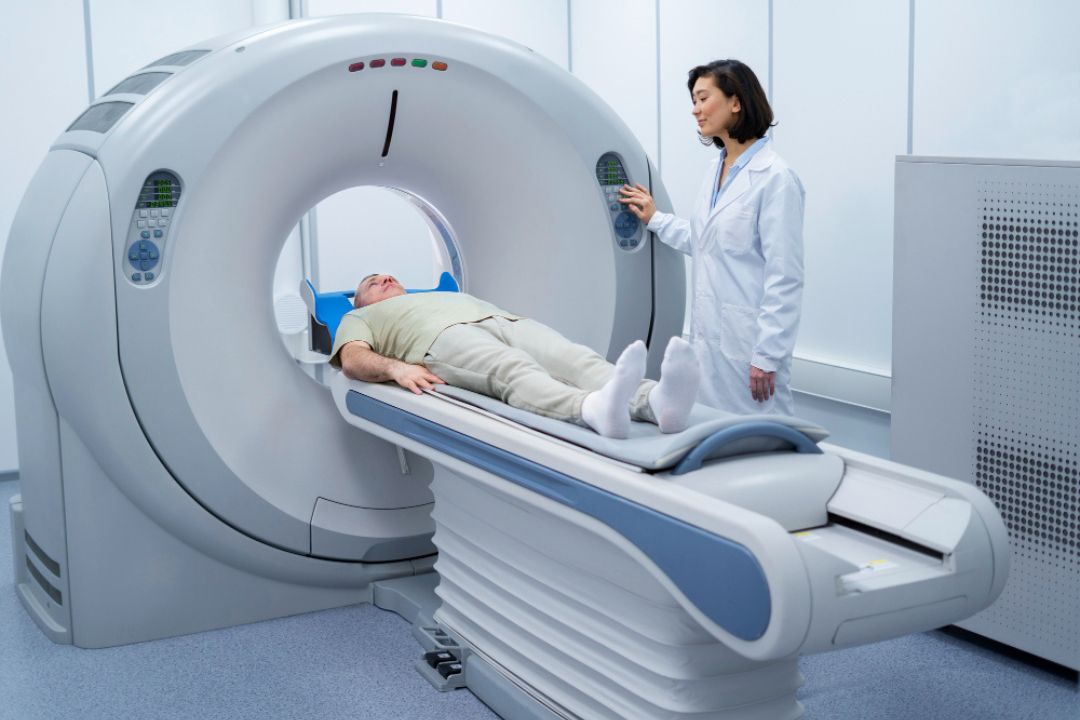
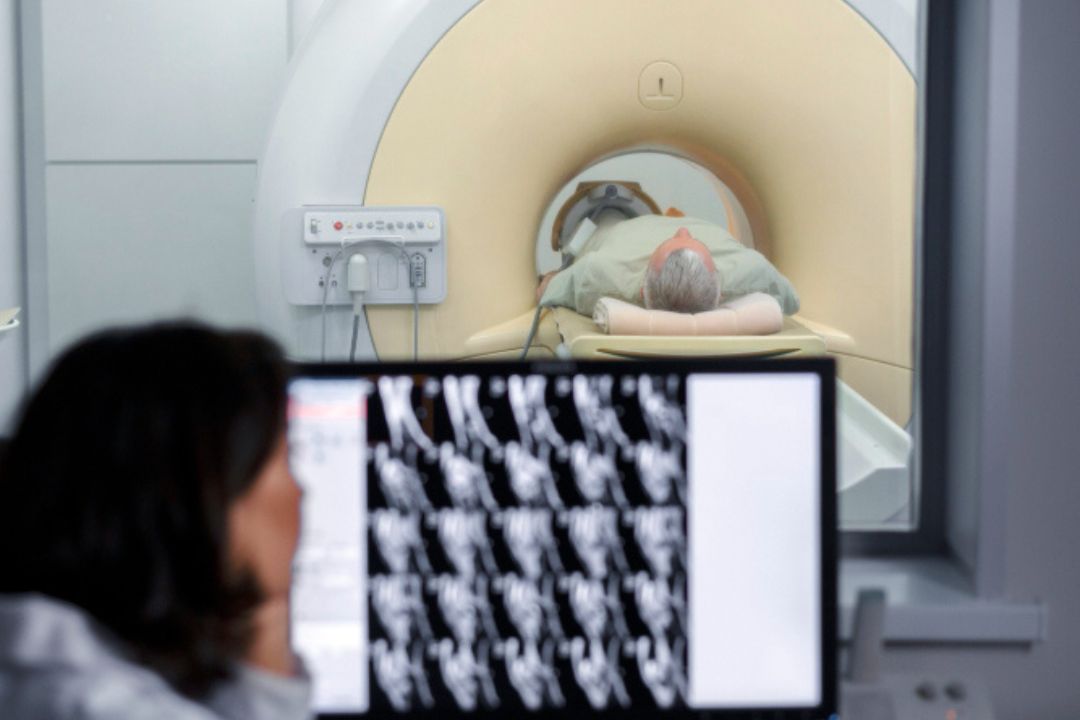
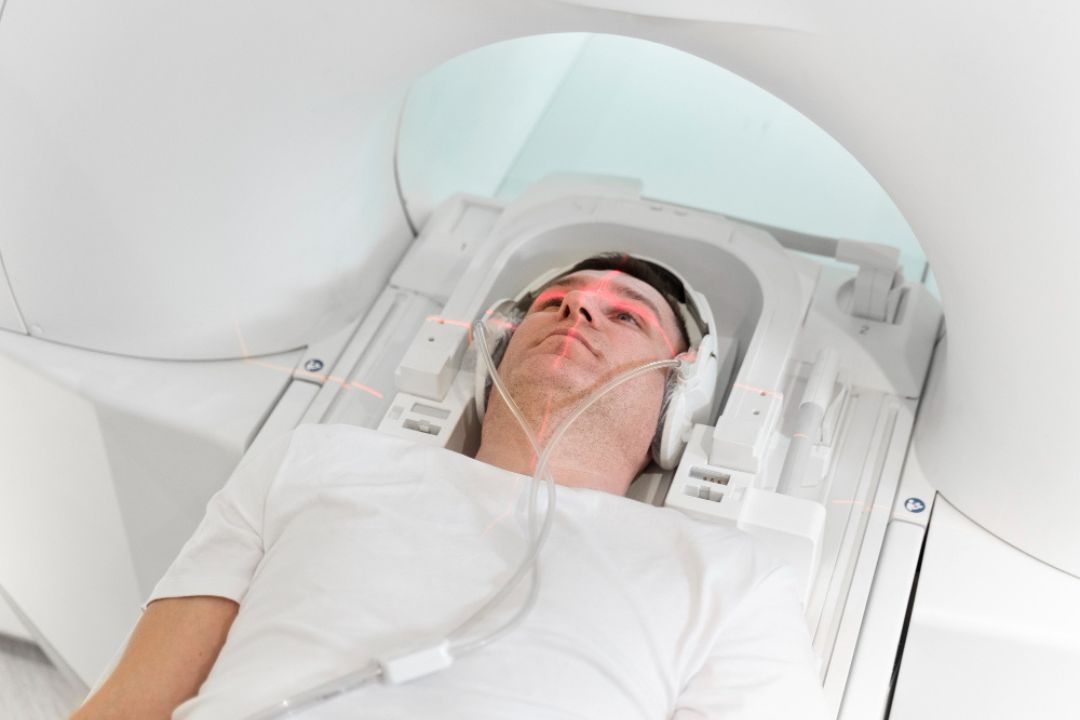
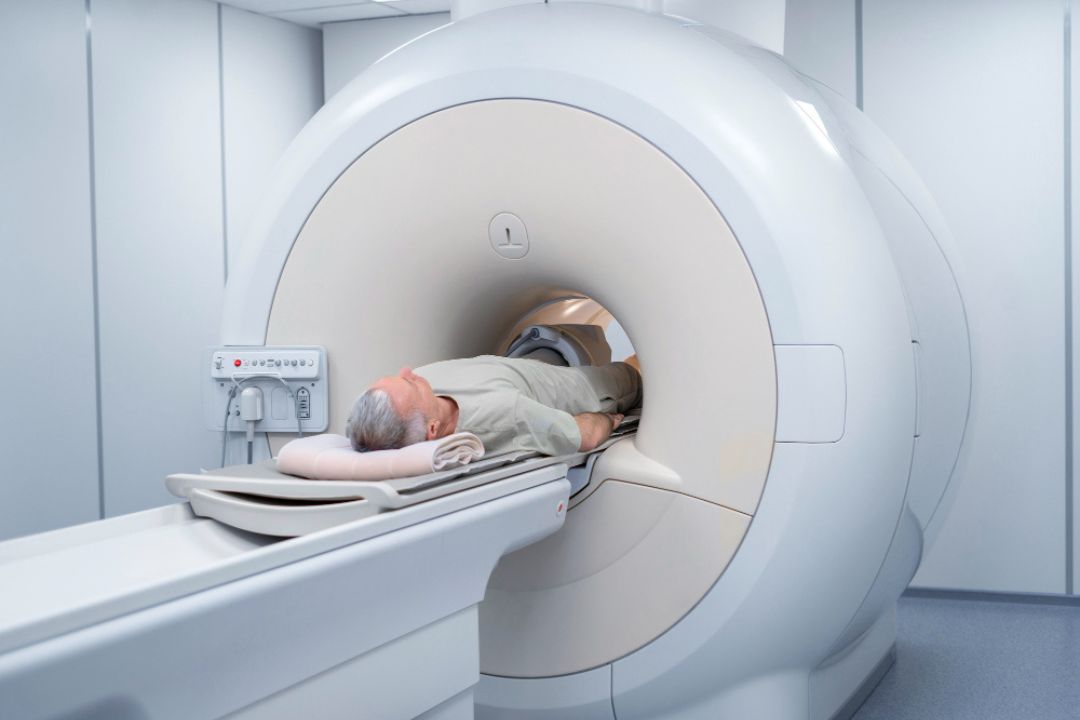
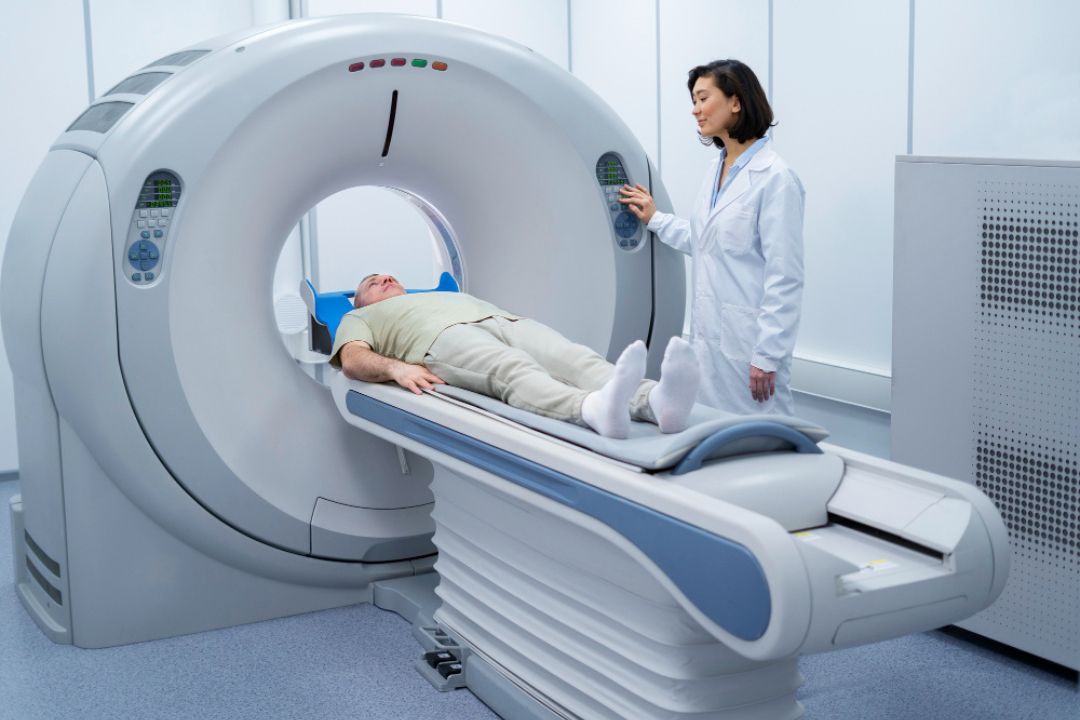
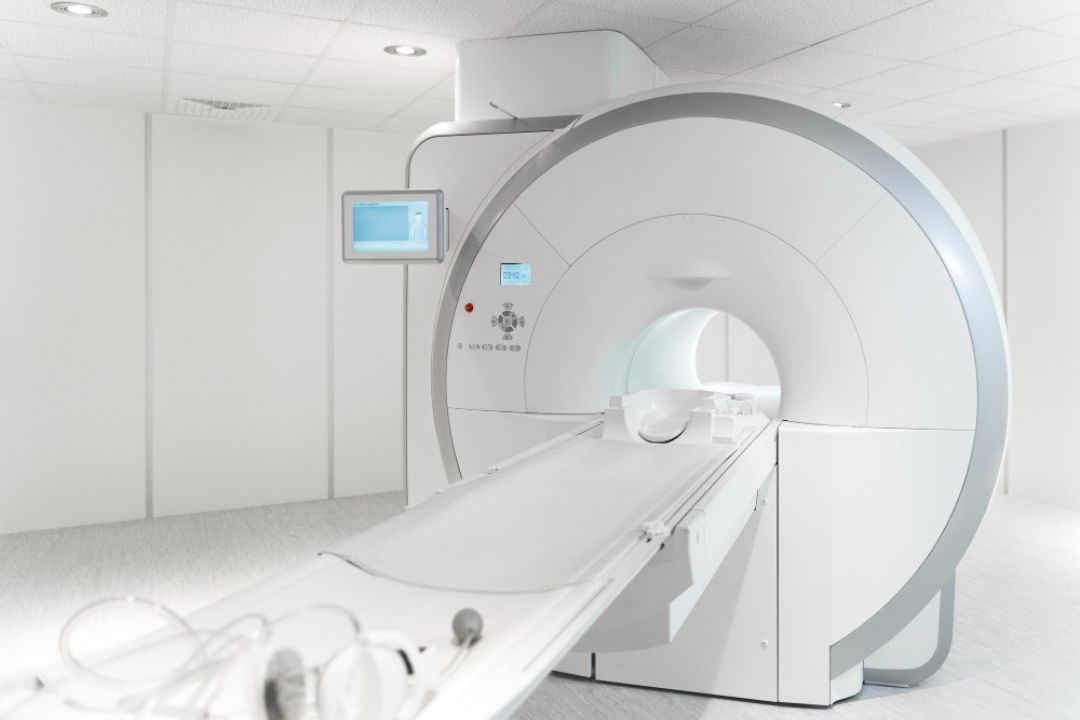
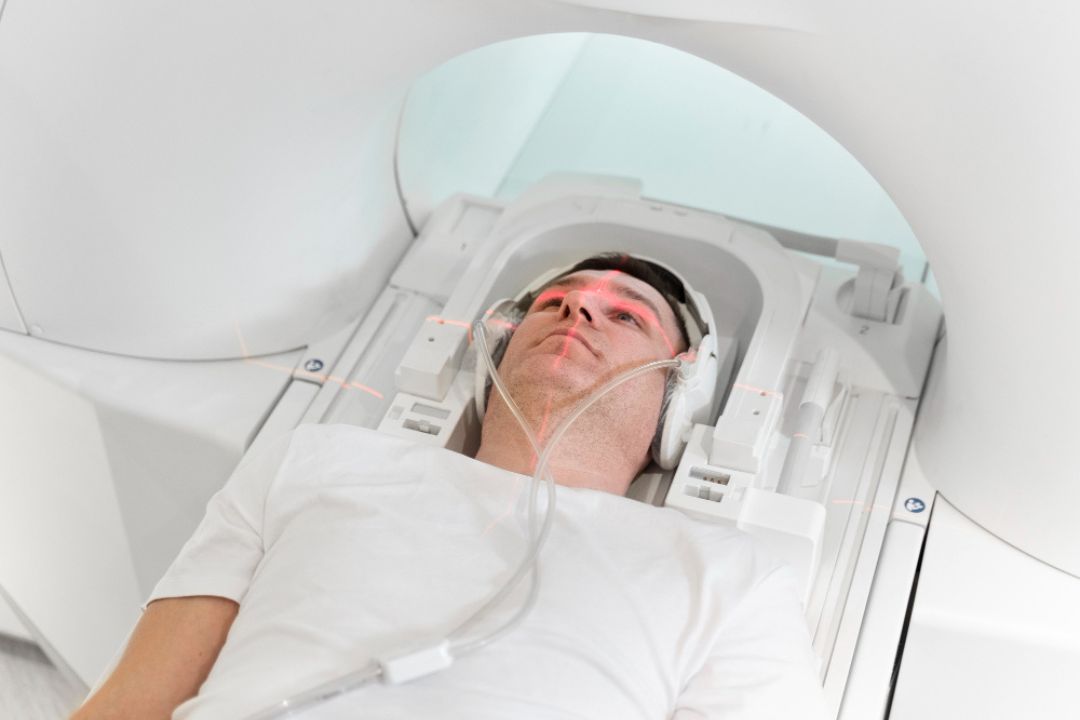
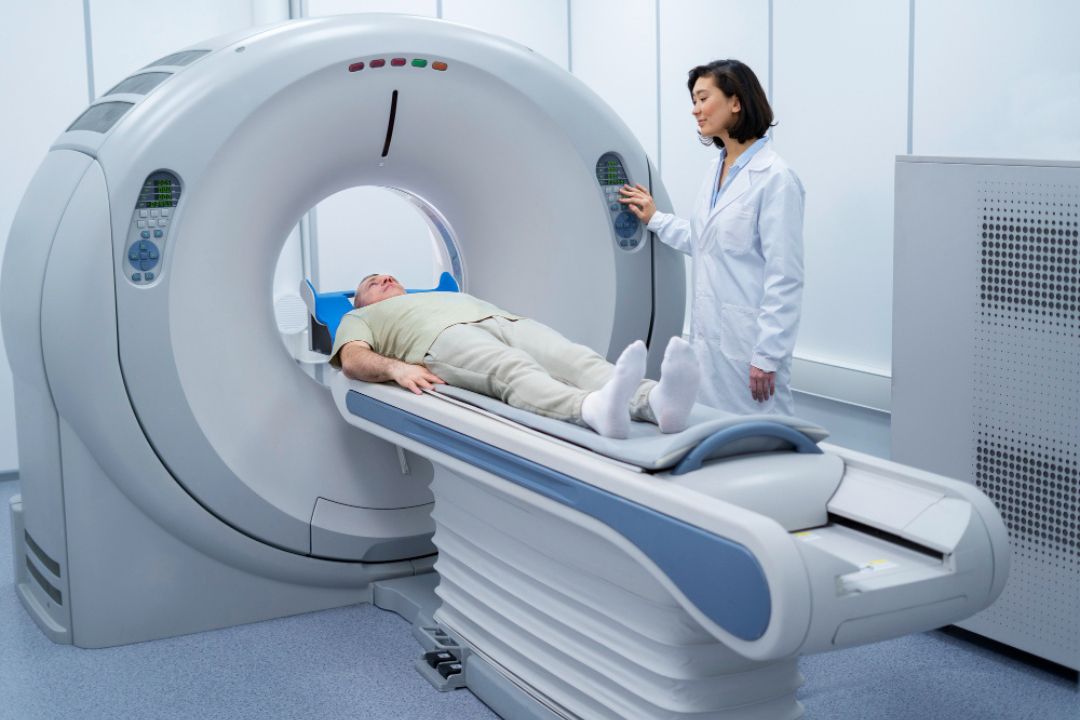
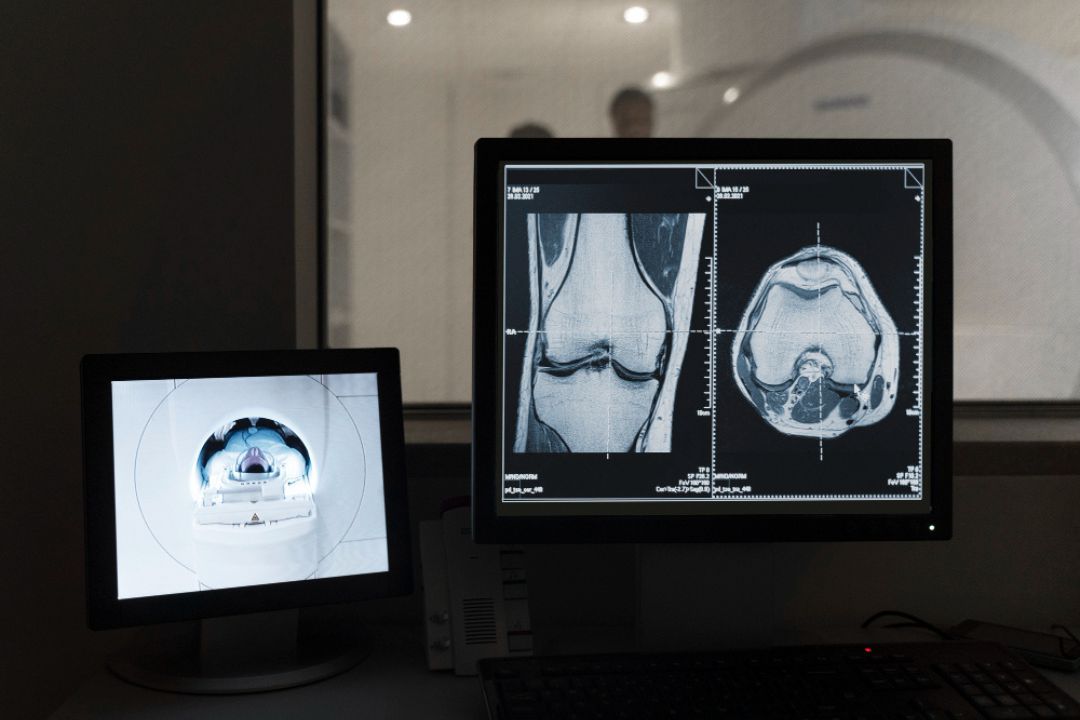
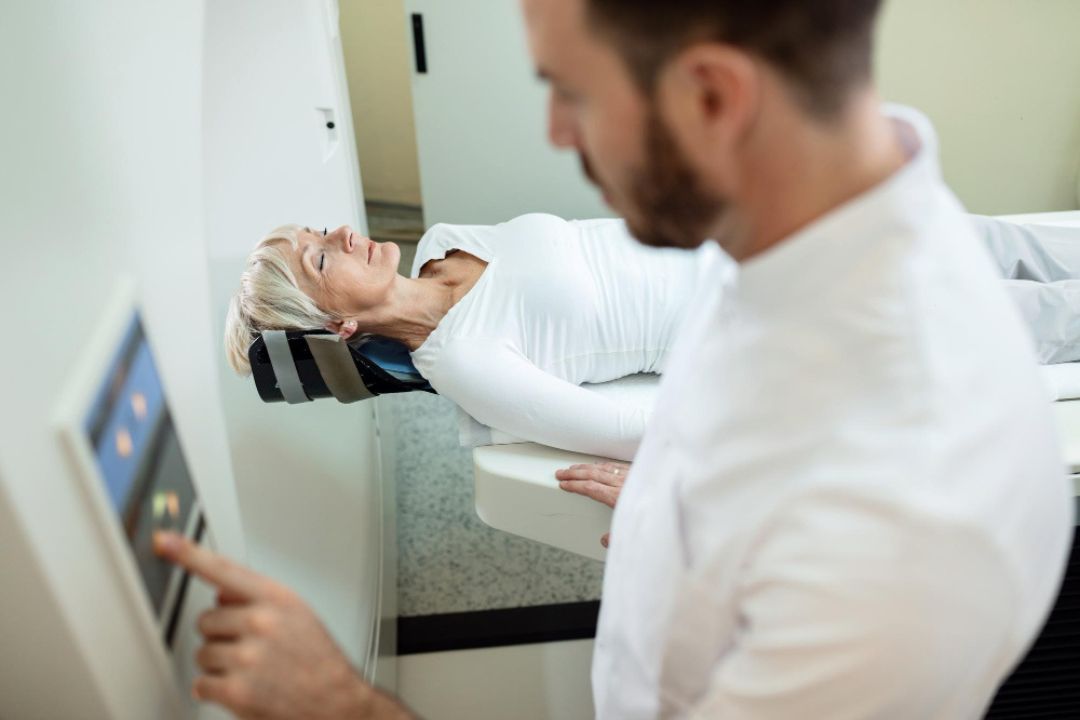
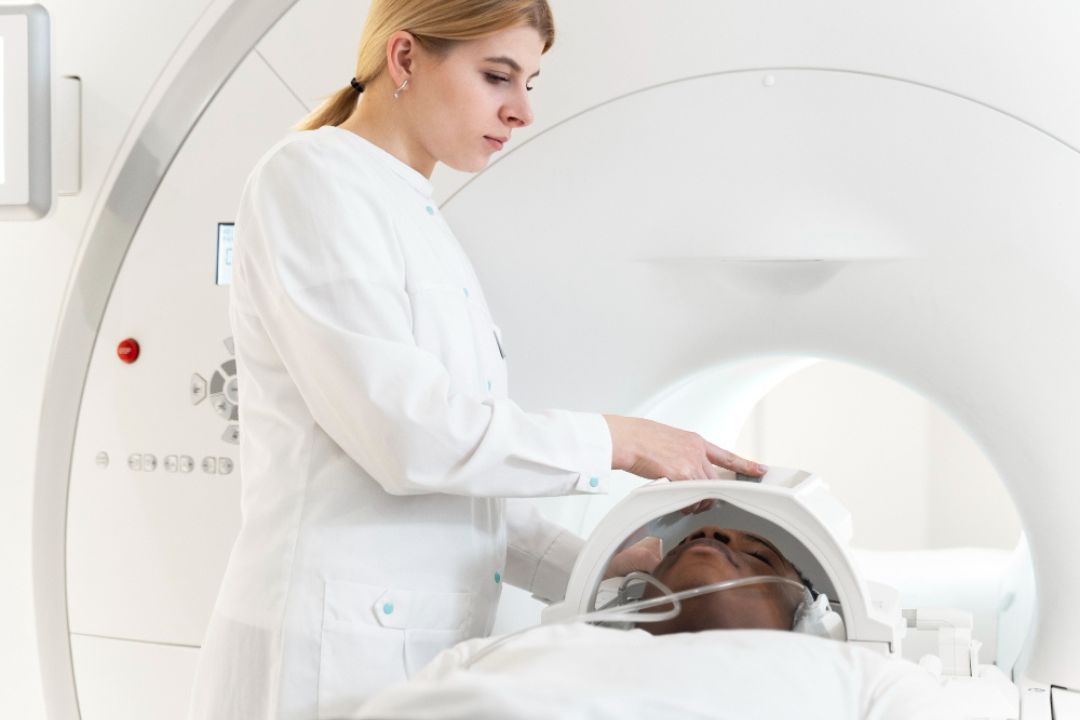
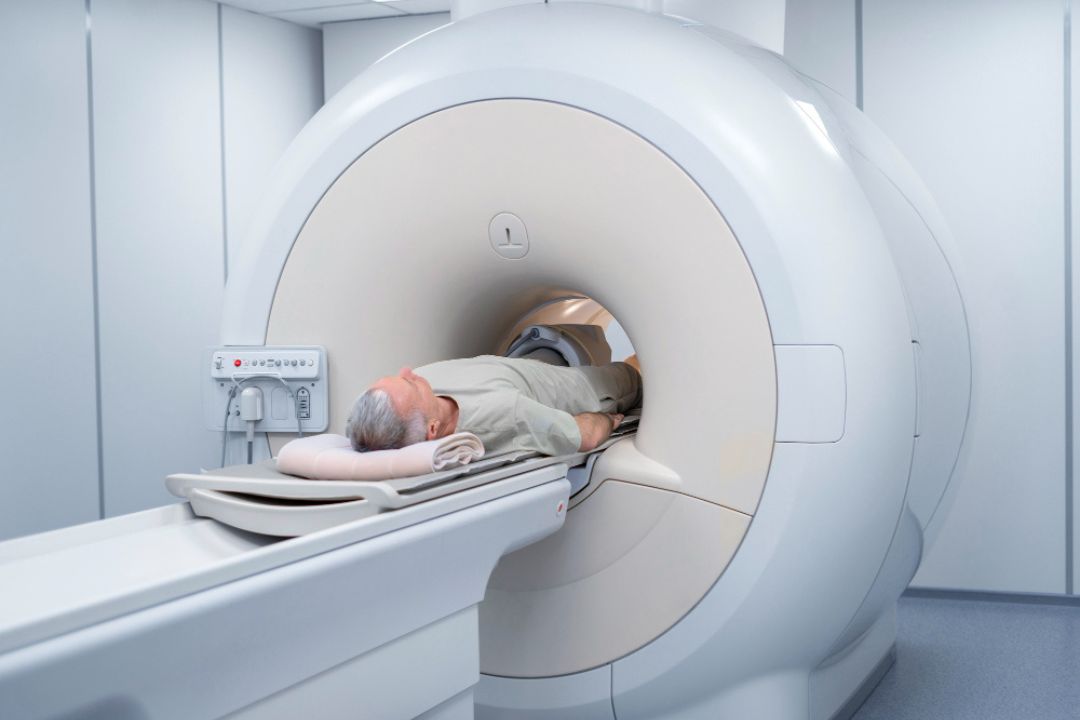
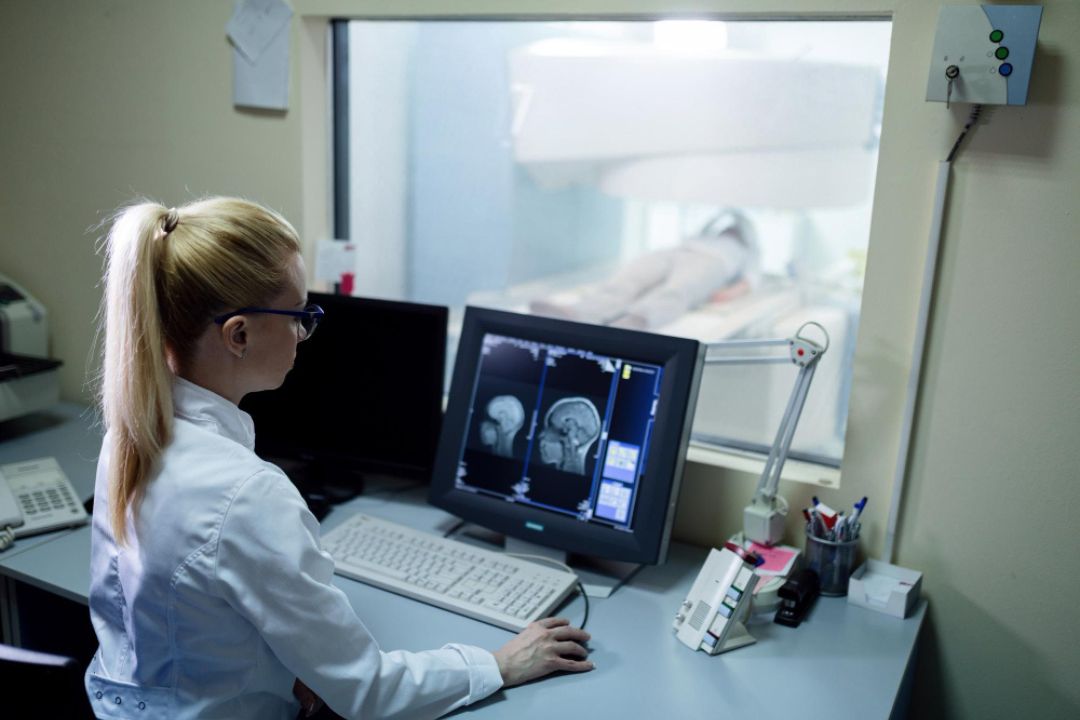
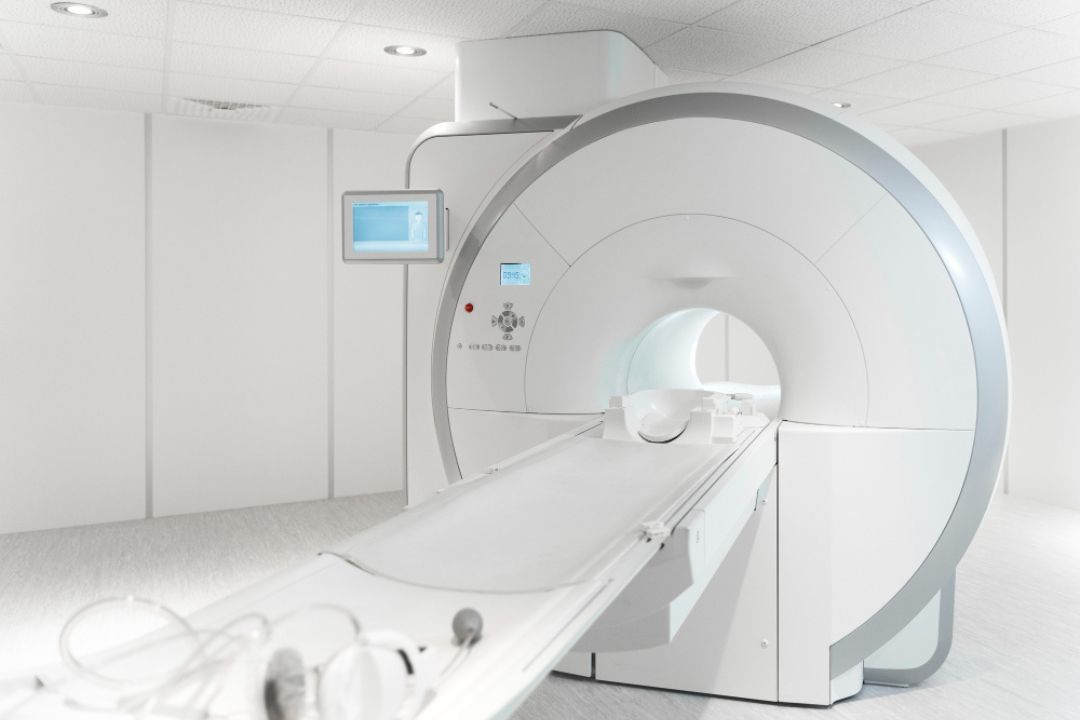
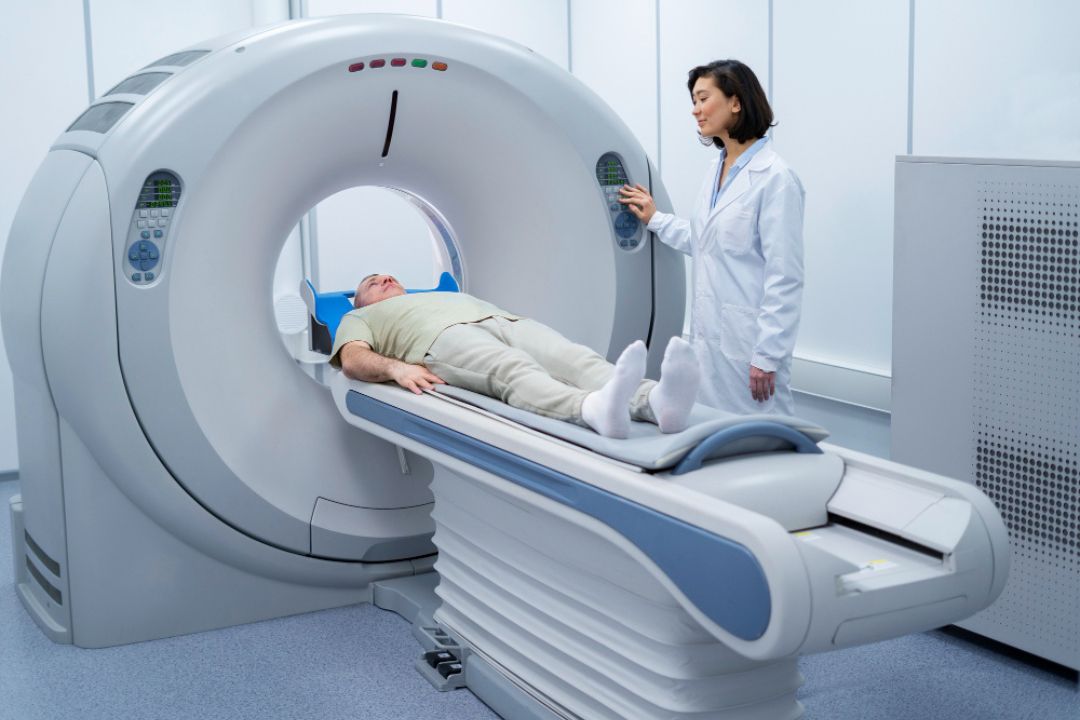
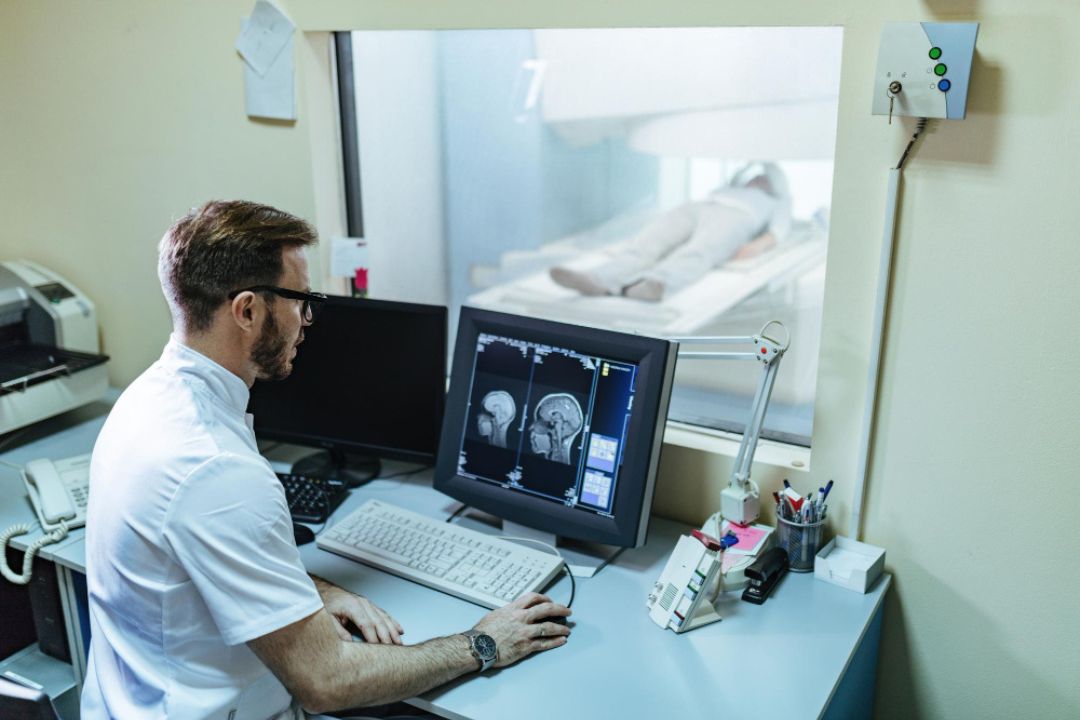
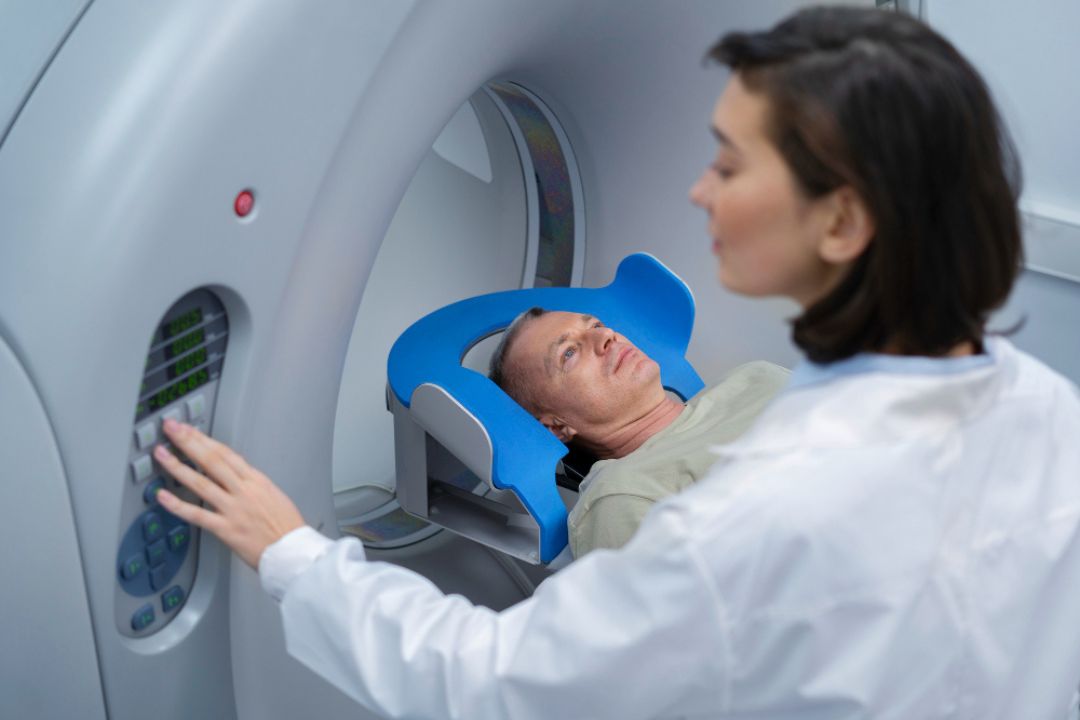
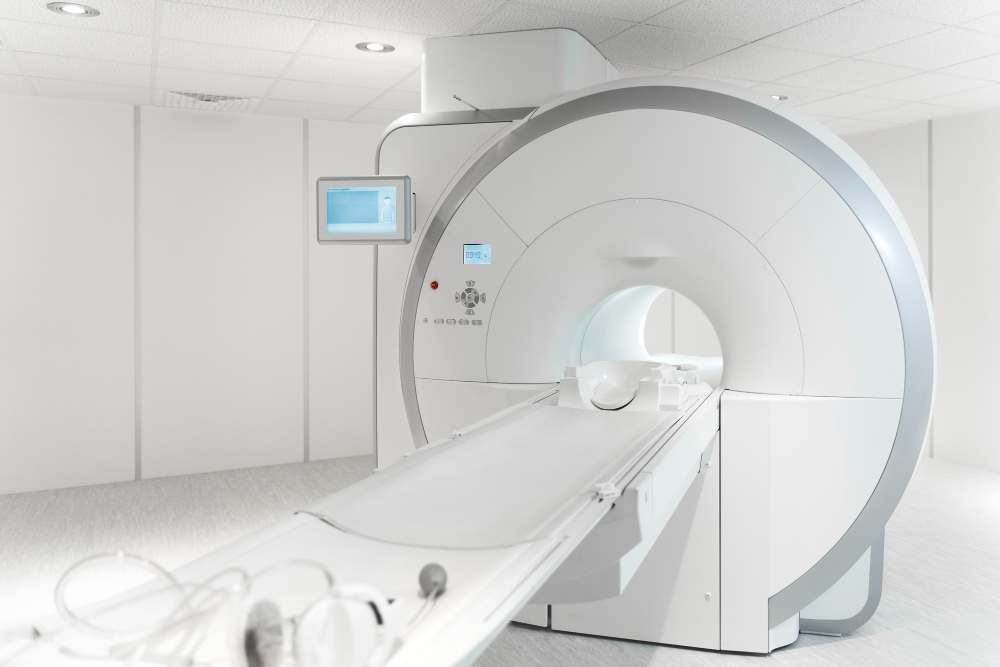
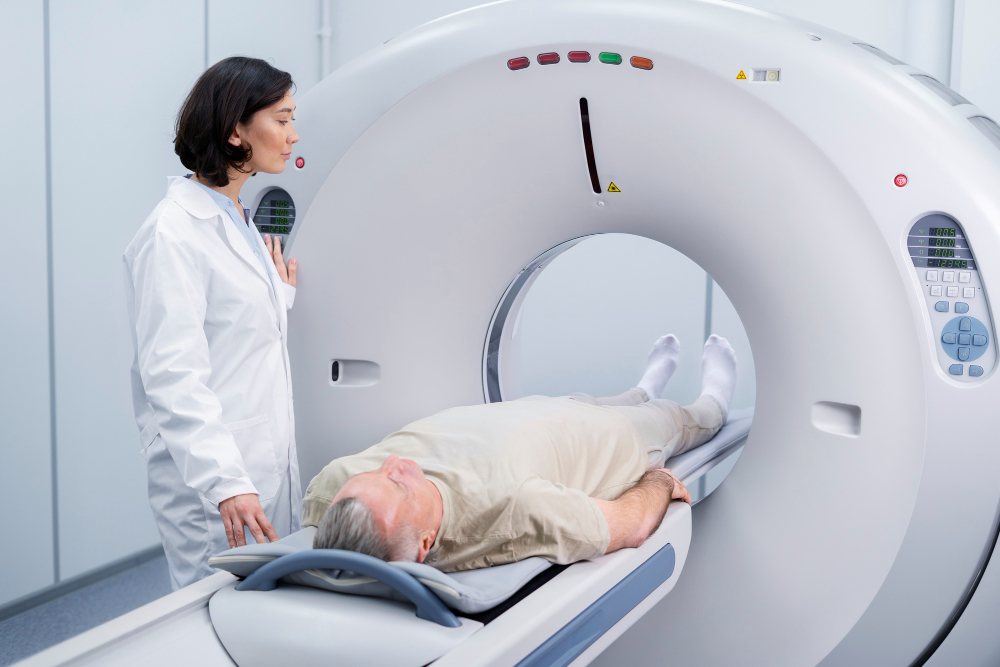
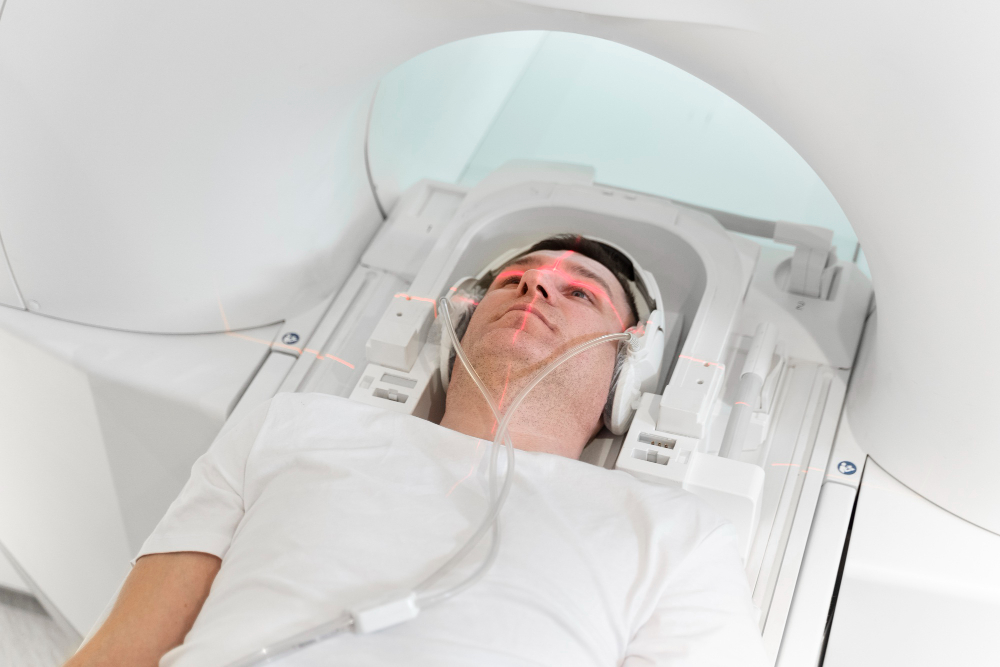
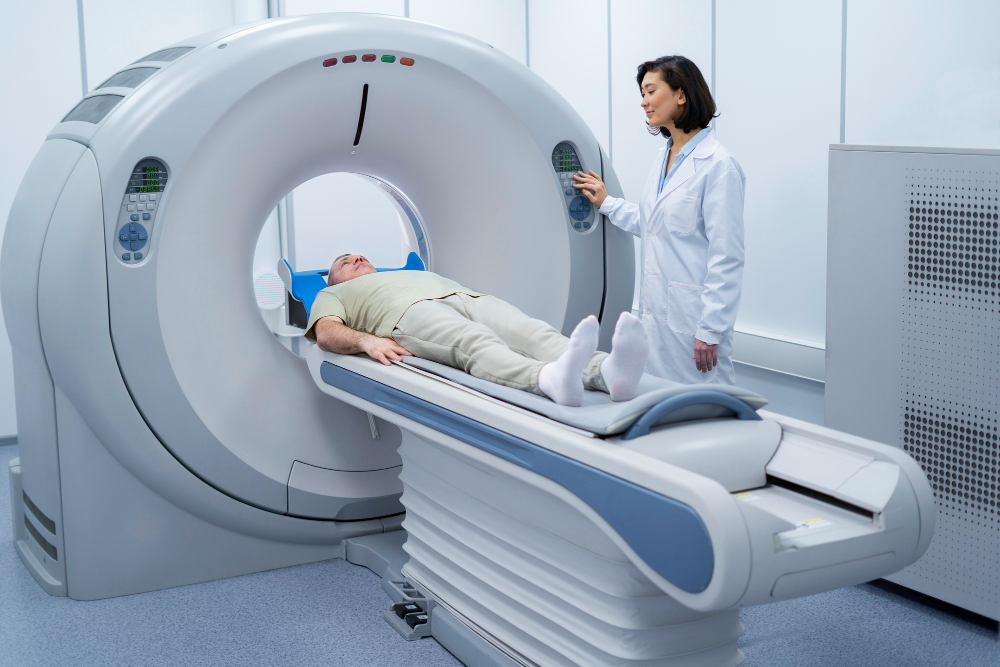
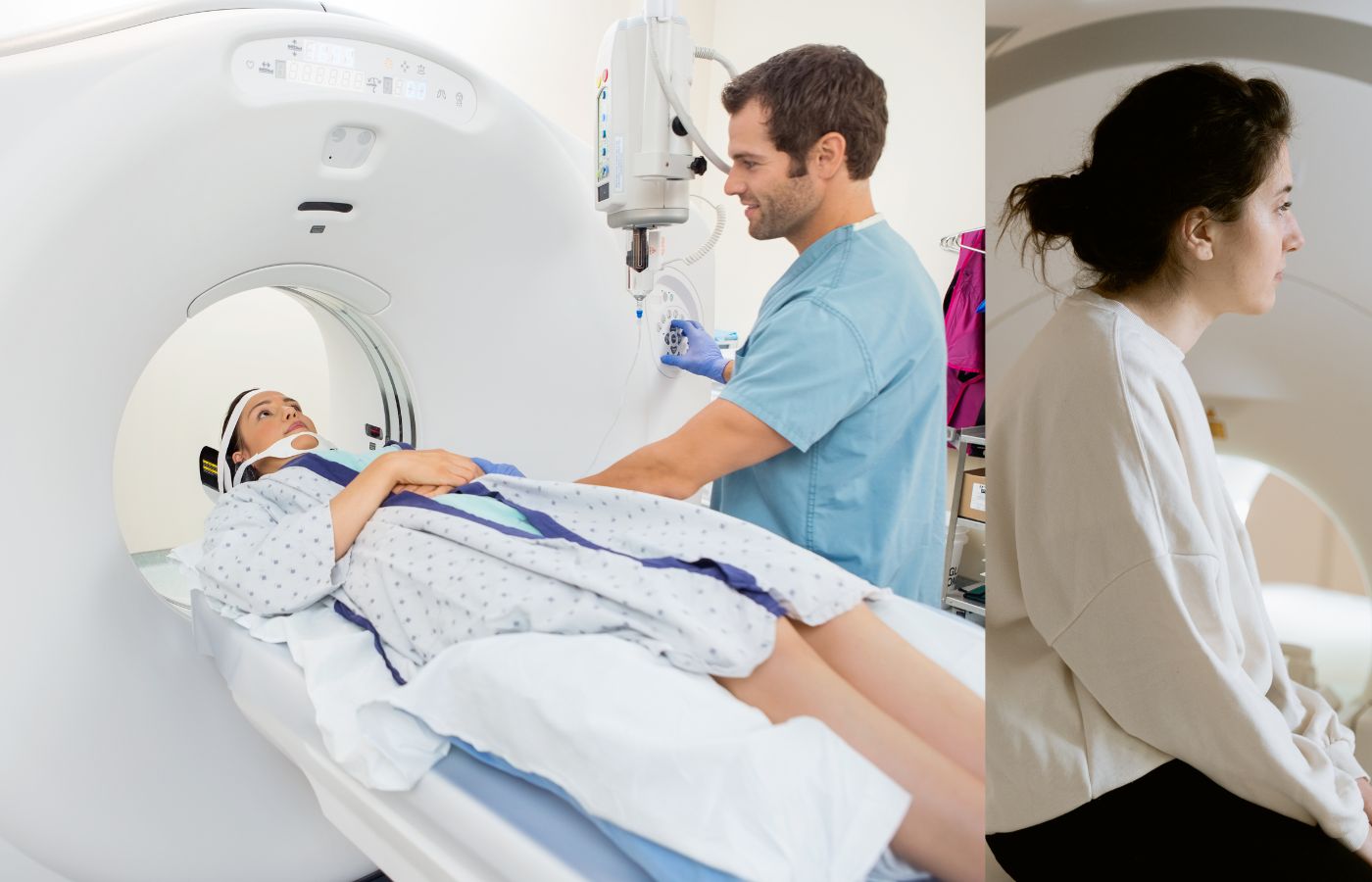
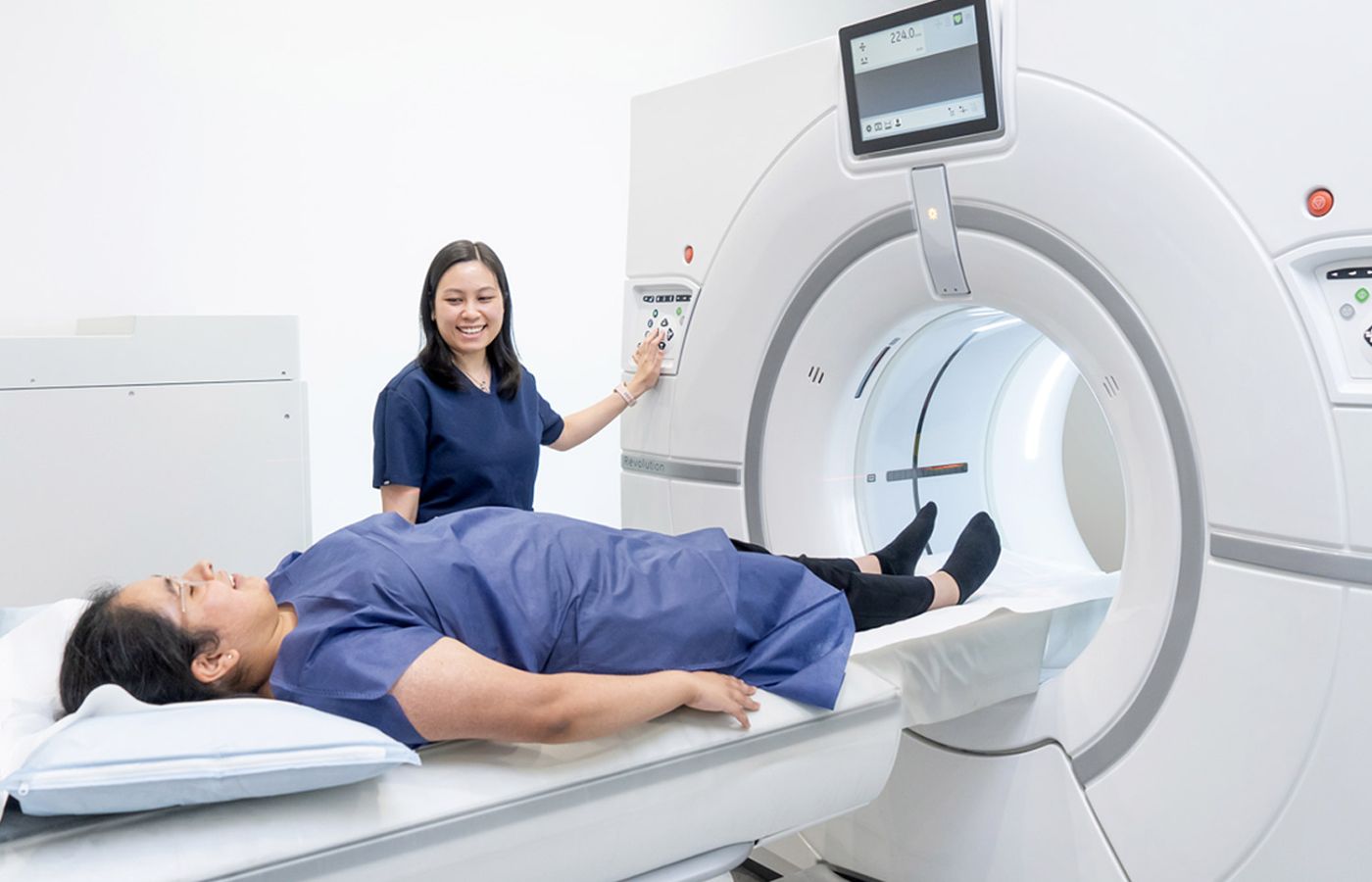
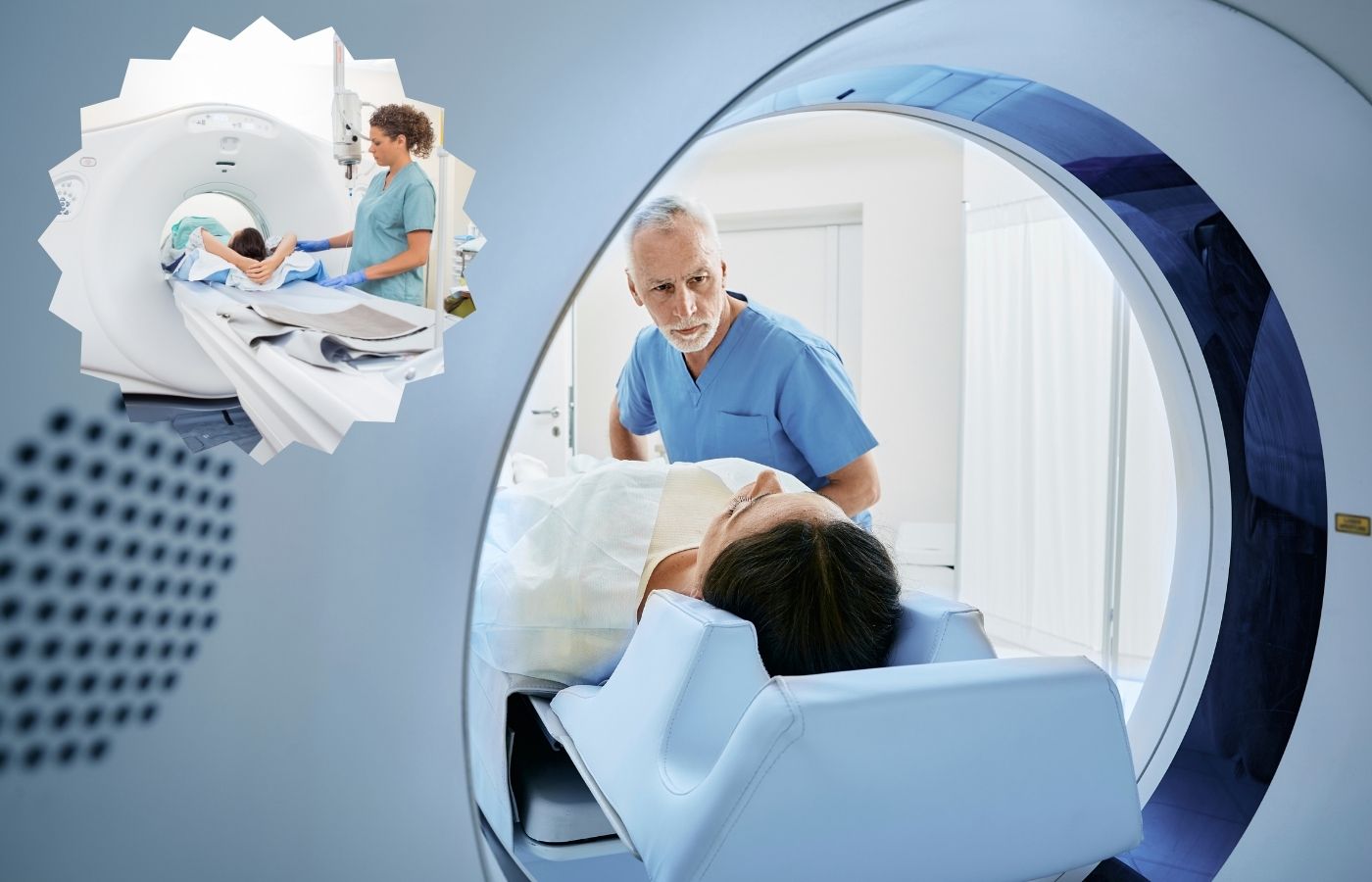
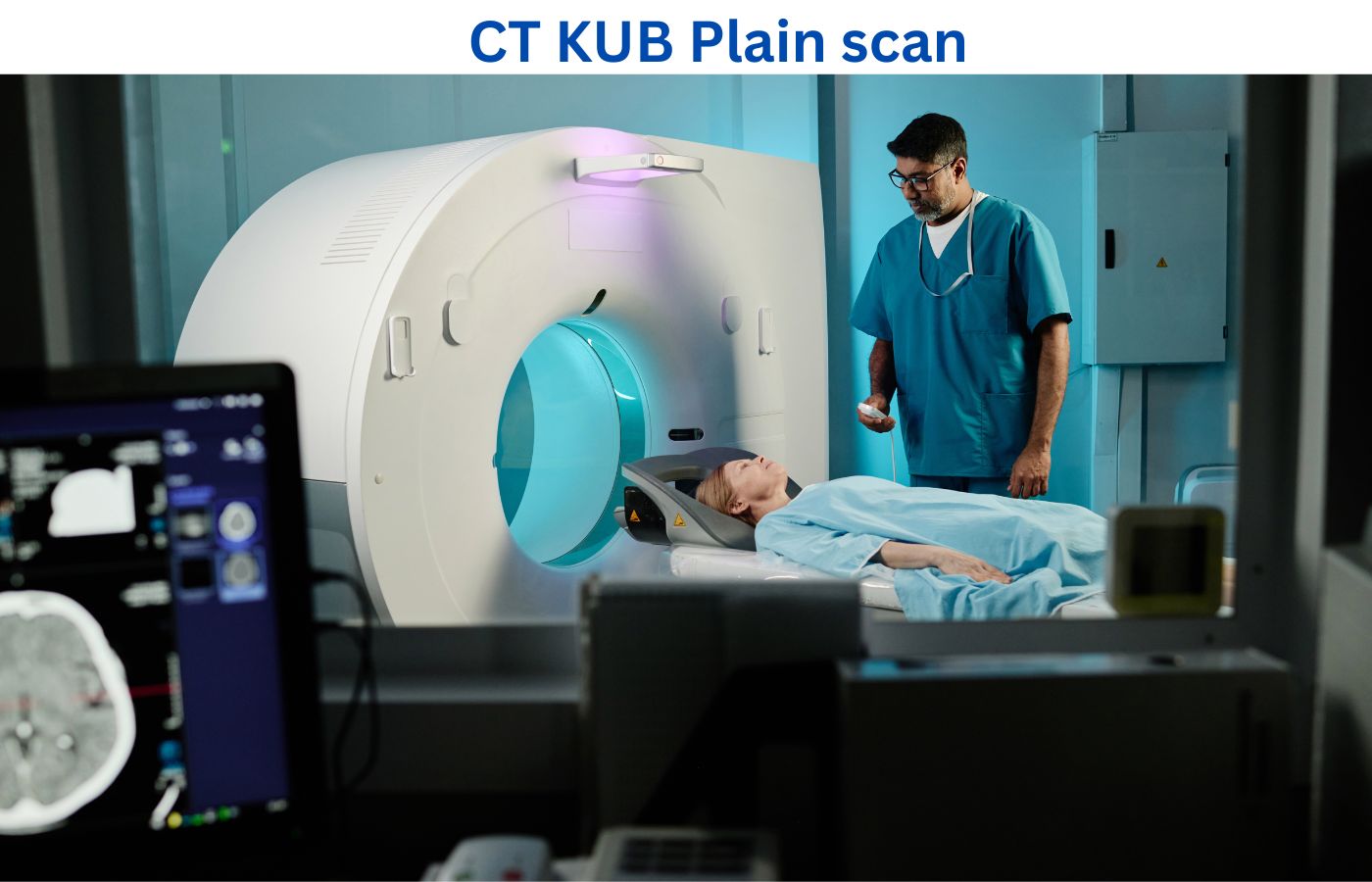
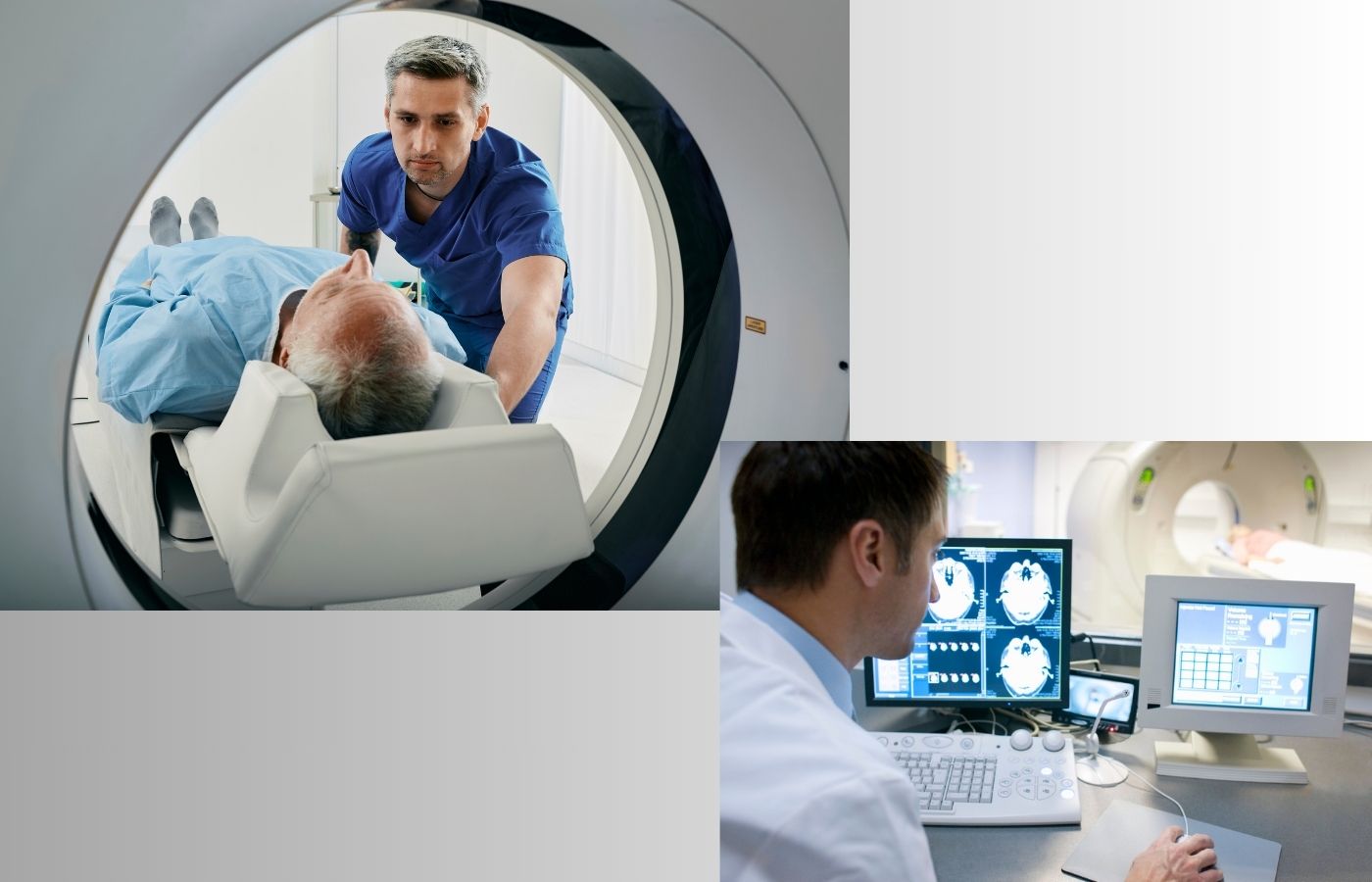
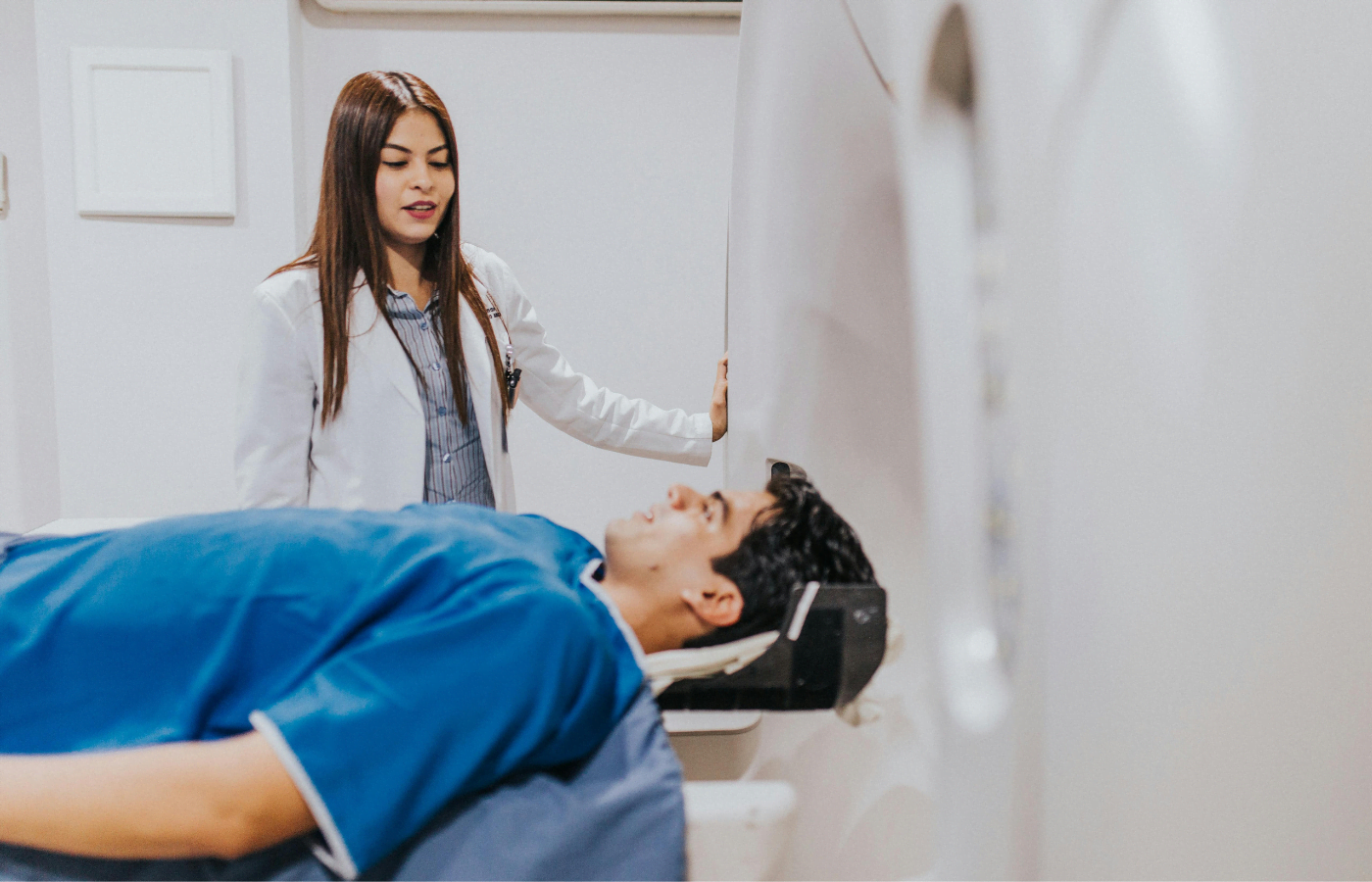
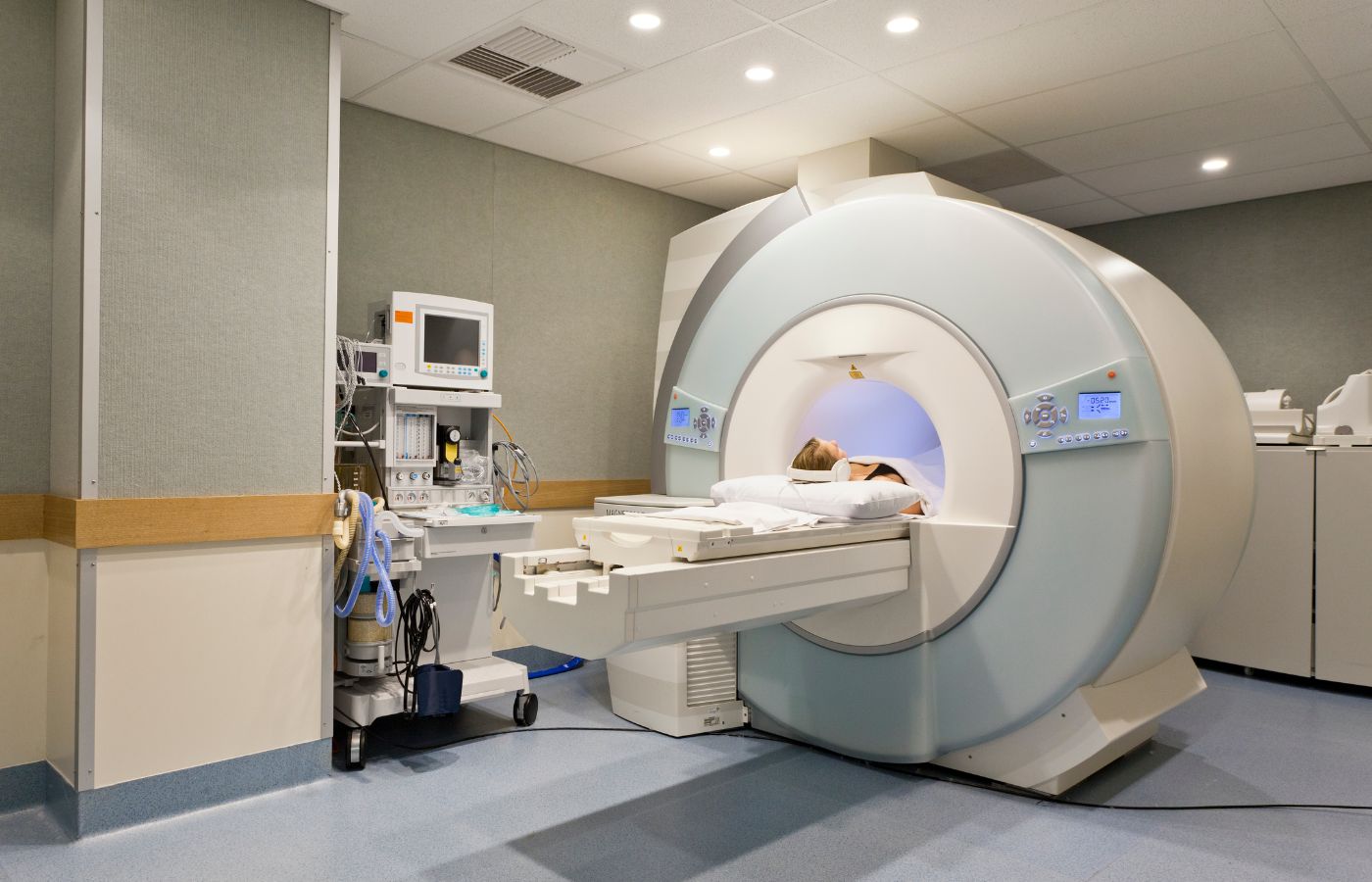
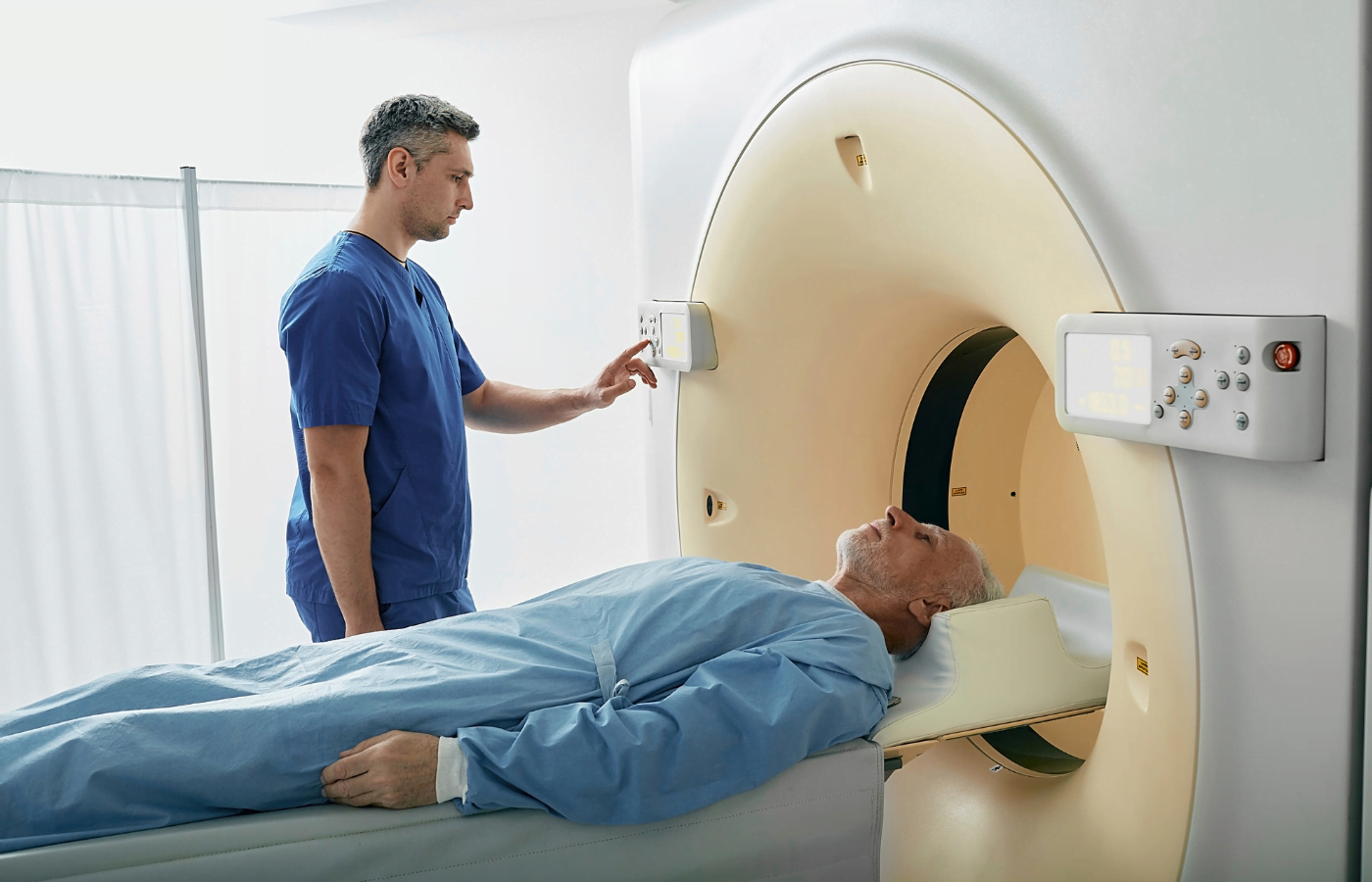
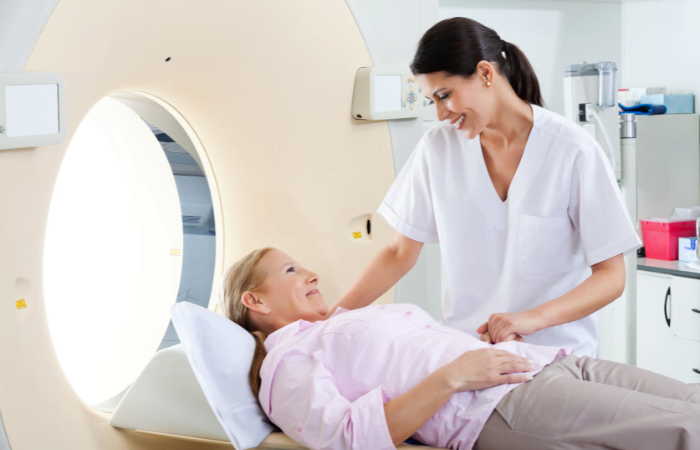
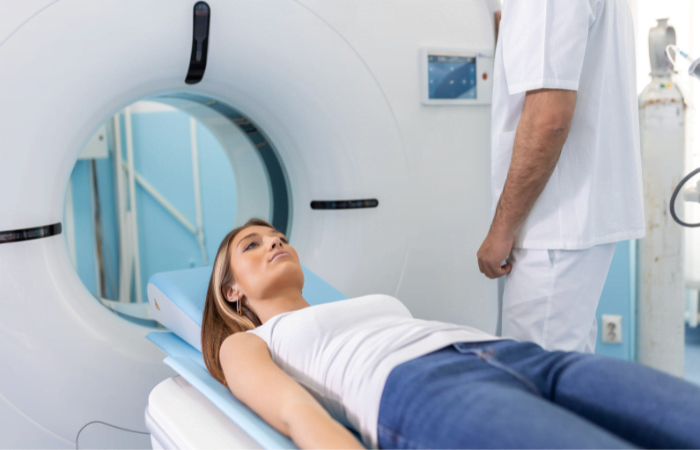
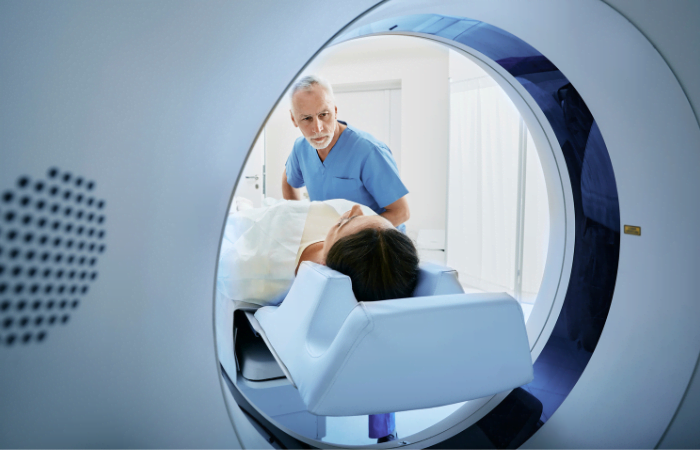
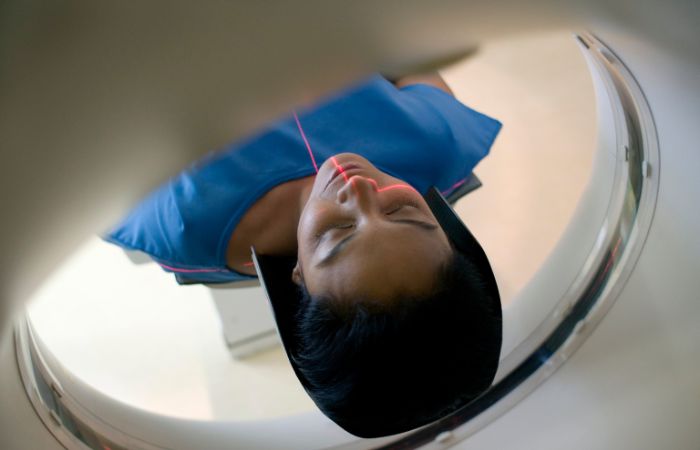
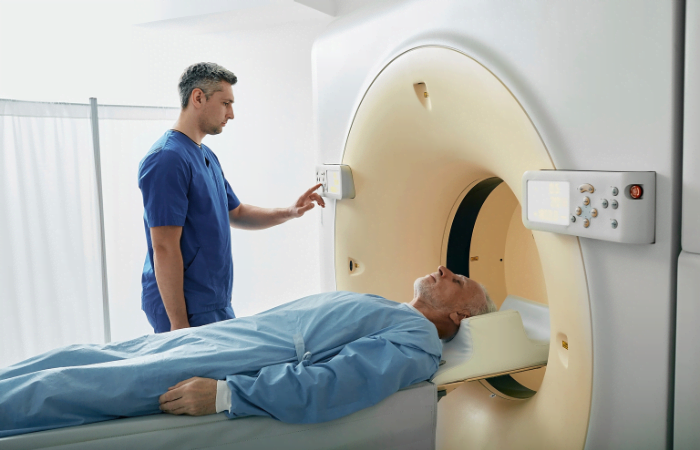
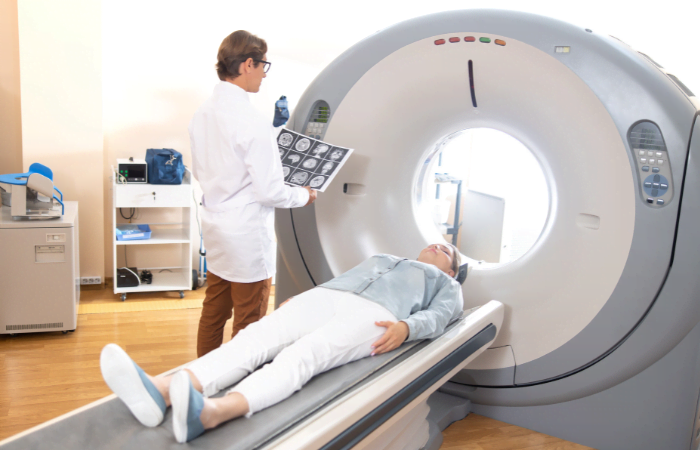
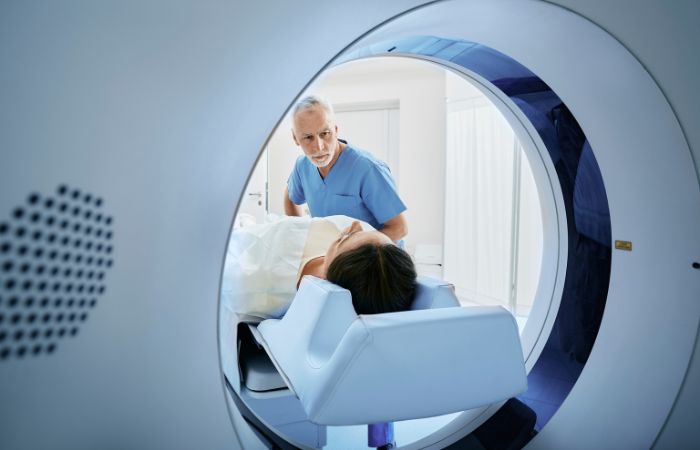
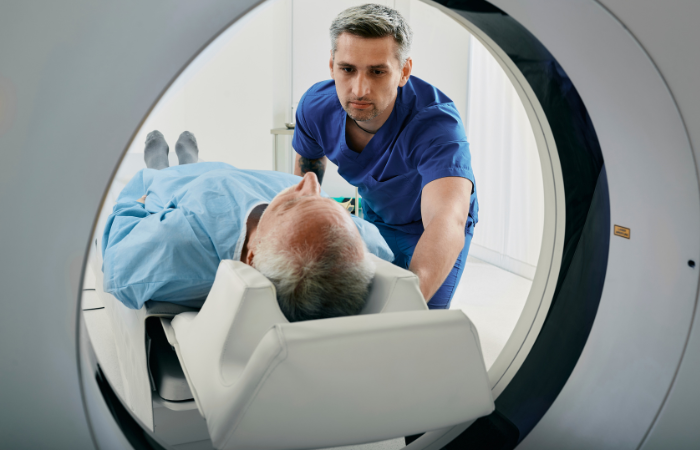
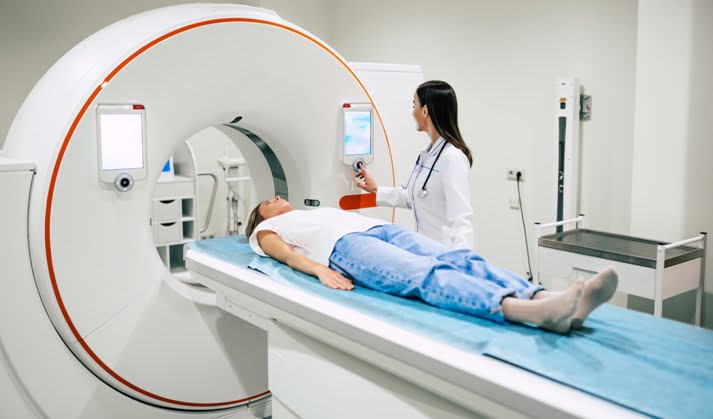
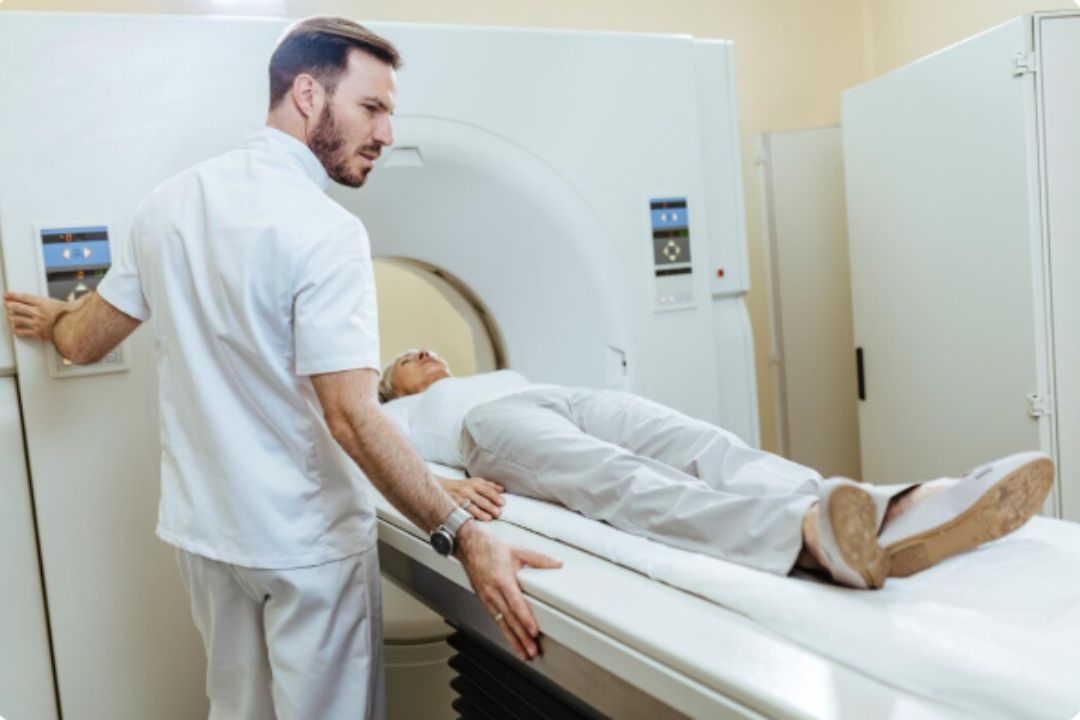
You will lie on a narrow, padded table that slides into the center of the CT scan ner, a large, doughnut-shaped machine. The technologist will position you correctly and then go to an adjacent control room with a window.
You must lie very still. For chest or abdominal scans, you will be asked to hold your breath for short periods (5-20 seconds) to prevent blurry images.
The scanner will rotate around you, making whirring and clicking sounds. The table will move slightly between each rotation to capture images of the next "slice" of your body.
The actual scanning time is very short, often less than a minute. The entire process in the room, including positioning, typically takes 10-20 minutes.
Step 5: Post-Scan and Recovery
Once the scan is complete, the table will slide out. The IV line will be removed, and a small bandage will be applied. You can usually change back into your clothes and resume normal activities immediately.
Hydration: Drink plenty of water for the next 24 hours to help your kidneys flush out the contrast agent efficiently.
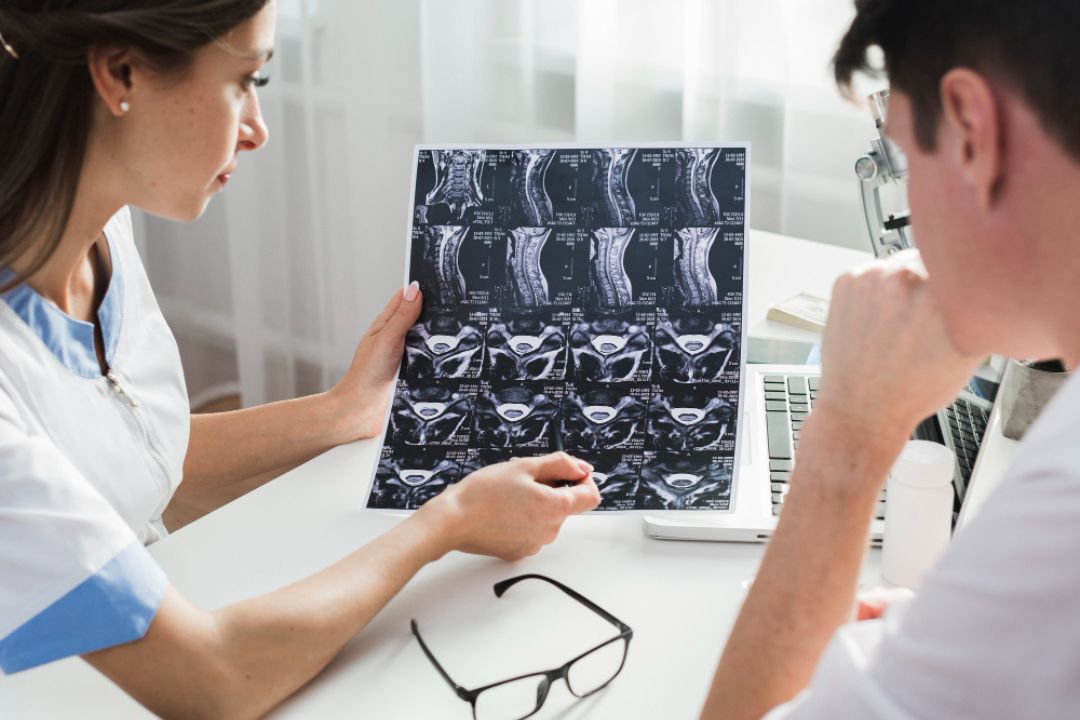
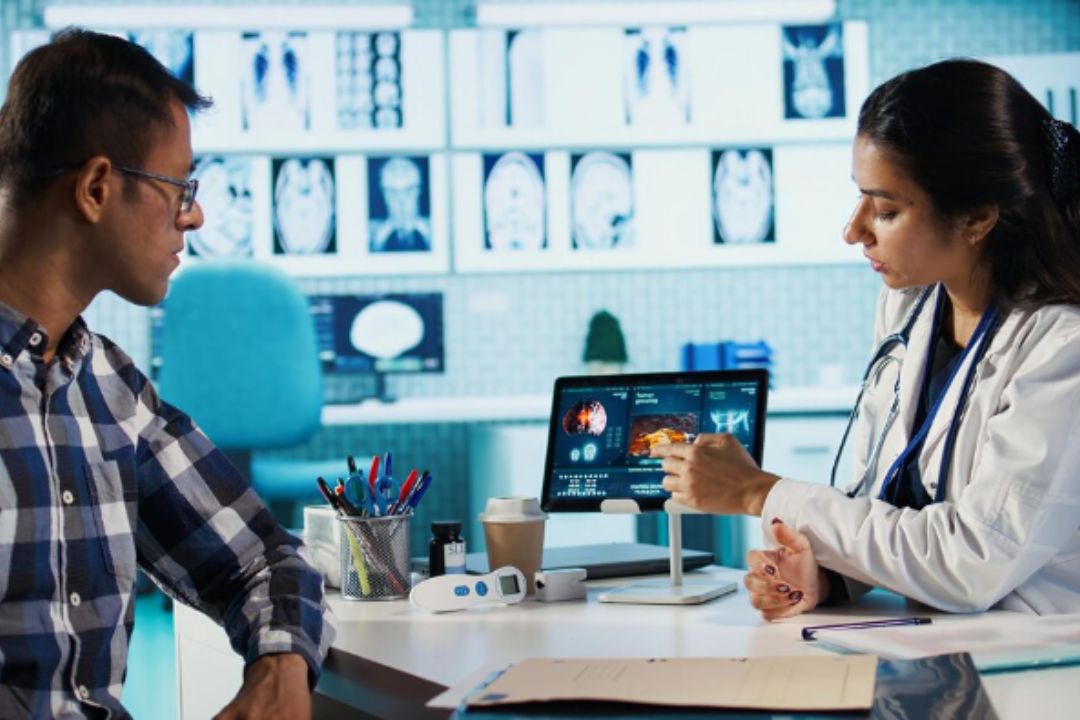
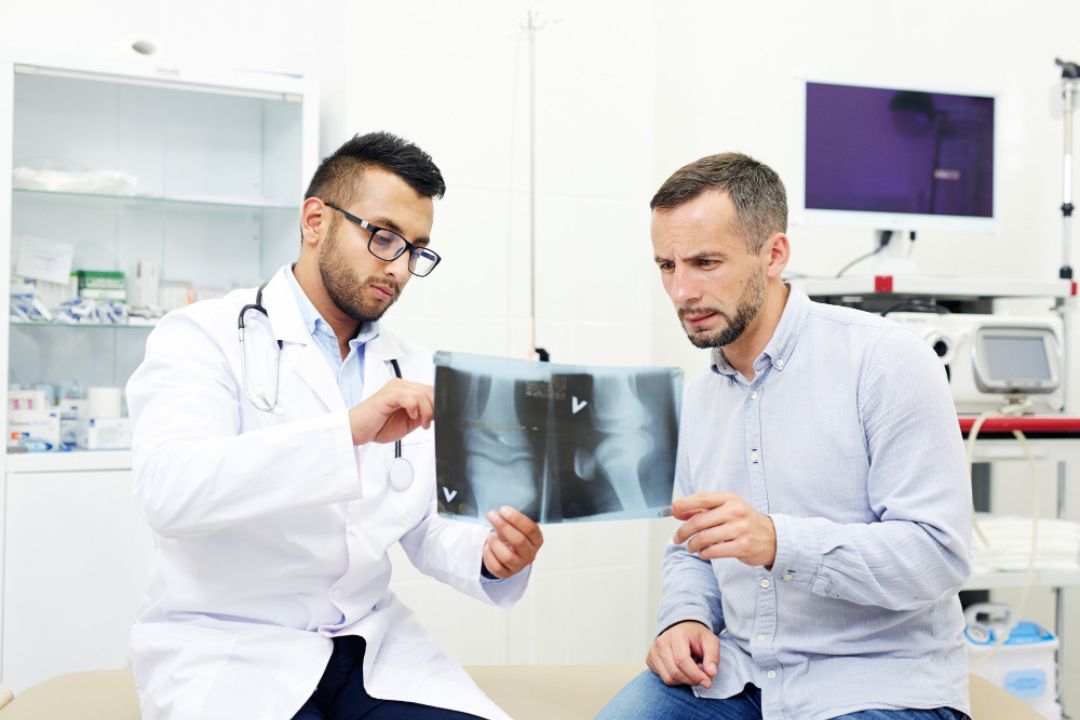
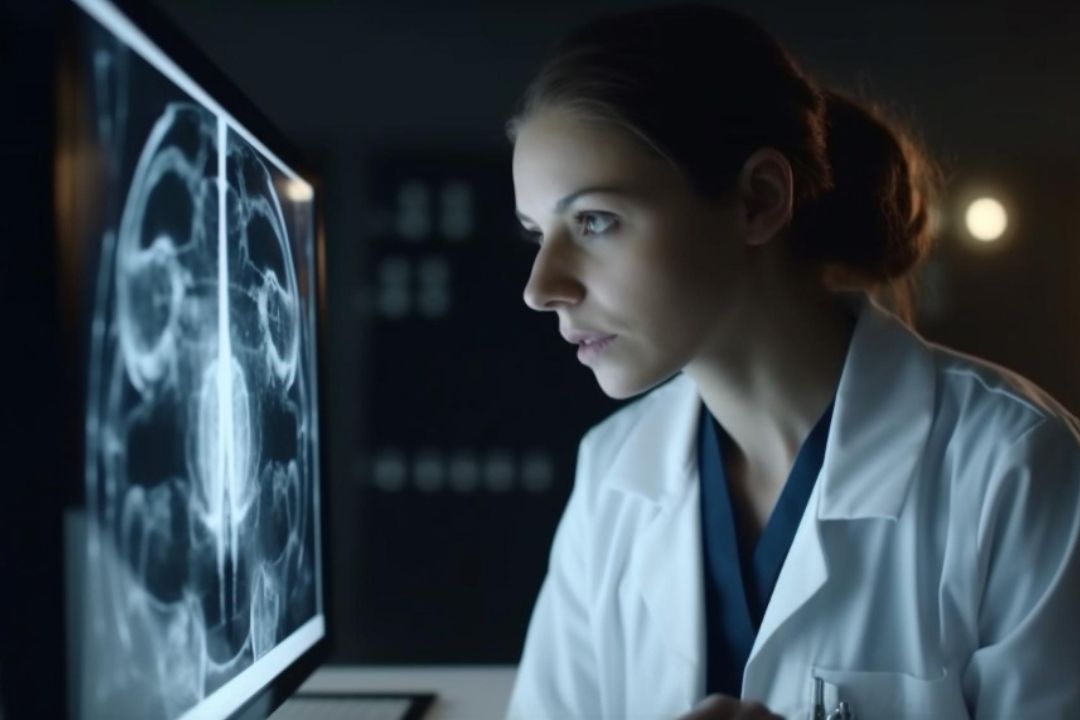
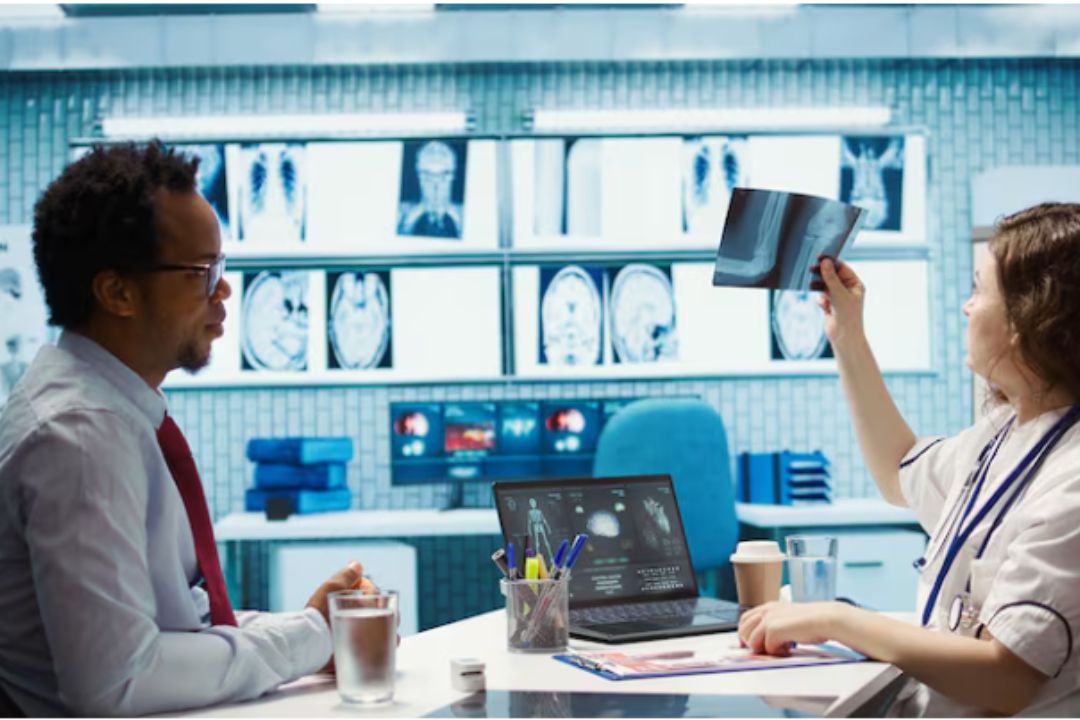
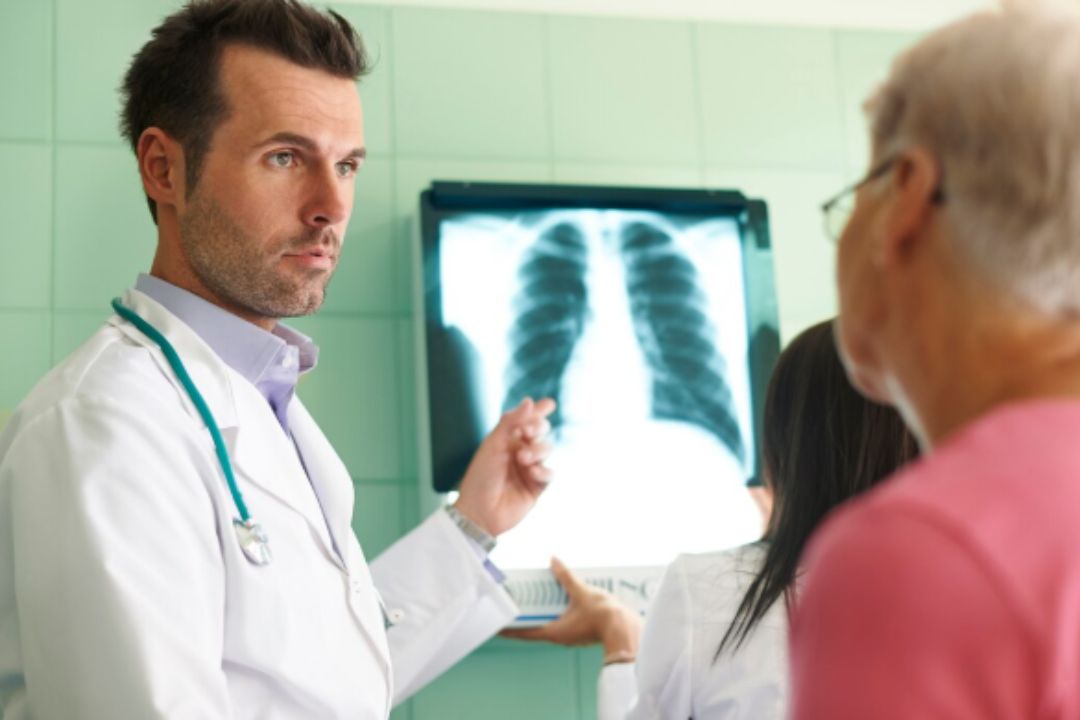
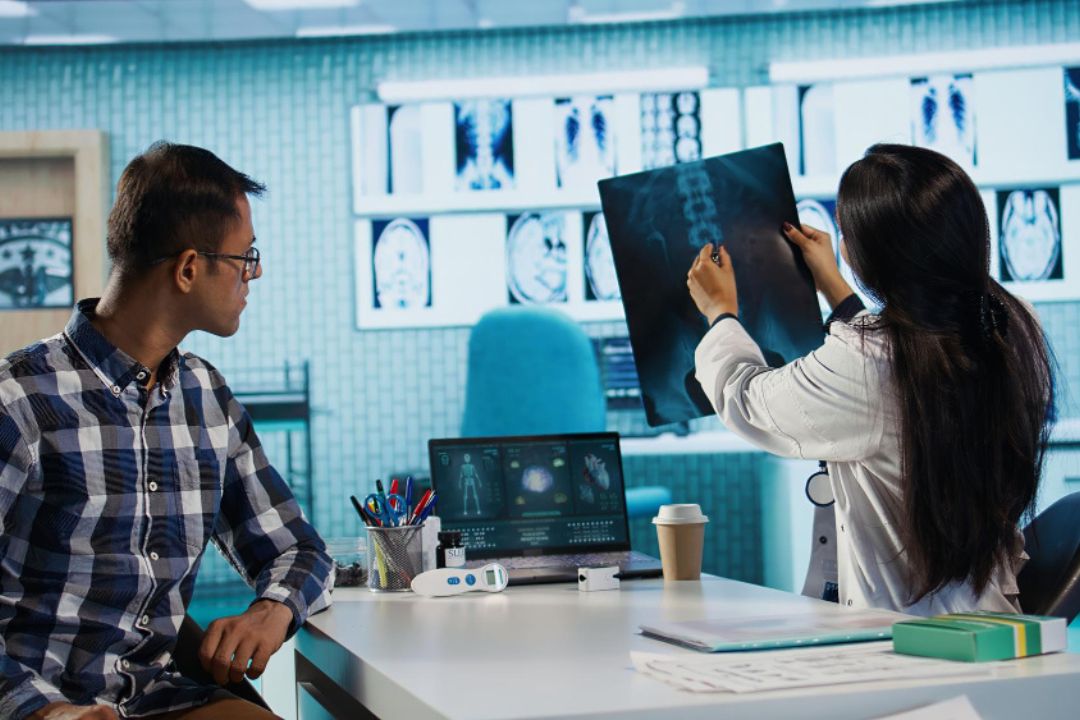
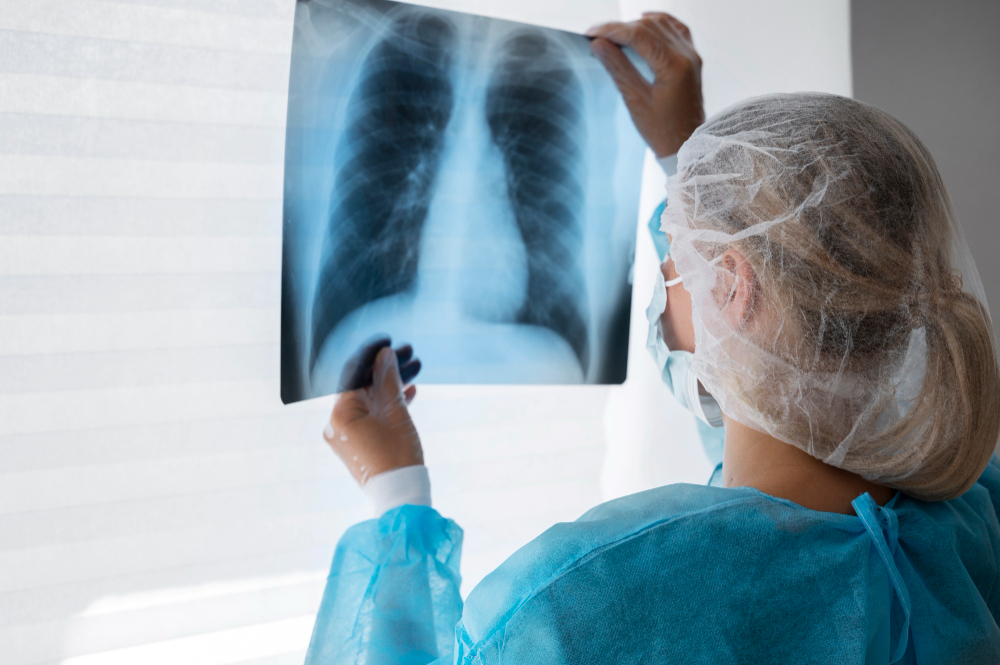
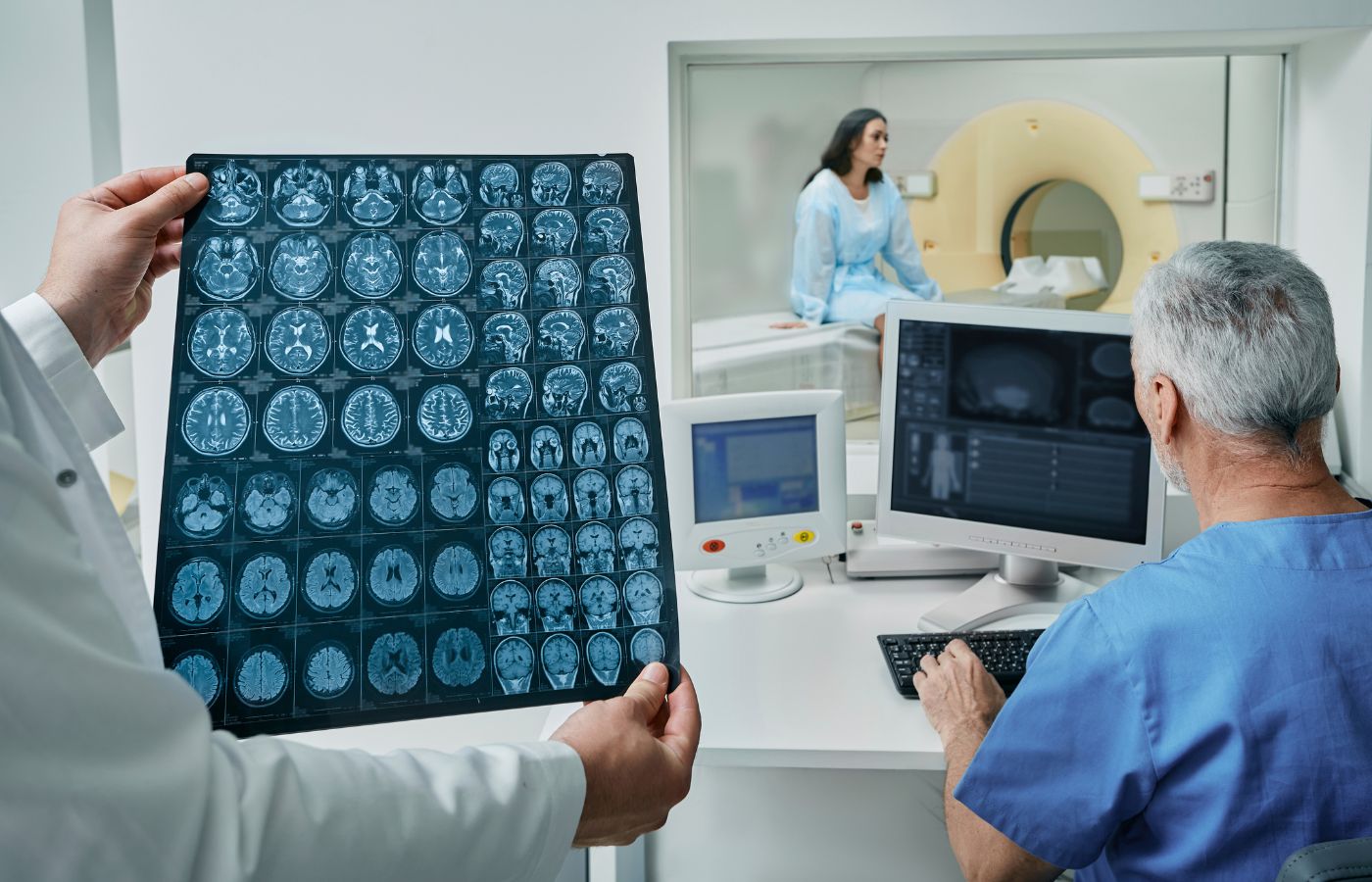
Results: A specially trained doctor called a radiologist will analyze the images and compile a report for your referring physician, who will discuss the results with you, usually within a few days.
Benefits of Choosing a Contrast CT Scan:
Superior Diagnostic Accuracy: The primary benefit. Contrast provides unparalleled detail, leading to more confident diagnoses, earlier detection of disease, and better treatment planning.
Speed and Efficiency: The scan itself is incredibly fast, making it ideal for emergency situations and reducing patient anxiety.
Non-Invasive Alternative: It offers detailed internal views without the need for exploratory surgery.
Painless: Aside from a minor pinprick for the IV, the procedure itself involves no pain.
Addressing Comfort and Safety Concerns:
Modern CT practices prioritize patient comfort and safety.
Claustrophobia: The scanner is open at both ends, and the part being scanned is inside for only a short time, which most people tolerate well.
Radiation Exposure: While CT scans use ionizing radiation, the dose is carefully controlled and minimized for the diagnostic benefit. The "as low as reasonably achievable" (ALARA) principle is always followed.
Contast Reactions: Serious allergic reactions are rare (less than 1%). Mild reactions like hives or nausea can occur. The imaging staff is fully trained and equipped to handle any reaction immediately. Your kidney function will be checked beforehand if you are at risk.
The cost of a CT scan is variable. It depends heavily on:
Geographic Location & Facility Type: Hospital-based scans are often more expensive than those at independent imaging centers.
Scan Complexity: A contrast-enhanced scan is more costly than a non-contrast scan due to the price of the contrast agent and the additional expertise required.
Insurance Coverage: Most insurance plans, including Medicare, cover medically necessary diagnostic CT scans, but you will be responsible for any co-pays, co-insurance, or deductibles. Always check with your insurance provider and the imaging facility for a cost estimate beforehand.
Choosing the right diagnostic partner is crucial for your health journey, and Diagnopein stands out as a premier choice for several compelling reasons:
Expertise & Precision
Specialized Radiologists: Our team comprises board-certified radiologists and technologists with advanced training in contrast imaging and complex diagnostics.
State-of-the-Art Technology: We invest in the latest low-dose CT scanners and AI-assisted imaging software, ensuring superior image quality while minimizing radiation exposure.
Patient-Centered Care
Comfort-First Environment: From soothing waiting areas to clear communication, we prioritize your emotional and physical comfort throughout the diagnostic process.
Transparent Process: We demystify medical imaging with detailed guides (like this one!), pre-procedure counseling, and post-scan follow-up to ensure you fully understand your results.
Efficiency & Accessibility
Timely Appointments: We offer flexible scheduling with minimal wait times for both routine and urgent scans.
Rapid Results: Our streamlined reporting system ensures your referring physician receives detailed findings typically within 24-48 hours.
Network Access: With multiple locations and partnerships with top healthcare providers, we integrate seamlessly into your care pathway.
Value & Transparency
Clear Cost Structure: Unlike many facilities, we provide upfront pricing estimates and work closely with insurance providers to minimize unexpected expenses.
No Unnecessary Scans: We adhere to evidence-based guidelines, ensuring every recommended scan is medically justified and tailored to your specific needs.
Comprehensive Support
Contrast Safety Protocols: Our rigorous screening process and onsite emergency readiness ensure the highest safety standards for contrast administration.
Holistic Guidance: We don't just perform scans—we educate patients on preparation, recovery, and what results mean for their health journey.
Continuity of Care: Our reports include actionable insights for your doctor, facilitating informed treatment decisions.
A contrast CT scan is a cornerstone of modern diagnostic medicine. While the idea of any medical procedure can be daunting, understanding the step-by-step guide to the contrast CT scan procedure empowers you as a patient. Its unparalleled ability to reveal what other tests cannot—answering critical questions about what CT scans can detect—makes it an indispensable tool for your doctor in formulating an accurate diagnosis and effective treatment plan. By following preparation guidelines, communicating openly with your healthcare team, and knowing what to expect, you can approach your scan with confidence, taking an active step toward safeguarding your health.