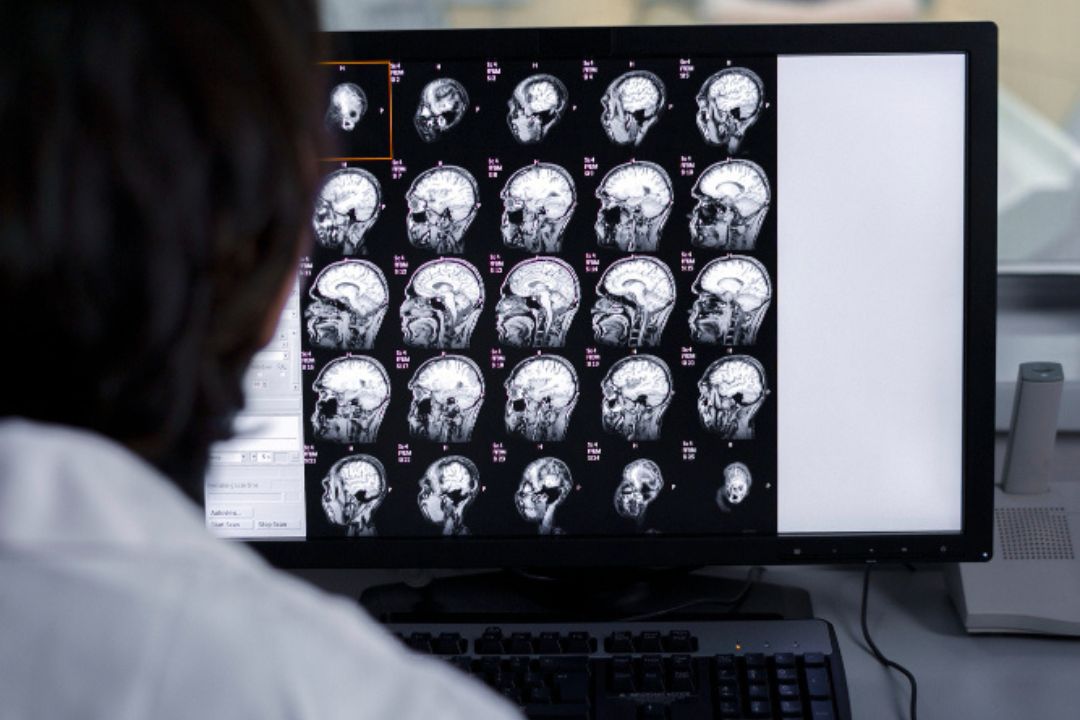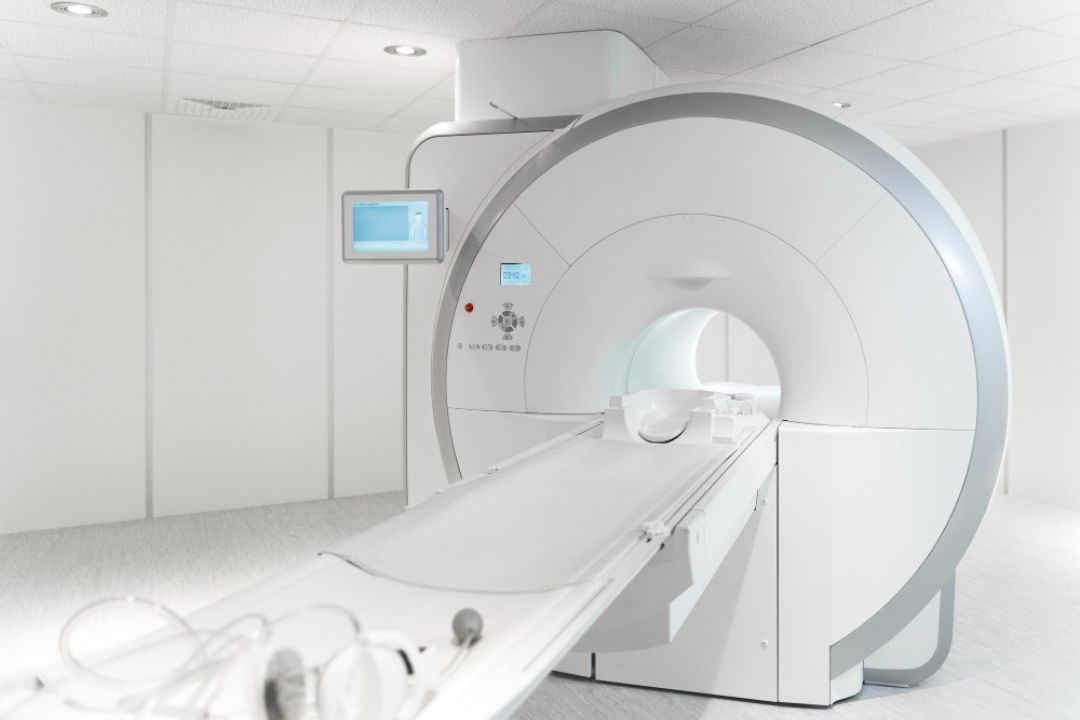
When it comes to diagnosing eye socket injuries, infections, tumors, or vision-related concerns, doctors often recommend a CT Orbit with Contrast. At Diagnopein Mumbai, we ensure accurate imaging with advanced technology and patient comfort.
In this guide, we explain the step-by-step process of CT Orbit with contrast, along with benefits, comparison, costing, and comfort factors to help you make an informed decision.
What Is a CT Orbit With Contrast
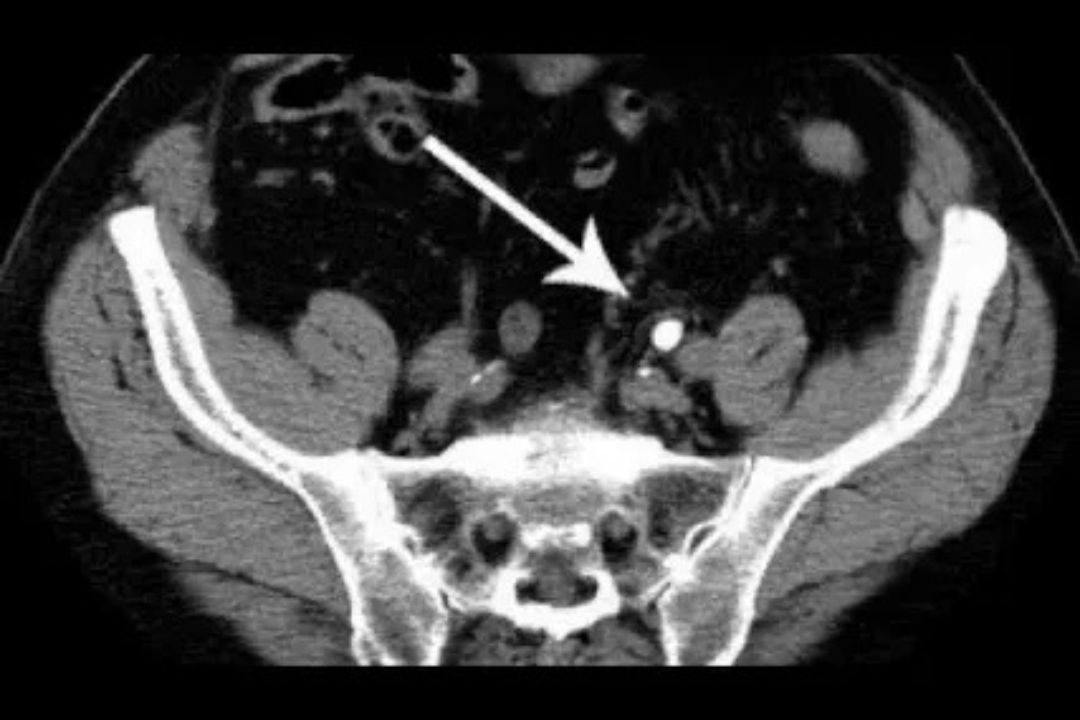
A CT orbit with contrast is a computed tomography scan specifically focused on the orbital region which includes the eye sockets eyeballs optic nerves surrounding muscles blood vessels and the bony structures around the eyes. The term with contrast means that a contrast agent is injected into a vein during the scan to make blood vessels and soft tissues more visible on images. This increased visibility helps the radiologist see abnormalities that might not be visible on a non contrast scan.
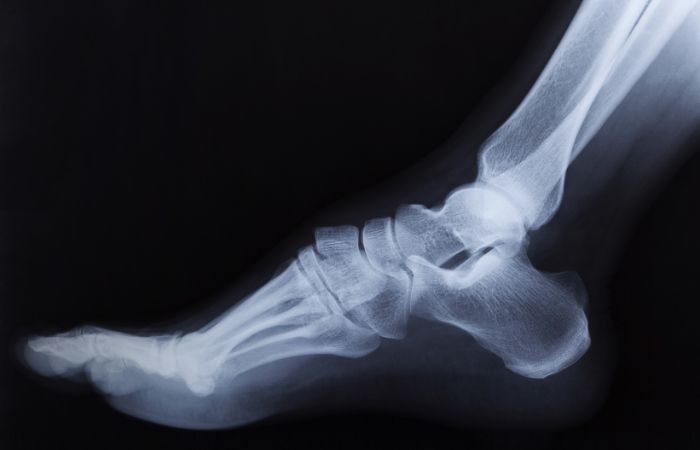
CT scans use x rays and sophisticated computer reconstruction to produce cross sectional images. The contrast agent helps highlight differences in tissue density especially in areas where tumors inflammation or vascular involvement is suspected.
Why Contrast Is Used in CT Orbit Imaging
Contrast is used in a CT orbit scan when doctors need more information about soft tissue structures beyond bone detail. The contrast agent travels through the bloodstream and enhances areas with increased vascularity or abnormal tissue. This is useful in conditions such as:
Without contrast a scan still shows excellent bone detail but may not show subtle soft tissue changes or abnormal enhancement patterns. Contrast improves the quality of diagnosis in many clinical situations.
Preparing for a CT Orbit With Contrast
Preparation for a CT orbit with contrast is simple but important for safety and image quality. Follow these common preparation steps:
Once you arrive at the imaging centre inform the staff of any health concerns or questions you have before the scan begins.
Step by Step Process of CT Orbit With Contrast
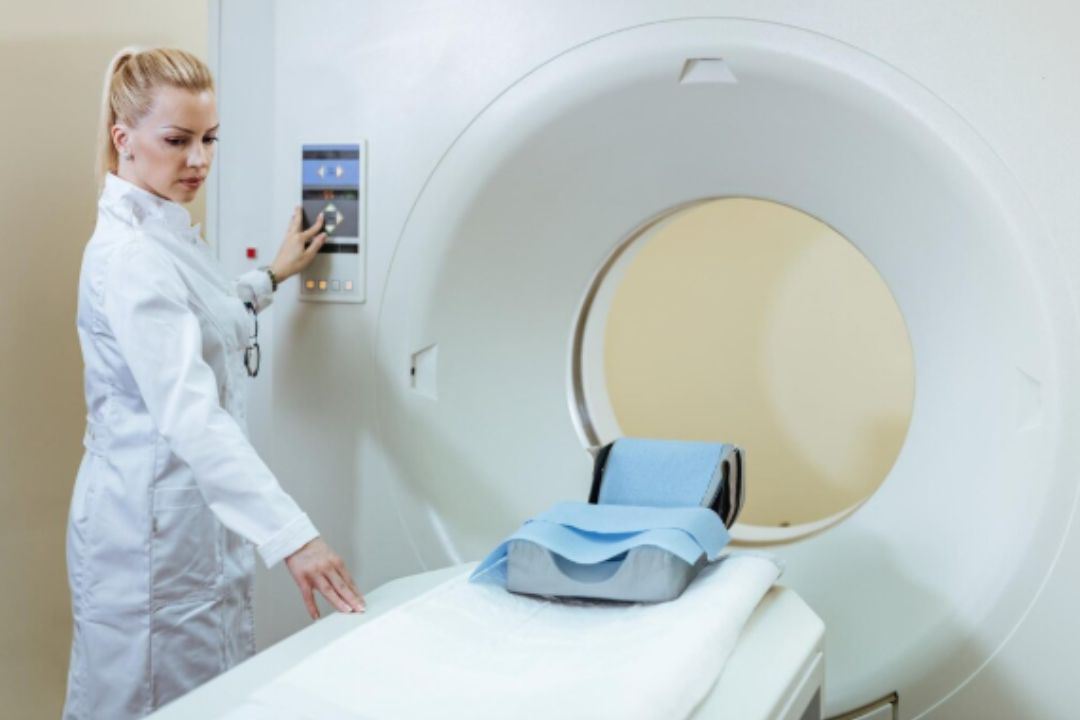
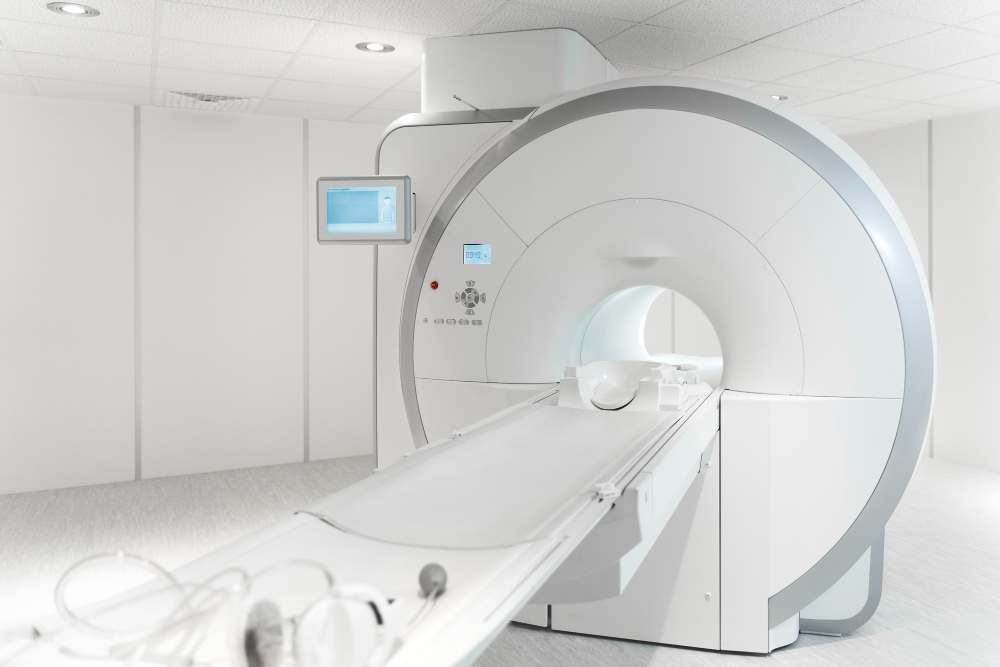
Below we explain the step by step process of how a CT orbit with contrast is performed. This helps patients understand each part of the journey from arrival to completion.
Step One Check In and Registration
When you arrive at the imaging centre you will check in at the reception desk. You may be asked to fill out forms with your medical history current medications allergies and reasons for the scan. Bring your doctor referral any previous reports and ID.
Staff will verify your appointment and guide you to the waiting area. This initial step ensures that all necessary information is recorded before scanning.
Step Two Pre Scan Briefing
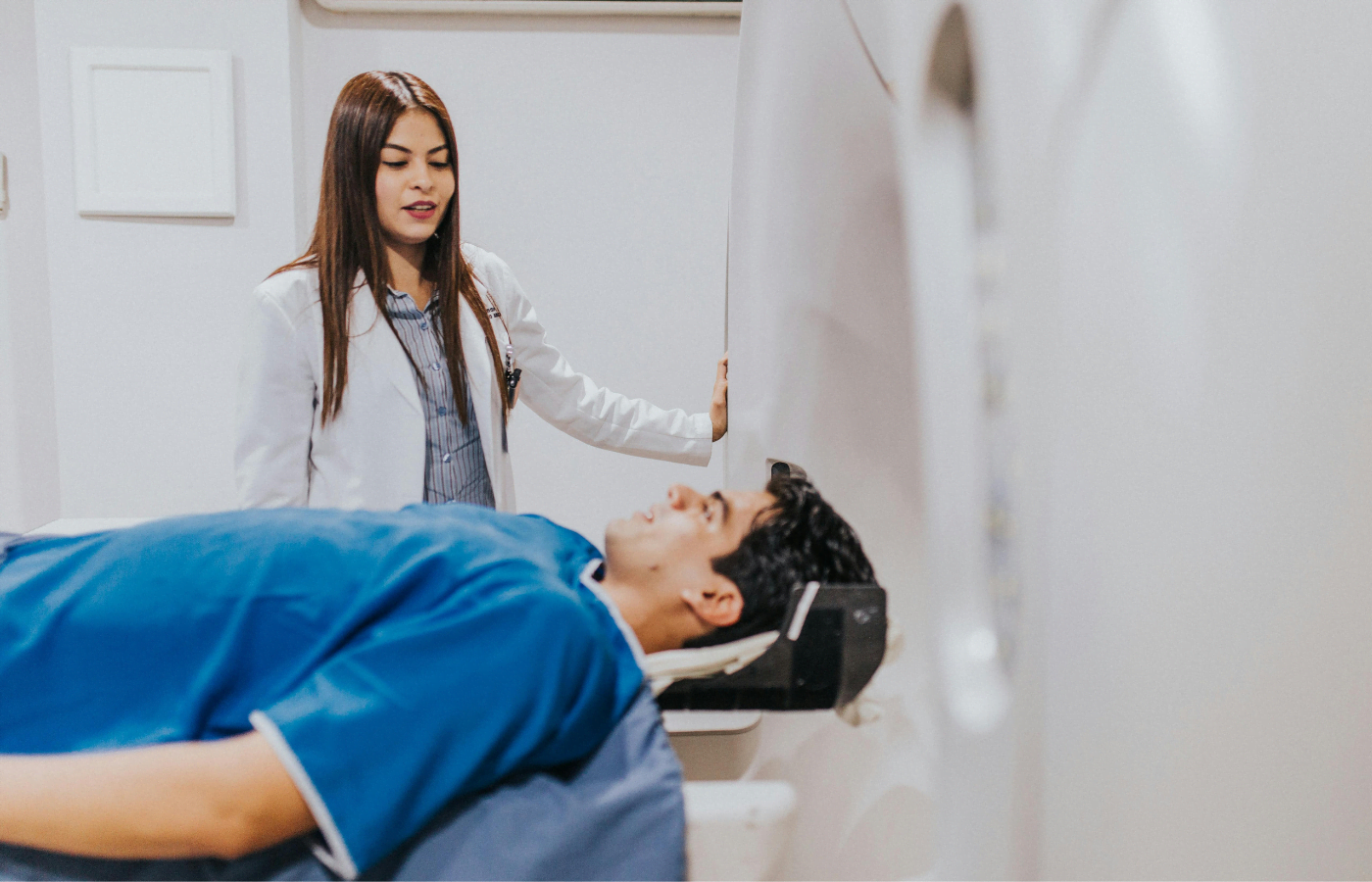
Before the scan a technologist will explain the procedure. They will answer questions discuss preparation steps and confirm that you have followed fasting instructions if needed.
At this stage you will also be asked about allergies or history of reactions to contrast. The technologist may check your vital signs and explain what you may feel during the contrast injection.
Step Three Changing Into Gown
Most centres ask patients to change into a gown to avoid interference from zippers buttons or metal objects. Jewelry eyeglasses hairpins or hearing aids should be removed as metal can distort the images.
Once you change into a gown the technologist will guide you to the scanning room.
Step Four Intravenous Line Placement
In a CT orbit with contrast an intravenous line is necessary for injection of the contrast agent. A small IV line is placed in a vein usually in your arm or hand. The technologist will use a small needle and secure it in place with tape.
This step may cause a brief mild pinch similar to a routine blood draw. Once the IV is placed the technologist will ensure it is secure and comfortable.
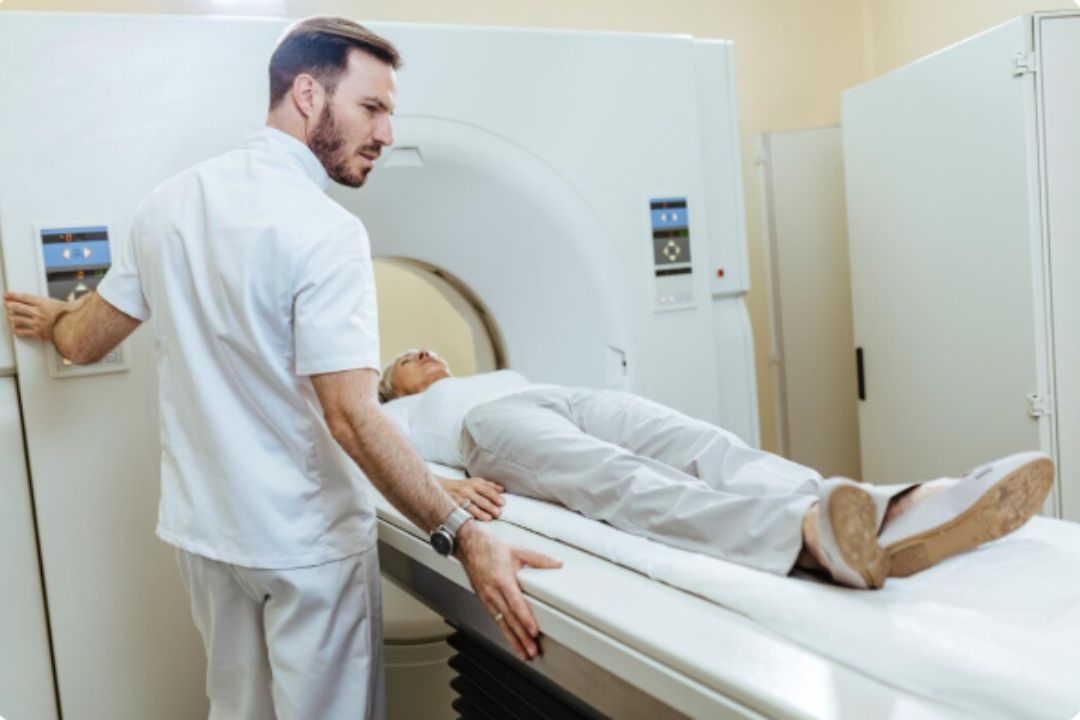
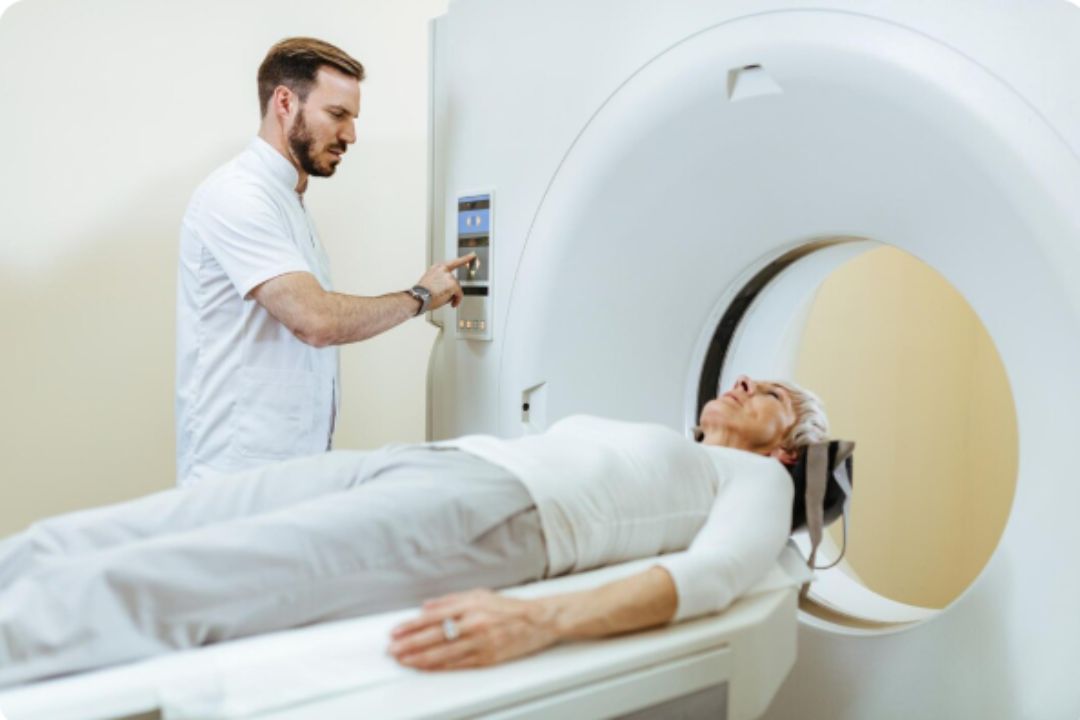
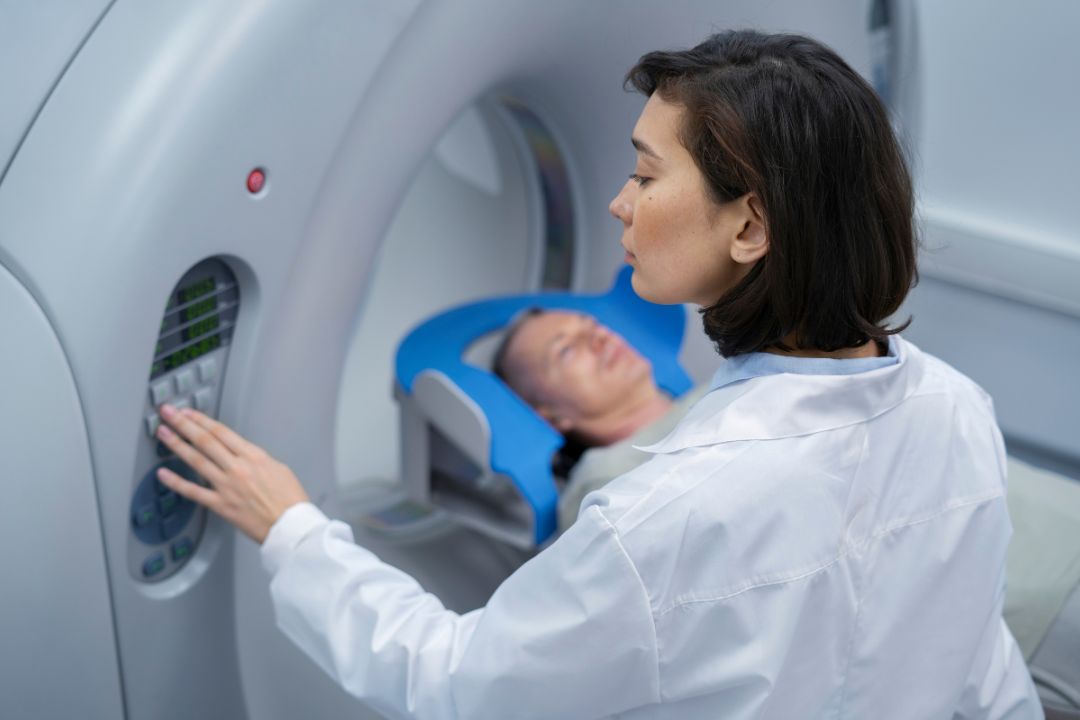
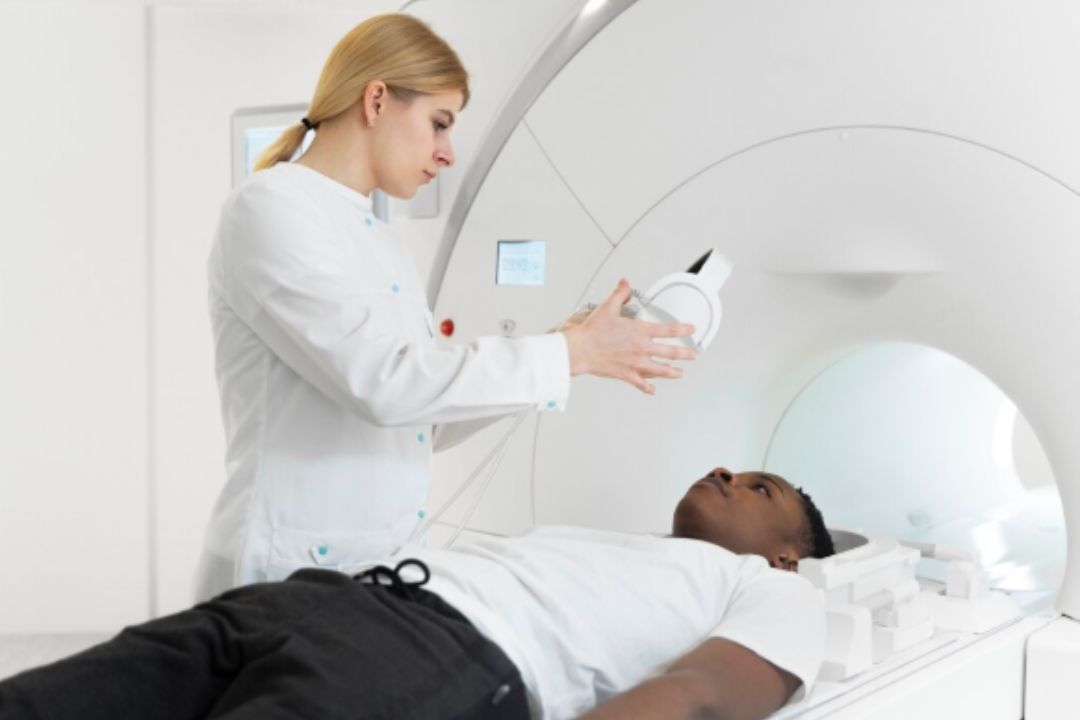
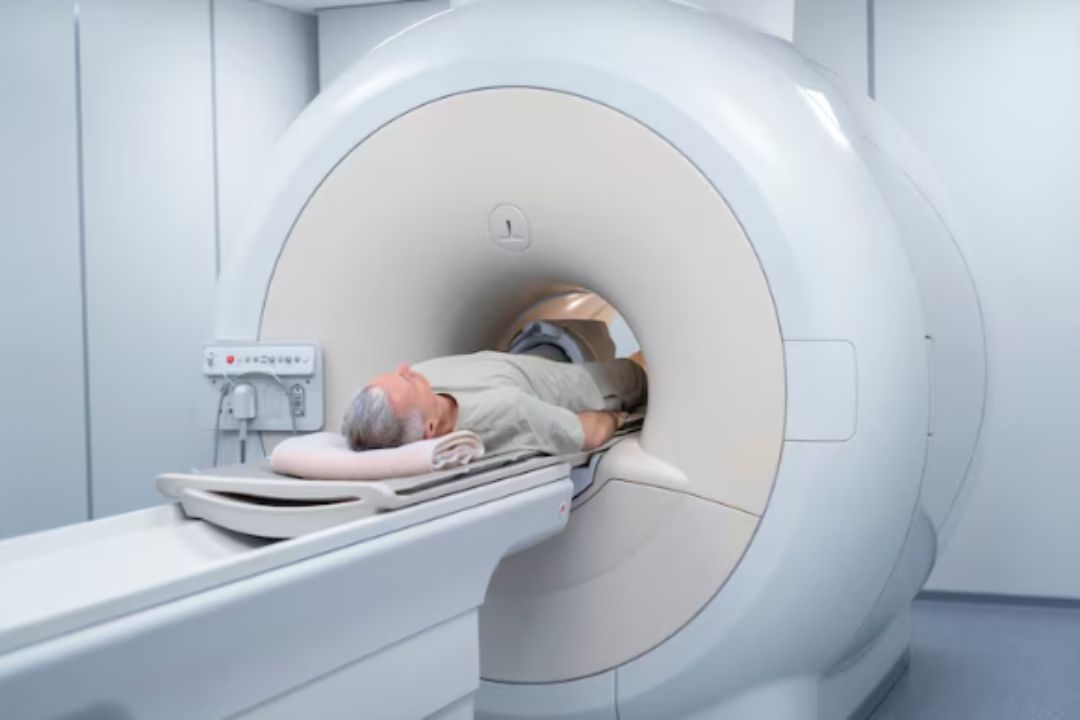
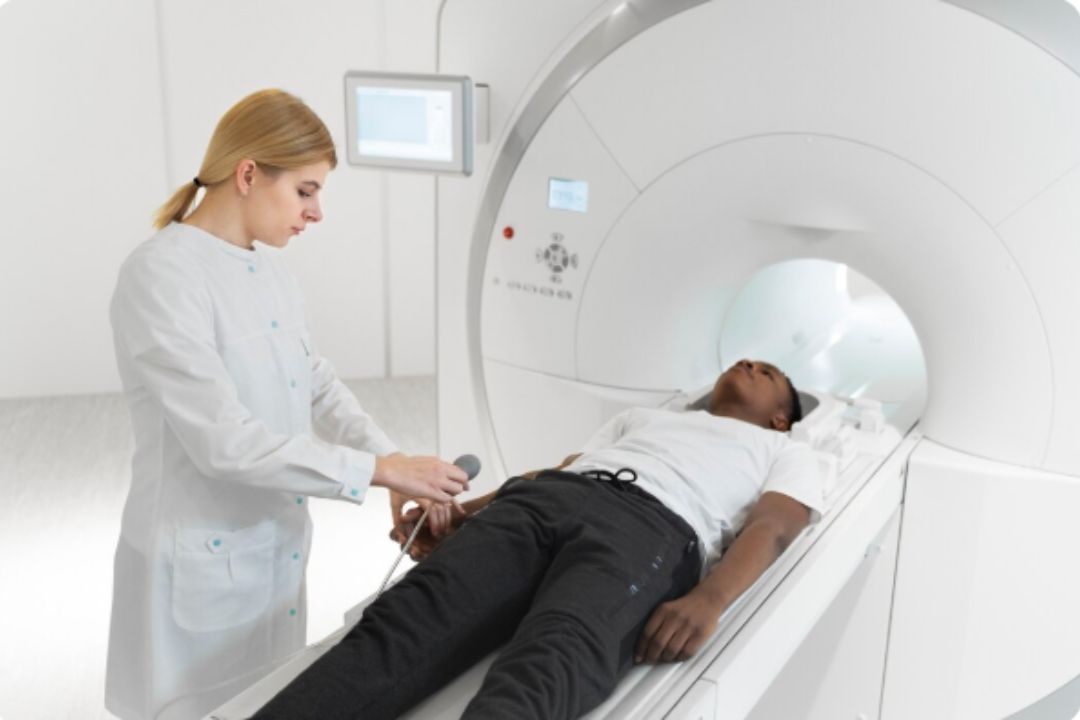
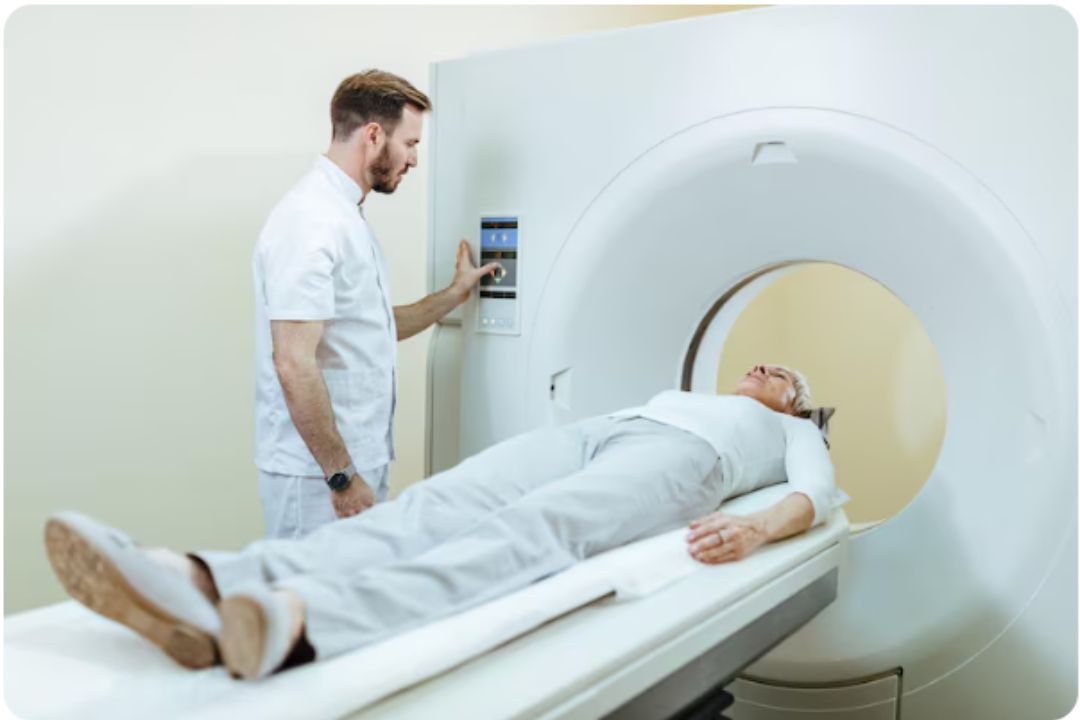
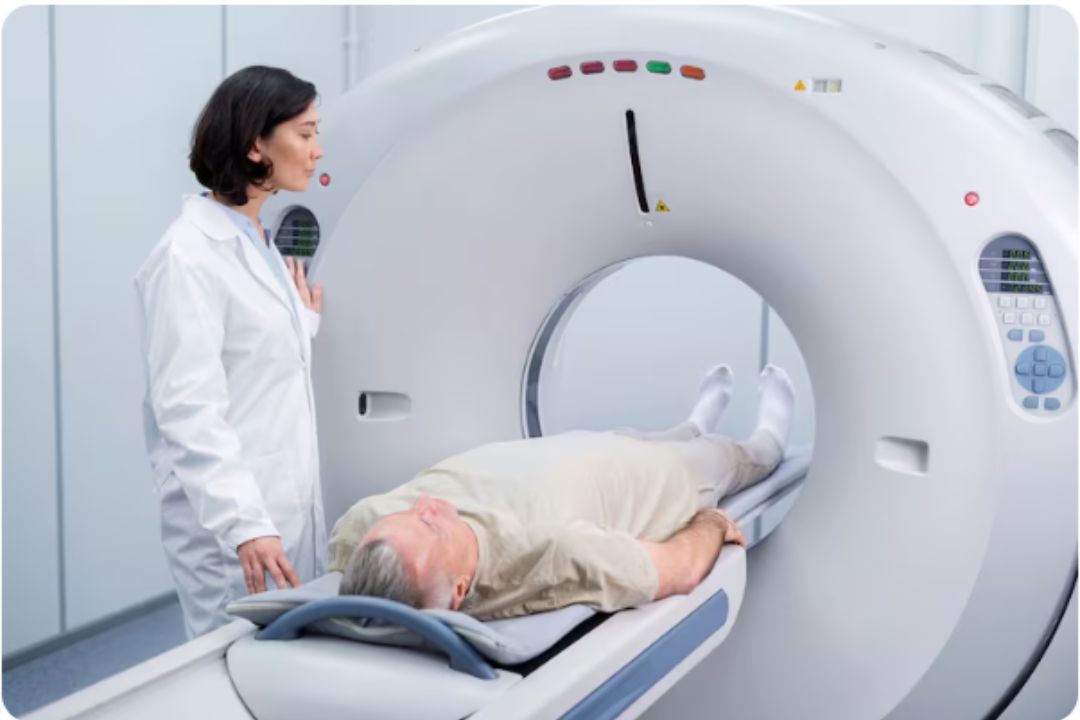
Step Five Positioning on the Scanner Table
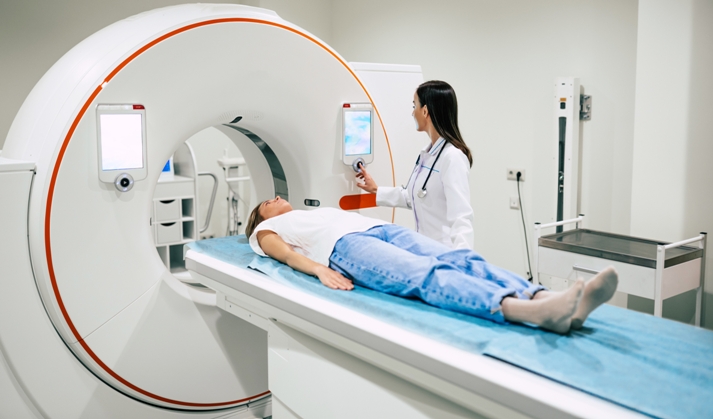
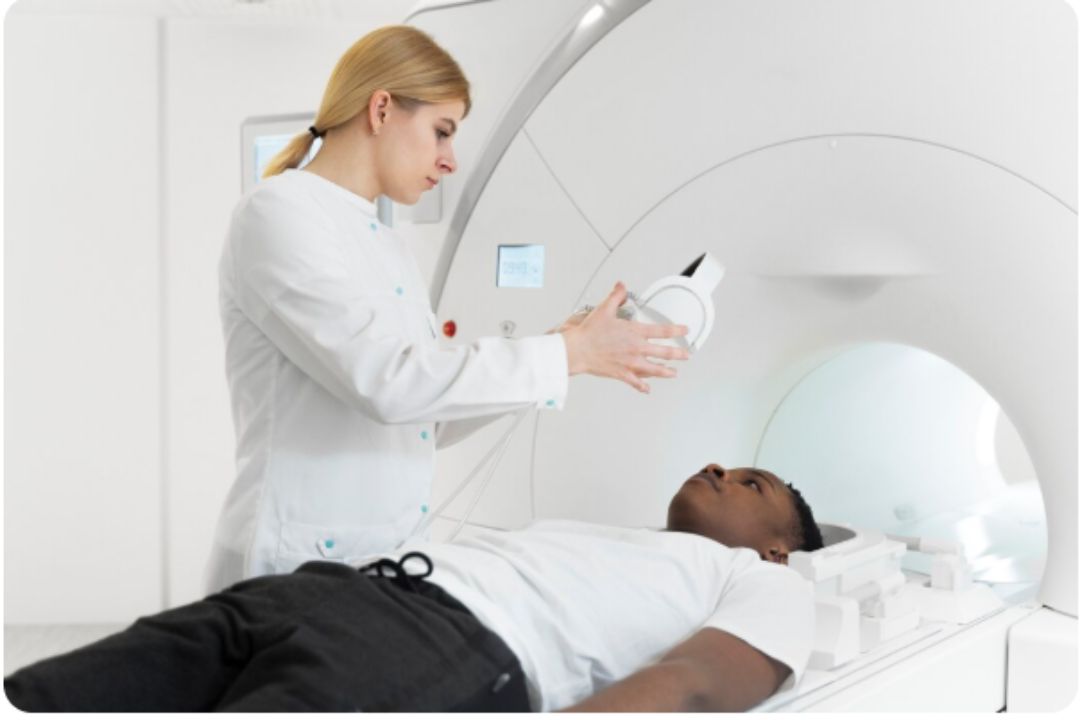
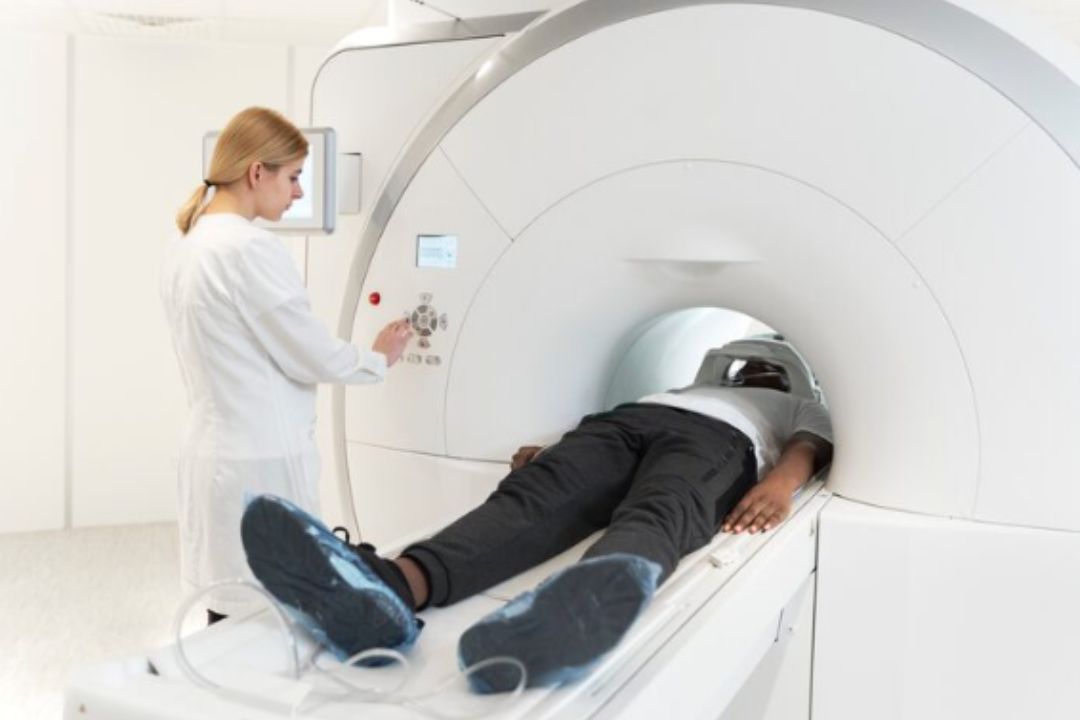
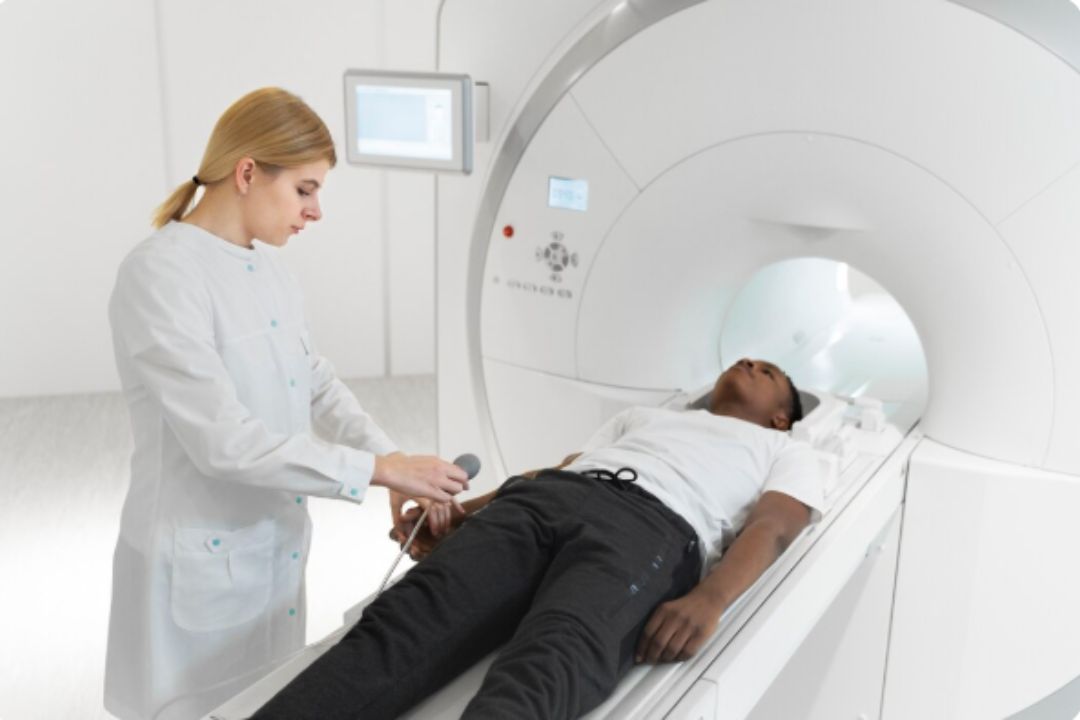
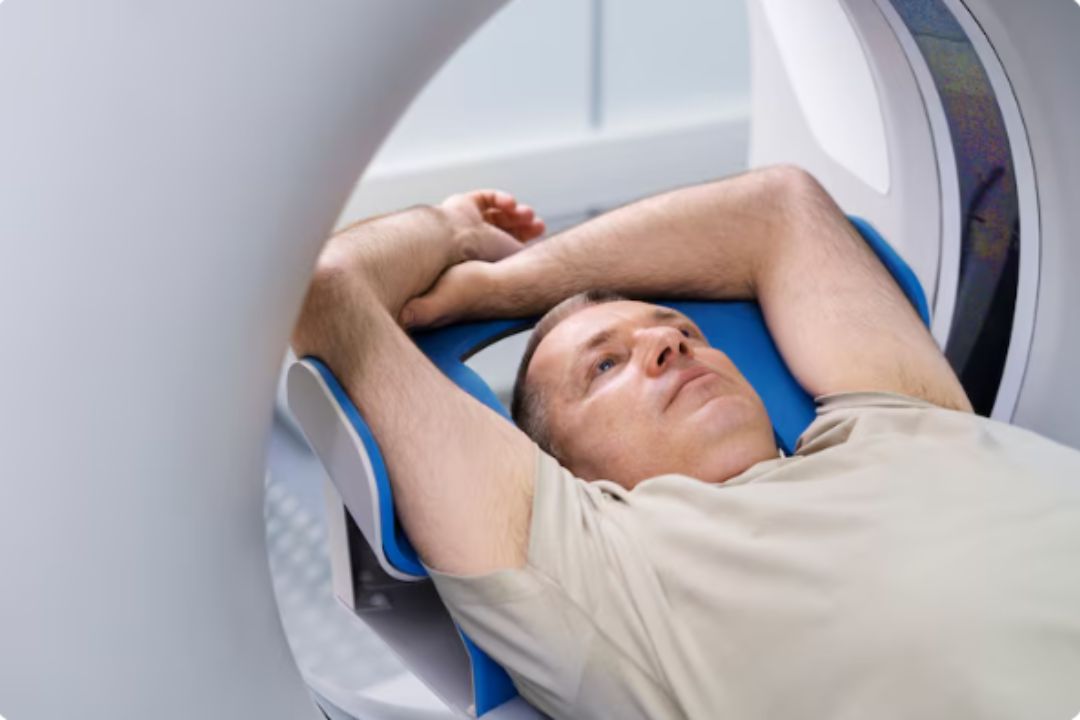
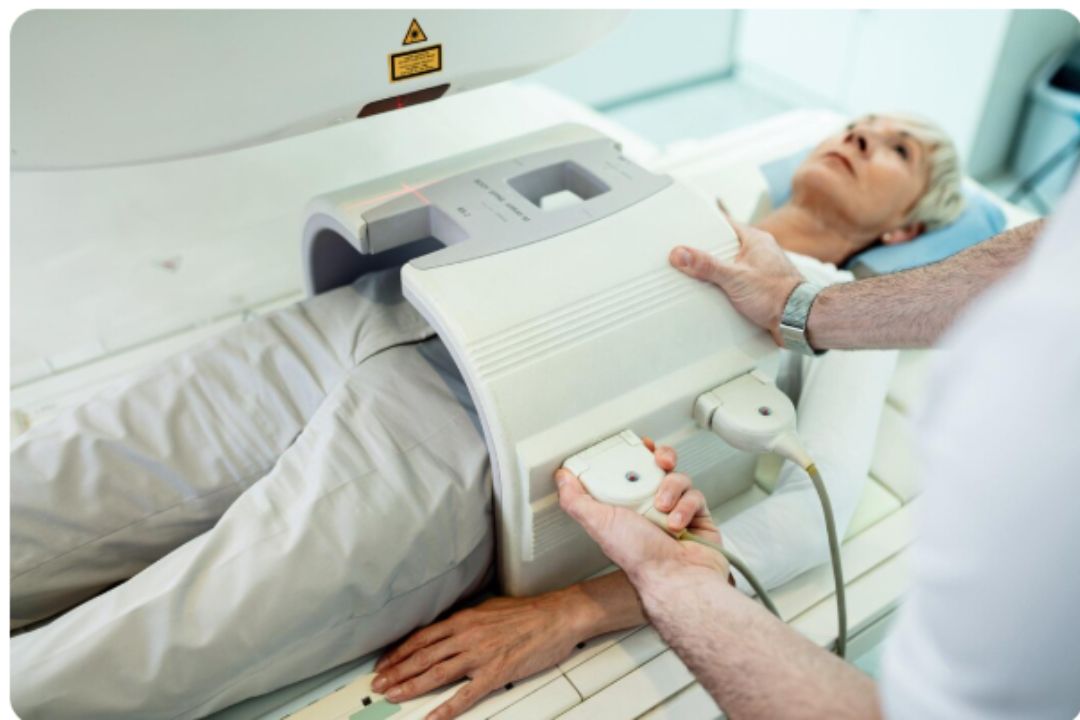
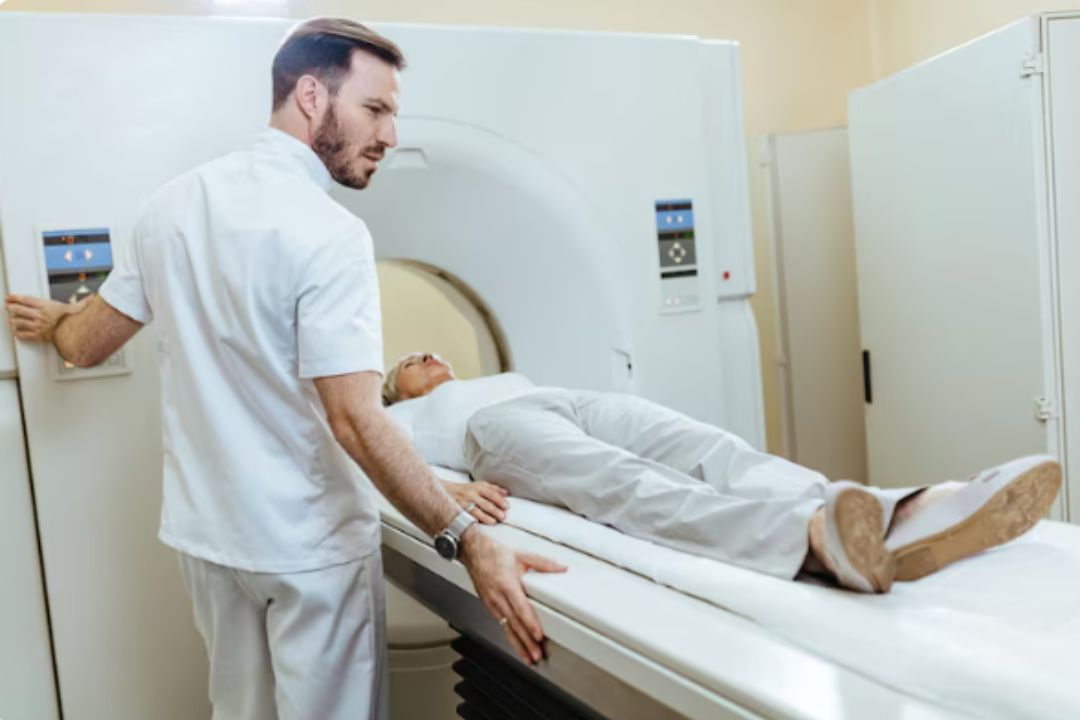
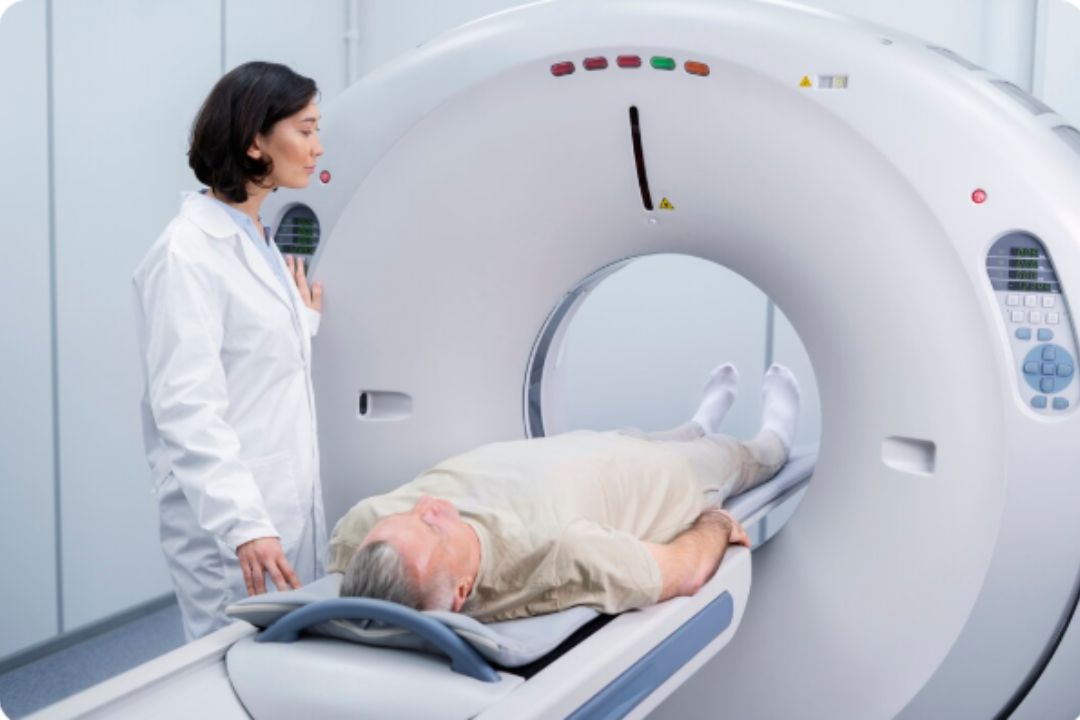
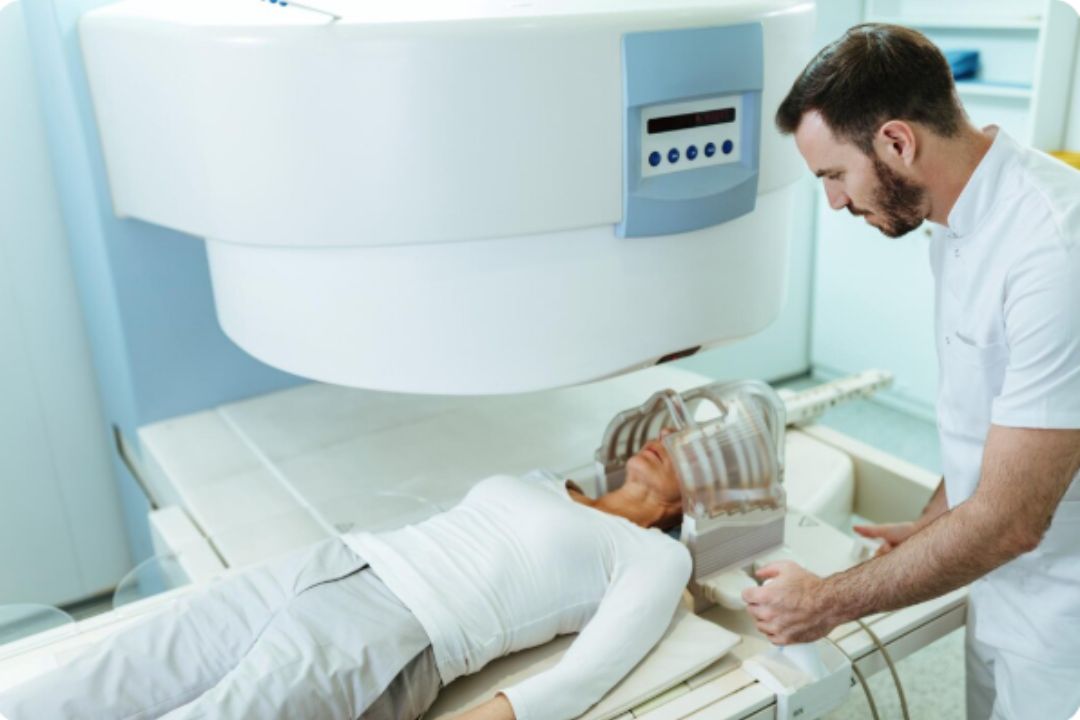
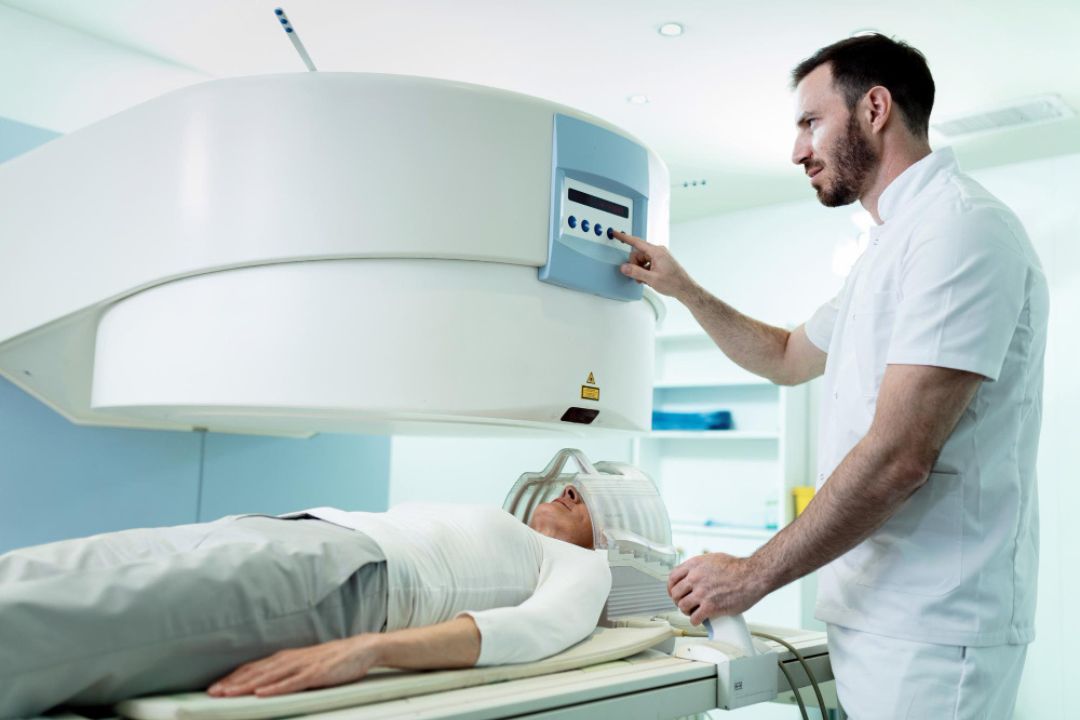
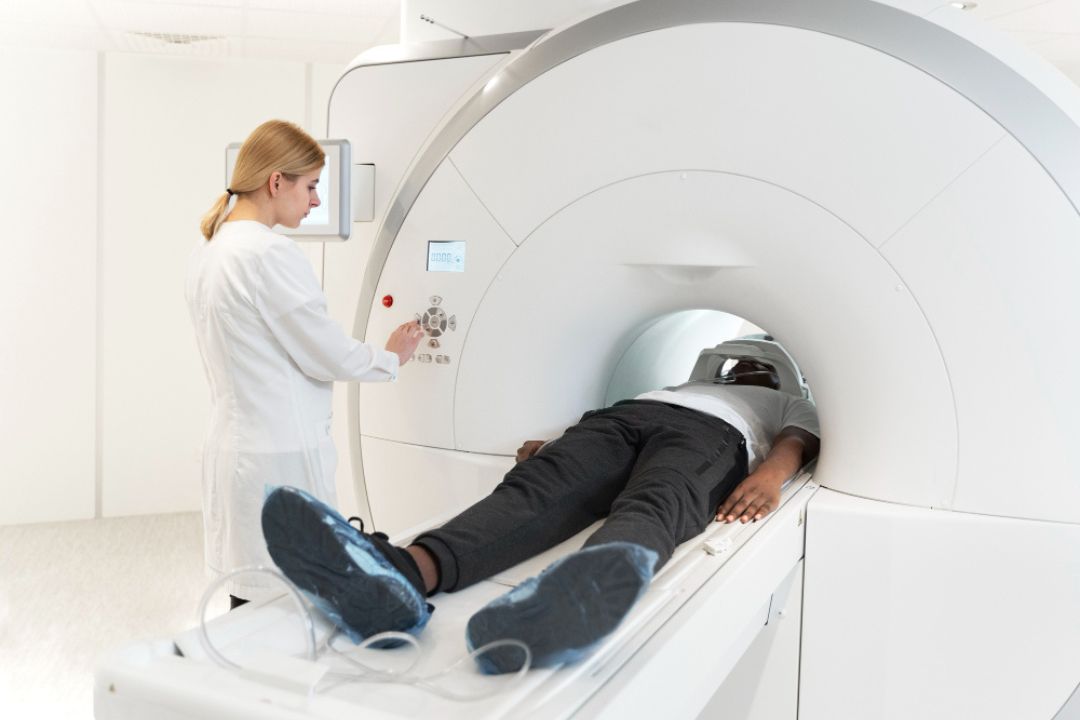
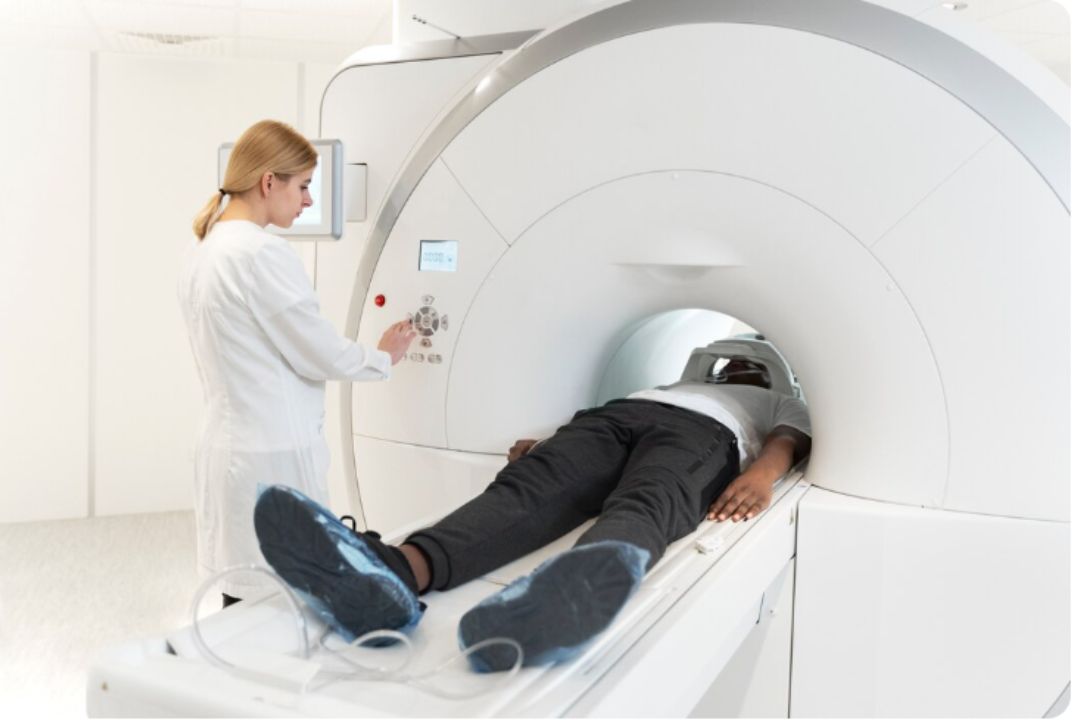
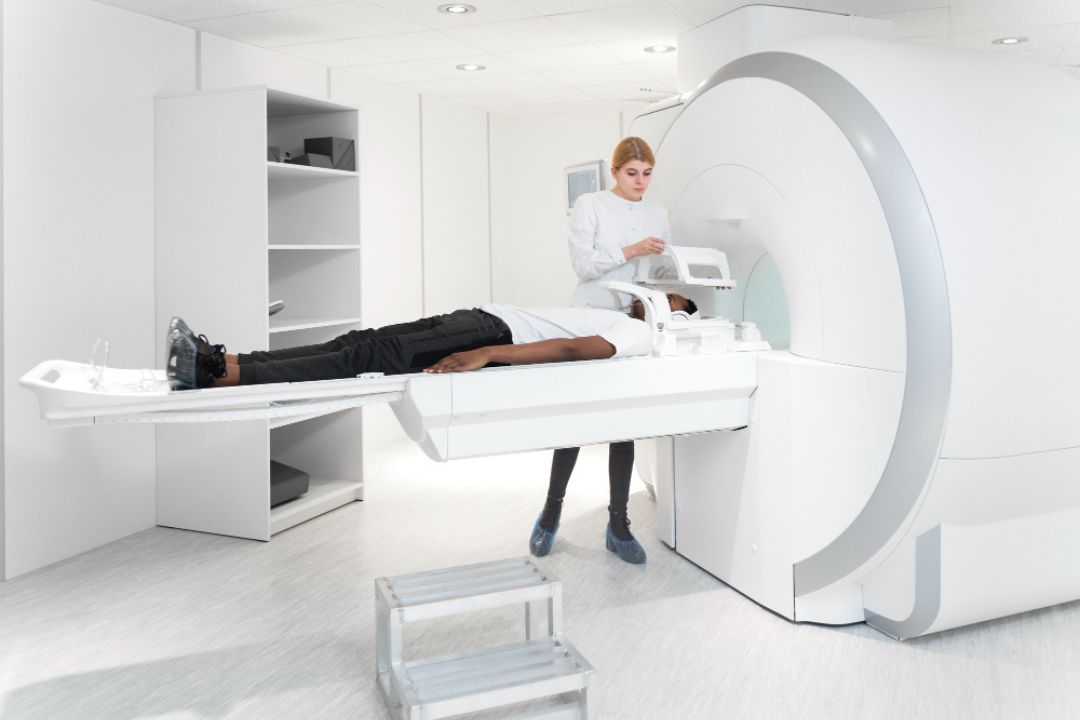
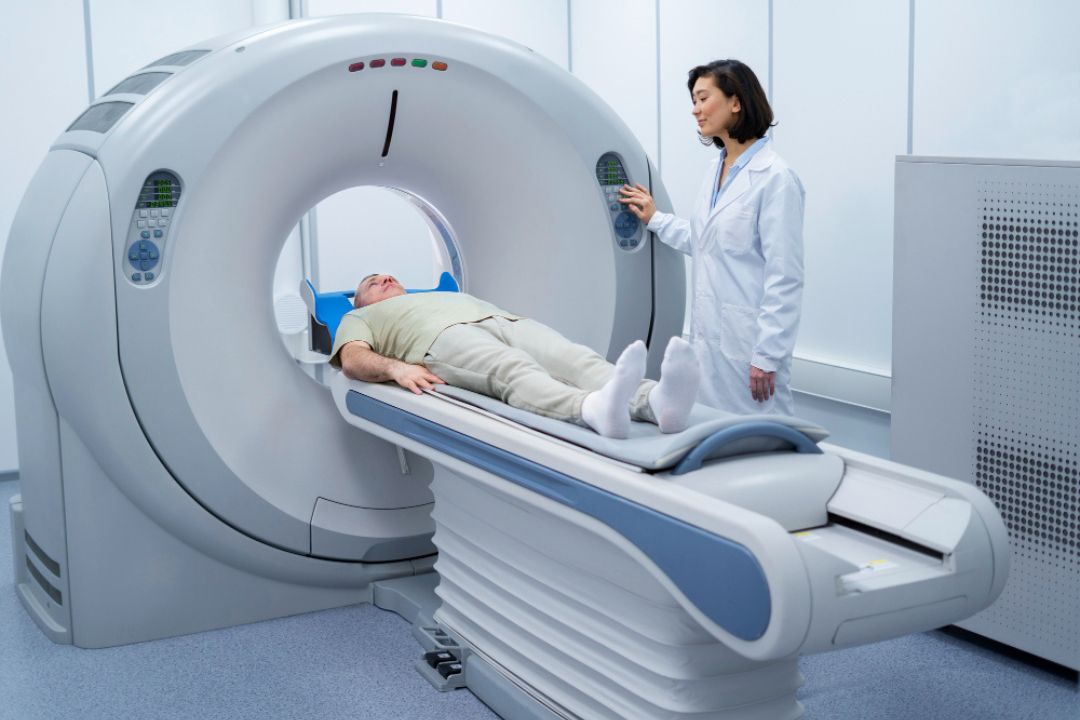
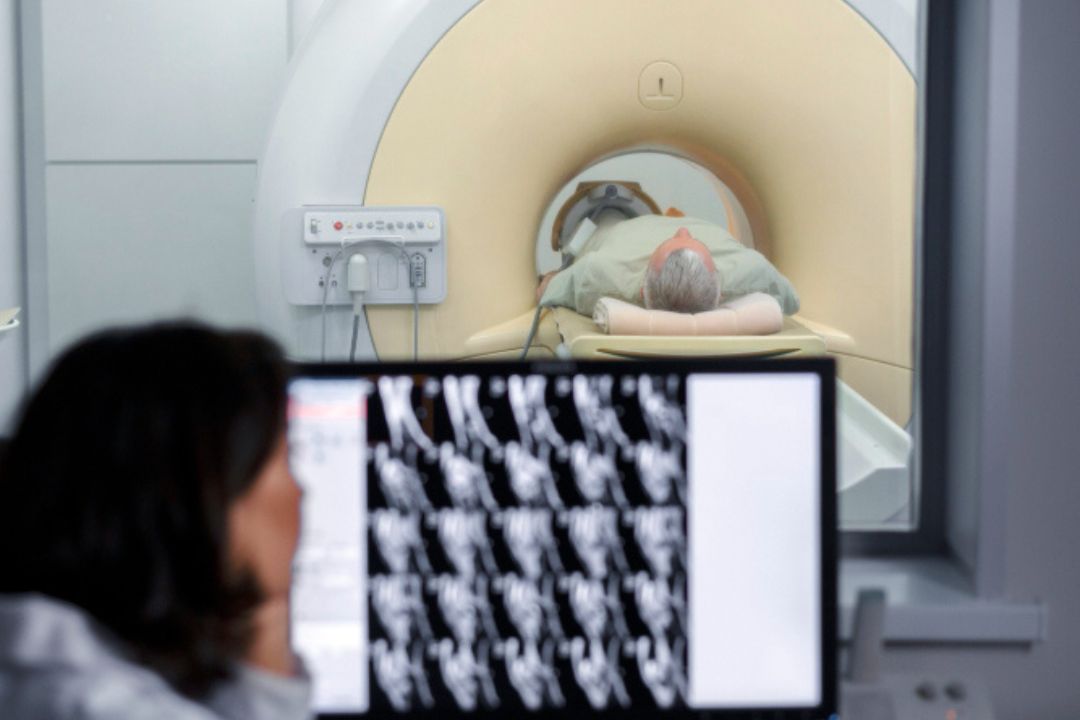
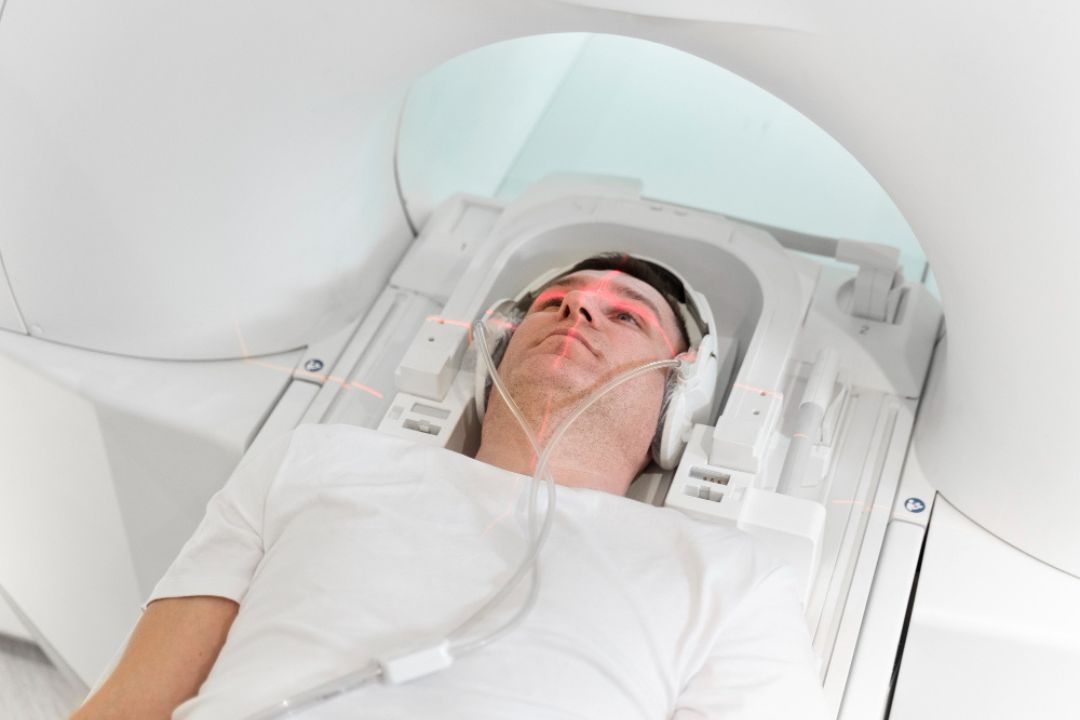
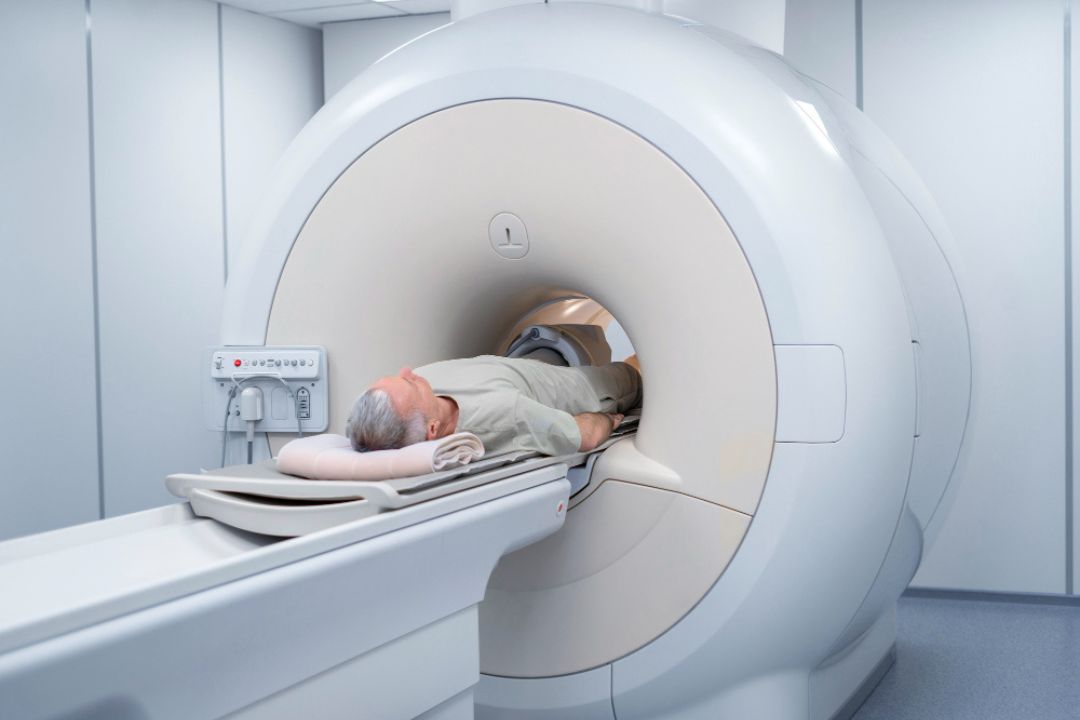
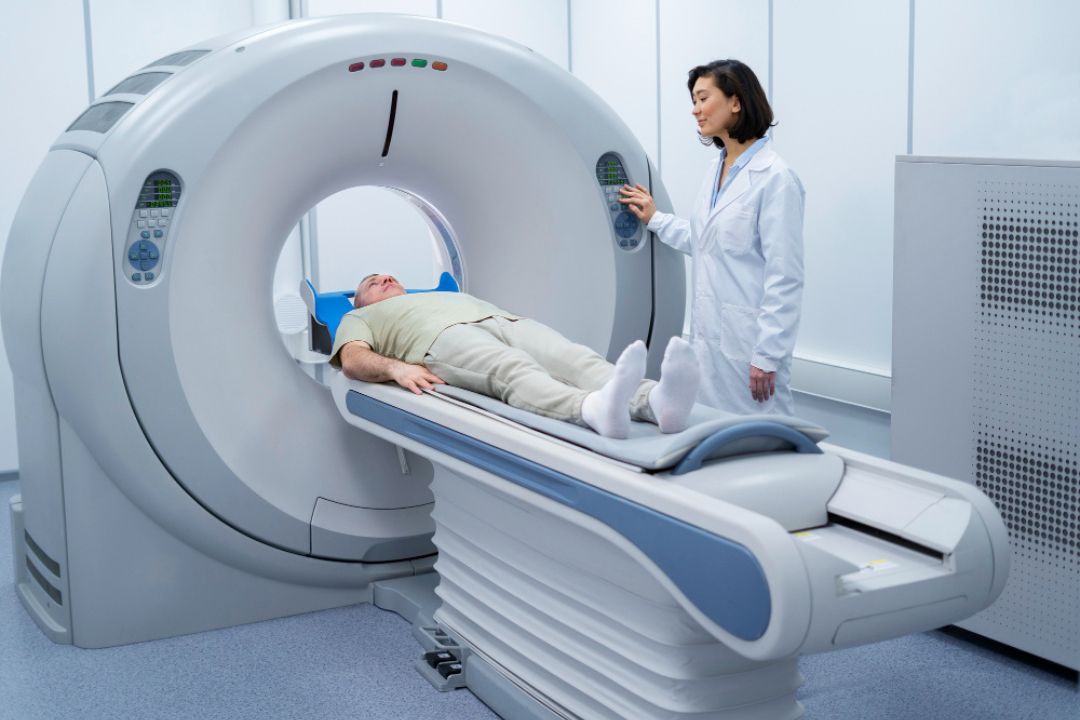
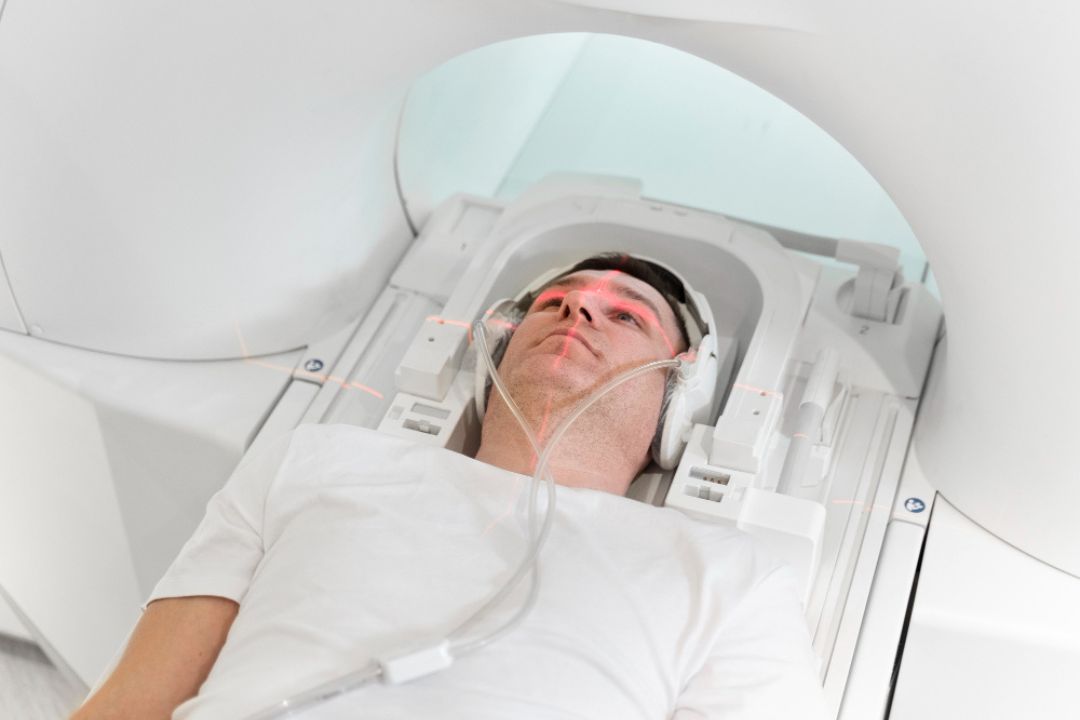
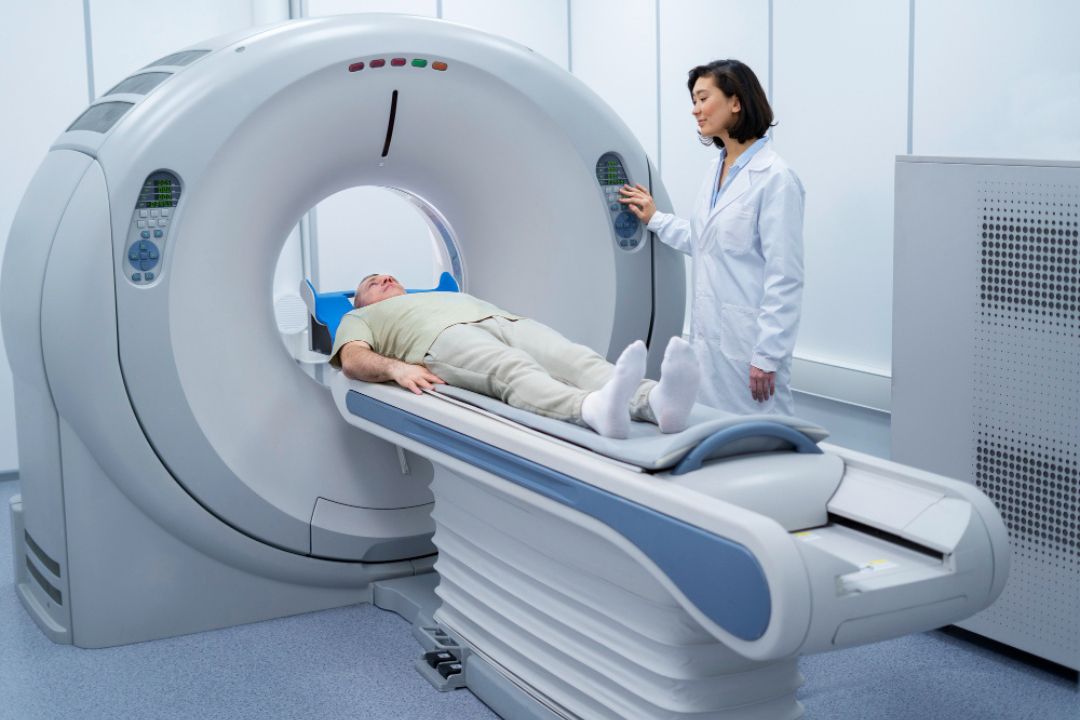
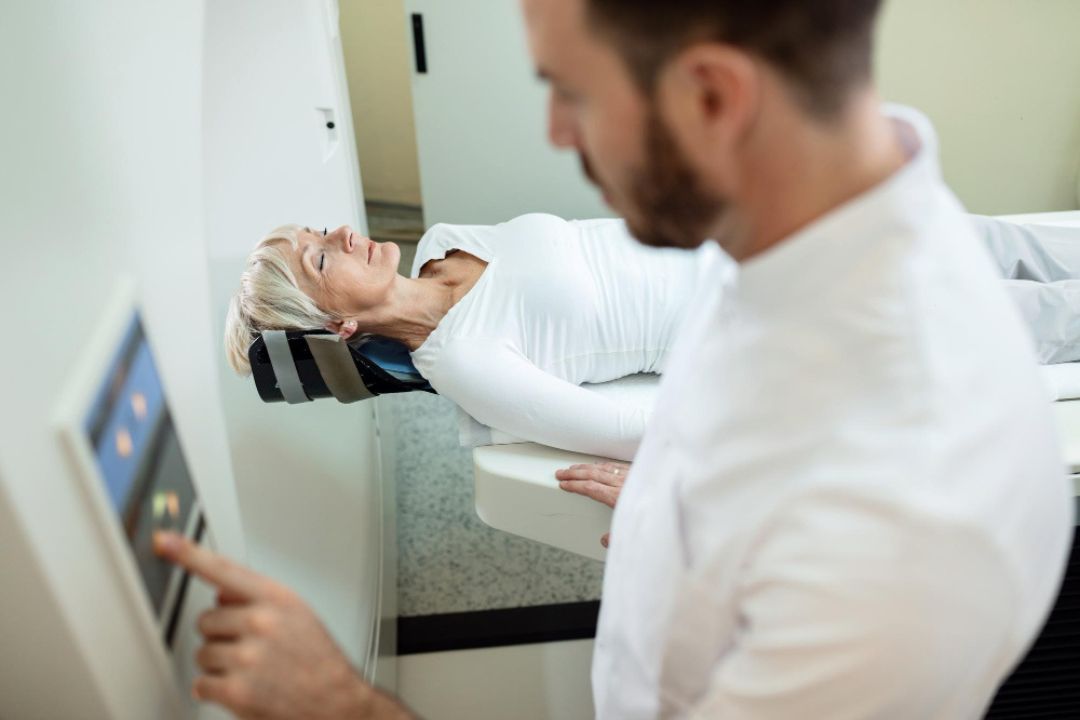
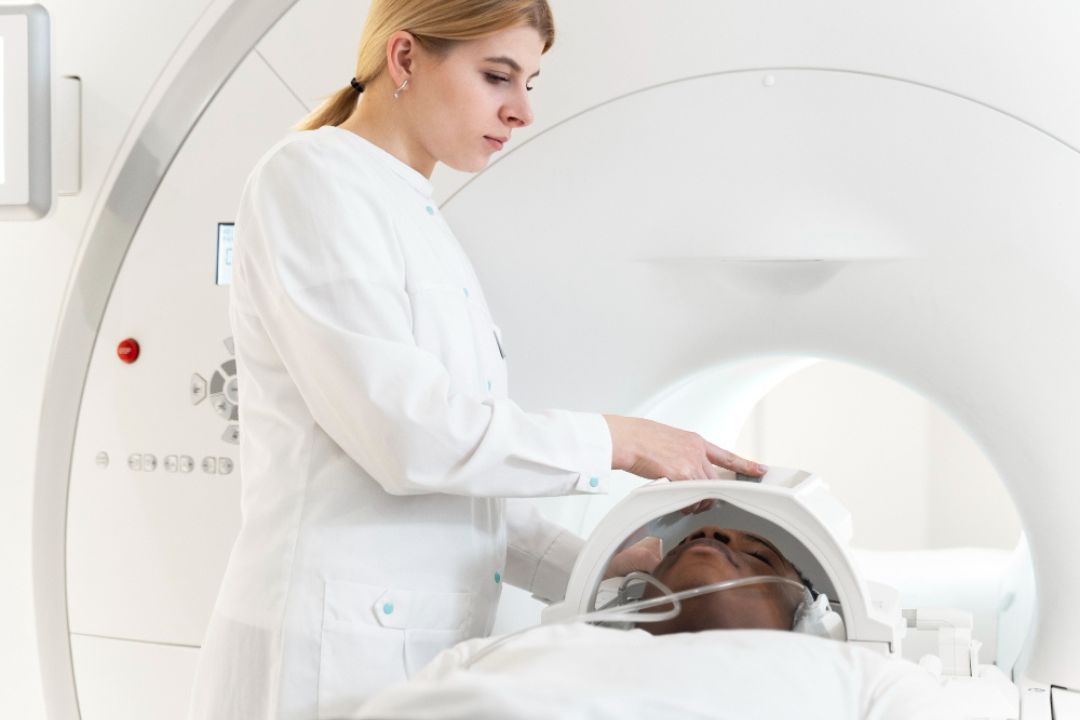
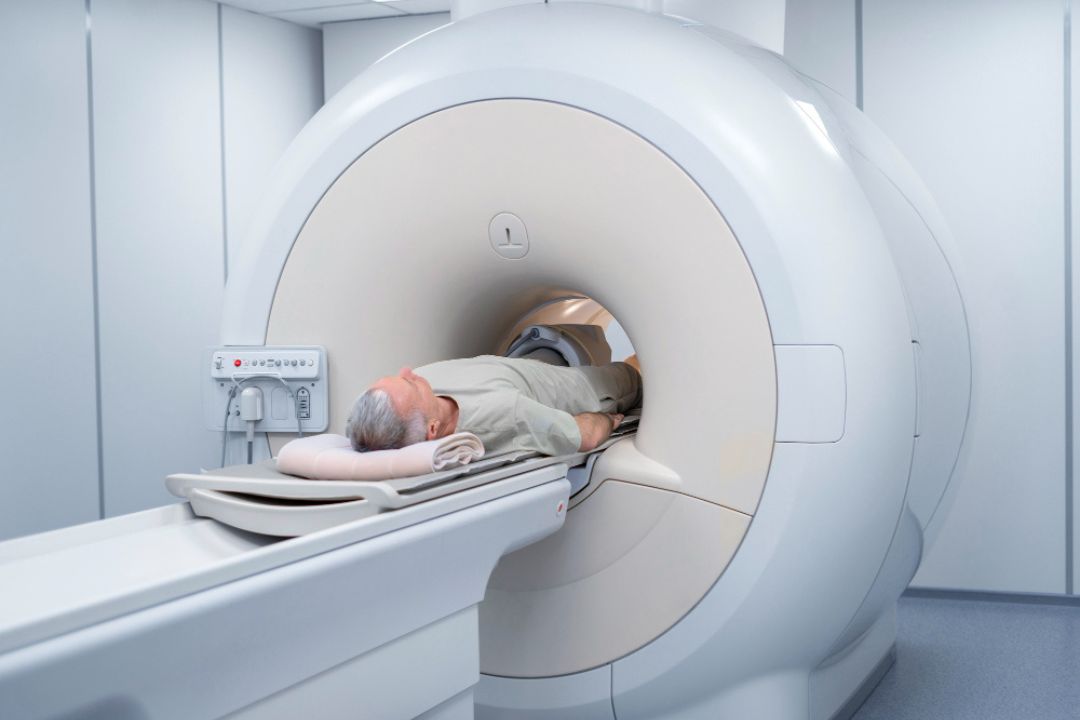
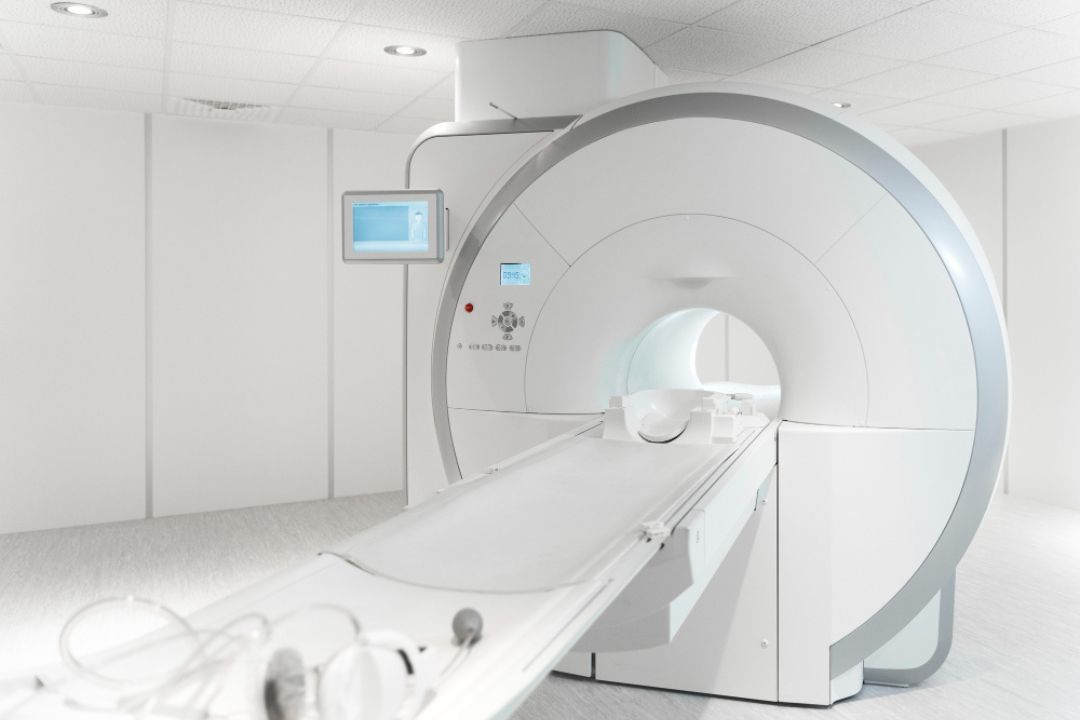
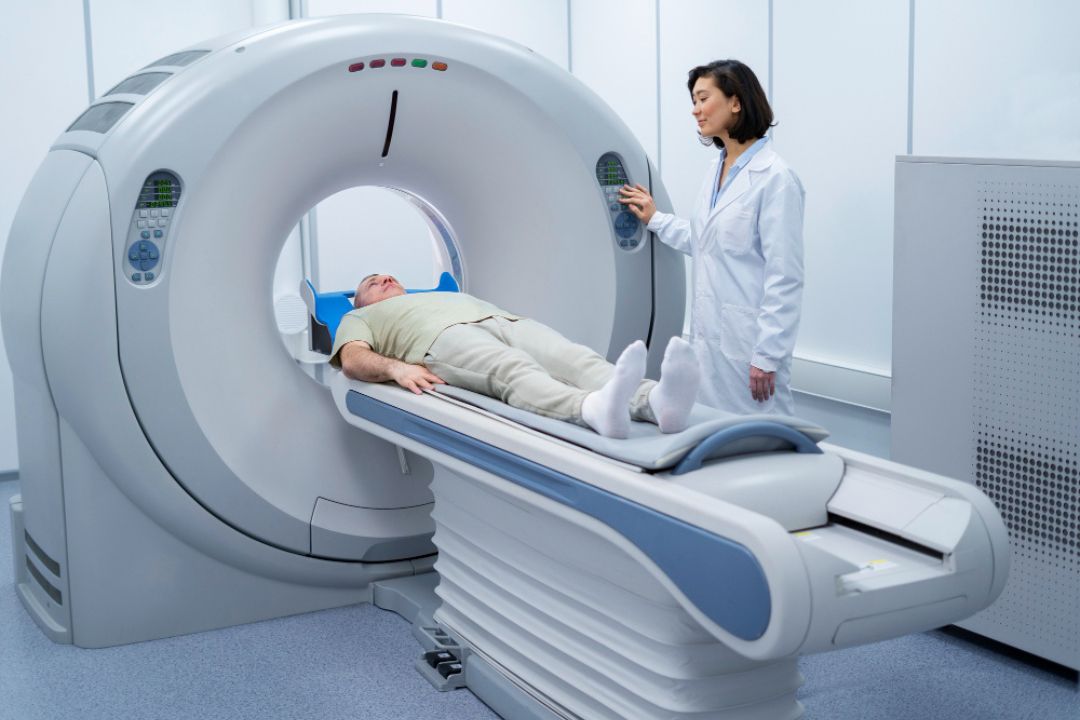
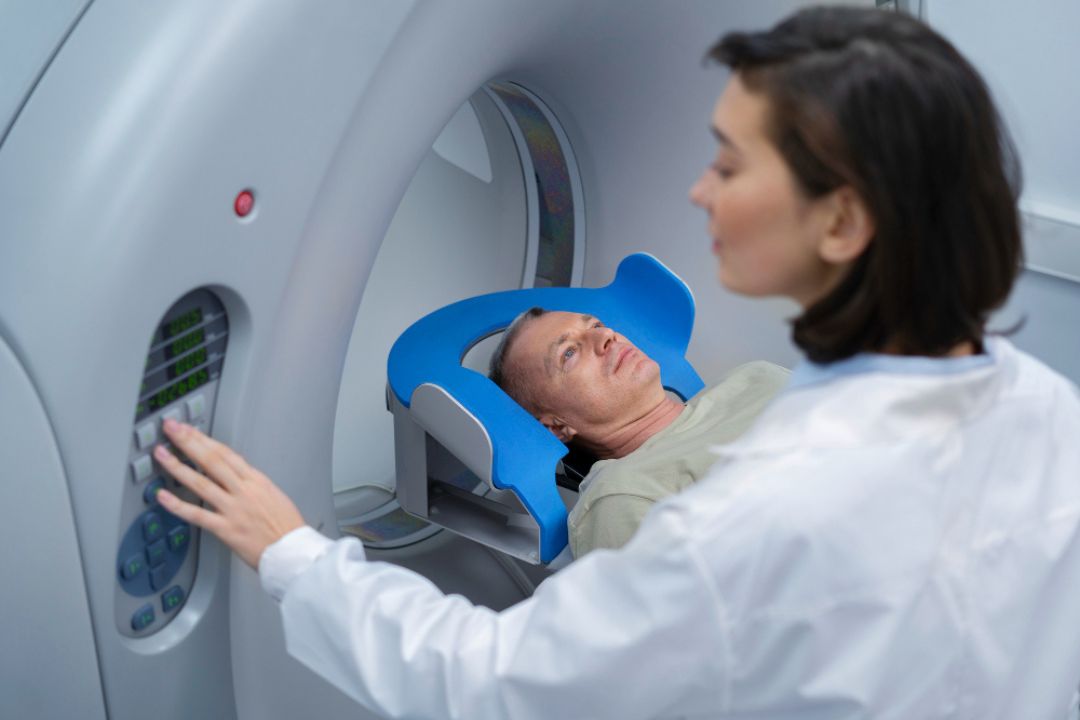
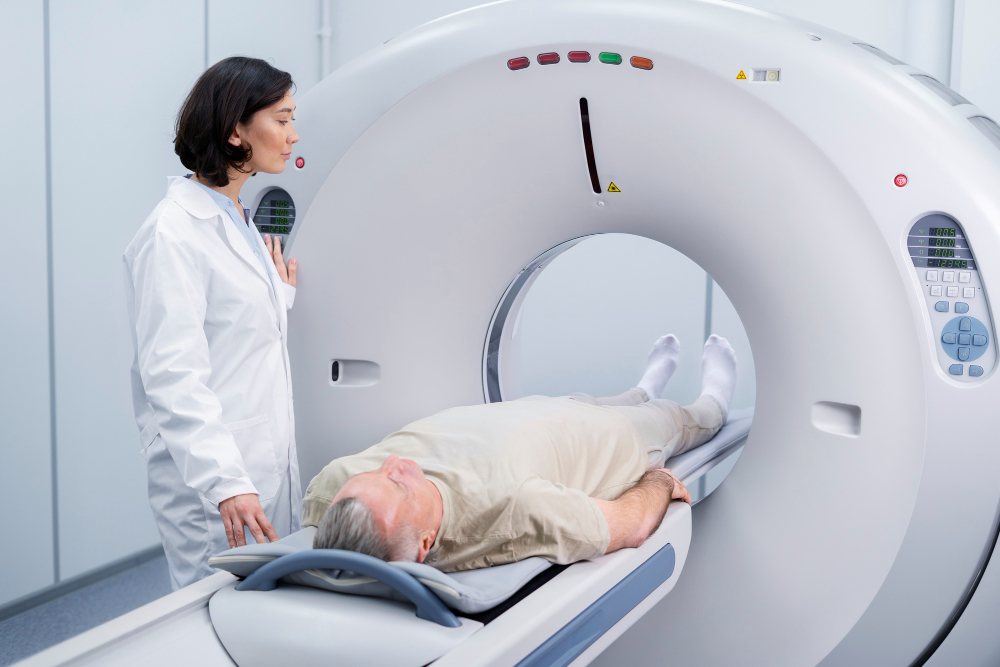
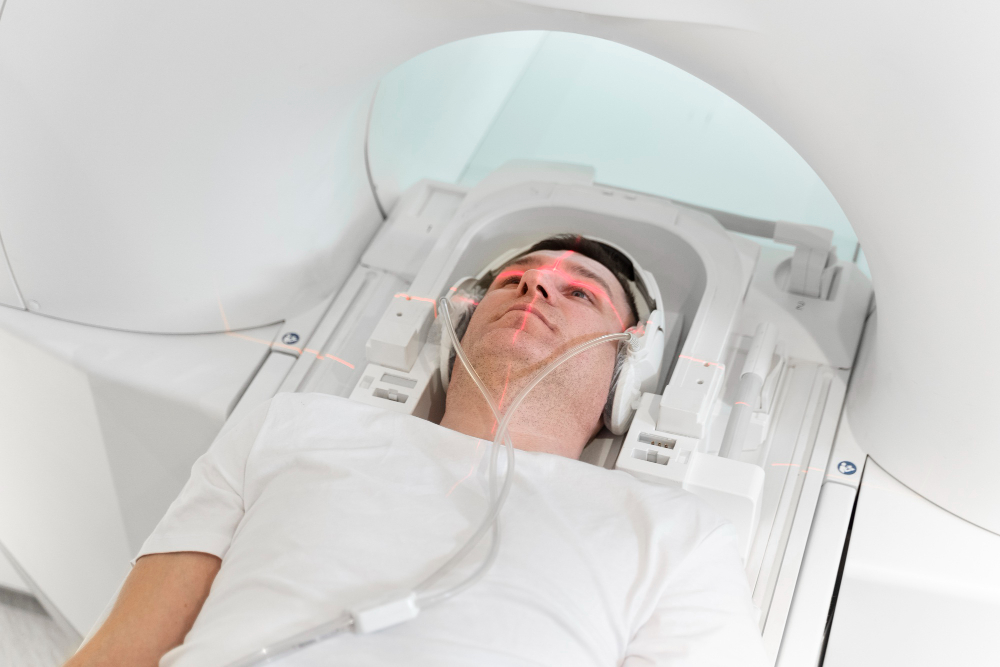
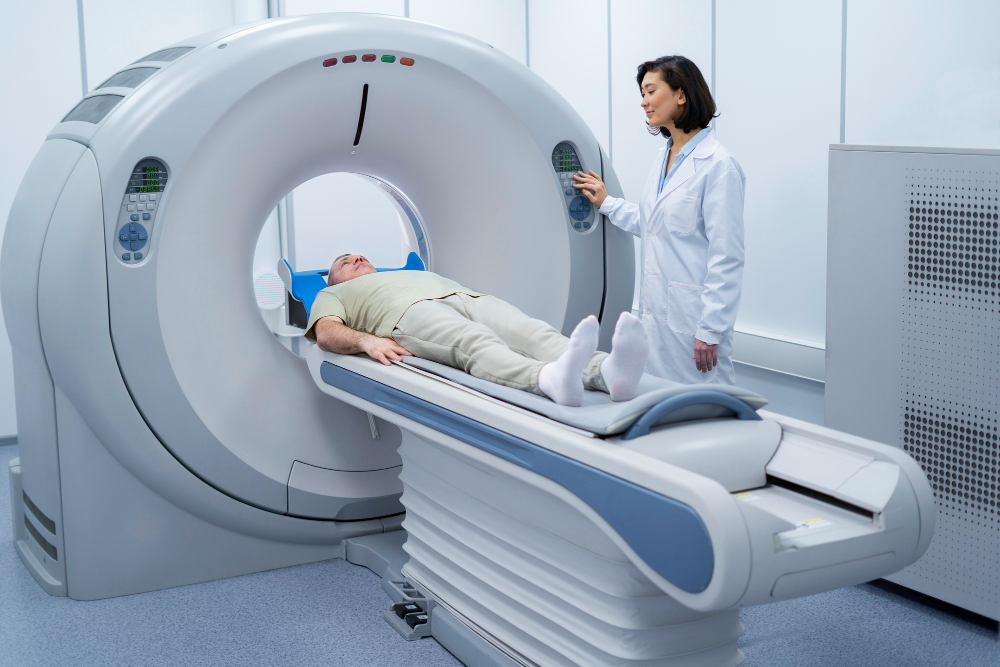
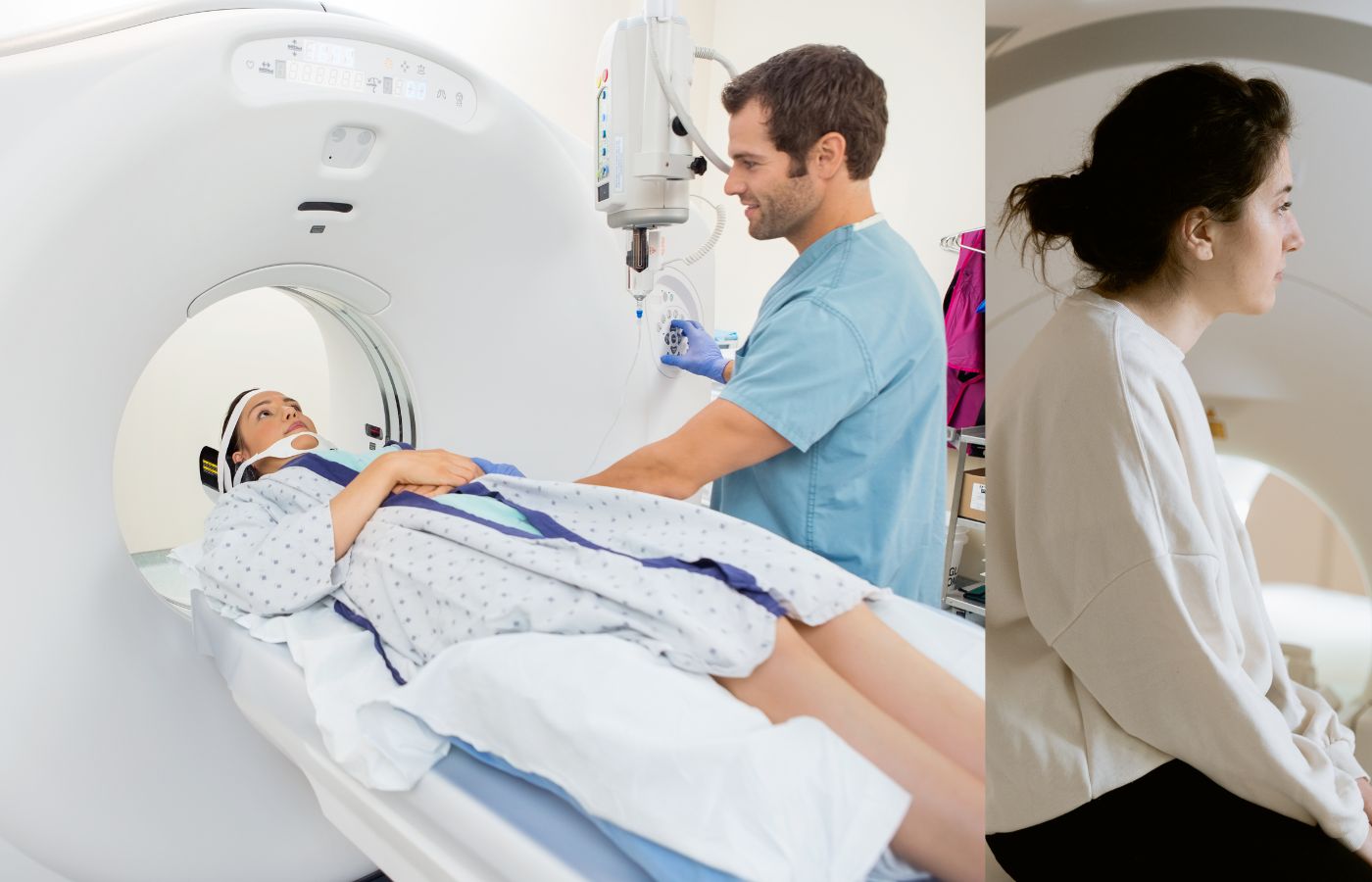
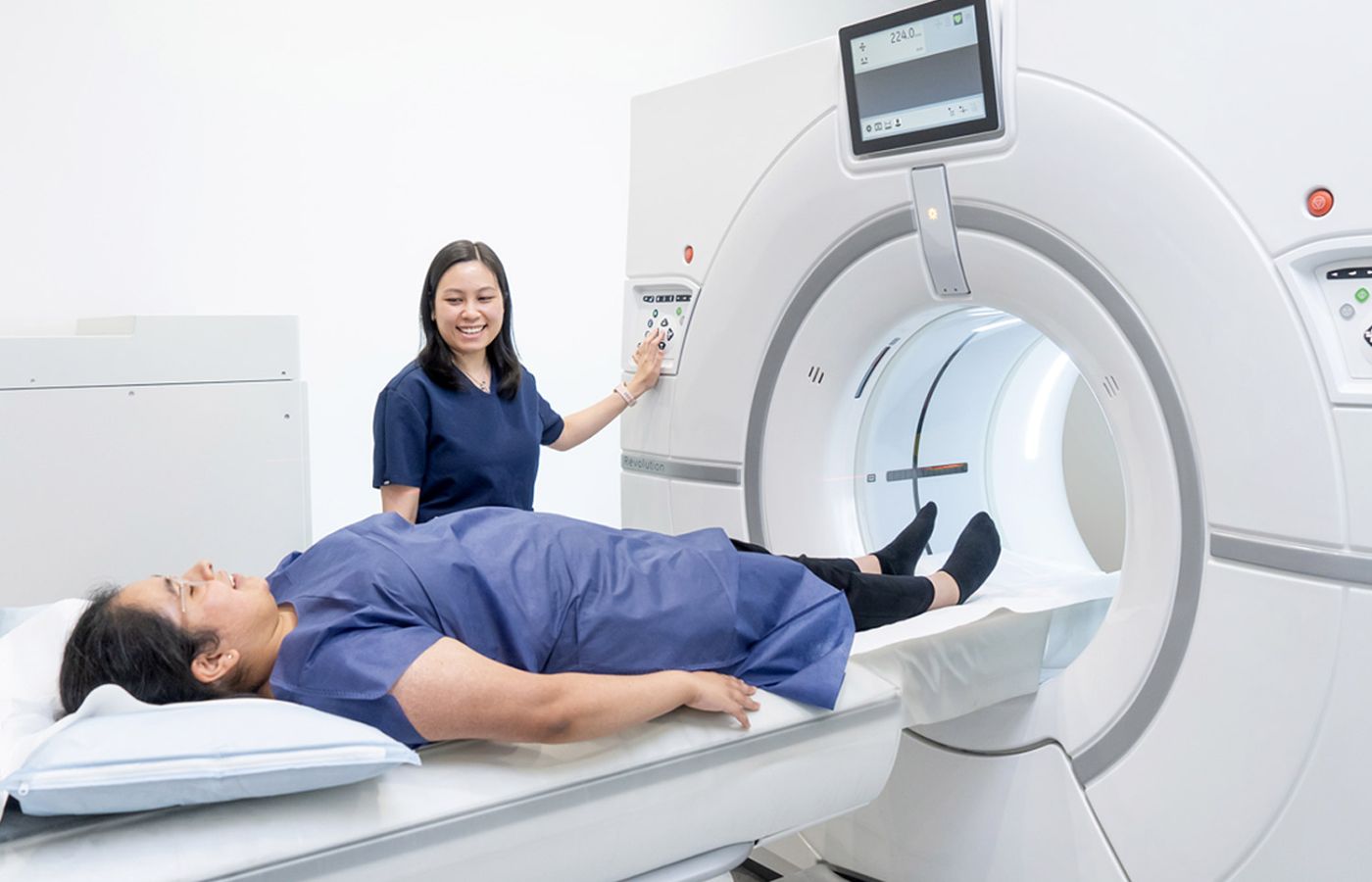
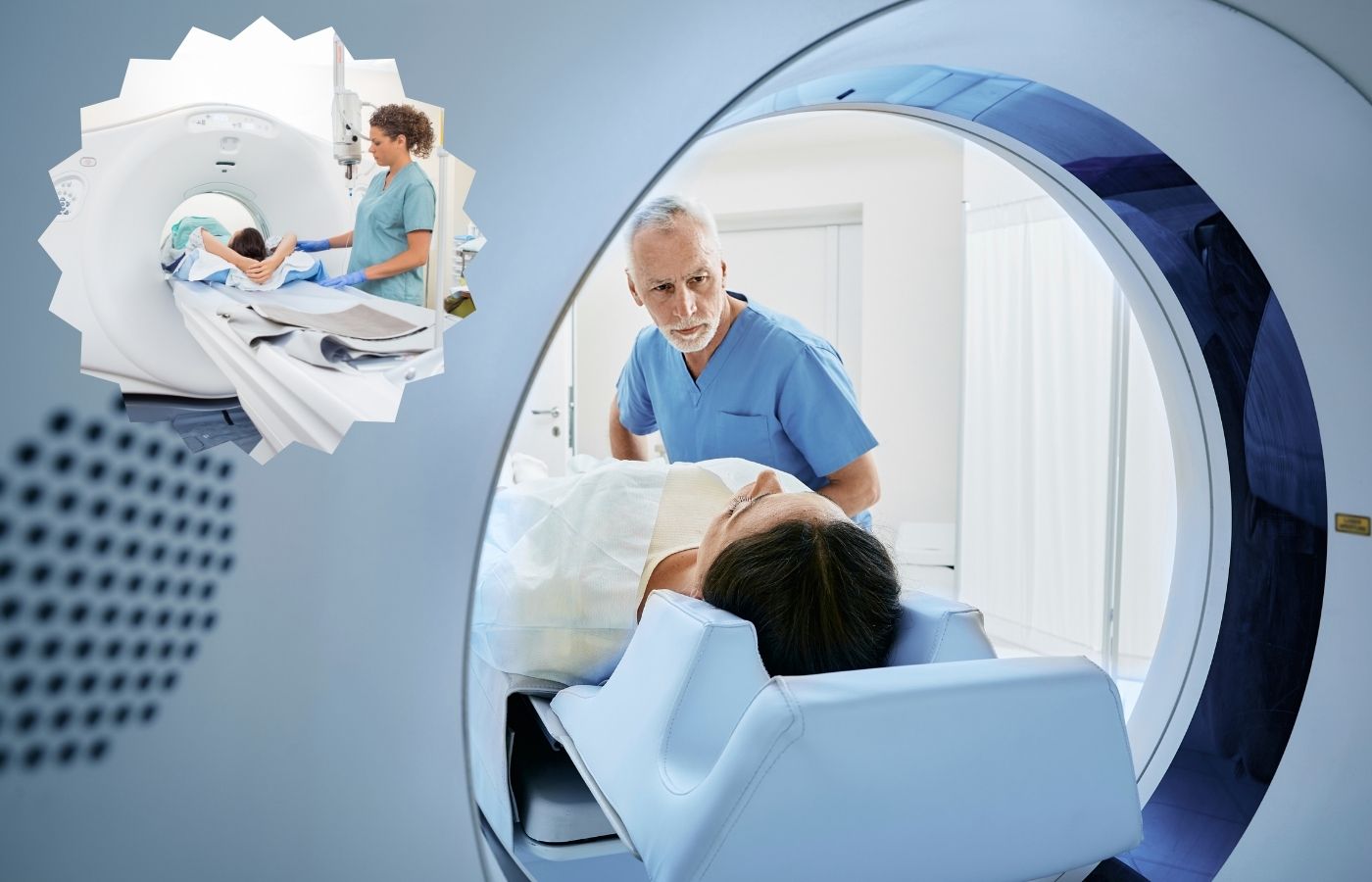
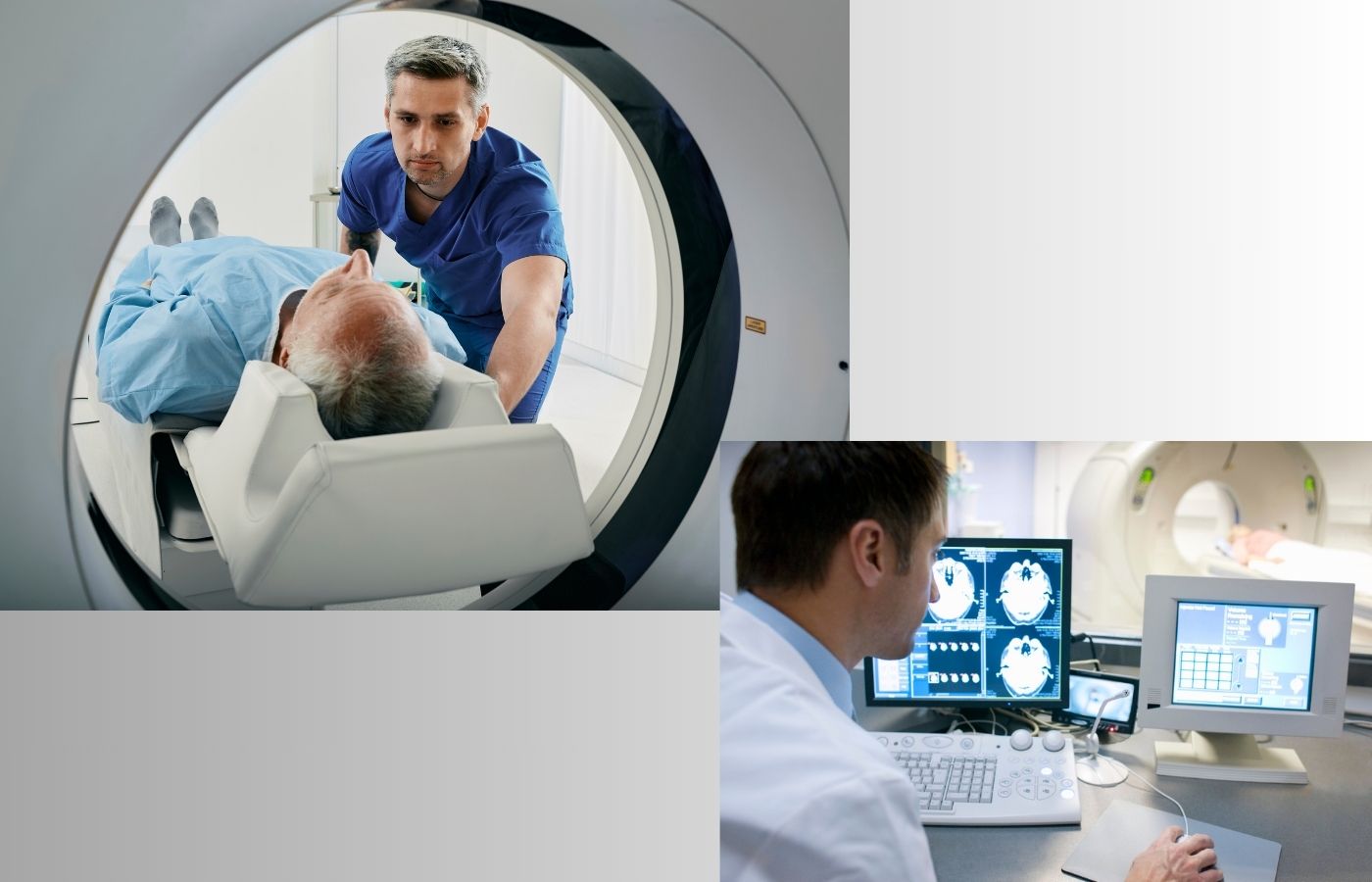
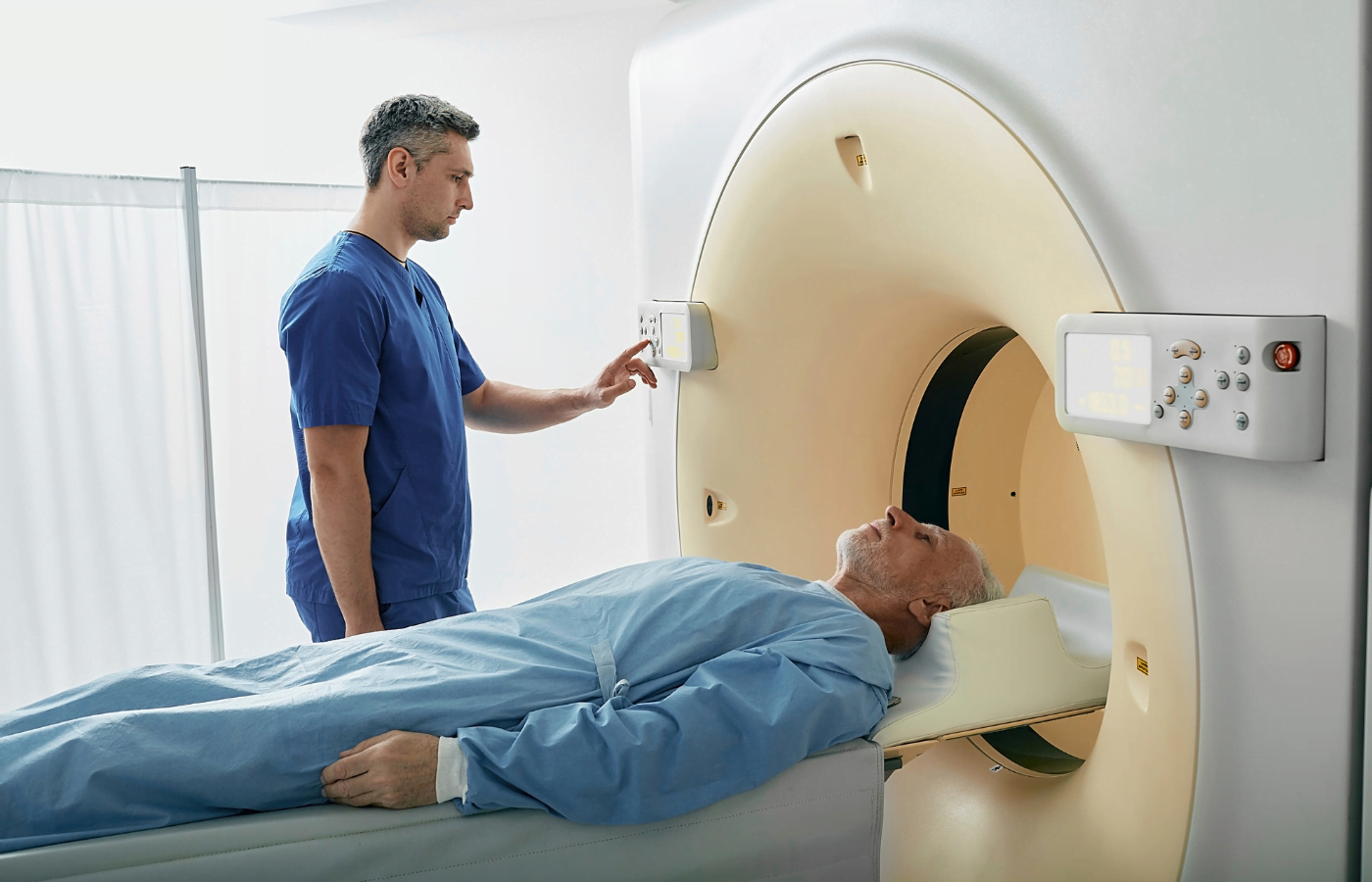
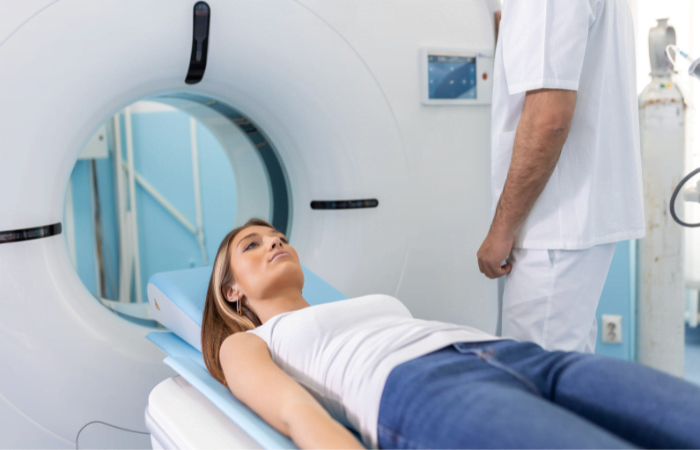
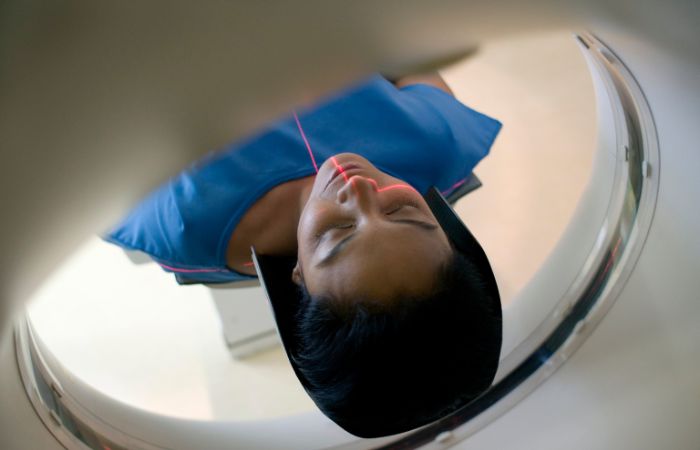
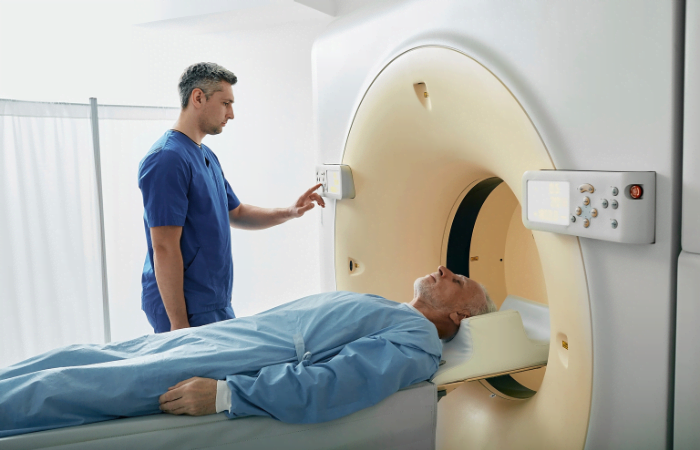
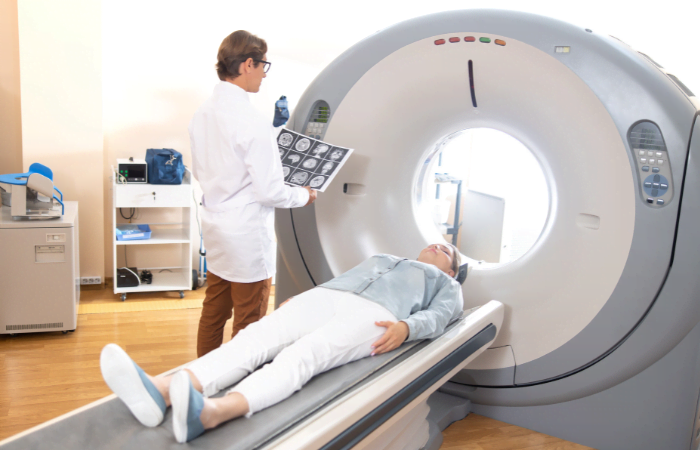
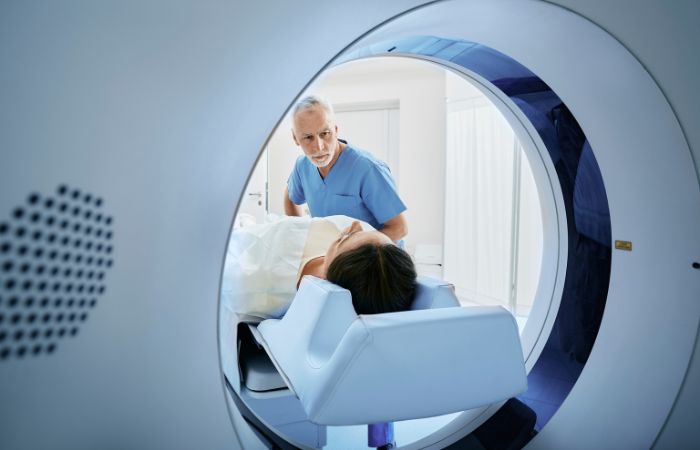
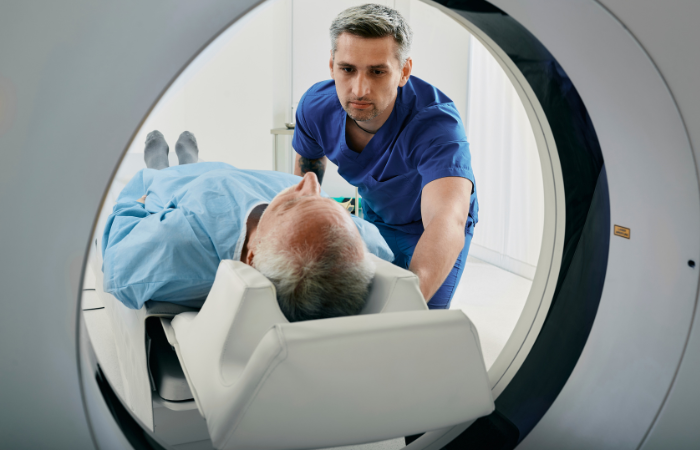
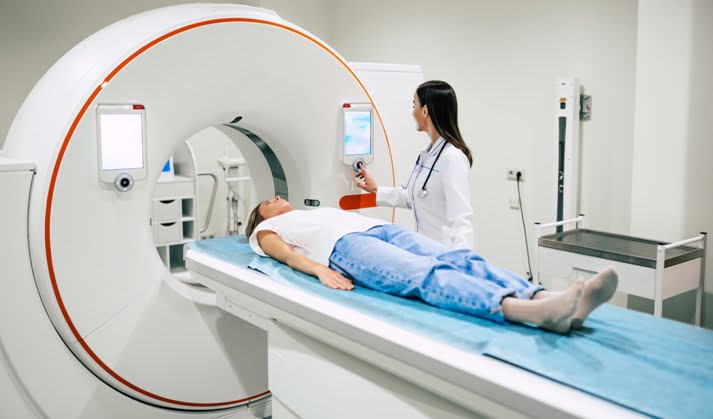
After the IV line is placed you will lie down on the scanning table usually on your back. Pillows or foam supports may be used to keep your head still and comfortable. The technologist will position you so the orbit area is centered in the scanner field.
During the scan you must remain as still as possible to prevent image blurring. Sometimes you may be asked to hold your breath for a few seconds when images are being captured.
Step Six Scanning Without Contrast
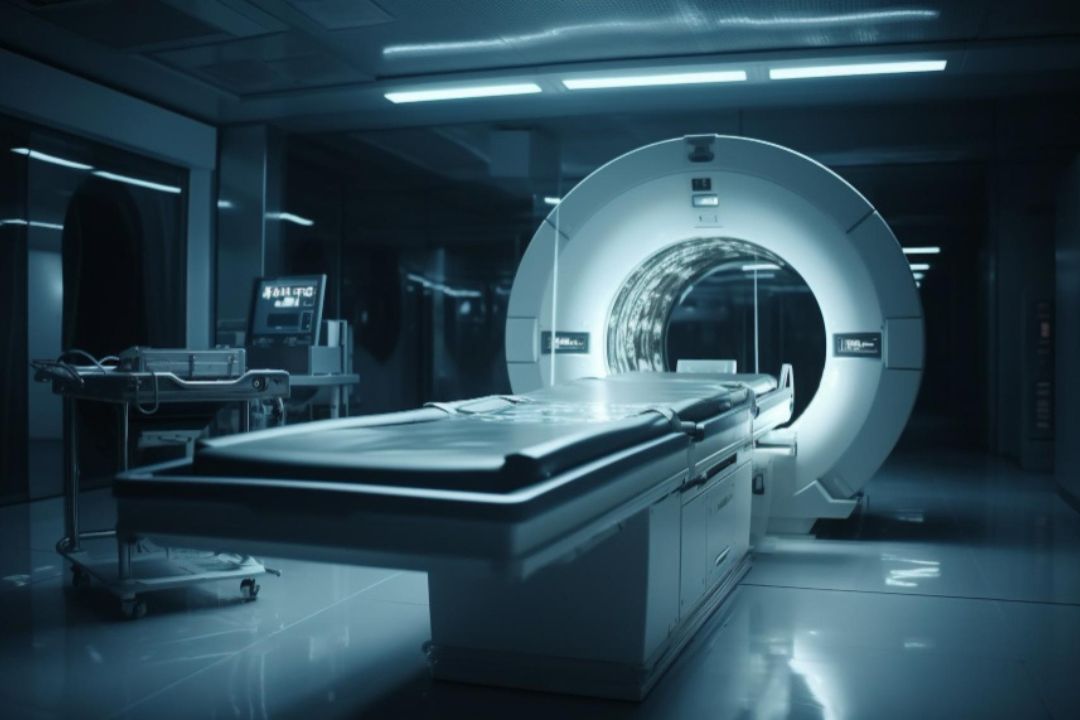
The first part of the scan is done before contrast injection. The scanner moves around your head capturing a series of detailed images of the orbits. These initial images help provide an anatomical baseline and help the radiologist see bone detail air spaces and general structure.
This part of the scan takes only a short time. You may hear clicking or whirring sounds as the machine rotates. These sounds are normal and part of how CT images are captured.
Step Seven Contrast Injection
Once initial images are done the technologist will inject the contrast agent through the IV line. This injection is typically done while you are still on the scanning table. The contrast travels through your bloodstream to the orbital tissues.
At the moment of injection you may feel a warm sensation sudden flushing or a metallic taste in your mouth. These feelings are common temporary and not painful.
After contrast injection the scanner will take additional images of the orbit region. The contrast highlights soft tissues blood vessels and areas of abnormal enhancement.
Step Eight Monitoring During Scan
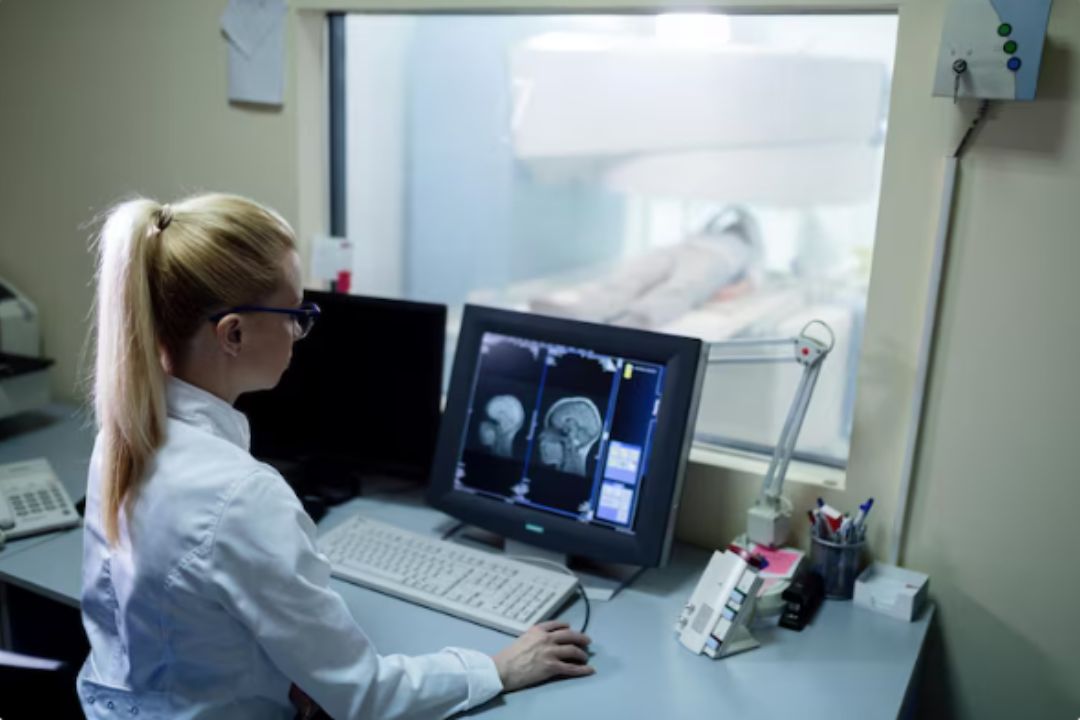
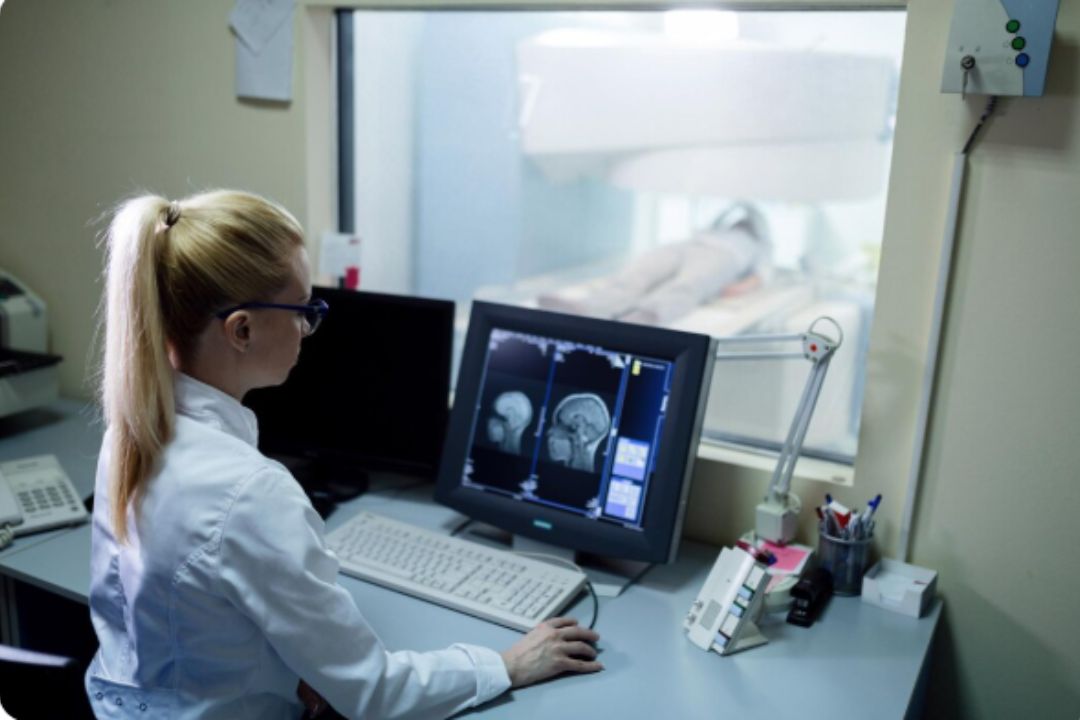
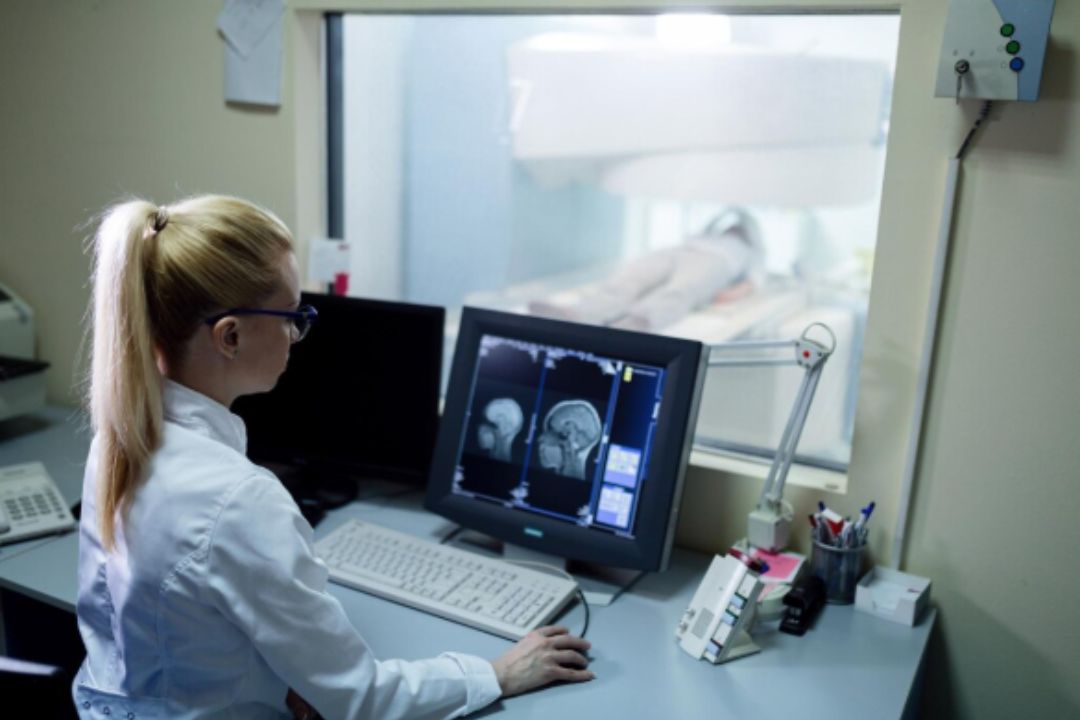
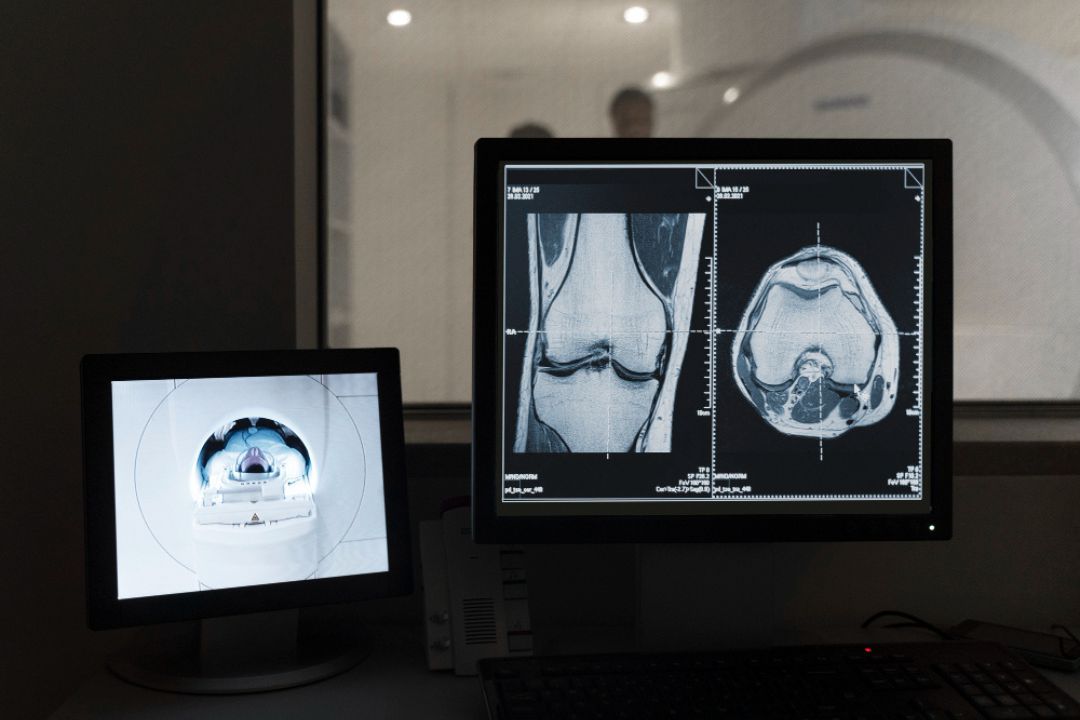
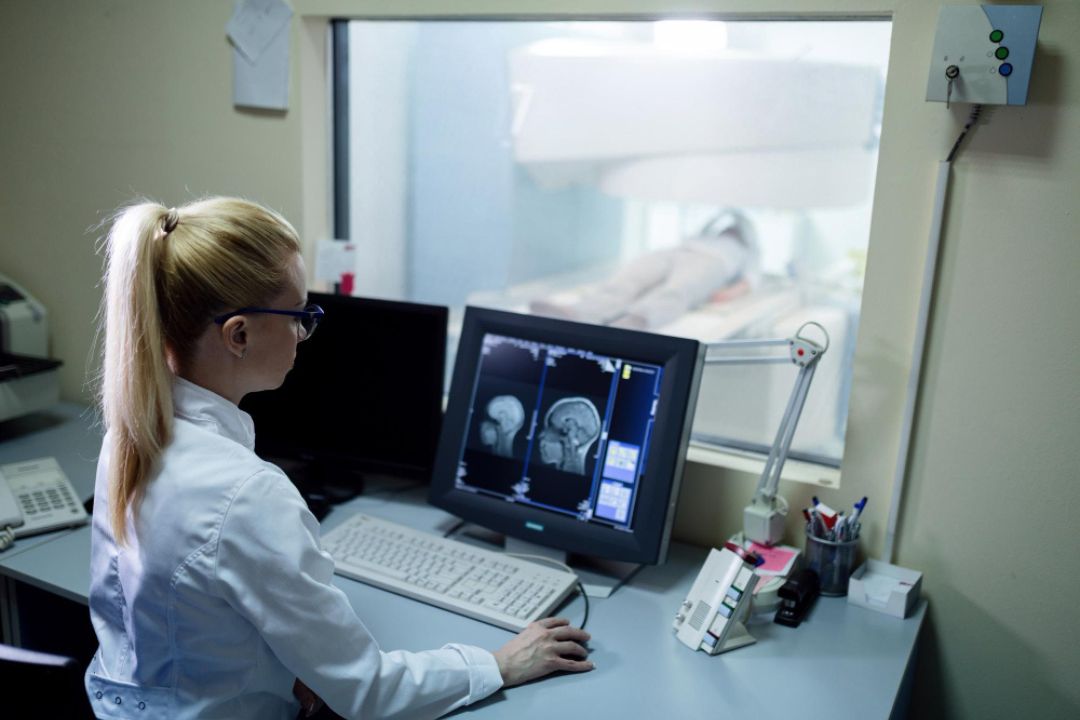
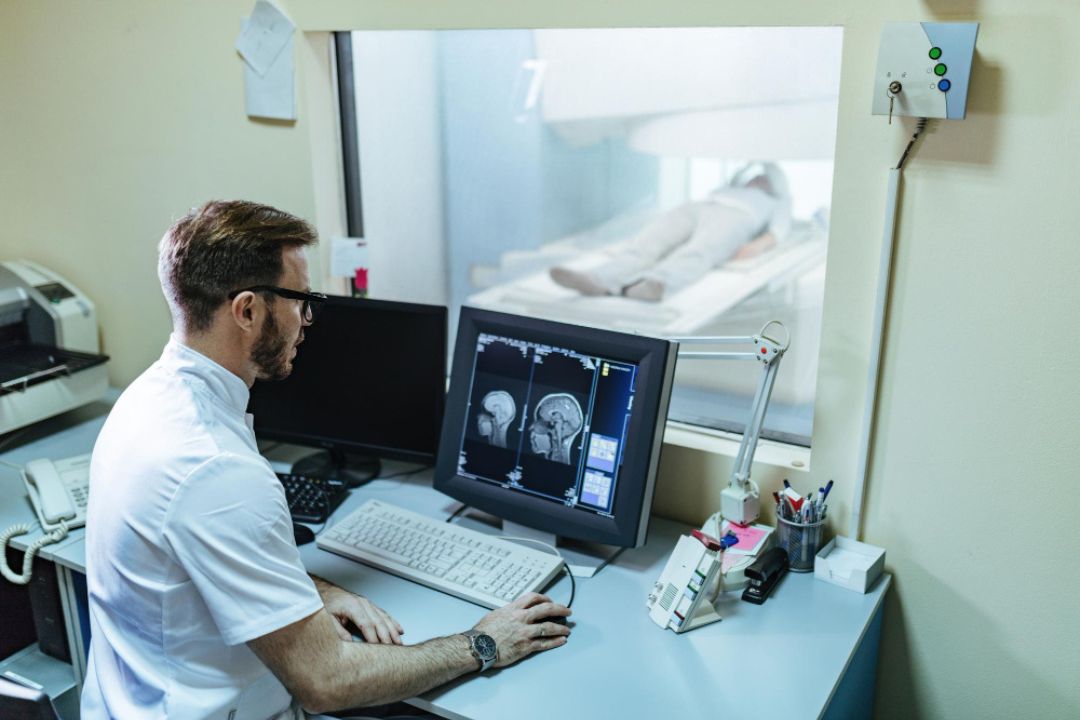
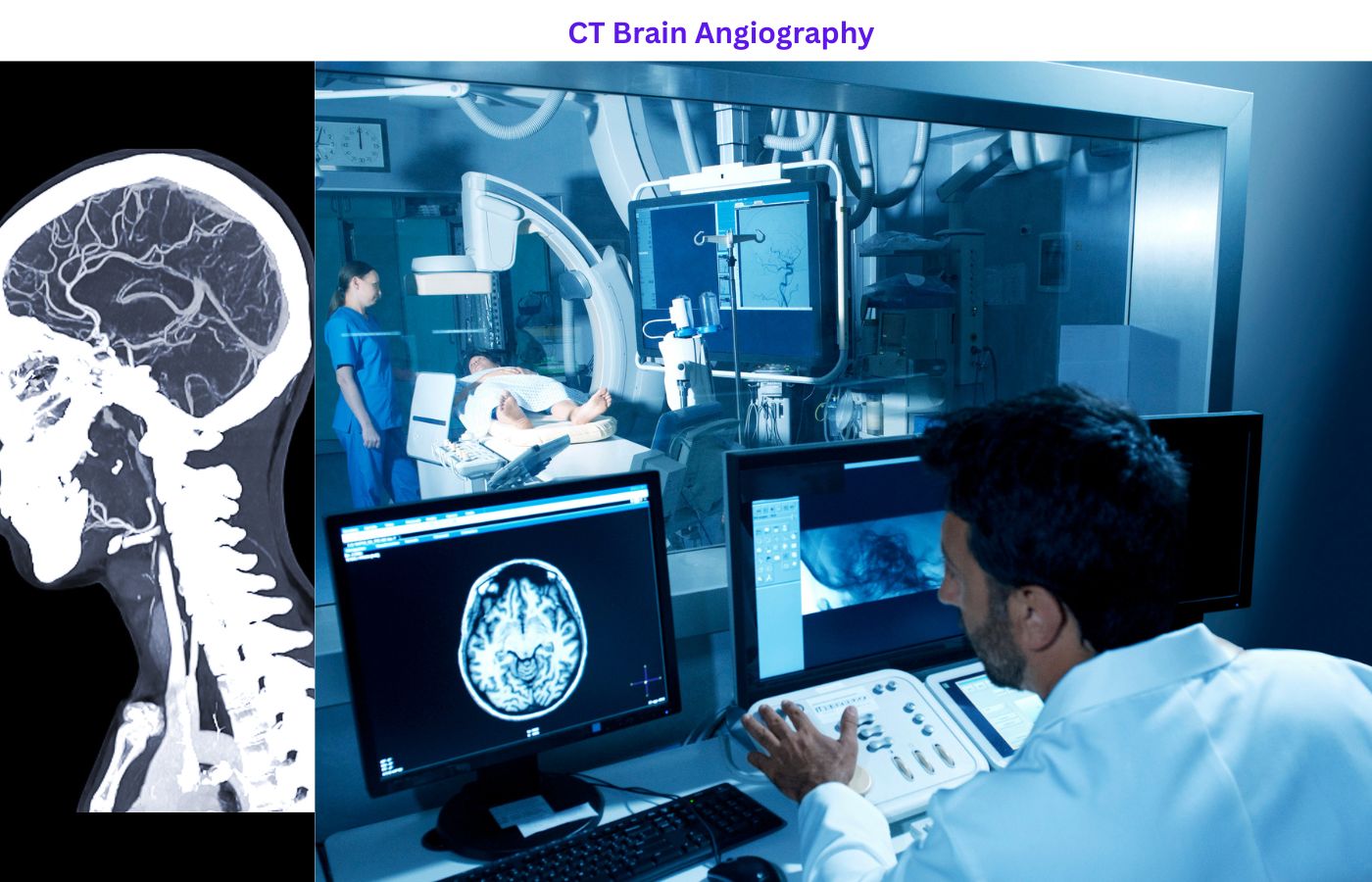
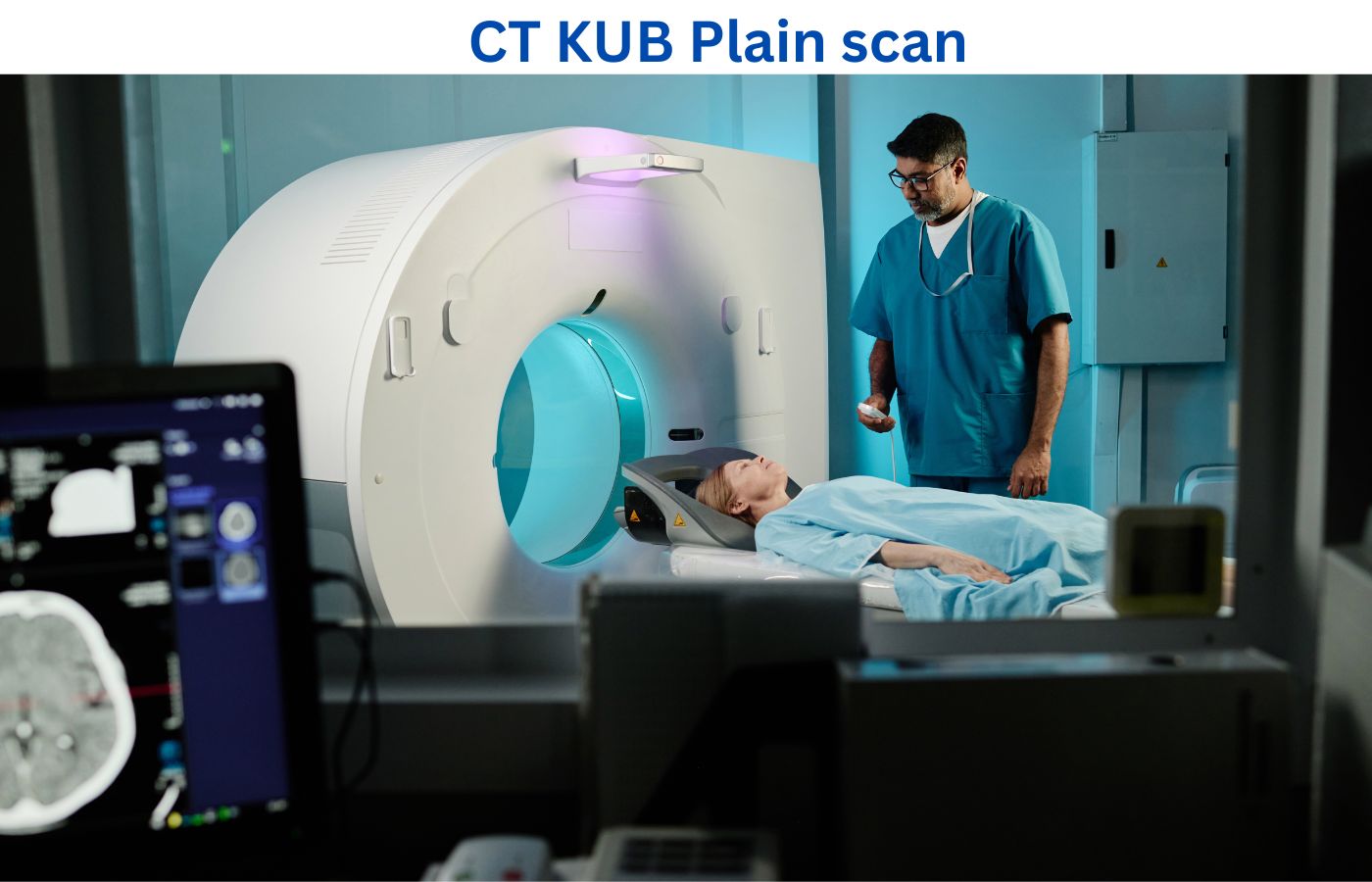
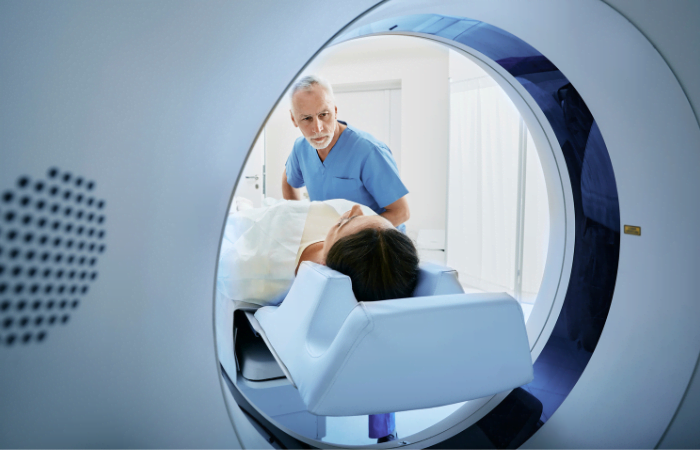
During the scan you are monitored closely by the technologist who can see you through a window or video system and communicate through an intercom. If at any time you feel discomfort or need assistance you can communicate with the staff.
Because contrast is used your vital signs may be checked periodically before during and after the scan to ensure your safety and comfort.
Step Nine Completion of Scan
Once the scanner has captured all necessary images the process is complete. The technologist will slide the table out of the scanner and help you sit up. The IV line will be removed and the small needle site covered with a bandage.
Total time for a CT orbit with contrast is usually under 20 minutes including preparation positioning and scanning.
Step Ten Post Scan Instructions
After the scan you can resume normal activities including eating and drinking unless your doctor gives specific instructions. If you experience any unusual symptoms such as rash difficulty breathing or prolonged warmth at the injection site contact your doctor immediately.
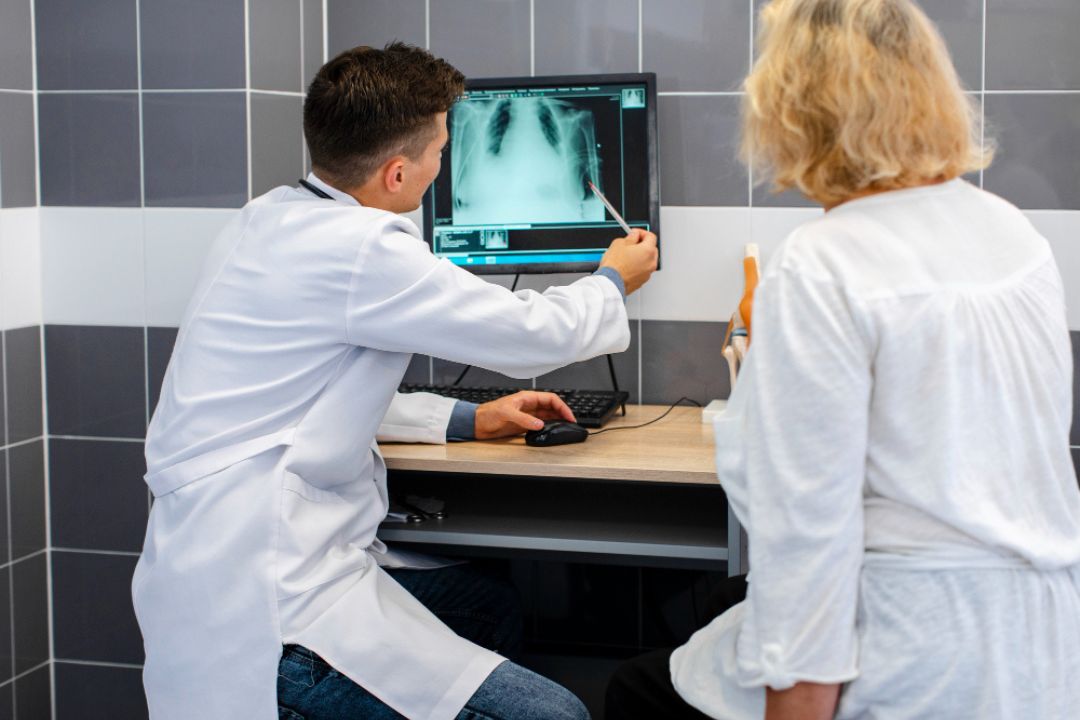
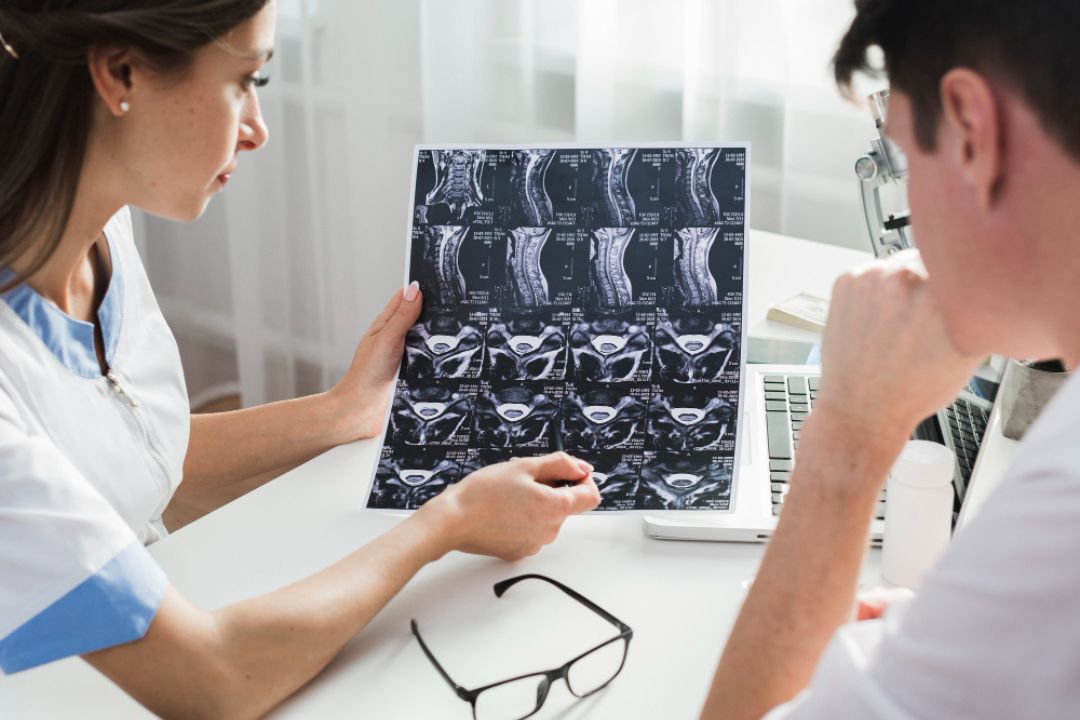
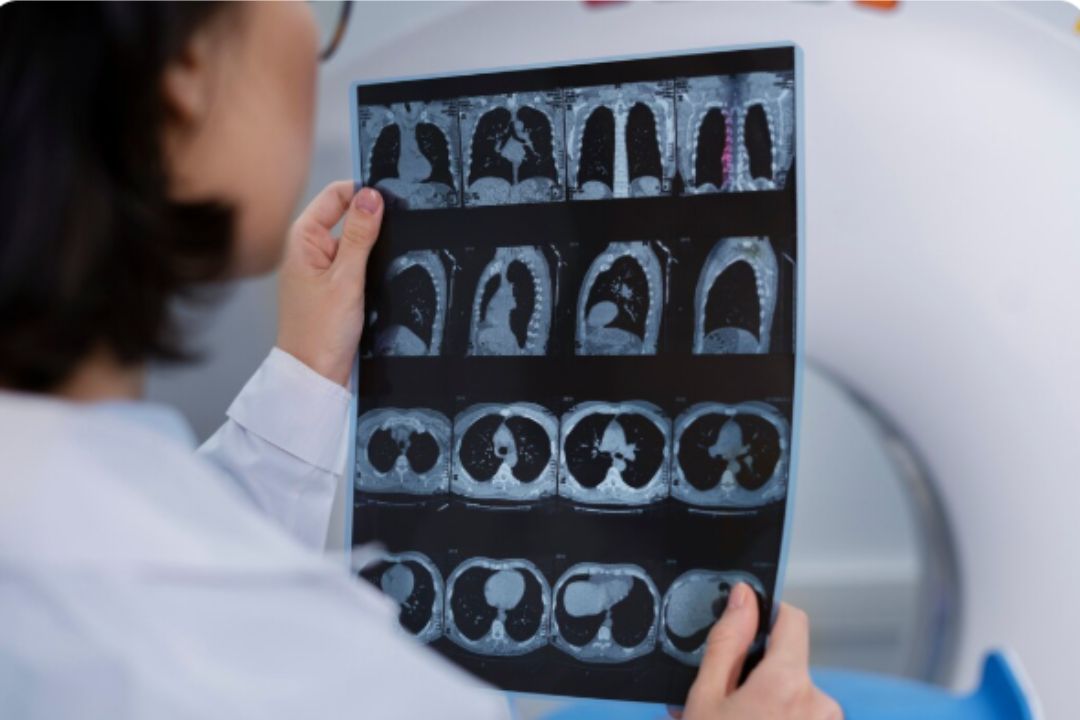
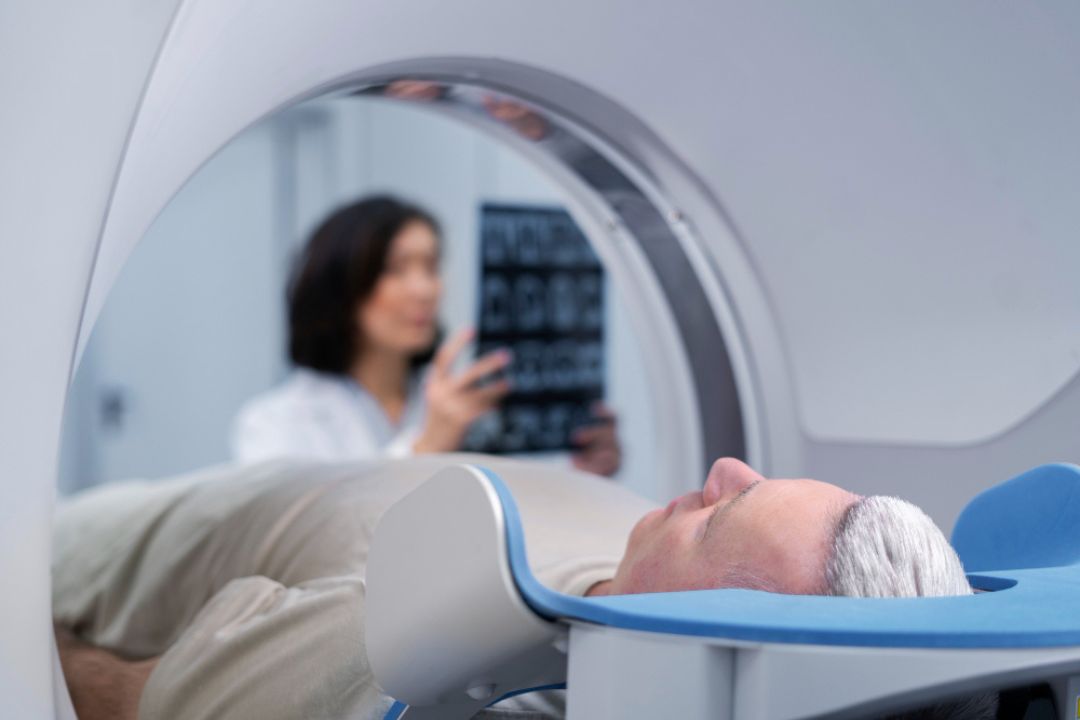
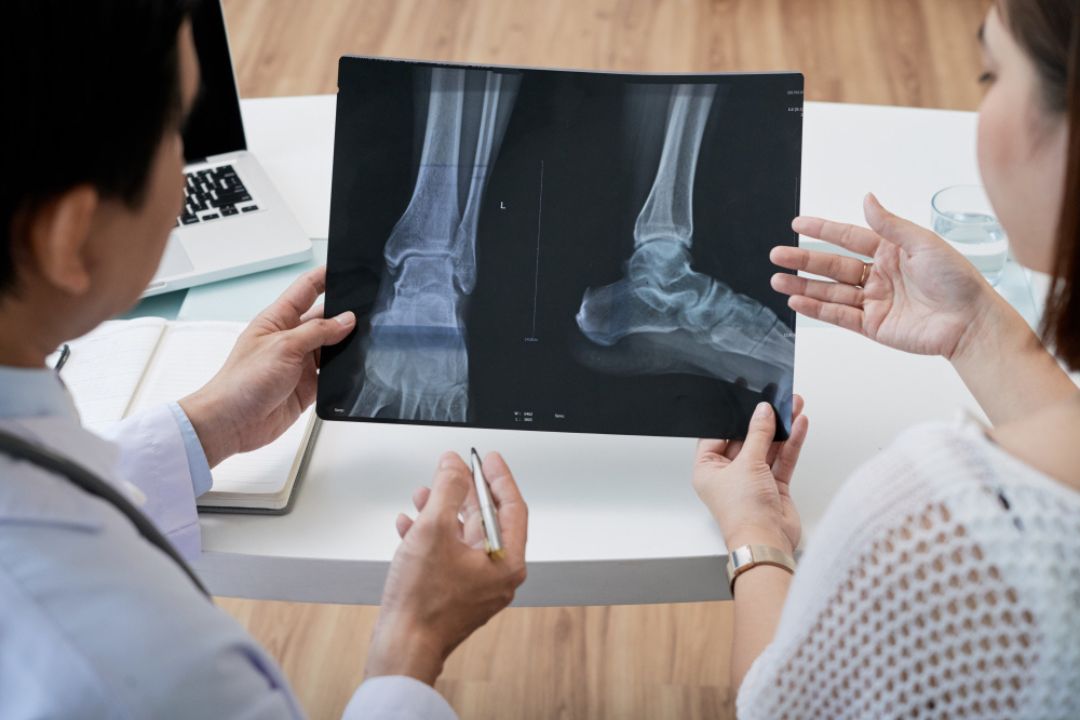
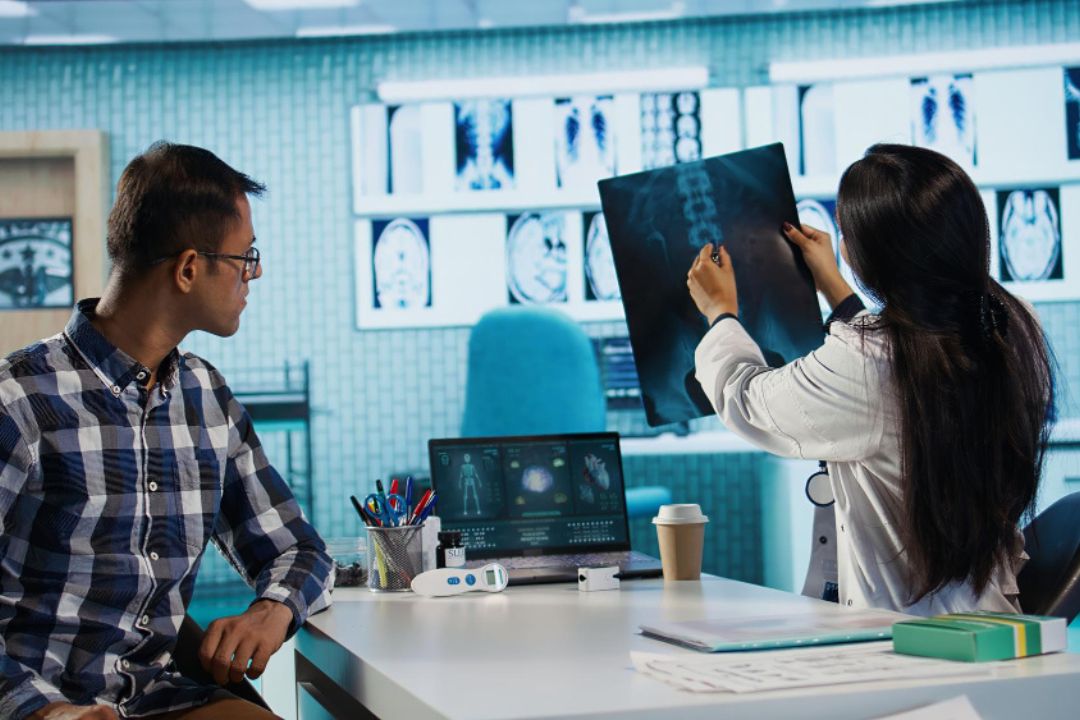
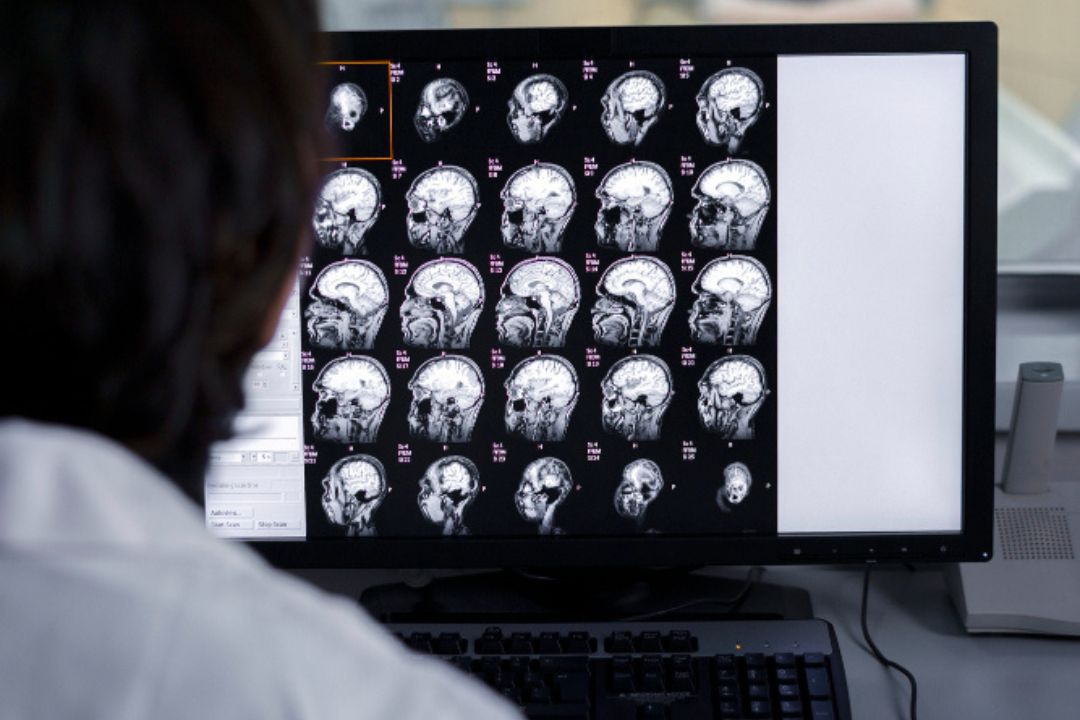
Your images will be processed and reviewed by a radiologist who will prepare a detailed report. This report is sent to the doctor who requested the scan so that treatment or further evaluation can be planned.
Benefits of CT Orbit With Contrast
A CT orbit with contrast offers important benefits:
Compared to a non contrast scan a contrast enhanced CT orbit gives doctors a more complete picture when soft tissue assessment is needed.
Is the Scan Painful
A CT orbit with contrast is generally not painful. The only sensation many patients note is the brief warmth or flushing from the contrast injection. The actual imaging process is comfortable and painless. Lying still for the short duration of the scan is the only requirement.
If you have anxiety about needles or confined spaces speak to the technologist. They can guide you and provide reassurance throughout the process.
Safety of Contrast Material
Contrast used in a CT orbit scan is safe for most patients. Before the scan your doctor or technologist will ask about allergies kidney function and medications to make sure it is appropriate for you. Rarely some people may have mild reactions to contrast such as itching or rash. Serious reactions are uncommon but the imaging team is trained to respond if needed.
Always inform your doctor if you have a history of contrast reaction or kidney disease so precautions can be taken in advance.
Common Conditions Diagnosed With CT Orbit With Contrast
A CT orbit with contrast can help diagnose:
This scan gives detailed information that helps doctors plan treatment or refer you to a specialist.
Tips for Patients Before the Scan
Arrive early to complete paperwork and preparation
Staying calm and relaxed makes the scan easier
Understanding Your Results
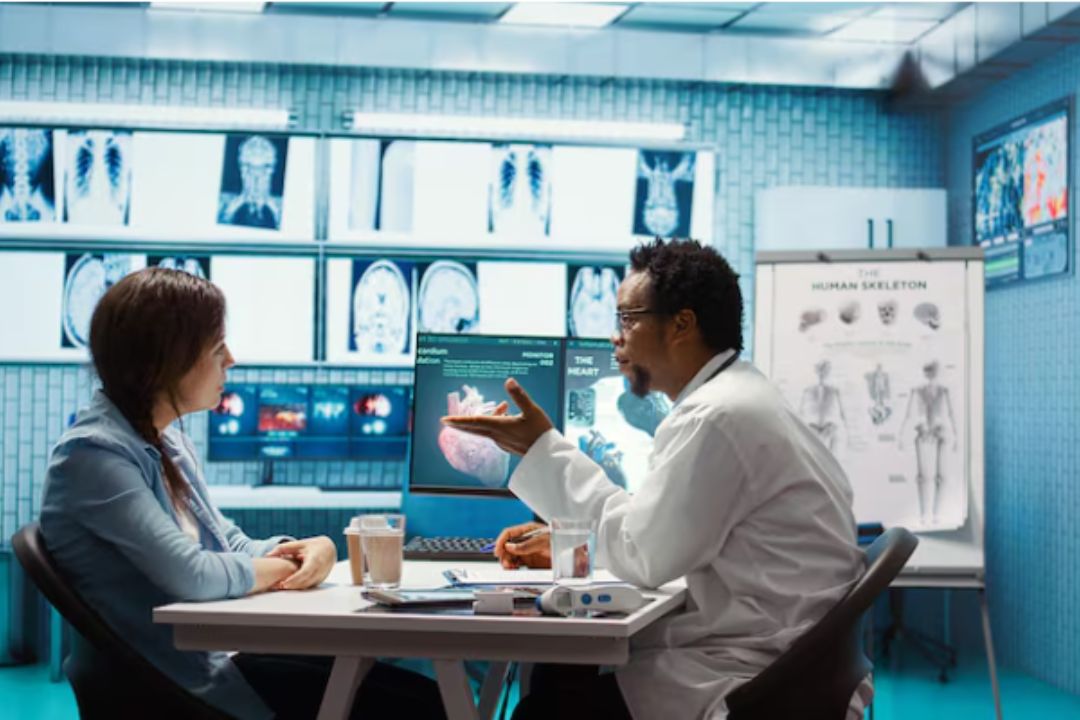
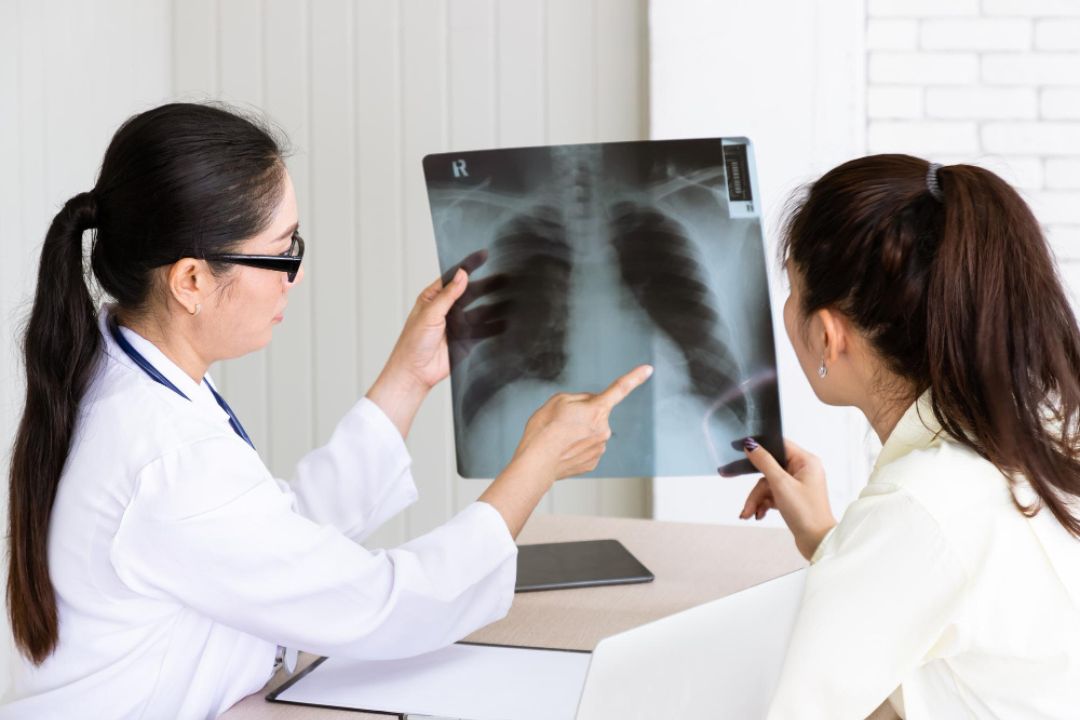
Once your CT orbit with contrast images are reviewed the radiologist report will explain findings. Your doctor will discuss results with you and recommend the next steps which may include medication referral to a specialist or follow up imaging.
The level of detail provided by contrast enhanced imaging helps your doctor make a confident diagnosis and plan treatment effectively.