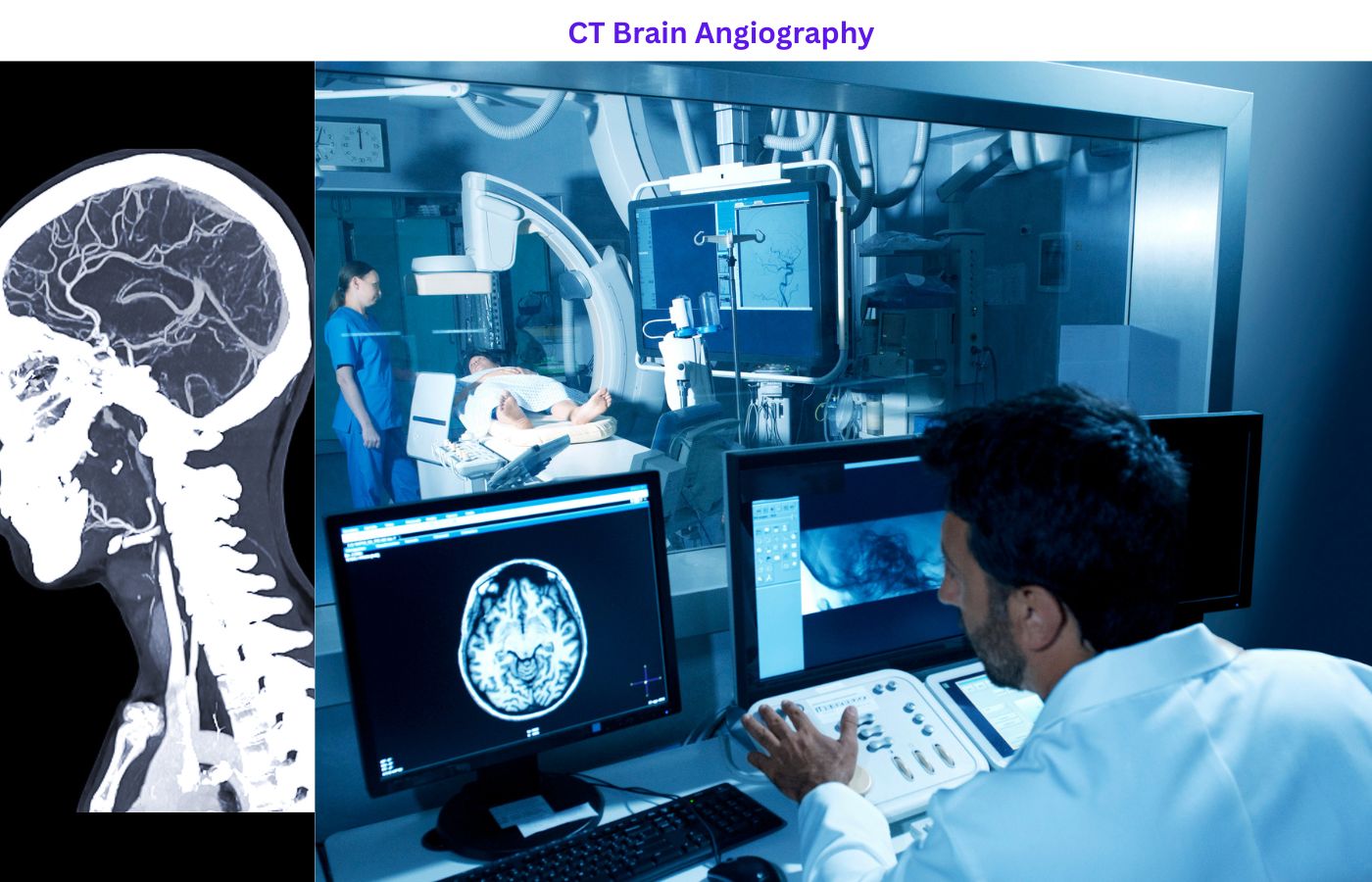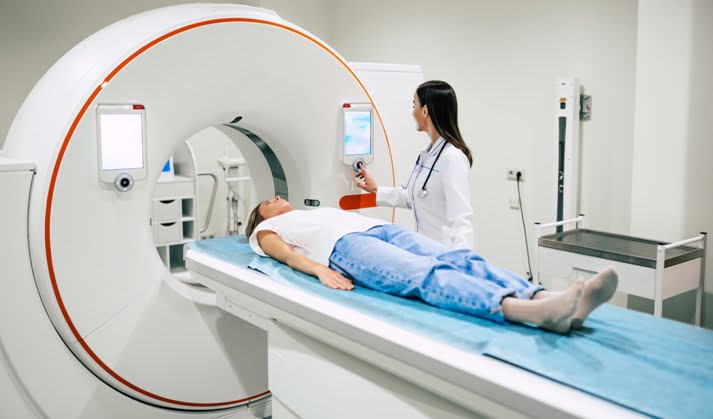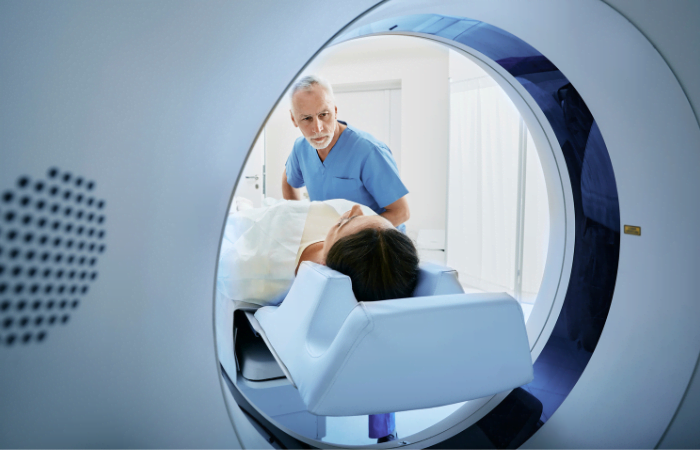
Early and accurate diagnosis plays a vital role in treating serious diseases such as tumors and lung infections. A CT-guided biopsy is an advanced diagnostic procedure that allows doctors to collect tissue samples from suspicious areas inside the body using CT scan imaging for precise guidance.
This technique helps doctors examine abnormal tissues that may be difficult to reach using traditional biopsy methods. It is commonly used to diagnose lung nodules, tumors, infections, and other abnormalities in organs deep inside the body.
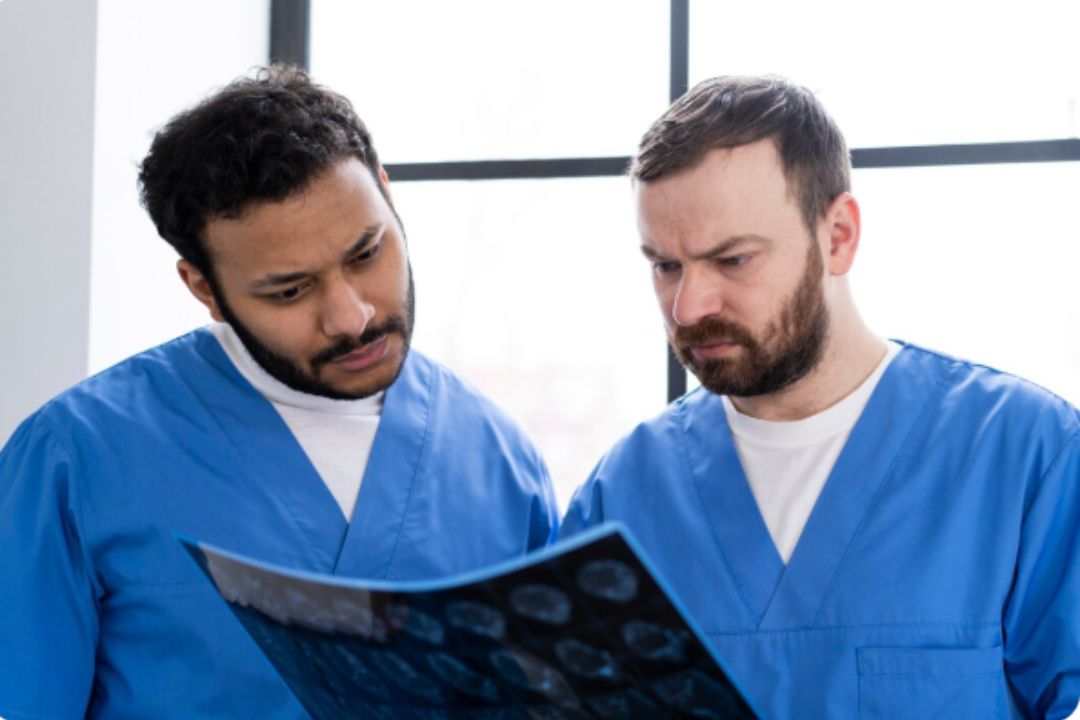
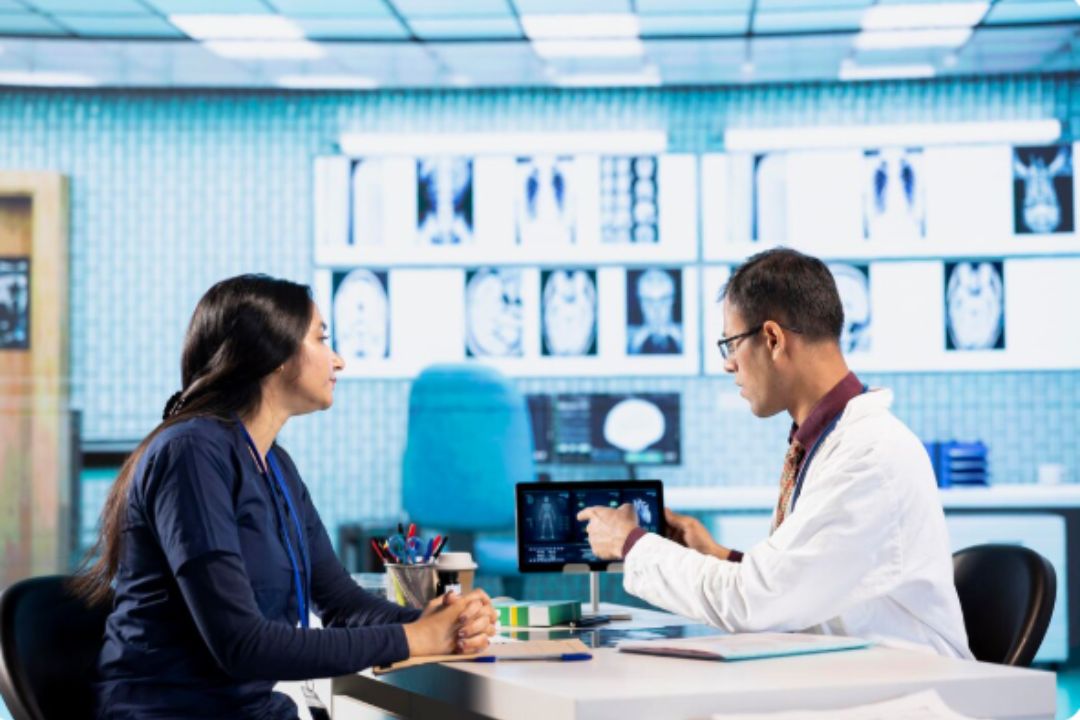
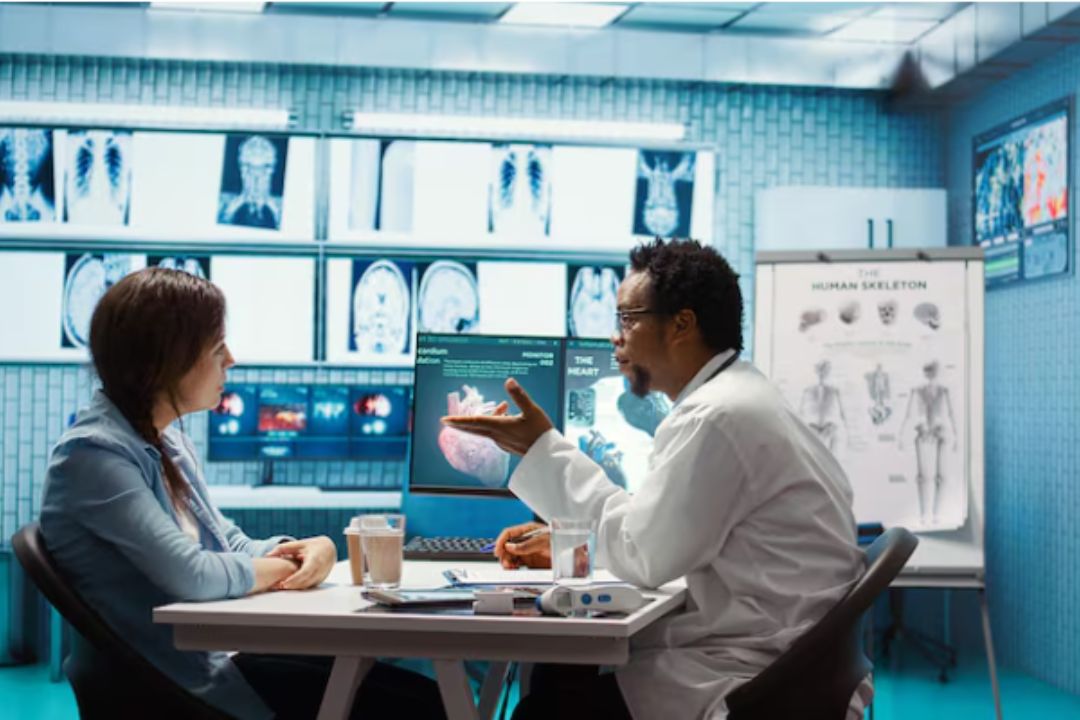
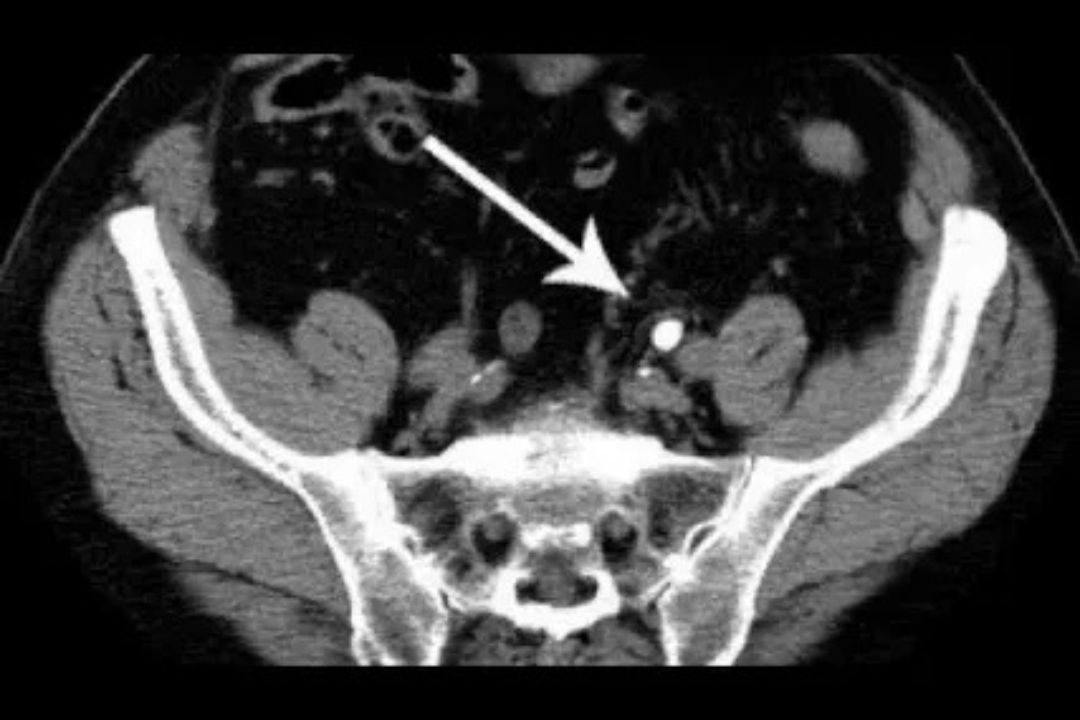
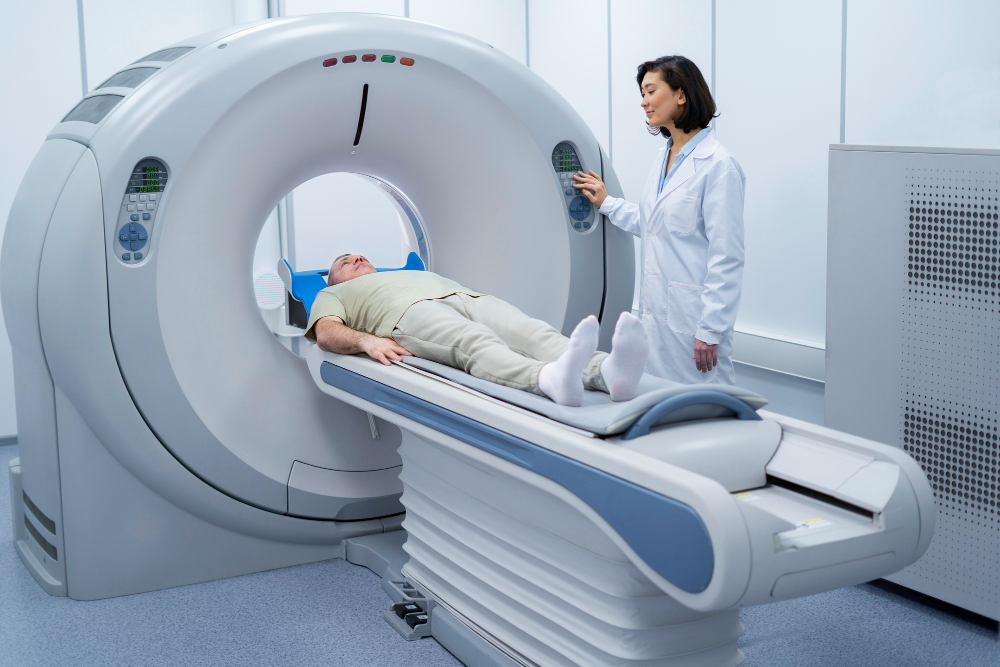
A CT-guided biopsy is a minimally invasive medical procedure in which a CT scan helps guide a thin needle into a specific area of the body to remove a small tissue sample. The collected tissue is then examined in a laboratory to determine whether it contains cancer cells, infections, or other diseases.
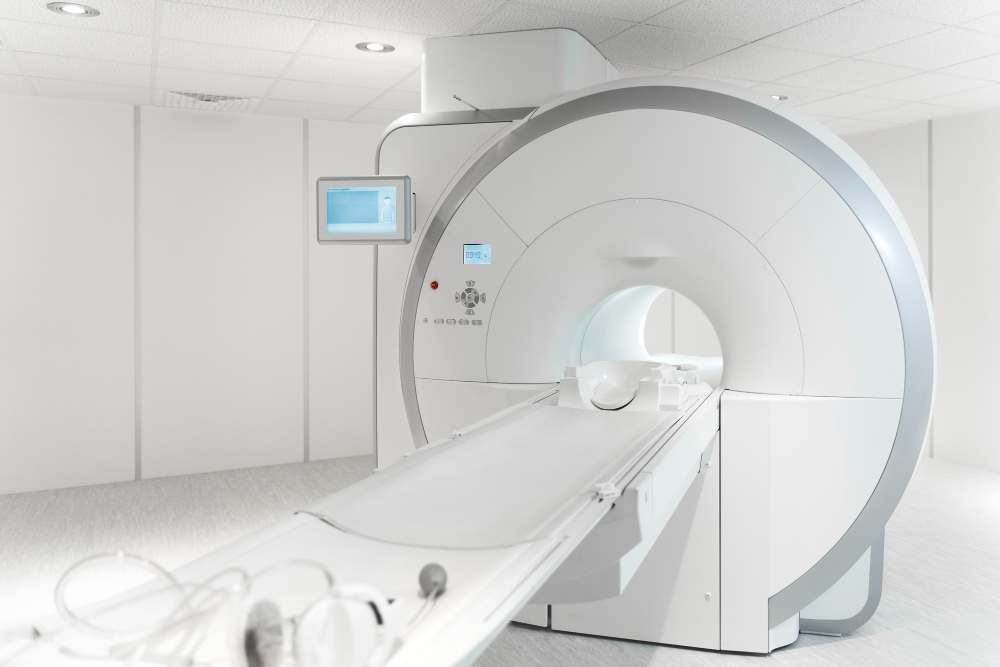
Because CT imaging provides highly detailed pictures of internal structures, doctors can accurately target suspicious areas while avoiding surrounding healthy tissues.
CT-guided biopsy is widely used because it provides precise and reliable diagnostic results. This procedure is especially helpful when doctors need to examine abnormalities located deep within the body.
Some key advantages include:
Accurate detection of tumors and infections
Minimally invasive procedure with a small needle puncture
Faster diagnosis compared to surgical biopsy
Reduced risk of complications
Ability to access deep organs such as the lungs or liver
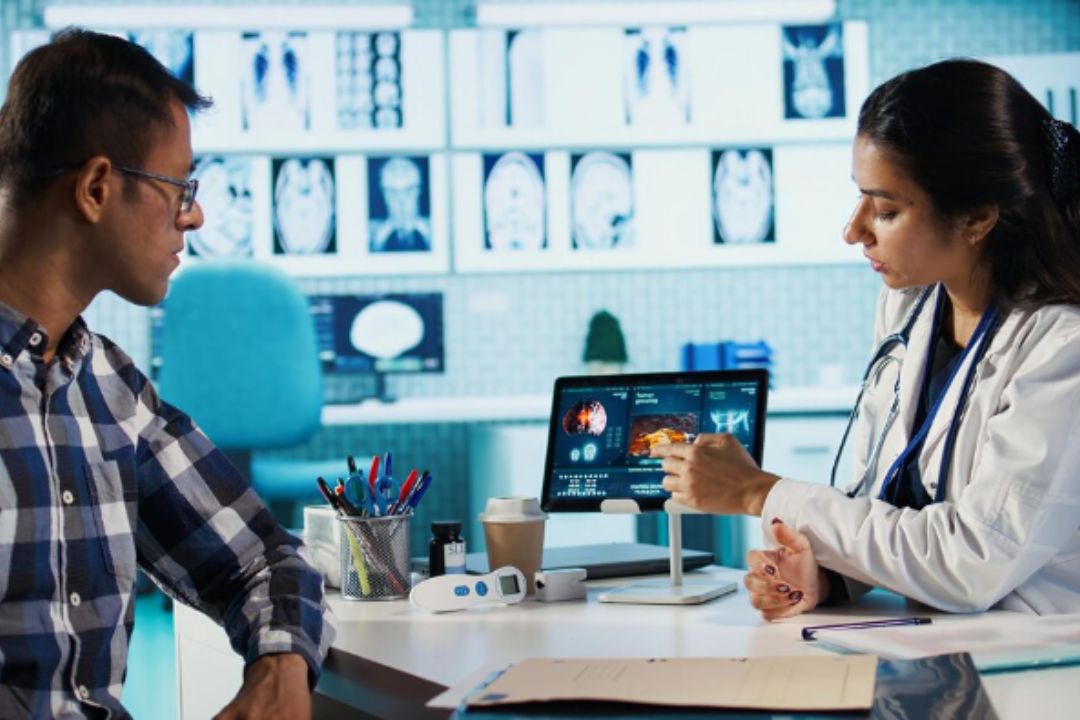
This test helps doctors determine whether a tumor is benign or malignant and identify infections affecting internal organs.
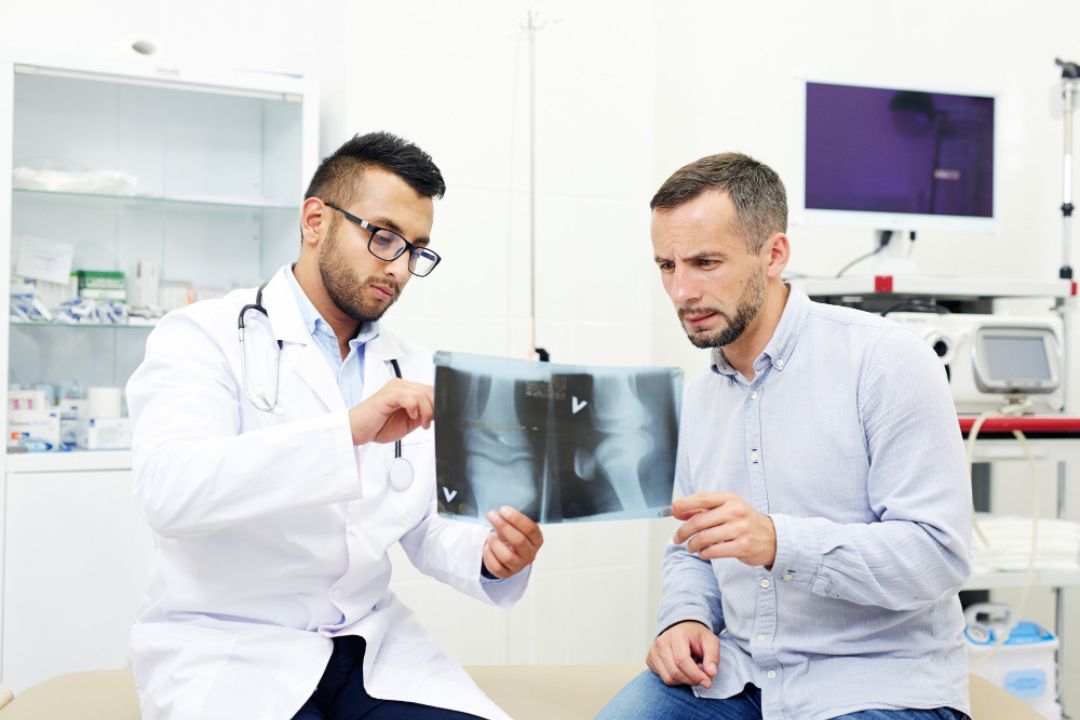
Doctors often recommend this procedure when imaging tests reveal suspicious growths or abnormalities. CT-guided biopsy is commonly used to diagnose:
Lung tumors and lung cancer
Lung infections such as fungal or bacterial infections
Suspicious lung nodules
Unexplained swellings or masses
Abnormal tissue growth in organs
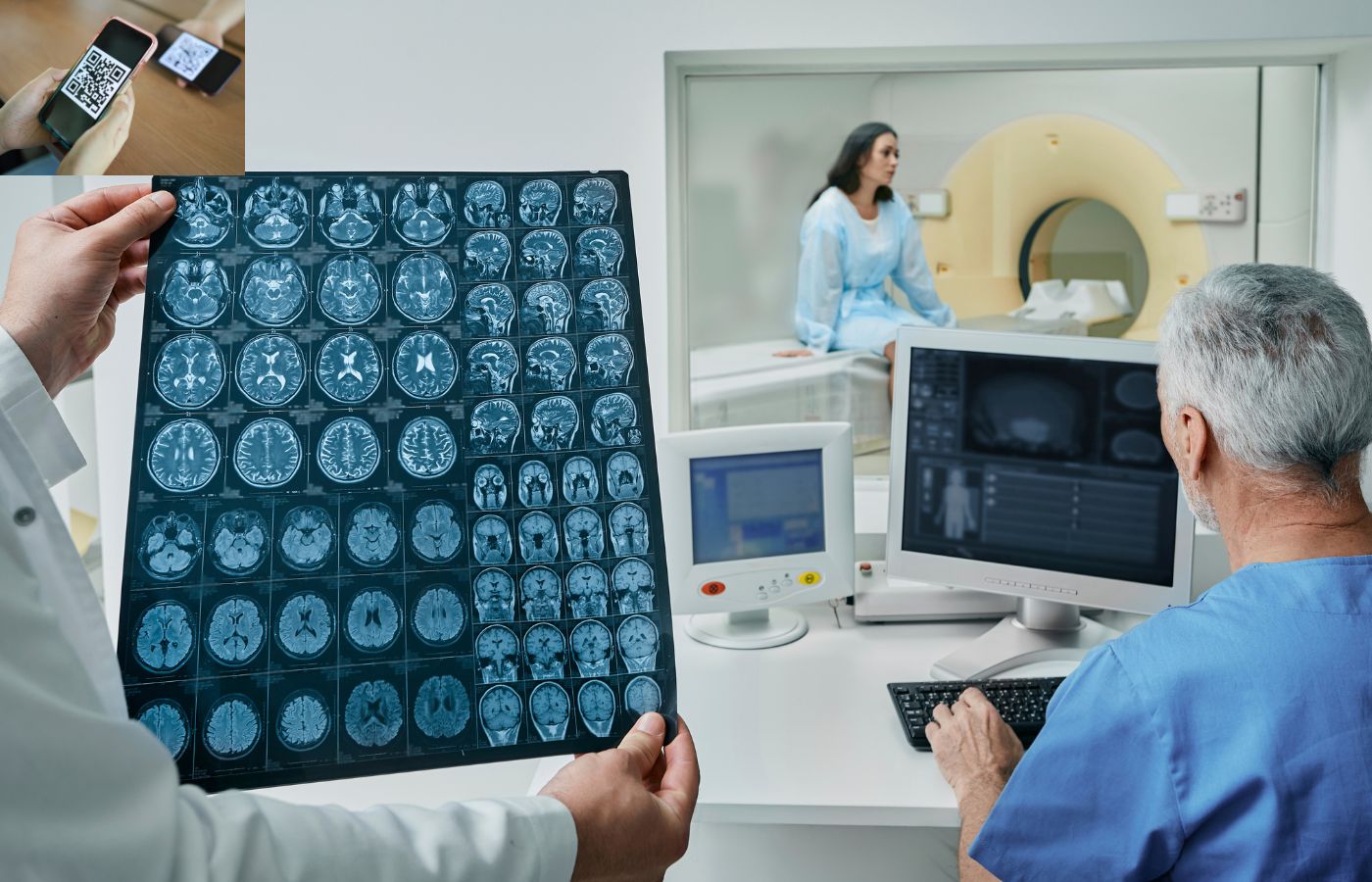
By analyzing the tissue sample under a microscope, doctors can confirm the exact cause of the abnormality.
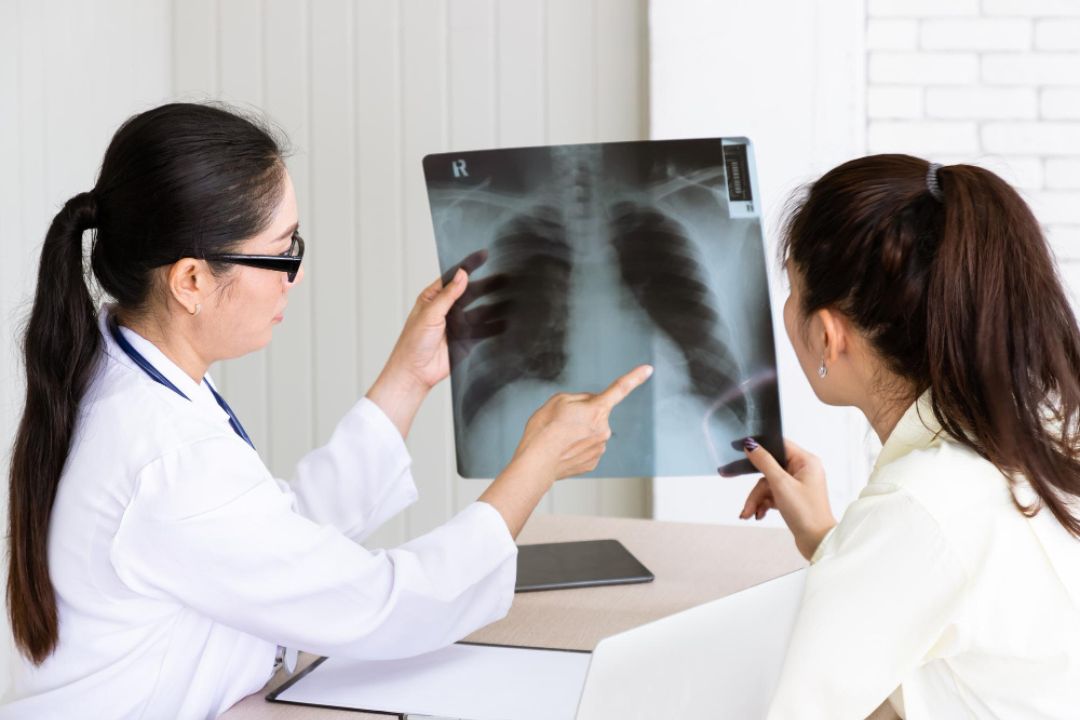
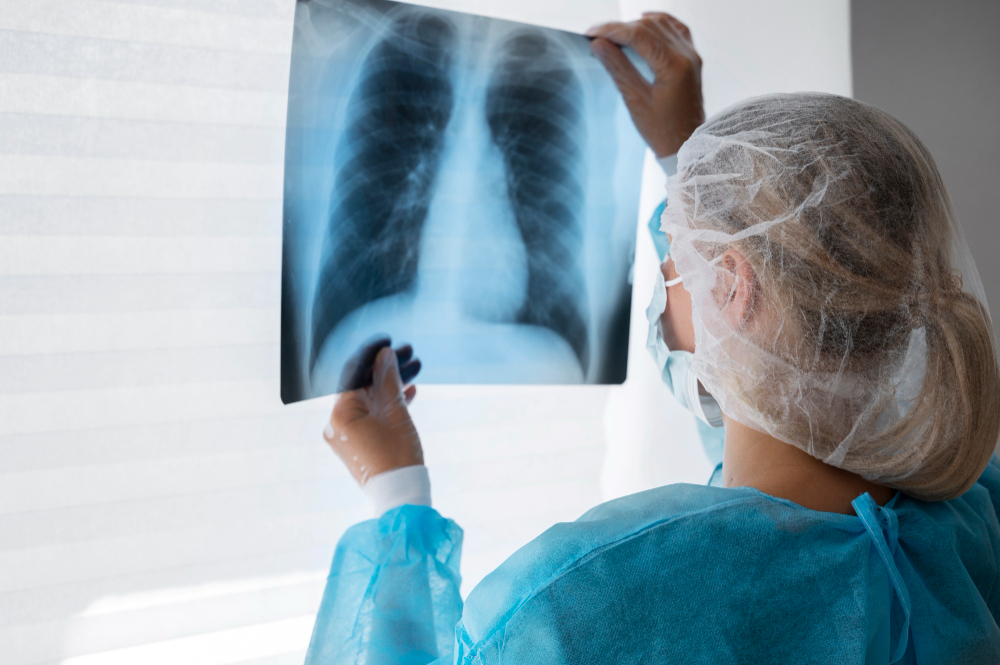
One of the most common uses of CT-guided biopsy is examining lung nodules. Lung nodules are abnormal spots seen on chest imaging, but imaging alone cannot always determine whether they are cancerous.
In this procedure, doctors use CT imaging to guide a needle through the chest wall directly into the lung nodule to collect tissue samples for laboratory analysis.
This allows specialists to identify whether the nodule is caused by cancer, infection, inflammation, or another condition.
Patients may need to follow certain instructions before the procedure to ensure safety and accuracy.
Preparation may include:
Avoiding food or drink for several hours before the test
Informing the doctor about medications being taken
Stopping blood-thinning medicines if advised
Wearing comfortable clothing for the procedure
Doctors will also review the patient's medical history before performing the biopsy.
The procedure typically follows several steps:
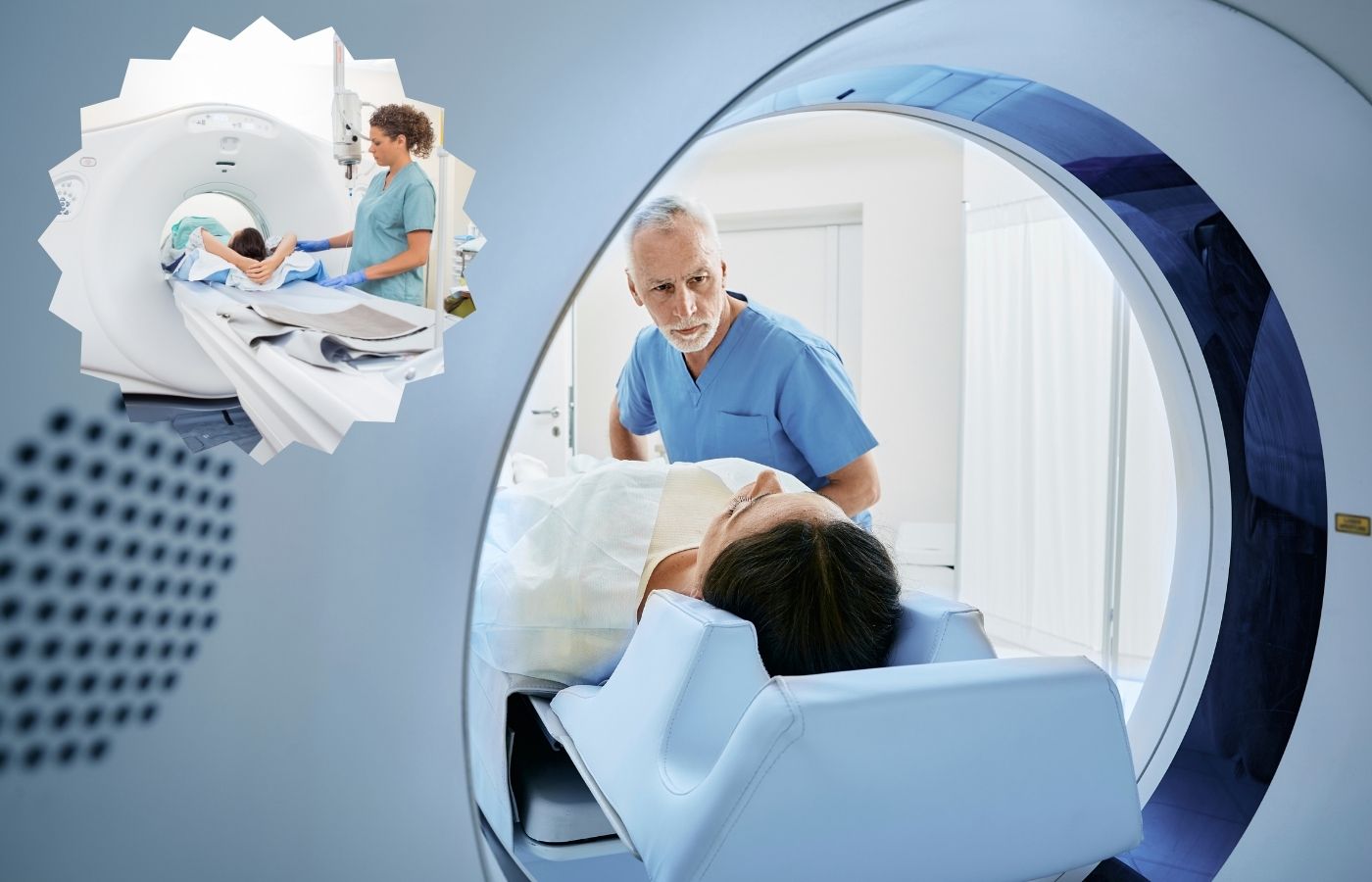
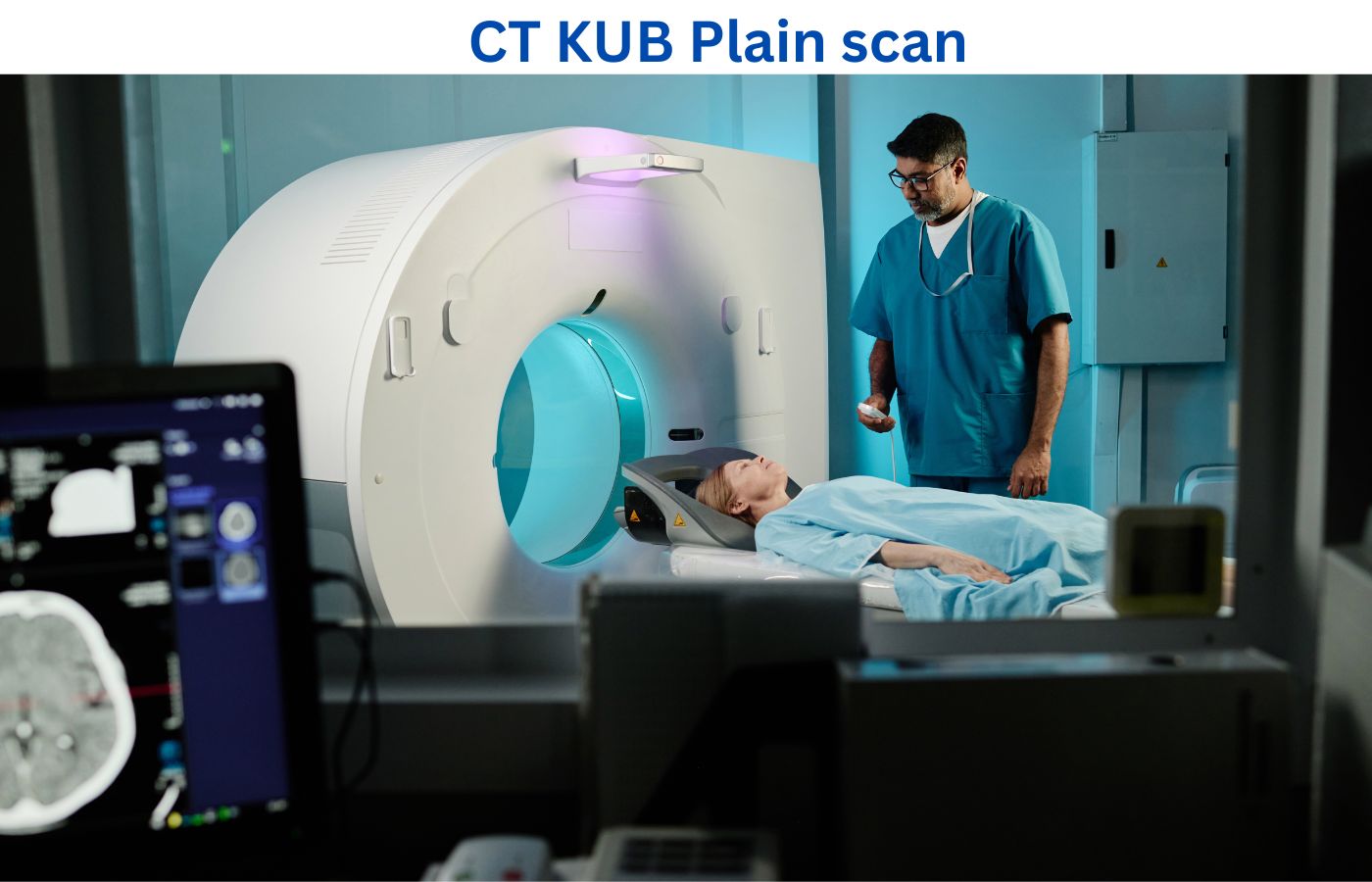
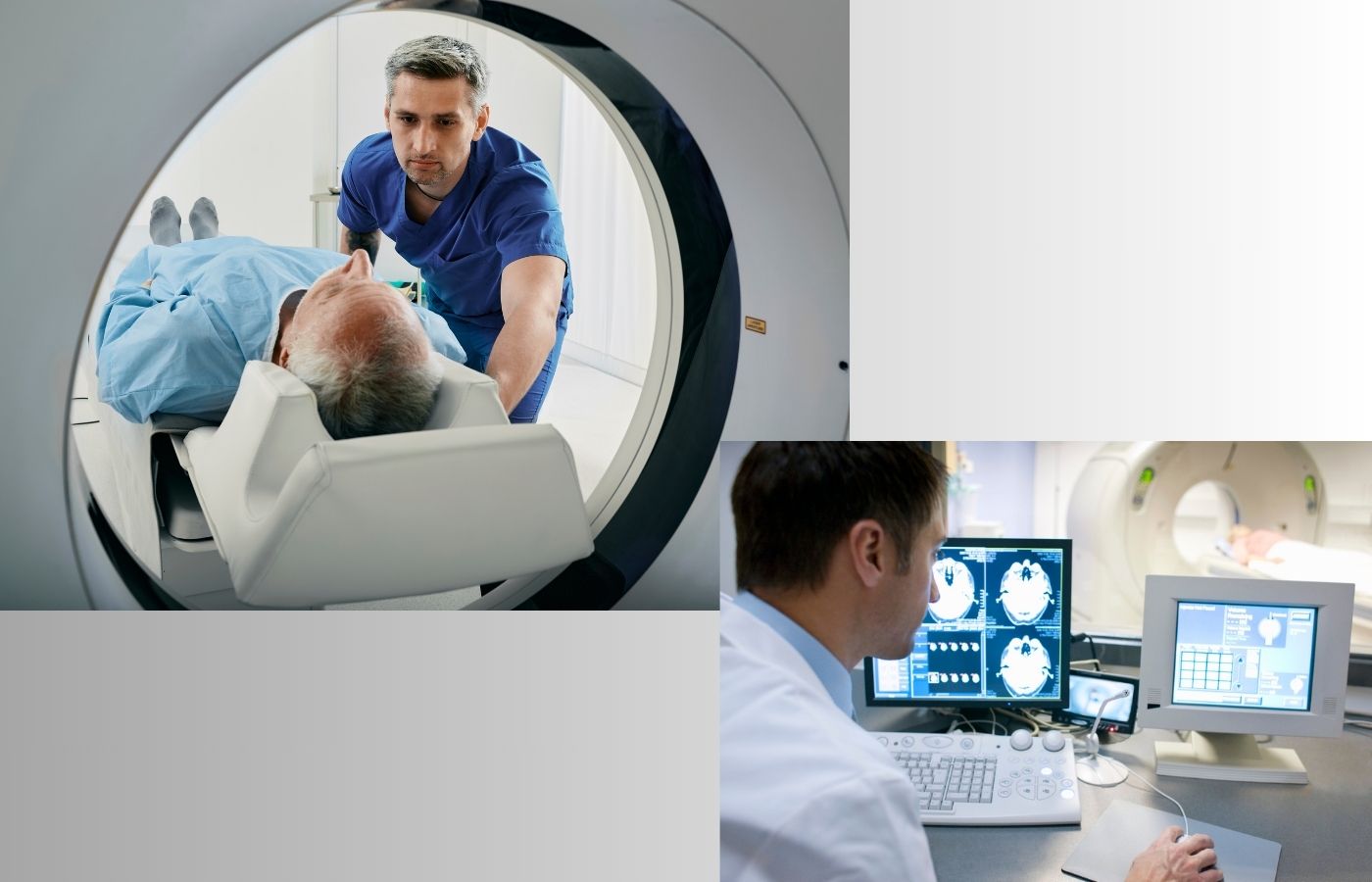
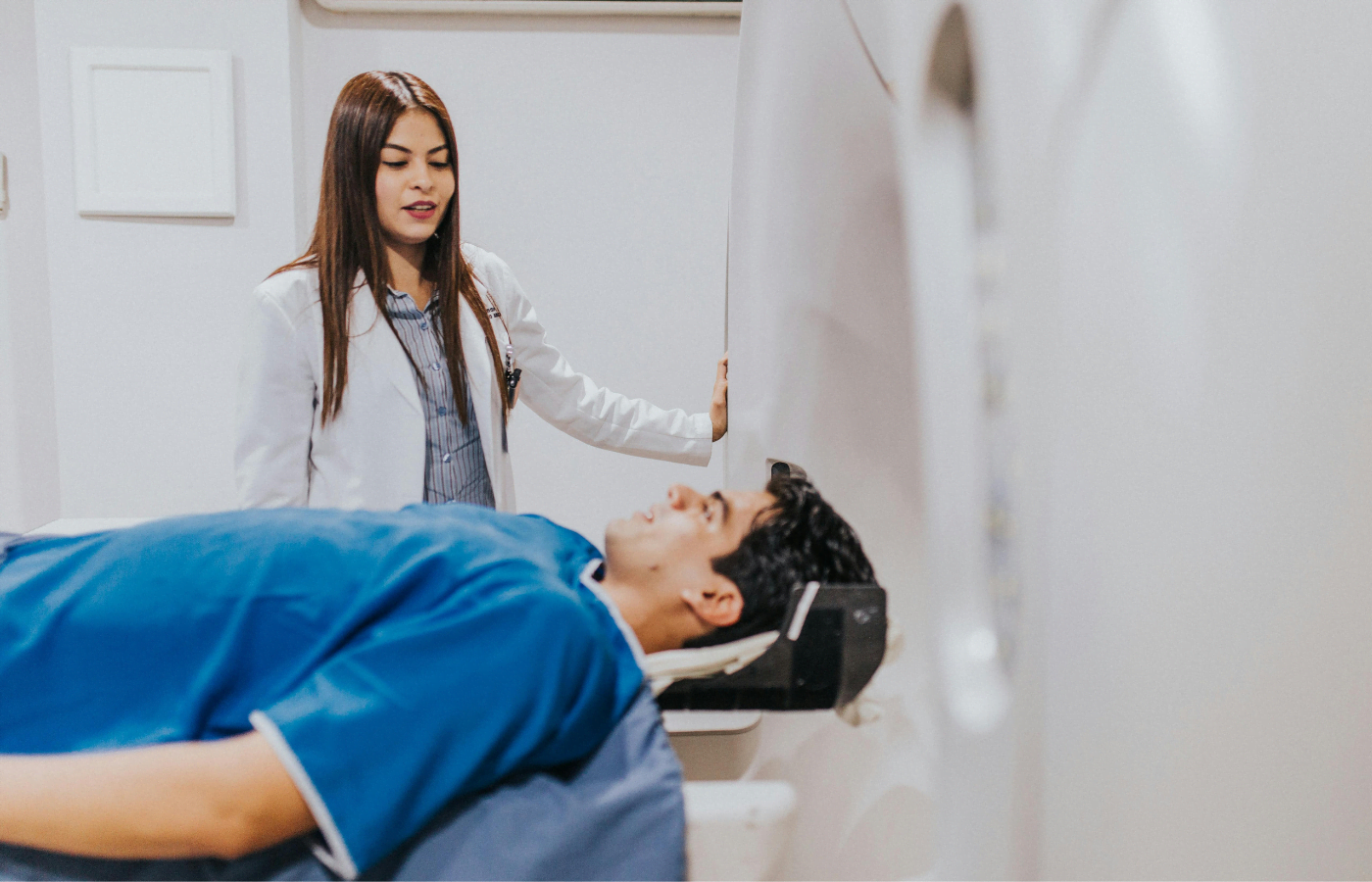
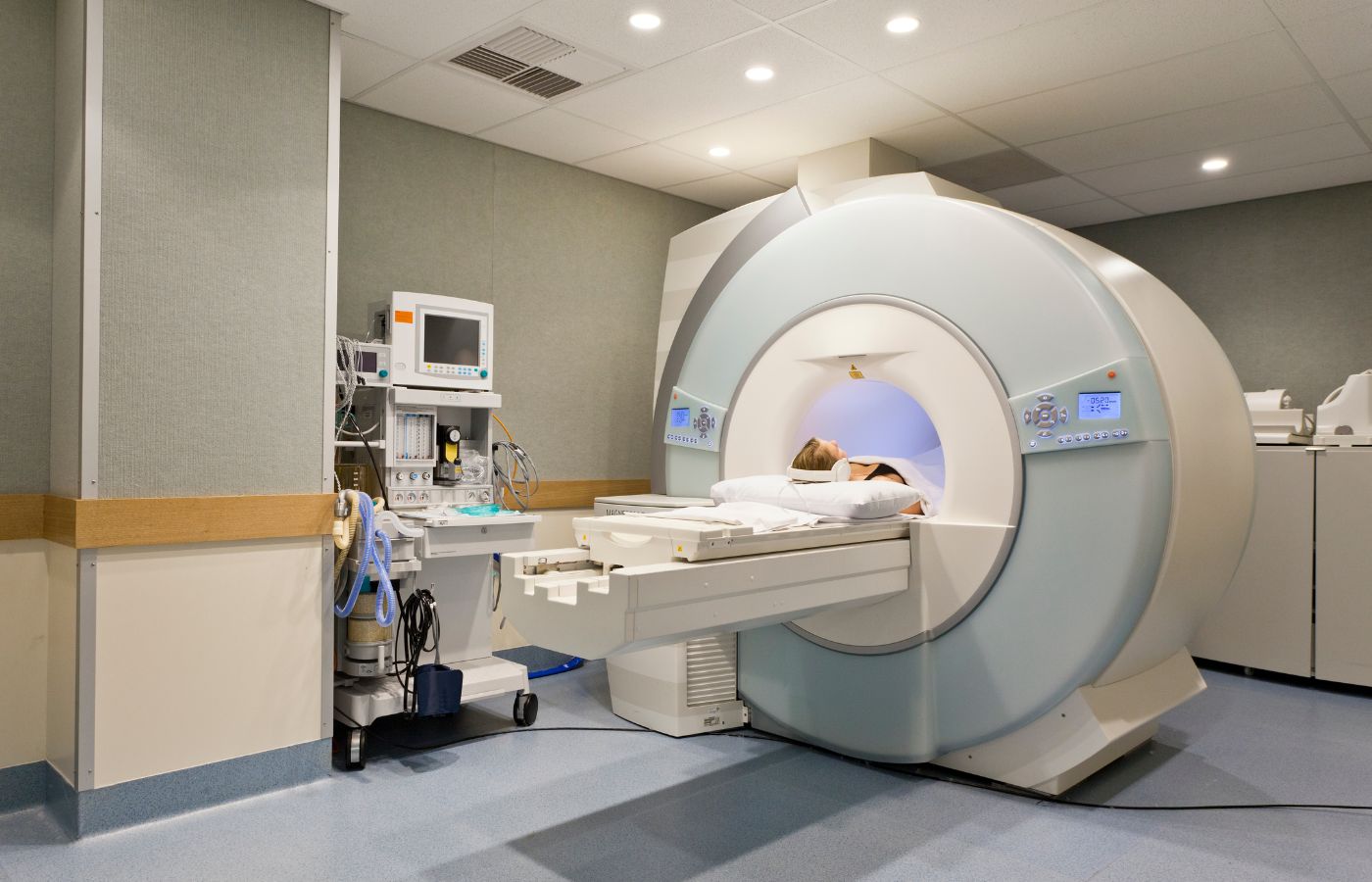
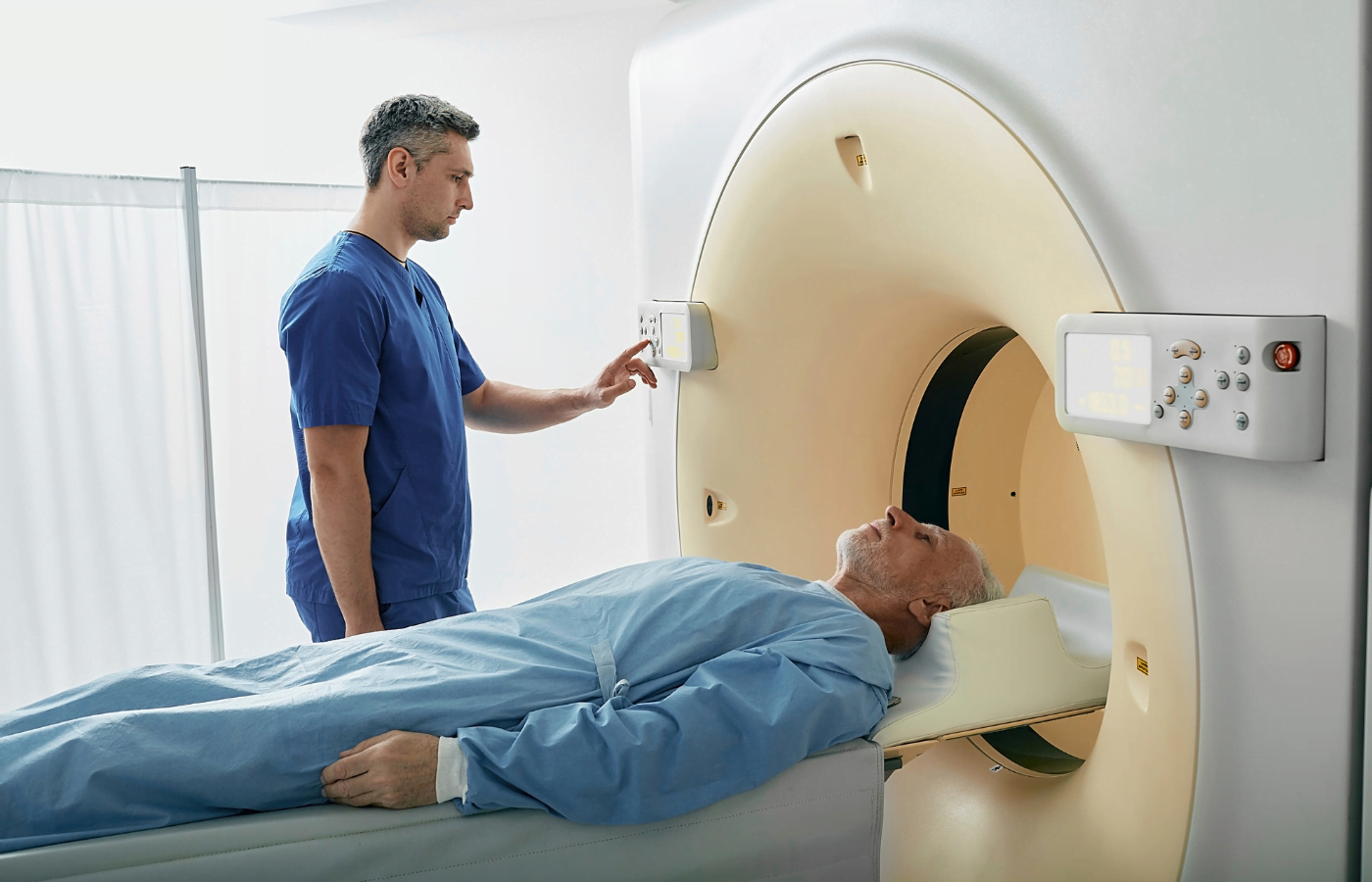
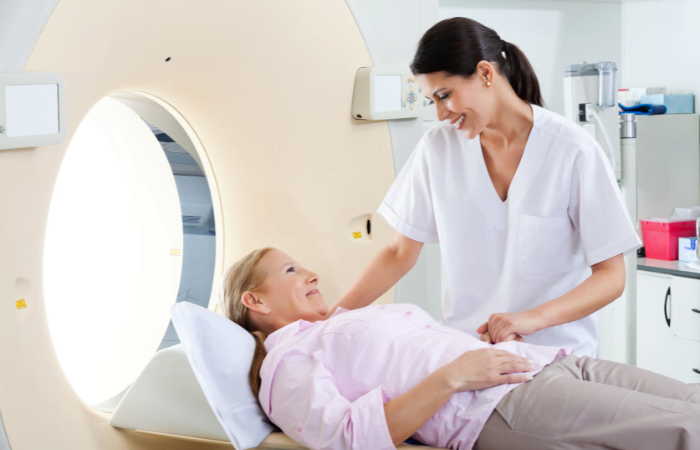
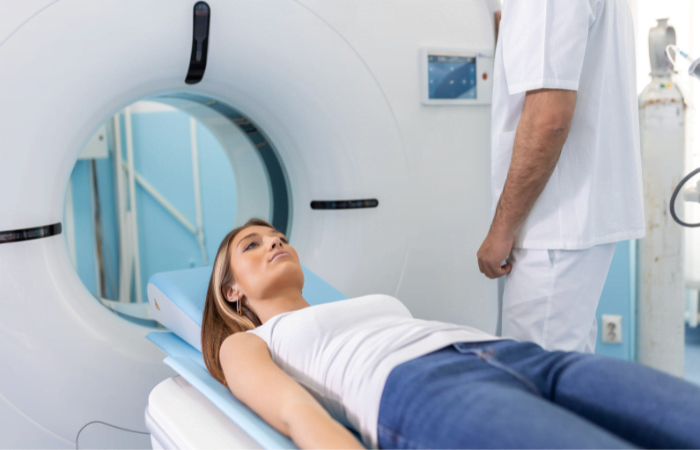
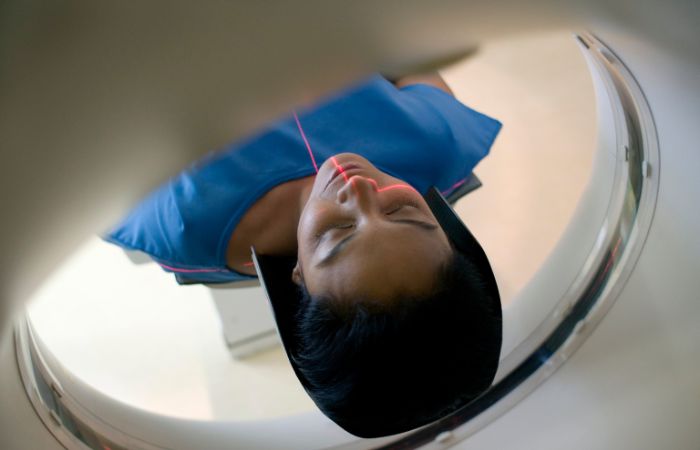
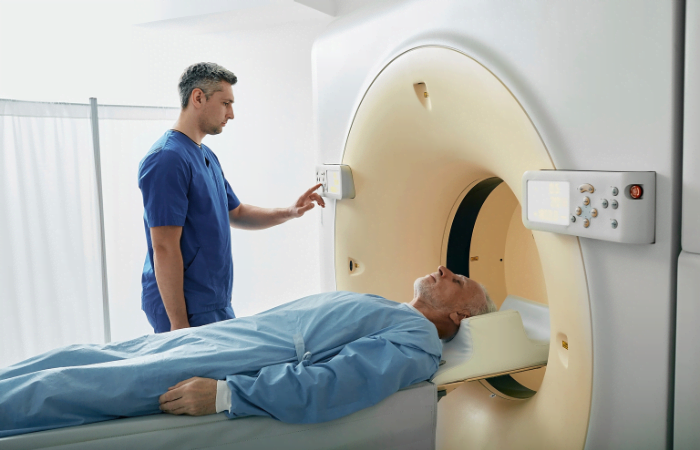
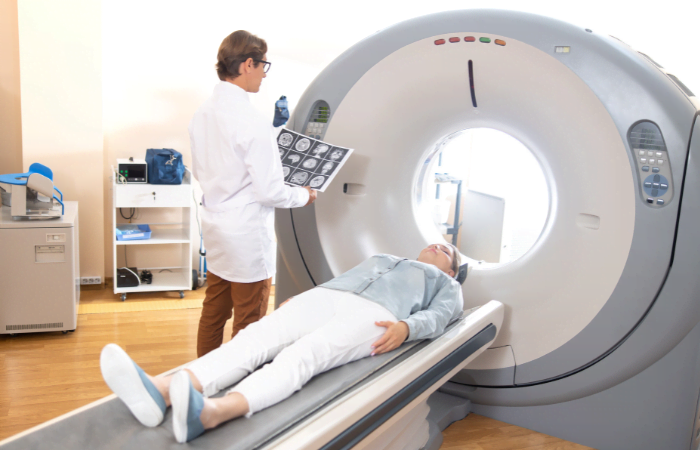
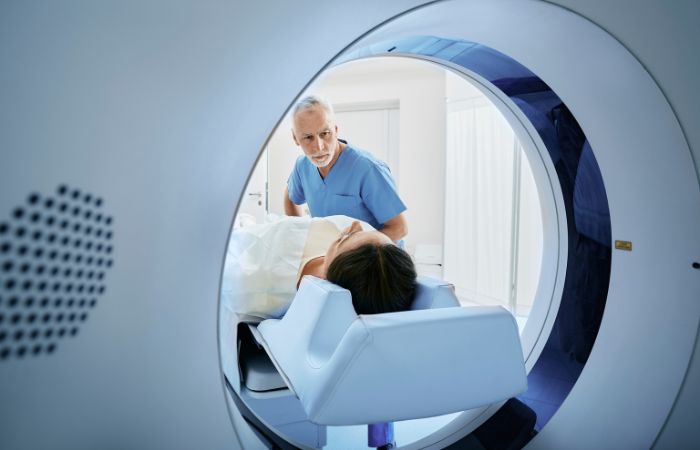
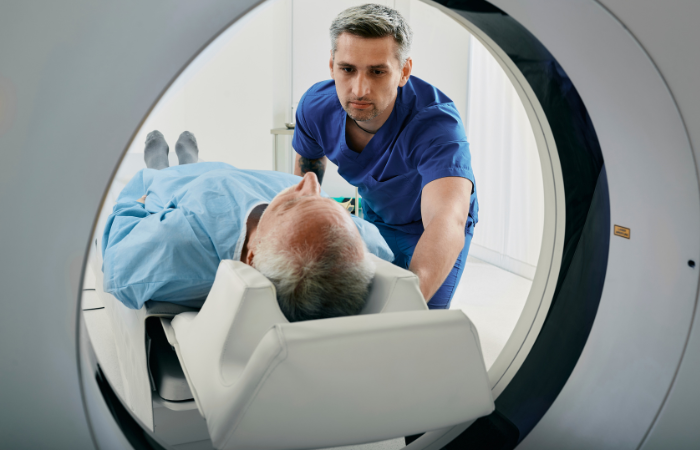
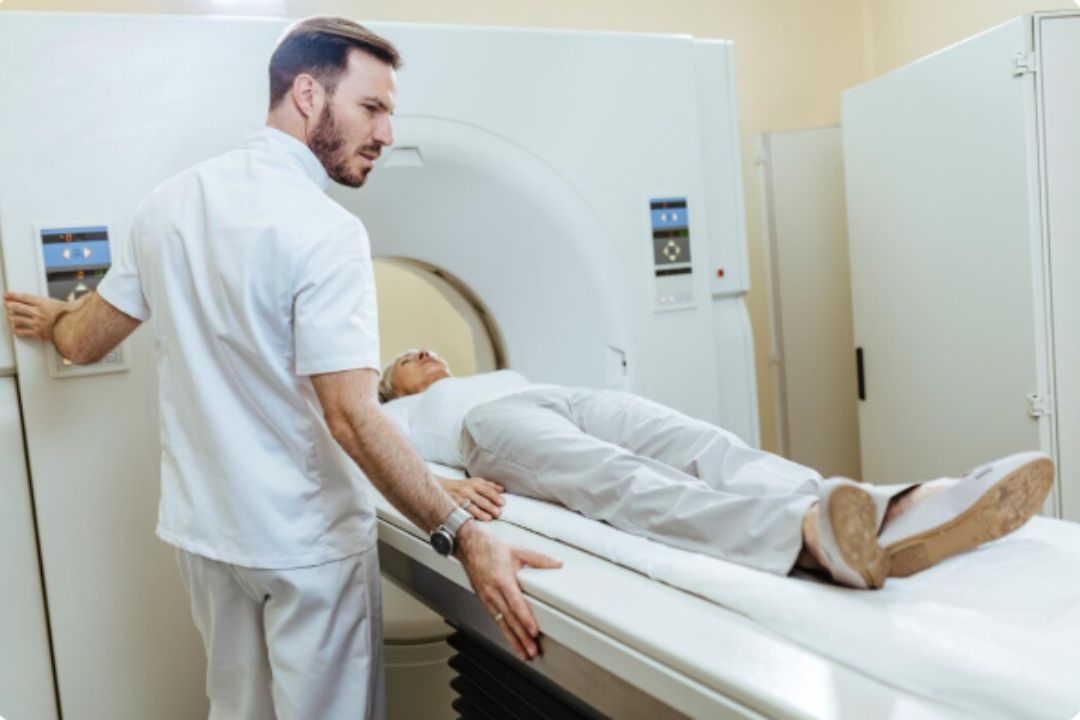
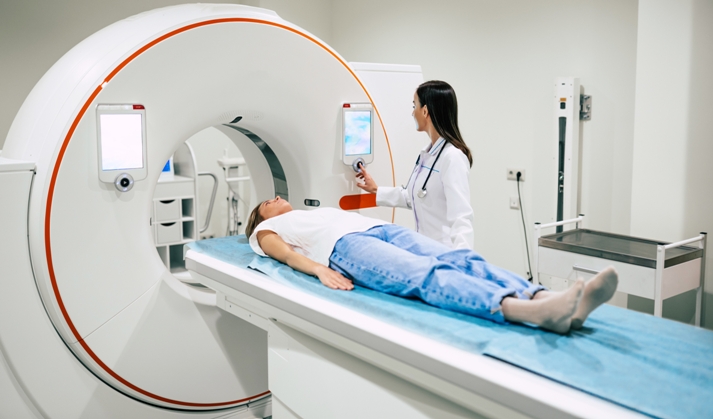
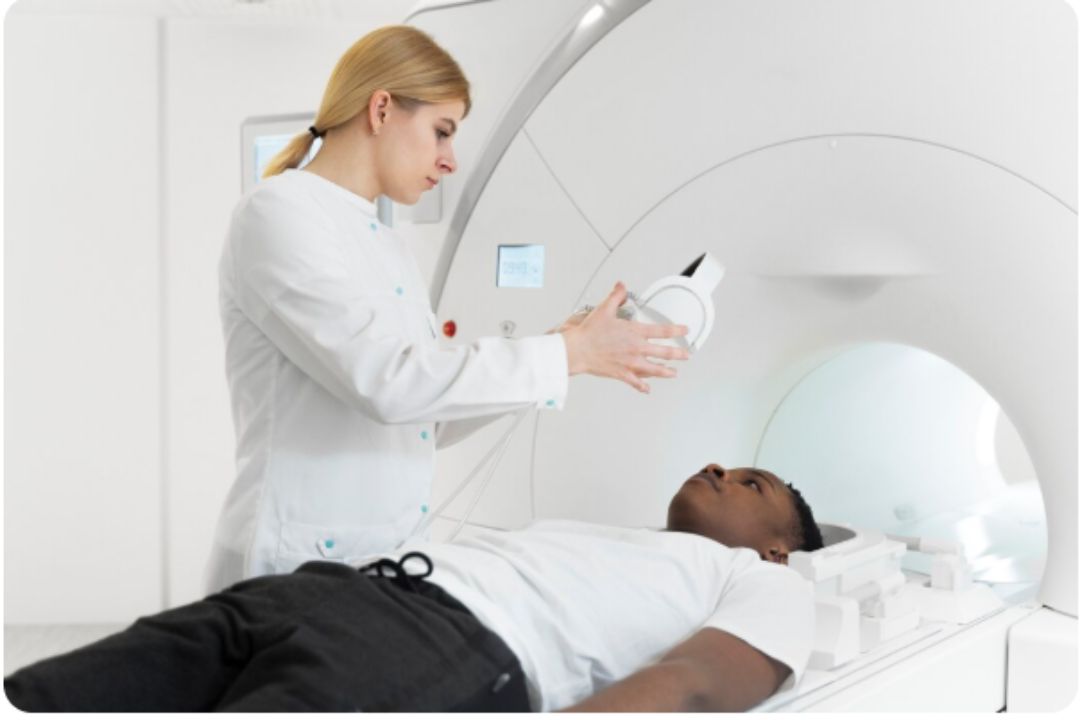
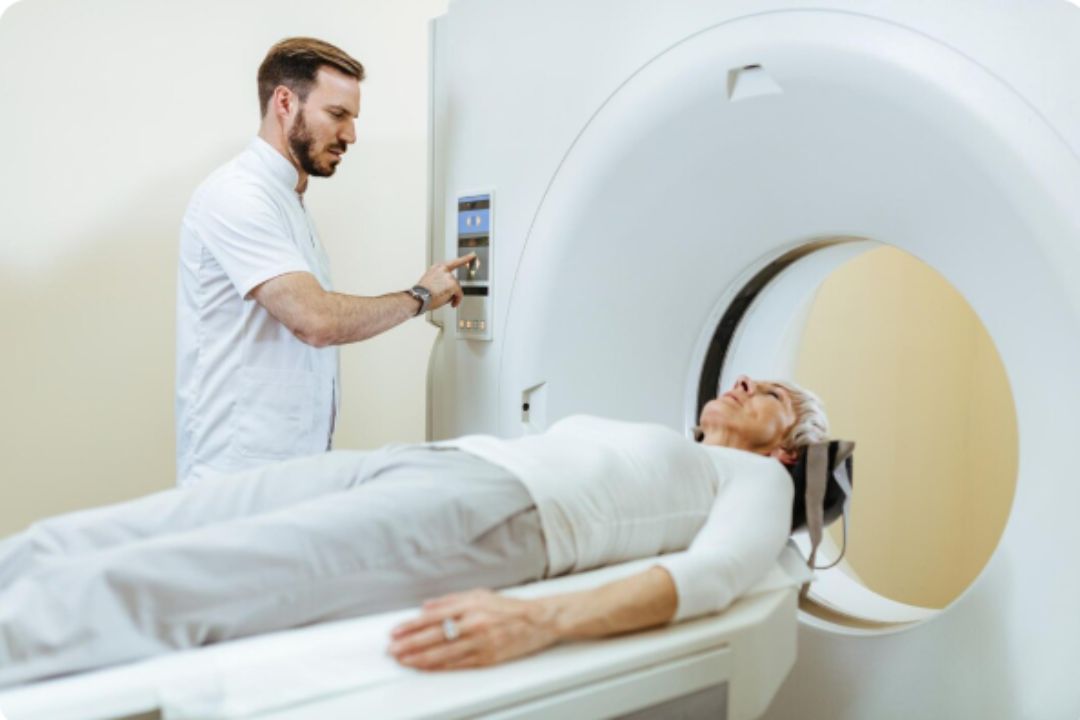
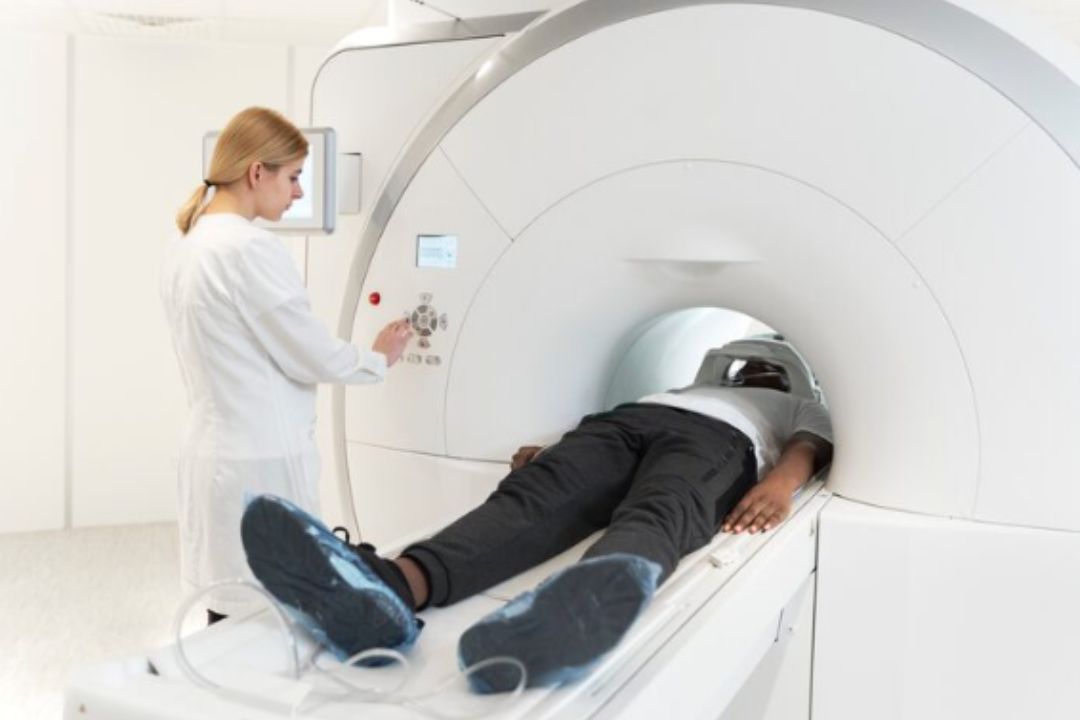
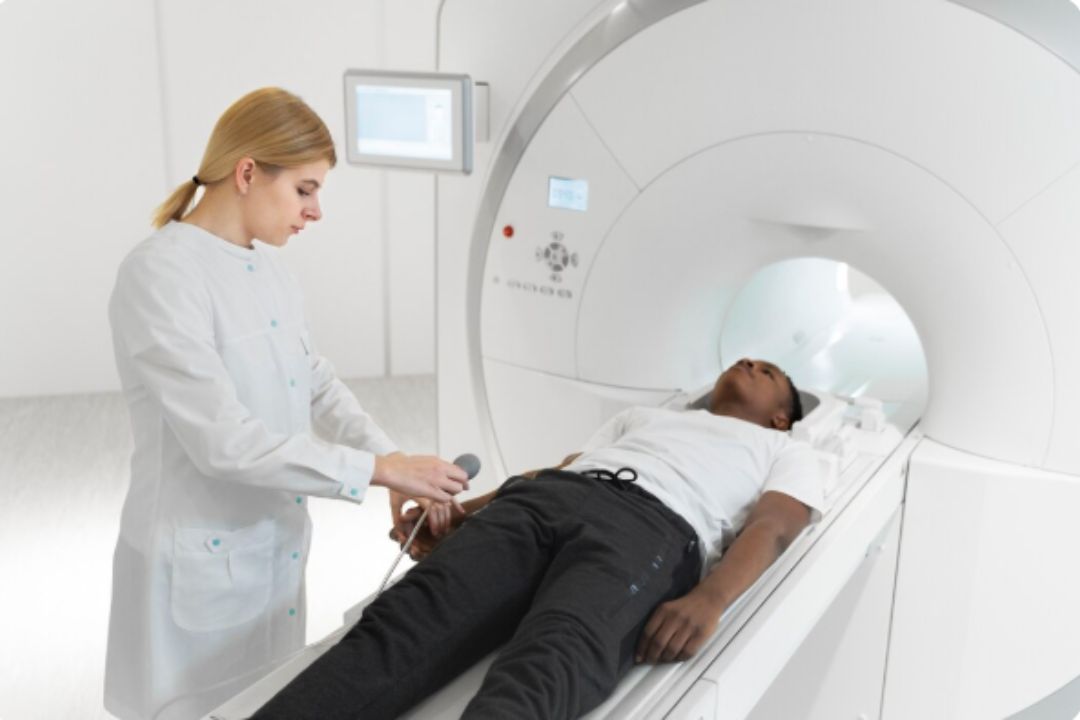
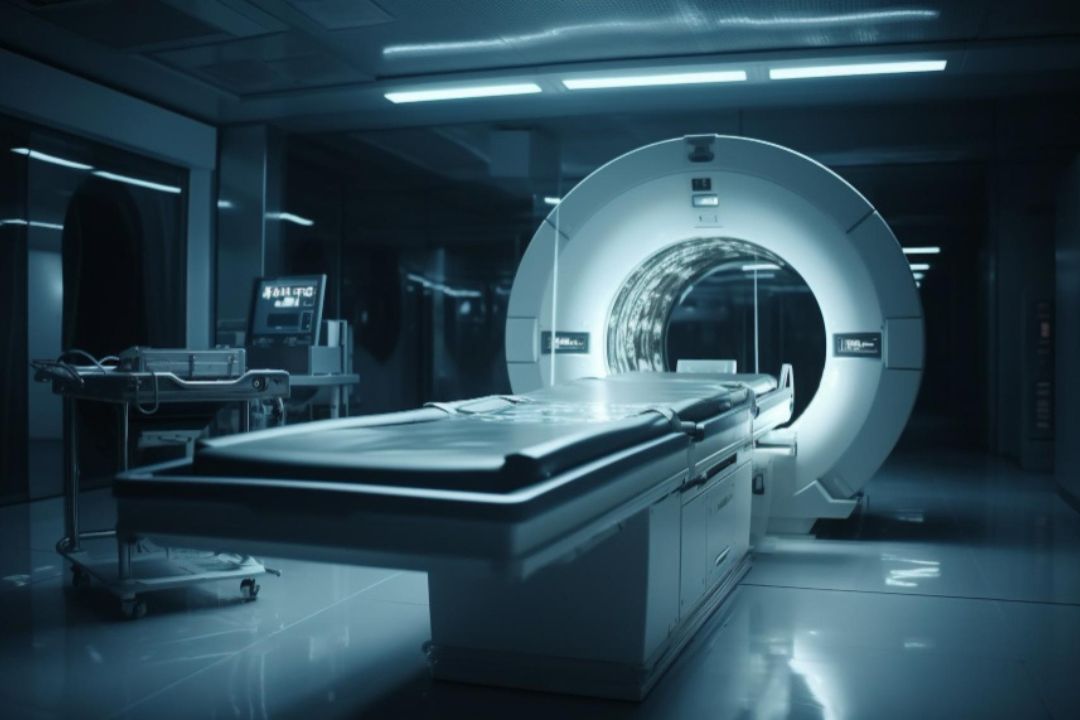
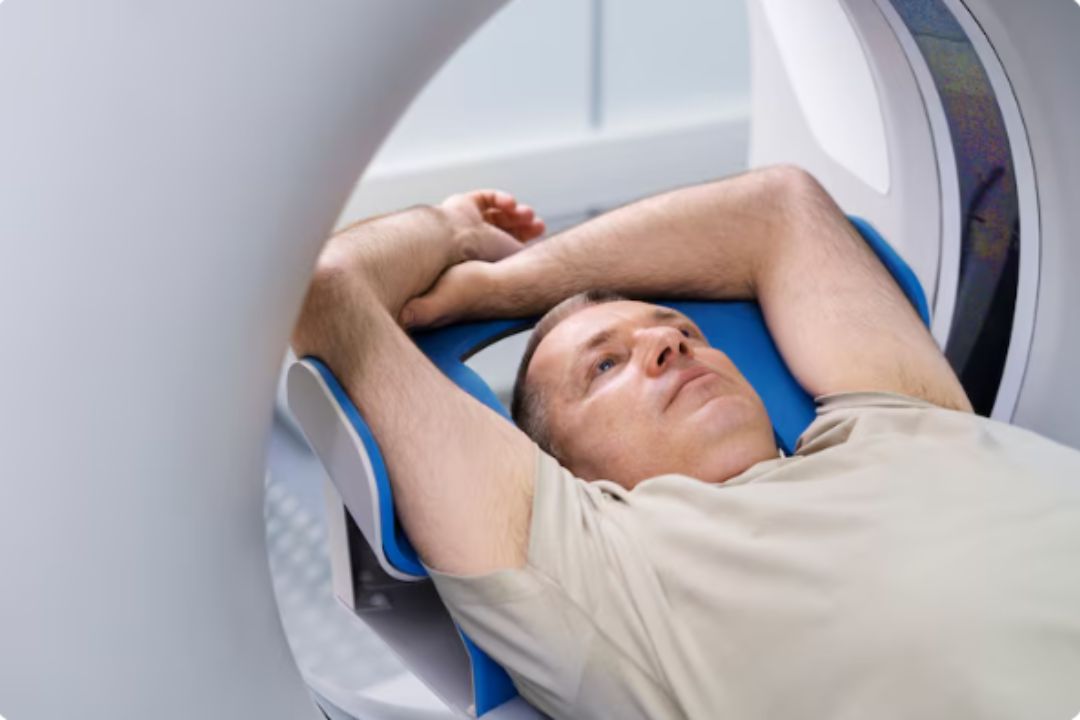
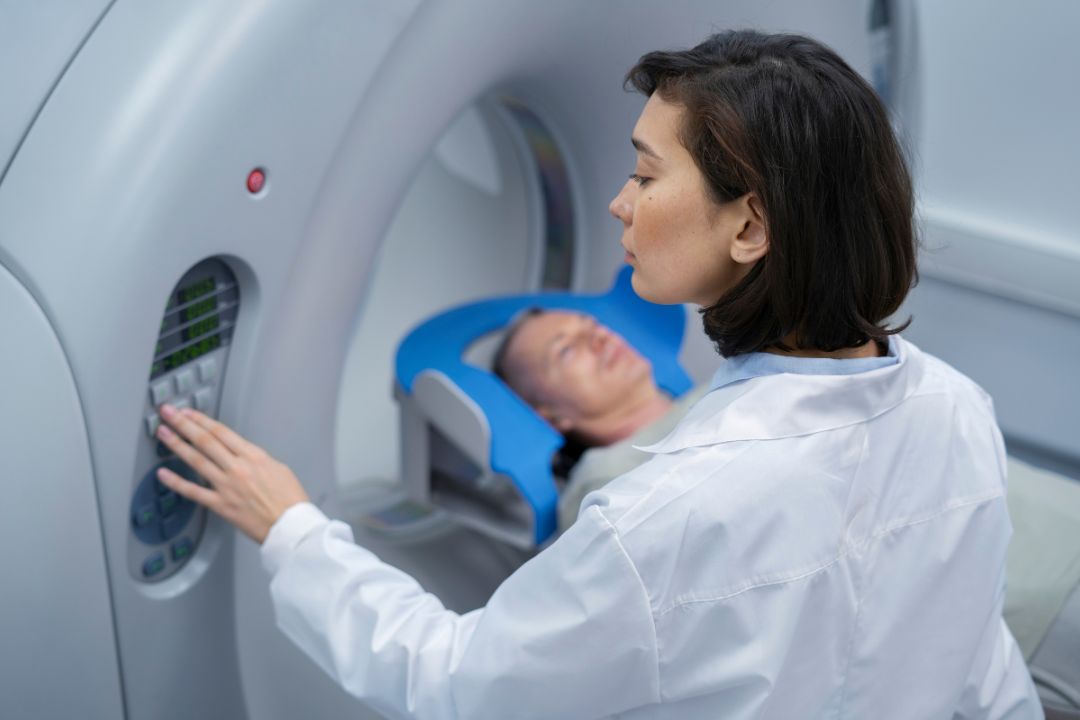
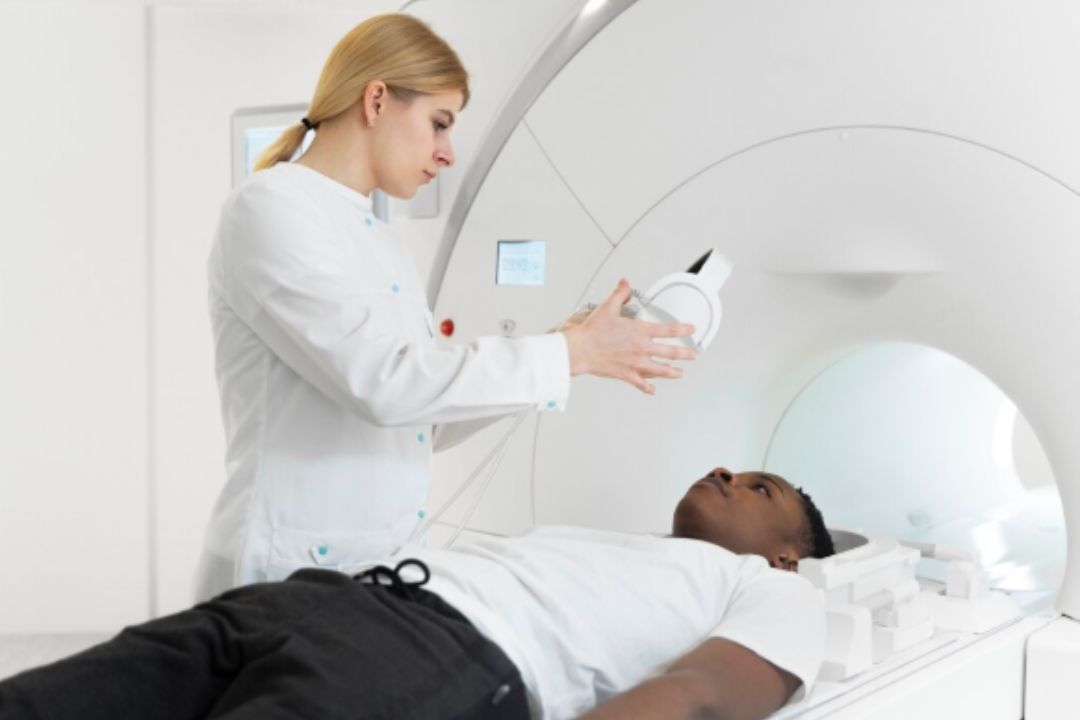
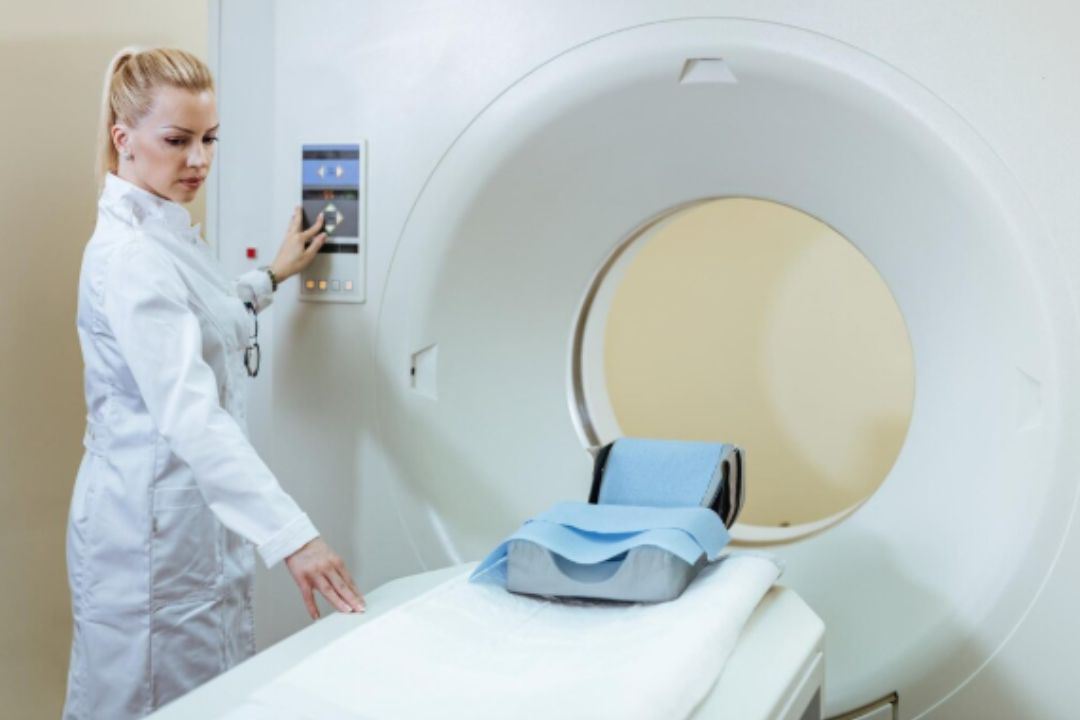
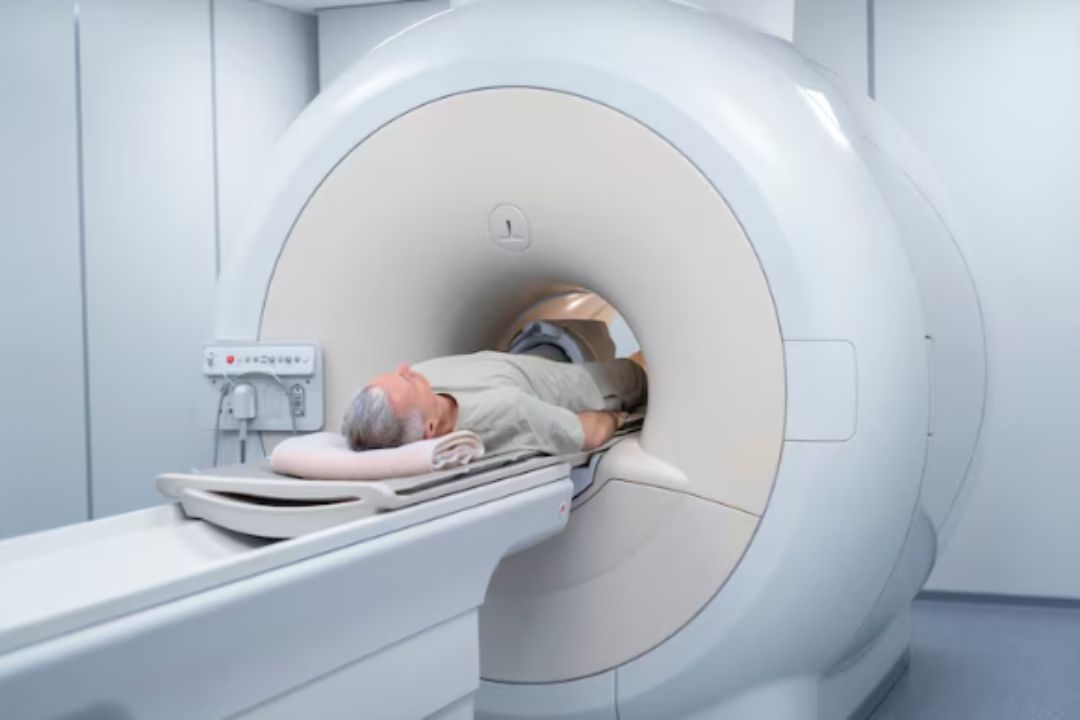
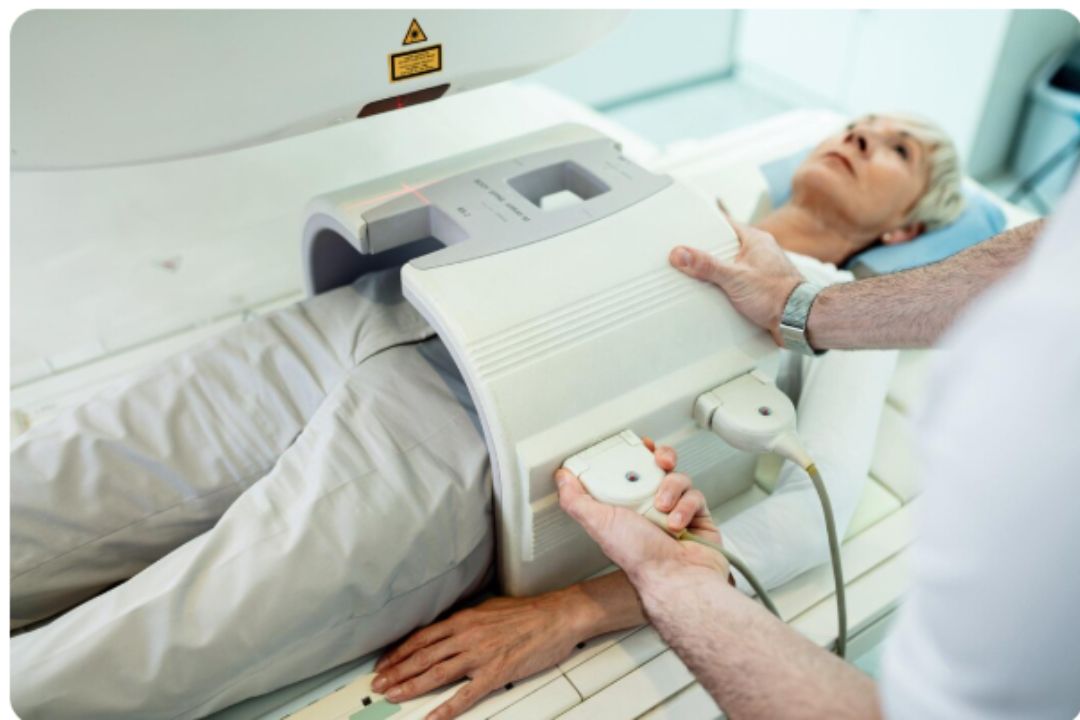
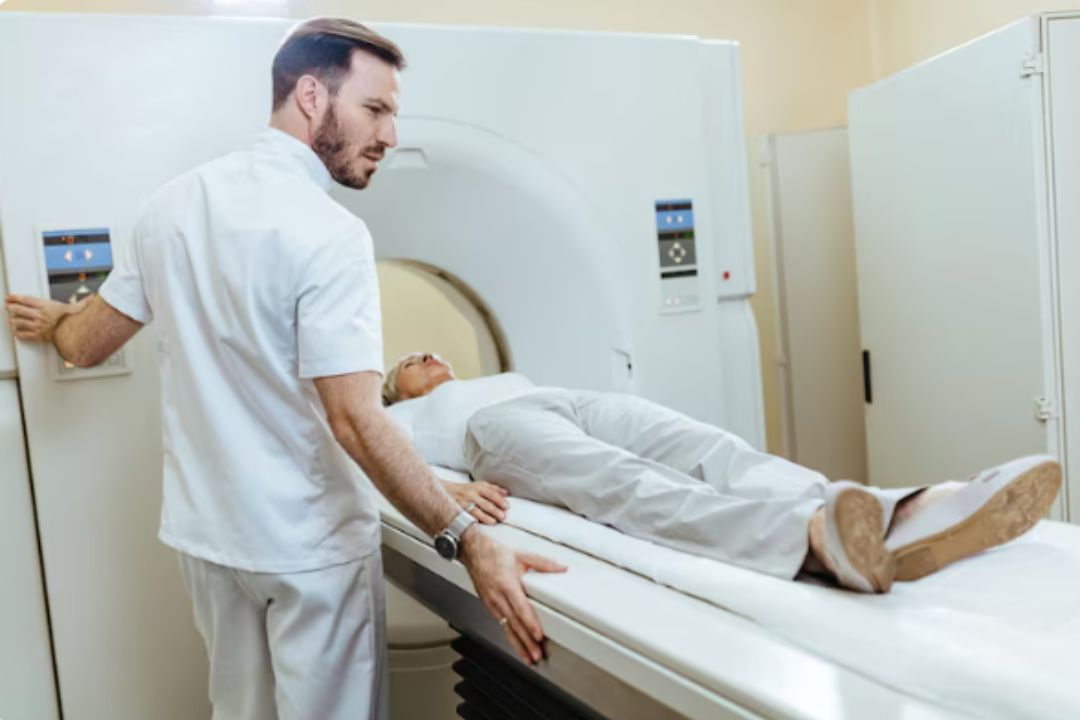
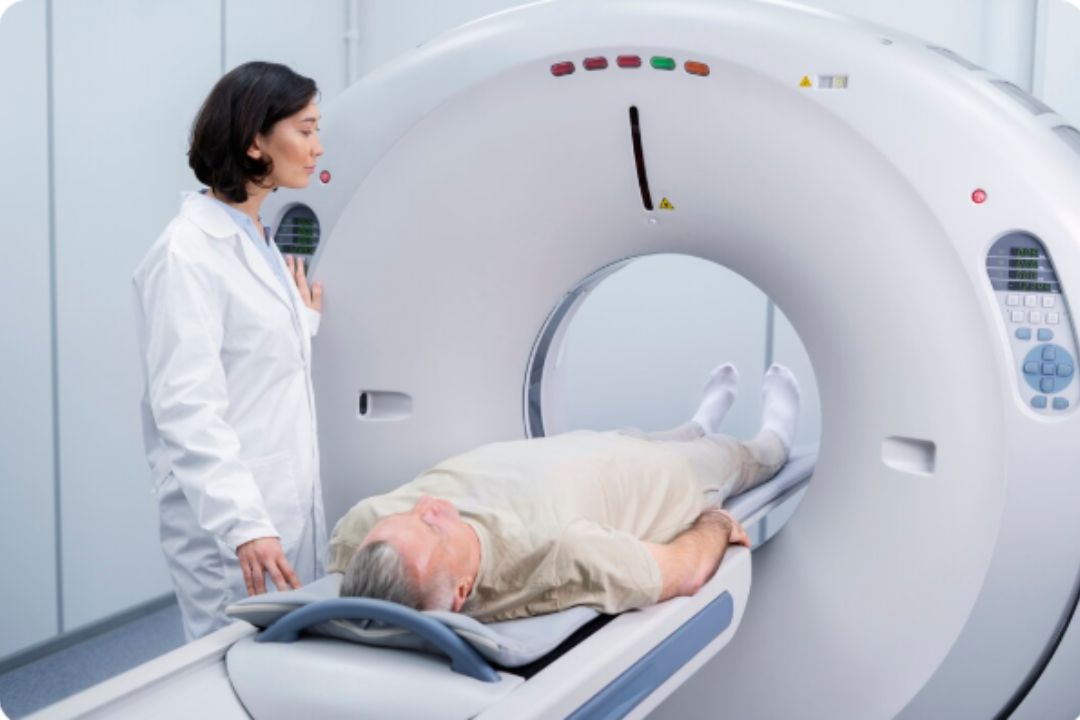
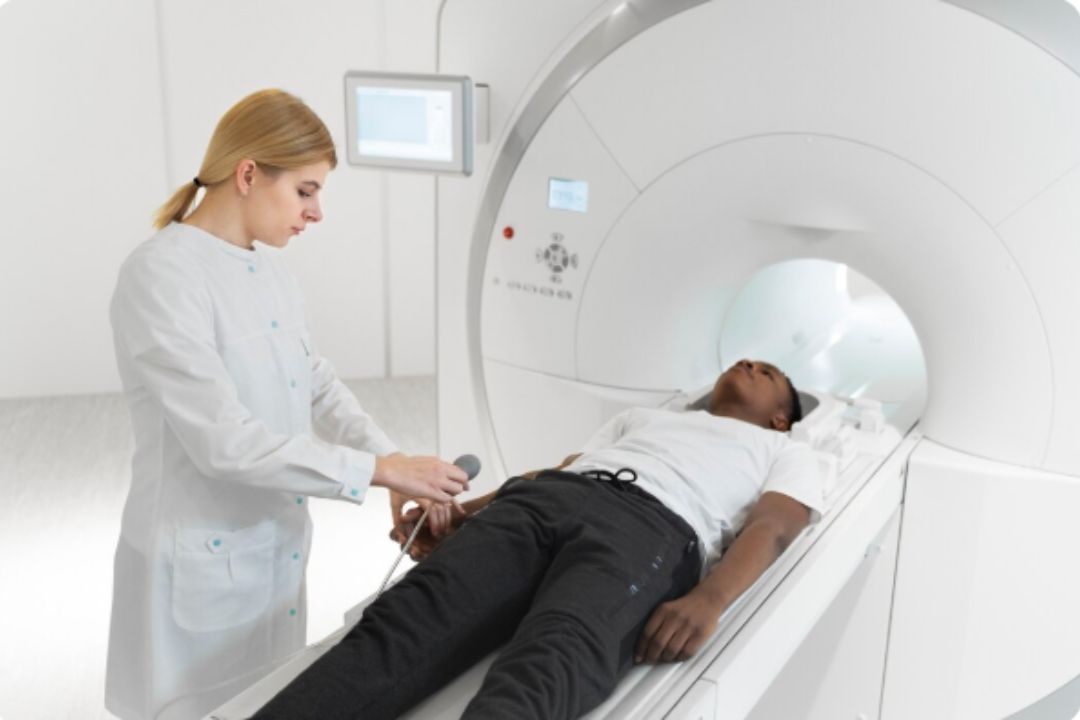
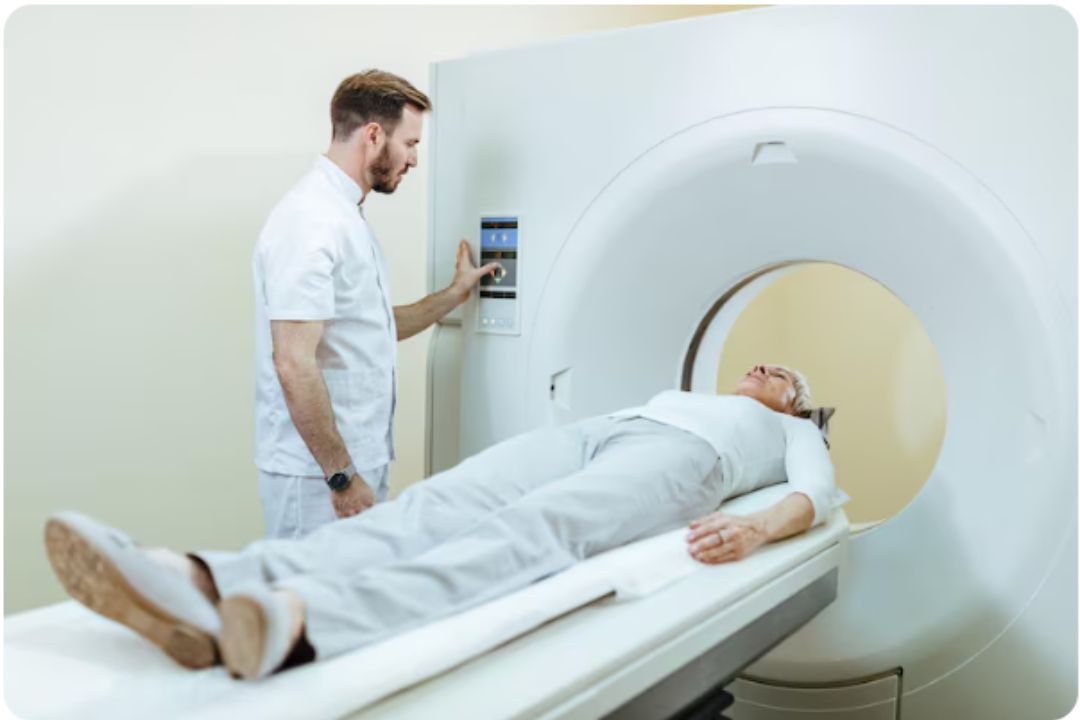
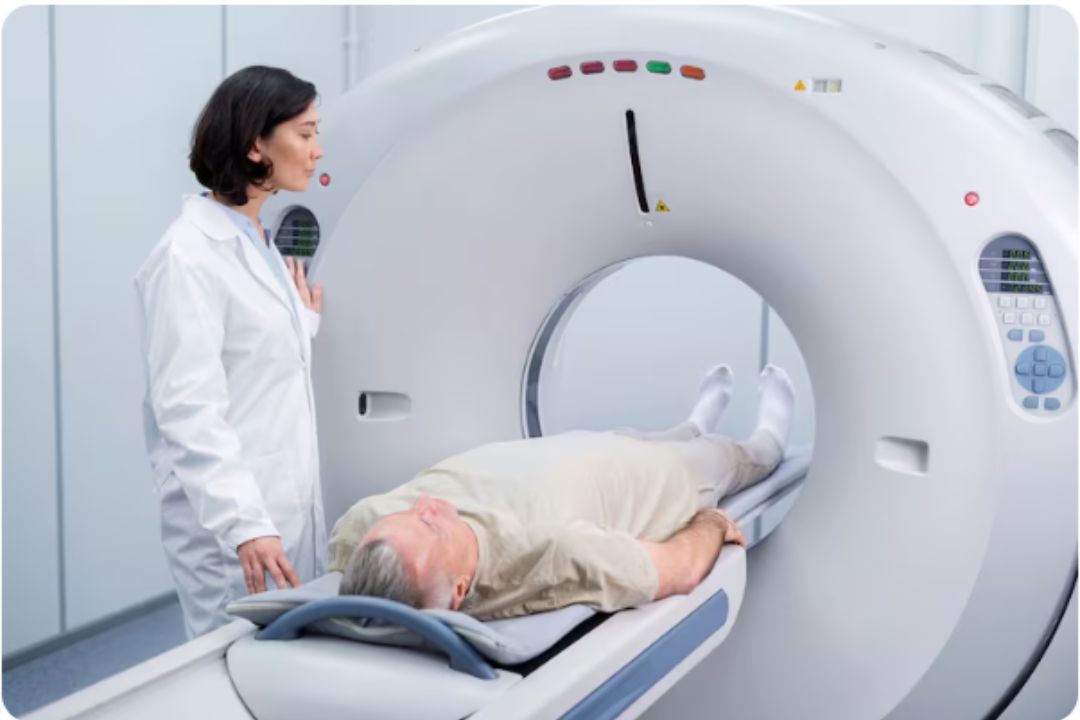
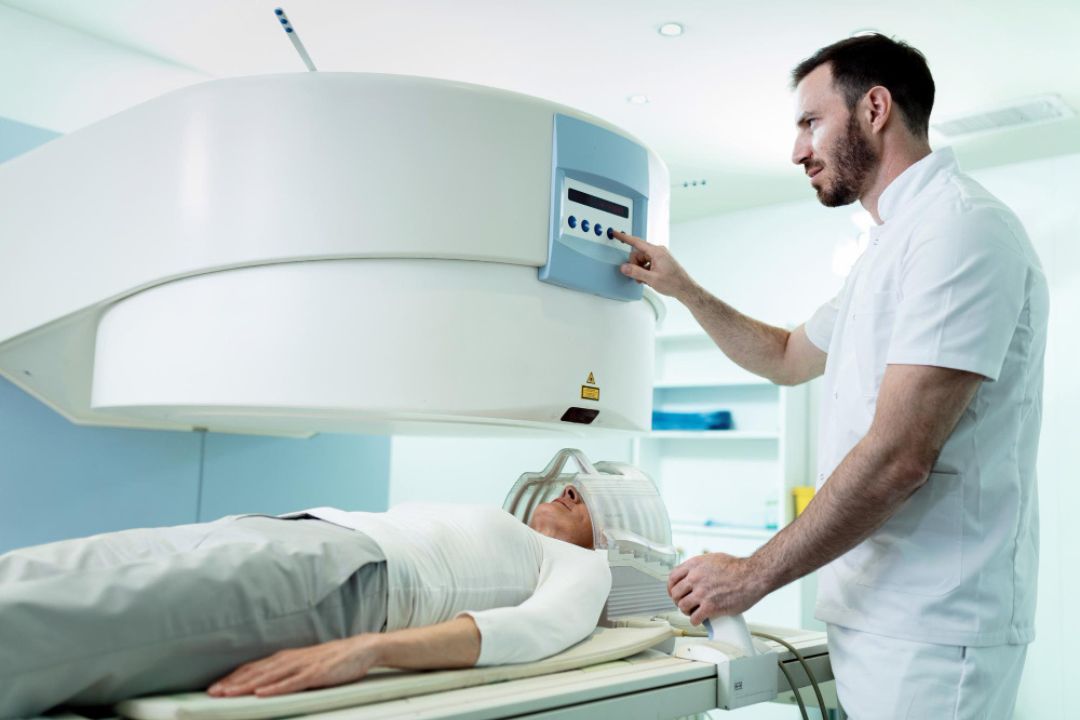
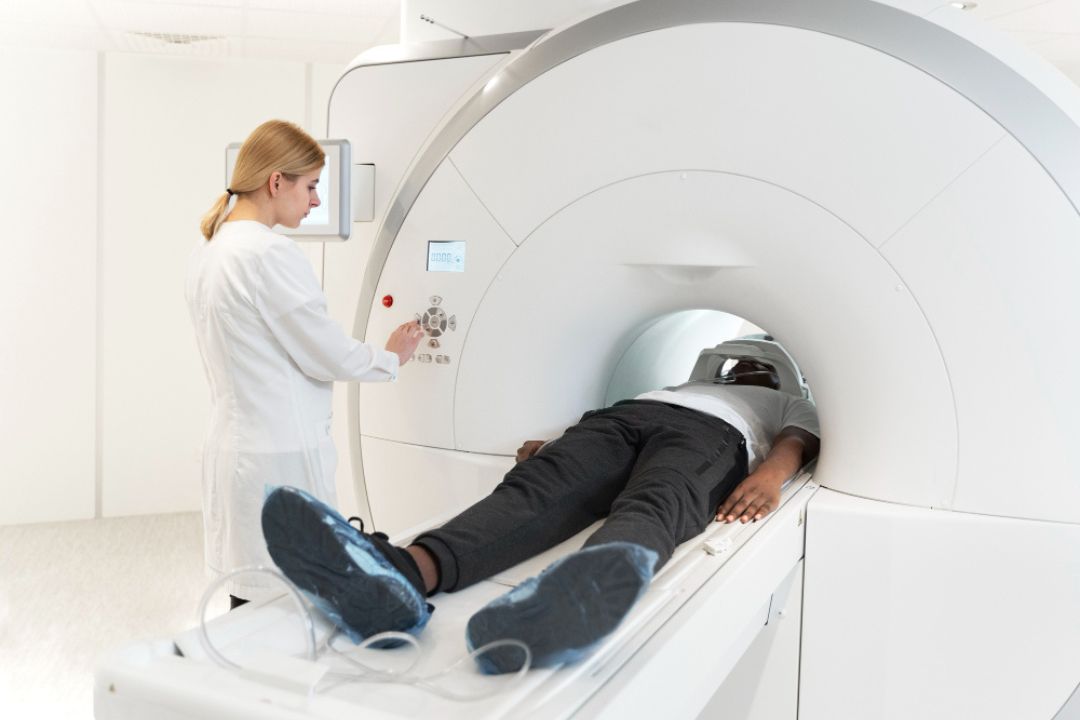
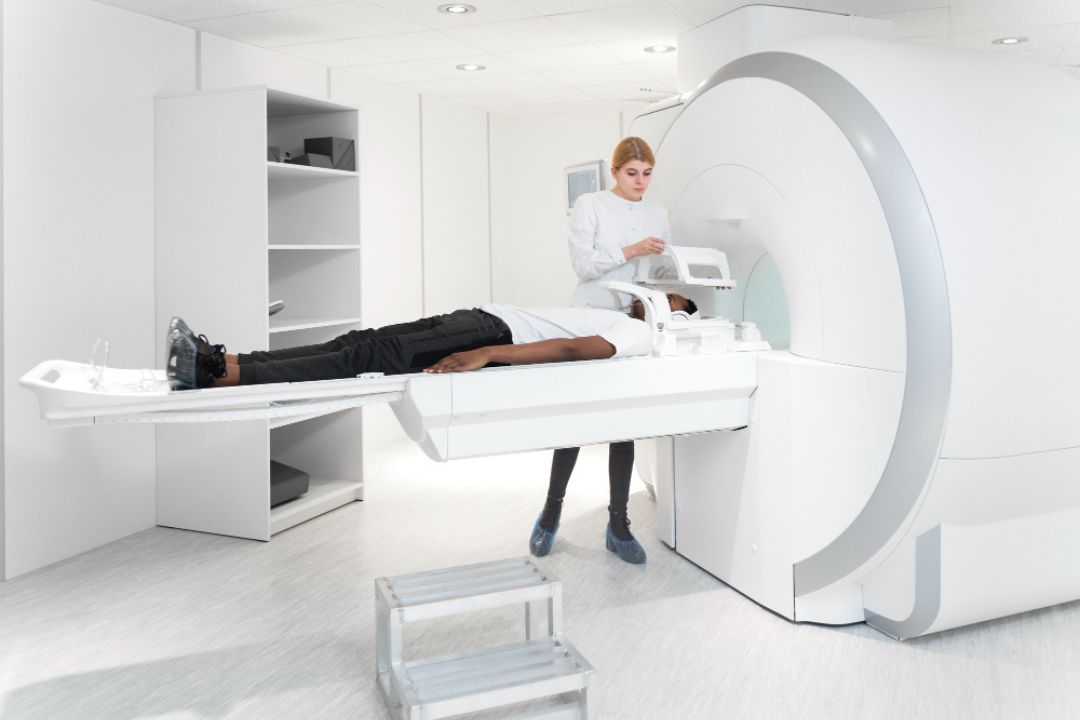
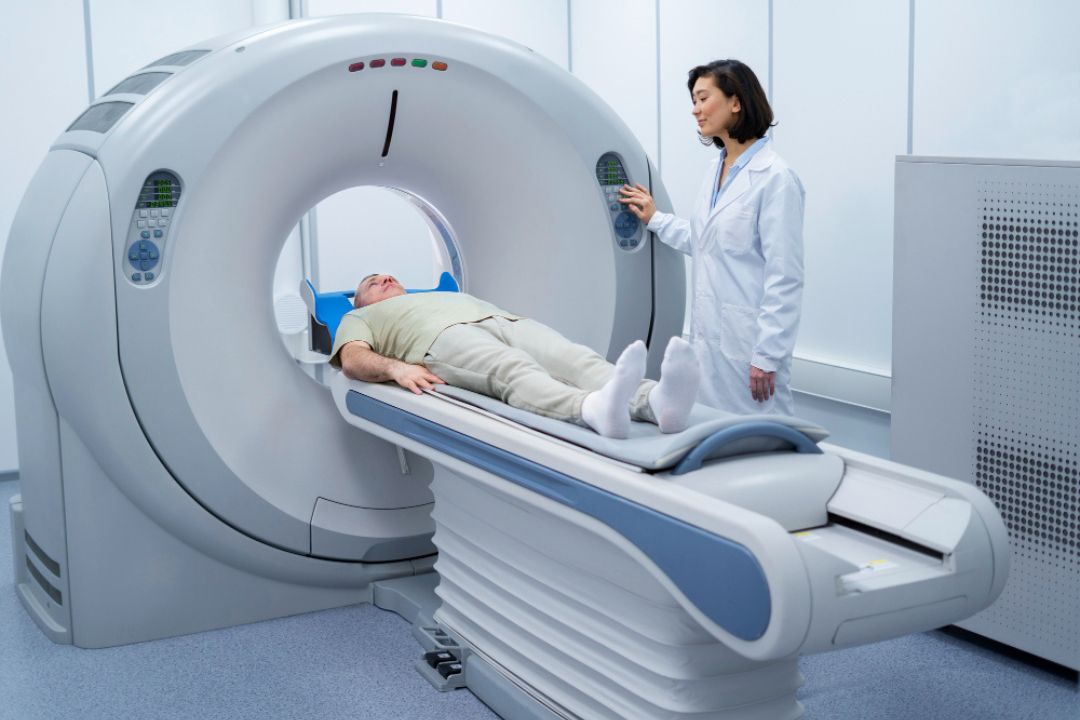
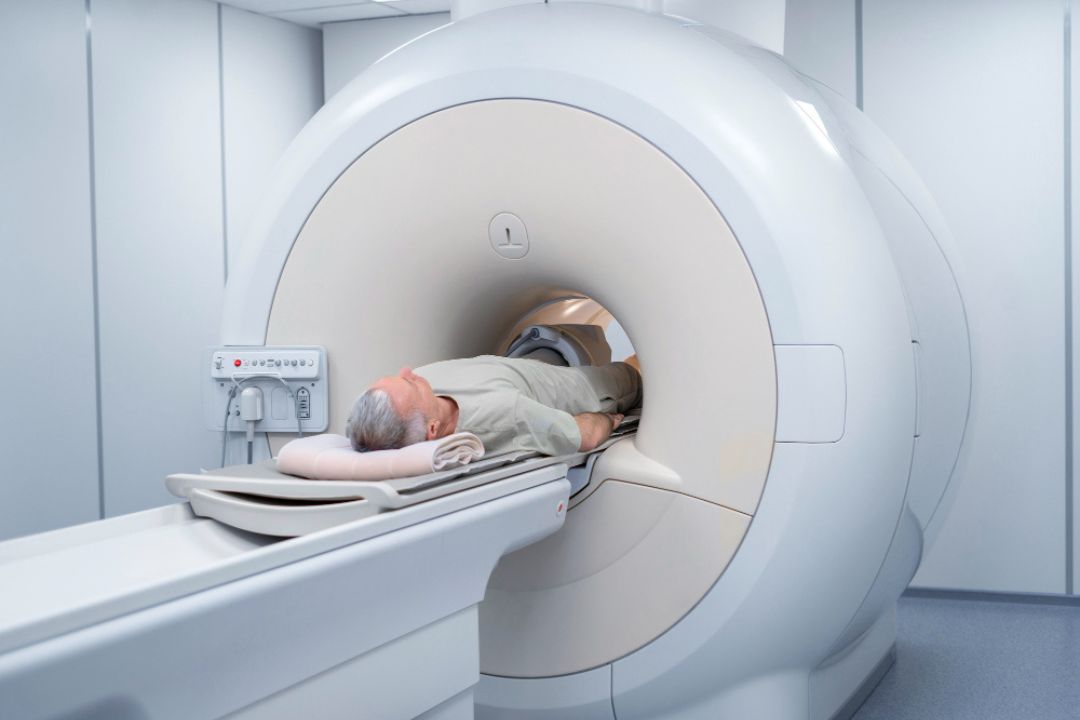
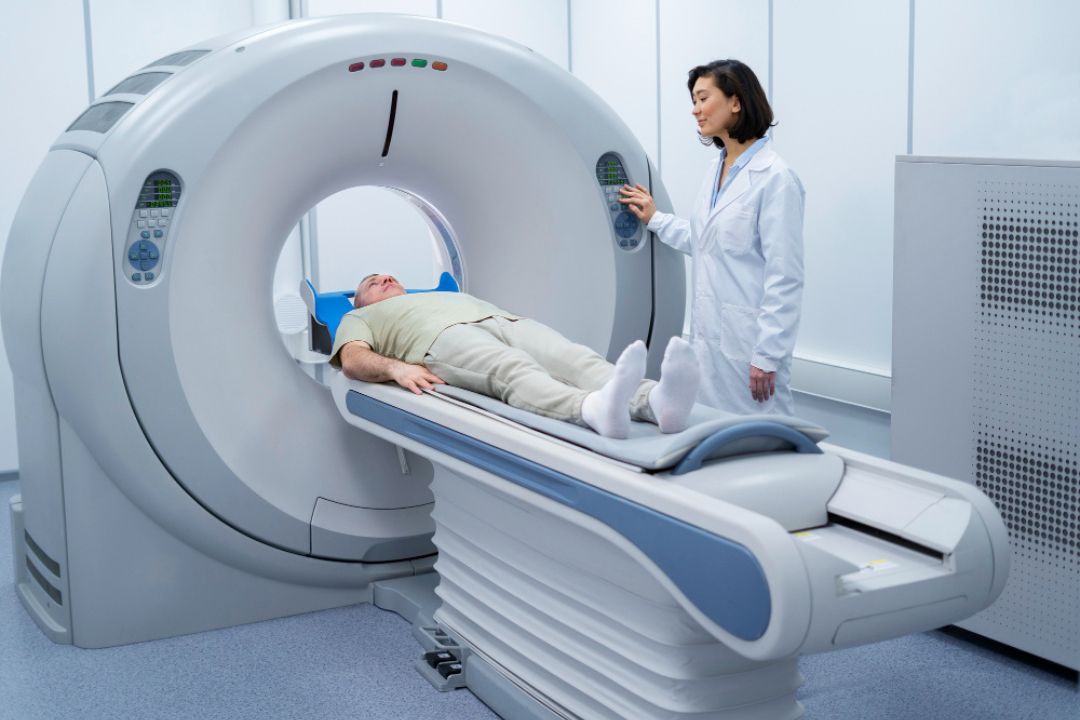
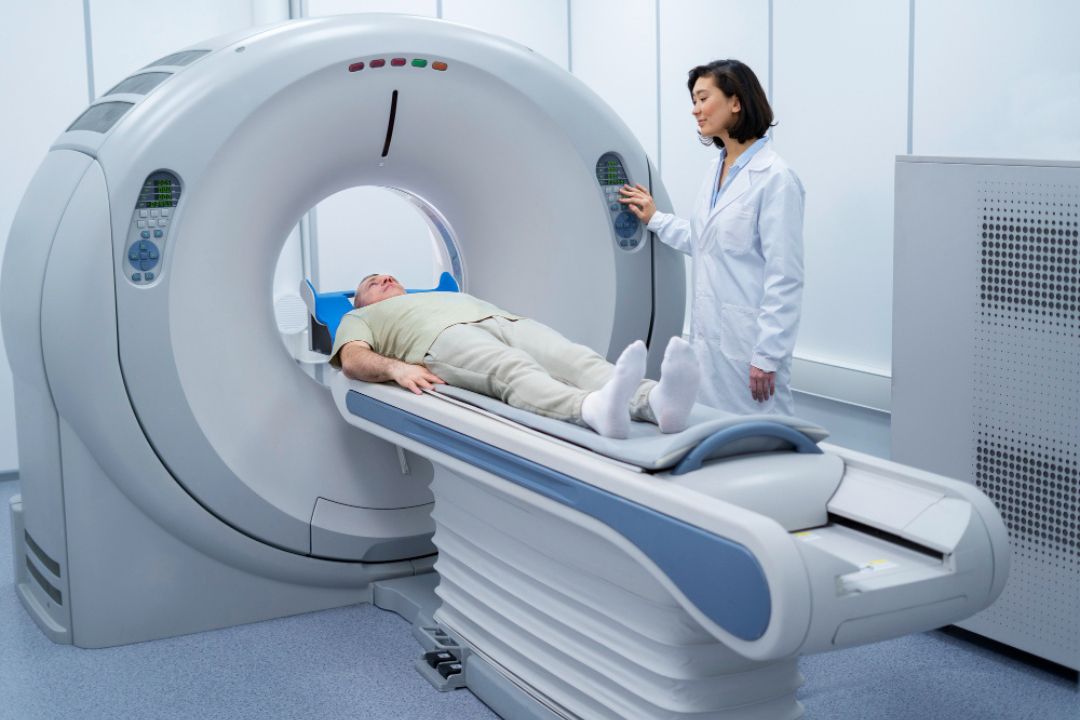
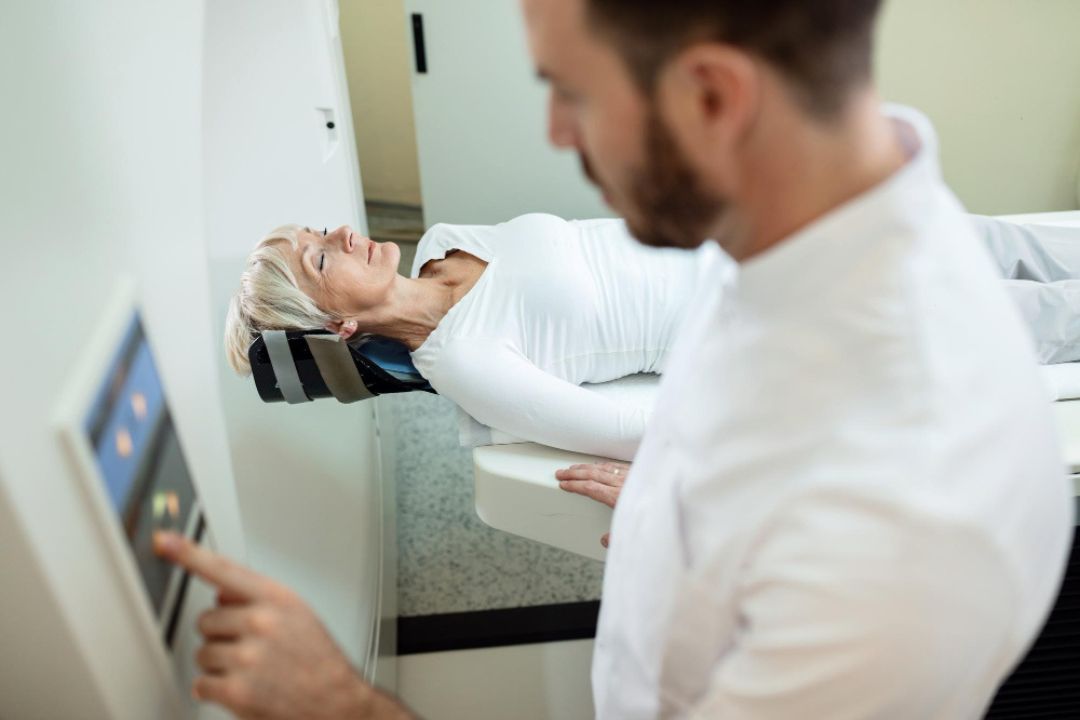
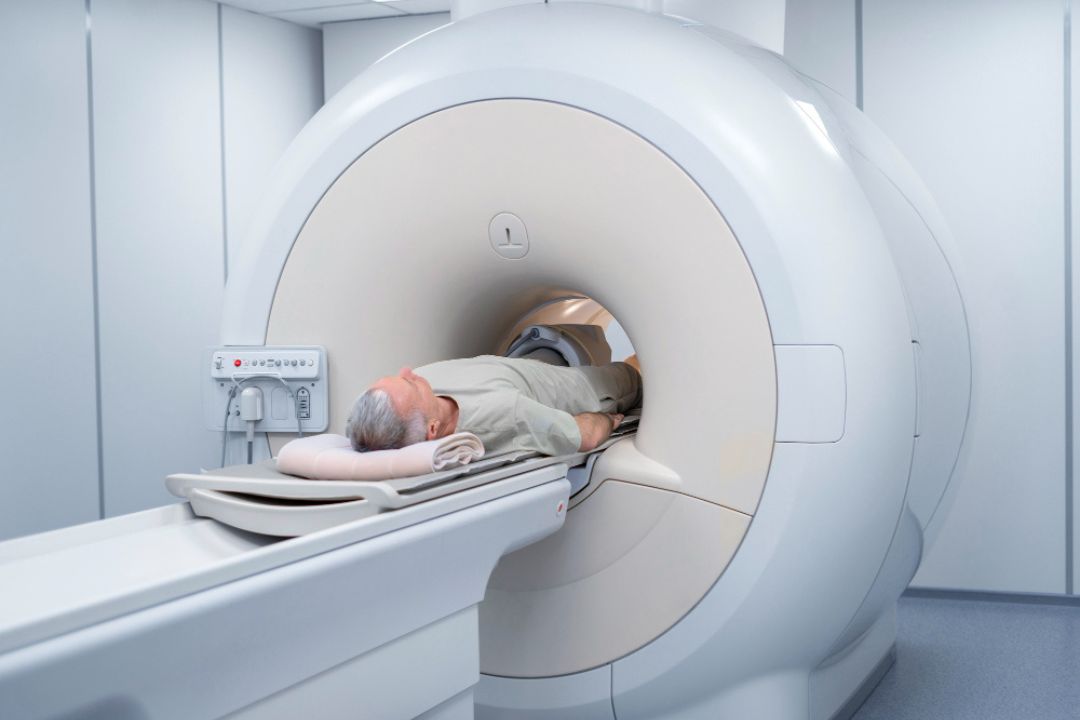
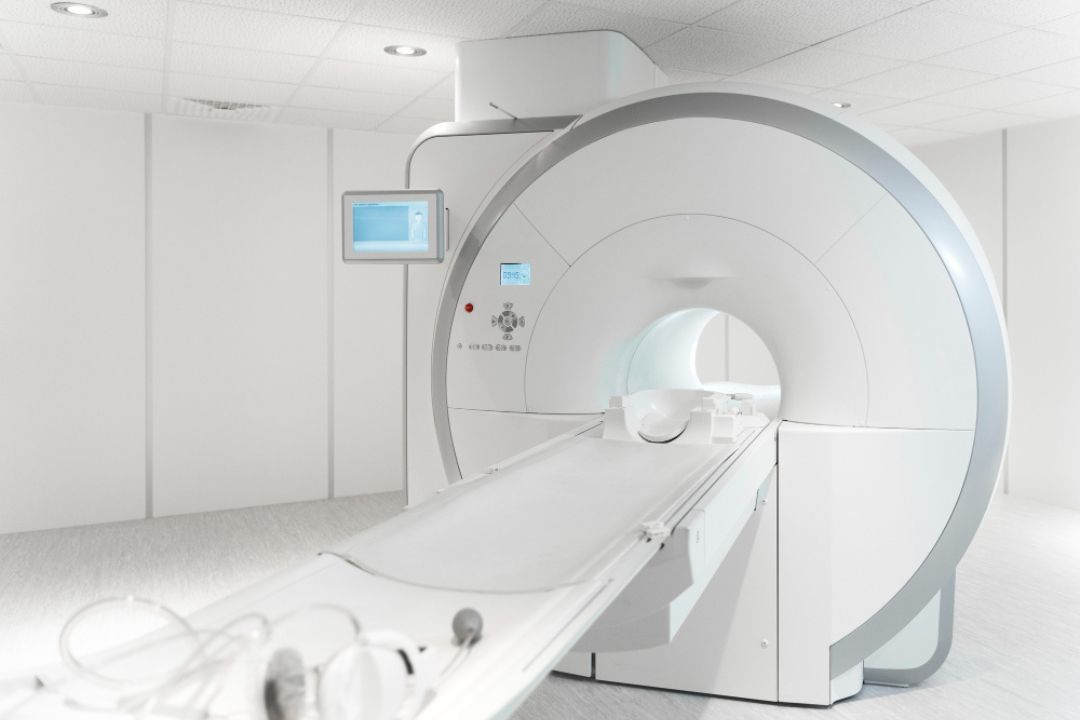
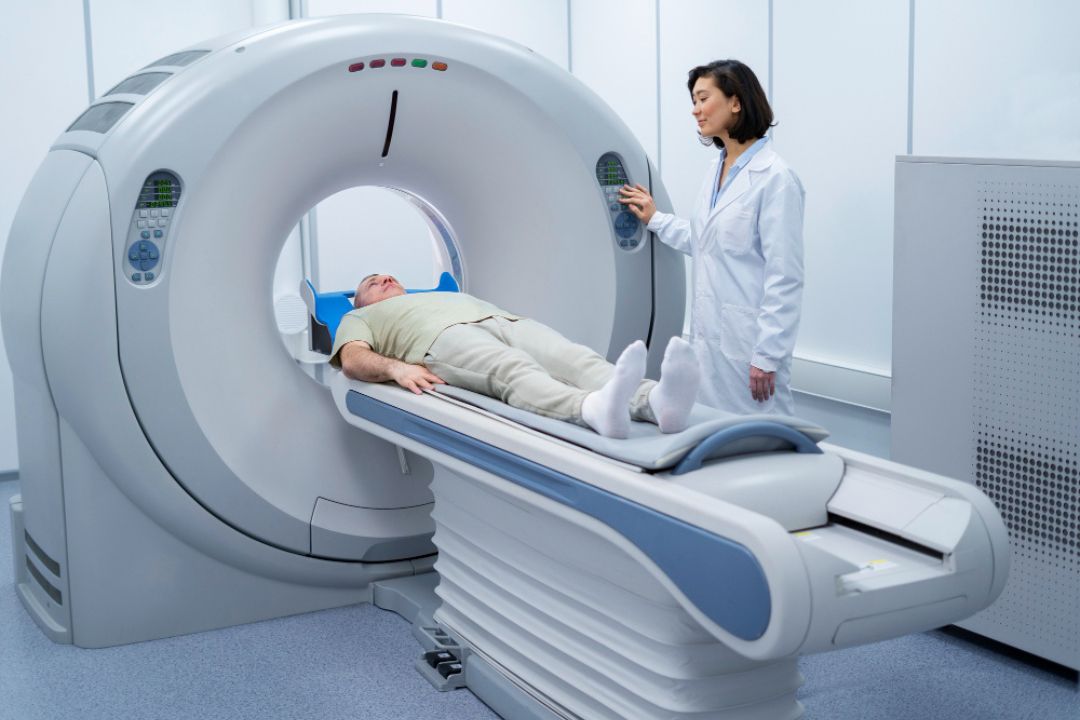
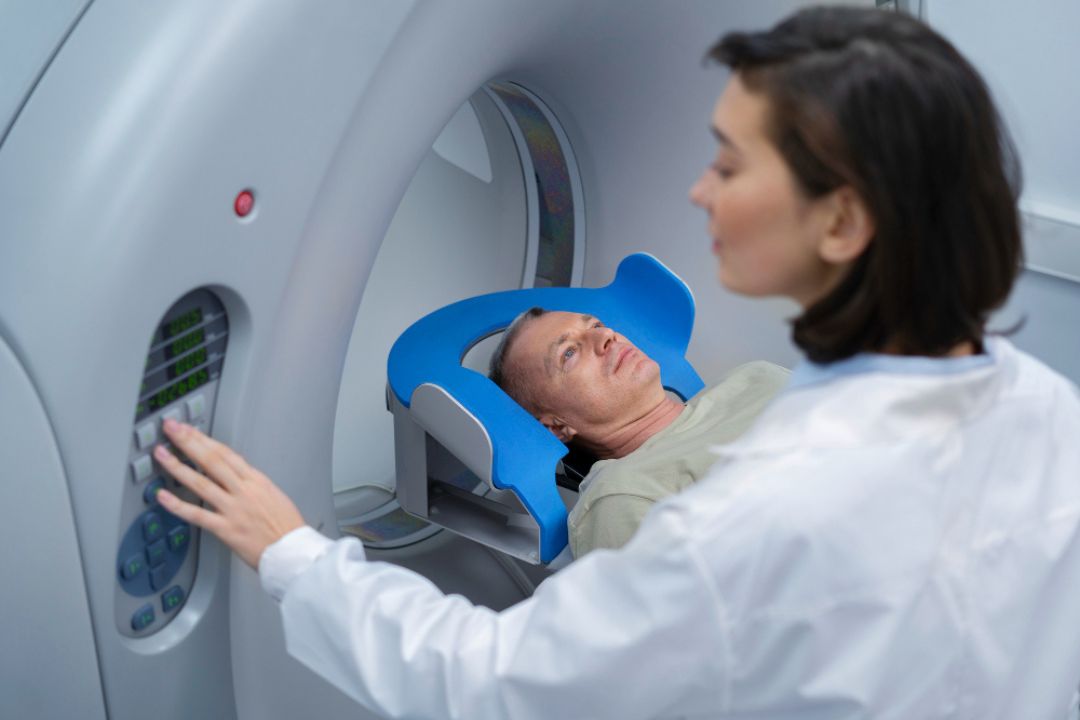
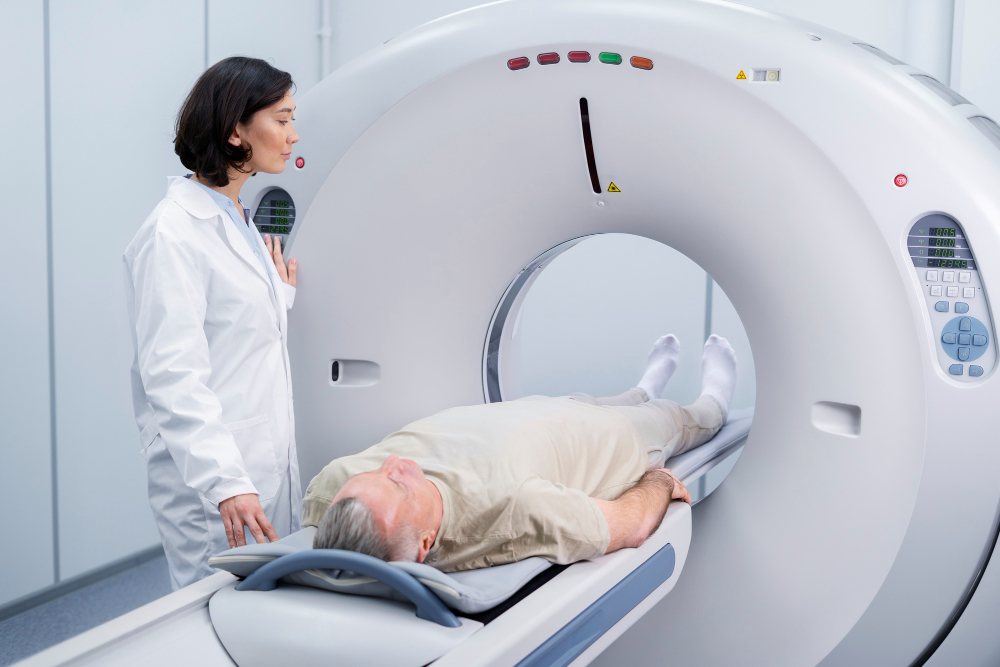
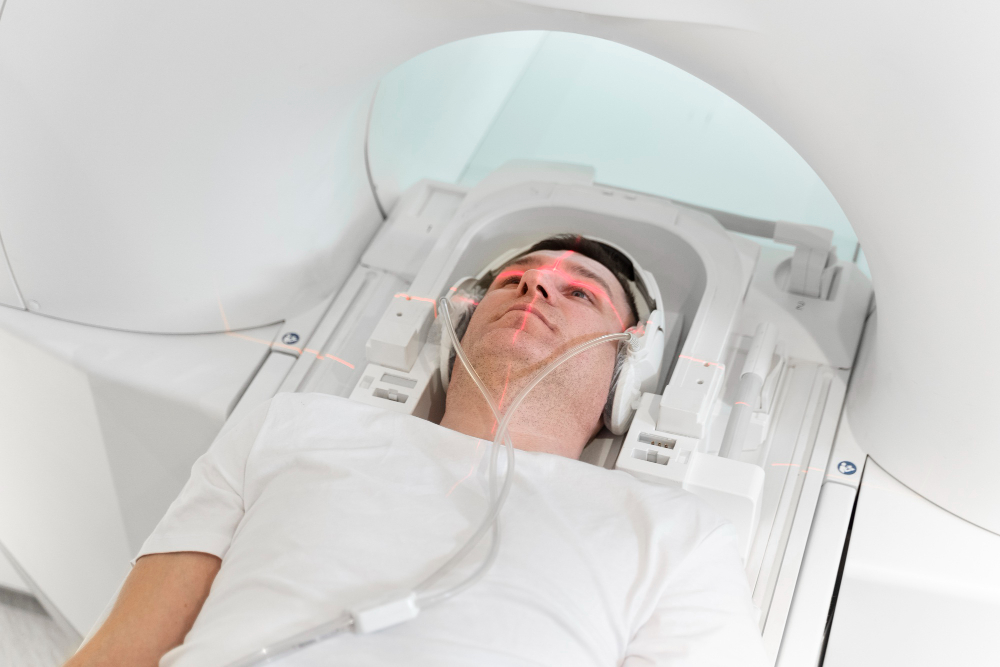
The patient lies on the CT scanner table.
The doctor cleans and numbs the biopsy area with local anesthesia.
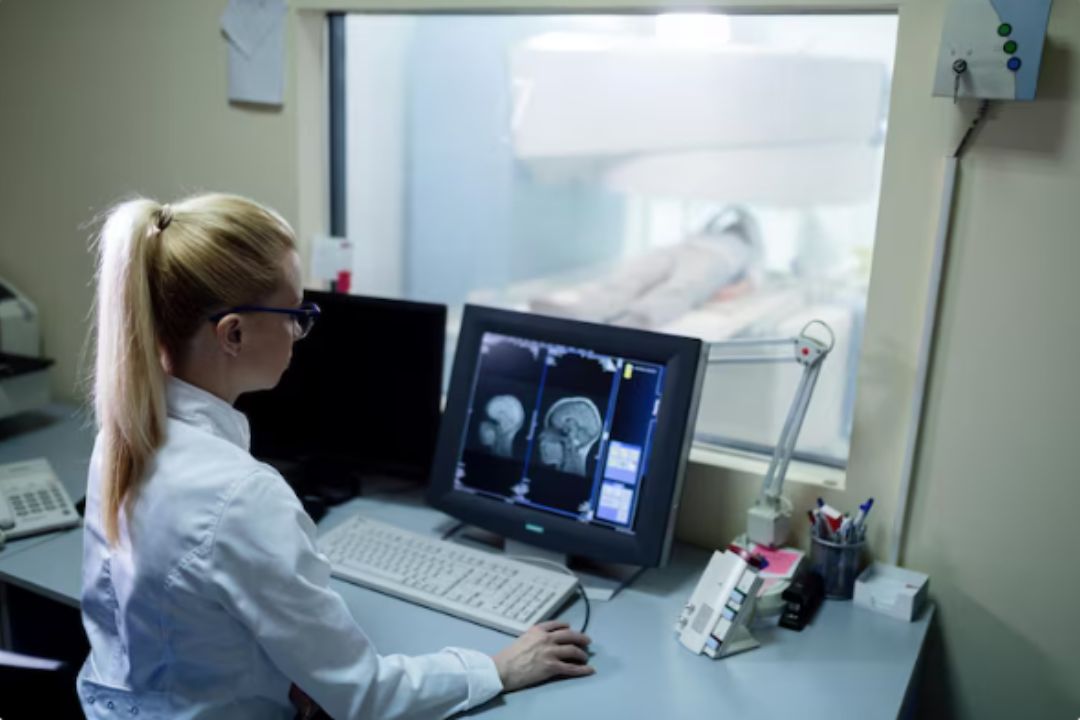
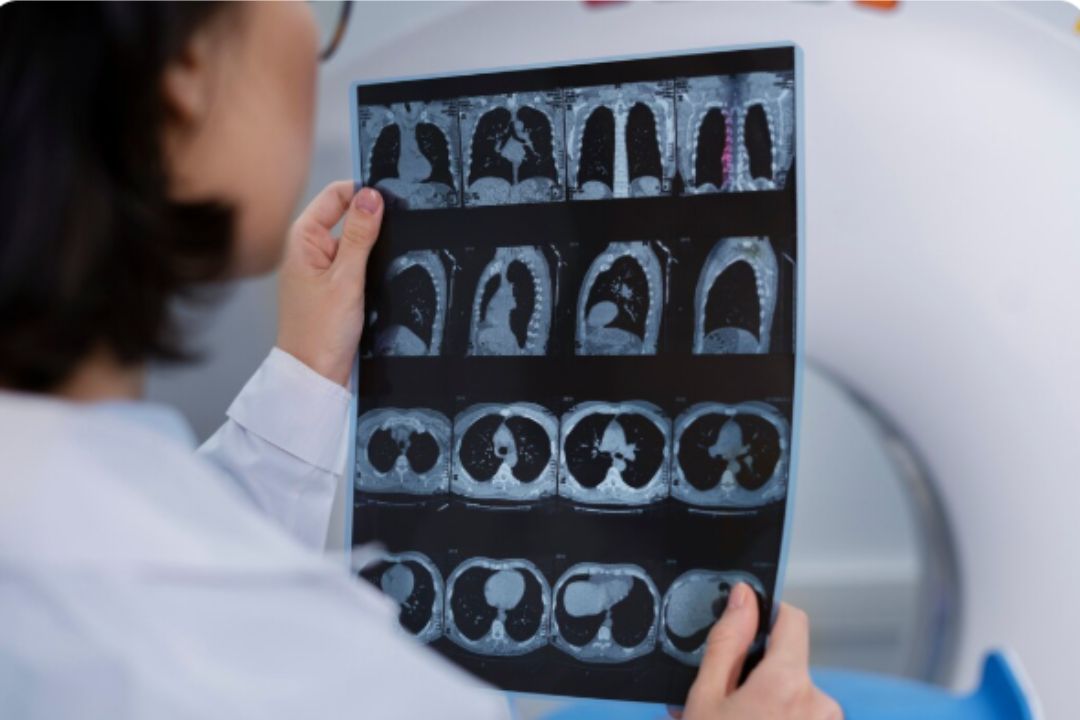
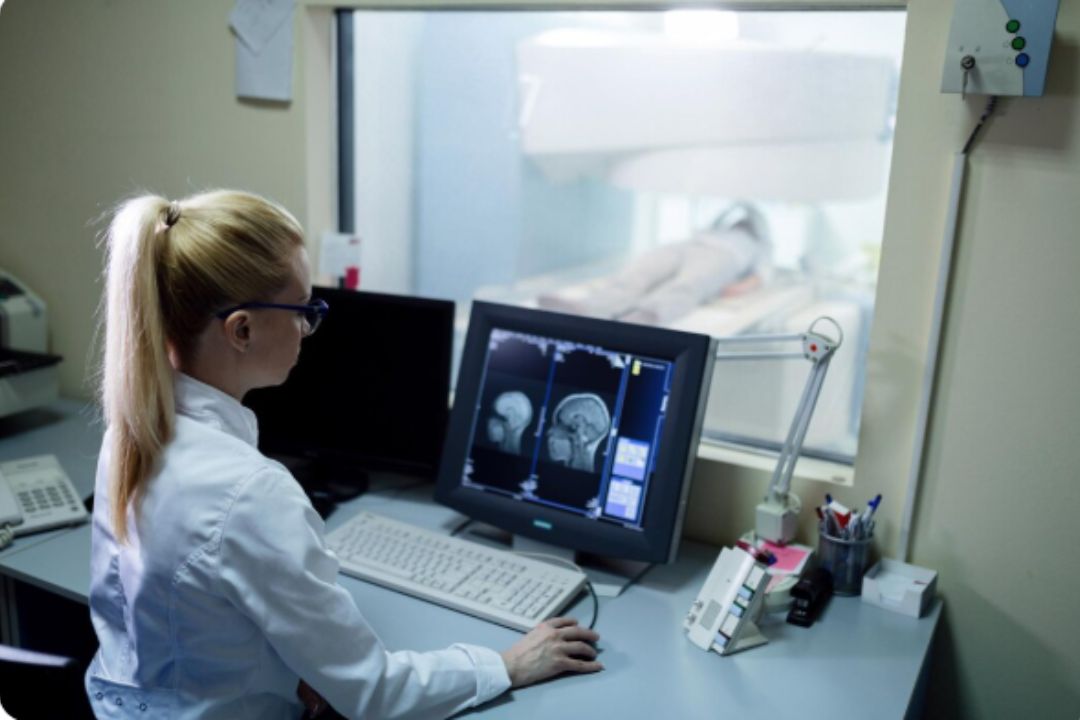
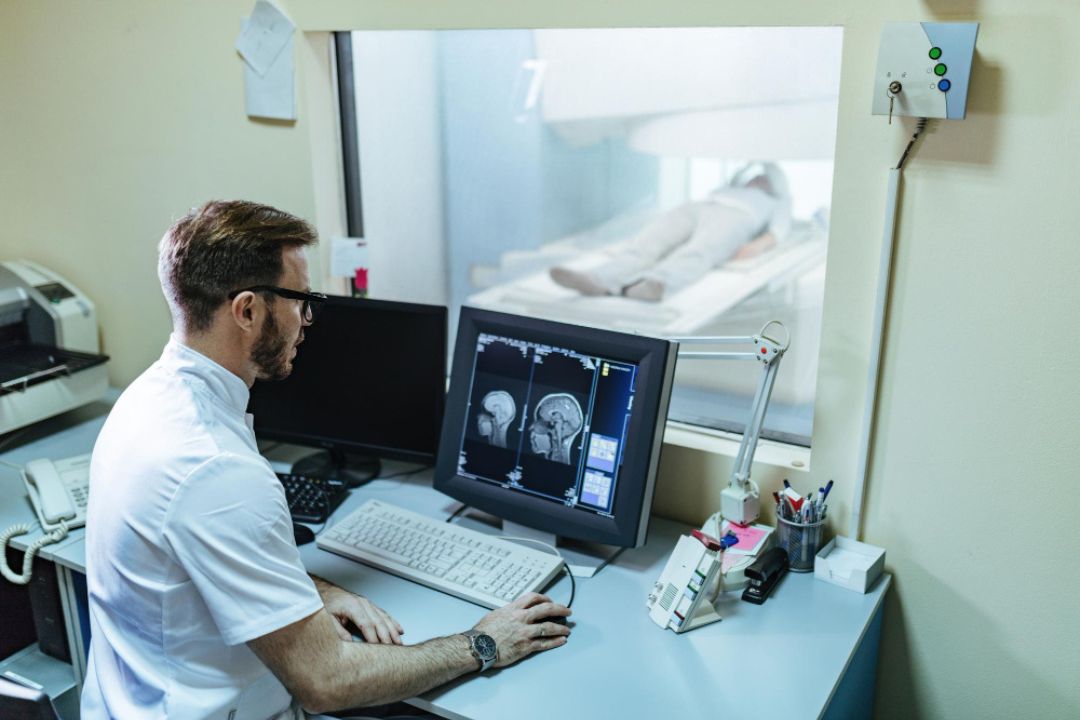
CT images are taken to locate the exact position of the abnormal tissue.
A thin biopsy needle is inserted through the skin and guided to the target area.
Small tissue samples are collected and sent to the laboratory for examination.
The procedure usually takes about 30 to 60 minutes, depending on the complexity of the case.
CT-guided biopsy offers several advantages compared to traditional surgical biopsy methods.
Key benefits include:
High diagnostic accuracy
Minimally invasive technique
Short recovery time
Lower risk compared to open surgery
Quick and reliable diagnosis
Because of its precision, CT-guided biopsy has become an important tool in modern diagnostic imaging.
Although CT-guided biopsy is generally safe, some risks may occur in rare cases.
Possible complications include:
Mild bleeding at the biopsy site
Infection
Air leakage in the lungs (pneumothorax)
Temporary discomfort or pain
These complications are uncommon, and most patients recover quickly after the procedure.
After the biopsy, patients are usually monitored for a short period to ensure there are no complications. Doctors may perform a follow-up scan to confirm that the lung or other organs are functioning normally.
Most patients can return home the same day and resume normal activities within a short time.
CT-guided biopsy is an important diagnostic procedure used to detect tumors, lung infections, and other abnormal tissue growths inside the body. By combining CT imaging with needle biopsy techniques, doctors can obtain precise tissue samples for accurate diagnosis.
This minimally invasive procedure helps doctors identify diseases early and develop the most effective treatment plan for patients. If imaging tests reveal suspicious growths or unexplained symptoms, a CT-guided biopsy may be recommended to confirm the diagnosis and guide further medical care.





.jpg "ct brain scan plain and contrast")





.jpg "ct scan")
.jpg "ct scan or mri for brain disorders")


.jpg "exploring the power of ct brain contrast in modern diagnostics")
.jpg "ct scan")
.jpg "ct scan")






.jpg "ct scan")

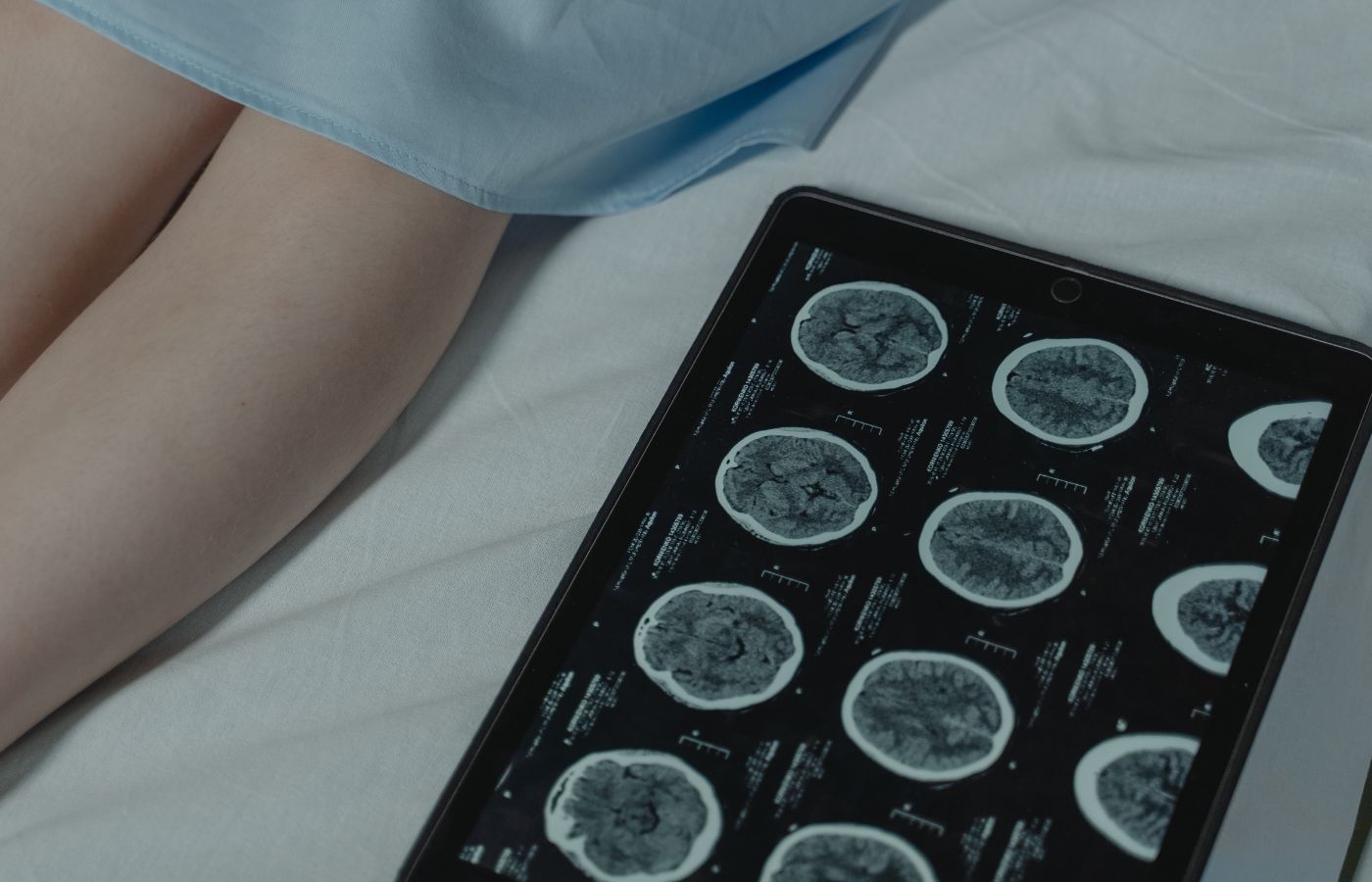
.jpg "CT Brain Scan for Headaches")
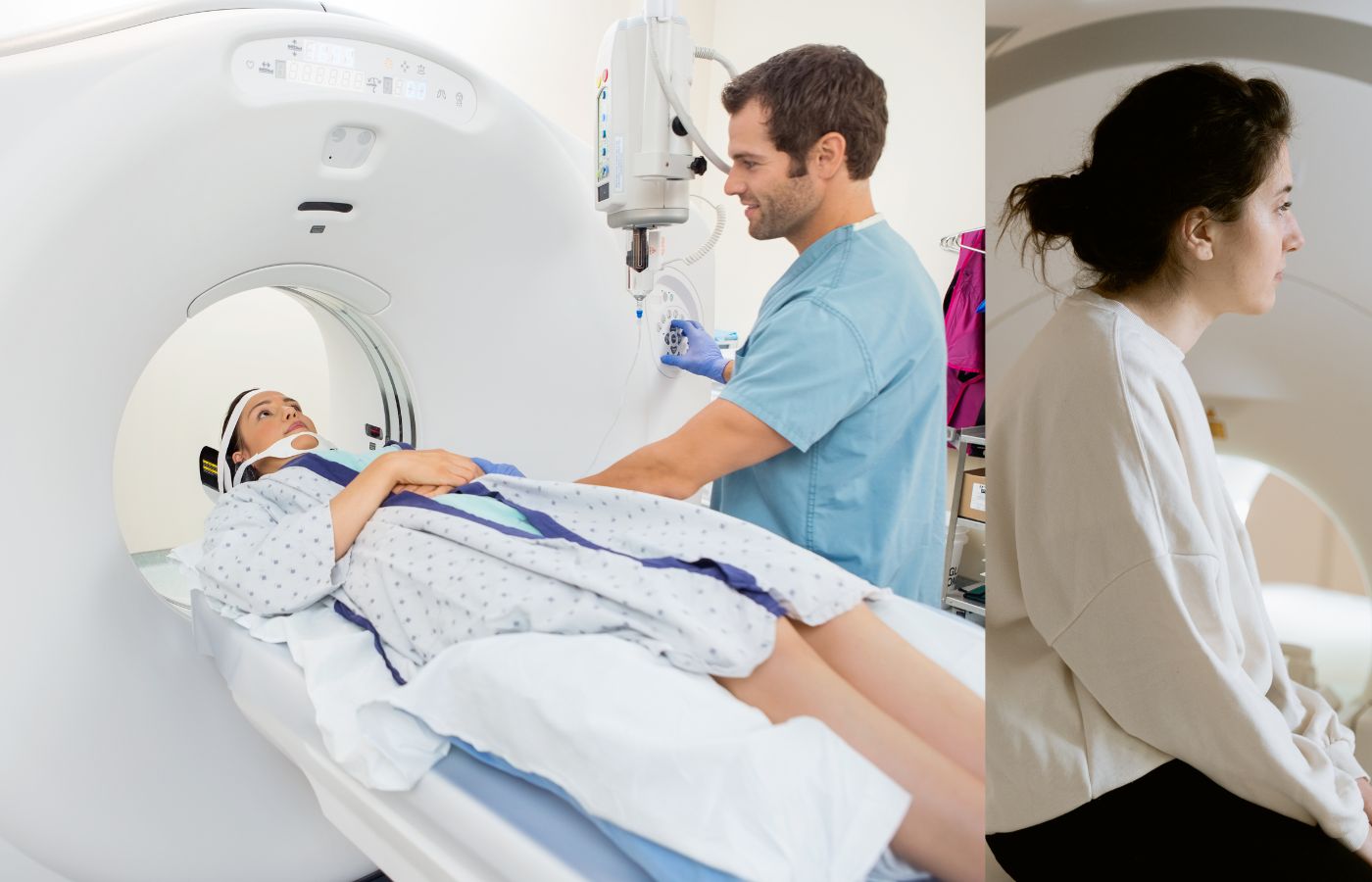
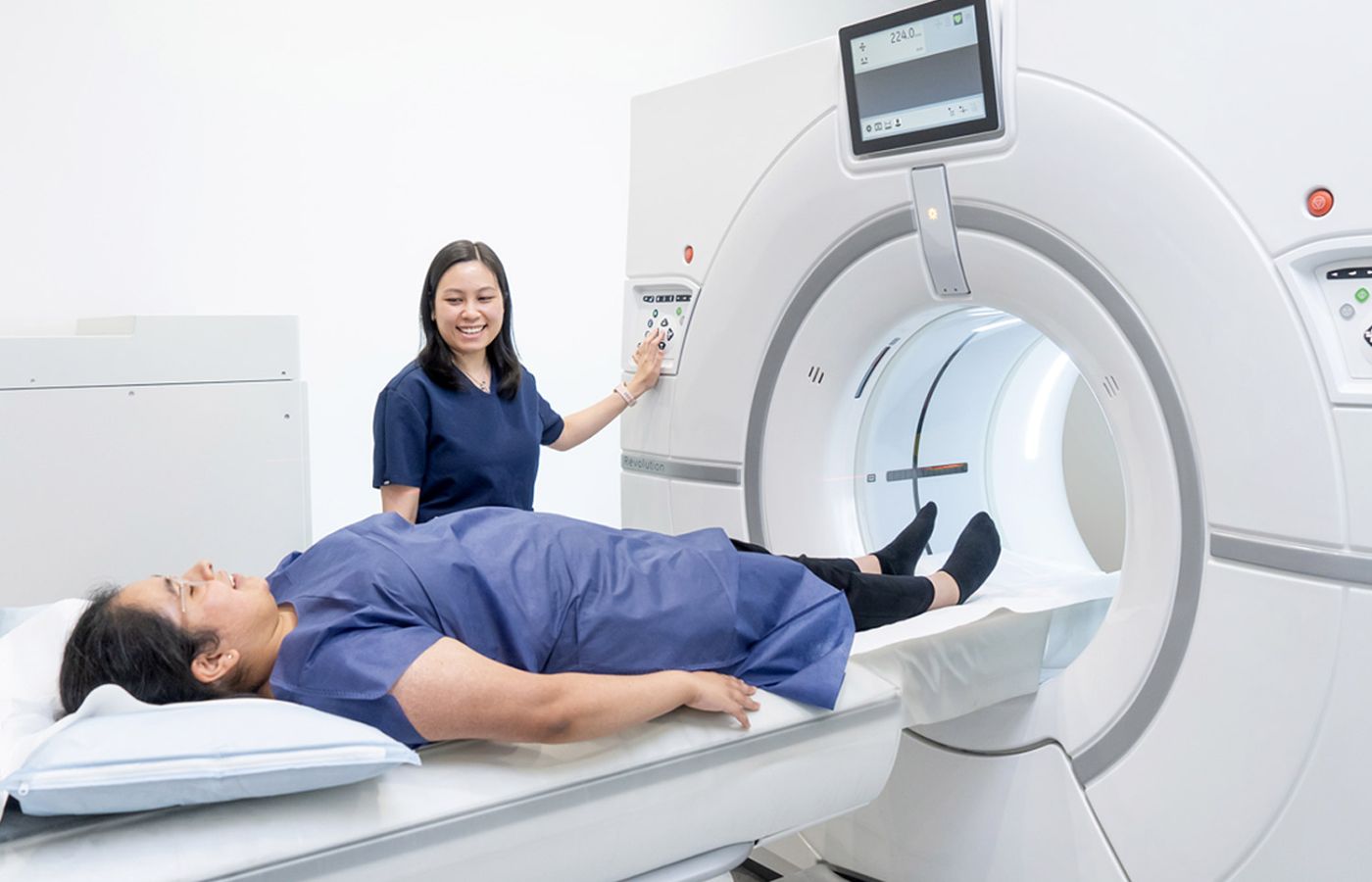
.jpg "The Future of 3D CT Imaging")