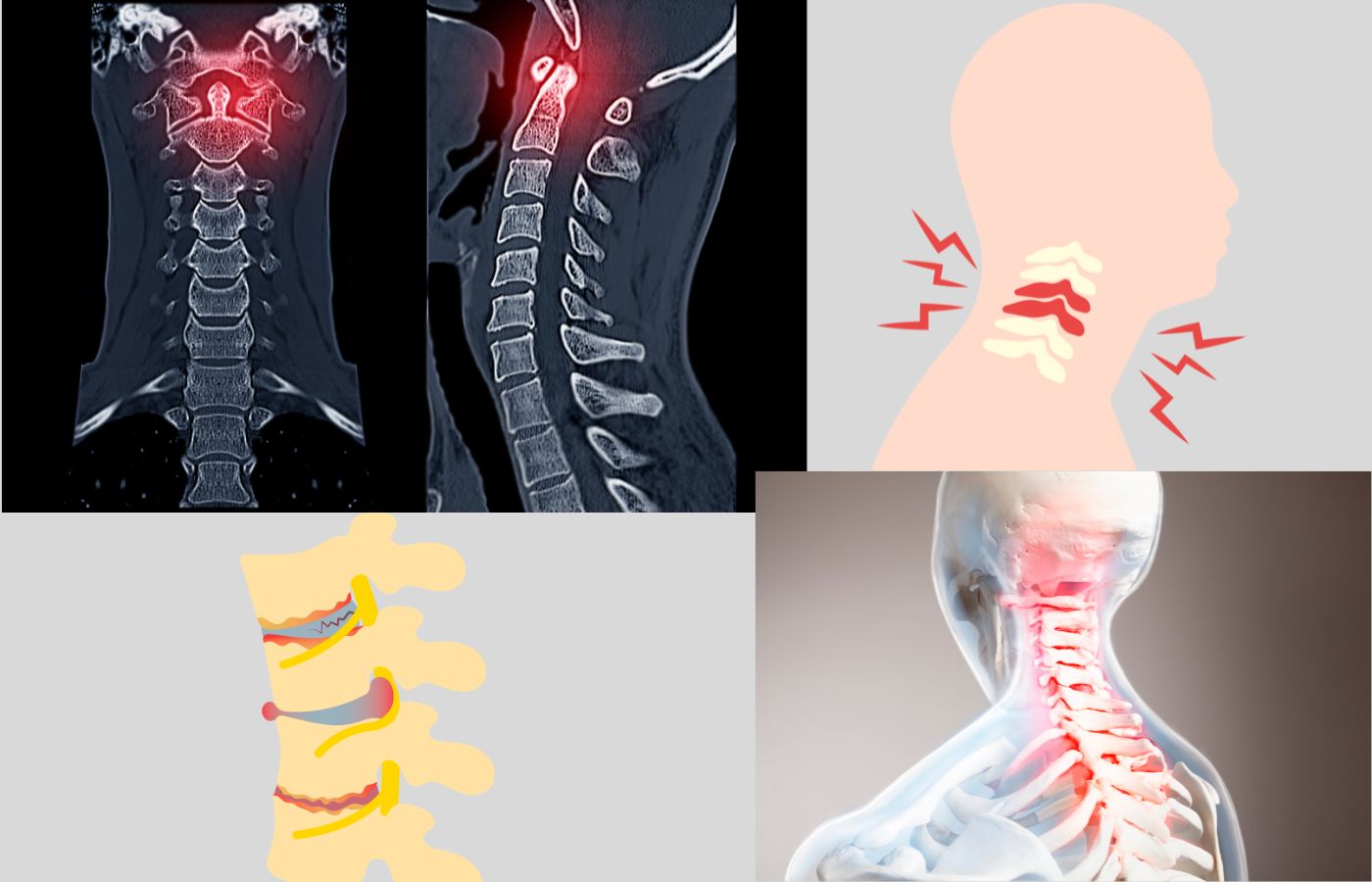
When it comes to diagnosing eye socket injuries, infections, tumors, or vision-related concerns, doctors often recommend a CT Orbit with Contrast. At Diagnopein Mumbai, we ensure accurate imaging with advanced technology and patient comfort.
In this guide, we explain the step-by-step process of CT Orbit with contrast, along with benefits, comparison, costing, and comfort factors to help you make an informed decision.
Before understanding the CT orbit procedure, it’s important to know what is a CT scan.
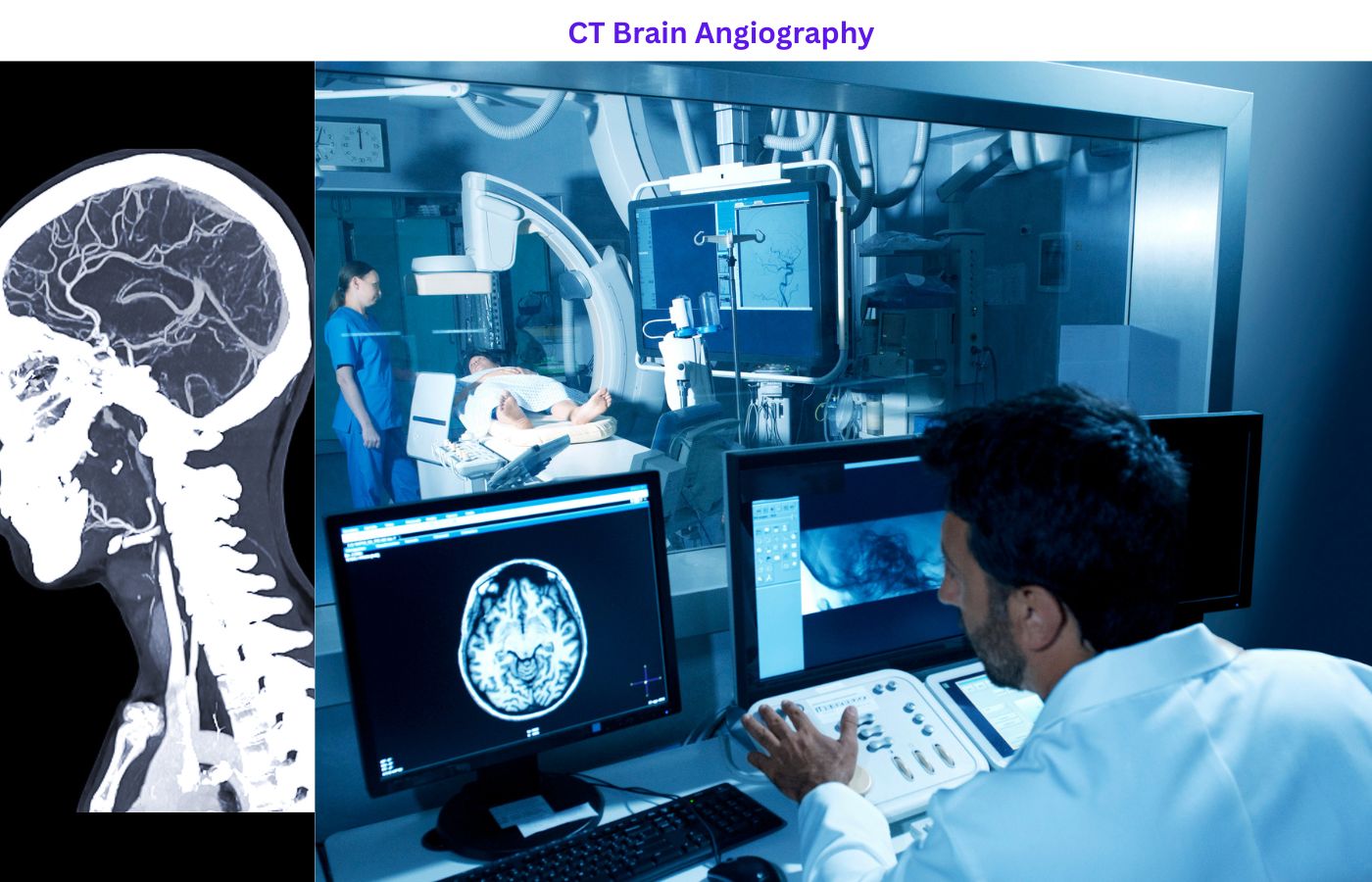
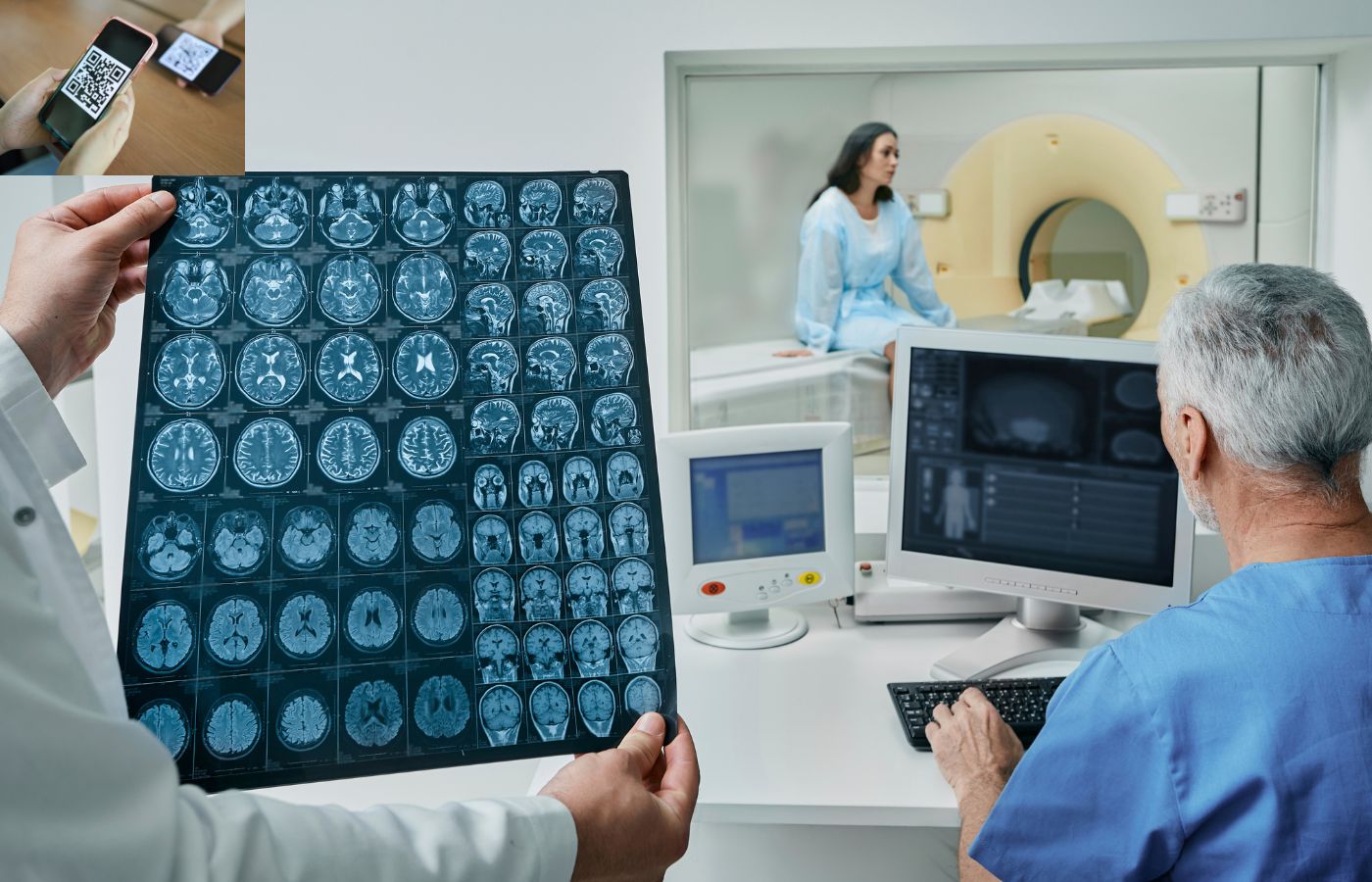
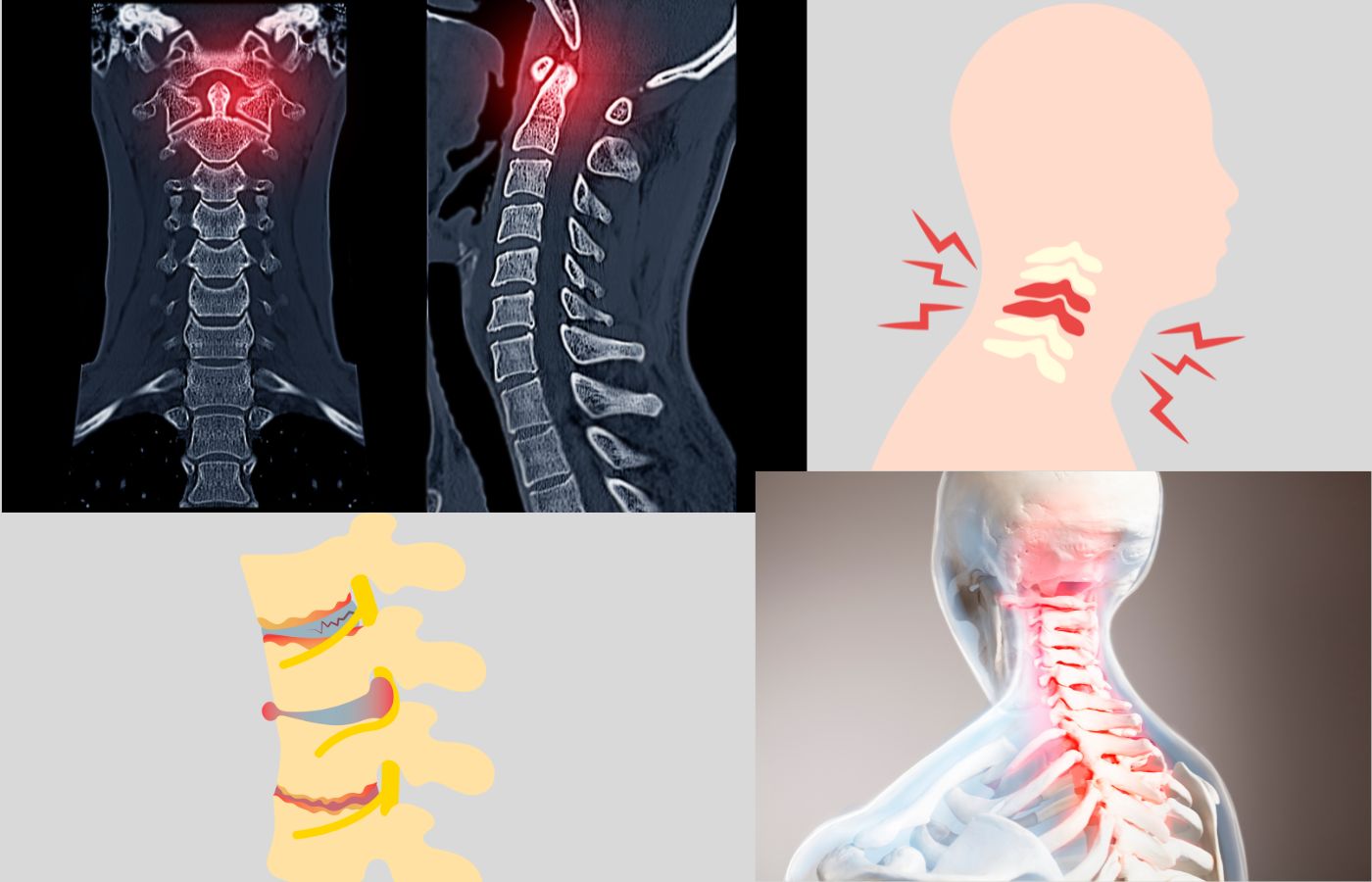
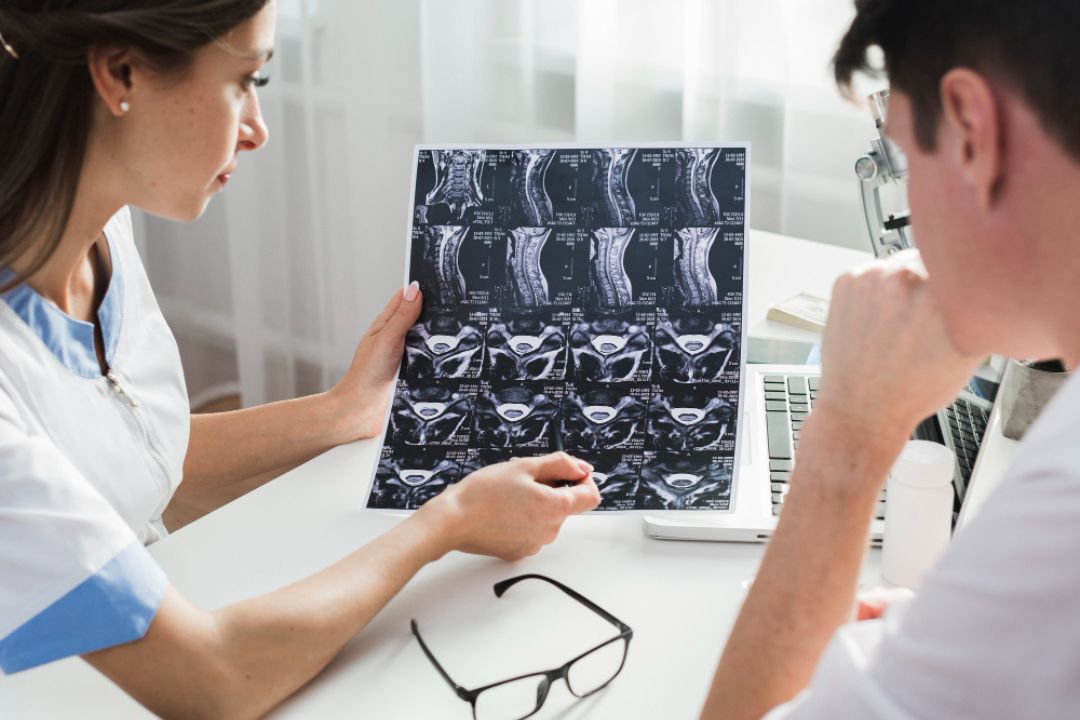
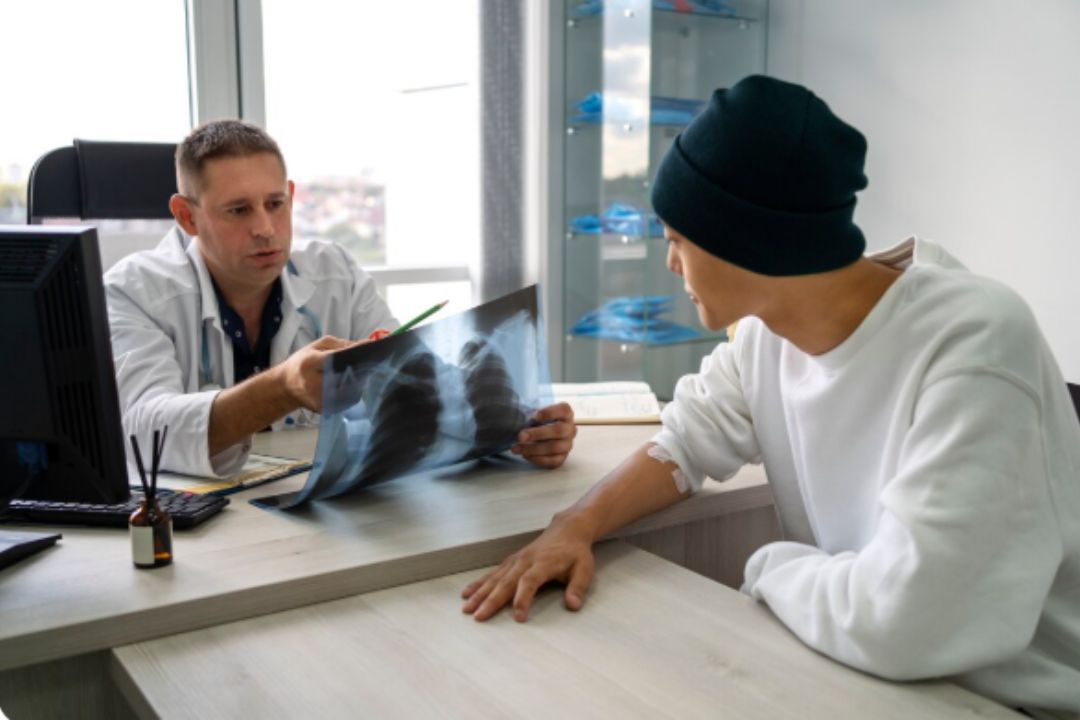
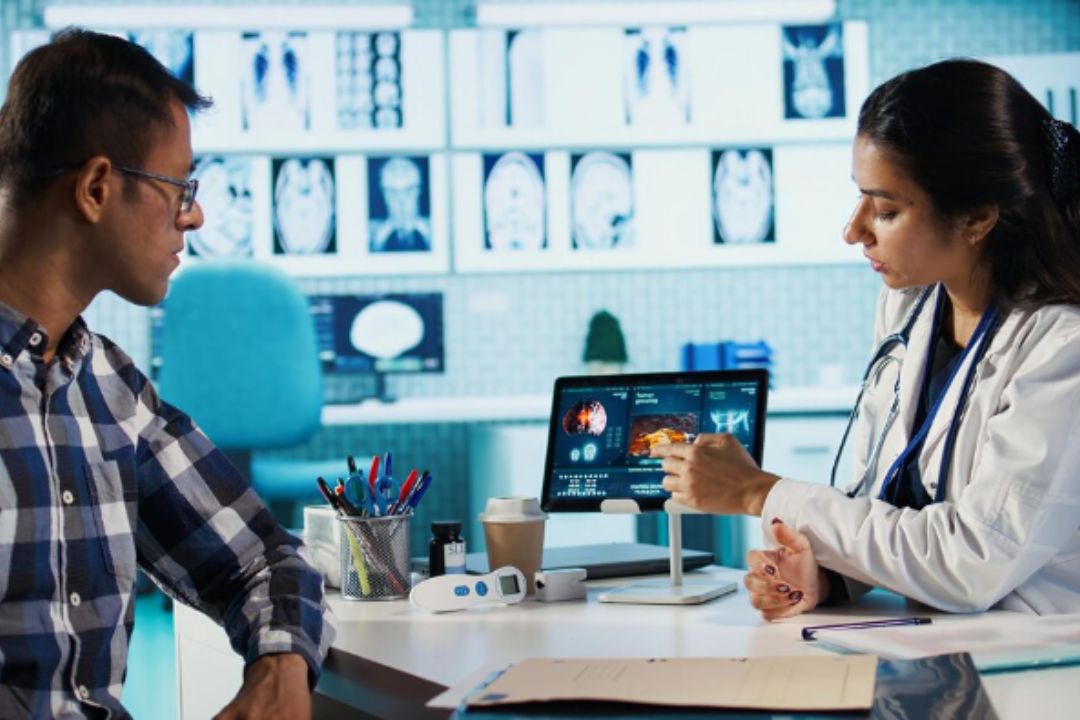
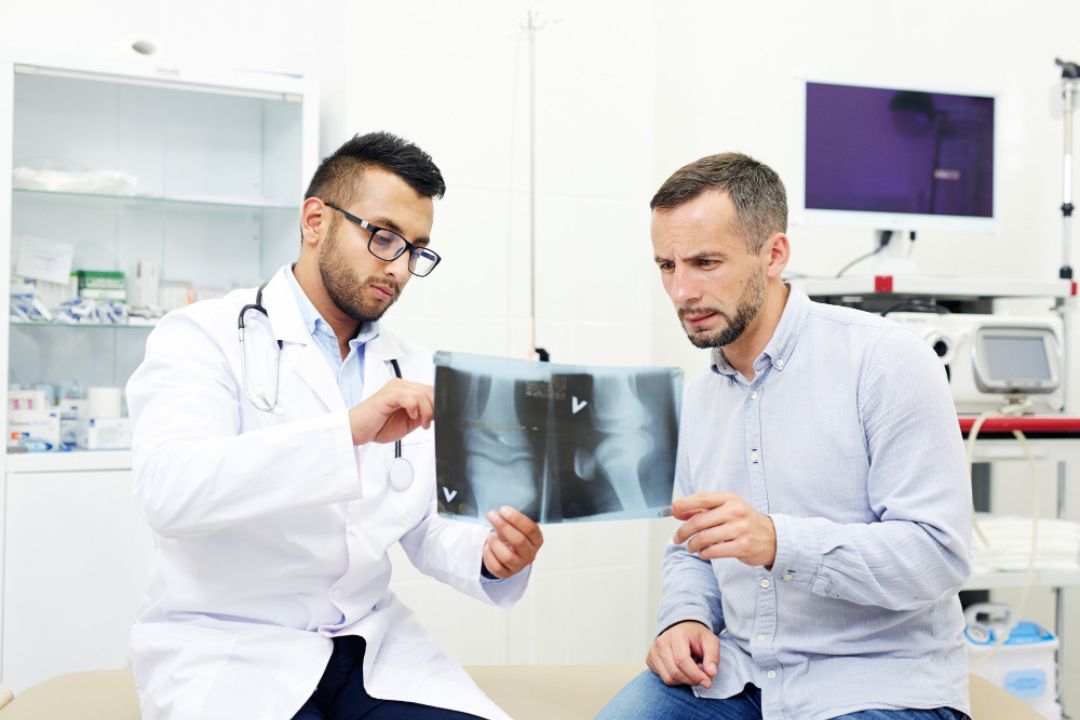
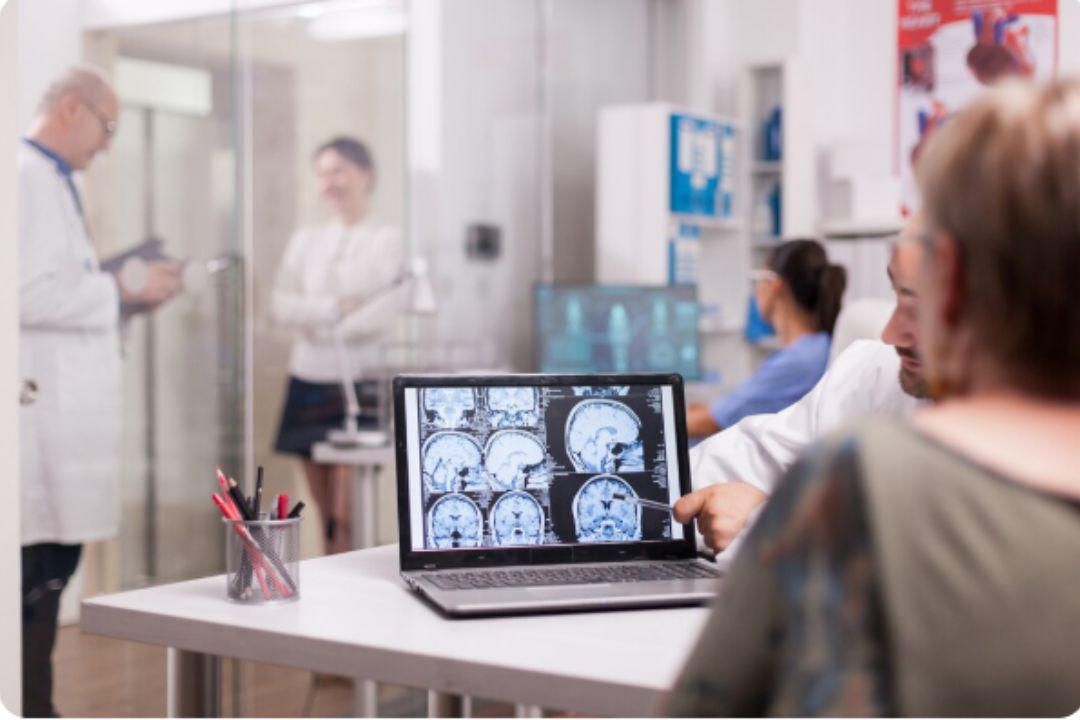
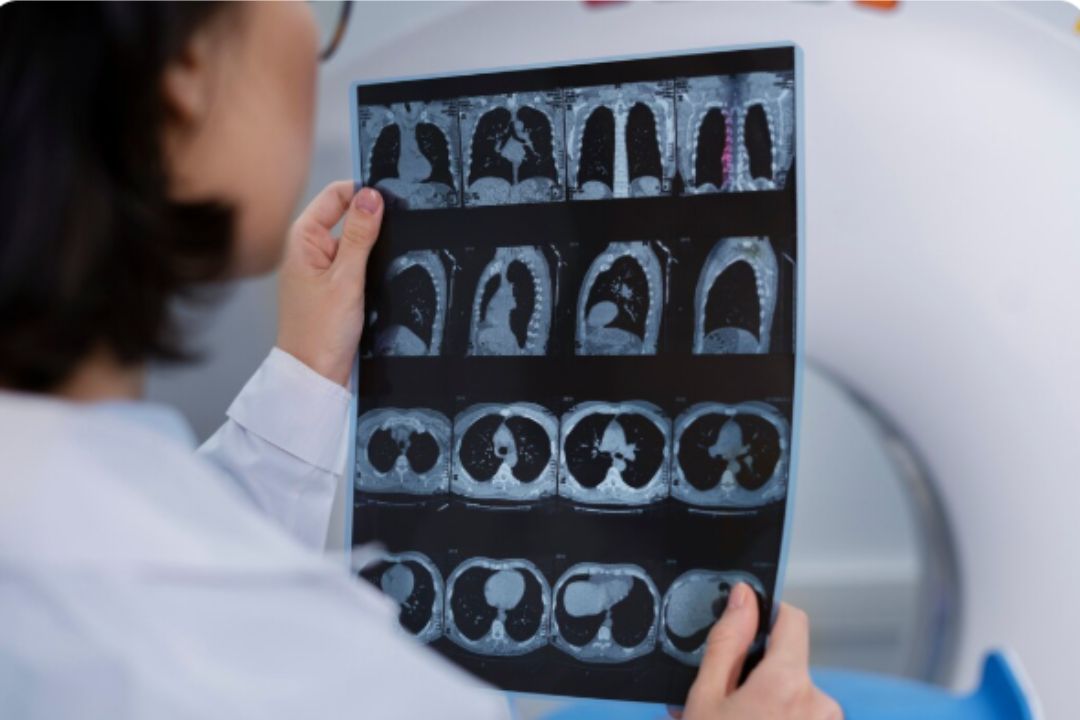
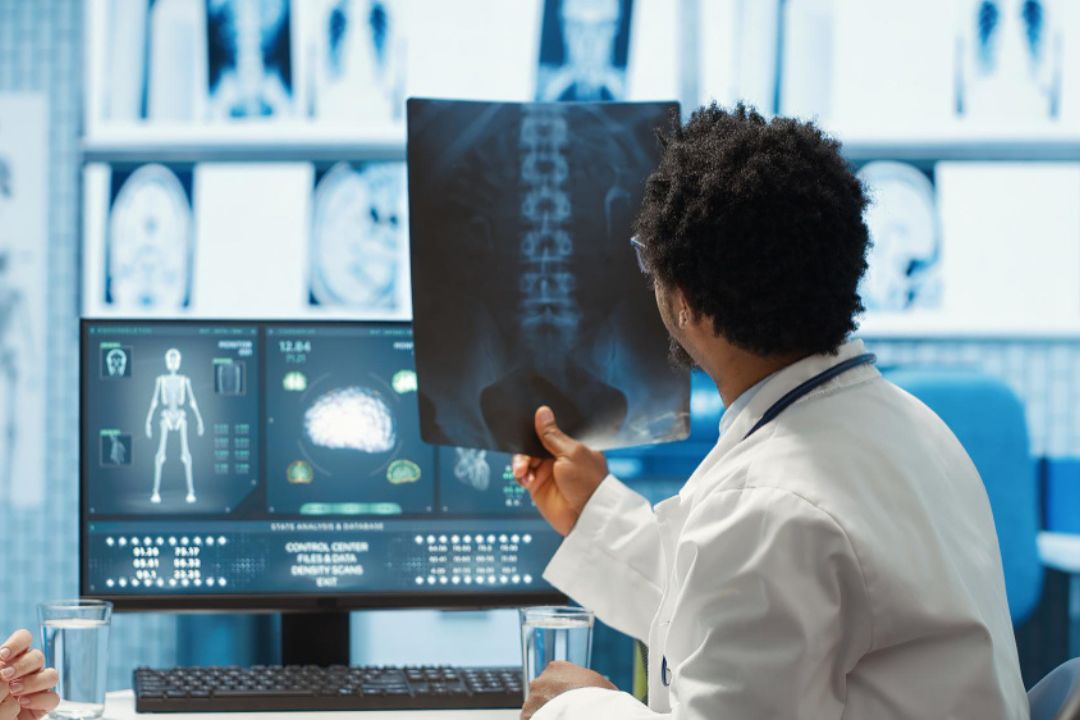
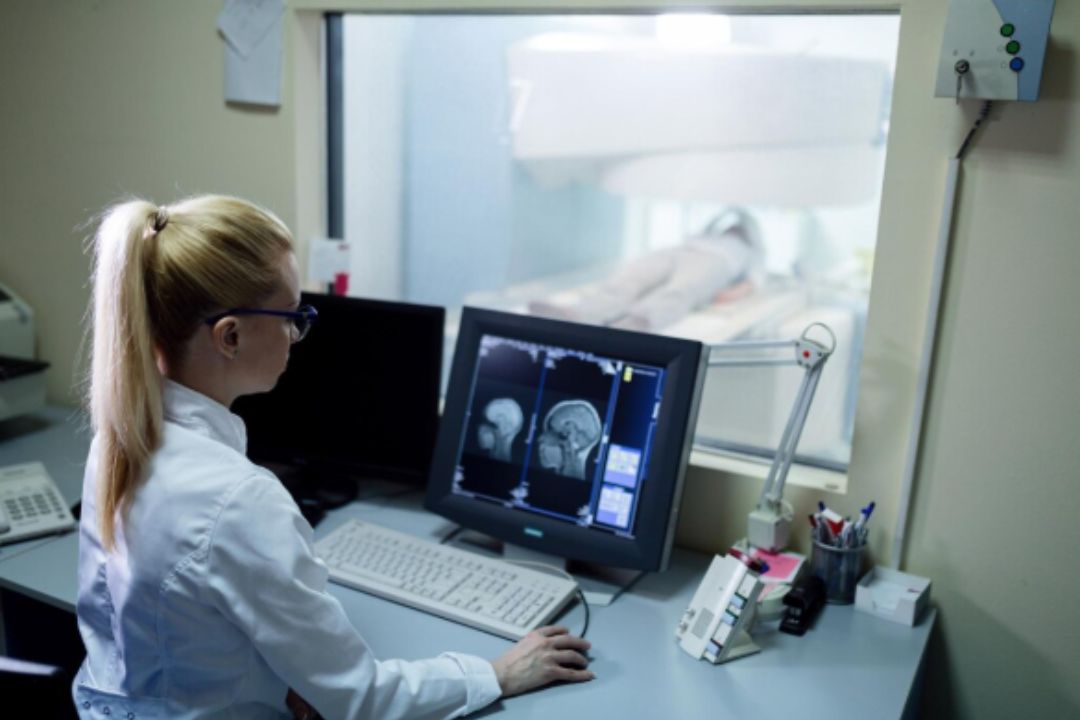
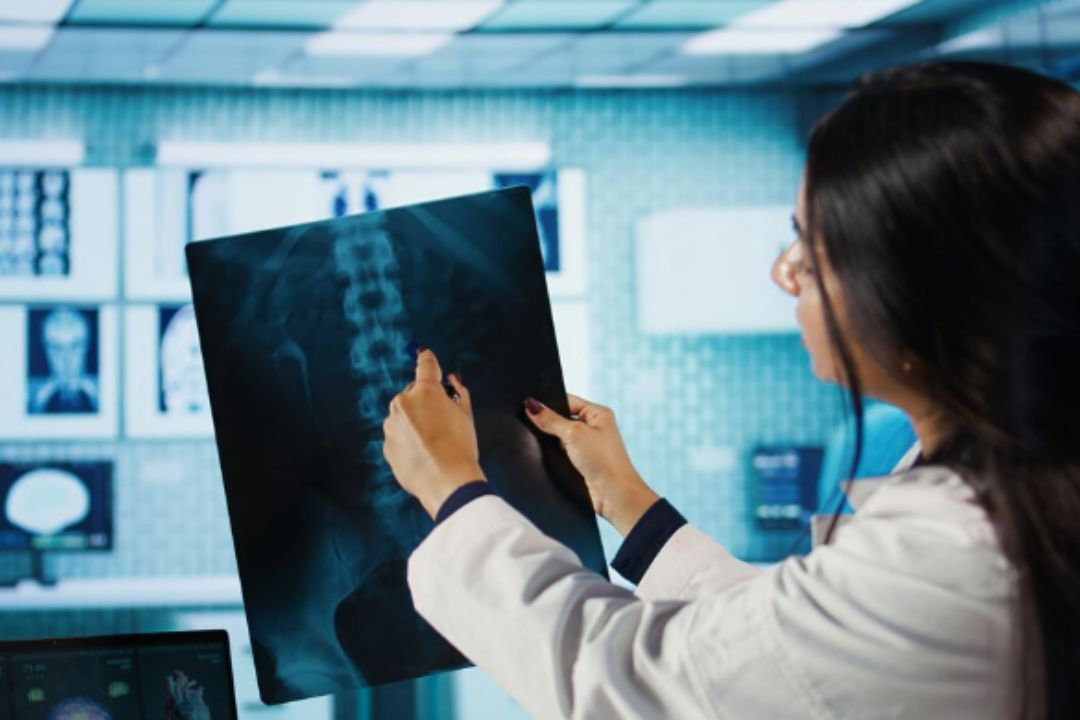
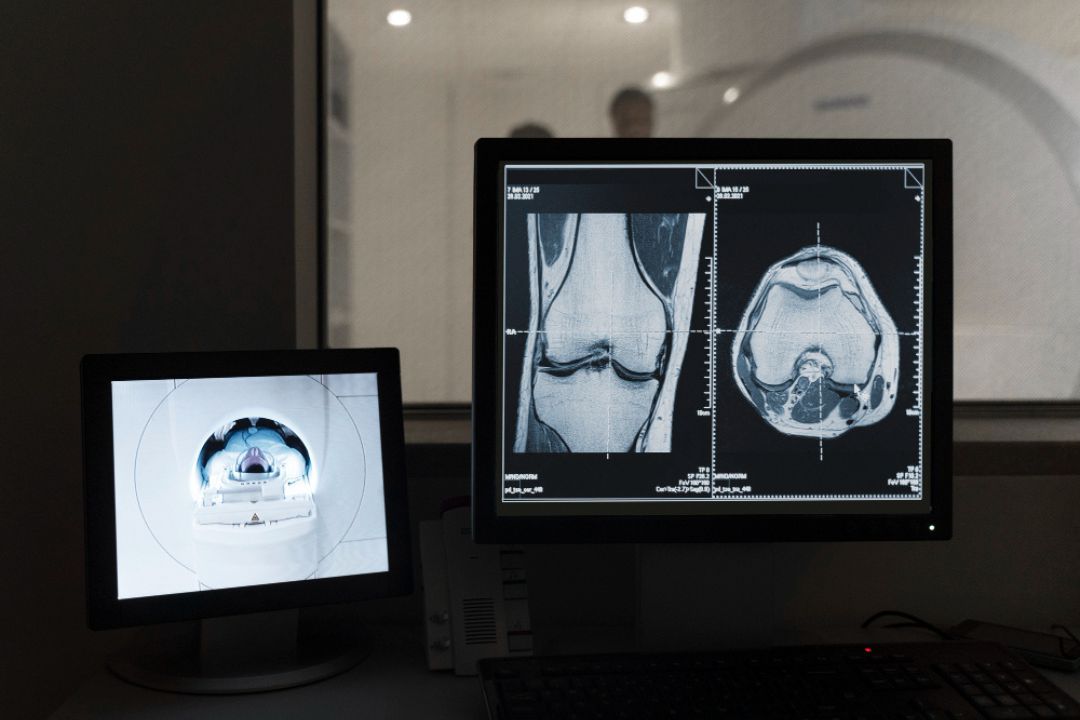
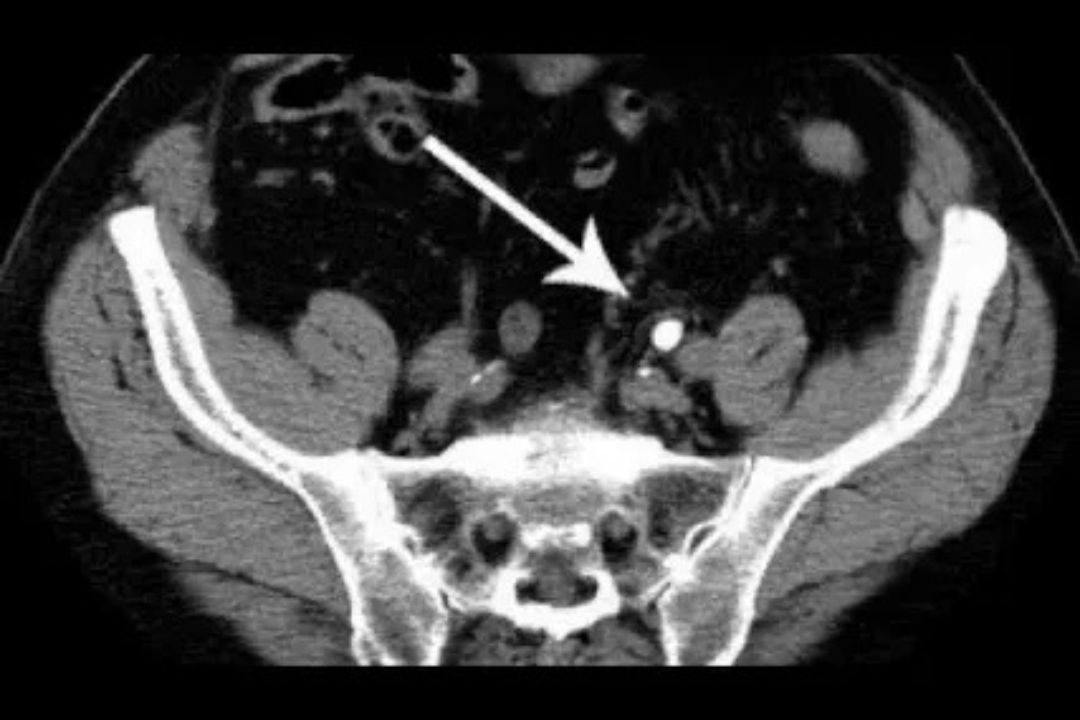
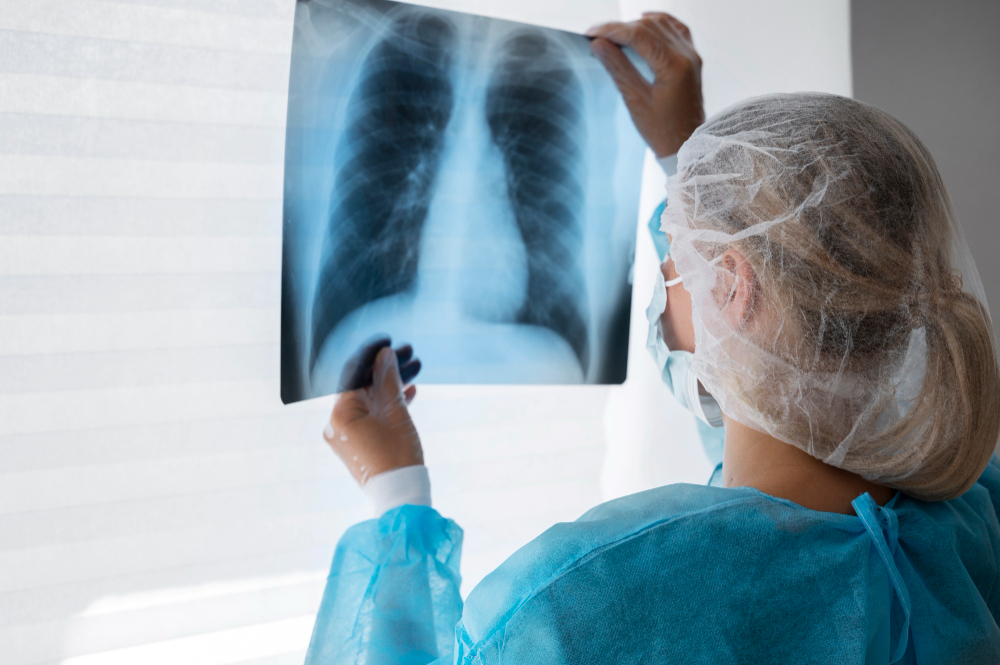
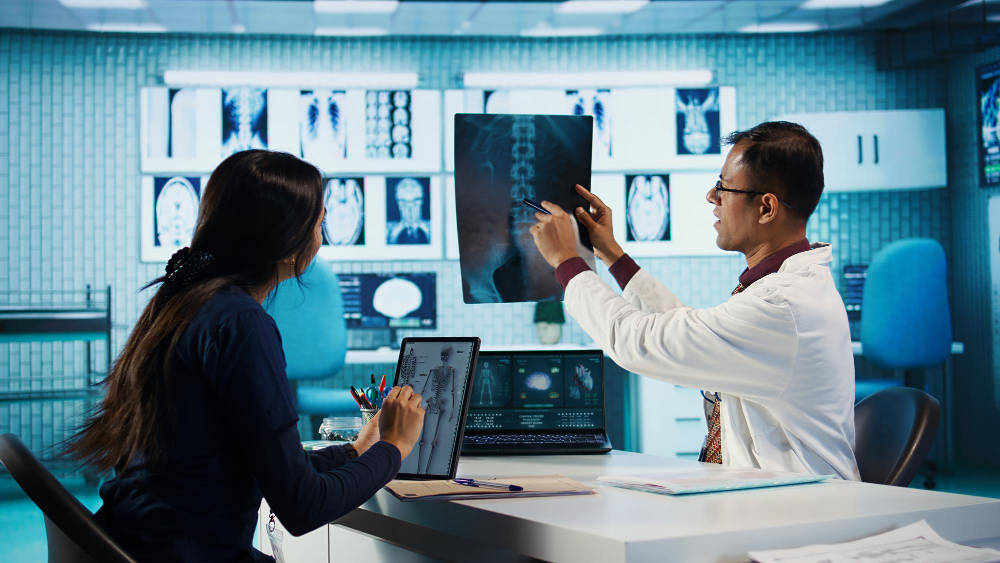
A CT scan (Computed Tomography scan) is a diagnostic imaging test that uses X-rays and computer technology to create detailed cross-sectional images of the body. It helps doctors view bones, soft tissues, blood vessels, and organs with high clarity.
A CT scan is commonly used for:
Trauma and fractures
Tumor detection
Infections
Inflammatory conditions
Internal bleeding
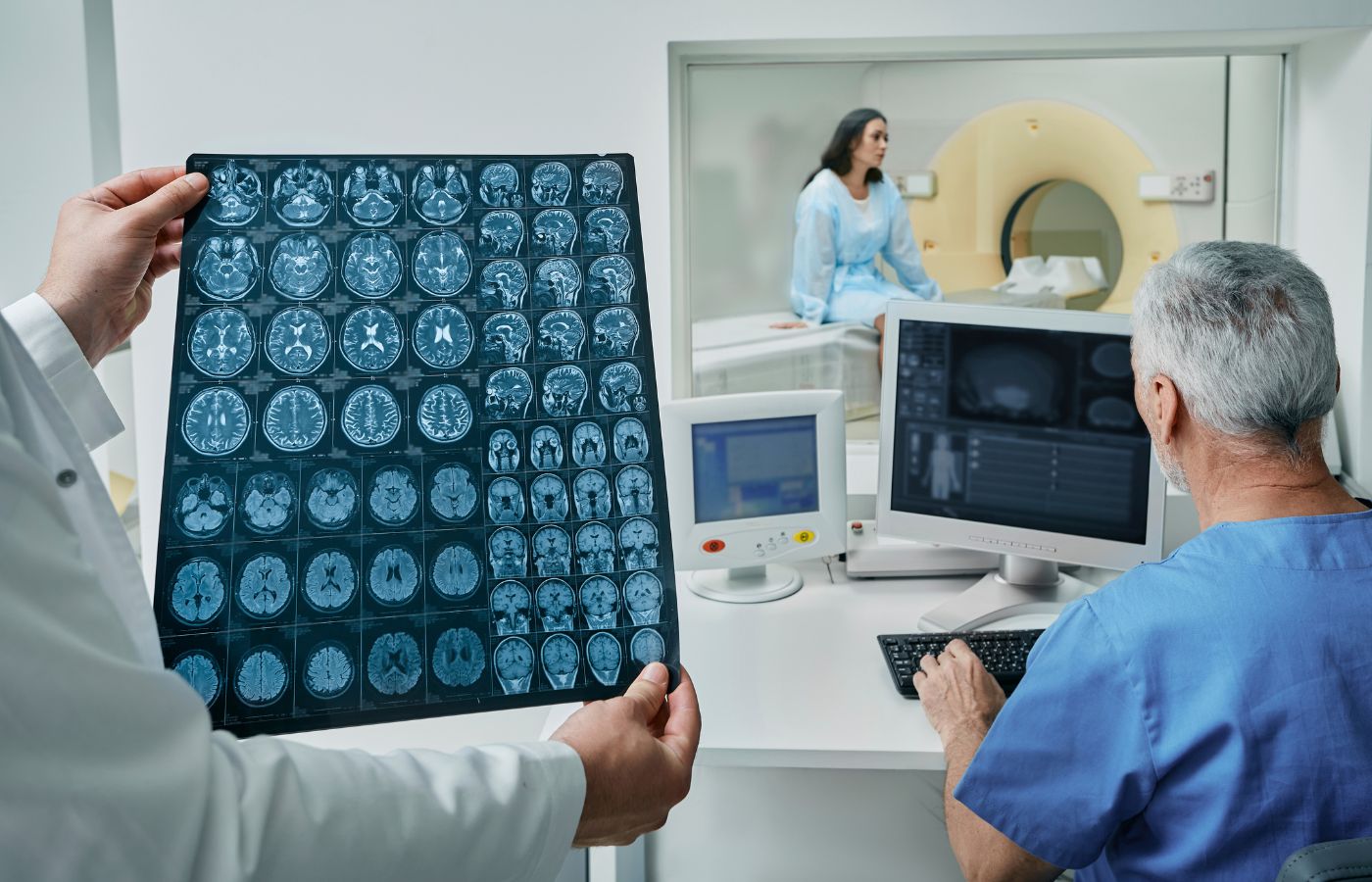
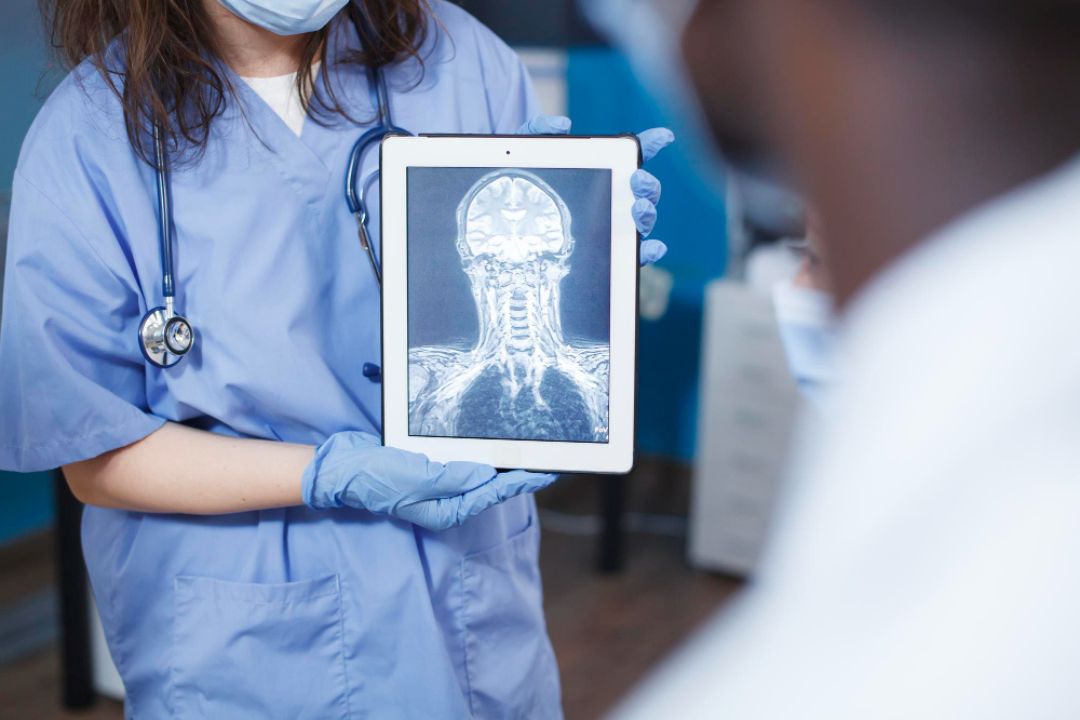
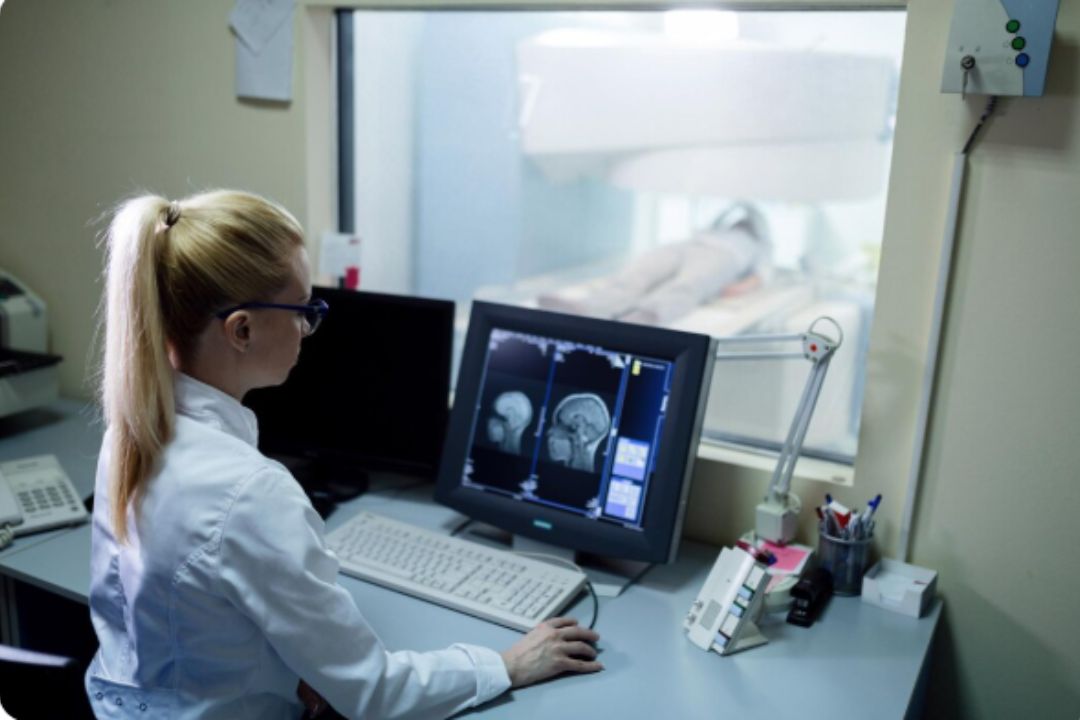
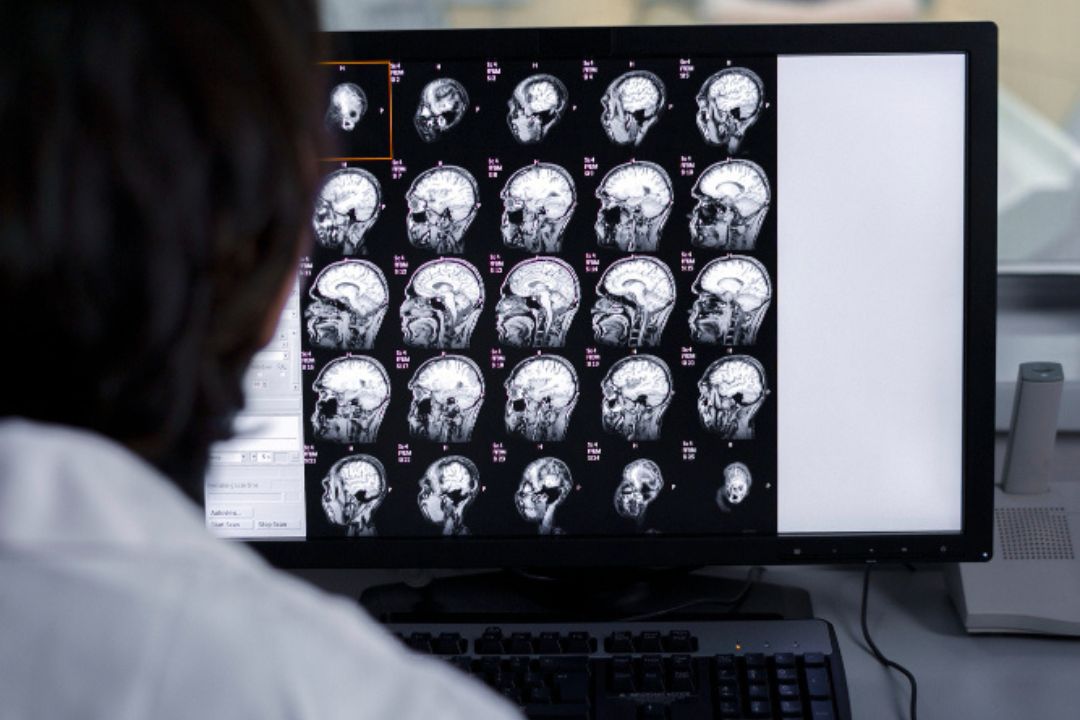
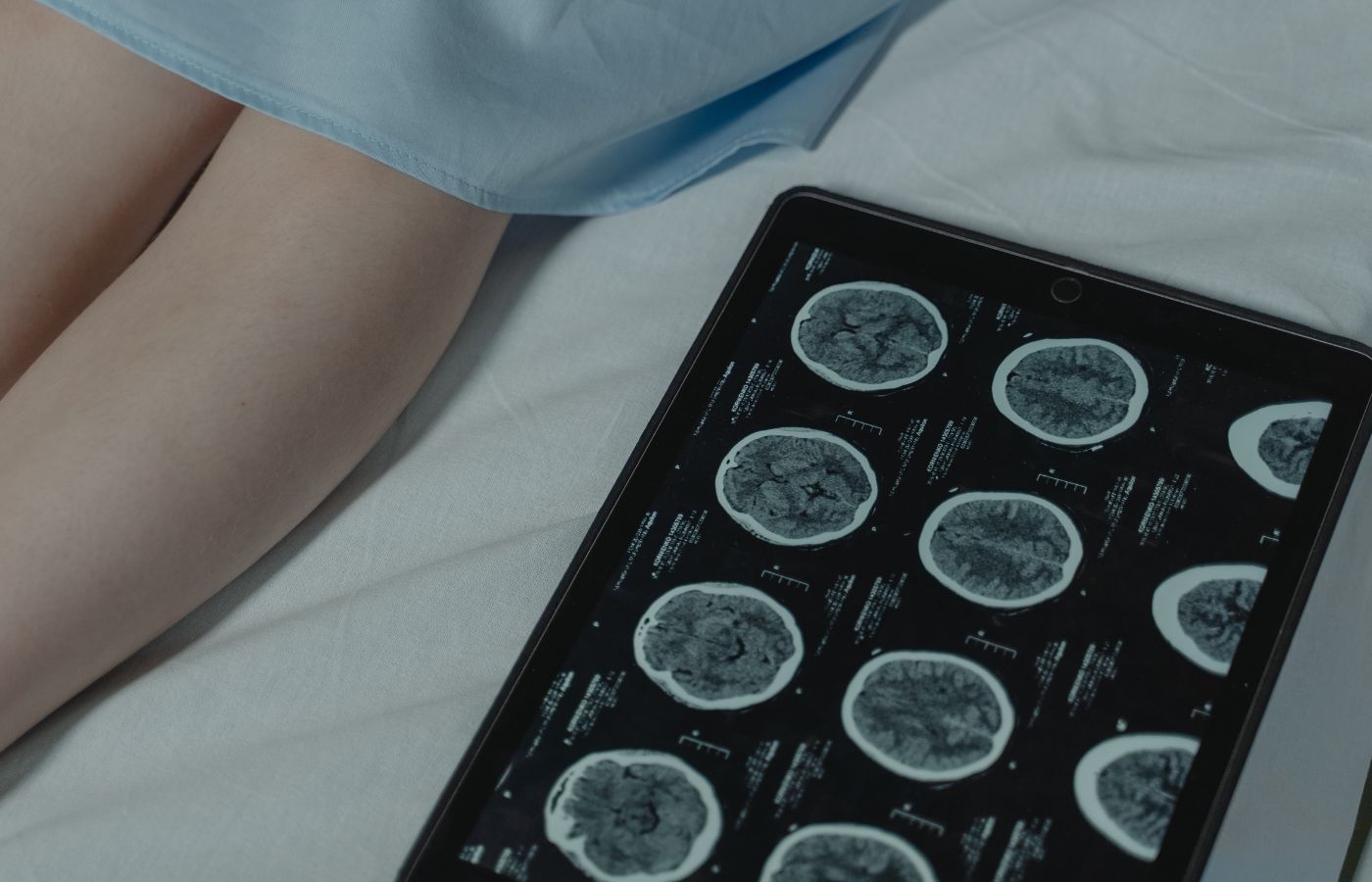
For eye-related issues, a CT Orbit scan focuses specifically on the eye sockets (orbits), optic nerves, muscles, and surrounding bones.
A CT scan with contrast involves injecting a special dye (contrast material) into your bloodstream. This dye highlights blood vessels and soft tissues, making abnormalities more visible.
Doctors recommend a CT scan with contrast when they need:
Better tumor detection
Clear identification of infections
Vascular abnormality assessment
Detailed soft tissue evaluation
Without contrast, some subtle abnormalities may not be clearly visible.
Here’s how the procedure is typically performed at Diagnopein Mumbai:
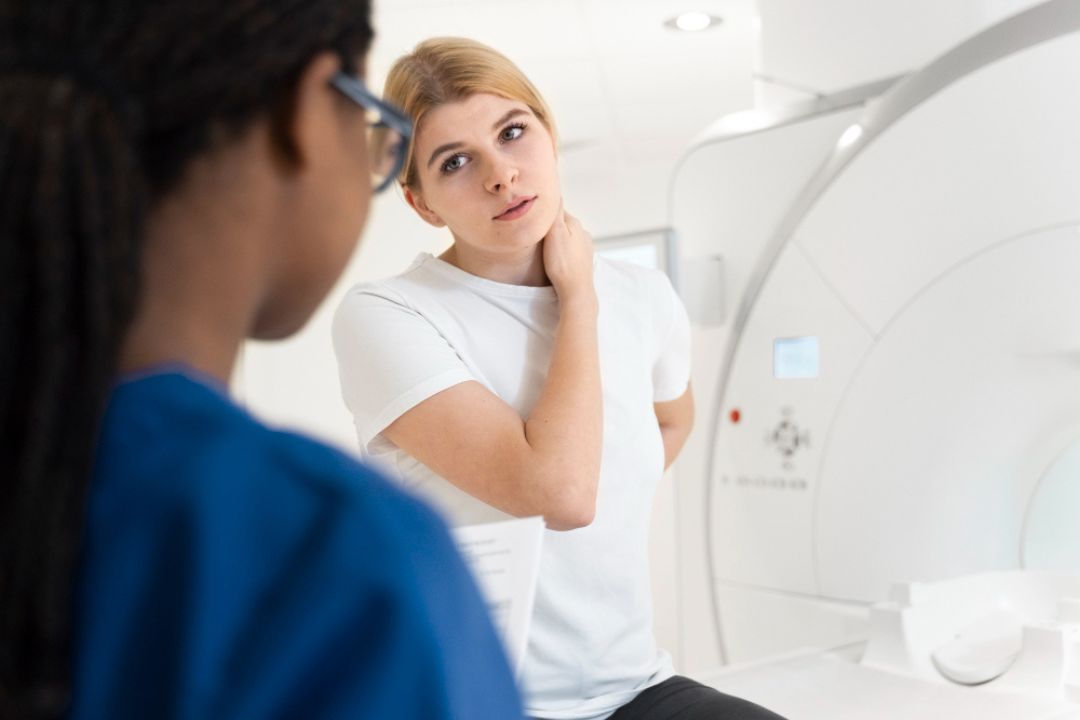
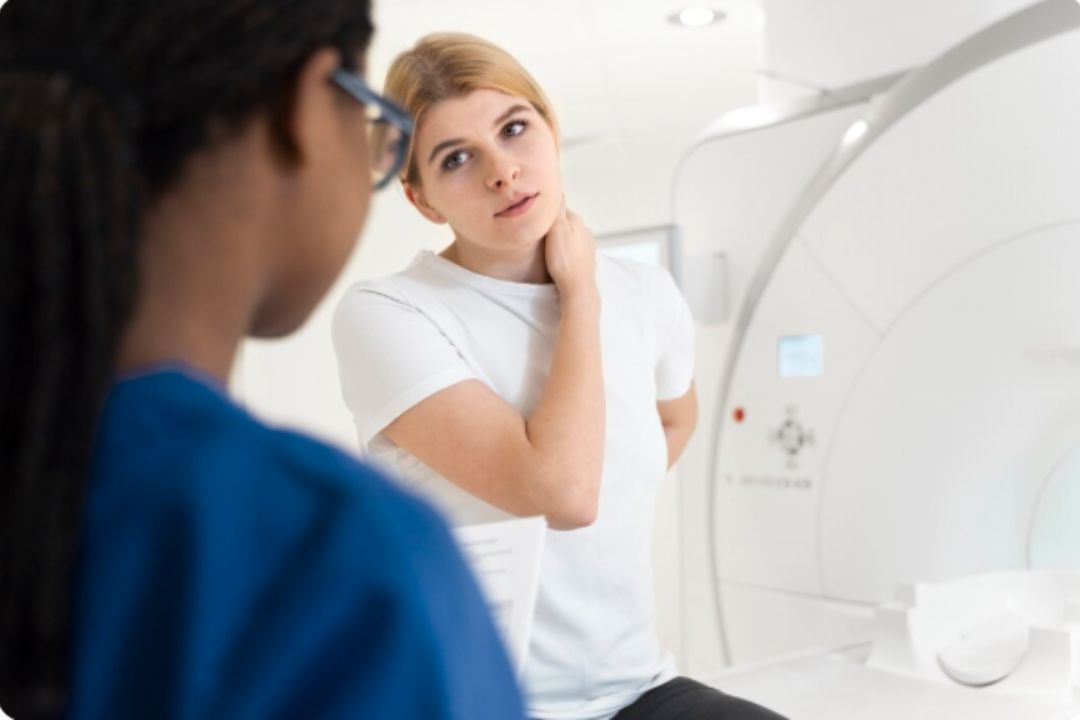
Your ophthalmologist or physician recommends a CT Orbit with contrast based on symptoms like swelling, pain, double vision, trauma, or suspected tumors.
Before the scan:
Medical history is reviewed
Allergies (especially iodine allergy) are checked
Kidney function tests may be required
You may be advised to fast for 4–6 hours
At the diagnostic center:
You fill consent forms
Remove metal objects (glasses, jewelry)
Change into a hospital gown if required
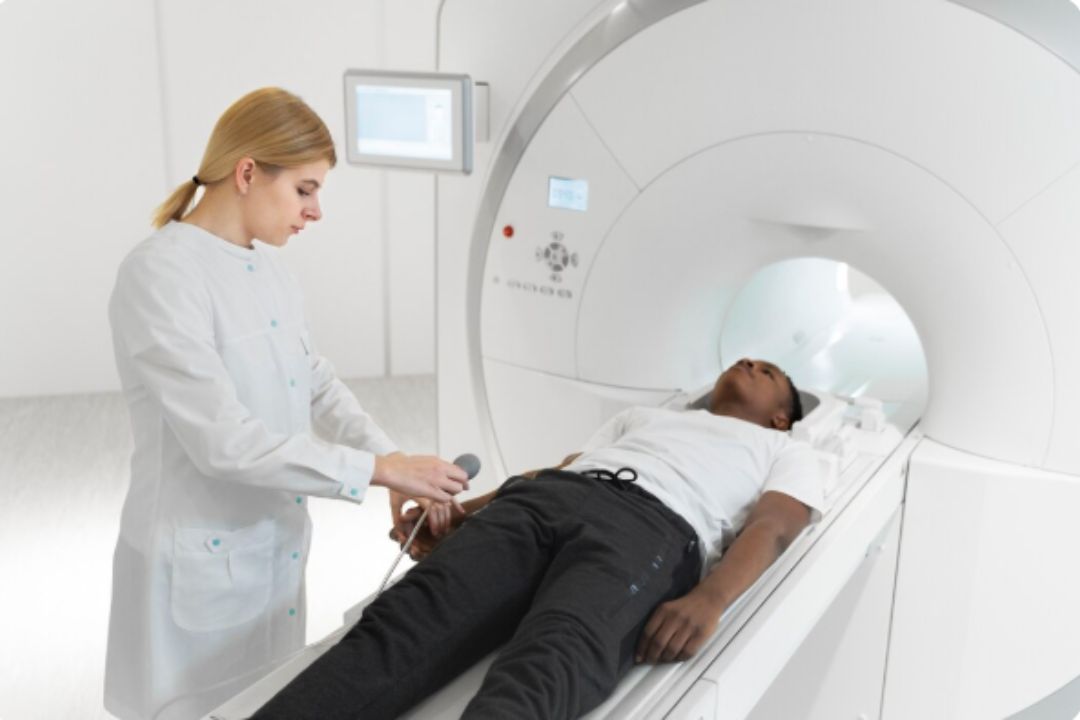
A small IV line is placed in your arm. The contrast dye is injected during the scan. You may feel:
A warm sensation
Mild metallic taste
Slight flushing (temporary)
These sensations are normal and disappear quickly.
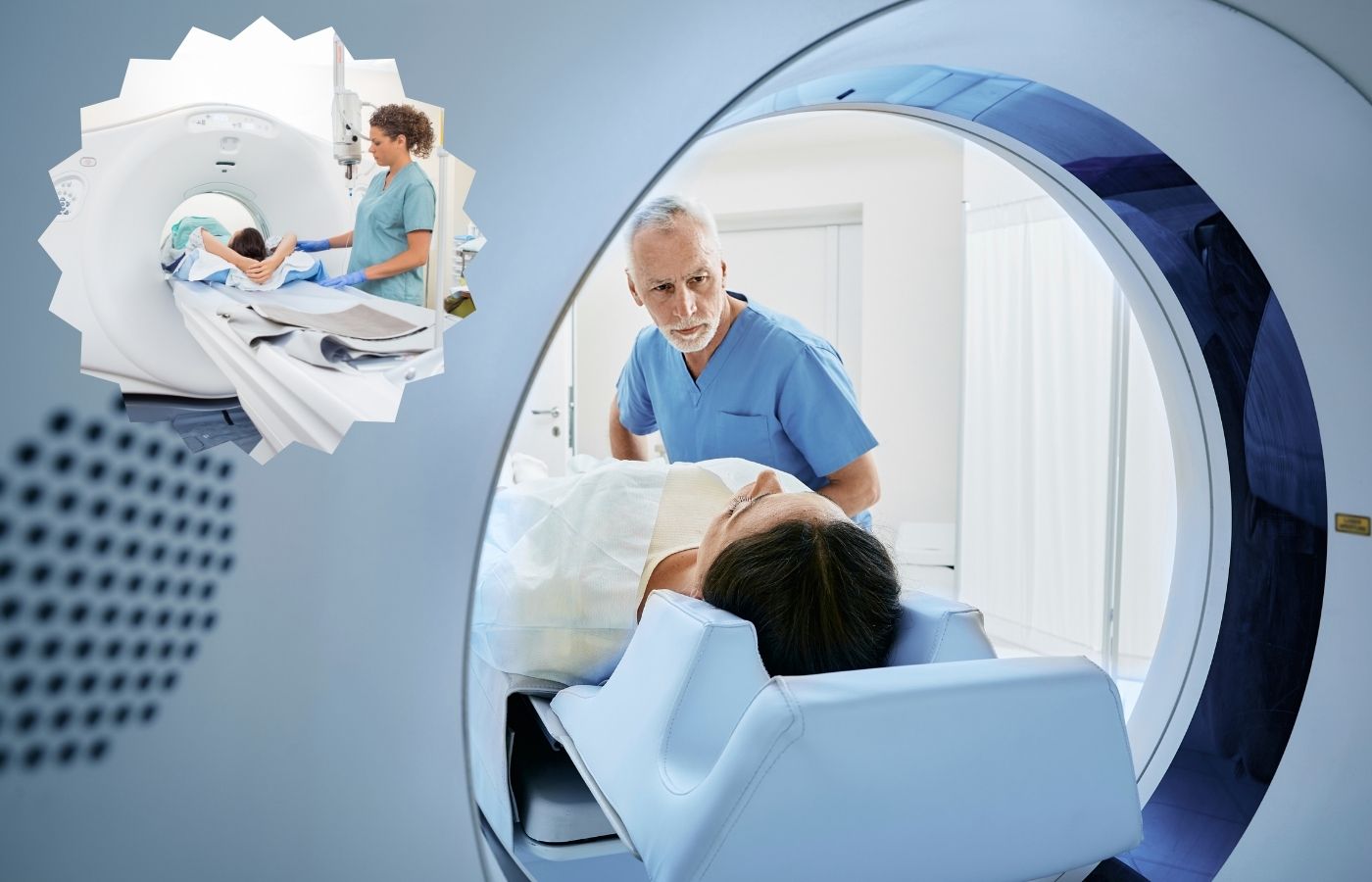
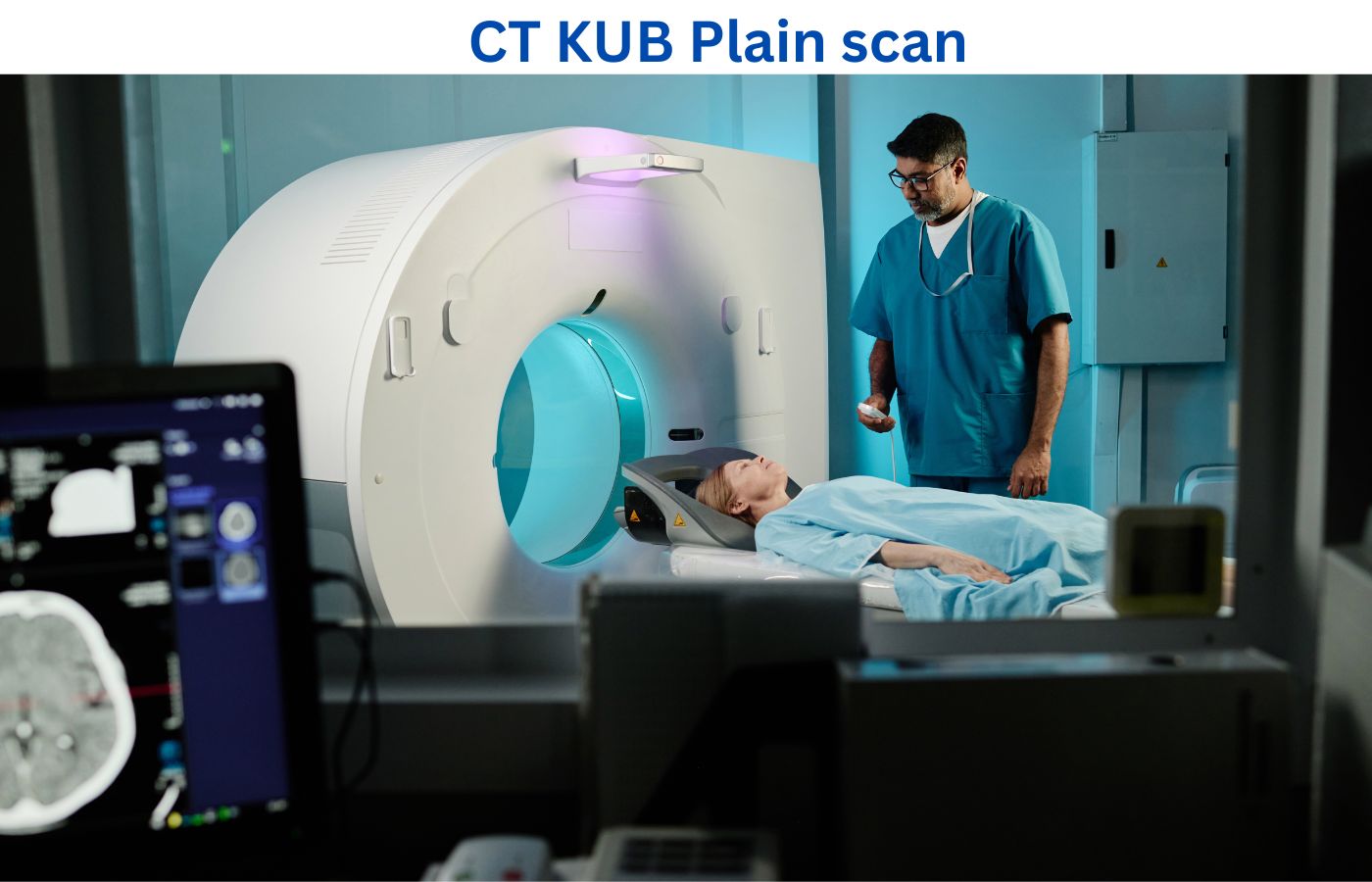
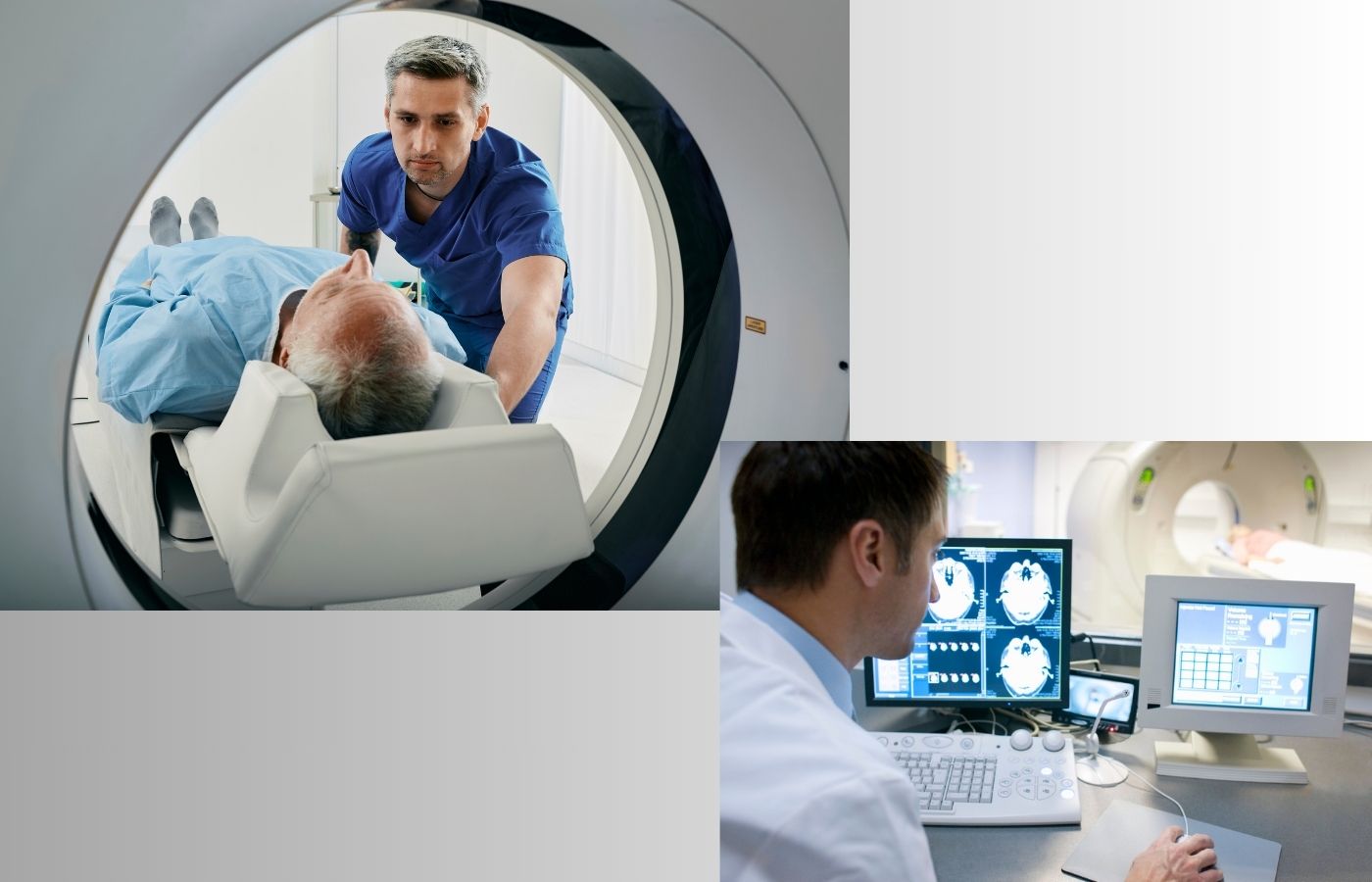
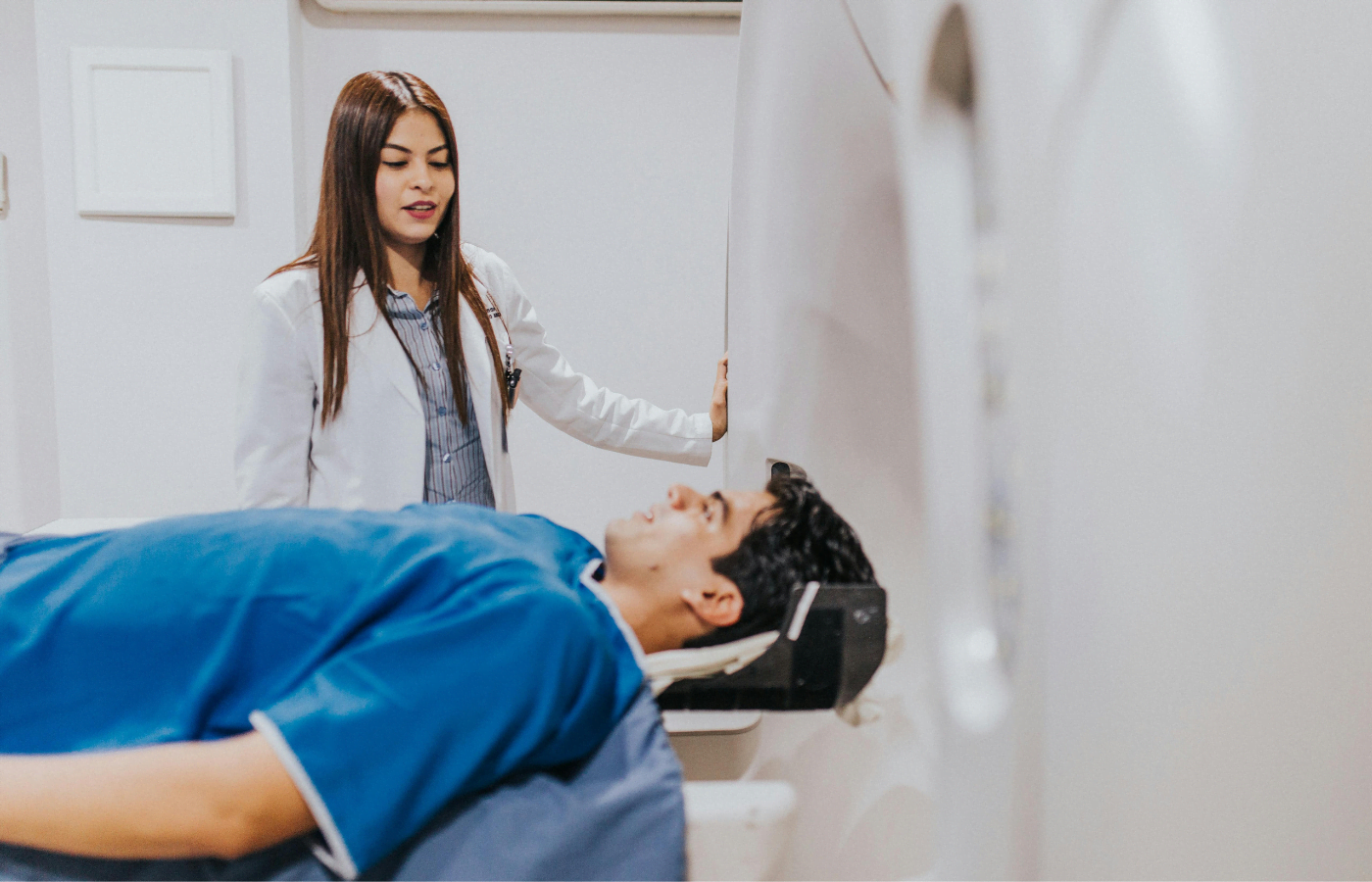
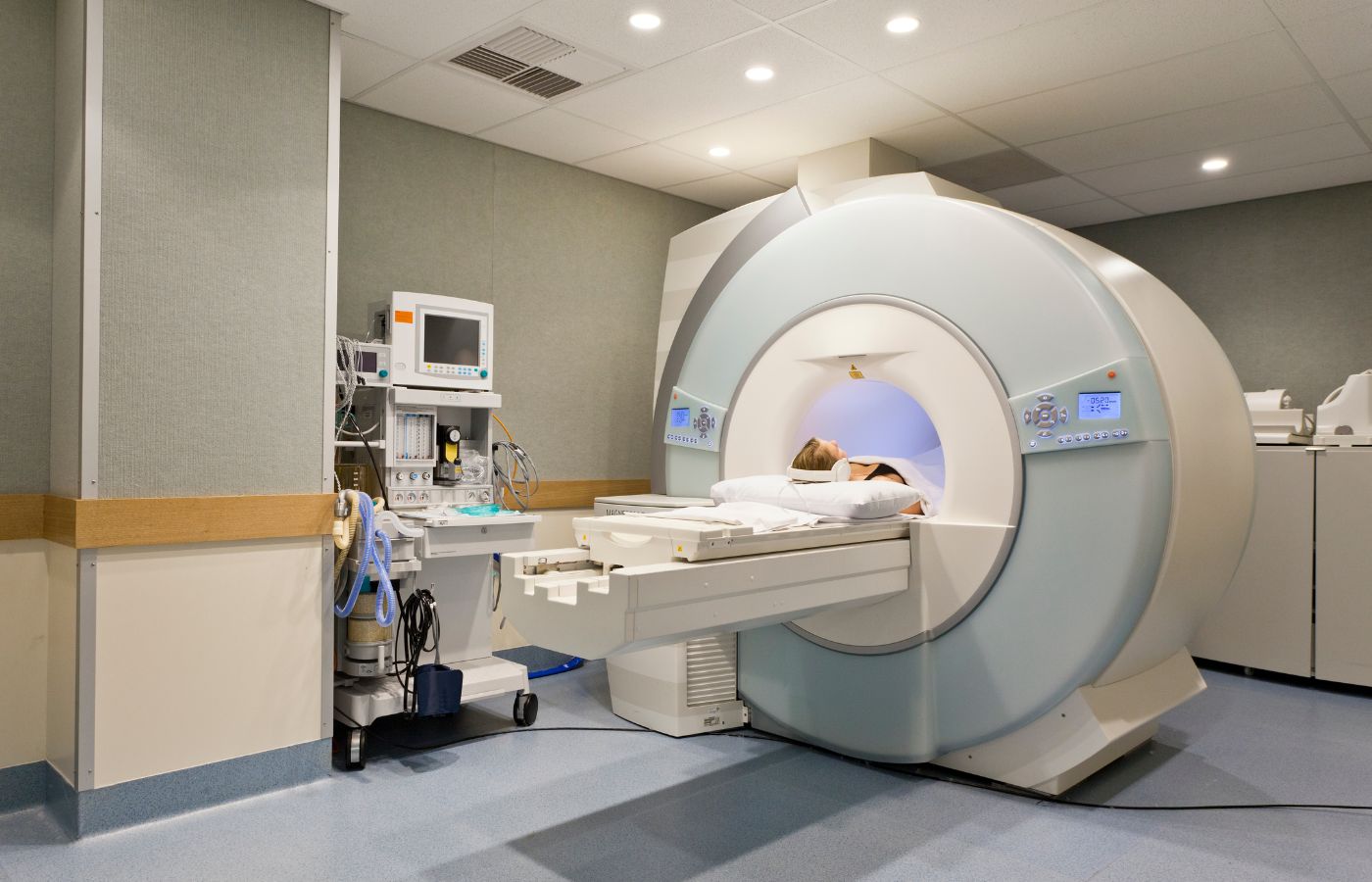
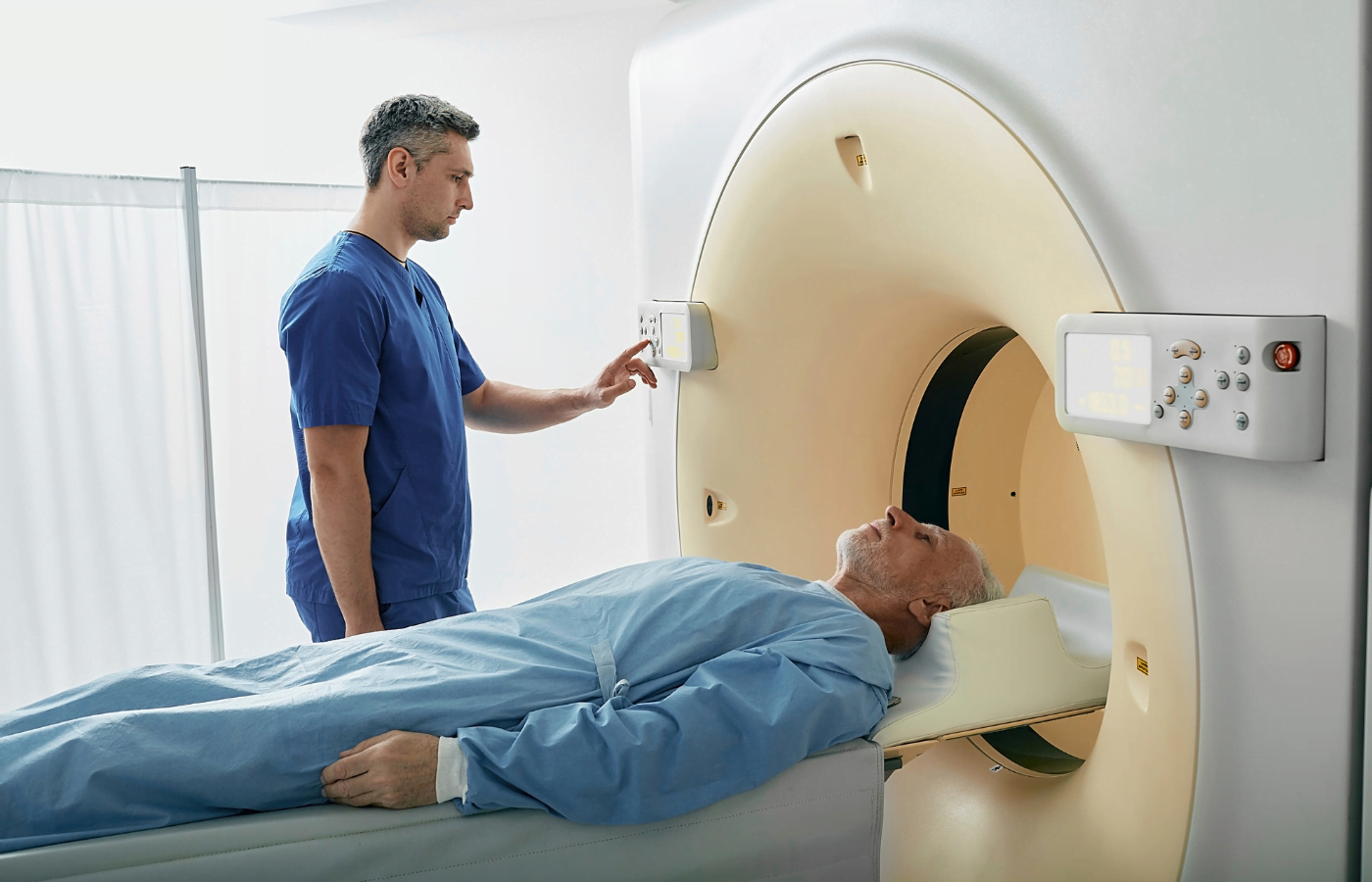
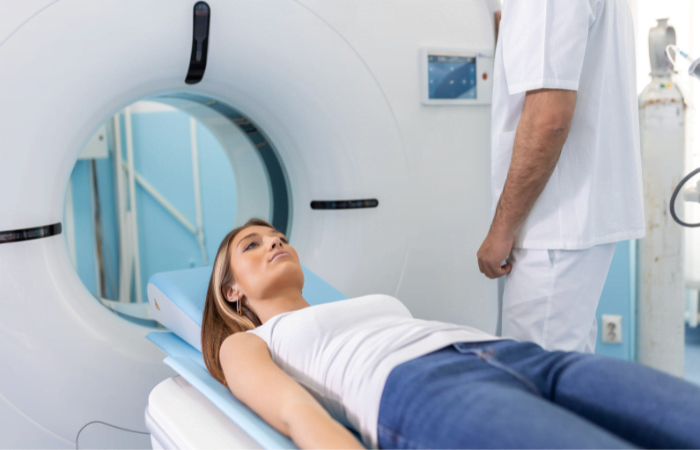
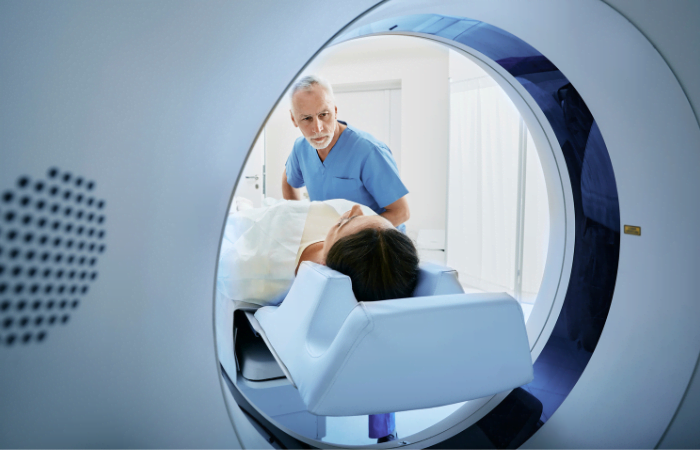
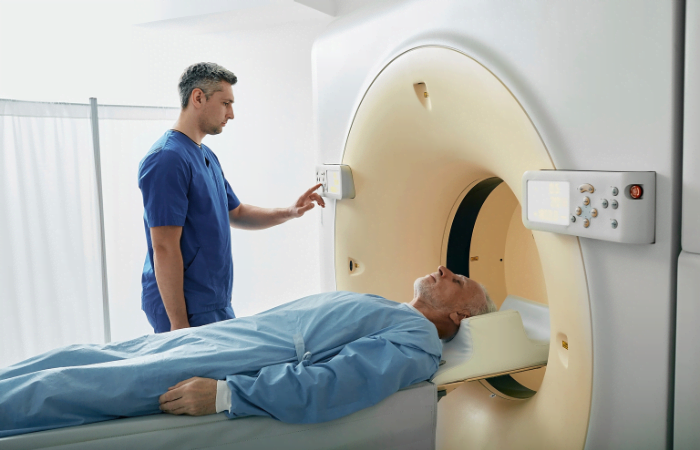
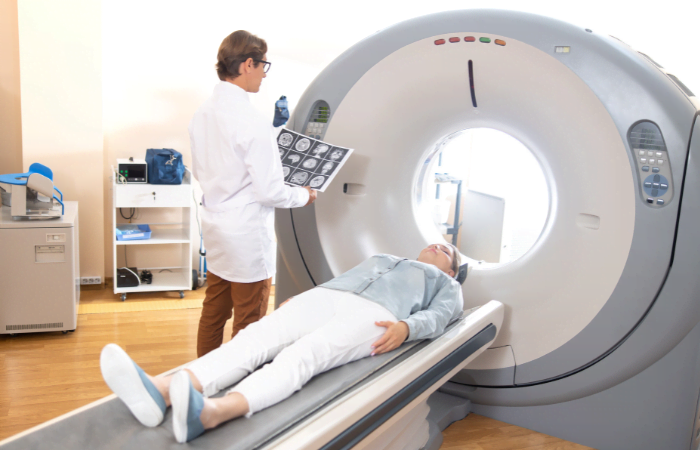
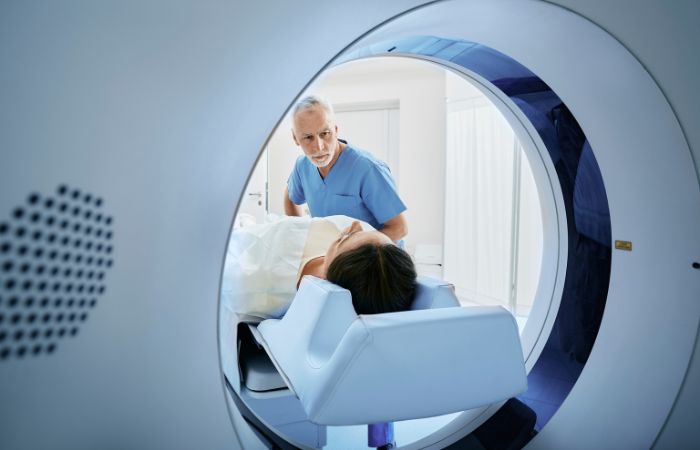
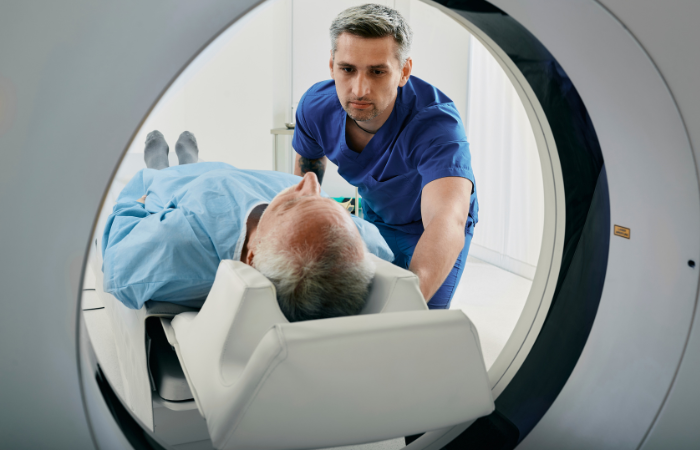
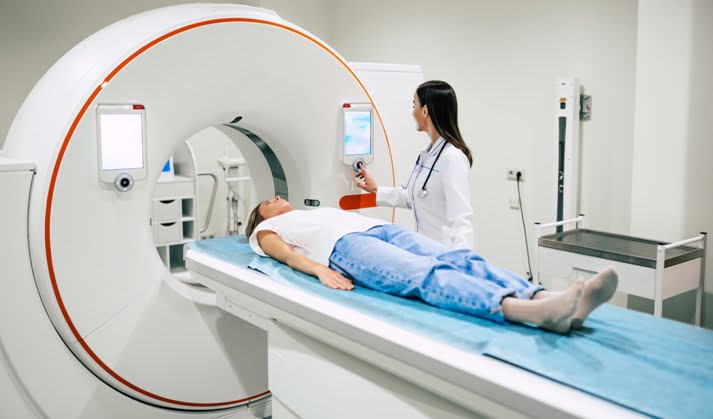
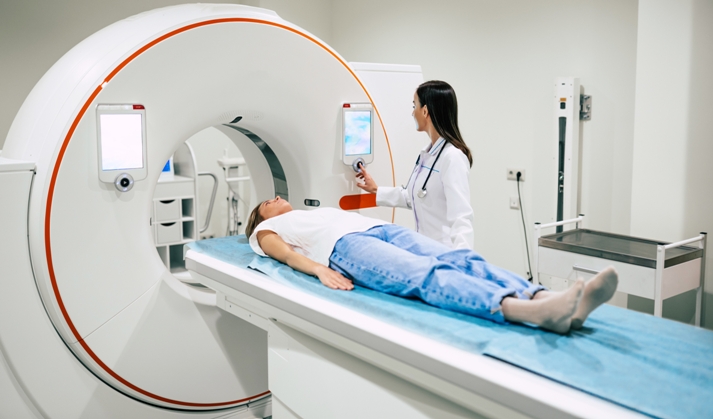
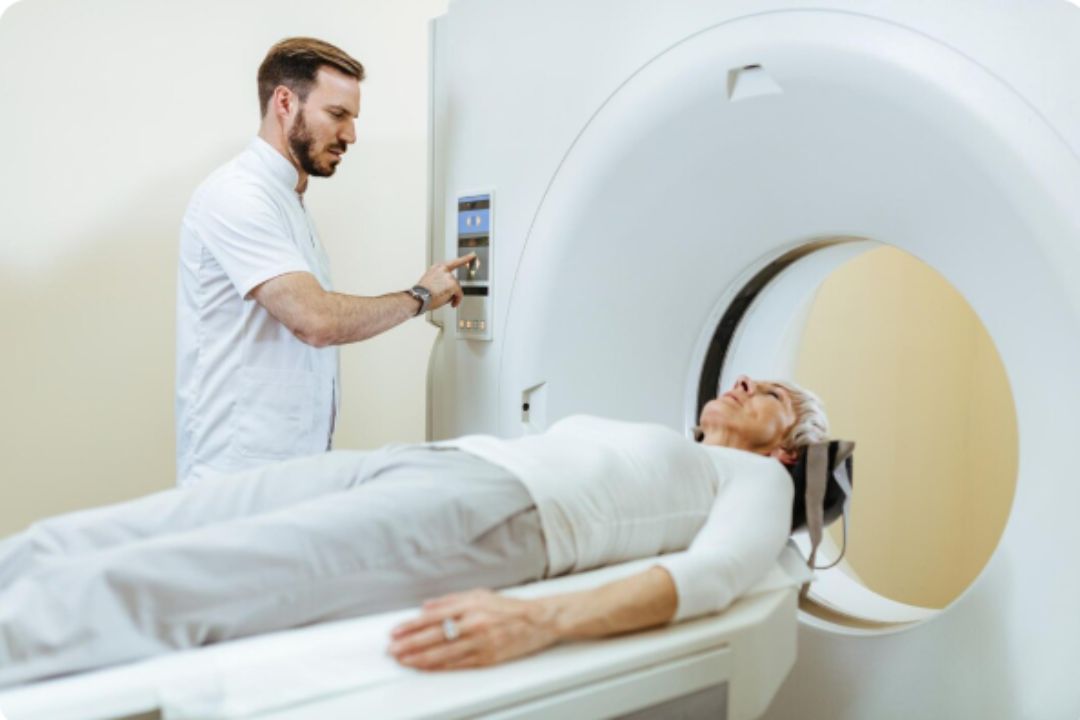
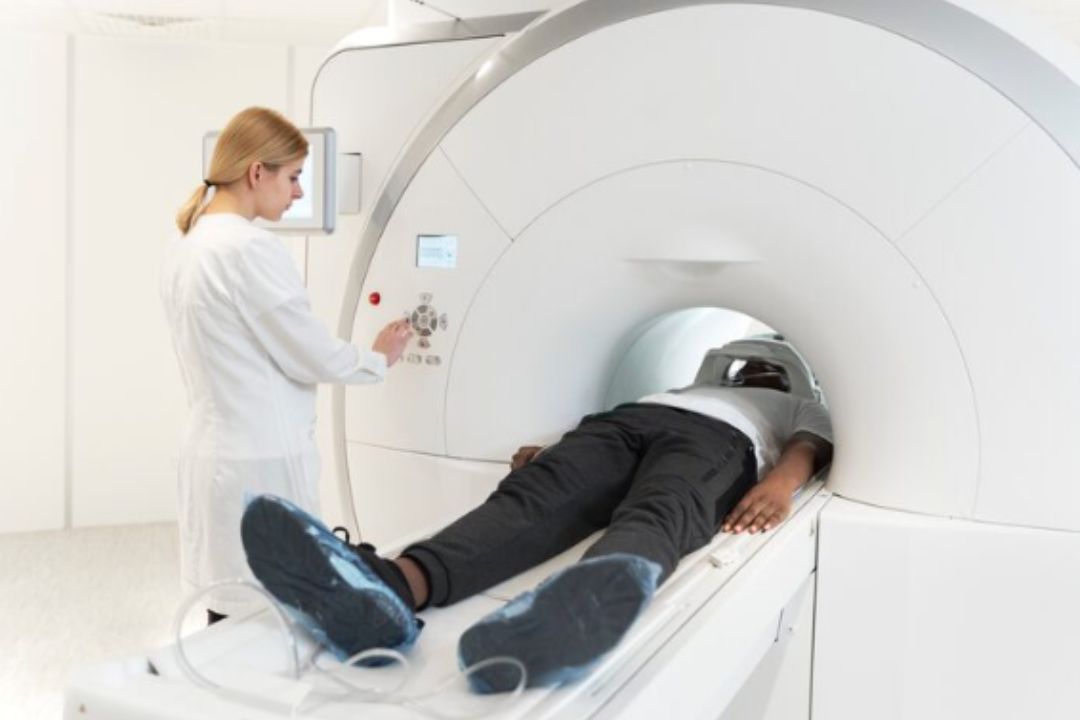
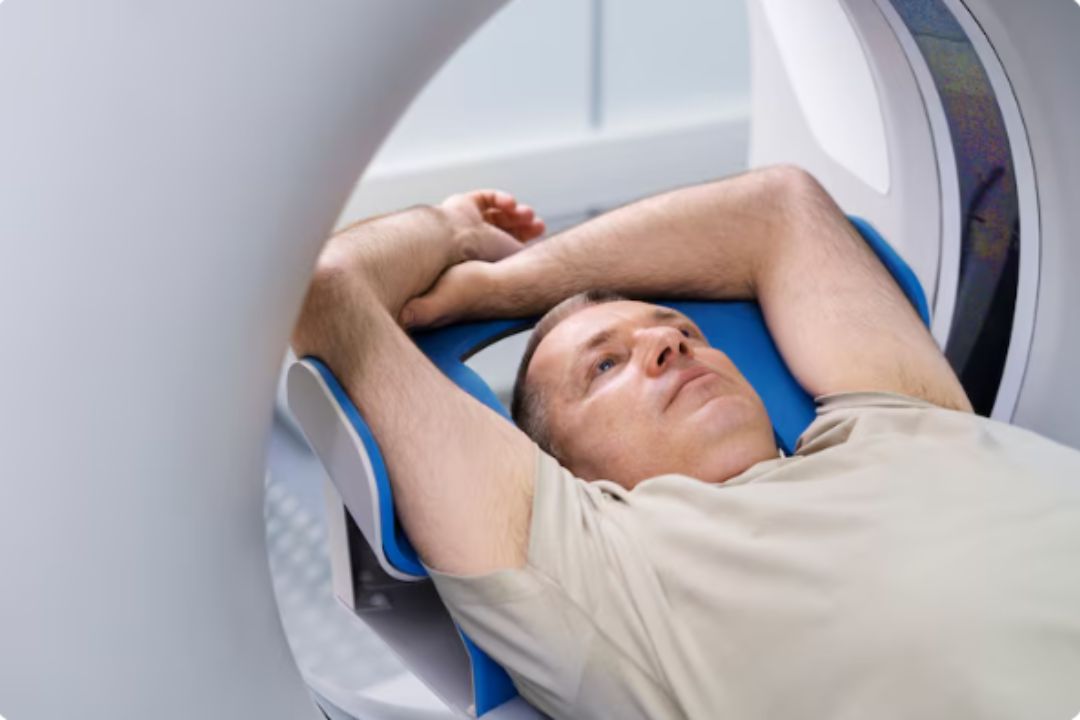
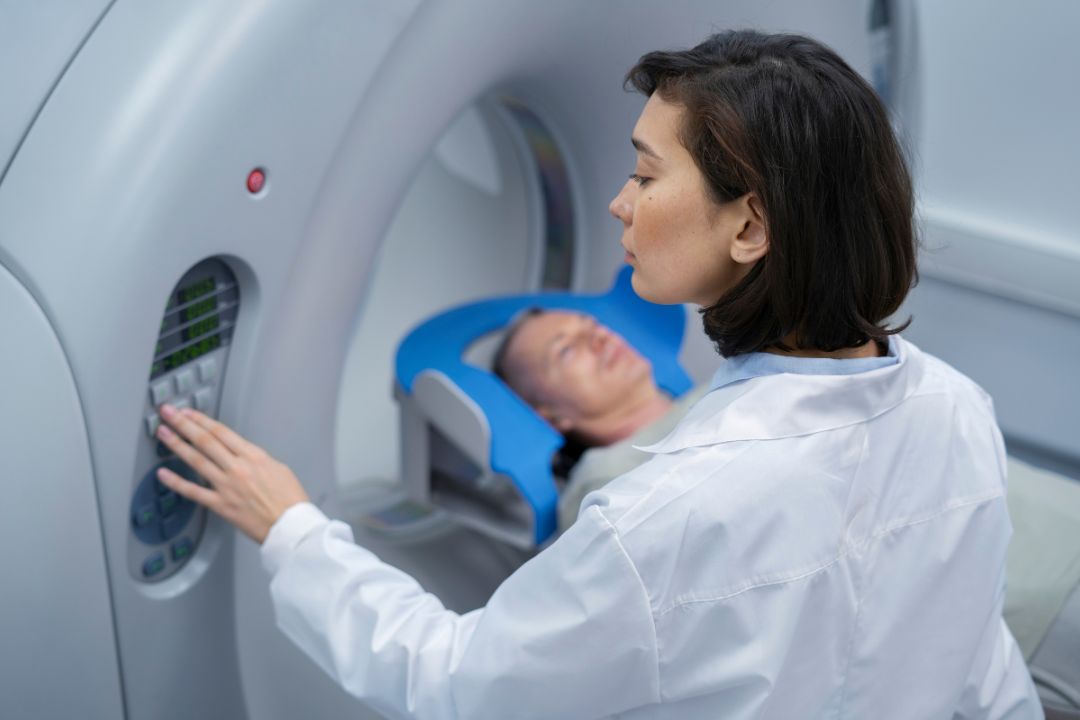
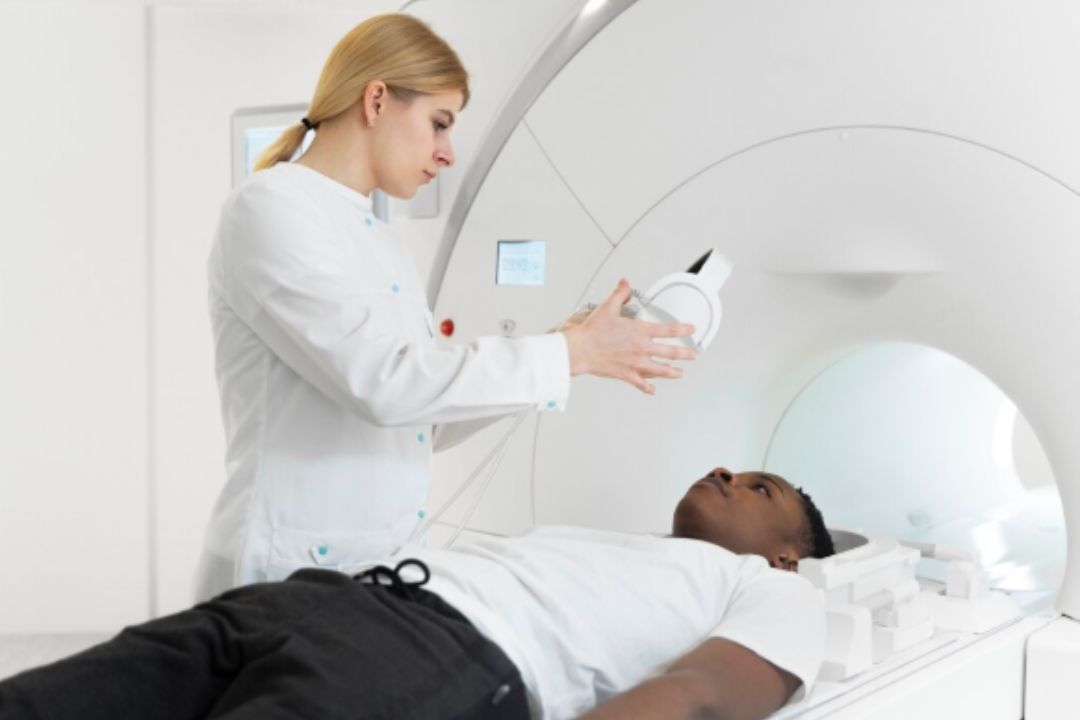
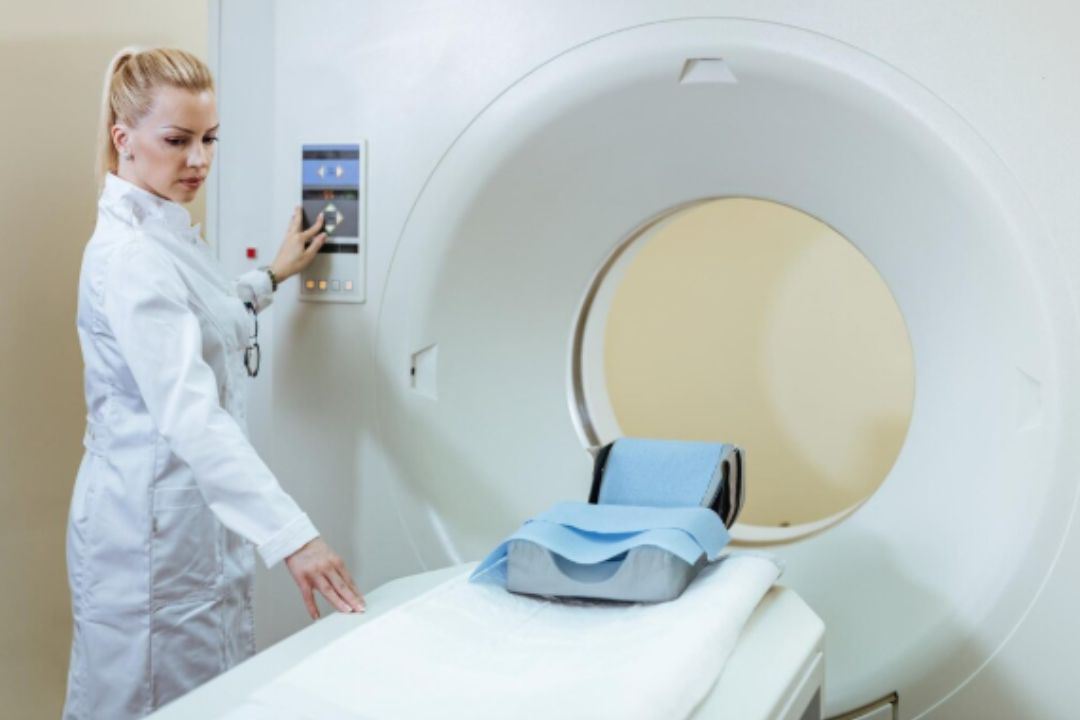
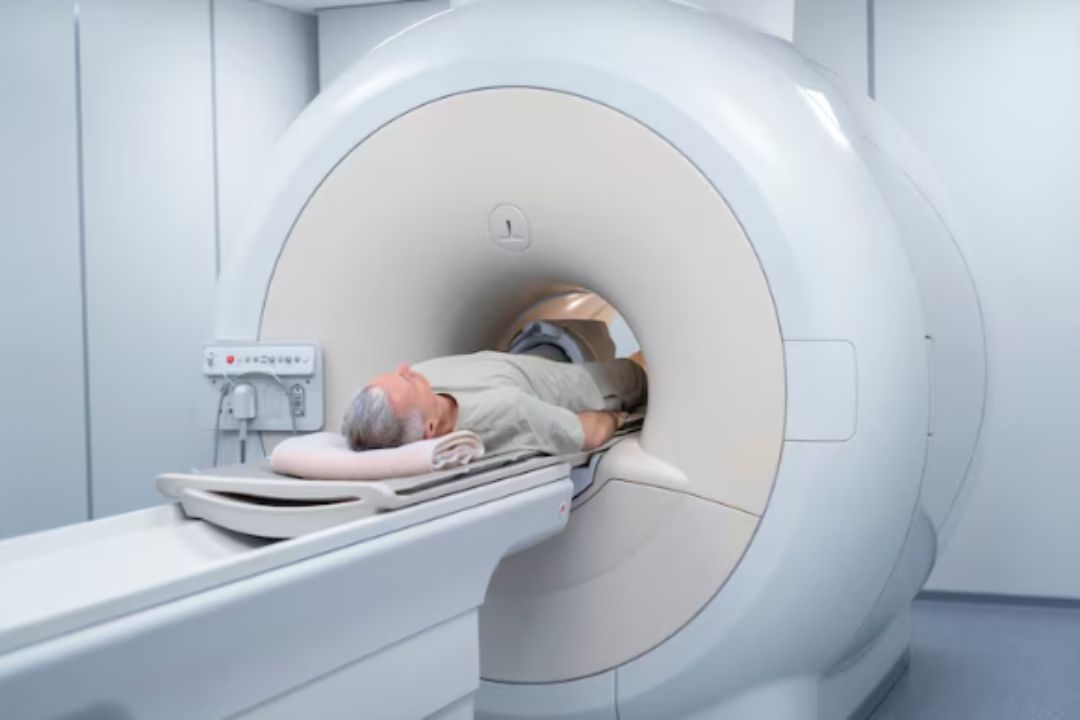
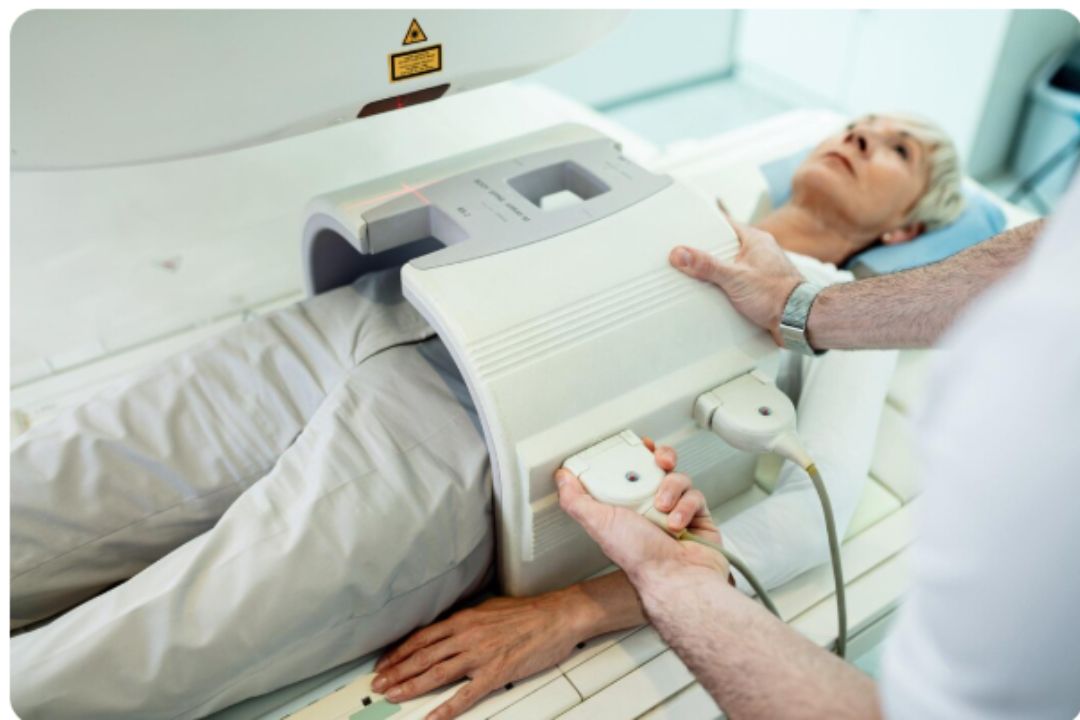
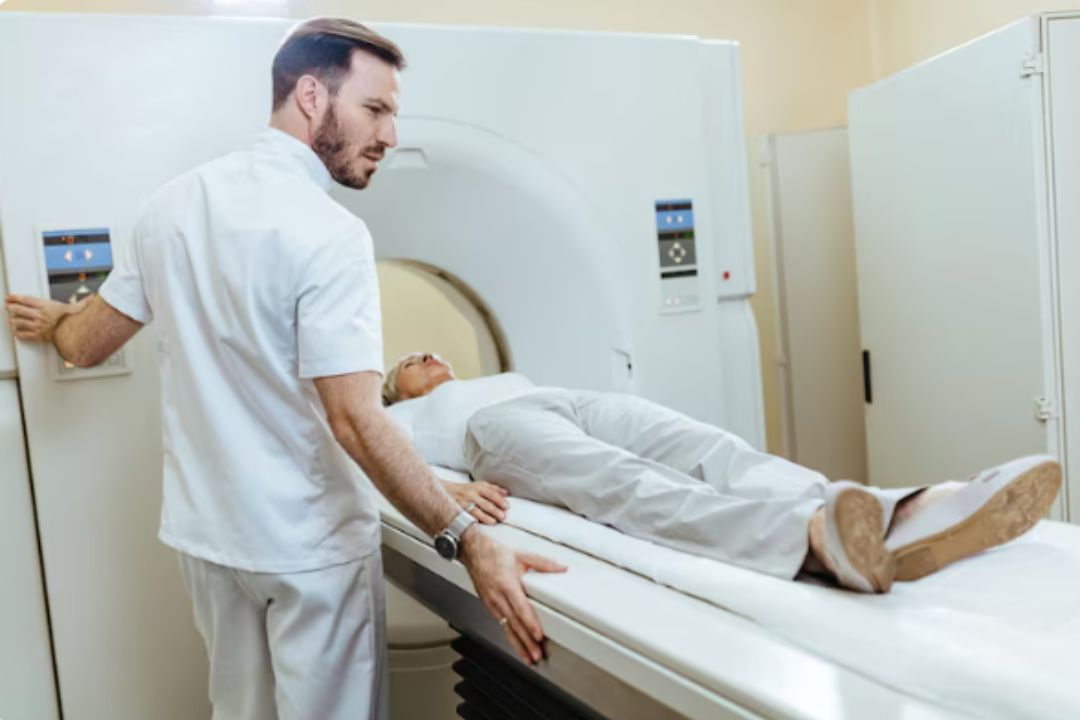
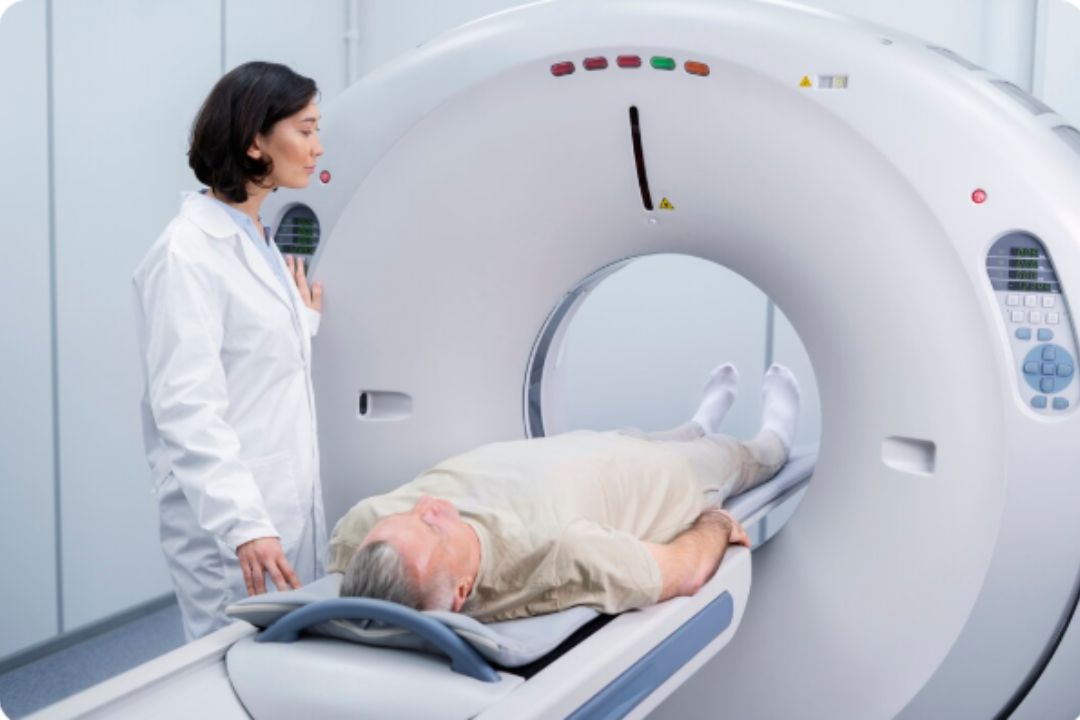
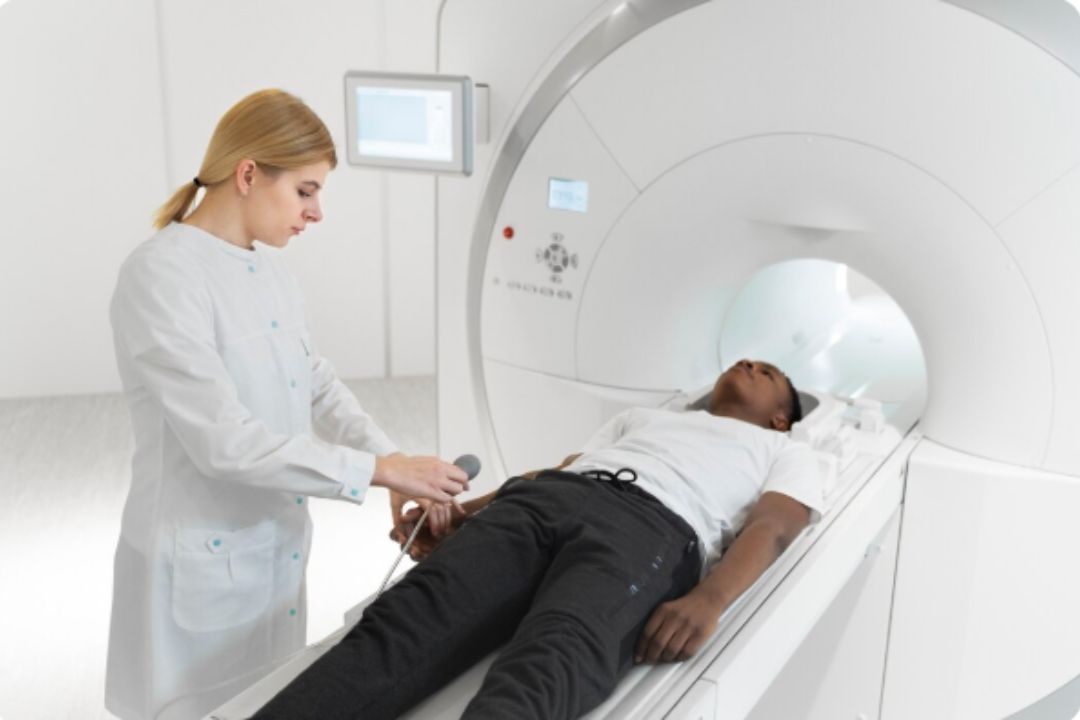
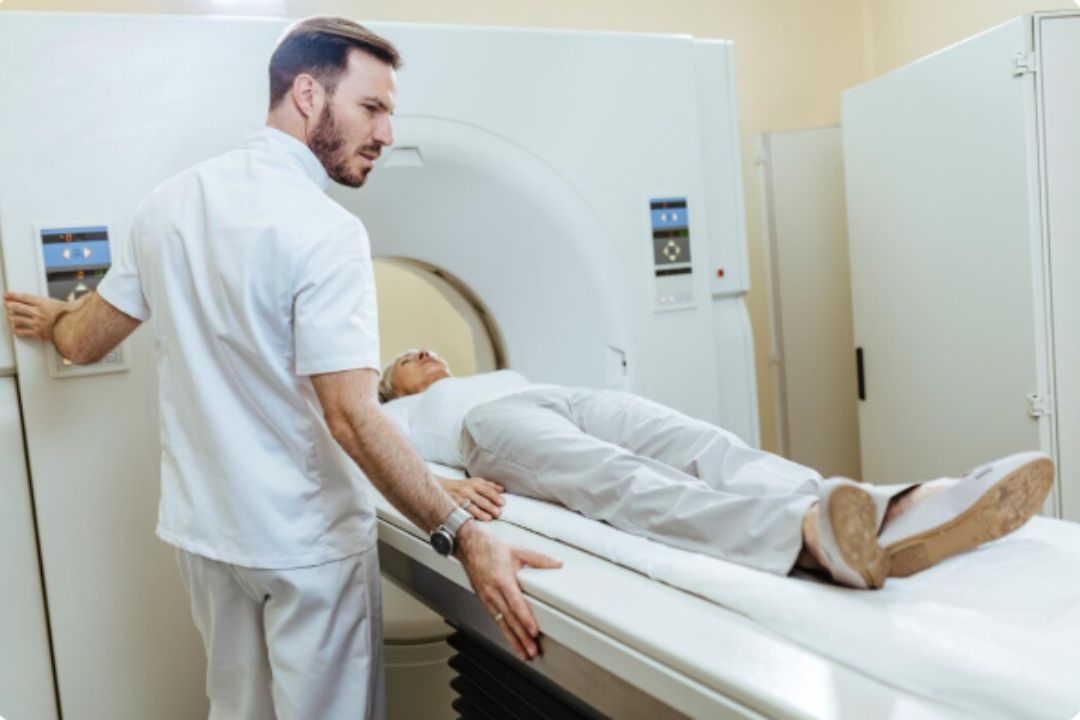
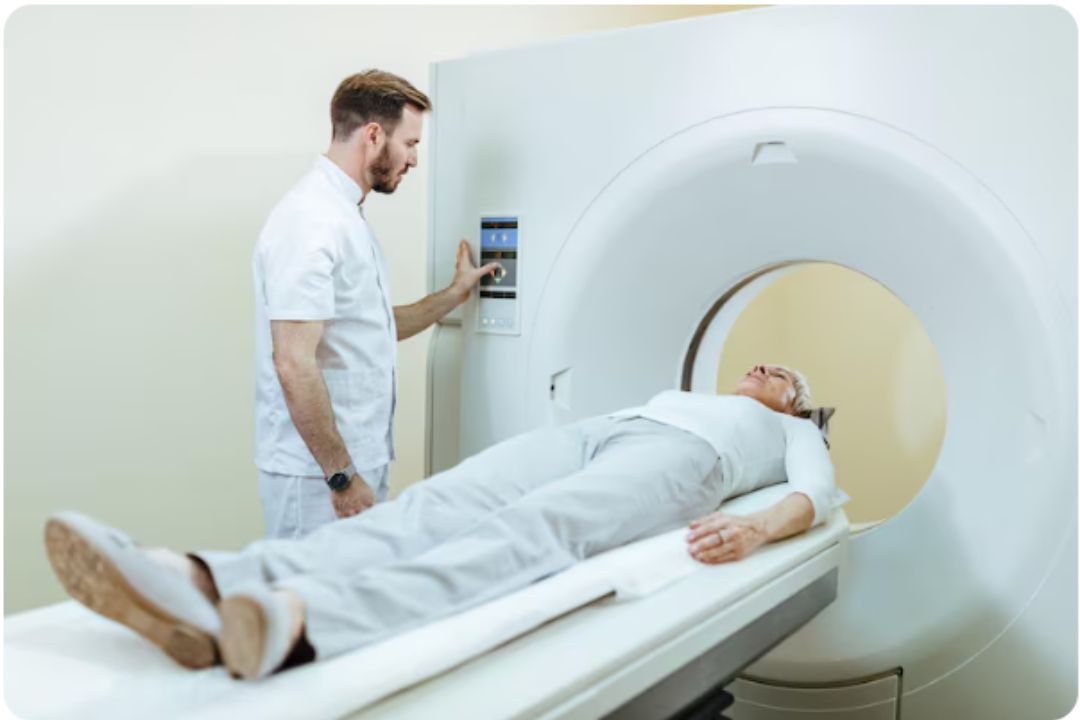
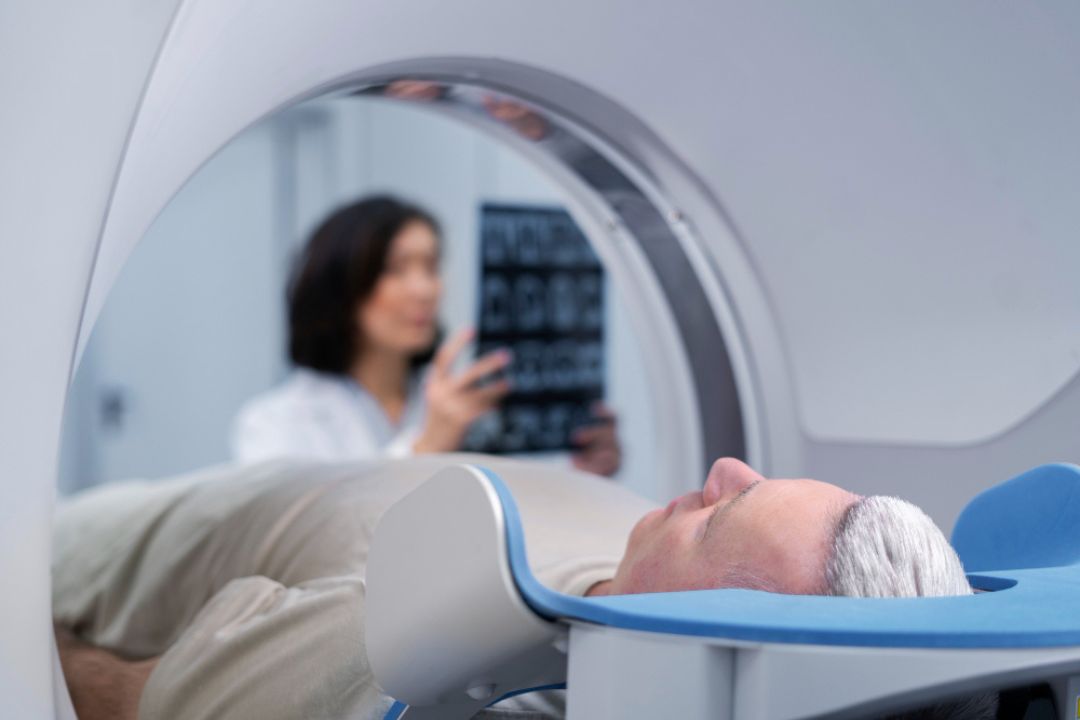
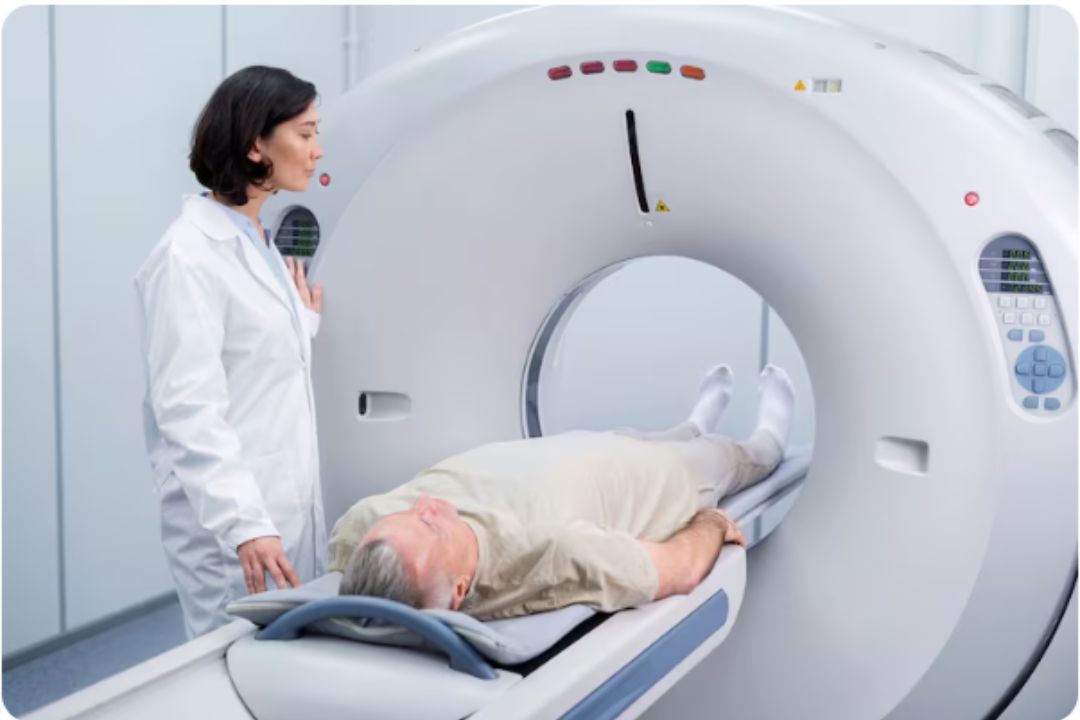
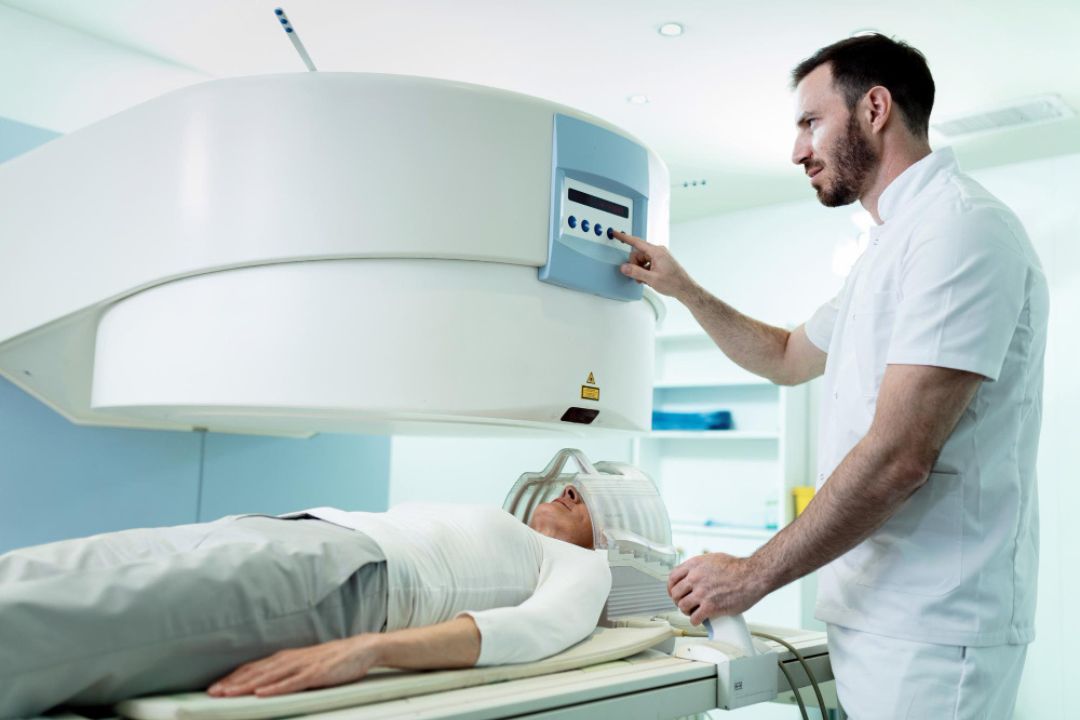
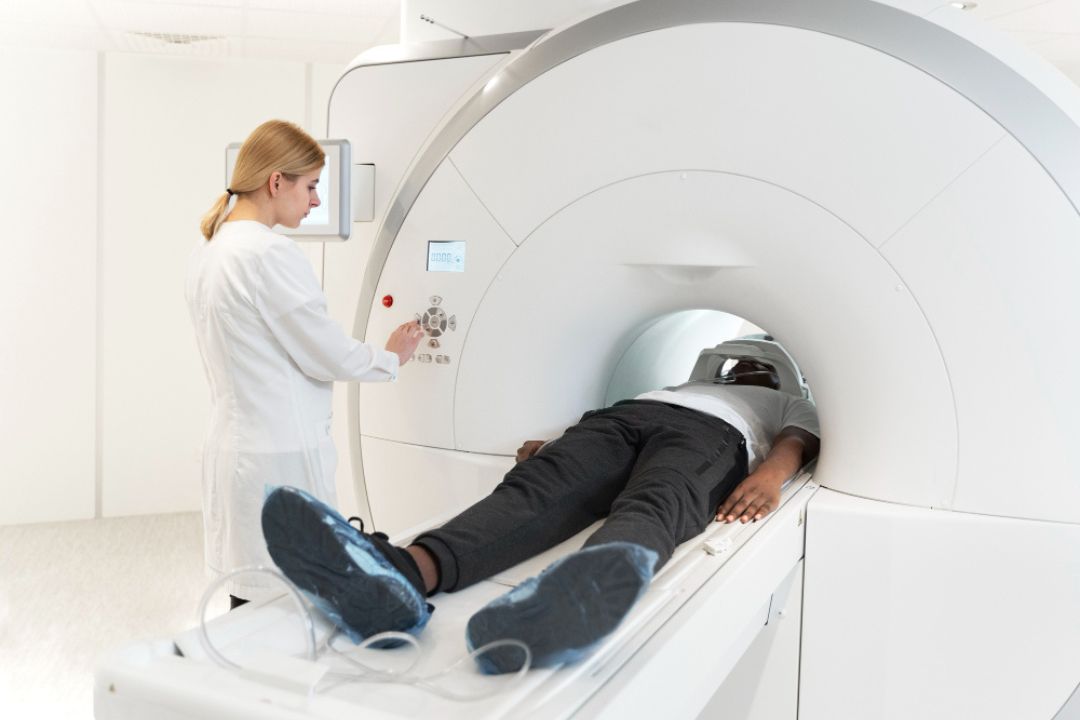
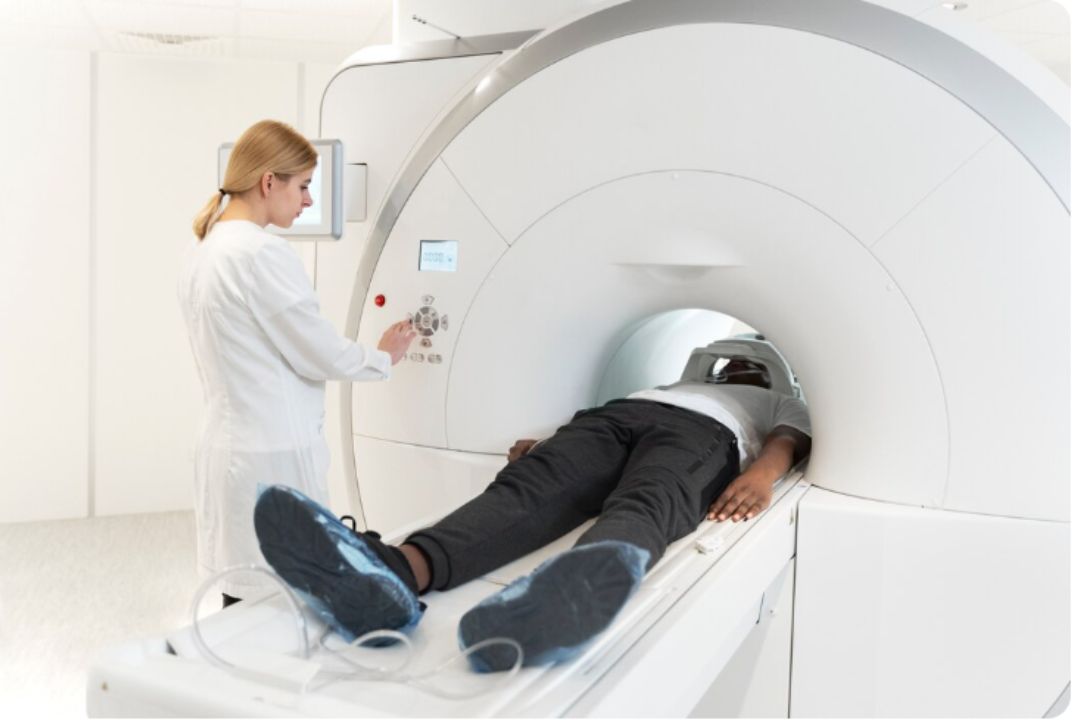
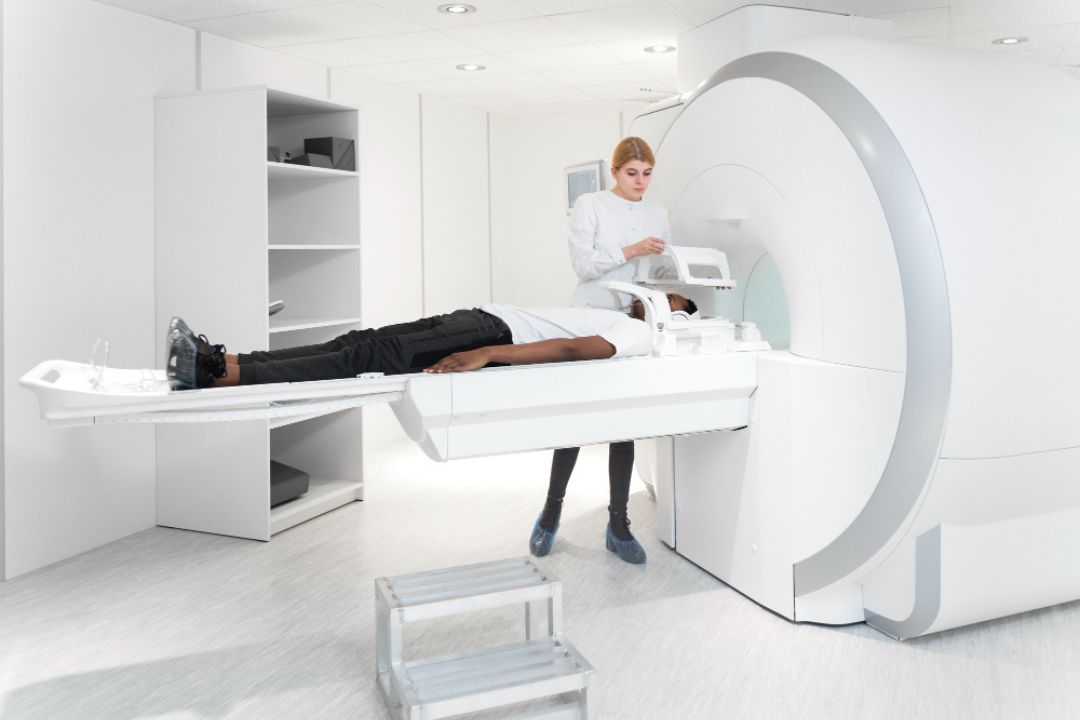
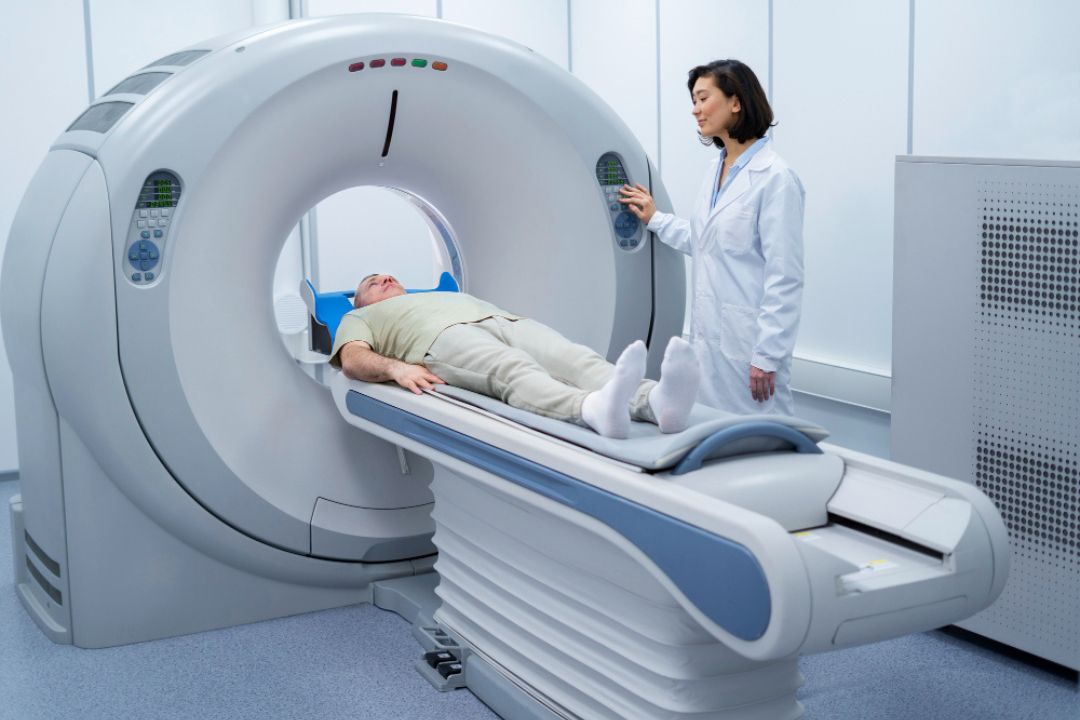
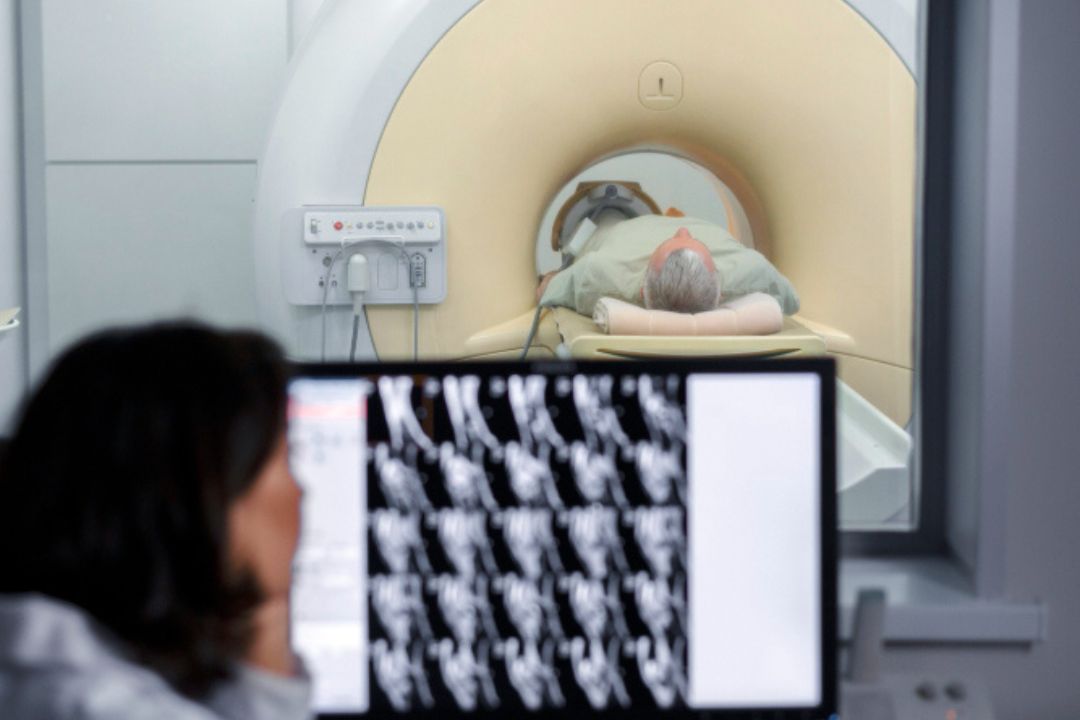
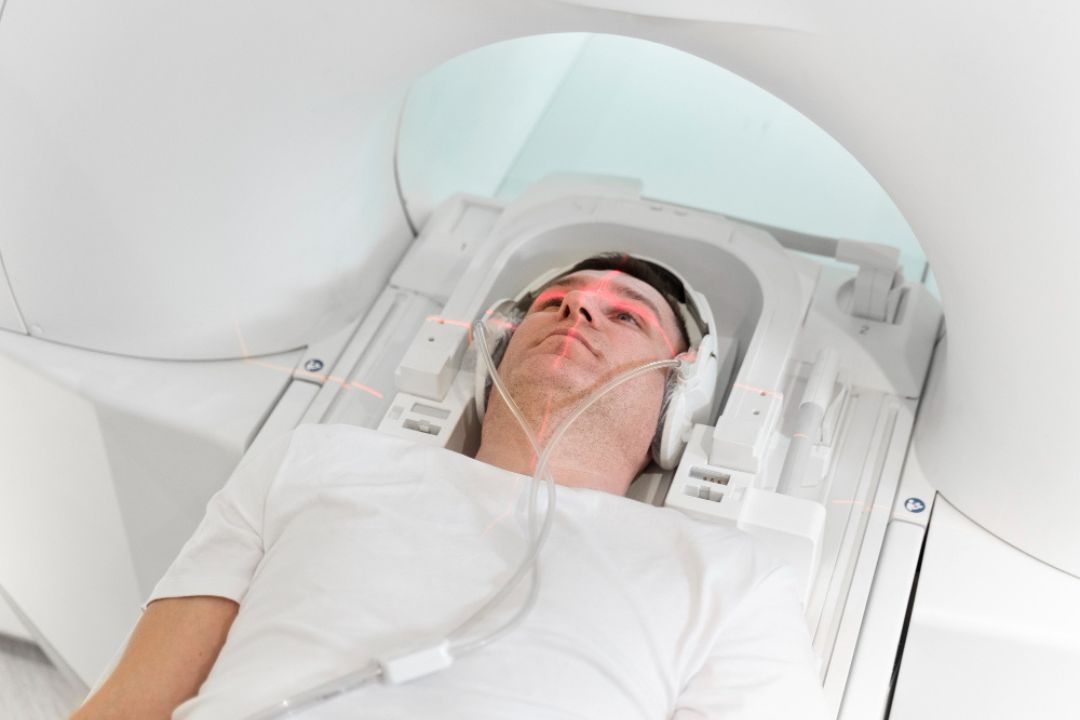
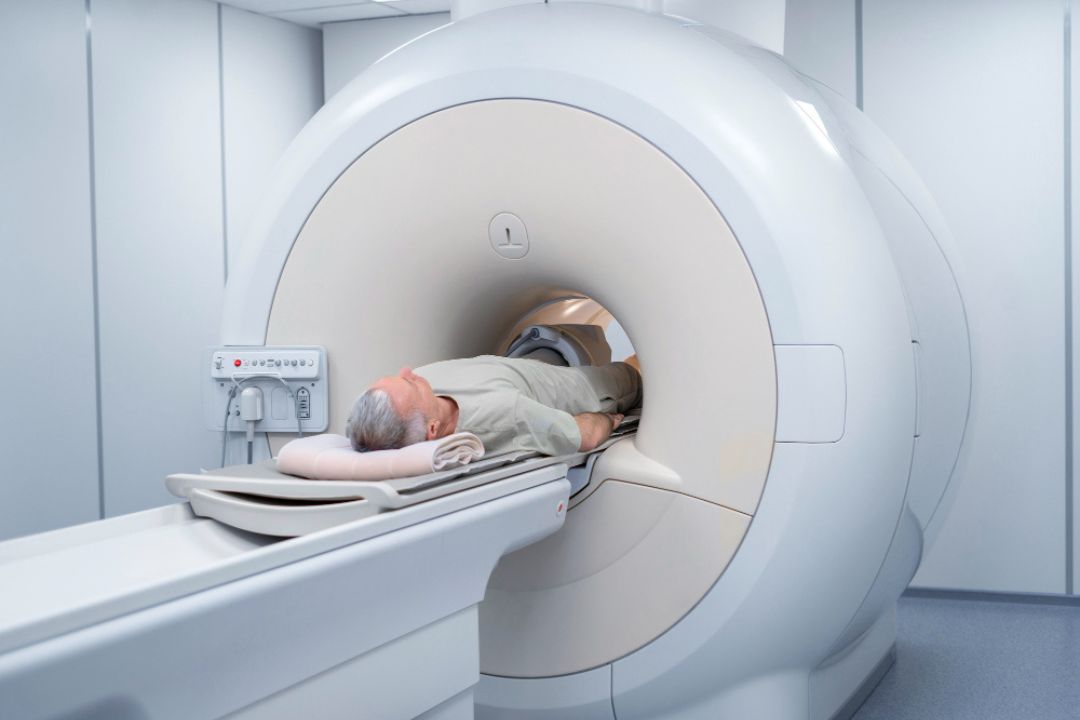
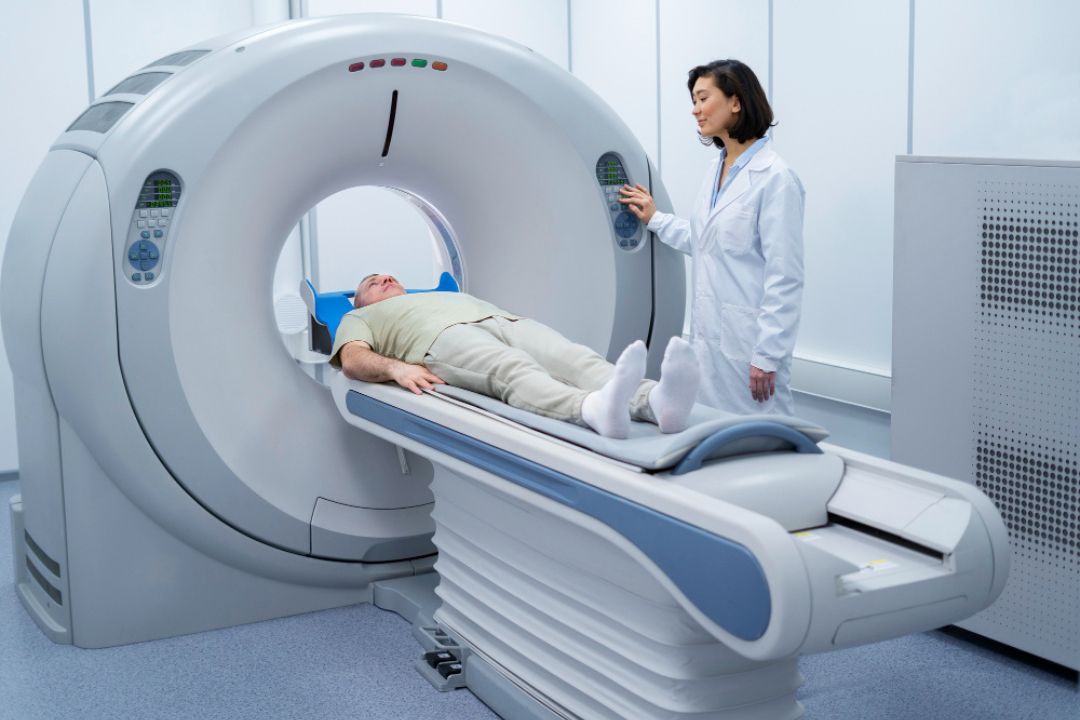
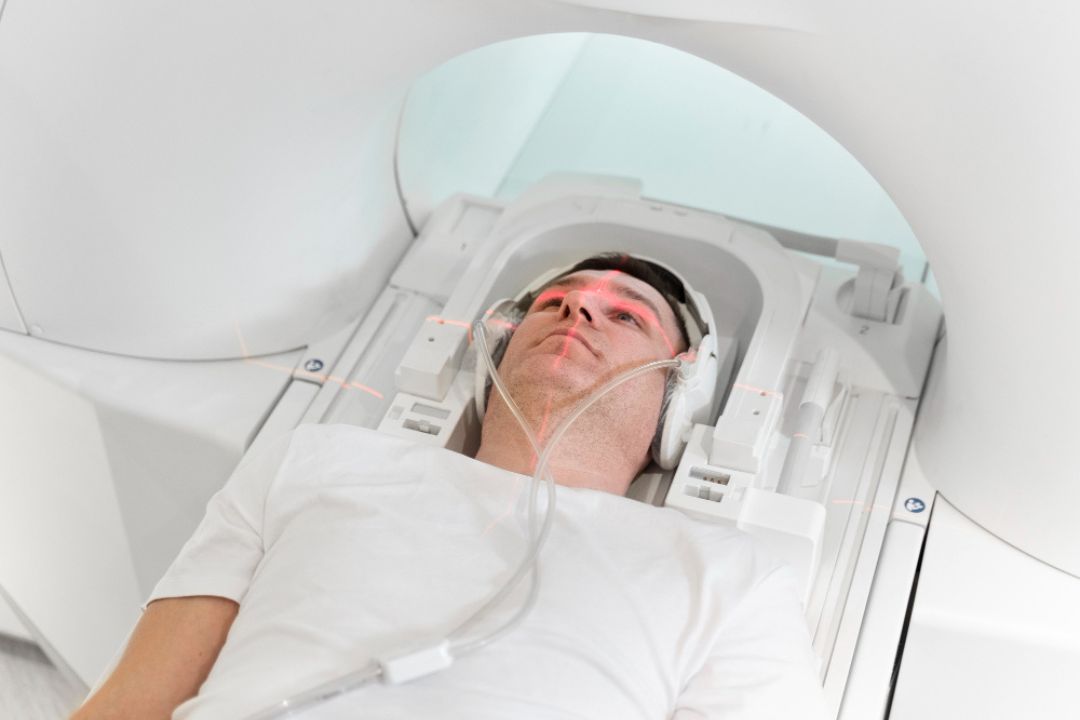
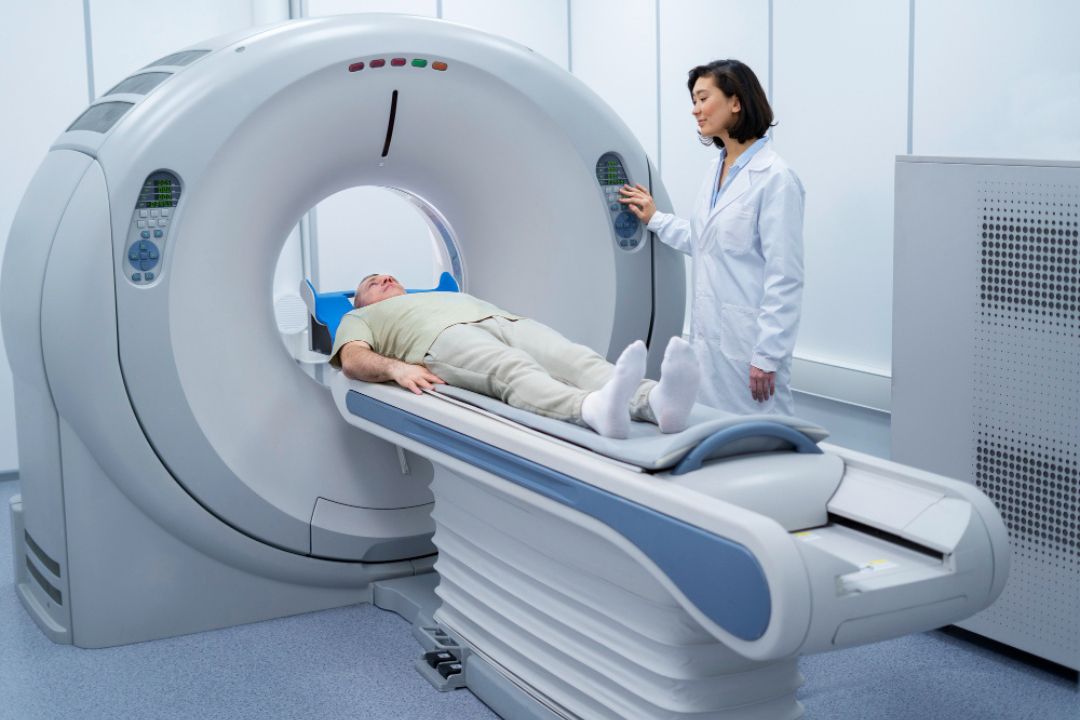
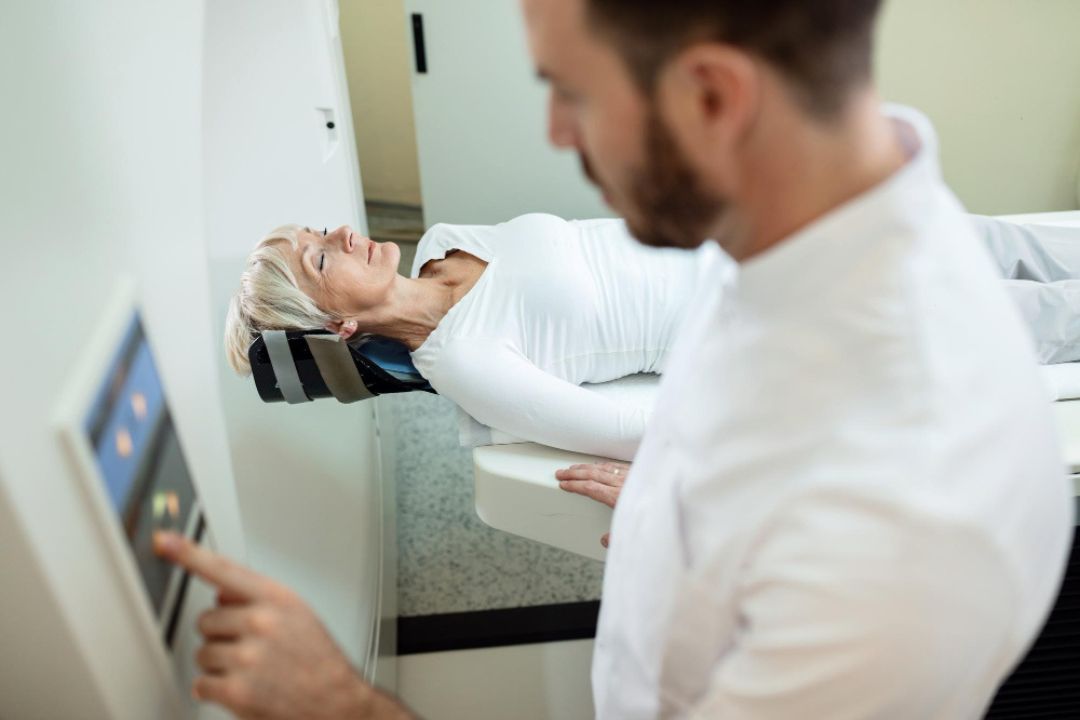
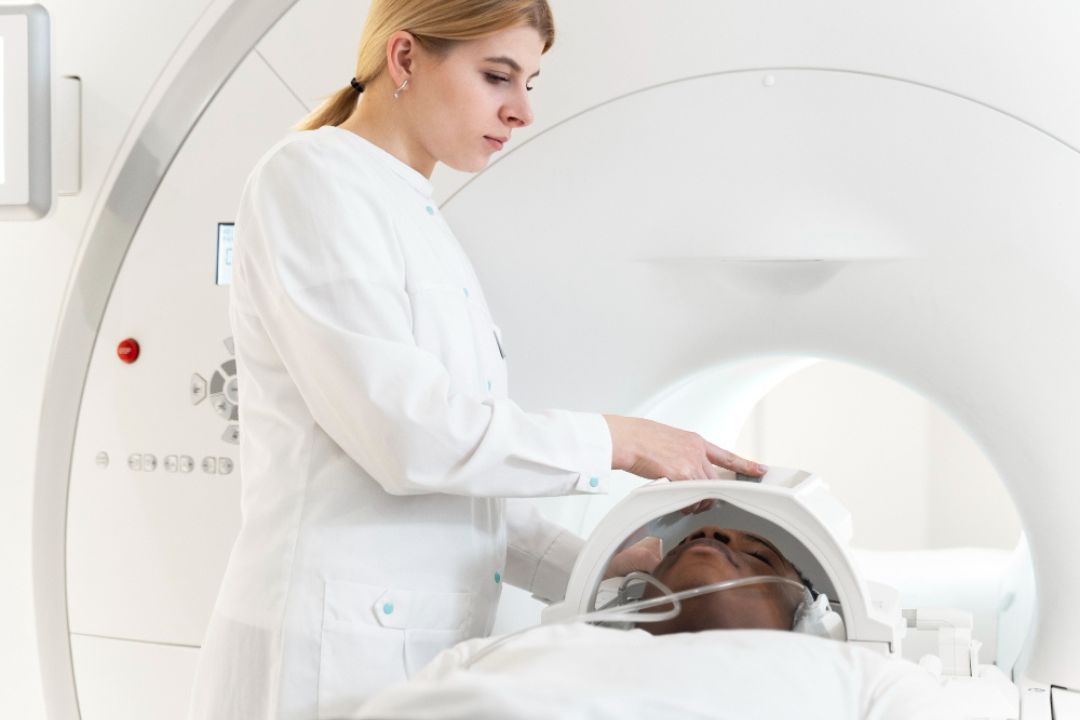
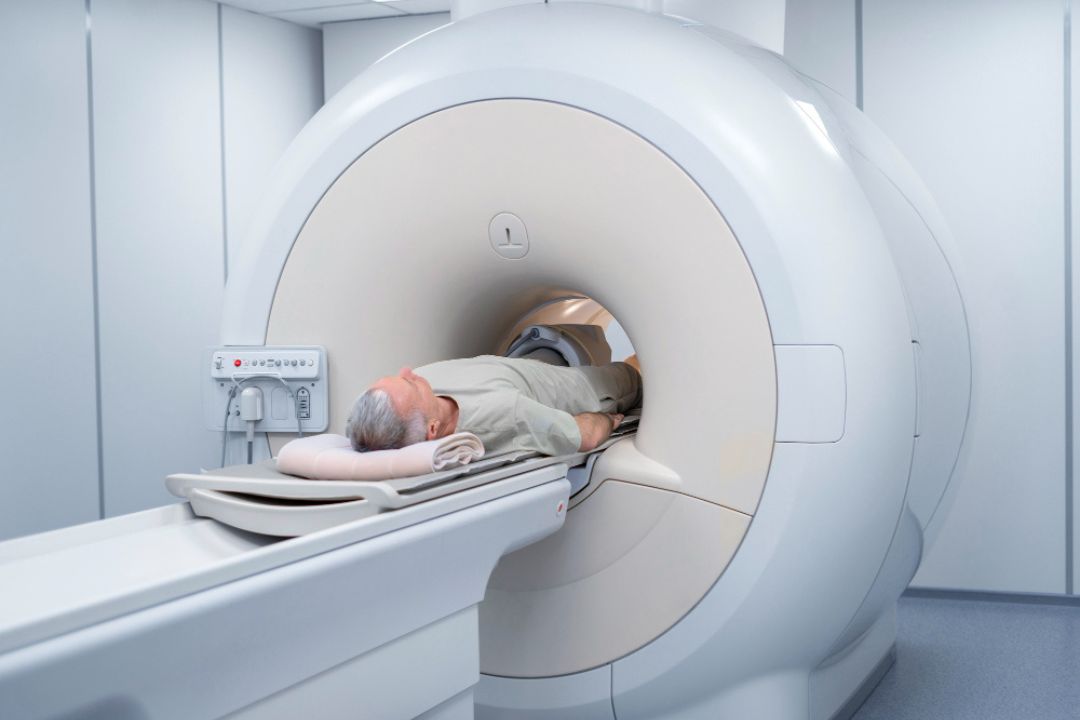
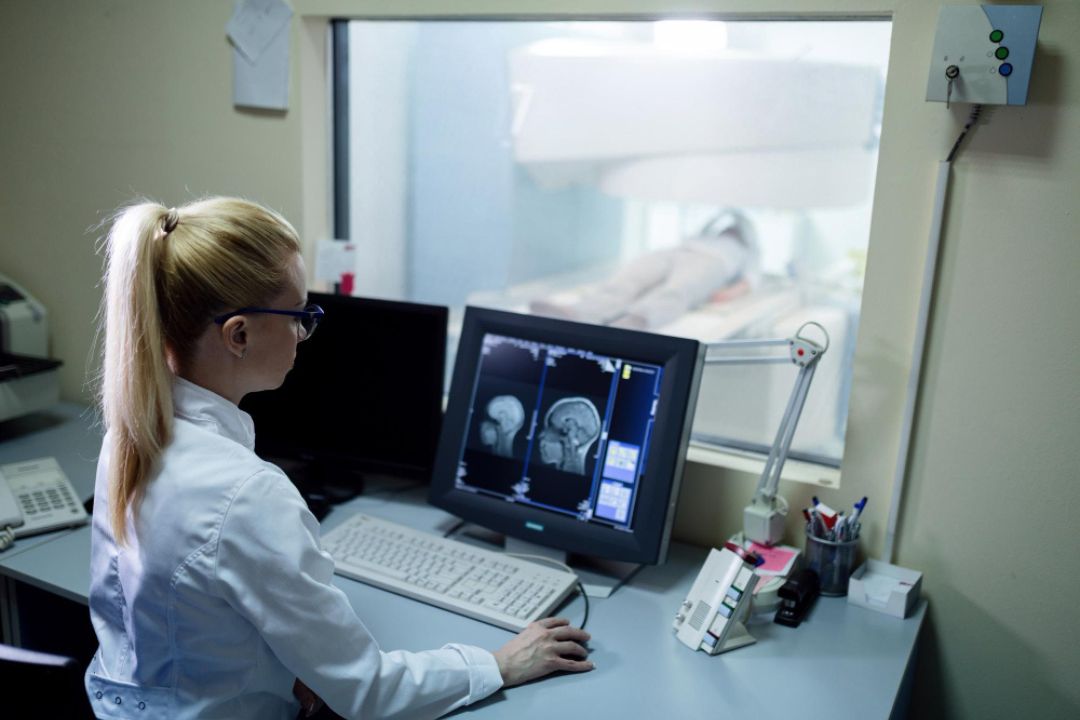
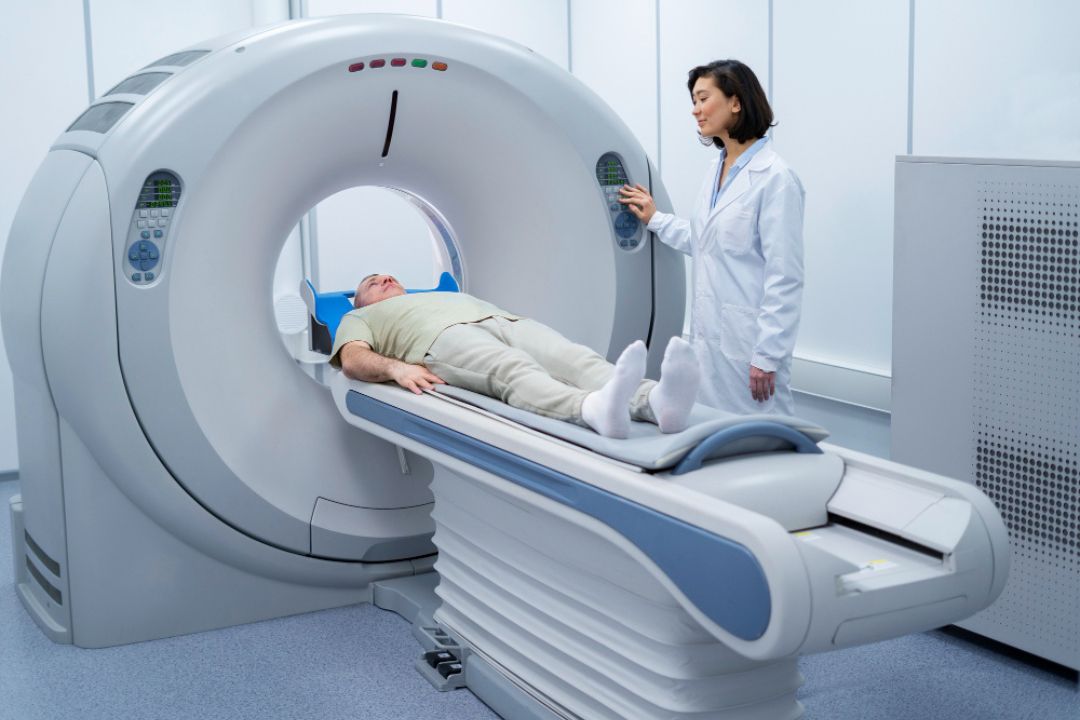
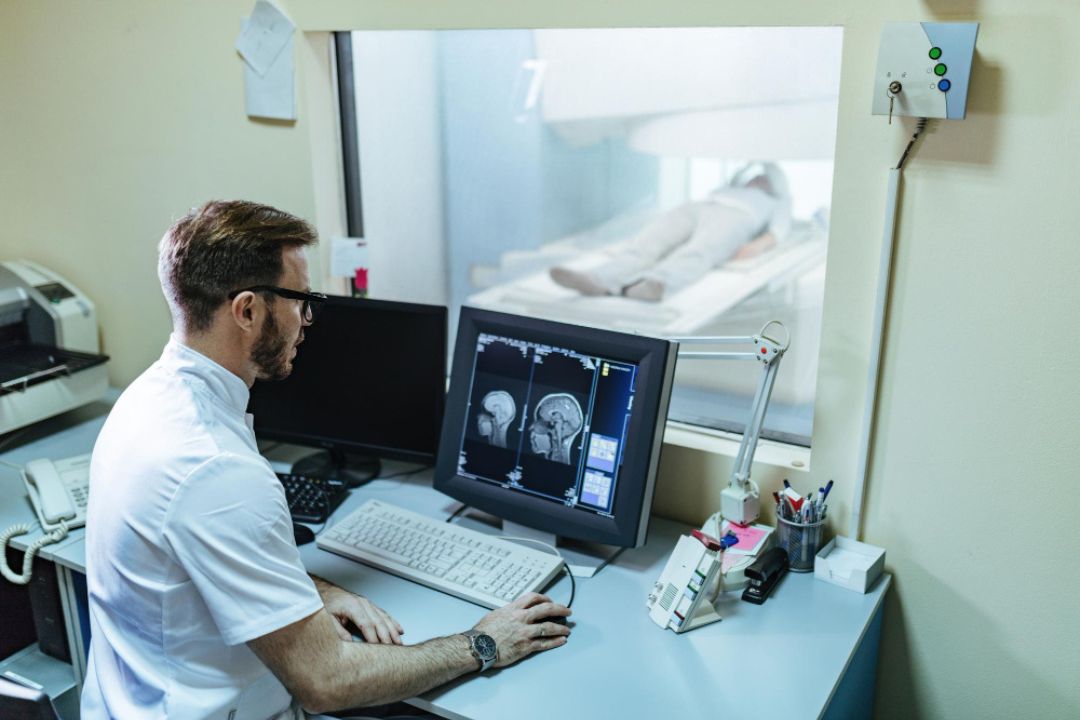
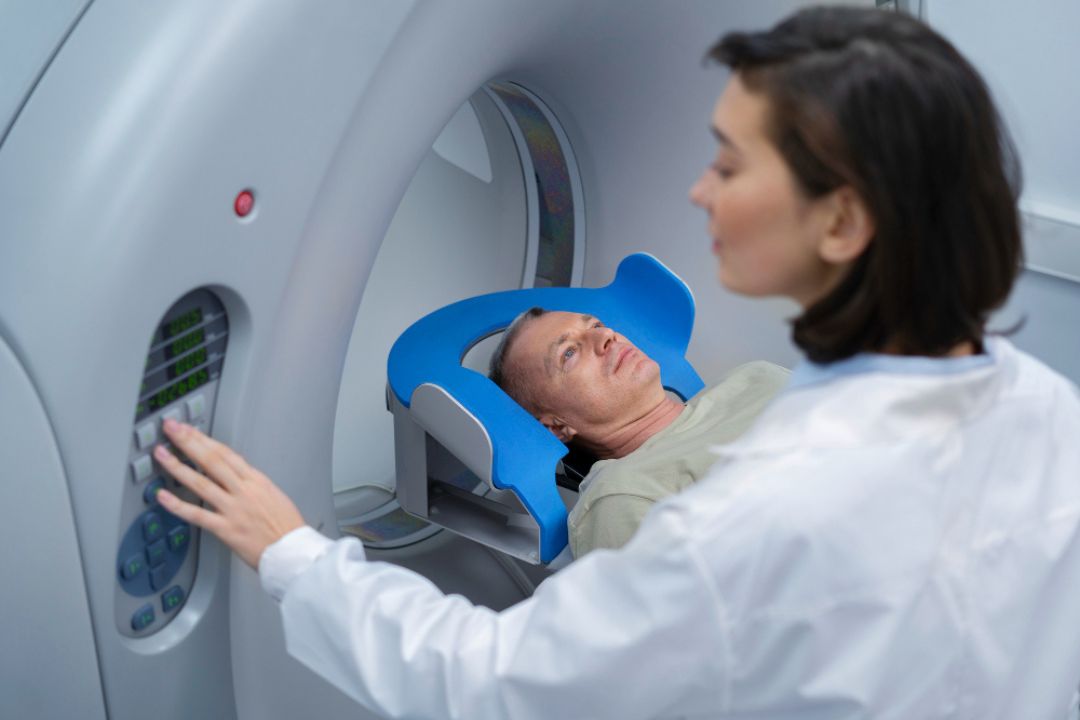
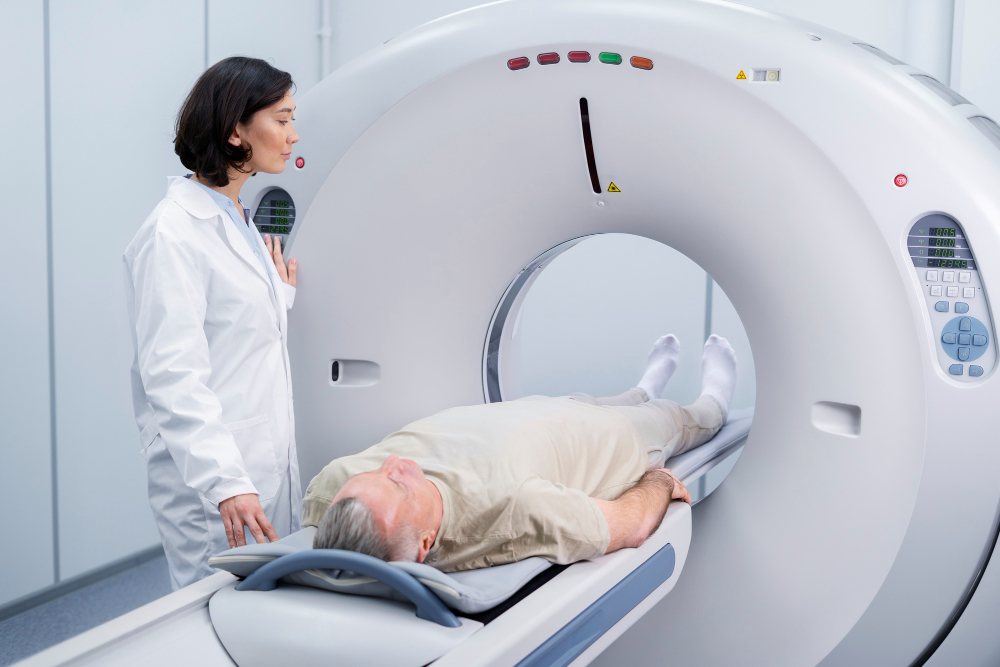
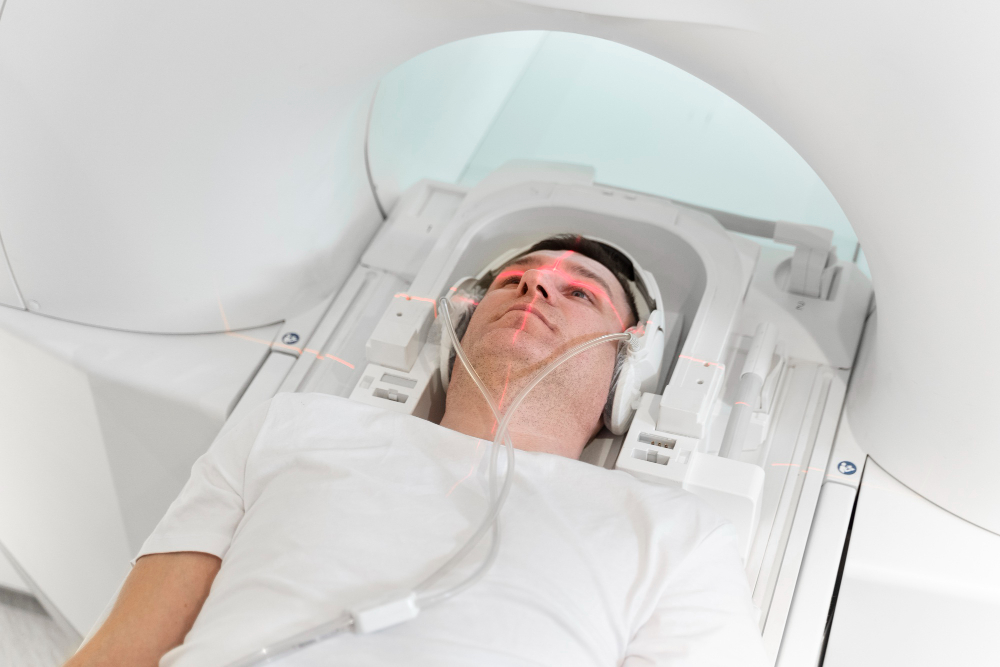
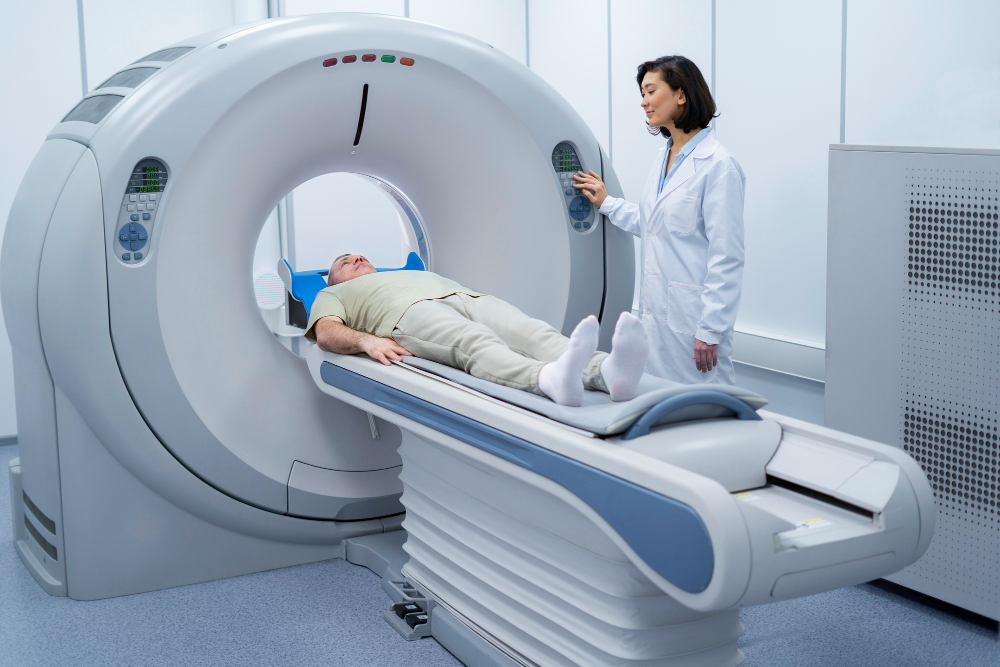
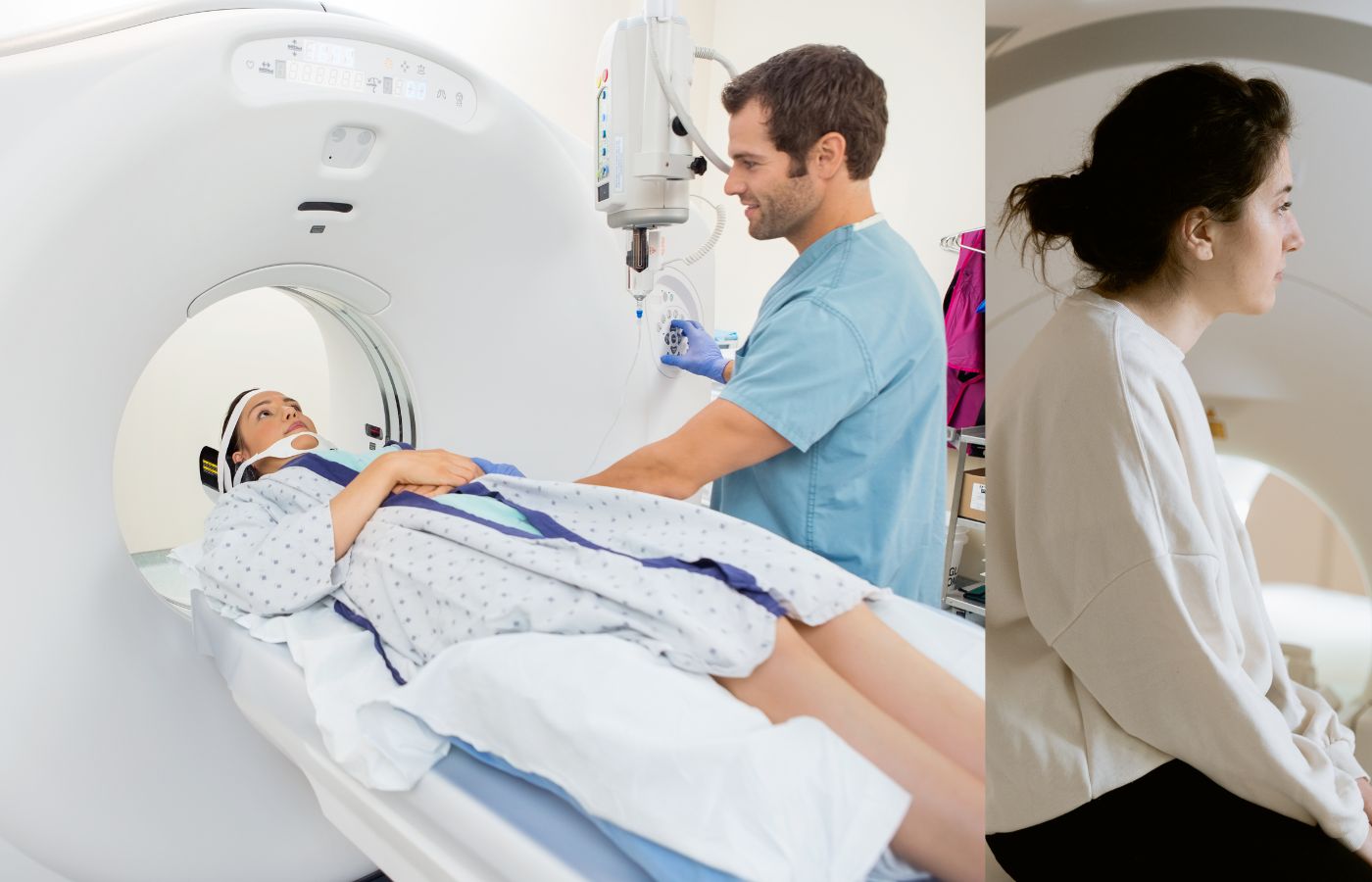
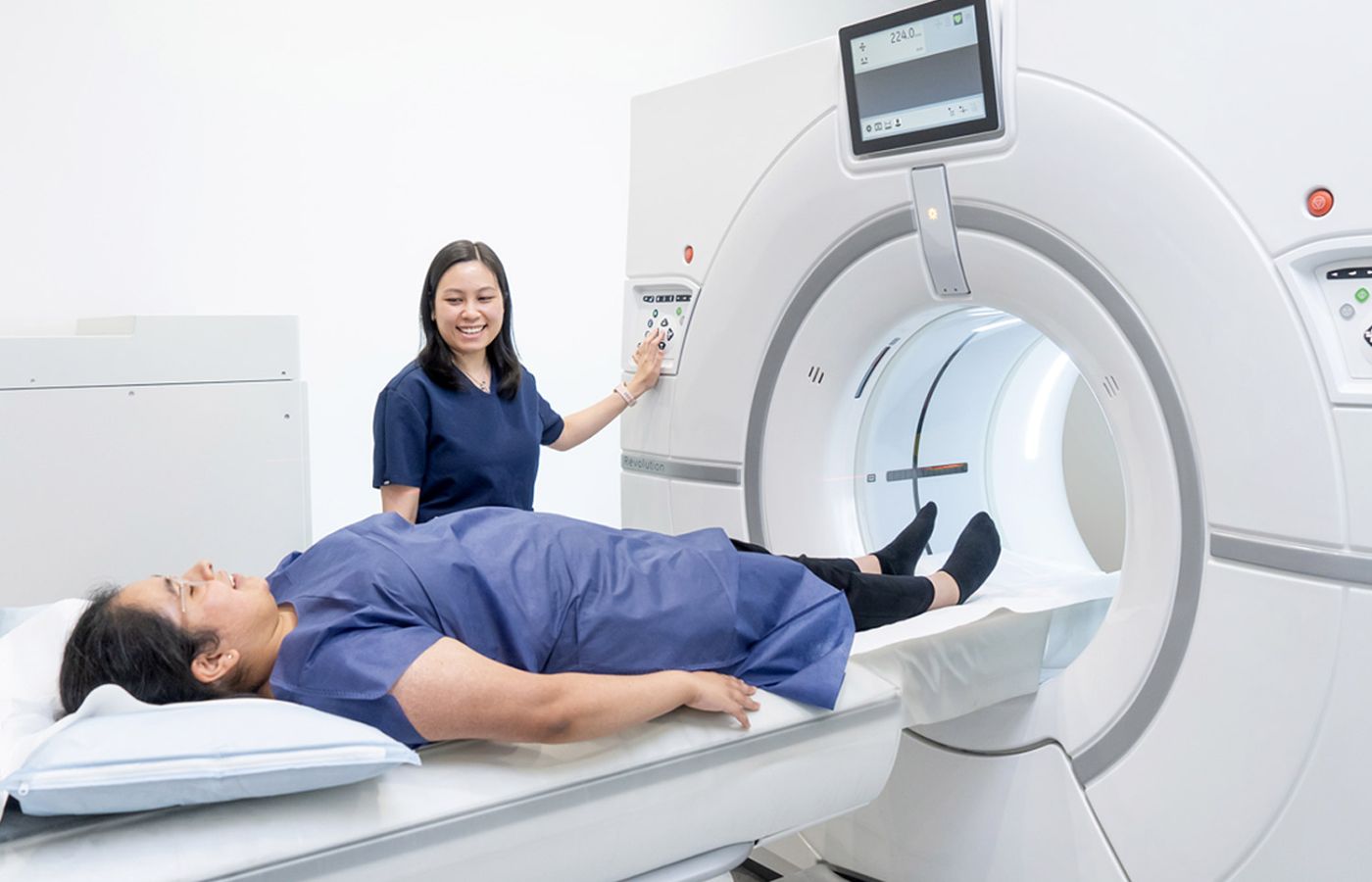
You lie on the CT table
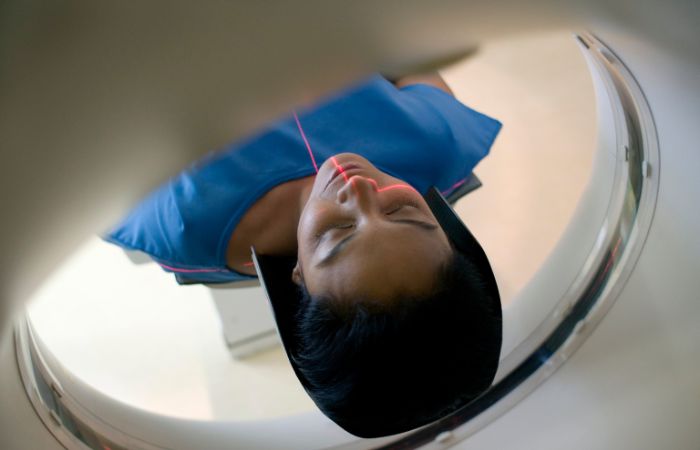
Your head is positioned properly
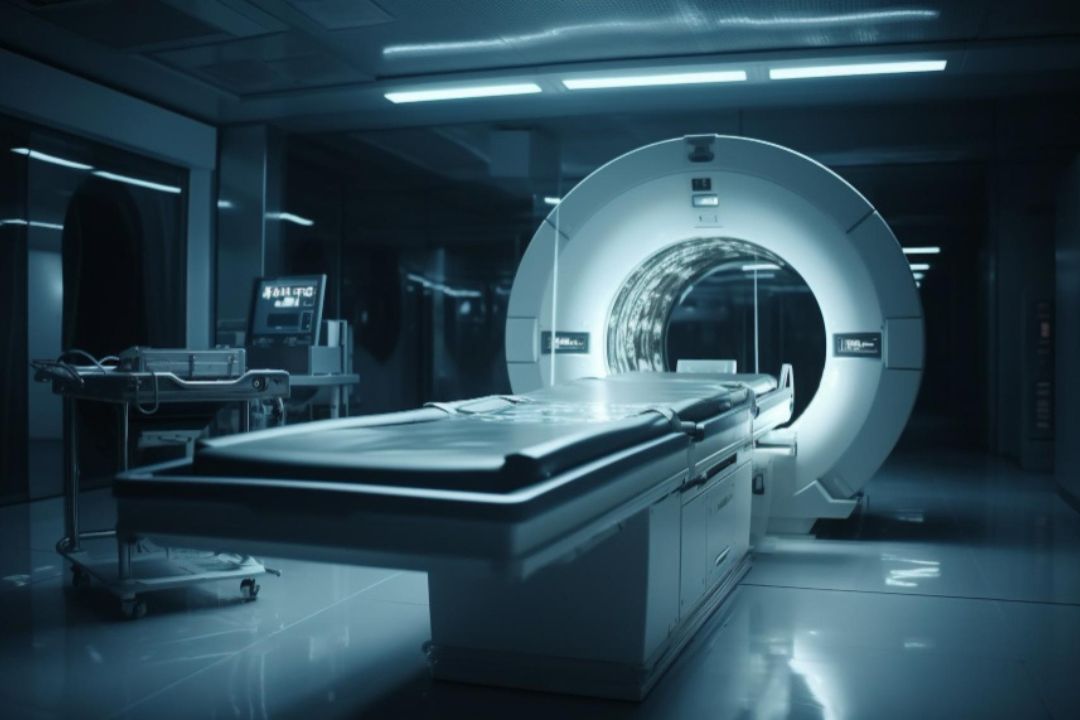
The table slides into the CT scanner
You must stay still for clear images
The scanning takes about 5–10 minutes.
After the scan:
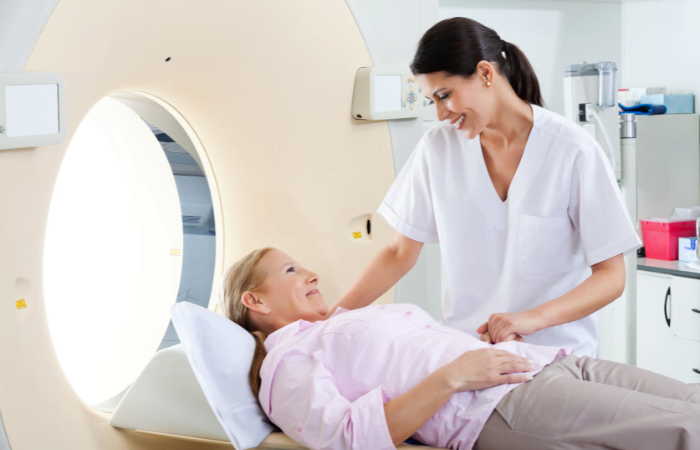
You are monitored briefly
Drink plenty of water to flush out contrast
Resume normal activities
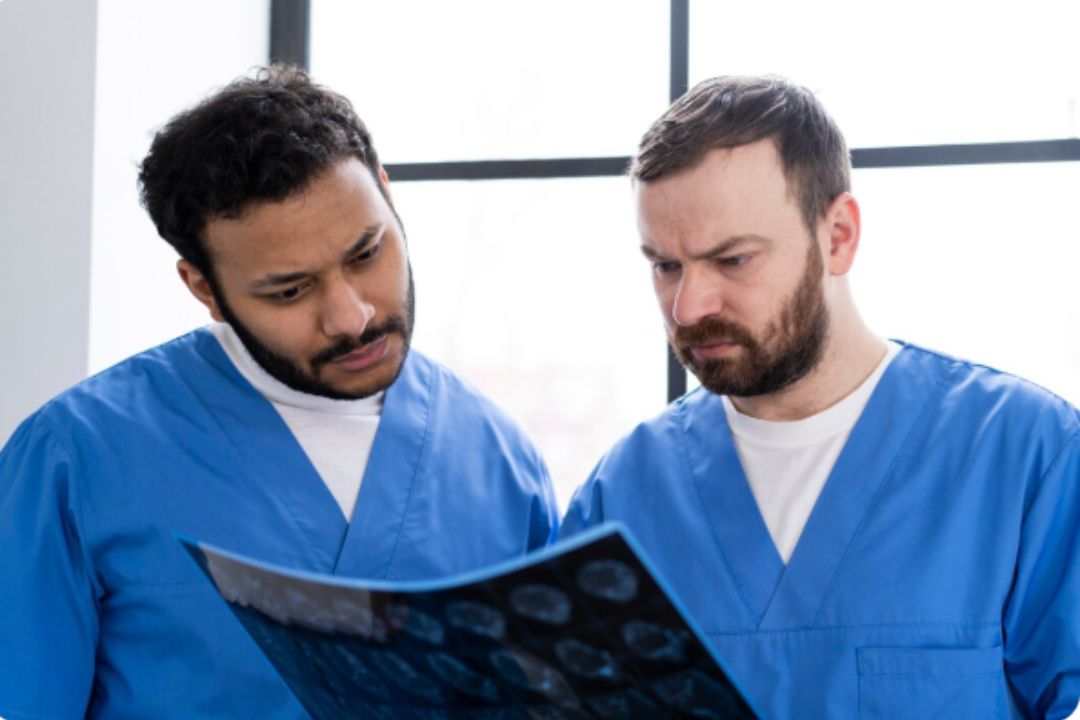
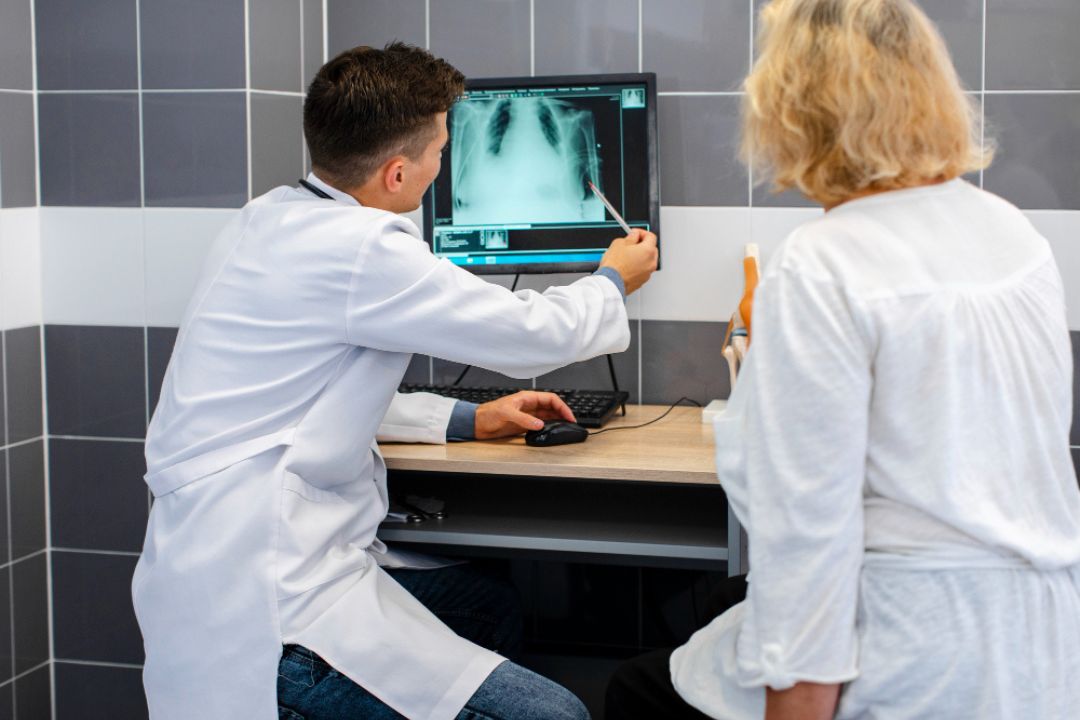
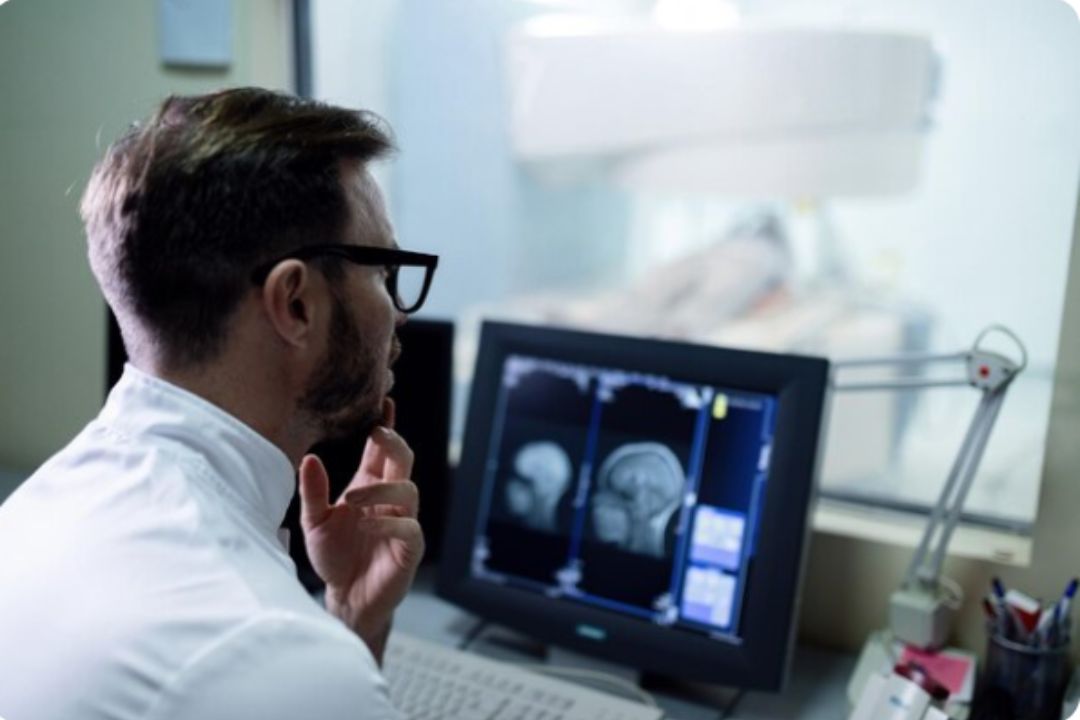
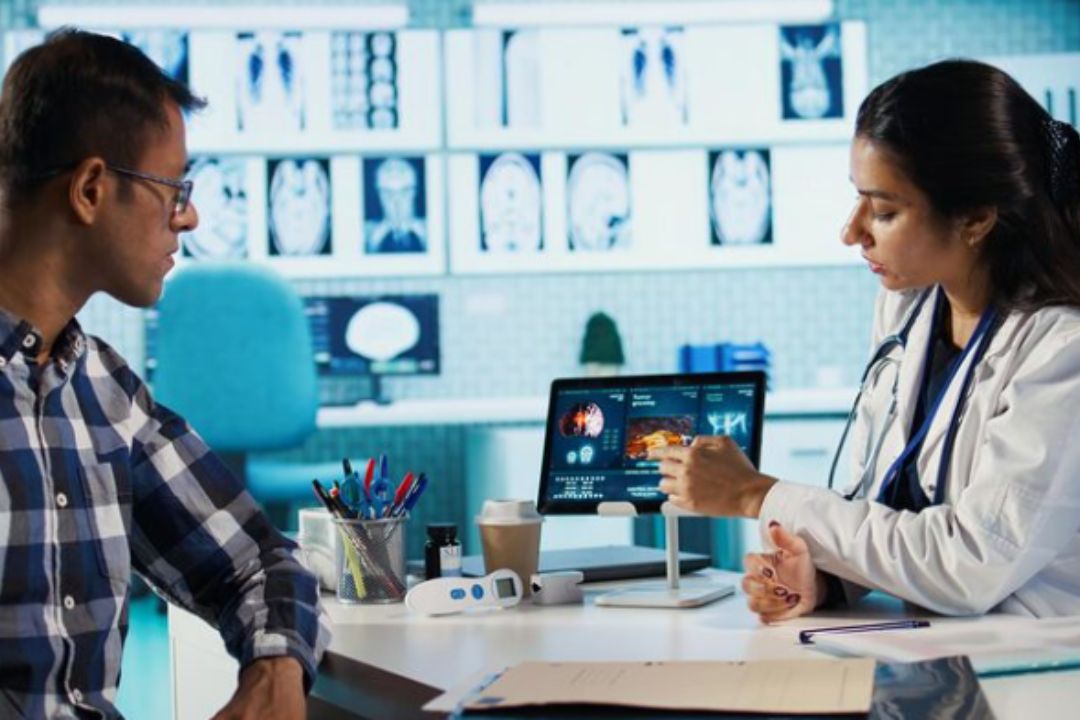
Reports are usually available within 24 hours, sometimes sooner in emergency cases.
When comparing CT scan versus CT scan with contrast, the main difference lies in the level of detail each provides. A regular CT scan (Computed Tomography scan) uses X-rays to create cross-sectional images of bones, organs, and tissues, making it highly effective for detecting fractures, internal bleeding, kidney stones, or major structural abnormalities. However, a CT scan with contrast involves the use of a special contrast dye—usually iodine-based—that is injected into the bloodstream to enhance the visibility of blood vessels, soft tissues, tumors, and infections. This additional contrast makes it easier for doctors to detect subtle abnormalities that may not appear clearly on a standard CT scan. While a basic CT scan is quicker and slightly more affordable, a CT scan with contrast offers greater diagnostic accuracy for complex conditions such as cancers, vascular diseases, inflammatory disorders, and orbital or brain abnormalities. The choice between CT scan versus CT scan with contrast ultimately depends on the patient’s symptoms, medical history, and the level of detail required for accurate diagnosis.
High Accuracy – Detects tumors, abscesses, inflammation
Quick Procedure – Completed in minutes
Non-invasive – No surgical cuts
Detailed Imaging – Clear visualization of optic nerves and muscles
Emergency Ready – Ideal for trauma cases
It provides fast and precise diagnosis, enabling early treatment.
Many patients worry about comfort during a CT scan with contrast. Here’s what to expect:
The scan is painless
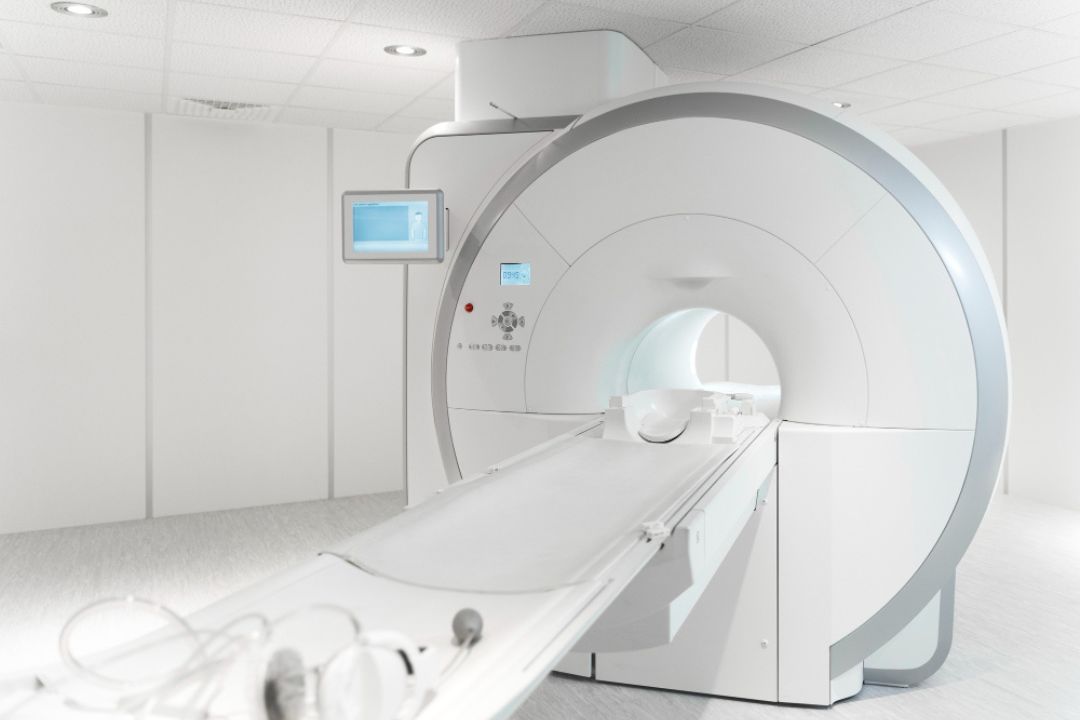
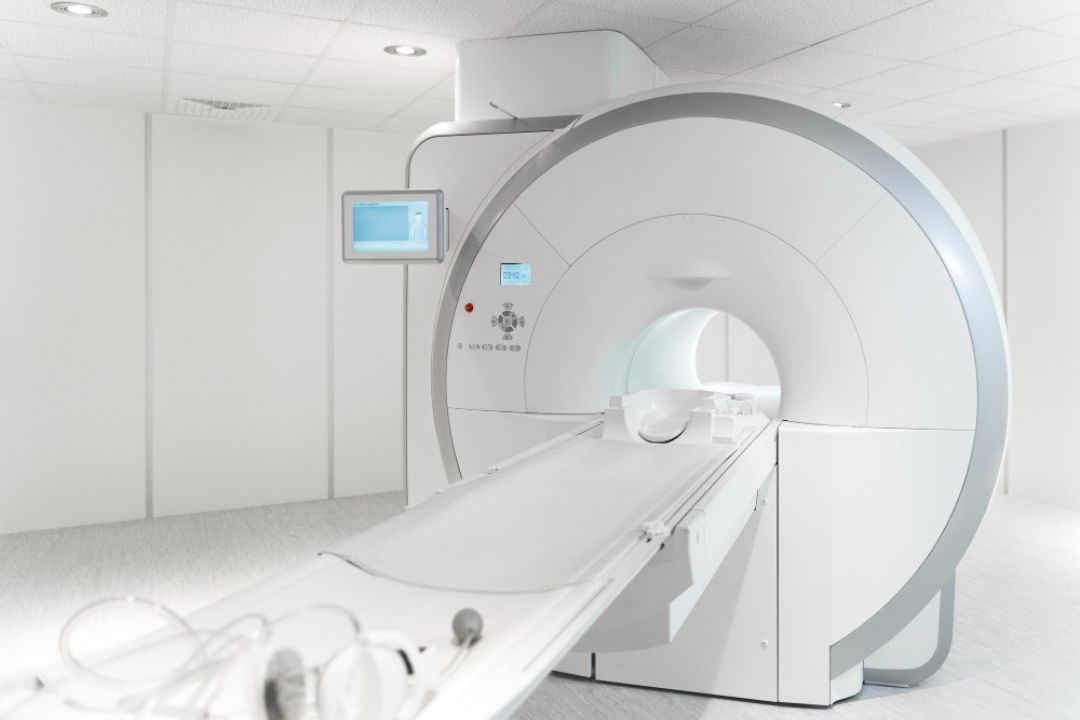
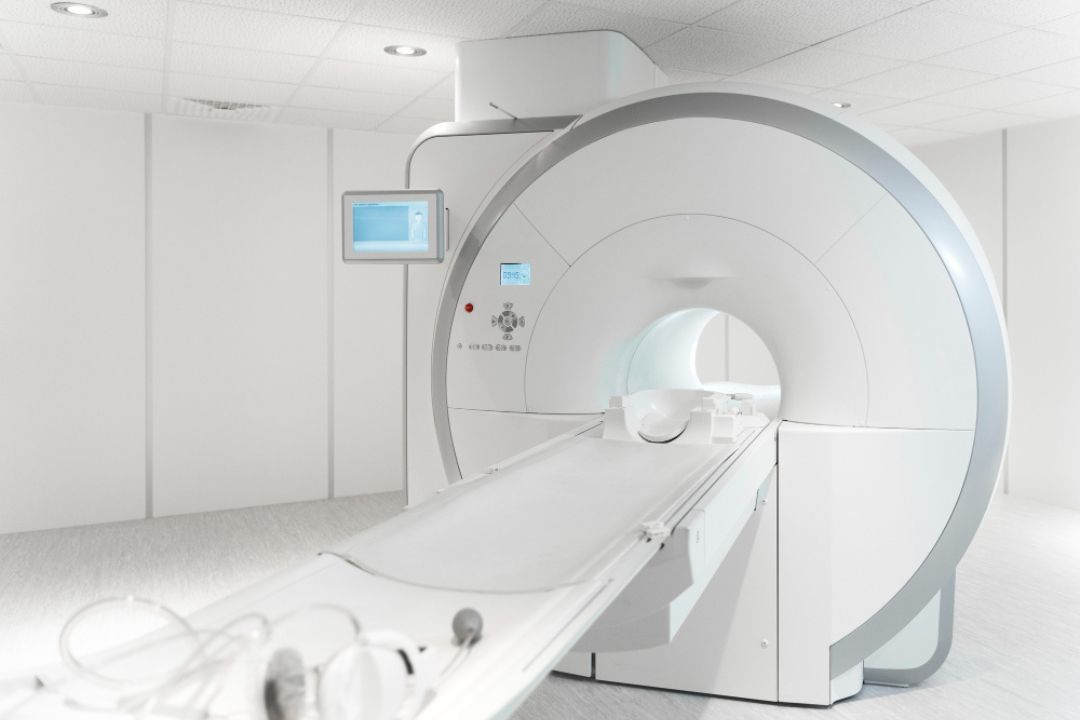
The machine is open (not like MRI)
No loud noises
Short duration
Minimal discomfort from IV injection
Screening for allergies
Monitoring after contrast
Advanced low-radiation technology
Overall, it is considered a safe and well-tolerated procedure.
Pregnant women should inform doctors beforehand
Patients with kidney disease need prior evaluation
Diabetic patients on metformin may require special instructions
Always carry previous reports for comparison
Choosing the right diagnostic center is crucial for accurate results and peace of mind. Diagnopein Mumbai stands out as a trusted name in advanced imaging and pathology services, offering a perfect blend of technology, expertise, affordability, and patient comfort.
At Diagnopein Mumbai, we use advanced CT scan technology that ensures high-resolution imaging with optimized radiation safety. Whether you need a routine CT scan or a CT scan with contrast, our experienced radiologists ensure precise interpretation and fast reporting to support timely medical decisions.
Our team includes highly qualified and experienced radiologists who specialize in interpreting complex scans, including CT Orbit with contrast, brain CT, and other advanced imaging studies.
We utilize state-of-the-art diagnostic machines that provide clear, detailed images for accurate diagnosis while maintaining patient safety standards.
Healthcare should be accessible. Diagnopein Mumbai offers competitive and transparent pricing without compromising on quality, making advanced imaging affordable for everyone.
We understand that time matters in medical diagnosis. Our streamlined process ensures quick turnaround time for reports, especially in emergency cases.
From easy appointment booking to minimal waiting time and professional staff support, patient comfort is our priority. Our team ensures proper screening before procedures like CT scan with contrast, especially for allergies and kidney function concerns.
Diagnopein Mumbai is easily accessible, making it convenient for patients across the city to avail high-quality diagnostic services without hassle.
Understanding the step-by-step process of CT Orbit with contrast helps reduce anxiety and prepare better for the procedure. Whether it’s trauma, infection, tumor detection, or optic nerve evaluation, a CT scan with contrast offers superior diagnostic clarity compared to a regular CT scan.
If you are searching for a reliable and affordable CT Orbit scan in Mumbai, Diagnopein Mumbai ensures advanced imaging technology, expert radiologists, fast reports, and patient-friendly services.




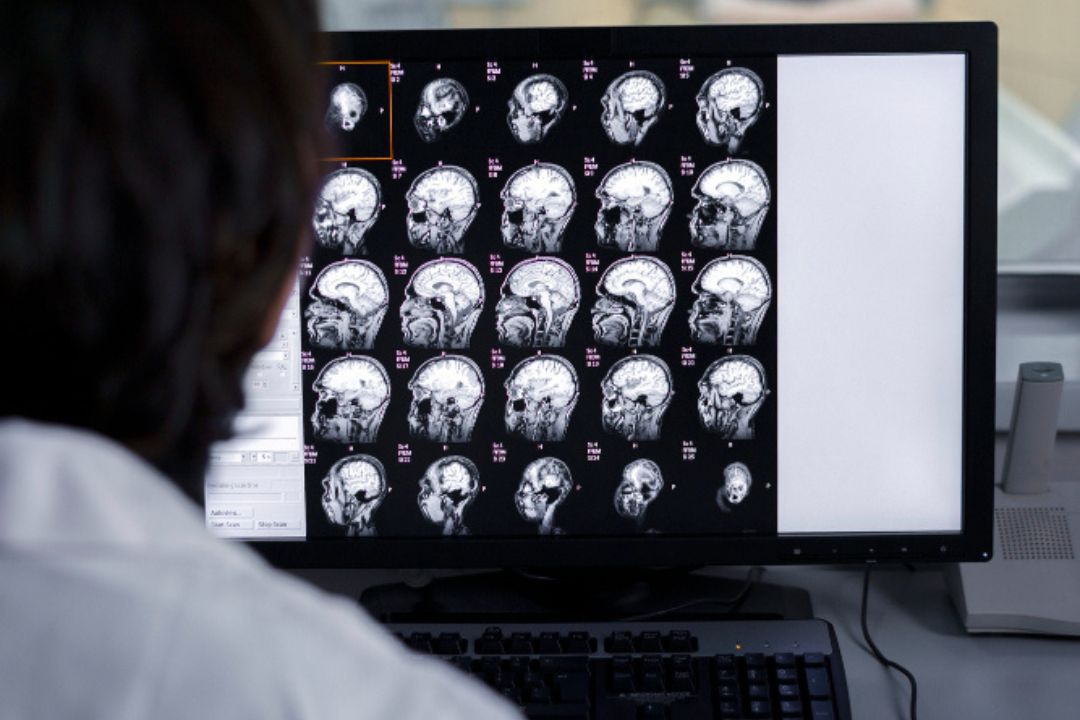
.jpg "ct brain scan plain and contrast")




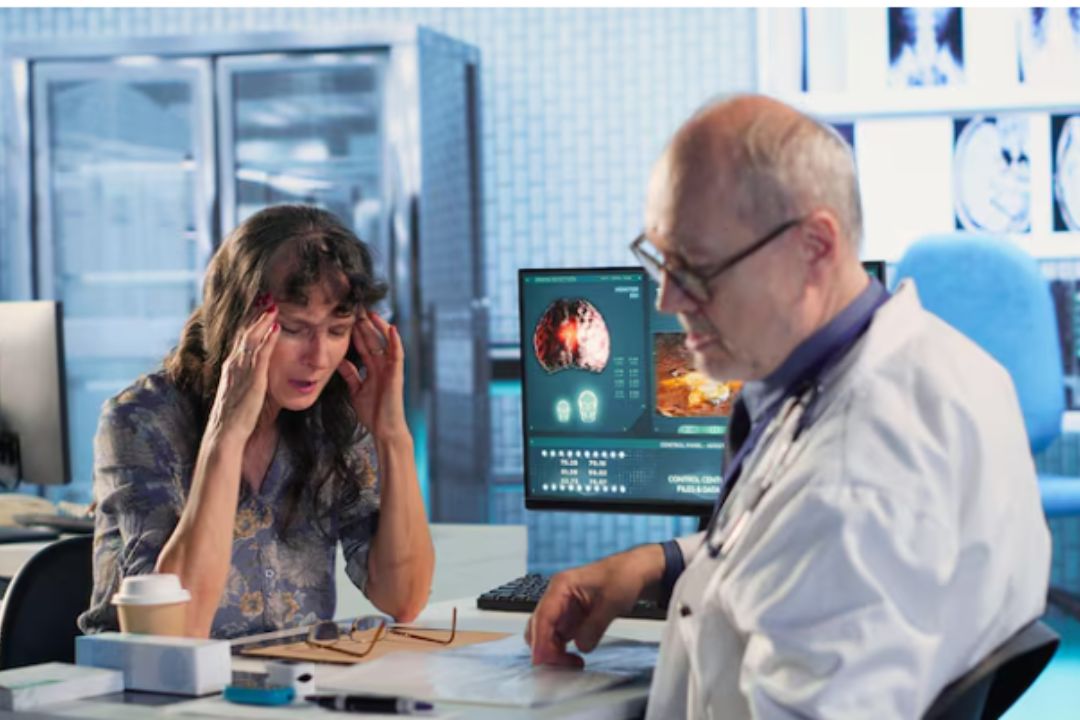

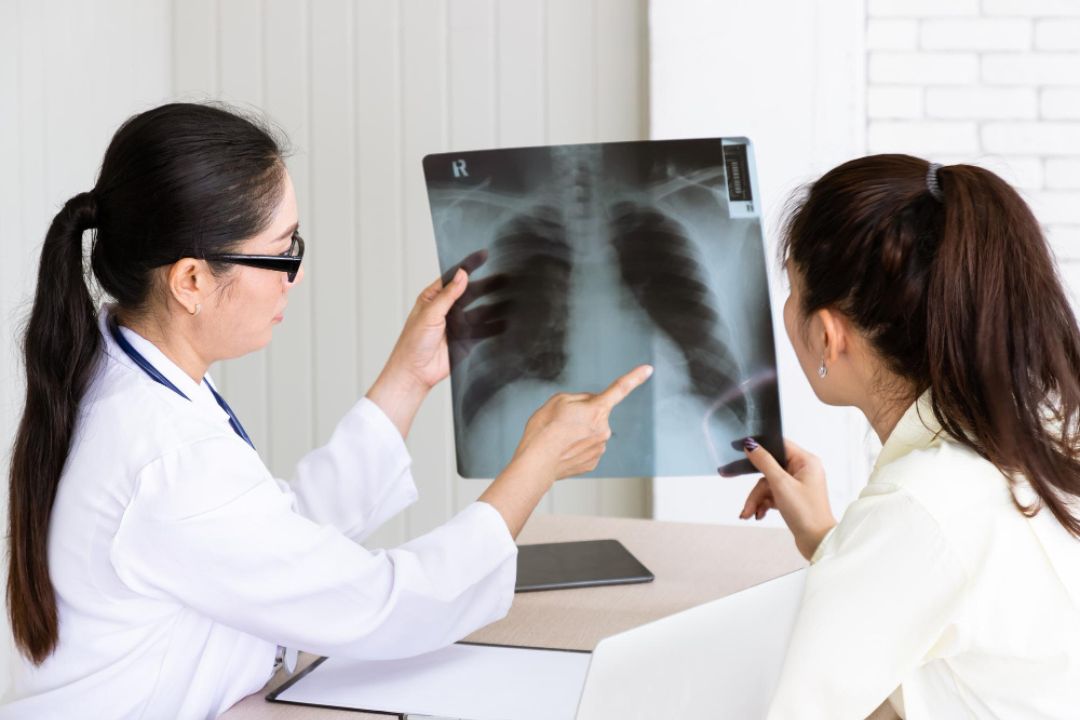

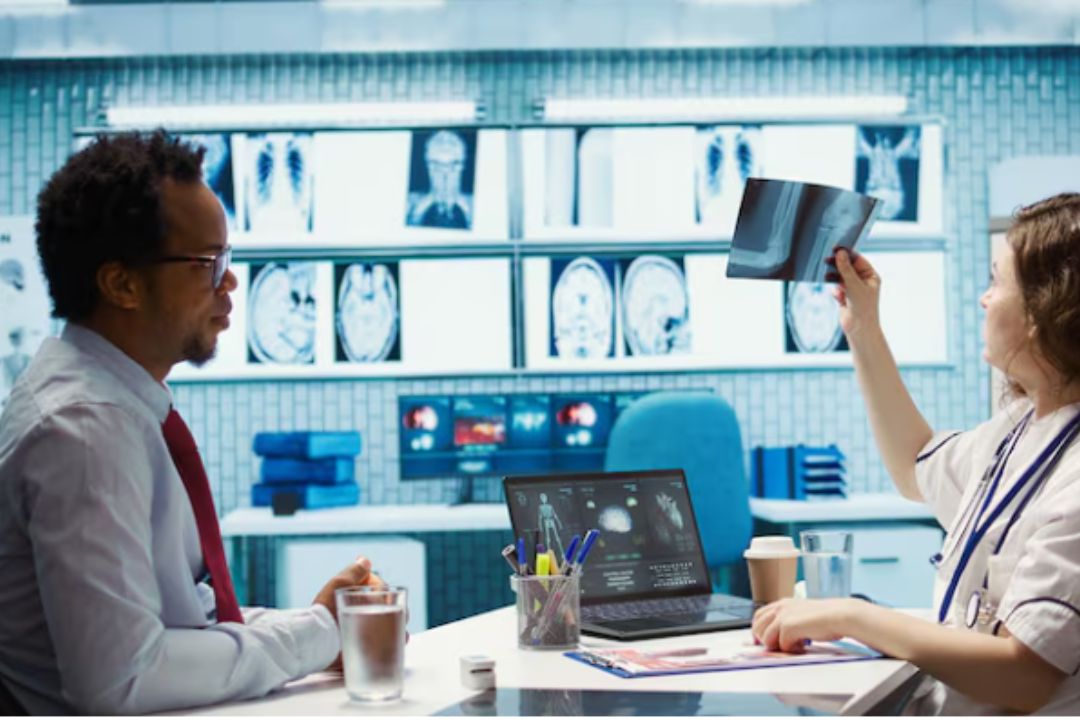
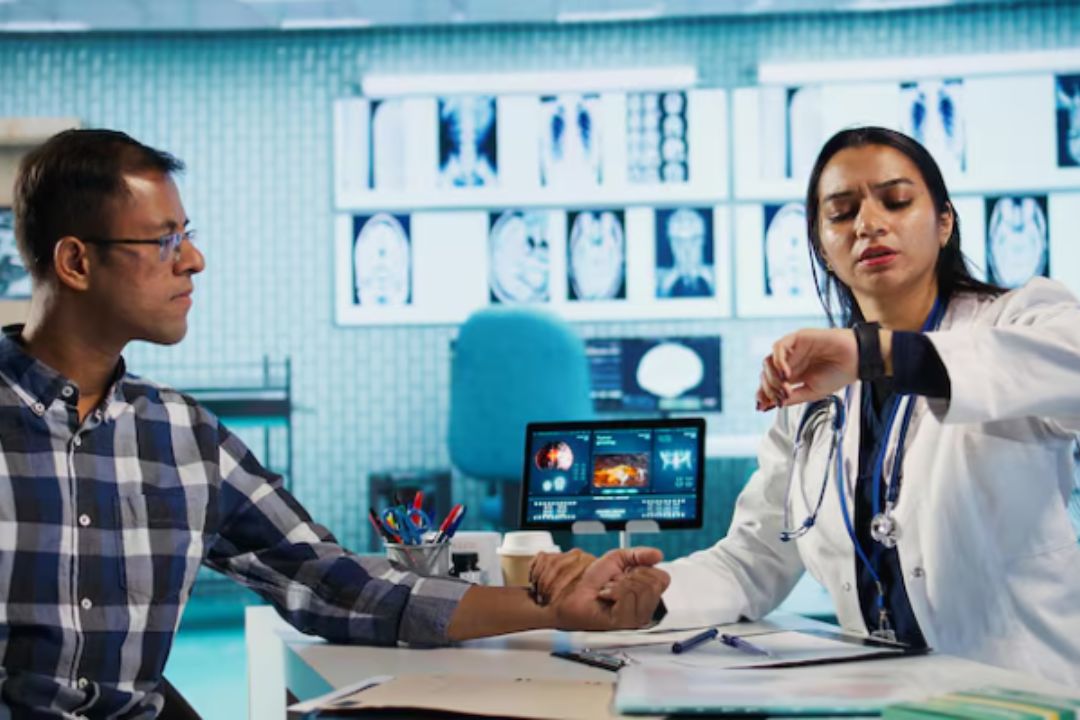


.jpg "ct scan")
.jpg "ct scan or mri for brain disorders")


.jpg "exploring the power of ct brain contrast in modern diagnostics")
.jpg "ct scan")
.jpg "ct scan")







.jpg "ct scan")

.jpg "CT Brain Scan for Headaches")
.jpg "The Future of 3D CT Imaging")