Dengue fever is a rapidly spreading mosquito-borne viral infection that affects thousands of people every year, especially in urban areas like Mumbai. With changing weather patterns and increased mosquito breeding, the number of dengue cases continues to rise. Early recognition of symptoms is extremely important because timely diagnosis can prevent serious complications.
If you live in Mumbai, understanding the warning signs of dengue symptoms can help you seek medical help quickly and protect your family.
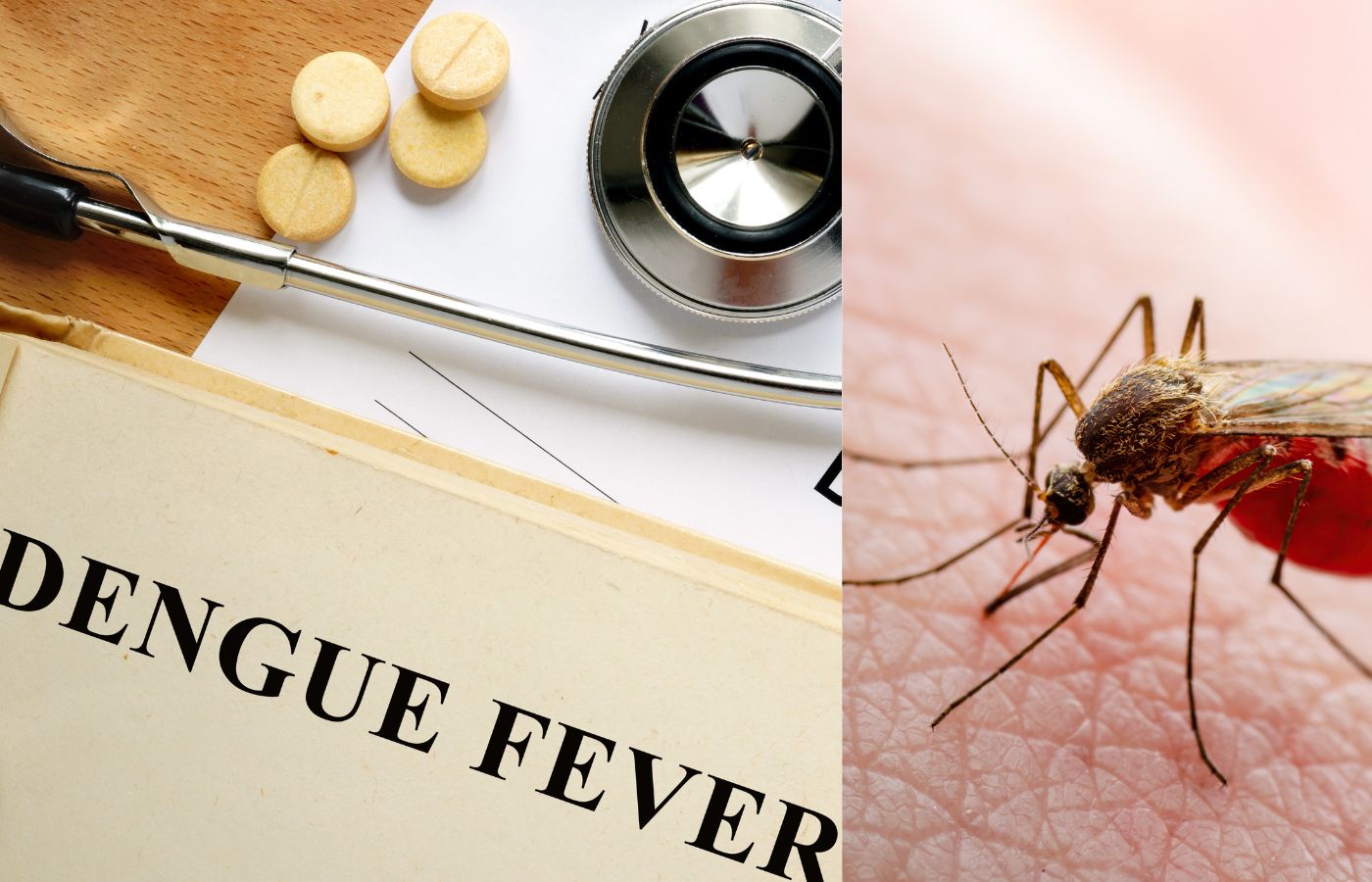
Dengue fever is caused by the dengue virus, which spreads through the bite of an infected Aedes aegypti mosquito. These mosquitoes usually bite during the daytime and breed in stagnant water commonly found in densely populated cities like Mumbai.
The illness can range from mild flu-like symptoms to severe life-threatening conditions such as dengue hemorrhagic fever or dengue shock syndrome.
Recognizing early dengue symptoms can make a huge difference in recovery. Many people initially ignore the warning signs, assuming it is just a viral fever. However, dengue can worsen quickly.
Benefits of early diagnosis:
Prevents platelet count from dropping dangerously
Reduces risk of severe dengue complications
Helps doctors start proper monitoring
Improves recovery time
Avoids emergency hospitalization
In high-risk cities like Mumbai, doctors strongly recommend testing if dengue is suspected.
The symptoms of dengue usually appear 4 to 10 days after a mosquito bite. Early signs often resemble common viral infections, which makes awareness very important.
One of the most common early dengue symptoms is a sudden high fever, often reaching 104°F (40°C).
Key signs:
Rapid onset fever
Fever lasting 2–7 days
Chills and body discomfort
In Mumbai, many dengue cases first appear during monsoon season when mosquito breeding increases.
A persistent and intense headache is another classic sign of dengue fever symptoms.
Patients often report:
Pain in the forehead
Heavy head feeling
Difficulty concentrating
If headache occurs with high fever in Mumbai, doctors often advise dengue testing.
This symptom is highly characteristic of dengue.
Watch for:
Eye pain while moving eyeballs
Pressure behind eyes
Light sensitivity
This is why dengue is sometimes called “breakbone fever.”
Severe body pain is one of the most uncomfortable dengue symptoms.
Patients may feel:
Intense muscle pain
Joint stiffness
Back pain
Weakness in limbs
Many patients in Mumbai describe it as feeling like their bones are breaking.
Even mild dengue can cause unusual tiredness.
Common complaints:
Low energy
Difficulty doing routine work
Body heaviness
Dizziness
If fatigue continues with fever, people in Mumbai should consider a dengue blood test.
Digestive symptoms often appear in early dengue.
Look for:
Feeling nauseated
Frequent vomiting
Loss of appetite
Stomach discomfort
These symptoms may worsen after the fever phase.
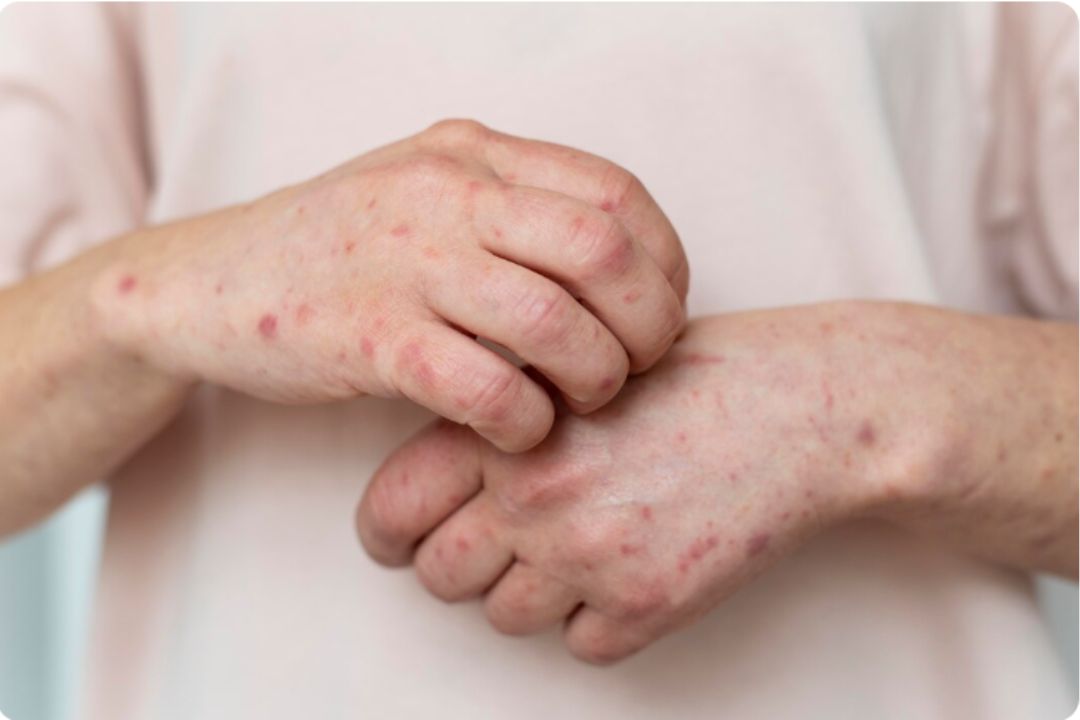
A skin rash may appear 2–5 days after fever starts.
Rash characteristics:
Red spots on skin
Itchy patches
Measles-like appearance
Appears on chest, arms, or legs
In Mumbai, doctors often correlate rash with falling platelet counts.
Sometimes dengue progresses to a dangerous stage. Immediate medical care is required if these severe dengue symptoms appear.
Severe abdominal pain
Persistent vomiting
Bleeding gums or nose
Blood in urine or stool
Rapid breathing
Extreme restlessness
Sudden drop in platelet count
If any of these occur in Mumbai, seek emergency medical attention immediately.
Doctors recommend testing if you have:
Fever for more than 2 days
Body pain with weakness
Symptoms during monsoon in Mumbai
Exposure to mosquito-prone areas
Falling platelet count
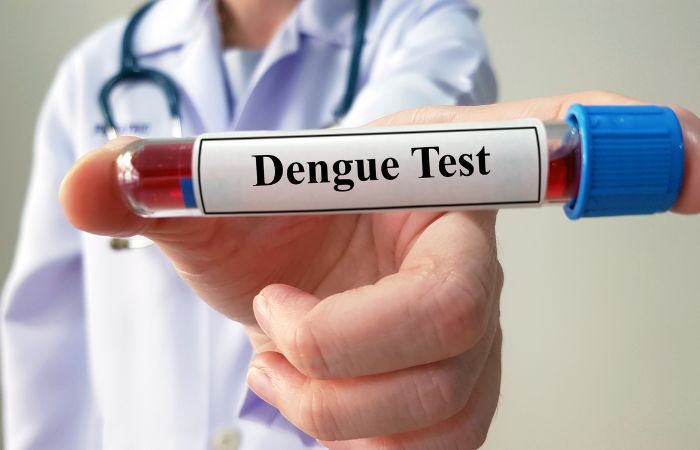
Early diagnosis depends on proper lab testing.
1. NS1 Antigen Test
Detects dengue virus early
Best within first 5 days
Highly recommended in Mumbai
2. Dengue IgM Antibody Test
Detects recent infection
Done after day 5
3. Dengue IgG Test
Shows past infection
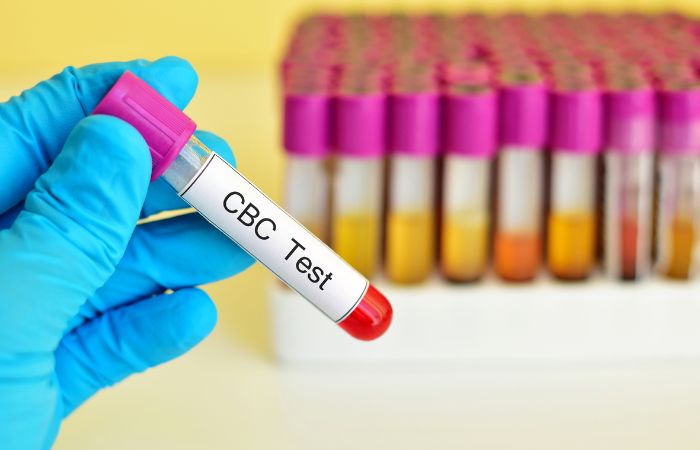
4. Complete Blood Count (CBC)
Monitors platelet levels
Checks white blood cells
Regular monitoring is very important for dengue patients in Mumbai.
Anyone can get dengue, but some people are more vulnerable.
High-risk groups:
Children
Elderly people
People with weak immunity
Residents of crowded areas in Mumbai
Individuals with previous dengue infection
Prevention is the best protection, especially in mosquito-prone regions like Mumbai.
Avoid stagnant water around home
Use mosquito repellents
Wear full-sleeve clothes
Install window screens
Use mosquito nets
Keep water tanks covered
Maintain clean surroundings in Mumbai homes
If dengue is confirmed and symptoms are mild, supportive care helps recovery.
Recommended care:
Drink plenty of fluids
Take doctor-prescribed medicines only
Avoid self-medication
Monitor platelet count regularly
Take proper rest
Eat light, nutritious food
However, always stay in touch with your doctor in Mumbai.
Many patients delay treatment due to myths.
Avoid these mistakes:
Ignoring high fever
Self-medicating
Waiting for platelets to drop
Not doing blood tests
Assuming it is simple viral fever
Delaying doctor consultation in Mumbai
Early action saves lives.
With rising dengue cases, timely testing is critical.
Advantages of early testing in Mumbai:
Quick diagnosis
Proper medical monitoring
Prevention of complications
Peace of mind
Faster recovery
Diagnostic centers in Mumbai now offer fast and accurate dengue testing.
Dengue fever is common but potentially dangerous if ignored. Recognizing early dengue symptoms such as high fever, severe headache, body pain, eye pain, and fatigue can help you act quickly. Residents of Mumbai must stay especially alert during monsoon and post-monsoon seasons when mosquito activity peaks.
If you or your family members notice warning signs, do not delay. Consult a doctor and get a dengue test immediately. Early diagnosis, proper hydration, and medical supervision are the keys to safe recovery.
Stay aware, stay protected, and keep your surroundings mosquito-free in Mumbai.
















.jpg "diabetes")


.jpg "pcos lifestyle")












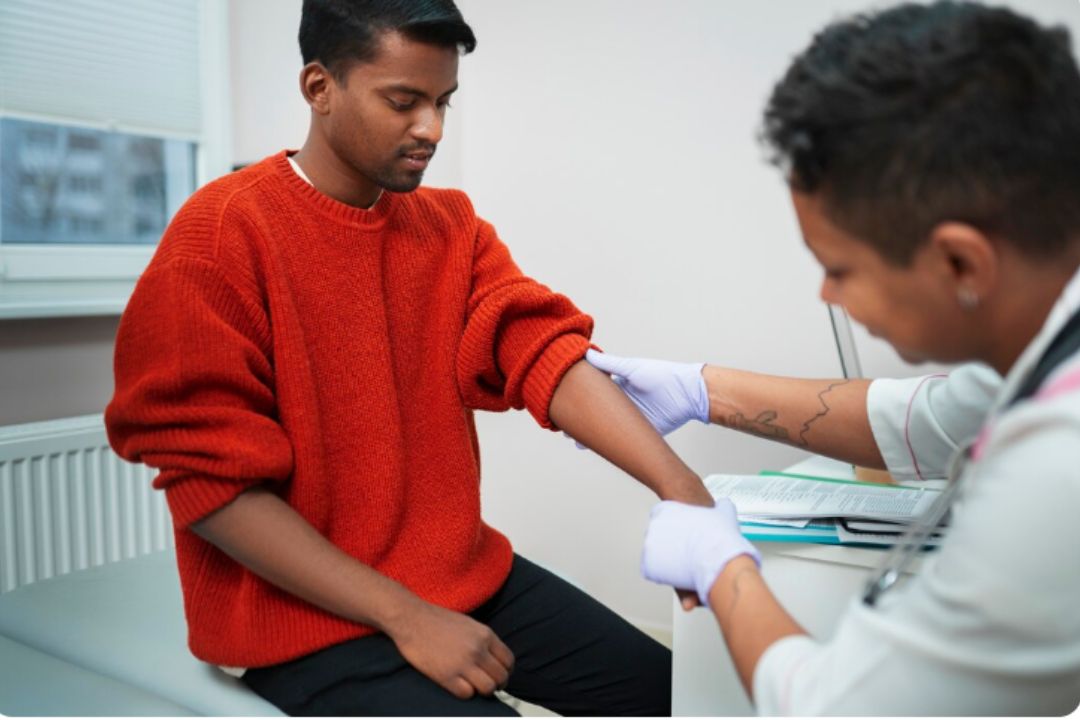




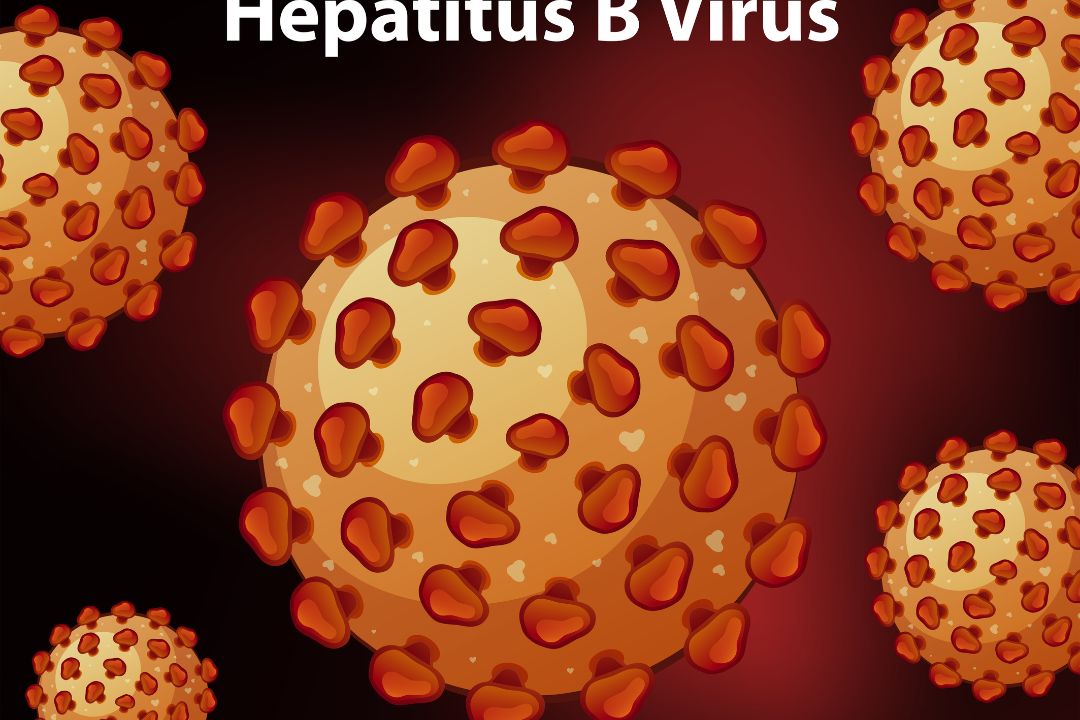




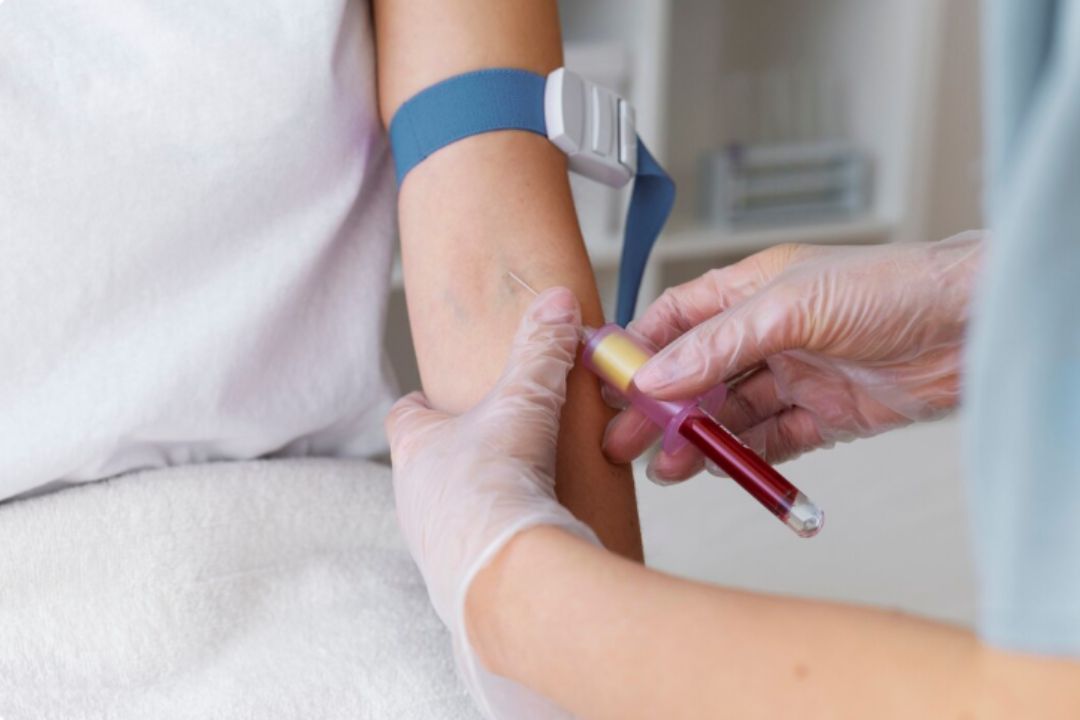



.jpg "FSH Test")





.jpg "urine potassium in hypokalemia")













.jpg "How to Prevent Hepatitis")

.jpg "Acute-Phase Reactants")
.jpg "Anemia: Causes")

.jpg "Manage Cirrhosis")

.jpg "Types of Tuberculosis")
.png "Tested for Multiple Myeloma")


 (1).jpg "Urine Cortisol Test at Diagnopein")
 (1).jpg "Aldolase & its role")
 (1).jpg "Beta-Thalassemia Major at Diagnopein")
.jpg "Typhoid treatment")
 (1).jpg "Kidney Stones Demystified")
 (1).jpg "Blood infection signs & diagnosis")
 (1).jpg "From HIV to AIDS")


.jpg "Multiple Myeloma")
 (1).jpg "Know about Chikungunya Fever")
.jpg "Diagnopein Stands Out")






 disorders.jpg "gastrointestinal (GI) disorders")






.jpg "symptoms of Chikungunya & How is Chikungunya diagnosed?")
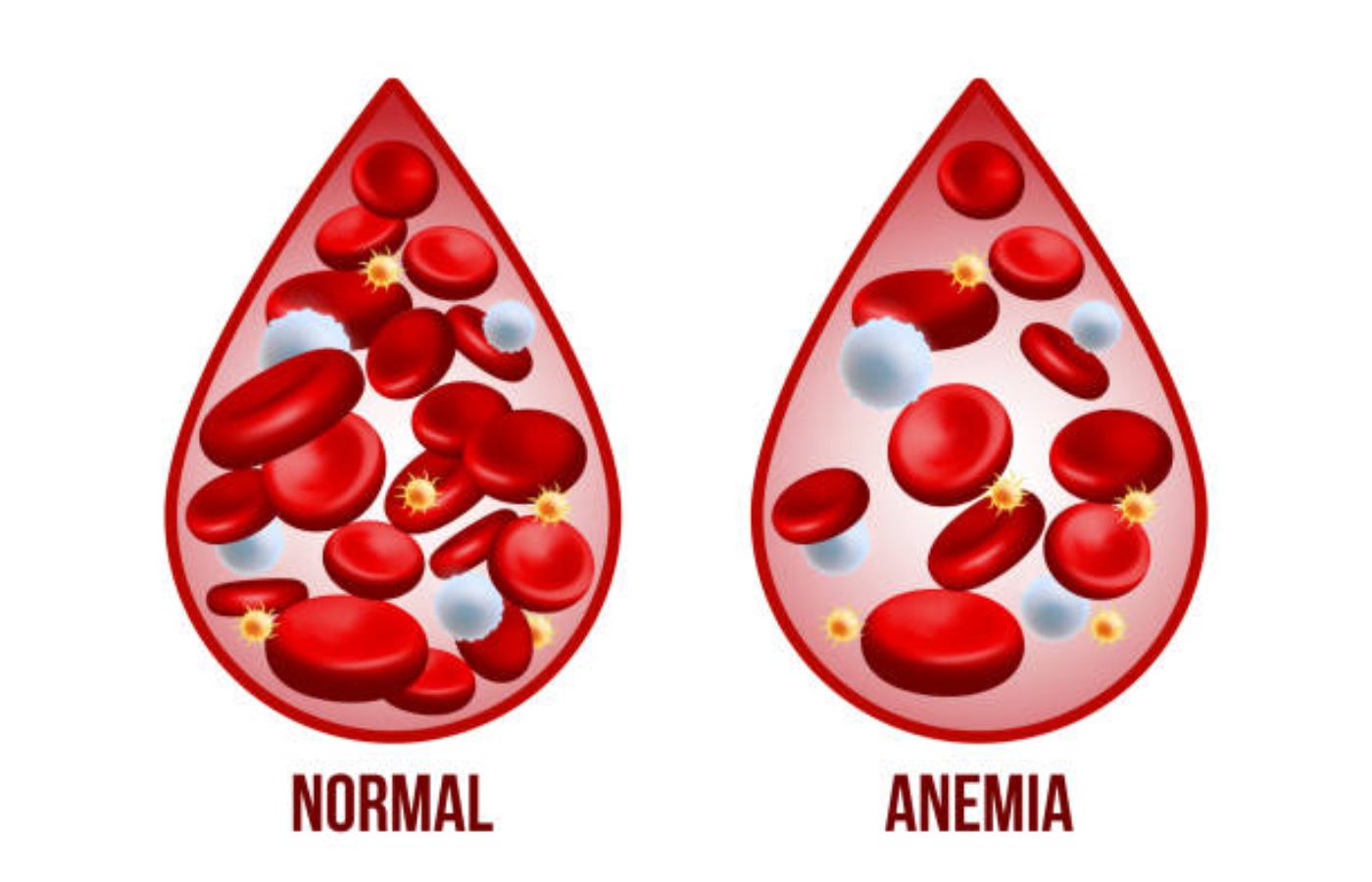

.jpg "COMMON PATHALOGICAL BLOOD TESTS")













.png "how to manage diabetes")