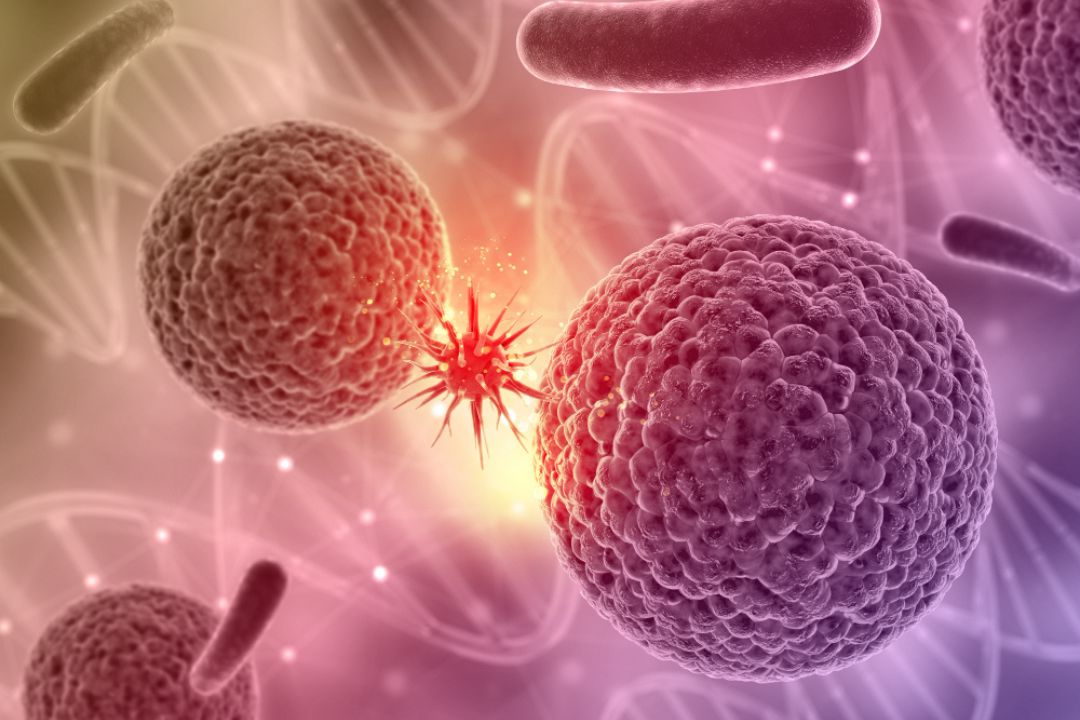
A blood infection, known medically as sepsis or septicemia, is a life-threatening medical emergency. It occurs when the body’s response to an infection causes widespread inflammation, potentially leading to tissue damage, organ failure, and death. Rapid and accurate diagnosis is the single most critical factor in survival. For families navigating this scary situation, understanding the diagnostic process, tests, and treatments can provide crucial clarity and empower them to advocate for their loved ones
Why Early Diagnosis is Critical: The Role of Key Symptoms
Doctors don’t rely on a single symptom but on a combination of signs pointing to a systemic infection. Key blood infection symptoms include:
High fever or very low body temperature.
Rapid heart rate (tachycardia).
Rapid breathing (tachypnea).
Confusion or disorientation.
Extreme pain or discomfort.
How Doctors Diagnose Blood Infections: Essential Tests
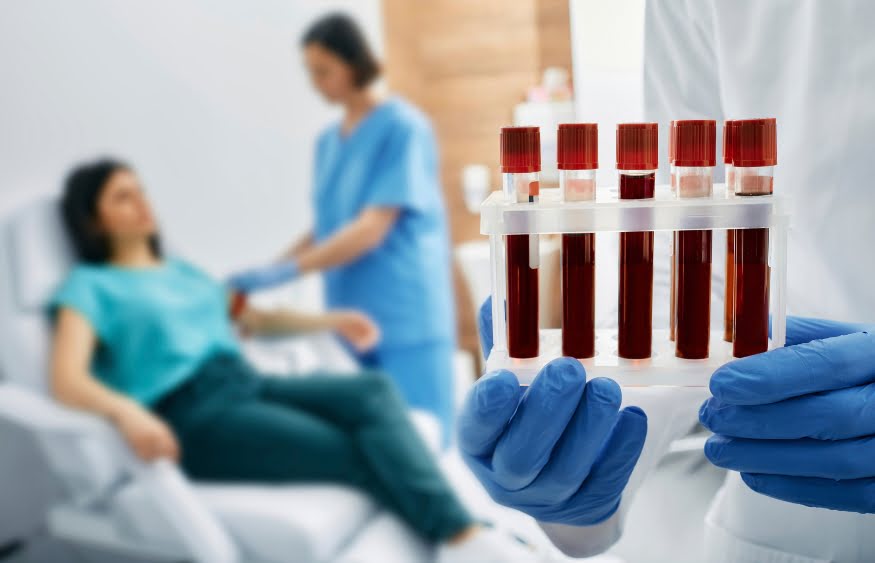
The cornerstone of diagnosing a blood infection is a combination of clinical assessment and laboratory tests:
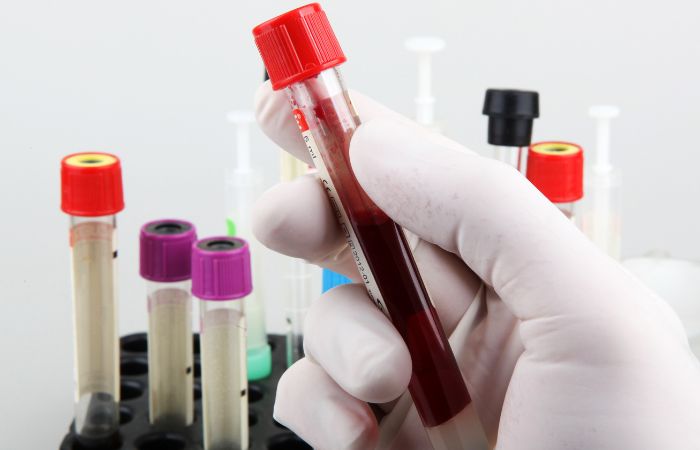
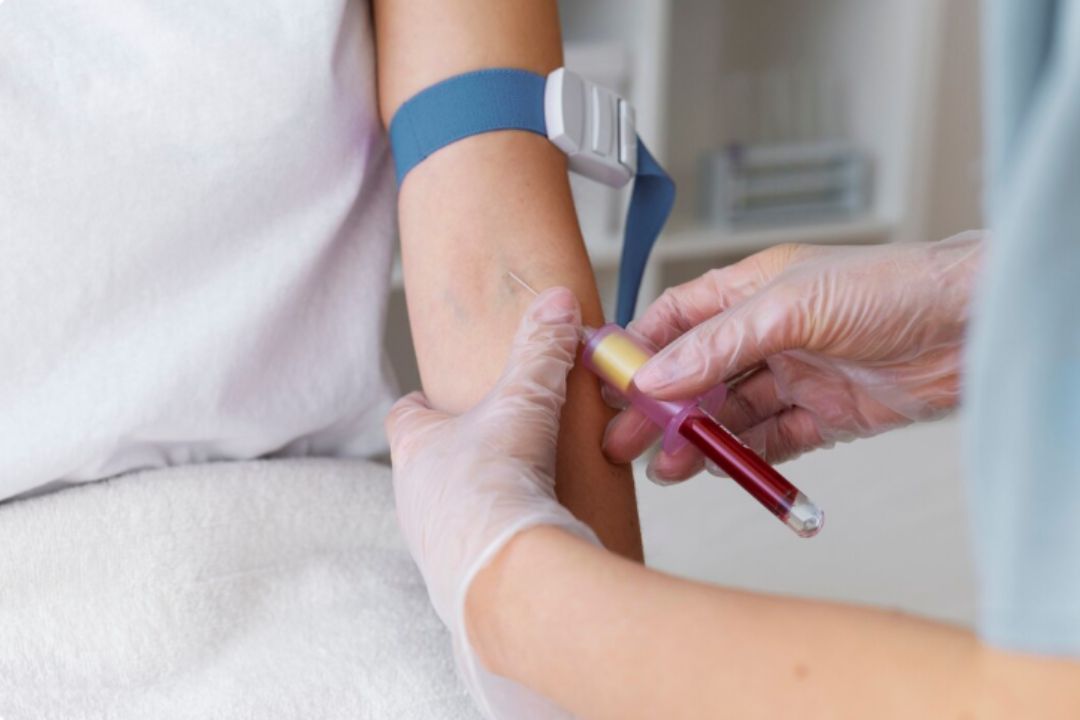
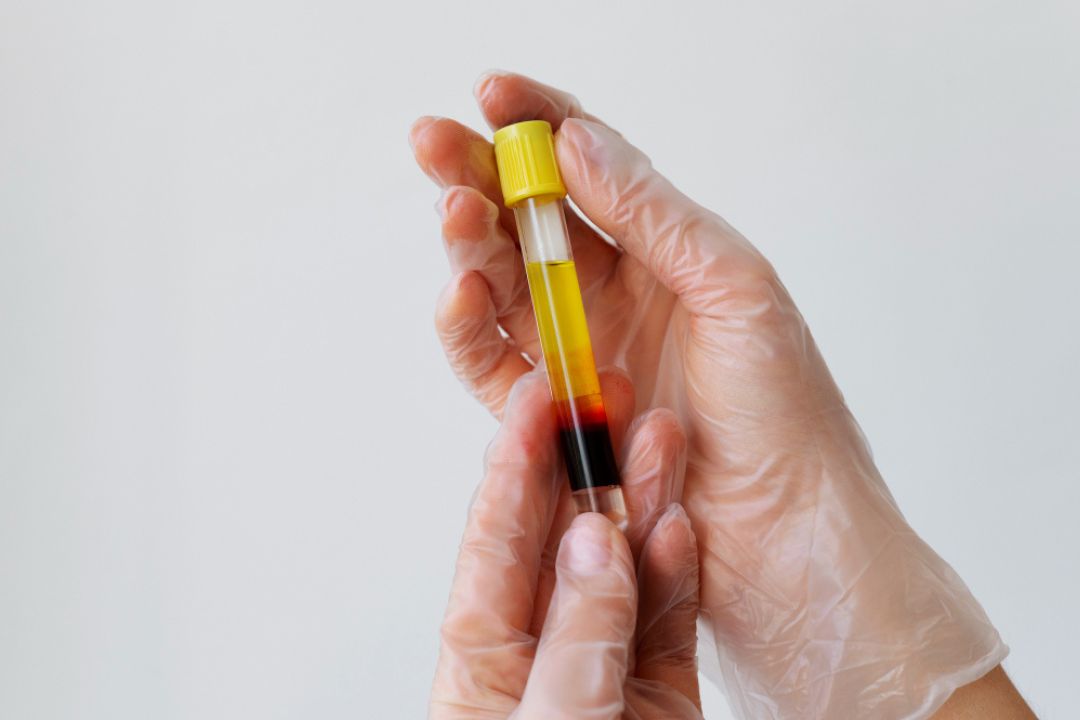
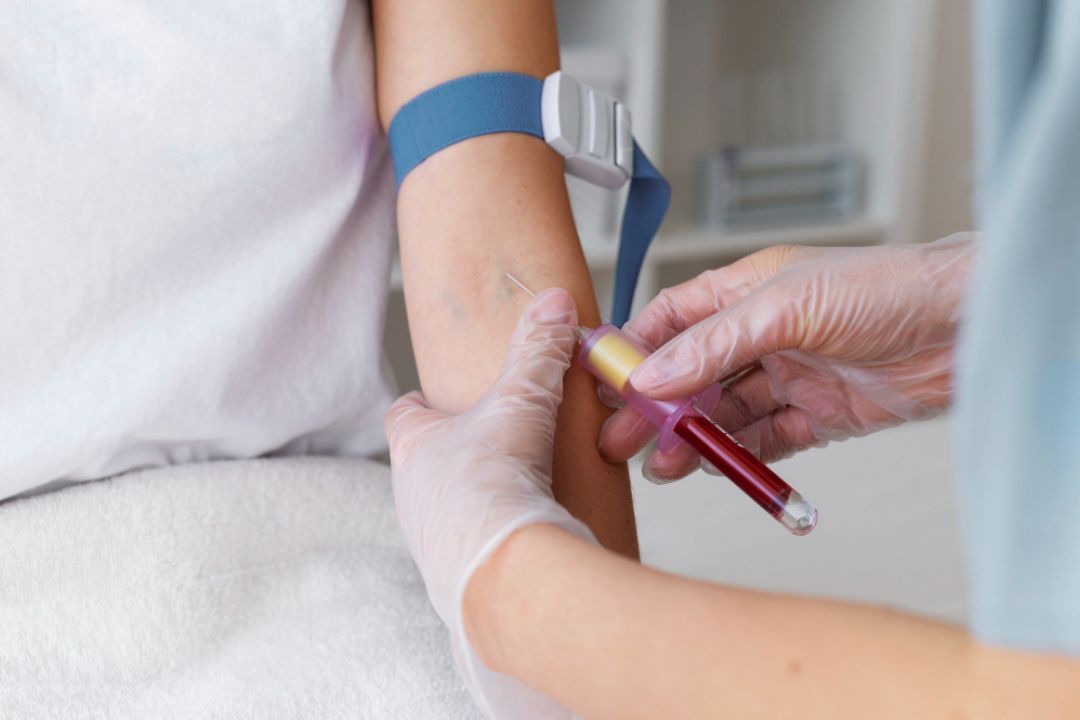
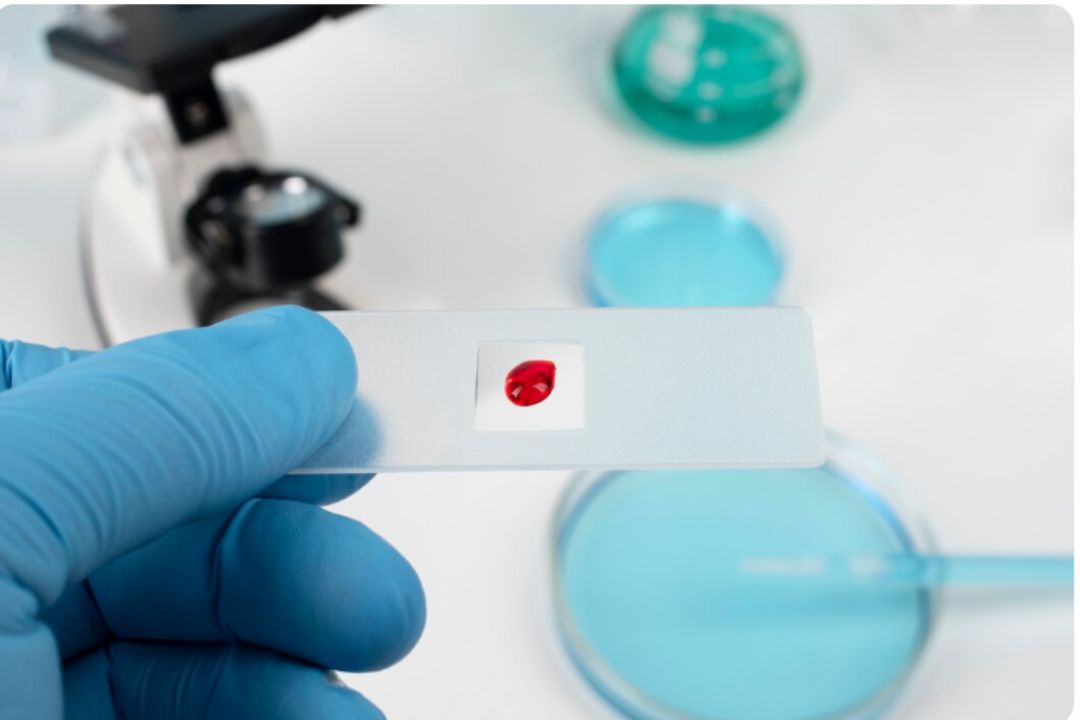
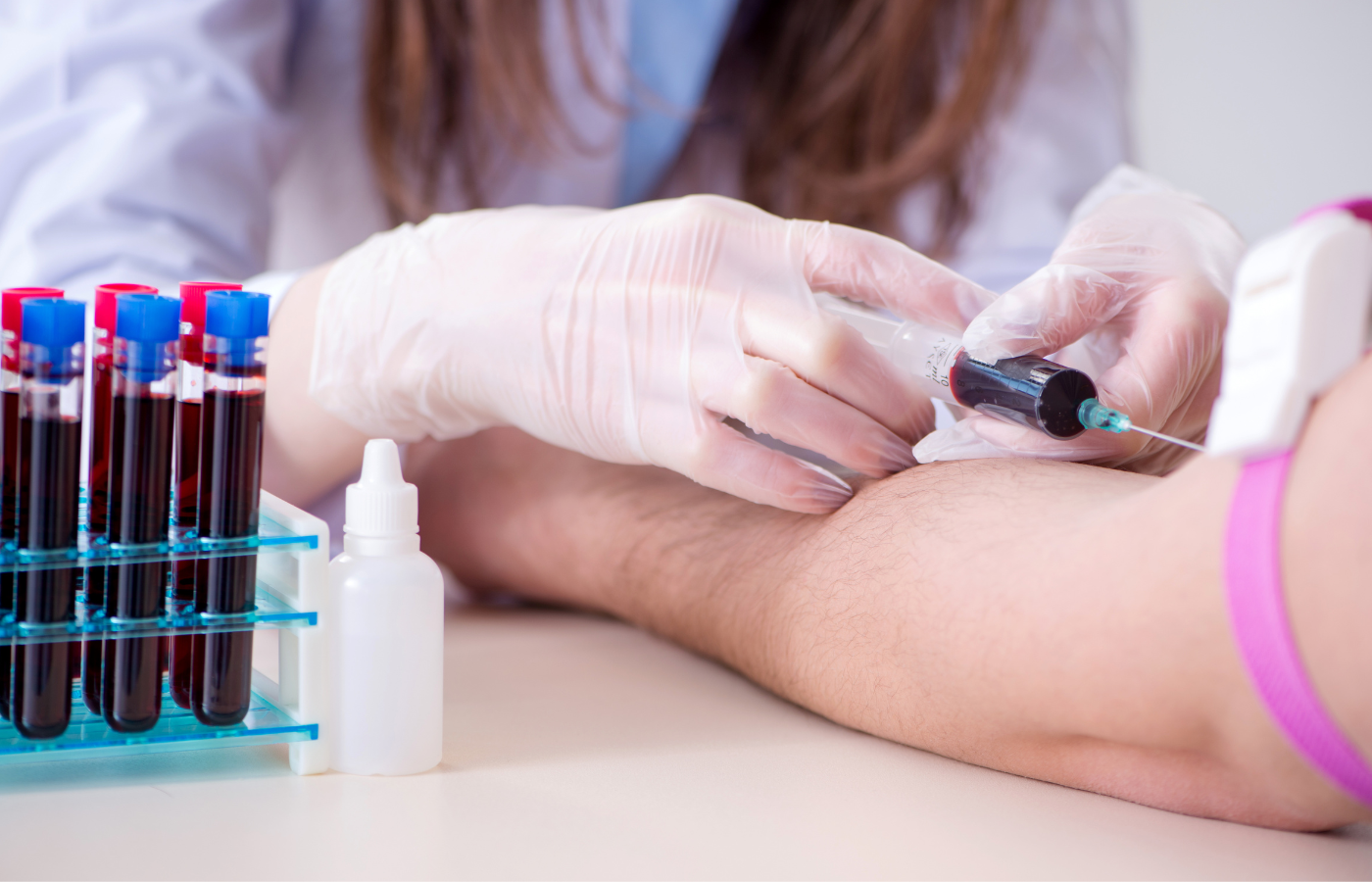
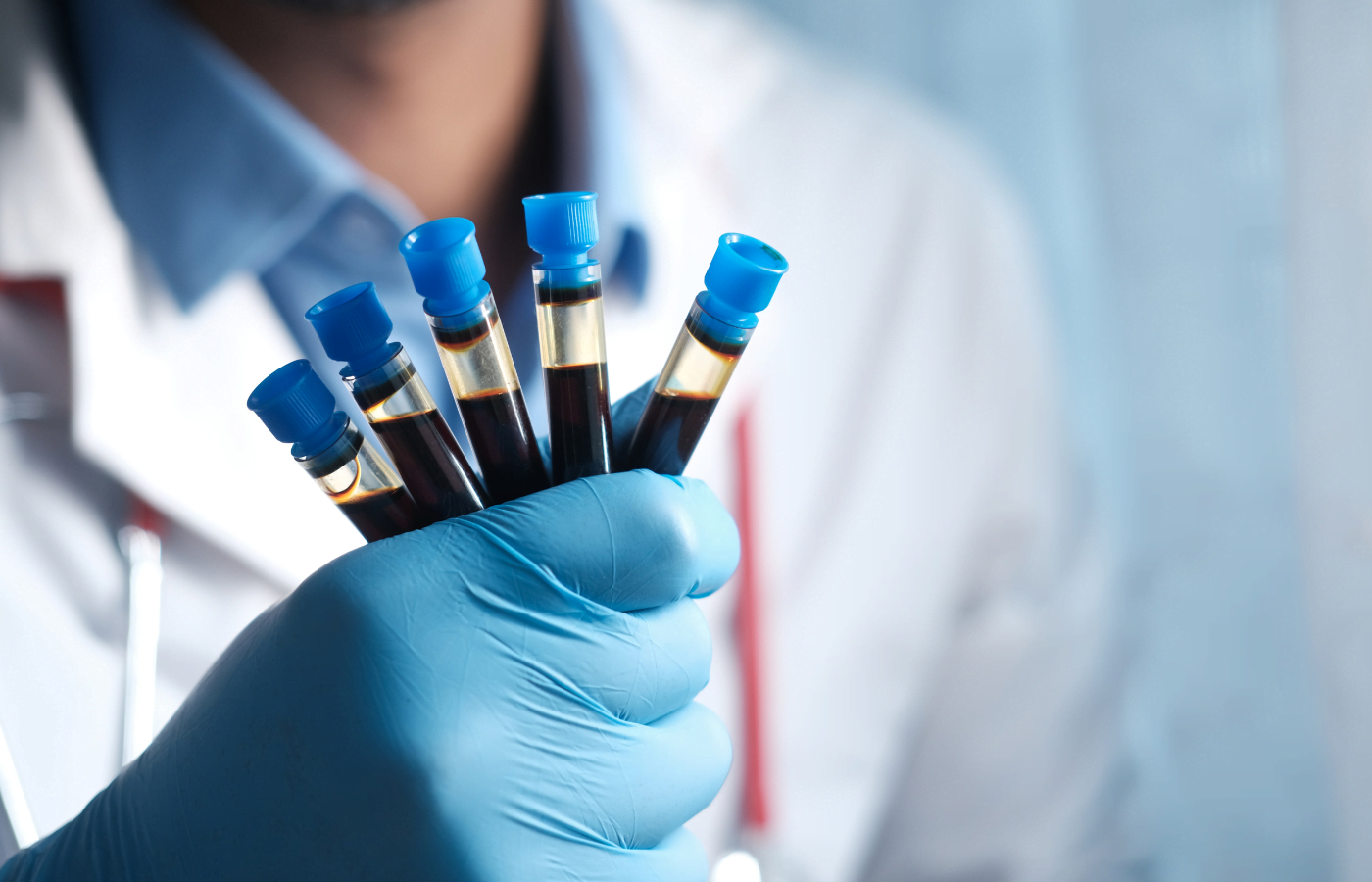
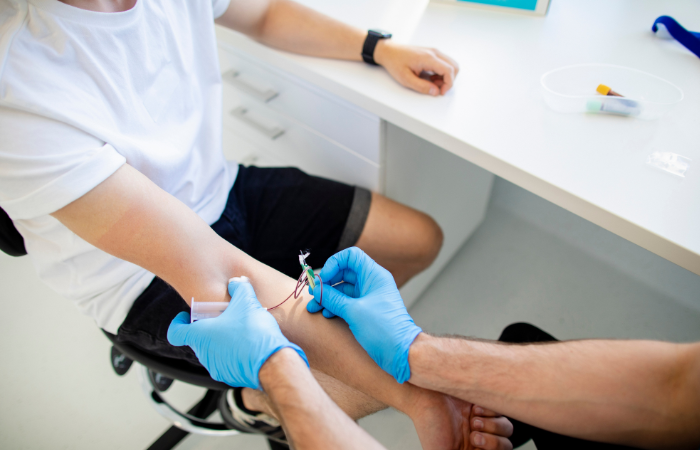
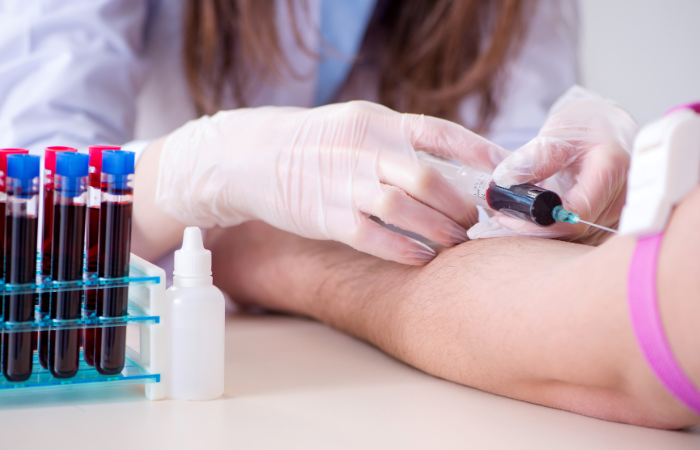
Blood Cultures: This is the gold standard test. Blood drawn from two different veins is incubated to see if bacteria or fungi grow. Identifying the specific pathogen is crucial for targeted treatment. However, results can take 24-72 hours.
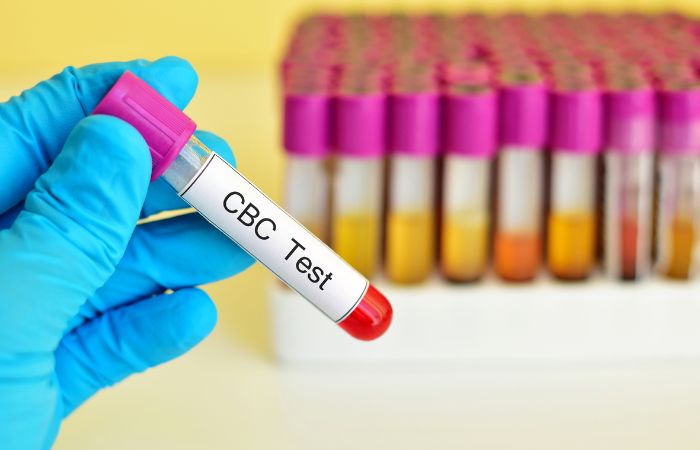
Complete Blood Count (CBC): Checks for high or low white blood cell count, indicating infection.
Lactate Test: High lactate levels suggest the body’s tissues aren’t getting enough oxygen, a sign of septic shock.
Procalcitonin Test: A more specific marker for bacterial sepsis than general markers, helping distinguish from other inflammations.
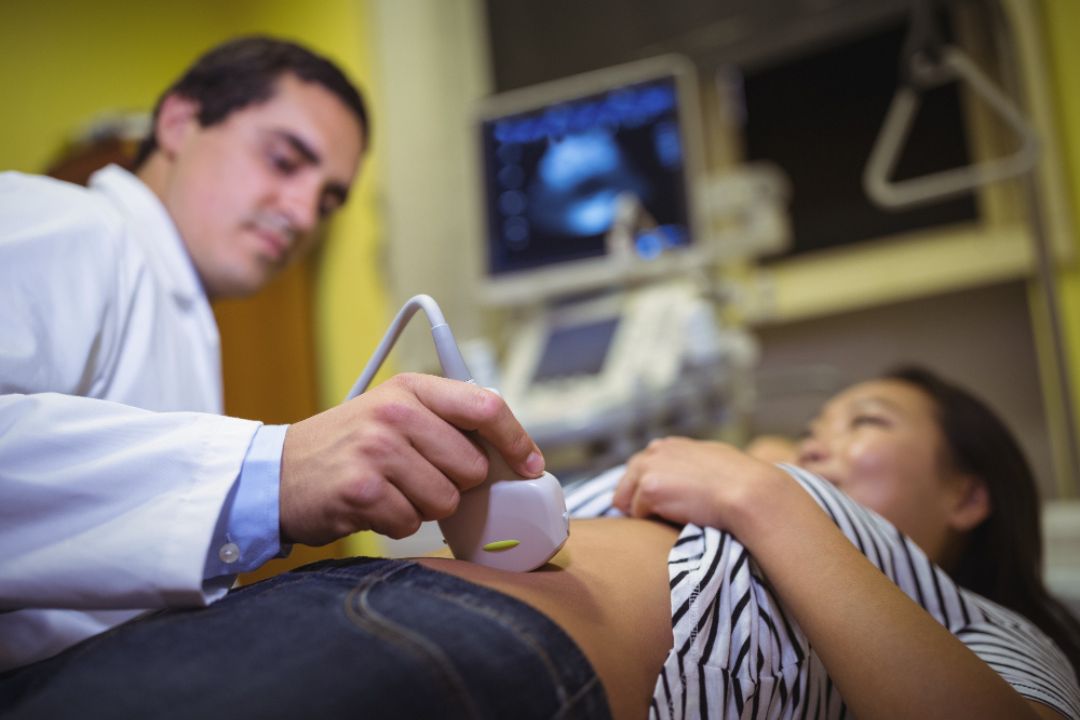
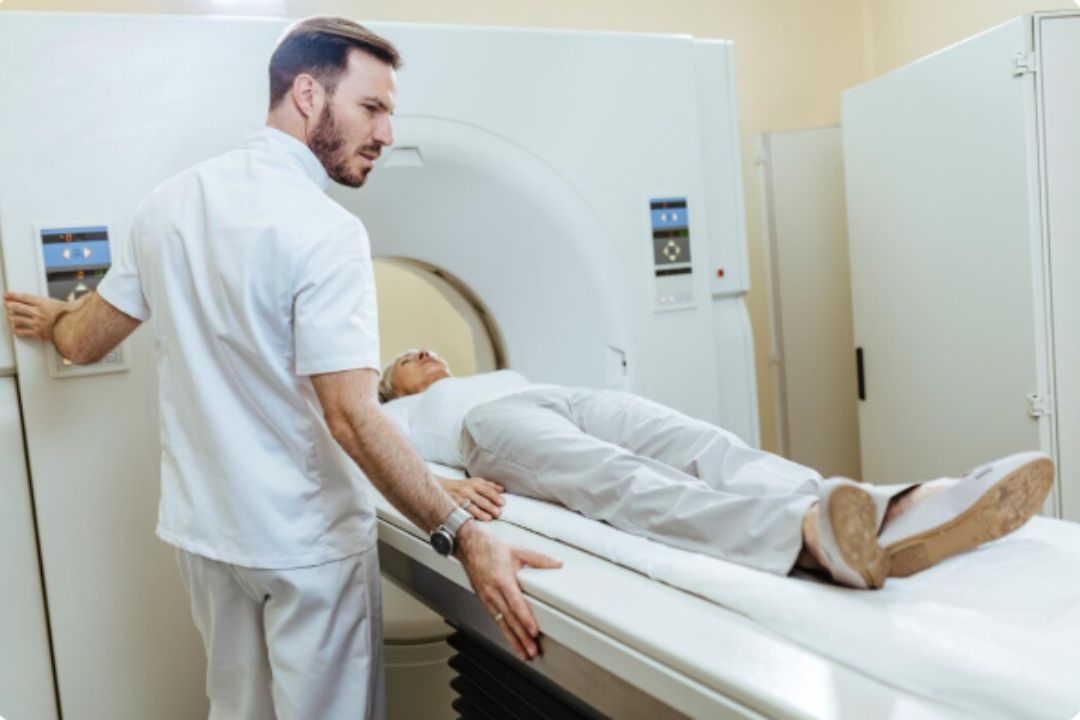
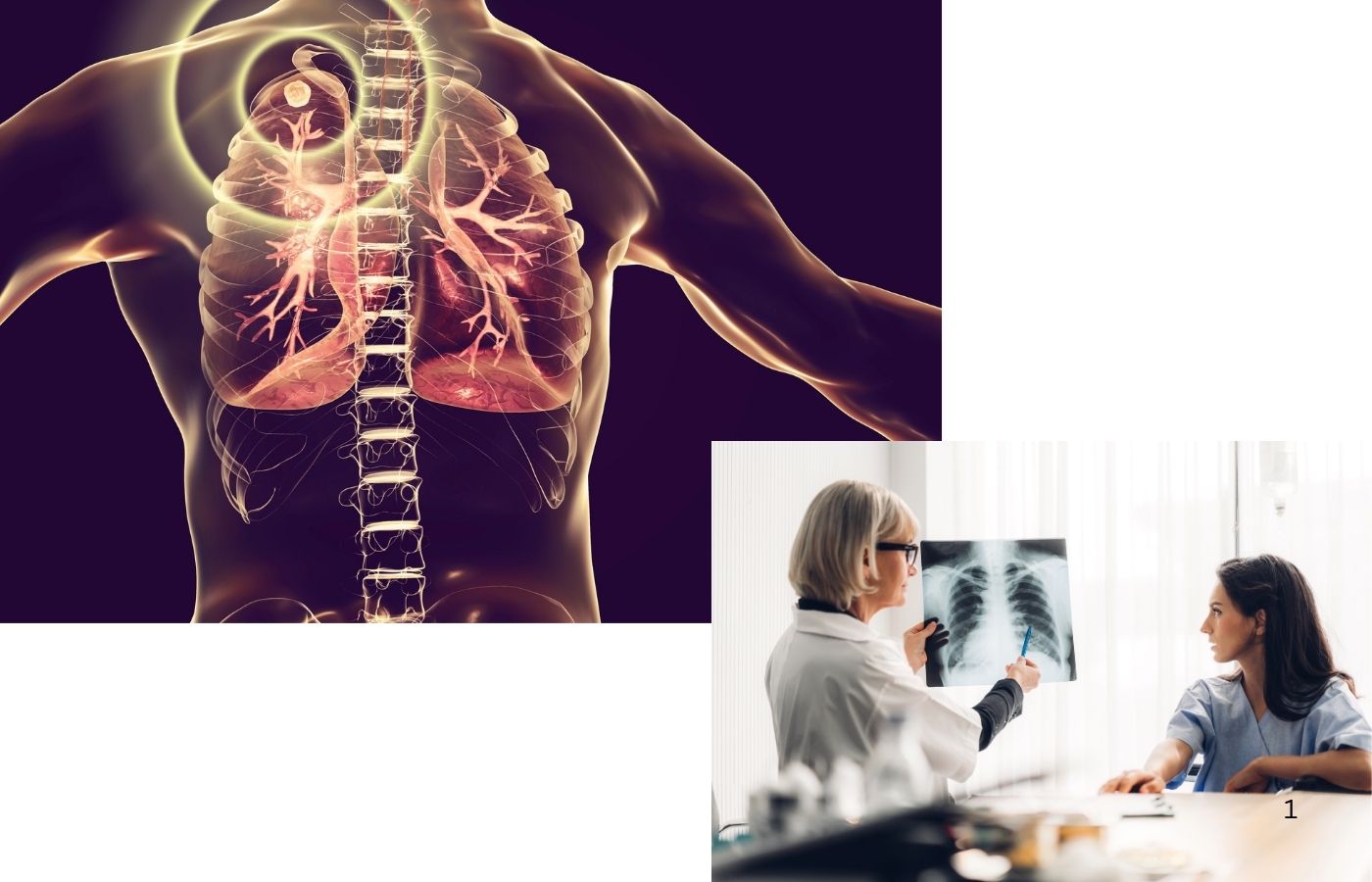
Imaging Tests: X-rays, CT scans, or ultrasounds may be used to locate the source of the original infection.
Treatment Insights: A Race Against Time
Treatment for sepsis begins immediately, even before all test results are back, and follows a time-sensitive protocol:
Broad-Spectrum Antibiotics: Administered intravenously within the first hour of suspicion.
IV Fluids: To maintain blood pressure and perfusion.
Vasopressors: Medications to constrict blood vessels and raise blood pressure if fluids aren’t enough.
Source Control: Draining abscesses or removing infected tissue.
Why Choose a Patient-Centric Diagnostic Approach? The DiagnoPein Advantage
For patients and their anxious families, the diagnostic journey for a blood infection can be painful, stressful, and financially draining. This is where innovative solutions like DiagnoPein make a transformative difference by redefining the diagnostic experience.
Benefit:
Accuracy & Speed: DiagnoPein integrates advanced diagnostic pathways and supportive technologies to aid in quicker, more accurate identification of pathogens and sepsis markers, potentially reducing the time to life-saving therapy.
Empowerment: Provides families with clearer, real-time insights into the diagnostic process and results, reducing fear of the unknown.
Costing in Diagnosis:
Traditional sepsis diagnosis can lead to high costs from prolonged ICU stays, multiple tests, and complications from delayed treatment. DiagnoPein's emphasis on rapid, accurate diagnosis aims to streamline this process. By potentially reducing time-to-diagnosis, it can help avoid costly complications, shorten hospital stays, and optimize resource use, leading to a more cost-effective care journey overall



















.jpg "diabetes")



.jpg "pcos lifestyle")




























.jpg "FSH Test")






.jpg "urine potassium in hypokalemia")
















.jpg "How to Prevent Hepatitis")
.jpg "Acute-Phase Reactants")
.jpg "Anemia: Causes")

.jpg "Manage Cirrhosis")
.jpg "Types of Tuberculosis")
.png "Tested for Multiple Myeloma")

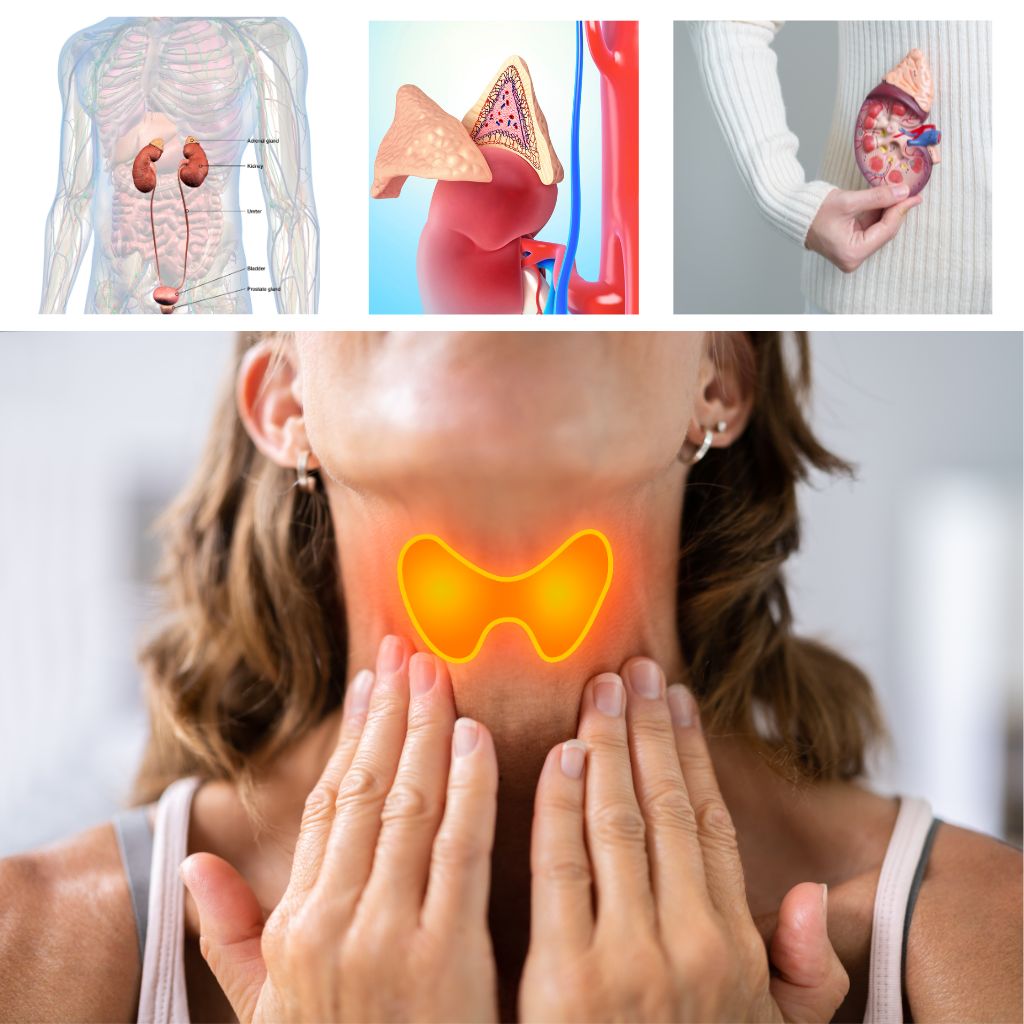

 (1).jpg "Urine Cortisol Test at Diagnopein")
 (1).jpg "Aldolase & its role")
 (1).jpg "Beta-Thalassemia Major at Diagnopein")
.jpg "Typhoid treatment")
 (1).jpg "Kidney Stones Demystified")
 (1).jpg "Blood infection signs & diagnosis")
 (1).jpg "From HIV to AIDS")


.jpg "Multiple Myeloma")
 (1).jpg "Know about Chikungunya Fever")
.jpg "Diagnopein Stands Out")







 disorders.jpg "gastrointestinal (GI) disorders")





.jpg "symptoms of Chikungunya & How is Chikungunya diagnosed?")


.jpg "COMMON PATHALOGICAL BLOOD TESTS")














.png "how to manage diabetes")