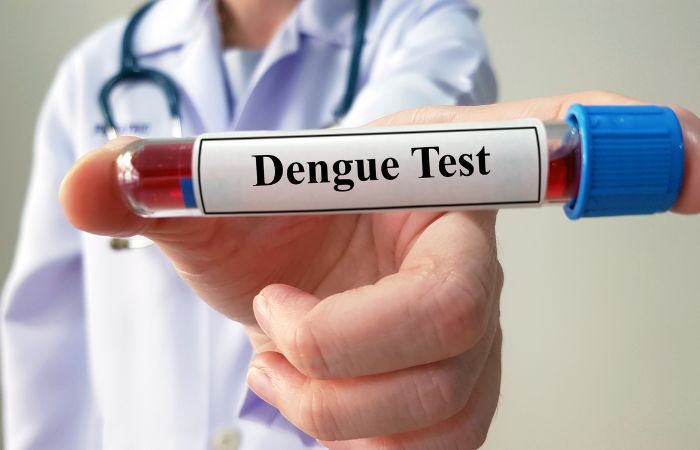
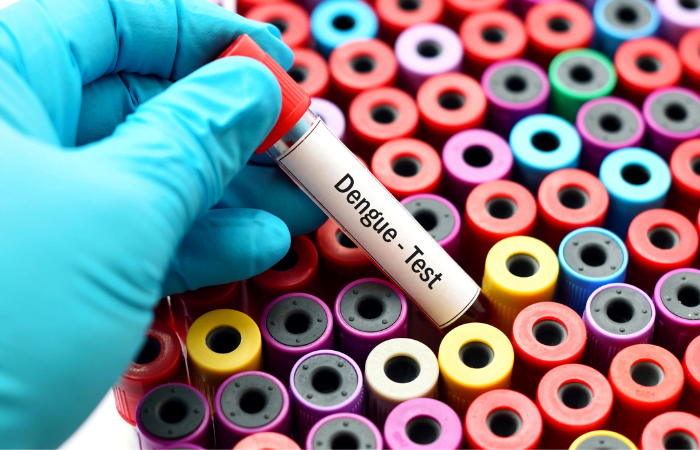
Dengue fever is a mosquito-borne viral infection that can range from a mild flu-like illness to a severe, life-threatening condition. For families, especially in tropical and subtropical regions, understanding and recognizing the symptoms of dengue early is not just important—it’s critical. Early detection can dramatically alter the outcome, preventing progression to severe dengue (formerly known as dengue hemorrhagic fever or dengue shock syndrome). This guide will walk you through the warning signs, the benefits of modern diagnostic solutions like DiagnoPein, and why making informed choices matters for your loved ones.
The symptoms of dengue typically appear 4-10 days after a mosquito bite and can be easily mistaken for other common viral fevers. However, certain signs demand immediate medical attention:
Sudden High Fever (104°F/40°C): This is often the first and most prominent sign.
Severe Headache & Pain Behind the Eyes: Often described as a throbbing pain.
Intense Muscle, Bone, and Joint Pain: This is why dengue is famously called "breakbone fever."
Nausea, Vomiting, and Loss of Appetite.
Skin Rash: A red rash that may appear a few days after the fever starts.
The most critical phase begins as the initial fever starts to subside (usually after day 3-7). IGNORING THESE WARNING SIGNS CAN BE FATAL. Watch for:
Severe Abdominal Pain or Tenderness
Persistent Vomiting (often with blood)
Bleeding Gums or Nosebleeds
Blood in Vomit, Stool, or Urine
Fatigue, Restlessness, or Irritability
Rapid Breathing and Cold, Clammy Skin
Why Choose Rapid Action & Modern Diagnostics?
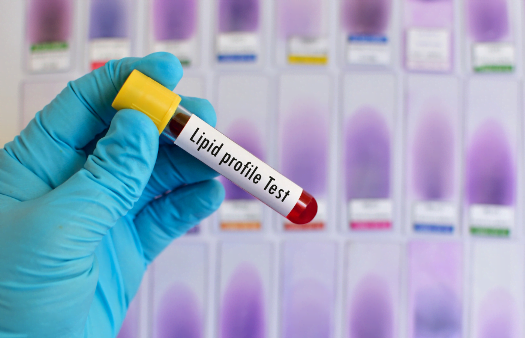
In the battle against dengue, time is the most valuable resource. Traditional diagnosis often involves multiple blood tests (like NS1 antigen, IgM/IgG ELISA) over several days, leading to anxiety, potential delays in care, and repeated hospital visits—a stressful scenario for any family.
This is where innovative solutions like DiagnoPein transform the patient journey.
1. Benefit: Speed and Clarity in Critical Moments
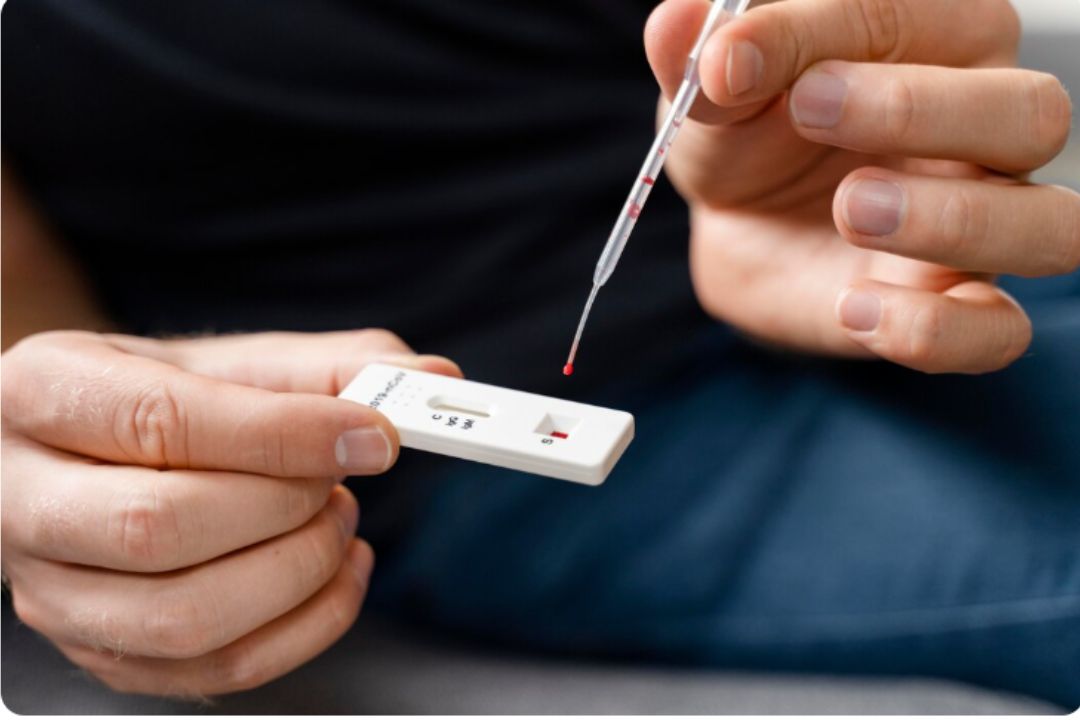
The primary benefit of DiagnoPein is its ability to provide rapid, accurate results. For a frightened parent or caregiver, knowing within minutes whether the dengue fever symptoms are confirmed is invaluable. It allows for immediate medical decision-making, whether that's starting fluid management, monitoring for warning signs, or ruling out dengue to investigate other causes.
2. Comparison: Traditional Path vs. DiagnoPein
Traditional Diagnosis: Multiple lab visits, 24-48 hour wait for results, separate tests for different markers, potential for anxiety and delayed care.
DiagnoPein (Example of Advanced Point-of-Care Testing): Single visit, results in 15-30 minutes, integrated detection of key markers (like NS1), enables immediate clinical assessment at the doctor's office or bedside.
3. Costing Perspective: Beyond the Price Tag
While the upfront cost of a rapid test like DiagnoPein might seem like an additional expense, it must be viewed holistically:
Diagnostic Cost-Efficiency: It reduces the need for multiple, staggered tests and repeat consultations solely for obtaining results.
Hidden Cost Savings: By enabling earlier intervention, it can help prevent costly hospitalizations for severe dengue. The true "cost" of delayed diagnosis includes prolonged illness, severe complications, and higher ultimate treatment bills.
Emotional & Logistical Savings: The peace of mind and saved time for the entire family are immense.
4. Comfort: Reducing the Family's Burden
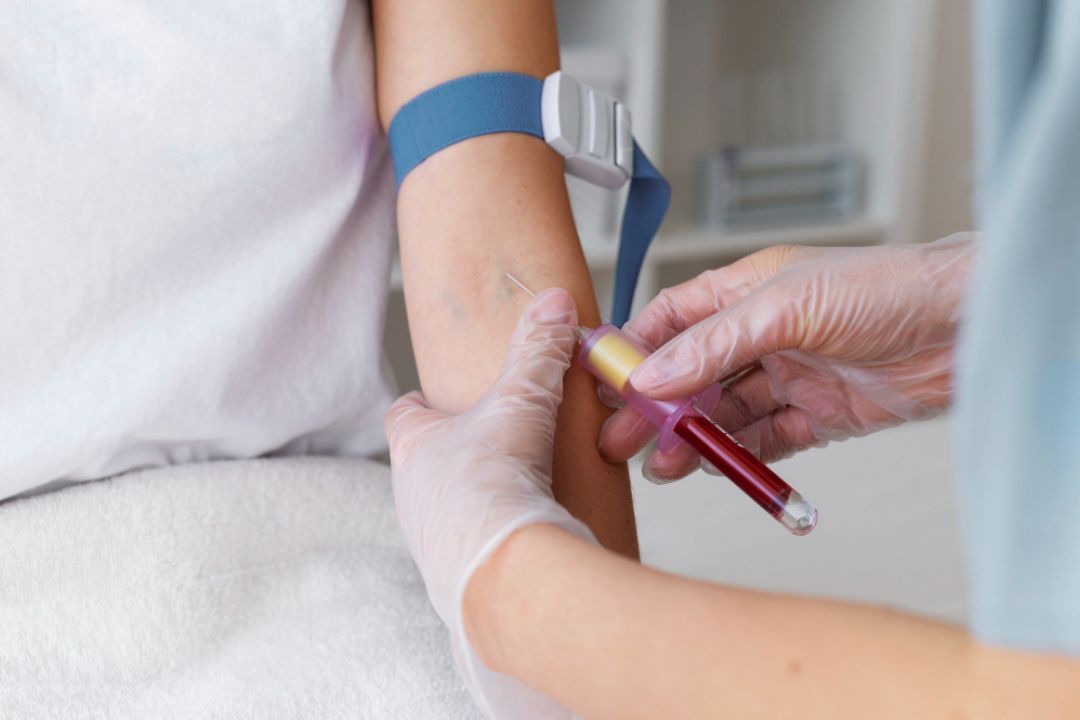
For a sick child and worried parents, comfort is paramount. DiagnoPein minimizes discomfort by reducing the need for multiple blood draws. More importantly, it drastically cuts down the agonizing wait for answers, reducing psychological stress. Faster diagnosis means quicker initiation of supportive care (like hydration and pain management), making the patient's experience more comfortable from the outset.
Recognizing dengue symptoms early and seeking prompt testing is the most powerful step a family can take. In this context, DiagnoPein (or similar advanced, rapid diagnostic platforms) represents more than just technology—it represents a shift towards empowered, timely, and patient-centric healthcare. It bridges the gap between the onset of worrying dengue fever symptoms and actionable medical care, ensuring that the critical window for managing the disease is not lost.






















.jpg "diabetes")



.jpg "pcos lifestyle")































.jpg "FSH Test")






.jpg "urine potassium in hypokalemia")


















.jpg "How to Prevent Hepatitis")

.jpg "Acute-Phase Reactants")
.jpg "Anemia: Causes")

.jpg "Manage Cirrhosis")

.jpg "Types of Tuberculosis")
.png "Tested for Multiple Myeloma")


 (1).jpg "Urine Cortisol Test at Diagnopein")
 (1).jpg "Aldolase & its role")
 (1).jpg "Beta-Thalassemia Major at Diagnopein")
.jpg "Typhoid treatment")
 (1).jpg "Kidney Stones Demystified")
 (1).jpg "Blood infection signs & diagnosis")
 (1).jpg "From HIV to AIDS")


.jpg "Multiple Myeloma")
 (1).jpg "Know about Chikungunya Fever")
.jpg "Diagnopein Stands Out")
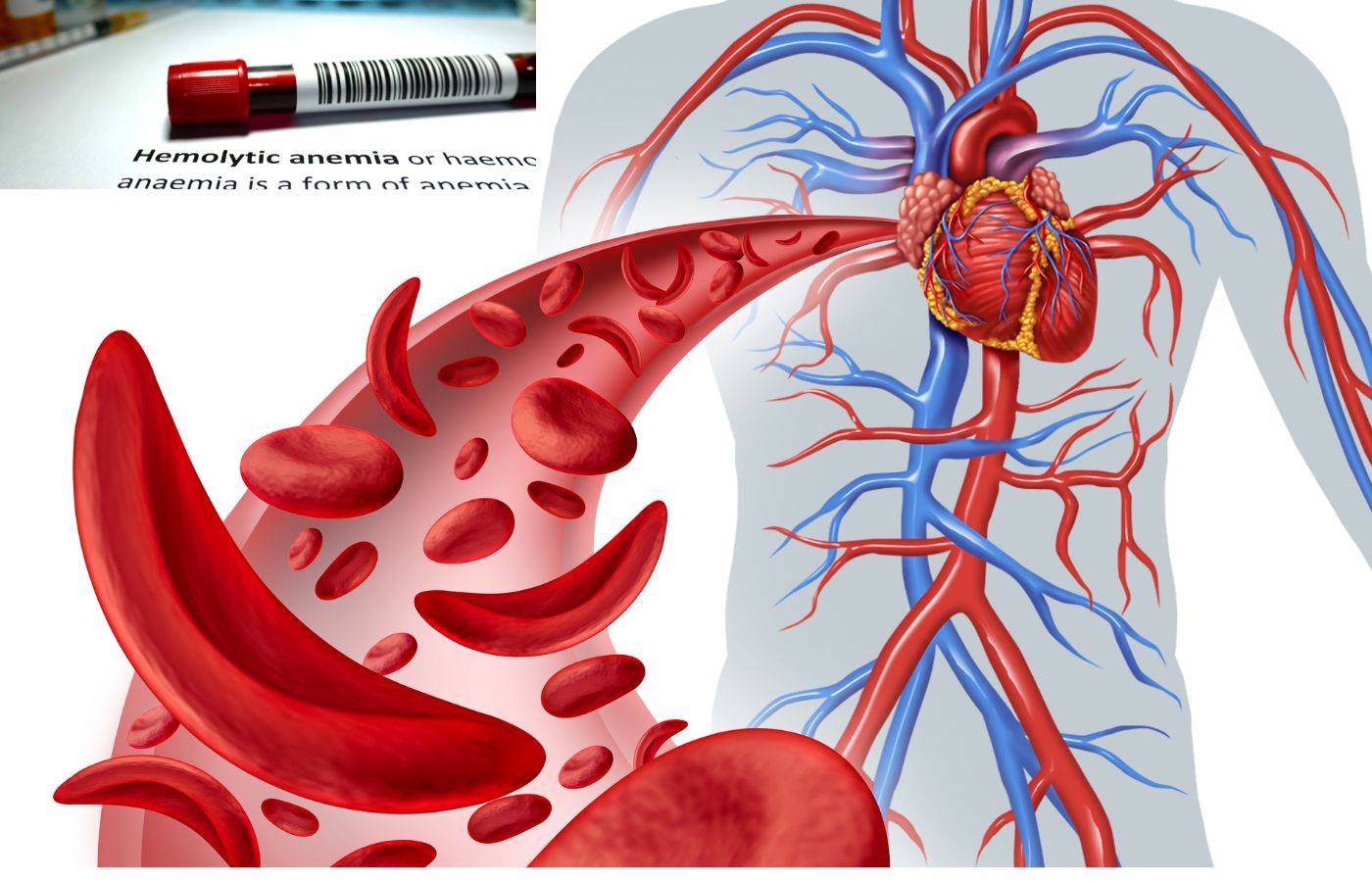

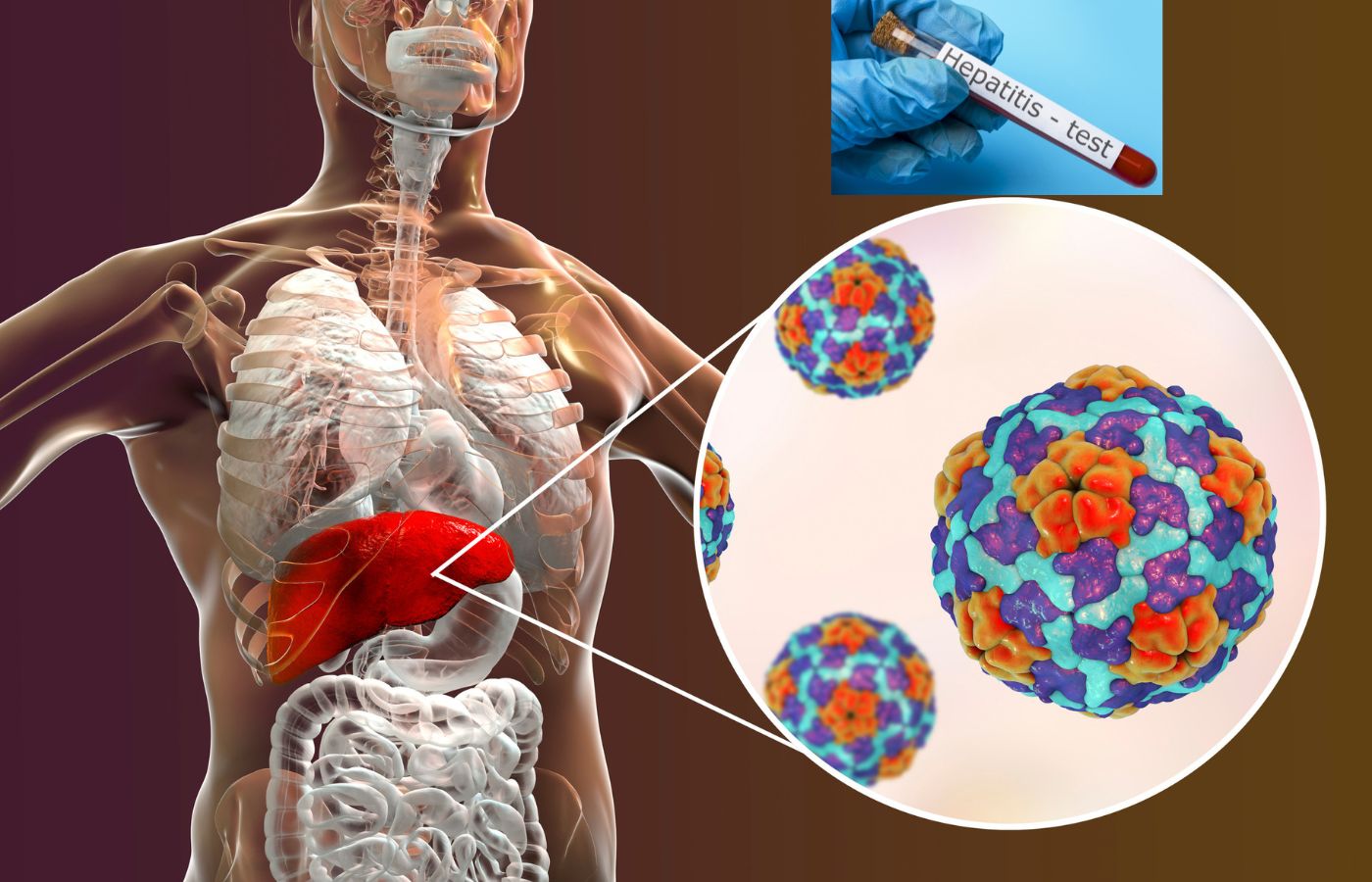
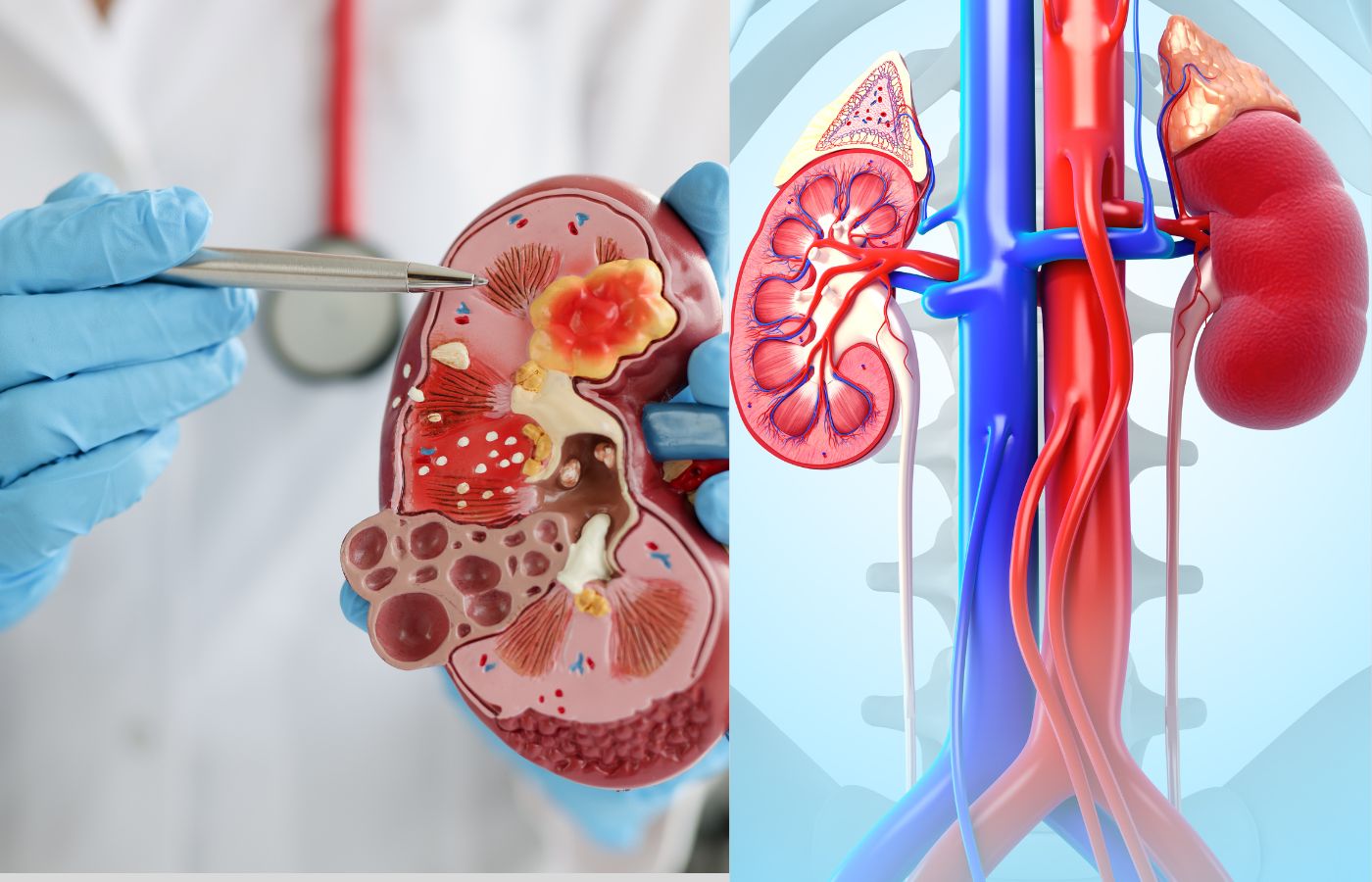











 disorders.jpg "gastrointestinal (GI) disorders")







.jpg "symptoms of Chikungunya & How is Chikungunya diagnosed?")

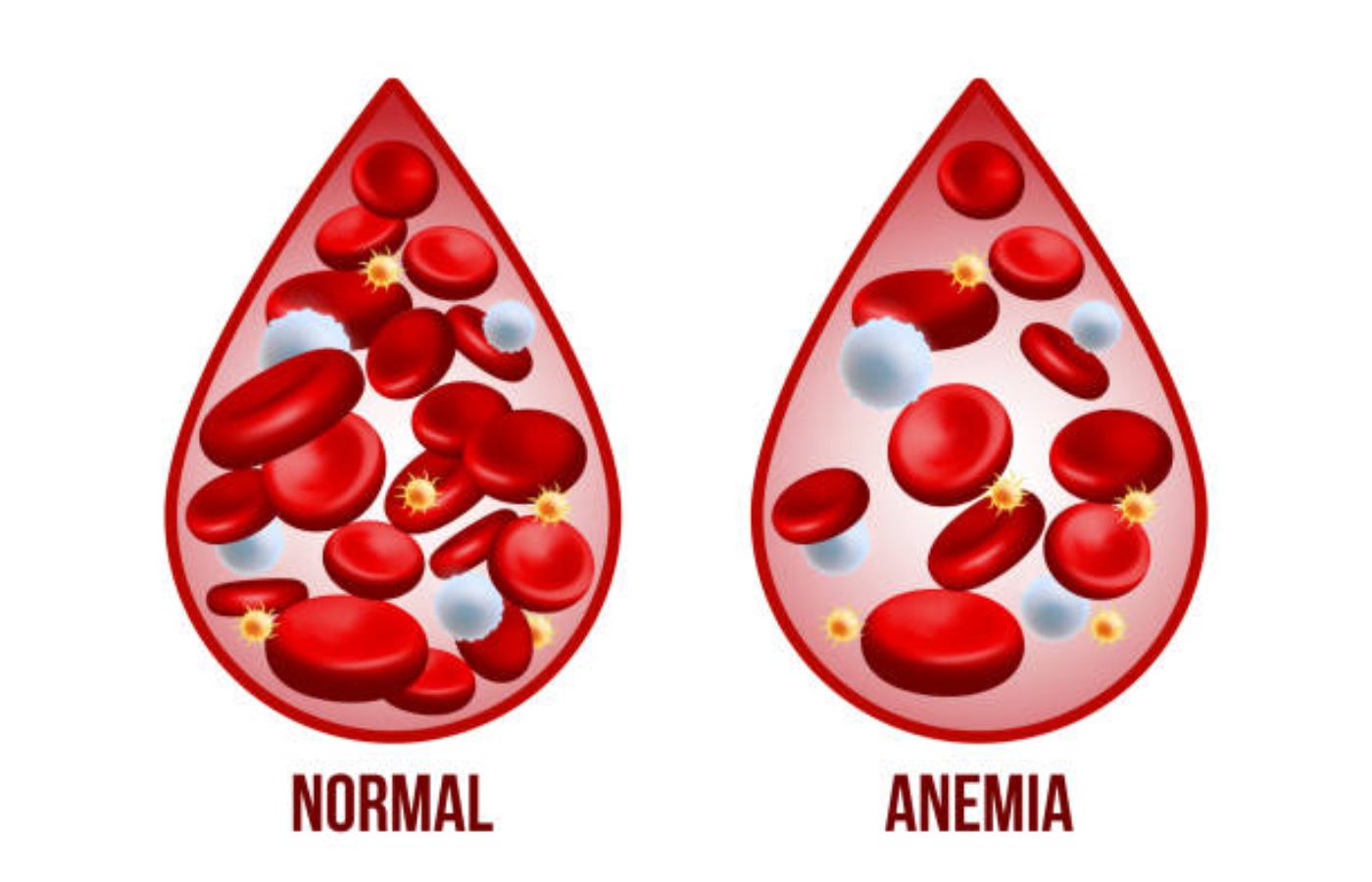

.jpg "COMMON PATHALOGICAL BLOOD TESTS")


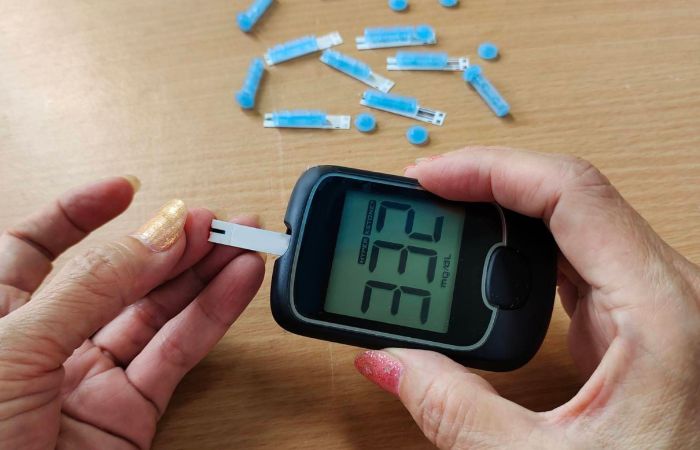







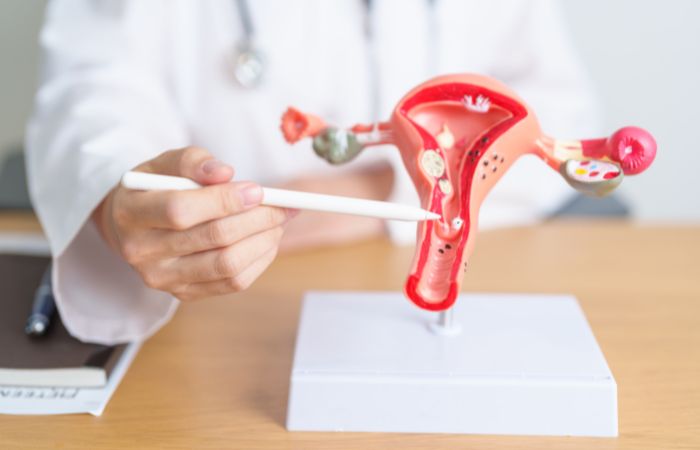











.png "how to manage diabetes")