Facing a potential cancer diagnosis can be overwhelming for an entire family. Knowledge is your greatest ally. This guide explains the essentials—types of cancer, common cancer symptoms, and the diagnosis process—in a clear, compassionate way for you and your loved ones. We’ll also explore the crucial benefits, the realistic costs, and how to manage comfort throughout the journey, concluding with a vital focus on the power of diagnosis
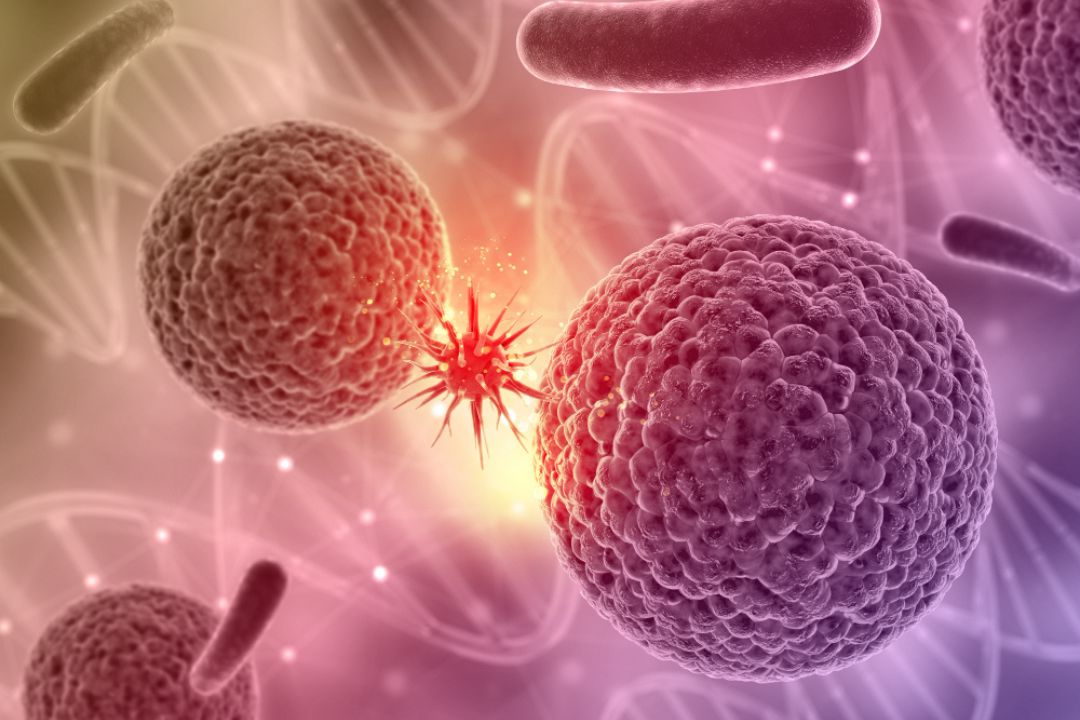
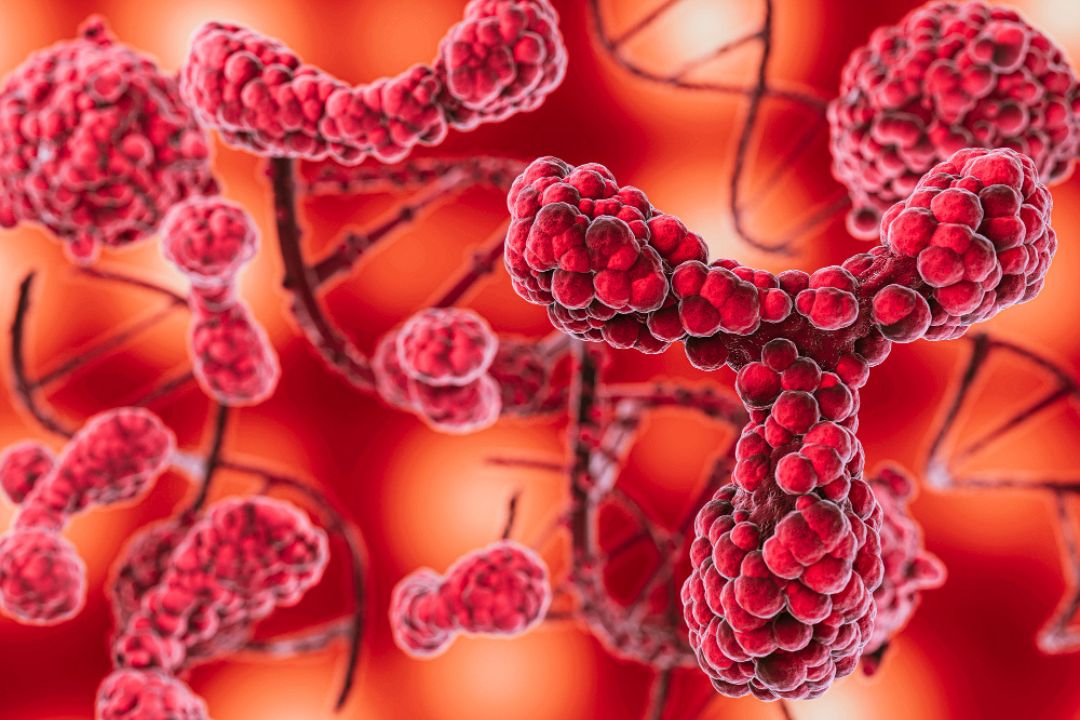
Cancer is not one disease but many. It’s named after the organ or cell type where it starts.
Carcinomas: The most common type of cancer, starting in the skin or tissues lining organs (e.g., breast, lung, prostate, colorectal cancer).
Sarcomas: Begin in bone, cartilage, fat, or muscle.
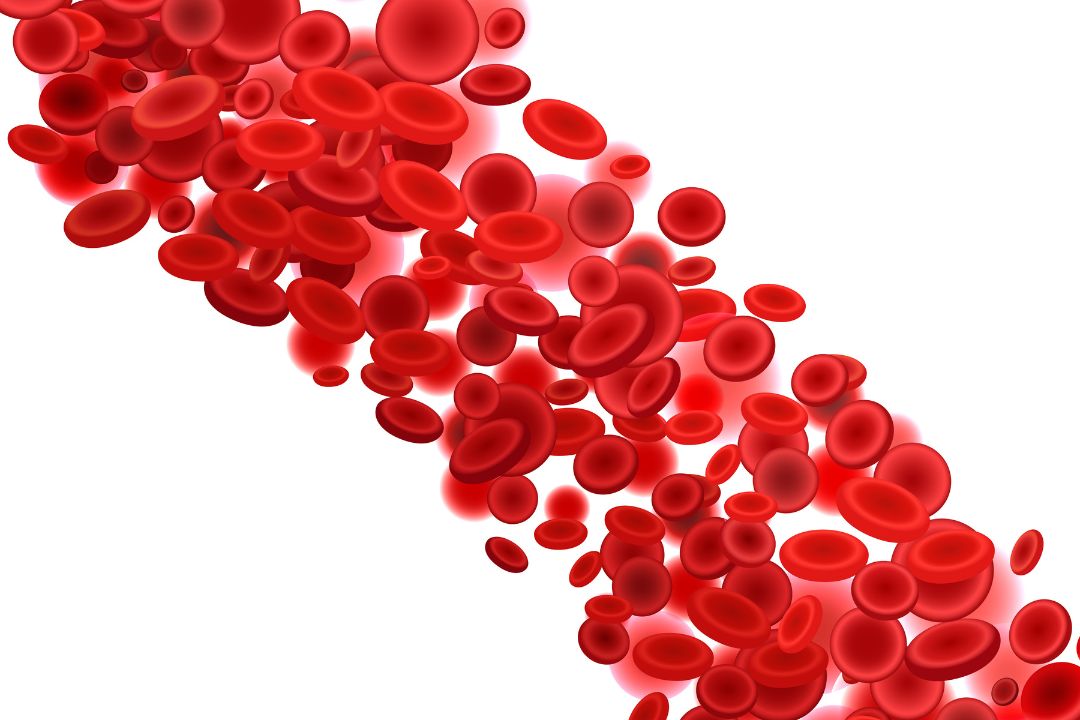
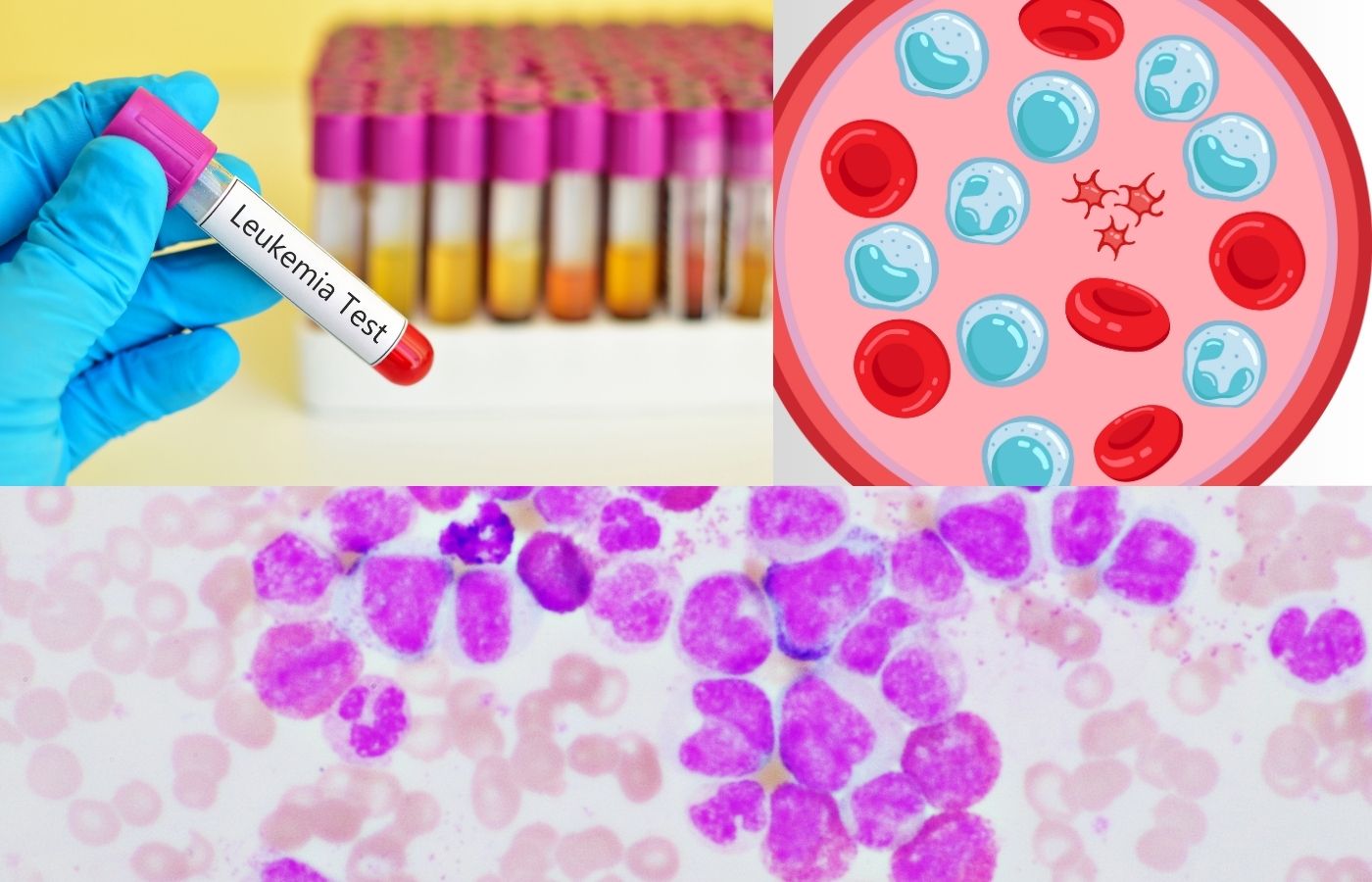
Leukemias: Cancer of the blood-forming tissues, leading to high numbers of abnormal white blood cells.
Lymphomas: Start in the immune system’s lymphatic system (e.g., Hodgkin lymphoma).
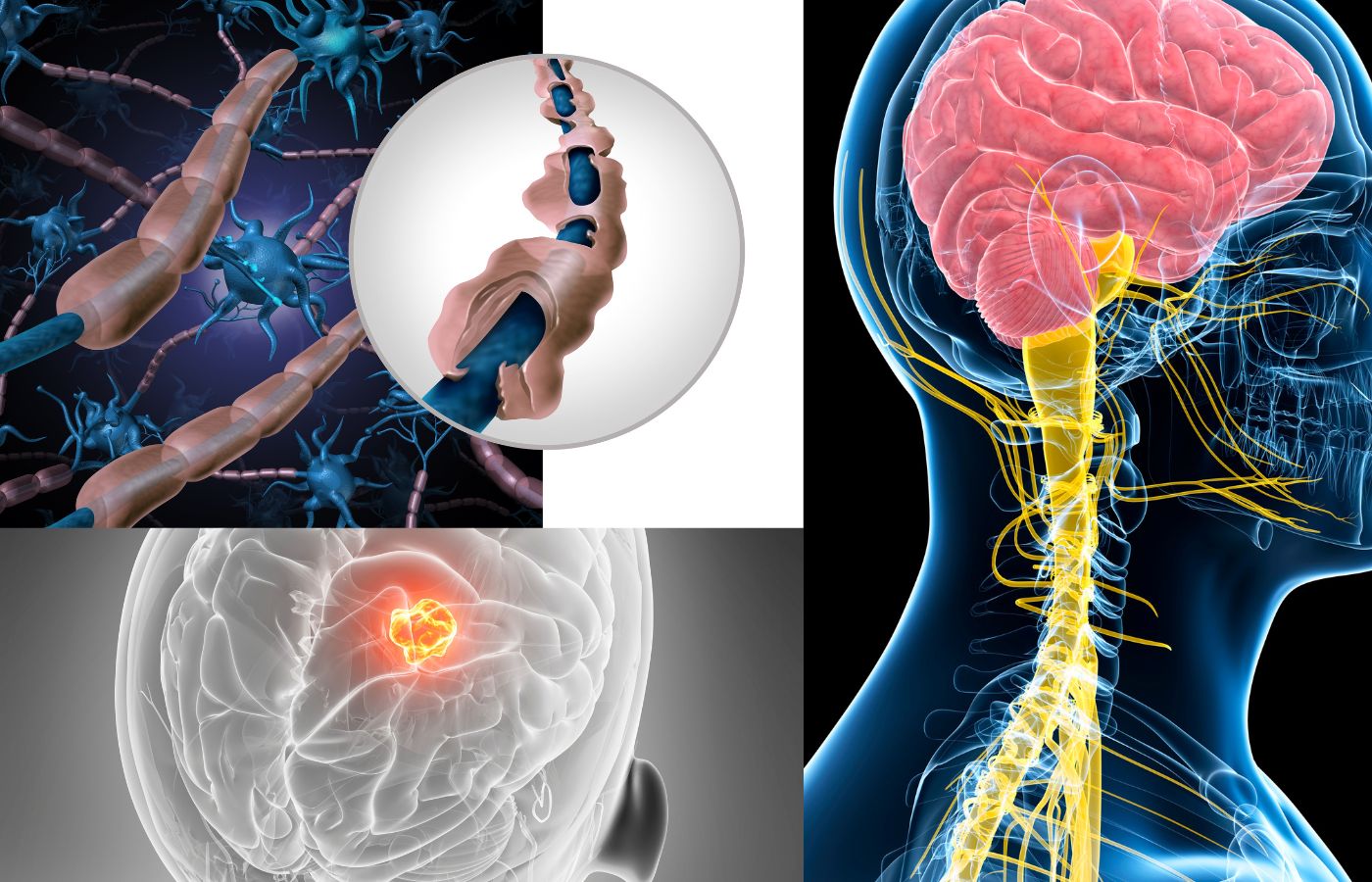
Central Nervous System Cancers: Begin in the brain or spinal cord.
Understanding the type of cancer is the first step in determining the right treatment path.
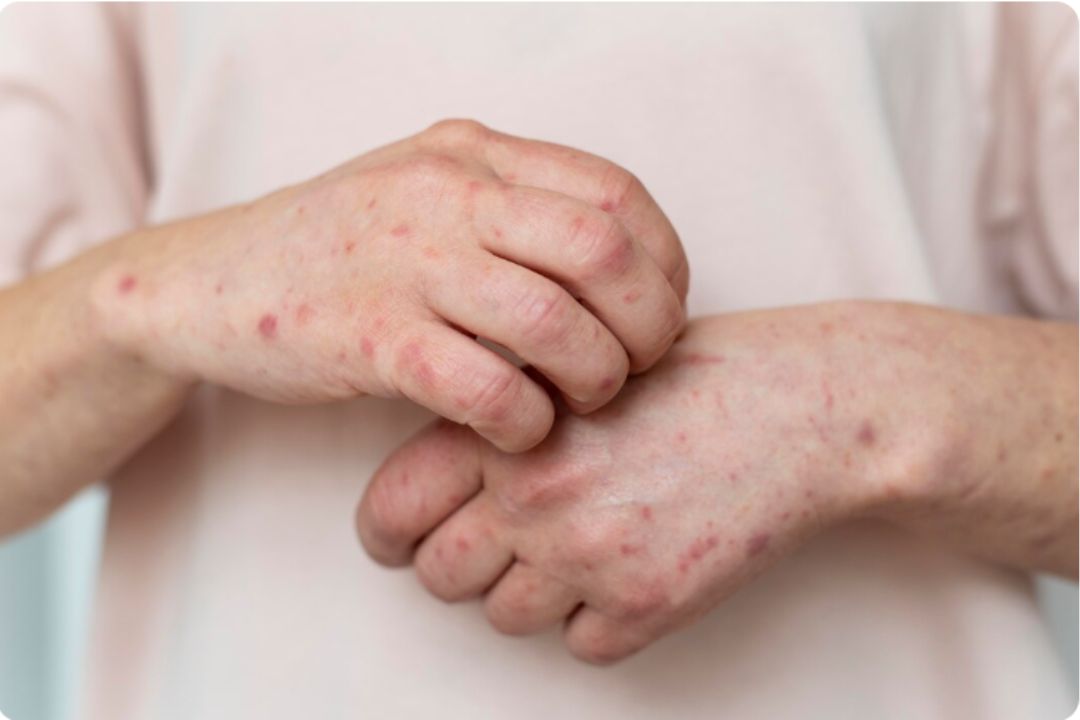
Early detection saves lives. Common cancer symptoms can be vague but persistent. They include:
Unexplained, persistent lumps or swelling.
Changes in bowel or bladder habits.
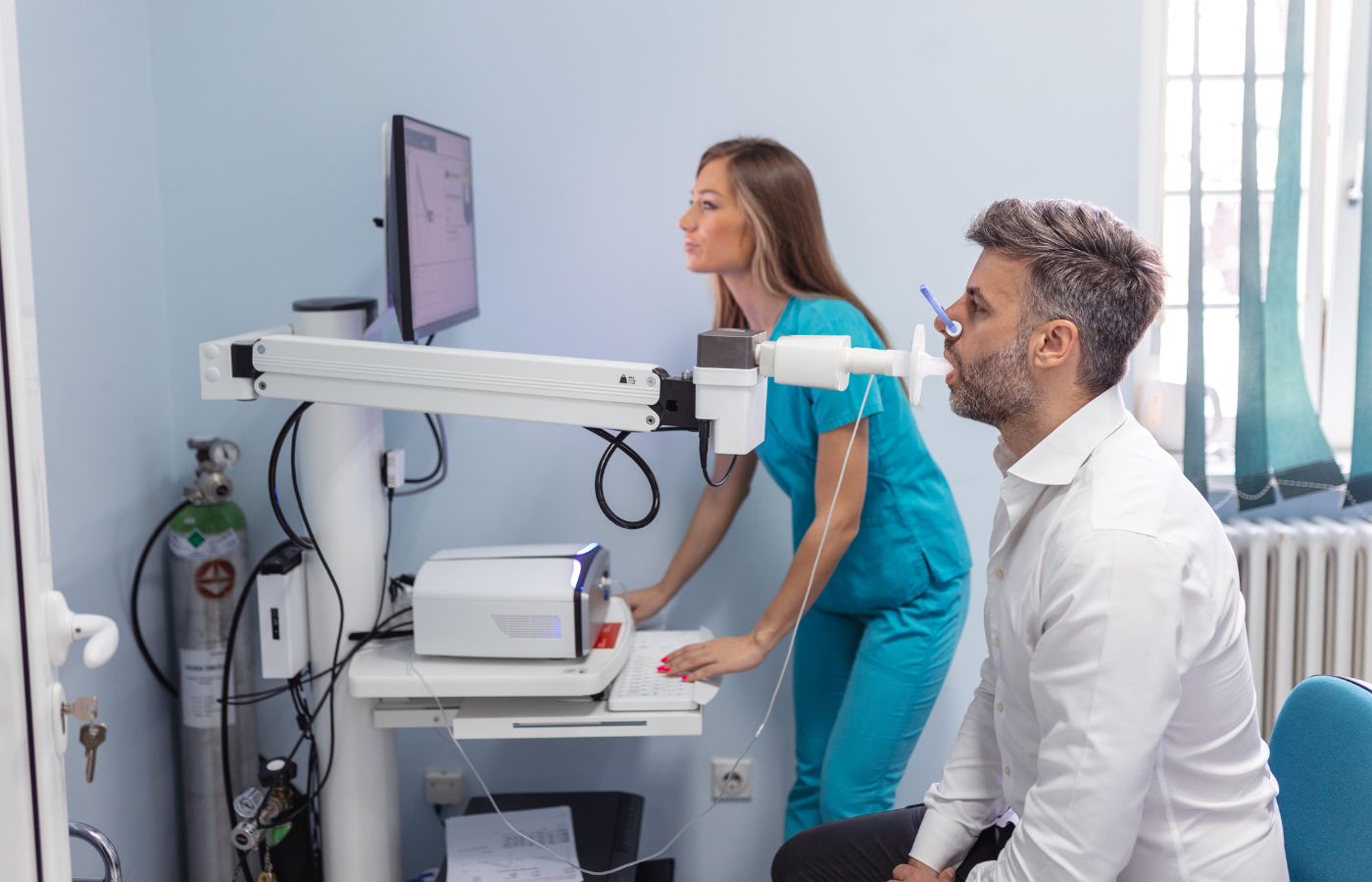
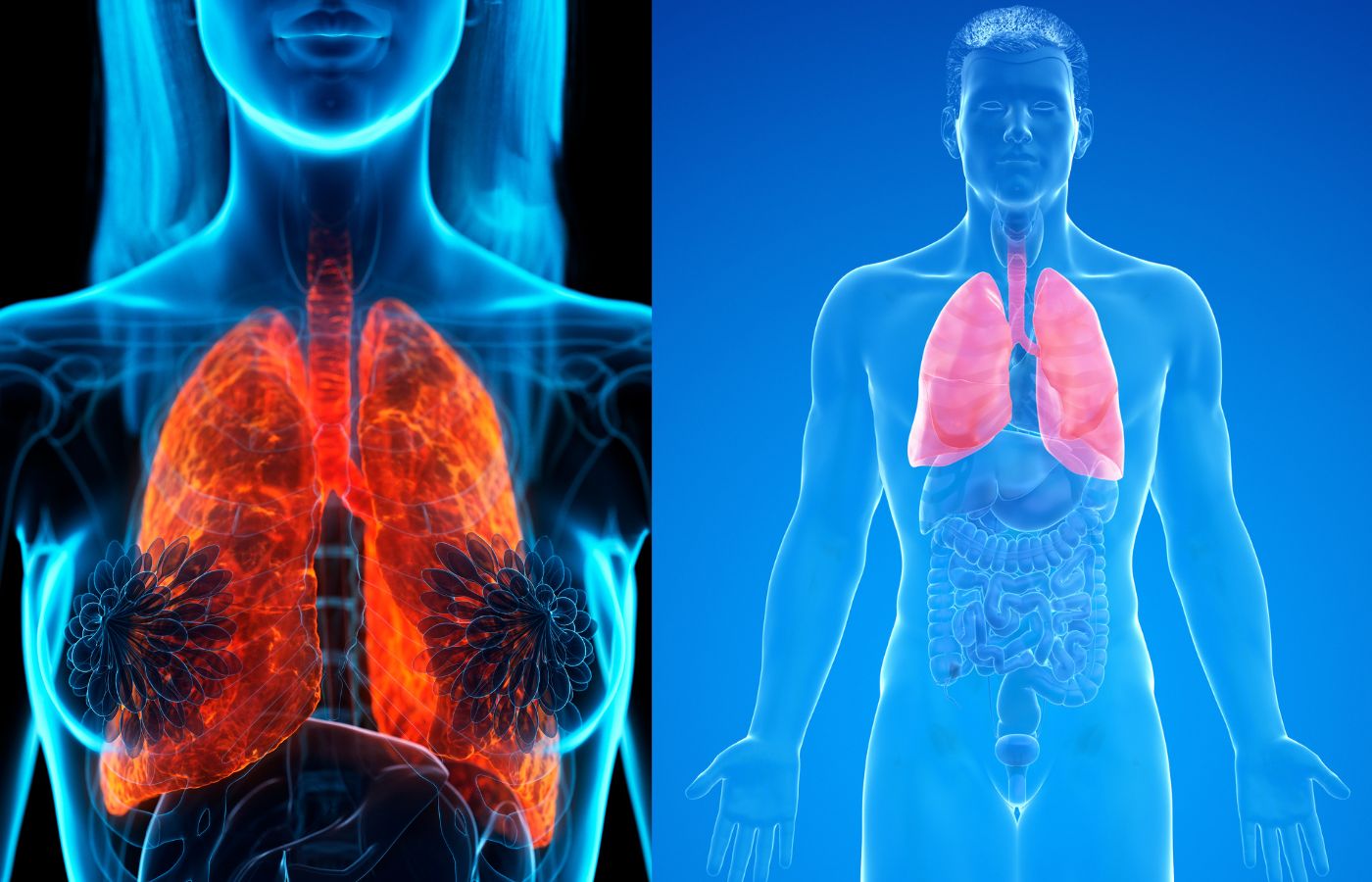
Persistent cough, breathlessness, or hoarseness.
Unusual bleeding or bruising.
Unexplained weight loss or severe fatigue.
Note: These symptoms are often caused by conditions other than cancer. However, getting them checked is crucial for early diagnosis.
The diagnosis journey typically involves several steps:
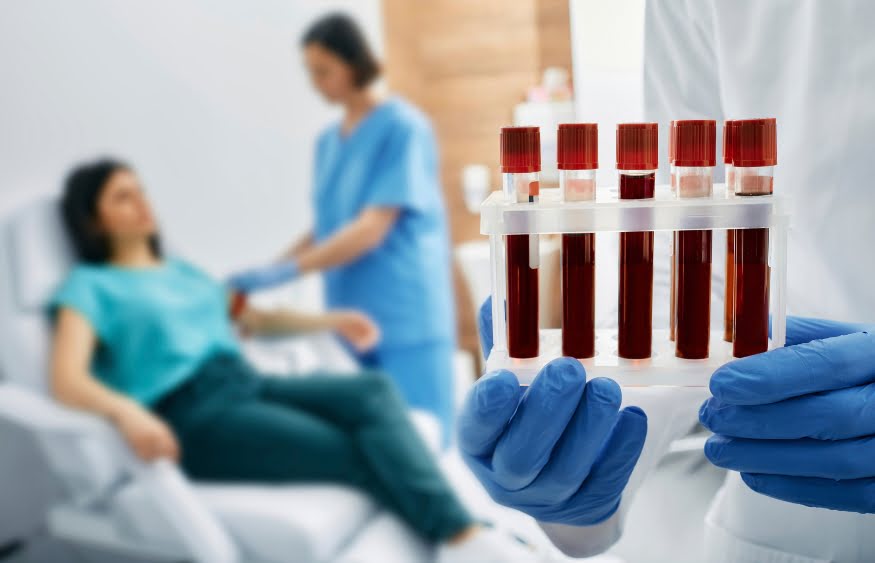
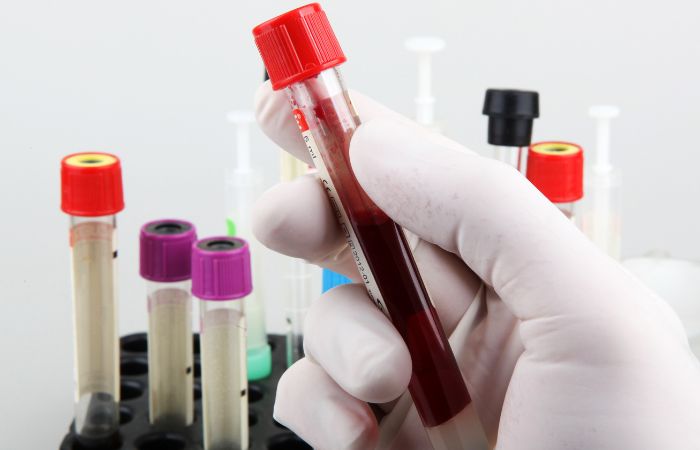
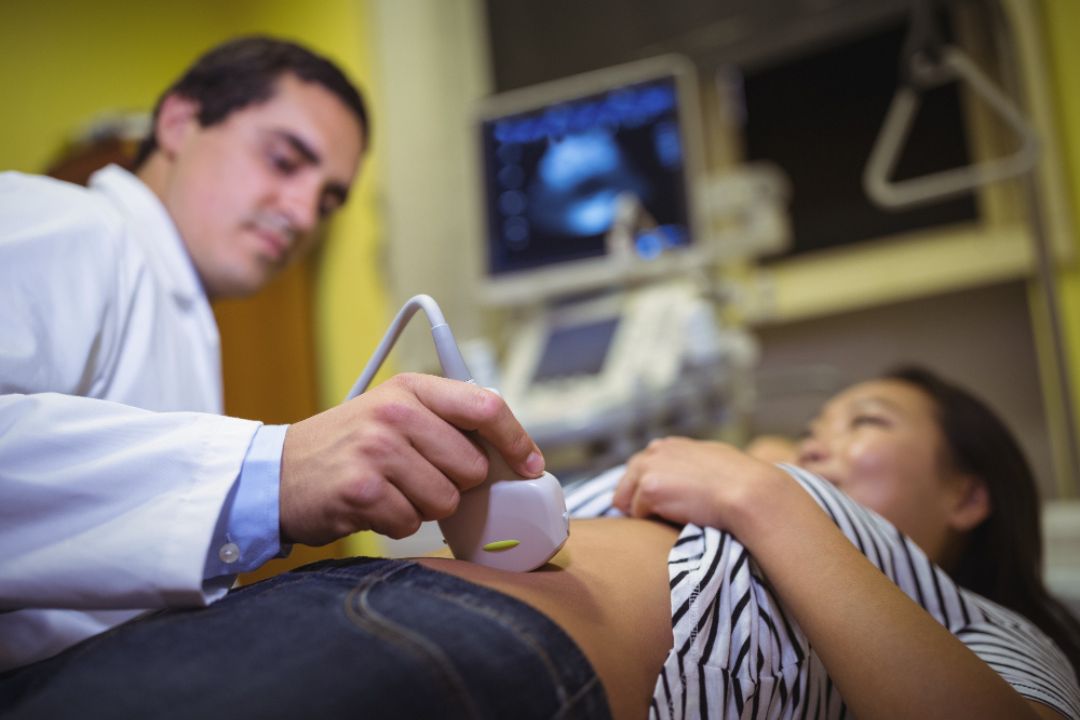
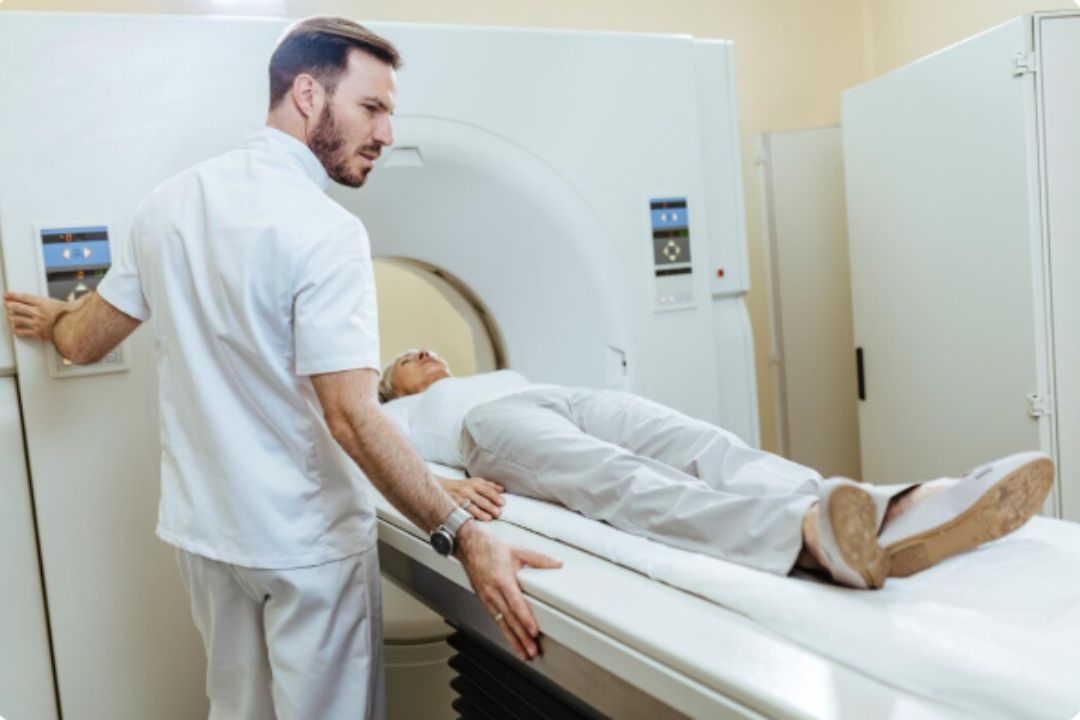
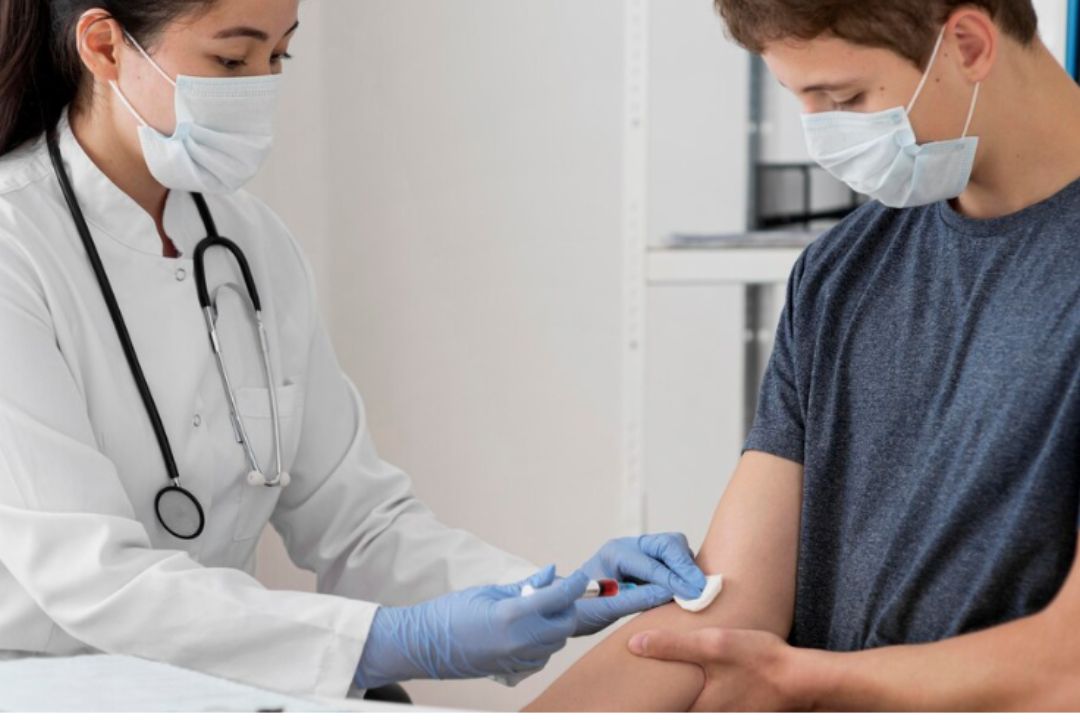
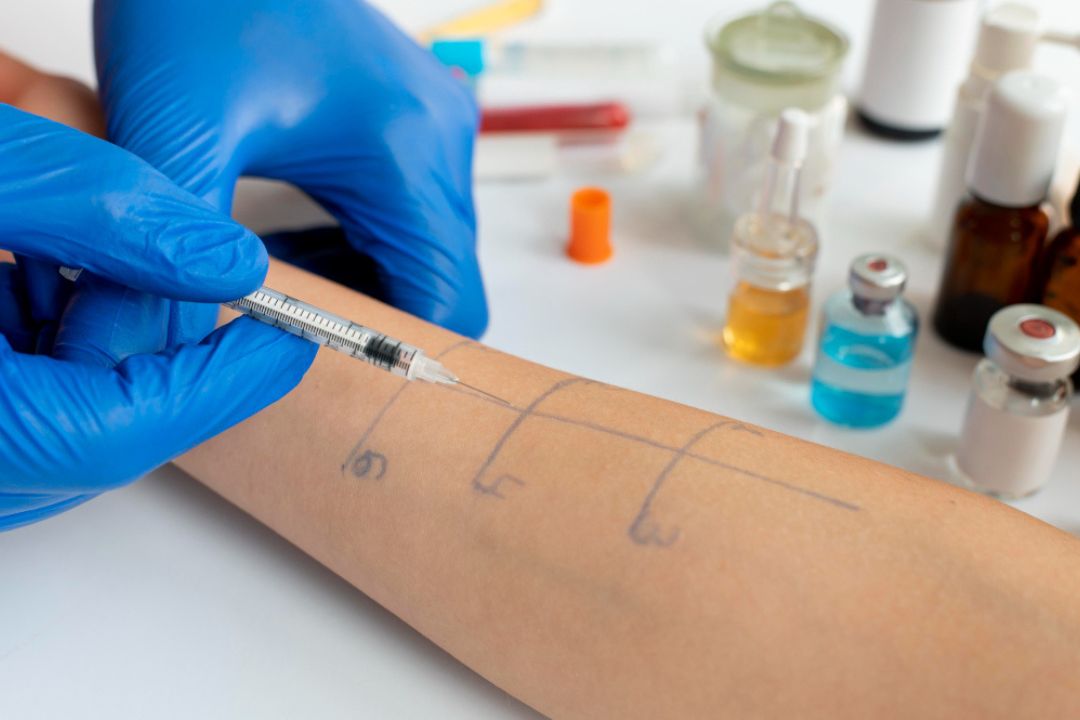
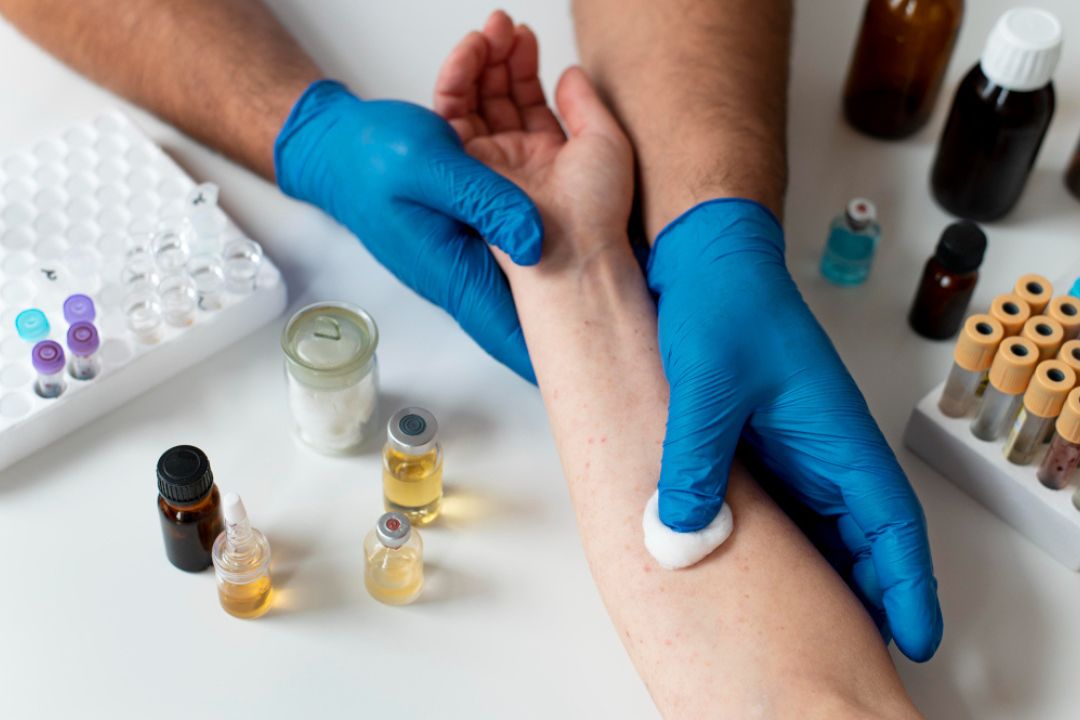
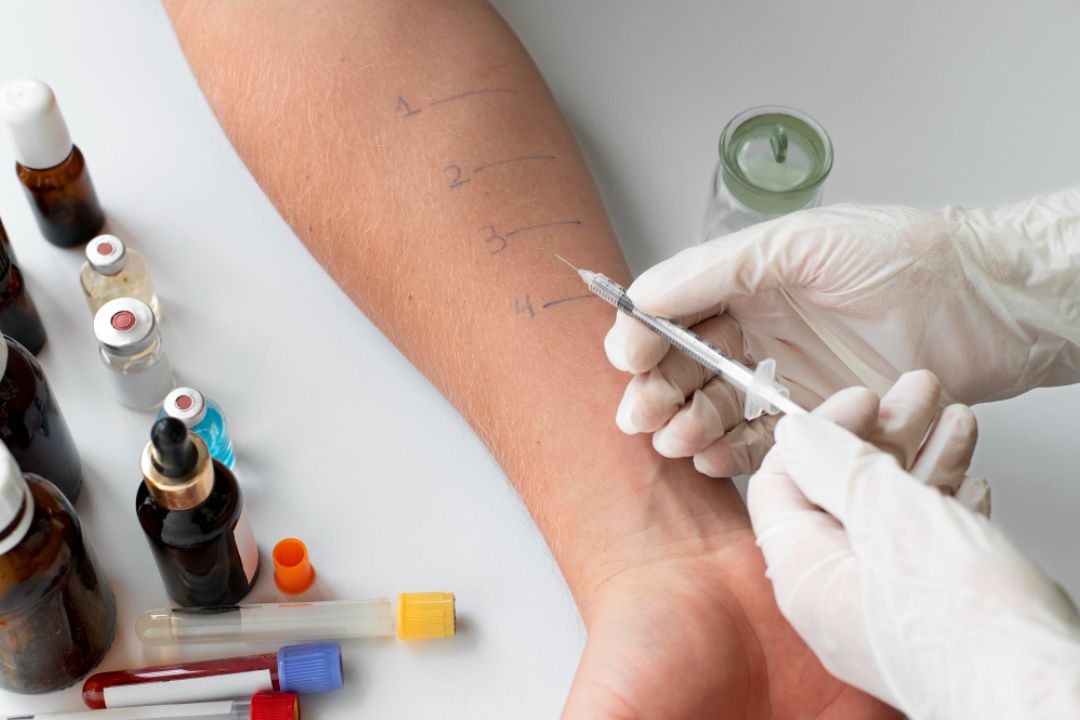
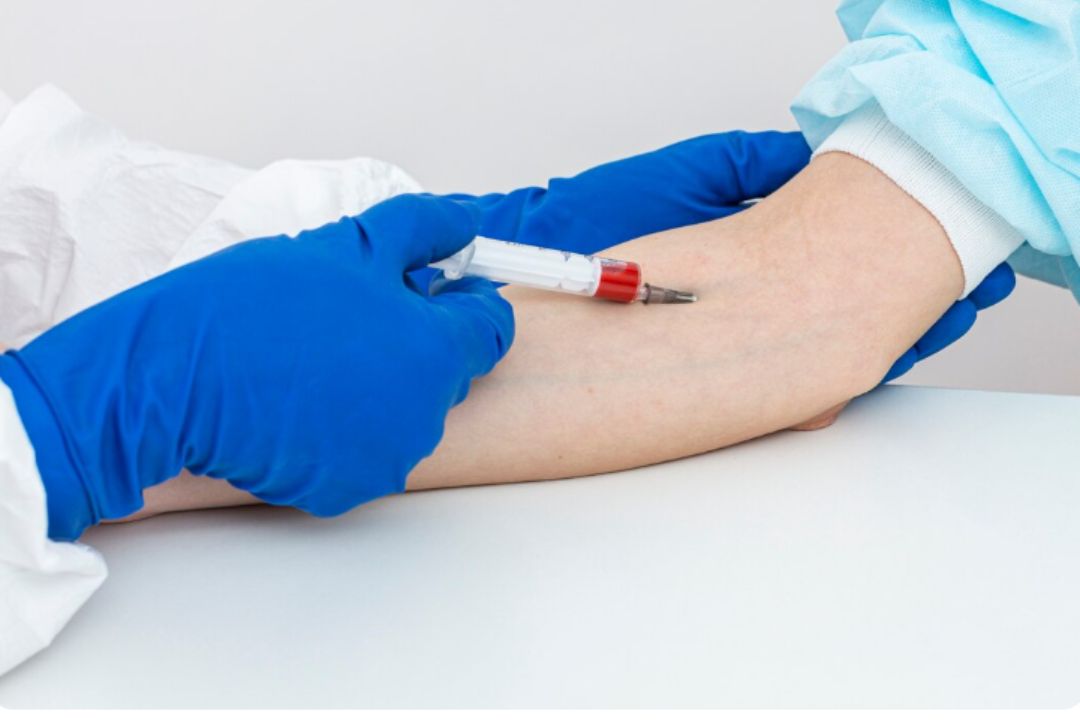
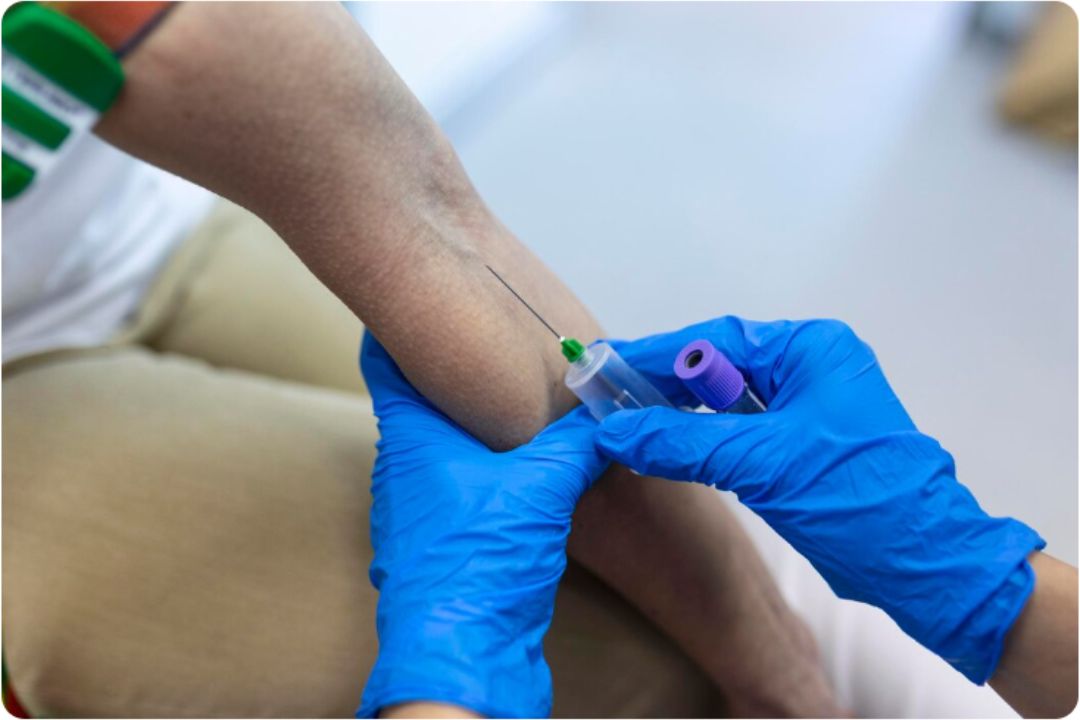
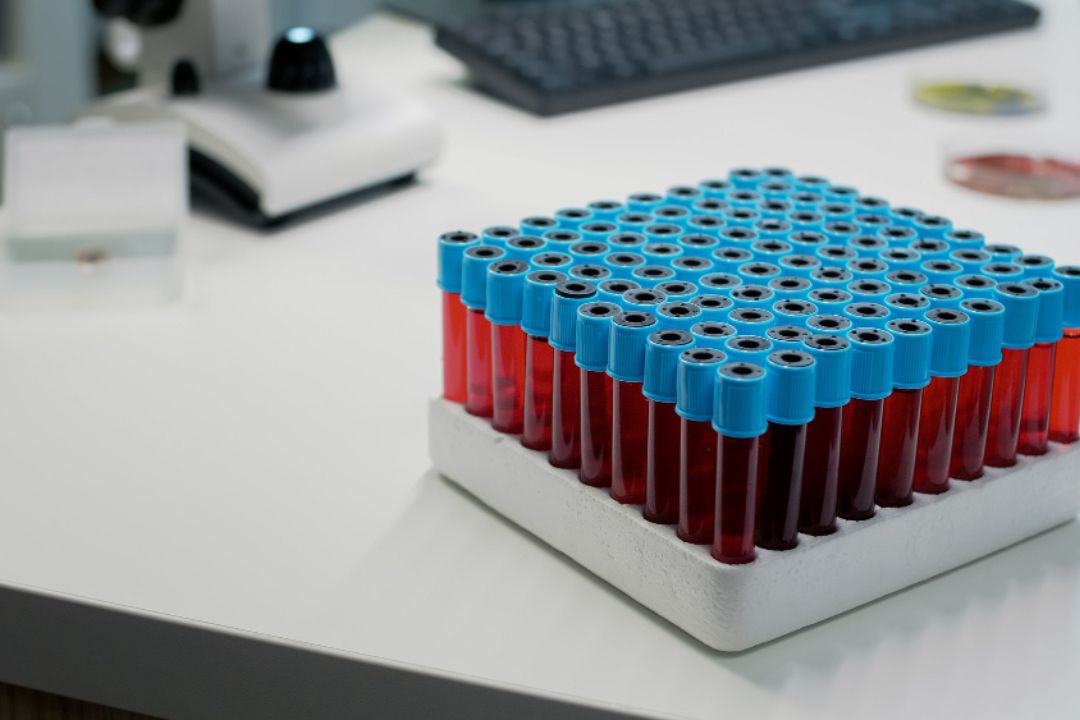
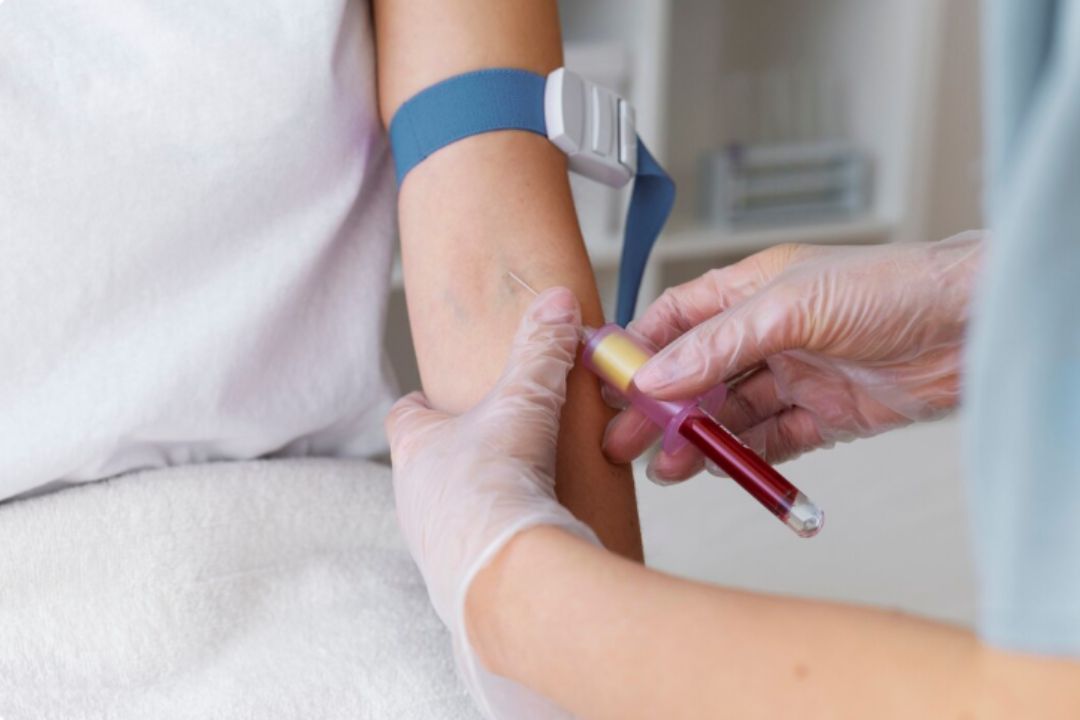
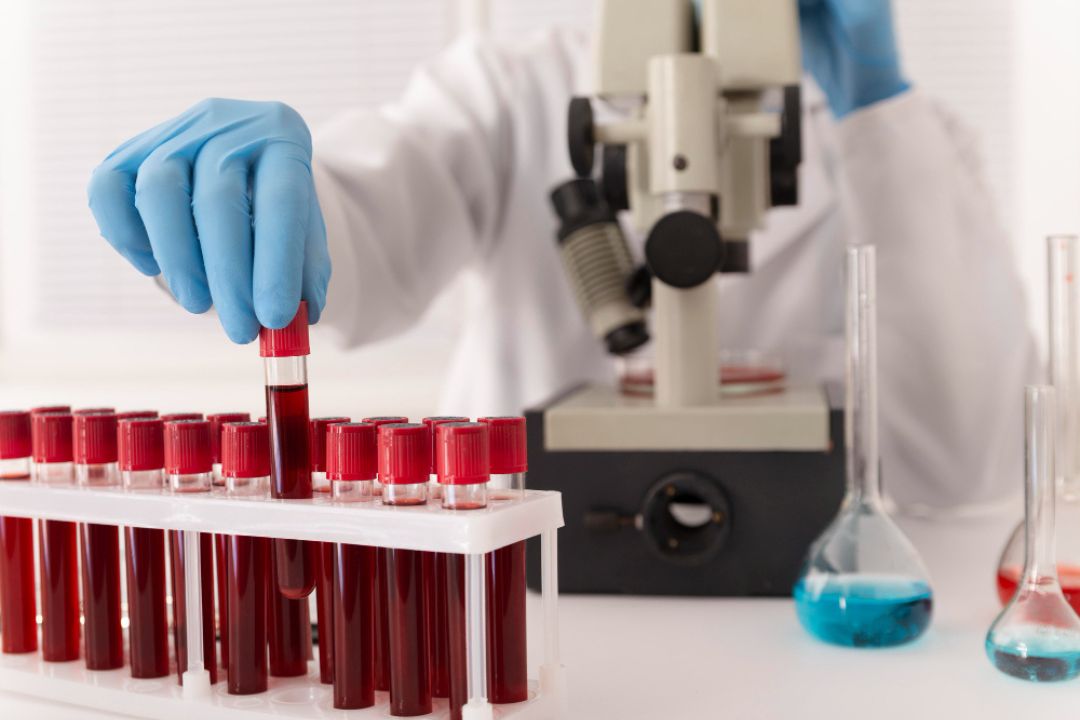
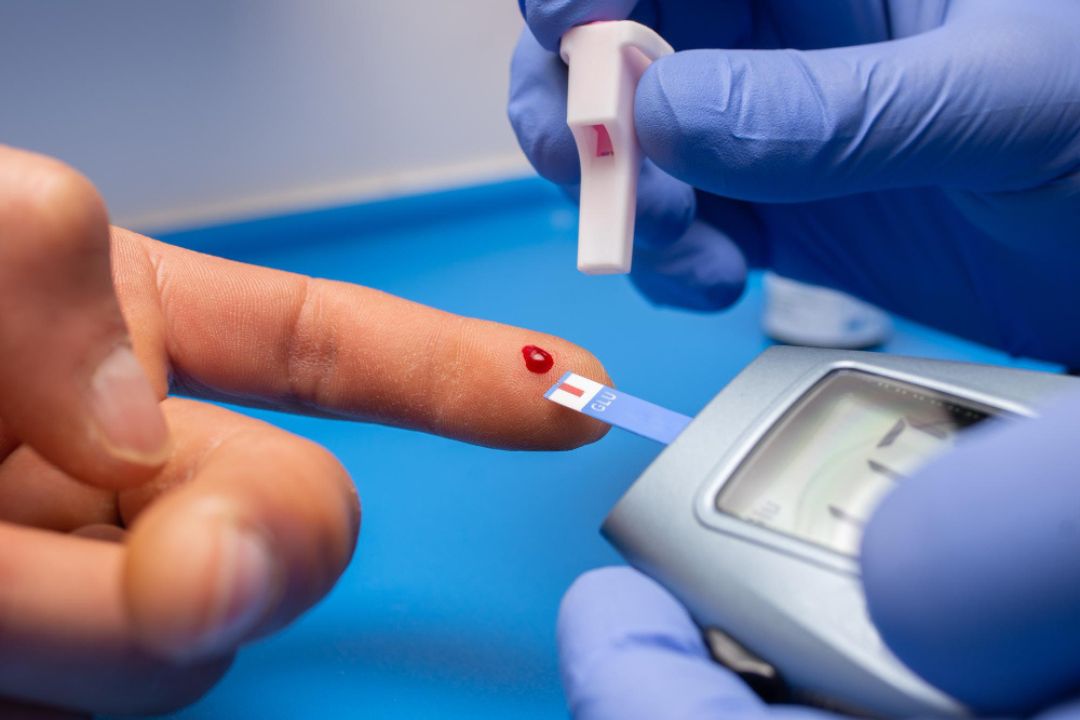
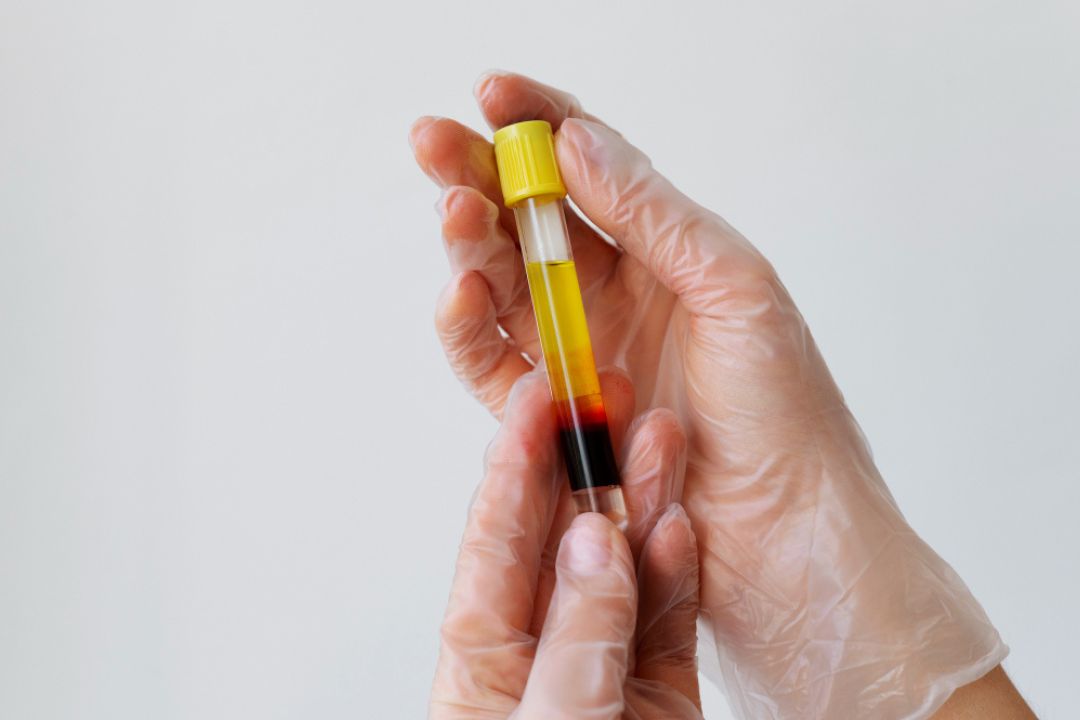
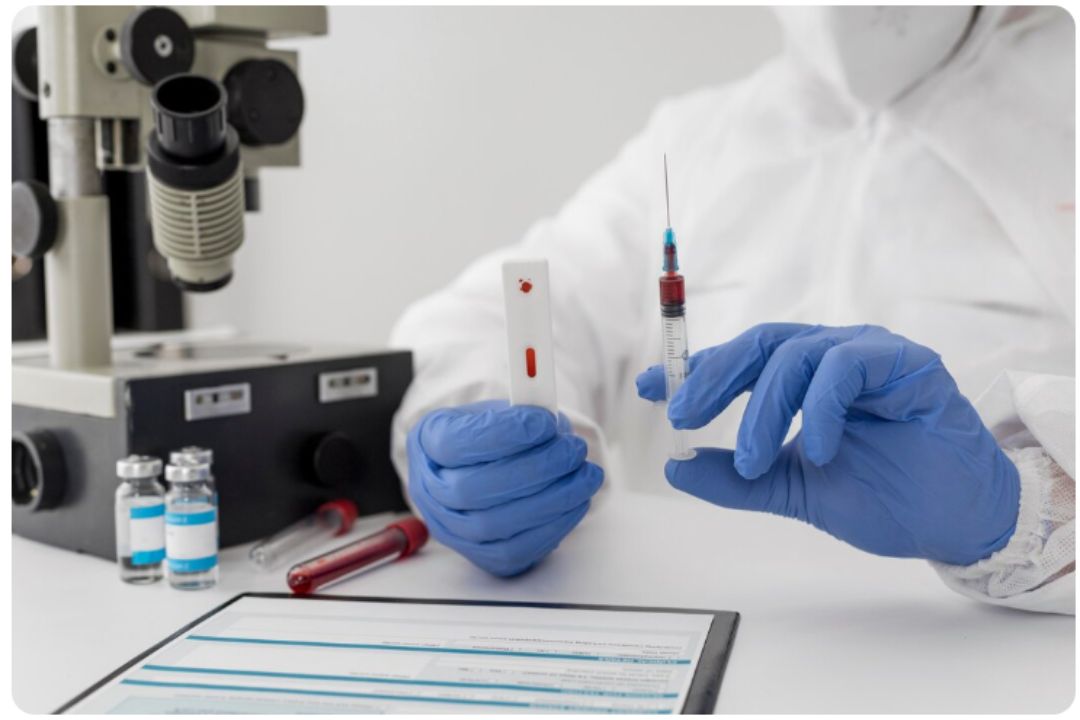
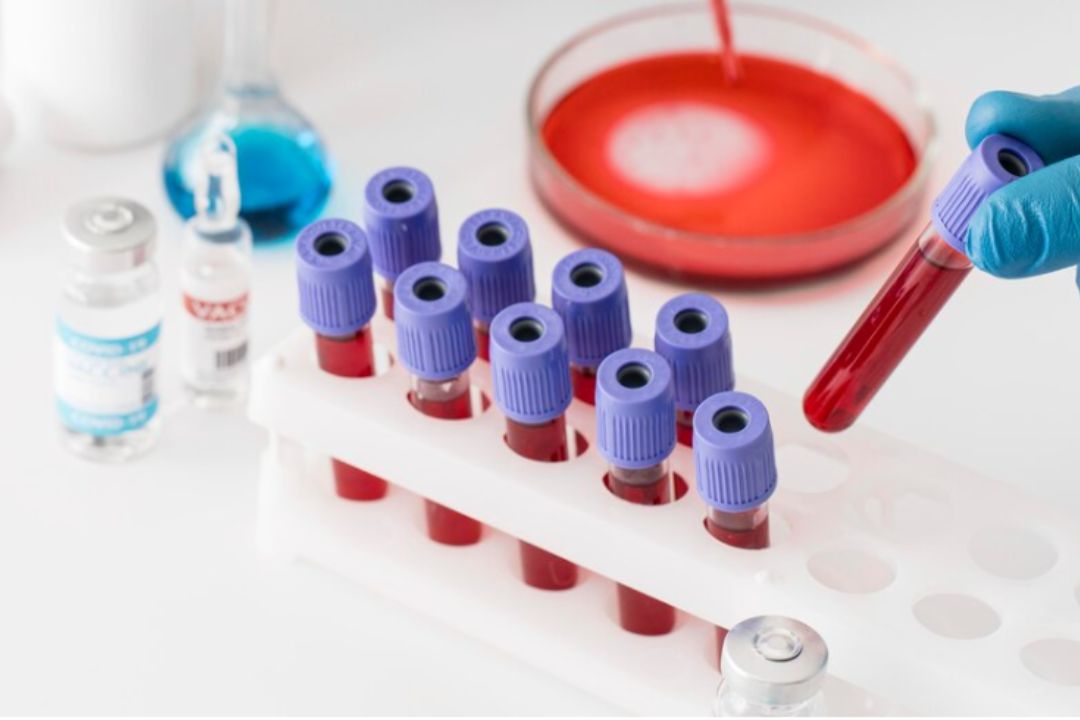
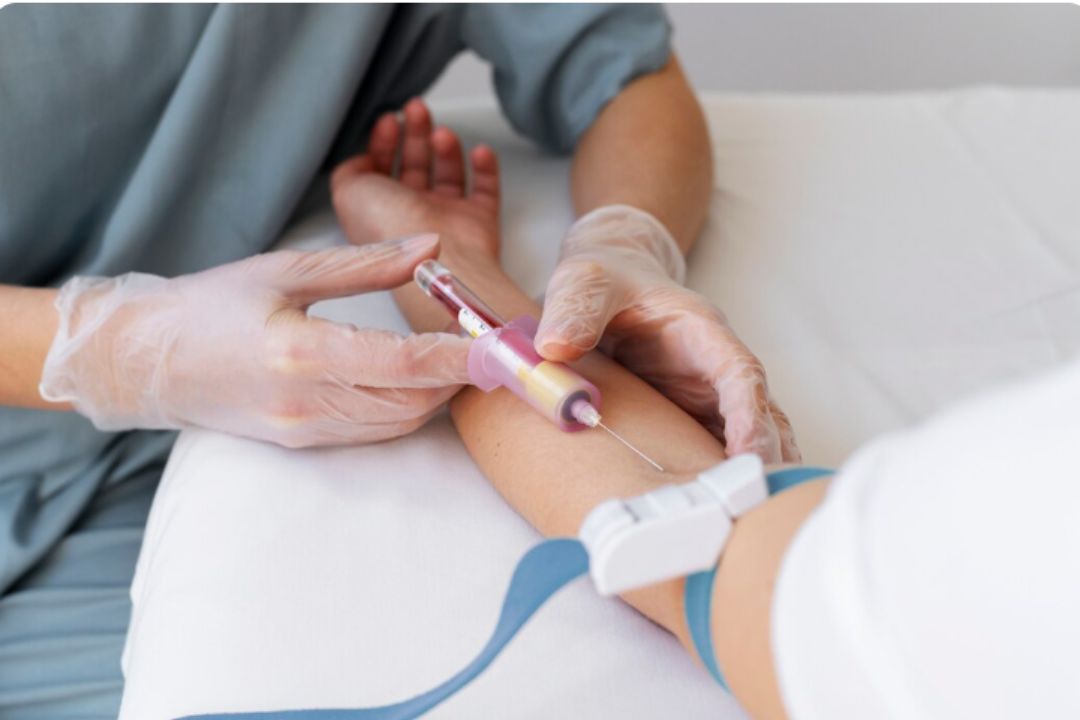
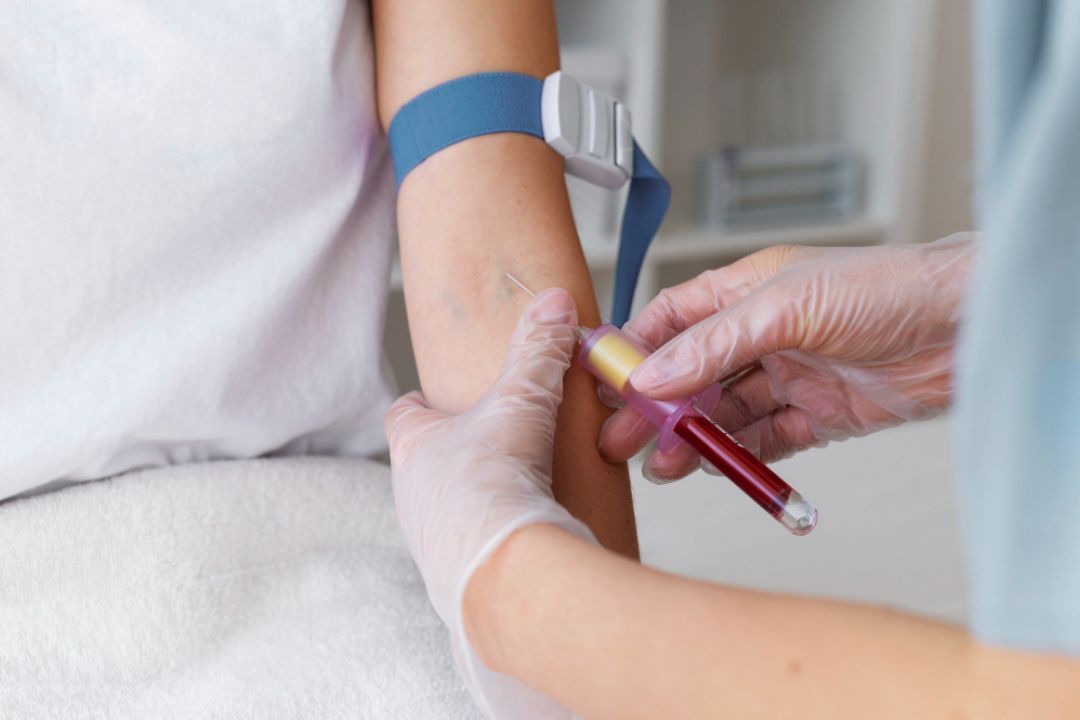
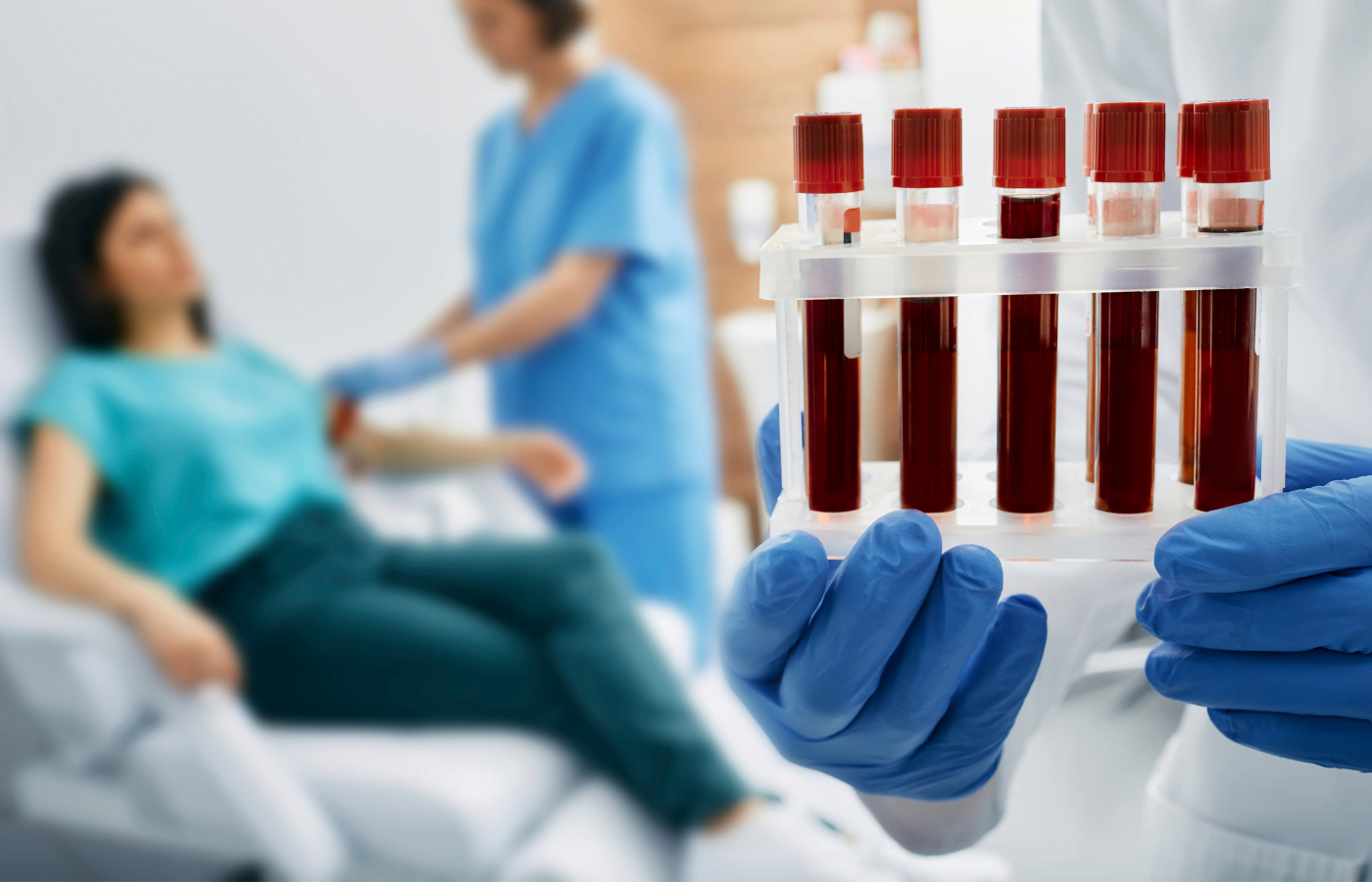
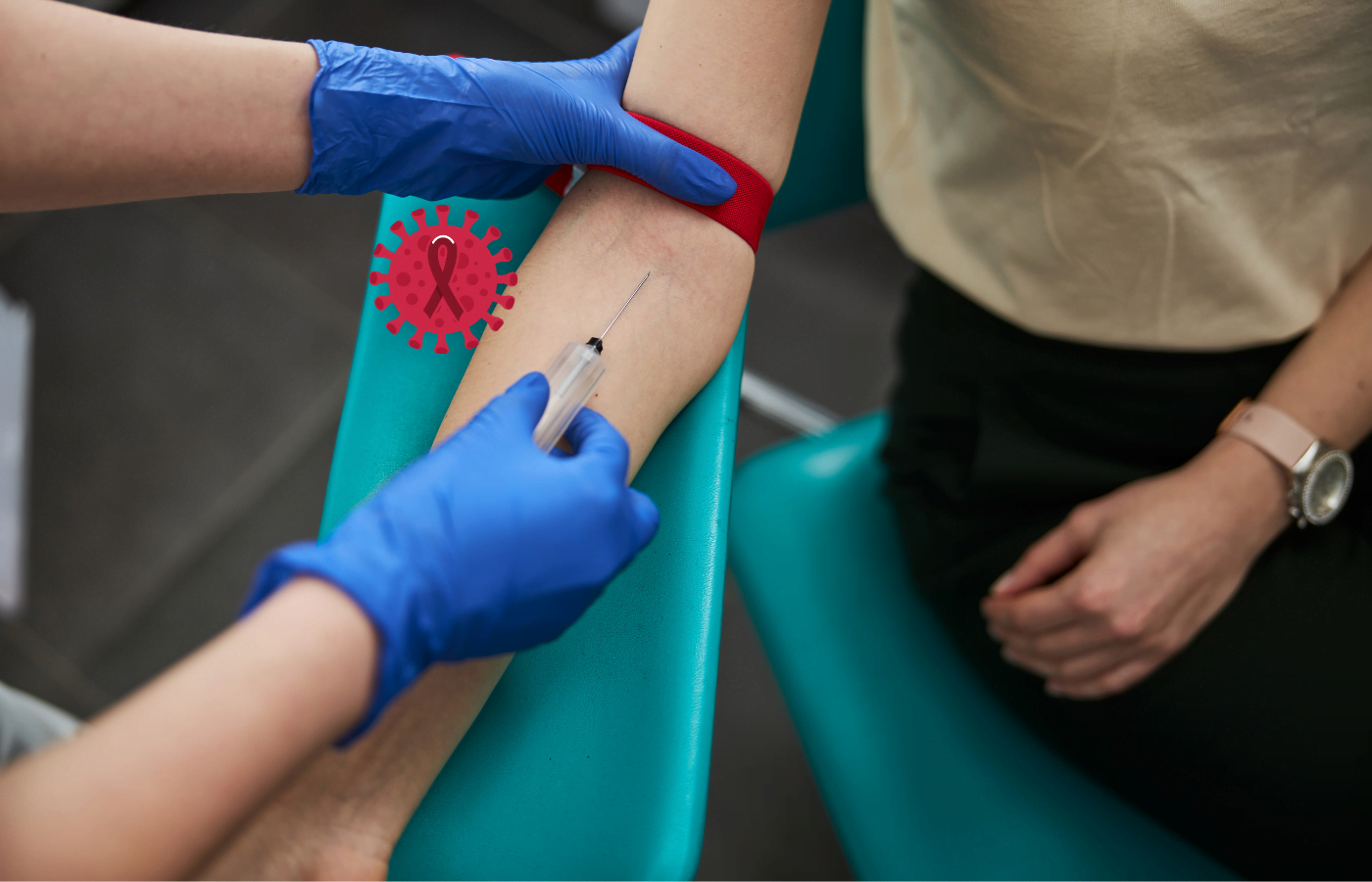
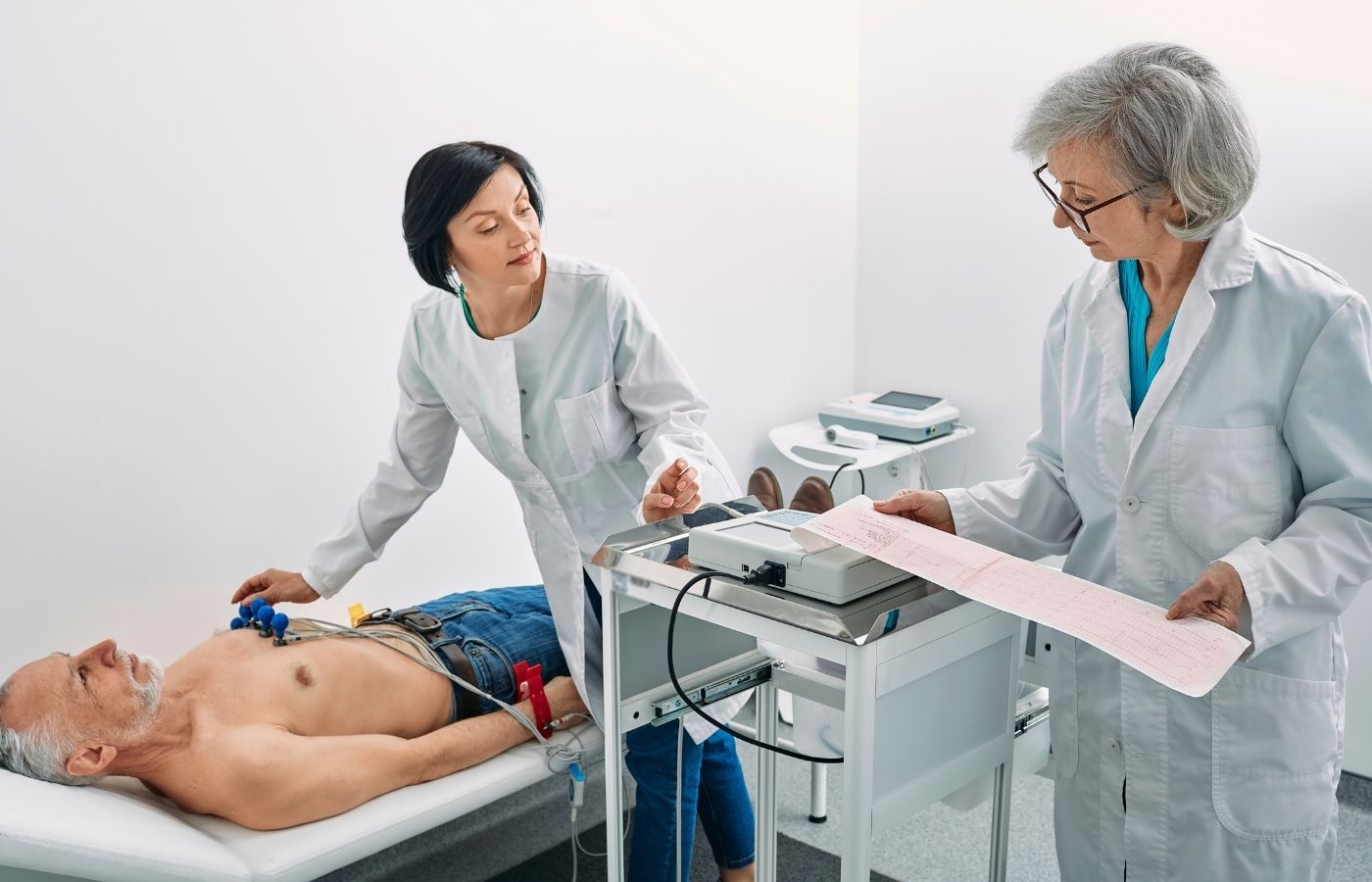
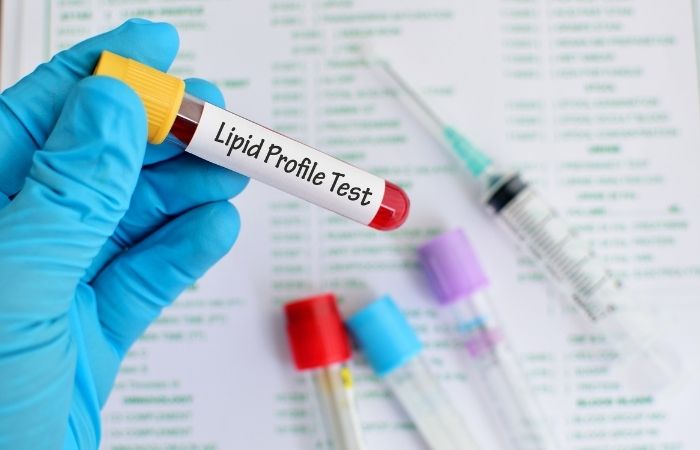
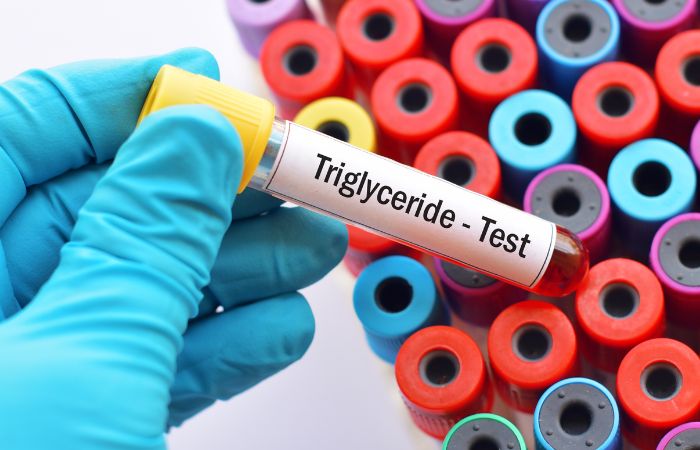
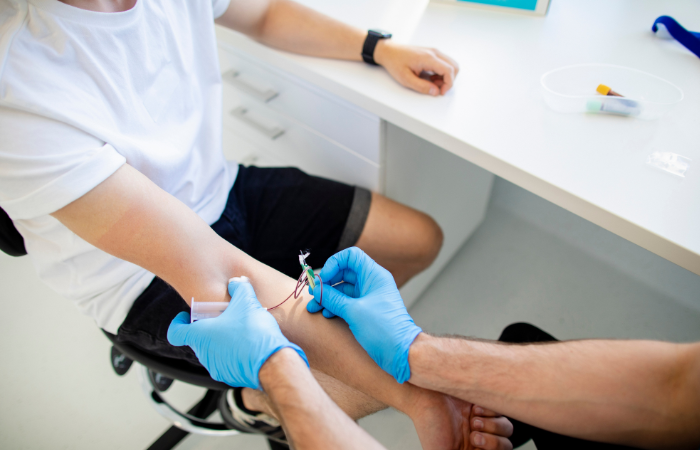
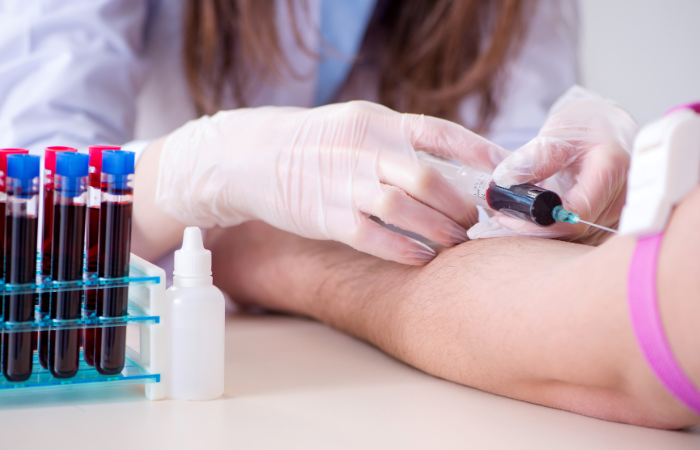
Screening & Initial Tests: This may include blood tests, imaging scans (X-rays, CT, MRI), or physical exams for individuals at risk or showing symptoms.
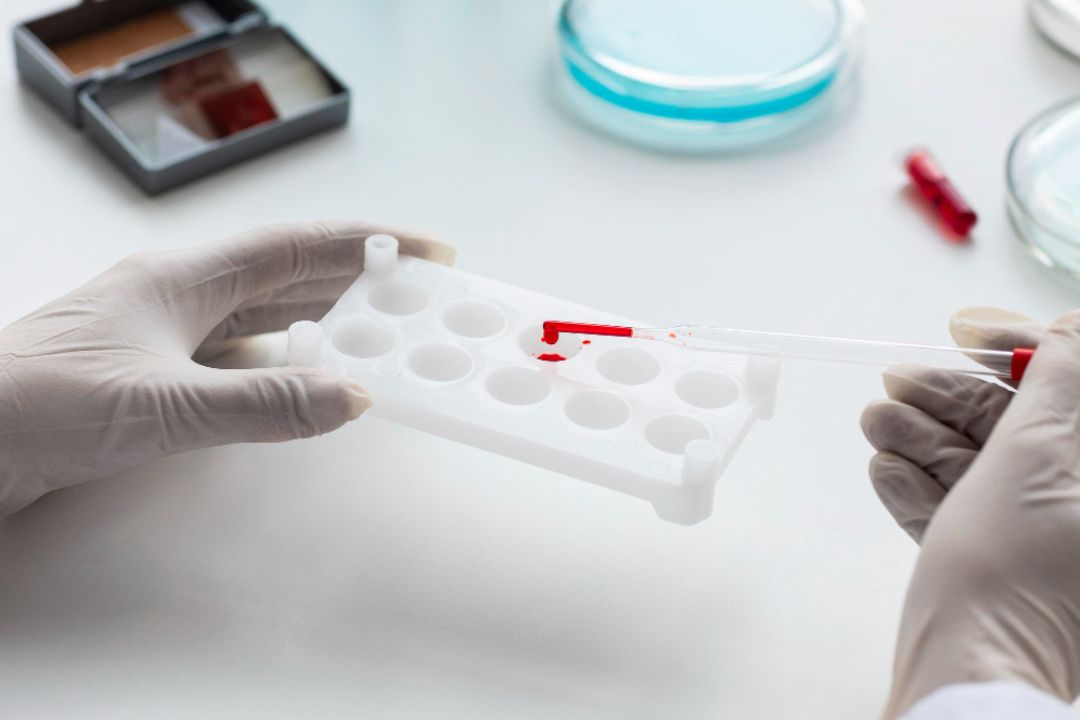
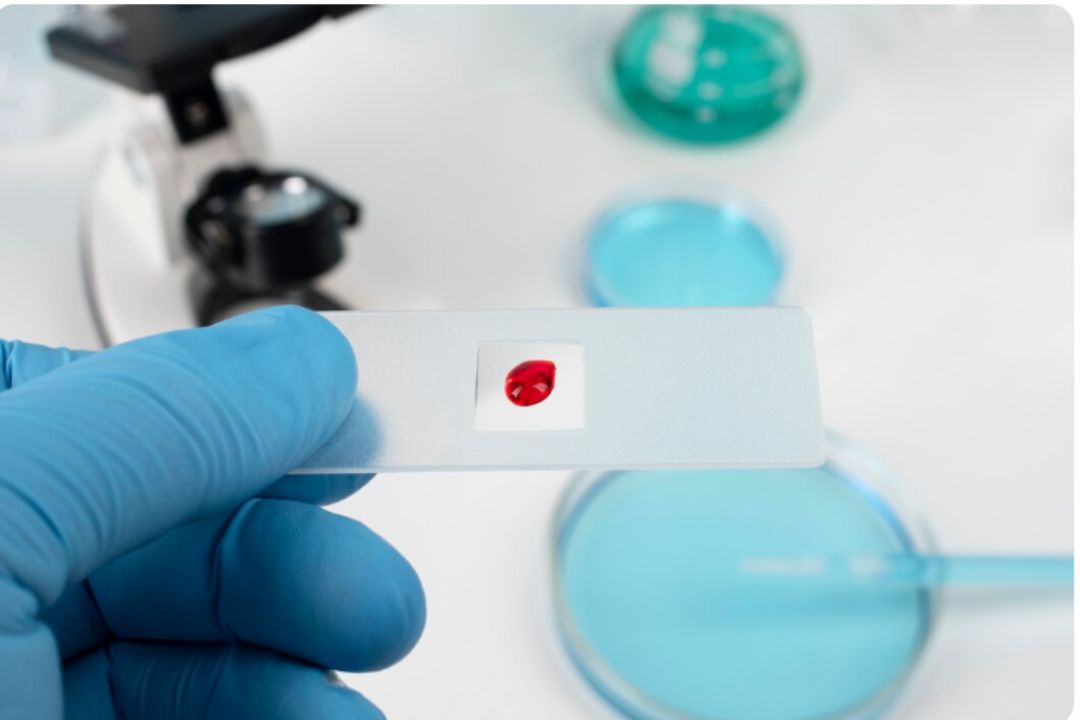
Biopsy: The definitive tool for cancer diagnosis. A small tissue sample is removed and examined under a microscope to confirm the presence of cancerous cells.
Staging: If cancer is confirmed, further tests determine its stage—how large it is and if it has spread. This is critical for prognosis and treatment planning.
The benefits of early diagnosis cannot be overstated. It is the single most important factor in improving outcomes.
More Treatment Options: Early-stage cancer is often eligible for less invasive treatments with higher success rates.
Improved Survival Rates: The chance of successful treatment and long-term survival is significantly higher.
Better Quality of Life: Early intervention can prevent complications and reduce the intensity of required treatments.
Reduced Anxiety: While waiting is hard, a clear diagnosis provides a definitive path forward, replacing uncertainty with a plan.
The cost of cancer diagnosis can be a significant concern for families. It varies widely by country, healthcare system, insurance, and the tests required.
Components: Costs include doctor consultations, imaging scans, biopsy procedures, and pathology lab fees.
Insurance & Support: It’s vital to communicate with your insurance provider and hospital billing department. Many hospitals have financial counselors and support programs to help manage these costs. Early diagnosis can ultimately reduce long-term treatment costs.
The diagnosis phase is emotionally taxing. Prioritizing comfort is essential.
Emotional Comfort: Seek support from family, friends, or professional counselors. Many cancer centers offer patient navigators.
Physical Comfort: During tests, communicate openly with healthcare staff about any pain or anxiety. They can provide solutions.
Informational Comfort: Ask questions until you understand. Having clear information reduces fear and builds a sense of control.
While the word "diagnosis" can be frightening, it is the cornerstone of hope and healing. It is the necessary map that guides all subsequent decisions. Delaying investigation of symptoms due to fear can allow potential cancer to progress. Embracing the diagnosis process—despite its costs and discomfort—unlocks the benefits of modern medicine. It empowers your family with clarity, opens the door to effective treatment, and provides the foundation for managing both the disease and the journey ahead with strength and unity. Remember, a timely diagnosis is the first and most powerful step toward taking your life back


















.jpg "diabetes")


.jpg "pcos lifestyle")

























.jpg "FSH Test")





.jpg "urine potassium in hypokalemia")


















.jpg "How to Prevent Hepatitis")
.jpg "Acute-Phase Reactants")
.jpg "Anemia: Causes")

.jpg "Manage Cirrhosis")
.jpg "Types of Tuberculosis")
.png "Tested for Multiple Myeloma")


 (1).jpg "Urine Cortisol Test at Diagnopein")
 (1).jpg "Aldolase & its role")
 (1).jpg "Beta-Thalassemia Major at Diagnopein")
.jpg "Typhoid treatment")
 (1).jpg "Kidney Stones Demystified")
 (1).jpg "Blood infection signs & diagnosis")
 (1).jpg "From HIV to AIDS")

.jpg "Multiple Myeloma")
 (1).jpg "Know about Chikungunya Fever")
.jpg "Diagnopein Stands Out")






 disorders.jpg "gastrointestinal (GI) disorders")





.jpg "symptoms of Chikungunya & How is Chikungunya diagnosed?")


.jpg "COMMON PATHALOGICAL BLOOD TESTS")














.png "how to manage diabetes")