When you get your blood work back, terms like “BUN” can seem confusing. Yet, this simple metric is a powerful window into your kidney health and overall metabolism. Whether you’re managing a chronic condition or just staying on top of your wellness, understanding your BUN blood test results is crucial.
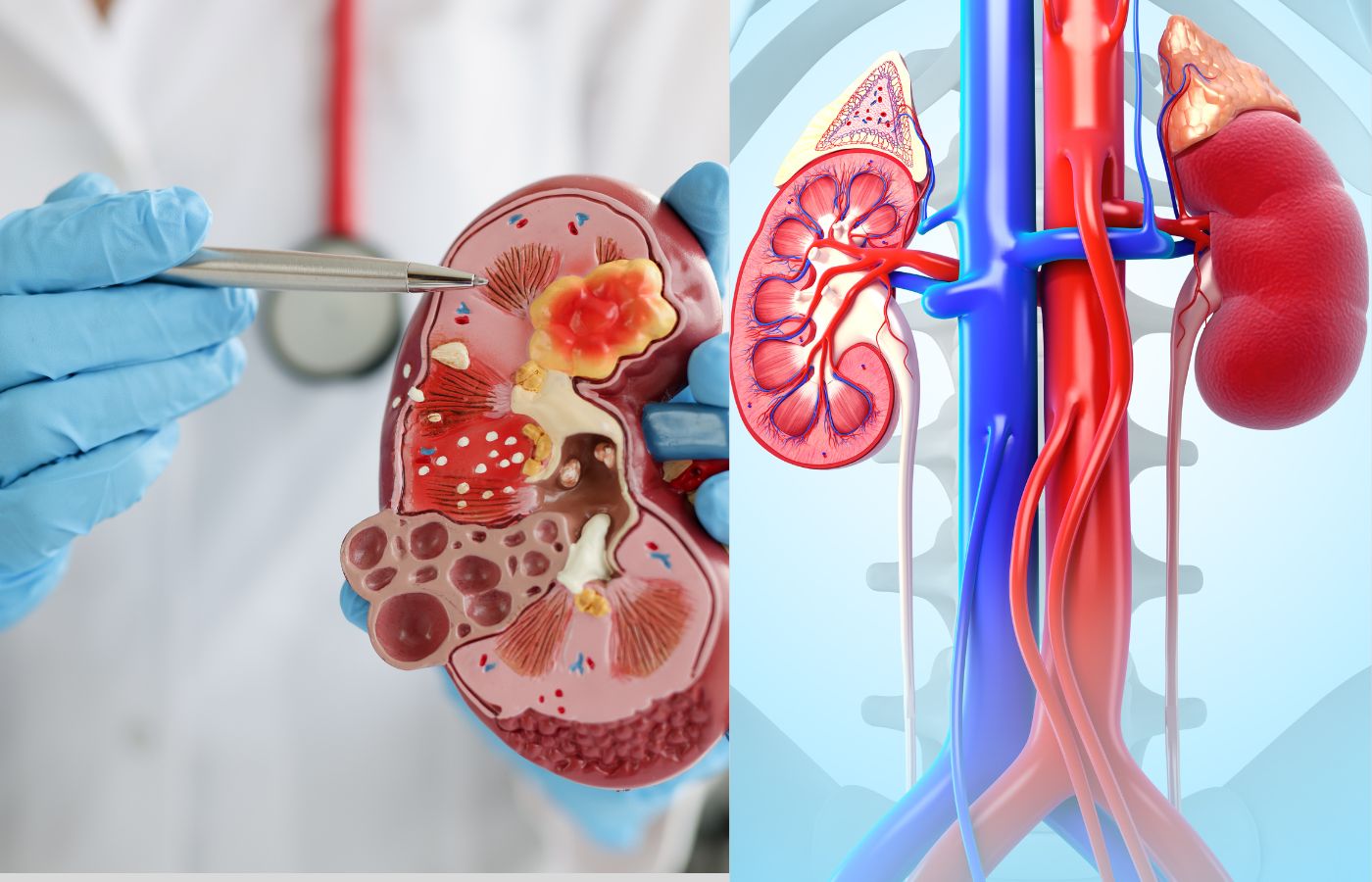
So, what is BUN in blood test? BUN stands for Blood Urea Nitrogen. It measures the amount of urea nitrogen—a waste product formed when your body breaks down protein—in your blood. Your kidneys filter this waste out, so BUN levels are a key indicator of how well they’re functioning. Let’s dive into what your levels reveal and why monitoring them matters.
What Does Your BUN Level Tell You?
A standard BUN test is often part of a comprehensive metabolic panel. Results are measured in milligrams per deciliter (mg/dL).
Normal BUN Range: Typically between 7 and 20 mg/dL, though ranges can vary by lab.
BUN Blood Test High: Elevated levels often suggest your kidneys may not be working optimally. This can indicate acute or chronic kidney disease. However, a high BUN can also be due to high-protein diets, dehydration, certain medications, heart failure, or gastrointestinal bleeding.
BUN Blood Test Low: Less common, but low BUN levels can point to liver disease, malnutrition, overhydration, or a diet very low in protein.
Why Choose Diagnopein for Your BUN Testing?
Navigating lab tests shouldn’t be stressful. Diagnopein transforms the experience with a focus on accessibility, accuracy, and patient comfort.
Clarity & Insight: We don’t just give you numbers. Your results come with easy-to-understand explanations and context about what high or low BUN levels mean for you.
Seamless Process: From booking to receiving results, our digital platform is designed for ease. No more waiting for a call or deciphering cryptic forms.
The Diagnopein Benefit: Beyond the Basic Test
Choosing Diagnopein means choosing a smarter health pathway.
Comprehensive Health View: We connect the dots. If your BUN level is off, we help you understand how it relates to other markers (like creatinine or liver enzymes) for a full picture.
Actionable Results: Receive personalized insights and actionable next steps, whether it’s lifestyle adjustments or suggestions for follow-up with a specialist.
Diagnopein vs. Traditional Lab Testing: A Comparison
| Feature | Traditional Lab | Diagnopein |
|---|---|---|
| Access & Booking | Requires doctor’s referral, phone calls. | Direct online booking, no referral needed. |
| Clarity of Results | Raw numbers, often without context. | Easy-to-read reports with explanations & insights. |
| Convenience | Multiple visits: doctor, lab, then doctor again. | Integrated service: test, results, and guidance in one platform. |
| Patient Comfort | Can feel clinical and impersonal. | Designed with your privacy and understanding in mind. |
Costing with Diagnopein: Transparent & Value-Driven
Worried about surprise bills? We eliminate that anxiety. A BUN test at Diagnopein is part of affordable, packaged panels. Instead of paying for a standalone test, you often get a complete metabolic panel or kidney function test for a clear, upfront cost, giving you far more value and information. Investing in this broader data is key for accurate interpretation of your blood urea nitrogen level.
Comfort and Care: The Diagnopein Difference
Getting a blood test can be daunting. We prioritize your comfort:
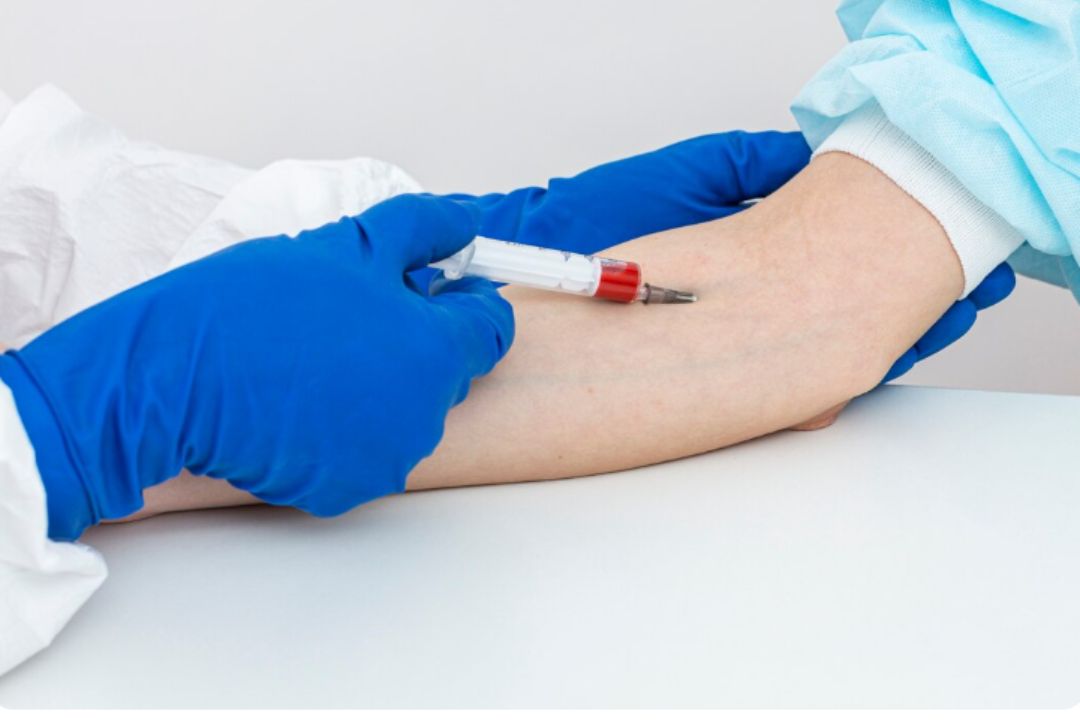
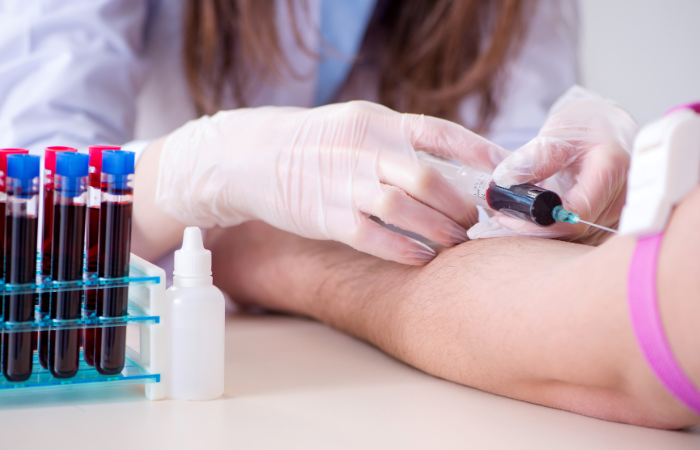
At-Home Phlebotomy Option: For eligible tests, a certified professional can come to you.
Stress-Free Environment: Partner labs are selected for their patient-centric approach.
Continuous Support: Our care team is available to answer questions about your BUN blood test high or low results before your next doctor’s visit.
Conclusion: Take Charge of Your Kidney Health with Diagnopein
Your BUN blood test is more than just a value on a page—it’s a vital sign of your kidney’s filtering power and your body’s metabolic balance. Ignoring abnormal BUN levels can risk missing early signs of kidney stress or other underlying conditions.
























.jpg "diabetes")



.jpg "pcos lifestyle")


































.jpg "FSH Test")







.jpg "urine potassium in hypokalemia")



















.jpg "How to Prevent Hepatitis")

.jpg "Acute-Phase Reactants")
.jpg "Anemia: Causes")

.jpg "Manage Cirrhosis")

.jpg "Types of Tuberculosis")
.png "Tested for Multiple Myeloma")



 (1).jpg "Urine Cortisol Test at Diagnopein")
 (1).jpg "Aldolase & its role")
 (1).jpg "Beta-Thalassemia Major at Diagnopein")
.jpg "Typhoid treatment")
 (1).jpg "Kidney Stones Demystified")
 (1).jpg "Blood infection signs & diagnosis")
 (1).jpg "From HIV to AIDS")


.jpg "Multiple Myeloma")
 (1).jpg "Know about Chikungunya Fever")
.jpg "Diagnopein Stands Out")












 disorders.jpg "gastrointestinal (GI) disorders")








.jpg "symptoms of Chikungunya & How is Chikungunya diagnosed?")


.jpg "COMMON PATHALOGICAL BLOOD TESTS")





















.png "how to manage diabetes")