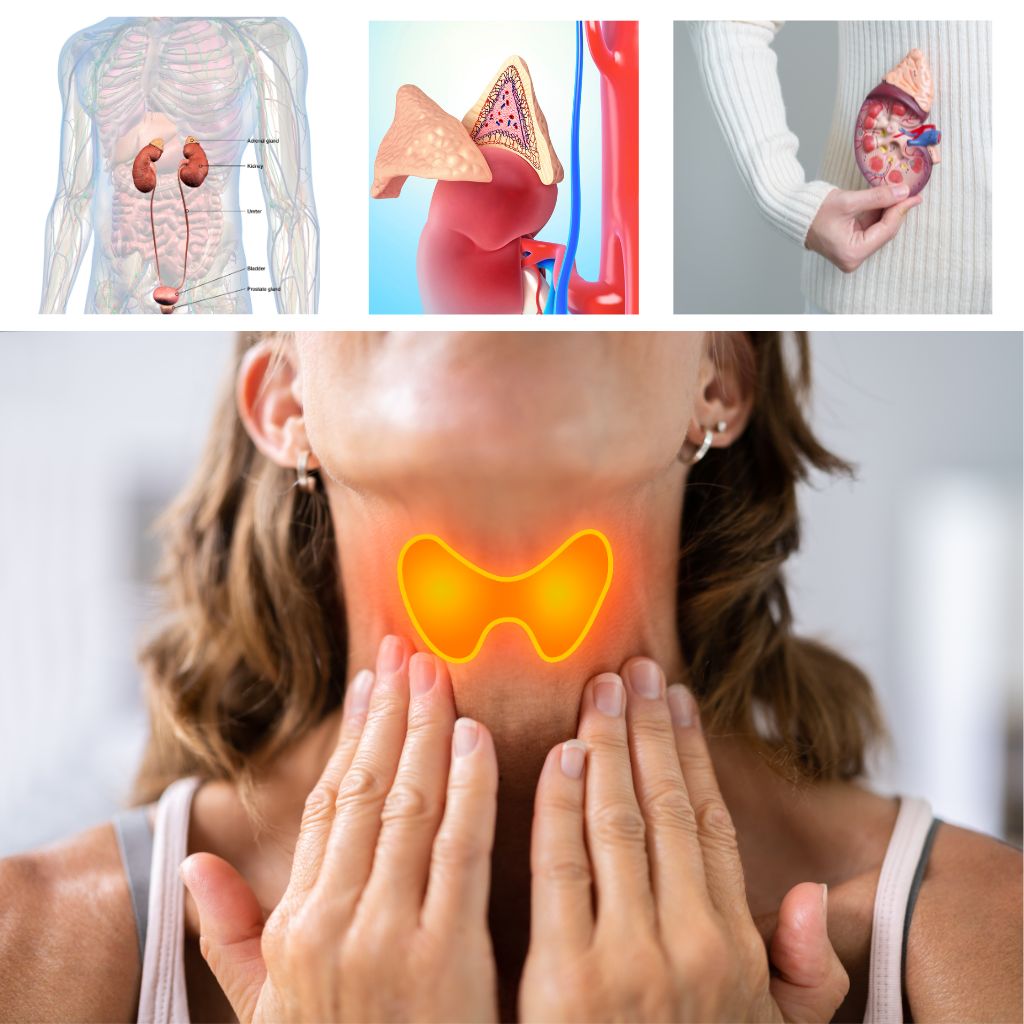
Hypothyroidism, or an underactive thyroid, is a common condition where your thyroid gland fails to produce enough crucial hormones. This slowdown affects your entire metabolism, leading to a cascade of symptoms that can significantly impact your daily life. For our family, understanding this condition is key to recognizing it in ourselves or loved ones and taking the right steps toward effective management.
The symptoms of hypothyroidism often develop slowly and can be mistaken for general fatigue or aging. Key signs to watch for include:
Persistent fatigue and low energy
Unexplained weight gain
Increased sensitivity to cold
Dry skin and thinning hair
Muscle weakness and aches
Depression, "brain fog," and memory issues
Heavy or irregular menstrual periods
Origins: What Causes Hypothyroidism?
The most common cause globally is iodine deficiency, but in many countries, the leading origin is an autoimmune disorder called Hashimoto's thyroiditis, where the body's immune system attacks the thyroid gland. Other causes include thyroid surgery, radiation treatment, certain medications, and rarely, pituitary gland disorders.
Managing hypothyroidism effectively typically involves:
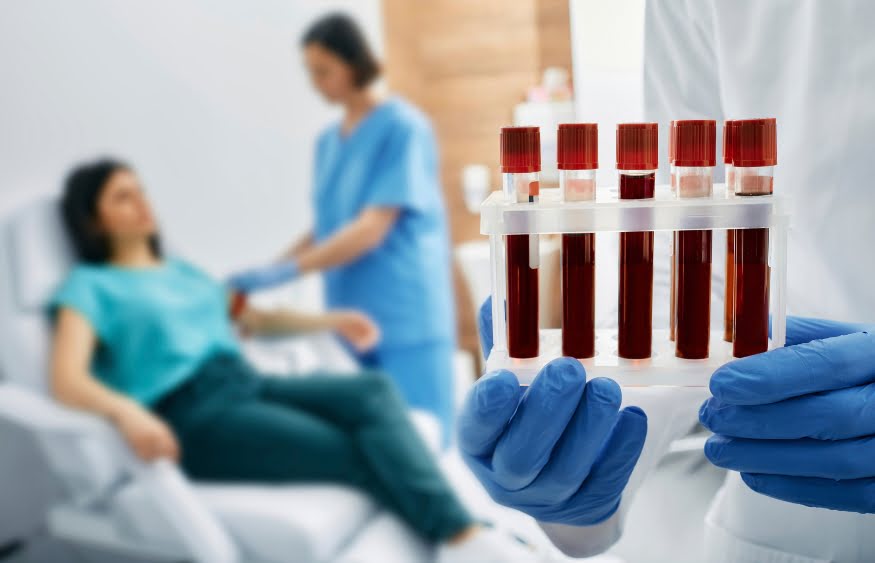
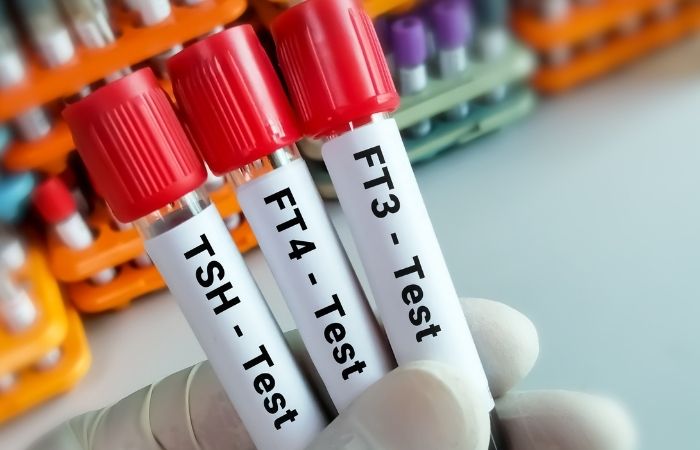
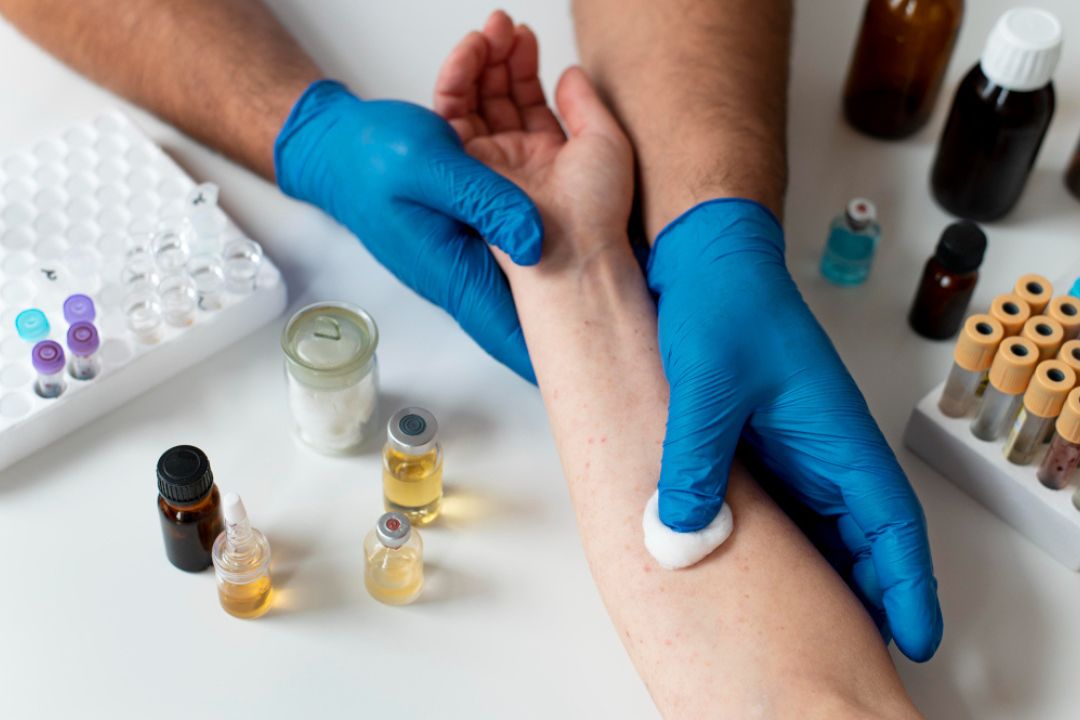
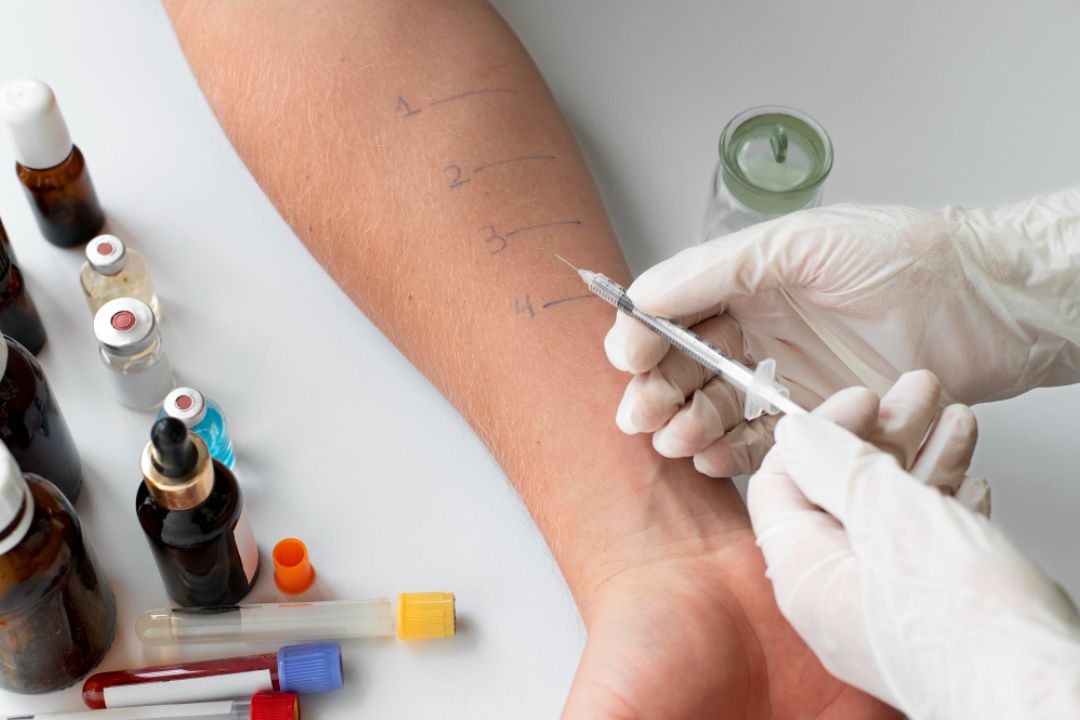
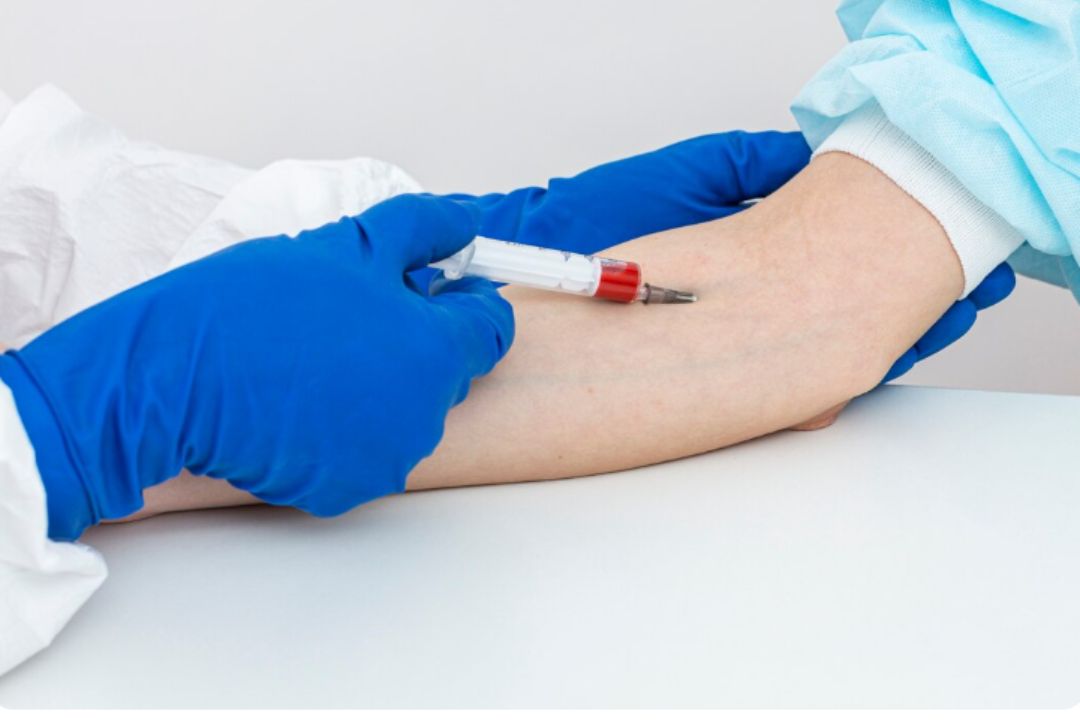
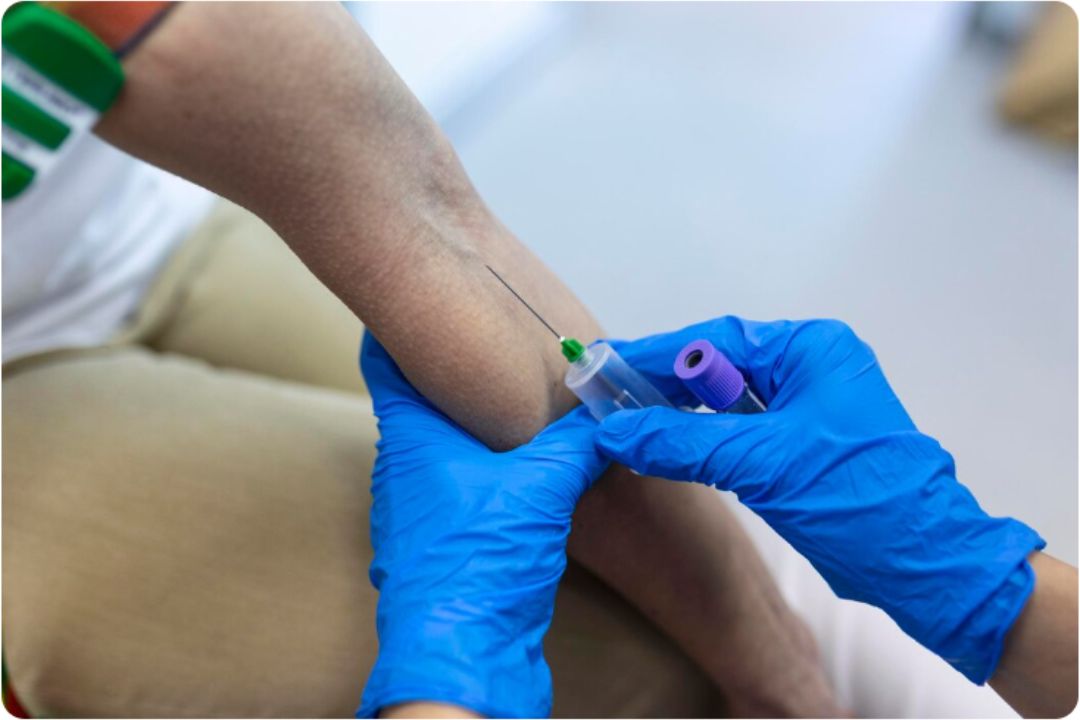
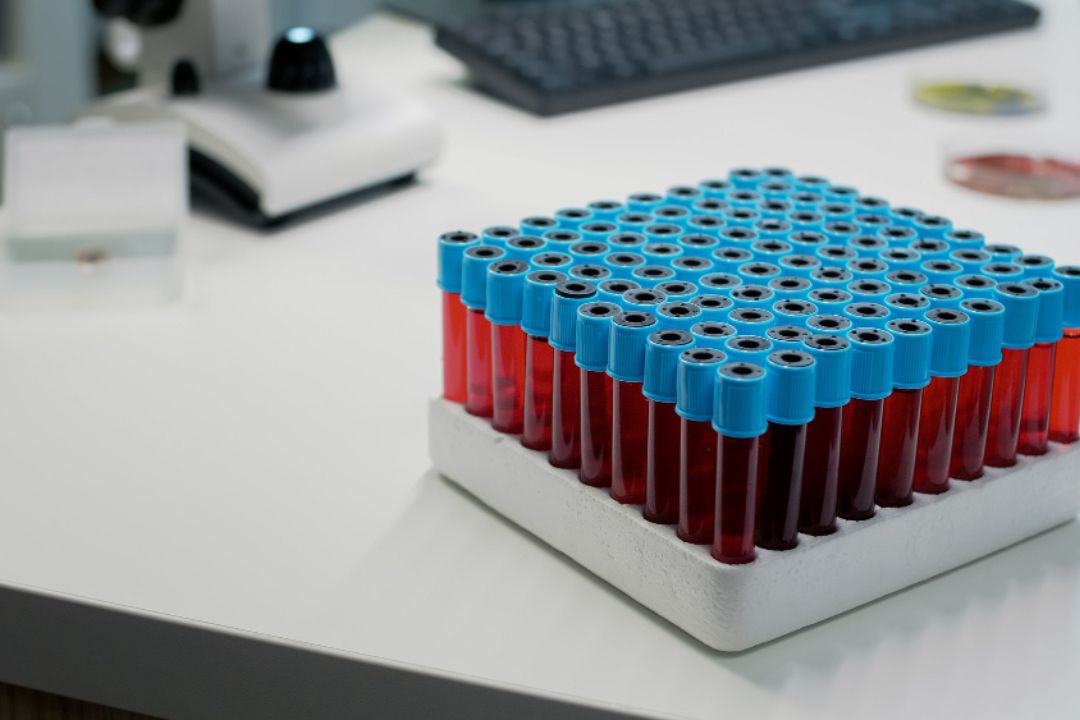
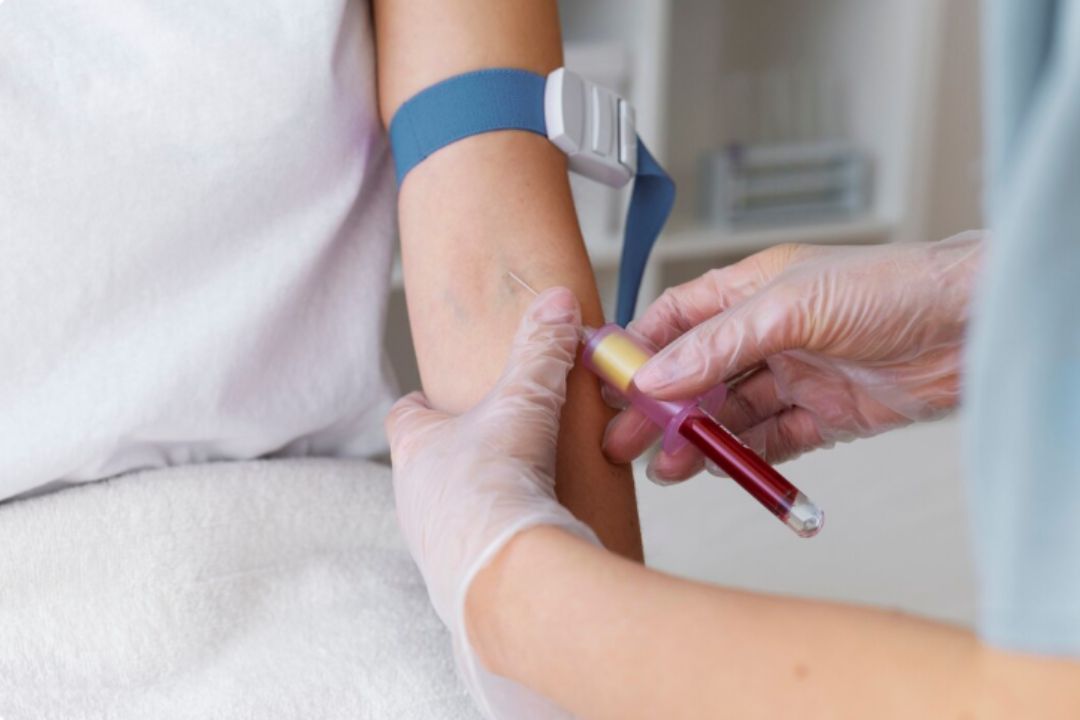
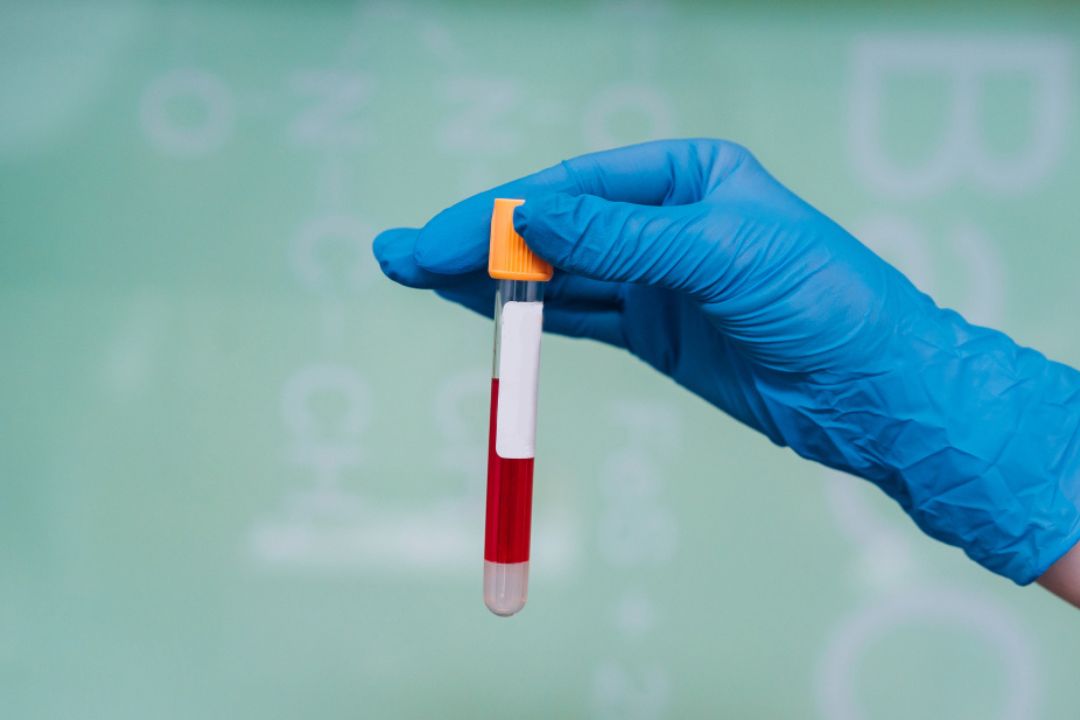
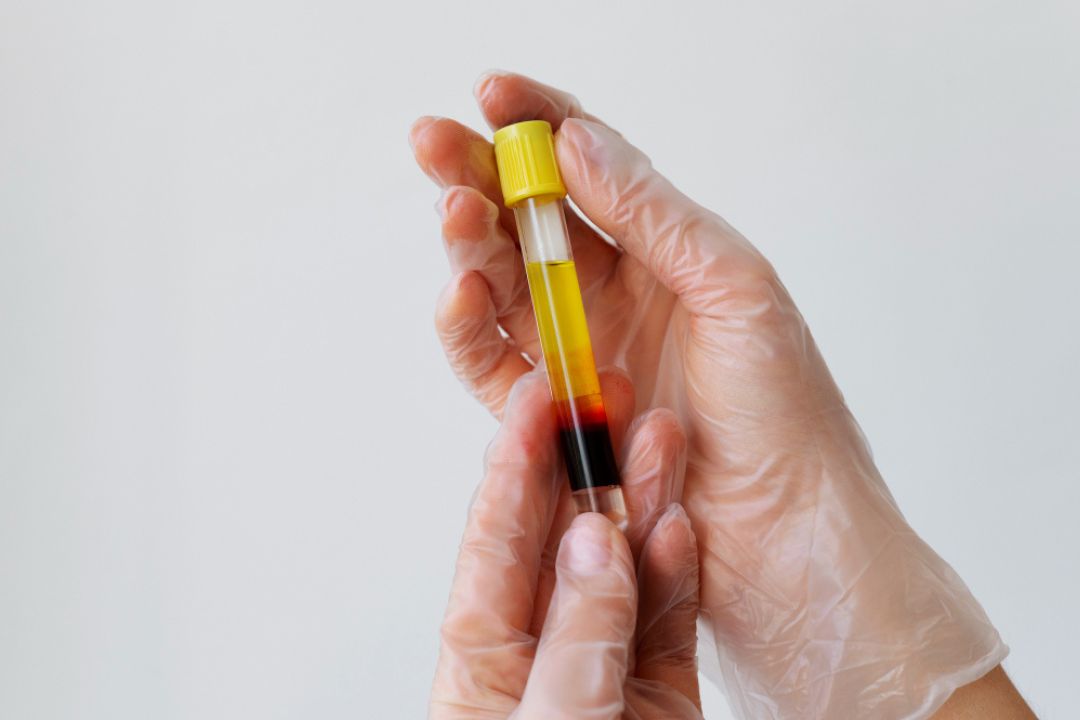
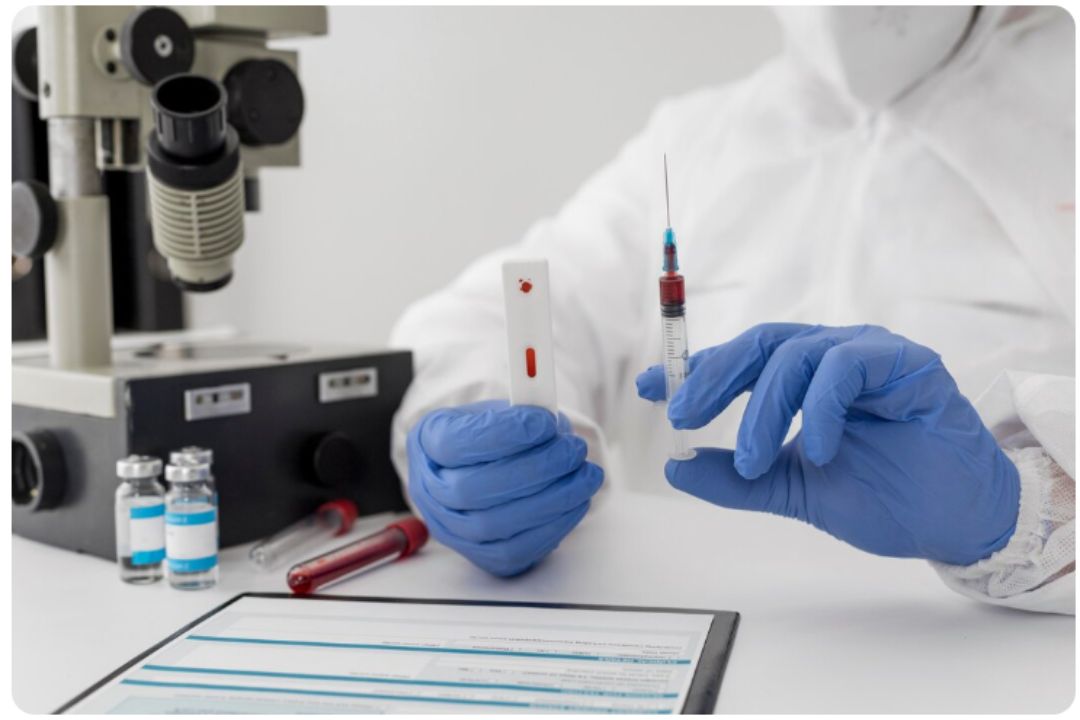
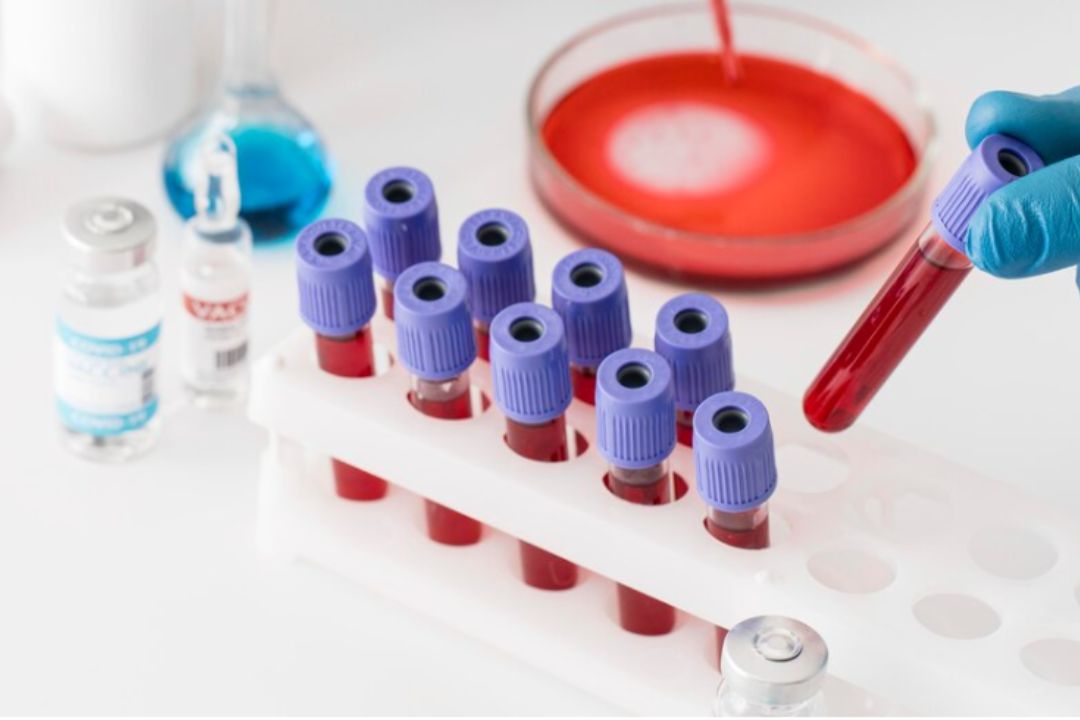
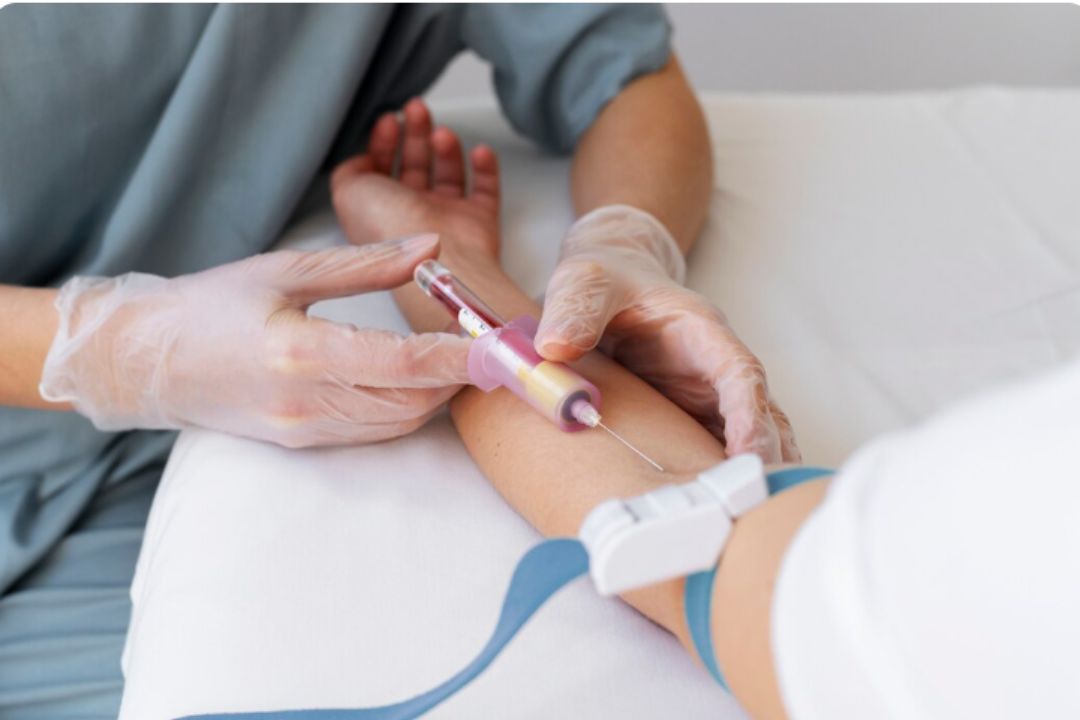
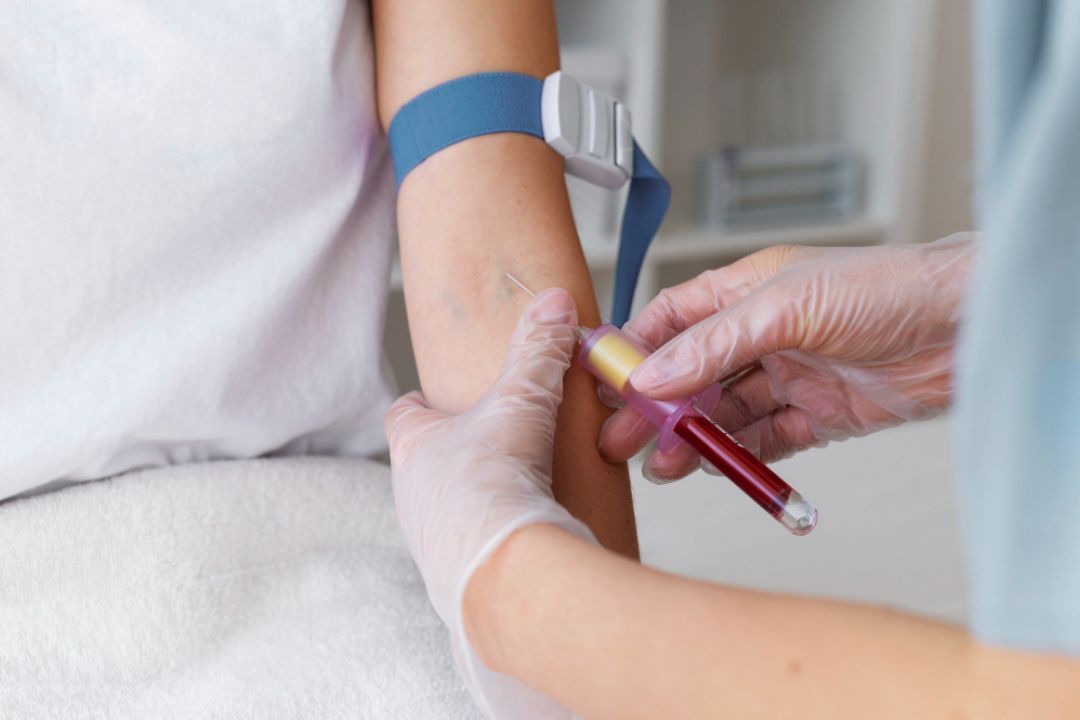
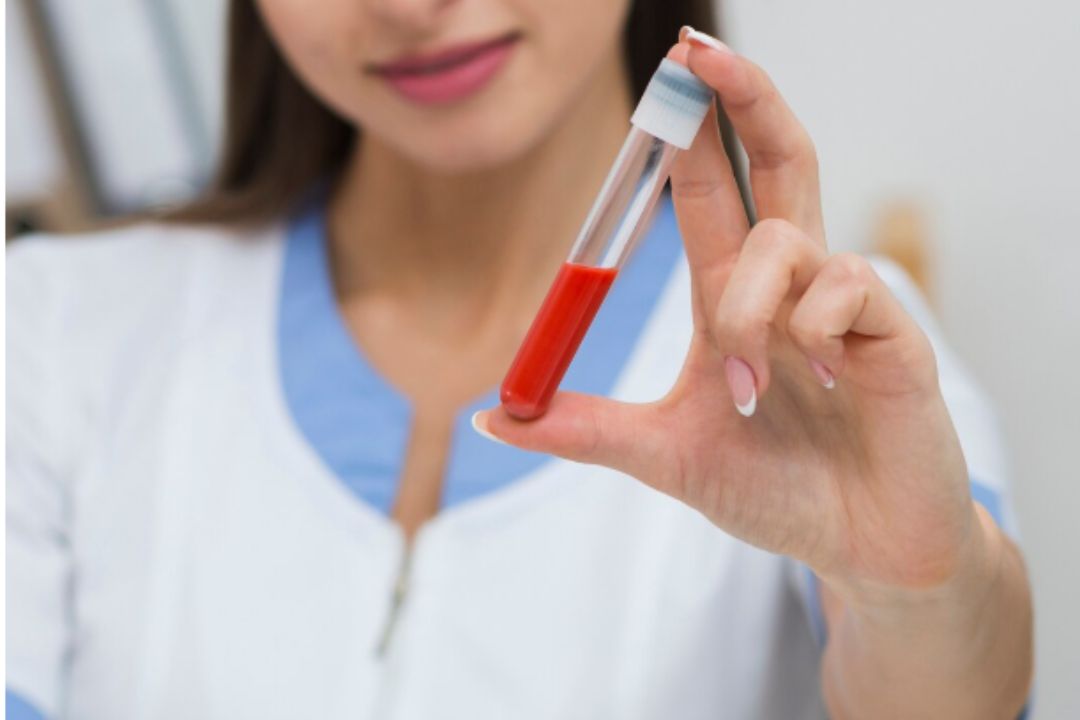
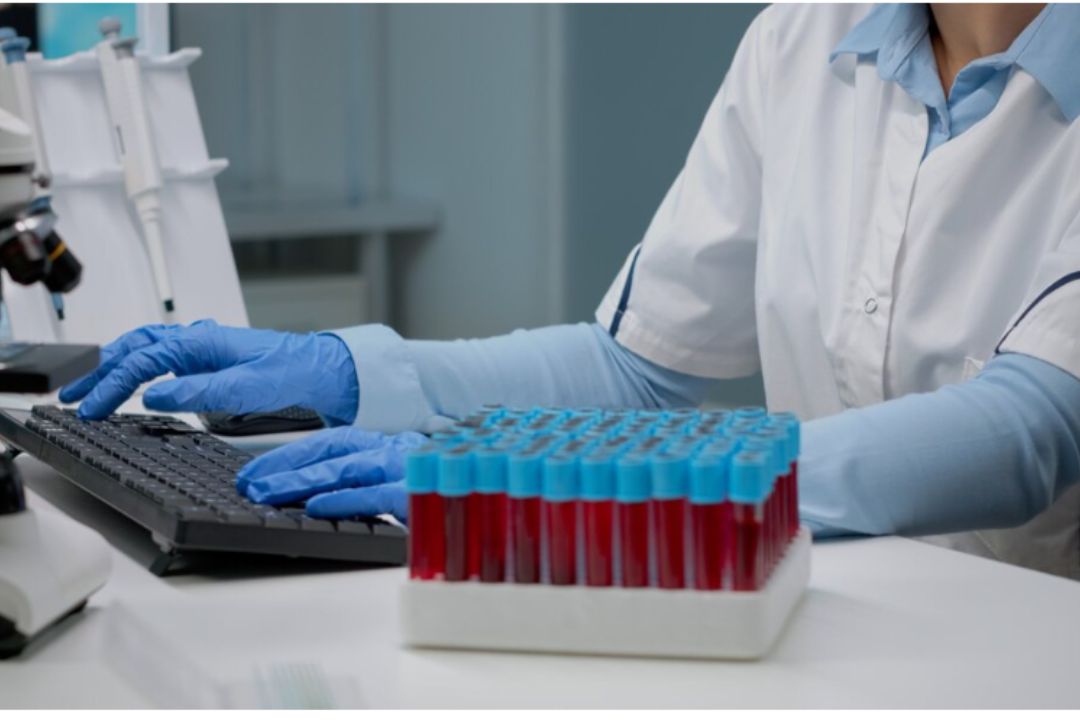
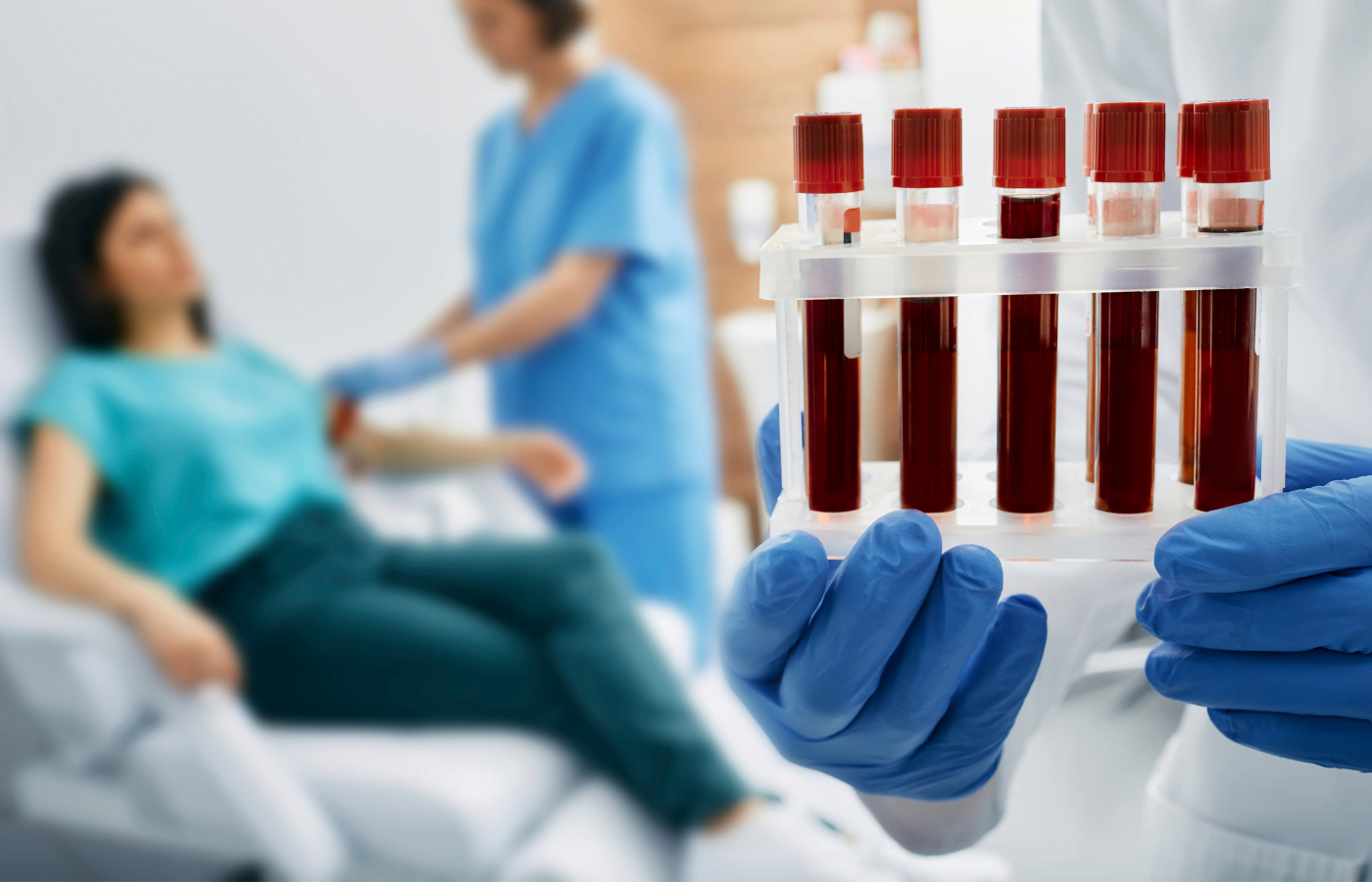
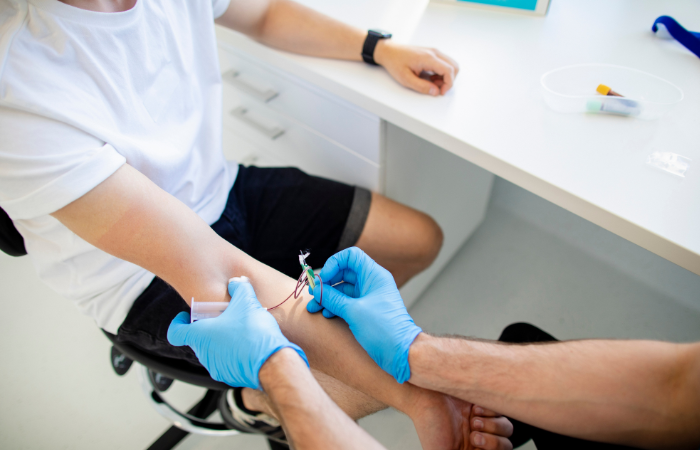
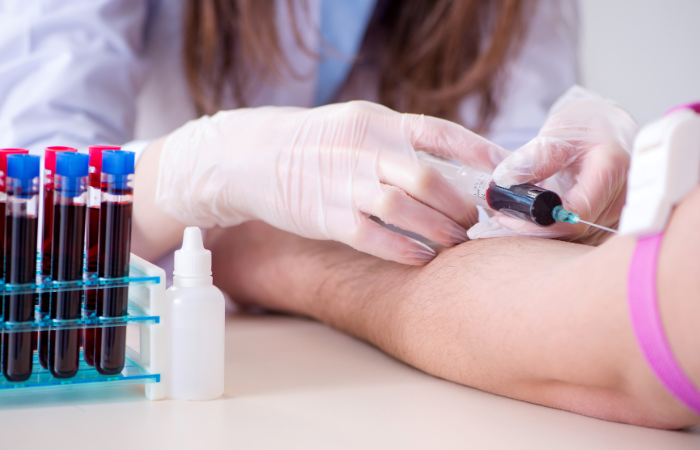
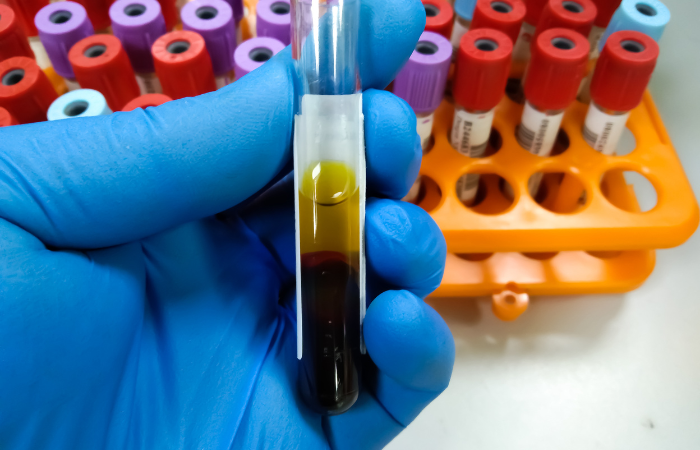
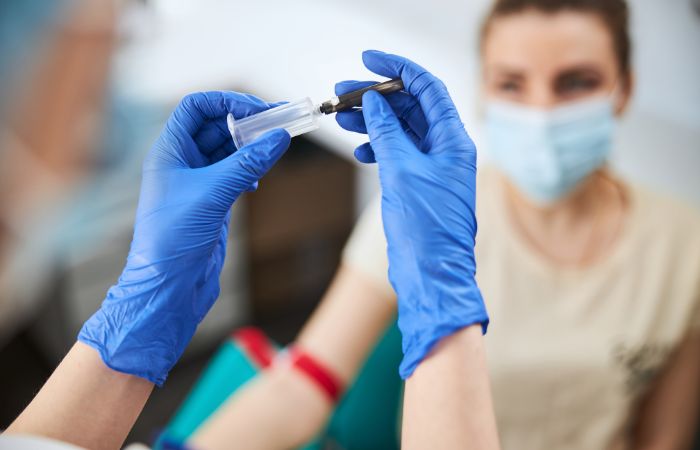
Accurate Diagnosis: This is the critical first step, requiring precise blood tests to measure Thyroid-Stimulating Hormone (TSH) and Thyroxine (T4) levels.
Synthetic Hormone Replacement: Daily oral medication (like Levothyroxine) is the standard treatment to restore hormone levels.
Lifestyle Adjustments: A balanced diet, regular exercise, and stress management support overall well-being.
Regular Monitoring: Ongoing blood tests are essential to ensure medication dosage remains correct.
Choosing how and where you get diagnosed and monitored is a major decision. Let's compare a traditional lab clinic with a modern solution like Diagnopein.
| Aspect | Traditional Lab/Clinic | Diagnopein's Solution |
|---|---|---|
| Diagnostic Accuracy | High (if reputable) | Equally High – Uses certified, lab-accurate testing methods. |
| Costing | Often high; involves doctor's fee + separate lab charges. Can be covered by insurance with copays. | Typically more transparent and affordable. Direct-to-consumer pricing or simplified packages can reduce overall expense. |
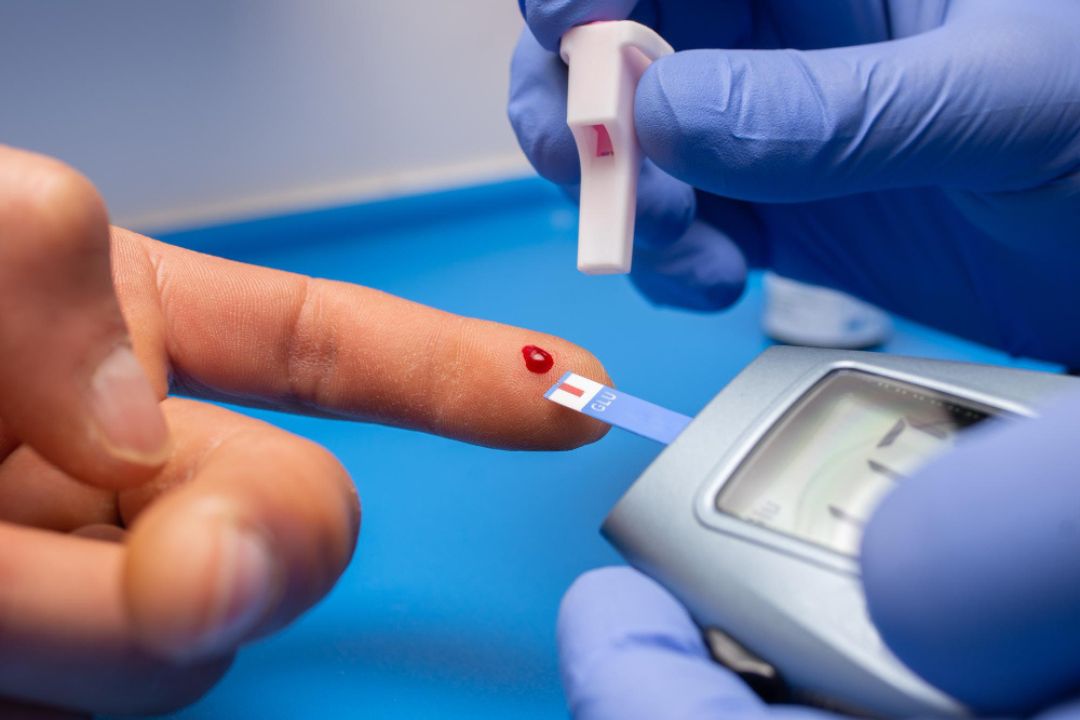
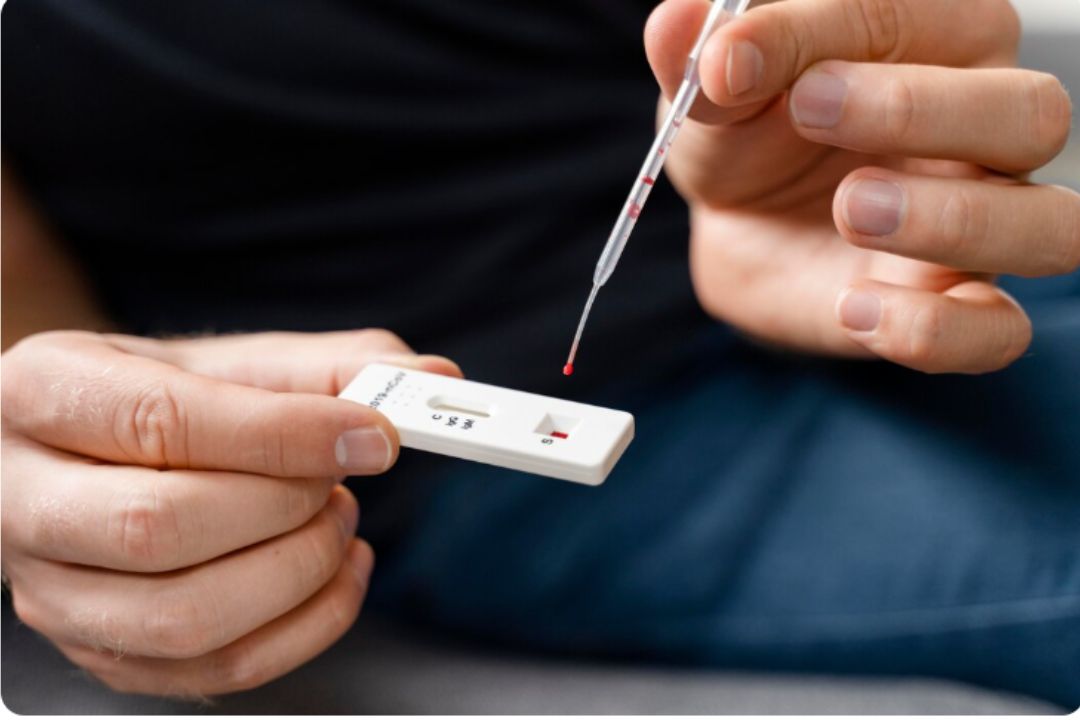
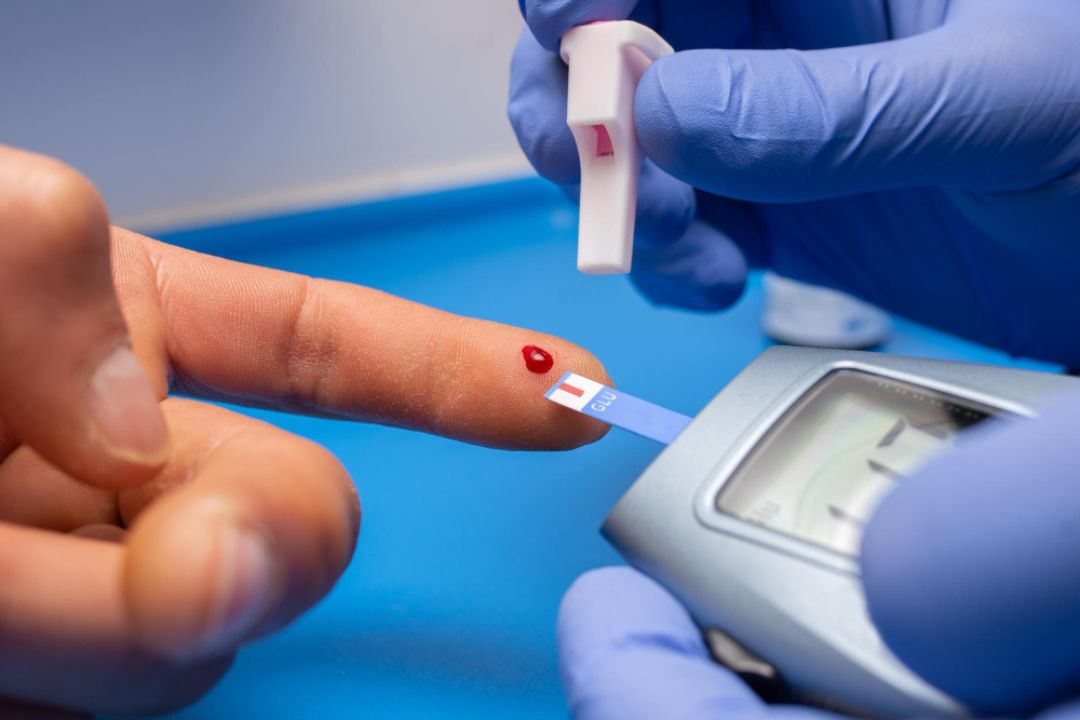
| Comfort & Convenience | Low. Requires scheduling, travel, waiting rooms, and potentially multiple visits. | High. The core benefit of Diagnopein is comfort. Testing is done from home via a finger-prick kit or scheduled mobile phlebotomy, eliminating clinic hassles. |
| Process | Fragmented. Doctor's appointment, travel to lab, wait for results, follow-up appointment. | Streamlined. Order online, test at home, receive secure digital results often with explanatory insights, and consult a professional if needed. |
Understanding hypothyroidism—its subtle symptoms, its origins, and the path to management—empowers you to take charge of your health. While effective treatment exists, the journey begins with an accurate and timely diagnosis.
This is where Diagnopein stands out. For our family, valuing both accuracy and peace of mind, Diagnopein offers the ideal balance. It removes the traditional barriers of costing, time, and comfort, providing a diagnostic experience that is as respectful of your time as it is rigorous in its science. By choosing a patient-centered approach like Diagnopein, you're not just testing for hypothyroidism; you're choosing a simpler, more comfortable way to care for your well-being, allowing you to focus on what truly matters—getting back to feeling like yourself again.


















.jpg "diabetes")


.jpg "pcos lifestyle")



















.jpg "FSH Test")






.jpg "urine potassium in hypokalemia")











.jpg "How to Prevent Hepatitis")
.jpg "Acute-Phase Reactants")
.jpg "Anemia: Causes")

.jpg "Manage Cirrhosis")
.jpg "Types of Tuberculosis")
.png "Tested for Multiple Myeloma")


 (1).jpg "Urine Cortisol Test at Diagnopein")
 (1).jpg "Aldolase & its role")
 (1).jpg "Beta-Thalassemia Major at Diagnopein")
.jpg "Typhoid treatment")
 (1).jpg "Kidney Stones Demystified")
 (1).jpg "Blood infection signs & diagnosis")
 (1).jpg "From HIV to AIDS")

.jpg "Multiple Myeloma")
 (1).jpg "Know about Chikungunya Fever")
.jpg "Diagnopein Stands Out")





 disorders.jpg "gastrointestinal (GI) disorders")





.jpg "symptoms of Chikungunya & How is Chikungunya diagnosed?")

.jpg "COMMON PATHALOGICAL BLOOD TESTS")














.png "how to manage diabetes")