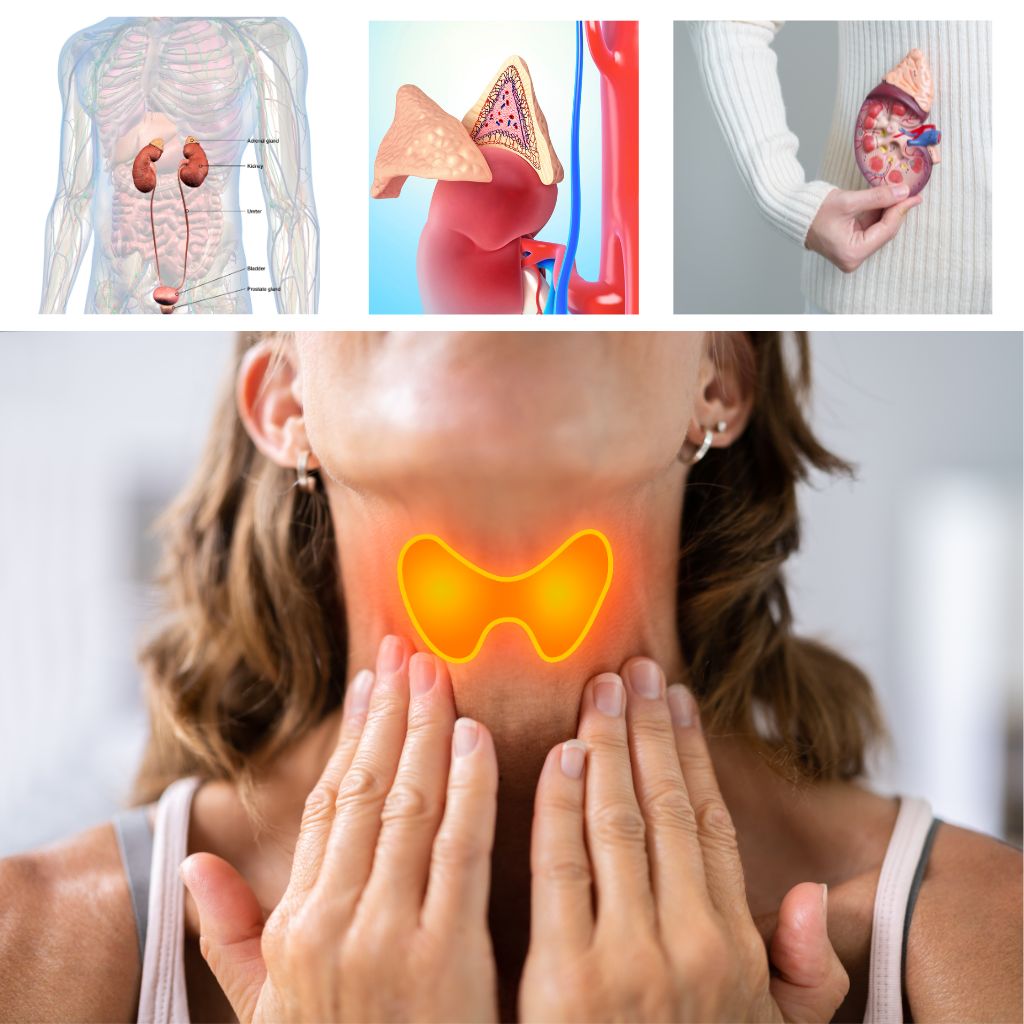
Hypothyroidism, also known as an underactive thyroid, is a condition where the thyroid gland doesn’t produce enough thyroid hormones. These hormones are critical for controlling your metabolism, energy levels, body temperature, and many other functions. When thyroid hormone levels are low, many processes in the body slow down, leading to various symptoms and health effects.
Hypothyroidism is a condition in which the thyroid gland doesn’t make enough thyroid hormones. The thyroid plays an important role in controlling metabolism, energy production, body temperature and other essential body functions. When hormone levels fall, the body’s processes slow down, leading to a range of health symptoms.
Visit Now: https://www.diagnopein.com
Common signs of hypothyroidism can include:
• Feeling tired and weak
• Unexplained weight gain
• Increased sensitivity to cold
• Dry skin and hair
• Constipation
• Depression and mood changes
• Muscle aches and joint pain
• Puffy face or slow heart rate
• Voice changes such as hoarseness
These symptoms tend to develop gradually and can be easily overlooked if mild.
Hypothyroidism can develop for several reasons, including:
Book Now: https://www.diagnopein.com/book-test/Pune
• Autoimmune disease – especially Hashimoto’s thyroiditis, where the immune system attacks the thyroid.
• Iodine deficiency – not getting enough iodine can limit hormone production.
• Thyroid surgery or radiation – treatment to the neck region can impair hormone production.
• Medications – certain drugs can affect thyroid function.
• Pituitary gland problems – if the pituitary fails to signal the thyroid properly.
• Congenital (born with) – some babies may be born with an underactive thyroid.
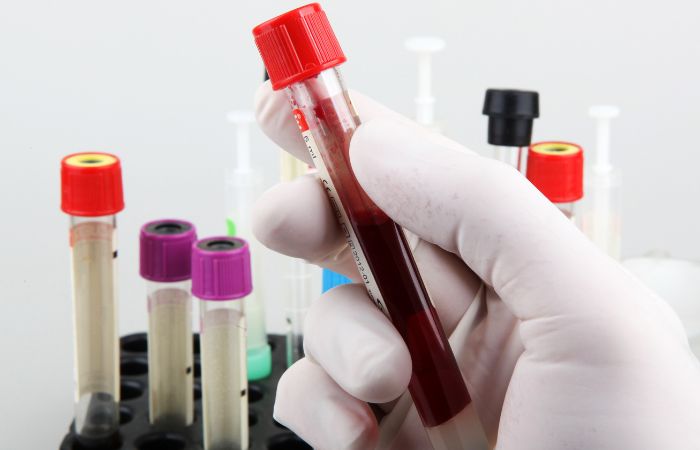
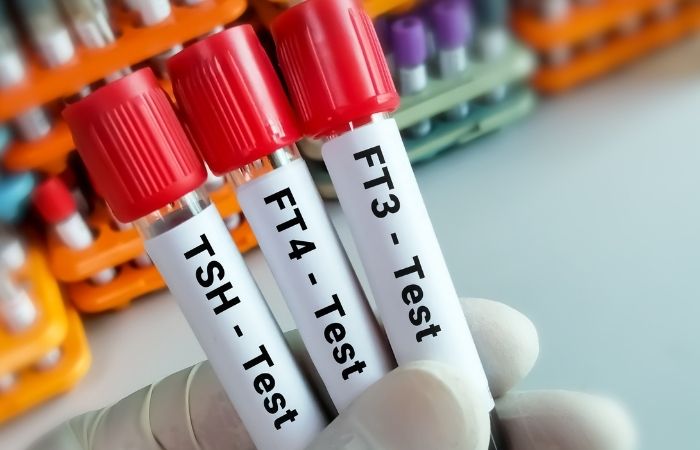
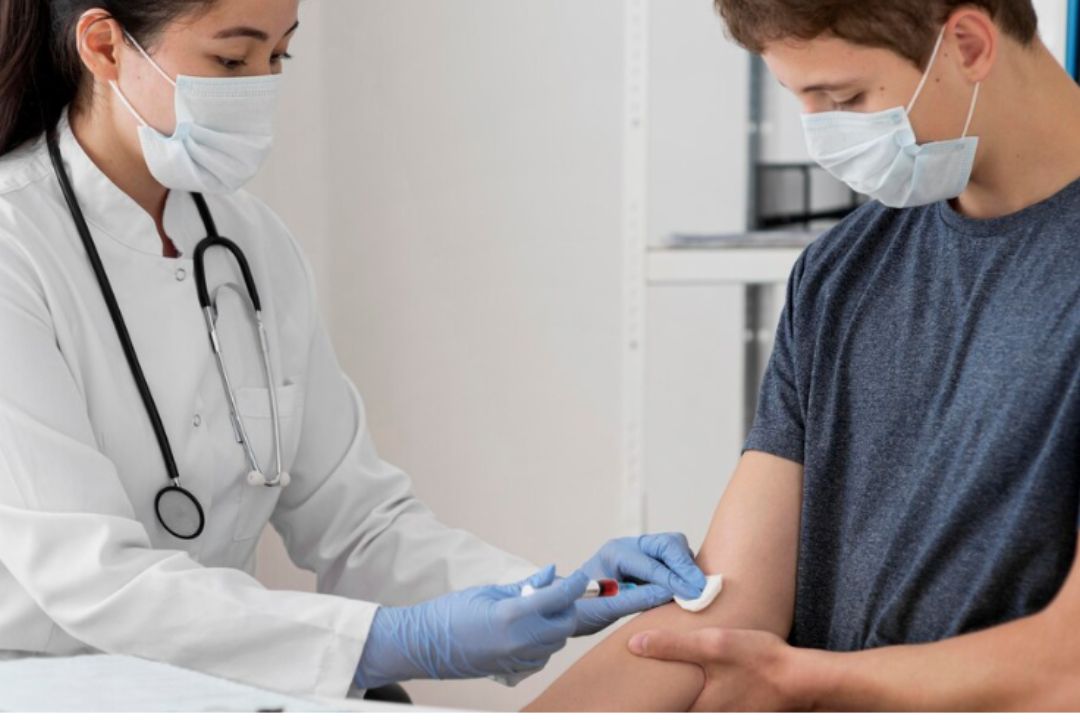
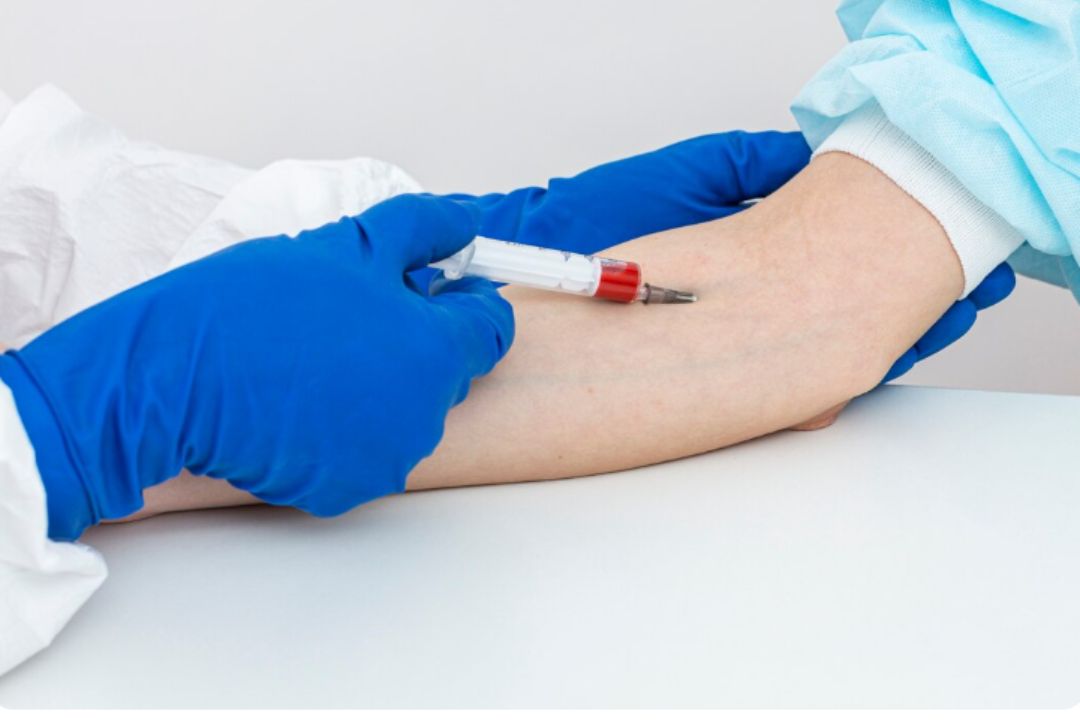
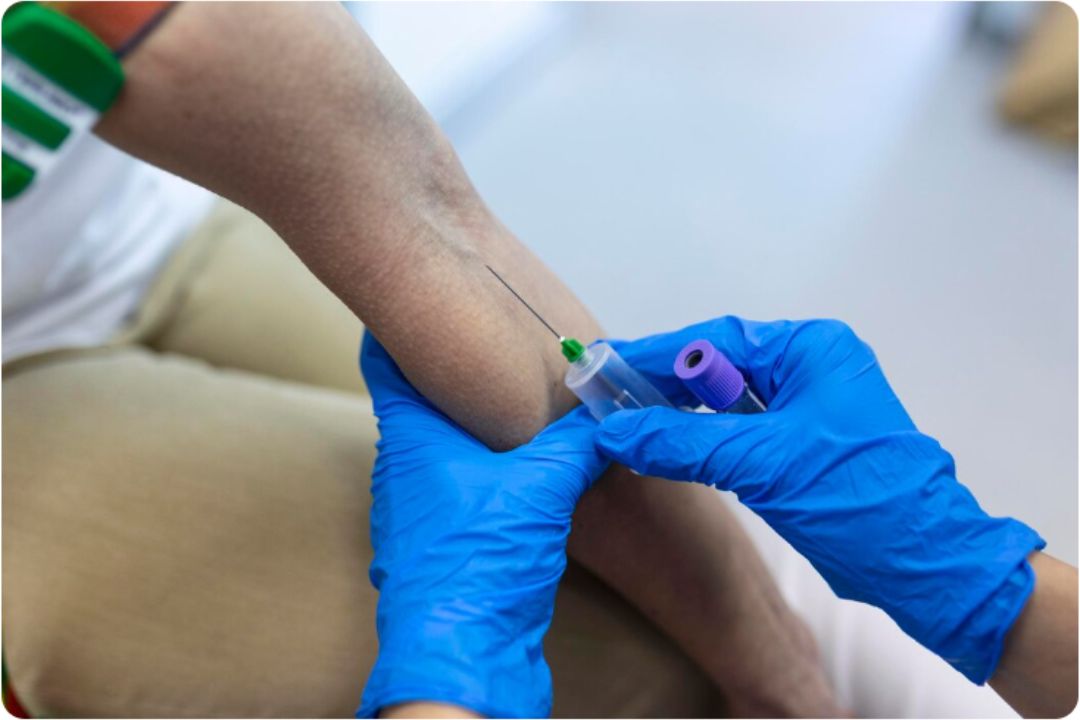
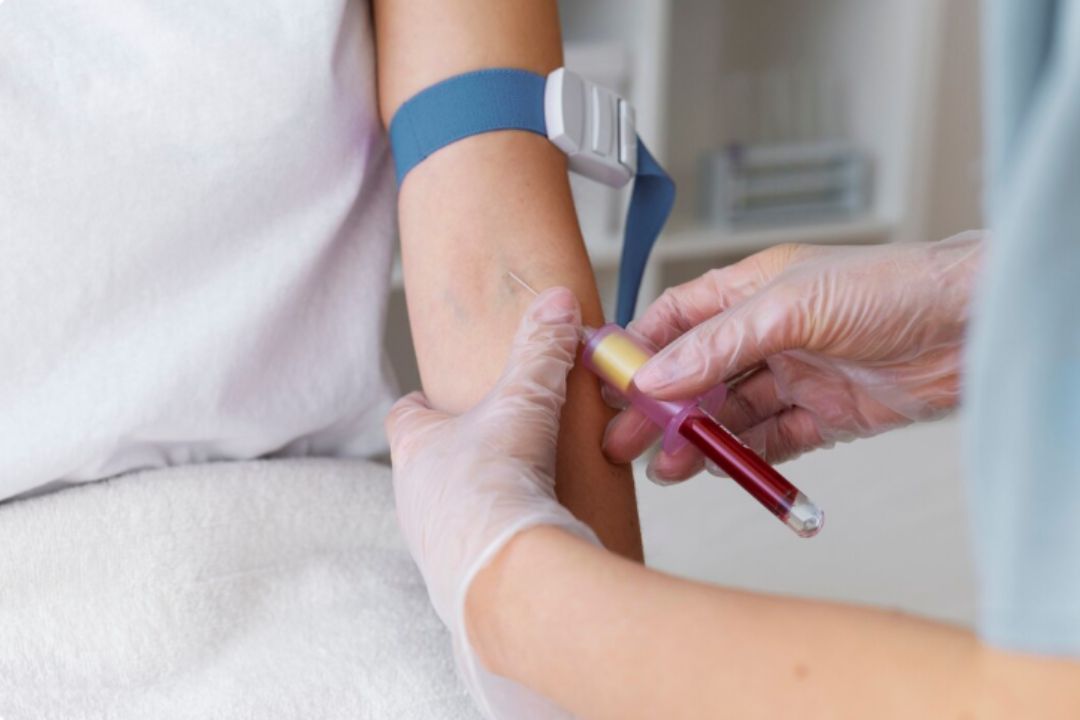
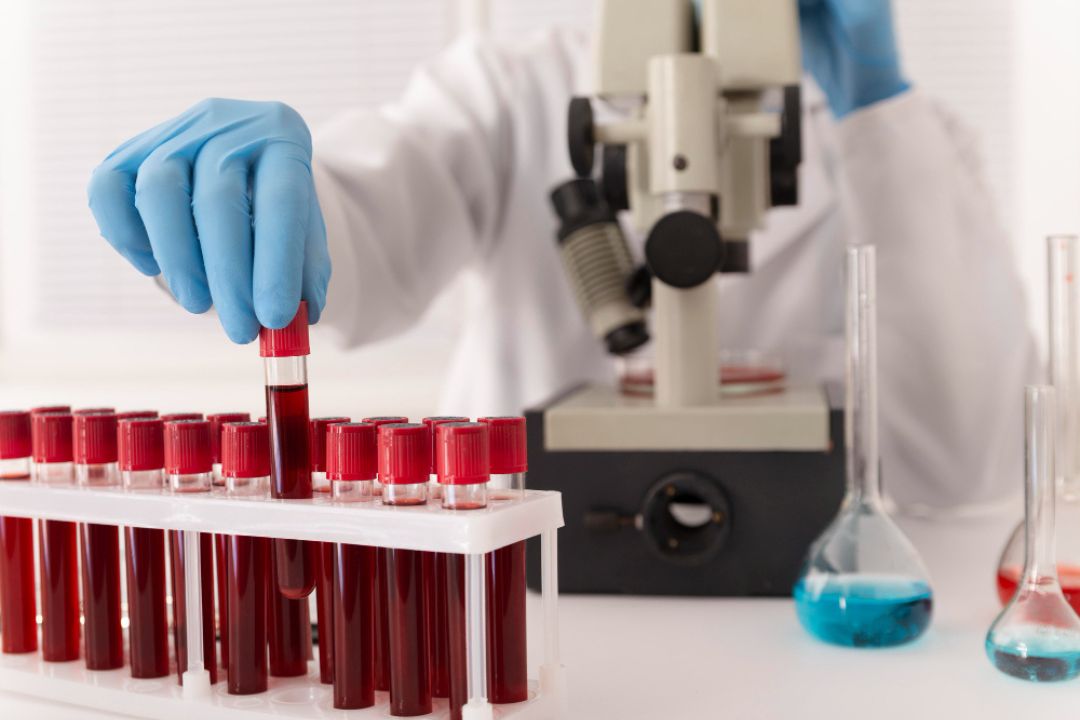
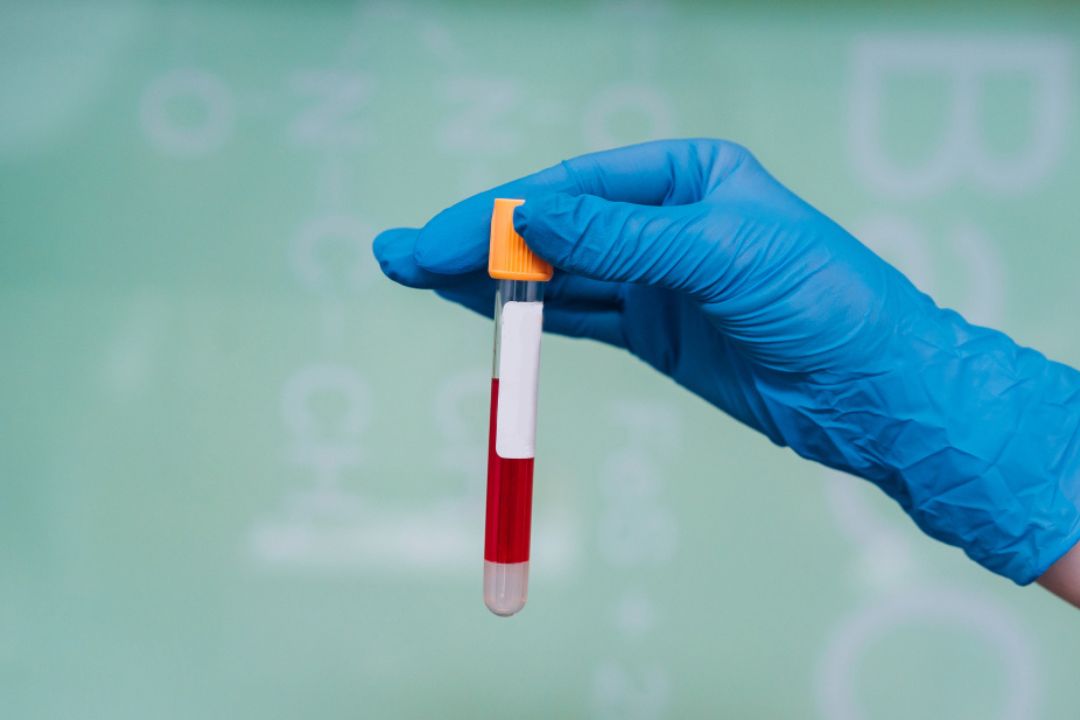
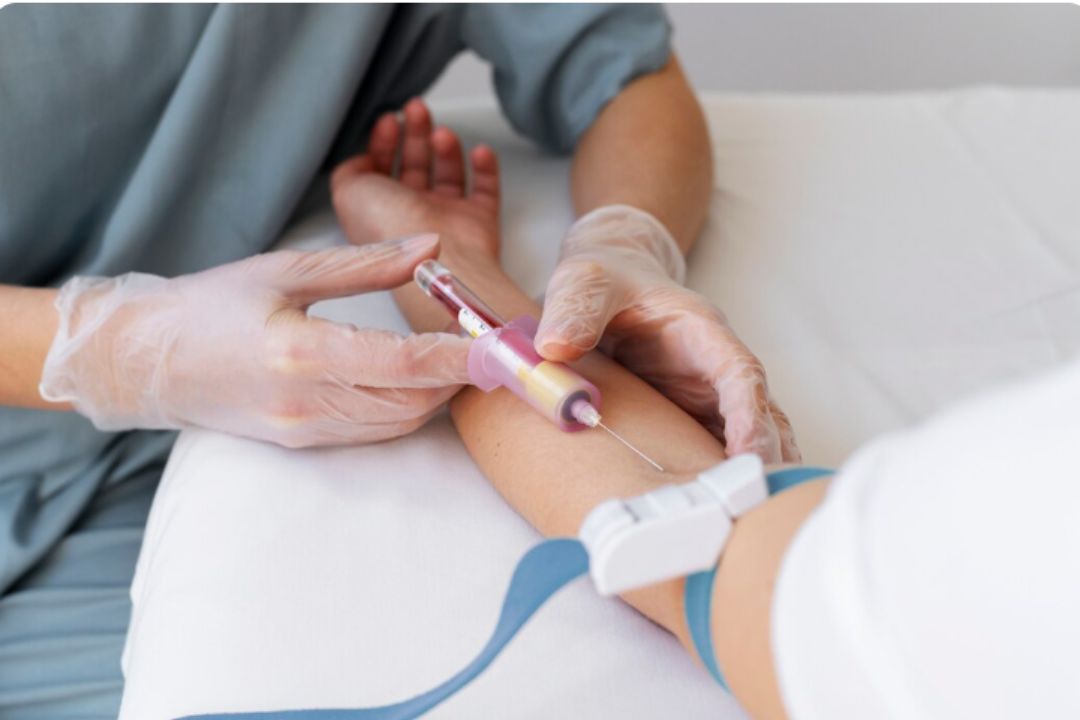
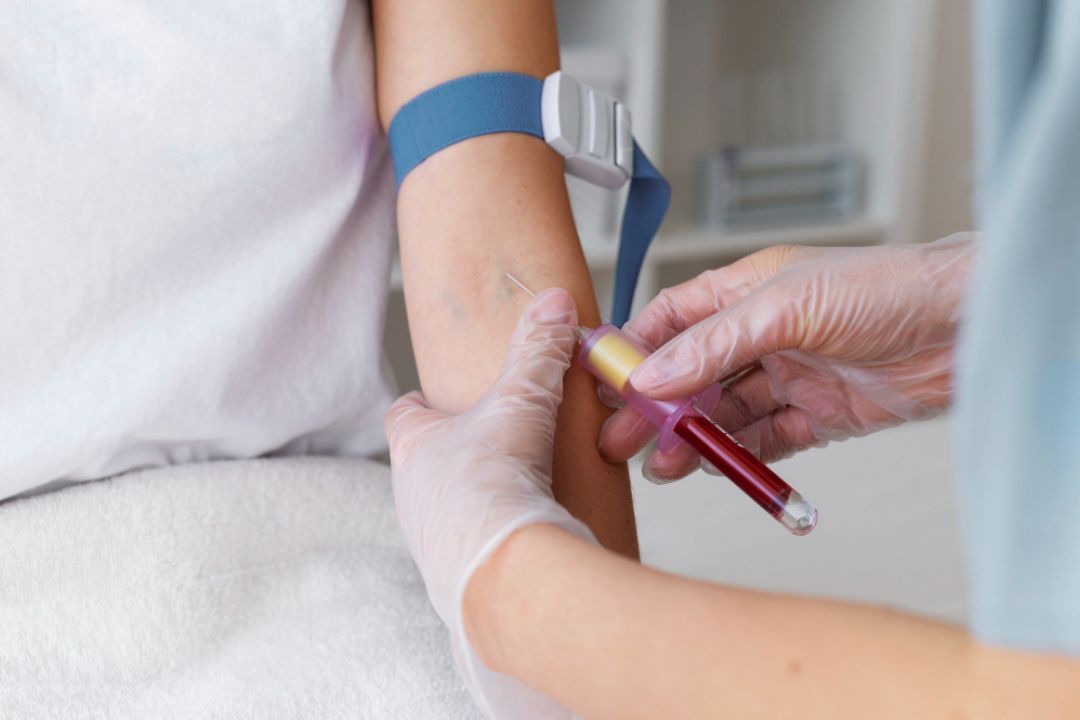
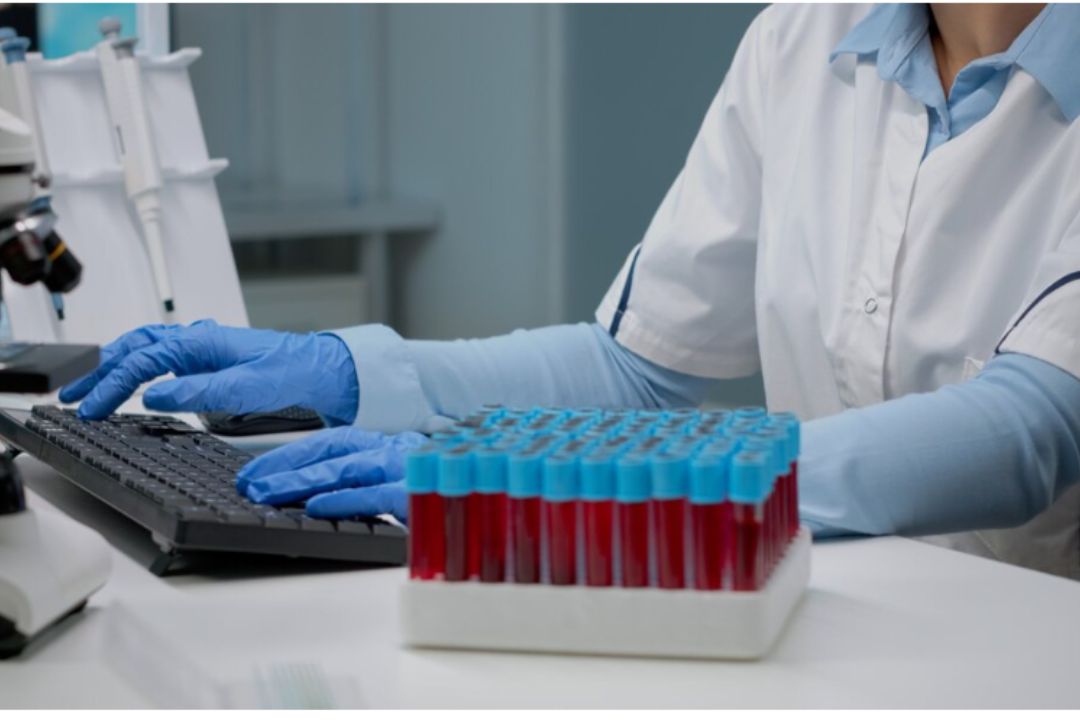
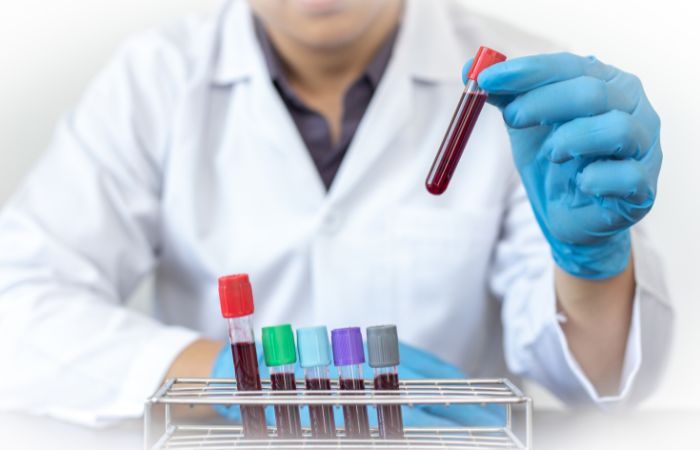
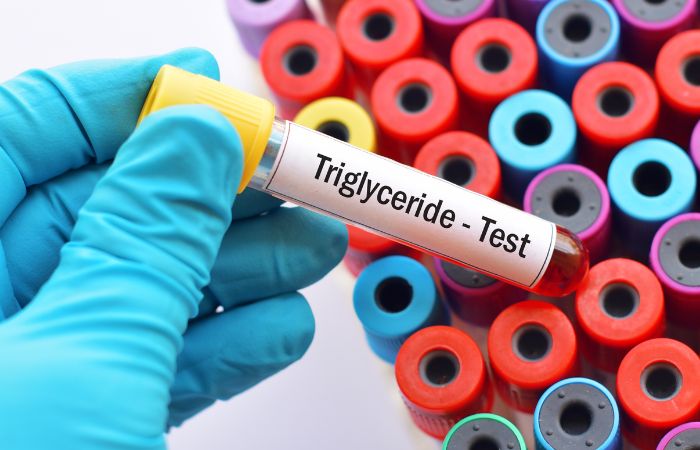
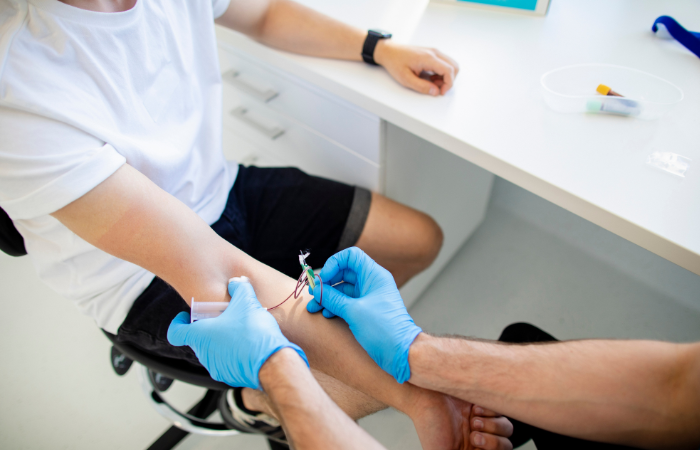
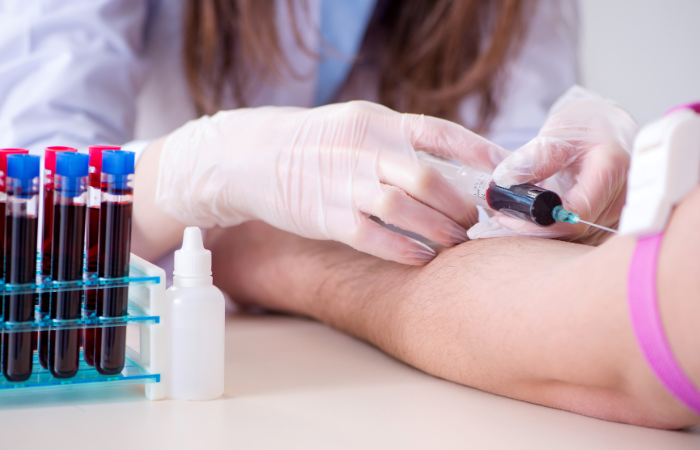
Doctors typically confirm hypothyroidism through blood tests that measure:
• TSH (Thyroid-Stimulating Hormone) – usually high when the thyroid is underactive.
• T4 and T3 hormones – often low in hypothyroidism.
• Antibody tests – to check for autoimmune causes.
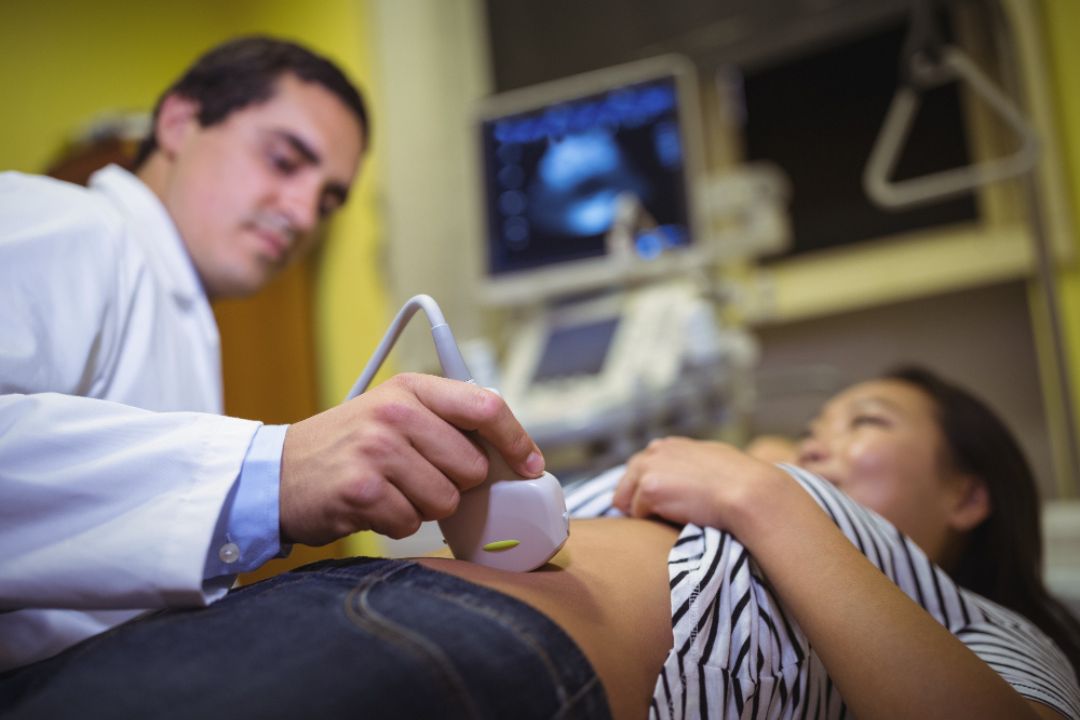
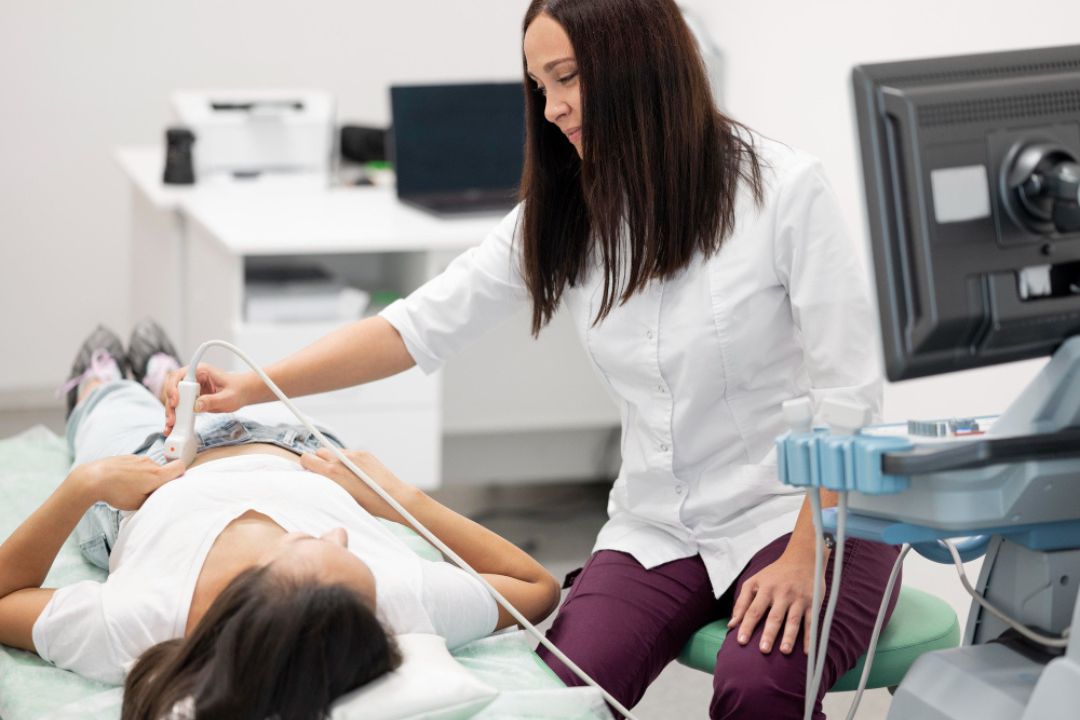
• Ultrasound – to assess thyroid structure in some cases.
Getting tested early helps prevent complications. At pathology labs, tests like TSH, T4 and T3 are essential for accurate diagnosis.
The main focus in treating hypothyroidism is to restore normal hormone levels so symptoms reduce and health improves. Treatment options usually include:
• Hormone Replacement Therapy – taking synthetic thyroid hormone (most often levothyroxine) daily to replace what your thyroid can’t produce. Dosages are adjusted based on regular blood test monitoring.
• Lifestyle and Diet Adjustments – healthy eating and exercise can support overall well-being but don’t replace hormone therapy.
• Monitoring – ongoing blood tests help ensure treatment remains effective and symptoms are controlled.













.jpg "diabetes")

.jpg "pcos lifestyle")

















.jpg "FSH Test")





.jpg "urine potassium in hypokalemia")









.jpg "How to Prevent Hepatitis")
.jpg "Acute-Phase Reactants")
.jpg "Anemia: Causes")

.jpg "Manage Cirrhosis")
.jpg "Types of Tuberculosis")
.png "Tested for Multiple Myeloma")


 (1).jpg "Urine Cortisol Test at Diagnopein")
 (1).jpg "Aldolase & its role")
 (1).jpg "Beta-Thalassemia Major at Diagnopein")
.jpg "Typhoid treatment")
 (1).jpg "Kidney Stones Demystified")
 (1).jpg "Blood infection signs & diagnosis")
 (1).jpg "From HIV to AIDS")

.jpg "Multiple Myeloma")
 (1).jpg "Know about Chikungunya Fever")
.jpg "Diagnopein Stands Out")





 disorders.jpg "gastrointestinal (GI) disorders")


.jpg "symptoms of Chikungunya & How is Chikungunya diagnosed?")

.jpg "COMMON PATHALOGICAL BLOOD TESTS")











.png "how to manage diabetes")