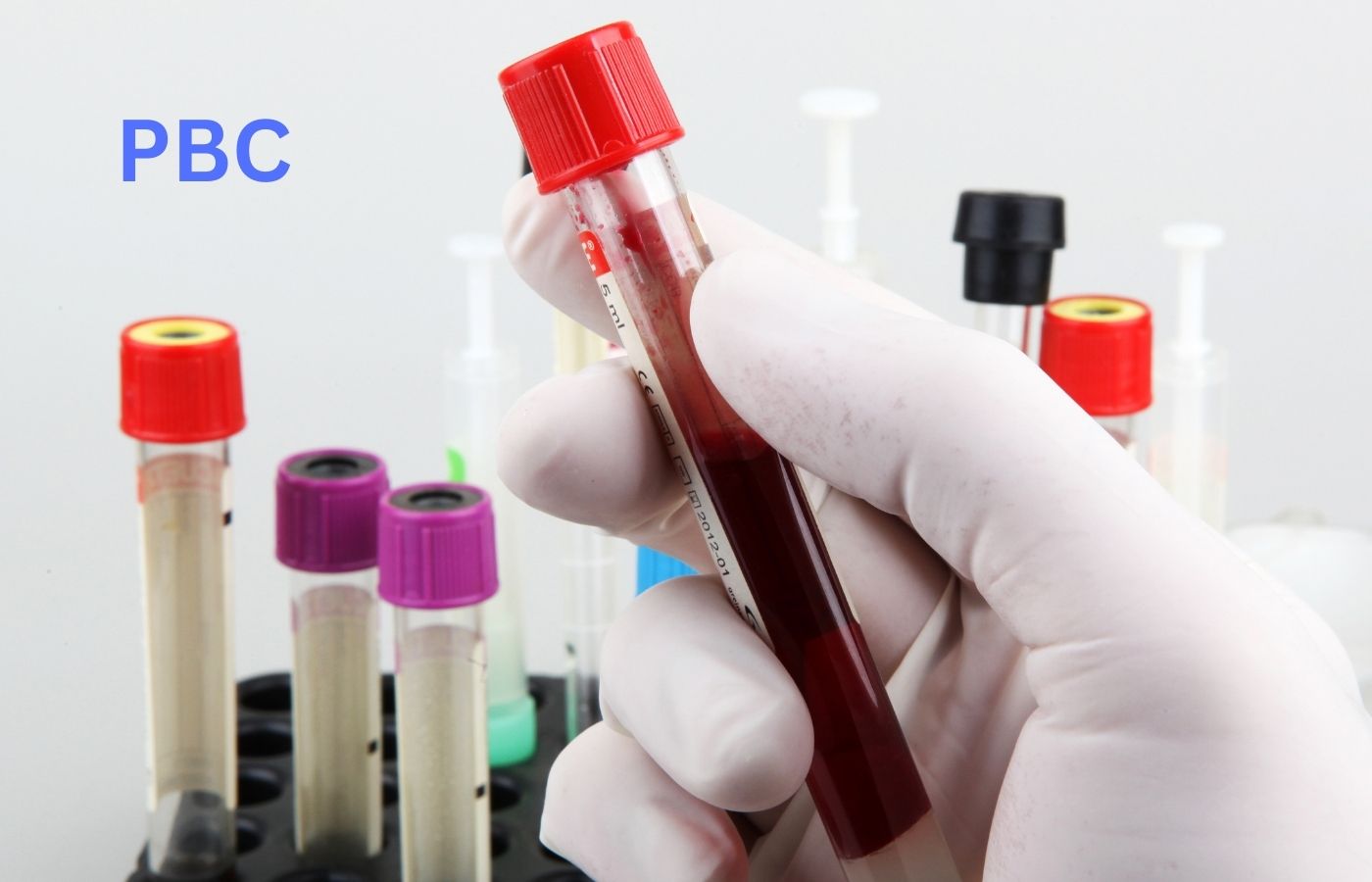
Primary Biliary Cholangitis (PBC), formerly known as Primary Biliary Cirrhosis, is a chronic autoimmune liver disease in which the body’s immune system mistakenly attacks the small bile ducts inside the liver. Over time, this damage causes bile to accumulate, triggering inflammation, scarring (fibrosis), and potentially leading to liver failure if left untreated.
Primary Biliary Cholangitis (PBC) is a chronic autoimmune liver disease that affects the small bile ducts inside the liver. Over time, this condition can lead to bile build-up, inflammation, scarring, and ultimately liver failure. With increasing awareness around liver diseases, one commonly asked question is: Can PBC be prevented? In this blog, we will explore the possibility of PBC prevention, early detection, tips to prevent liver damage, and the importance of timely PBC liver diagnosis.
Primary Biliary Cholangitis (formerly called Primary Biliary Cirrhosis) is a long-term liver disease where the body’s immune system mistakenly attacks healthy bile ducts in the liver. These ducts are responsible for transporting bile, which helps digest fats and remove toxins. When the bile ducts are damaged, bile accumulates in the liver, leading to inflammation and damage over time.
PBC often develops slowly, and many people may not notice symptoms for years. However, recognizing the early symptoms of PBC can help in prompt PBC liver diagnosis and timely management. Some common symptoms include:
If you experience any of these symptoms, especially in combination, it’s important to consult a healthcare provider for further testing.
Unfortunately, because PBC is an autoimmune condition, there is currently no known way to completely prevent its onset. Autoimmune diseases are influenced by a combination of genetic, environmental, and possibly hormonal factors. However, while PBC prevention itself may not be fully achievable, there are ways to reduce the risk of liver damage and slow the disease's progression once diagnosed.
Whether or not you have PBC, maintaining good liver health is essential. Here are some tips to prevent liver damage:
1. Avoid Alcohol and Smoking
Both alcohol and tobacco contribute to liver damage. If you have PBC or are at risk, it’s best to avoid these entirely.
2. Maintain a Healthy Diet
Eating a balanced diet rich in fruits, vegetables, lean proteins, and whole grains supports liver function. Reduce intake of processed foods, sugar, and saturated fats.
3. Stay Hydrated
Drinking enough water helps the liver process and eliminate toxins from the body more efficiently.
4. Exercise Regularly
Physical activity helps maintain a healthy weight and reduces the risk of fatty liver disease, which can complicate PBC.
5. Use Medications Responsibly
Avoid overuse of over-the-counter painkillers like acetaminophen, which can damage the liver. Always follow your doctor’s dosage recommendations.
6. Prevent Infections
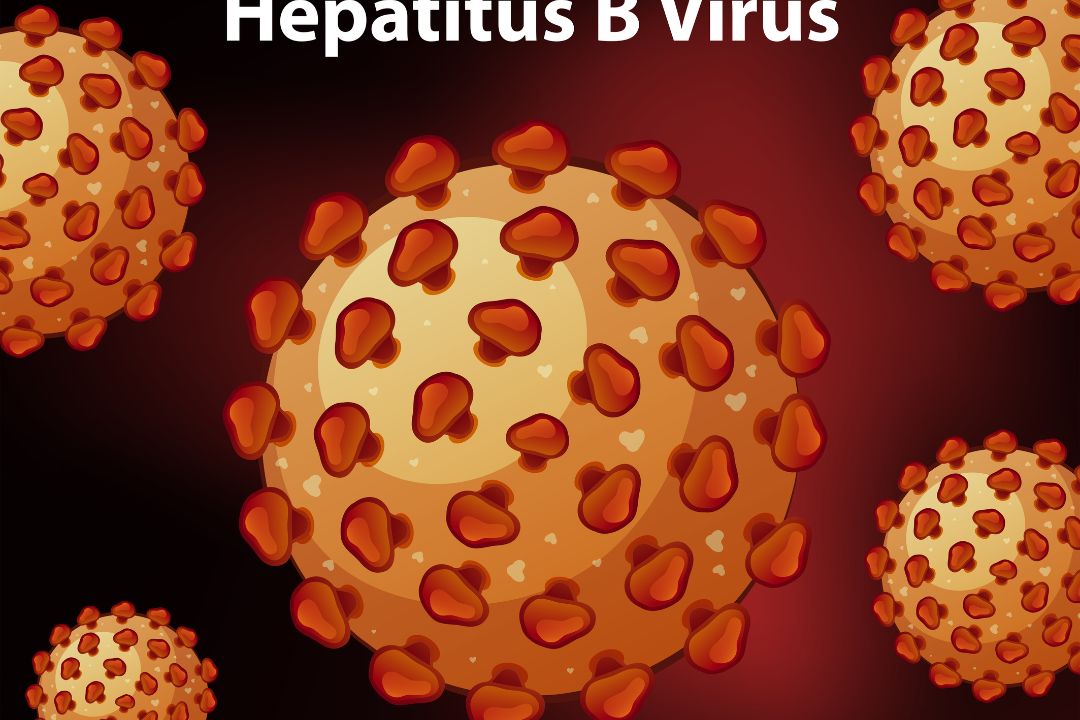
Vaccinate against hepatitis A and B, as viral infections can worsen liver conditions. Practice safe hygiene and food safety to avoid liver infections.
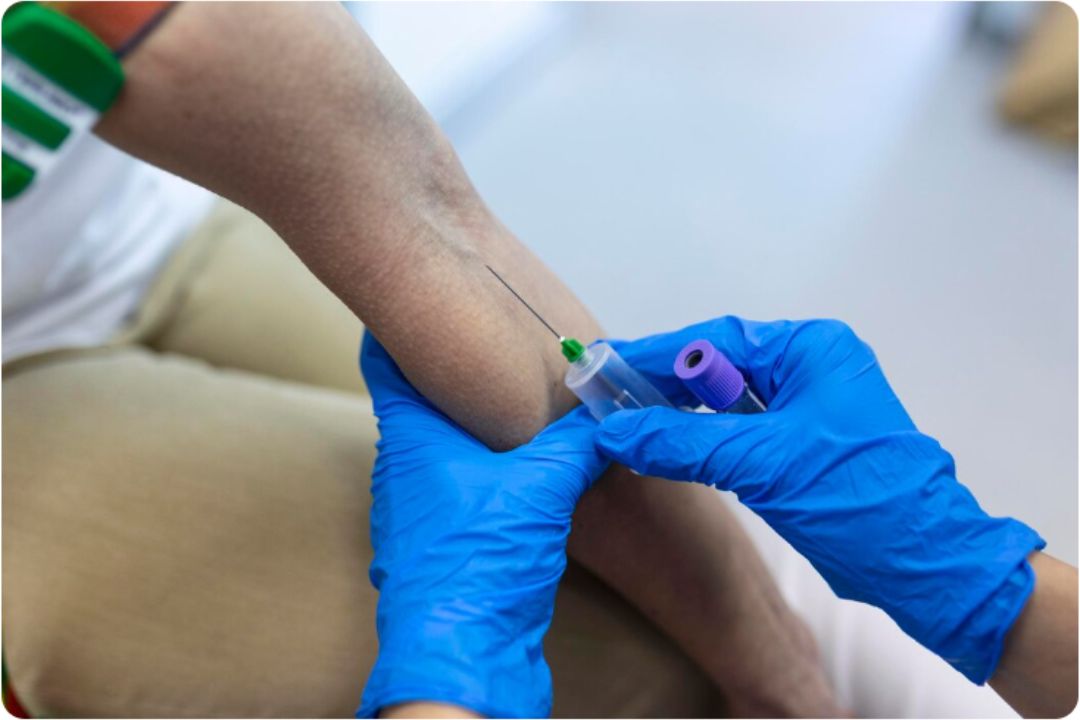
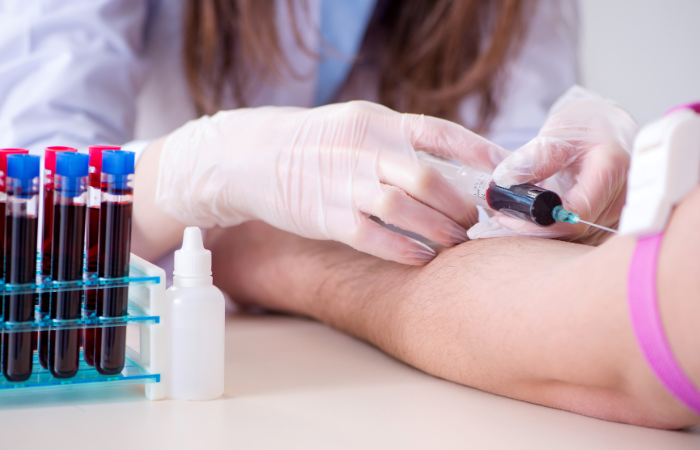
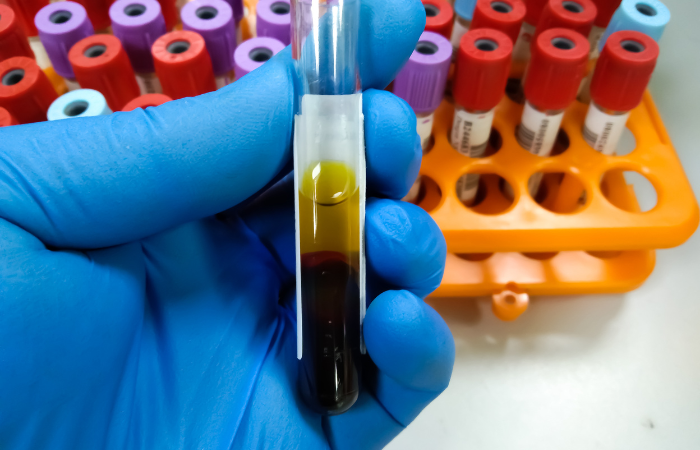
While there is no cure for PBC, early PBC liver diagnosis plays a crucial role in managing the disease effectively. Diagnosis typically involves:
Regular screening and blood tests for individuals with a family history of autoimmune diseases or liver disorders are recommended.
If you’ve been diagnosed with PBC, working closely with a hepatologist or gastroenterologist can help slow the progression of the disease. Common treatments include:
People living with PBC require regular monitoring to track disease progression and adjust treatments. Having access to reliable healthcare facilities is essential. You can search for diagnostics laboratory near me , or pathology near by me, to find trusted centers for blood tests and liver function panels.
With the growing availability of home healthcare, blood test for home services can also help in regular monitoring without visiting a clinic every time.
While PBC is a chronic condition, many people live healthy lives for decades after diagnosis with proper management. Here are some additional tips for living well:
To answer the question—Can PBC be prevented?—not entirely, since it's an autoimmune condition. However, early PBC liver diagnosis, lifestyle changes, and regular monitoring can greatly improve quality of life and slow disease progression. Focus on PBC prevention through general tips to prevent liver damage, stay informed about the symptoms of PBC, and seek prompt medical attention if symptoms arise.
If you're searching for reliable testing options, look for the best diagnostic centre near me or opt for at-home options like blood test for home to make regular screening convenient.






















.jpg "diabetes")



.jpg "pcos lifestyle")




























.jpg "FSH Test")







.jpg "urine potassium in hypokalemia")



















.jpg "How to Prevent Hepatitis")
.jpg "Acute-Phase Reactants")
.jpg "Anemia: Causes")

.jpg "Manage Cirrhosis")
.jpg "Types of Tuberculosis")
.png "Tested for Multiple Myeloma")


 (1).jpg "Urine Cortisol Test at Diagnopein")
 (1).jpg "Aldolase & its role")
 (1).jpg "Beta-Thalassemia Major at Diagnopein")
.jpg "Typhoid treatment")
 (1).jpg "Kidney Stones Demystified")
 (1).jpg "Blood infection signs & diagnosis")
 (1).jpg "From HIV to AIDS")



.jpg "Multiple Myeloma")
 (1).jpg "Know about Chikungunya Fever")
.jpg "Diagnopein Stands Out")









 disorders.jpg "gastrointestinal (GI) disorders")






.jpg "symptoms of Chikungunya & How is Chikungunya diagnosed?")


.jpg "COMMON PATHALOGICAL BLOOD TESTS")













.png "how to manage diabetes")