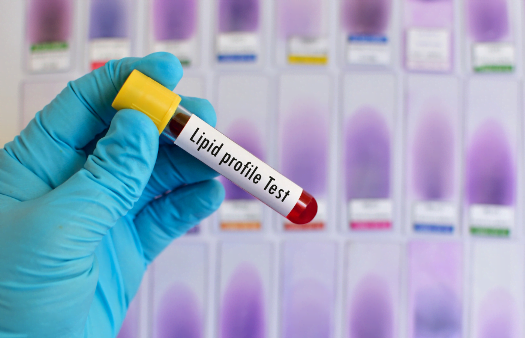
Finding out that your urine test shows the presence of eosinophils—a specific type of white blood cell—can be concerning. But what does this actually indicate about your health? This detailed guide will explain what eosinophils in urine mean, their potential causes and symptoms, and how an accurate urine eosinophil count is key to diagnosis. If you're wondering, "Is your doctor's appointment causing more anxiety than answers?" or "Do you need an easier way to get tested?", you're in the right place.
Eosinophils are white blood cells primarily involved in fighting off parasitic infections and mediating allergic reactions. Normally, they are found in very low numbers in the bloodstream and are typically absent from urine. When they appear in significant numbers—a condition known as eosinophiluria—it signals that your immune system is actively responding to an issue within the urinary tract or kidneys.
A positive urine eosinophil test is not a disease itself but a crucial clue. The main causes include:
Acute Interstitial Nephritis (AIN): This is the most classic association. It's an allergic or immune-mediated inflammation of the kidney's filtering units, often triggered by certain medications (like antibiotics, NSAIDs, or proton pump inhibitors).
Urinary Tract Infections (UTIs): Particularly those caused by certain bacteria or, less commonly, parasites or fungi.
Kidney Diseases: Such as glomerulonephritis or atheroembolic kidney disease.
Allergic Reactions: Systemic allergies can sometimes manifest with eosinophiluria.
Prostatitis or Eosinophilic Cystitis: Inflammation specific to the prostate or bladder.
Symptoms often point to the underlying condition and may include:
Fever and rash (common in drug-induced AIN)
Painful or difficult urination
Blood in urine (hematuria)
Reduced urine output
Fatigue and nausea (if kidney function is affected)
Flank or abdominal pain
If you're experiencing these, determining your urine eosinophils normal range through a test is a critical next step.
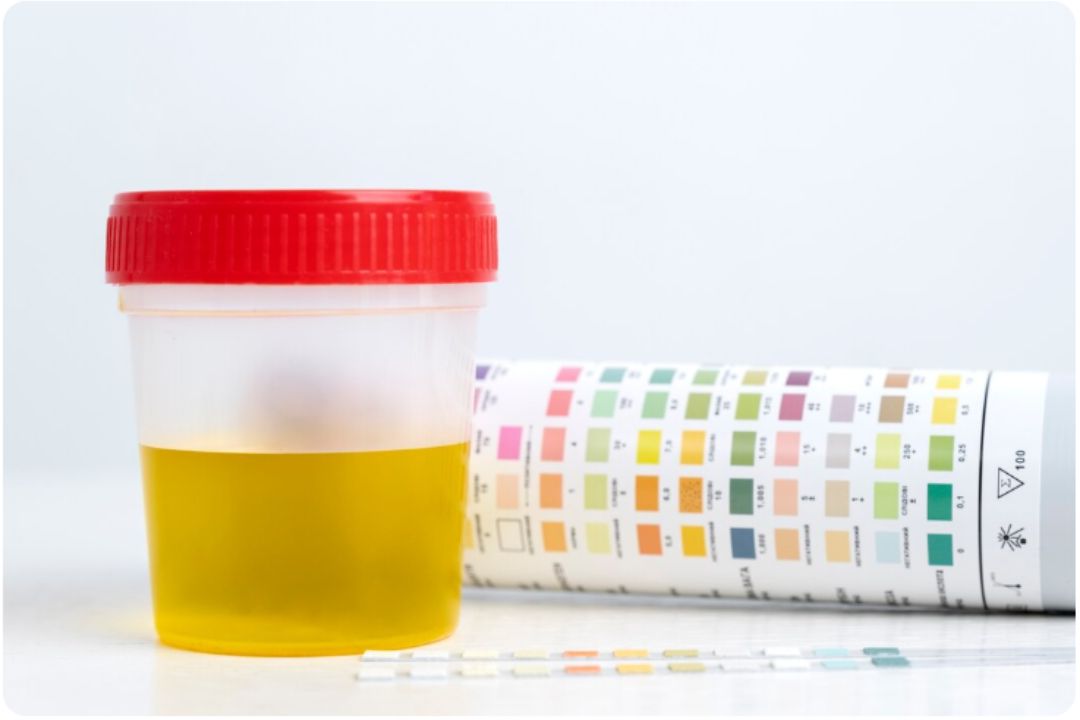
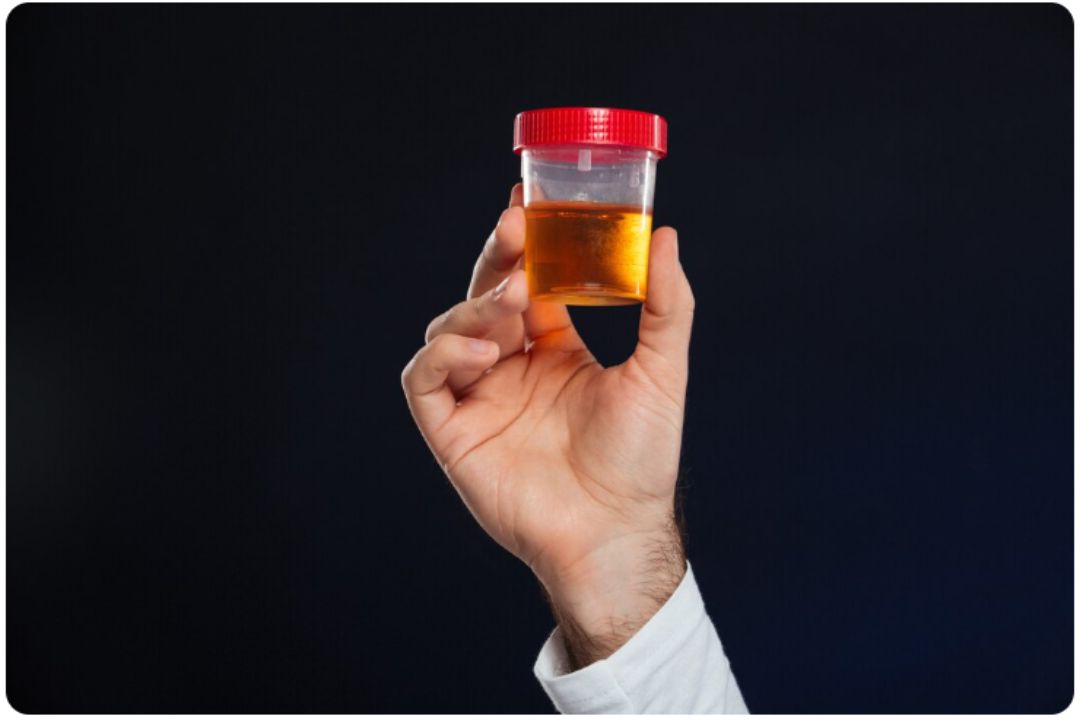
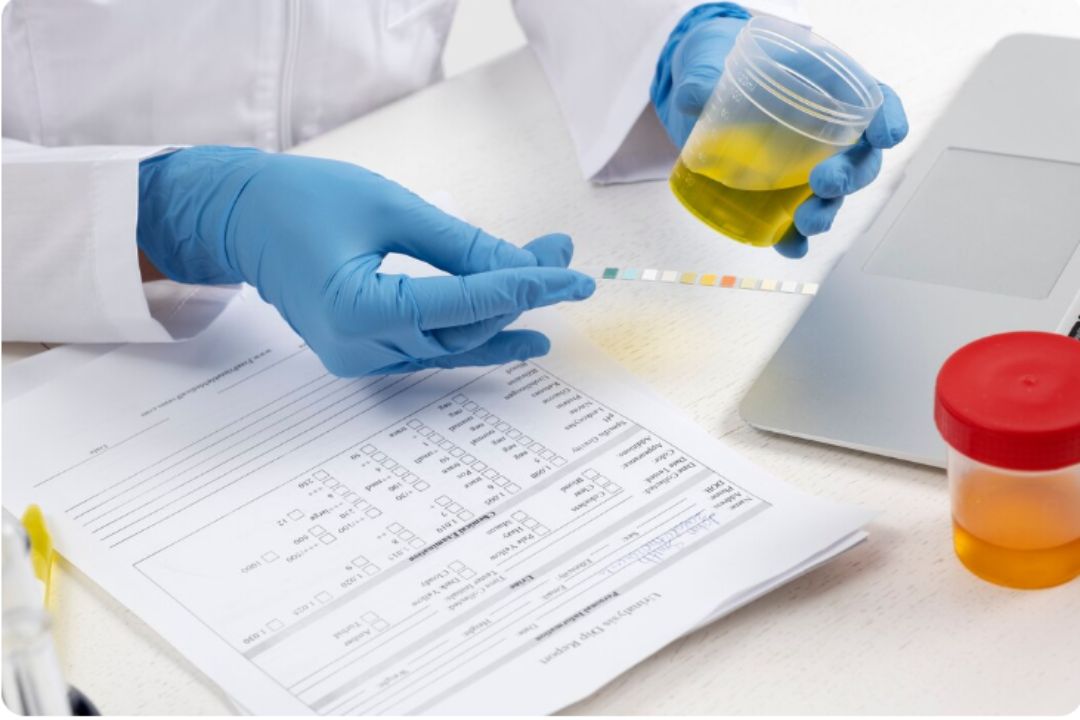
Diagnosing eosinophiluria isn't straightforward. A standard urinalysis often misses it. Specialized staining techniques (like Hansel's or Wright's stain) on a fresh urine sample are required for an accurate urine eosinophil count. Traditionally, this requires a clinic visit, sample handling, and waiting for lab results—a process that can be slow and stressful.
At DiagnoPein, we transform complex diagnostics into a seamless experience. Here’s why we are the preferred choice:
Benefit: Accuracy Meets Convenience. We provide clinic-grade, specialized collection kits designed for the precise detection of cells like eosinophils. Get reliable results from the comfort of your home.
Comparison: DiagnoPein vs. Traditional Labs.
| Aspect | Traditional Lab Pathway | DiagnoPein Solution |
|---|---|---|
| Process | Multiple steps: appointment, travel, wait, sample submission. | One kit delivered to your door. Simple collection and mail-back. |
| Comfort & Privacy | Clinical setting, potential anxiety. | Private, stress-free, and in your own space. |
| Guidance | Often limited pre- and post-test information. | Clear instructions, supportive resources, and results explained. |
Costing: Transparent and Accessible. Avoid the hidden costs of travel and multiple appointments. We offer clear, upfront pricing for our comprehensive testing service.
Comfort: Your Home, Your Sanctuary. Eliminate the discomfort of clinical environments and the hassle of scheduling. Manage your health on your terms, reducing anxiety significantly.
An abnormal urine eosinophil count is a vital sign from your body that demands attention. Understanding the urine eosinophils normal range and its implications is the first step toward addressing potential kidney or urinary tract issues.
Don't let uncertainty add to your discomfort. With DiagnoPein, you gain access to precise, specialized diagnostics wrapped in unparalleled convenience and care. We empower you to take the first confident step towards an accurate diagnosis, seamlessly connecting your home to advanced laboratory analysis.






















.jpg "diabetes")



.jpg "pcos lifestyle")




























.jpg "FSH Test")






.jpg "urine potassium in hypokalemia")














.jpg "How to Prevent Hepatitis")
.jpg "Acute-Phase Reactants")
.jpg "Anemia: Causes")

.jpg "Manage Cirrhosis")

.jpg "Types of Tuberculosis")
.png "Tested for Multiple Myeloma")


 (1).jpg "Urine Cortisol Test at Diagnopein")
 (1).jpg "Aldolase & its role")
 (1).jpg "Beta-Thalassemia Major at Diagnopein")
.jpg "Typhoid treatment")
 (1).jpg "Kidney Stones Demystified")
 (1).jpg "Blood infection signs & diagnosis")
 (1).jpg "From HIV to AIDS")


.jpg "Multiple Myeloma")
 (1).jpg "Know about Chikungunya Fever")
.jpg "Diagnopein Stands Out")










 disorders.jpg "gastrointestinal (GI) disorders")





.jpg "symptoms of Chikungunya & How is Chikungunya diagnosed?")


.jpg "COMMON PATHALOGICAL BLOOD TESTS")
















.png "how to manage diabetes")