When your doctor suspects inflammation in your body—whether from an infection, autoimmune disease like rheumatoid arthritis, or a chronic condition—two common blood tests often come into play: the CRP blood test and the ESR test. Understanding the difference is key to proper diagnosis and monitoring. At Diagnopein, we empower patients with clear, actionable health information. Let’s break down which test might be better for your situation.
CRP (C-Reactive Protein) Test: This test measures the level of C-reactive protein, a substance produced by your liver in direct response to inflammation. It’s a sharp, rapid indicator.
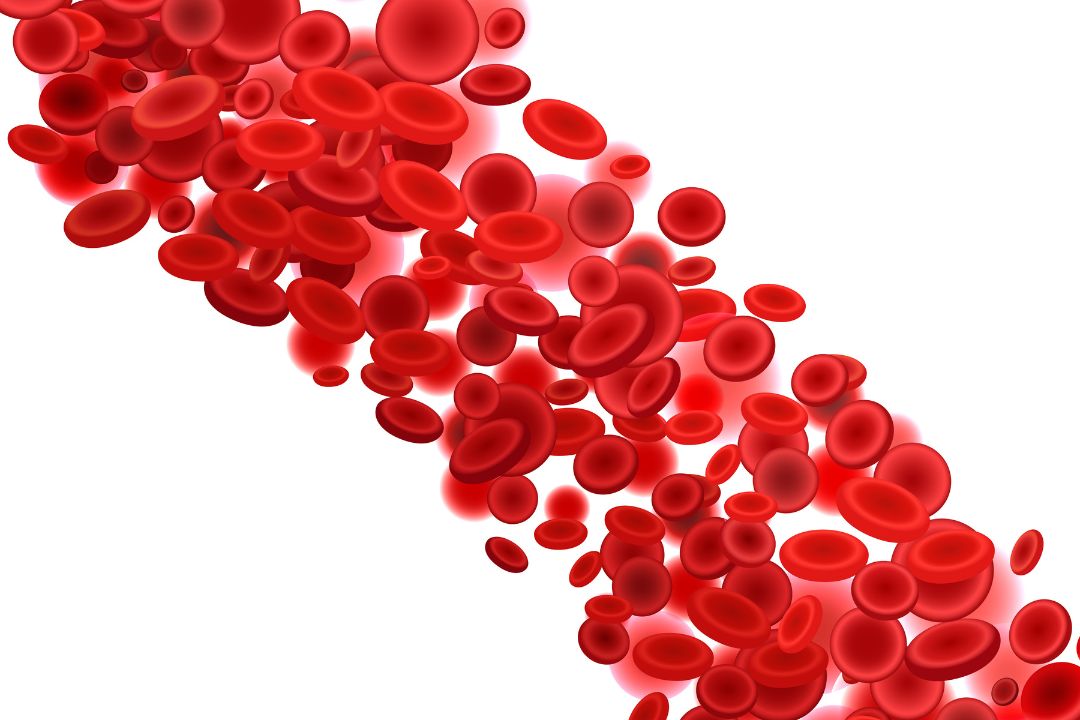
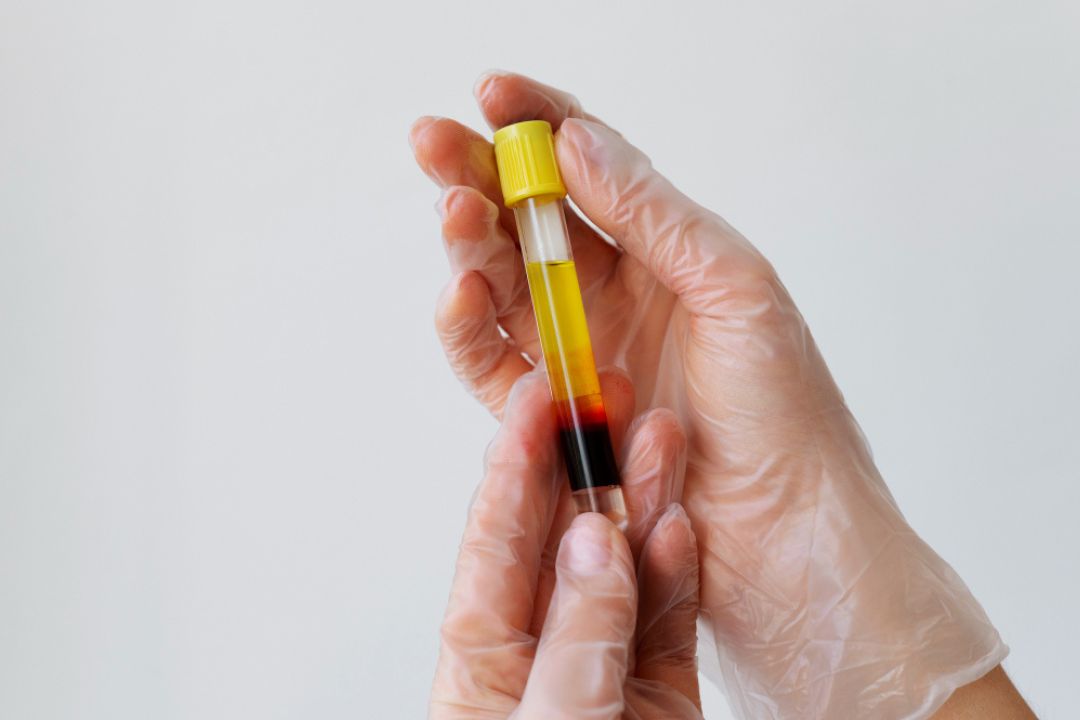
ESR (Erythrocyte Sedimentation Rate): This older test measures how quickly red blood cells settle at the bottom of a test tube. Inflammation causes cells to clump together and fall faster.
While both the CRP and ESR tests are used to detect inflammation, they are fundamentally different tools that provide distinct information. Choosing the right one depends on what your doctor needs to know.
The CRP blood test is a direct, precise measurement. It quantifies the exact amount of C-reactive protein your liver releases into the bloodstream in response to inflammation. Think of it as a dedicated alarm system. In contrast, the ESR test is an indirect, older measure. It assesses how quickly your red blood cells clump together and fall in a tube—a process that happens faster when inflammatory proteins are present. It’s more like observing the side effects of the alarm rather than hearing the alarm itself.
Speed and Precision: The Modern Advantage
This difference leads to a major gap in responsiveness. The CRP level can rise and fall within hours of an inflammatory stimulus or treatment, making it an excellent real-time monitor. If you have a bacterial infection or are having an autoimmune flare, a CRP test will show improvement quickly if your therapy is working. The ESR, however, is slower to rise and slower to normalize, often taking days or weeks to reflect change. This lag makes it less useful for tracking acute conditions.
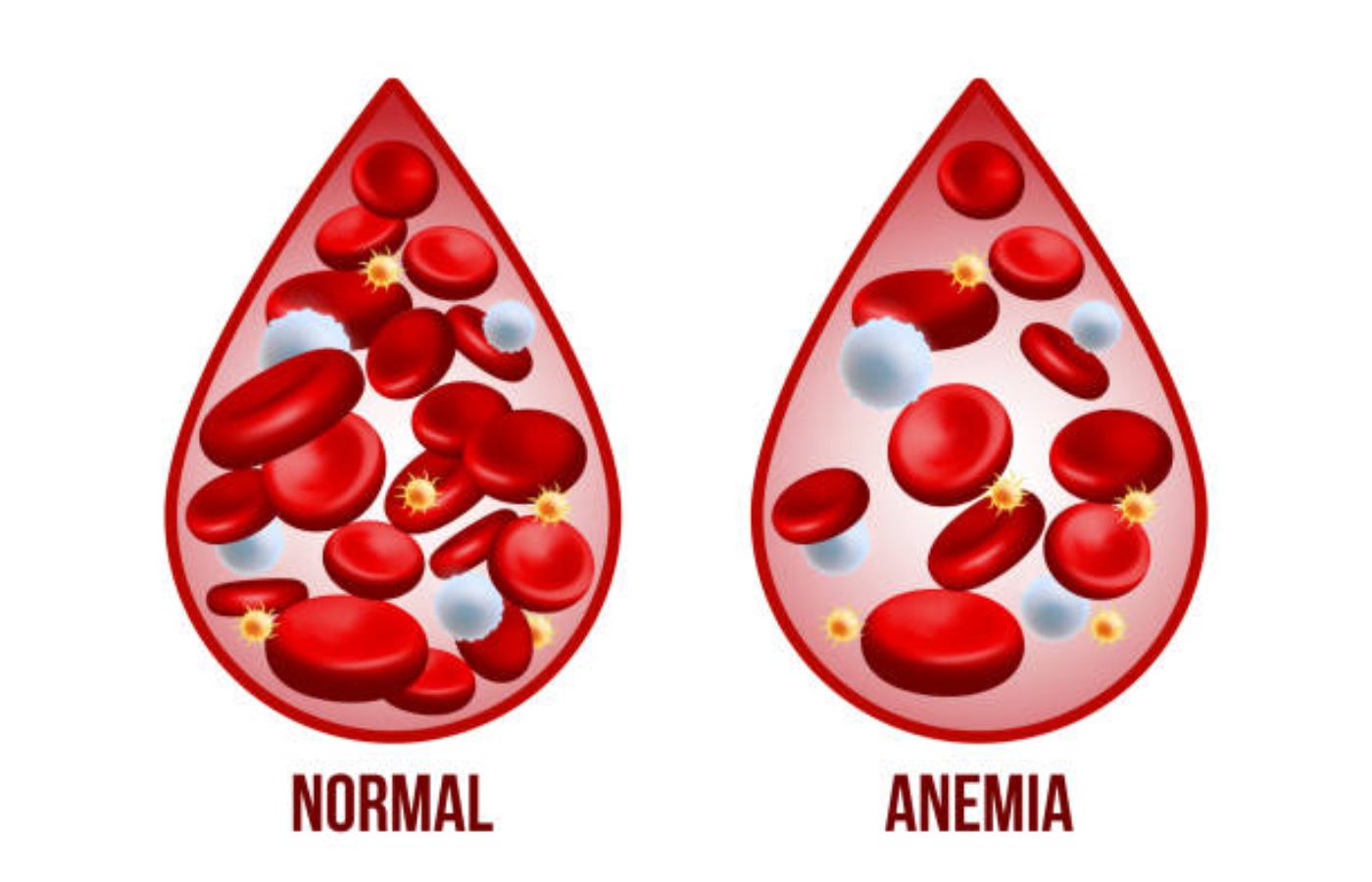
The CRP blood test is generally more specific to inflammation. While it can be elevated in many situations, it is less likely to be skewed by unrelated factors. The ESR, however, can be falsely elevated by conditions completely unrelated to inflammation, such as anemia, pregnancy, advanced age, or even simply having a high level of certain normal blood proteins. This means an abnormal ESR often requires more detective work to interpret.
The answer depends entirely on the clinical question:
Choose the CRP Test for: Acute, rapid-onset conditions like bacterial infections, post-surgical monitoring, or acute pancreatitis. Its quick response makes it ideal for tracking treatment effectiveness in real-time. The high-sensitivity CRP (hs-CRP) variant is also the gold standard for assessing cardiovascular inflammation and heart disease risk.
Choose the ESR for: Chronic inflammatory conditions where trends are watched over months or years, such as lupus or certain types of arthritis. It remains crucial for diagnosing specific diseases like giant cell arteritis.
CRP Test Cost / CRP Blood Test Price: The CRP test cost is generally very affordable and comparable to the ESR. At Diagnopein , we offer transparent and competitive pricing for both tests. Costs can vary based on location and lab, but both are widely covered by insurance when medically necessary.
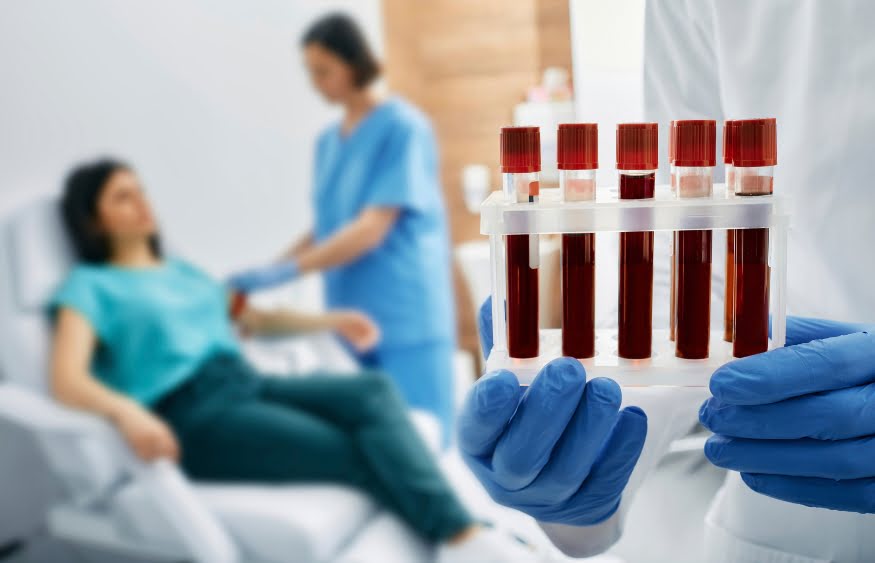
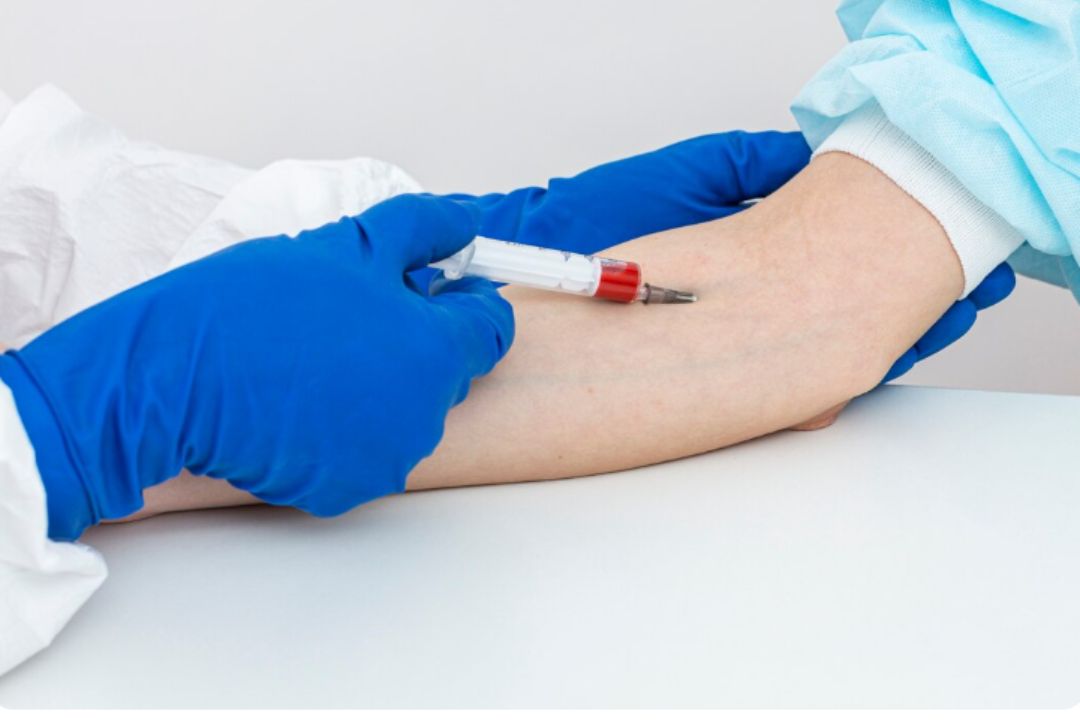
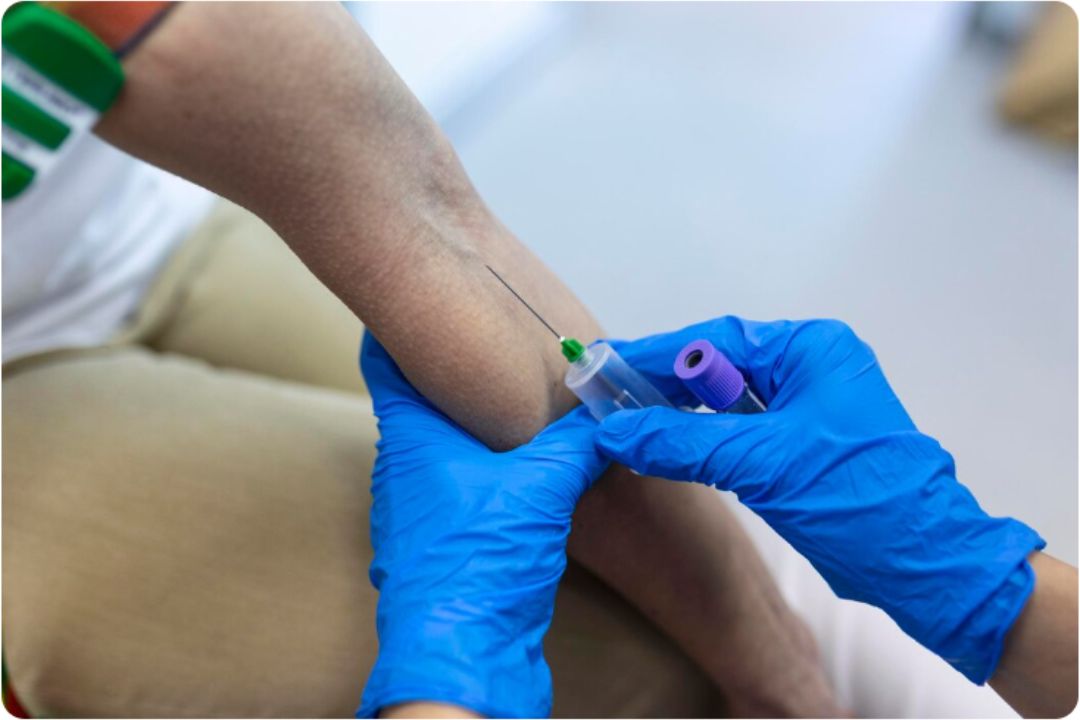
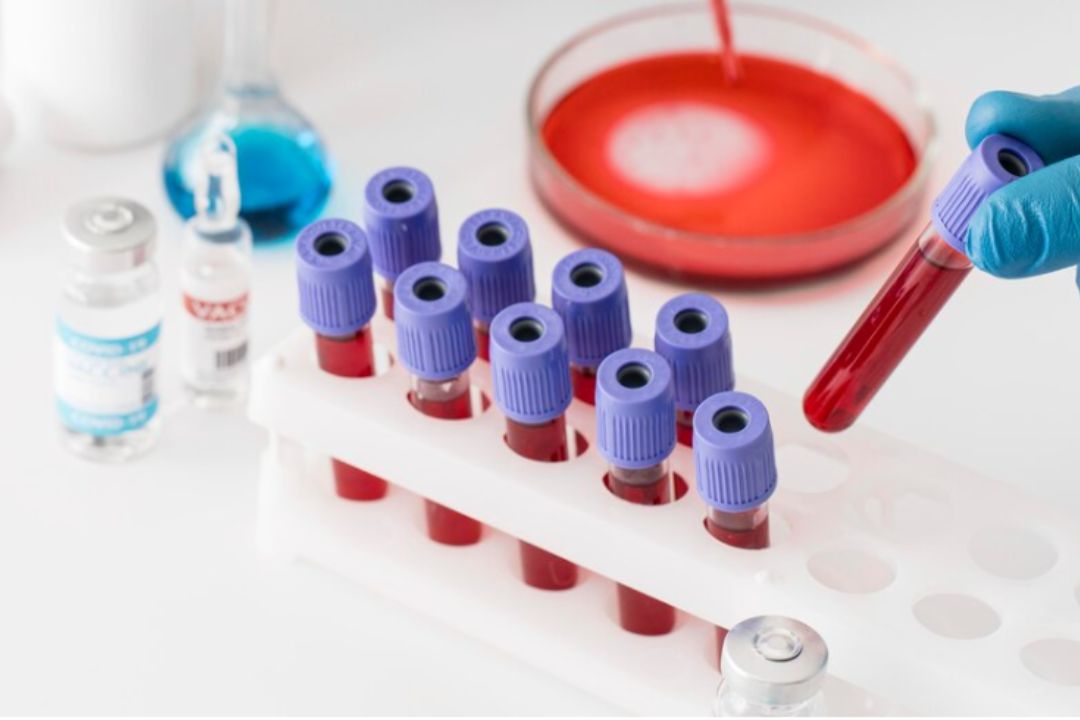
Comfort: Both tests require a simple blood test from a vein in your arm—a quick and minimally uncomfortable procedure performed by a skilled phlebotomist.
Results: CRP results often come back faster (sometimes within hours) due to modern automated analysis, while ESR requires a 60-minute manual incubation.
At Diagnopein, we don’t just perform tests; we provide clarity and partnership in your health journey.
Expert Guidance: Our clinicians help determine whether a CRP blood test, ESR, or both, is right for your symptoms.
Transparent Pricing: We believe in no surprises. You’ll know the CRP test cost upfront.
Speed and Accuracy: We utilize advanced laboratories for fast, reliable results.
Comprehensive Care: We interpret your results in the context of your overall health, guiding you on the next steps.
Neither the CRP nor the ESR test is universally "better." The best test is the one that correctly answers your doctor’s specific diagnostic question. Often, they are used together to get a fuller picture of your inflammatory state.
Is your doctor monitoring an infection, arthritis, or heart risk? The rapid, sensitive CRP blood test is frequently the frontline choice. Are you being evaluated for a chronic systemic disease? The ESR may provide valuable, long-term trend data.
























.jpg "diabetes")



.jpg "pcos lifestyle")
































.jpg "FSH Test")








.jpg "urine potassium in hypokalemia")

















.jpg "How to Prevent Hepatitis")

.jpg "Acute-Phase Reactants")
.jpg "Anemia: Causes")

.jpg "Manage Cirrhosis")

.jpg "Types of Tuberculosis")
.png "Tested for Multiple Myeloma")



 (1).jpg "Urine Cortisol Test at Diagnopein")
 (1).jpg "Aldolase & its role")
 (1).jpg "Beta-Thalassemia Major at Diagnopein")
.jpg "Typhoid treatment")
 (1).jpg "Kidney Stones Demystified")
 (1).jpg "Blood infection signs & diagnosis")
 (1).jpg "From HIV to AIDS")


.jpg "Multiple Myeloma")
 (1).jpg "Know about Chikungunya Fever")
.jpg "Diagnopein Stands Out")














 disorders.jpg "gastrointestinal (GI) disorders")









.jpg "symptoms of Chikungunya & How is Chikungunya diagnosed?")


.jpg "COMMON PATHALOGICAL BLOOD TESTS")





















.png "how to manage diabetes")