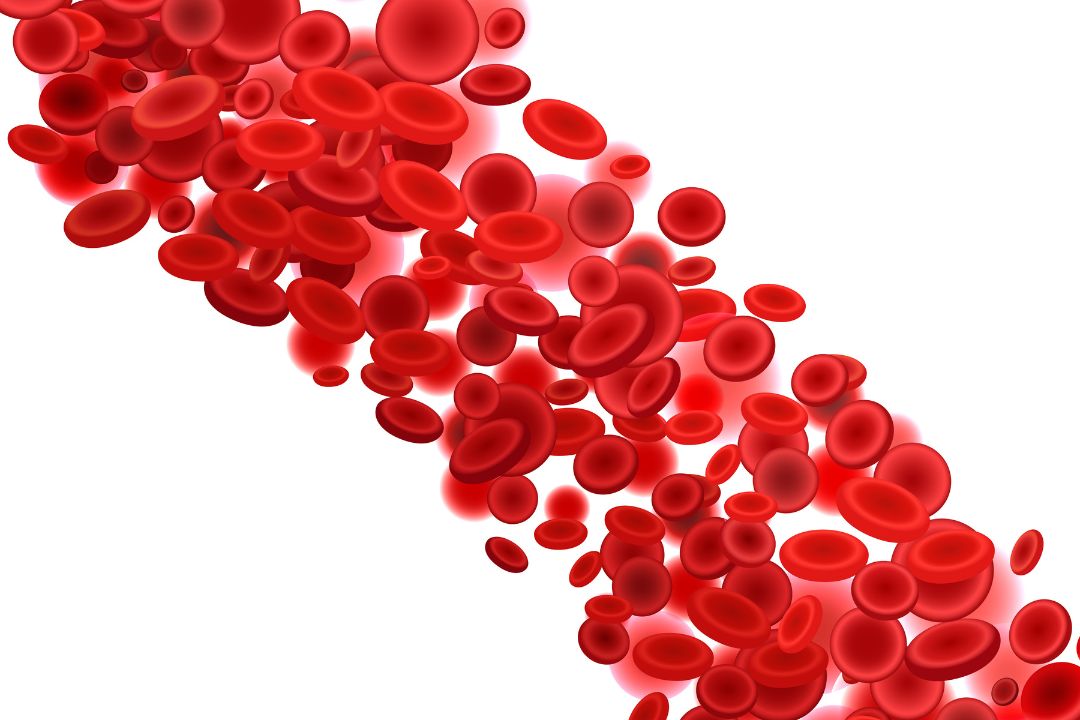
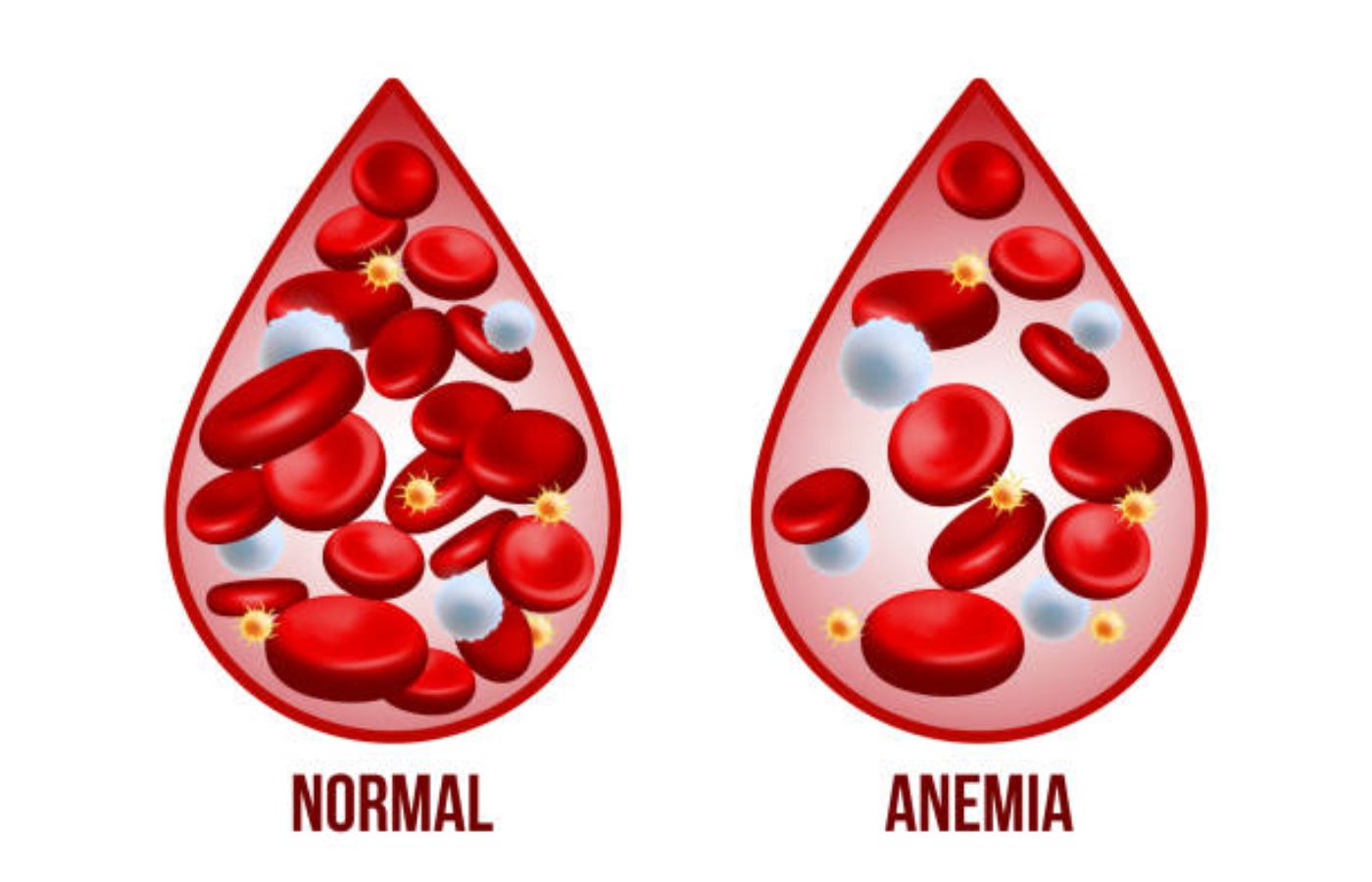
Feeling constantly tired, weak, or short of breath? You might be dealing with low hemoglobin. Hemoglobin is the iron-rich protein in your red blood cells responsible for carrying oxygen throughout your body. When your hemoglobin levels drop, it can lead to anemia, fatigue, and a host of other health issues. While medical conditions should always be checked by a doctor, many cases of mild deficiency can be addressed effectively at home.
Top 10 Home Remedies to Boost Hemoglobin
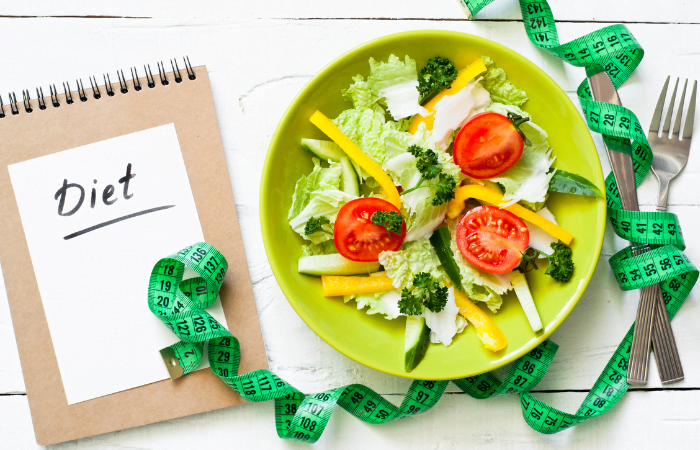
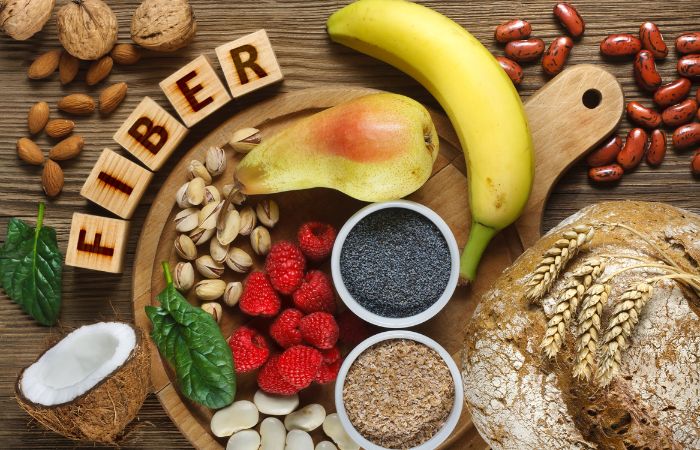
1. Load Up on Iron-Rich Foods (The Core Strategy)
Iron is the building block of hemoglobin. There are two types:
Heme Iron (Easily absorbed): Found in animal products.
Sources: Red meat (beef, liver), poultry, fish (tuna, salmon), shellfish.
Non-Heme Iron: Found in plants.
Sources: Lentils, beans, tofu, spinach, fortified cereals.
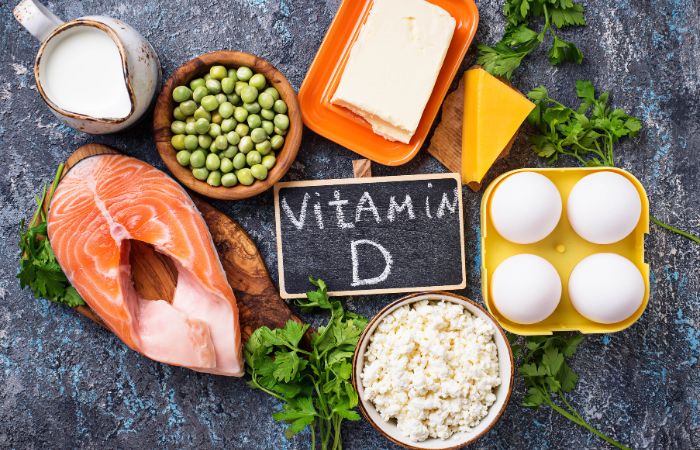
Pro Tip: Pair with Vitamin C (lemon juice, bell peppers, oranges) to enhance absorption significantly.
2. Increase Vitamin C Intake
Vitamin C is not just for immunity; it's crucial for iron absorption. It captures non-heme iron and stores it in a form your body can absorb more easily.
Home-Based Action: Drink a glass of lemon water with meals, add strawberries to your cereal, or snack on bell peppers and broccoli.
3. Don’t Forget Folic Acid (Vitamin B9)
Folic acid is essential for making red blood cells. A deficiency can lead to low hemoglobin levels.
Sources: Dark leafy greens (spinach, kale), avocado, legumes, peanuts, bananas.
4. Embrace Vitamin B12
This vitamin is critical for red blood cell formation and neurological function. Deficiency is a common cause of anemia.
Sources: Eggs, dairy products (milk, yogurt), nutritional yeast, fortified plant milks, and animal proteins.
5. Cook in a Cast-Iron Skillet
A simple, age-old trick! Cooking acidic, high-moisture foods (like tomato sauce, soups, curries) in cast iron can leach significant amounts of iron into your food.
6. The Power of Blackstrap Molasses
Just one tablespoon of blackstrap molasses packs about 20% of your daily iron needs. It's also rich in other blood-building nutrients like B vitamins and magnesium.
How to use: Stir into oatmeal, smoothies, or use as a sweetener in baking.
7. Sprout and Soak Your Grains & Legumes
This traditional practice reduces phytates—natural compounds that can inhibit iron absorption. Soaking lentils, beans, and grains overnight makes their iron more bioavailable.
8. Incorporate Pumpkin Seeds (Pepitas)
These are a powerhouse snack, packed with iron, vitamin C, zinc, and copper—all co-factors for hemoglobin synthesis.
9. Limit Iron Blockers Around Meals
Certain substances can hinder iron absorption. Try to avoid consuming these with your main iron-rich meals:
Calcium-rich foods (large amounts of milk, cheese).
Tannins in tea and coffee.
Phytates (when foods aren't soaked).
Antacid medications.
10. Mindful Movement & Stress Management
Strenuous, excessive exercise can sometimes contribute to anemia. However, moderate, regular activity like walking or yoga promotes healthy circulation and blood production. Chronic stress can also impact nutrient absorption—making relaxation a key part of the equation.
Comfort, Cost & Convenience: The Diagnopein Perspective
| Aspect | Home-Based Natural Methods | Common Alternatives (OTC Supplements/Procedures) |
|---|---|---|
| Costing | Highly Cost-Effective. Involves smart grocery choices. Adding spinach or lentils is inexpensive. | Recurring Cost. Supplements and doctor visits add up. Some treatments (like iron infusions) are high-cost. |
| Comfort & Convenience | Integrates seamlessly into daily life. You eat and live; these methods become routine. No pills to remember. | Can be inconvenient. Supplements can cause side effects (constipation, nausea). Procedures require clinic visits. |
| Control | High Personal Control. You choose your foods and habits. | Less Control. Dependent on prescriptions and medical schedules. |
| Time to Effect | Gradual & Sustainable. Leads to lasting change over weeks. | Often Faster. Supplements can raise levels quicker but may not address dietary root causes. |
Conclusion: A Diagnopein Approach to Healthy Hemoglobin
What is hemoglobin? It's your body's vital oxygen courier. Maintaining healthy hemoglobin levels is not just about popping a pill; it's about nurturing your body with the right nutrients and habits consistently.
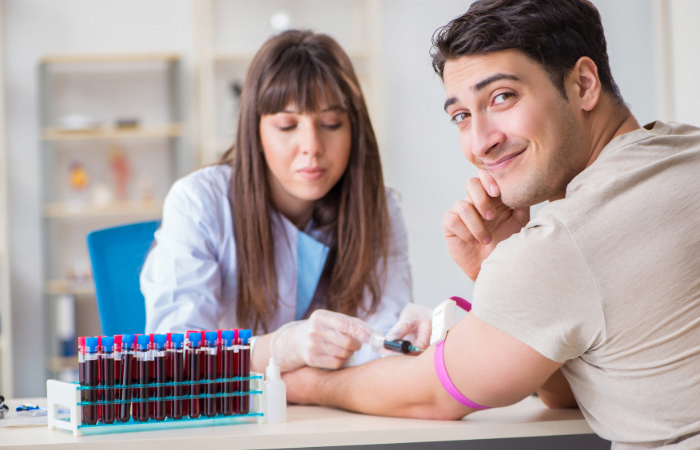
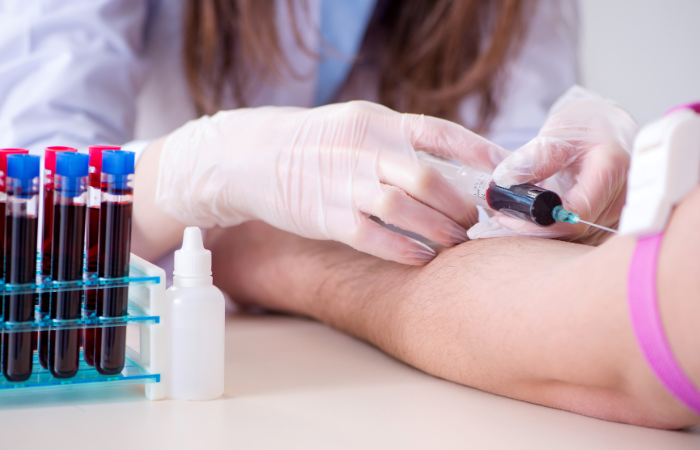
From a diagnopein (diagnostic and preventive) viewpoint, these 10 home-based strategies are your first and most powerful toolkit. They allow you to take a preventive, low-cost, and highly comfortable role in managing your low hemoglobin. Remember, these methods work best for nutritional deficiencies. If symptoms persist, consult a doctor for a precise diagnosis (which may include tests like hemoglobin a1c or ferritin checks) to rule out other underlying causes.







.jpg "diabetes")

.jpg "pcos lifestyle")











.jpg "FSH Test")


.jpg "urine potassium in hypokalemia")




.jpg "How to Prevent Hepatitis")
.jpg "Acute-Phase Reactants")
.jpg "Anemia: Causes")
.jpg "Manage Cirrhosis")
.jpg "Types of Tuberculosis")
.png "Tested for Multiple Myeloma")

 (1).jpg "Urine Cortisol Test at Diagnopein")
 (1).jpg "Aldolase & its role")
 (1).jpg "Beta-Thalassemia Major at Diagnopein")
.jpg "Typhoid treatment")
 (1).jpg "Kidney Stones Demystified")
 (1).jpg "Blood infection signs & diagnosis")
 (1).jpg "From HIV to AIDS")

.jpg "Multiple Myeloma")
 (1).jpg "Know about Chikungunya Fever")
.jpg "Diagnopein Stands Out")



 disorders.jpg "gastrointestinal (GI) disorders")
.jpg "symptoms of Chikungunya & How is Chikungunya diagnosed?")
.jpg "COMMON PATHALOGICAL BLOOD TESTS")




.png "how to manage diabetes")