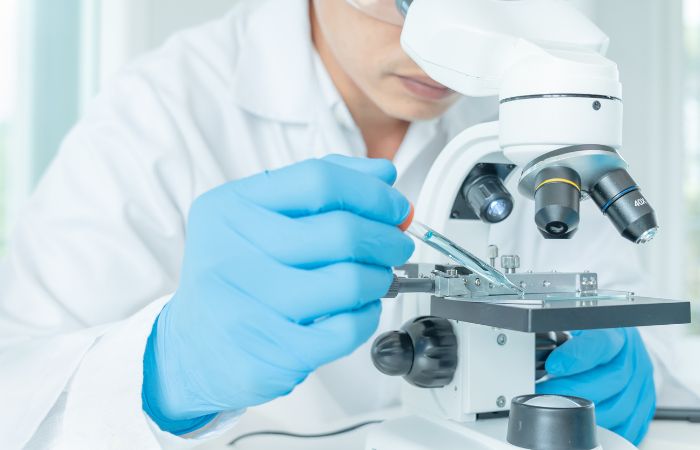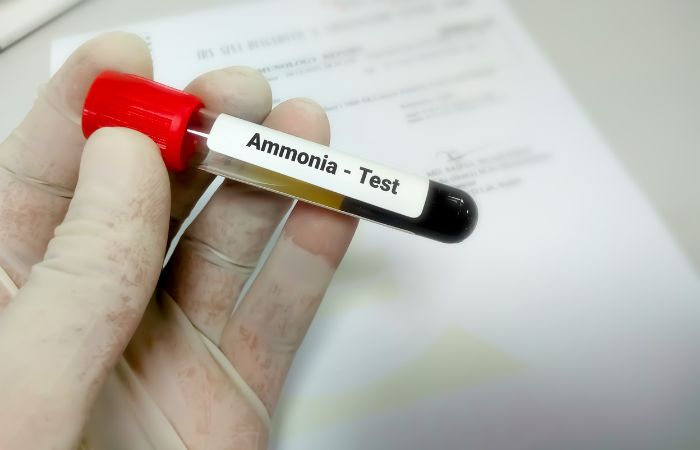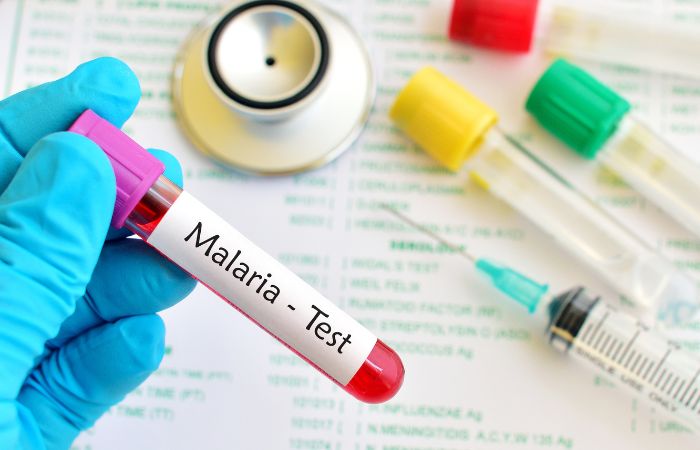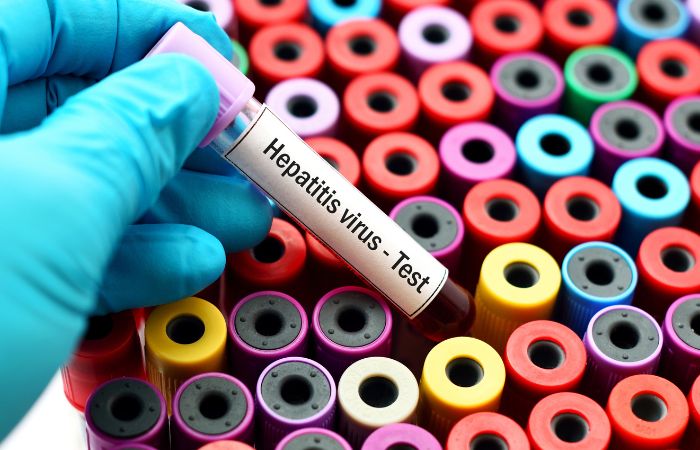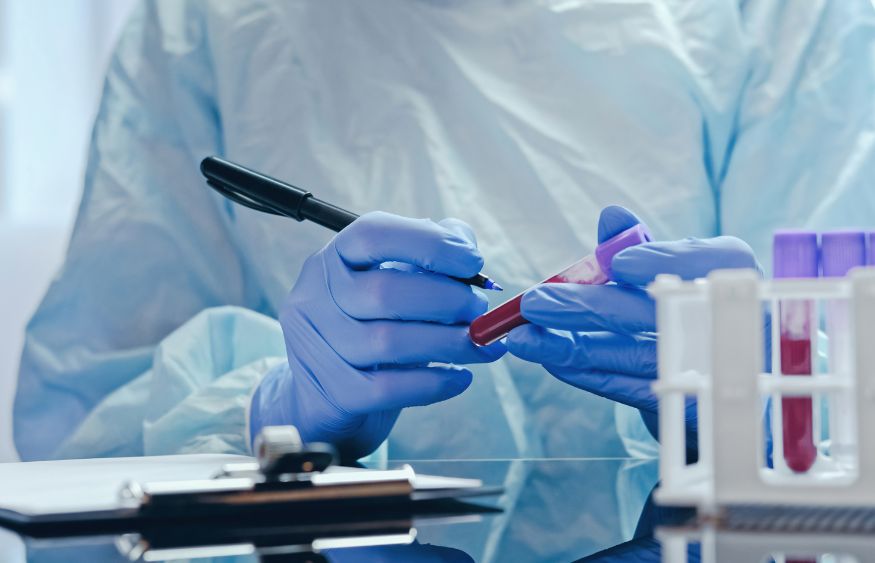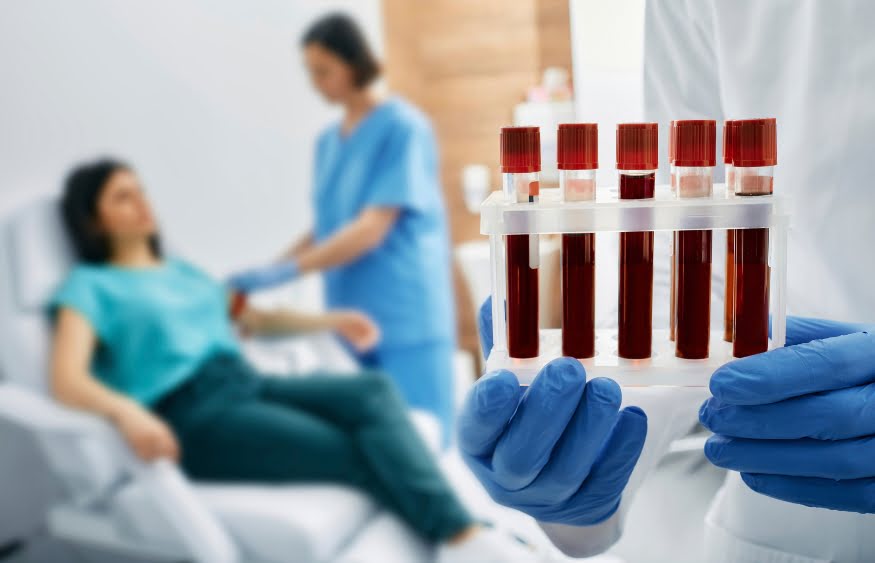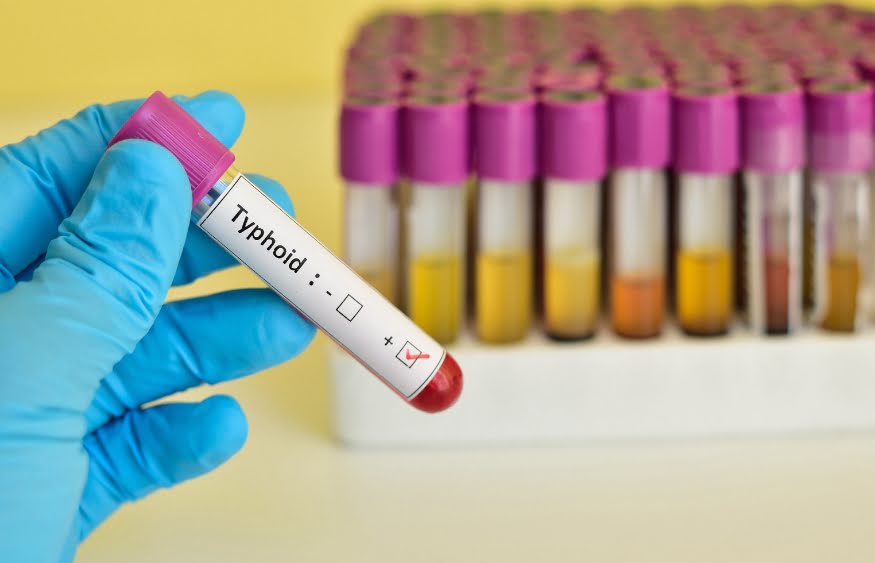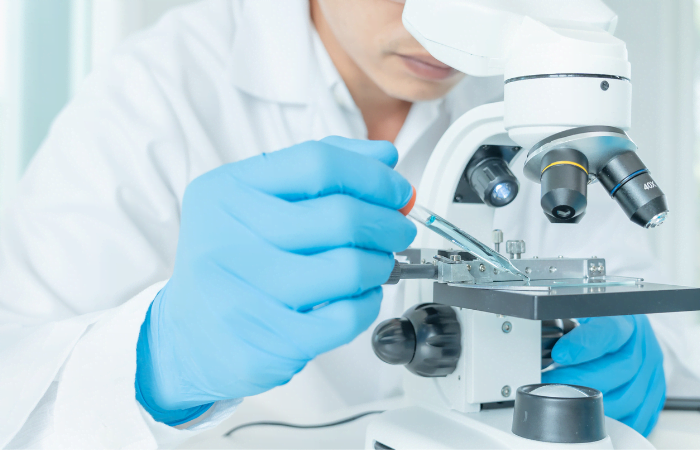
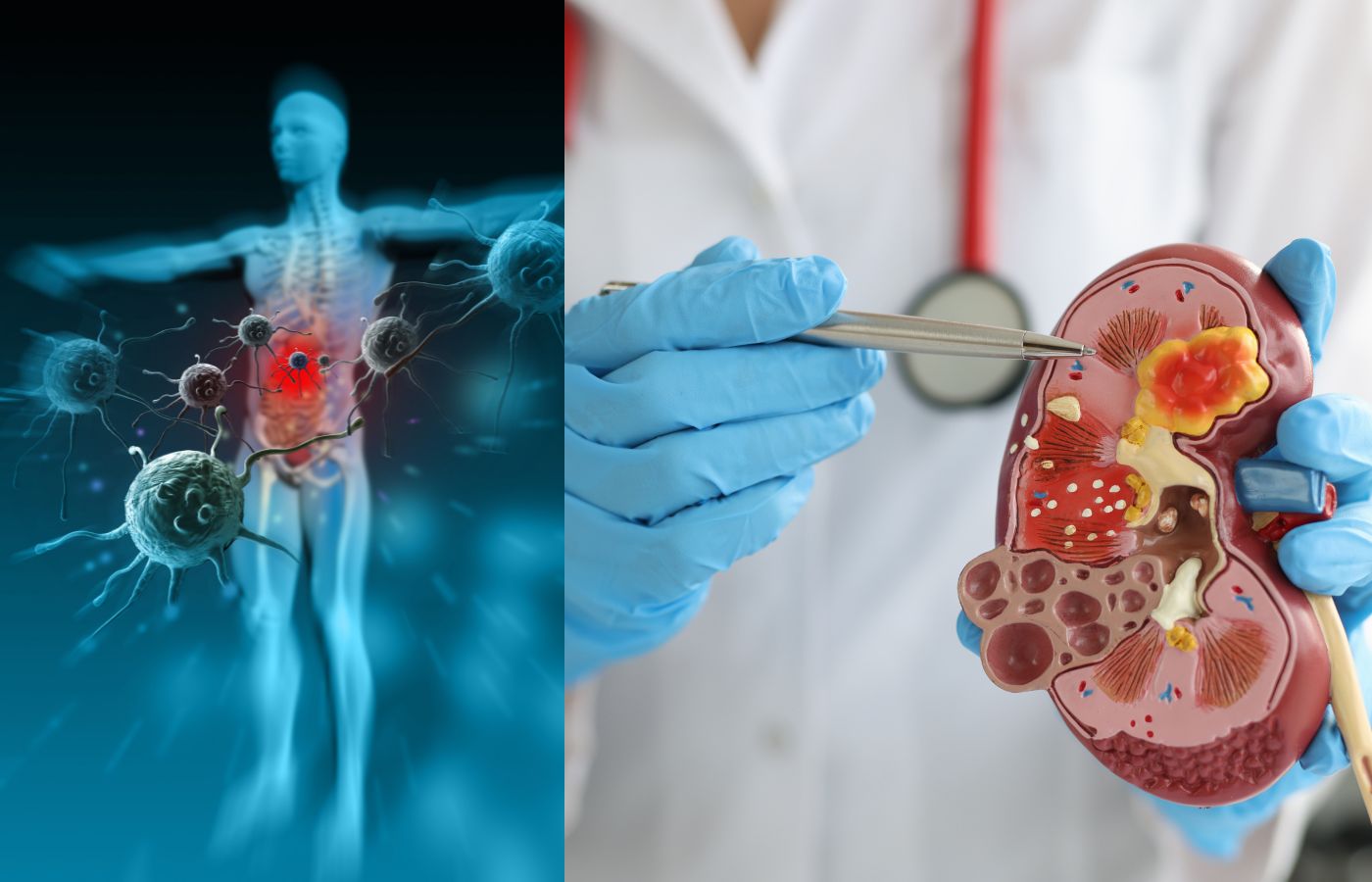
Infectious diseases are caused by pathogens such as bacteria, viruses, fungi, and parasites, and they can range from mild illnesses to life-threatening conditions. Early diagnosis and proper treatment are key to managing infectious diseases effectively, and one of the most crucial tools for accurate diagnosis is the pathology lab test. These tests provide healthcare providers with vital information about the presence, type, and severity of infections, enabling them to prescribe appropriate treatments.Pathology labs, through a variety of diagnostic tests such as blood tests, cultures, and molecular assays, help detect infectious agents in the body.
Infectious diseases can spread quickly and affect people of all ages. Early and accurate diagnosis is very important. This is where pathology lab tests play a key role.
Visit Now: https://www.diagnopein.com/book-test/Pune
Pathology tests help doctors identify the exact cause of an infection. With the right diagnosis, patients can receive proper treatment at the right time.
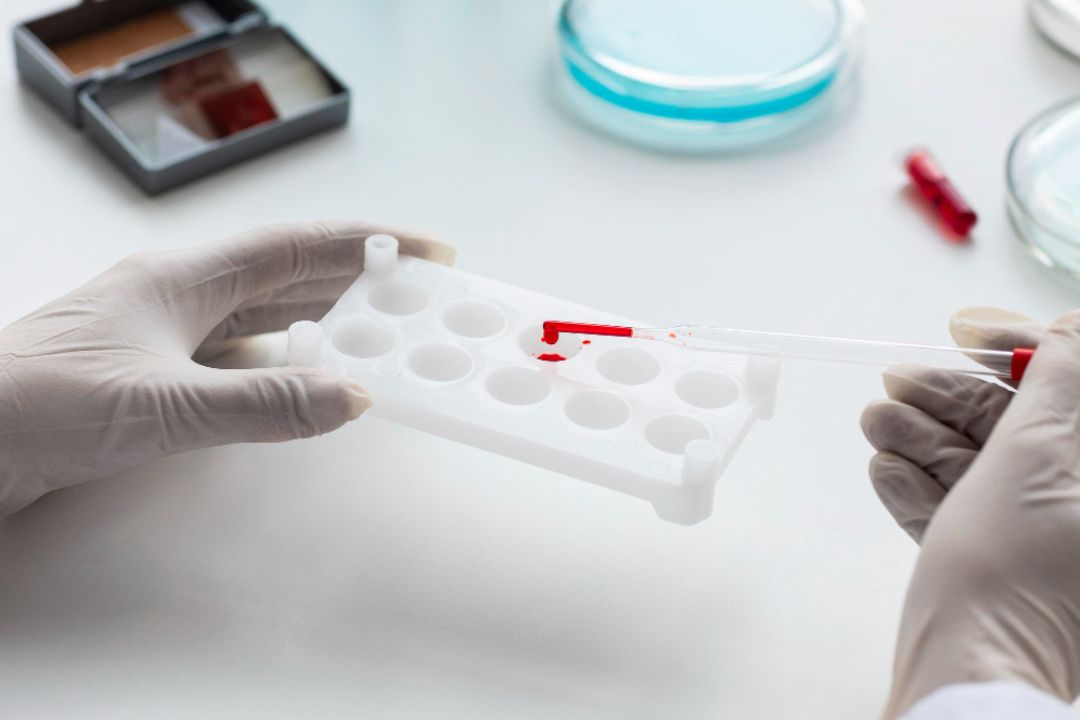
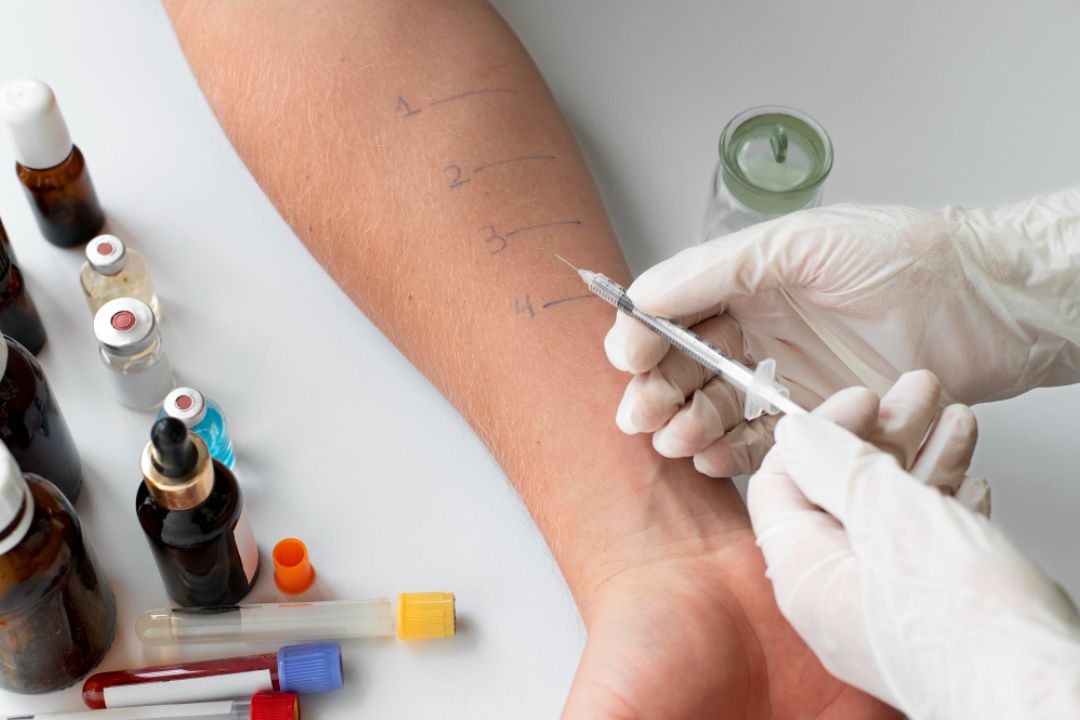
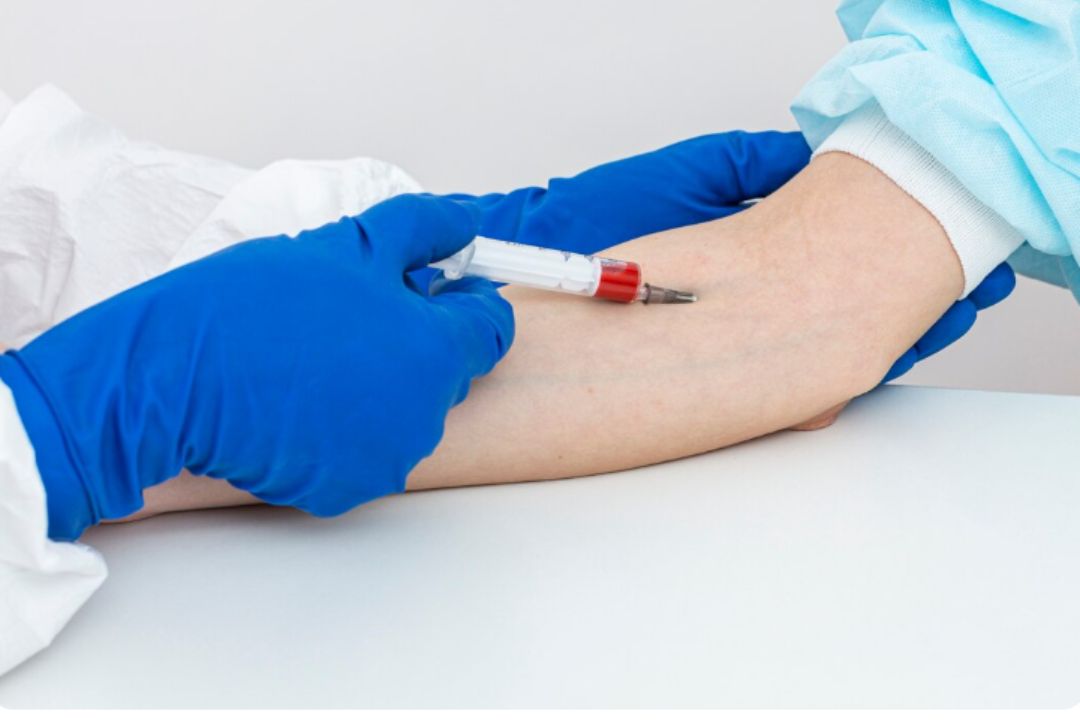
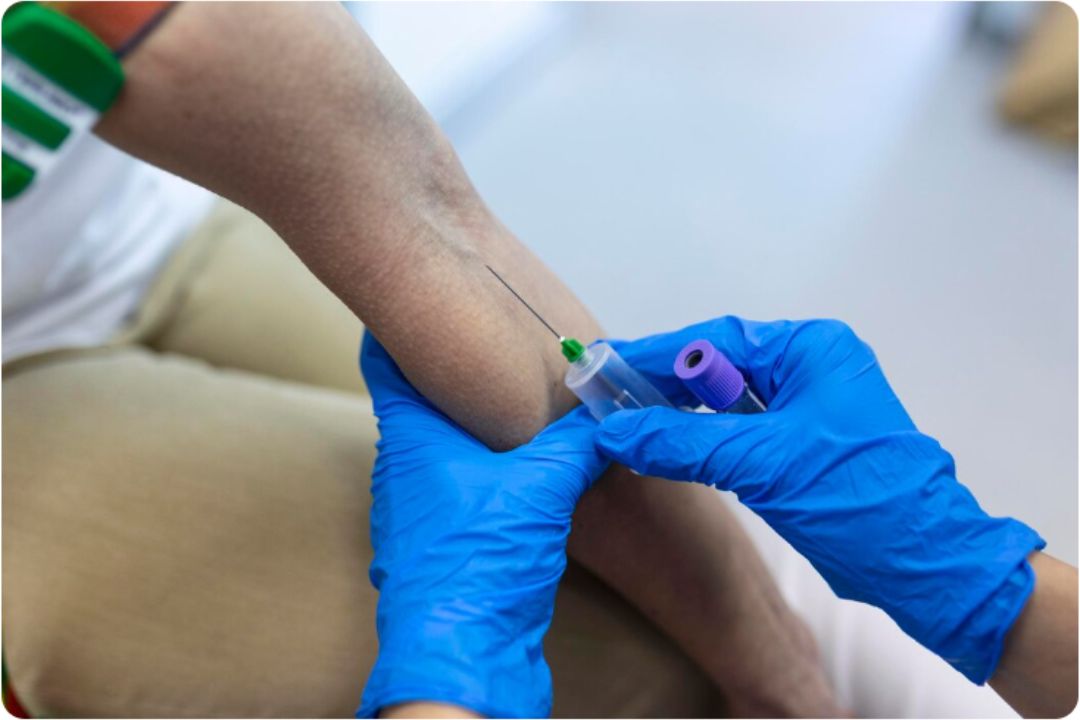
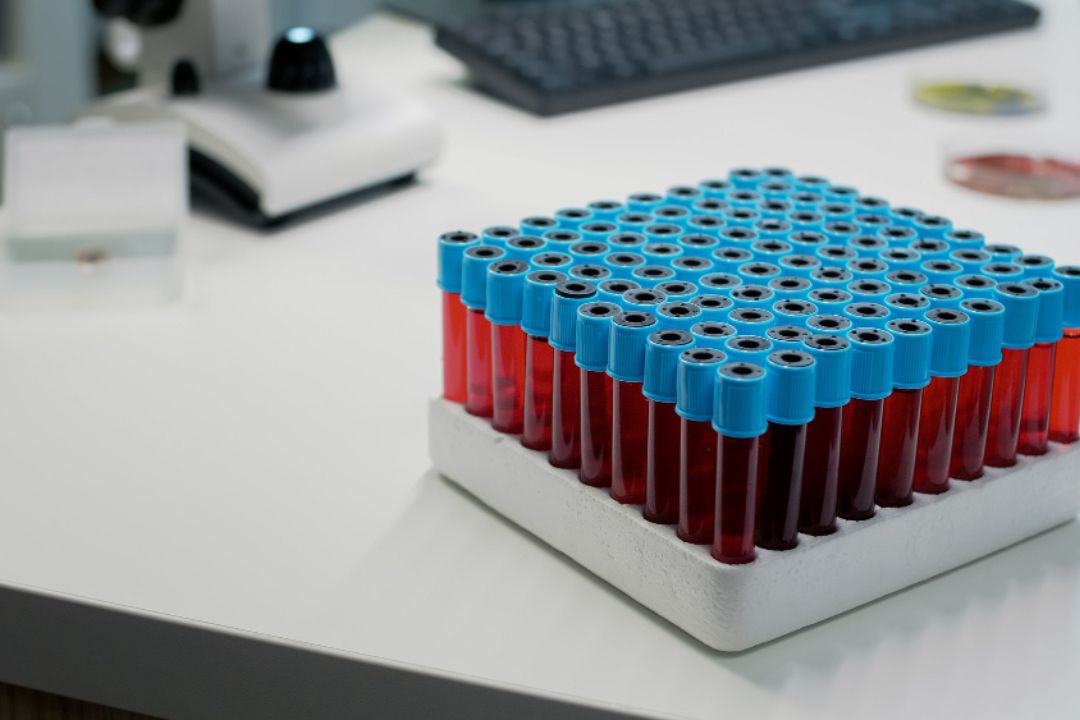
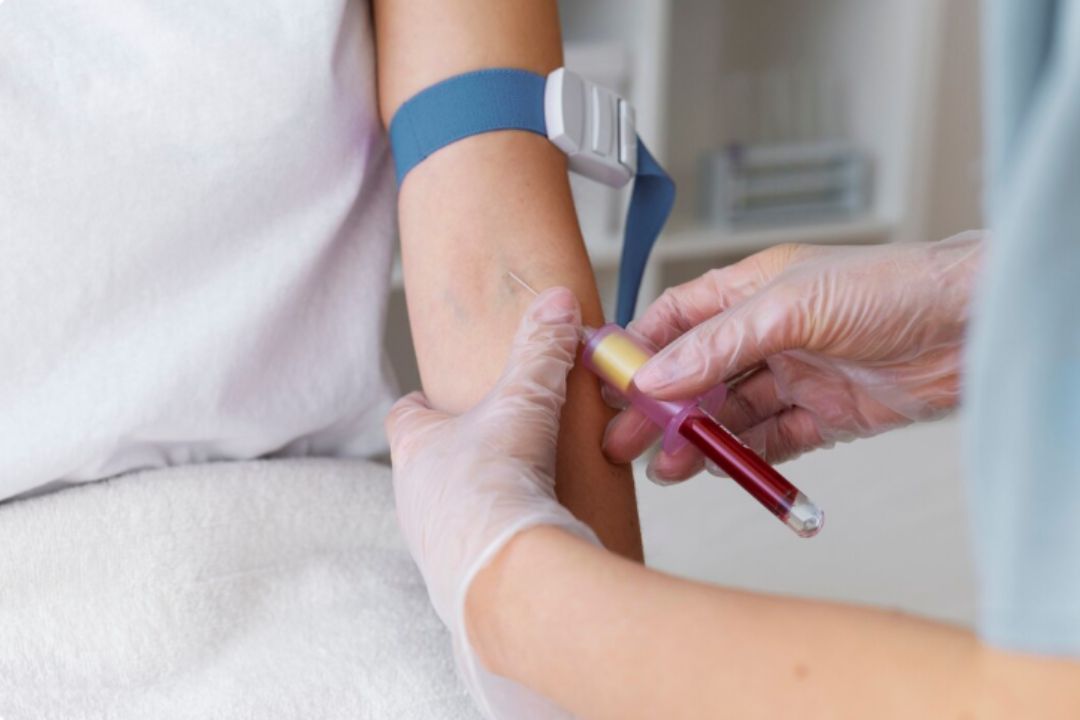
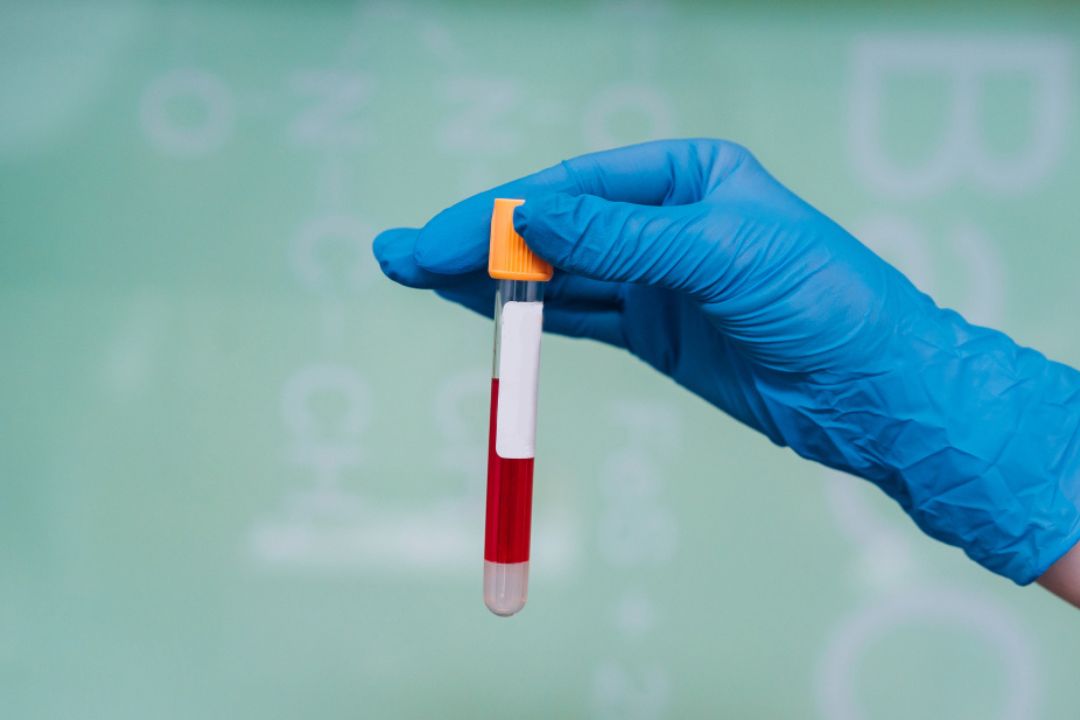
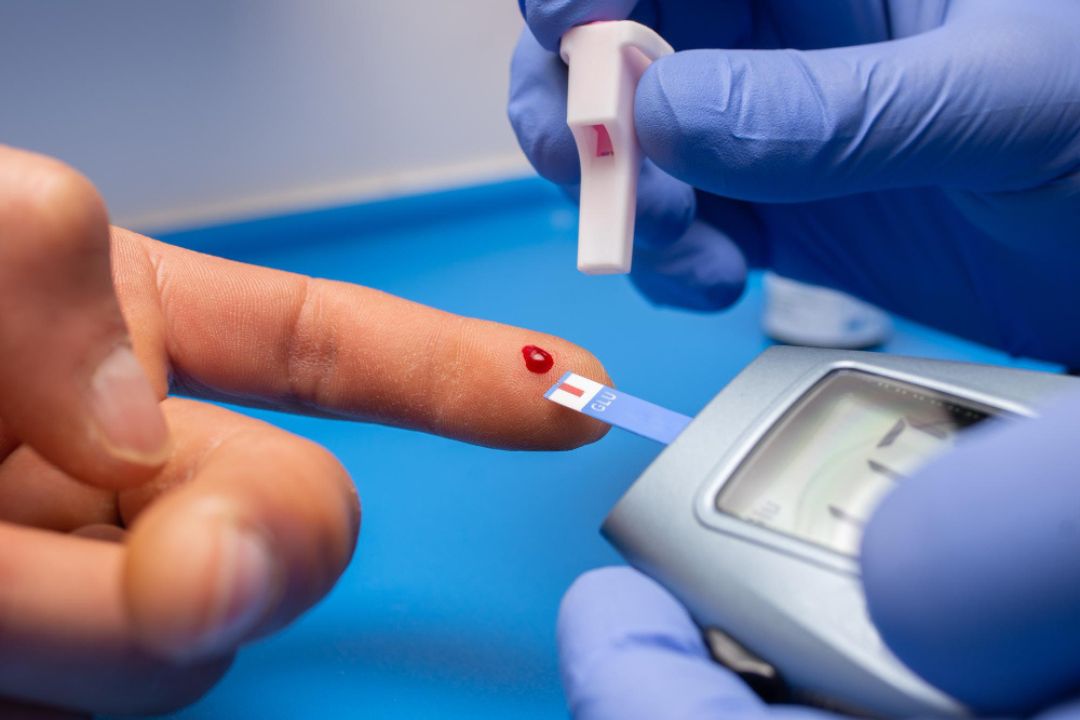
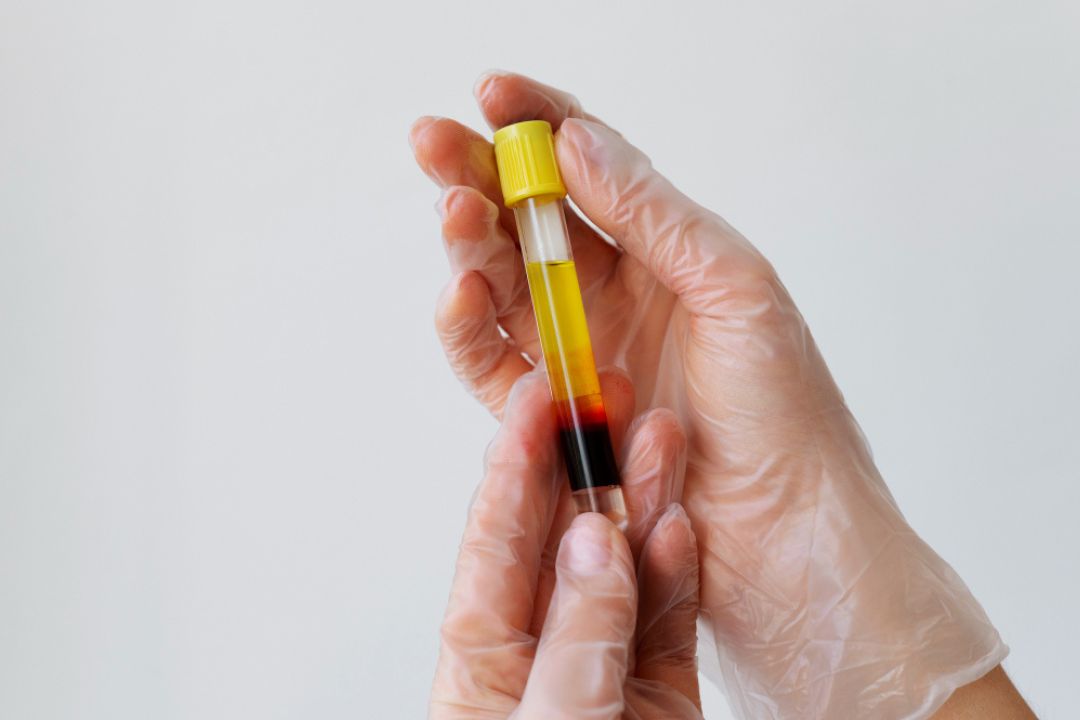
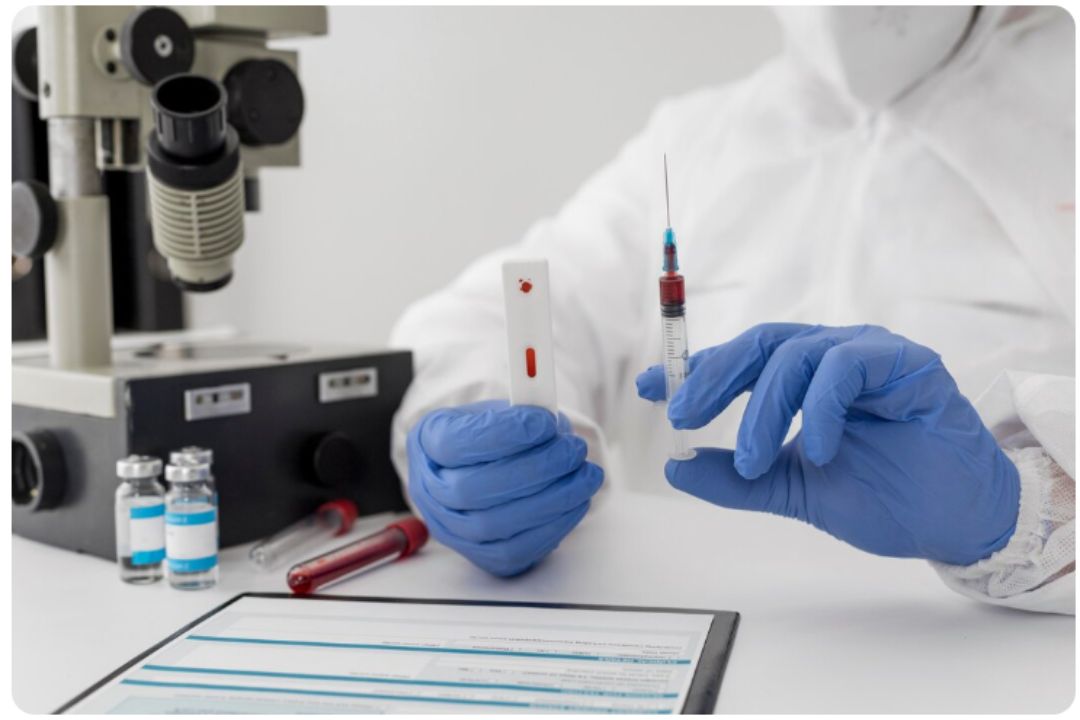
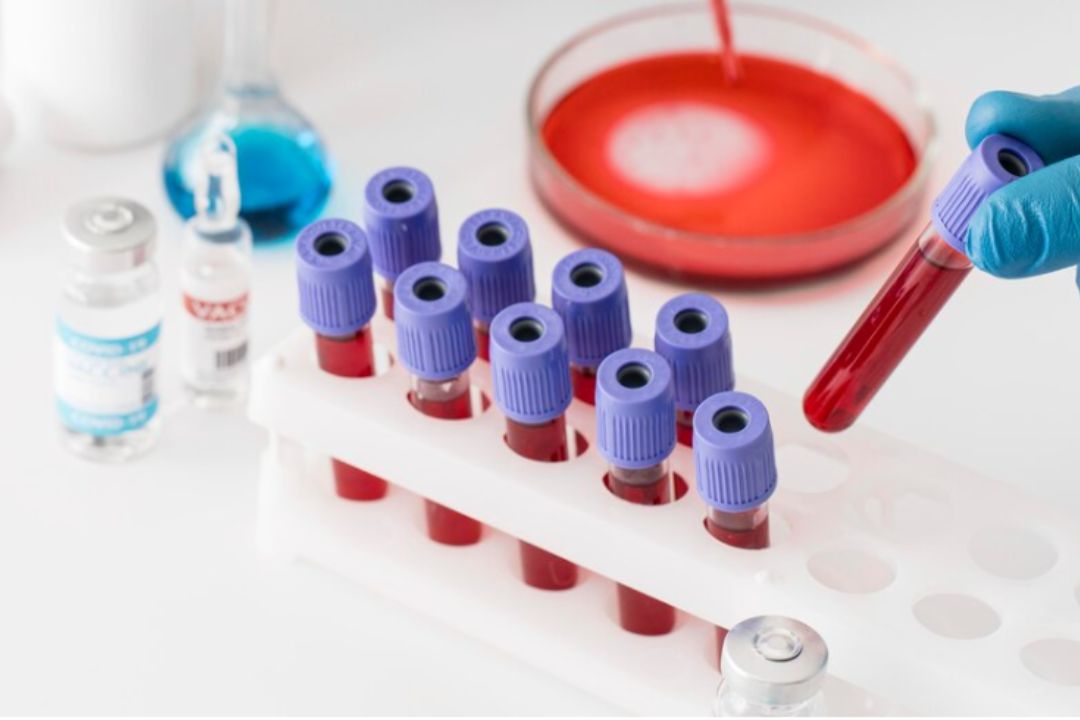
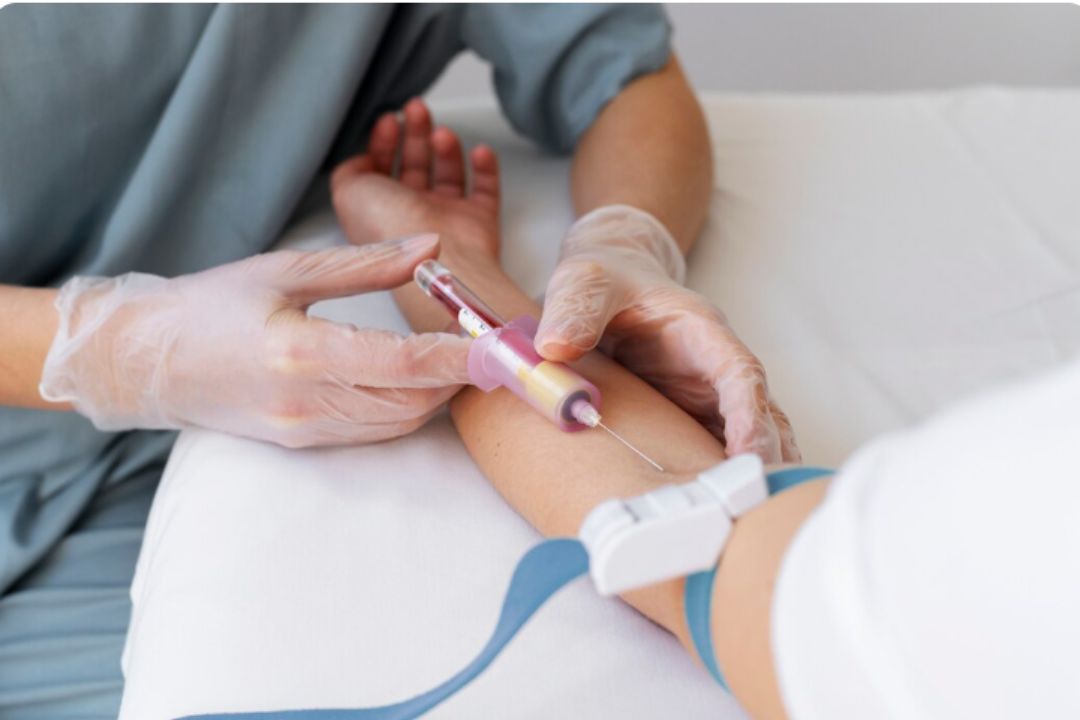
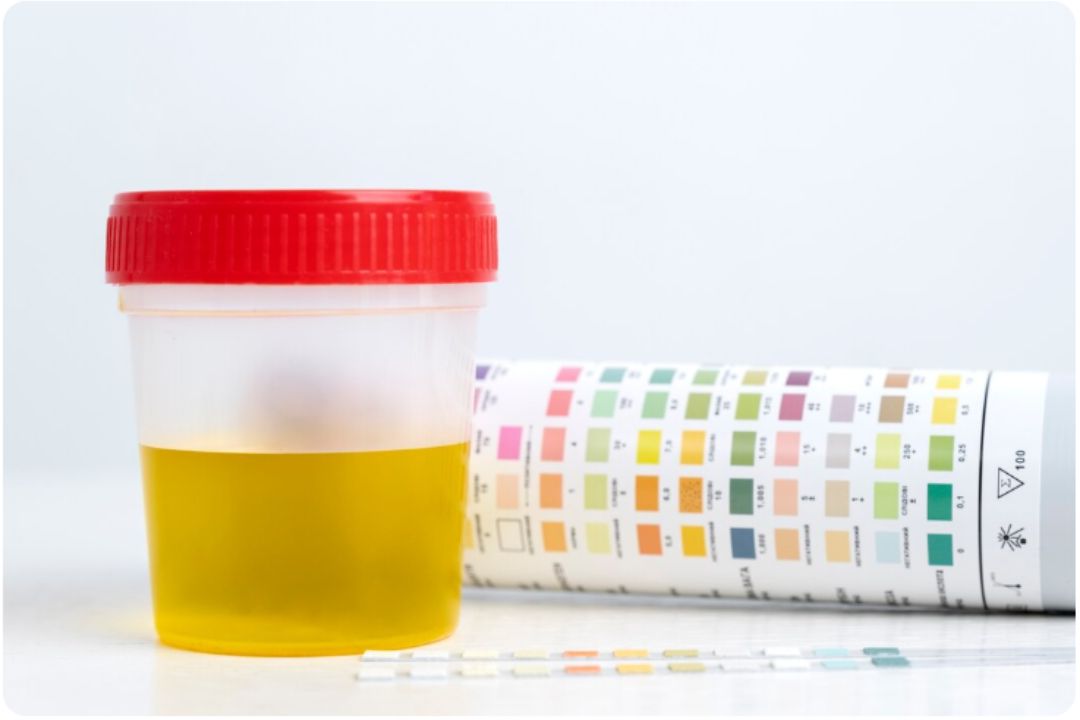
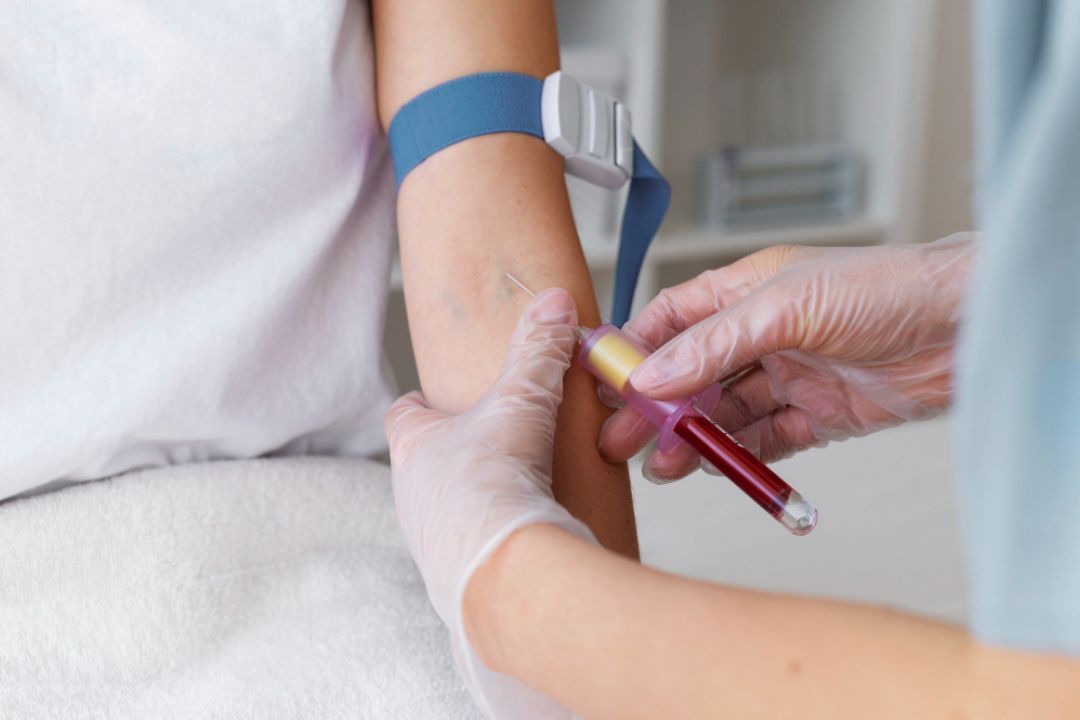
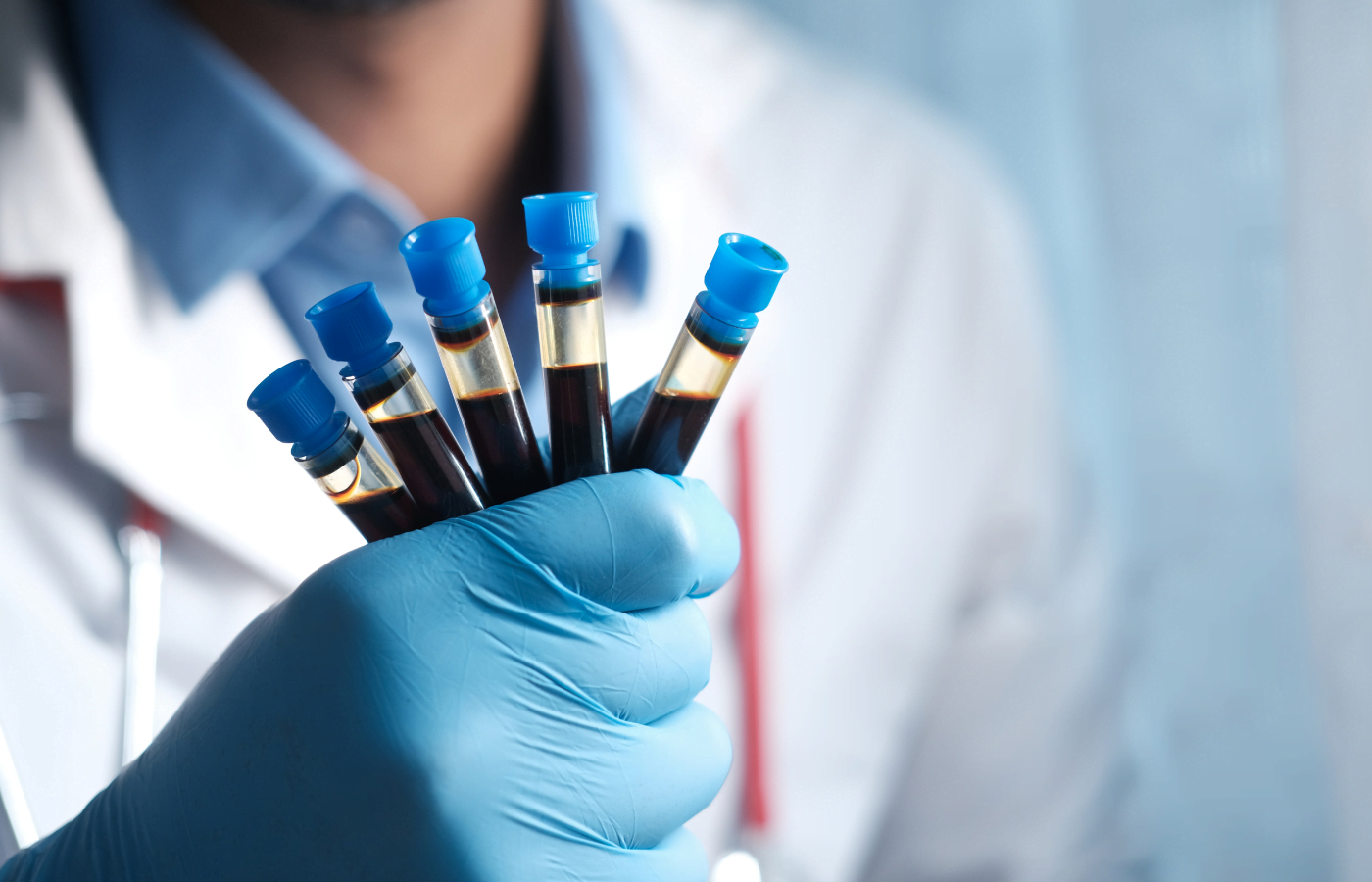
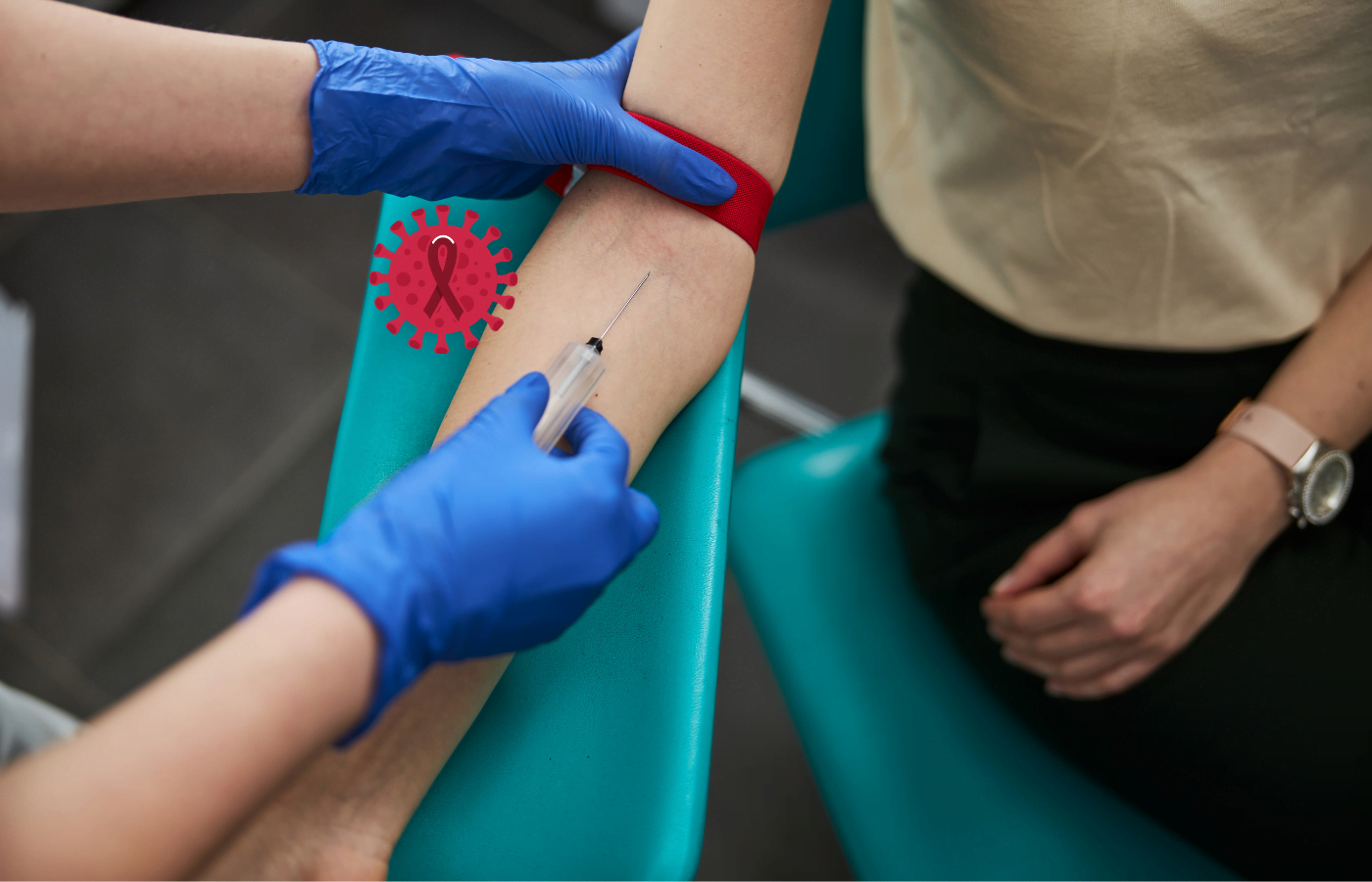
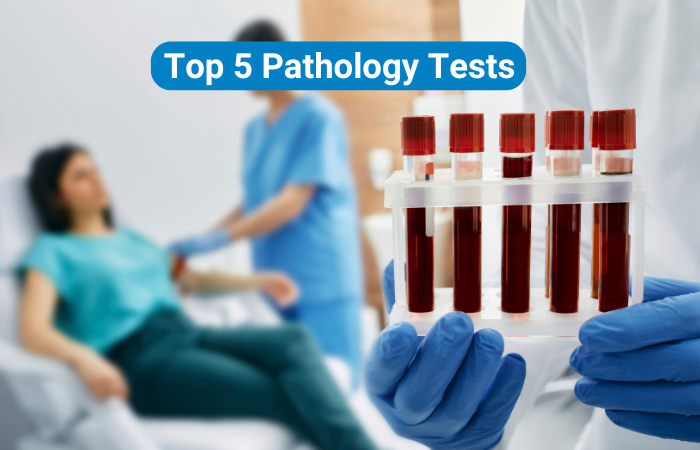
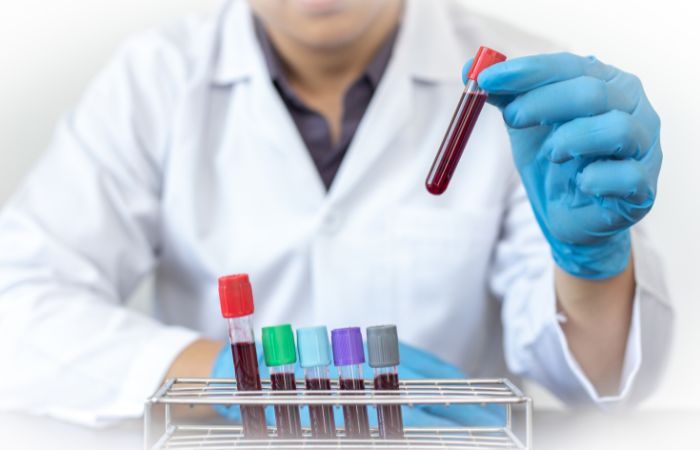
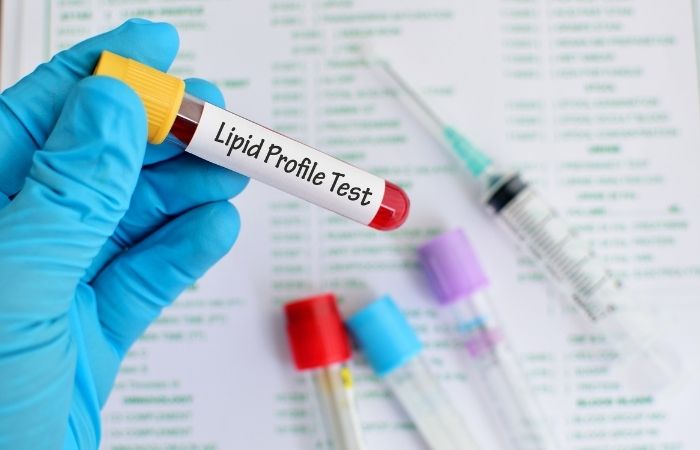
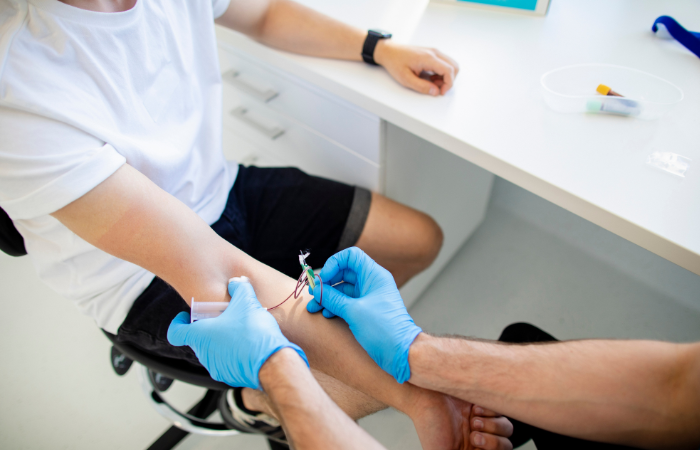
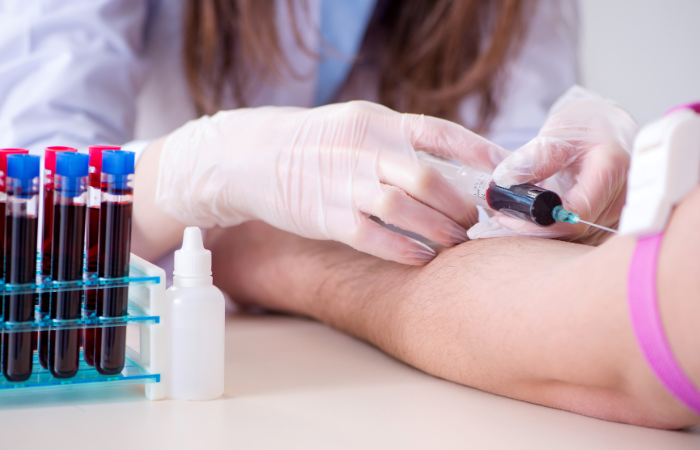
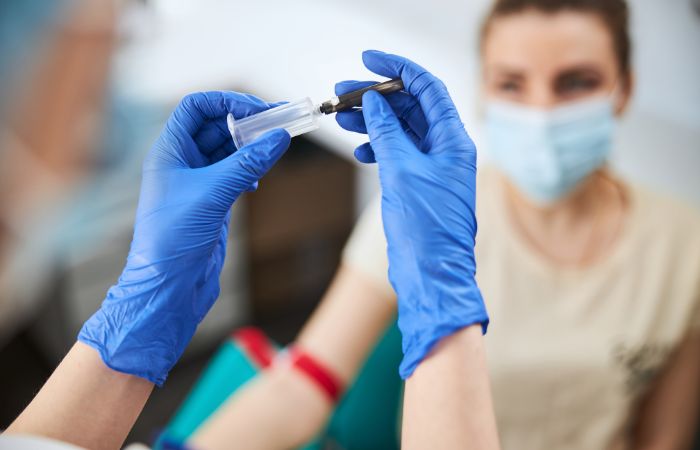
Pathology lab tests are medical tests performed on body samples such as blood, urine, stool, or tissues. These tests help detect infections and other health problems.
Doctors rely on these tests to confirm whether an infection is caused by bacteria, viruses, fungi, or parasites.
Pathology tests can detect infections even before symptoms become severe. Early detection helps start treatment quickly and prevents complications.
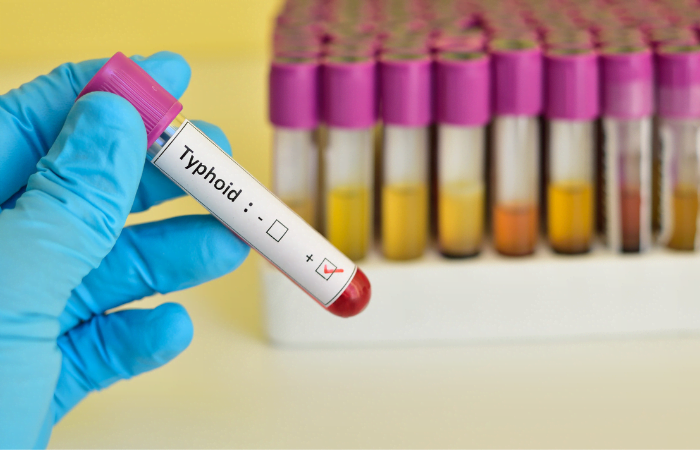
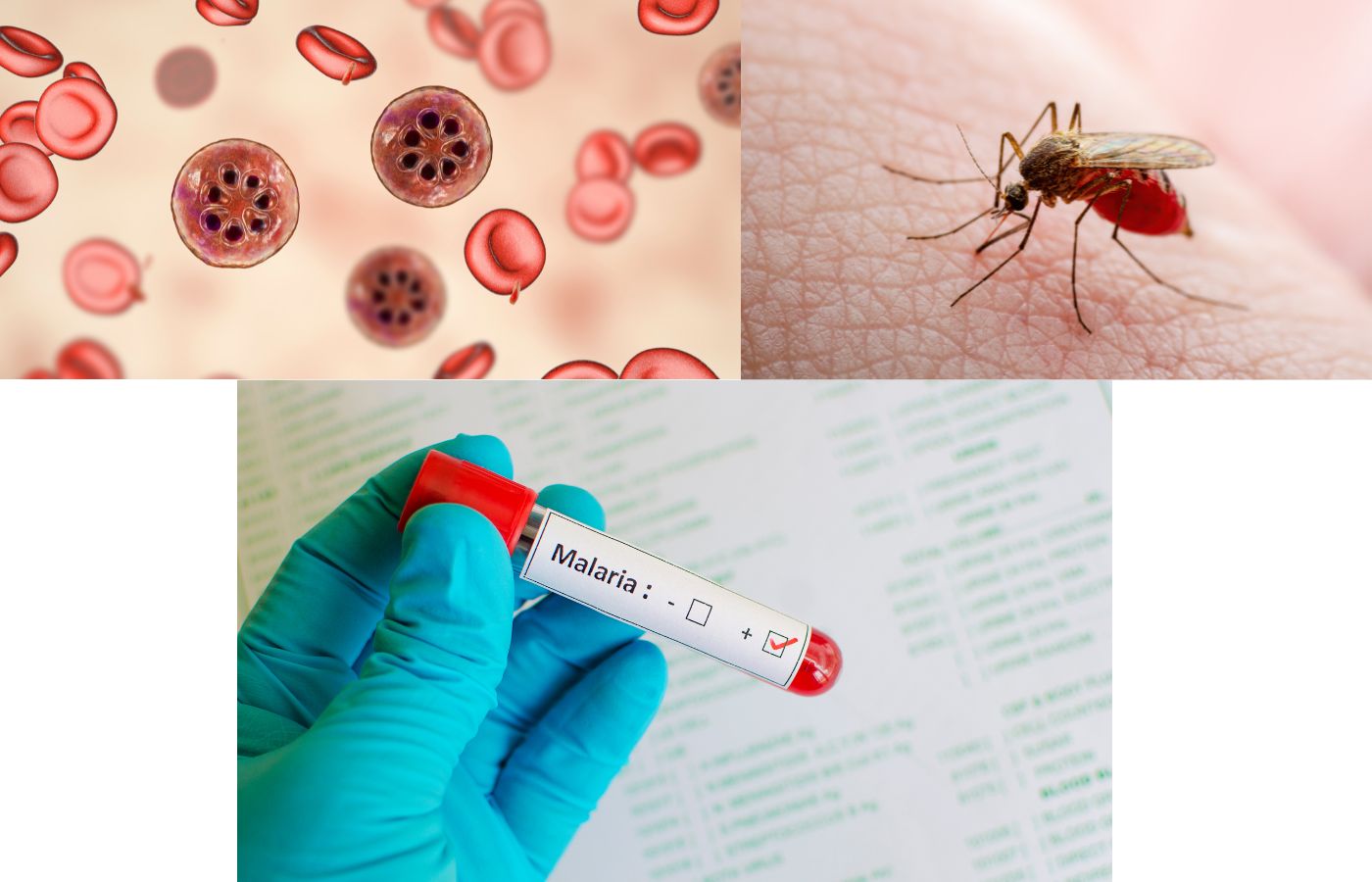
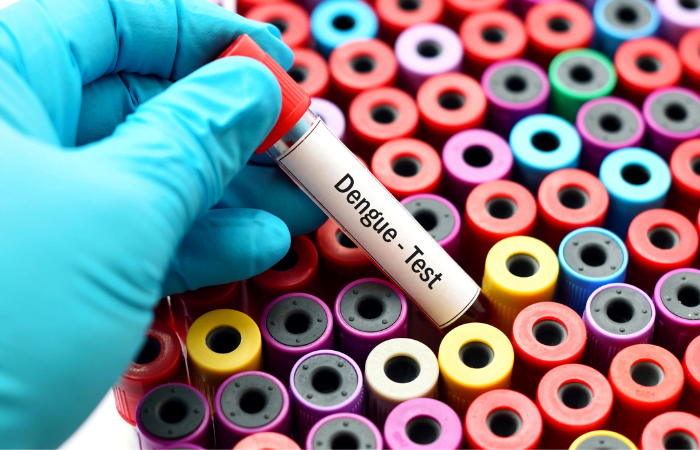
For example, blood tests and cultures can identify infections like dengue, malaria, or typhoid at an early stage.
Different infections may show similar symptoms. Lab tests help identify the exact microorganism responsible for the disease.
Book Now: https://www.diagnopein.com
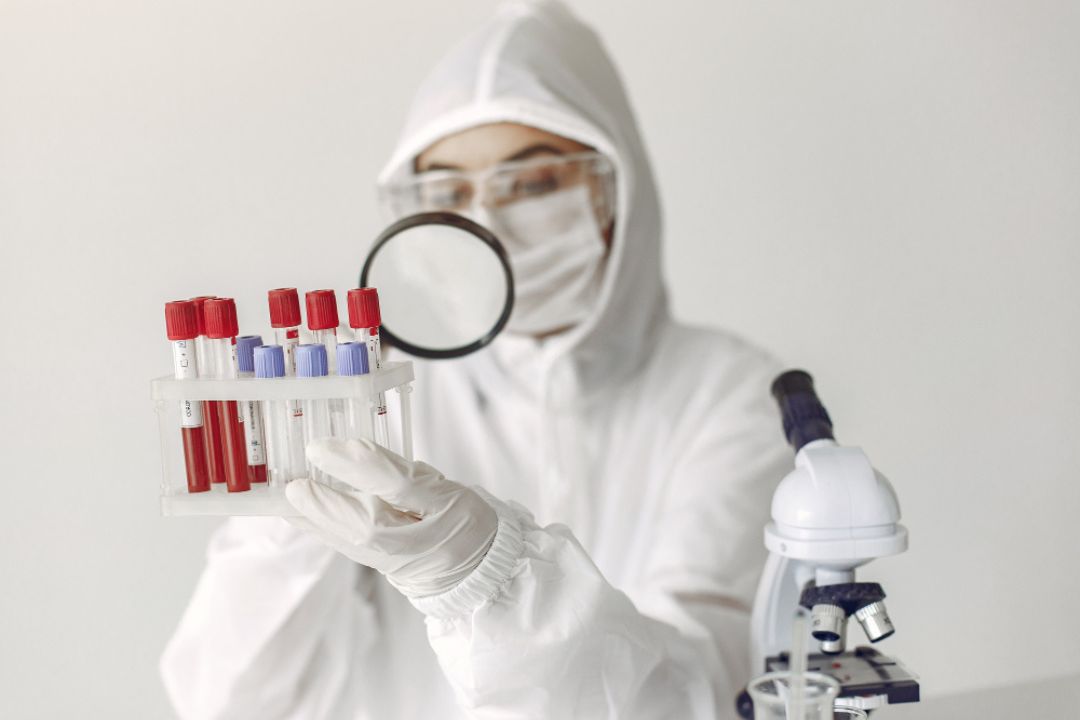
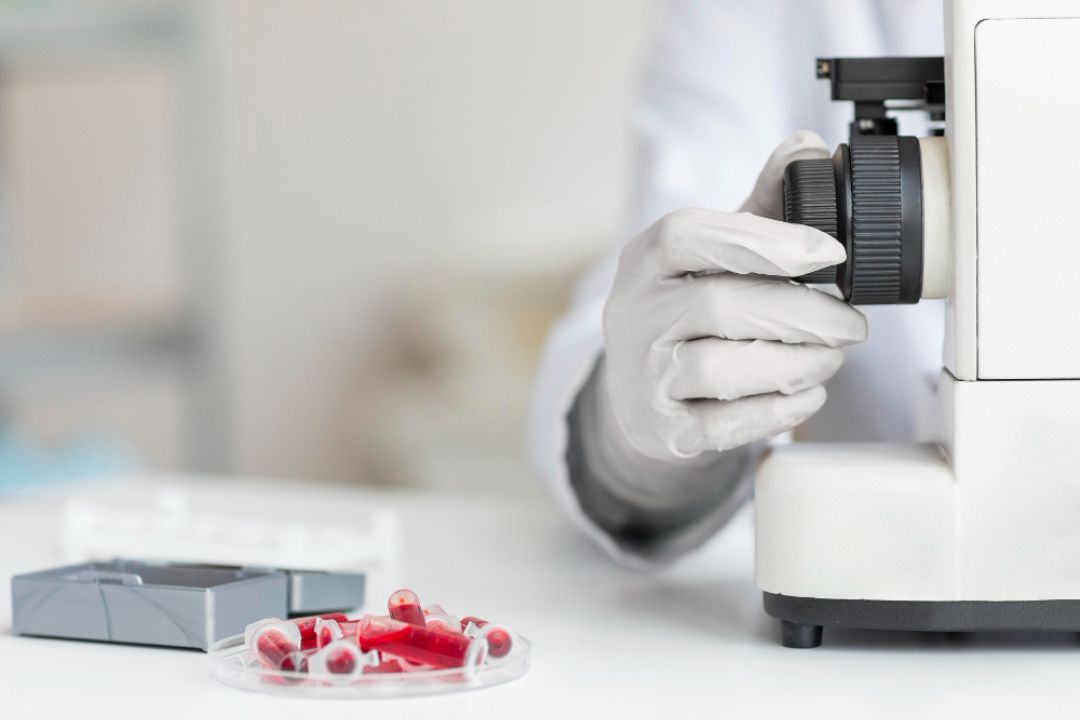
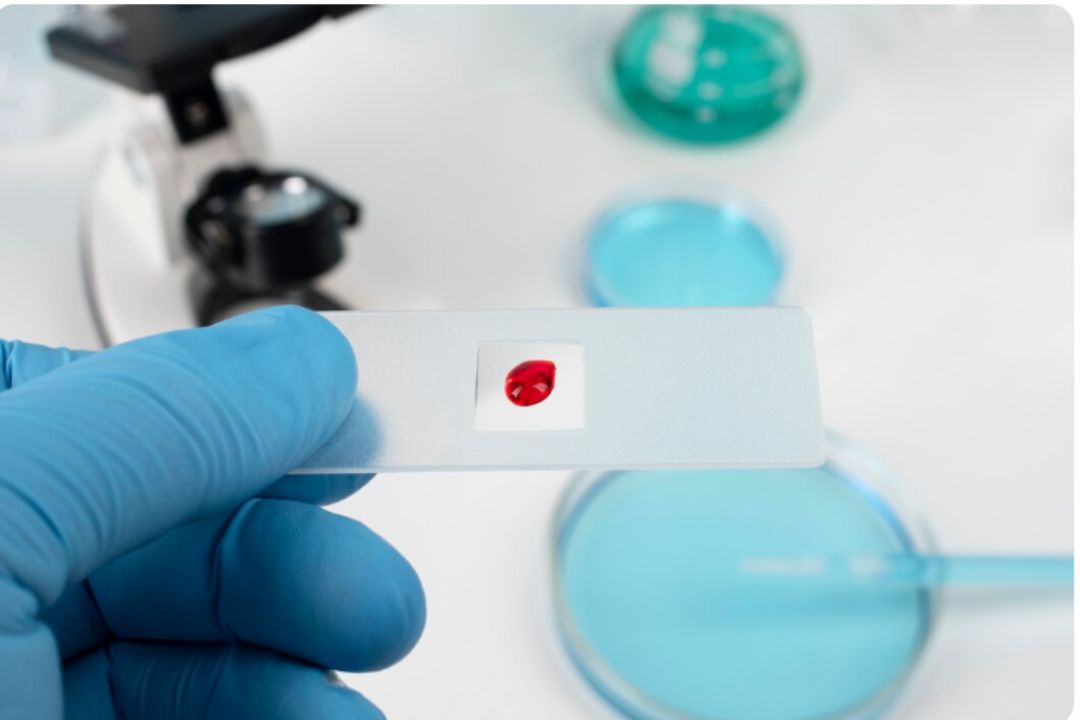
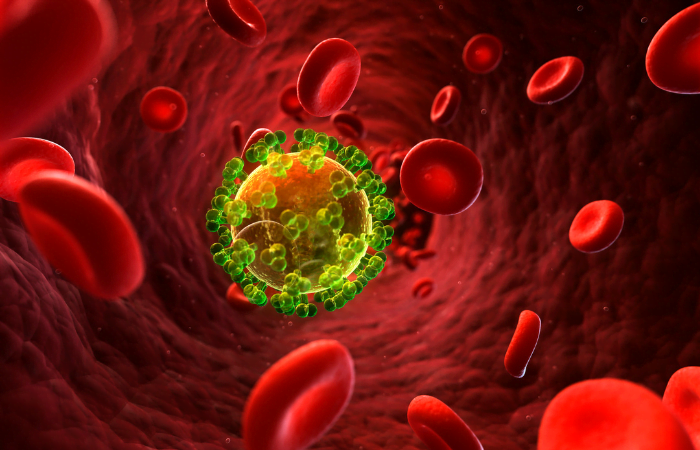
Microbiological testing can detect bacteria, viruses, fungi, or parasites present in body fluids.
This accuracy helps doctors choose the most effective treatment.
Once the infection is confirmed, doctors use pathology reports to decide the best treatment plan.
Lab results guide:
Choice of antibiotics
Duration of treatment
Need for hospitalization
Monitoring response
Accurate reports ensure patients receive targeted and effective therapy.
Pathology tests are not only for diagnosis. They also help track how the disease is progressing.
Repeat tests can show whether:
The infection is improving
Treatment is working
Medication needs adjustment
This continuous monitoring improves patient outcomes.
Timely testing helps identify infectious patients early. This reduces the risk of spreading the disease to others.
Pathology labs also support public health by tracking outbreaks and monitoring infection trends.
Doctors may recommend different tests based on symptoms. Common tests include:
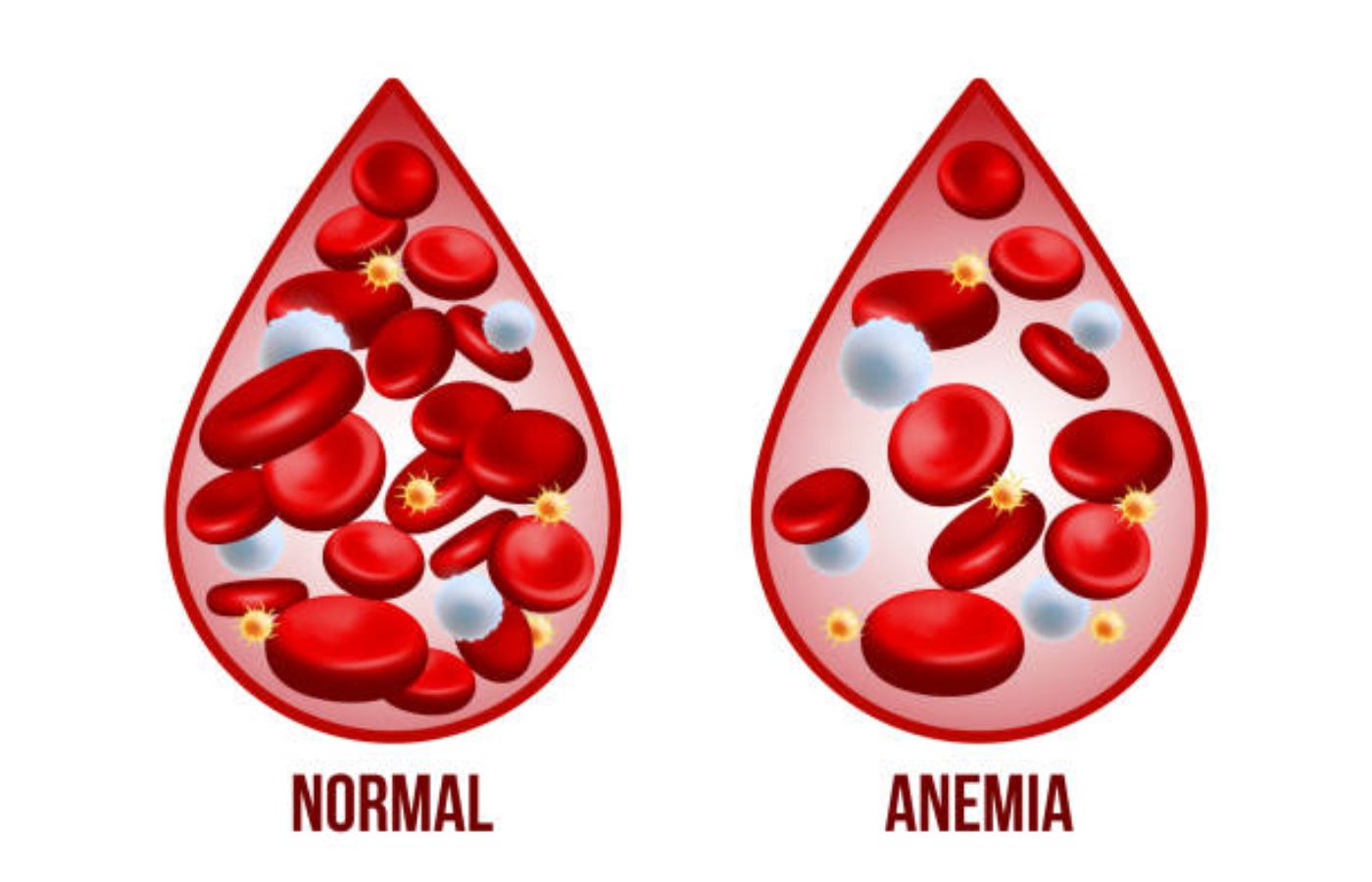
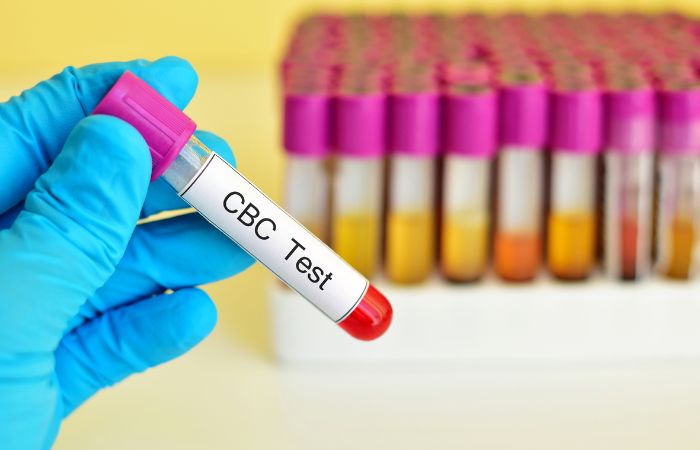
Complete Blood Count (CBC)
Blood culture
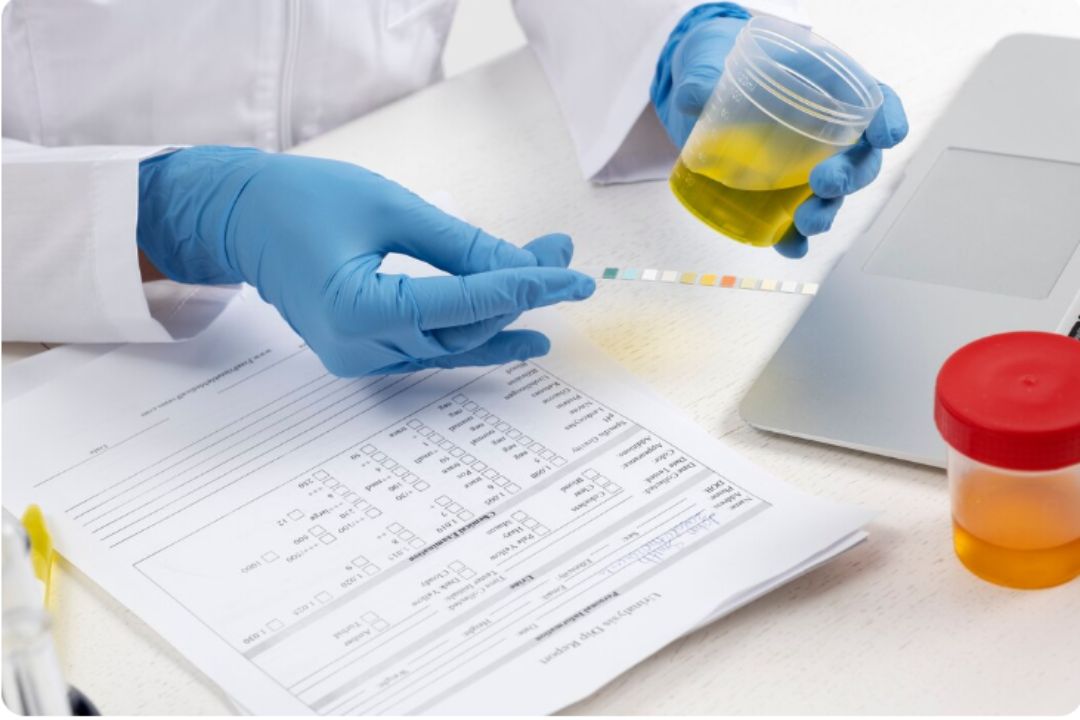
Urine routine and culture
Stool examination
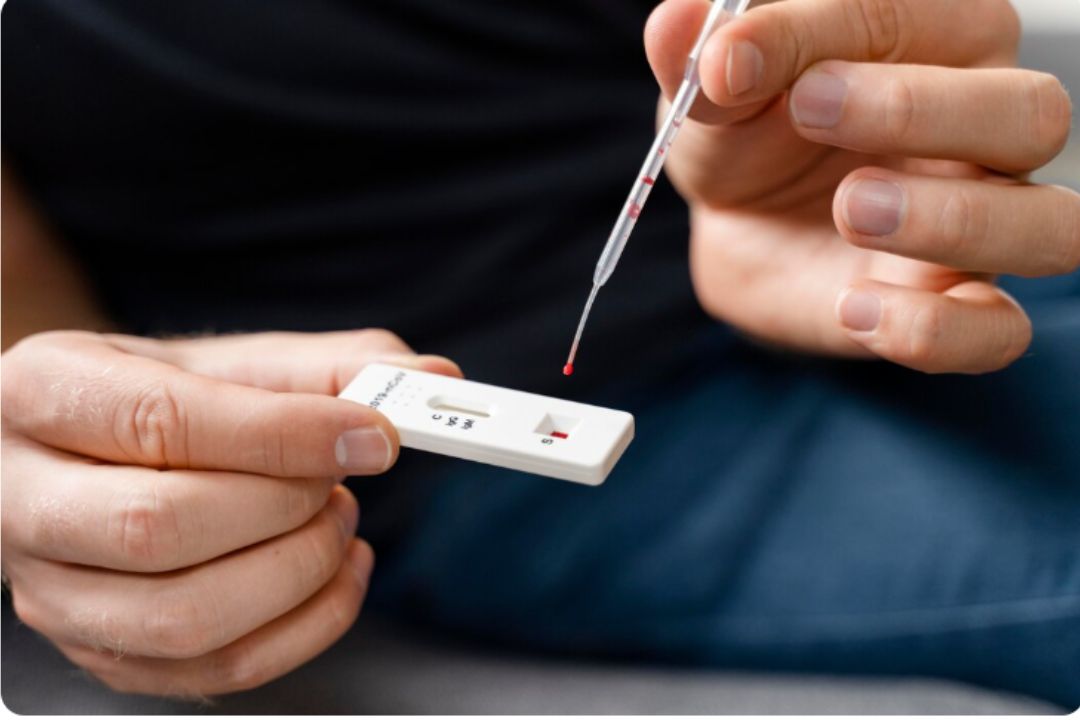
Rapid antigen tests
PCR tests
Serology tests
Each test provides specific information about the infection.
You should consider testing if you have:
Persistent fever
Unexplained weakness
Frequent infections
Severe cough or cold
Digestive infections
Doctor’s recommendation
Early testing always leads to better treatment results.
For accurate diagnosis, always choose a trusted diagnostic center. A good lab offers:
Qualified pathologists
Advanced equipment
NABL-certified processes
Quick report delivery
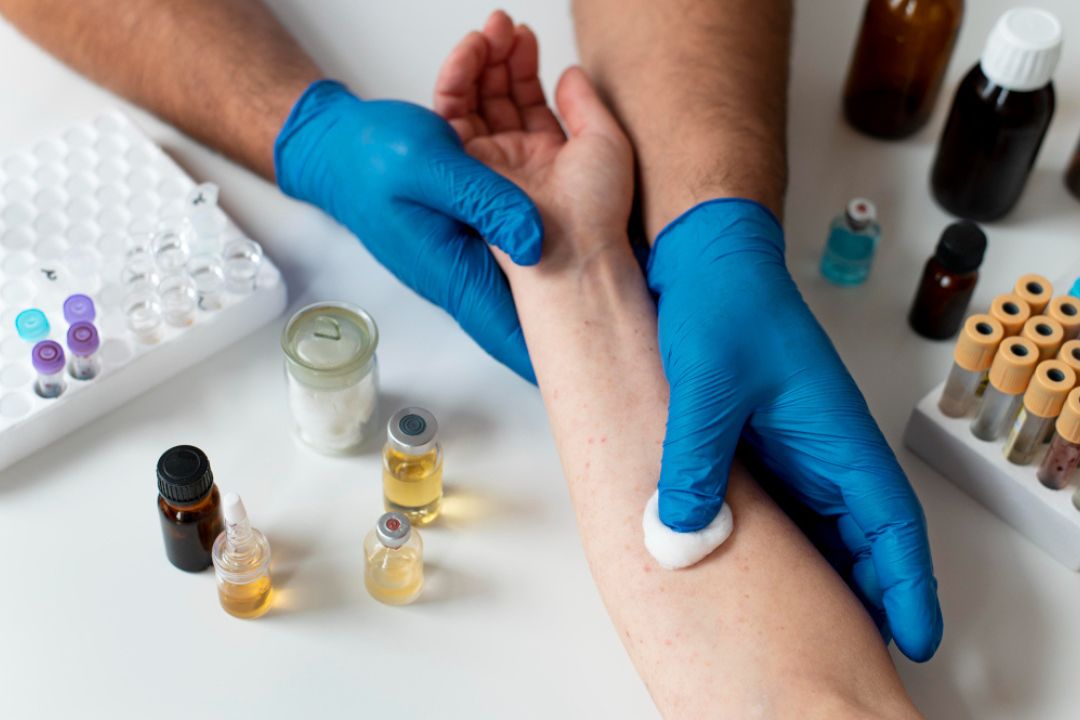
Hygienic sample collection
Reliable labs ensure precise and timely reports.
Pathology lab tests play a vital role in diagnosing infectious diseases. They help in early detection, accurate identification, and effective treatment planning.
Regular testing and timely diagnosis can prevent complications and control the spread of infections. Always consult your doctor and choose a trusted lab for the best results.





















.jpg "diabetes")


.jpg "pcos lifestyle")


























.jpg "FSH Test")






.jpg "urine potassium in hypokalemia")















.jpg "How to Prevent Hepatitis")
.jpg "Acute-Phase Reactants")
.jpg "Anemia: Causes")

.jpg "Manage Cirrhosis")

.jpg "Types of Tuberculosis")
.png "Tested for Multiple Myeloma")



 (1).jpg "Urine Cortisol Test at Diagnopein")
 (1).jpg "Aldolase & its role")
 (1).jpg "Beta-Thalassemia Major at Diagnopein")
.jpg "Typhoid treatment")
 (1).jpg "Kidney Stones Demystified")
 (1).jpg "Blood infection signs & diagnosis")
 (1).jpg "From HIV to AIDS")



.jpg "Multiple Myeloma")
 (1).jpg "Know about Chikungunya Fever")
.jpg "Diagnopein Stands Out")








 disorders.jpg "gastrointestinal (GI) disorders")






.jpg "symptoms of Chikungunya & How is Chikungunya diagnosed?")

.jpg "COMMON PATHALOGICAL BLOOD TESTS")

















.png "how to manage diabetes")