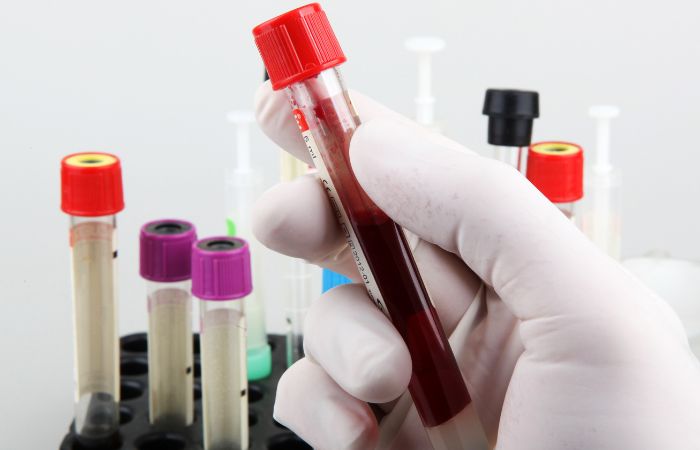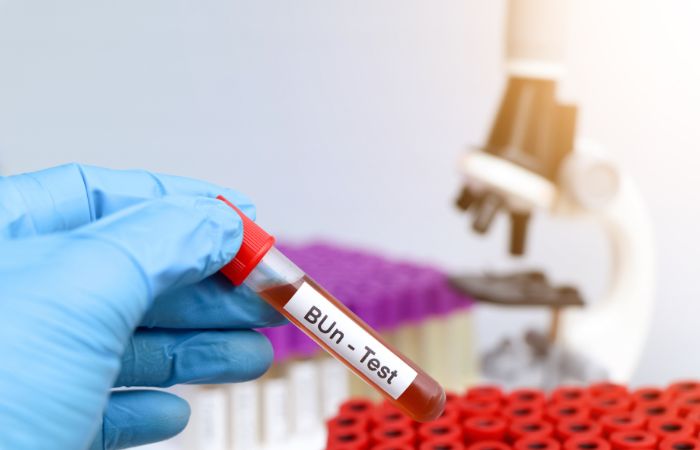
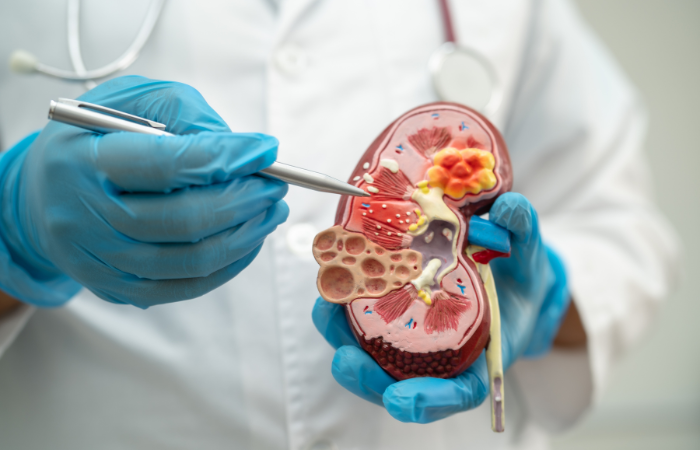
Blood Urea Nitrogen (BUN) is a blood test that measures the amount of nitrogen in your blood that comes from urea. Urea is a waste product formed in the liver when your body breaks down proteins. The kidneys are responsible for filtering urea out of the blood and excreting it through urine.
The BUN test helps doctors evaluate:
Kidney function
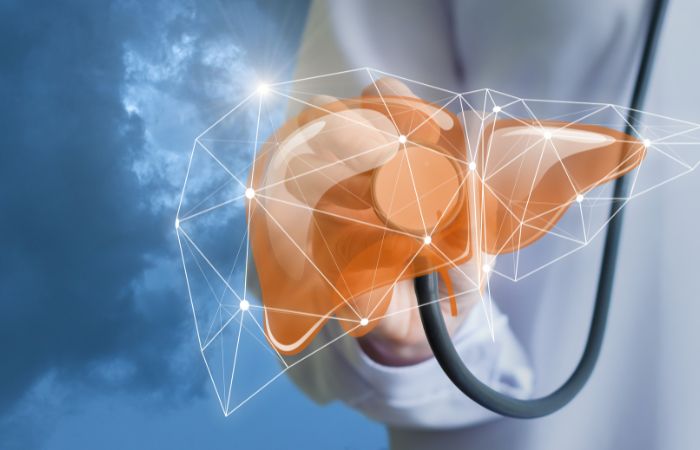
Liver function
Hydration status
Protein metabolism
If your kidneys are not functioning properly, BUN levels may rise. On the other hand, certain medical conditions can cause low BUN levels.
The Blood Urea Nitrogen test is commonly recommended to:
Diagnose kidney disorders
Monitor chronic kidney disease
Check dehydration levels
Assess complications from diabetes or hypertension
Evaluate abnormal creatinine results
Doctors often order the BUN test along with a creatinine test to get a clearer picture of kidney health.
The normal range of Blood Urea Nitrogen typically falls between:
7 to 20 mg/dL (milligrams per deciliter)
Visit Now: https://www.diagnopein.com
However, the range may slightly vary depending on the laboratory and age of the patient.
Age
Diet (high protein intake)
Pregnancy
Hydration levels
Liver health
High BUN levels may indicate that your kidneys are not removing waste effectively.
Chronic kidney disease
Acute kidney injury
Severe dehydration
Heart failure
Gastrointestinal bleeding
High-protein diet
Urinary tract obstruction
Fatigue
Swelling in legs or feet
Reduced urine output
Confusion
Nausea
If BUN is significantly elevated, immediate medical evaluation is recommended.
Low blood urea nitrogen is less common but still important.
Liver disease
Malnutrition
Low protein diet
Overhydration
Pregnancy
Syndrome of inappropriate ADH (SIADH)
In most cases, slightly low BUN is not serious. However, if associated with liver disease or malnutrition, further evaluation may be required.
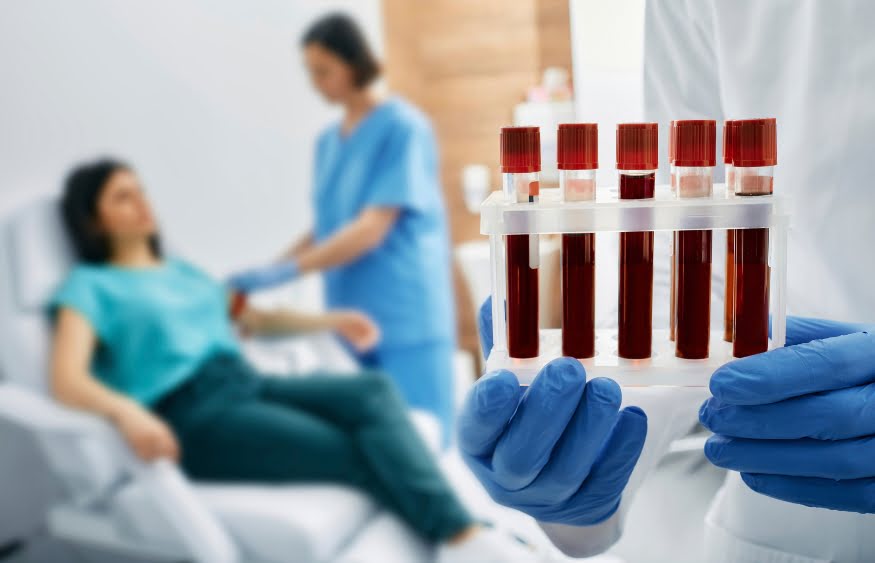
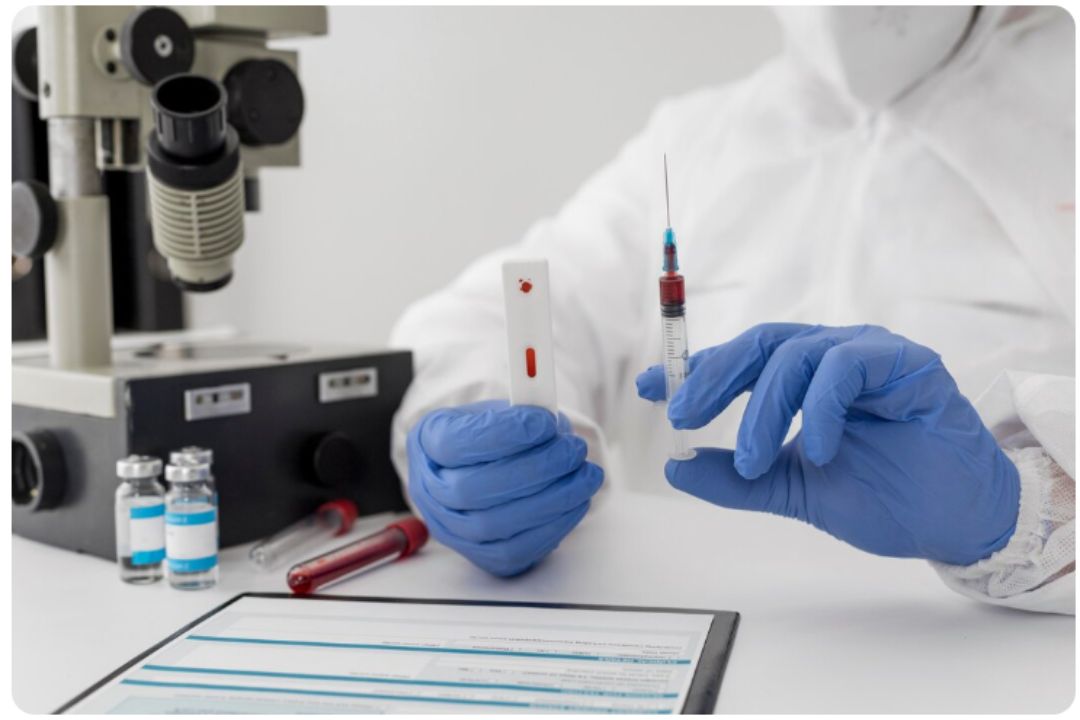
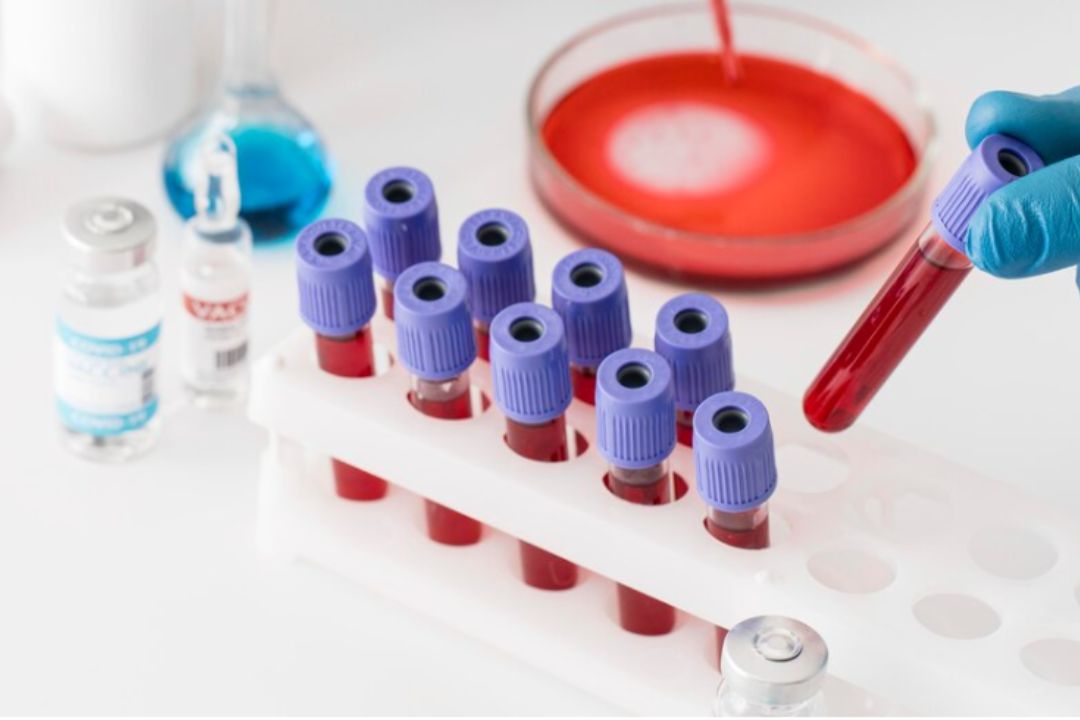
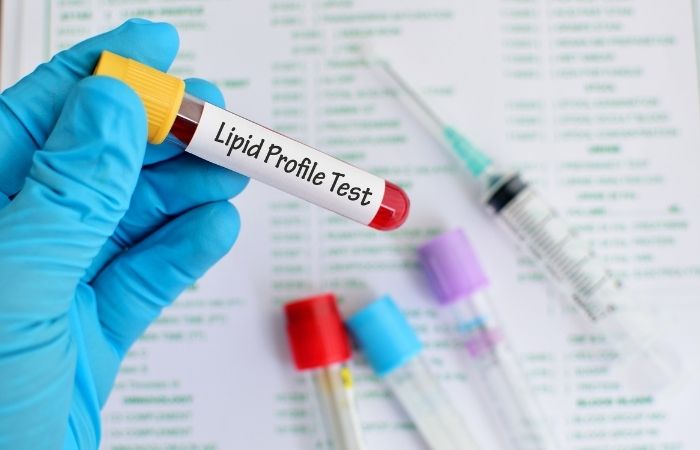
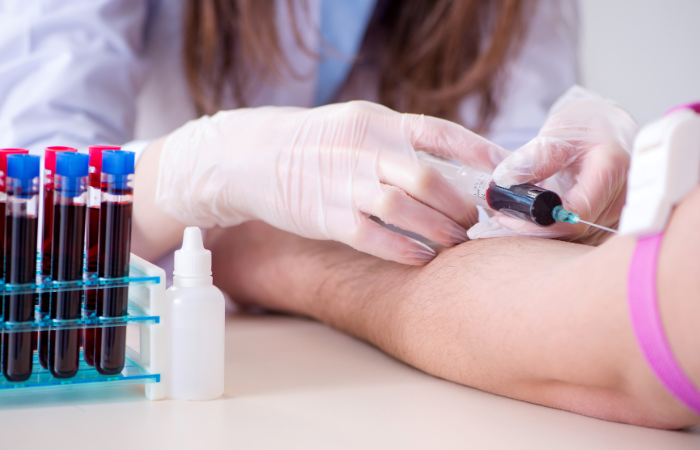
The BUN test is a simple blood test:
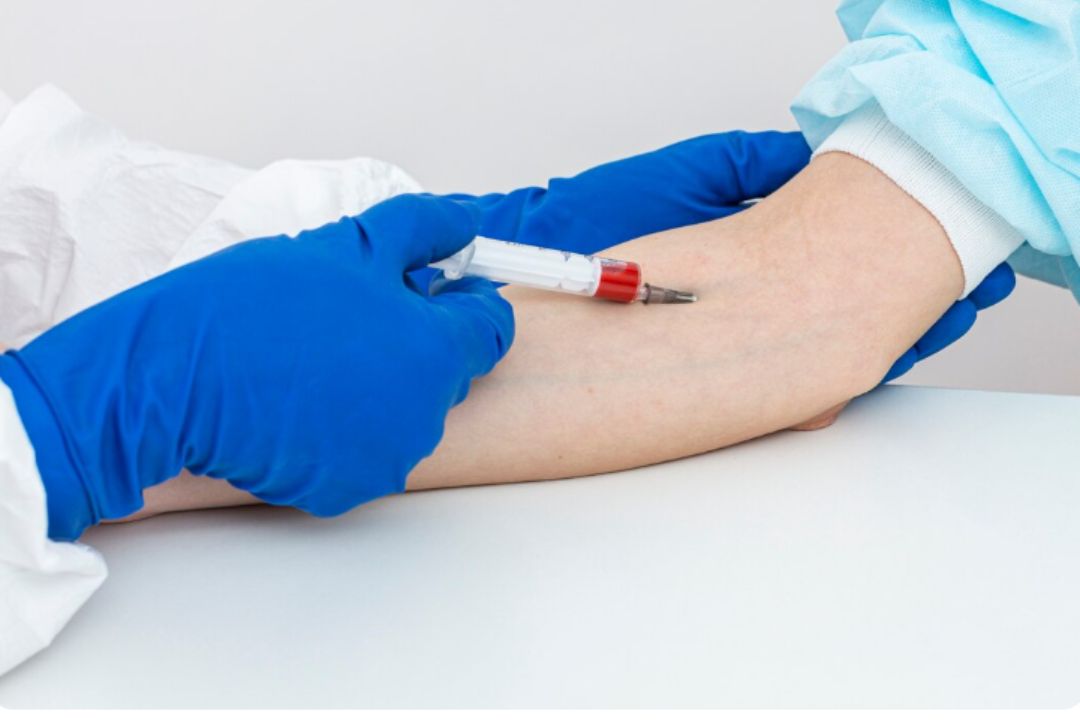
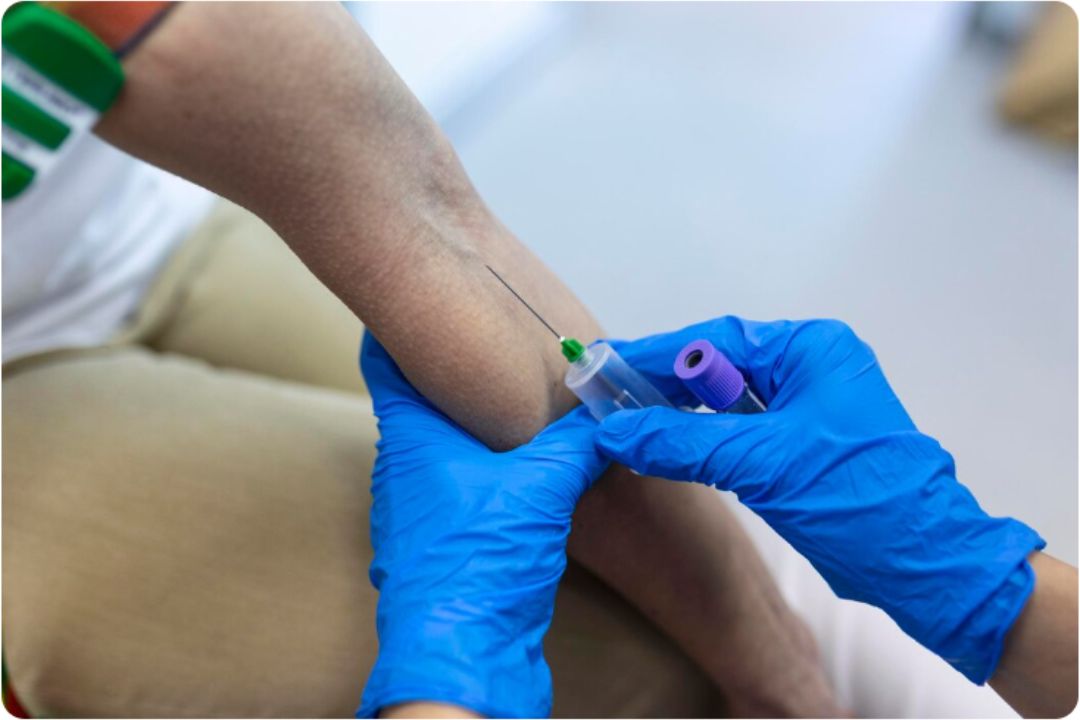
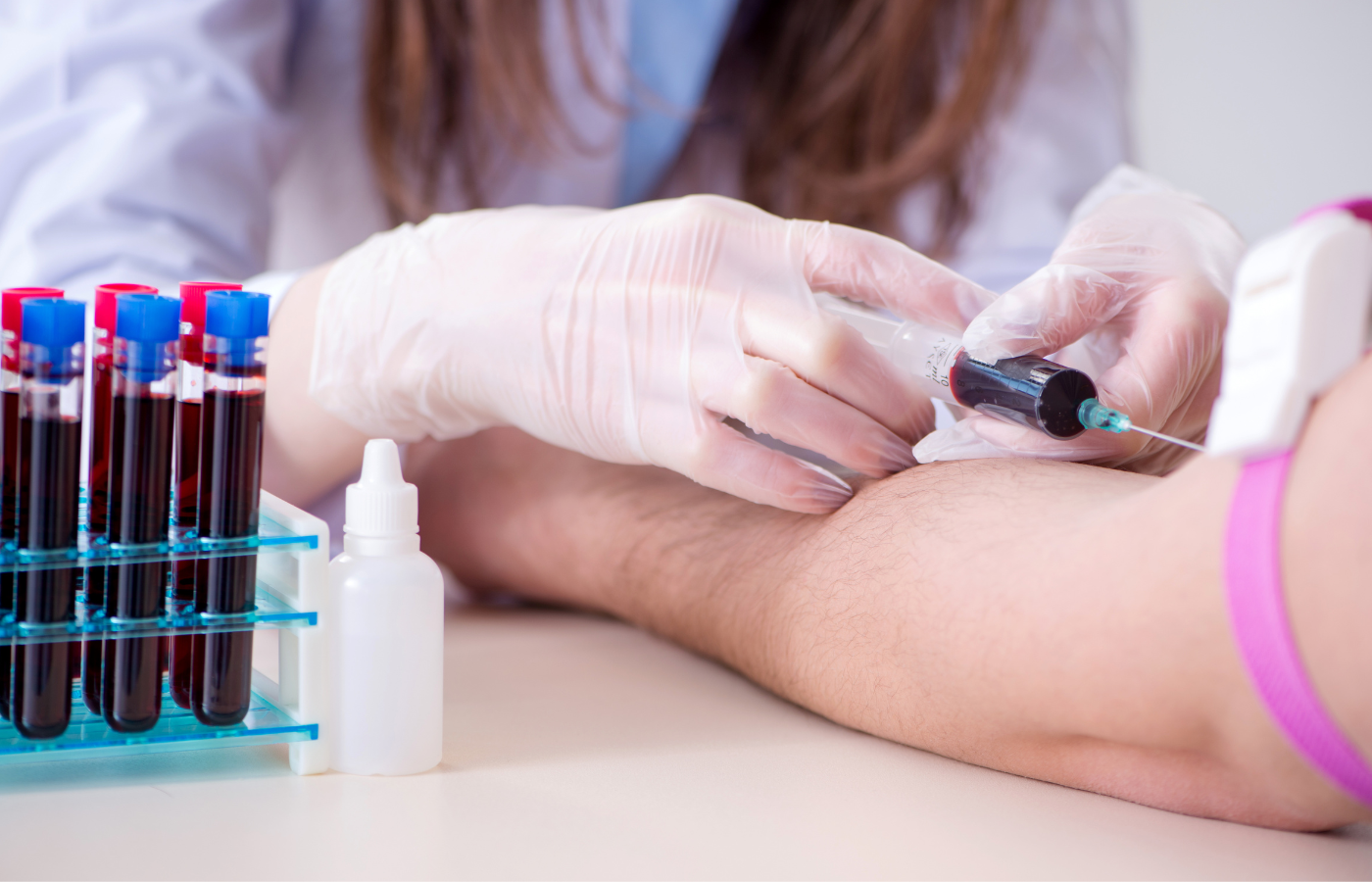
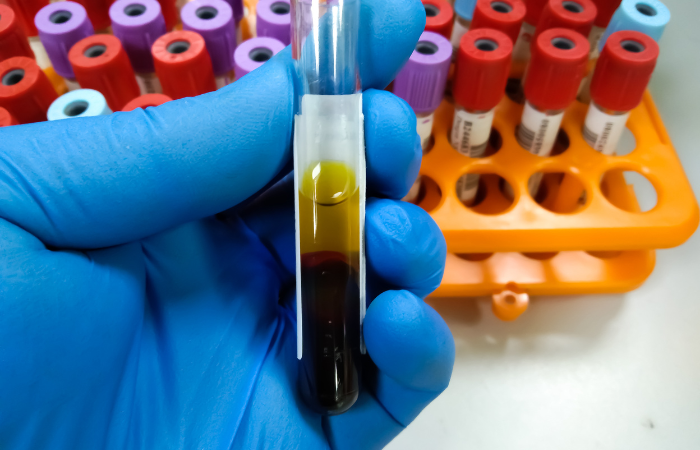
A healthcare professional draws blood from a vein in your arm.
The sample is sent to a laboratory for analysis.
Results are typically available within 24 hours.
Fasting is usually not required unless your doctor orders additional tests.
While both tests measure kidney function, they assess different waste products.
| BUN | Creatinine |
|---|---|
| Measures nitrogen from urea | Measures waste from muscle metabolism |
| Affected by diet & hydration | More stable indicator |
| Used in BUN/Creatinine ratio | Used for GFR calculation |
Normal ratio: 10:1 to 20:1
An abnormal ratio may suggest:
Dehydration
Kidney damage
Gastrointestinal bleeding
Your doctor may recommend a BUN test if you experience:
Swelling in hands or feet
Reduced urination
Persistent fatigue
Abnormal kidney function reports
Diabetes or hypertension
It is also part of routine health check-ups.
To maintain normal BUN levels:
Stay well hydrated
Eat a balanced protein diet
Manage blood pressure
Control diabetes
Avoid excessive NSAID use
Get regular kidney function tests
The Blood Urea Nitrogen (BUN) test is a crucial diagnostic tool for evaluating kidney and liver health. Both high and low BUN levels can provide important insights into your overall health condition. Early detection through regular testing can help prevent serious complications.
If you experience symptoms related to kidney dysfunction or have risk factors like diabetes or hypertension, consult your healthcare provider for appropriate testing and evaluation.
























.jpg "diabetes")



.jpg "pcos lifestyle")
































.jpg "FSH Test")







.jpg "urine potassium in hypokalemia")

















.jpg "How to Prevent Hepatitis")

.jpg "Acute-Phase Reactants")
.jpg "Anemia: Causes")

.jpg "Manage Cirrhosis")

.jpg "Types of Tuberculosis")
.png "Tested for Multiple Myeloma")


 (1).jpg "Urine Cortisol Test at Diagnopein")
 (1).jpg "Aldolase & its role")
 (1).jpg "Beta-Thalassemia Major at Diagnopein")
.jpg "Typhoid treatment")
 (1).jpg "Kidney Stones Demystified")
 (1).jpg "Blood infection signs & diagnosis")
 (1).jpg "From HIV to AIDS")


.jpg "Multiple Myeloma")
 (1).jpg "Know about Chikungunya Fever")
.jpg "Diagnopein Stands Out")










 disorders.jpg "gastrointestinal (GI) disorders")







.jpg "symptoms of Chikungunya & How is Chikungunya diagnosed?")


.jpg "COMMON PATHALOGICAL BLOOD TESTS")


















.png "how to manage diabetes")