Amino acids are organic compounds often called the building blocks of life because they form proteins, the fundamental machinery of all living organisms. Structurally, they contain an amino group, a carboxyl group, and a unique side chain. There are 20 standard amino acids that combine in countless ways to create every protein in your body, from muscles and enzymes to hormones and antibodies
Amino acids are organic compounds often called the building blocks of life because they form proteins, the fundamental machinery of all living organisms. Structurally, they contain an amino group, a carboxyl group, and a unique side chain. There are 20 standard amino acids that combine in countless ways to create every protein in your body, from muscles and enzymes to hormones and antibodies.
Without amino acids, life as we know it would not exist. They are crucial for nearly every biological process. They drive protein synthesis, which is essential for tissue growth and repair. They are precursors to neurotransmitters like serotonin and dopamine, regulating mood and brain function. They support immune response, enzyme production, and energy metabolism. In short, they are non-negotiable for health and vitality.
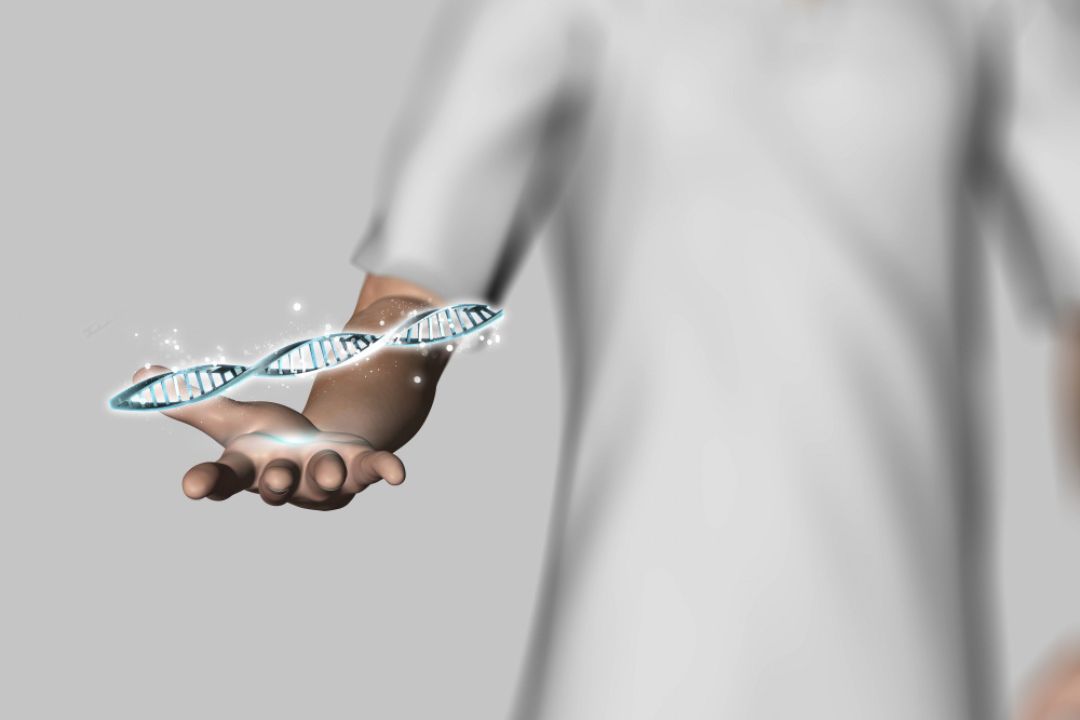
The process begins with protein synthesis. Your DNA provides the blueprint for sequencing specific amino acids into long chains called polypeptides, which fold into functional proteins. Essential amino acids (9 of the 20) cannot be made by the body and must be obtained from diet. BCAAs (Branched-Chain Amino Acids)—leucine, isoleucine, and valine—are a key subgroup that are metabolized directly in muscle tissue, aiding in muscle repair and energy during exercise.
Proteins from food are categorized by their amino acid profile. A "complete protein" contains all nine essential amino acids in sufficient ratios. These are typically found in animal products (meat, eggs, dairy) and some plants like quinoa and soy. "Incomplete proteins" lack one or more essential amino acids and are found in many plants. A varied diet ensures you get a full spectrum.
Dietary sources are primary:
Animal Sources: Meat, poultry, fish, eggs, and dairy are complete proteins.
Plant Sources: Legumes, nuts, seeds, and whole grains. Combining sources (e.g., rice and beans) can create a complete amino acid profile.
Supplements: BCAA powders, essential amino acid (EAA) blends, and protein powders can help fill gaps, especially for athletes or those with dietary restrictions.
Athletes & Fitness Enthusiasts: For muscle repair, recovery, and performance.
Vegetarians & Vegans: To ensure intake of all essential amino acids through strategic food combining.
Older Adults: To combat age-related muscle loss (sarcopenia).
Individuals Under Stress or Recovering from Illness: For tissue repair and immune support.
Anyone Seeking Better Mental Health: As precursors to neurotransmitters.
Optimizing your amino acid intake is a proactive choice for systemic health. It’s not just about building muscle; it’s about ensuring your body’s foundational processes—from cognitive function to cellular repair—have the raw materials they need. Choosing a diet rich in complete proteins or supplementing wisely can elevate your overall well-being.
The benefits of adequate amino acid levels translate directly to comfort and quality of life:
Physical Comfort: Reduced muscle soreness, faster recovery, and sustained energy.
Mental Comfort: Improved mood, better stress resilience, and sharper cognitive function due to balanced neurotransmitters.
Long-Term Health Comfort: Stronger immunity, healthier skin and hair, and better metabolic function.
While not a standard amino acid, diagnopein (note: a hypothetical or less common term; for this context, we'll treat it as a specialized derivative or supplement component) represents the cutting edge of amino acid research. Compounds like these highlight how specific amino acid derivatives can be targeted for enhanced physiological effects, such as reducing fatigue or improving metabolic efficiency. Always consult research or a healthcare professional for niche supplements.
Amino acids are indispensable. They are the building blocks for your body’s structure and function. From enabling protein synthesis to influencing your mood via neurotransmitters, their role is all-encompassing. By understanding your dietary sources—whether from complete proteins or strategic combinations—you empower your health at the most fundamental level. Prioritizing these essential amino acids is a direct investment in your body’s resilience, performance, and long-term vitality






















.jpg "diabetes")



.jpg "pcos lifestyle")




























.jpg "FSH Test")








.jpg "urine potassium in hypokalemia")

















.jpg "How to Prevent Hepatitis")
.jpg "Acute-Phase Reactants")
.jpg "Anemia: Causes")

.jpg "Manage Cirrhosis")
.jpg "Types of Tuberculosis")
.png "Tested for Multiple Myeloma")


 (1).jpg "Urine Cortisol Test at Diagnopein")
 (1).jpg "Aldolase & its role")
 (1).jpg "Beta-Thalassemia Major at Diagnopein")
.jpg "Typhoid treatment")
 (1).jpg "Kidney Stones Demystified")
 (1).jpg "Blood infection signs & diagnosis")
 (1).jpg "From HIV to AIDS")


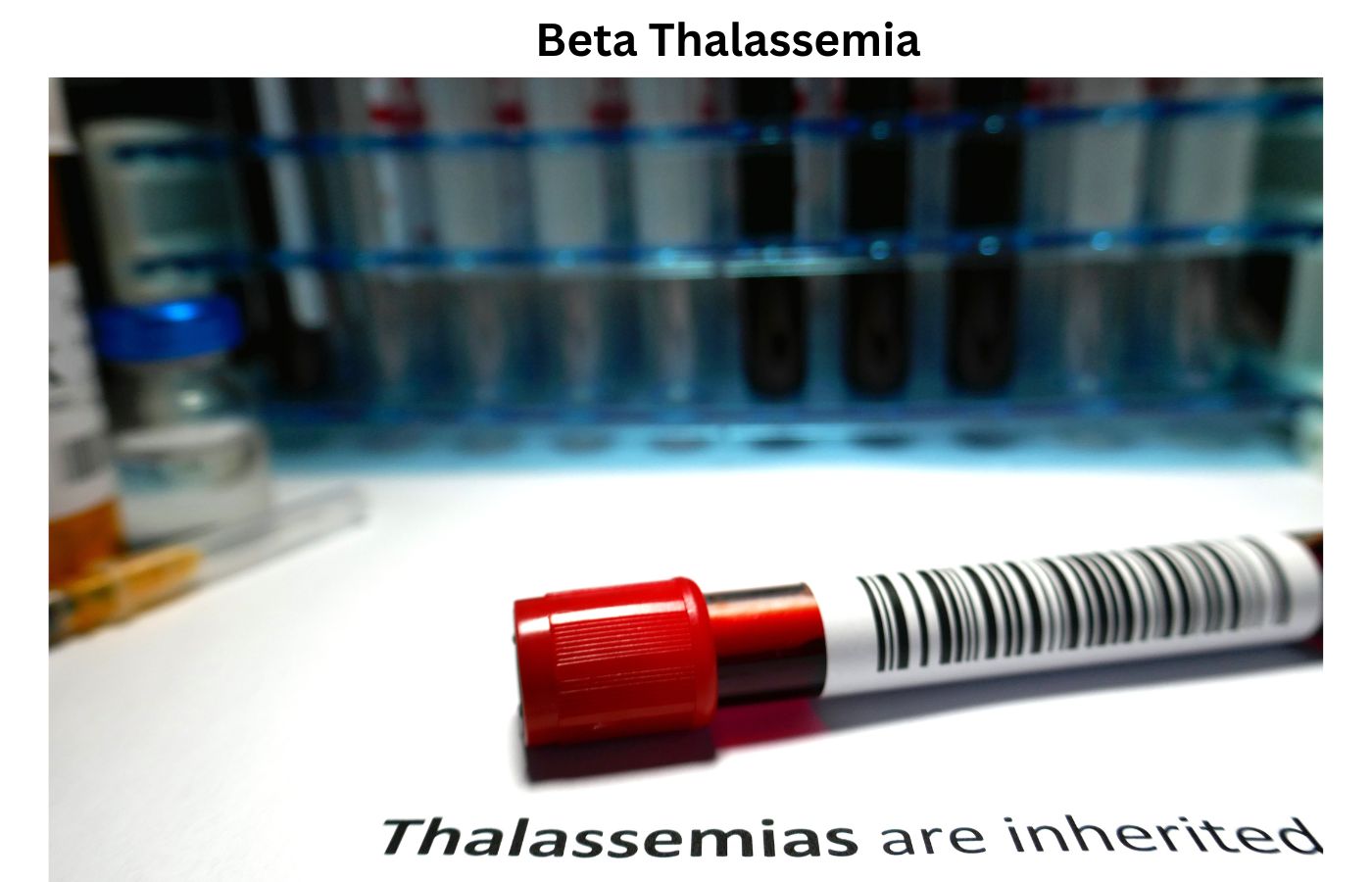
.jpg "Multiple Myeloma")
 (1).jpg "Know about Chikungunya Fever")
.jpg "Diagnopein Stands Out")
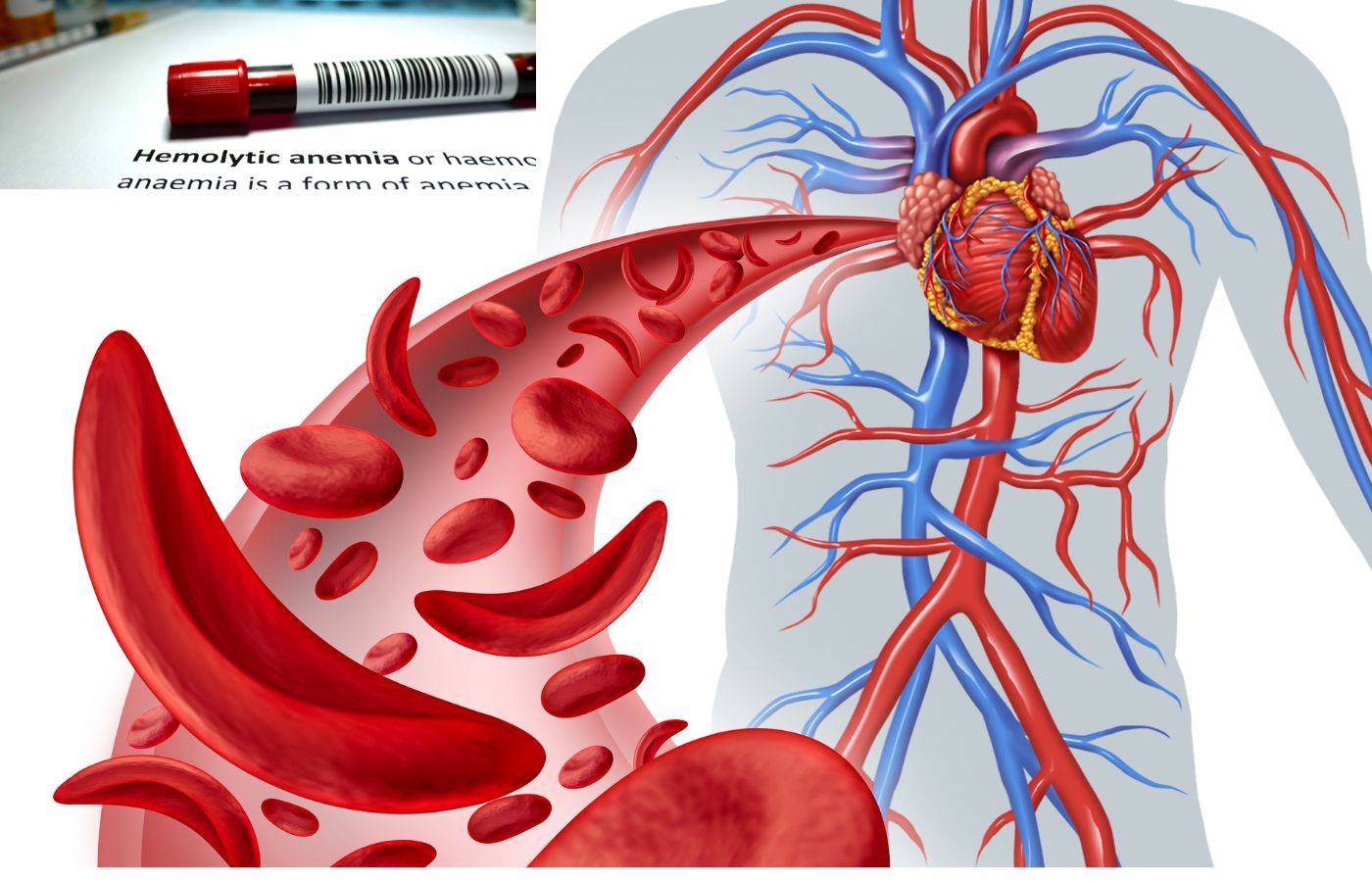








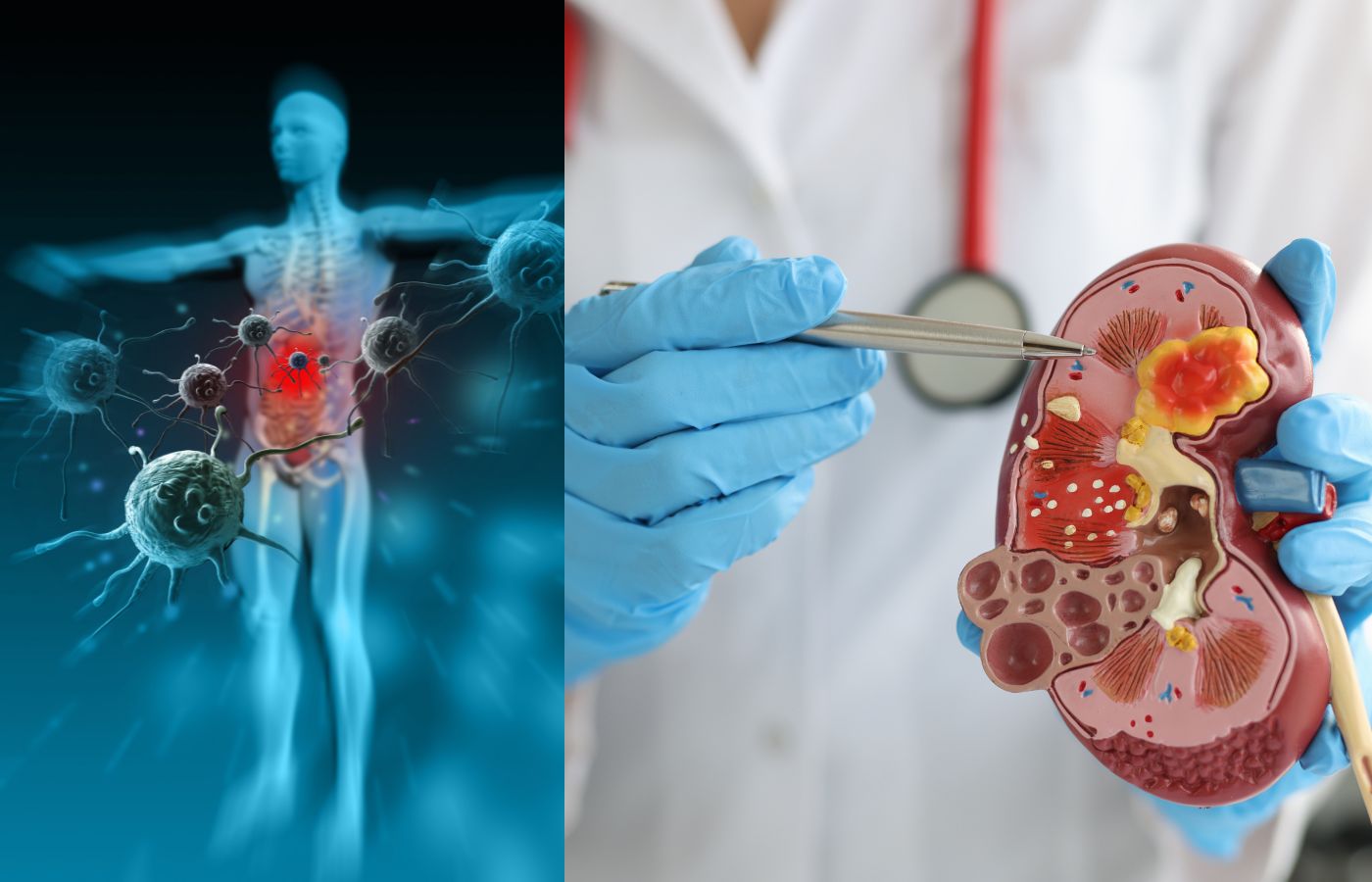


 disorders.jpg "gastrointestinal (GI) disorders")

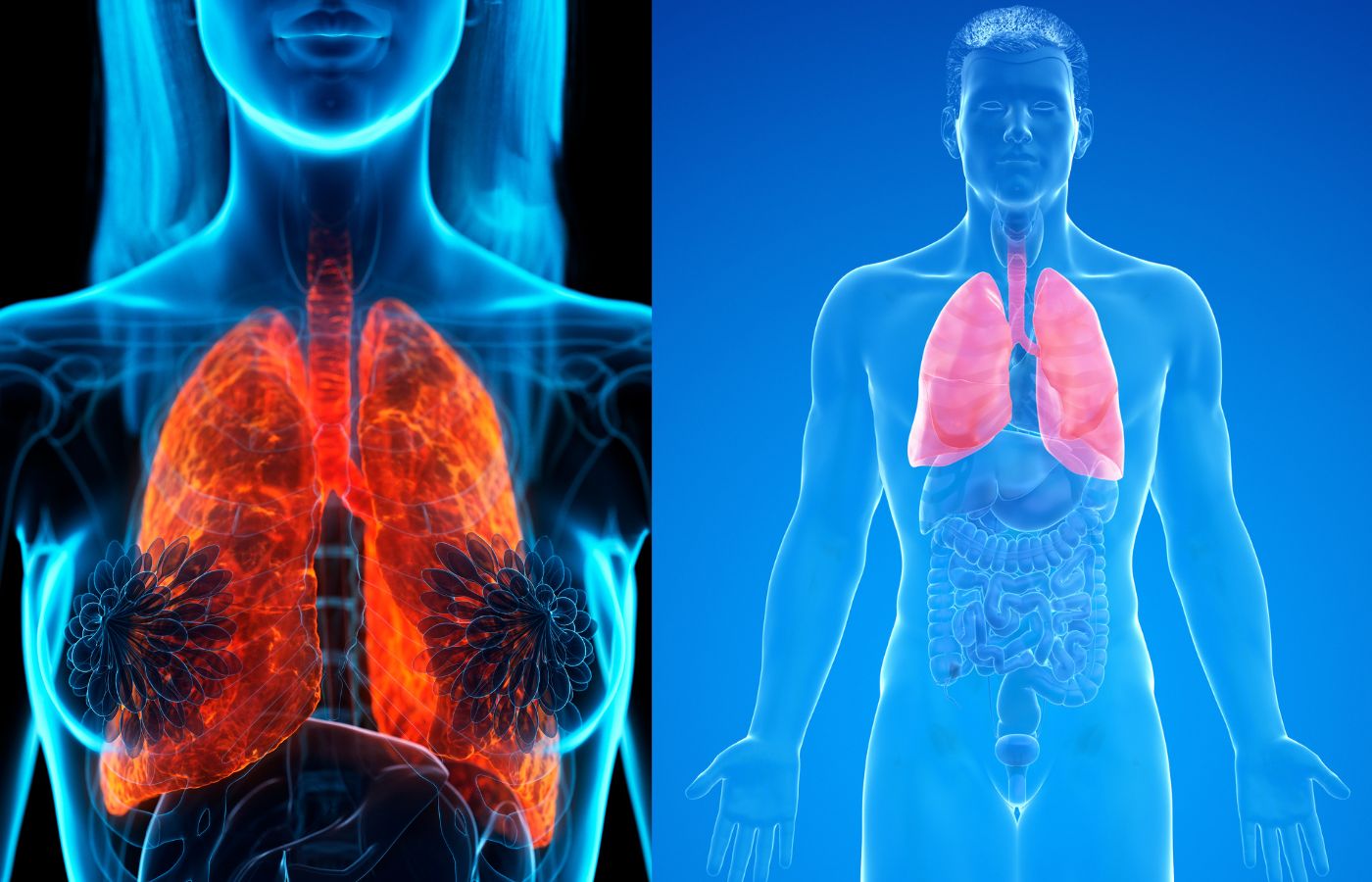


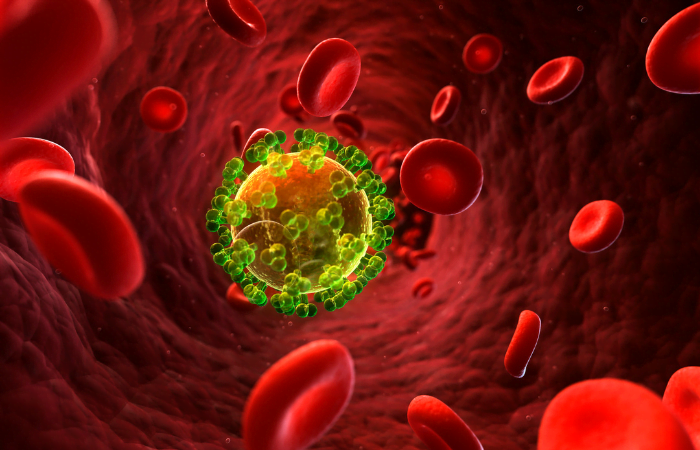


.jpg "symptoms of Chikungunya & How is Chikungunya diagnosed?")

.jpg "COMMON PATHALOGICAL BLOOD TESTS")


















.png "how to manage diabetes")