Attention Deficit Hyperactivity Disorder, commonly known as ADHD, is a neurodevelopmental condition that affects both children and adults. Many families in Mumbai are becoming more aware of ADHD and seeking early diagnosis and proper support.
ADHD can impact attention, behavior, and daily functioning. However, with timely intervention and family involvement, individuals with ADHD can lead successful and productive lives. If you are searching for ADHD diagnosis in Mumbai or expert guidance, understanding the condition is the first step.
ADHD is a brain-based condition that affects attention, impulse control, and activity levels. It usually begins in childhood but can continue into adulthood.
Children with ADHD may struggle in school, while adults may face challenges at work or in relationships.
Symptoms can vary from person to person. They usually fall into three main categories.
Visit Now: https://www.diagnopein.com/book-test/Mumbai
Difficulty focusing on tasks
Easily distracted
Forgetting daily activities
Trouble following instructions
Poor time management
Constant movement or fidgeting
Talking excessively
Difficulty sitting still
Feeling restless
Interrupting others
Acting without thinking
Difficulty waiting for turns
Emotional outbursts
If these symptoms continue for a long time, a medical evaluation is important.
The exact cause of ADHD is not fully known. However, research shows several factors may contribute.
Genetics (family history)
Brain structure differences
Premature birth
Low birth weight
Exposure to toxins during pregnancy
It is important to know that poor parenting does not cause ADHD.
There is no single test for ADHD. Doctors perform a detailed evaluation.
Medical and behavioral history
Parent and teacher feedback
Psychological assessment
Symptom checklist
Clinical observation
Early diagnosis helps start treatment at the right time.
ADHD treatment usually involves a combination approach. The goal is to improve focus and behavior.
Behavioral therapy
Parent training
School support plans
ADHD medications (if prescribed)
Lifestyle changes
Doctors create a personalized plan based on the child’s needs.
Family support plays a major role in managing ADHD.
Maintain a daily routine
Give clear and simple instructions
Use positive reinforcement
Break tasks into small steps
Limit screen time
Encourage physical activity
Patience and consistency make a big difference.
You should consult a specialist if:
Symptoms last more than six months
Behavior affects school performance
There are social or emotional difficulties
Daily activities become challenging
Early help leads to better outcomes.
ADHD is a manageable condition with the right diagnosis and support. Understanding the symptoms early helps families take the right steps.
With proper treatment, guidance, and family support, children and adults with ADHD can achieve their full potential.























.jpg "diabetes")




.jpg "pcos lifestyle")







































.jpg "FSH Test")









.jpg "urine potassium in hypokalemia")
























.jpg "How to Prevent Hepatitis")

.jpg "Acute-Phase Reactants")
.jpg "Anemia: Causes")

.jpg "Manage Cirrhosis")

.jpg "Types of Tuberculosis")
.png "Tested for Multiple Myeloma")

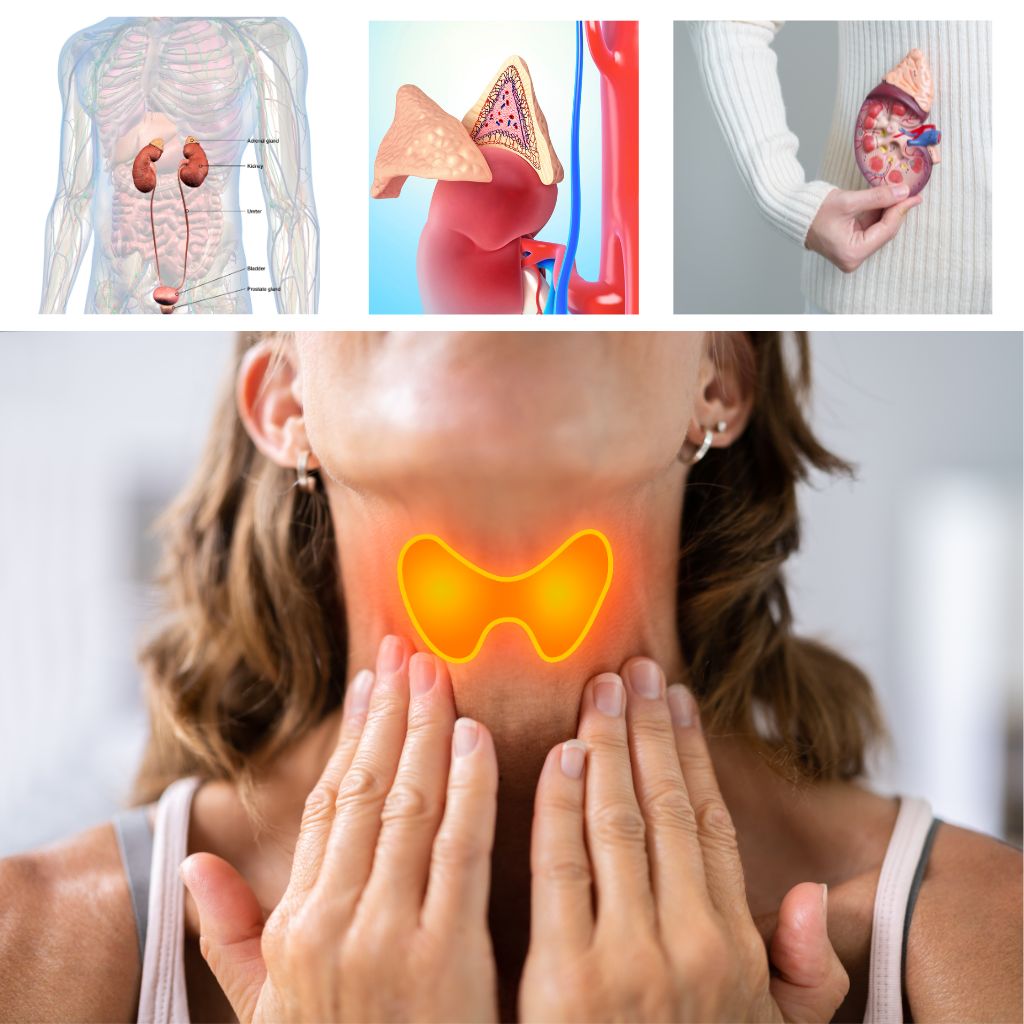

 (1).jpg "Urine Cortisol Test at Diagnopein")
 (1).jpg "Aldolase & its role")
 (1).jpg "Beta-Thalassemia Major at Diagnopein")
.jpg "Typhoid treatment")
 (1).jpg "Kidney Stones Demystified")
 (1).jpg "Blood infection signs & diagnosis")
 (1).jpg "From HIV to AIDS")


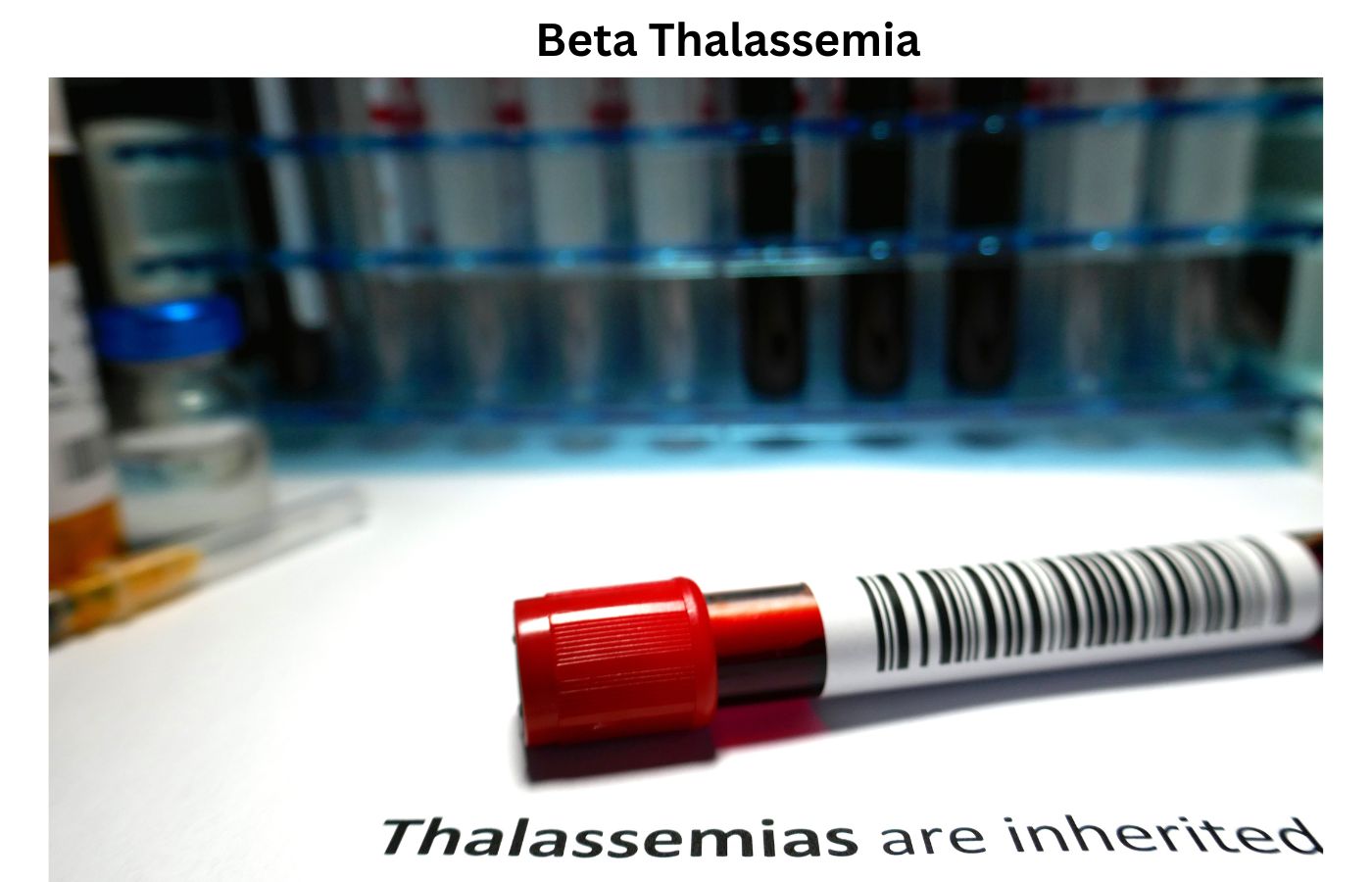
.jpg "Multiple Myeloma")
 (1).jpg "Know about Chikungunya Fever")
.jpg "Diagnopein Stands Out")
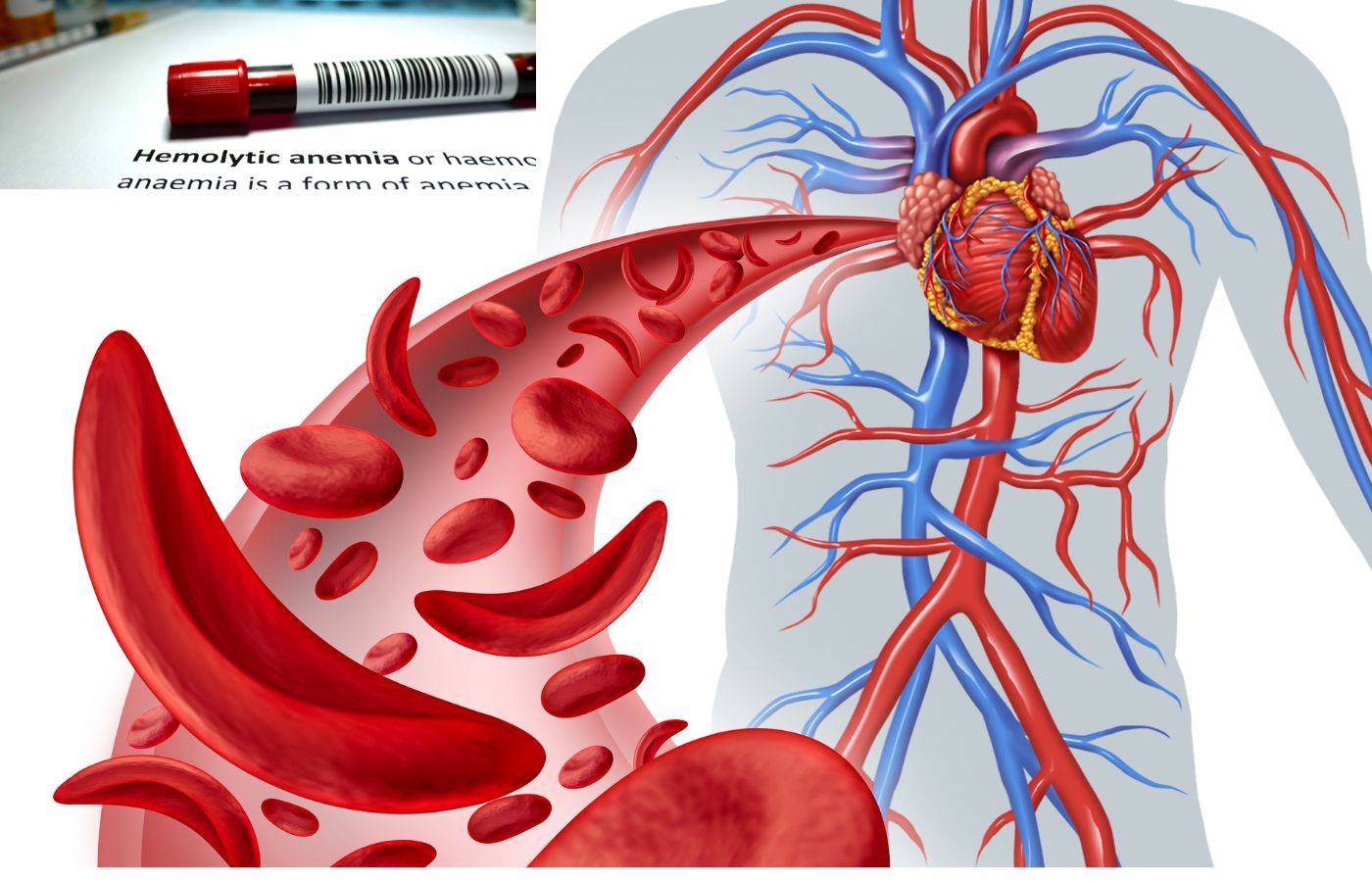

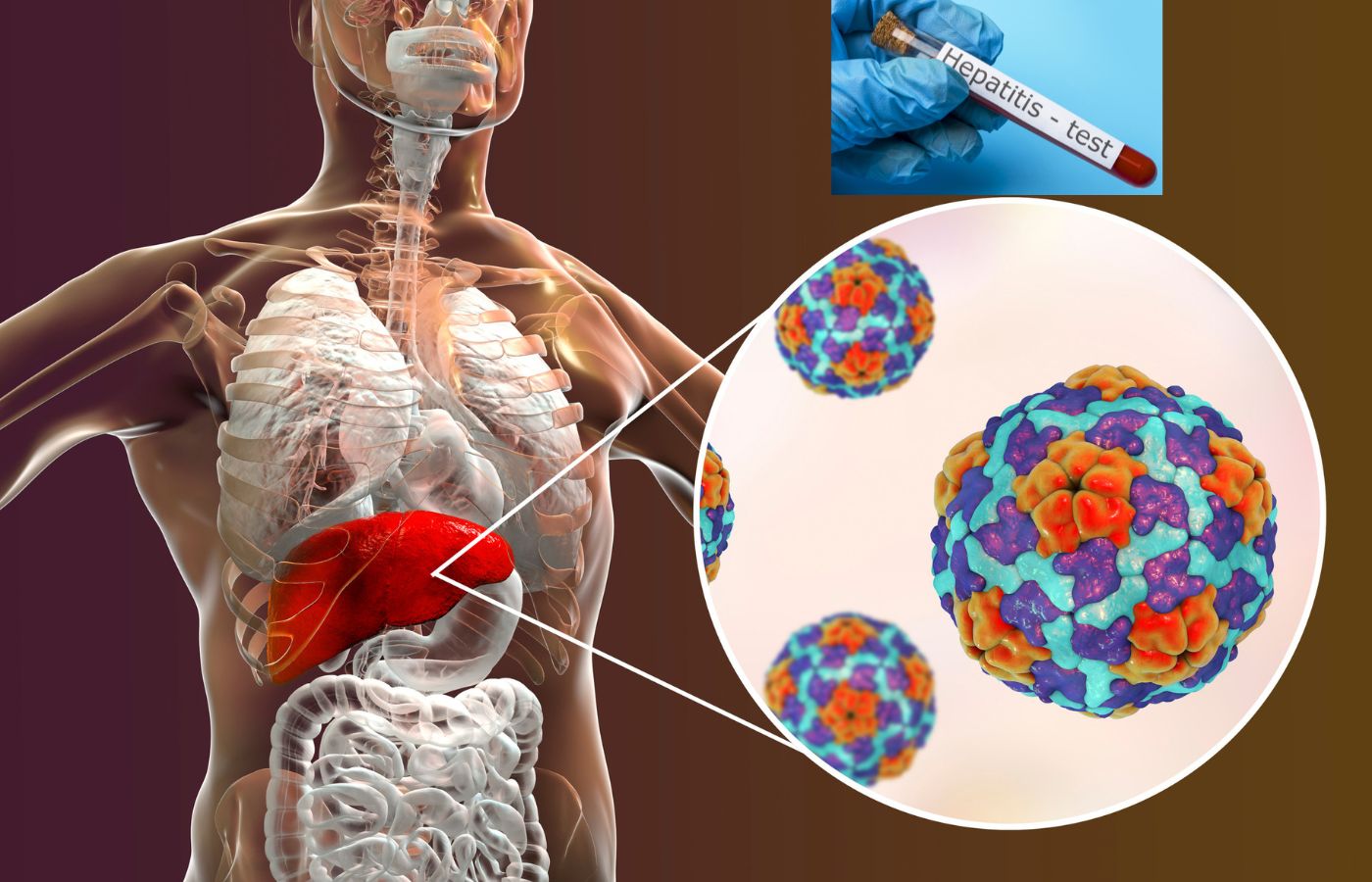
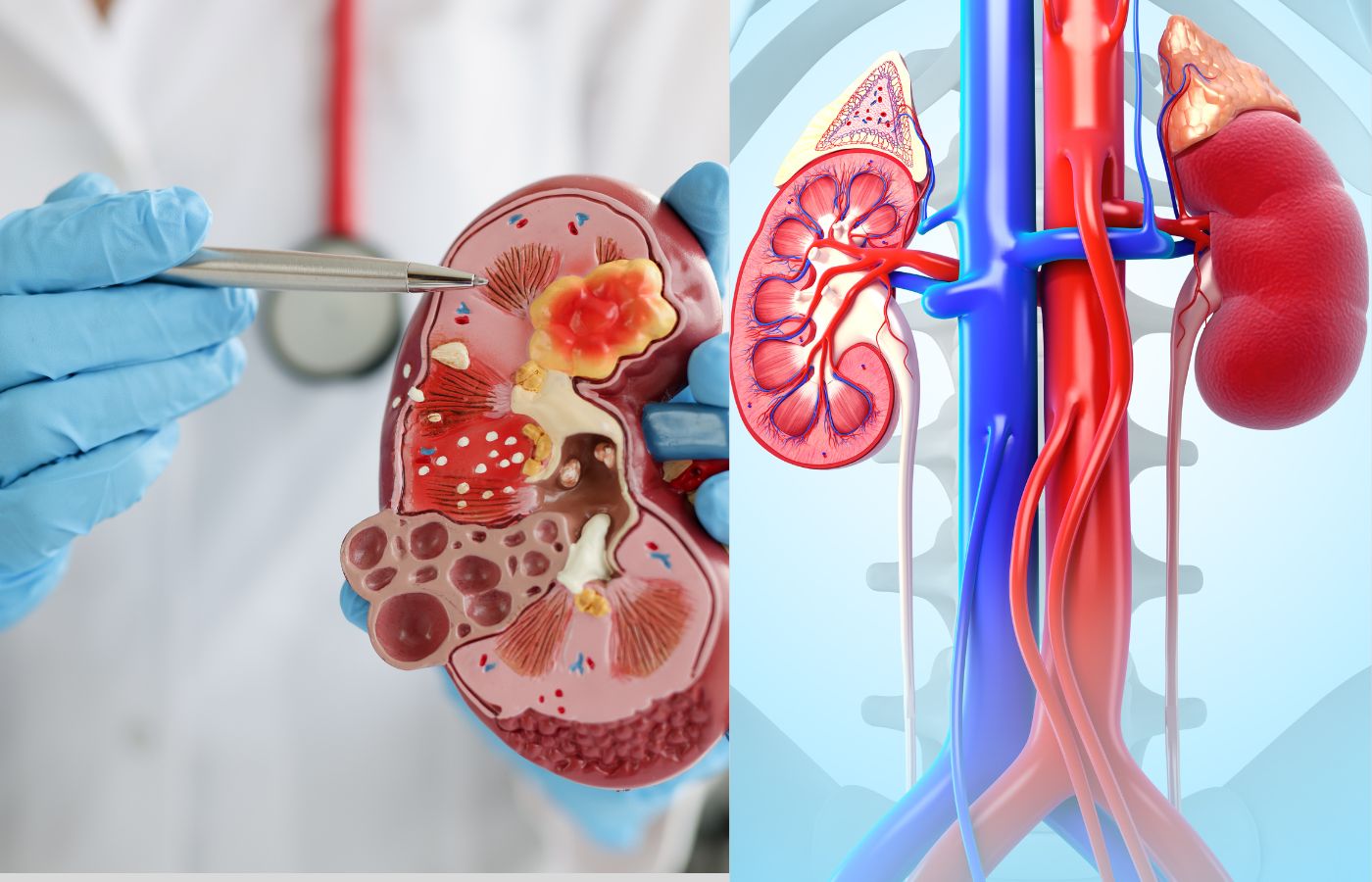

















 disorders.jpg "gastrointestinal (GI) disorders")





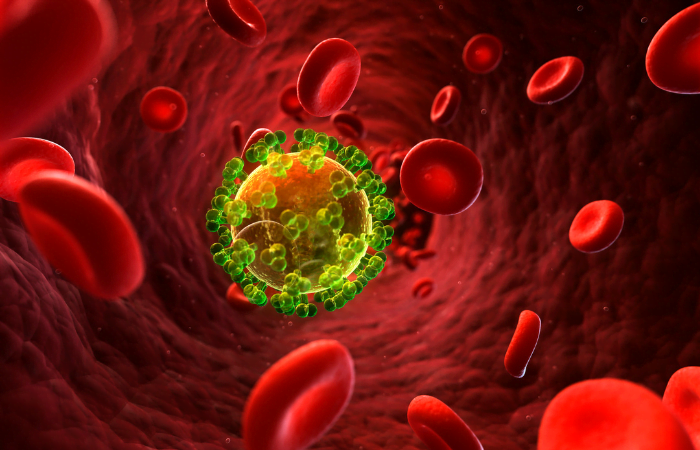



.jpg "symptoms of Chikungunya & How is Chikungunya diagnosed?")

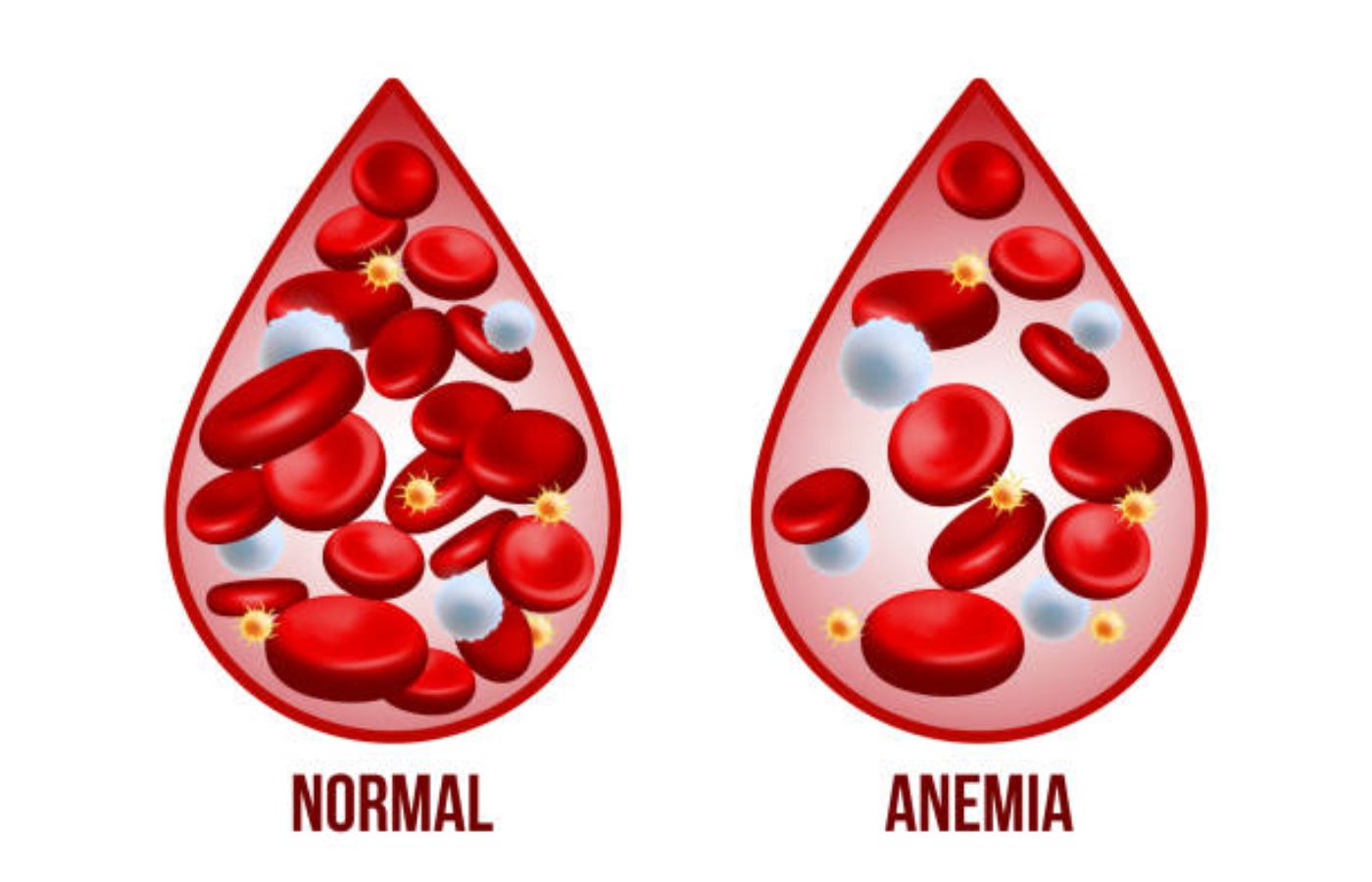

.jpg "COMMON PATHALOGICAL BLOOD TESTS")




























.png "how to manage diabetes")