The 24-hour urine cortisol test is a diagnostic tool that measures the total amount of cortisol, a steroid hormone produced by your adrenal glands, excreted in your urine over a full 24-hour period. Unlike single blood or saliva tests, which provide a snapshot, this test gives an integrated view of your body’s cortisol production throughout the day and night.
What is the 24-Hour Urine Cortisol Test?
The 24-hour urine cortisol test is a diagnostic tool that measures the total amount of cortisol, a steroid hormone produced by your adrenal glands, excreted in your urine over a full 24-hour period. Unlike single blood or saliva tests, which provide a snapshot, this test gives an integrated view of your body’s cortisol production throughout the day and night. It’s considered one of the most reliable tests for detecting conditions related to chronically elevated cortisol.
Why is the Test Performed? Purpose and Indications
The primary purpose is to help diagnose disorders of the adrenal glands, most notably Cushing's syndrome. This syndrome occurs when your body is exposed to high levels of cortisol for an extended period. Doctors order this test when symptoms suggest excessive cortisol, such as:
Rapid weight gain (especially in the abdomen and face, creating a "moon face")
High blood pressure
Muscle weakness
Purple stretch marks on the skin
Irregular menstrual periods
Severe fatigue
Easy bruising
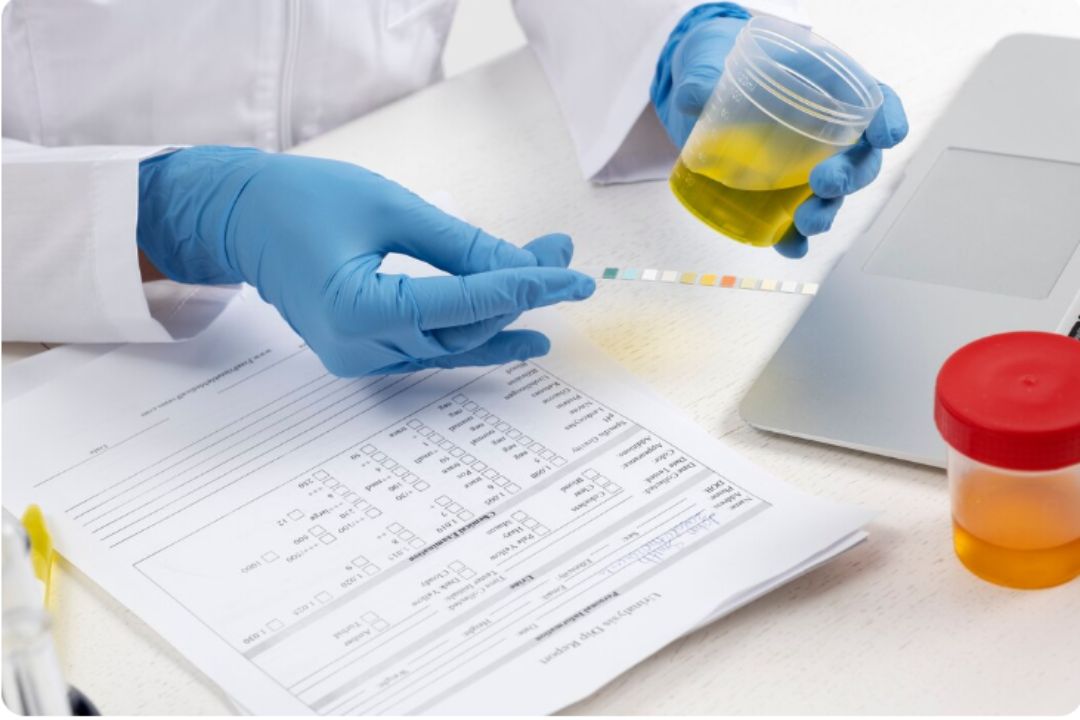
How is the Procedure Done? Step-by-Step
Preparation: Your doctor may ask you to avoid vigorous exercise and certain medications (like steroids, diuretics, or some herbal supplements) that could interfere with results.
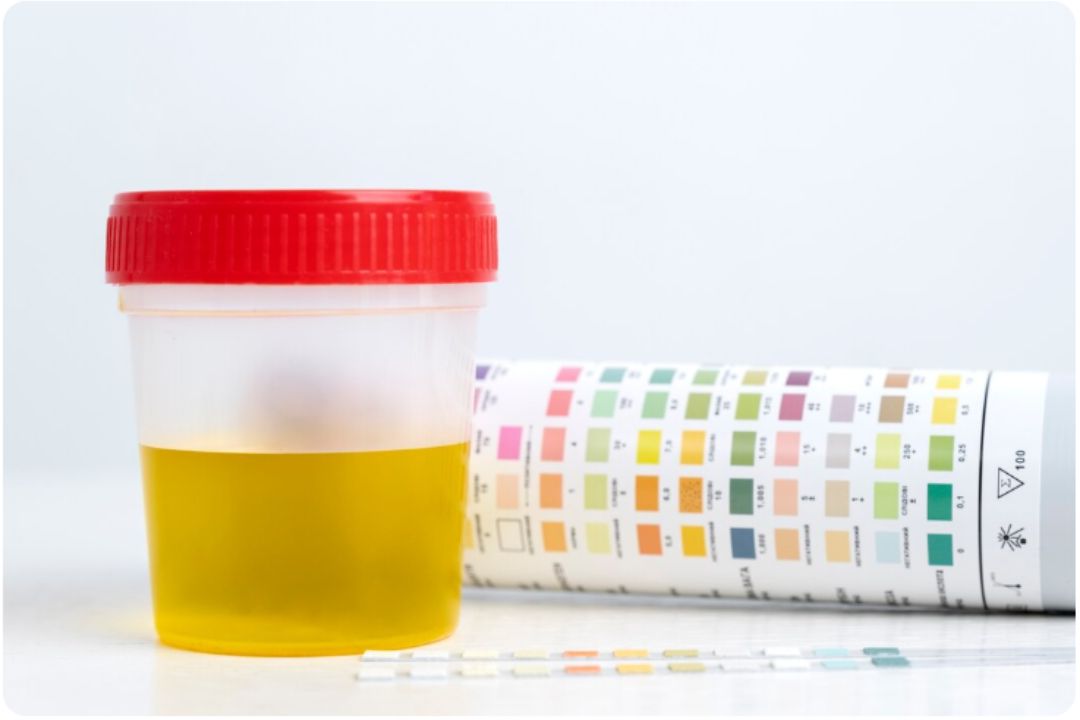
Collection Start: On day one, urinate into the toilet upon waking up. Note this time as your start time.
24-Hour Collection: For all urine produced over the next 24 hours, collect it in the provided large container. Keep it refrigerated or on ice.
Collection End: Exactly 24 hours after your start time, empty your bladder one final time into the container. This completes the collection.
Lab Delivery: Return the container to your doctor’s office or lab as instructed. Ensure the total collection volume is recorded.
Understanding Your Test Results
Results are reported as micrograms of cortisol per 24 hours (mcg/24h).
Normal Results: Typically range from 10 to 100 mcg/24h, but ranges vary by lab. A normal result strongly suggests against Cushing's syndrome.
High Cortisol Levels: Significantly elevated results may indicate Cushing's syndrome, a tumor (pituitary or adrenal), severe stress, illness, obesity, or depression. Further tests (like a dexamethasone suppression test or MRI) are needed for a precise diagnosis.
Low Cortisol Levels: Can indicate Addison’s disease (adrenal insufficiency) or pituitary gland dysfunction, though other tests are more specific for these.
Where Can You Get the Test?
The test is ordered by your physician (endocrinologist, primary care doctor) and performed on an outpatient basis. You collect the urine at home, and the sample is analyzed at a certified clinical laboratory or hospital lab.
Who Should Consider This Test?
You should discuss this test with your doctor if you exhibit a cluster of symptoms consistent with Cushing's syndrome or if you have unexplained high blood pressure or osteoporosis at a young age. It is also crucial for patients being monitored for known adrenal nodules or after treatment for a cortisol-producing tumor.
Why Choose the 24-Hour Urine Cortisol Test? Benefits and Comfort
Comprehensive View: It averages out the natural fluctuations in cortisol levels that occur hourly, providing a more accurate picture than a single blood draw.
High Diagnostic Accuracy: It is a first-line test for Cushing's syndrome due to its reliability.
Non-Invasive & Convenient: While the process requires diligence, it involves no needles or clinical visits during collection. You can perform it in the comfort of your own home.
Stress Minimized: Avoids the potential for falsely high readings from the stress of a needle stick (common in blood tests).
Conclusion and Diagnosis
The 24-hour urine cortisol test is a cornerstone in diagnosing hypercortisolism. An abnormal result is not a final diagnosis but a critical piece of evidence. Consistently high urinary free cortisol levels typically lead to further investigation to pinpoint the exact cause—whether it’s a pituitary adenoma (Cushing's disease), an adrenal tumor, or an ectopic ACTH-producing tumor. A definitive diagnosis often combines this test with medical history, physical exam, blood tests, and imaging studies. If you suspect an issue with your adrenal gland function, this test provides a robust, comfortable, and informative starting point for your healthcare journey




















.jpg "diabetes")



.jpg "pcos lifestyle")































.jpg "FSH Test")







.jpg "urine potassium in hypokalemia")
















.jpg "How to Prevent Hepatitis")
.jpg "Acute-Phase Reactants")
.jpg "Anemia: Causes")

.jpg "Manage Cirrhosis")

.jpg "Types of Tuberculosis")
.png "Tested for Multiple Myeloma")



 (1).jpg "Urine Cortisol Test at Diagnopein")
 (1).jpg "Aldolase & its role")
 (1).jpg "Beta-Thalassemia Major at Diagnopein")
.jpg "Typhoid treatment")
 (1).jpg "Kidney Stones Demystified")
 (1).jpg "Blood infection signs & diagnosis")
 (1).jpg "From HIV to AIDS")


.jpg "Multiple Myeloma")
 (1).jpg "Know about Chikungunya Fever")
.jpg "Diagnopein Stands Out")












 disorders.jpg "gastrointestinal (GI) disorders")







.jpg "symptoms of Chikungunya & How is Chikungunya diagnosed?")


.jpg "COMMON PATHALOGICAL BLOOD TESTS")


















.png "how to manage diabetes")