Malaria remains one of the world's most significant public health challenges. At the heart of this disease is a complex but efficient transmission cycle between humans and mosquitoes. Understanding this cycle is key to prevention, diagnosis, and ultimately, eradication.
The Malaria Transmission Cycle: A Step-by-Step Guide
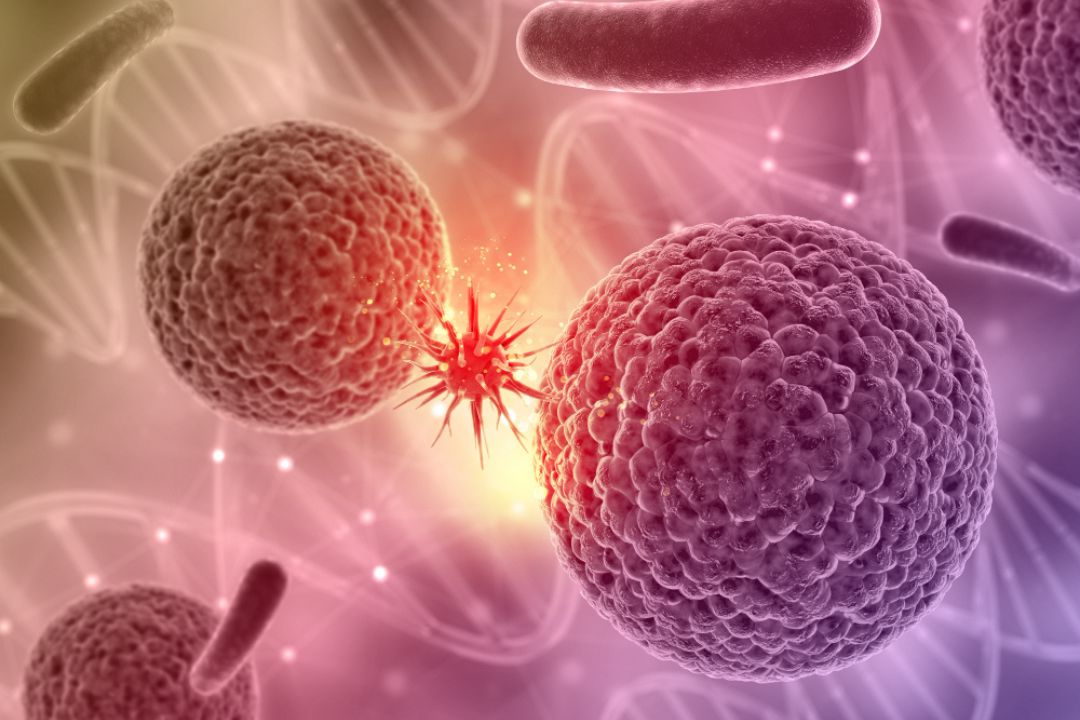
The parasite responsible for malaria, Plasmodium, requires both a human host and a female Anopheles mosquito to complete its life cycle. This is a classic vector-borne disease.
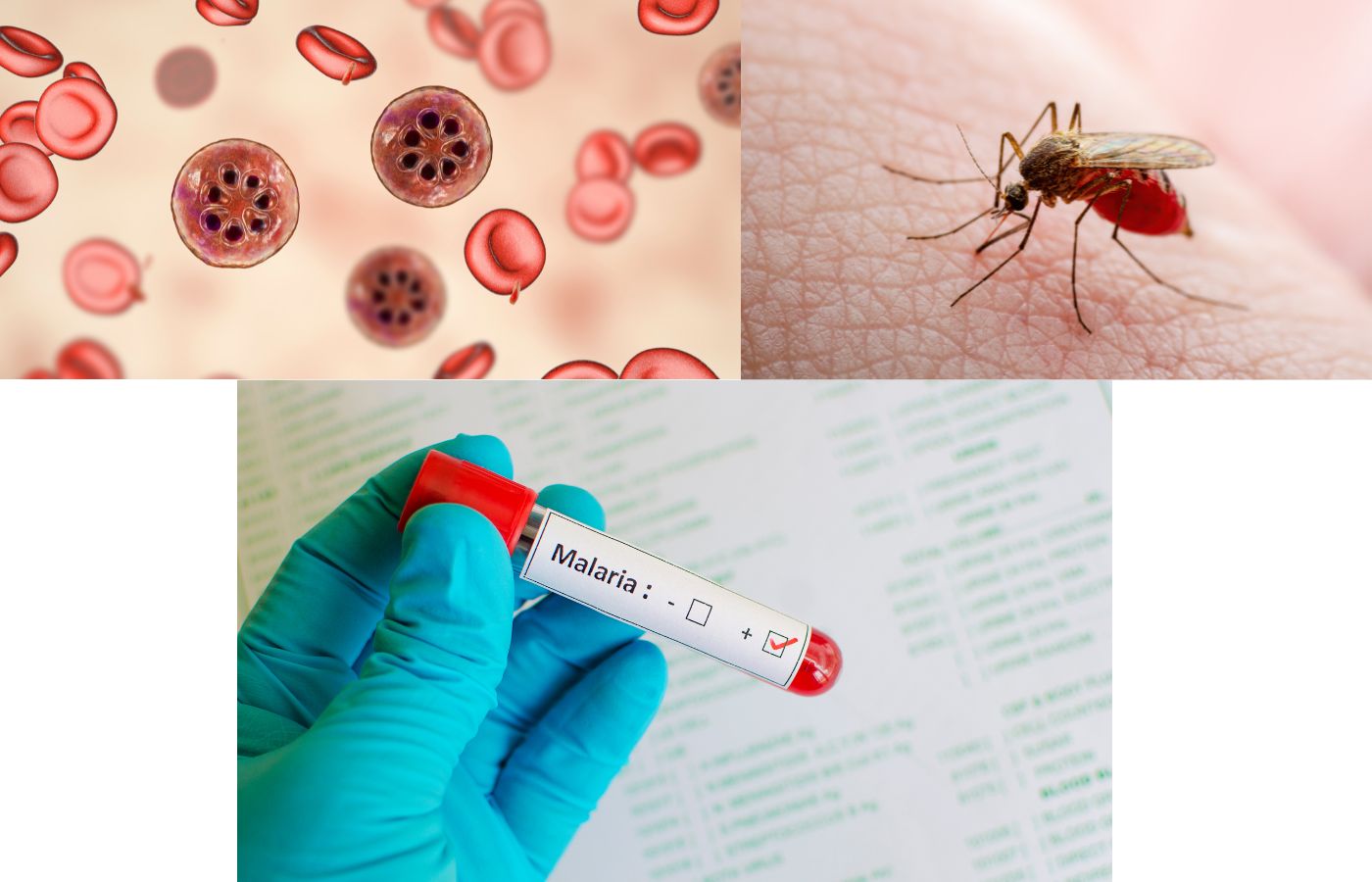
Infected Mosquito Bite: The cycle begins when a female Anopheles mosquito, carrying Plasmodium parasites in its salivary glands, bites a person to take a blood meal. It injects the parasites (as sporozoites) into the human bloodstream.
Liver Stage: The sporozoites travel to the liver, where they multiply silently (for weeks or even months) without causing symptoms.
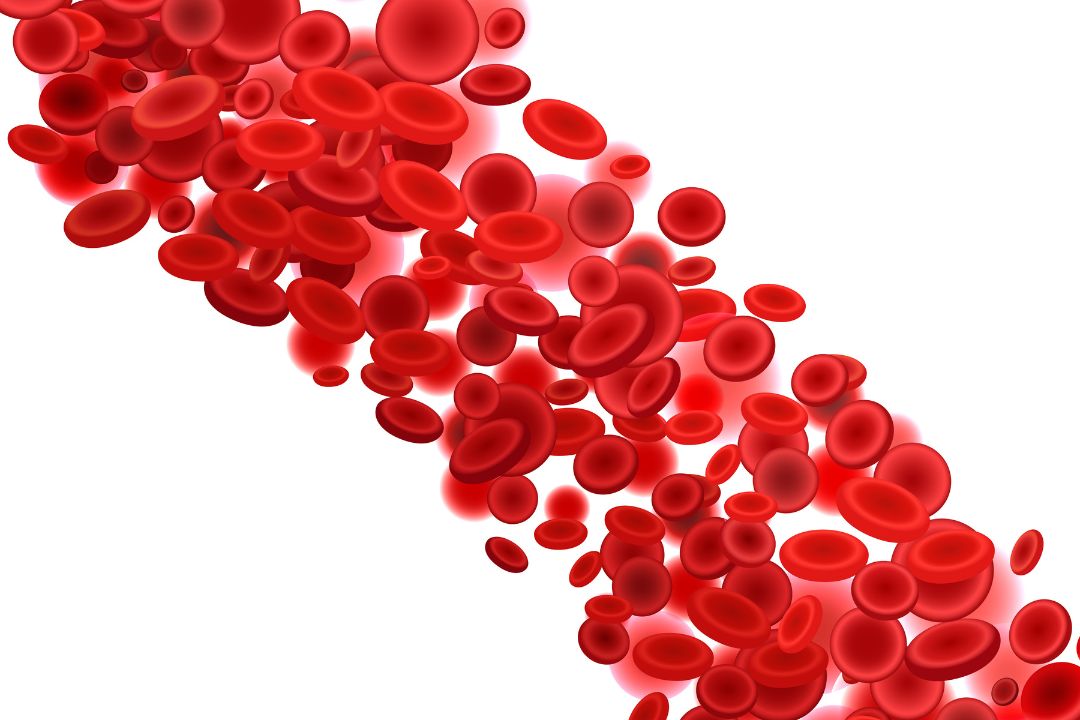
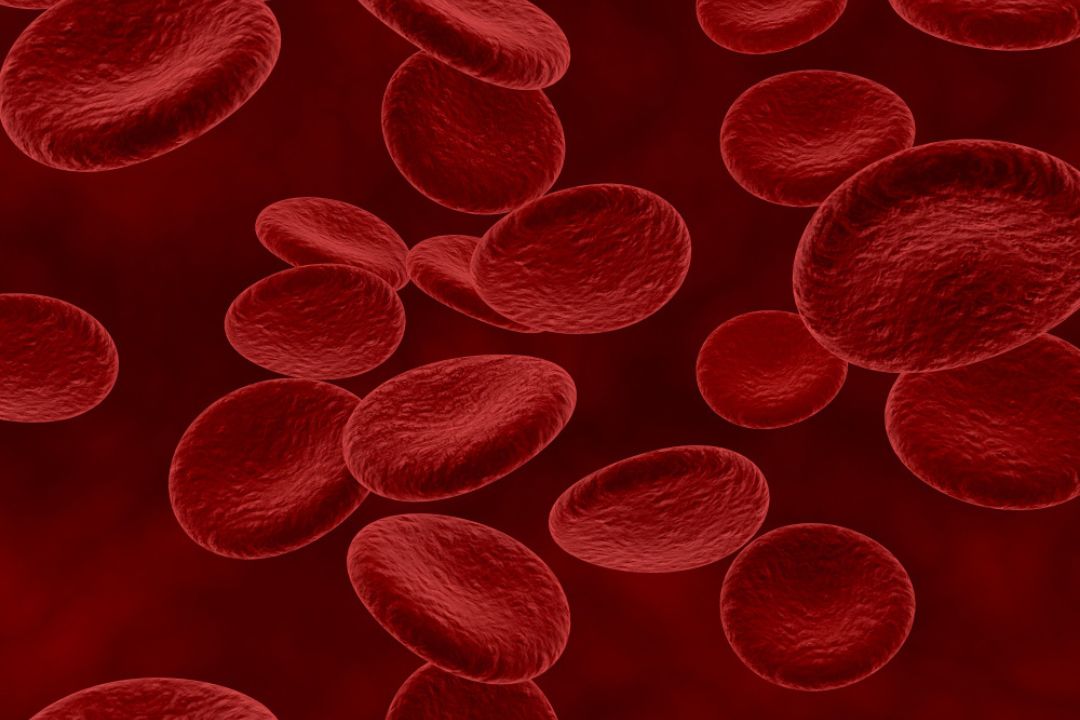
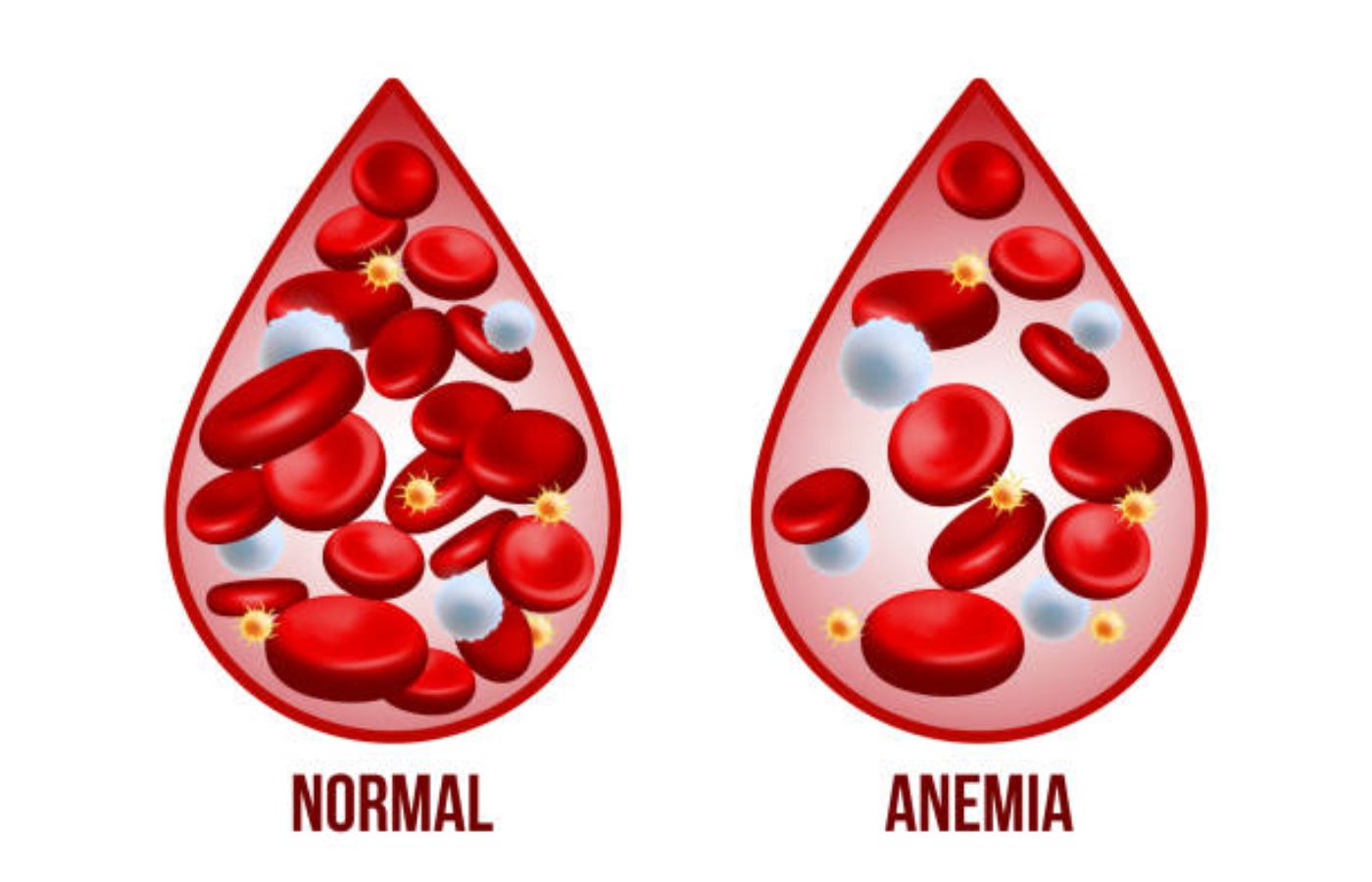
Blood Stage: The parasites re-enter the bloodstream, invading red blood cells. Here, they multiply cyclically, causing the cells to burst. This event triggers the classic malaria symptoms: high fever, chills, sweating, headache, and body aches—a pattern often called a "malaria attack."
Transmission Back to Mosquito: When another mosquito bites this infected person, it ingests the parasites along with the blood.
Mosquito Development: The parasites develop and multiply inside the mosquito, eventually migrating to its salivary glands, making the mosquito infectious and ready to continue the malaria transmission cycle.
Why Choose Understanding and Prevention?
Knowing the malaria transmission cycle empowers communities and individuals. It highlights that stopping mosquitoes from biting is the first and most effective line of defense. This underscores the importance of insecticide-treated bed nets (ITNs), indoor residual spraying (IRS), and wearing protective clothing.
Diagnosis: Comparison, Cost, and Comfort - The Critical Choice
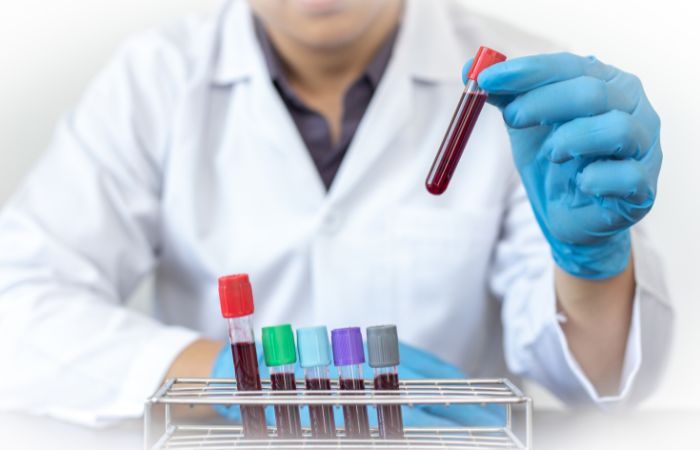
Prompt and accurate malaria diagnosis is essential. A wrong or delayed diagnosis can lead to severe complications or death. Here’s a comparison of common methods:
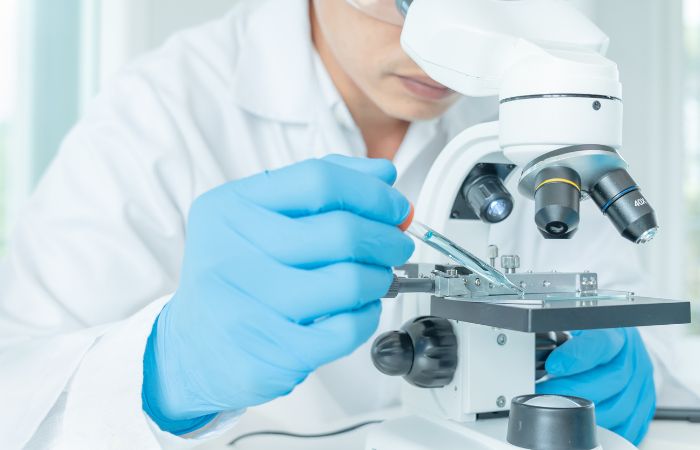
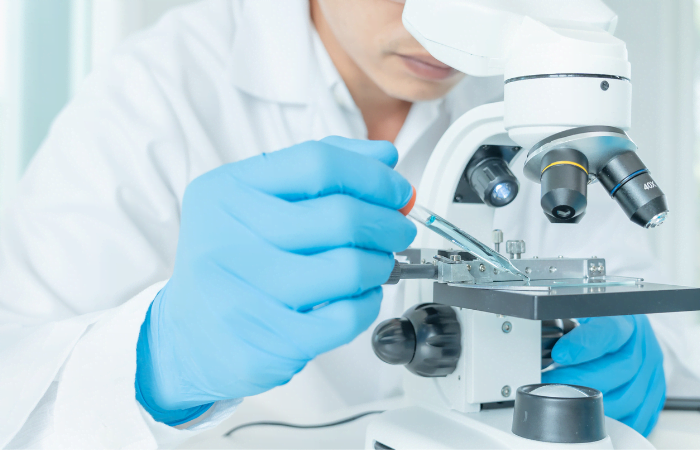
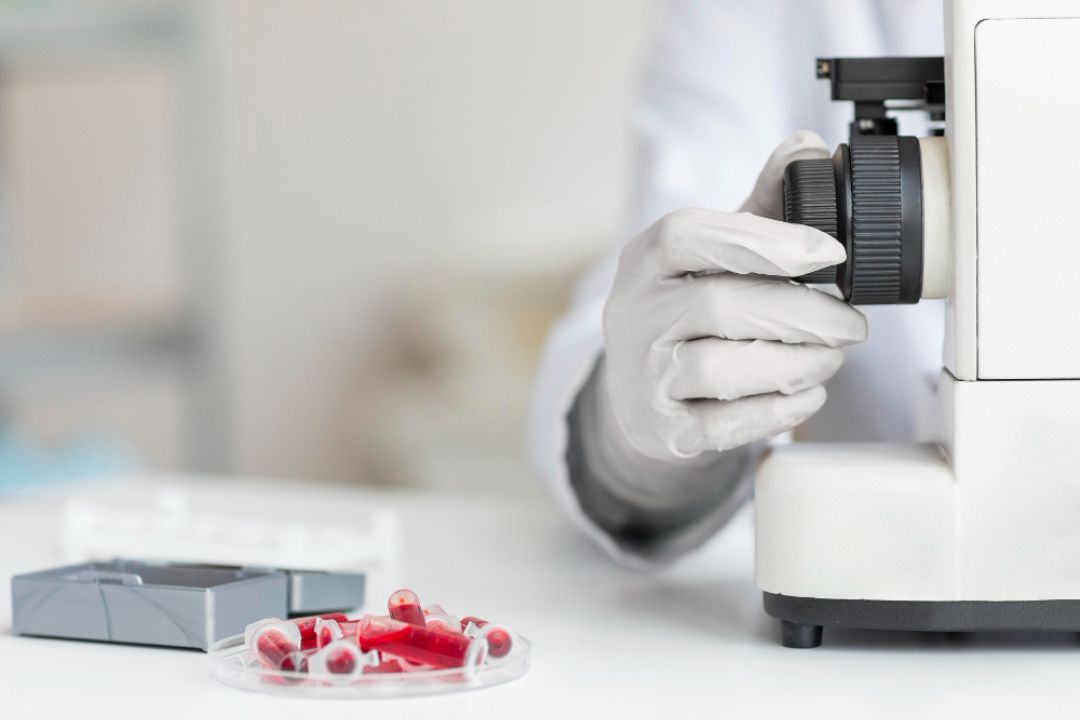
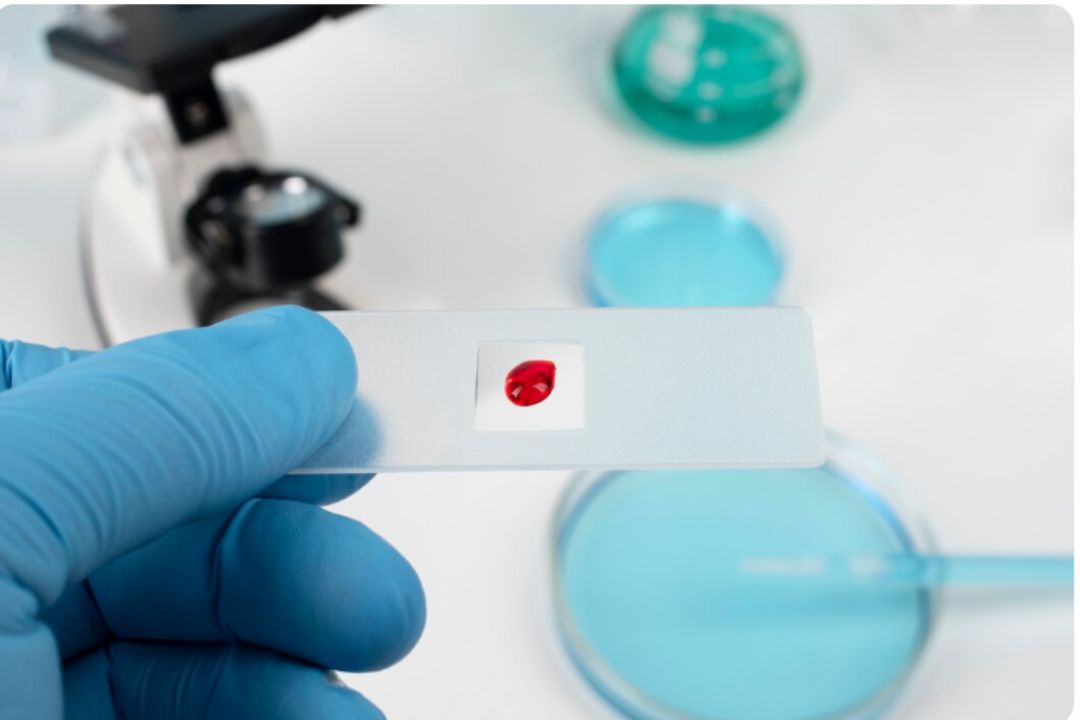
Microscopy (Blood Smear): The traditional gold standard. It is low-cost per test and can identify parasite species and density. However, it requires skilled technicians, a well-equipped lab, and time (several hours), leading to potential delays in treatment.
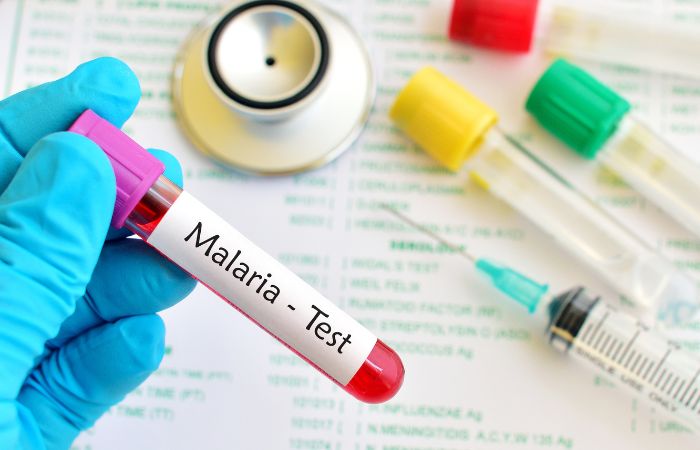
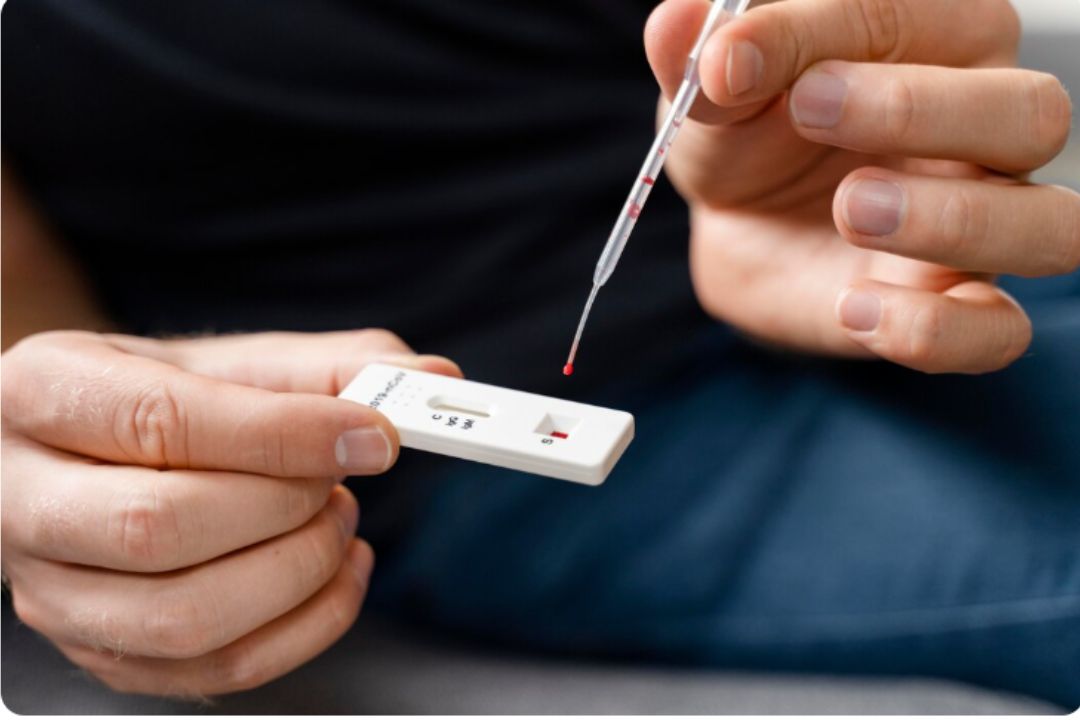
Rapid Diagnostic Tests (RDTs): These are fast (15-20 minutes), easy to use at the point of care, and require no special training or equipment. They are more expensive per test than microscopy but offer crucial speed in remote settings.
Molecular Tests (PCR): Highly sensitive and specific, used for confirmation and detecting low-level infections. They are very expensive, require advanced lab infrastructure, and have a slow turnaround time, making them impractical for routine diagnosis in endemic areas.
The DiaGnopein Advantage in Malaria Diagnosis
This is where innovative solutions like DiaGnopein present a significant benefit. DiaGnopein is highlighted here as a representative example of next-generation integrated diagnostic platforms designed to address the gaps in current methods.
Benefit: DiaGnopein aims to combine high accuracy (like PCR) with the speed and ease of an RDT. Its potential to deliver reliable, species-specific results at the point of care can revolutionize malaria management, ensuring the right treatment is started immediately.
Costing Analysis: While the per-test cost of a platform like DiaGnopein may be higher than a basic RDT, its overall cost-effectiveness is superior. By reducing misdiagnosis (which leads to unnecessary drug costs and repeated clinic visits), preventing disease progression, and saving on expensive confirmatory tests, it lowers the total economic burden on healthcare systems and families.
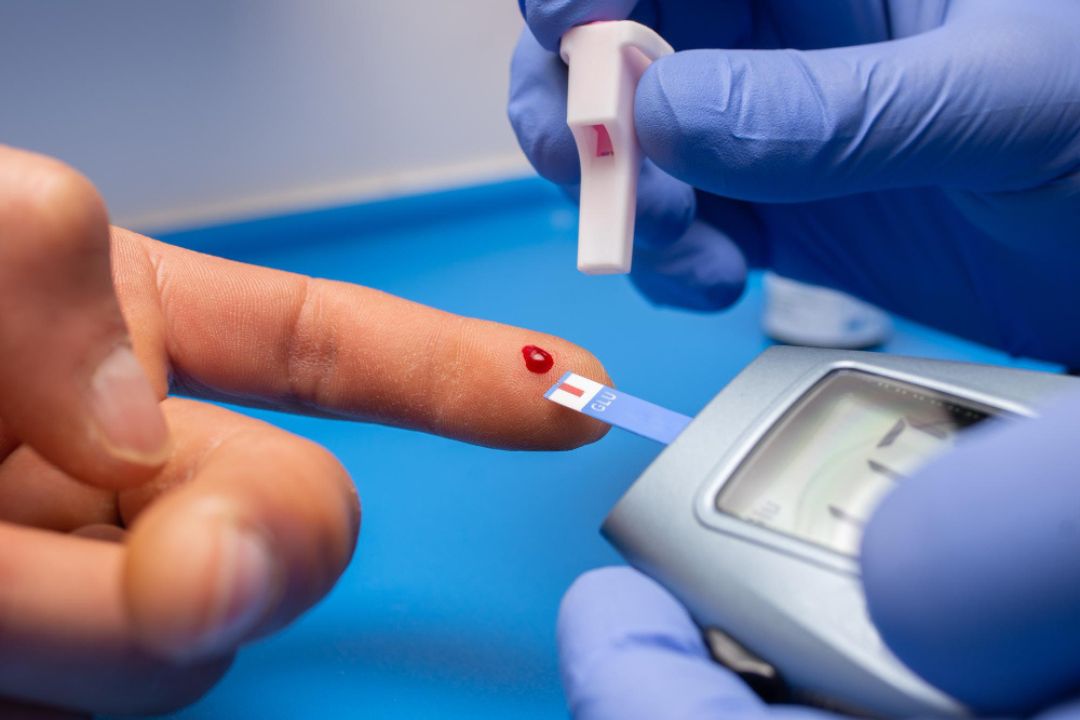
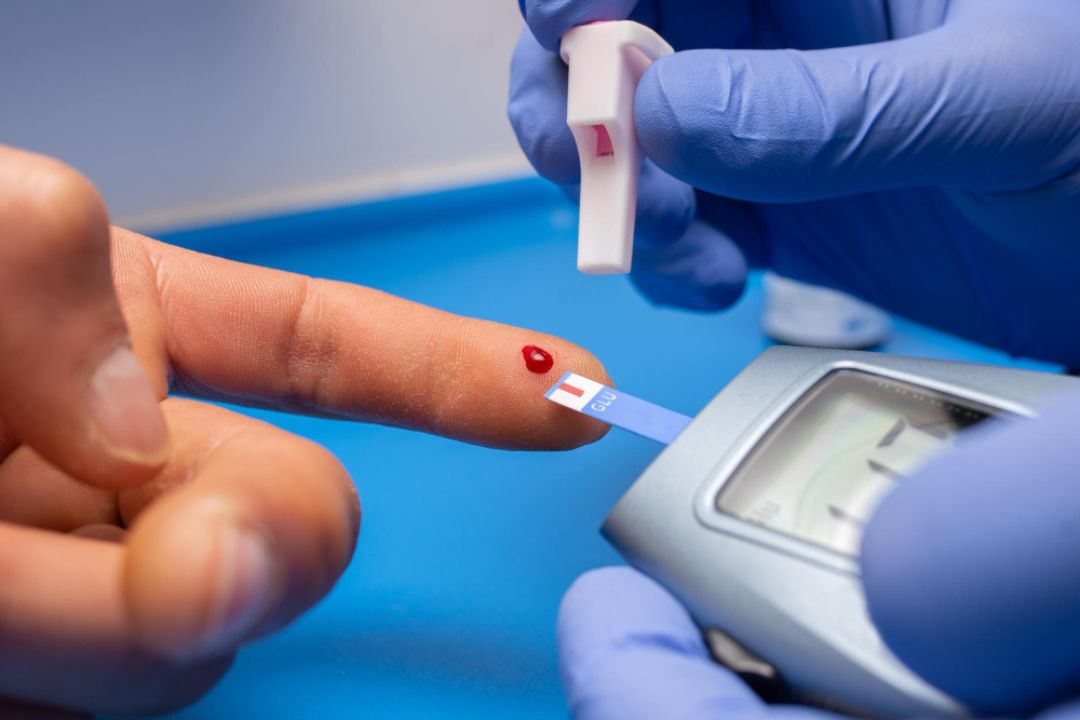
Comfort & Practicality: For the patient, DiaGnopein means a single, less invasive finger-prick test, minimal wait time for a definitive result, and immediate guidance on treatment. This reduces anxiety and improves health outcomes. For healthcare workers, it simplifies the diagnostic process, reducing dependency on complex lab infrastructure.
Conclusion and the Role of Advanced Diagnosis
The fight against malaria is fought on two fronts: preventing the mosquito bite that starts the transmission cycle, and ensuring rapid, accurate diagnosis to break the chain of infection in humans.
While traditional methods like microscopy and RDTs have been workhorses, the future lies in smarter, integrated solutions. DiaGnopein, as a conceptual advanced diagnostic tool, exemplifies the direction we must take—merging accuracy, speed, and practicality. By investing in and deploying such innovative diagnosis tools, we can ensure timely treatment, better manage drug resistance, and move closer to the ultimate goal of malaria elimination. Remember, every prevented bite and every accurately diagnosed case is a step towards interrupting the relentless malaria transmission cycle.















.jpg "diabetes")


.jpg "pcos lifestyle")

















.jpg "FSH Test")






.jpg "urine potassium in hypokalemia")














.jpg "How to Prevent Hepatitis")
.jpg "Acute-Phase Reactants")
.jpg "Anemia: Causes")

.jpg "Manage Cirrhosis")
.jpg "Types of Tuberculosis")
.png "Tested for Multiple Myeloma")


 (1).jpg "Urine Cortisol Test at Diagnopein")
 (1).jpg "Aldolase & its role")
 (1).jpg "Beta-Thalassemia Major at Diagnopein")
.jpg "Typhoid treatment")
 (1).jpg "Kidney Stones Demystified")
 (1).jpg "Blood infection signs & diagnosis")
 (1).jpg "From HIV to AIDS")

.jpg "Multiple Myeloma")
 (1).jpg "Know about Chikungunya Fever")
.jpg "Diagnopein Stands Out")




 disorders.jpg "gastrointestinal (GI) disorders")




.jpg "symptoms of Chikungunya & How is Chikungunya diagnosed?")

.jpg "COMMON PATHALOGICAL BLOOD TESTS")











.png "how to manage diabetes")