When evaluating kidney function, electrolyte balance, or conditions like hyponatremia (low sodium) and hypertension, doctors often rely on urine sodium testing. Two common methods are the spot urine sodium test and the 24-hour urine sodium test. But which one is right for you? Let’s break down their differences, benefits, and applications to help you understand why and when each test is recommended.
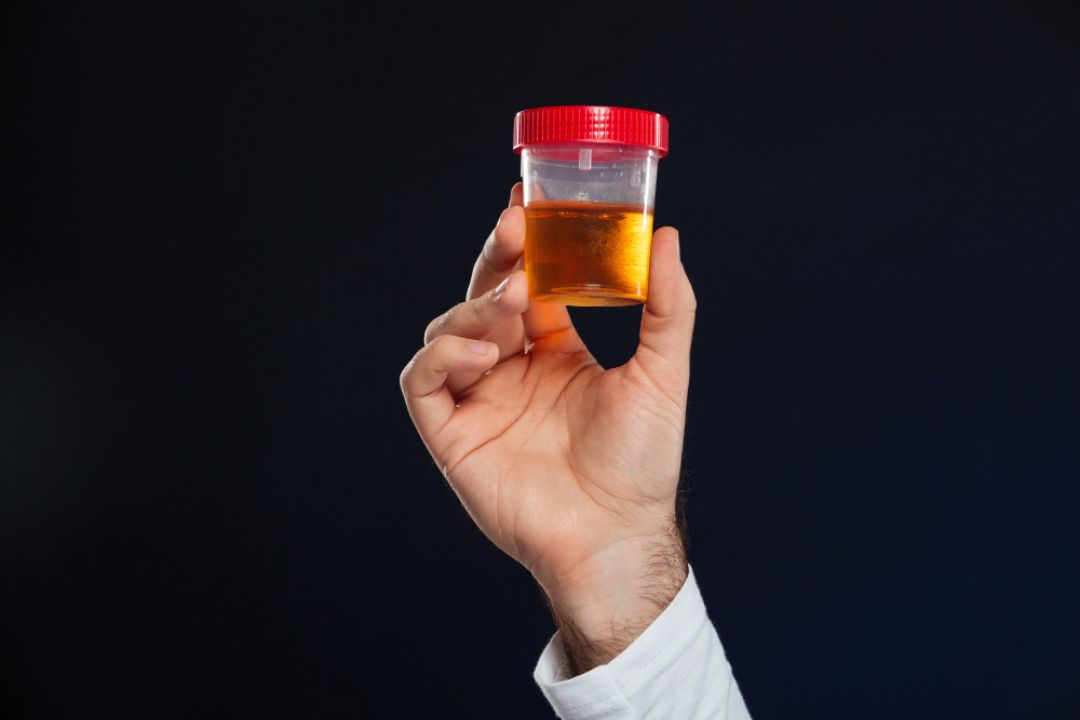
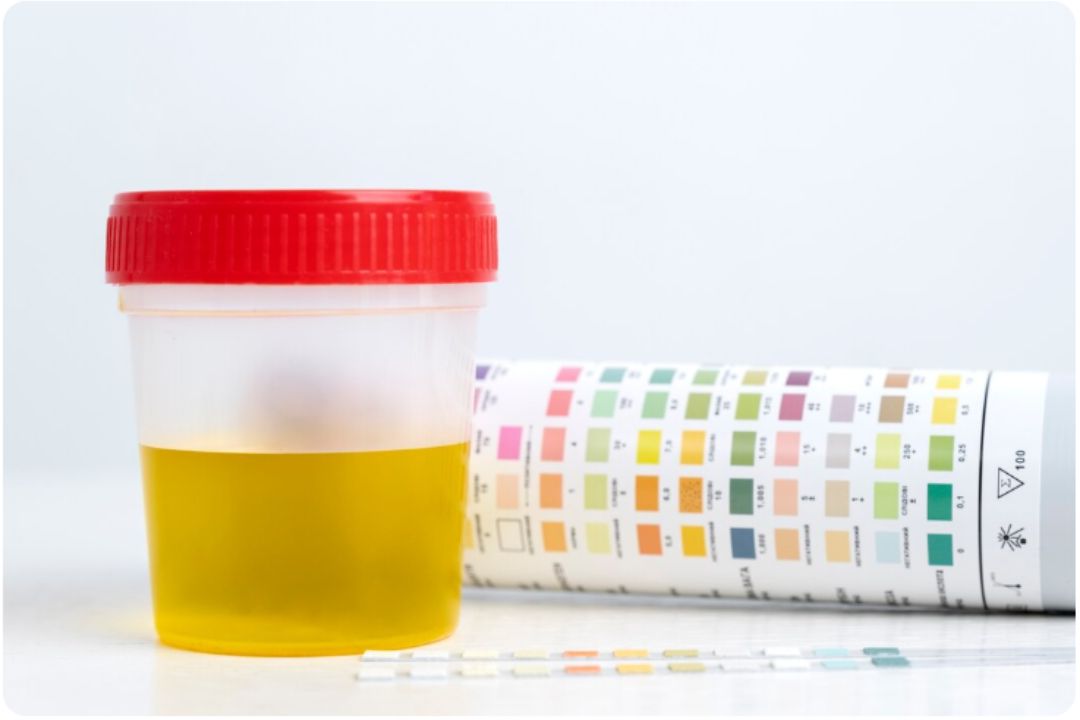
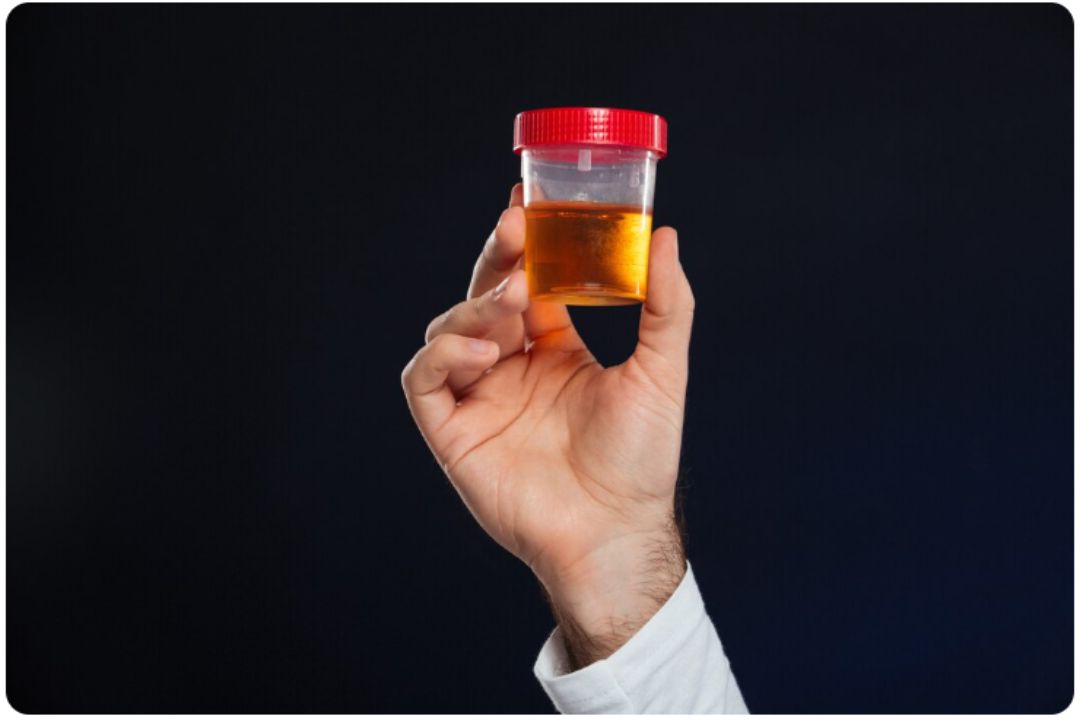
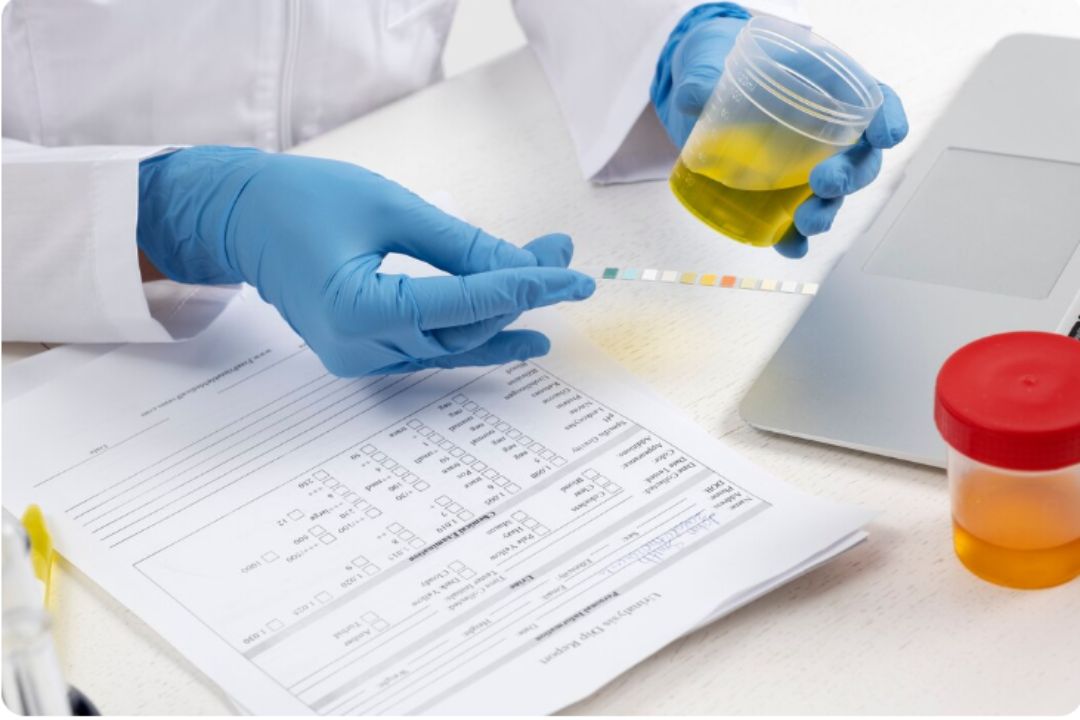
A urine spot sodium test is a quick, single-sample urine test that measures sodium concentration at a specific point in time. It’s often used in urgent clinical settings—such as emergency rooms—to rapidly assess electrolyte imbalance, dehydration, or acute kidney injury.
Spot urine sodium normal range: Typically between 20–40 mEq/L in a hydrated person.
Lower values may indicate dehydration, while higher values can point to conditions like salt-wasting nephropathy or syndrome of inappropriate antidiuretic hormone secretion (SIADH).
The urine spot sodium test is praised for its convenience, but it provides only a snapshot of your sodium excretion, not a full picture of daily sodium handling.
The 24-hour urine sodium test involves collecting all urine produced over a full day. This test measures total sodium excretion, giving doctors a comprehensive view of your body’s sodium balance, dietary sodium intake, and kidney efficiency. It’s the gold standard for diagnosing chronic conditions like salt-sensitive hypertension, chronic kidney disease, or unexplained edema.
| Factor | Spot Urine Sodium Test | 24-Hour Urine Sodium Test |
|---|---|---|
| Accuracy & Scope | Snapshot view; less representative of daily excretion. | Comprehensive; reflects total 24-hour sodium excretion. |
| Convenience & Comfort | Quick, non-invasive, no special preparation needed. | Requires full-day collection, which can be cumbersome. |
| Cost | Generally low-cost, covered by most insurance plans. | More expensive due to lab handling and longer processing. |
| Turnaround Time | Results often available within hours. | Takes at least 24 hours to collect, plus lab processing. |
| Clinical Use | Emergency settings, acute symptom evaluation. | Chronic condition monitoring, dietary sodium assessment. |
For quick assessment: If you’re in the ER with symptoms like dizziness, fatigue, or suspected acute kidney issues, the normal urine sodium spot test is ideal.
For long-term management: If monitoring hypertension, heart failure, or chronic kidney disease, the 24-hour urine sodium offers invaluable data for tailored treatment.
Knowing the spot urine sodium normal range (20–40 mEq/L) helps in initial diagnosis.
< 20 mEq/L: Suggessive of volume depletion, heart failure, or cirrhosis.
> 40 mEq/L: May indicate SIADH, renal salt wasting, or excessive salt intake.
However, because sodium excretion varies throughout the day, a urine spot sodium test alone isn’t enough for definitive diagnosis in chronic cases—hence the need for the 24-hour test.
Let’s be honest—no one enjoys urine tests. But the urine spot sodium test wins on convenience. You provide one sample and you’re done. The 24-hour test requires planning, careful collection, and refrigeration of samples, which can disrupt daily routines. However, for accurate long-term health insights, this extra step is often worth it.
Choosing between a urine spot sodium and a 24-hour urine sodium test depends on your health needs. Acute issues favor the spot test; chronic conditions demand the comprehensive 24-hour analysis.
At DiagnoPein, we simplify diagnostic testing. Our certified labs, expert phlebotomists, and seamless sample collection—whether for a urine spot sodium test or a 24-hour urine sodium test—ensure accuracy and comfort. We guide you through each step, from understanding the normal urine sodium spot test range to interpreting results with your doctor.
Accurate, timely results for both spot and 24-hour urine sodium tests.
Affordable pricing and insurance support.
At-home collection kits available for added convenience.
Expert consultations to help you understand your results and next steps.






















.jpg "diabetes")



.jpg "pcos lifestyle")






























.jpg "FSH Test")







.jpg "urine potassium in hypokalemia")















.jpg "How to Prevent Hepatitis")
.jpg "Acute-Phase Reactants")
.jpg "Anemia: Causes")

.jpg "Manage Cirrhosis")

.jpg "Types of Tuberculosis")
.png "Tested for Multiple Myeloma")



 (1).jpg "Urine Cortisol Test at Diagnopein")
 (1).jpg "Aldolase & its role")
 (1).jpg "Beta-Thalassemia Major at Diagnopein")
.jpg "Typhoid treatment")
 (1).jpg "Kidney Stones Demystified")
 (1).jpg "Blood infection signs & diagnosis")
 (1).jpg "From HIV to AIDS")


.jpg "Multiple Myeloma")
 (1).jpg "Know about Chikungunya Fever")
.jpg "Diagnopein Stands Out")













 disorders.jpg "gastrointestinal (GI) disorders")









.jpg "symptoms of Chikungunya & How is Chikungunya diagnosed?")


.jpg "COMMON PATHALOGICAL BLOOD TESTS")




















.png "how to manage diabetes")