In the intricate landscape of healthcare and neurodiversity, the term pathology often surfaces, carrying significant weight. It represents the scientific study of disease—its causes, processes, and effects. But when we move into behavioral realms, a specific and often misunderstood profile emerges: Pathological Demand Avoidance (PDA), a profile on the autism spectrum. Whether you're seeking clarity on a medical condition or understanding a complex behavioral profile, the journey through diagnosis can be daunting. This blog explores why choosing a diagnostic process, or "diagnopein" as we'll refer to the journey of diagnosis, is crucial, breaking down its benefits, costs, and the ultimate comfort it can provide.
Benefits of a Thorough Diagnostic Process
A comprehensive diagnosis offers multifaceted advantages:
Clarity and Validation: It provides an evidence-based explanation for symptoms or behaviors, reducing self-doubt and stigma.
Targeted Intervention: For pathology, it dictates the correct medical treatment. For PDA, it shifts strategies from traditional discipline to low-demand, collaborative approaches based on trust and negotiation.
Access to Support: A formal pathological diagnosis is often a key that unlocks access to medical care, therapeutic services, educational accommodations, and community support networks.
Prognostic Insight: It helps in understanding the likely course of a condition, allowing for better long-term planning and management.
Relief and Comfort: Perhaps the most profound benefit is the emotional relief that comes with understanding, reducing anxiety for both the individual and their family.
Comparison: Medical Pathology vs. Behavioral Diagnosis (PDA)
While both fall under the umbrella of diagnopein, their processes differ:
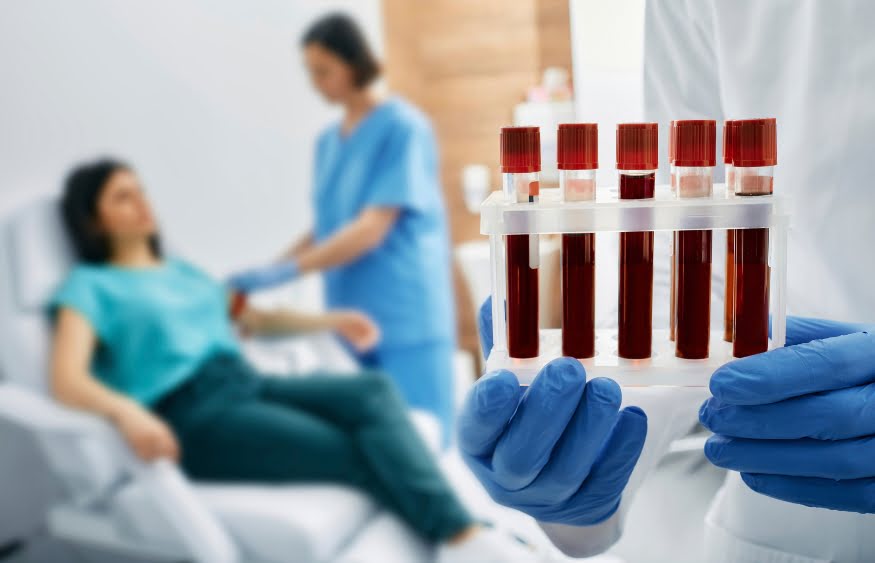
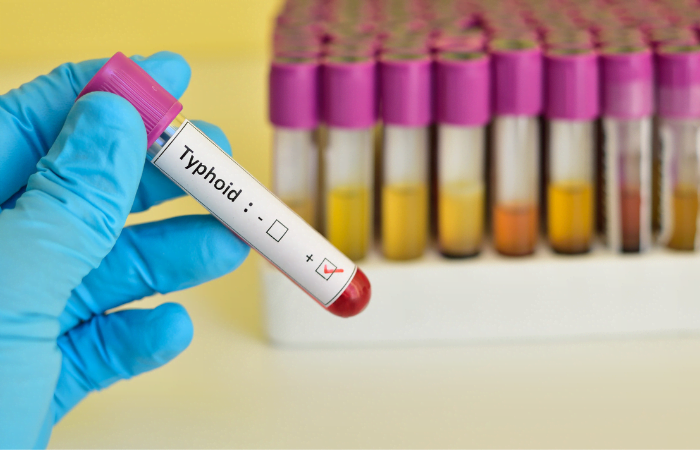
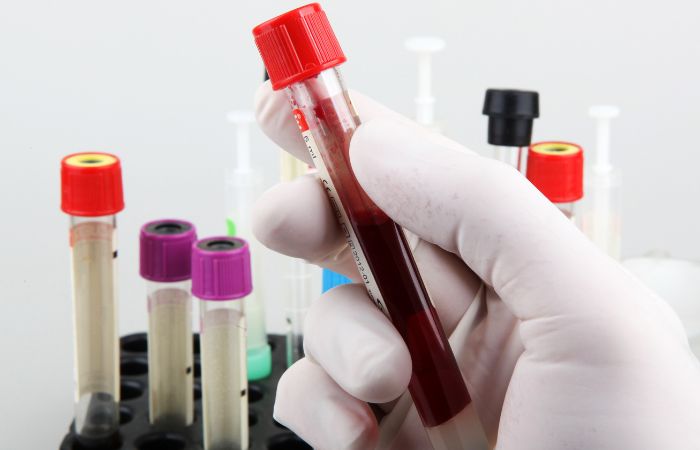
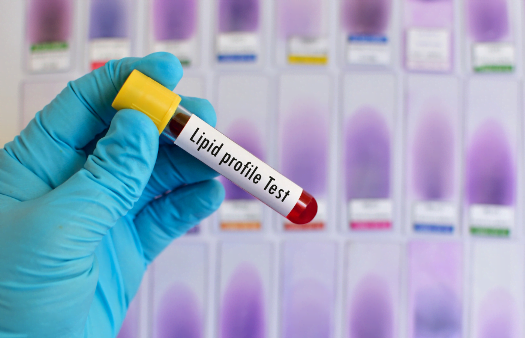
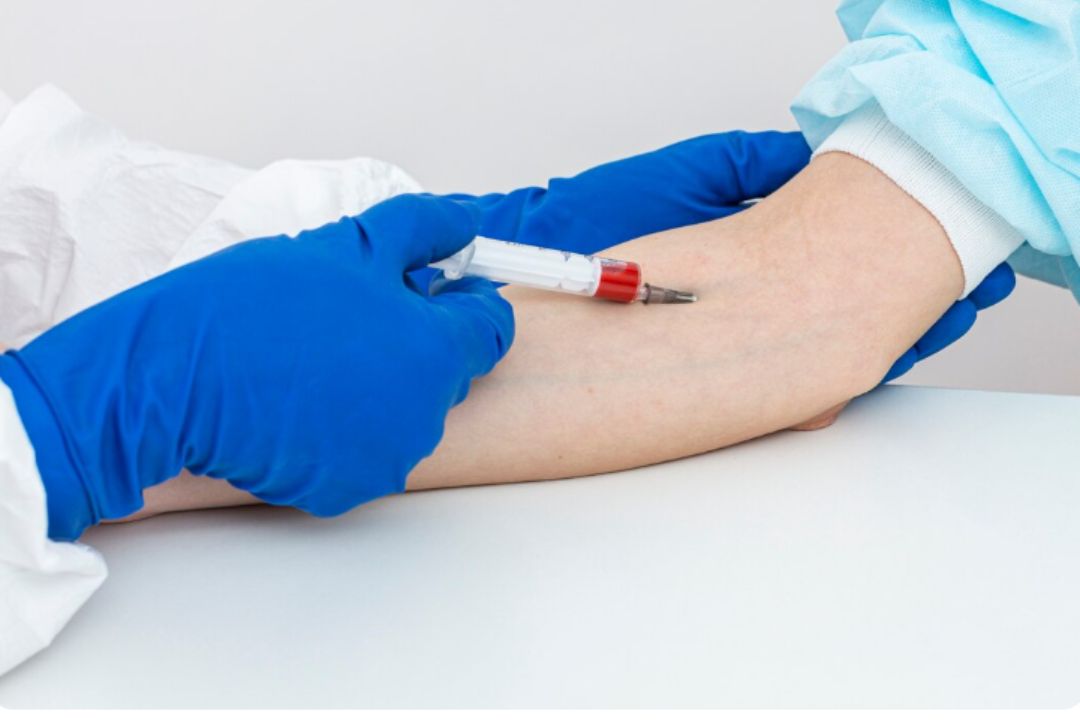
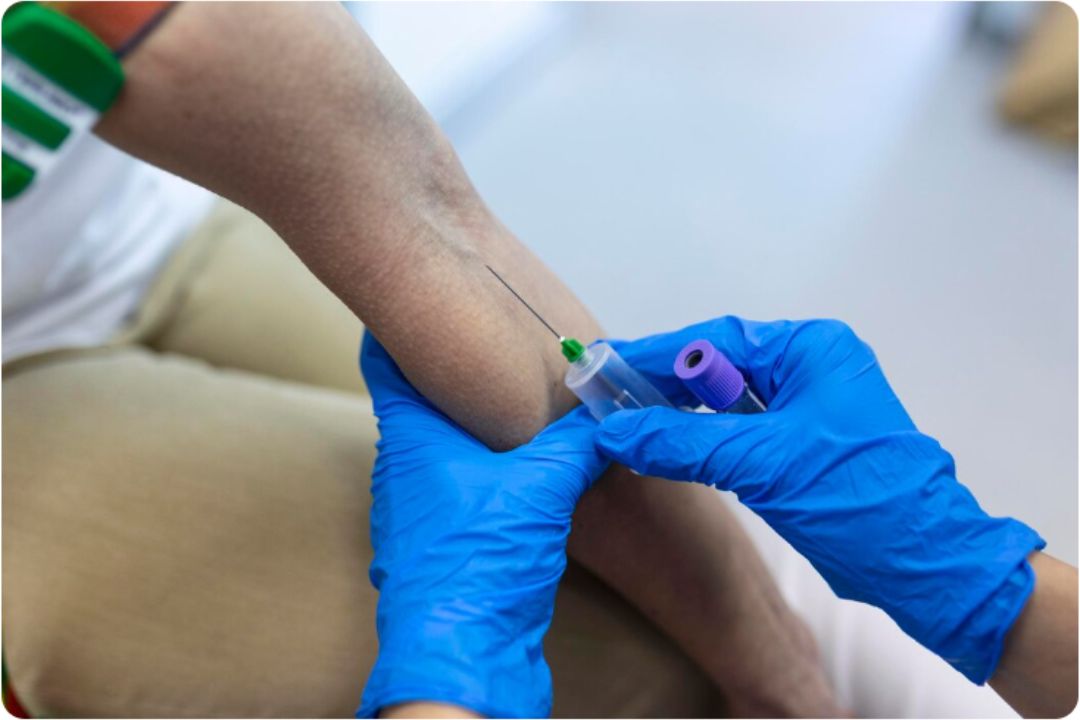
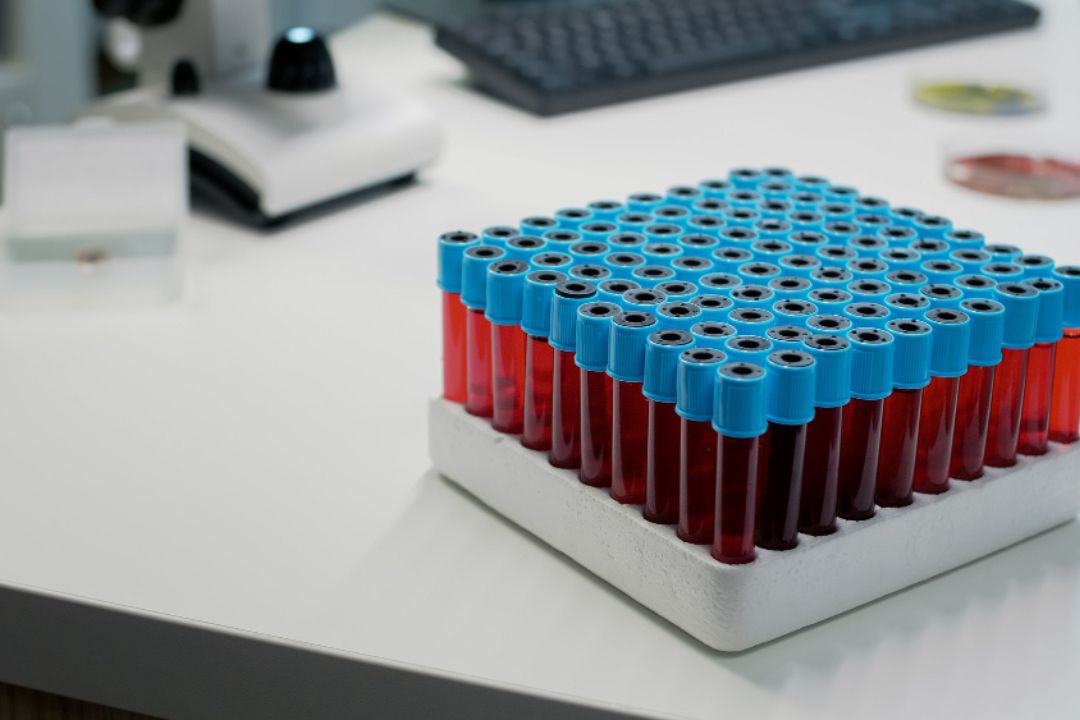
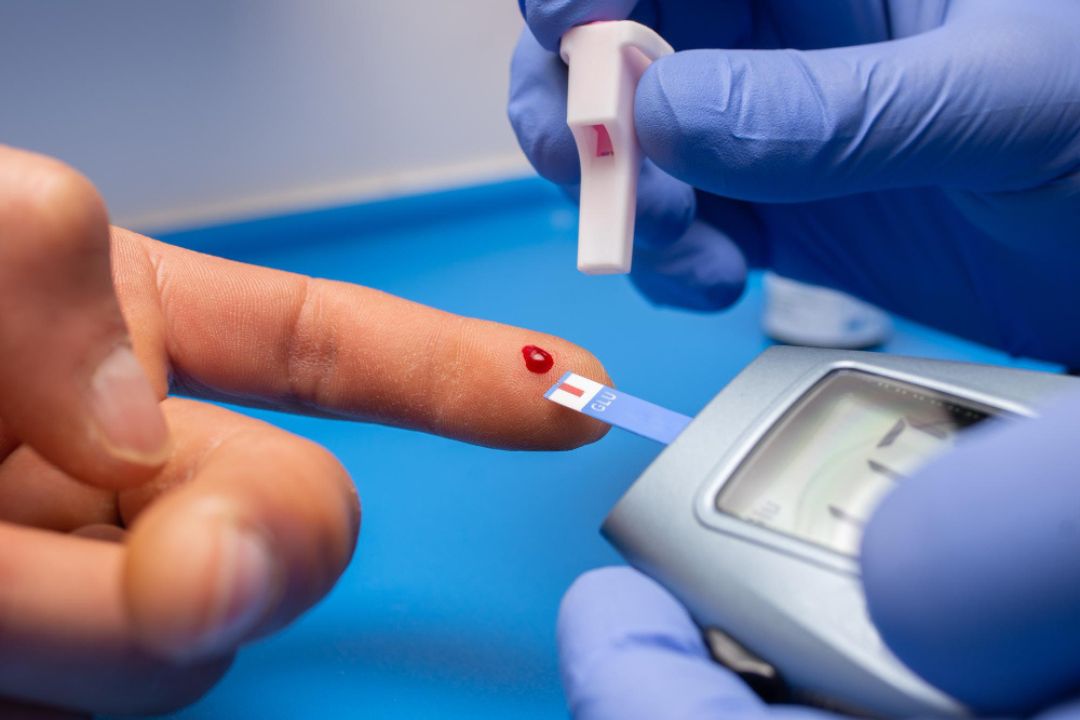
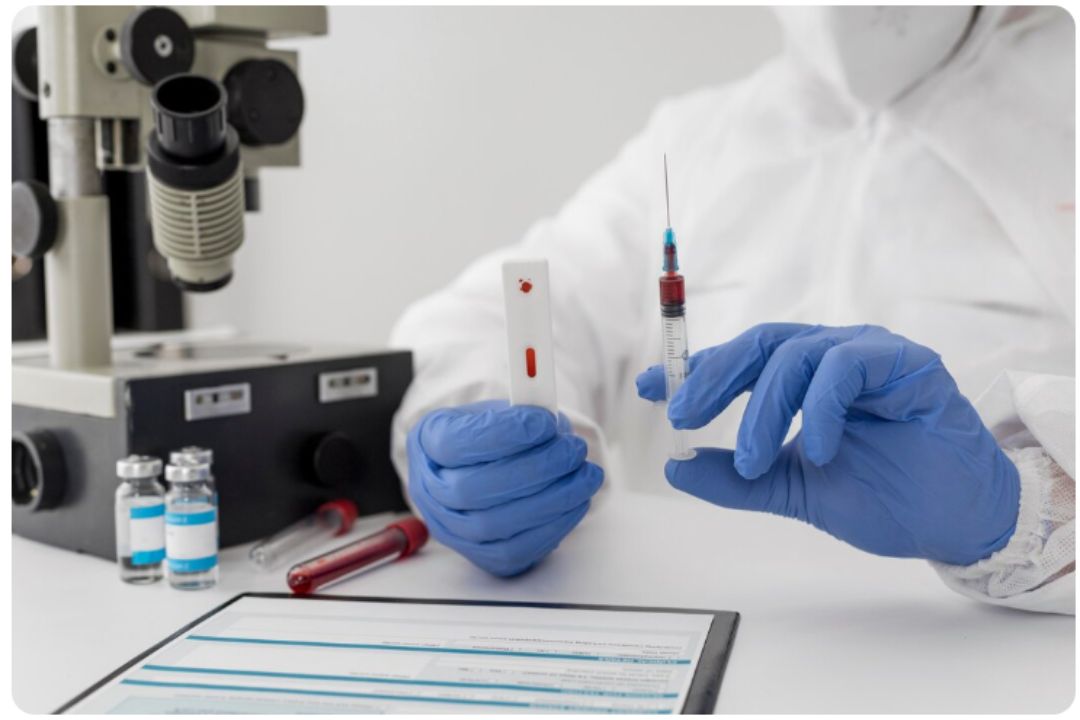
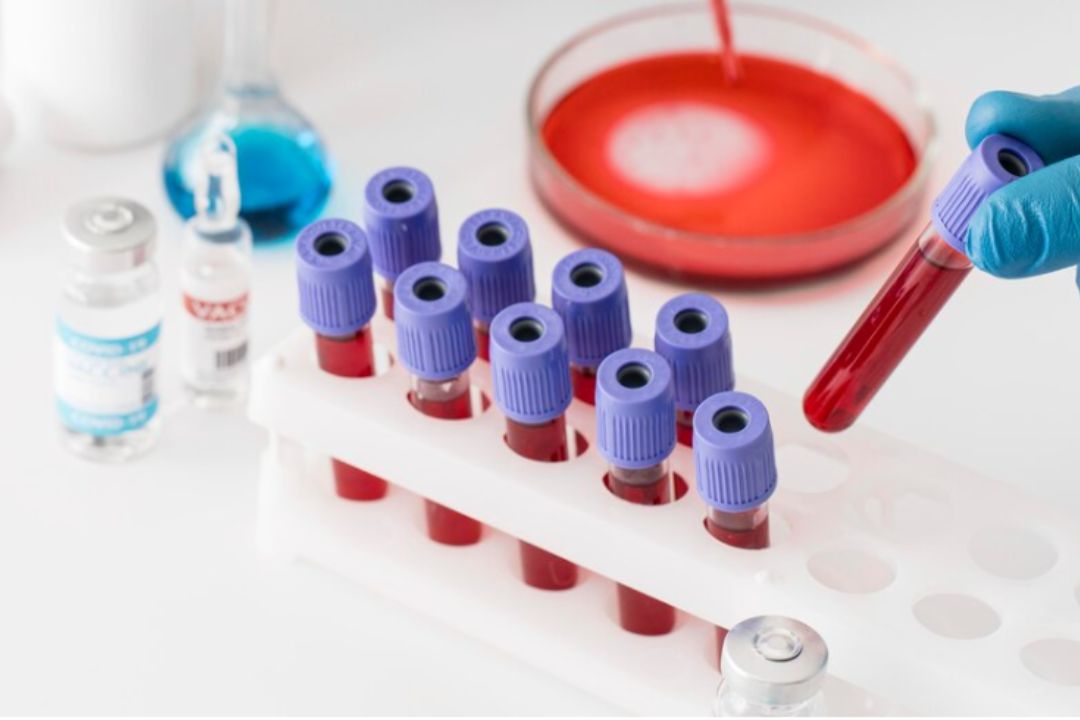
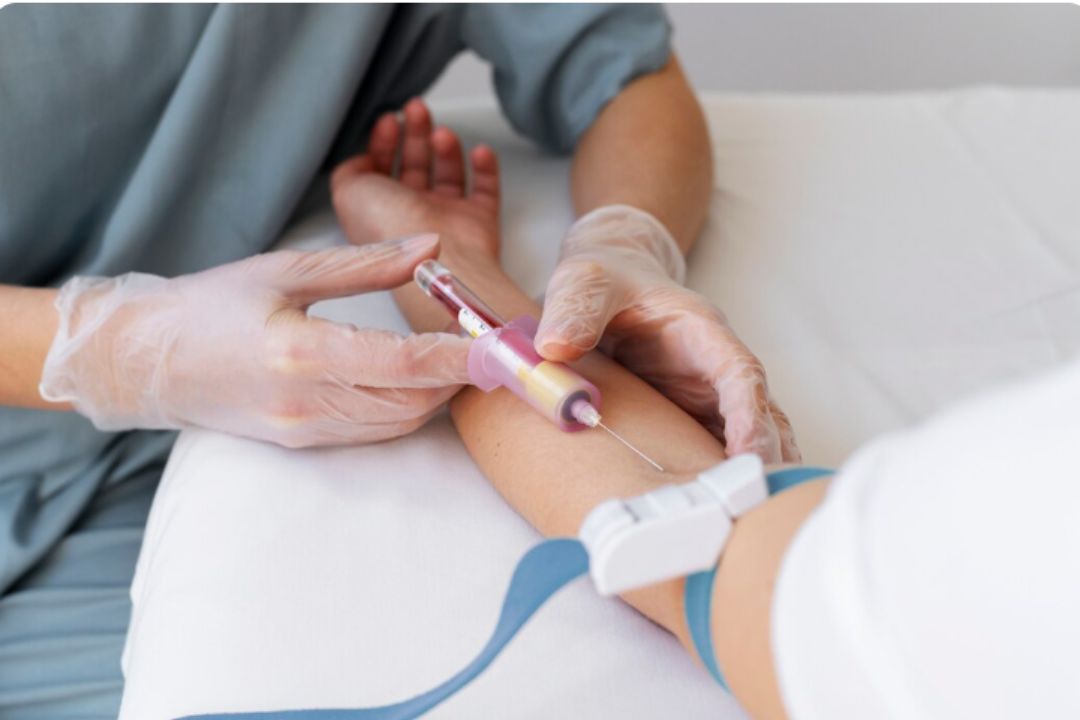
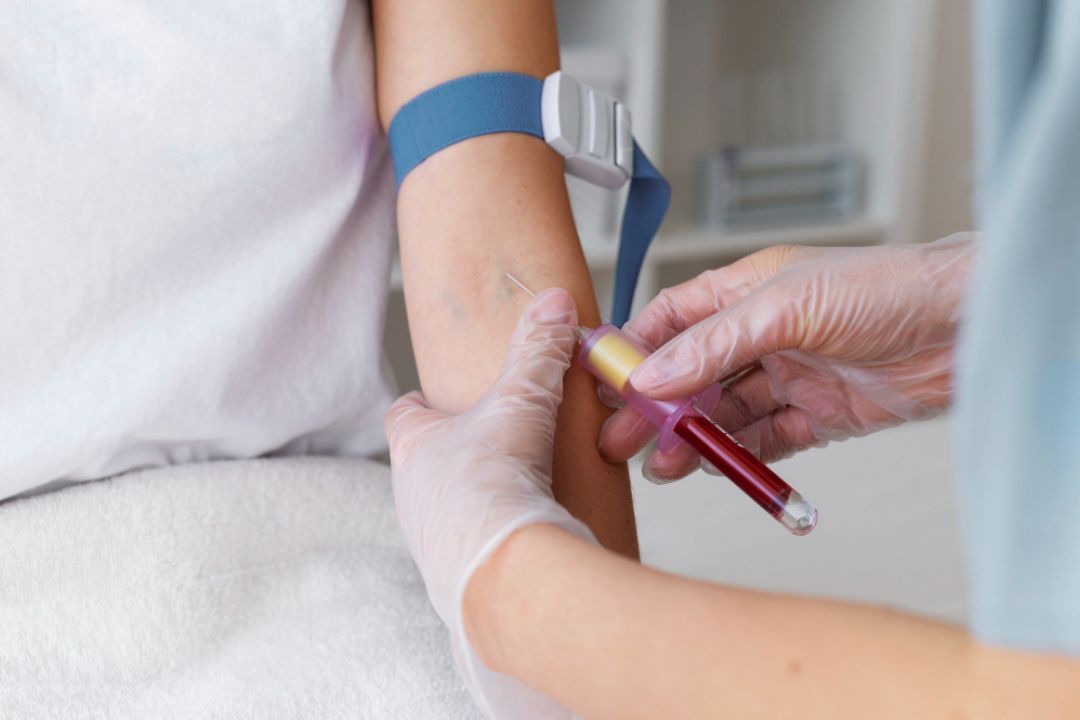
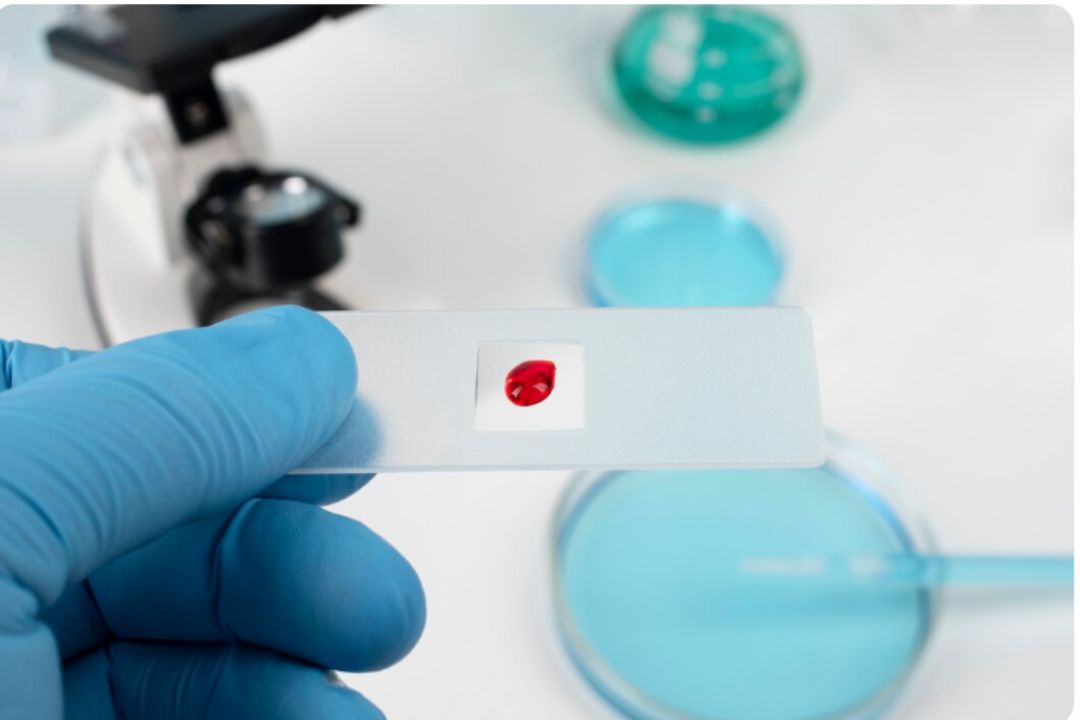
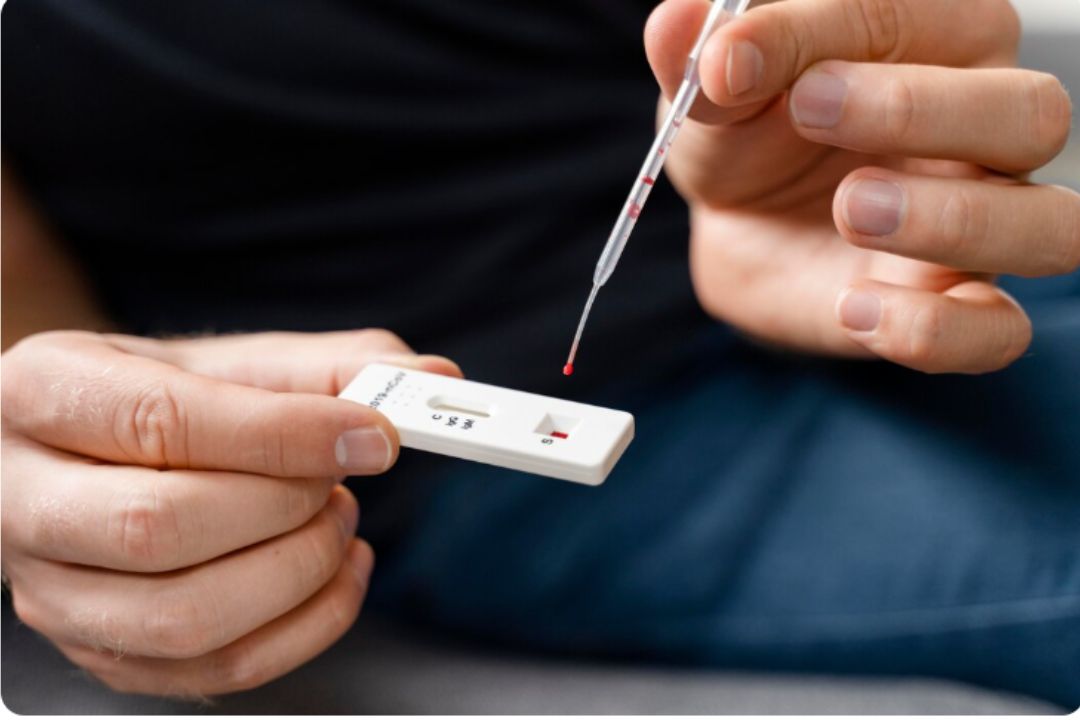
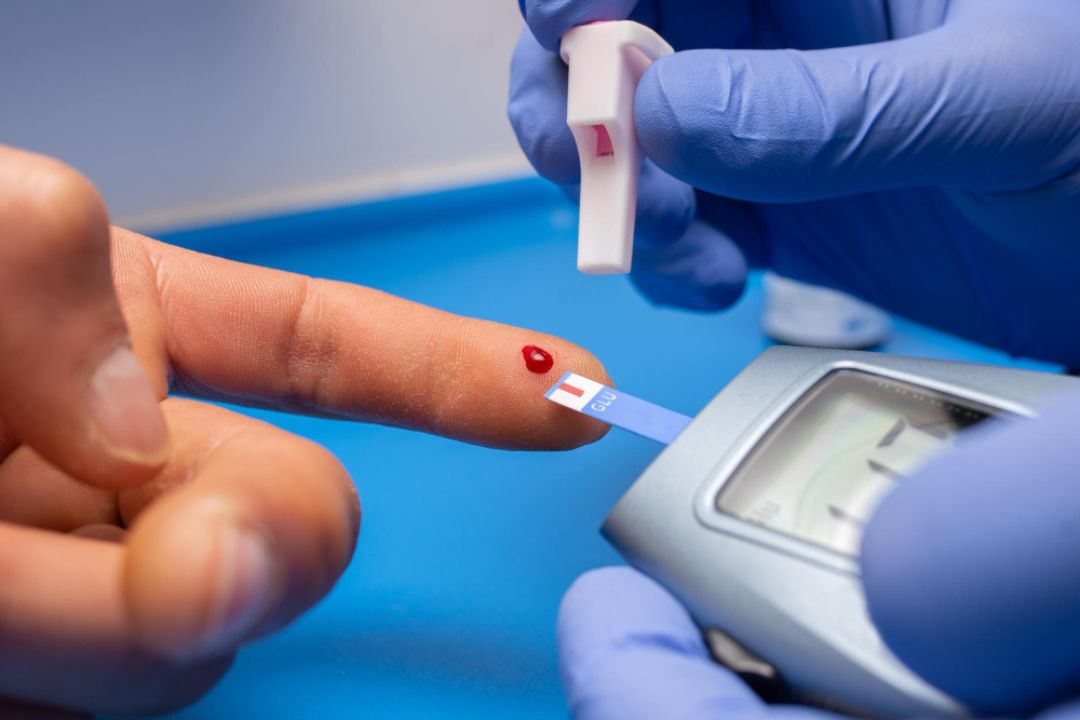
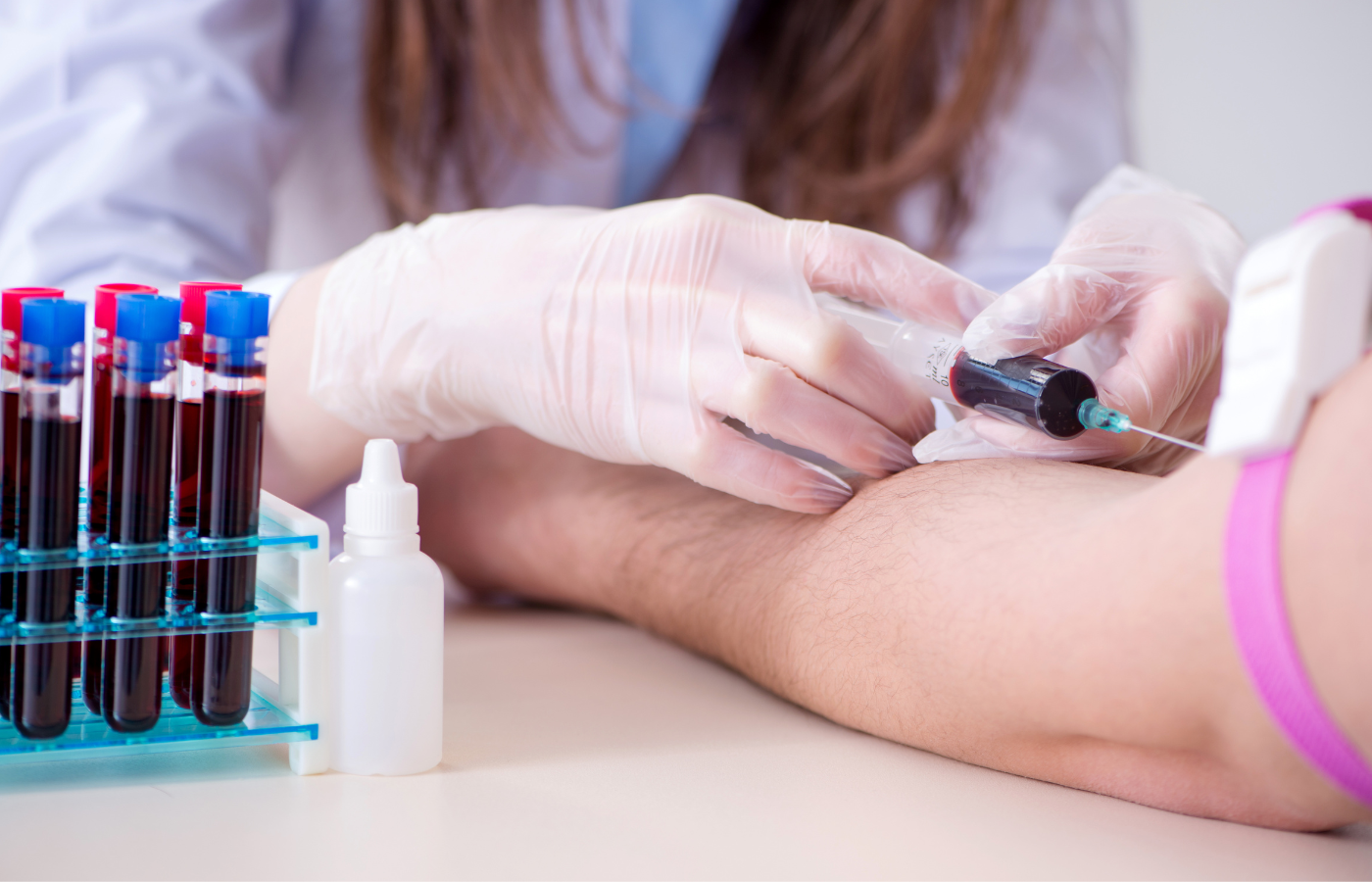
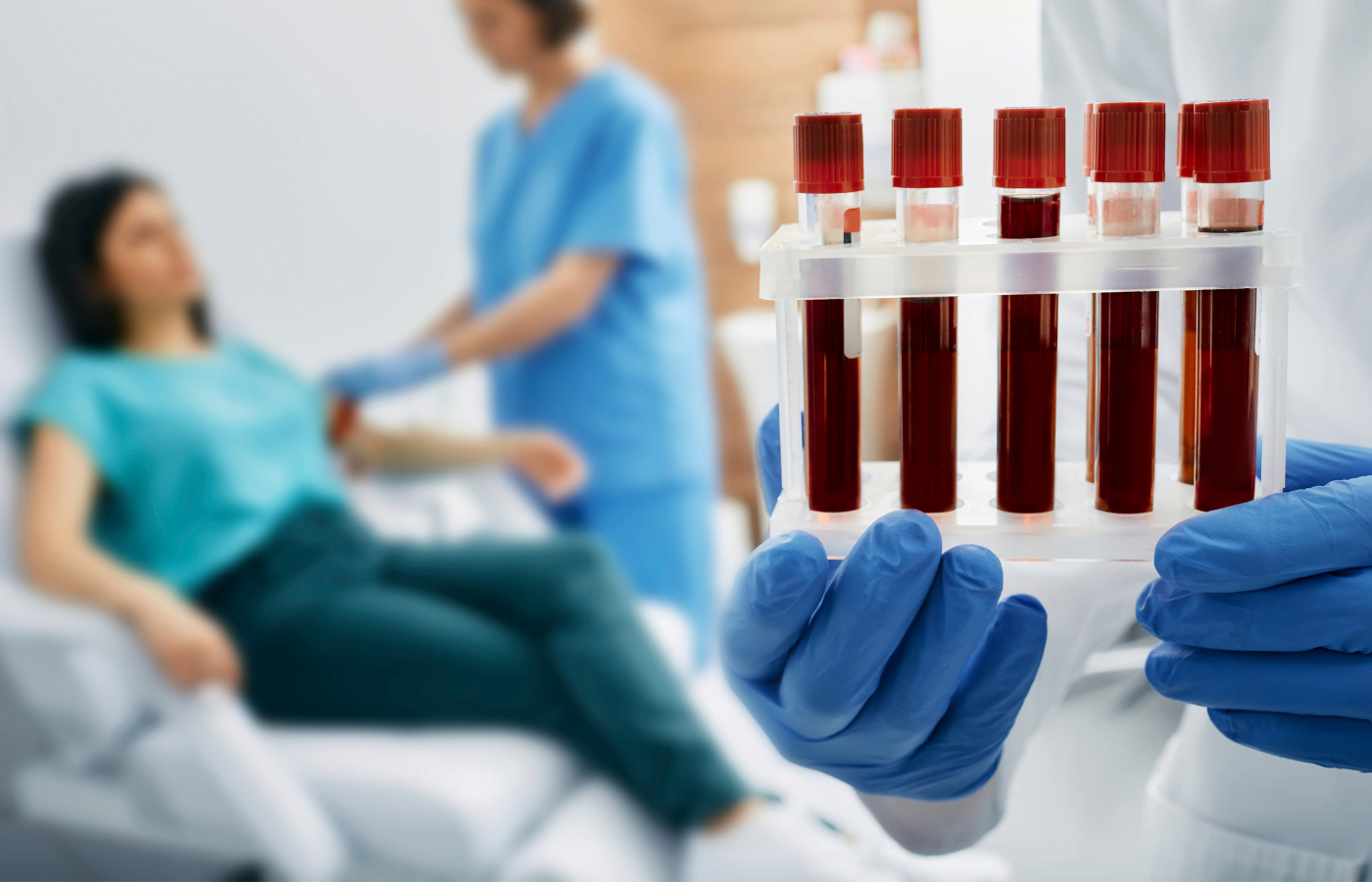
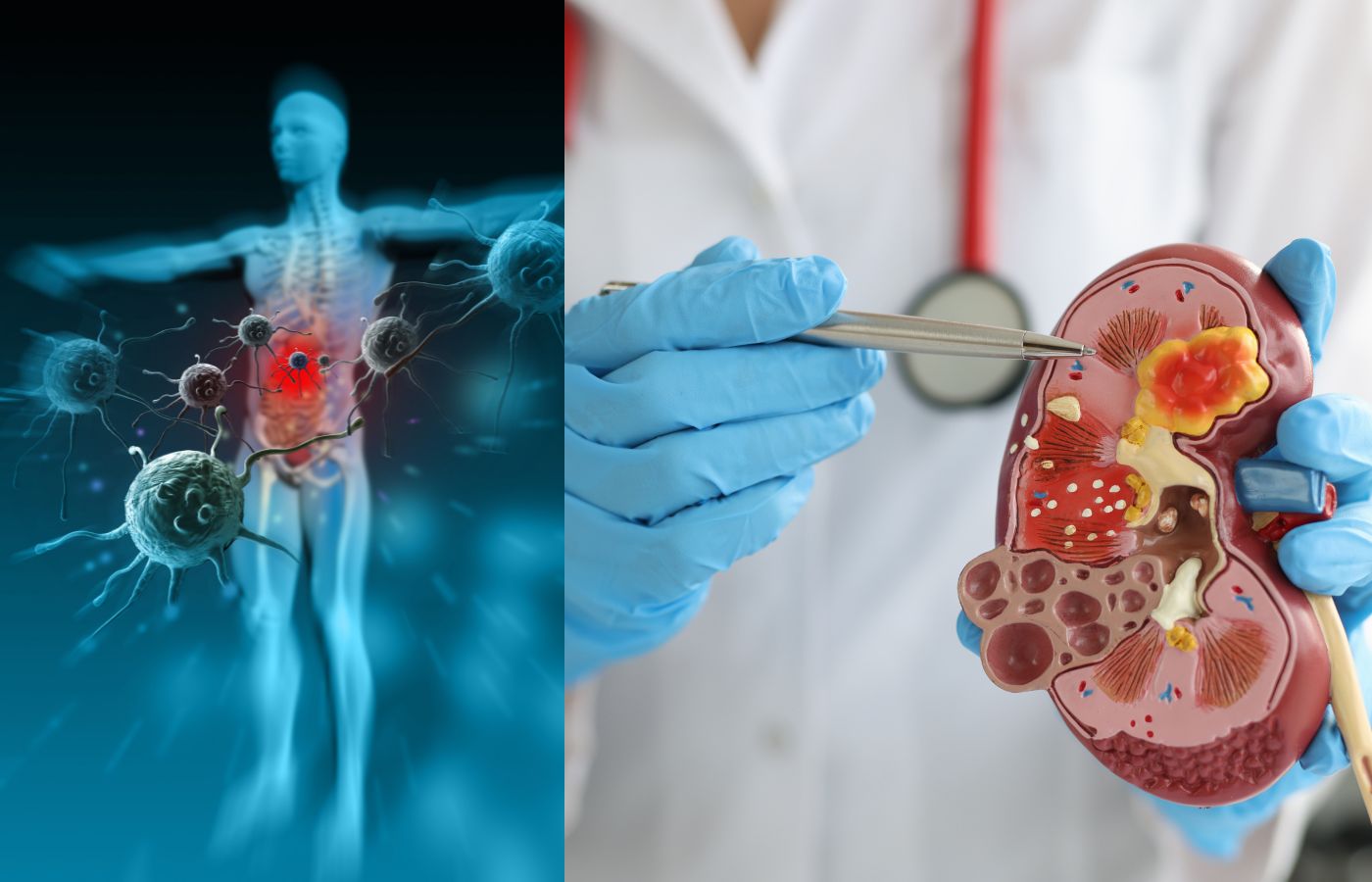
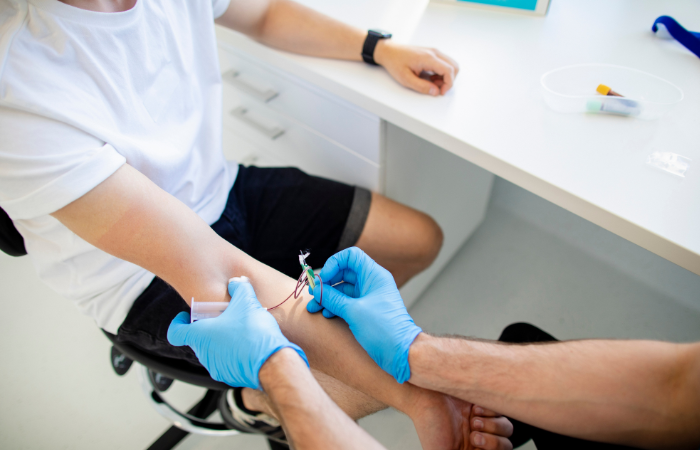
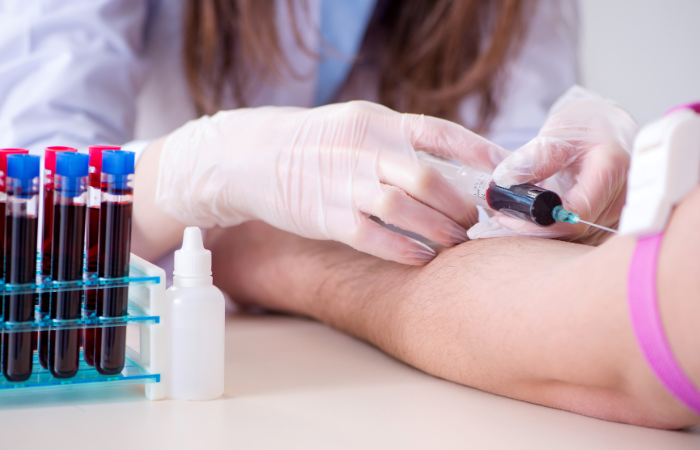
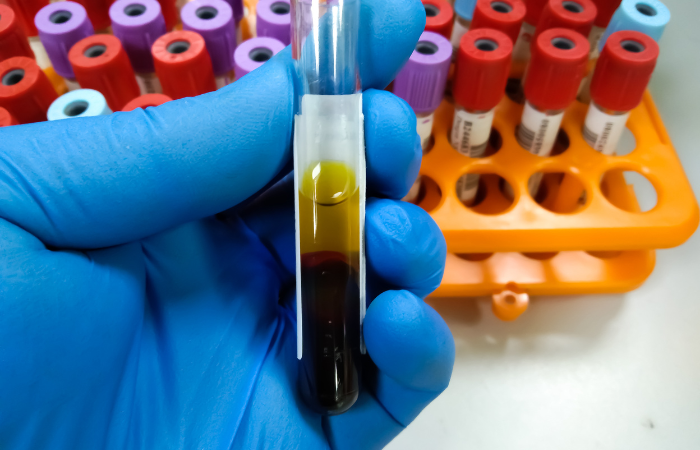
Medical Pathology: Focuses on biological data. It uses laboratory analysis of bodily tissues, fluids, and cells (like blood tests, biopsies). The outcome is a pathological report identifying diseases (e.g., cancer, infections). It's often quantitative and concrete.
Pathological Demand Avoidance (PDA): Focuses on behavioral and developmental observation. It relies on clinical interviews, history-taking, and standardized assessments by psychologists or psychiatrists. The outcome is a clinical profile within the autism spectrum, characterized by extreme avoidance of demands driven by anxiety and a need for control. It's qualitative and observational.
Costing in the Diagnostic Journey (Diagnopein)
The financial aspect of diagnosis varies widely:
Medical Pathology Tests: Costs depend on the test complexity—from standard blood panels to advanced genomic sequencing. Insurance coverage is a major factor.
Neurodevelopmental Assessment (for PDA): This can involve significant investment. Costs include specialist fees (often privately due to long public waitlists), multiple assessment sessions, and report writing. It's crucial to view this not as an expense but as a critical investment in future well-being, guiding all subsequent support, which can save resources in the long run.
Finding Comfort Through Diagnosis
The end goal of diagnopein is comfort—not just physical, but psychological and emotional.
Comfort in Strategy: A pathological diagnosis tells doctors what to treat. A PDA diagnosis tells families and educators how to support—emphasizing flexibility, humor, and depersonalizing meltdowns.
Comfort in Community: Diagnosis connects you to others with similar pathological conditions or PDA profiles, fostering a sense of belonging and shared wisdom.
Comfort in Self-Acceptance: It allows individuals to reframe their experiences through a lens of understanding, replacing shame with self-advocacy.
Why Choose a Diagnostic Path (Diagnopein)?
Embarking on a diagnostic process is the first step from uncertainty to understanding. In pathology, this involves tests and analyses to identify diseases. For Pathological Demand Avoidance, it involves specialized behavioral assessment. Choosing this path is not about labeling; it's about illumination.
For Medical Pathology: It transforms symptoms into a defined condition, guiding targeted treatment. An accurate pathological report can be the difference between effective therapy and guesswork.
For Behavioral Profiles (PDA): It validates personal experiences. Understanding a pathological demand avoidance profile explains a person's intense need for autonomy and anxiety-driven avoidance of everyday demands, framing it not as defiance but as a neurological difference.
Conclusion with Diagnopein
The journey of diagnopein—whether navigating the labs of pathology or the nuanced assessments for pathological demand avoidance—is a profound step toward empowerment. It transforms a pathological condition from a frightening unknown into a manageable known. It reframes pathological behaviors from willful acts to understood responses.





















.jpg "diabetes")




.jpg "pcos lifestyle")


































.jpg "FSH Test")






.jpg "urine potassium in hypokalemia")





















.jpg "How to Prevent Hepatitis")

.jpg "Acute-Phase Reactants")
.jpg "Anemia: Causes")

.jpg "Manage Cirrhosis")

.jpg "Types of Tuberculosis")
.png "Tested for Multiple Myeloma")

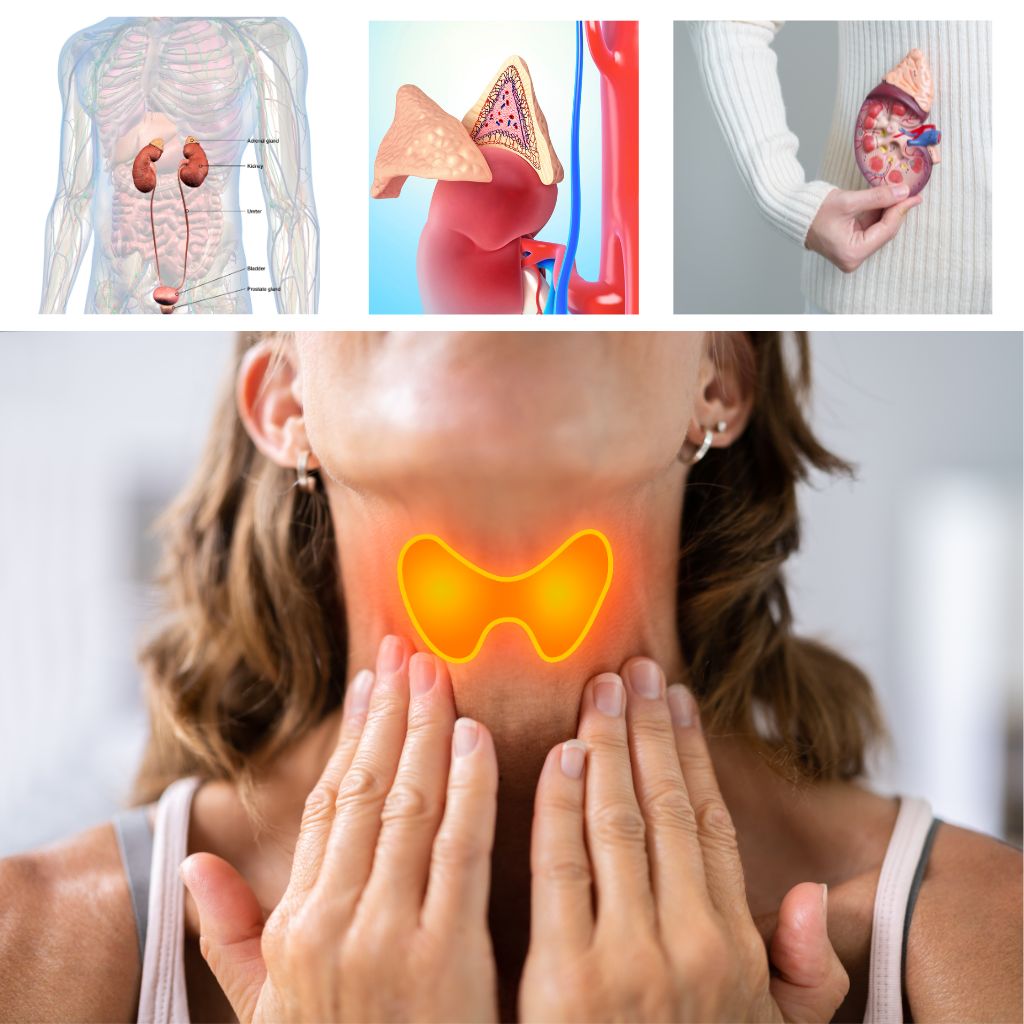

 (1).jpg "Urine Cortisol Test at Diagnopein")
 (1).jpg "Aldolase & its role")
 (1).jpg "Beta-Thalassemia Major at Diagnopein")
.jpg "Typhoid treatment")
 (1).jpg "Kidney Stones Demystified")
 (1).jpg "Blood infection signs & diagnosis")
 (1).jpg "From HIV to AIDS")


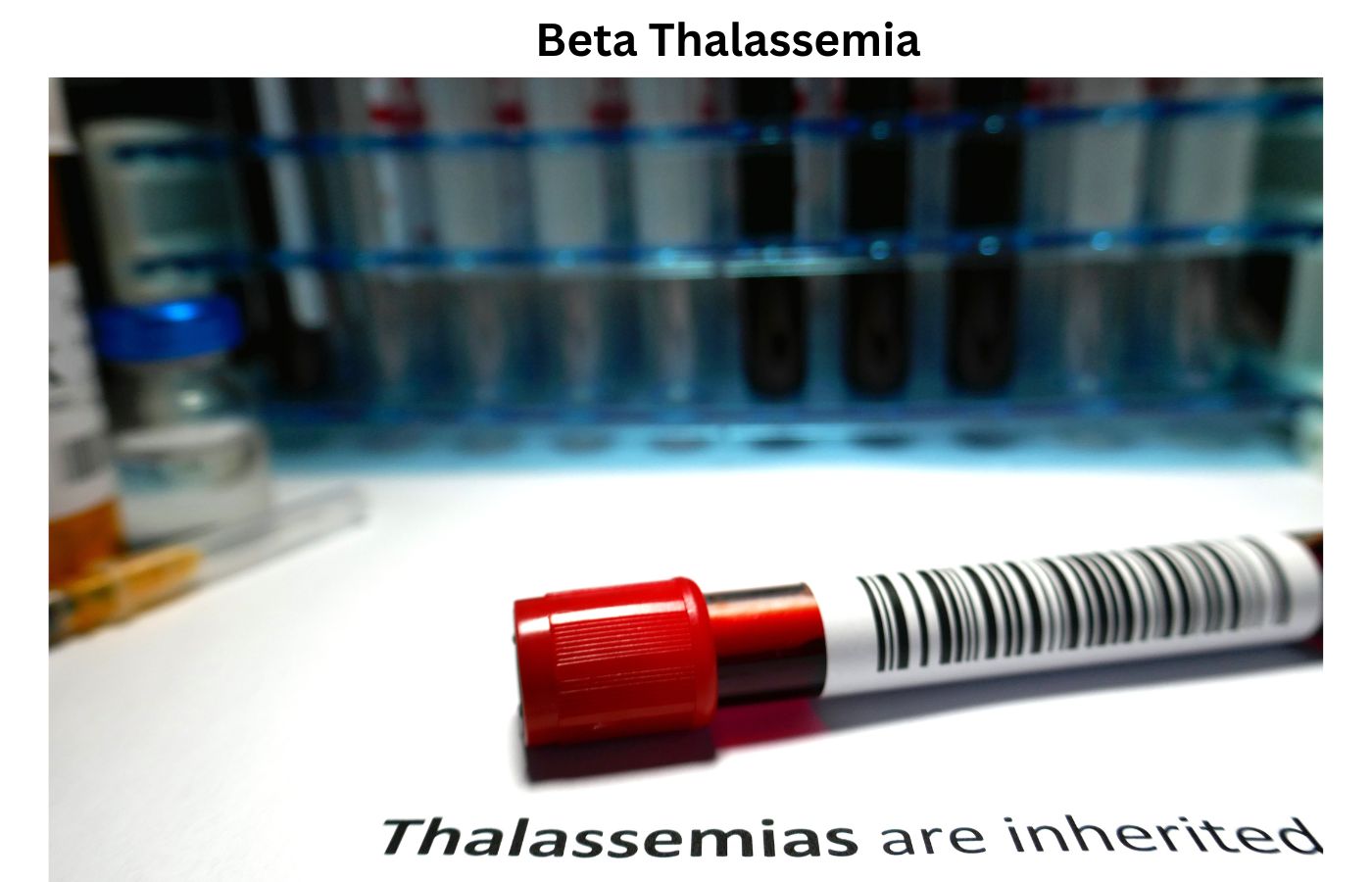
.jpg "Multiple Myeloma")
 (1).jpg "Know about Chikungunya Fever")
.jpg "Diagnopein Stands Out")
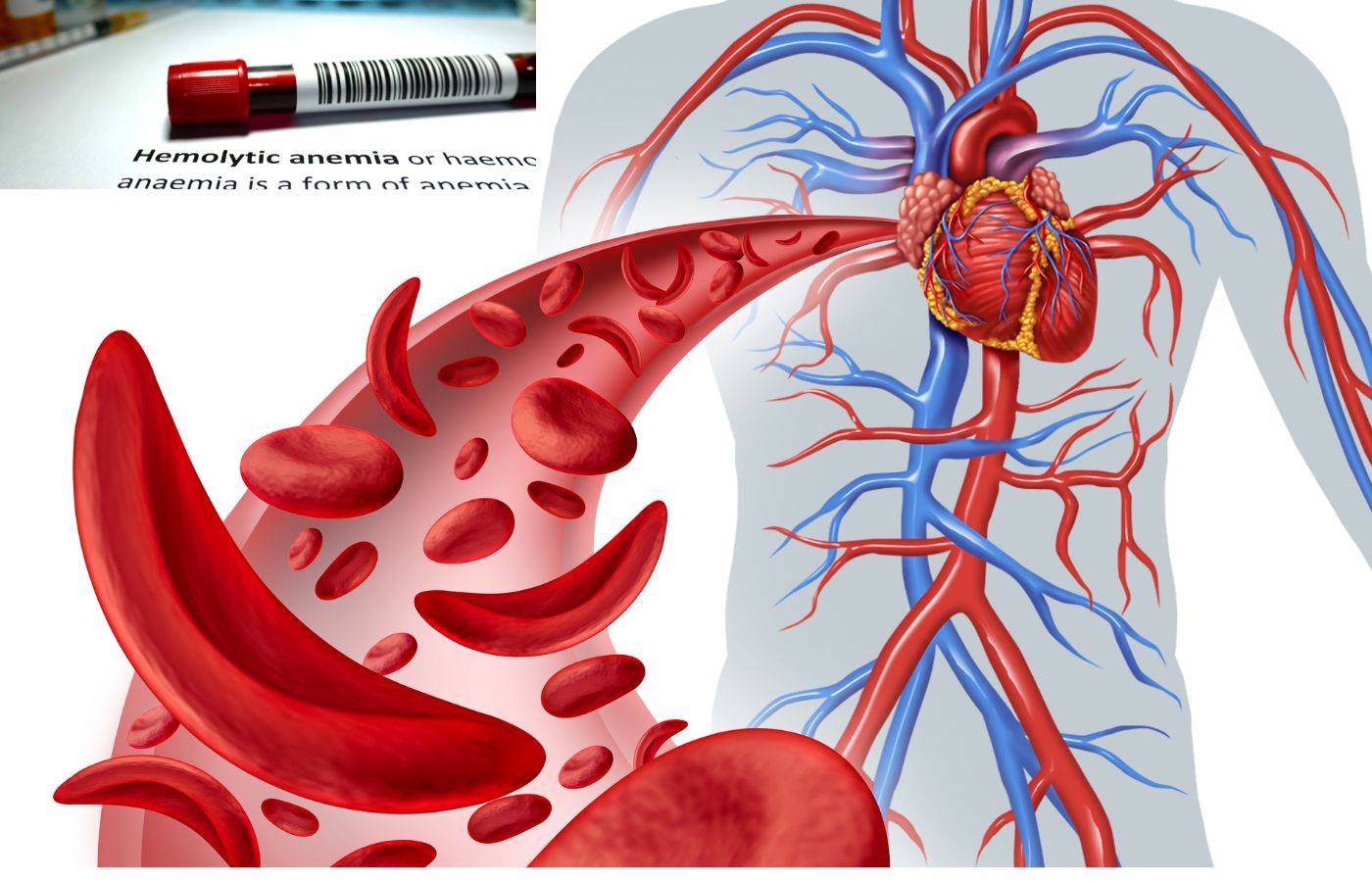

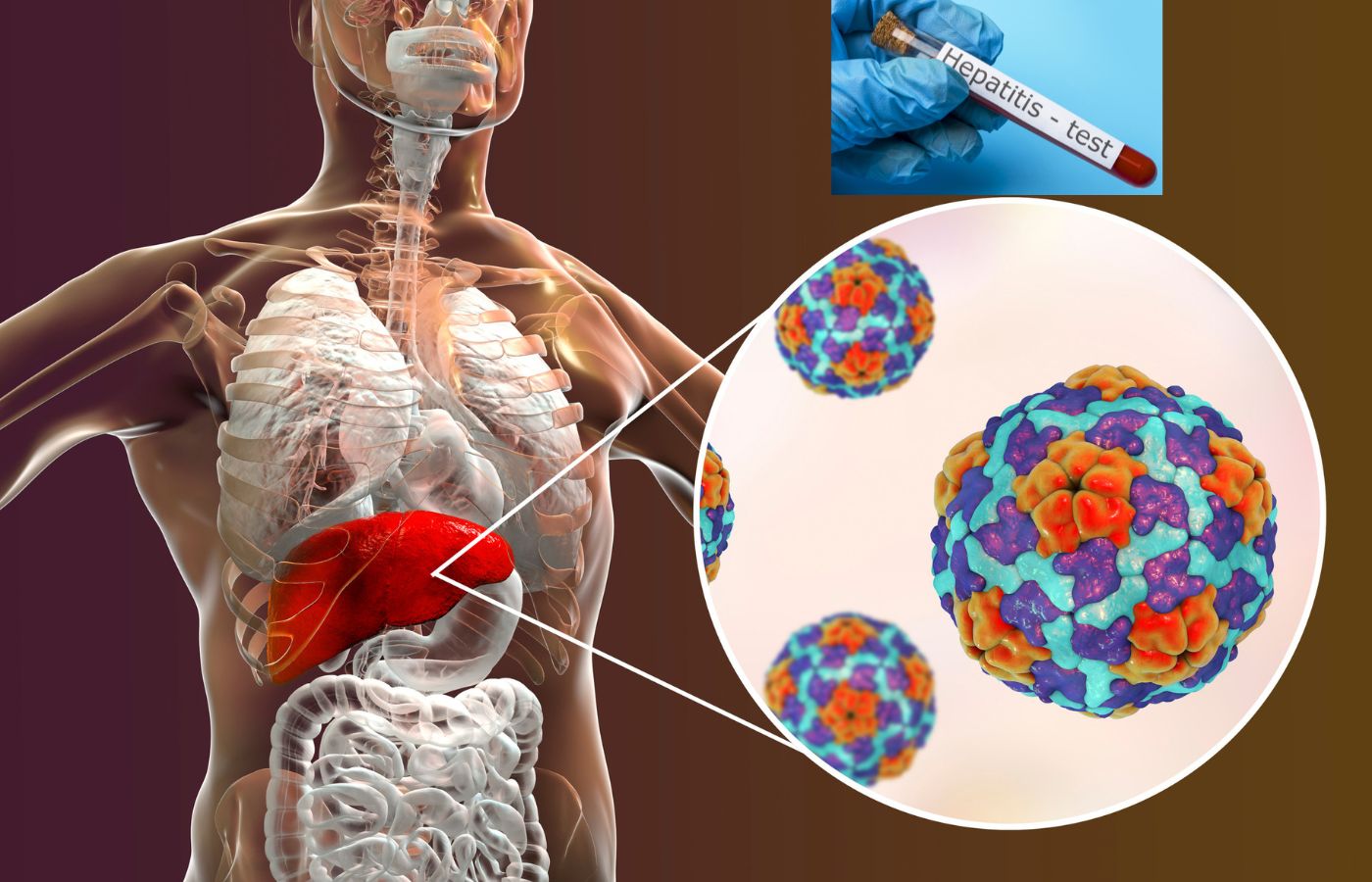










 disorders.jpg "gastrointestinal (GI) disorders")






.jpg "symptoms of Chikungunya & How is Chikungunya diagnosed?")


.jpg "COMMON PATHALOGICAL BLOOD TESTS")






















.png "how to manage diabetes")