Potassium is a critical electrolyte that keeps your heart, muscles, and nerves functioning properly. When your doctor suspects an imbalance—due to symptoms like fatigue, muscle cramps, or irregular heartbeat—they often recommend a potassium test. But which one is right for you: a urine spot potassium test or a serum potassium test? Let’s break down the differences to help you make an informed decision.
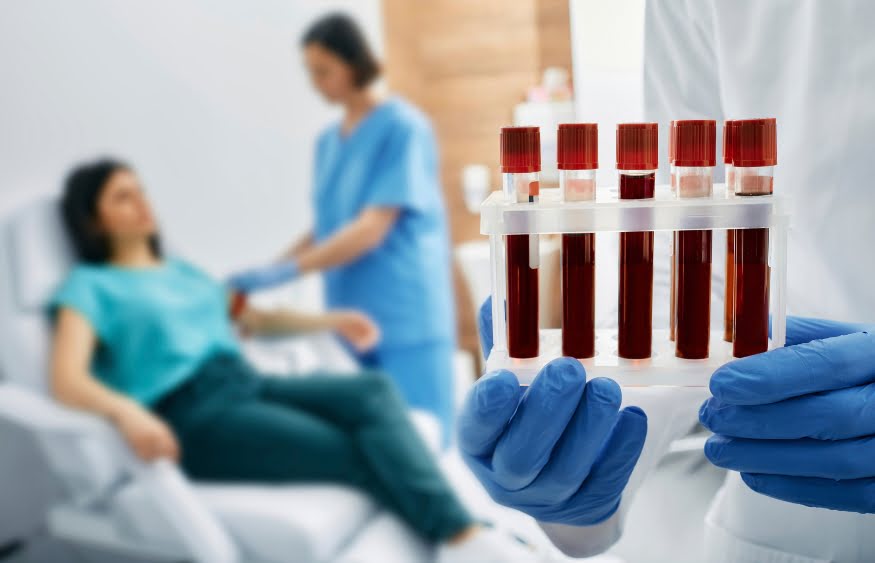
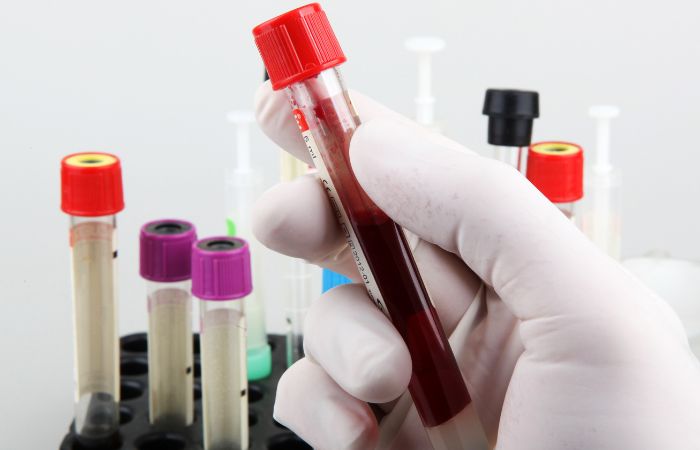
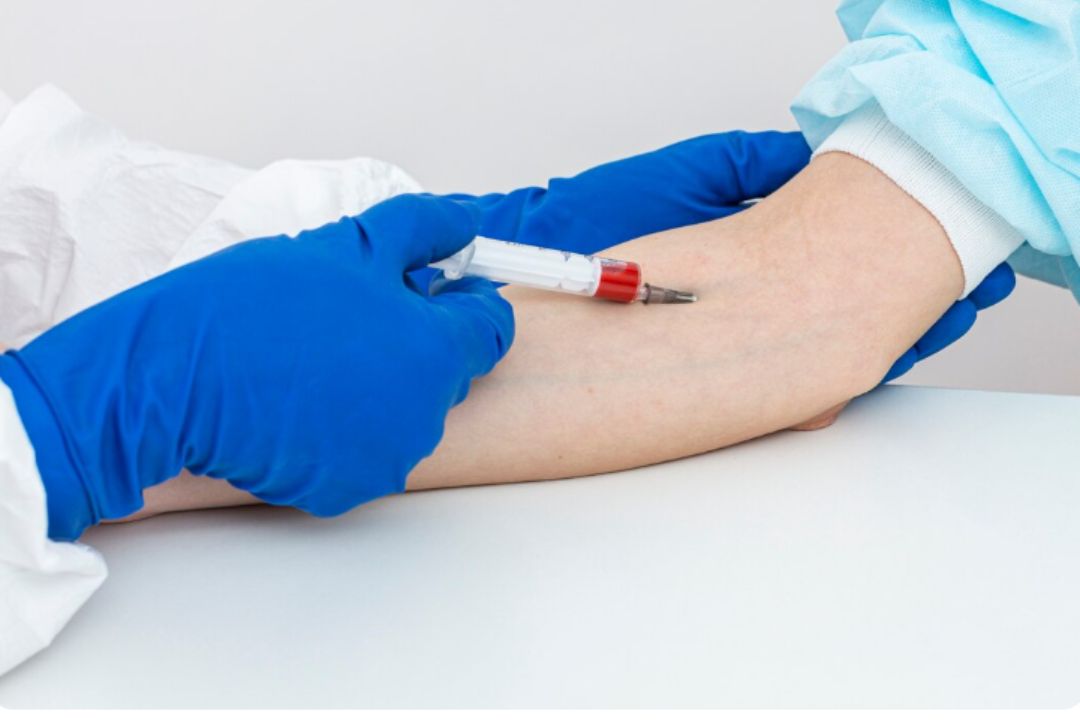
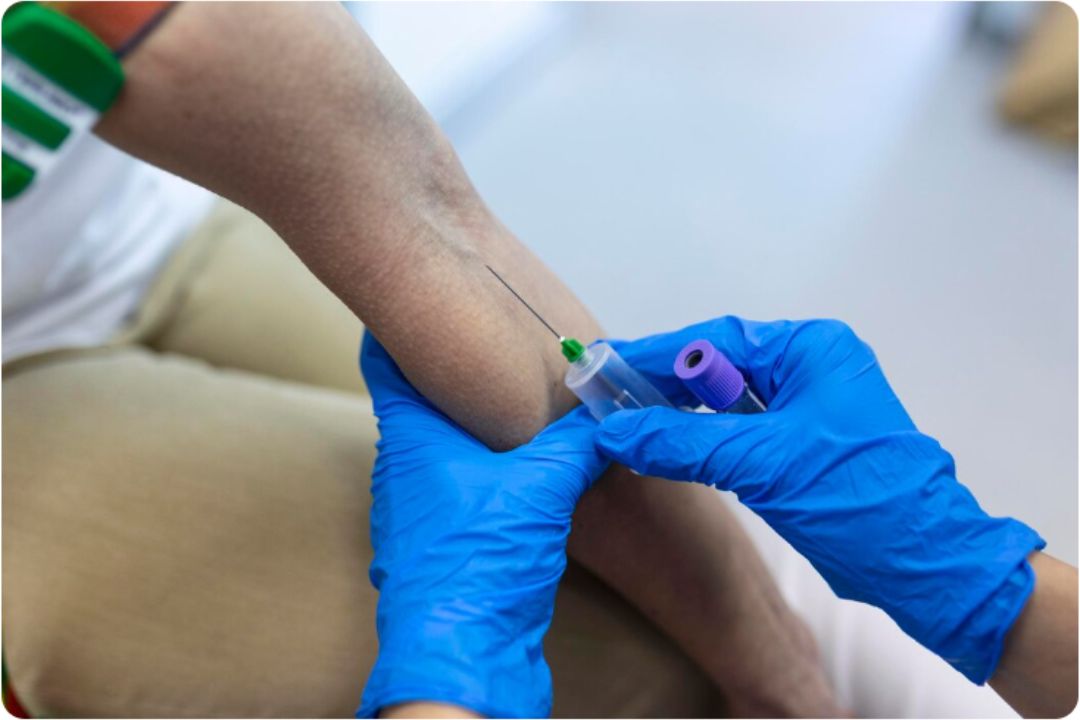
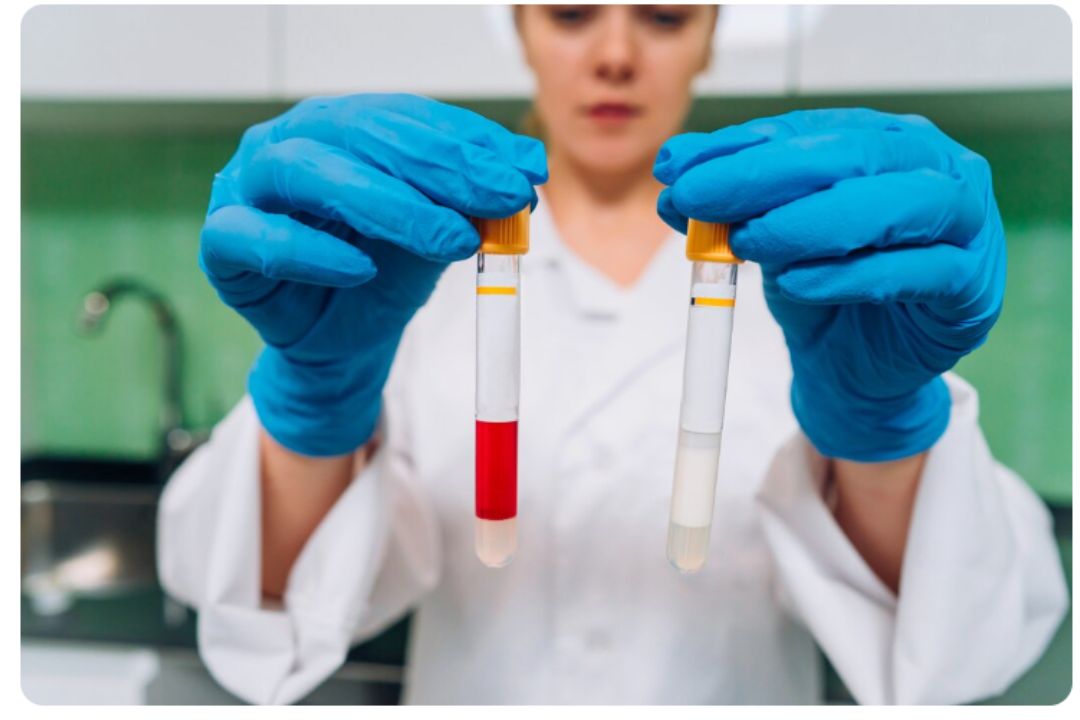
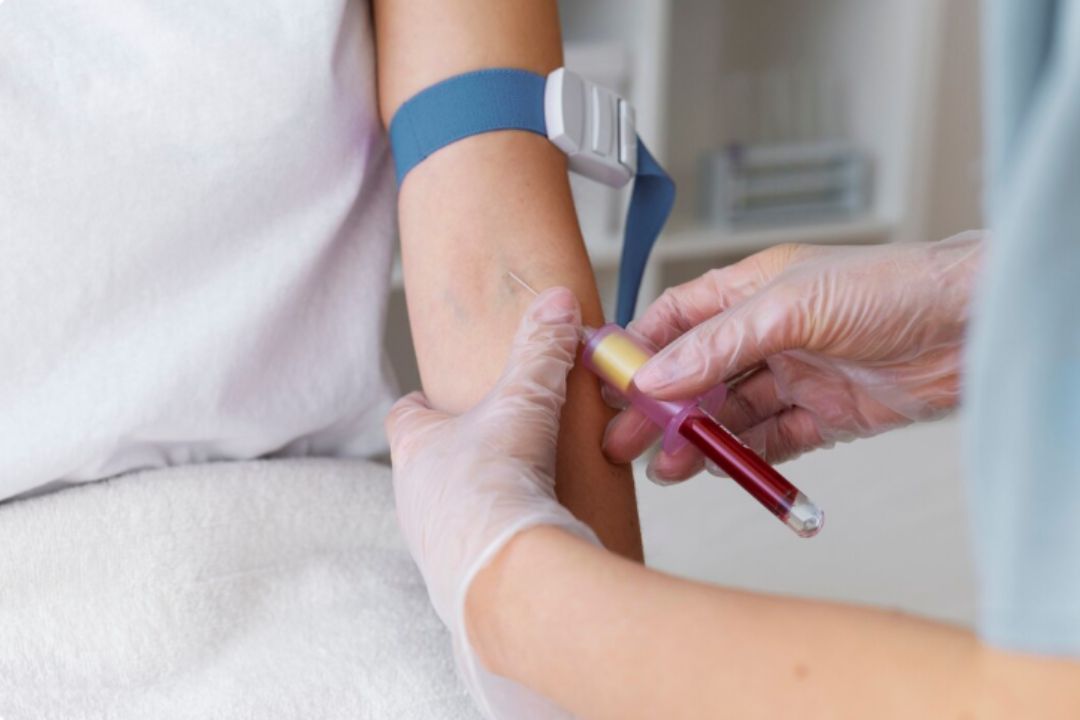
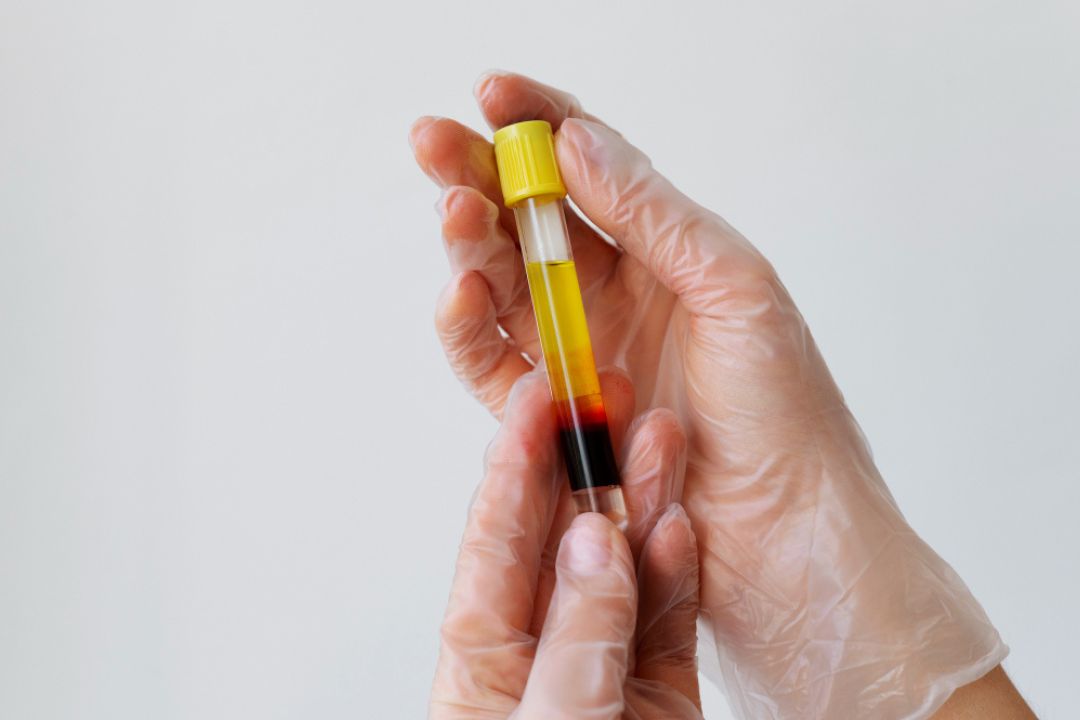
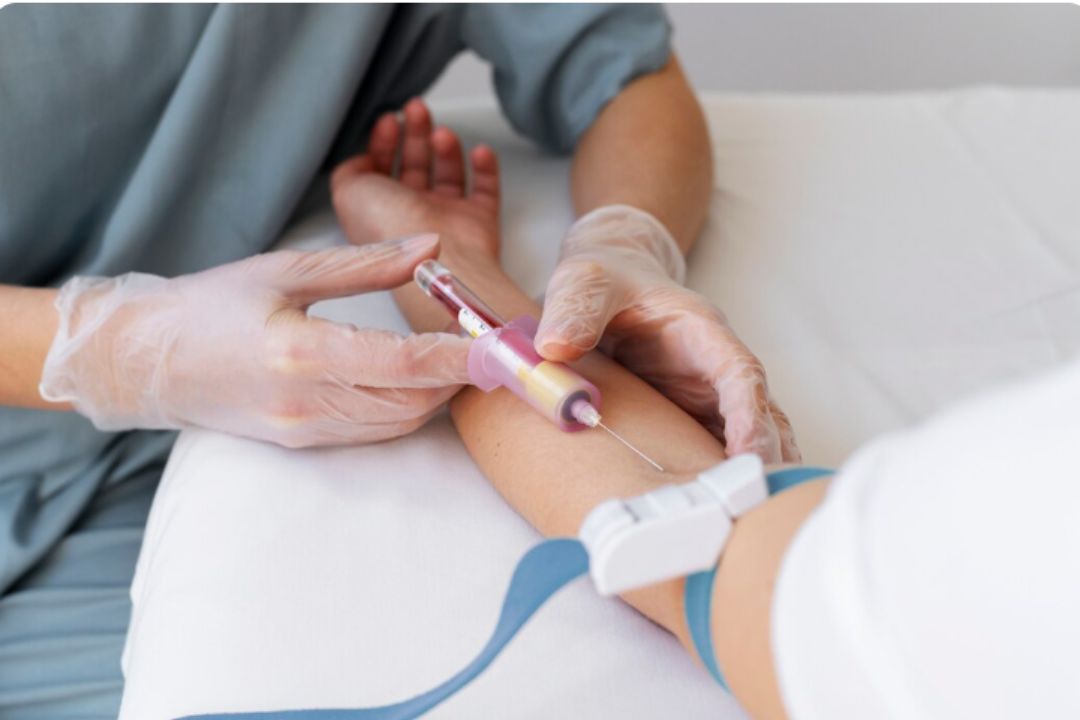
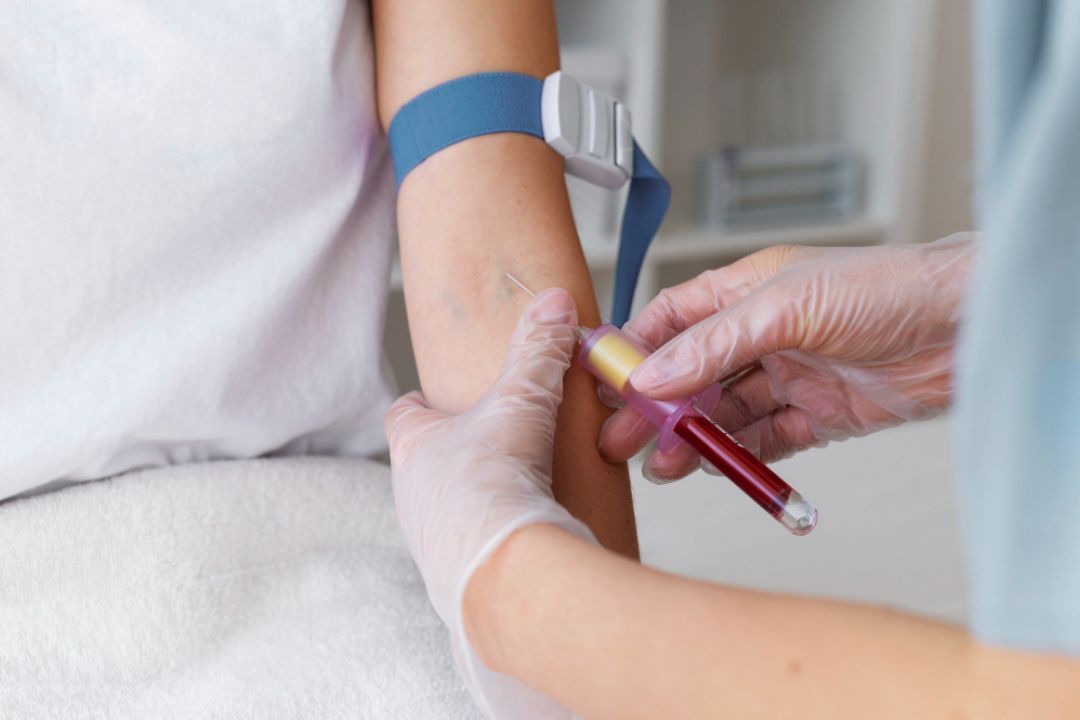
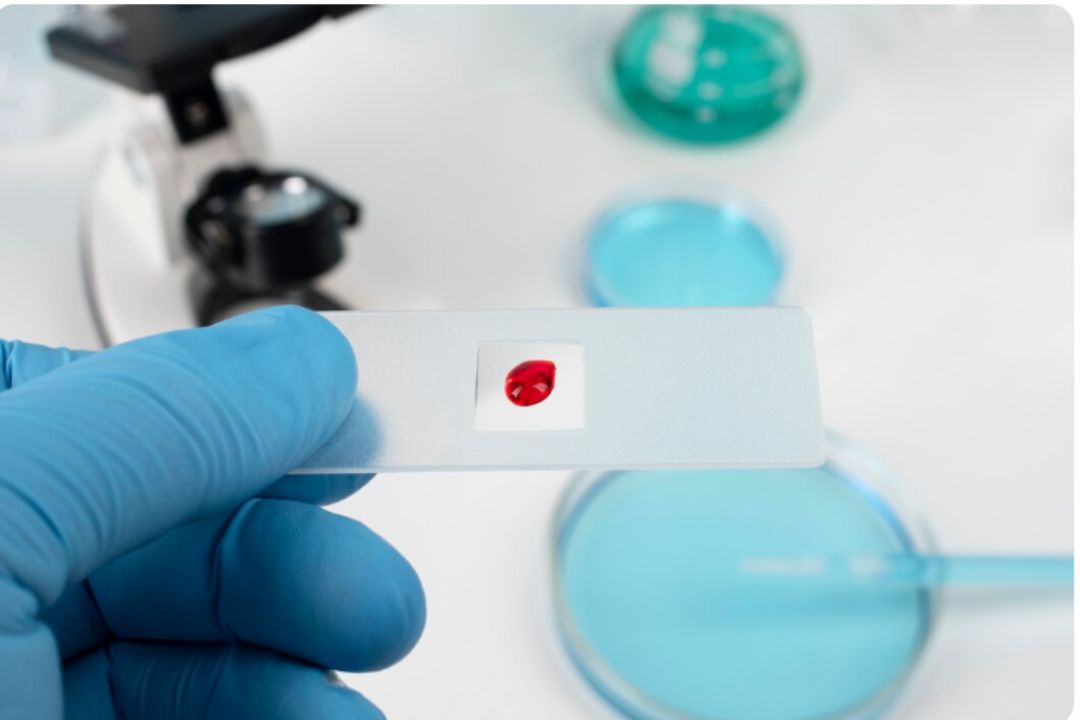
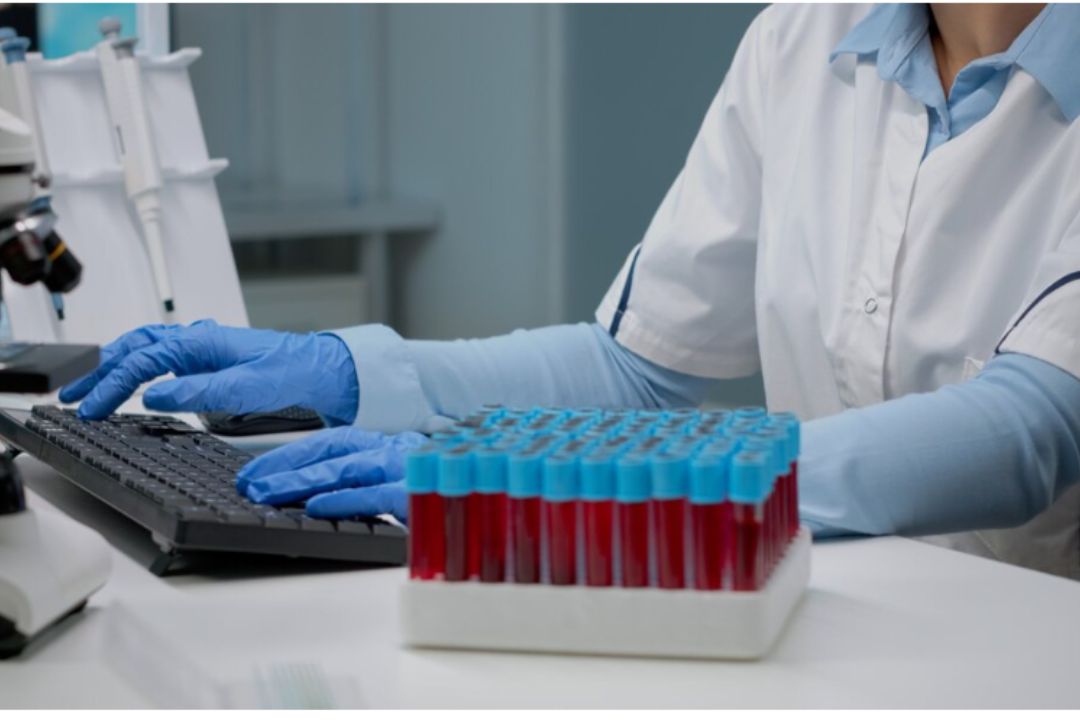
Serum Potassium Test: This is the most common blood test that measures the level of potassium in your blood. It’s often part of a routine metabolic panel and provides a snapshot of your current blood potassium levels.
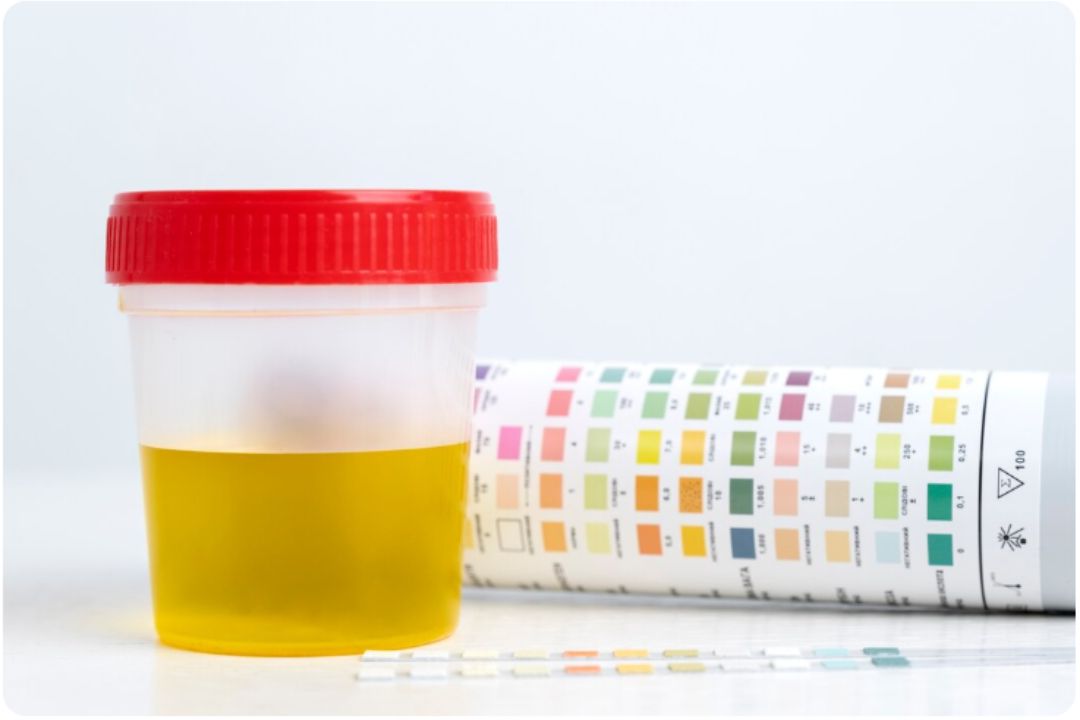
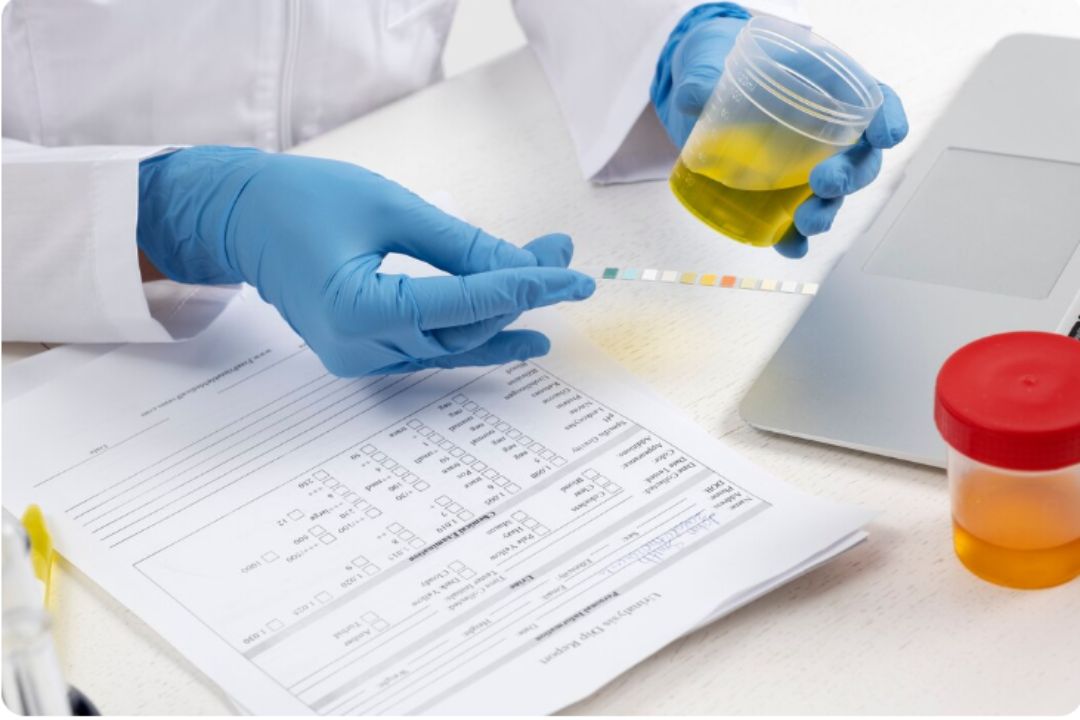
Urine Spot Potassium Test: This test measures the amount of potassium in a single urine sample. It helps assess how well your kidneys are excreting potassium and can identify issues related to kidney function or hormone imbalances.
Serum Potassium Test:
Immediate Snapshot: Offers real-time insight into your blood potassium levels.
Widely Used: Standard for diagnosing hyperkalemia (high potassium) or hypokalemia (low potassium).
Quick Results: Often processed rapidly in labs.
Kidney Function Insight: Helps determine if your kidneys are properly excreting potassium.
Convenience: Non-invasive and easy to collect.
Diagnostic Clarity: Useful for differentiating between kidney-related issues and other causes of potassium imbalance.
| Aspect | Urine Spot Potassium Test | Serum Potassium Test |
|---|---|---|
| Sample Type | Single urine sample | Blood sample |
| Purpose | Assess kidney excretion of potassium | Measure current blood potassium levels |
| Normal Range | Spot urine potassium normal range: 25–125 mEq/L* | Serum potassium normal range: 3.5–5.0 mEq/L |
| Invasiveness | Non-invasive | Minimally invasive (blood draw) |
| Turnaround Time | Usually 1–2 days | Often same day or within hours |
Costing: The urine spot potassium test is generally more affordable than a serum potassium test, as it doesn’t require blood collection equipment or specialized personnel. However, costs can vary based on your location and healthcare provider.
Comfort: For those wary of needles, the potassium spot urine test is a comfortable, stress-free alternative. It involves simply providing a urine sample in a sterile container.
Choose Serum Potassium if you need a quick assessment of your overall potassium status, especially in emergencies or for monitoring conditions like hypertension or heart disease.
Choose Urine Spot Potassium if your doctor suspects kidney disorders, adrenal gland issues, or wants to evaluate the cause of persistent potassium imbalances.
At Diagnopein, we prioritize accuracy, convenience, and patient comfort. Our state-of-the-art facilities ensure precise results for both urine potassium tests and serum potassium tests. With easy sample collection, fast turnaround times, and expert consultation, we make diagnostic testing seamless and reliable. Whether you need a spot urine potassium test or a comprehensive metabolic panel, Diagnopein is your trusted partner in health.
Both urine spot potassium and serum potassium tests play vital roles in diagnosing and managing potassium-related health issues. Your choice depends on your specific symptoms, medical history, and doctor’s recommendation. For accurate, affordable, and comfortable testing, turn to Diagnopein. We’re here to guide you every step of the way toward better health.























.jpg "diabetes")



.jpg "pcos lifestyle")






























.jpg "FSH Test")






.jpg "urine potassium in hypokalemia")
















.jpg "How to Prevent Hepatitis")

.jpg "Acute-Phase Reactants")
.jpg "Anemia: Causes")

.jpg "Manage Cirrhosis")

.jpg "Types of Tuberculosis")
.png "Tested for Multiple Myeloma")



 (1).jpg "Urine Cortisol Test at Diagnopein")
 (1).jpg "Aldolase & its role")
 (1).jpg "Beta-Thalassemia Major at Diagnopein")
.jpg "Typhoid treatment")
 (1).jpg "Kidney Stones Demystified")
 (1).jpg "Blood infection signs & diagnosis")
 (1).jpg "From HIV to AIDS")


.jpg "Multiple Myeloma")
 (1).jpg "Know about Chikungunya Fever")
.jpg "Diagnopein Stands Out")












 disorders.jpg "gastrointestinal (GI) disorders")








.jpg "symptoms of Chikungunya & How is Chikungunya diagnosed?")


.jpg "COMMON PATHALOGICAL BLOOD TESTS")



















.png "how to manage diabetes")