Navigating fertility testing can be overwhelming, especially when deciding between key tests like AMH (Anti-Müllerian Hormone) and FSH (Follicle-Stimulating Hormone). Both are critical for assessing ovarian reserve and fertility health, but which one is more accurate? Let’s dive into a detailed comparison to help you make an informed choice.
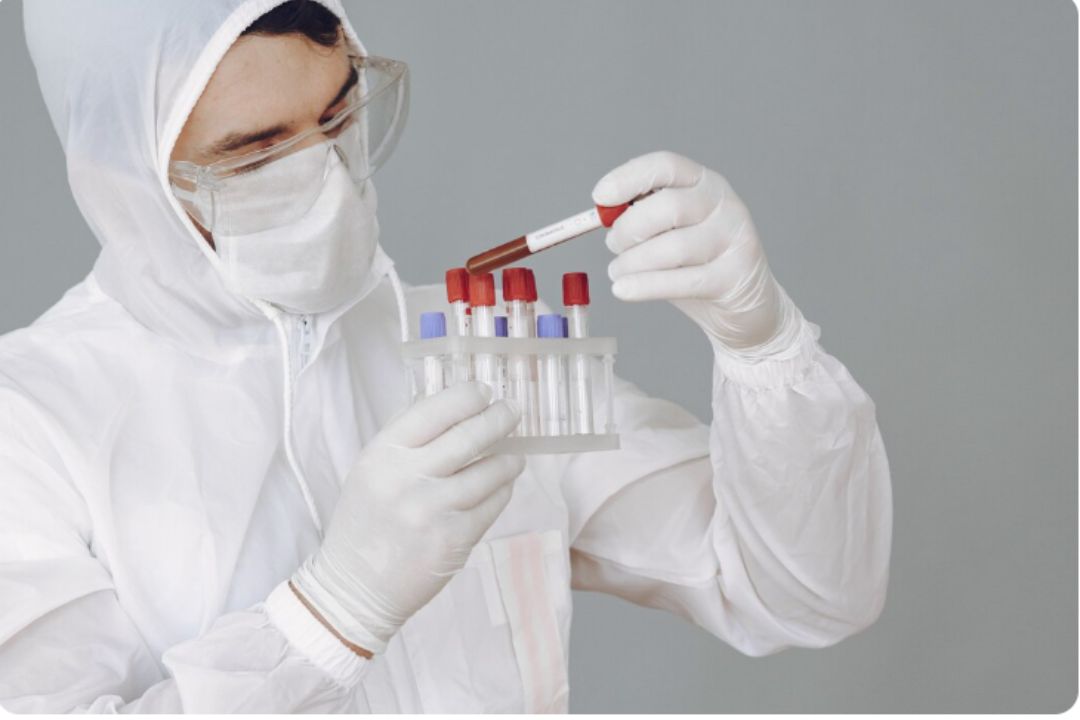
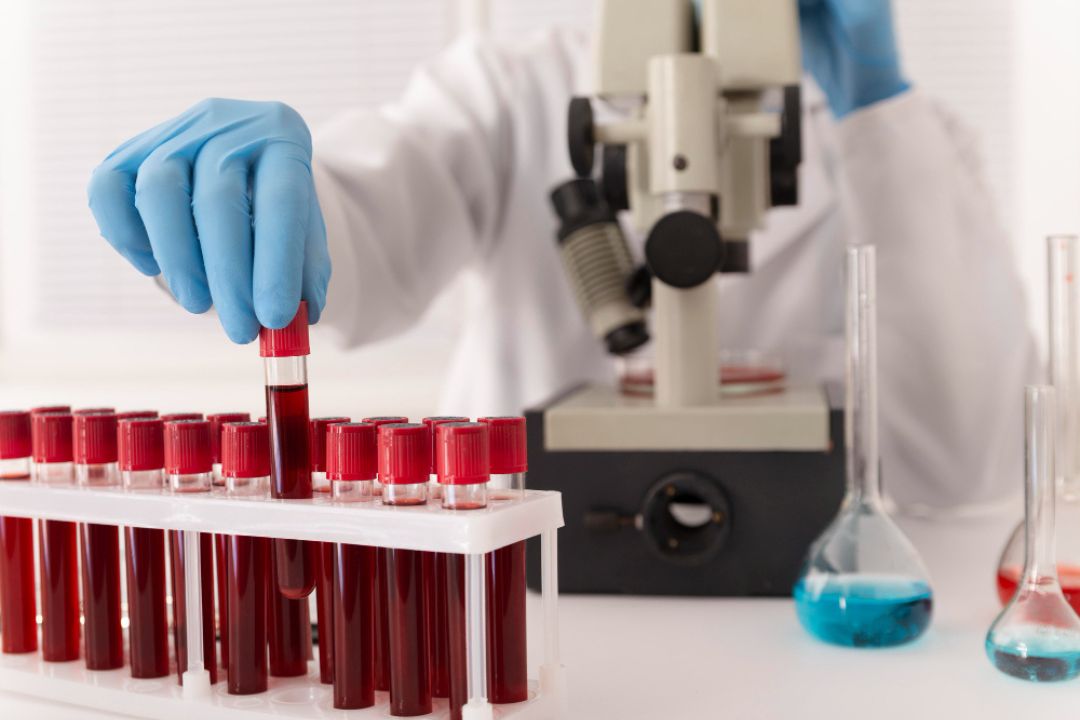
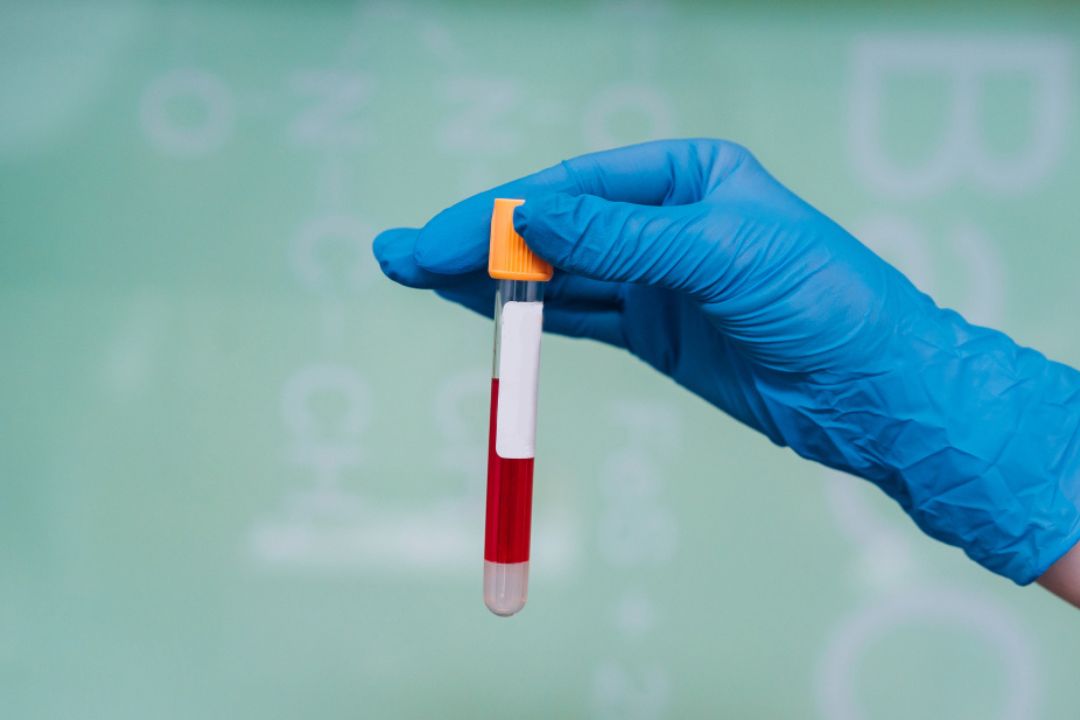
AMH Test: This blood test measures Anti-Müllerian Hormone, produced by small ovarian follicles. It reflects your ovarian reserve—the number of eggs remaining—and is stable throughout your menstrual cycle, making it highly reliable.
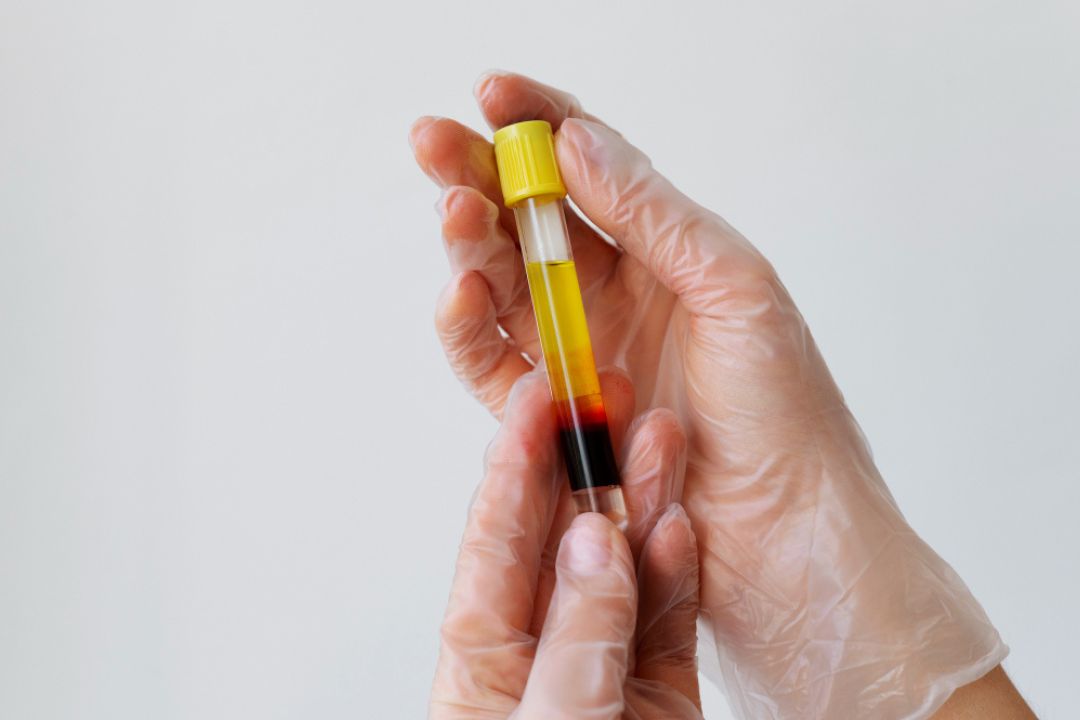
FSH Test: This blood test measures Follicle-Stimulating Hormone, which regulates egg production. FSH levels fluctuate during your cycle (typically tested on day 3) and rise as ovarian reserve declines, but they can be influenced by factors like age, stress, or medications.
While both tests assess fertility, AMH is often considered more accurate for predicting ovarian reserve. Here’s why:
Consistency: AMH levels remain stable across your cycle, allowing testing anytime. FSH must be measured on specific days (e.g., day 3 of your cycle), and variations can affect results.
Early Detection: AMH detects declining ovarian reserve earlier than FSH, providing a heads-up for family planning.
Predictive Power: AMH strongly correlates with egg count and IVF success rates, while FSH is more indicative of hormonal balance and menopause proximity.
However, FSH remains valuable for assessing menopausal transition and pituitary function. For a comprehensive view, doctors often recommend both tests.
Accurate egg count estimation.
Helps plan IVF or fertility treatments.
Useful for diagnosing PCOS (high AMH) or diminished ovarian reserve (low AMH).
Evaluates menstrual cycle regularity.
Assesses menopause onset.
Cost-effective for initial screening.
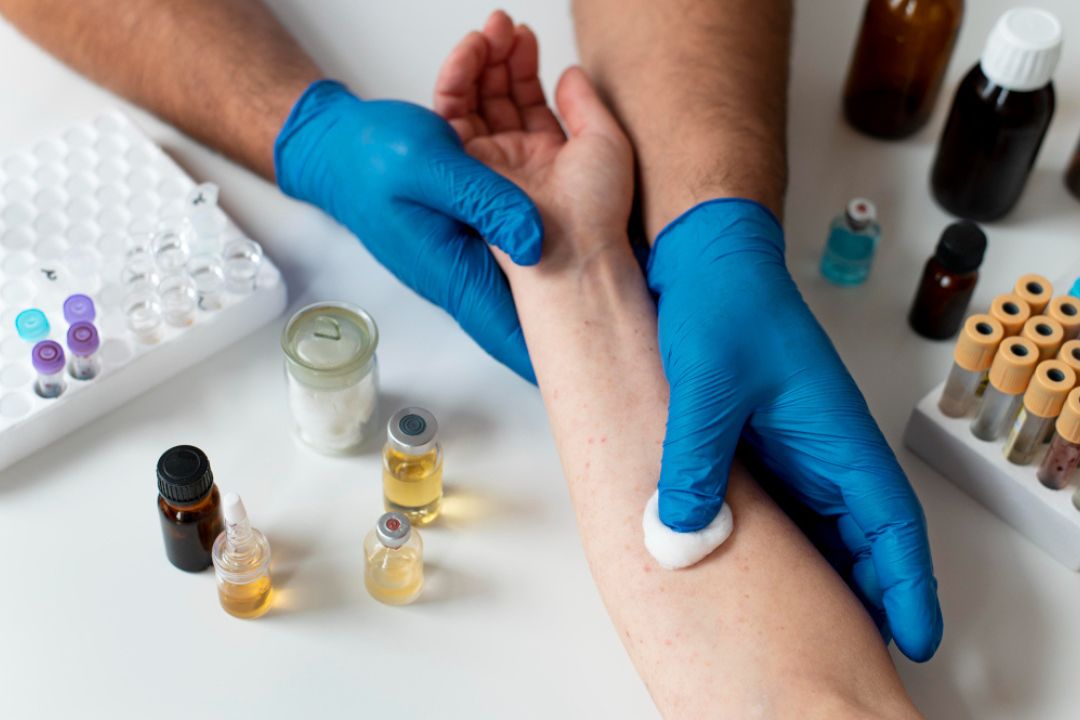
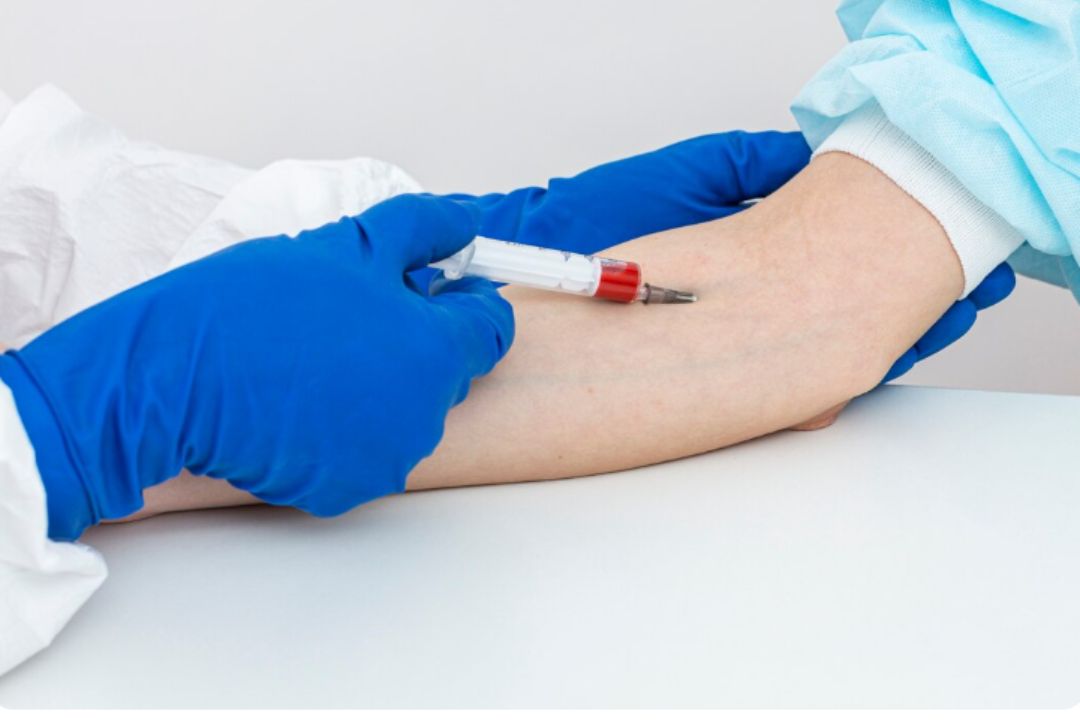
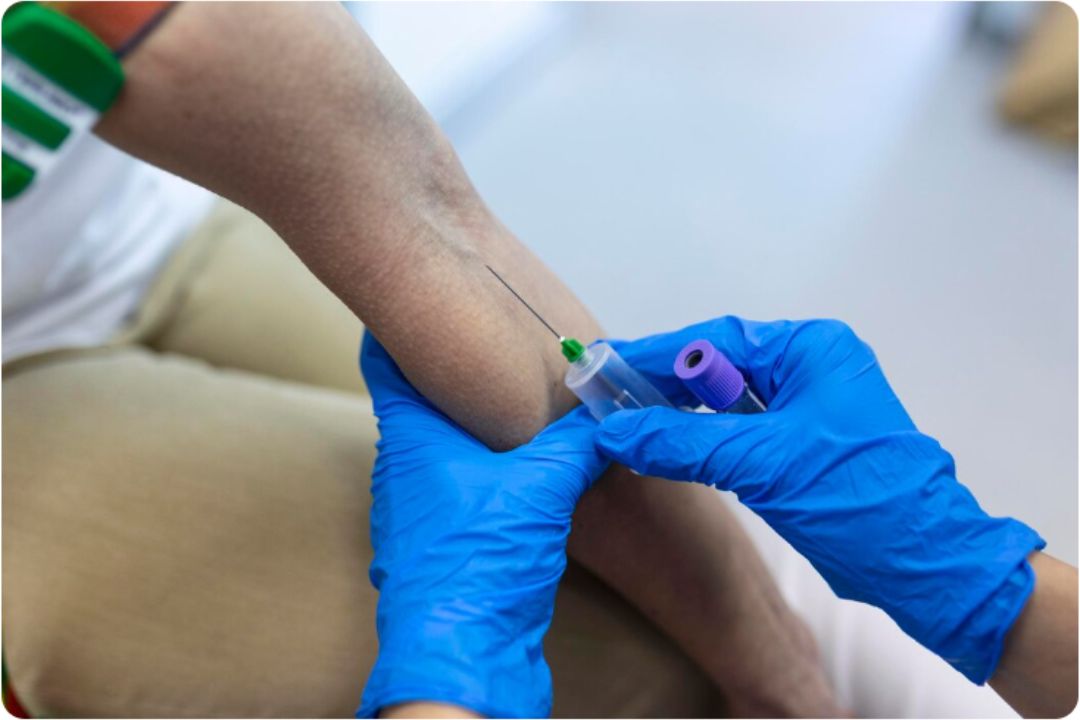
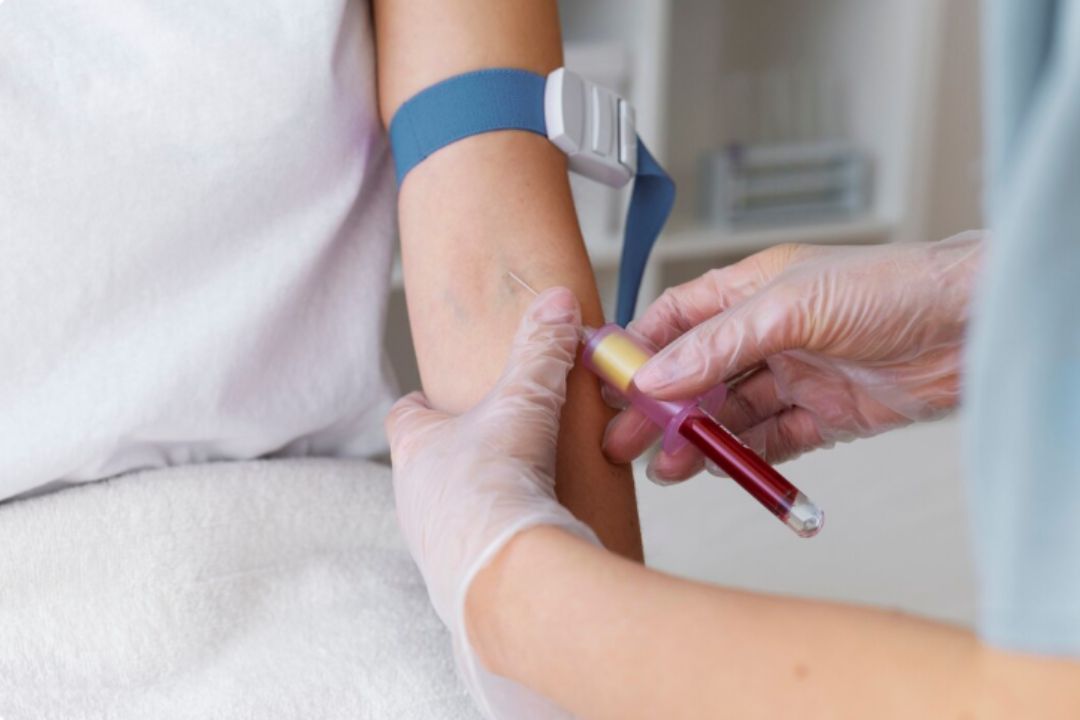
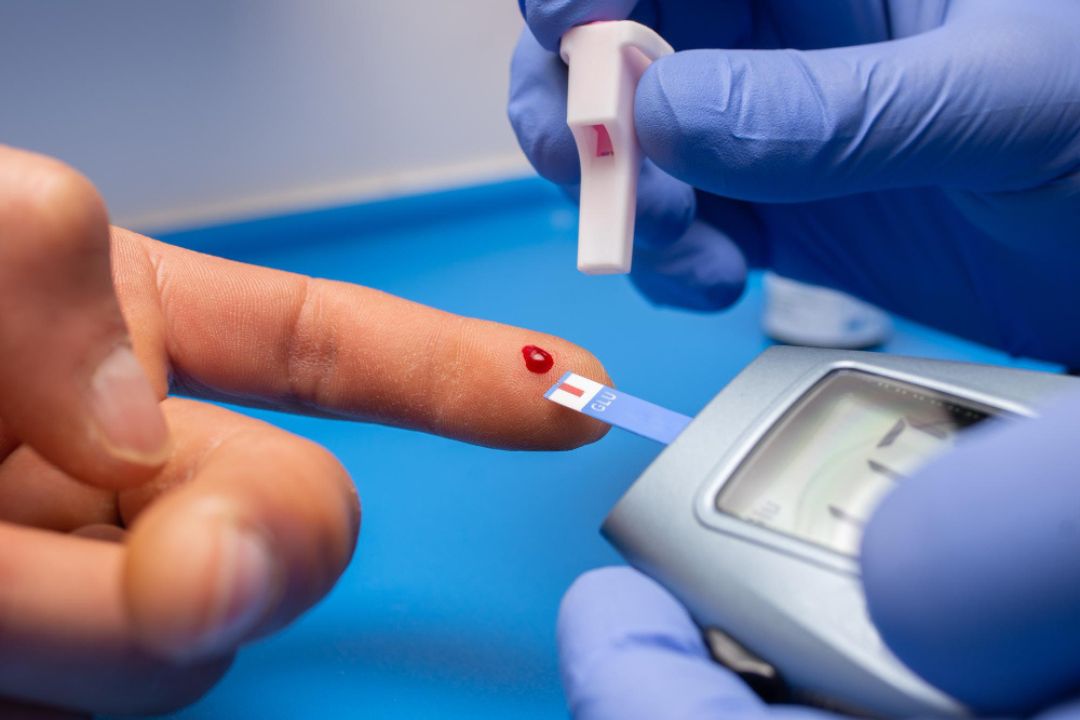
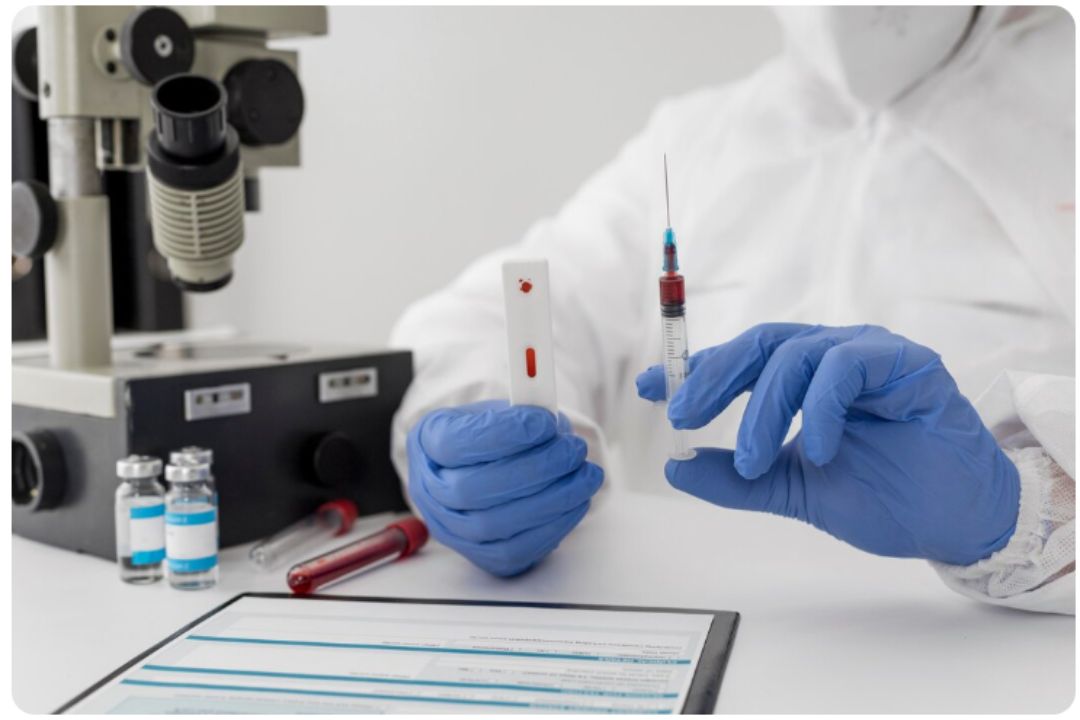
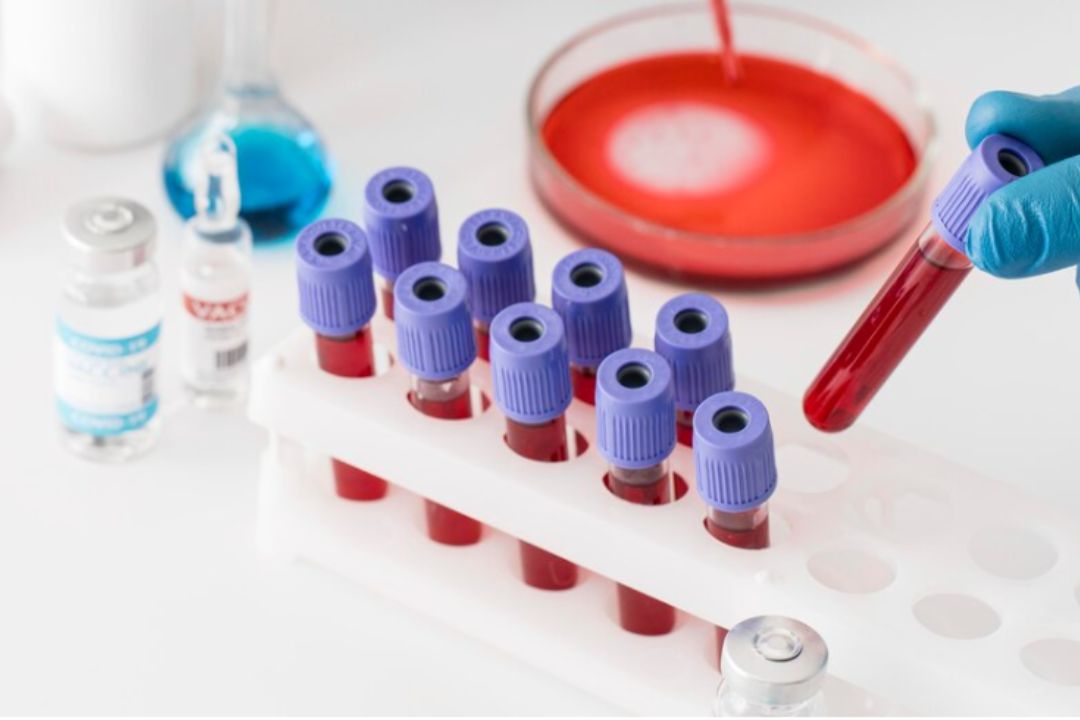
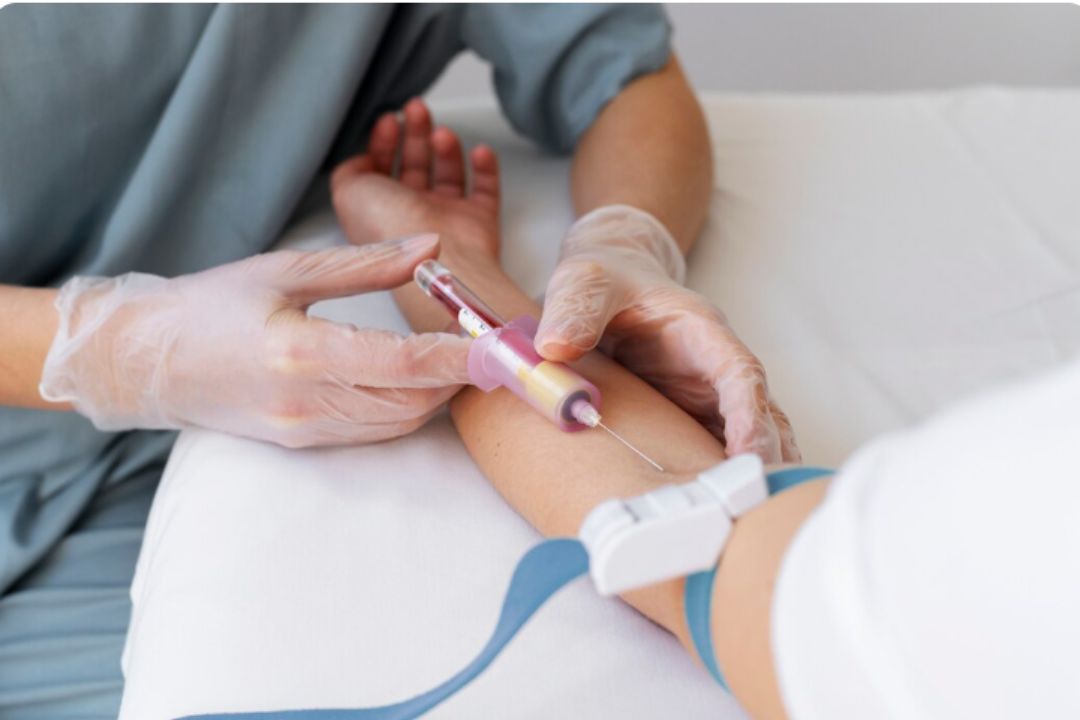
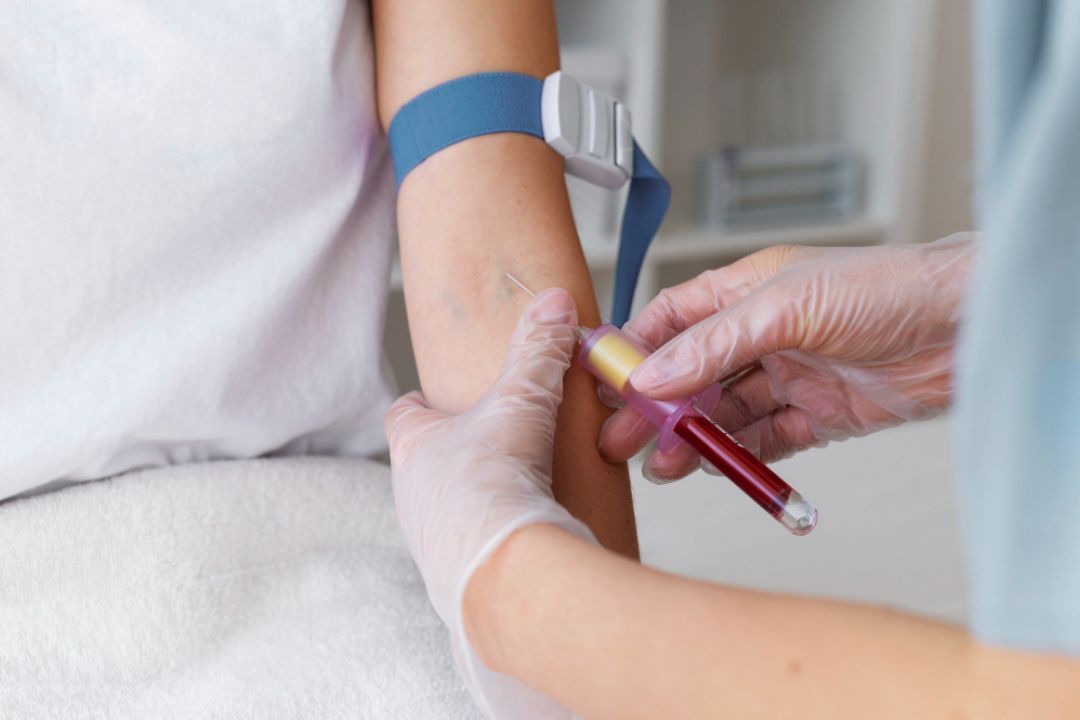
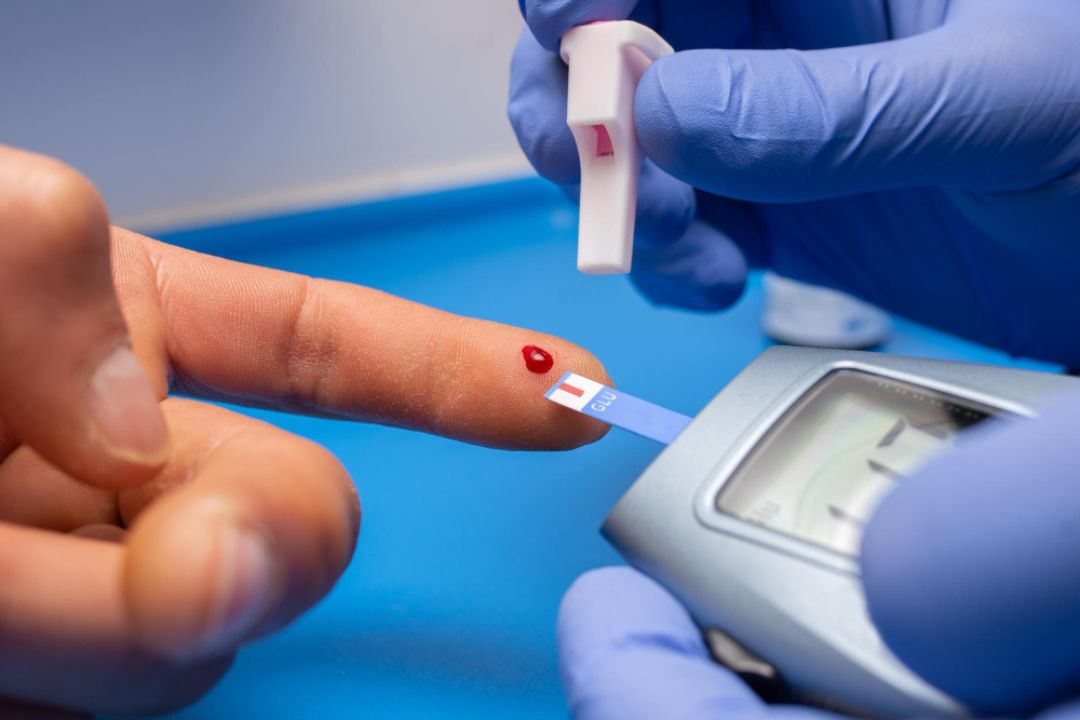
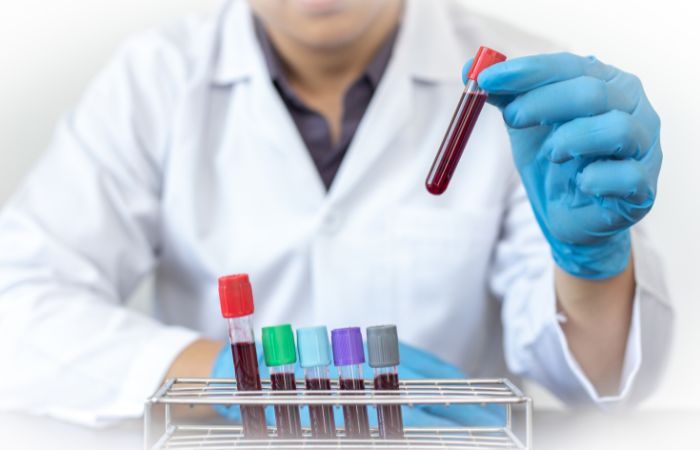
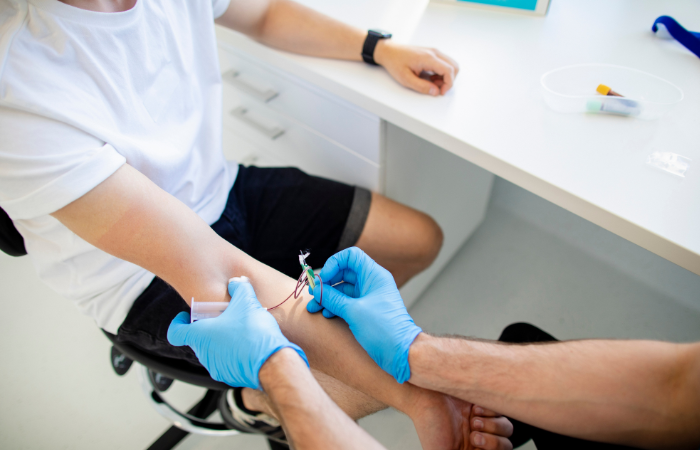
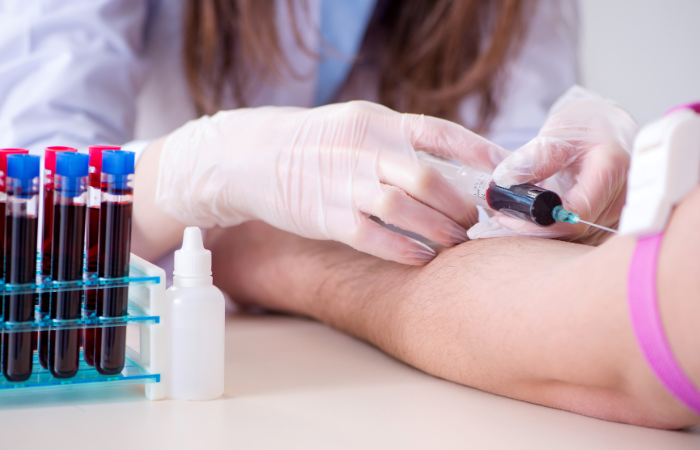
AMH Blood Test: A simple blood draw, often available as an AMH test at home for added privacy and comfort. DiagnoPein offers easy, at-home collection kits with quick results.
FSH Test: Also a blood test but requires cycle-specific timing, which may be less convenient.
AMH Test Cost: Typically ranges , depending on location and insurance. At-home kits may cost extra but offer convenience.
FSH Test Cost: Generally cheaper , but may require multiple tests for accuracy.
Low AMH levels can indicate diminished ovarian reserve, but anti mullerian hormone treatment options exist. These include:
IVF with tailored protocols to optimize egg retrieval.
Supplements like DHEA or CoQ10 to support egg quality.
Lifestyle changes (diet, stress reduction) to improve fertility health.
Consult a specialist for personalized plans.
At DiagnoPein, we simplify fertility testing with:
Accurate, Lab-Certified Tests: Reliable AMH and FSH testing with expert analysis.
At-Home Convenience: Order an AMH test at home or visit our clinics for hassle-free service.
Comprehensive Support: From testing to treatment guidance, we’re with you every step.
Affordable Options: Transparent pricing and insurance assistance.
For accuracy in assessing ovarian reserve, the AMH test often outperforms the FSH test due to its stability and predictive power. However, combining both tests provides a fuller picture of your fertility health. Whether you opt for an AMH blood test or explore anti mullerian hormone treatment, early testing is key to informed family planning.

















.jpg "diabetes")


.jpg "pcos lifestyle")



















.jpg "FSH Test")





.jpg "urine potassium in hypokalemia")








.jpg "How to Prevent Hepatitis")
.jpg "Acute-Phase Reactants")
.jpg "Anemia: Causes")

.jpg "Manage Cirrhosis")
.jpg "Types of Tuberculosis")
.png "Tested for Multiple Myeloma")


 (1).jpg "Urine Cortisol Test at Diagnopein")
 (1).jpg "Aldolase & its role")
 (1).jpg "Beta-Thalassemia Major at Diagnopein")
.jpg "Typhoid treatment")
 (1).jpg "Kidney Stones Demystified")
 (1).jpg "Blood infection signs & diagnosis")
 (1).jpg "From HIV to AIDS")

.jpg "Multiple Myeloma")
 (1).jpg "Know about Chikungunya Fever")
.jpg "Diagnopein Stands Out")





 disorders.jpg "gastrointestinal (GI) disorders")




.jpg "symptoms of Chikungunya & How is Chikungunya diagnosed?")
.jpg "COMMON PATHALOGICAL BLOOD TESTS")












.png "how to manage diabetes")